TRUE VINTAGE 1940’S DRESSY DRESSES FROM AFTER THE WAR YEARS

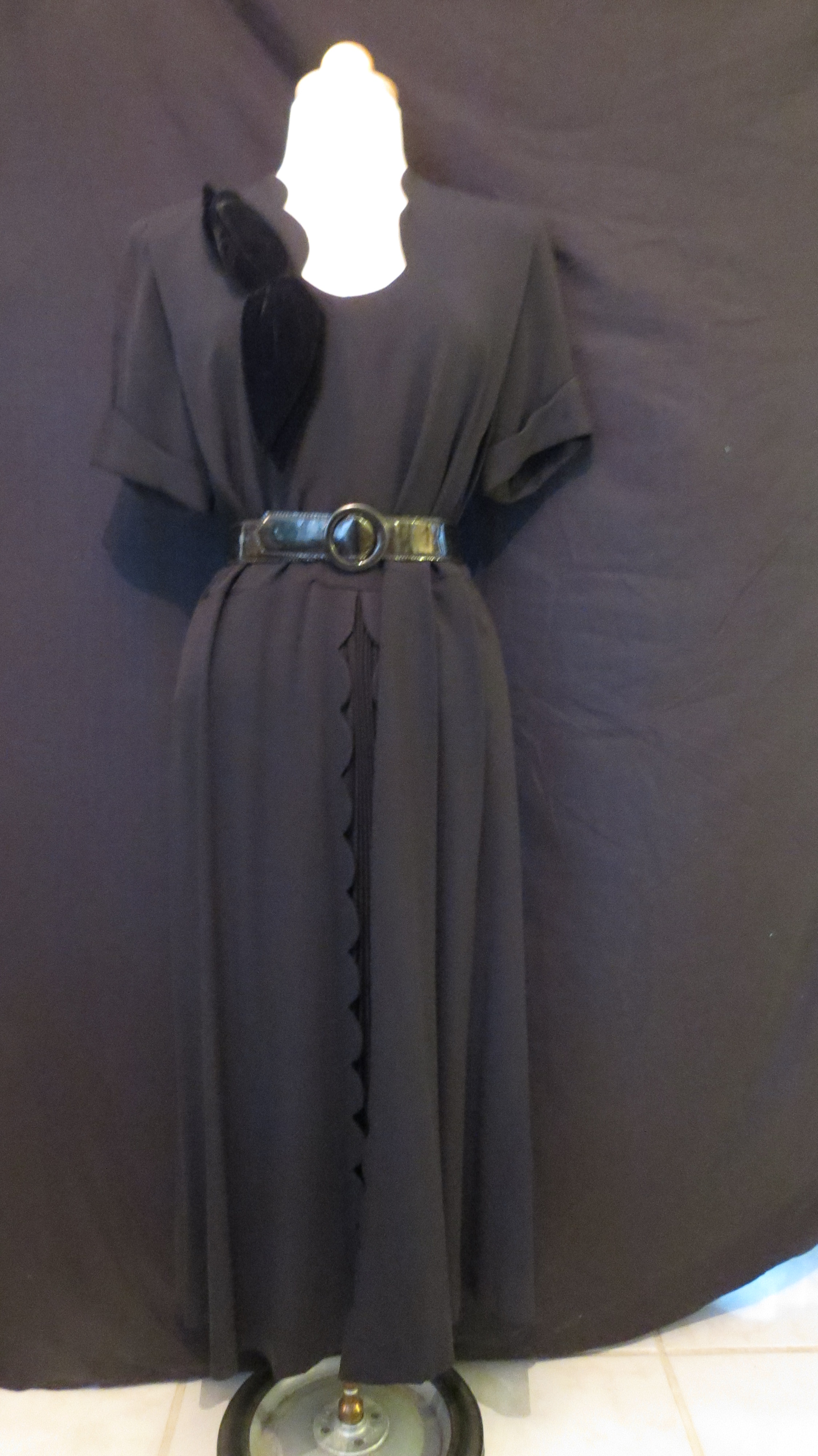
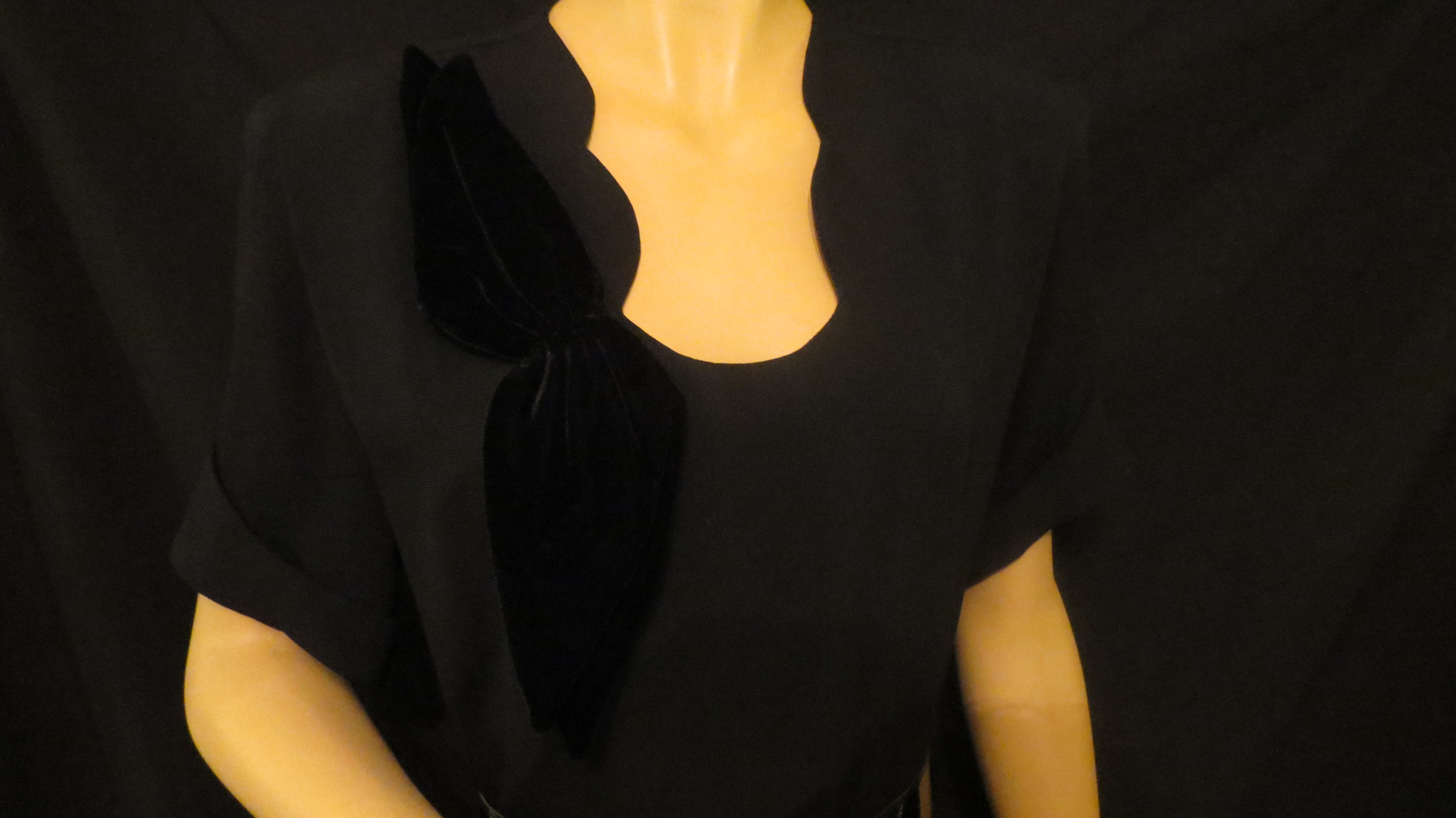
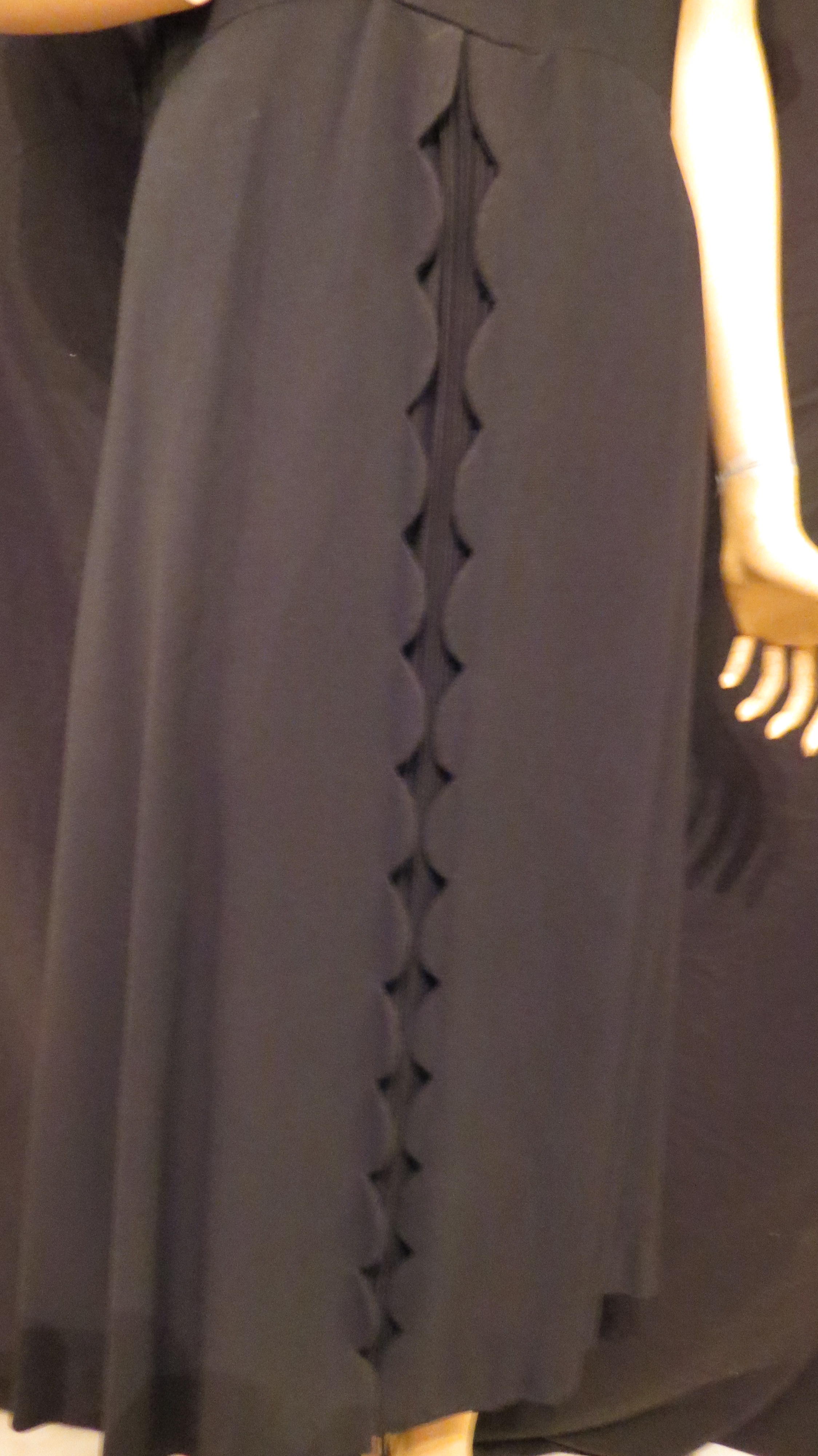
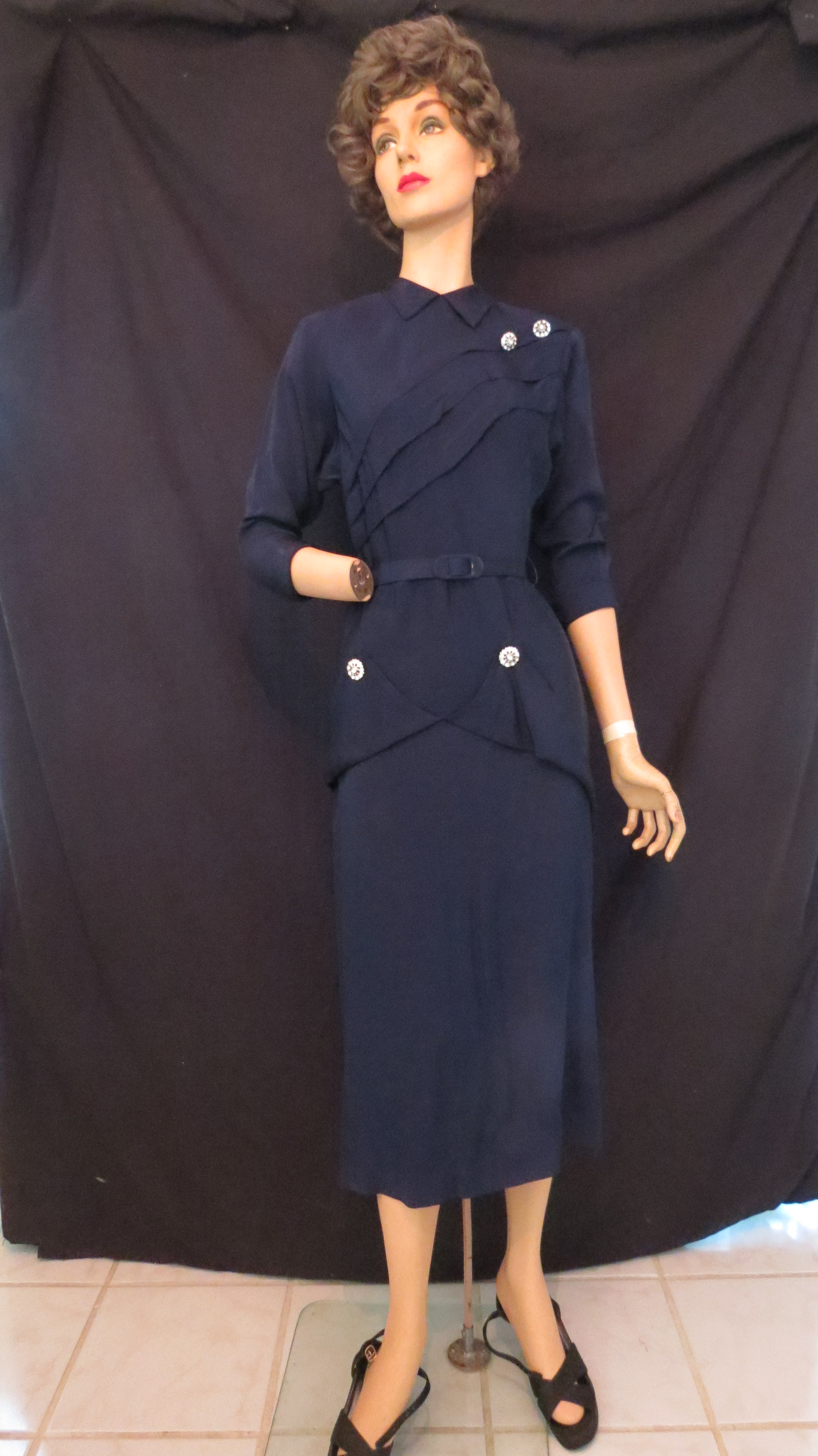
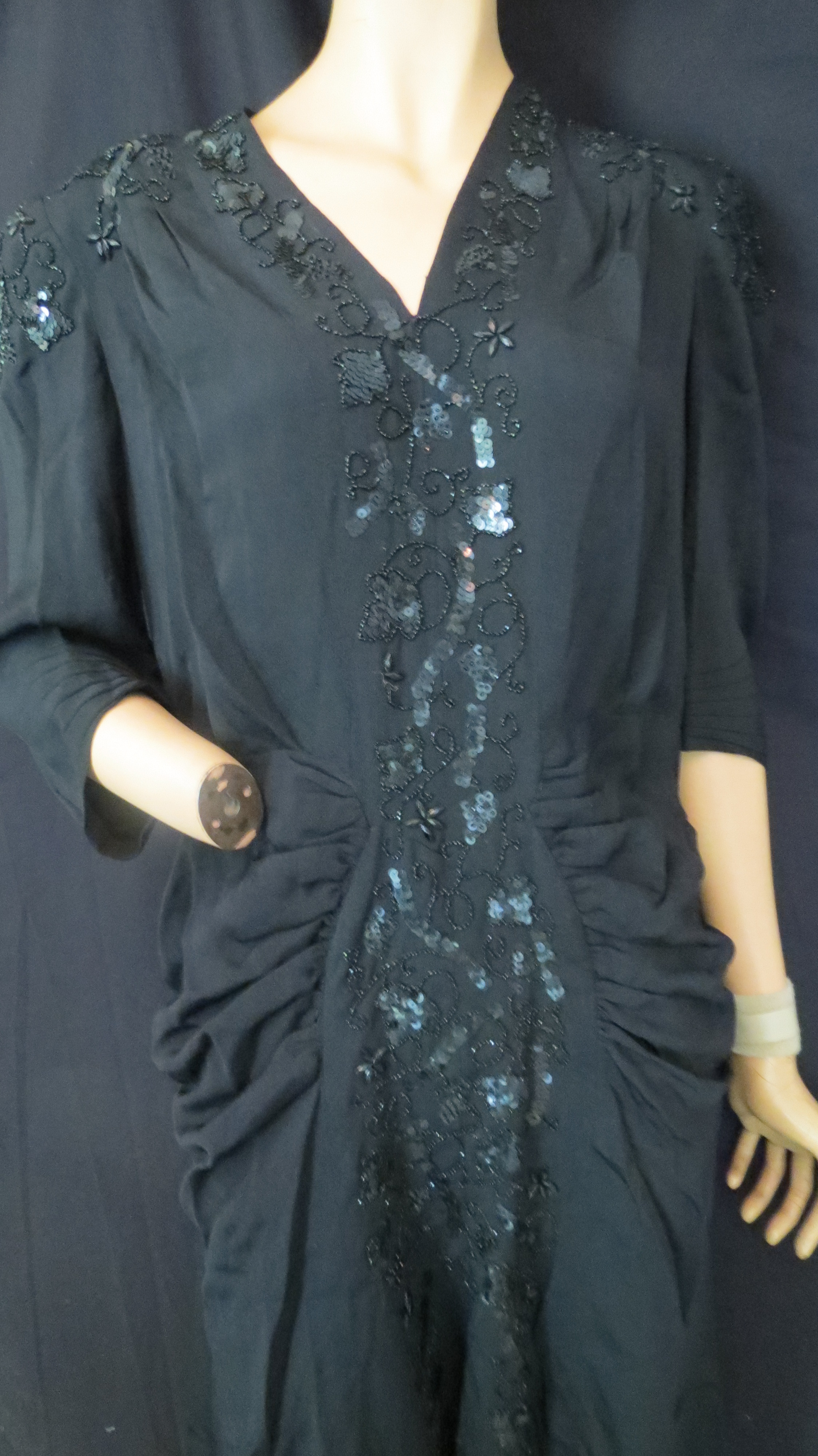
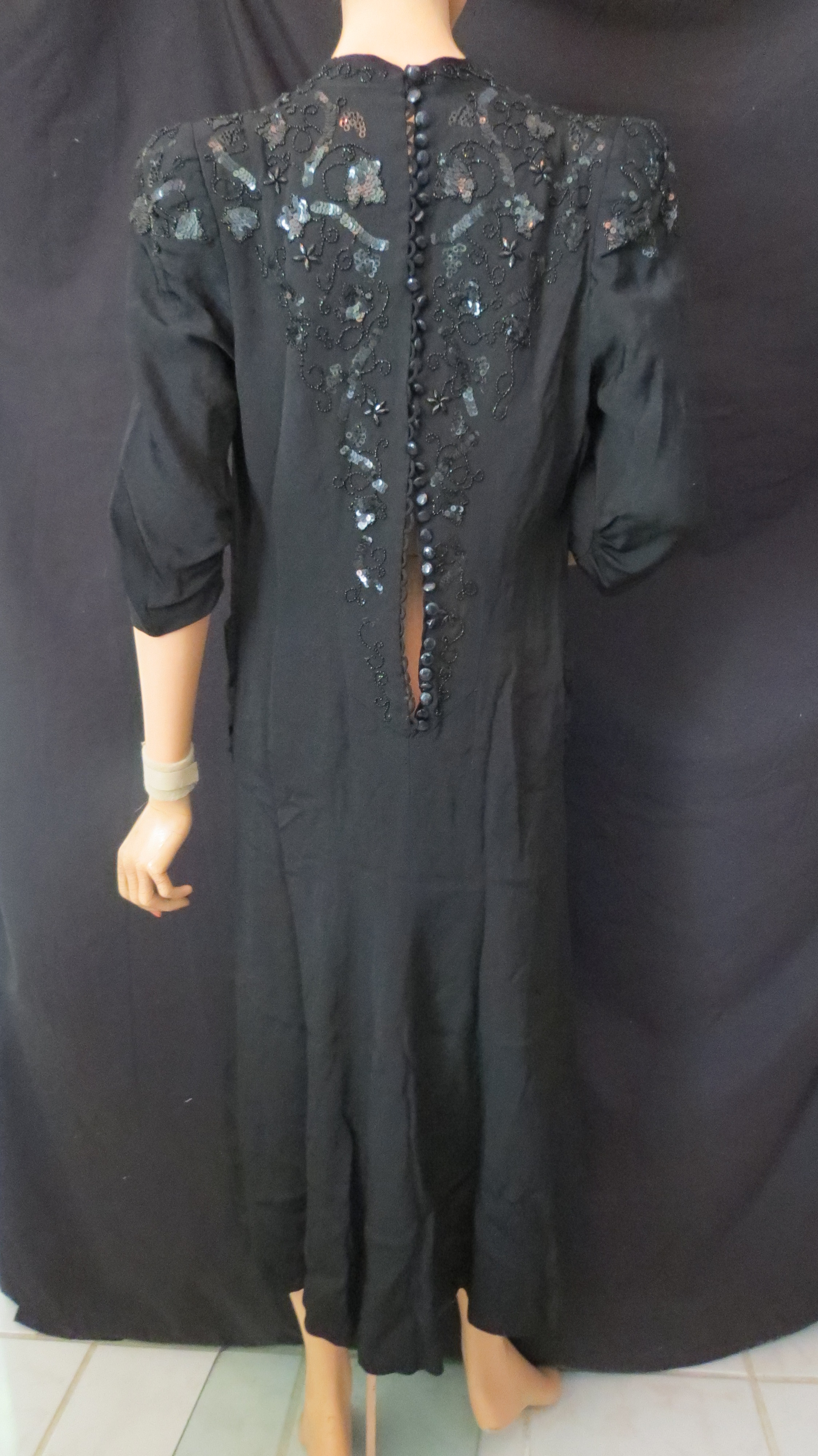
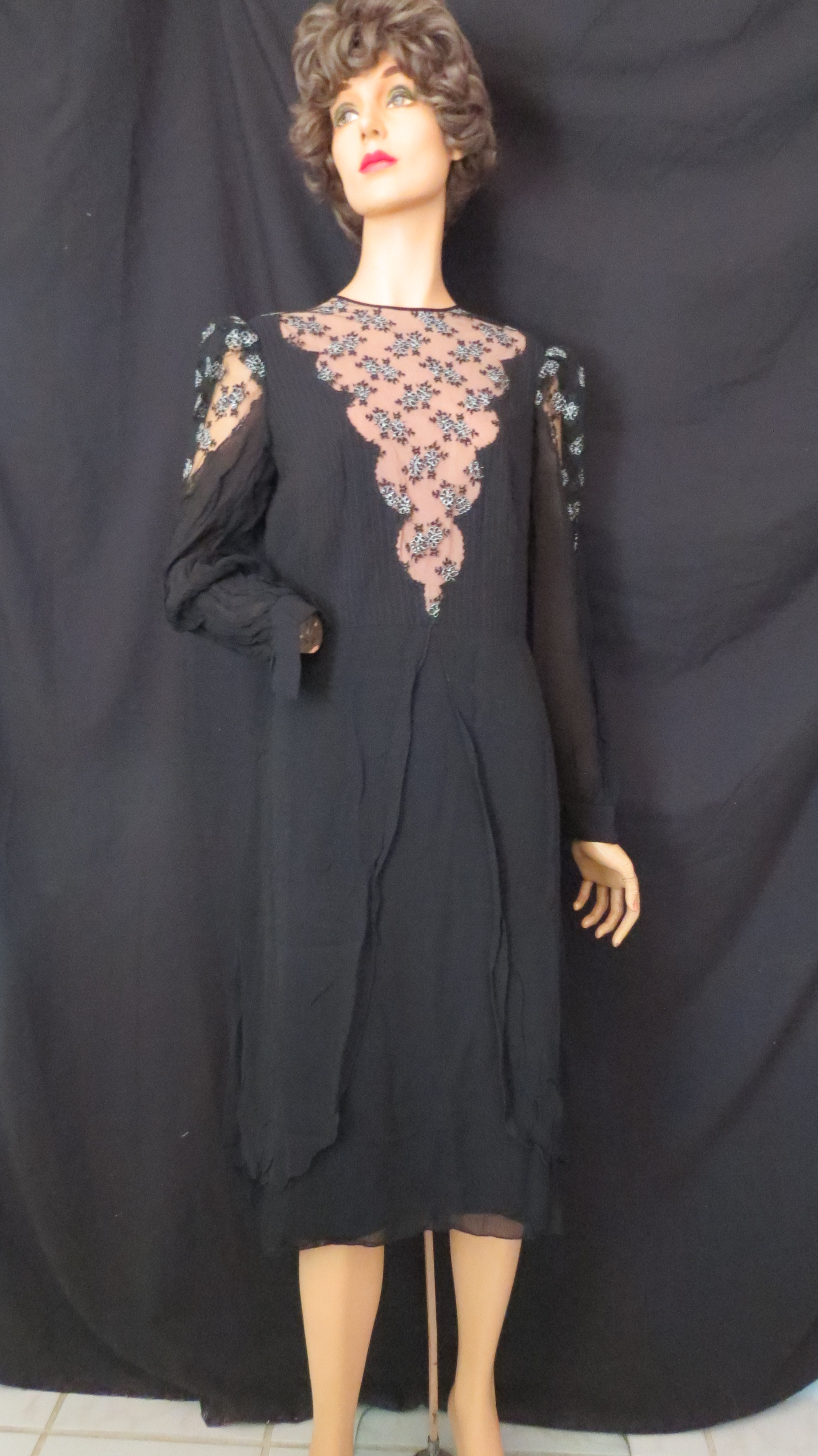
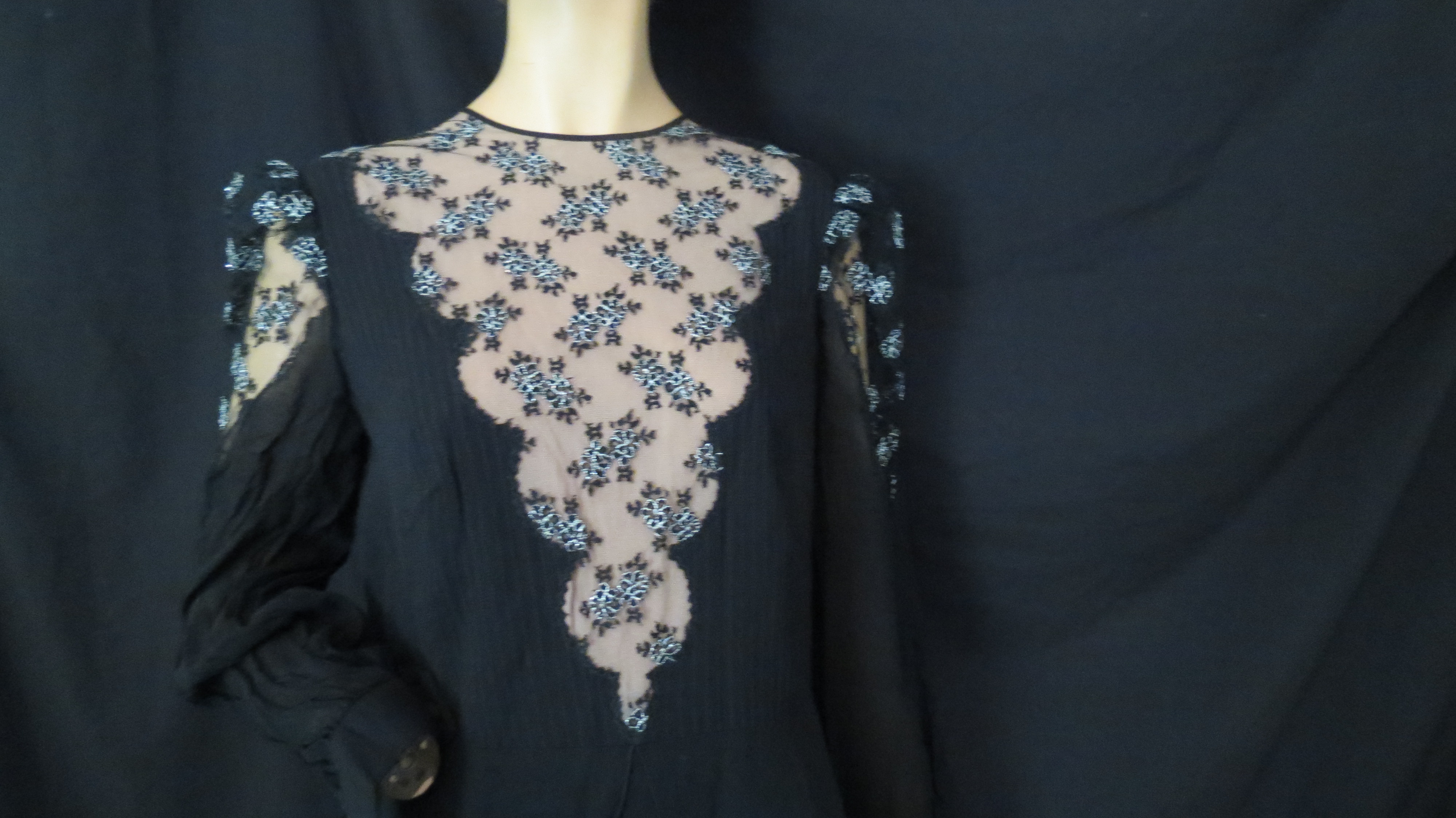
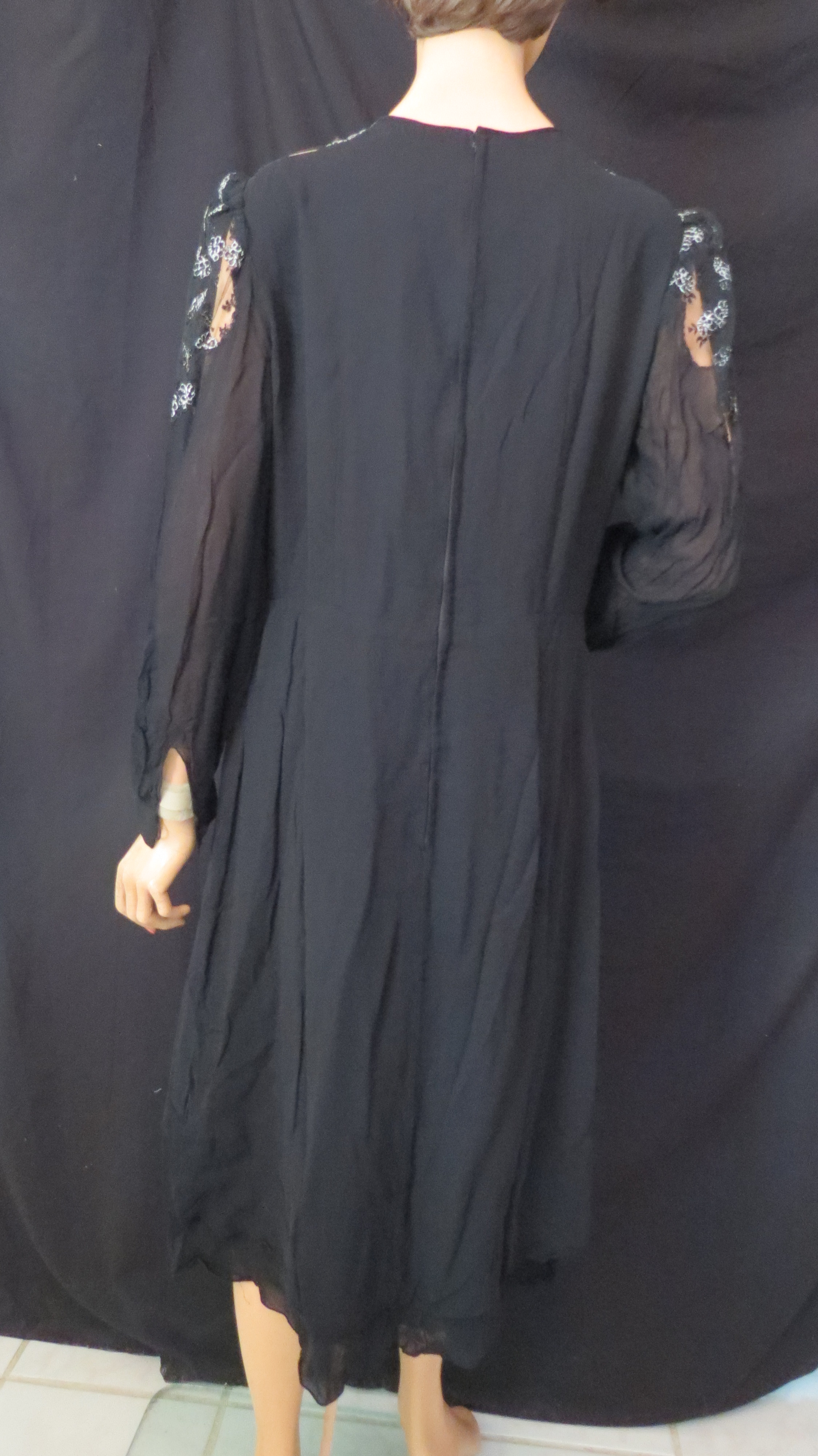
Here’s another group of finds that were fabulous. Let’s look at the details on these frocks, which were over-the-top when wartime rationing was no more and fashion was ready for a break-out right before the New Look. Lots of glitz – rhinestone buttons, metallic thread, sequins, beads, lots of little buttons and velvet. Hemlines went down again. Rayon reigned – it had become the darling of fabrics.

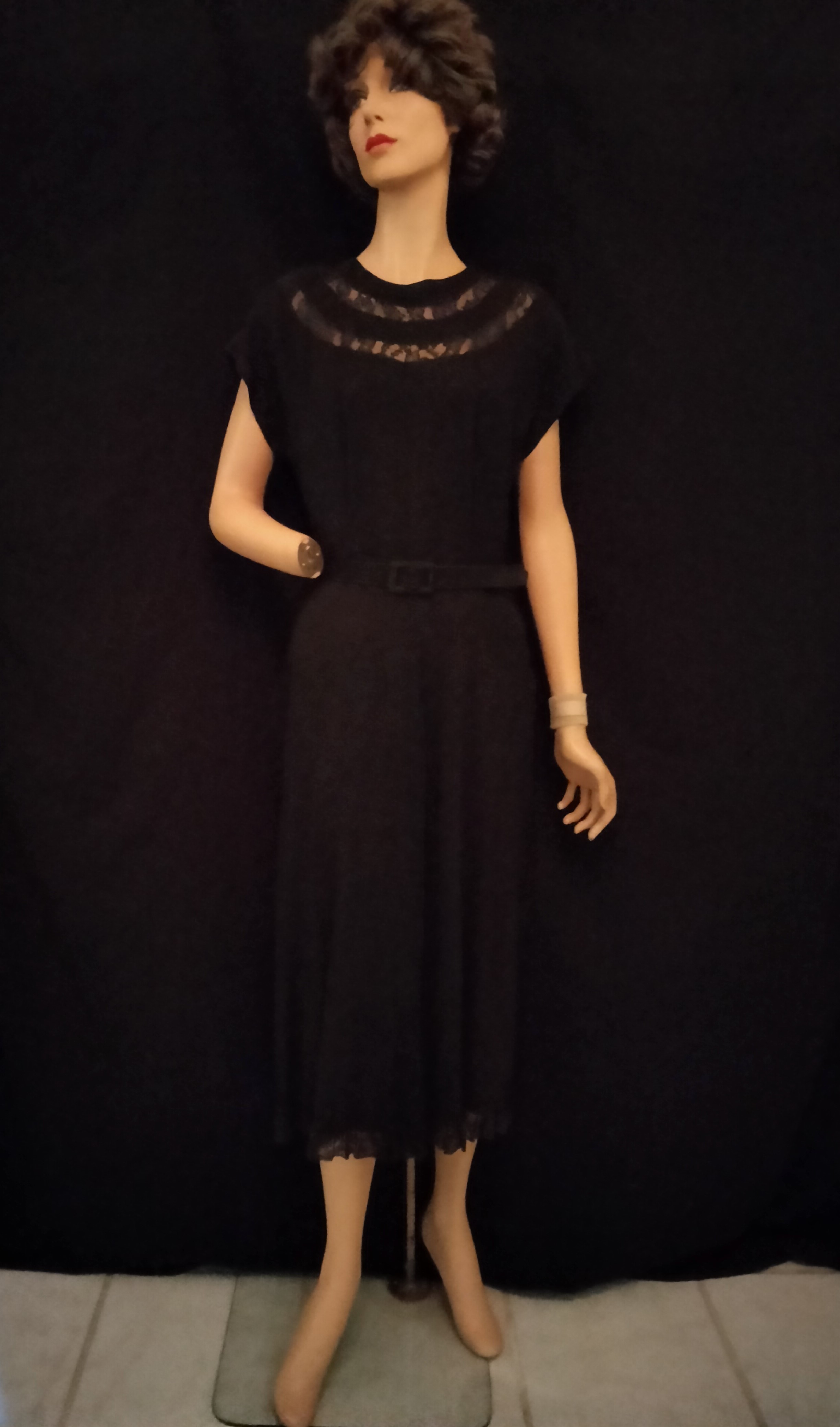
There was certainly an element of weirdness to some of these designs. The last two black dresses were discovered in Montevideo, Uruguay and had been made by specialty dressmakers. Many of their wardrobe items in that city came from France, and I suspect that there is a lot of European influence in these styles.

The top two designs are squarely U.S. American and the tag on the dress with the big velvet bow indicates that it was made by a company that was producing affordable garments, probably during the early recovery from wartime. The navy blue dress was higher-end and looks so much like the costumes seen in late 1940’s film noir.

Tomorrow we’ll look at some examples of how 1940’s dress styles have persisted during the following decades. Stay tuned . . . . . .

MORGANA MARTIN, THE MAGICVINTAGESPY
1940’s WAR-SHOCK DRESSES & WARTIME FASHION TRENDS

Before 9-11 it was hard for young U.S. Americans to understand the shock and fear that the attack on Pearl Harbor caused in December 1941. The government’s decision to join WWII, which had been happening in Europe and seemed remote to most everyday folks in the U.S., suddenly brought it close to home. The news and the movies began to open the doors on Asian culture and the curiosity of Americans and popular culture started to make this theme trendy. These dresses are from some of my most interesting investigations.

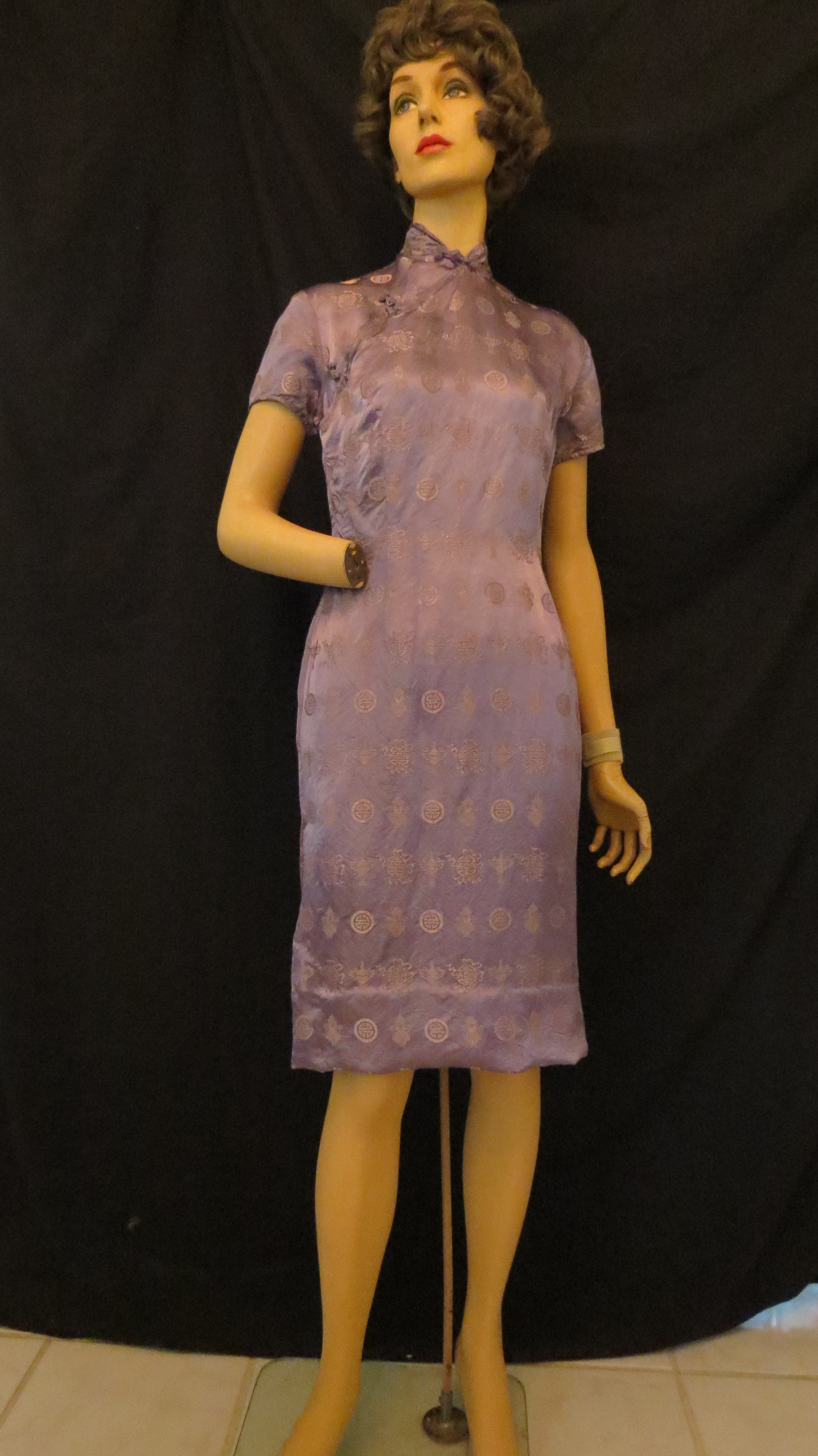
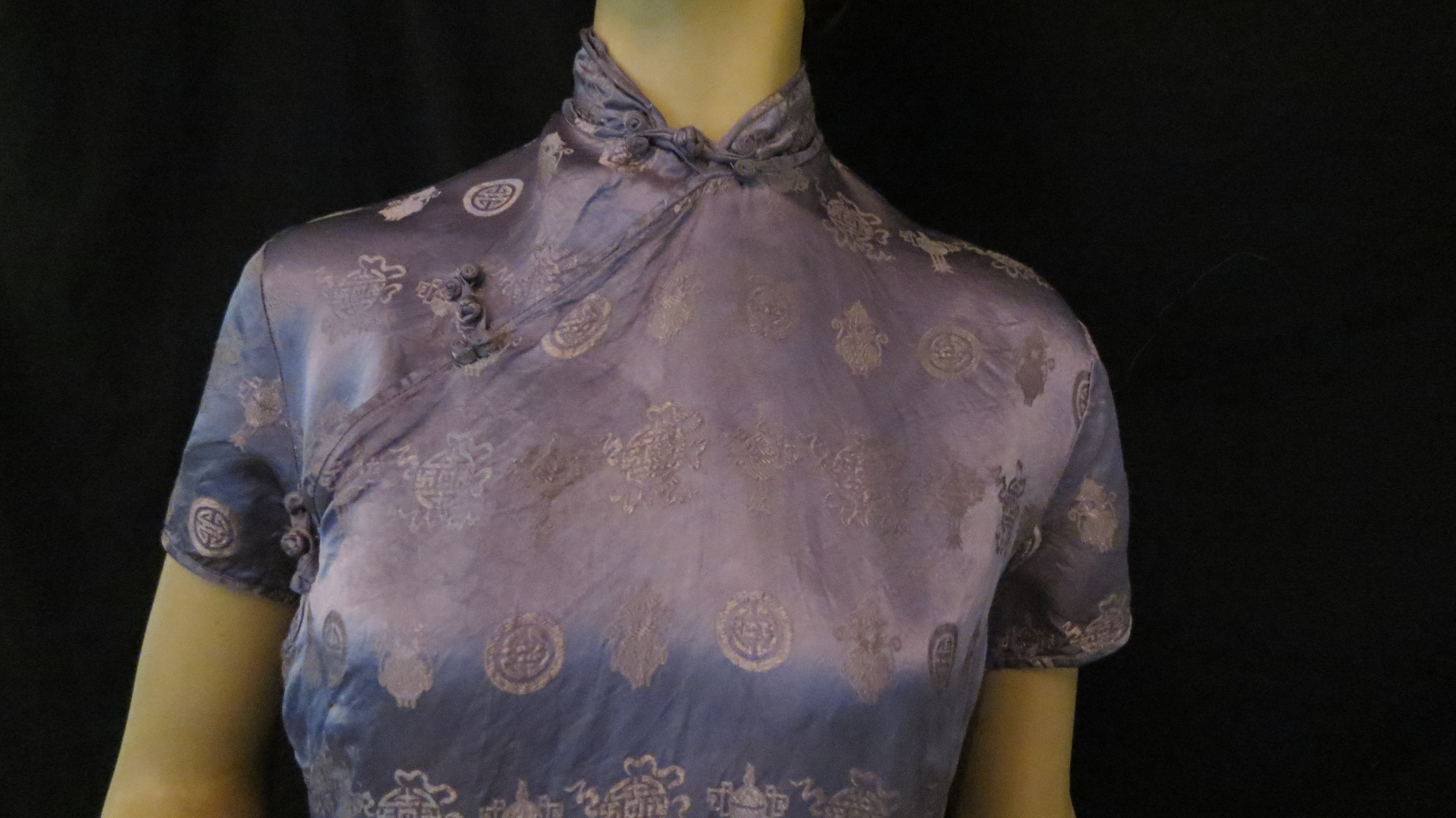
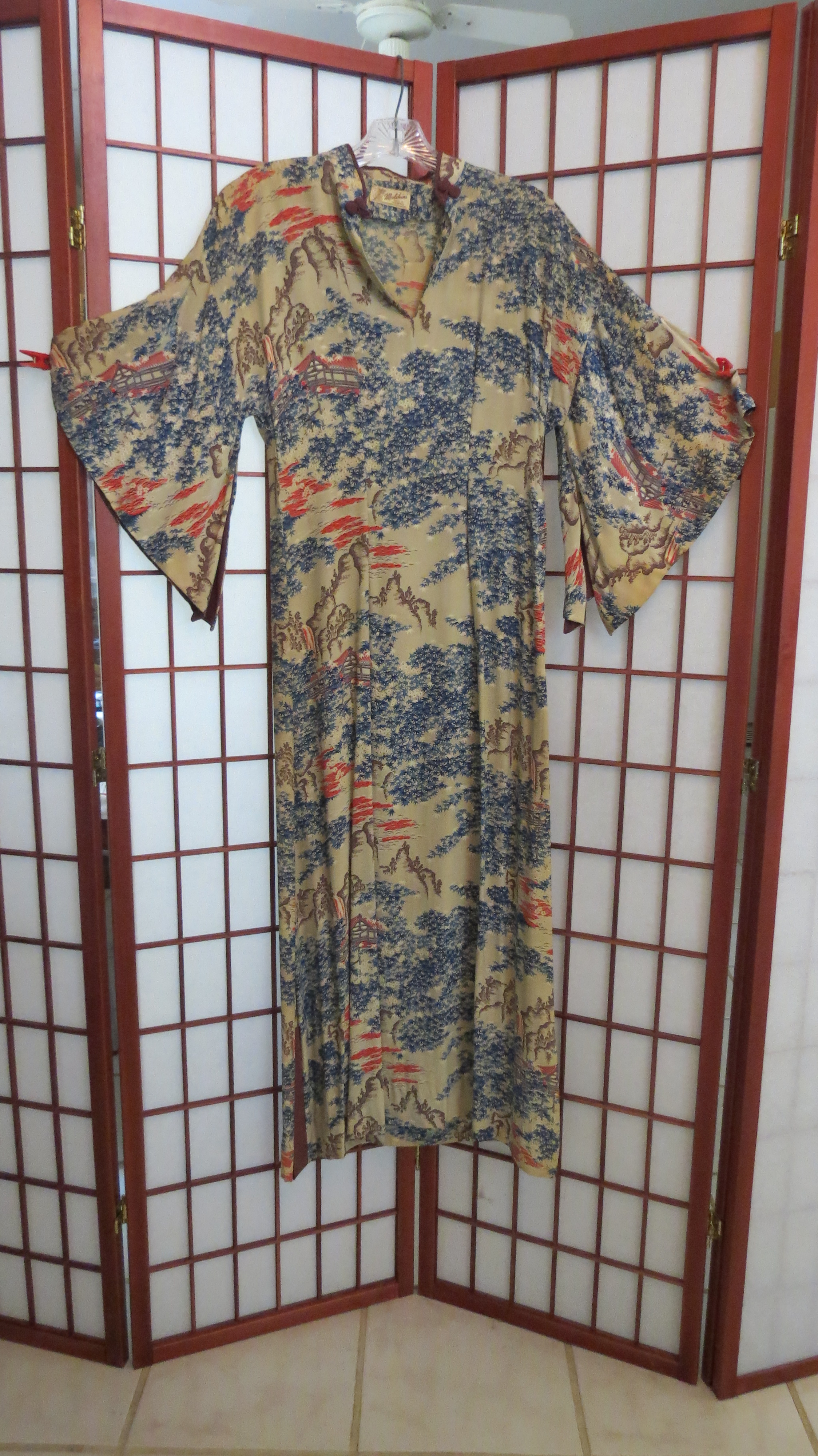
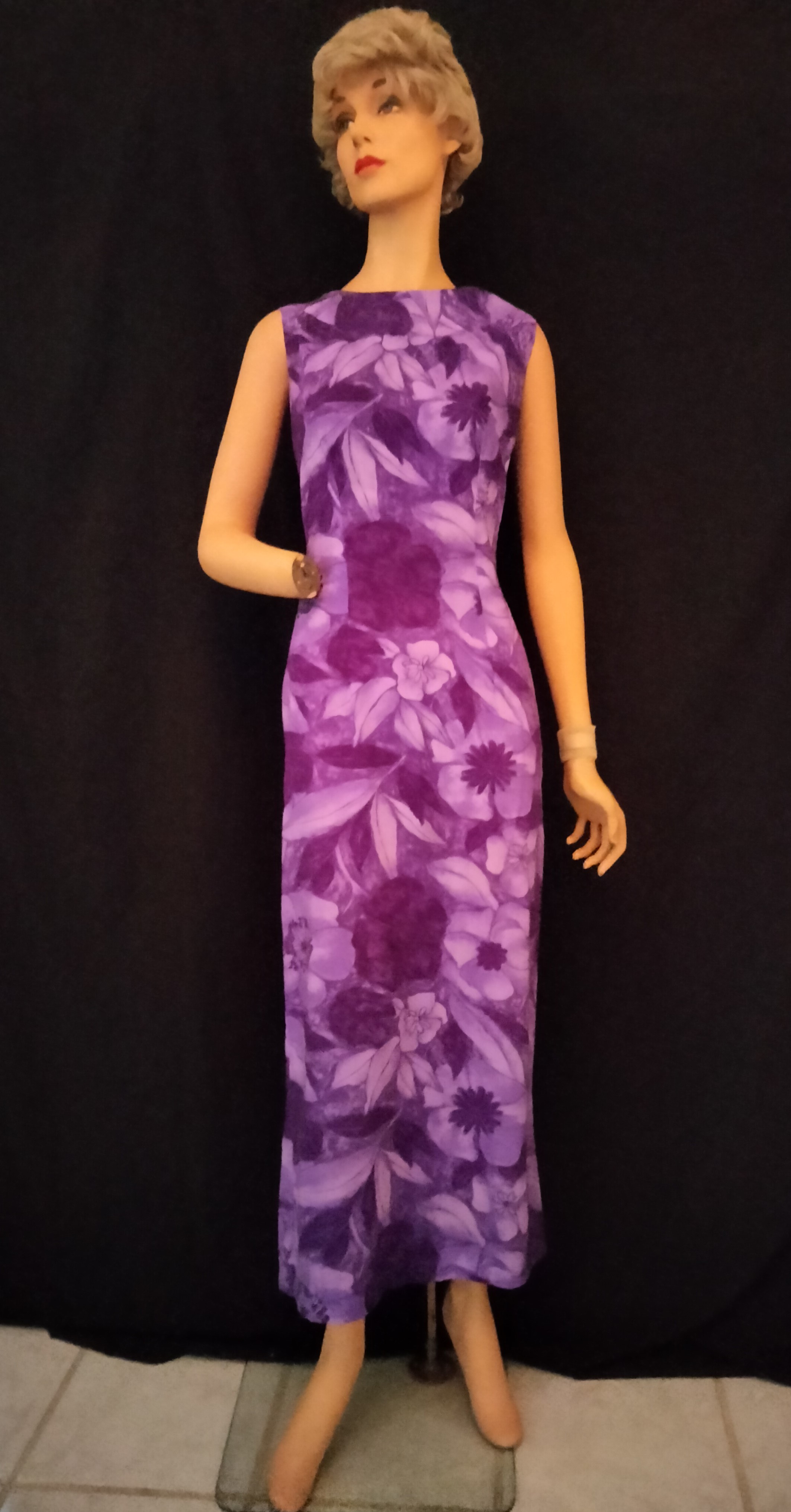
From the 1940’s on, Cheongsam dresses like the lavender one above gained popularity. Mata Hari and Charlie Chan became cultural figures in the media. The beauty and flattering fit of Chinese and Japanese traditional frocks brought interest in Chinatown areas of many cities and non-Asian women began to shop there. Above, see also a Japanese tea dress – fabulous find dating from the 1930’s, made in Hawaii. The purple native traditional gown from Hawaii also found a home in some American woman’s closet after people began traveling again.

But, before that time, women stayed at home. They worried about their family members and friends who were fighting in or living in war zones. They joined the war effort in whatever way they could through their work, volunteerism and spending habits. Of course, some kind of escape was necessary to maintain their sanity. That’s where the movies and dancing filled a void. Whether homemade or found at retail, dancing and cocktails required special dresses and women were very creative despite the restrictions caused by rationing.

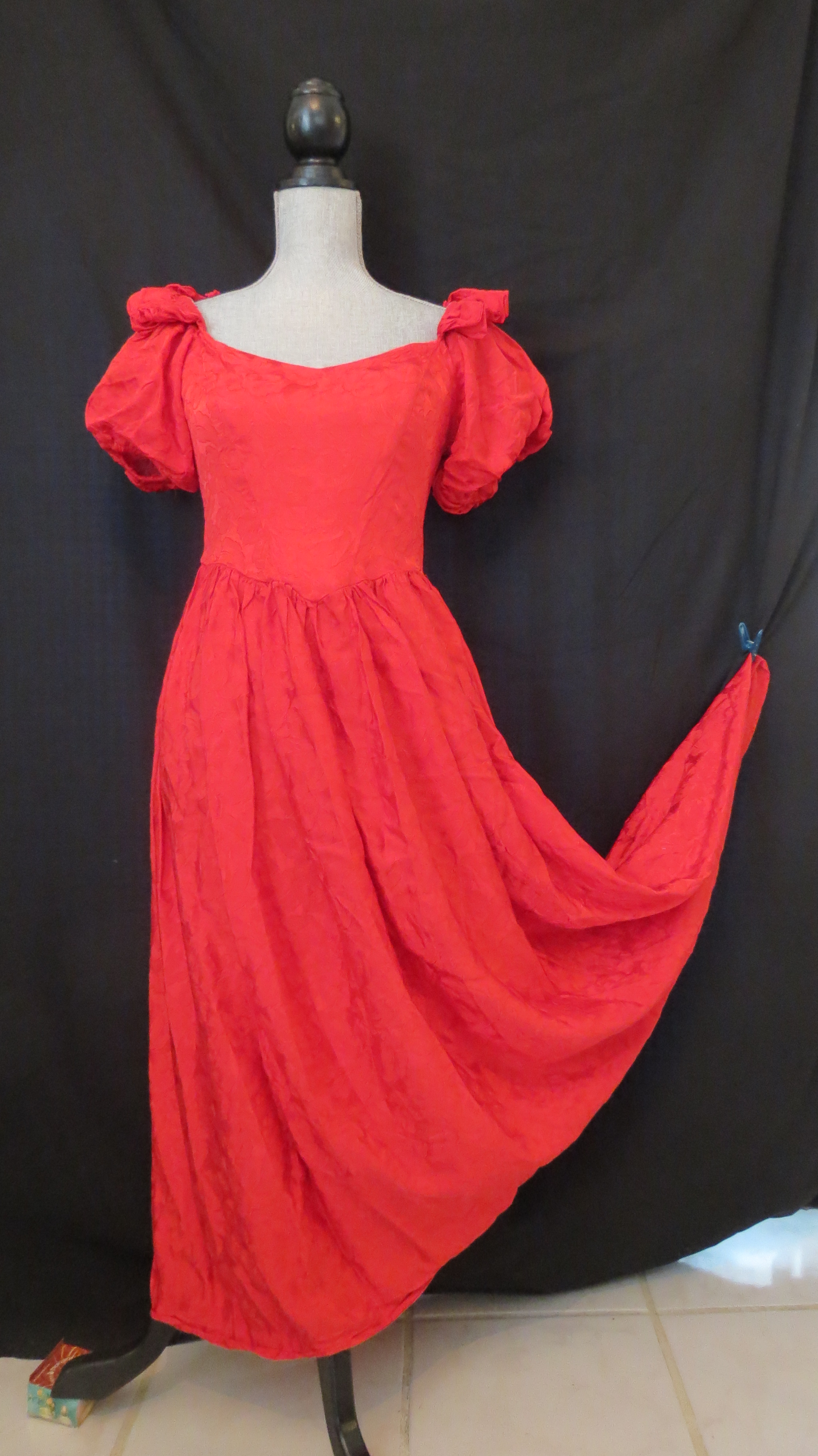
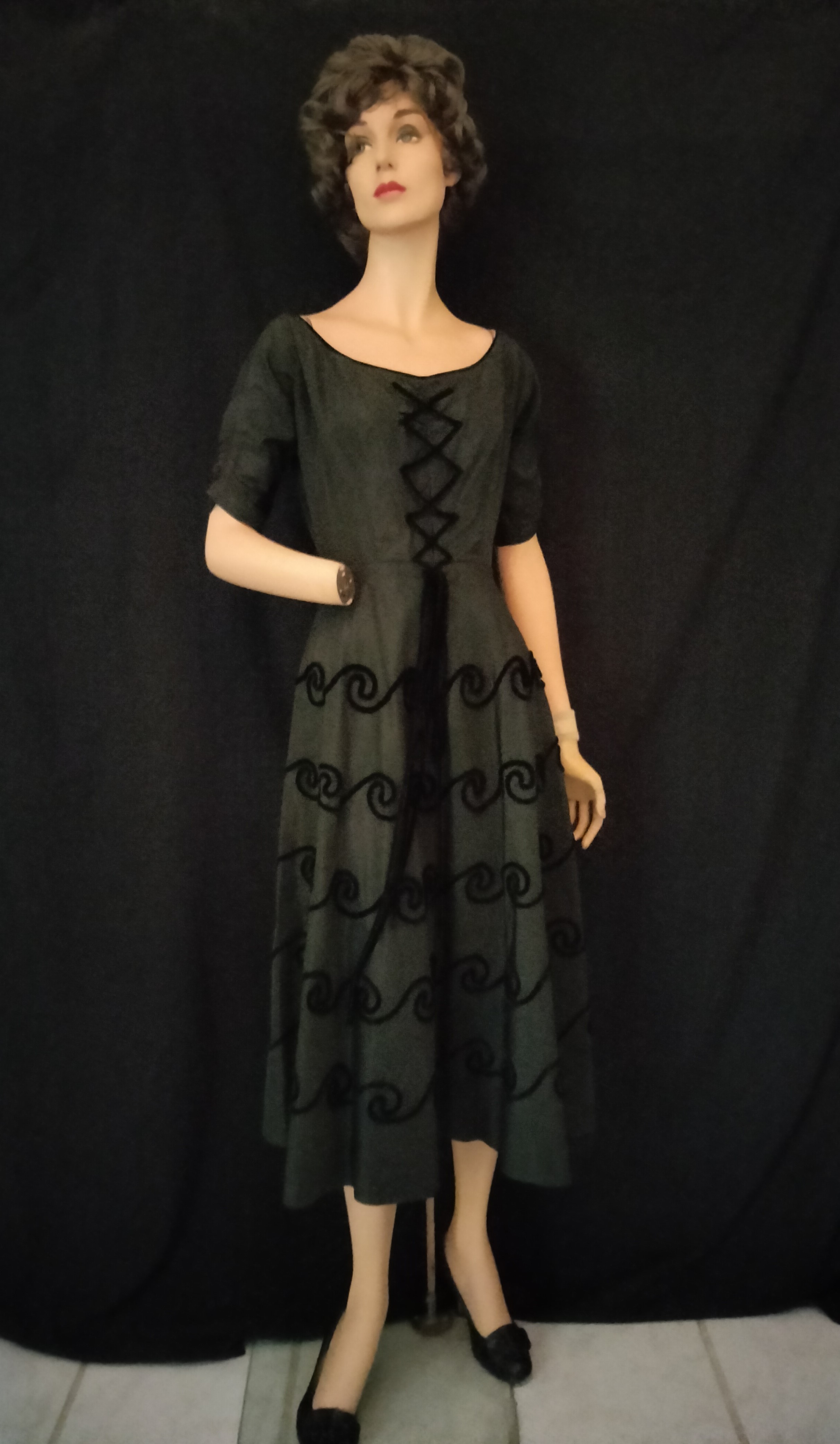
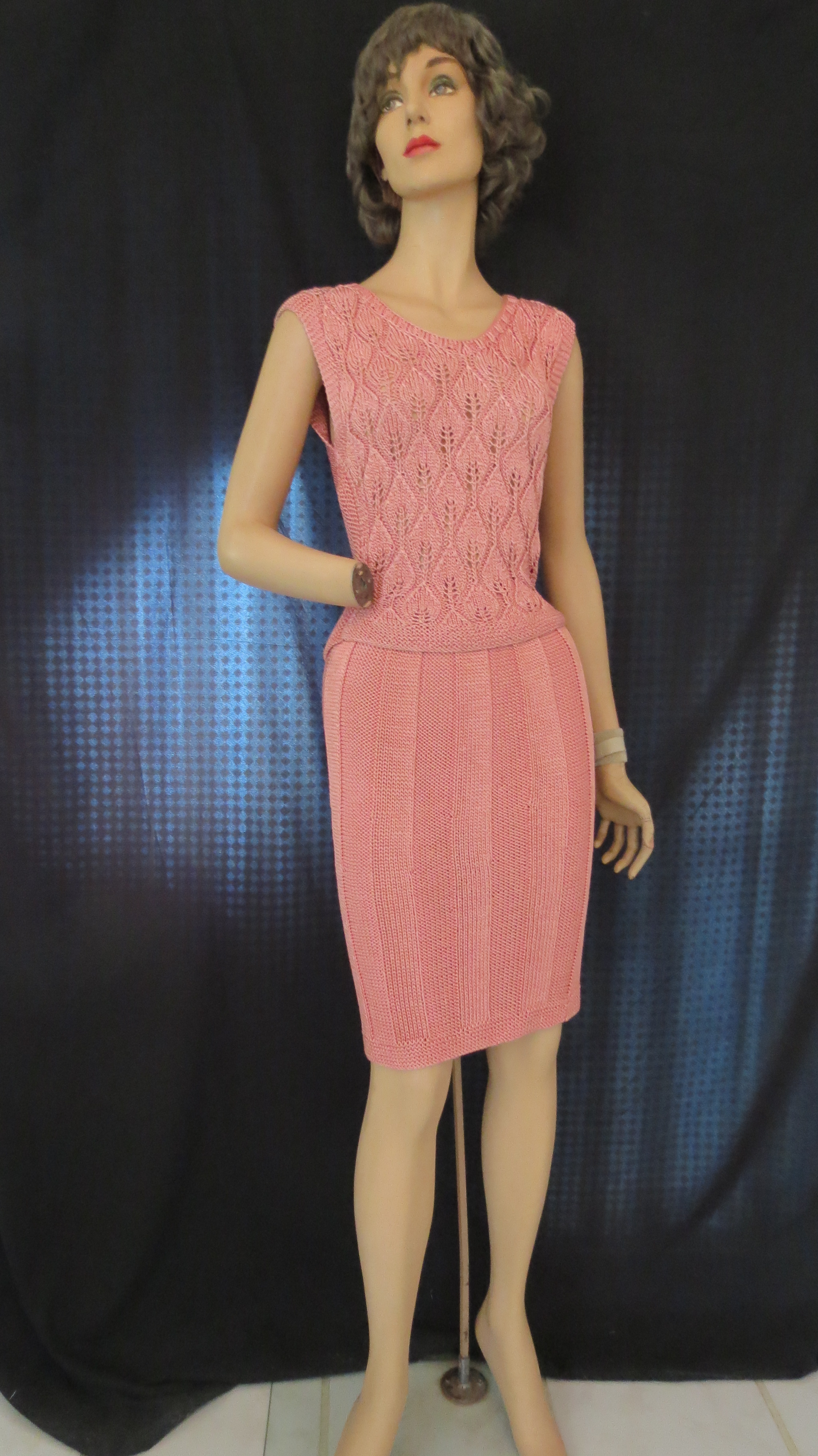
Synthetic fabrics were most available and affordable, so this red jacquard frock with puffed sleeves and an elasticized neckline which allowed cold shoulders was home-sewn. A similar style in black was local couture from a specialty shop in Texas and has ruched 3/4 sleeves and shows off the luxury of velvet piping decoration. The pink knitted and crocheted 2-piece cocktail dress was another unusual find which somehow found it’s way to Argentina. It’s made of a heavy, glossy/shiny yarn that allowed some gal to make a glamorous outfit on the cheap.

So fascinating! Such a fun bunch of clues these are. The delight is in the details. More tomorrow – stay tuned . . . . . . . . . . . . . .

MORGANA MARTIN, THE MAGICVINTAGESPY
BLOG: MAGICVINTAGESPY.COM

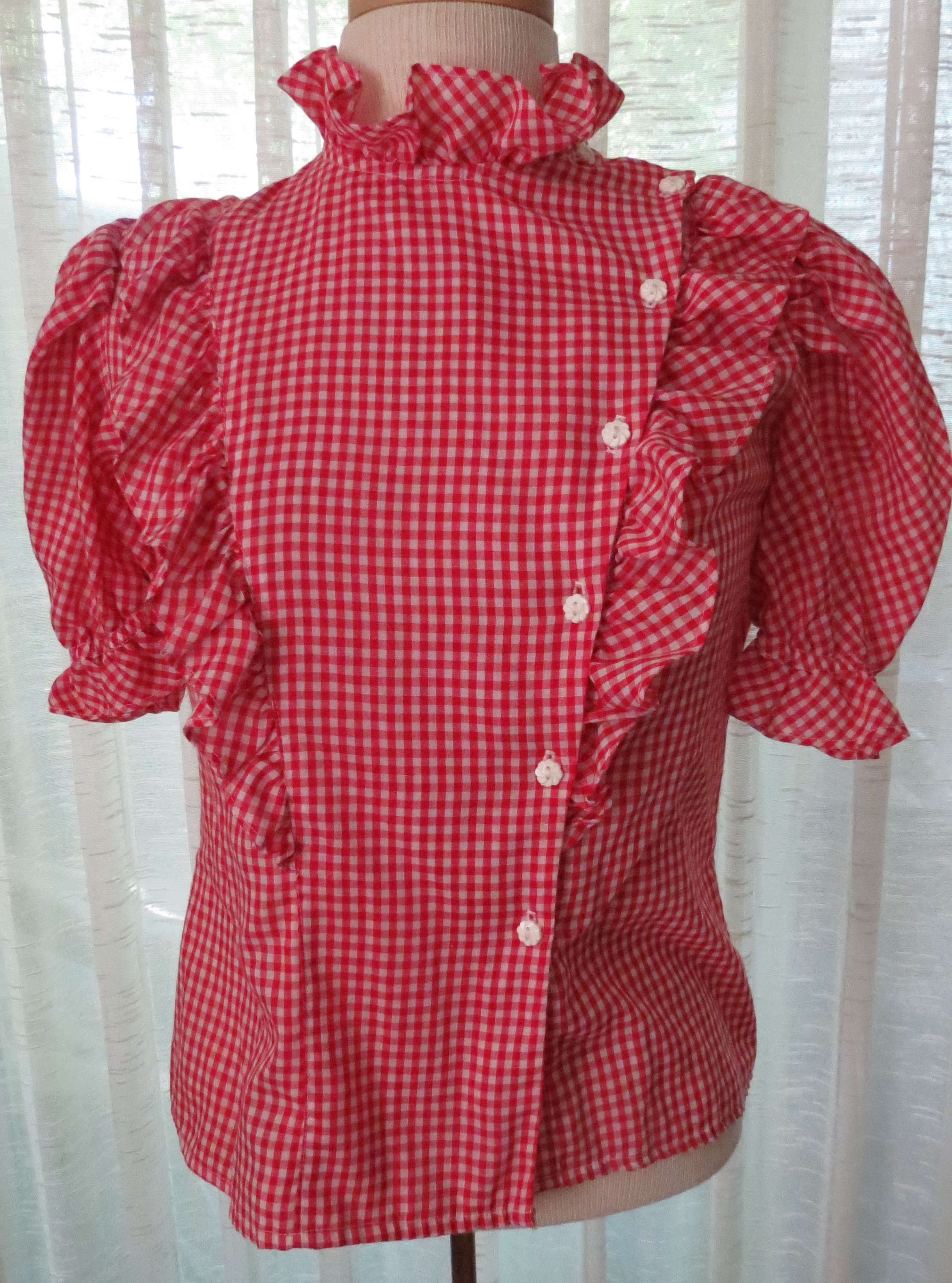
TRUE VINTAGE WWII LADIES’ BLOUSE AND TOP TRENDS

These blouses and sweater all came from the war years spanning the late 1930’s to the very early 1950’s. The first blouse is a women’s-wear version of the Western-wear trend. Perfect for square-dancing. Gingham and sculpted plastic buttons were popular. This example might have been home-sewn by a skilled seamstress.

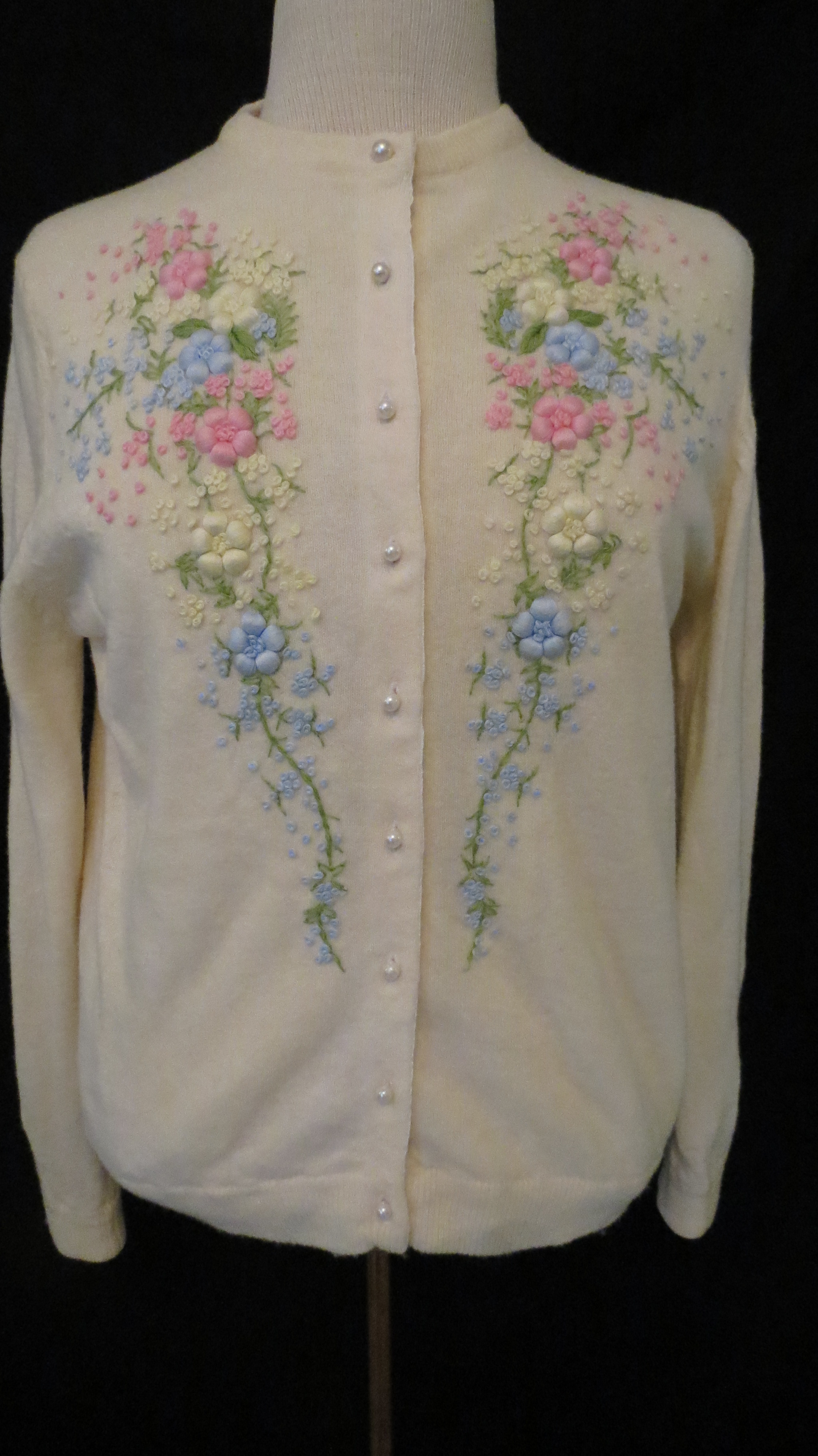
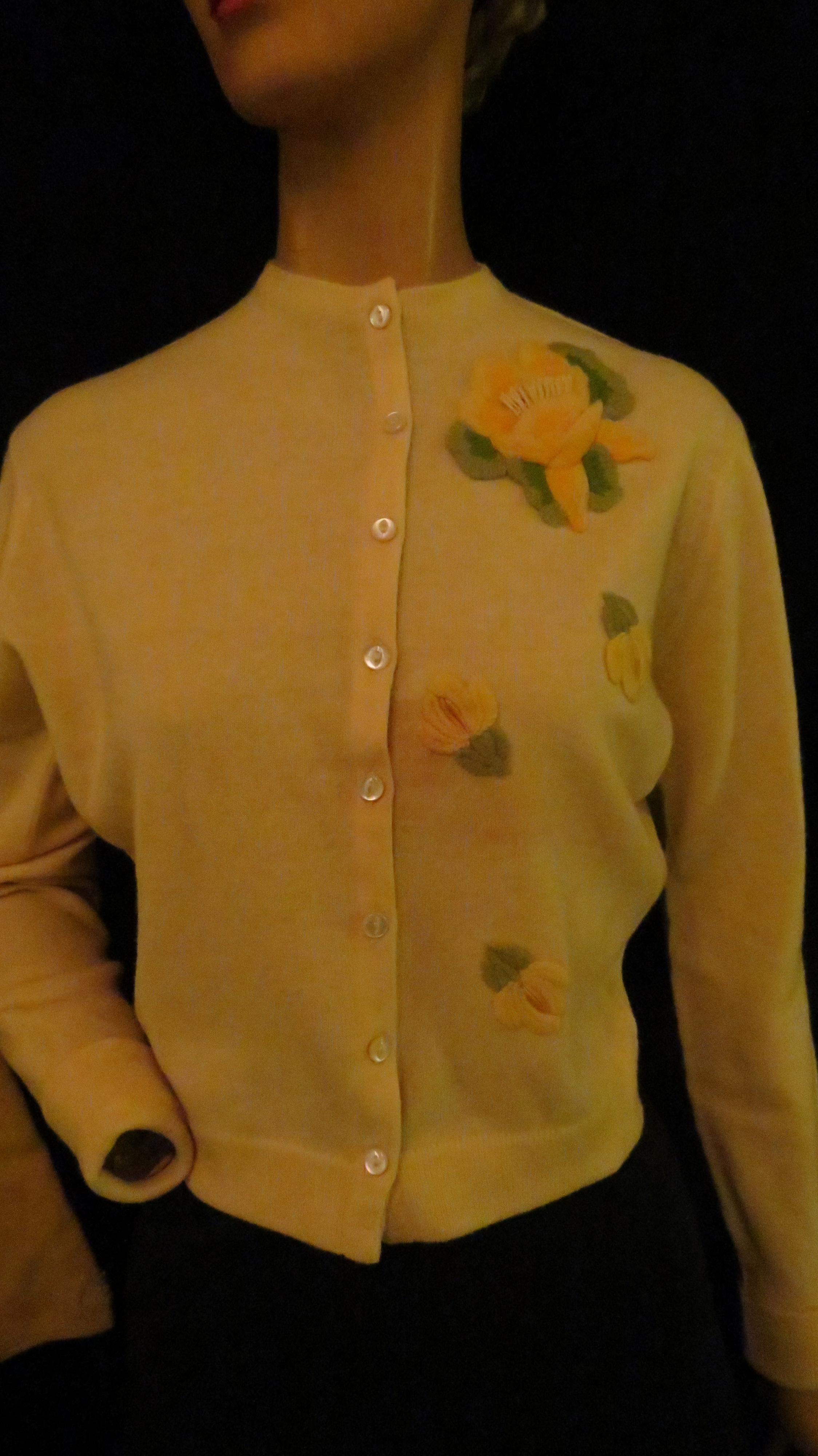
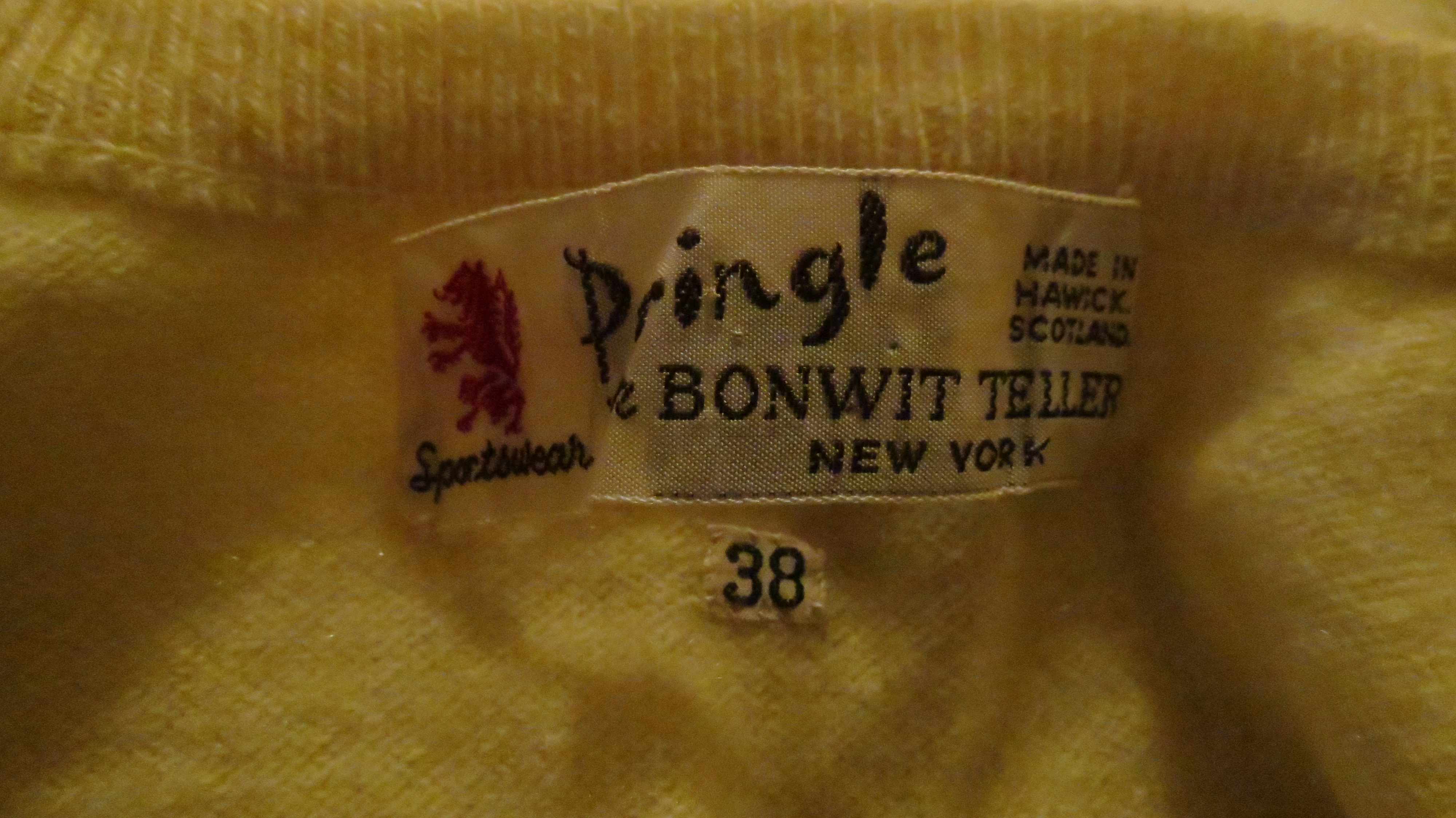
Cashmere cardigan sweaters also were seen worn as blouses, sometimes with the buttons in back if it were a plain knit. This trend was especially popular among co-eds. A beautifully-decorated one like that above would have been front-facing, of course. Pringle of Scotland was a known brand and higher-end.

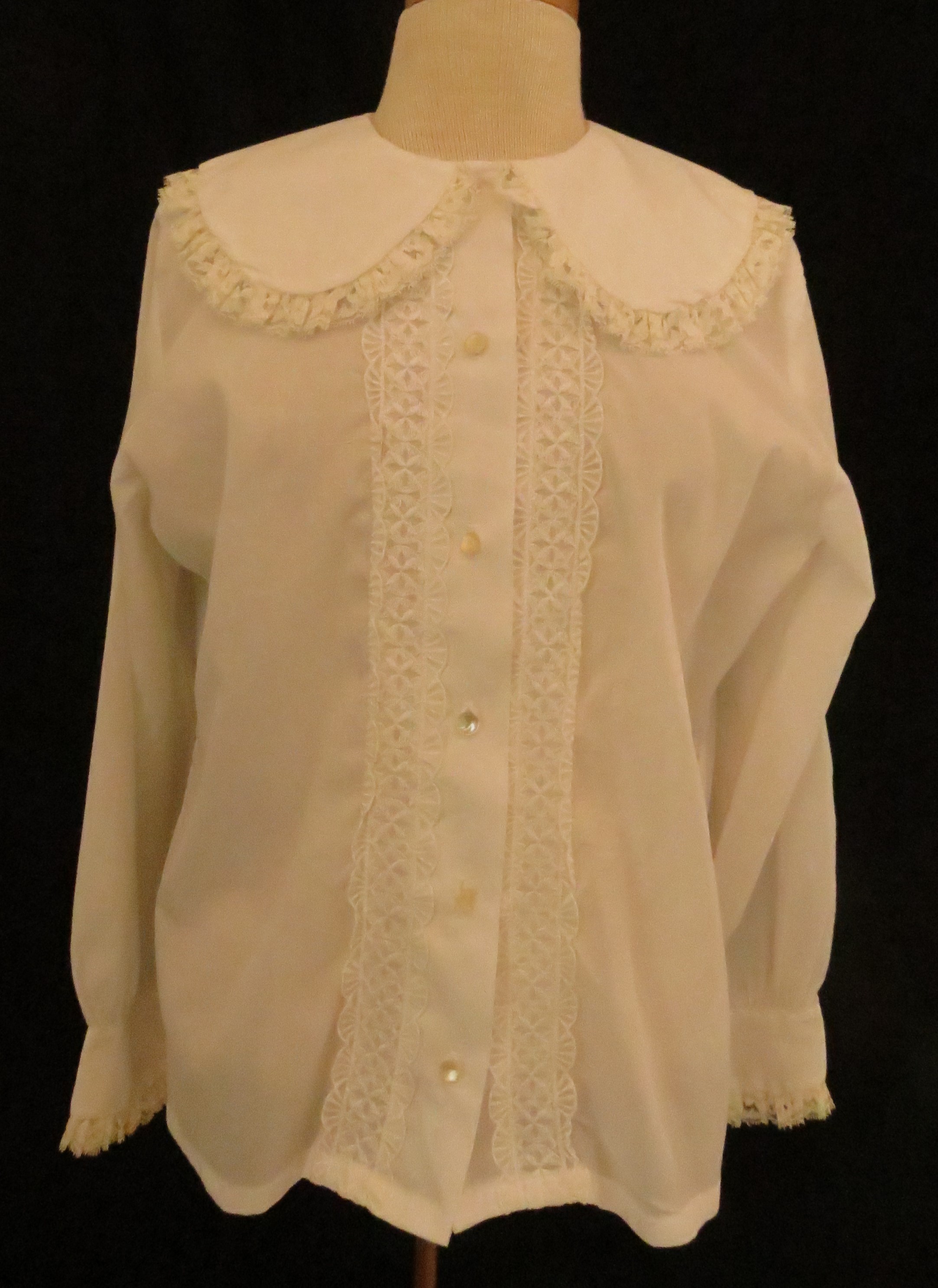
Before and after rationing, lace and other embellishments on tops and dresses were very popular. Tailored styles were also made, but lots of the designs before and after the war were quite fussy with many details.

Tomorrow I’ll show my newest discoveries. Stay tuned . . . . . . . . . . . . . . . . . . .

MORGANA MARTIN, THE MAGICVINTAGESPY
BLOG: MAGICVINTAGESPY.COM

TRUE VINTAGE 1940’S BETTER DAY-DRESSES AND ACCESSORIES

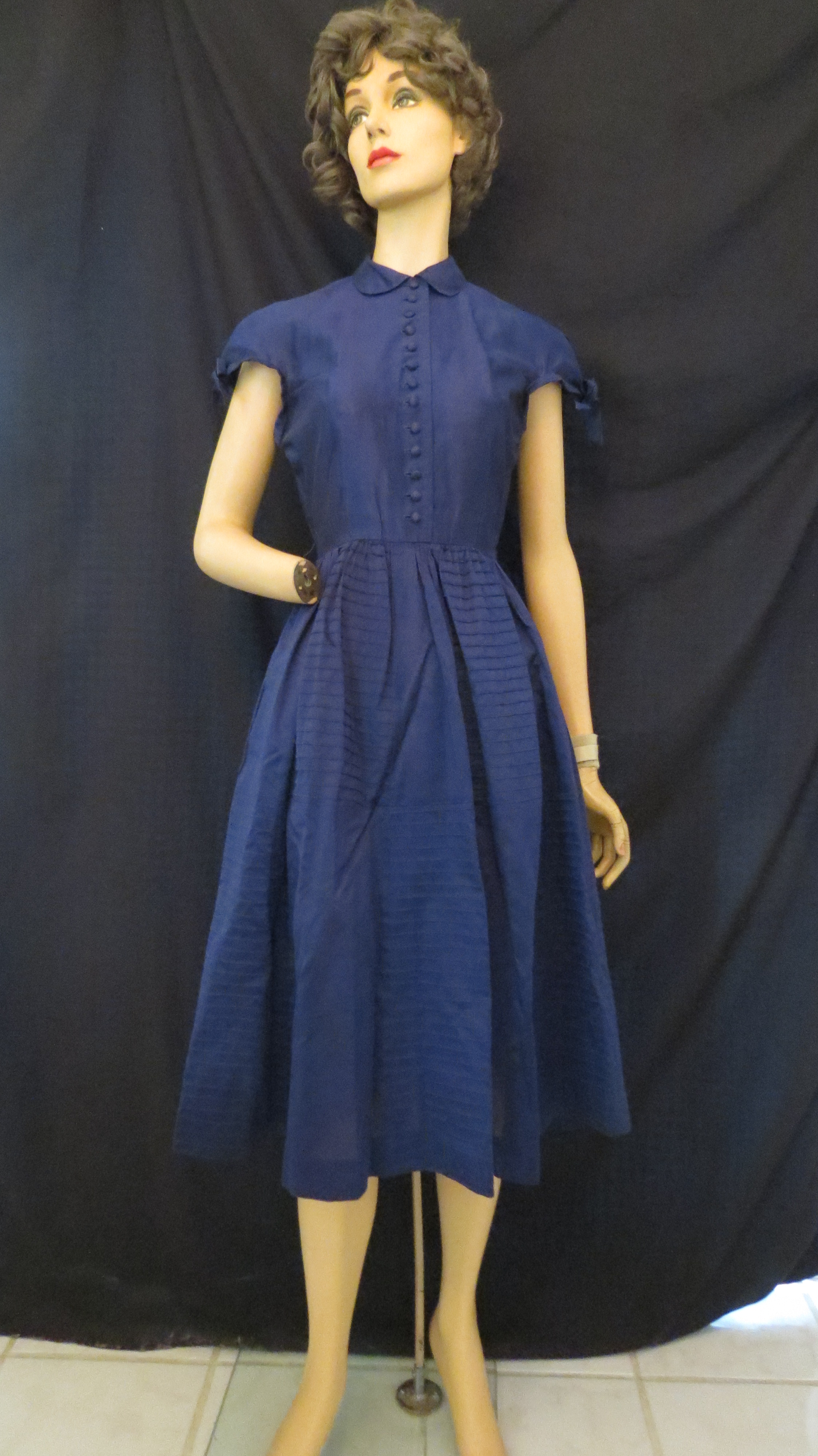
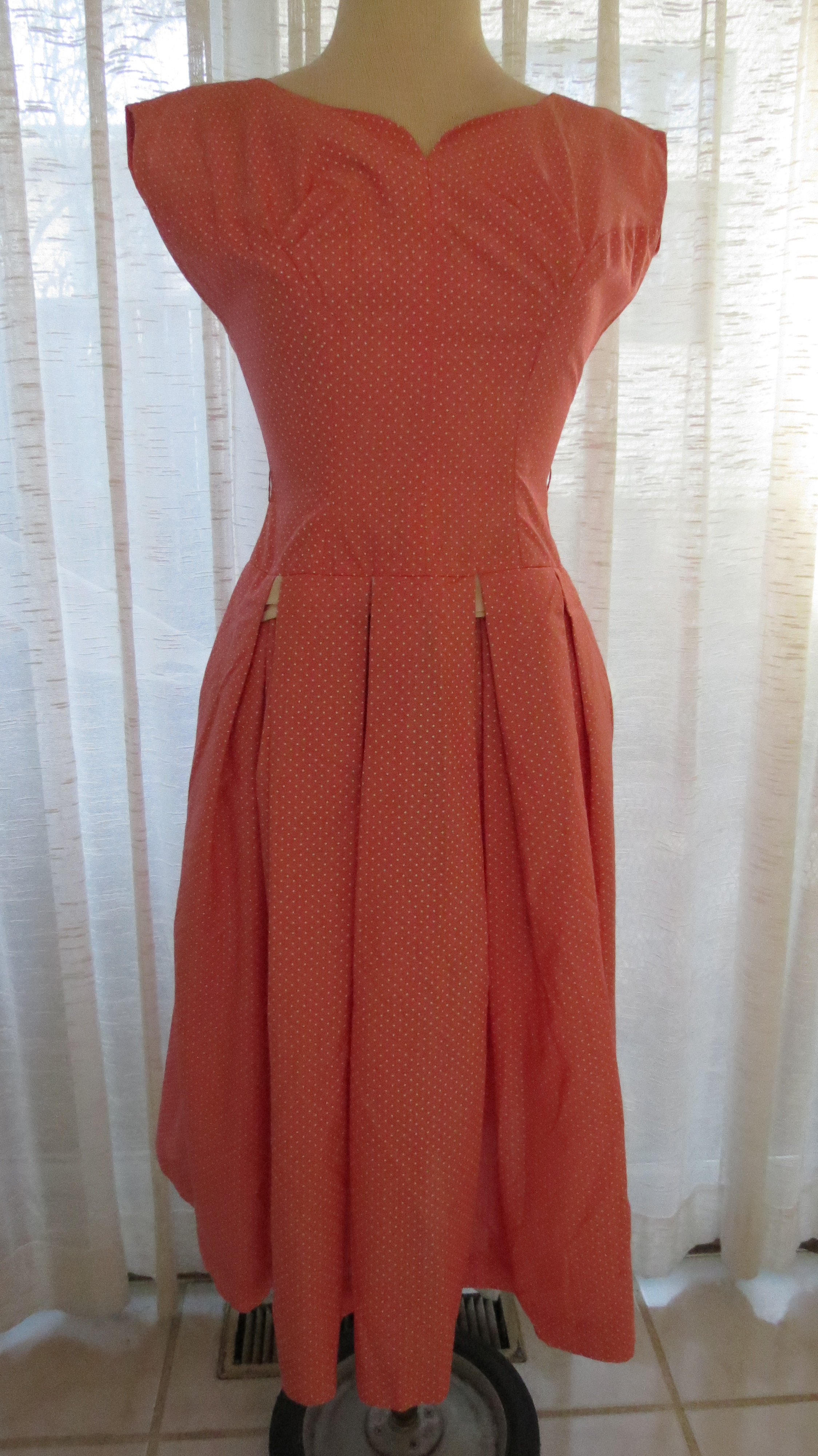
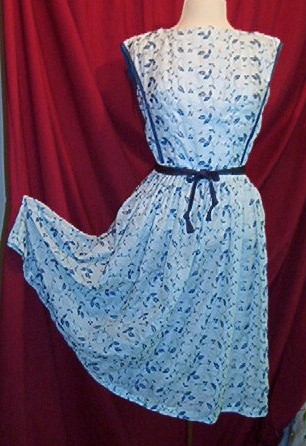
I had planned to show more dresses this morning, but my computer suddenly won’t upload more pictures. So, we’ll stick with these beautiful frocks today. The one above is from the Post-war period, I would guess, though some longer hems were also present before WWII started.

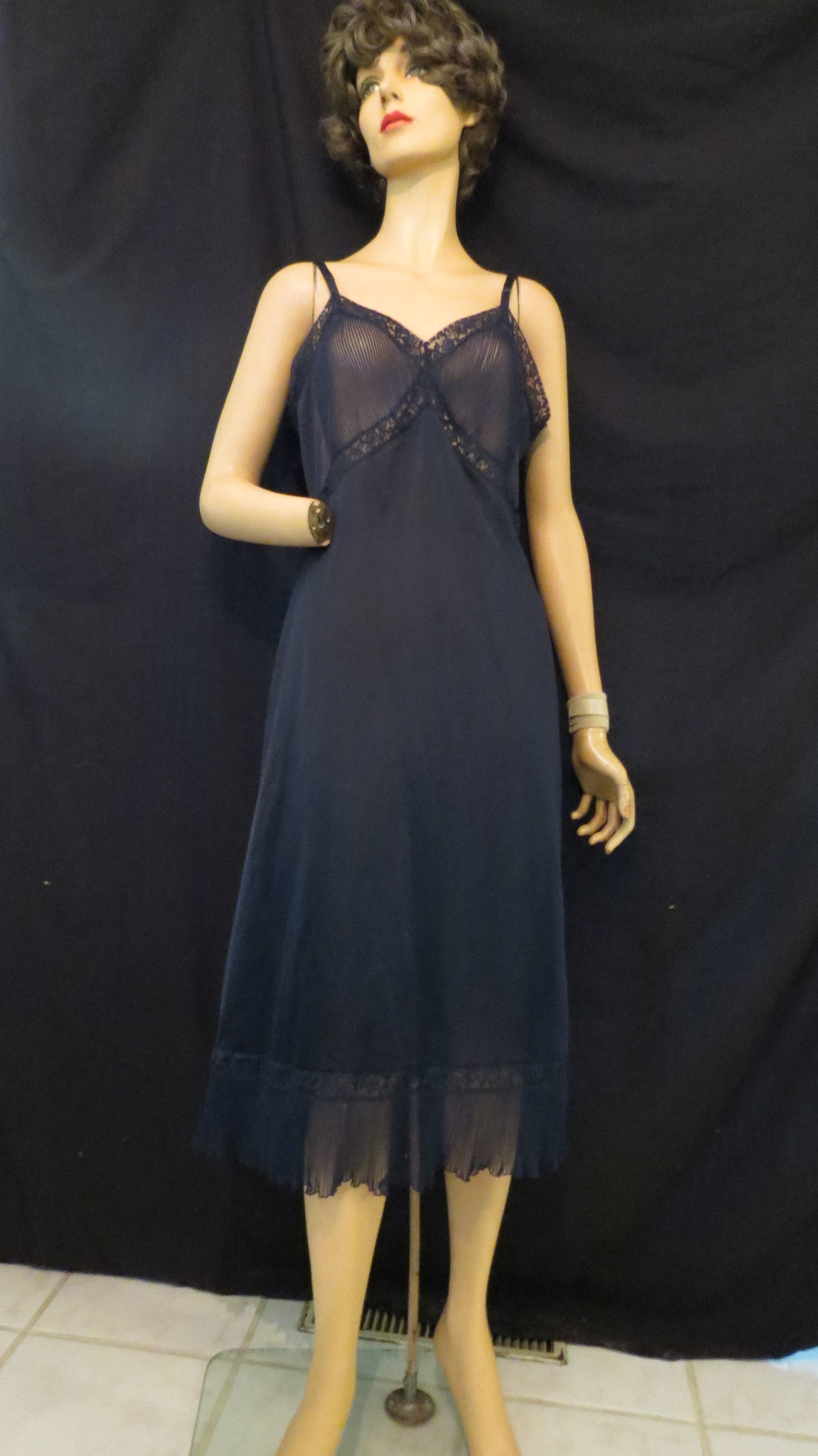
A lovely nylon slip like the one above might have been worn with it.

The mid-blue dress is made from a stiffer fabric and is from earlier in the decade. Cute and more girlish, but both are special – dressier daywear.

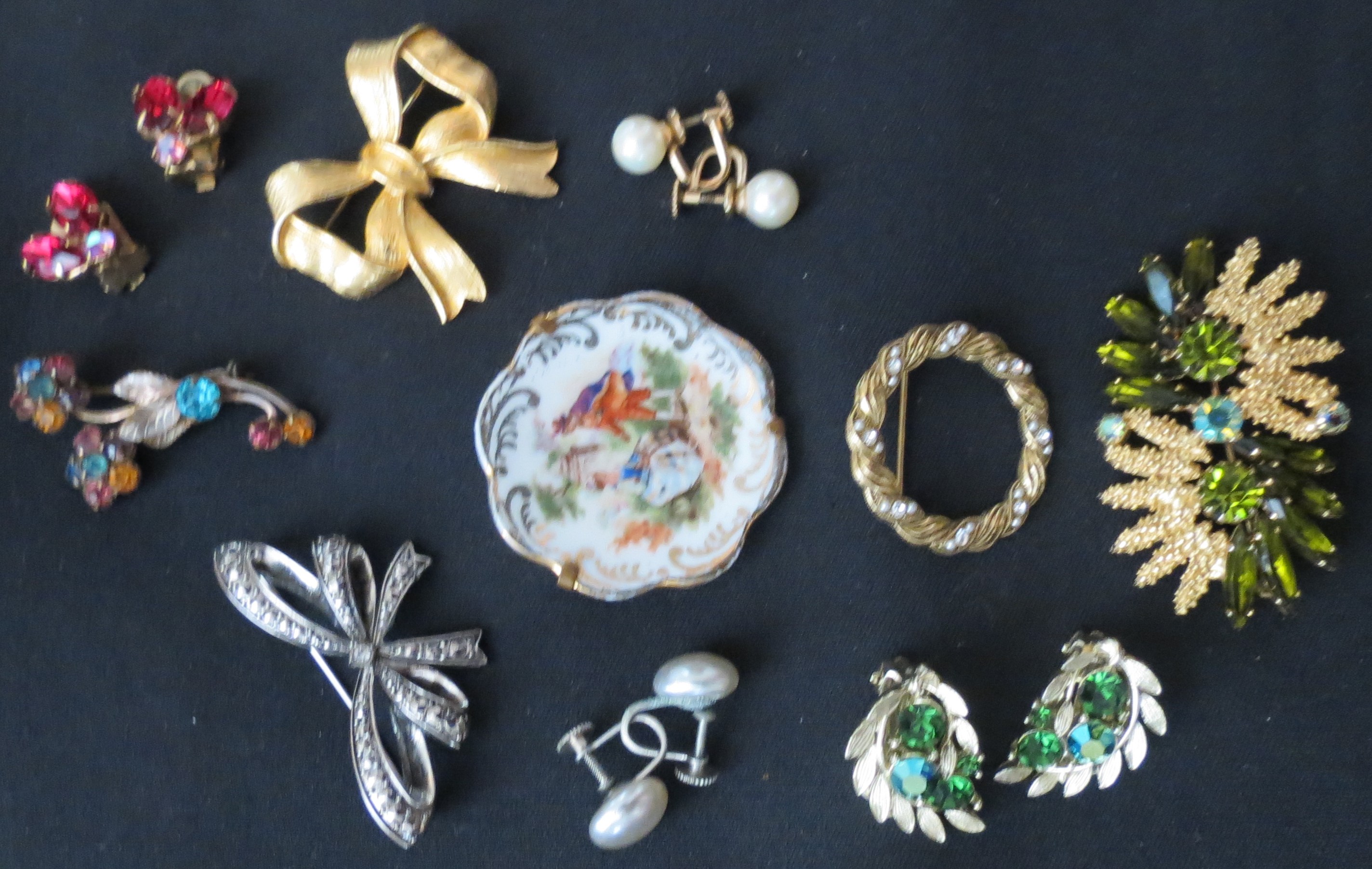
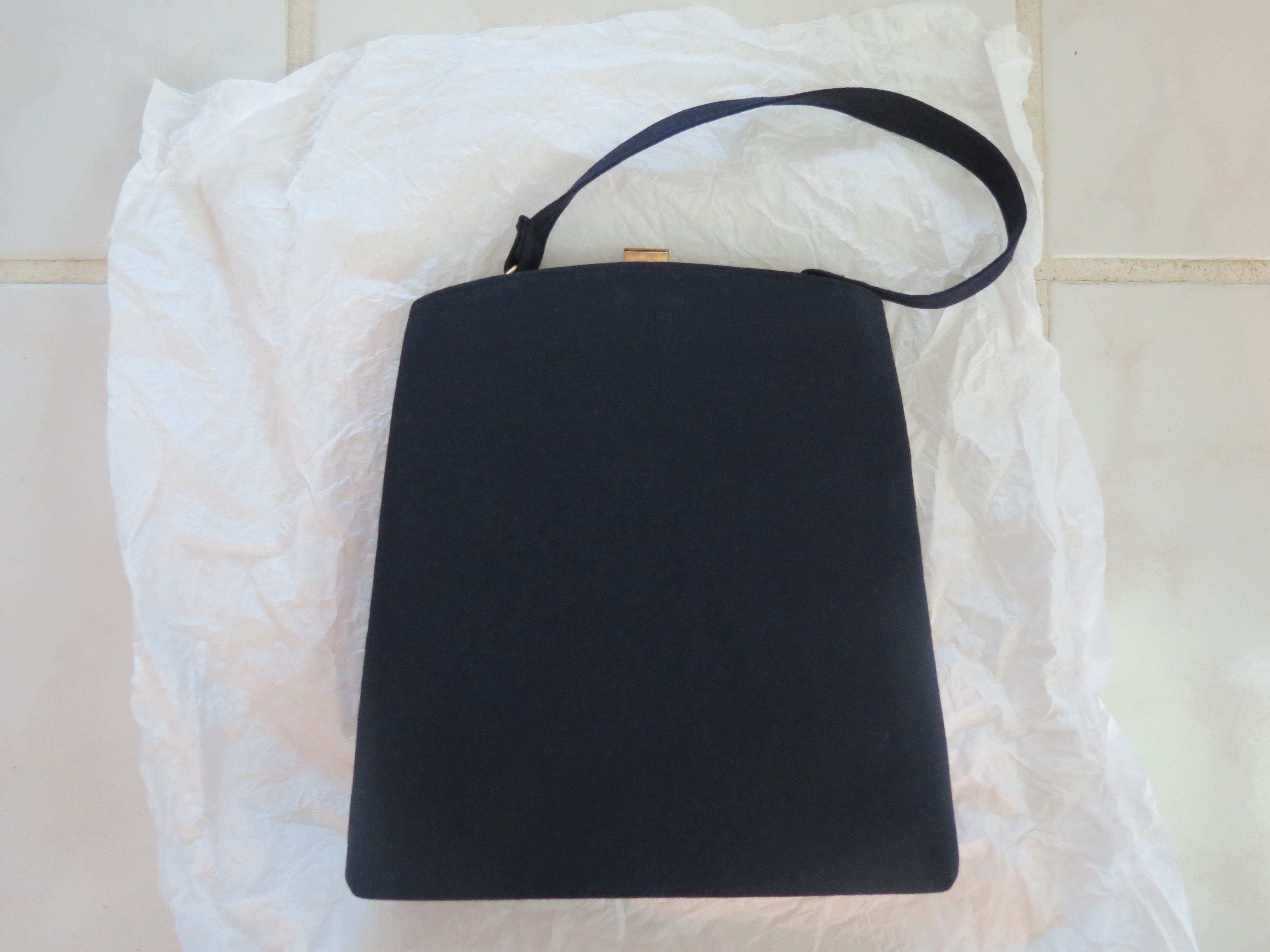
Mid-century costume jewelry pins and brooches like the ones in this picture, especially those on the left side, might have been worn with dresses like this and a dark navy handbag like the one above is a nicer 1940’s style with a fabric body and strap.

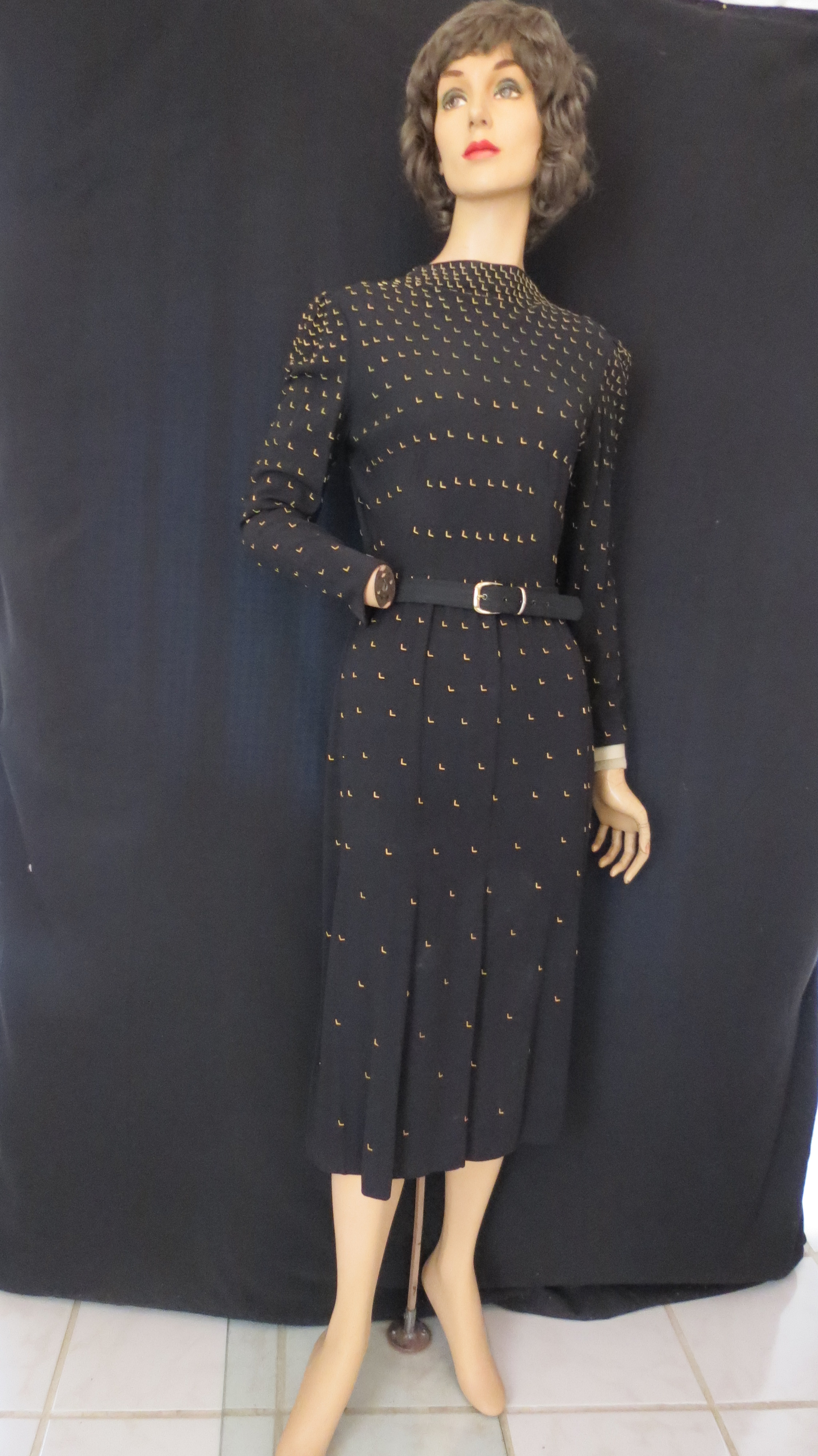
This final black frock is probably meant for cocktails, dinner or evening, though very tailored. It comes from the early Forties or perhaps the Thirties, with it’s Deco-style decoration with metal studs.

So, this is a little wardrobe trip from the pre-war and, possibly, the post-war 1940’s. Some of the costume pins also span the decades from late Thirties to early Fifties. Tomorrow I’m sticking with the same era, but focusing on more casual styles. Stay tuned . . . . . . . . . . . . . . . . . . . .

MORGANA MARTIN, THE MAGICVINTAGESPY
BLOG: MAGICVINTAGESPY.COM

OUR MID-CENTURY GAL NEEDS TO PACK SOME DRESSES AND THEIR ACCESSORIES FOR HER VACATION

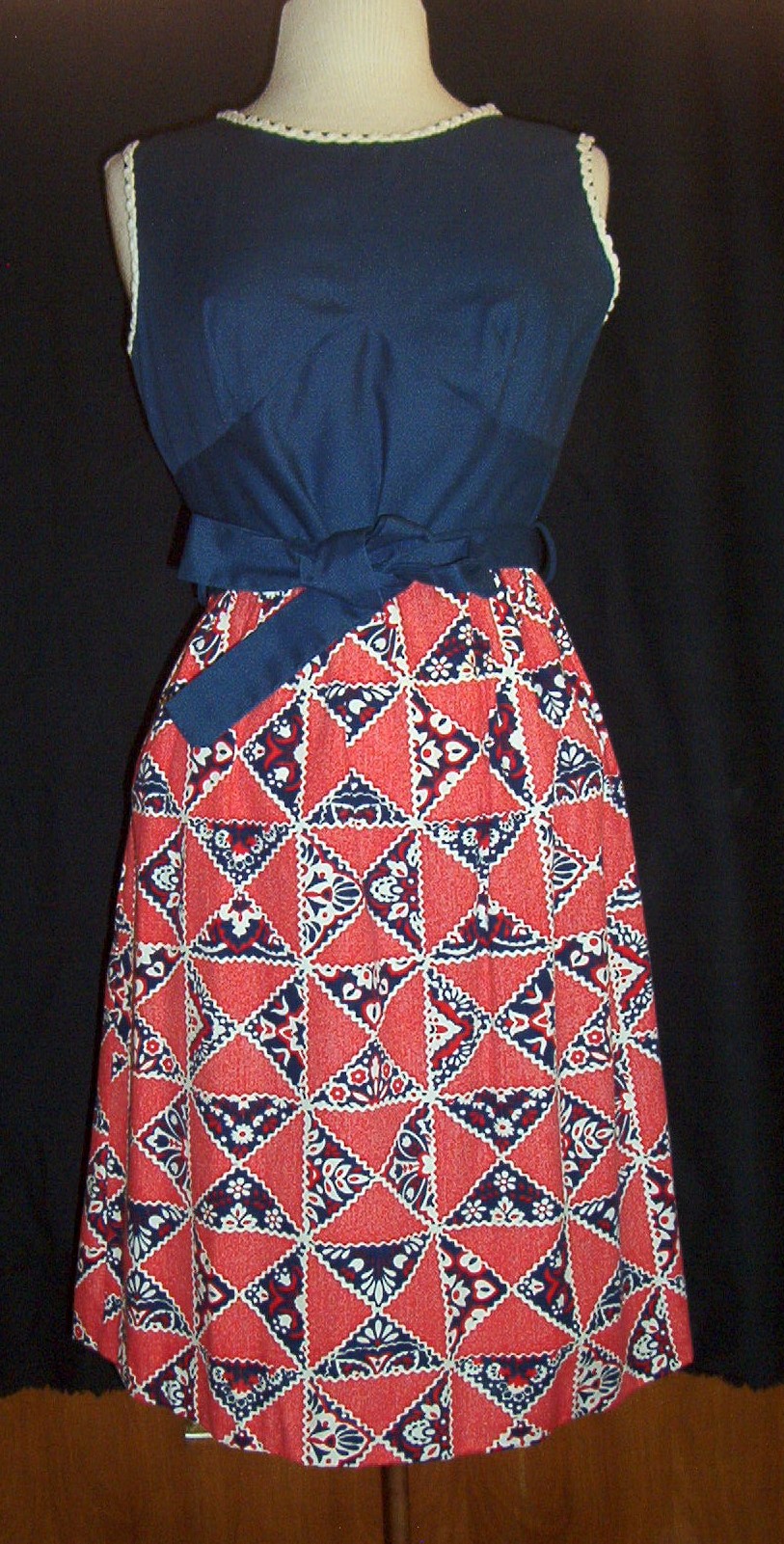
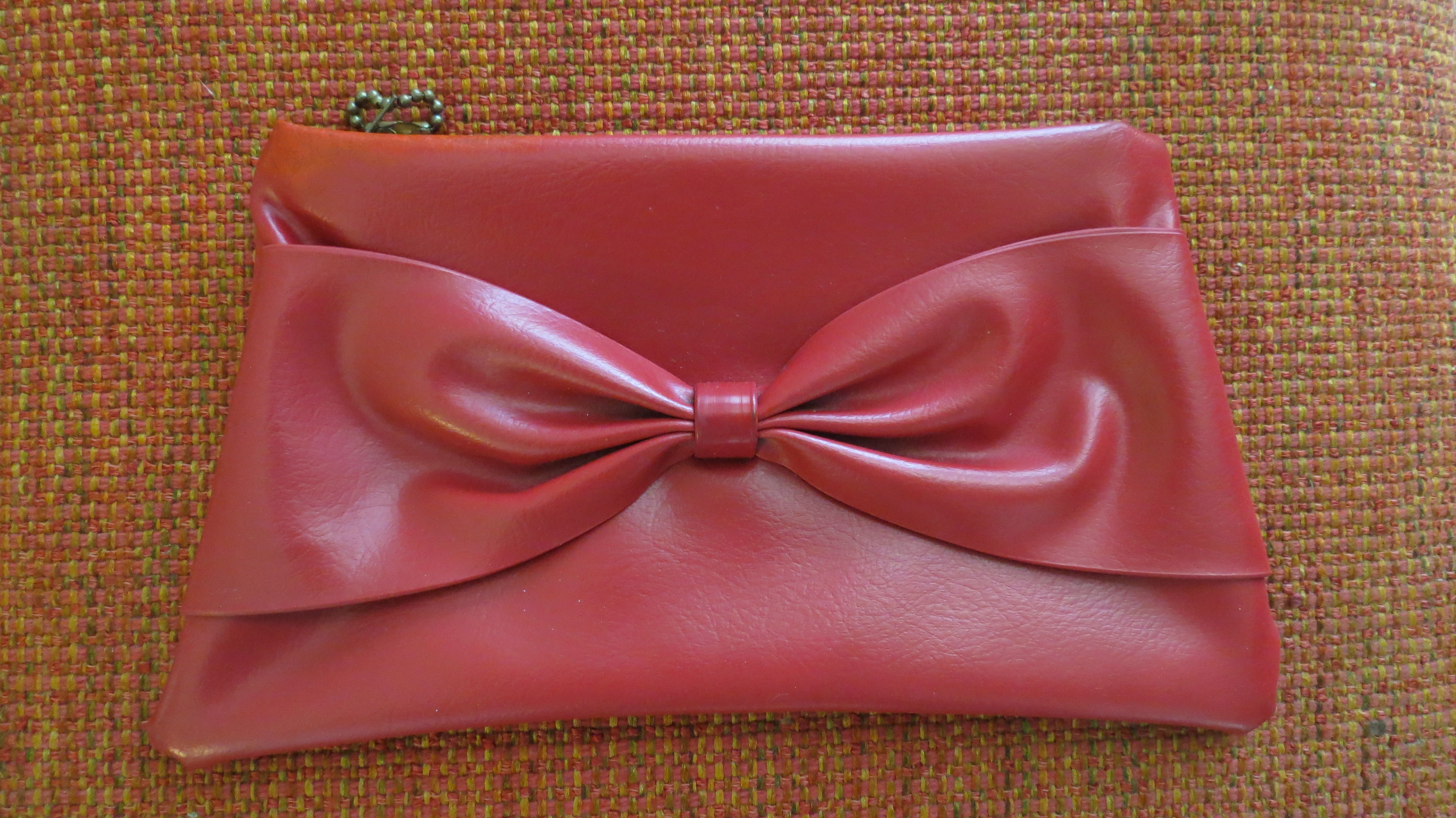
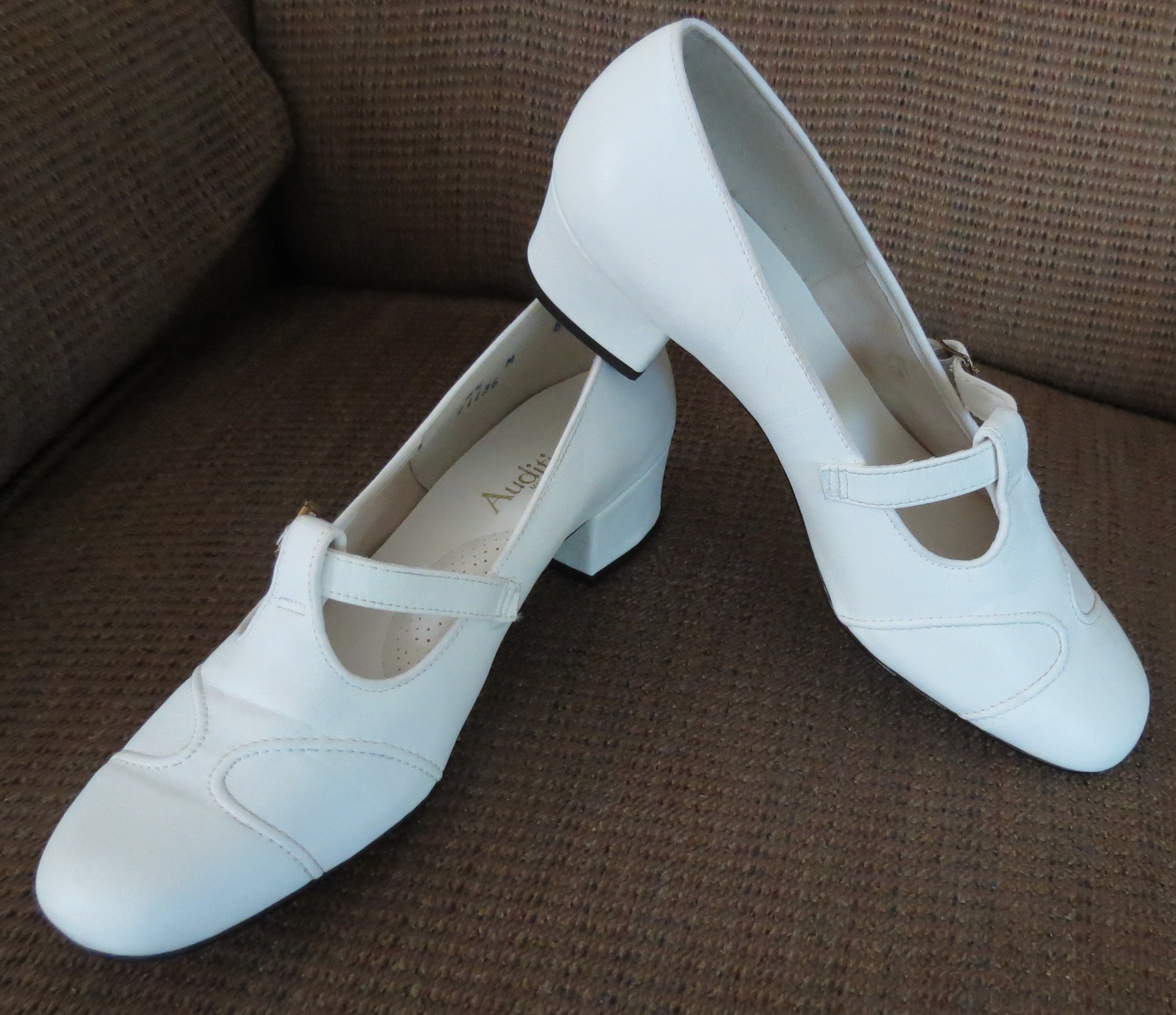
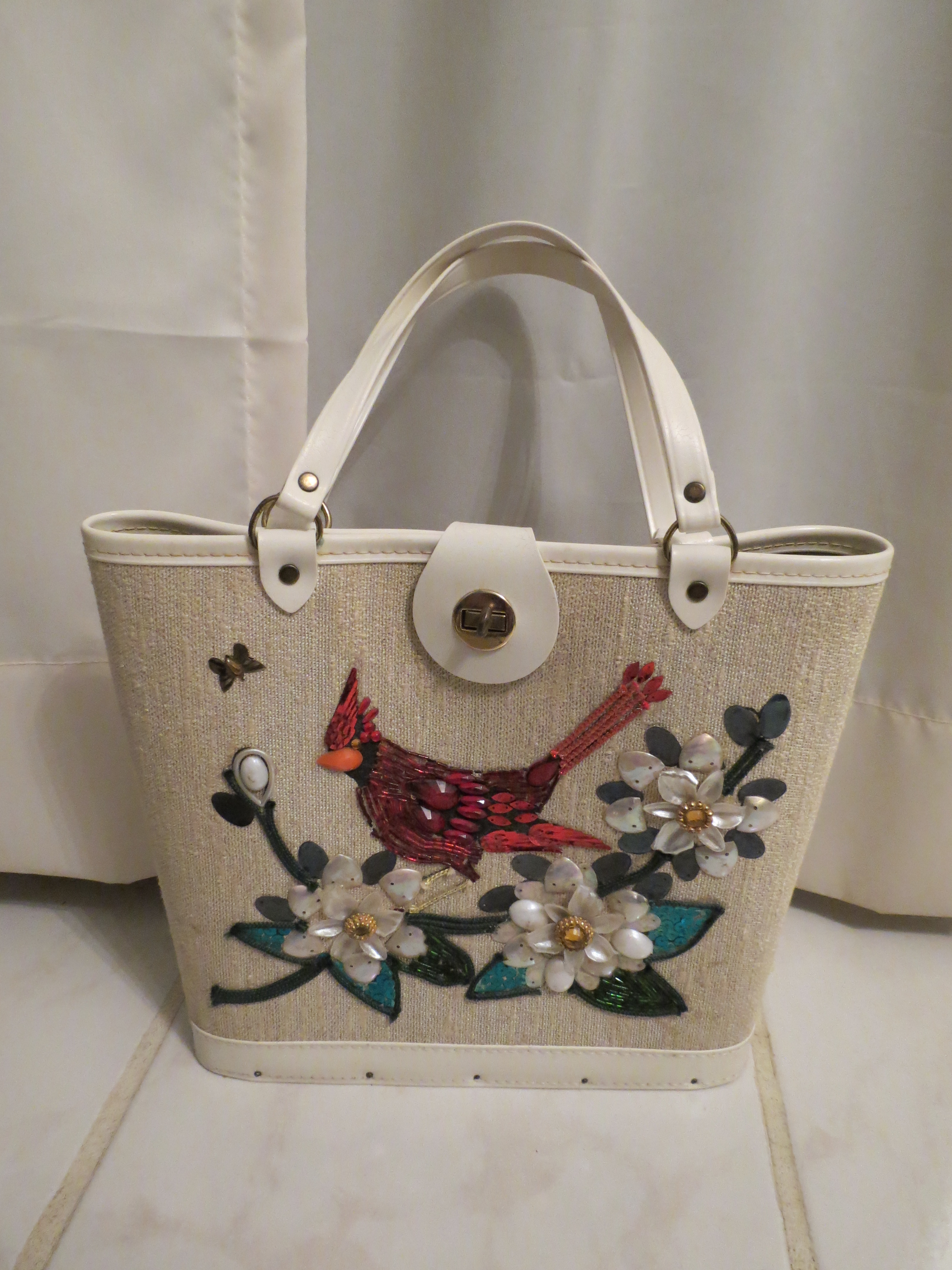
Okay. She’s got to be prepared for attending some dinner or event that is a little more dressy even though spending all her time on the beach and the boardwalk is the best. Pretty 1950’s and early 1960’s sundresses will allow her to be appropriate while also bending to her casual style. A more sophisticated purse and low-heel Mary Janes go to town or a restaurant very properly. This decorated tote bag is a fashion statement of the time that is very practical for shopping.

In spite of the extra travel case for her roller skates, our girl will be able to finish packing this travel wardrobe in one suitcase. Several things can be worn on the plane, ’cause it looks like she’s going to fly. When she gets there, she’ll probably come back with some purchases and will have to buy a beach hat. Maybe we’ll get a chance to see her purchases when she comes home. Stay tuned . . . . . . . . . . . . . . . . . . . .

MORGANA MARTIN, THE MAGICVINTAGESPY
BLOG: MAGICVINTAGESPY.COM

True Vintage Ladies’ Sweaters 1940’s – 1970’s

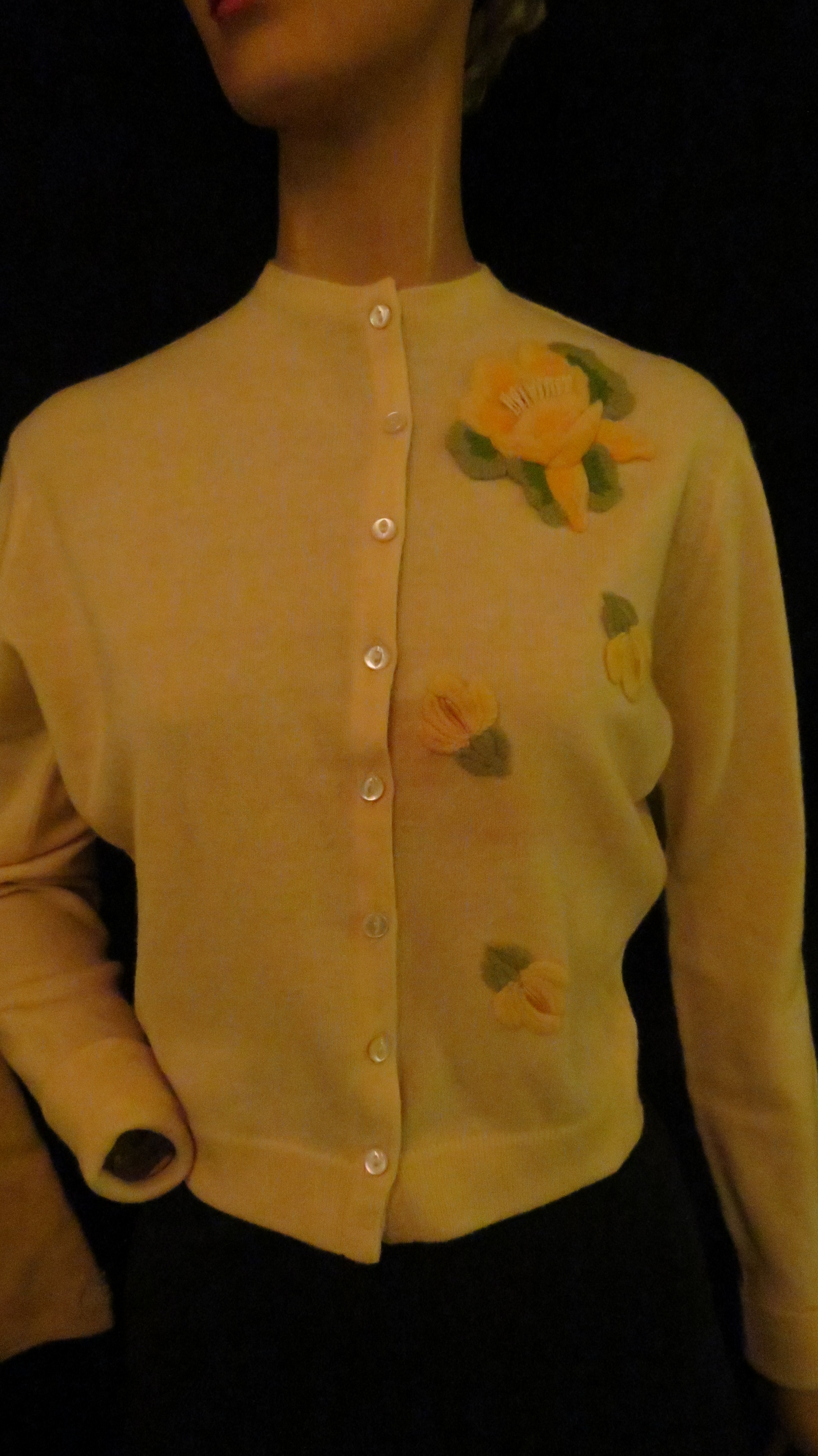
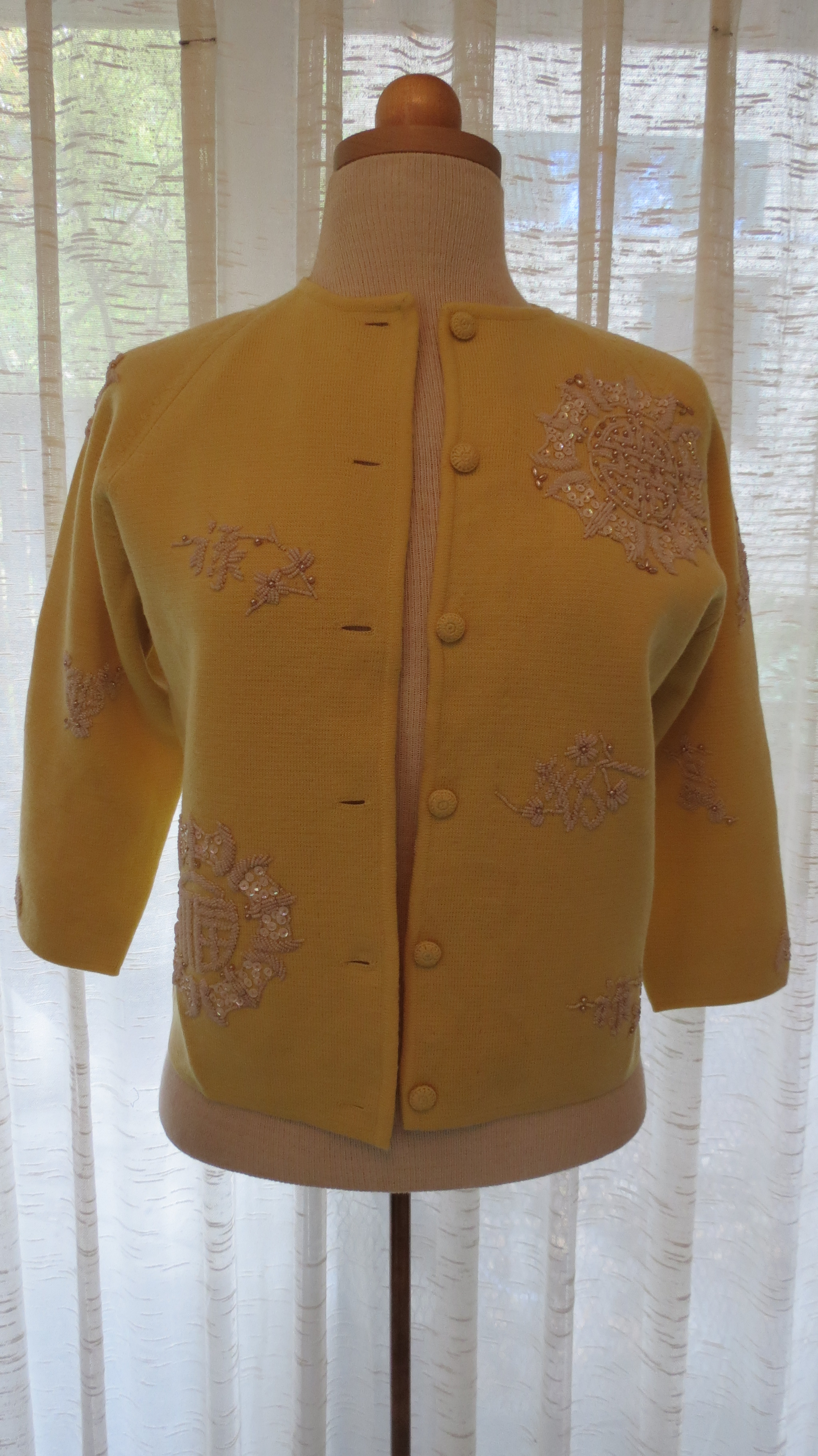
Just a few examples of the many styles and varieties in my archives, but this assortment is a good beginning. The most classic, and probably the most numerous of my discoveries, have been cardigans. Finely made cashmere sweaters, like my mother’s yellow one with appliqued flowers, were a staple for the college coed in the late 1930’s to 1940’s. Plain styles were often worn in reverse, with the buttons in back. Up through the 1950’s to the early 1960’s beaded and embroidered cardigans were hugely popular and the designs were endless. Most were commercially-made, many of the best ones in British Hong Kong, but some women decorated theirs at home. My mother bought this yellow sweater jacket by Banff in the early 1960’s.

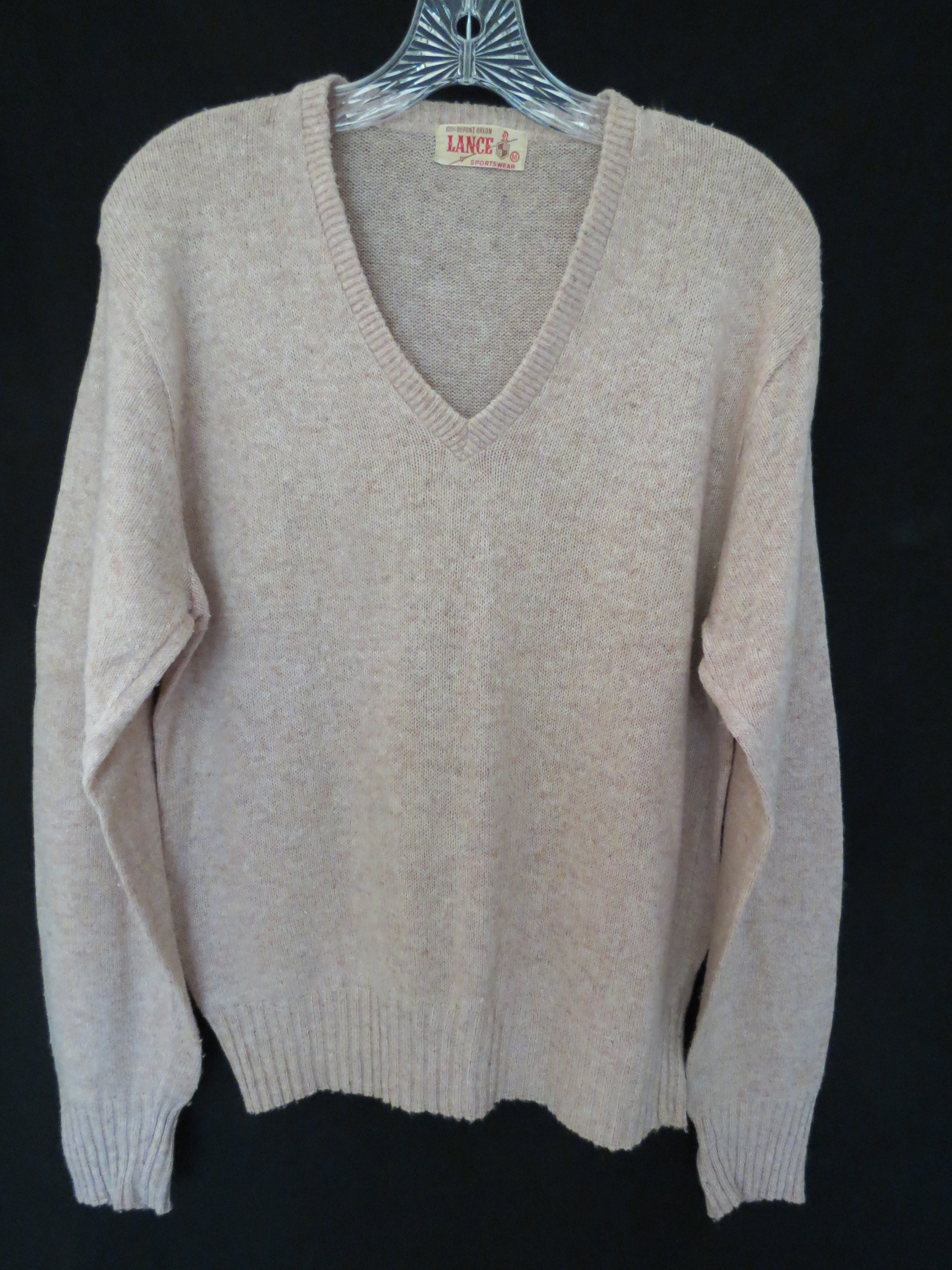
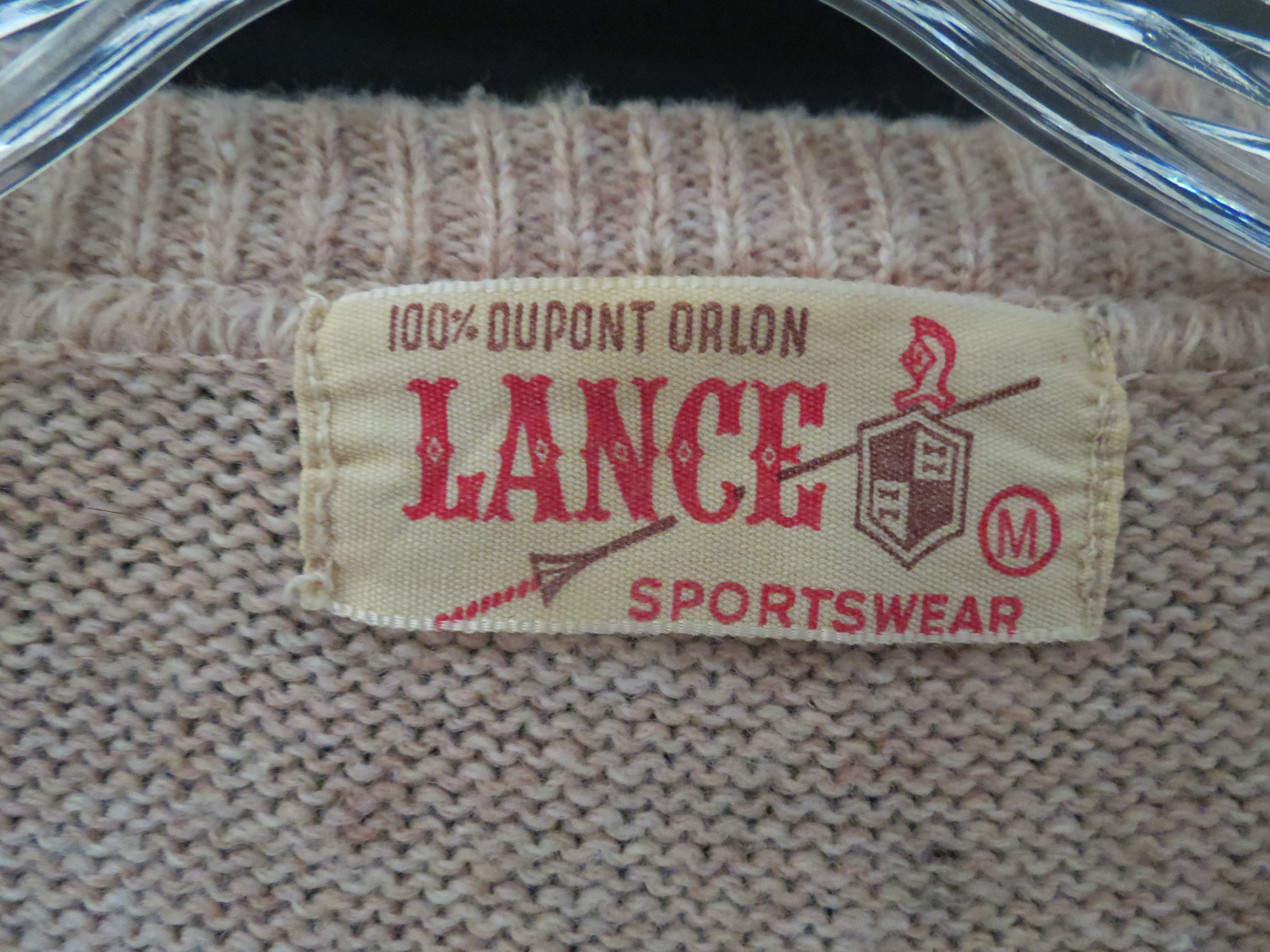
Of course, there were v-neck, crew neck, and collared sweaters in all sorts of variety. Most were nice, but casual styles made to wear with skirts and, later, with slacks. Wool sweaters provided the most warmth for colder months and, until Orlon became available, almost all sweaters were made of wool. Synthetics were really given a boost during WWII because of the government’s requisitioning of wool for military uniforms.

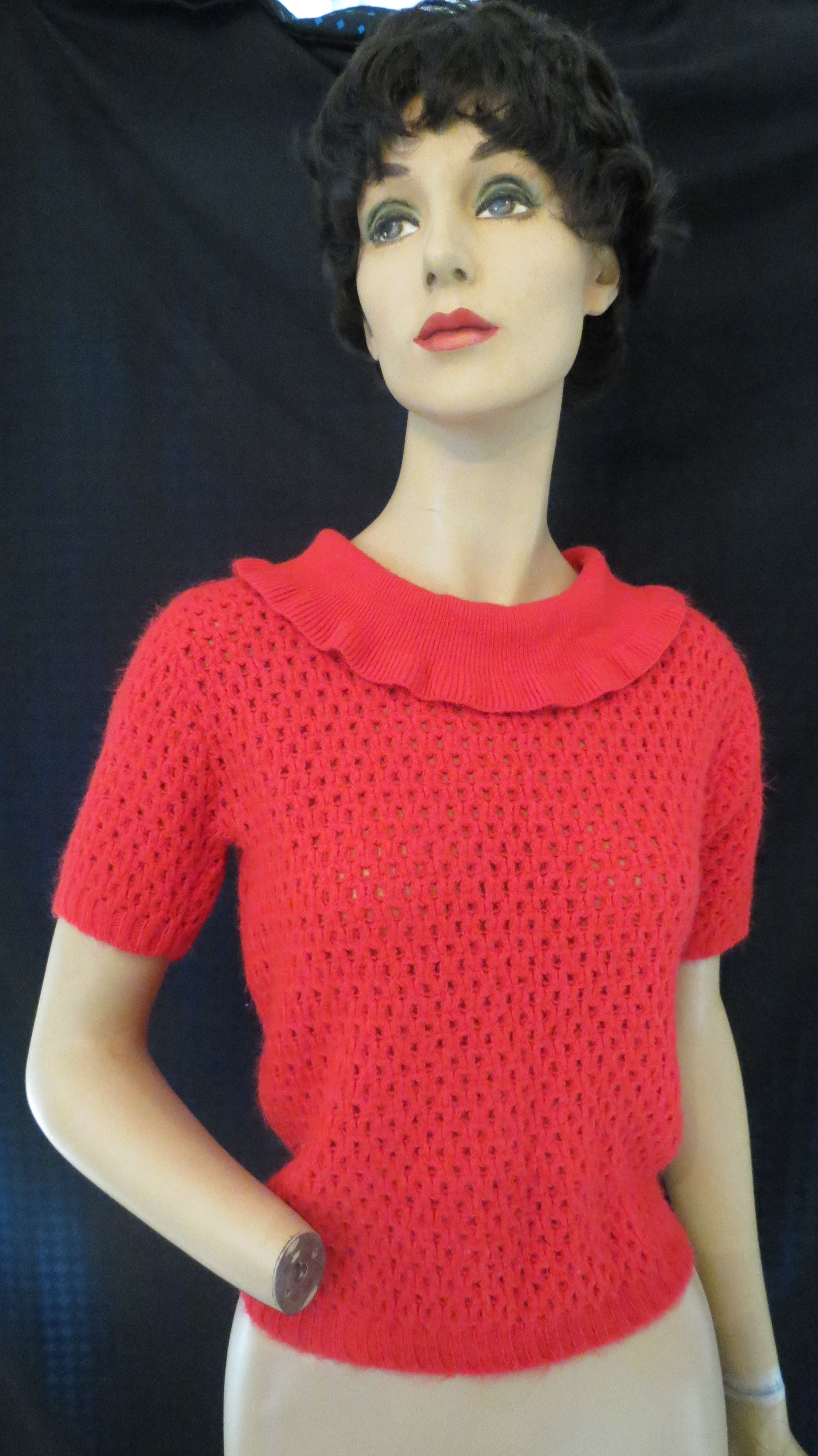
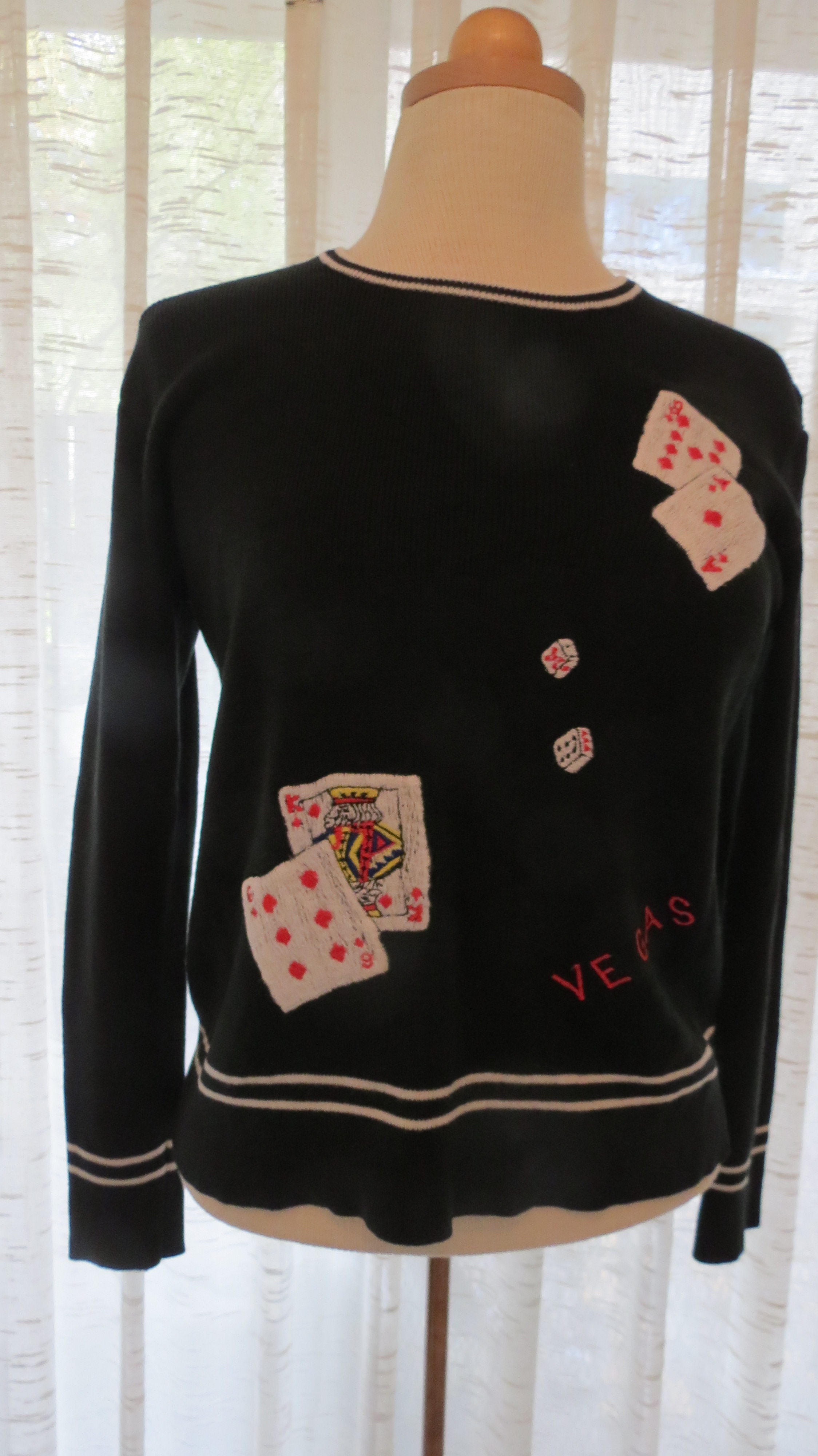
The turtleneck that we love now didn’t seem to show up too much in everyone’s closets until the early 1960’s. Until then, it was a little more avant guarde or unconventional for the average gal though they were on the scene from the 1920’s. Always a sportswear item, especially from the time women began to dress more casually in the 1940’s, women’s sweaters became less dressy. We’d begin to see themed sweaters like this Las Vegas souvenir from the 1970’s or with prominent monograms, mostly in the ’50’s. Of course, many mid-century women knitted and crocheted tons of styles at home, from super-casual to evening styles.

True vintage sweaters from before the 1970’s when acrylic yarn took over are a rare and fabulous find. Moth damage, pills and snags usually took most of them out of circulation. Though I have many, it’s only possible to show sample at one time. A few ladies’ casual Spring jackets tomorrow – stay tuned . . . . . . . . . . . . . . . . . . . . . . . . . . . . . .

MORGANA MARTIN, THE MAGICVINTAGESPY
BLOG: MAGICVINTAGESPY.COM

A Gallery of True Vintage Lingerie Slips

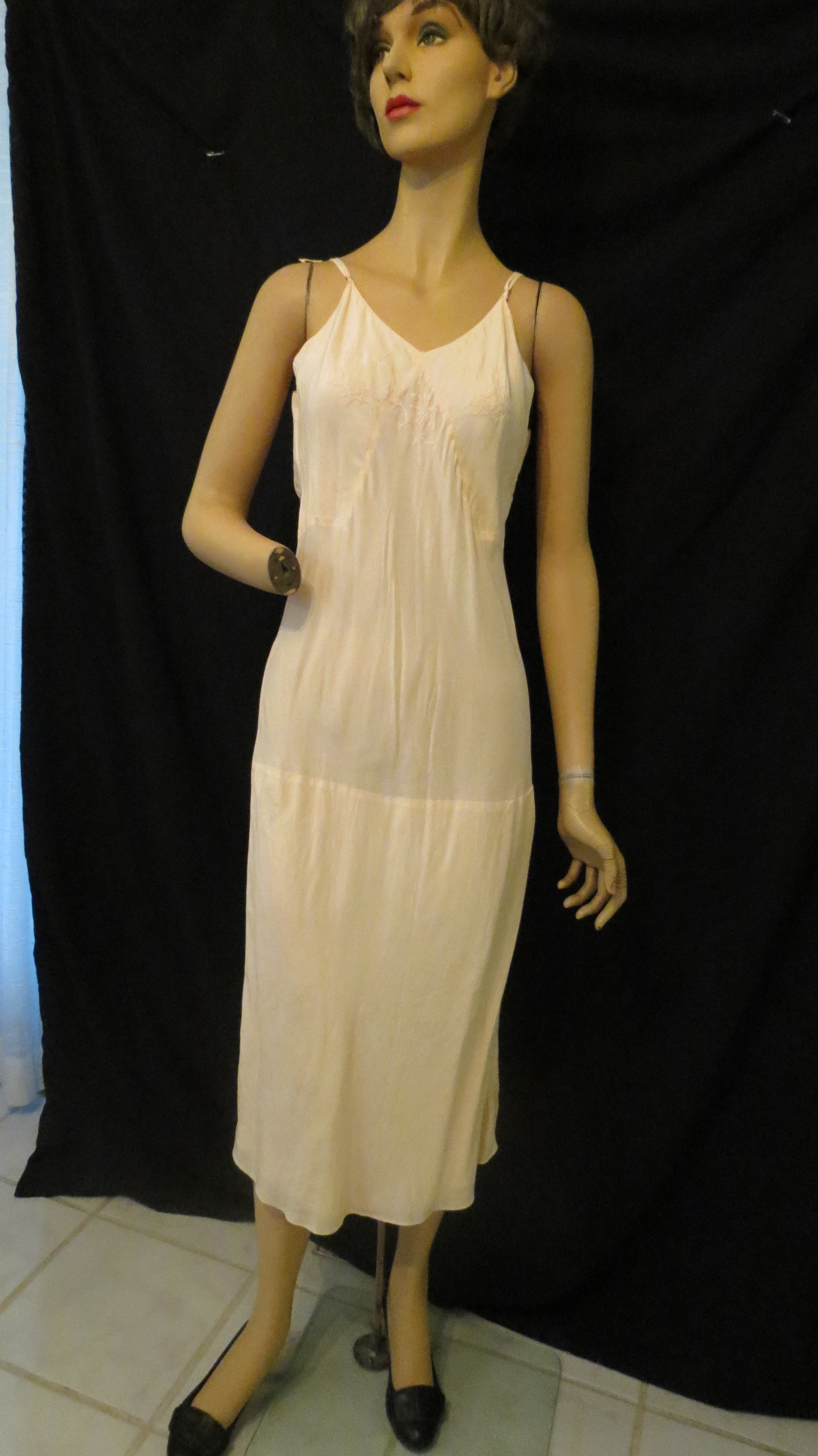
Here’s a sampling of my dozens of beautiful lingerie slips from several eras. True vintage lingerie is essential to wearing your dresses, blouses and skirts with their best fit and comfort. Slips can be fine cotton, rayon, silk, acetate or nylon. Designs can be highly decorated or very sleek and plain. It pays to have every type you can find in different lengths and colors. Some are so gorgeous they can be worn alone as “slip dresses”.

Matching your undergarments to your dresses in a way that minimizes binding, getting too hot or having some unsightly see-through makes all the difference in the final presentation of your outfits and your enjoyment of wearing them. Usually, you’re the only one who knows how truly beautiful your full or half-slip really is. Sometimes it’s fun to allow just a corner of lace trim to show beneath a hemline or at a neckline. In other words, have fun. Have a beautiful Thanksgiving holiday and stay tuned . . . . . . . . . . ..

MORGANA MARTIN, THE MAGICVINTAGESPY
BLOG: MAGICVINTAGESPY.COM

True Vintage Formal for Holiday Season Gala Nights

Right about now, usually after the U.S. Thanksgiving holiday, the build-up-to-Christmas galas and formal parties seem to begin and gather momentum. This is, to my mind, the beginning of a formalwear season in the northern countries that lasts through St. Valentine’s Day and picks up speed heading into Prom, with a bump of semi-formal events around Easter and ends, more or less, with bridal events in June. I guess this is the way that humanity has amused itself during the colder months when daily outdoor activities are not generally practical.

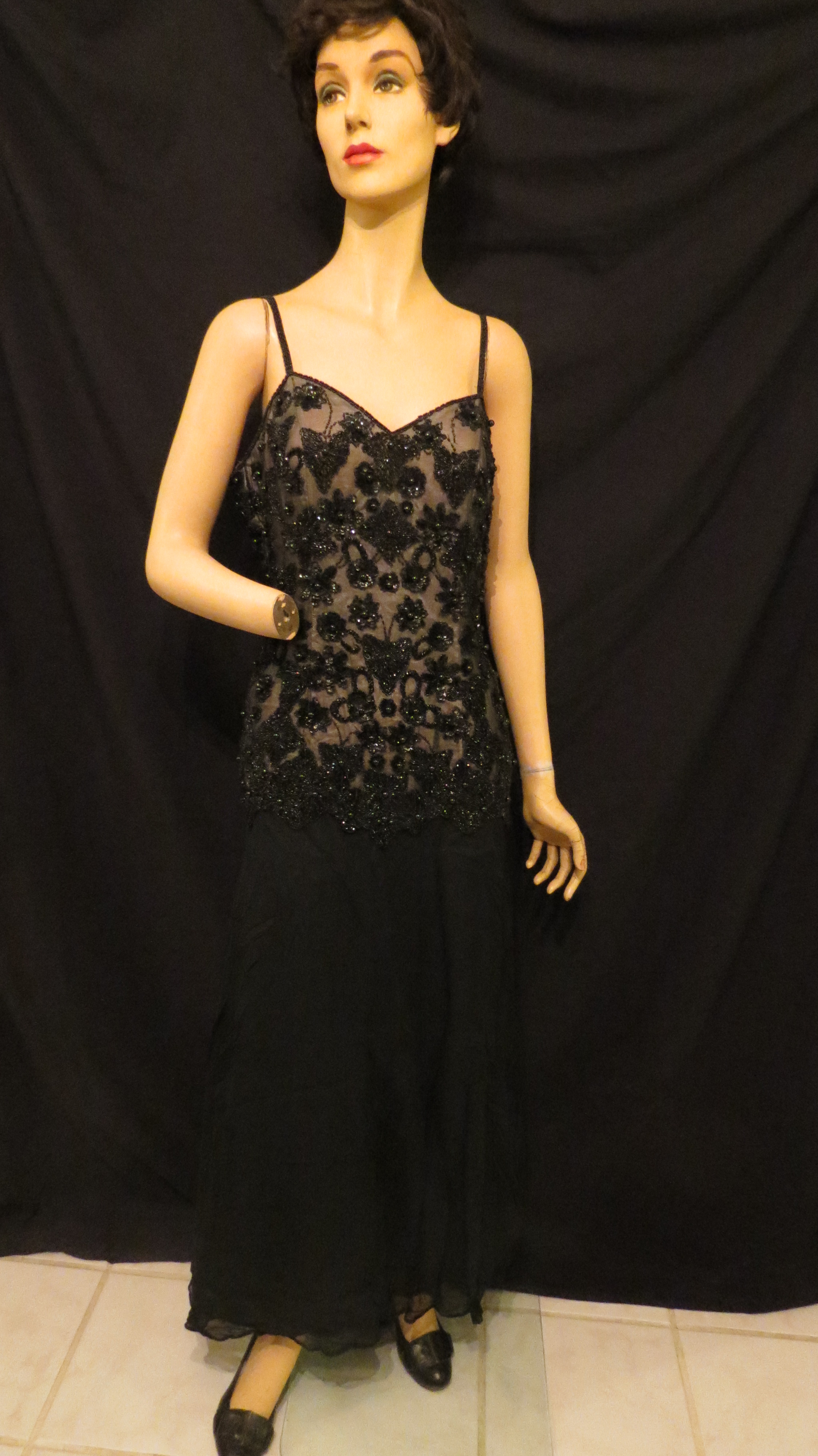
The above frock is a beautiful example of many I have seen by Alyce Designs. Most are highly embellished, like this one. Although they are more “modern true vintage” (1970’s – 1990’s), they do have excellent tailoring unlike many garments made since the 1960’s. I believe that the company may still be making dresses, but of course I am not interested now. However, this one is old enough and well enough done that it deserves a showing. I do love the beading on sheer fabric and the nod to 1920’s style.

So, we’ll be heading into a stream of transmissions which will include clues related to semi-formal and formal events. But, evidence from new investigations comes up at random times so stay tuned . . . . . . . .

MORGANA MARTIN, THE MAGICVINTAGESPY
BLOG: MAGICVINTAGESPY.COM

SNUGGLEY TRUE VINTAGE SLEEPWEAR AND LOUNGEWEAR 1950’S – 1970’S

Everybody seems to love red, especially this time of year. It’s certainly a color which can make us feel warmer, which is what we’re beginning to need in a big way now. On the left is a favorite 1950’s pajama set of mine, woven 100% cotton with little fans printed all over. The print would make you think that these must be women’s PJ’s but actually these are a large size boys’! Take a look at the direction of the button closure.

Although I have lots of women’s PJ’s and gowns, my men’s pajamas from the 1940’s and 1950’s are really special. Classic unisex PJ style (though, often, men’s have a fly), but the best feature is that the men’s garments are very sometimes printed with wonderful medallion prints or novelty prints like the one above. A large (16 – 18) vintage boys’ size will fit me well – I wear a ladies 4. A men’s small will usually do OK or can be easily altered. Women’s PJ’s are most often of a solid color nylon or silk or a fine cotton printed with small flowers, decorated with lace or other trim. Really beautiful and comfy, but sometimes a little boring.

However, true warmth comes from robes, and this is where the women’s garments shine. They are more often found in warm fabrics such as plush, chenille and quilting. Women traditionally spent more time at home than men did so ladies’ true vintage robes and dressing gowns are built to be worn for several hours, rather than just after getting out of the bath or shower. Although men’s vintage robes sometimes have nice prints, women’s are more often embellished with embroidery, trim and buttons. Each decade had it’s typical style and popular fabric but the general rules seem to apply to sleepwear and robes from all the decades from the late 1800’s to the present day.

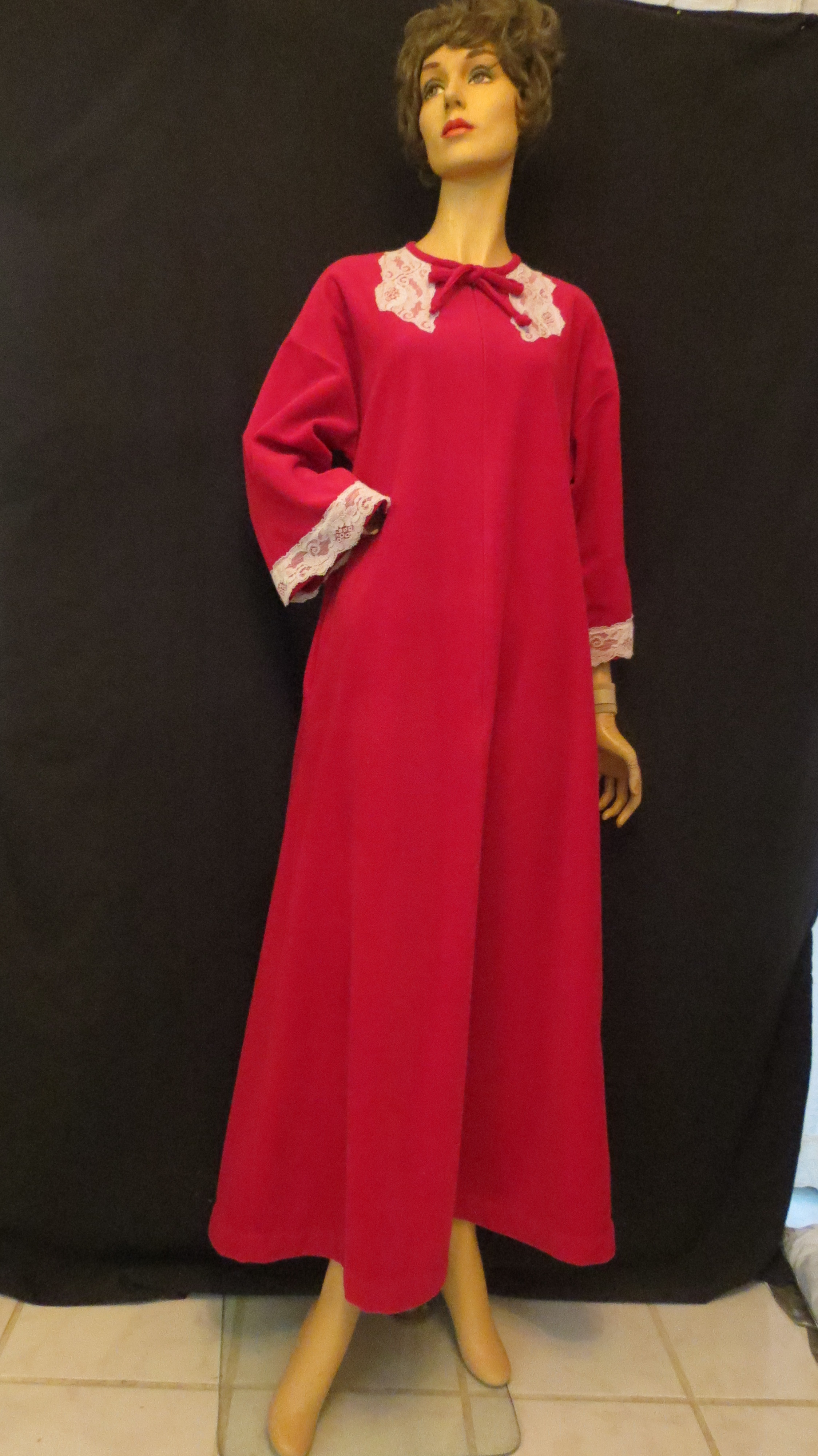
My 1970’s robe above is certainly worthy of Mrs. Claus as she makes breakfast for the elves. (Sorry, but traditional folklore and myths tend to be very sexist.) It’s by Vanity Fair, a company which has made women’s at-home styles and lingerie for decades. I love the pretty style, but the long bell sleeves are very impractical in the kitchen and I don’t think the mid-priced market for this item targeted women who had hired “help” at home. That can be an inherent problem with true vintage fashions – occasionally they are poorly suited to an average lifestyle and can even be uncomfortable at times but that’s a minor consideration and not worth a mention as long as you are in the know. Wouldn’t stop me gathering the evidence for a second. When did practicality ever have anything to do with fashion and style, especially when a holiday or other special occasions are on the horizon? Stay tuned . . . . . . . . . . . . . . . . . . . . . ..

MORGANA MARTIN, THE MAGICVINTAGESPY
BLOG: MAGICVINTAGESPY.COM

Another 1940’s Frock – for an Evening of Cocktails and Dancing

With ruched sleeves and velvet ribbon decoration on black taffeta, the label tells me that it was sold from a ladies-wear shop in Texas, where it was discovered. A pretty dress with lots of room to move, from a time when dressing up for cocktails and dancing to live music was probably more popular than it is today. Everyone was exuberant over the end of the WWII rationing that, for one thing, had made extravagant clothing unavailable. We apparently owe the title of “Cocktail Dress” for early-evening semi-formal frocks to Christian Dior, beginning in the post-war 1940’s when hemlines went down again and showy tailoring details came back.

I’ll need to check on how it fits me to decide it’s fate. Stay tuned . . . . . . . . . . . . . . . . . . . . . . . . . . . . . .

MORGANA MARTIN, THE MAGICVINTAGESPY
BLOG: MAGICVINTAGESPY.COM