MY VERY LATEST FIND: A PAIR OF ICONIC KENNEDY-ERA GLOVES. TOO SPECIAL TO PASS UP . . . . . . .

Who doesn’t have mid-century white wrist-length gloves passed down by the older women in their families? I’ve got a collection, both of “heritage” gloves and those that I’ve discovered during past investigations. Cotton, leather, suede, synthetic – I’ve kept only the best of the best. Like handkerchiefs and little hats, these gloves were ubiquitous – every woman had them because in the late 1950’s through the early 1960’s they were mandatory when you left the house. First Lady Jacqueline Kennedy made them a true fashion statement that no well-dressed woman would be seen without.

So, a ton of them have been out in the vintage marketplace even though they’re not a wardrobe staple anymore. But, wait . . . . . . . . gloves, in general, are definitely a wardrobe staple and these are PERFECT! What do you wear with a white jacket or coat on a cool day? How do you save your white leather gloves from getting dirty? Beautifully hand-tailored gloves like these are a great alternative. Even if you’re not wearing an early ’60’s dress, these are classic enough to wear with anything, including slacks.

Other factors which made these a catch, besides their beauty, and caused me to pick them up: 1. The synthetic fabric – probably nylon or a nylon blend – has stretch which makes them super comfortable and flexible as well as giving a good fit. 2. This type of fabric washes well, similar to nylon lingerie slips. You can even wash them in hot water if you need to and as long as the decoration will tolerate it (but those buttons can easily be detached for laundering and re-sewn on). 3. This is maybe the BIGGEST PLUS – like nylon slips, in my experience, they take dye very well and can be dyed to match anything you’d like!!!

That’s my very latest find and I was thrilled to discover them. You just never know! Now, I only have to decide on the color . . . . . . . . . . . . . .

MORGANA MARTIN, THE MAGICVINTAGESPY

BLOG: MAGICVINTAGESPY.COM

EXCITING “NEW” TRUE VINTAGE HANDBAG FINDS!

Let’s start with a deja’ vu item (for me) – I call it this because I discovered a nearly identical one and posted it just two weeks ago! However, the exciting thing is the different clues involved in their stories. Always SO interesting! Plus, one new item which is a rare find and always makes me do an extra happy dance. . . . . . . .. . . . . ..

Oh, Ho hum you may say. Another black cocktail clutch. Yes, I have many of these in my case archives (and closet), but each one is unique in some way. The fun thing about this one is the similarities to the other one recently found; 1. Both are rectangular and designed to be hand-held. 2. Both are made of black rayon satin. 3. Both have hand-done beading on the front AND back. 4. Both have an additional pocket (or two) inside. 5. Both are from the mid-century, probably post-WWII.

HOWEVER, the one found two weeks ago is more finely made. It was constructed in Hong Kong (while it was still British Hong Kong) while this one above was probably made in North America but is an iconic brand name (Soure’). The first found has more elaborate beading on the front. It is a sac design with no stiffening and simply folds over to close, while this one has stiffening between the layers, probably some form of cardboard, and a metal snap closure (more common and less elegant). These clues lead me to decide that the first find is 10 – 20 years older even though they are so similar. Investigations are so fun! You can check out the previous post and see what I mean.

The final item, just found, is the one that really gives me happy feet – see the little coin purse? I LOVE FINDING THESE!!!!! Not too many of them exist anymore and they are SO convenient and iconic inside a true vintage handbag. This one, also, is navy blue rather than black. It will definitely have a home in one of my purses at Headquarters.

OK, that’s the first of my recent deja’ vu finds, but there is another one which I will put in a separate post because it is in a different category – Men’s true vintage accessories! Stay tuned . . . . . . . . . . . . . . . . . . . . . . . . . . . . . . . . . . .

MORGANA MARTIN, THE MAGICVINTAGESPY

BLOG: MAGICVINTAGESPY.COM
PRETTY WHITE COTTON MINI FROM MID-CENTURY EUROPE

While I’m missing Stella (my fabulous vintage mannequin model), please use your imagination to visualize how fun and flattering this mini-dress or tunic looks when it’s on. Without my honed sleuthing skills, I never would have found it and am so glad that I did. As a mini-dress (if you don’t mind the side slits showing your whole leg almost to the hip) it’s really cute and calls for a 1960’s/’70’s chain belt to finish it off. As a swimsuit cover-up or beach dress it would be perfect – cool, crisp and lightweight while giving some reasonable sun protection. Over a pair of skinny white pants or shorts I LOVE IT!! Also love the elbow-length sleeves and unusually-shaped neckline.

How do I know it’s from Europe? The size label tells me. How do I know that it’s true vintage? By my guesstimate, a European size 42 would always be too big for me, but I look great in this whether worn as a mini-dress or a tunic over pants. So, the cut seems to be smaller than a modern garment of that size would be. This is always tricky with international sizing, but I think I’m correct. The fabric is a nicely-woven cotton with some weight (but not too much for Summer) and all-over floral embroidery – similar to vintage fabrics that are almost never seen now. Also, the interior tailoring is different from what I find on modern garments. Not fine tailoring, because this is a very simple garment and probably sold at a lower price. However, some of the finishing is remarkable – if it did not have a size label, I might say that it had been home-sewn. It has darts in back to give it extra fit and style. The size label, printed rather than embroidered, is sewn in at the back neckline and there are no other tags at all.

All right, the verdict is in. This dress is probably from the 1970’s, give or take 5 years. Allowances have to be made for the overseas manufacture. Whatever it’s exact heritage, it’s wonderful and I will really enjoy it. I love solving mysteries but an open-ended investigation is always intriguing. Who knows – sometimes I solve a cold case years later! You just never know . . . . . . . . . . . . . . . . . . . . . . . . . . . . . . . . . . . . . .

MORGANA MARTIN, THE MAGICVINTAGESPY

BLOG: MAGICVINTAGESPY.COM
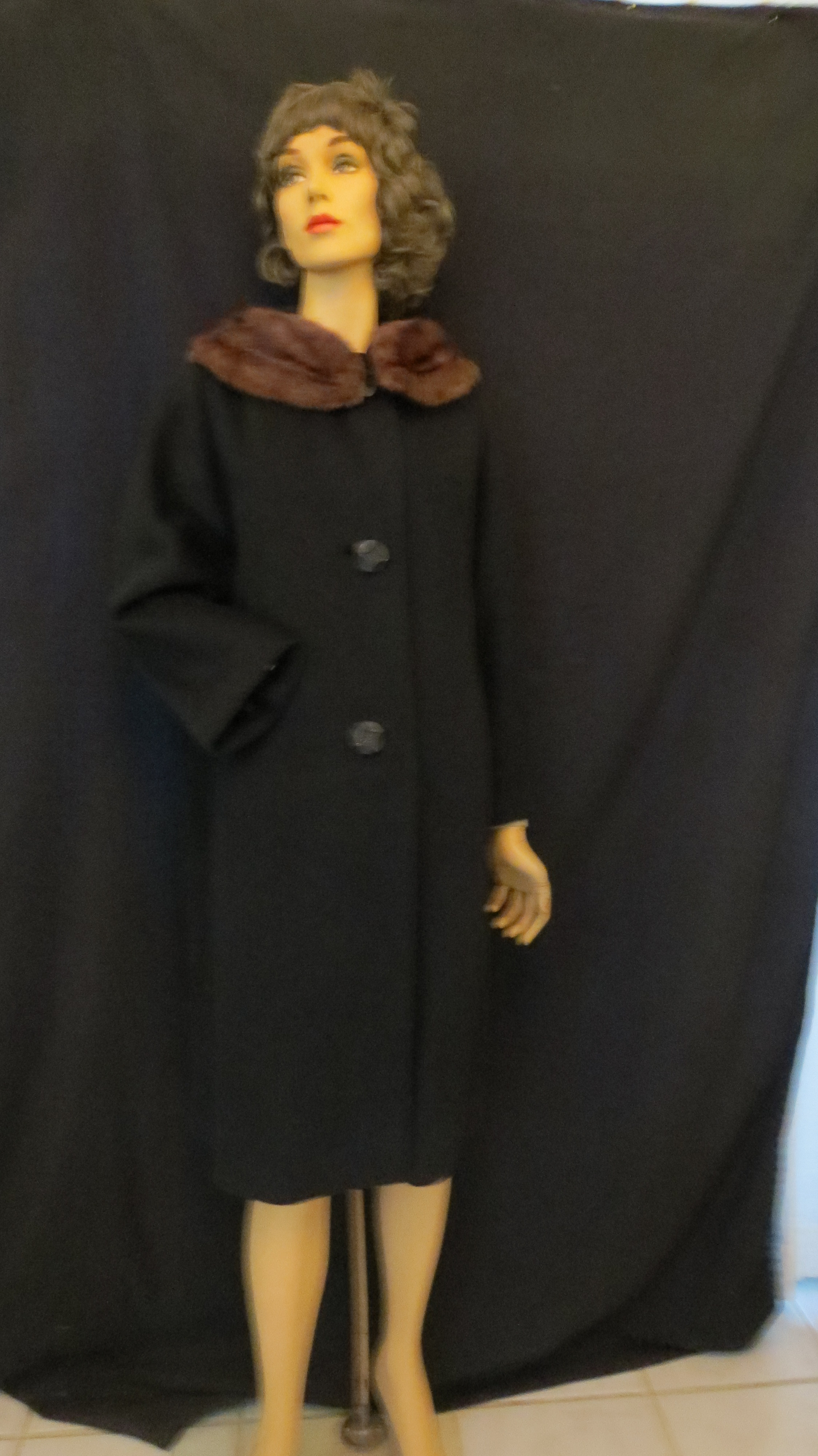
FABULOUS AND FUN SURPRISE FIND – TRUE VINTAGE, AS ALWAYS . . . . . . . . . . . . . .

A wonderful authentic Lily blouse from the 1970’s! I was out and about dropping off a charity donation and found this beautiful shirt. Such a surprise; I have several other Lily blouses in my closet, from the 1960’s but haven’t seen one during an investigation for a long time. These lovely shirts were a mid-century staple. The signature fabric is so soft and airy, the pretty embroidery done so well. Most older ones had monochromatic Asian-inspired designs. This one is similar to colorful Latin American indigenous designs, which became more popular in the early 1970’s.

I love the old-style sizing on these blouses and am thrilled that it is in a size I can wear – just about a modern size 2(which would be perfect for Stella, as well. I certainly miss her when I’m not at Headquarters. See her modeling work in many previous posts). It also has double-button cuffs, which is another late 1960’s – early 1970’s tailoring detail, AND a button and loop at the neckline which can be fastened to lessen gaping there, if you want to. True vintage garments almost always have such excellent tailoring and, despite it’s age, I see no signs of wear. The previous owner may have washed it by hand, which would be so easy to do, and avoided the wear and tear of traditional machine washing. So, this lovely won’t be going to eBay or Etsy!!

I also found another true vintage item in pristine condition, which I will post tomorrow. I’m a Satisfied Sleuther!! Just goes to show that you just never know . . . . . . . . . . . . . . . . . . . . . . . . . . . . . . . . . . . . . . . . .

MORGANA MARTIN, THE MAGICVINTAGESPY

BLOG: MAGICVINTAGESPY.COM
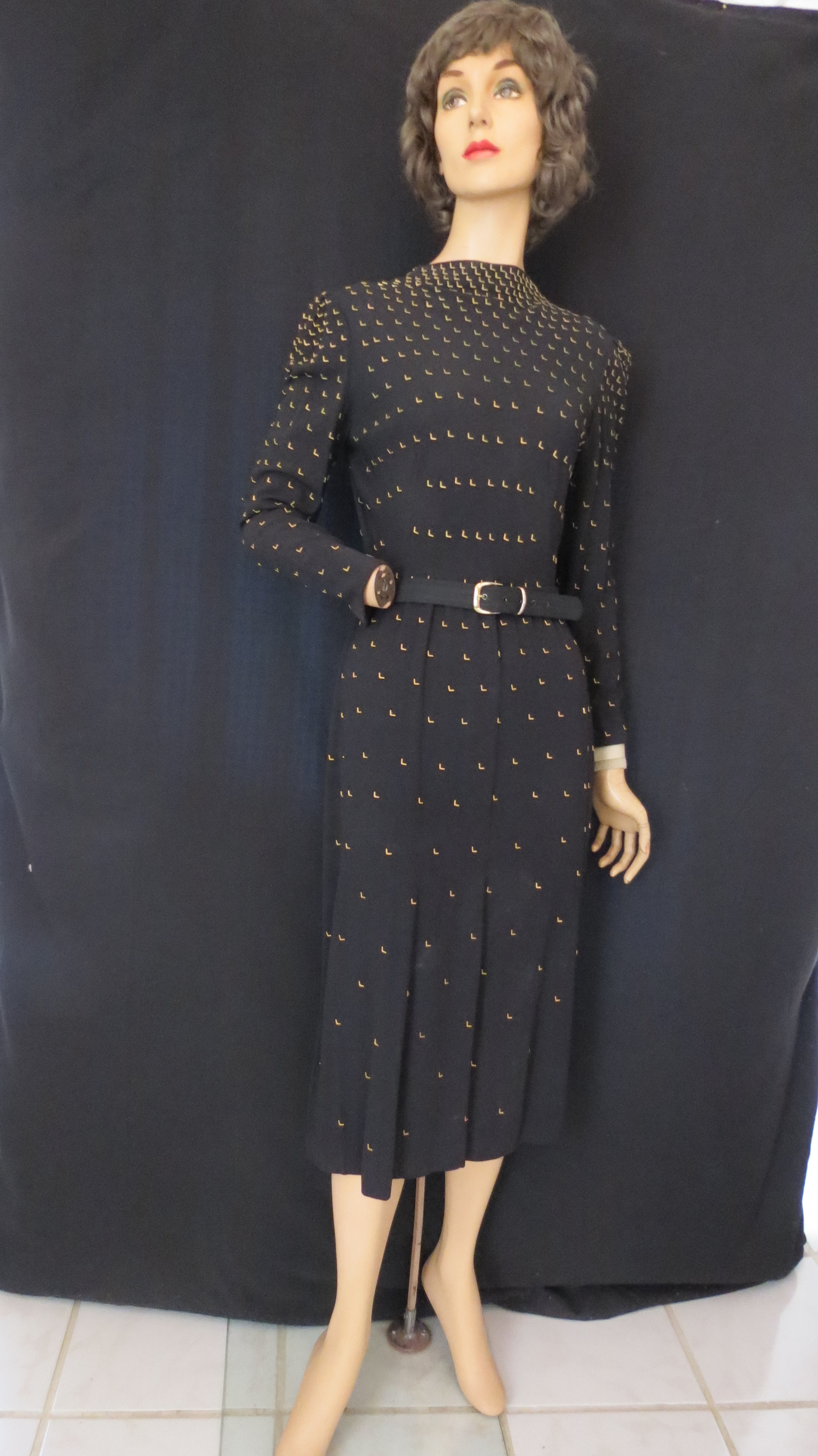
TRUE VINTAGE 1950’S – 1960’S DESIGNER AND HIGH-QUALITY ACCESSORIES

Now that we’ve reached the Spring Equinox, let’s start off with a Calvin Klein Easter hat in Spring pastels. A continuous flat tube of fabric is woven into a toque shape, overlaid with netting. A Mod-ern take on a traditional style. A lucky woman could look like an ice cream cone.

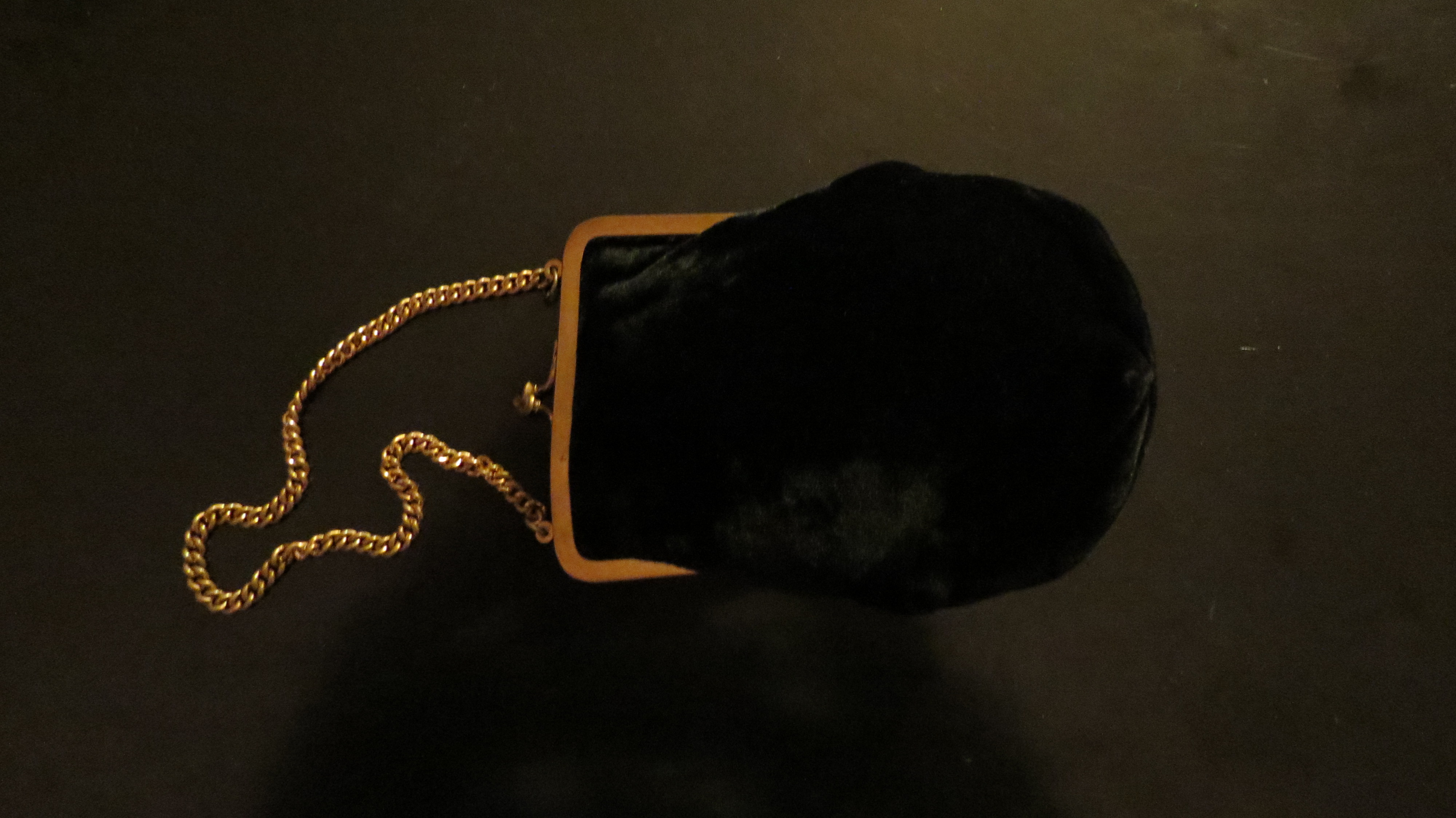
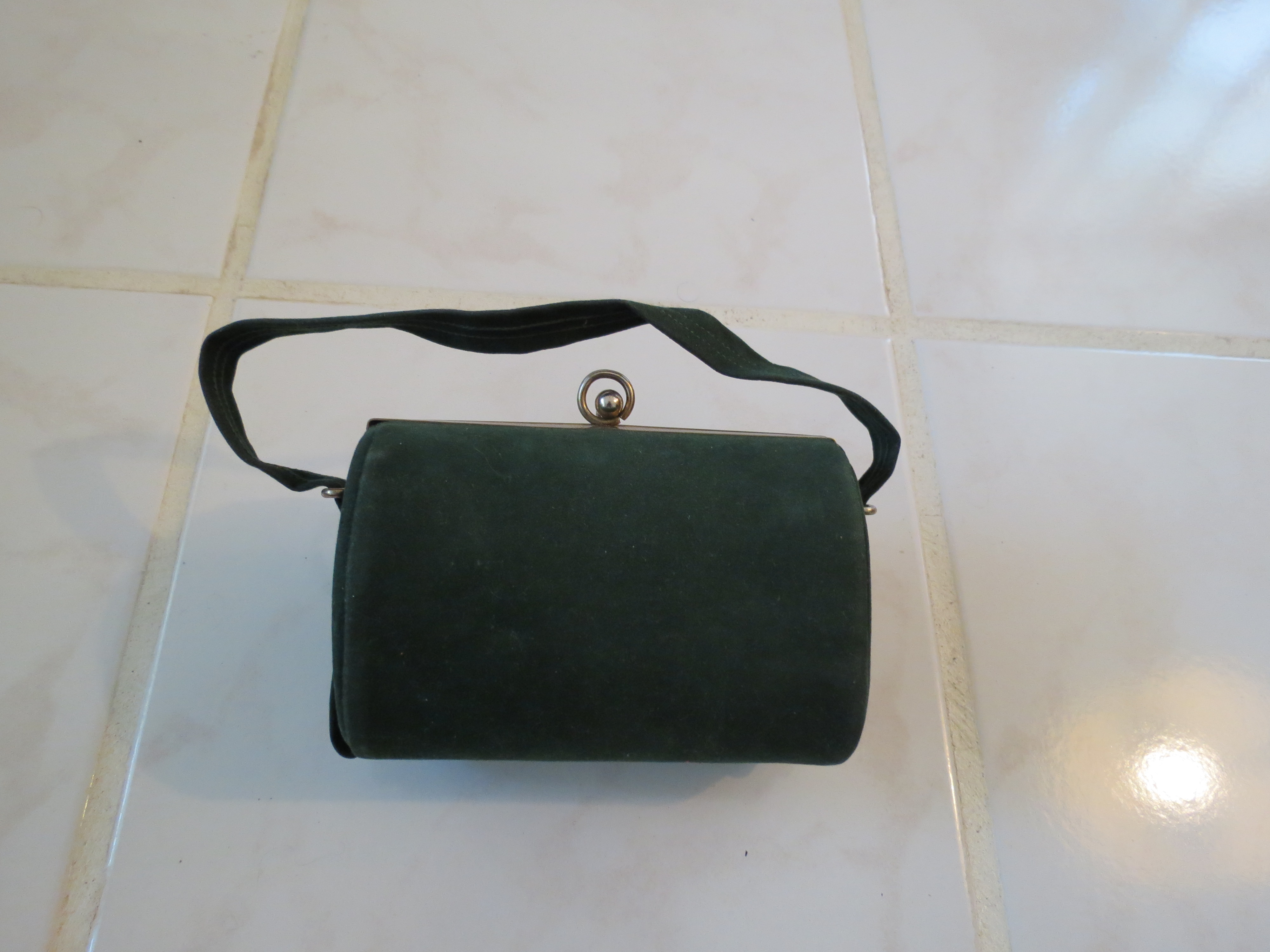
Some dressier handbags continued to be made of traditional tapestry-design fabric. Both of these above are small, one with a rigid leather-covered handle,, leather trim and metal feet on a covered metal frame. The other is a soft bag with a decorative closure and snake chain handle, sold with it’s own protective cover.

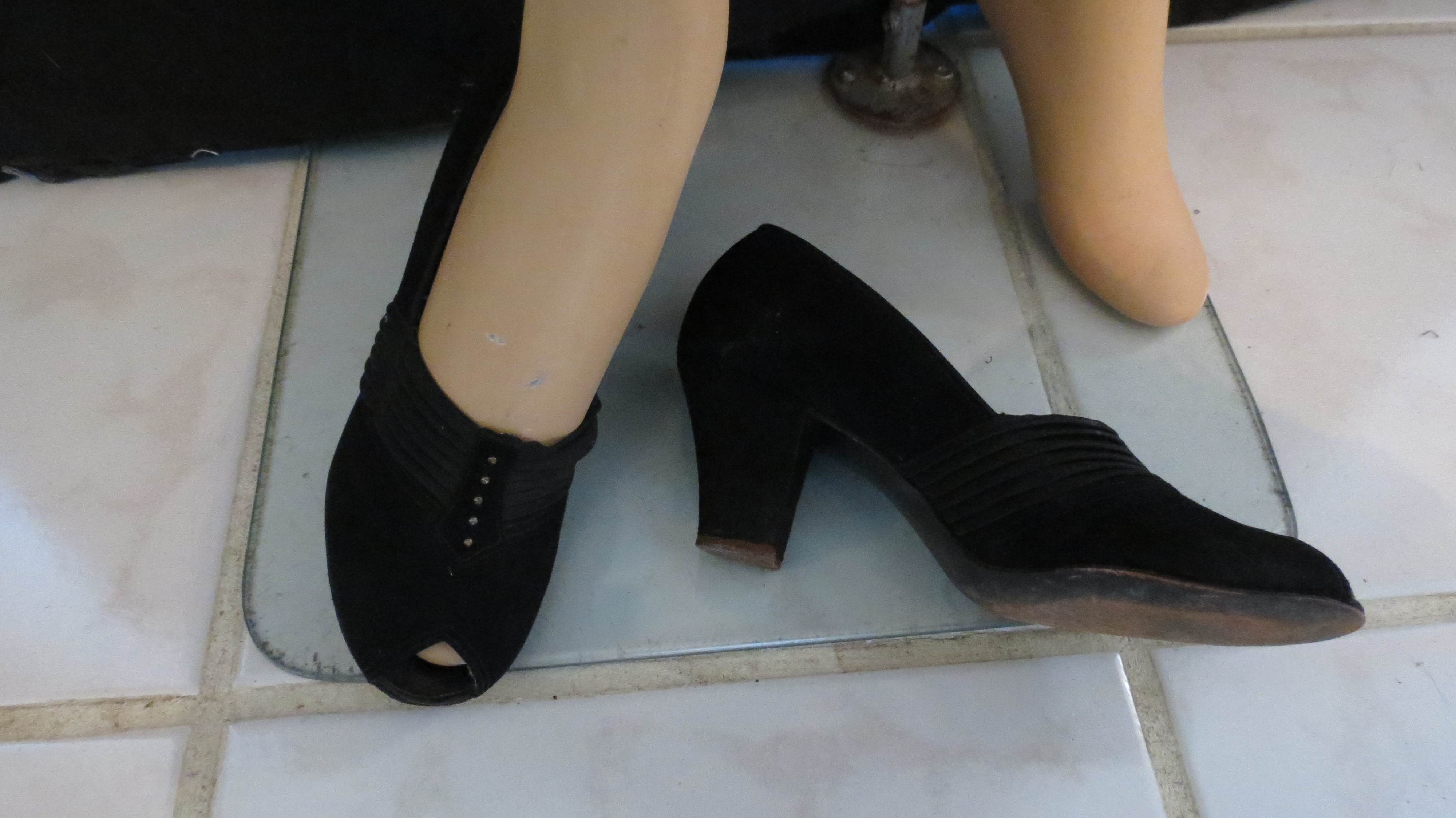
Classic pumps for everyday evolved in the early – mid 1960’s to mid-heel height with a slightly rounded toe but stilettos were still more popular than chunky heels – a necessary Rockabilly accessory. A pair of white pumps was an essential part of Spring – Summer wardrobes, even though pastels to match outfits and classic neutrals, beige, gray, navy, black and brown, still held their places. Miss Wonderful was a fun, mid-priced brand.

This has been a fun review of some of the files since December. Guests have arrived and international travel is looming. Daily transmissions over this airwave will be suspended, though periodic bulletins may continue. Archived posts in the public domain will remain available. Over . . . . . . . . . . . . . . . . . . . . . . . . .

MORGANA MARTIN, THE MAGICVINTAGESPY

BLOG: MAGICVINTAGESPY.COM
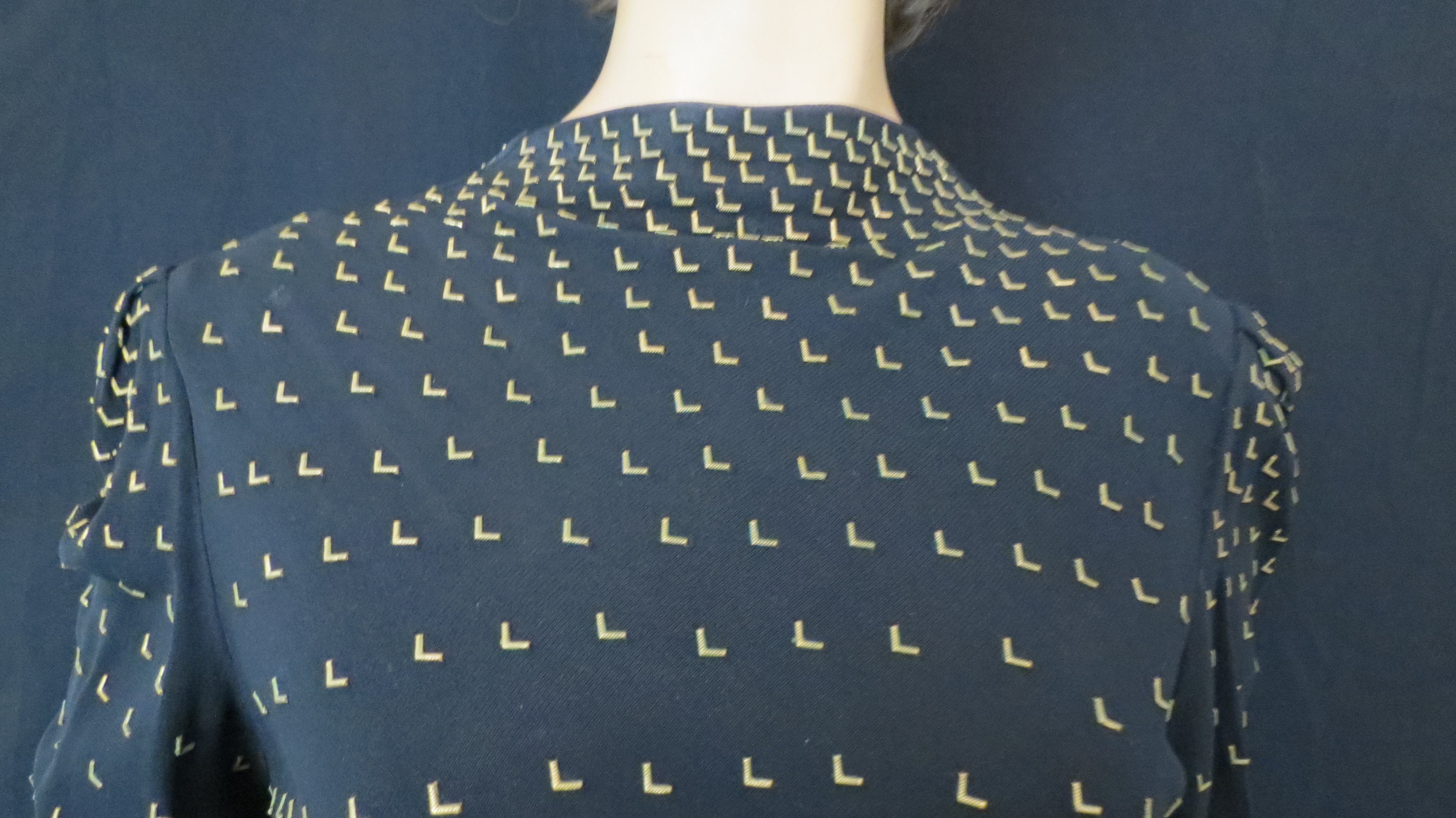
TRUE VINTAGE PATIO LEISURE LONG DRESSES FROM THE 1970’S – 1990’S

Through the decades the changes in style are often subtle, but they’re noticeable if your sleuthing trade skills are sharp. One thing that all these dresses have in common is excellent quality. I showed several dresses of this genre which were made in the Victorian/Prairie style when covering 1970’s Prom dresses a couple of months ago. Early in that decade, girls sometimes wore them to the Prom but they were usually fussier with lace and more details. Jessica McClintock of Gunne Sax styled them for at least 20 – 30 years. Labels always help, of course, but aren’t always present. The condition of all these examples is near-perfect, which can make the job a easier, though tell-tale signs of wear can sometimes be very helpful clues. Let’s start from left to right:

A Prairie-style gown, pretty and modest in cotton. Looks like it was made for retail because of the precise tailoring detail, but there is no label. I would put it in the 1970’s but it could possibly have been made later by an individual expert or a company that catered to a niche market which preferred very modest styles of dress.

A red and white plaid gown that picks up on the Prairie style, but in a much more casual, carefree design reminiscent of the 1960’s. It’s probably made from cotton but I can’t be sure without the file in front of me and it could be cotton/poly blend. It was made in the 1980’s in West Germany. This is an example of trends jumping the oceans, usually years after they originally appeared in the Western nations. Although they’ve done their own take on the style, it’s exceptionally well-made, as goods from West Germany have always tended to be, in my experience.

A black and white floral print gown made in Hawaii. This one is from the 1980’s, give or take a decade and is the most elegant. Same deal about the fabric as in the previous dress. The style is pure average conservative, which makes it harder to date exactly. A pretty dress, but nothing distinctive about it excepting for excellent tailoring. It might have been a wardrobe item of someone who lived in Hawaii, purchased at a specialty shop stateside which carried Hawaiian garments or by someone who bought it while on vacation. Hawaiian-made gowns have been popular with women worldwide since the 1950’s, but earlier ones were usually made in more traditional Hawaiian style and, often, of Hawaiian fabric with traditional island prints. The more mainstream universal designs like this one came later.

The final dress is from the 1990’s. Always harder for me to think of as true vintage, but it is worthy because of the good tailoring, 100% cotton fabric and the retail designer label sold by a high-end department store in New York City. It’s got pedigree. Again, nothing notable about the style but it is very well-cut, which can make a world of difference in terms of how a dress fits. That’s one feature of even plain, rather boring vintage clothing items that can make them worth collecting and wearing. The style can always be elevated by adding accessories but one thing that always elevates any garment is how well it is made and how well it fits.

Tomorrow I’ll be showing a collection of dressy day-wear accessories from the 1960’s that fit the category of well-made, classic and designer items that can “make” an outfit. Stay tuned . . . . . . . . . . . . . . . . . . . . . . . . . . . . .

MORGANA MARTIN, THE MAGICVINTAGESPY

BLOG: MAGICVINTAGESPY.COM
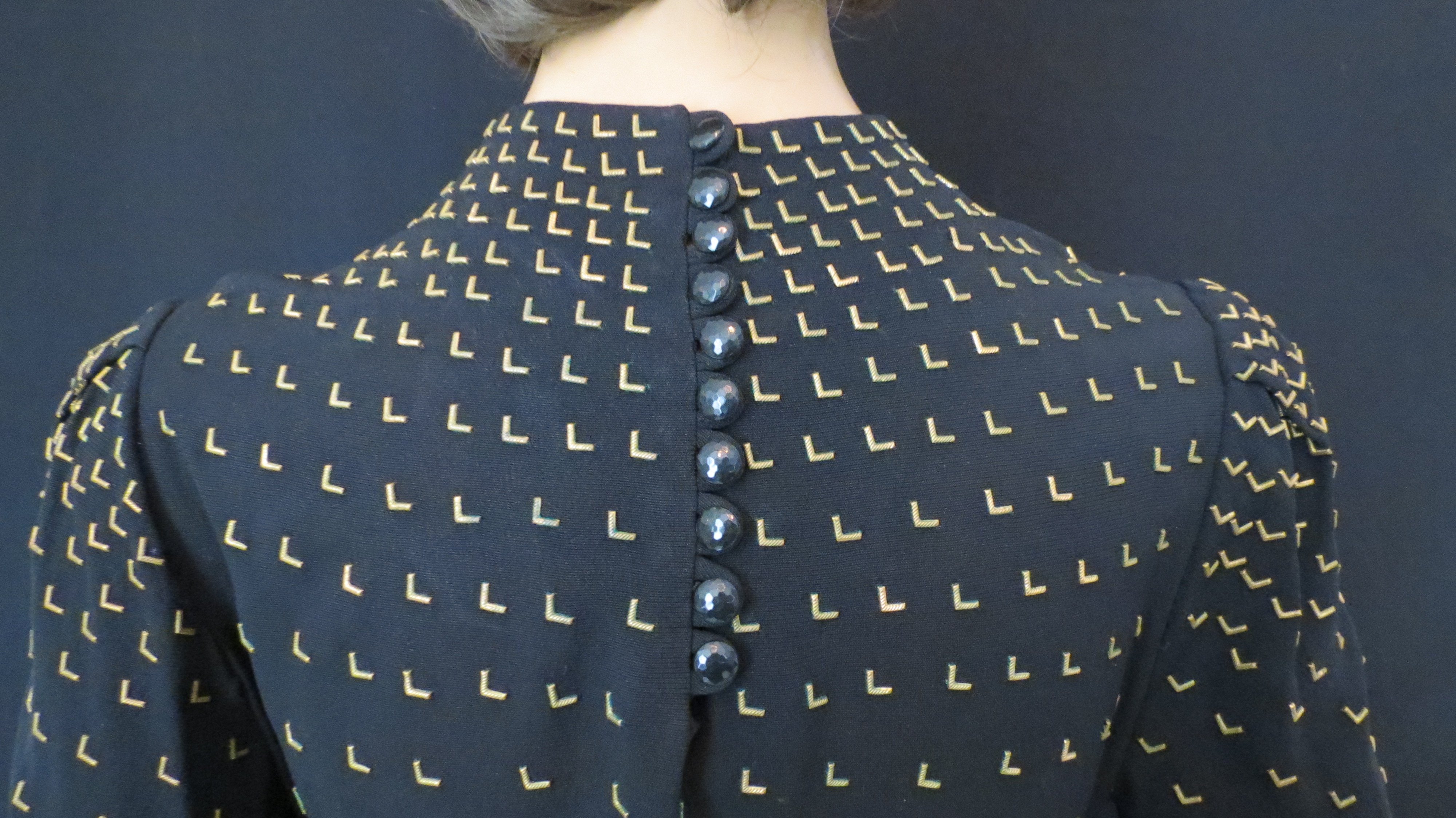
TRUE VINTAGE MID – LATE 1960’S LONG LEISURE DRESSES – MOD, WITCHY, ETHNIC

British influence Medieval/Victorian/Edwardian vibes, Op-Art, Flower Power and Indigenous influences allowed mainstream women to enjoy some “revolutionary” style during this transformative decade while not getting too far away from classic traditions. Plus the fact that they couldn’t have been more comfortable, convenient and flattering.

Fabulous sleeves, hand-done embroidery, geometric floral graphics. Love, love, love! Of course I had to collect these clues. Tomorrow we’ll step into the progression of this genre in examples from the Seventies, Eighties and Nineties. Stay tuned . . . . . . .

MORGANA MARTIN, THE MAGICVINTAGESPY

BLOG: MAGICVINTAGESPY.COM

TRUE VINTAGE 1960’S LEISURE DRESSES – ALTERNATIVE STYLE FINDS THE MAINSTREAM

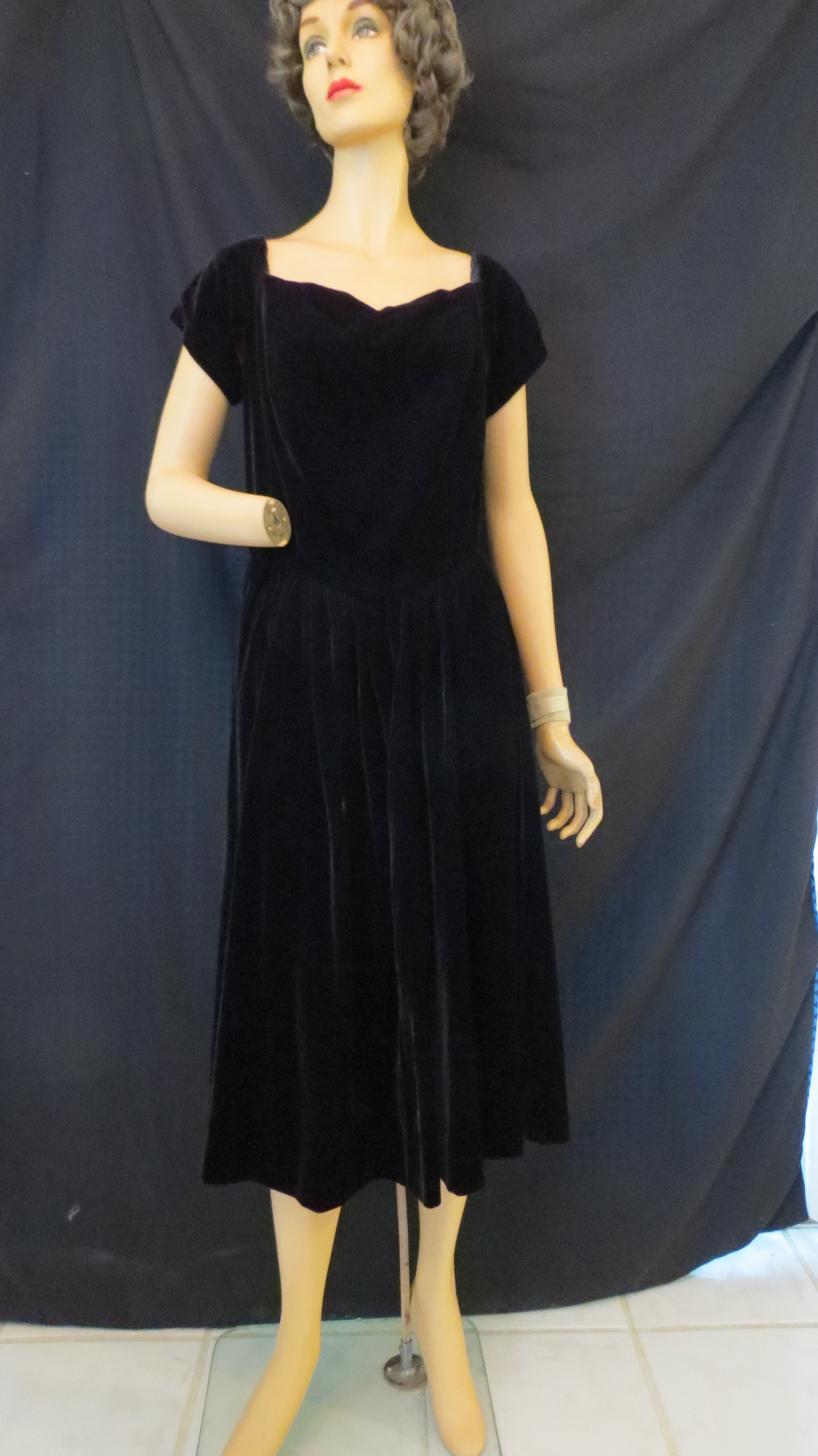
In the early 1960’s home-based seamstresses began making at-home leisure dresses. Velveteen was a popular fabric for hostess dresses that could work for cocktails with friends. An early flower-power dress in a traditional style was a more timid effort (looks like a vintage tablecloth) and a Mod print gown stepped firmly into the mid-decade. Washable cotton and blends made these easy-care garments and fashionable alternative styles for women who hadn’t been ready for 1950’s Boho or early ’60’s minis.

Tomorrow we’ll look at dresses from this genre that appeared later in the Sixties. Stay tuned . . . . . . . . . . . . . . . . . . . . . . . .

MORGANA MARTIN, THE MAGICVINTAGESPY

BLOG: MAGICVINTAGESPY.COM
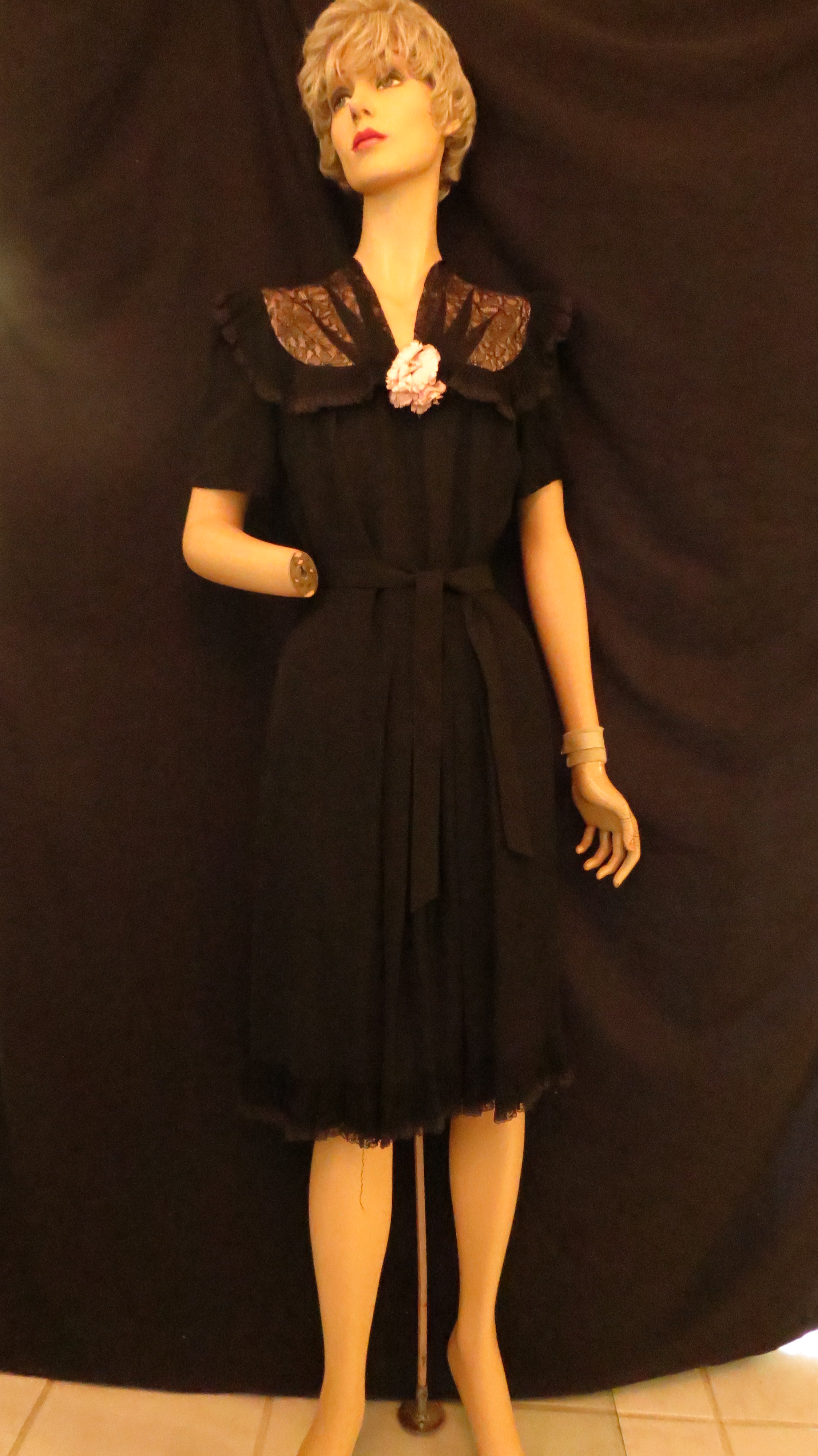
TRUE VINTAGE LATE 1950’S – MID-1960’S DRESSES

Late Fifties saw slinky knit sheath dresses that carried over the new, easy-care synthetics from the 1940’s. The prints morphed slowly from geometric, atomic shapes back to cute animals, fruits and veggies. This fabric is amazingly comfortable and drapes beautifully but was economical. Common, moderately-priced frocks were made from it.

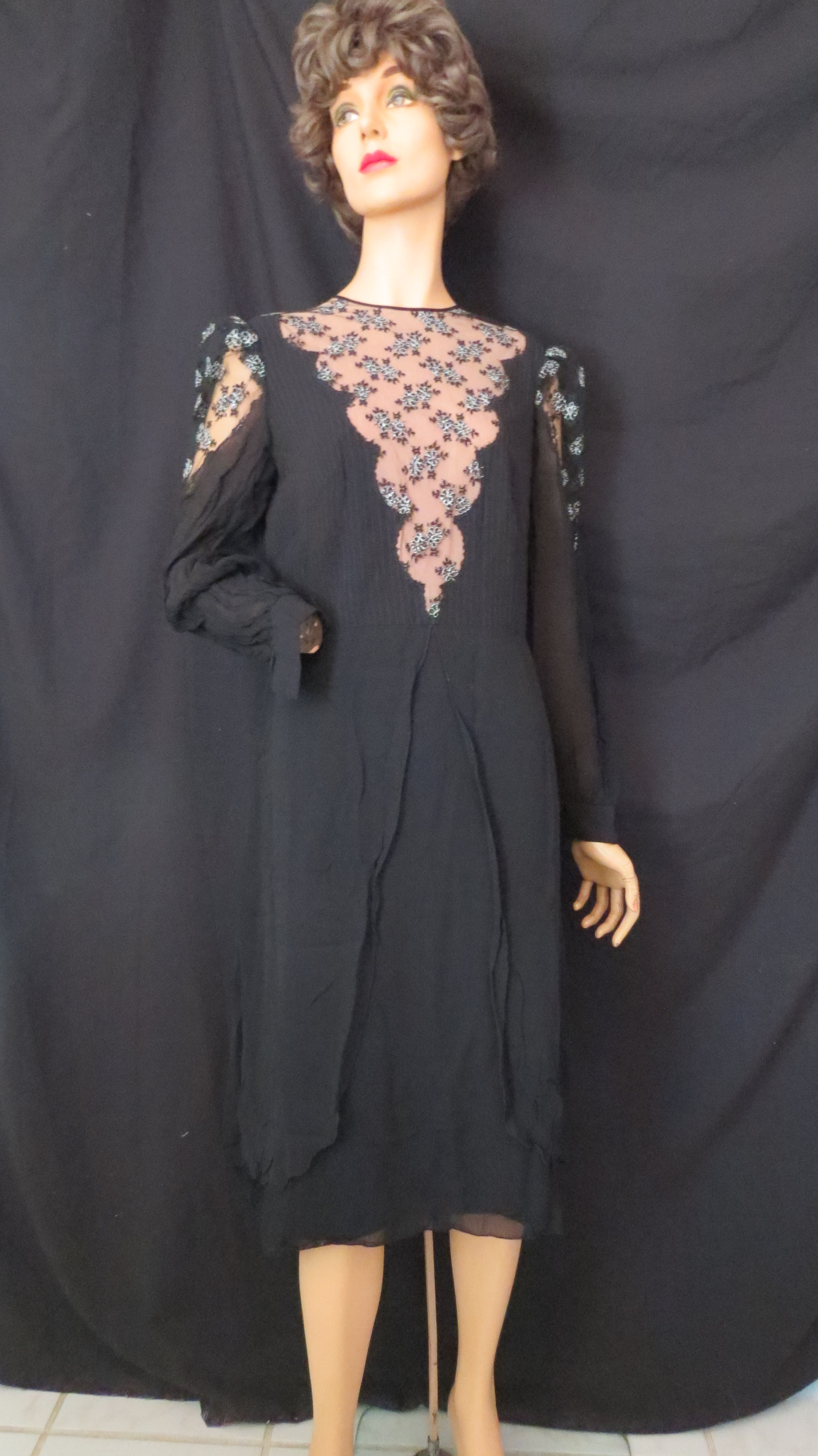
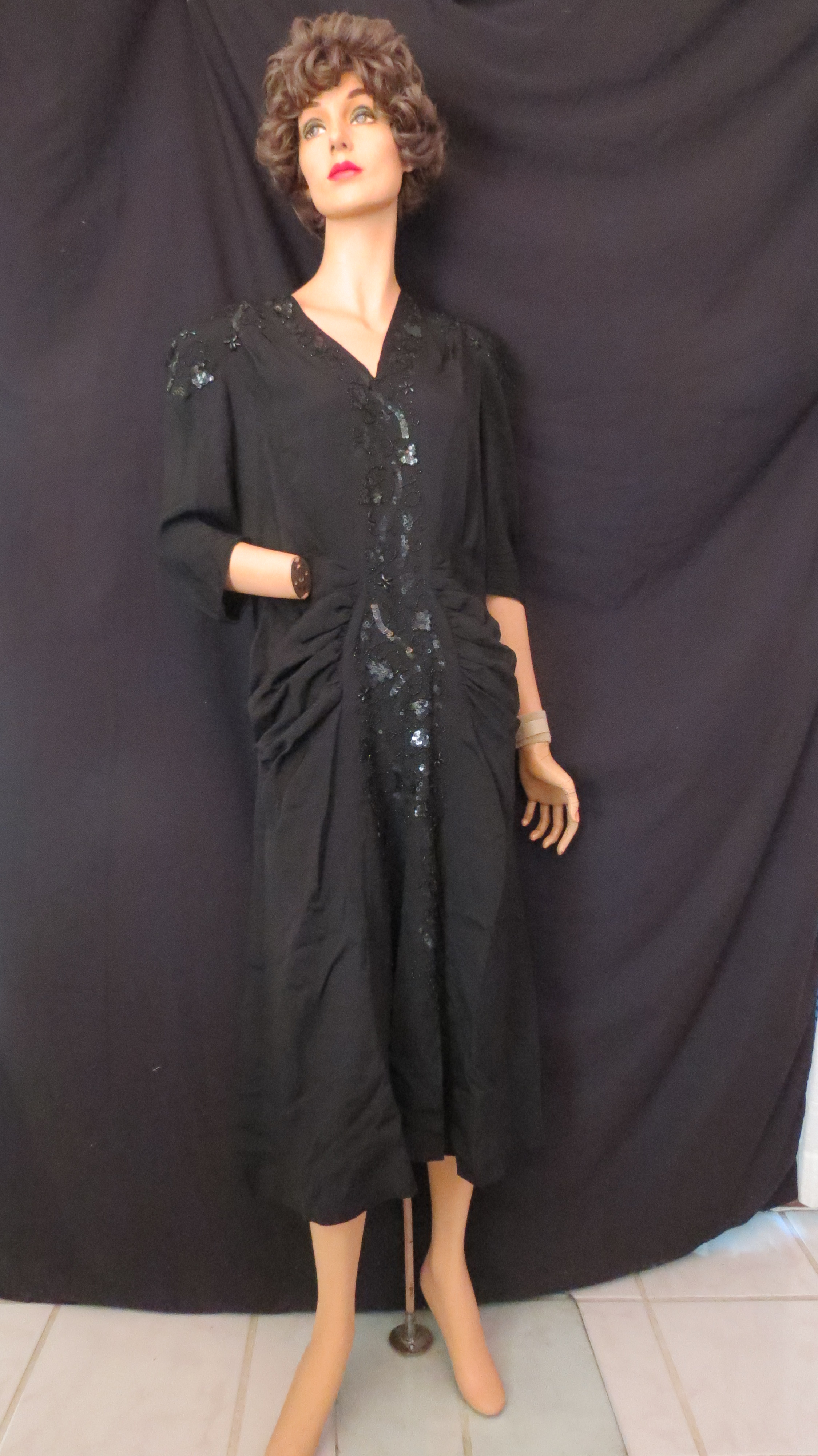
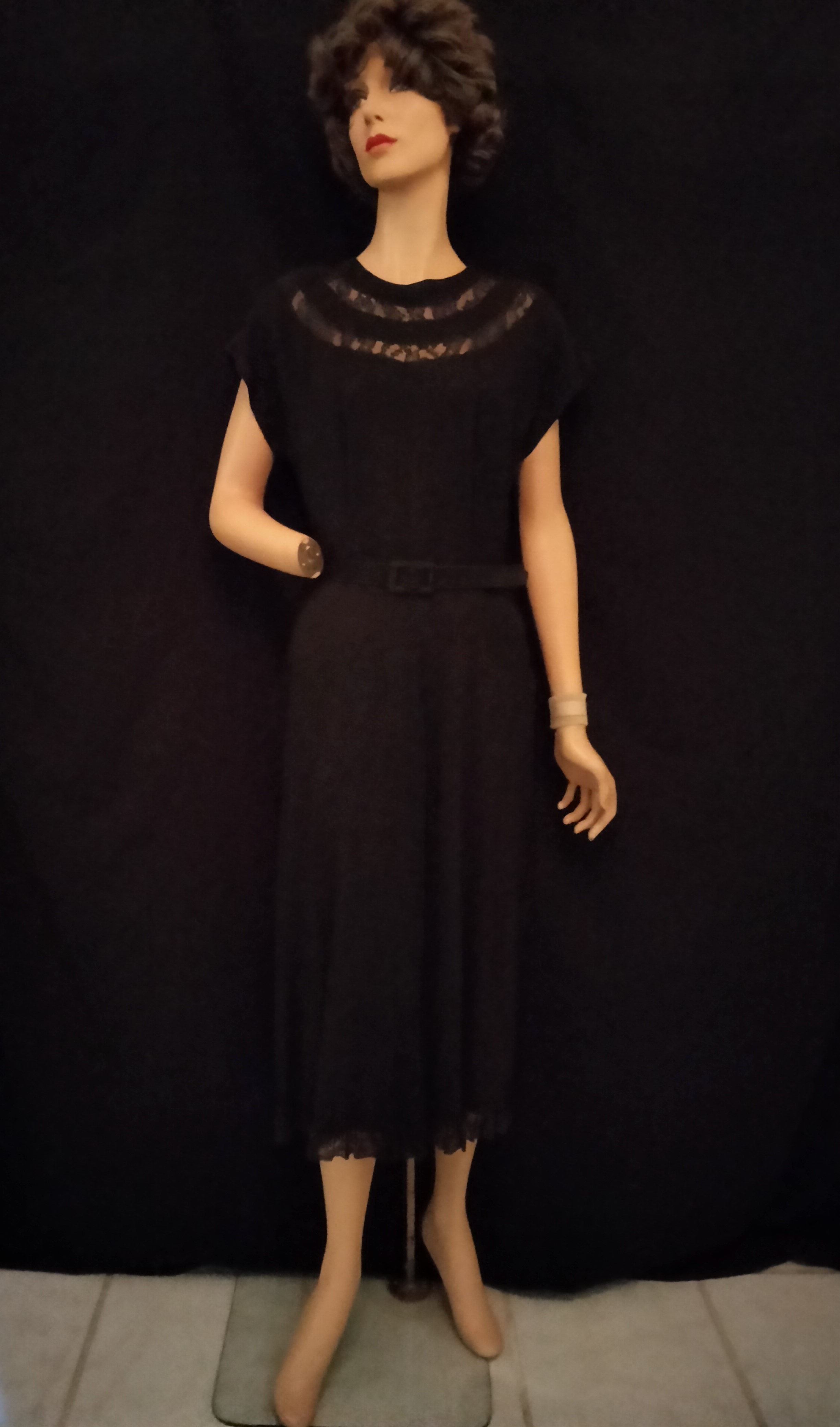
Just a few years later, lace overlay became the big thing. Dressy day-dresses were often made from it, as well as semi-formal and formal gowns. These were also generally made from synthetic or blended fabrics but probably required dry-cleaning. Better frocks often came from British Hong Kong, where the design and hand-made tailoring made them exceptionally elegant and of higher quality. These dresses were still within the reach of middle-income ladies but were more expensive. See the black dressy sheath with a beaded over-blouse above. The straight black high-neck sheath came from Saks Fifth Avenue.

Then, again from the Brits, came Mary Quant’s Tent Dress in 1964. Although the Mod style had started in the 1950’s, it’s appearance in clothing was totally revolutionary. It brought with it radically shorter hemlines and easy-to-wear, casual shapes. See the light blue, home-sewn version above.

Some styles retained their classic, conservative lines and stuck to neutral or basic tones while bright colors became ever more popular, even in formal garments. While political and social movements became radicalized and changed society, the Hippie, Boho and Prairie styles started to take over in the late 1960’s and carried over into the early 1970’s. Tomorrow we’ll look at some of the ways that popular fashion incorporated these trends into mainstream dressing. Stay tuned . . . . . . . . . . . . . . . . . . . . . . . . . .

MORGANA MARTIN, THE MAGICVINTAGESPY

BLOG: MAGICVINTAGESPY.COM
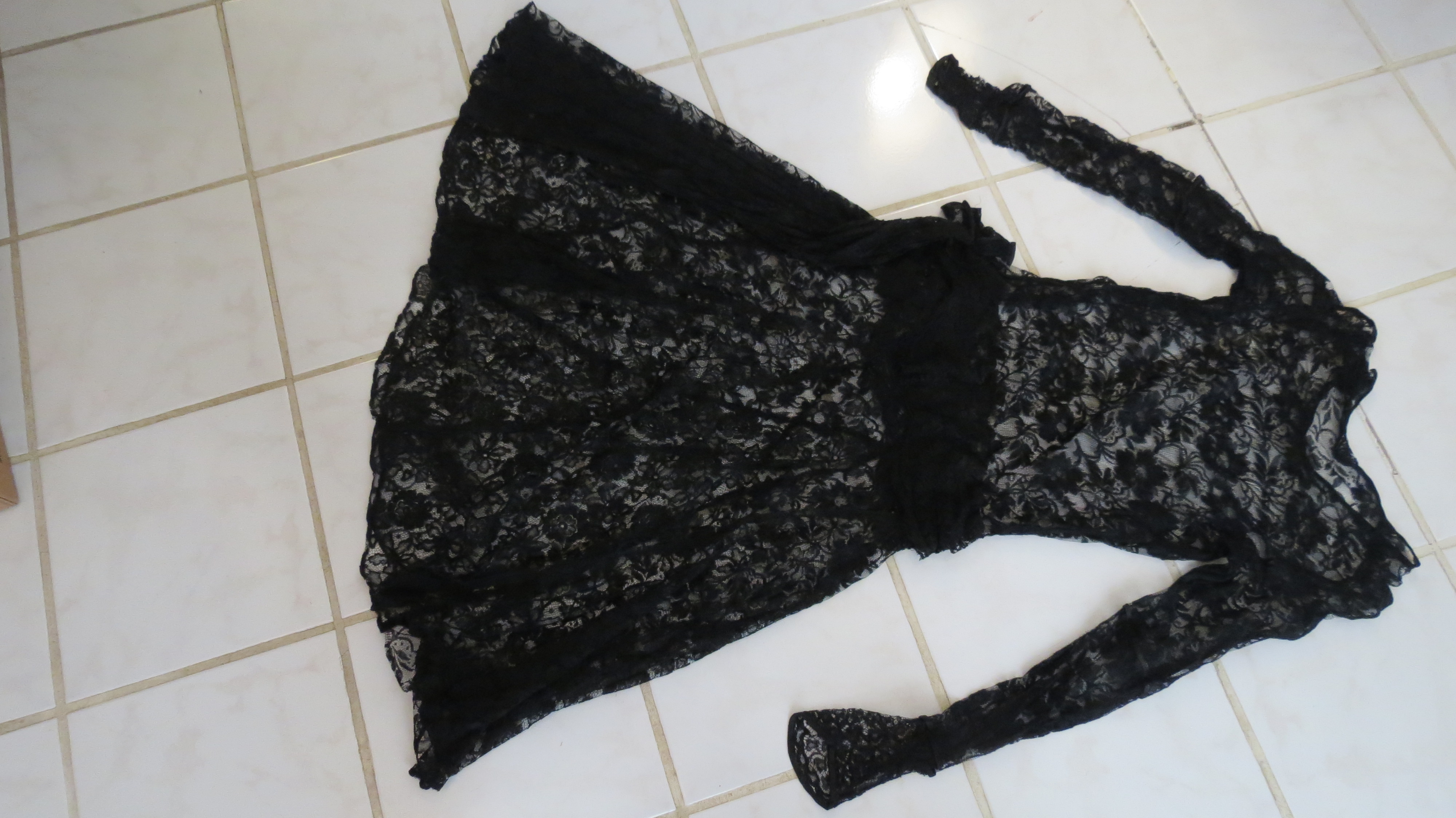
TRUE VINTAGE ASSORTMENT OF 1940’S TO 1950’S SEPARATES, LEISURE GARMENTS AND JEWELRY

Starting off with ladies’ uniforms for popular leisure and volunteer activities – women’s bowling and the Girl Scouts. Here are a team member’s uniform and a Scout leader’s. Many mid-century women took part in these activities during their spare time to enjoy and contribute to their communities.

Travel became a big part of 1950’s family life. What could be easier in order to take an “exotic” vacation than to go to Mexico or the new State of Hawaii? These were popular destinations and many women returned with a hand-painted skirt or traditional printed shirts like the ones above.

With the restoration of access to fine fabrics and sewing notions beautiful blouses were manufactured for retail again. Costume jewelry was abundant again. I love this accordion-style stretch bracelet design. So ingenious and convenient. One size fits all and no links or fasteners to break. This one’s perfect for celebrating U.S. 250th anniversary of independence from oppressive British rule. It was a time of hope and vision.

Despite surface appearances, today is the same. Let’s look forward that way. Tomorrow we’ll step into the 1960’s, also a decade of revolution and change. Stay tuned . . . . . . . . . . . . . . . . . . . . . . . . . .

MORGANA MARTIN, THE MAGICVINTAGESPY

BLOG: MAGICVINTAGESPY.COM