JUST FOUND! A BEAUTIFUL TRUE VINTAGE ACCESSORY IN CLASSIC TOOLED LEATHER

oplus_48

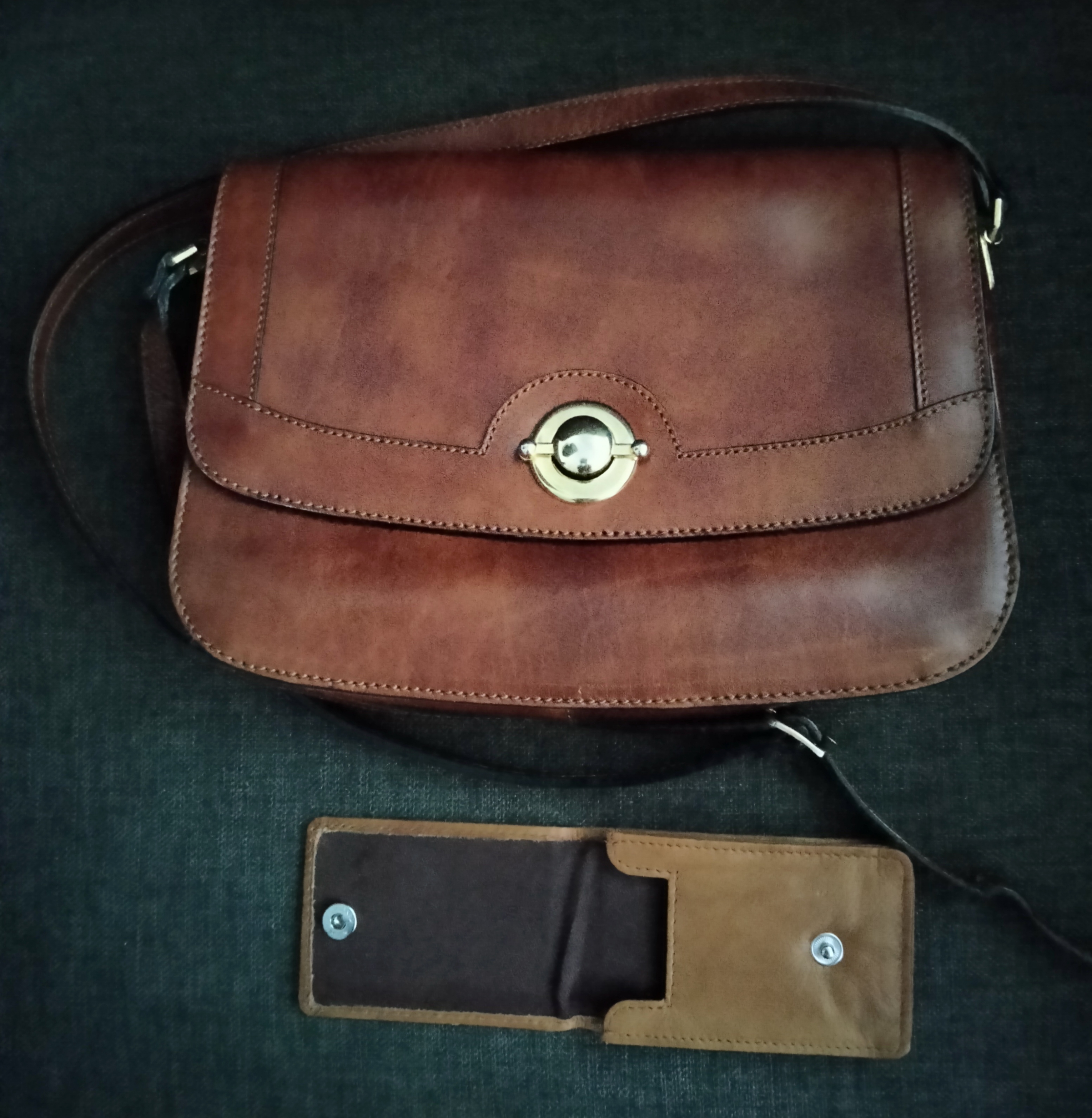
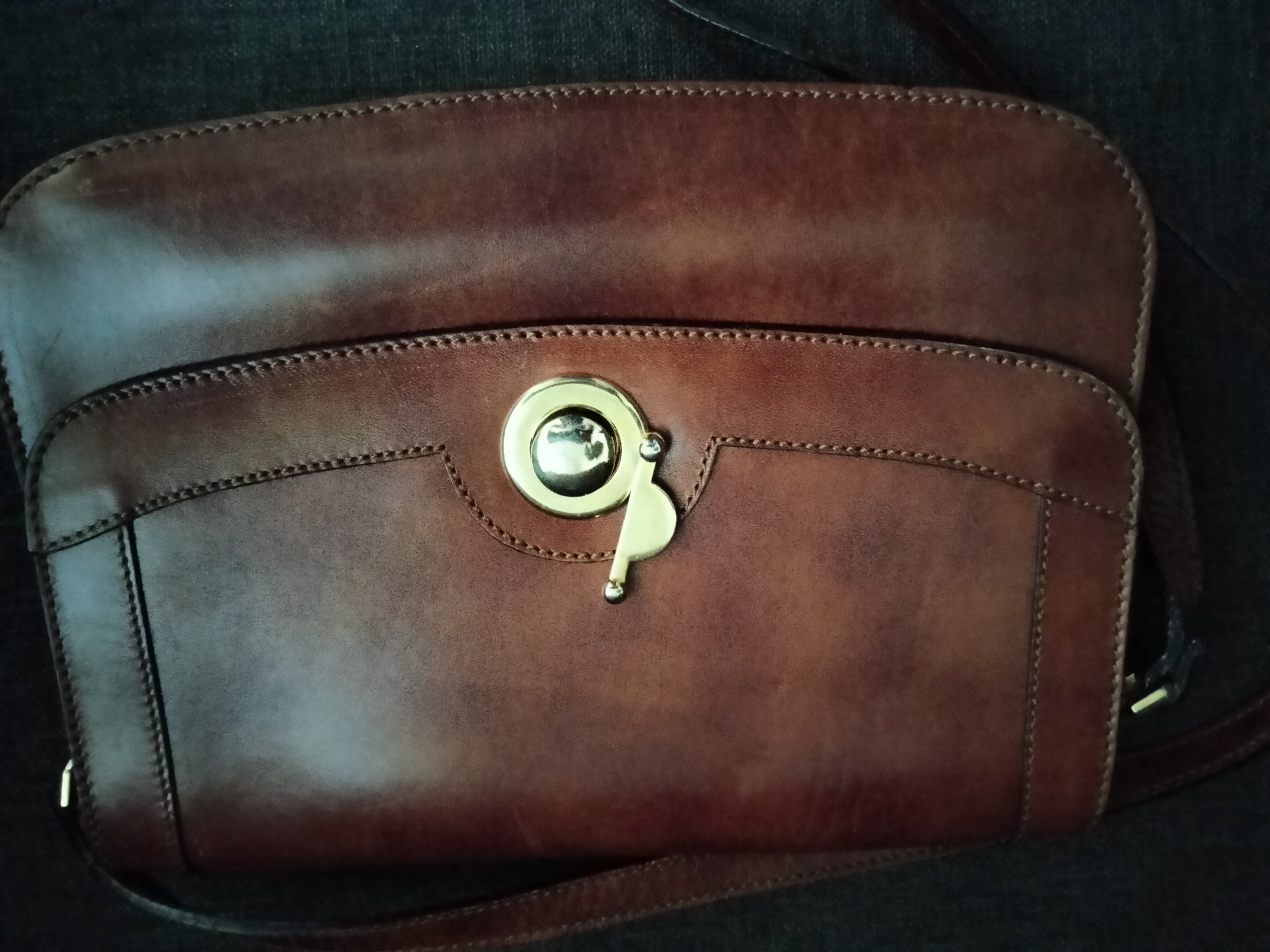
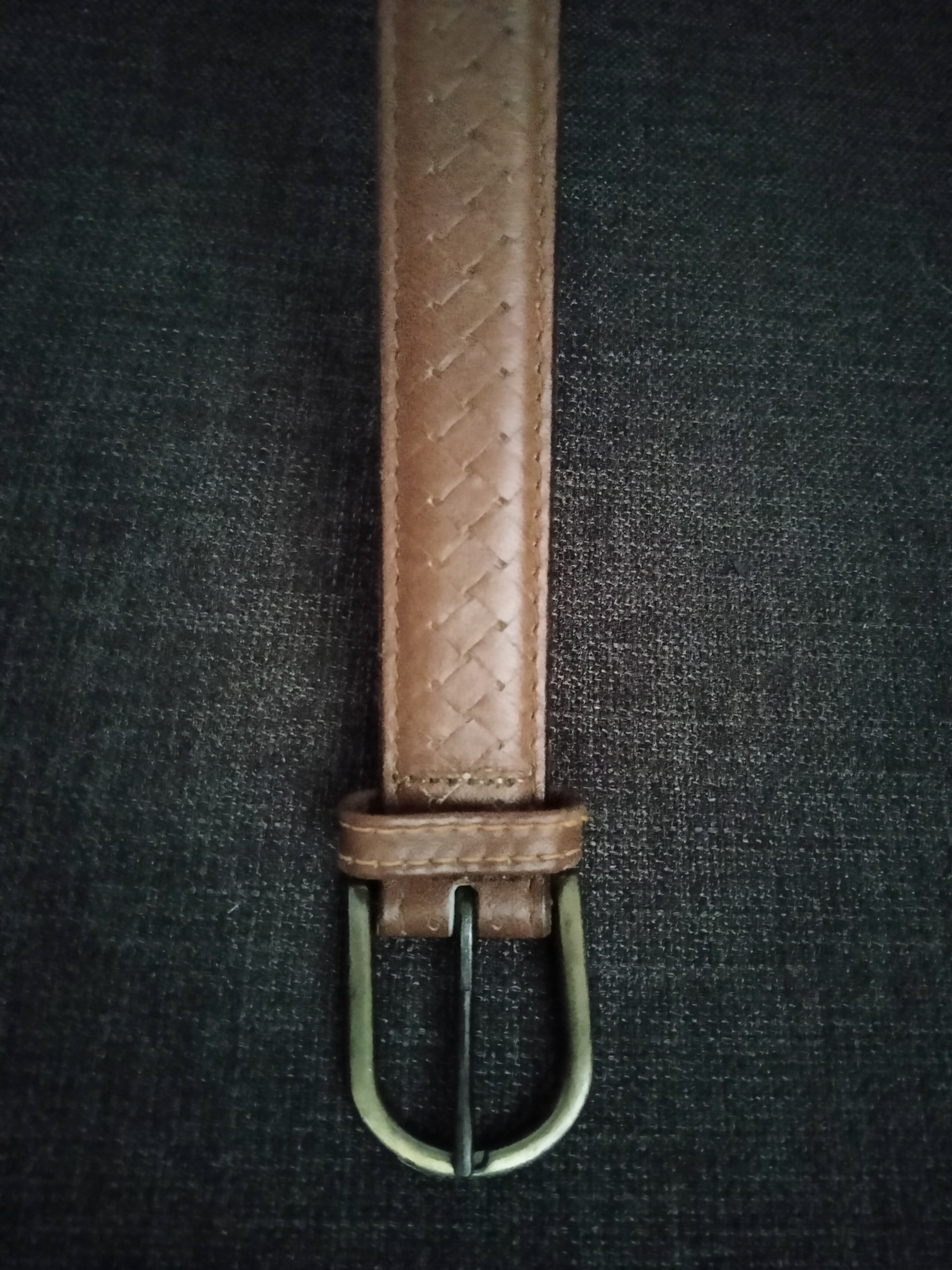
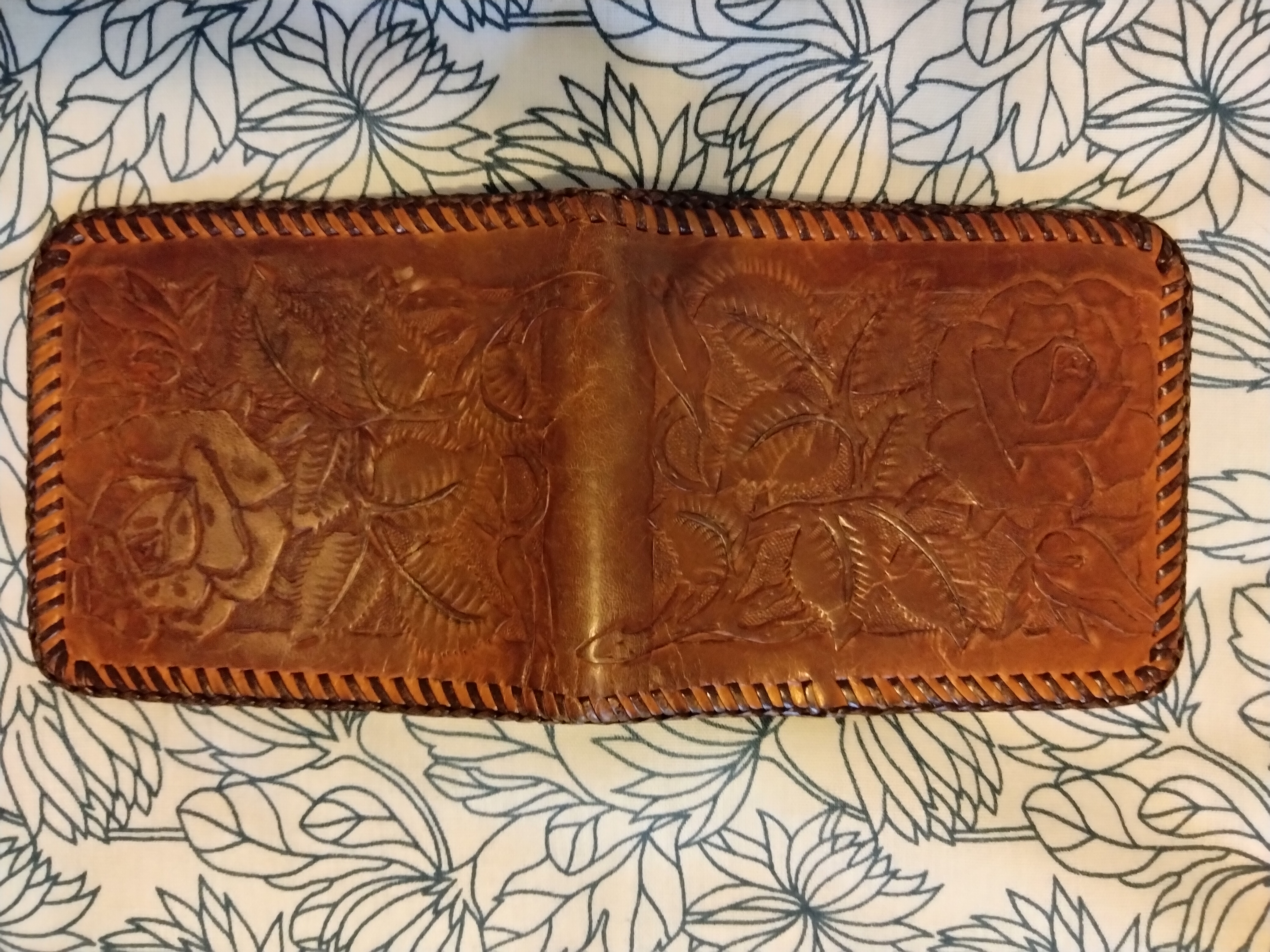
I always LOVE discovering these gorgeous handmade leather accessories from the mid-century. As they become rarer, it’s a huge thrill to uncover one by surprise! In this case, the wallet is so classic and early mid-century that I love the design. An added bonus is the near-perfect condition. A small amount of common greenish corrosion can be seen on the metal snap closing the coin pocket but it works perfectly. I will remove the corrosion with a bit of vinegar. Other signs of light use are very minor – looks like it was cared for lovingly.

Let’s start the evaluation with the exterior, which has a traditional rosebush motif. This is an early pattern, seen on some of the older items I’ve found. It’s amazing to find the leather lacing around the edges unbroken and in such pristine condition. On the inside, I adore the additional features such as sleeves for a drivers license and other cards, receipts, etc. This billfold was probably made for a man in spite of the rose design, likely before the time of common credit cards, but has such an unusual addition of the coin purse inside; Multi-tasking before the modern era of man-purses and other pocket accessories. However, the bi-color interior is also an unexpected feature to see in an older men’s accessory. Who knows the sex of the original owner? I always love a mystery!!

This beauty will have a gentle massage with leather lotion to extend it’s lifetime even more. Back at Headquarters, I’ll look in the files to see which of my tooled leather purses may need an additional accessory – I always try to match the finishes and designs, if possible. If there’s no good match, this billfold can stand on its own, with spaces for all money-related items (excepting a checkbook).

So, two surprise discoveries in my brief investigation two days ago and both of them unusual and wonderful! See my other find in yesterday’s post. You just never know . . . . . . . . . . . . . . . . . . . . . . . . . . . . . . . . . . . ..

MORGANA MARTIN, THE MAGICVINTAGESPY

BLOG: MAGICVINTAGESPY.COM

FABULOUS AND FUN SURPRISE FIND – TRUE VINTAGE, AS ALWAYS . . . . . . . . . . . . . .

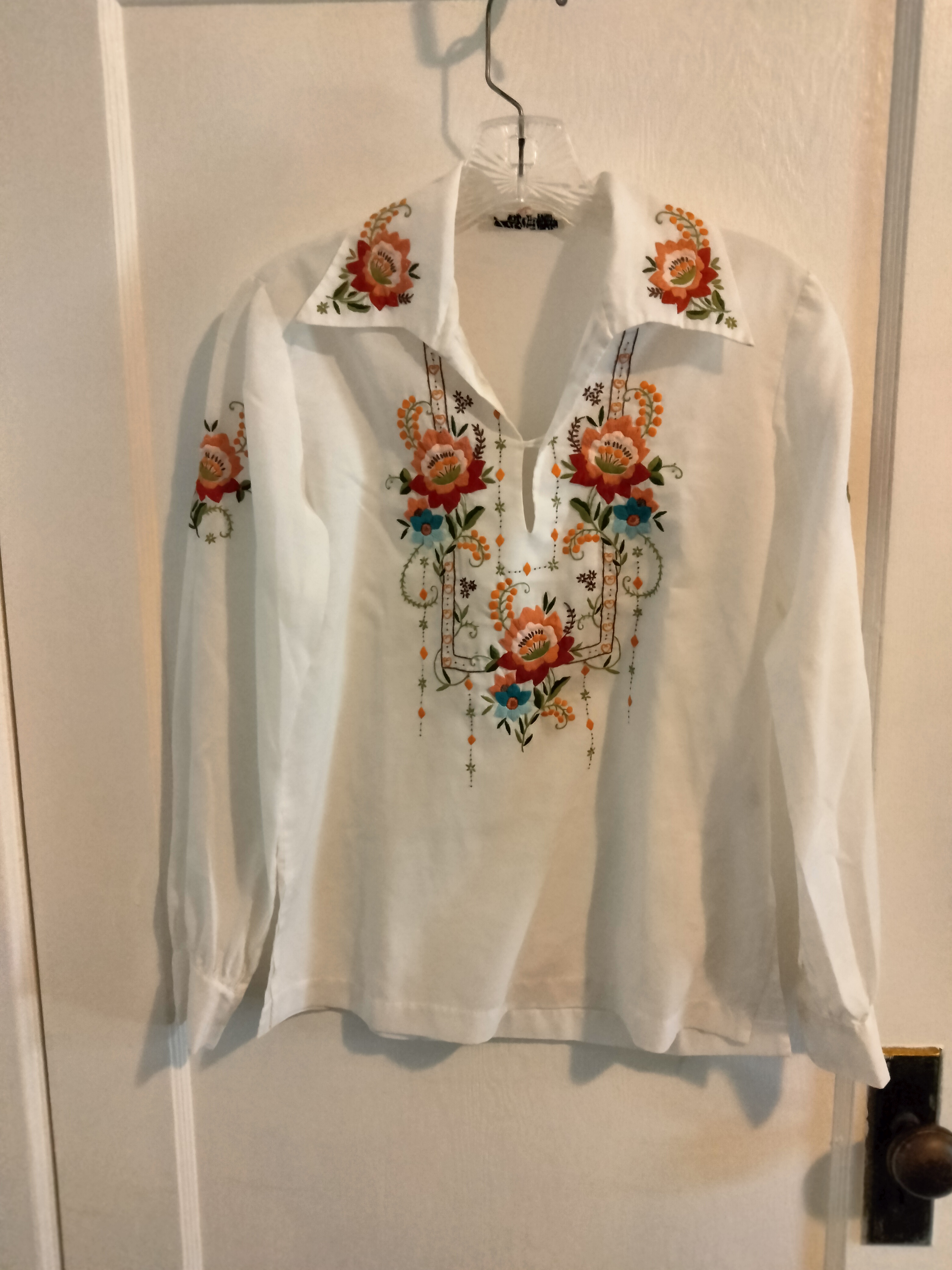
A wonderful authentic Lily blouse from the 1970’s! I was out and about dropping off a charity donation and found this beautiful shirt. Such a surprise; I have several other Lily blouses in my closet, from the 1960’s but haven’t seen one during an investigation for a long time. These lovely shirts were a mid-century staple. The signature fabric is so soft and airy, the pretty embroidery done so well. Most older ones had monochromatic Asian-inspired designs. This one is similar to colorful Latin American indigenous designs, which became more popular in the early 1970’s.

I love the old-style sizing on these blouses and am thrilled that it is in a size I can wear – just about a modern size 2(which would be perfect for Stella, as well. I certainly miss her when I’m not at Headquarters. See her modeling work in many previous posts). It also has double-button cuffs, which is another late 1960’s – early 1970’s tailoring detail, AND a button and loop at the neckline which can be fastened to lessen gaping there, if you want to. True vintage garments almost always have such excellent tailoring and, despite it’s age, I see no signs of wear. The previous owner may have washed it by hand, which would be so easy to do, and avoided the wear and tear of traditional machine washing. So, this lovely won’t be going to eBay or Etsy!!

I also found another true vintage item in pristine condition, which I will post tomorrow. I’m a Satisfied Sleuther!! Just goes to show that you just never know . . . . . . . . . . . . . . . . . . . . . . . . . . . . . . . . . . . . . . . . .

MORGANA MARTIN, THE MAGICVINTAGESPY

BLOG: MAGICVINTAGESPY.COM

TRUE VINTAGE 1960’S LEISURE DRESSES – ALTERNATIVE STYLE FINDS THE MAINSTREAM

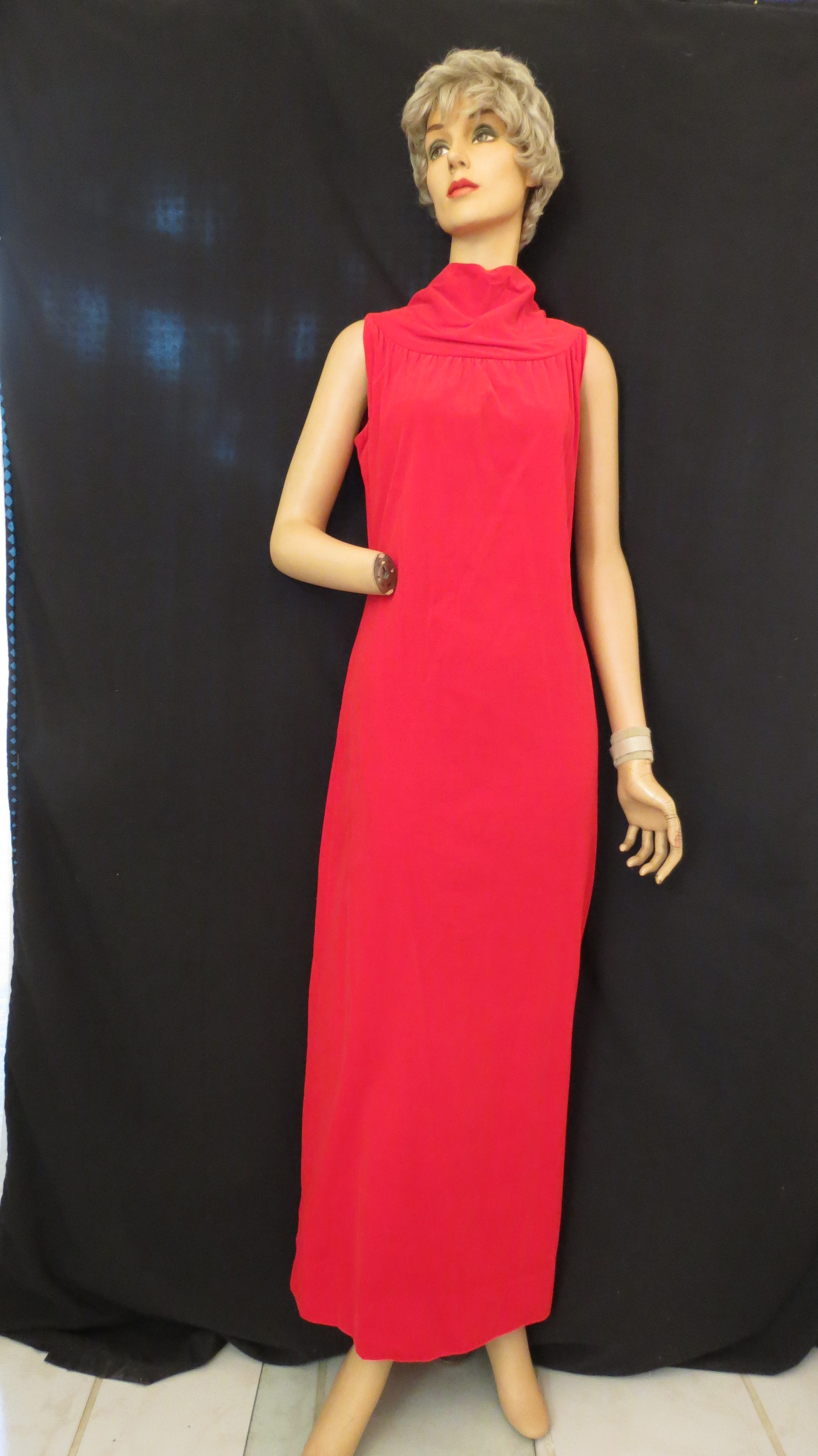
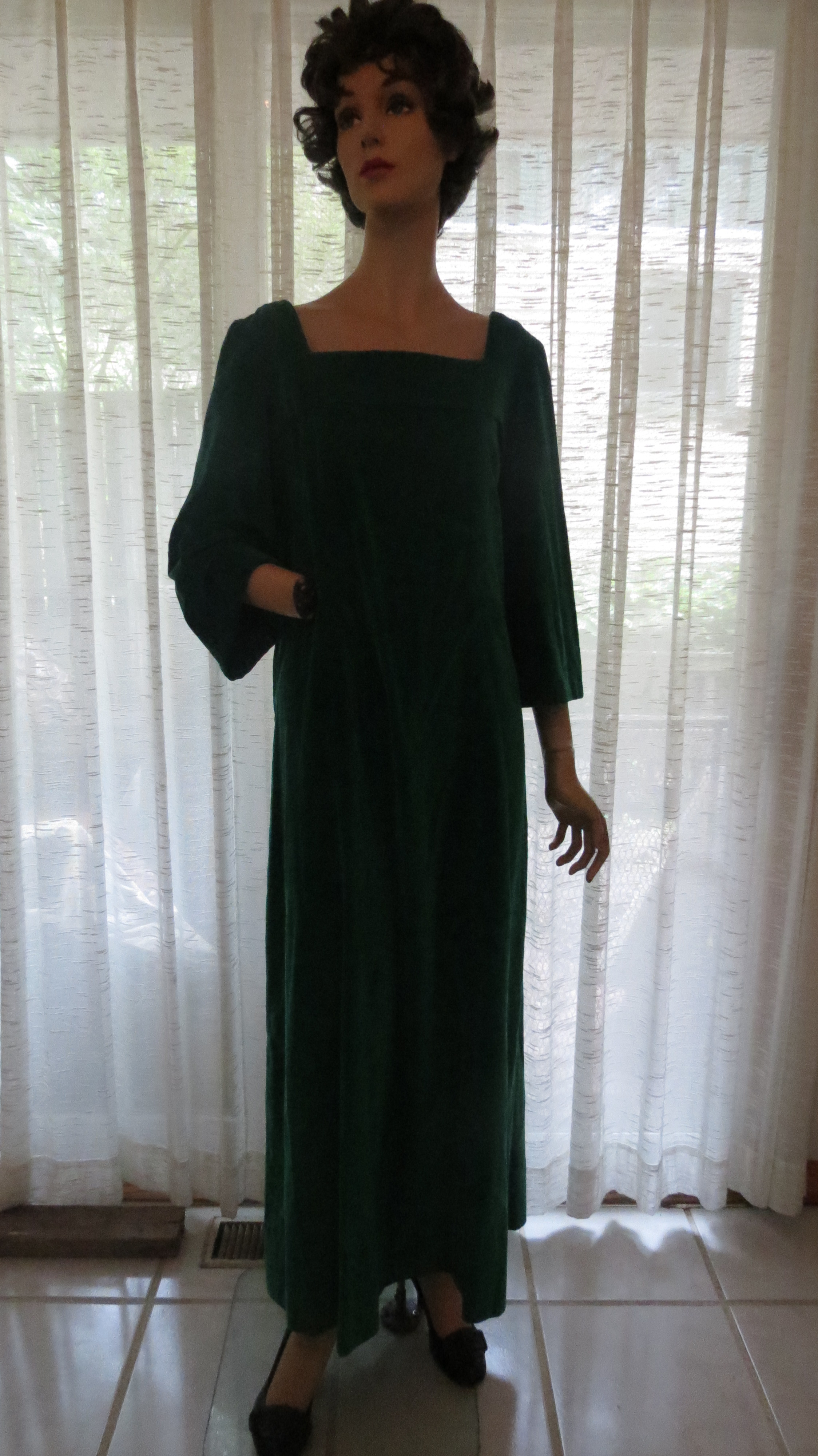
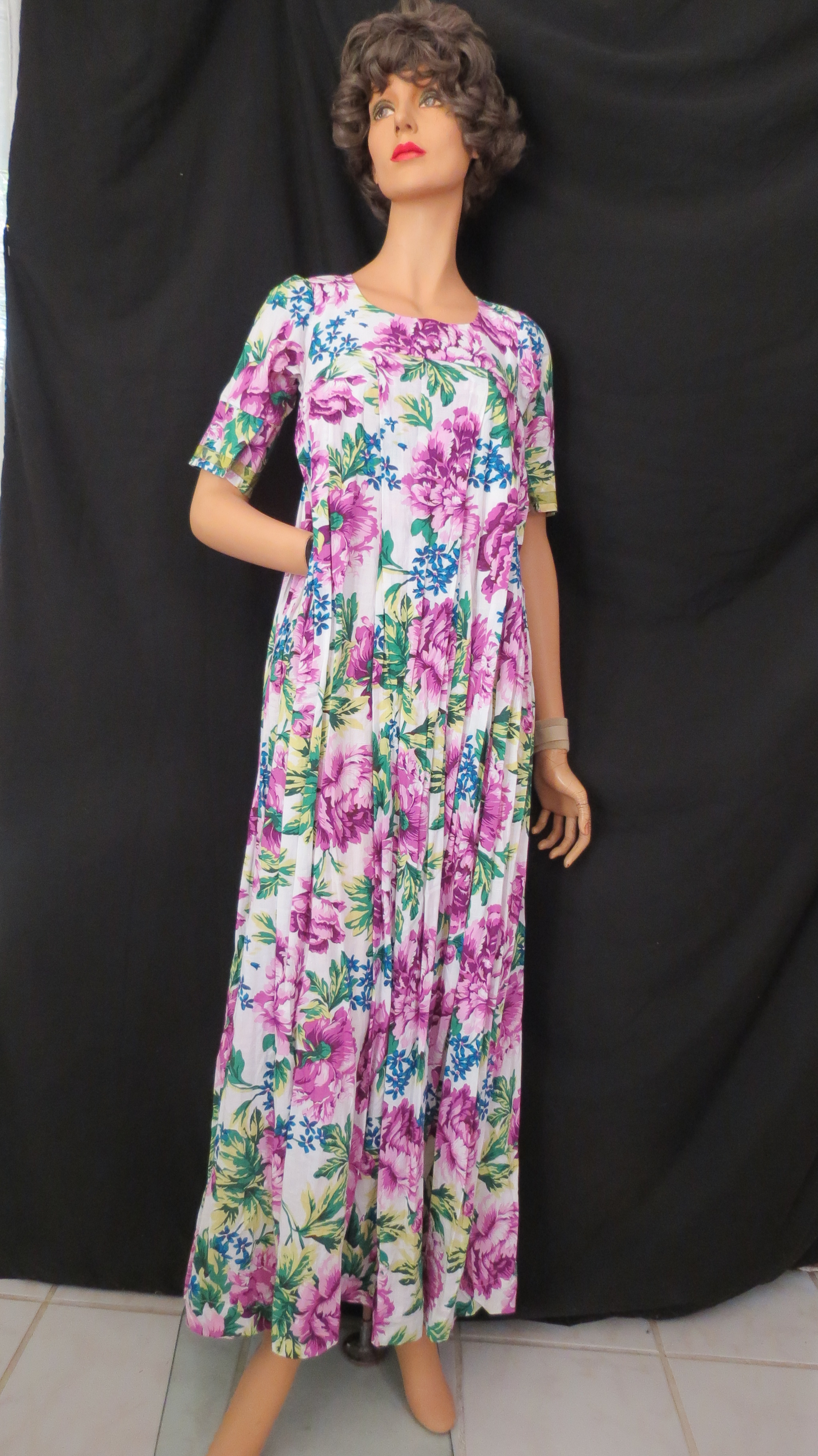
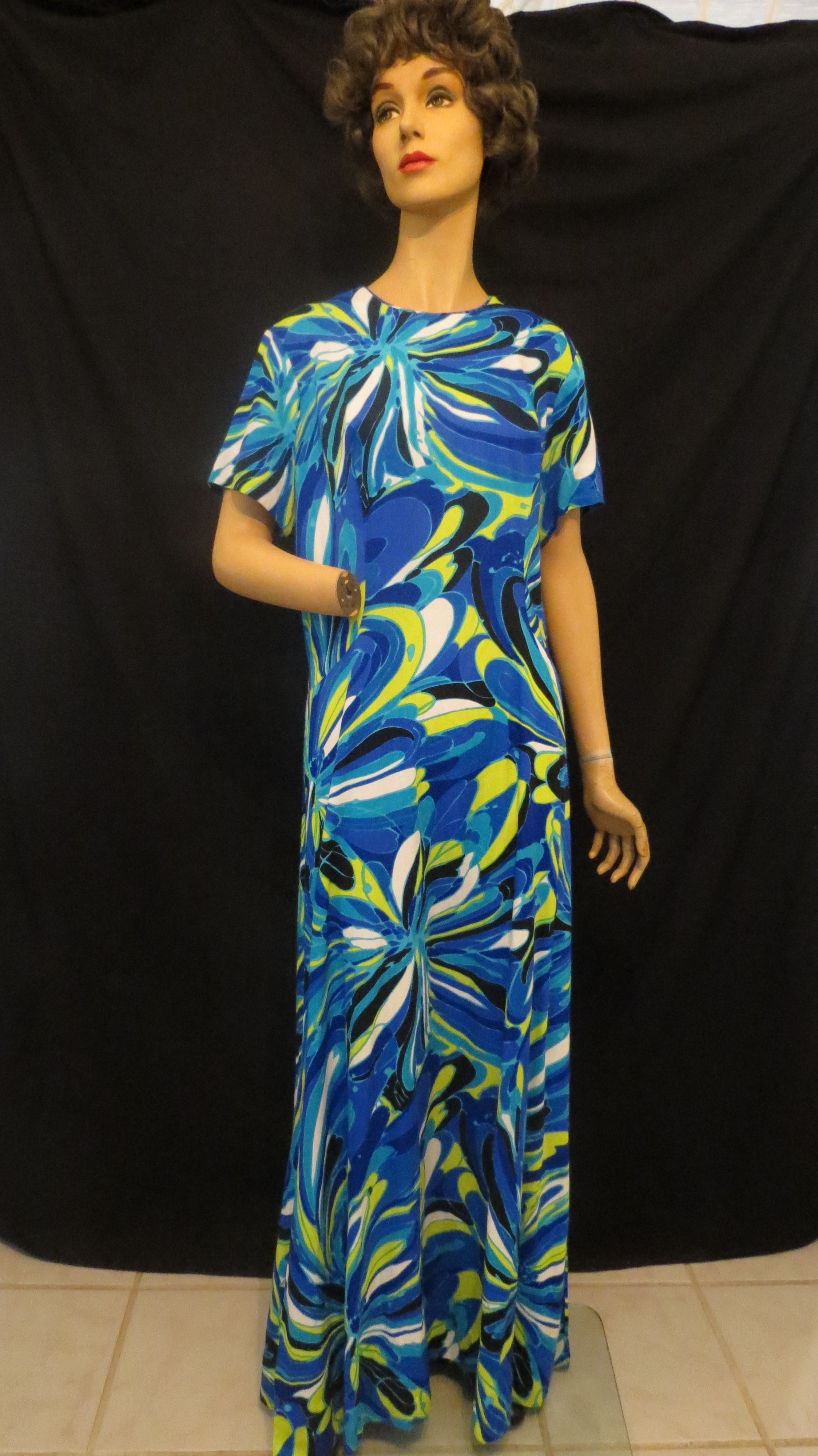
In the early 1960’s home-based seamstresses began making at-home leisure dresses. Velveteen was a popular fabric for hostess dresses that could work for cocktails with friends. An early flower-power dress in a traditional style was a more timid effort (looks like a vintage tablecloth) and a Mod print gown stepped firmly into the mid-decade. Washable cotton and blends made these easy-care garments and fashionable alternative styles for women who hadn’t been ready for 1950’s Boho or early ’60’s minis.

Tomorrow we’ll look at dresses from this genre that appeared later in the Sixties. Stay tuned . . . . . . . . . . . . . . . . . . . . . . . .

MORGANA MARTIN, THE MAGICVINTAGESPY

BLOG: MAGICVINTAGESPY.COM
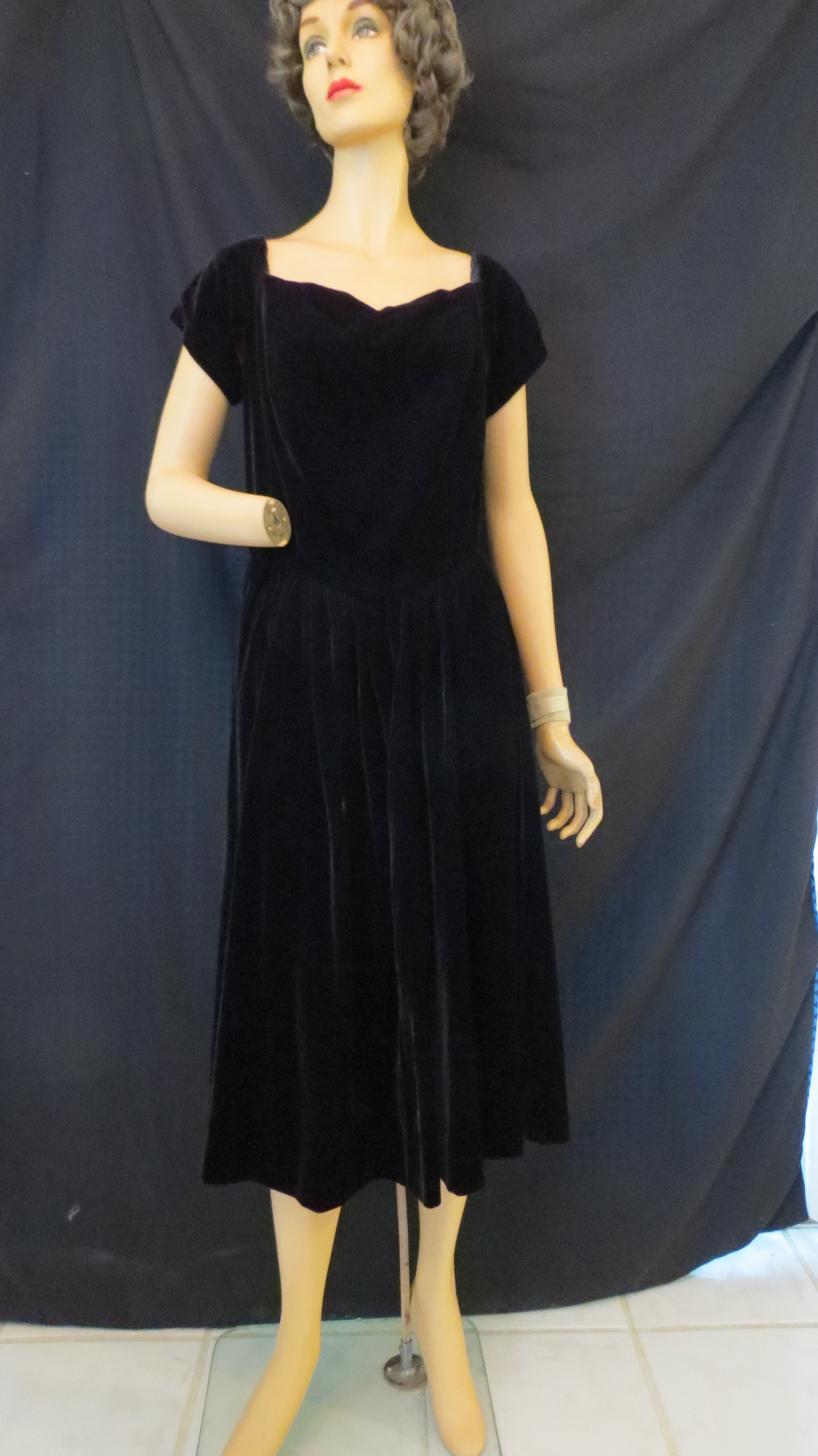
TRUE VINTAGE LATE 1950’S – MID-1960’S DRESSES

Late Fifties saw slinky knit sheath dresses that carried over the new, easy-care synthetics from the 1940’s. The prints morphed slowly from geometric, atomic shapes back to cute animals, fruits and veggies. This fabric is amazingly comfortable and drapes beautifully but was economical. Common, moderately-priced frocks were made from it.

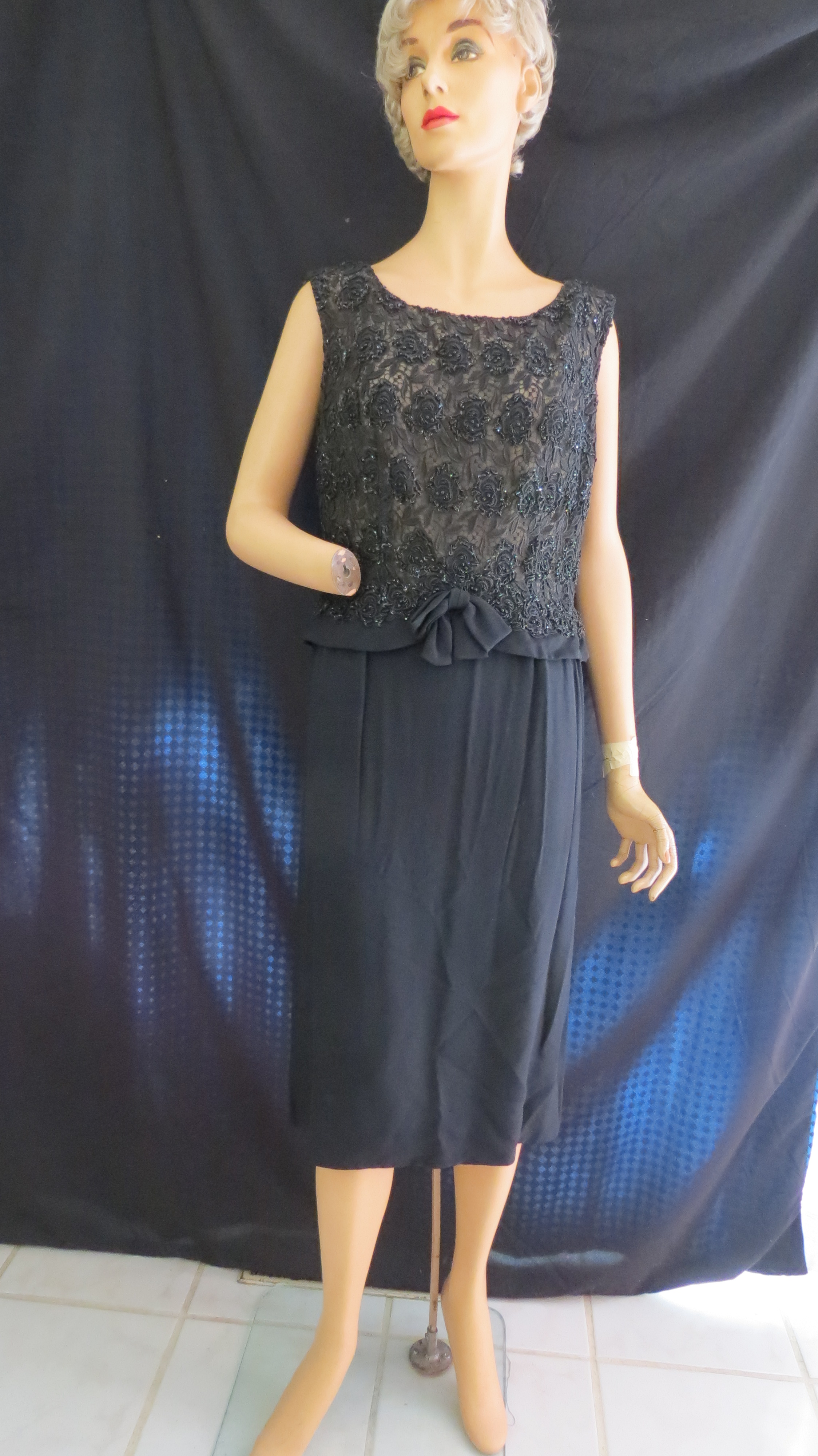
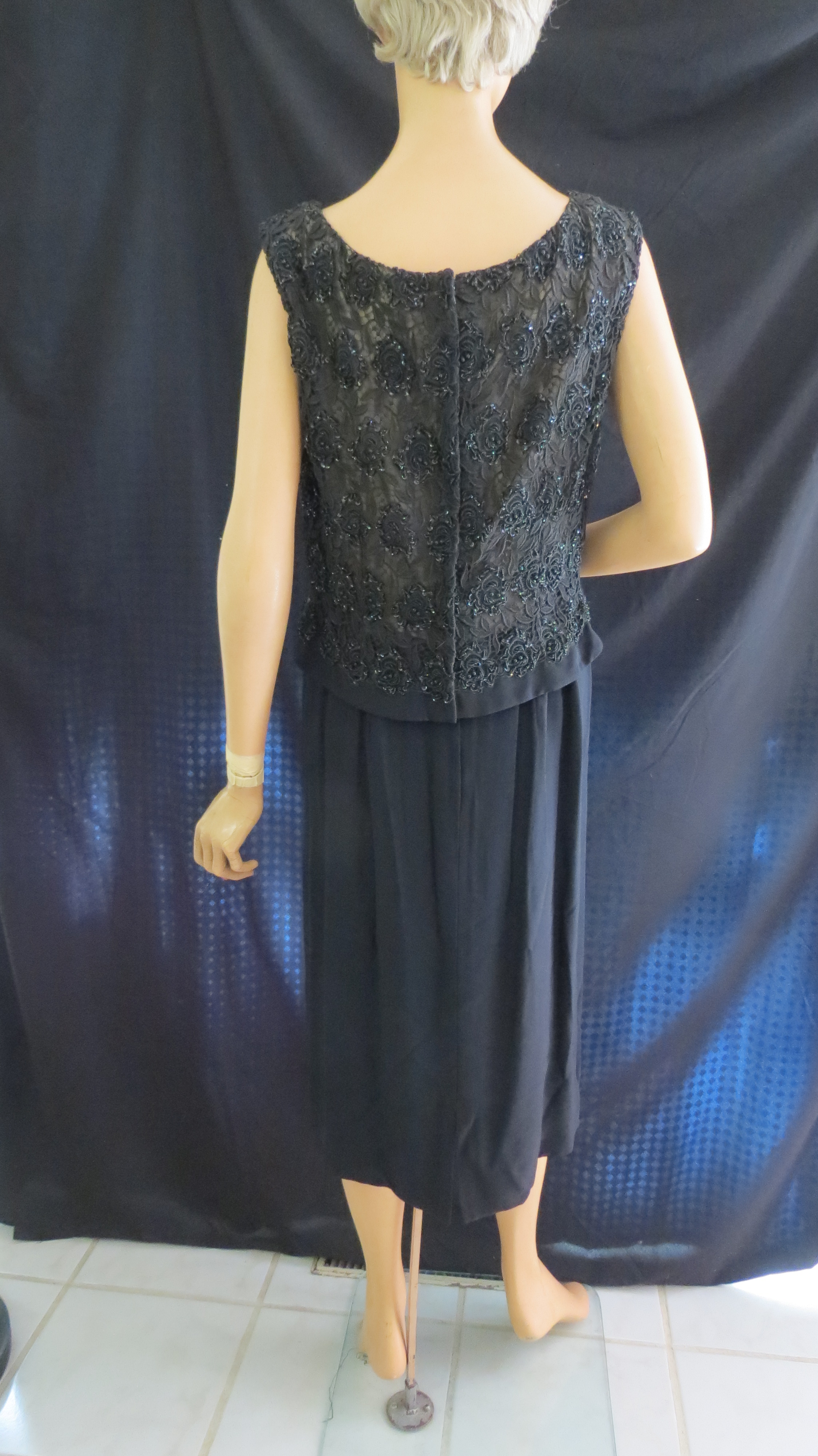
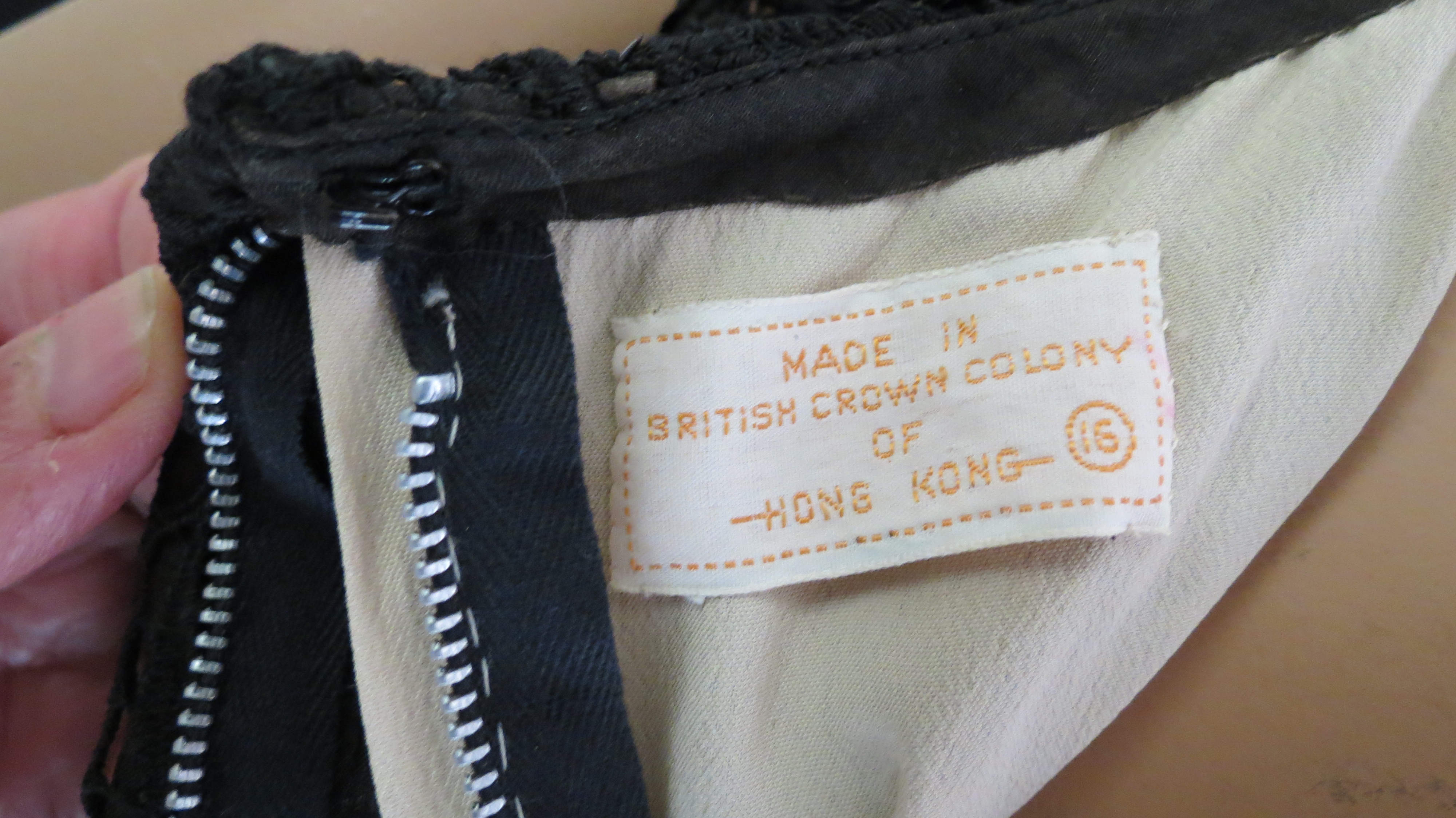
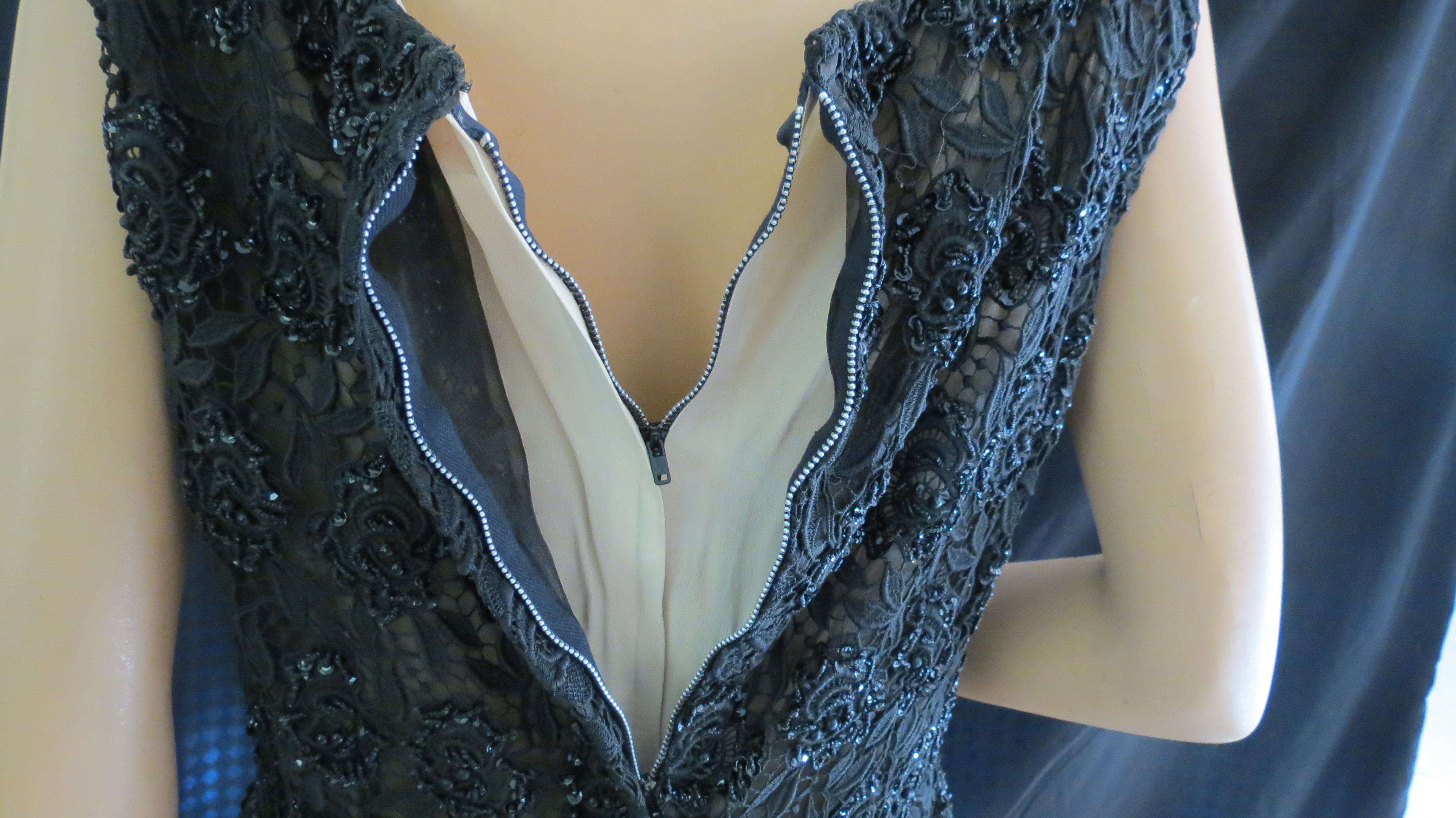
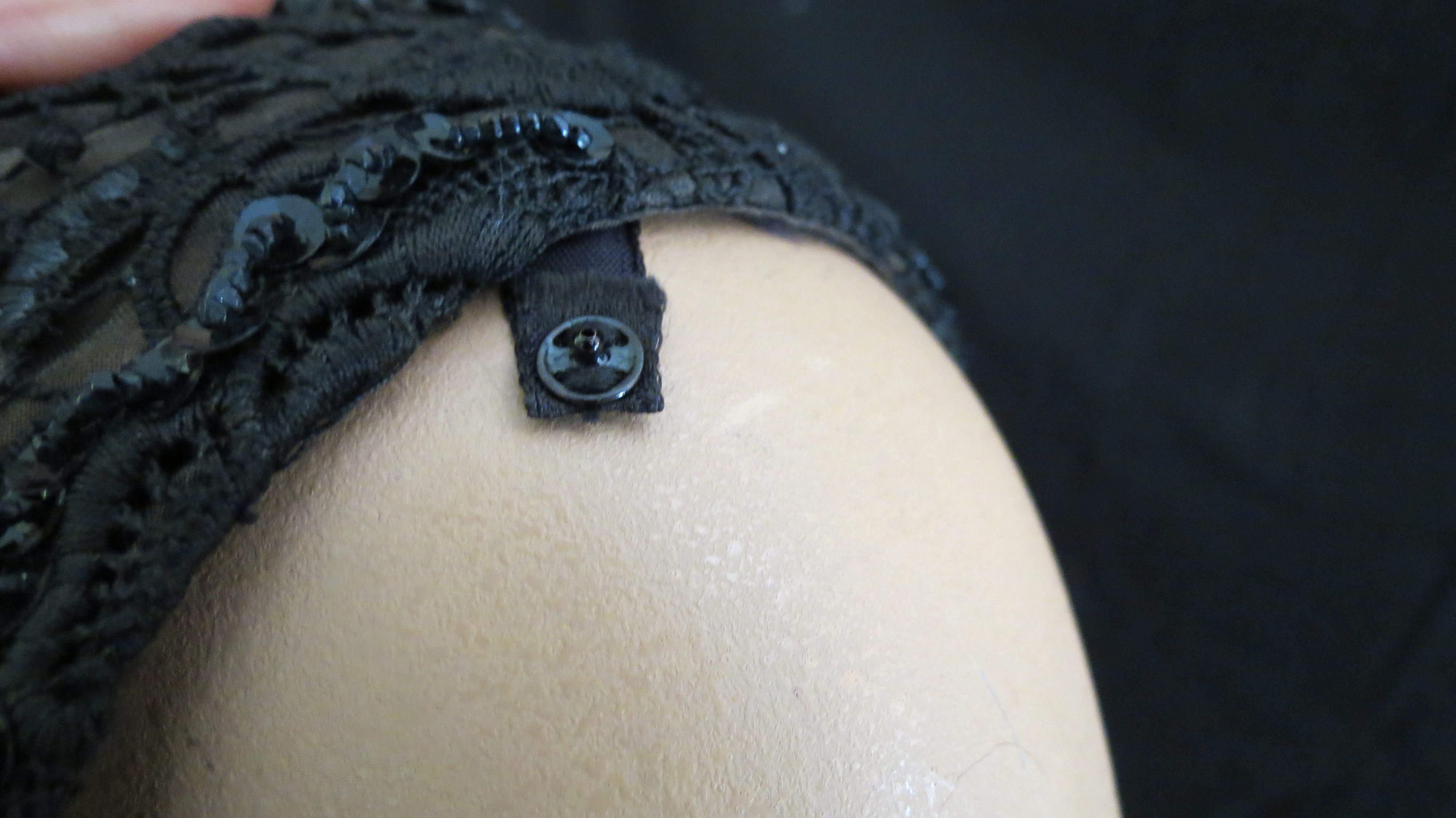
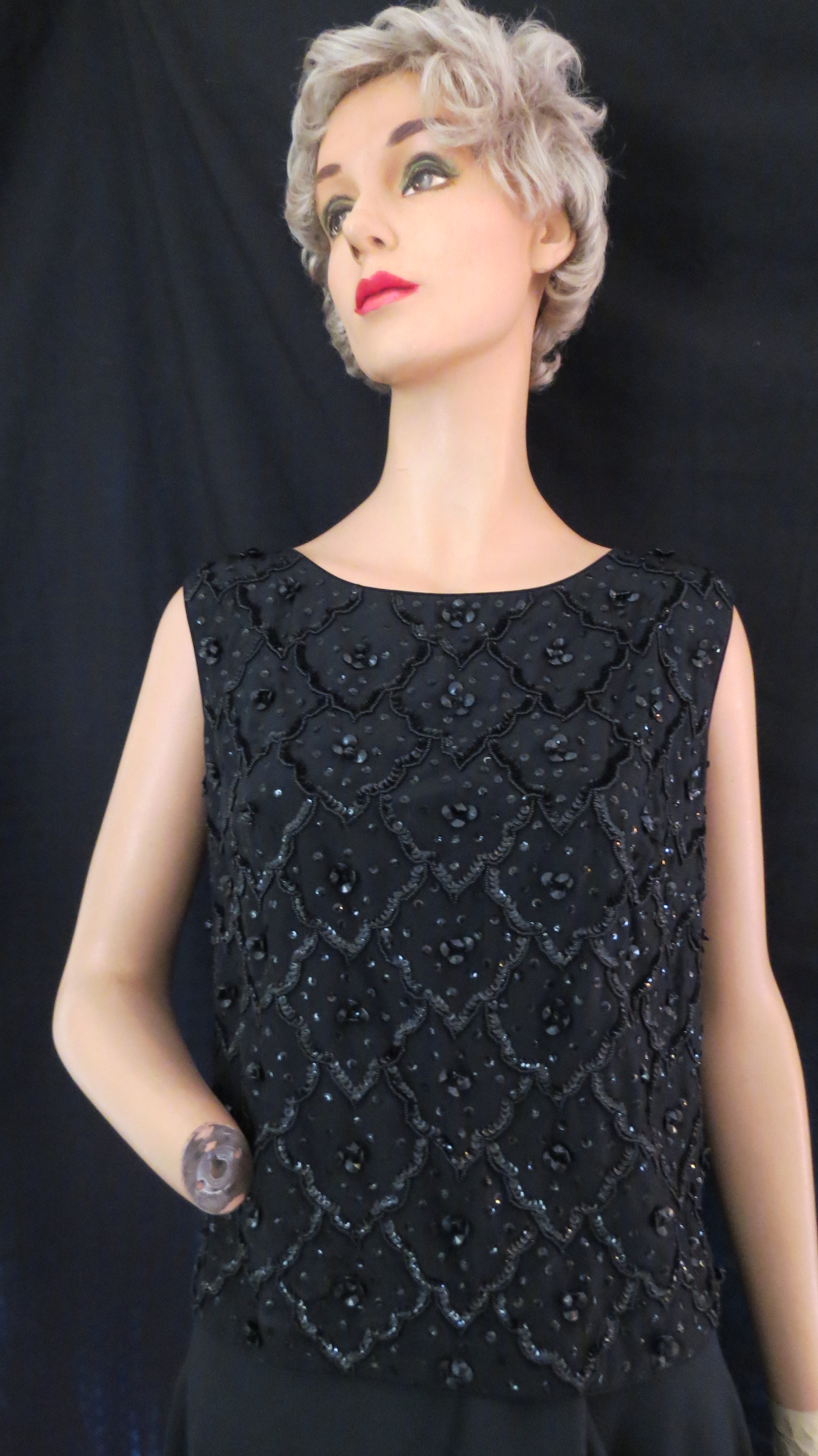
Just a few years later, lace overlay became the big thing. Dressy day-dresses were often made from it, as well as semi-formal and formal gowns. These were also generally made from synthetic or blended fabrics but probably required dry-cleaning. Better frocks often came from British Hong Kong, where the design and hand-made tailoring made them exceptionally elegant and of higher quality. These dresses were still within the reach of middle-income ladies but were more expensive. See the black dressy sheath with a beaded over-blouse above. The straight black high-neck sheath came from Saks Fifth Avenue.

Then, again from the Brits, came Mary Quant’s Tent Dress in 1964. Although the Mod style had started in the 1950’s, it’s appearance in clothing was totally revolutionary. It brought with it radically shorter hemlines and easy-to-wear, casual shapes. See the light blue, home-sewn version above.

Some styles retained their classic, conservative lines and stuck to neutral or basic tones while bright colors became ever more popular, even in formal garments. While political and social movements became radicalized and changed society, the Hippie, Boho and Prairie styles started to take over in the late 1960’s and carried over into the early 1970’s. Tomorrow we’ll look at some of the ways that popular fashion incorporated these trends into mainstream dressing. Stay tuned . . . . . . . . . . . . . . . . . . . . . . . . . .

MORGANA MARTIN, THE MAGICVINTAGESPY

BLOG: MAGICVINTAGESPY.COM
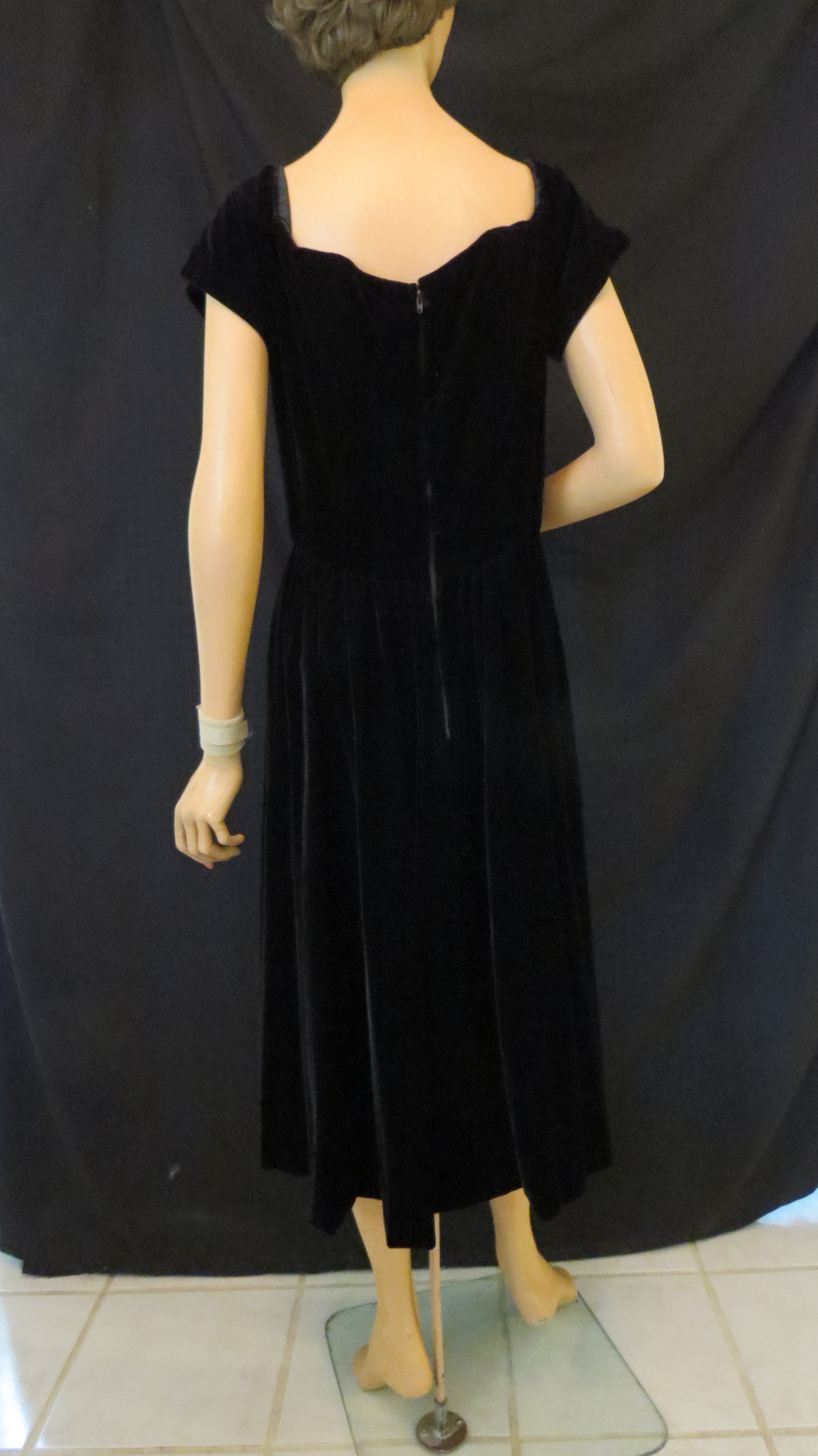
TRUE VINTAGE 1940’S DRESSY DRESSES FROM AFTER THE WAR YEARS

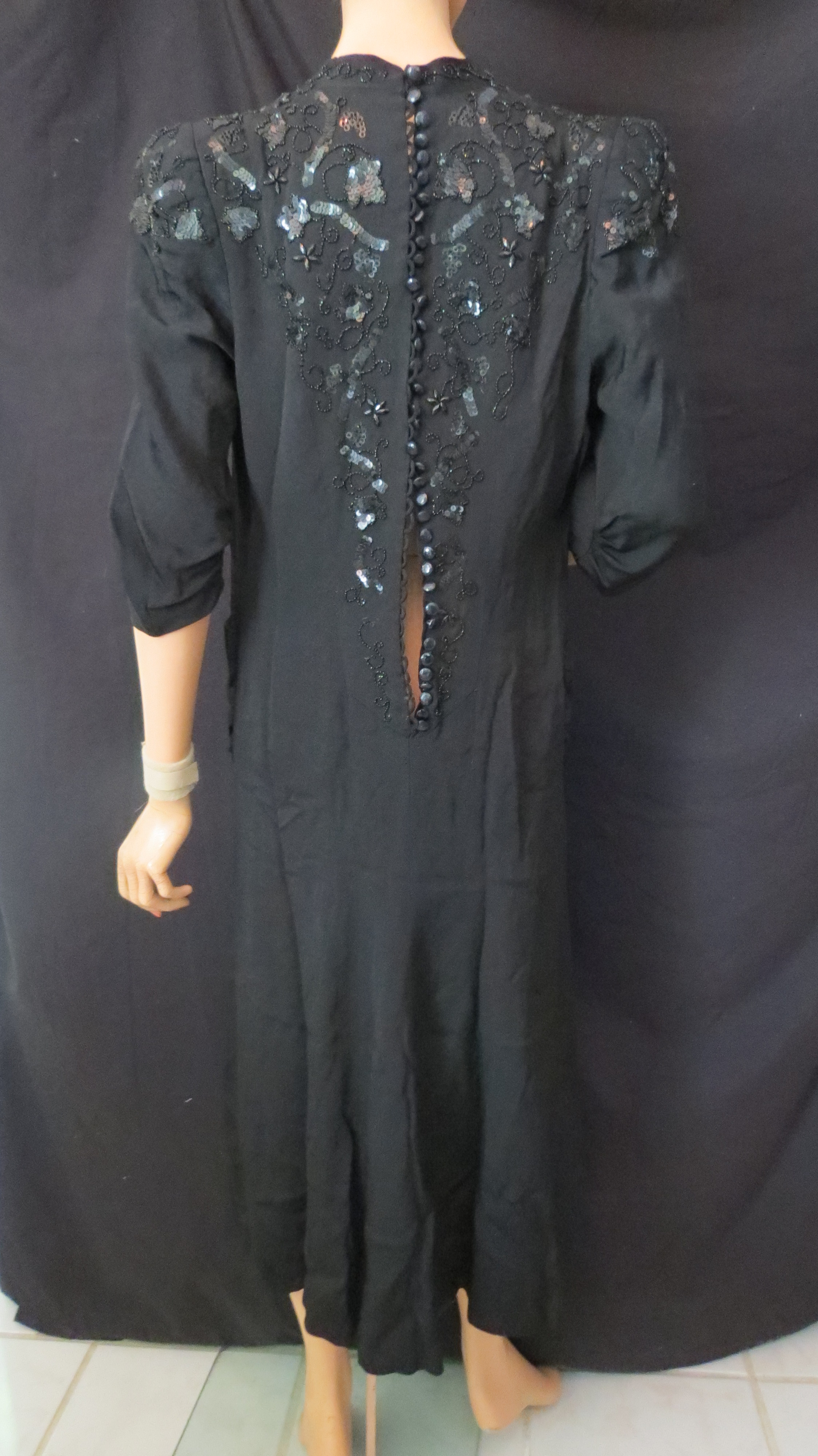
Here’s another group of finds that were fabulous. Let’s look at the details on these frocks, which were over-the-top when wartime rationing was no more and fashion was ready for a break-out right before the New Look. Lots of glitz – rhinestone buttons, metallic thread, sequins, beads, lots of little buttons and velvet. Hemlines went down again. Rayon reigned – it had become the darling of fabrics.

There was certainly an element of weirdness to some of these designs. The last two black dresses were discovered in Montevideo, Uruguay and had been made by specialty dressmakers. Many of their wardrobe items in that city came from France, and I suspect that there is a lot of European influence in these styles.

The top two designs are squarely U.S. American and the tag on the dress with the big velvet bow indicates that it was made by a company that was producing affordable garments, probably during the early recovery from wartime. The navy blue dress was higher-end and looks so much like the costumes seen in late 1940’s film noir.

Tomorrow we’ll look at some examples of how 1940’s dress styles have persisted during the following decades. Stay tuned . . . . . .

MORGANA MARTIN, THE MAGICVINTAGESPY

RARE NEW FIND! 1940’S DRESSY VELVETEEN JACKET

Nothing wonky about this jacket. It just needs a good clean and steam. Plus, I wish my team of models were with me as it would look so much better on Stella, maybe over a dressy 1940’s frock as it was intended for. Use your imagination. Anyway, I love, love it! Anything from this fashion decade thrills me, but a piece like this is so difficult to find and such a wardrobe necessity. Gals in the 1940’s often wore a fur stole or jacket with their evening outfits but, since we don’t do that anymore unless it’s a true vintage piece, a formal alternative is so important.

Probably handmade, from cotton velveteen. No lining, but none needed – the reverse side of the velveteen is a very smooth weave. Great peplum waist, a little longer in the back, and a big button to close. 3/4 sleeves with scalloped vents. Love this detail, too.

I’m over the moon and, as I always say -“You just never know” what might turn up. I’ll post my second find, exciting in a different way, tomorrow. Stay tuned . . . . . . . . . . . . . . . . . . . . . .

MORGANA MARTIN, THE MAGICVINTAGESPY

BLOG: MAGICVINTAGESPY.COM
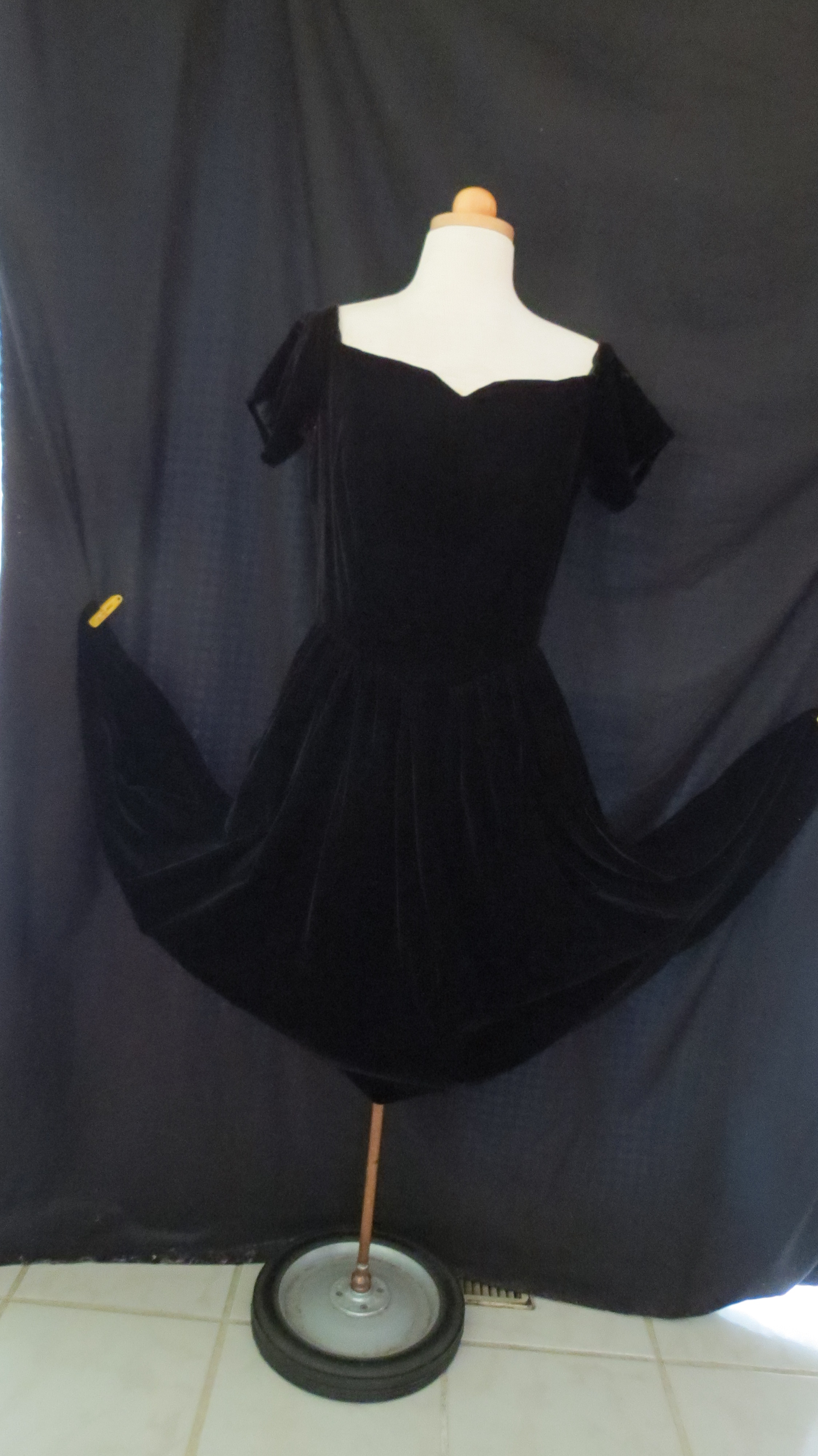
1940’s Western-wear Fashion Trend, Inspired by the Movies

Cowboy movies, which actually began a decade or so before the 1940’s, gained popularity and caused a major fashion movement in the Forties and Fifties. This beautiful men’s shirt, which belonged to a family member, is one of the favorite pieces I’ve ever seen. The colors are vibrant and who doesn’t love red and turquoise together? Look at the detail! There are even small pockets tucked under the yoke piping in front. Some of these were custom-tailored.

Cowboy hats also became very popular. This one is a well-preserved woven straw but wool felt hats by Stetson, in particular, were the most often seen. Bolo ties, made of leather with silver slides and aiguillettes replaced fabric neckties in Western-wear dress-up.

I have a pair of 1940’s women’s high-waist wool slacks with wide fabric belt loops finished with pearlized snaps. What a rare find! Don’t have a picture of them handy, but take my word that some of the Western fad did cross over into women’s-wear. I’ve got a cowboy-style shirt with floral embroidery and a fringed leather jacket from this era. This mother-of-pearl brooch is an example and, of course, silver and turquoise jewelry made by Native Americans was the real deal. I also have many examples of that, some that were owned by family members, too.

Naturally, the popularity of Western-wear has not decreased over the decades. Although there is a niche market for the very authentic and work-oriented designs, the style shows up in retail fashion all the time. A very pronounced trend really hit in the early 1950’s – that was Southwestern-style cotton dresses, most of which were 2-piece, and heavily decorated with colorful ric-rac and ribbon. Some Native American women wore these and they were heavily marketed for tourists in the southwestern states. 1940’s versions had 3/4 length skinny sleeves with metal zippers to the elbow. Later, short-sleeved versions and even cap-sleeve style dresses showed up in the genre. I’ve shown many of these in past blog posts. Add to that soft leather ankle-length boots and beaded moccasins. So glad that my family alive during the ’30’s – ’50’s enjoyed traveling to the the Southwest and did so many times!

Very fun, collectable and wearable. Tomorrow I’ll be showing women’s blouses & tops from this era. Stay tuned . . . . . . . . . . . .

MORGANA MARTIN, THE MAGICVINTAGESPY

BLOG: MAGICVINTAGESPY.COM

TRUE VINTAGE 1940’S CASUAL DRESSES

We’ll begin with a pretty, white cotton eyelet dress that was home-sewn in 1940. It’s a lovely dress for town or a picnic, but it was made to be a wedding dress. Coming off the Depression years and with war in Europe, it was a very modest but hopeful costume for entering a dream future.

After 1941 and the United States joined World War 2, fashion became much simpler and plainer, but very practical. Shirtwaist housedresses and day dresses were the general uniform for women who didn’t wear specific uniforms related to their work. Dancing, as well as movie-going, were common inexpensive activities that helped people escape the worries and fears of their daily lives. Separates became more popular. Knitwear and wider gored skirts allowed movement while jitterbug was the favorite dance of those young enough to do it.

Plastic “gems” appeared in costume jewelry pieces, as well as preserved natural leaves. Even during the Depression and Wartime, a little bling always lifted spirits and enhanced any outfit. Tomorrow I’ll cover a 1940’s casual fad that made fashion more interesting during that time. Stay tuned . . . . . . . . . . . . . . . . . . . . . . . . .

MORGANA MARTIN, THE MAGICVINTAGESPY

BLOG: MAGICVINTAGESPY.COM
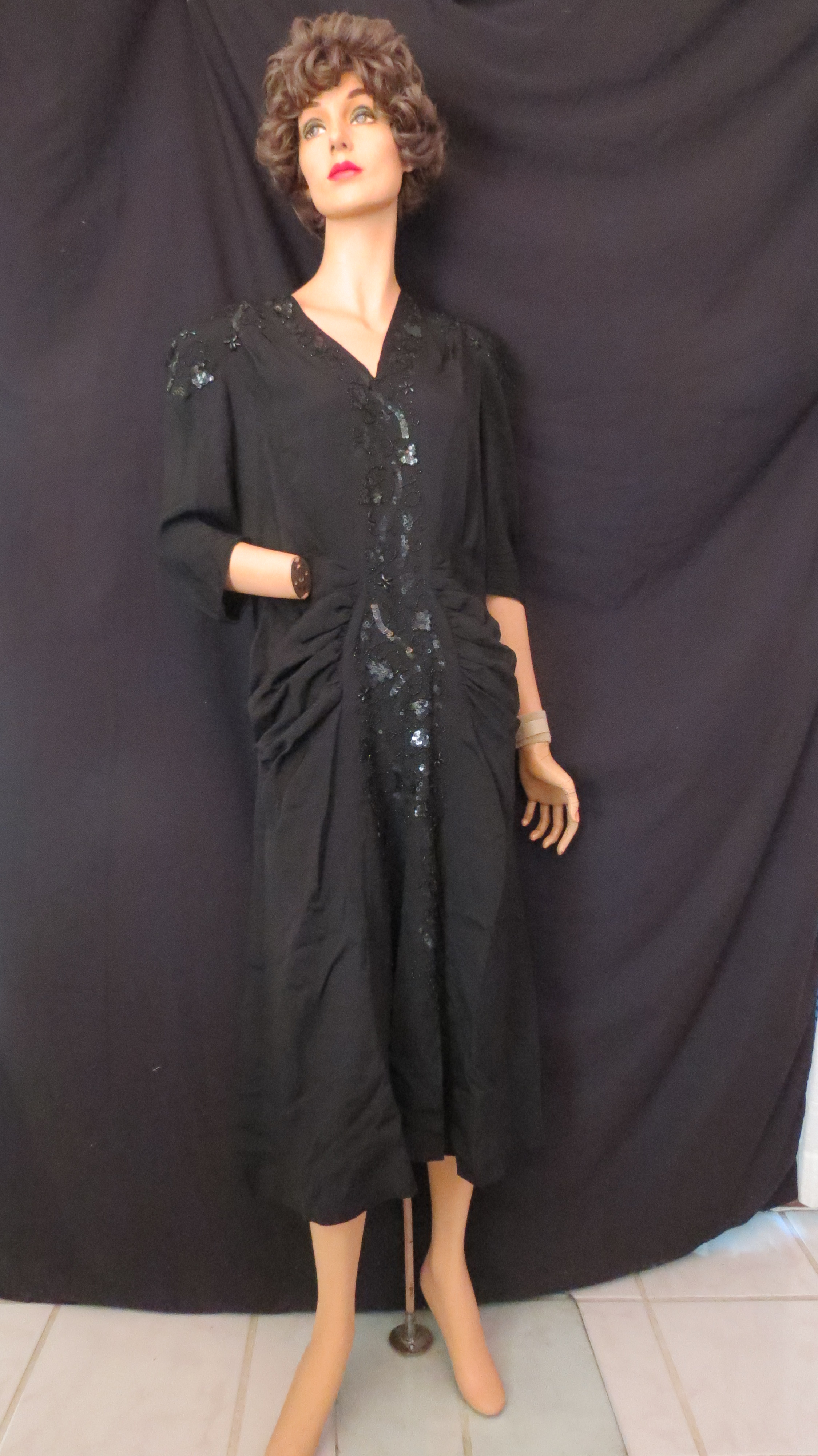
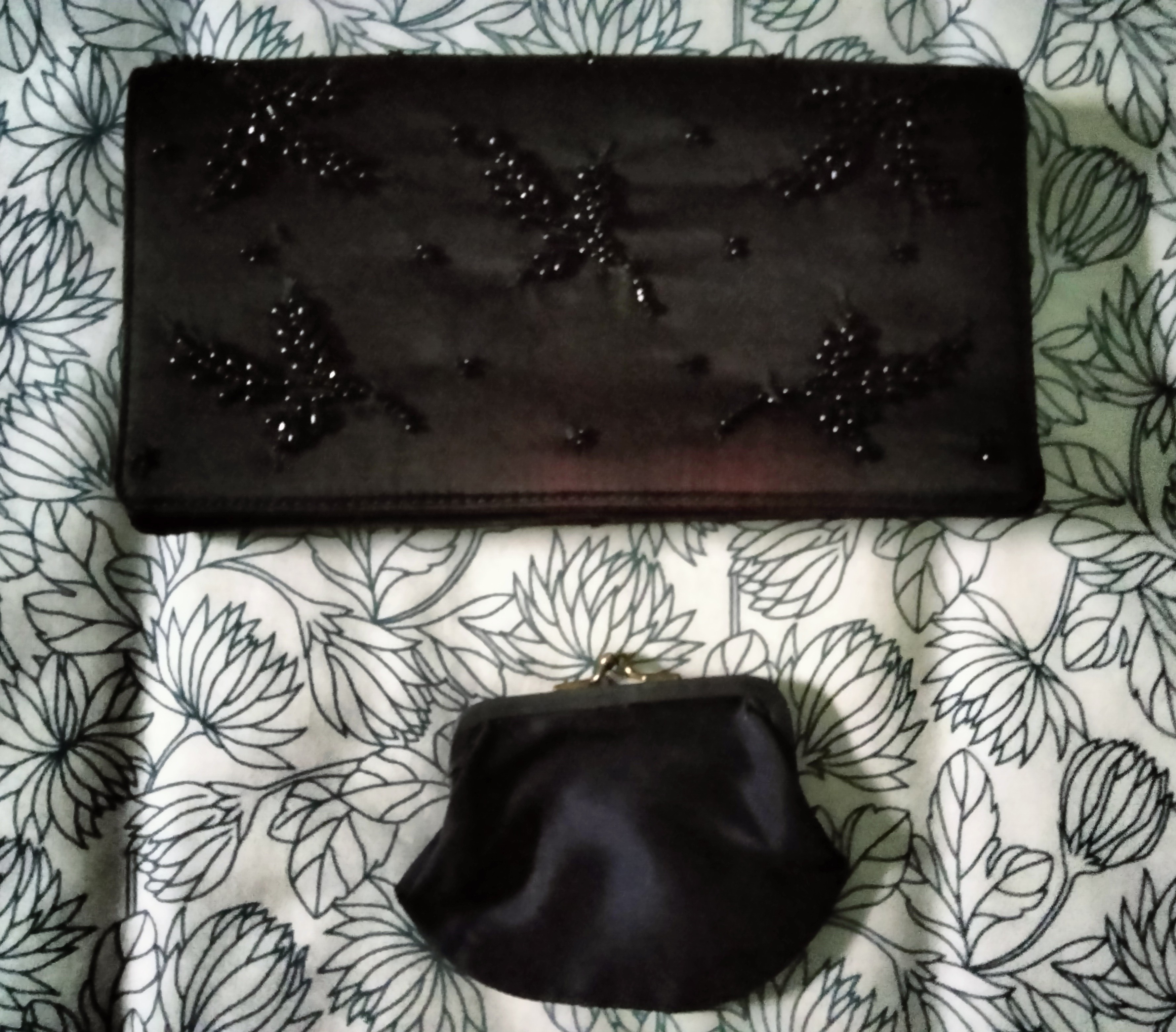
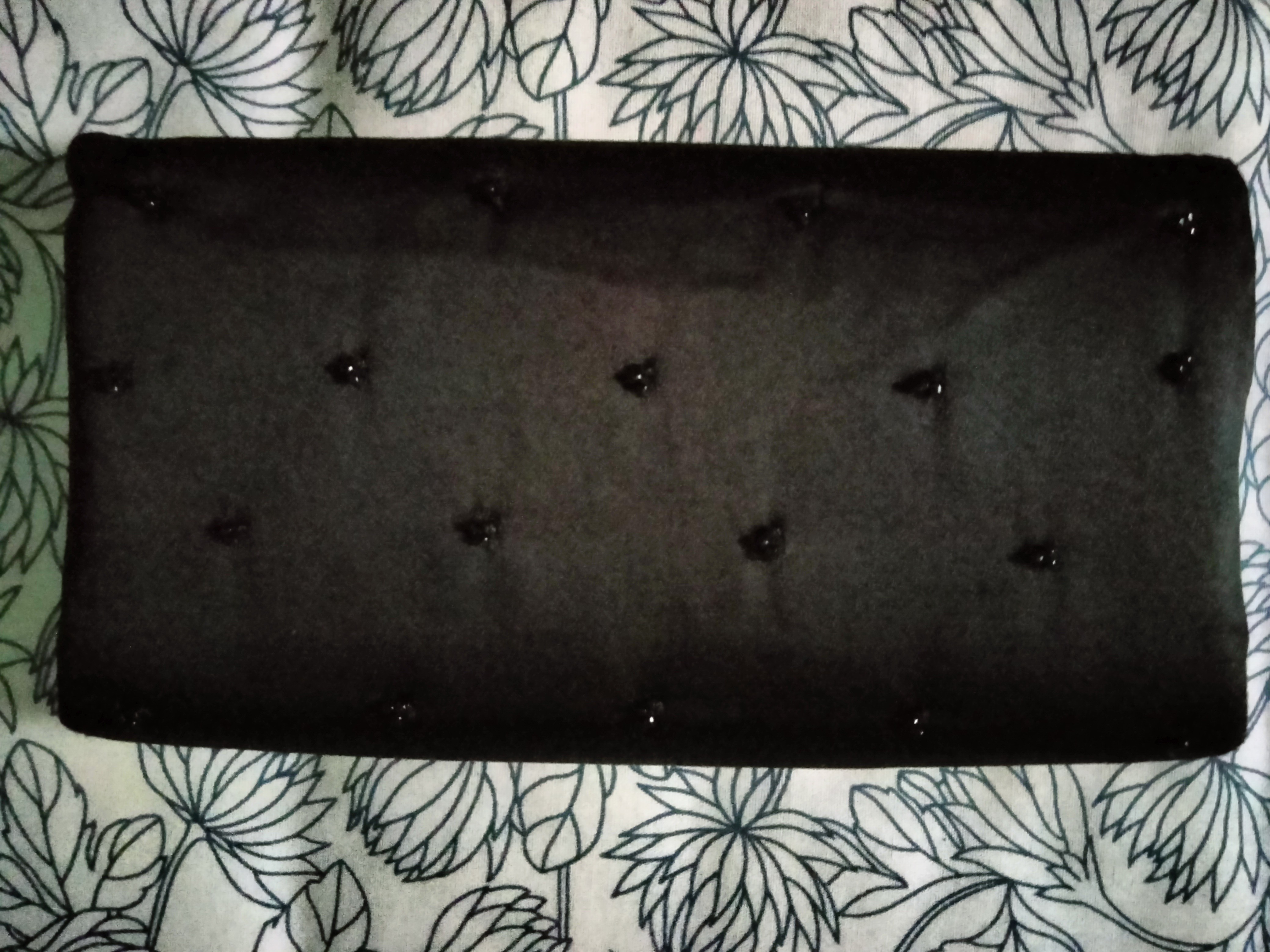
TRUE VINTAGE 1940’s FORMAL DRESSES, PLUS A DRESSY 1930’s CLUTCH PURSE

Beautiful, glossy fabrics – most of them synthetics – and lovely designs. I adore them all, but especially the first one. Let’s look at them one by one.

The first gown has a dark green velvet bodice, trimmed with the same pale green satin fabric that the skirt is made from. So flattering and luxurious. The bright red dress is a more conservative style, but still gorgeous. It’s made of an interesting fabric type which I’ve seen in other 1940’s dresses – it has a satin finish but with tiny black diamonds machine-embroidered all over. I suspect that this fabric, though lovely, was a more economical one.

The blue dress was tailor-made by hand. It is sewn from a bias-cut rayon which gives it that wonderful, drapey fit. The atomic/stellar cut-outs surrounded by seed beads were all done by handwork. I love the cut of the sleeves and the way the bustline and waistline are finished. That back tie belt gives it a really wasp-waist fit.

Finally, the black velvet two-piece dress is an entirely different design. Very proper and buttoned-up in velvet and crocheted lace, with rhinestone-center buttons.

Each of these gowns was a surprising and fabulous find. It’s rare to find 1940’s formal garments in the first place, and to find them in near-perfect condition is almost unheard of. The best bet is if they can be acquired from the original owner, or their estate. This is always a more informative clue when starting any investigation.

I’ve re-opened the 1940’s archives and am finding myself doing a deep dive there. Stay tuned . . . . . . . . . . . . . . . . . . . . . . . . . . .

MORGANA MARTIN, THE MAGICVINTAGESPY

BLOG: MAGICVINTAGESPY.COM
EARLY 1960’S DAY DRESSES

The very early 1960’s, Kennedy era was a time for ladies’ dresses to begin a shift in style. We started off with wasp waists, shirtwaist dresses and full skirts . Cotton and cotton blend shirtwaist dresses were still the day dress uniform for most middle-income women. But, also popular at that time for slightly dressier styles was a slinky knit fabric that was probably a poly/acetate blend. I remember older relatives wearing some of these, which they had probably owned for years. Many of the slinky knit dresses had rhinestone buttons. Great-grandma styles. The first 4 photos above are examples of these two types.

After that, sheath styles and fun details like this floral embroidery above started to make an appearance. This pink dress may have been home-tailored. The crafty, homemade trend that had taken root during WWII was still very strong, even though families had more prosperity in the 1950’s.

My internet connection or the blog host software has limited the number of photos I can add to my posts, so I am focusing on narrower topics and timelines now. Part of the issue for me is that I have so many photos in my archives that I just can’t squeeze them all in. Possibly better for you, my readers and followers, to see these wonderful garments in more detail. I will be continuing with dresses from the 1960’s because there were so many changes during that decade and it can take several posts to cover them all. Stay tuned . . . . . . . . . . . . . . . . . . . . . . . . . . . . .

MORGANA MARTIN, THE MAGICVINTAGESPY

BLOG: MAGICVINTAGESPY.COM