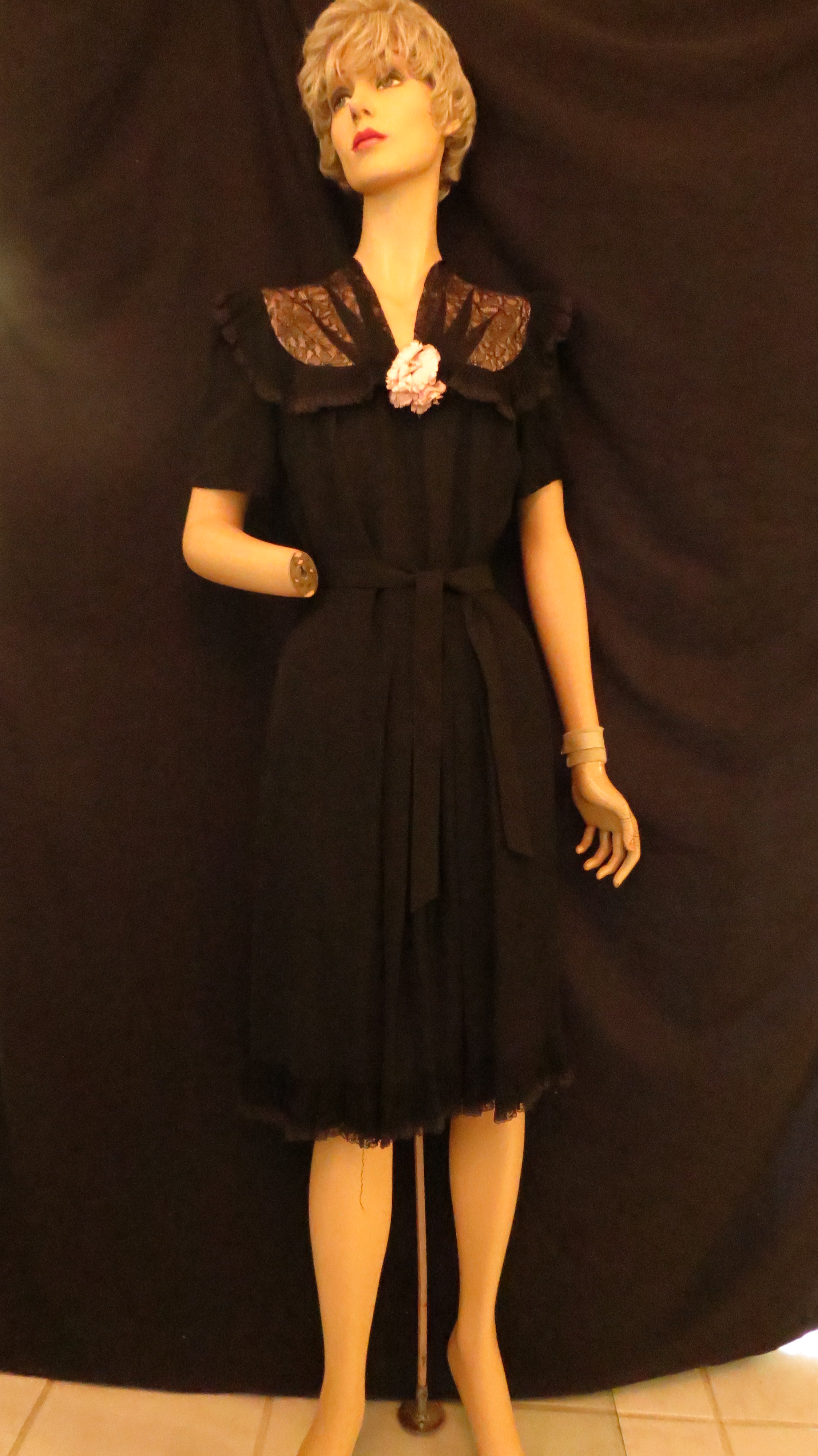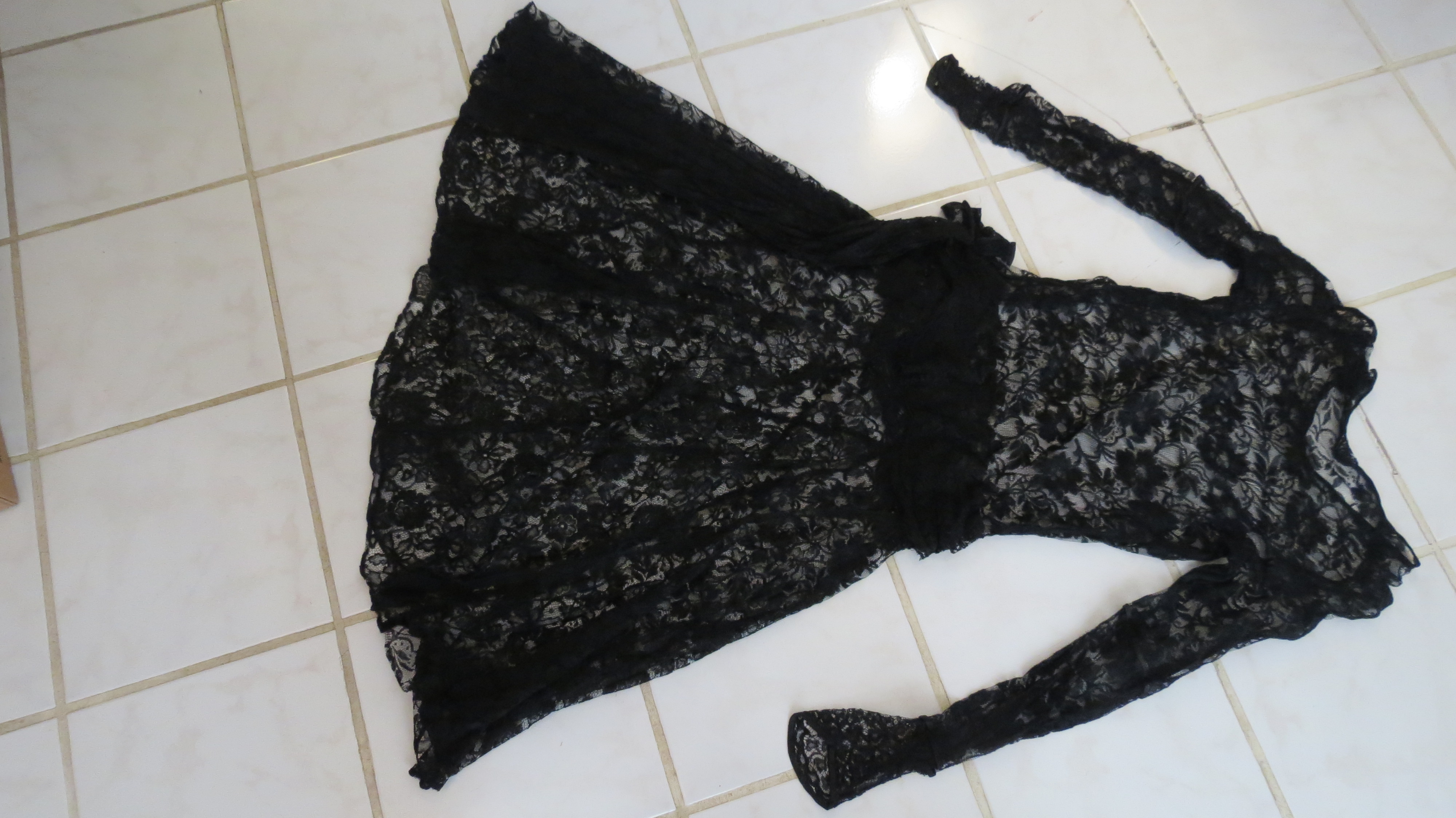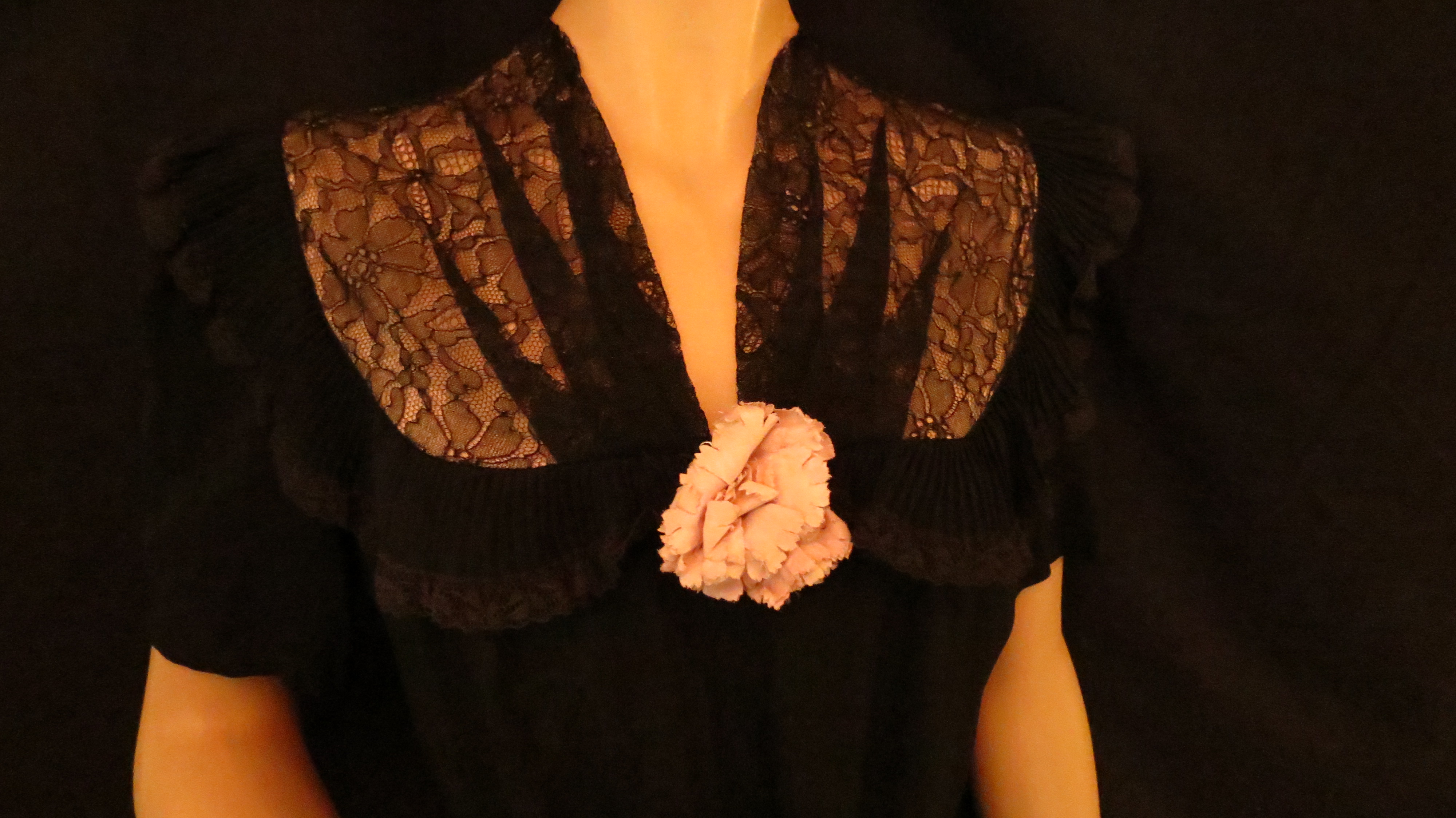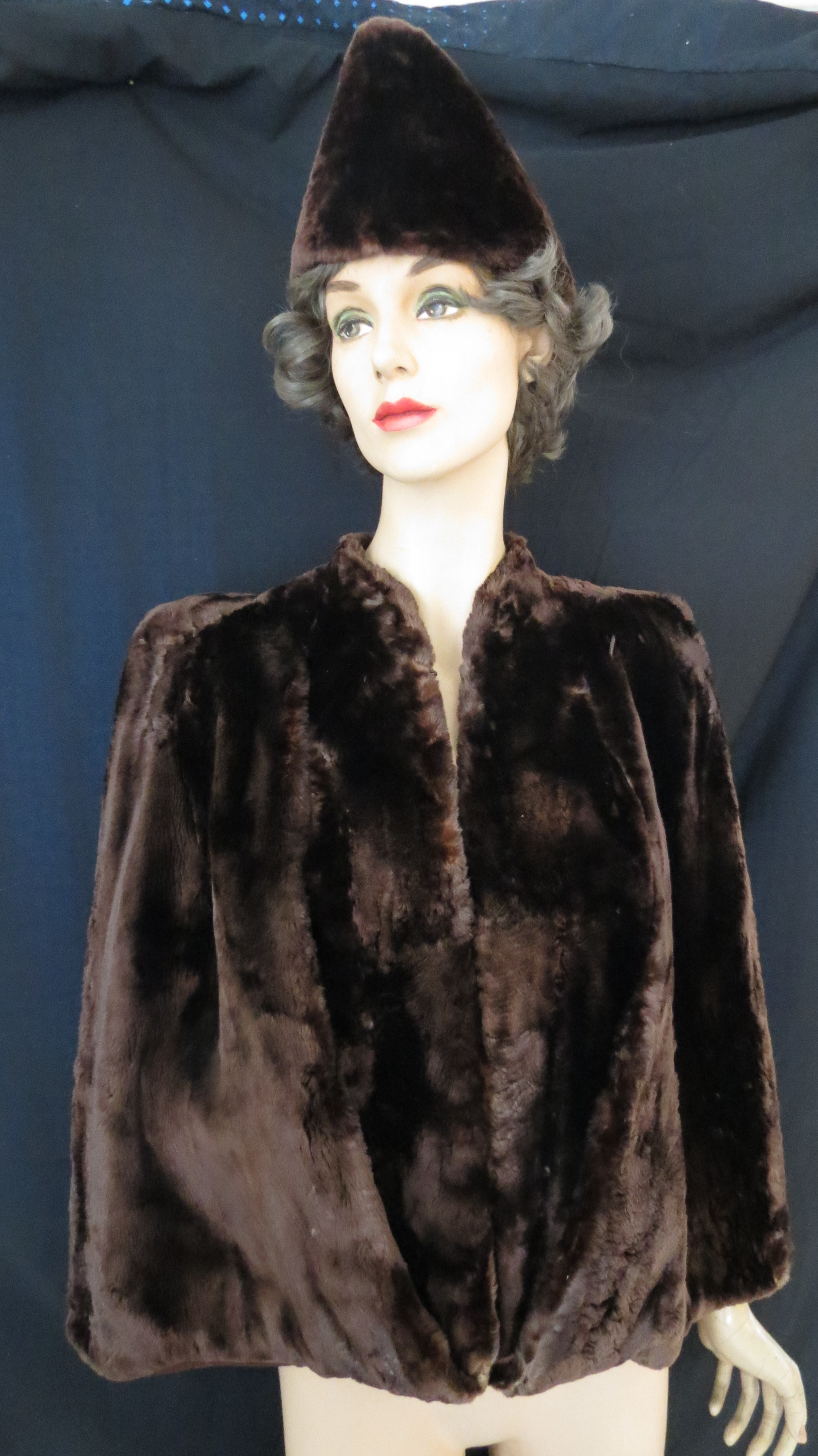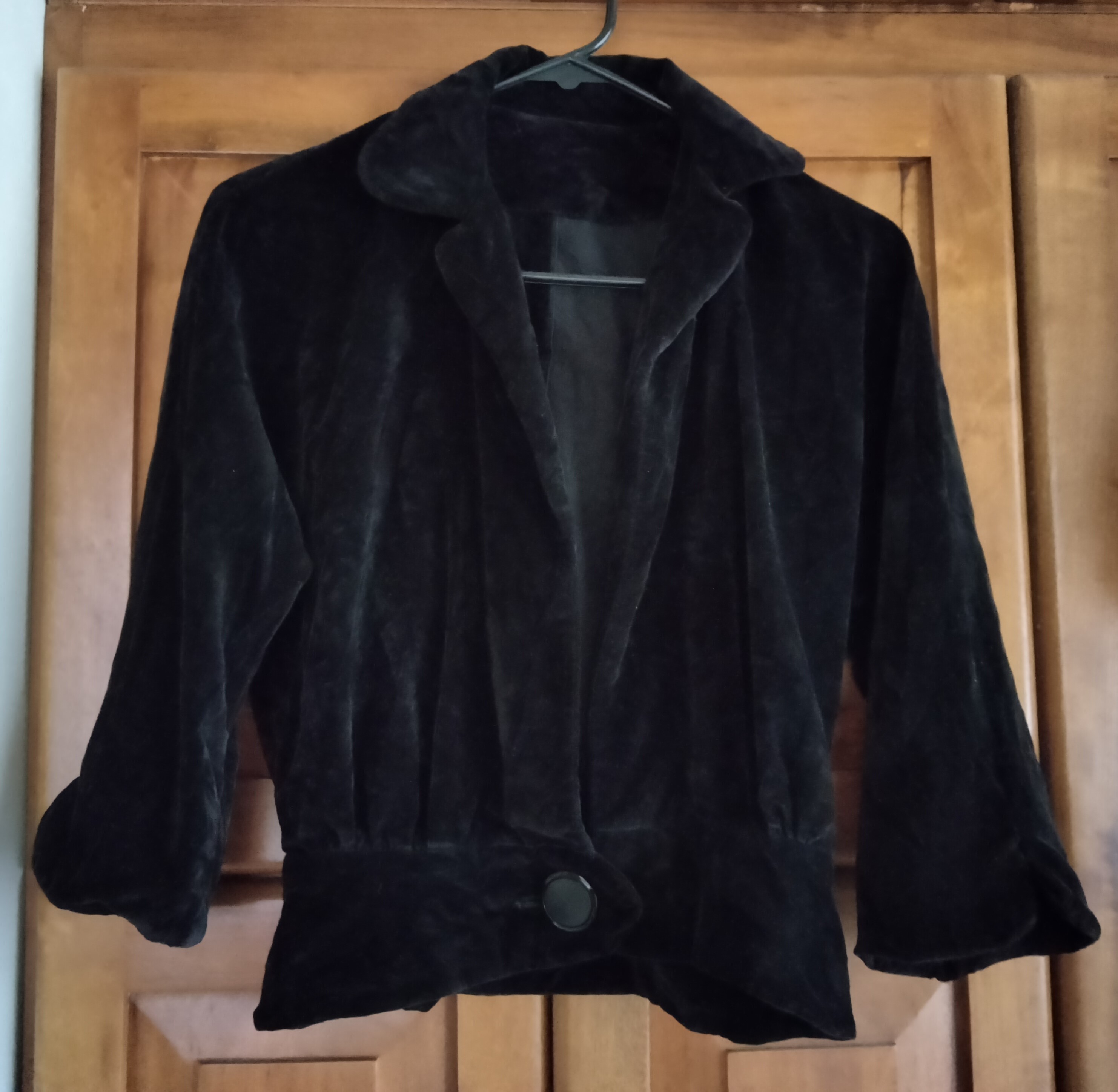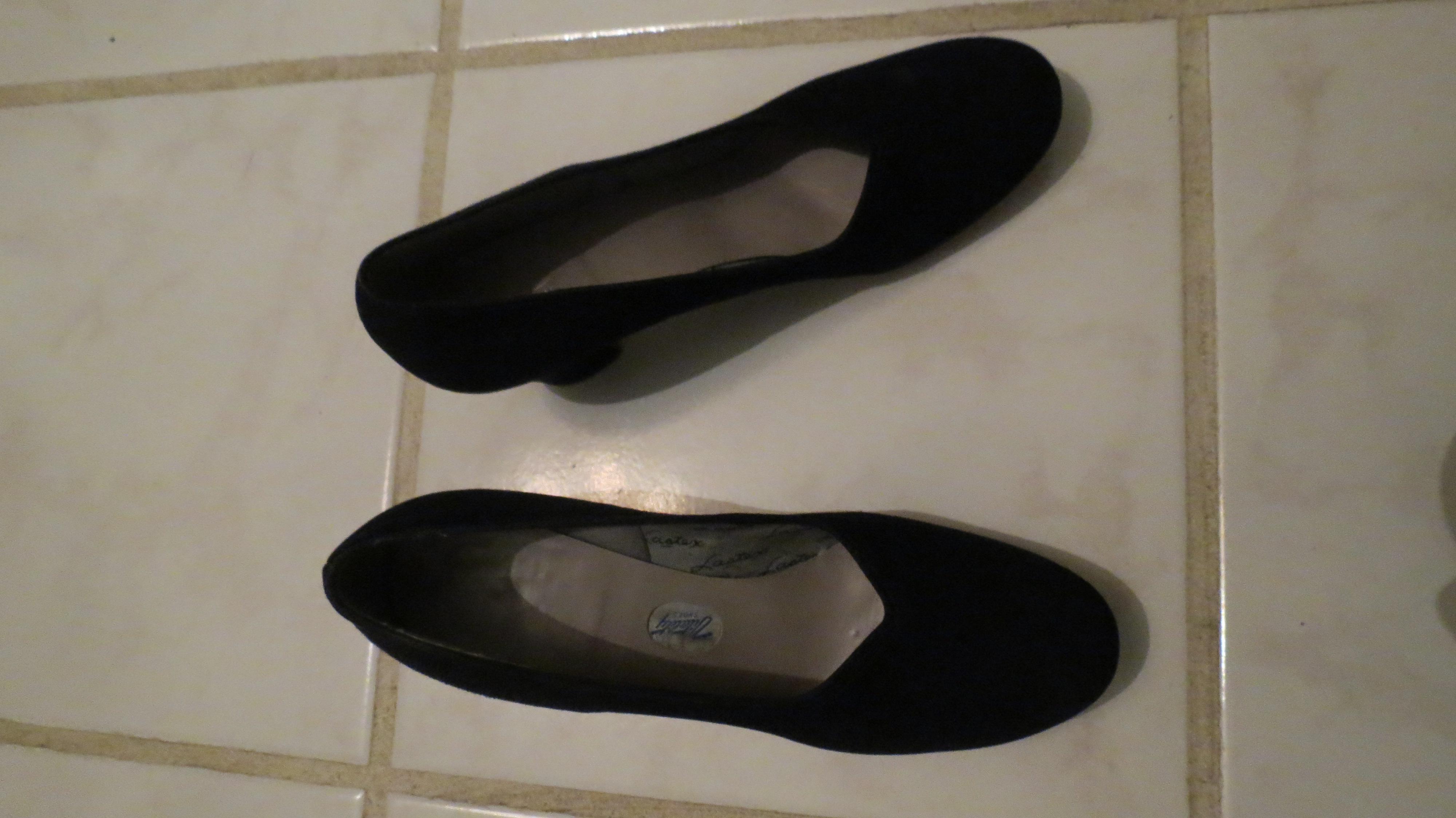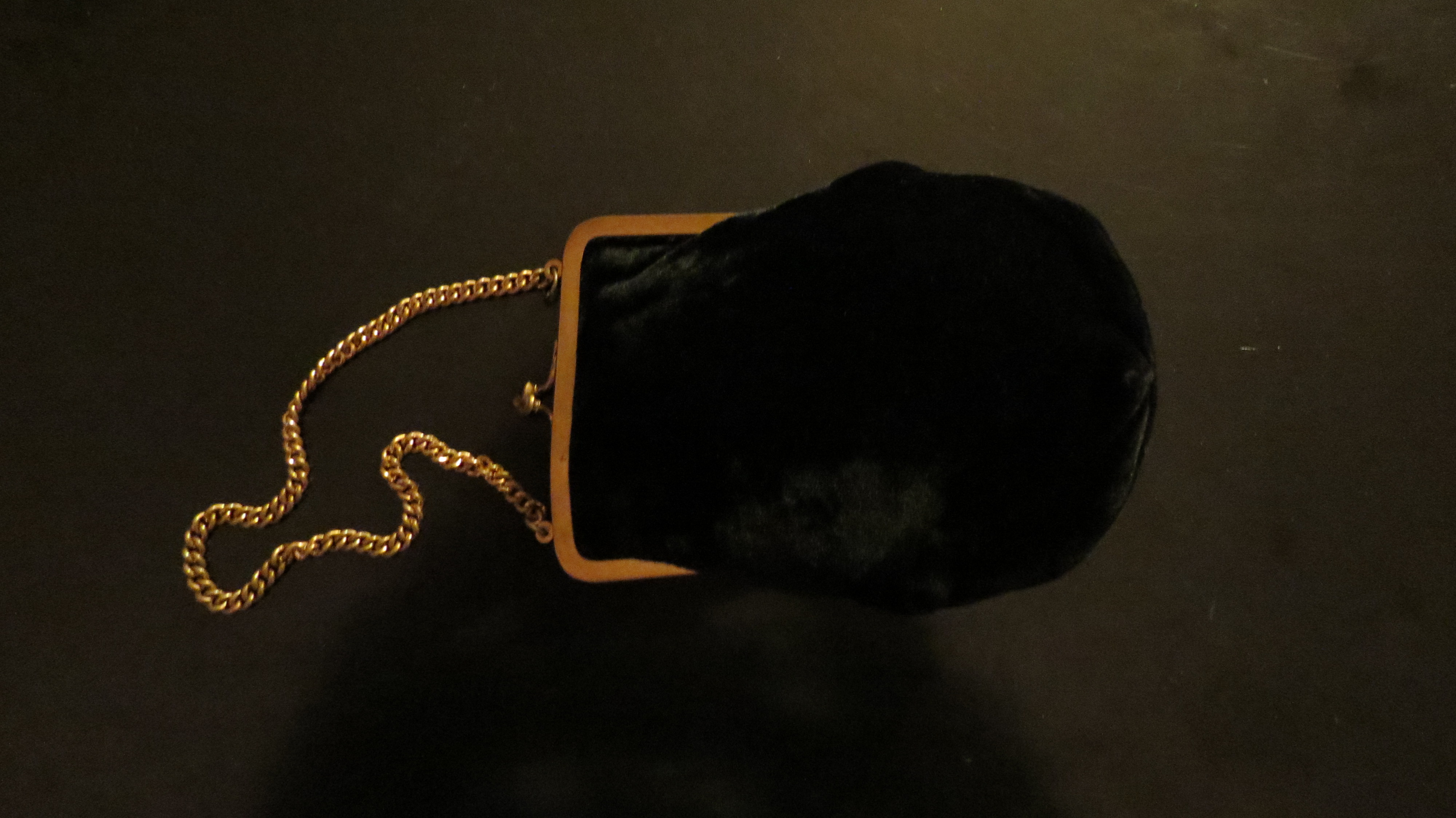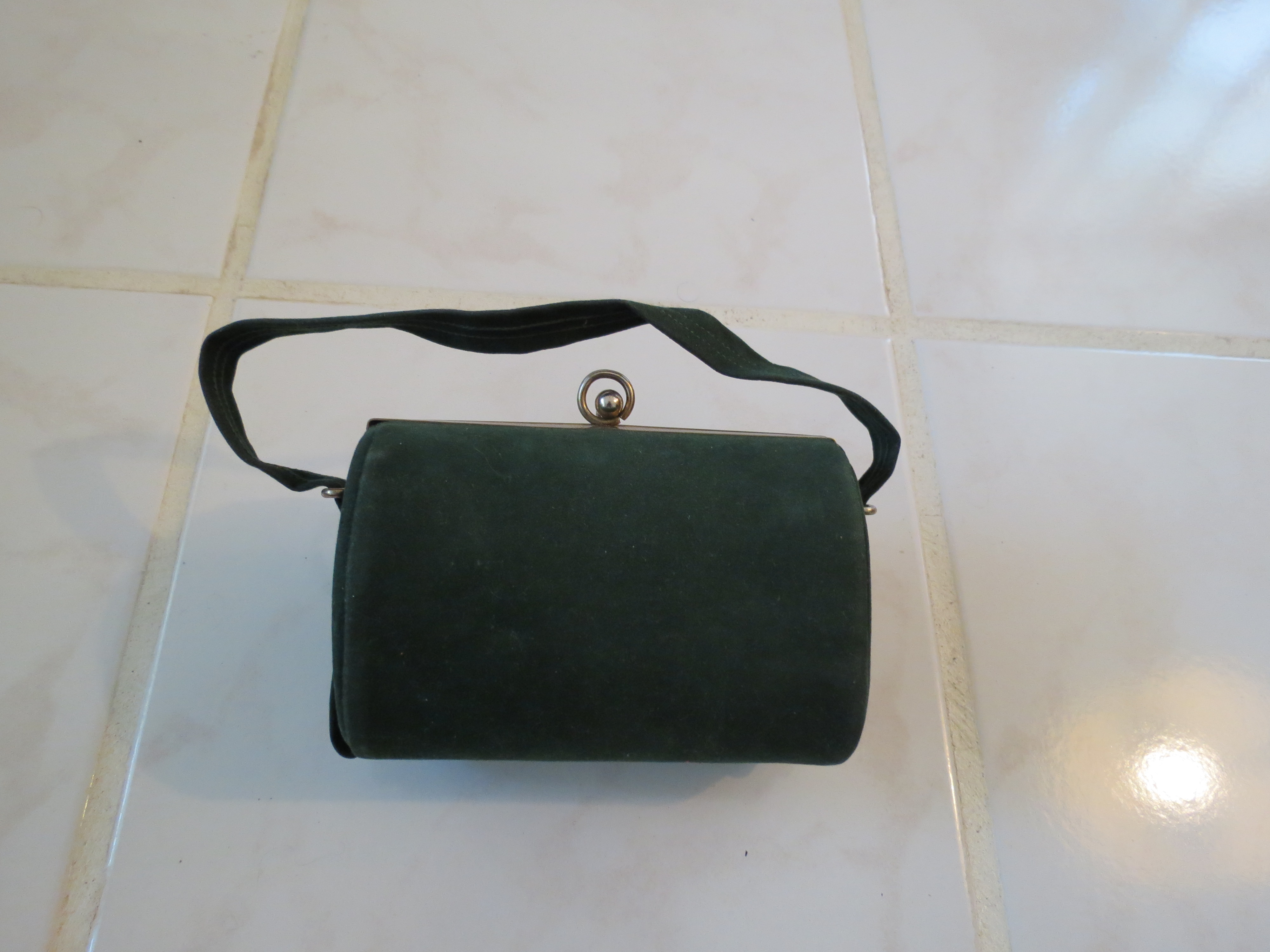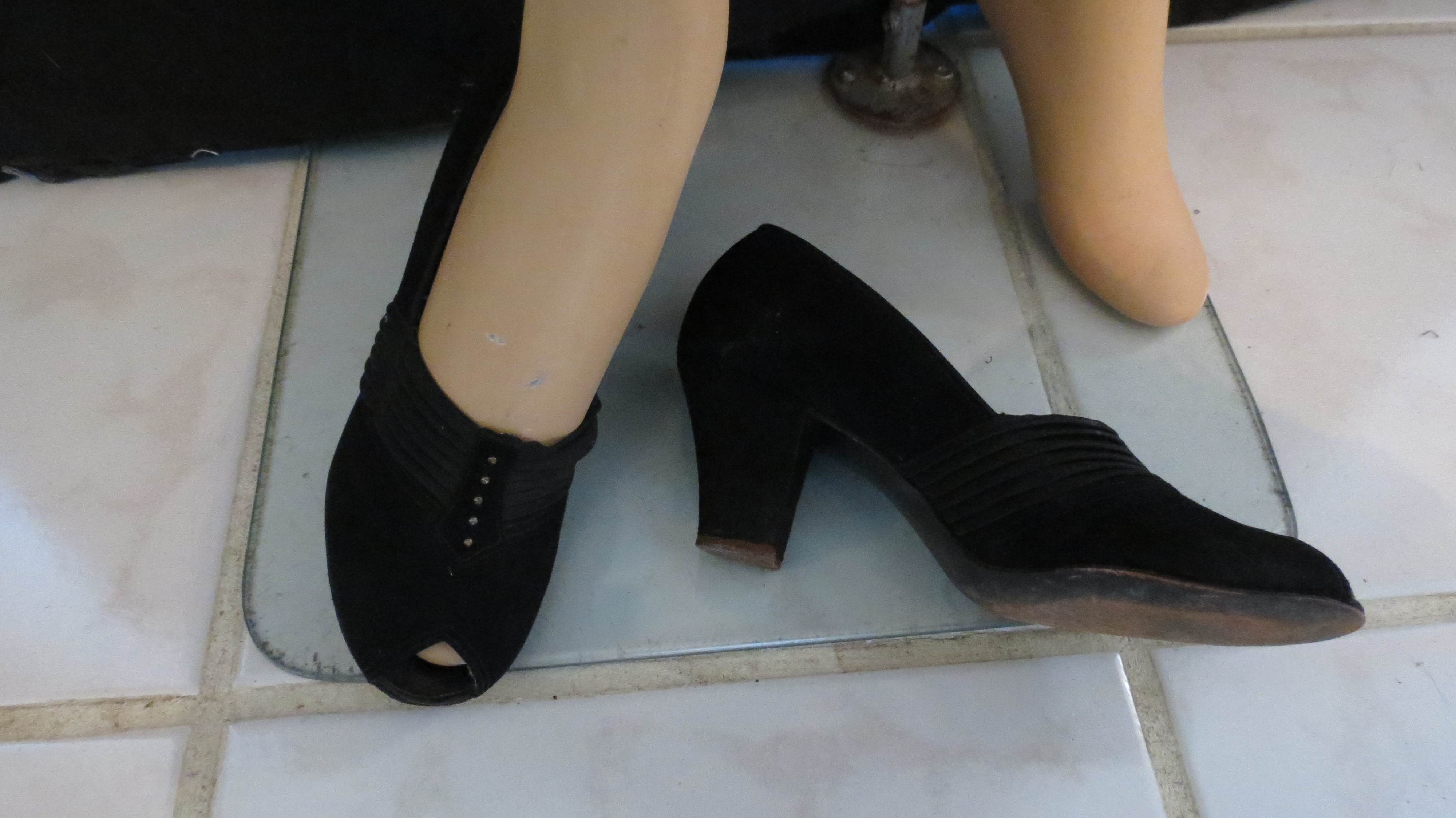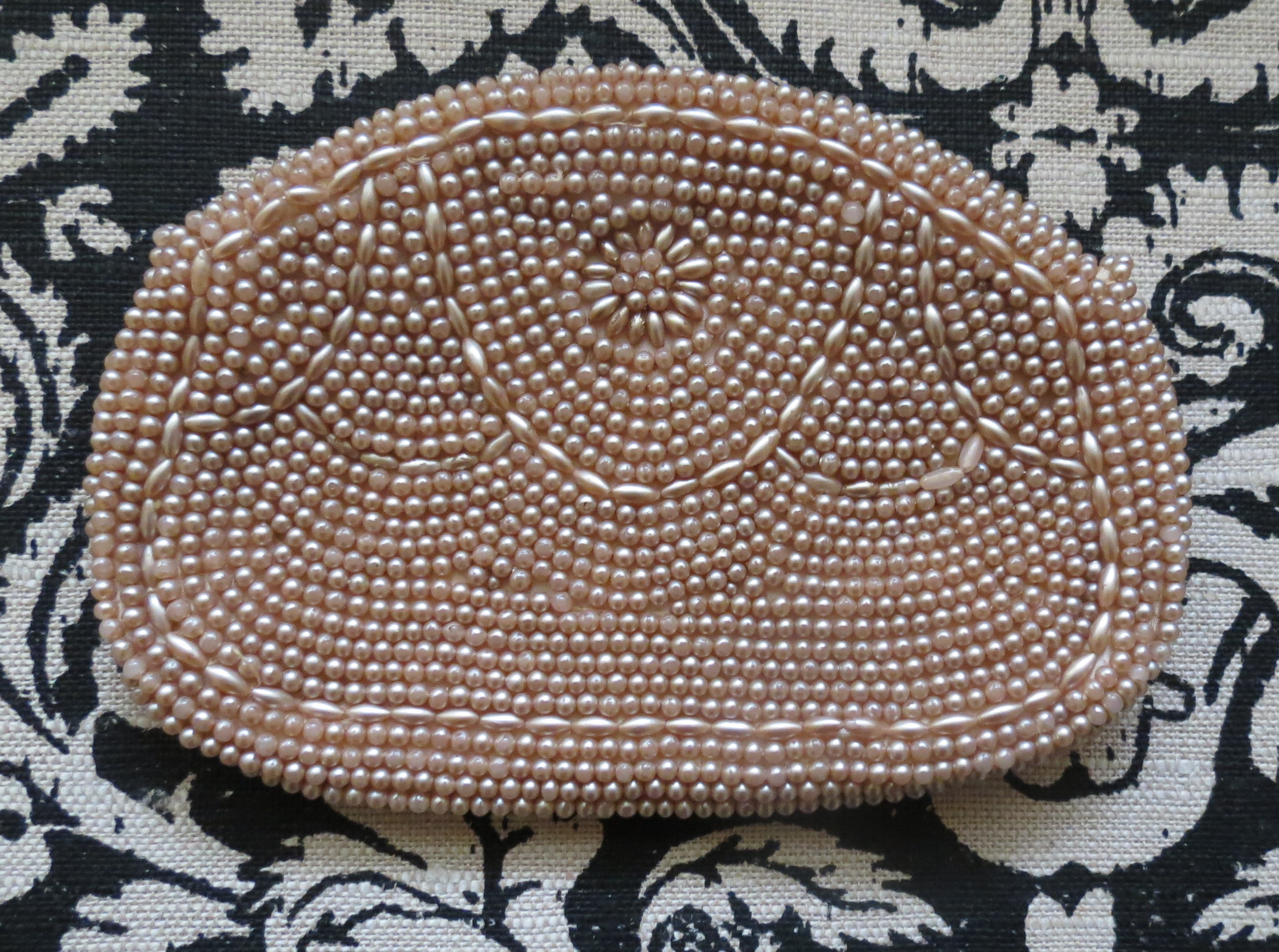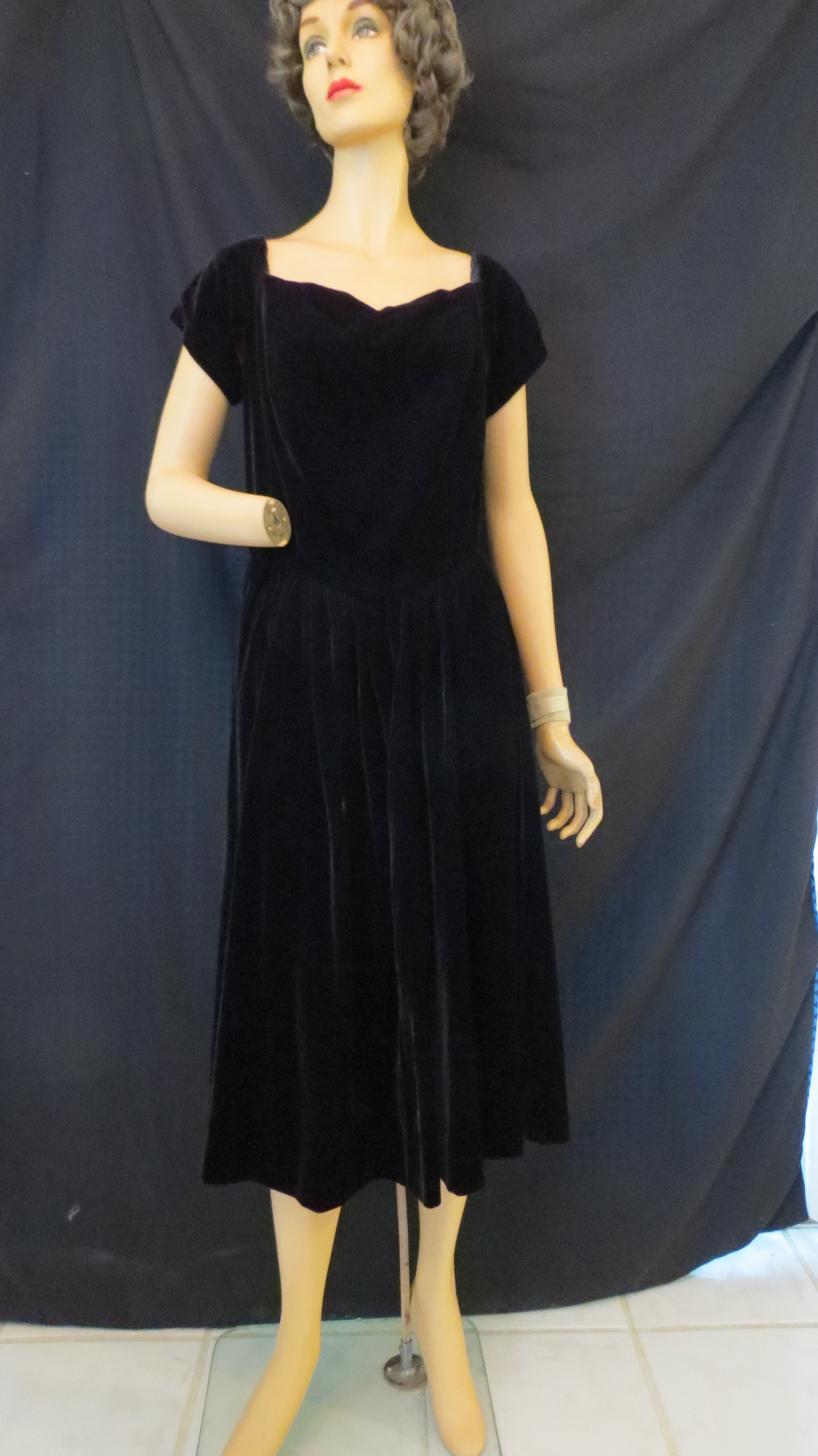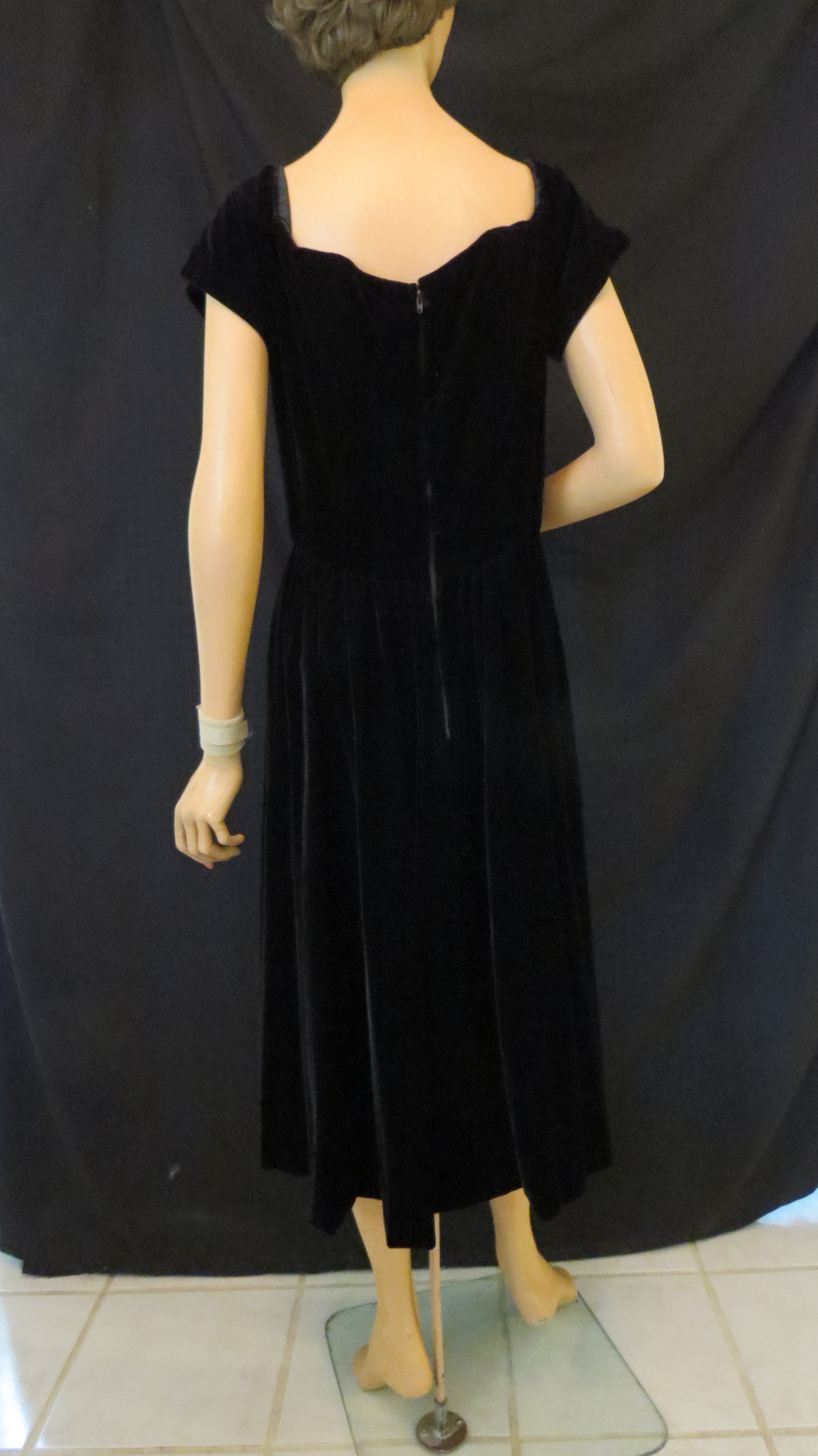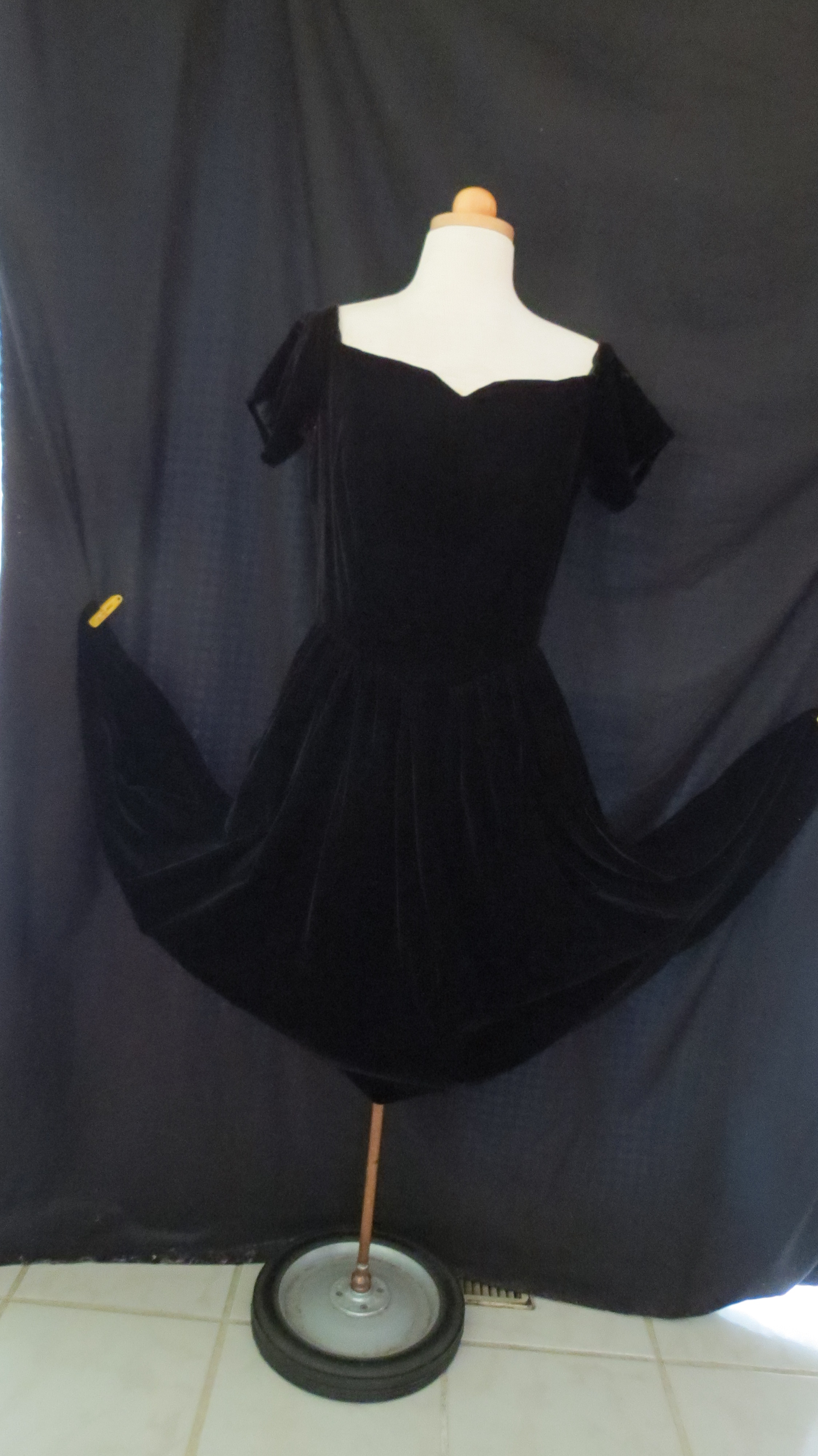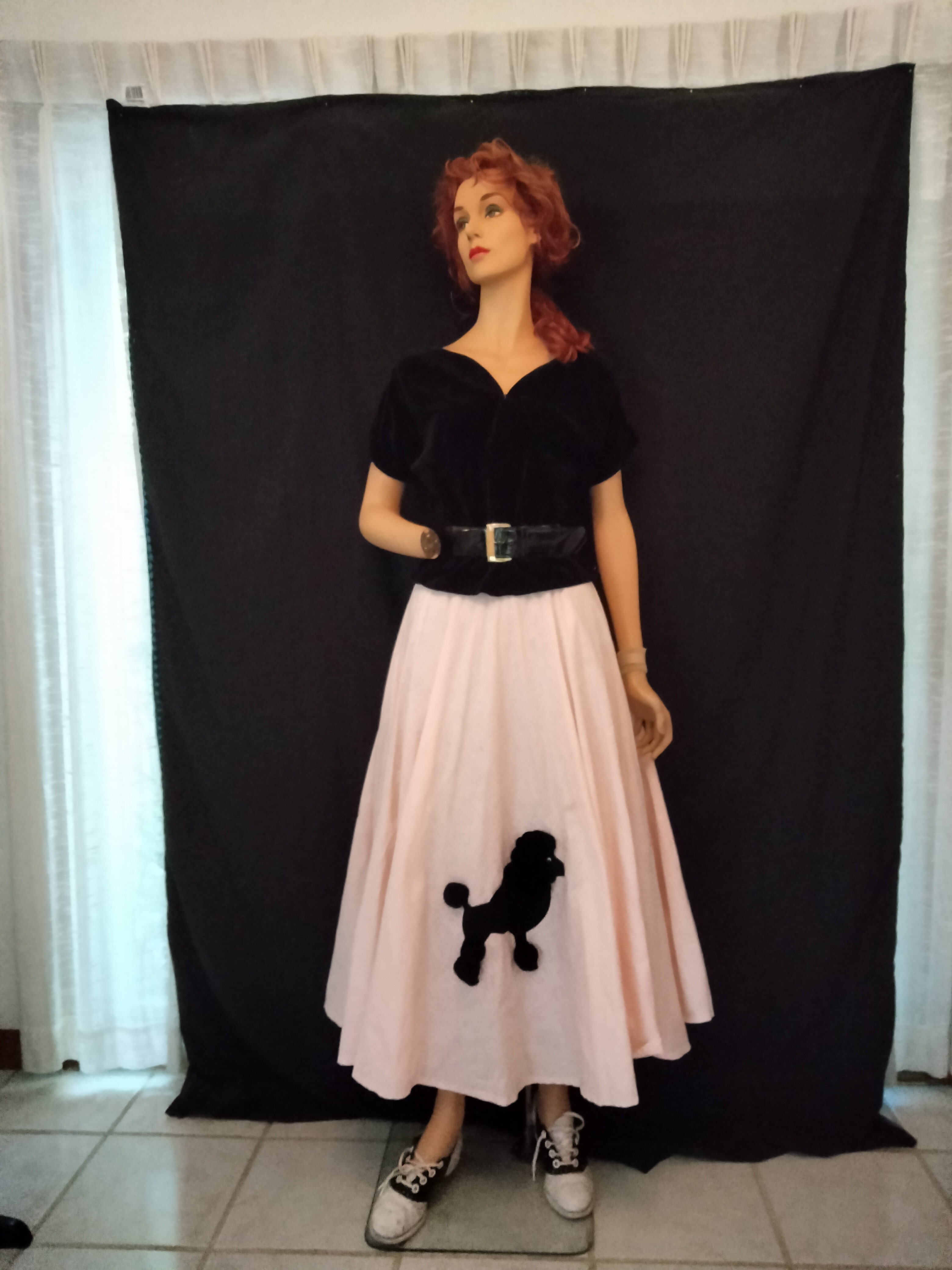
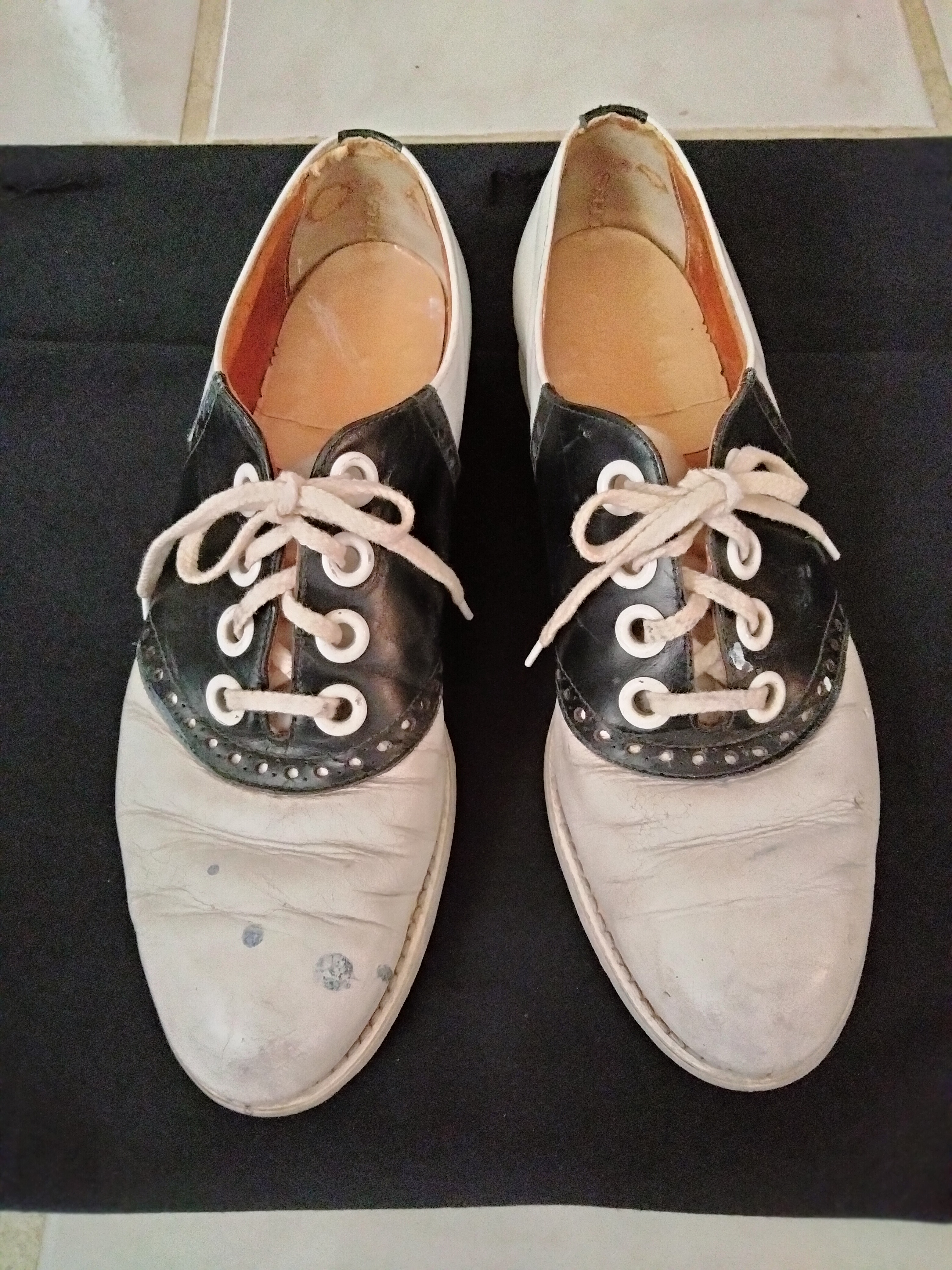
SPECIAL WARTIME AND POST-WAR STYLES FROM THE 1940’S

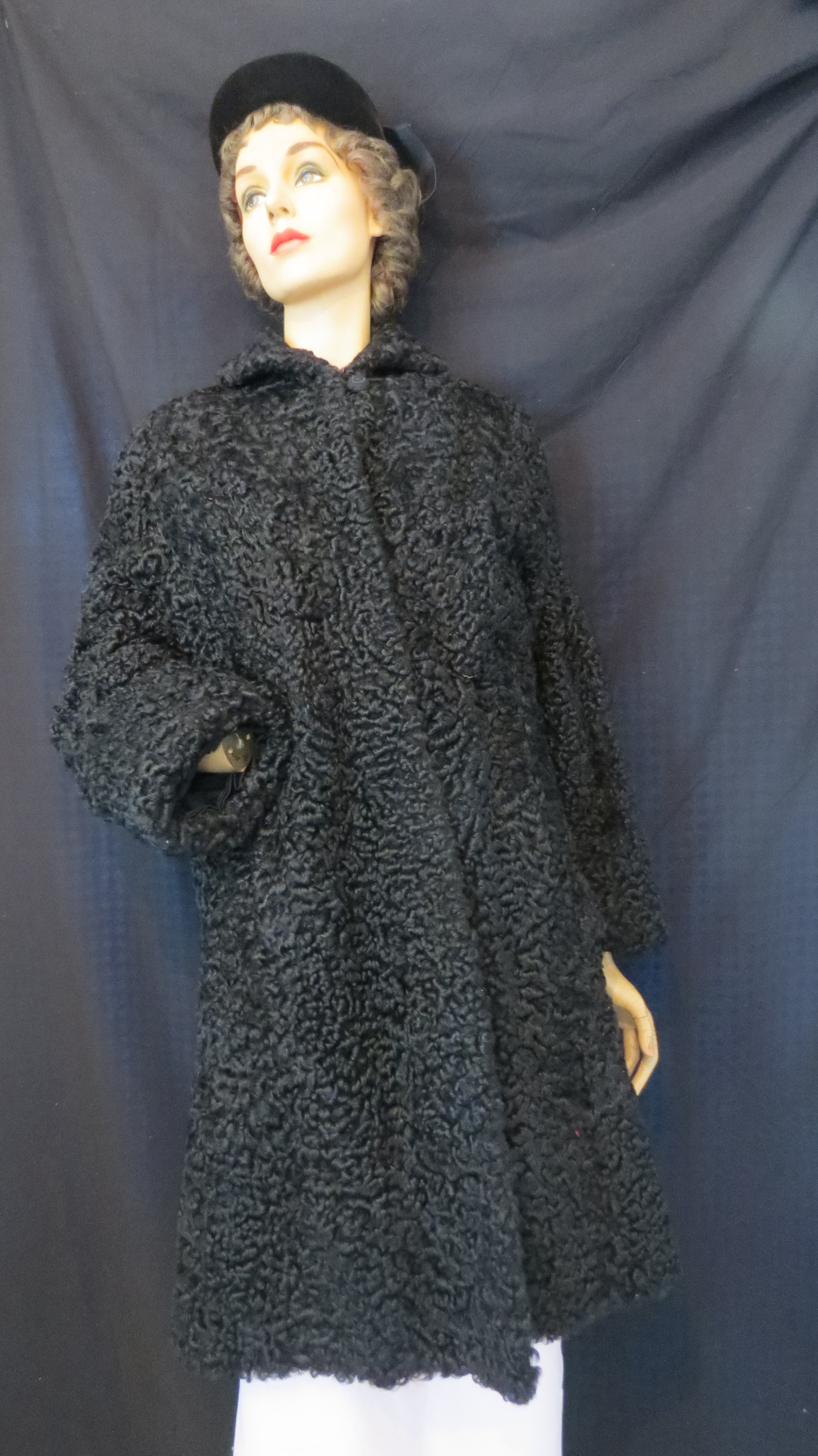
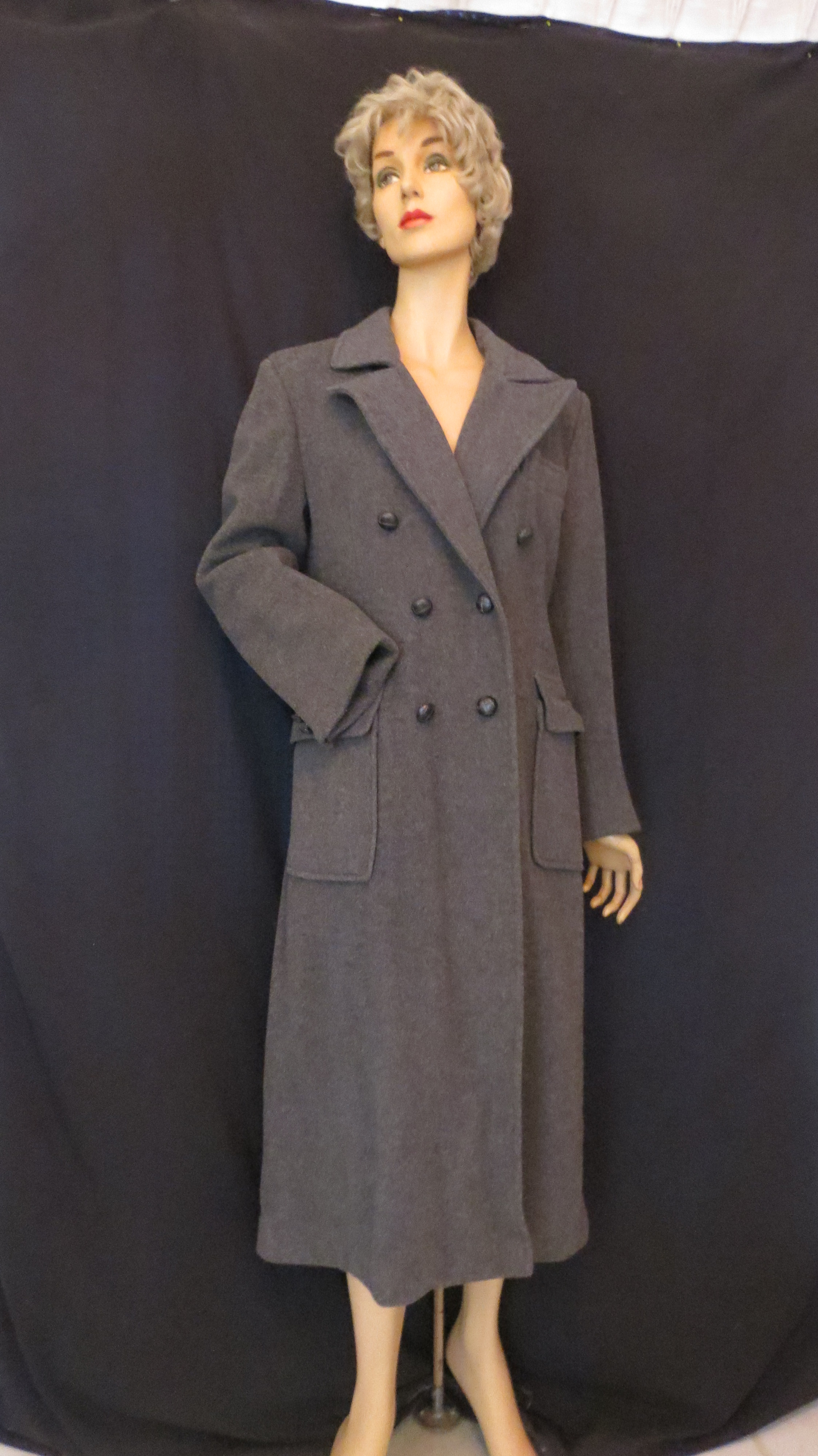
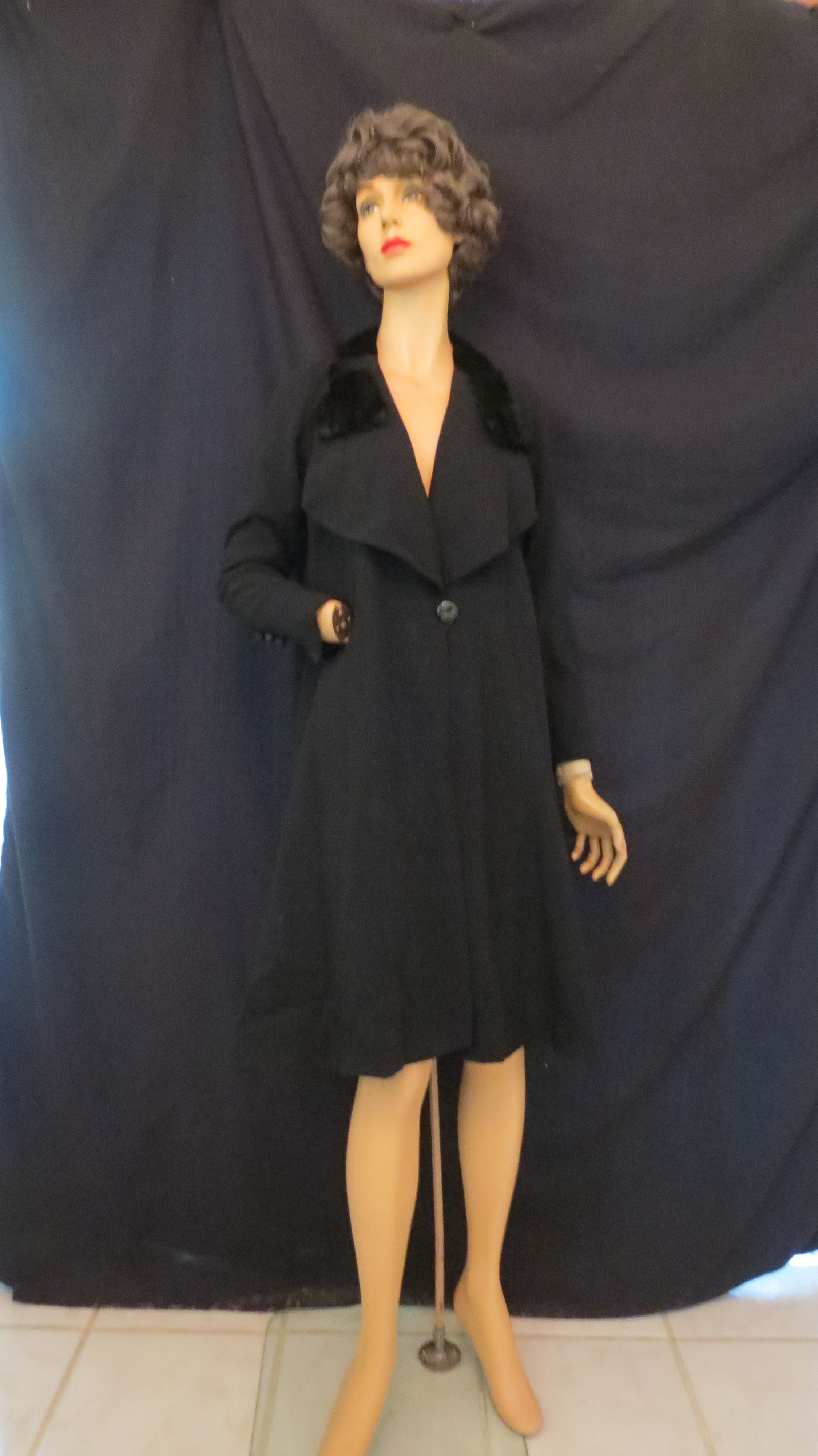
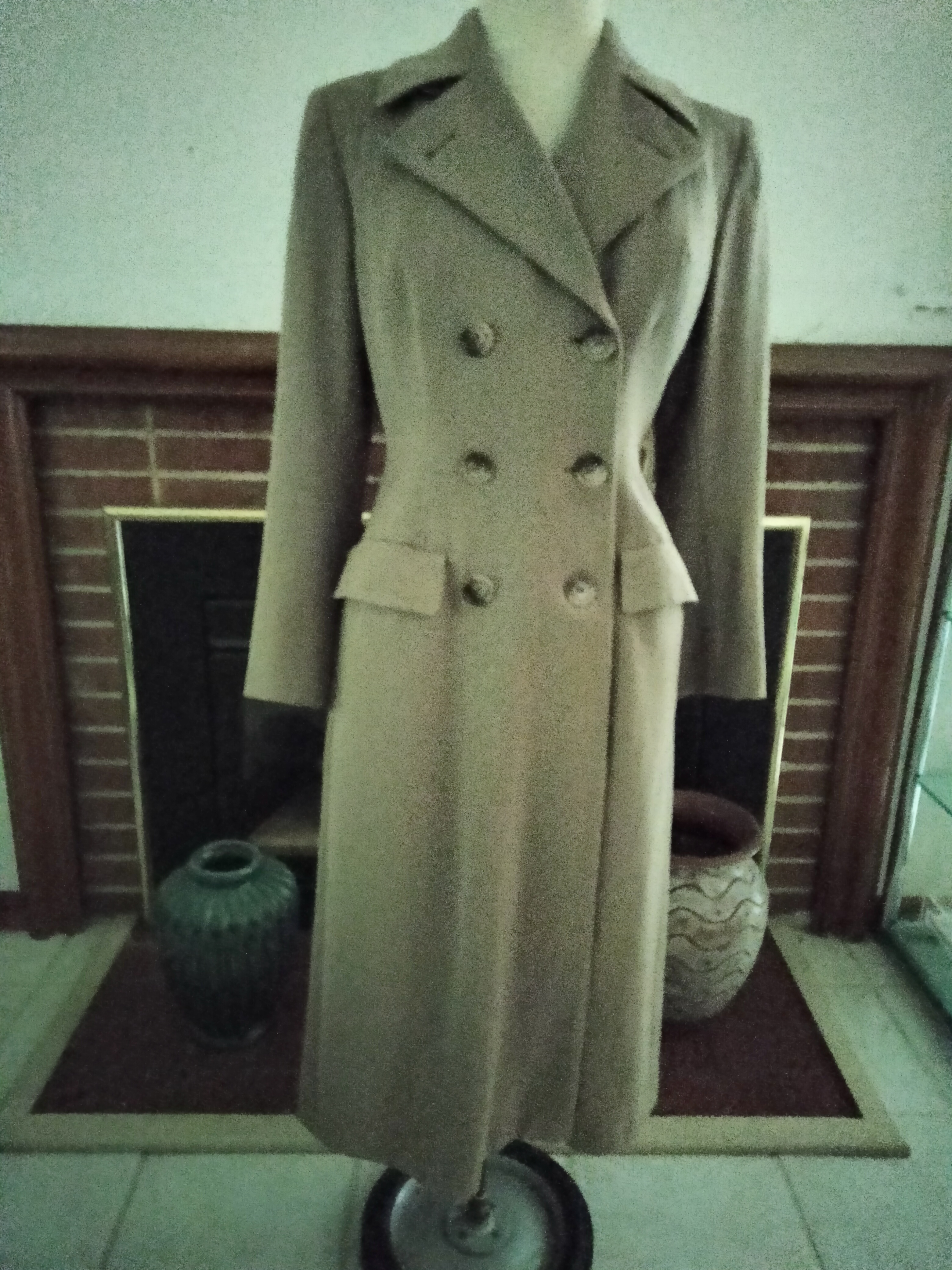
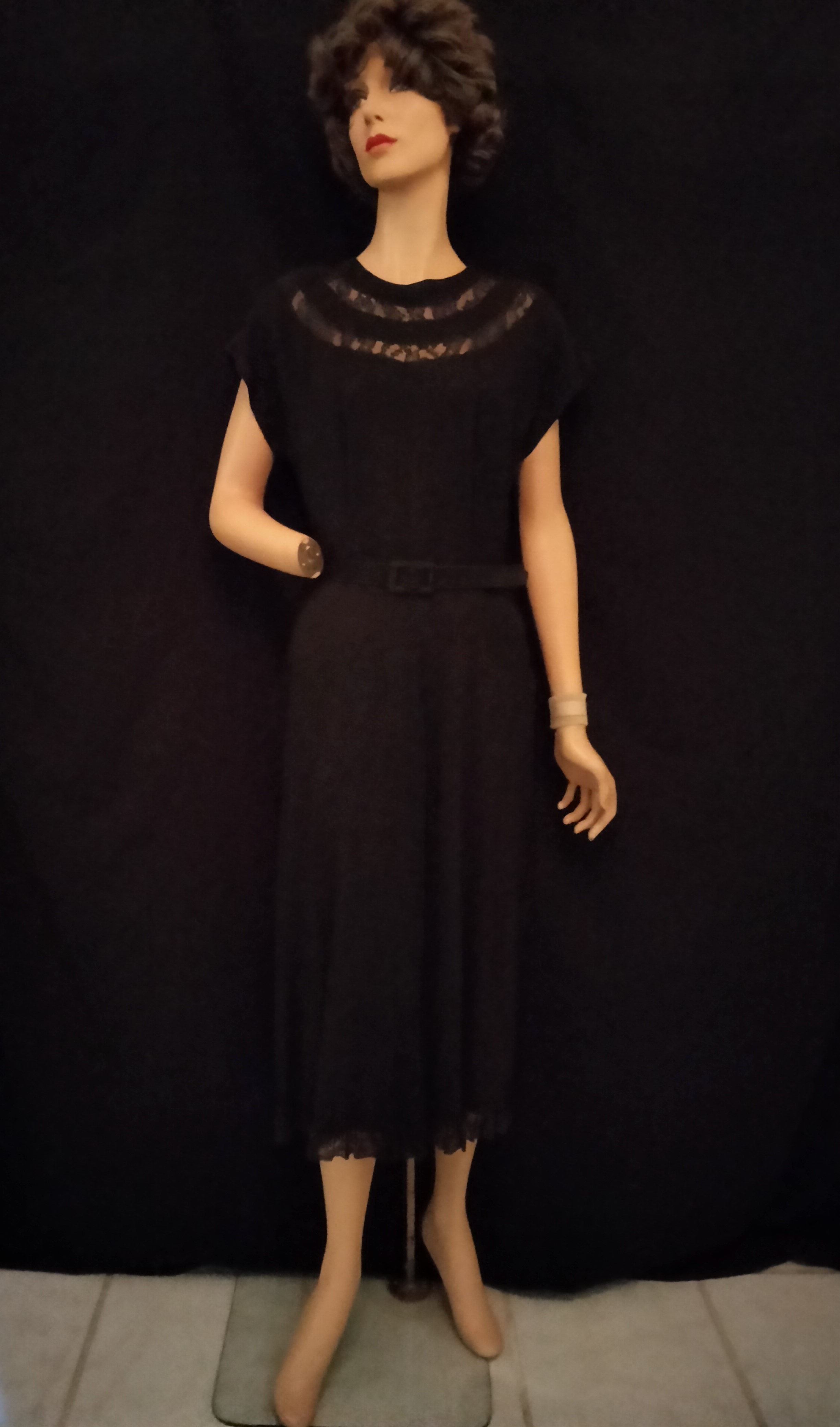
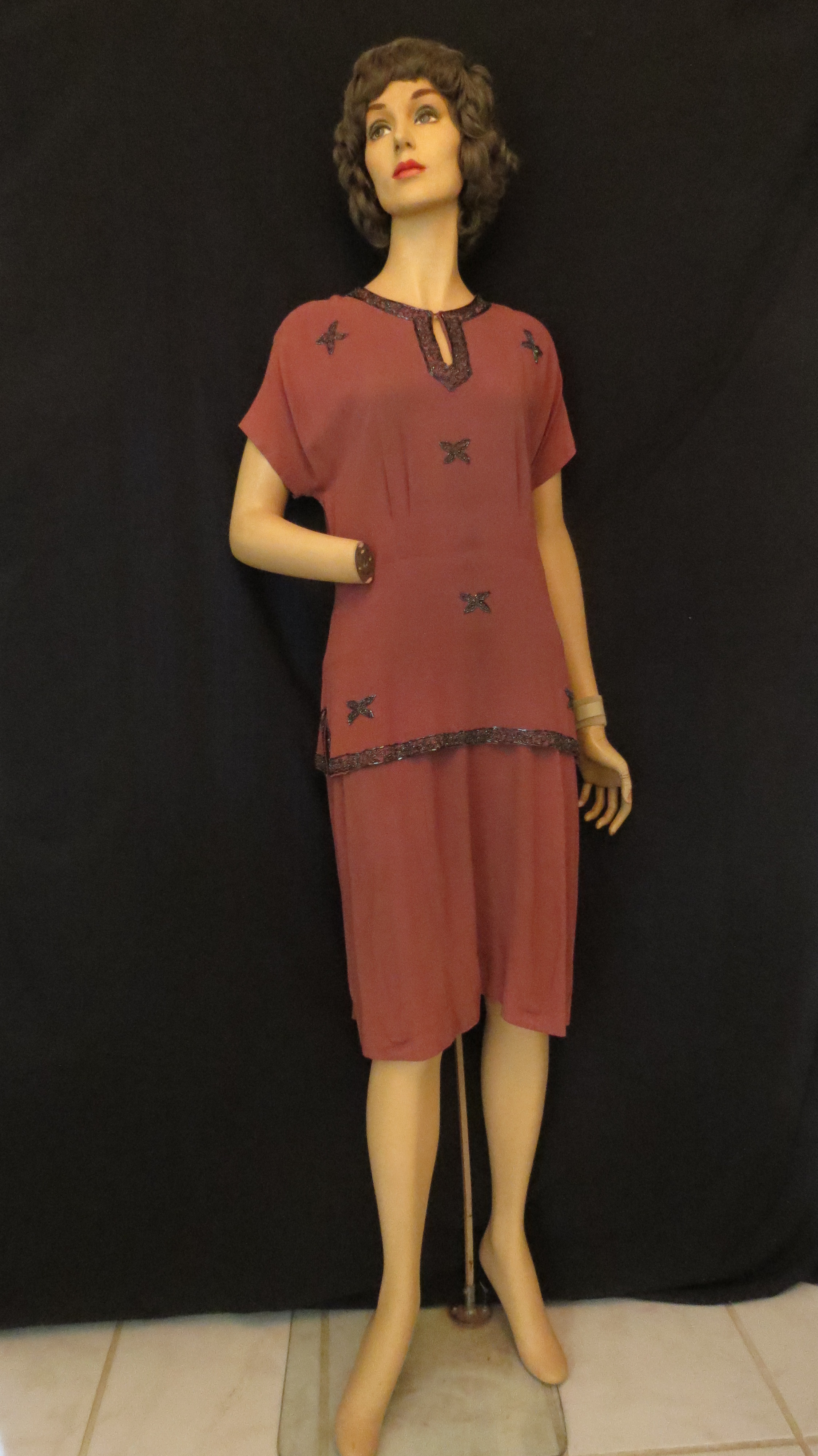
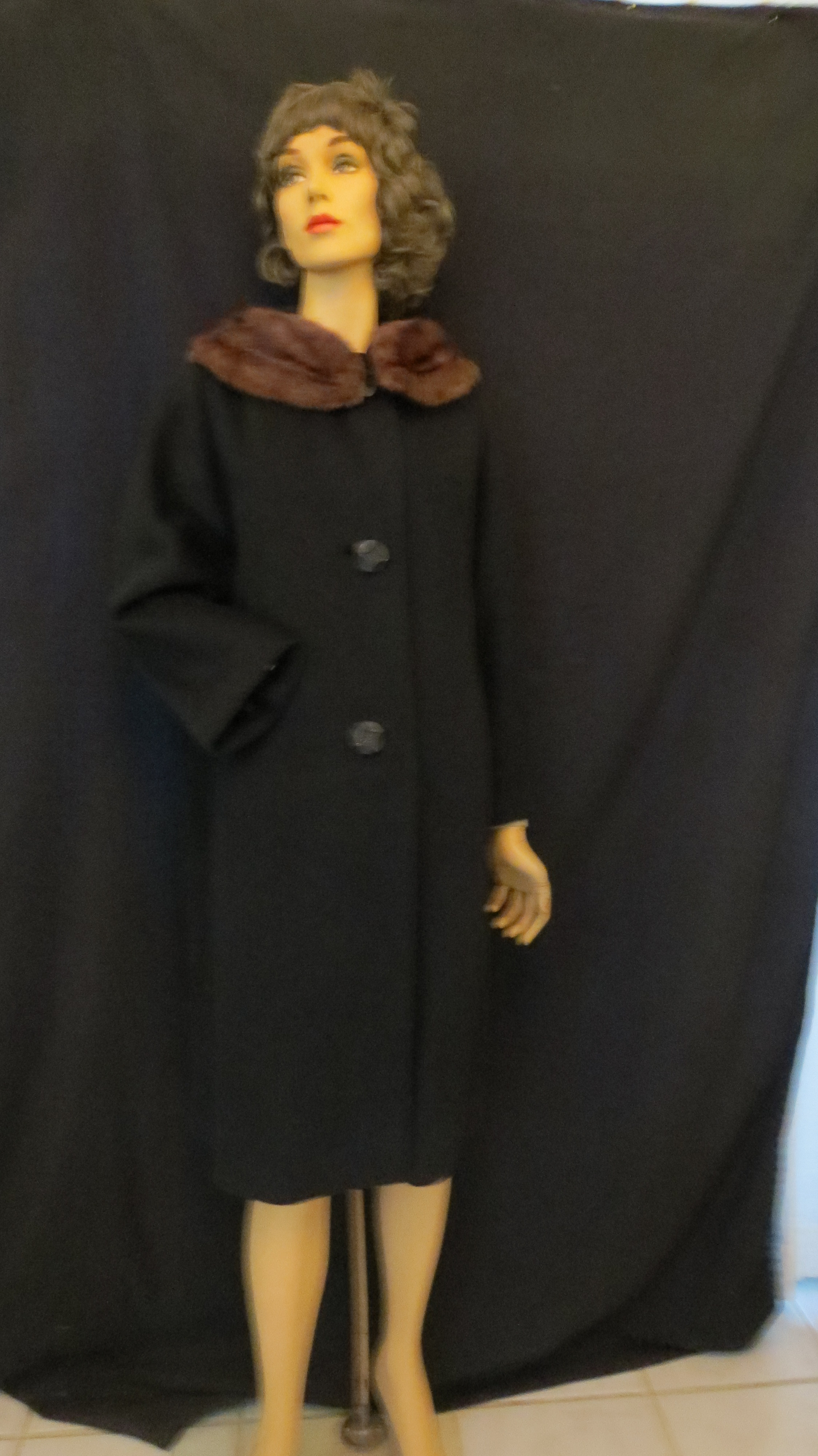
Classic designs made subtle changes over the decade which reflect the evolution of style and the social and historical events taking place at that time. Party dresses for special occasions have always been a “thing”. Skirt suits from Utility-style in the mid-’40’s to embellished designs were more like couture garments in the Post-war years. A matching hat was always essential.

High-school Prom tradition is about 100 years old now. The popularity of skirt suits for women began about the same time. Since about 2000, traditional styles in both these categories have shifted in major ways, so the focus on these types of garments in my investigations has gone from around 1920 through the 1990’s, with the spotlight on 1930’s – 1980’s. The Forties through the Sixties have been my favorite decades for classic structured suits, as they were more like two-piece dresses before and after and very trendy in design. Good luck finding a true vintage suit or Prom dress from the 1920’s or even the ’30’s but after 1940 the clues are still out there.

Although there were some very nice styles from the 1920’s and 1930’s, the prettiest suits and formal dresses, in my opinion, came from the late 1940’s and early 1950’s. Lots of attention to detail, flattering fit and high quality. In decades after that, frocks were not as interesting and suits were generally more boring, too. Tomorrow I’m going back to late 1930’s – 1940’s for dresses with one or two ’80’s WWII retro styles thrown in. Stay tuned . . . . . . . . . .. . . . . . . . . . . . . . . . . . . . .

MORGANA MARTIN, THE MAGICVINTAGESPY

BLOG: MAGICVINTAGESPY.COM
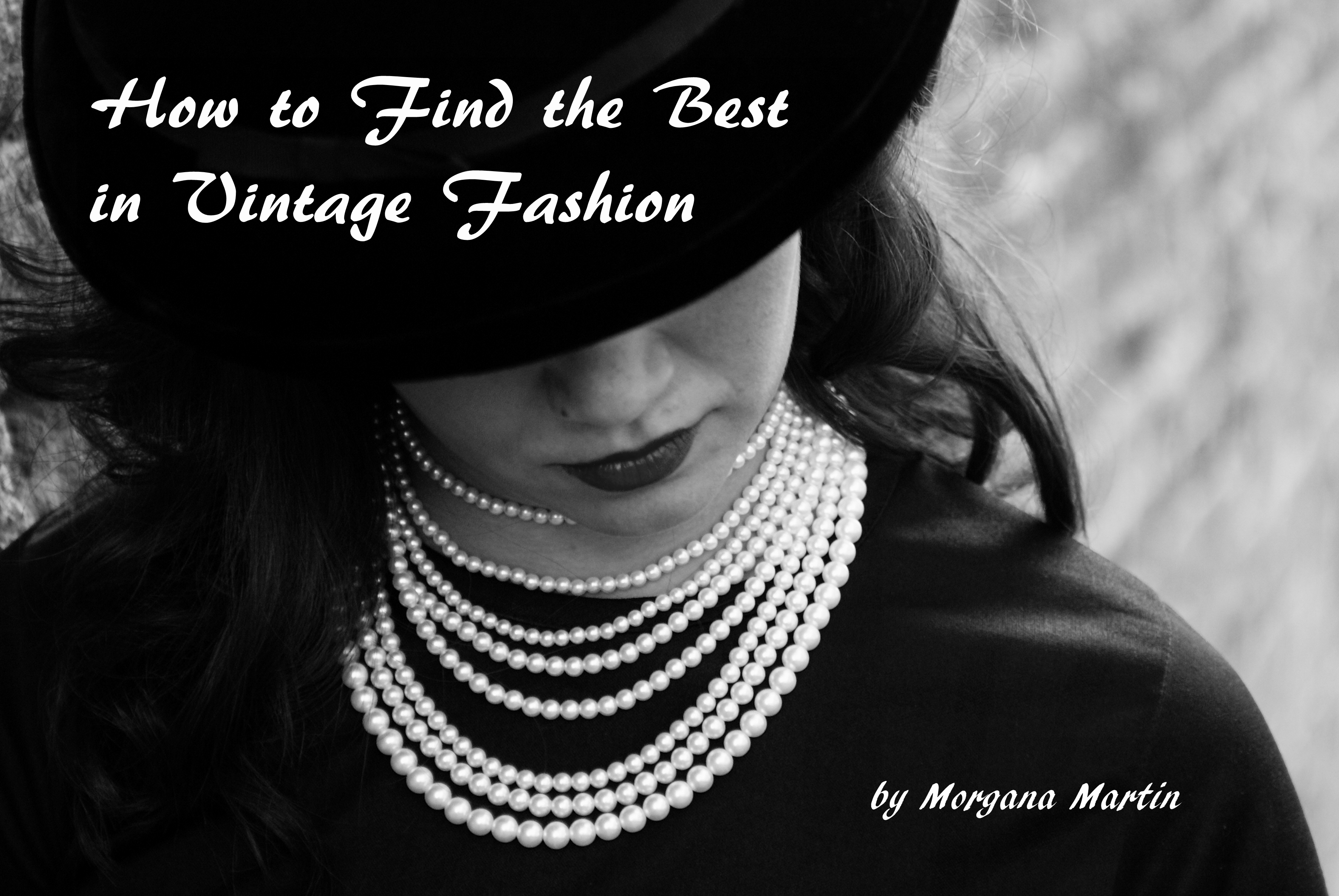
WEIRD EARLY 1930’S – 1940’S LADIES’ HATS

The late 1930’s, coming out of the Depression, and early 1940’s were very strange times for hats. Little bowlers with chin straps and straw hats looked almost like women had raided their grandfathers’ closets. After that, hats became really odd and sometimes frankly ugly, in my opinion. Later in the Forties some beautiful hats were worn but, let me tell you, the one’s I’ve seen that have survived have generally been pretty strange. I have a photo of a relative in 1940 who wore a hat along with her wedding suit that looked like a battleship sitting across her head.

Above, we have grandpa’s hats, plus a pretty picture hat and an early wartime model that looks like a cross between a tam-o-shanter and a French beret that have been parts of Naval uniforms. I’m not quite sure how it was meant to be worn.

Later versions with veils and flowers or feathers are softer and more stylish – looking more like what we saw in the Post-war late ’40’s and early 1950’s period. In the meantime mid-’40’s came the fedora styles for women, which are my favorite. Very wearable, versatile and almost universally flattering (and perfect for any undercover agent) but not as interesting.

But, all the pre- and post-WWII fashion trends ARE very interesting and I’ll continue to delve into them. Stay tuned for fabulous wartime Utility Suits and post-war skirt suits plus 3 Prom dresses. . . . . . . . . . . . . . . . . . . . . . . . . . . . . . . .

MORGANA MARTIN, THE MAGICVINTAGESPY

BLOG: MAGICVINTAGESPY.COM
TRUE VINTAGE 1940’s FORMAL DRESSES, PLUS A DRESSY 1930’s CLUTCH PURSE

Beautiful, glossy fabrics – most of them synthetics – and lovely designs. I adore them all, but especially the first one. Let’s look at them one by one.

The first gown has a dark green velvet bodice, trimmed with the same pale green satin fabric that the skirt is made from. So flattering and luxurious. The bright red dress is a more conservative style, but still gorgeous. It’s made of an interesting fabric type which I’ve seen in other 1940’s dresses – it has a satin finish but with tiny black diamonds machine-embroidered all over. I suspect that this fabric, though lovely, was a more economical one.

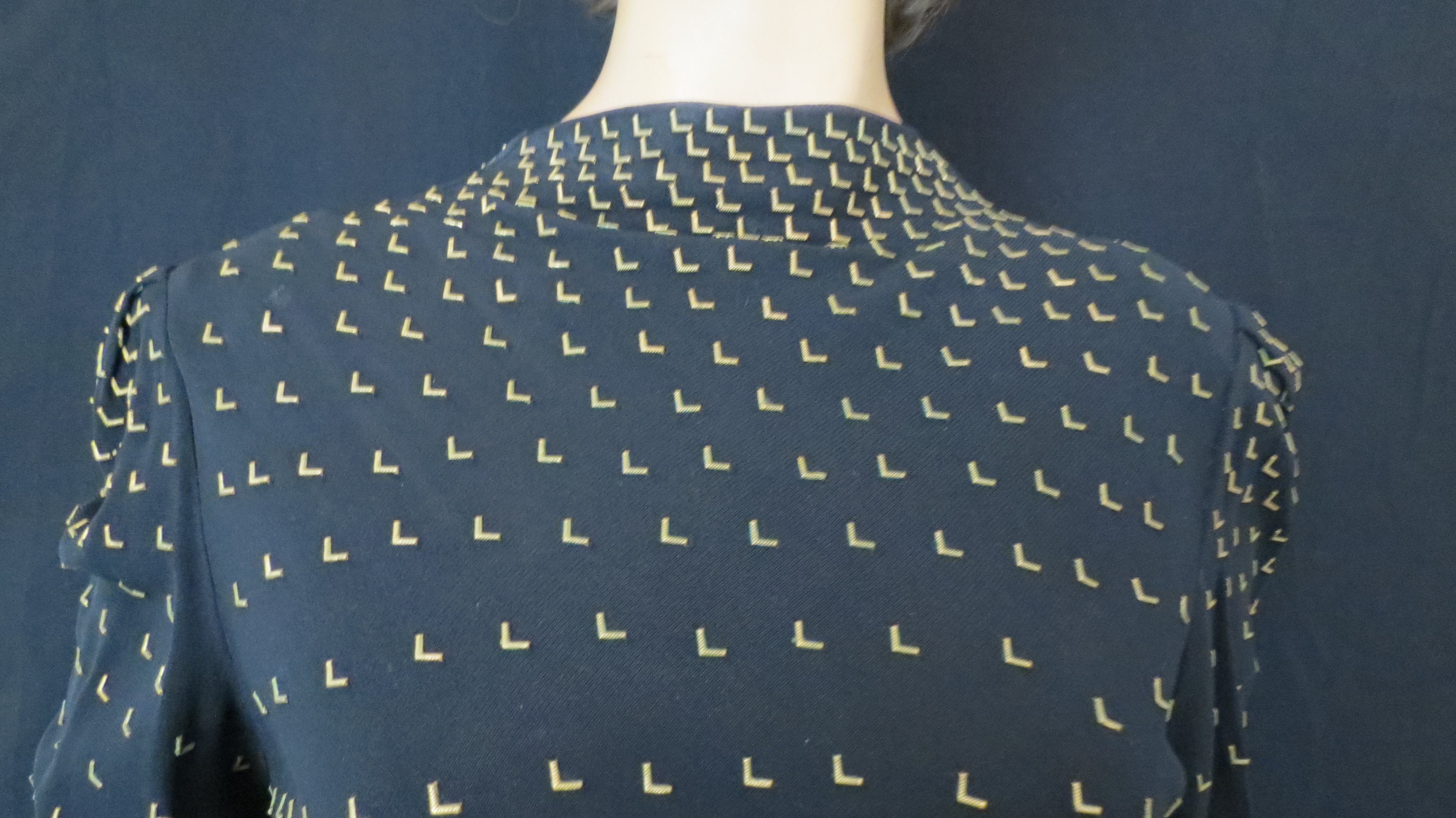
The blue dress was tailor-made by hand. It is sewn from a bias-cut rayon which gives it that wonderful, drapey fit. The atomic/stellar cut-outs surrounded by seed beads were all done by handwork. I love the cut of the sleeves and the way the bustline and waistline are finished. That back tie belt gives it a really wasp-waist fit.

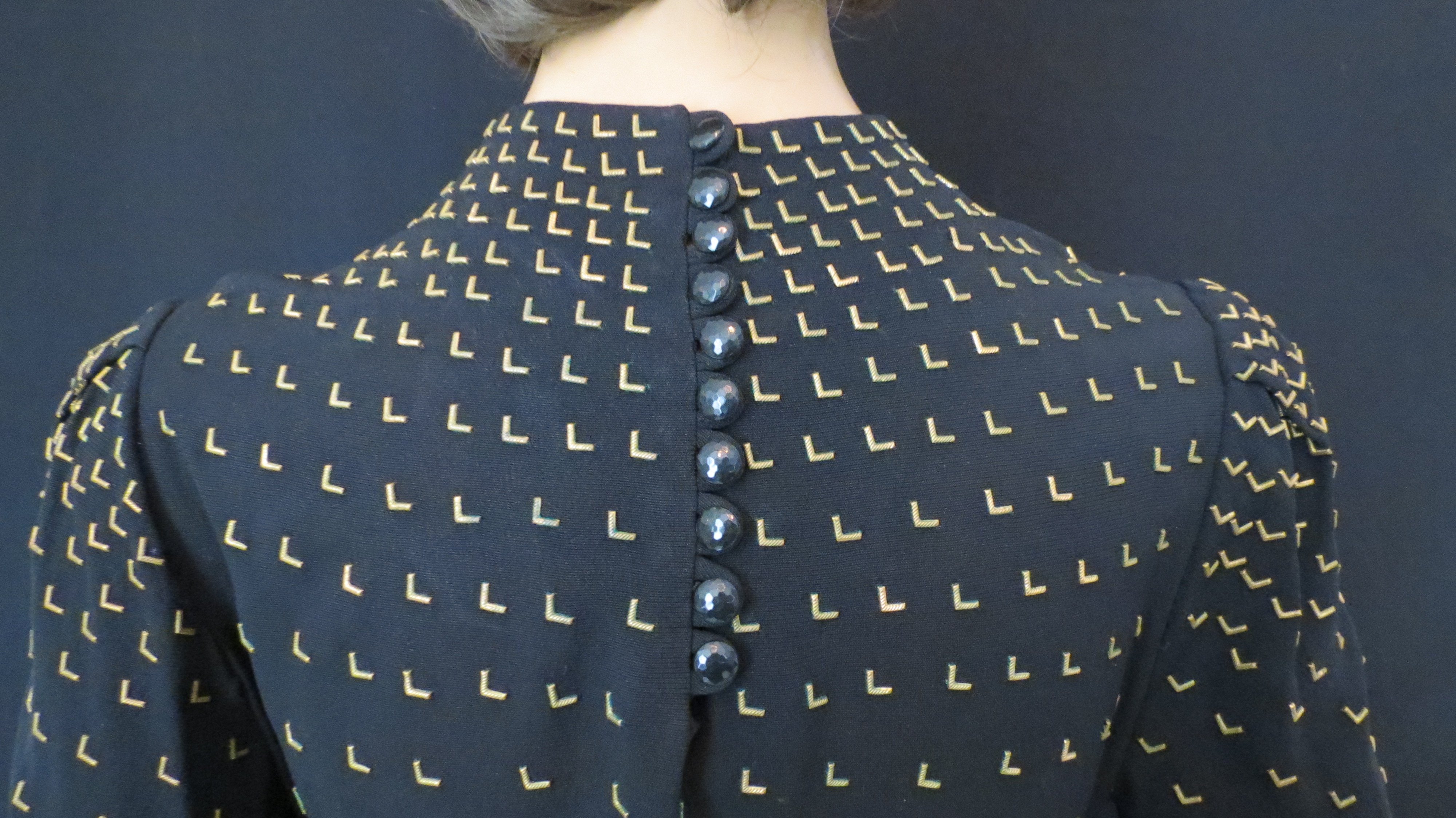
Finally, the black velvet two-piece dress is an entirely different design. Very proper and buttoned-up in velvet and crocheted lace, with rhinestone-center buttons.

Each of these gowns was a surprising and fabulous find. It’s rare to find 1940’s formal garments in the first place, and to find them in near-perfect condition is almost unheard of. The best bet is if they can be acquired from the original owner, or their estate. This is always a more informative clue when starting any investigation.

I’ve re-opened the 1940’s archives and am finding myself doing a deep dive there. Stay tuned . . . . . . . . . . . . . . . . . . . . . . . . . . .

MORGANA MARTIN, THE MAGICVINTAGESPY

BLOG: MAGICVINTAGESPY.COM
MORE TRUE VINTAGE 1940’S DAY DRESSES (& ACCESSORIES)

Made from cotton, poly and rayon – these dresses from the pre- and post-war years of the 1940’s tell a fashion history of what was happening during the decade. In the late 1930’s and first 2 years of the 1940’s the war was still fomenting in Europe and Americans didn’t feel especially impacted by this. We had not joined the fight yet and everything at home was ticking along as usual, with fun movie entertainment, jitterbug dancing and jazz. Casual cotton dresses were available, as well as comfy cotton slips. A Western-wear travel fad breezed through the fashion world and sunglasses became more and more common accessories. Cat-eye glasses were called Harlequin glasses then but a round or square lens with heavy plastic frames was the most common until the 1950’s. (Of course, the glasses case in the second picture is retro 1960’s.)

While the reality of war was settling in, synthetic poly fabrics and some rayon took the place of cotton, silk and wool. During rationing, shirtwaist dresses were still the classic standard but hemlines inched up, sleeves got shorter, details and pretty decoration decreased and styles changed, with more sheath dresses being seen. Some of these things changed back after the war but fashion always moves forward. More 1940’s fashion tomorrow – stay tuned . . . . . . . . . .

MORGANA MARTIN, THE MAGICVINTAGESPY

BLOG: MAGICVINTAGESPY.COM

TRUE VINTAGE 1980’S DOES 1940’S DRESSES

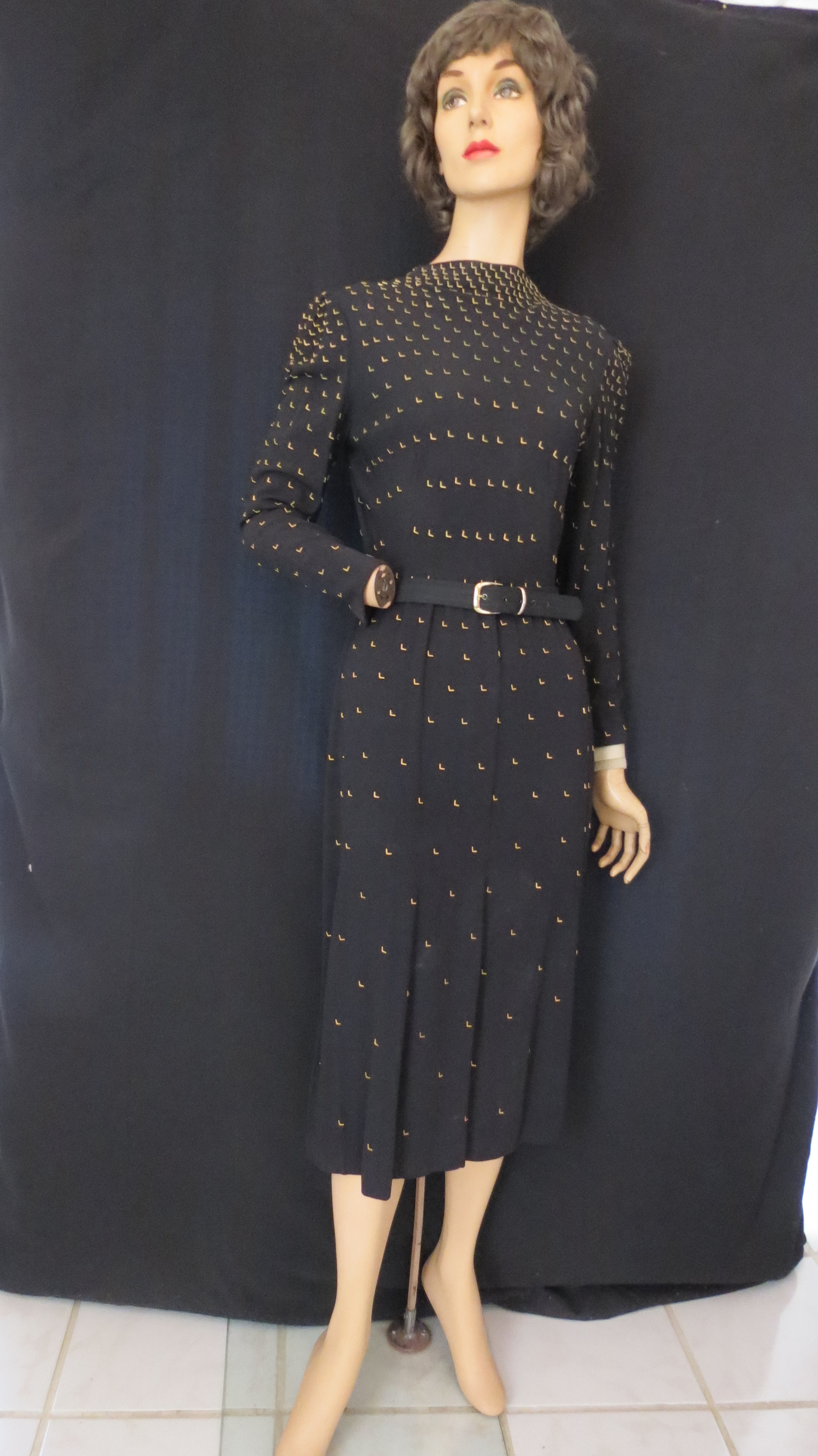
As you probably noticed in my last post looking at the 1970’s, I am not very focused on the “modern” styles from that decade because they were not interesting, in my opinion, and generally not of high quality. The same goes for lots of the 1980’s clothing, but I do enjoy some of the New Wave styles and the revival (again!) of 1940’s designs. I don’t have a large archive of New Wave examples because it was a short movement and so trendy that lots of the garments were cheaply-made and didn’t last. However, the Forties revival was a bit more mainstream and produced some dresses, etc., of better quality. The examples above cover this whole spectrum.

The first two frocks are a revival of designs giving a nod to nautical or “sailor” styles. Sailor collars, especially, have shown up on women’s dresses and children’s clothing since the 1800’s and maybe before. Blue and white have been classic color combinations in Spring fashions, too. The first example above with the outsized collar also has 1940’s-style cut, waistline, 3/4 sleeves and midi hemline. It’s a less expensive dress, very trendy and not true navy blue in color. By contrast, the second dress is true to military style with it’s embossed metal buttons, true navy blue and white colors and prominent stripes. The rest of it’s style is more New Wave, with a midriff top and geometric cut. It’s much more elegant and well-made. We saw a LOT of mid-priced floral print midi skirts and shirtwaist dresses, which were very good flashbacks to 1940’s everyday styles. Finally, I do love this brown print rayon dress by a trendy mid-priced designer (forgot her name). It’s a late ’30’s – early ’40’s design with great fabric drape. I also love this halter style floral midi – Very mid – ’40’s!

I rarely cover anything from the high fashion or couture world since my investigations don’t typically take place where those clues are likely to be found, though exceptions to the rule always exist. Tomorrow I’m going back to my primary focus on dresses and accessories actually made before 1970. Stay tuned . . . . . . . . . . . . . . . . . . . . . . . . . . . . . . . .

MORGANA MARTIN, THE MAGICVINTAGESPY

BLOG: MAGICVINTAGESPY.COM
TRUE VINTAGE STYLES FROM THE SEVENTIES

The 1970’s was far from a stellar fashion decade, as far as I’m concerned, but it did include several signature trends. Seventies does Forties, Boho/Prairie, polyester knit pantsuits and dresses (including men’s leisure suits), long pointy collars and animal prints were the predominant ones. The garments shown above are all from the early part of the decade. Psychedelic prints still showed up. Flower power still had a moment. Disco glitz was queen in the late 1970’s. Virtually everything was made of polyester fabric.

Carly Simon wore a hat similar to the one above on her first album cover in 1971 or 2 and it became instantly trendy. 1940’s styles, especially the tailoring details and medium-size shoulder pads, became really popular. Look at the trims on the short sleeved blouses. They are very ’40’s-looking. See the high waist and full legs on the slacks – women’s pants of the 1940’s were mostly made this way. An exception was Western-wear slacks, which tended to be slimmer.

The most-worn styles included platform shoes and jumpsuits in a big way. Military personnel and working women made jumpsuit uniforms visible during wartime and they became part of trendy fashion. The example above is from the early 1970’s. I have found and enjoyed wearing all of these designs. There are many photos in the files, but I can’t display them all at once. Some 1940’s styles popped up again in the 1980’s and I’ll show a few tomorrow. Stay tuned . . . . . . . .. . . . . . . . . . . . . . . . . . . . . .

MORGANA MARTIN, THE MAGICVINTAGESPY

BLOG: MAGICVINTAGESPY.COM
TRUE VINTAGE LATE 1960’S FASHION TRENDS – MOD HEADS INTO THE 1970’S

Britain continued to lead the fashion trends in the late ’60’s and it seems to me that their influence strengthened during these years as the Carnaby Street styles showed up. Mod and ultra mini began to slow down with a strong Edwardian/Victorian/Hippie wave predominating. Psychedelic and paisley prints were super popular, even on higher-end classic styles. Long bell sleeves showed up a lot. Ruffled, high-collar blouses and men’s neckties for women were fun fads. Platform soles went out (for a while) in favor of mid-heel pumps with high vamps and rounded toes. LifeStride, a popular mid-priced U.S. brand got into the trend with the example shown above.

Knee-length, midi and full-length hemlines came on the scene again, especially on more conservative and higher-end dresses. Though some minis were still worn, the hippie-styles usually had ankle-length skirts. While Carnaby Street fashions passed by, the long hippie/Victorian looks drifted into the early 1970’s. If you have followed me, you might remember a few of my posts earlier this year covering vintage Prom dresses that showed early 1970’s Victorian/Prairie designs in that mix.

There was a lot more, however, to the early 1970’s fashion designs. We’ll start looking at the Seventies tomorrow. Stay tuned . . . .

MORGANA MARTIN, THE MAGICVINTAGESPY

BLOG: MAGICVINTAGESPY.COM

TRUE VINTAGE 1960’s DRESSES IN THE MAD, MOD WORLD

Flower-power mini-dresses, traffic light neon colors, military-styling, psychedelic prints! These trends all appeared during the middle years of the 1960’s. Cotton is out – all these dresses are made from some form of synthetic fabric. So different from the previous decades, even though some of the classic details still crop up and garments are still well-made. See the Peter Pan collar on dress #1? The contrasting edging on the yellow sheath? Nehru collar (both military and Asian) and metal hardware on the stop sign red dress? Swirly hallucinogenic op-art on a classic shirtdress style? Perfect reflections of social culture, which was morphing yearly between Peace & Love, End the Vietnam War, Sex, Drugs & Heavy Metal rock n’ roll. In spite of all that, look at the tailoring!!

Pretty lingerie slips were still called for with these fitted frocks but the longer lengths were no longer suitable. Knee-length, at the longest, and mini-length became available. Wonderful nylon that tolerates hot water and can be dyed even allowed some creative girl to do a tie-dye.

Tomorrow we’ll take a stroll in some late 1960’s dresses and visit Carnaby Street. Stay tuned . . . . . . . . . . . . . . . . . . . . . . . . . .

MORGANA MARTIN, THE MAGICVINTAGESPY

BLOG: MAGICVINTAGESPY.COM
TRUE VINTAGE 1960’S TRENDS IN DRESSES, HOUSEDRESSES & ACCESSORIES – TO THE START OF MOD

Casual cotton and cotton blend housedresses and model’s coats became really popular as styles started to become less traditional. Some of these dresses would even be seen at the grocery store or for other casual errands in warm weather. The shirtwaist dress was still around, of course, but was starting to take a back seat for everyday. The culotte mini/play-dress was also a new take on the 1940’s/’50’s romper. Casual designs like those shown above were still very well-made, generally, and had cute and pretty prints and tailoring elements.

Dresses with little matching jackets became very popular for everyday wear when a step up the dressy scale was called for – an important appointment, special event or church. The shoes, purses and hats are examples of those which might have been worn with dresses like this. The blue & green example above was home-sewn in the color combo that defined popular design in 1963. The prints on the two blue dresses in center are a harbinger of the MOD trend that was just about to erupt.

Stay tuned for a trip to the mid-1960’s tomorrow . . . . . . . . . . . . . . . . . . . . . . . . . . . . . . . . . . . . . .

MORGANA MARTIN, THE MAGICVINTAGESPY

BLOG: MAGICVINTAGESPY.COM
EARLY 1960’S DAY DRESSES

The very early 1960’s, Kennedy era was a time for ladies’ dresses to begin a shift in style. We started off with wasp waists, shirtwaist dresses and full skirts . Cotton and cotton blend shirtwaist dresses were still the day dress uniform for most middle-income women. But, also popular at that time for slightly dressier styles was a slinky knit fabric that was probably a poly/acetate blend. I remember older relatives wearing some of these, which they had probably owned for years. Many of the slinky knit dresses had rhinestone buttons. Great-grandma styles. The first 4 photos above are examples of these two types.

After that, sheath styles and fun details like this floral embroidery above started to make an appearance. This pink dress may have been home-tailored. The crafty, homemade trend that had taken root during WWII was still very strong, even though families had more prosperity in the 1950’s.

My internet connection or the blog host software has limited the number of photos I can add to my posts, so I am focusing on narrower topics and timelines now. Part of the issue for me is that I have so many photos in my archives that I just can’t squeeze them all in. Possibly better for you, my readers and followers, to see these wonderful garments in more detail. I will be continuing with dresses from the 1960’s because there were so many changes during that decade and it can take several posts to cover them all. Stay tuned . . . . . . . . . . . . . . . . . . . . . . . . . . . . .

MORGANA MARTIN, THE MAGICVINTAGESPY

BLOG: MAGICVINTAGESPY.COM