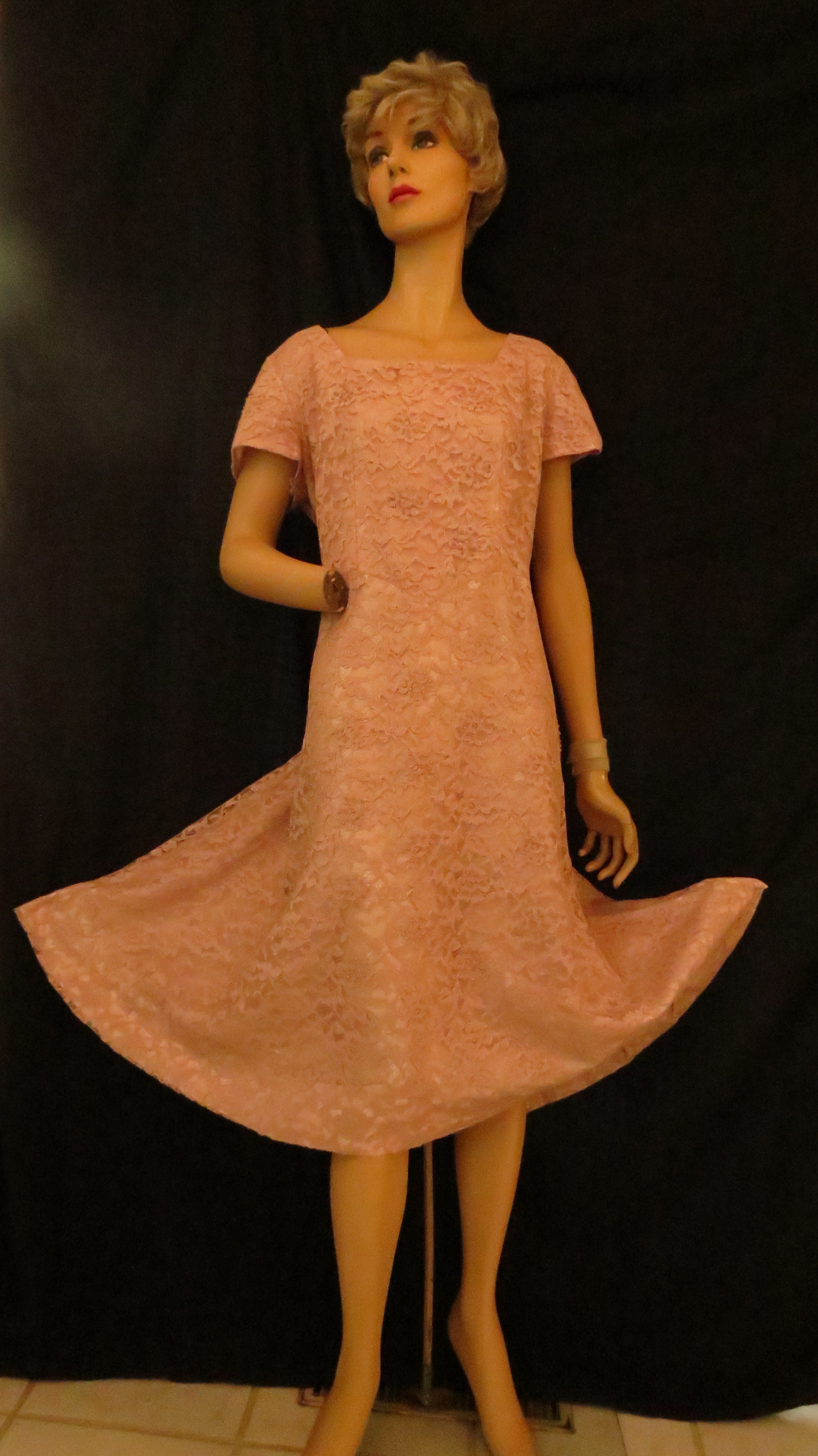
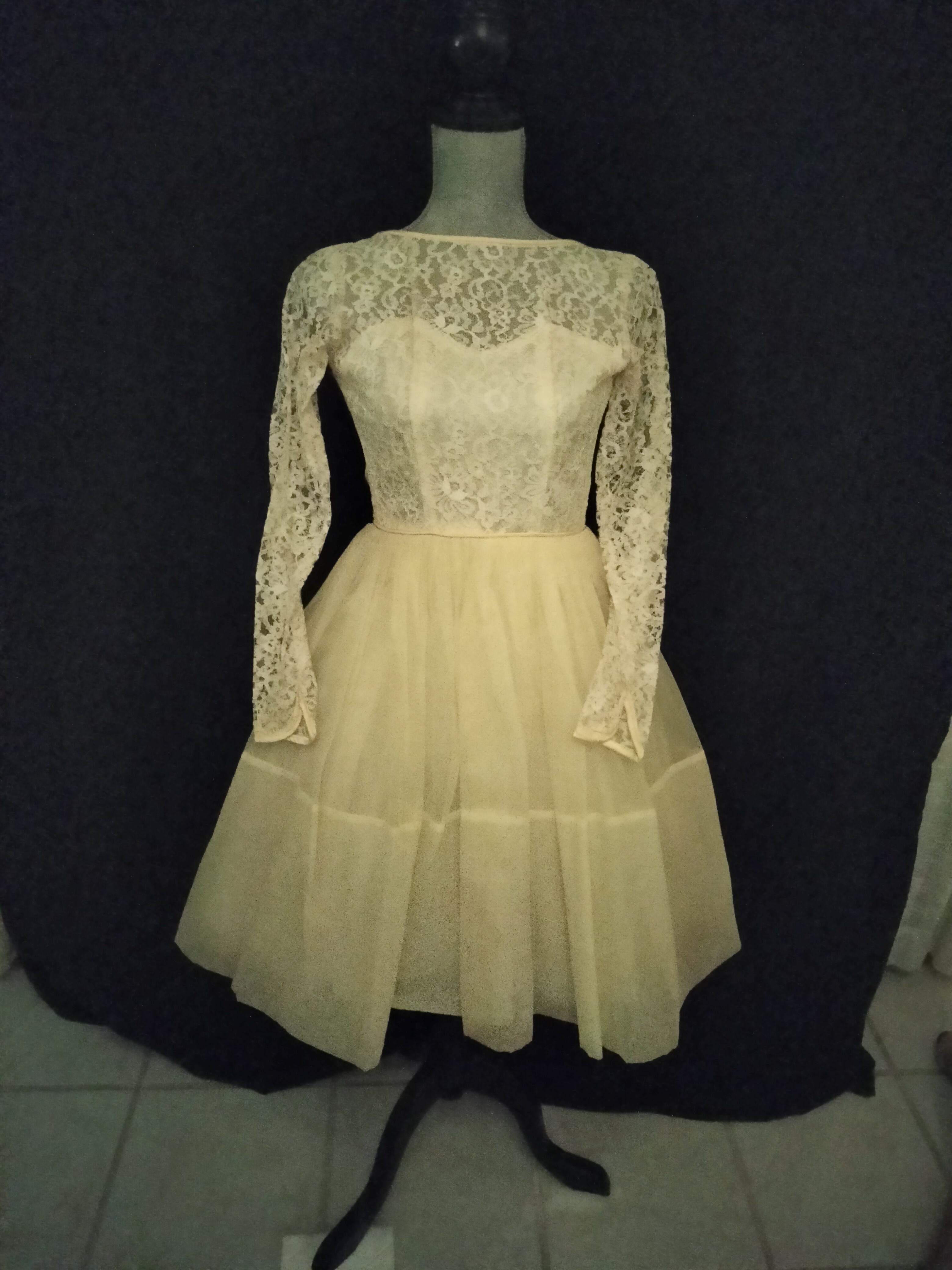
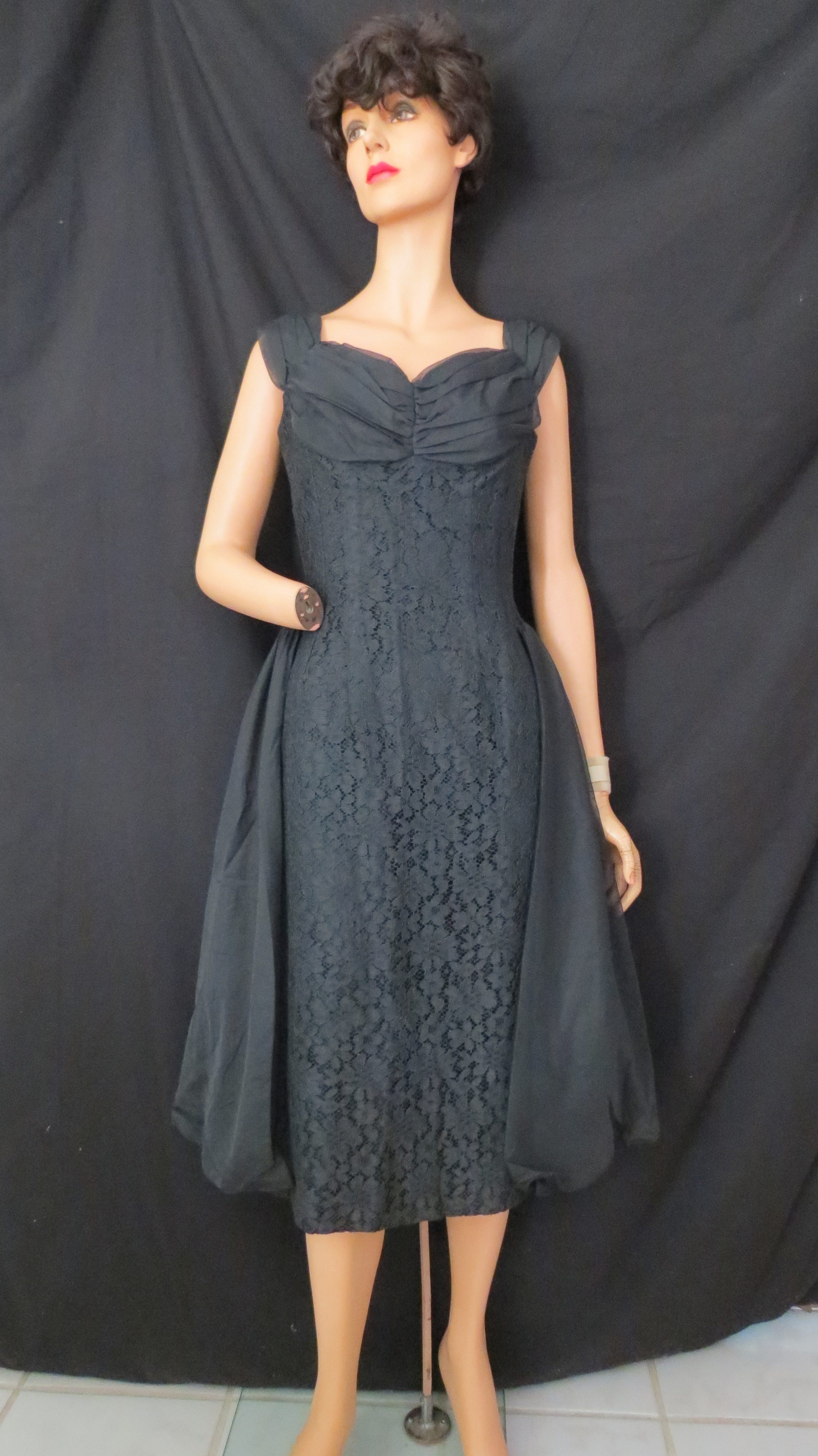
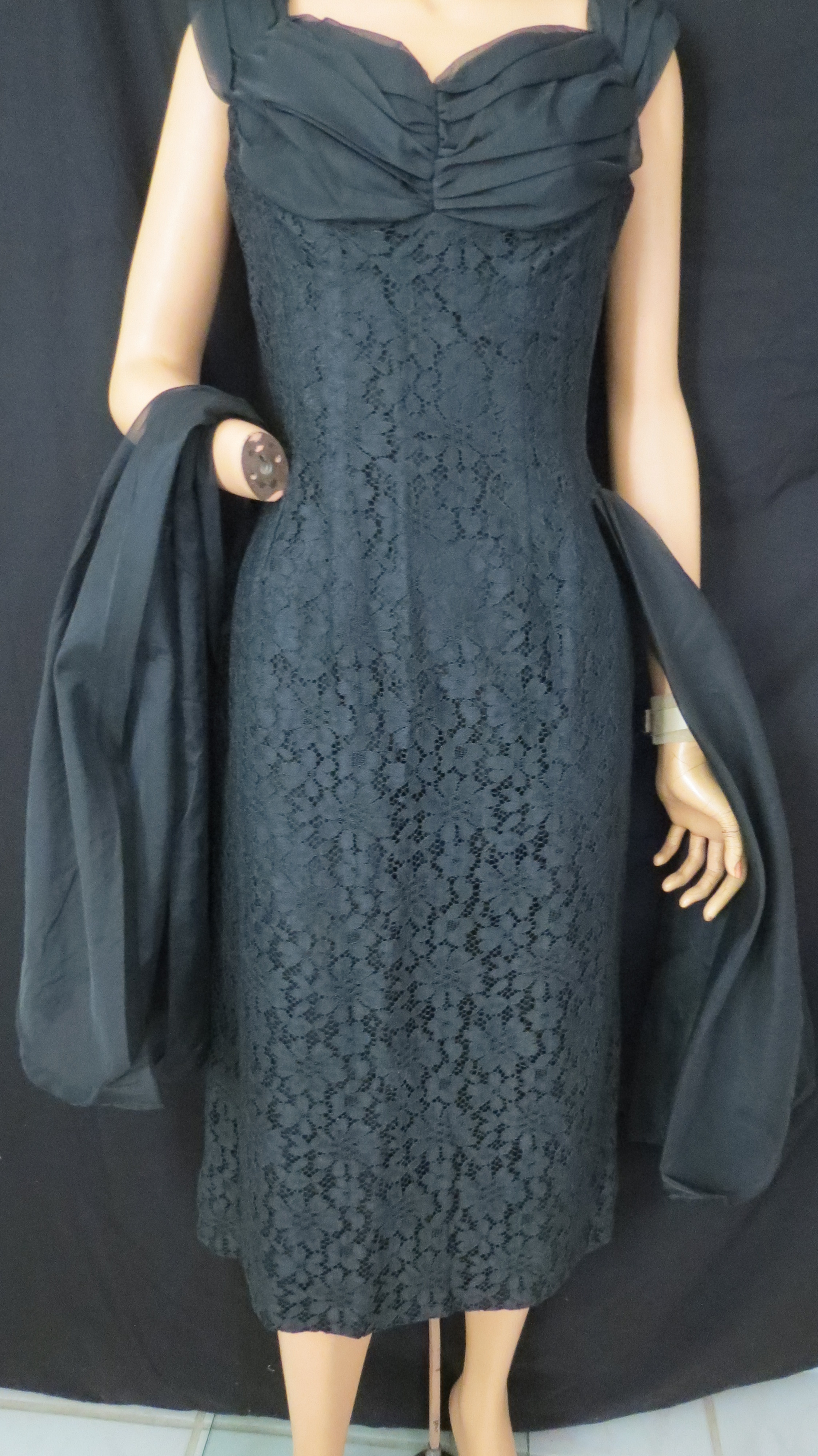
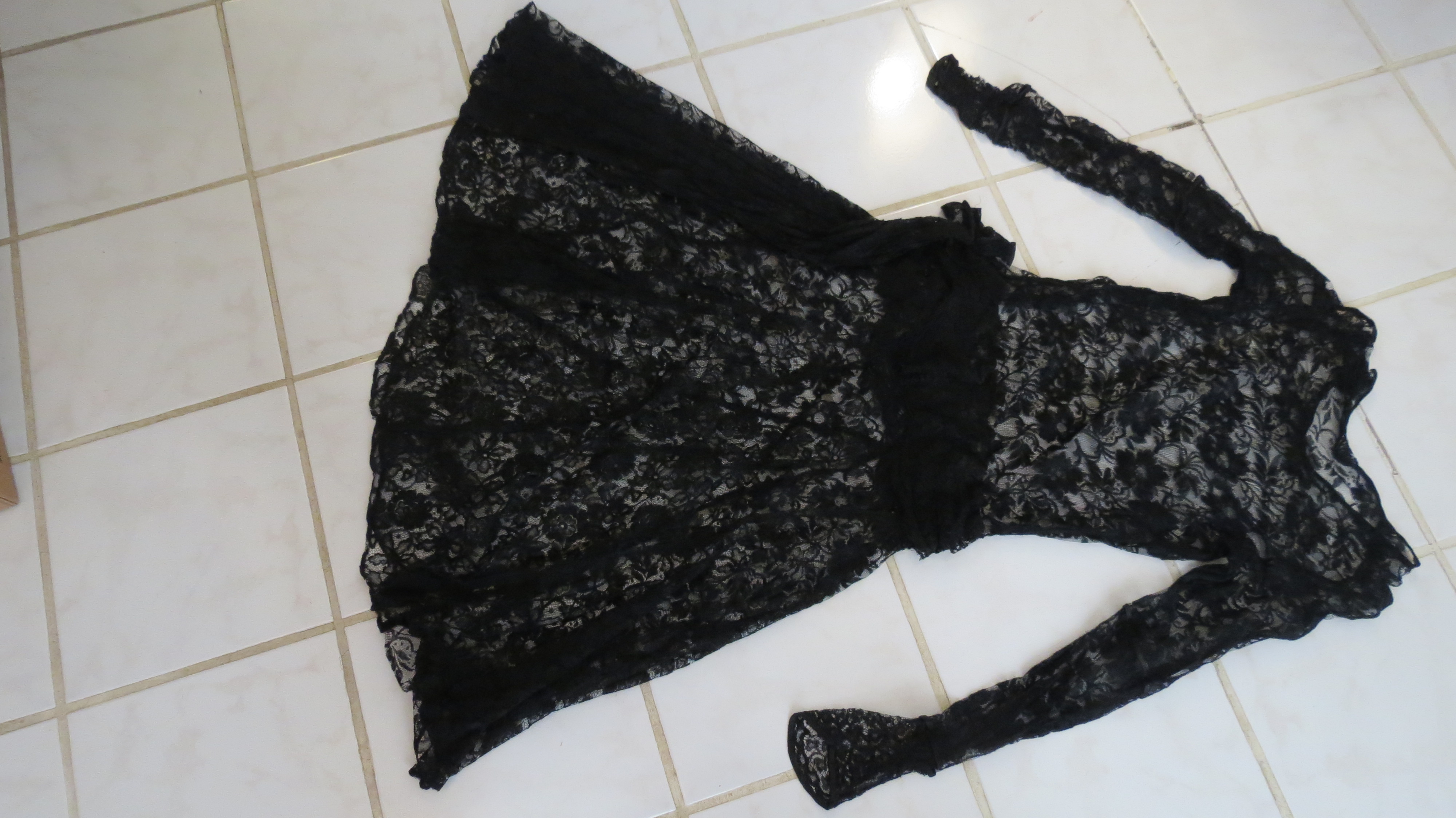
TRUE VINTAGE EARLY 1960’S KENNEDY ERA COCTAIL PARTY DRESS

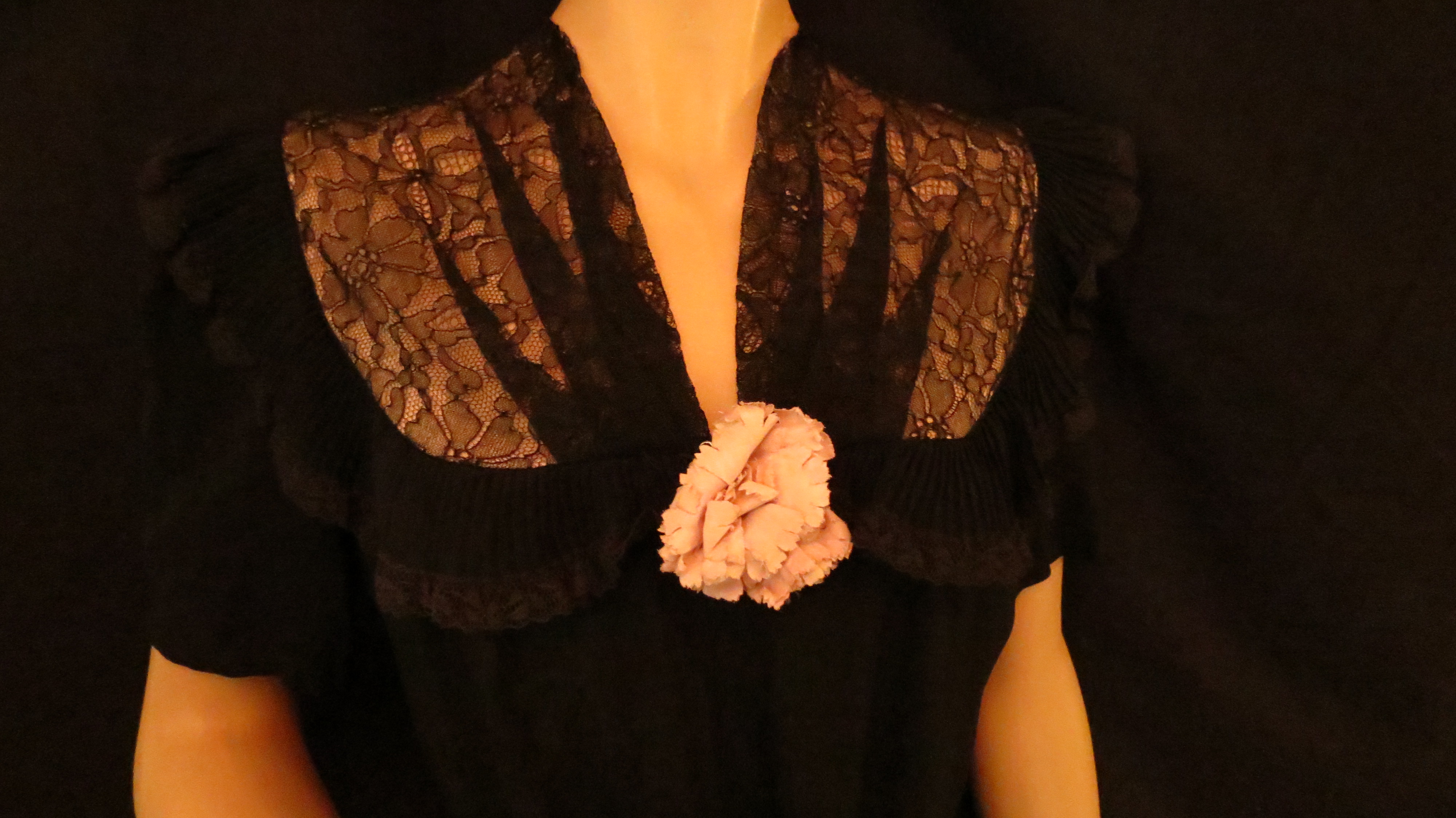
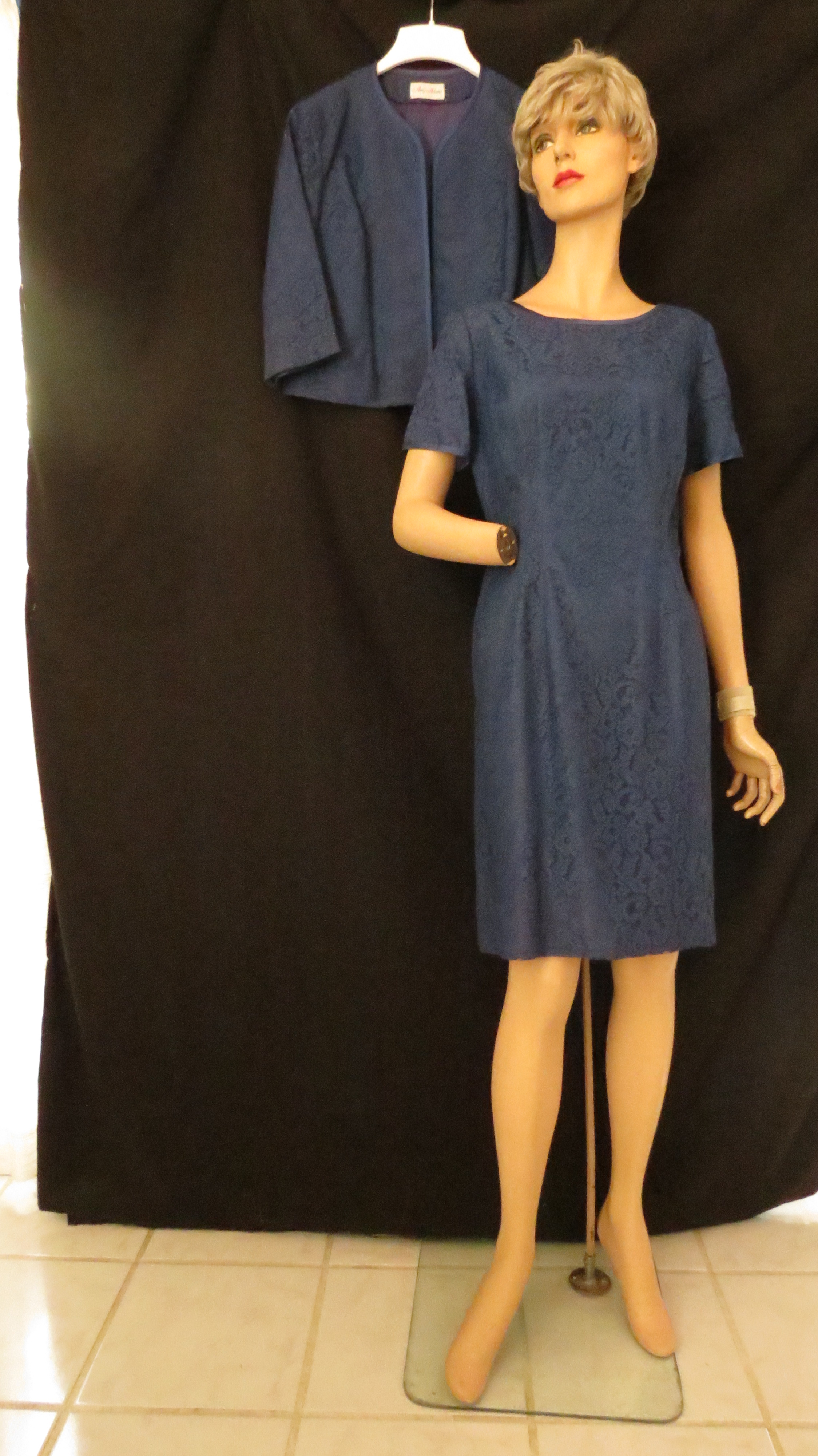
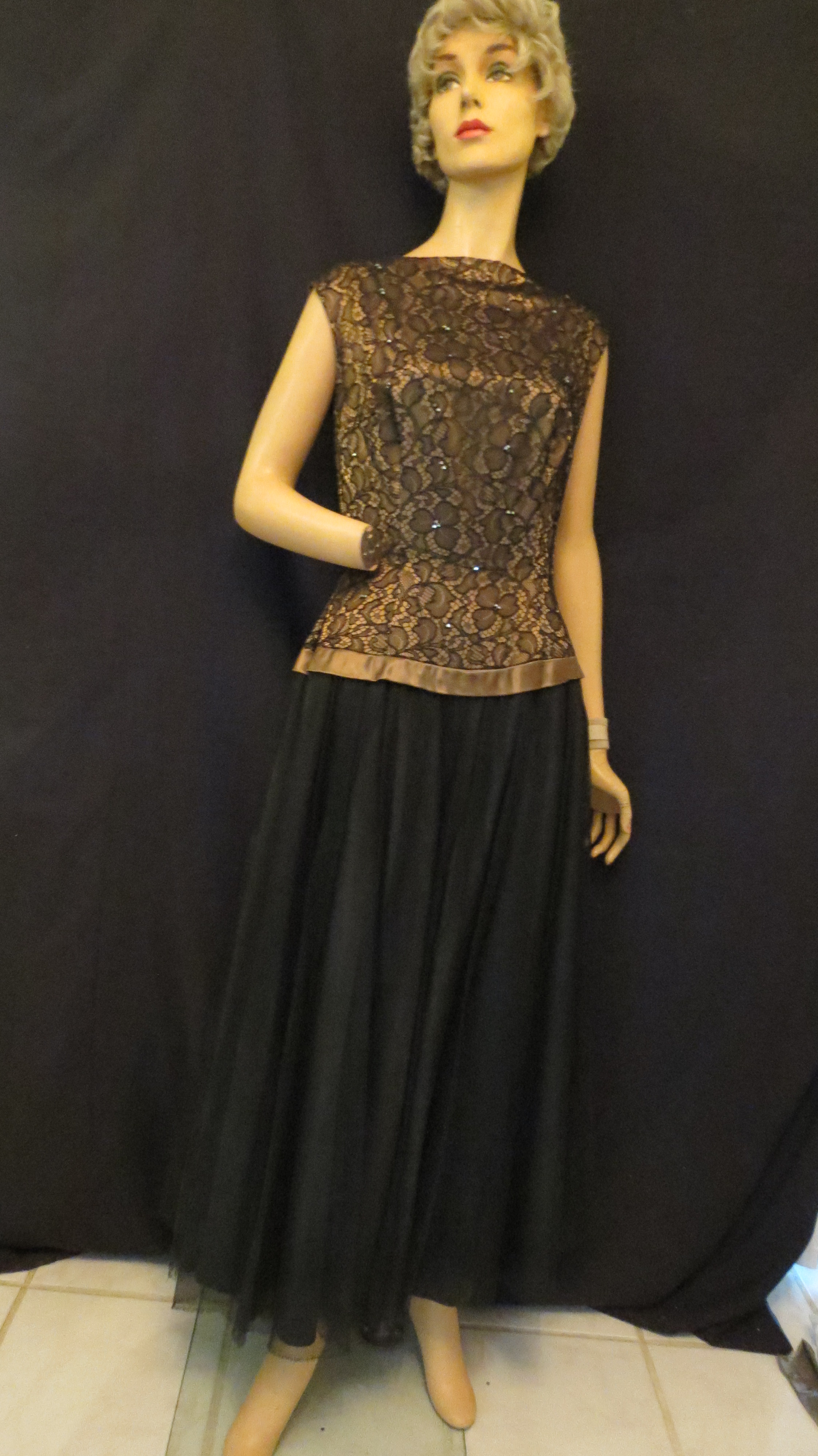
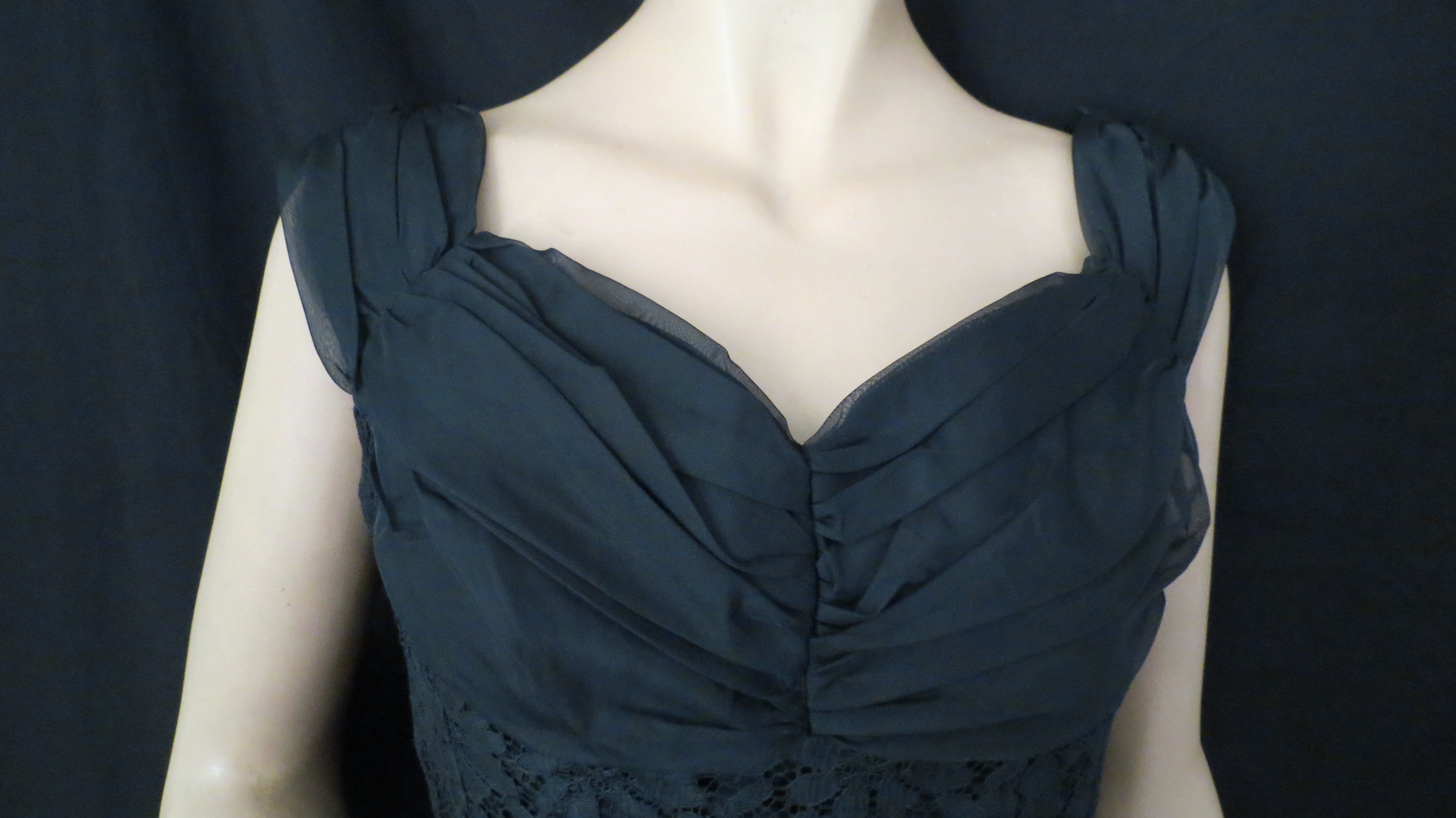
Interesting tailoring on this dress. Much more fussy than a true LBD. The lace overlay fabric was commonly used in the early 1960’s but the pouchy drapes attached to the hips almost look like something from the late 1940’s and the pleated bodice looks like many from the early 1950’s. All of this confusion makes a straight-cut sheath style look entirely different and made this frock completely unique.

It seems to me that changes from one decade to the next and significant historical events have often caused interesting and, sometimes, odd shifts in fashion. The early ’60’s also swung back to the New Look nipped waistlines and poufy skirts for a little while. More 1960’s designs on the way – stay tuned . . . . . . . . . . . . . . . . . . . . . . . . . . . . . . . . . . .

MORGANA MARTIN, THE MAGICVINTAGESPY

BLOG: MAGICVINTAGESPY.COM

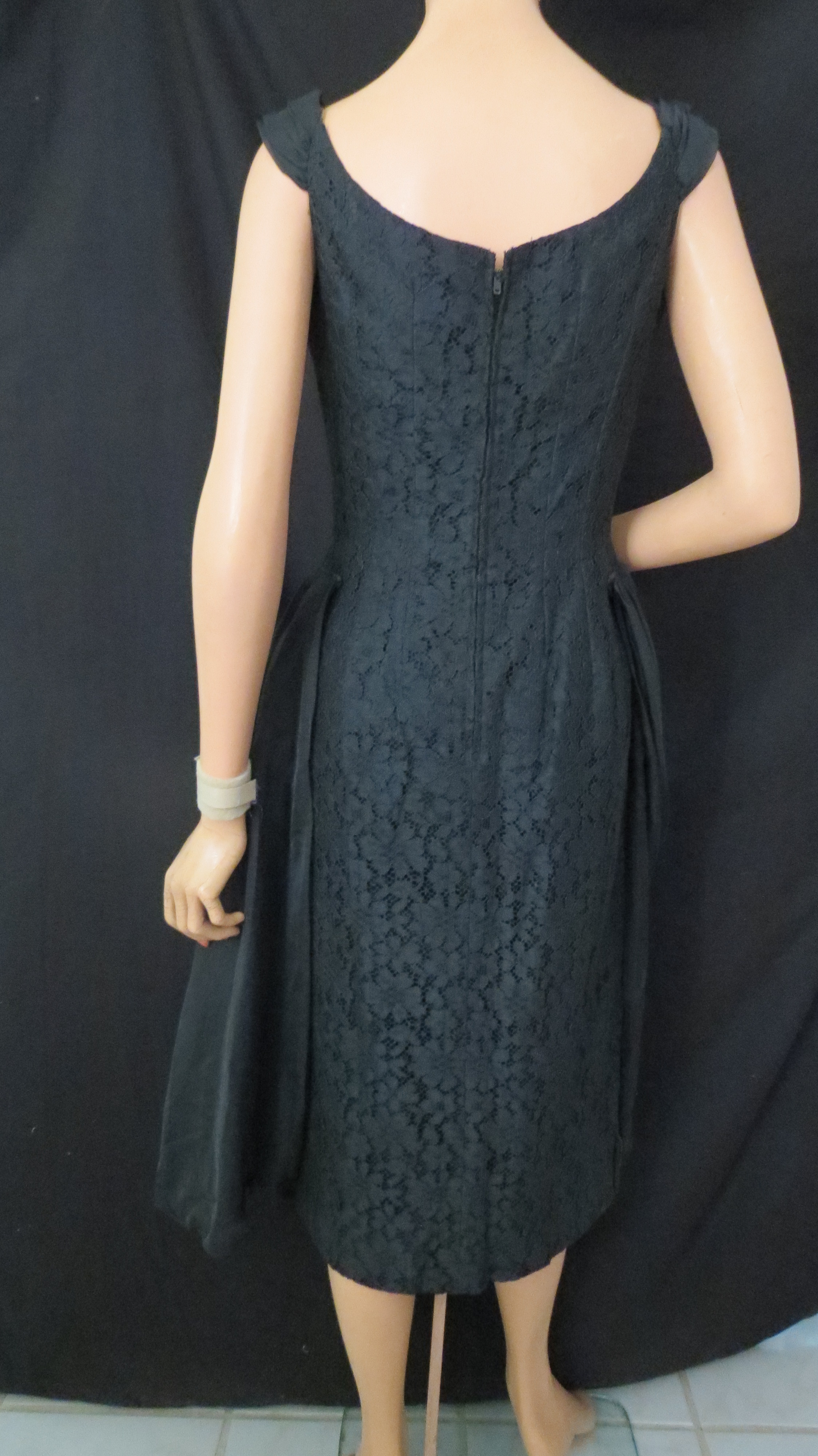
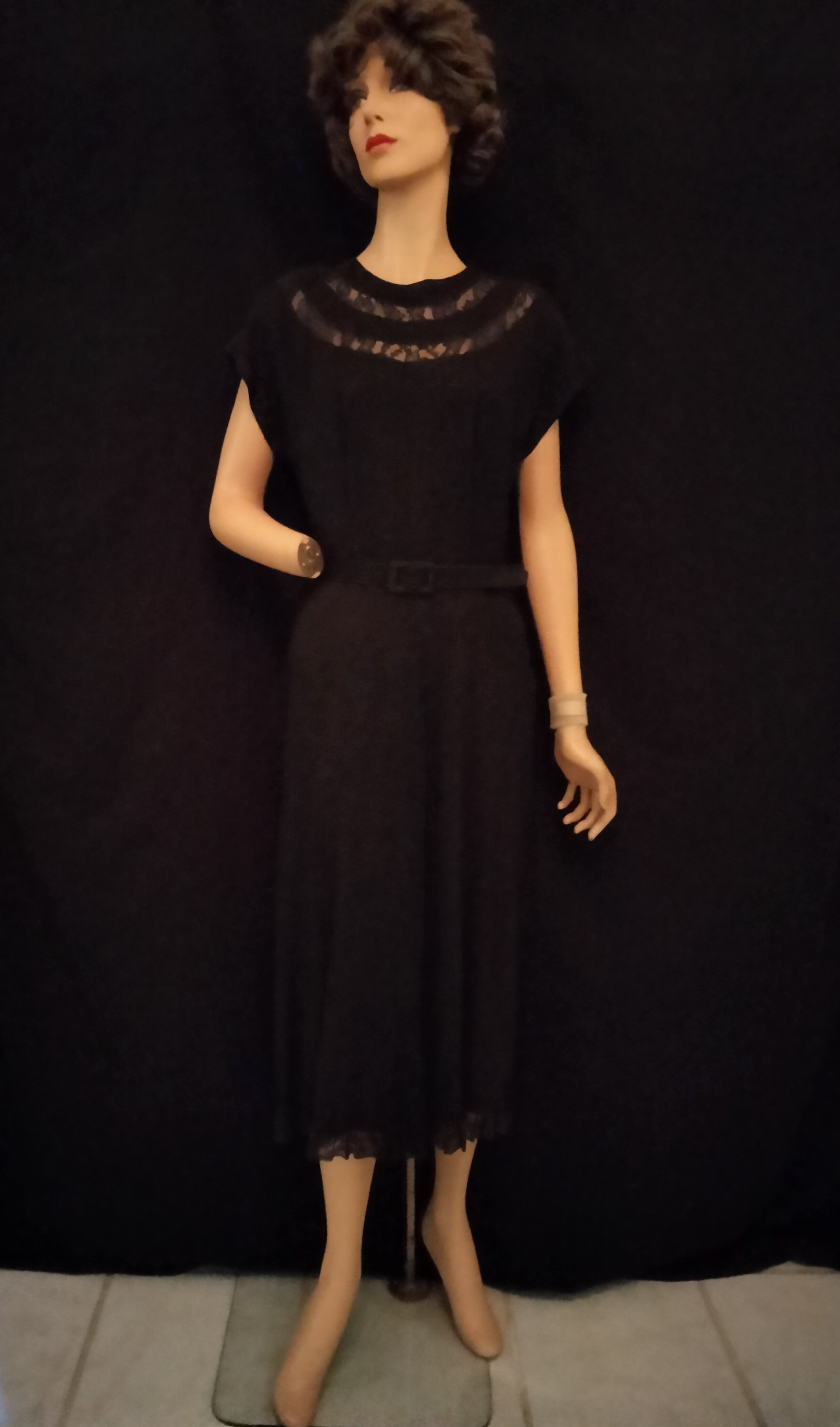
A PROPER BLACK TEA OR COCKTAIL DRESS FROM THE POST-WWII ERA

Frilled up a little by the lace inset at the neckline and lace trimming at the hem, this dress would have been accepted at any semi-formal gathering, cocktails or not. Although it’s a little bit “secretary, librarian, school teacher” in it’s modesty, the cap sleeves, peek-a-boo neckline and nipped waistline are a bit flirty. The ever-present black crepe fabric gives it the figure-skimming drape. Elegant, even though it wasn’t the most expensive frock.

Back when dresses were always the expected attire for any gathering that was professional or vaguely formal, this dress was an easy, comfortable design to meet the need. Styles were loosening up a little, though structure was still important and tailoring very elevated. In the 1950’s things changed hugely in Western society and, of course, in fashion. I’ll be investigating during the next few days but we’ll continue the cocktail fashion timeline next week. Stay tuned . . . . . . . . . . . . . . . . . . . . . . . . . . . . . . . . . . . .

MORGANA MARTIN, THE MAGICVINTAGESPY

BLOG: MAGICVINTAGESPY.COM
THE “LBD” FROM THE 1920’S AND 1930’S

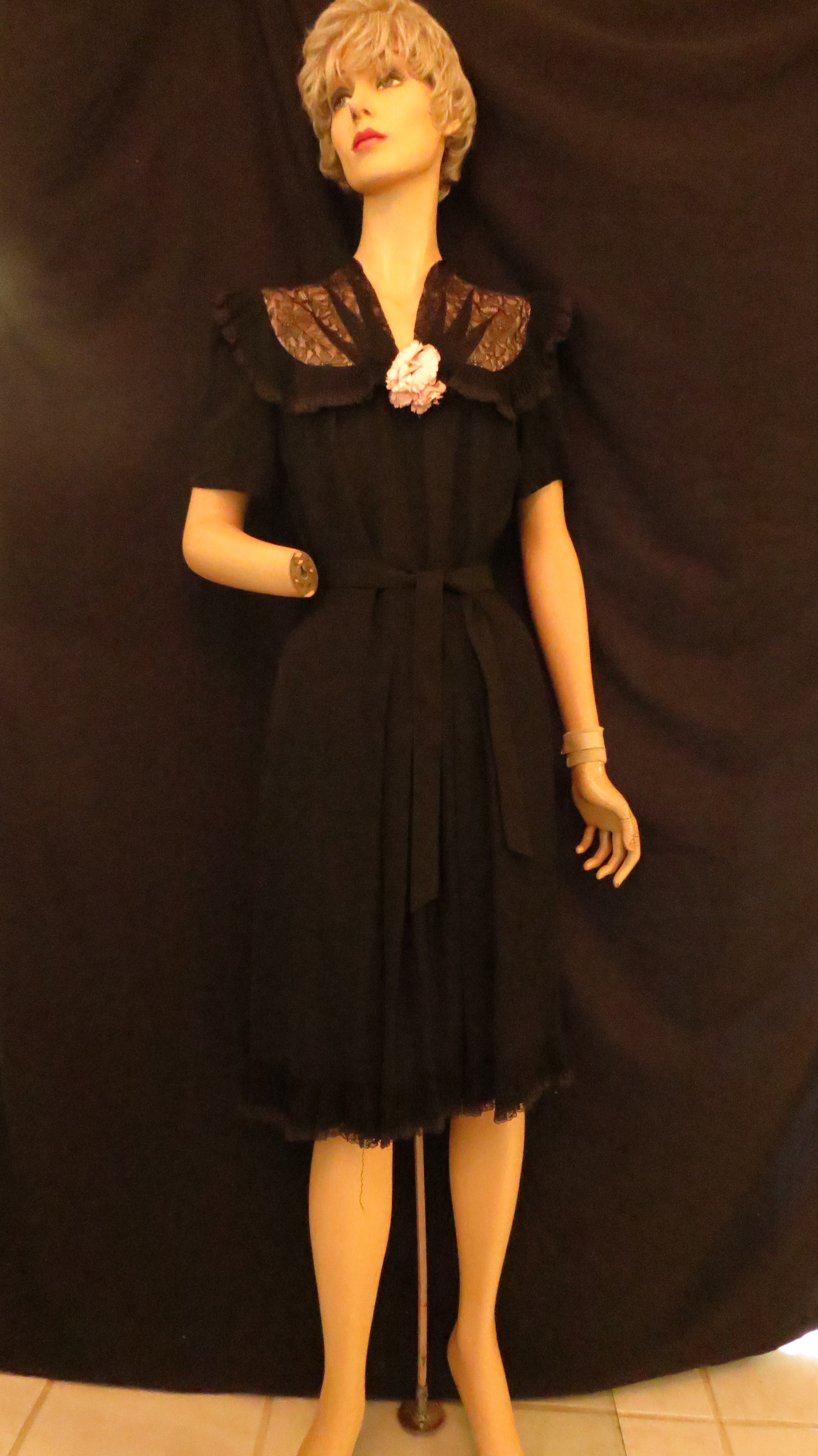
These two are certainly not designs by Coco Chanel, who came up with the Little Black Dress in 1926, but they still might have been seen at a cocktail party. They’re both oh-so-proper in spite of the loosening restrictions on women’s dress that were happening after the Edwardian 1910’s. The dress on the left, from the Thirties, is not terribly interesting to me but the bodice has those Deco-style pleats in the sheer lace panel that elevate the whole design. It was so amazing to discover it with the original floral ornament in front.

The midi-tea length lace dress from the 1920’s is pretty and would be very swishy over a rayon slip worn underneath. It was discovered in an antique wardrobe at a farm sale. The dropped waist is iconic. This frock was meant for a dressy special occasion rather than a night dancing the Charleston in a speakeasy.

How amazing it was discovering these pieces in such wonderful condition after almost 100 years! Most textile clues don’t last as well over so many decades but there are more to come . . . . . . . . . . . . . . . . . . . .Stay tuned . . . . . . . . . . . . . . . . . . . .

MORGANA MARTIN, THE MAGICVINTAGESPY

BLOG: MAGICVINTAGESPY.COM
TRUE VINTAGE LATE 1950’S – MID-1960’S DRESSES

Late Fifties saw slinky knit sheath dresses that carried over the new, easy-care synthetics from the 1940’s. The prints morphed slowly from geometric, atomic shapes back to cute animals, fruits and veggies. This fabric is amazingly comfortable and drapes beautifully but was economical. Common, moderately-priced frocks were made from it.

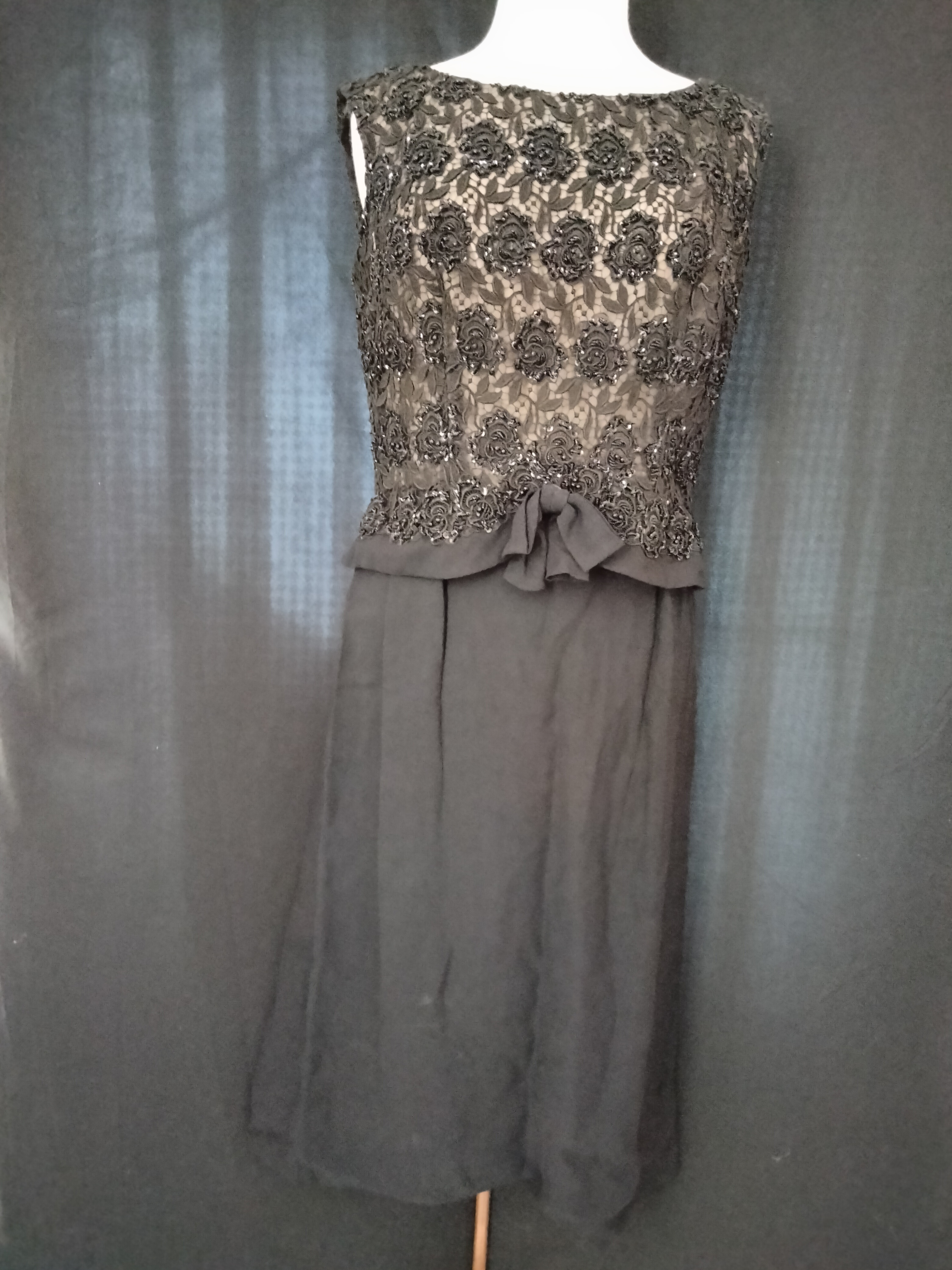
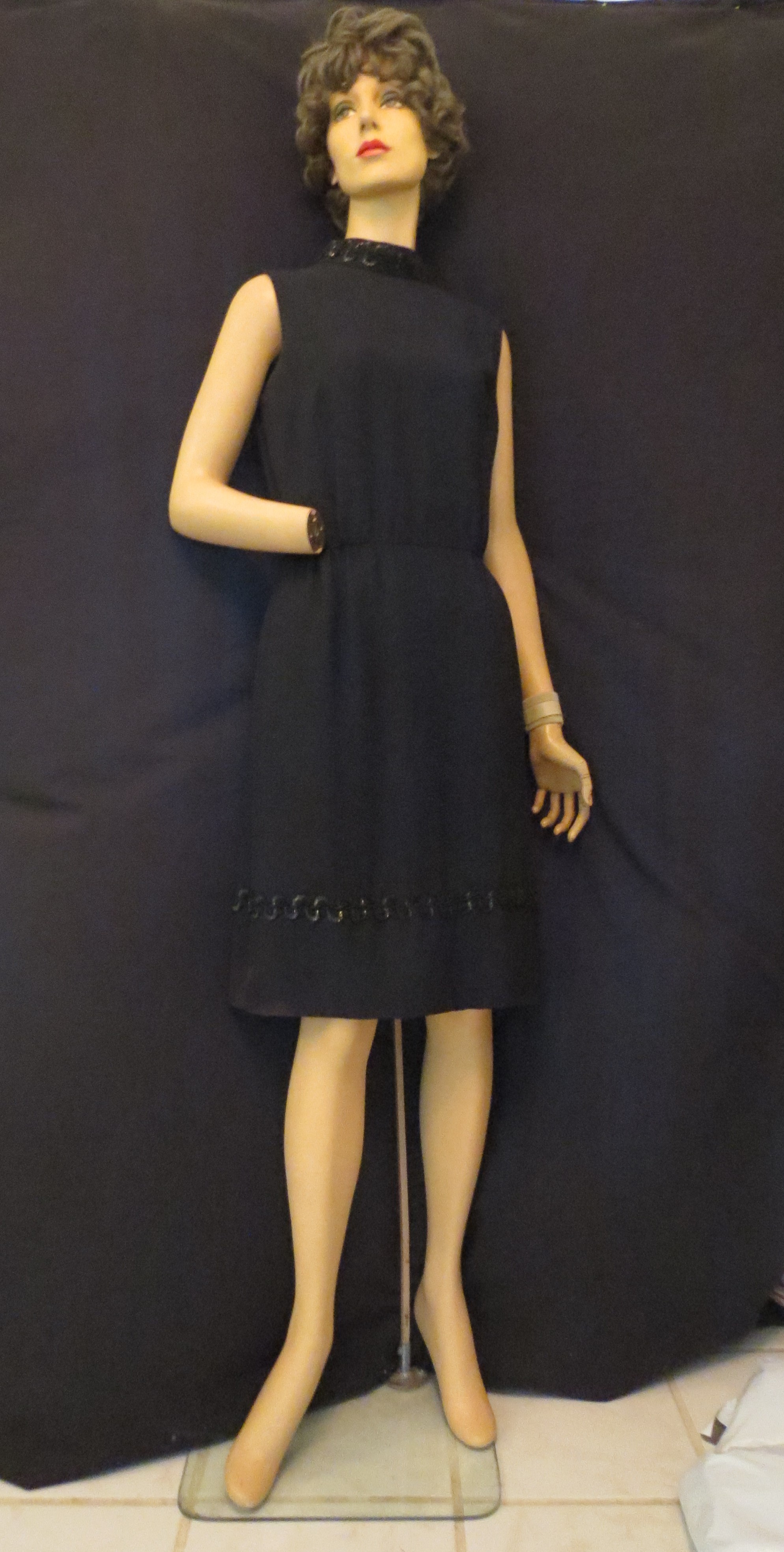
Just a few years later, lace overlay became the big thing. Dressy day-dresses were often made from it, as well as semi-formal and formal gowns. These were also generally made from synthetic or blended fabrics but probably required dry-cleaning. Better frocks often came from British Hong Kong, where the design and hand-made tailoring made them exceptionally elegant and of higher quality. These dresses were still within the reach of middle-income ladies but were more expensive. See the black dressy sheath with a beaded over-blouse above. The straight black high-neck sheath came from Saks Fifth Avenue.

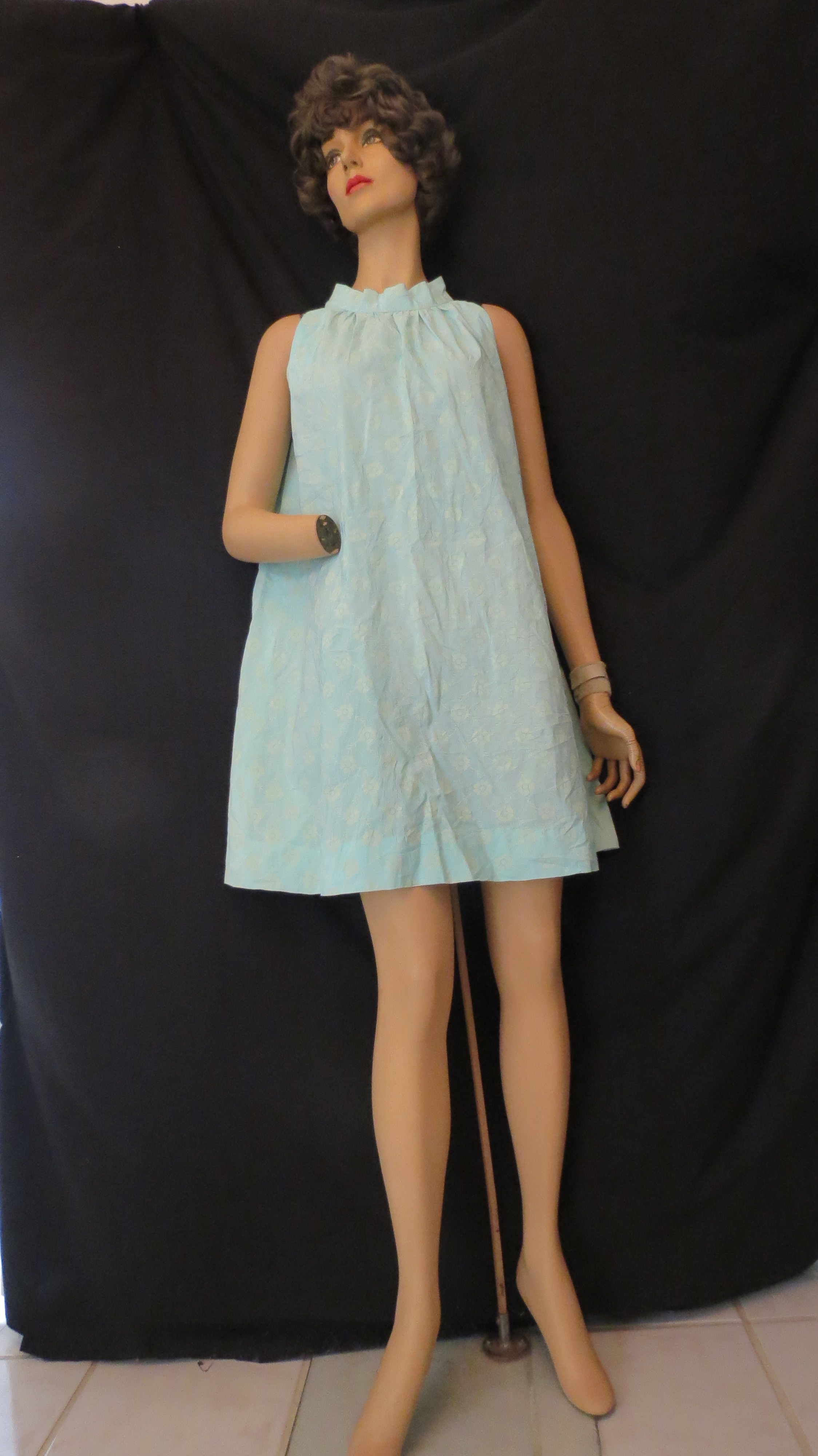
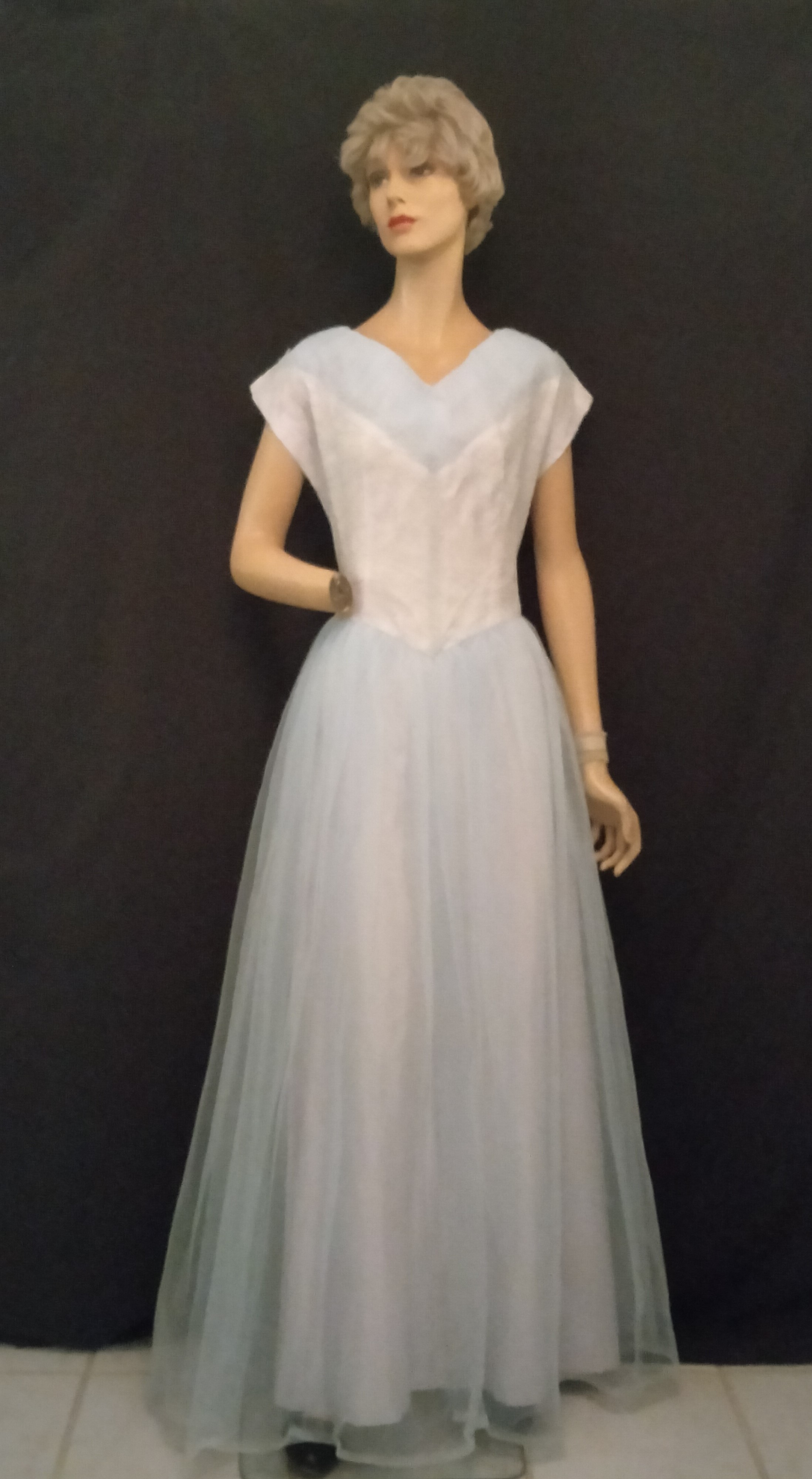
Then, again from the Brits, came Mary Quant’s Tent Dress in 1964. Although the Mod style had started in the 1950’s, it’s appearance in clothing was totally revolutionary. It brought with it radically shorter hemlines and easy-to-wear, casual shapes. See the light blue, home-sewn version above.

Some styles retained their classic, conservative lines and stuck to neutral or basic tones while bright colors became ever more popular, even in formal garments. While political and social movements became radicalized and changed society, the Hippie, Boho and Prairie styles started to take over in the late 1960’s and carried over into the early 1970’s. Tomorrow we’ll look at some of the ways that popular fashion incorporated these trends into mainstream dressing. Stay tuned . . . . . . . . . . . . . . . . . . . . . . . . . .

MORGANA MARTIN, THE MAGICVINTAGESPY

BLOG: MAGICVINTAGESPY.COM
TRUE VINTAGE LADIES’ DRESSY AND FORMAL – WEAR FROM THE EARLY 1950’S

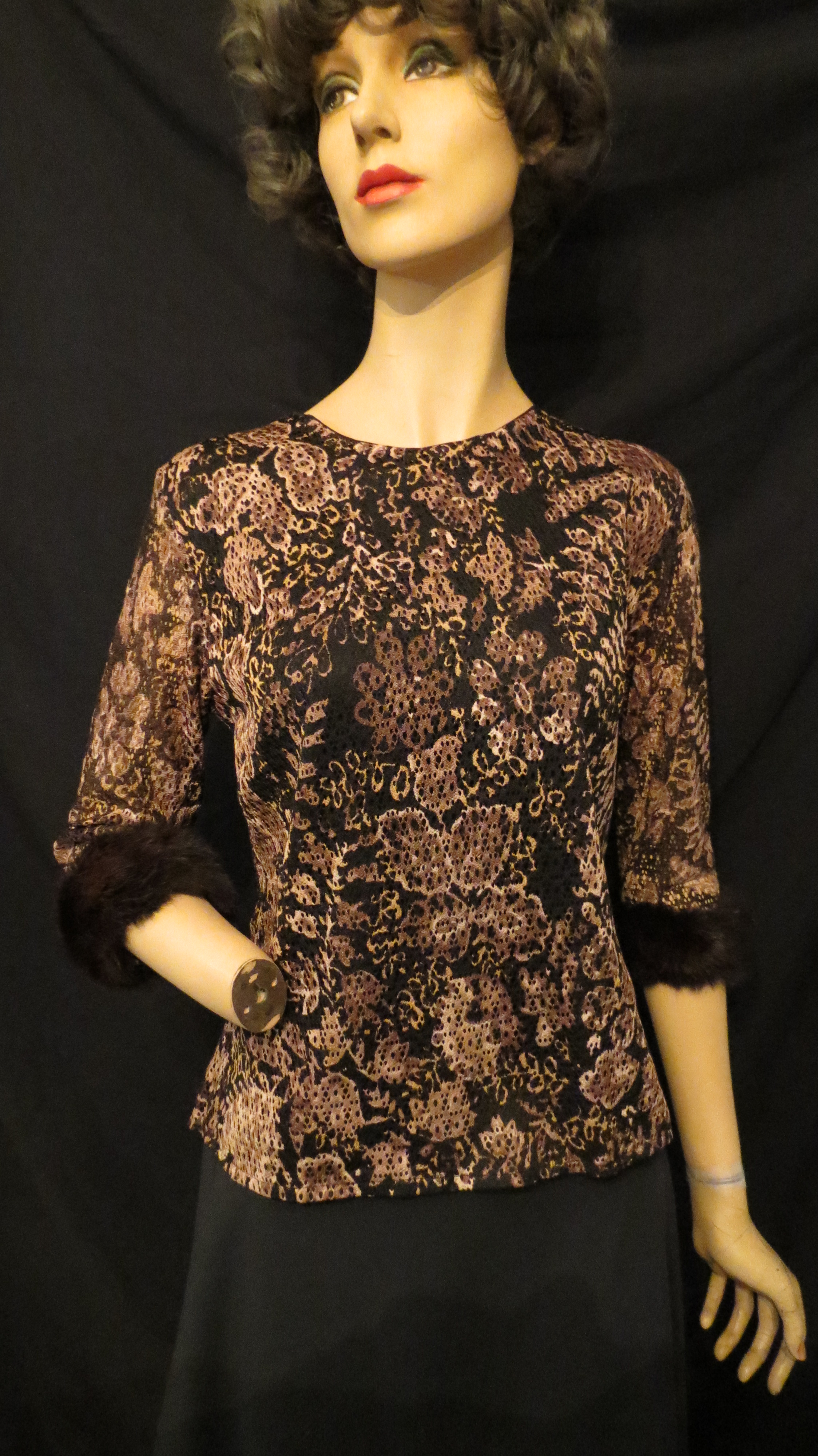
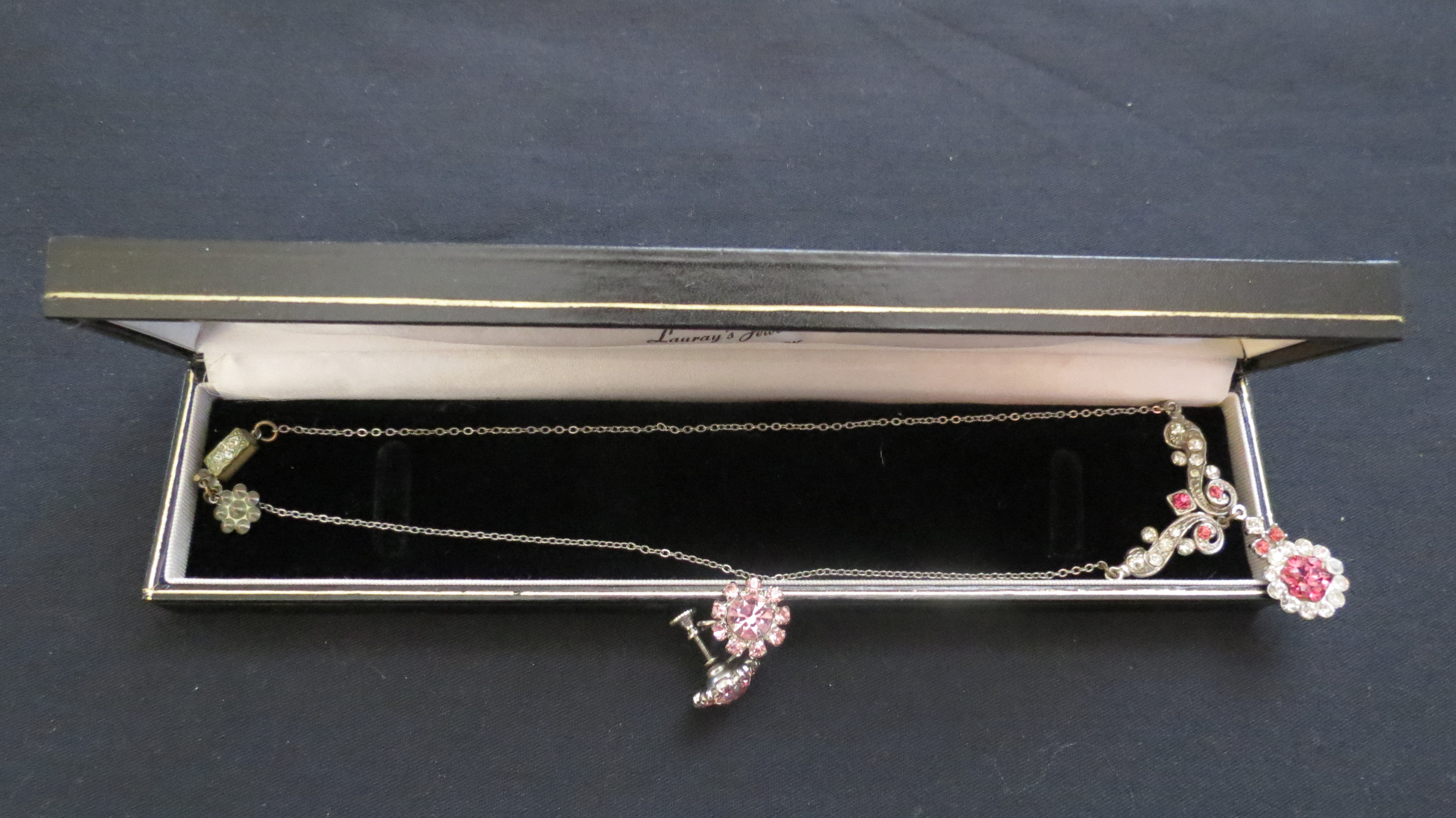
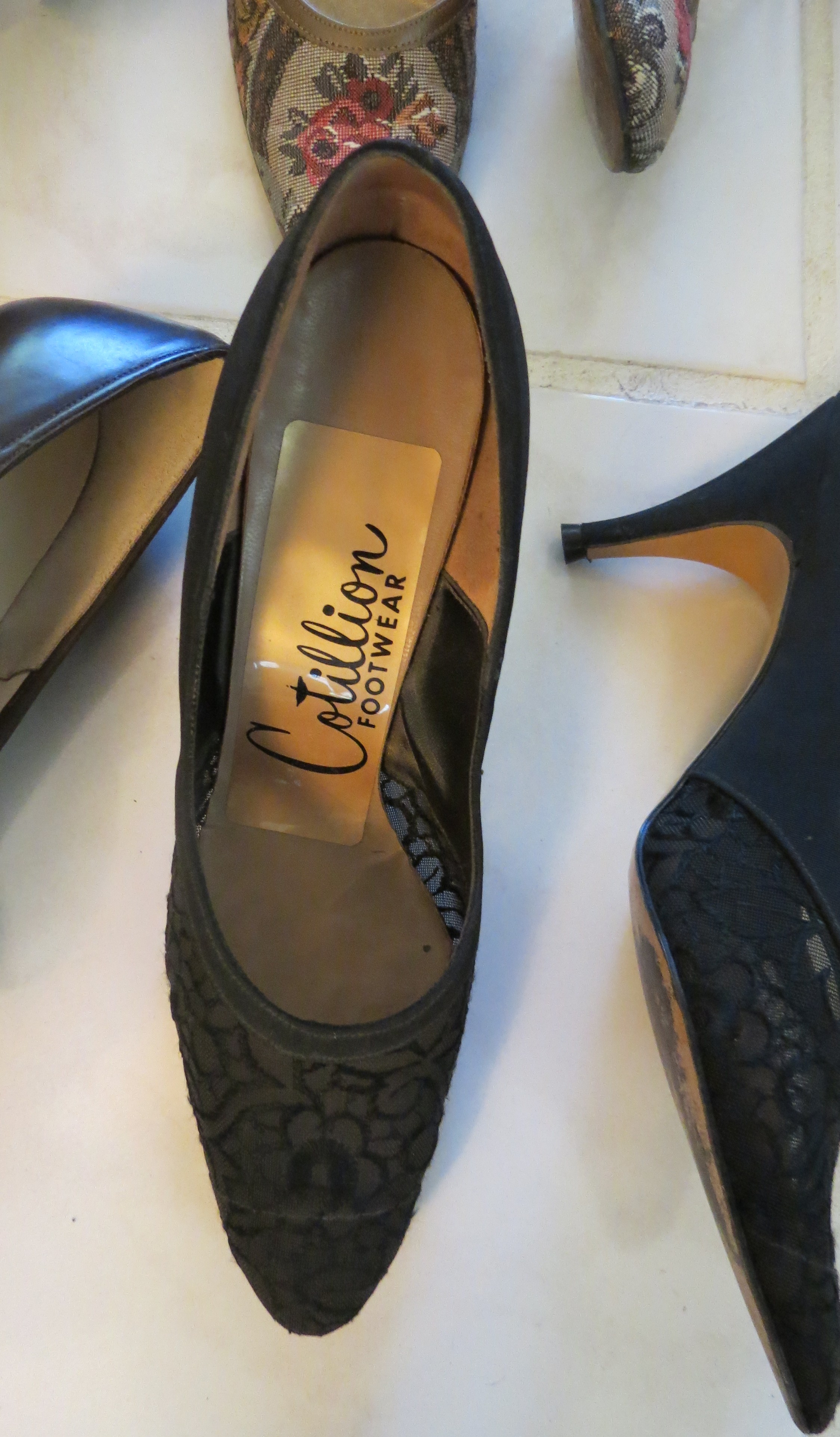
From cocktail party to Prom to a wedding, these dresses and separates went to many swanky events. A sparkly bling necklace and earrings were a necessity, too. Stiletto pumps became the hugely big footwear trend for women.

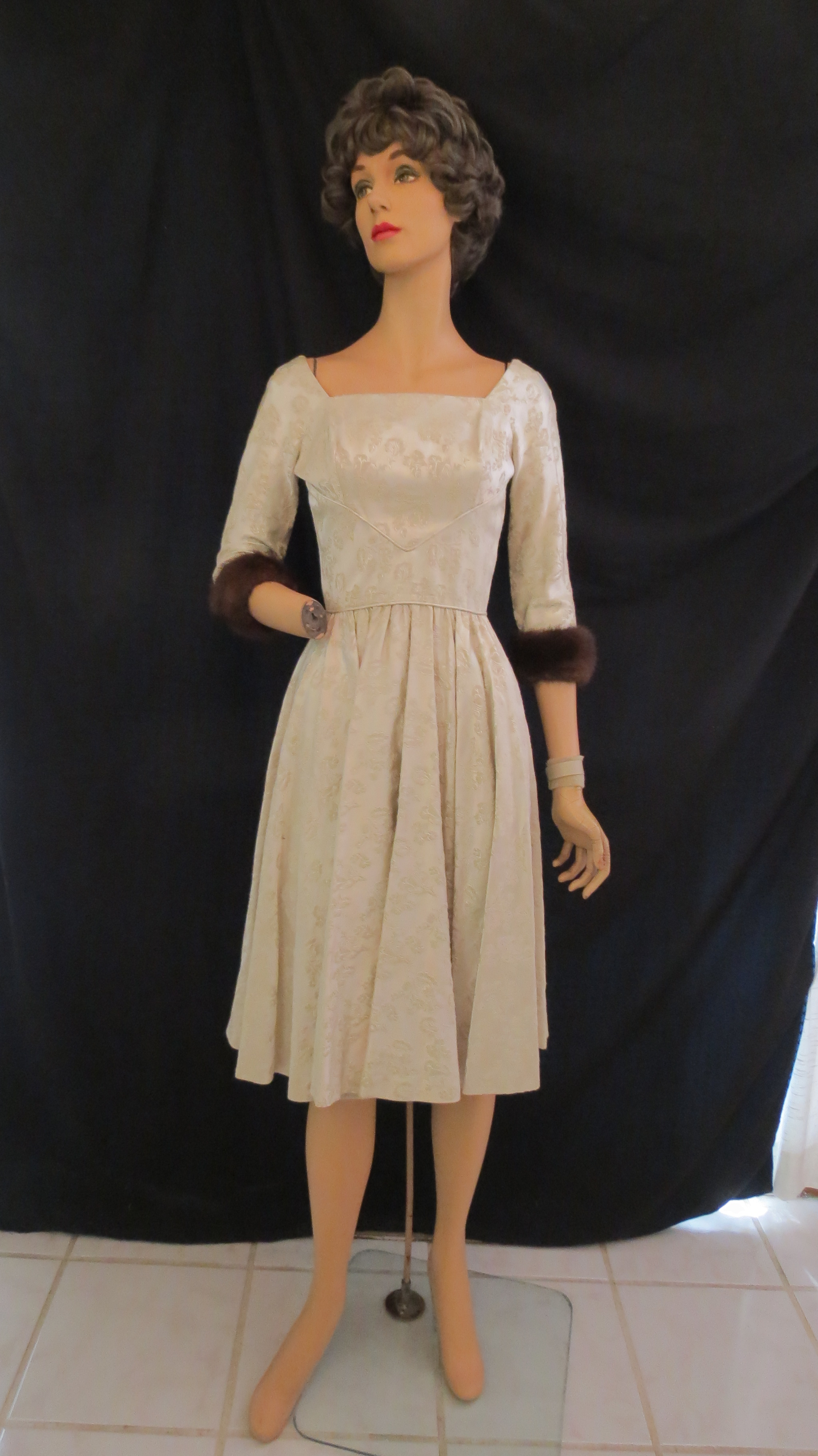
Jacquard “brocade”, satin, lace, metallic thread, organza and netting, cashmere, beads and sequins and even fur trimming – all popular materials in garments for nights out and special events. The prosperity of the Fifties brought on a real break-out in middle-class spending and ostentation. Showy was good but, fortunately, so was elegance so we had some of the most beautiful gowns produced during this time. Female movie stars of this decade were some of the best-dressed women ever seen. The first dress pictured, with the fur-trimmed sleeves, is a gorgeous example of the New Look style. Fun and novelty were also present in many examples of the more casual clothing but the cheap-looking garishness of the 1990’s was not the thing.

I love these clothes and it’s fun to show them. All would have fascinating stories. The elegance of design showed up in dressy daywear, too, and I’ll be showing some of that tomorrow. Stay tuned . . . . . . . . . . . . . . . . . . . . . . . . . . . . . . . .

MORGANA MARTIN, THE MAGICVINTAGESPY.COM

BLOG: MAGICVINTAGESPY.COM

TRUE VINTAGE WWII LADIES’ BLOUSE AND TOP TRENDS

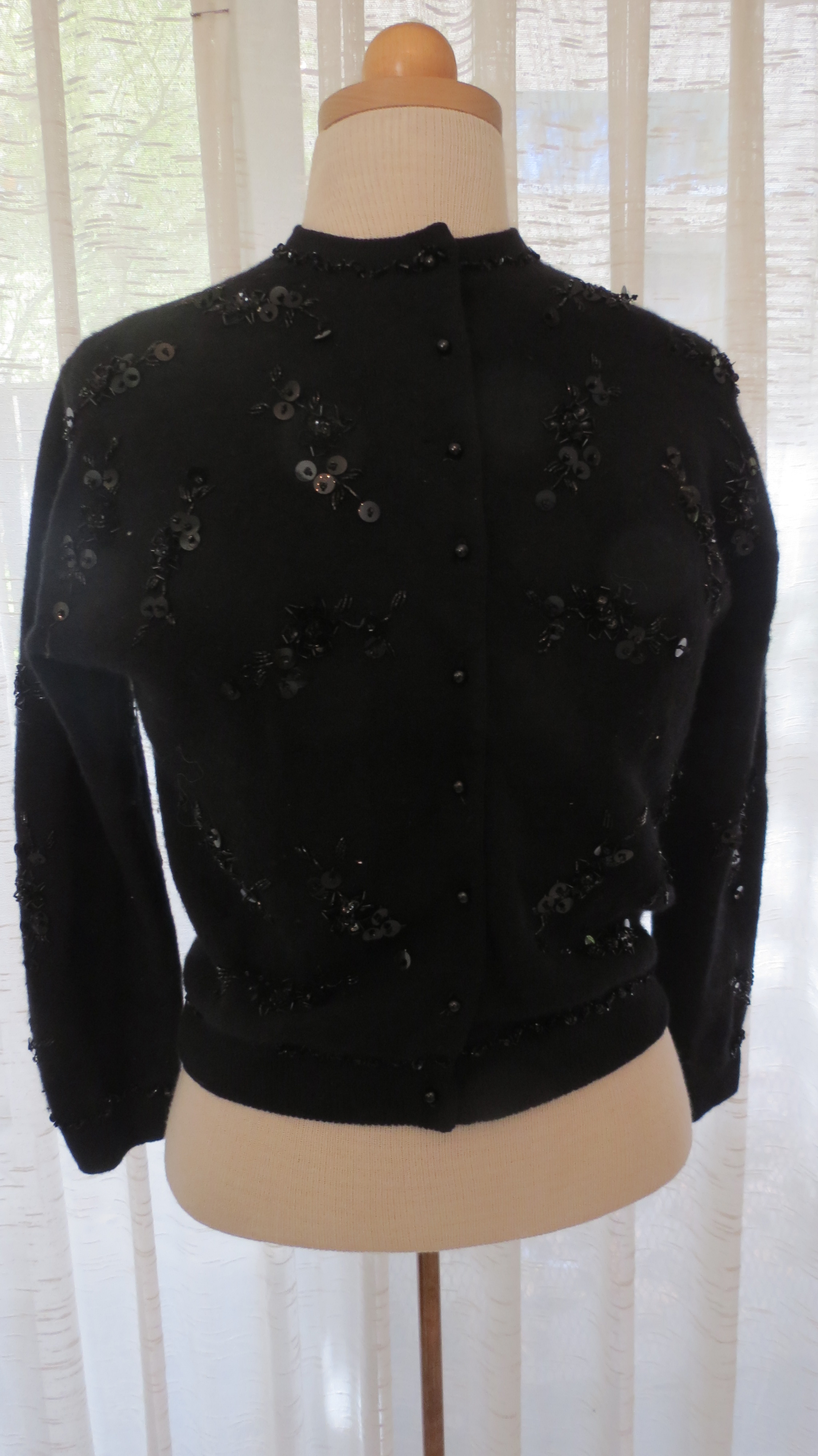
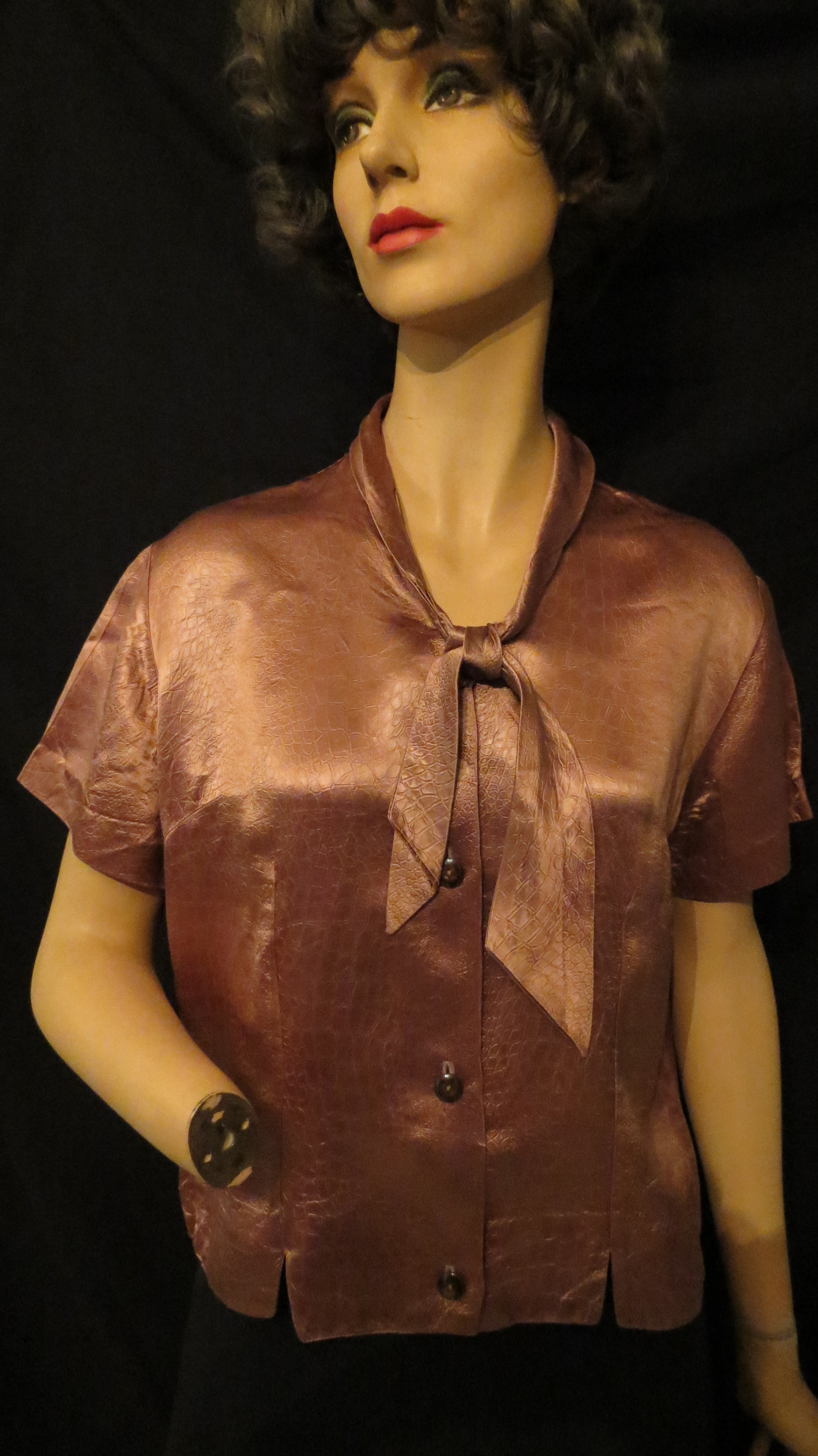
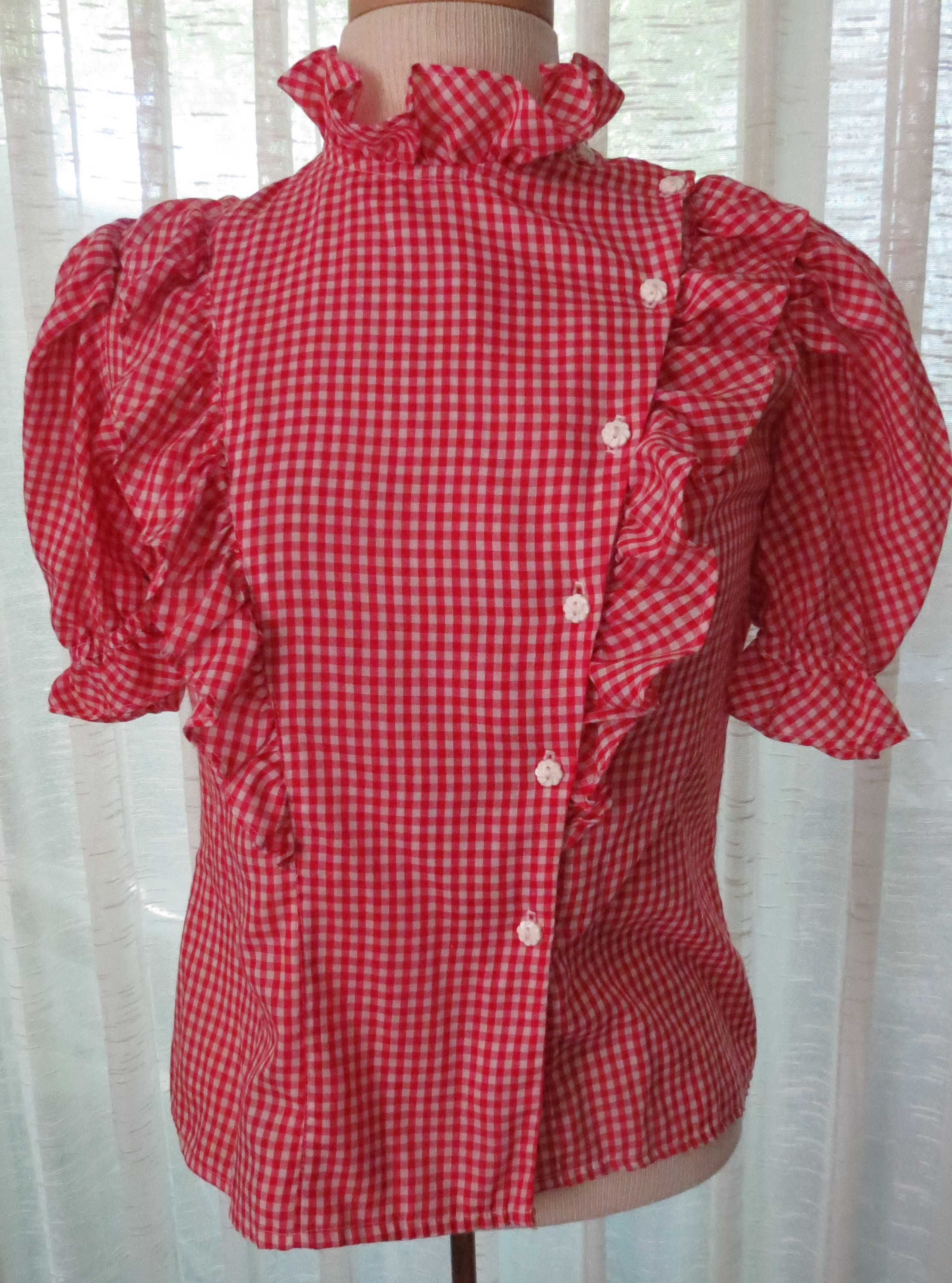
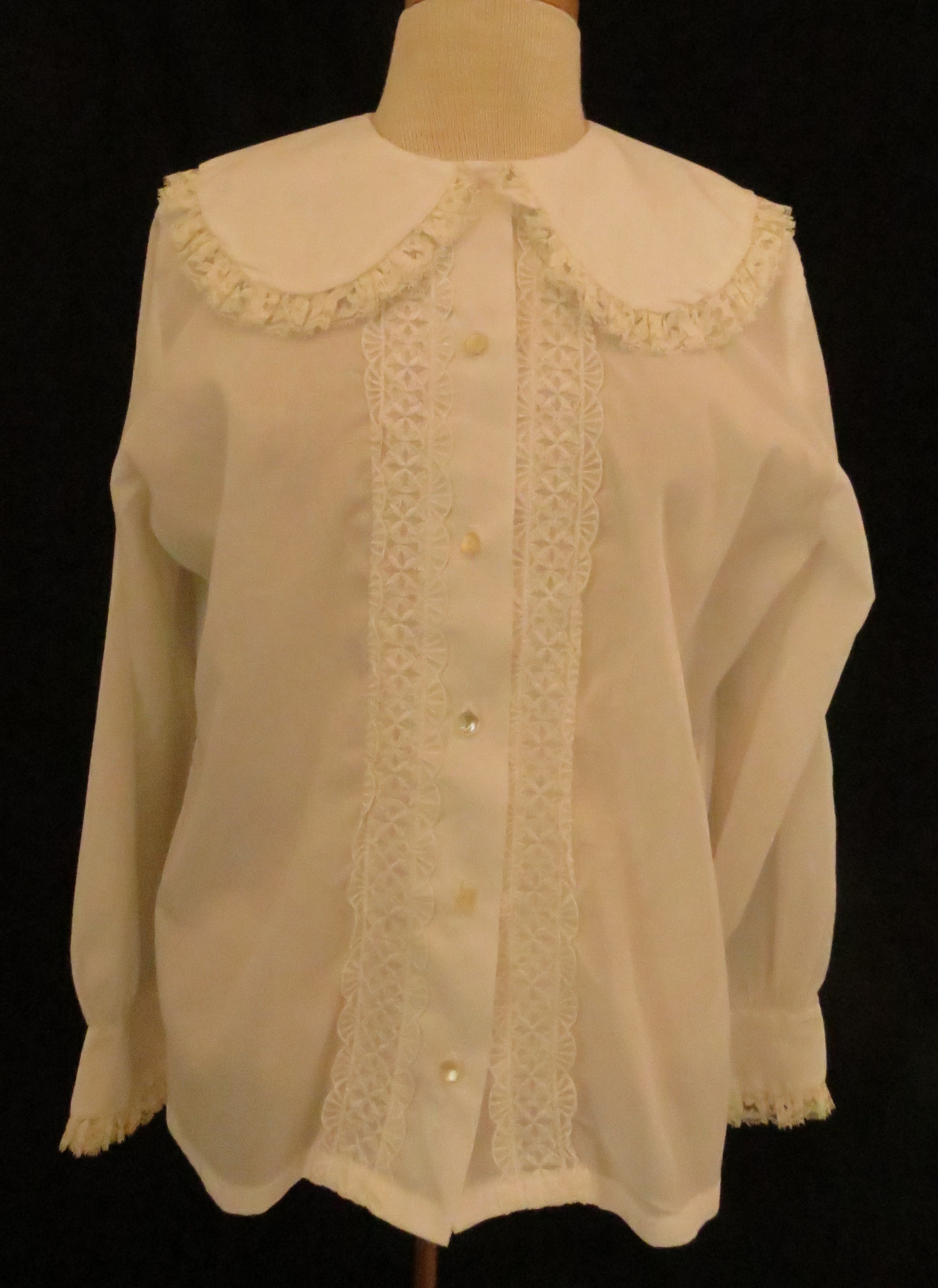
These blouses and sweater all came from the war years spanning the late 1930’s to the very early 1950’s. The first blouse is a women’s-wear version of the Western-wear trend. Perfect for square-dancing. Gingham and sculpted plastic buttons were popular. This example might have been home-sewn by a skilled seamstress.

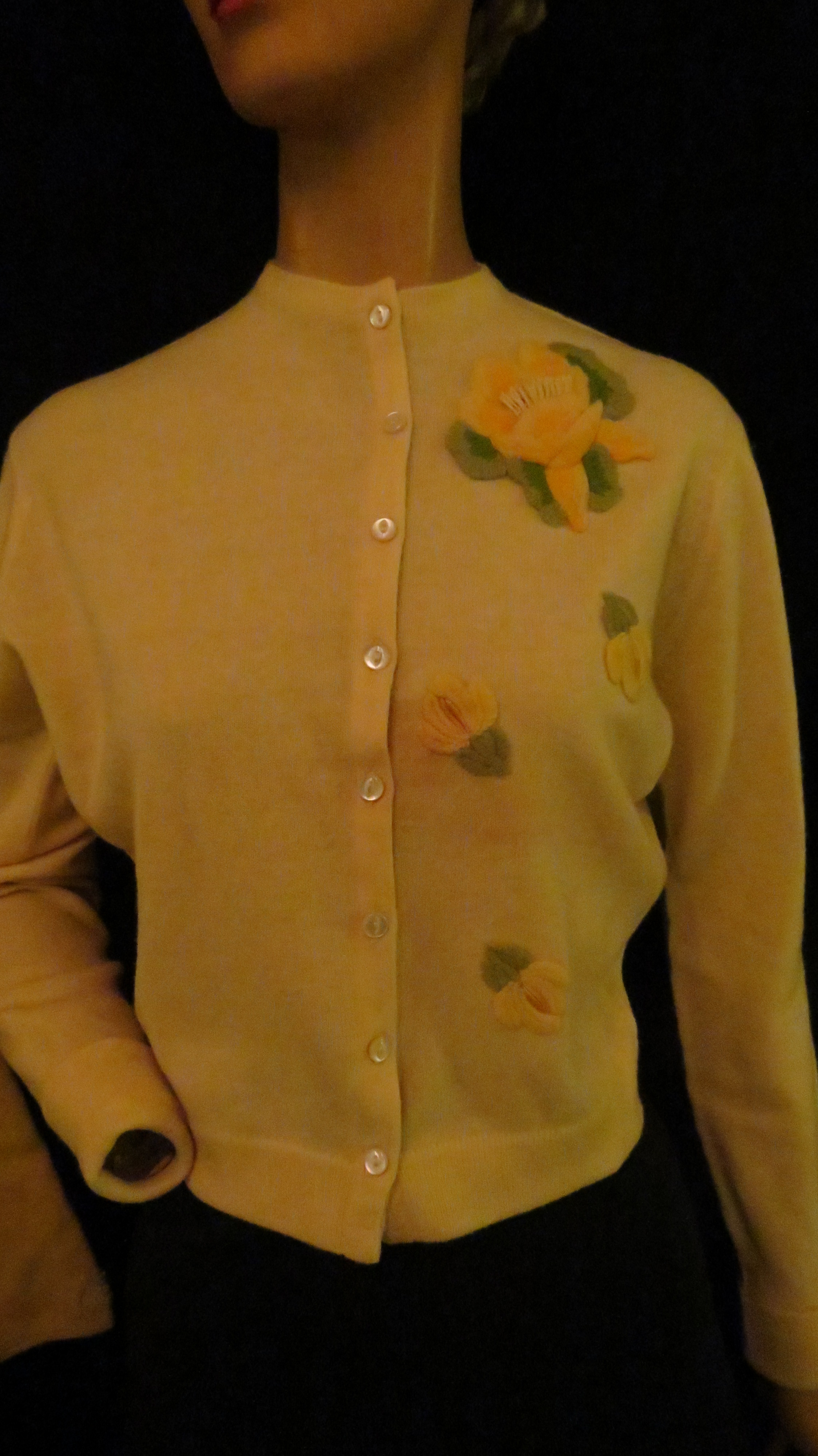
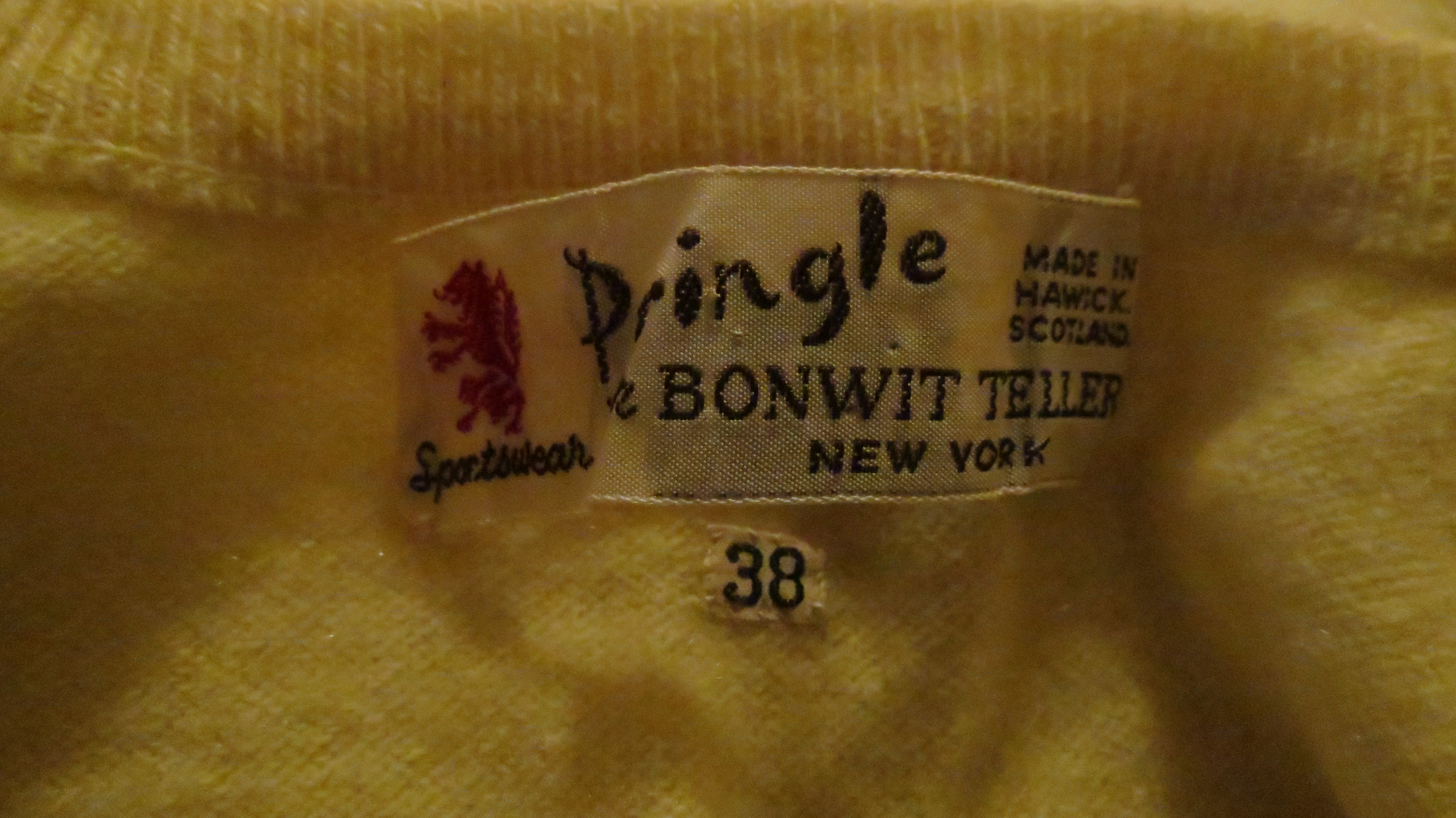
Cashmere cardigan sweaters also were seen worn as blouses, sometimes with the buttons in back if it were a plain knit. This trend was especially popular among co-eds. A beautifully-decorated one like that above would have been front-facing, of course. Pringle of Scotland was a known brand and higher-end.

Before and after rationing, lace and other embellishments on tops and dresses were very popular. Tailored styles were also made, but lots of the designs before and after the war were quite fussy with many details.

Tomorrow I’ll show my newest discoveries. Stay tuned . . . . . . . . . . . . . . . . . . .

MORGANA MARTIN, THE MAGICVINTAGESPY

BLOG: MAGICVINTAGESPY.COM
LATE 1930’S DAY AND DRESSIER FROCK and ACCESSORIES

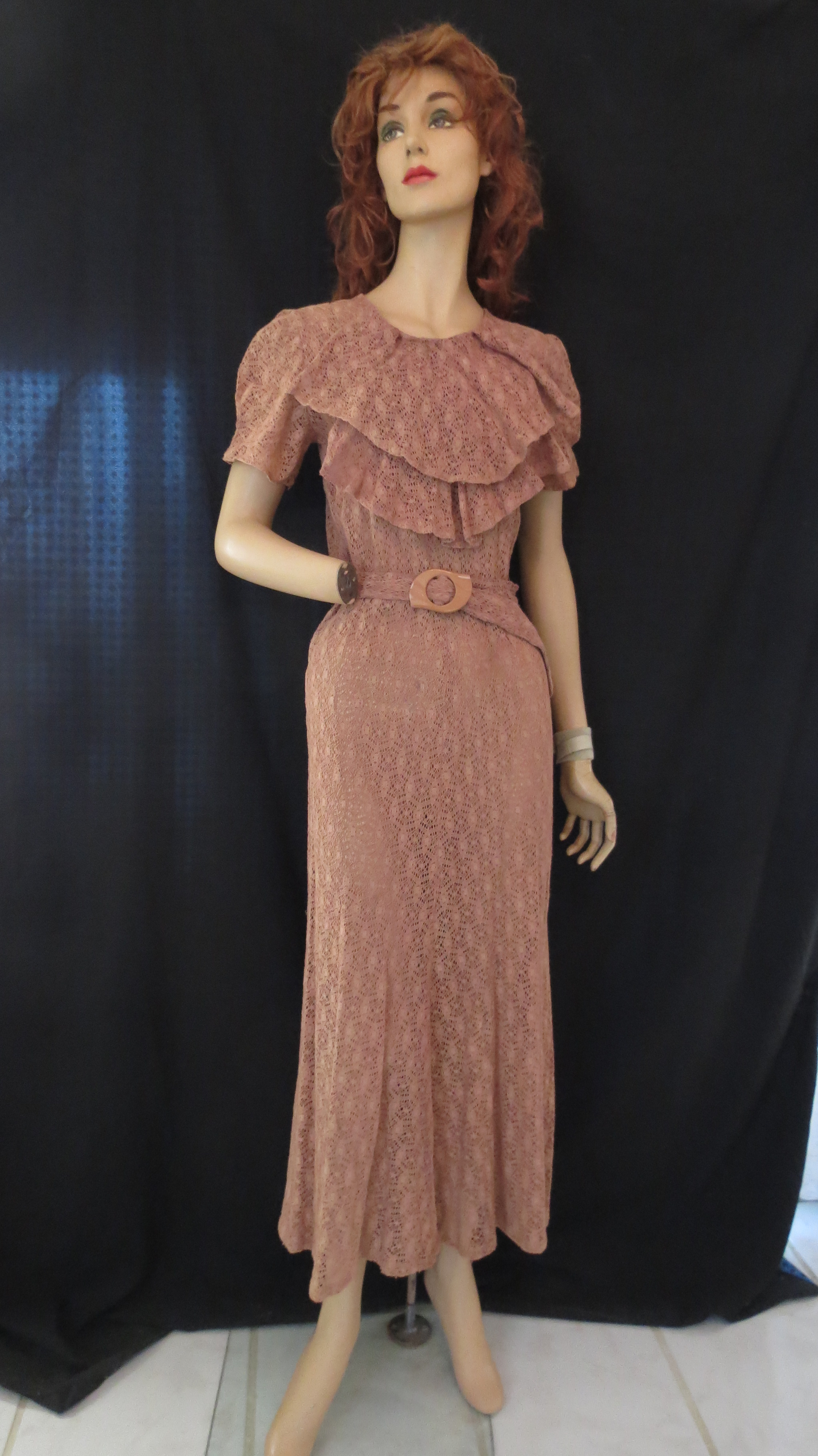
Too many photos to do both decades together! I’ll spread them out over 2 or 3 days instead. Here are a couple of pretty 1930’s frocks and their accompaniments. First, one that our Depression Era gal might have worn to town. Perfect for shopping and a movie. It’s a lovely crocheted lace over-dress with a matching acetate satin slip underneath. Look at the celluloid belt buckle, also died to match.

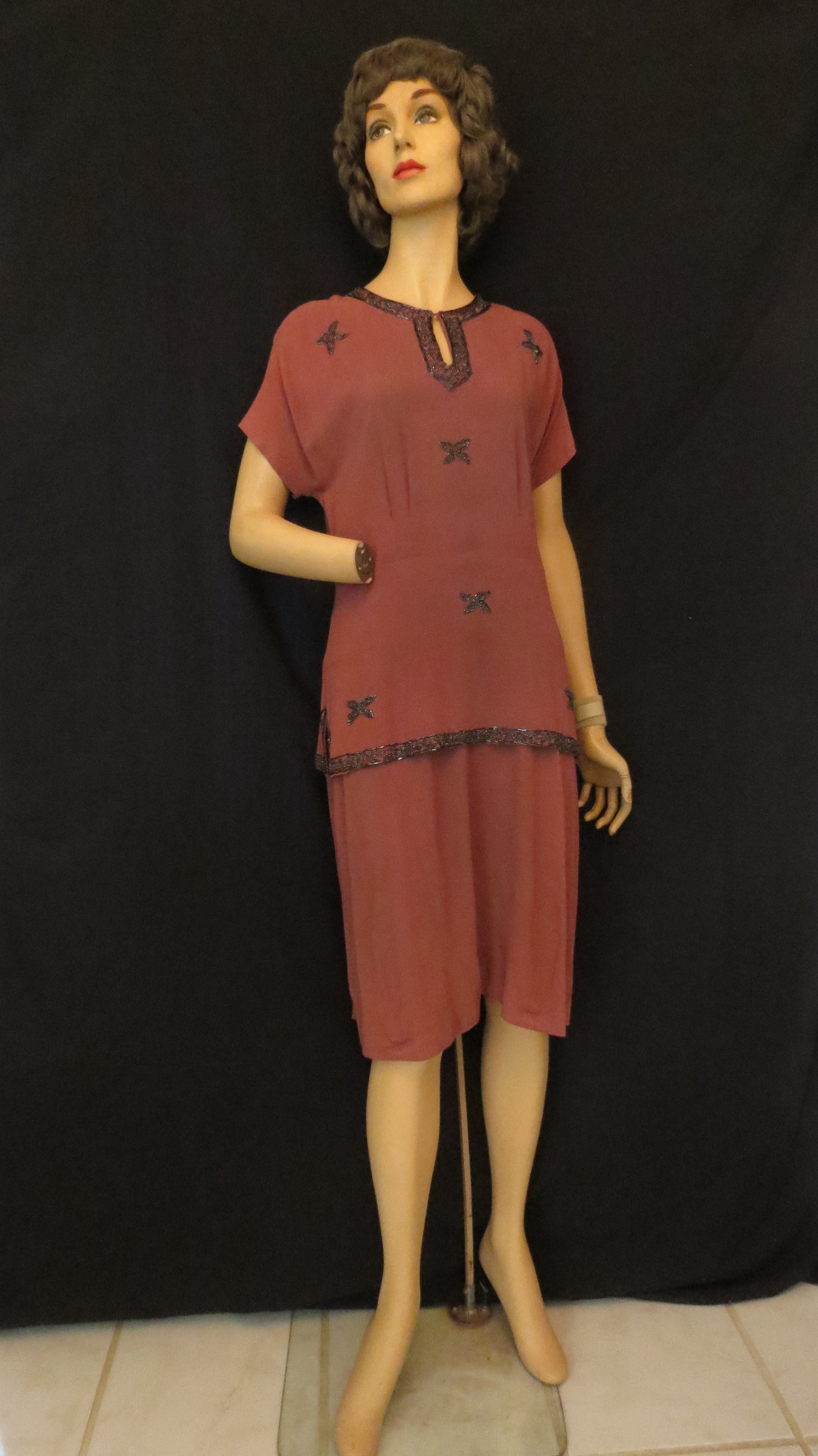
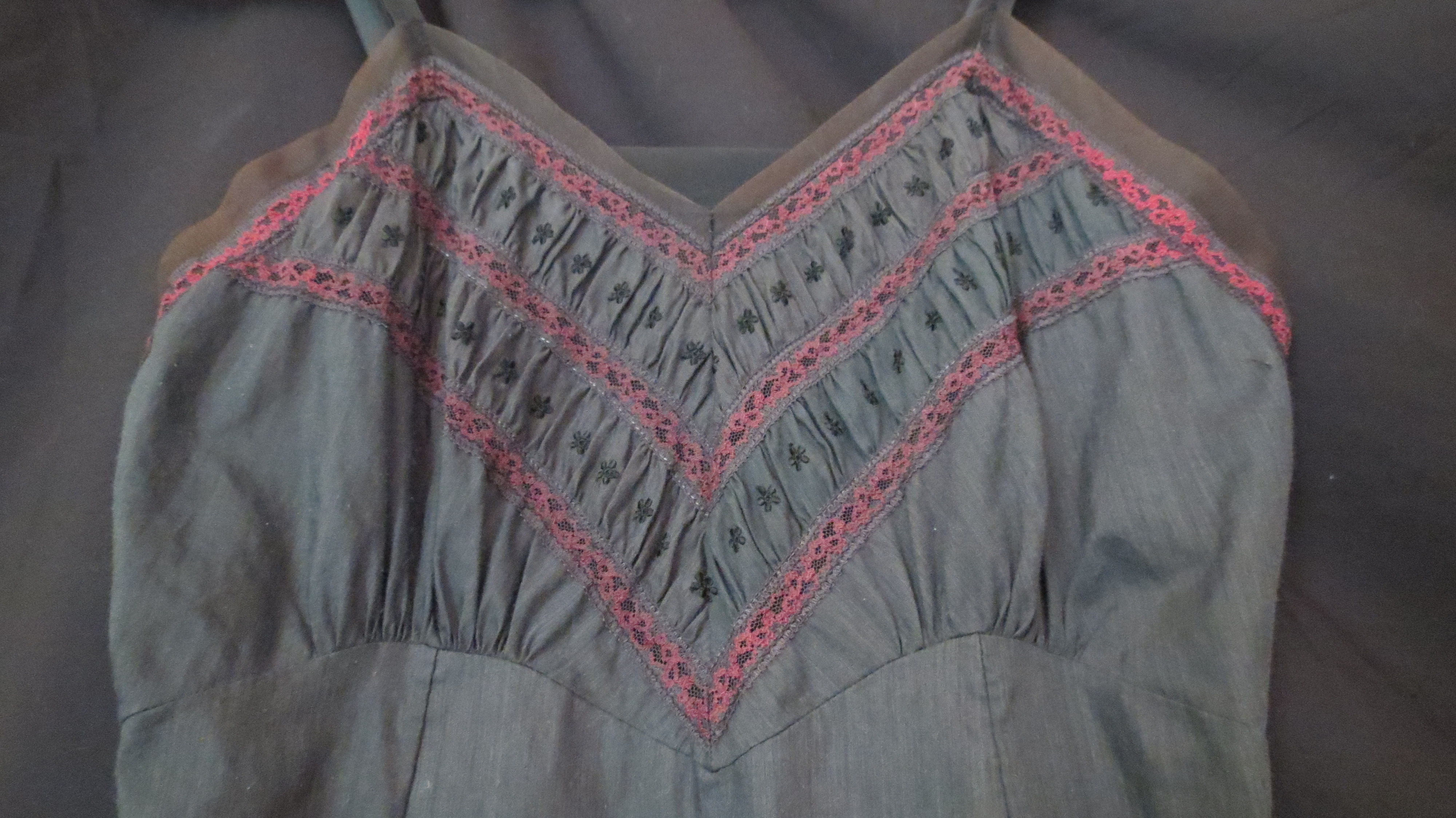
The second dress is a rayon sheath with an over-blouse look and Art Deco beaded decoration. She might have worn it to cocktails, dinner and dancing later. Probably, the hemline would have been midi-length on her figure. An acetate slip underneath would have enhanced the fit and it has such unusual decoration on the bodice.

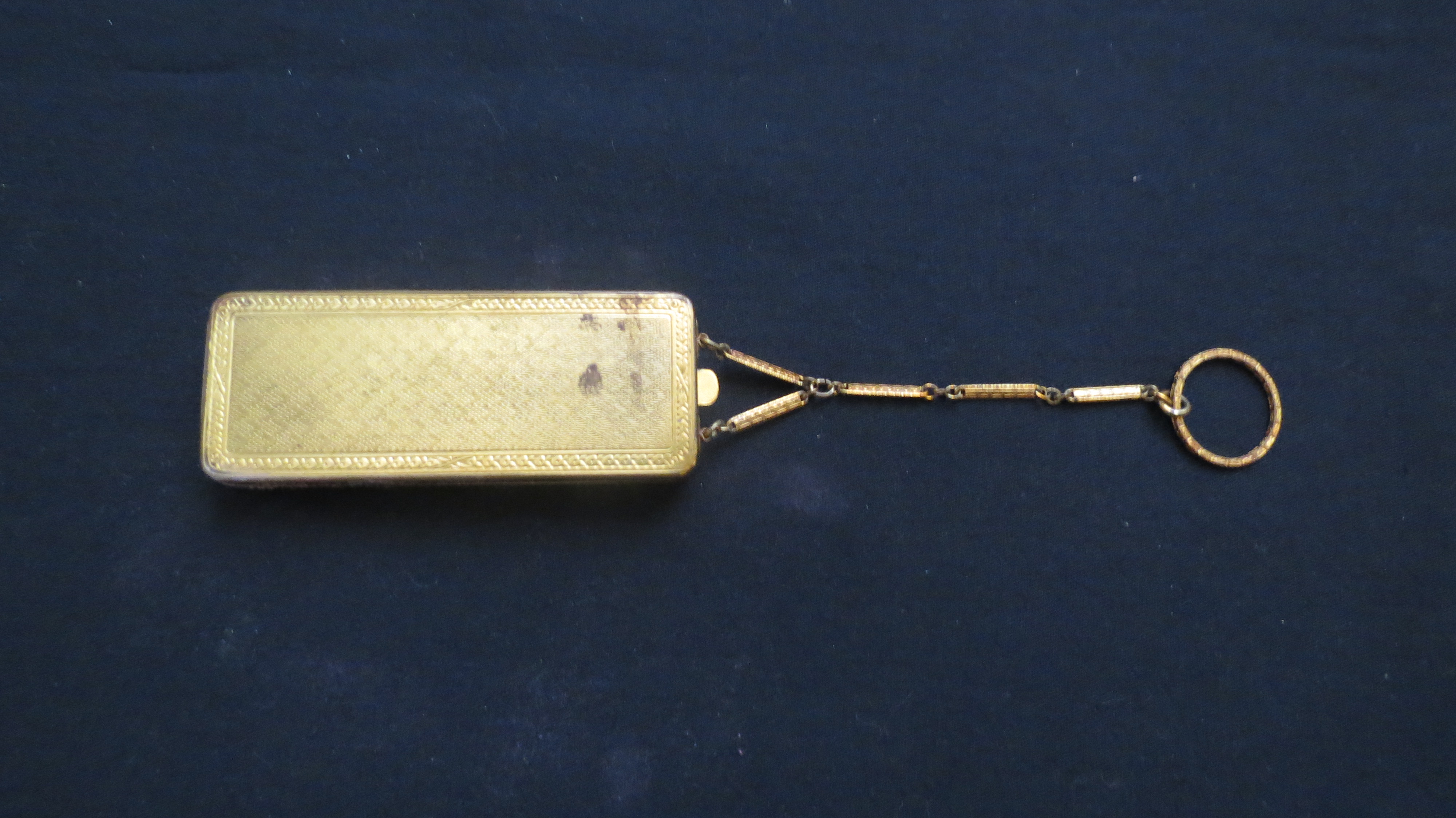
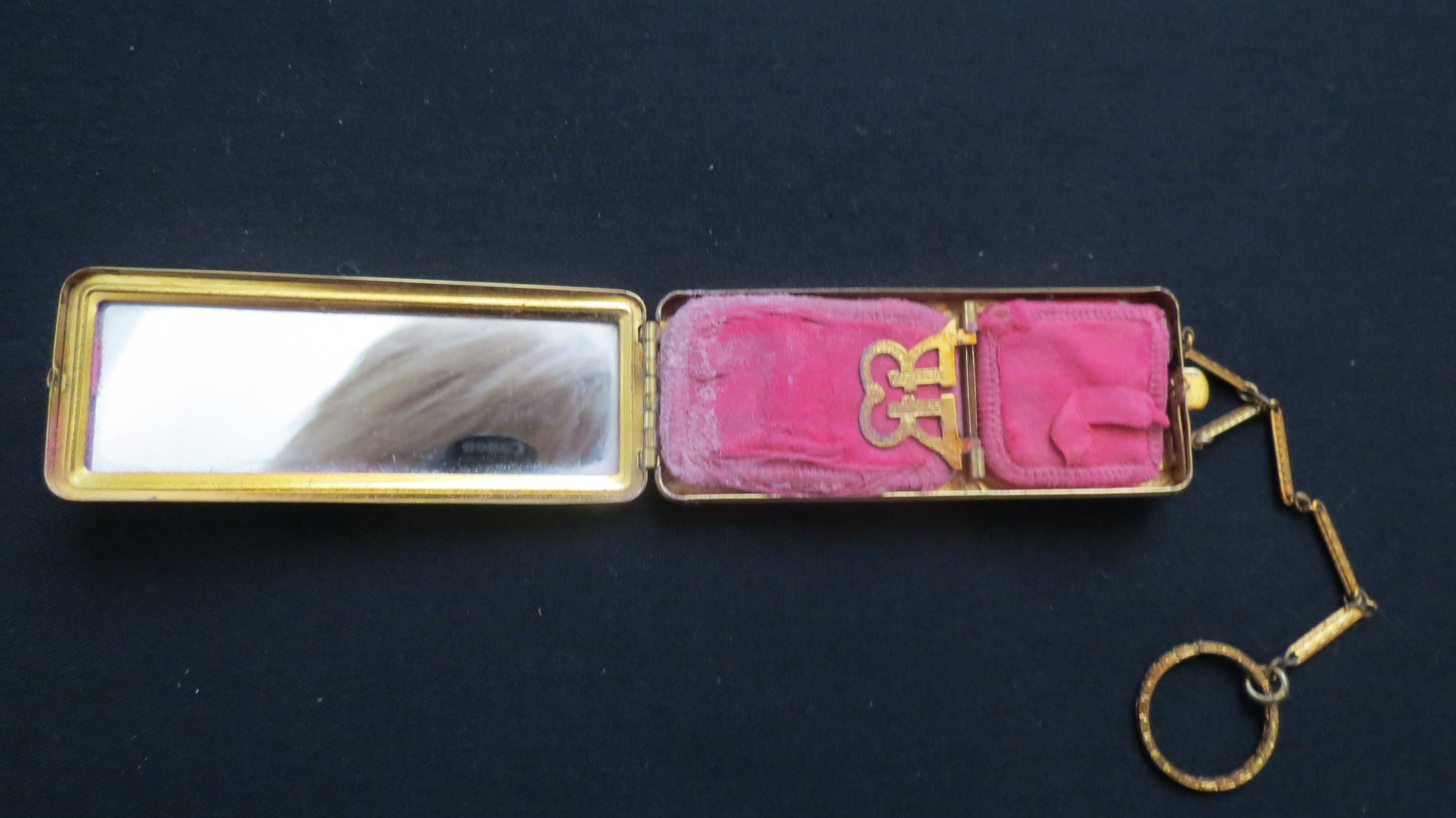
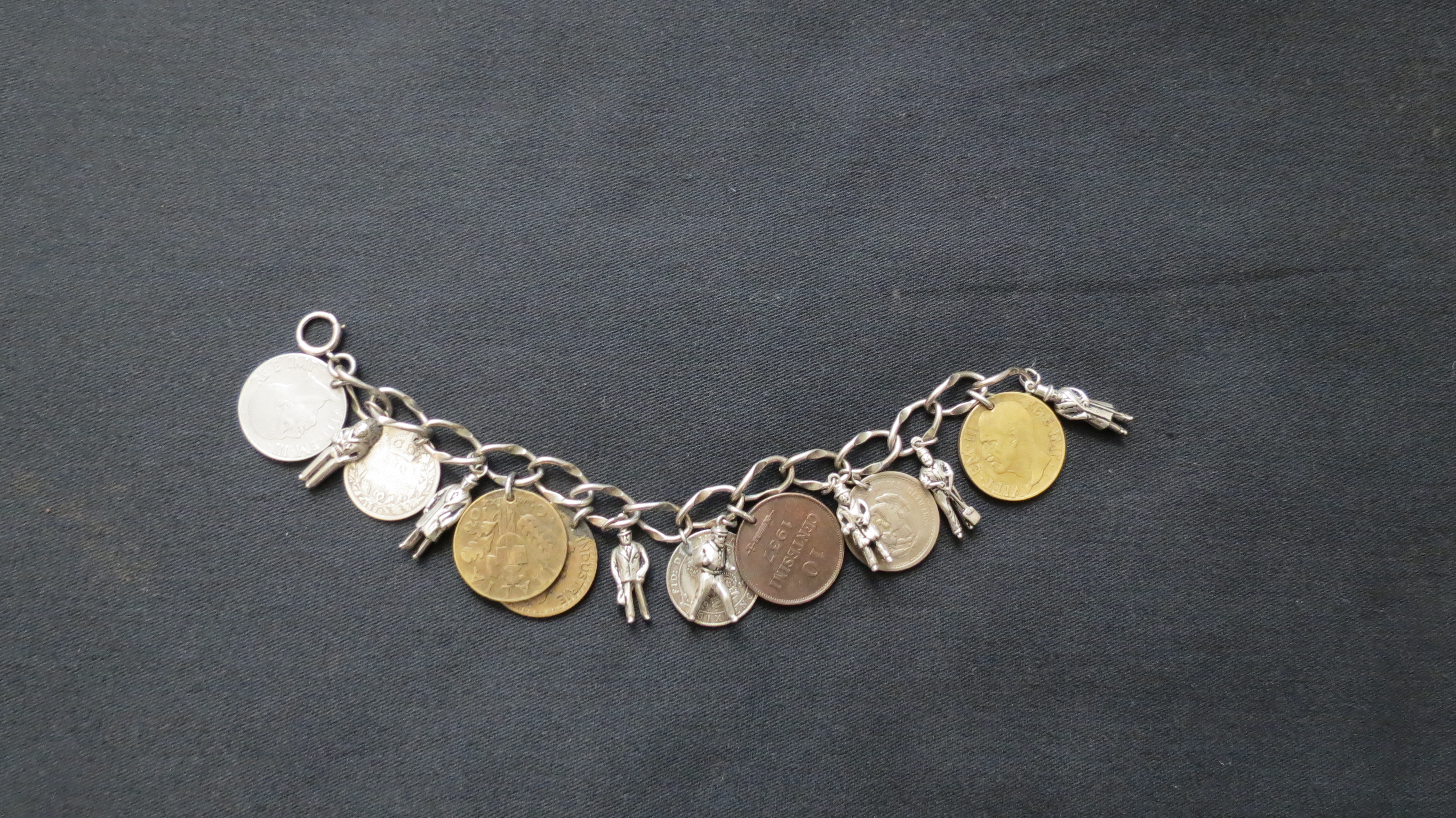
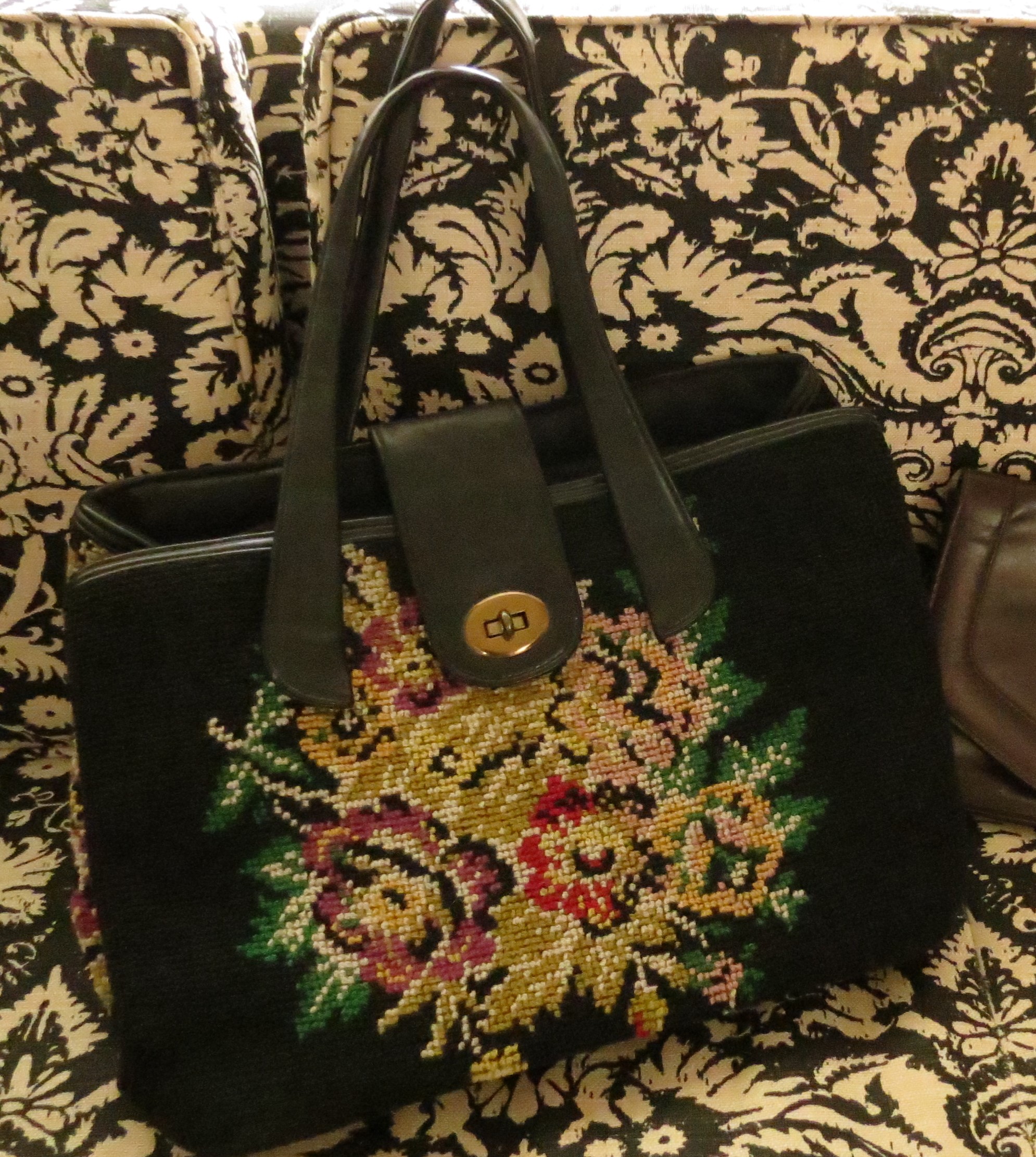
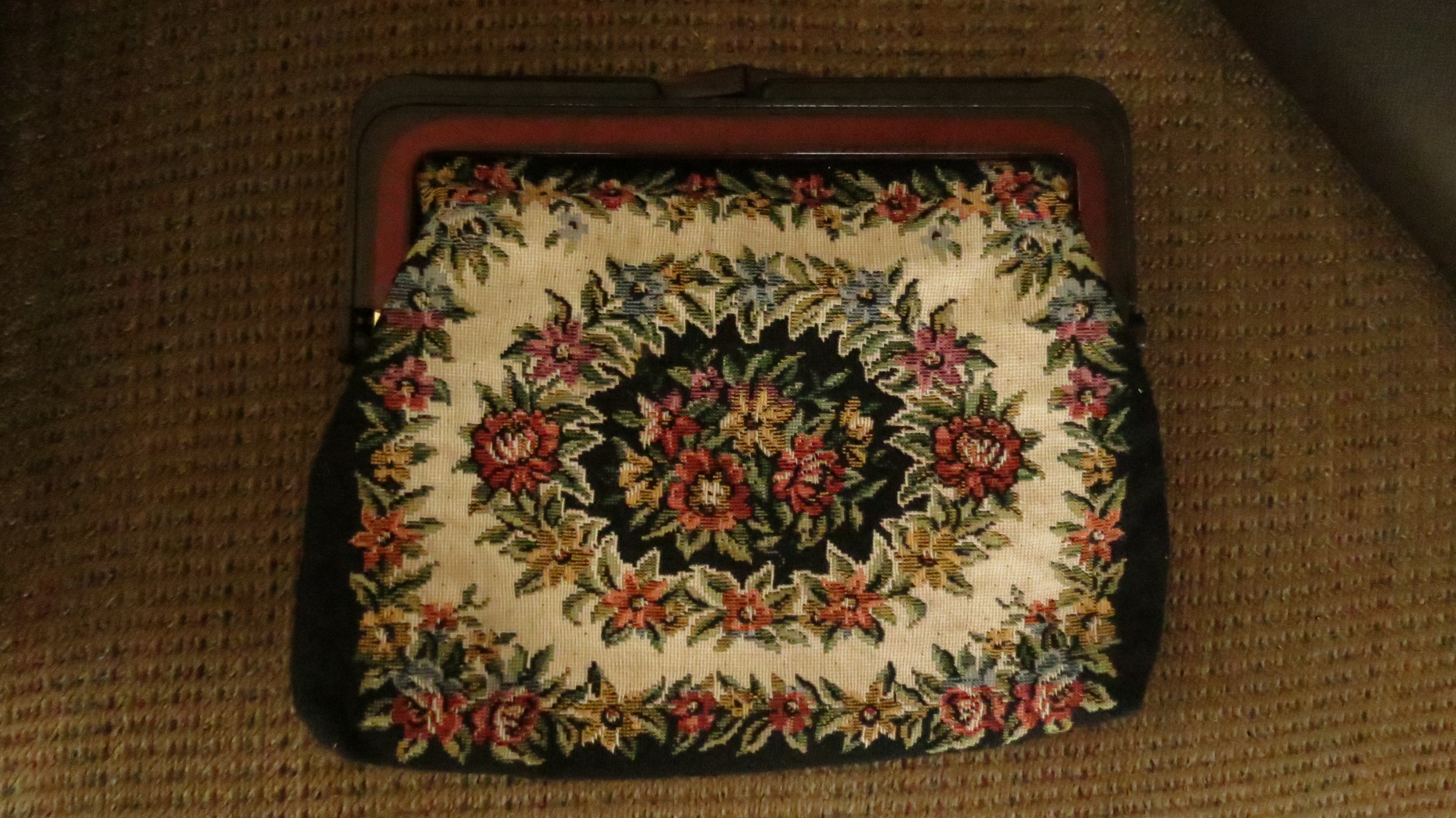
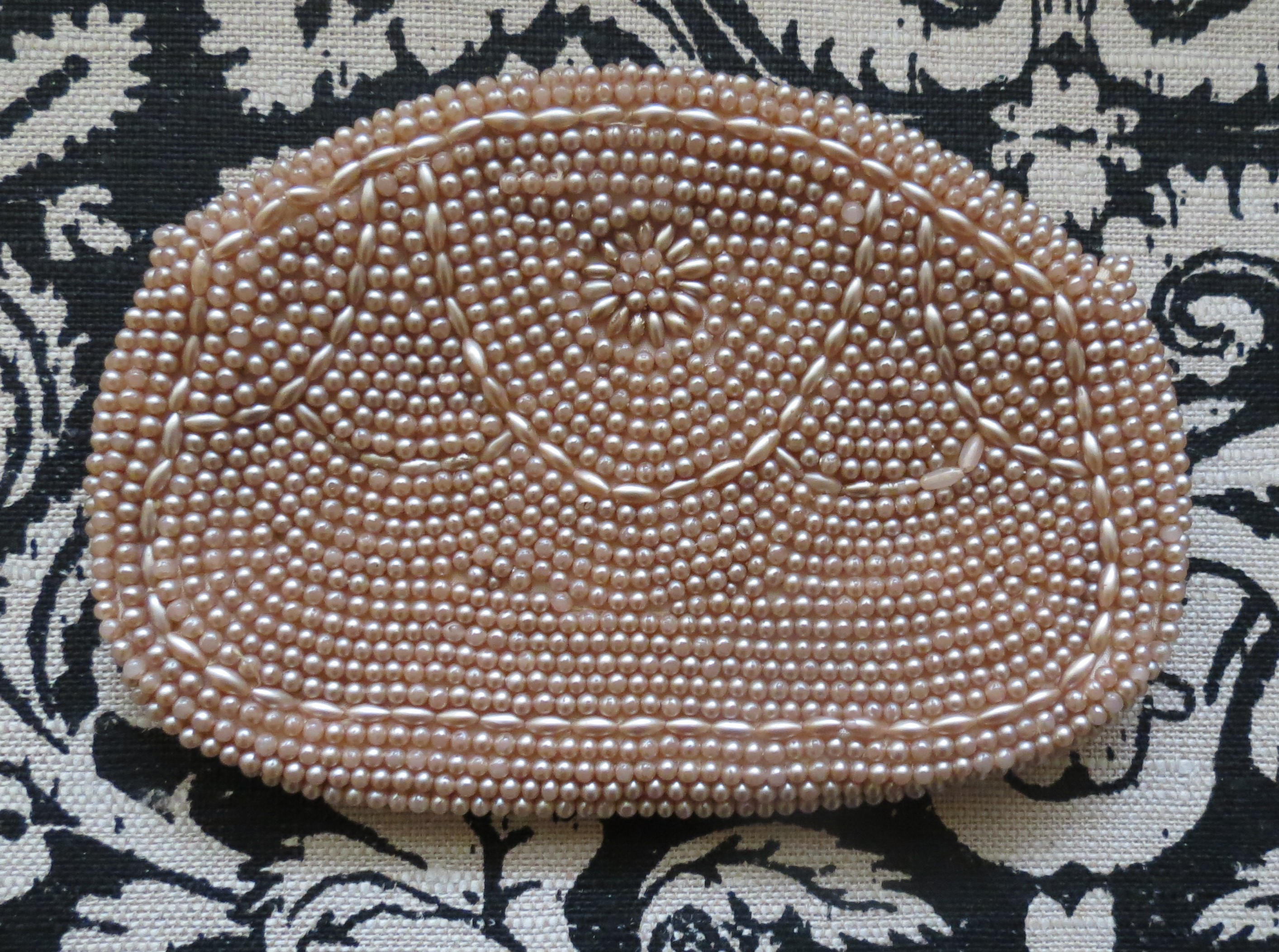
No matter where she was going, she might have carried a chatelaine rouge and powder compact and an antique needlepoint handbag. The clutch above also has a celluloid closure on the metal frame. The pot metal charm bracelet for daytime has European coins and Depression Era male figures dangling – a soldier, a laborer and a tycoon.

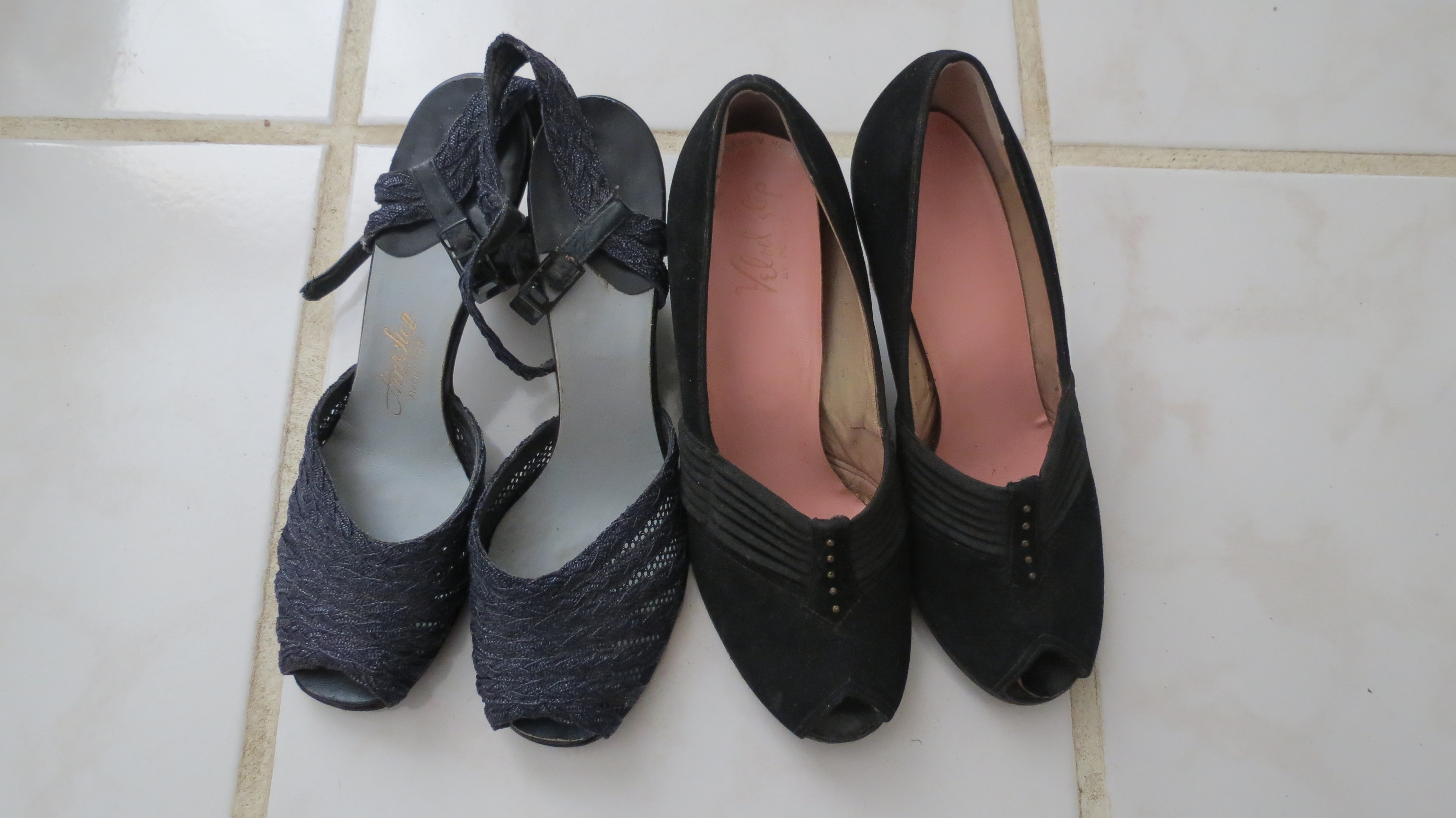
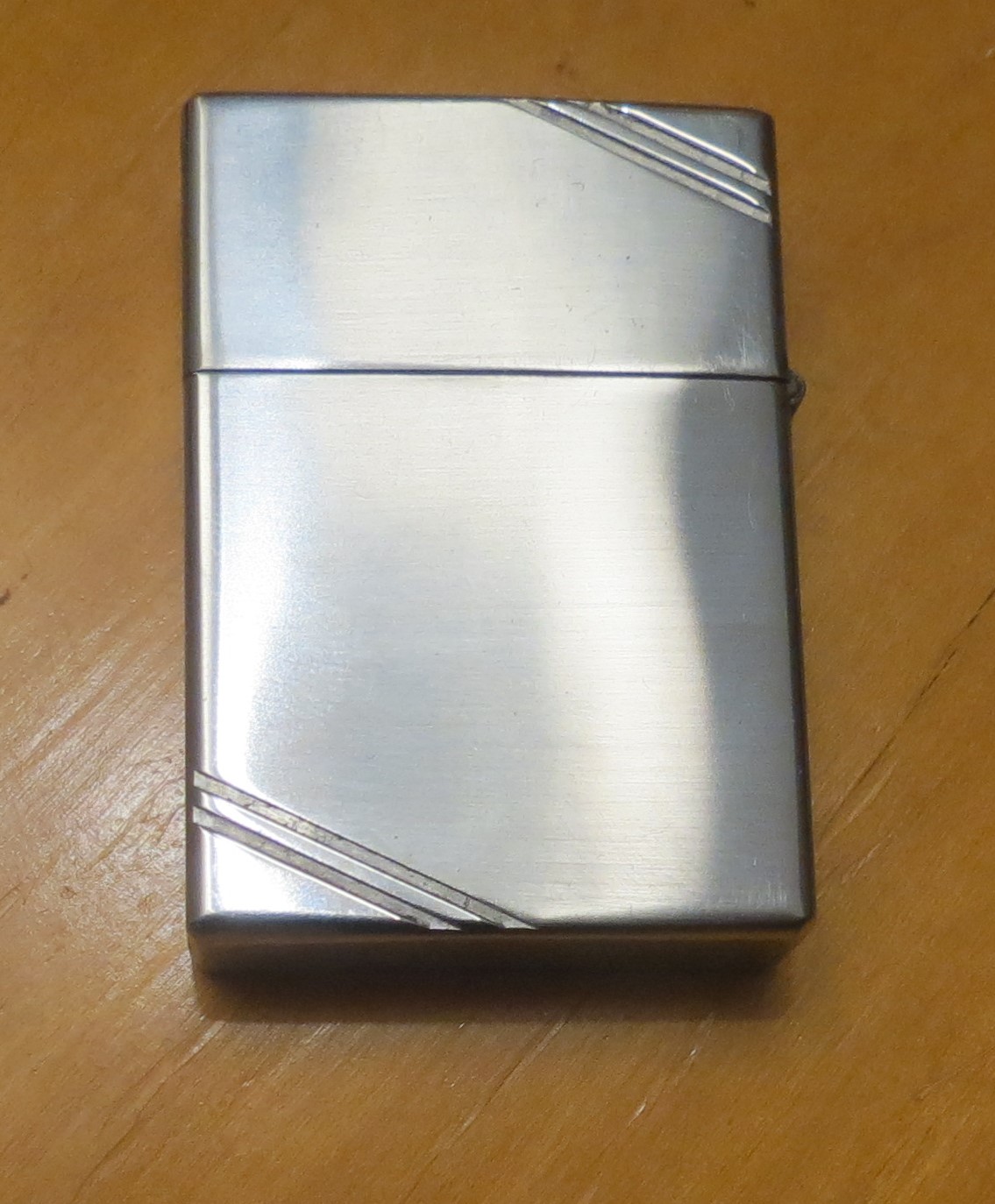
Pretty but practical shoes made for walking and dancing – and, of course, she can’t go anywhere without her 1930’s Zippo lighter. She’ll want to visit the smoking lounge during the movie matinee’.

Late Thirties – Forties tomorrow. Stay tuned . . . . . . . . . . . . . . . . . . . . . . . .

MORGANA MARTIN, THE MAGICVINTAGESPY

BLOG: MAGICVINTAGESPY.COM
TRUE VINTAGE 1940’s FORMAL DRESSES, PLUS A DRESSY 1930’s CLUTCH PURSE

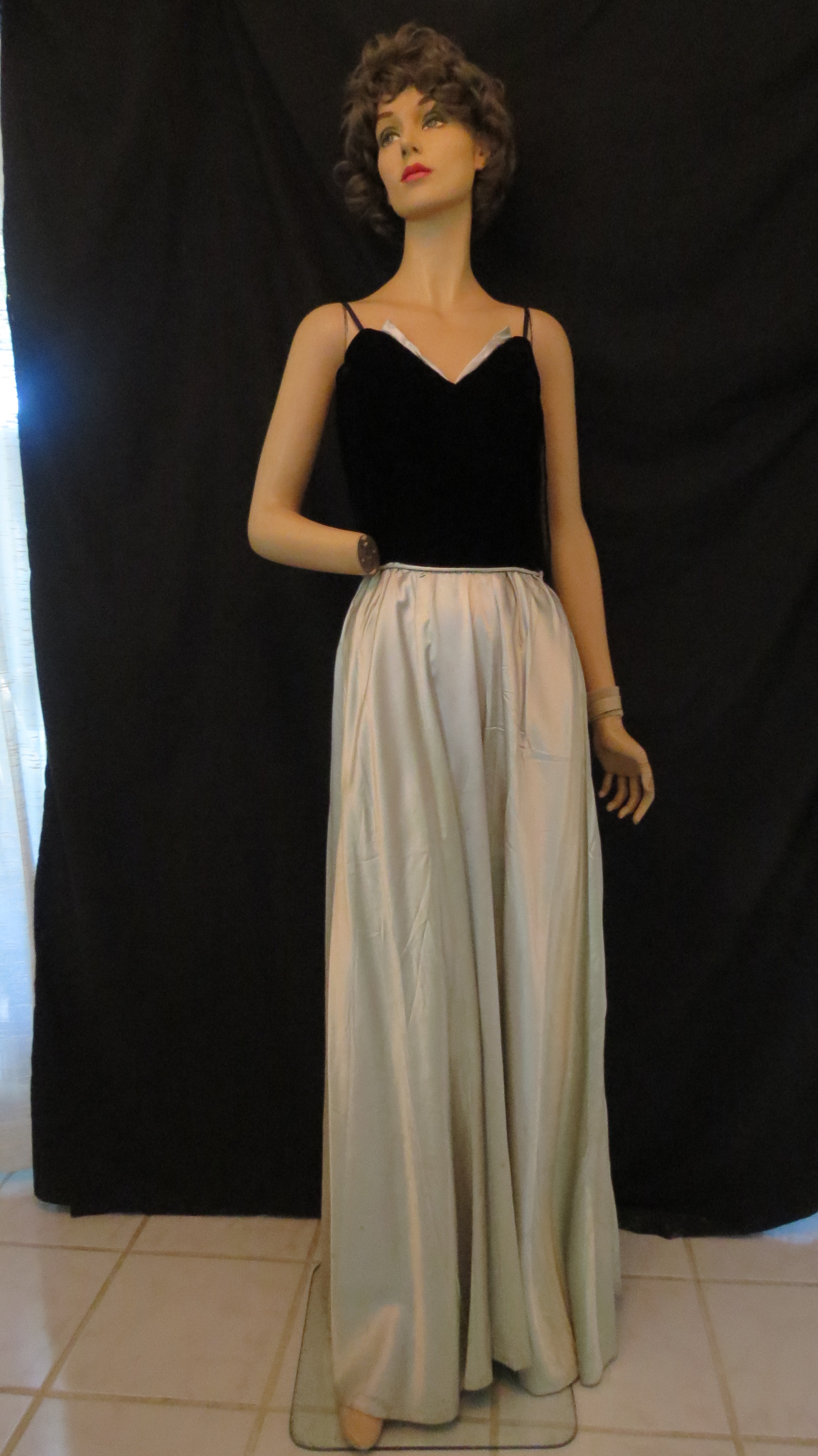
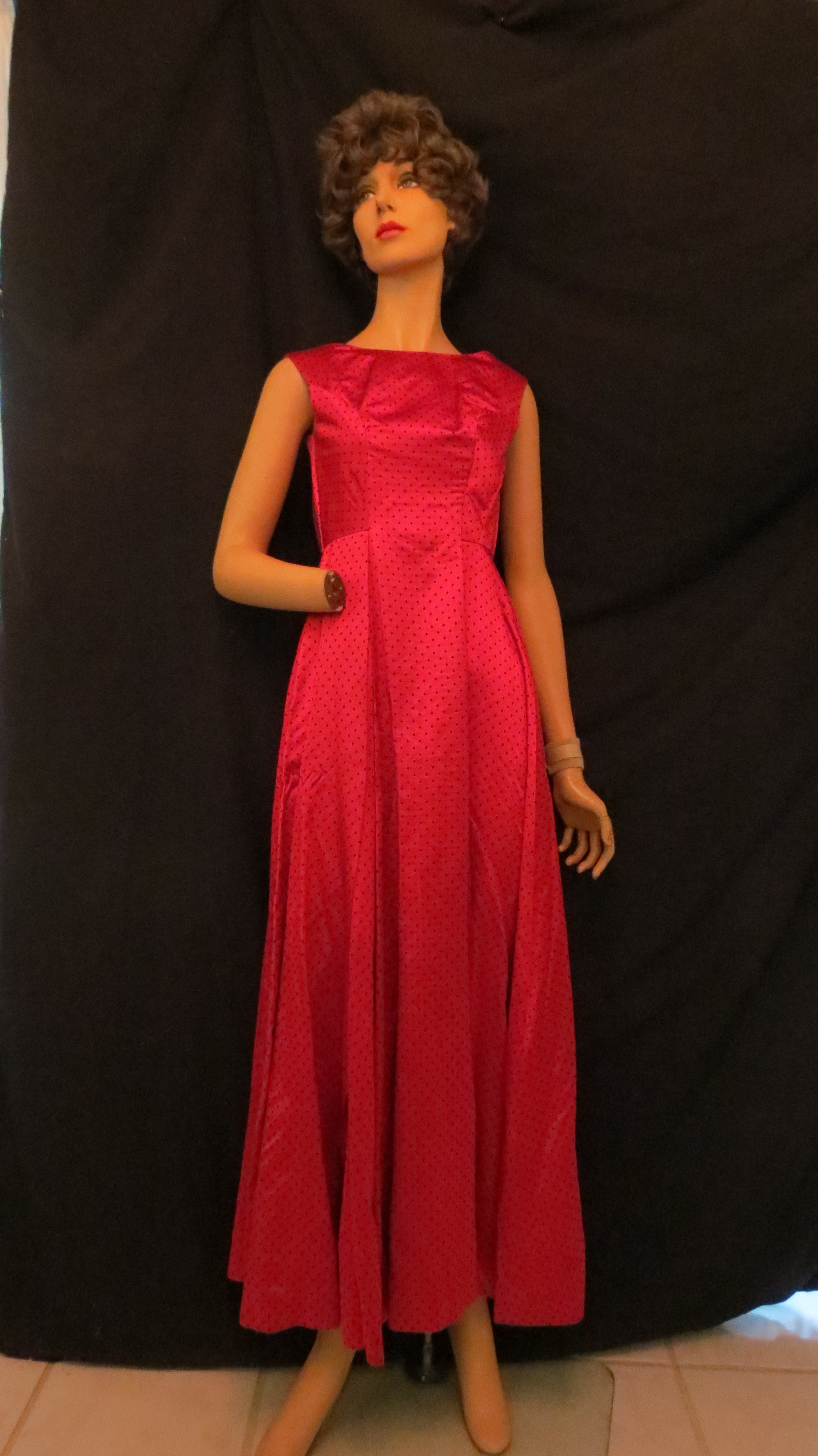
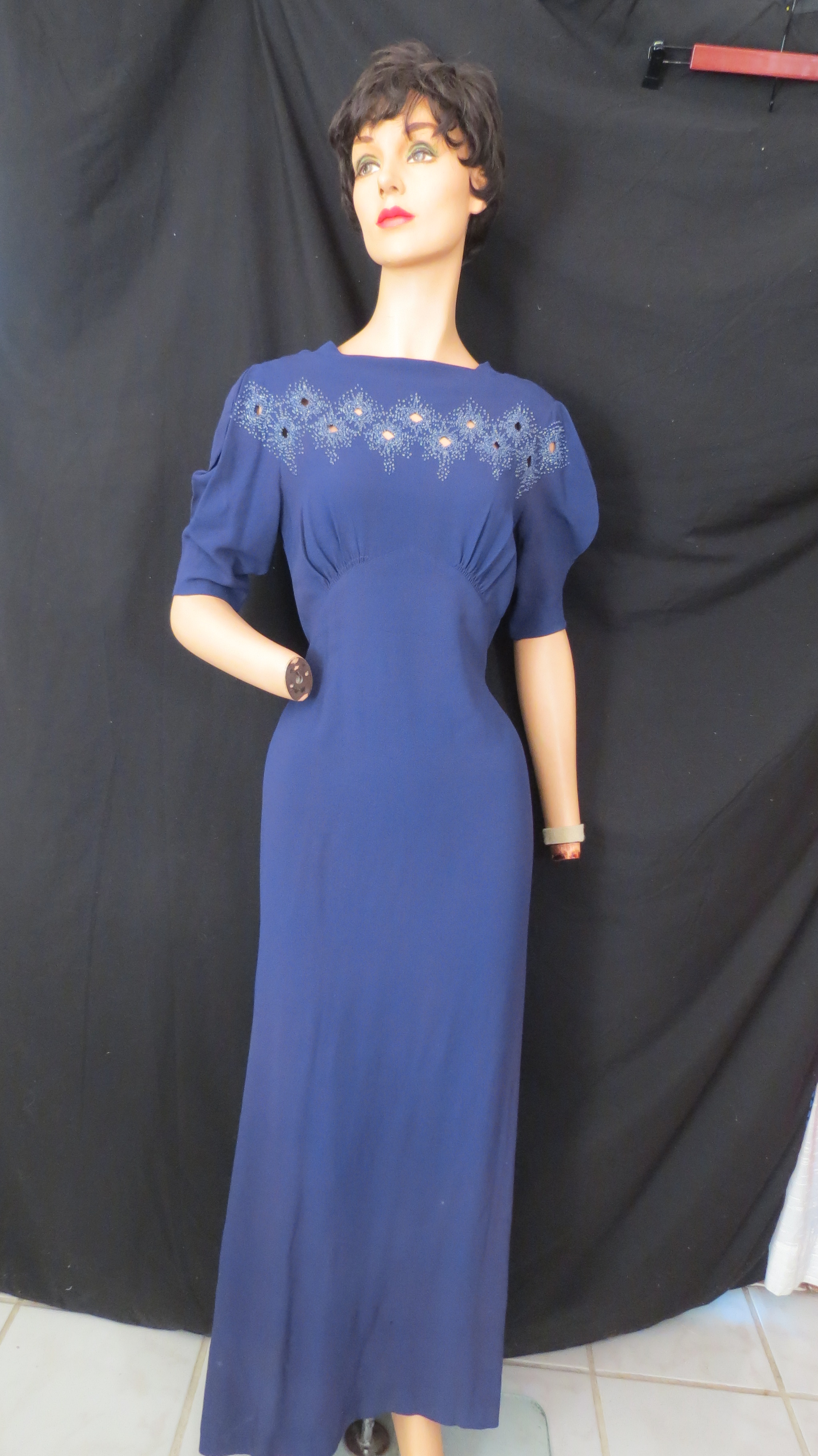
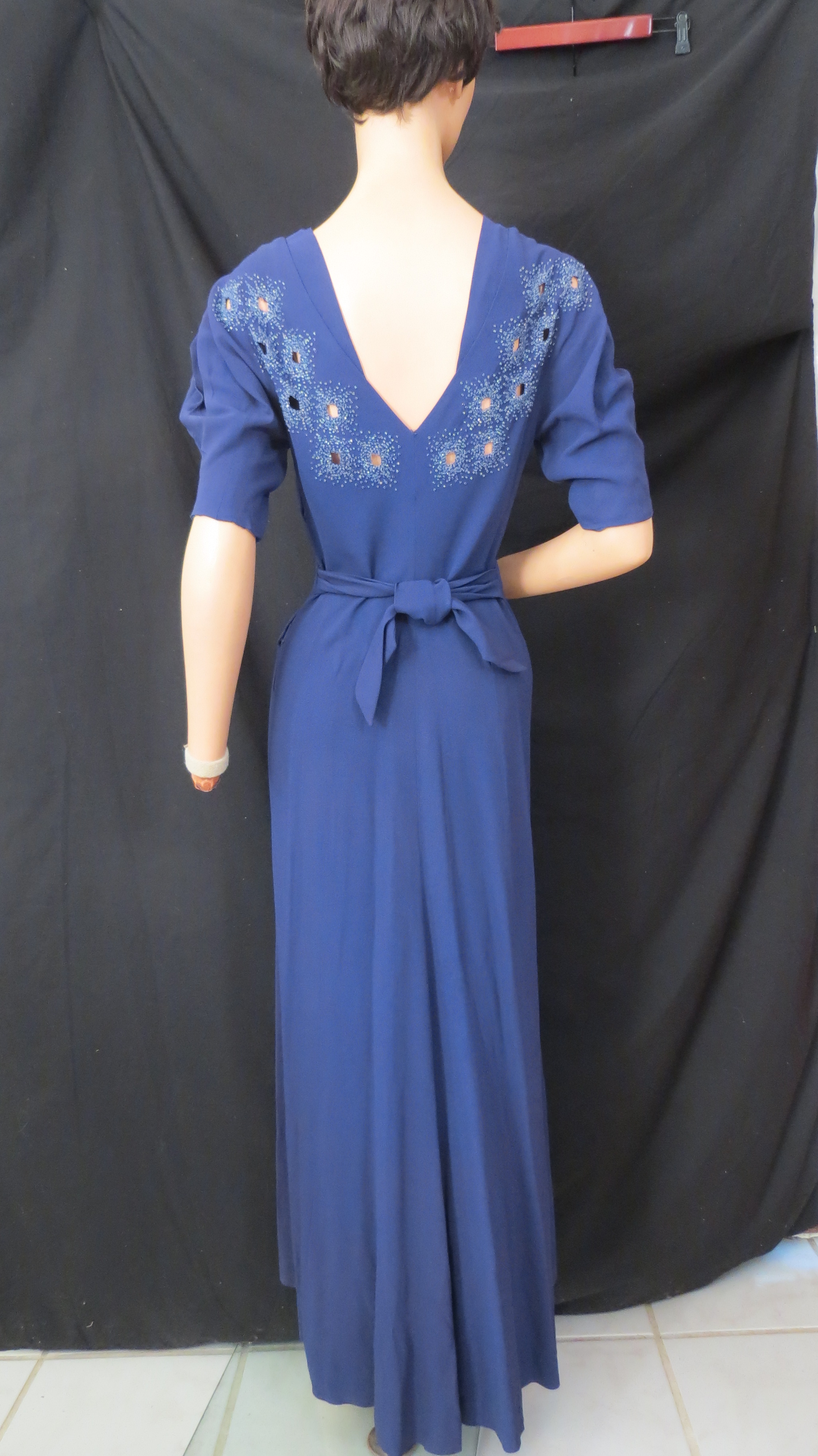
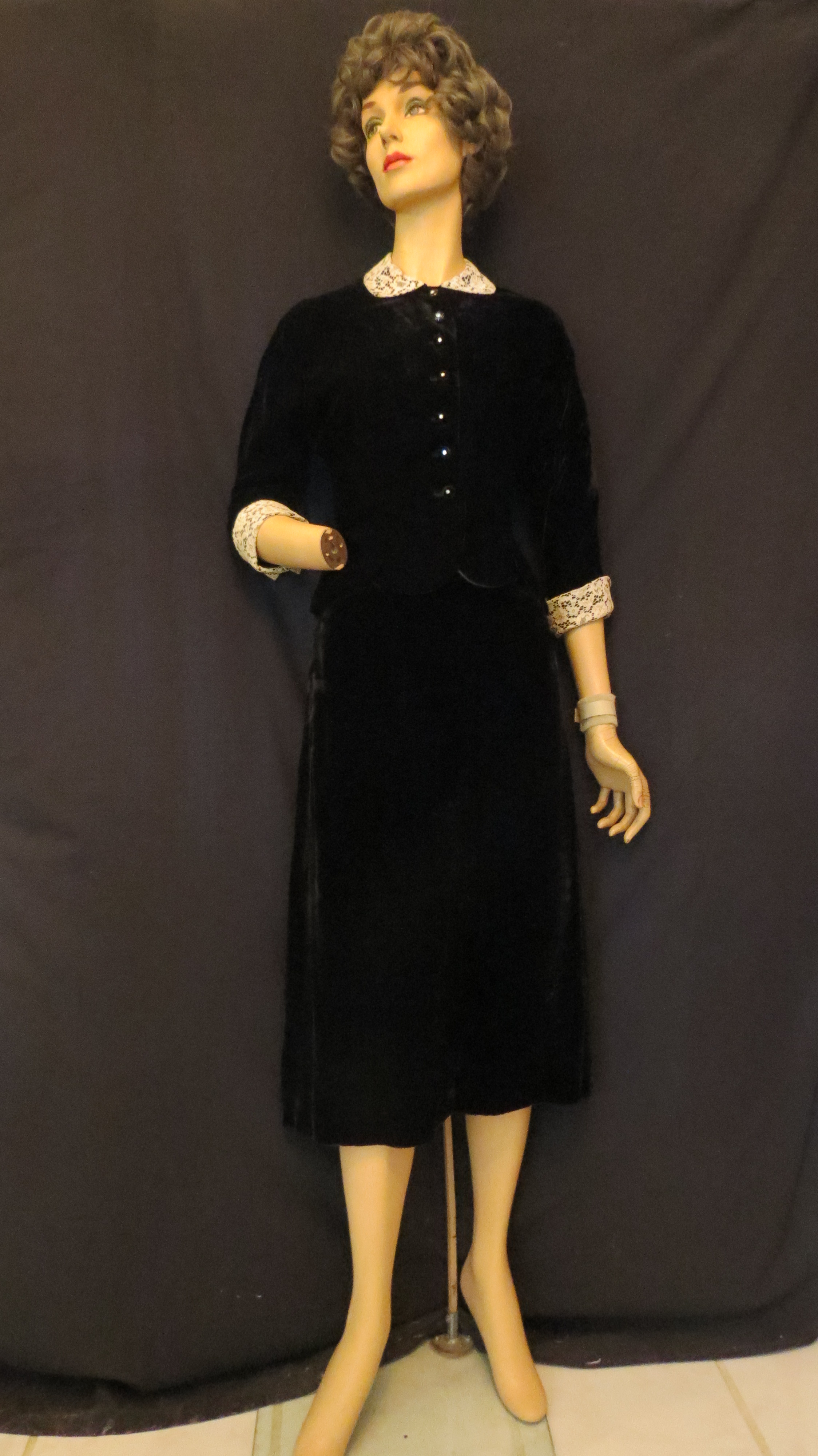
Beautiful, glossy fabrics – most of them synthetics – and lovely designs. I adore them all, but especially the first one. Let’s look at them one by one.

The first gown has a dark green velvet bodice, trimmed with the same pale green satin fabric that the skirt is made from. So flattering and luxurious. The bright red dress is a more conservative style, but still gorgeous. It’s made of an interesting fabric type which I’ve seen in other 1940’s dresses – it has a satin finish but with tiny black diamonds machine-embroidered all over. I suspect that this fabric, though lovely, was a more economical one.

The blue dress was tailor-made by hand. It is sewn from a bias-cut rayon which gives it that wonderful, drapey fit. The atomic/stellar cut-outs surrounded by seed beads were all done by handwork. I love the cut of the sleeves and the way the bustline and waistline are finished. That back tie belt gives it a really wasp-waist fit.

Finally, the black velvet two-piece dress is an entirely different design. Very proper and buttoned-up in velvet and crocheted lace, with rhinestone-center buttons.

Each of these gowns was a surprising and fabulous find. It’s rare to find 1940’s formal garments in the first place, and to find them in near-perfect condition is almost unheard of. The best bet is if they can be acquired from the original owner, or their estate. This is always a more informative clue when starting any investigation.

I’ve re-opened the 1940’s archives and am finding myself doing a deep dive there. Stay tuned . . . . . . . . . . . . . . . . . . . . . . . . . . .

MORGANA MARTIN, THE MAGICVINTAGESPY

BLOG: MAGICVINTAGESPY.COM
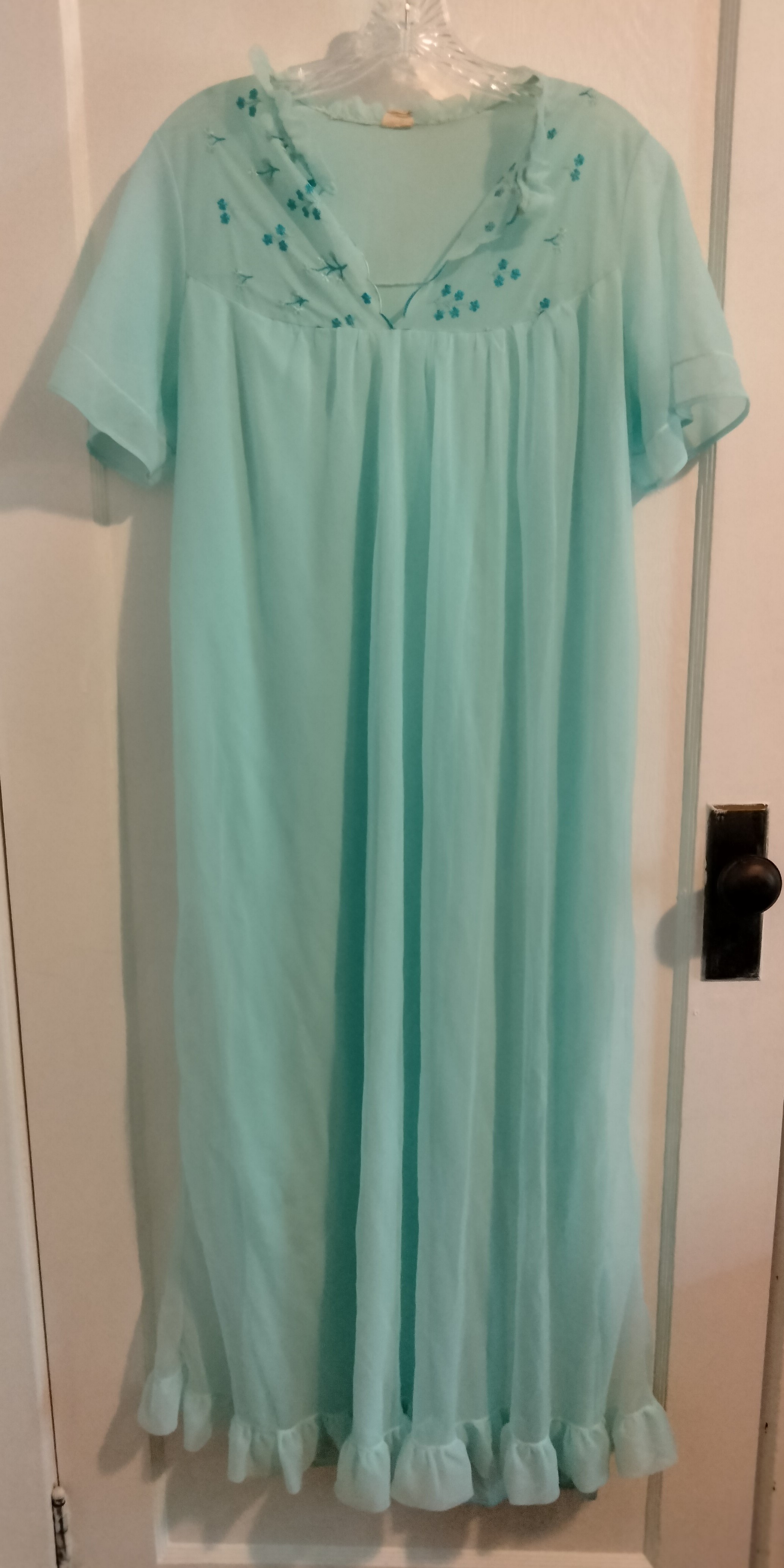
TRUE VINTAGE LINGERIE ROBES & SLEEPWEAR FROM 1930’S TO MID-CENTURY

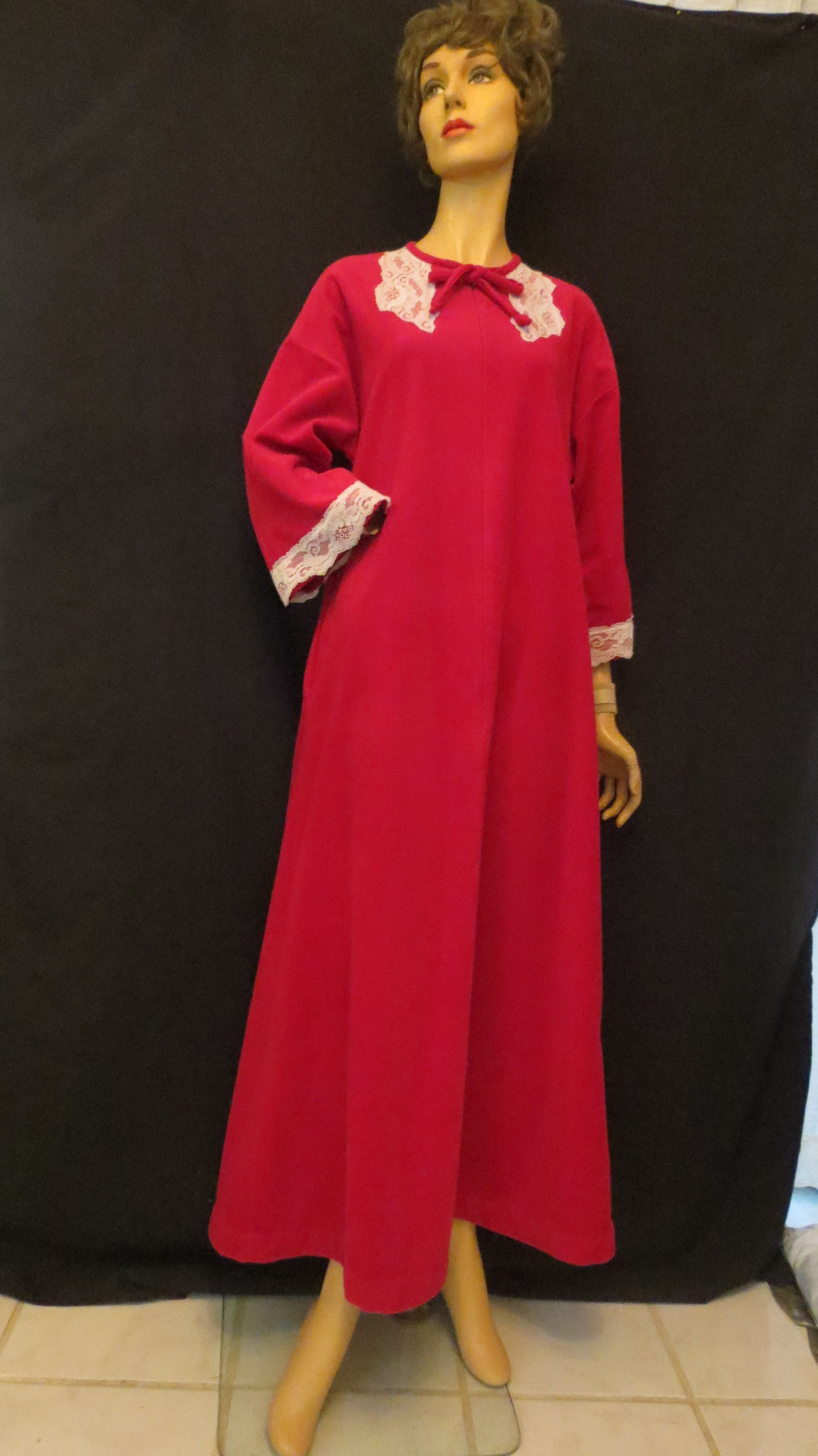
I’m definitely in the mood to look at some pretty Spring lingerie, although it won’t keep us as warm. The 1970’s RED velour robe by Vanity Fair is an exception, but I had to include it for St. Valentine’s Day.

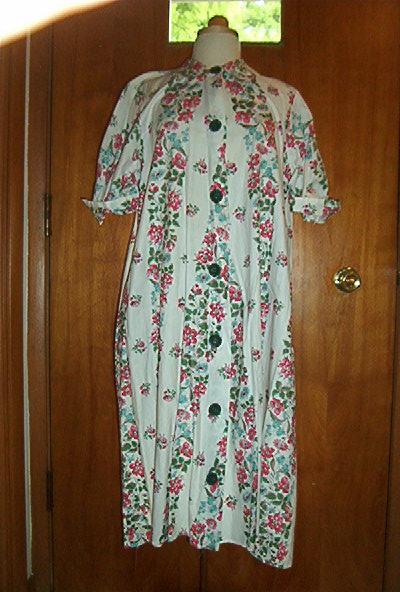
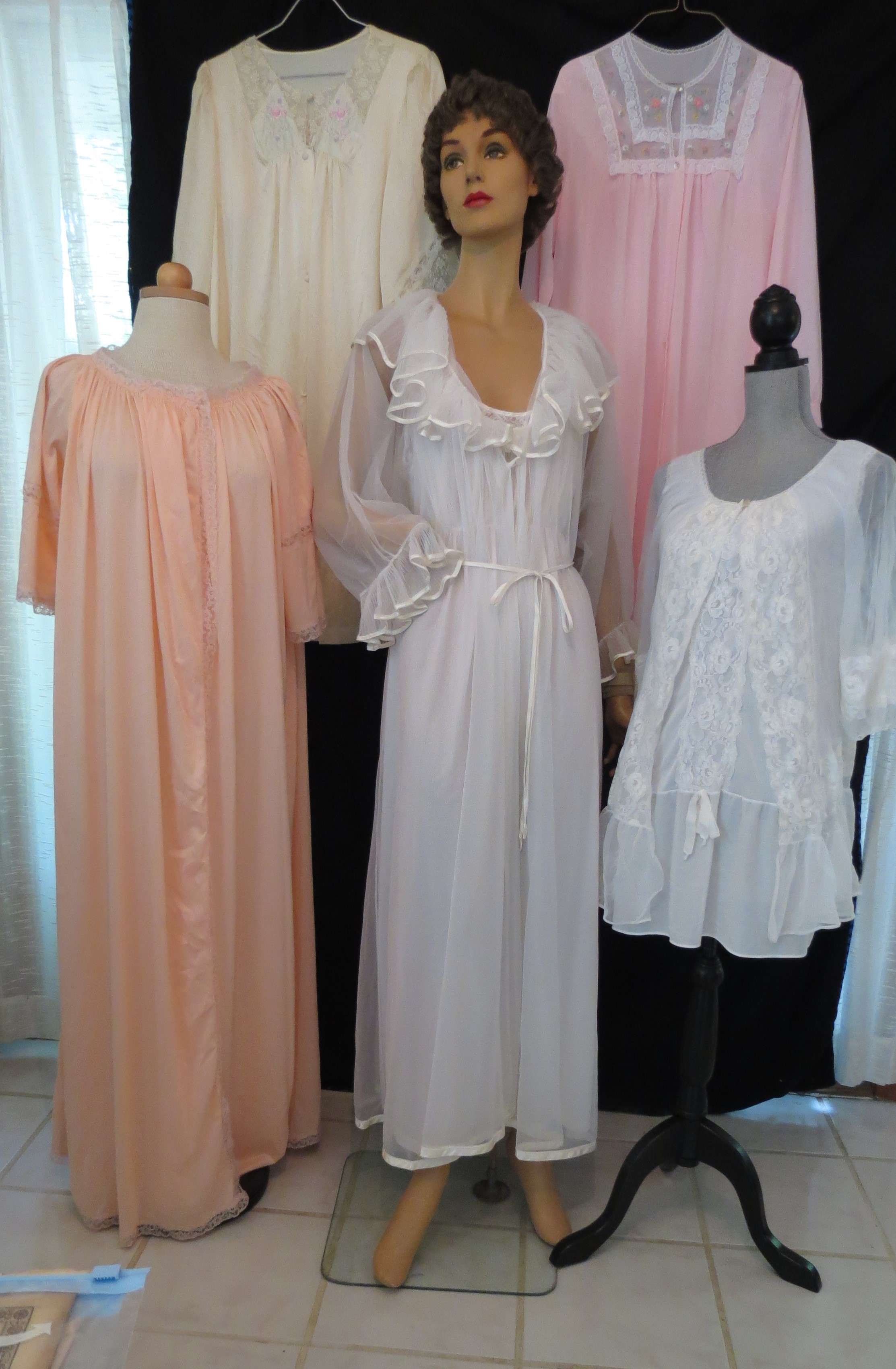
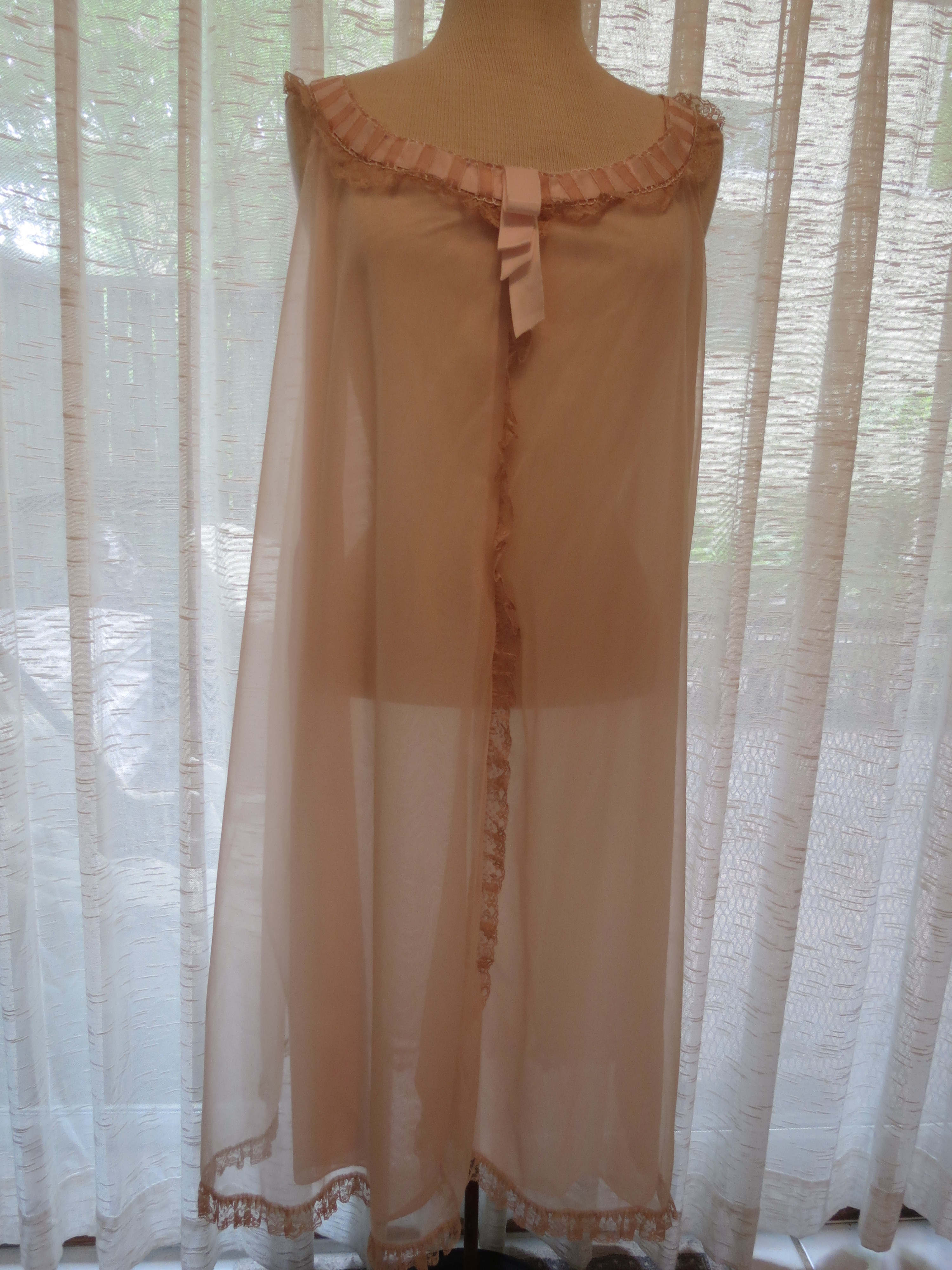
A floral heavy cotton housecoat robe from the 1930’s with big sculpted buttons was a fabulous find! See how it compares when we jump to the 1950’s, 1960’s and 1970’s. Double-layer nylon peignoirs and gowns began to appear in the Forties and there were some beautiful ones in silk during the Thirties and Forties before WWII rationing disrupted all of that. Lots of great synthetic materials were developed during this time, however, and the 1950’s nylon used for sleepwear and slips is fabulous! Thick, glossy and still silky to the touch, it could be found into the 1960’s and very early 1970’s but since then has mostly been replaced by cheaper, poorer quality fabric that doesn’t feel or look the same and is definitely inferior.

Until then, we had this wonderful nylon that can be dyed in bright colors, lasts forever and feels like heaven on the body. Lingerie from this time also included beautiful tailoring and details like lace and embroidery which was high quality and didn’t come loose. Tiny pearlized plastic or fabric-covered buttons and satin ribbon were also common. That’s why these garments still look and feel so beautiful 50 – 70 years later!

This marvelous nylon was also used to make lingerie slips, of course, and women bought a gazillion of them while day dresses were still the standard outfit for daily wear. When we go back to looking at day dresses through the decades, I will be opening an archive of beautiful slips, too. First, I think our mid-century gal is getting back from her vacation tomorrow so we will see what she bought at the beach and start the dresses review afterward. Stay tuned . . . . . . . . . . . . . . . . . . . . . . . . . . . . . .

MORGANA MARTIN, THE MAGICVINTAGESPY

BLOG: MAGICVINTAGESPY.COM
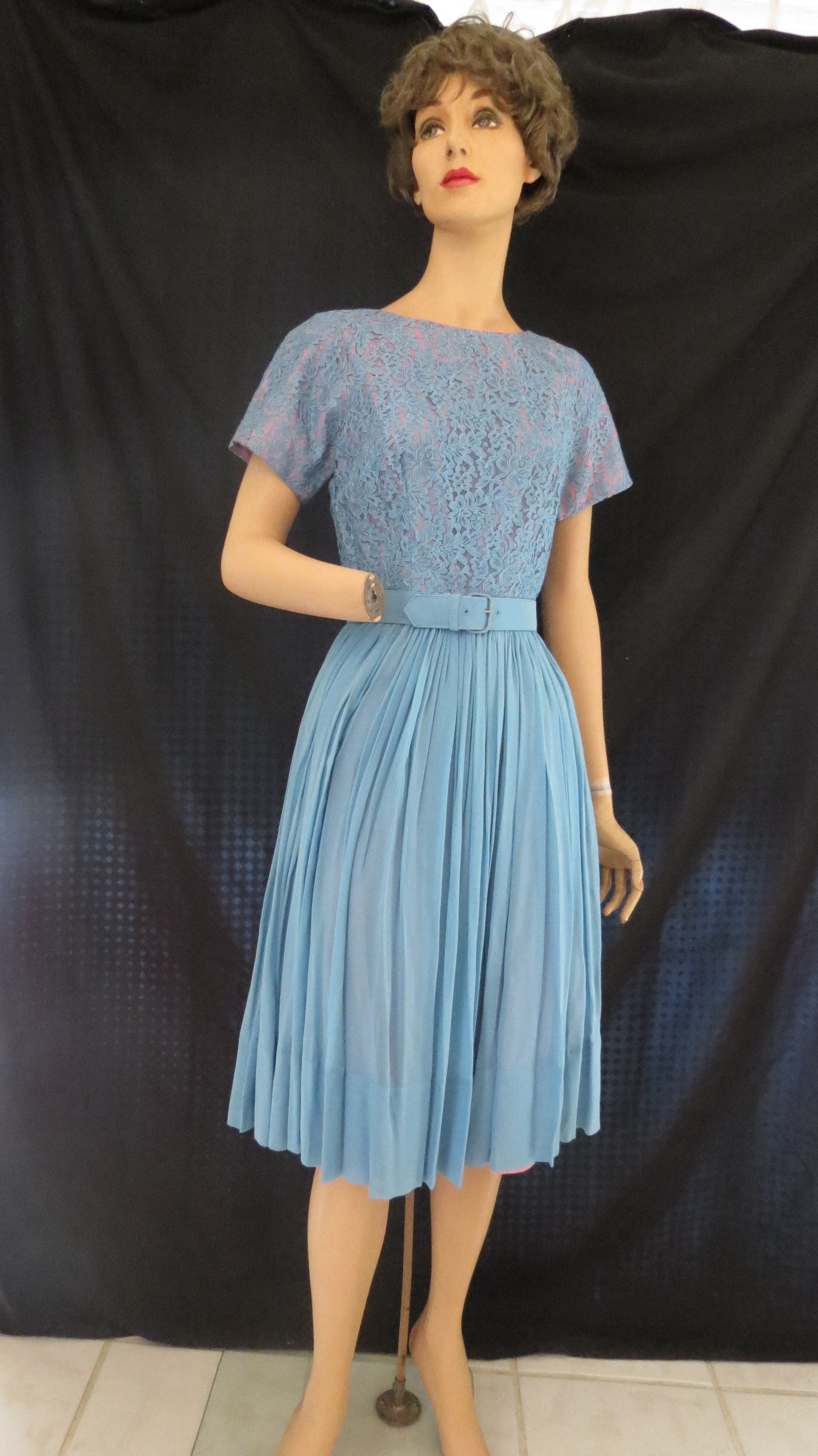
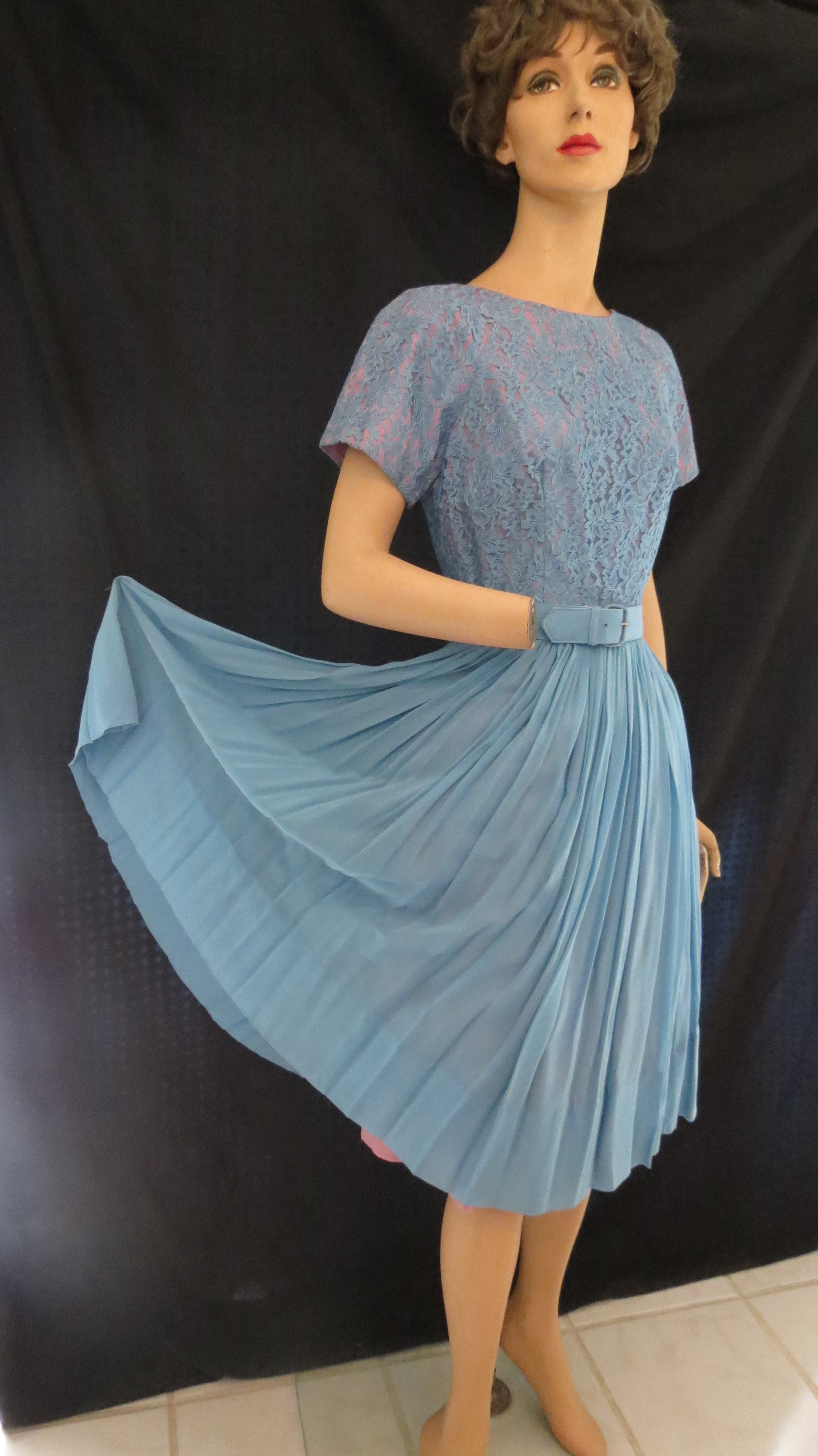
Early 1960’s Pleats! A Semi-dressy Pleated Skirt on a Wasp Waist Party Dress

Pleats have been popular fashion for centuries (think Scotsmen’s kilts!) but they seem to have trendy moments once or twice a decade. The early 1960’s was one of those times. We’ve also got the repeatedly ever-popular shirtdress style and the lace overlay, which were also mega-popular in the Kennedy era. The unique feature of this frock is the contrasting color underneath the lace bodice and sheer fabric of the skirt. We’ve got a dark robin’s egg blue hue over a rosy lavender color that gives us a light magenta tint. You can see a bit of the under-skirt liner peeking out below the hemline. So unexpected! I’ve found only one other dress of that time that did this lace overlay color play, so it was a fad to a small extent.

Sheer over opaque again. That will never stop, but every few years produce a very different look, even if some features remain the same. Staying in the ’60’s but with very unique designs coming. Stay tuned . . . . . . . . . . . . . . . . . . . . . . . . . . .

MORGANA MARTIN, THE MAGICVINTAGESPY

BLOG: MAGICVINTAGESPY.COM