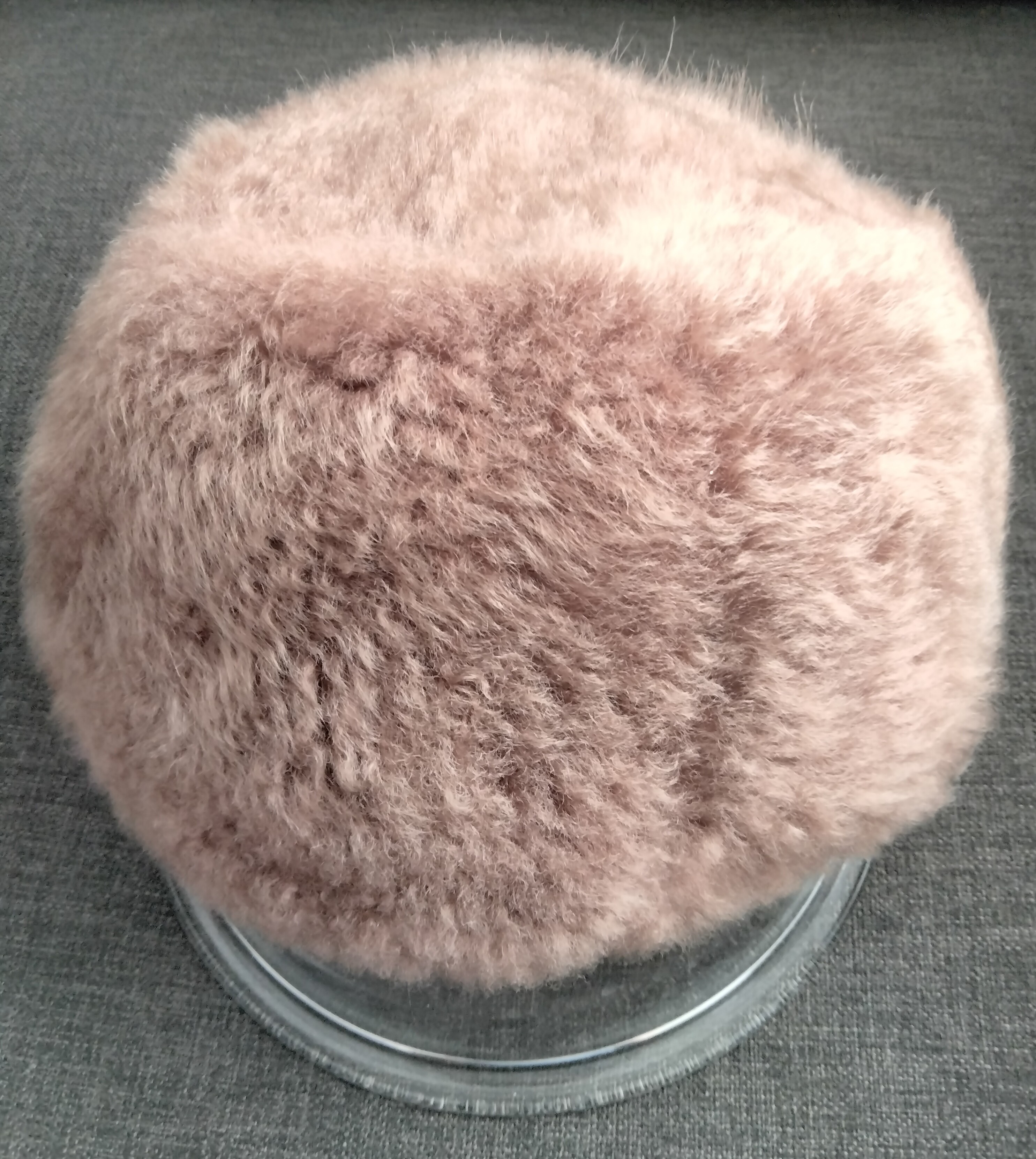
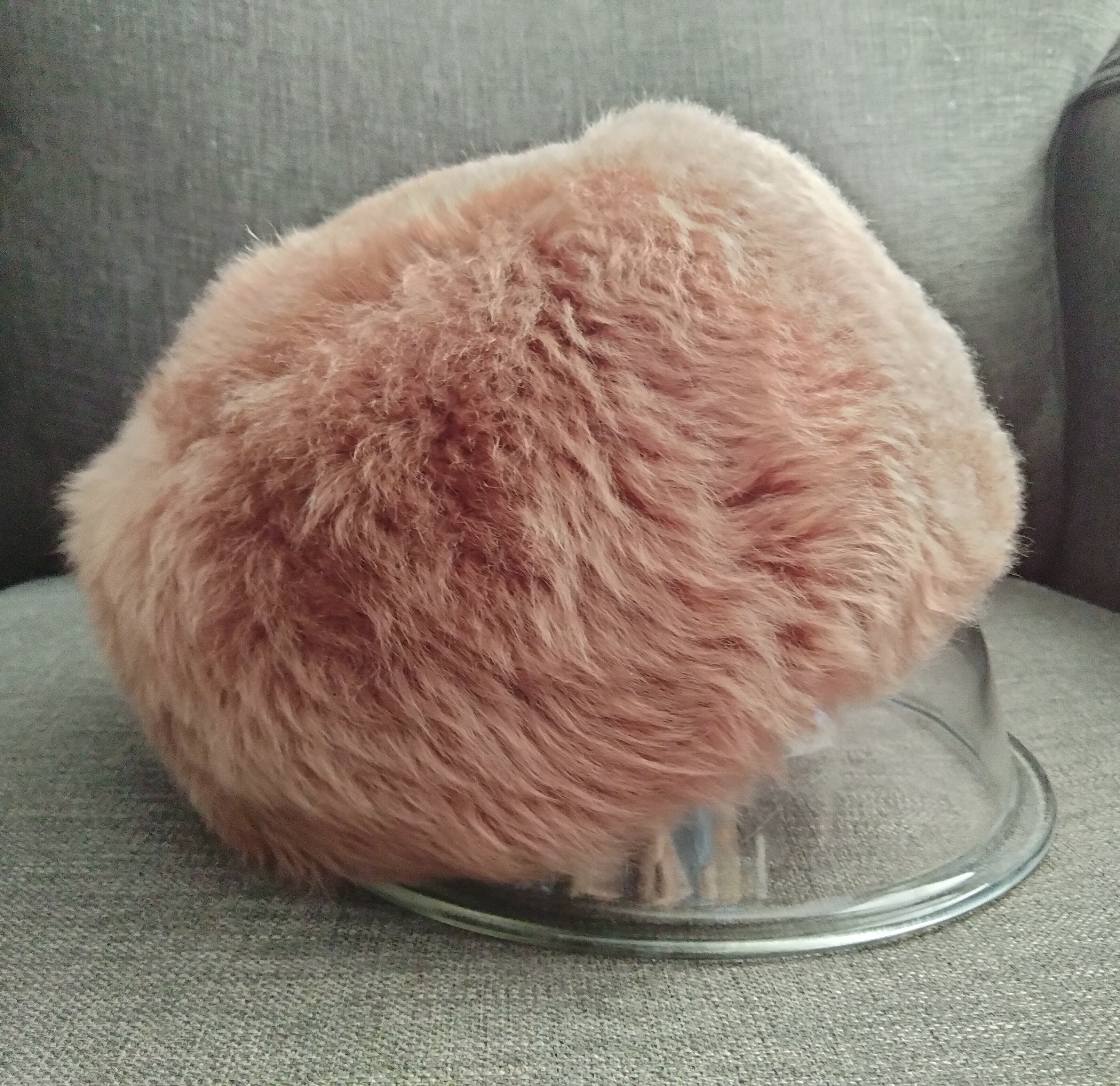
About the last thing I expected to encounter! There I was, looking for some chains for crystal pendants I’ve been buying and a dangle for the end of my 1960’s chain belt (which I found, by the way) and what was propped on a nearby hat-stand?; a quasi-luxe faux beaver fur hat, made in Italy for the iconic Simpson’s department store chain of Canada, which finally phased out in 1991!! More about that a bit later. First, the hat . . . . . . . . . . . . . . .. . . . . . . . . . . . . . .
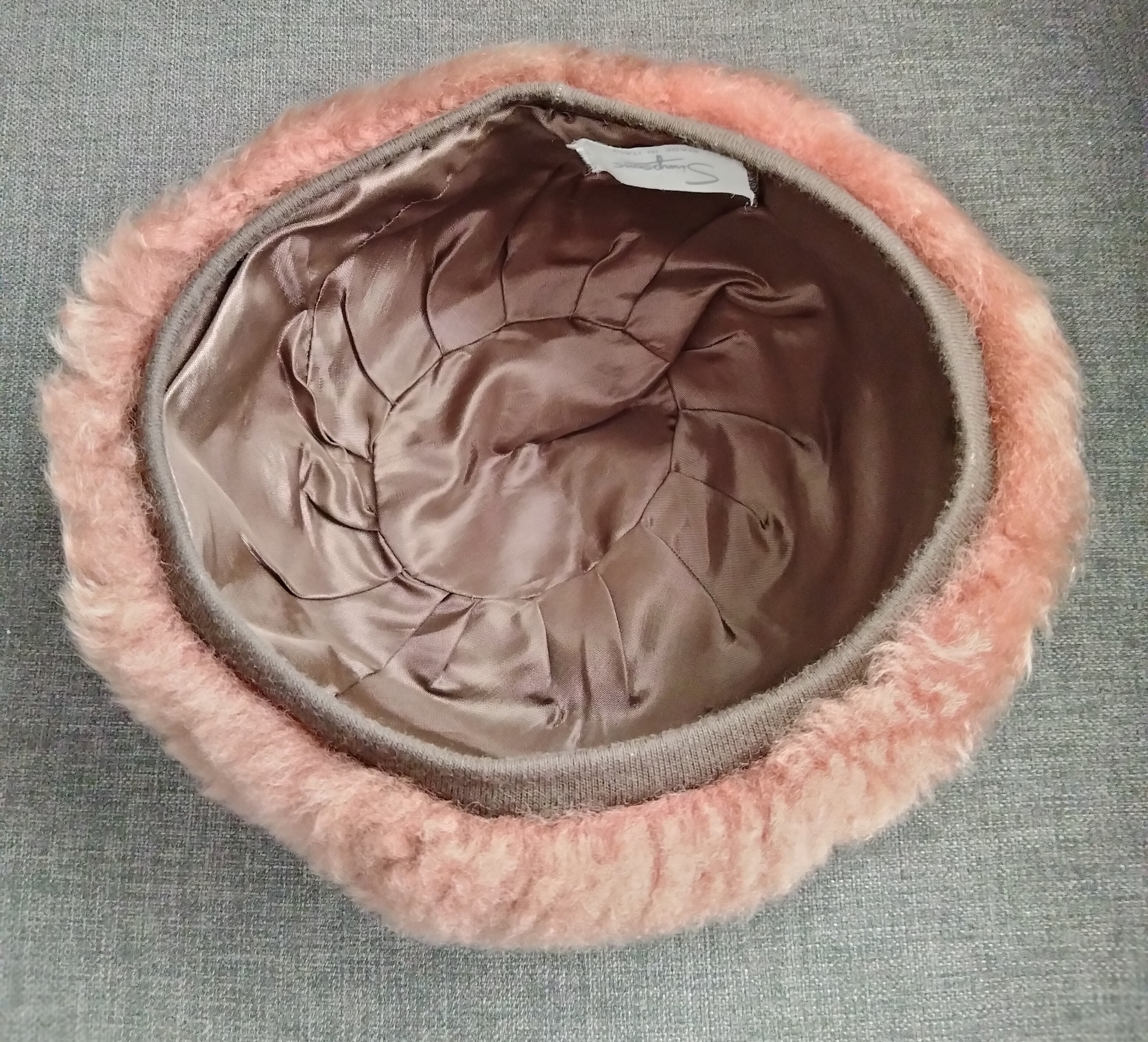
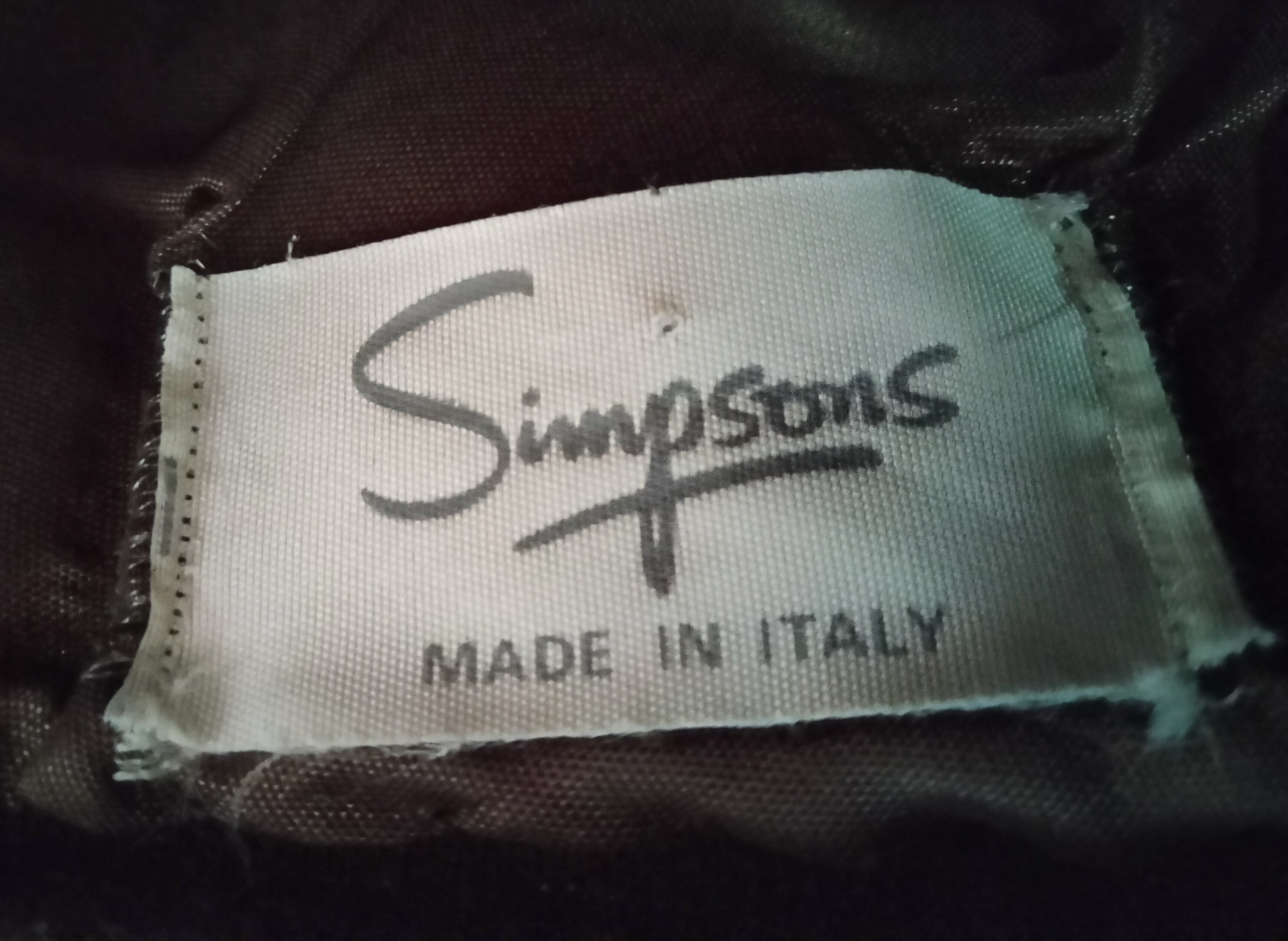
Boy, do I miss my models who are having time free at Headquarters. They would do a much better job of showing this off, but you can get the essentials from these photos. Looking almost like new, with just a little storage crush. This baby is at least 35 years old and could be more like 60. The rayon-like liner is pristine, with the original label. Classic Russian toque style with a slim fabric hatband for best fit. It’s very flattering and super-practical – will fill an empty niche in my hat collection perfectly!
And, what a pedigree! Made in Italy, to their high standards of that time (some makers still seem to have them). Simpsons Department stores were historic vendors, started in 1872!!! They were in stiff competition with the Eaton’s chain and evidently tried to upscale their merchandise for a winning position. All the Eatons stores finally closed in 1999, so these two were head to head for well over 100 years. The first Simpsons store was in Toronto, Ontario, and could be compared to the iconic Marshall Field of Chicago in terms of the elegance of the store itself and its merchandise. Like Field’s, they also did the elaborate Christmas windows that families would travel far just to see. 80 years later, they teamed up with Sears, Roebuck & Co., becoming Simpson Sears. Like Sears in the U.S., they also offered a catalog service. In another 24 years, the Simpsons element was purchased by the Hudson’s Bay Company and the store name became The Bay in 1991. In the Northeast U.S. and Canada, all three of these names were very well-known and depended upon for high quality and fashionable merchandise. In the States, we could compare Eaton’s, Simpsons and The Bay to Marshall Field’s, Bloomingdales and Saks Fifth Avenue, to name a few. You can see why I’m so thrilled with this true vintage find!
So, as I always say: You just never know . . . . . . . . . . . . . . . . . . Stay tuned. I am . . . . . . . . . . . . . . . . . . . . . .
MORGANA MARTIN, THE MAGICVINTAGESPY
BLOG: MAGICVINTAGESPY.COM