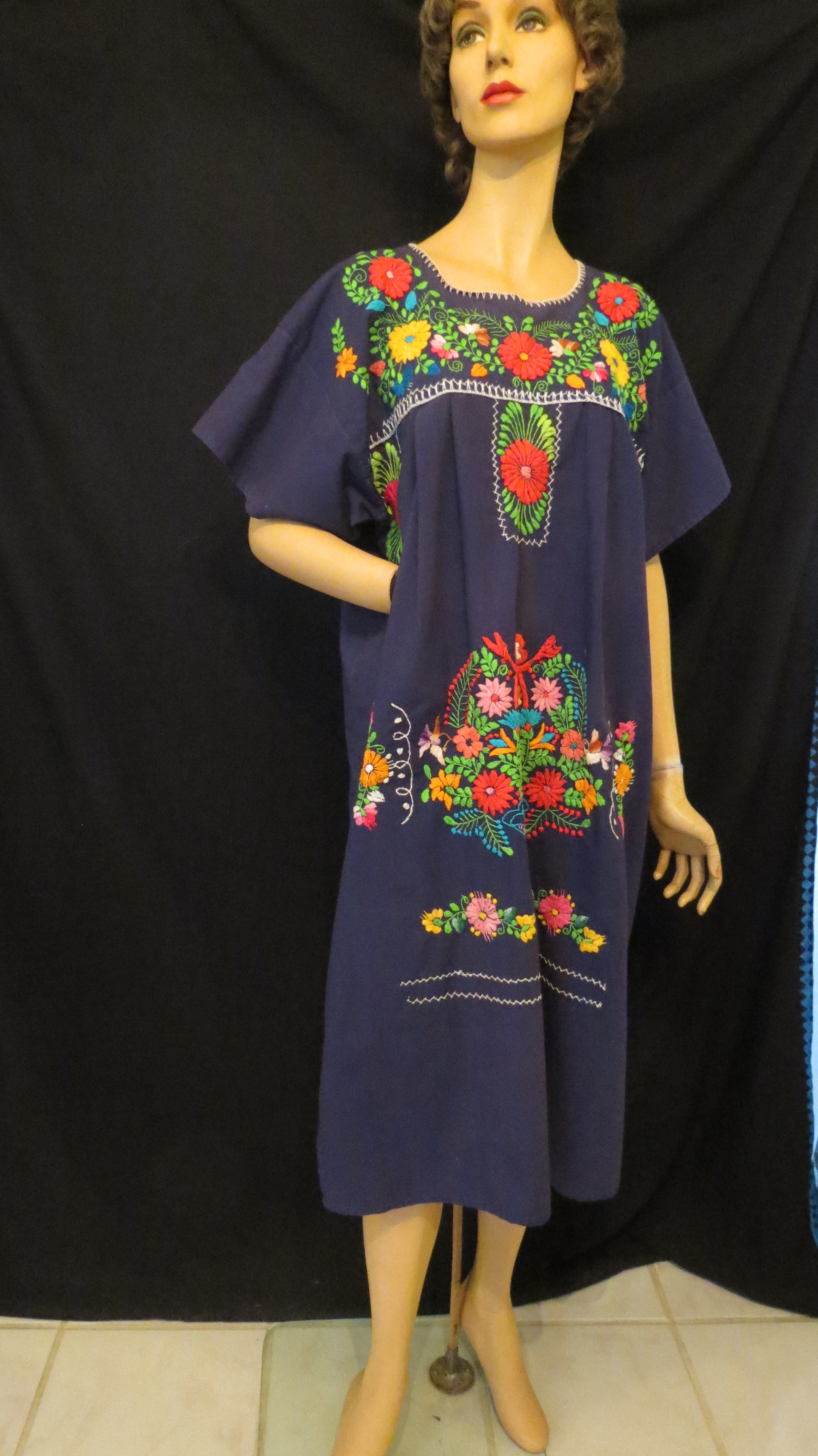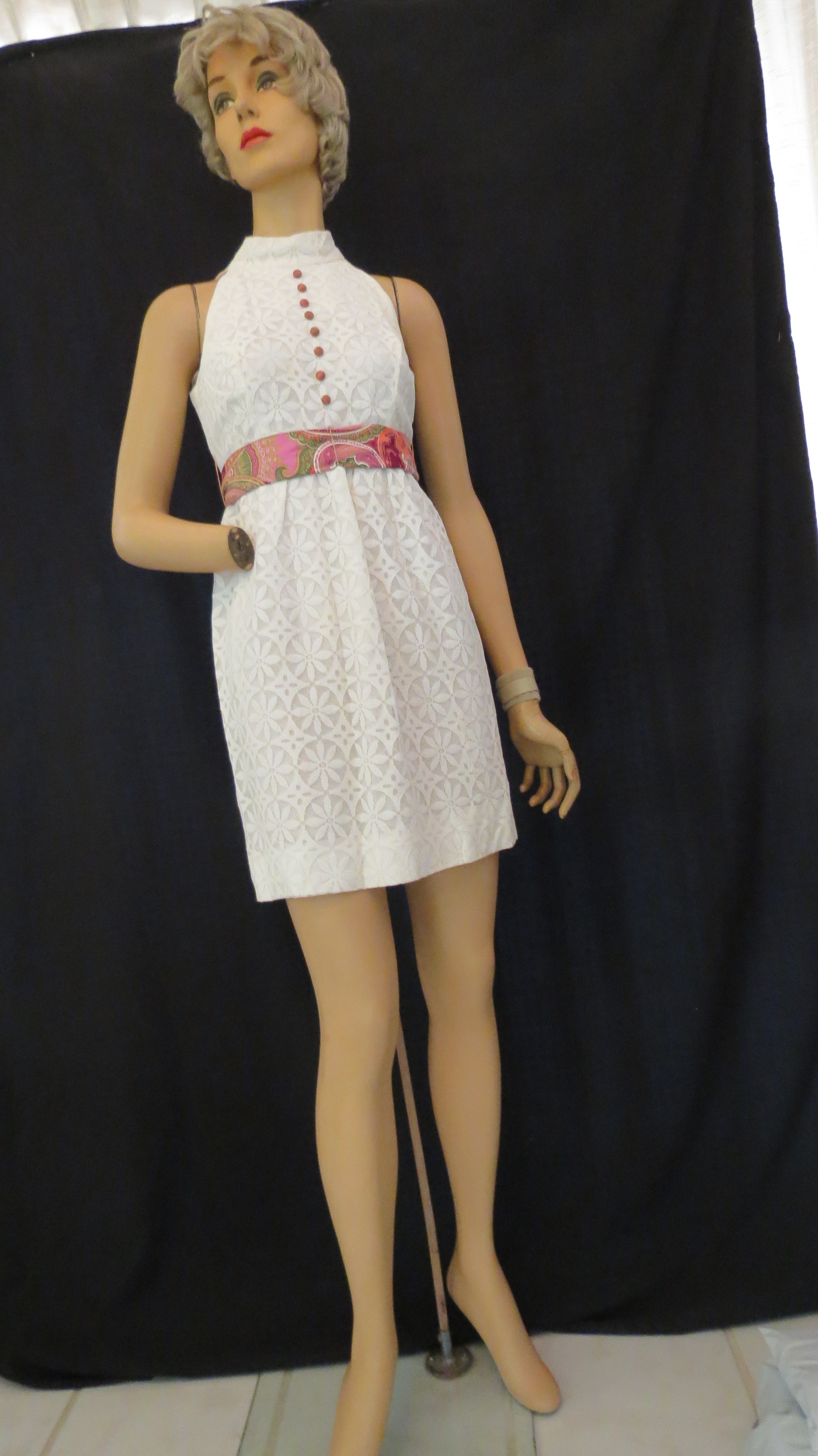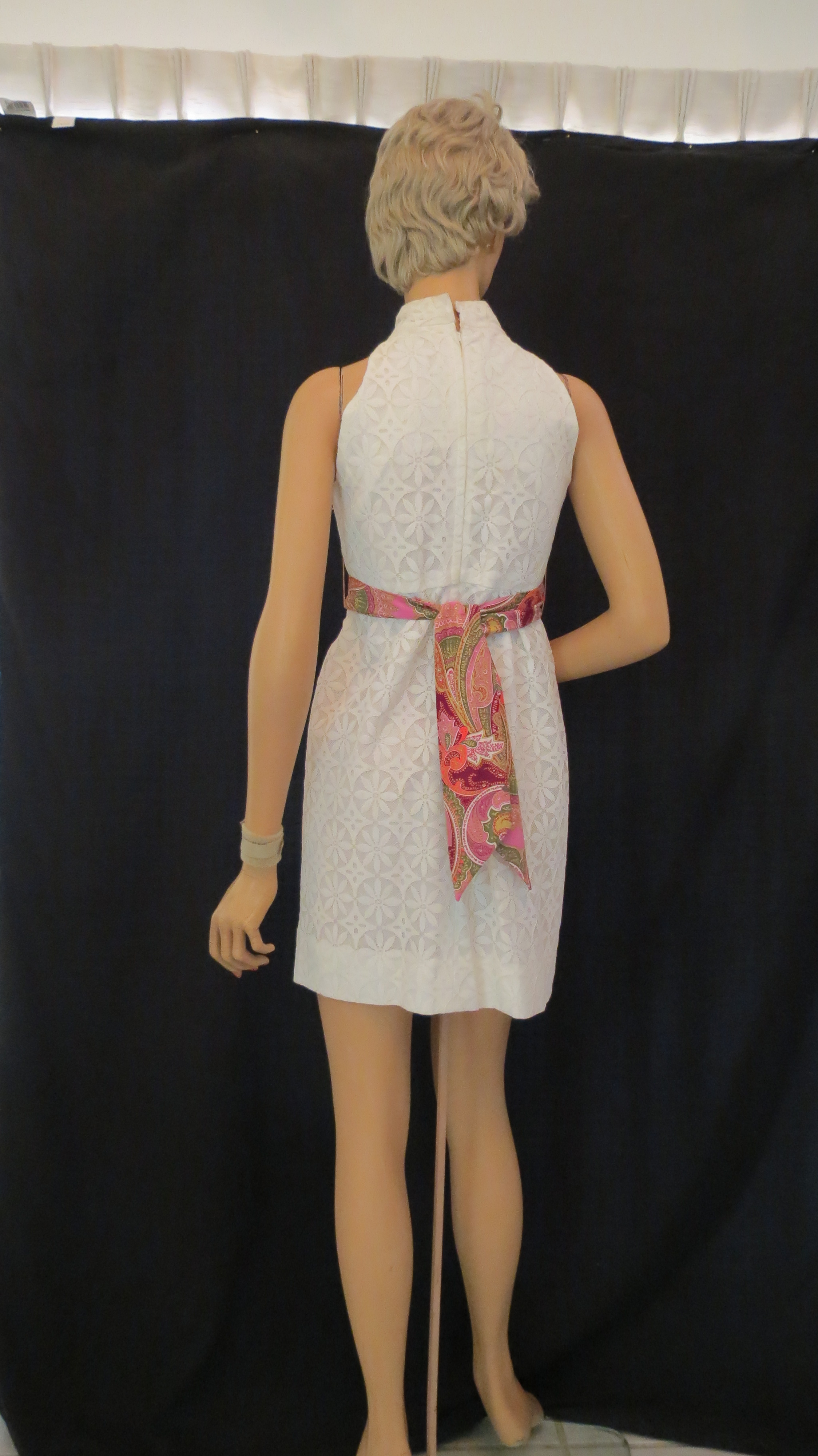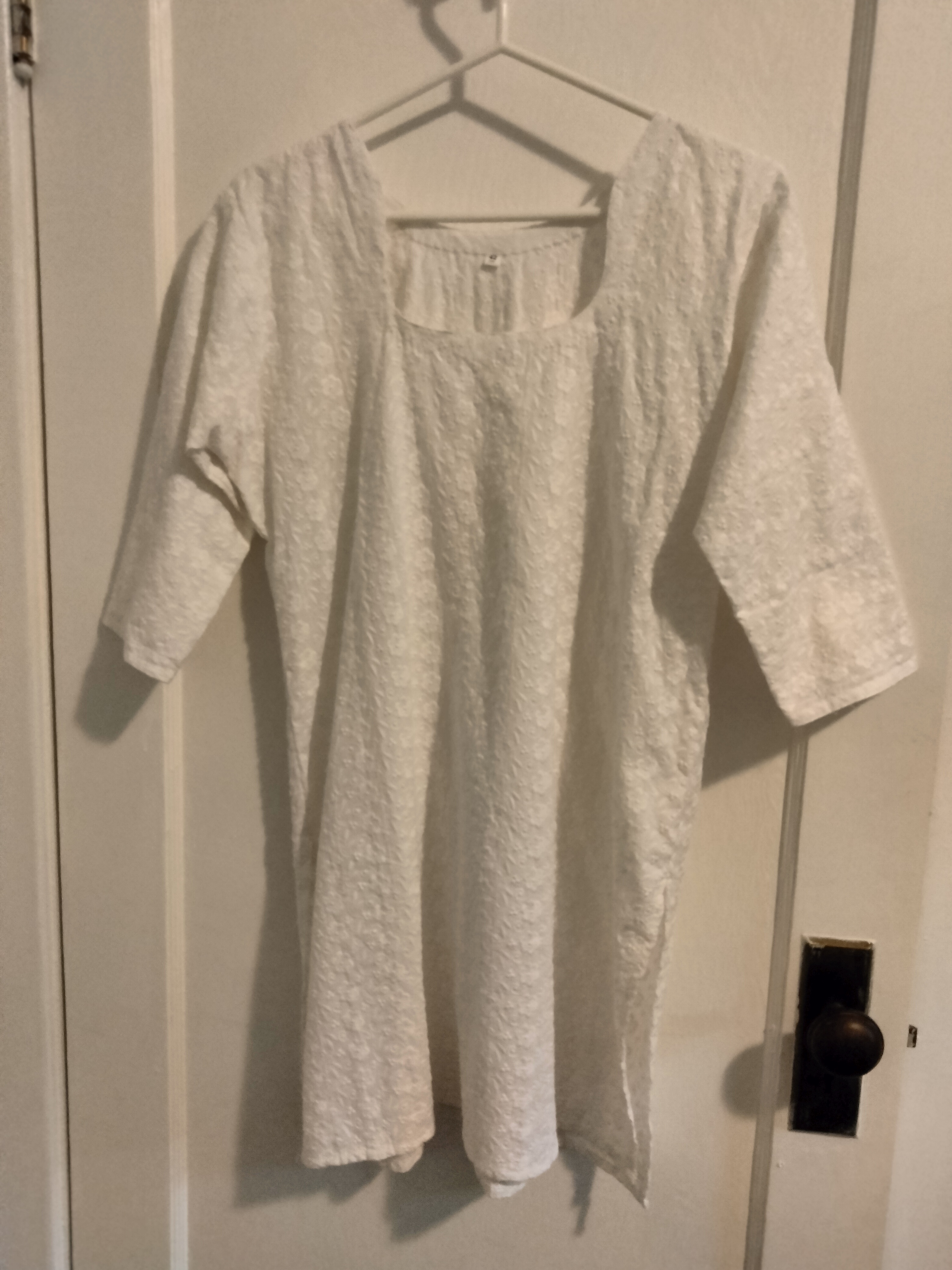
PRETTY WHITE COTTON MINI FROM MID-CENTURY EUROPE

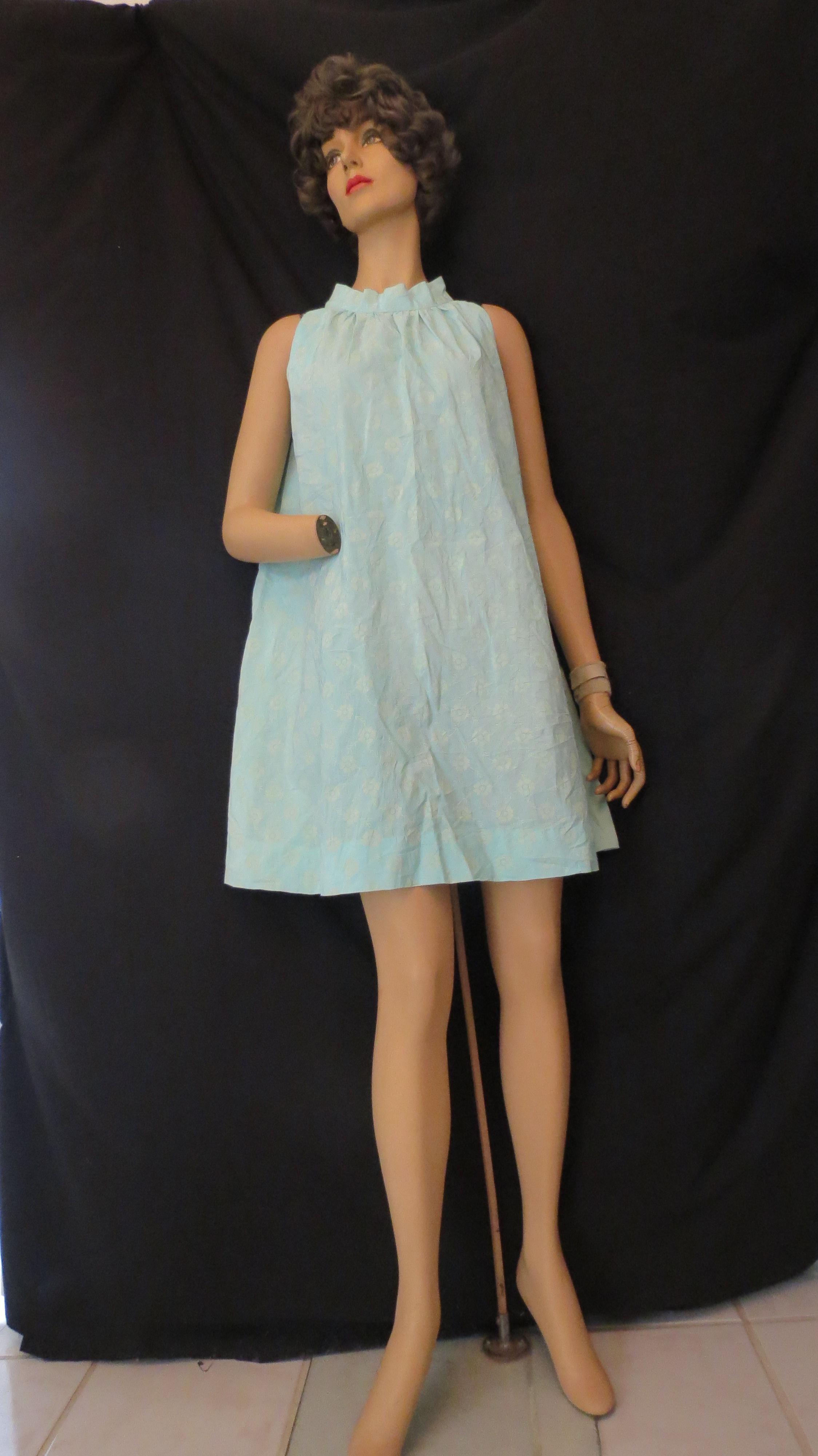
While I’m missing Stella (my fabulous vintage mannequin model), please use your imagination to visualize how fun and flattering this mini-dress or tunic looks when it’s on. Without my honed sleuthing skills, I never would have found it and am so glad that I did. As a mini-dress (if you don’t mind the side slits showing your whole leg almost to the hip) it’s really cute and calls for a 1960’s/’70’s chain belt to finish it off. As a swimsuit cover-up or beach dress it would be perfect – cool, crisp and lightweight while giving some reasonable sun protection. Over a pair of skinny white pants or shorts I LOVE IT!! Also love the elbow-length sleeves and unusually-shaped neckline.

How do I know it’s from Europe? The size label tells me. How do I know that it’s true vintage? By my guesstimate, a European size 42 would always be too big for me, but I look great in this whether worn as a mini-dress or a tunic over pants. So, the cut seems to be smaller than a modern garment of that size would be. This is always tricky with international sizing, but I think I’m correct. The fabric is a nicely-woven cotton with some weight (but not too much for Summer) and all-over floral embroidery – similar to vintage fabrics that are almost never seen now. Also, the interior tailoring is different from what I find on modern garments. Not fine tailoring, because this is a very simple garment and probably sold at a lower price. However, some of the finishing is remarkable – if it did not have a size label, I might say that it had been home-sewn. It has darts in back to give it extra fit and style. The size label, printed rather than embroidered, is sewn in at the back neckline and there are no other tags at all.

All right, the verdict is in. This dress is probably from the 1970’s, give or take 5 years. Allowances have to be made for the overseas manufacture. Whatever it’s exact heritage, it’s wonderful and I will really enjoy it. I love solving mysteries but an open-ended investigation is always intriguing. Who knows – sometimes I solve a cold case years later! You just never know . . . . . . . . . . . . . . . . . . . . . . . . . . . . . . . . . . . . . .

MORGANA MARTIN, THE MAGICVINTAGESPY

BLOG: MAGICVINTAGESPY.COM
TRUE VINTAGE 1950’S – 1960’S DESIGNER AND HIGH-QUALITY ACCESSORIES

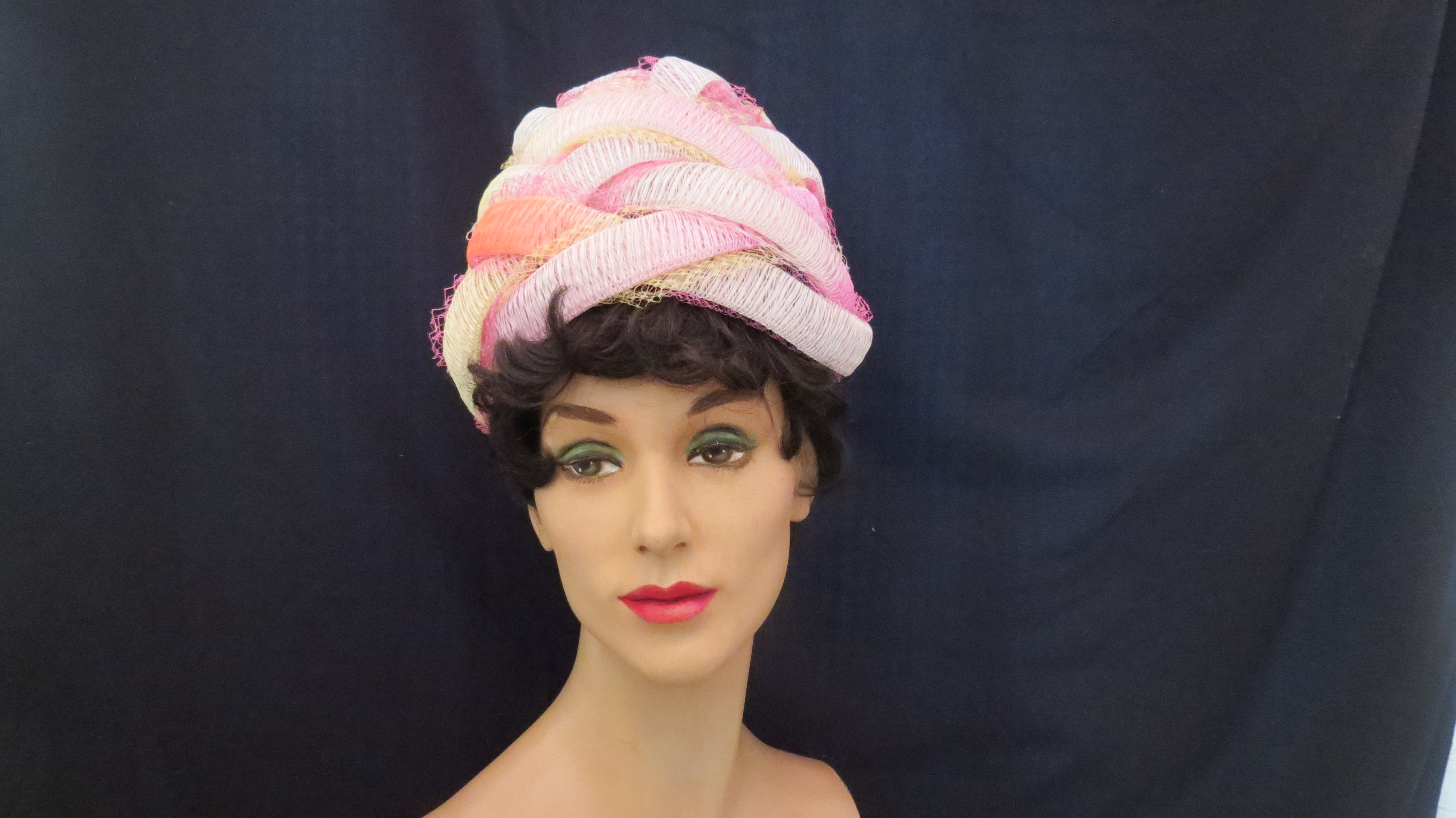
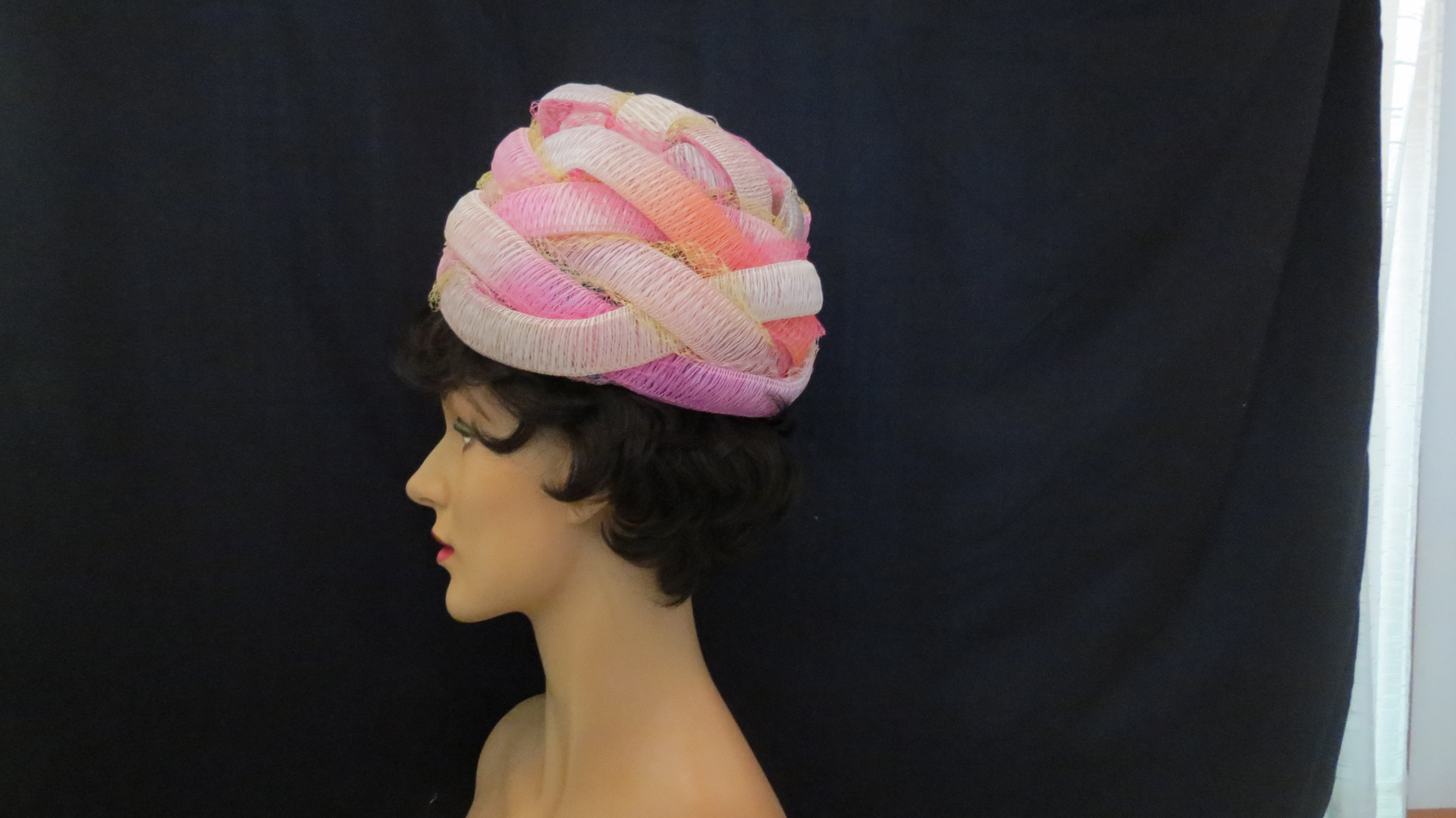
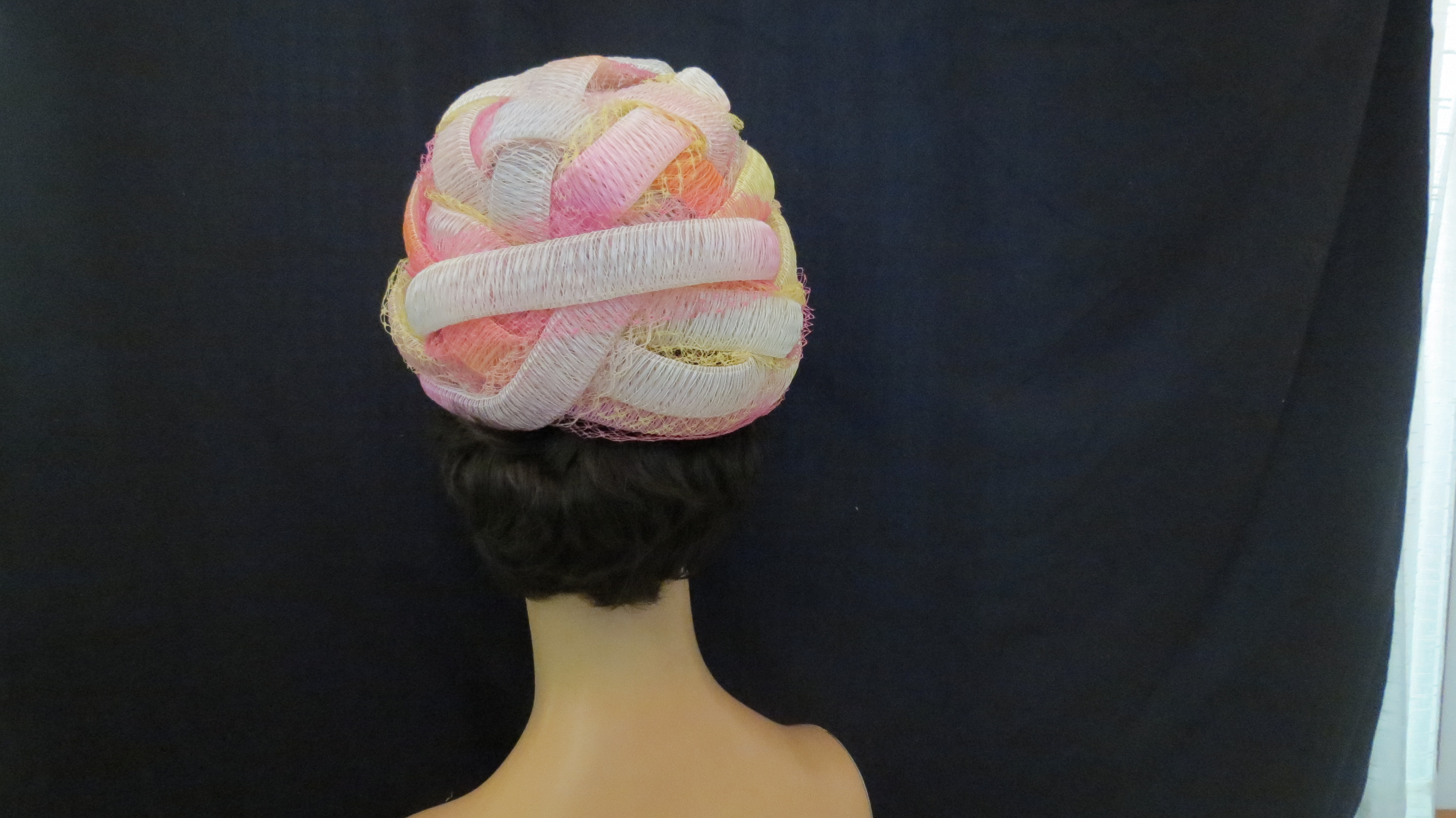
Now that we’ve reached the Spring Equinox, let’s start off with a Calvin Klein Easter hat in Spring pastels. A continuous flat tube of fabric is woven into a toque shape, overlaid with netting. A Mod-ern take on a traditional style. A lucky woman could look like an ice cream cone.

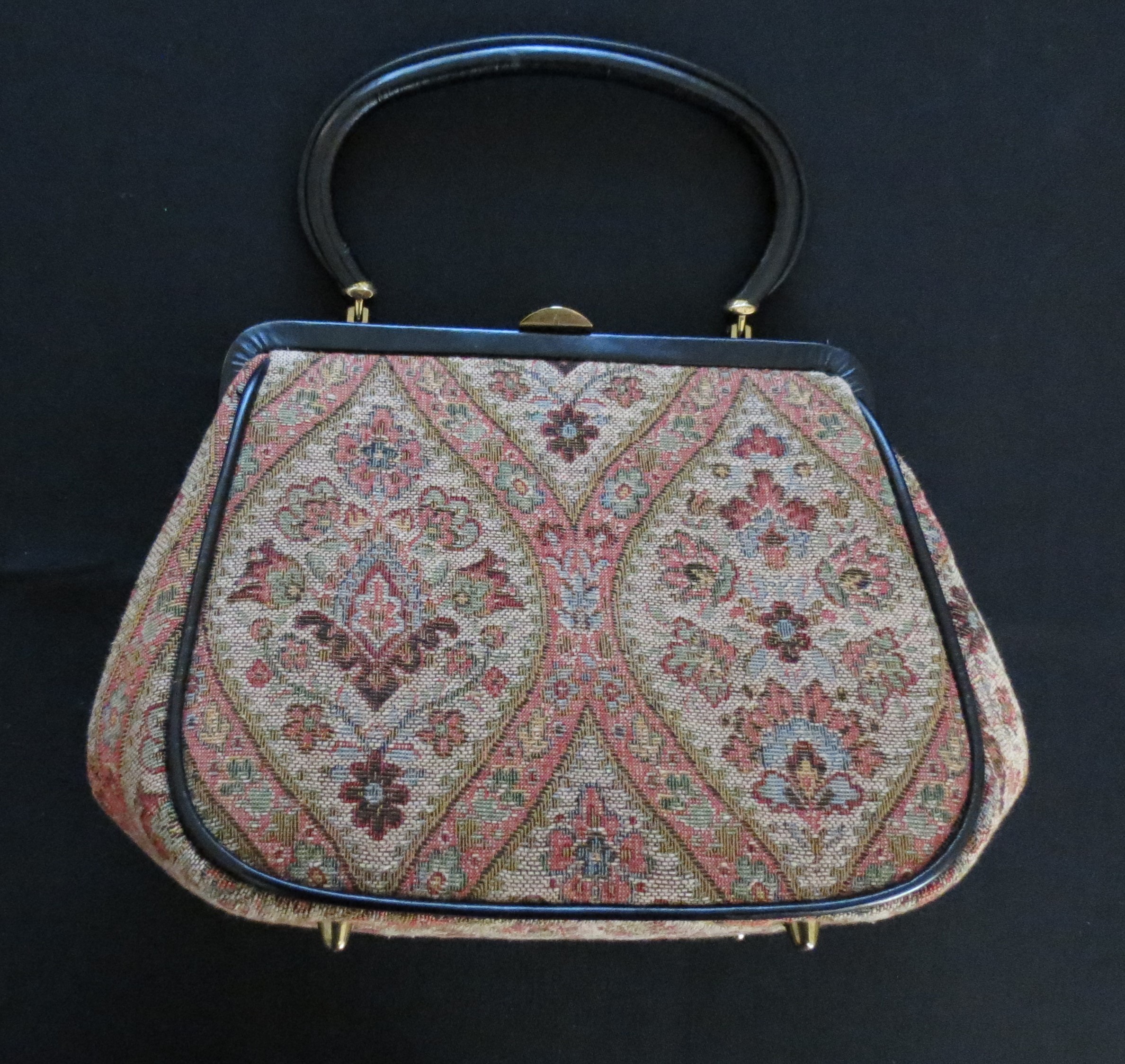
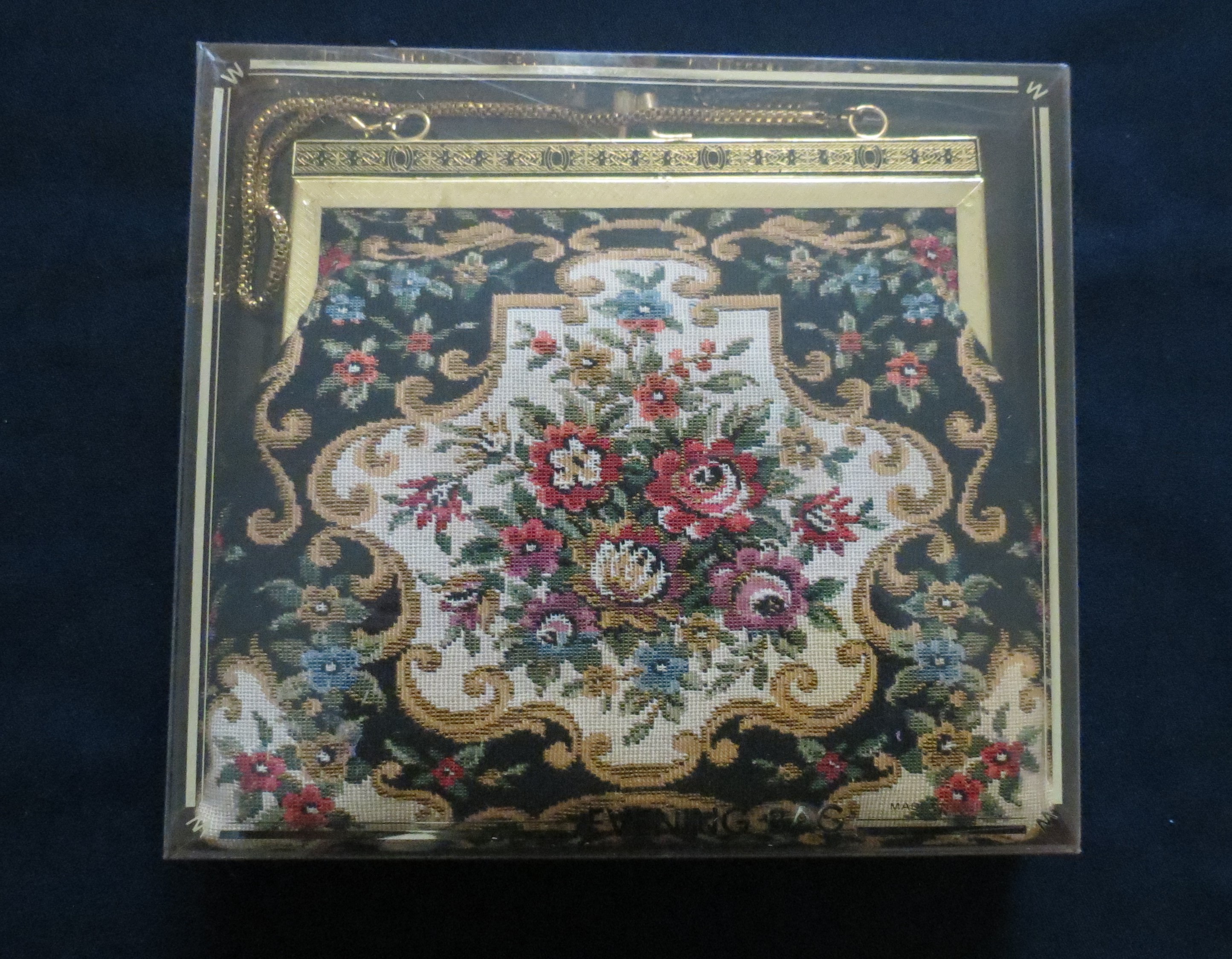
Some dressier handbags continued to be made of traditional tapestry-design fabric. Both of these above are small, one with a rigid leather-covered handle,, leather trim and metal feet on a covered metal frame. The other is a soft bag with a decorative closure and snake chain handle, sold with it’s own protective cover.

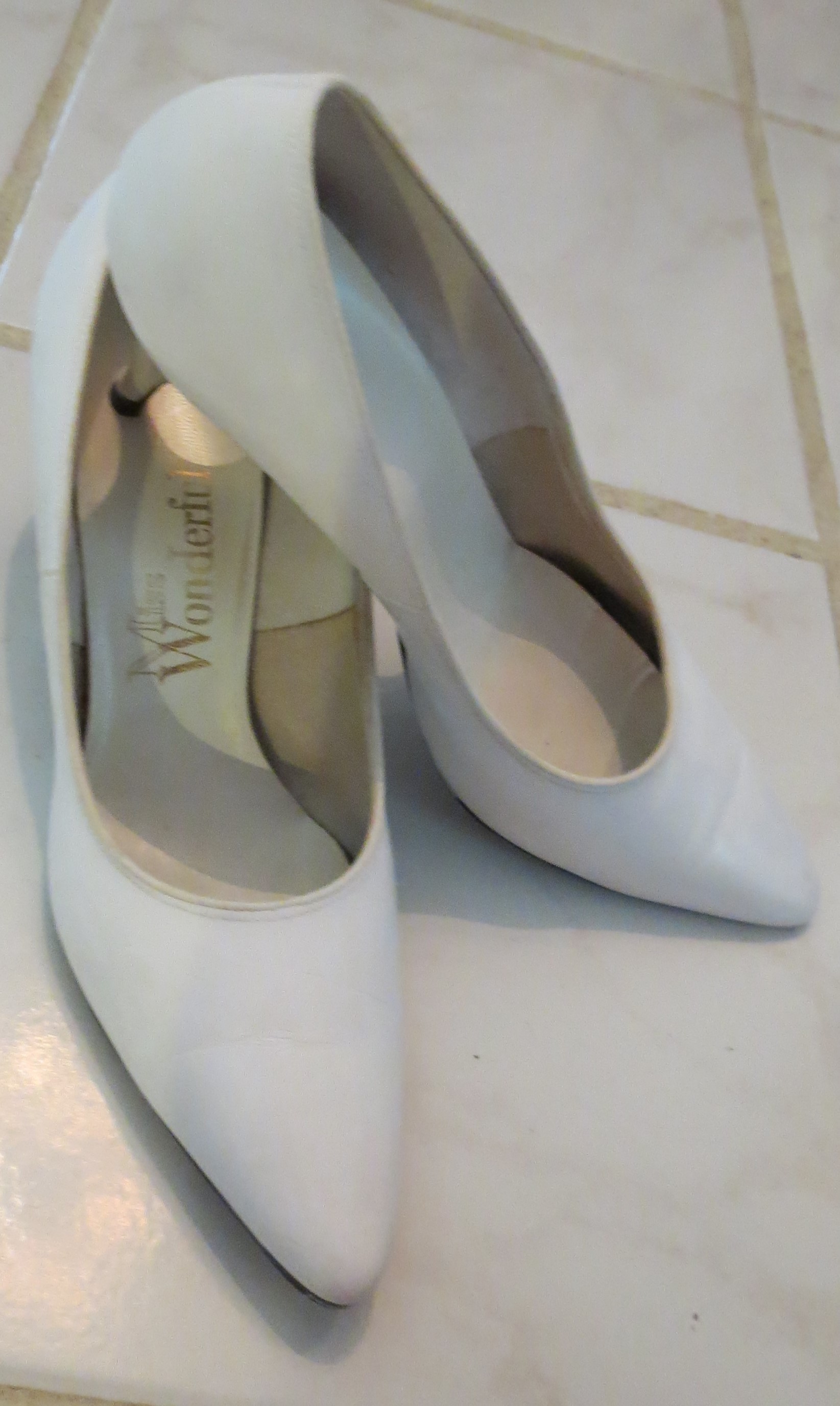
Classic pumps for everyday evolved in the early – mid 1960’s to mid-heel height with a slightly rounded toe but stilettos were still more popular than chunky heels – a necessary Rockabilly accessory. A pair of white pumps was an essential part of Spring – Summer wardrobes, even though pastels to match outfits and classic neutrals, beige, gray, navy, black and brown, still held their places. Miss Wonderful was a fun, mid-priced brand.

This has been a fun review of some of the files since December. Guests have arrived and international travel is looming. Daily transmissions over this airwave will be suspended, though periodic bulletins may continue. Archived posts in the public domain will remain available. Over . . . . . . . . . . . . . . . . . . . . . . . . .

MORGANA MARTIN, THE MAGICVINTAGESPY

BLOG: MAGICVINTAGESPY.COM
TRUE VINTAGE MID – LATE 1960’S LONG LEISURE DRESSES – MOD, WITCHY, ETHNIC

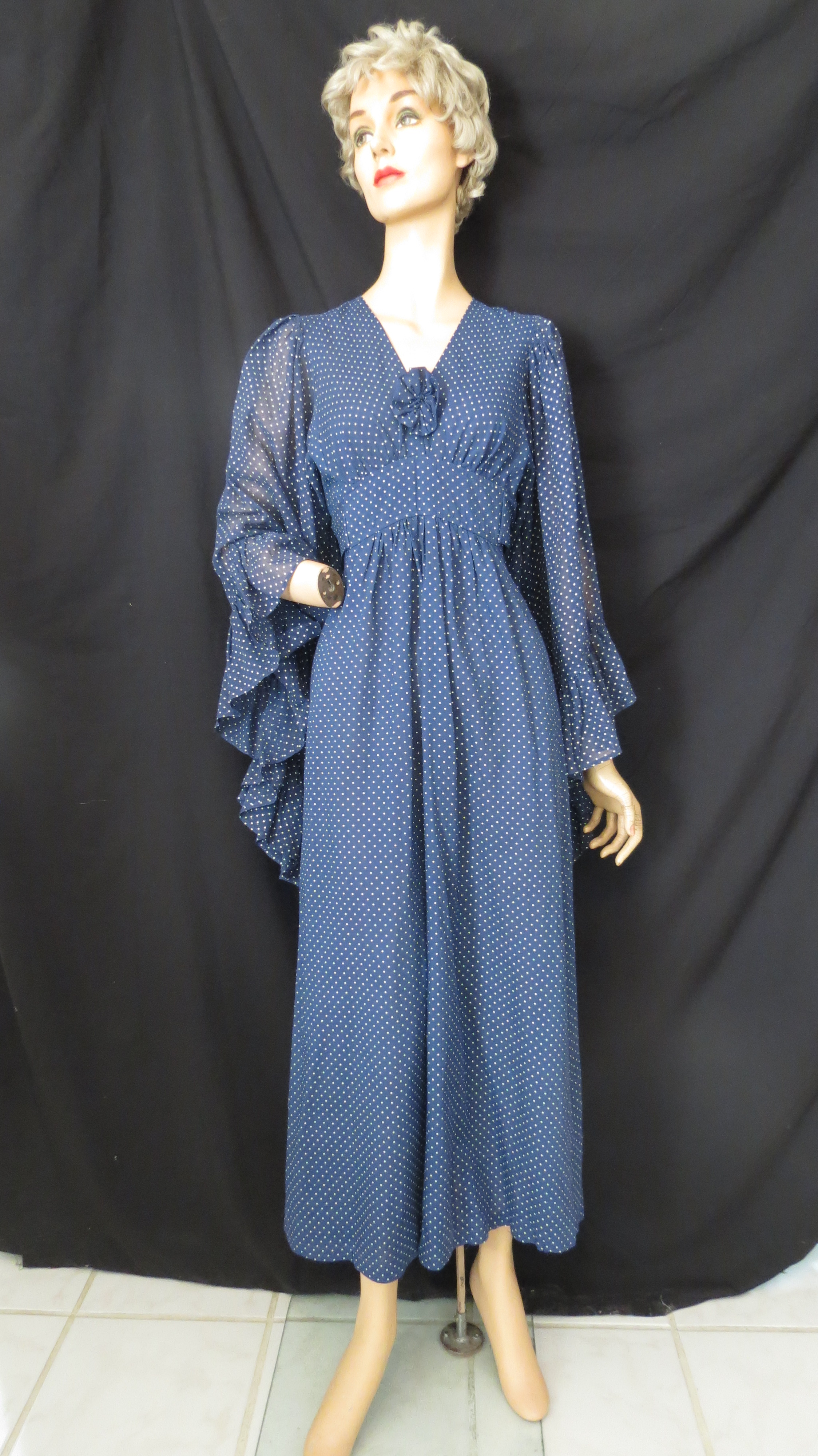
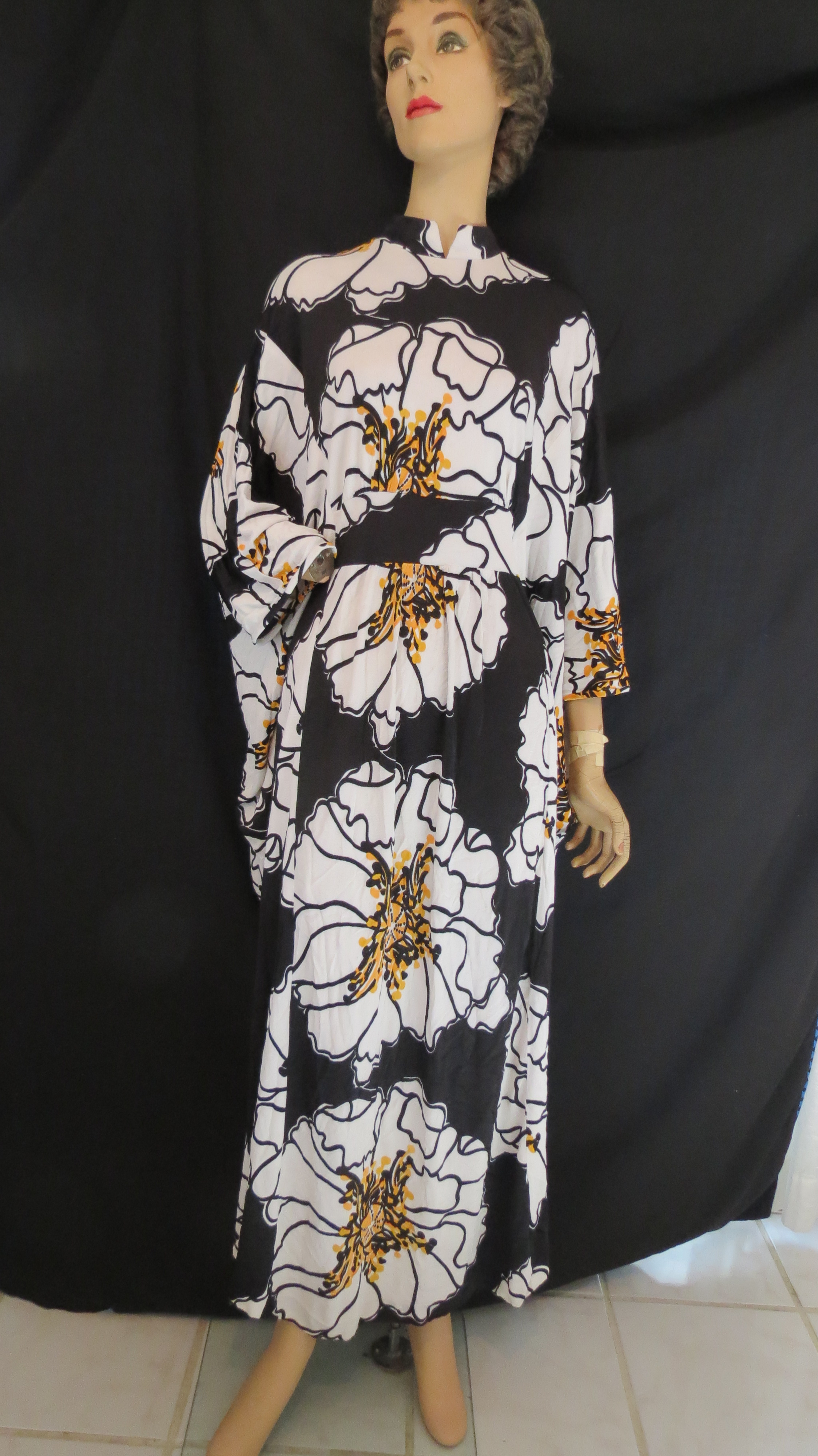
British influence Medieval/Victorian/Edwardian vibes, Op-Art, Flower Power and Indigenous influences allowed mainstream women to enjoy some “revolutionary” style during this transformative decade while not getting too far away from classic traditions. Plus the fact that they couldn’t have been more comfortable, convenient and flattering.

Fabulous sleeves, hand-done embroidery, geometric floral graphics. Love, love, love! Of course I had to collect these clues. Tomorrow we’ll step into the progression of this genre in examples from the Seventies, Eighties and Nineties. Stay tuned . . . . . . .

MORGANA MARTIN, THE MAGICVINTAGESPY

BLOG: MAGICVINTAGESPY.COM

TRUE VINTAGE 1960’S LEISURE DRESSES – ALTERNATIVE STYLE FINDS THE MAINSTREAM

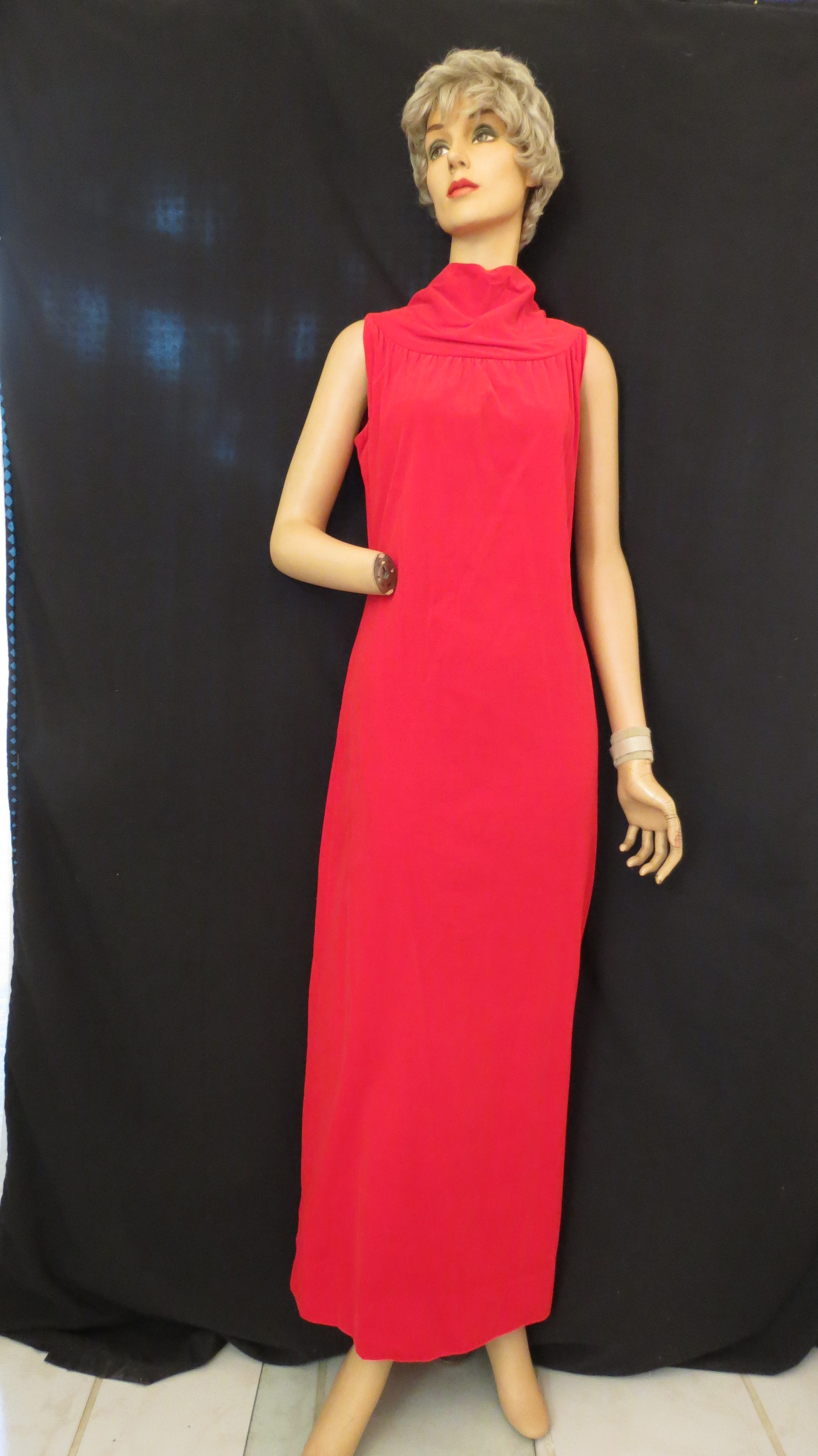
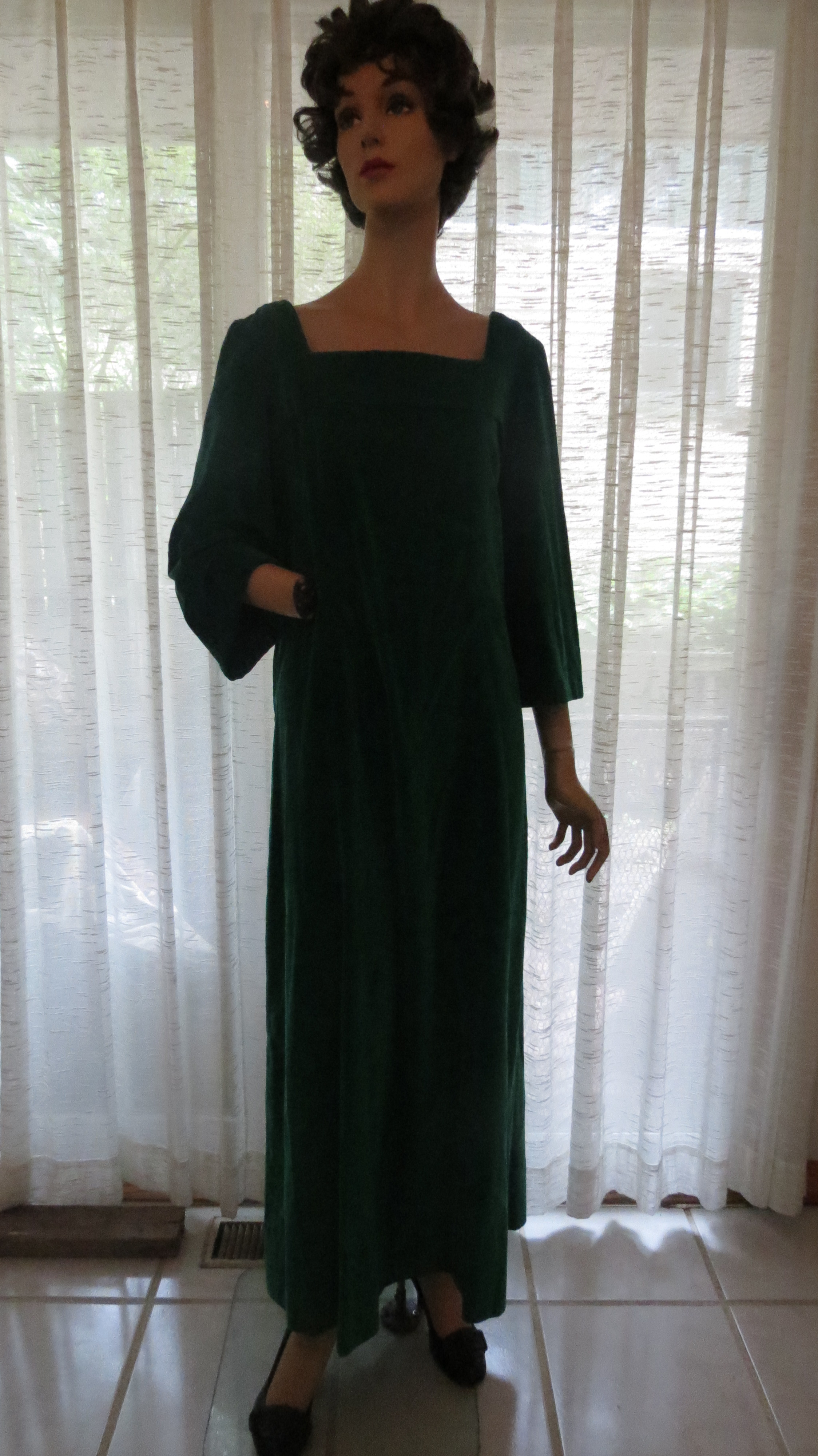
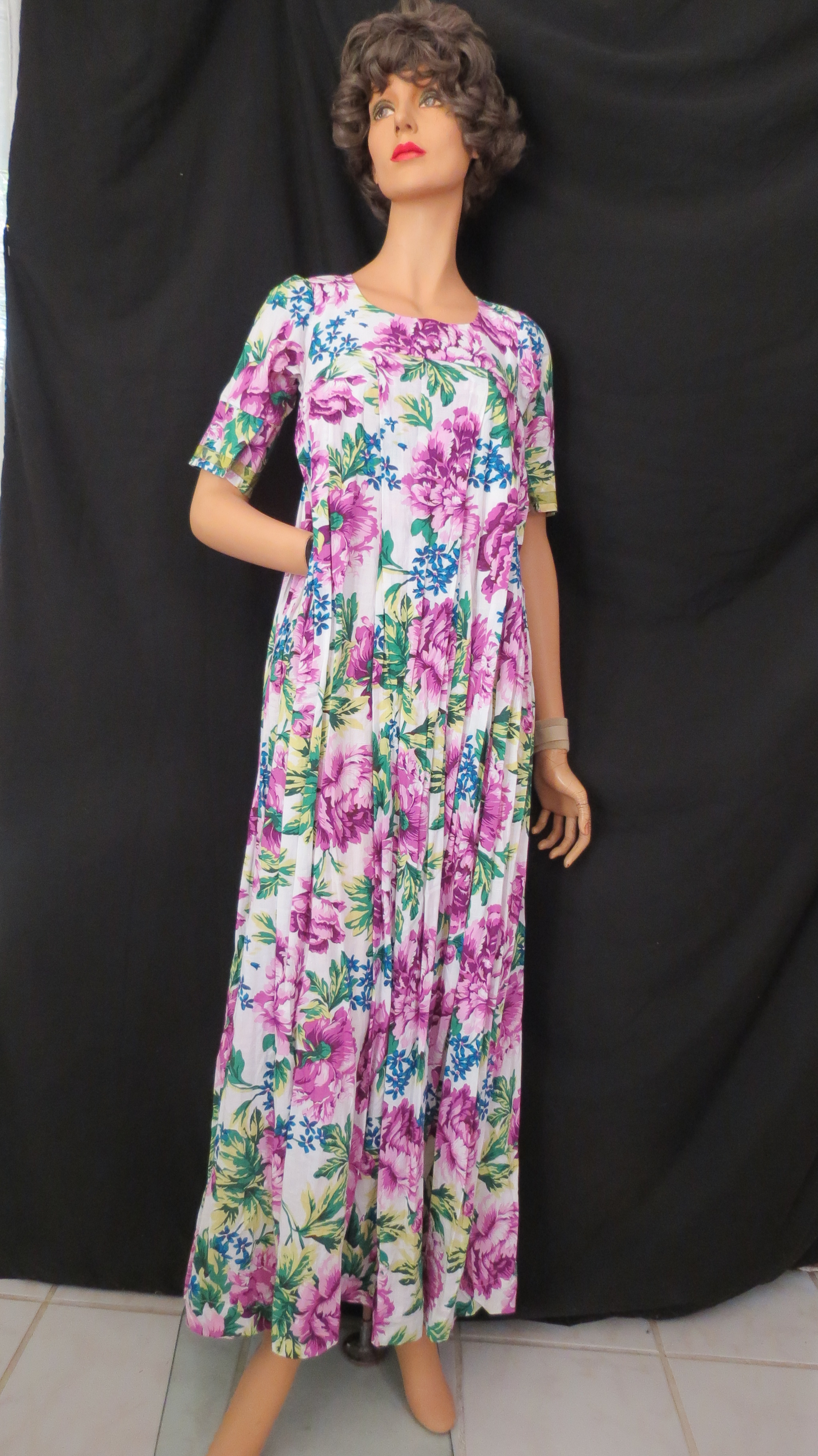
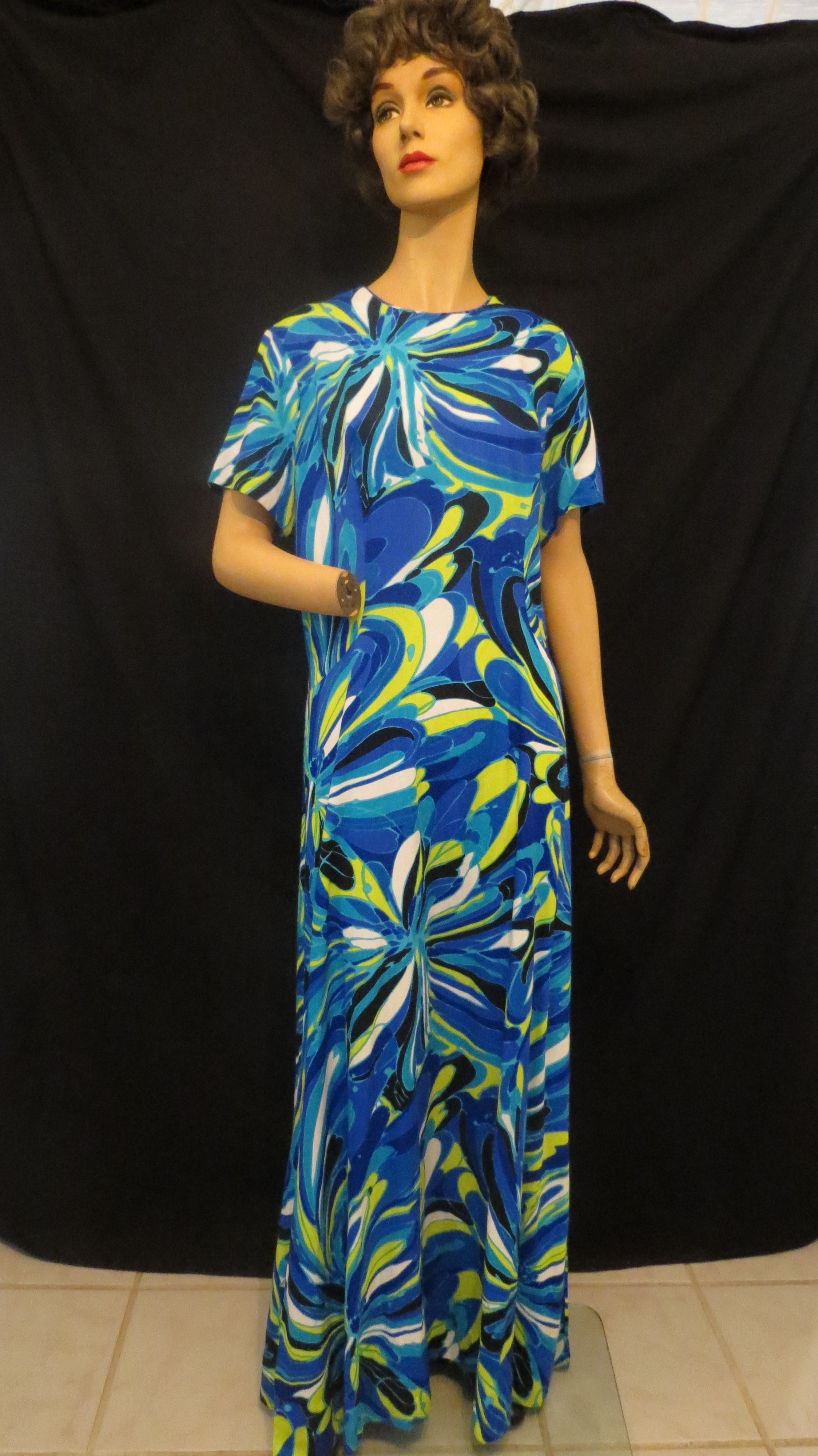
In the early 1960’s home-based seamstresses began making at-home leisure dresses. Velveteen was a popular fabric for hostess dresses that could work for cocktails with friends. An early flower-power dress in a traditional style was a more timid effort (looks like a vintage tablecloth) and a Mod print gown stepped firmly into the mid-decade. Washable cotton and blends made these easy-care garments and fashionable alternative styles for women who hadn’t been ready for 1950’s Boho or early ’60’s minis.

Tomorrow we’ll look at dresses from this genre that appeared later in the Sixties. Stay tuned . . . . . . . . . . . . . . . . . . . . . . . .

MORGANA MARTIN, THE MAGICVINTAGESPY

BLOG: MAGICVINTAGESPY.COM
TRUE VINTAGE LATE 1950’S – MID-1960’S DRESSES

Late Fifties saw slinky knit sheath dresses that carried over the new, easy-care synthetics from the 1940’s. The prints morphed slowly from geometric, atomic shapes back to cute animals, fruits and veggies. This fabric is amazingly comfortable and drapes beautifully but was economical. Common, moderately-priced frocks were made from it.

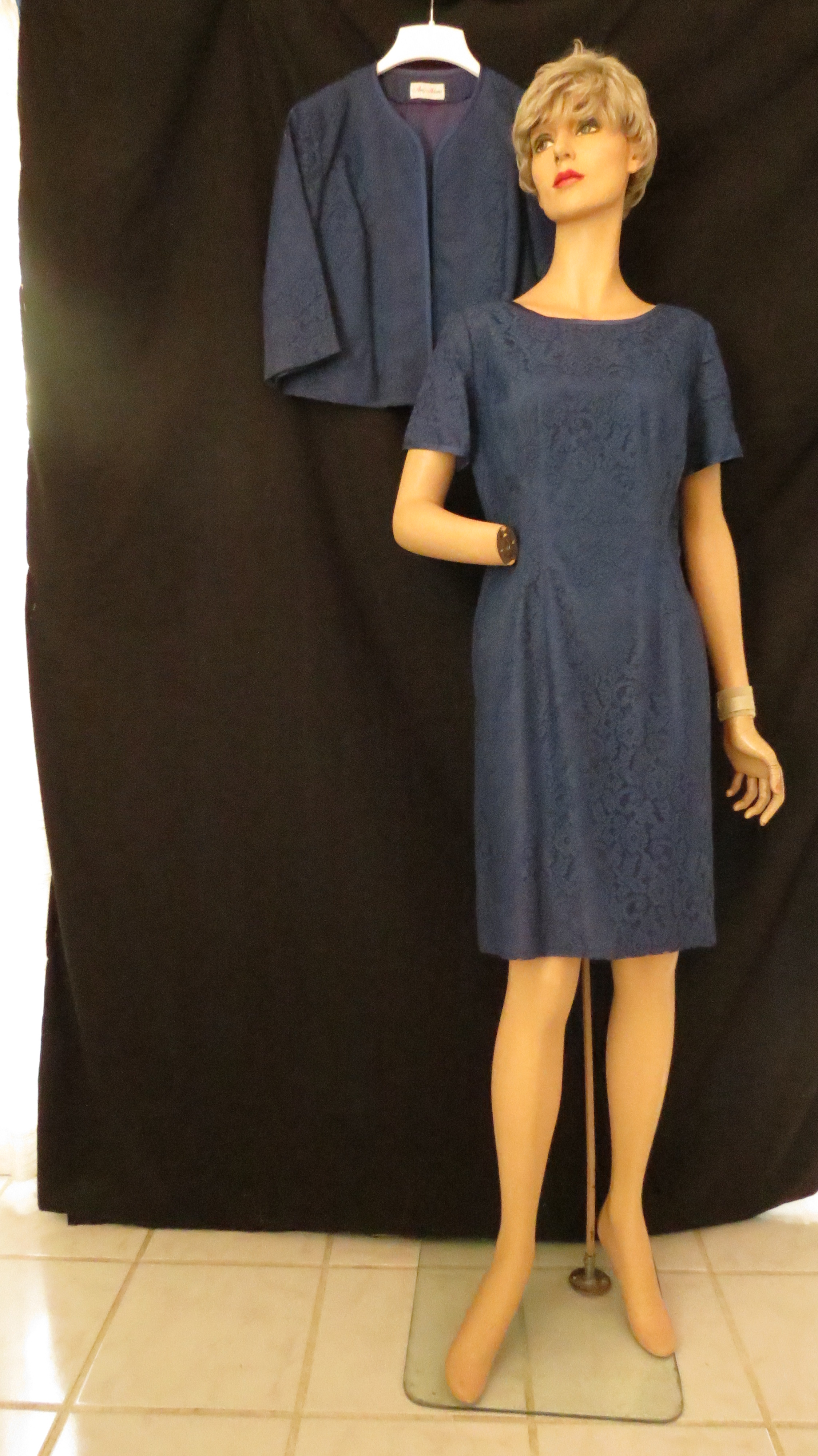
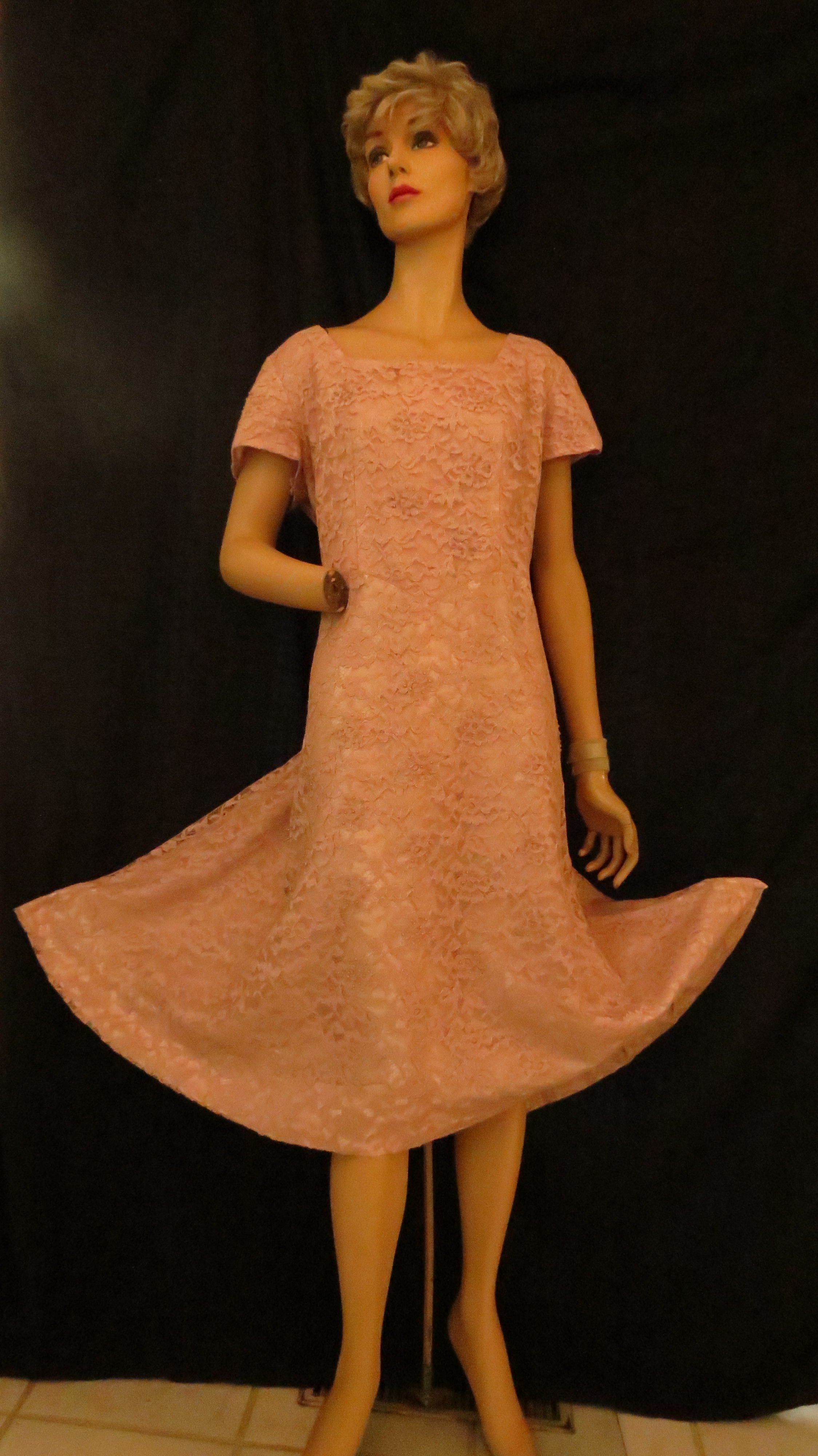
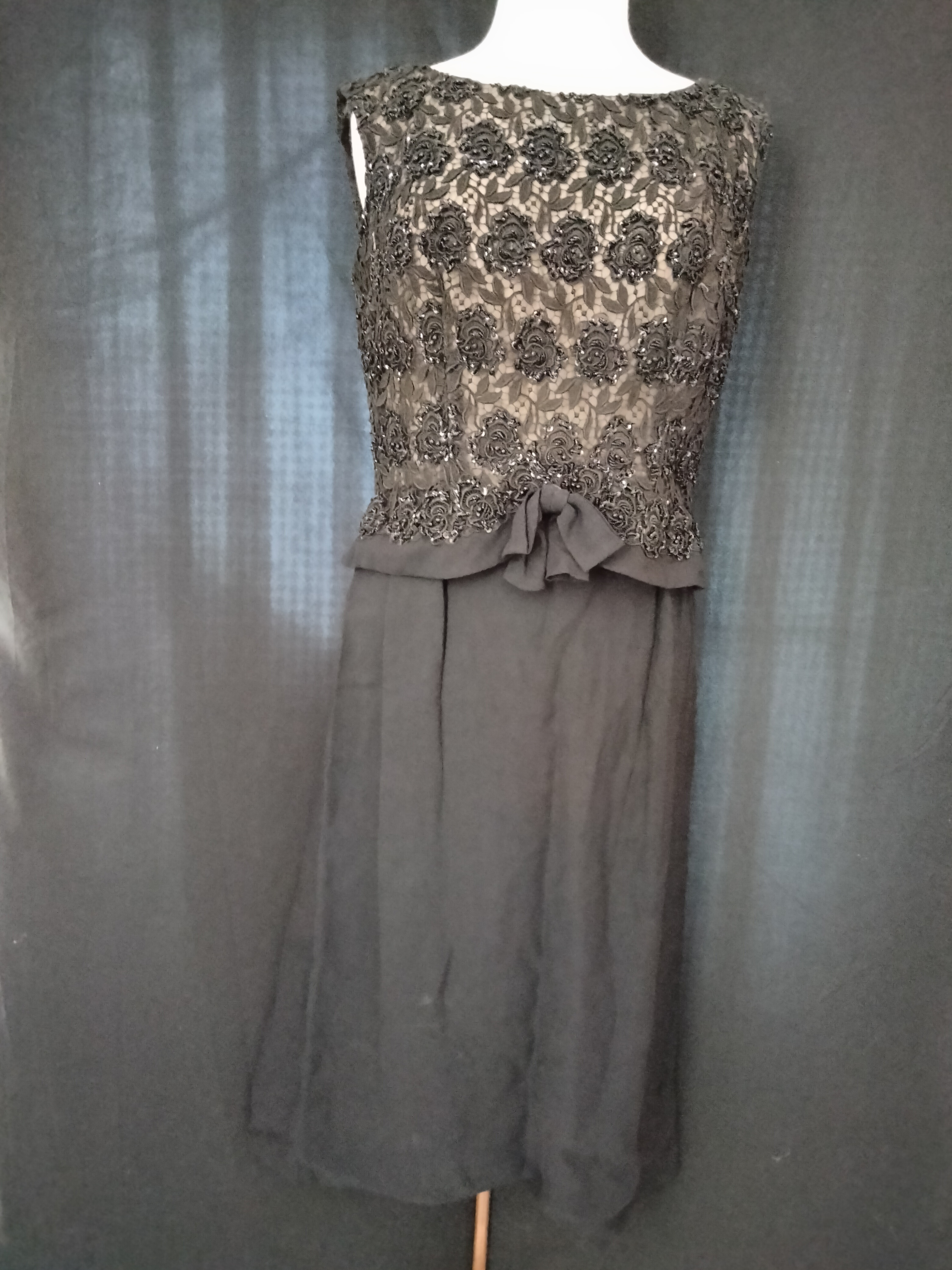
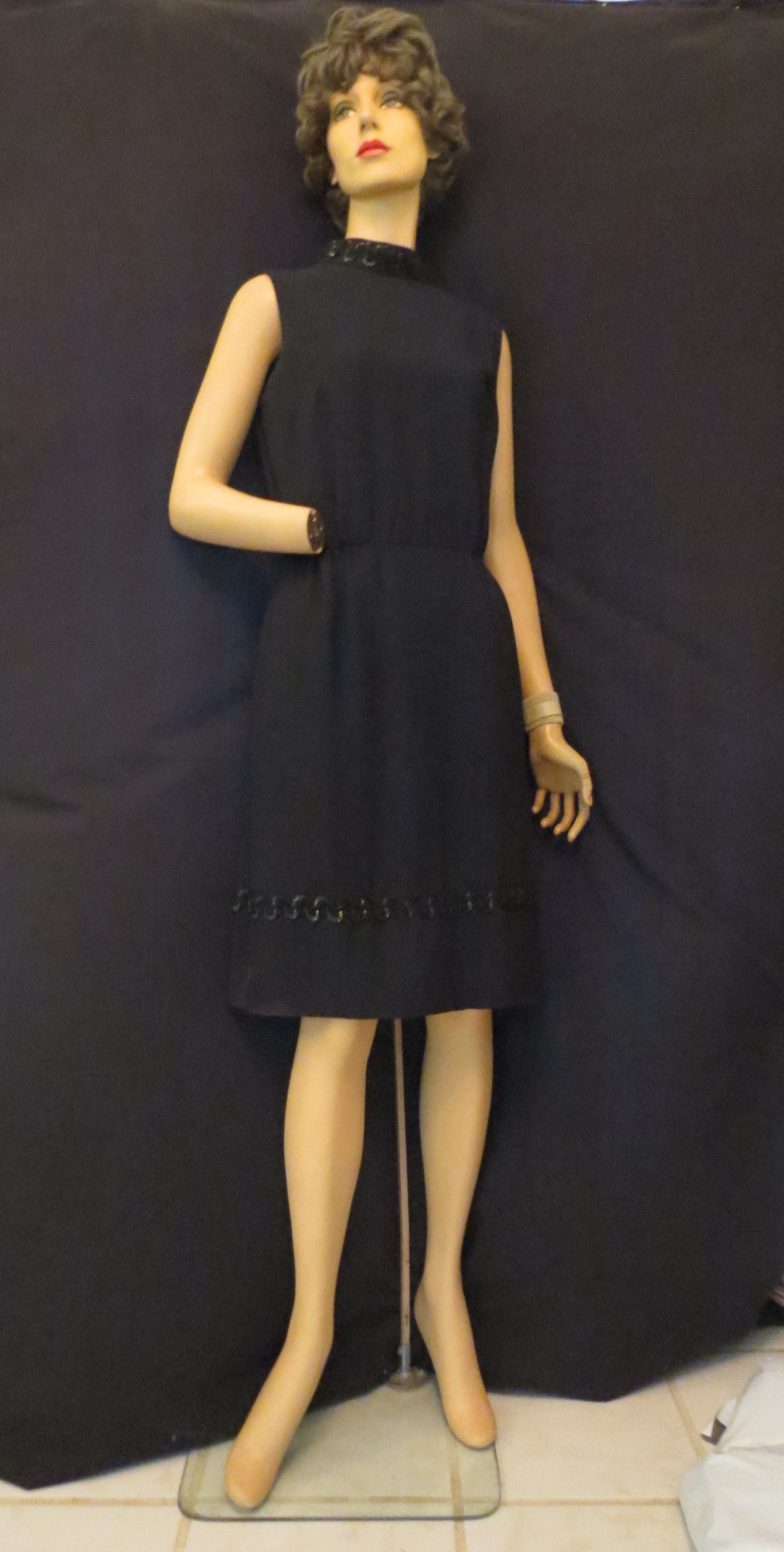
Just a few years later, lace overlay became the big thing. Dressy day-dresses were often made from it, as well as semi-formal and formal gowns. These were also generally made from synthetic or blended fabrics but probably required dry-cleaning. Better frocks often came from British Hong Kong, where the design and hand-made tailoring made them exceptionally elegant and of higher quality. These dresses were still within the reach of middle-income ladies but were more expensive. See the black dressy sheath with a beaded over-blouse above. The straight black high-neck sheath came from Saks Fifth Avenue.

Then, again from the Brits, came Mary Quant’s Tent Dress in 1964. Although the Mod style had started in the 1950’s, it’s appearance in clothing was totally revolutionary. It brought with it radically shorter hemlines and easy-to-wear, casual shapes. See the light blue, home-sewn version above.

Some styles retained their classic, conservative lines and stuck to neutral or basic tones while bright colors became ever more popular, even in formal garments. While political and social movements became radicalized and changed society, the Hippie, Boho and Prairie styles started to take over in the late 1960’s and carried over into the early 1970’s. Tomorrow we’ll look at some of the ways that popular fashion incorporated these trends into mainstream dressing. Stay tuned . . . . . . . . . . . . . . . . . . . . . . . . . .

MORGANA MARTIN, THE MAGICVINTAGESPY

BLOG: MAGICVINTAGESPY.COM
TRUE VINTAGE 1960’s DRESSES IN THE MAD, MOD WORLD

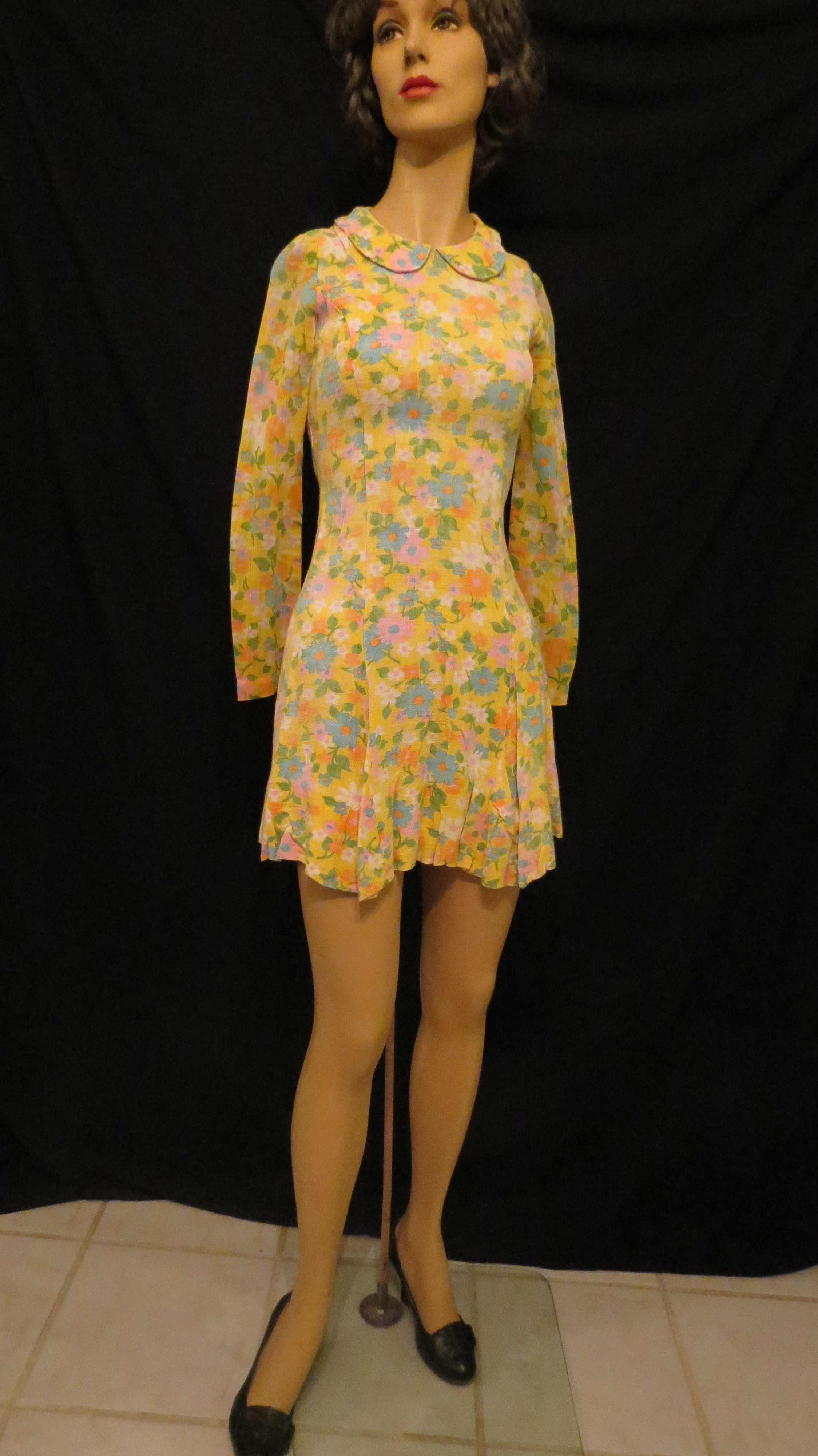
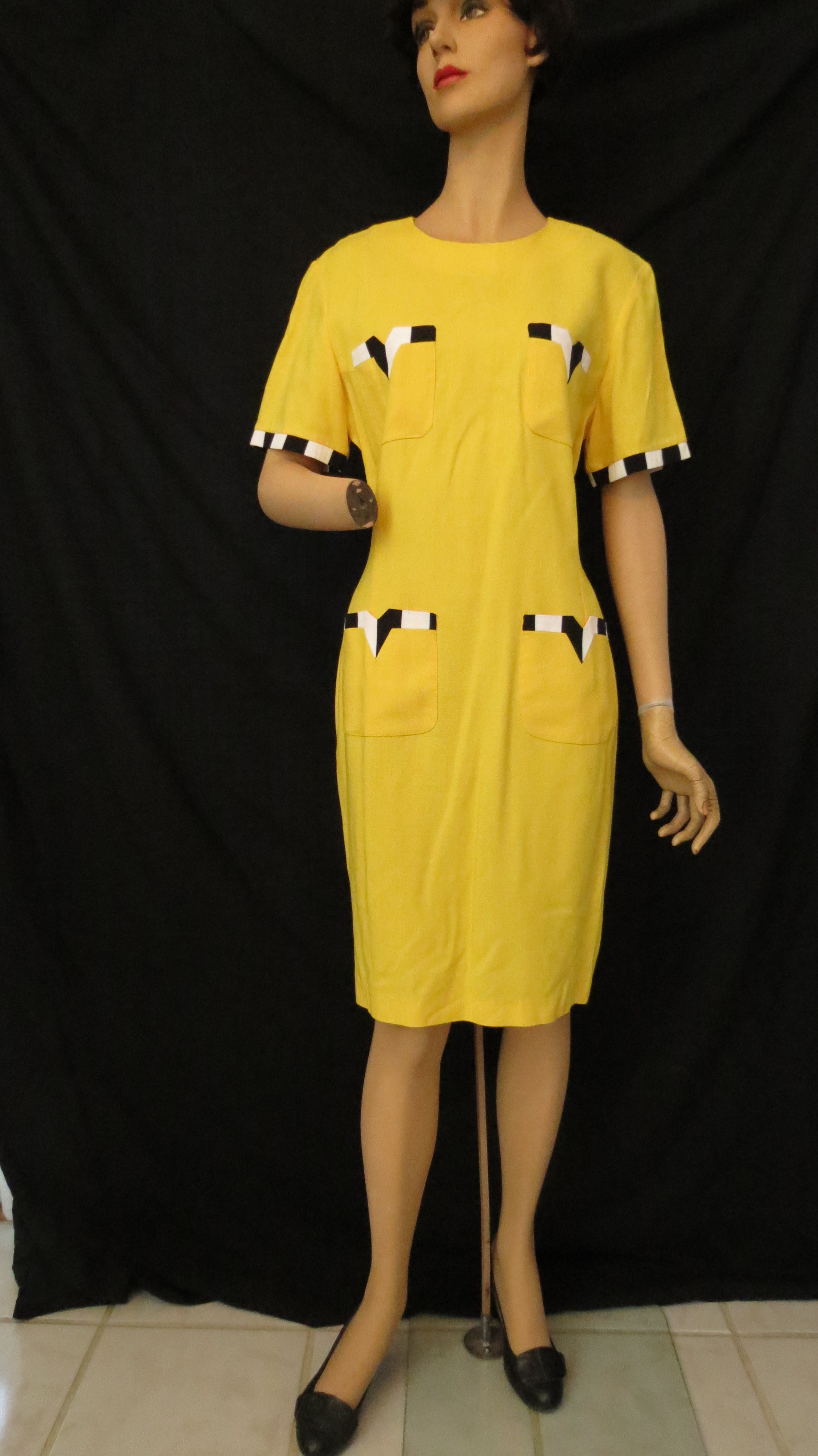
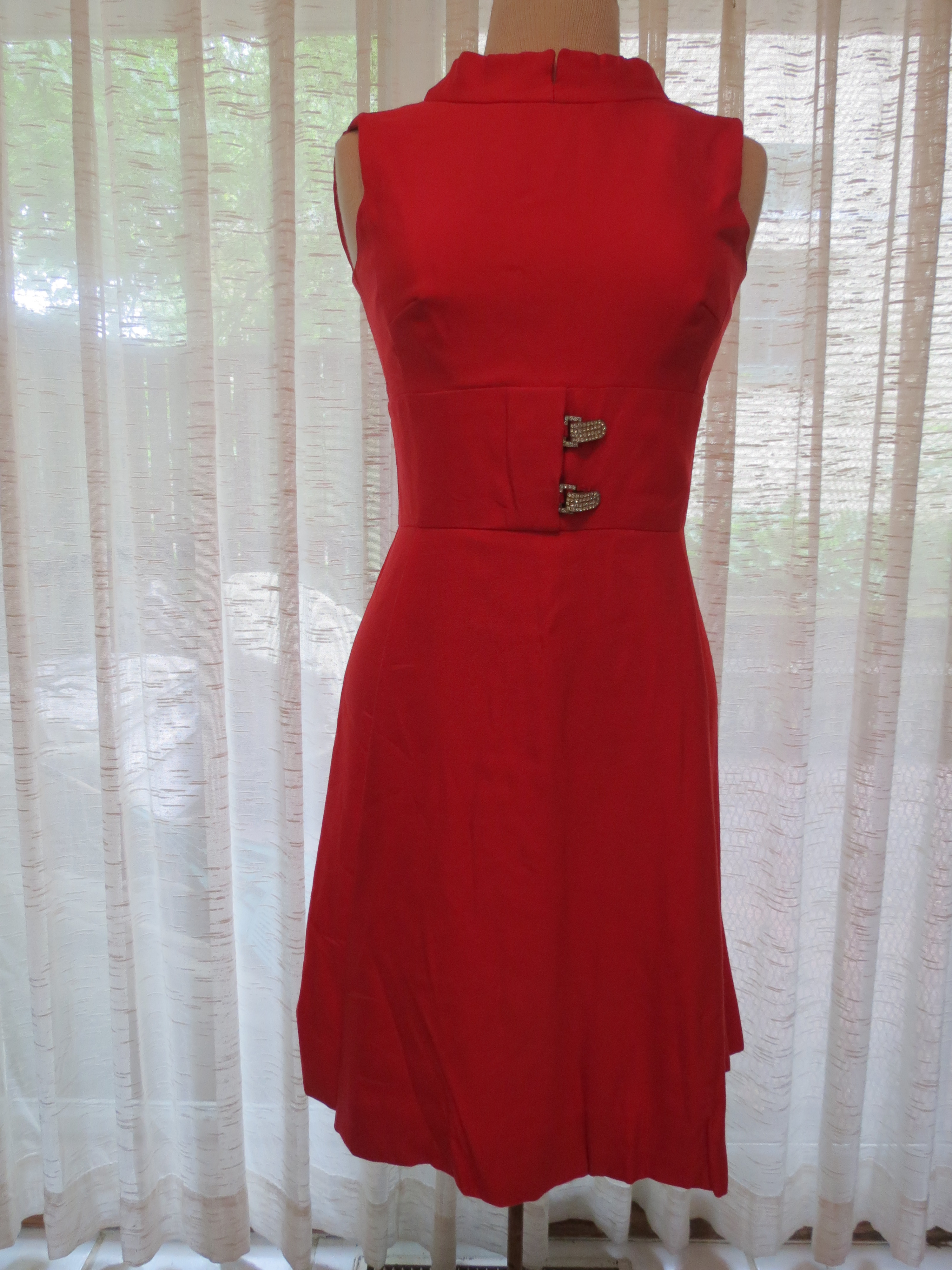
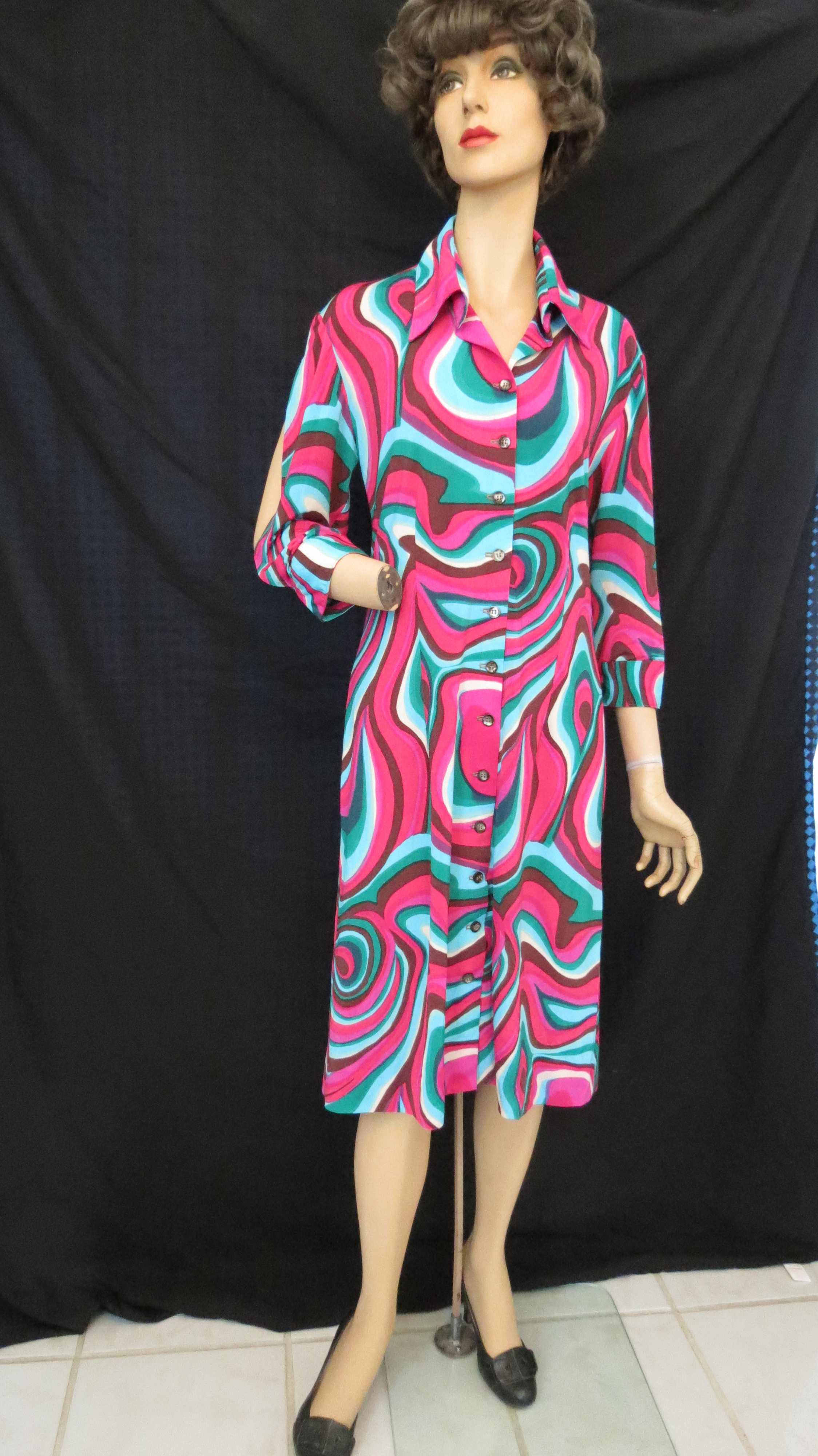
Flower-power mini-dresses, traffic light neon colors, military-styling, psychedelic prints! These trends all appeared during the middle years of the 1960’s. Cotton is out – all these dresses are made from some form of synthetic fabric. So different from the previous decades, even though some of the classic details still crop up and garments are still well-made. See the Peter Pan collar on dress #1? The contrasting edging on the yellow sheath? Nehru collar (both military and Asian) and metal hardware on the stop sign red dress? Swirly hallucinogenic op-art on a classic shirtdress style? Perfect reflections of social culture, which was morphing yearly between Peace & Love, End the Vietnam War, Sex, Drugs & Heavy Metal rock n’ roll. In spite of all that, look at the tailoring!!

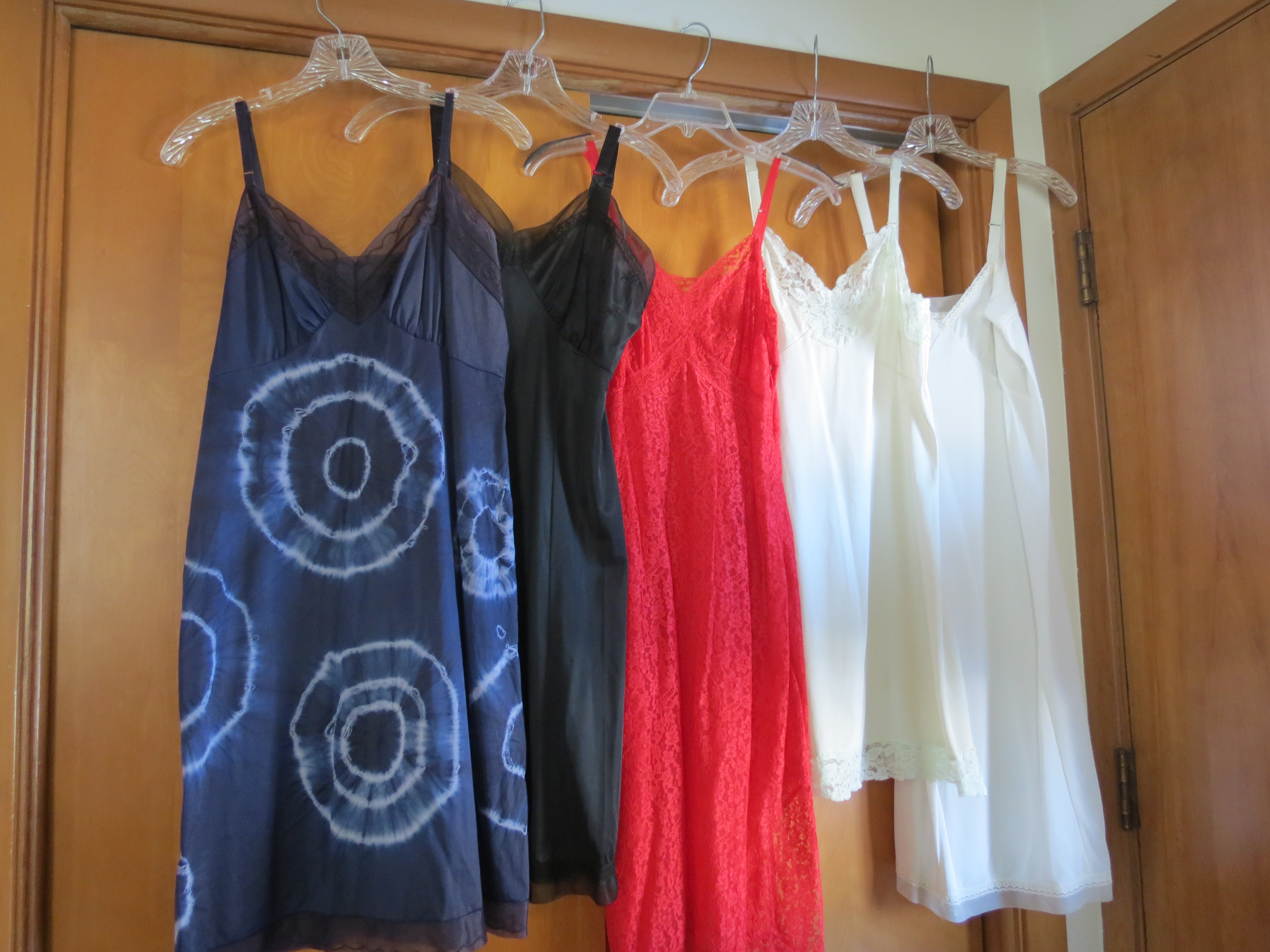
Pretty lingerie slips were still called for with these fitted frocks but the longer lengths were no longer suitable. Knee-length, at the longest, and mini-length became available. Wonderful nylon that tolerates hot water and can be dyed even allowed some creative girl to do a tie-dye.

Tomorrow we’ll take a stroll in some late 1960’s dresses and visit Carnaby Street. Stay tuned . . . . . . . . . . . . . . . . . . . . . . . . . .

MORGANA MARTIN, THE MAGICVINTAGESPY

BLOG: MAGICVINTAGESPY.COM
Mod Floral Prom Formal from the Mid- Late 1960’s

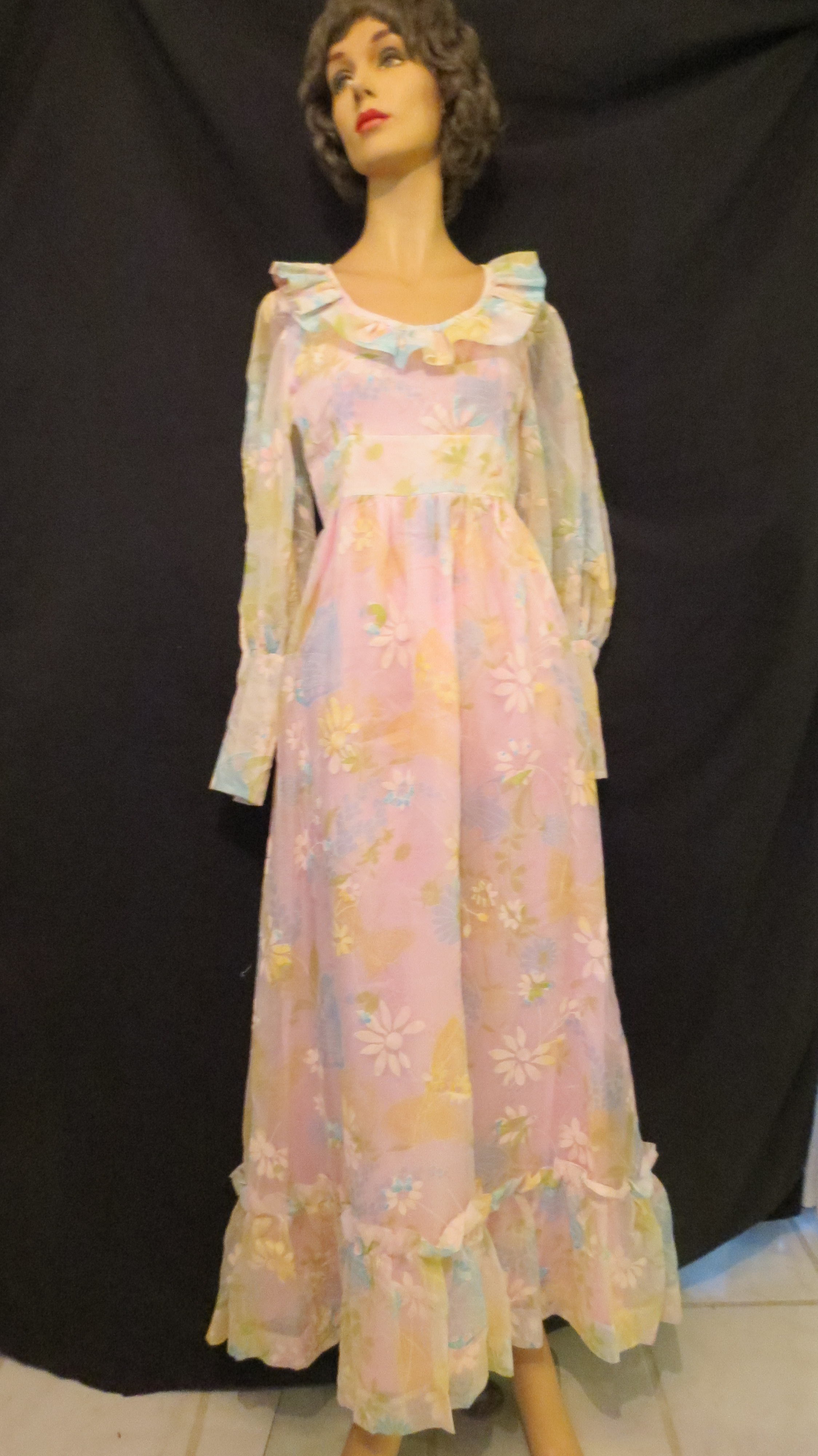
Flower Power! A little Victorian flavor here, too, which began to show up in the late Sixties. This carried over into the Prairie styles of the late Sixties and early Seventies, several of which I showed a few days ago. At that time, many were worn to the Prom. Lots of changes were happening in history and culture during this time and fashions morphed at lightening speed.

Of course, Mod flowers, empire waistline, gathered sleeves and retro ruffles plus a novel style element that showed up then and disappeared pretty quickly – big tall cuffs with lots of buttons. Many blouses and dresses were made with these, as well as long pointy collars, which had their own version on 1970’s shirts a few years later.

Although it’s a mangled mash of styles, it’s really cute and this was a time for CUTE clothing. It was a fad for a fairly short time. Sophisticated fashion took a back seat for a while. I haven’t seen too many of these during my investigations, so this one was a very fun find. Stay tuned for going ahead to the 1980’s . . . . . . . . . . . . . . . . . . . . . . . . . . . . . . . . . .

MORGANA MARTIN, THE MAGICVINTAGESPY

BLOG: MAGICVINTAGESPY.COM
Fun and Unusual 1960’s – 1970’s Mod-ish Cocktail LBD with Maribou

Another one-of-a-kind mid-century cocktail frock. De rigeuer black crepe-ish fabric with a full lining. Unusual 3/4 kimono-ish sleeves with maribou trim. Elegant and easy body-skimming style. Made by a company called Dresstown which seems to have straddled the U.S./Canada border about 50 years ago. Not high-end, but distinguished. Again, never will find another like it . . . . . . . . . . . . . . . .

MORGANA MARTIN, THE MAGICVINTAGESPY

BLOG: MAGICVINTAGESPY.COM
NEVER-BEFORE-SEEN FRENCH WOMEN’S CLOTHING STYLES HIT THE SCENE IN THE EARLY TO MID-1960’S

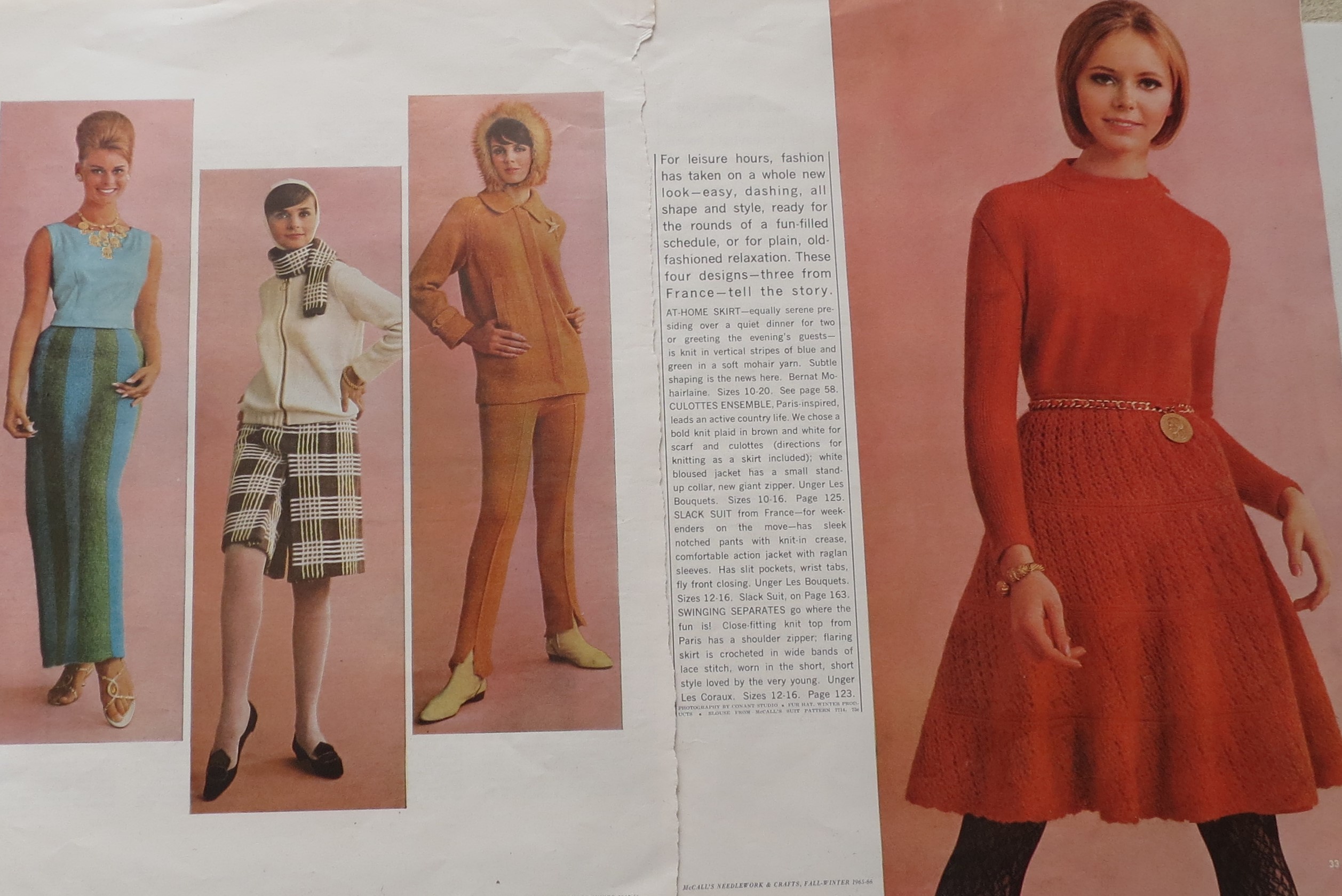
Pants, skirts and culottes! Very avant garde for the U.S. But, ladies with knitting needles were not timid and the pattern magazines spurred them on. No one can say that “American” women didn’t avidly follow European high fashion. Investigators have long known that, wherever we are, successful sleuthing depends on being able to blend in. (Must be cautious about calling people from the U.S. Americans, as if we’re the only ones. People from Mexico, Central and South America also identify themselves as American).

The photos I publish are all from vintage McCall’s Needlework and Crafts magazines, an offshoot of the well-known and popular McCall’s women’s magazine that published monthly from 1873 to 2002.

MORGANA MARTIN, THE MAGICVINTAGESPY

BLOG: MAGICVINTAGESPY.COM
LET’S MOVE FORWARD A COUPLE OF YEARS AND SEE WHAT AN EARLY 1960’S BRIDE MIGHT WEAR

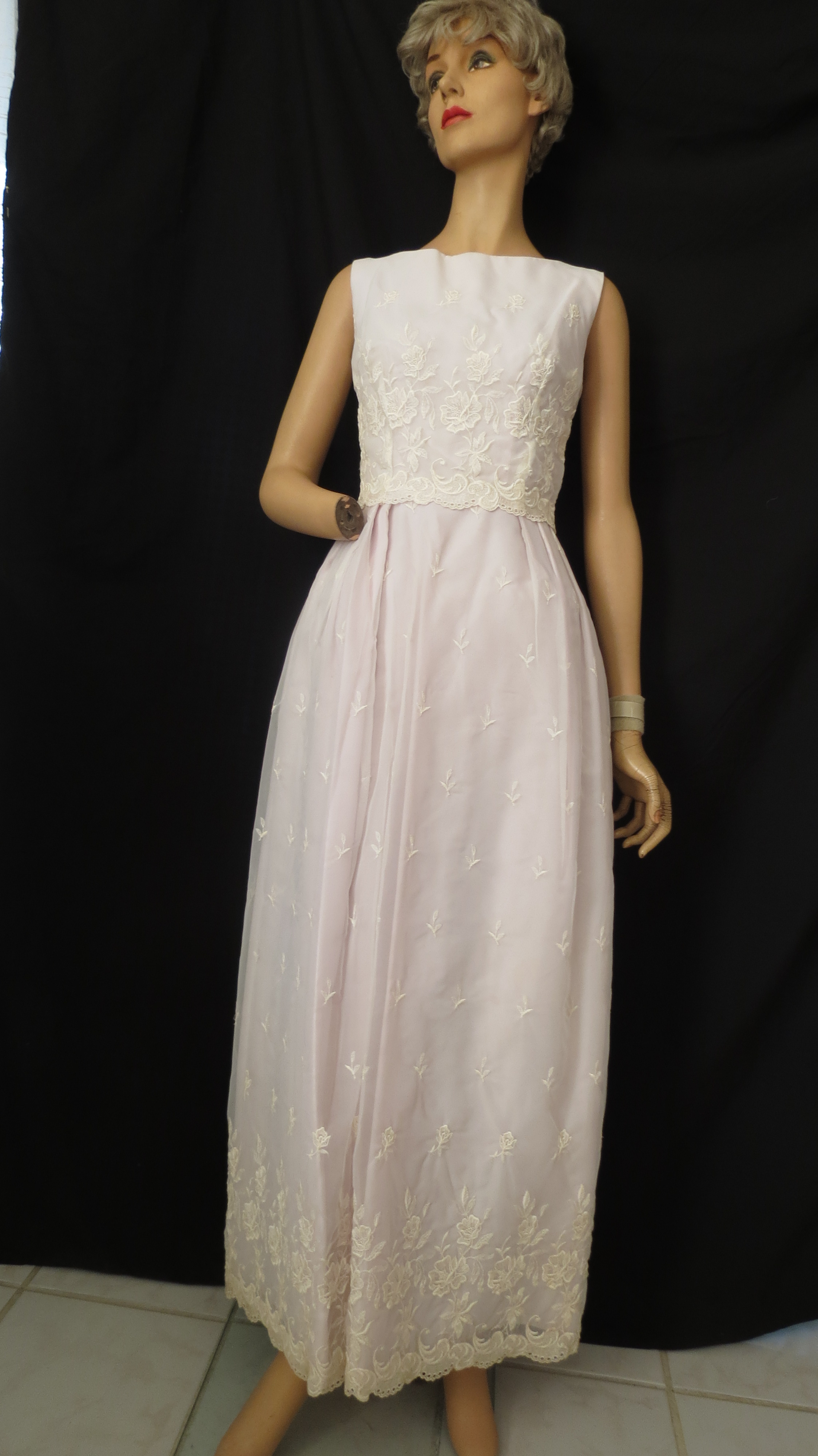
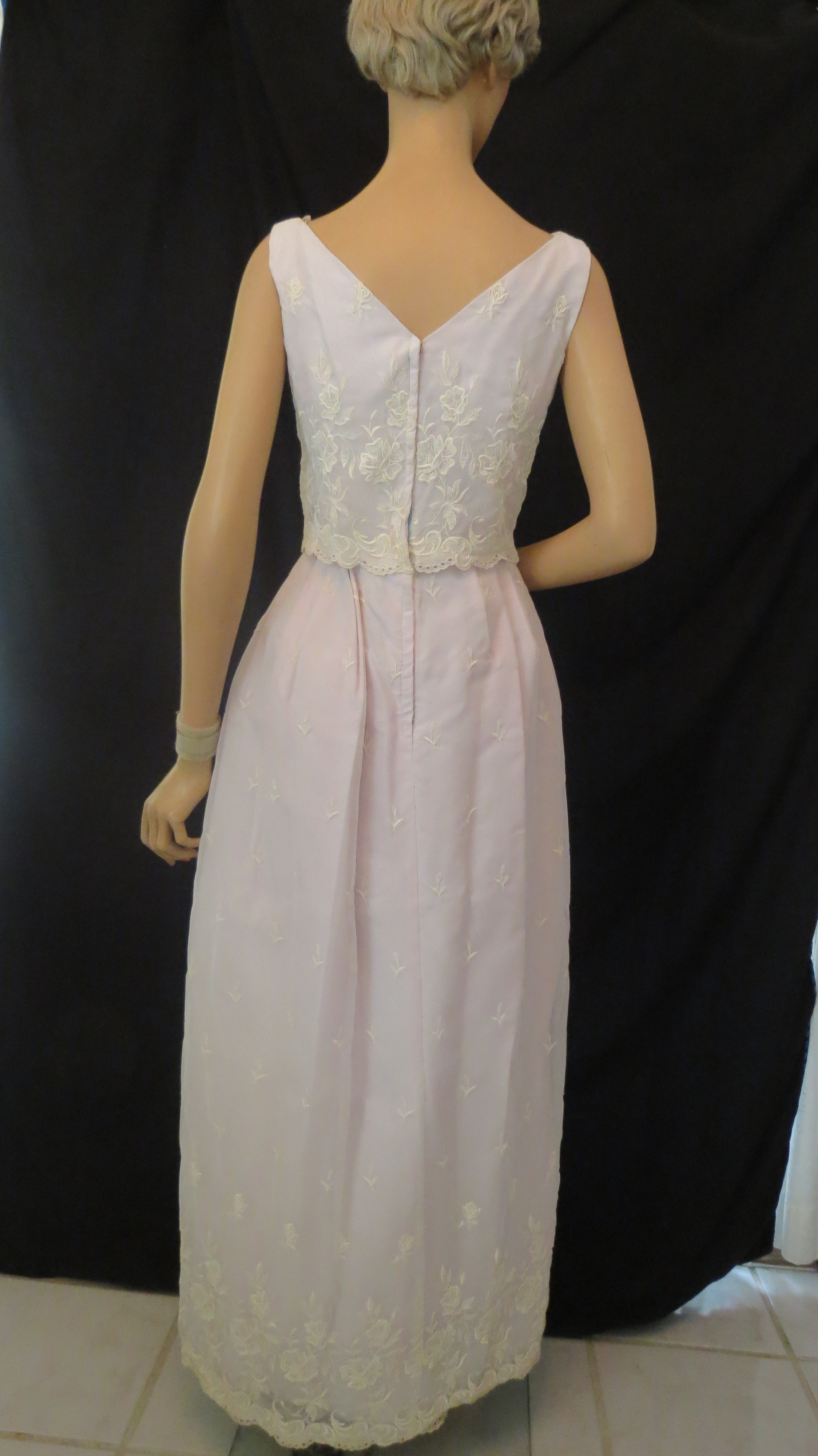
Although full skirts were still seen on wedding gowns in the early 1960’s (and probably always will be), narrower skirts and differently-styled bodices began to show up more often. Society was beginning the overthrow of traditional ways of doing things. Especially after Americans’ and the world’s hearts were shattered by the murder of our King Arthur in 1963, all bets were off and the Mod fashion revolution began.

I somehow doubt that the Kelly Arden mini-dress on right was intended as a wedding frock, but it could have been – even with the contrasting buttons and sash. Grandma would have been scandalized and all but the most fashionista of mom’s wouldn’t have liked it, either. That would have been a powerful clue to the identity of the mystery bride . . . . . . .a closet revolutionary. Not surprisingly, the anti-establishment trend continued as the files further reveal. Stay tuned. . . . . . . . . . . . . . . . . . . . . . . . . . . . .

MORGANA MARTIN, THE MAGICVINTAGESPY

BLOG: MAGICVINTAGESPY.COM