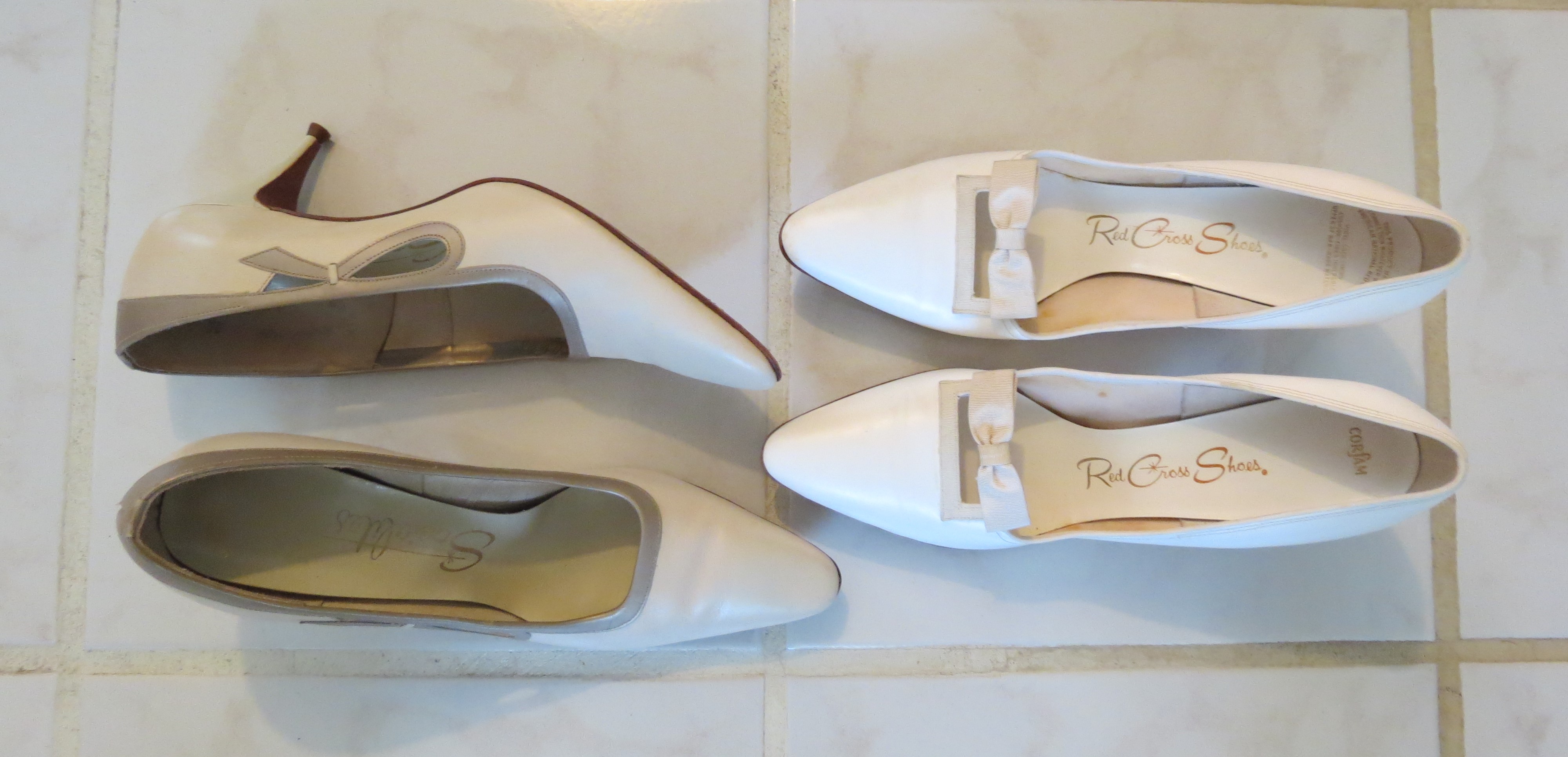
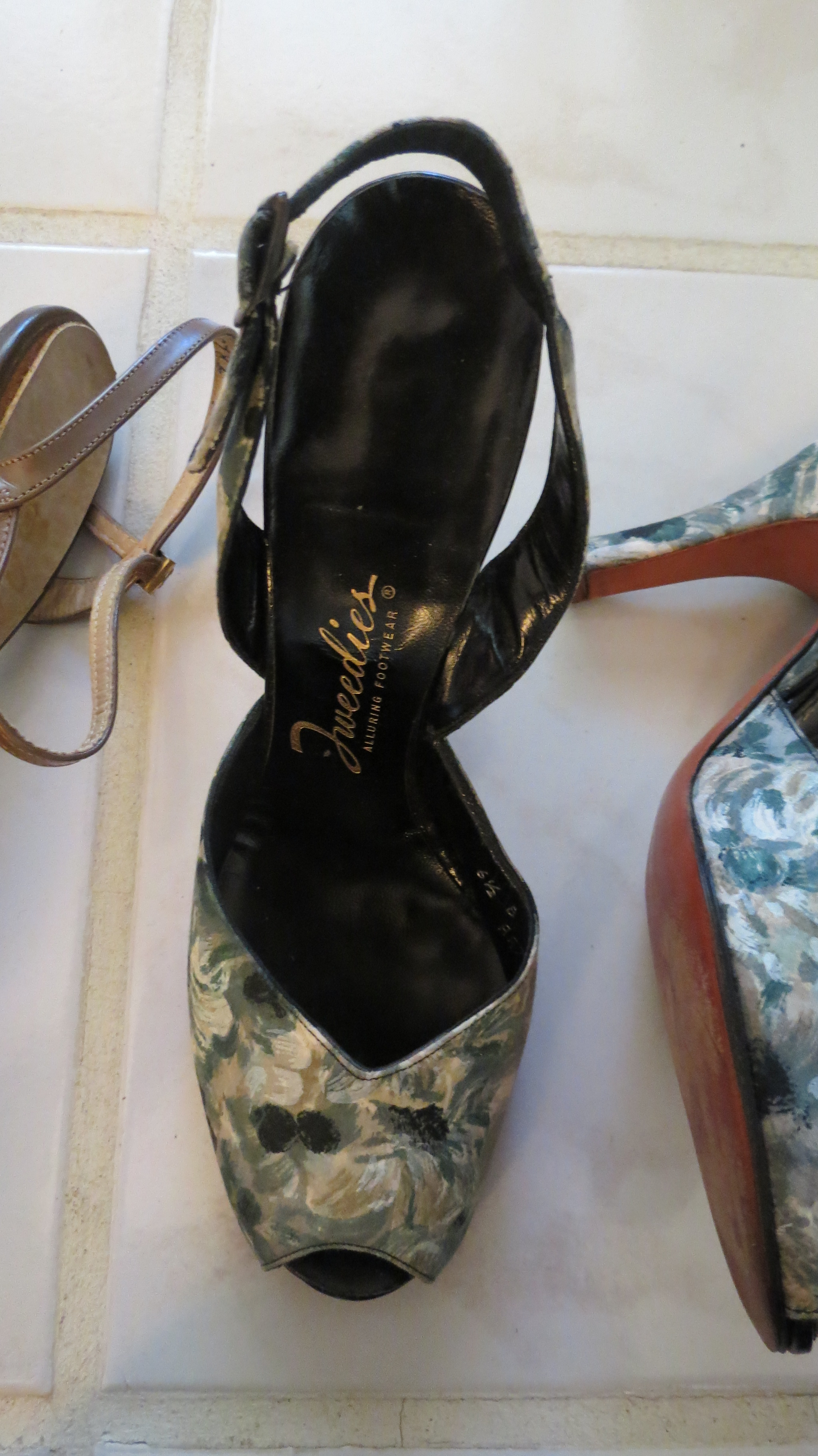
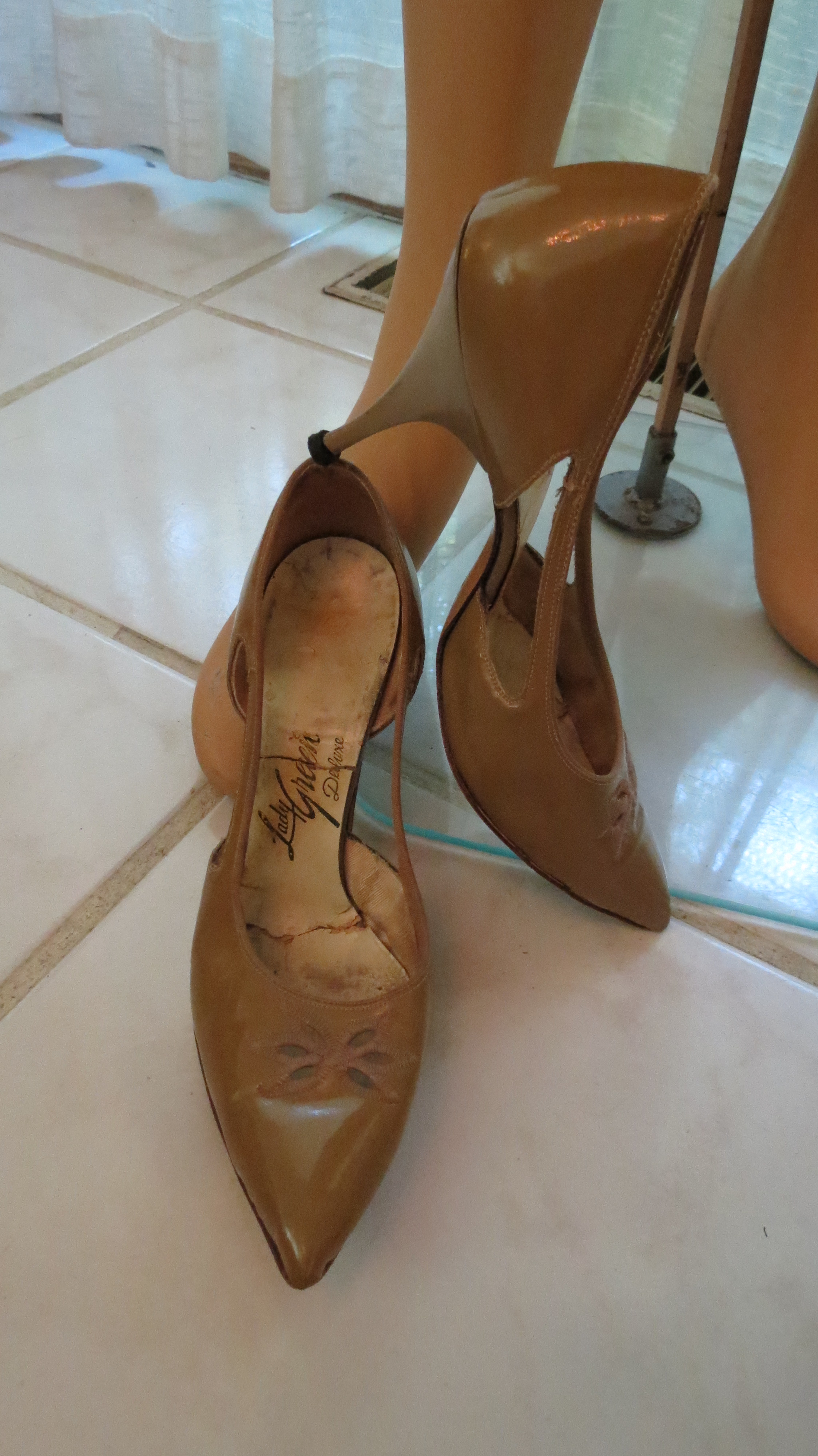
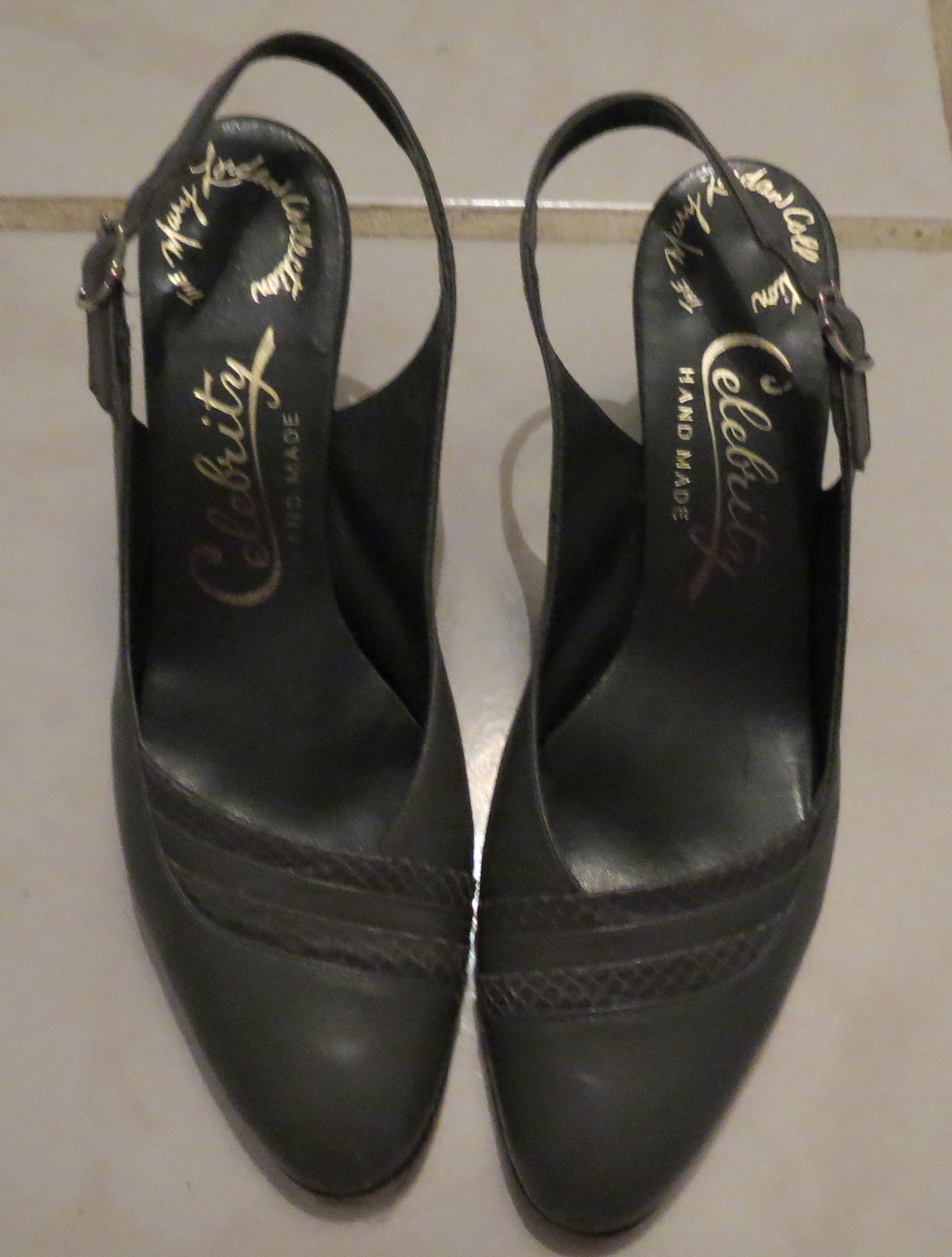
It’s almost Labor Day, OMG!! According to the North American dress codes of the 1960’s, wearing white or shoes with cutouts like these pale beige ones after Labor Day would have been a traditional fashion faux pas (in other words, big “no, no”); an embarrassing mistake that spoke to your lack of fashion sense.
With great respect to individual and cultural standards of proper dress and modesty, thank goodness those rules no longer apply in general! Unlike our grandmothers and maybe our mothers, we can wear white and pastels whenever we want to!! We can also wear black to a wedding, white or bright colors to a funeral, slacks anywhere, sleeveless blouses anytime, shorts and sandals year-round, weather permitting. Good taste and elegance are, of course, another matter . . . . . . . . . . . . . . . . . . . . . . . . . . . ..
In 1960’s shoes like these, our grannies wouldn’t face the Fashion Police in any way. They’re exceptionally well-made (how could they have lasted so long if not?), color is pretty universal and not offensive, style is modest and mainstream and they’re comfortable for walking. Not my favorite style, but worth collecting.
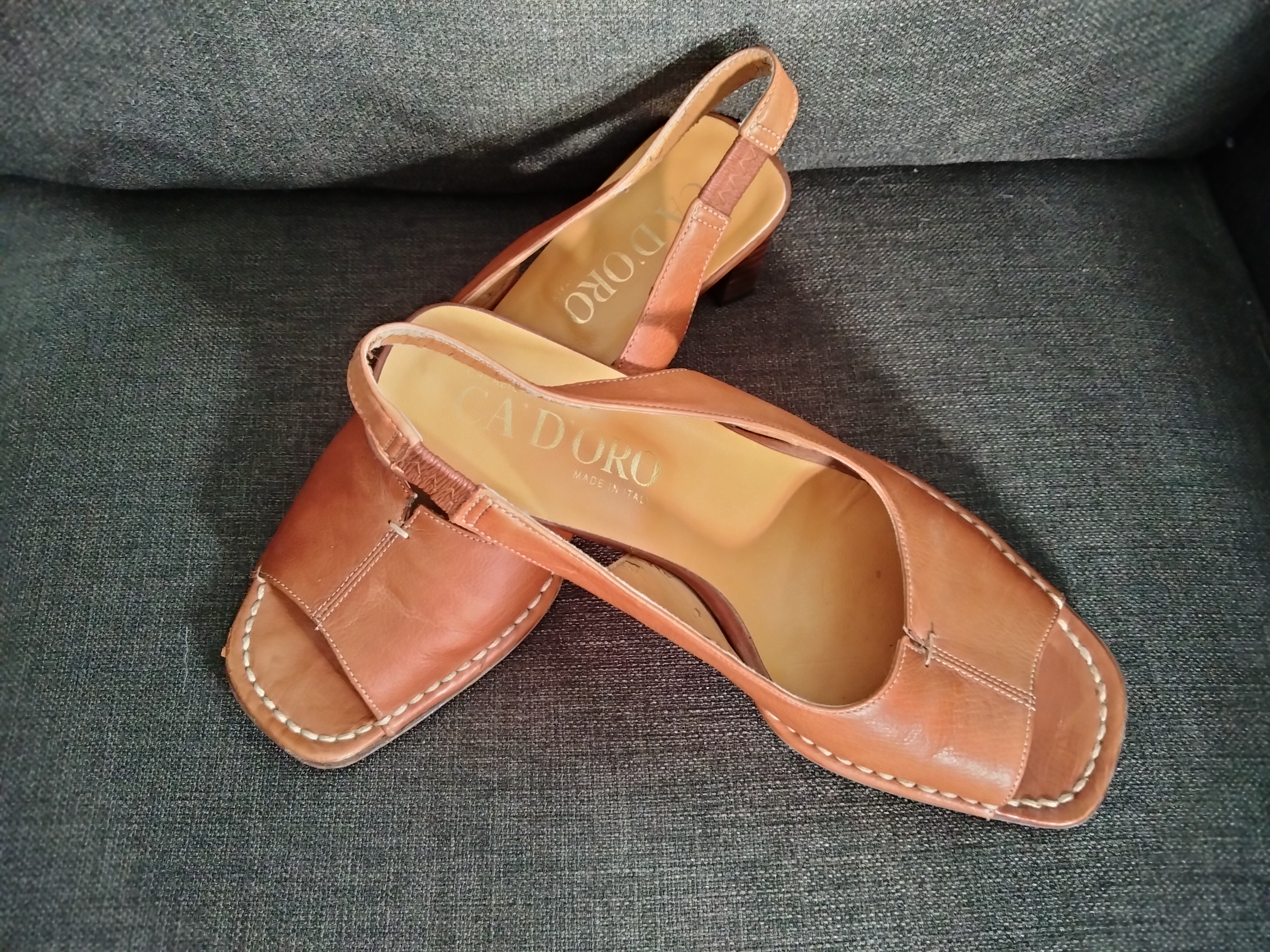
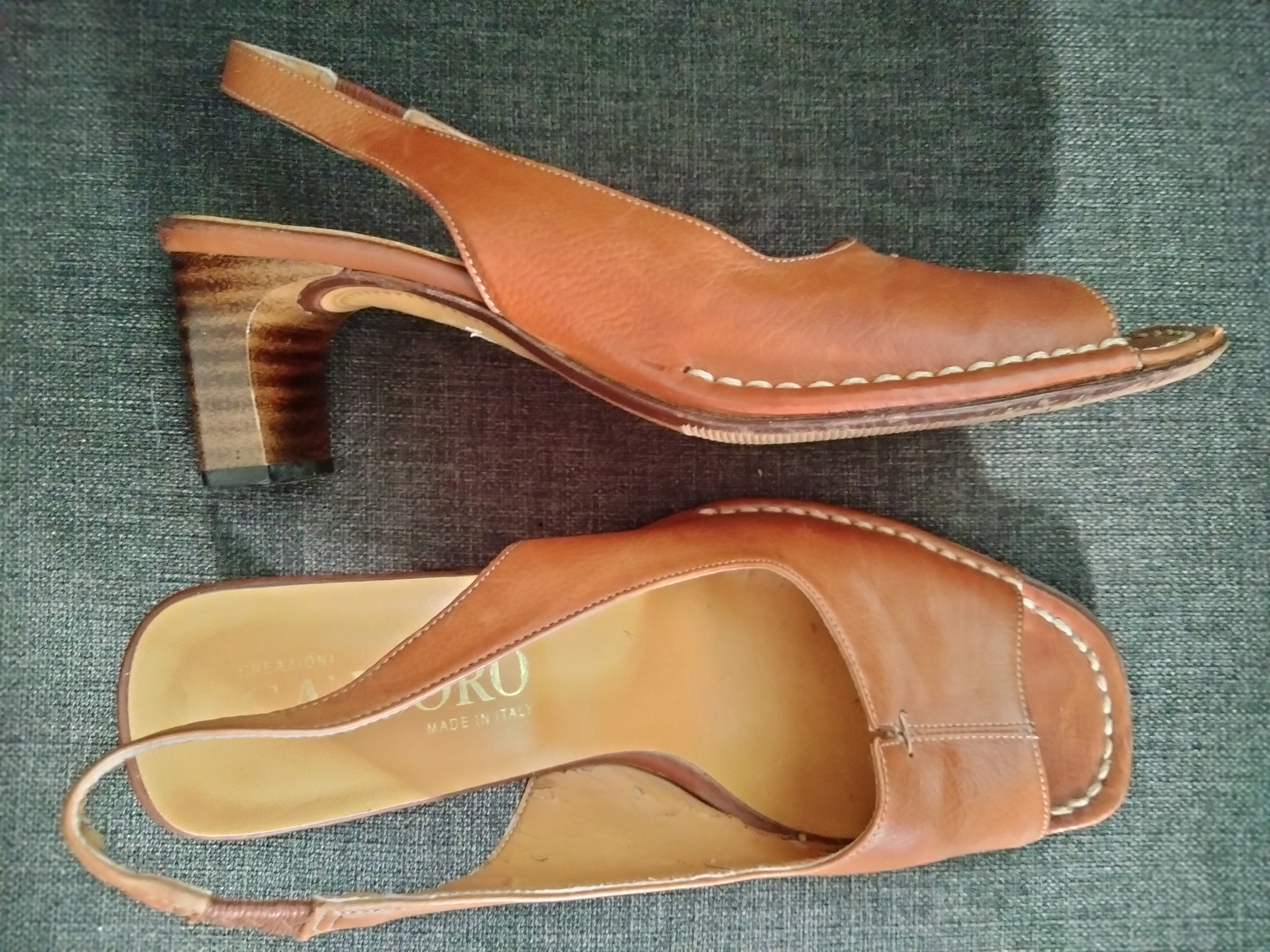
That said, I much prefer the 1980’s Italian-made sandals discovery that I just posted a few days ago – interesting design, great quality, elegant and versatile style and much more flattering. But, hey, we don’t have any lock on that in the more recent decades. Fabulous avante garde and va-va-voom styles have been produced at least for the past 100 years. I should review the archives ……
What could be better for Summer? Love these sling-back sandals with the sculpted stacked leather heel. The soles are Elastane, which was a “new” material introduced in the 1970’s and was very popular for it’s flexibility. I’m dating this pair from the 1980’s. Very city chic, yet casual.
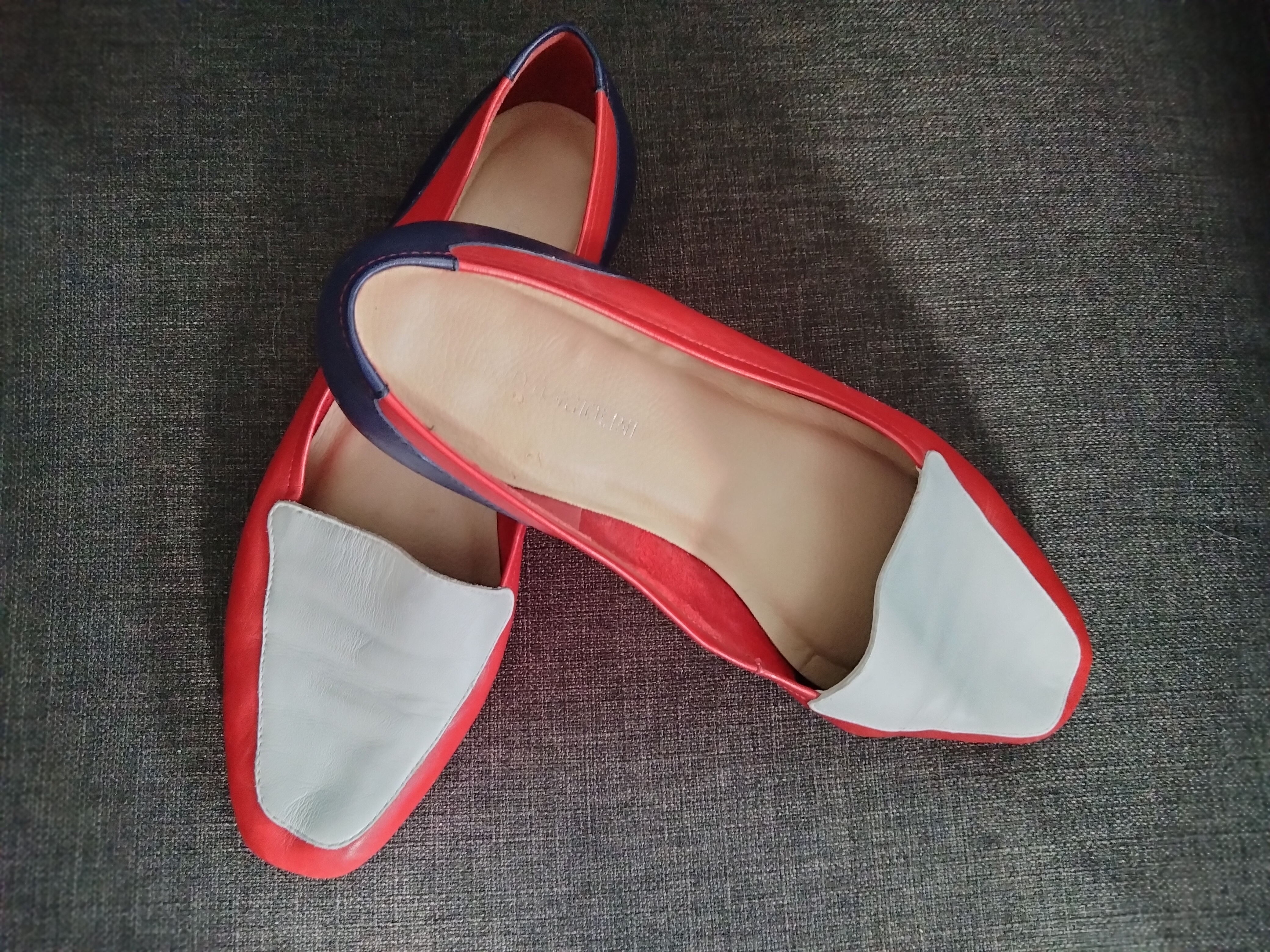
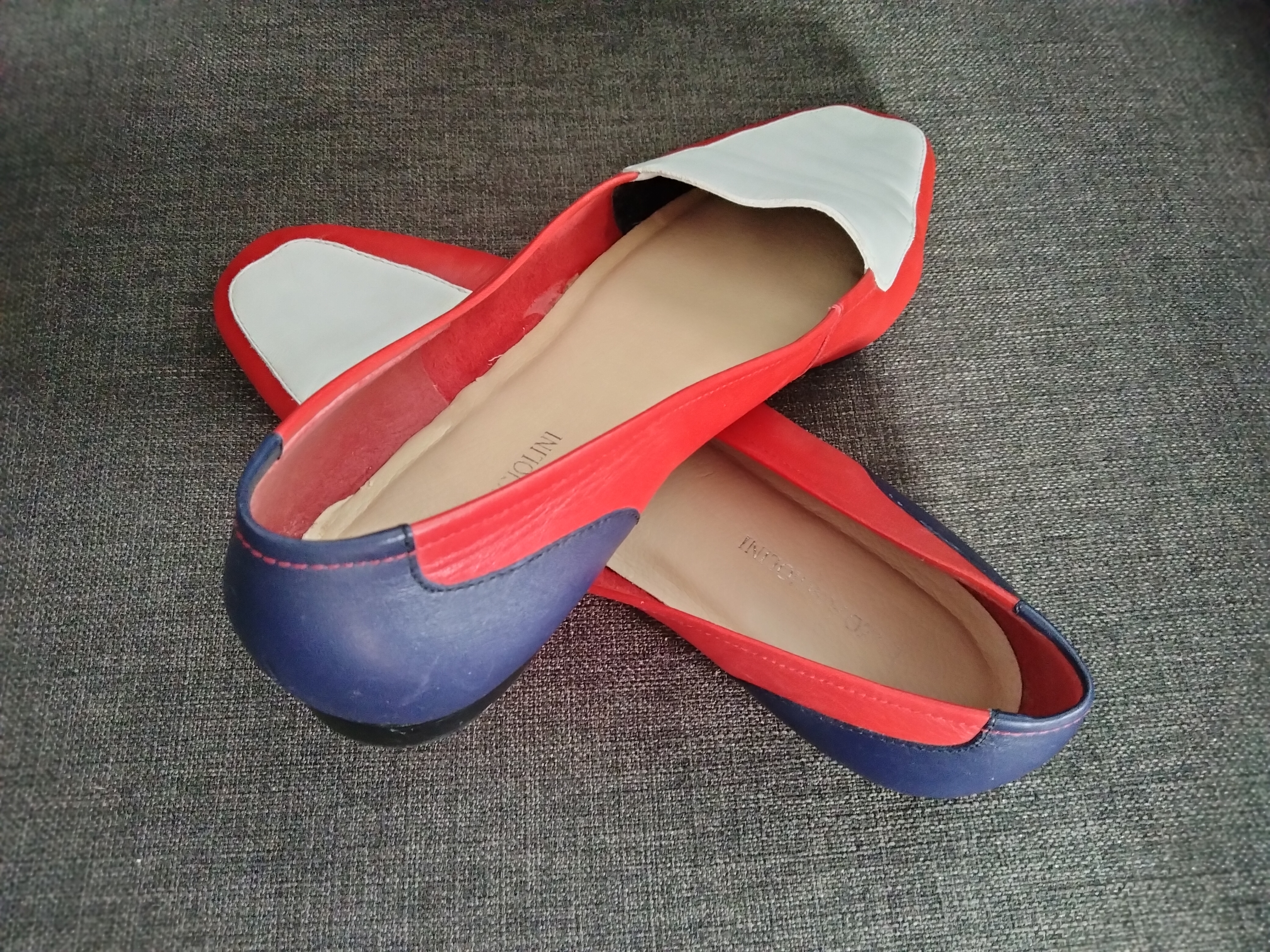
These color-block flats make me think of something Audrey Hepburn might have worn in the the classic movie Roman Holiday, from the early 1960’s. They are by Enzo Angiolini, an Italian designer brand which was very popular in the U.S. during the 1990’s. I believe that they are 100% leather shoes, excepting for the heel caps. This is always a sign of higher-end footwear, if the workmanship is good.
Both pairs have been lovingly cared for and show light wear, considering their age. Even better, they are in my size. Who knows what streets and alleyways these shoes may have walked? Good chance some of them were in Europe. They still have more stories to tell, and I always love a mystery . . . . . . . . . . . . .
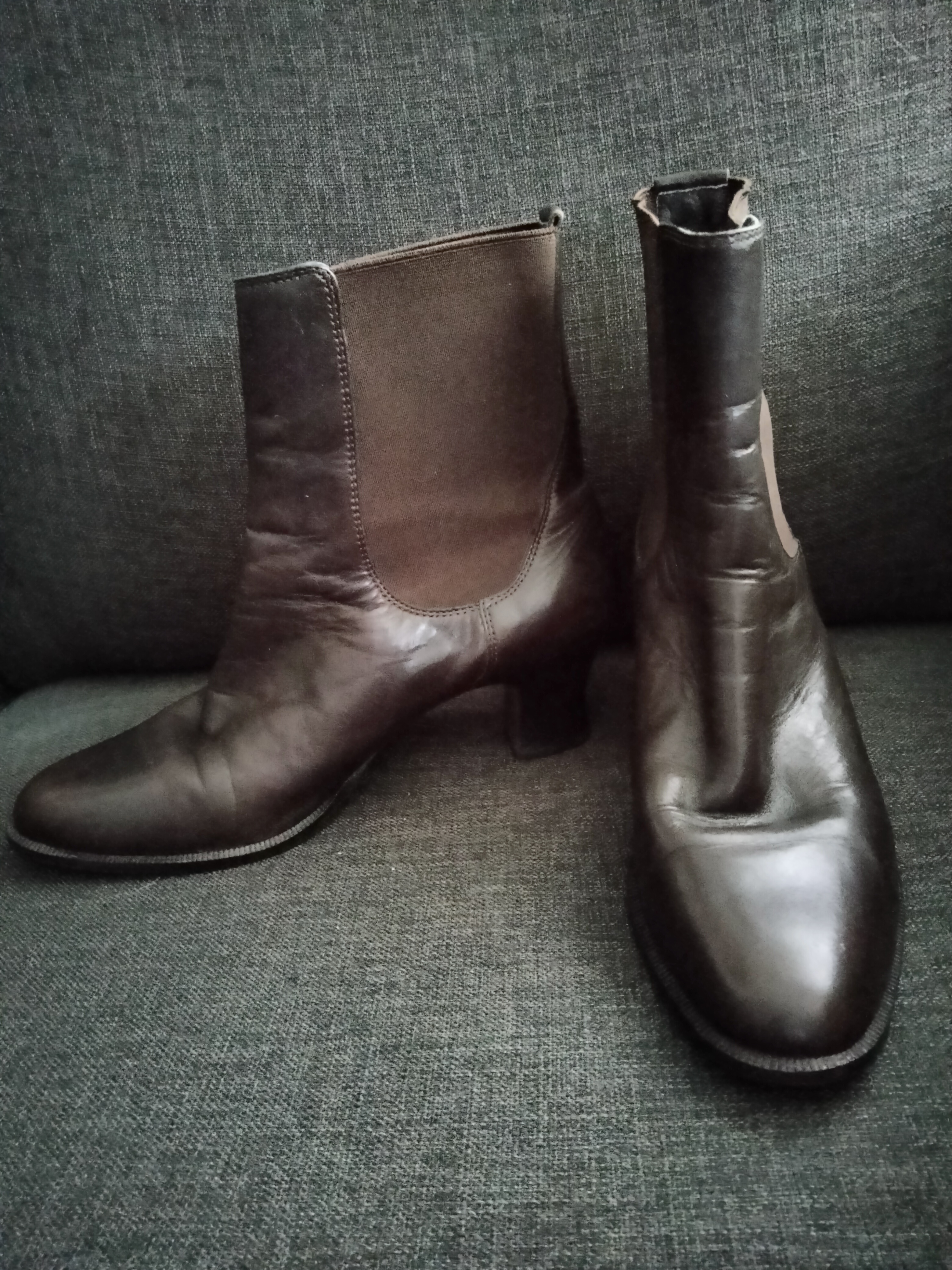
Love, love, love!!!!! Most likely from the 1980’s – maybe the 1990’s. Always one of my favorite finds (they fit!!!!!), and definitely keepers that will serve me well forever. These boots were made in Brazil of lovely, soft leather. The clues abound regarding their excellent pedigree:
1. The craftsmanship is exquisite: even, strong stitching with high quality elastic gussets that have held their shape and stretch. Notice the nice little tab at the back which looks good but also provides a gripping place to pull the boots on comfortably, without stretching that would pull them out of shape.
2. The soles and heels look very much like leather, which is always a plus because it can be repaired by a skilled shoemaker or shoe-repair technician, but instead are made of the wonderful Vibram-type material which came later in the mid-century and is virtually indestructible. The finish eventually wears off the soles but they don’t wear down as quickly as leather. Repair and replacement are hardly ever needed.
3, The heels are so well-crafted that they have the look of stacked leather, though they probably are not(?)
4. The Granny-style of the heels was fashionable at the time these were made but the overall design is perfectly classic and elegant. Despite the heel style these boots are wearable with most clothing types without looking dated and will continue to be in the future.
This investigation proved not only the age, origin and construction details of these boots, but also strong clues as to what class of person owned and wore them as well as the type of vendor which sold them originally. Although modern technology would allow a greater depth of detailed knowledge to be ascertained in a laboratory, I will leave those tasks to the forensic teams. For my purposes, the investigation is perfect and ends here, in my closet.
_ _ _ _ _ _ _
As I’ve said before, I don’t support the markets for any type of animal skins (including fur) by buying newly-made products that involve the raising, hunting and slaughter of the animals who provide them. I also avoid products made from wool, down and other feathers and silk, which also involve animal cruelty. Collecting beautiful true vintage artifacts easily satisfies my curiosity and fulfills my needs.
As the marketplace continues to offer more alternatives, my diet and toiletries are always vegetarian and vegan whenever possible. Excellent alternatives to most products are available and the prices are constantly coming down. Now that cruelty-free hard goods (not food or other things that will spoil) have been in the marketplace for a few years, it’s increasingly possible to find them in places where previously used items are sold or traded. True vintage items may not have been made with an ethical mentality, but they don’t contribute to cruelty and abuse in the present. Secondhand purchases don’t give money to current unethical manufacturing processes or the people who sell them either, as long as you are not buying from the original producer or vendor. And, the older things are, the better the quality in most cases. What could be better?
This is just the beginning of my posts of recent discoveries. More are coming. Stay tuned . . . . . . . . . . . . . . . . . . . . . .. . . . . . . . .
Wonderful items from the 1980’s and 1990’s. Although I never buy modern leather, skins or fur, I love these beautiful true vintage pieces which have the quality craftsmanship and materials that we rarely see anymore. With good care, they last for decades and decades! Stay tuned – I’ll post them soon . . . . . . . . . . . . . . . . . . . . . . .
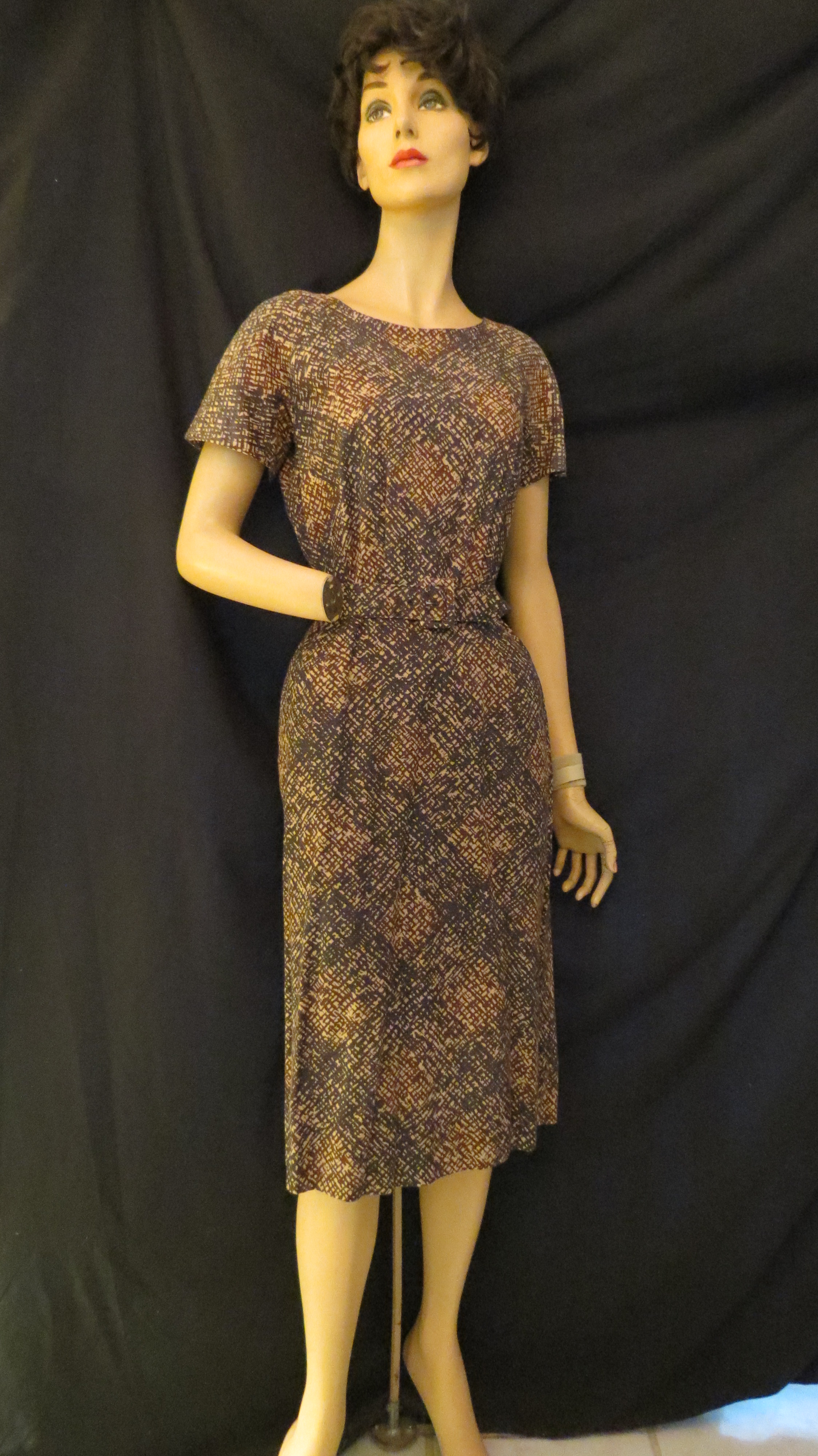
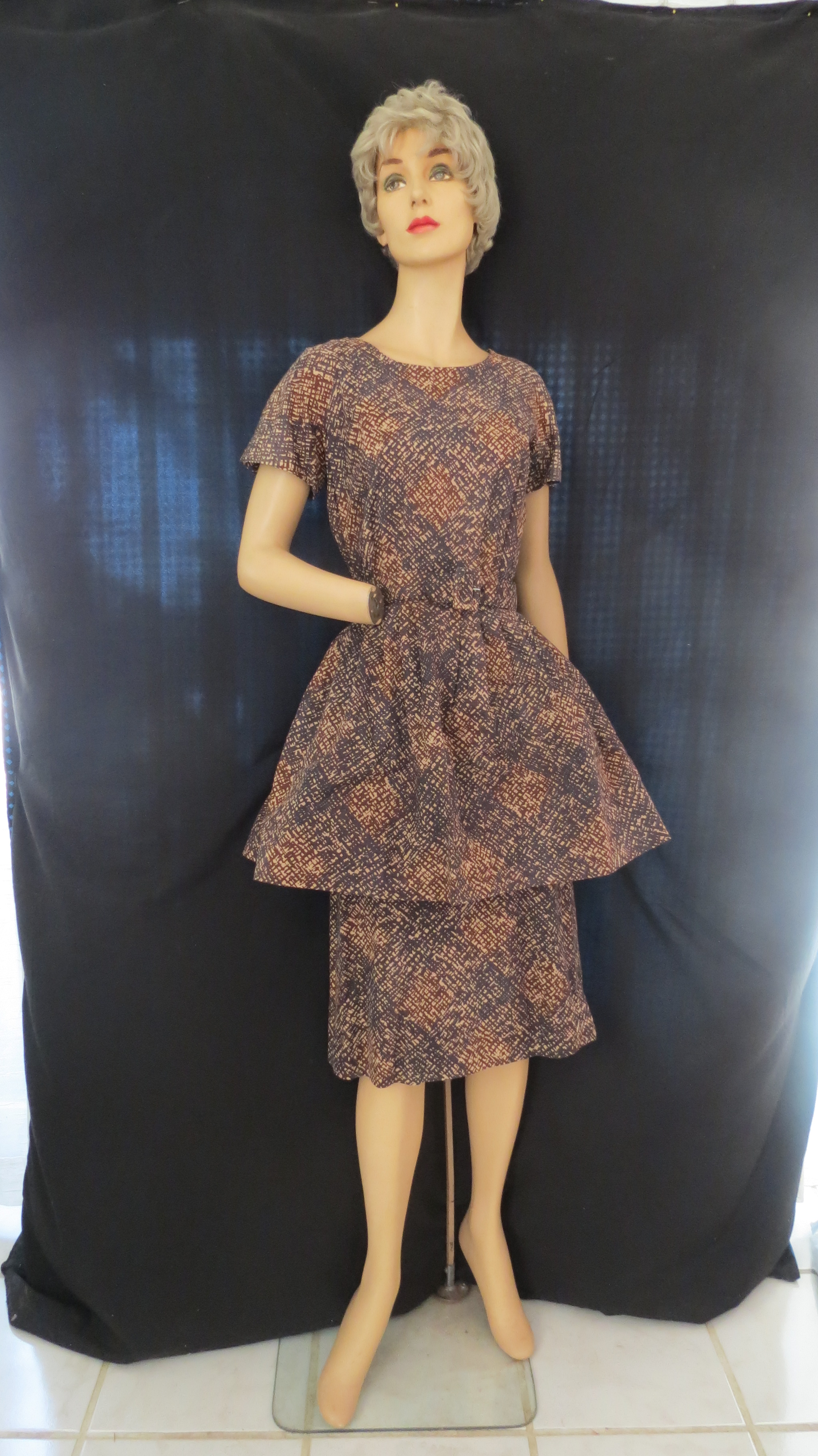
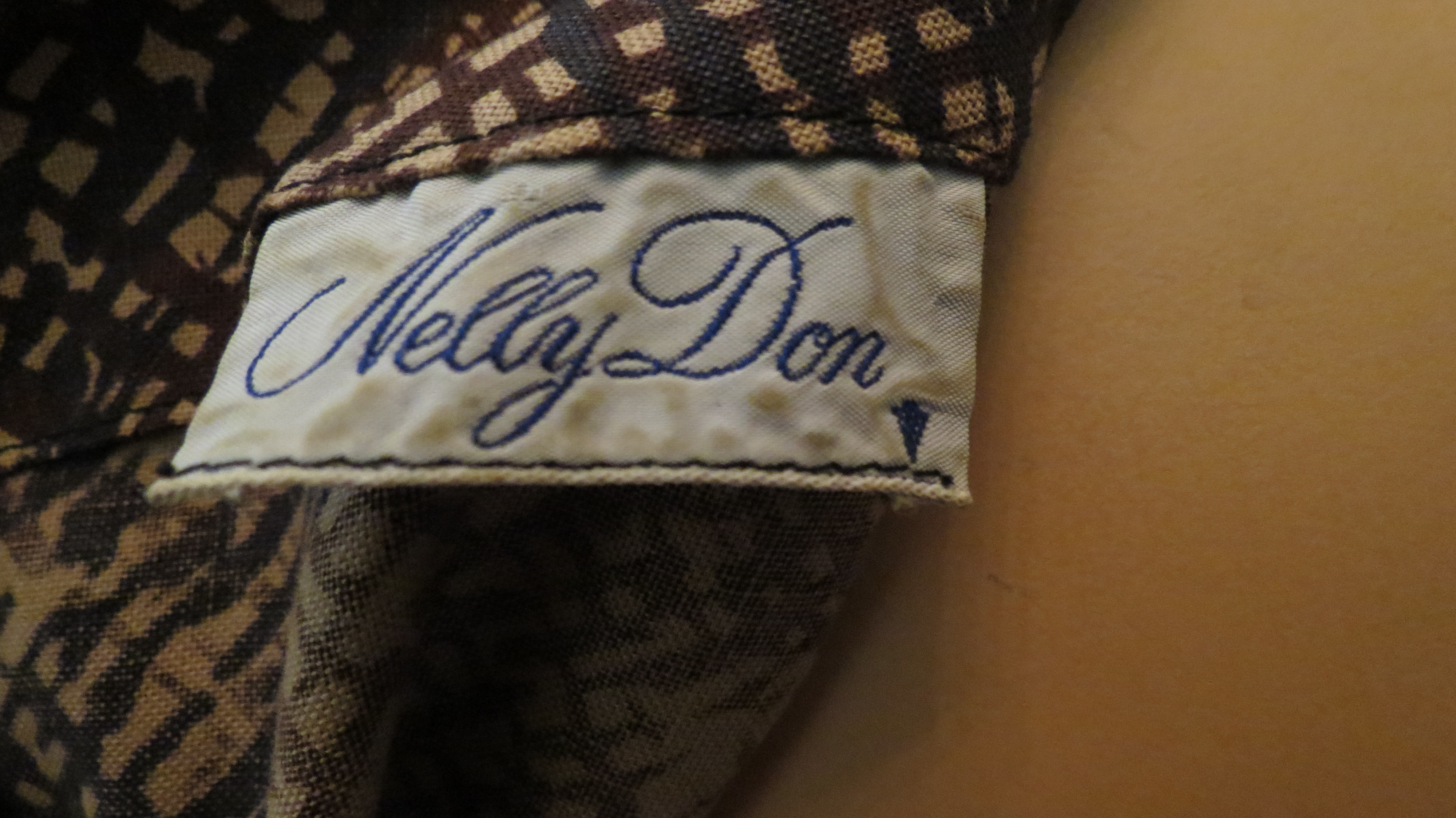
Let’s start with this novel style by a famous French (undoubtedly Paris) designer. The knock-off pictured above was by Nelly Don, a well-known mid-century ladieswear label in the U.S. The belted sheath dress woven of substantial cotton or a blend has a wide detachable peplum which creates this avant garde silhouette. The French designer brought this luxury style out in 1952 and the mid-priced American version followed quickly.
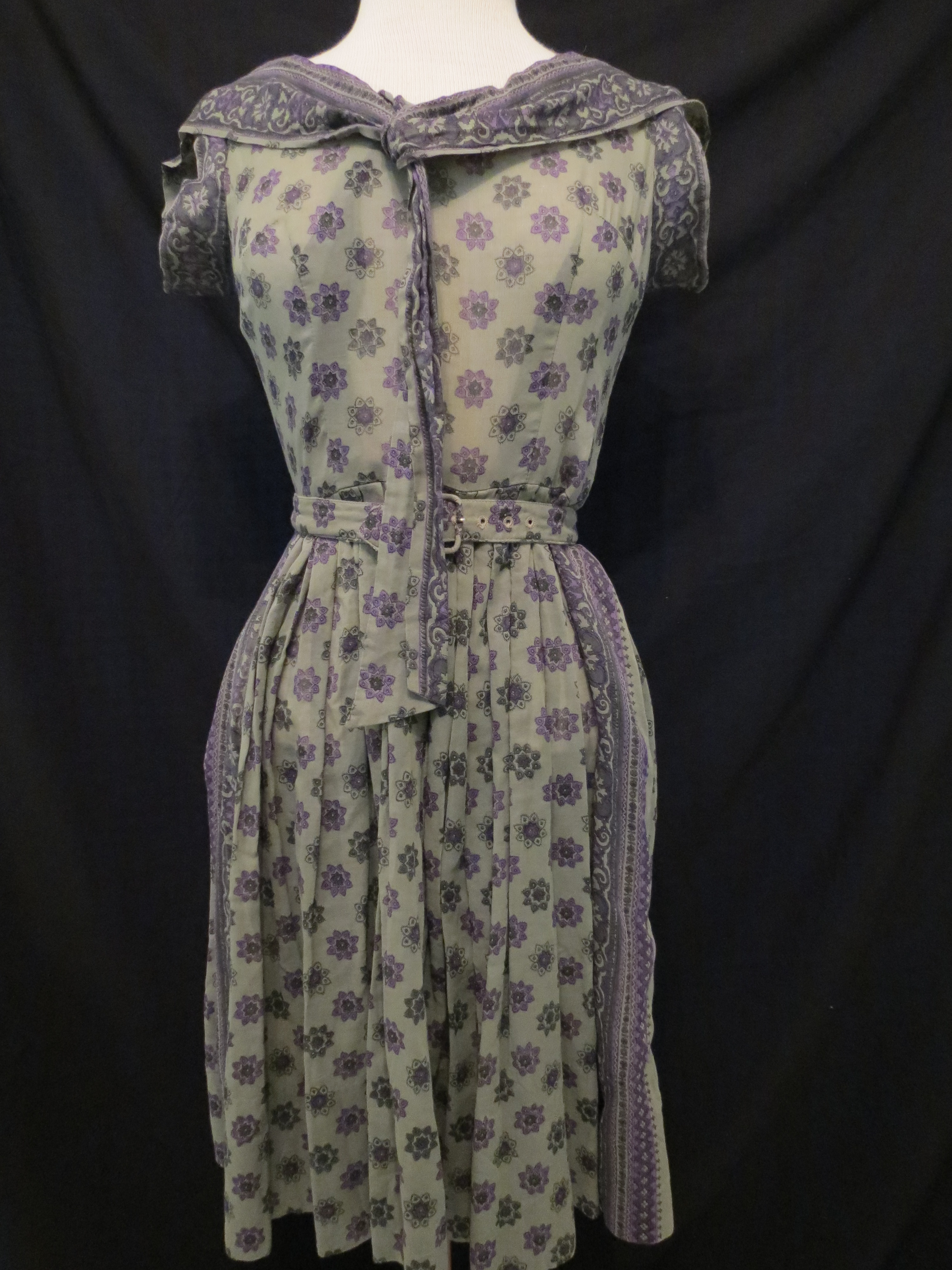
A very pretty semi-sheer dress with a scarf neckline is unusual in an olive green and purple print which I love. Again, it’s belted and fitted as were most of the dresses of this time and follows a shirtdress style.
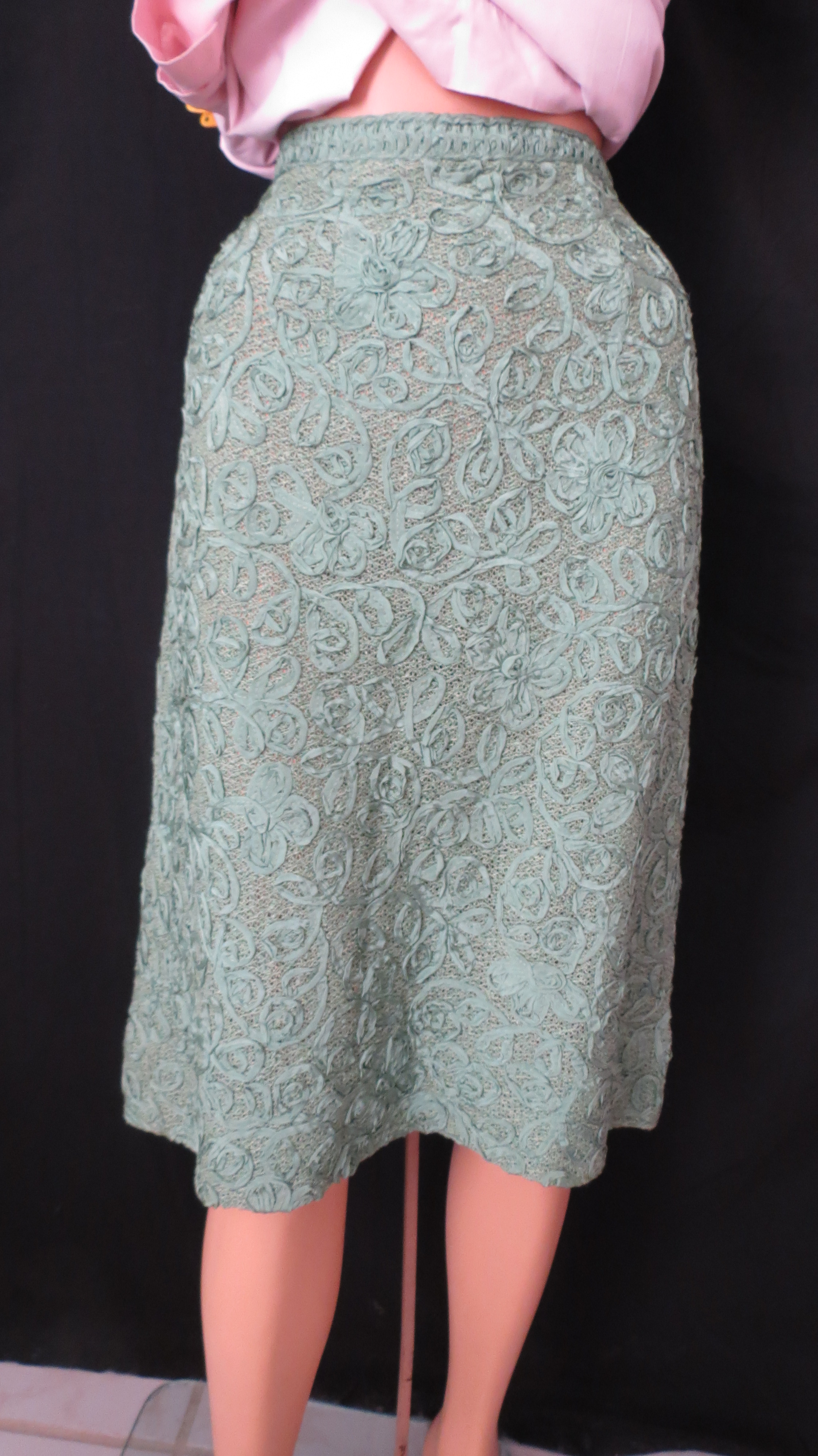
This green pencil skirt is made in a relatively briefly-used but popular fabric which consists of thin, rayon(?) ribbon that is coiled in a continuous design, appliqued onto another fabric base. Imagine it worn with a pretty, fitted blouse. I have a black skirt suit made in this fabric and a family member owned a short-sleeved dress in a gold color, back in the day.
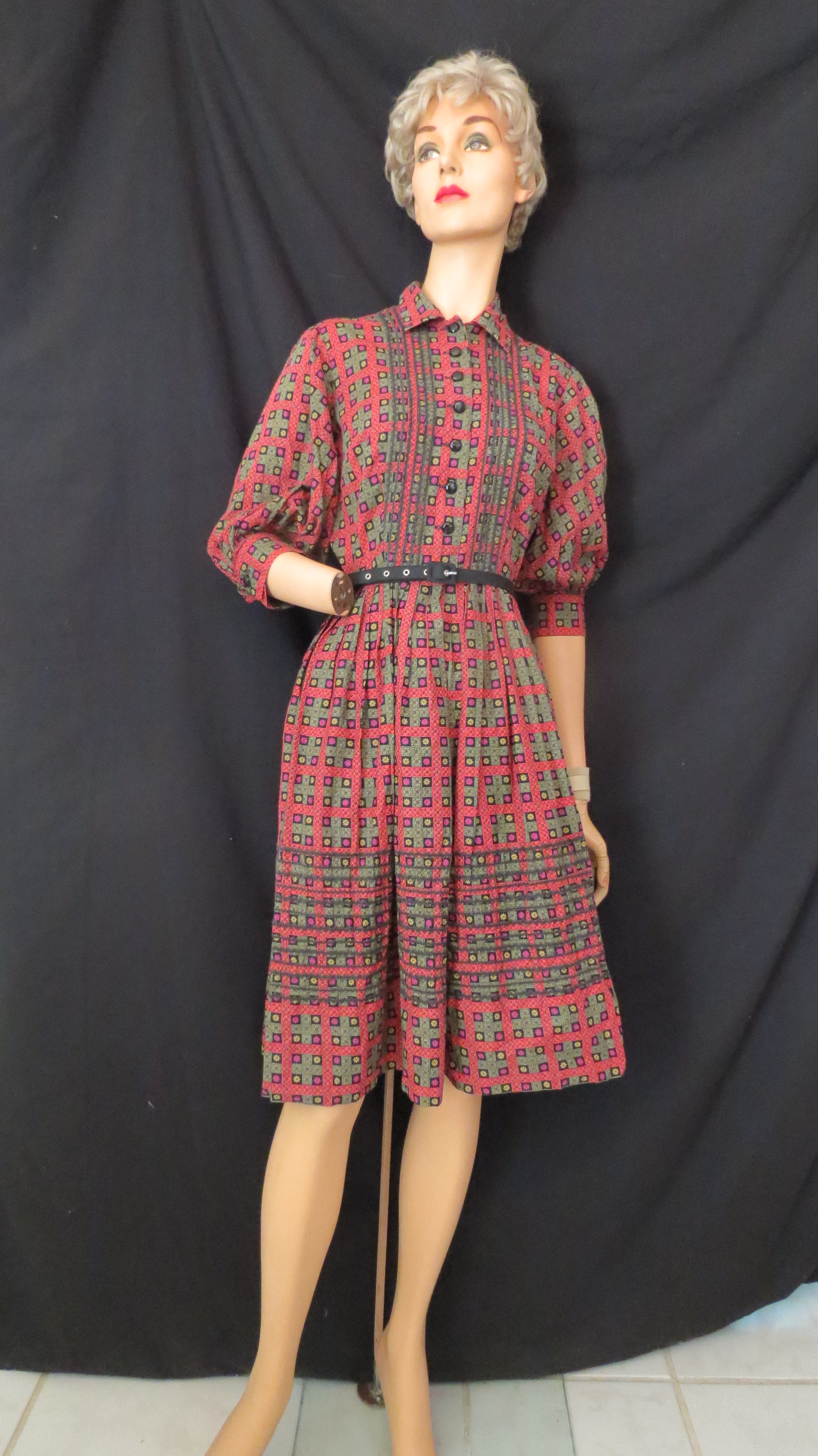
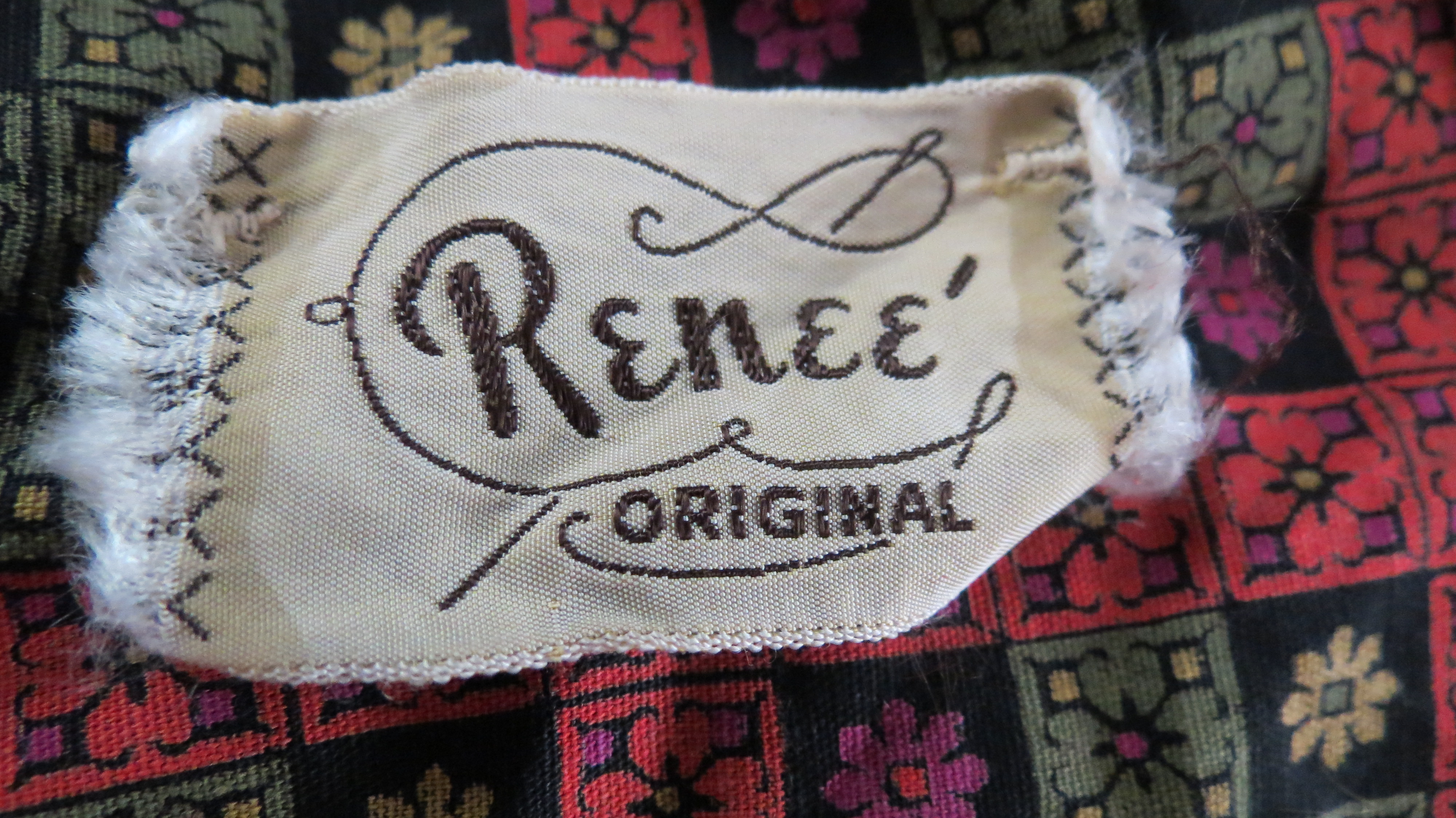
The shirtwaist dress never lost it’s place and continued into the Fifties and beyond in fabrics which ranged from cotton and cotton blends to rayon and silk. The simplest daywear styles continued to be the housewife’s daily uniform. This one is a slightly upscaled version in a more complex print with embroidered trim and tucks.
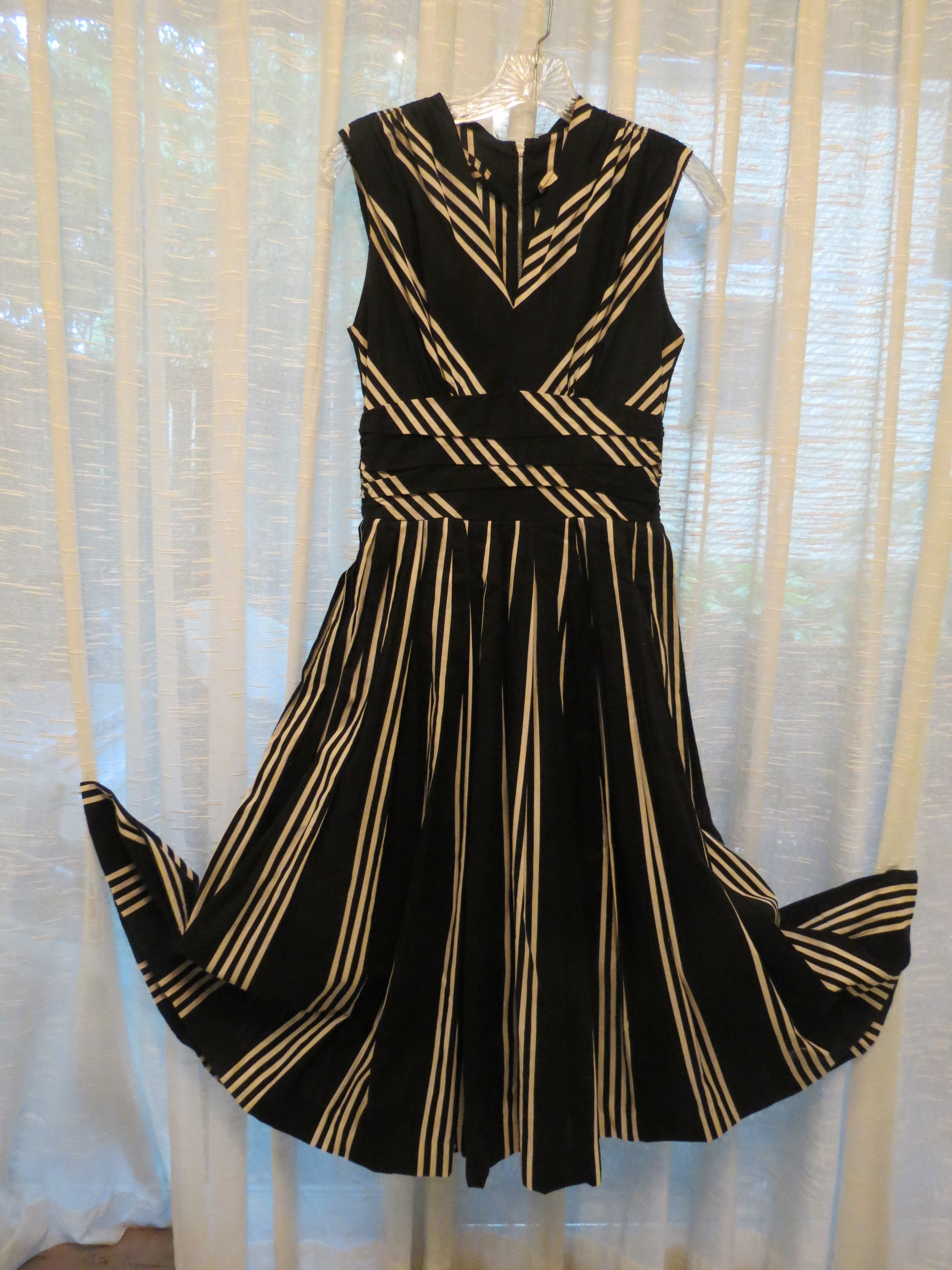
This black and white dressed-up sundress would have been appropriate to go on a date, to the Ladies’ Club, Country Club or shopping in the city. It may have been custom-made, as women and professional tailors continued to use their skills this way though not as much out of necessity as during wartime. The Fifties were about being thrifty but also stylish and having more!
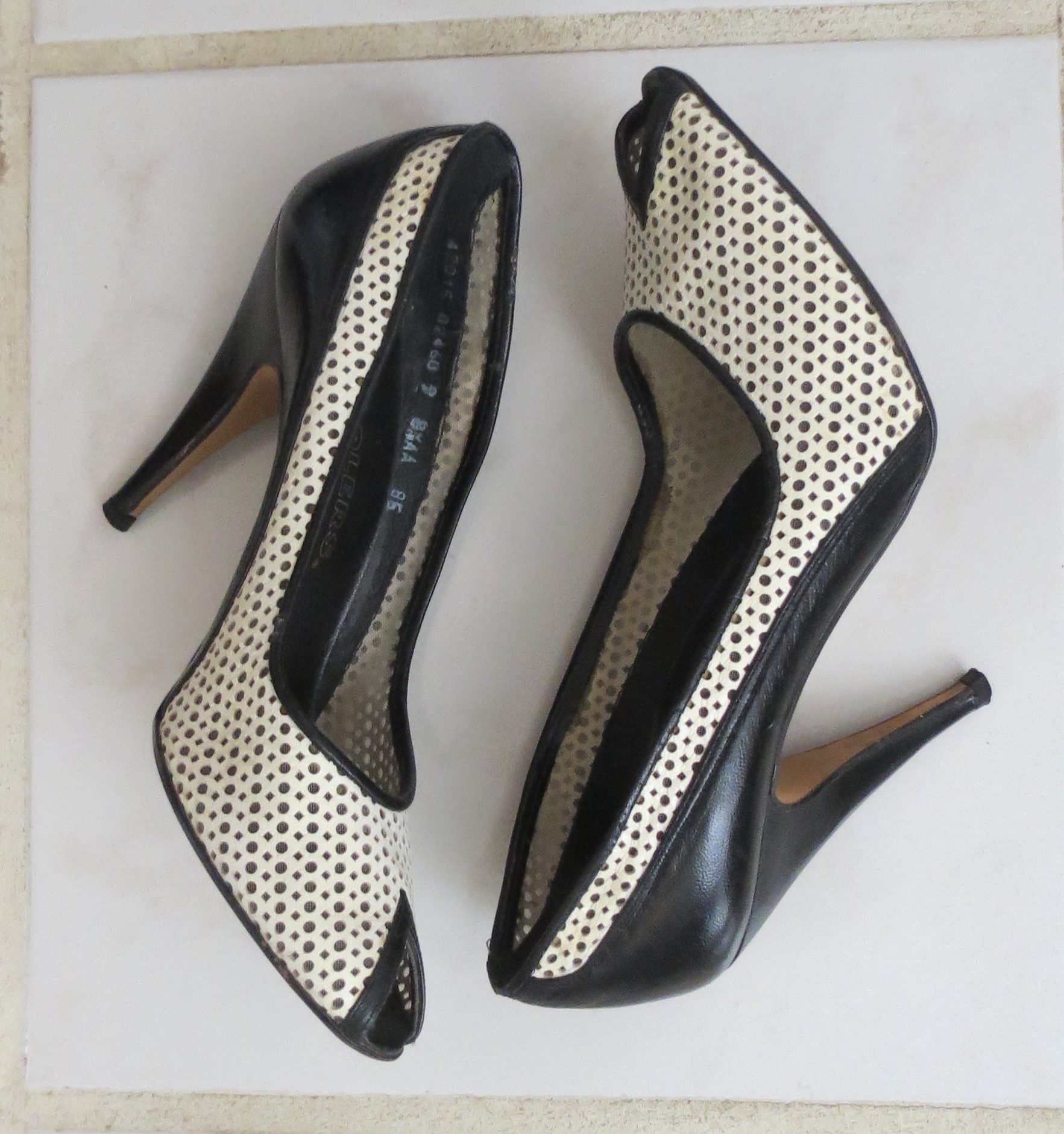
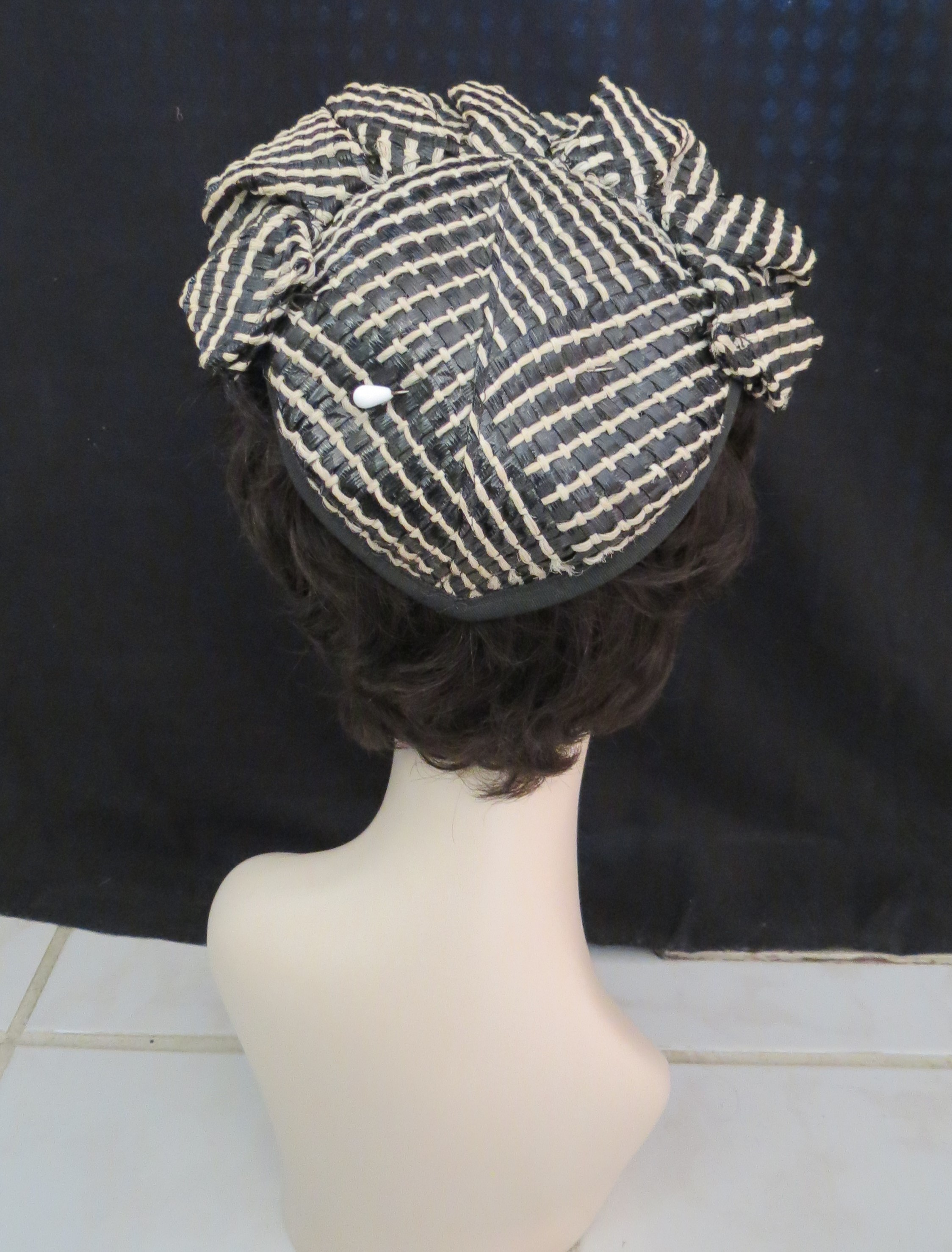
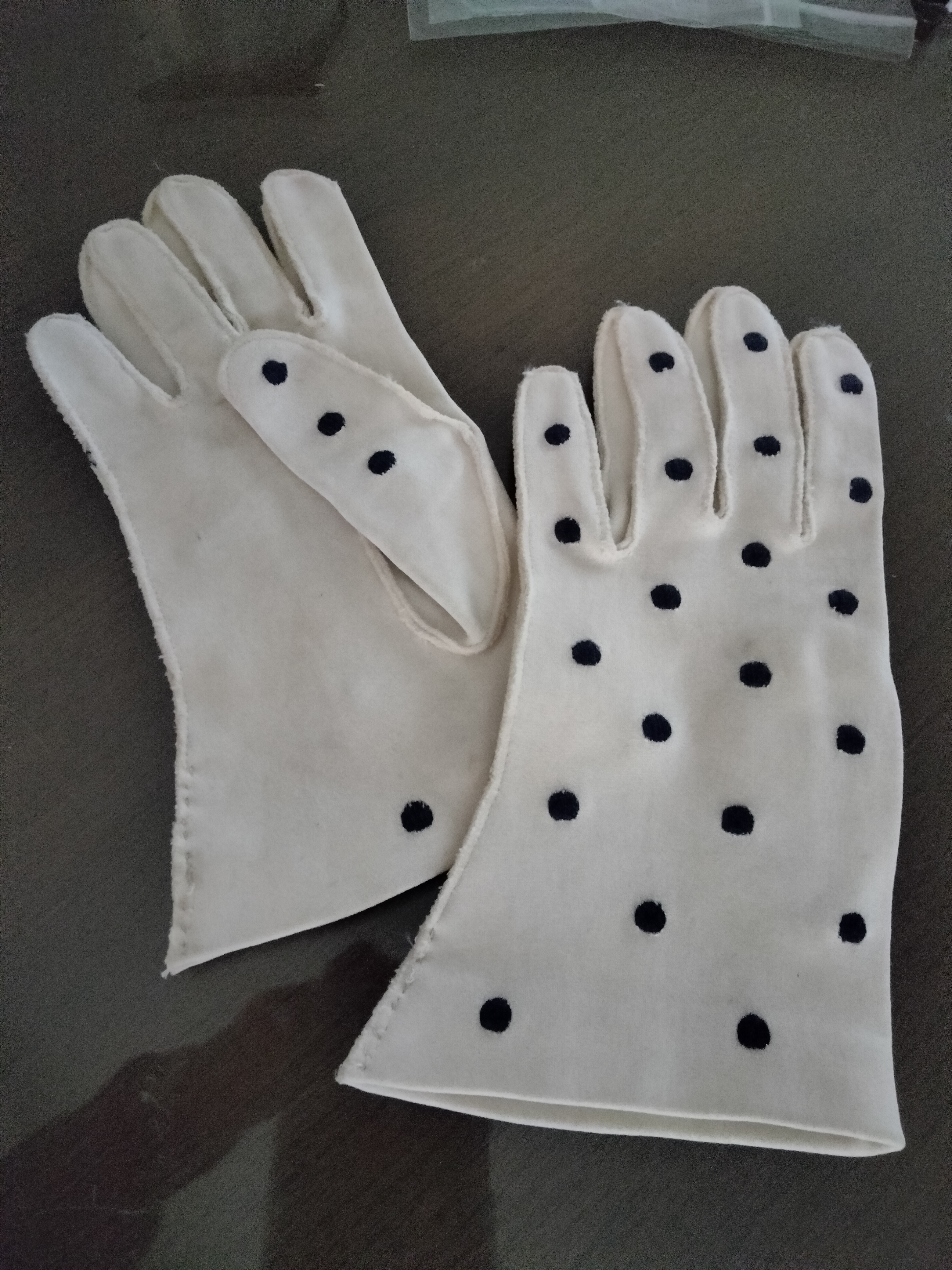
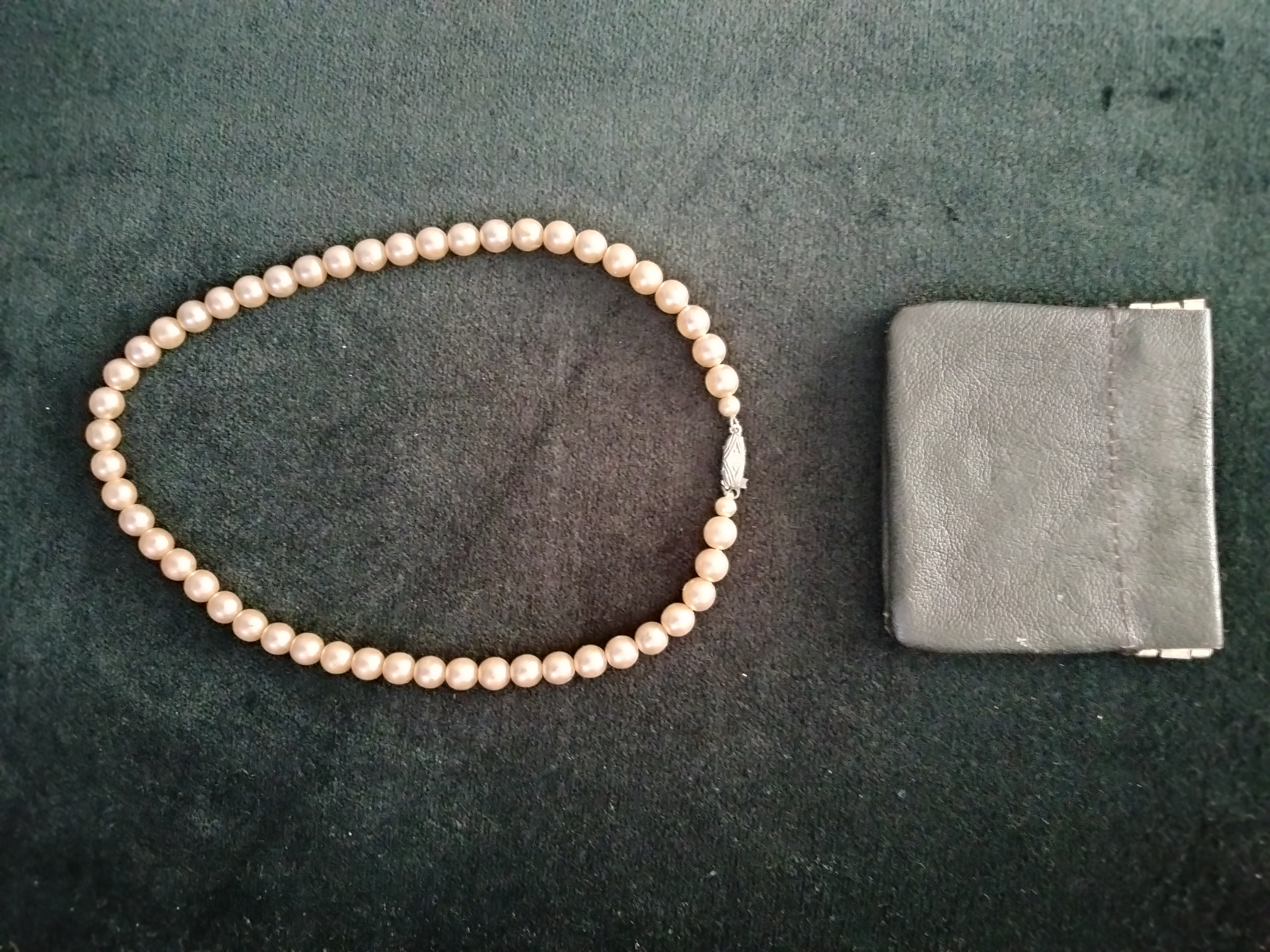
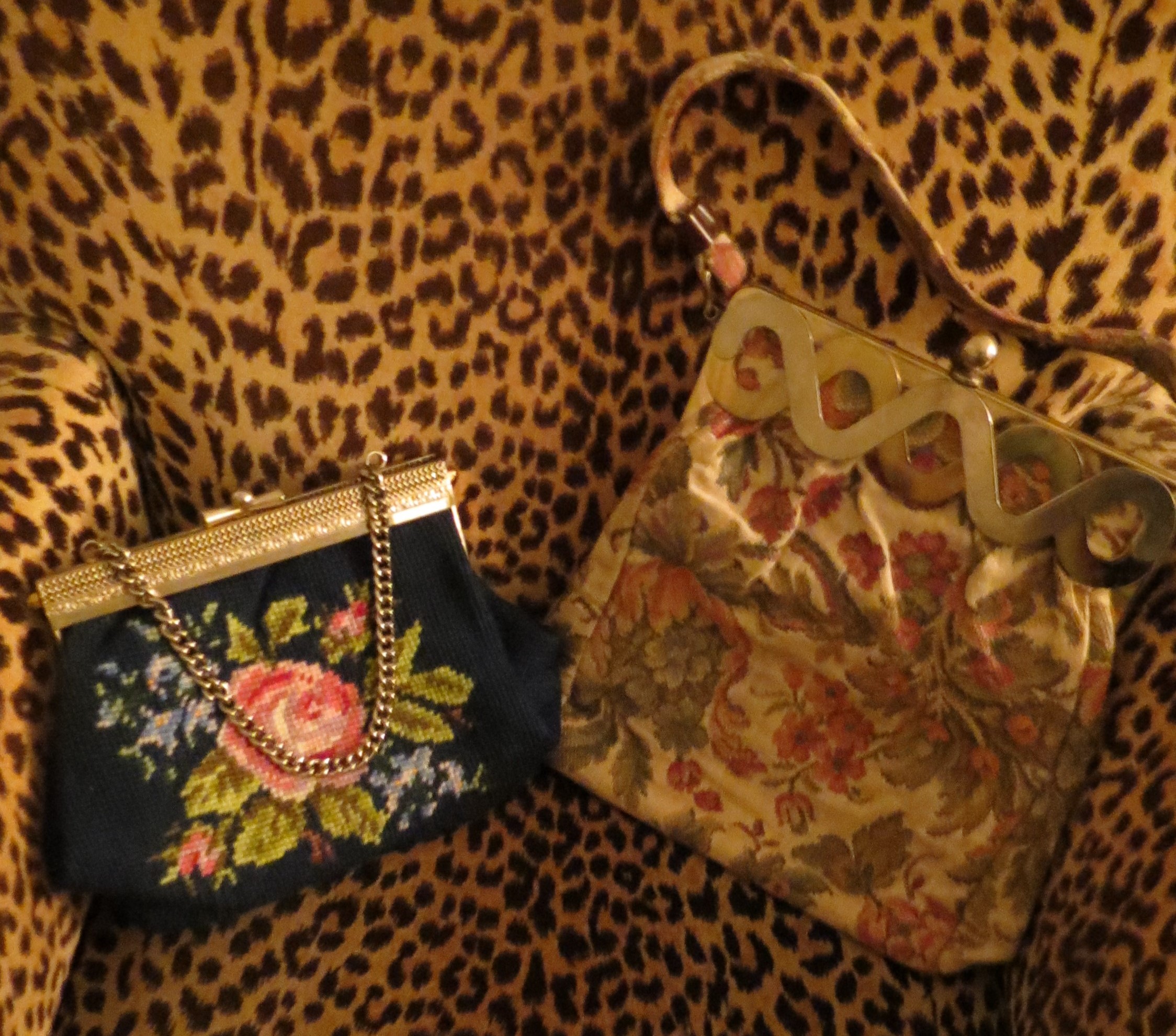
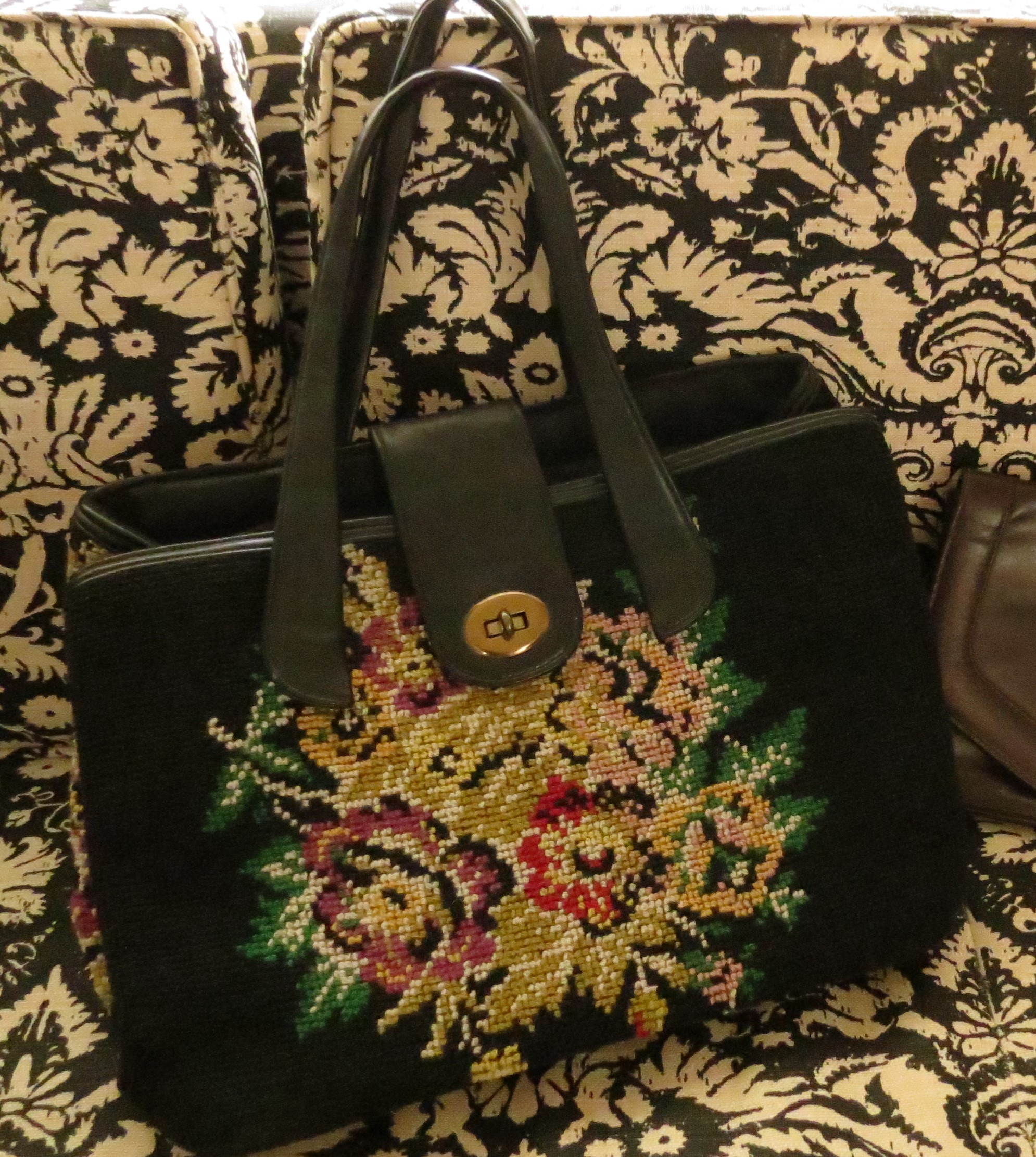
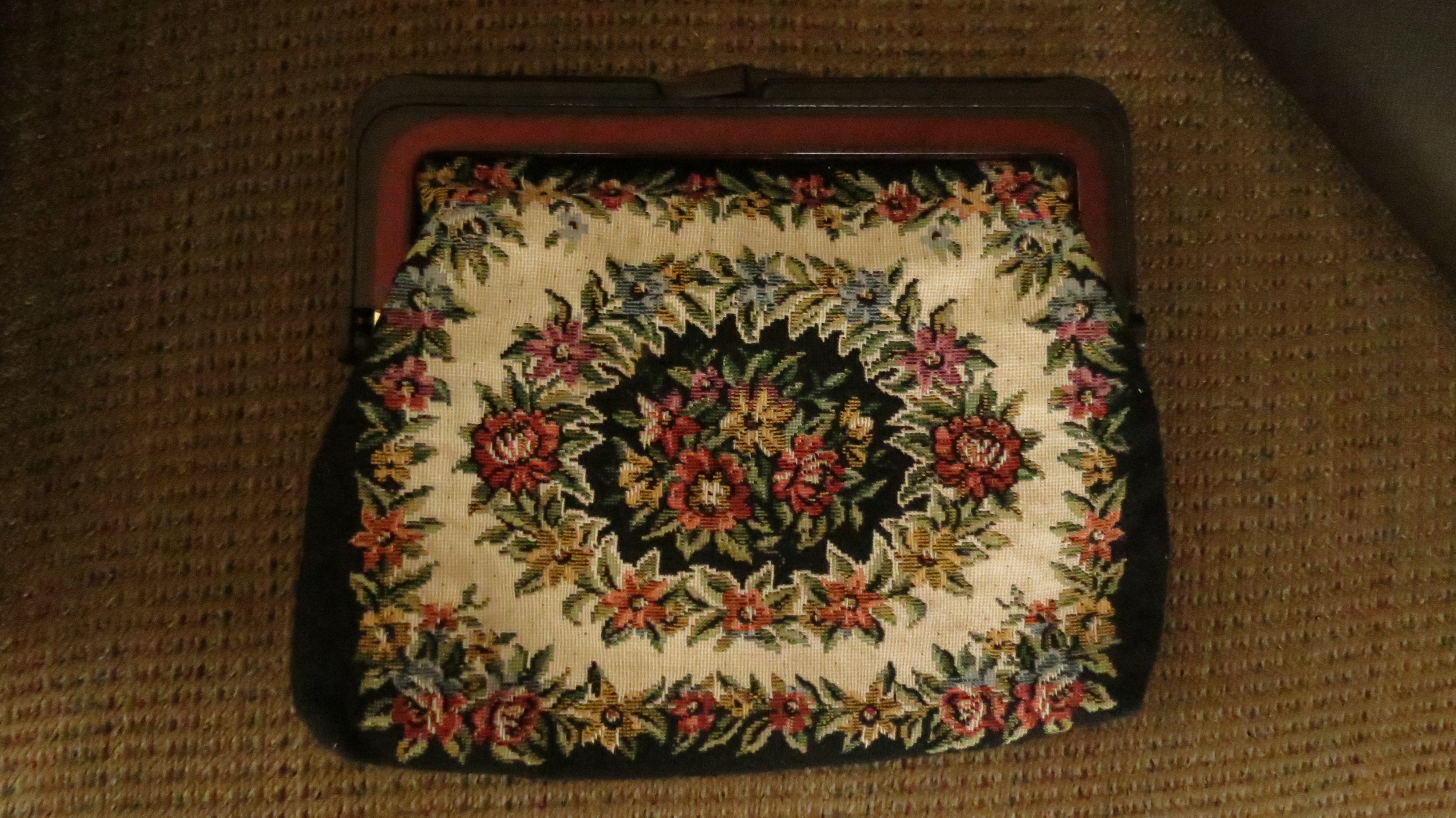
Shoe styles carried over from the 1940’s but with sleeker lines. Pumps were a bit more cutaway and more often had sling-backs. Soles and heels were slimmer. Peep toes continued, which I absolutely love. Hairstyles became smaller and neater again as did hats, which continued to be de rigueur for any well-dressed woman. Also, a pair of well-made gloves in a style which complemented your outfit and a short string of pearls with almost anything from casual to dressy outfits were considered to be necessities for elegant style. Handbags adopted many styles but here are a couple of semi-dressy designs that carry over the classic “tapestry” floral design and introduce the decorative metal frames and vinyl covering which began to be more popular.
Tomorrow we’ll stay in the same Forties to Fifties time-frame but focus on casual separates and trends. Stay tuned . . . . . . . . . . .
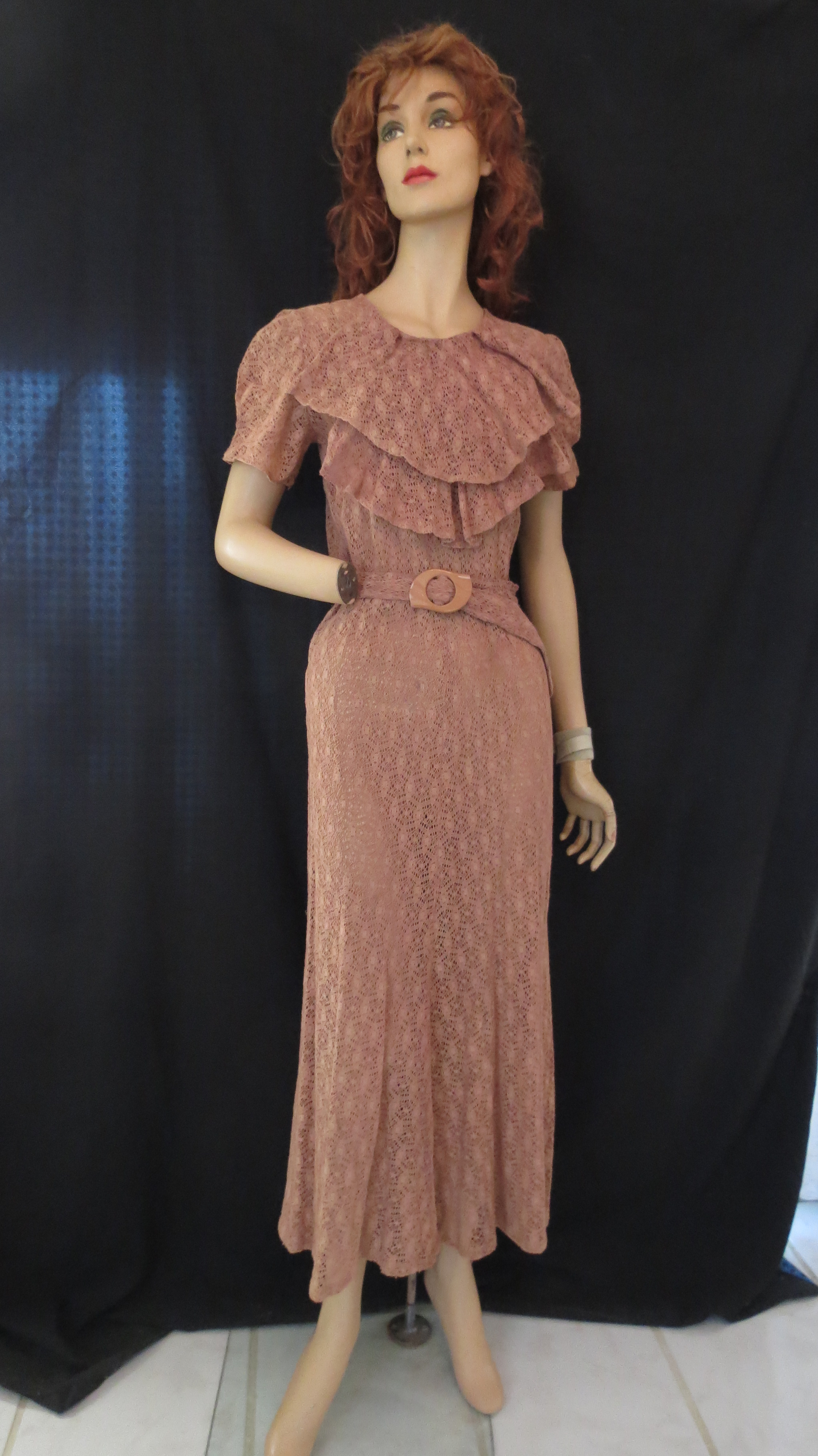
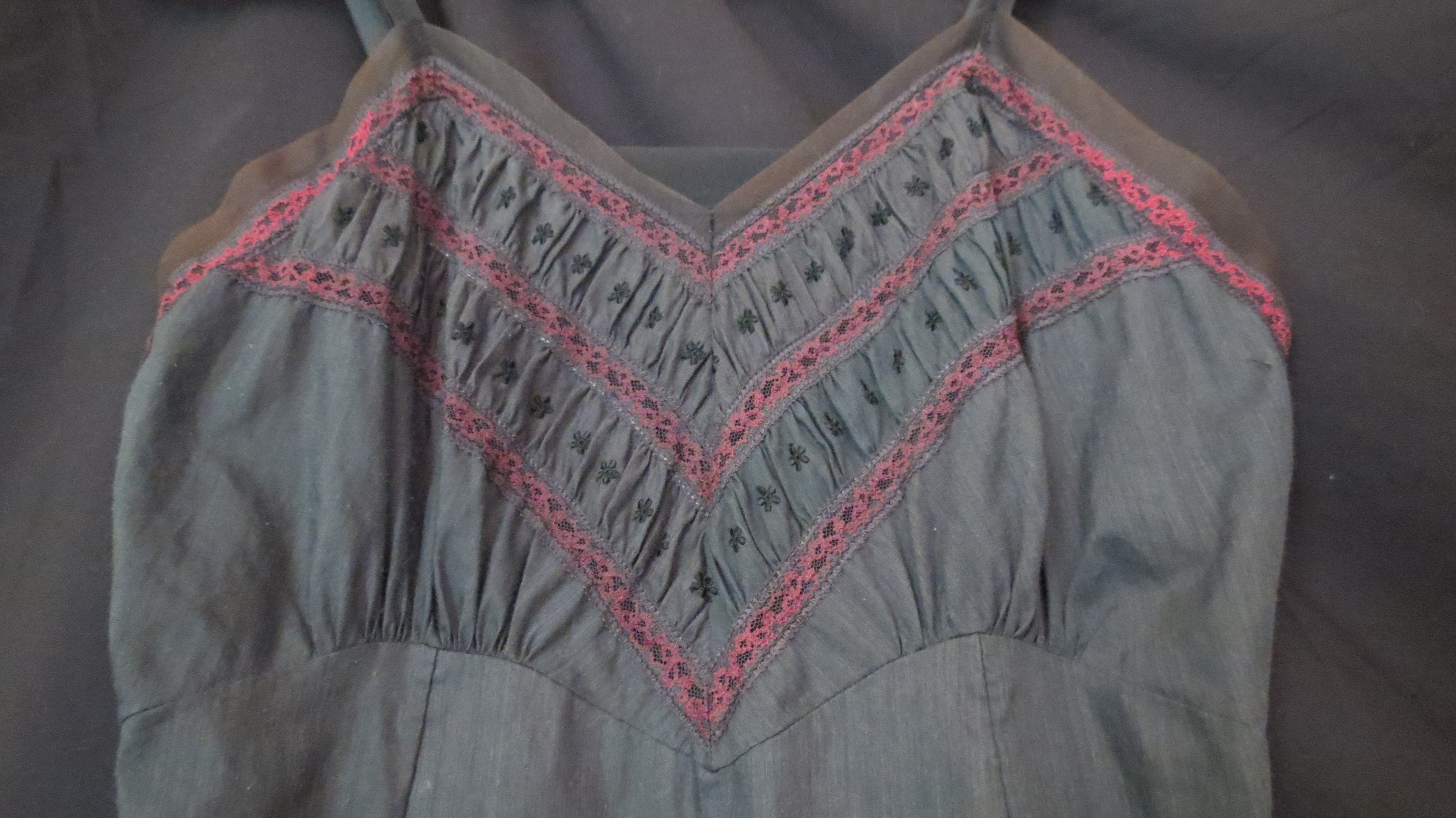
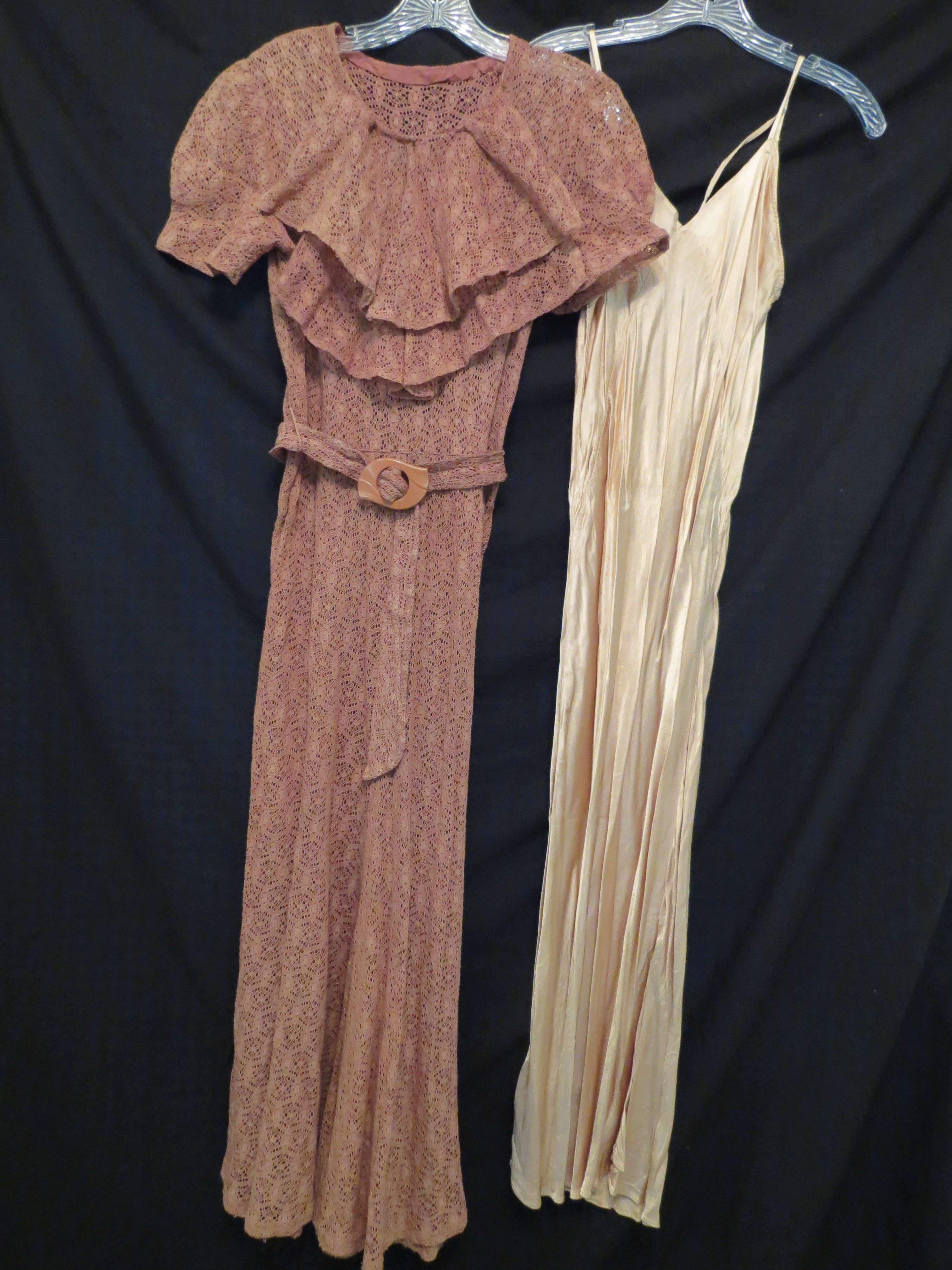
Too many photos to do both decades together! I’ll spread them out over 2 or 3 days instead. Here are a couple of pretty 1930’s frocks and their accompaniments. First, one that our Depression Era gal might have worn to town. Perfect for shopping and a movie. It’s a lovely crocheted lace over-dress with a matching acetate satin slip underneath. Look at the celluloid belt buckle, also died to match.
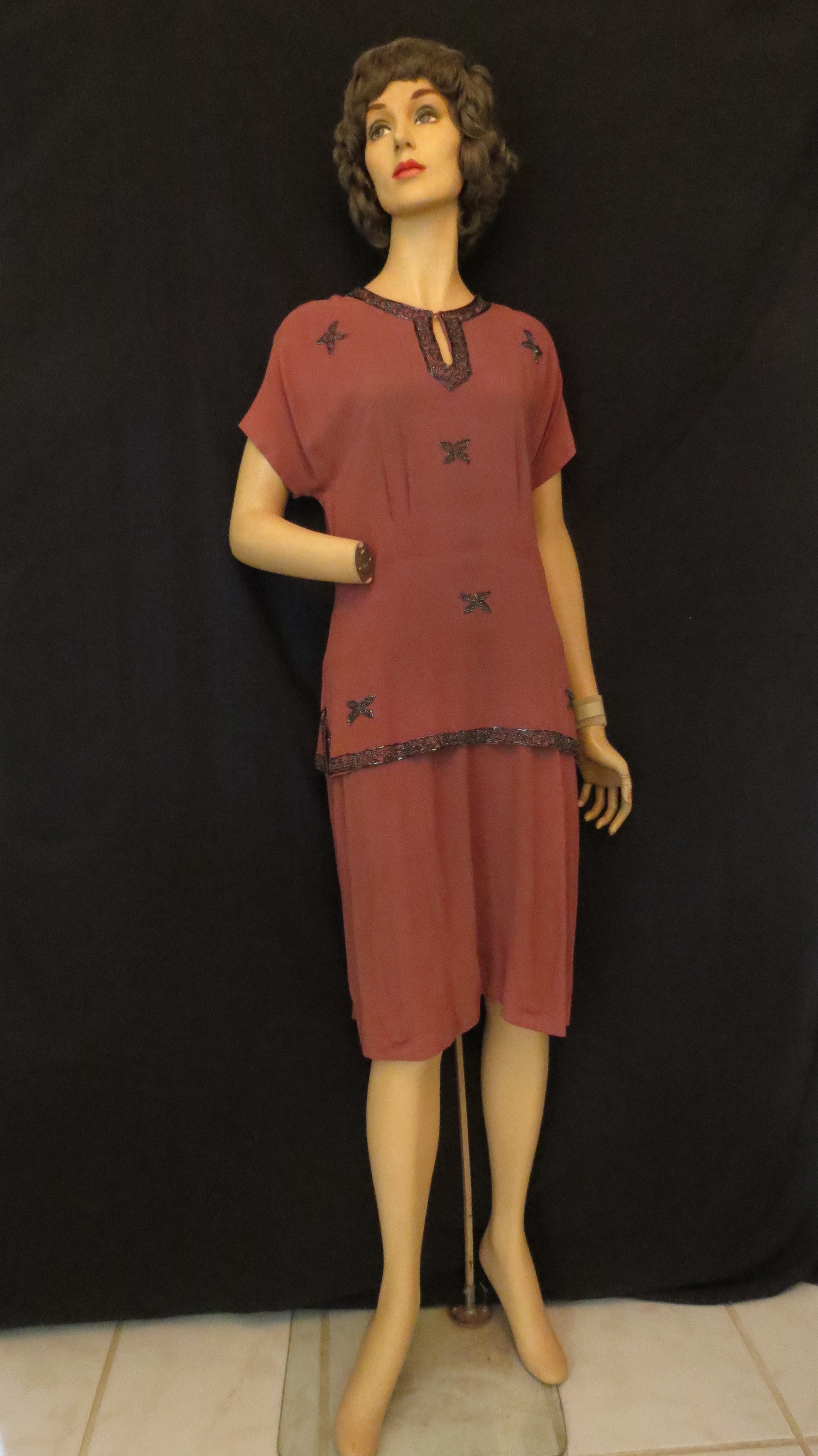
The second dress is a rayon sheath with an over-blouse look and Art Deco beaded decoration. She might have worn it to cocktails, dinner and dancing later. Probably, the hemline would have been midi-length on her figure. An acetate slip underneath would have enhanced the fit and it has such unusual decoration on the bodice.
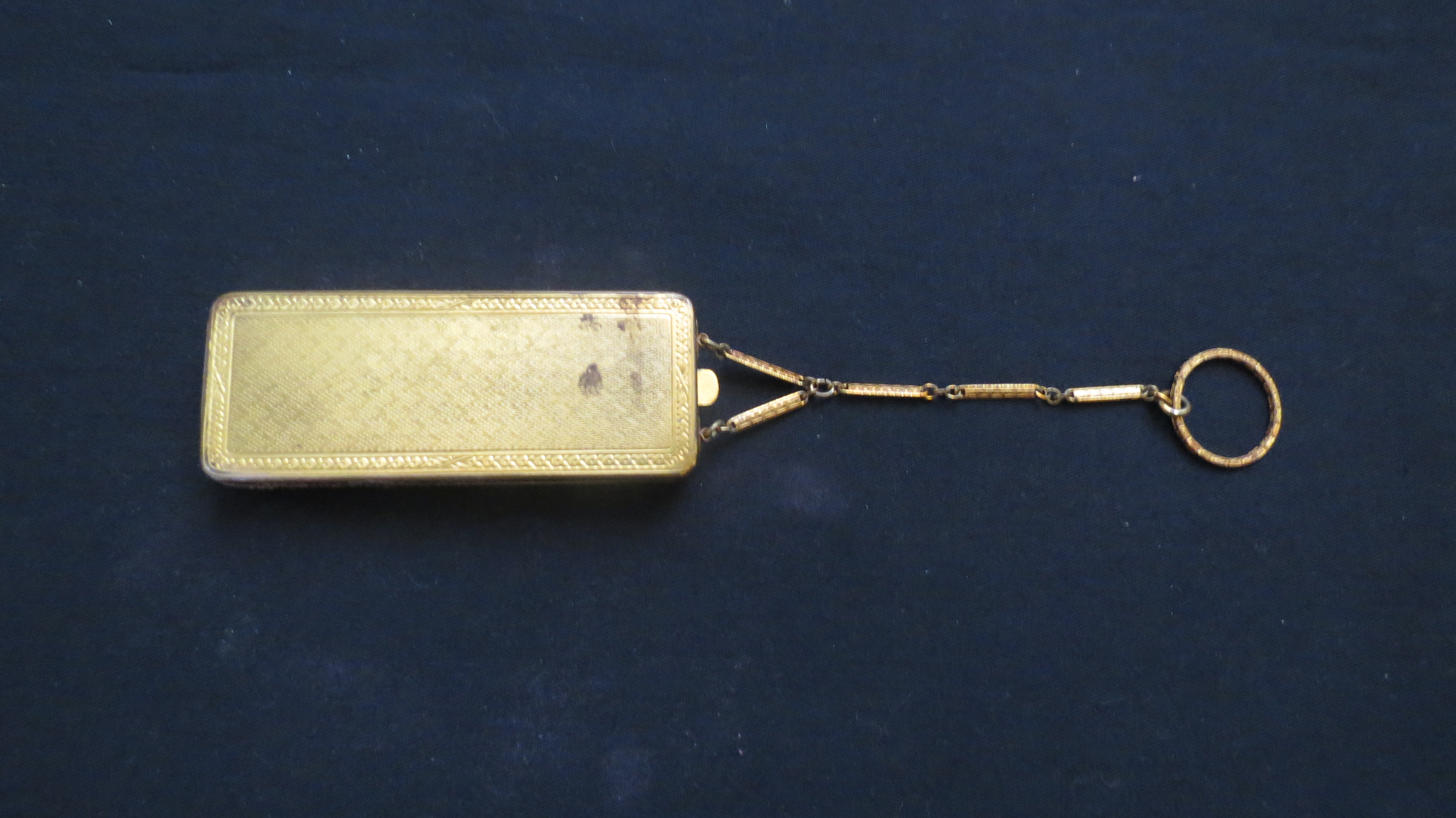
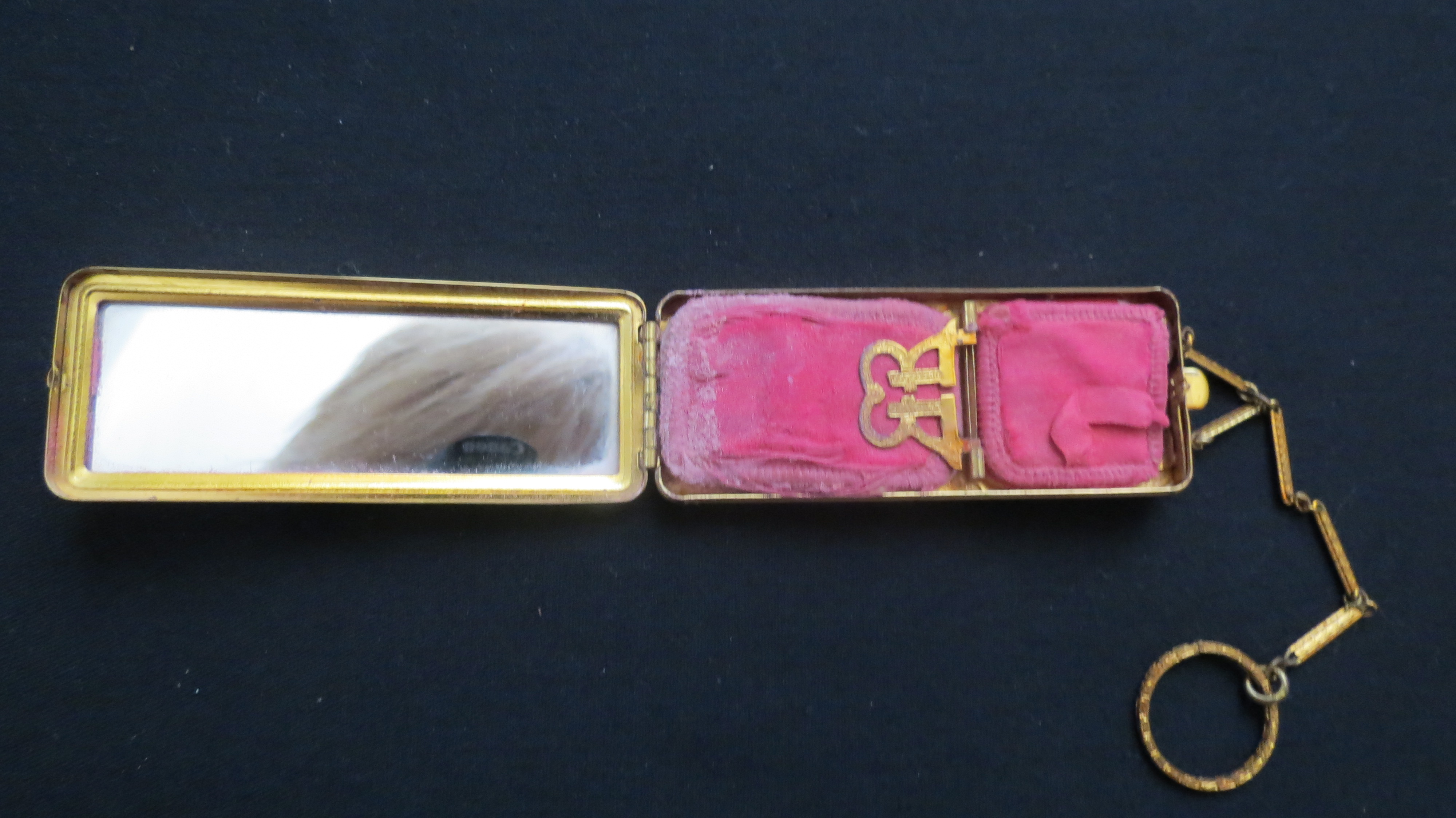
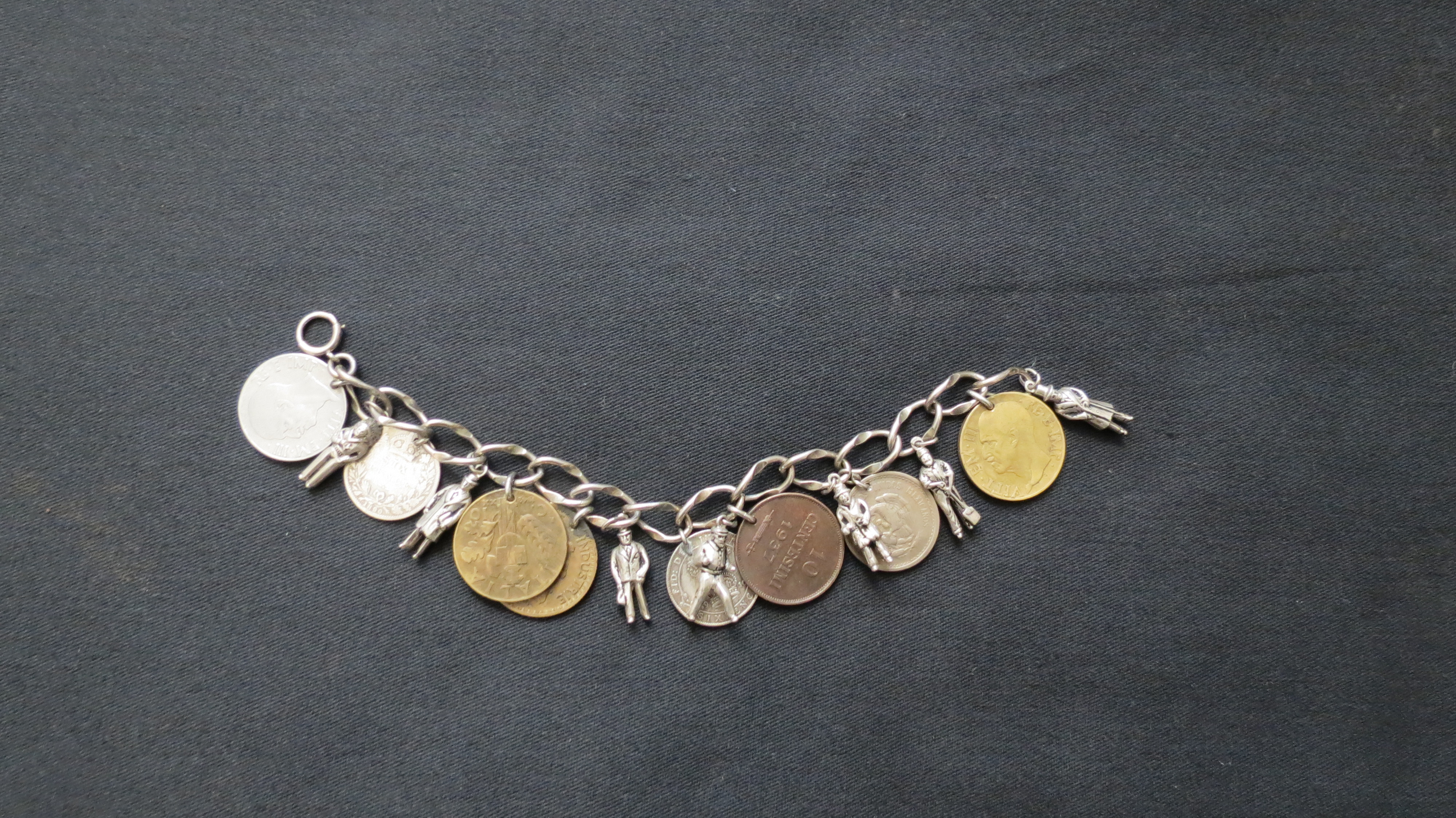
No matter where she was going, she might have carried a chatelaine rouge and powder compact and an antique needlepoint handbag. The clutch above also has a celluloid closure on the metal frame. The pot metal charm bracelet for daytime has European coins and Depression Era male figures dangling – a soldier, a laborer and a tycoon.
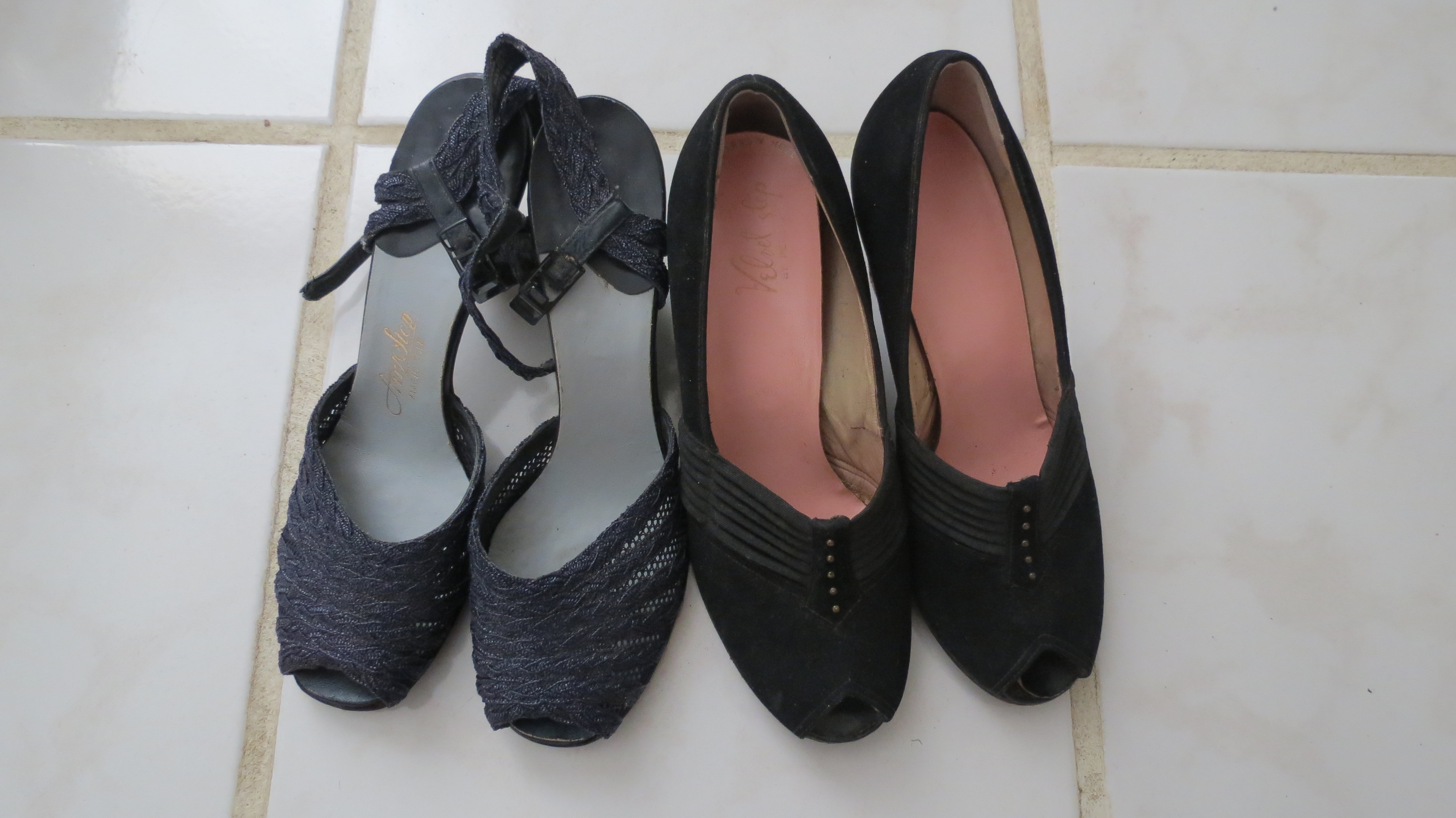
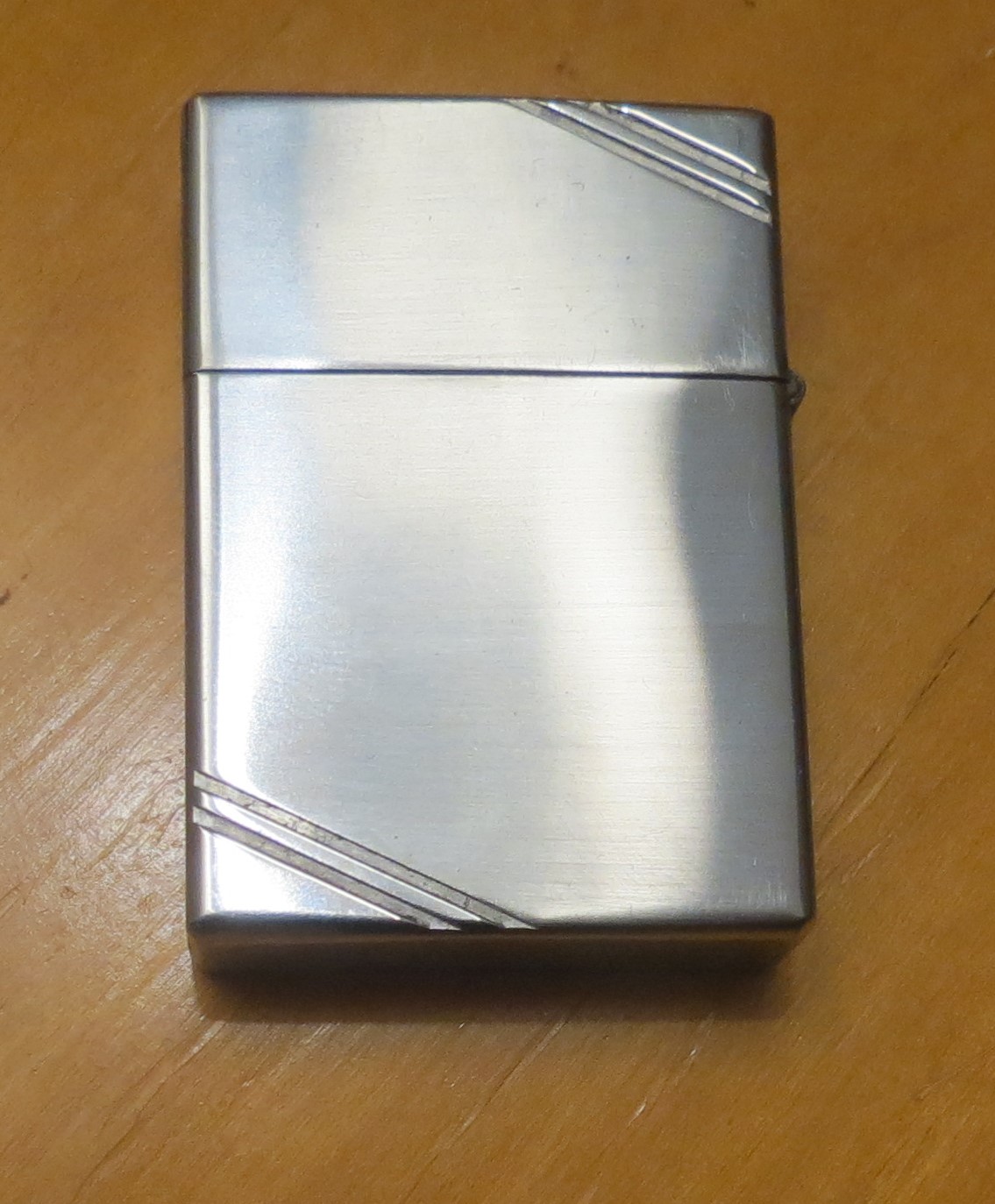
Pretty but practical shoes made for walking and dancing – and, of course, she can’t go anywhere without her 1930’s Zippo lighter. She’ll want to visit the smoking lounge during the movie matinee’.
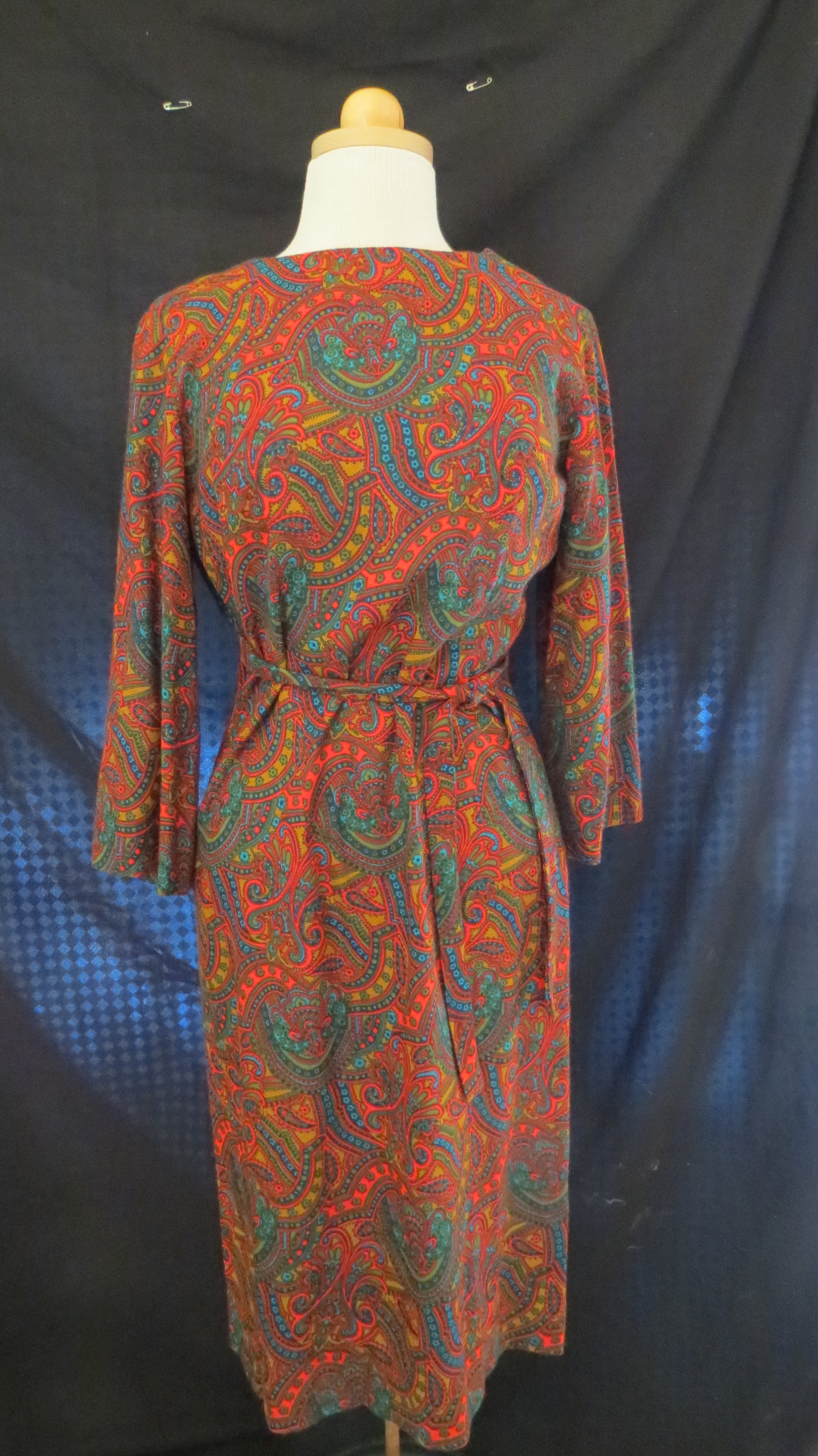
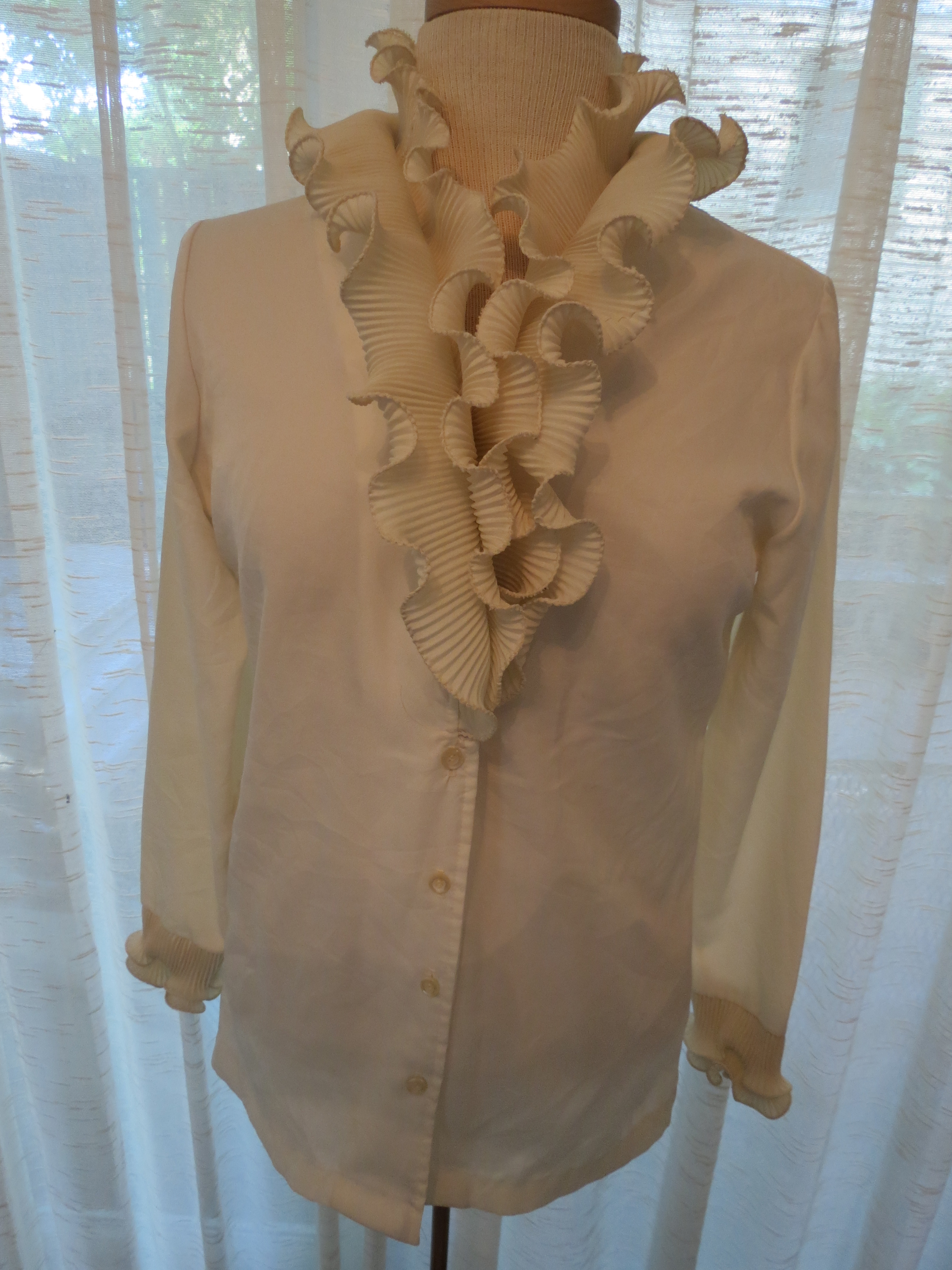
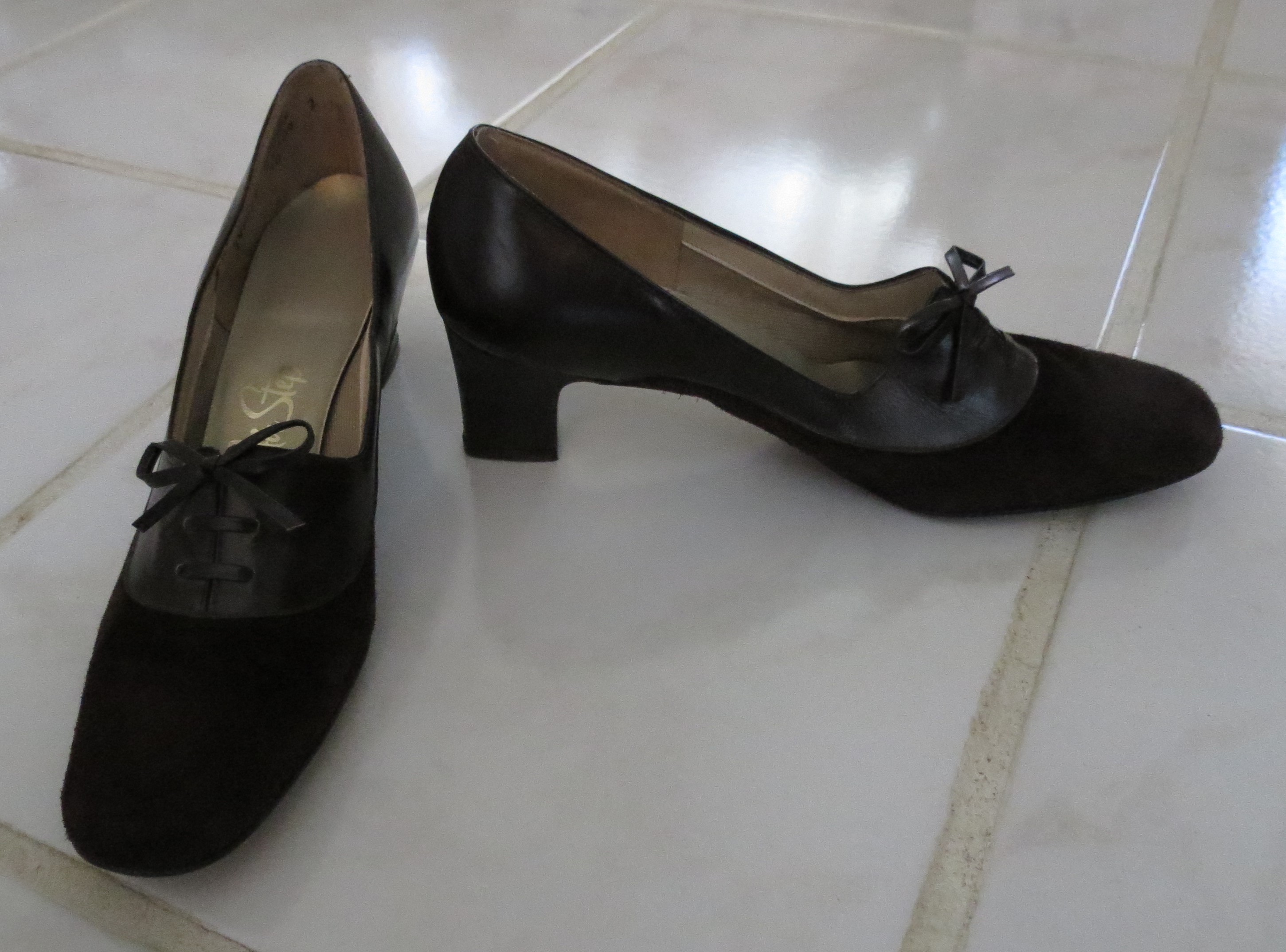
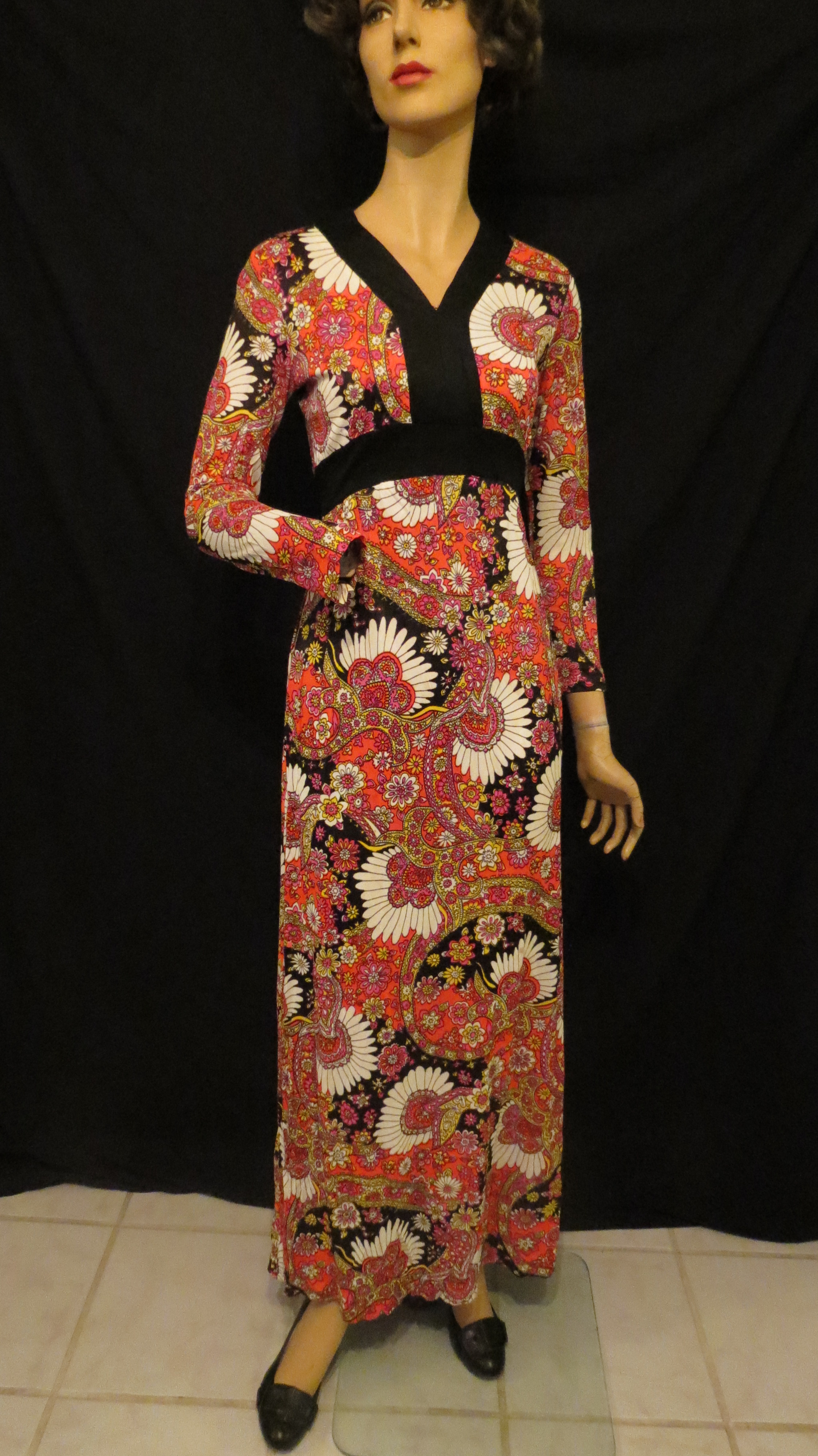
Britain continued to lead the fashion trends in the late ’60’s and it seems to me that their influence strengthened during these years as the Carnaby Street styles showed up. Mod and ultra mini began to slow down with a strong Edwardian/Victorian/Hippie wave predominating. Psychedelic and paisley prints were super popular, even on higher-end classic styles. Long bell sleeves showed up a lot. Ruffled, high-collar blouses and men’s neckties for women were fun fads. Platform soles went out (for a while) in favor of mid-heel pumps with high vamps and rounded toes. LifeStride, a popular mid-priced U.S. brand got into the trend with the example shown above.
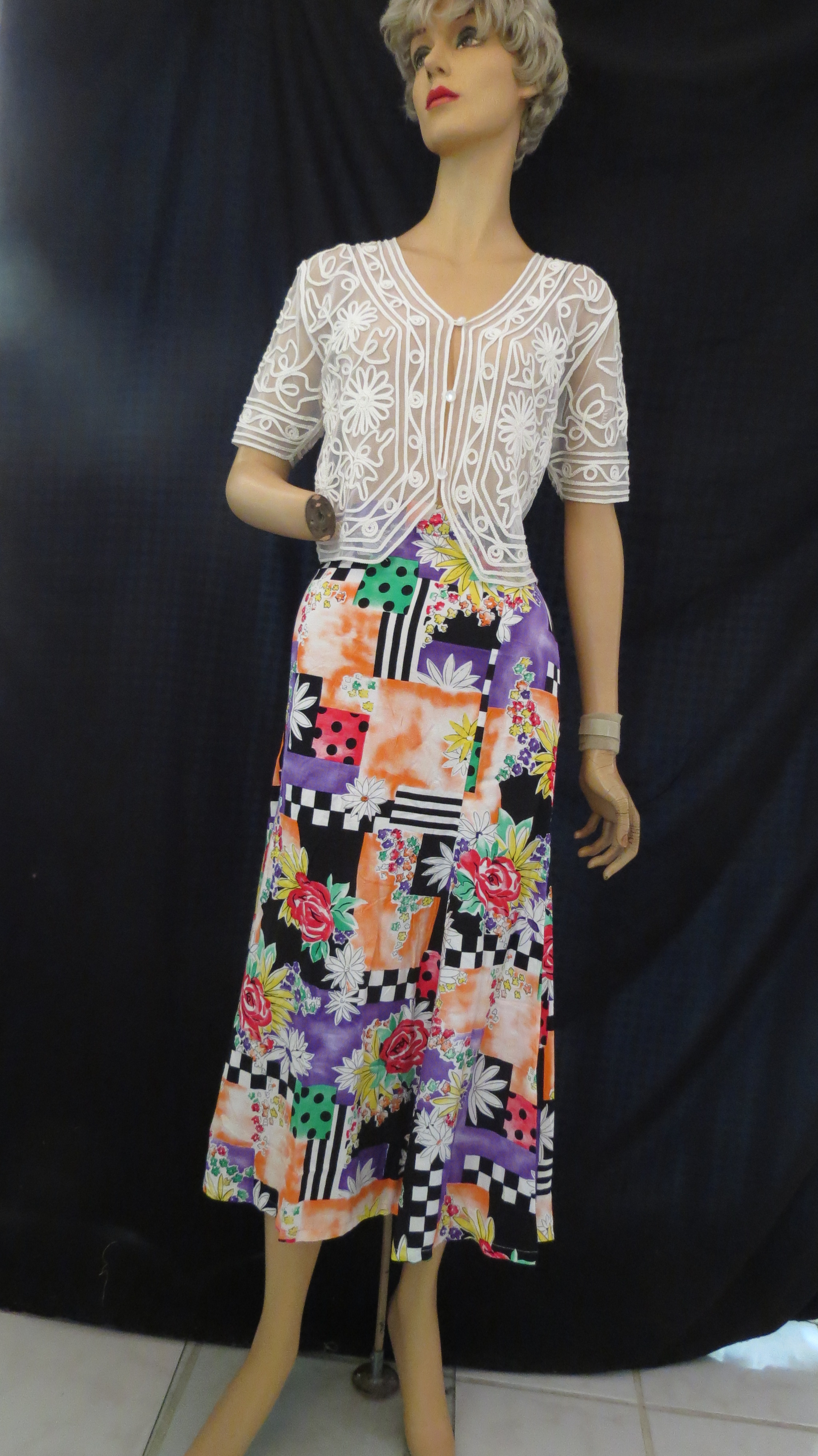
Knee-length, midi and full-length hemlines came on the scene again, especially on more conservative and higher-end dresses. Though some minis were still worn, the hippie-styles usually had ankle-length skirts. While Carnaby Street fashions passed by, the long hippie/Victorian looks drifted into the early 1970’s. If you have followed me, you might remember a few of my posts earlier this year covering vintage Prom dresses that showed early 1970’s Victorian/Prairie designs in that mix.
There was a lot more, however, to the early 1970’s fashion designs. We’ll start looking at the Seventies tomorrow. Stay tuned . . . .
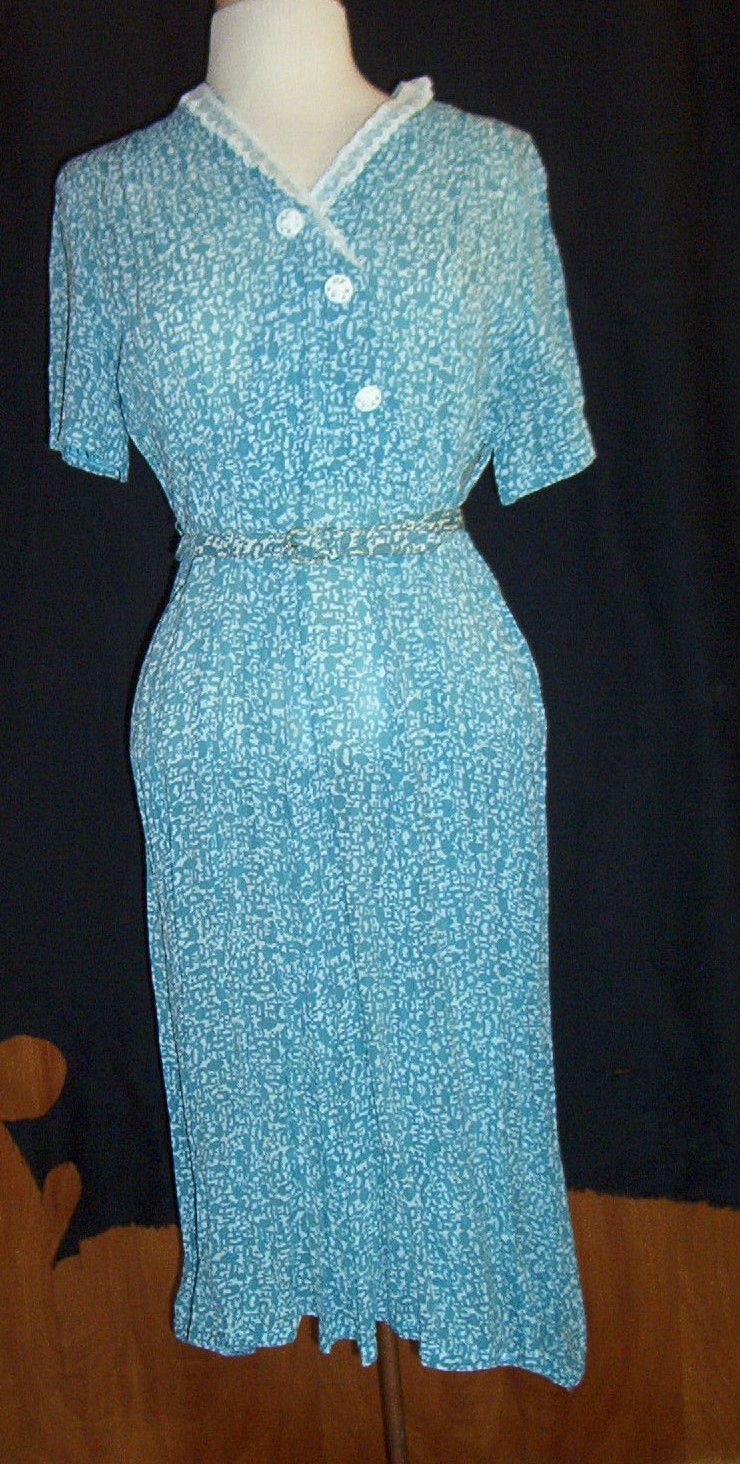
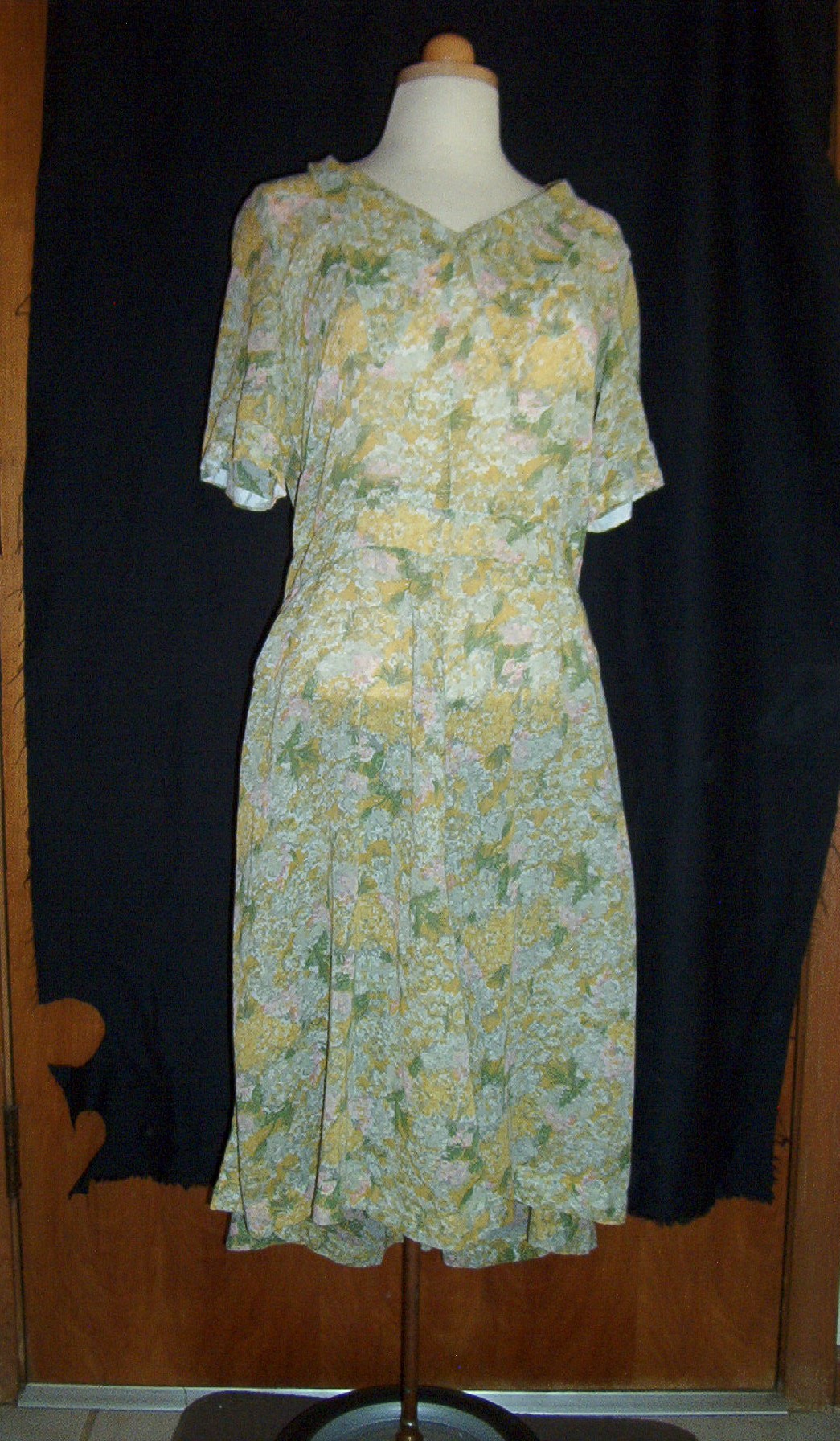
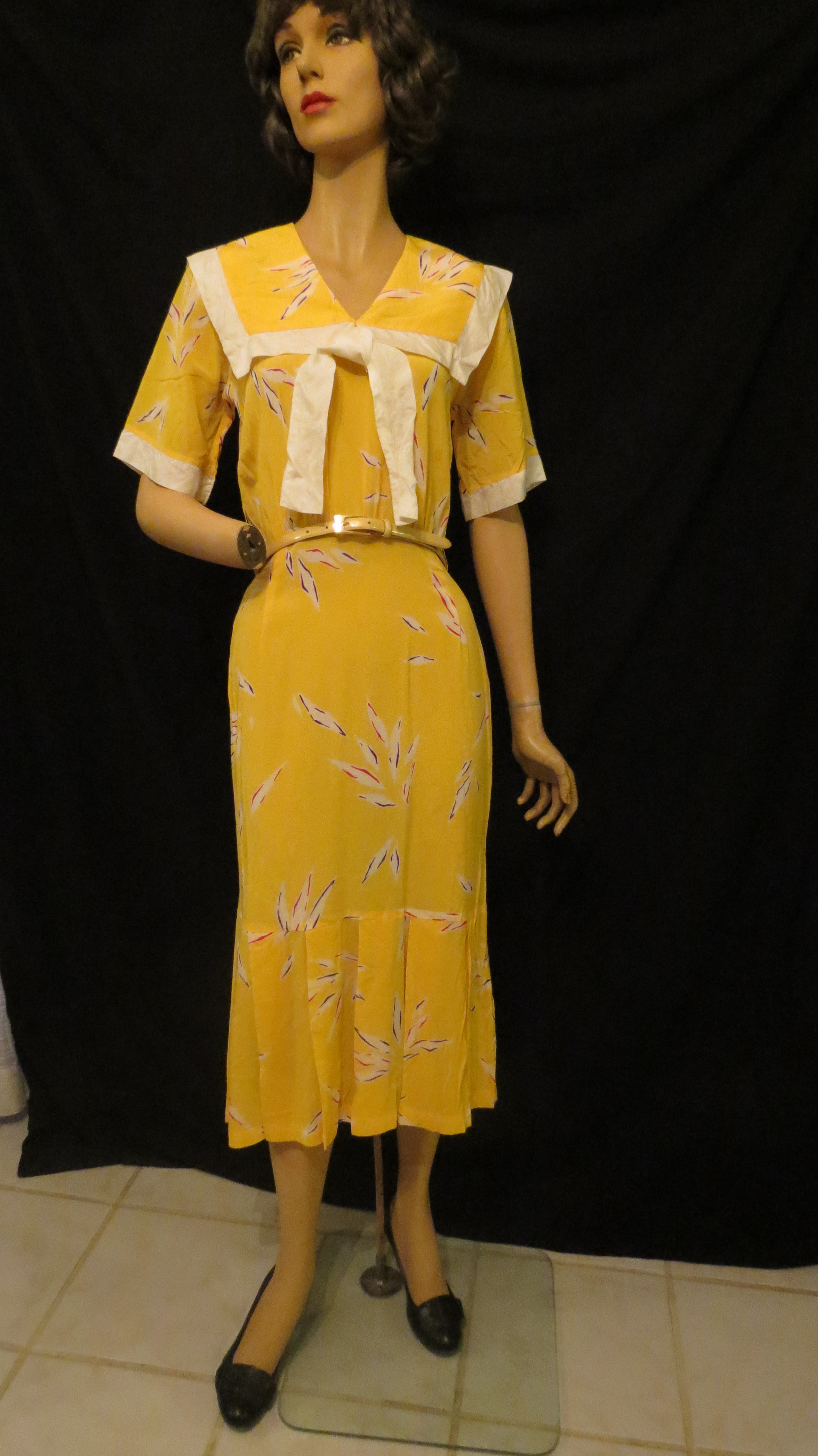
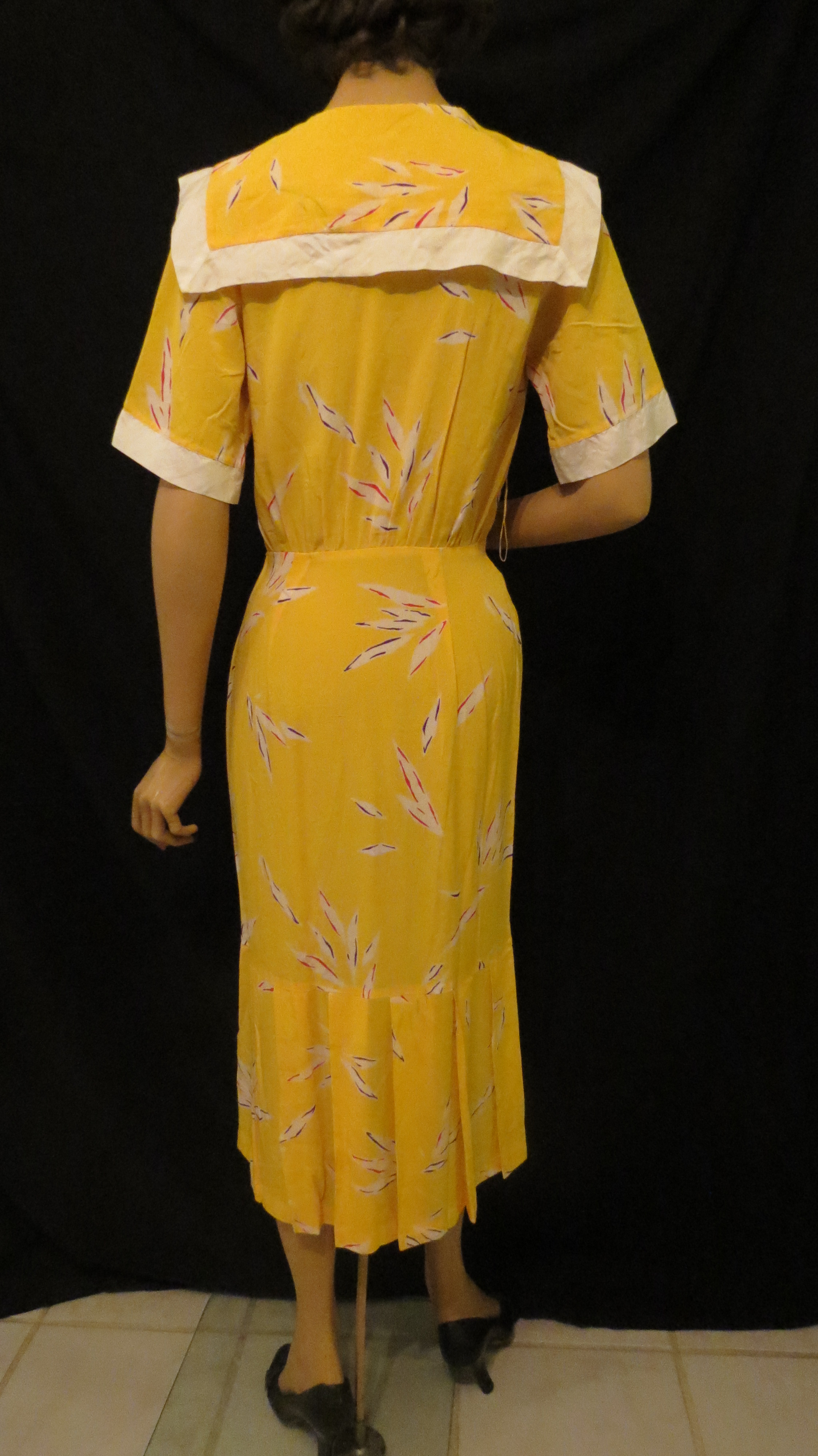
Two of my favorite 1930’s dresses to wear and one when I feel like Bonnie of Bonnie and Clyde. The fabrics feel so wonderful on the body and the fit is killer because of the fabulous drape. An earlier find, I was thrilled to discover the blue dress because of it’s condition. The original buttons and belt are present and no damage to the trim at the neckline. Also, no stains! You can see that the body of the dress has faded a bit due to years of washing by the original owner (compare to the color of the belt, which would not have been put in the laundry), but I don’t mind. The floral-print yellow and green frock is near-perfect and is a bit more casual. Super easy-breezy. The crocheted dress with satiny rayon slip given to me by a family member who found it in an old antique wardrove is the real star. It still has the authentic celluloid plastic belt buckle. The longer hemline makes it probably the oldest of the group, from the very early ’30’s. I have to include a 1980’s or ’90’s dress that dipped into a retro 1930’s. The yellow rayon belted sheath is a fun fashion with loyalty to the Thirties style and lovely rayon fabric.
These are both mid-priced dresses, at most, but have held up over 70 years before finding their way into my closet. It’s possible they were home-sewn. I love the elbow-length sleeves and the way that the fabric causes the hemline to ripple and sway. Very flattering. Both do require a slip underneath because of the sheerness and, since they are warmer weather frocks, I like to wear a true vintage cotton slip with very little decoration so that it doesn’t show through and compete with the print. Slips of that sort are hard to find since most of the slips that have survived are made of nylon and full of decorative detail. Although some fabrics don’t seem to require a slip, wearing one often causes the dress to fit and move so much better. Your other foundation garments i.e. brassiere, underpants and even stockings will have a real effect on how your outfit looks so it’s an important consideration. I have silk tap pants and some silk slips from the pre-war and WWII era that are good examples of undergarments that work really well with dresses like these.
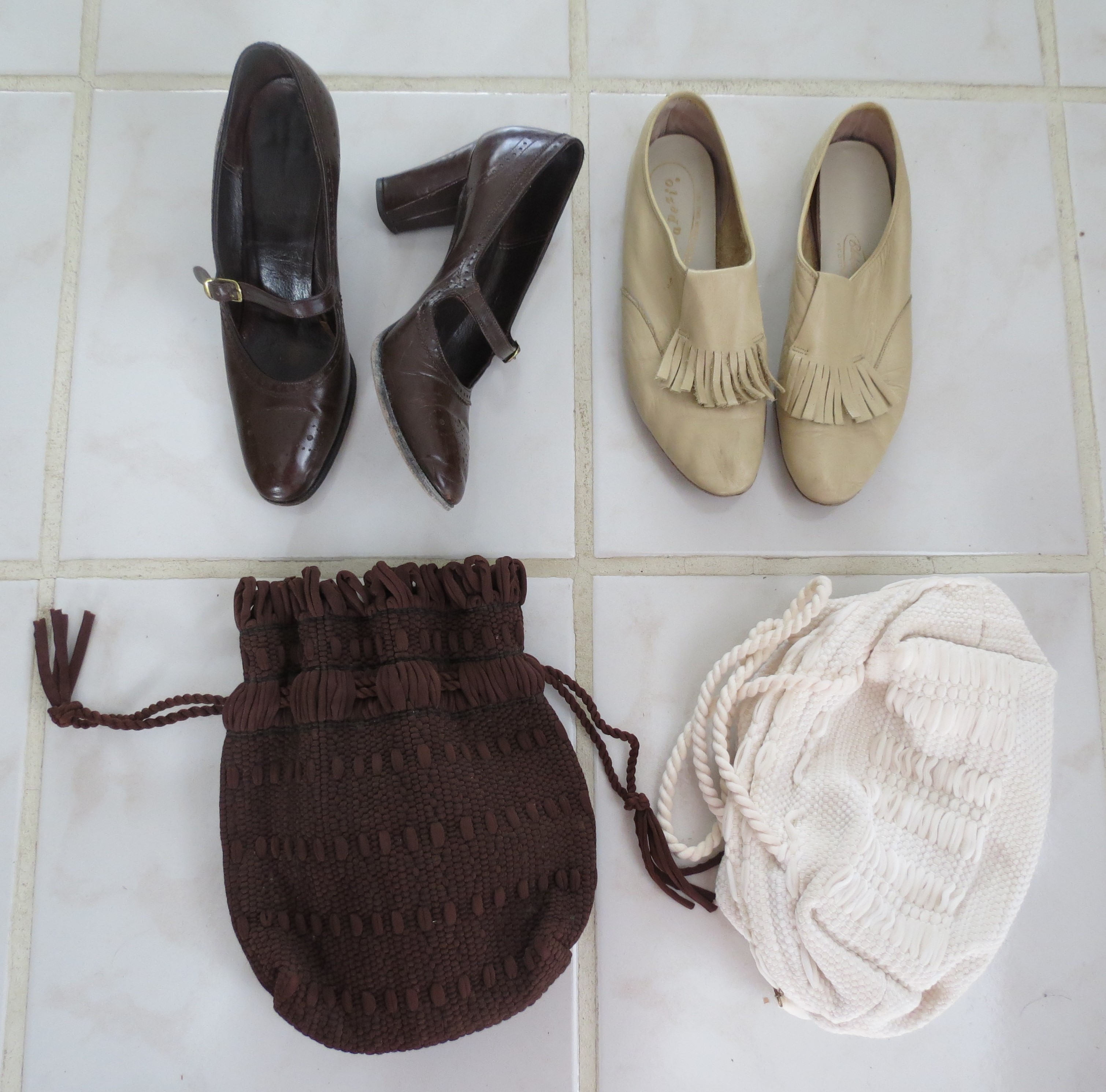
Mary Jane style shoes are seen in every decade since the 1920’s. Decorated flats became popular for women, too, especially when they began wearing slacks. The shoes shown above may be a little younger than the dresses and purses, but are still within a decade or so. Handbags woven from synthetic yarn were another way that the market for clothing and accessories coped with the economic downturn of the Depression and the looming rationing of wartime. Leather, silk, quality cotton and wool were less available and too expensive for many buyers. The big move forward in the development of synthetics changed clothing in big ways, many having to do with fit, comfort and convenience so, overall, the deprivation turned out to be a plus. Tomorrow we move into the 1940’s. Stay tuned . . . . . . . . . . . . . . . . . . . . . . . . . . . . . . . .
Basic neutral tones will take you around the full year, so these pretty shoes can go along even with some pastel outfits. Back in the day, a pair of black shoes and a pair of brown ones were sometimes the only options a gal had to choose from but, even now, beige and mid-gray will go with almost anything and lighten things up a little. Cutaways, sling-backs and ankle straps have been enduring styles for many decades. Don’t you love the 1940’s high heel take on the traditional black Mary Jane?
I understand that today stiletto heels and open designs are not a good choice in the freezing temps and snow that we have in so many places now. However, in the past when fewer people owned cars, many gals carried their indoor footwear and left snow boots at the door. Public buildings, stores and churches used to routinely have special places to do that. Winter fashion had to start giving way in February, in spite of the weather!
I’ll continue with showing some accessories as well as giving a nod to some cold-weather staple vintage clothing for both women and men. After that, we can’t avoid launching on clothing for the traditional winter vacation before swinging back to Spring dresses. Stay tuned. . . . . . . . . . . . . . . . . . . . . . . . . . . . . . . . . . ..