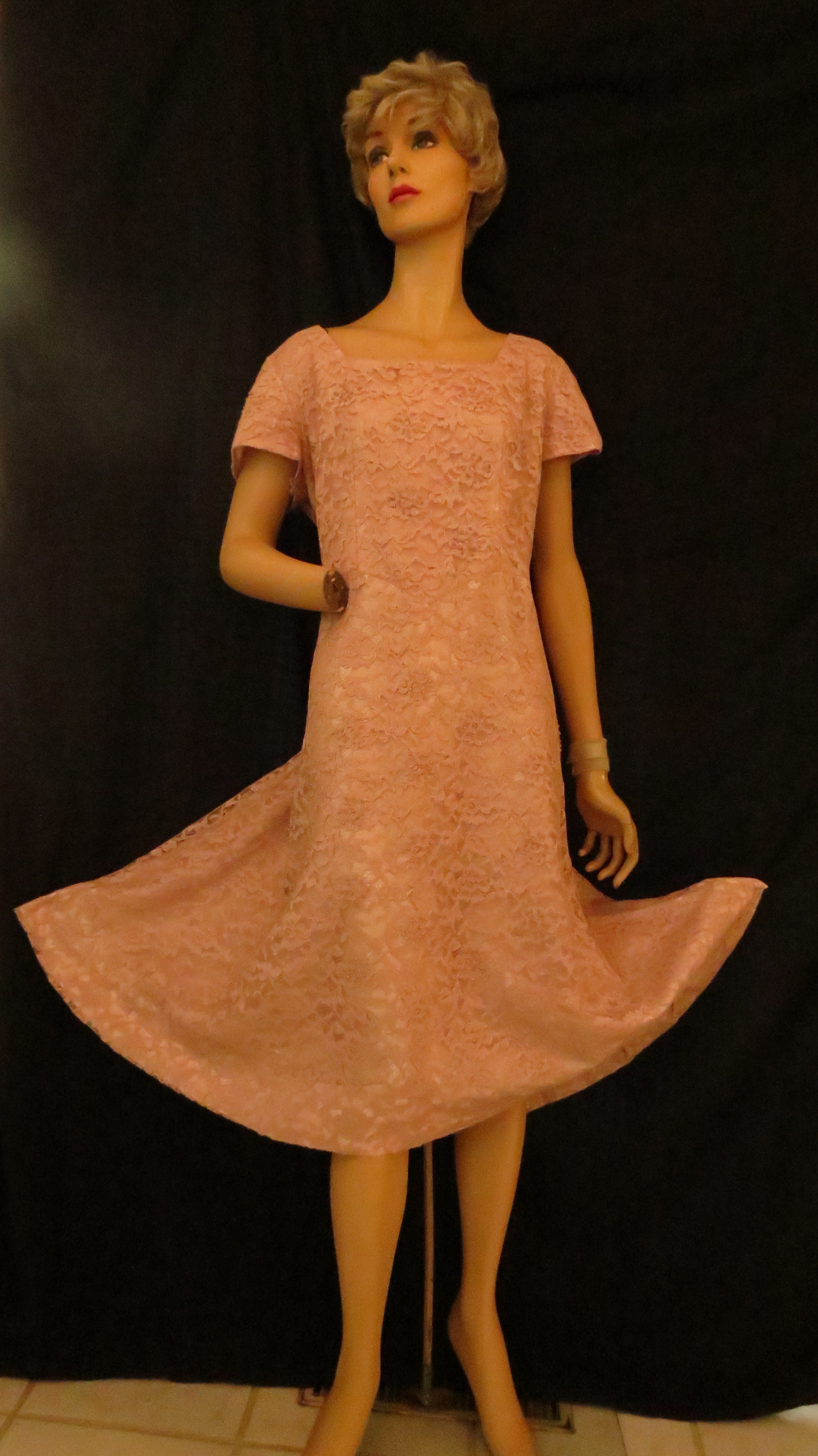
1940’S WARTIME – EARLY POST-WAR ERA DRESSY FROCK

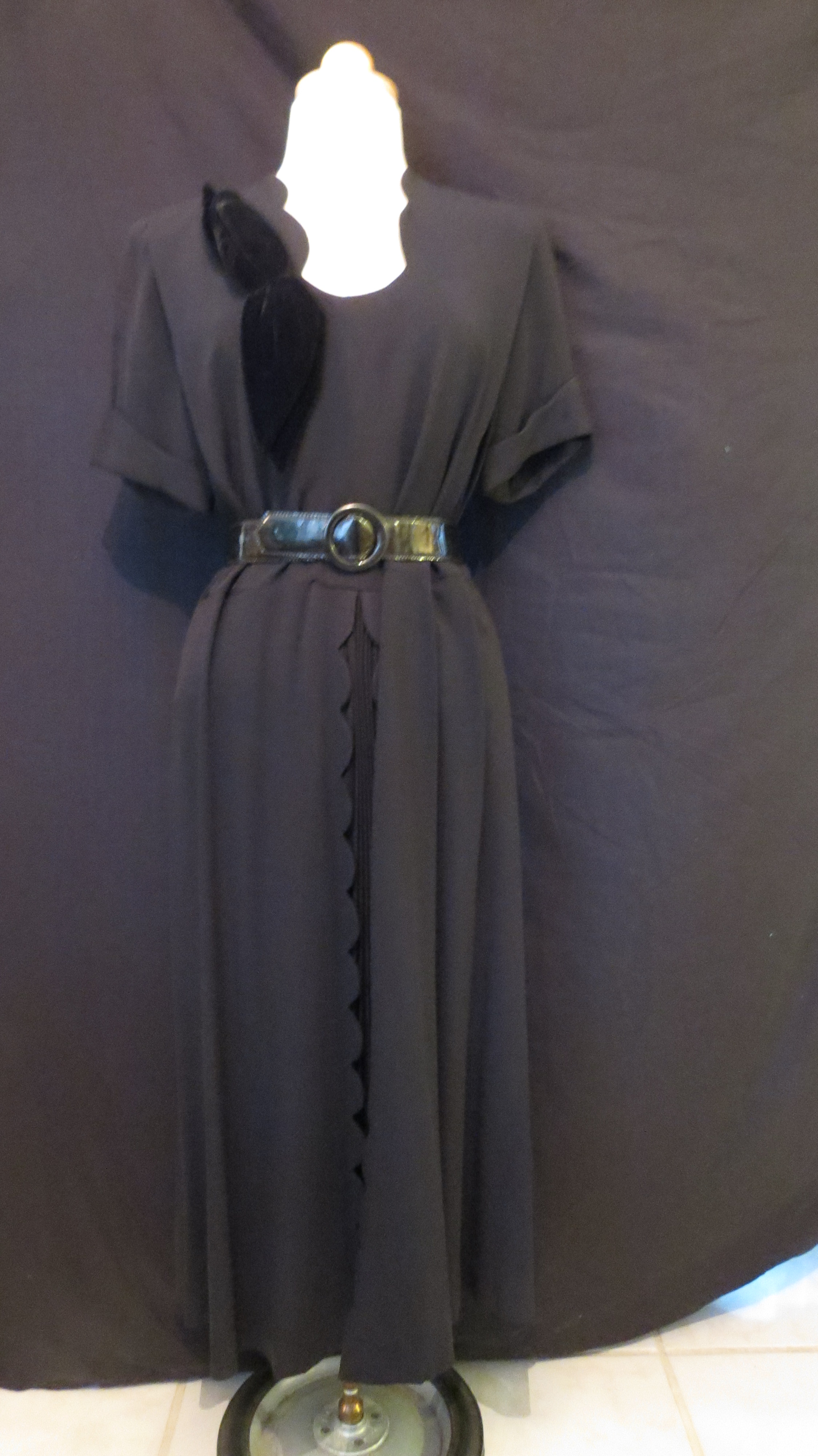
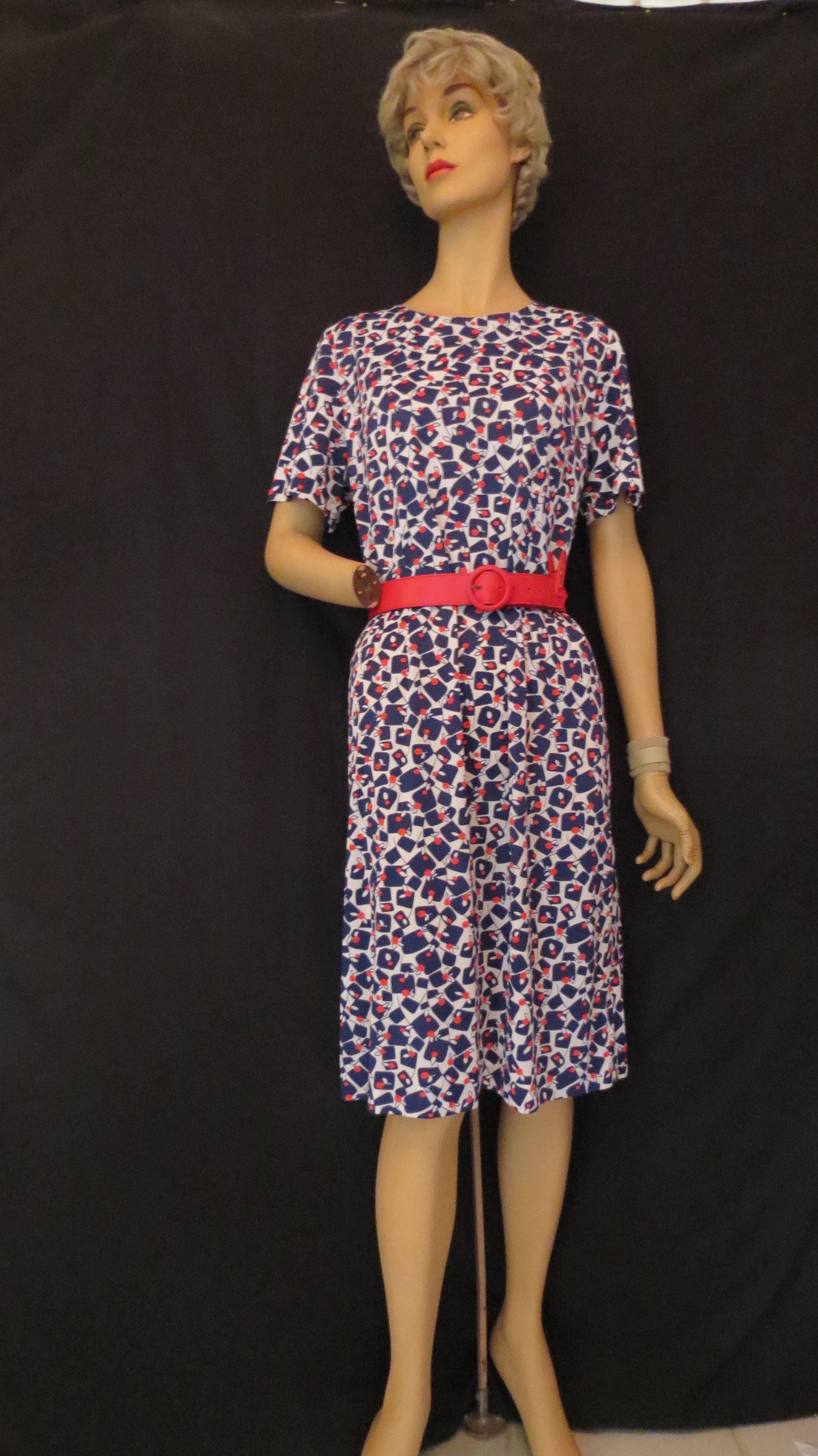
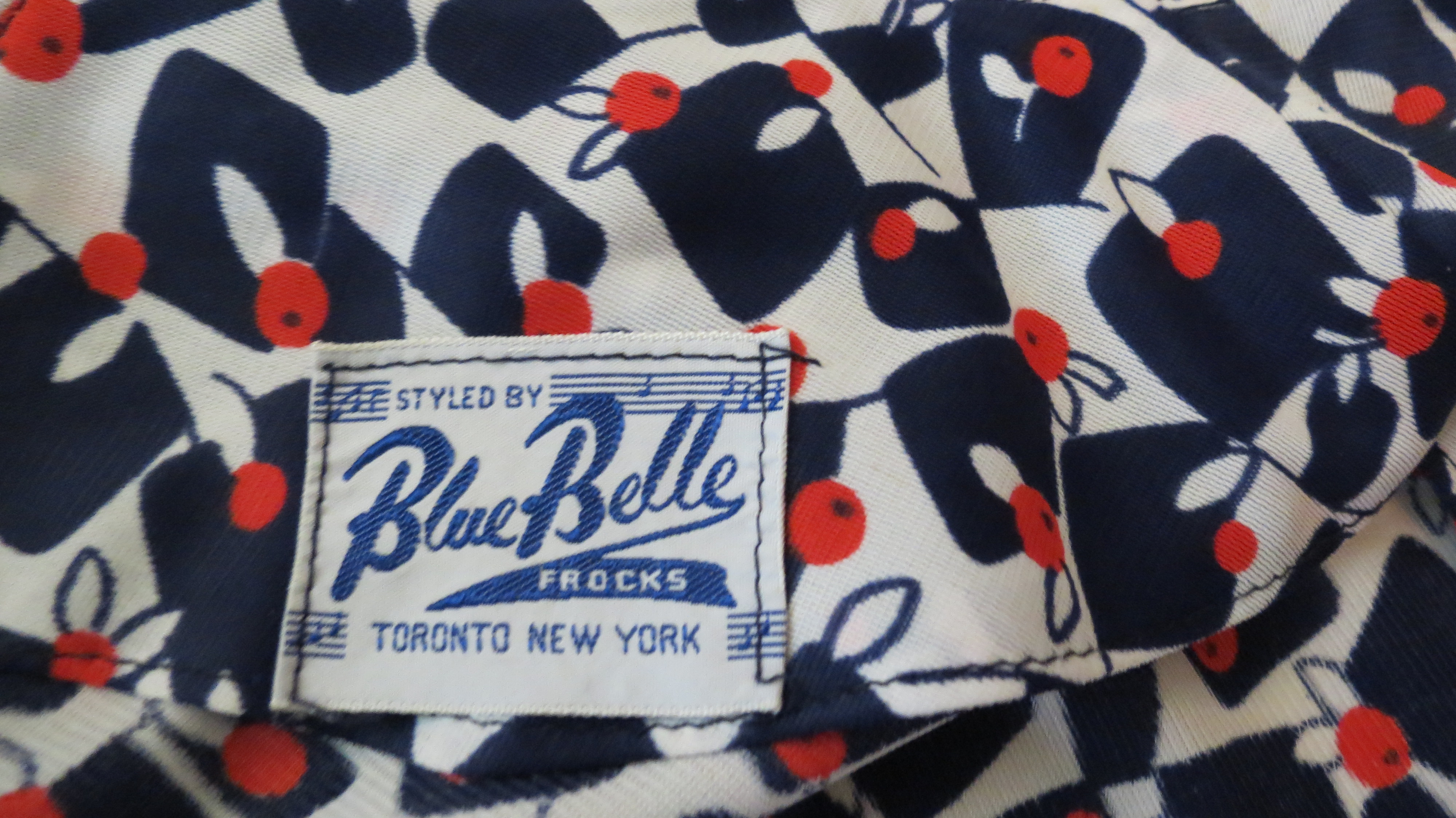
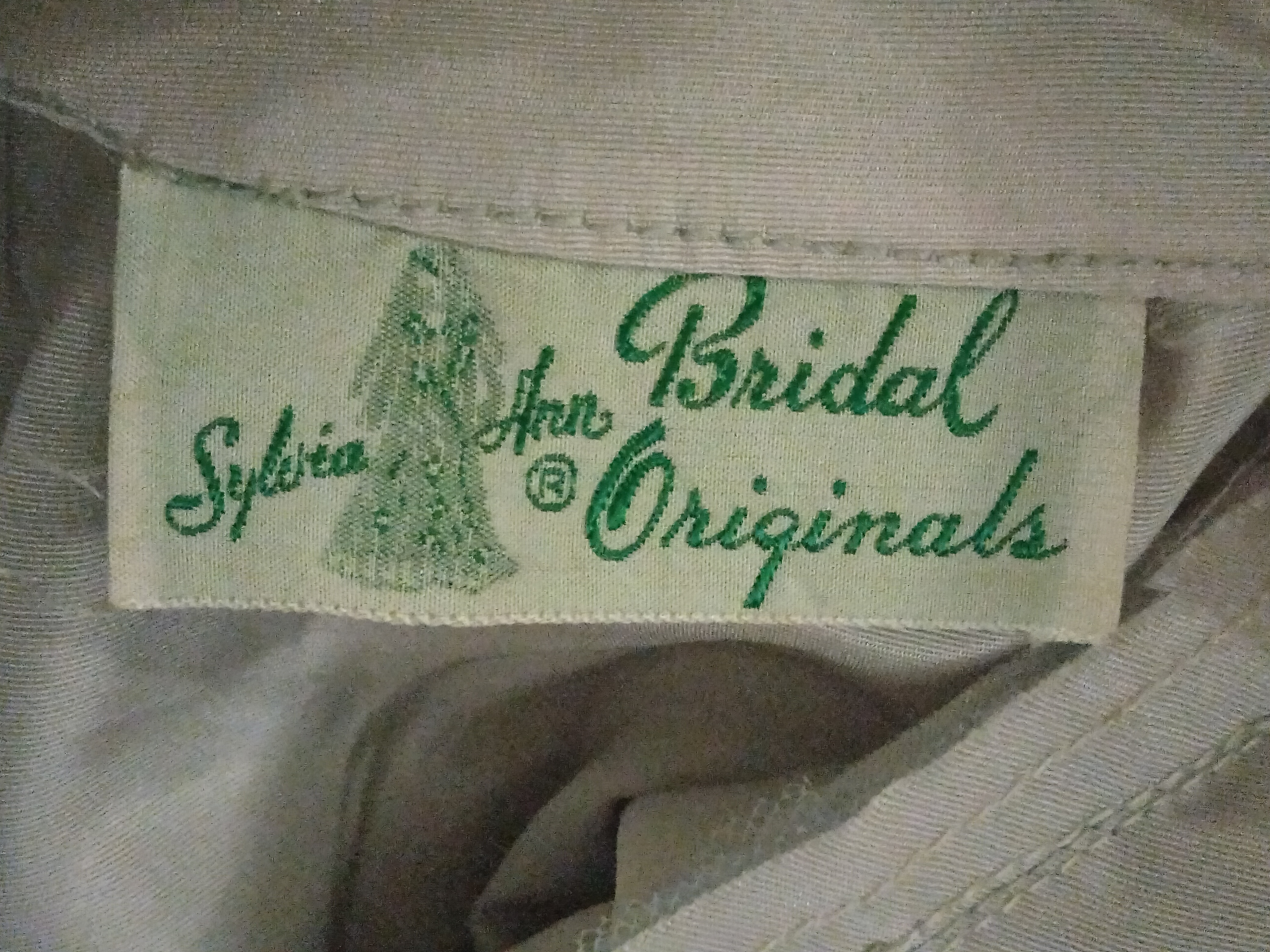
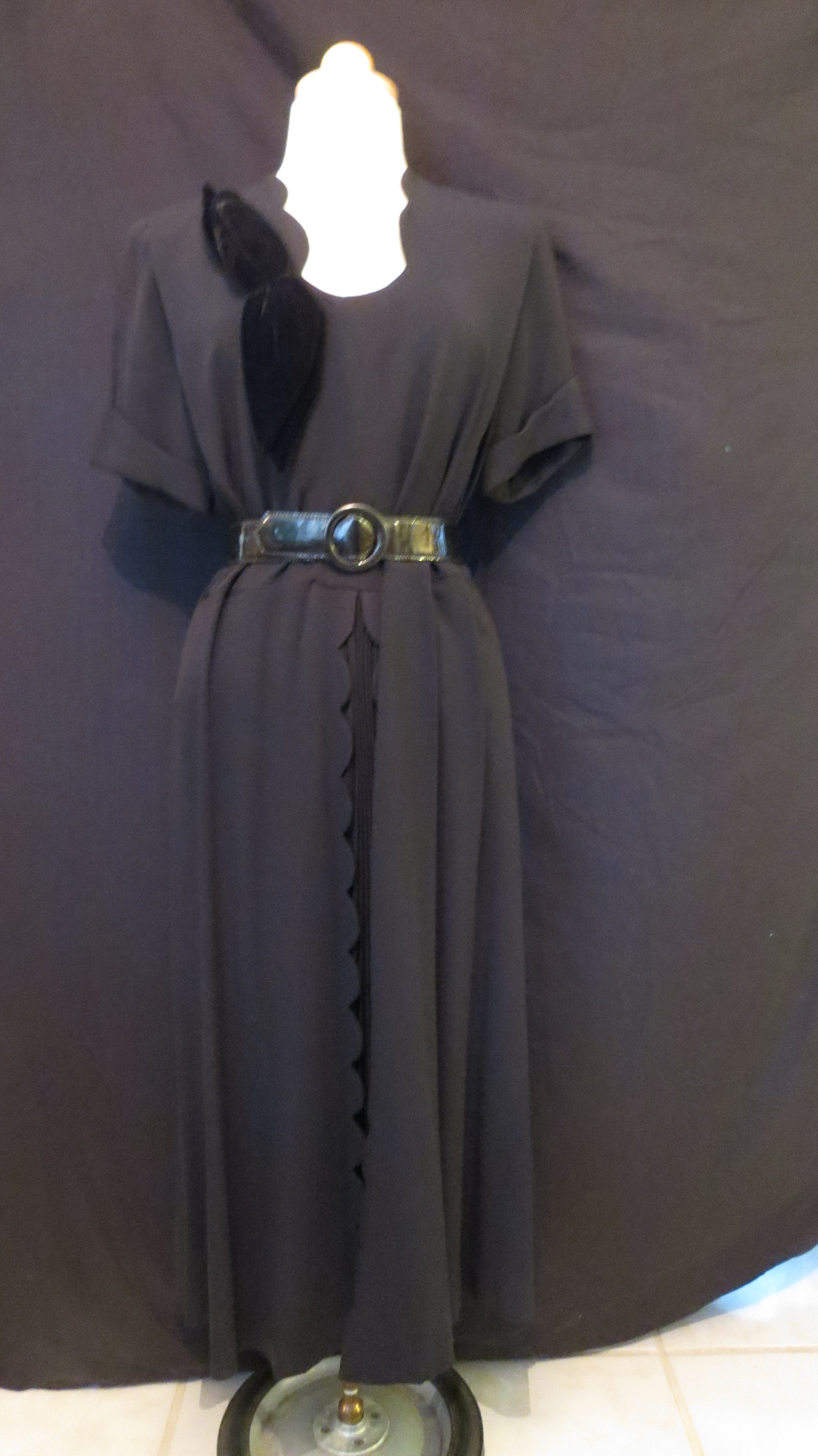
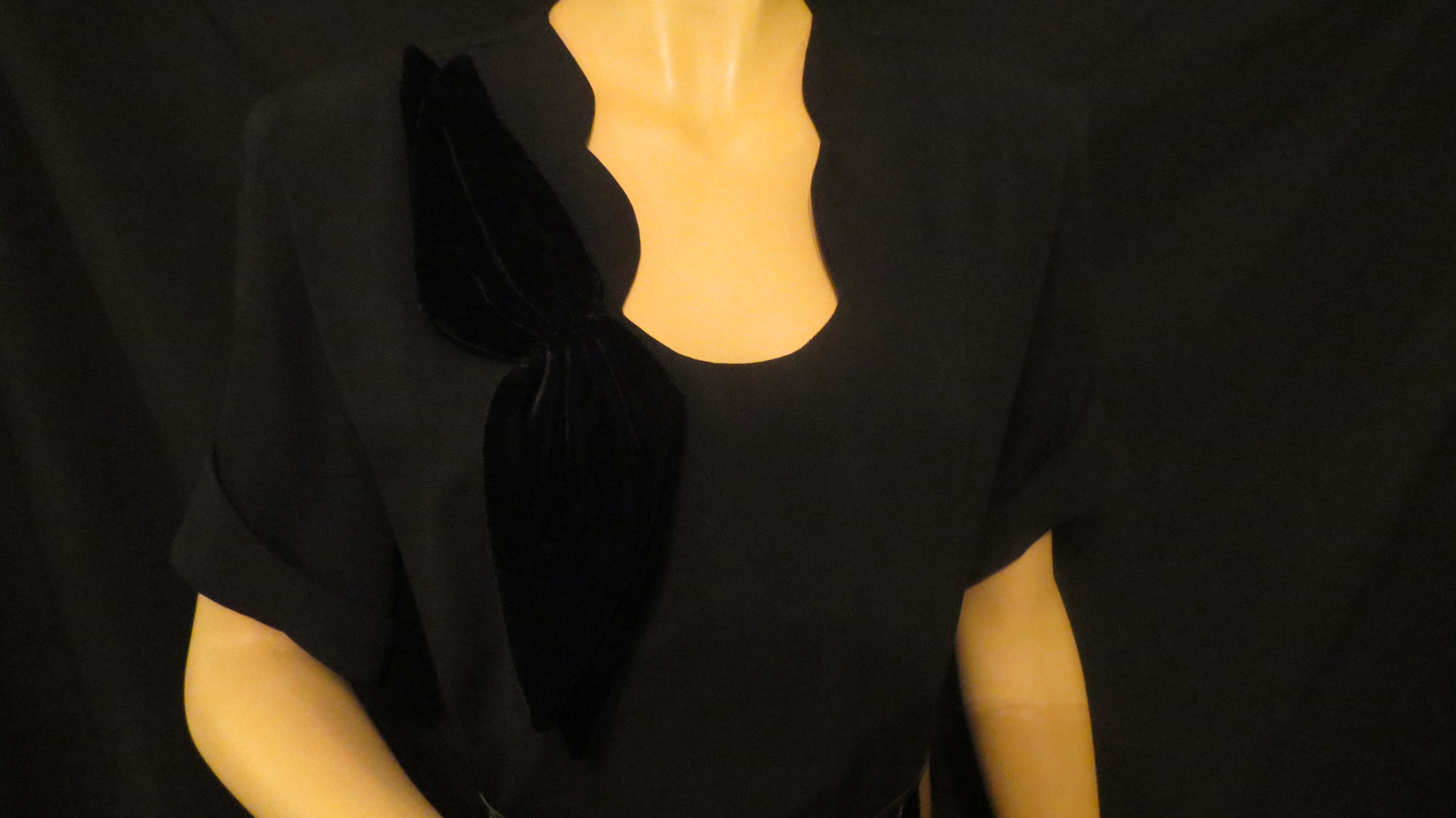
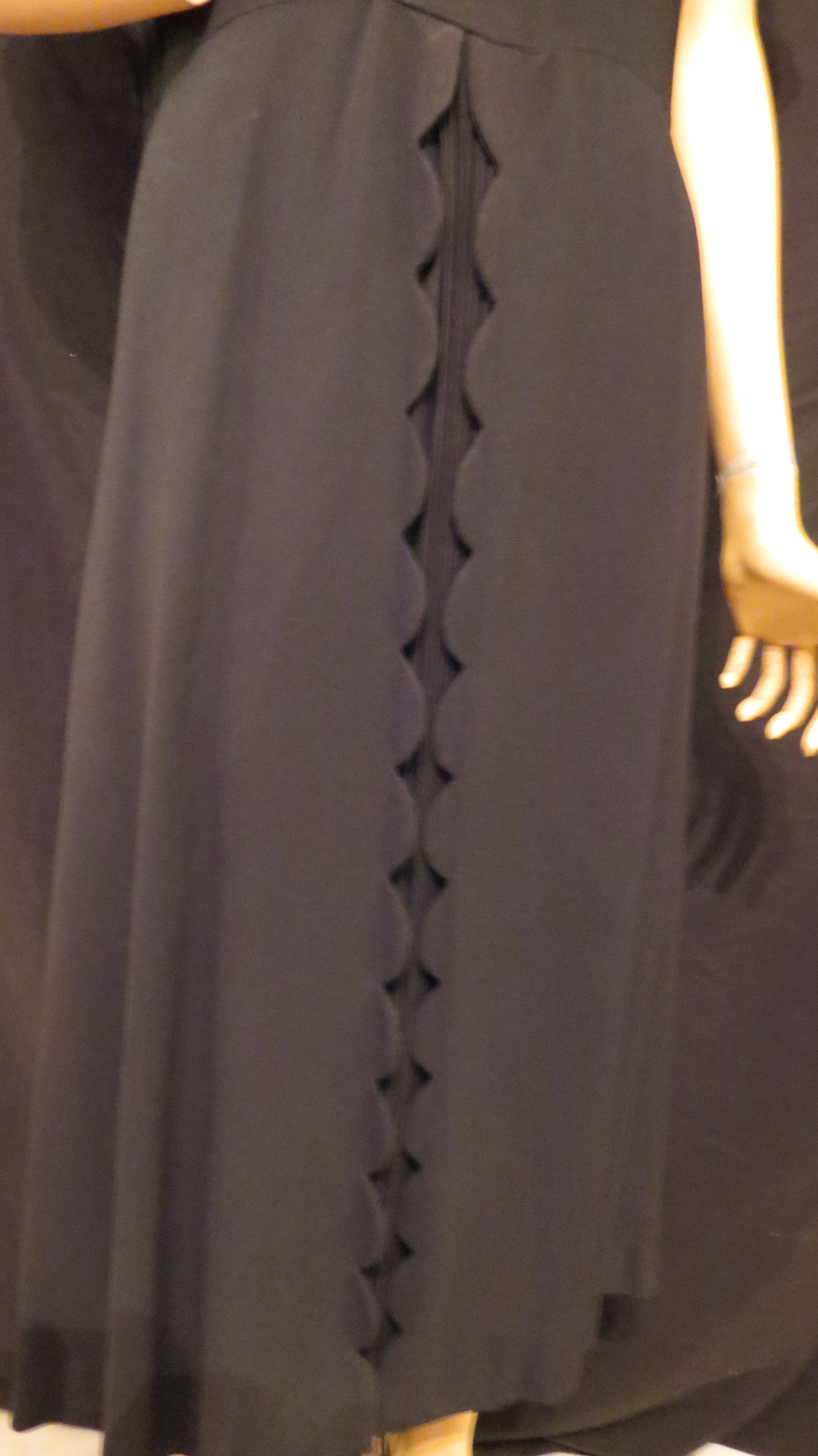
This pretty dress is made of rayon material with a BIG velvet bow and inverted front pleat for added interest. I love the scalloped overlay and the shaping on the cuffs of the short sleeves, which is SO Forties! This dress is labeled as having been made by a company or maker that was nationalized during the years surrounding and following WW2 when many, if not most, fabrics and notions available to garment-makers before the war and the Depression were unavailable to manufacturers and home-tailors because of rationing. Women still wanted pretty fashions and our government helped to make that possible and affordable.

Despite having no lining or buttons, there are very nice tailoring details. It is, unusually for that time, quite a large size but is so well-cut that belting it on my size 6 mannequin (thank you, Madge!) still looks amazing. That is an advantage of any well-made garment and especially in the case of most true vintage clothing. Stay tuned for more . . . . . . . . . . . . . . . . . . . . . .

MORGANA MARTIN, THE MAGICVINTAGESPY

BLOG: MAGICVINTAGESPY.COM

ELEGANT MOD TRUE VINTAGE 1960’S LBD

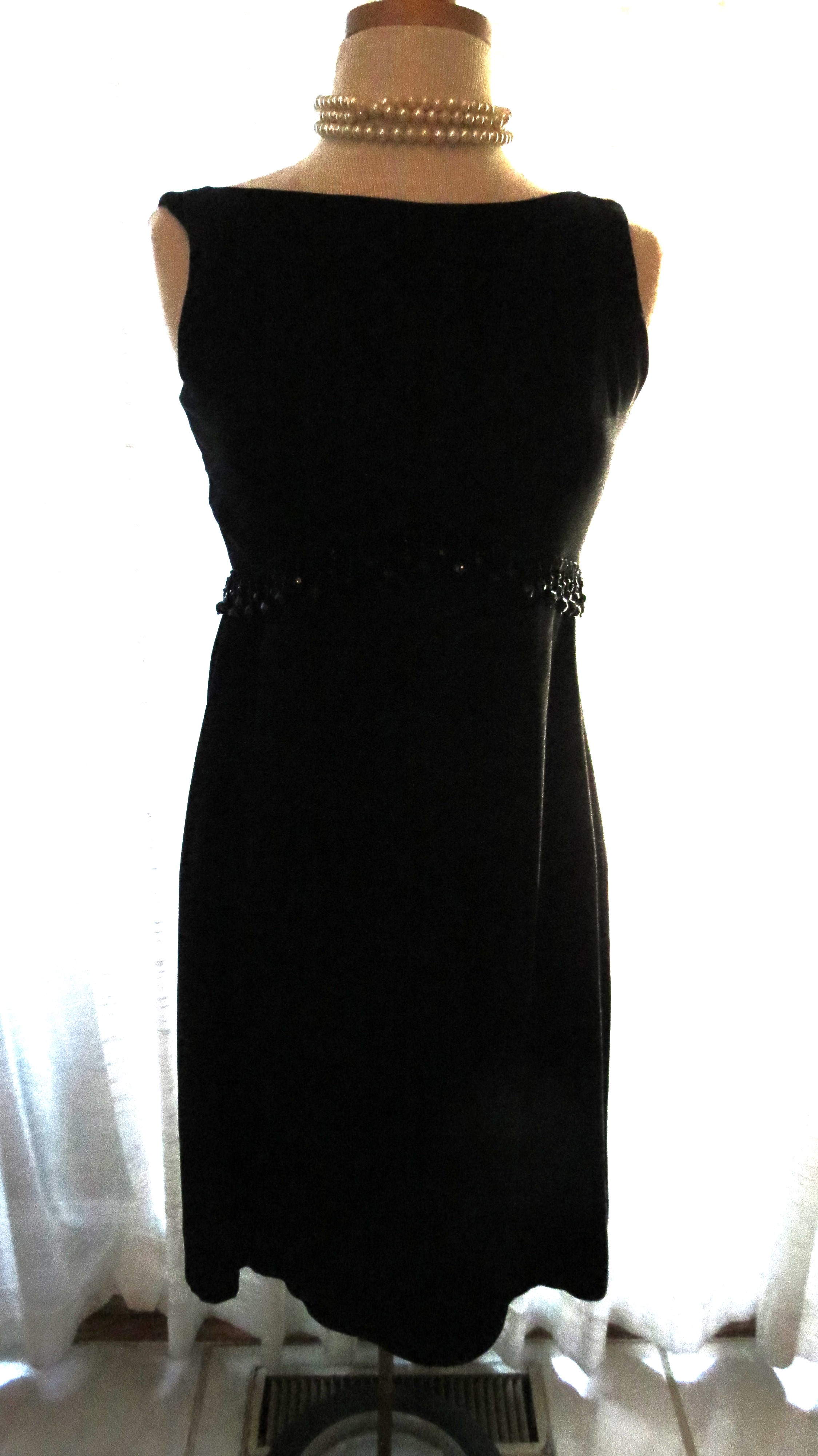
From the early to mid-1960’s, a sleek, sleeveless classic sheath style cocktail dress with a boat neckline, which I love. It’s knee to bottom-of-knee length, which is a very flattering hemline on most women and was common at that time right before almost everything had an above-the-knee or mini length. It’s so hard to get good detail on black clothing in photos, but this one is easier because the only decoration is a medium-width band of black beading at the waistline. Very well-tailored in a light-medium weight knit fabric with a very nice drape. This one factor takes it over the line from a Summer dress to one for Fall. Good quality, good fit – the signature features of well-made true vintage clothing.

I have more examples in the files of 1960’s LBDs but, in my images file, I ran across a large number of dresses of this type from the 1940’s. I’ll probably break the timeline to put these in the next posts before resuming to LBD’s from the more recent decades. I am traveling back to Headquarters as of tomorrow, so there may be a few days pause while I reorganize. Won’t be long so stay tuned . . . . . . . . . . . . . . . . . . . . . . . . . . . . . . . . .

MORGANA MARTIN, THE MAGICVINTAGESPY

BLOG: MAGICVINTAGESPY.COM

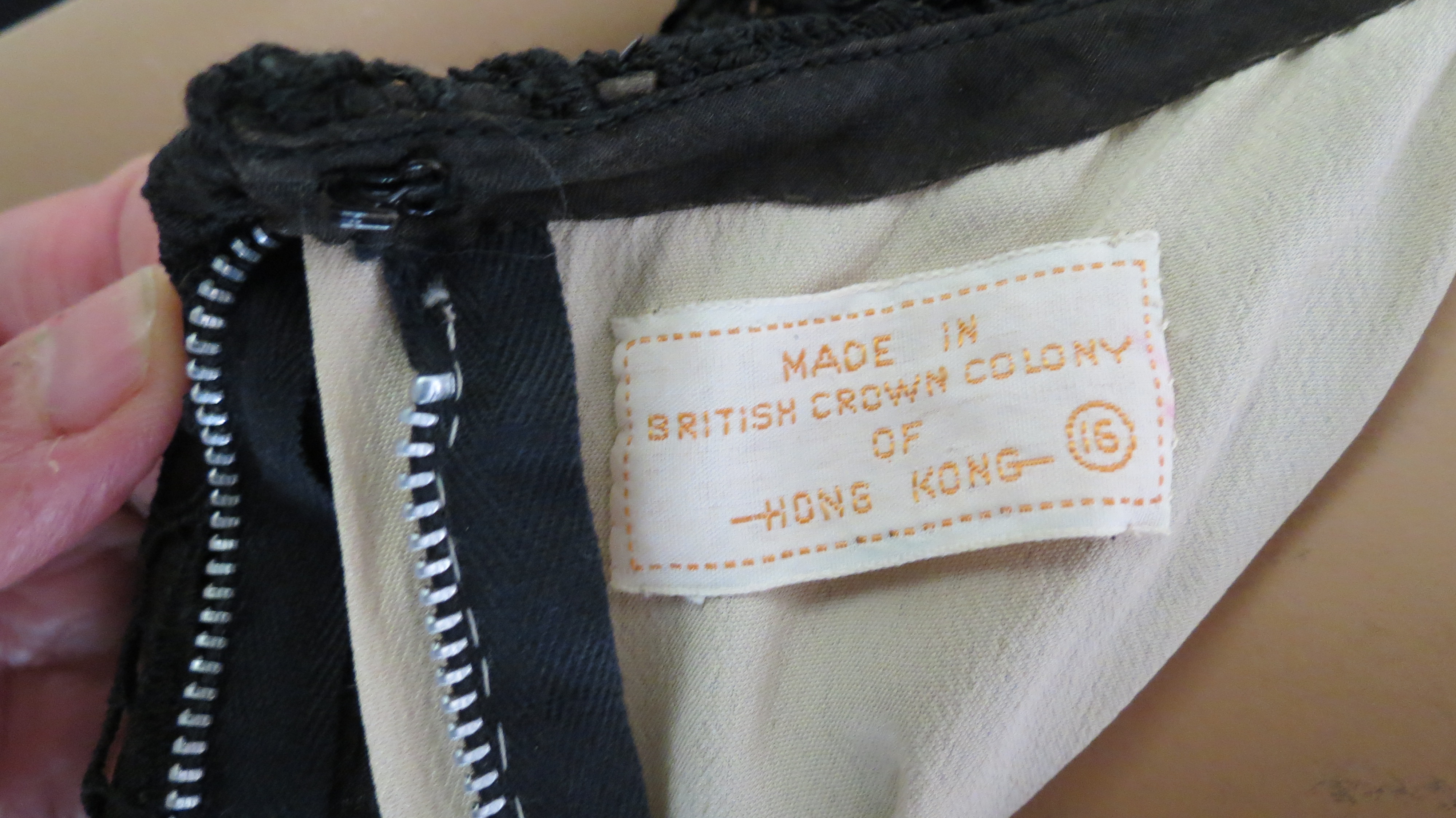
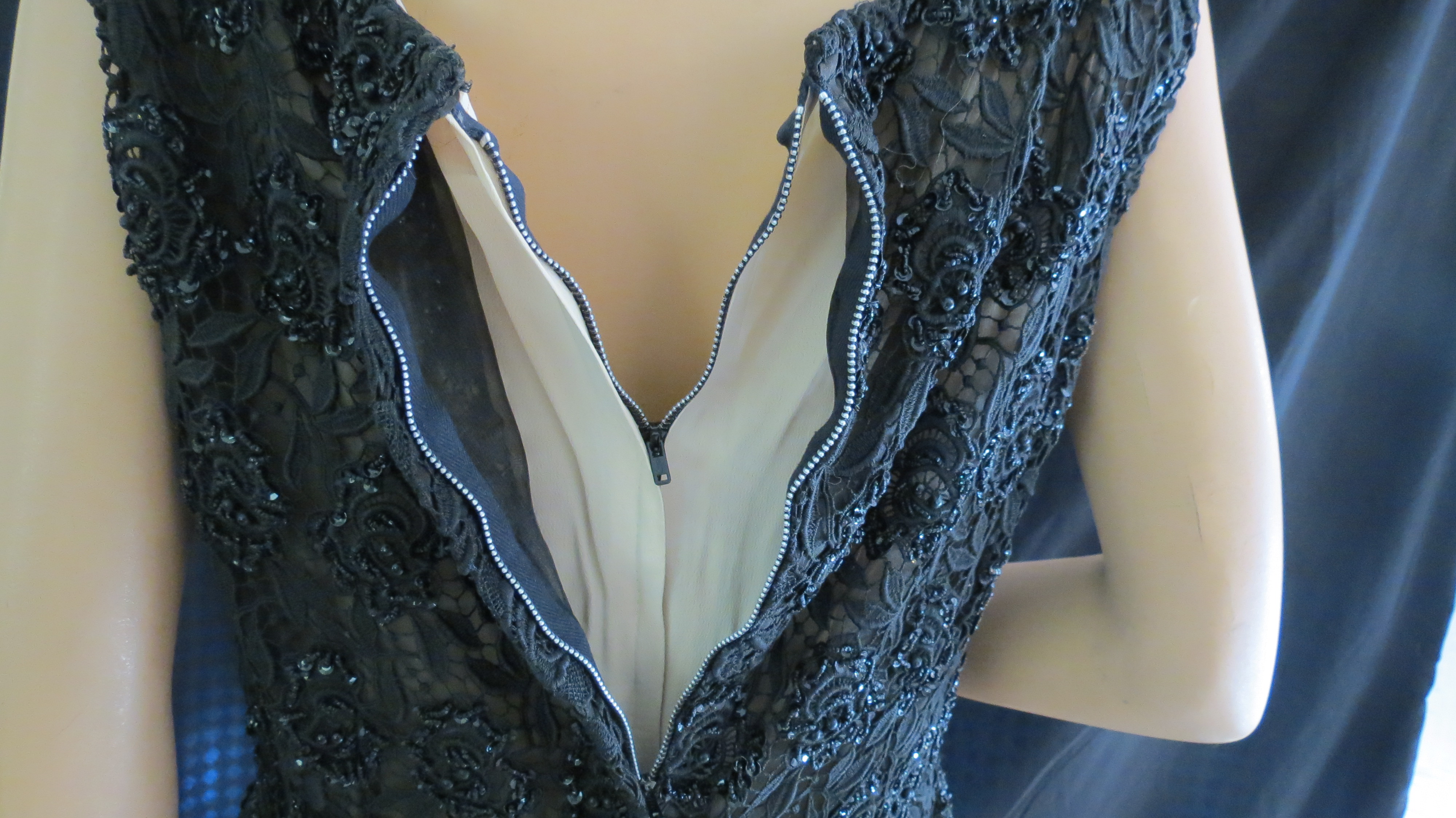
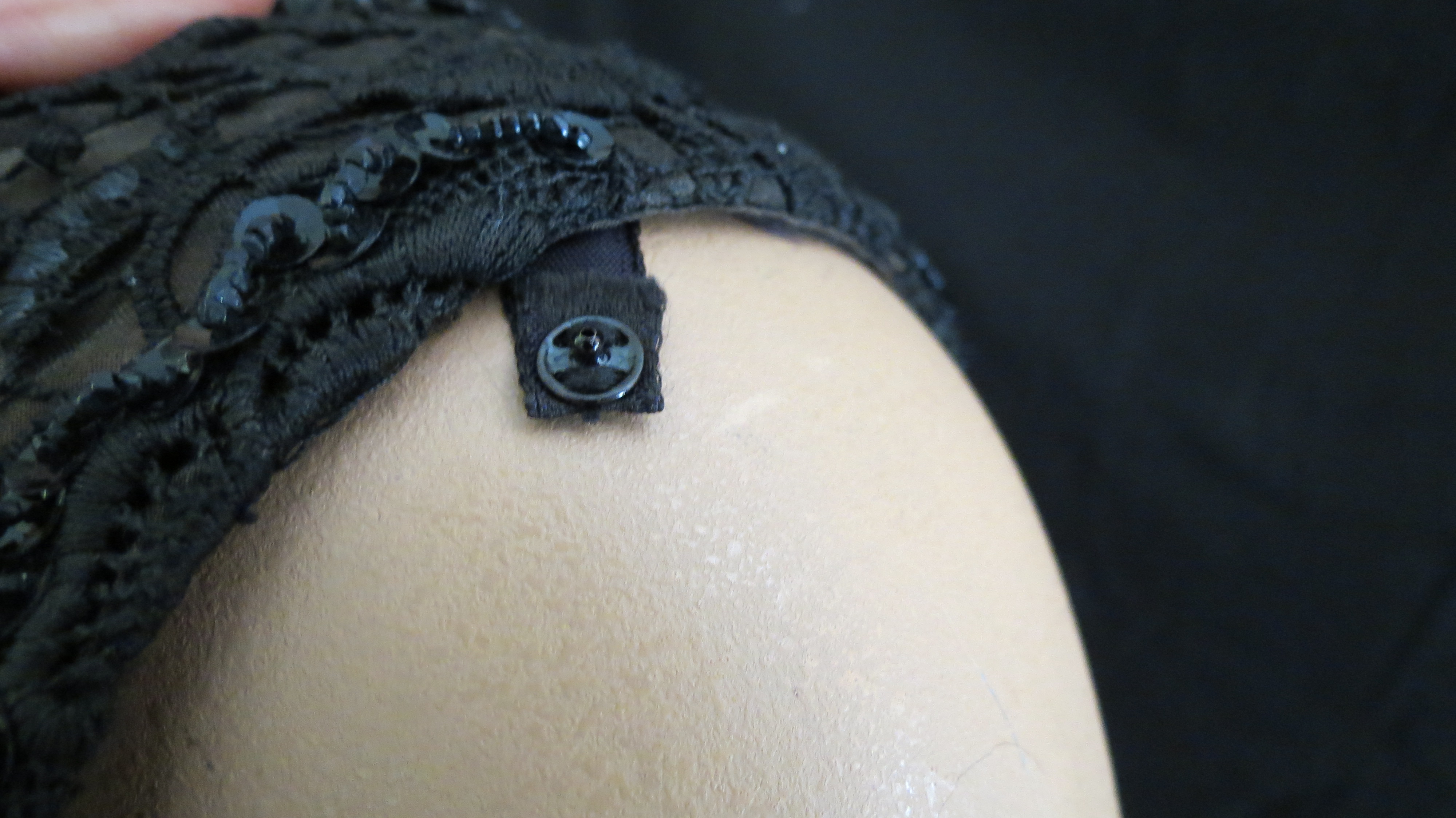
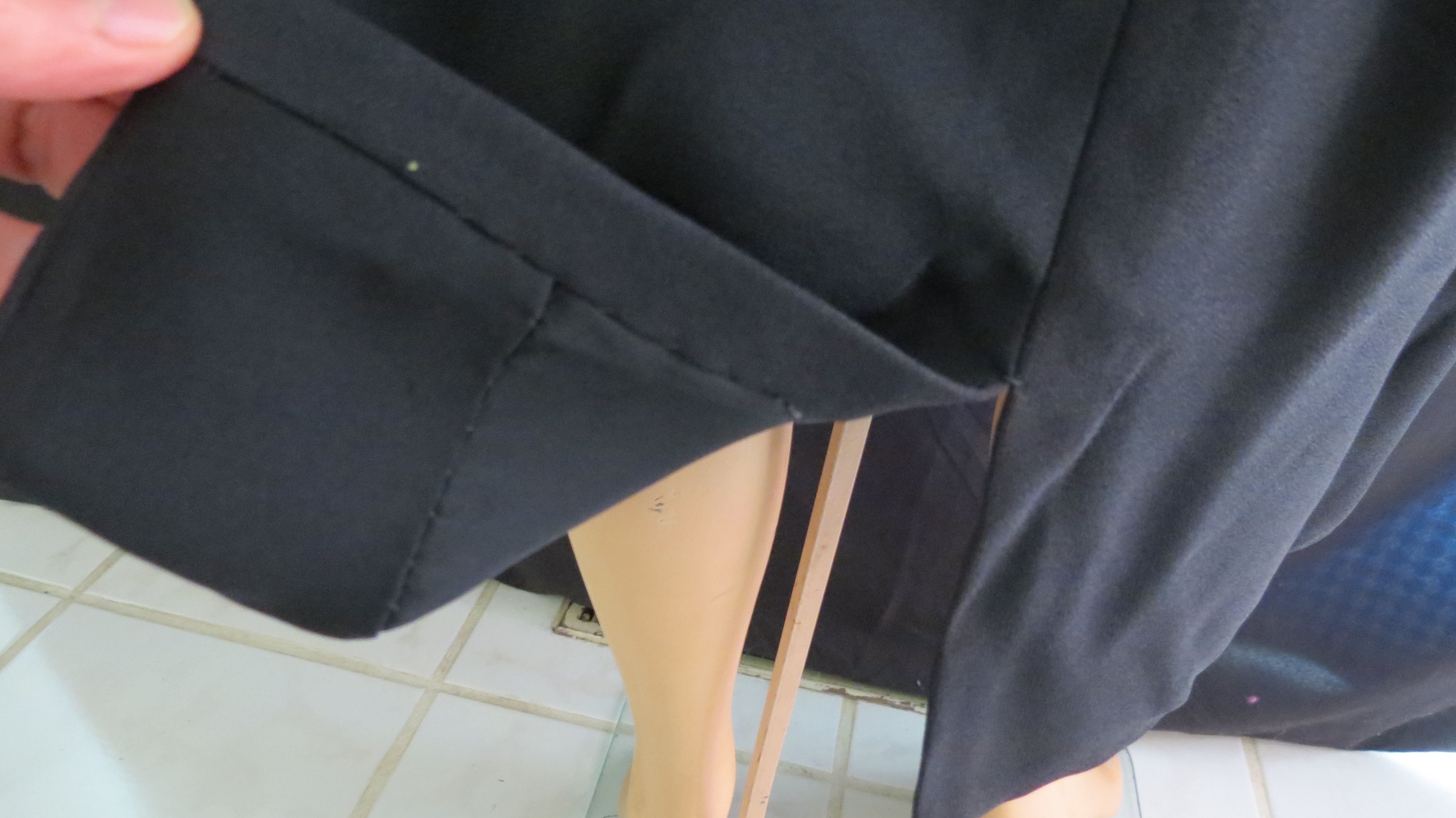
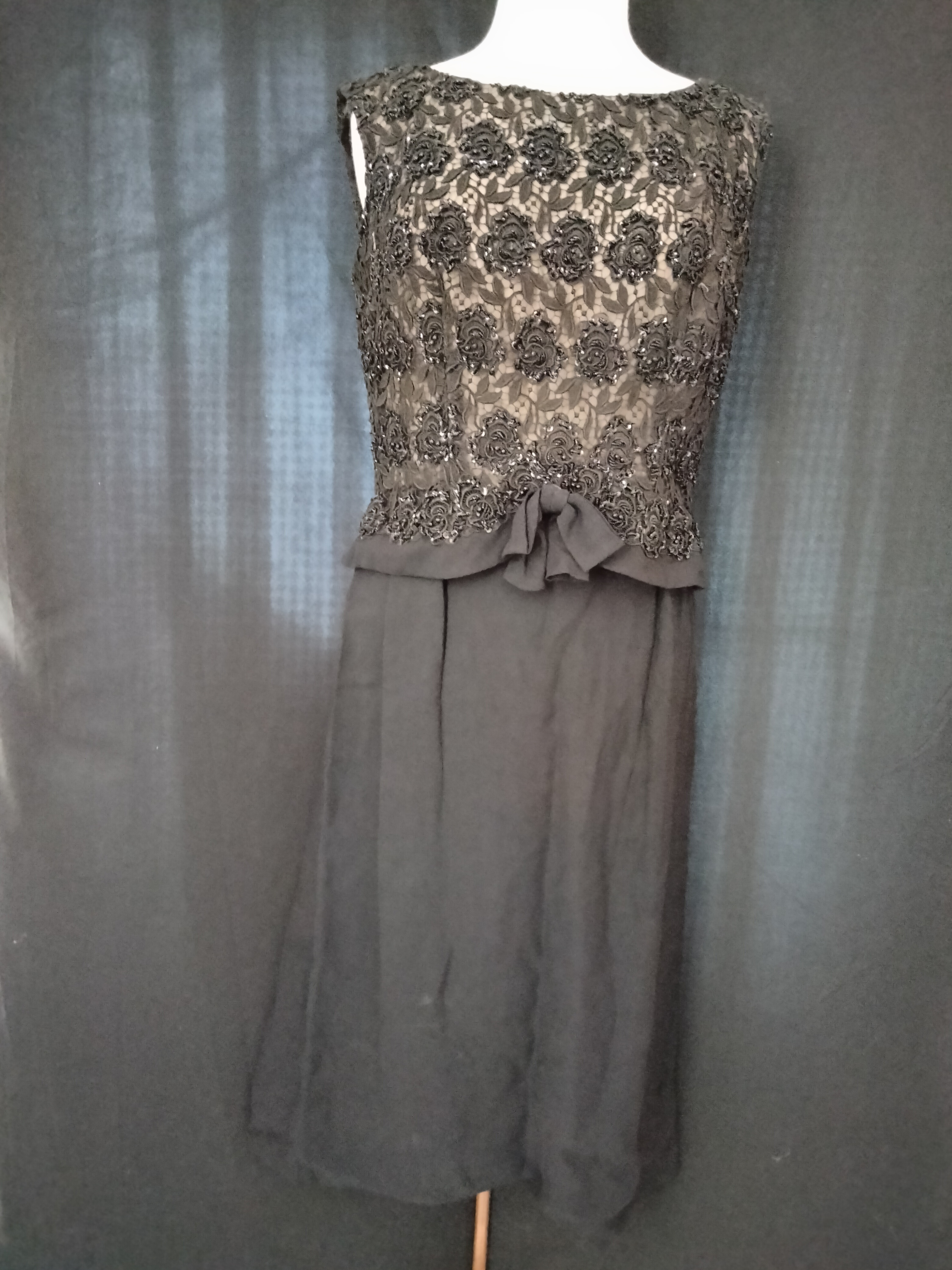
TRUE VINTAGE 1960’S DRESSY FROCK – ANOTHER FINELY HAND -TAILORED GARMENT FROM BRITISH HONG KONG

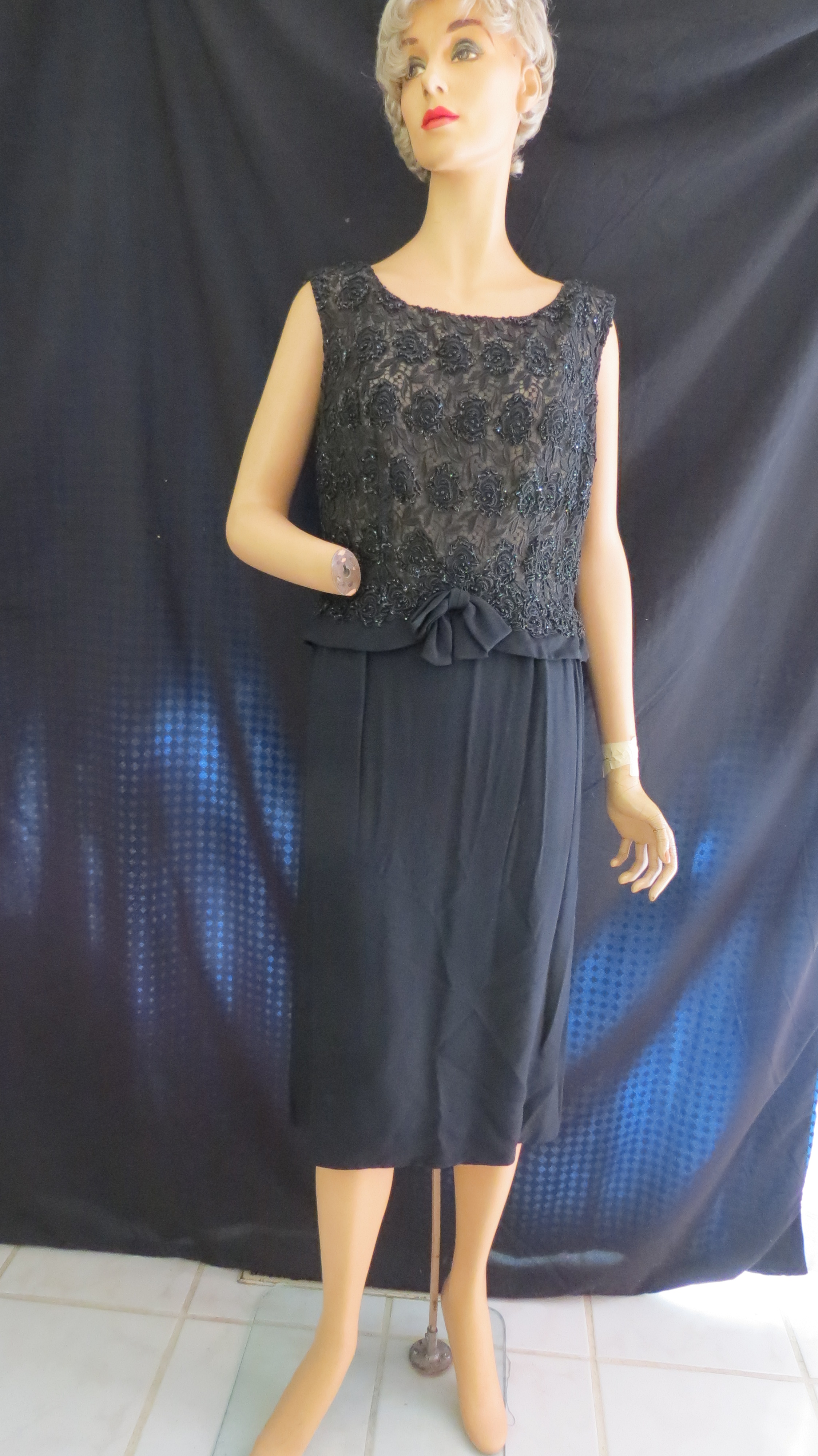
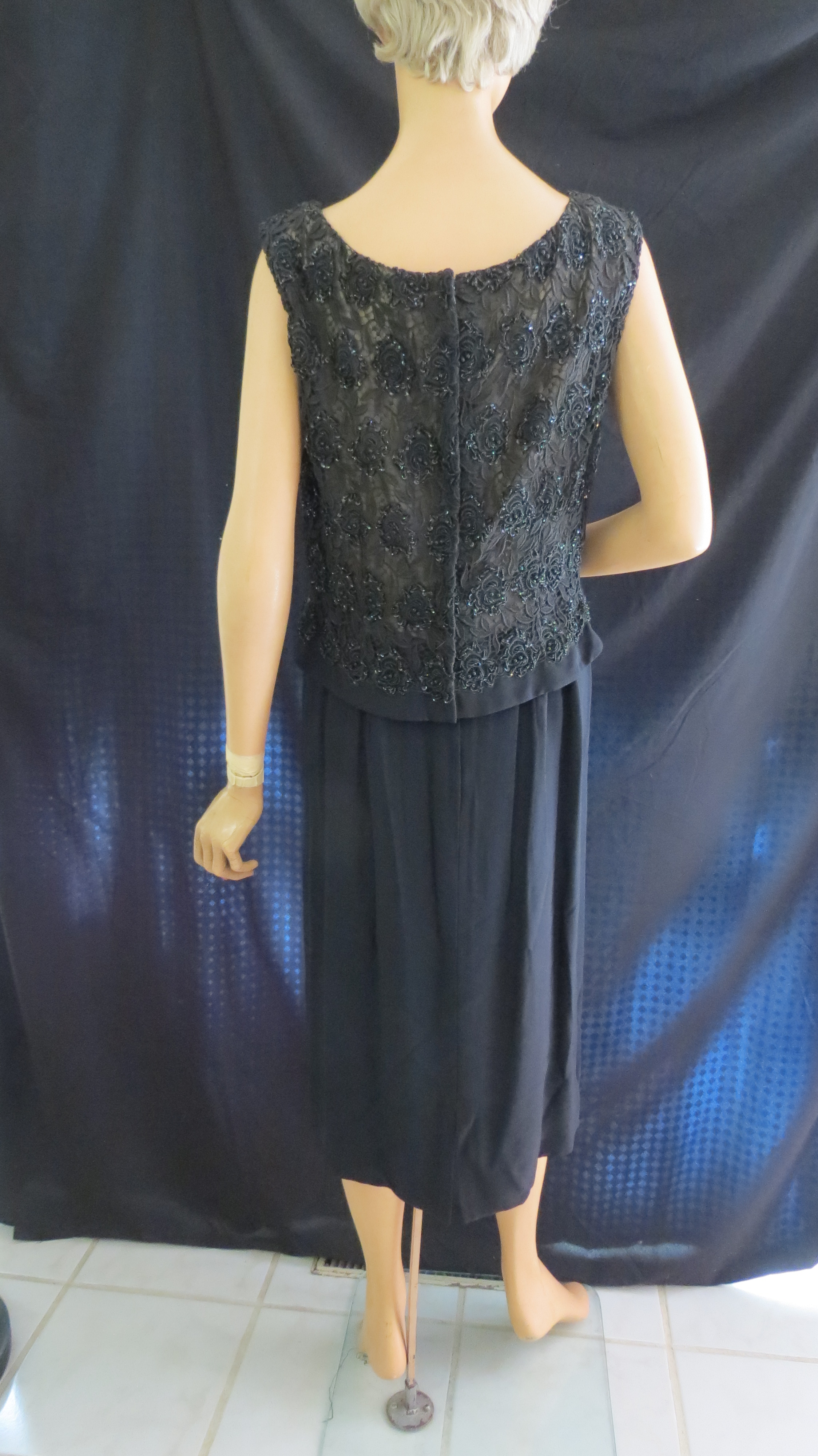
This dress is such a treat! I was so thrilled to uncover it. Look at the marvelous tailoring details and ingenious construction – A basic sheath style, with a heavily-decorated blouson top that appears to be separate, but is attached at the shoulders and fully-lined with a white silk under-blouse. Both layers close with a metal zipper. Hooks and eyes secure the neckline for good fit. The shoulders have strap-holders sewn in. The acetate skirt is also lined with black rayon and has a wide hem allowance plus a walking vent in the rear seam. Hand-finished all over.

In the ’50’s and 1960’s a woman of moderate means could save for the occasional purchase of clothing made this way and more prosperous women had closets full of nothing else. These were the standards of better-made garments during the mid-century. Now even very expensive clothing is sometimes constructed poorly and hardly ever as well as this dress is. The attention to detail and hand-done stitching made clothing fit better look more polished.

Tomorrow I’ll show you another frock from this decade. Stay tuned . . . . . . . . . . . . . . . . . . .

MORGANA MARTIN, THE MAGICVINTAGESPY

BLOG: MAGICVINTAGESPY.COM

START OF A SERIES: TRUE VINTAGE PIECES FOR COOL, DRESSY EVENINGS

We’re now heading into the season for indoor parties, special occasions and events after the long, lovely summer; Cocktail parties, dinners, dances, recitals, holiday galas – you name it. I’ll be starting a series of posts of pretty, dressy and semi-formal garments in my collection from the 1950’s – 1990’s which will take us into the Fall and even Winter. Stay tuned . . . . . . . . . . . . . . . . . . . . . . . . . . . . . . . .

MORGANA MARTIN, THE MAGICVINTAGESPY

BLOG: MAGICVINTAGESPY.COM

TRUE VINTAGE LATE 1950’S – MID-1960’S DRESSES

Late Fifties saw slinky knit sheath dresses that carried over the new, easy-care synthetics from the 1940’s. The prints morphed slowly from geometric, atomic shapes back to cute animals, fruits and veggies. This fabric is amazingly comfortable and drapes beautifully but was economical. Common, moderately-priced frocks were made from it.

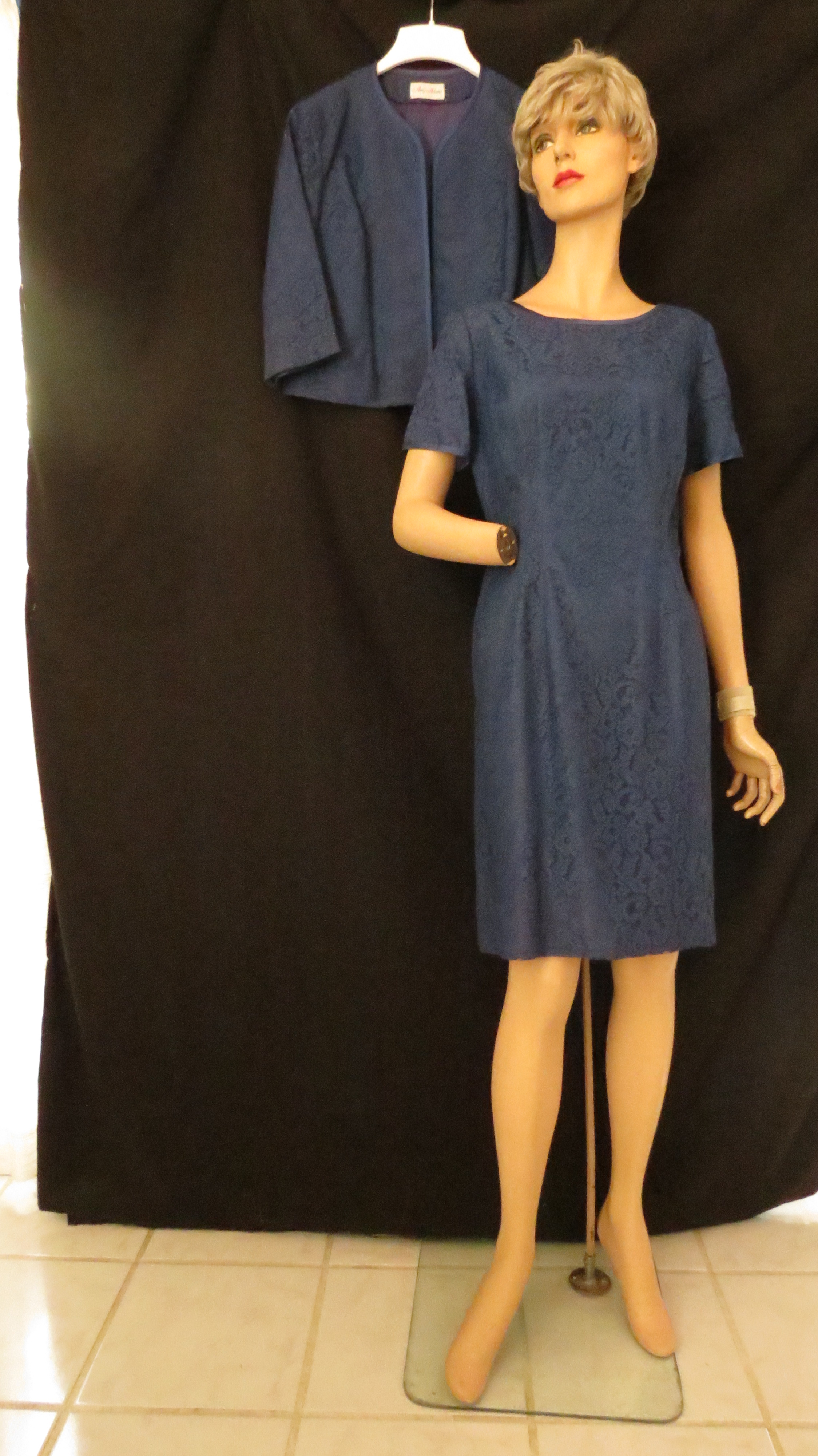
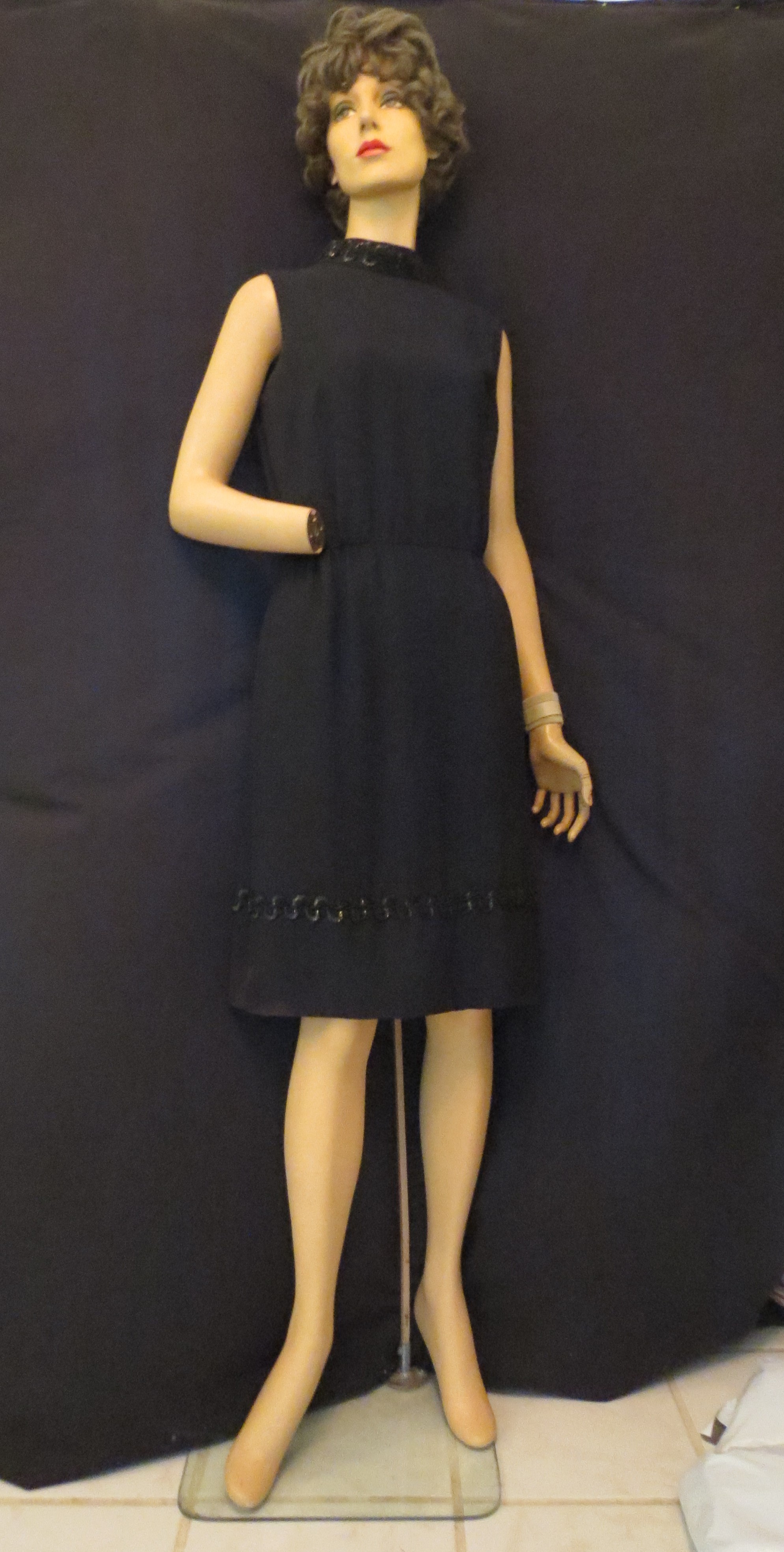
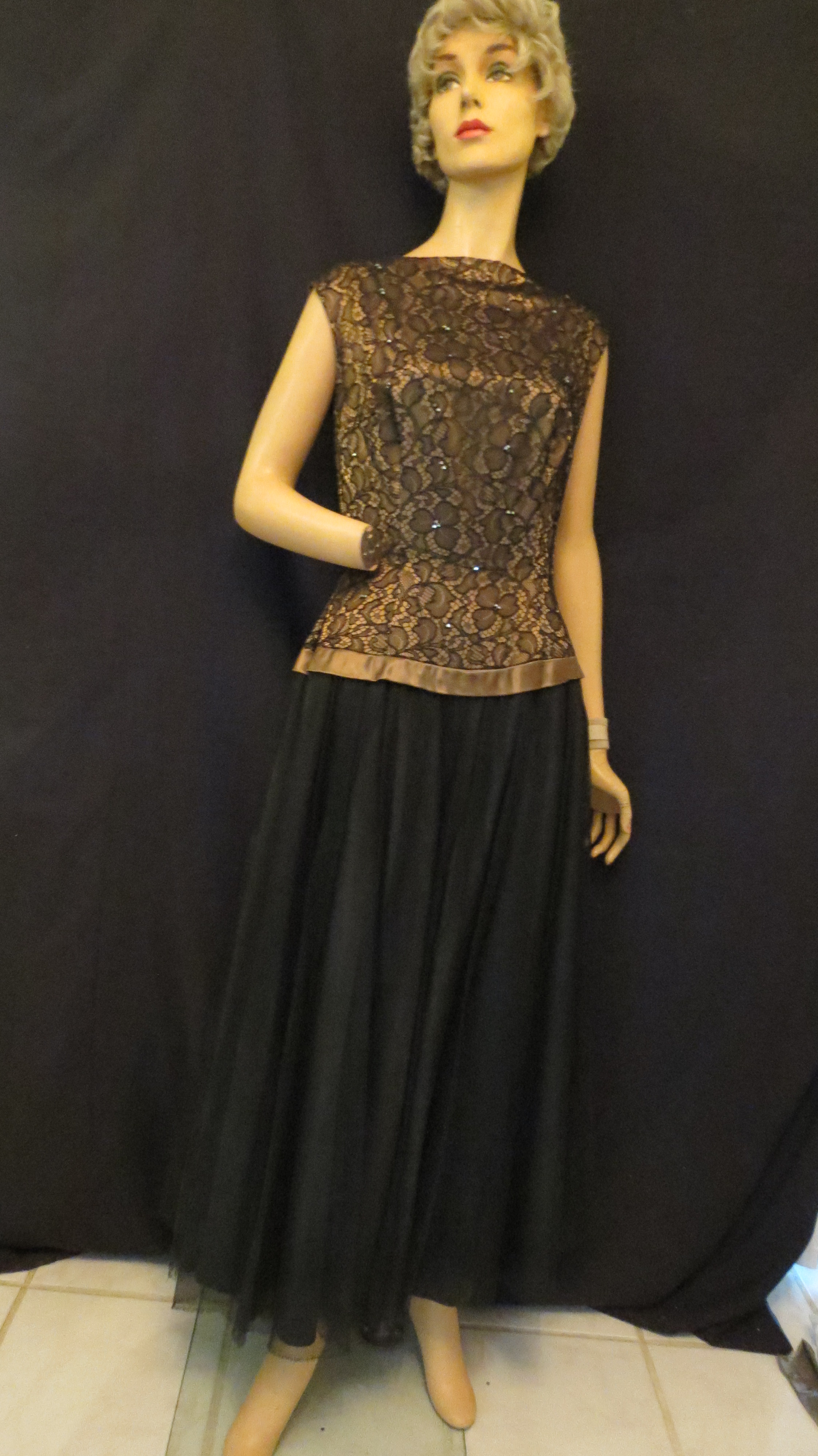
Just a few years later, lace overlay became the big thing. Dressy day-dresses were often made from it, as well as semi-formal and formal gowns. These were also generally made from synthetic or blended fabrics but probably required dry-cleaning. Better frocks often came from British Hong Kong, where the design and hand-made tailoring made them exceptionally elegant and of higher quality. These dresses were still within the reach of middle-income ladies but were more expensive. See the black dressy sheath with a beaded over-blouse above. The straight black high-neck sheath came from Saks Fifth Avenue.

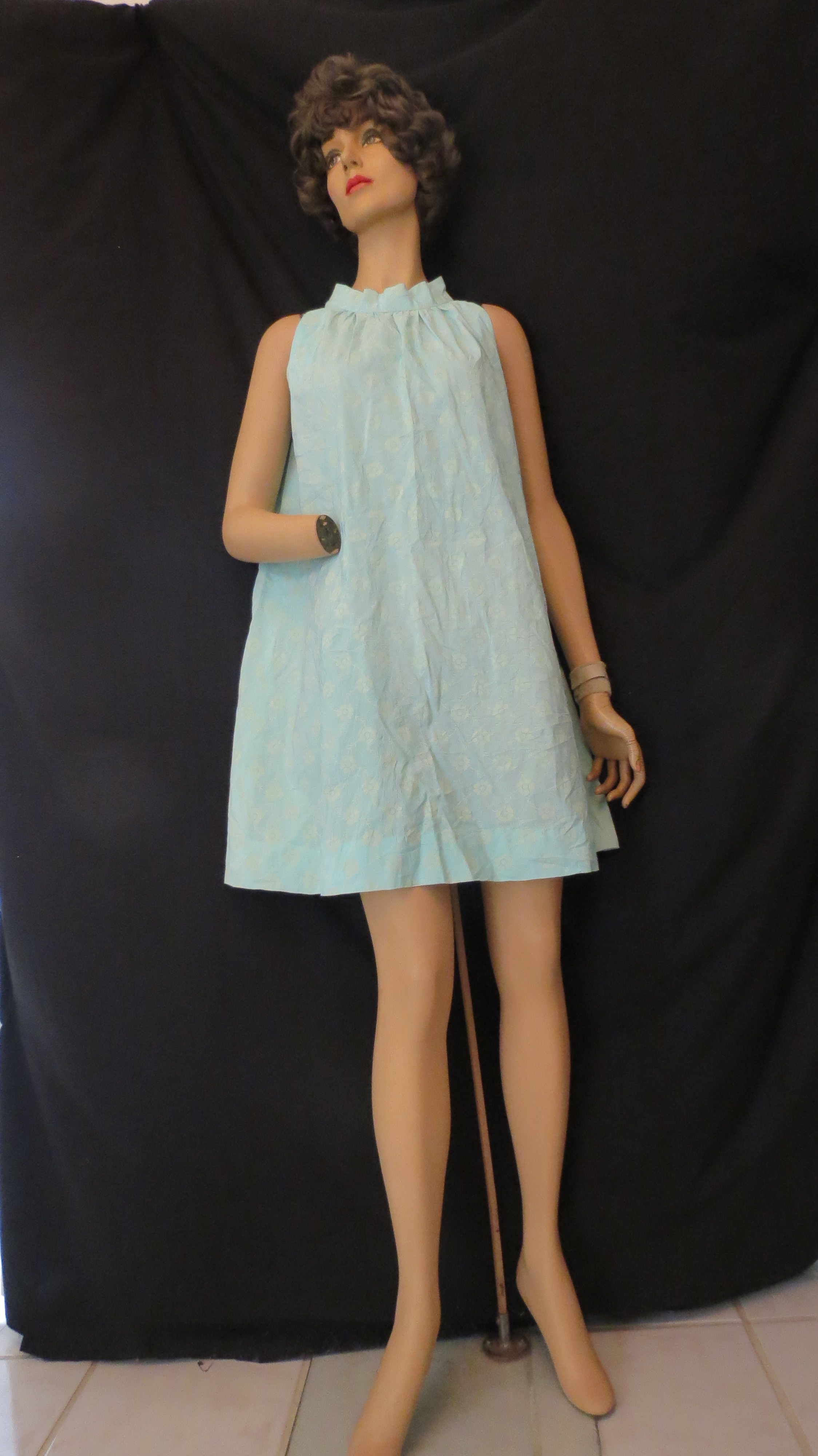
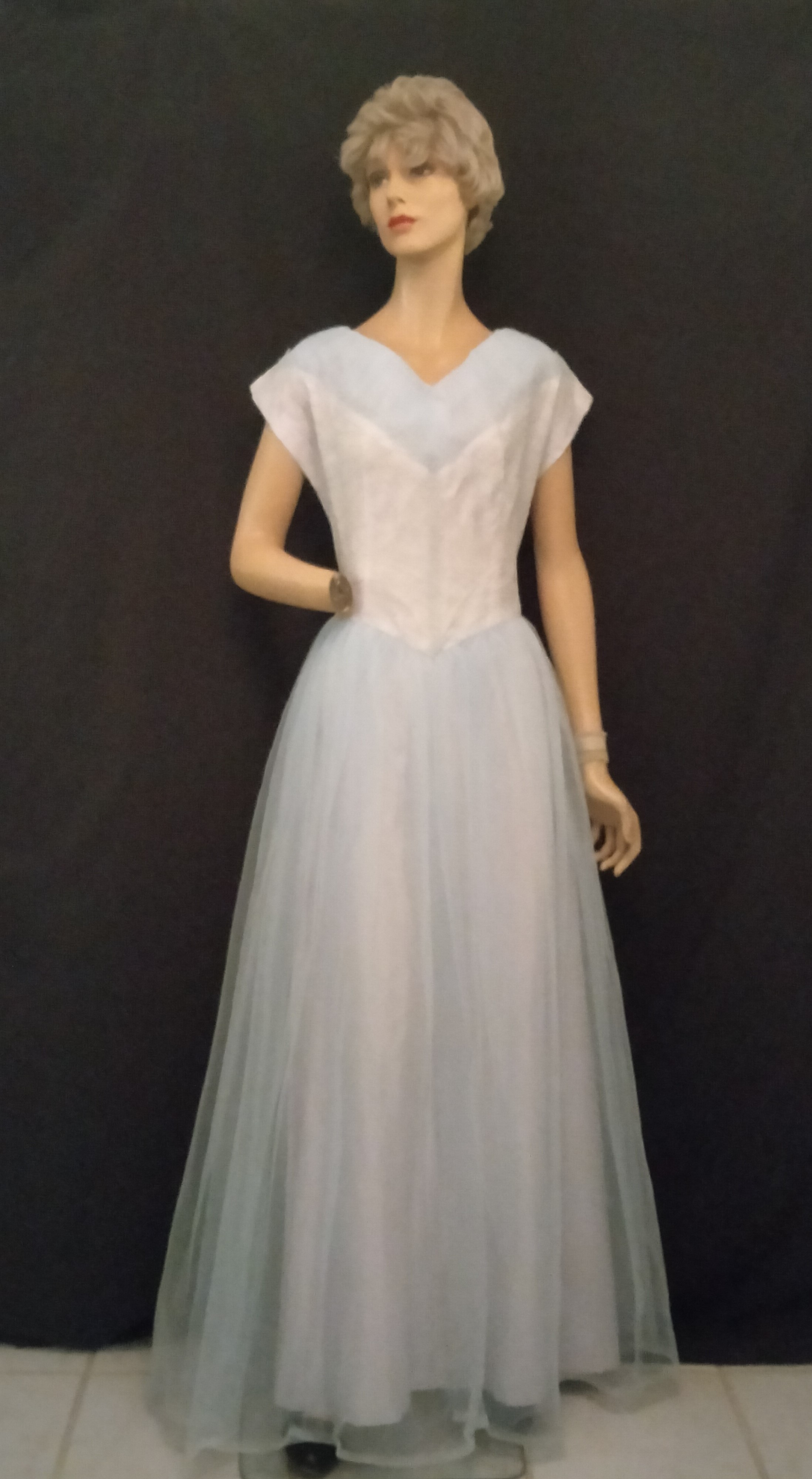
Then, again from the Brits, came Mary Quant’s Tent Dress in 1964. Although the Mod style had started in the 1950’s, it’s appearance in clothing was totally revolutionary. It brought with it radically shorter hemlines and easy-to-wear, casual shapes. See the light blue, home-sewn version above.

Some styles retained their classic, conservative lines and stuck to neutral or basic tones while bright colors became ever more popular, even in formal garments. While political and social movements became radicalized and changed society, the Hippie, Boho and Prairie styles started to take over in the late 1960’s and carried over into the early 1970’s. Tomorrow we’ll look at some of the ways that popular fashion incorporated these trends into mainstream dressing. Stay tuned . . . . . . . . . . . . . . . . . . . . . . . . . .

MORGANA MARTIN, THE MAGICVINTAGESPY

BLOG: MAGICVINTAGESPY.COM

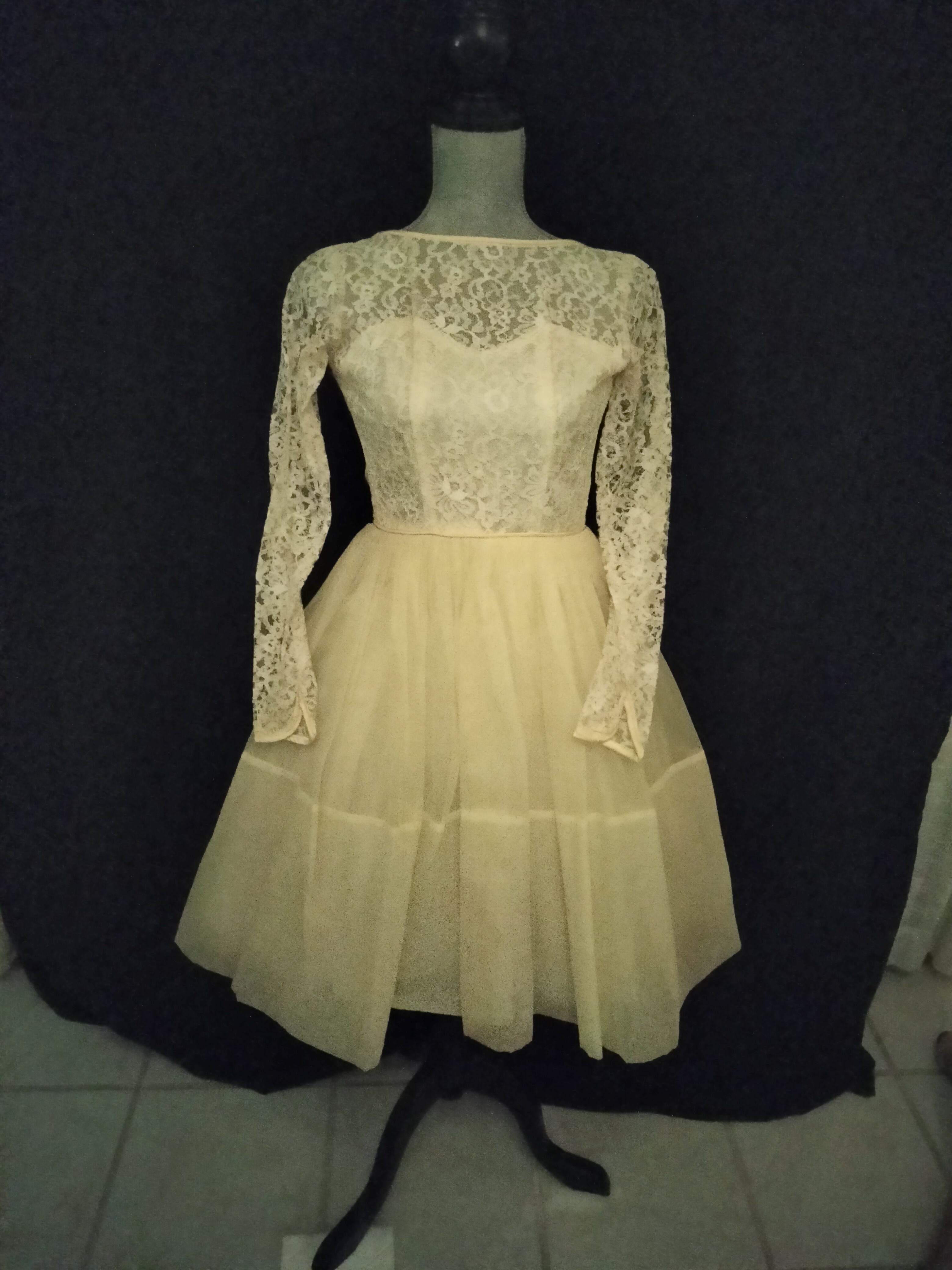
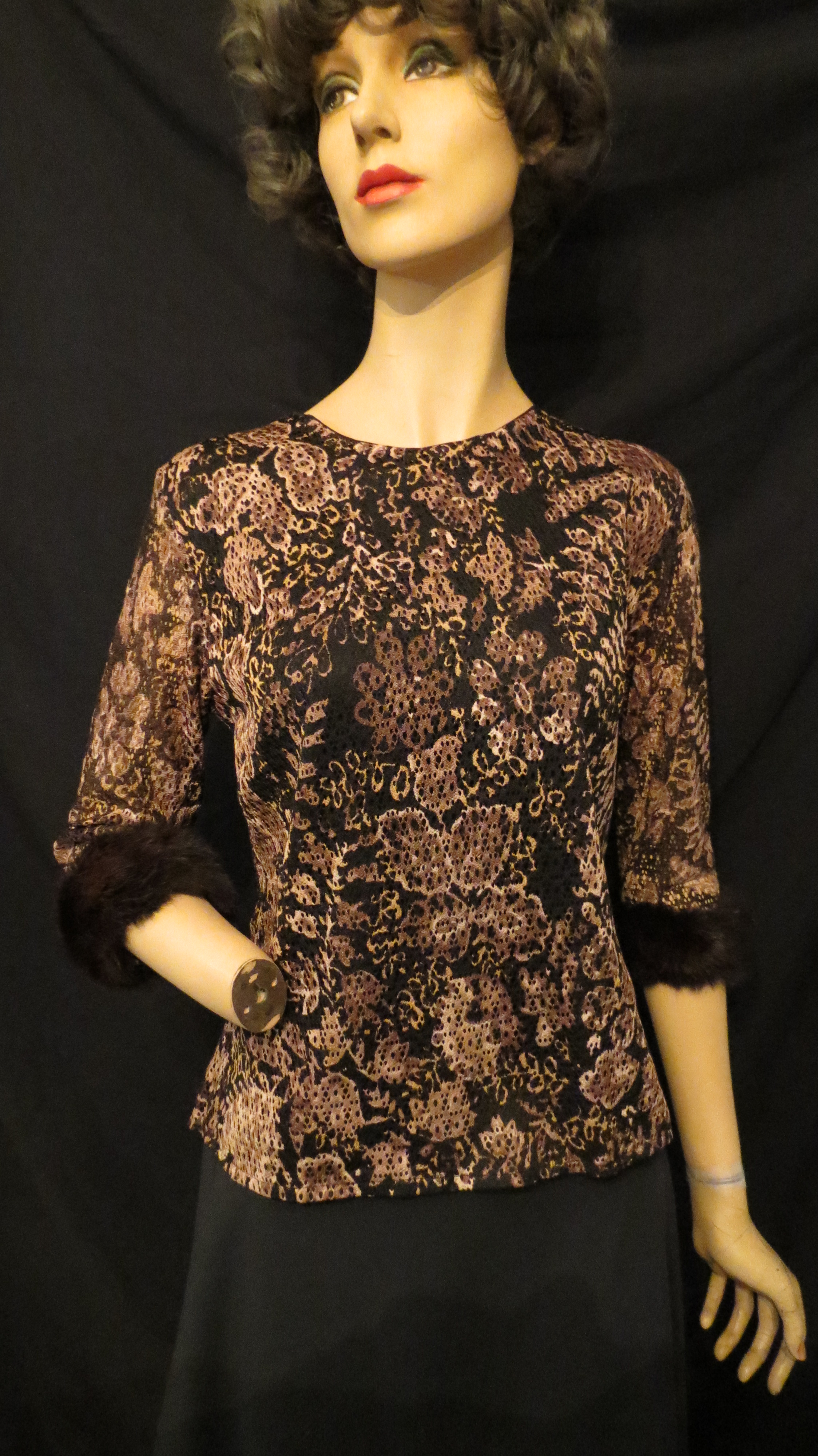
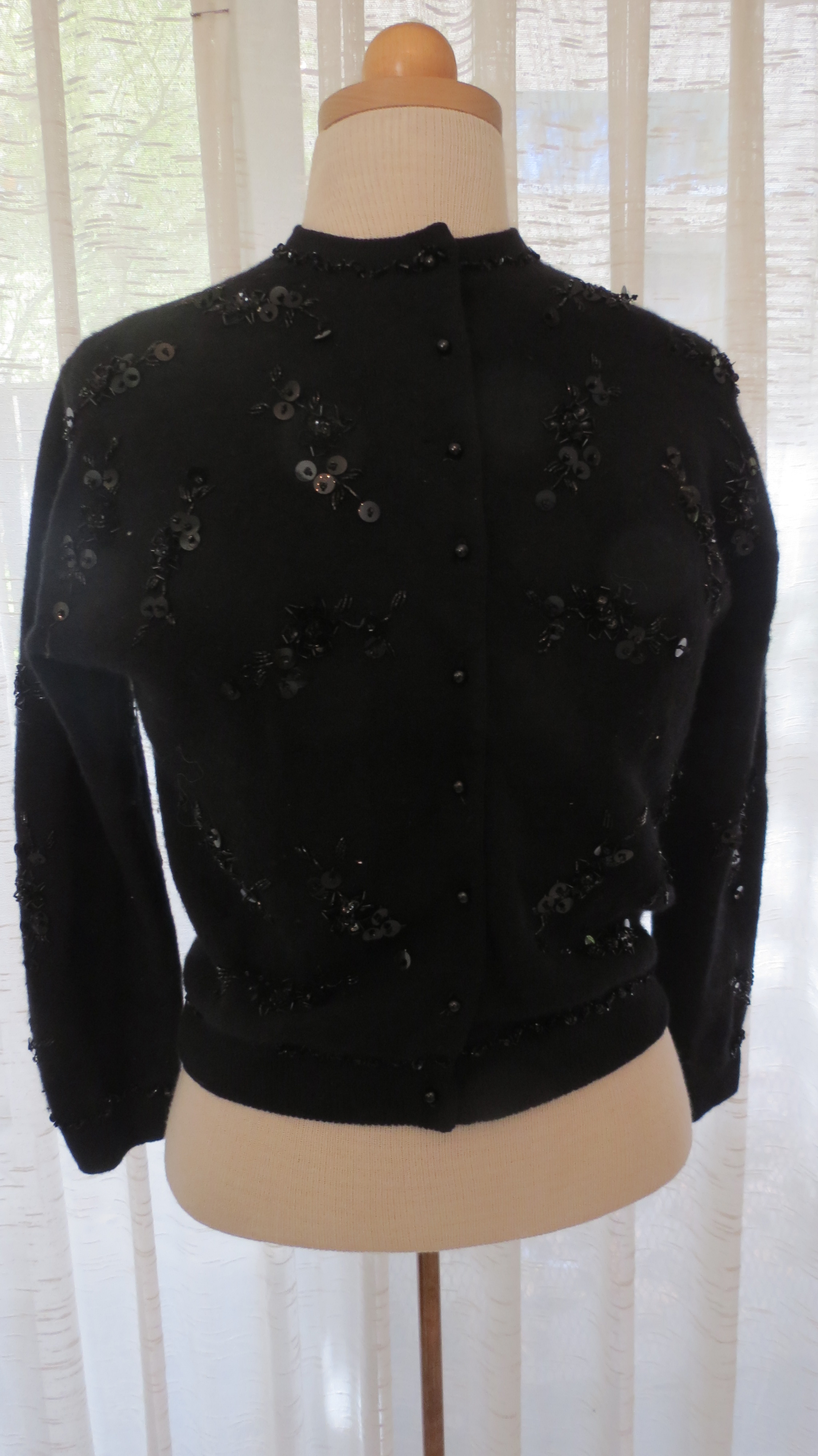
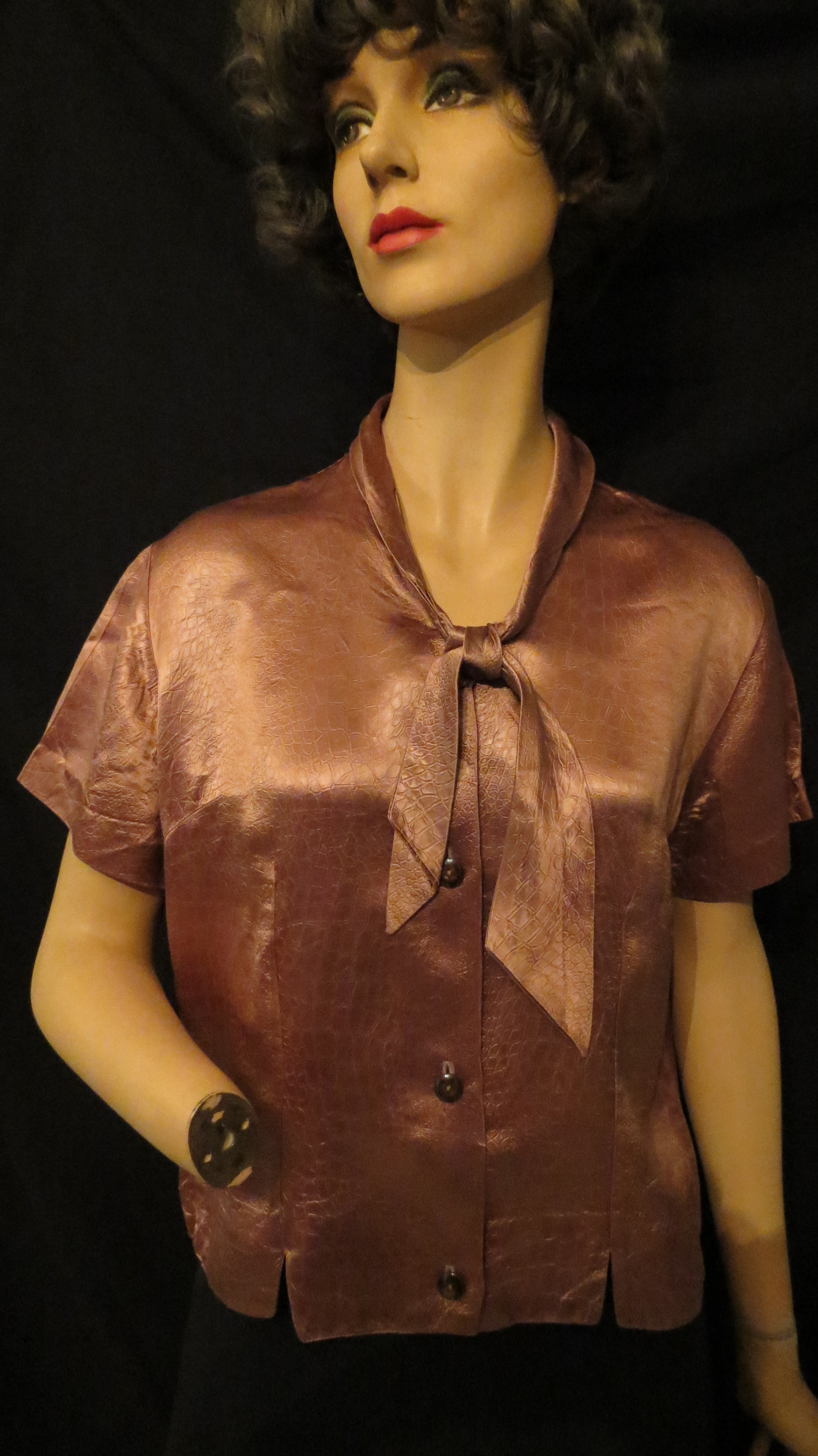
TRUE VINTAGE LADIES’ DRESSY AND FORMAL – WEAR FROM THE EARLY 1950’S

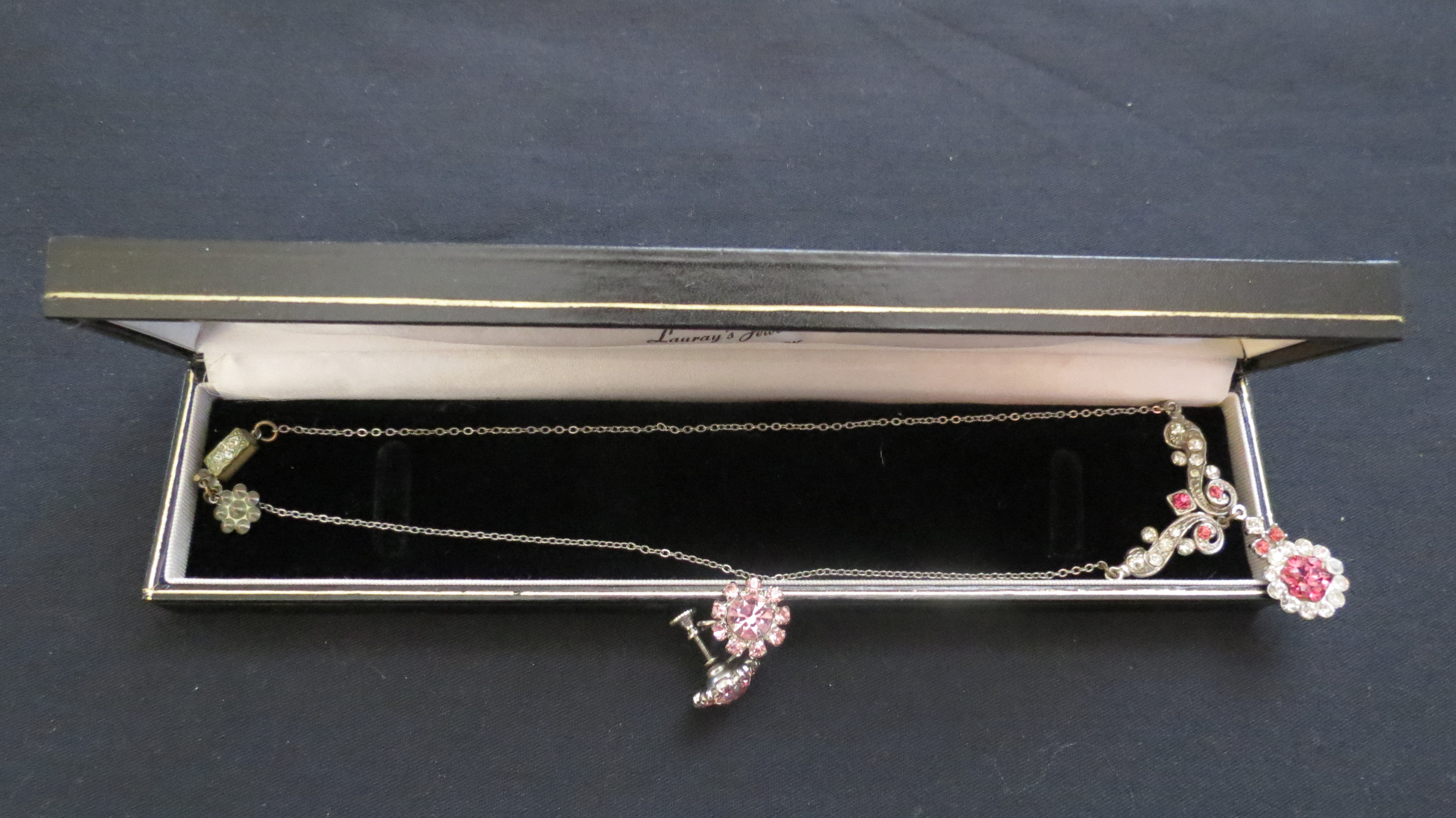
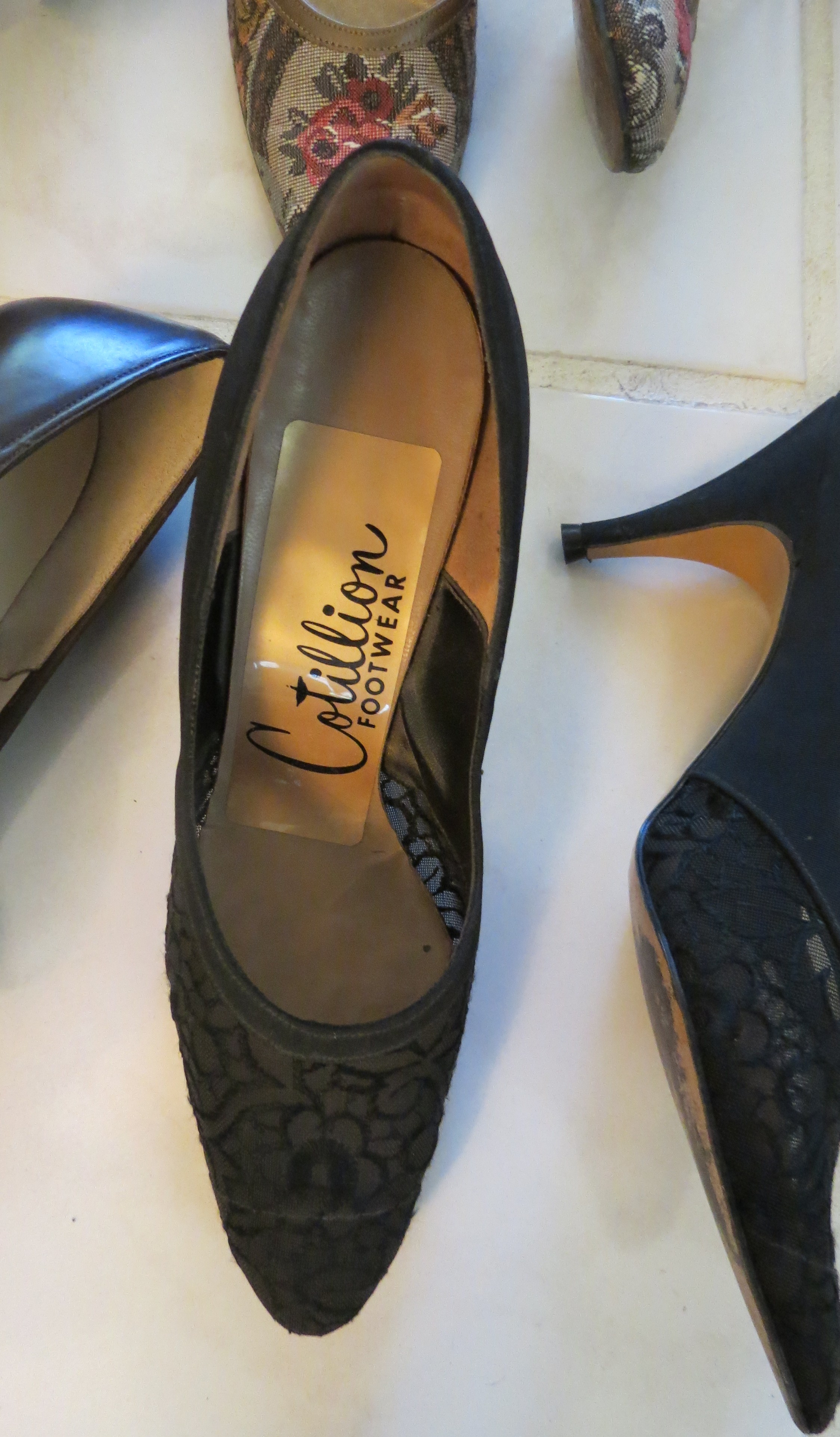
From cocktail party to Prom to a wedding, these dresses and separates went to many swanky events. A sparkly bling necklace and earrings were a necessity, too. Stiletto pumps became the hugely big footwear trend for women.

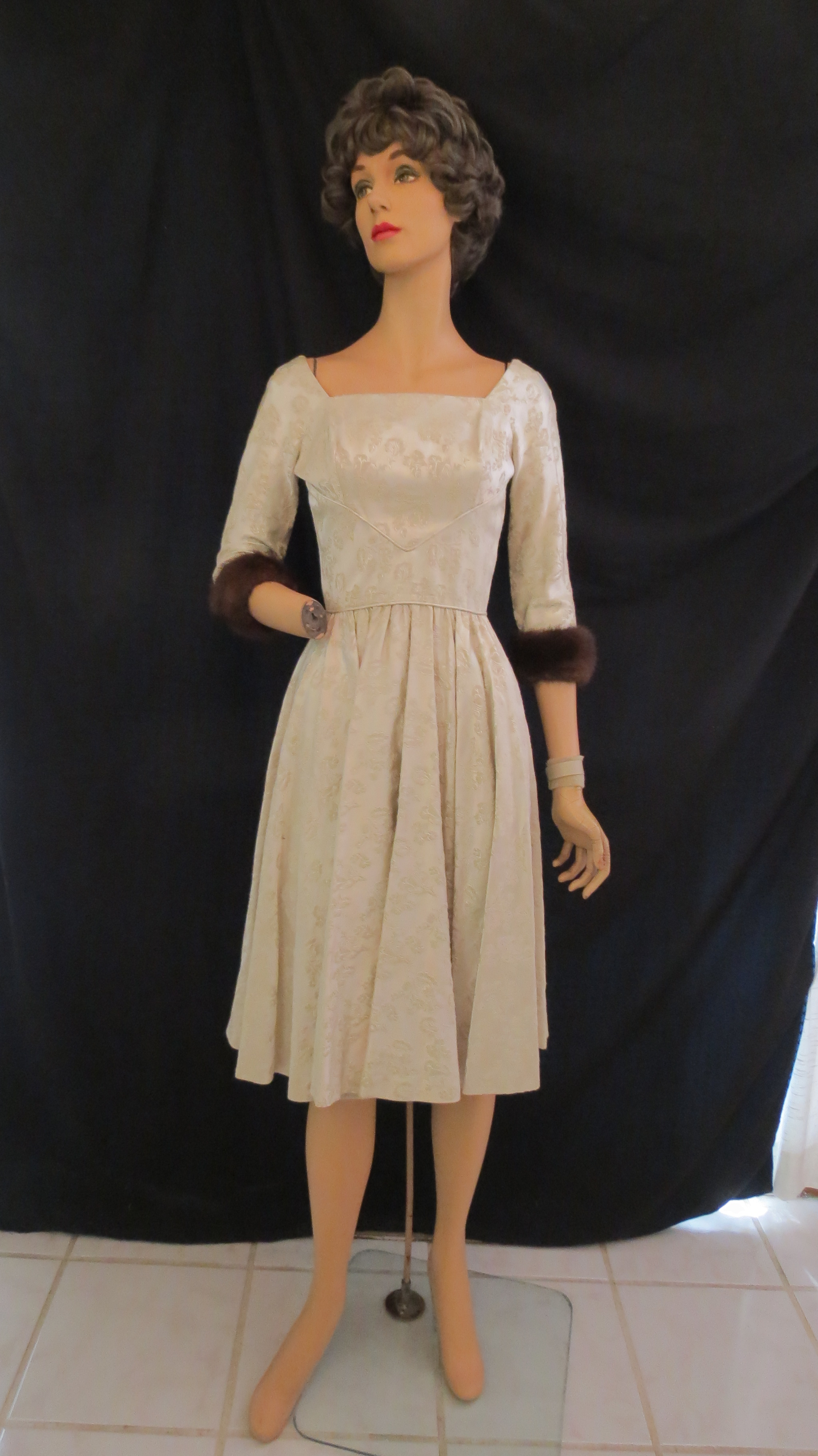
Jacquard “brocade”, satin, lace, metallic thread, organza and netting, cashmere, beads and sequins and even fur trimming – all popular materials in garments for nights out and special events. The prosperity of the Fifties brought on a real break-out in middle-class spending and ostentation. Showy was good but, fortunately, so was elegance so we had some of the most beautiful gowns produced during this time. Female movie stars of this decade were some of the best-dressed women ever seen. The first dress pictured, with the fur-trimmed sleeves, is a gorgeous example of the New Look style. Fun and novelty were also present in many examples of the more casual clothing but the cheap-looking garishness of the 1990’s was not the thing.

I love these clothes and it’s fun to show them. All would have fascinating stories. The elegance of design showed up in dressy daywear, too, and I’ll be showing some of that tomorrow. Stay tuned . . . . . . . . . . . . . . . . . . . . . . . . . . . . . . . .

MORGANA MARTIN, THE MAGICVINTAGESPY.COM

BLOG: MAGICVINTAGESPY.COM

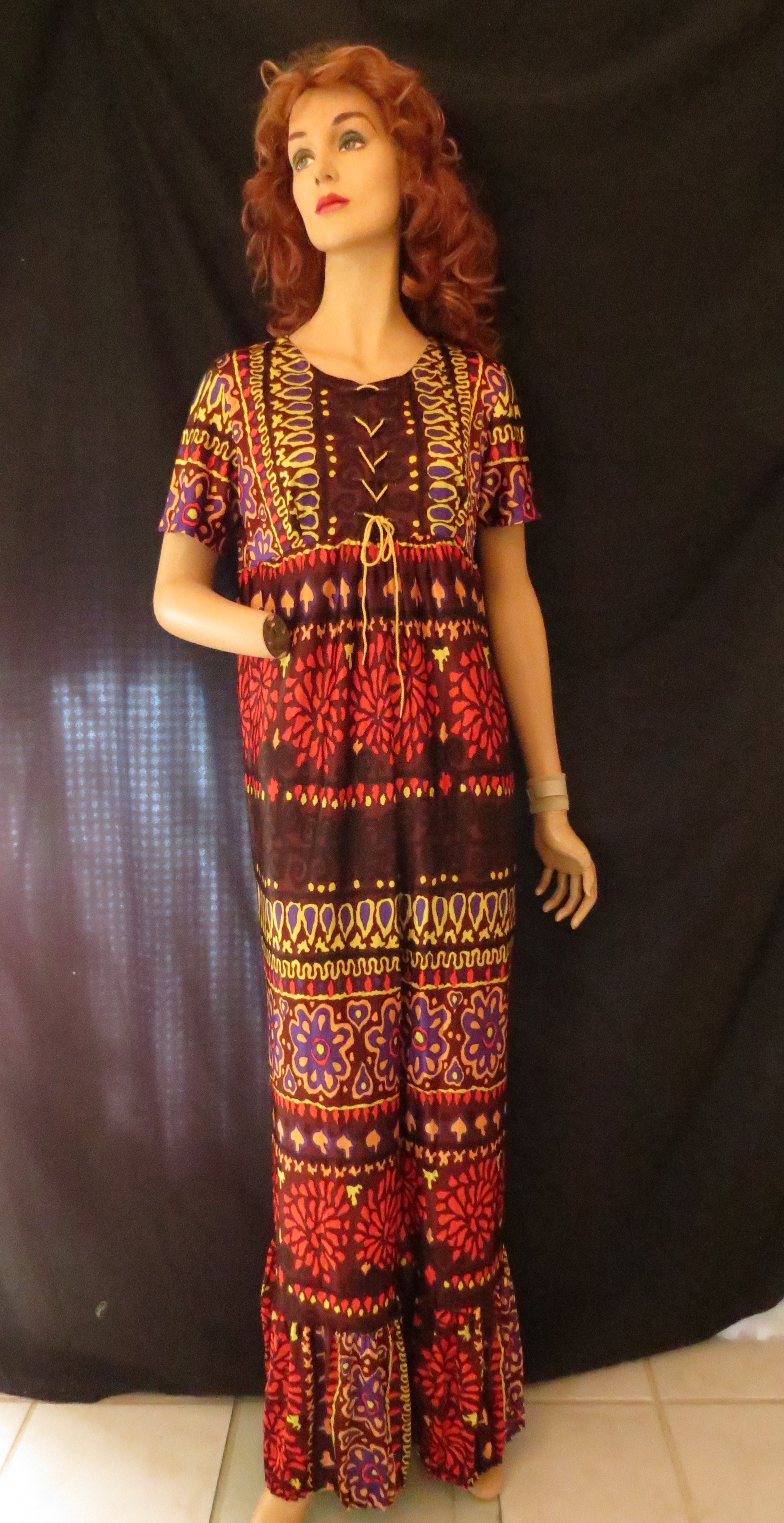
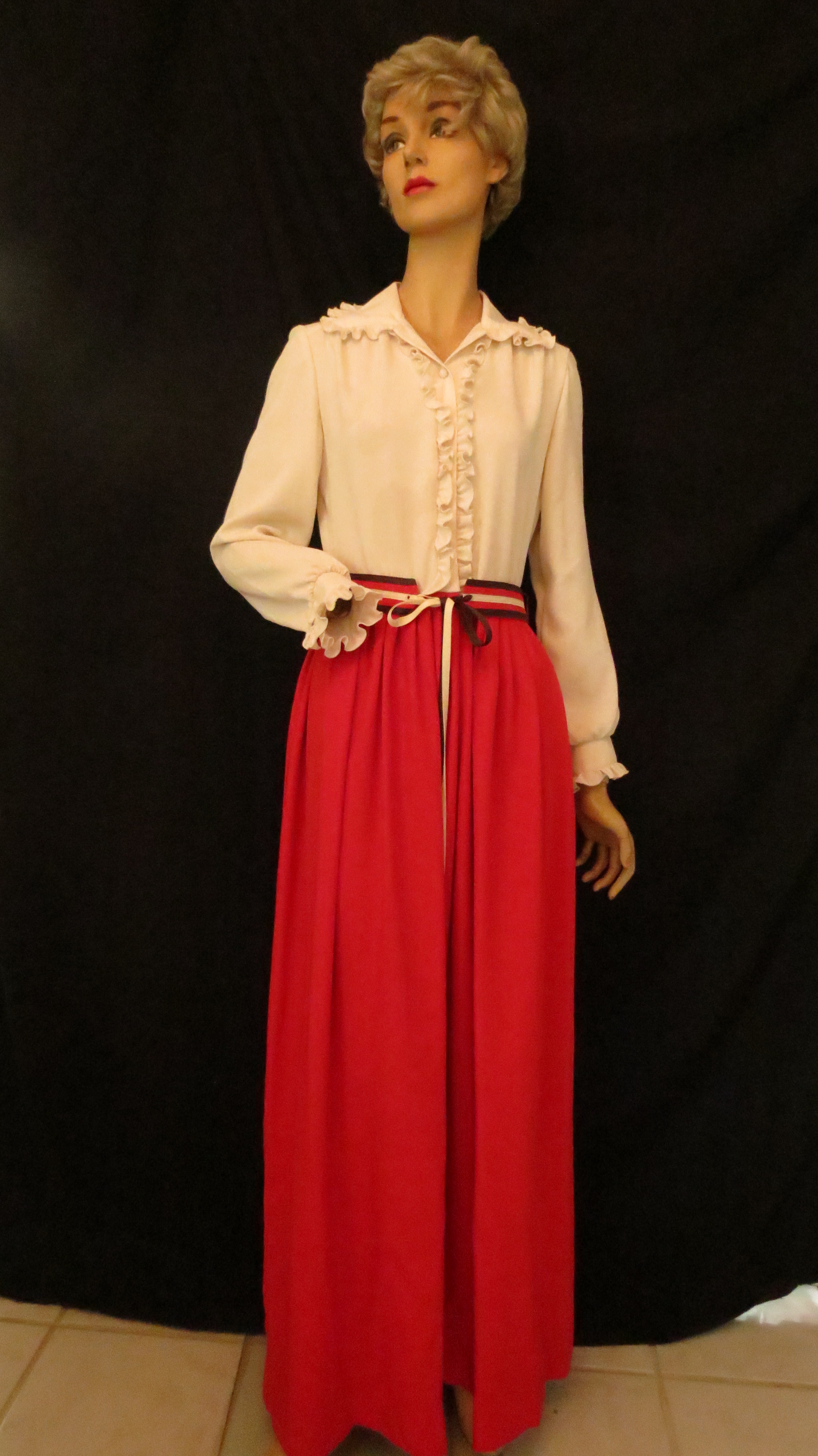
1970’S – 1990’S DOES 1940’S. TRUE VINTAGE RETRO DRESSES AND JUMPSUITS.

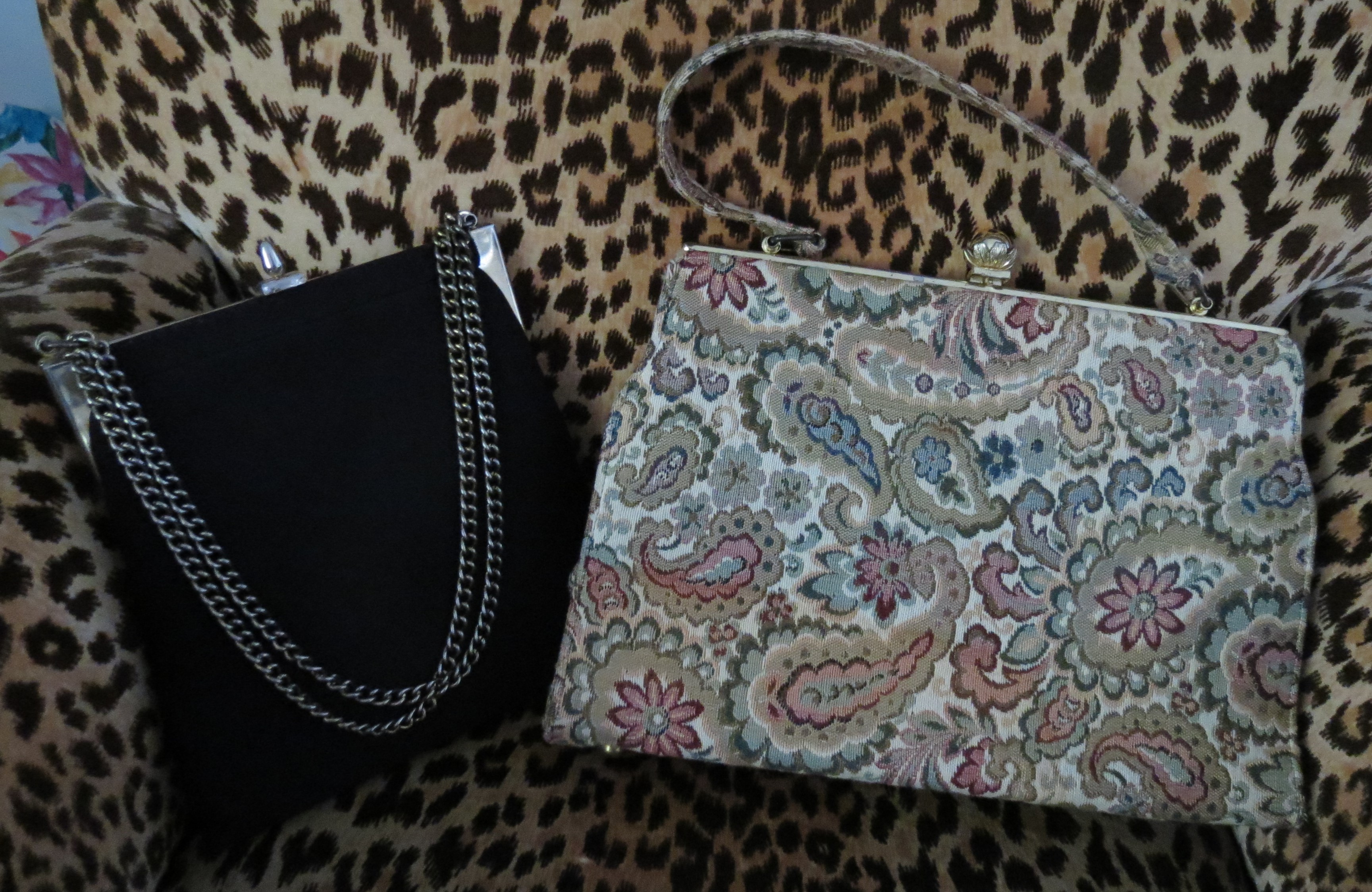
The Seventies, Eighties and Nineties produced a lot of popular retail styles that imitated 1940’s designs. Some were very well done and others not so much, to be charitable. As I’ve said, it’s hard for me to call these decades true vintage but, technically, they are. The two purses echoing shapes and tapestry design popular in the Forties might have shown up in the 1960’s.

All of these could be fun and the reproduction details became best during the mid-1980’s but, unfortunately, modern polyester fabrics and production techniques lowered the quality a lot. No valid comparison, in my opinion, to true vintage from the 1940’s – even the home-sewn versions that were made from older clothing during rationing.

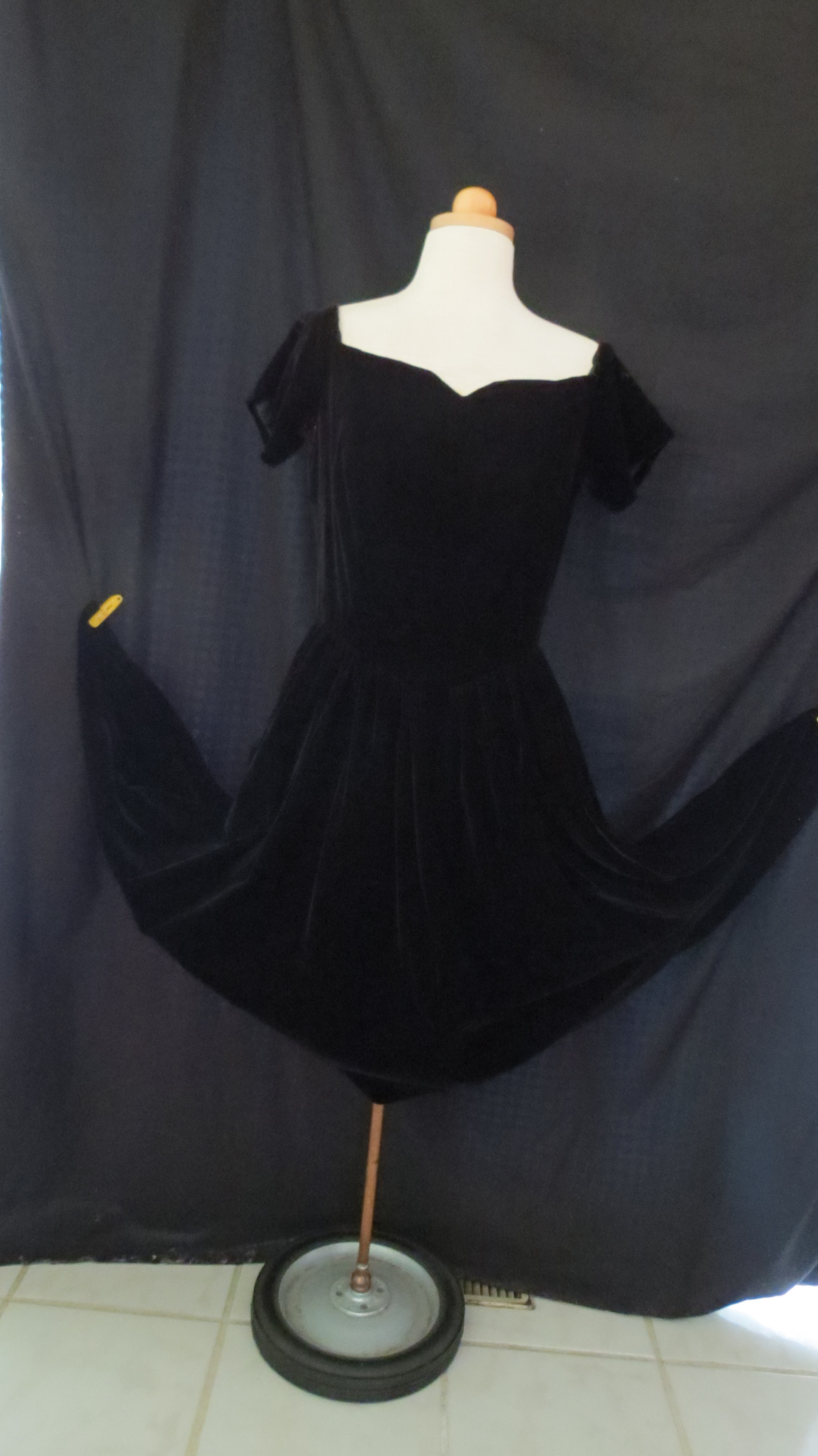
Of this group, the best-made is the black velveteen custom-tailored frock from the 1980’s or 1990’s. It was made by an expert seamstress and is worthy of being called a reproduction in the Post-war New Look style. The retail day-dresses are versatile and the prints are great – pretty faithful to authentic ones that I’ve come across. I always love the padded shoulders and cinched waistlines that are very flattering but were also a nod to the style of military uniforms. Jumpsuits were just for fun in the Seventies, but always are inconvenient. I suspect that the jumpsuits worn by women working in the war effort during the Forties had drop seats, which makes it a little bit better. I do have a pair of high-waisted slacks from the ’40’s that have an ingeniously-designed drop seat that looks quite good.

So, these clues were fun to find and seemed worthy of collection though I always prefer the real deal. Speaking of which, I just came across another archived file of true vintage 1940’s dresses which I will show tomorrow. Stay tuned . . . . . . . . . . . . . . . . . . . . .

MORGANA MARTIN, THE MAGICVINTAGESPY

BLOG: MAGICVINTAGESPY.COM

TRUE VINTAGE 1940’S DRESSY DRESSES FROM AFTER THE WAR YEARS

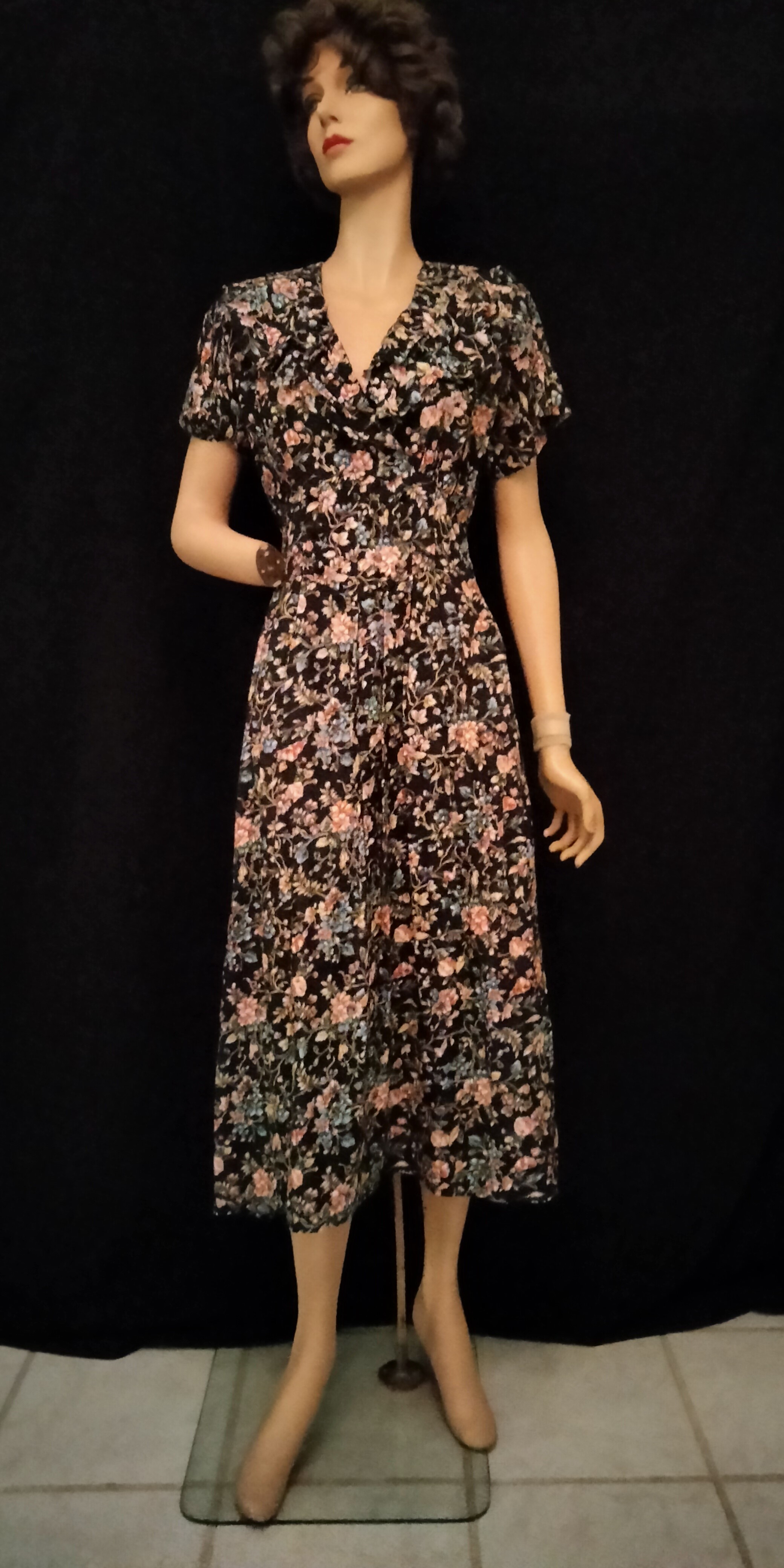
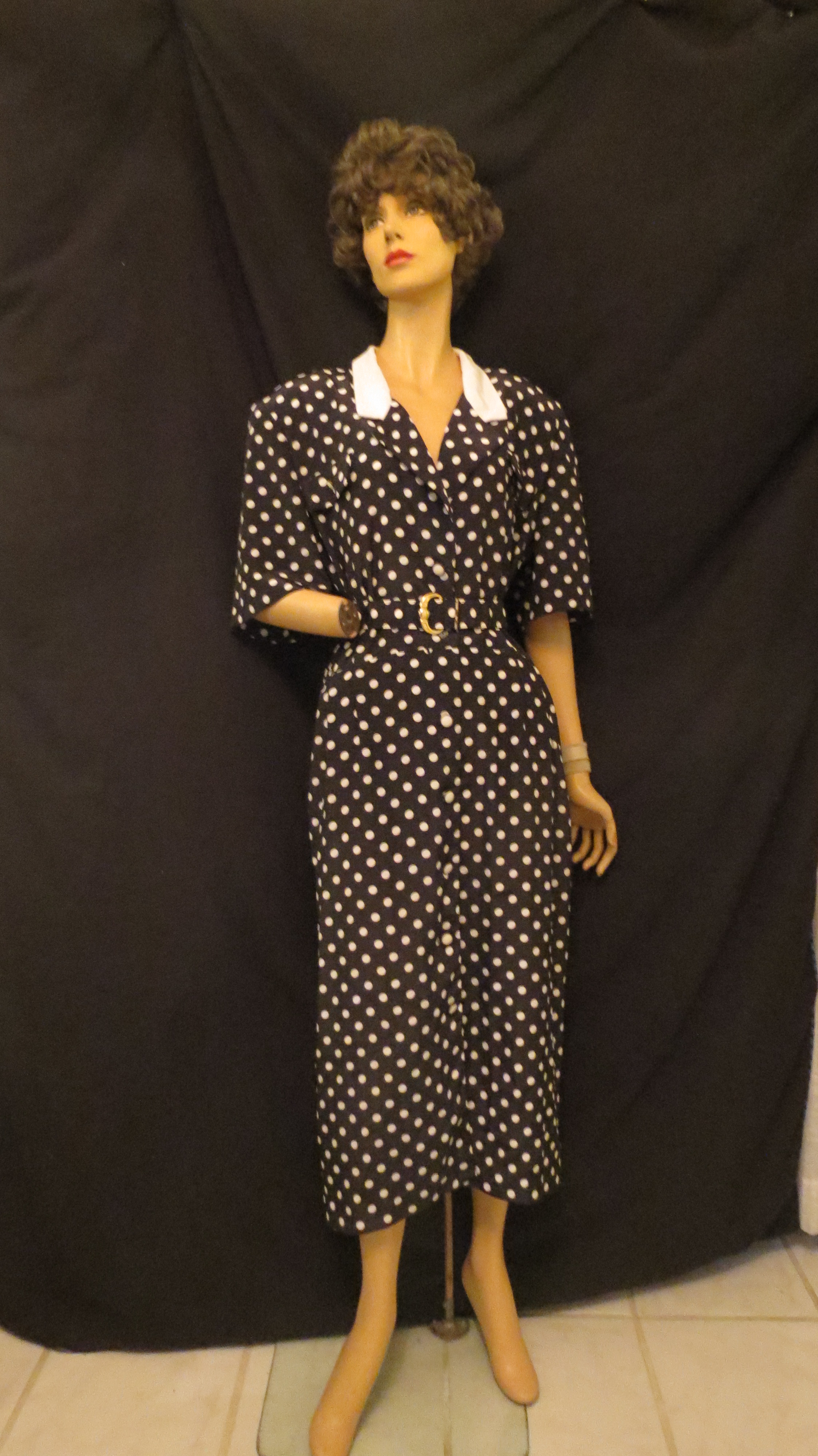
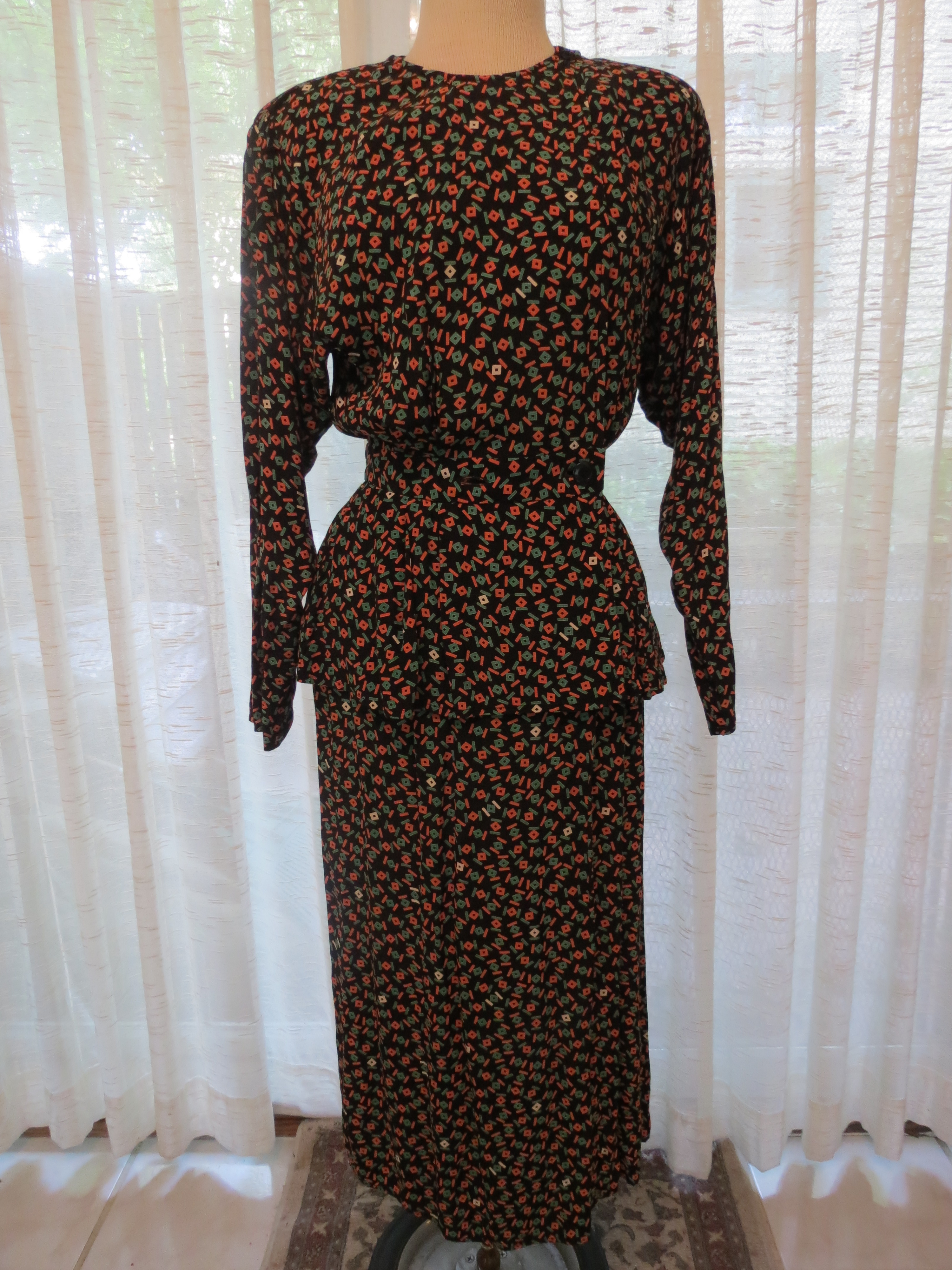
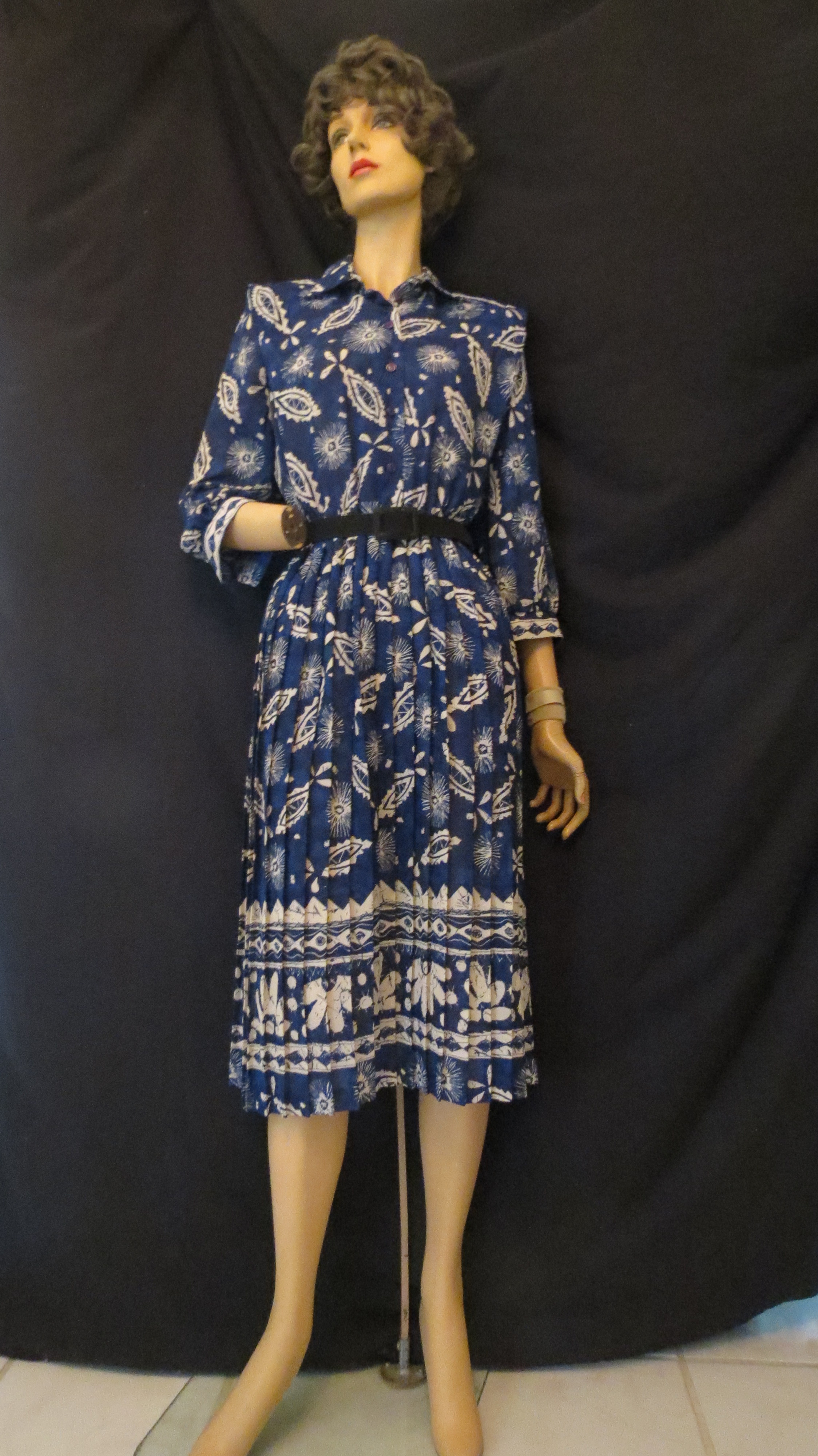
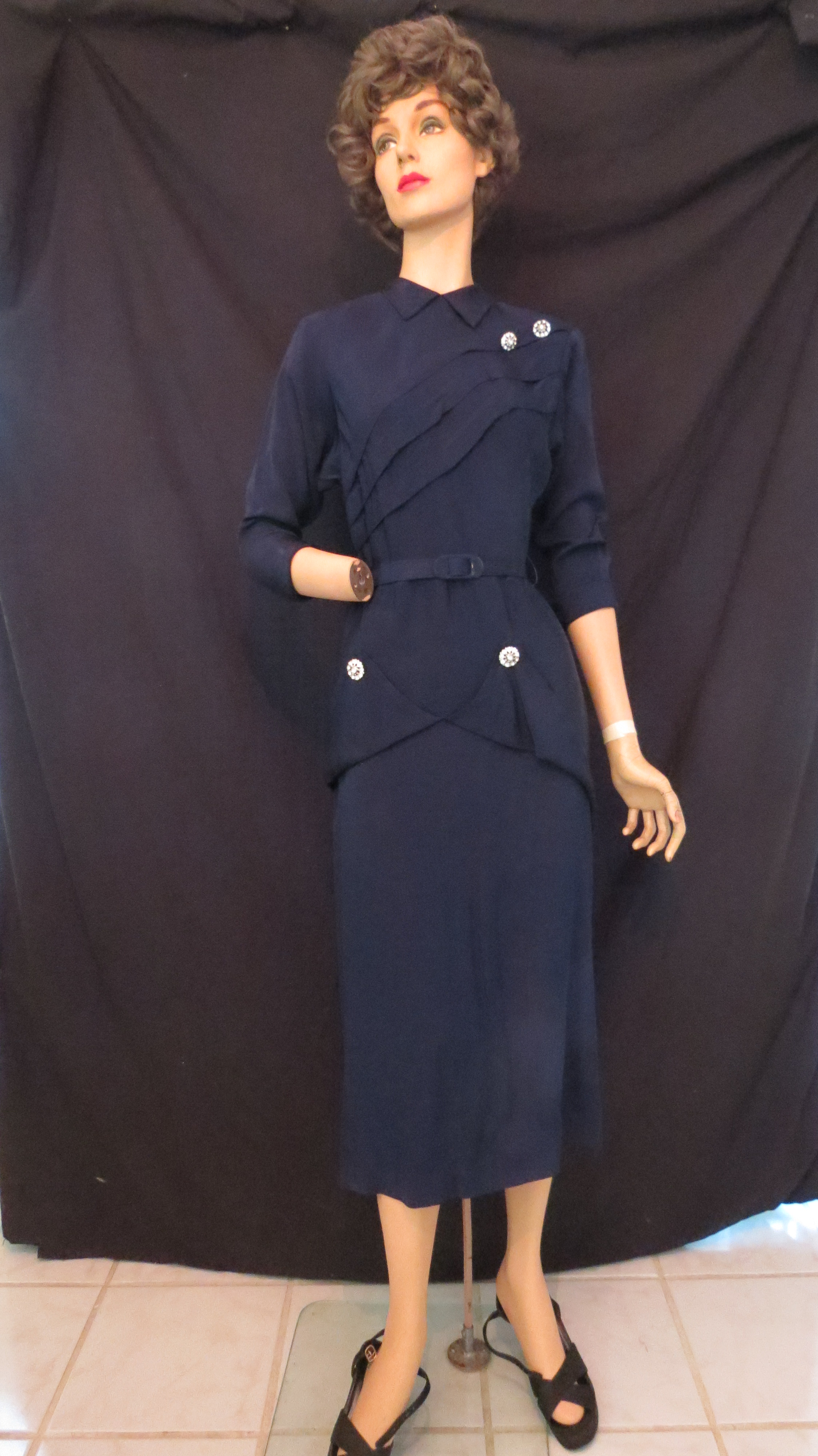
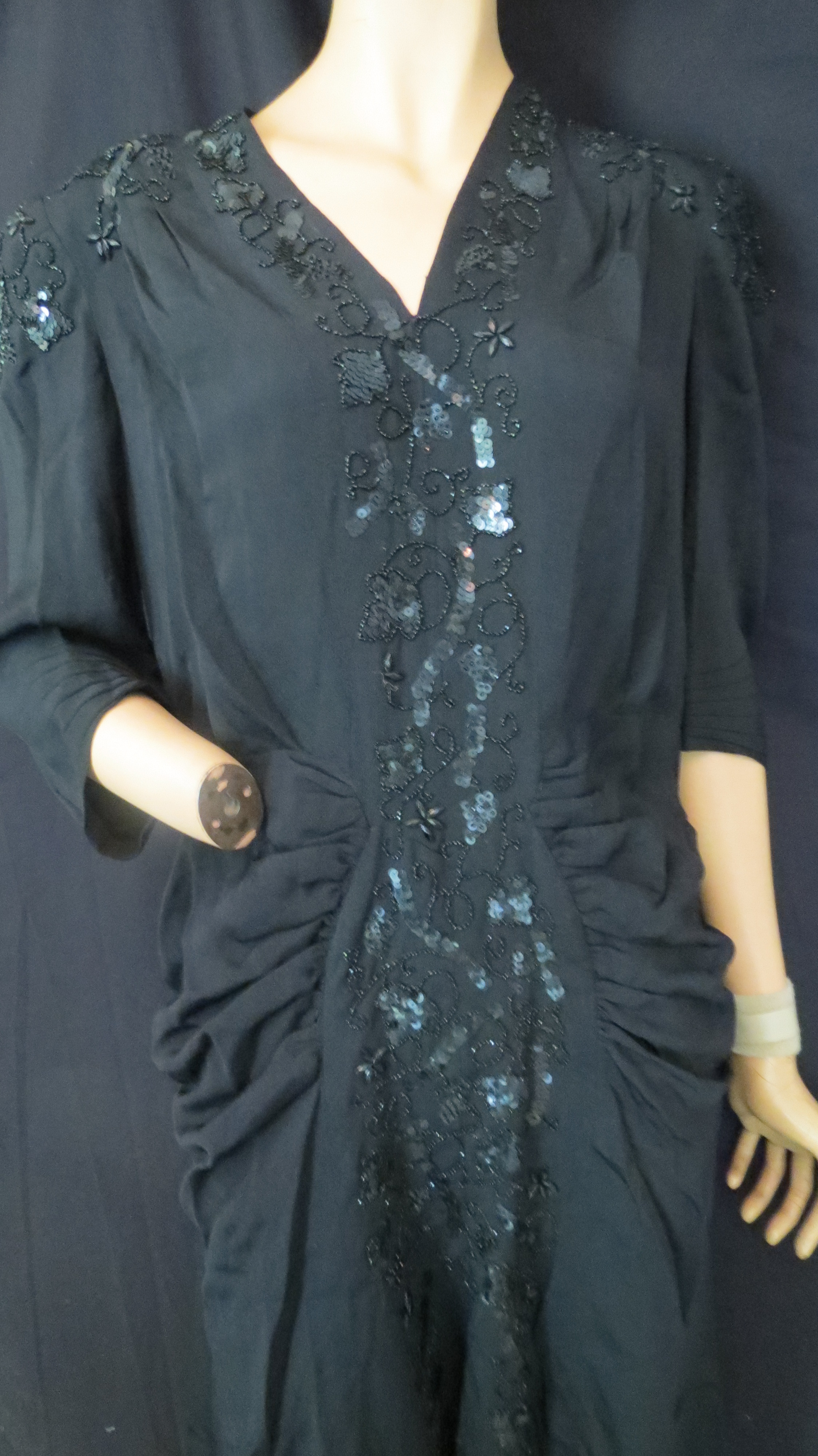
Here’s another group of finds that were fabulous. Let’s look at the details on these frocks, which were over-the-top when wartime rationing was no more and fashion was ready for a break-out right before the New Look. Lots of glitz – rhinestone buttons, metallic thread, sequins, beads, lots of little buttons and velvet. Hemlines went down again. Rayon reigned – it had become the darling of fabrics.

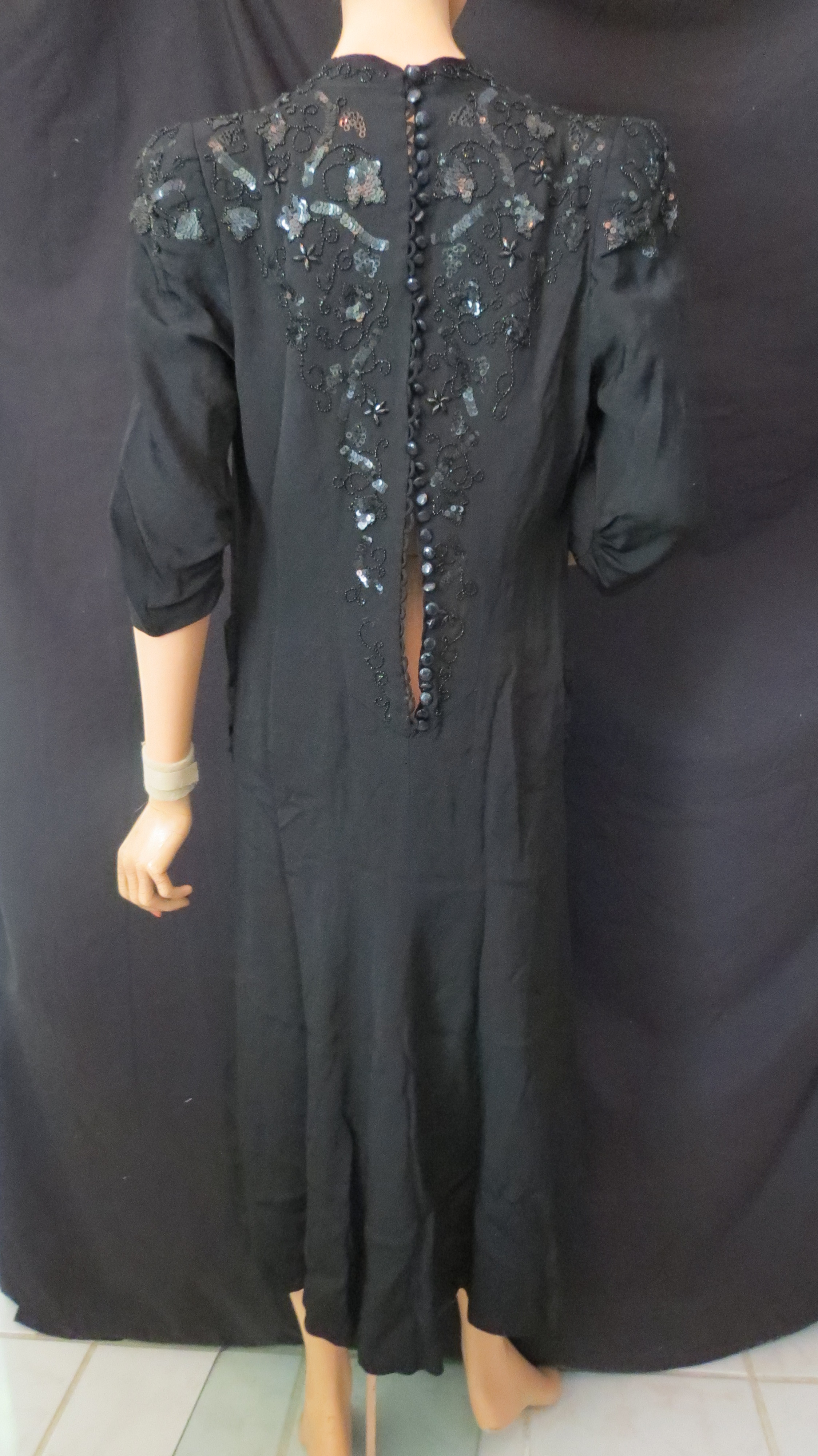
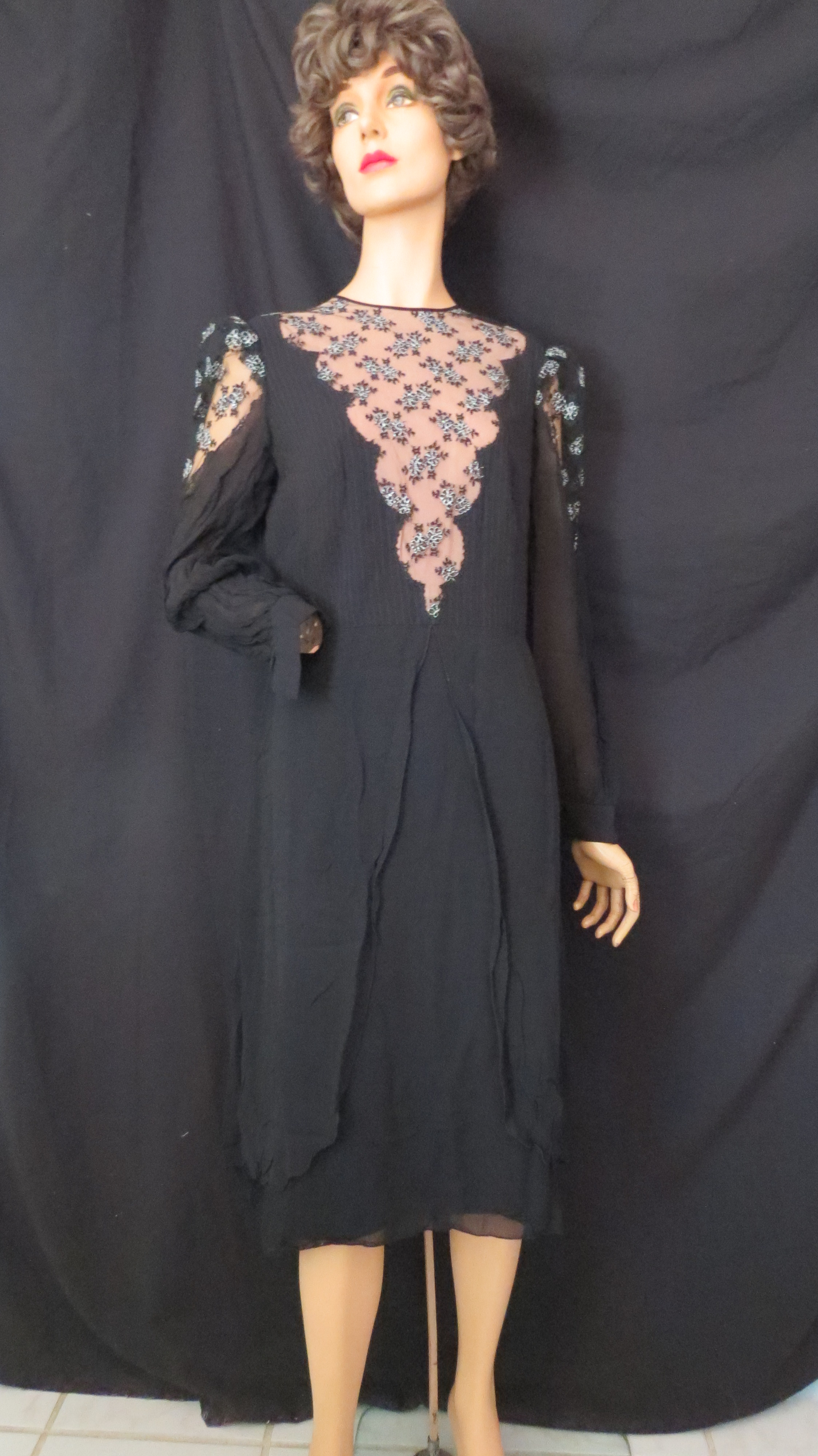
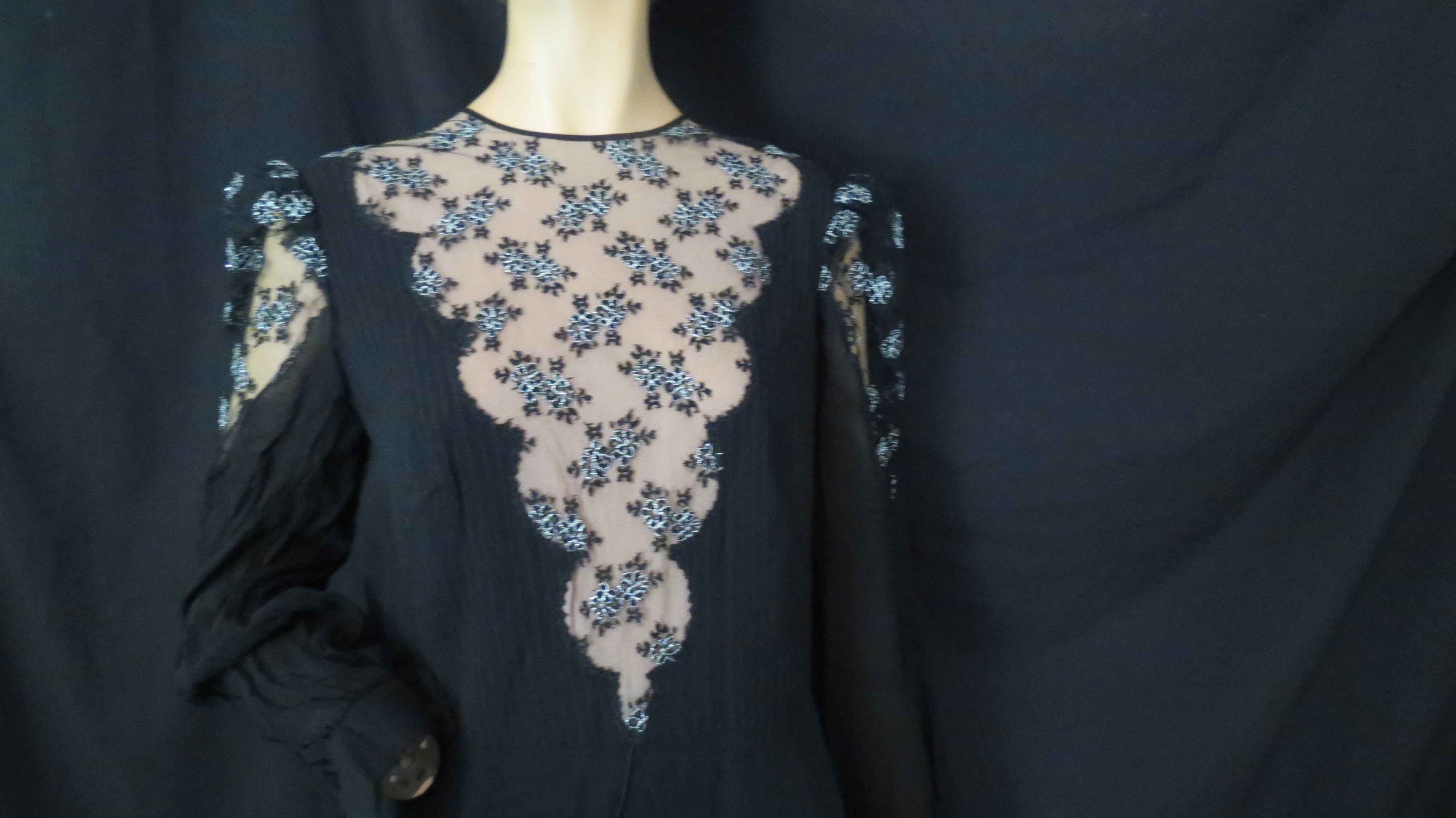
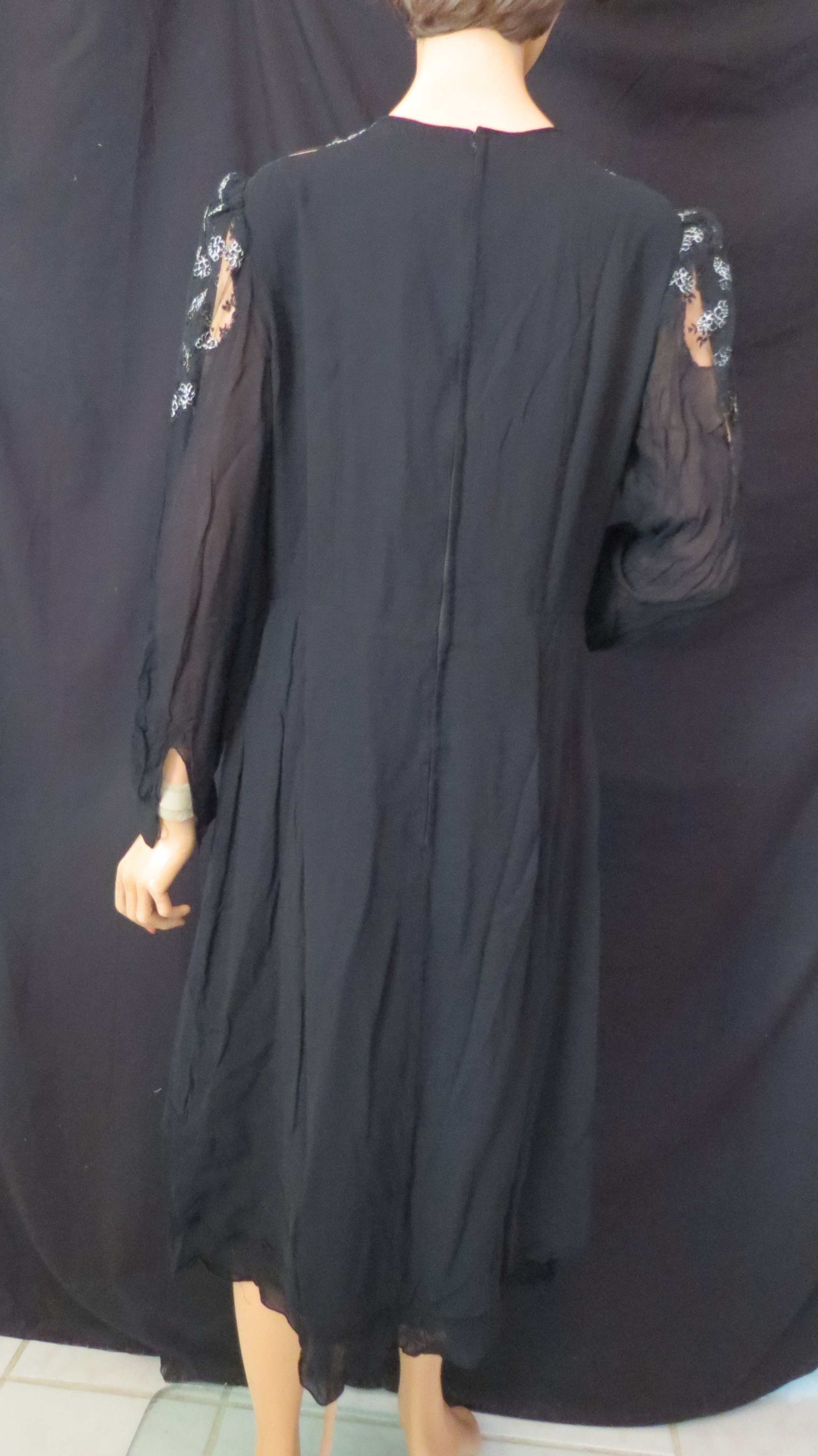
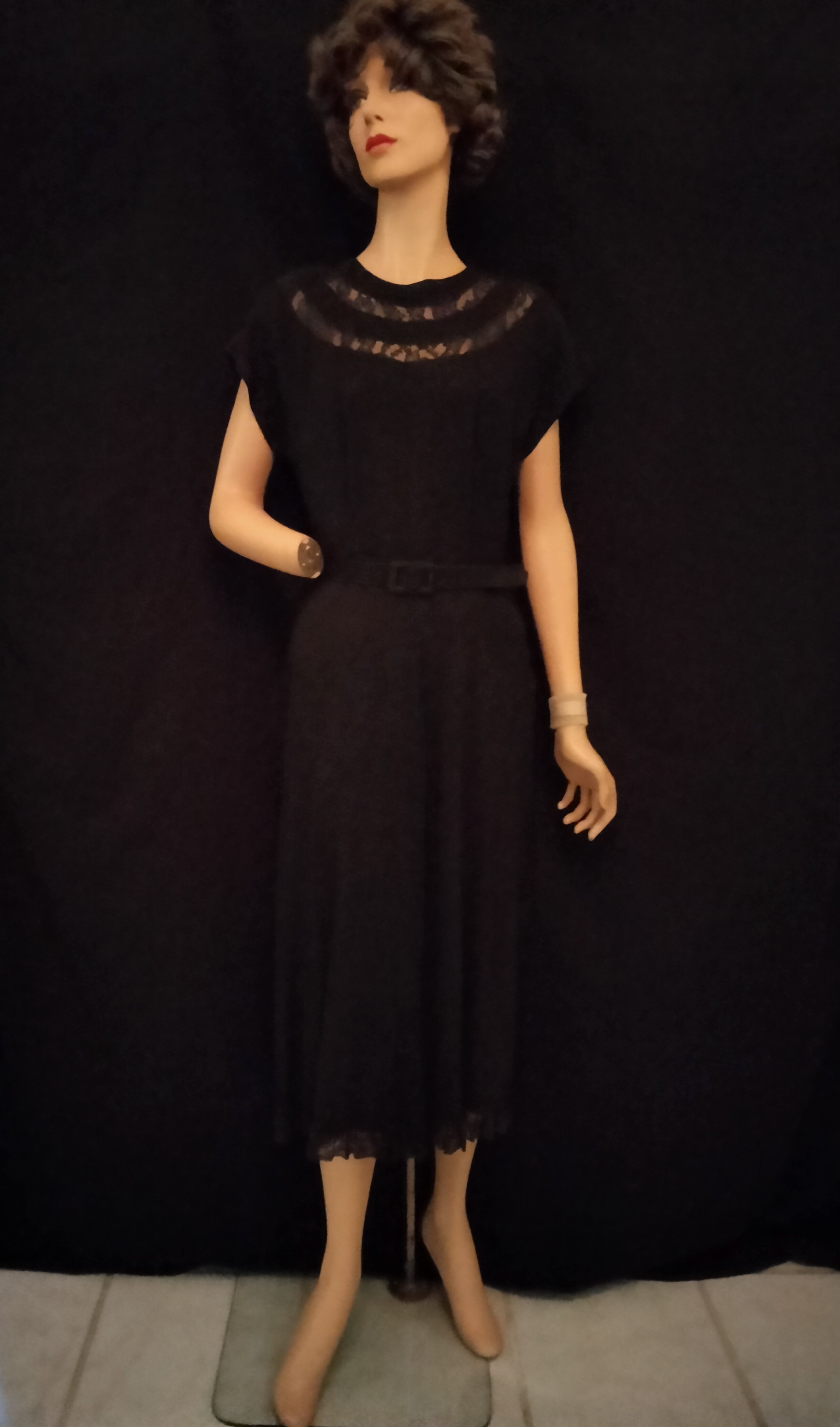
There was certainly an element of weirdness to some of these designs. The last two black dresses were discovered in Montevideo, Uruguay and had been made by specialty dressmakers. Many of their wardrobe items in that city came from France, and I suspect that there is a lot of European influence in these styles.

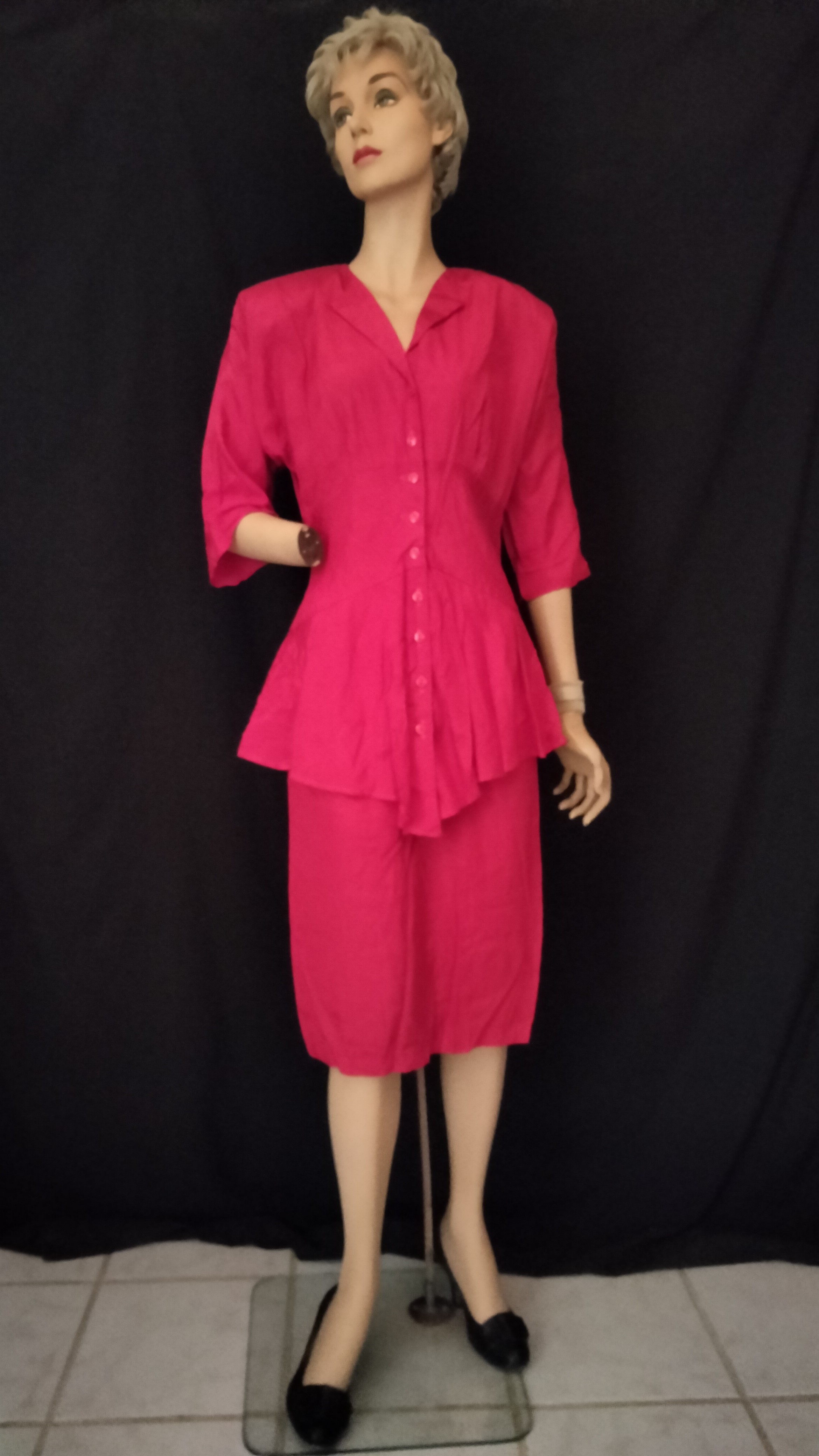
The top two designs are squarely U.S. American and the tag on the dress with the big velvet bow indicates that it was made by a company that was producing affordable garments, probably during the early recovery from wartime. The navy blue dress was higher-end and looks so much like the costumes seen in late 1940’s film noir.

Tomorrow we’ll look at some examples of how 1940’s dress styles have persisted during the following decades. Stay tuned . . . . . .

MORGANA MARTIN, THE MAGICVINTAGESPY

1940’s WAR-SHOCK DRESSES & WARTIME FASHION TRENDS

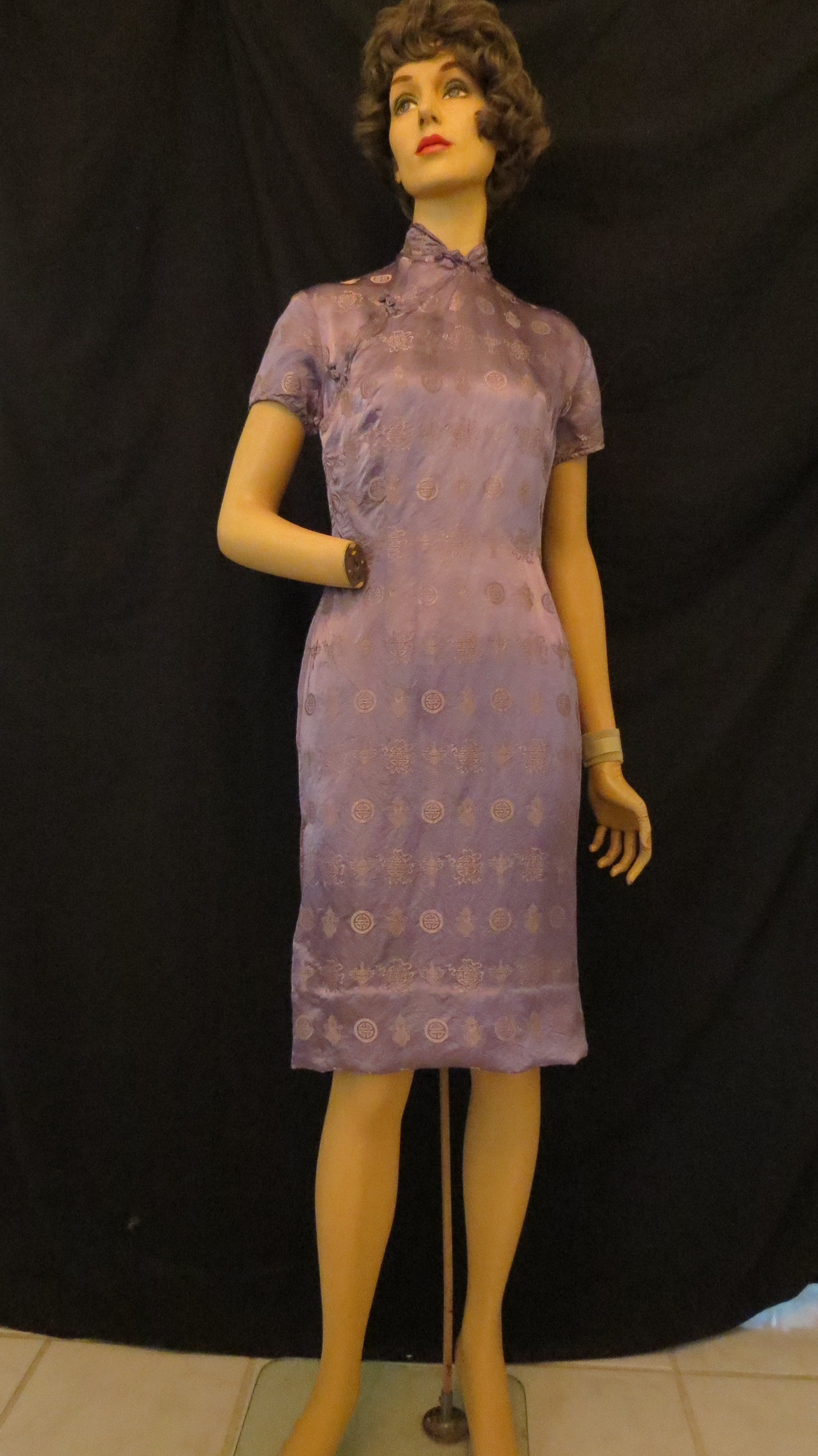
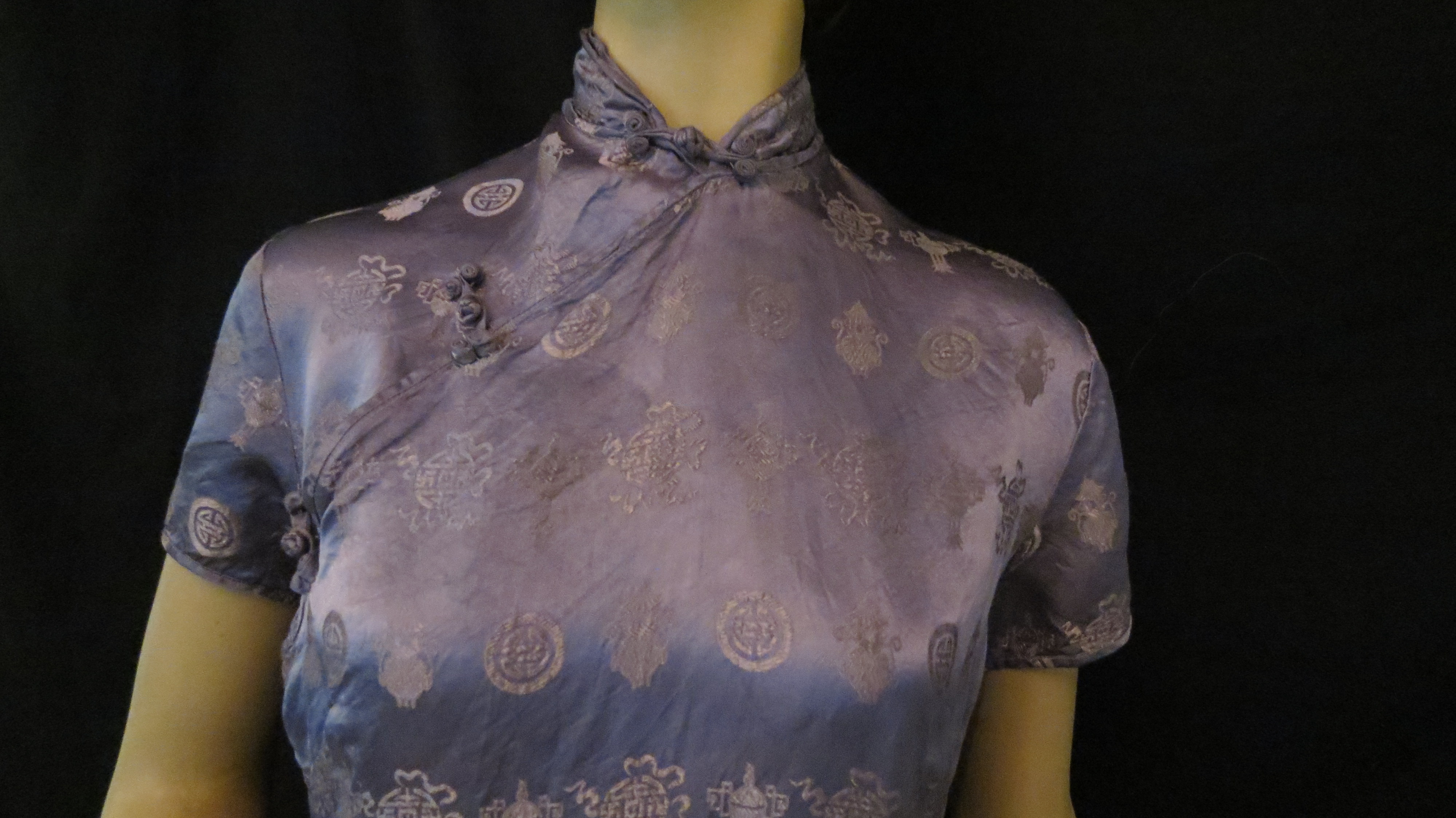
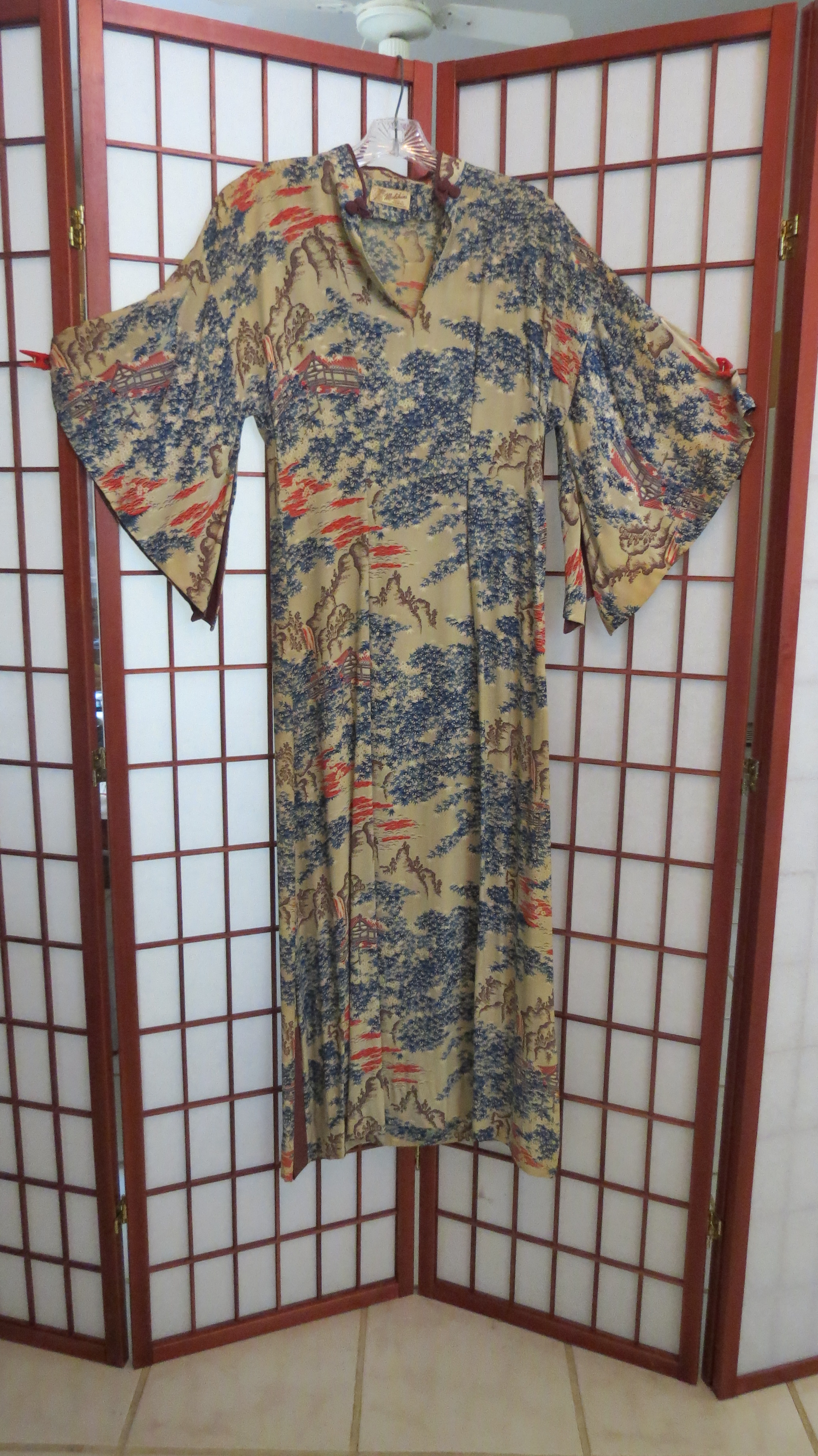
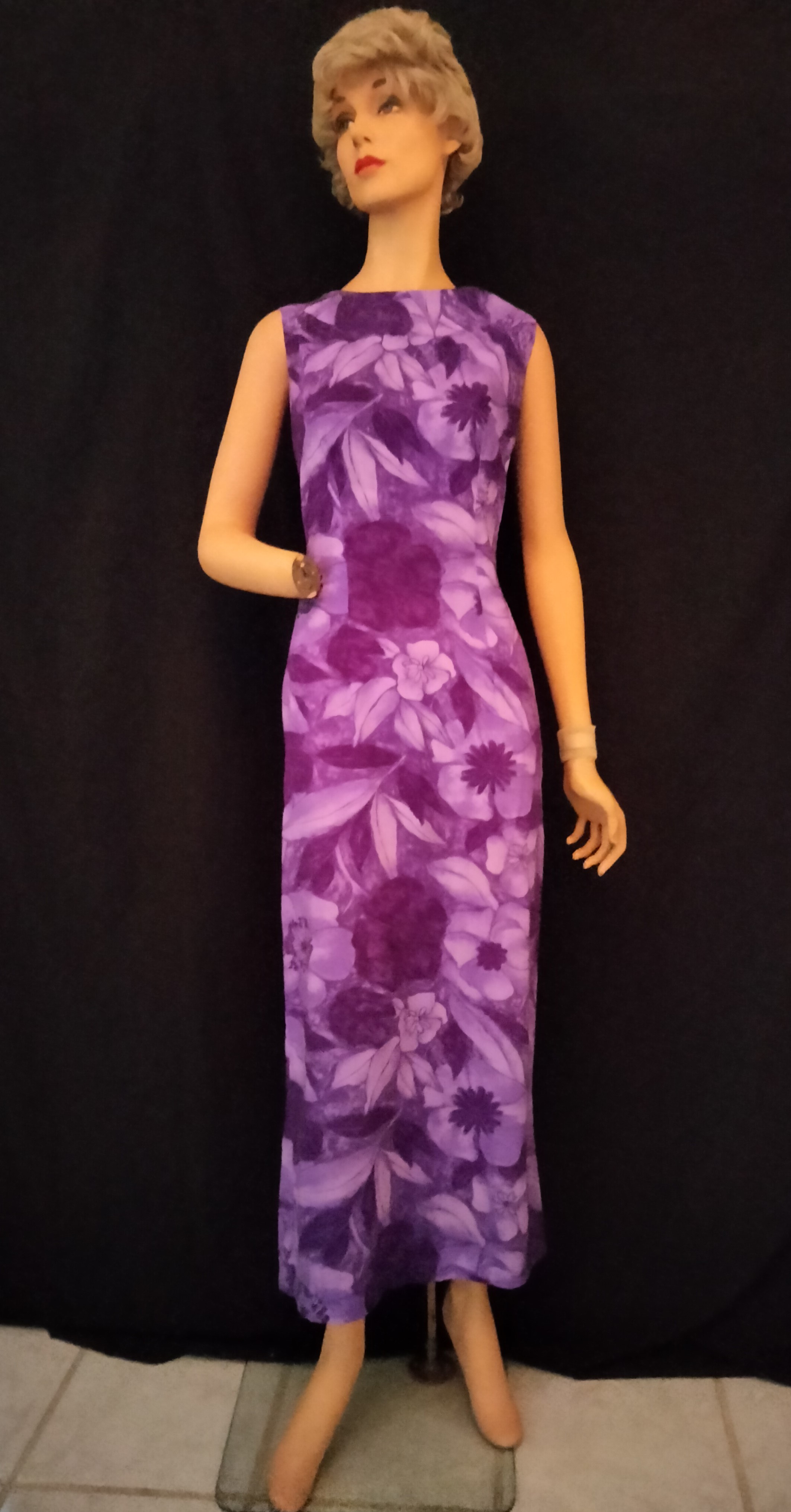
Before 9-11 it was hard for young U.S. Americans to understand the shock and fear that the attack on Pearl Harbor caused in December 1941. The government’s decision to join WWII, which had been happening in Europe and seemed remote to most everyday folks in the U.S., suddenly brought it close to home. The news and the movies began to open the doors on Asian culture and the curiosity of Americans and popular culture started to make this theme trendy. These dresses are from some of my most interesting investigations.

From the 1940’s on, Cheongsam dresses like the lavender one above gained popularity. Mata Hari and Charlie Chan became cultural figures in the media. The beauty and flattering fit of Chinese and Japanese traditional frocks brought interest in Chinatown areas of many cities and non-Asian women began to shop there. Above, see also a Japanese tea dress – fabulous find dating from the 1930’s, made in Hawaii. The purple native traditional gown from Hawaii also found a home in some American woman’s closet after people began traveling again.

But, before that time, women stayed at home. They worried about their family members and friends who were fighting in or living in war zones. They joined the war effort in whatever way they could through their work, volunteerism and spending habits. Of course, some kind of escape was necessary to maintain their sanity. That’s where the movies and dancing filled a void. Whether homemade or found at retail, dancing and cocktails required special dresses and women were very creative despite the restrictions caused by rationing.

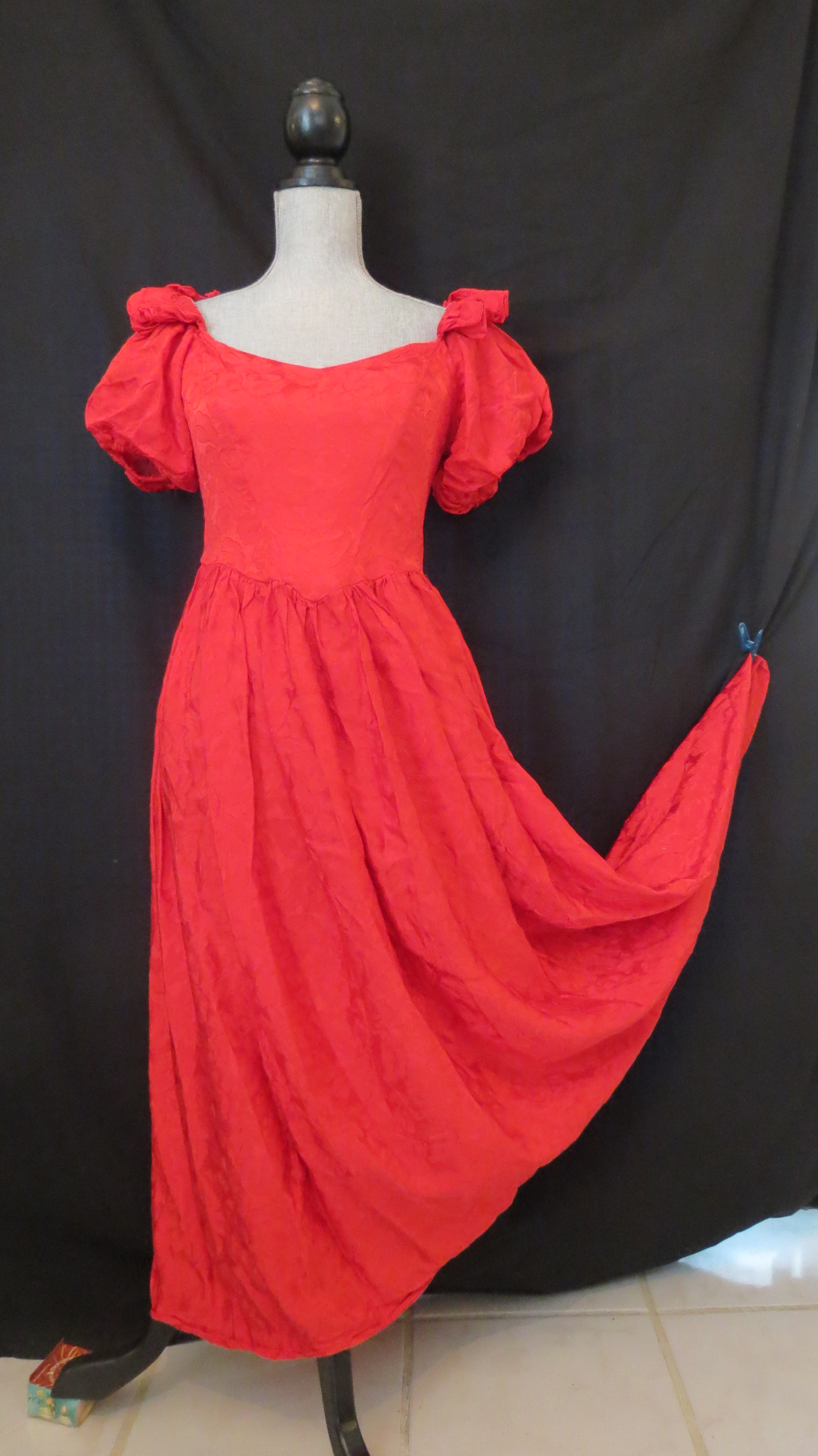
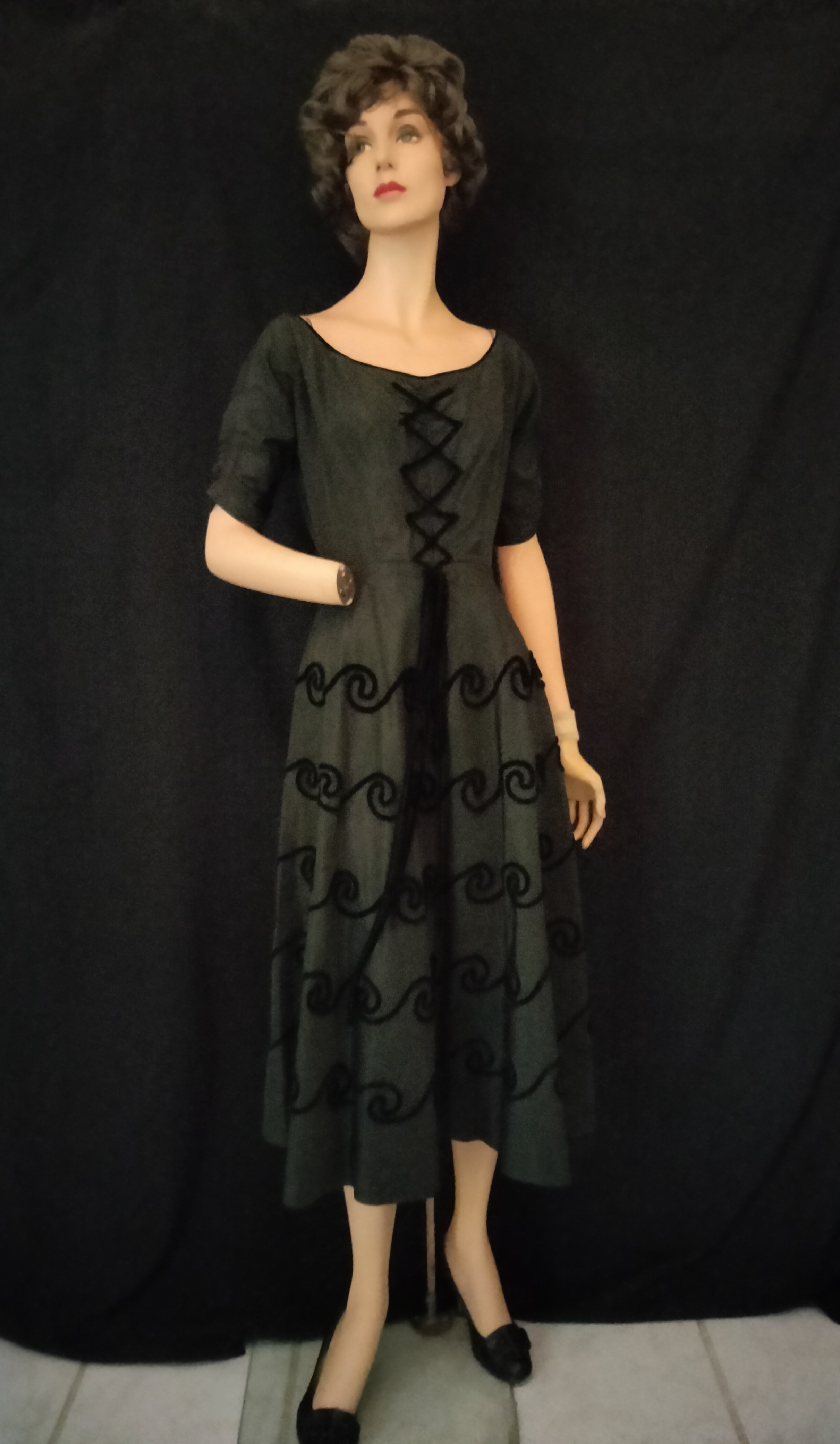
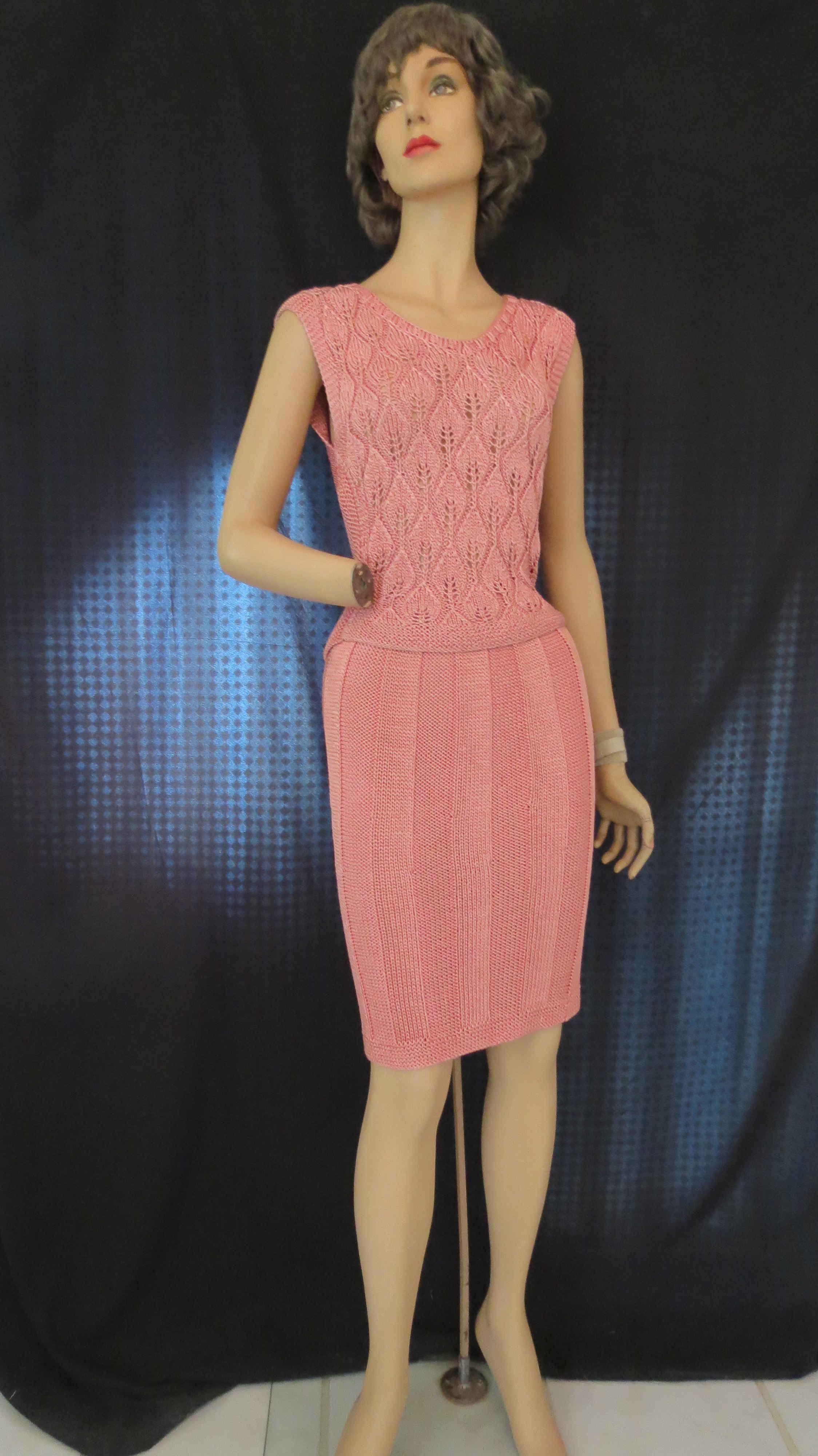
Synthetic fabrics were most available and affordable, so this red jacquard frock with puffed sleeves and an elasticized neckline which allowed cold shoulders was home-sewn. A similar style in black was local couture from a specialty shop in Texas and has ruched 3/4 sleeves and shows off the luxury of velvet piping decoration. The pink knitted and crocheted 2-piece cocktail dress was another unusual find which somehow found it’s way to Argentina. It’s made of a heavy, glossy/shiny yarn that allowed some gal to make a glamorous outfit on the cheap.

So fascinating! Such a fun bunch of clues these are. The delight is in the details. More tomorrow – stay tuned . . . . . . . . . . . . . .

MORGANA MARTIN, THE MAGICVINTAGESPY

BLOG: MAGICVINTAGESPY.COM

TRUE VINTAGE 1940’S BETTER DAY-DRESSES AND ACCESSORIES

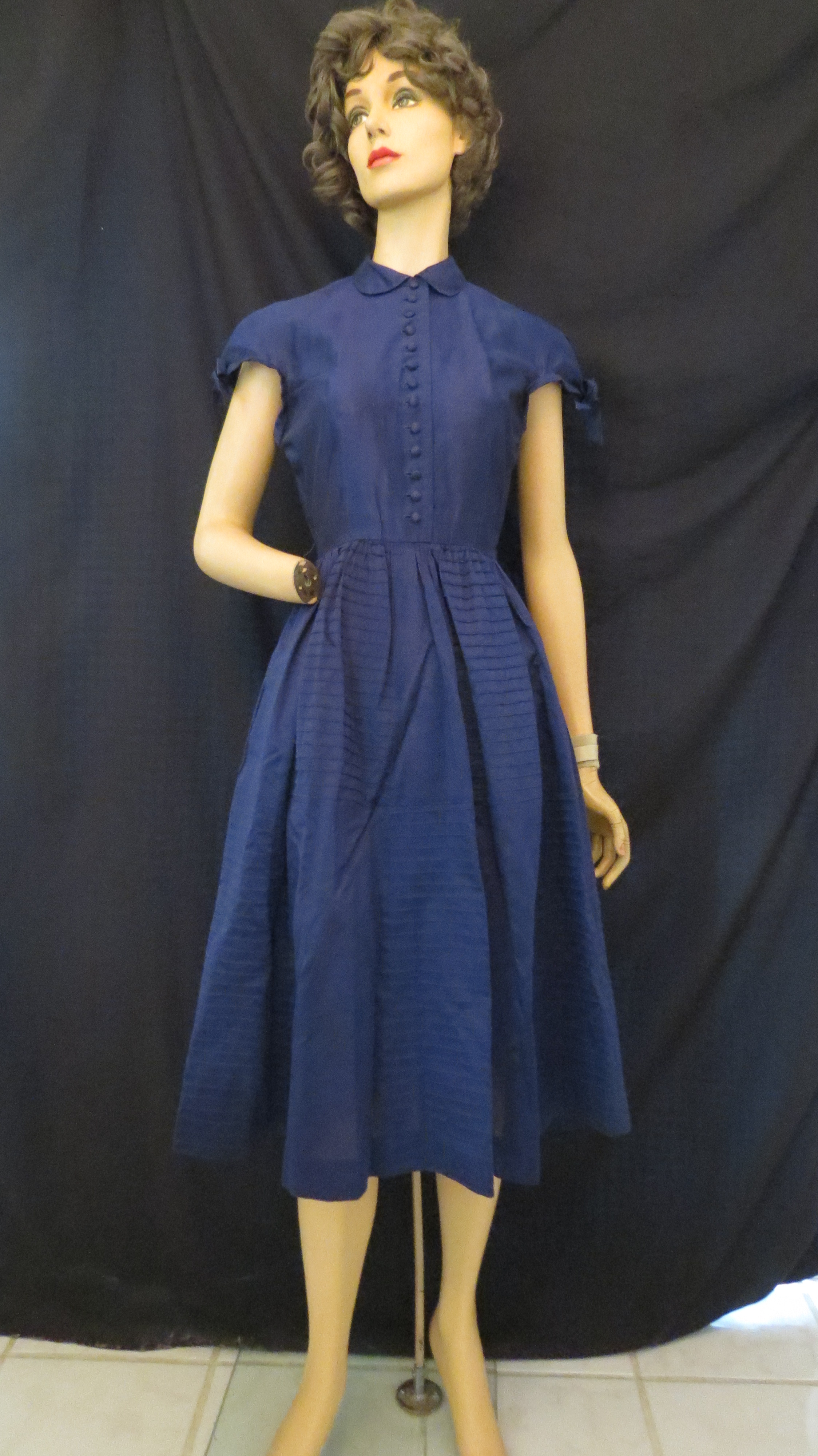
I had planned to show more dresses this morning, but my computer suddenly won’t upload more pictures. So, we’ll stick with these beautiful frocks today. The one above is from the Post-war period, I would guess, though some longer hems were also present before WWII started.

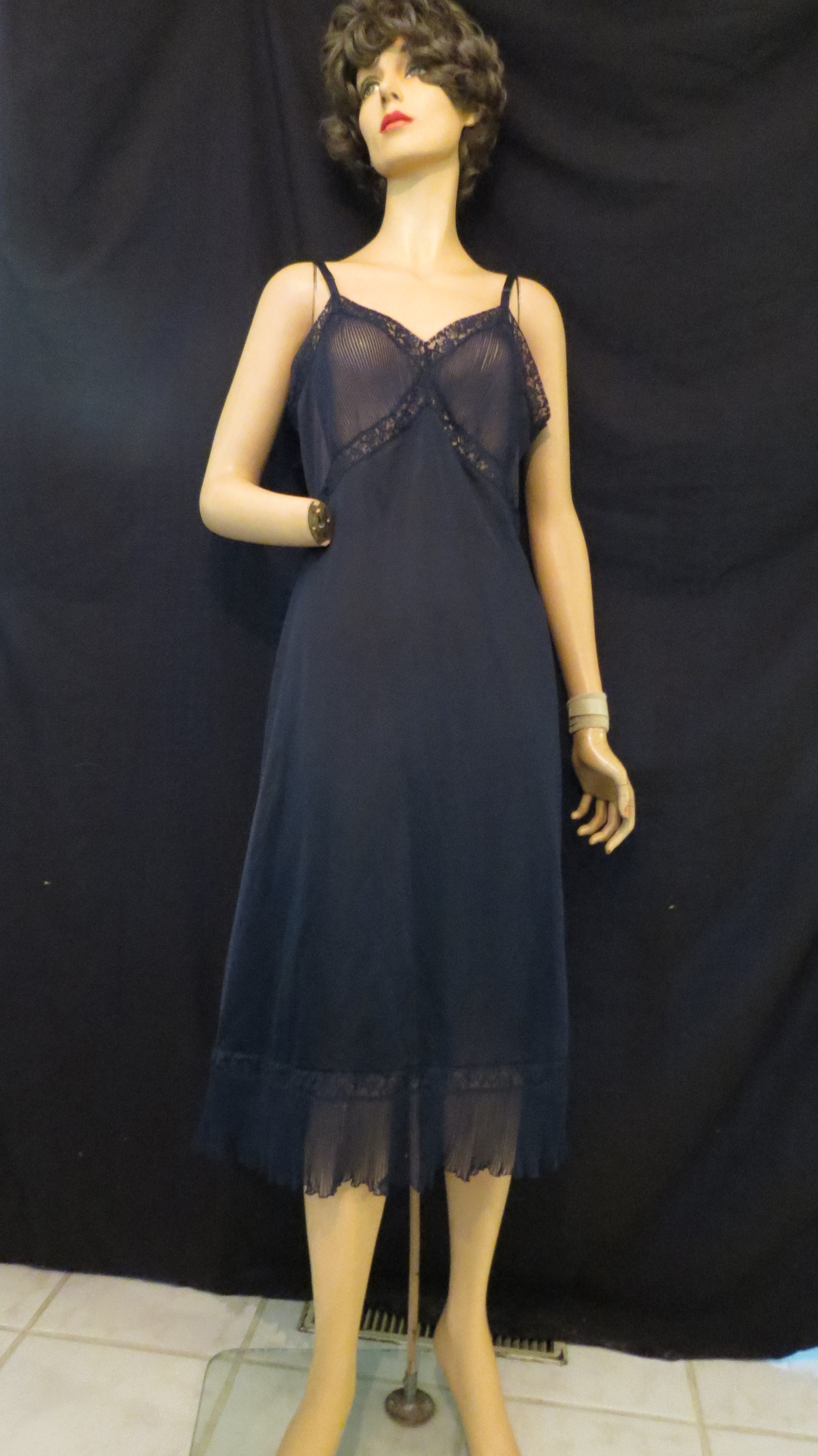
A lovely nylon slip like the one above might have been worn with it.

The mid-blue dress is made from a stiffer fabric and is from earlier in the decade. Cute and more girlish, but both are special – dressier daywear.

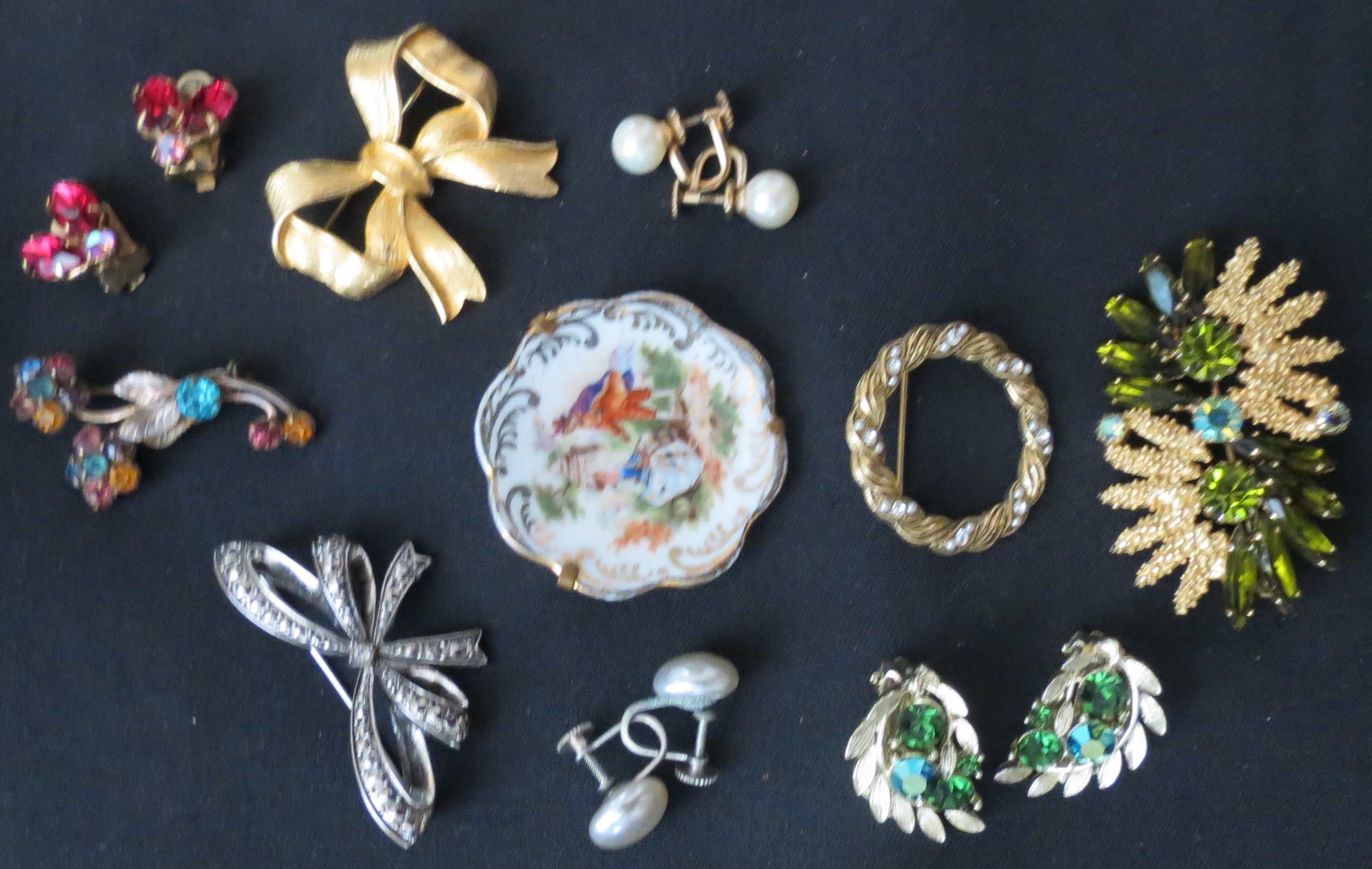
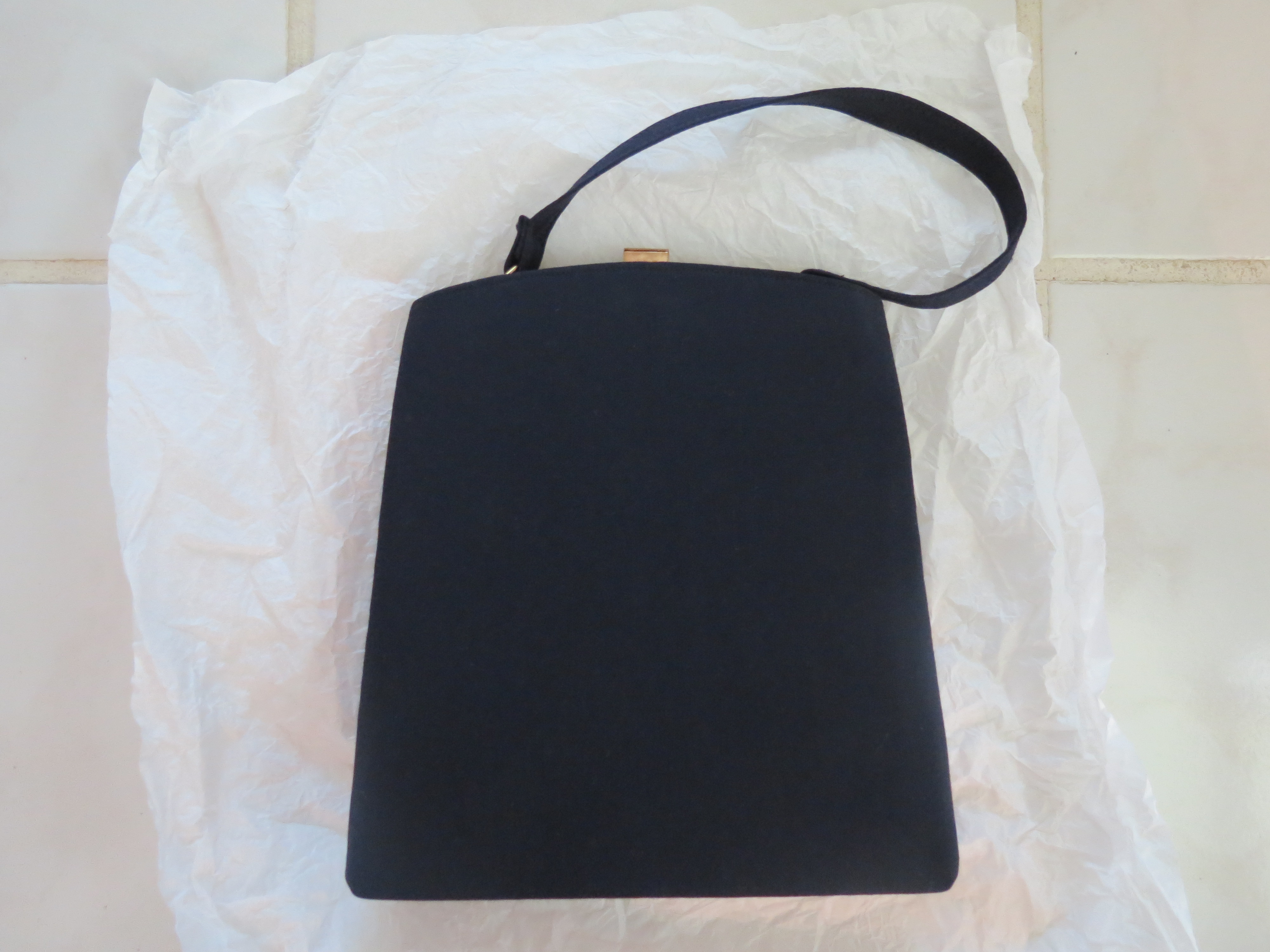
Mid-century costume jewelry pins and brooches like the ones in this picture, especially those on the left side, might have been worn with dresses like this and a dark navy handbag like the one above is a nicer 1940’s style with a fabric body and strap.

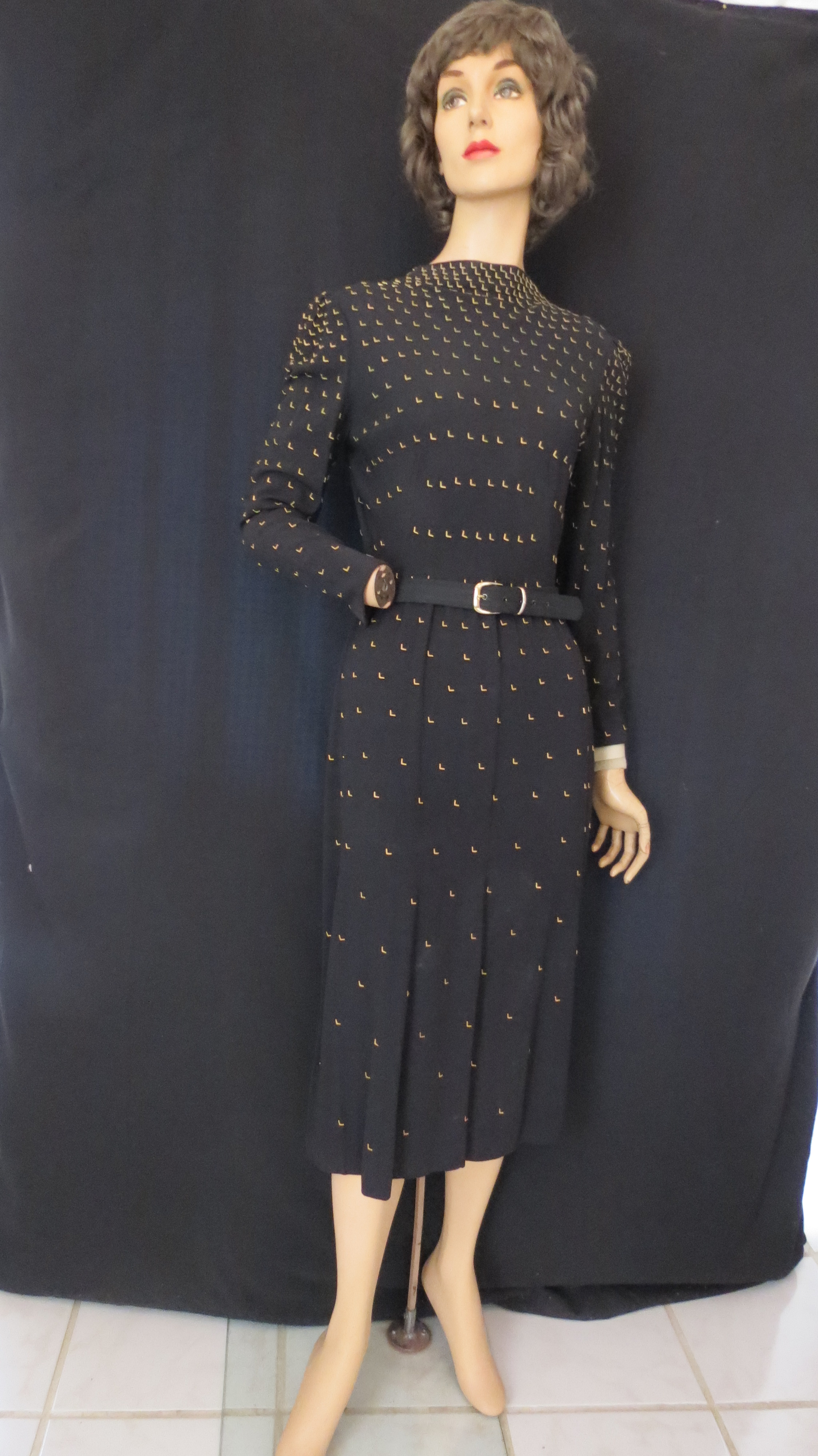
This final black frock is probably meant for cocktails, dinner or evening, though very tailored. It comes from the early Forties or perhaps the Thirties, with it’s Deco-style decoration with metal studs.

So, this is a little wardrobe trip from the pre-war and, possibly, the post-war 1940’s. Some of the costume pins also span the decades from late Thirties to early Fifties. Tomorrow I’m sticking with the same era, but focusing on more casual styles. Stay tuned . . . . . . . . . . . . . . . . . . . .

MORGANA MARTIN, THE MAGICVINTAGESPY

BLOG: MAGICVINTAGESPY.COM