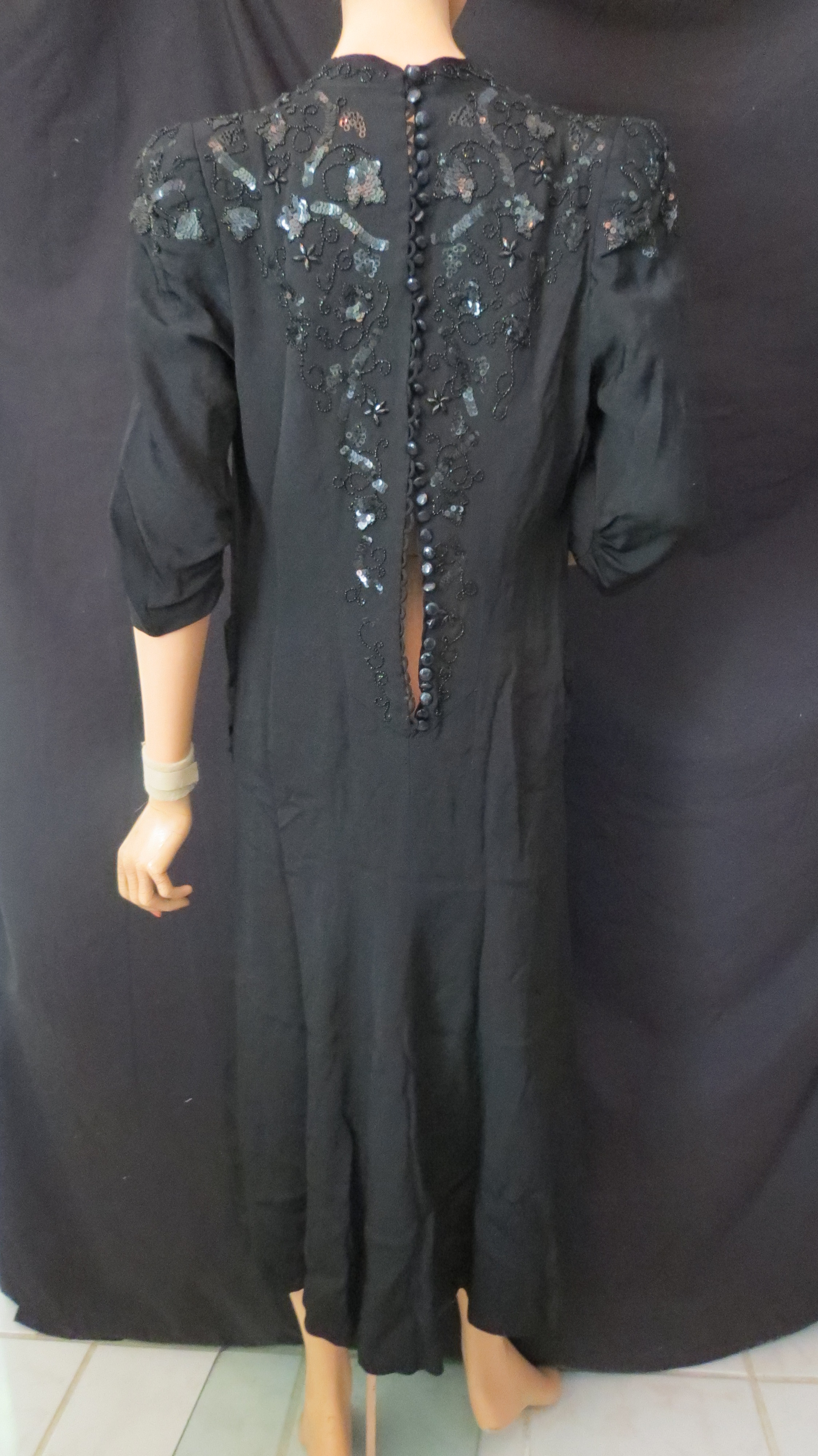
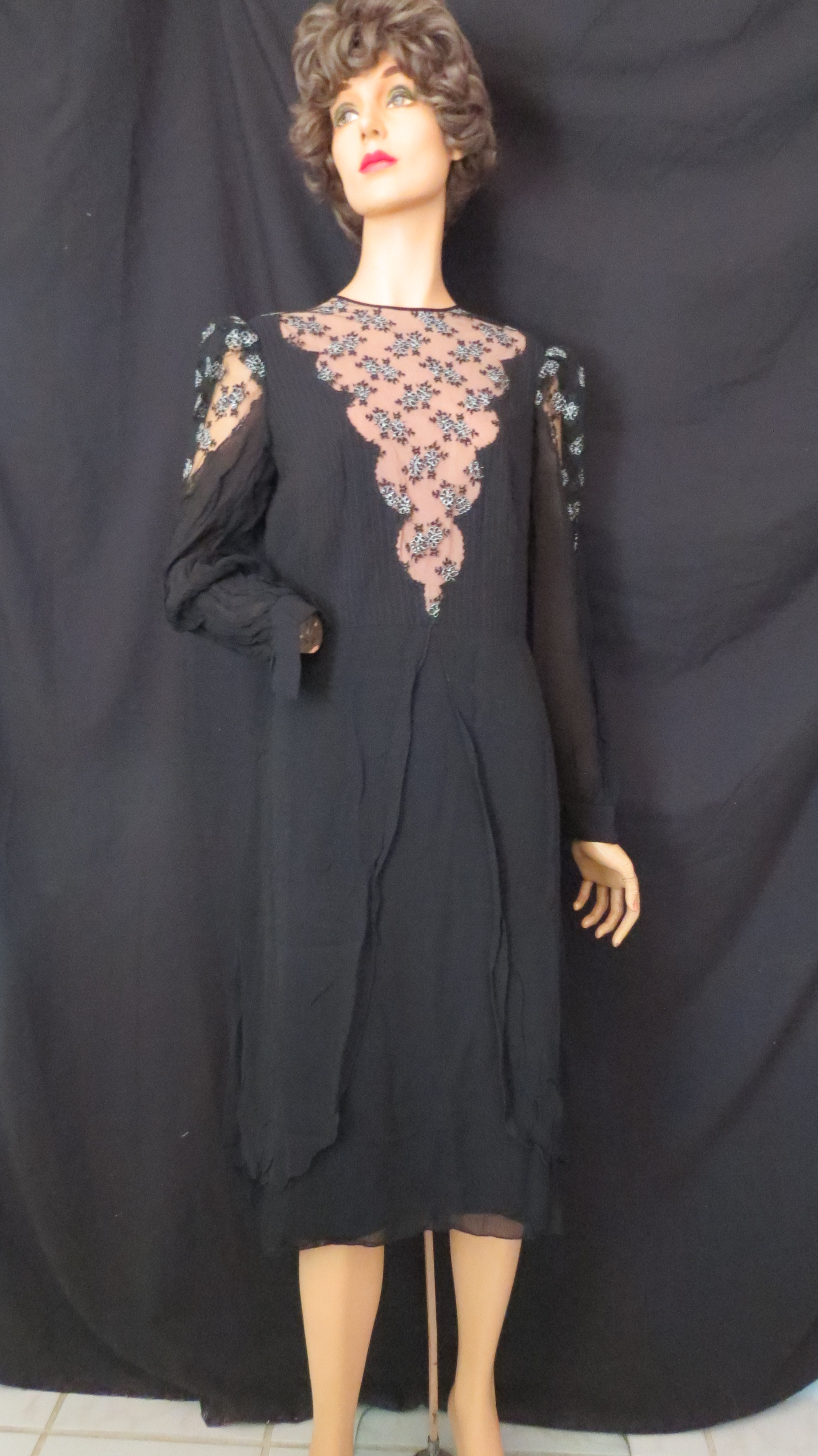
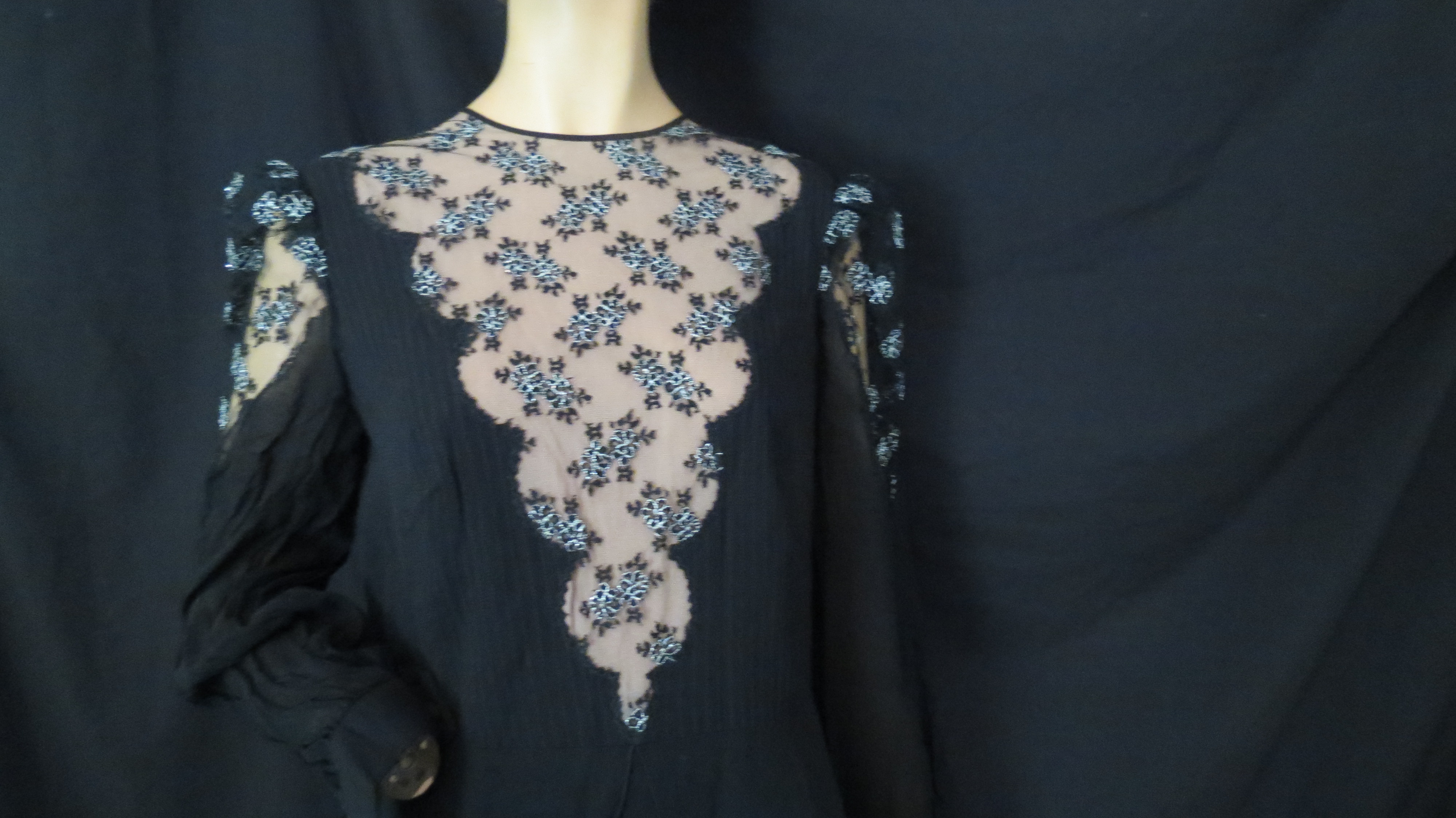
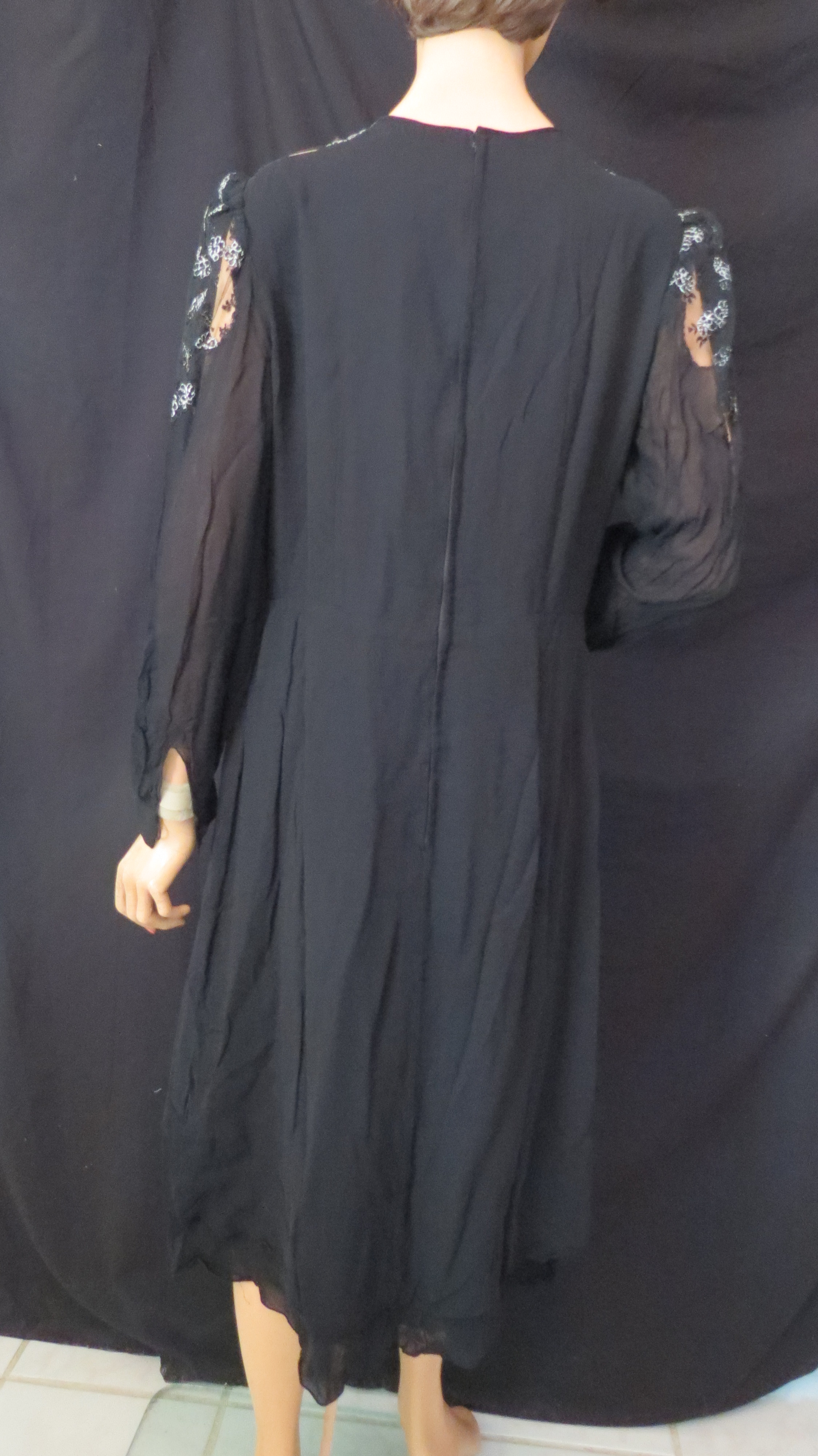
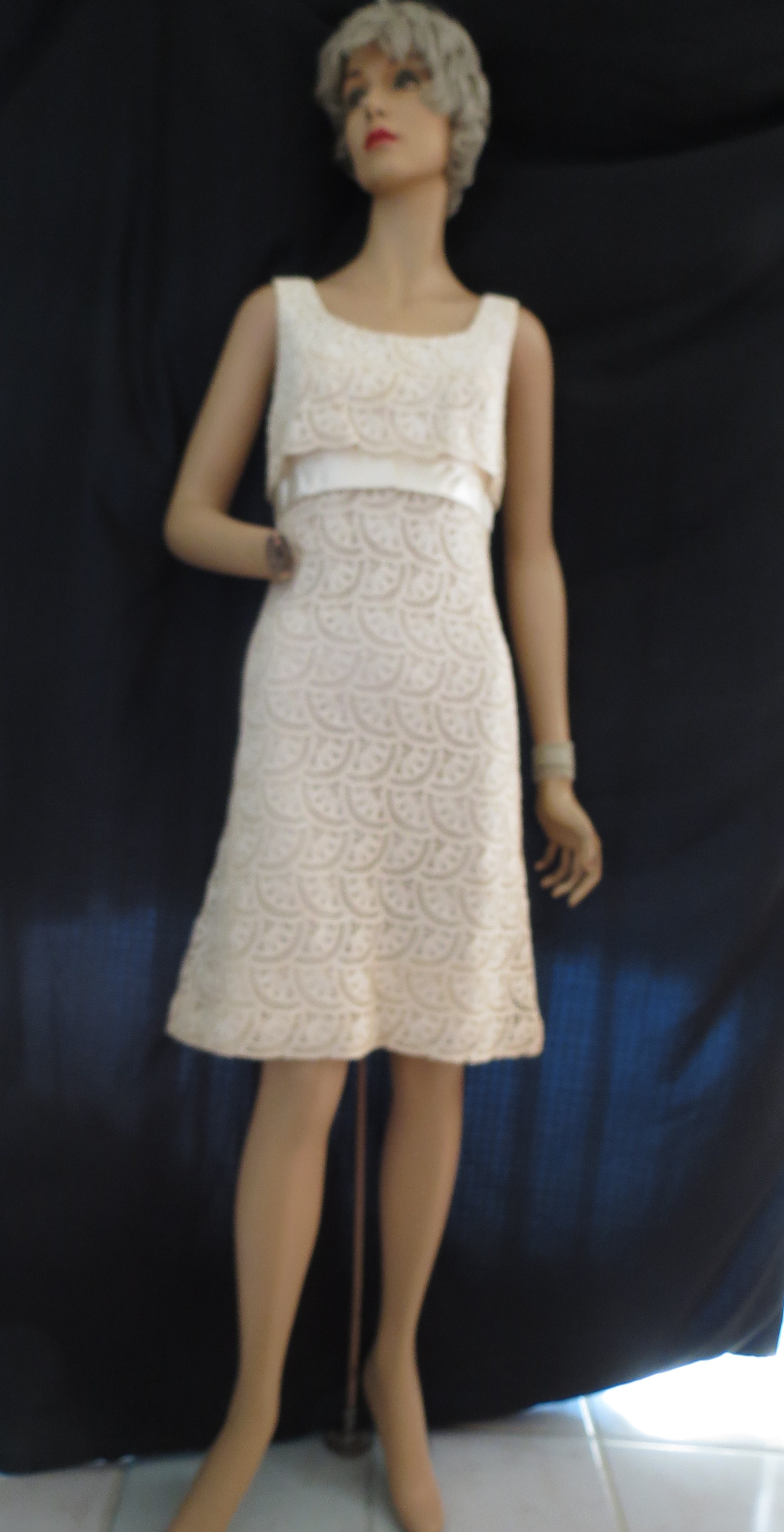
TRUE VINTAGE 1940’S DRESSY DRESSES FROM AFTER THE WAR YEARS

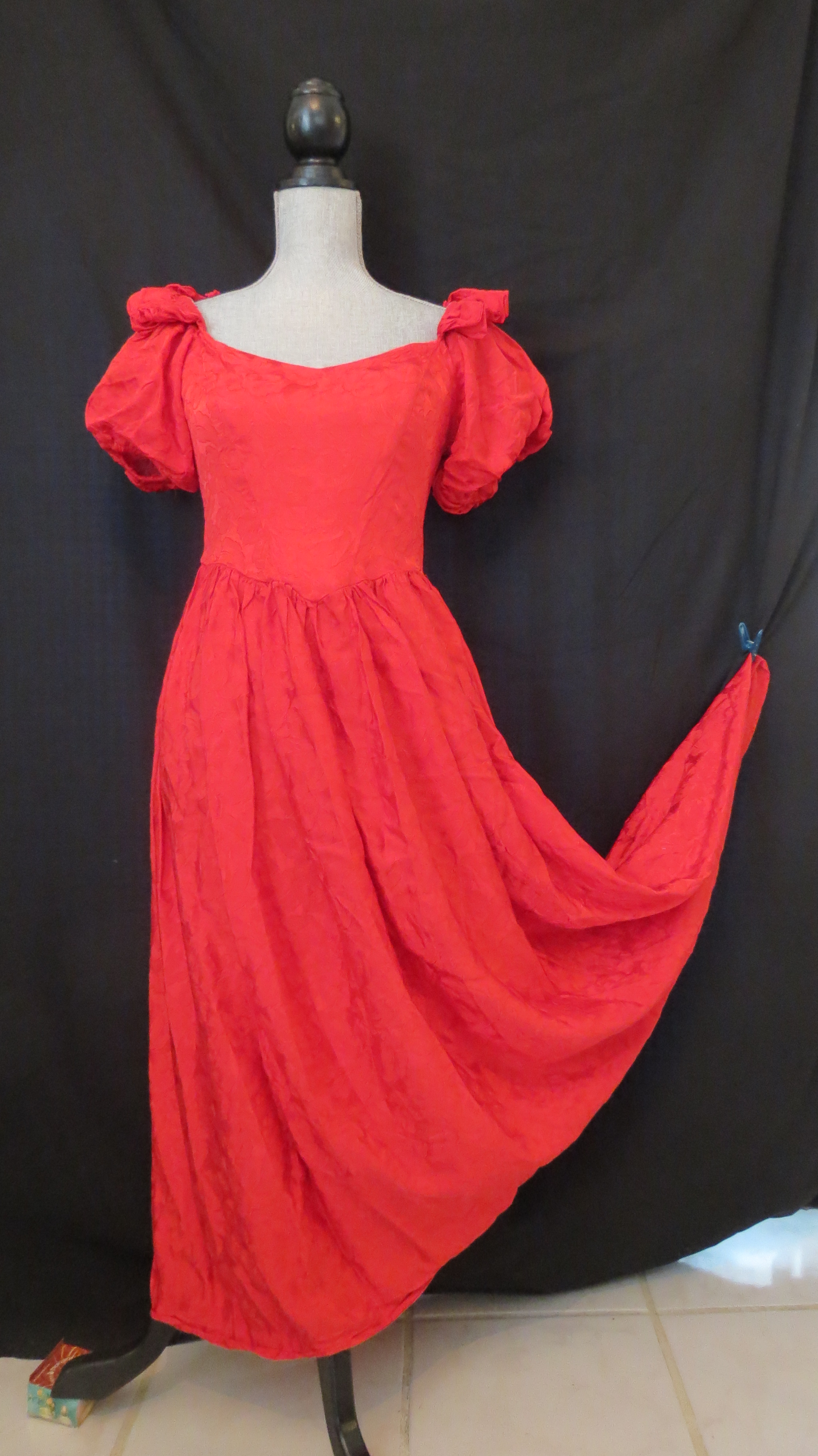
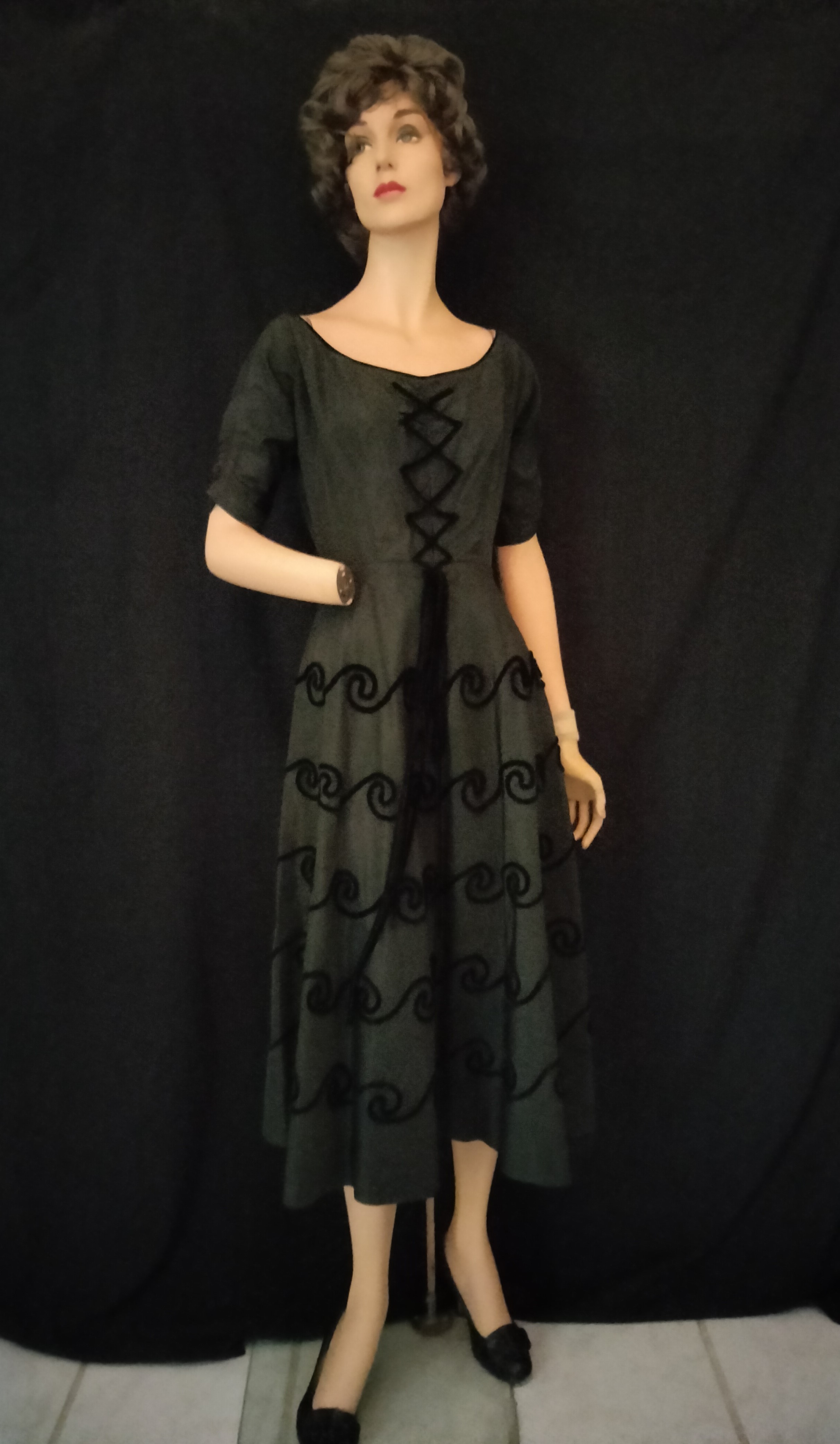
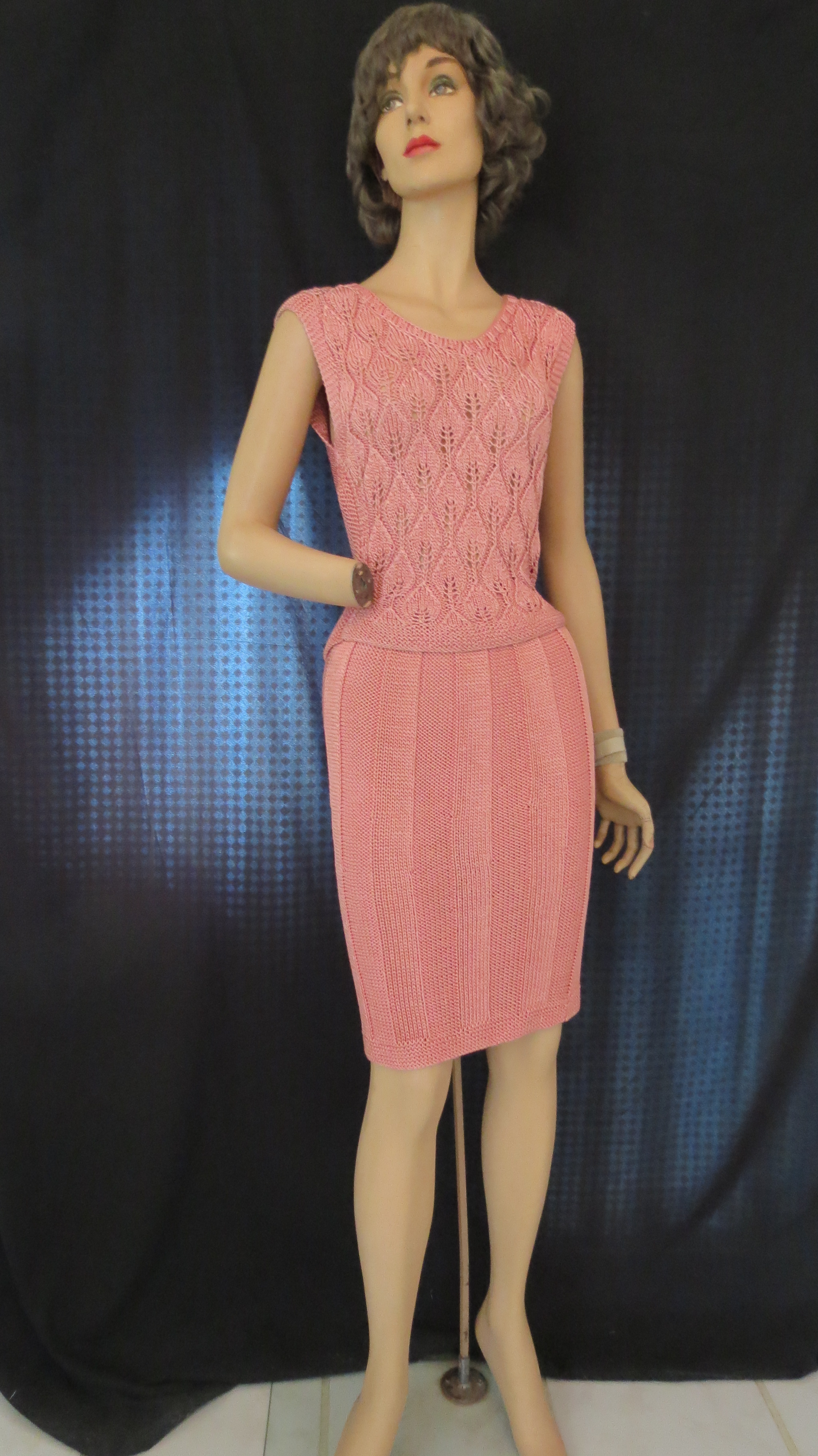
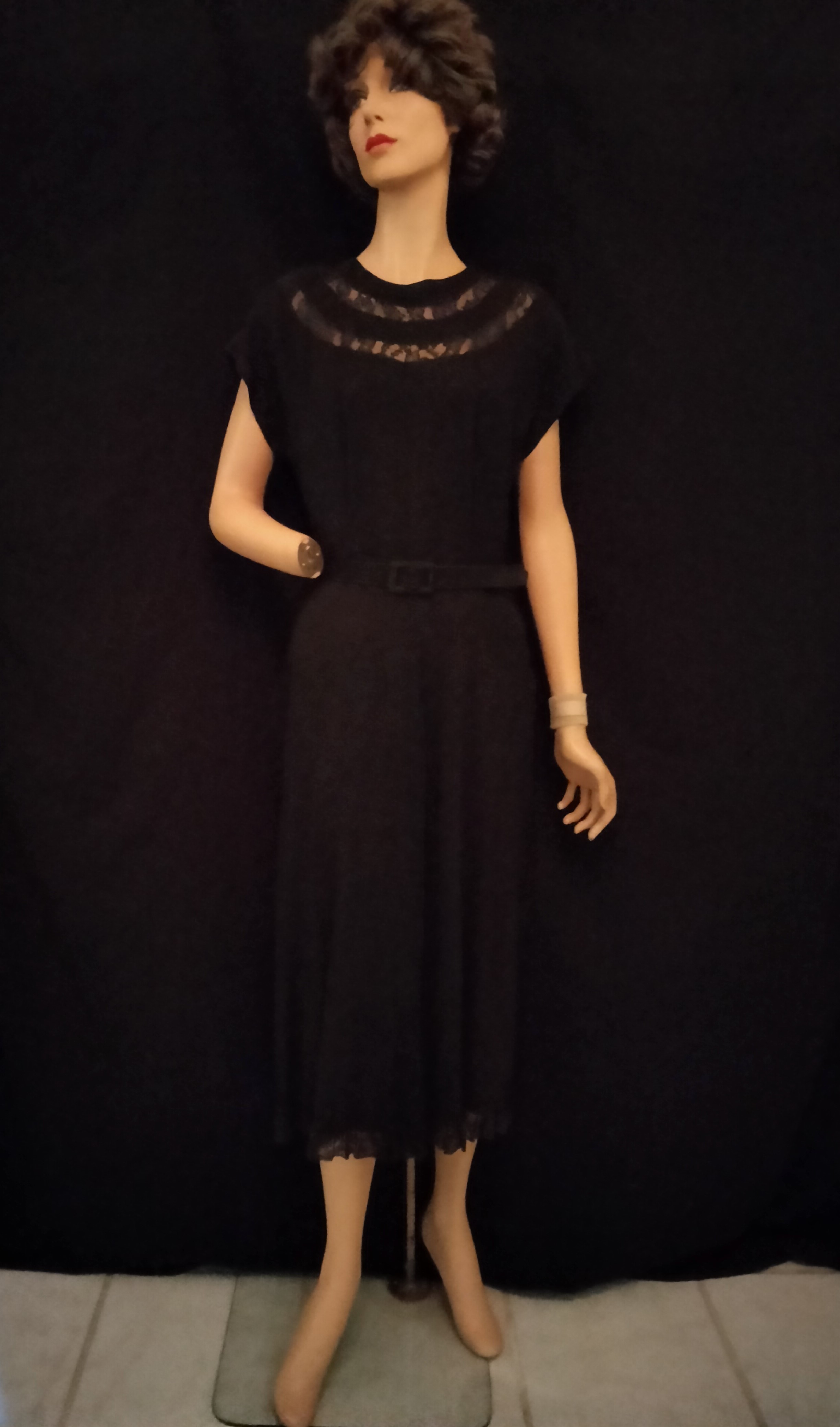
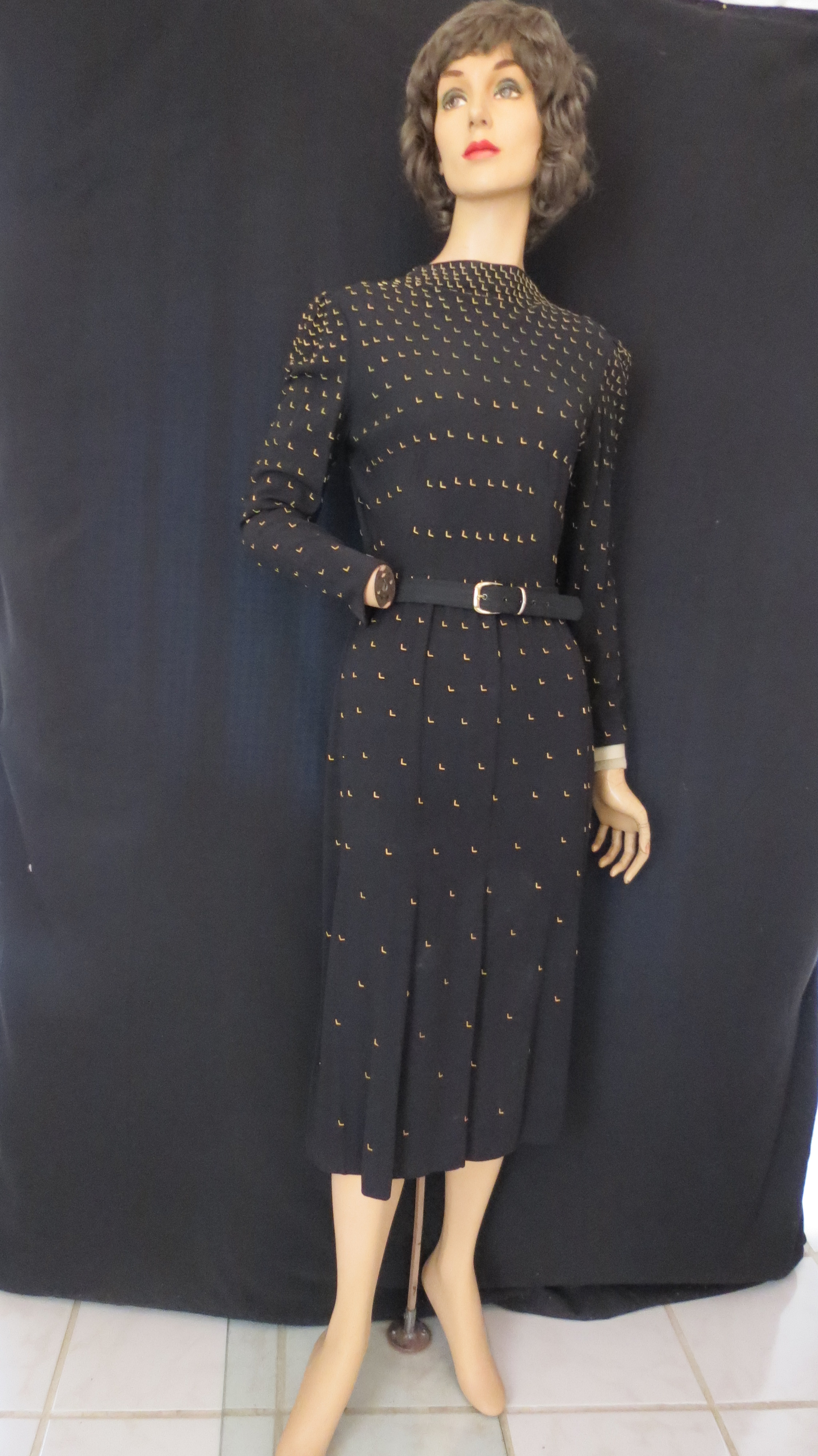
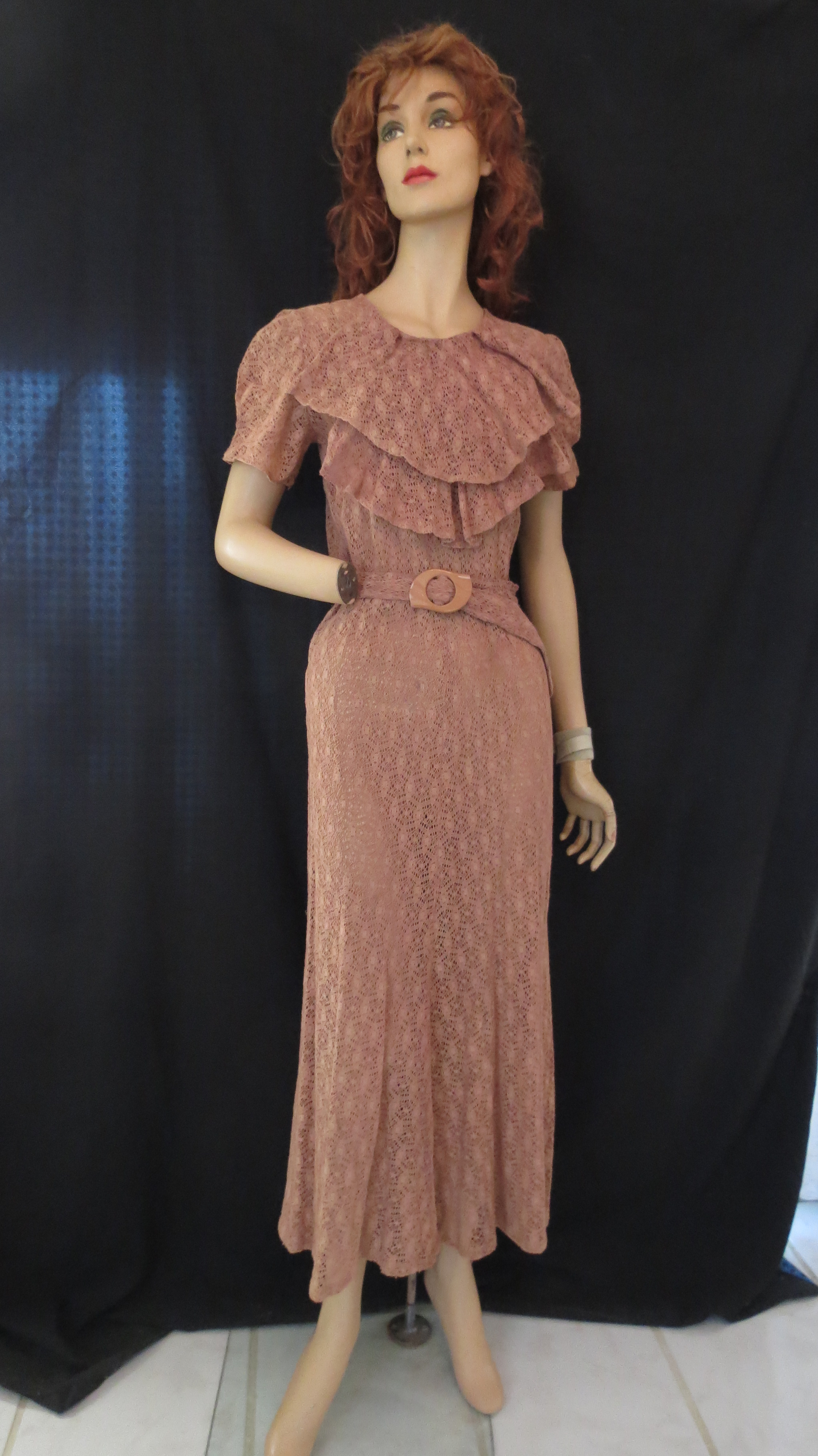
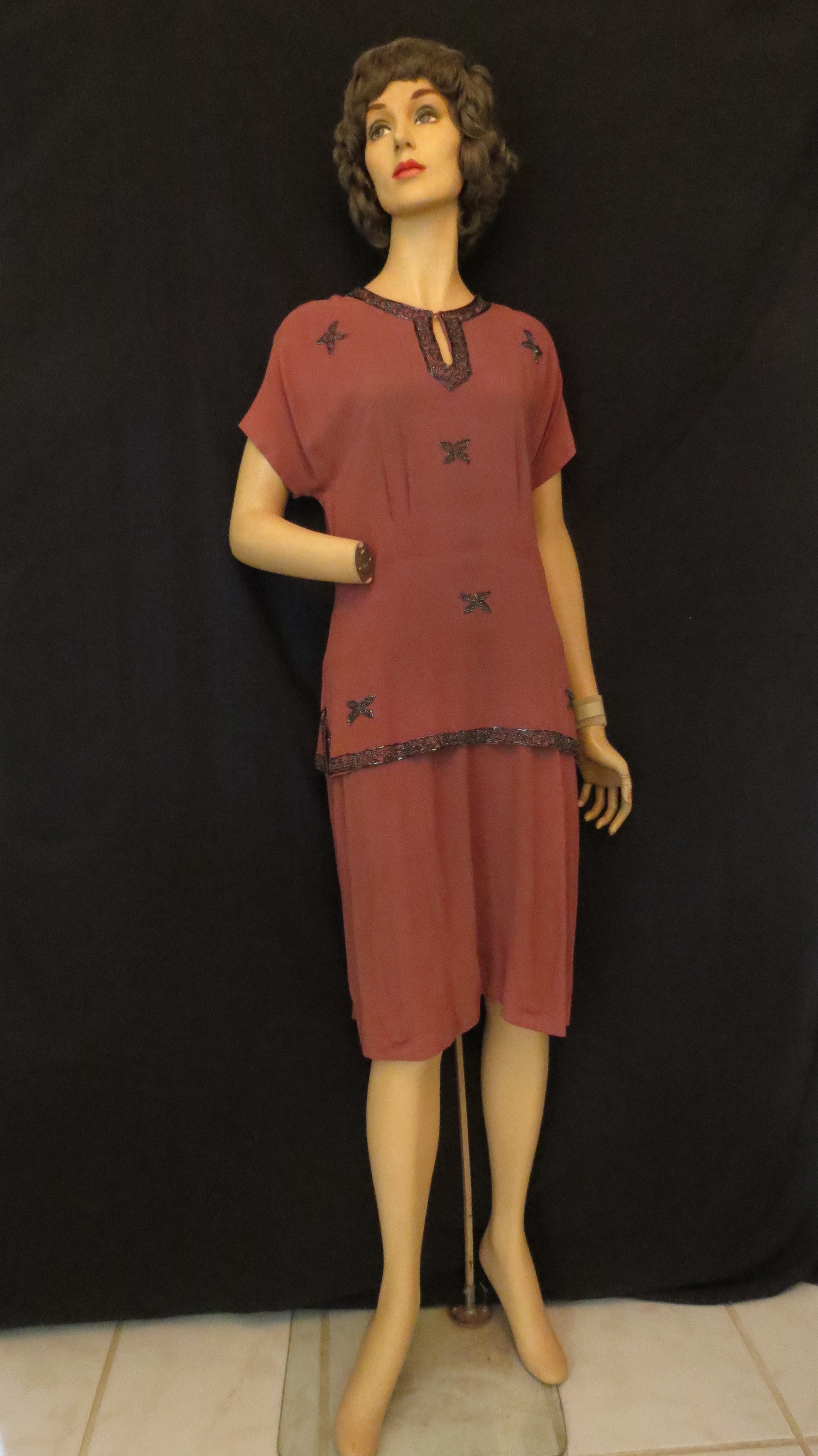
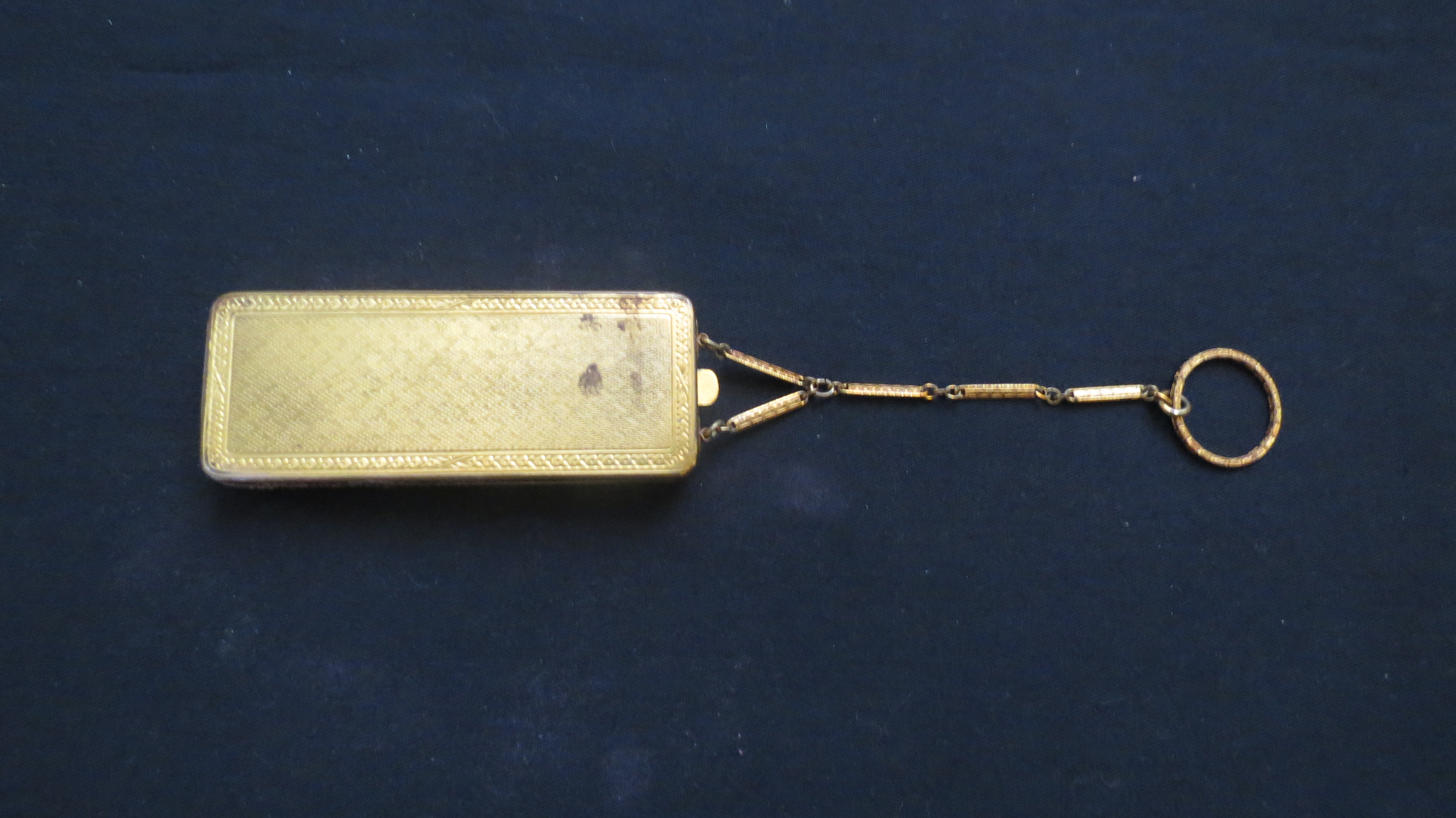
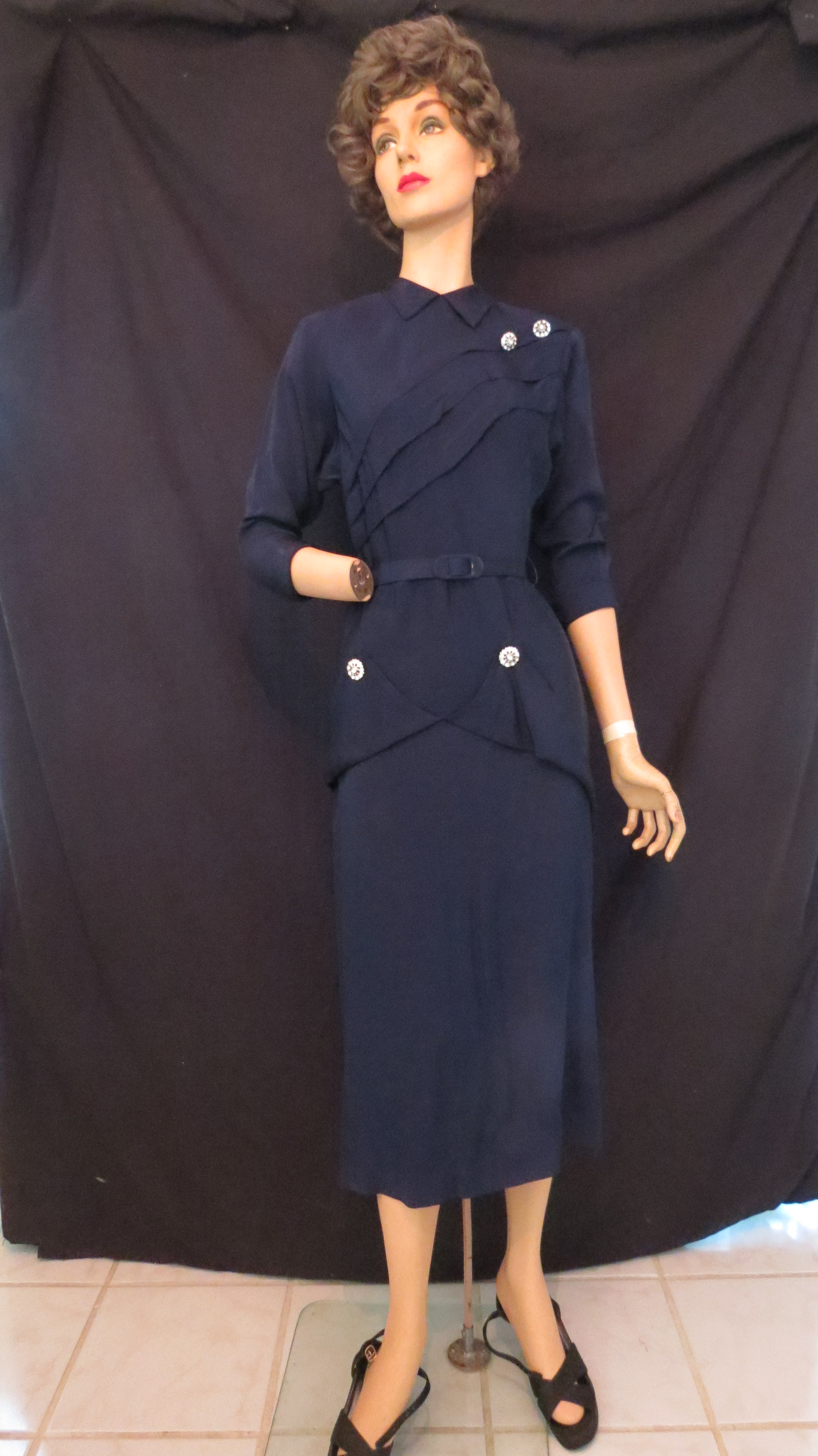
Here’s another group of finds that were fabulous. Let’s look at the details on these frocks, which were over-the-top when wartime rationing was no more and fashion was ready for a break-out right before the New Look. Lots of glitz – rhinestone buttons, metallic thread, sequins, beads, lots of little buttons and velvet. Hemlines went down again. Rayon reigned – it had become the darling of fabrics.

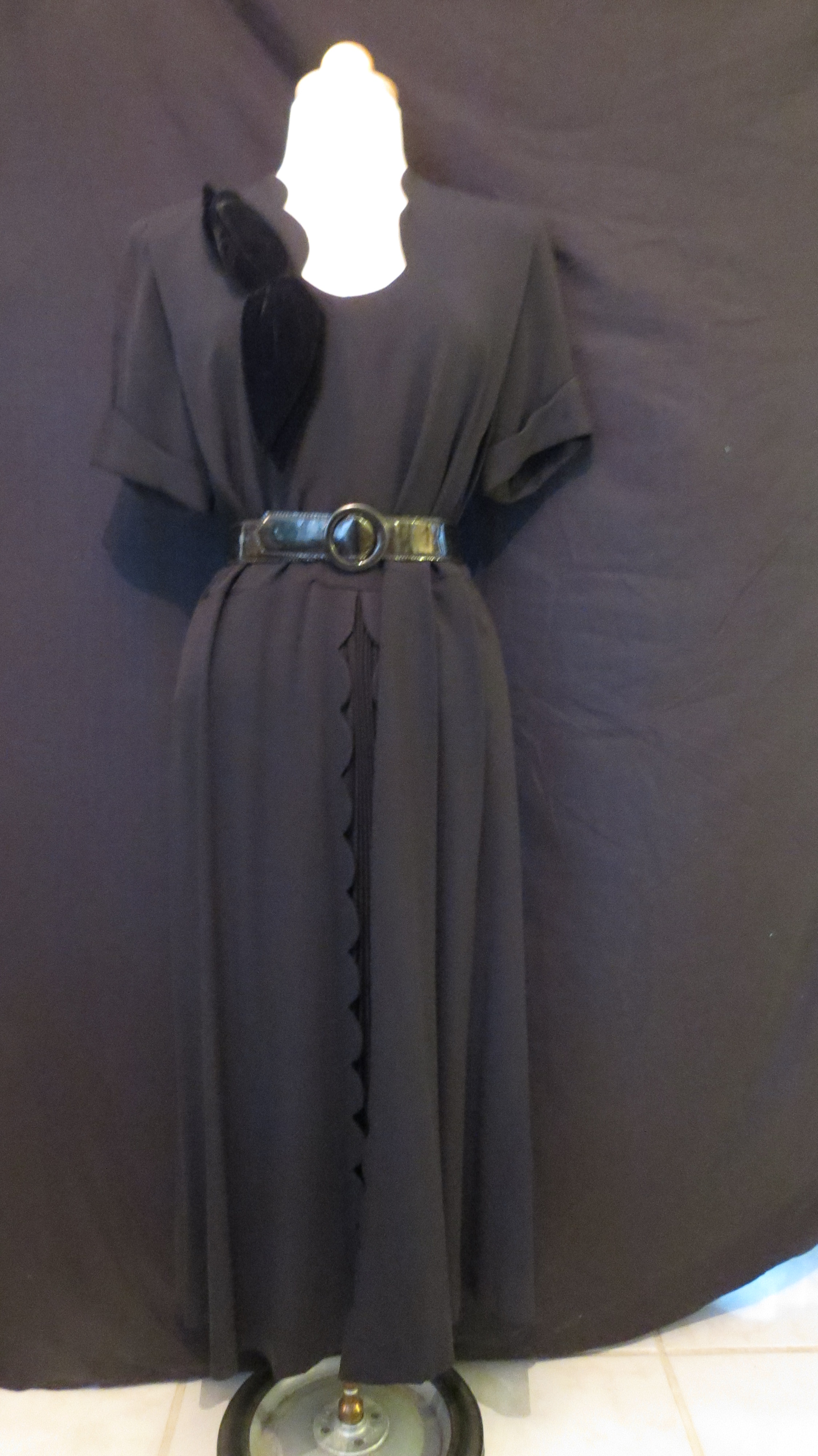
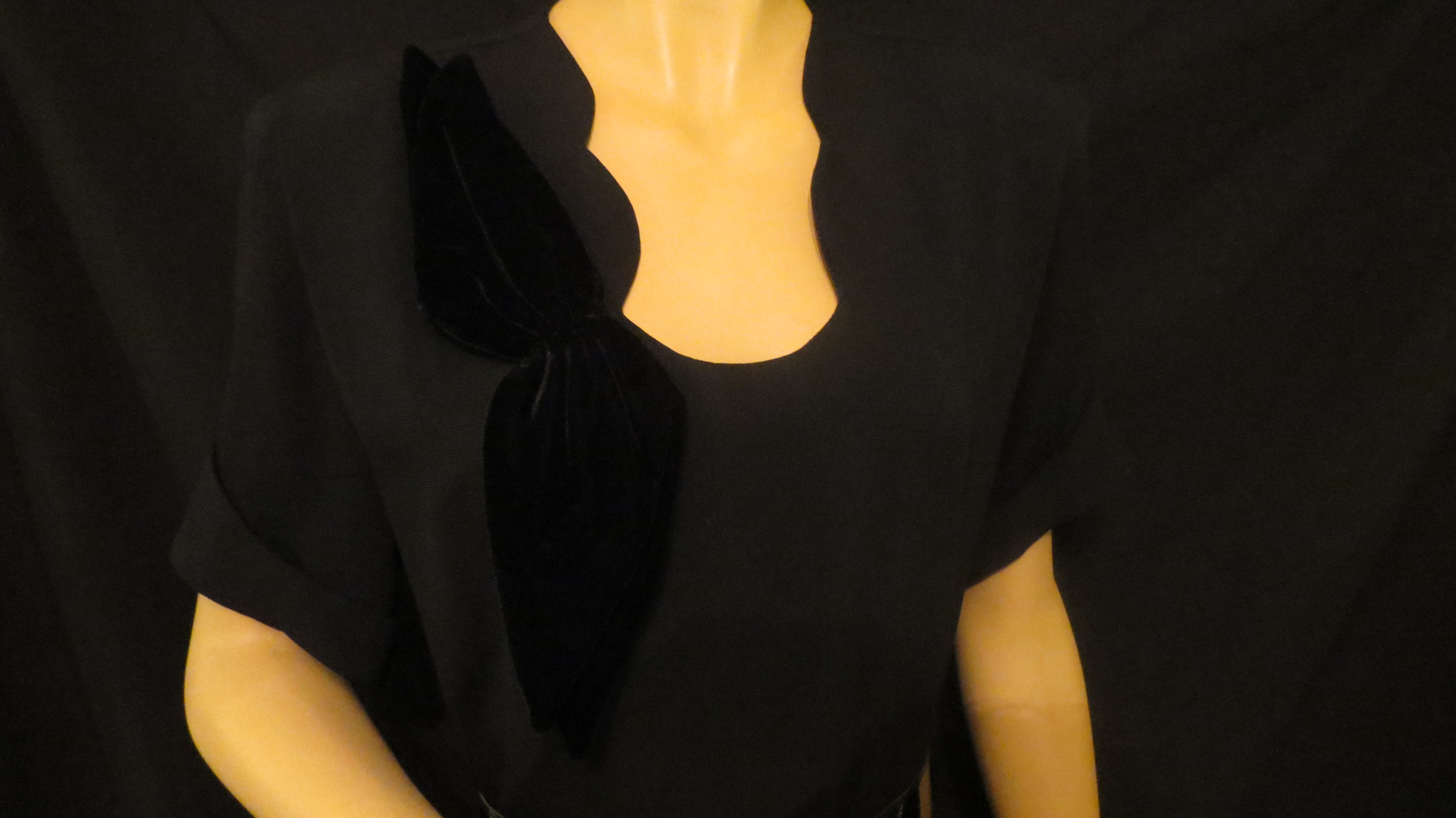
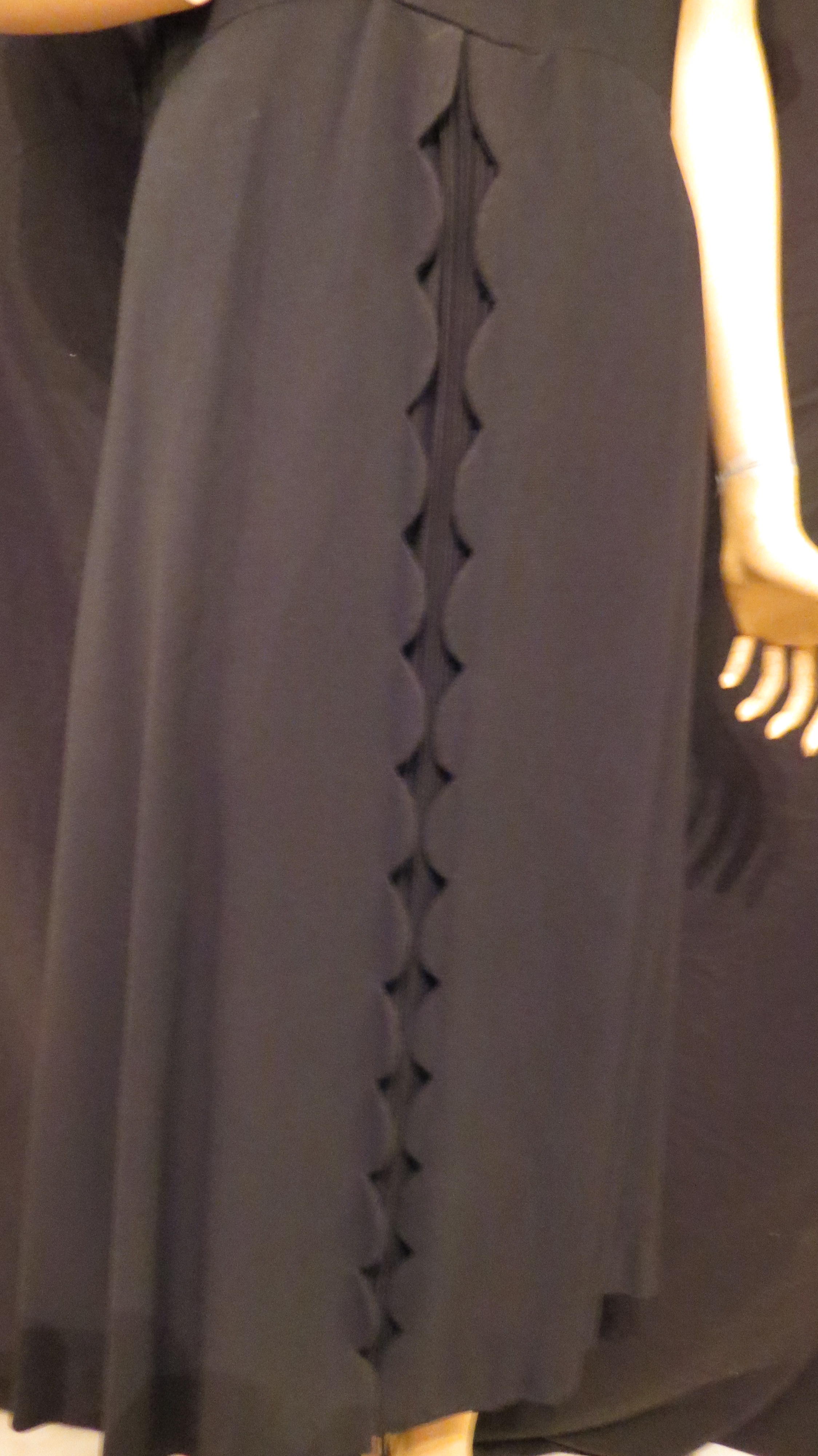
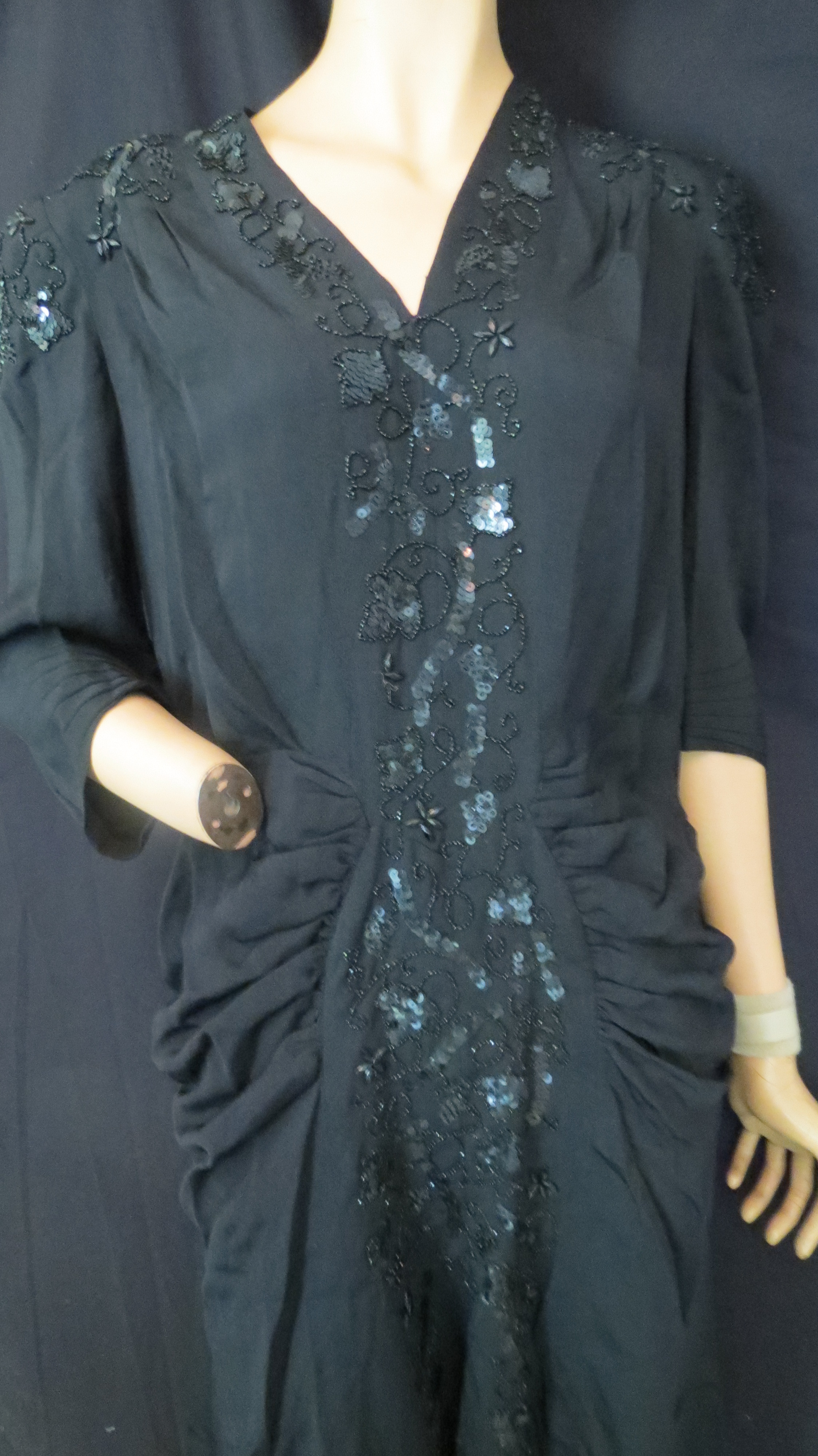
There was certainly an element of weirdness to some of these designs. The last two black dresses were discovered in Montevideo, Uruguay and had been made by specialty dressmakers. Many of their wardrobe items in that city came from France, and I suspect that there is a lot of European influence in these styles.

The top two designs are squarely U.S. American and the tag on the dress with the big velvet bow indicates that it was made by a company that was producing affordable garments, probably during the early recovery from wartime. The navy blue dress was higher-end and looks so much like the costumes seen in late 1940’s film noir.

Tomorrow we’ll look at some examples of how 1940’s dress styles have persisted during the following decades. Stay tuned . . . . . .

MORGANA MARTIN, THE MAGICVINTAGESPY

1940’s WAR-SHOCK DRESSES & WARTIME FASHION TRENDS

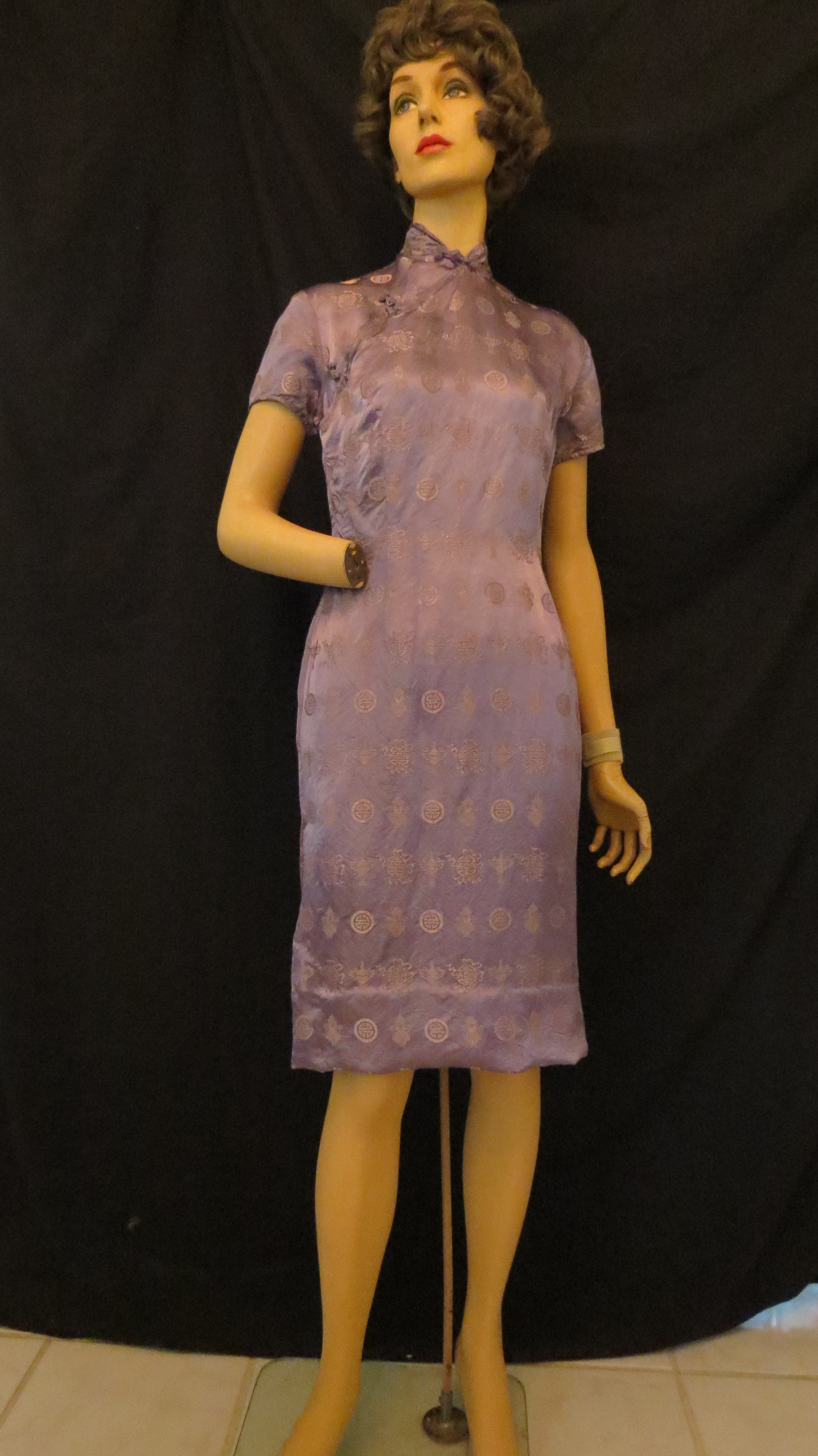
Before 9-11 it was hard for young U.S. Americans to understand the shock and fear that the attack on Pearl Harbor caused in December 1941. The government’s decision to join WWII, which had been happening in Europe and seemed remote to most everyday folks in the U.S., suddenly brought it close to home. The news and the movies began to open the doors on Asian culture and the curiosity of Americans and popular culture started to make this theme trendy. These dresses are from some of my most interesting investigations.

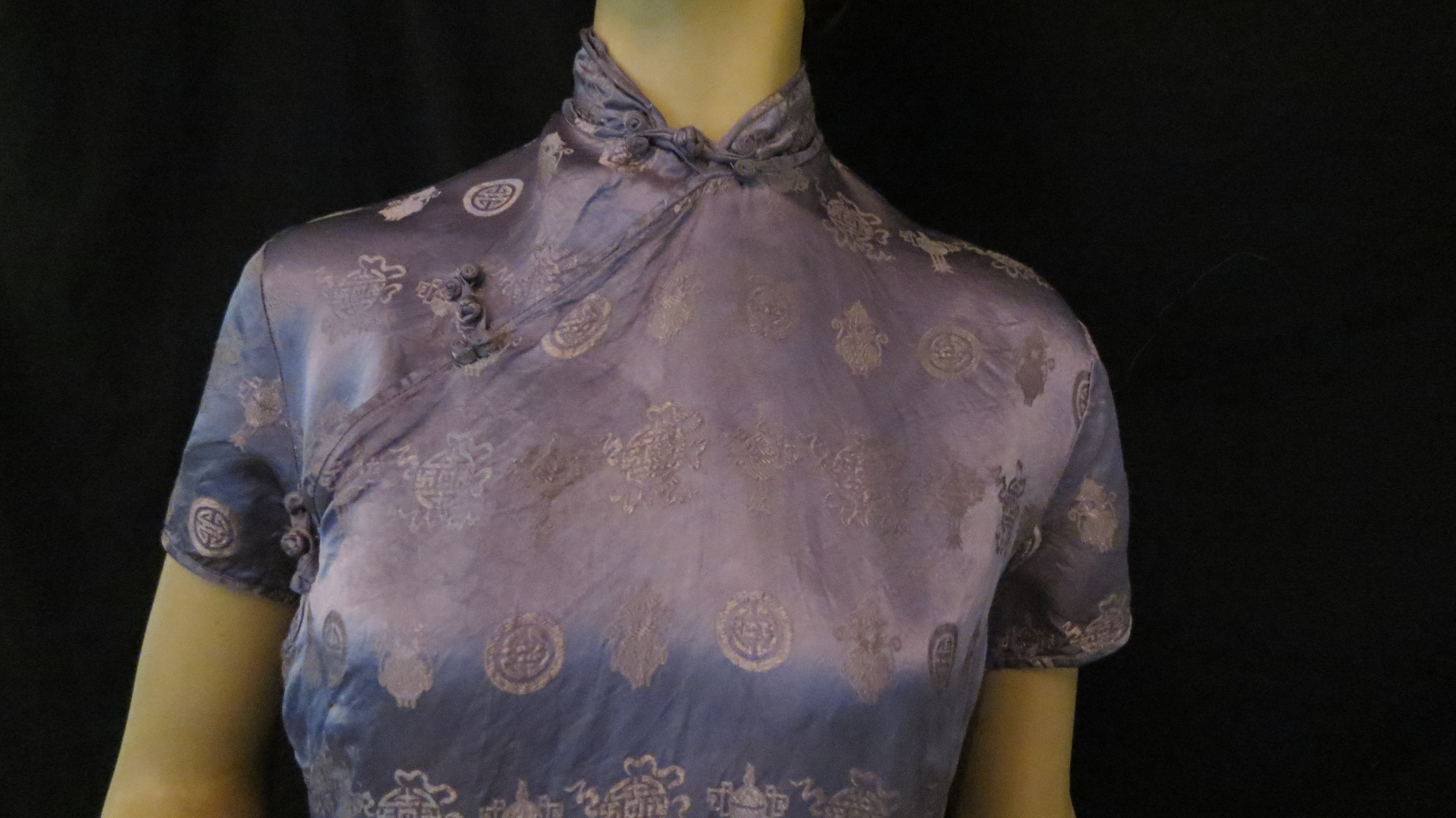
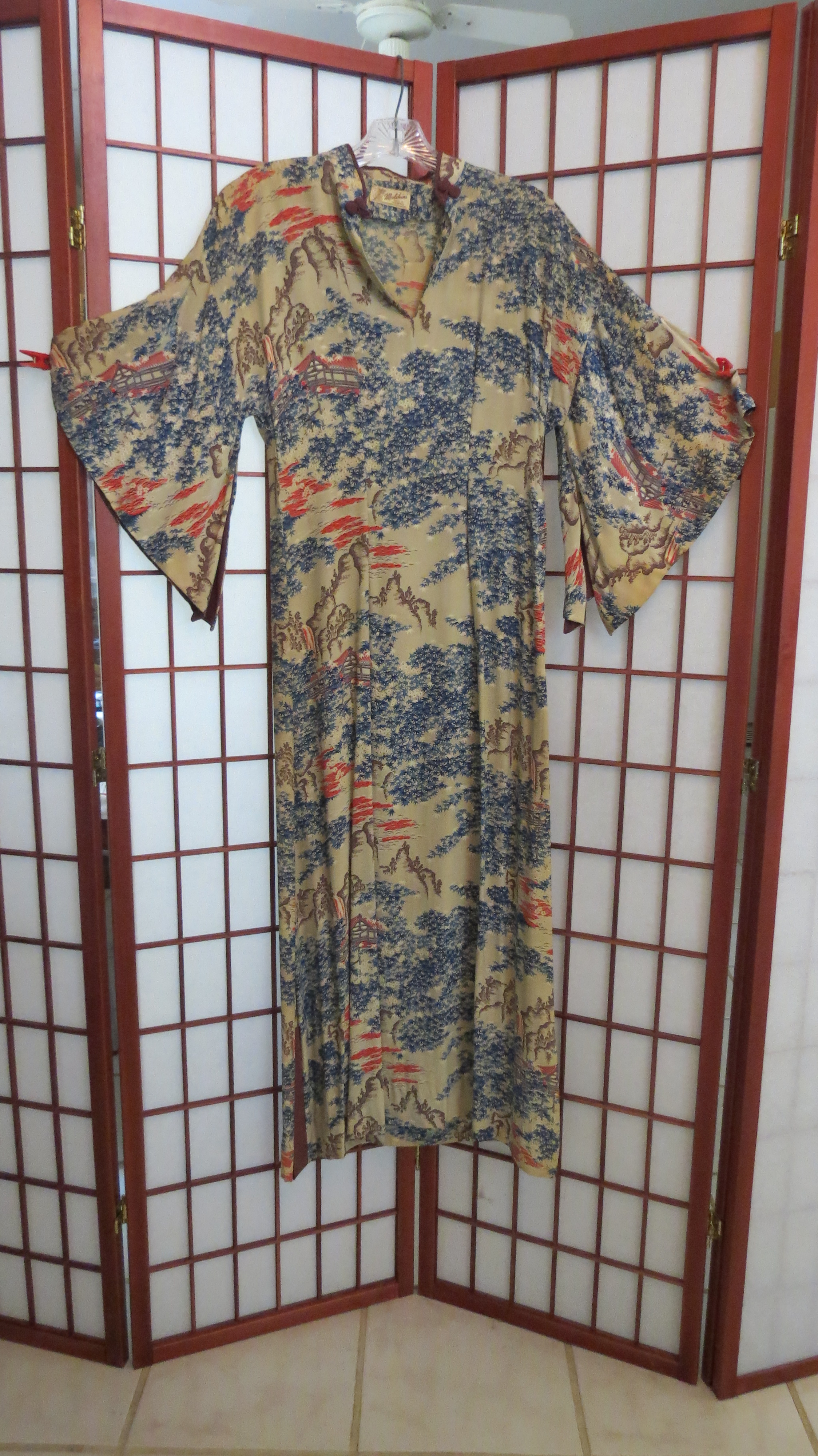
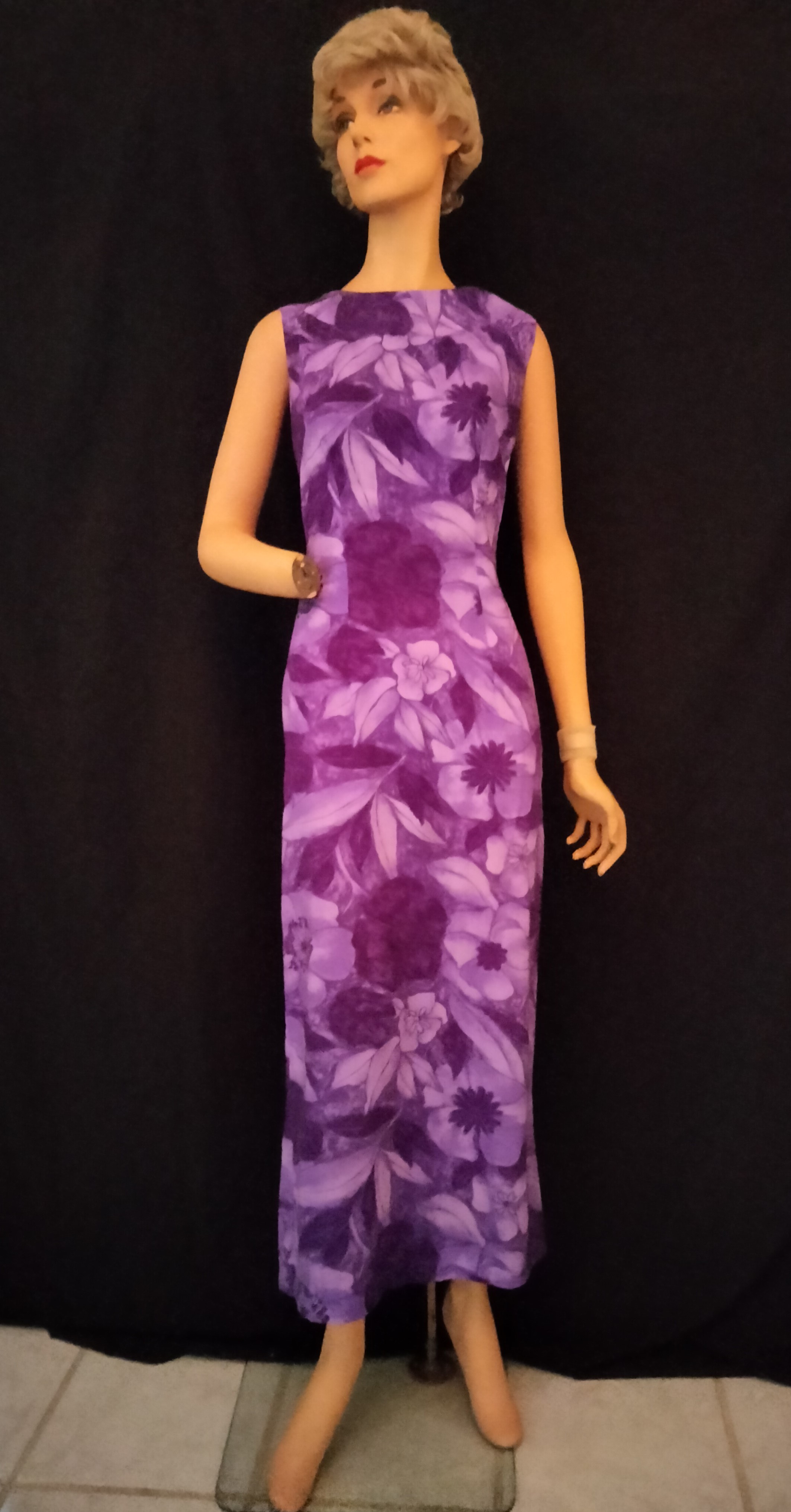
From the 1940’s on, Cheongsam dresses like the lavender one above gained popularity. Mata Hari and Charlie Chan became cultural figures in the media. The beauty and flattering fit of Chinese and Japanese traditional frocks brought interest in Chinatown areas of many cities and non-Asian women began to shop there. Above, see also a Japanese tea dress – fabulous find dating from the 1930’s, made in Hawaii. The purple native traditional gown from Hawaii also found a home in some American woman’s closet after people began traveling again.

But, before that time, women stayed at home. They worried about their family members and friends who were fighting in or living in war zones. They joined the war effort in whatever way they could through their work, volunteerism and spending habits. Of course, some kind of escape was necessary to maintain their sanity. That’s where the movies and dancing filled a void. Whether homemade or found at retail, dancing and cocktails required special dresses and women were very creative despite the restrictions caused by rationing.

Synthetic fabrics were most available and affordable, so this red jacquard frock with puffed sleeves and an elasticized neckline which allowed cold shoulders was home-sewn. A similar style in black was local couture from a specialty shop in Texas and has ruched 3/4 sleeves and shows off the luxury of velvet piping decoration. The pink knitted and crocheted 2-piece cocktail dress was another unusual find which somehow found it’s way to Argentina. It’s made of a heavy, glossy/shiny yarn that allowed some gal to make a glamorous outfit on the cheap.

So fascinating! Such a fun bunch of clues these are. The delight is in the details. More tomorrow – stay tuned . . . . . . . . . . . . . .

MORGANA MARTIN, THE MAGICVINTAGESPY

BLOG: MAGICVINTAGESPY.COM

TRUE VINTAGE 1940’S BETTER DAY-DRESSES AND ACCESSORIES

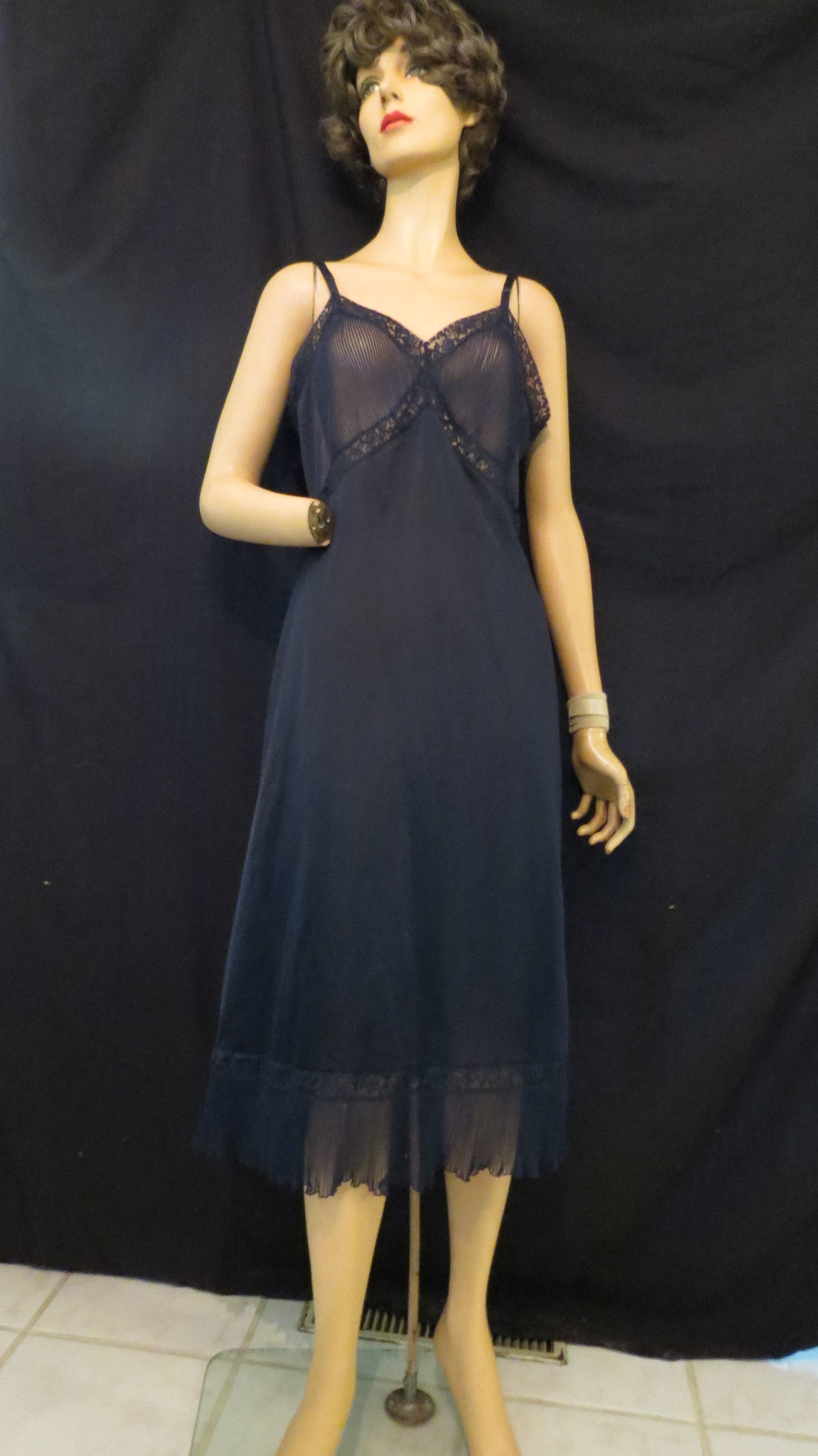
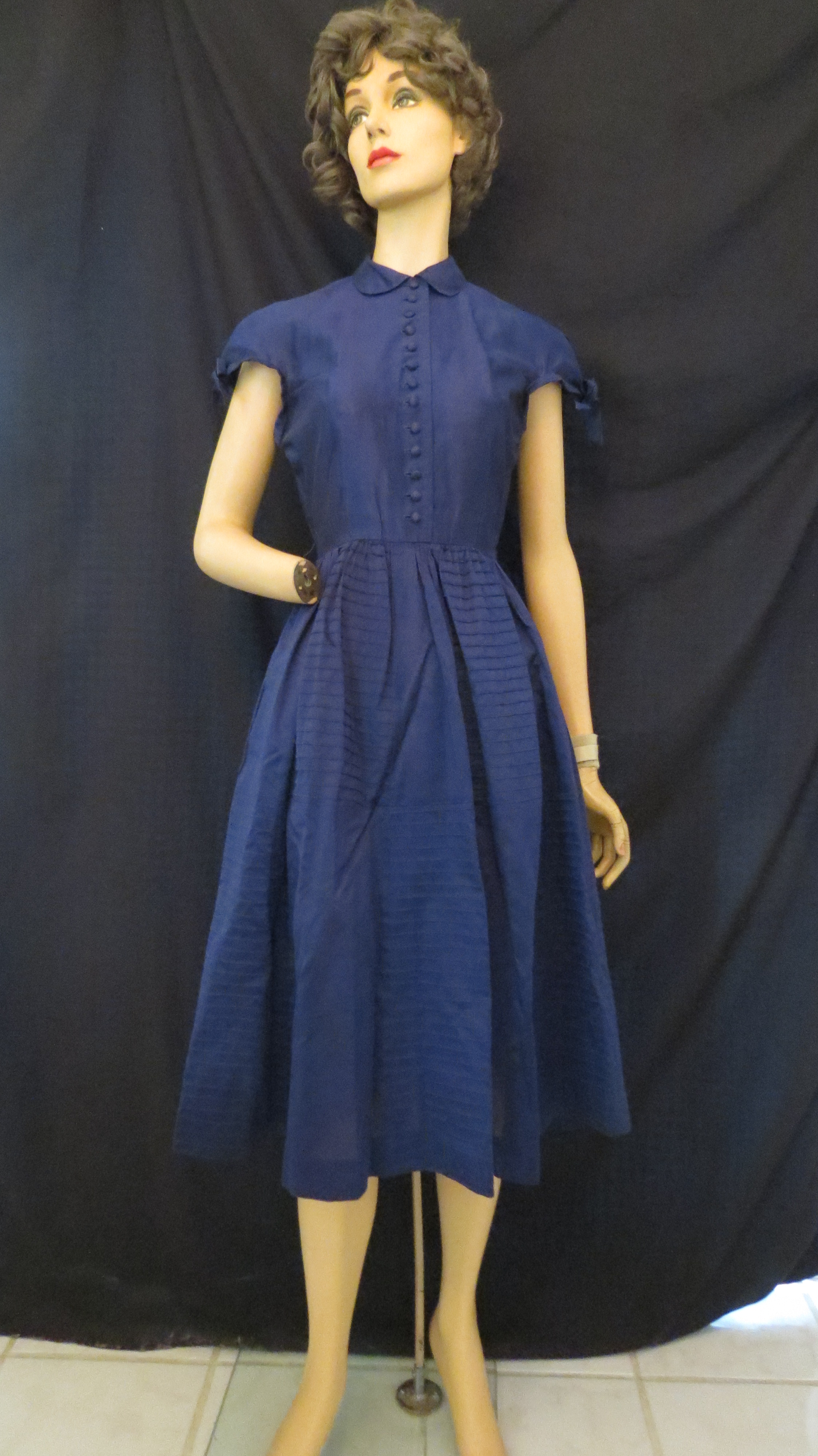
I had planned to show more dresses this morning, but my computer suddenly won’t upload more pictures. So, we’ll stick with these beautiful frocks today. The one above is from the Post-war period, I would guess, though some longer hems were also present before WWII started.

A lovely nylon slip like the one above might have been worn with it.

The mid-blue dress is made from a stiffer fabric and is from earlier in the decade. Cute and more girlish, but both are special – dressier daywear.

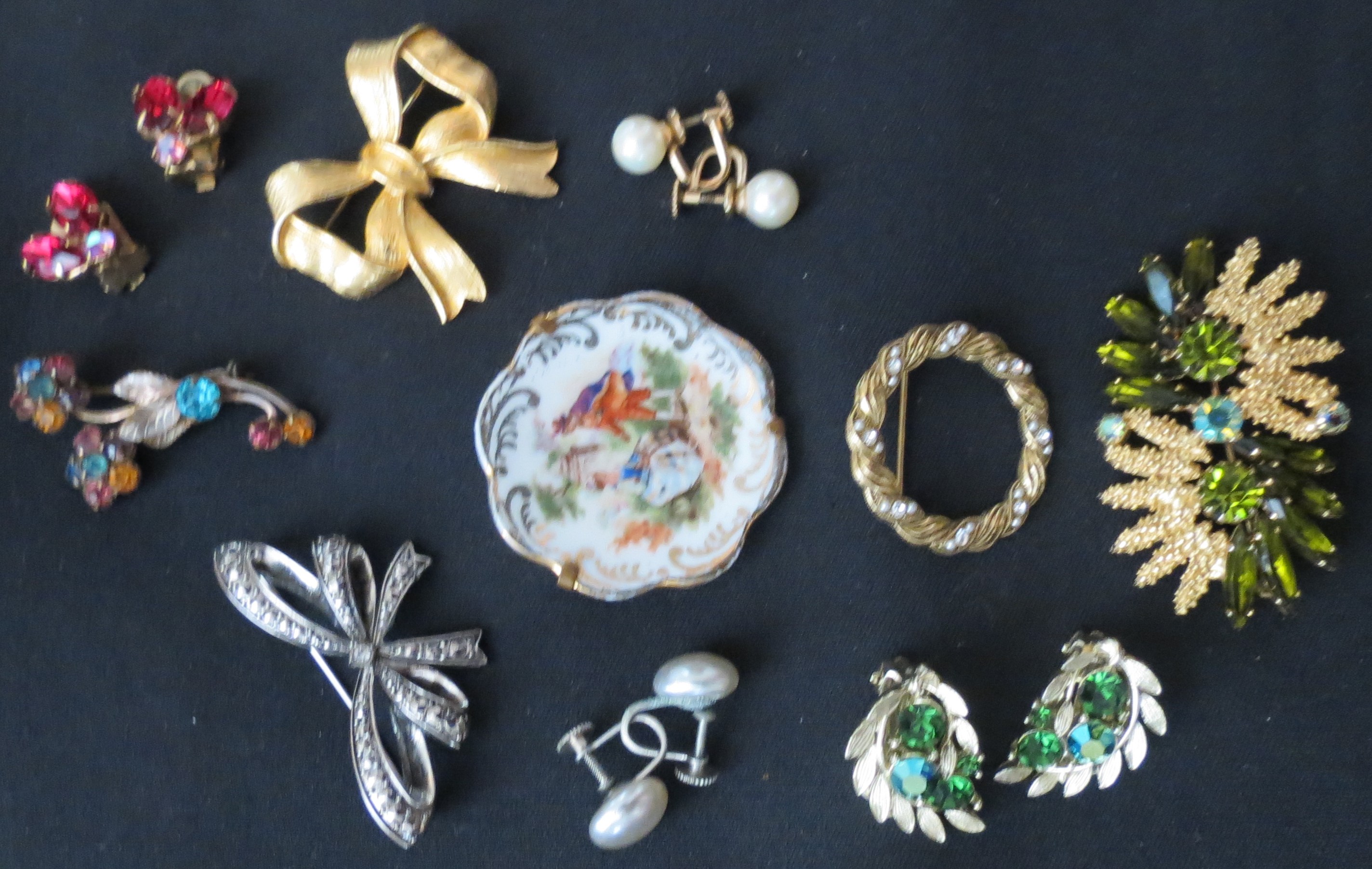
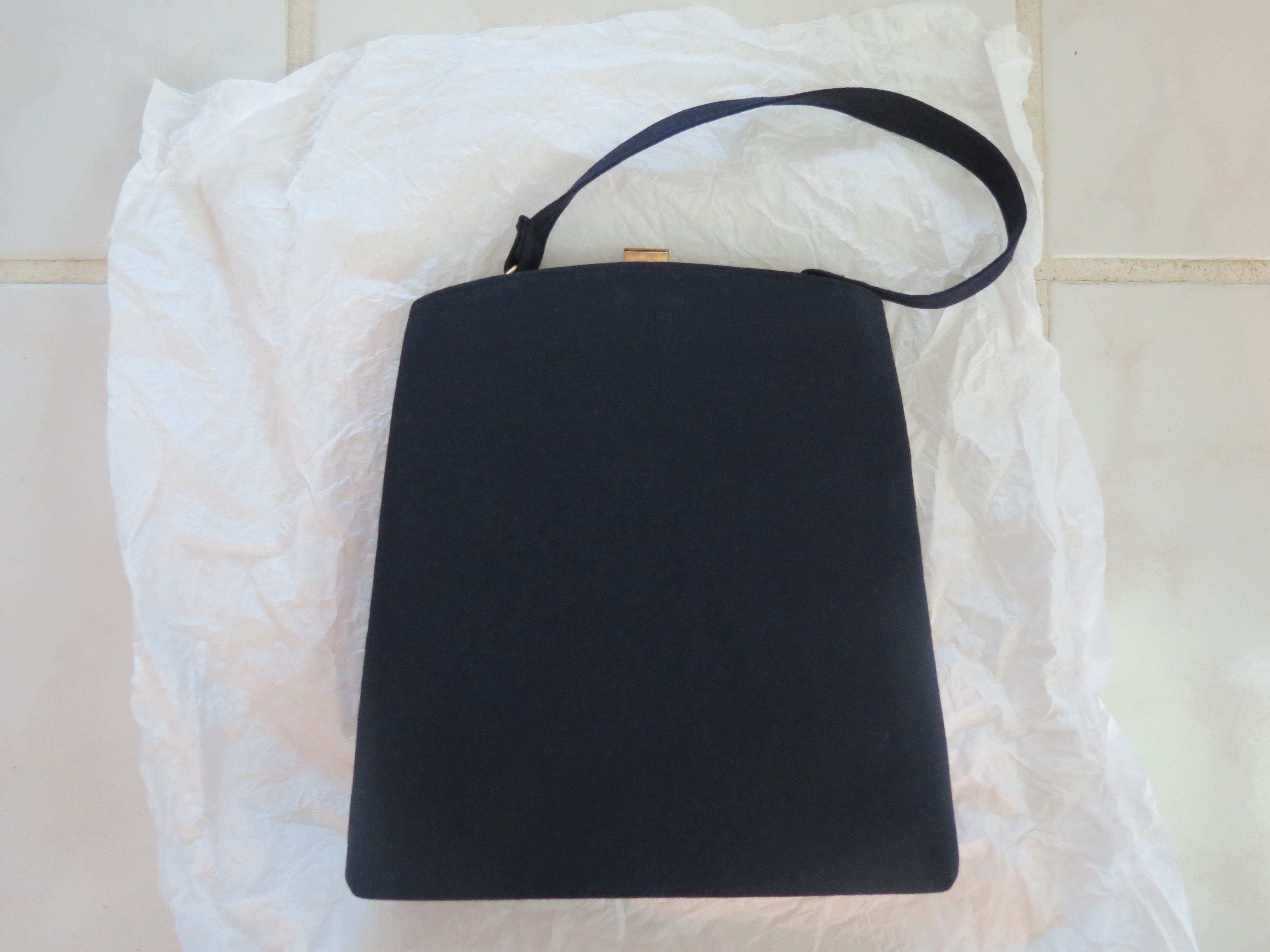
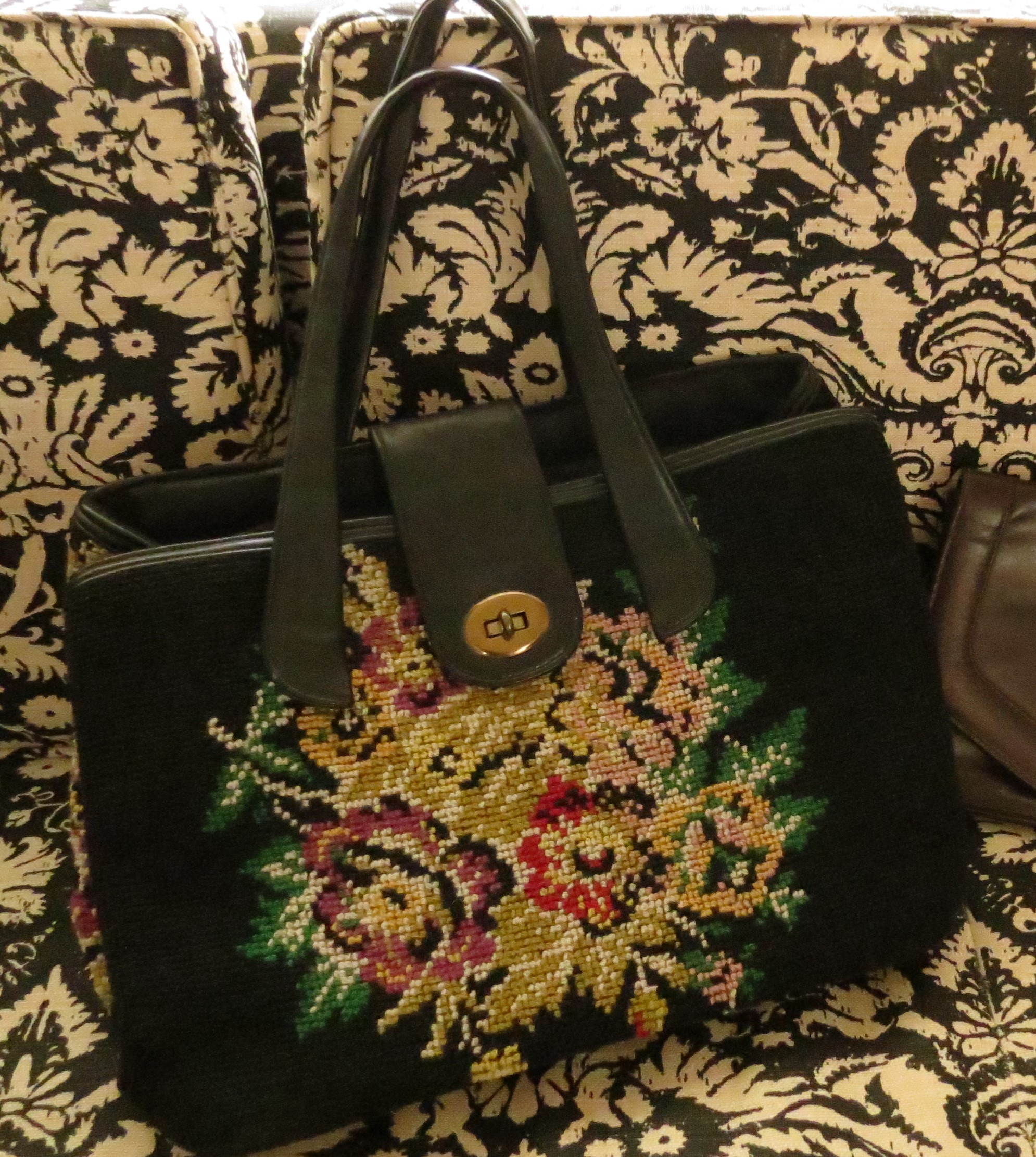
Mid-century costume jewelry pins and brooches like the ones in this picture, especially those on the left side, might have been worn with dresses like this and a dark navy handbag like the one above is a nicer 1940’s style with a fabric body and strap.

This final black frock is probably meant for cocktails, dinner or evening, though very tailored. It comes from the early Forties or perhaps the Thirties, with it’s Deco-style decoration with metal studs.

So, this is a little wardrobe trip from the pre-war and, possibly, the post-war 1940’s. Some of the costume pins also span the decades from late Thirties to early Fifties. Tomorrow I’m sticking with the same era, but focusing on more casual styles. Stay tuned . . . . . . . . . . . . . . . . . . . .

MORGANA MARTIN, THE MAGICVINTAGESPY

BLOG: MAGICVINTAGESPY.COM

LATE 1930’S DAY AND DRESSIER FROCK and ACCESSORIES

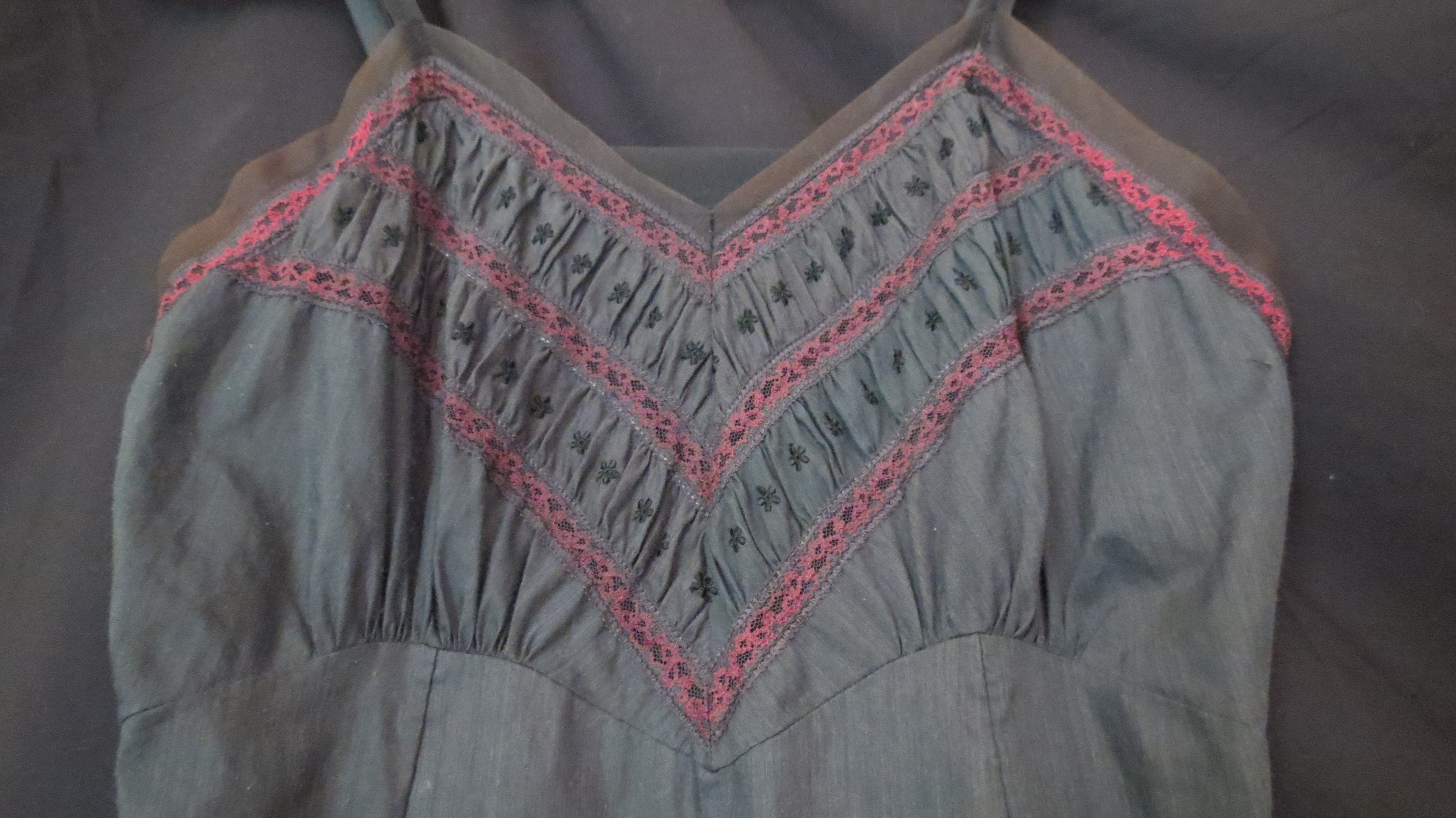
Too many photos to do both decades together! I’ll spread them out over 2 or 3 days instead. Here are a couple of pretty 1930’s frocks and their accompaniments. First, one that our Depression Era gal might have worn to town. Perfect for shopping and a movie. It’s a lovely crocheted lace over-dress with a matching acetate satin slip underneath. Look at the celluloid belt buckle, also died to match.

The second dress is a rayon sheath with an over-blouse look and Art Deco beaded decoration. She might have worn it to cocktails, dinner and dancing later. Probably, the hemline would have been midi-length on her figure. An acetate slip underneath would have enhanced the fit and it has such unusual decoration on the bodice.

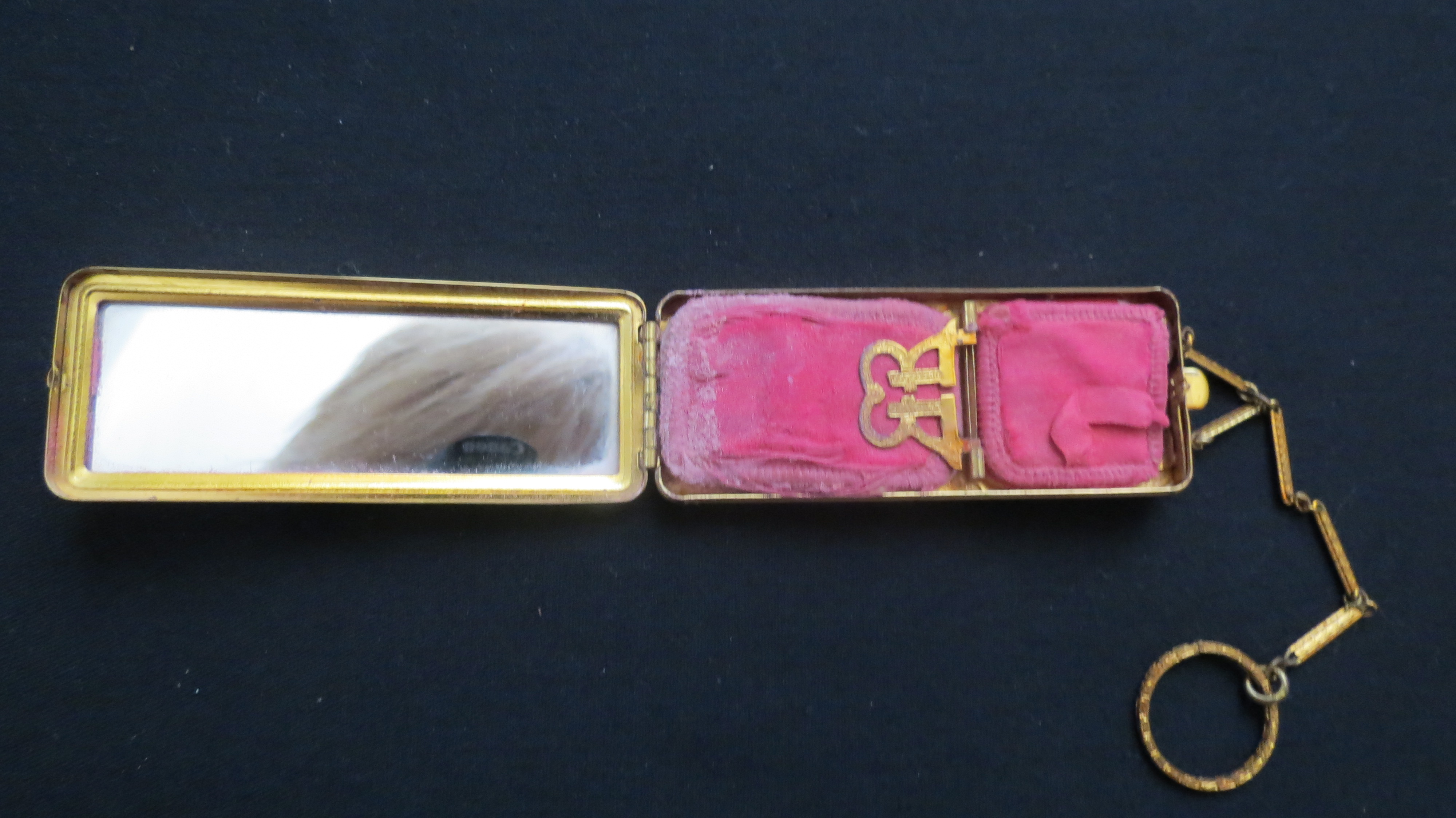
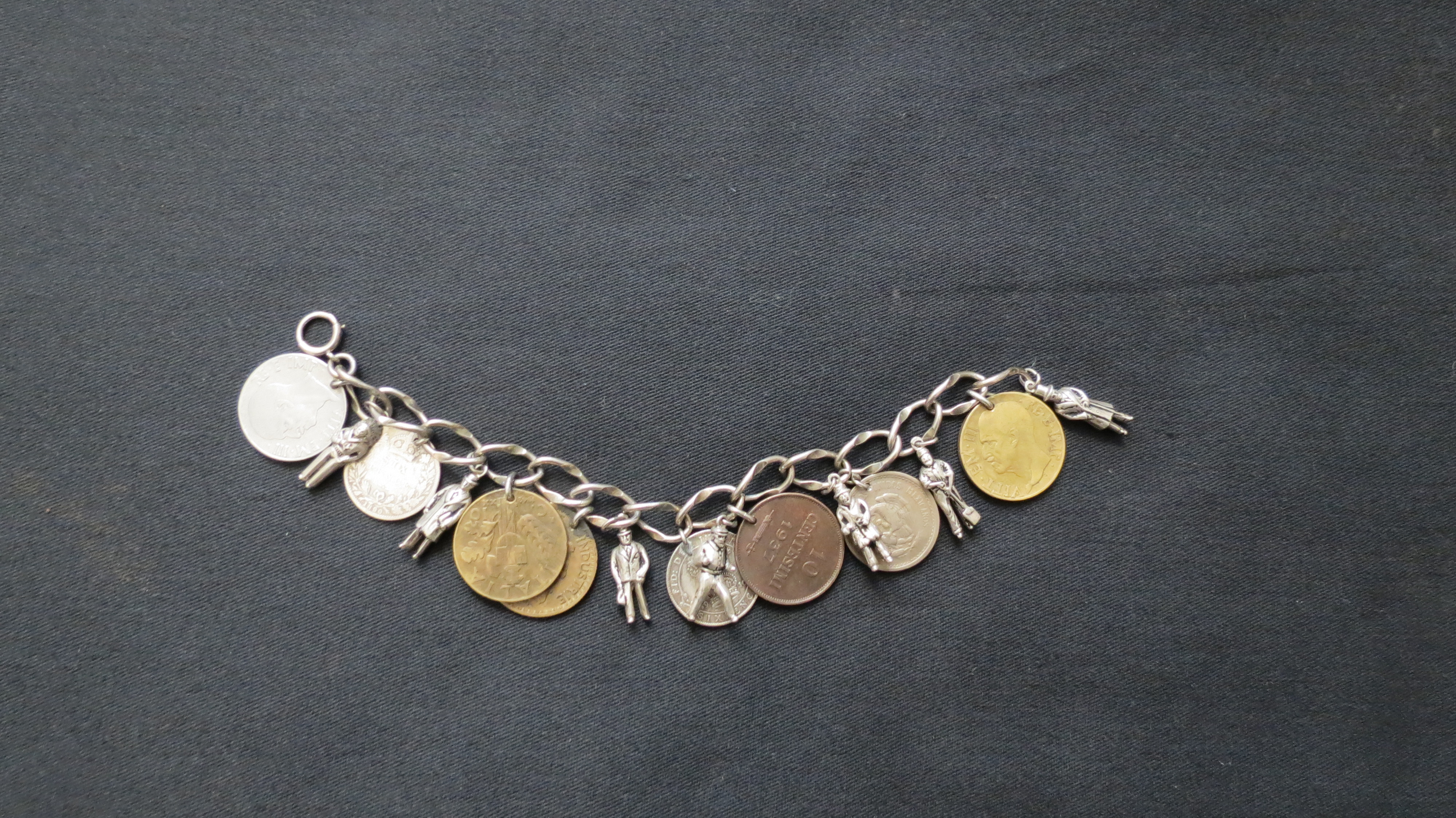
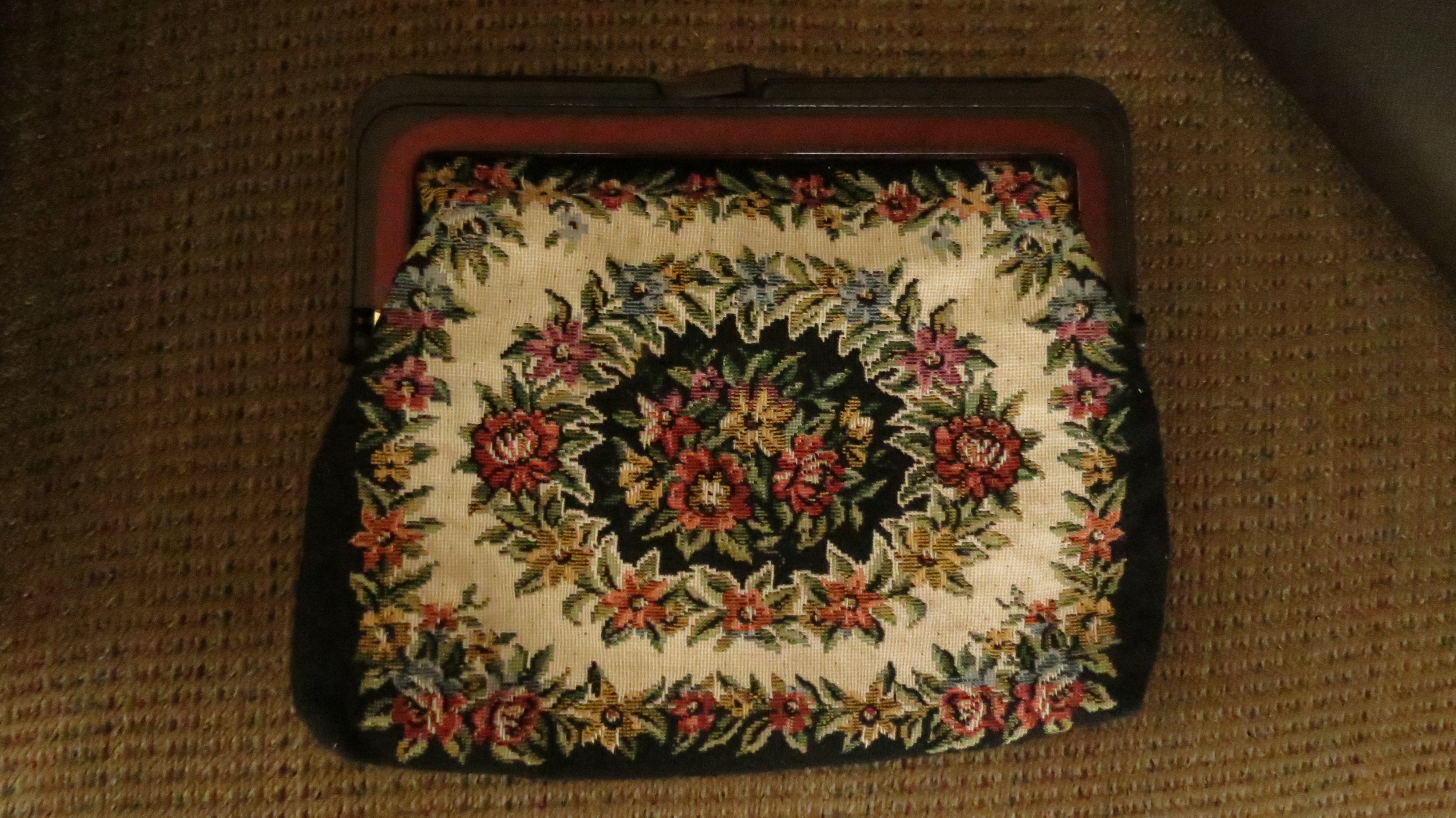
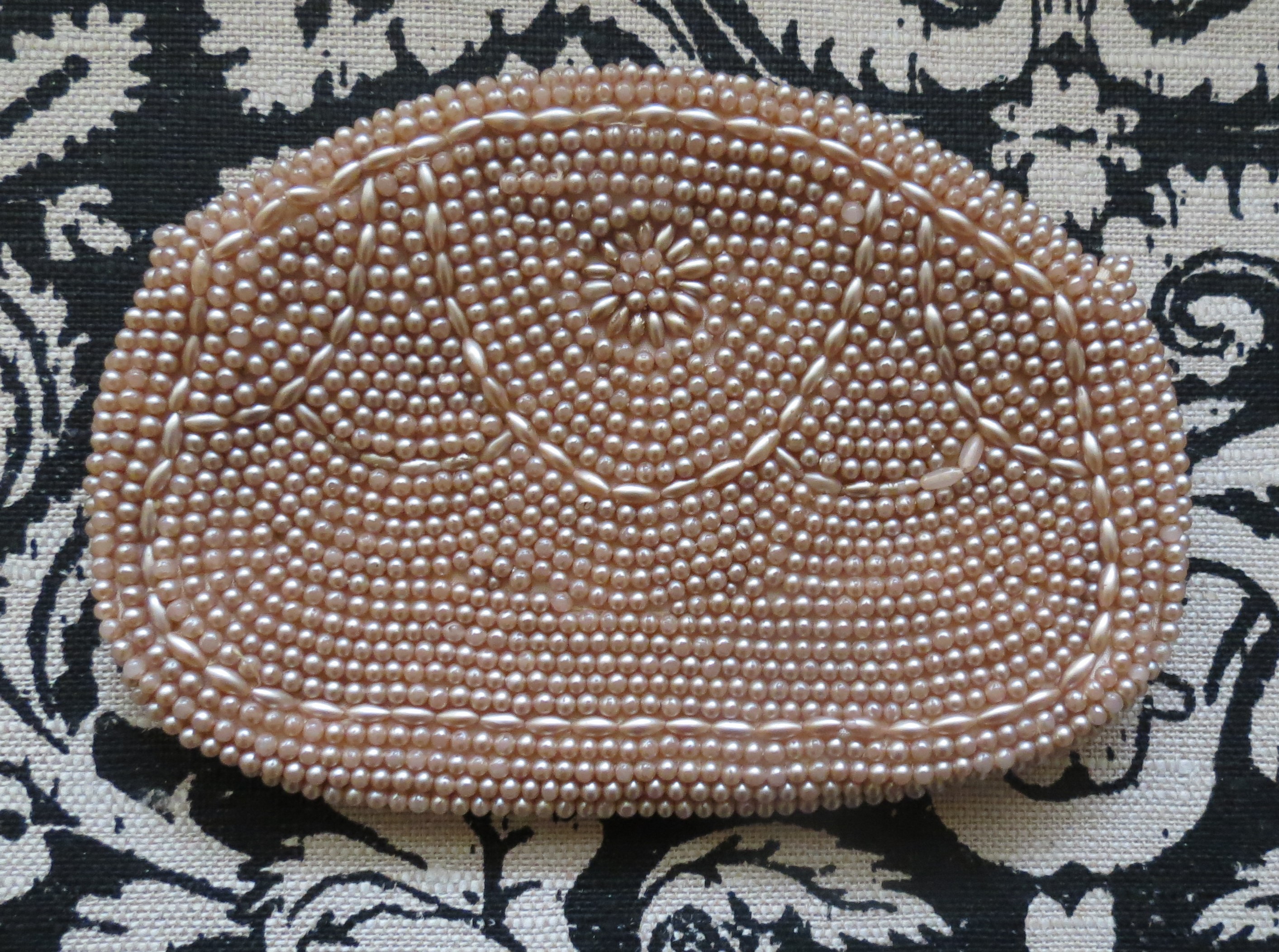
No matter where she was going, she might have carried a chatelaine rouge and powder compact and an antique needlepoint handbag. The clutch above also has a celluloid closure on the metal frame. The pot metal charm bracelet for daytime has European coins and Depression Era male figures dangling – a soldier, a laborer and a tycoon.

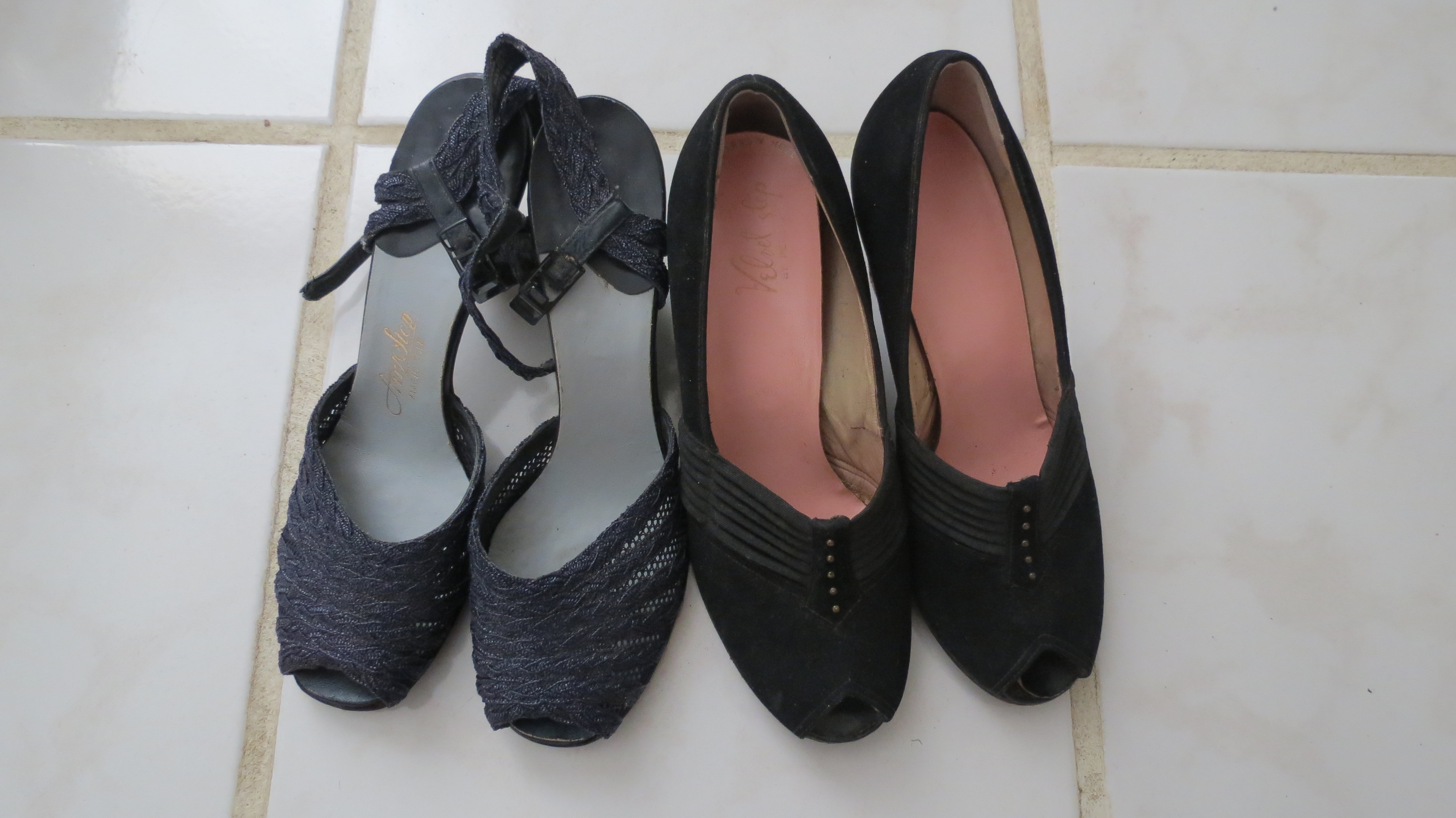
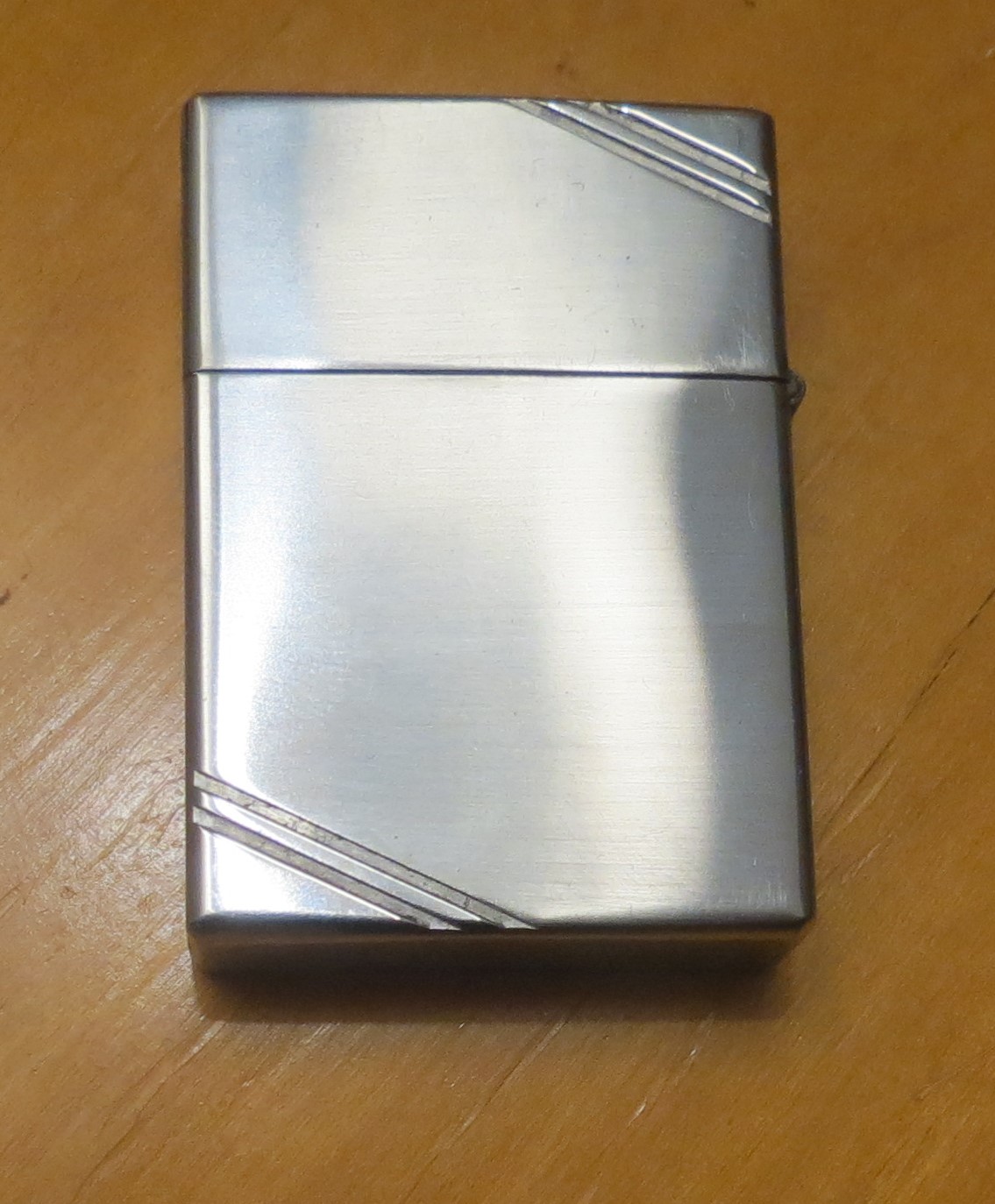
Pretty but practical shoes made for walking and dancing – and, of course, she can’t go anywhere without her 1930’s Zippo lighter. She’ll want to visit the smoking lounge during the movie matinee’.

Late Thirties – Forties tomorrow. Stay tuned . . . . . . . . . . . . . . . . . . . . . . . .

MORGANA MARTIN, THE MAGICVINTAGESPY

BLOG: MAGICVINTAGESPY.COM
TRUE VINTAGE 1940’s FORMAL DRESSES, PLUS A DRESSY 1930’s CLUTCH PURSE

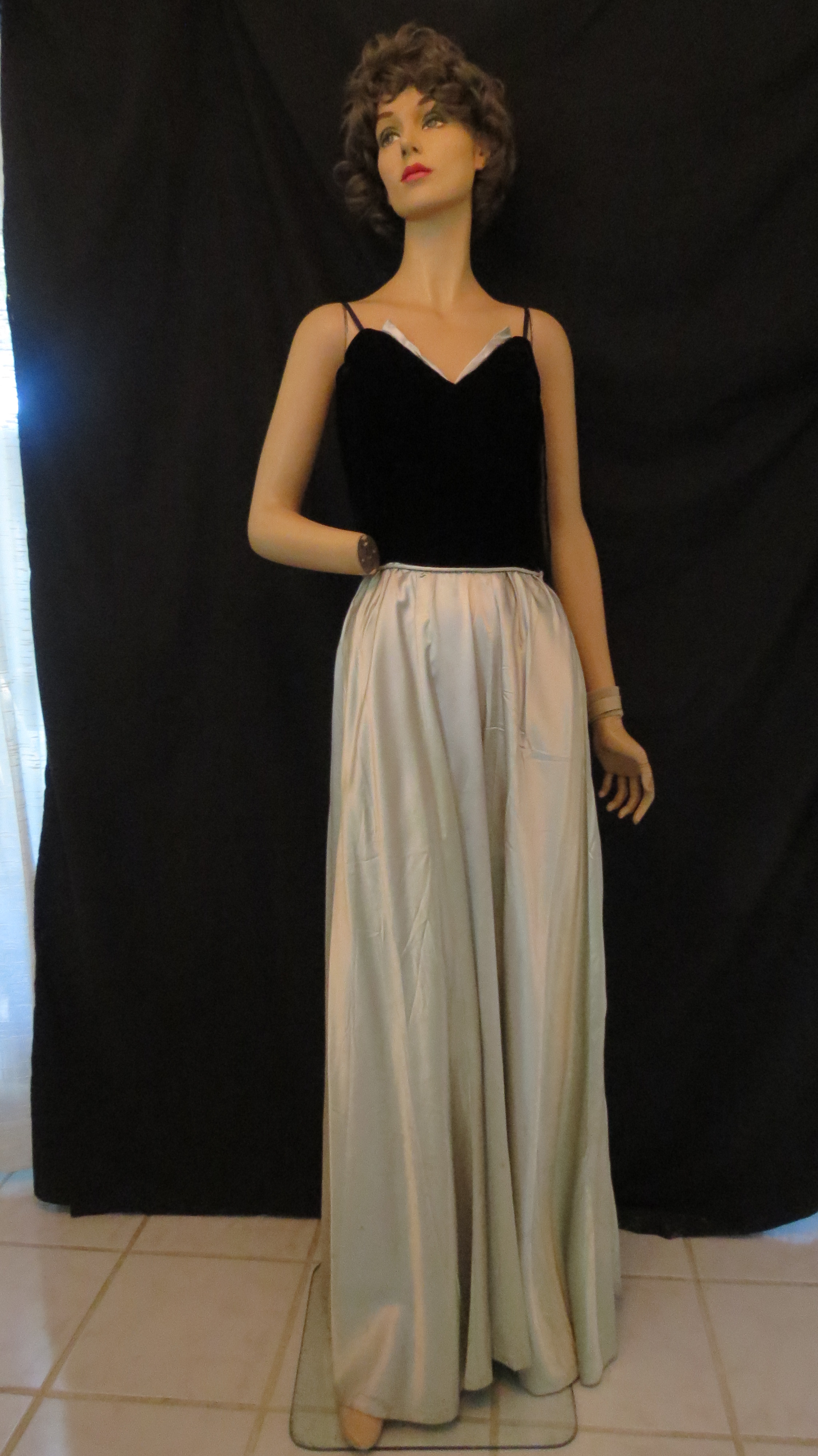
Beautiful, glossy fabrics – most of them synthetics – and lovely designs. I adore them all, but especially the first one. Let’s look at them one by one.

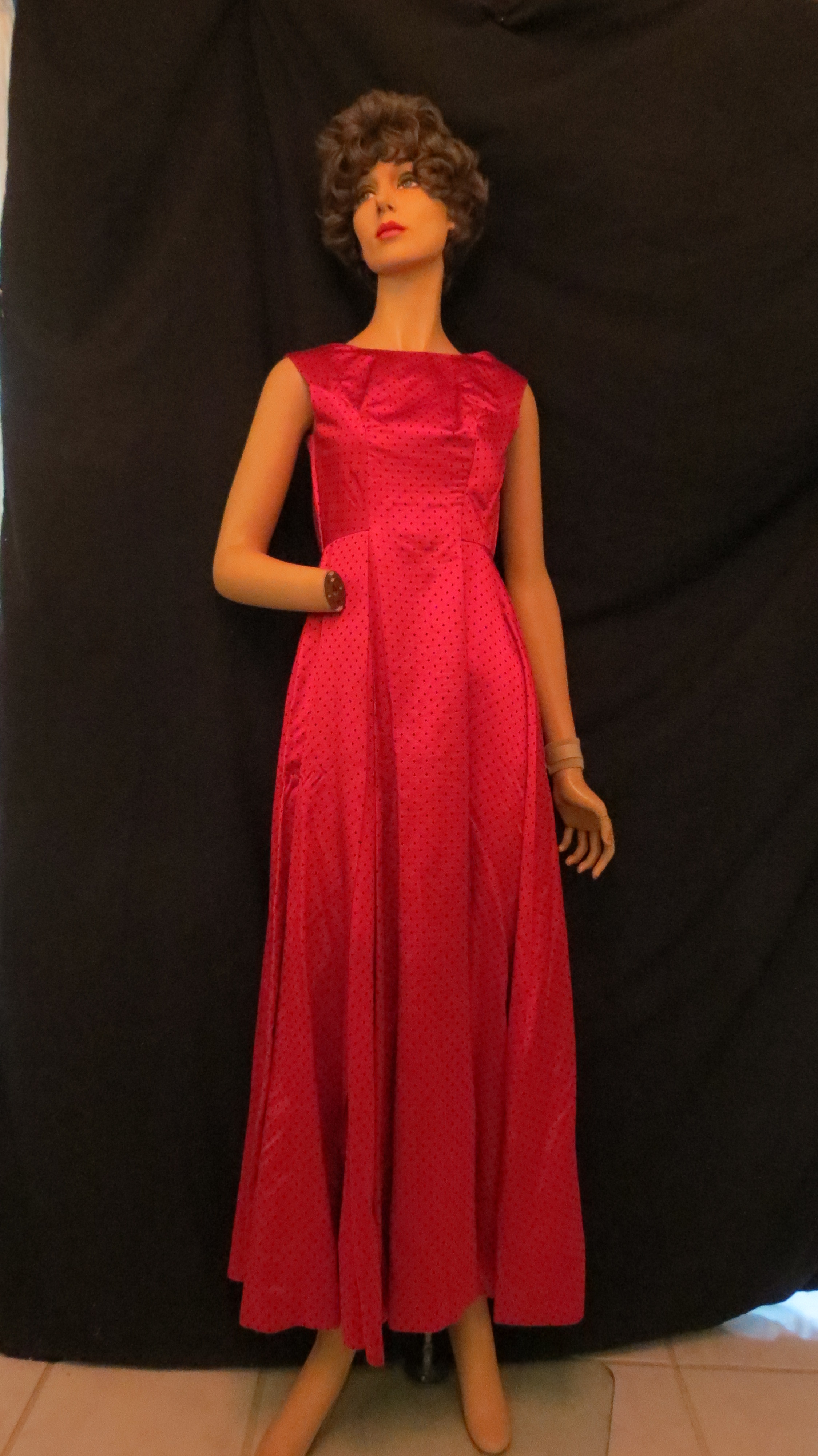
The first gown has a dark green velvet bodice, trimmed with the same pale green satin fabric that the skirt is made from. So flattering and luxurious. The bright red dress is a more conservative style, but still gorgeous. It’s made of an interesting fabric type which I’ve seen in other 1940’s dresses – it has a satin finish but with tiny black diamonds machine-embroidered all over. I suspect that this fabric, though lovely, was a more economical one.

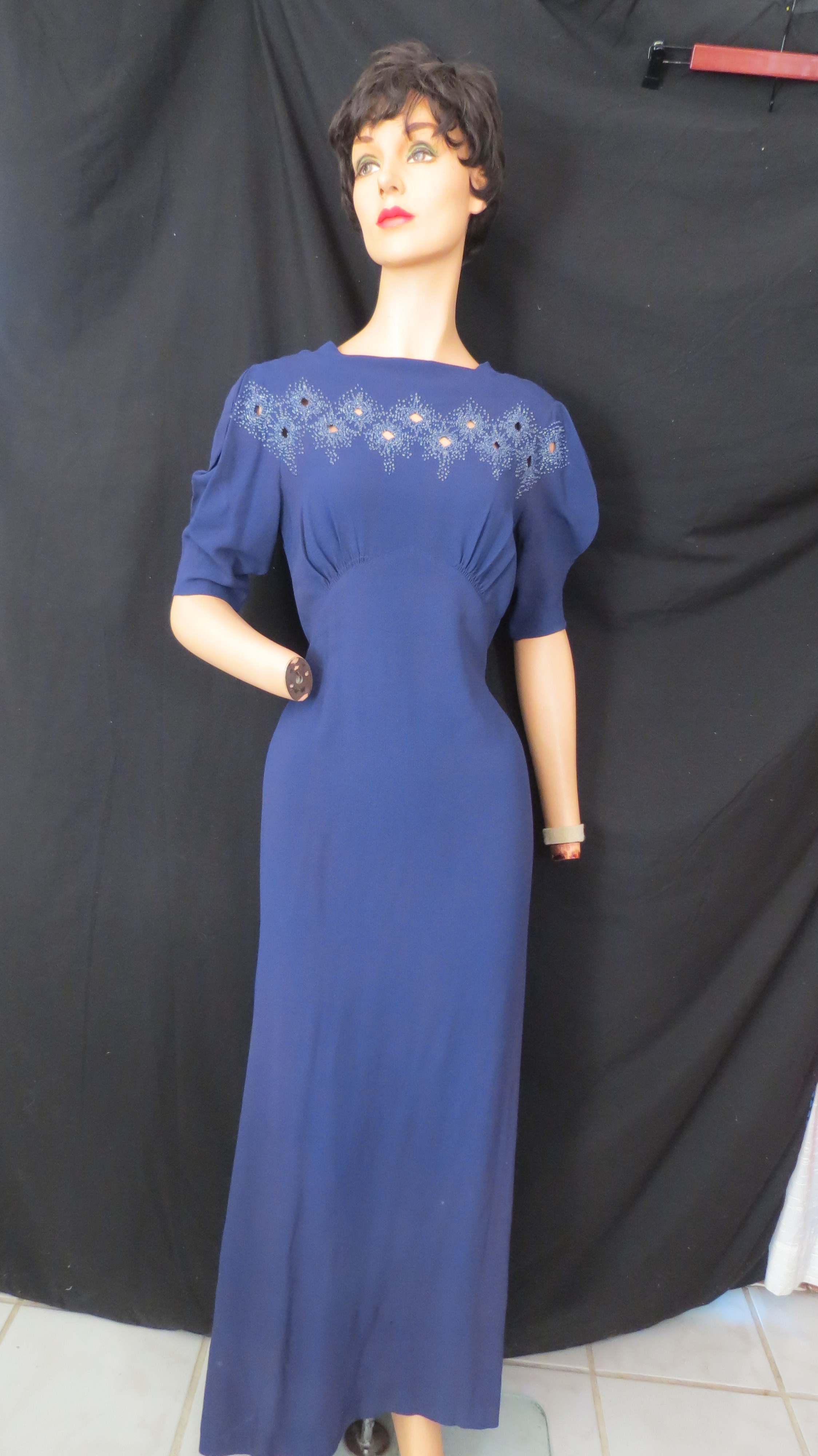
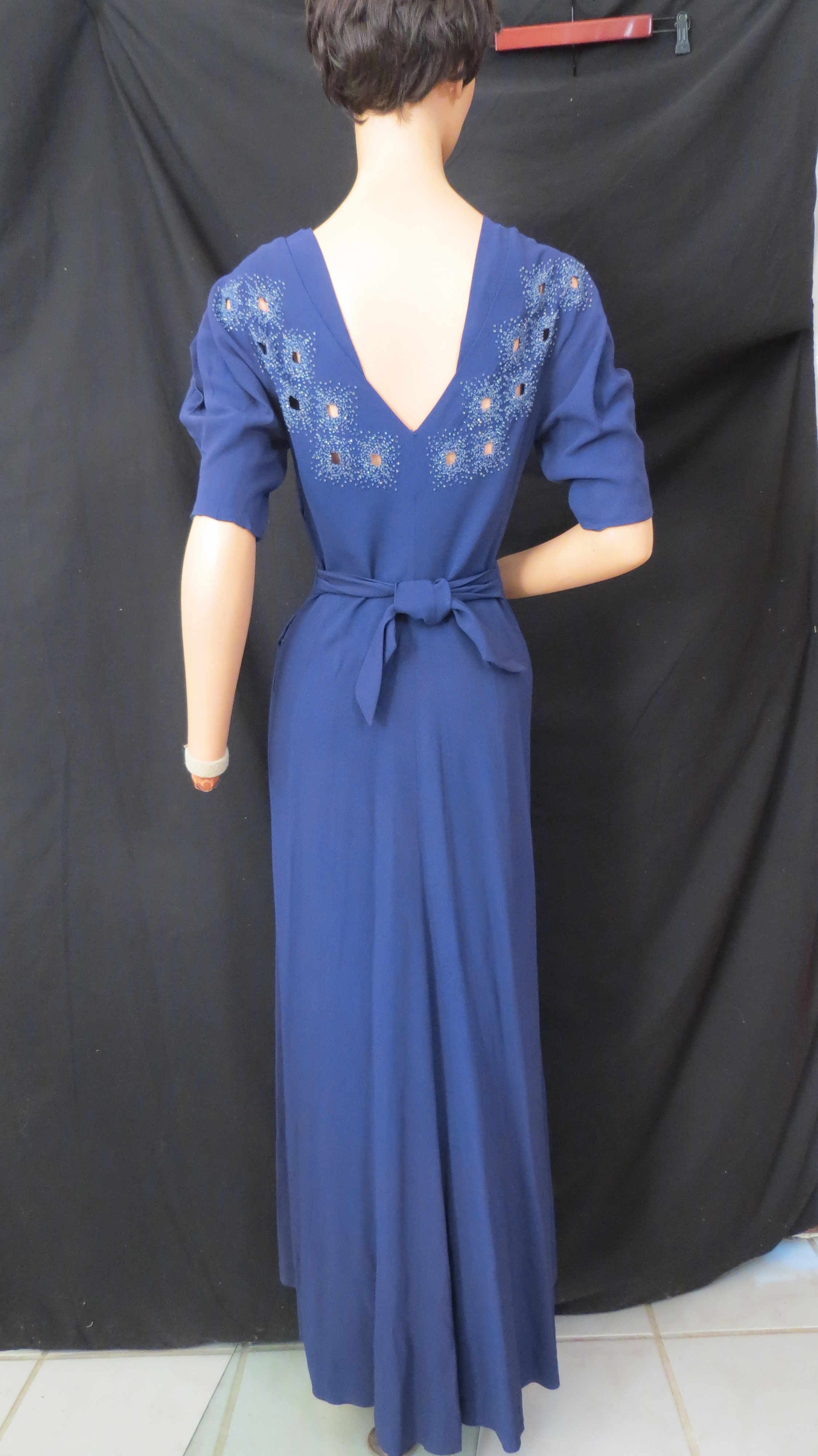
The blue dress was tailor-made by hand. It is sewn from a bias-cut rayon which gives it that wonderful, drapey fit. The atomic/stellar cut-outs surrounded by seed beads were all done by handwork. I love the cut of the sleeves and the way the bustline and waistline are finished. That back tie belt gives it a really wasp-waist fit.

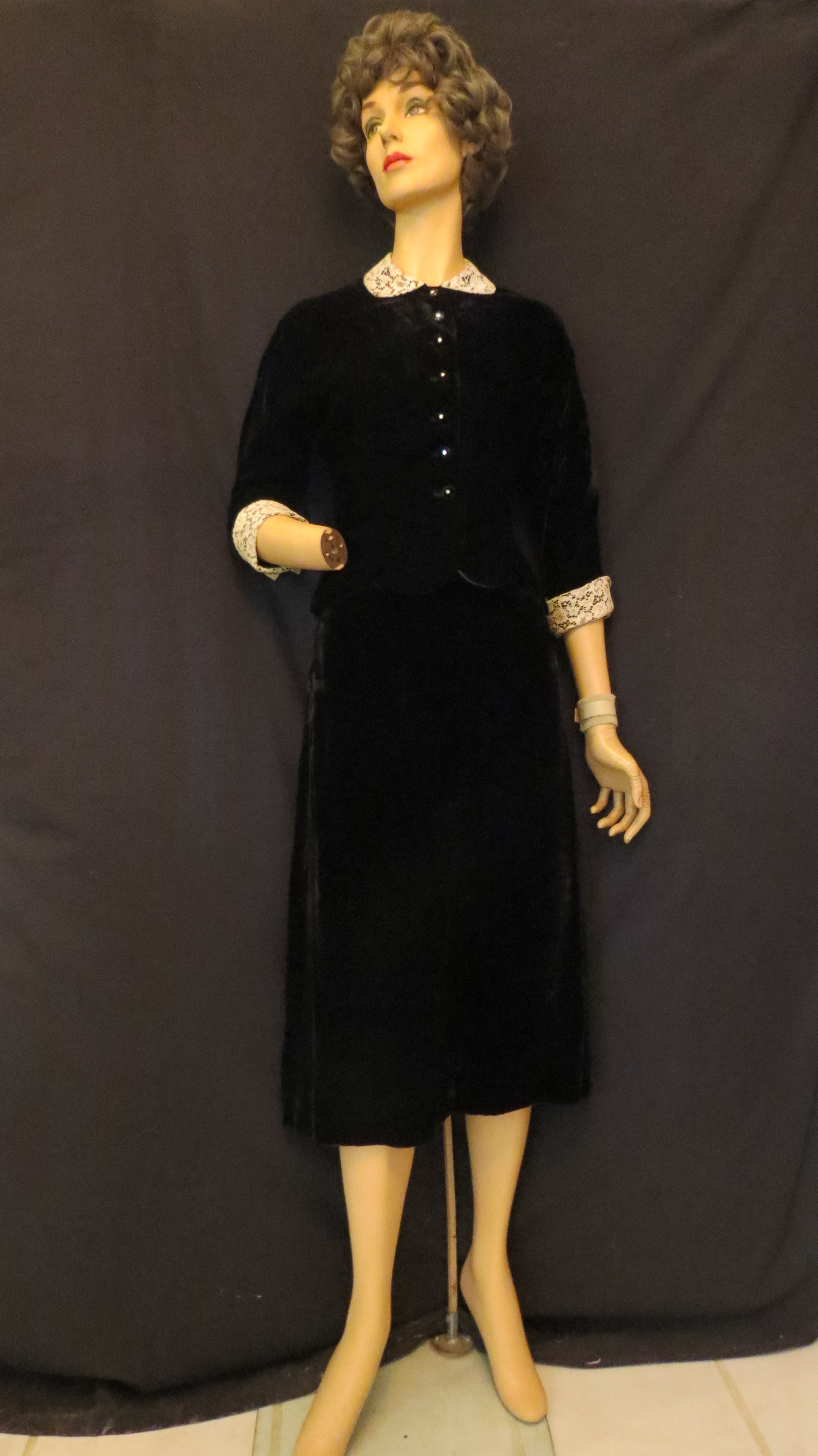
Finally, the black velvet two-piece dress is an entirely different design. Very proper and buttoned-up in velvet and crocheted lace, with rhinestone-center buttons.

Each of these gowns was a surprising and fabulous find. It’s rare to find 1940’s formal garments in the first place, and to find them in near-perfect condition is almost unheard of. The best bet is if they can be acquired from the original owner, or their estate. This is always a more informative clue when starting any investigation.

I’ve re-opened the 1940’s archives and am finding myself doing a deep dive there. Stay tuned . . . . . . . . . . . . . . . . . . . . . . . . . . .

MORGANA MARTIN, THE MAGICVINTAGESPY

BLOG: MAGICVINTAGESPY.COM
DETOUR! 1950’S DRESSIER FROCKS BEFORE WE MOVE TO THE SIXTIES

I just couldn’t head into the 1960’s without a display of some of the prettiest dressy frocks from the 1950’s and the fabulous nylon lingerie slips that might have been worn underneath. The first two pictured also have interesting remodeling stories.

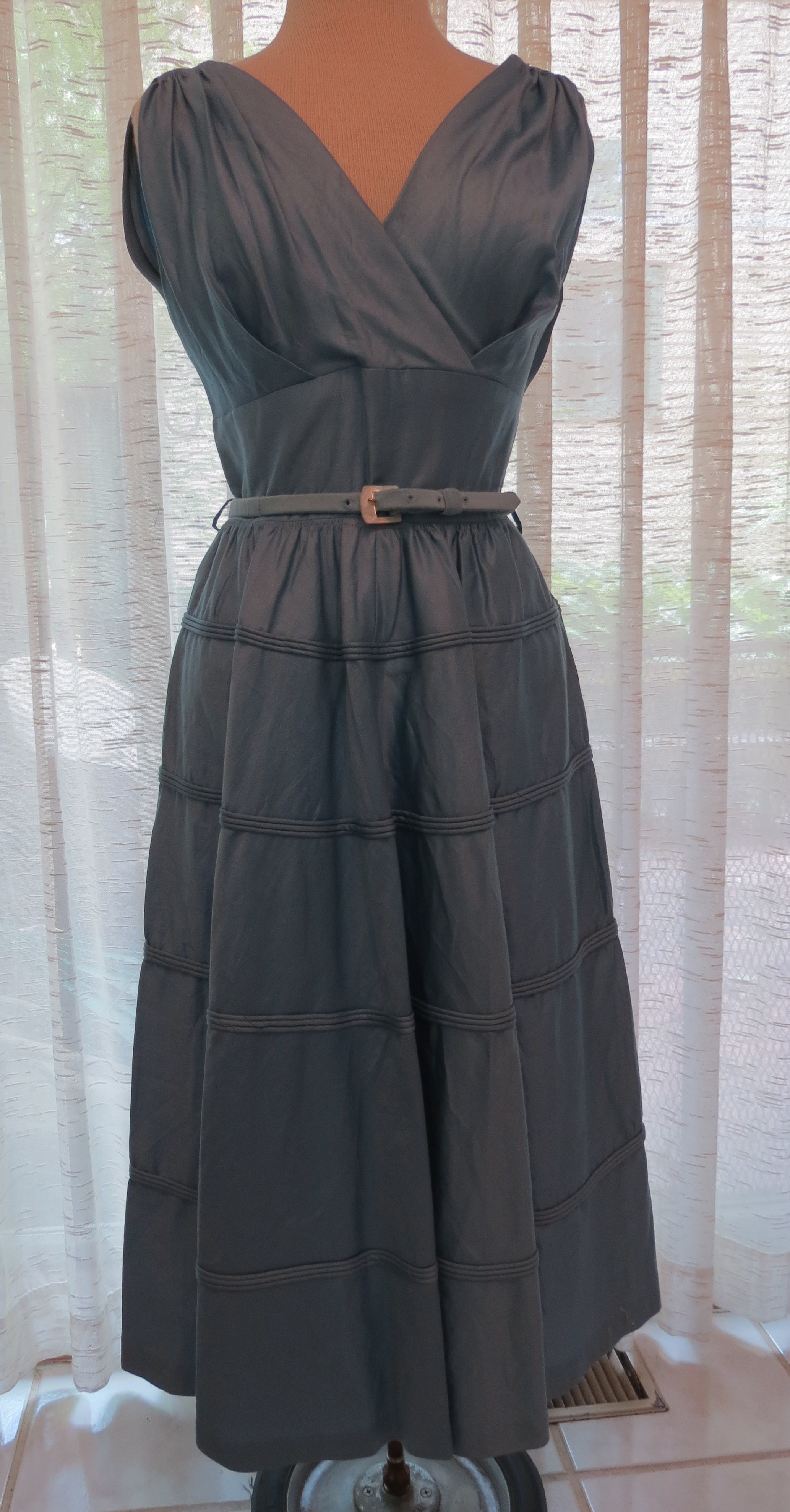
First is a beautiful, heavy polished cotton dress from the early 1950’s or, perhaps, the late 1940’s. It is absolutely gorgeous and falls to tea length. Polished cotton was a favorite fabric during the mid-century, before 1965 or so. As often happens, this frock had lost it’s belt somewhere along the way so I took some fabric from the generous hem and covered a skinny one by hand.

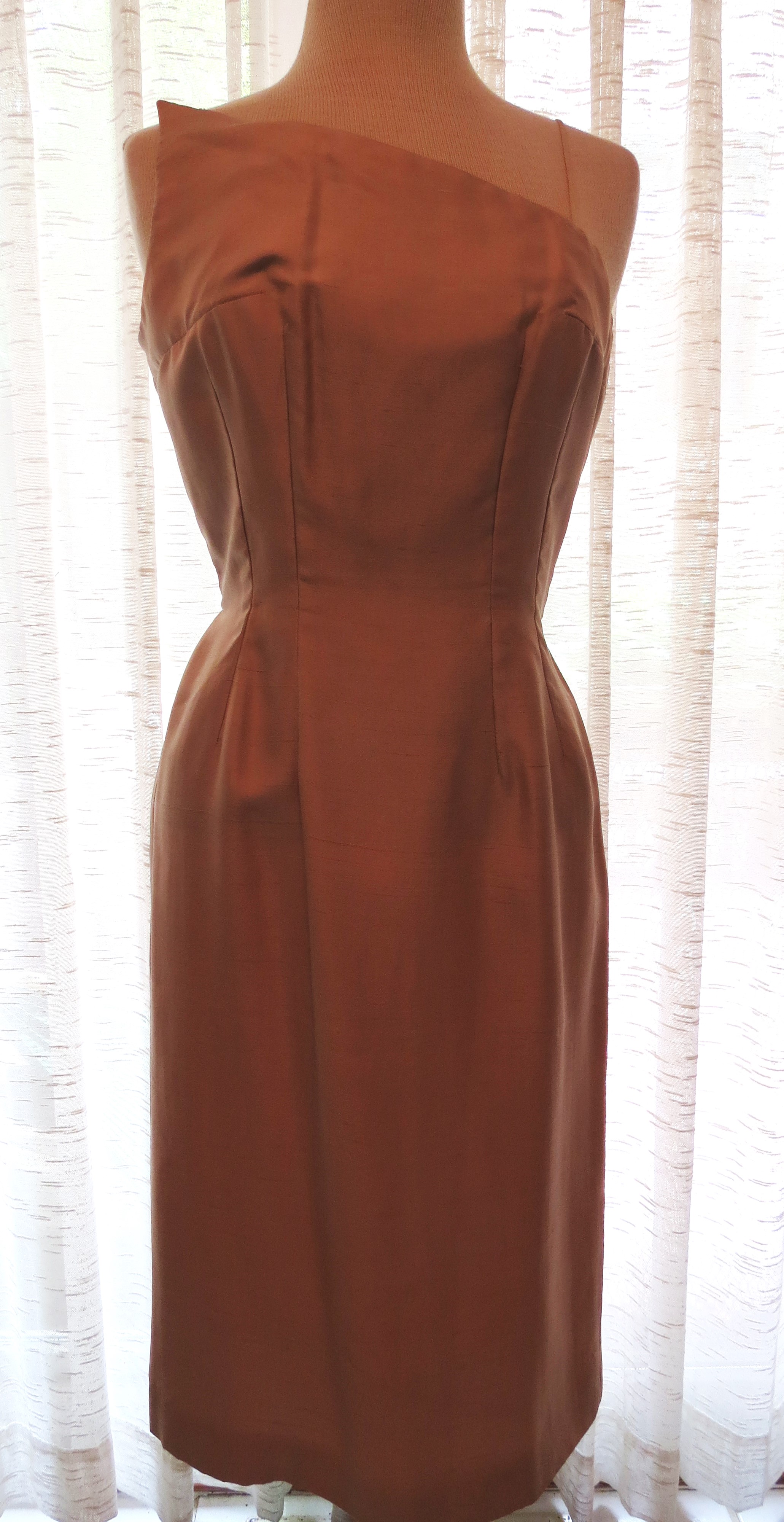
The mocha dress with the interesting shoulder line was a more ambitious remodel but still done entirely by hand. This wonderful wiggle dress is made of rayon fabric which looks like silk shantung. It originally had an upper bodice made of sheer fabric with cap sleeves. Piping finished the sleeves and round neckline. This design feature was such a popular one in the late ’40’s and early ’50’s but, alas, the sheer fabric had several holes that didn’t have a mending or patching option that I thought would do justice to the style. So, I chose to remove the upper bodice and secure the cut edges underneath. The back zipper didn’t have to be changed because it ended where a keyhole opening used to be at the back. I am very happy with the result, though I hate to change original designs.

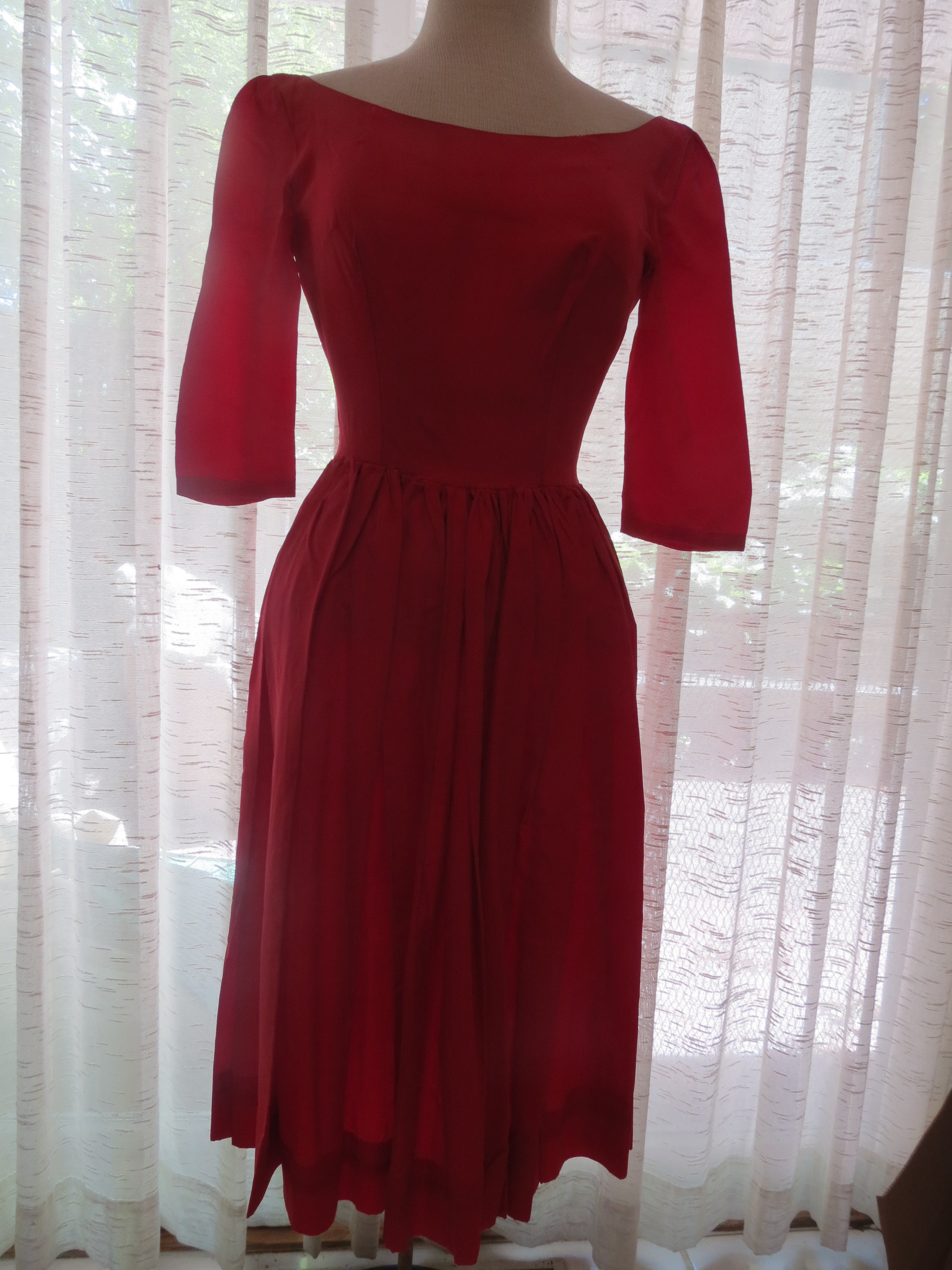
The RED party frock is a style that endured at least from the mid-1940’s until the early 1960’s. It’s a rayon fabric with midi hemline, 3/4 sleeves and a boat neckline – all of which I love. You can see how deep the hem is and, of course, the bodice and skirt are fully lined.

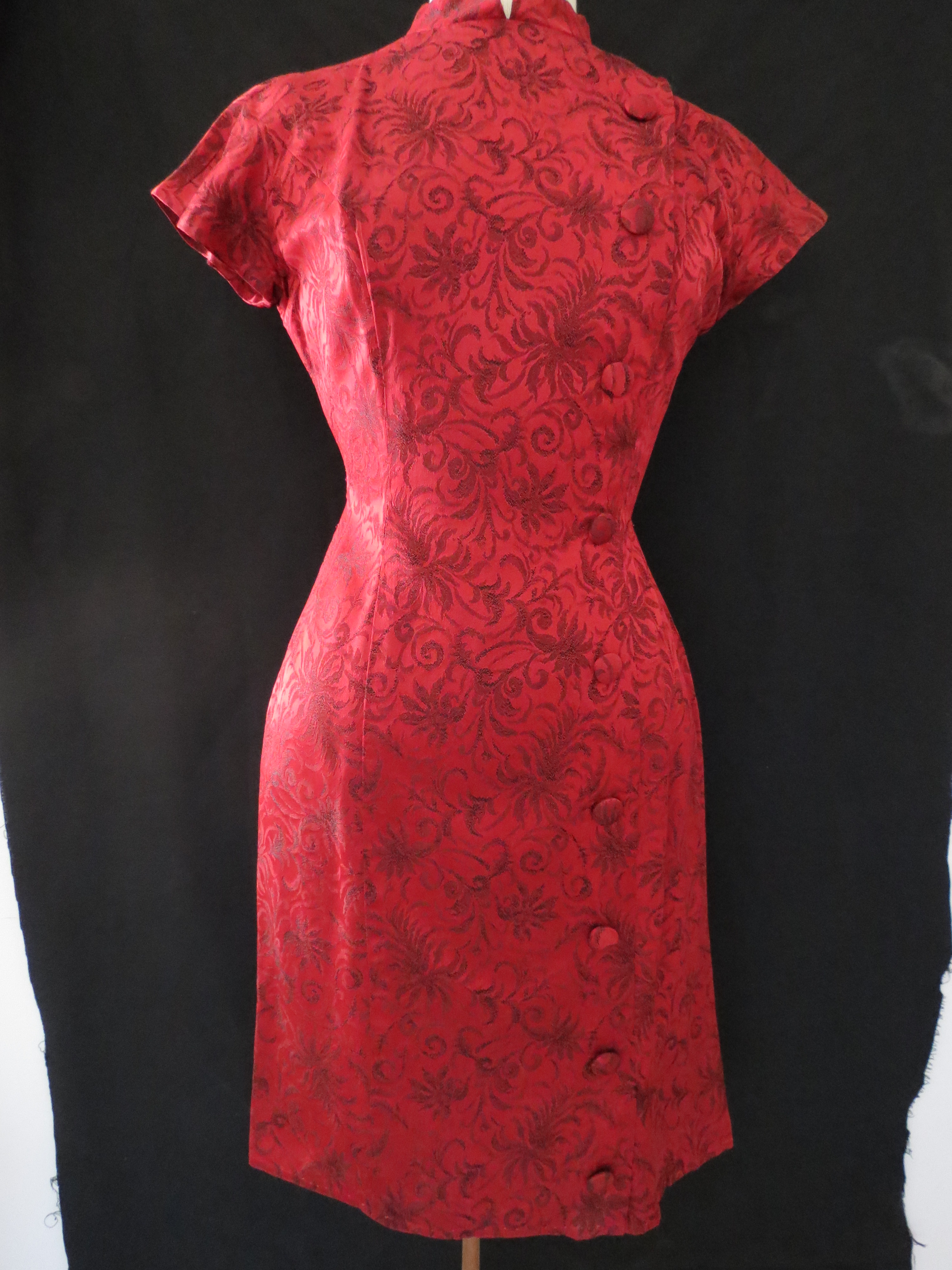
Finally, the red jacquard cheongsam-style sheath is a fashion that became quite popular in the Fifties and Sixties, probably a carry-over from WWII when Asian culture became better known in the West and the female spy, Mata Hari, became legend. It carries on the wiggle cut and cap sleeves which were common then. Overall, this was a decade of very flattering and well-made ladies’ garments.

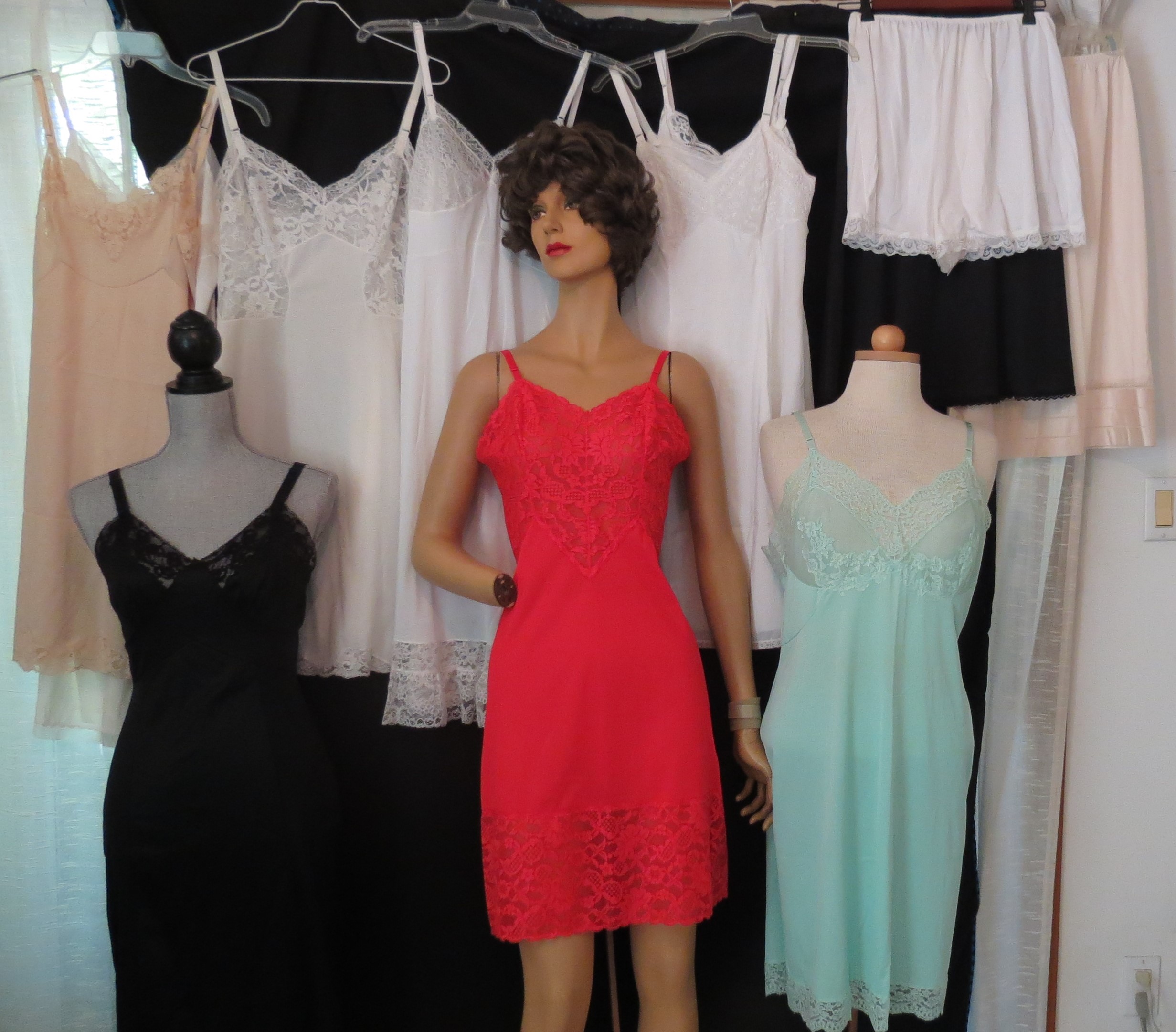
We finish off with a photo of luxurious nylon slips from the 1950’s, with their fabulous fabric and pretty decoration in some of the luscious colors that were available. We WILL do 1960’s dresses tomorrow. Stay tuned . . . . . . . . . . . . . . . . . . . . . .

MORGANA MARTIN, THE MAGICVINTAGESPY

BLOG: MAGICVINTAGESPY.COM
True Vintage Mod-style Special Event Long Dress from the Early 1960’s

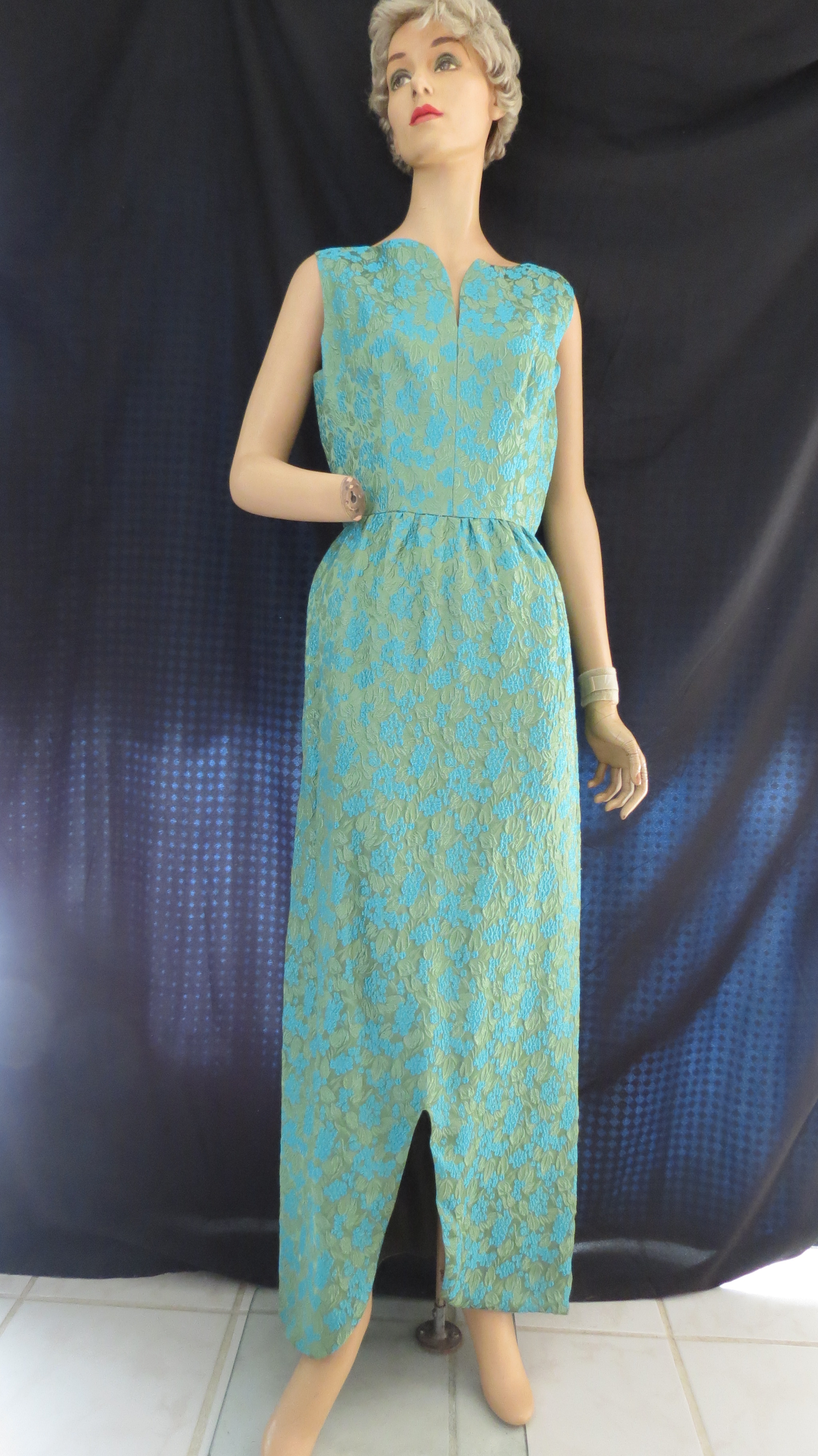
From just a year or two later, compared to the frock shown yesterday, look how different the style is! This dress would have been made in 1962 or 1963, when the blue plus green craze was all over the marketplace – in clothing and home fashions. It was a thrilling find because I know it’s history since I got it from the seamstress who made it. She regularly tailored dresses to wear to faculty events at a university.

Medium-weight synthetic fabric, with a brocade-look weave. It just says Spring, and the beginnings of Mod. Sleek and slim, rather than fussy or poufy. A new kind of feminine style. We’ll be in totally different territory again tomorrow. Stay tuned . . . . .

MORGANA MARTIN, THE MAGICVINTAGESPY

BLOG: MAGICVINTAGESPY.COM

Early 1960’s Pleats! A Semi-dressy Pleated Skirt on a Wasp Waist Party Dress

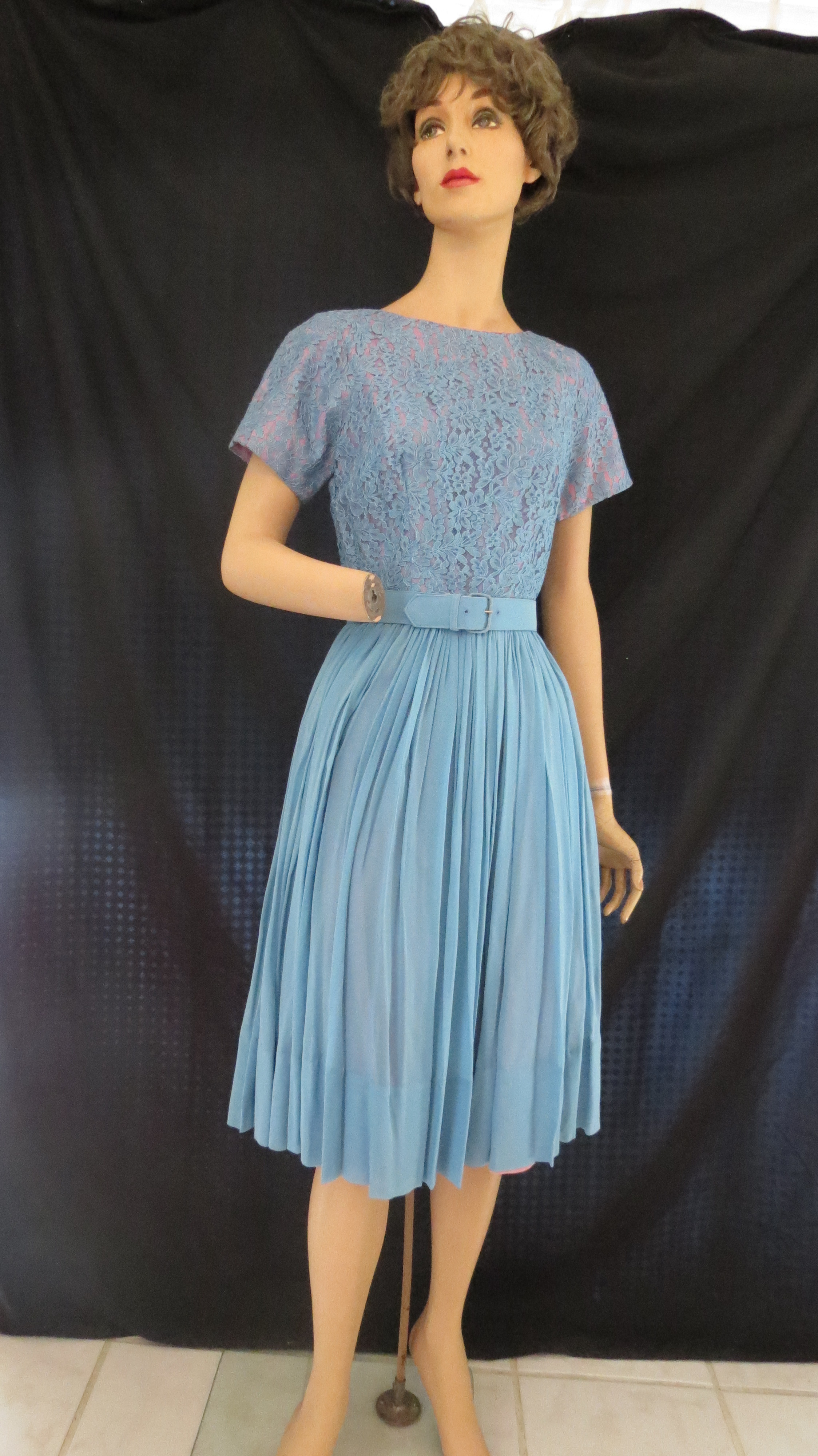
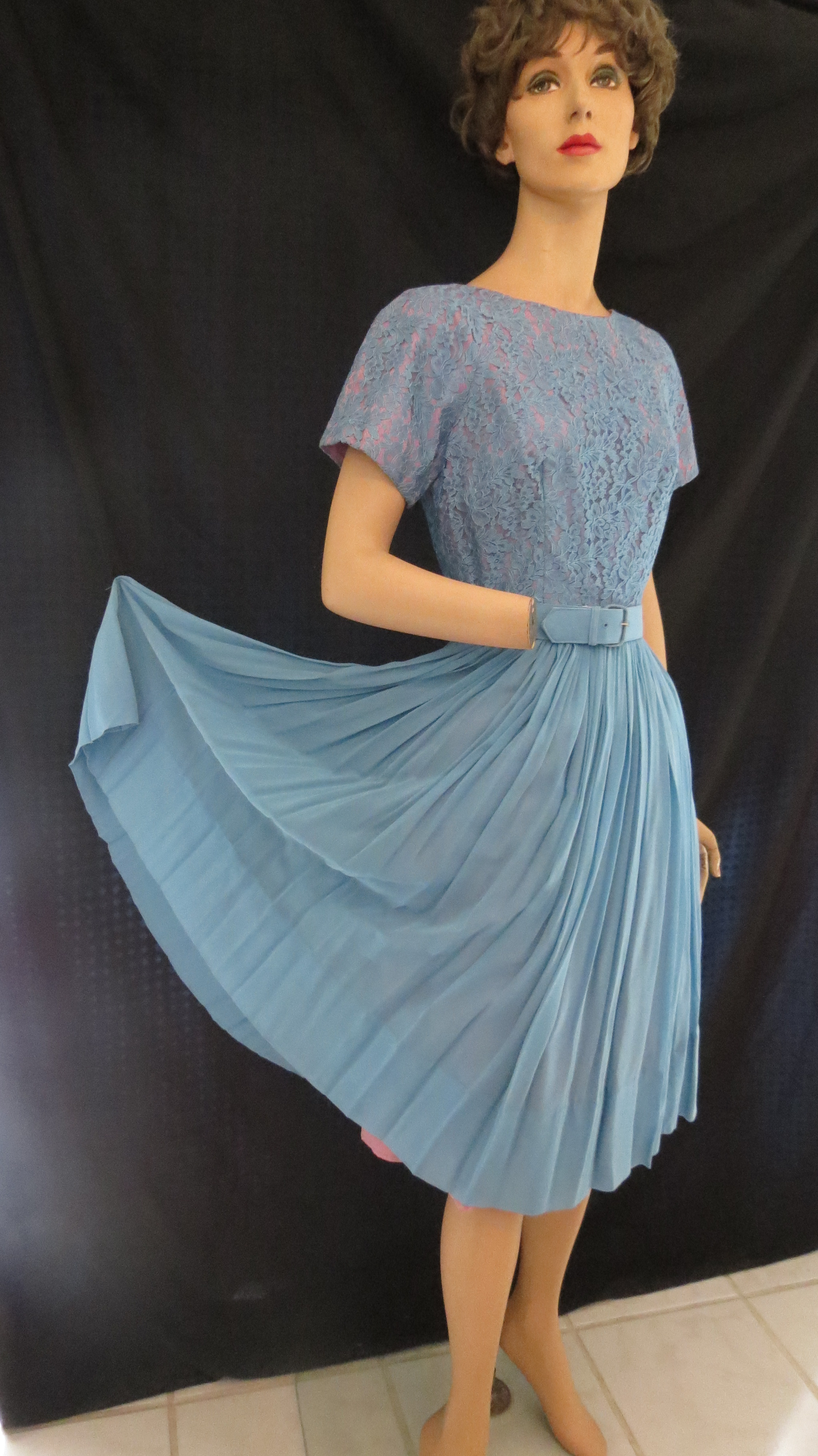
Pleats have been popular fashion for centuries (think Scotsmen’s kilts!) but they seem to have trendy moments once or twice a decade. The early 1960’s was one of those times. We’ve also got the repeatedly ever-popular shirtdress style and the lace overlay, which were also mega-popular in the Kennedy era. The unique feature of this frock is the contrasting color underneath the lace bodice and sheer fabric of the skirt. We’ve got a dark robin’s egg blue hue over a rosy lavender color that gives us a light magenta tint. You can see a bit of the under-skirt liner peeking out below the hemline. So unexpected! I’ve found only one other dress of that time that did this lace overlay color play, so it was a fad to a small extent.

Sheer over opaque again. That will never stop, but every few years produce a very different look, even if some features remain the same. Staying in the ’60’s but with very unique designs coming. Stay tuned . . . . . . . . . . . . . . . . . . . . . . . . . . .

MORGANA MARTIN, THE MAGICVINTAGESPY

BLOG: MAGICVINTAGESPY.COM
Pretty late 1950’s – early 1960’s Spring Formal Dress

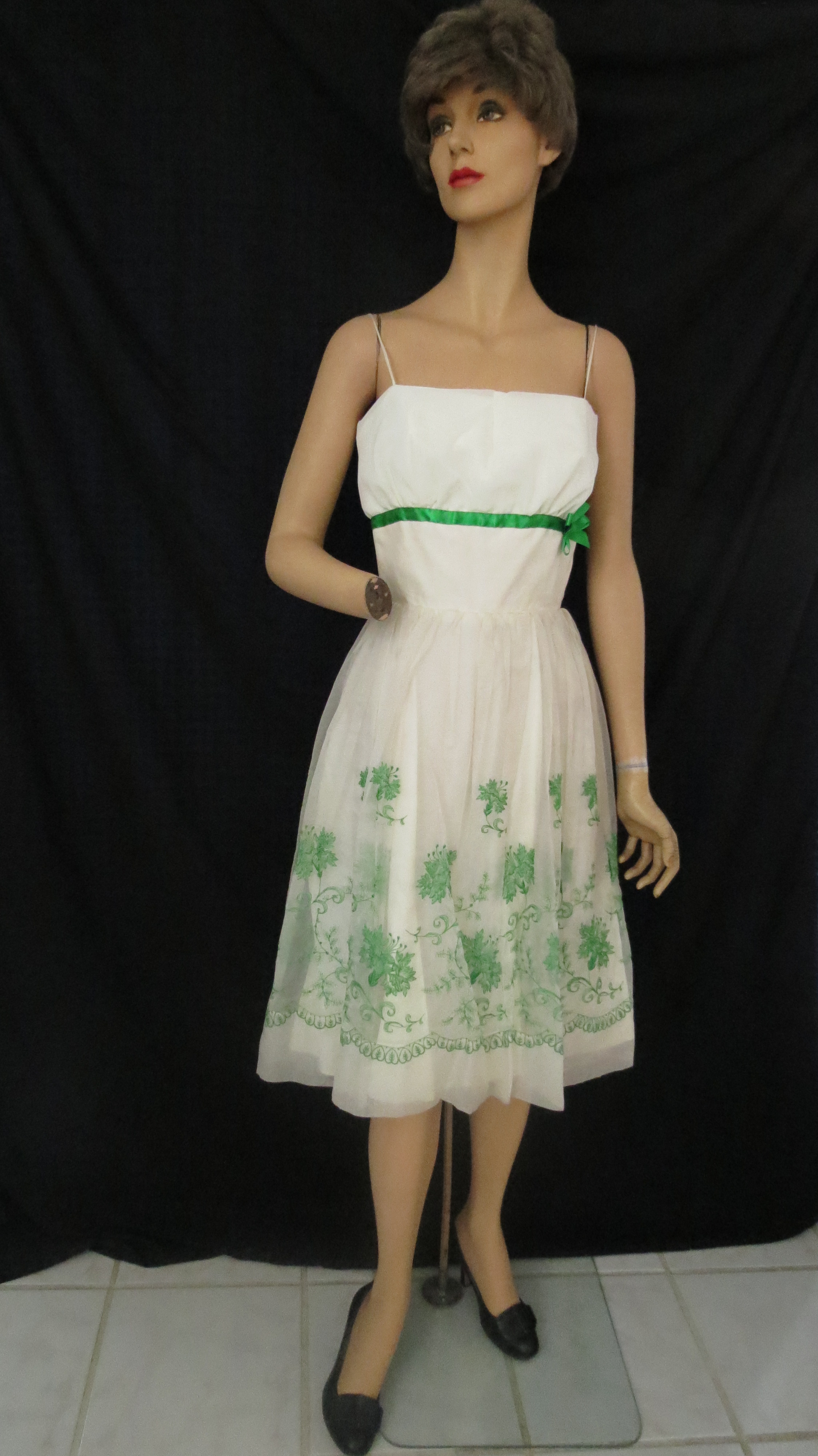
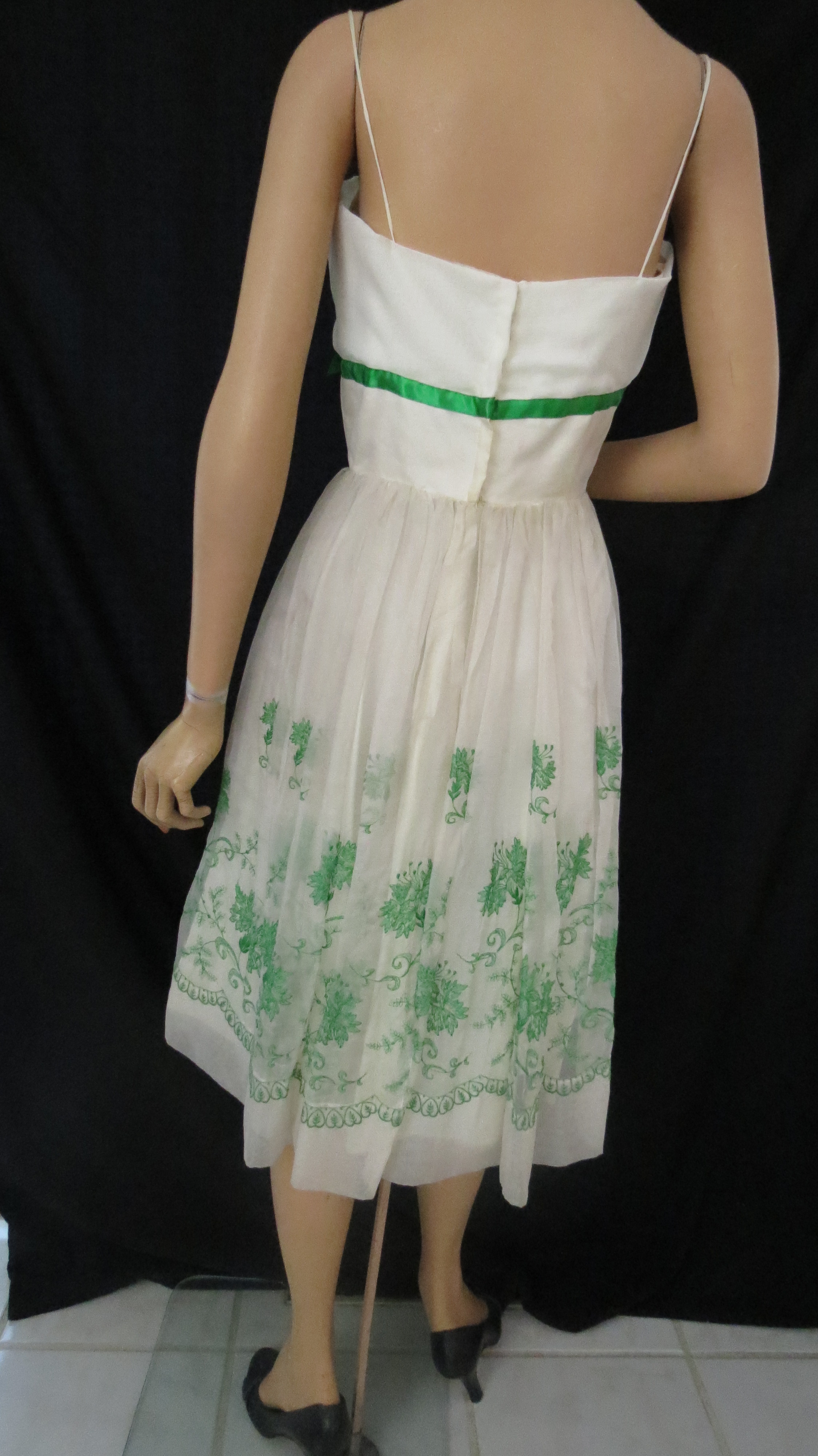
We’re definitely ready for COLOR, and this is the time of year for that. Good thing that Winter and early Spring were big times for semi-formal events. While it’s still so cold, people were happy to attend parties and dances to add some excitement to their stay-at-home-as-much-as-possible days. The dress is still white, but there’s greenery peeking out of the snow. Even looks a little like St. Patrick’s Day to me, if Stella is planning ahead . . . . . . . . . .

The skirt is still poufy, but not as stiff and puffy as several years before. Sheer fabric over opaque is still the construction standard. Tailoring is still impeccable and the interior label identifies it as a design by Harry Keiser. There’s a little martini glass embroidered there, too, so this style might have been intended to double as a cocktail dress or perhaps they were the specialty of this company at the time.

No matter what the details, It’s a Party! and our gal is going to have fun in style. Stay tuned . . . . . . . . . . . .

MORGANA MARTIN, THE MAGICVINTAGESPY

BLOG: MAGICVINTAGESPY.COM
Two True Vintage Sophisticated Early1960’s White Frocks – for a Modern Wedding?

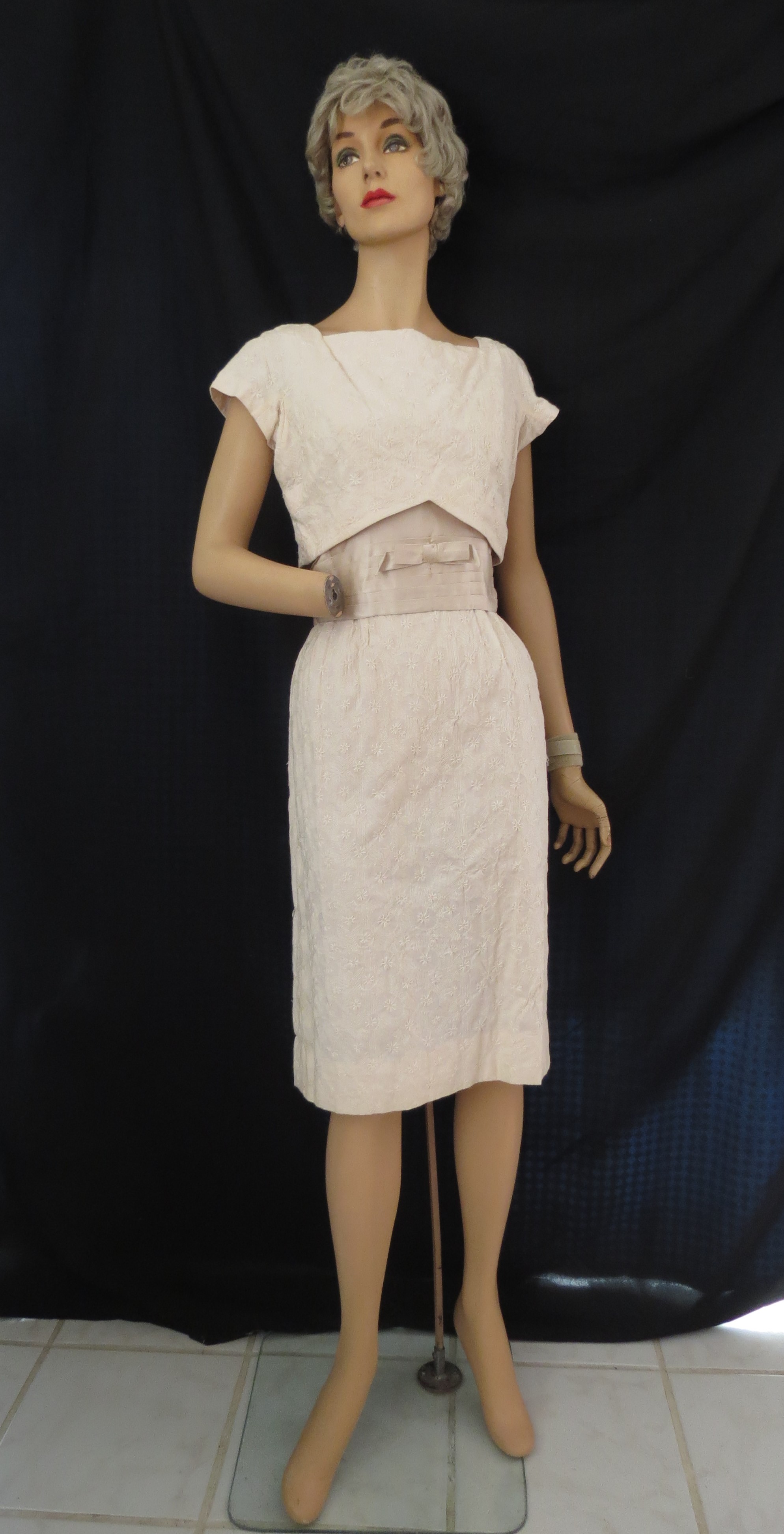
These lovely dresses are so similar that they should be shown together. Gorgeous dresses with beautiful textured fabric, fitted sheath style with unique bodice design and impeccable tailoring. Both so flattering with body-skimming fit and defined waistlines. So non-traditional, but perfect as wedding costumes – don’t you think?

Unusual and wonderful finds!

MORGANA MARTIN, THE MAGICVINTAGESPY

BLOG: MAGICVINTAGESPY.COM