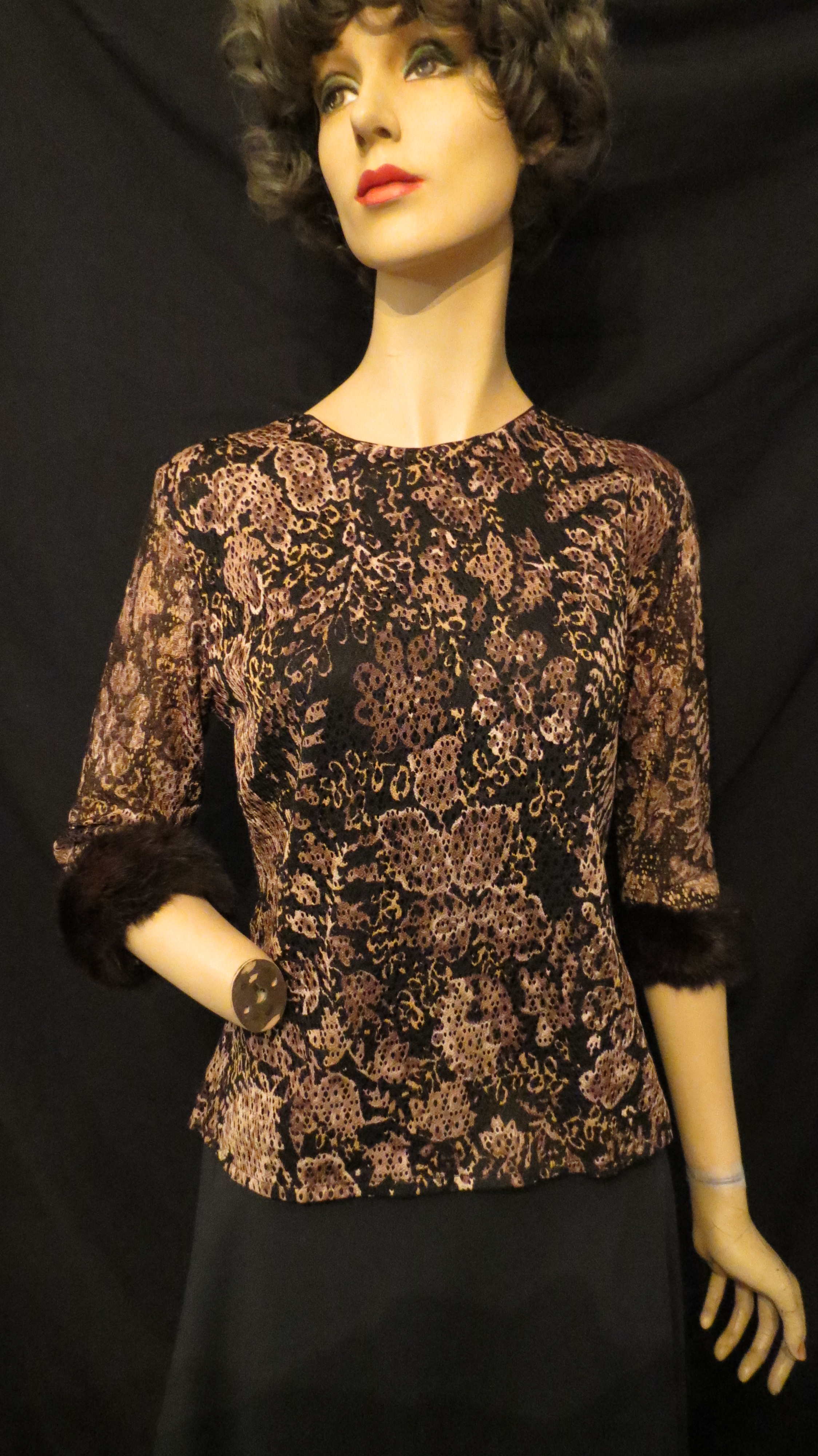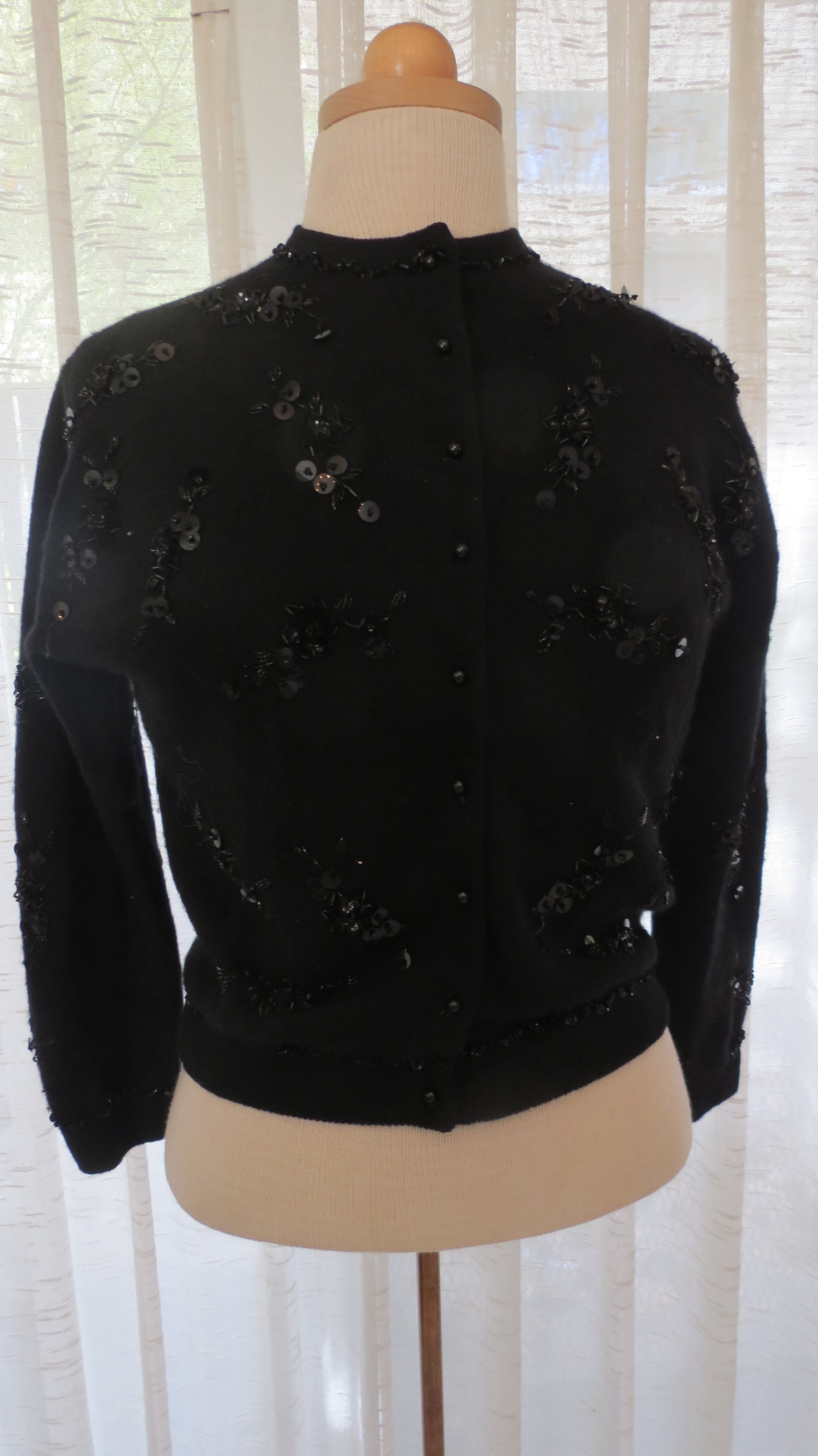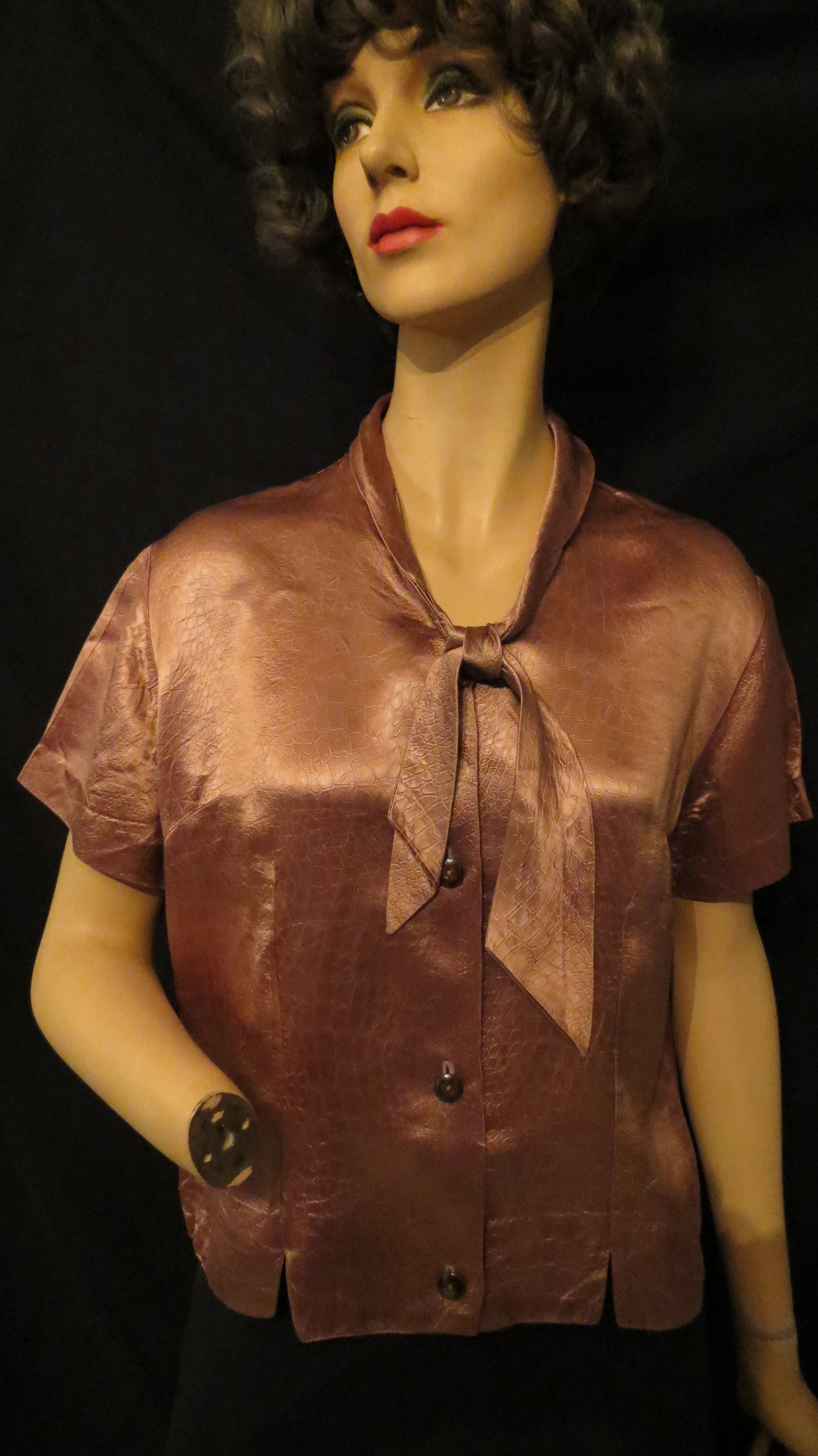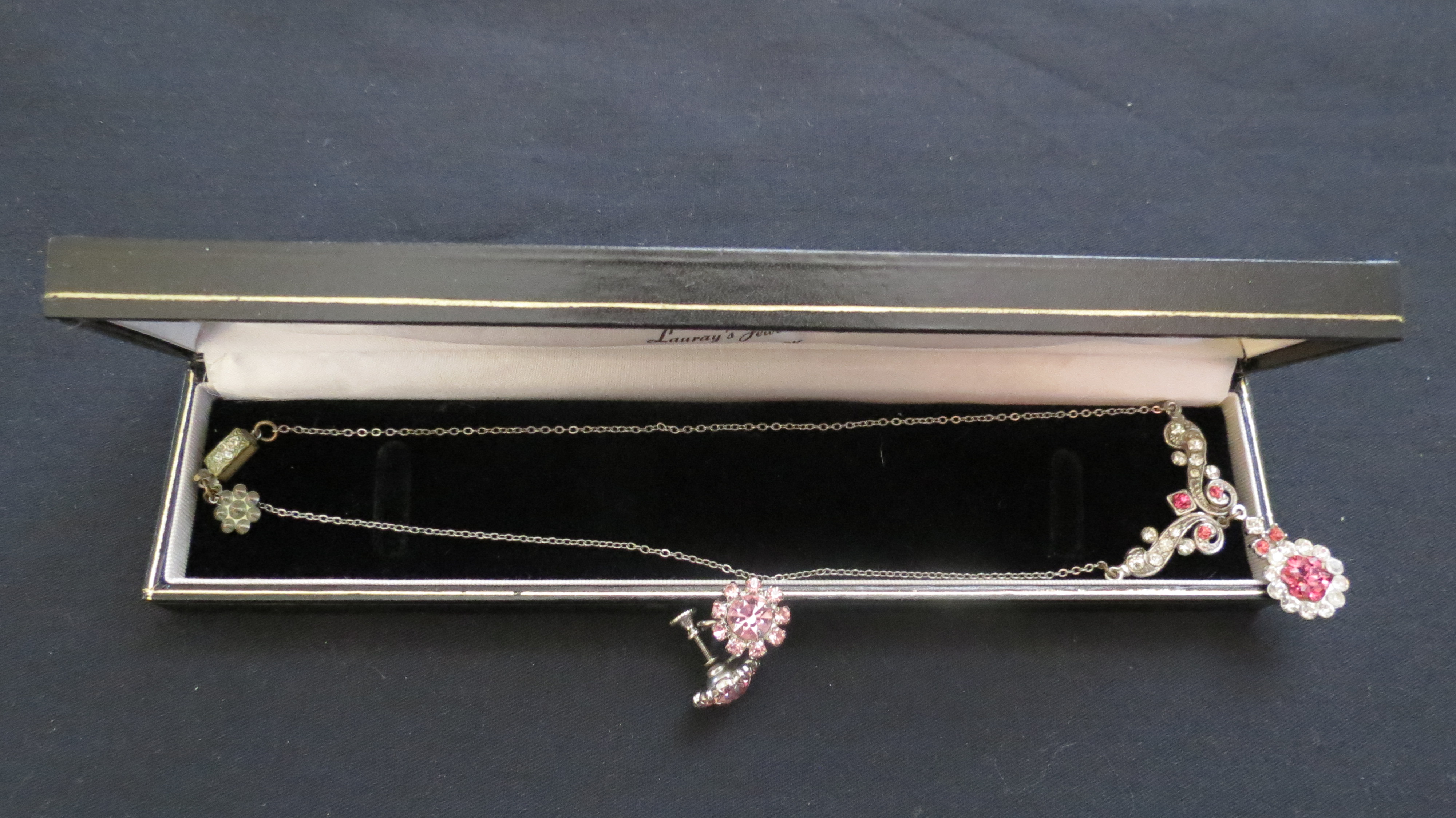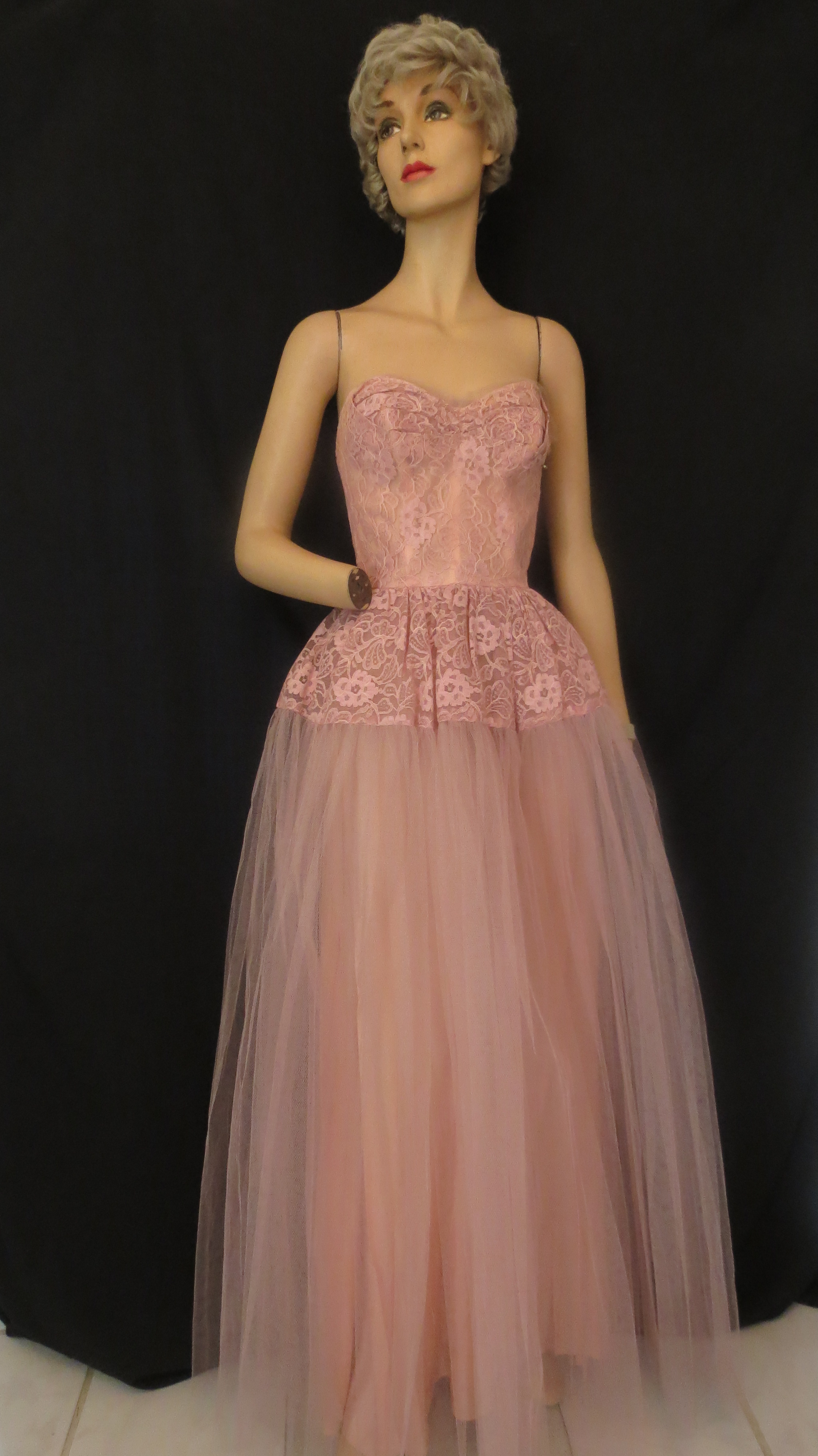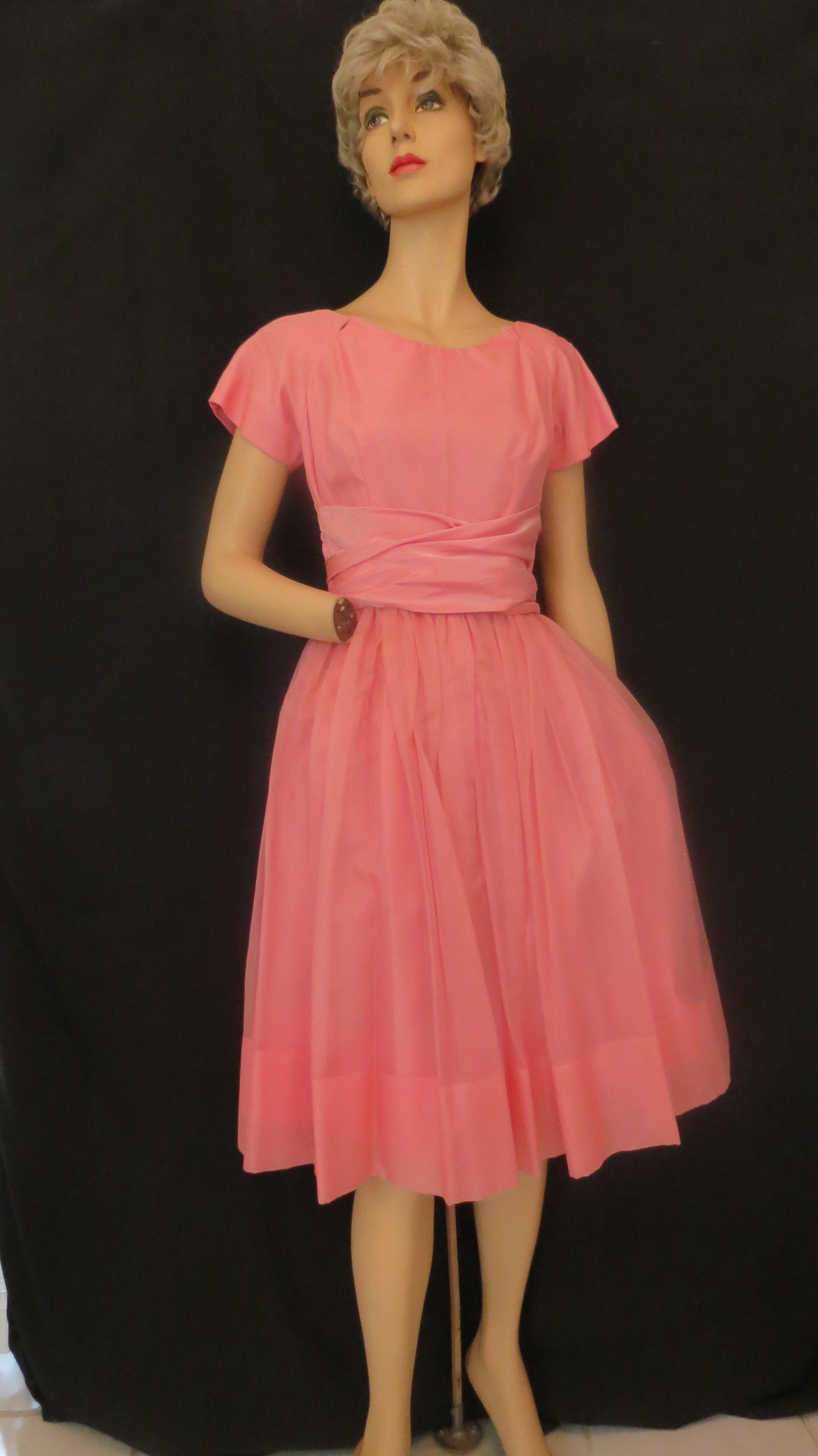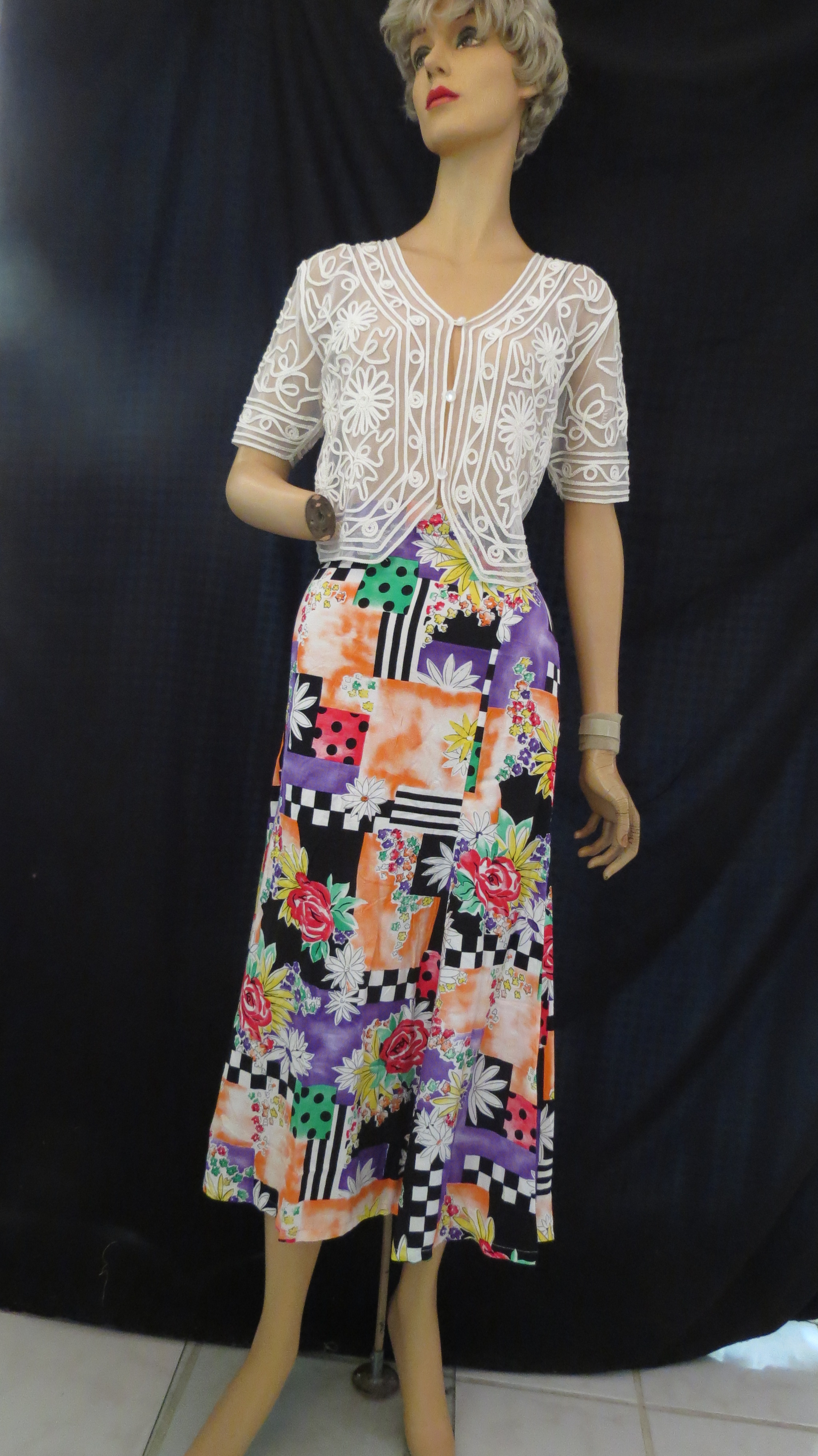
LATE 1930’S DAY AND DRESSIER FROCK and ACCESSORIES

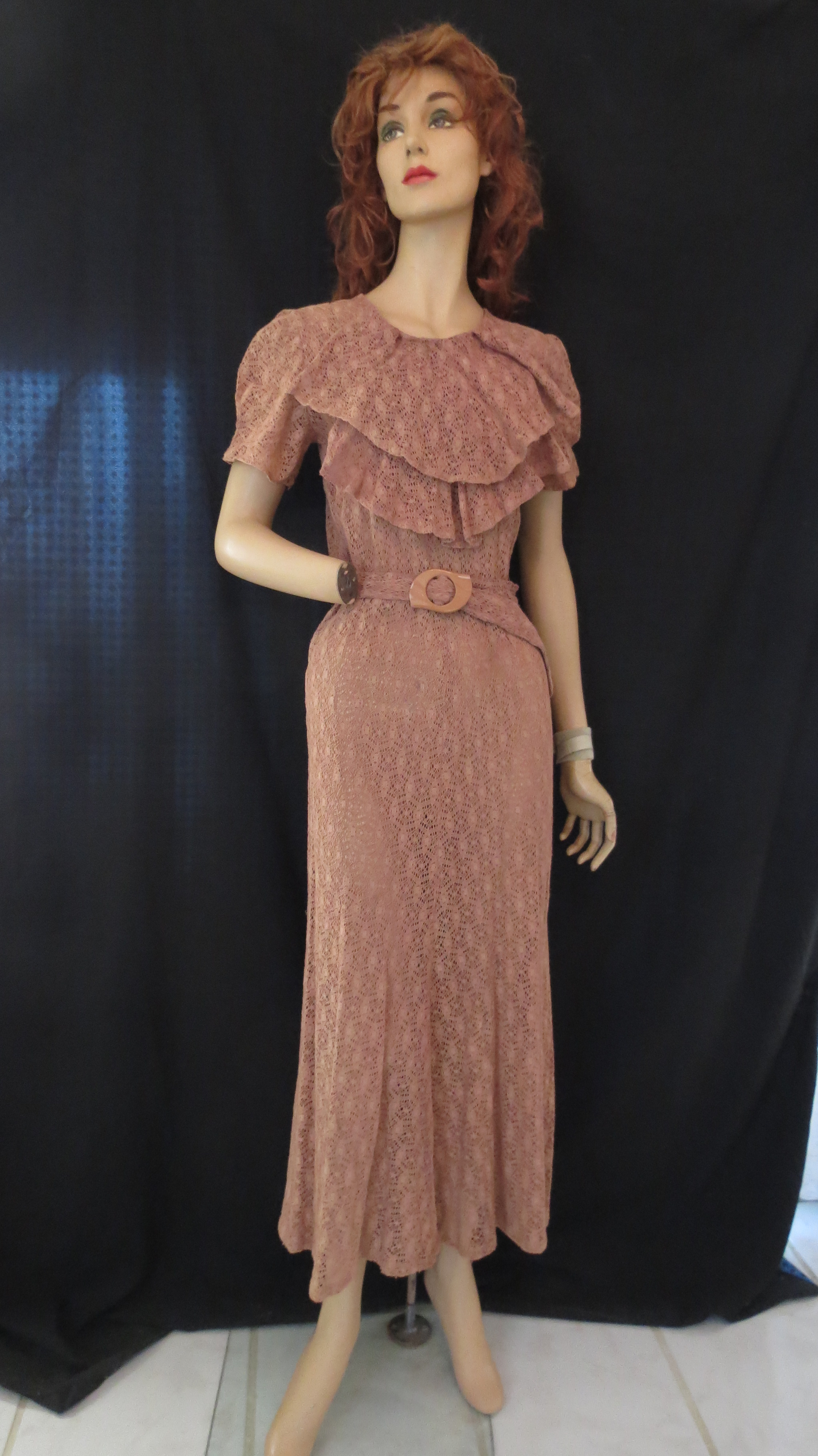
Too many photos to do both decades together! I’ll spread them out over 2 or 3 days instead. Here are a couple of pretty 1930’s frocks and their accompaniments. First, one that our Depression Era gal might have worn to town. Perfect for shopping and a movie. It’s a lovely crocheted lace over-dress with a matching acetate satin slip underneath. Look at the celluloid belt buckle, also died to match.

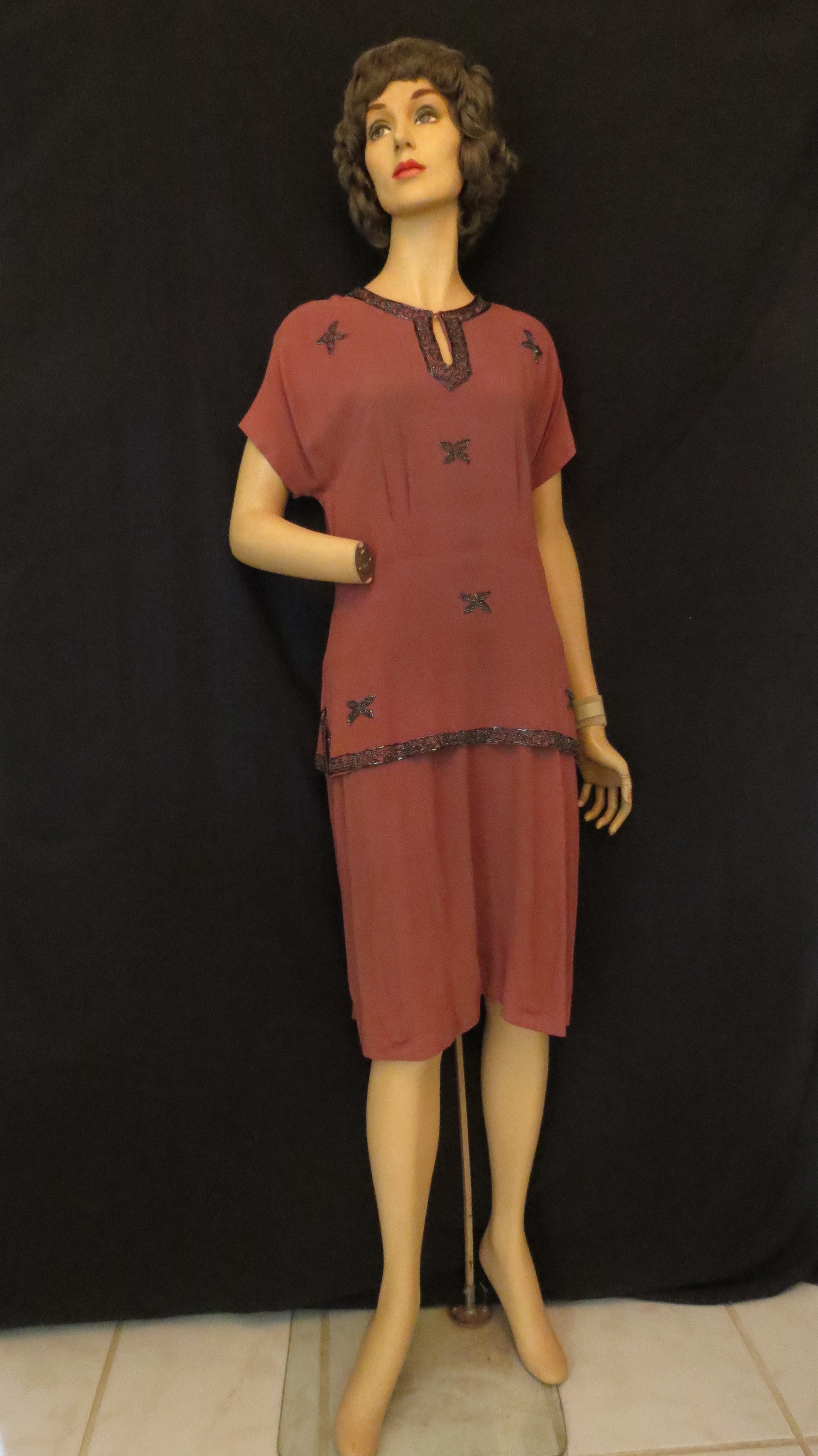
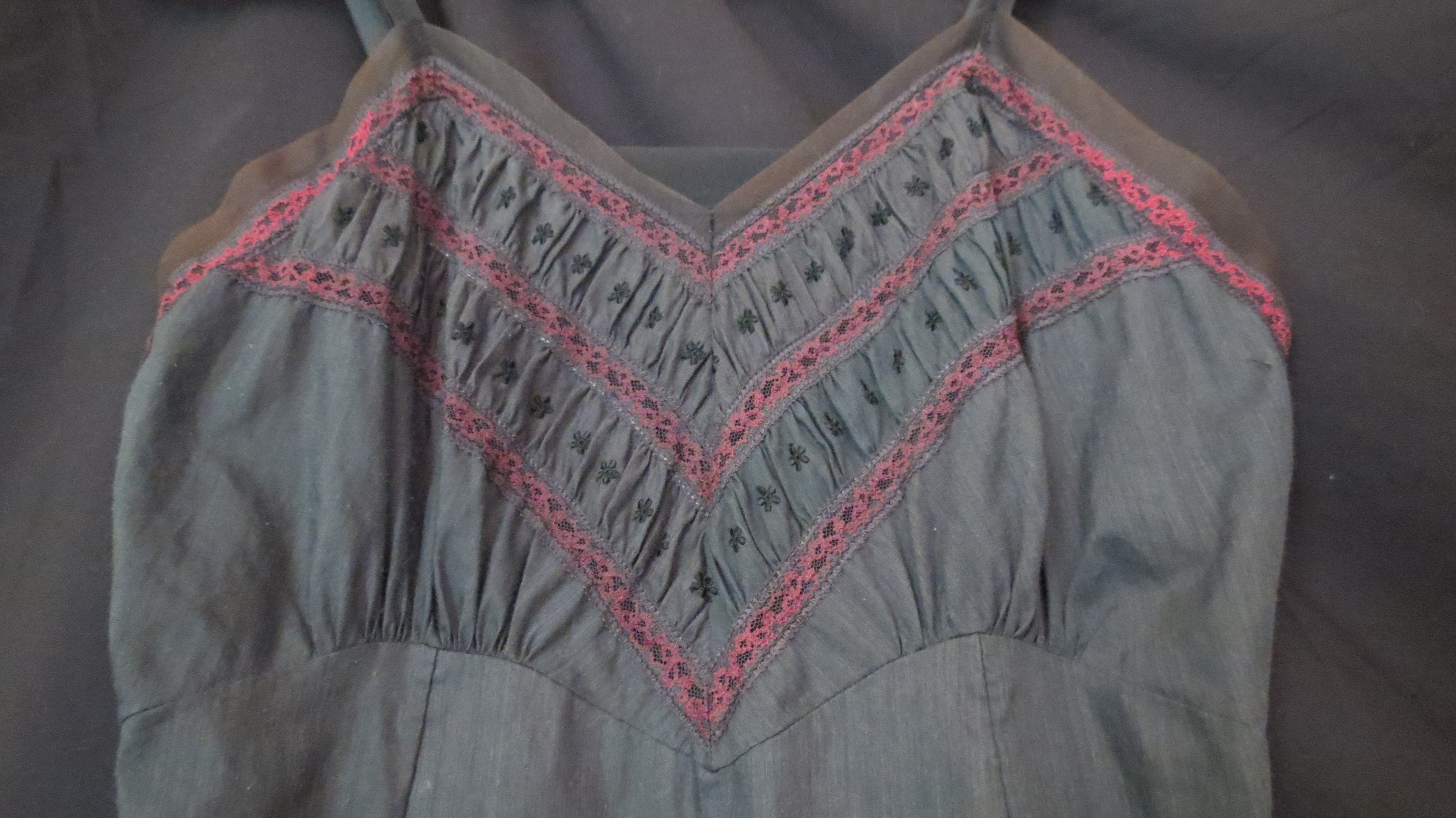
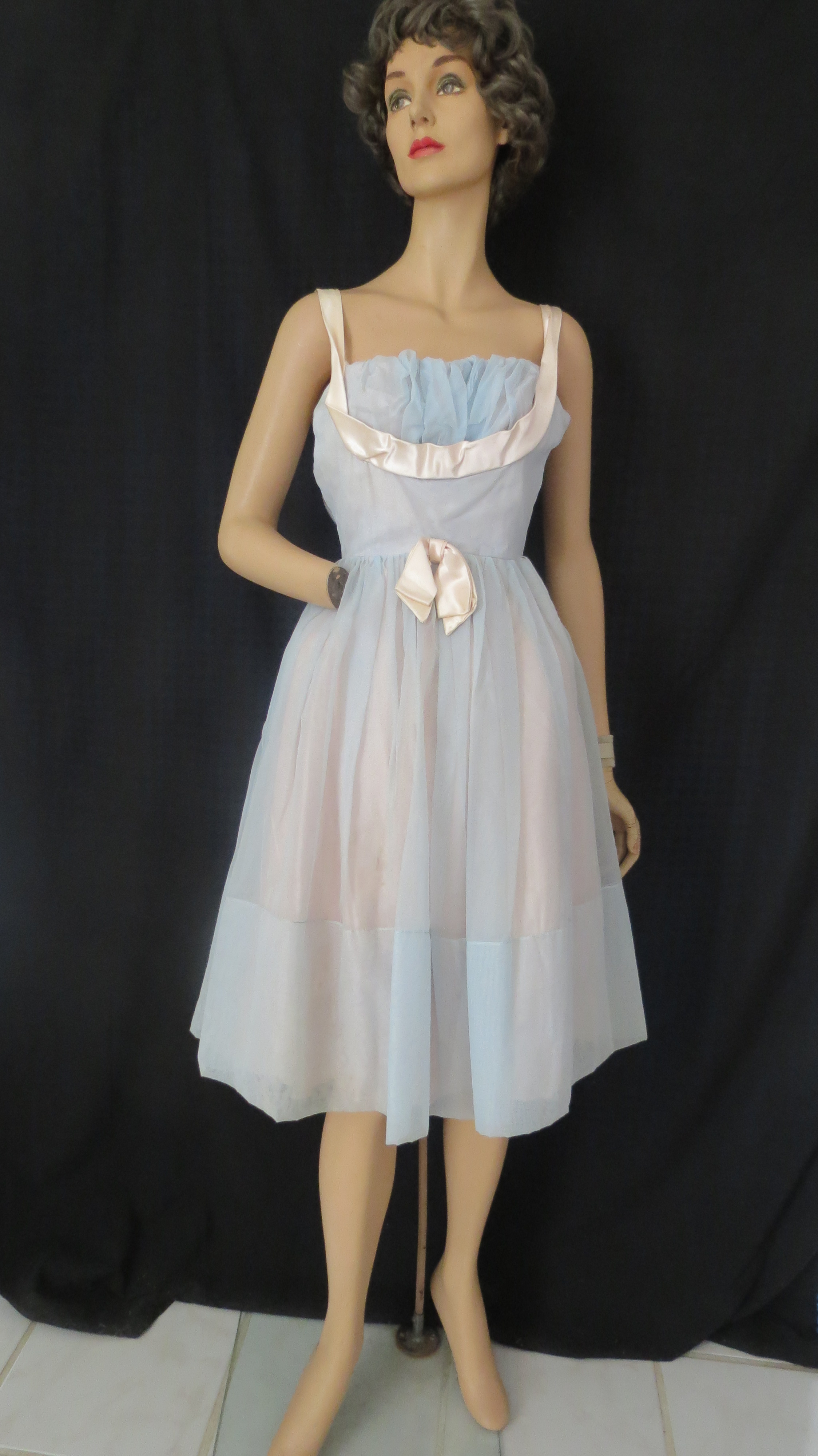
The second dress is a rayon sheath with an over-blouse look and Art Deco beaded decoration. She might have worn it to cocktails, dinner and dancing later. Probably, the hemline would have been midi-length on her figure. An acetate slip underneath would have enhanced the fit and it has such unusual decoration on the bodice.

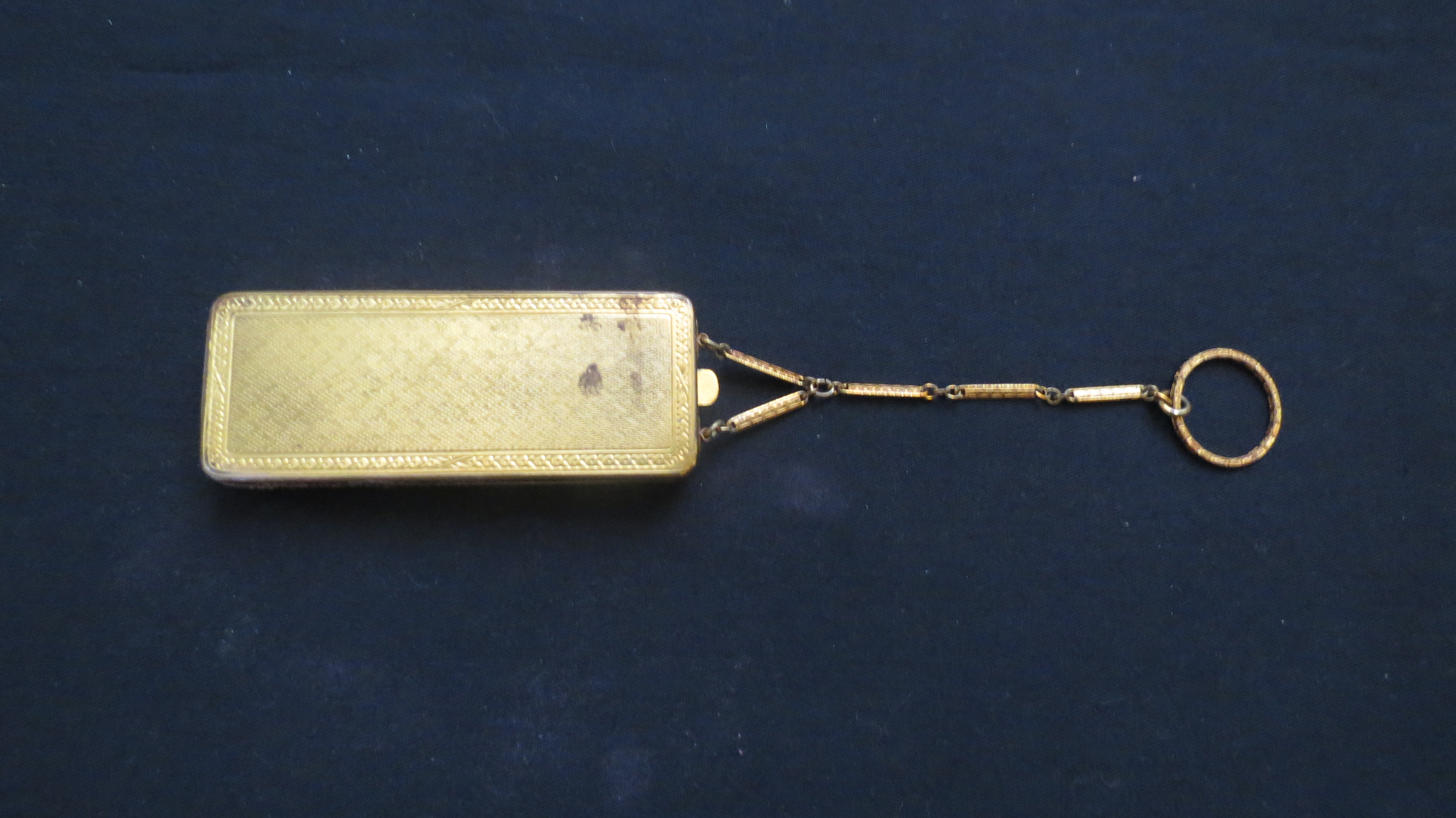
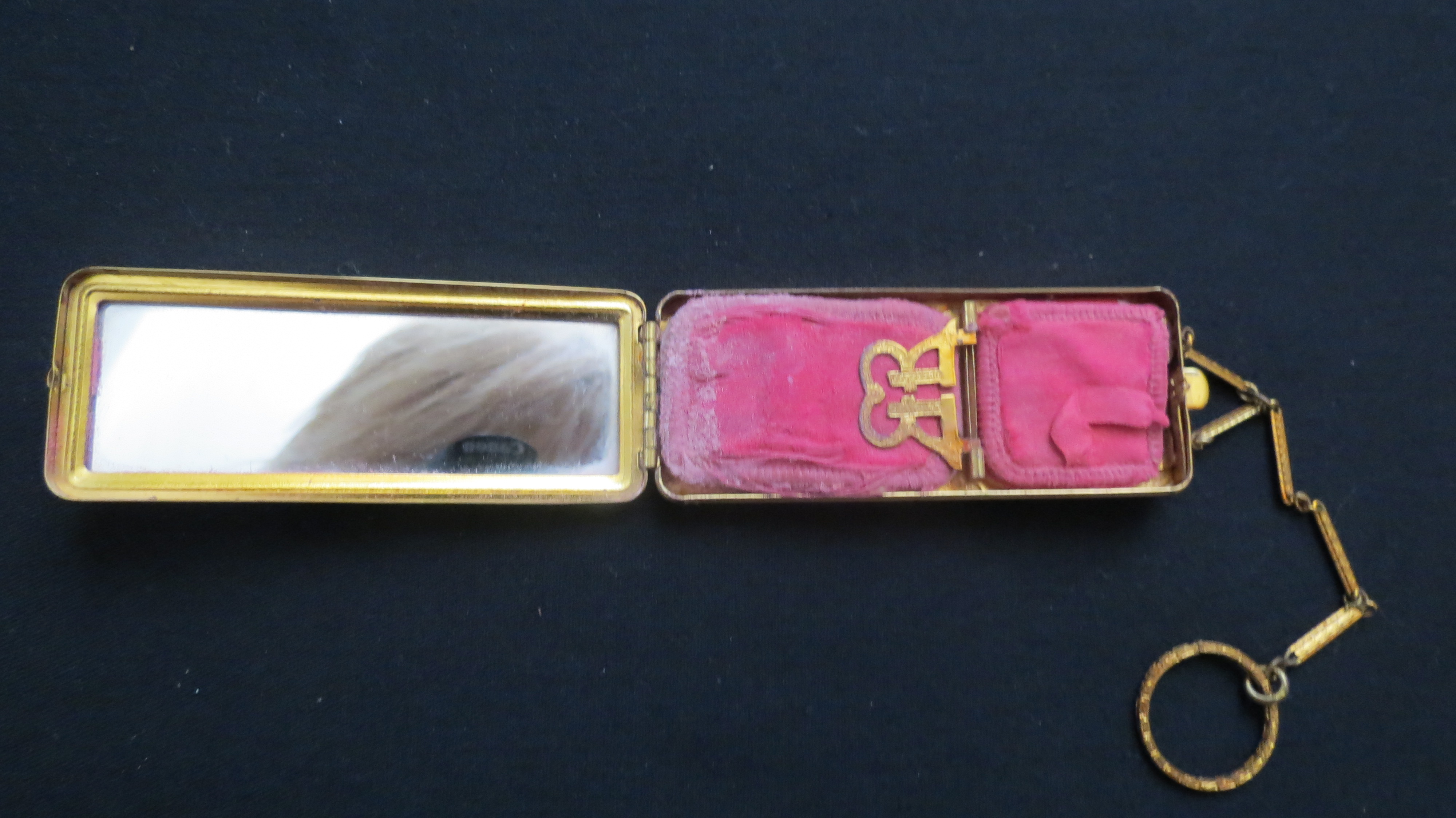
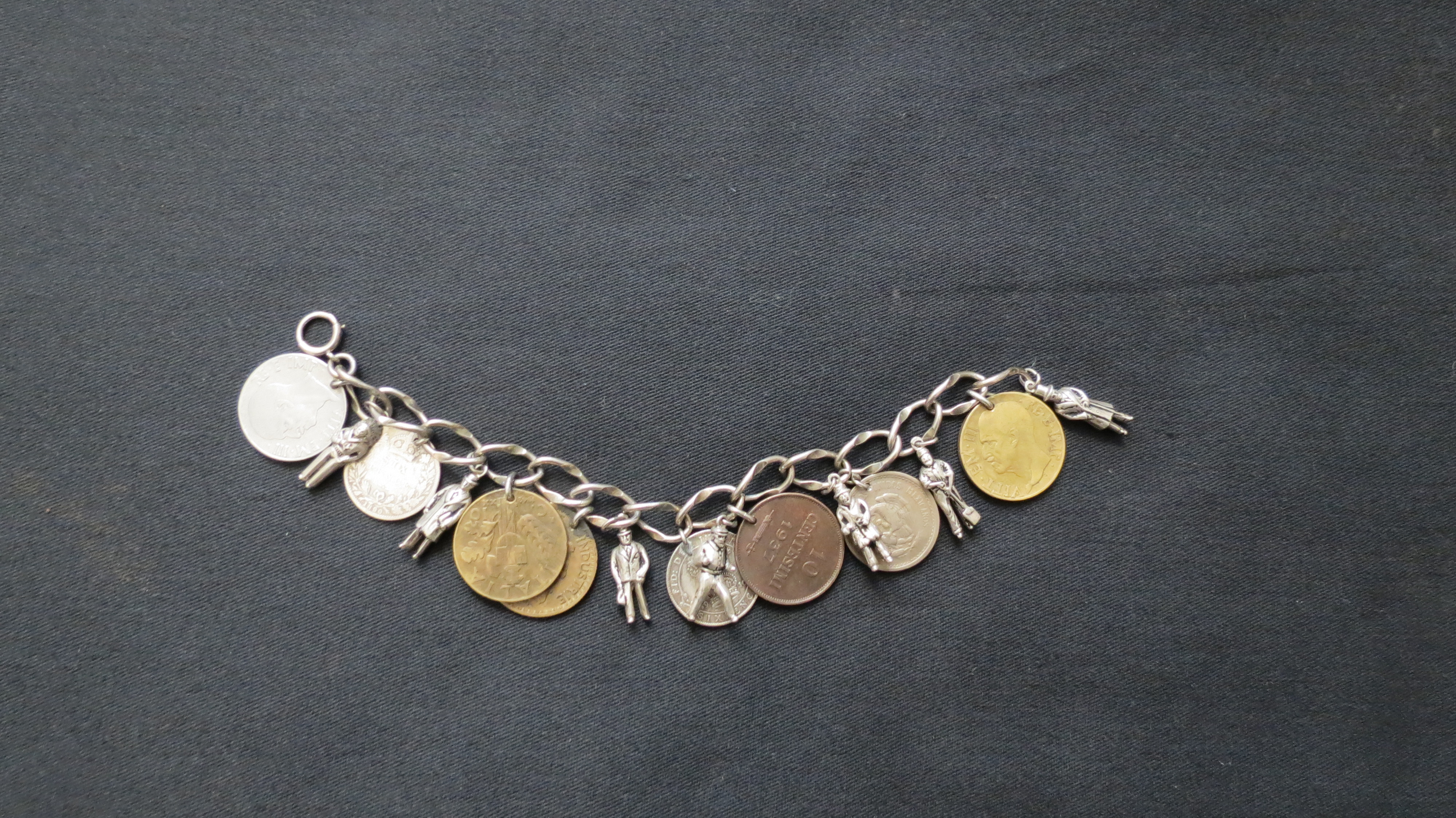
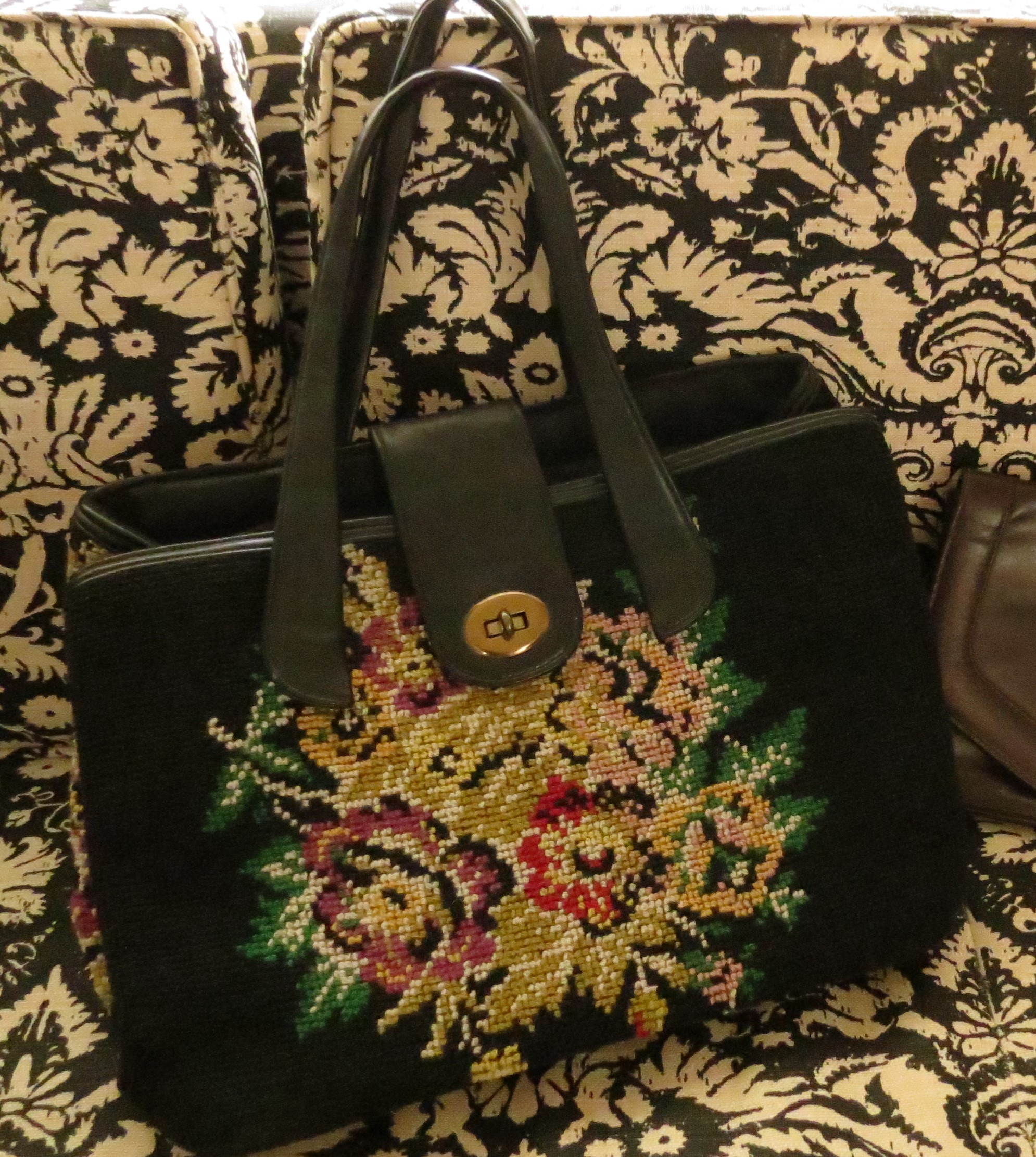
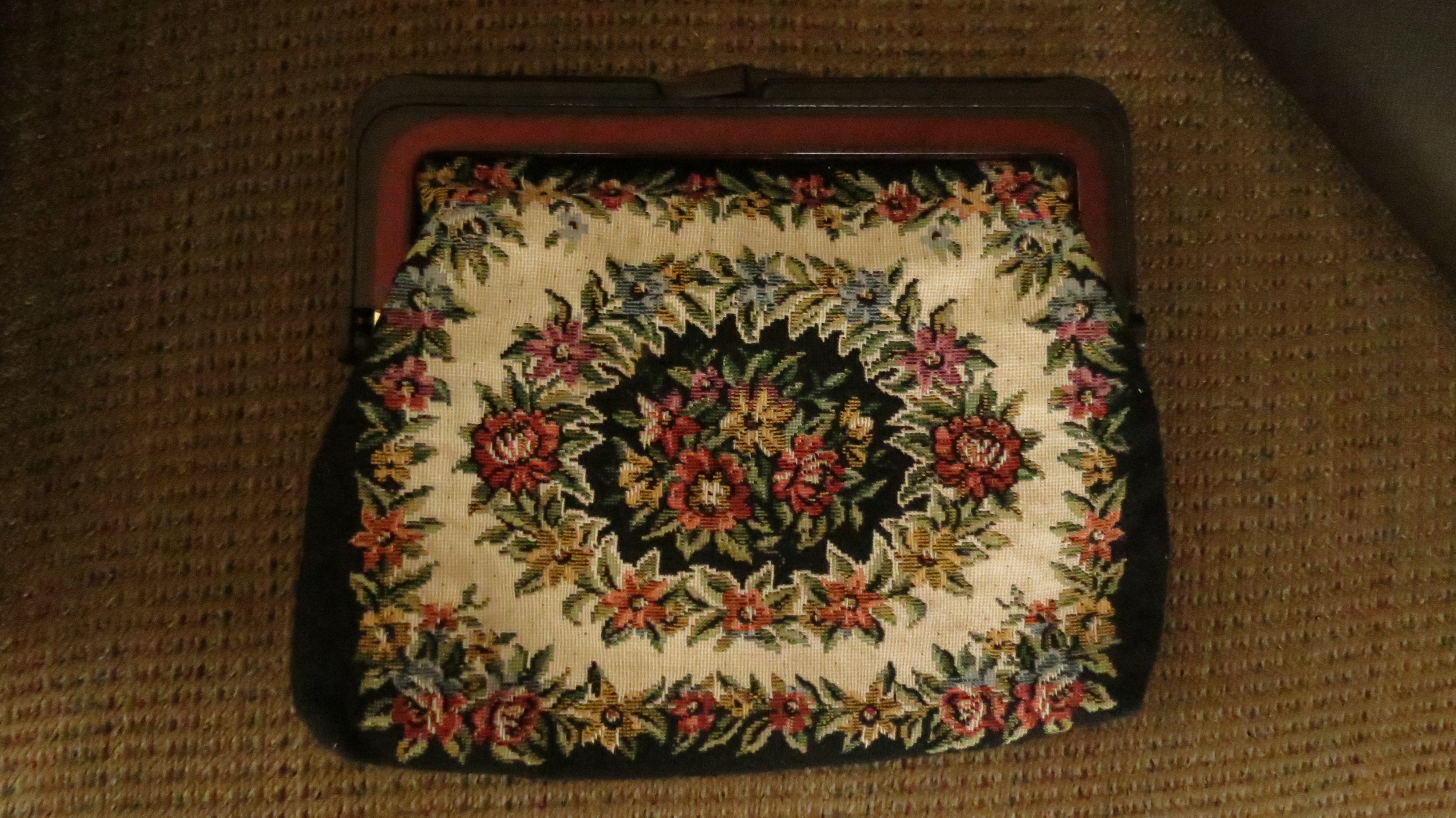
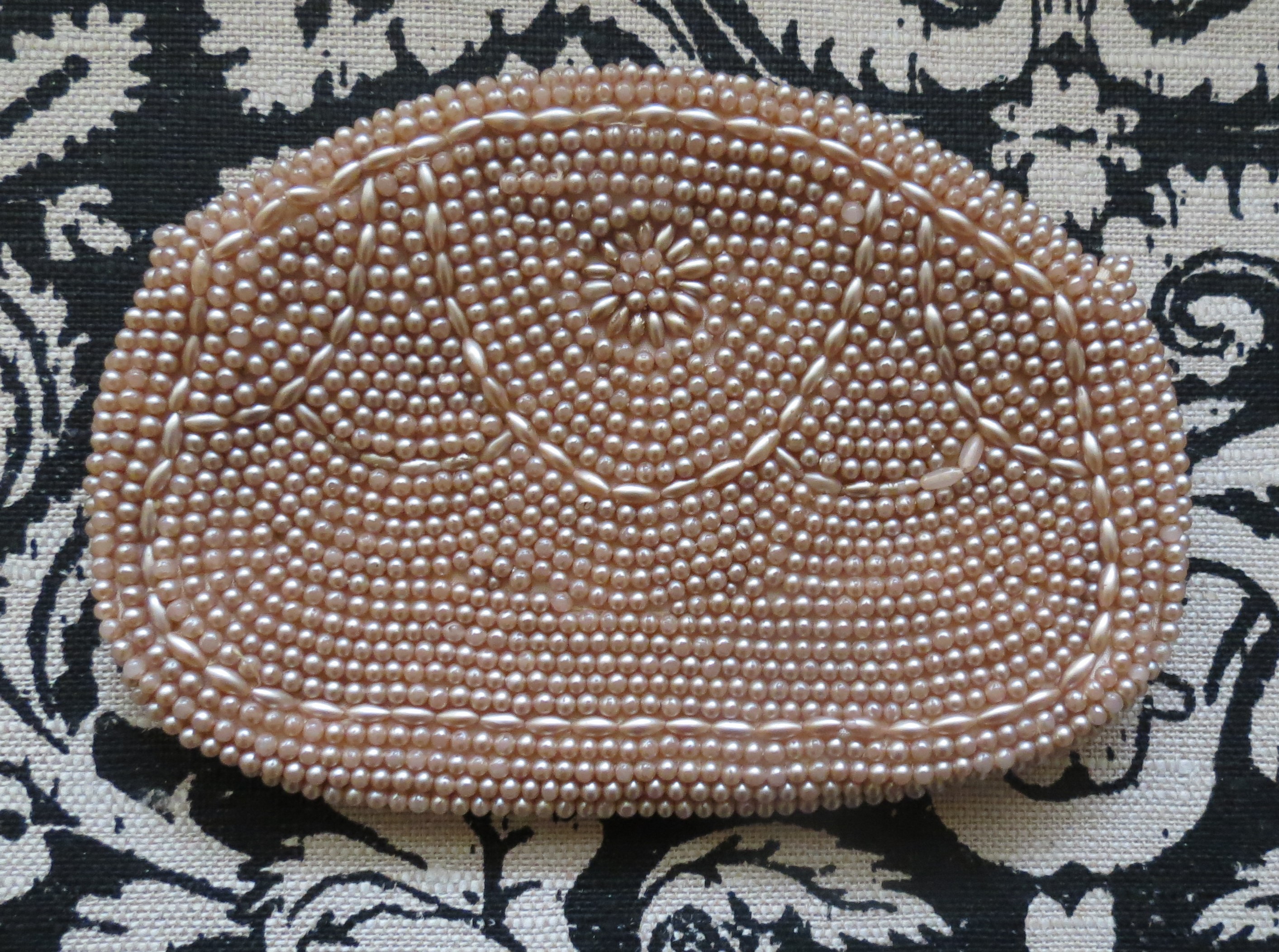
No matter where she was going, she might have carried a chatelaine rouge and powder compact and an antique needlepoint handbag. The clutch above also has a celluloid closure on the metal frame. The pot metal charm bracelet for daytime has European coins and Depression Era male figures dangling – a soldier, a laborer and a tycoon.

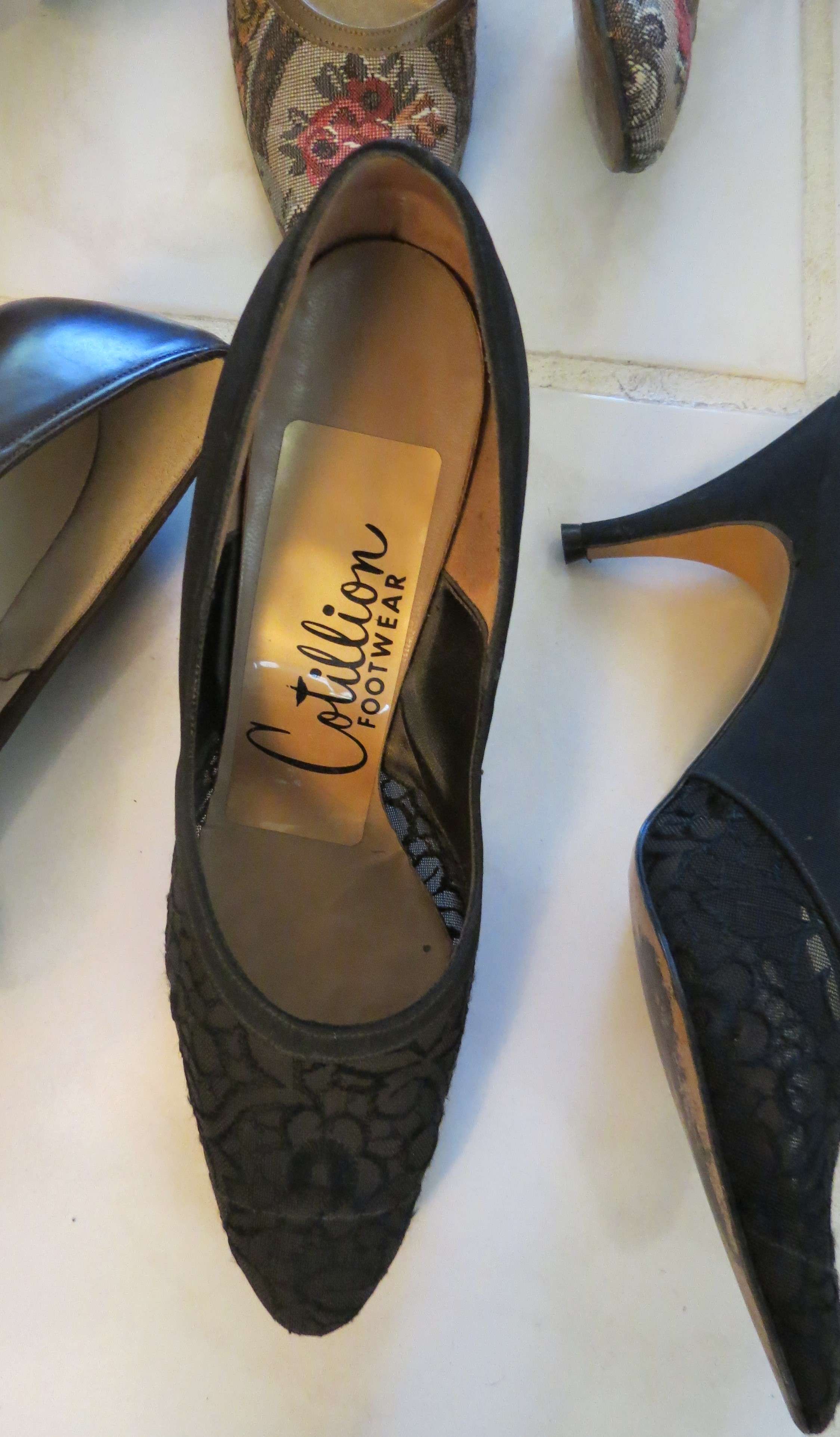
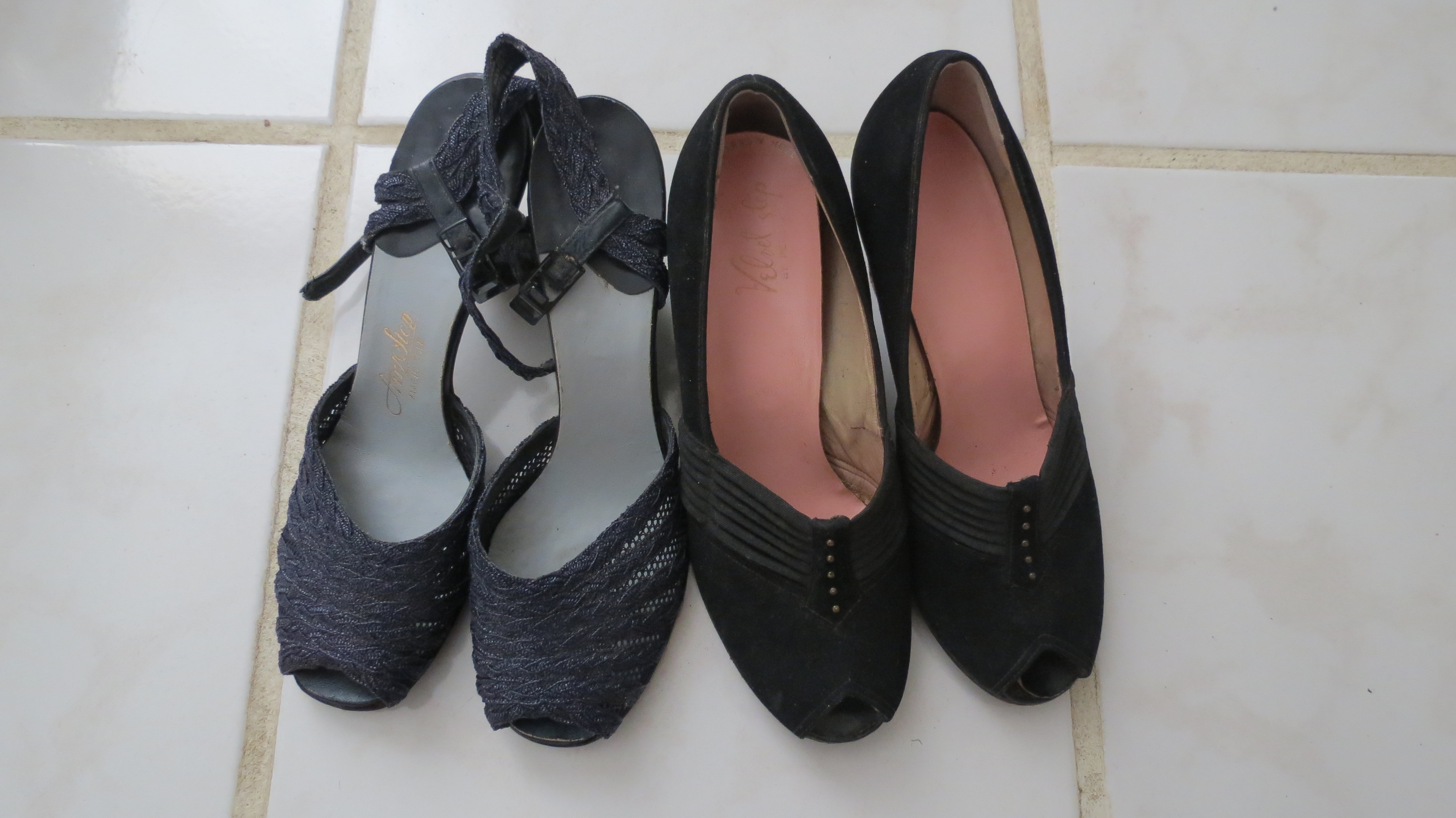
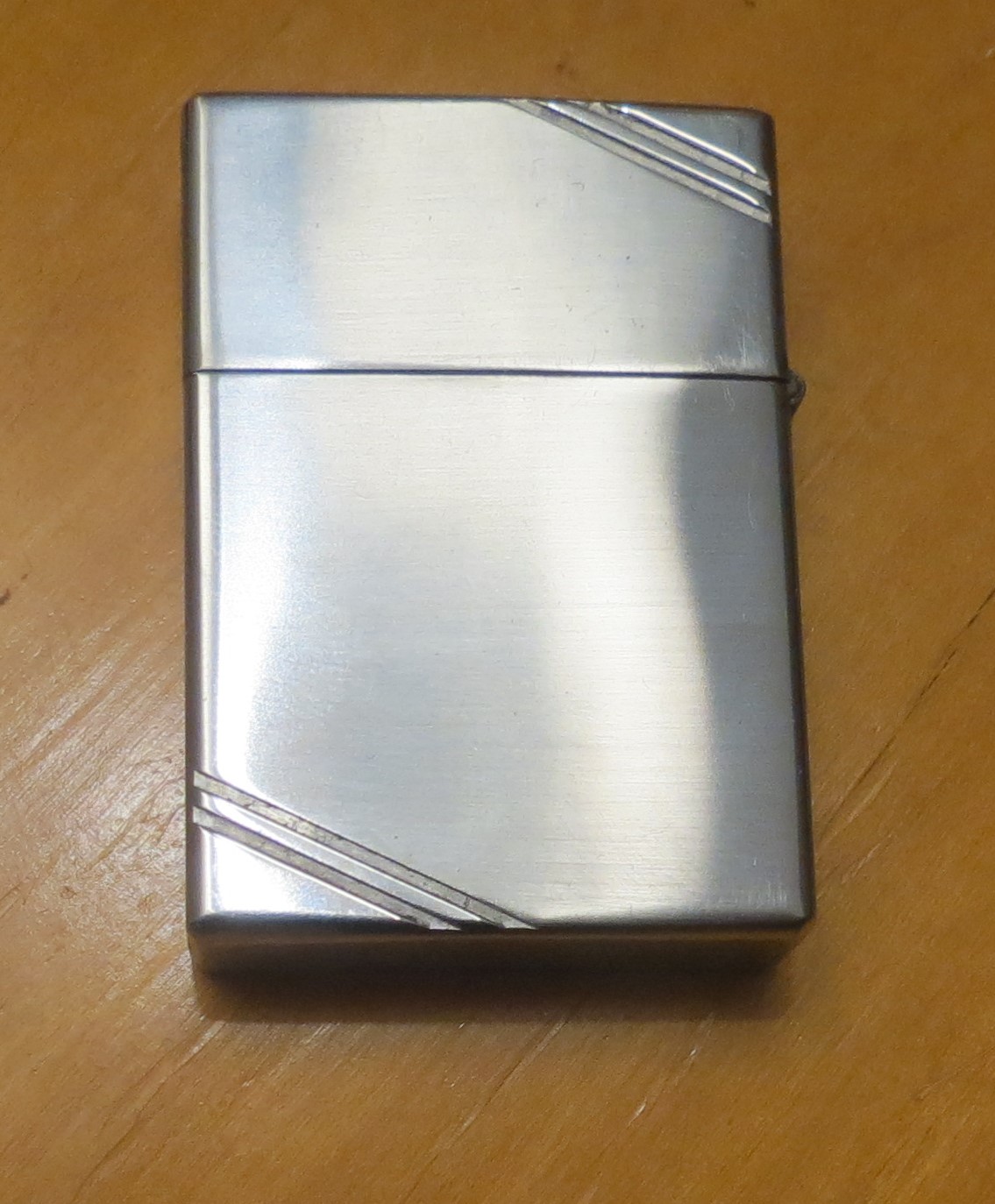
Pretty but practical shoes made for walking and dancing – and, of course, she can’t go anywhere without her 1930’s Zippo lighter. She’ll want to visit the smoking lounge during the movie matinee’.

Late Thirties – Forties tomorrow. Stay tuned . . . . . . . . . . . . . . . . . . . . . . . .

MORGANA MARTIN, THE MAGICVINTAGESPY

BLOG: MAGICVINTAGESPY.COM
SPECIAL WARTIME AND POST-WAR STYLES FROM THE 1940’S

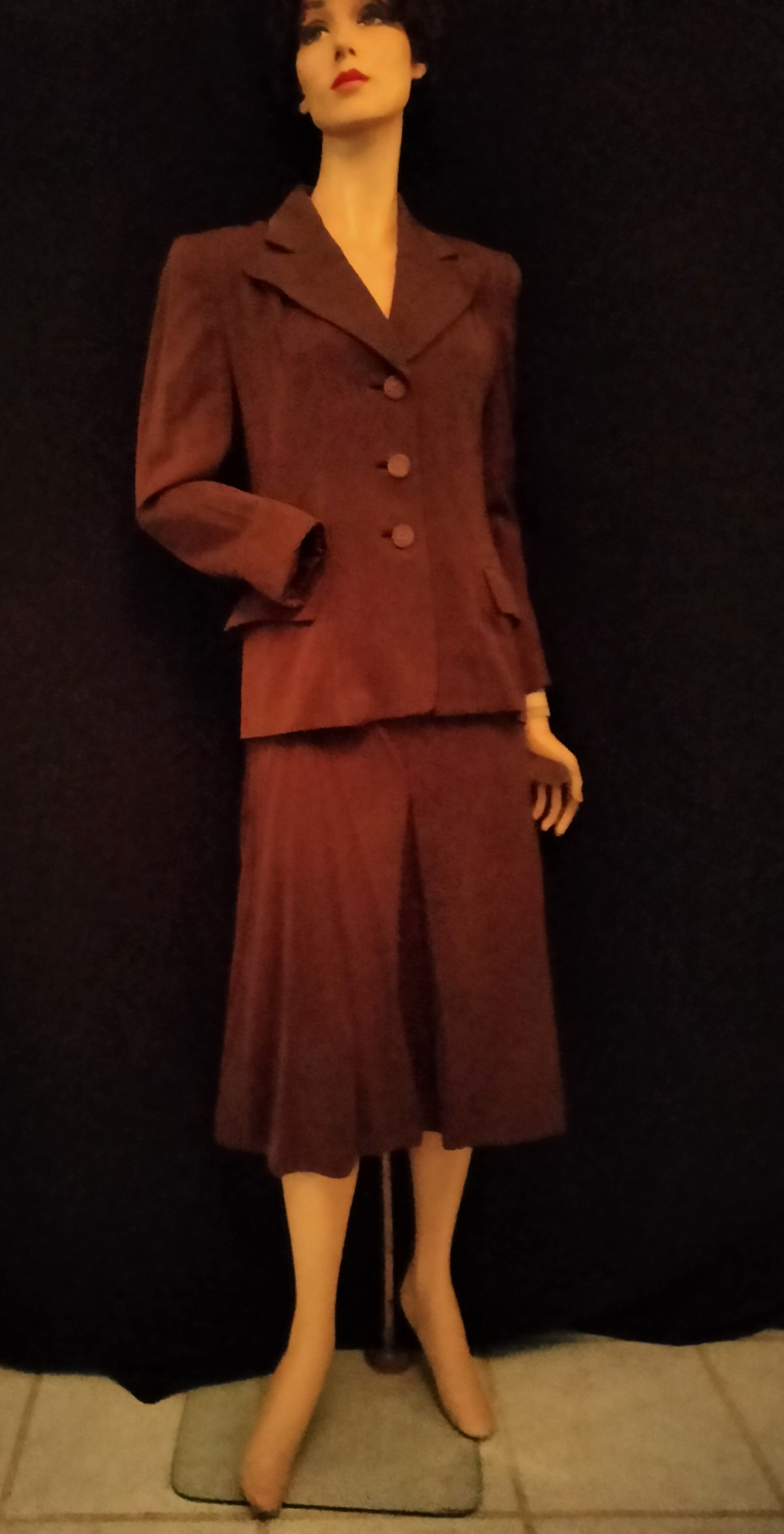
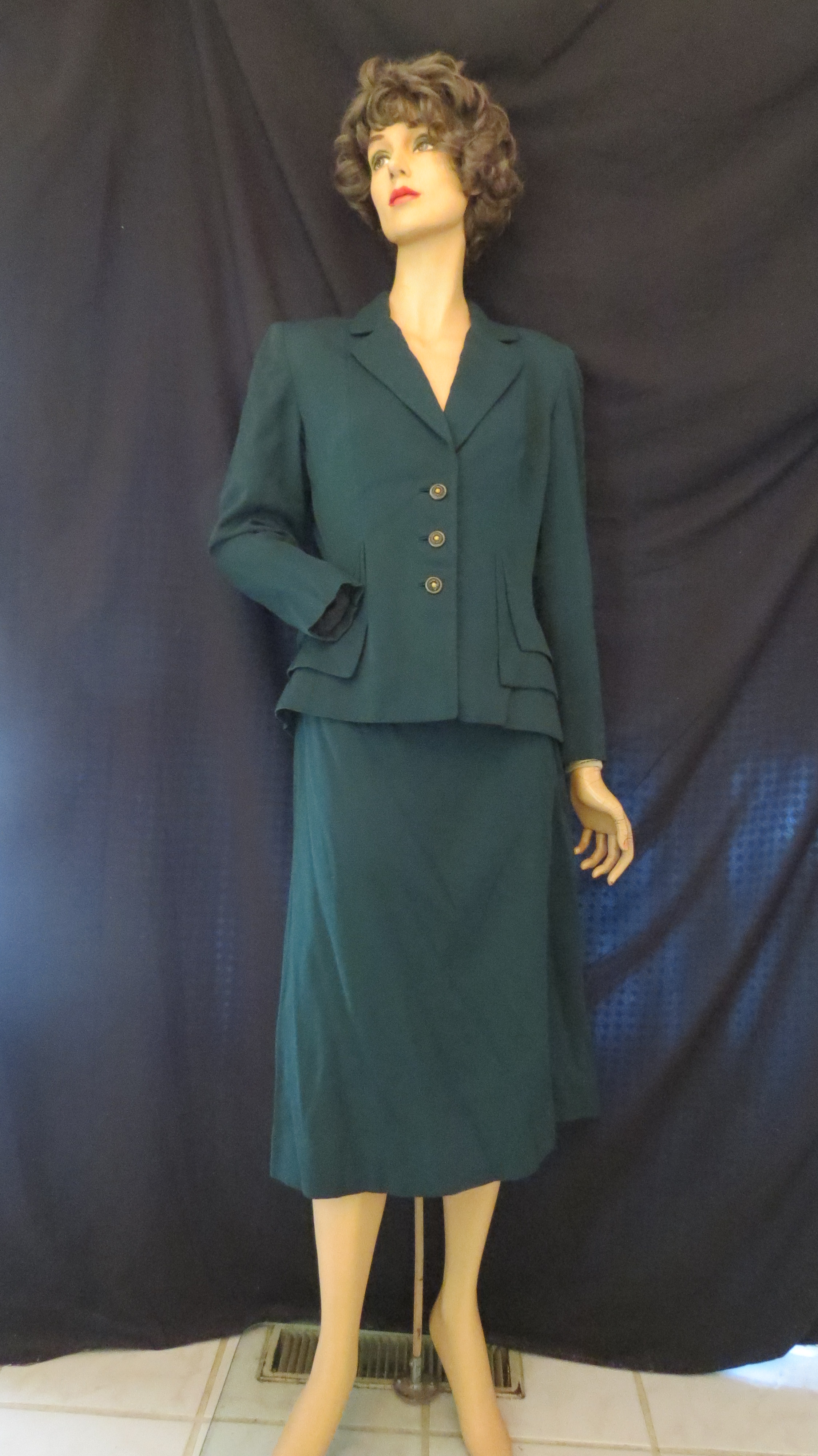
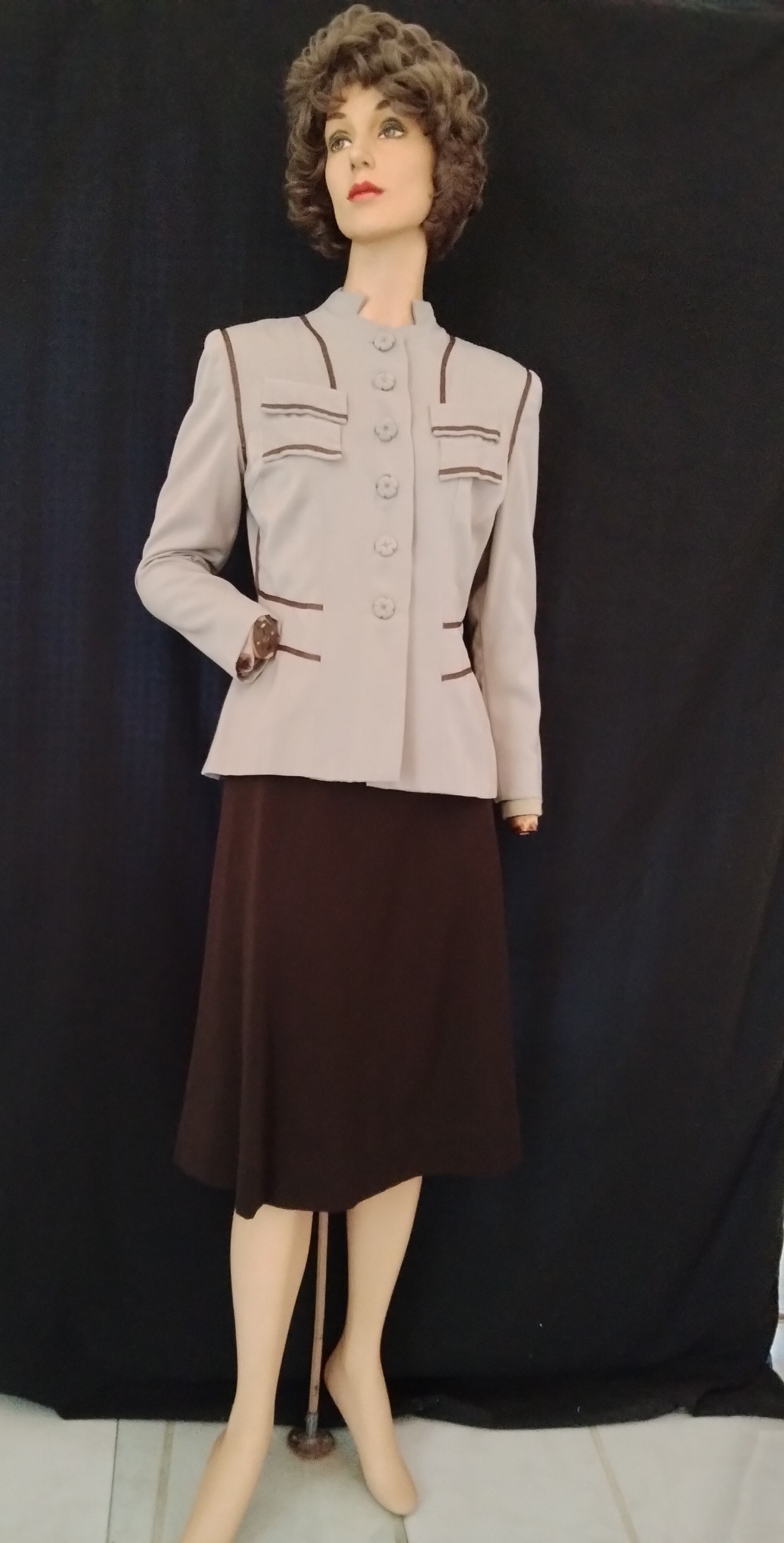
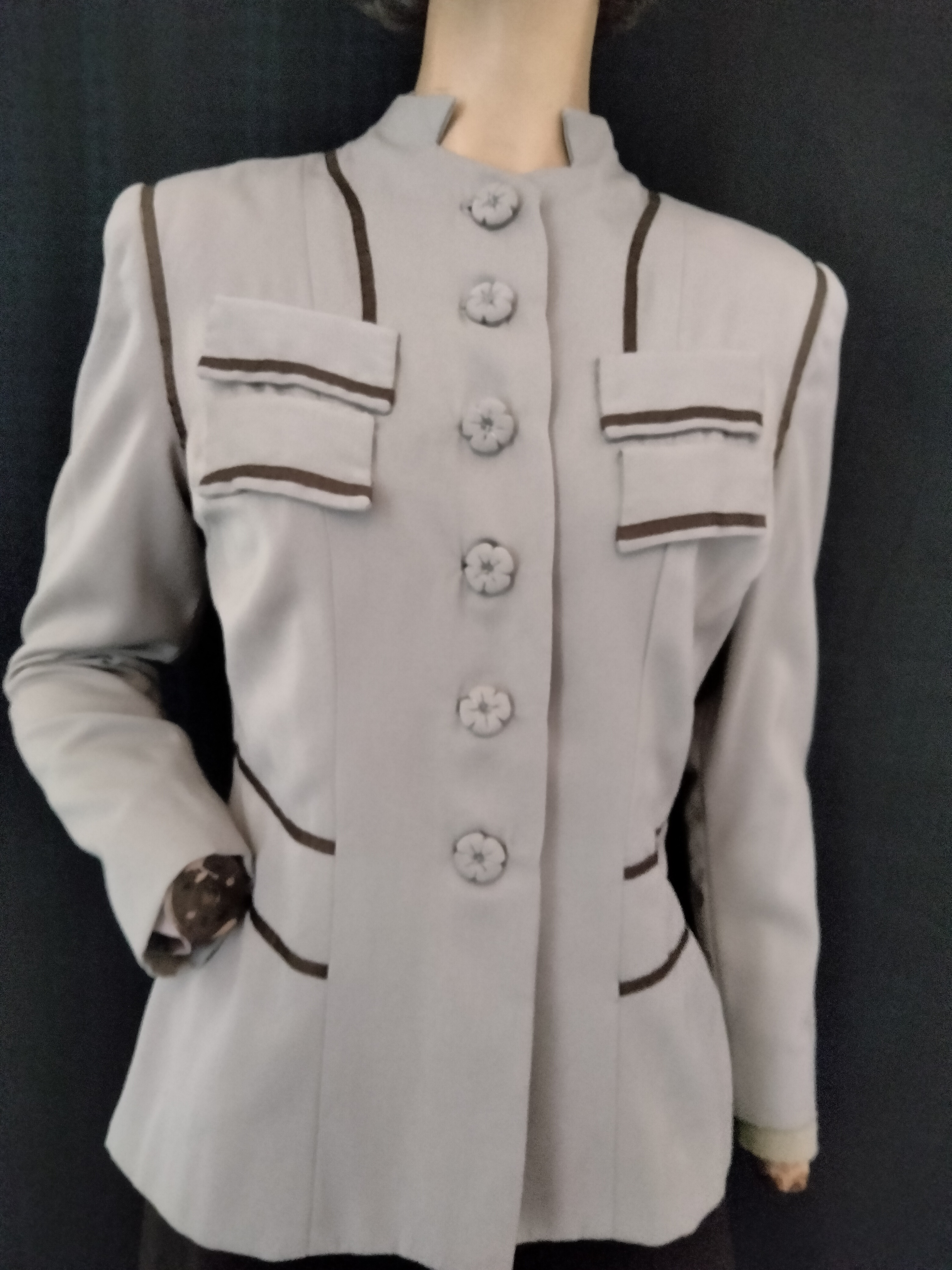
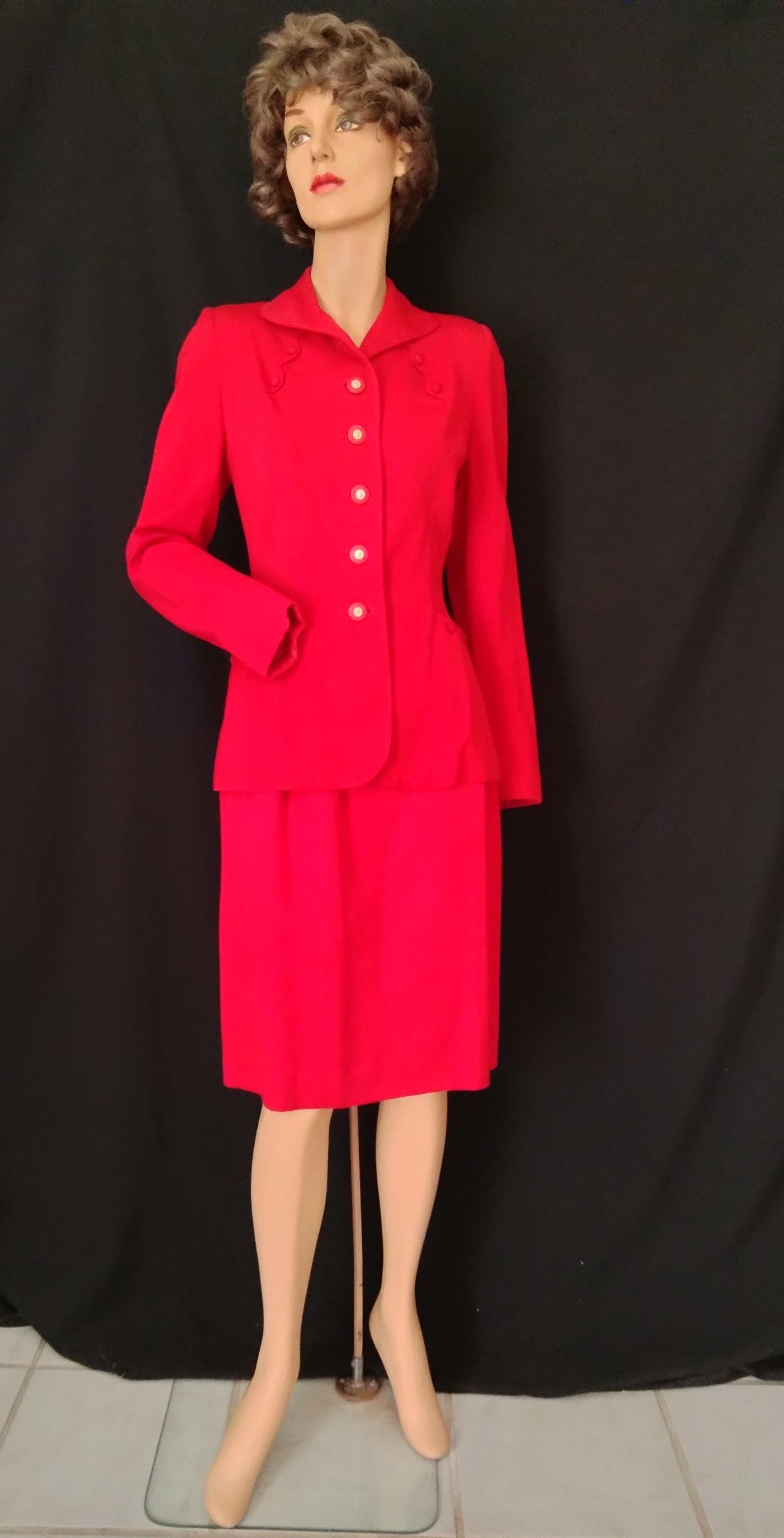
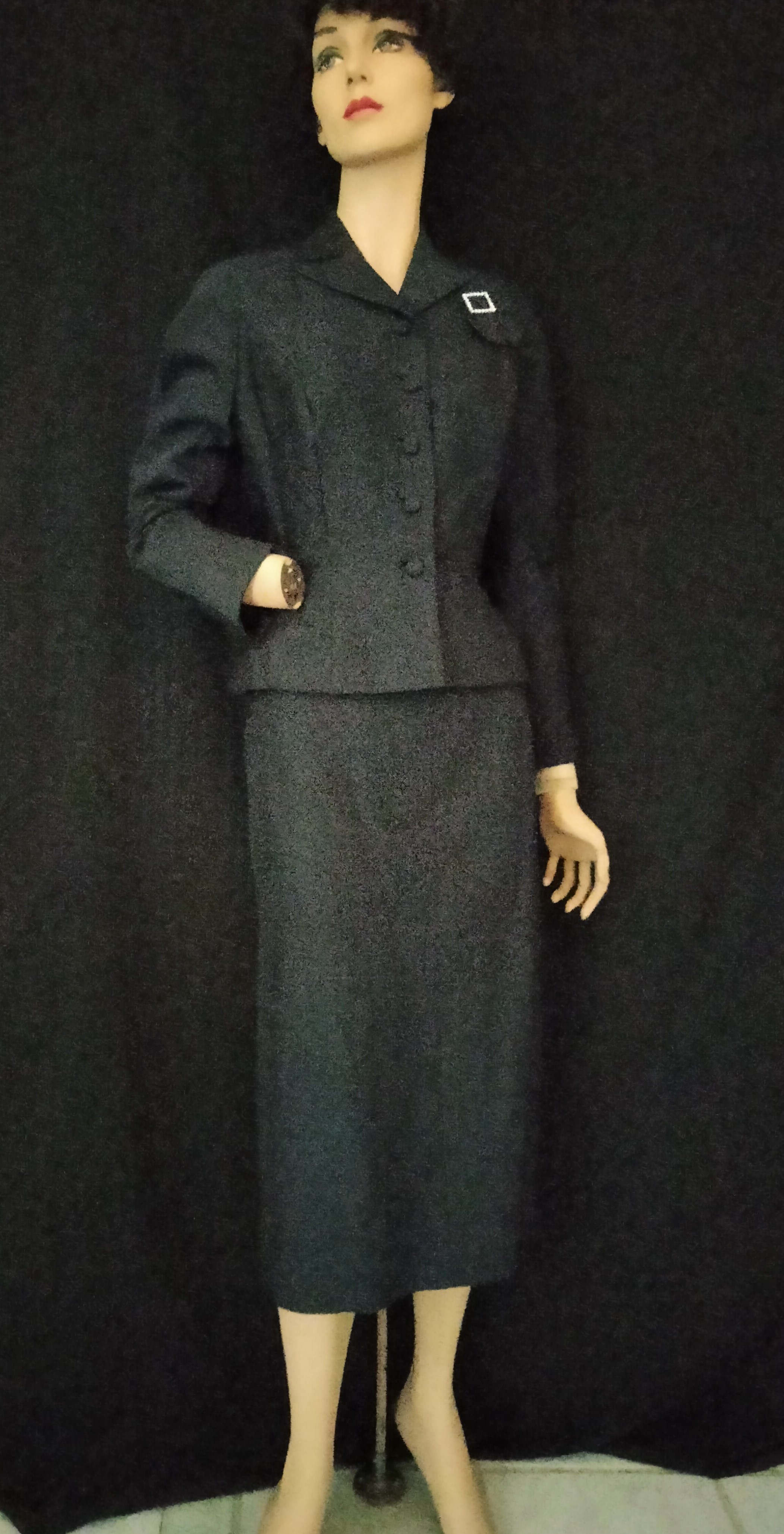
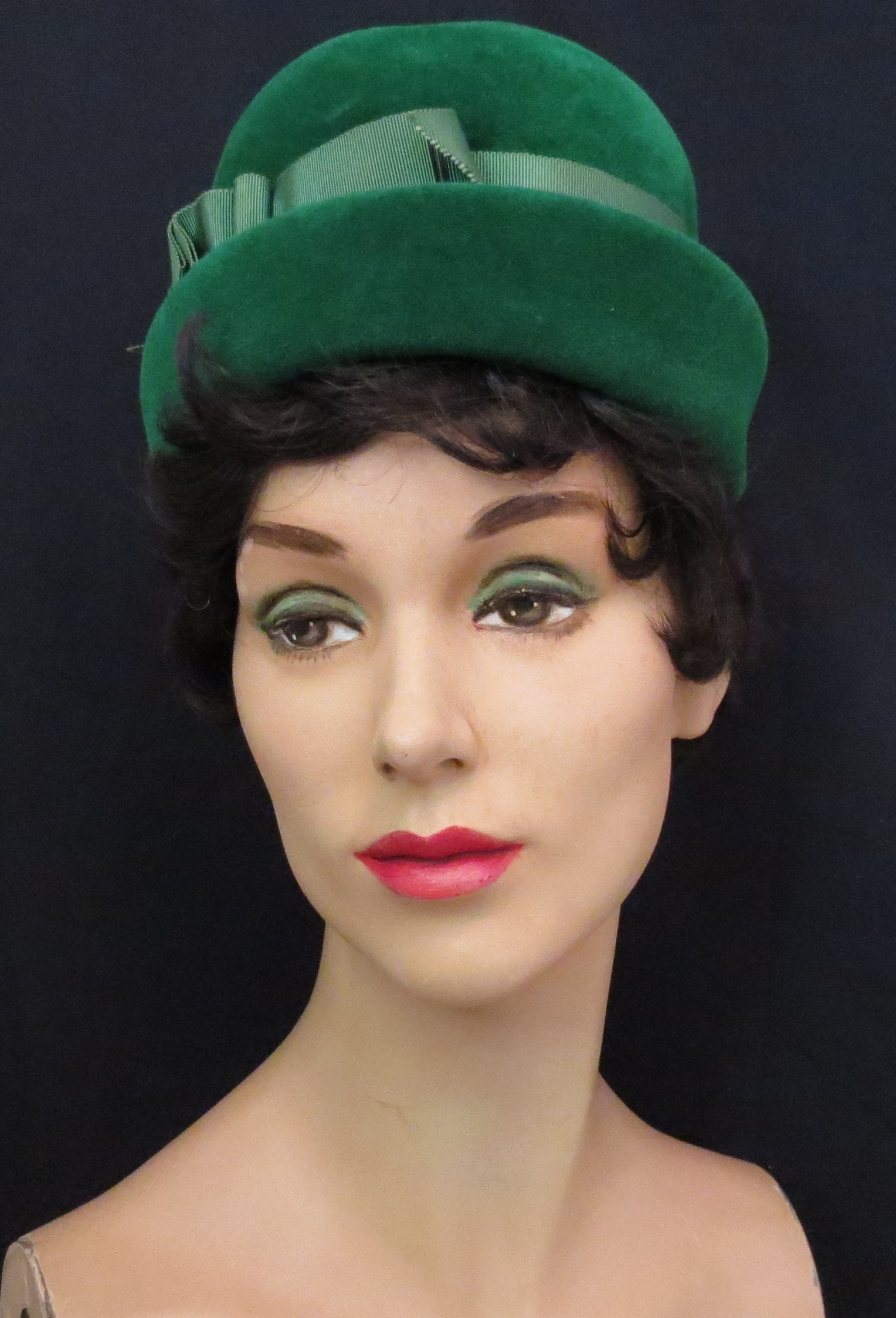
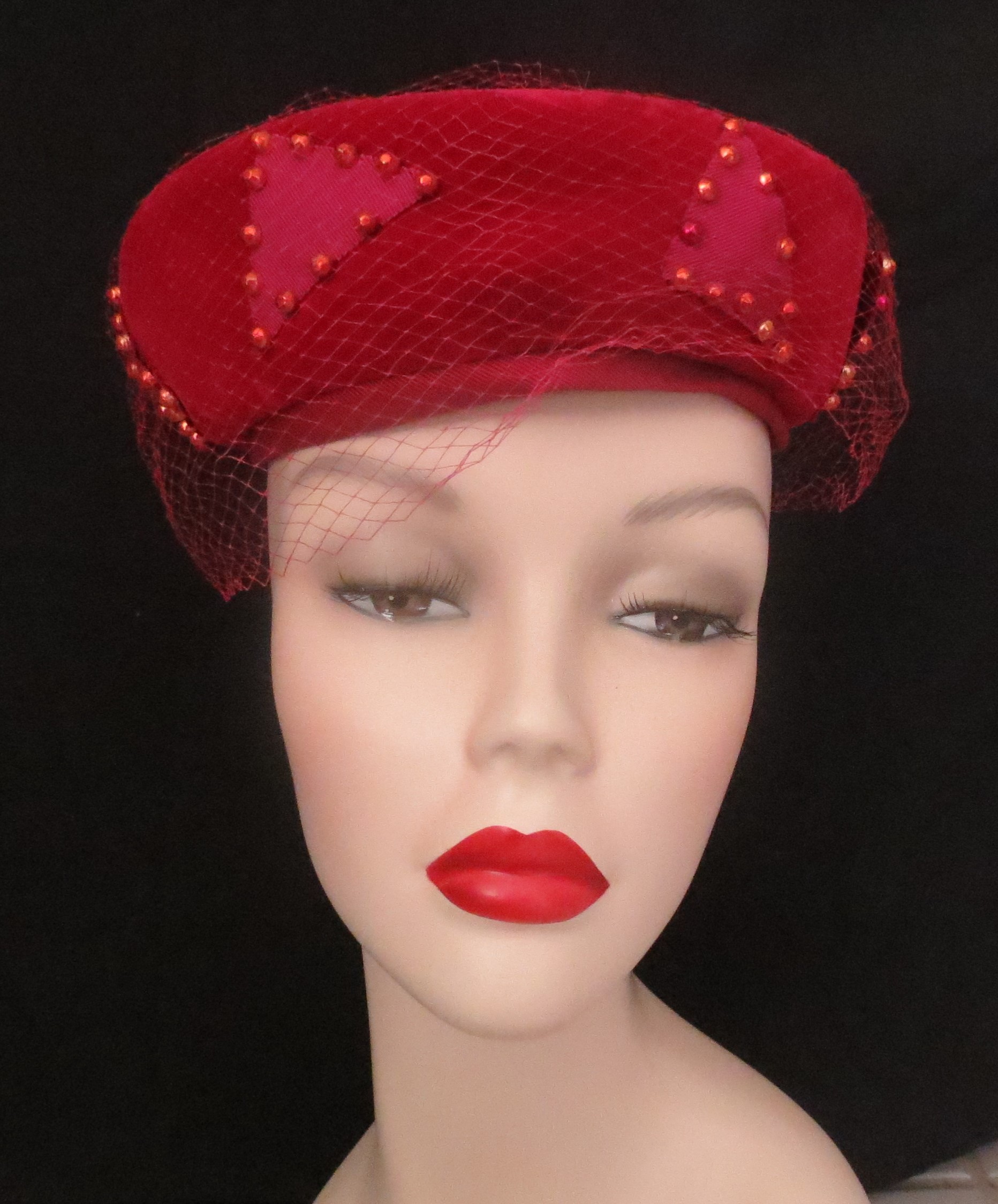
Classic designs made subtle changes over the decade which reflect the evolution of style and the social and historical events taking place at that time. Party dresses for special occasions have always been a “thing”. Skirt suits from Utility-style in the mid-’40’s to embellished designs were more like couture garments in the Post-war years. A matching hat was always essential.

High-school Prom tradition is about 100 years old now. The popularity of skirt suits for women began about the same time. Since about 2000, traditional styles in both these categories have shifted in major ways, so the focus on these types of garments in my investigations has gone from around 1920 through the 1990’s, with the spotlight on 1930’s – 1980’s. The Forties through the Sixties have been my favorite decades for classic structured suits, as they were more like two-piece dresses before and after and very trendy in design. Good luck finding a true vintage suit or Prom dress from the 1920’s or even the ’30’s but after 1940 the clues are still out there.

Although there were some very nice styles from the 1920’s and 1930’s, the prettiest suits and formal dresses, in my opinion, came from the late 1940’s and early 1950’s. Lots of attention to detail, flattering fit and high quality. In decades after that, frocks were not as interesting and suits were generally more boring, too. Tomorrow I’m going back to late 1930’s – 1940’s for dresses with one or two ’80’s WWII retro styles thrown in. Stay tuned . . . . . . . . . .. . . . . . . . . . . . . . . . . . . . .

MORGANA MARTIN, THE MAGICVINTAGESPY

BLOG: MAGICVINTAGESPY.COM
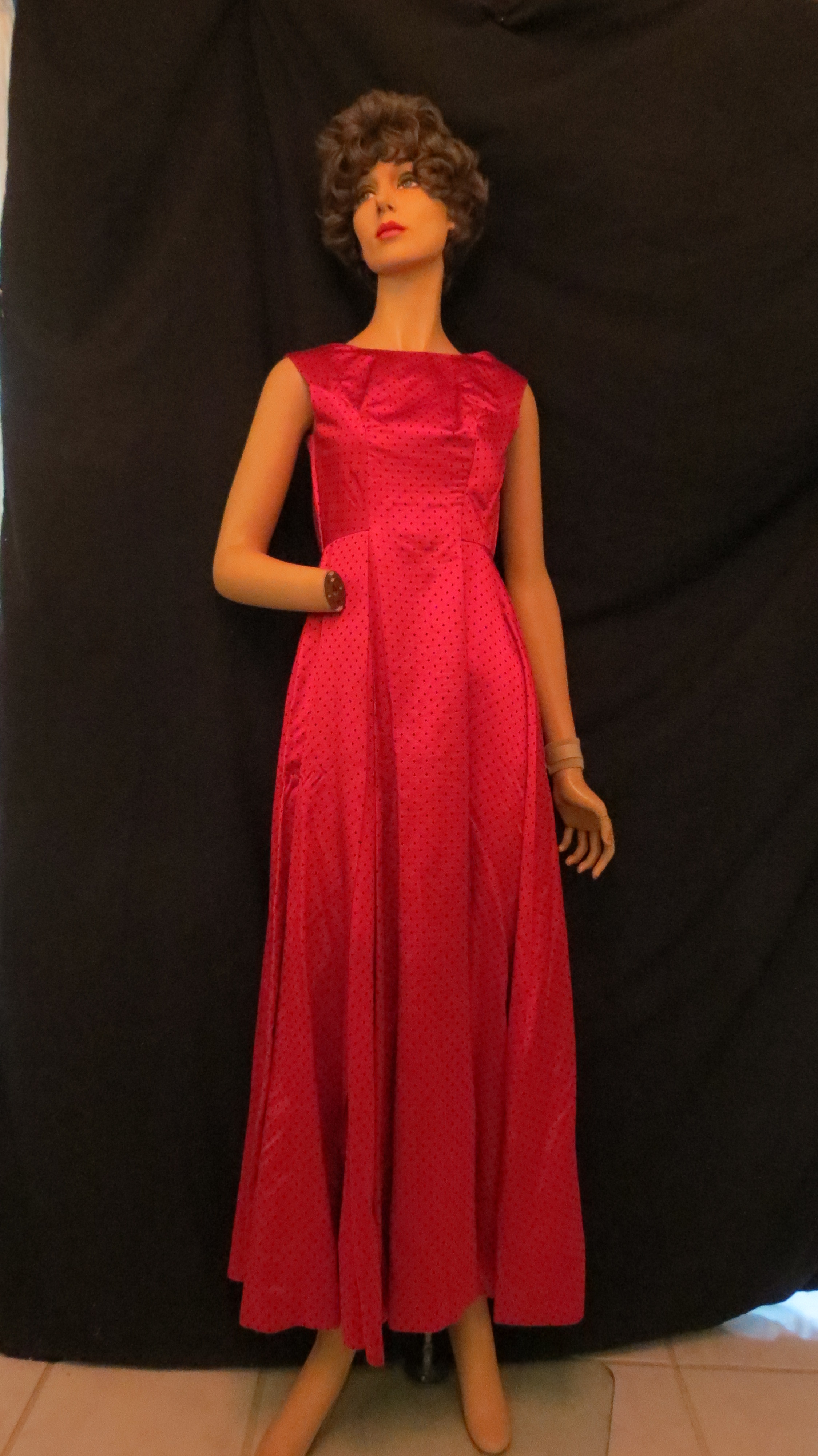
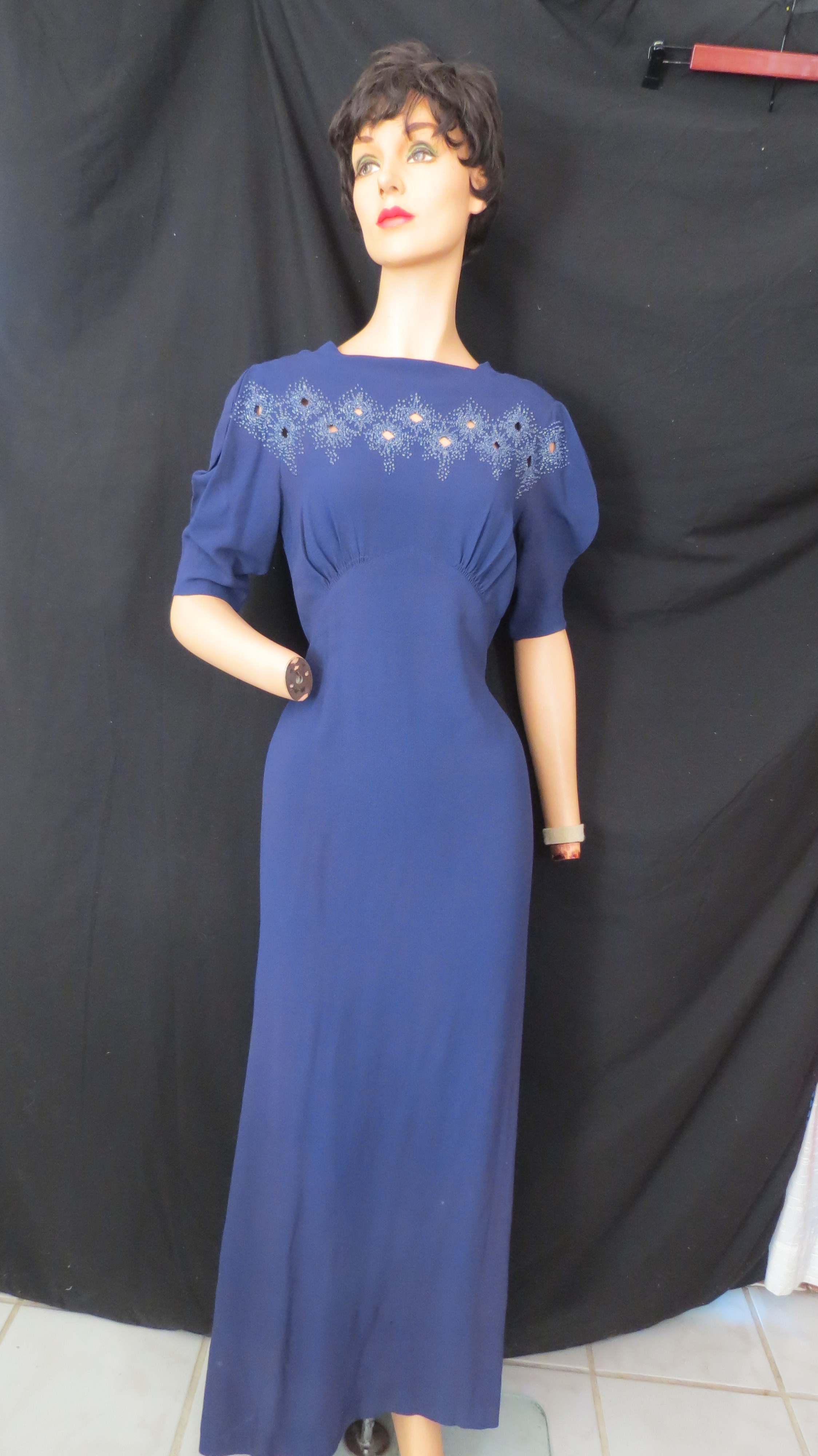
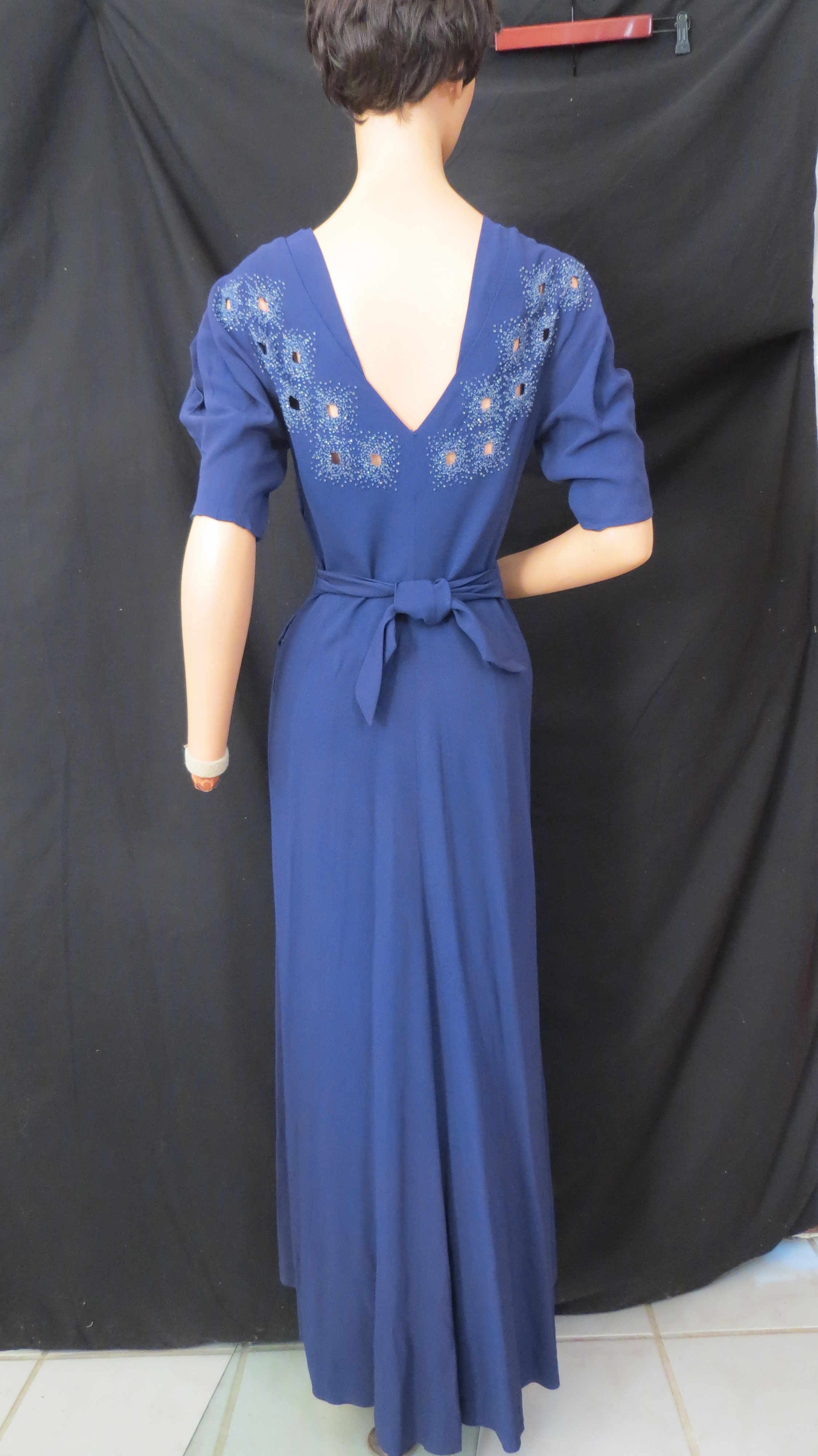
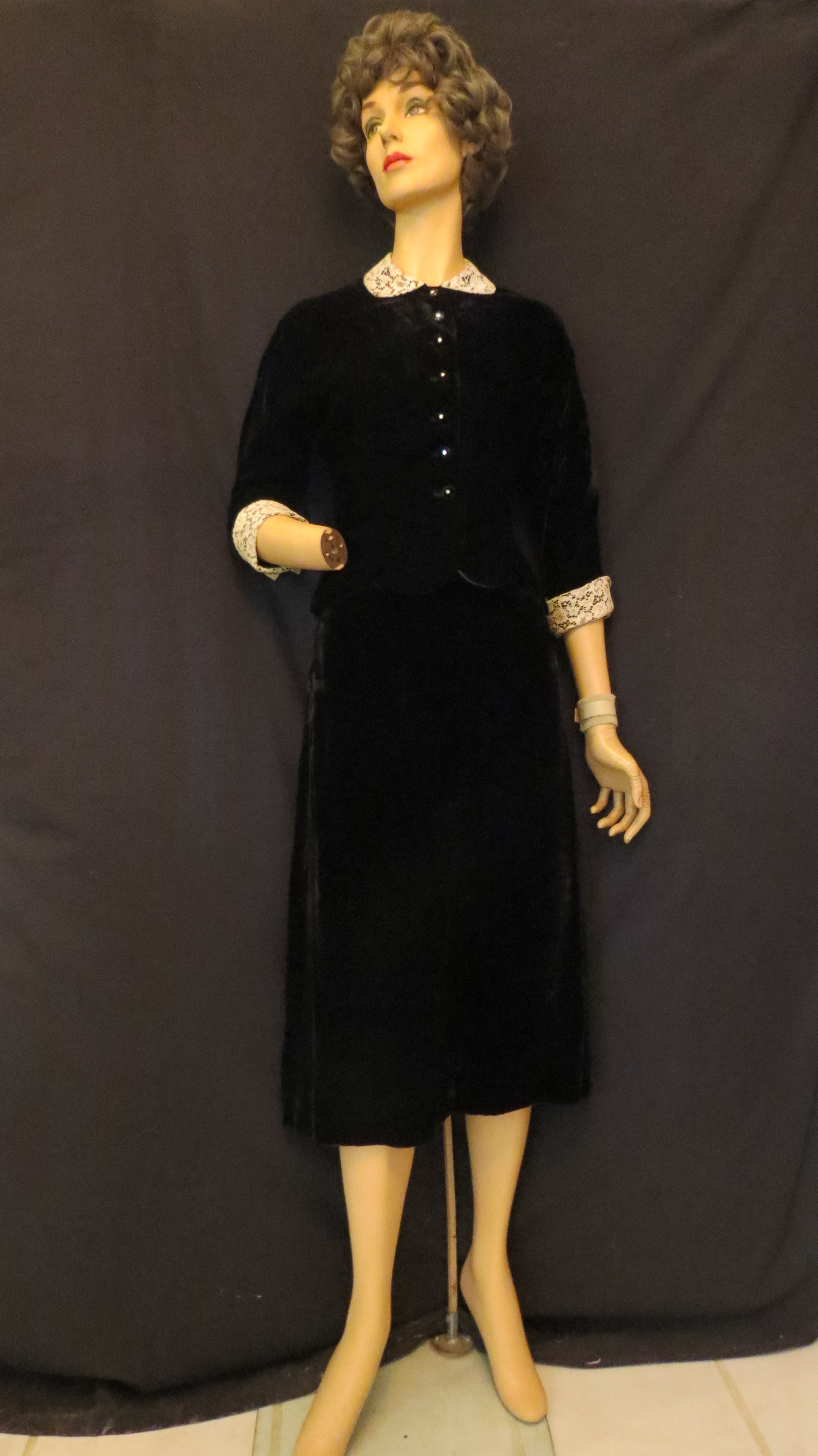
TRUE VINTAGE 1940’s FORMAL DRESSES, PLUS A DRESSY 1930’s CLUTCH PURSE

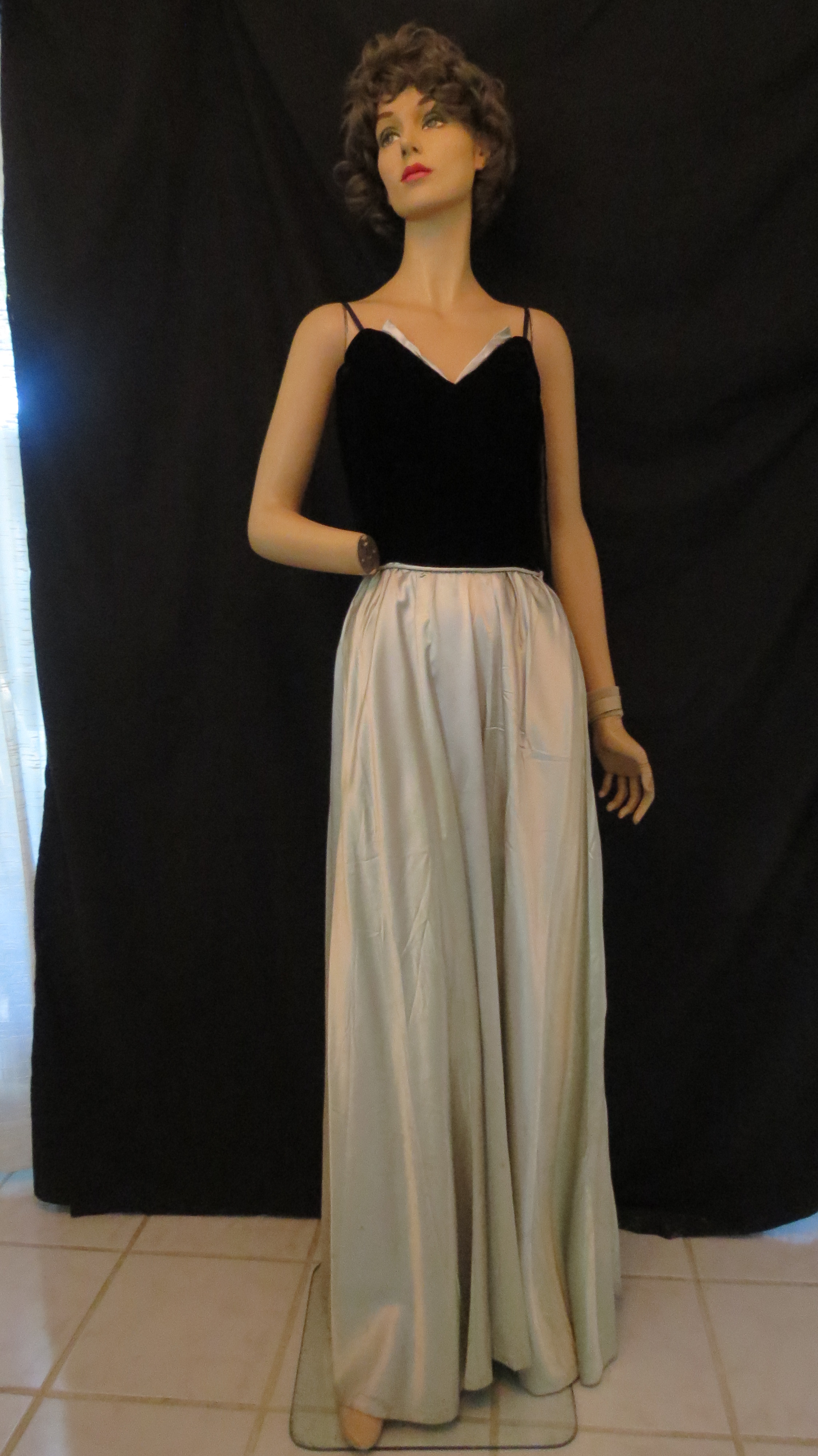
Beautiful, glossy fabrics – most of them synthetics – and lovely designs. I adore them all, but especially the first one. Let’s look at them one by one.

The first gown has a dark green velvet bodice, trimmed with the same pale green satin fabric that the skirt is made from. So flattering and luxurious. The bright red dress is a more conservative style, but still gorgeous. It’s made of an interesting fabric type which I’ve seen in other 1940’s dresses – it has a satin finish but with tiny black diamonds machine-embroidered all over. I suspect that this fabric, though lovely, was a more economical one.

The blue dress was tailor-made by hand. It is sewn from a bias-cut rayon which gives it that wonderful, drapey fit. The atomic/stellar cut-outs surrounded by seed beads were all done by handwork. I love the cut of the sleeves and the way the bustline and waistline are finished. That back tie belt gives it a really wasp-waist fit.

Finally, the black velvet two-piece dress is an entirely different design. Very proper and buttoned-up in velvet and crocheted lace, with rhinestone-center buttons.

Each of these gowns was a surprising and fabulous find. It’s rare to find 1940’s formal garments in the first place, and to find them in near-perfect condition is almost unheard of. The best bet is if they can be acquired from the original owner, or their estate. This is always a more informative clue when starting any investigation.

I’ve re-opened the 1940’s archives and am finding myself doing a deep dive there. Stay tuned . . . . . . . . . . . . . . . . . . . . . . . . . . .

MORGANA MARTIN, THE MAGICVINTAGESPY

BLOG: MAGICVINTAGESPY.COM
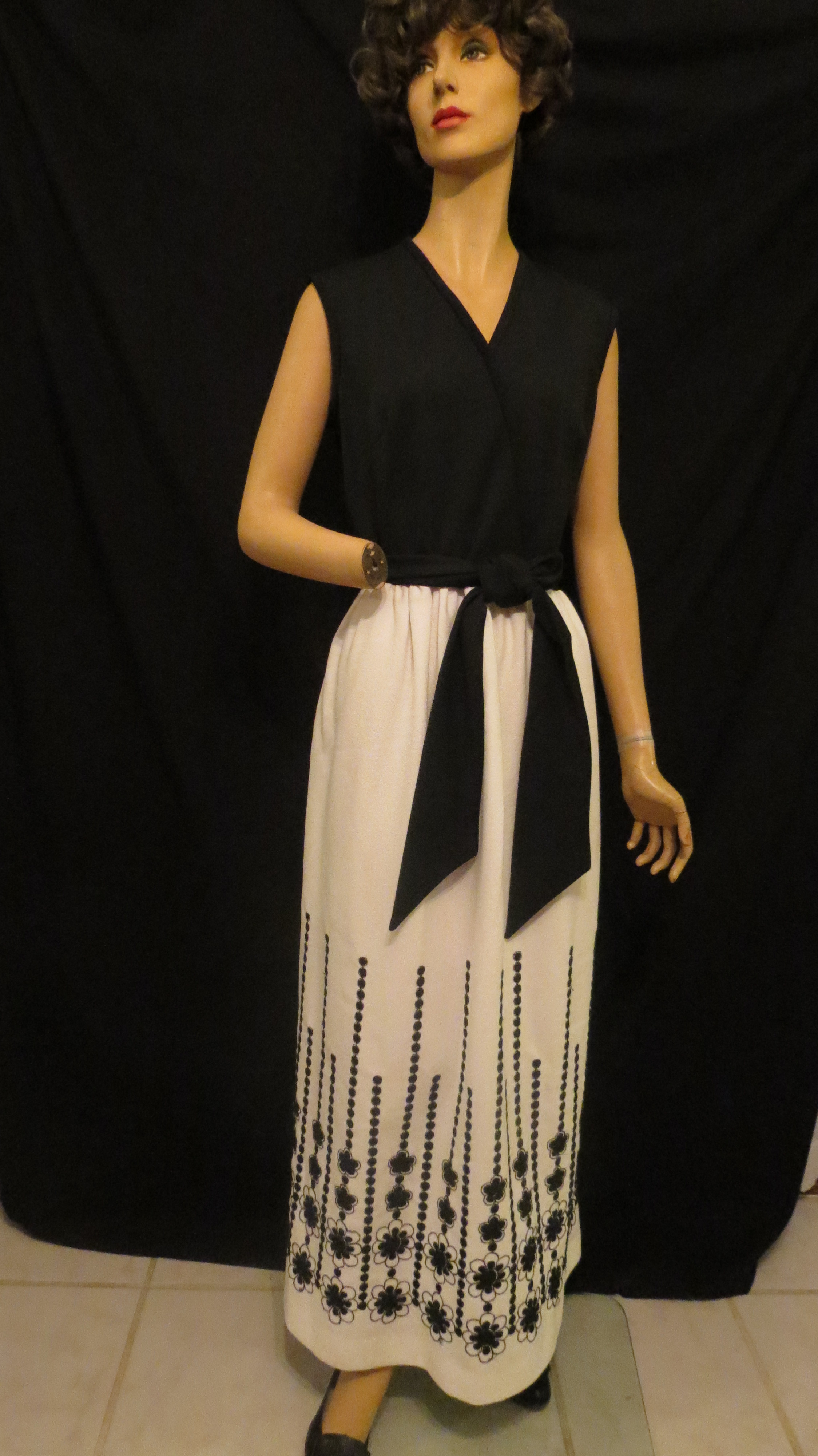
TRUE VINTAGE LATE 1960’S FASHION TRENDS – MOD HEADS INTO THE 1970’S

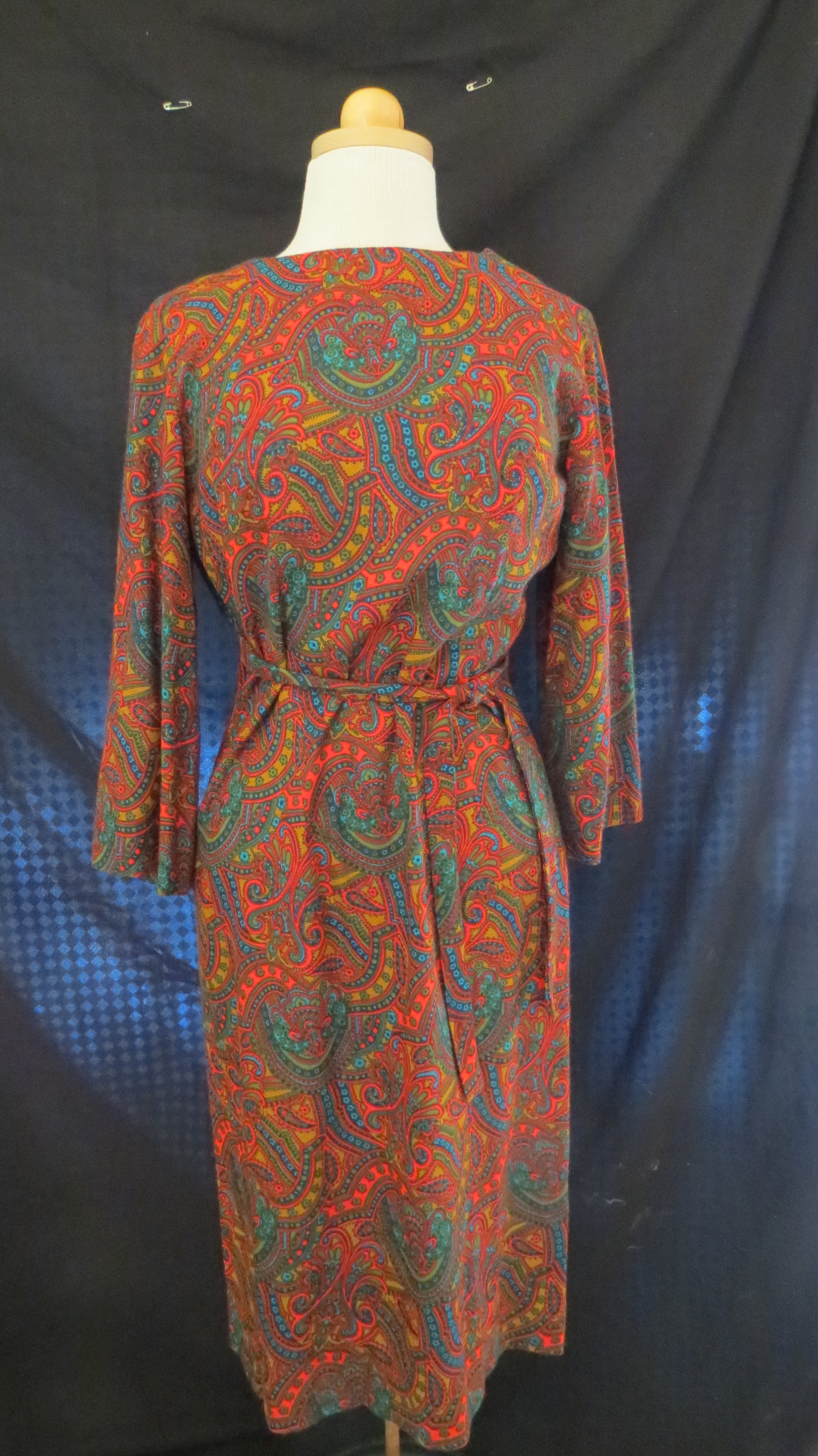
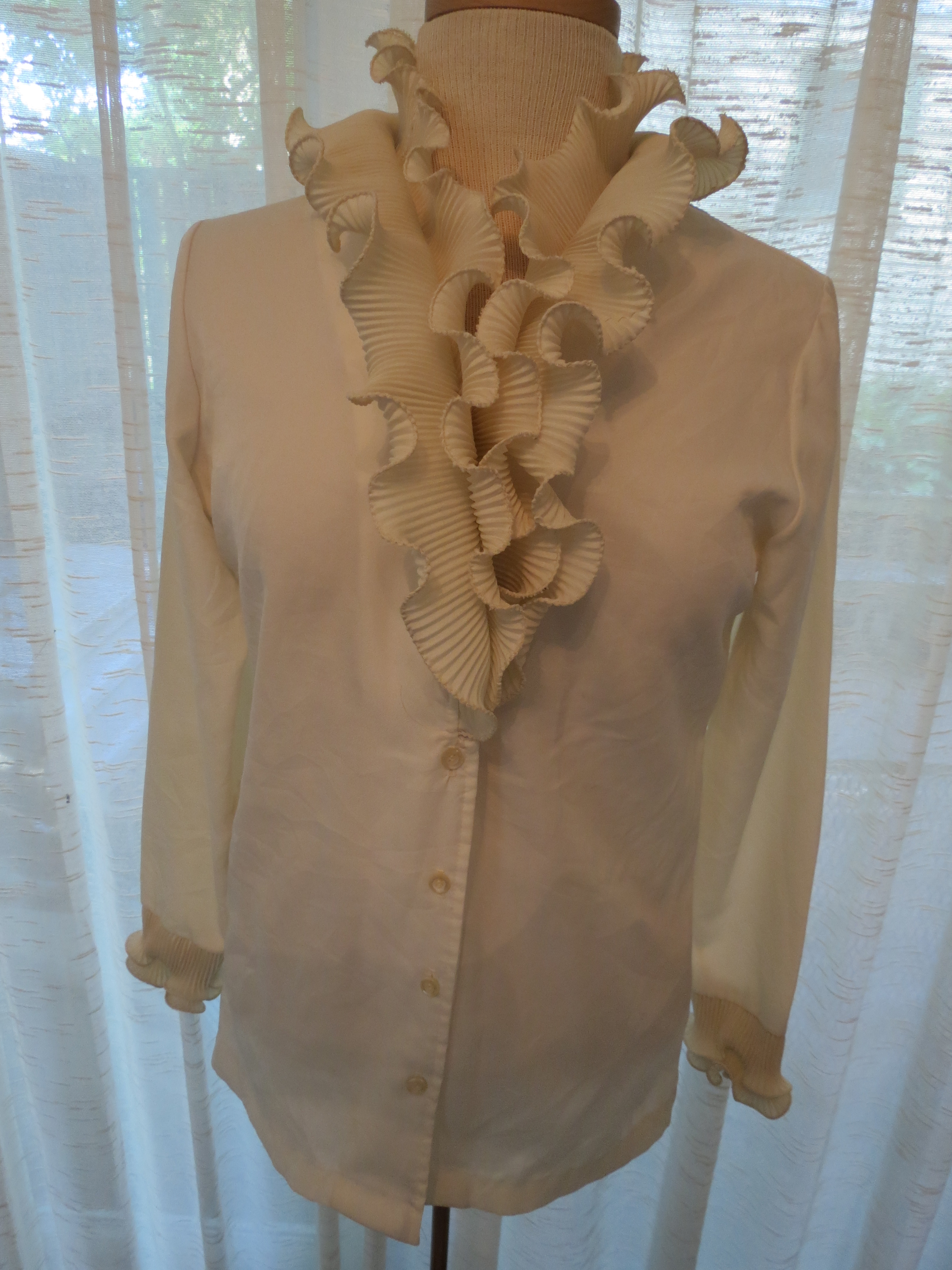
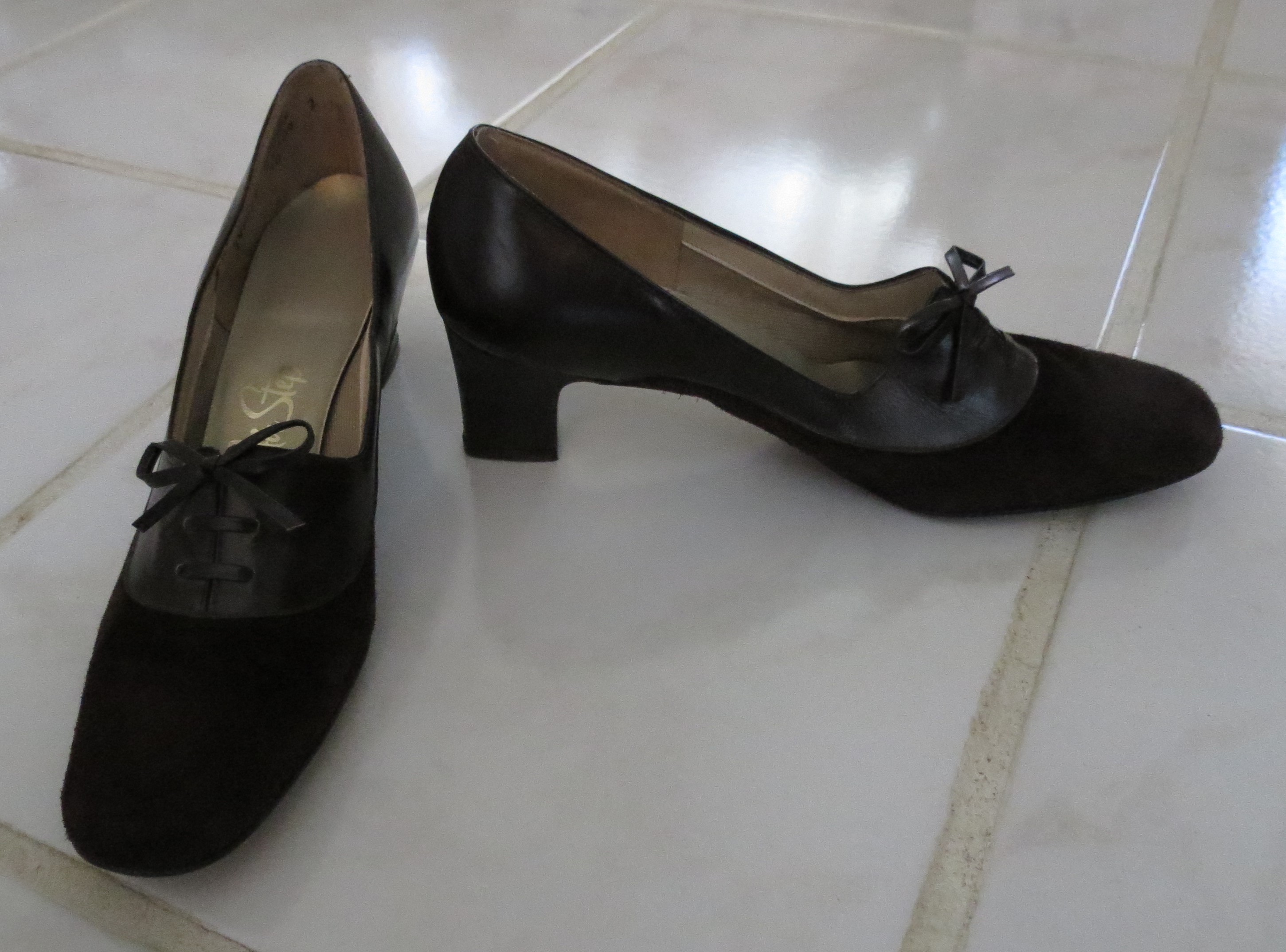
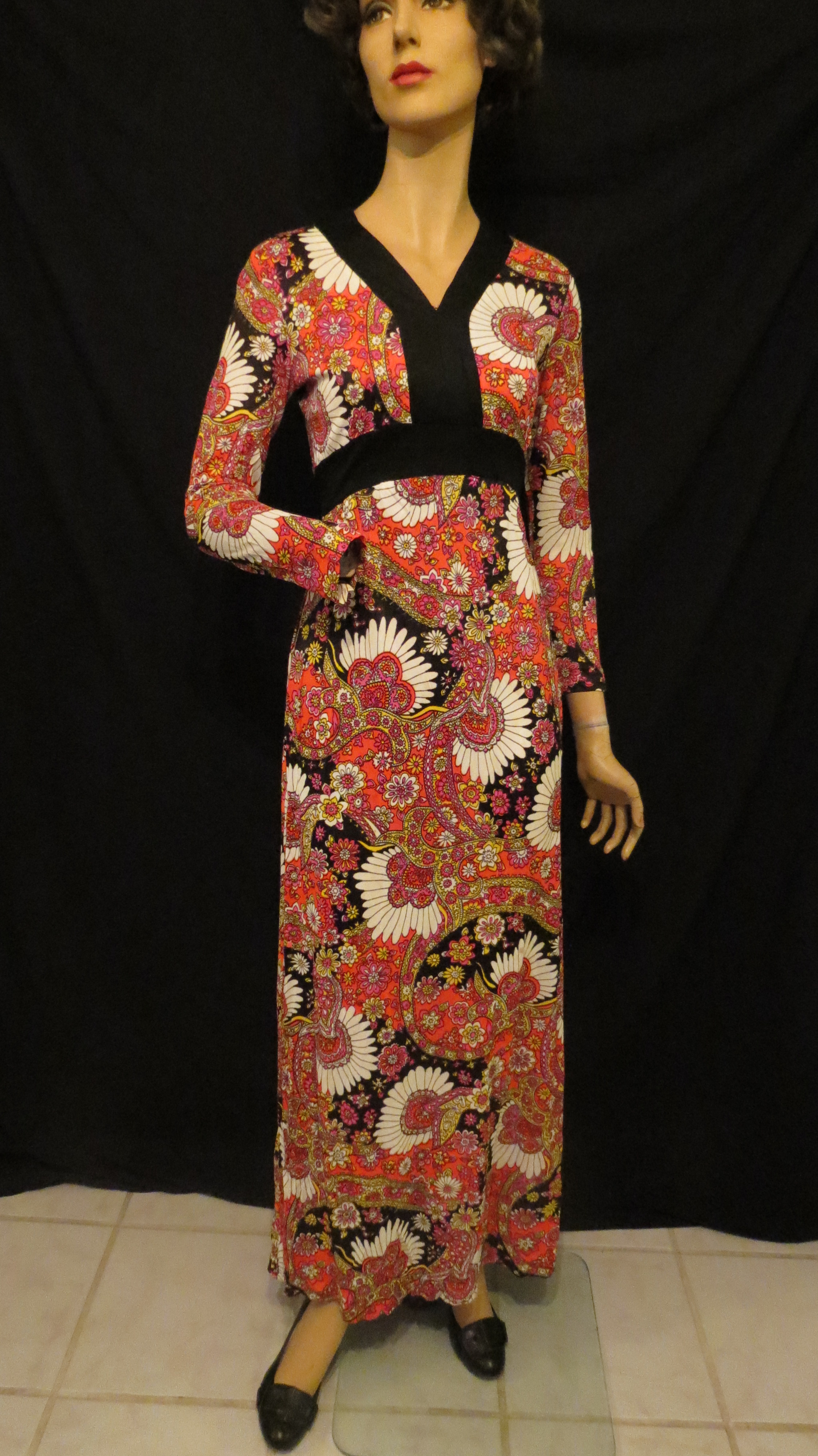
Britain continued to lead the fashion trends in the late ’60’s and it seems to me that their influence strengthened during these years as the Carnaby Street styles showed up. Mod and ultra mini began to slow down with a strong Edwardian/Victorian/Hippie wave predominating. Psychedelic and paisley prints were super popular, even on higher-end classic styles. Long bell sleeves showed up a lot. Ruffled, high-collar blouses and men’s neckties for women were fun fads. Platform soles went out (for a while) in favor of mid-heel pumps with high vamps and rounded toes. LifeStride, a popular mid-priced U.S. brand got into the trend with the example shown above.

Knee-length, midi and full-length hemlines came on the scene again, especially on more conservative and higher-end dresses. Though some minis were still worn, the hippie-styles usually had ankle-length skirts. While Carnaby Street fashions passed by, the long hippie/Victorian looks drifted into the early 1970’s. If you have followed me, you might remember a few of my posts earlier this year covering vintage Prom dresses that showed early 1970’s Victorian/Prairie designs in that mix.

There was a lot more, however, to the early 1970’s fashion designs. We’ll start looking at the Seventies tomorrow. Stay tuned . . . .

MORGANA MARTIN, THE MAGICVINTAGESPY

BLOG: MAGICVINTAGESPY.COM

True Vintage Late 1970’s – 1980’s Prom Dress and Heels

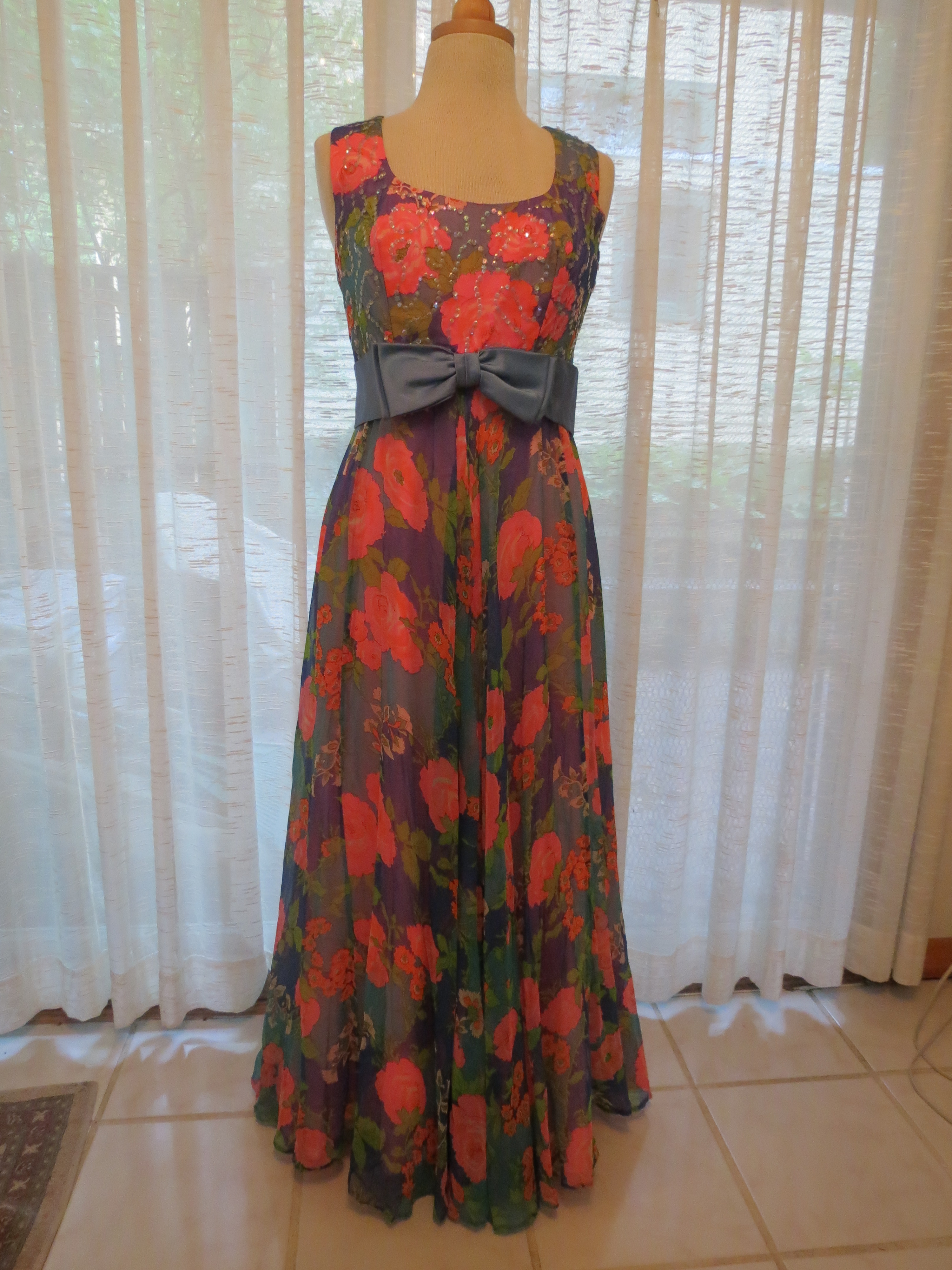
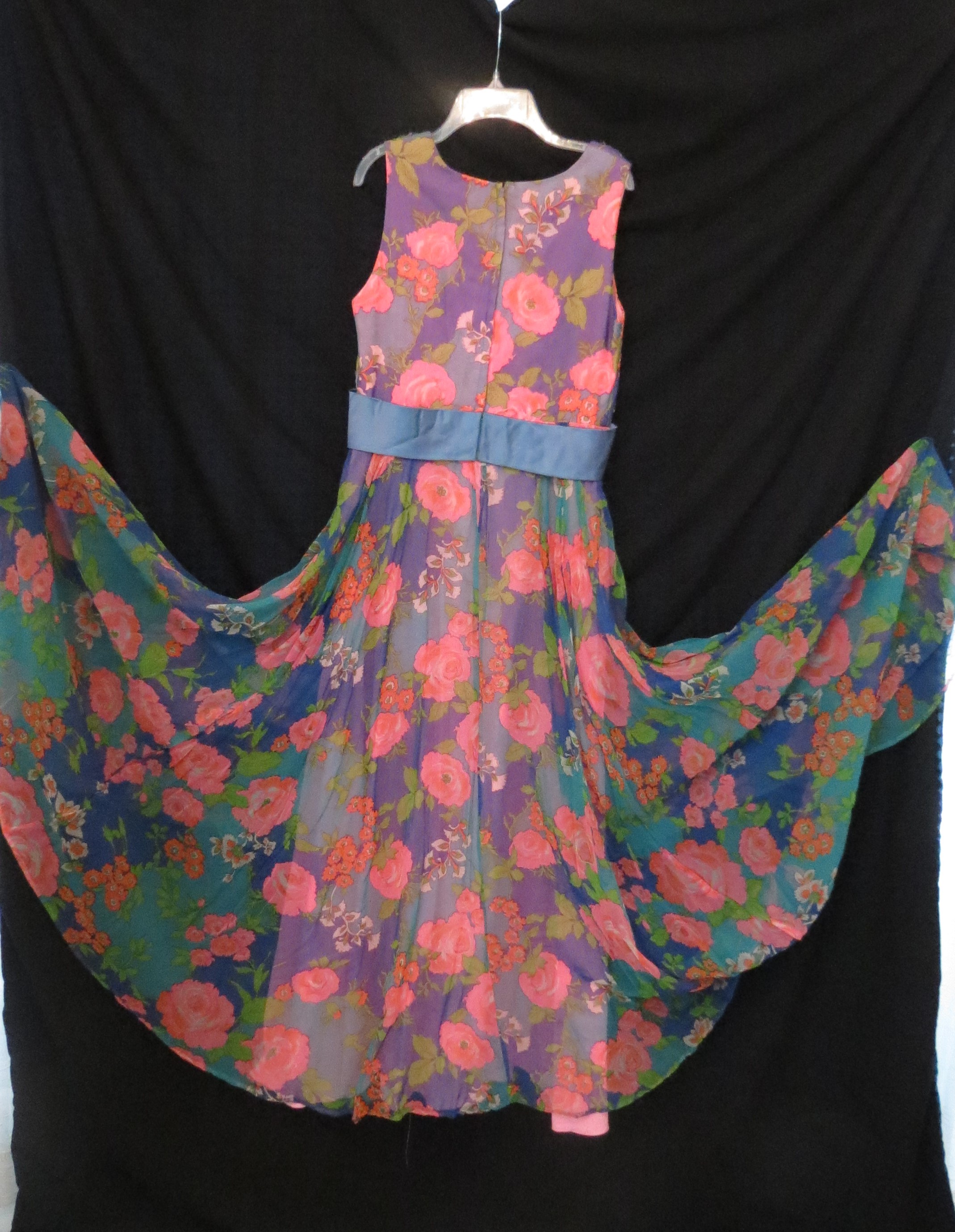
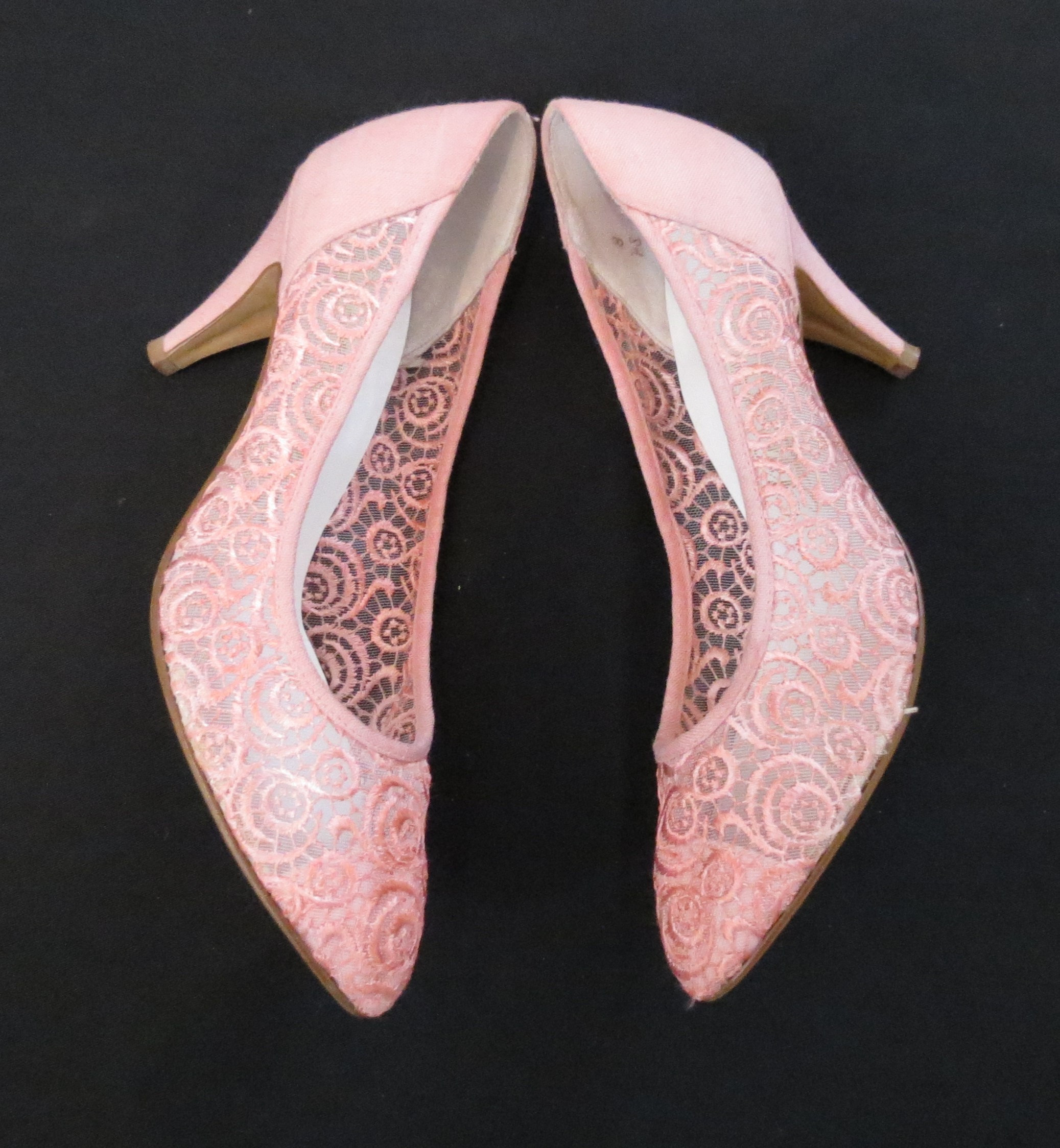
Again, a bow at the waistline and sheer fabric over opaque. But, the flavor has changed – big, bold Eighties does Forties floral print and in-your-face colors. Also, the sequins and beads sprinkled on the bodice looks like Eighties and Nineties, rather than the mid-century style. The pumps are a Sixties throwback. This gown is much more showy than the tailored, sophisticated styles of the Fifties and early Sixties and we’re still about 10 years away from the glitzy power frocks of the Dynasty decade.

Still pretty and girly, though not quite as “sweet”, in spite of all the pink underneath. It’s so interesting to see how clues and evidence overlap from year to year. Stay tuned for the file containing mid-century day-wear suits, dresses and accessories as Winter moves toward Spring . . . . . . . . . . . . . . . . . . . . . . . . . . .

MORGANA MARTIN, THE MAGICVINTAGESPY

BLOG: MAGICVINTAGESPY.COM
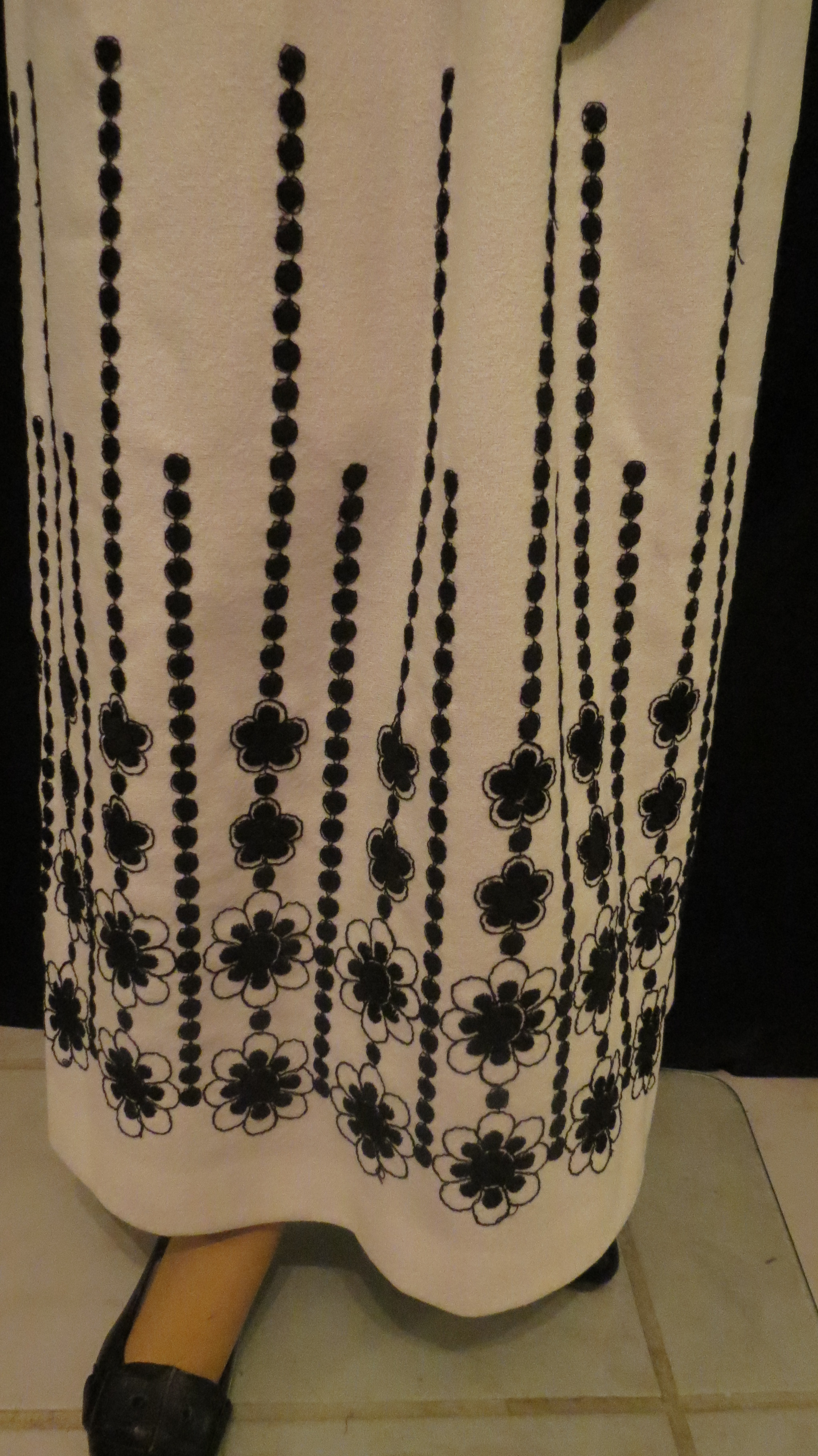
Mod Floral Prom Formal from the Mid- Late 1960’s

Flower Power! A little Victorian flavor here, too, which began to show up in the late Sixties. This carried over into the Prairie styles of the late Sixties and early Seventies, several of which I showed a few days ago. At that time, many were worn to the Prom. Lots of changes were happening in history and culture during this time and fashions morphed at lightening speed.

Of course, Mod flowers, empire waistline, gathered sleeves and retro ruffles plus a novel style element that showed up then and disappeared pretty quickly – big tall cuffs with lots of buttons. Many blouses and dresses were made with these, as well as long pointy collars, which had their own version on 1970’s shirts a few years later.

Although it’s a mangled mash of styles, it’s really cute and this was a time for CUTE clothing. It was a fad for a fairly short time. Sophisticated fashion took a back seat for a while. I haven’t seen too many of these during my investigations, so this one was a very fun find. Stay tuned for going ahead to the 1980’s . . . . . . . . . . . . . . . . . . . . . . . . . . . . . . . . . .

MORGANA MARTIN, THE MAGICVINTAGESPY

BLOG: MAGICVINTAGESPY.COM
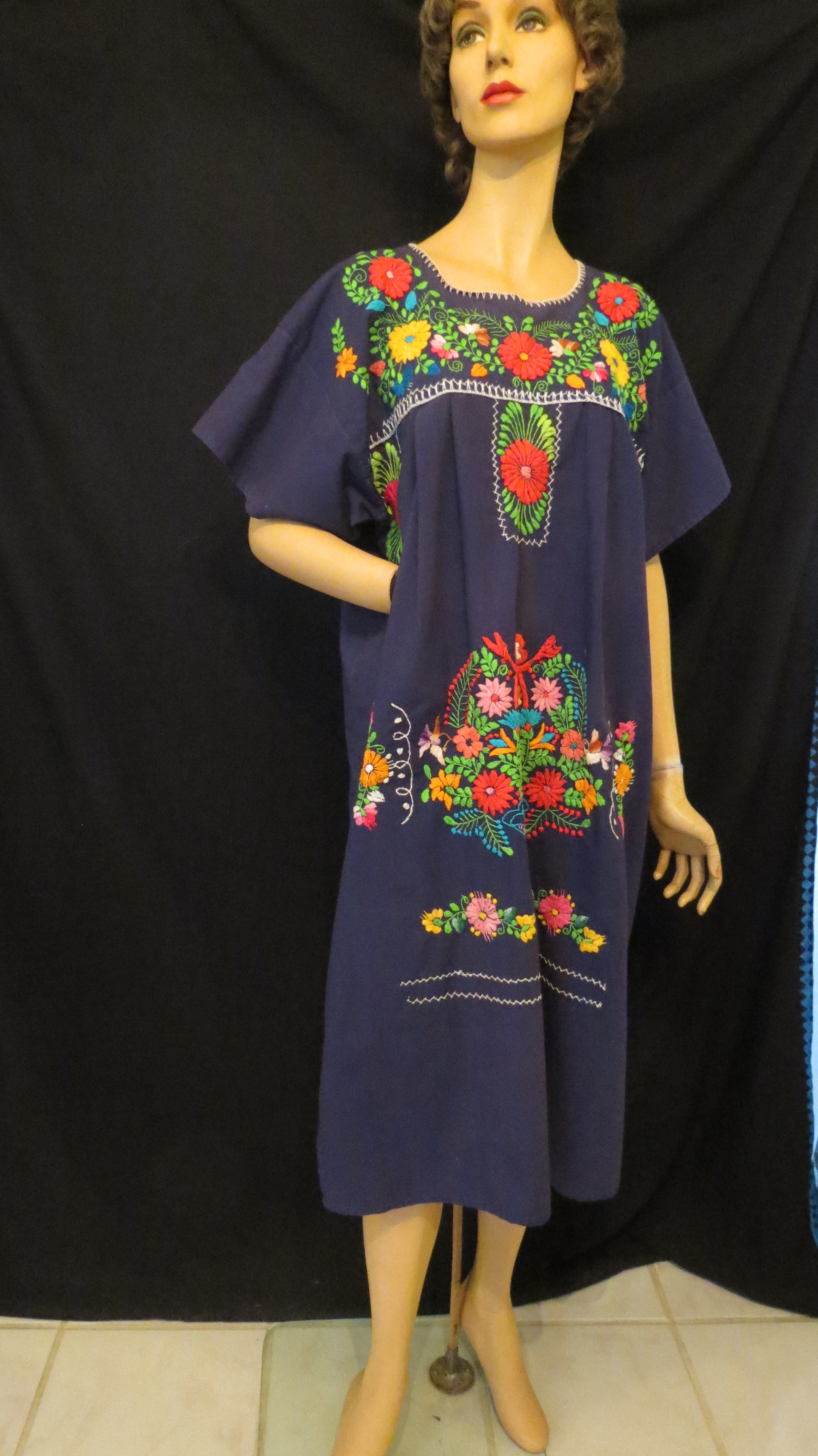
Golden Dream – A True Vintage early 1960’s Classic Spring Formal Dress

Here’s a rare and beautiful example of a sophisticated sheath style from the Kennedy Era. So flattering. This gown was not headed to the Prom but to a more conservative and formal event, such as an elegant State Dinner, a university Gala or perhaps a play or concert in the city. I love the decoration on the bodice and elbow-length sleeves – not over-done but very pretty and eye-catching.

Although it’s made in the newer, sleeker style, we still see the sheer fabric over opaque material that has been a feature of many, if not most, formal dresses during the 1950’s – ’60s decade. But, keep eyes open. Fashion changes FAST going forward and upcoming posts will show examples of this. Stay tuned . . . . . . . .

MORGANA MARTIN, THE MAGICVINTAGESPY

BLOG: MAGICVINTAGESPY.COM

A Sweet True Vintage Formal from the 1960’s

I showed this frock a few months ago, but it deserves a place in this 1960’s line-up and gets us back to formal dresses. See the jacquard weave fabric repeated, the bows and a sash. Formals are really changing shape as we move into the ’60’s, with many of them having a sheath shape, though the full skirts and wasp waistlines are still around, too. This could have been a simple Prom dress, probably at a smaller school, but might have gone to any event calling for a long gown. Black and white knows no season and can truly span the calendar – just as fashionable as a pastel for Spring . . . . . . . . . . . . . . . . .

MORGANA MARTIN, THE MAGICVINTAGESPY

BLOG: MAGICVINTAGESPY.COM
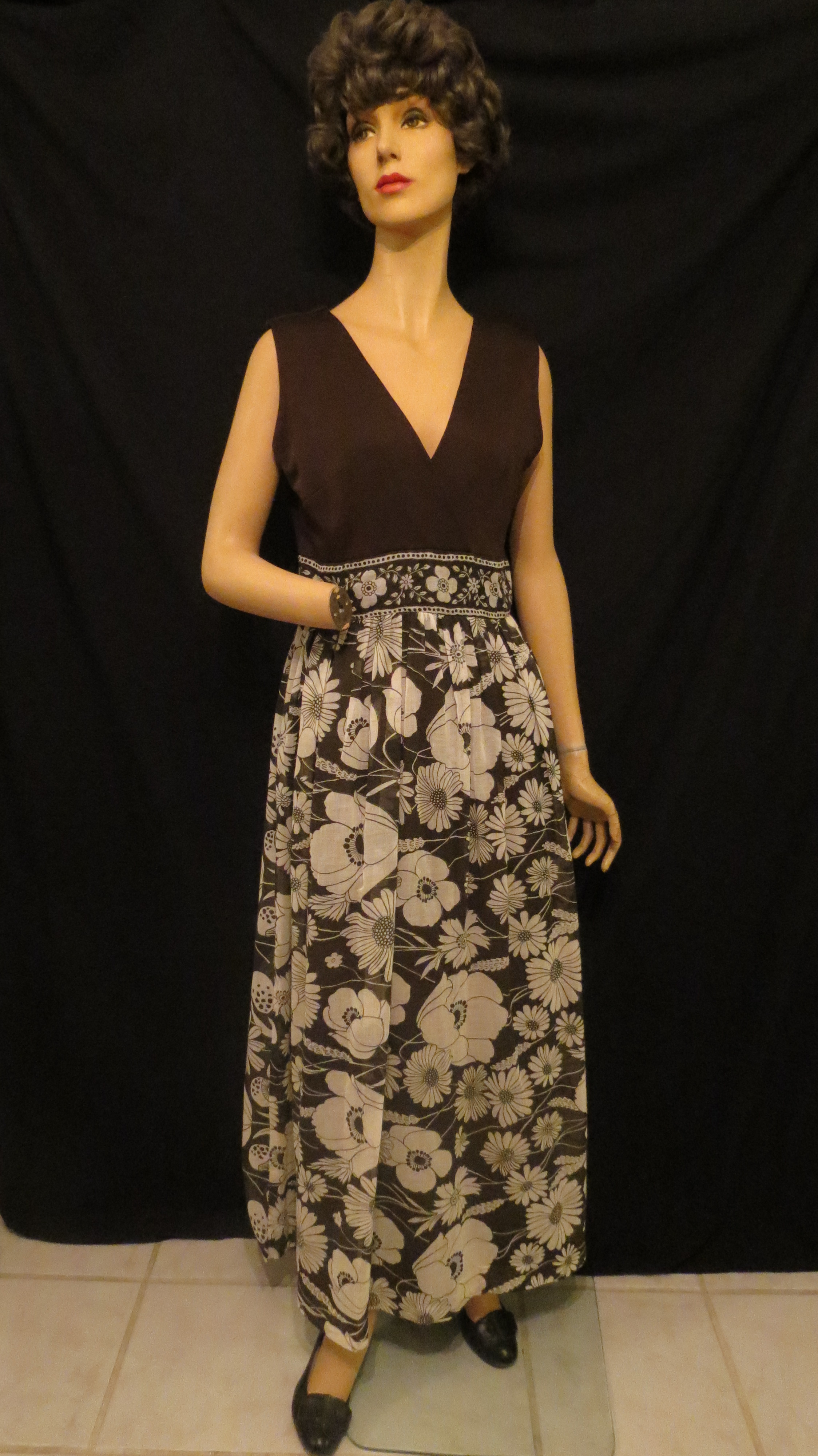
Beautiful True Vintage Victorian Prairie Style Dress from early 1970’s

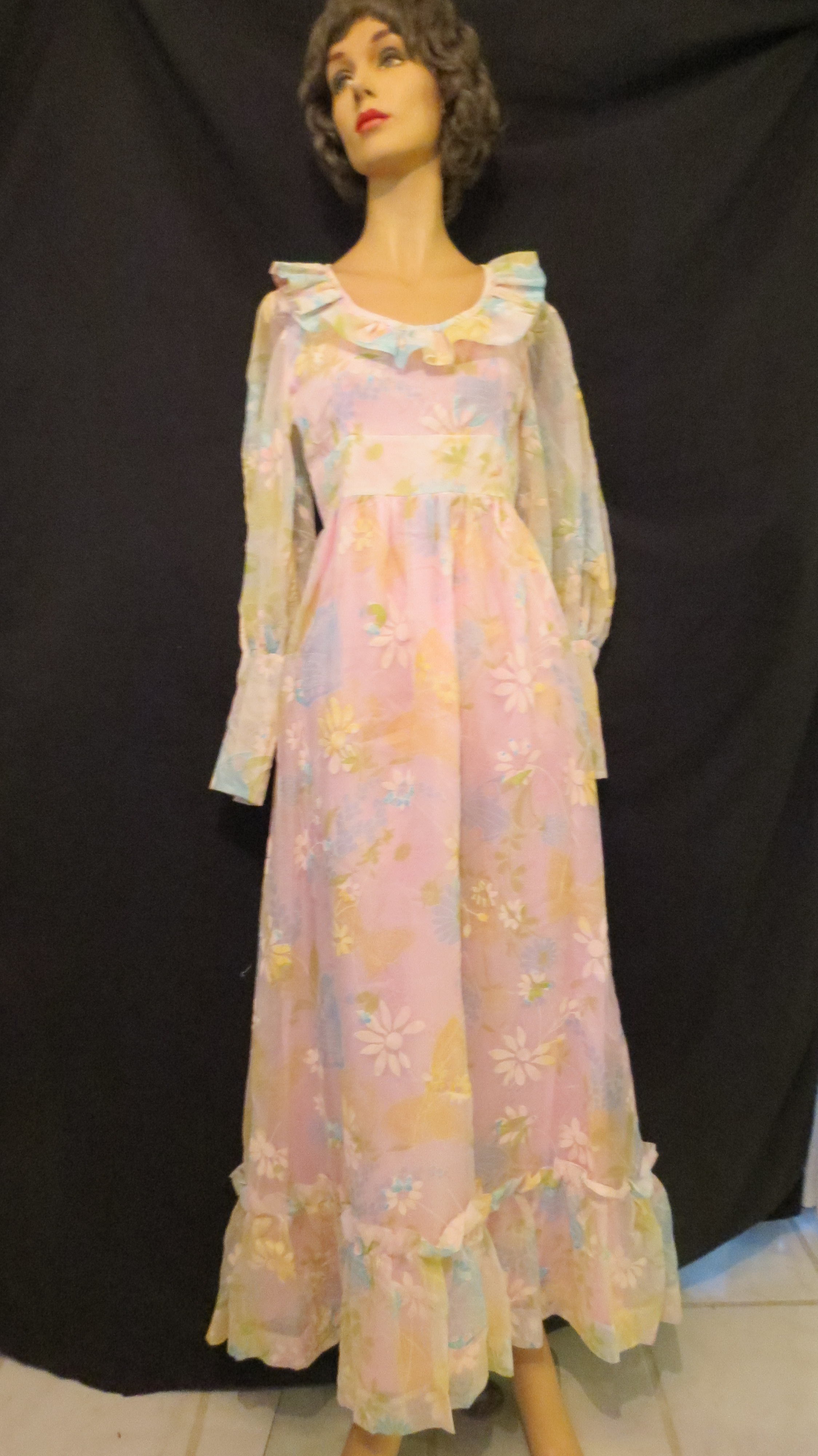
In a pretty apricot pink pastel hue, this lace and cotton gown is a perfect example of the prairie dresses in Victorian style from the late 1960’s to the very early 1970’s. Unlike the ones that were hippie-style, this type is very straight-laced and conservative, modeled after the dresses from the late 1800’s. Never my favorite, but definitely worth collecting since they represented a major Seventies fashion trend.

This one is not a famous label like Gunnie Sax, but it’s well-made and well-designed. During those few years when these were most popular they sometimes found their way to church as non-traditional wedding fashions and less buttoned-up styles sometimes found their way to the Prom. Speaking of Prom and other formals, we’ll be seeing more of them in the next few days. Although it’s early, girls traditionally started thinking about formal dresses for Prom and for the Spring holidays about this time of year – after all, it does require a lot of planning. That was especially true if you were having your dress custom-made, either by Mom or the neighborhood lady who took in sewing. Stay tuned . . . . . . . . . . . . . . .

MORGANA MARTIN, THE MAGICVINTAGESPY

BLOG: MAGICVINTAGESPY.COM
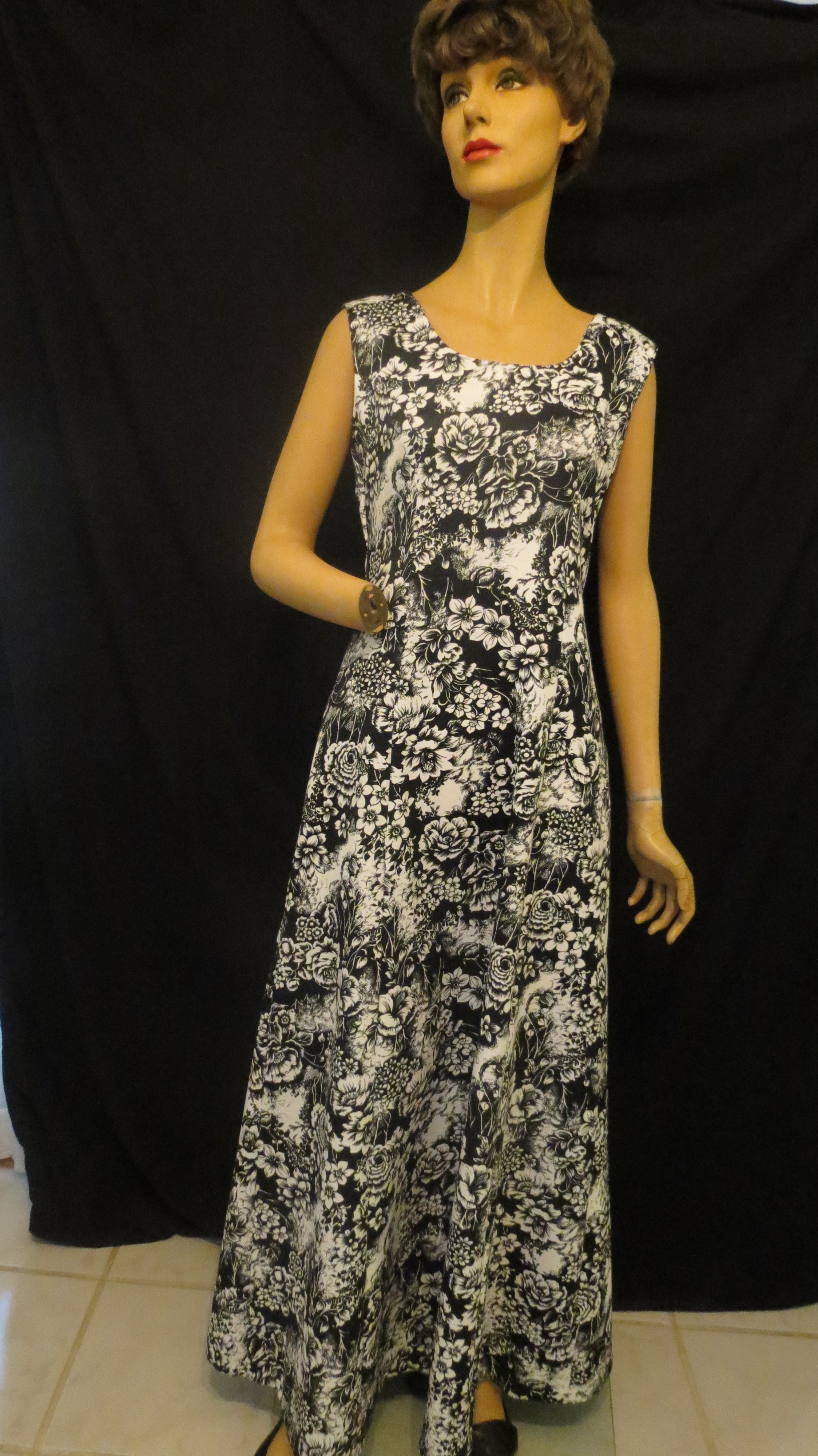
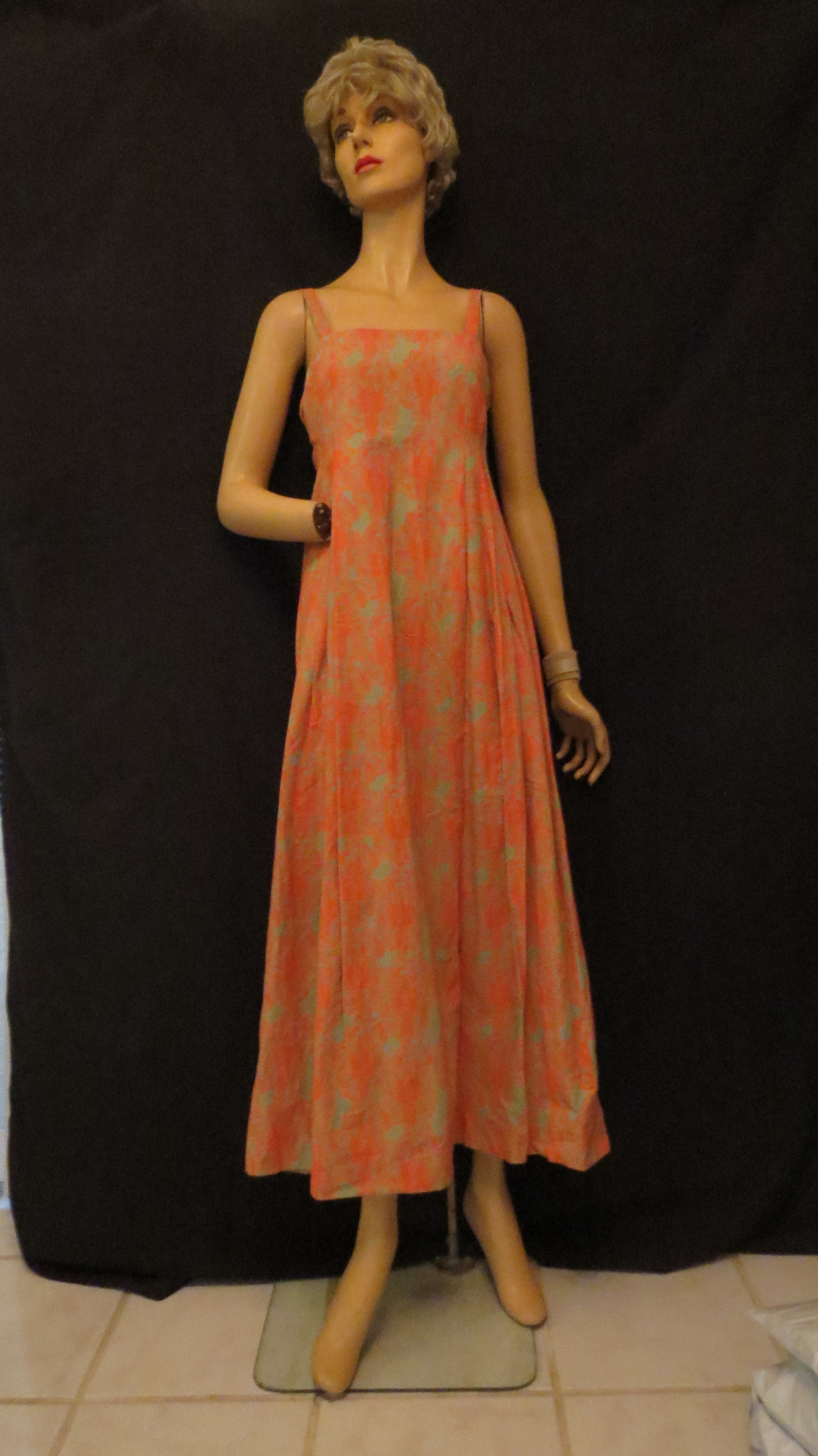
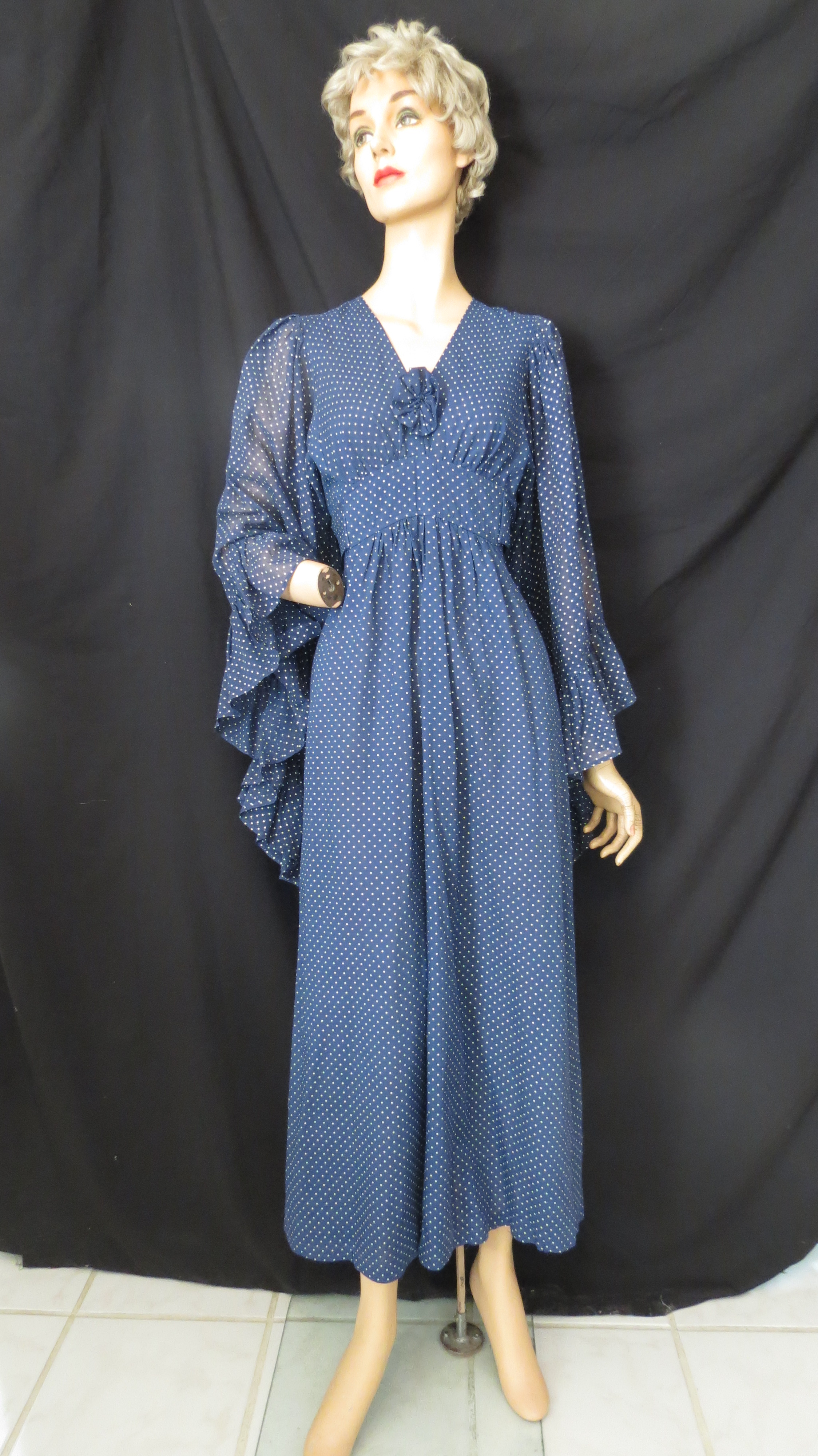
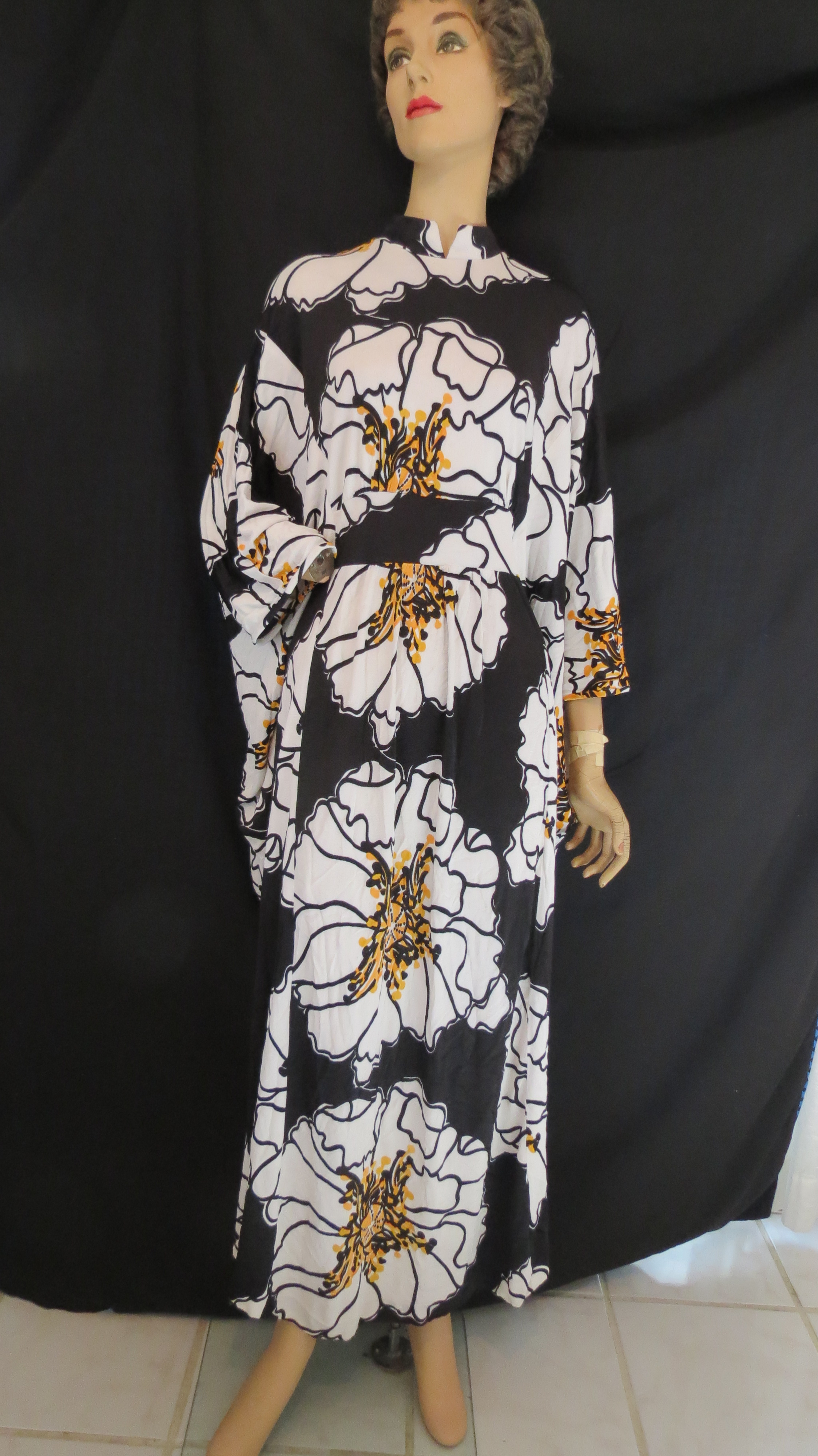
True Vintage late 1960’s – 1970’s Casual Wedding Dress(?) Alternative + a Frock for Mother of the Bride

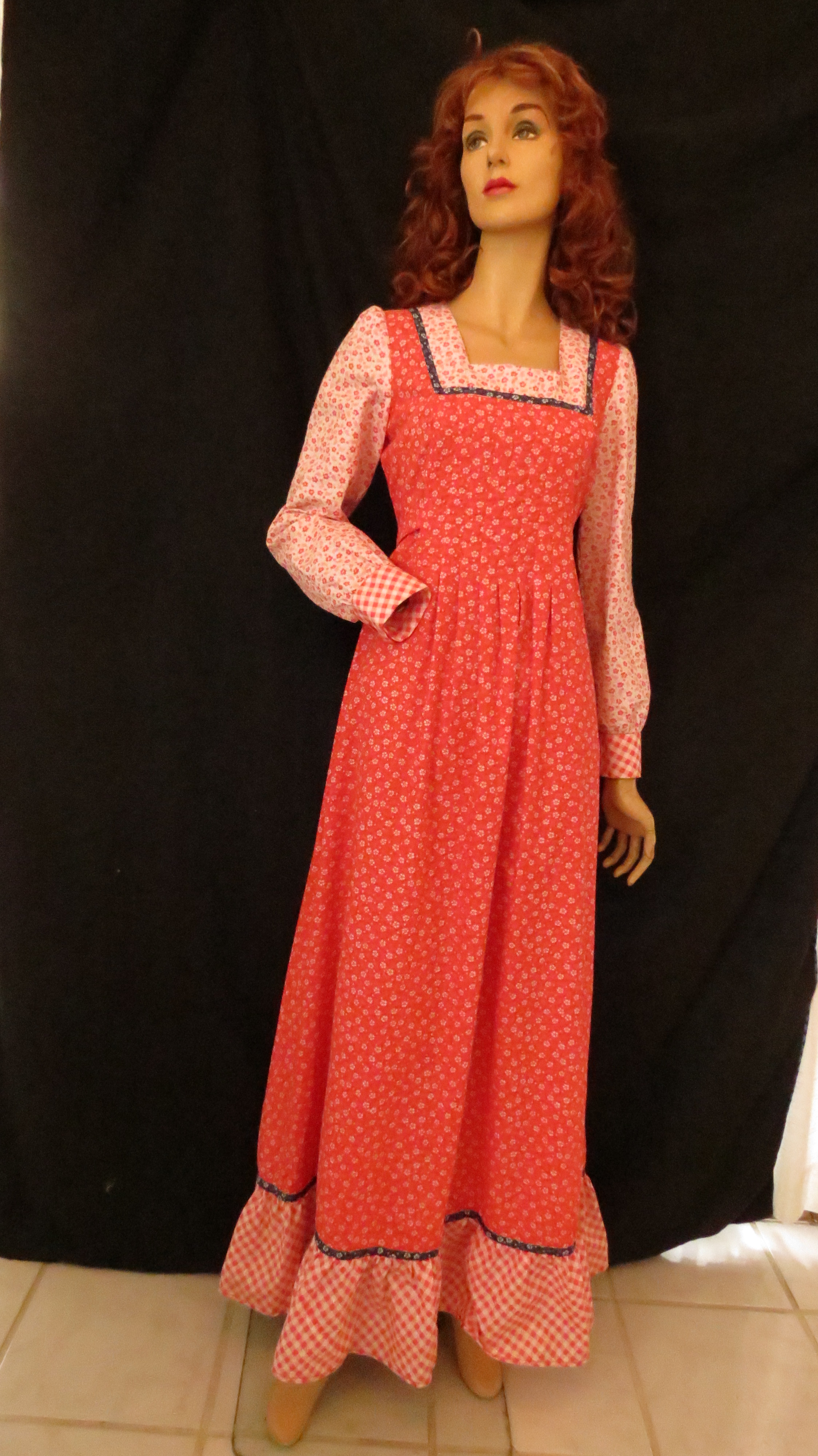
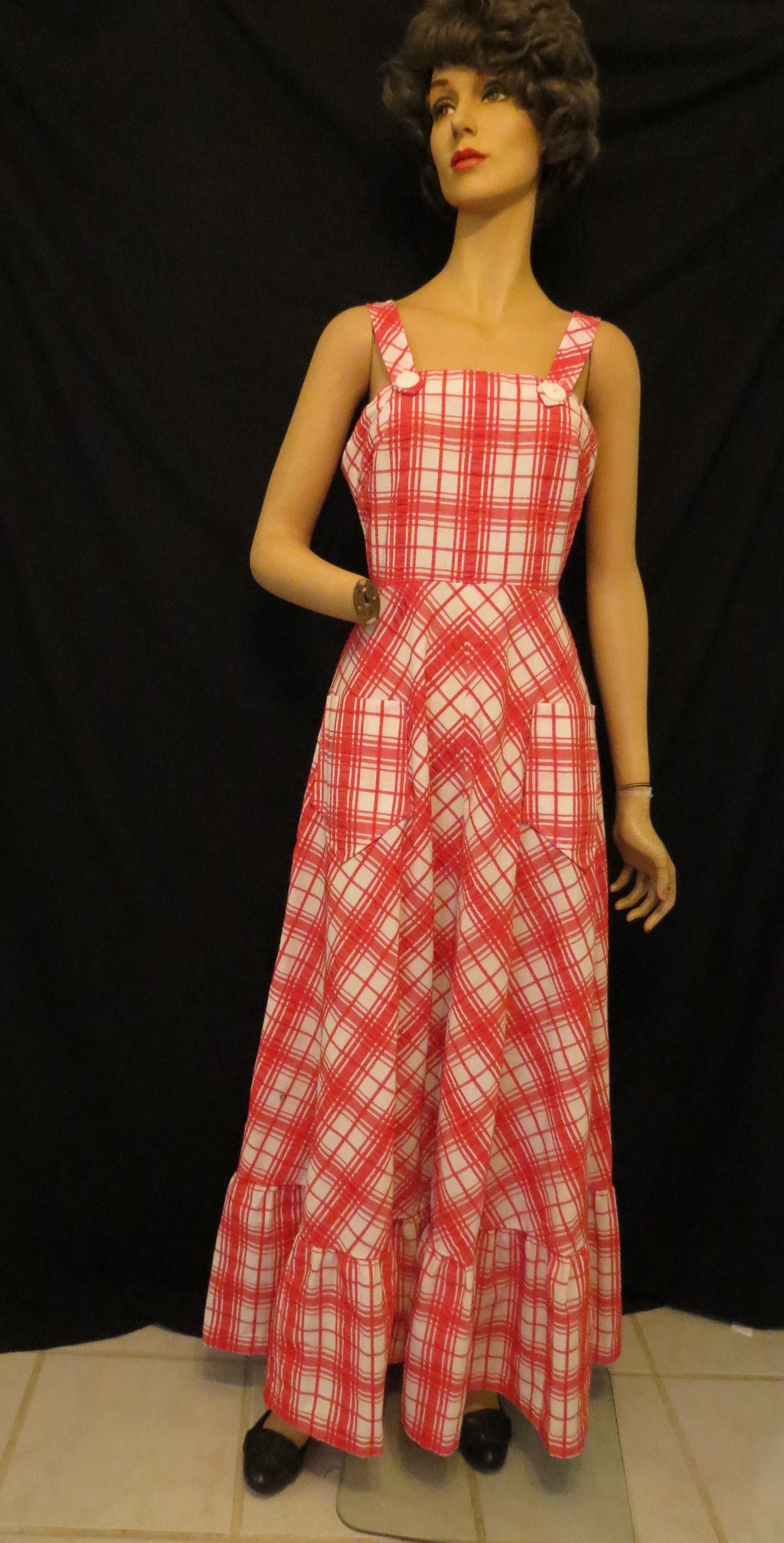
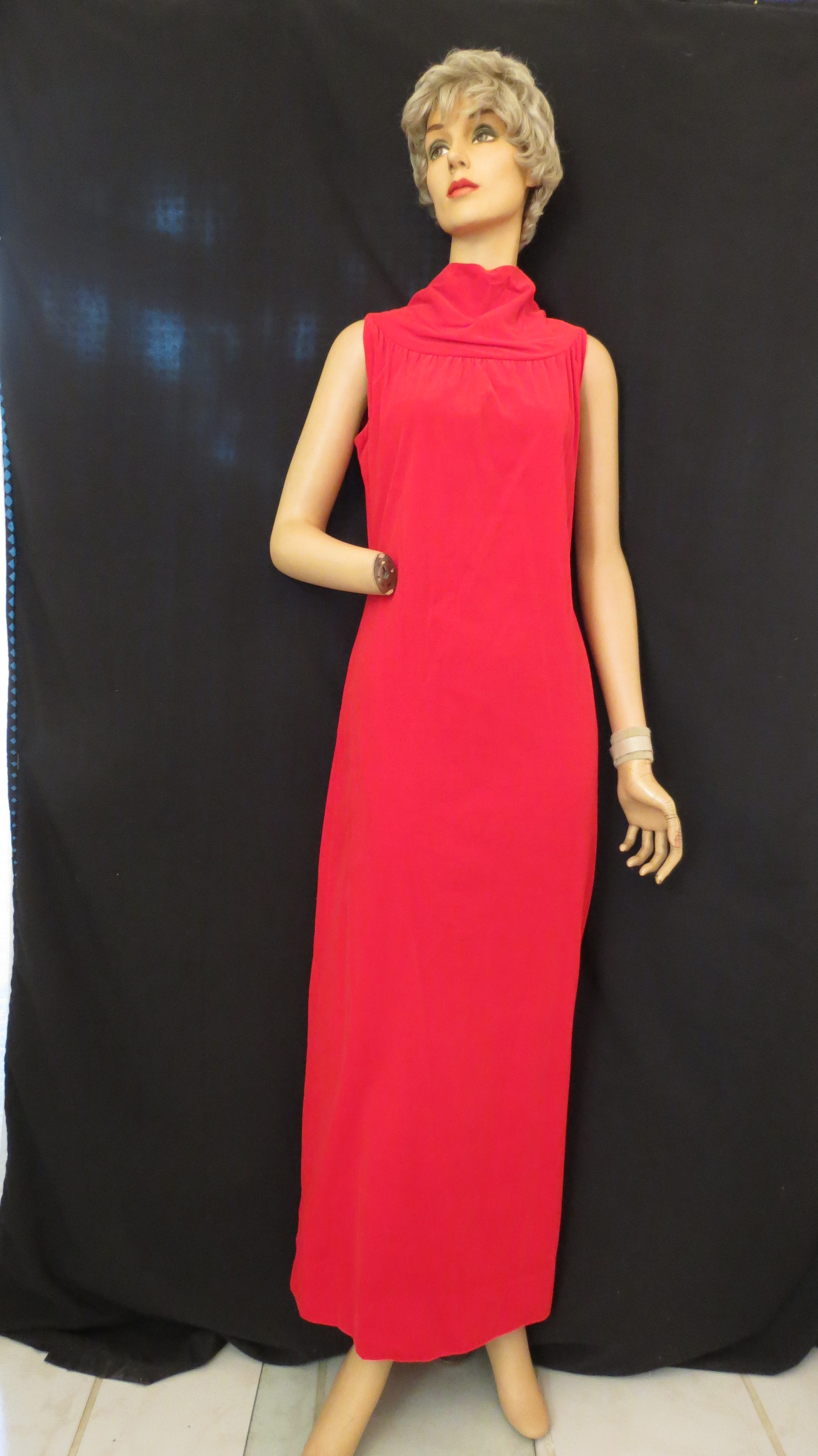
Looks like a real stretch to think of this casual cotton dress as a wedding costume, but not necessarily for this time frame. Hippie/peasant/vintage fashions were super-big during this time and casual or non-traditional weddings became very popular. Who knows – it was probably just a summer/vacation/day dress for no particular reason but is pretty enough for a gal who wants to opt out of the “big white wedding” trap and go Boho.

For her mother, on the other hand, the semi-dressy blue frock might not have offended her daughter’s rebellious efforts too much while still allowing Mom to fulfill her Mother of the Bride role with some elegance and decorum. A real advantage of both these dresses is that they were moderately priced and easy to wear again and again in a variety of situations. This is definitely not the most interesting era of beautiful fashion, with the exception of a very few examples, but it does have a specific identity and is very worthy of mention in the chronology of fashion history. More to come – stay tuned . . . . . . . . . . . . . .

MORGANA MARTIN, THE MAGICVINTAGESPY

BLOG: MAGICVINTAGESPY.COM