1940’s WAR-SHOCK DRESSES & WARTIME FASHION TRENDS

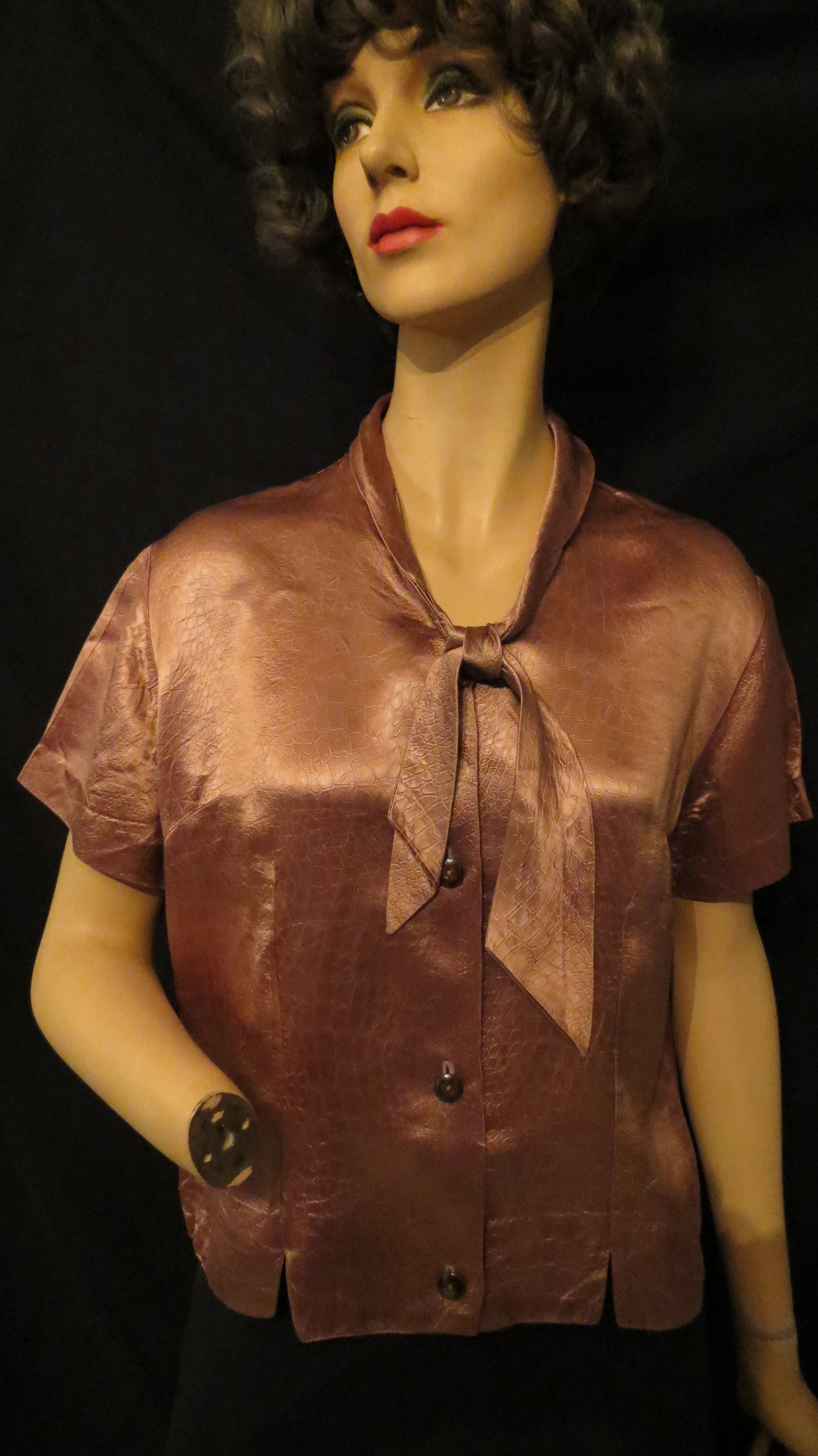
Before 9-11 it was hard for young U.S. Americans to understand the shock and fear that the attack on Pearl Harbor caused in December 1941. The government’s decision to join WWII, which had been happening in Europe and seemed remote to most everyday folks in the U.S., suddenly brought it close to home. The news and the movies began to open the doors on Asian culture and the curiosity of Americans and popular culture started to make this theme trendy. These dresses are from some of my most interesting investigations.

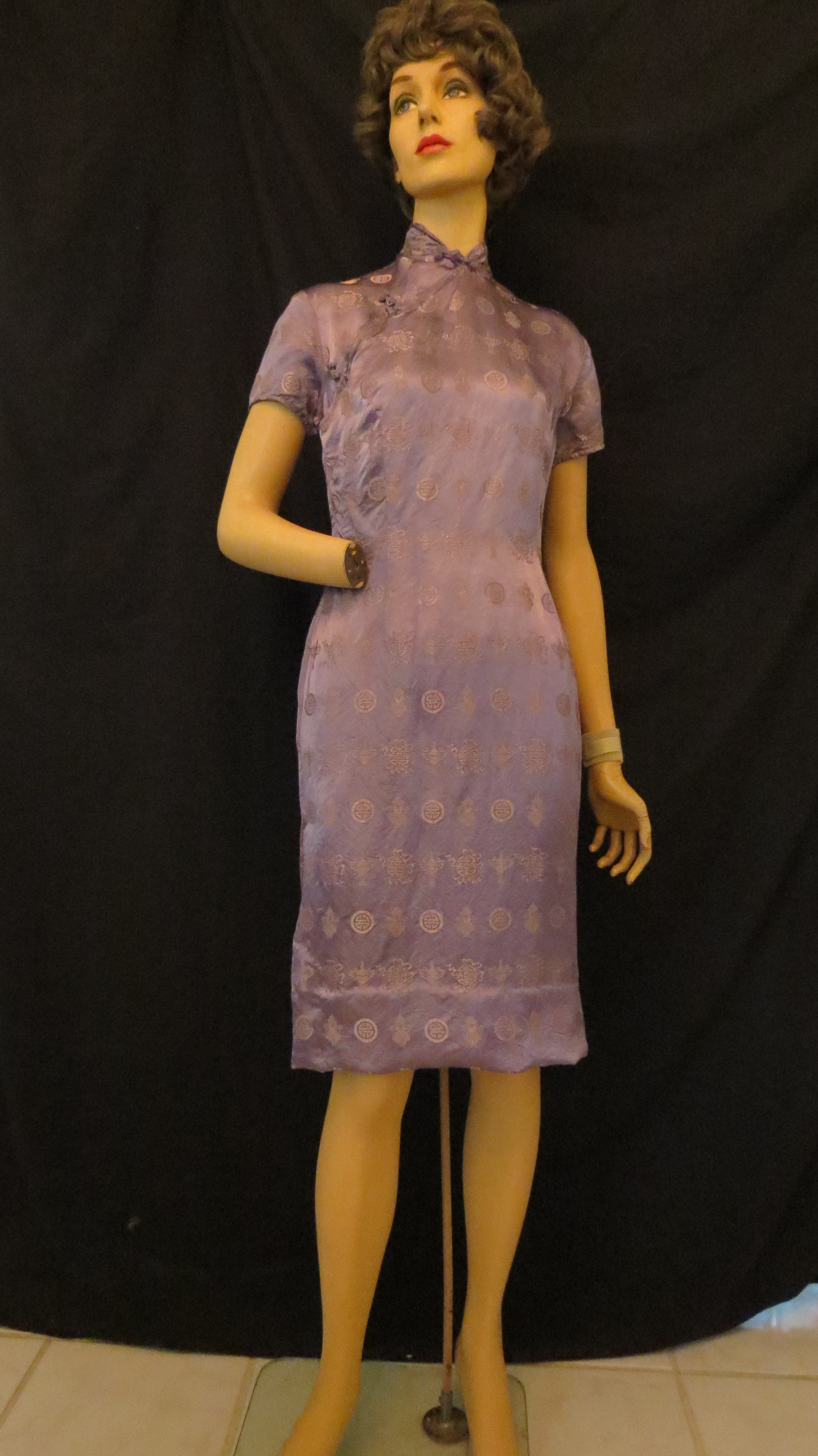
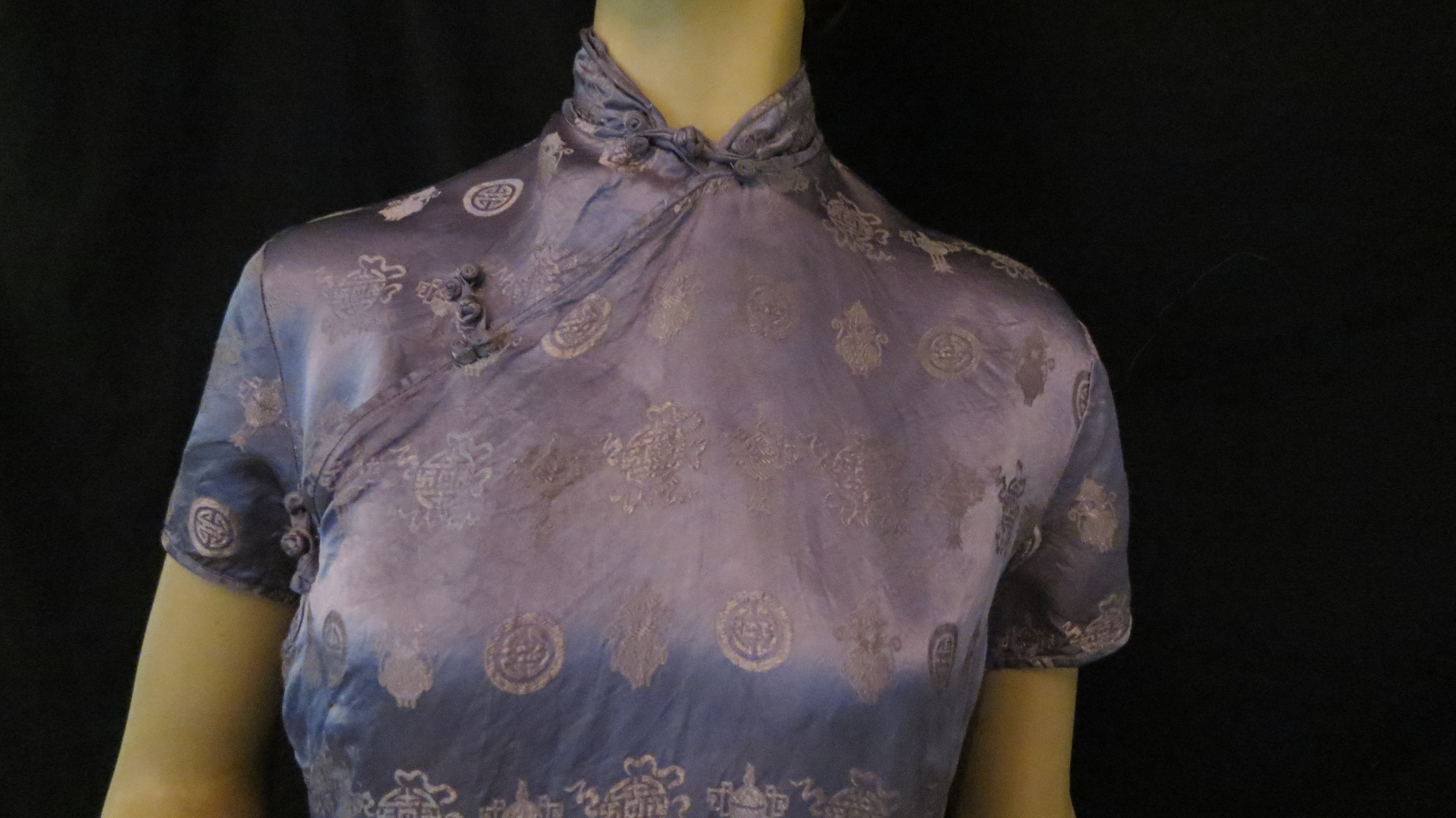
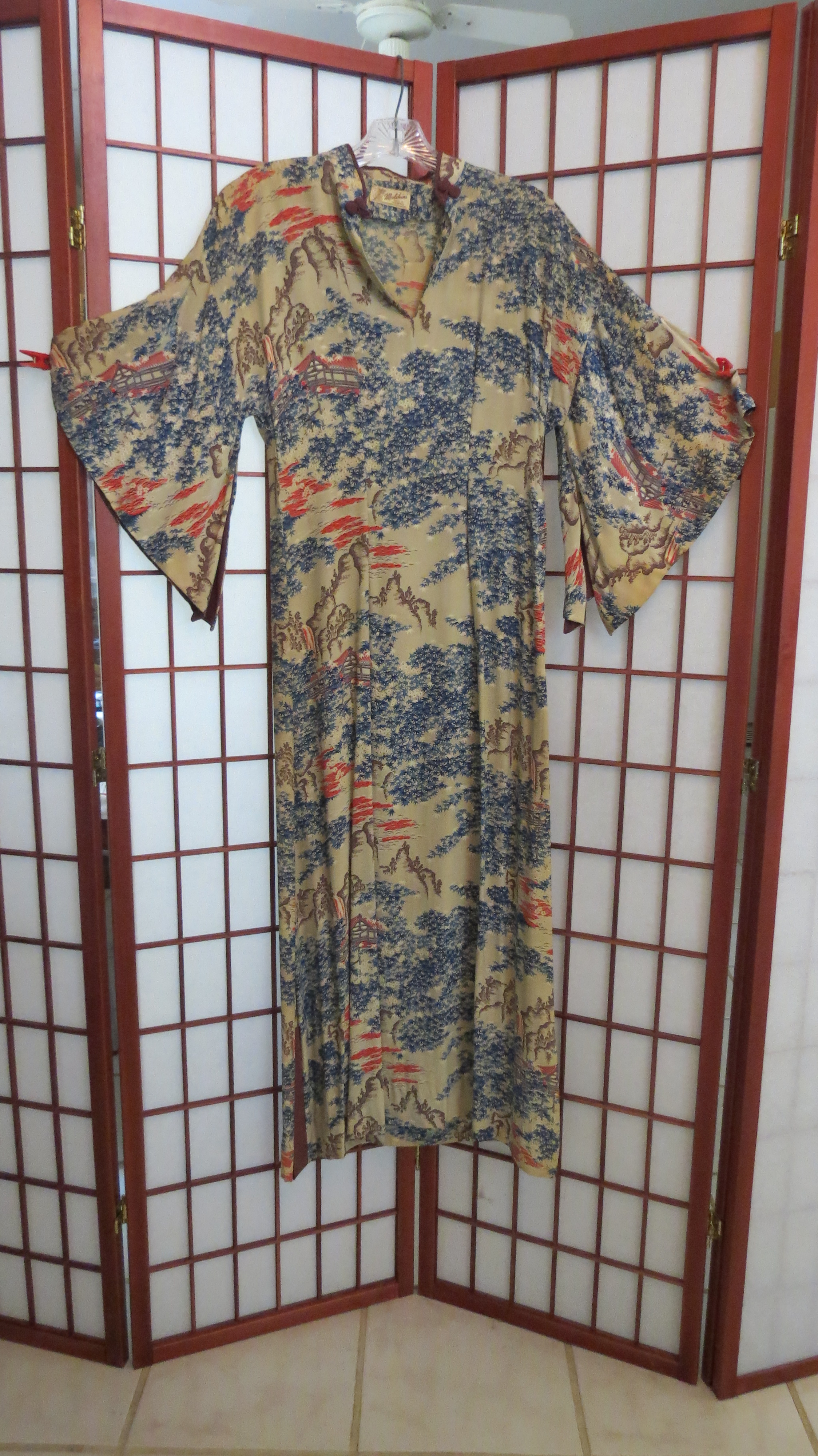
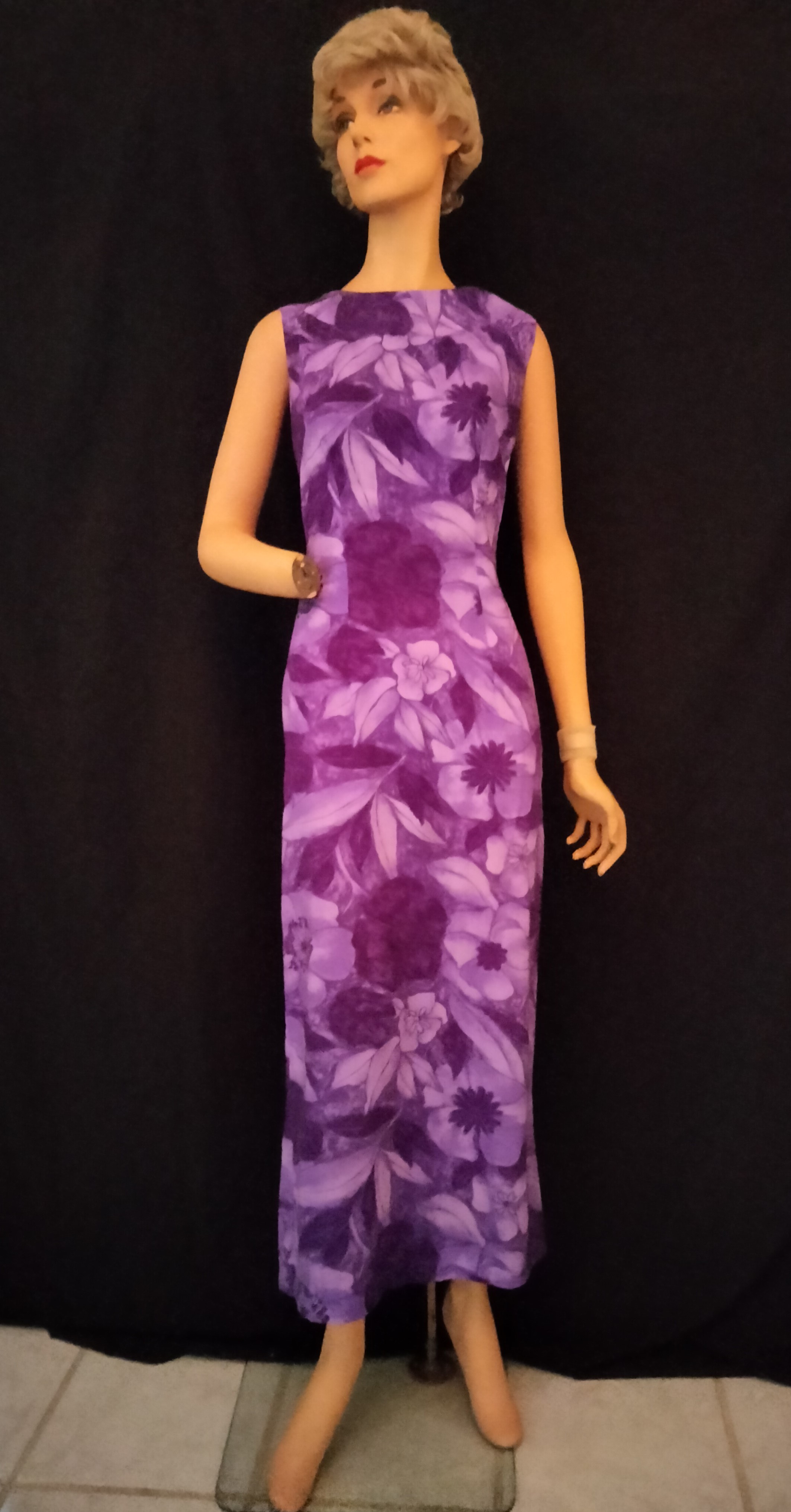
From the 1940’s on, Cheongsam dresses like the lavender one above gained popularity. Mata Hari and Charlie Chan became cultural figures in the media. The beauty and flattering fit of Chinese and Japanese traditional frocks brought interest in Chinatown areas of many cities and non-Asian women began to shop there. Above, see also a Japanese tea dress – fabulous find dating from the 1930’s, made in Hawaii. The purple native traditional gown from Hawaii also found a home in some American woman’s closet after people began traveling again.

But, before that time, women stayed at home. They worried about their family members and friends who were fighting in or living in war zones. They joined the war effort in whatever way they could through their work, volunteerism and spending habits. Of course, some kind of escape was necessary to maintain their sanity. That’s where the movies and dancing filled a void. Whether homemade or found at retail, dancing and cocktails required special dresses and women were very creative despite the restrictions caused by rationing.

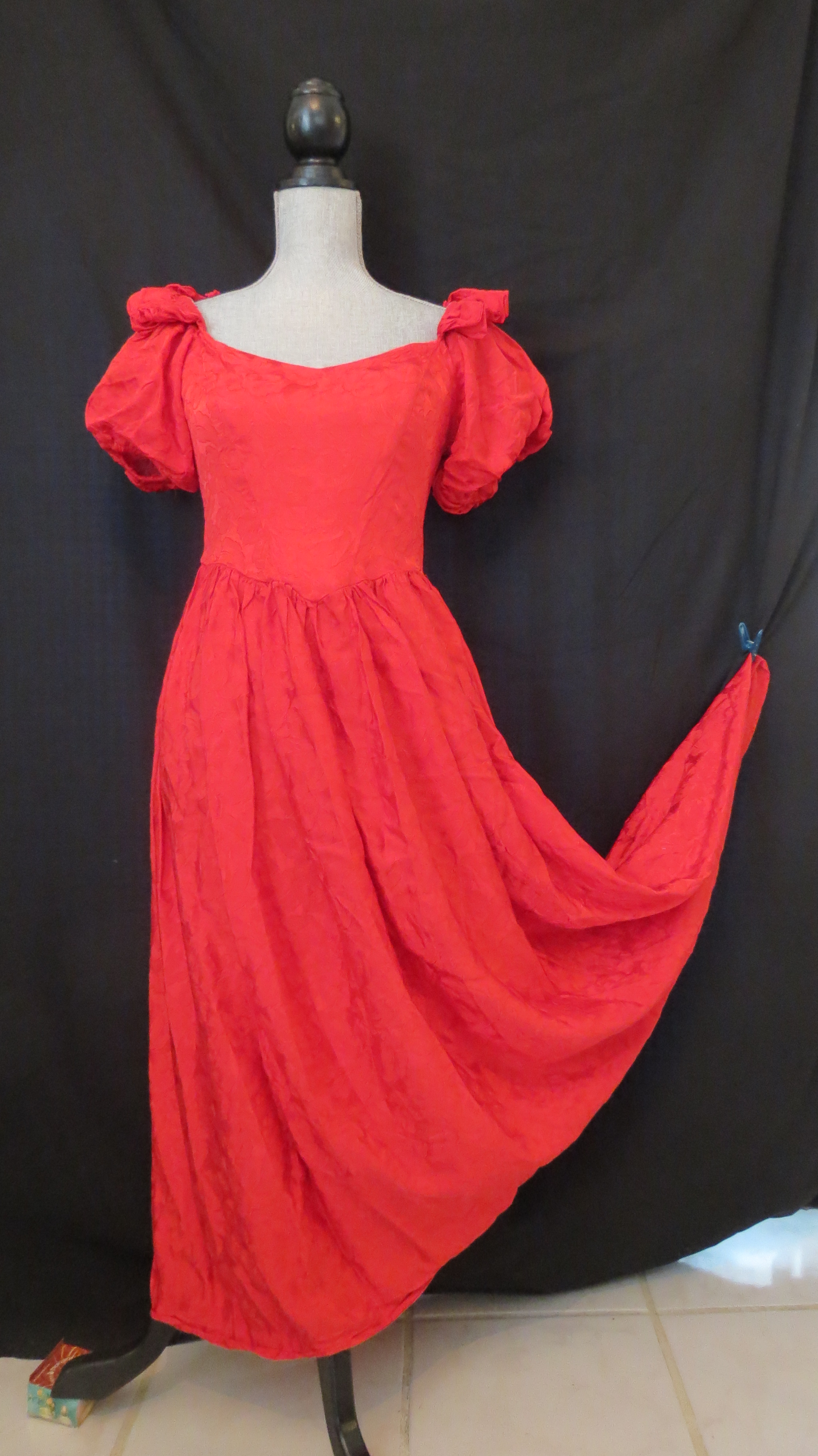
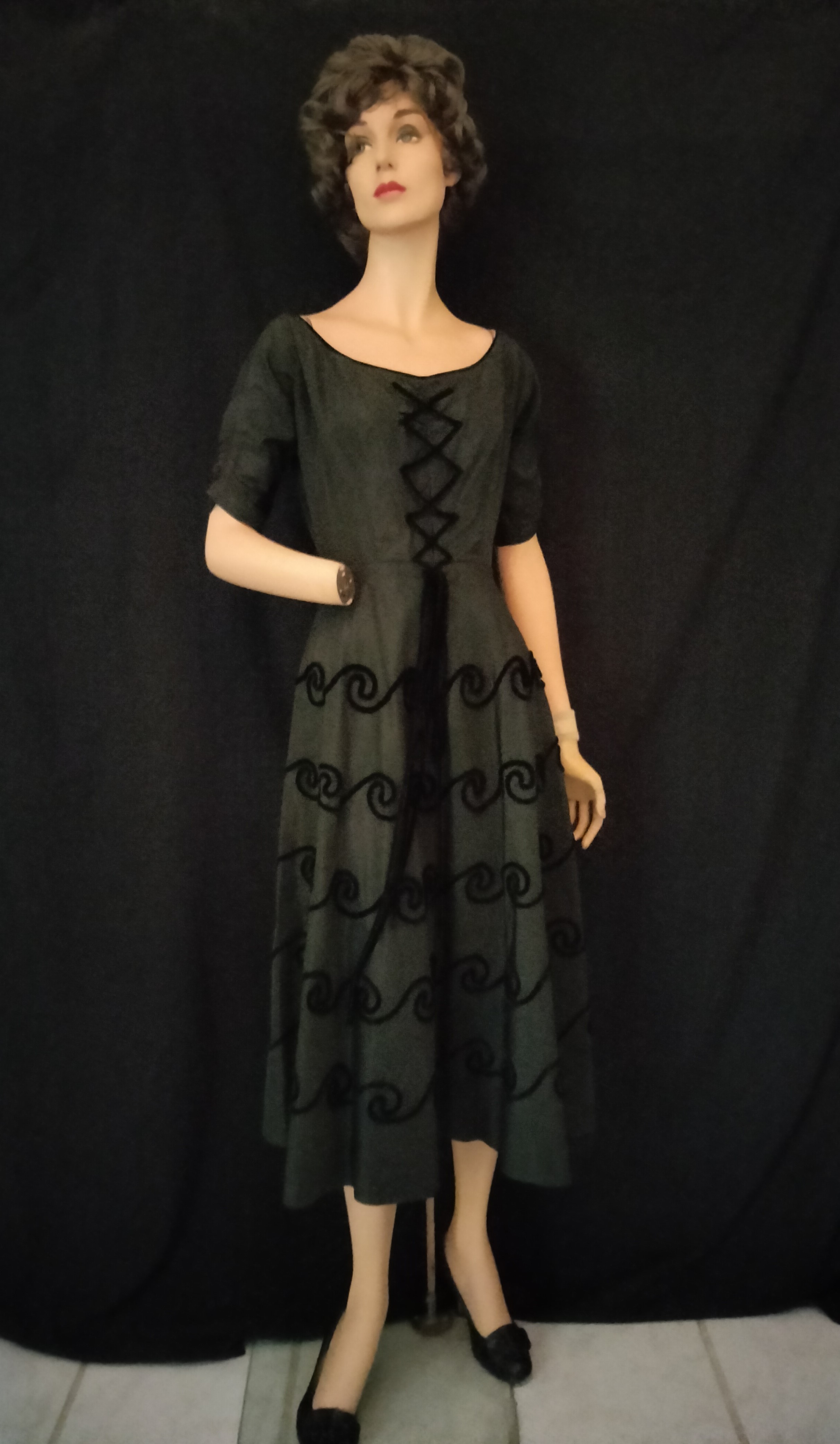
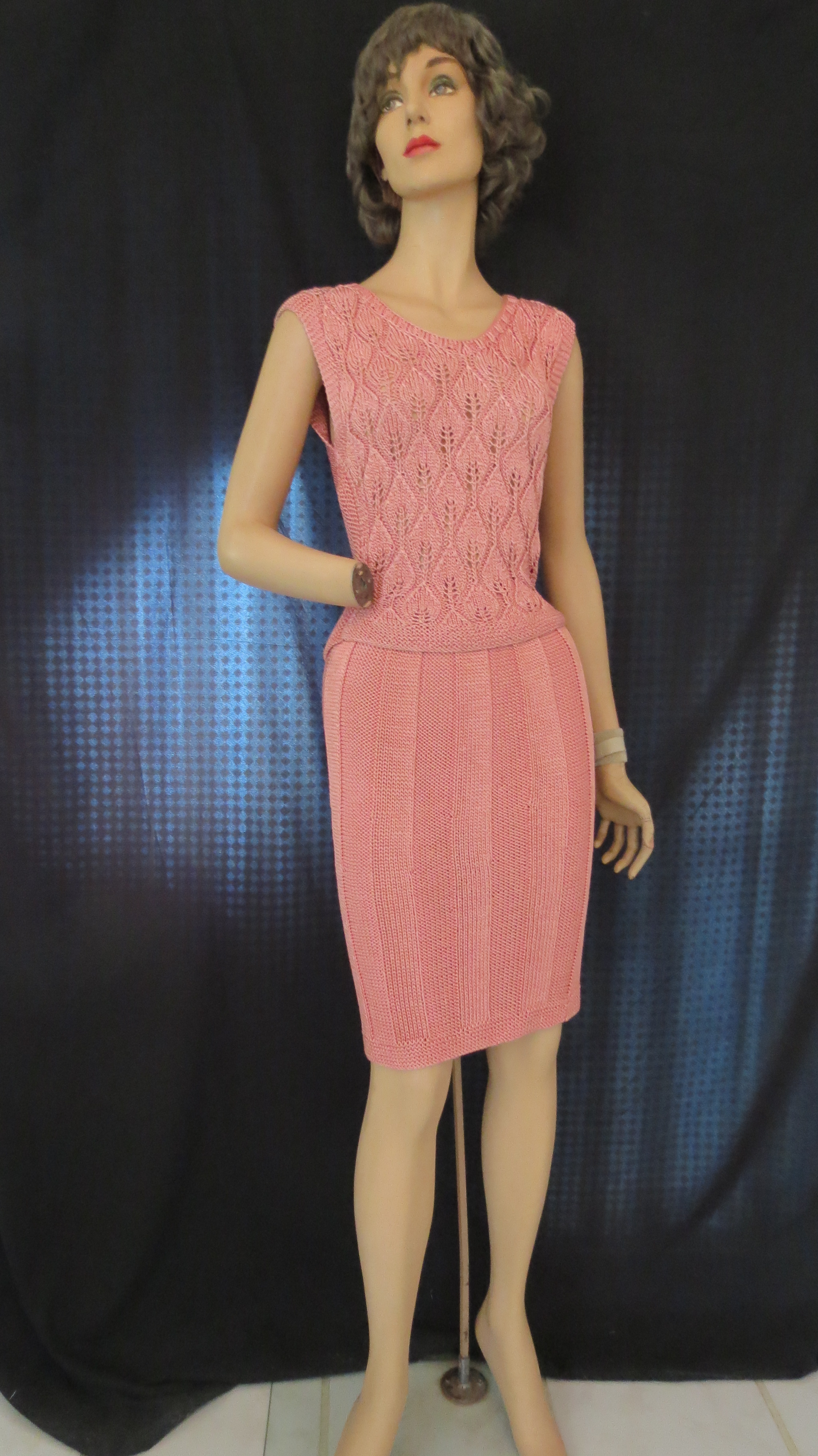
Synthetic fabrics were most available and affordable, so this red jacquard frock with puffed sleeves and an elasticized neckline which allowed cold shoulders was home-sewn. A similar style in black was local couture from a specialty shop in Texas and has ruched 3/4 sleeves and shows off the luxury of velvet piping decoration. The pink knitted and crocheted 2-piece cocktail dress was another unusual find which somehow found it’s way to Argentina. It’s made of a heavy, glossy/shiny yarn that allowed some gal to make a glamorous outfit on the cheap.

So fascinating! Such a fun bunch of clues these are. The delight is in the details. More tomorrow – stay tuned . . . . . . . . . . . . . .

MORGANA MARTIN, THE MAGICVINTAGESPY

BLOG: MAGICVINTAGESPY.COM

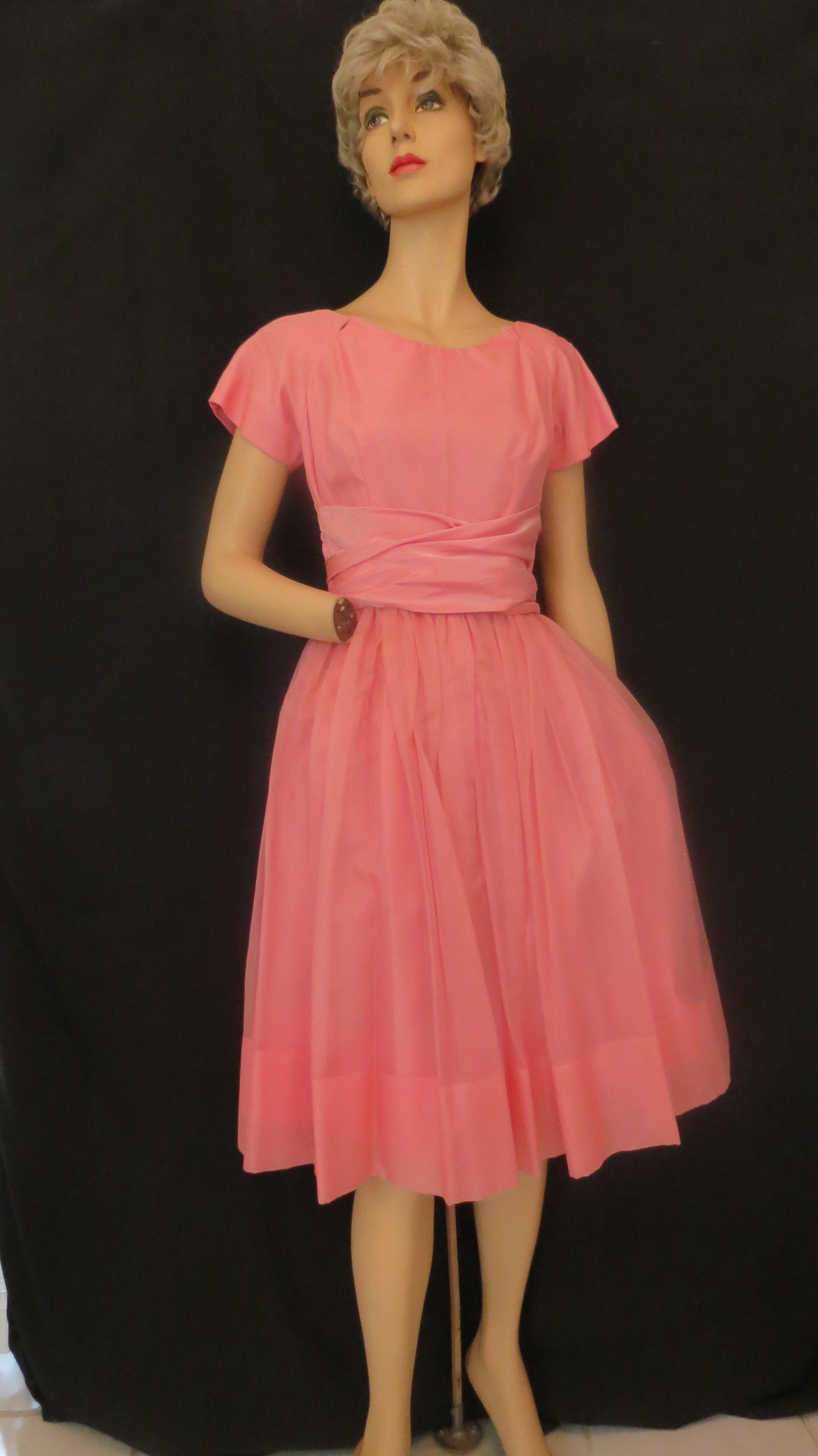
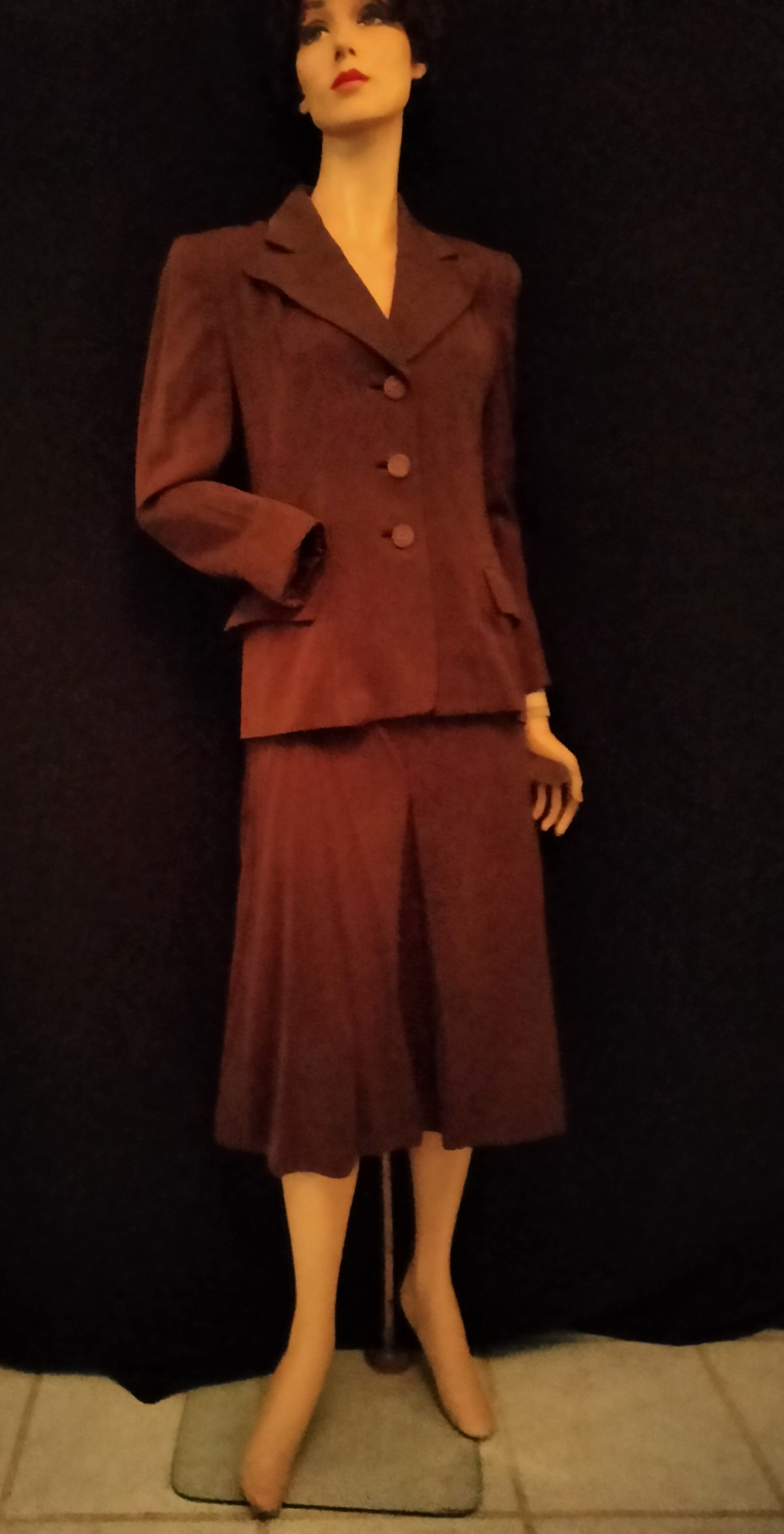
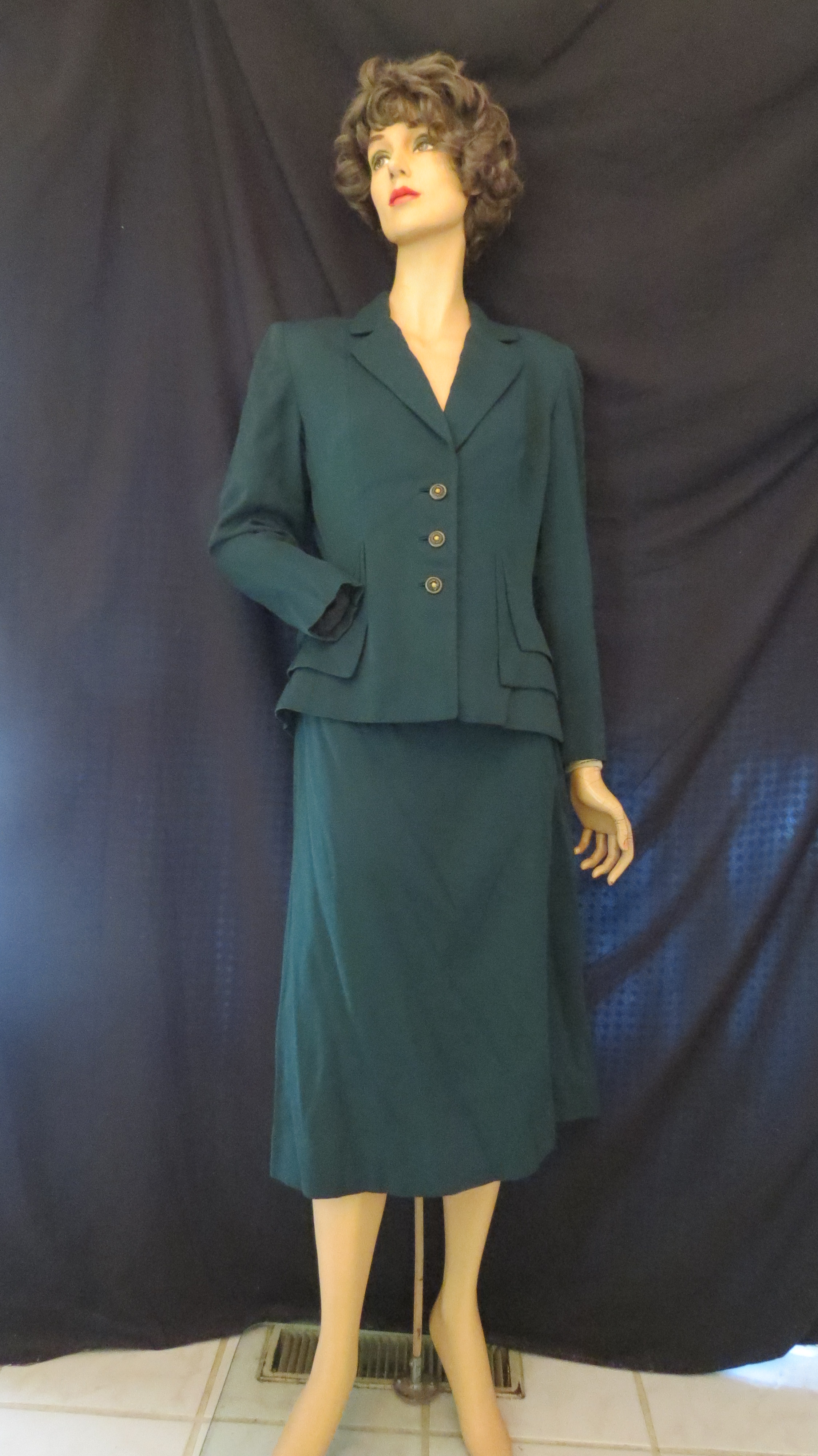
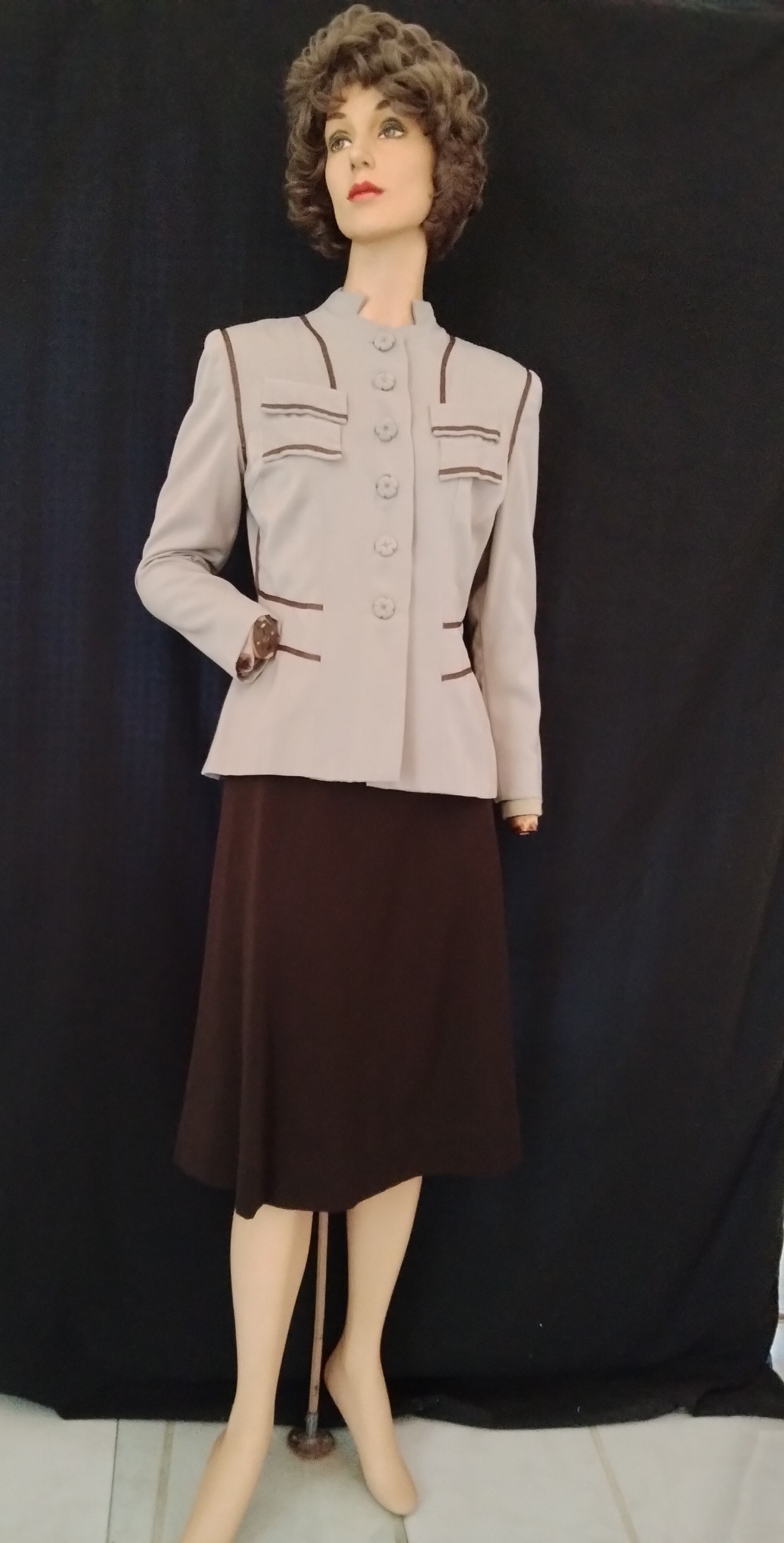
SPECIAL WARTIME AND POST-WAR STYLES FROM THE 1940’S

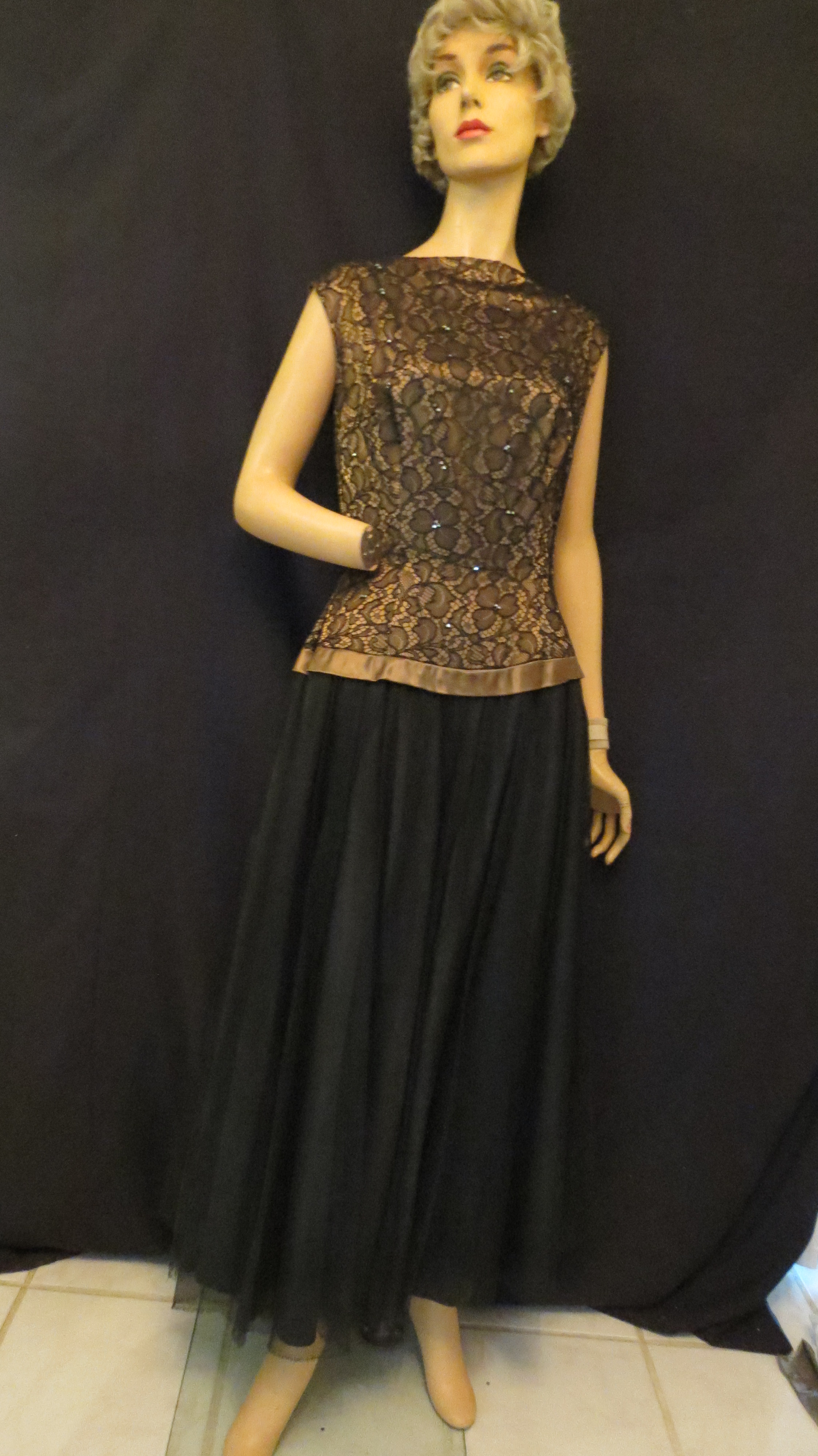
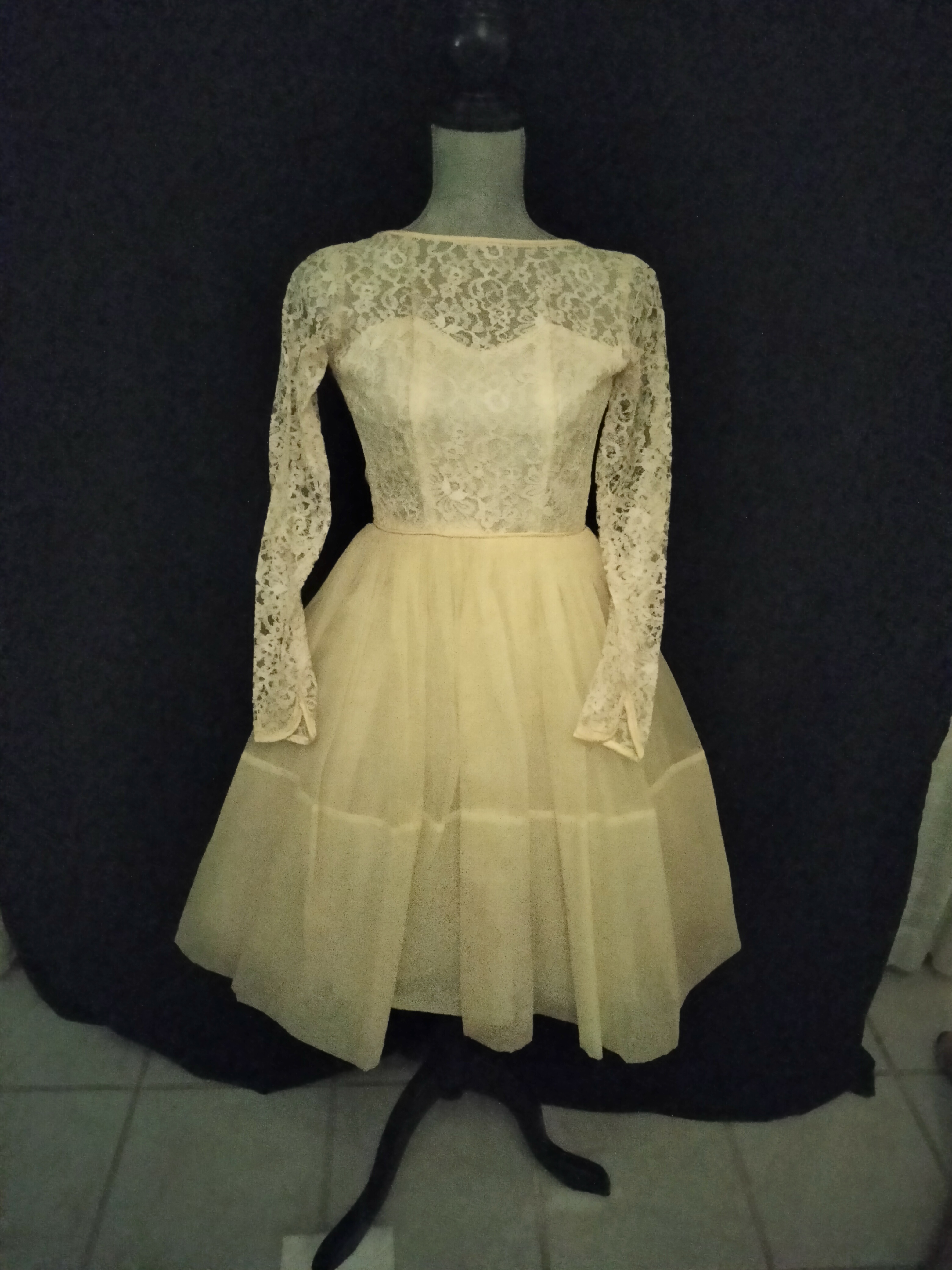
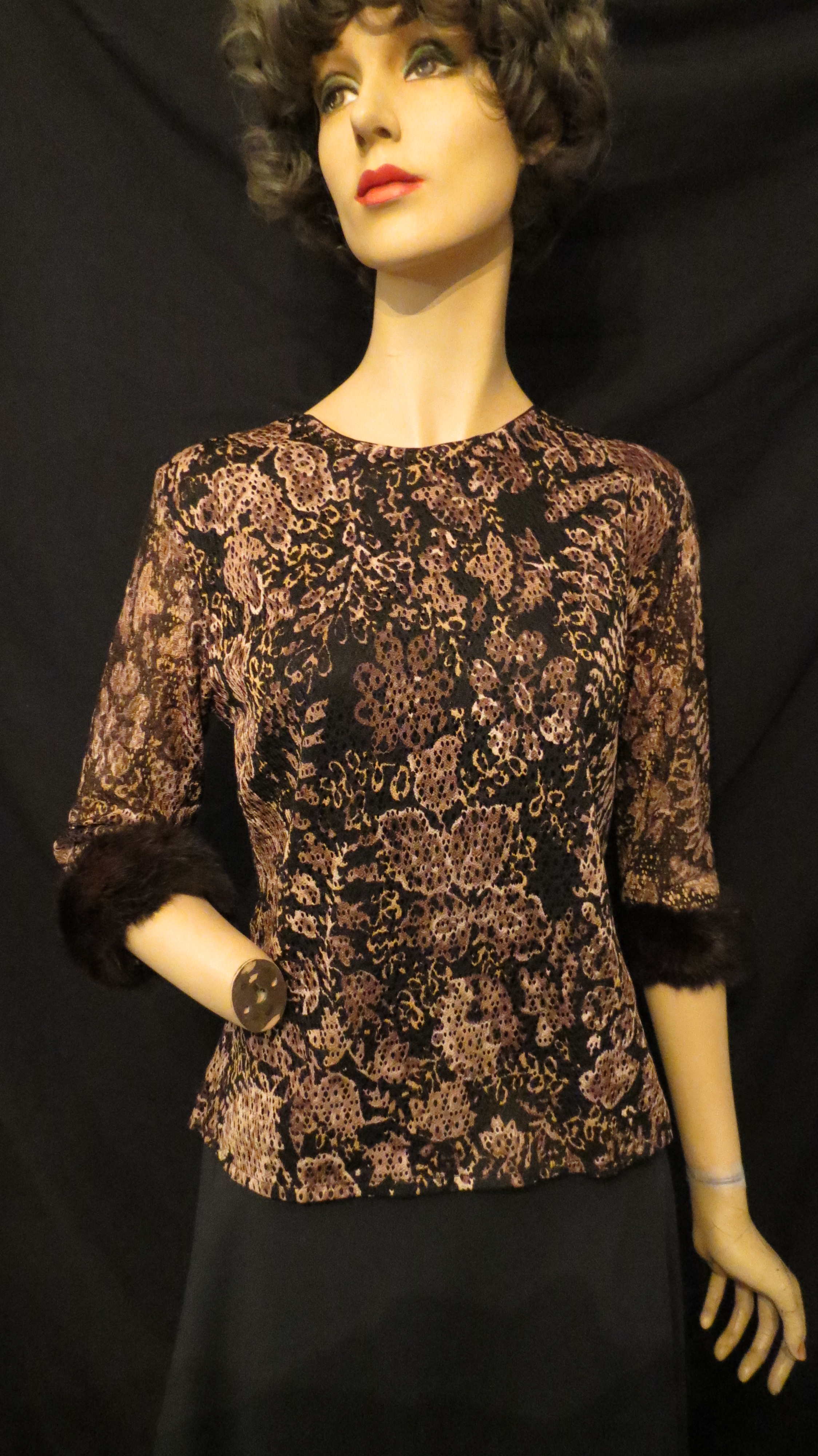
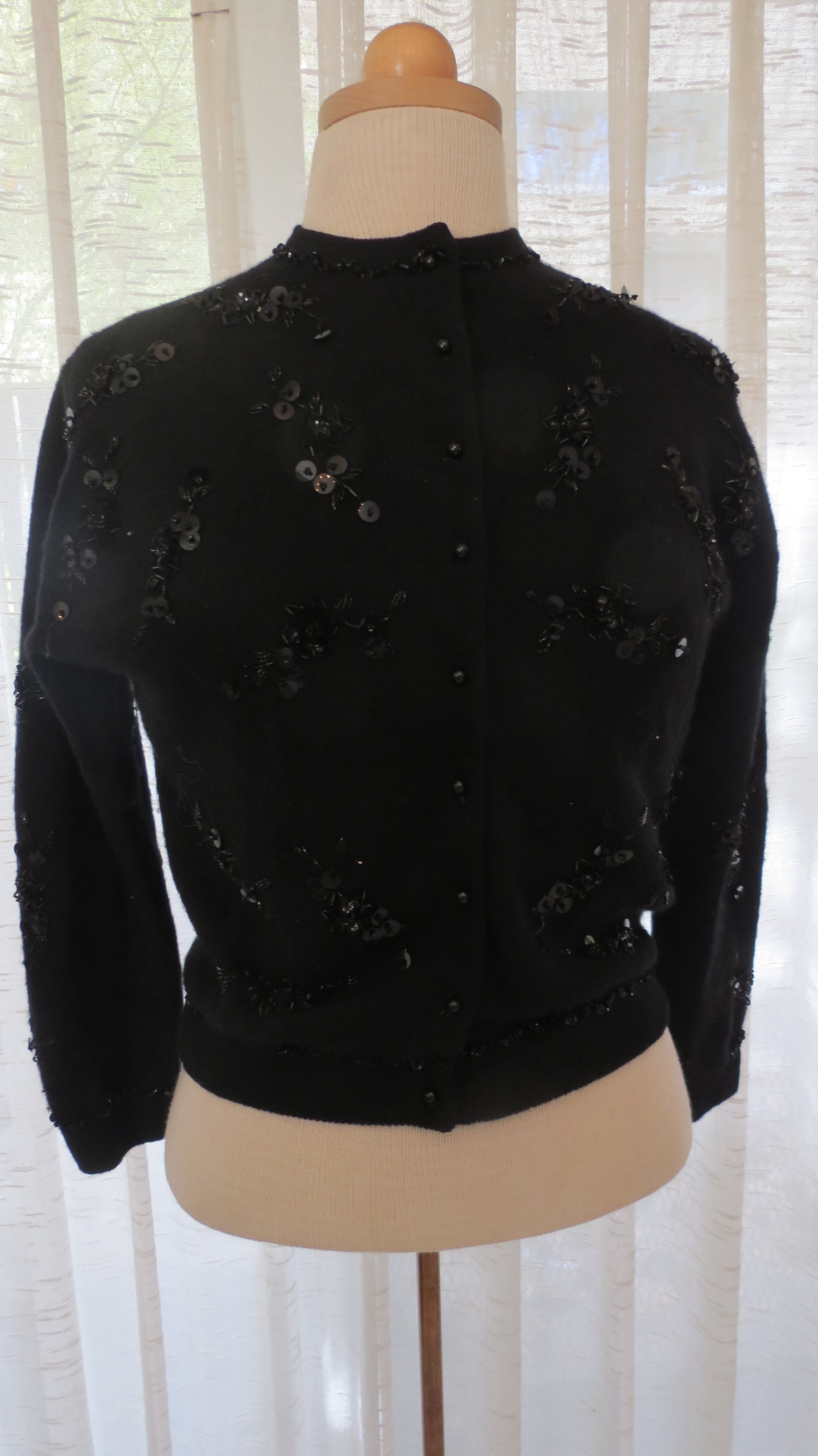
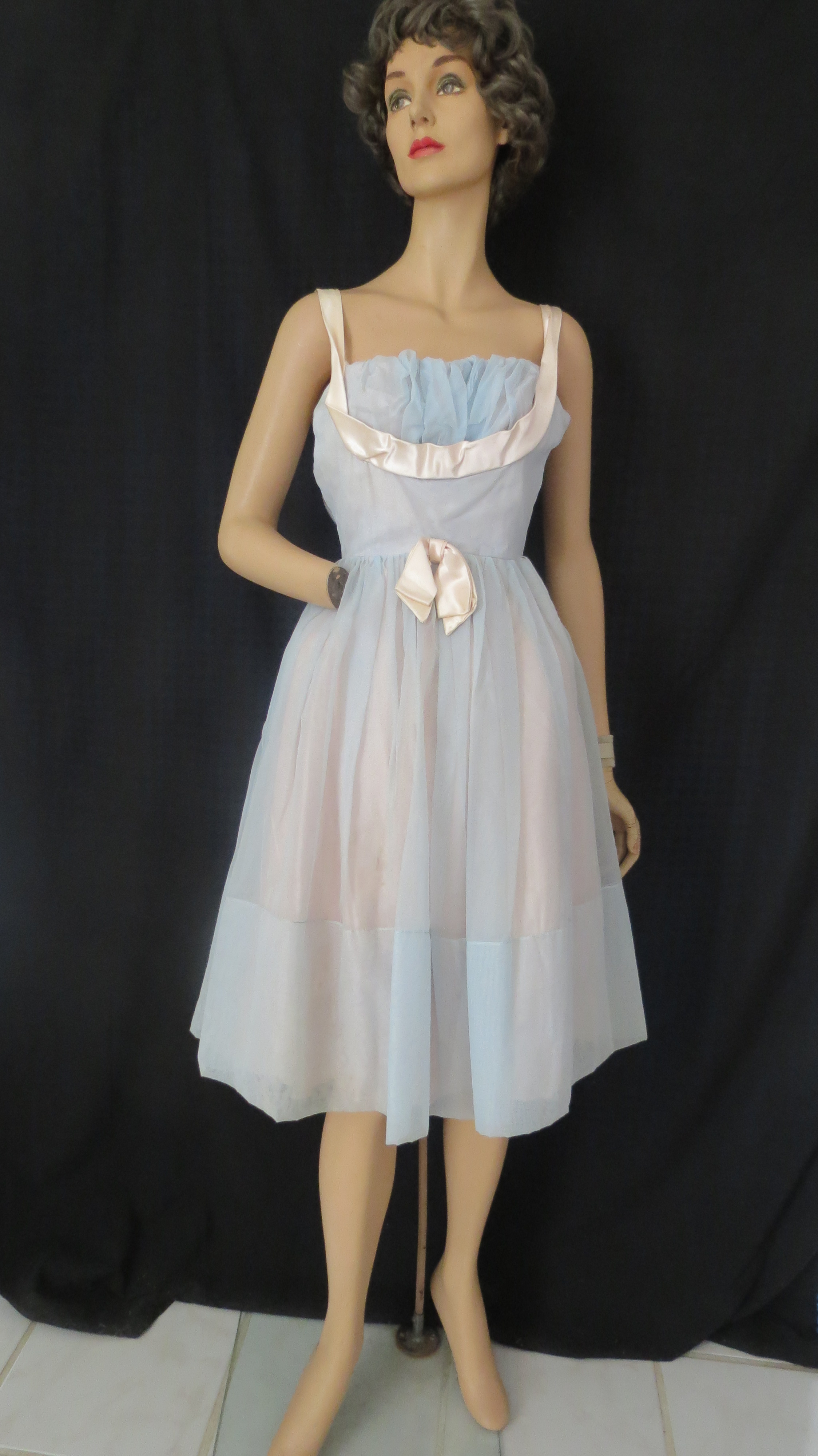
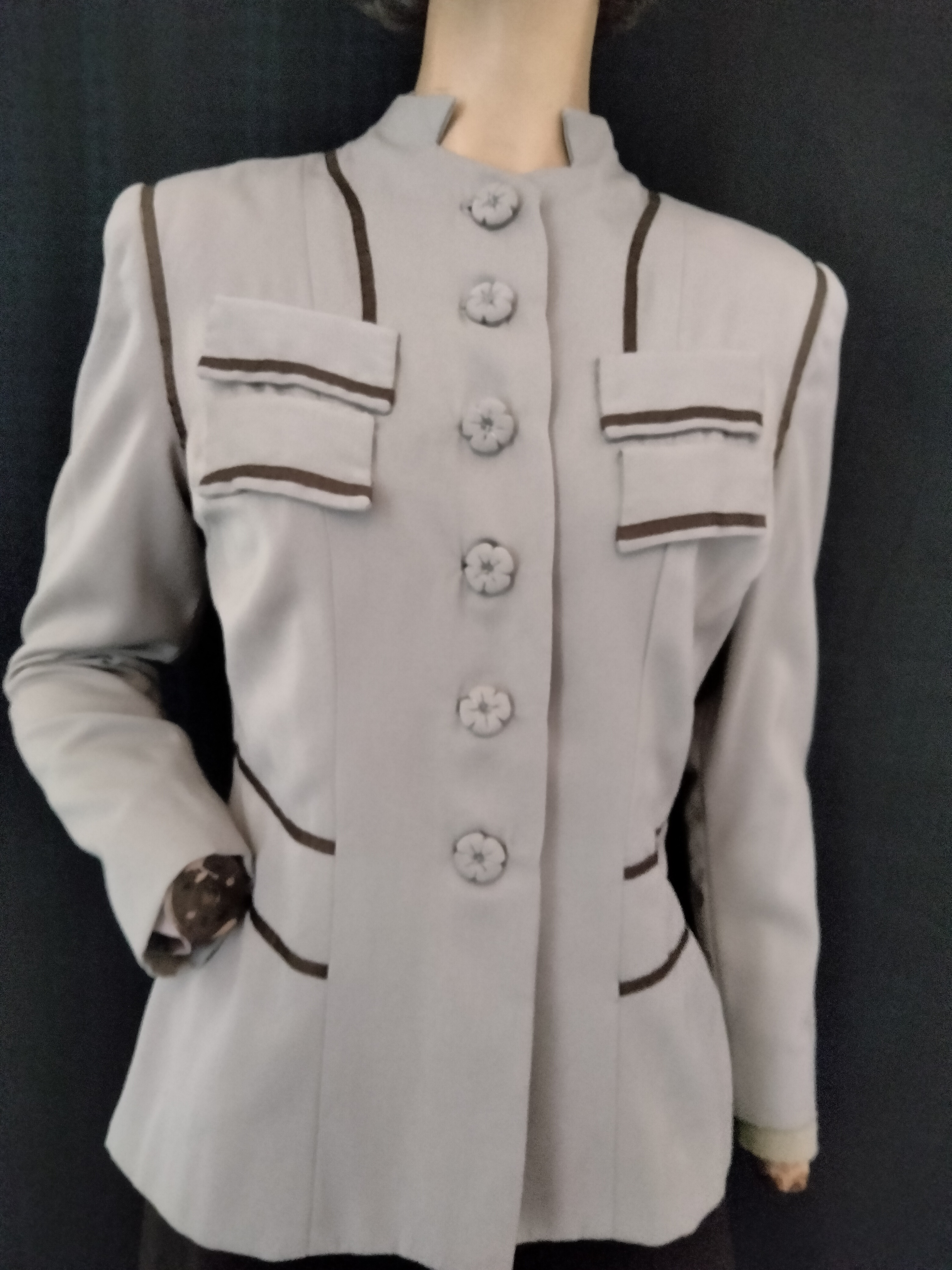
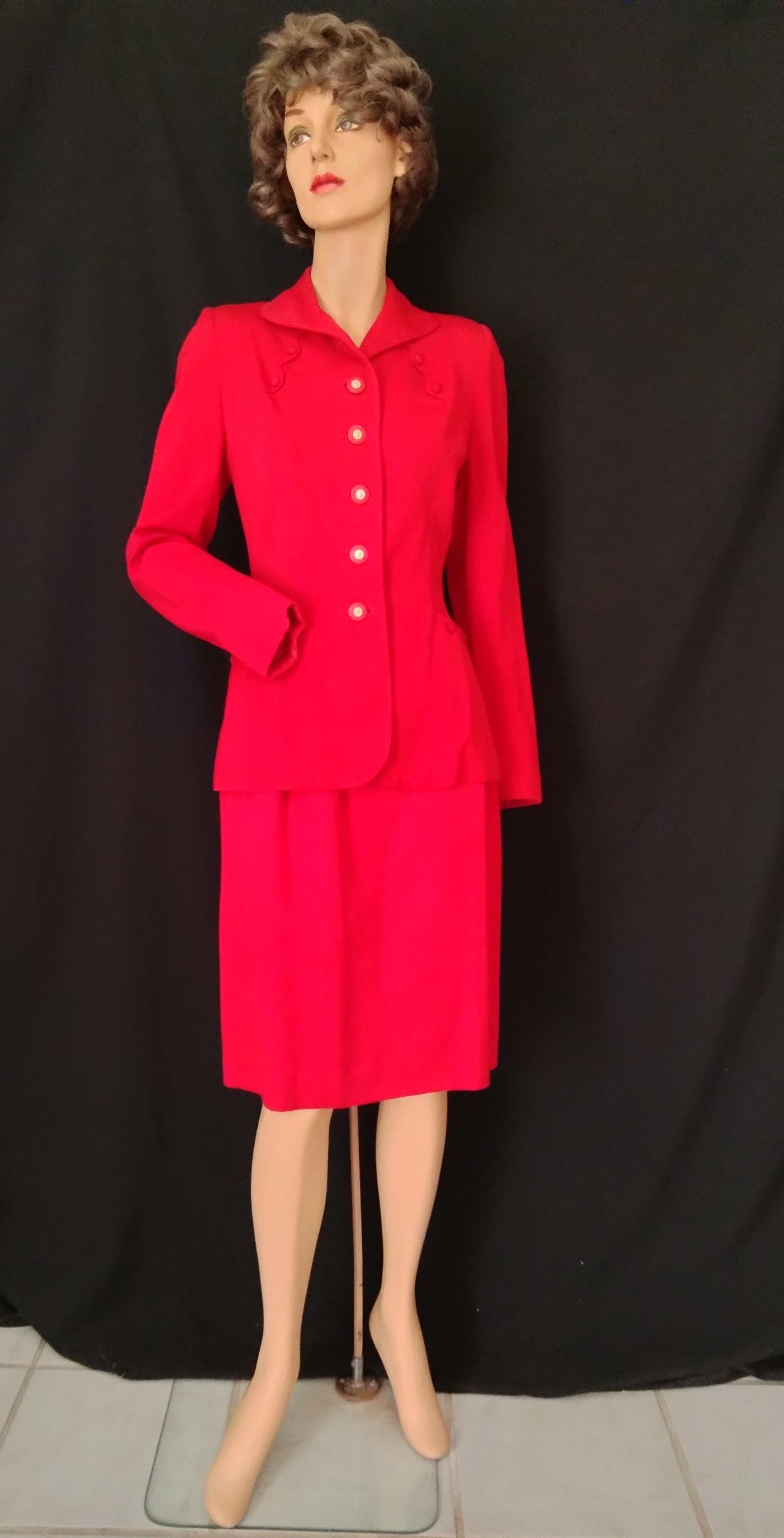
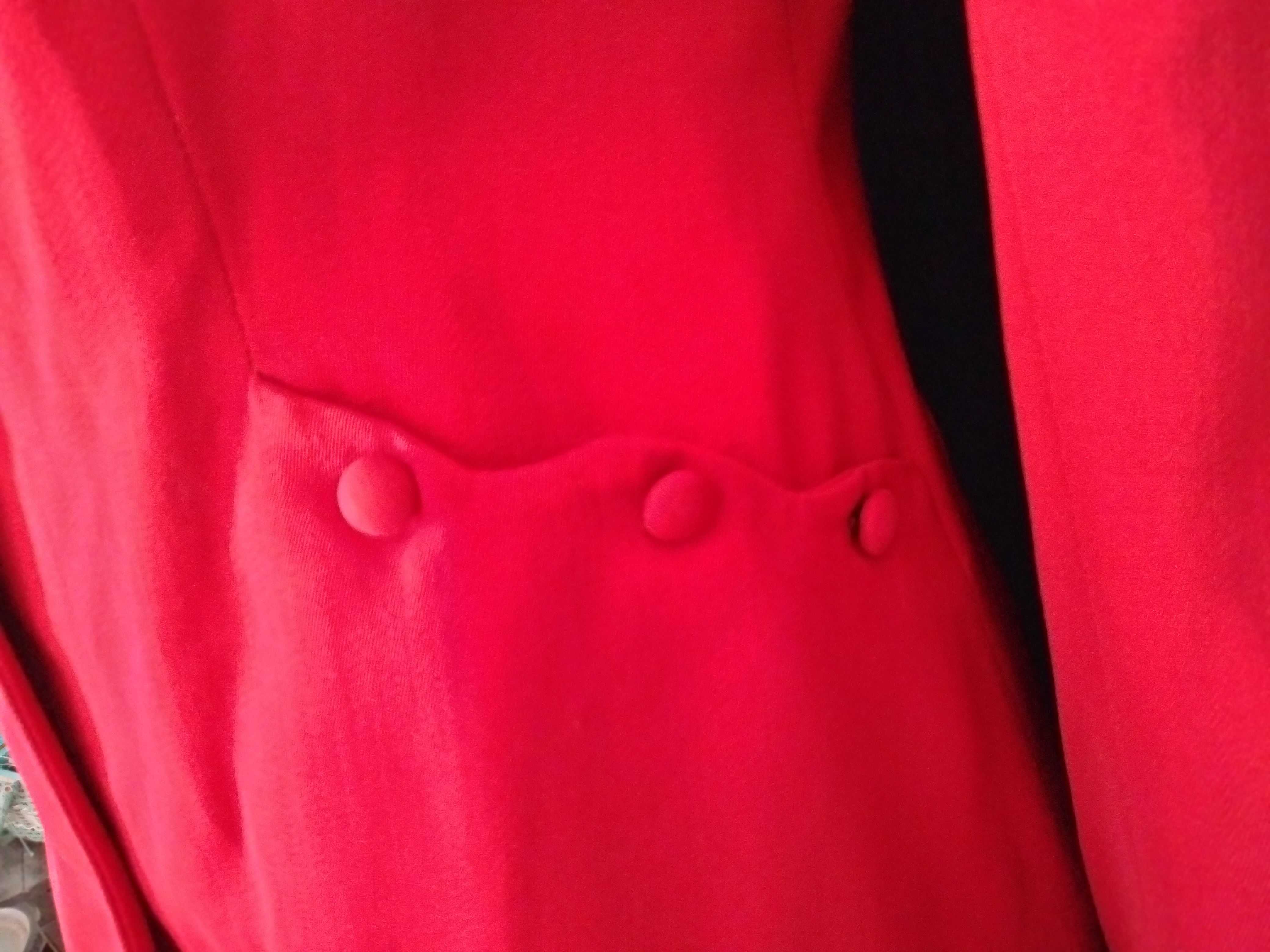
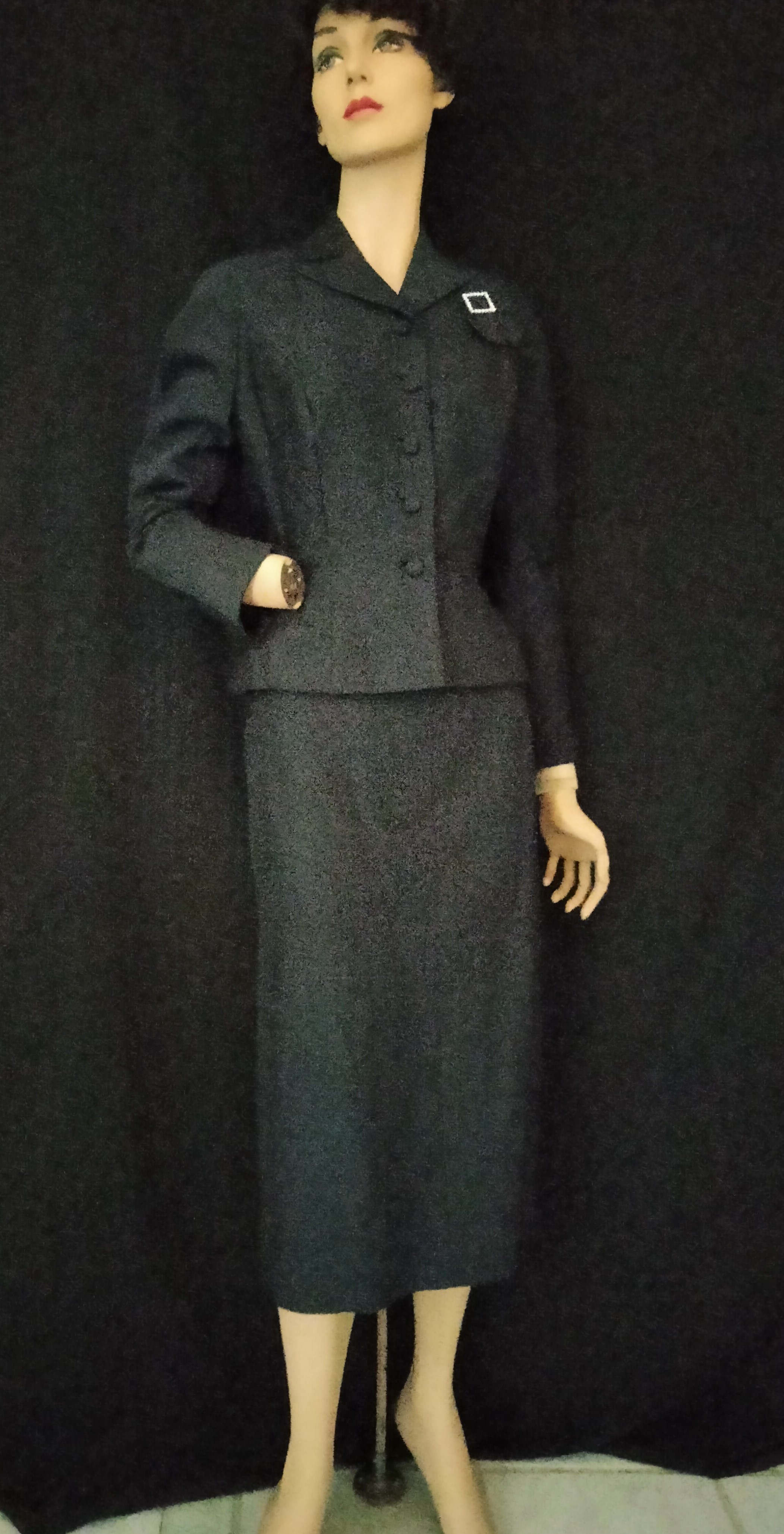
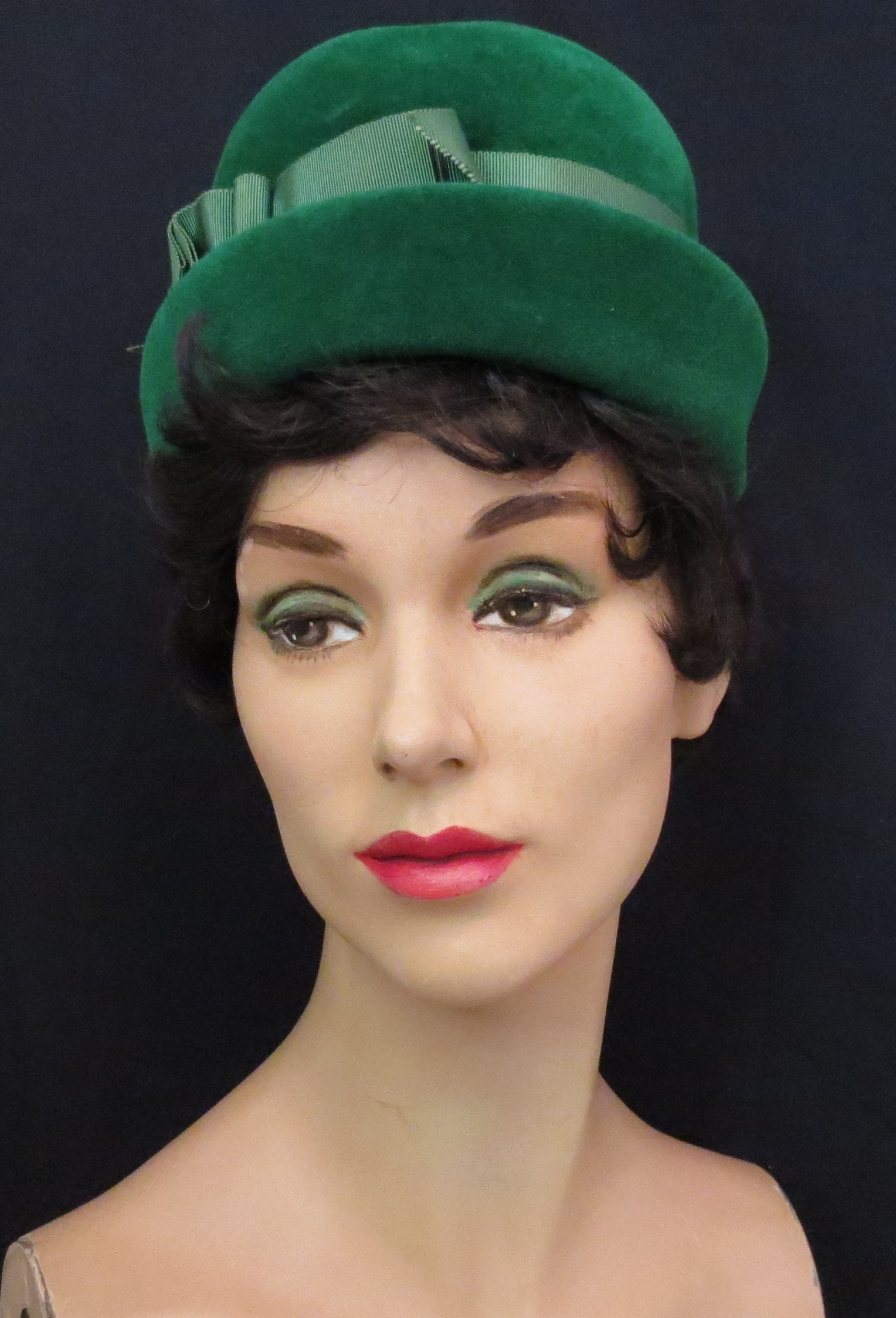
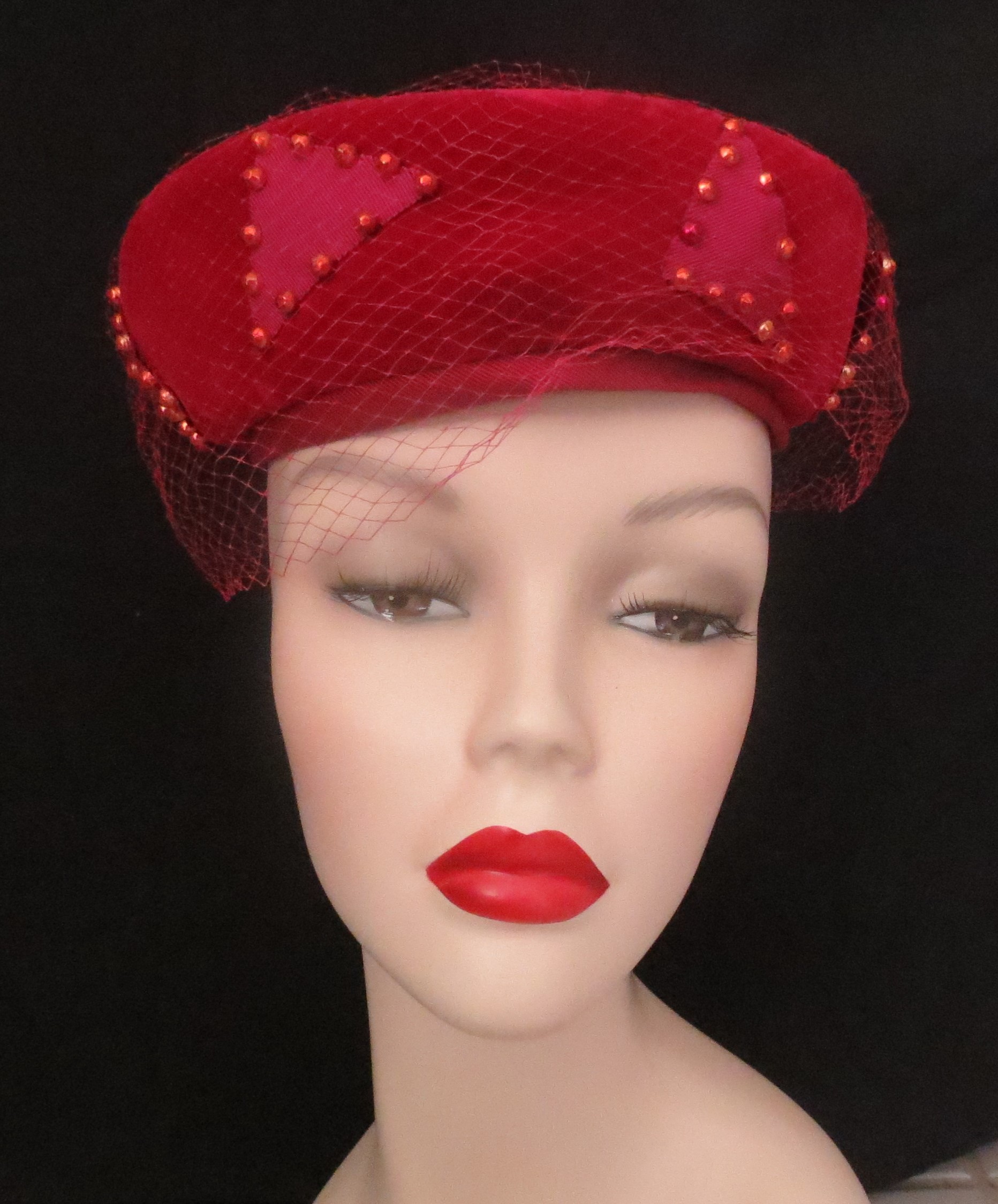
Classic designs made subtle changes over the decade which reflect the evolution of style and the social and historical events taking place at that time. Party dresses for special occasions have always been a “thing”. Skirt suits from Utility-style in the mid-’40’s to embellished designs were more like couture garments in the Post-war years. A matching hat was always essential.

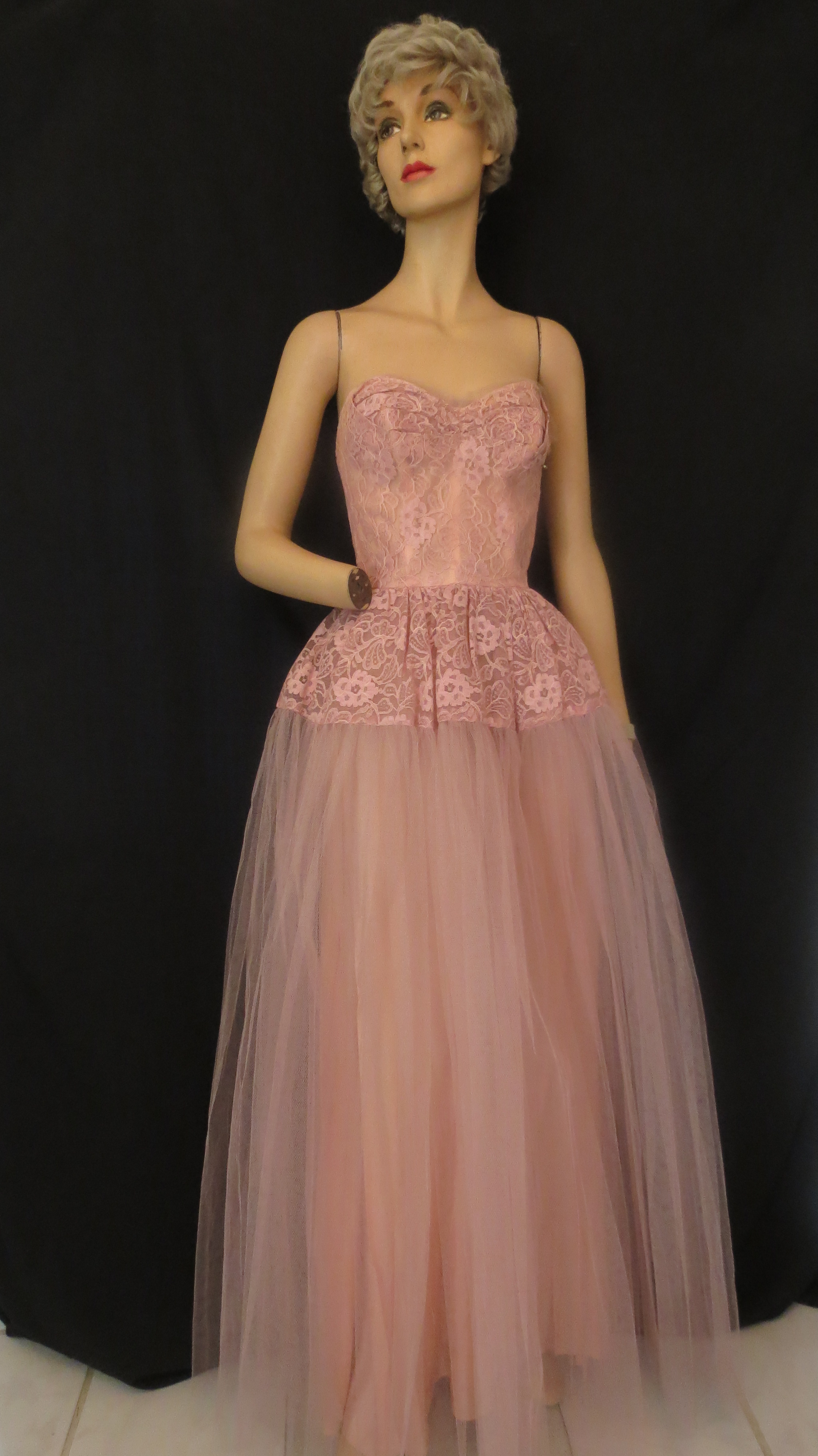
High-school Prom tradition is about 100 years old now. The popularity of skirt suits for women began about the same time. Since about 2000, traditional styles in both these categories have shifted in major ways, so the focus on these types of garments in my investigations has gone from around 1920 through the 1990’s, with the spotlight on 1930’s – 1980’s. The Forties through the Sixties have been my favorite decades for classic structured suits, as they were more like two-piece dresses before and after and very trendy in design. Good luck finding a true vintage suit or Prom dress from the 1920’s or even the ’30’s but after 1940 the clues are still out there.

Although there were some very nice styles from the 1920’s and 1930’s, the prettiest suits and formal dresses, in my opinion, came from the late 1940’s and early 1950’s. Lots of attention to detail, flattering fit and high quality. In decades after that, frocks were not as interesting and suits were generally more boring, too. Tomorrow I’m going back to late 1930’s – 1940’s for dresses with one or two ’80’s WWII retro styles thrown in. Stay tuned . . . . . . . . . .. . . . . . . . . . . . . . . . . . . . .

MORGANA MARTIN, THE MAGICVINTAGESPY

BLOG: MAGICVINTAGESPY.COM
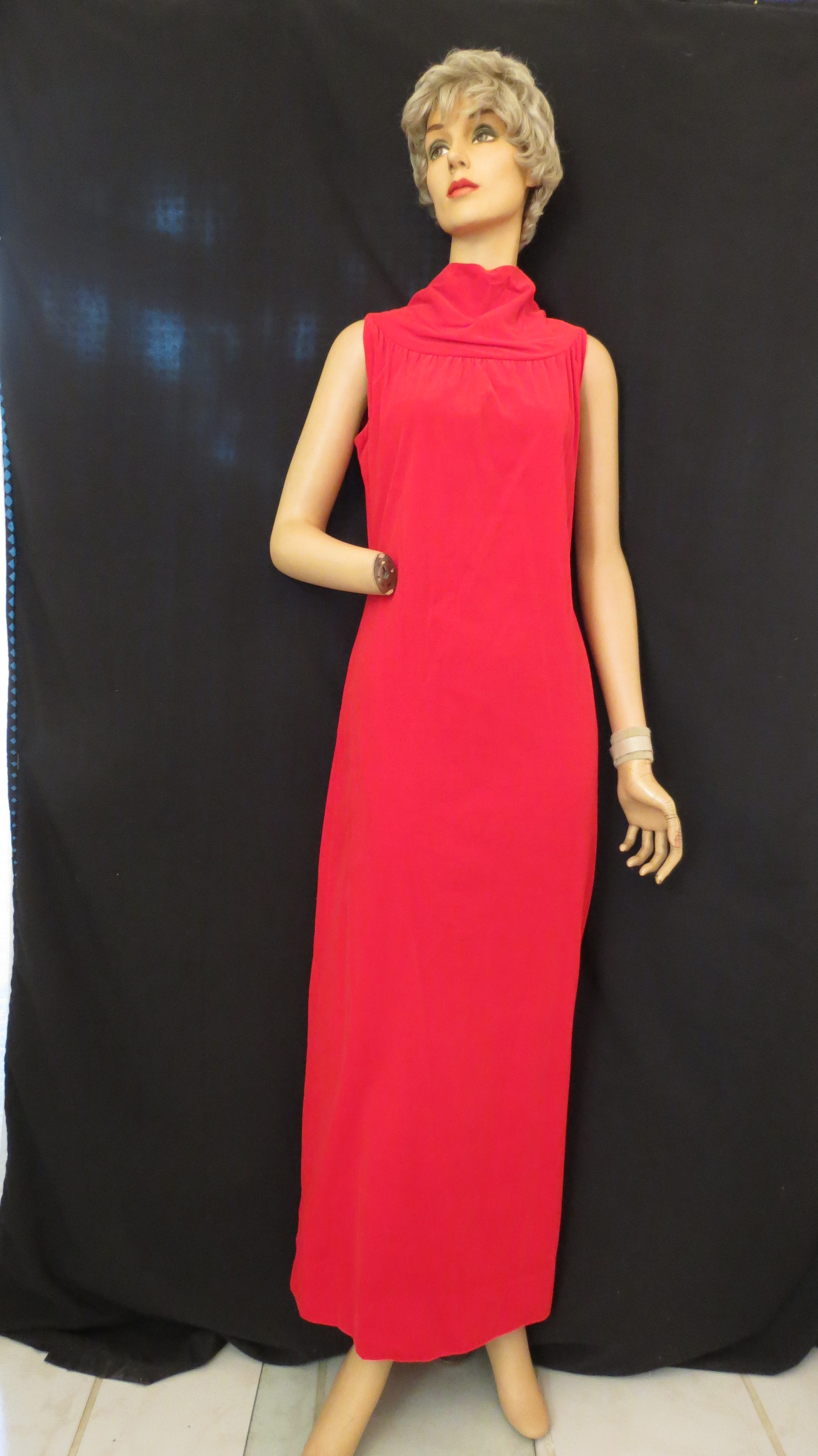
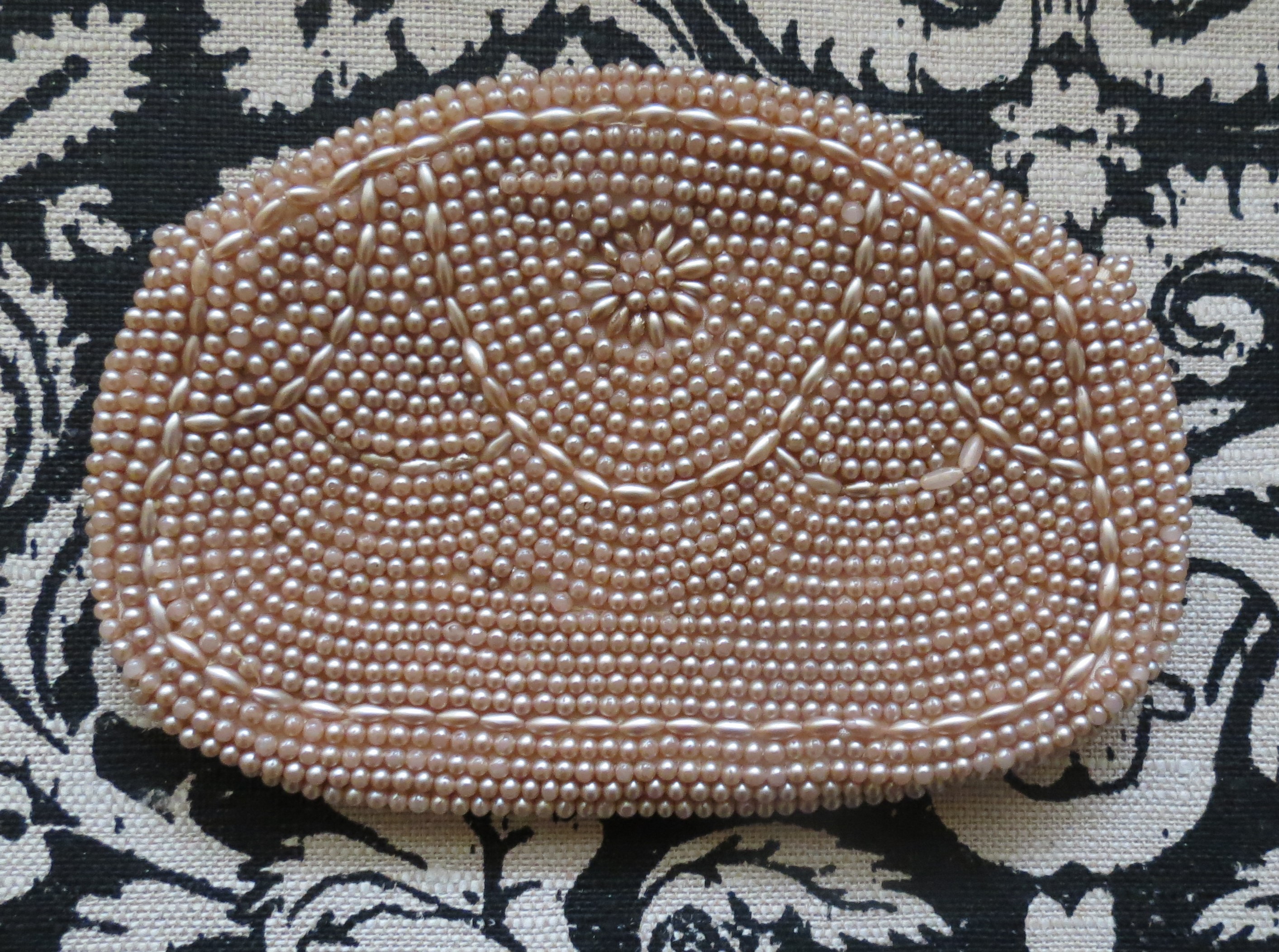
TRUE VINTAGE 1940’s FORMAL DRESSES, PLUS A DRESSY 1930’s CLUTCH PURSE

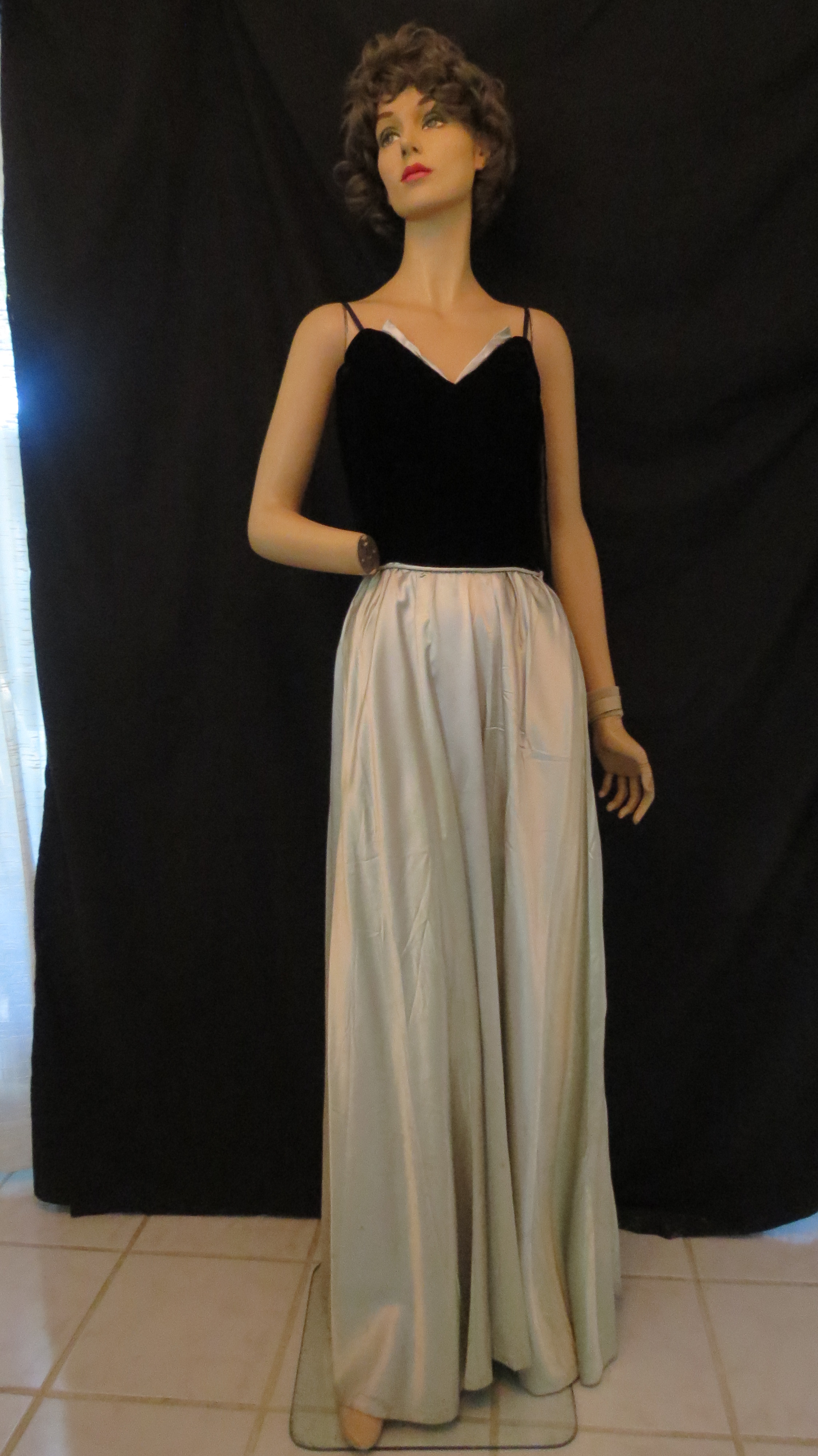
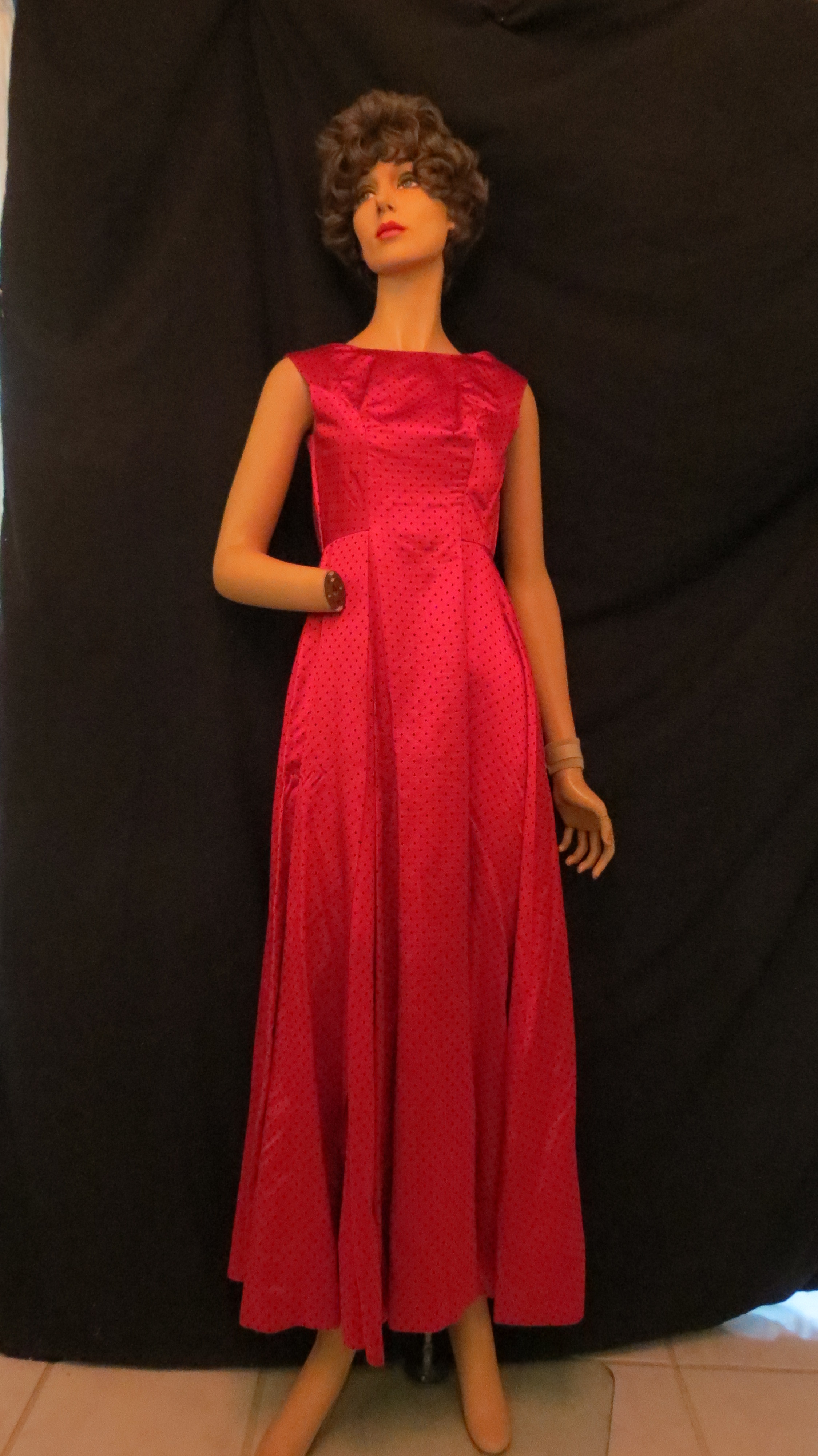
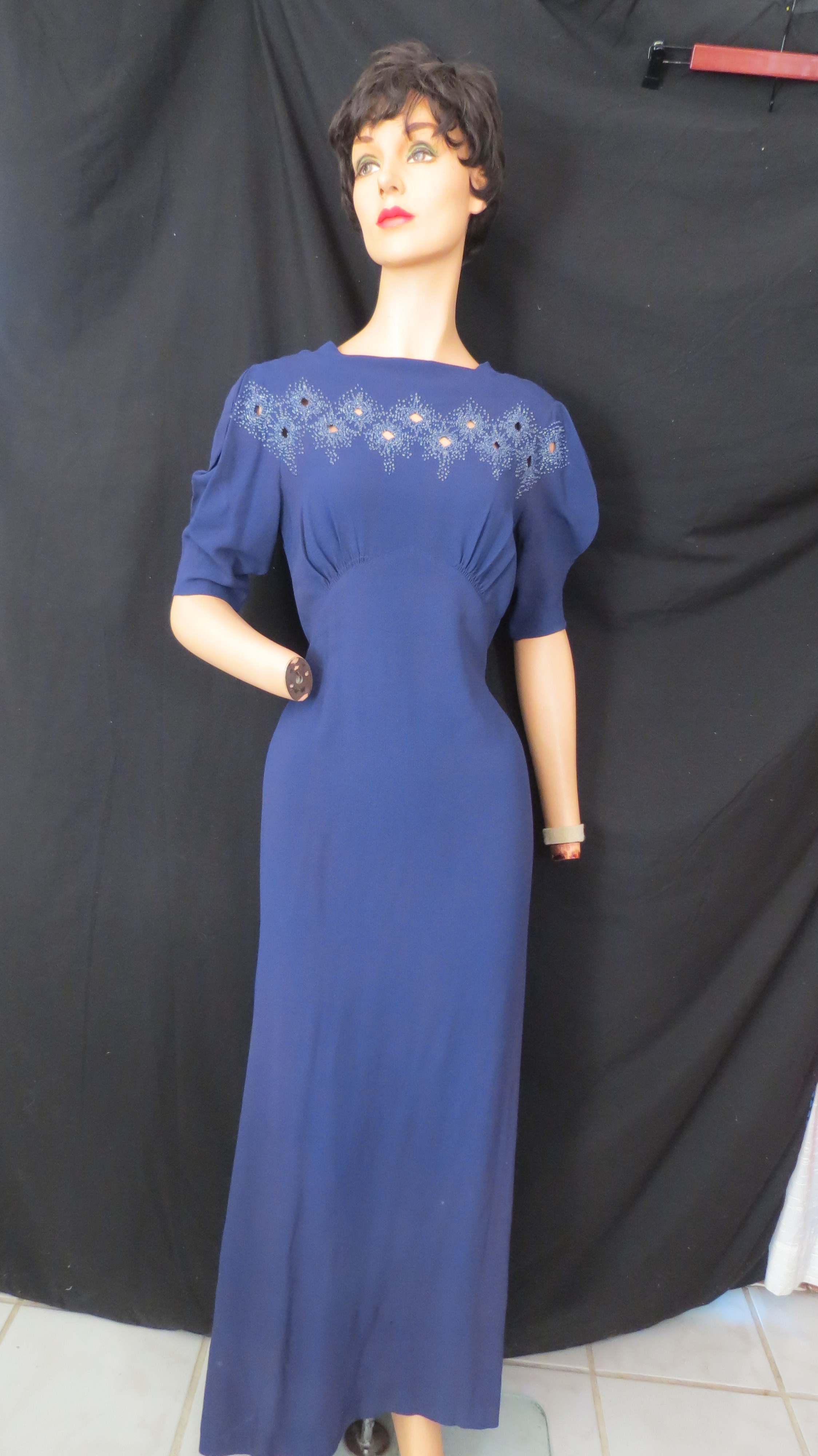
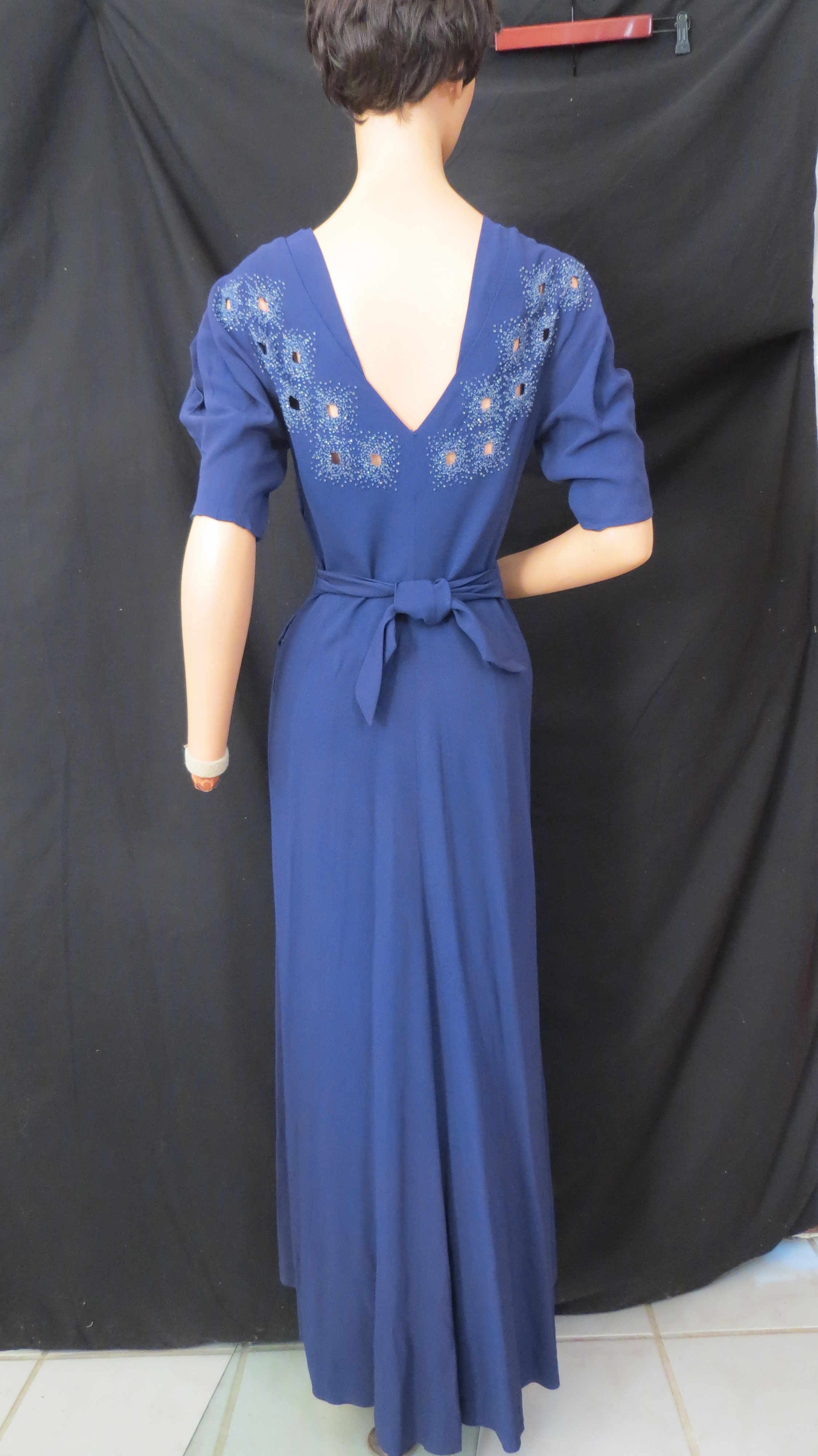
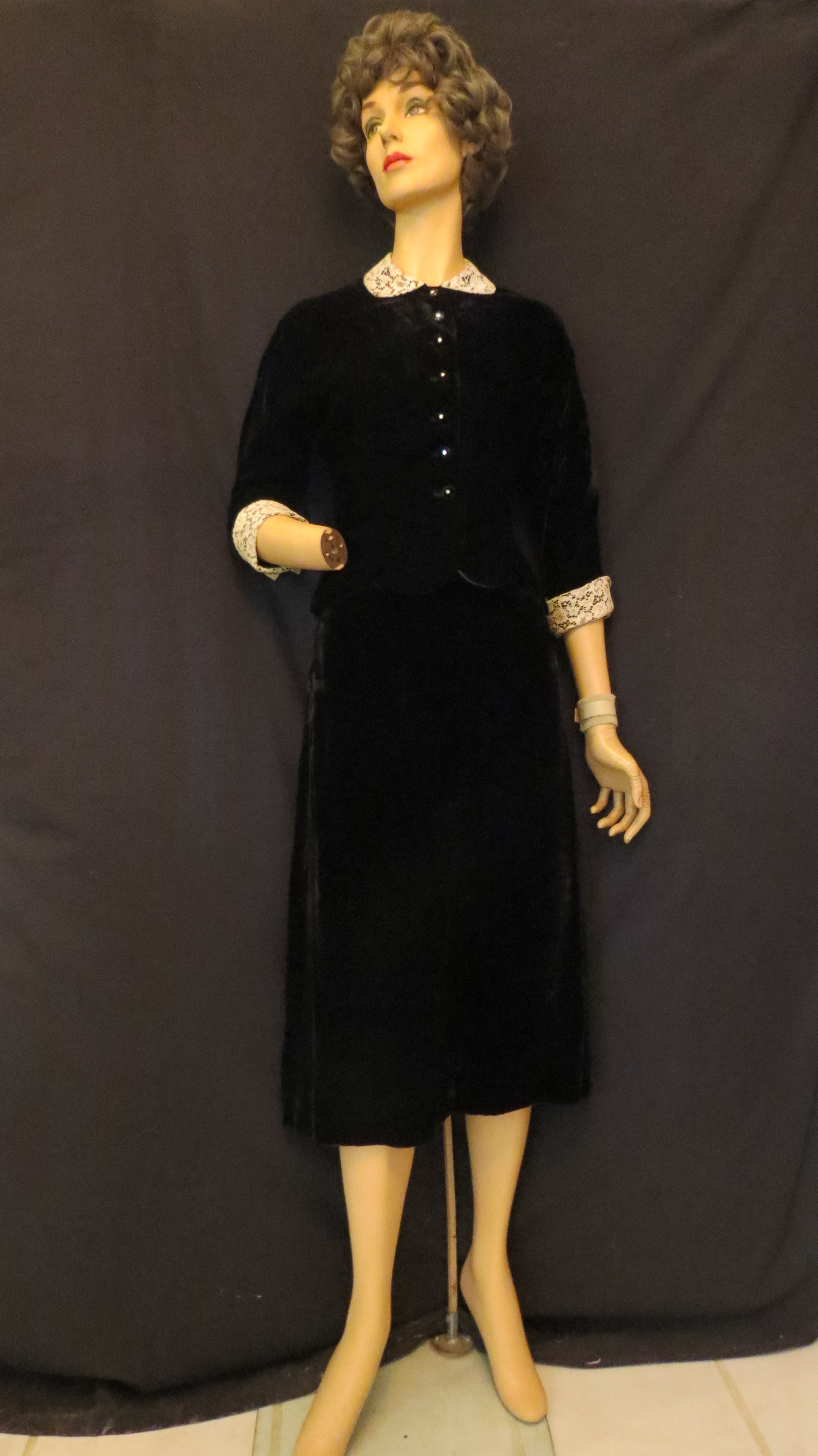
Beautiful, glossy fabrics – most of them synthetics – and lovely designs. I adore them all, but especially the first one. Let’s look at them one by one.

The first gown has a dark green velvet bodice, trimmed with the same pale green satin fabric that the skirt is made from. So flattering and luxurious. The bright red dress is a more conservative style, but still gorgeous. It’s made of an interesting fabric type which I’ve seen in other 1940’s dresses – it has a satin finish but with tiny black diamonds machine-embroidered all over. I suspect that this fabric, though lovely, was a more economical one.

The blue dress was tailor-made by hand. It is sewn from a bias-cut rayon which gives it that wonderful, drapey fit. The atomic/stellar cut-outs surrounded by seed beads were all done by handwork. I love the cut of the sleeves and the way the bustline and waistline are finished. That back tie belt gives it a really wasp-waist fit.

Finally, the black velvet two-piece dress is an entirely different design. Very proper and buttoned-up in velvet and crocheted lace, with rhinestone-center buttons.

Each of these gowns was a surprising and fabulous find. It’s rare to find 1940’s formal garments in the first place, and to find them in near-perfect condition is almost unheard of. The best bet is if they can be acquired from the original owner, or their estate. This is always a more informative clue when starting any investigation.

I’ve re-opened the 1940’s archives and am finding myself doing a deep dive there. Stay tuned . . . . . . . . . . . . . . . . . . . . . . . . . . .

MORGANA MARTIN, THE MAGICVINTAGESPY

BLOG: MAGICVINTAGESPY.COM
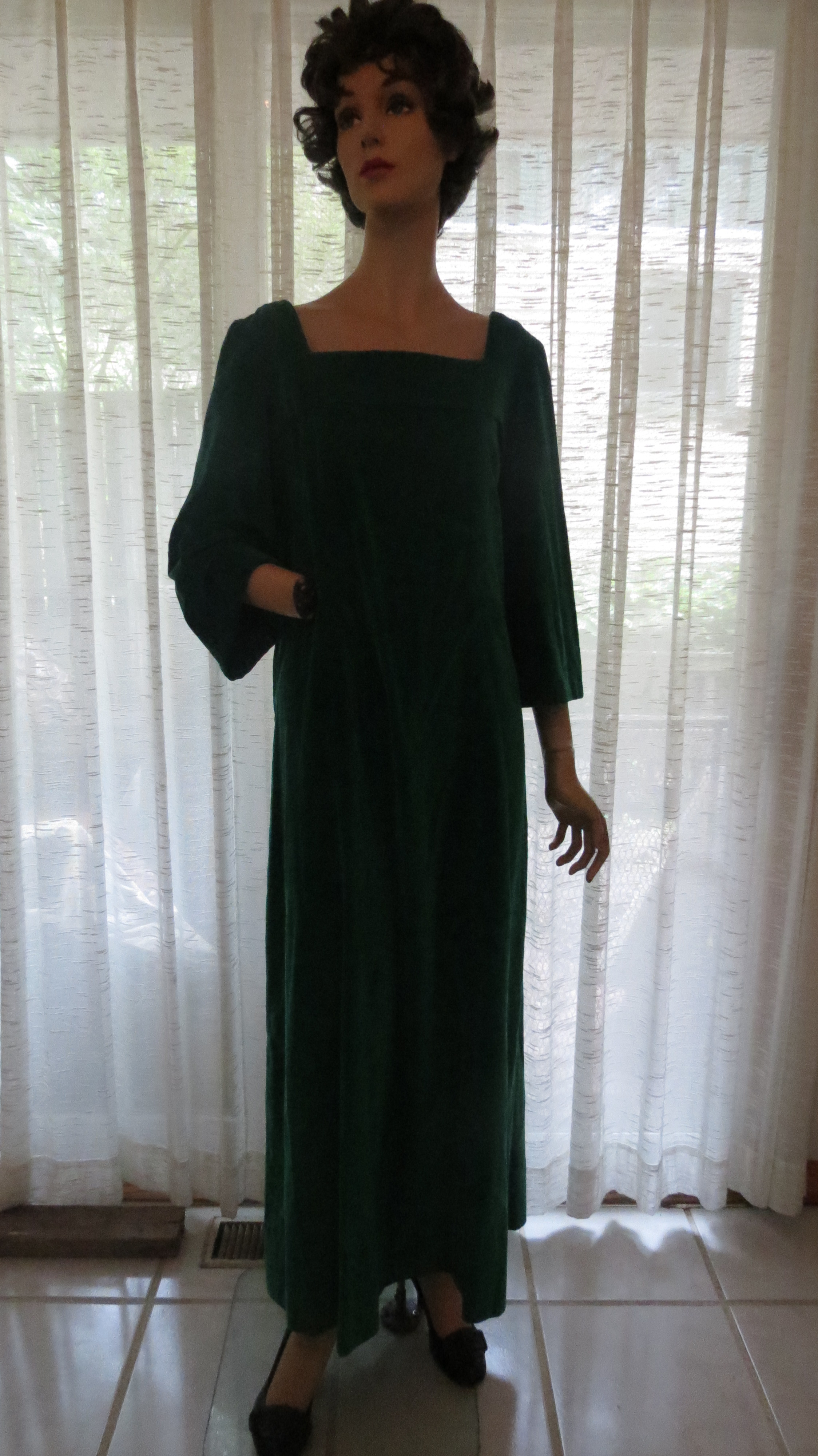
TRUE VINTAGE LATE 1960’S FASHION TRENDS – MOD HEADS INTO THE 1970’S

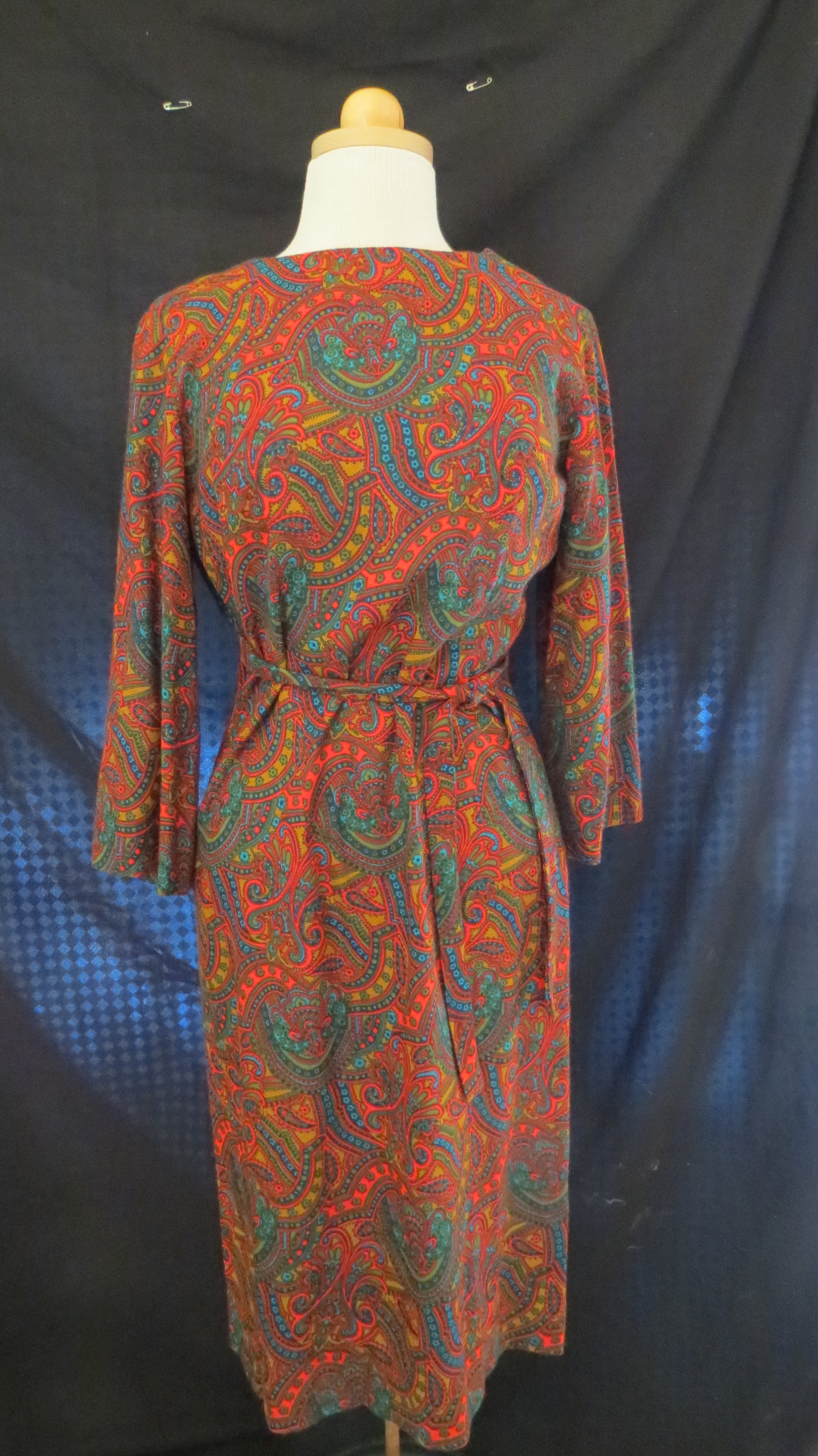
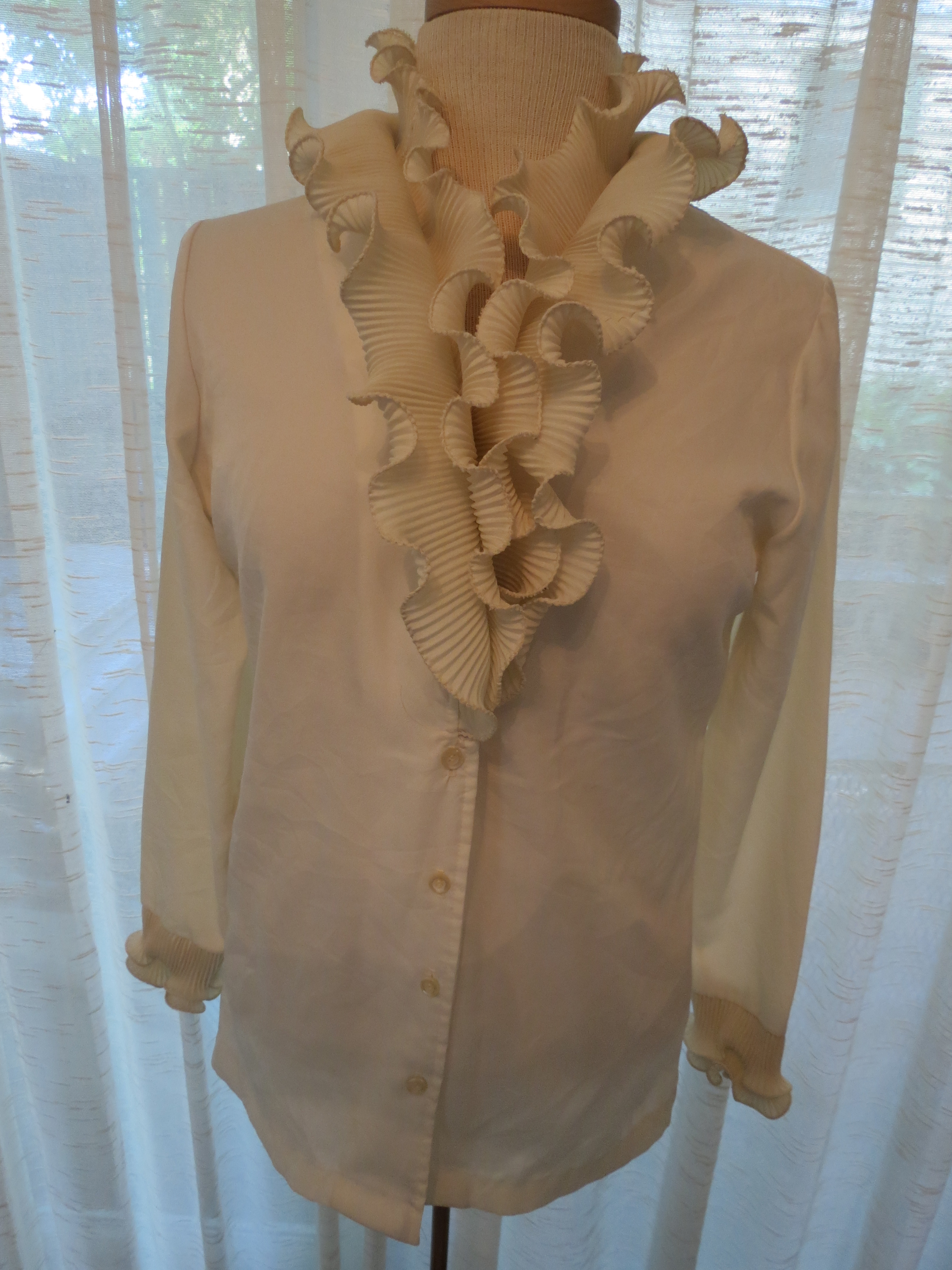
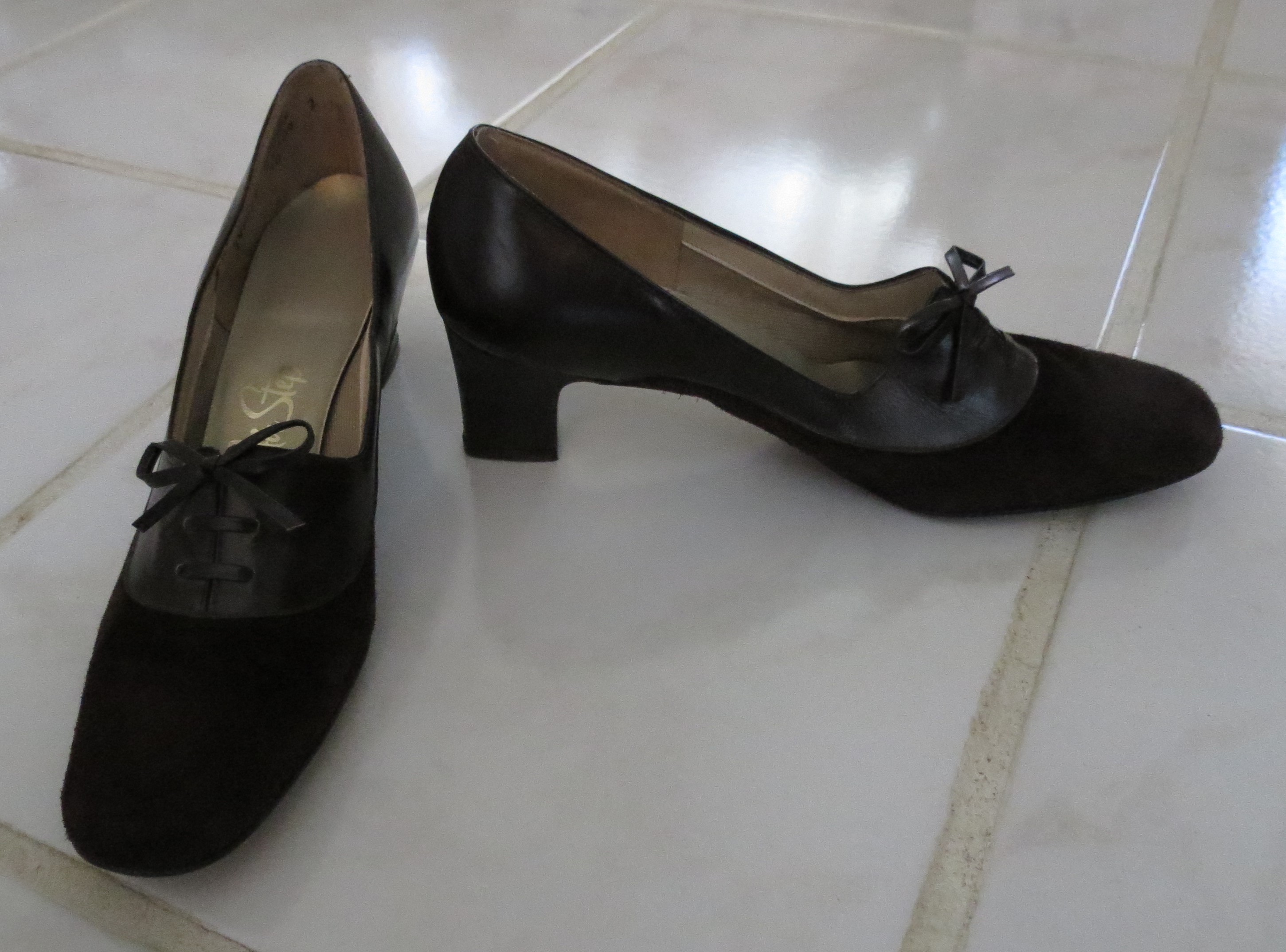
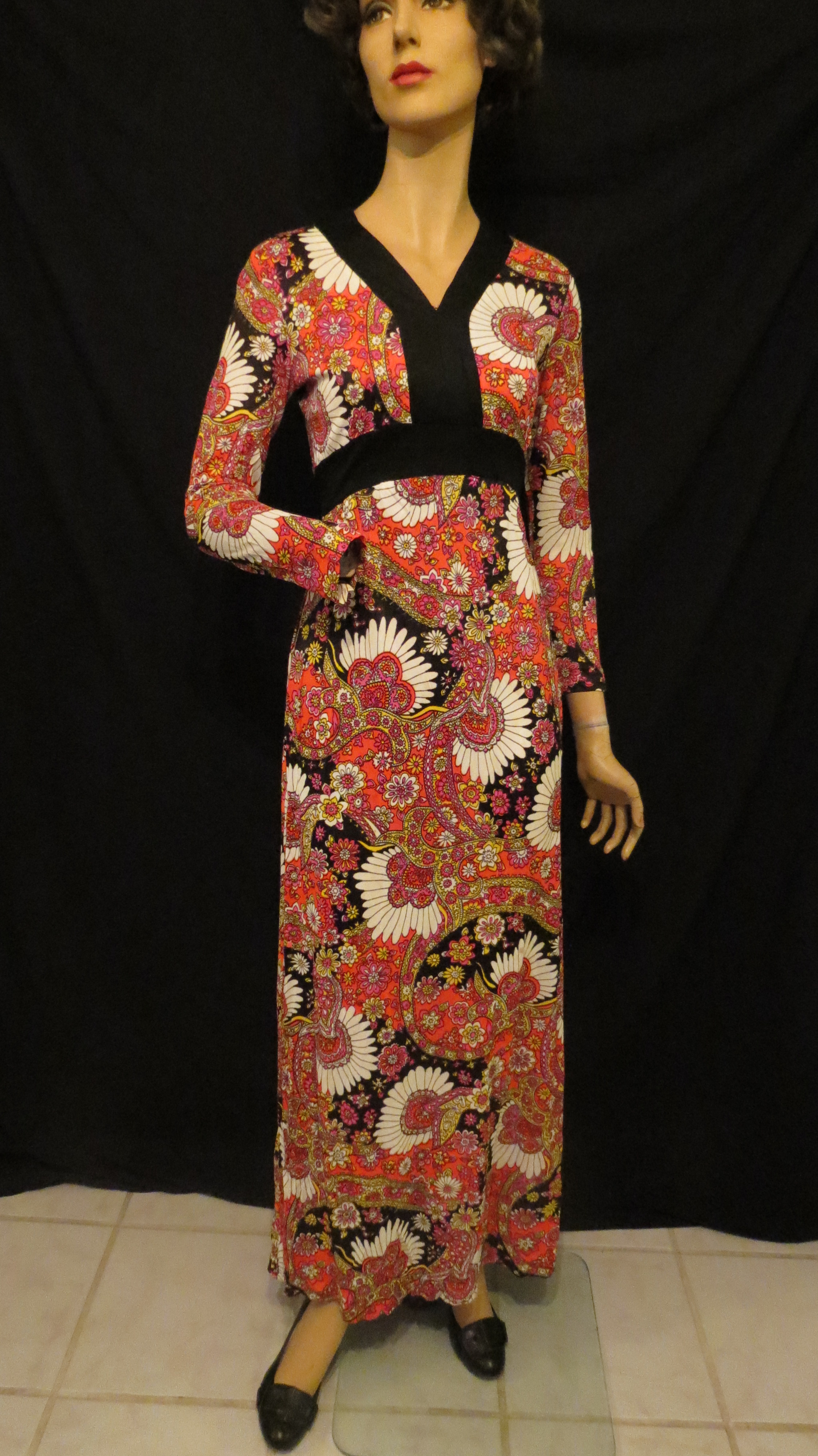
Britain continued to lead the fashion trends in the late ’60’s and it seems to me that their influence strengthened during these years as the Carnaby Street styles showed up. Mod and ultra mini began to slow down with a strong Edwardian/Victorian/Hippie wave predominating. Psychedelic and paisley prints were super popular, even on higher-end classic styles. Long bell sleeves showed up a lot. Ruffled, high-collar blouses and men’s neckties for women were fun fads. Platform soles went out (for a while) in favor of mid-heel pumps with high vamps and rounded toes. LifeStride, a popular mid-priced U.S. brand got into the trend with the example shown above.

Knee-length, midi and full-length hemlines came on the scene again, especially on more conservative and higher-end dresses. Though some minis were still worn, the hippie-styles usually had ankle-length skirts. While Carnaby Street fashions passed by, the long hippie/Victorian looks drifted into the early 1970’s. If you have followed me, you might remember a few of my posts earlier this year covering vintage Prom dresses that showed early 1970’s Victorian/Prairie designs in that mix.

There was a lot more, however, to the early 1970’s fashion designs. We’ll start looking at the Seventies tomorrow. Stay tuned . . . .

MORGANA MARTIN, THE MAGICVINTAGESPY

BLOG: MAGICVINTAGESPY.COM

DETOUR! 1950’S DRESSIER FROCKS BEFORE WE MOVE TO THE SIXTIES

I just couldn’t head into the 1960’s without a display of some of the prettiest dressy frocks from the 1950’s and the fabulous nylon lingerie slips that might have been worn underneath. The first two pictured also have interesting remodeling stories.

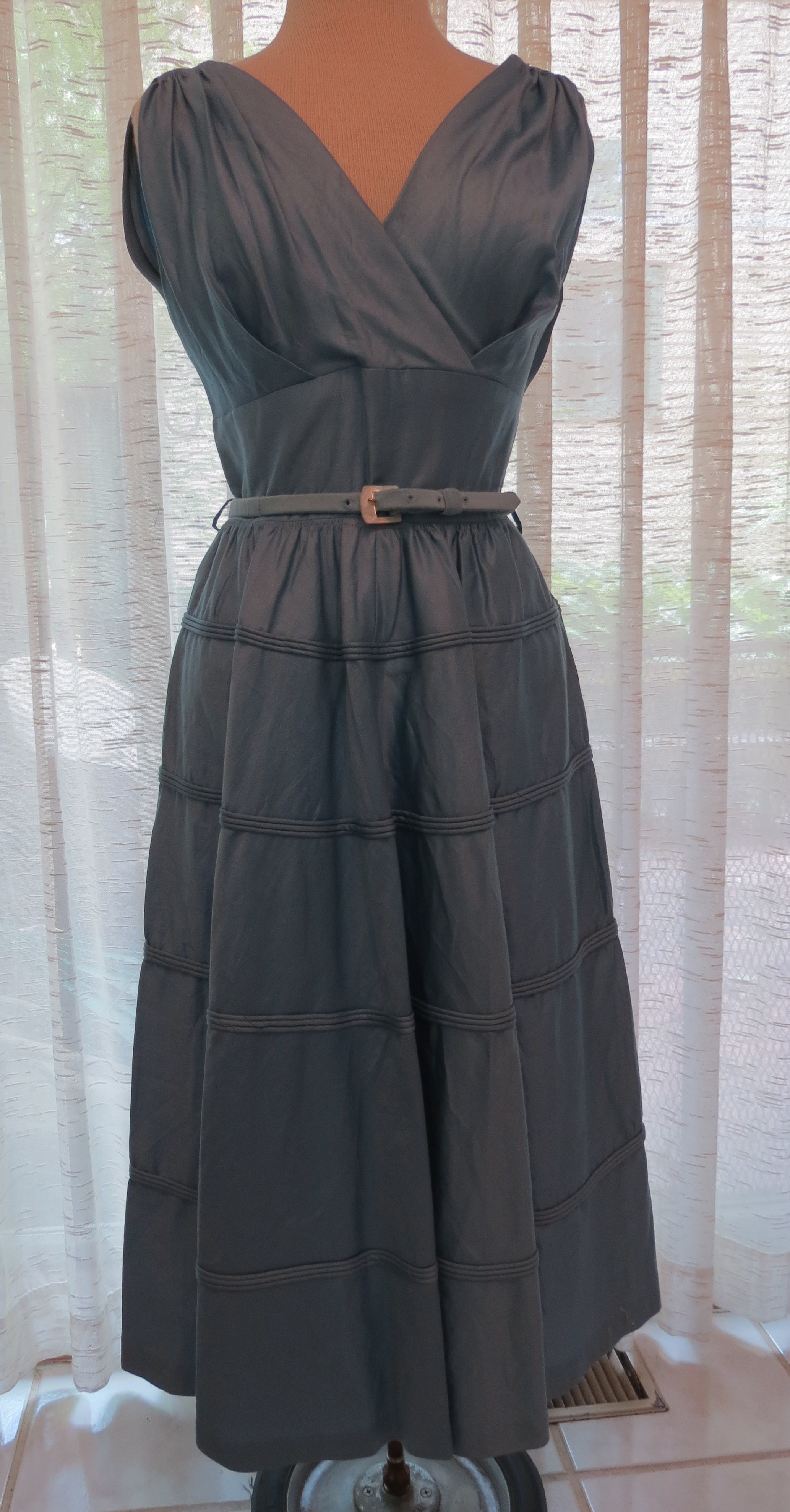
First is a beautiful, heavy polished cotton dress from the early 1950’s or, perhaps, the late 1940’s. It is absolutely gorgeous and falls to tea length. Polished cotton was a favorite fabric during the mid-century, before 1965 or so. As often happens, this frock had lost it’s belt somewhere along the way so I took some fabric from the generous hem and covered a skinny one by hand.

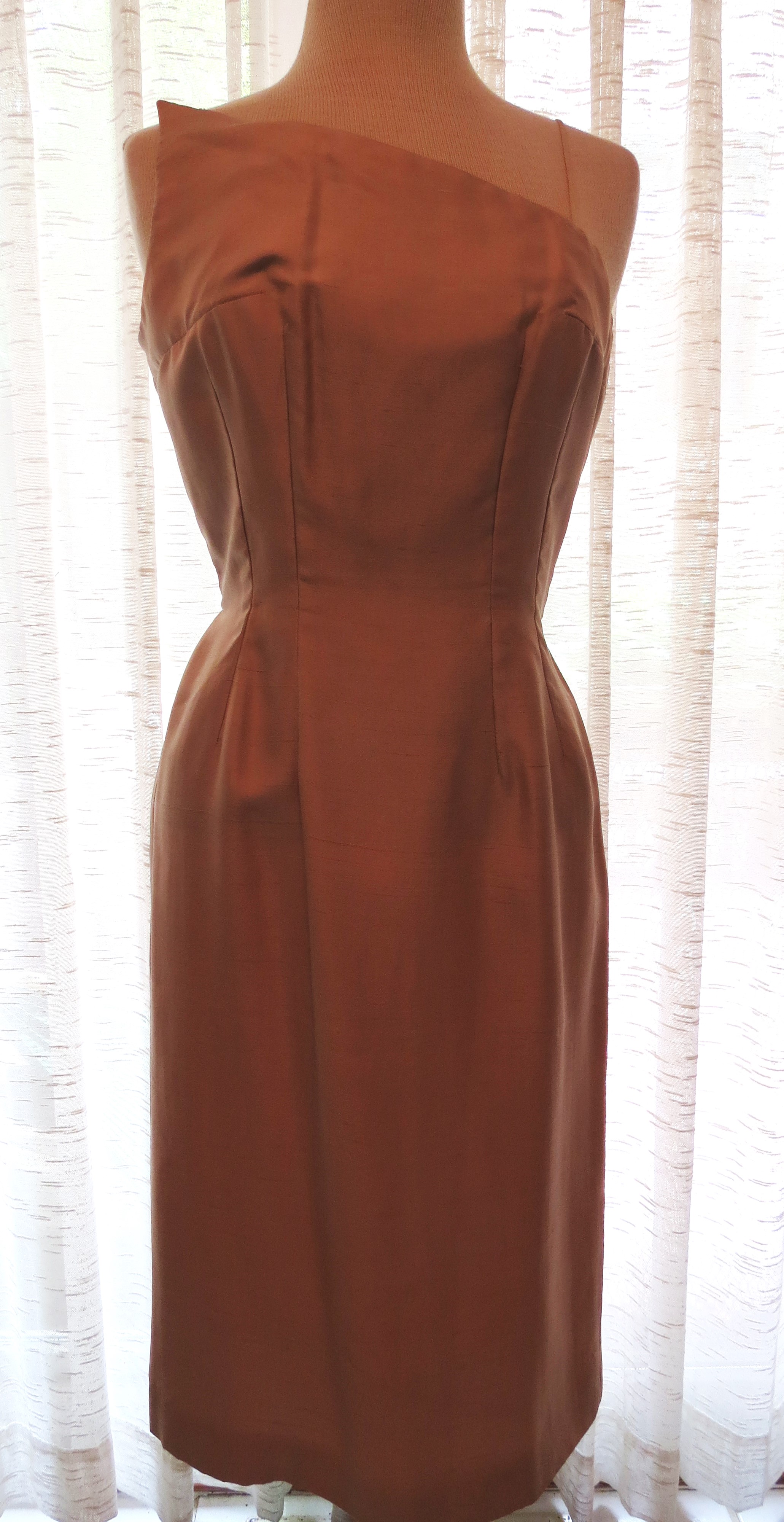
The mocha dress with the interesting shoulder line was a more ambitious remodel but still done entirely by hand. This wonderful wiggle dress is made of rayon fabric which looks like silk shantung. It originally had an upper bodice made of sheer fabric with cap sleeves. Piping finished the sleeves and round neckline. This design feature was such a popular one in the late ’40’s and early ’50’s but, alas, the sheer fabric had several holes that didn’t have a mending or patching option that I thought would do justice to the style. So, I chose to remove the upper bodice and secure the cut edges underneath. The back zipper didn’t have to be changed because it ended where a keyhole opening used to be at the back. I am very happy with the result, though I hate to change original designs.

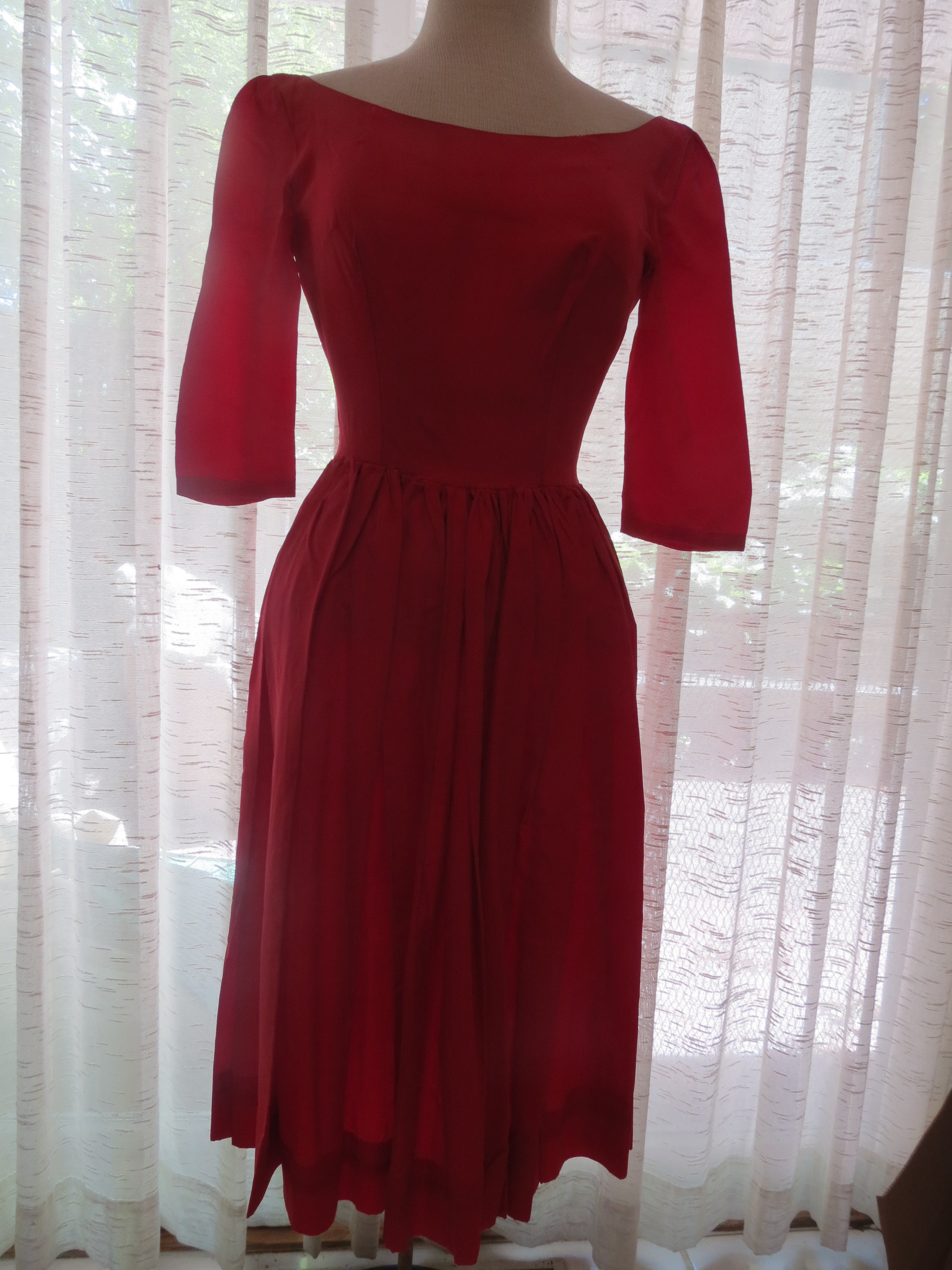
The RED party frock is a style that endured at least from the mid-1940’s until the early 1960’s. It’s a rayon fabric with midi hemline, 3/4 sleeves and a boat neckline – all of which I love. You can see how deep the hem is and, of course, the bodice and skirt are fully lined.

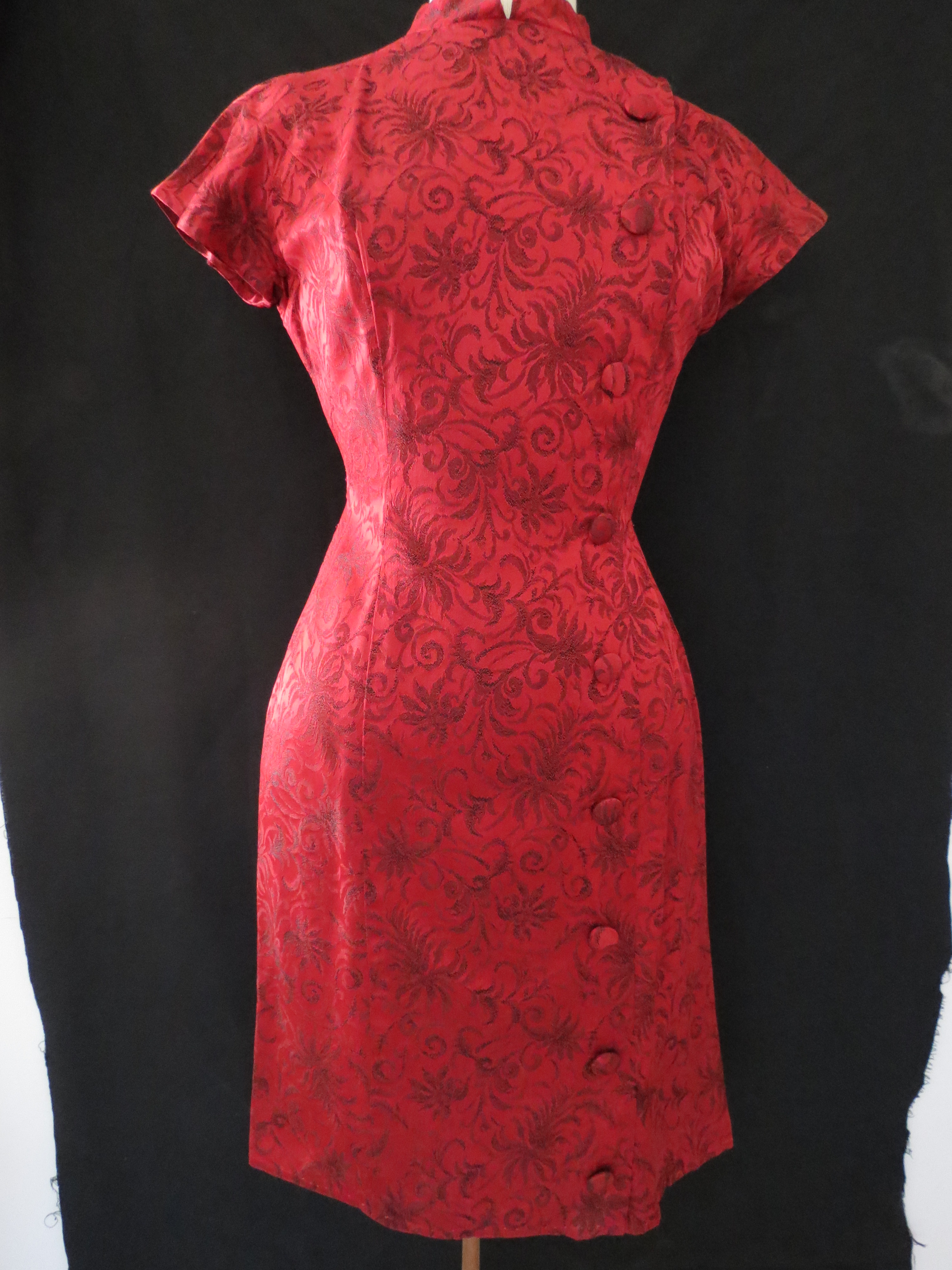
Finally, the red jacquard cheongsam-style sheath is a fashion that became quite popular in the Fifties and Sixties, probably a carry-over from WWII when Asian culture became better known in the West and the female spy, Mata Hari, became legend. It carries on the wiggle cut and cap sleeves which were common then. Overall, this was a decade of very flattering and well-made ladies’ garments.

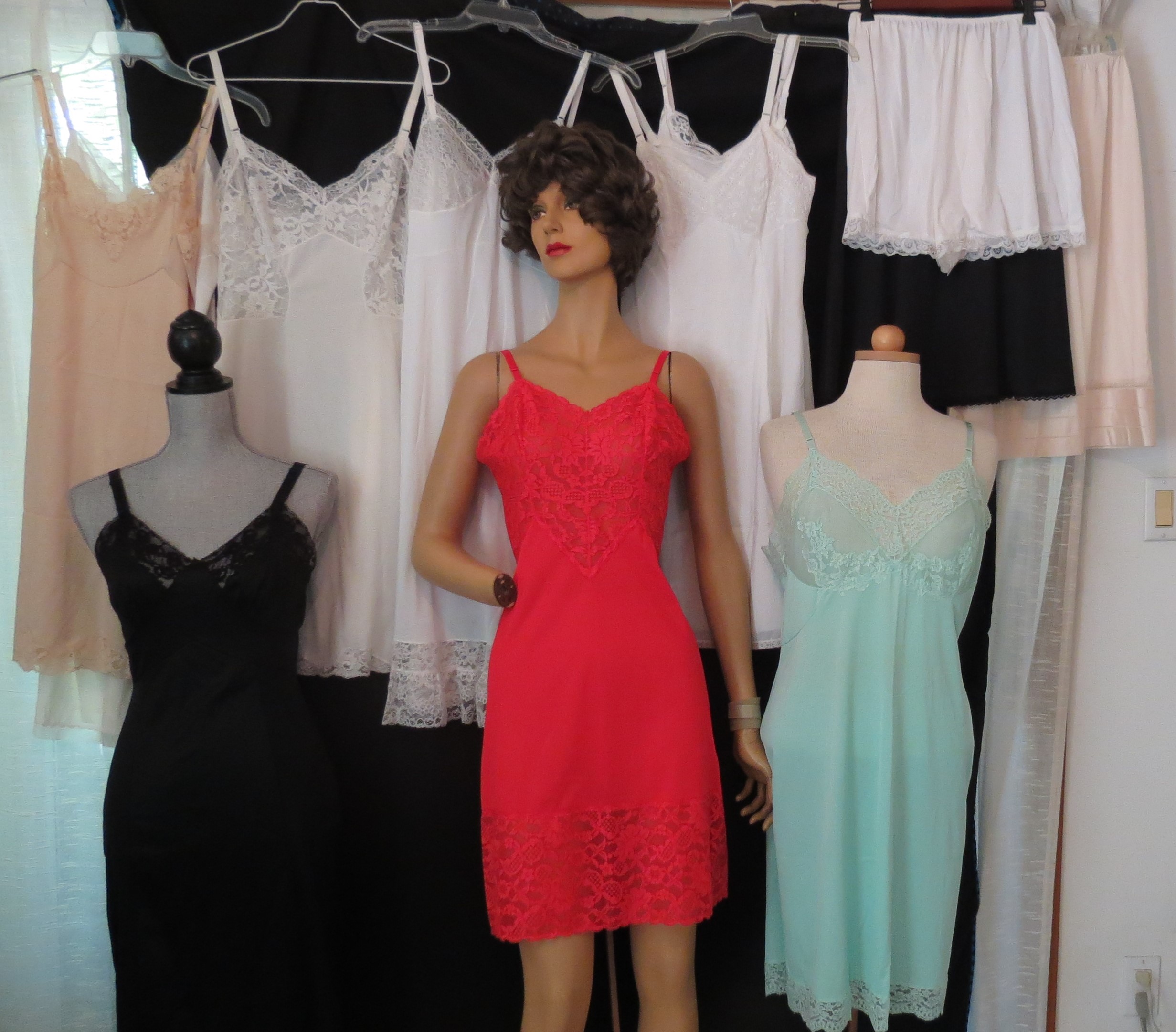
We finish off with a photo of luxurious nylon slips from the 1950’s, with their fabulous fabric and pretty decoration in some of the luscious colors that were available. We WILL do 1960’s dresses tomorrow. Stay tuned . . . . . . . . . . . . . . . . . . . . . .

MORGANA MARTIN, THE MAGICVINTAGESPY

BLOG: MAGICVINTAGESPY.COM
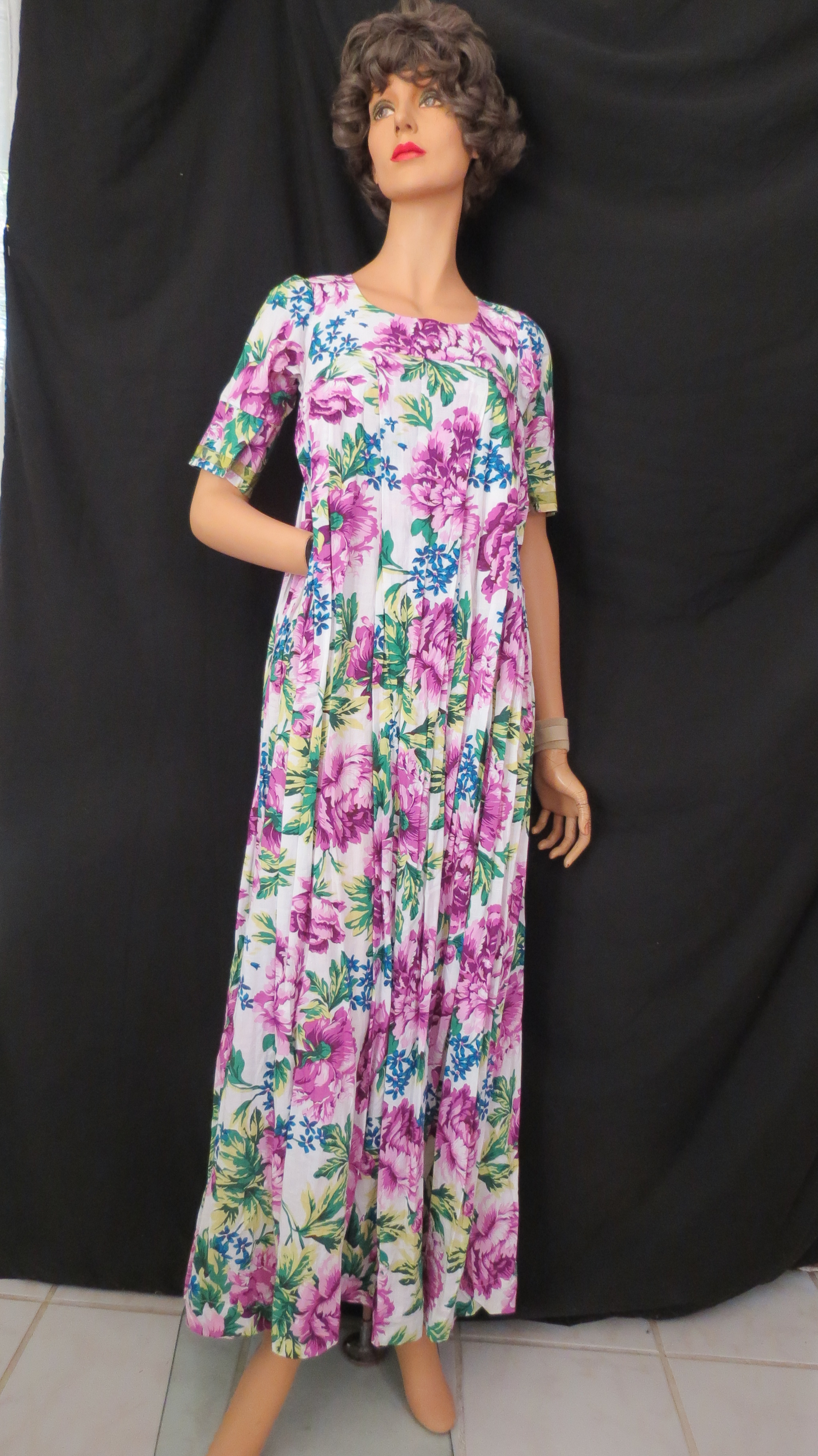
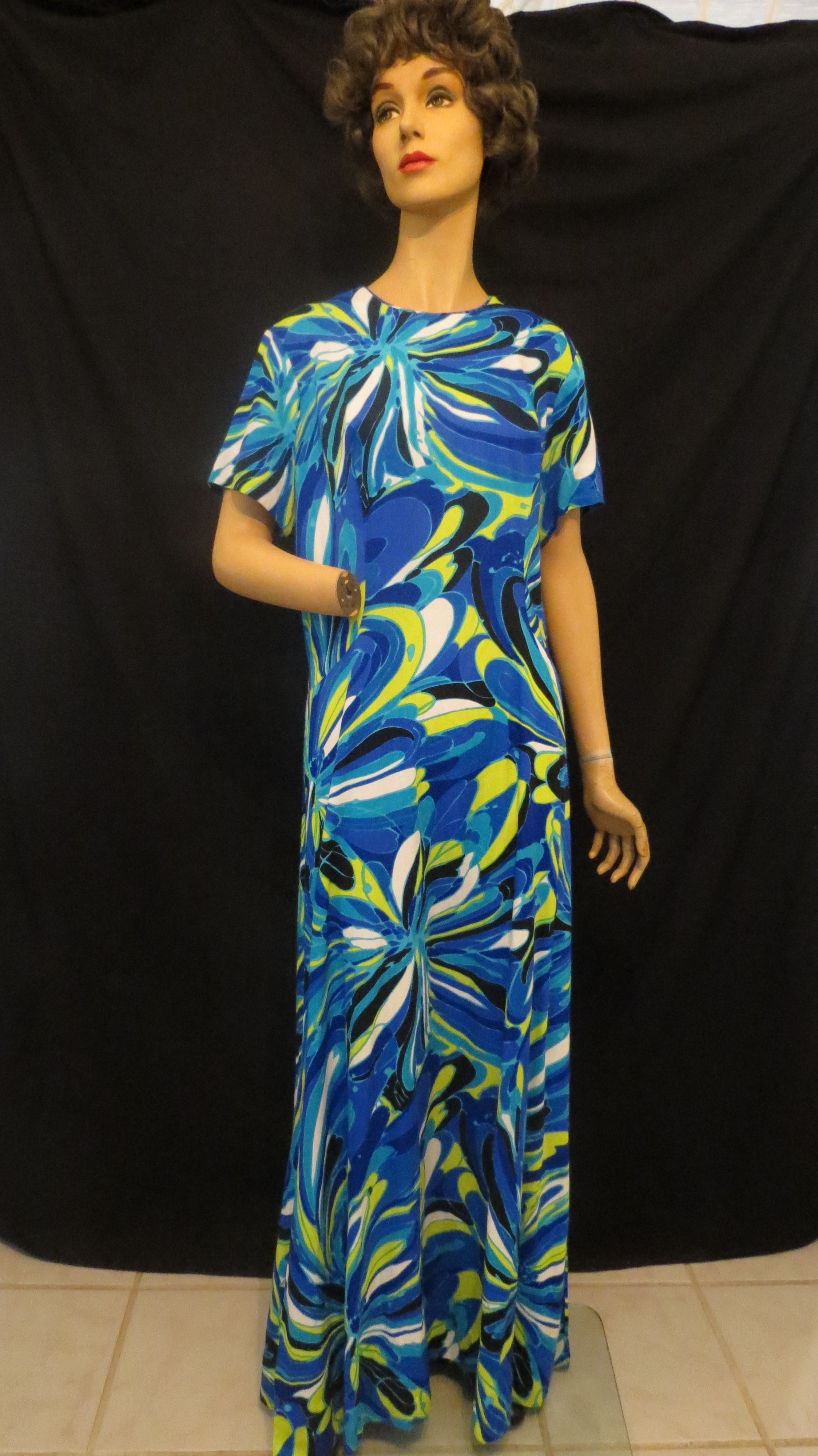
TRUE VINTAGE MID-CENTURY SOUVENIR DRESSES FROM HAWAII

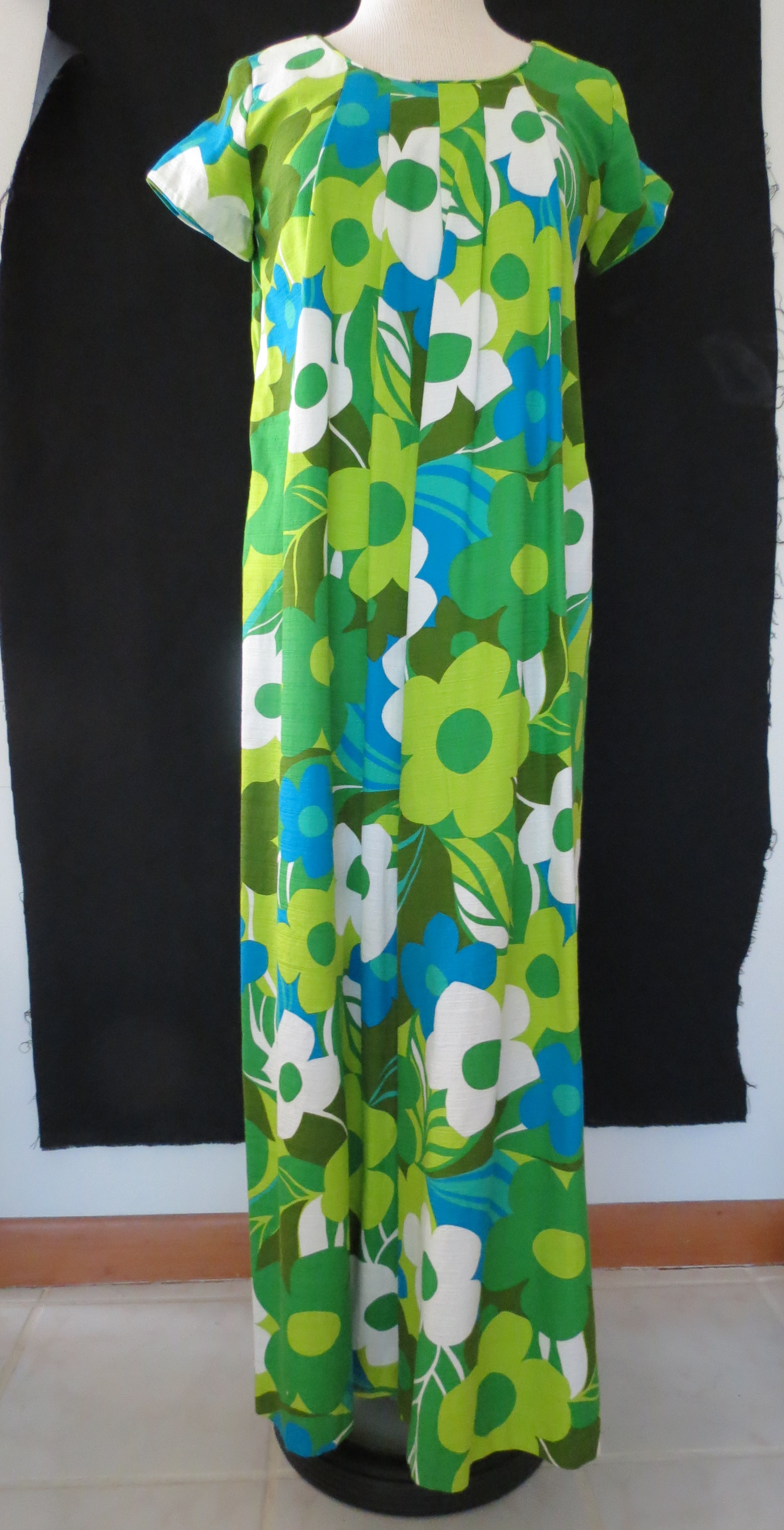
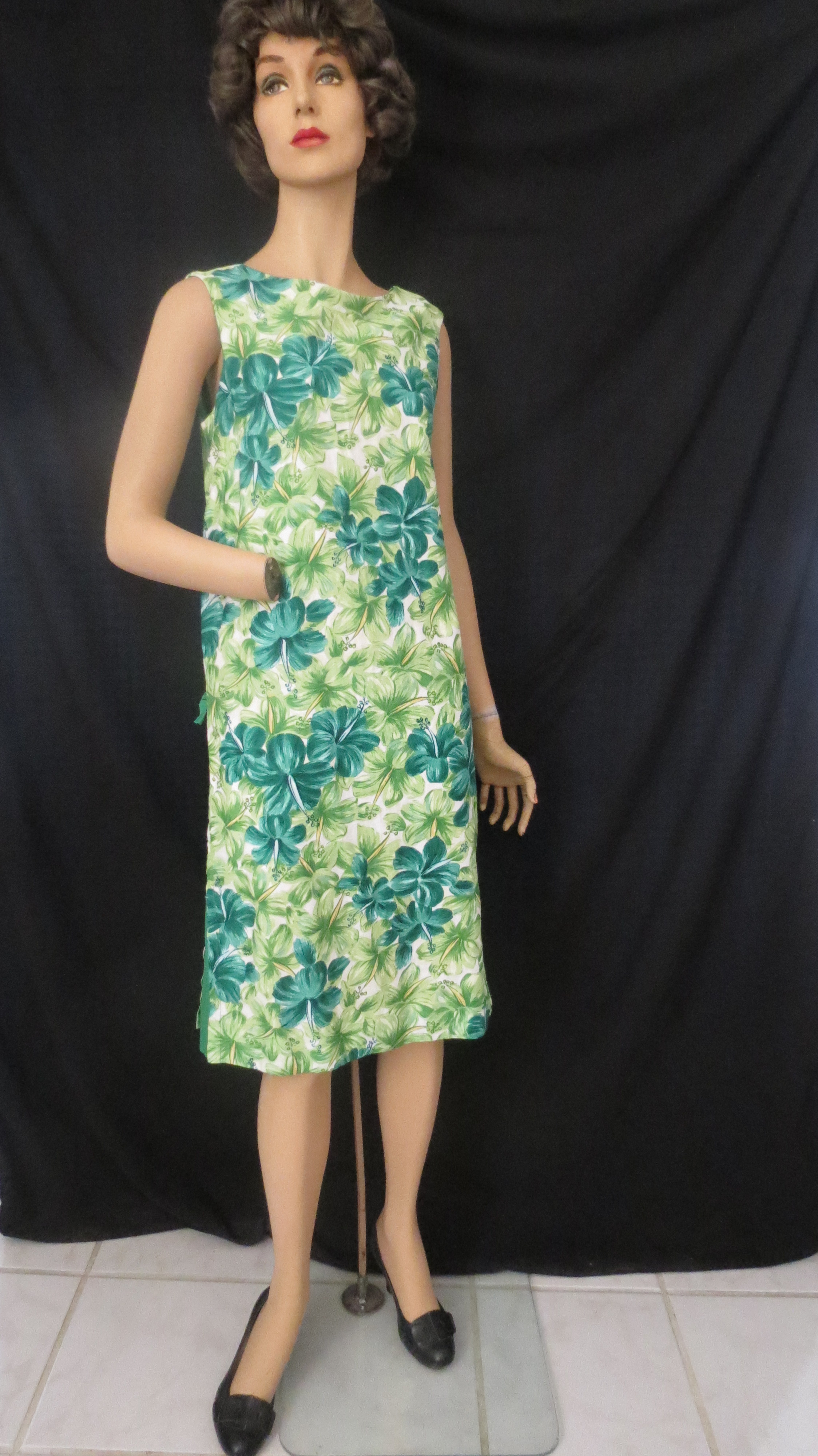
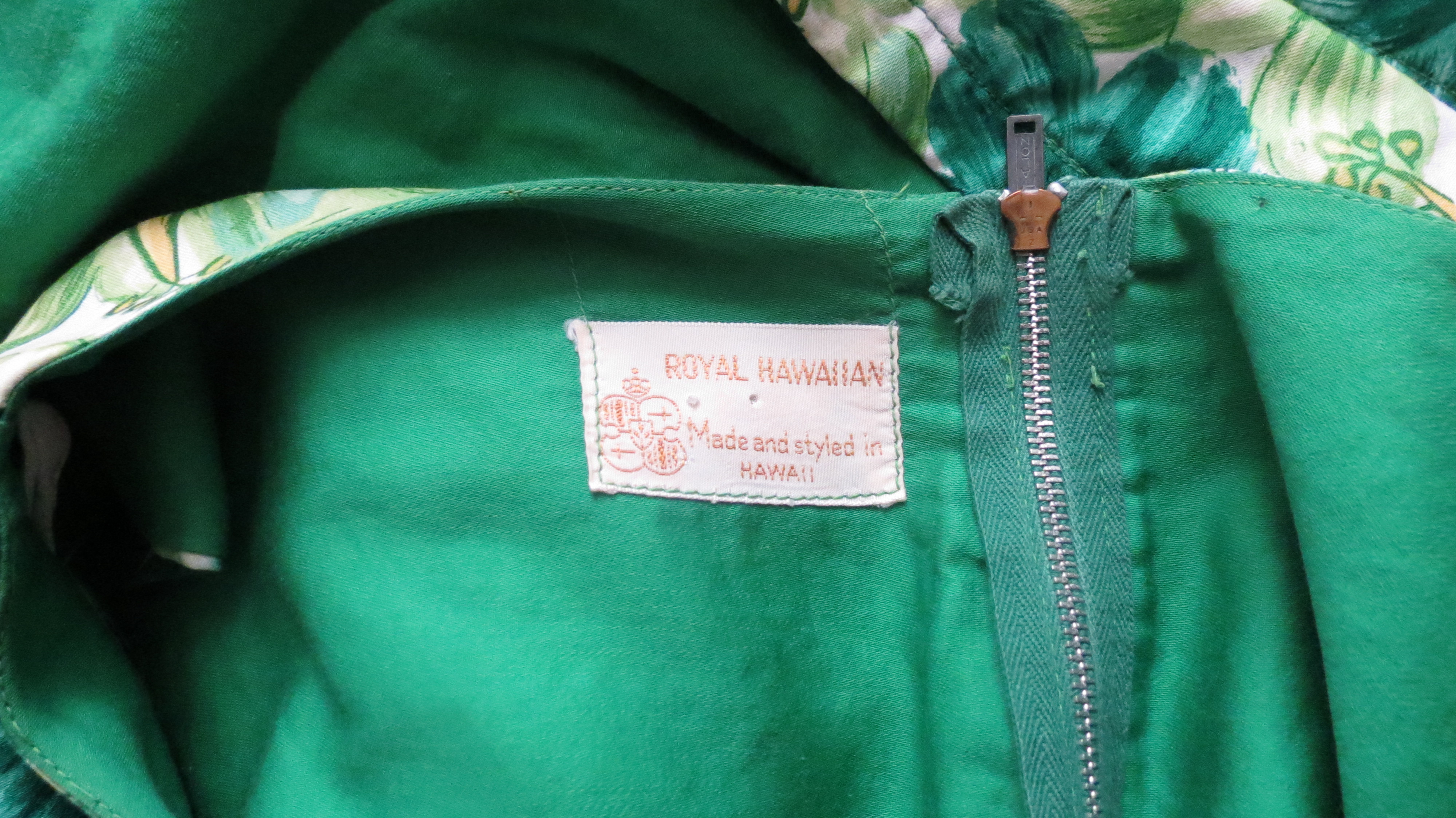
Wow! Our gal’s back home and guess where she went – Honolulu, Hawaii. Looks like she even stayed at the Royal Hawaiian Hotel!! No bargain budget for her, and we can see that in her choice of souvenirs. Two wonderful made-in-Hawaii frocks from the early 1960’s. Remember that blue and green trend from the early ’60’s that I’ve mentioned before? Also, look at the mad, Mod print on the long gown. Fab!

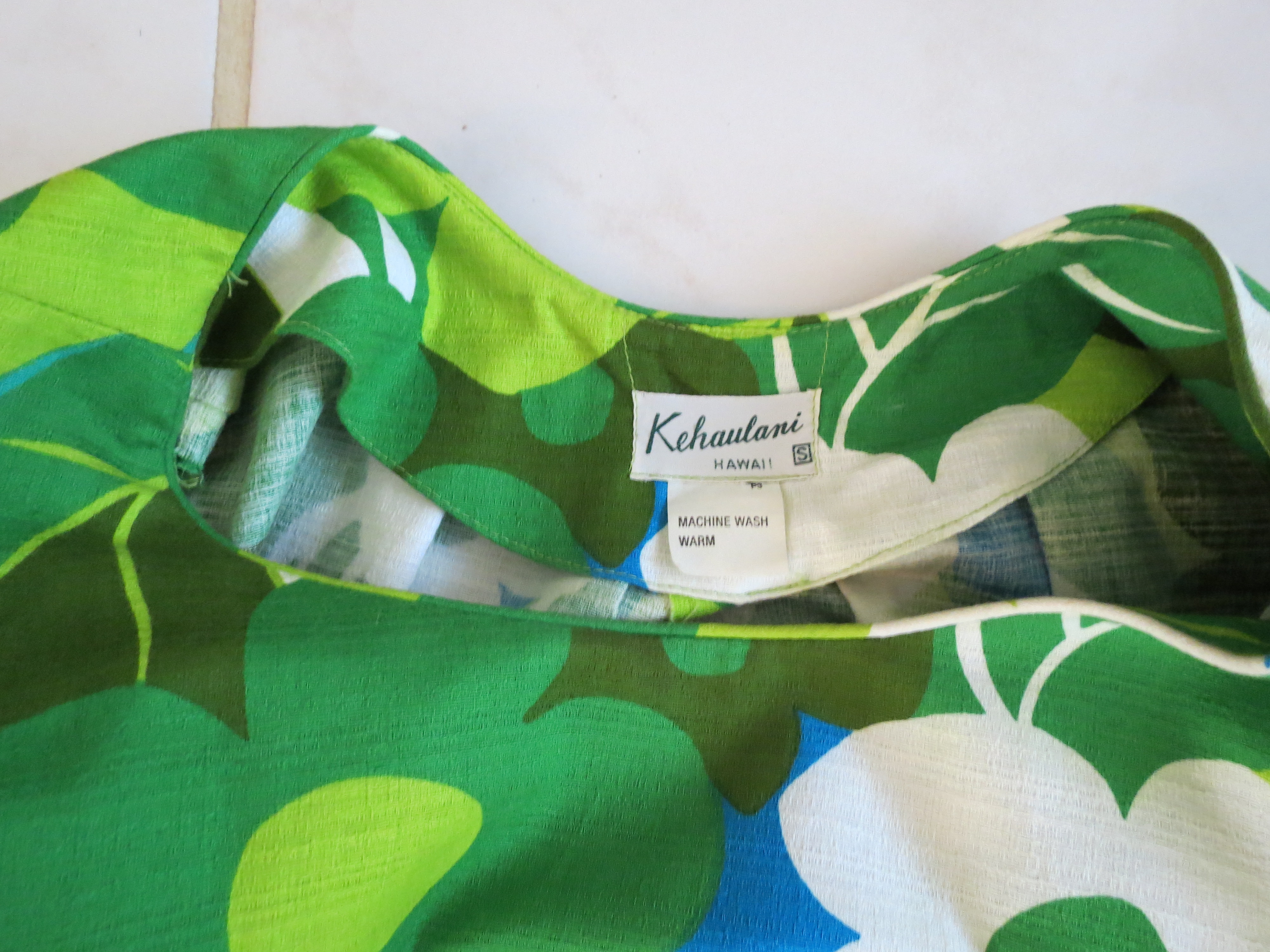
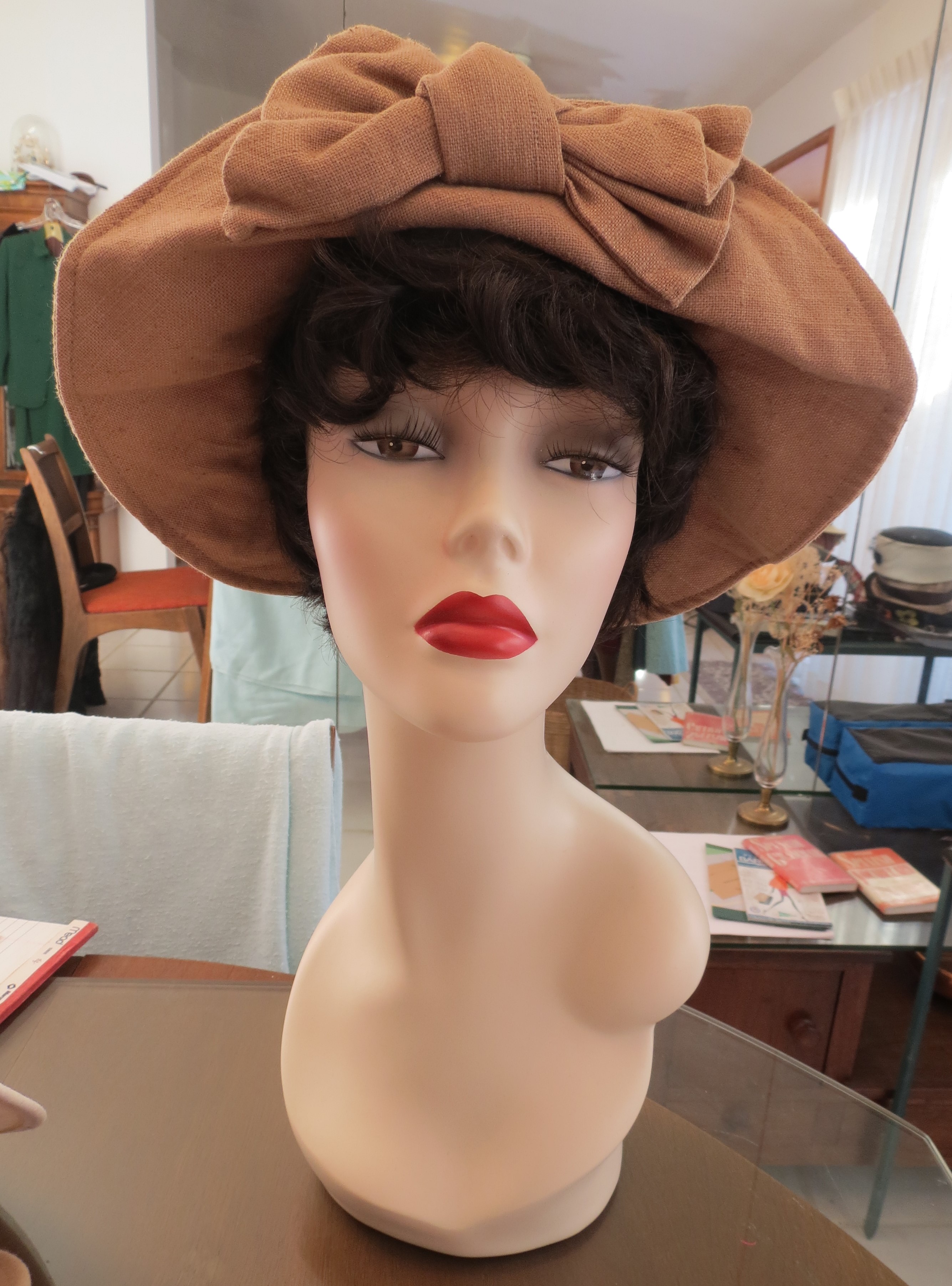
You can’t beat the tailoring on these beautiful dresses. Casual styles, but very elegant. Look at the lining and facings. Fabric piping around the neckline and sleeves of the long gown. Embroidered cloth labels. I’m sure they also have generous hem allowances, finished off professionally. Also, no straw beach hat for this girl – she opted for a cloth hat with unique style and obviously had a wonderful time.

Tomorrow we’ll start reviewing Spring day dresses from the 1930’s through the mid-century, along with some of the accessories that would have been added to their outfits. Stay tuned . . . . . . . . . . . . . . . . . . . . . . . . . . . .

MORGANA MARTIN, THE MAGICVINTAGESPY

BLOG: MAGICVINTAGESPY.COM
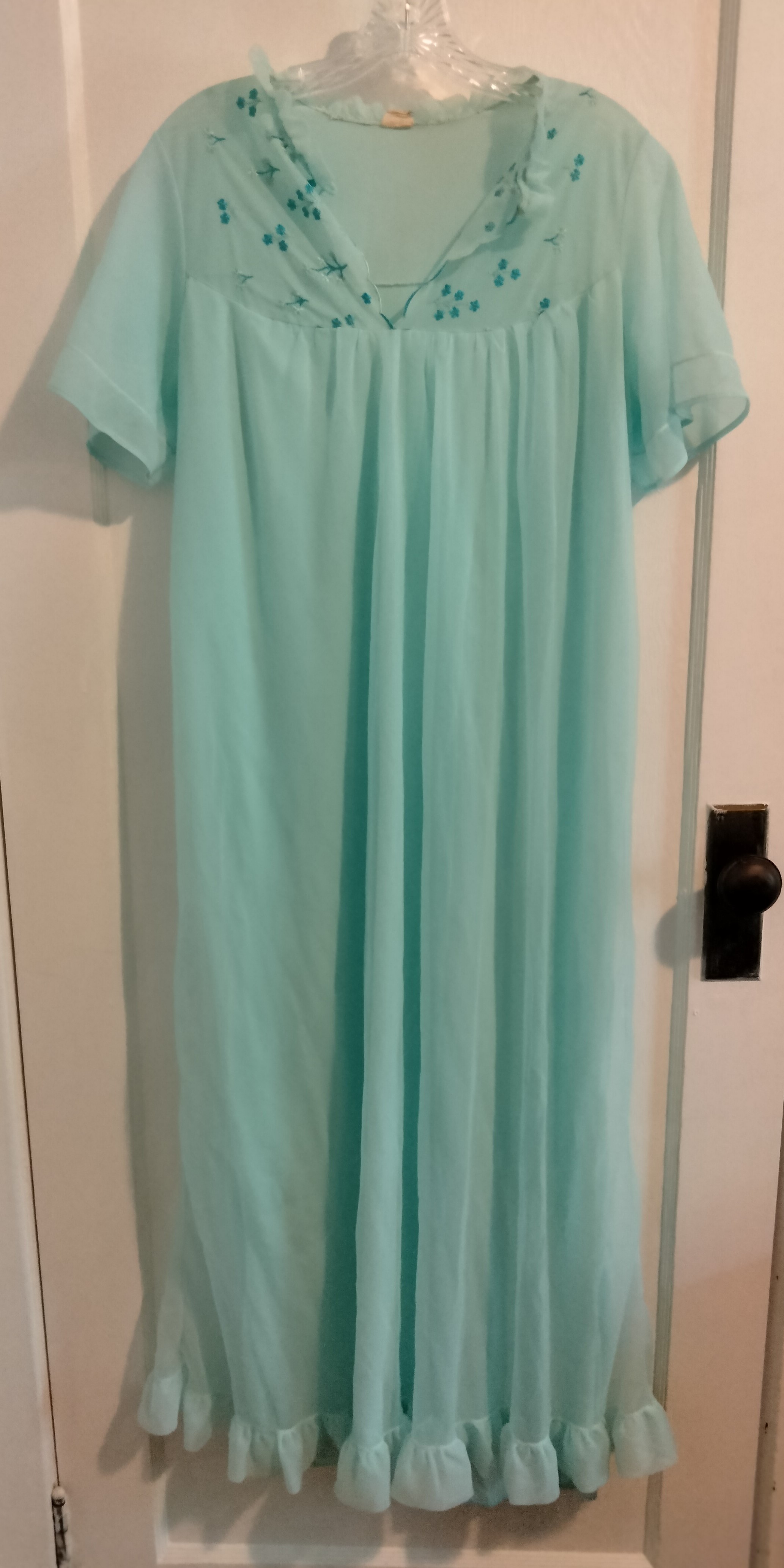
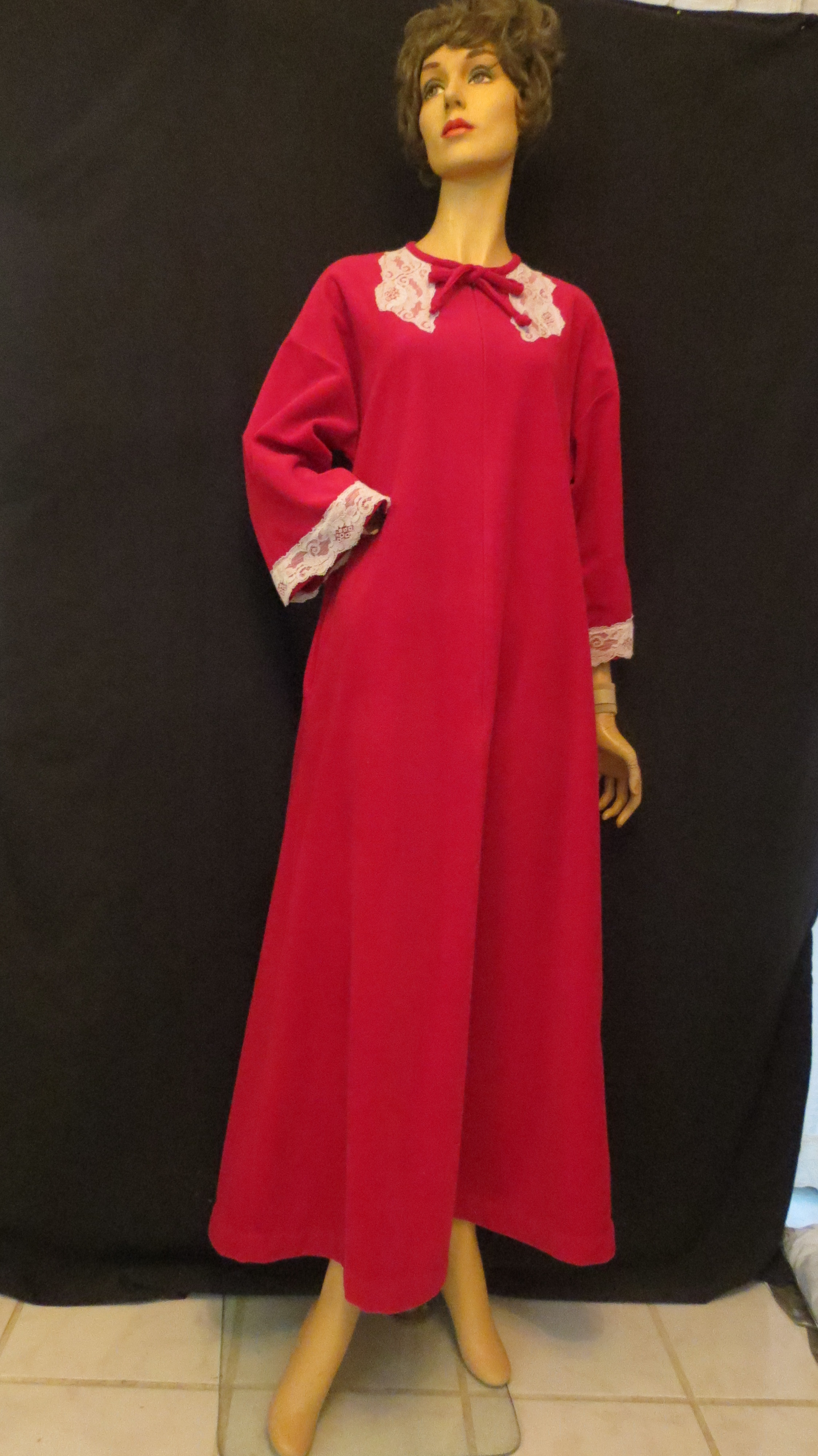
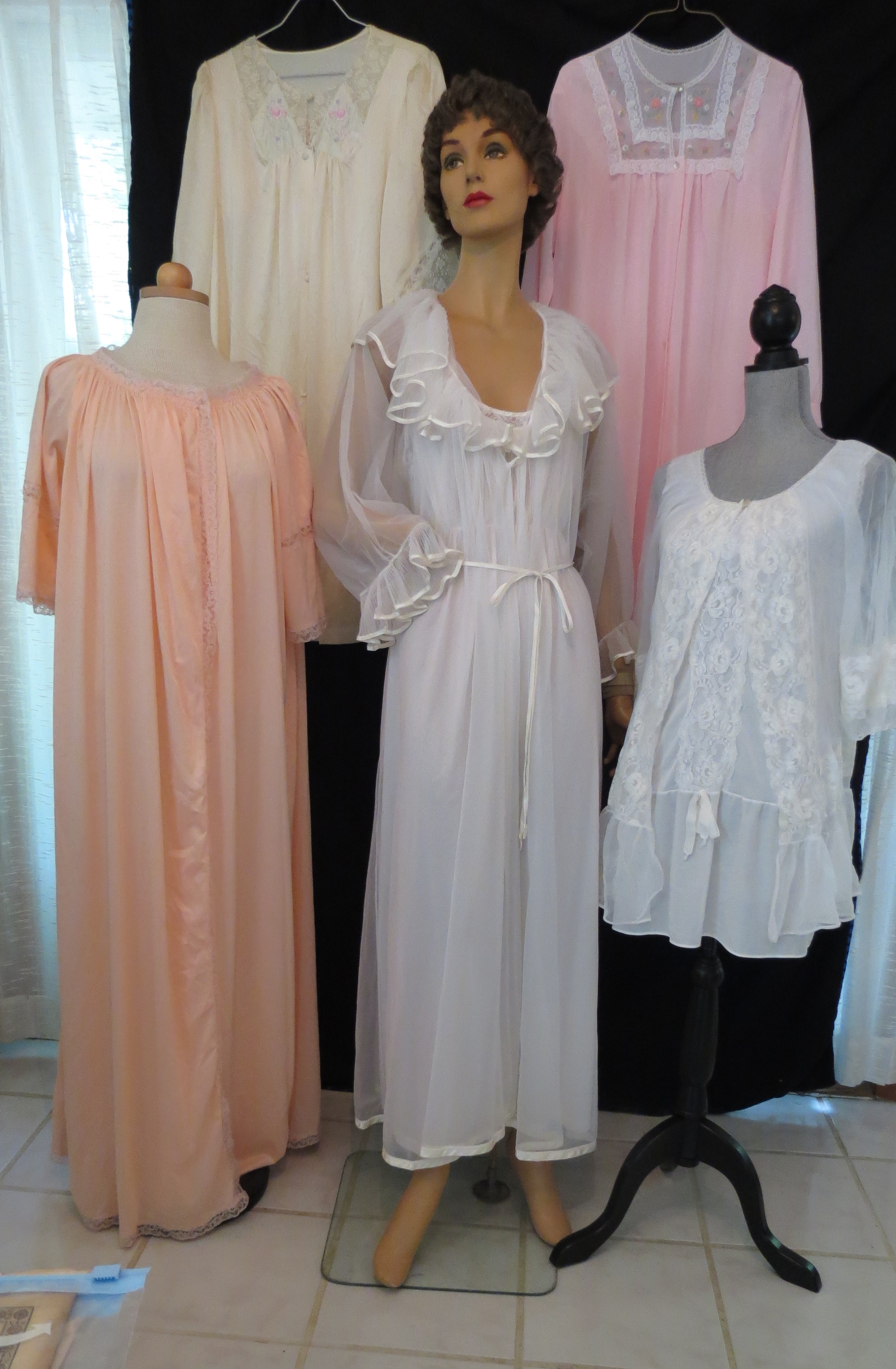
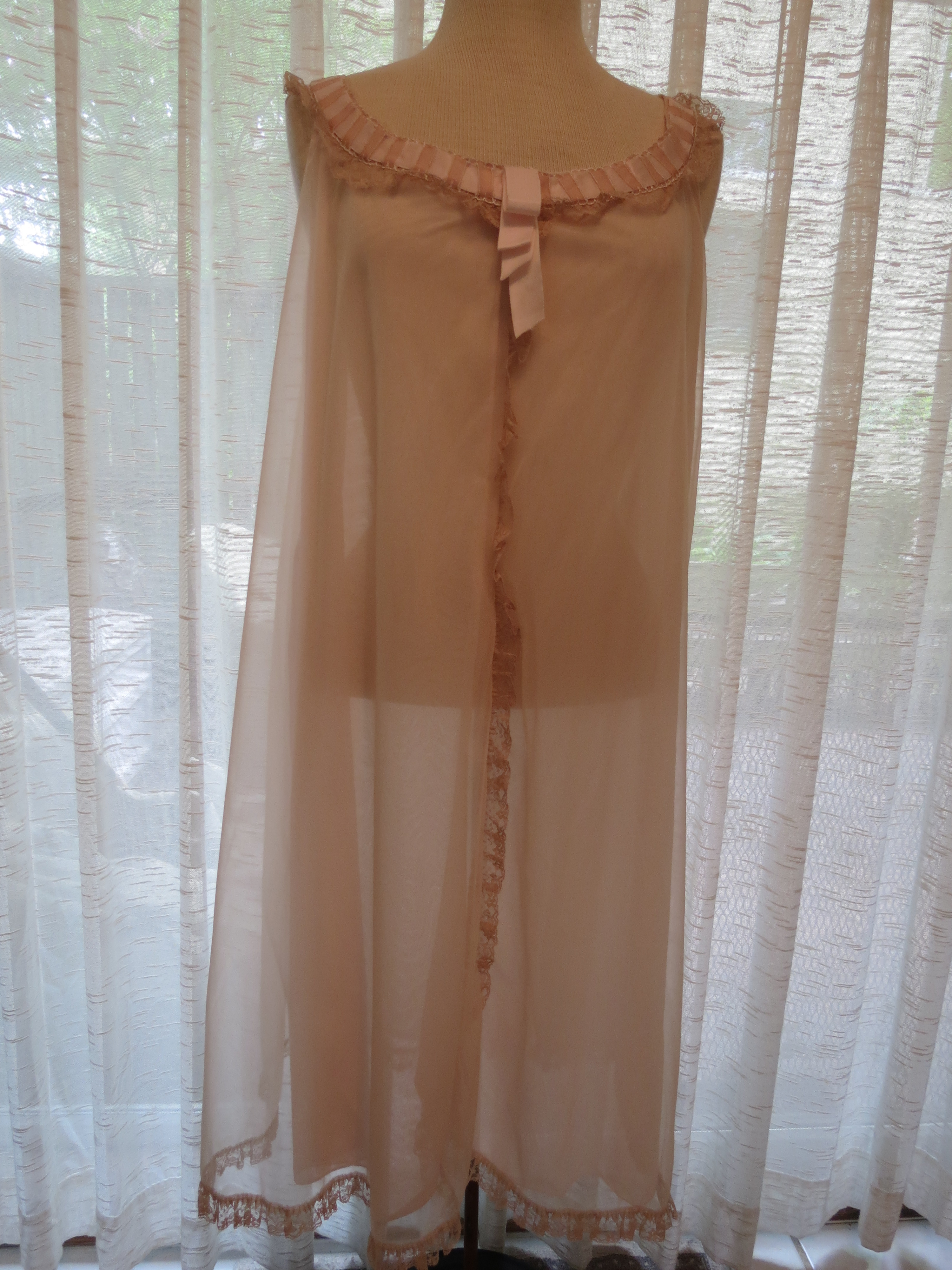
TRUE VINTAGE LINGERIE ROBES & SLEEPWEAR FROM 1930’S TO MID-CENTURY

I’m definitely in the mood to look at some pretty Spring lingerie, although it won’t keep us as warm. The 1970’s RED velour robe by Vanity Fair is an exception, but I had to include it for St. Valentine’s Day.

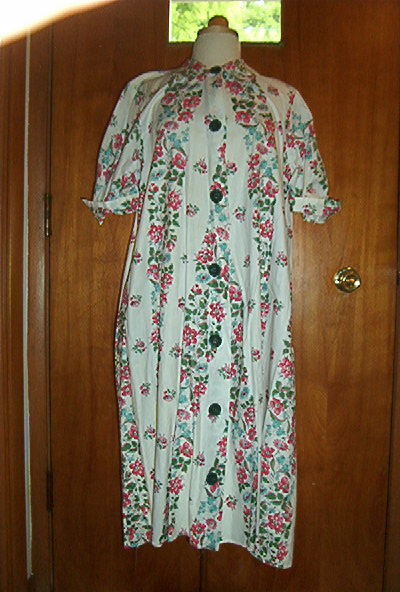
A floral heavy cotton housecoat robe from the 1930’s with big sculpted buttons was a fabulous find! See how it compares when we jump to the 1950’s, 1960’s and 1970’s. Double-layer nylon peignoirs and gowns began to appear in the Forties and there were some beautiful ones in silk during the Thirties and Forties before WWII rationing disrupted all of that. Lots of great synthetic materials were developed during this time, however, and the 1950’s nylon used for sleepwear and slips is fabulous! Thick, glossy and still silky to the touch, it could be found into the 1960’s and very early 1970’s but since then has mostly been replaced by cheaper, poorer quality fabric that doesn’t feel or look the same and is definitely inferior.

Until then, we had this wonderful nylon that can be dyed in bright colors, lasts forever and feels like heaven on the body. Lingerie from this time also included beautiful tailoring and details like lace and embroidery which was high quality and didn’t come loose. Tiny pearlized plastic or fabric-covered buttons and satin ribbon were also common. That’s why these garments still look and feel so beautiful 50 – 70 years later!

This marvelous nylon was also used to make lingerie slips, of course, and women bought a gazillion of them while day dresses were still the standard outfit for daily wear. When we go back to looking at day dresses through the decades, I will be opening an archive of beautiful slips, too. First, I think our mid-century gal is getting back from her vacation tomorrow so we will see what she bought at the beach and start the dresses review afterward. Stay tuned . . . . . . . . . . . . . . . . . . . . . . . . . . . . . .

MORGANA MARTIN, THE MAGICVINTAGESPY

BLOG: MAGICVINTAGESPY.COM
Mod Floral Prom Formal from the Mid- Late 1960’s

Flower Power! A little Victorian flavor here, too, which began to show up in the late Sixties. This carried over into the Prairie styles of the late Sixties and early Seventies, several of which I showed a few days ago. At that time, many were worn to the Prom. Lots of changes were happening in history and culture during this time and fashions morphed at lightening speed.

Of course, Mod flowers, empire waistline, gathered sleeves and retro ruffles plus a novel style element that showed up then and disappeared pretty quickly – big tall cuffs with lots of buttons. Many blouses and dresses were made with these, as well as long pointy collars, which had their own version on 1970’s shirts a few years later.

Although it’s a mangled mash of styles, it’s really cute and this was a time for CUTE clothing. It was a fad for a fairly short time. Sophisticated fashion took a back seat for a while. I haven’t seen too many of these during my investigations, so this one was a very fun find. Stay tuned for going ahead to the 1980’s . . . . . . . . . . . . . . . . . . . . . . . . . . . . . . . . . .

MORGANA MARTIN, THE MAGICVINTAGESPY

BLOG: MAGICVINTAGESPY.COM
True Vintage Mod-style Special Event Long Dress from the Early 1960’s

From just a year or two later, compared to the frock shown yesterday, look how different the style is! This dress would have been made in 1962 or 1963, when the blue plus green craze was all over the marketplace – in clothing and home fashions. It was a thrilling find because I know it’s history since I got it from the seamstress who made it. She regularly tailored dresses to wear to faculty events at a university.

Medium-weight synthetic fabric, with a brocade-look weave. It just says Spring, and the beginnings of Mod. Sleek and slim, rather than fussy or poufy. A new kind of feminine style. We’ll be in totally different territory again tomorrow. Stay tuned . . . . .

MORGANA MARTIN, THE MAGICVINTAGESPY

BLOG: MAGICVINTAGESPY.COM
Golden Dream – A True Vintage early 1960’s Classic Spring Formal Dress

Here’s a rare and beautiful example of a sophisticated sheath style from the Kennedy Era. So flattering. This gown was not headed to the Prom but to a more conservative and formal event, such as an elegant State Dinner, a university Gala or perhaps a play or concert in the city. I love the decoration on the bodice and elbow-length sleeves – not over-done but very pretty and eye-catching.

Although it’s made in the newer, sleeker style, we still see the sheer fabric over opaque material that has been a feature of many, if not most, formal dresses during the 1950’s – ’60s decade. But, keep eyes open. Fashion changes FAST going forward and upcoming posts will show examples of this. Stay tuned . . . . . . . .

MORGANA MARTIN, THE MAGICVINTAGESPY

BLOG: MAGICVINTAGESPY.COM