TRUE VINTAGE 1950’S – 1960’S DESIGNER AND HIGH-QUALITY ACCESSORIES

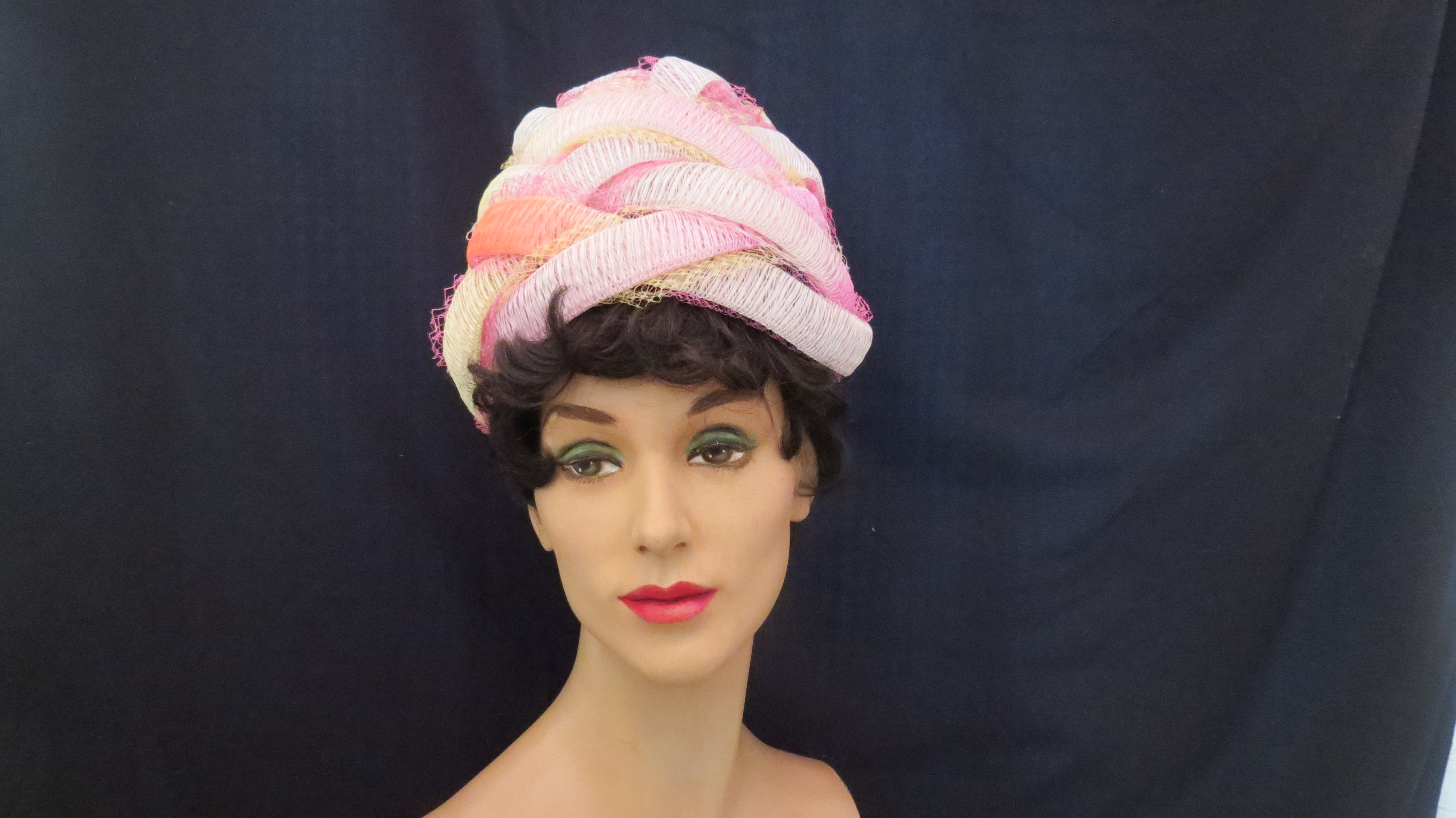
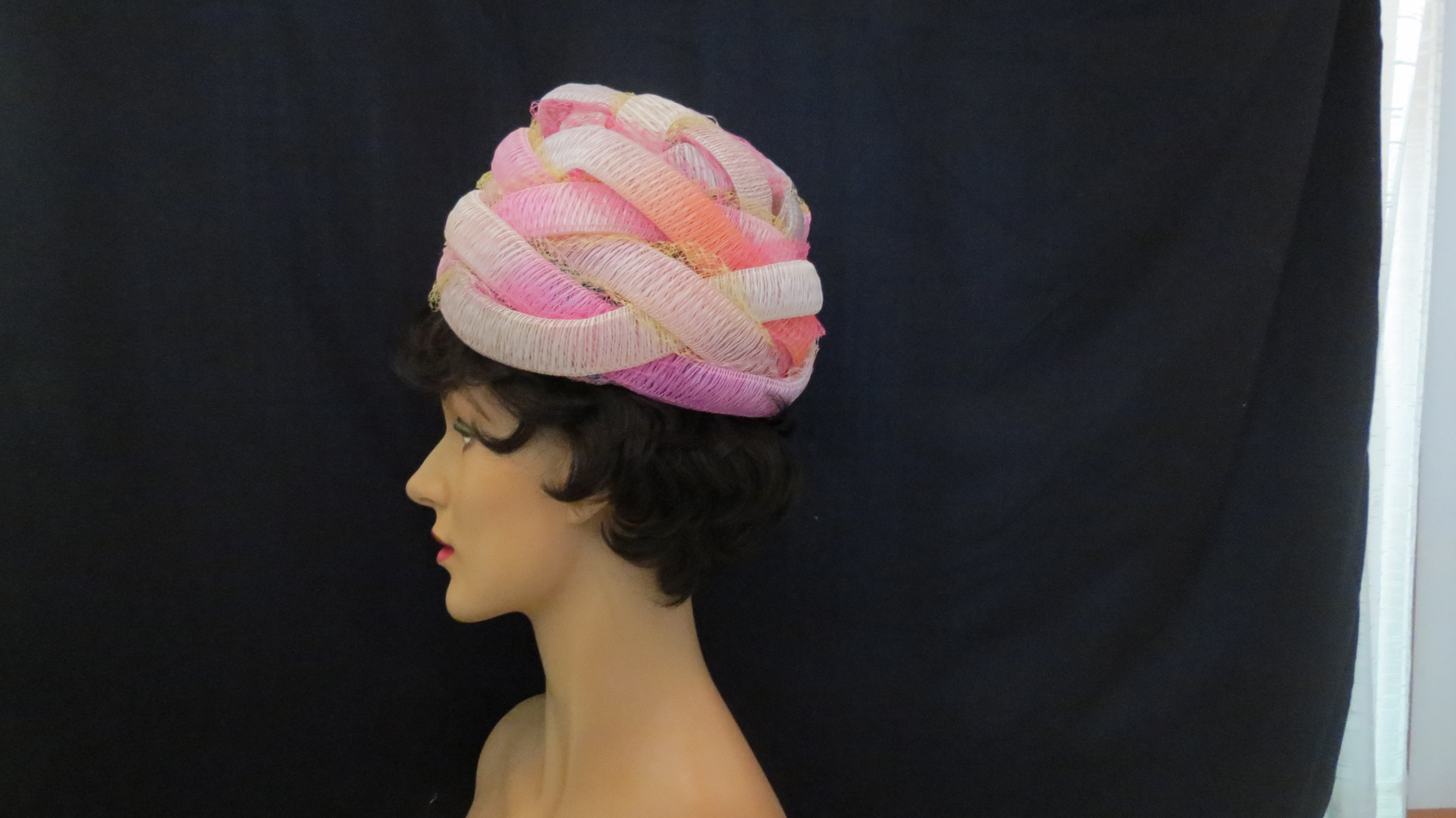
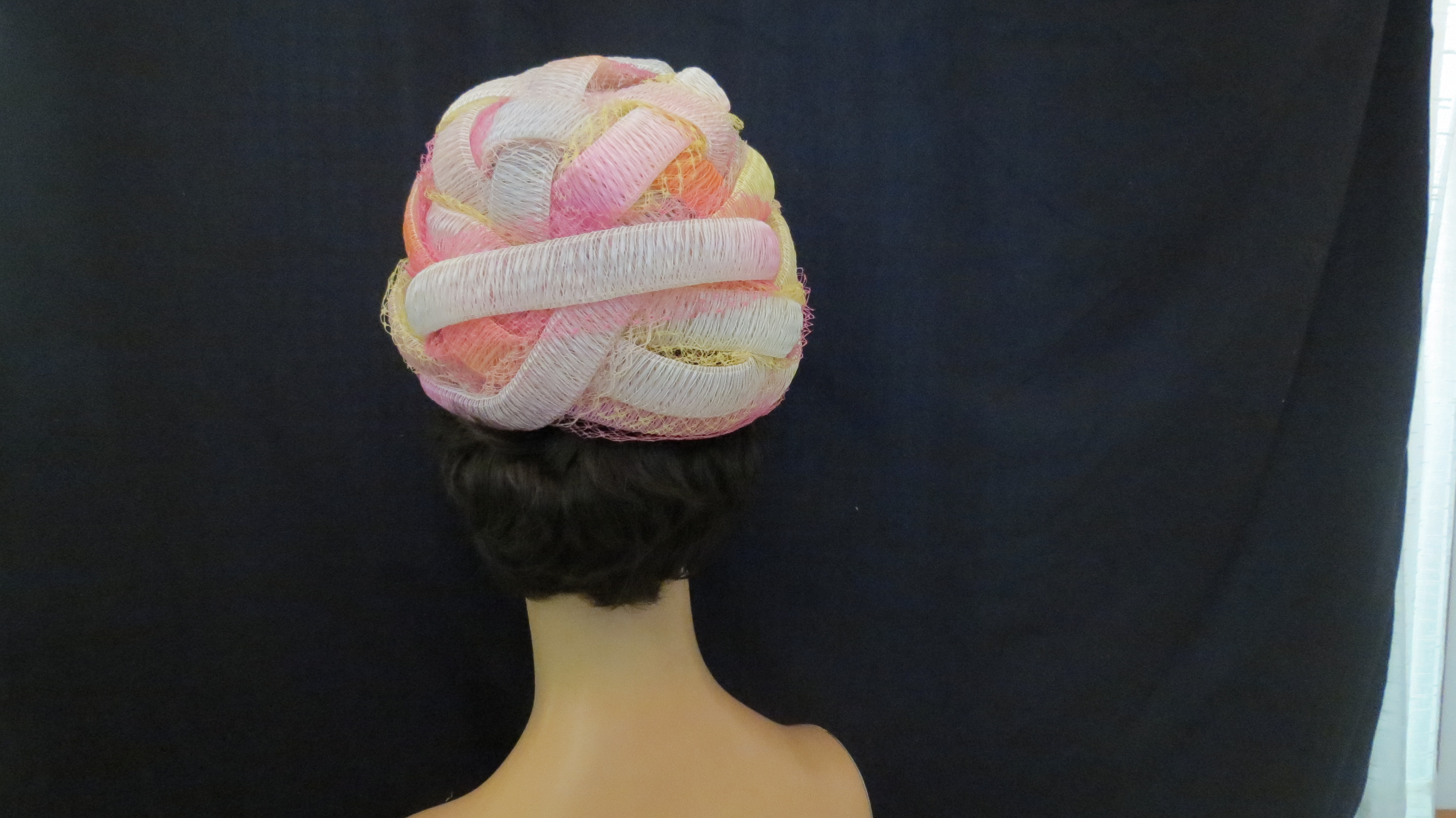
Now that we’ve reached the Spring Equinox, let’s start off with a Calvin Klein Easter hat in Spring pastels. A continuous flat tube of fabric is woven into a toque shape, overlaid with netting. A Mod-ern take on a traditional style. A lucky woman could look like an ice cream cone.

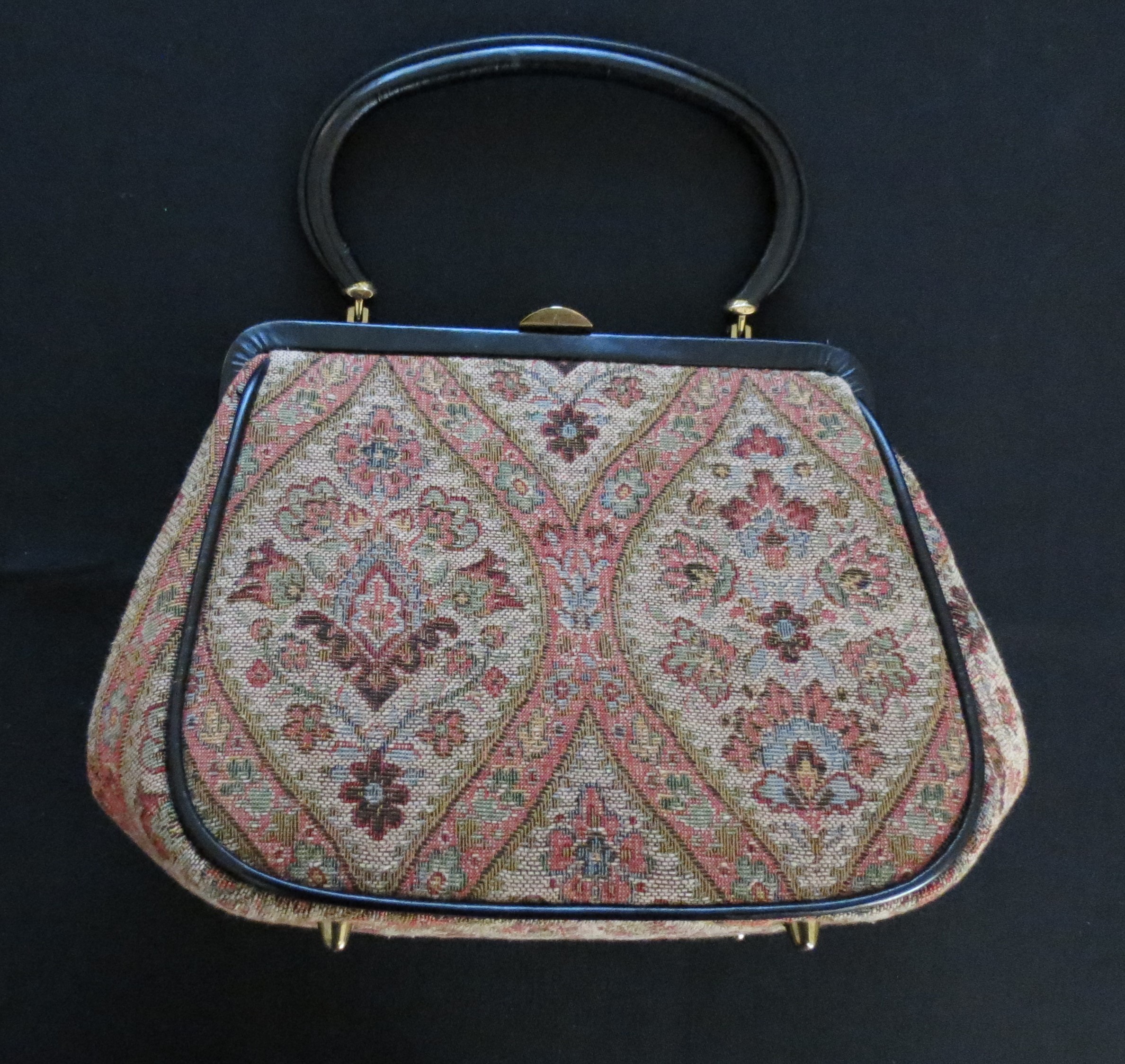
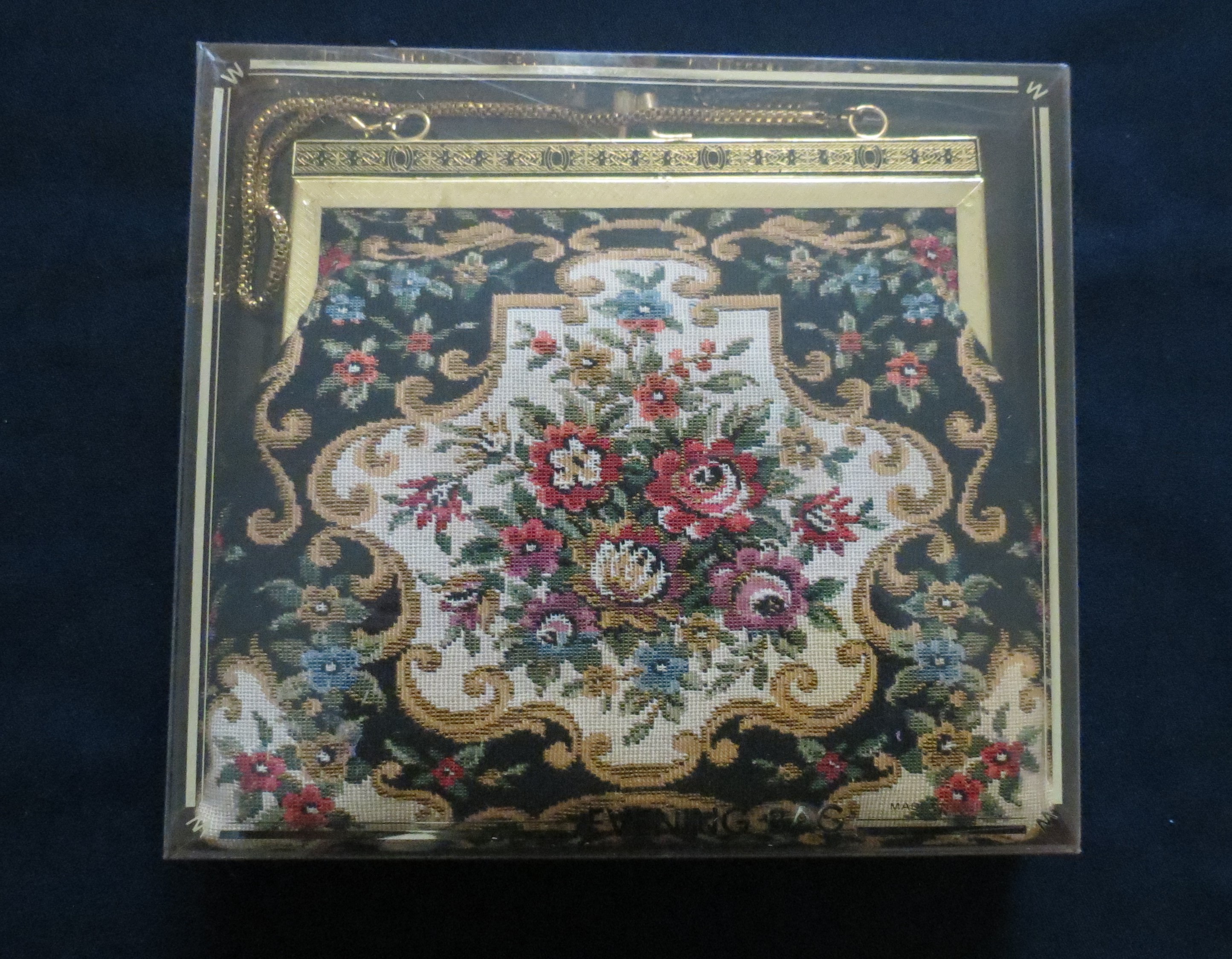
Some dressier handbags continued to be made of traditional tapestry-design fabric. Both of these above are small, one with a rigid leather-covered handle,, leather trim and metal feet on a covered metal frame. The other is a soft bag with a decorative closure and snake chain handle, sold with it’s own protective cover.

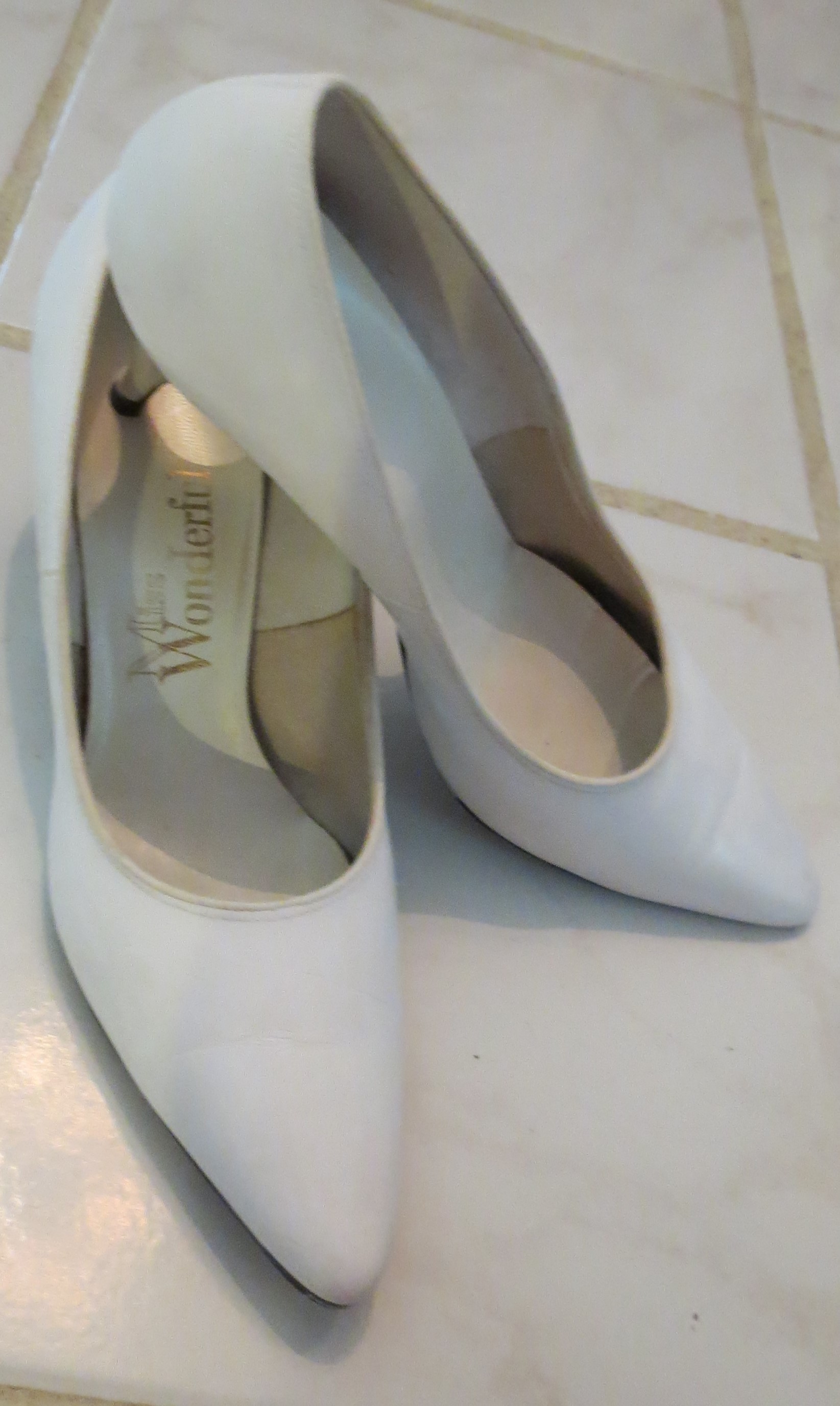
Classic pumps for everyday evolved in the early – mid 1960’s to mid-heel height with a slightly rounded toe but stilettos were still more popular than chunky heels – a necessary Rockabilly accessory. A pair of white pumps was an essential part of Spring – Summer wardrobes, even though pastels to match outfits and classic neutrals, beige, gray, navy, black and brown, still held their places. Miss Wonderful was a fun, mid-priced brand.

This has been a fun review of some of the files since December. Guests have arrived and international travel is looming. Daily transmissions over this airwave will be suspended, though periodic bulletins may continue. Archived posts in the public domain will remain available. Over . . . . . . . . . . . . . . . . . . . . . . . . .

MORGANA MARTIN, THE MAGICVINTAGESPY

BLOG: MAGICVINTAGESPY.COM
TRUE VINTAGE LATE 1950’S – MID-1960’S DRESSES

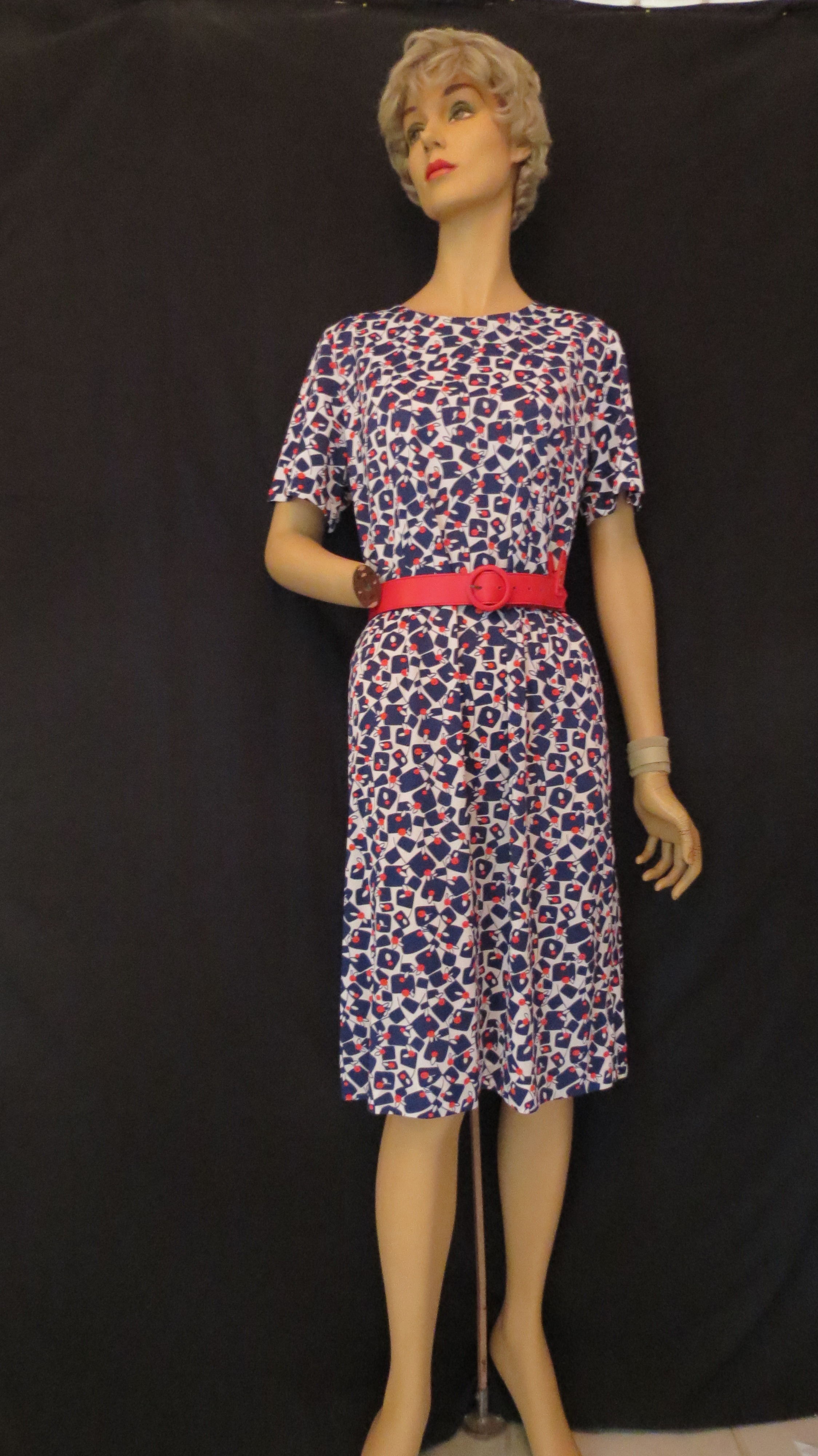
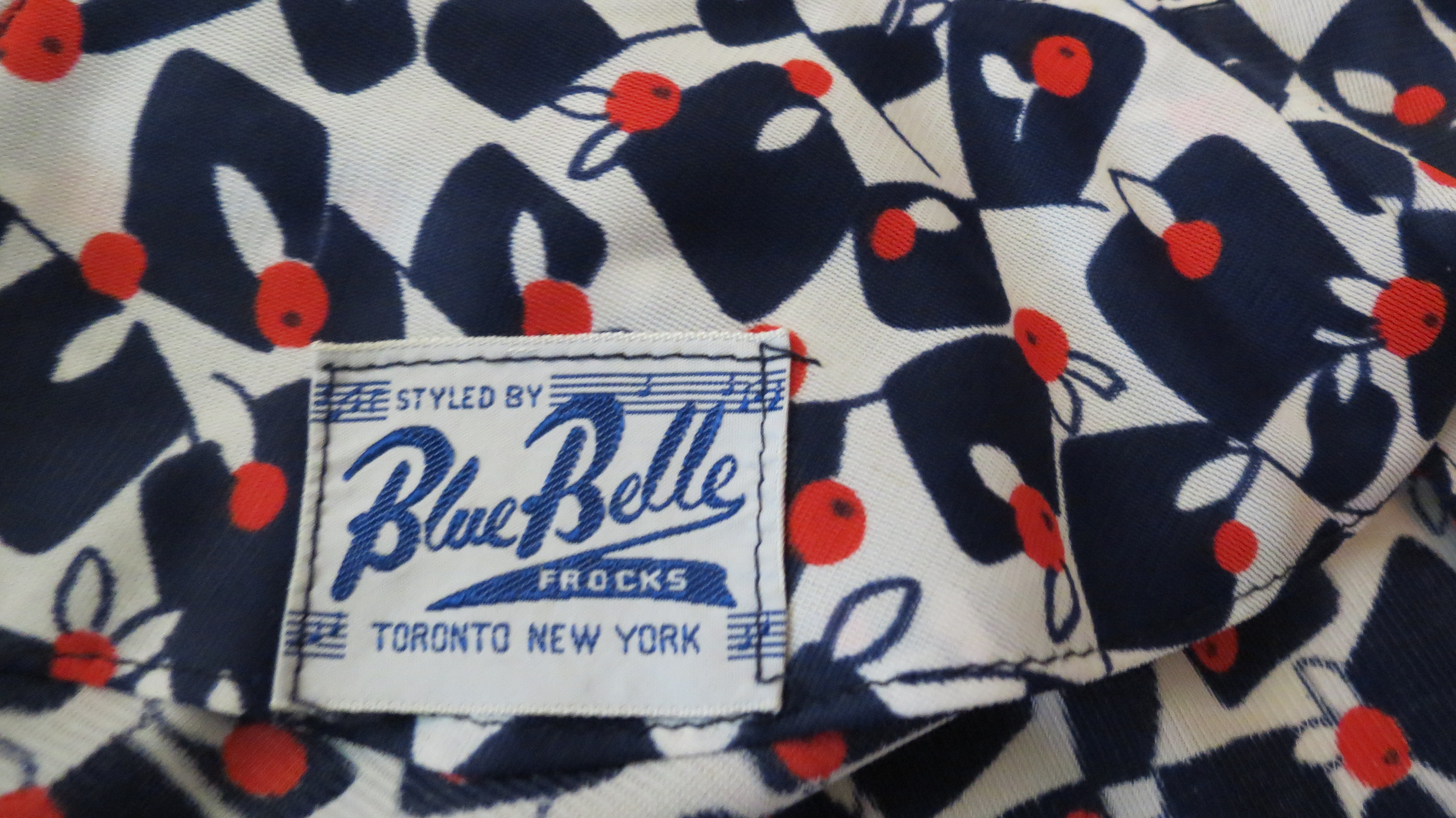
Late Fifties saw slinky knit sheath dresses that carried over the new, easy-care synthetics from the 1940’s. The prints morphed slowly from geometric, atomic shapes back to cute animals, fruits and veggies. This fabric is amazingly comfortable and drapes beautifully but was economical. Common, moderately-priced frocks were made from it.

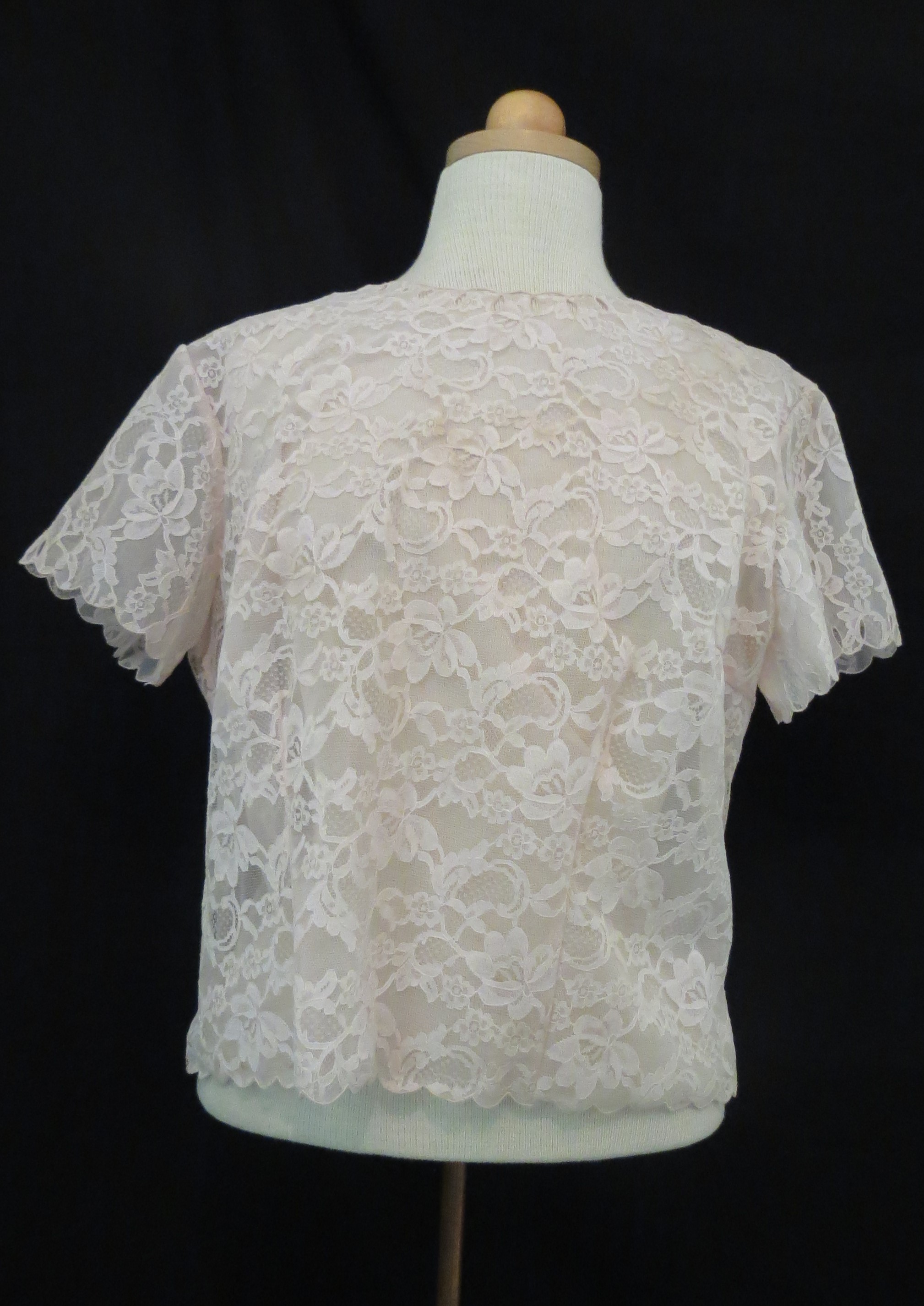
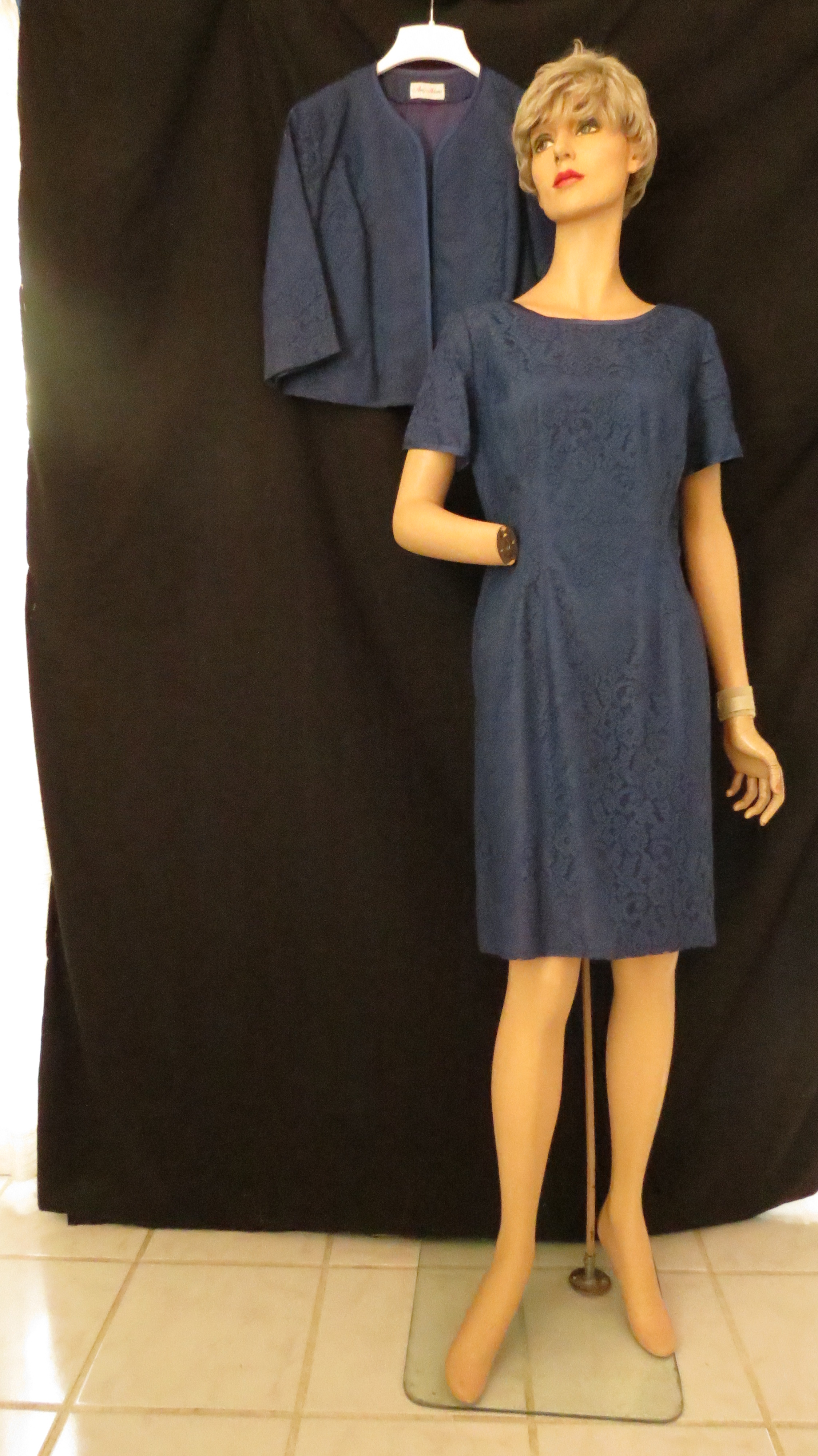
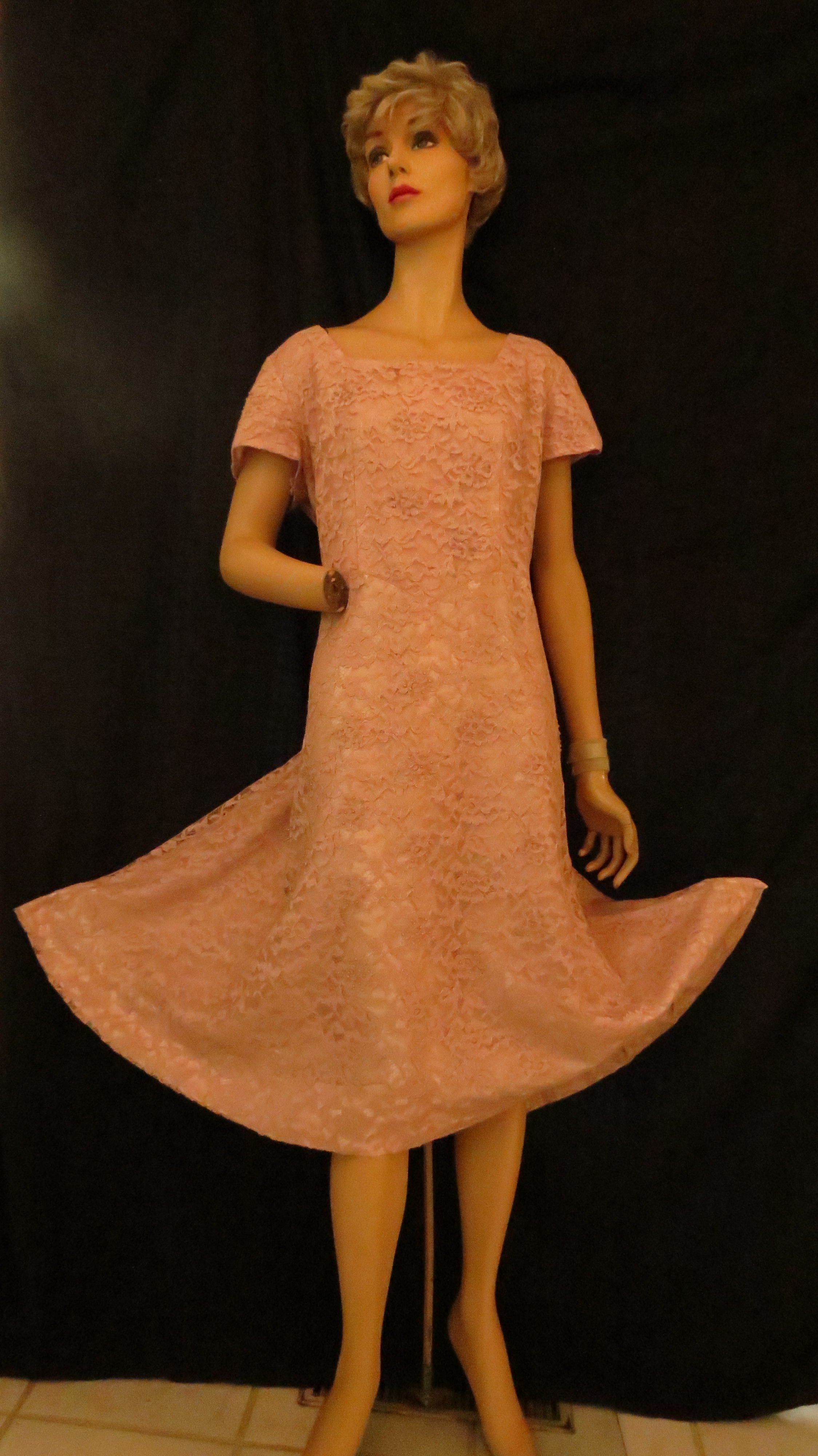
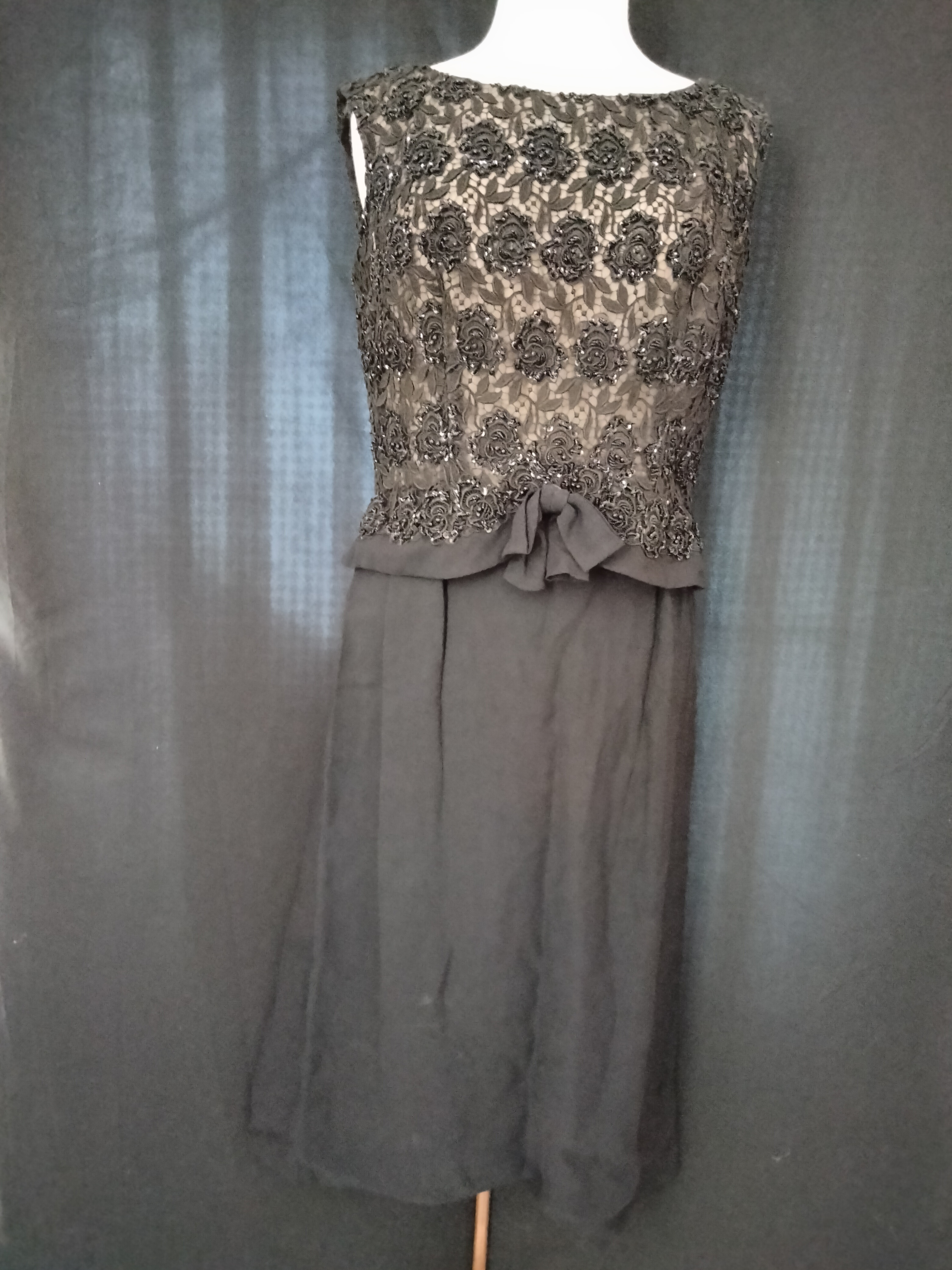
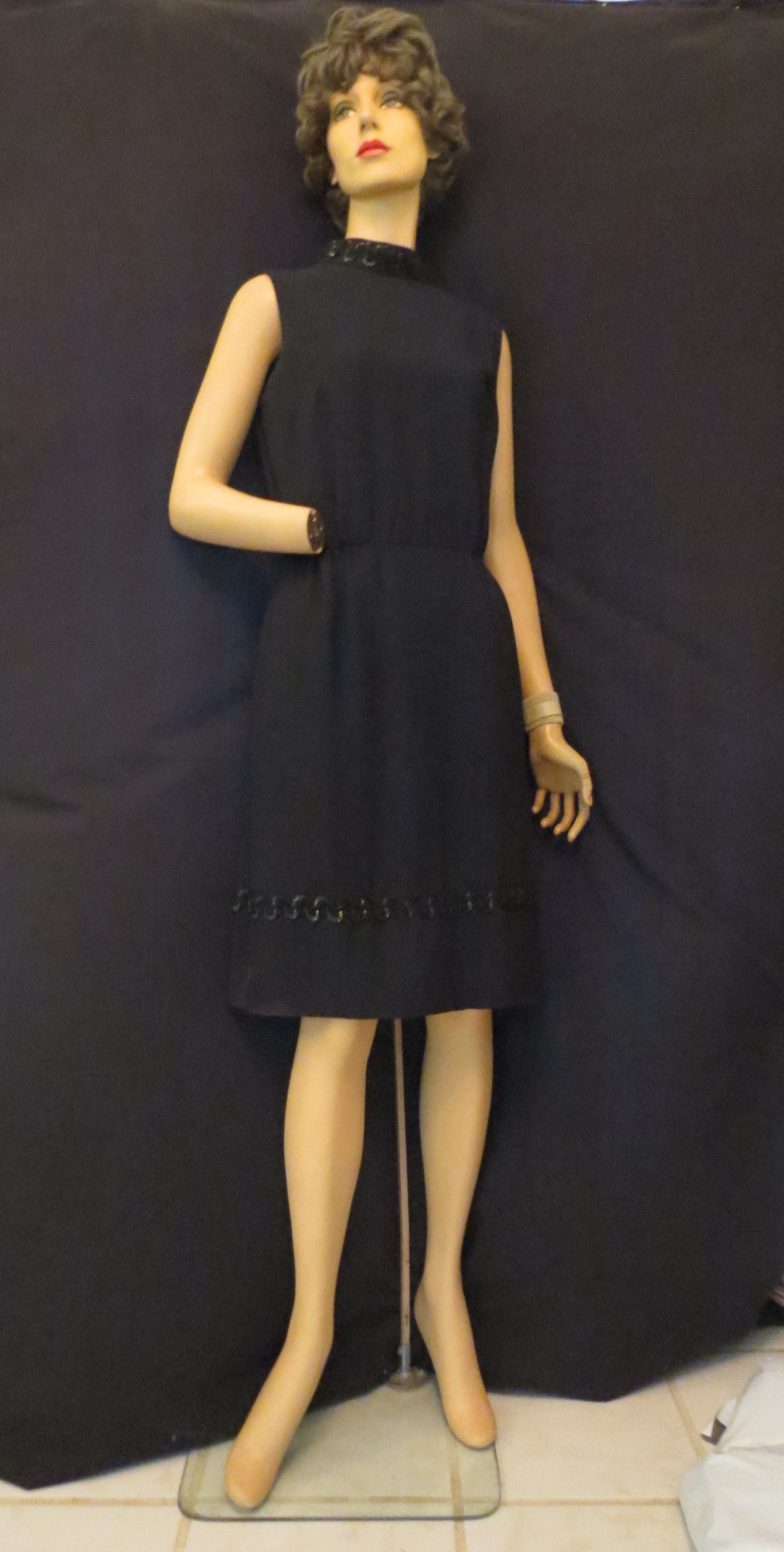
Just a few years later, lace overlay became the big thing. Dressy day-dresses were often made from it, as well as semi-formal and formal gowns. These were also generally made from synthetic or blended fabrics but probably required dry-cleaning. Better frocks often came from British Hong Kong, where the design and hand-made tailoring made them exceptionally elegant and of higher quality. These dresses were still within the reach of middle-income ladies but were more expensive. See the black dressy sheath with a beaded over-blouse above. The straight black high-neck sheath came from Saks Fifth Avenue.

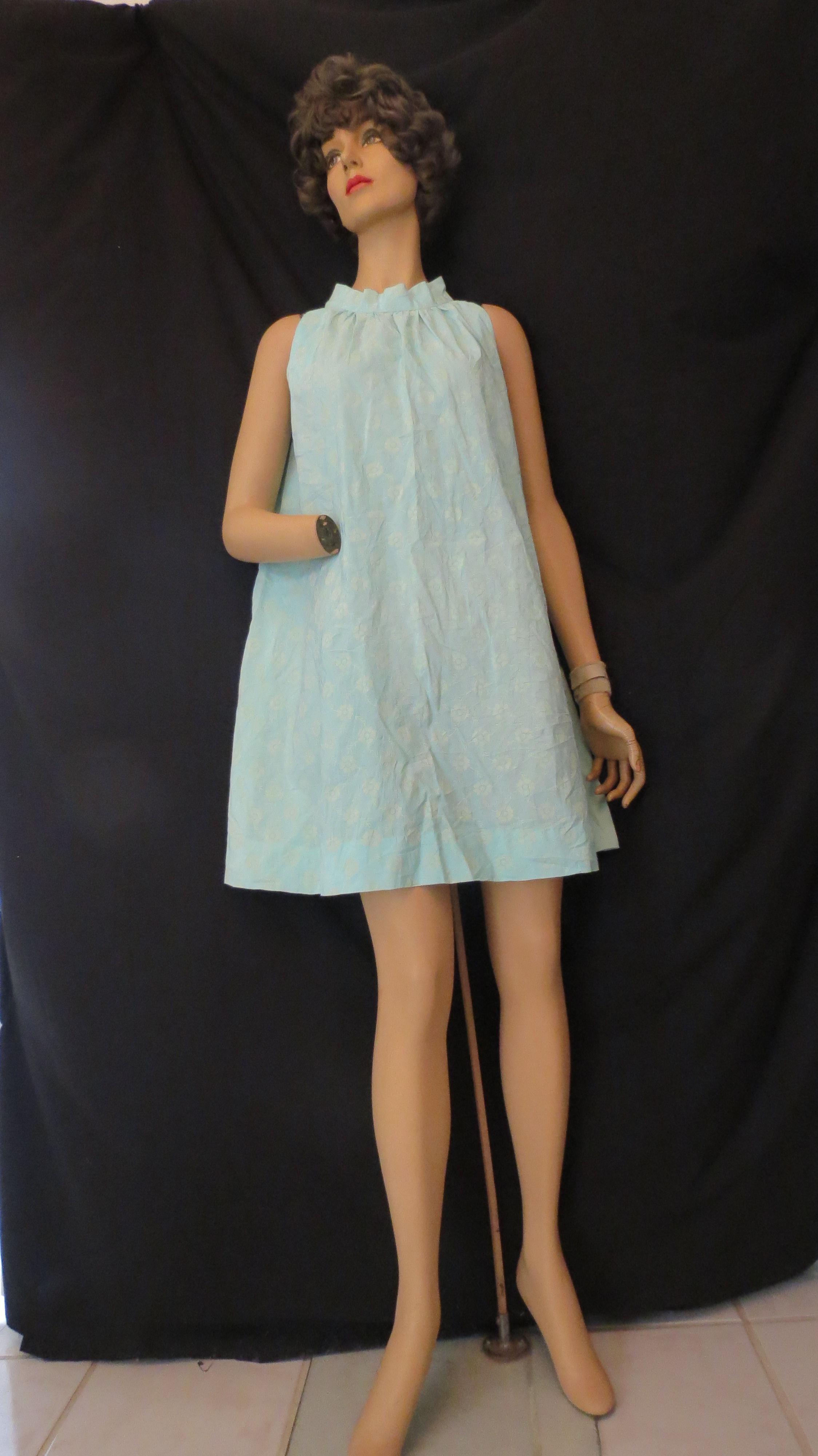
Then, again from the Brits, came Mary Quant’s Tent Dress in 1964. Although the Mod style had started in the 1950’s, it’s appearance in clothing was totally revolutionary. It brought with it radically shorter hemlines and easy-to-wear, casual shapes. See the light blue, home-sewn version above.

Some styles retained their classic, conservative lines and stuck to neutral or basic tones while bright colors became ever more popular, even in formal garments. While political and social movements became radicalized and changed society, the Hippie, Boho and Prairie styles started to take over in the late 1960’s and carried over into the early 1970’s. Tomorrow we’ll look at some of the ways that popular fashion incorporated these trends into mainstream dressing. Stay tuned . . . . . . . . . . . . . . . . . . . . . . . . . .

MORGANA MARTIN, THE MAGICVINTAGESPY

BLOG: MAGICVINTAGESPY.COM
TRUE VINTAGE ASSORTMENT OF 1940’S TO 1950’S SEPARATES, LEISURE GARMENTS AND JEWELRY

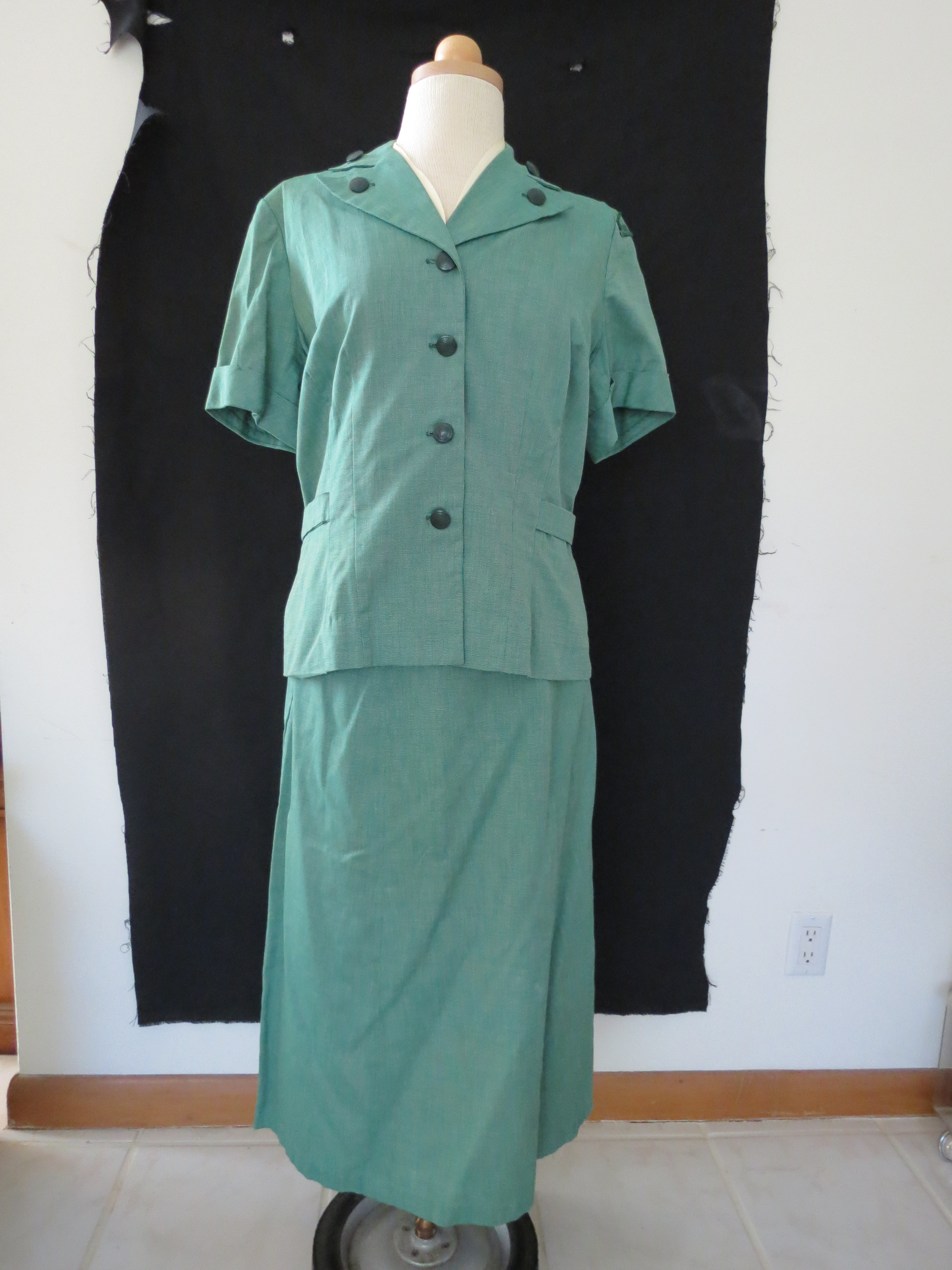
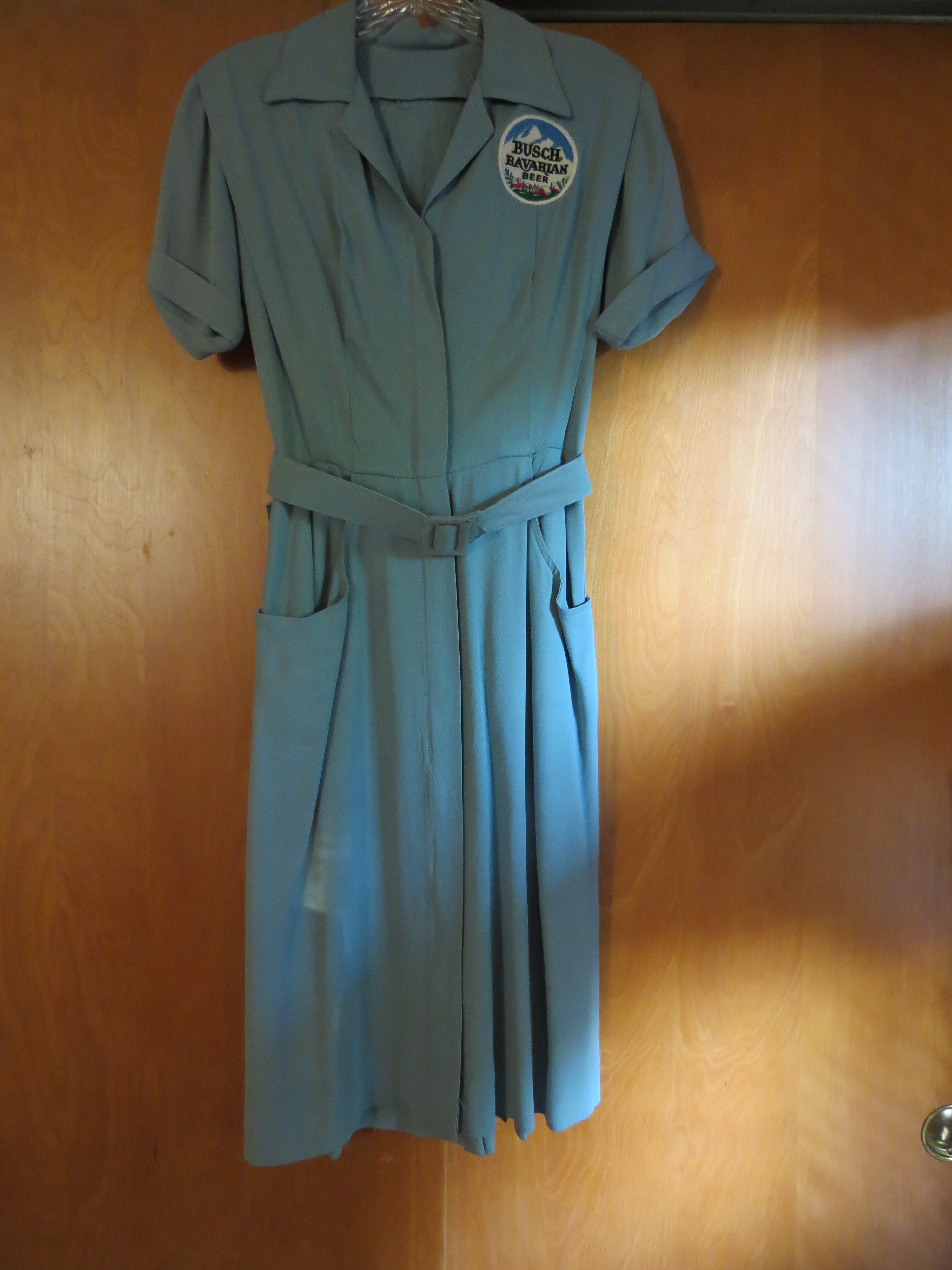
Starting off with ladies’ uniforms for popular leisure and volunteer activities – women’s bowling and the Girl Scouts. Here are a team member’s uniform and a Scout leader’s. Many mid-century women took part in these activities during their spare time to enjoy and contribute to their communities.

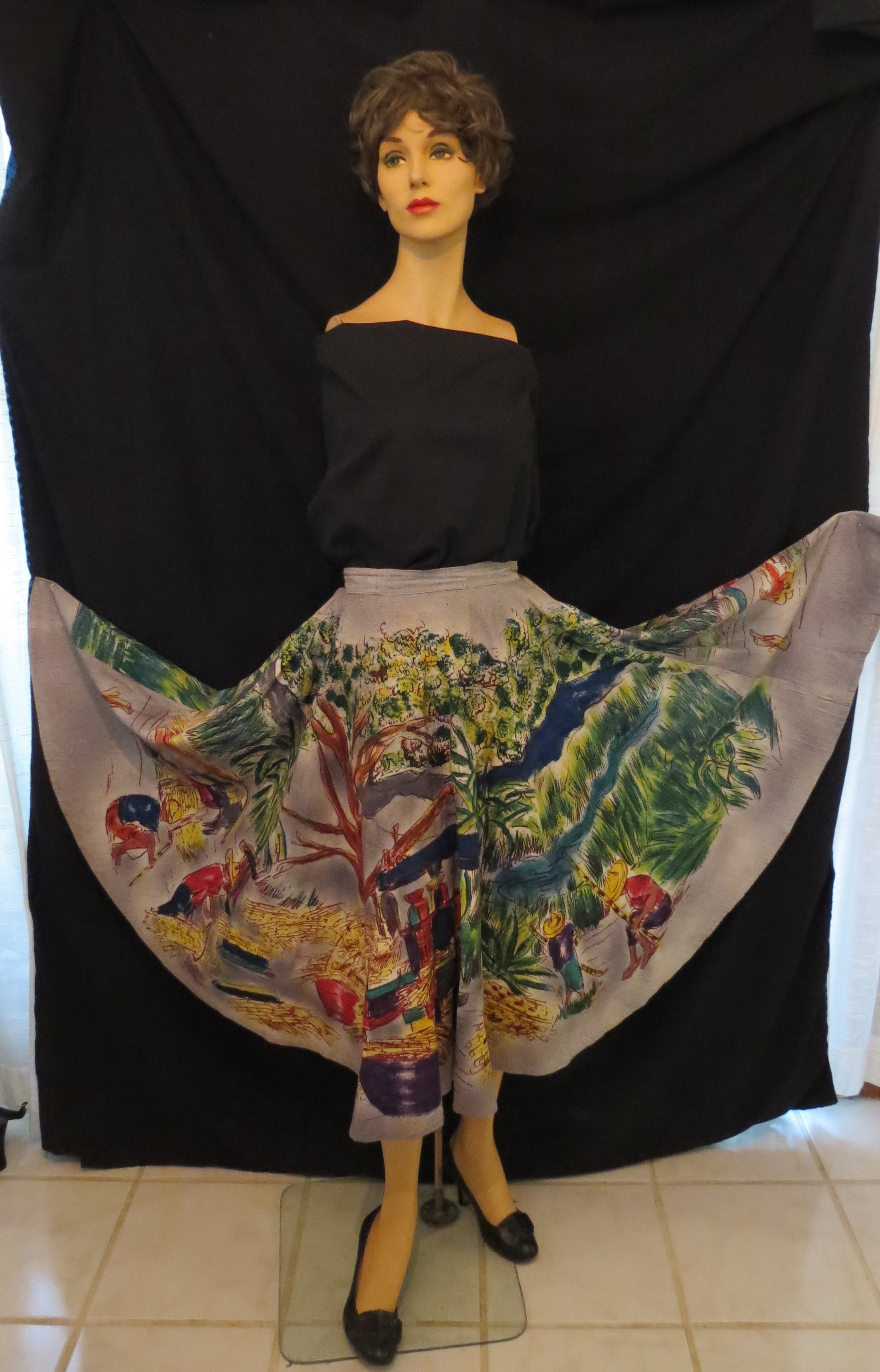
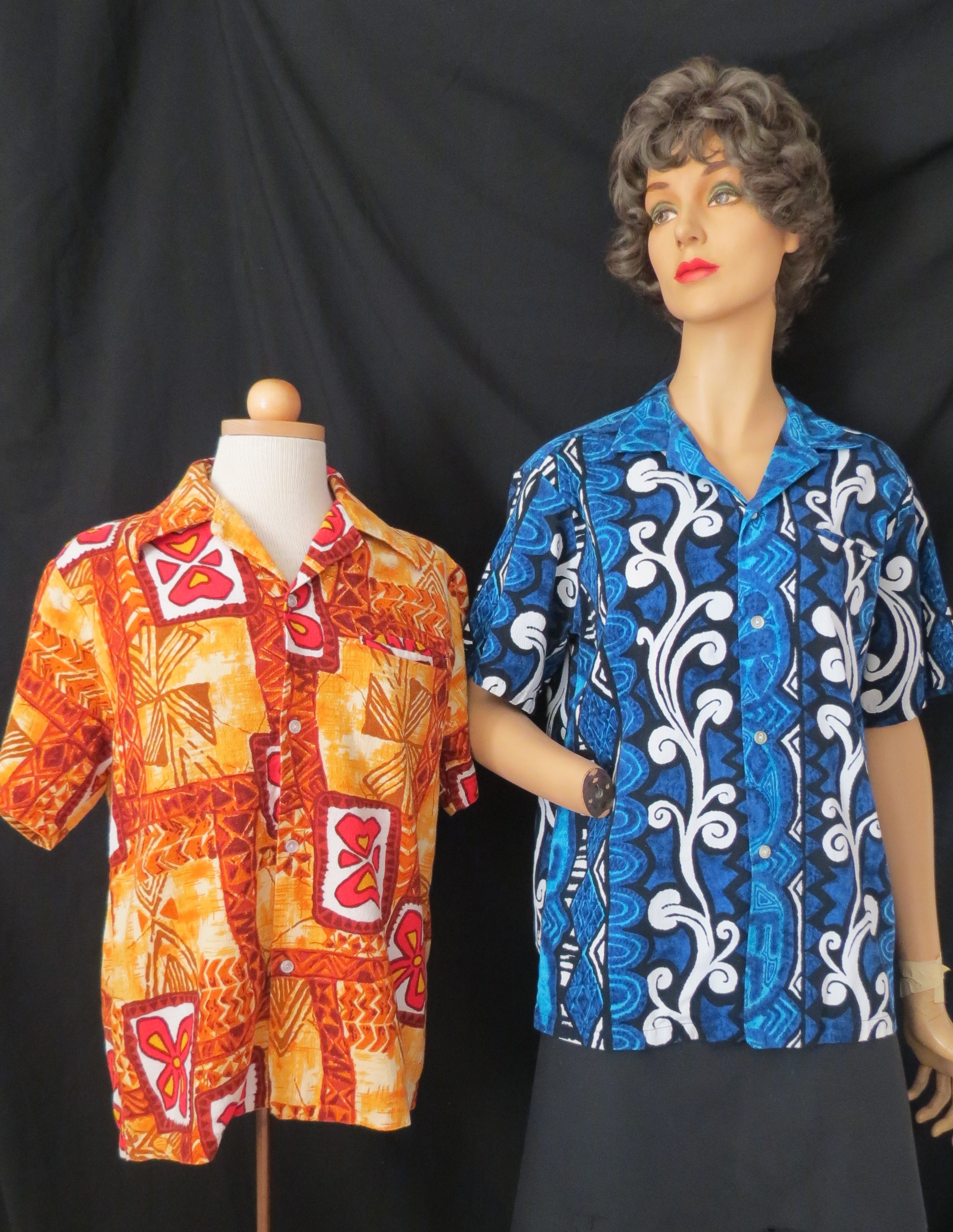
Travel became a big part of 1950’s family life. What could be easier in order to take an “exotic” vacation than to go to Mexico or the new State of Hawaii? These were popular destinations and many women returned with a hand-painted skirt or traditional printed shirts like the ones above.

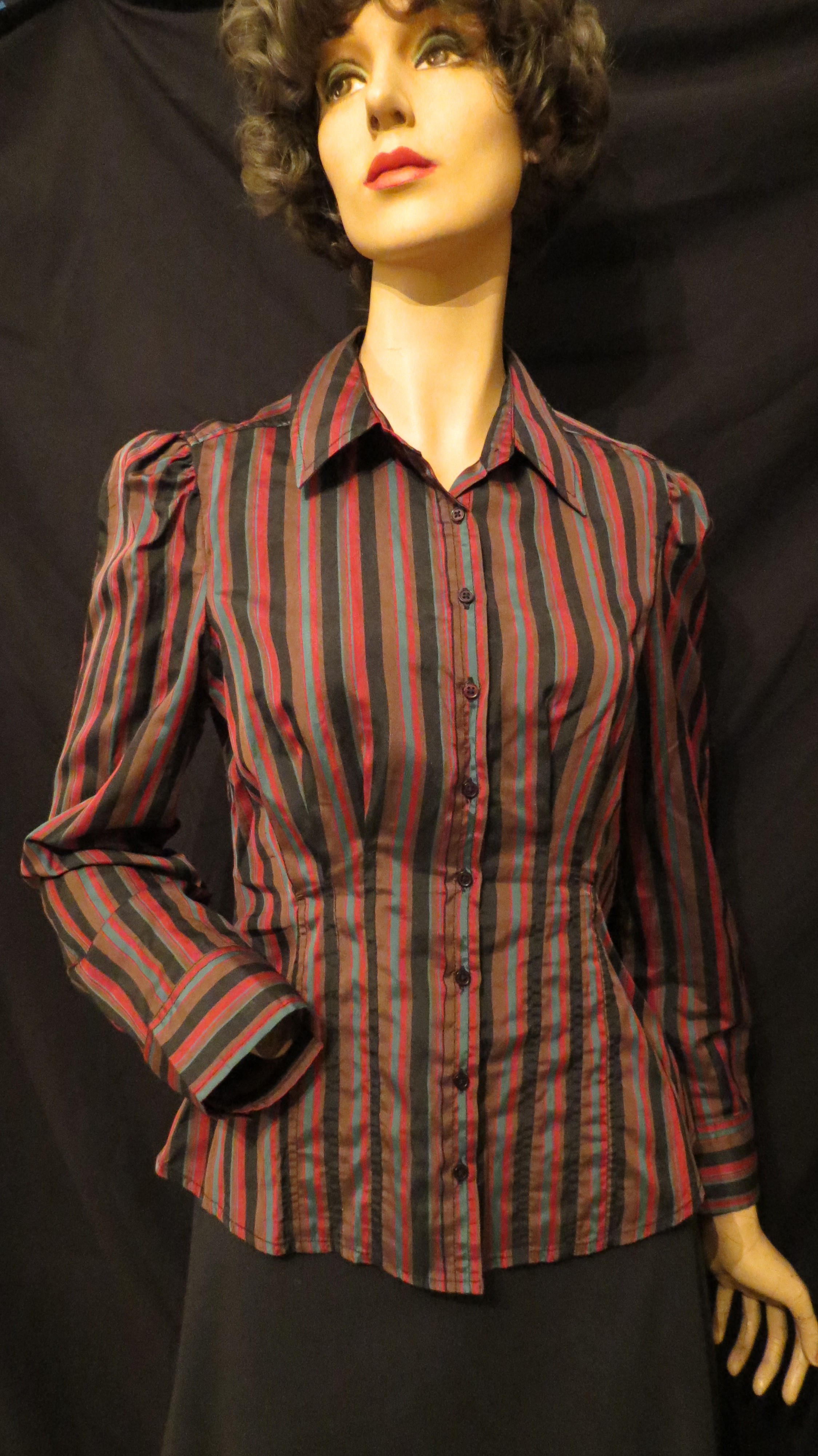
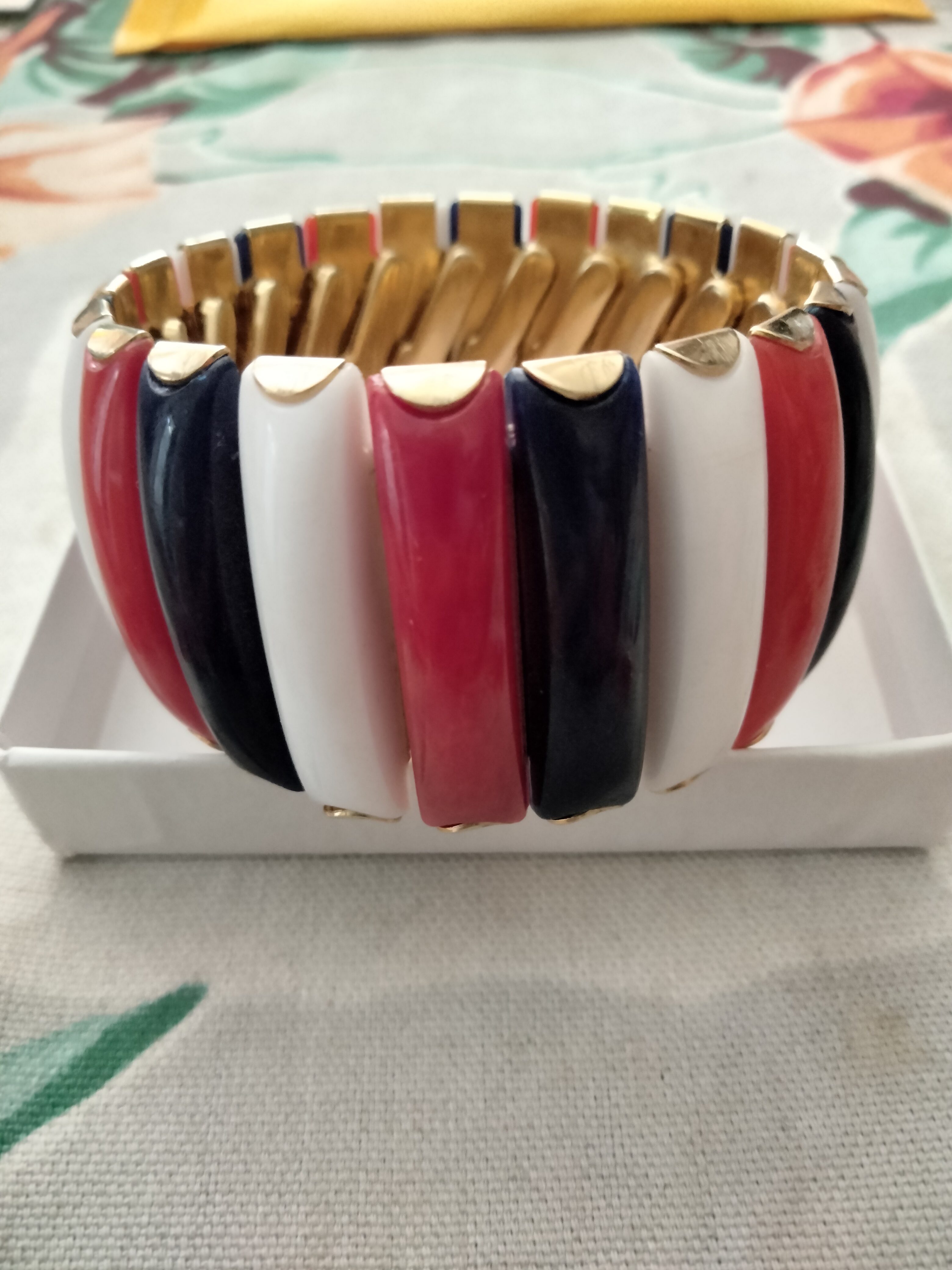
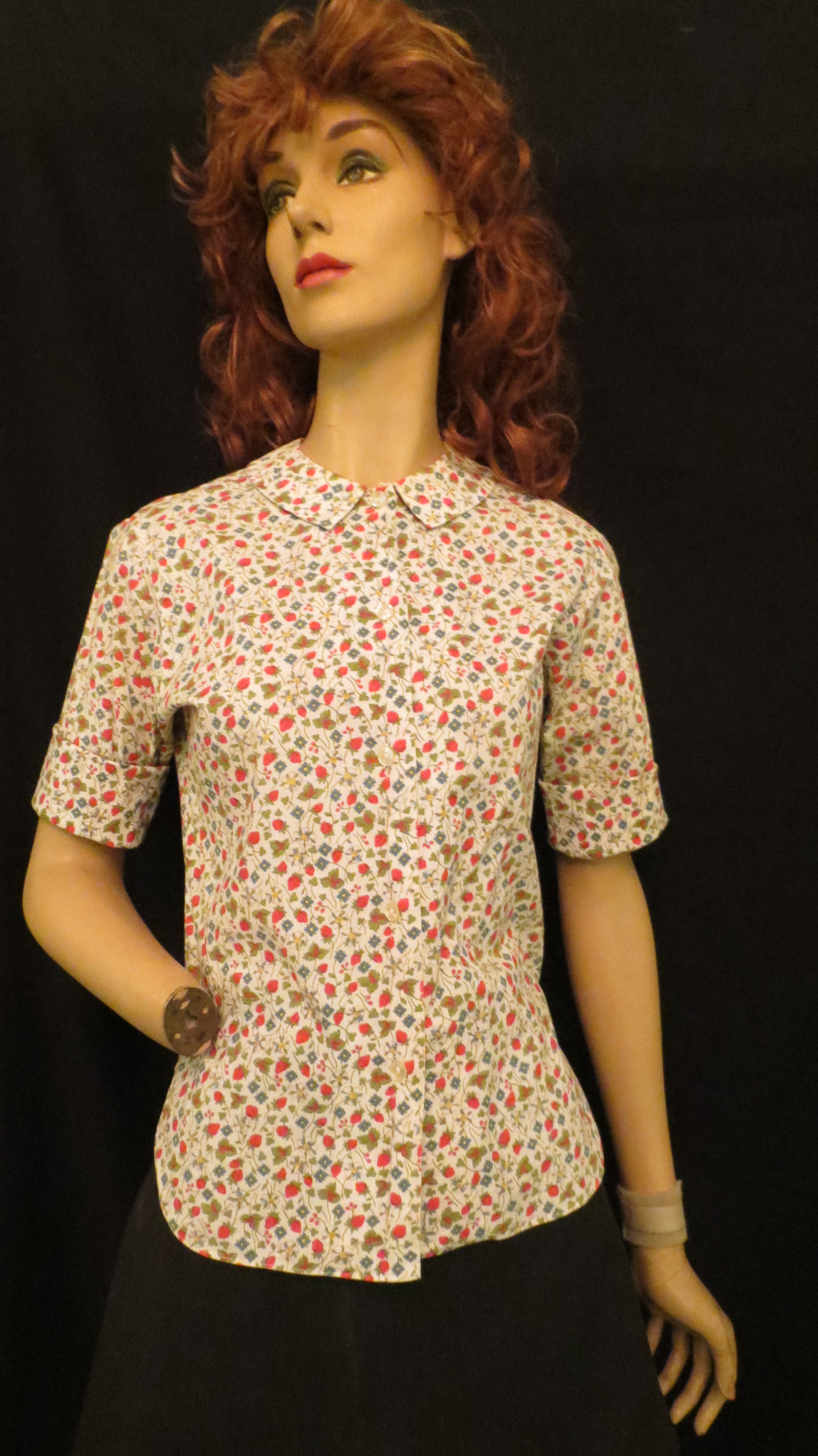
With the restoration of access to fine fabrics and sewing notions beautiful blouses were manufactured for retail again. Costume jewelry was abundant again. I love this accordion-style stretch bracelet design. So ingenious and convenient. One size fits all and no links or fasteners to break. This one’s perfect for celebrating U.S. 250th anniversary of independence from oppressive British rule. It was a time of hope and vision.

Despite surface appearances, today is the same. Let’s look forward that way. Tomorrow we’ll step into the 1960’s, also a decade of revolution and change. Stay tuned . . . . . . . . . . . . . . . . . . . . . . . . . .

MORGANA MARTIN, THE MAGICVINTAGESPY

BLOG: MAGICVINTAGESPY.COM
1940’s WAR-SHOCK DRESSES & WARTIME FASHION TRENDS

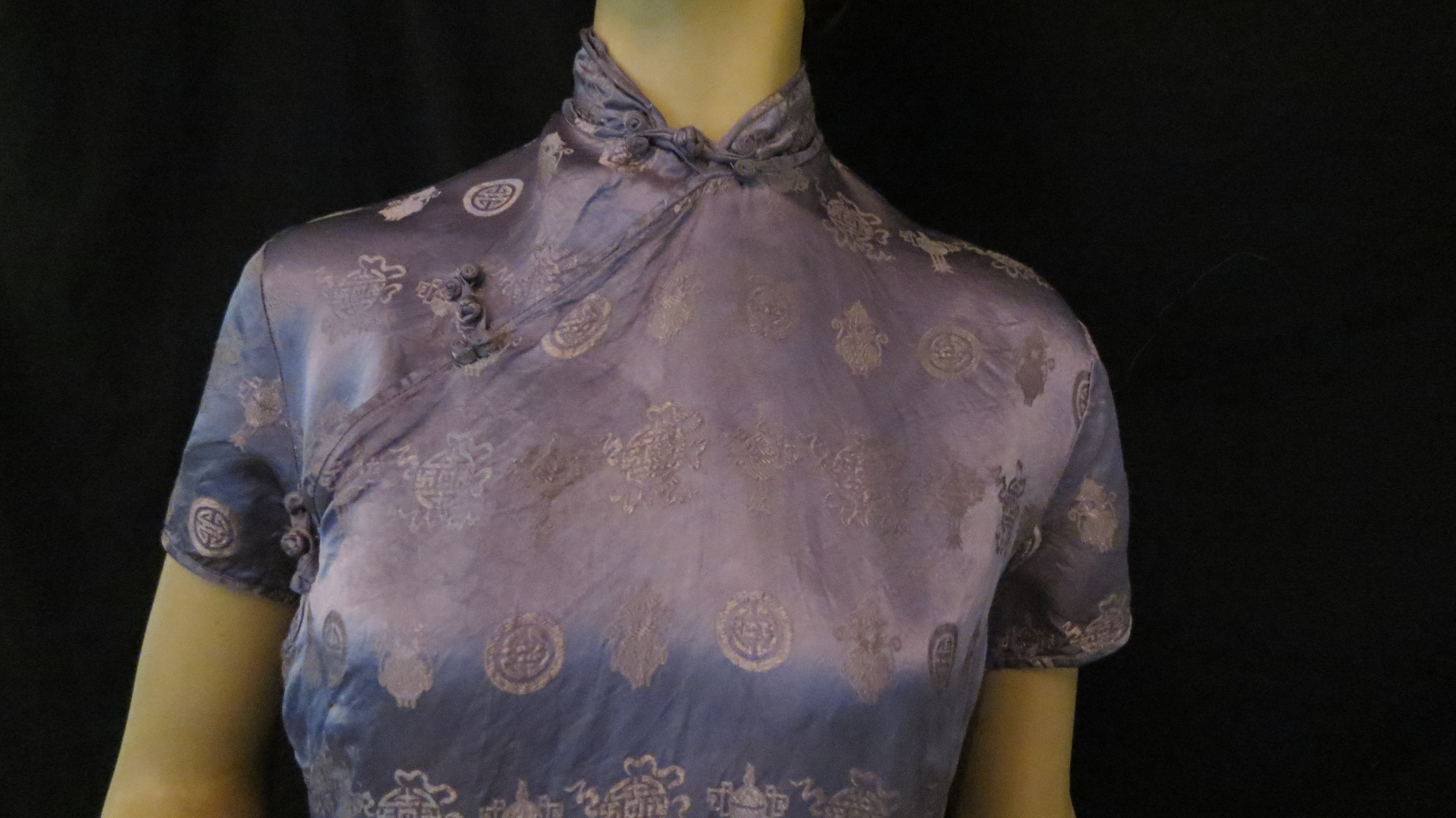
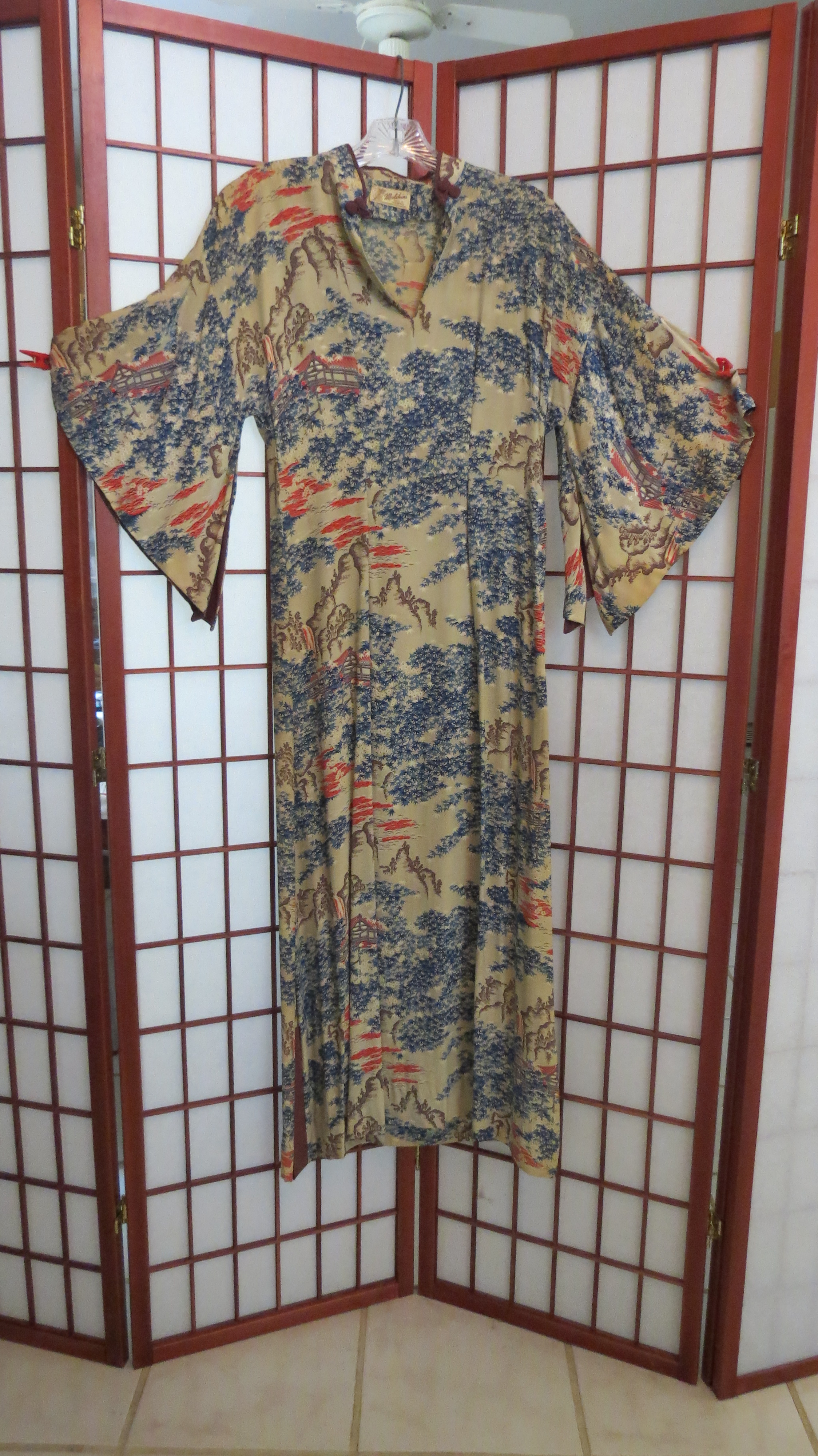
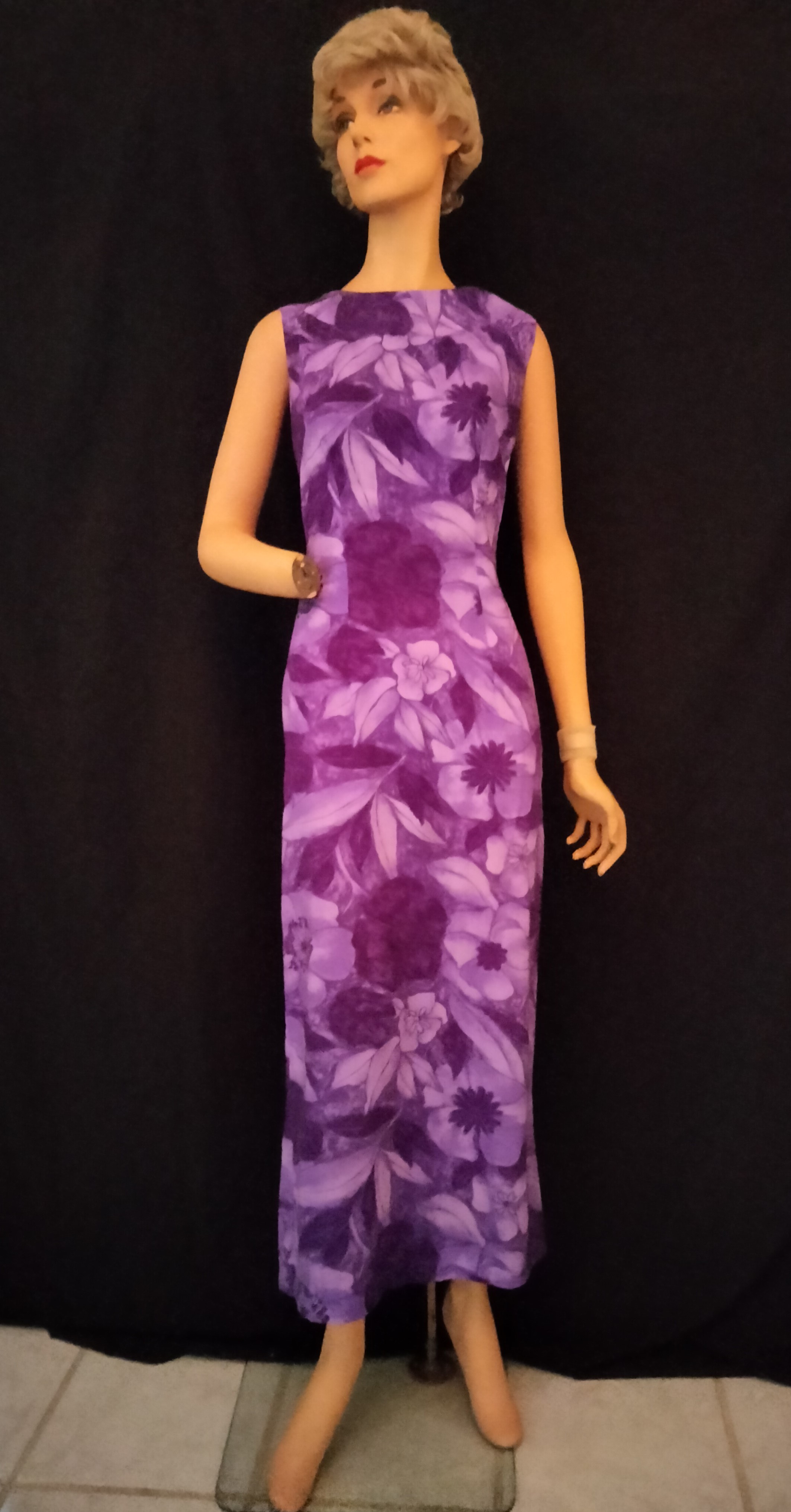
Before 9-11 it was hard for young U.S. Americans to understand the shock and fear that the attack on Pearl Harbor caused in December 1941. The government’s decision to join WWII, which had been happening in Europe and seemed remote to most everyday folks in the U.S., suddenly brought it close to home. The news and the movies began to open the doors on Asian culture and the curiosity of Americans and popular culture started to make this theme trendy. These dresses are from some of my most interesting investigations.

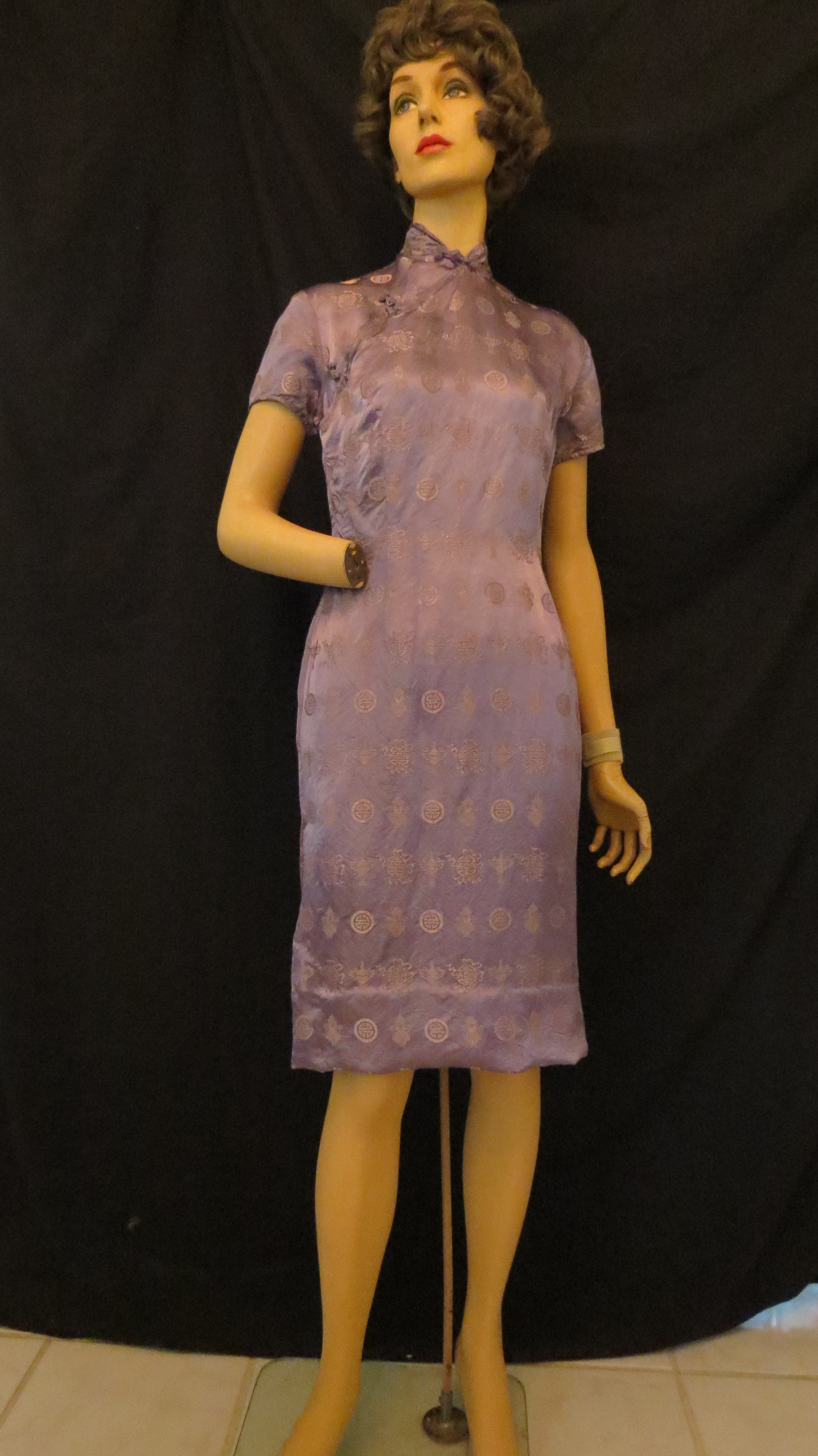
From the 1940’s on, Cheongsam dresses like the lavender one above gained popularity. Mata Hari and Charlie Chan became cultural figures in the media. The beauty and flattering fit of Chinese and Japanese traditional frocks brought interest in Chinatown areas of many cities and non-Asian women began to shop there. Above, see also a Japanese tea dress – fabulous find dating from the 1930’s, made in Hawaii. The purple native traditional gown from Hawaii also found a home in some American woman’s closet after people began traveling again.

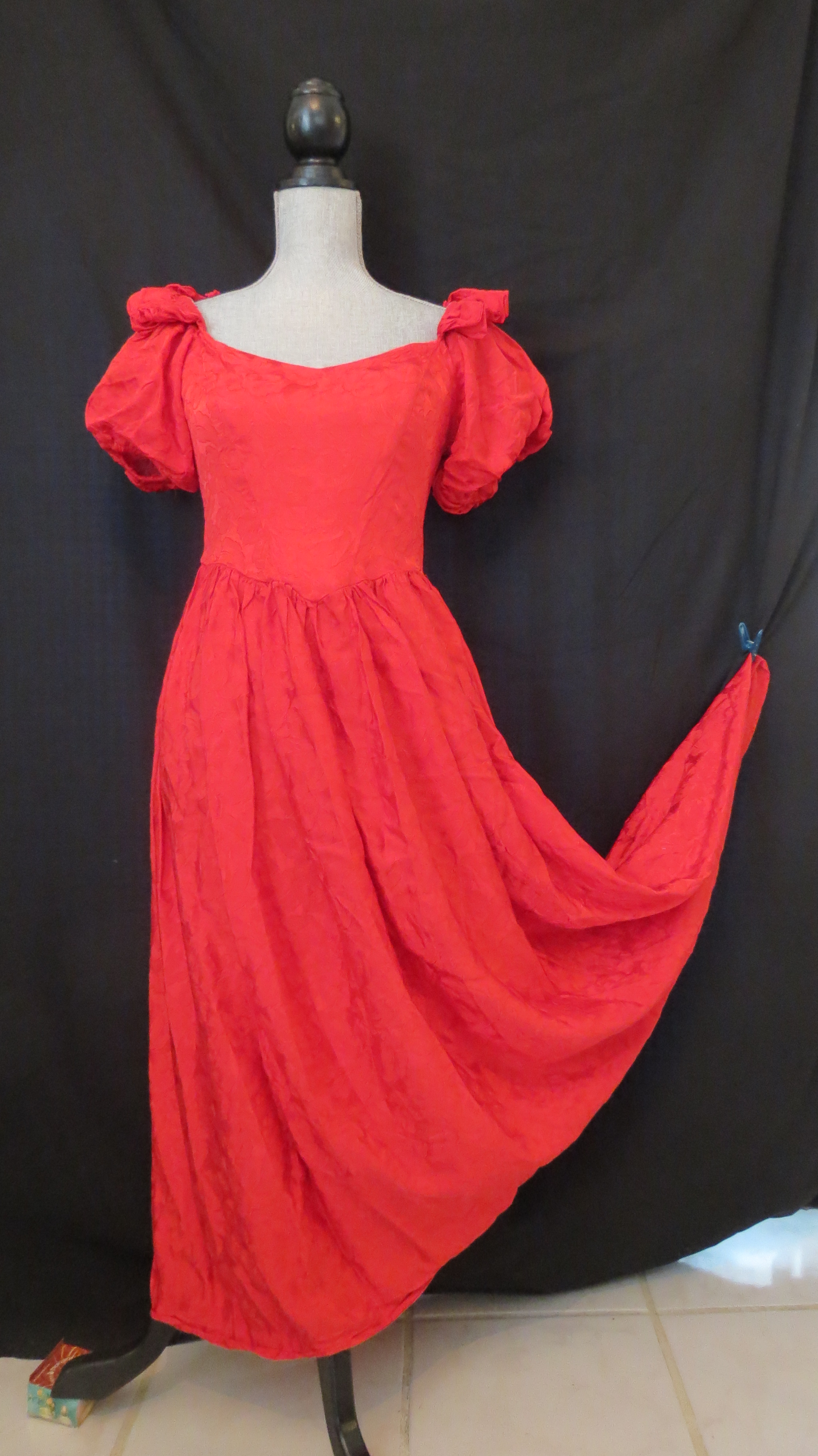
But, before that time, women stayed at home. They worried about their family members and friends who were fighting in or living in war zones. They joined the war effort in whatever way they could through their work, volunteerism and spending habits. Of course, some kind of escape was necessary to maintain their sanity. That’s where the movies and dancing filled a void. Whether homemade or found at retail, dancing and cocktails required special dresses and women were very creative despite the restrictions caused by rationing.

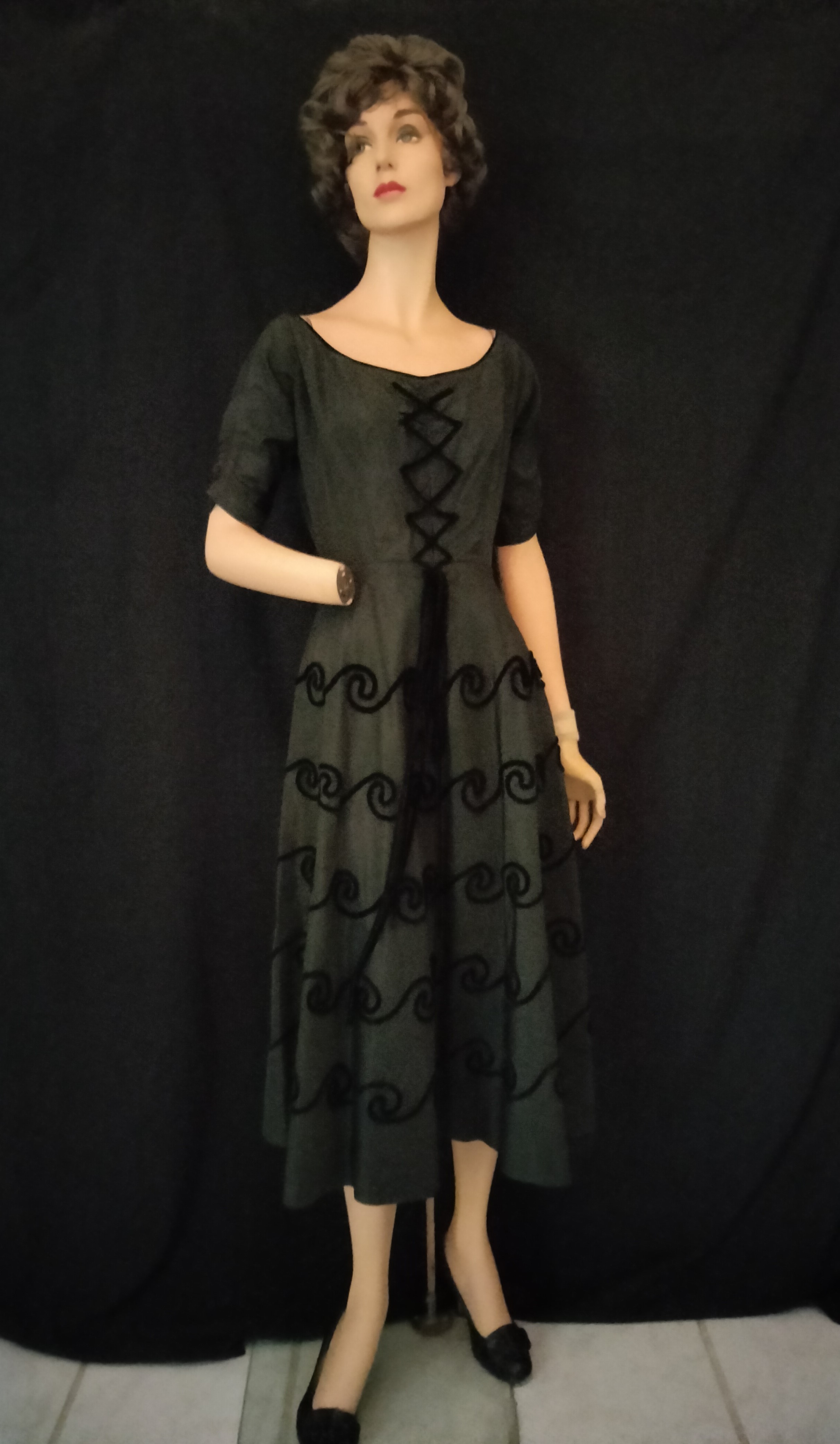
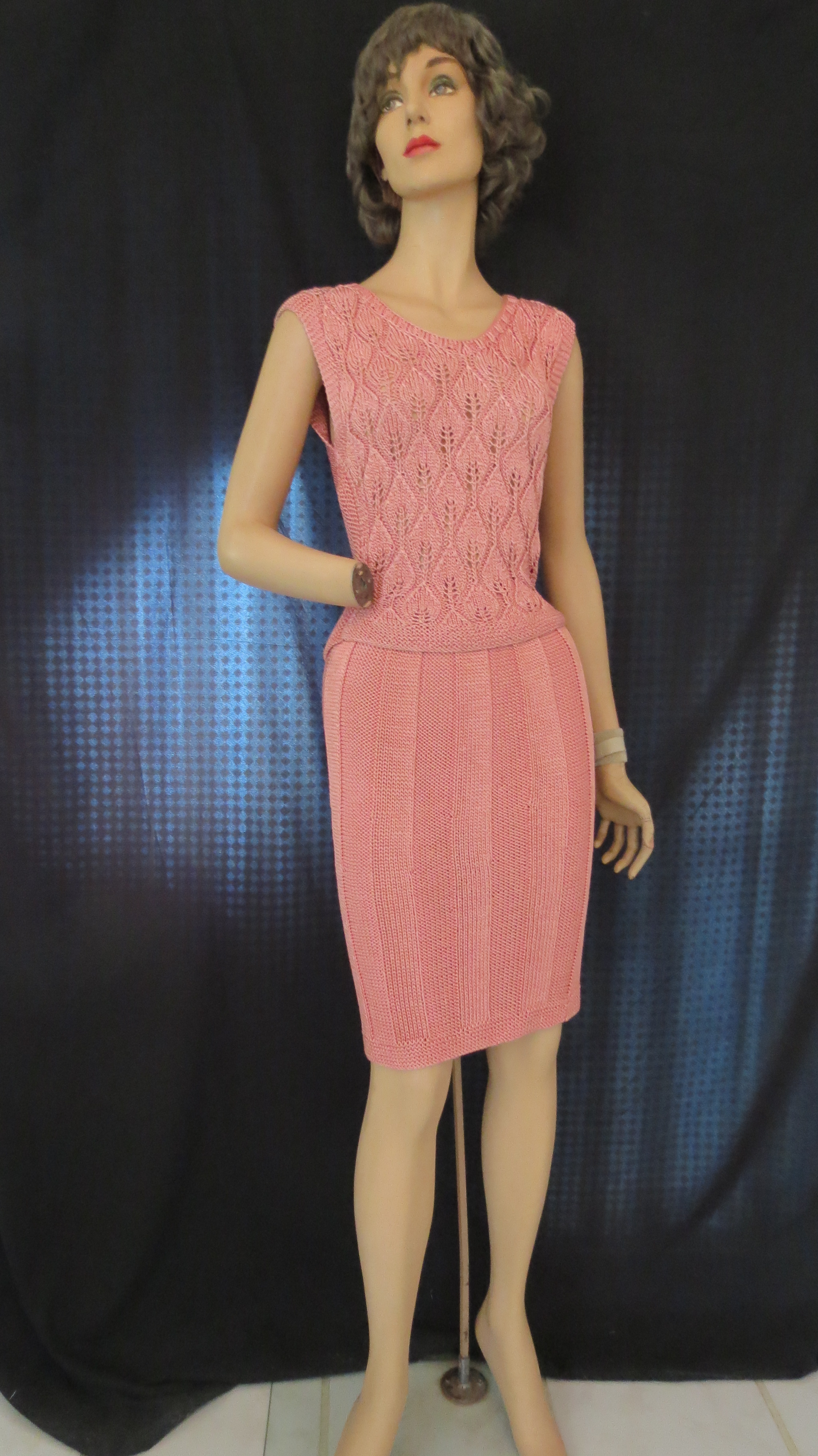
Synthetic fabrics were most available and affordable, so this red jacquard frock with puffed sleeves and an elasticized neckline which allowed cold shoulders was home-sewn. A similar style in black was local couture from a specialty shop in Texas and has ruched 3/4 sleeves and shows off the luxury of velvet piping decoration. The pink knitted and crocheted 2-piece cocktail dress was another unusual find which somehow found it’s way to Argentina. It’s made of a heavy, glossy/shiny yarn that allowed some gal to make a glamorous outfit on the cheap.

So fascinating! Such a fun bunch of clues these are. The delight is in the details. More tomorrow – stay tuned . . . . . . . . . . . . . .

MORGANA MARTIN, THE MAGICVINTAGESPY

BLOG: MAGICVINTAGESPY.COM

Early 1960’s Pleats! A Semi-dressy Pleated Skirt on a Wasp Waist Party Dress

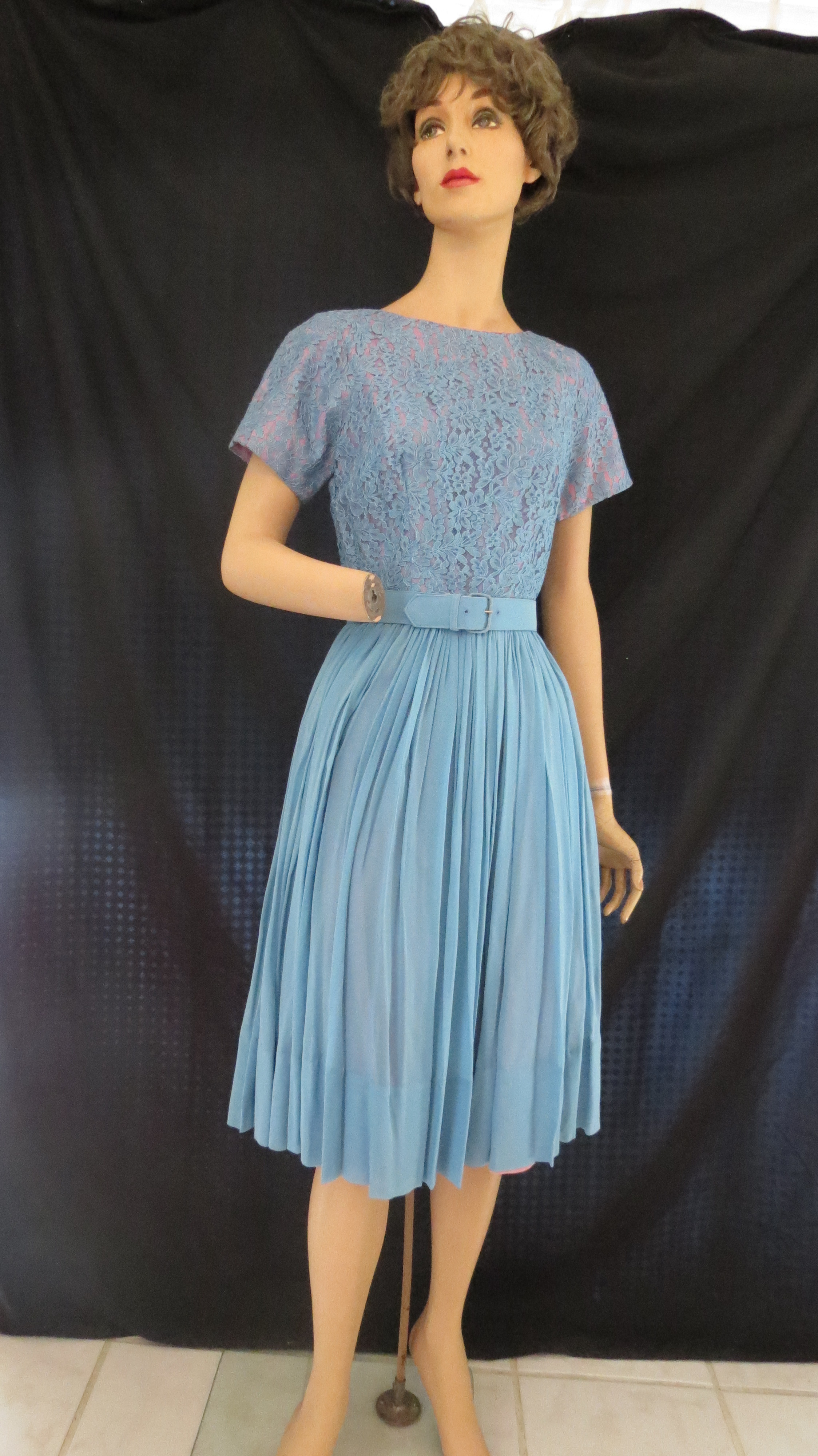
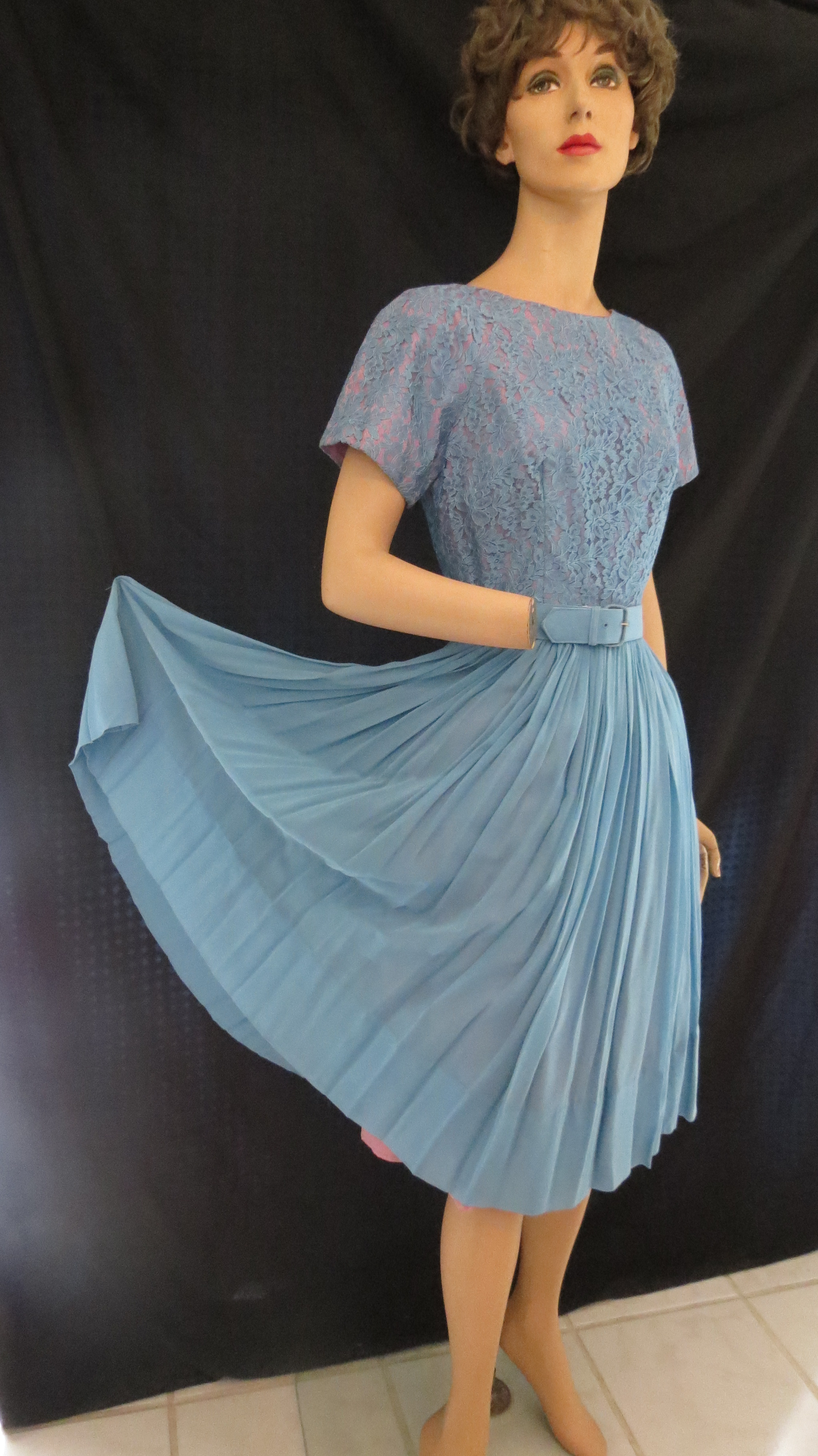
Pleats have been popular fashion for centuries (think Scotsmen’s kilts!) but they seem to have trendy moments once or twice a decade. The early 1960’s was one of those times. We’ve also got the repeatedly ever-popular shirtdress style and the lace overlay, which were also mega-popular in the Kennedy era. The unique feature of this frock is the contrasting color underneath the lace bodice and sheer fabric of the skirt. We’ve got a dark robin’s egg blue hue over a rosy lavender color that gives us a light magenta tint. You can see a bit of the under-skirt liner peeking out below the hemline. So unexpected! I’ve found only one other dress of that time that did this lace overlay color play, so it was a fad to a small extent.

Sheer over opaque again. That will never stop, but every few years produce a very different look, even if some features remain the same. Staying in the ’60’s but with very unique designs coming. Stay tuned . . . . . . . . . . . . . . . . . . . . . . . . . . .

MORGANA MARTIN, THE MAGICVINTAGESPY

BLOG: MAGICVINTAGESPY.COM
Beautiful True Vintage Victorian Prairie Style Dress from early 1970’s

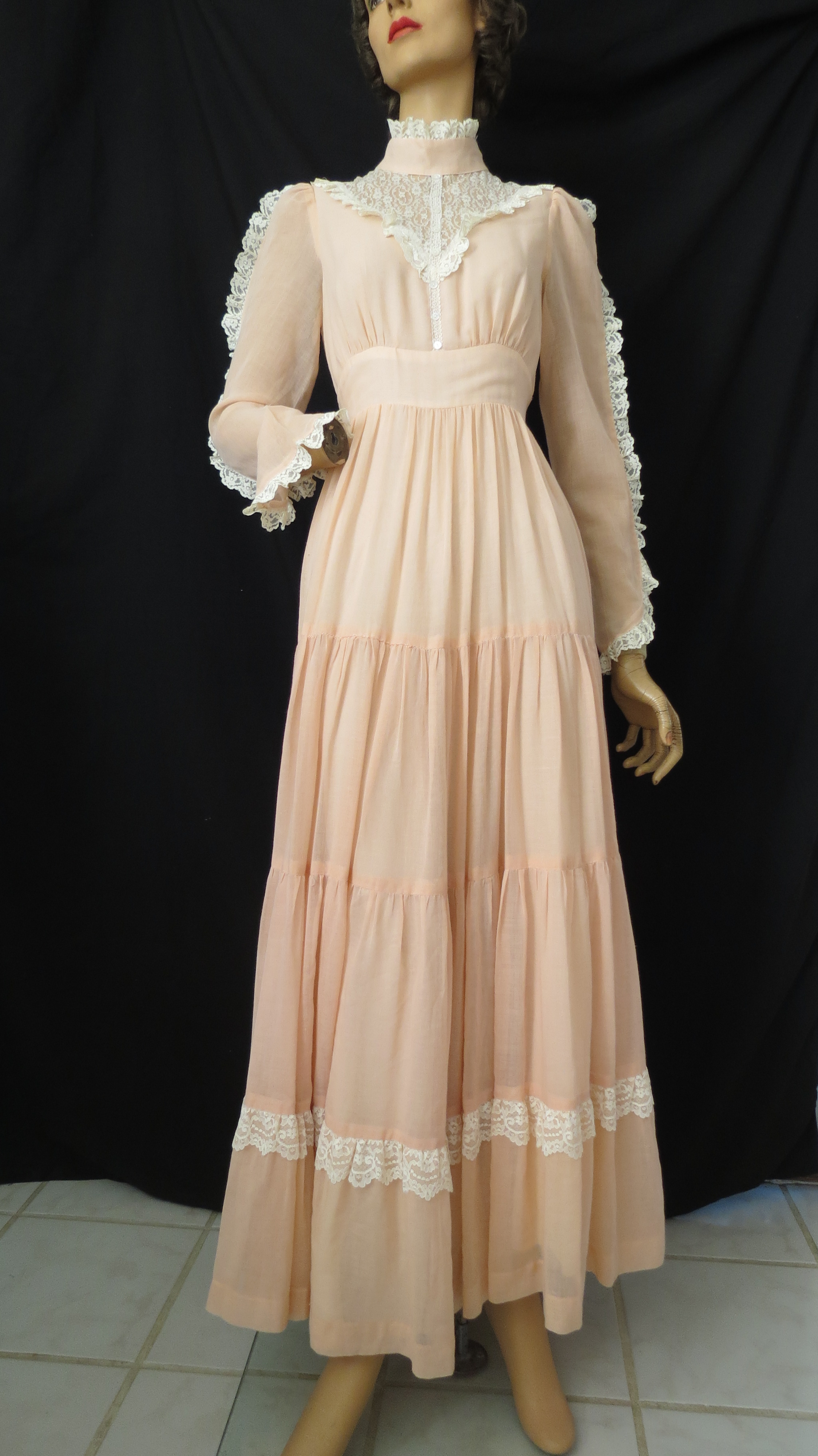
In a pretty apricot pink pastel hue, this lace and cotton gown is a perfect example of the prairie dresses in Victorian style from the late 1960’s to the very early 1970’s. Unlike the ones that were hippie-style, this type is very straight-laced and conservative, modeled after the dresses from the late 1800’s. Never my favorite, but definitely worth collecting since they represented a major Seventies fashion trend.

This one is not a famous label like Gunnie Sax, but it’s well-made and well-designed. During those few years when these were most popular they sometimes found their way to church as non-traditional wedding fashions and less buttoned-up styles sometimes found their way to the Prom. Speaking of Prom and other formals, we’ll be seeing more of them in the next few days. Although it’s early, girls traditionally started thinking about formal dresses for Prom and for the Spring holidays about this time of year – after all, it does require a lot of planning. That was especially true if you were having your dress custom-made, either by Mom or the neighborhood lady who took in sewing. Stay tuned . . . . . . . . . . . . . . .

MORGANA MARTIN, THE MAGICVINTAGESPY

BLOG: MAGICVINTAGESPY.COM

OUR GRANDMOTHERS’ MID-CENTURY HOLIDAY AND HOSTESS KITCHEN APRONS

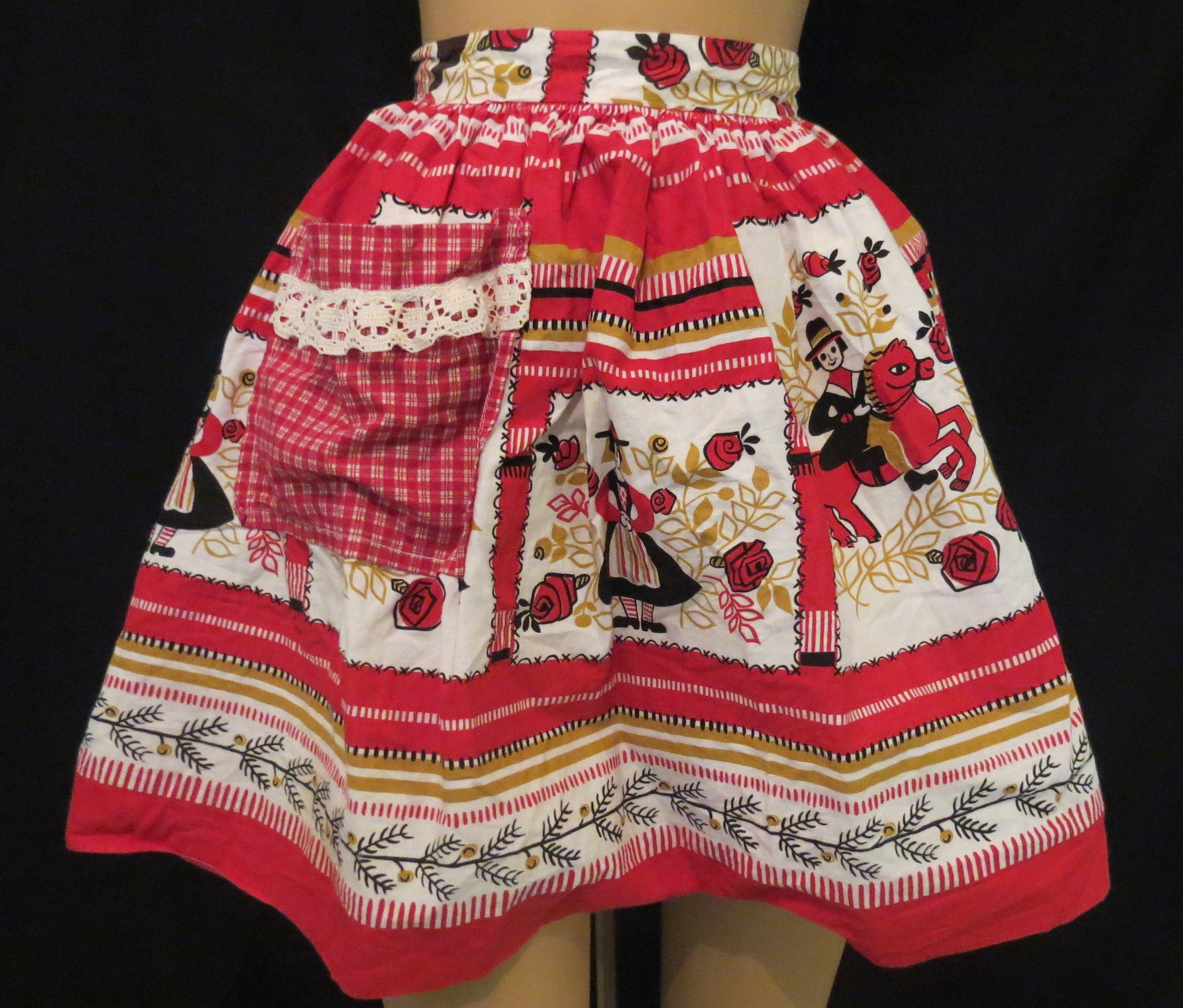
These are just 3 out of my collection of lovely kitchen aprons, but perhaps a bit more interesting and seasonal than others I have, which are more generic, like a cotton gingham check without any specific theme. Many aprons, like the first one here, were specifically themed for a particular holiday or fashion era. It’s a great example, with bright color and a novelty print for Thanksgiving. Although it’s definitely trendy and targeted, it is also at least somewhat practical because of the machine-washable fabric, wraparound style, secure ties and big pocket. It could actually do the job of keeping the cook’s skirt clean. The most useful styles also covered the bodice.

The usefulness is really important, but I love the novelty print. It’s always good to play the hostess in something that also makes people smile. The two aprons following are entirely different in their purpose. These are made from a much more delicate fabric and would be best washed by hand, both because of their delicacy and because they are hand-painted. They were made for and gifted to my grandmother by a relative who at least did the painting herself, if not the sewing job. Gifts like this were common in her day, and cherished. These aprons were made not so much to protect clothing as to be pretty. Grandma might have worn them when she had her friends in for tea or a card game, maybe even for hosting an at-home cocktail party. The messy part of the hostess job would have already been done when she made the cake or other refreshments beforehand.

Aprons were much more commonly worn in decades past and were a significant part of a woman’s household wardrobe, like housedresses worn on cleaning day. Most women’s (especially married women’s) lives were organized around a routine of household duties throughout the week and each one usually required a different kind of outfit – one for cooking, one cleaning, one for tending plants, one for doing the weekly shopping. Special accessories to these outfits were needed for certain jobs, such as gloves of various kinds, hats of various kinds, nursing bras and pads to protect clothing from breast milk and burping babies. Housewives were trained to be very practical and were rewarded by Society for a job well-done. The home was their workplace and the role defined them, so their household wardrobe had a central place in their lives. For better or for worse, that was the way it was. Do we want that again? Think about it and keep your eyes on the clues . . . . . . . . . . . . . . . . . . . . . . . . . . . . . . . . . . . . . .

MORGANA MARTIN, THE MAGICVINTAGESPY

BLOG: MAGICVINTAGESPY.COM
A FEW TRUE VINTAGE PURSE ACCESSORIES FROM THE 1950’S TO ADD TO FALL HANDBAGS

A FEW TRUE VINTAGE PURSE ACCESSORIES FROM THE 1950'S

Yes, September often means it’s time to switch out some of the Summer wardrobe for warmer clothing.  Traditionally, it was also the time to put away anything white, including accessories.  That means I’m looking over my collection of true vintage handbags and selecting a couple that coordinate well with my Autumn fashion choices.  Not only does that mean switching out a matching wallet, but other handy purse accessories from back in the day can be included.  What savvy dame would forget to equip her handbag with smart and handy accessories?  Here are just a few.

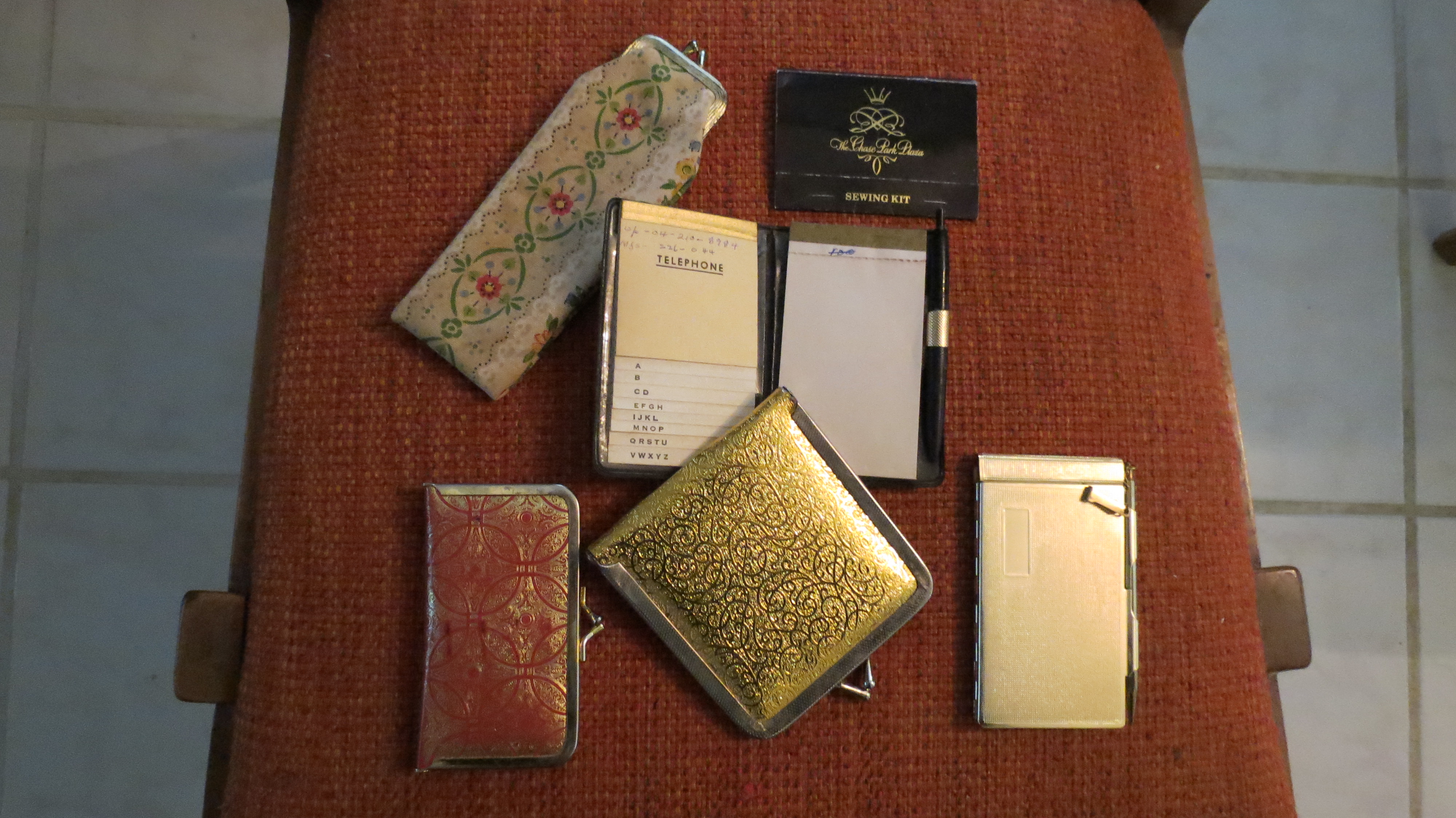
It’s so fun to look back into our mothers’ and grandmothers’ handbags to see what they used to carry on a daily basis.  These are just a smattering of the interesting items I’ve seen.  Mirrors, combs and tiny brushes, lipstick cases, foldable rain hats, key cases and key-rings all came in different sizes, styles and designs.  An emery board and an orange stick were usually tucked in somewhere.  Smokers also had special accessories – cases, lighters and interesting matchbooks.  Little pillboxes were very decorative and pretty.  I’ve got a few of those.

Above we see two note pads (with attached pen or pencil), a manicure set, sewing kit, mirror set (with normal and magnifying glasses), and an attractive case for a comb.

The intelligent and fashionable woman is always well-prepared when stepping out, no matter what her mission may be.  Efficiency and style – that’s my motto . … . . . . . . . . . . . . . . . . . . . . . . . . . . . . . . . .

MORGANA MARTIN, THE MAGICVINTAGESPY

BLOG:  MAGICVINTAGESPY.COM
JUST LOVE MID-CENTURY “TRADITIONAL” CLOTHING FROM MEXICO – PARA LOS TURISTAS

IMG_1483 I picked up this little beauty in lovely, soft cotton.  It could be from any time after the 1960’s – hard to tell since they’re continuing to sell them in Mexico and some stores in the U.S.

But, doesn’t matter.  It’s hand-embroidered in traditional designs and beautiful colors. Authentic hippie attire.  Nothing could be more comfortable and boho for summer.

If you’re shopping for a blouse or dress like this one, be observant.  I’ve got several dresses and skirts from the 1940’s – 1970’s.  Many are not as nice as they used to be . . . . . . .

MORGANA MARTIN, THE MAGICVINTAGESPY

BLOG:  MAGICVINTAGESPY.COM
3 TRUE VINTAGE NATIVE AMERICAN/HAWAIIAN COSTUMES FROM THE 1940’S – 1950’S

It is always appropriate to show my great Native American and Hawaiian dresses in Summertime, even though they are not always the most cool garments to wear.  Ocean breezes and high mountain altitudes can help with that!  The two on the right are from Arizona, sold by a company called Thunderbird Fashions which made lots of Western-wear dresses, blouses and skirts back in the day.  The dress on the left was made in Hawaii.  In most cases, women bought these outfits while on vacation in the American West or Hawaiian islands but sometimes a woman living there would include these in her day-to-day wardrobe.

Like a couple of the other items I’ve shown before, they are of heavy cotton with loads of braid trim, ric-rac and color! The Western-wear blouses have a side zipper at the waist.

The Hawaiian outfit on the left was made about the same time as those from Arizona.  It is interesting that there are so many similarities in the style although no zipper in this blouse, and the contrast is in the fabric panel on the bodice.

Both styles have a flattering fit, with a wasp waist and free hips.  I love wearing them on cooler days in the Summer and Fall and sometimes wear the skirts with another top.  Each of these ensembles is different and they are from a time when  Western and Hawaiian fashion were all the rage – probably in the 1950’s.  Women loved wearing them and vacationers loved bringing them home.

MORGANA MARTIN, THE MAGICVINTAGESPY

BLOG:  MAGICVINTAGESPY.COM
BOOK:  HOW TO FIND THE BEST IN VINTAGE FASHION – AVAILABLE ON AMAZON.COM