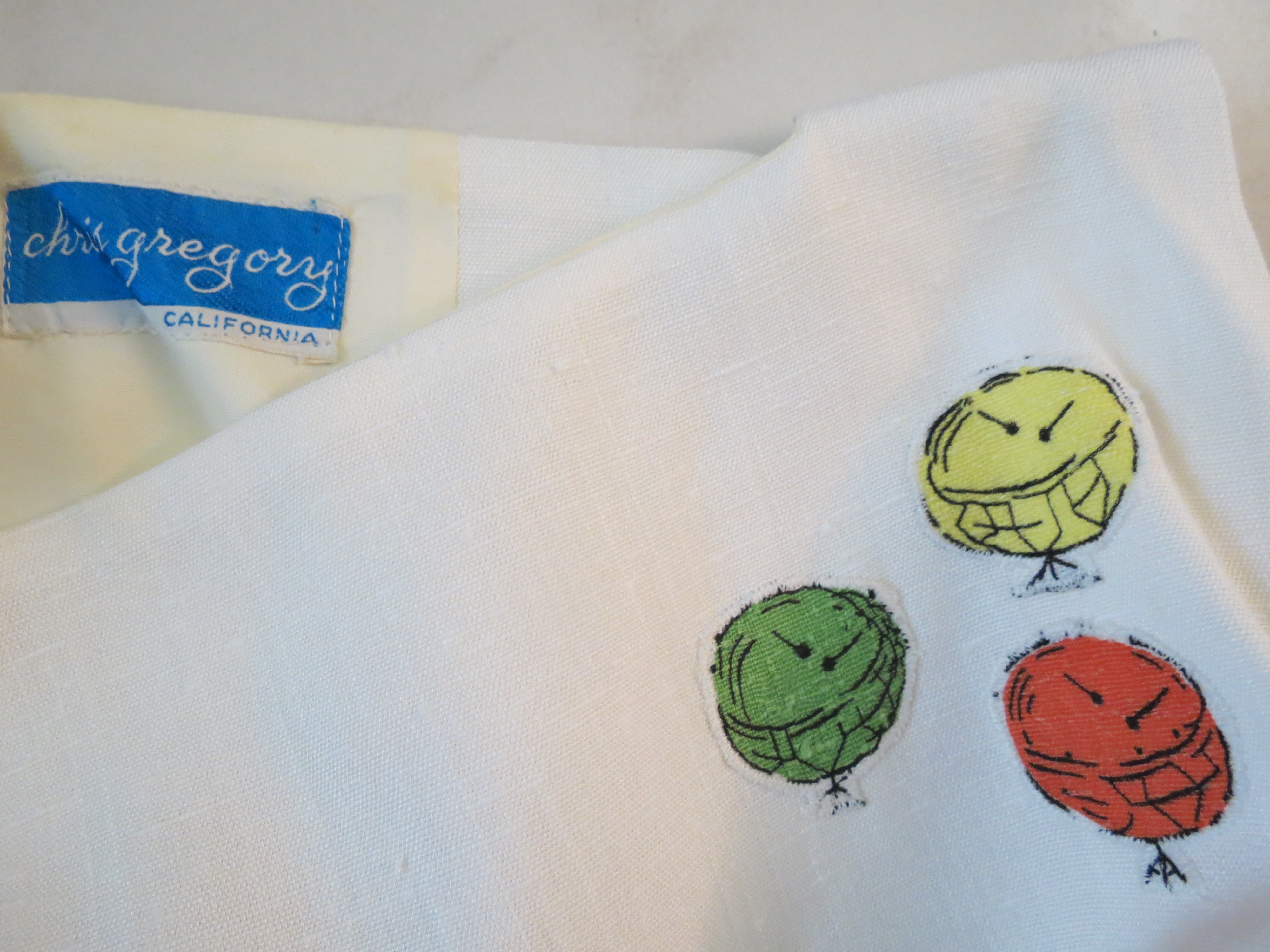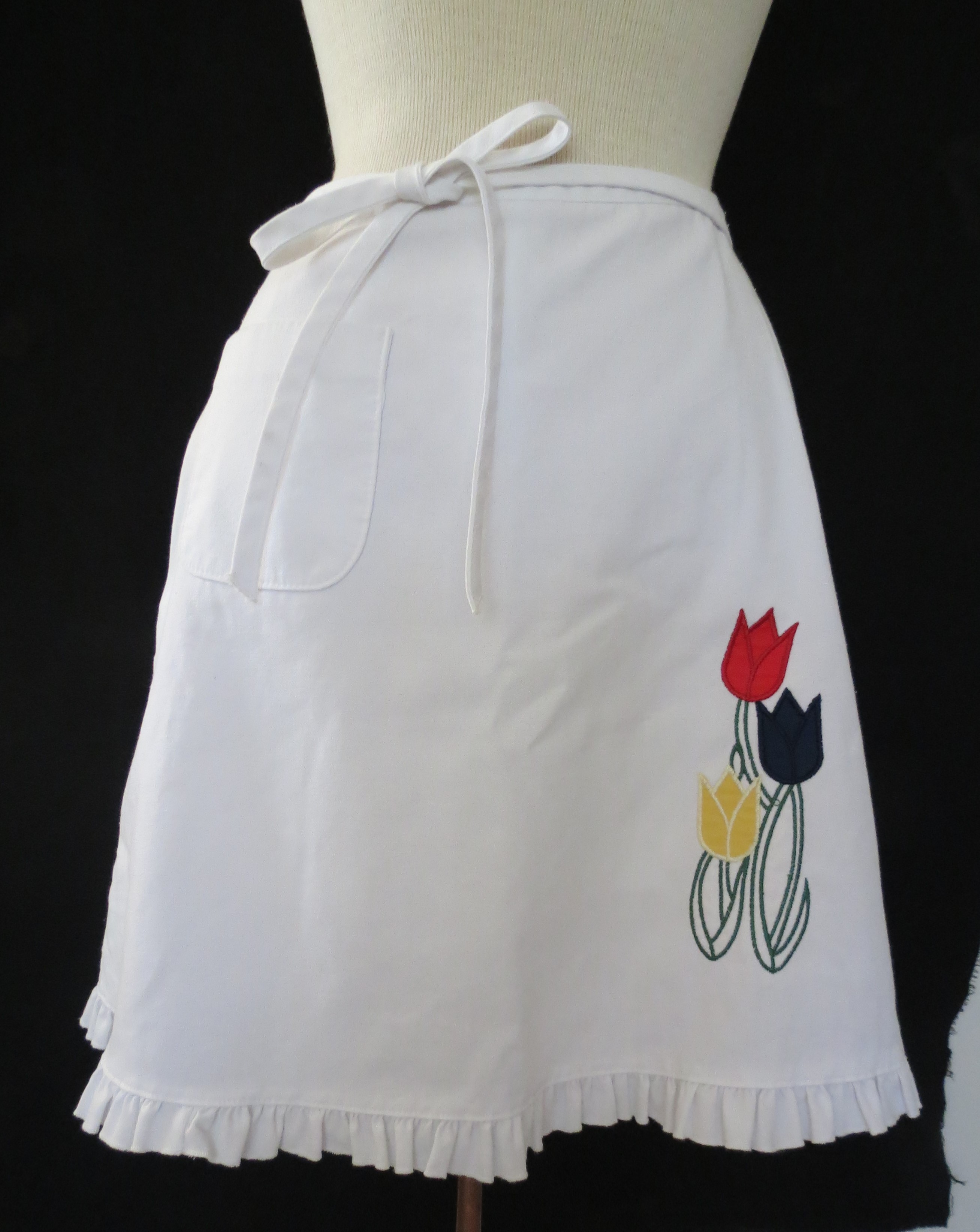
OUR GRANDMOTHERS’ MID-CENTURY HOLIDAY AND HOSTESS KITCHEN APRONS

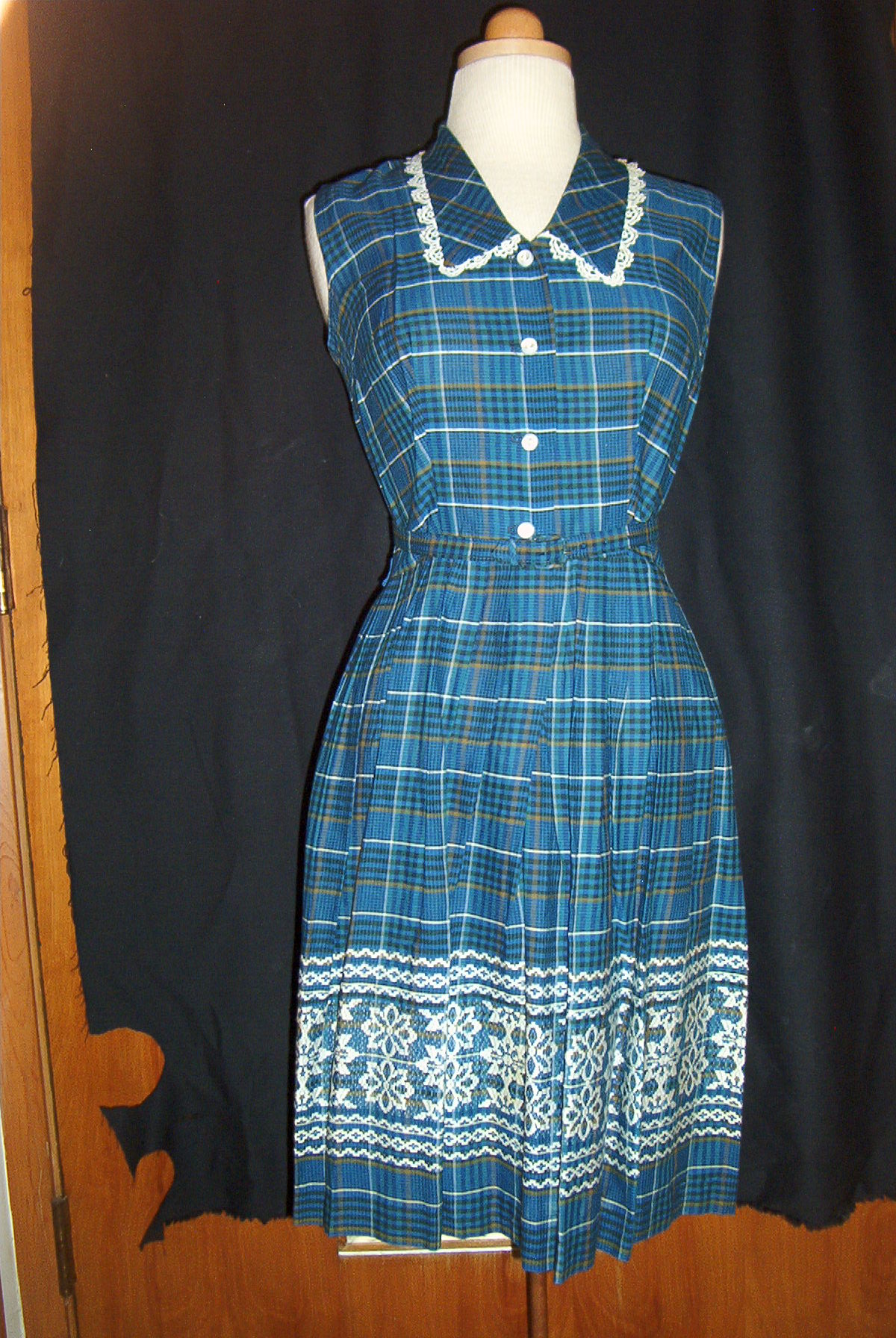
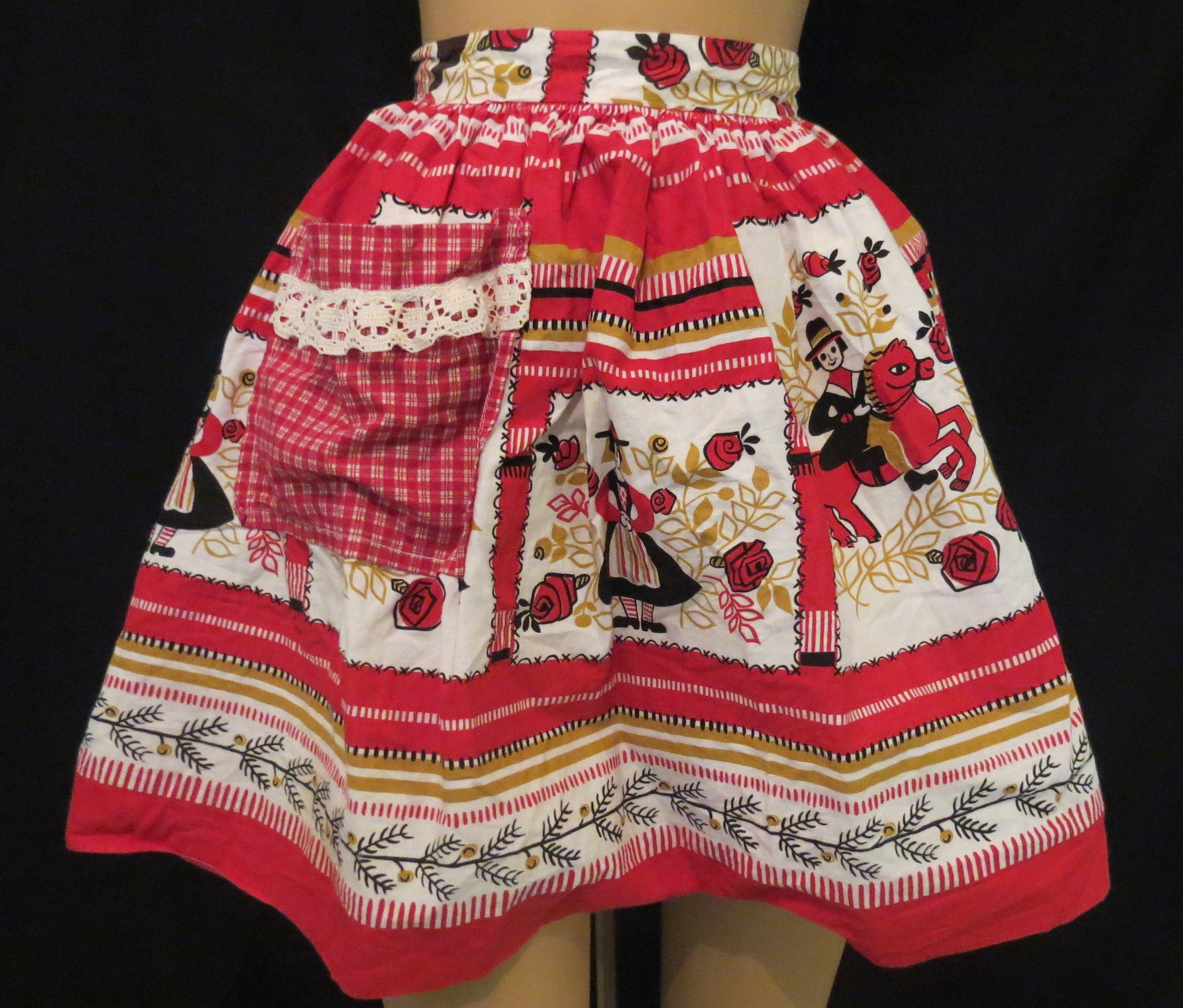
These are just 3 out of my collection of lovely kitchen aprons, but perhaps a bit more interesting and seasonal than others I have, which are more generic, like a cotton gingham check without any specific theme. Many aprons, like the first one here, were specifically themed for a particular holiday or fashion era. It’s a great example, with bright color and a novelty print for Thanksgiving. Although it’s definitely trendy and targeted, it is also at least somewhat practical because of the machine-washable fabric, wraparound style, secure ties and big pocket. It could actually do the job of keeping the cook’s skirt clean. The most useful styles also covered the bodice.

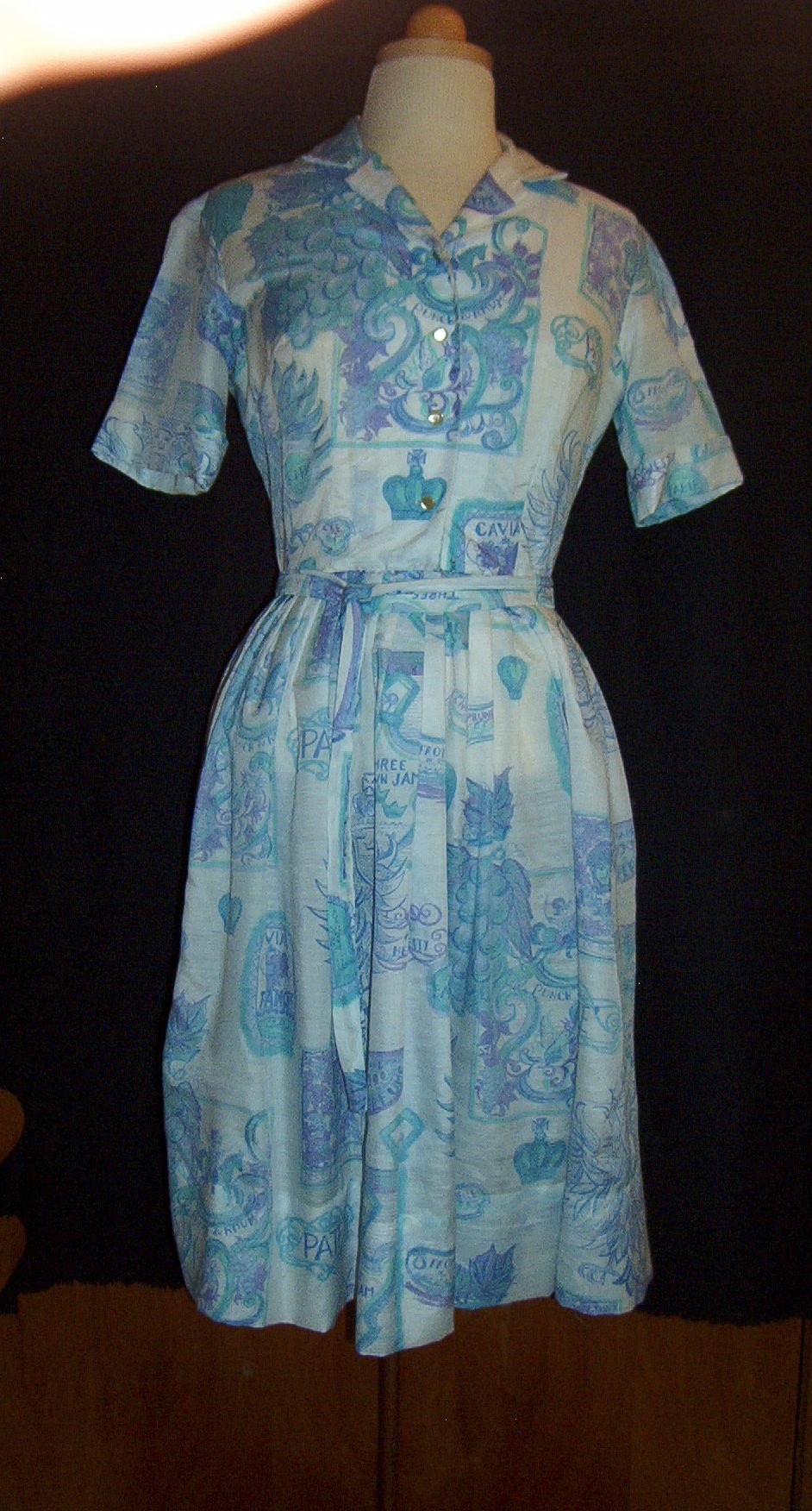
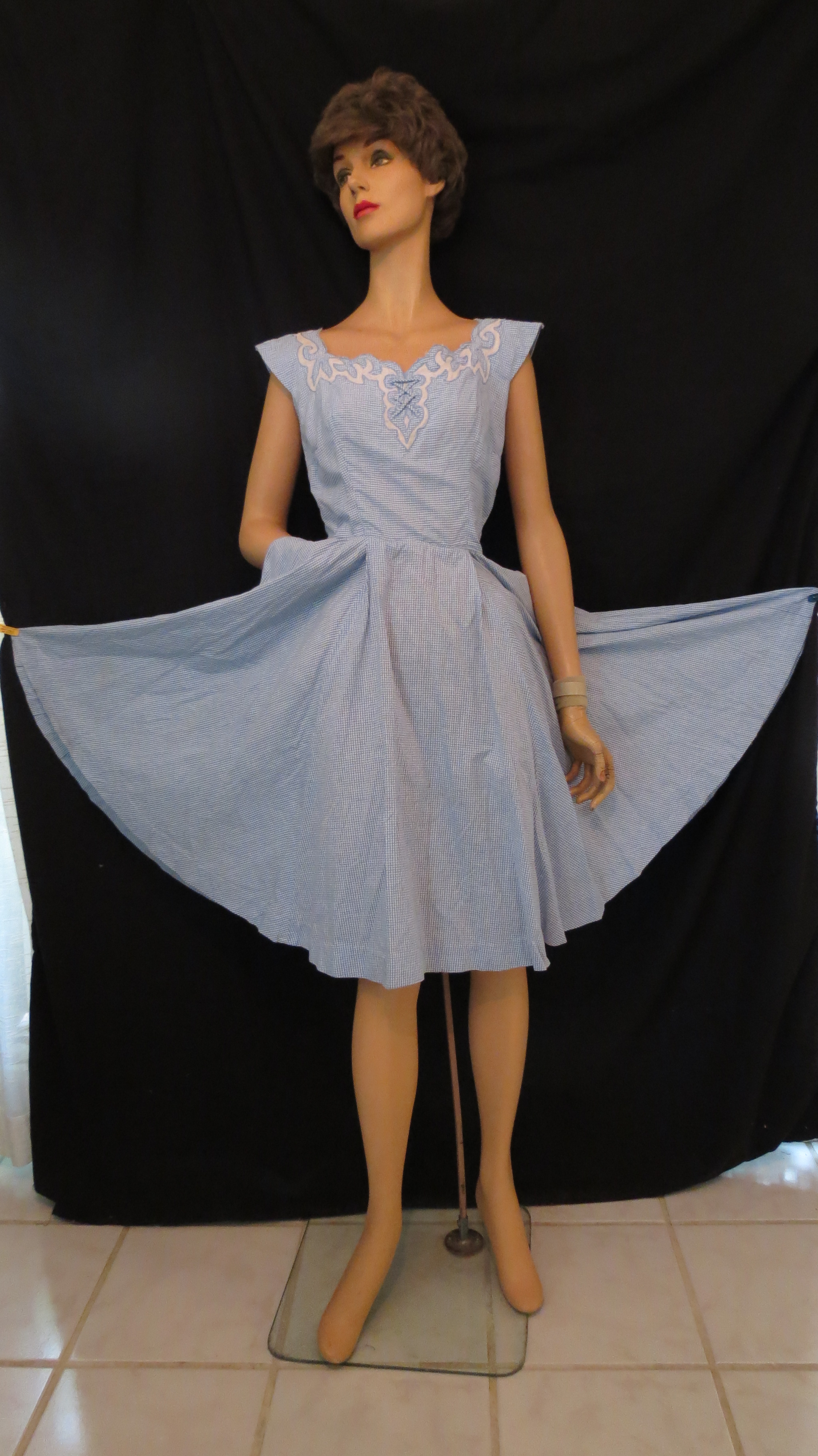
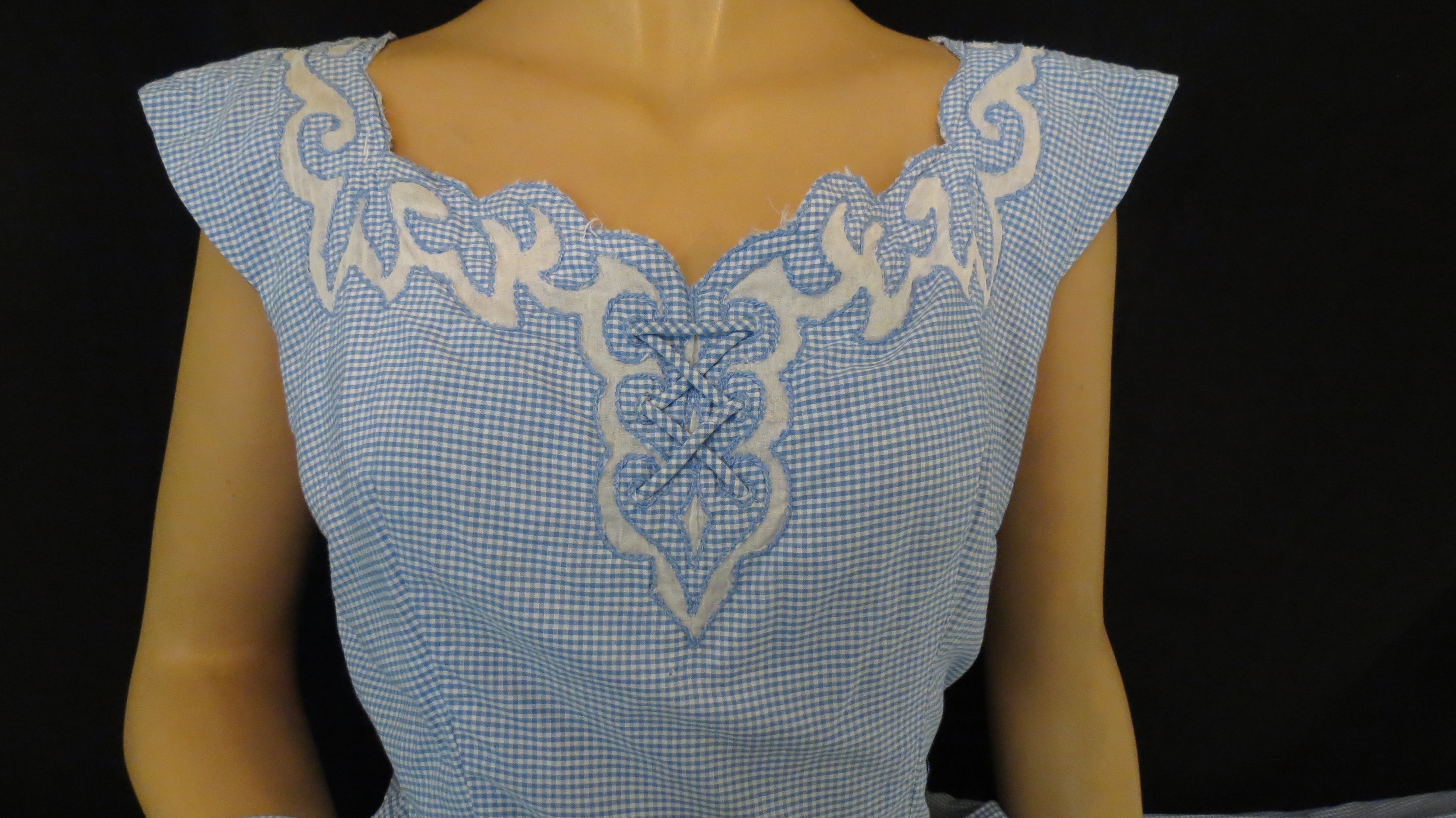
The usefulness is really important, but I love the novelty print. It’s always good to play the hostess in something that also makes people smile. The two aprons following are entirely different in their purpose. These are made from a much more delicate fabric and would be best washed by hand, both because of their delicacy and because they are hand-painted. They were made for and gifted to my grandmother by a relative who at least did the painting herself, if not the sewing job. Gifts like this were common in her day, and cherished. These aprons were made not so much to protect clothing as to be pretty. Grandma might have worn them when she had her friends in for tea or a card game, maybe even for hosting an at-home cocktail party. The messy part of the hostess job would have already been done when she made the cake or other refreshments beforehand.

Aprons were much more commonly worn in decades past and were a significant part of a woman’s household wardrobe, like housedresses worn on cleaning day. Most women’s (especially married women’s) lives were organized around a routine of household duties throughout the week and each one usually required a different kind of outfit – one for cooking, one cleaning, one for tending plants, one for doing the weekly shopping. Special accessories to these outfits were needed for certain jobs, such as gloves of various kinds, hats of various kinds, nursing bras and pads to protect clothing from breast milk and burping babies. Housewives were trained to be very practical and were rewarded by Society for a job well-done. The home was their workplace and the role defined them, so their household wardrobe had a central place in their lives. For better or for worse, that was the way it was. Do we want that again? Think about it and keep your eyes on the clues . . . . . . . . . . . . . . . . . . . . . . . . . . . . . . . . . . . . . .

MORGANA MARTIN, THE MAGICVINTAGESPY

BLOG: MAGICVINTAGESPY.COM
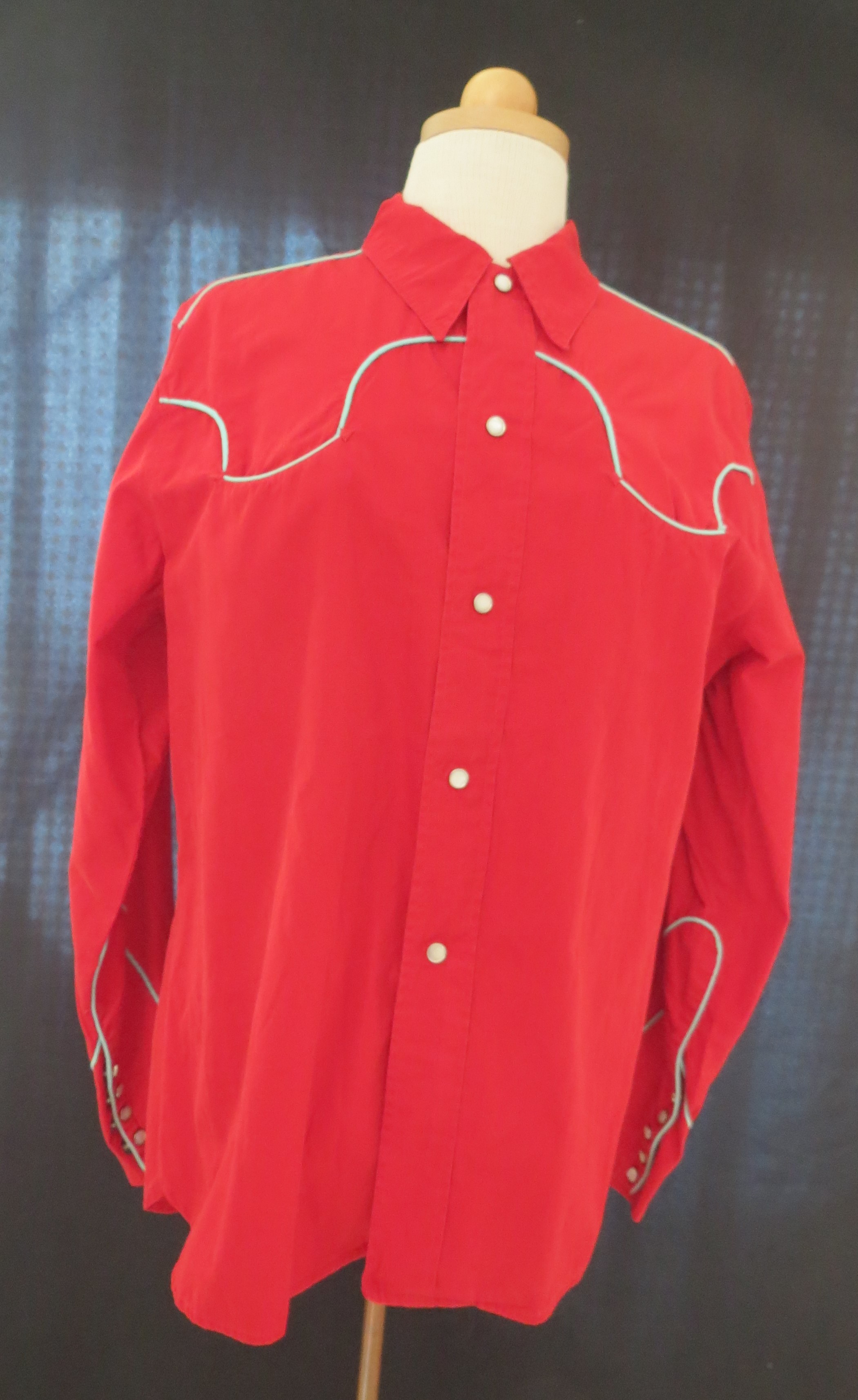
FIRST SNOW OF THE SEASON! TIME FOR MY TRUE VINTAGE WOOL DRESSES

Another chance to love that red. Okay, I give in. I don’t pull out the wool clothing unless it’s necessary and can usually avoid the deep cold because of frequent relocations. But, a little unpacking reminds me how much I love these wiggle dresses from the late 1950’s – early 1960’s. For the jumper on the left (yes, this is what a sleeveless dress worn over a blouse or sweater is called in the United States) I was fortunate to find a turtleneck in the perfect color to coordinate with the tweedy fabric. I love the HUGE pearl buttons down the front – so much a sign of those times, as compared to the thin, easily broken pearl buttons which were popular in the ’90’s.

The wiggle fit is also characteristic of this era; maybe a little warmer, too. Of course, unless there’s a smooth lining, you’d also need a slip underneath which adds another layer of warmth. Attractive tailoring details are always a plus. Although vintage wool garments sometimes feel a little heavy and confining compared to what we’re used to today, the closest similarity I’ve ever come across are the better quality heavy polyester knit dresses and pantsuits of the early 1970’s. Both added warmth, good tailoring and wrinkle-resistance and are welcome when facing true winter weather. Easy storage that doesn’t require protection from moths is great, too, but in the final analysis nothing beats the quality, durability and elegance of well-made true vintage woolens. I thank our furry friends (and the shellfish which create pearl), and am grateful that we now are developing excellent humane and ethical alternatives.

More Xmas red and seasonal true vintage on the way. Stay tuned . . . . . . . . . . . . . . . . . .. . . . . . .

MORGANA MARTIN, THE MAGICVINTAGESPY

BLOG: MAGICVINTAGESPY.COM

TRUE VINTAGE OUTERWEAR? FUR REAL OR FAUX? WE HAVE TO THINK ABOUT IT . . . . . . . . .

Last night I was out and about to a theater production and couldn’t reasonably drive a two block distance. Walking was the only choice, which I love, but IT WAS SO COLD!!! My warmest outerwear option, which kept me toasty and comfy, was my post-war beaver jacket from Canada. 75 years old and it’s still snuggly and beautiful. I grieve for the precious animals who (yes, WHO) were sacrificed for vanity and retail profit back in the day and will NEVER buy modern fur products. I advocate for animal rights but also celebrate those lives and gifts by preserving and enjoying elegant fashions from the past for as long as they will last.

I own many gorgeous fur and faux fur pieces made decades ago, before protective legislation and individual conscience stopped some of the fur trade and promoted humane practices. Above is one example, on the left, of an older fur jacket dyed to mimic mink. I cannot identify the fur – could be muskrat. Before the end of WWII, furs considered to be less fine were often processed this way. Other examples, such as the one on the right, are fakes – popular in the 1950’s and beyond. Some have been very convincing even since the 1950’s. Many of those made today look and even feel very authentic. The look is fun and elegant, in a vintage way, plus, as I proved last night, very practical.

Faux fur and secondhand true vintage furs are the best, the ONLY humane and progressive choice. I prefer those from the 1960’s and before. The remaining fur trade is still a blot on humanity, so we must be vigilant in our boycotting of this active market but I don’t see the enjoyment of historical fashions as being hypocritical. I will continue to show you how much I love them. Stay tuned . . . . . . . . . . . . . . . . . . . . . . . . . . . . . . . . . .

MORGANA MARTIN, THE MAGICVINTAGESPY

BLOG: MAGICVINTAGESPY.COM
FABULOUS NEW FIND: EARLY 1960’S SEMI-FORMAL POUF DRESS

Perfect example of a Kennedy Era party dress, bought off the rack back in the day. It’s full of clues in the fabrics and construction. Lace overlay fabric which was very popular at that time, 3-layer skirt with a netting crinoline in the middle, AFLCIO Union Workers label, vintage metal zipper with a hook and eye at the neckline and at the waist, and hanging loops sewn in at the shoulder. These dresses are exceptionally well-made although they were reasonably priced. Although it’s a little short on Stella, it fits her pretty well.

I’m always thrilled to find one and each example has some unique features. In this case, the scarf attached at the right shoulder which drapes across the front neckline is a novel addition. It’s even got a detachable rhinestone brooch on the opposite shoulder, suggesting that there might be other ways to style the scarf. As worn above, it makes a tail over the left shoulder, which was a popular design element at that time and also in decades before. In any case, I’ve never seen one exactly like this. Just goes to prove that you just never know . . . . . . . . . . . . . . . . . . . . . . . .

MORGANA MARTIN, THE MAGICVINTAGESPY

BLOG: MAGICVINTAGESPY.COM
True Vintage Hats: Another Stand-out Accessory That Belongs in Every True Vintage Wardrobe

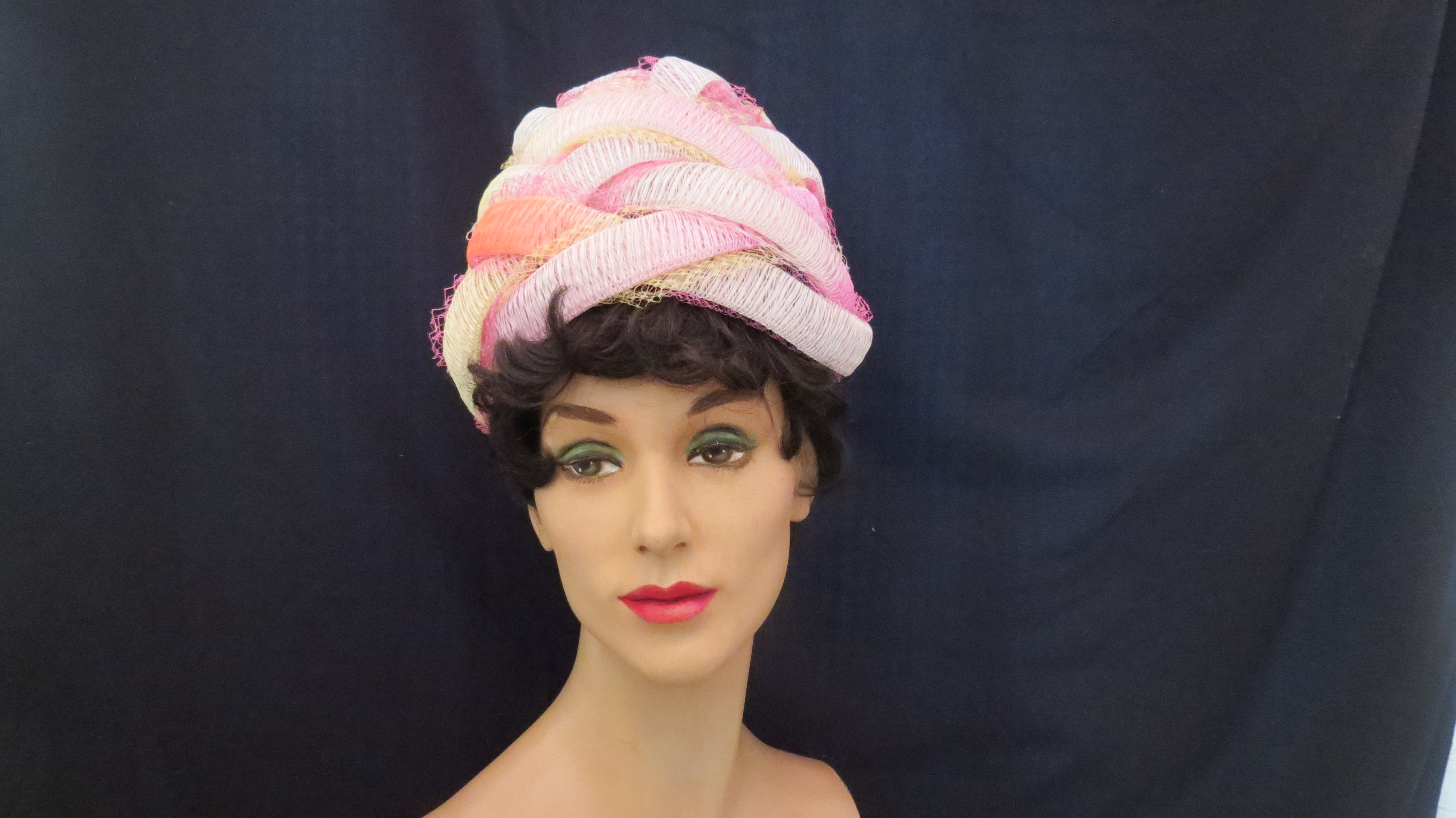
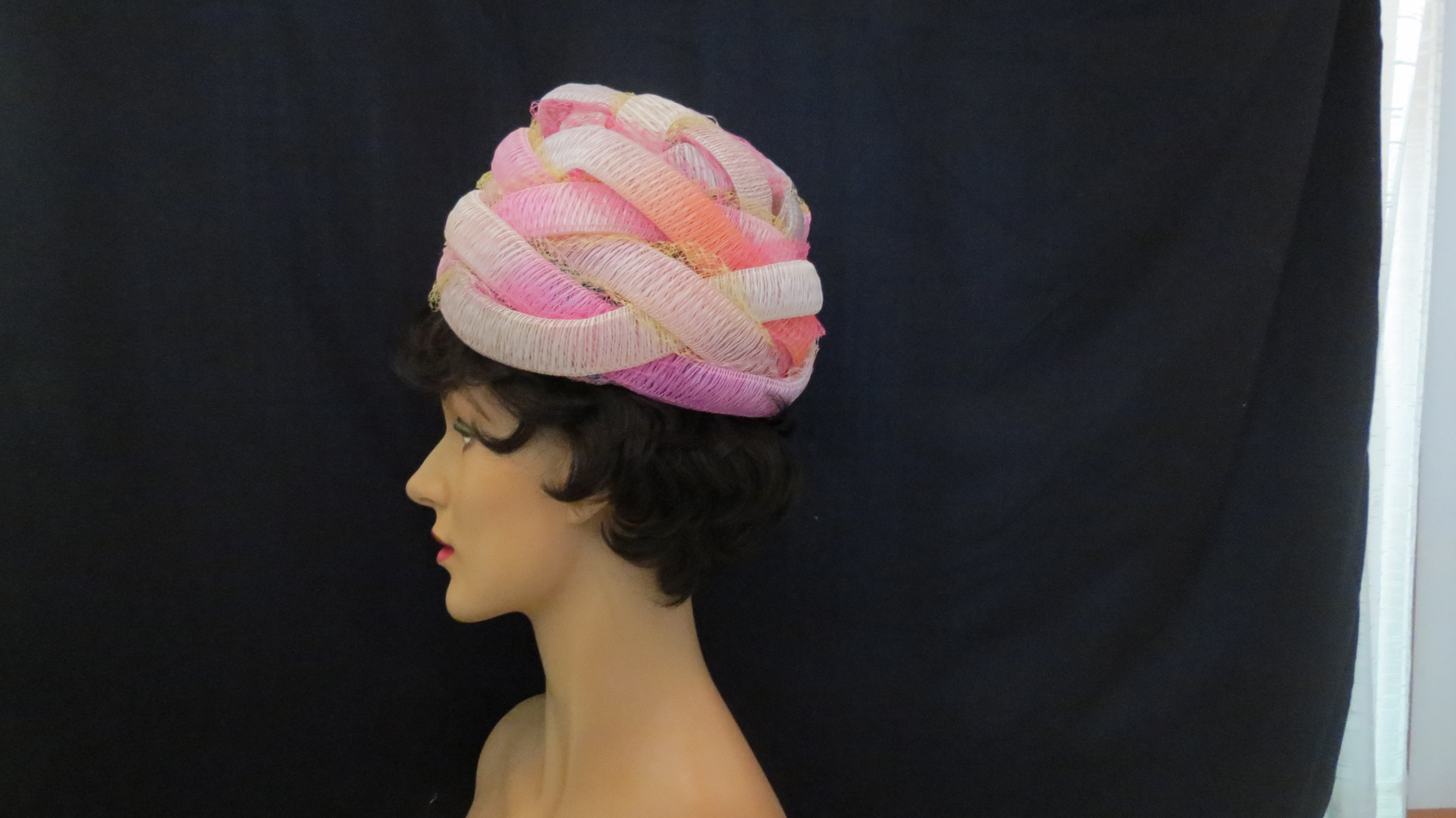
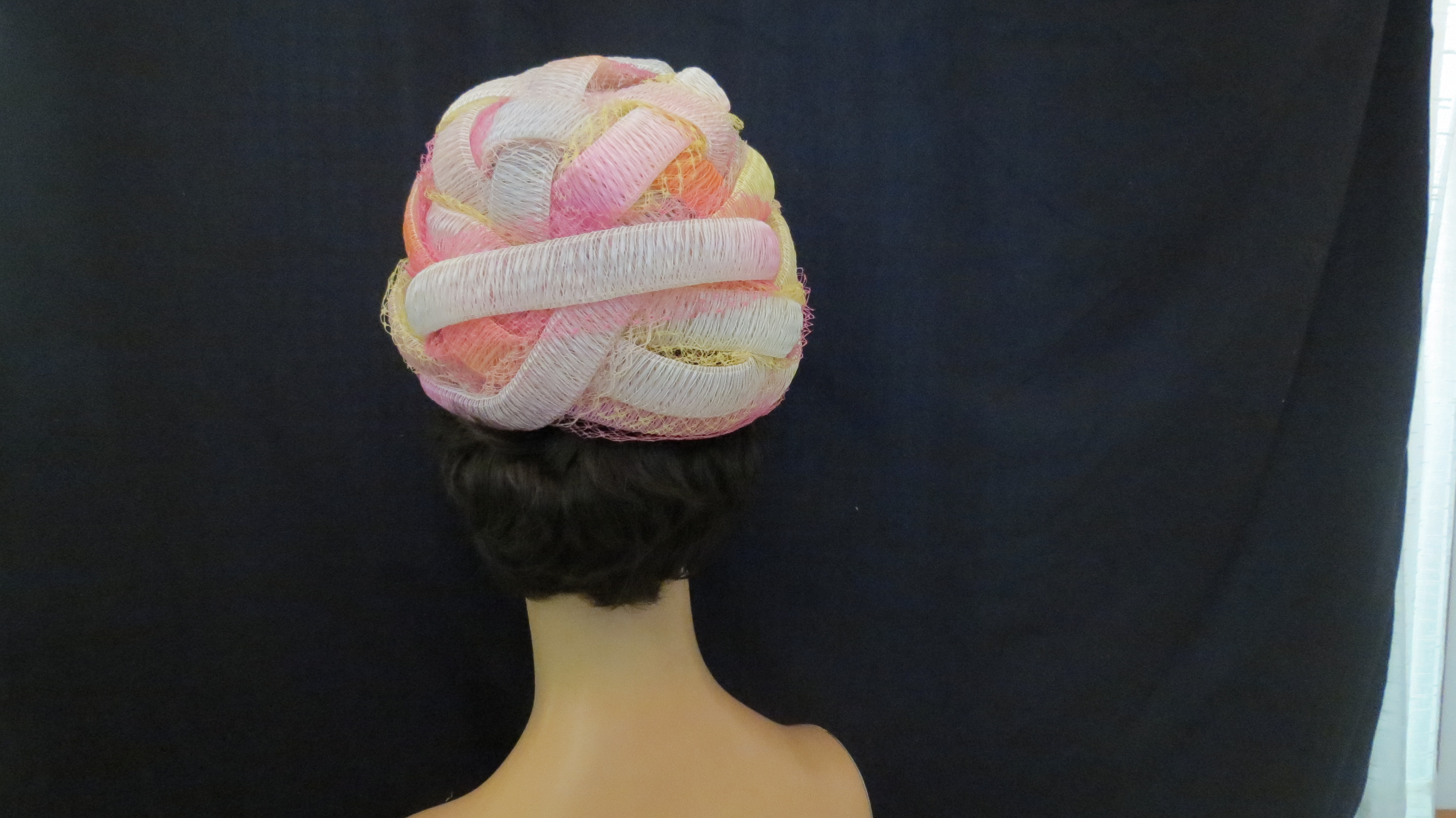
In my book, the 1940’s through the 1960’s was the best era for ladies’ hats in the U.S. unless you’re into antiquities. Yes, every decade has had some great ones but most beautiful hats that are truly wearable come from the Mid-century. Here are some iconic examples from each of those decades: a Forties picture hat, Fifties toque & pillbox with veil and Sixties pastel cellophane/raffia hats.

Mainstream women from all three of these decades wore hats frequently, if not daily. (Classic films and old magazines are good documentation of this.) So, obviously, they were sold in every store which carried ladies’ fashions and most were affordable. Easy to wear, flattering and very collectable, so go for it. . . . . . and stay tuned . . . . . . . . . . . .

MORGANA MARTIN, THE MAGICVINTAGESPY

BLOG: MAGICVINTAGESPY.COM

TOTALLY CLASSIC, ABSOLUTELY ESSENTIAL TRUE VINTAGE WARDROBE SHOES. WHAT ARE THEY?

100% LEATHER PENNY LOAFERS. Don’t care who you are, where you are, what your age, what you do; if you want to build a true vintage wardrobe, high quality penny loafers made of leather are a MUST. You might think that this is only an American or western European fashion, but not so. They originated over 100 years ago in Norway and, like the human population, have migrated into mainstream fashion all over the world since then. Men, especially, have been able to wear them as dress shoes since the beginning. They were de rigeuer for high school and college men and coeds at least since WWII; Probably replaced the saddle shoe in most adolescent closets. Mid-century pennies are a strong suggestion.

Highly polished, for smart casual to semi-formal dress. Lightly scuffed or a little dusty for just about everything else. Pretty versatile. Smooth leather in black or cordovan brown is the true classic. The full leather construction is mandatory because it’s original and also allows them to be repaired forever. (OK, a true vintage synthetic sole is acceptable if that is all you can find, but keep looking). In line with my philosophy regarding humane treatment of animals and environmental sustainability, I don’t recommend buying modern retro versions at retail, no matter how nice they are. You can find the real thing at second-hand and they’re better. Also, I’m obviously all about running undercover investigations and that’s a lot more fun because – you just never know. Stay tuned . . . . . . . . . . . . . . . . . . . . . . .

MORGANA MARTIN, THE MAGICVINTAGESPY

BLOG: MAGICVINTAGESPY.COM
20 YEARS BEFORE NEW WAVE, ELECTRIC BLUE STILETTO HEELS FROM THE EARLY 1960’S

Slightly more extreme silhouette, I’d say that these heels are a few years younger than the pink shoes from yesterday. The metallic blue color is very Las Vegas. They look like patent leather and you might expect that because of their age but I believe that they are some type of synthetic. The brand name was probably printed on the insole but has worn away so completely that I can’t depend on it to help me out. Soles are also a synthetic. Very durable, but not a mark of higher quality. These babies were definitely mid-priced but good to go for a long time.

They’re not as tiny as yesterday’s pink pumps and I can wear them! Great find because I have a sateen semi-formal cocktail dress in the same blue color from the same era. That’s one of the most fun things about sleuthing investigations – finding the clues that fit together. Solves the mystery for that outfit! Stay tuned . . . . . . . . . . . . . . . . . . . . . . . . . .

MORGANA MARTIN, THE MAGICVINTAGESPY

BLOG: MAGICVINTAGESPY.COM
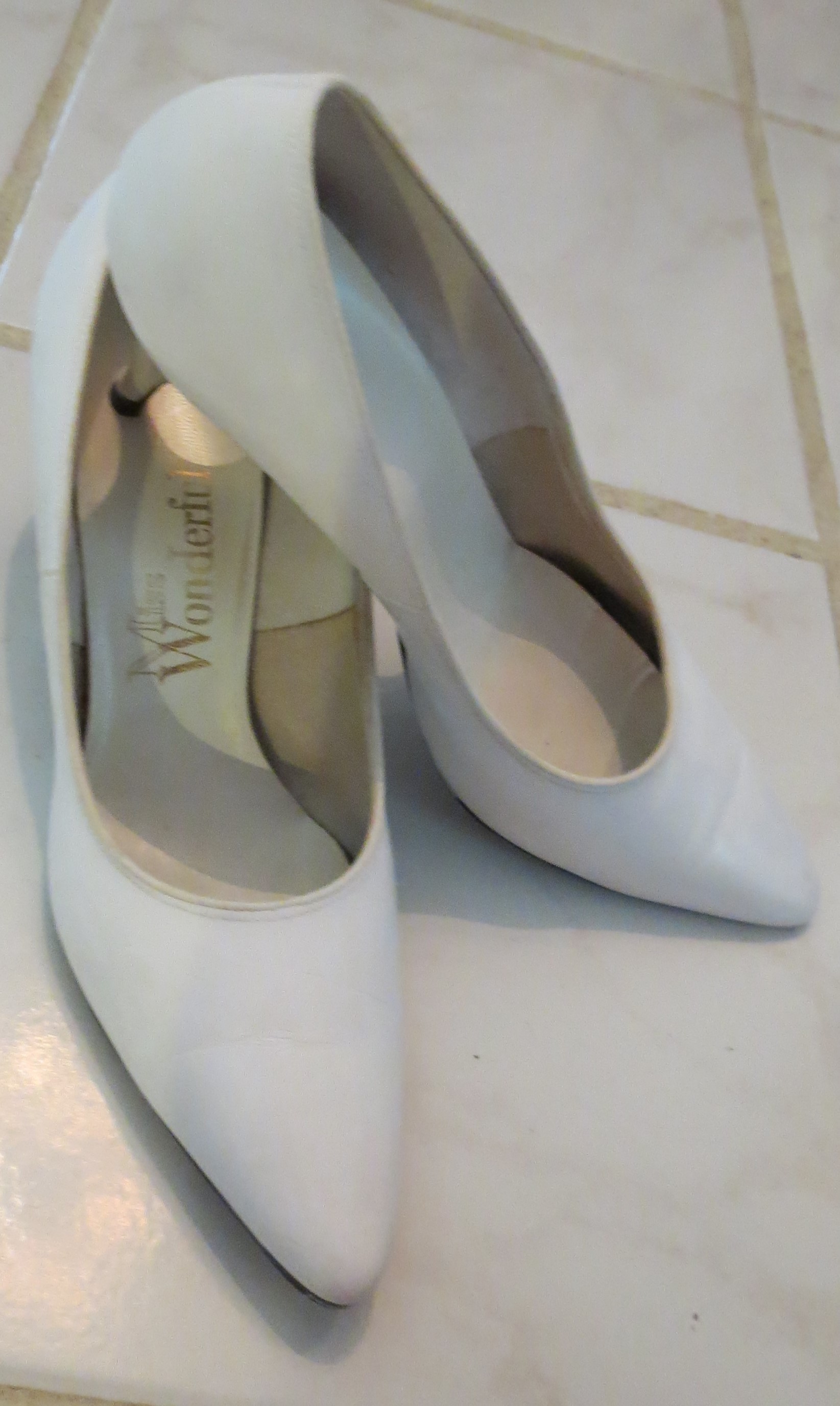
PRETTY LITTLE PINK PUMPS

Maybe Peggy Sue wore these to the Prom. Entirely possible – Life Stride brand shoes were mid-priced and available at shoe stores in town centers where everybody shopped in mid-century America. A very popular brand; they often sold purses to match the shoes. This was a big deal for women in the 1950’s and early 1960’s and tons of them were sold. Looks like the company, in some form, is still operating. If you shop Walmart, take a look there but I doubt you’ll find anything nearly as wonderful as these, and certainly not with the history . . .. . . . .

Let me know if you have any Life Stride stories. I’d love to have them for the archives and stay tuned.

MORGANA MARTIN, THE MAGICVINTAGESPY

BLOG: MAGICVINTAGESPY.COM

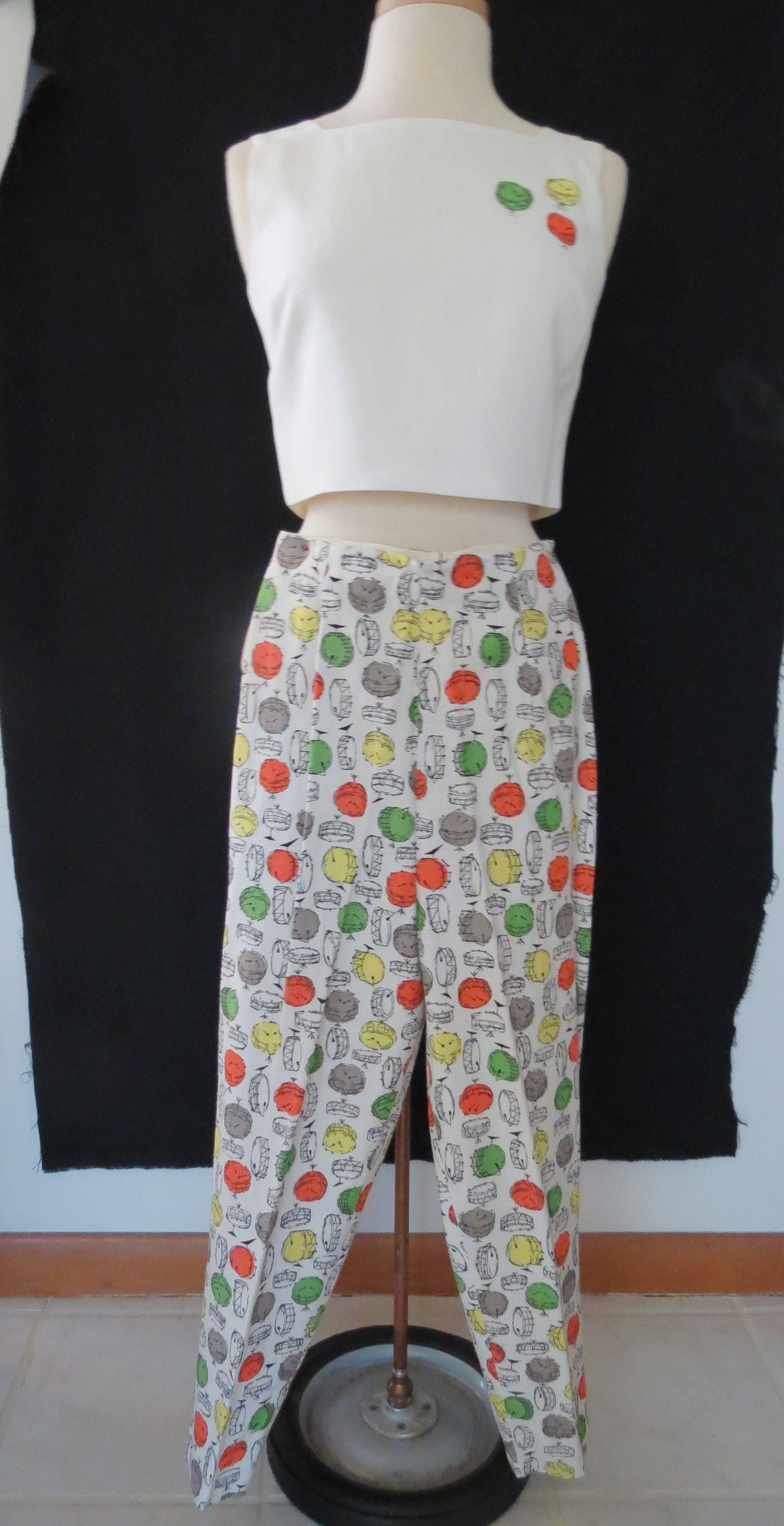
Okay, Let’s Stay with the Theme and the Era – a 1950’s – early 1960’s Playsuit

Wow, I’d forgotten when I first photographed this cute set. For those of you who have followed me for a long time, it was before Stella and Giselle, in the early days with Madge! She’s always been a trooper, but this outfit would fit Stella perfectly. I digress . . . . . .

This 2-piece playsuit is right in the timeline with the swimsuit and shorts shown yesterday. And, it’s from California – how perfect is that? Like the other fashions, the emphasis is on CUTE – making teens and women look like little girls. A cropped top that shows your midriff, colorful sketches of drums printed all over the Capri pants and appliqued on the top (typically weird and playful mid-century motif). In today’s reality it almost sounds diabolical . . . . . . . . . . . . . . . Again, I digress . . . . . . . .

Everything else aside, it’s a vintage fashion collector’s dream . . . . . . . . . . . . . . . . . . . . . . . . . .

MORGANA MARTIN, THE MAGICVINTAGESPY

BLOG: MAGICVINTAGESPY.COM
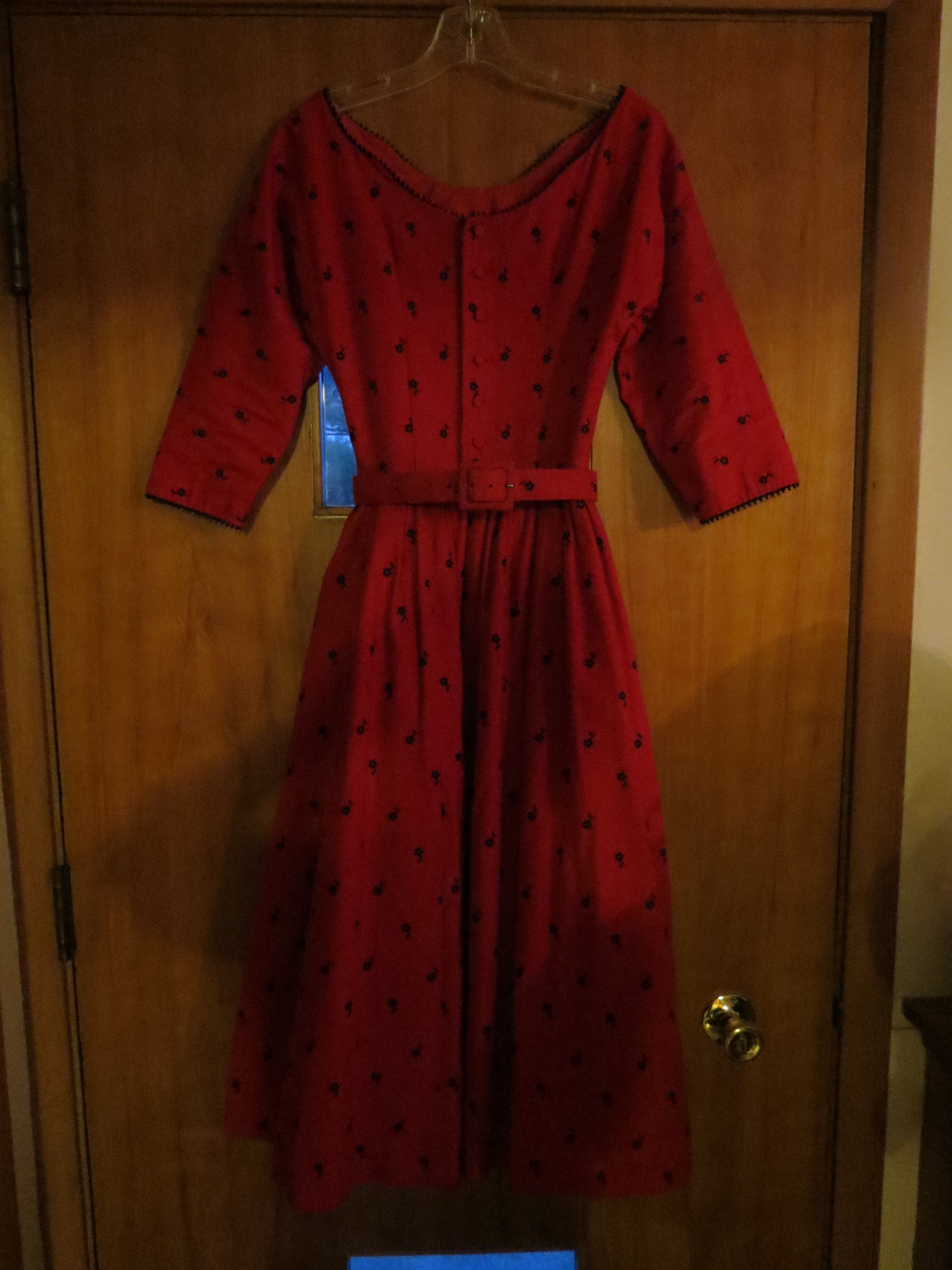
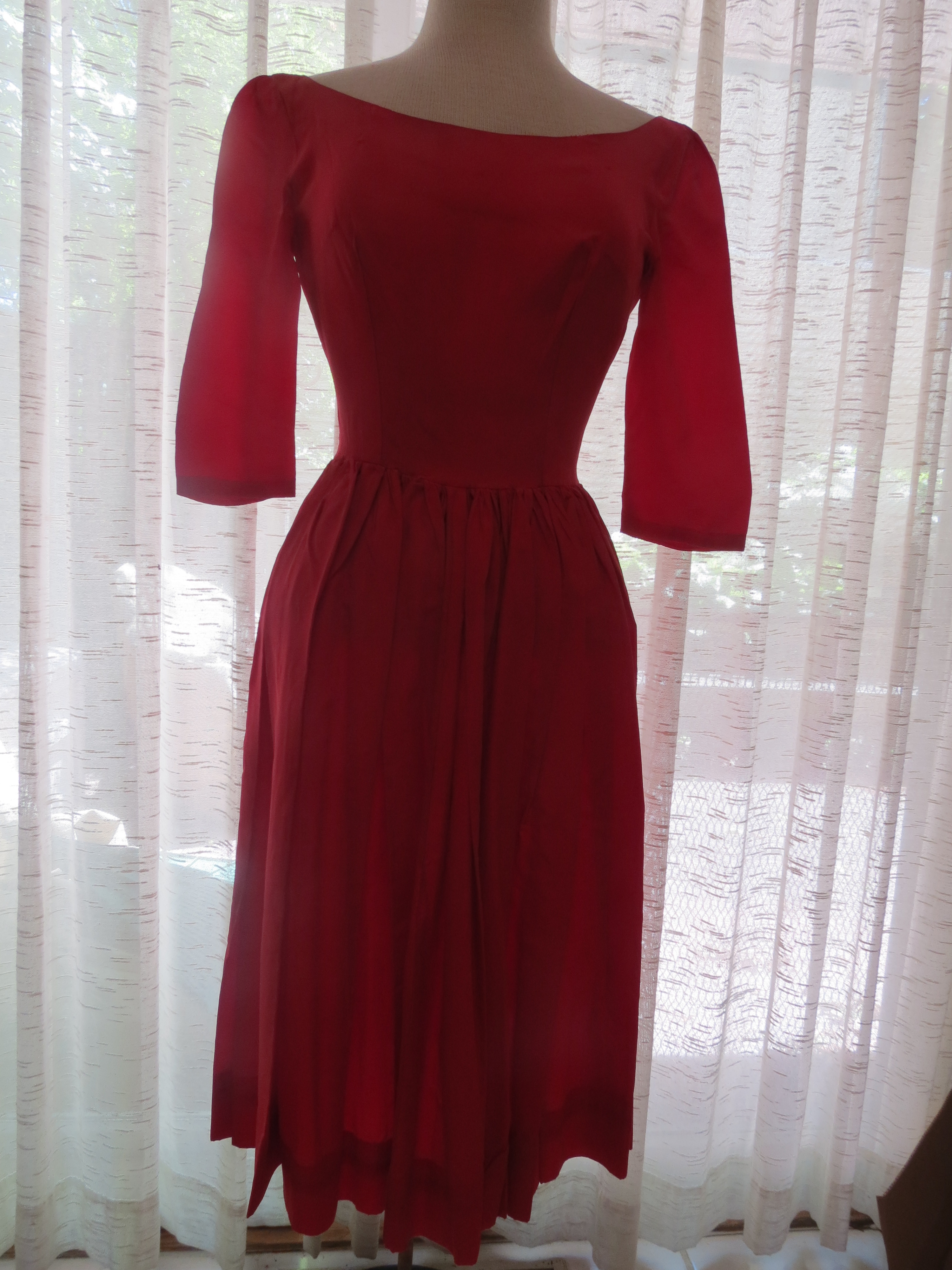
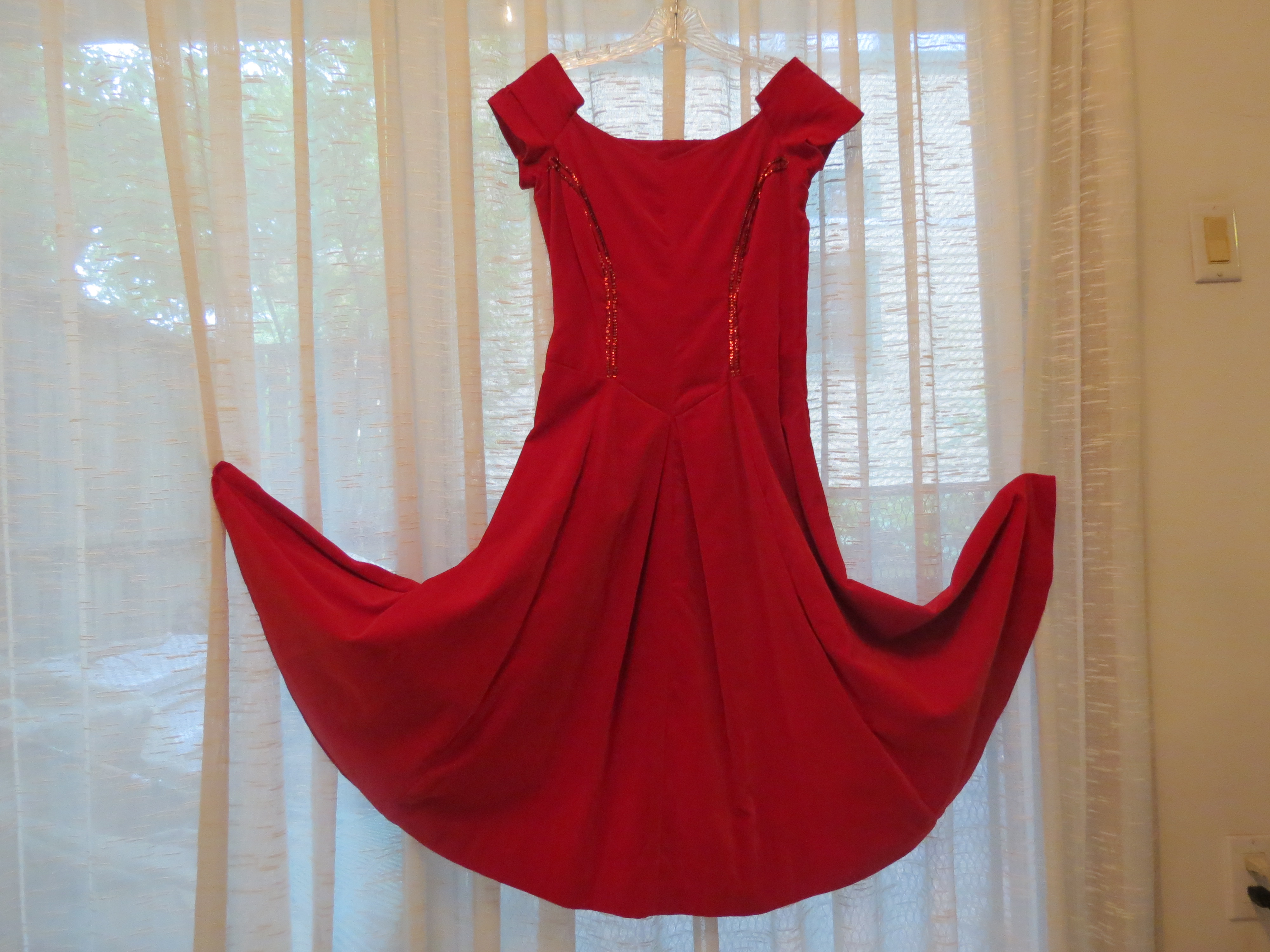
1950’S POUF SKIRT WASP WAIST FORMAL FROCK

As you know, I’ve been on holiday from the sleuthing trade since late October but had several finds right before that time and also something recent. So, I’m ready to catch you up while I have a bit of time at Headquarters.

A tiny, tiny, tiny dress and SO Fifties! This was a size 5, maybe in ’55. Now a size 00 or smaller. Perfect condition. This was a really exciting discovery, as these frocks have become more and more scarce. Sadly, there is no label inside excepting the all-important Garment Workers tag. It’s always so much fun, and useful data, to have a maker’s label to research or use to tell more of the story. Labels are always a first-line clue.

Fortunately for the investigation, another gown was hiding in the same spot! Did they belong to the same suspect even though they are quite different? Rare clues sometimes travel together. Stay tuned . . .

MORGANA MARTIN, THE MAGICVINTAGESPY

BLOG: MAGICVINTAGESPY.COM