JUST FOUND: TRUE VINTAGE POST – WAR MID – CENTURY JEWELRY

These pieces are very lovely and well-made. I am surprised that neither of them is signed or branded. It’s not often that I come across clues like these when just out and about – usually they wind up in antique stores or at estate sales.

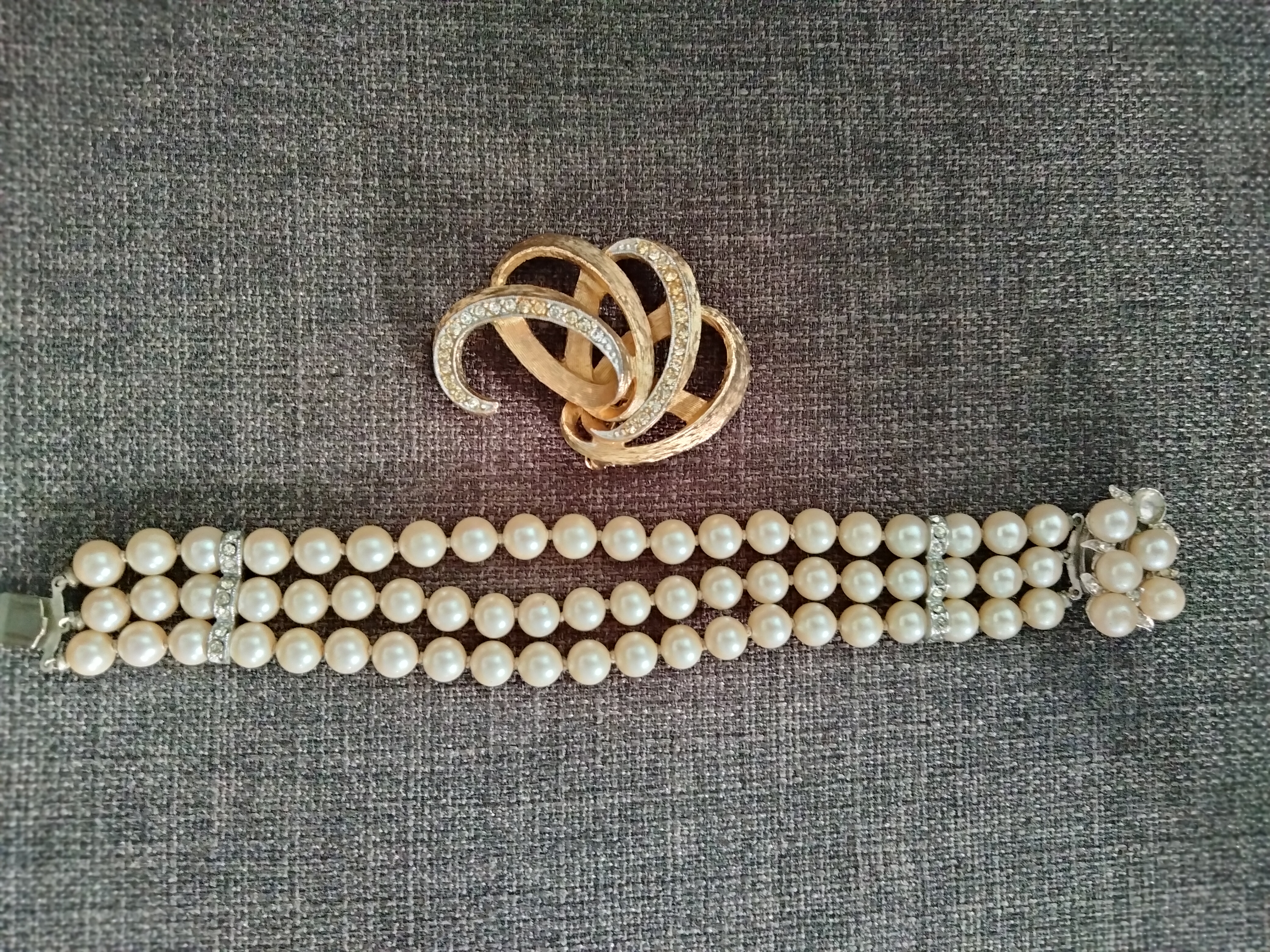
The brooch is heavy and all the rhinestones are present. Its pin mechanism locks securely. There is no corrosion on the gold-tone metal and it’s quite clean overall. Someone loved this piece and stored it well. Easy to see why. I date it from the 1950’s to the early to mid-1960’s. The style is classic but modern and a bit lyrical, as was often seen in jewelry by Trifari during the same period.

The pearl bracelet is older and originally was at least as nice. There is a simple, box – push clasp which is not found on most precious jewelry with the exception of some very lightweight pieces; But the metal, while not fine, is untarnished and clean and the latch is secure. The bracelet is heavy but this is predominantly from the weight of the champagne-colored pearls, which I believe are genuine (though surely cultured). One is missing on the clasp, but I think I will be able to replace it. The strands are knotted between the gems. There are a few tiny rhinestones on the clasp and the keeper bars. Only one is missing, in a spot where this would never be noticed. Overall, this is also a very good-quality costume piece in a classic style and I would date it from the war-time 1940’s possibly to the early 1960’s.

Though fine jewelry is easier to trace, any accessory piece is a good place to start an investigation. I’ll probably keep them in the files for a while. What a coup if that missing pearl should show up . . . . . . . . . . . . . . . . . . . . .

MORGANA MARTIN, THE MAGICVINTAGESPY

BLOG: MAGICVINTAGESPY.COM
MORE NEW DISCOVERIES: TRUE VINTAGE CASUAL SHOES OF FINE LEATHER

Made in Brazil and Spain – in the 1980’s and 1990’s, two of the BEST places where great shoes and other leather goods were made. Italy and Portugal were also at the top of that list. These were made for well-known brands but small unbranded shoemakers (especially in Latin America and Europe) sold beautiful creations if you were able to find them. I knew immediately that these were vintage footwear pieces and that the quality would be outstanding. The truth, as always, is in the details and I have included photographs and descriptions of the most important ones.

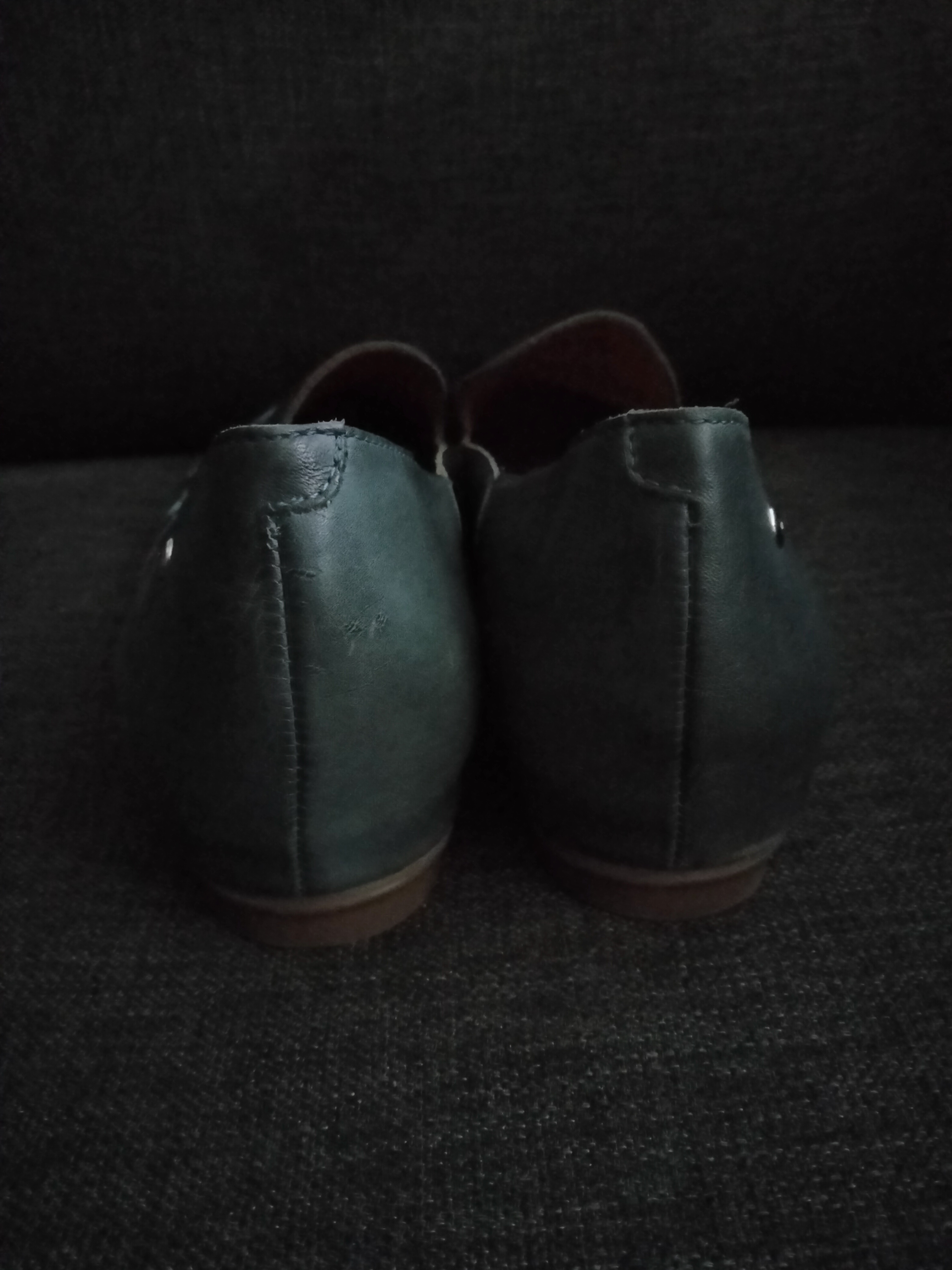
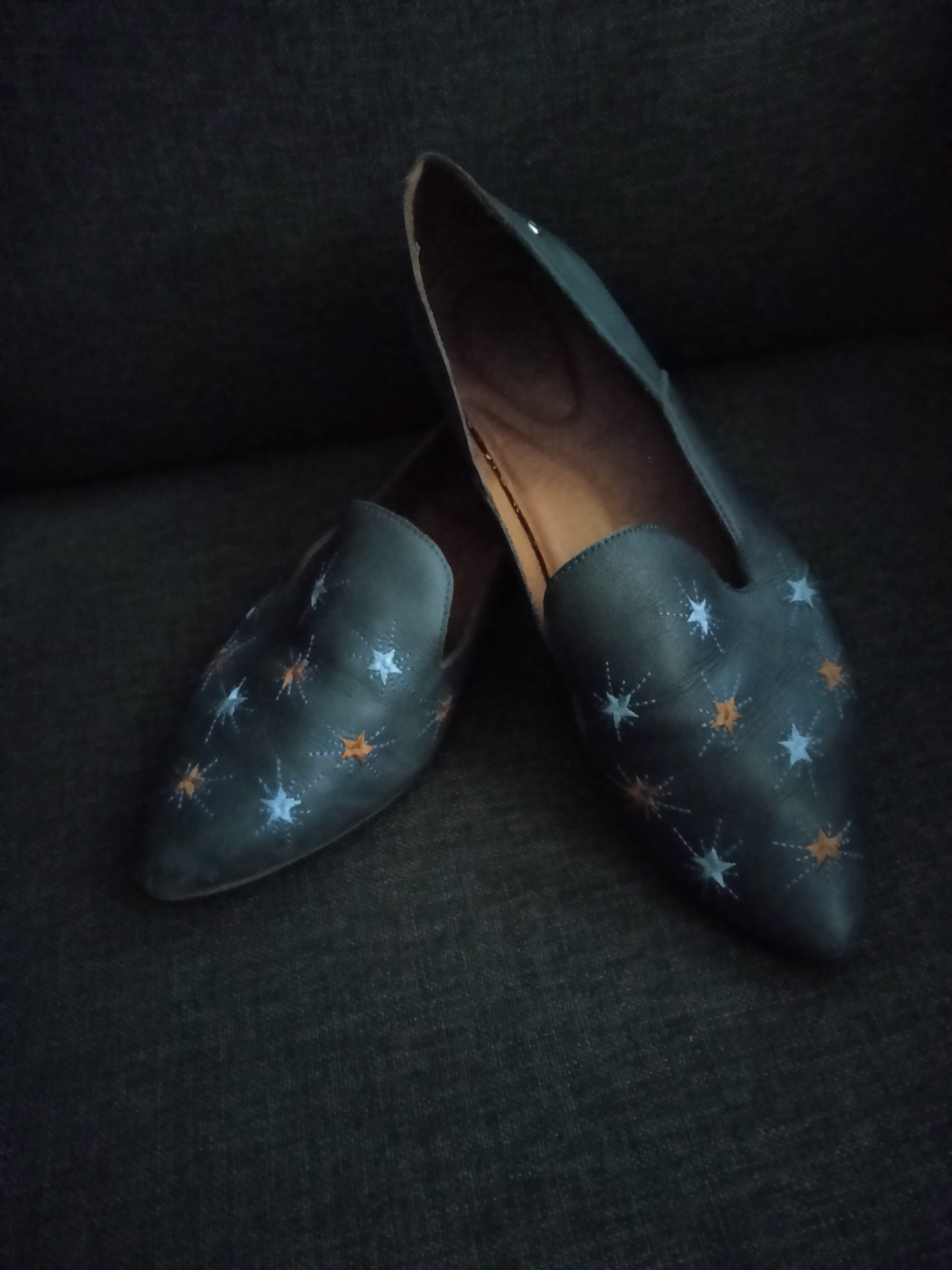
The leather in the top-pictured flats is glove-soft. I adore the embroidered stars covering the vamps. The little finishing detail at the top of the heels was one sign of exceptional workmanship. I usually find this detail on well-made true vintage European footwear. These were made in Spain by Pikolinos, a family brand founded in 1984. Love the style!

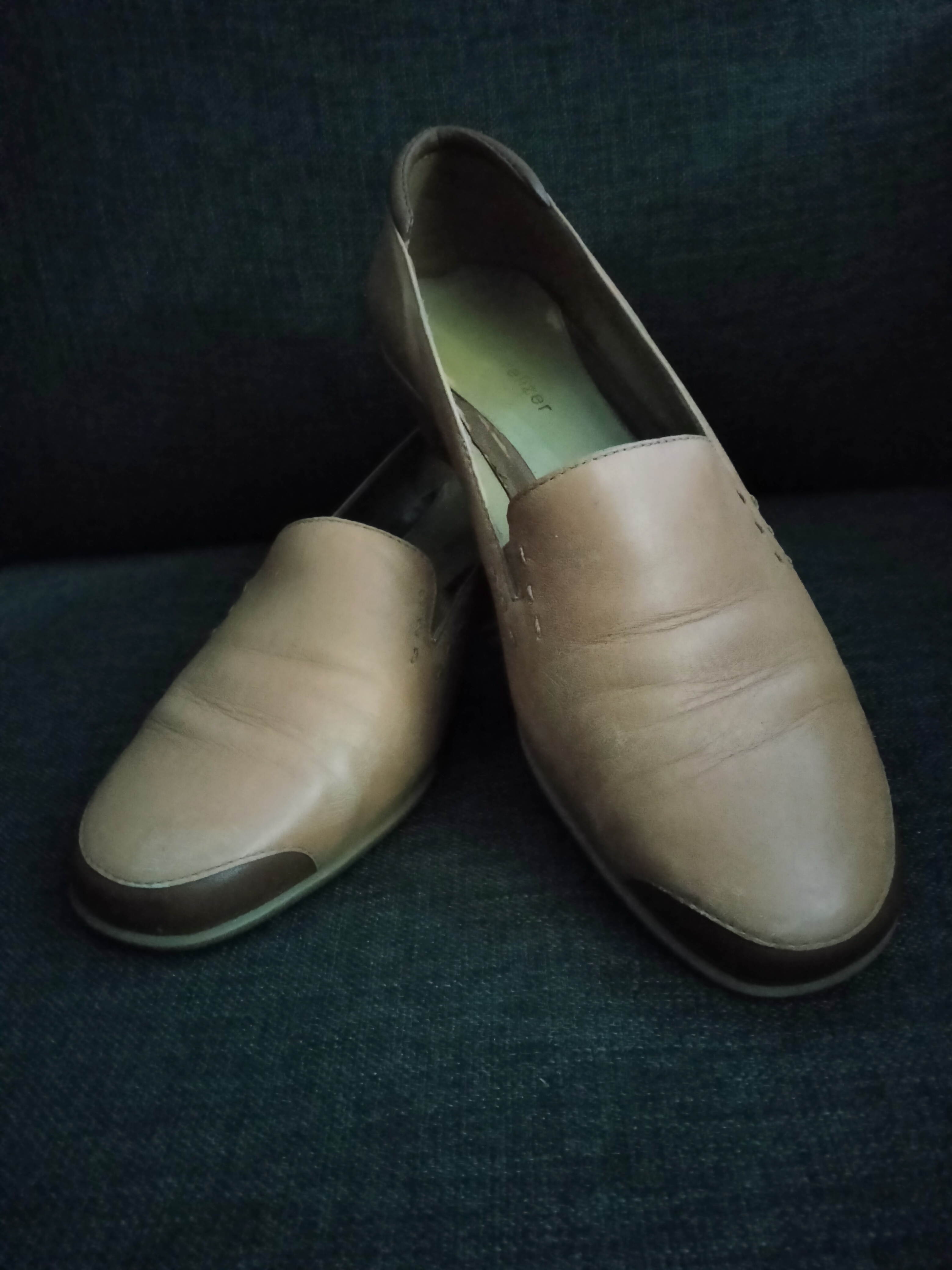
The camel-colored flats with brown trim are made in an elegant style meant as a driving shoe (notice the extension of the sole material on the back of the heels). See the little stitching detail that secures the seam there, too, plus the brown trim which reinforces the heel opening but is also very stylish. On the edges of the vamps where the foot enters there are slim inserts of elastic material and elegant stitching detail. These shoes were made in Brazil for Naturalizer, a more common North American company which nevertheless made some excellent quality footwear, at least in the past.

Both these pairs of shoes have a hard but flexible vinyl/rubber sole that is very appropriate for street wear and resists damage. Again, they will last for decades longer. I couldn’t be happier to find these practical styles in one place! Stay tuned for the last installment of this most recent investigation . . . . . . . . . . . . . . . . . . . . . . . . . . . . . . . . . . . . . . . . . .

MORGANA MARTIN, THE MAGICVINTAGESPY

BLOG: MAGICVINTAGESPY.COM
JUST FOUND – TRUE VINTAGE BEAUTIFUL, HIGH QUALITY LEATHER BOOTS!

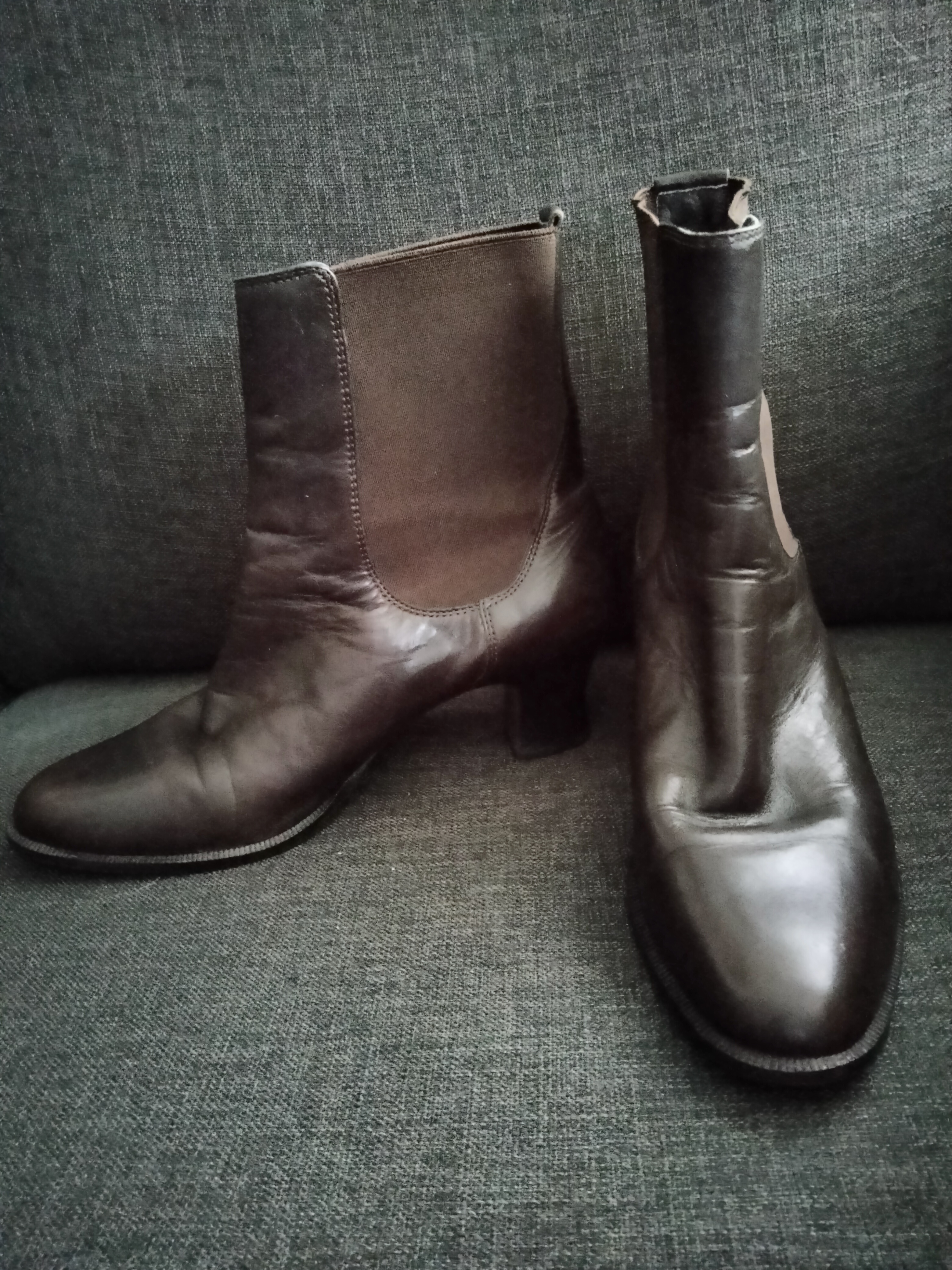
Love, love, love!!!!! Most likely from the 1980’s – maybe the 1990’s. Always one of my favorite finds (they fit!!!!!), and definitely keepers that will serve me well forever. These boots were made in Brazil of lovely, soft leather. The clues abound regarding their excellent pedigree:

1. The craftsmanship is exquisite: even, strong stitching with high quality elastic gussets that have held their shape and stretch. Notice the nice little tab at the back which looks good but also provides a gripping place to pull the boots on comfortably, without stretching that would pull them out of shape.

2. The soles and heels look very much like leather, which is always a plus because it can be repaired by a skilled shoemaker or shoe-repair technician, but instead are made of the wonderful Vibram-type material which came later in the mid-century and is virtually indestructible. The finish eventually wears off the soles but they don’t wear down as quickly as leather. Repair and replacement are hardly ever needed.

3, The heels are so well-crafted that they have the look of stacked leather, though they probably are not(?)

4. The Granny-style of the heels was fashionable at the time these were made but the overall design is perfectly classic and elegant. Despite the heel style these boots are wearable with most clothing types without looking dated and will continue to be in the future.

This investigation proved not only the age, origin and construction details of these boots, but also strong clues as to what class of person owned and wore them as well as the type of vendor which sold them originally. Although modern technology would allow a greater depth of detailed knowledge to be ascertained in a laboratory, I will leave those tasks to the forensic teams. For my purposes, the investigation is perfect and ends here, in my closet.

_ _ _ _ _ _ _

As I’ve said before, I don’t support the markets for any type of animal skins (including fur) by buying newly-made products that involve the raising, hunting and slaughter of the animals who provide them. I also avoid products made from wool, down and other feathers and silk, which also involve animal cruelty. Collecting beautiful true vintage artifacts easily satisfies my curiosity and fulfills my needs.

As the marketplace continues to offer more alternatives, my diet and toiletries are always vegetarian and vegan whenever possible. Excellent alternatives to most products are available and the prices are constantly coming down. Now that cruelty-free hard goods (not food or other things that will spoil) have been in the marketplace for a few years, it’s increasingly possible to find them in places where previously used items are sold or traded. True vintage items may not have been made with an ethical mentality, but they don’t contribute to cruelty and abuse in the present. Secondhand purchases don’t give money to current unethical manufacturing processes or the people who sell them either, as long as you are not buying from the original producer or vendor. And, the older things are, the better the quality in most cases. What could be better?

This is just the beginning of my posts of recent discoveries. More are coming. Stay tuned . . . . . . . . . . . . . . . . . . . . . .. . . . . . . . .

MORGANA MARTIN, THE MAGICVINTAGESPY

BLOG: MAGICVINTAGESPY.COM

EXCITING “NEW” TRUE VINTAGE HANDBAG FINDS!

Let’s start with a deja’ vu item (for me) – I call it this because I discovered a nearly identical one and posted it just two weeks ago! However, the exciting thing is the different clues involved in their stories. Always SO interesting! Plus, one new item which is a rare find and always makes me do an extra happy dance. . . . . . . .. . . . . ..

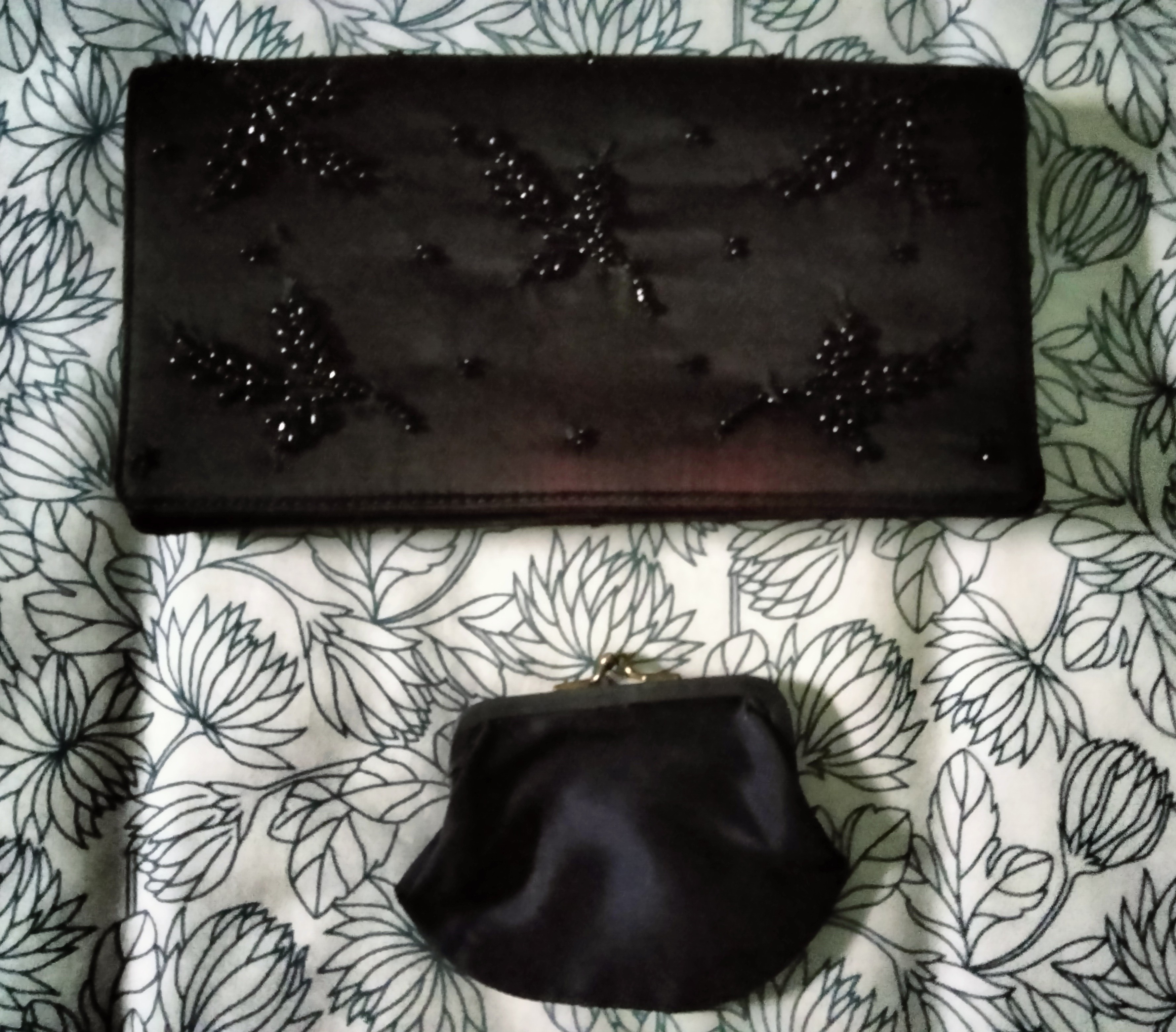
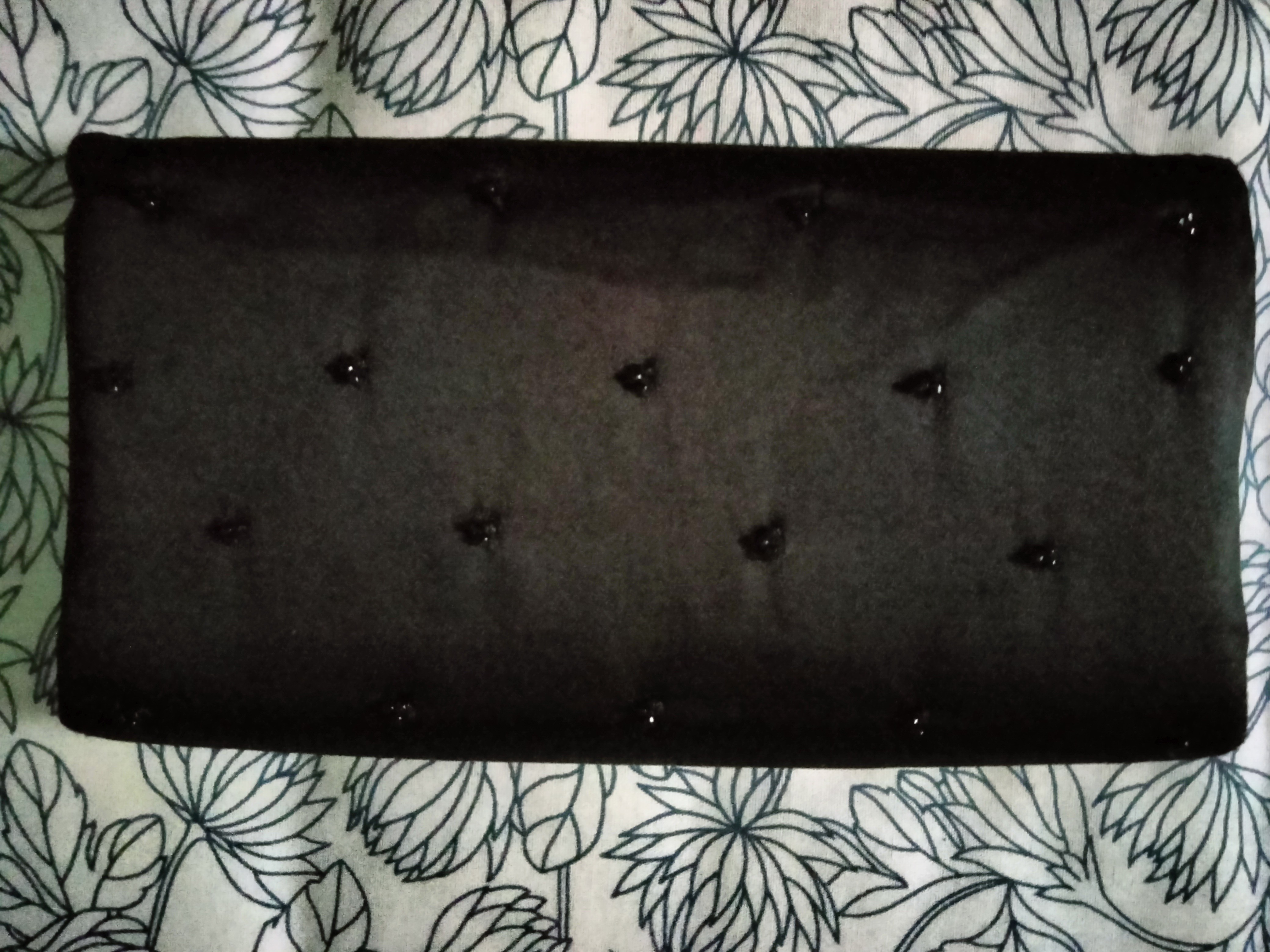
Oh, Ho hum you may say. Another black cocktail clutch. Yes, I have many of these in my case archives (and closet), but each one is unique in some way. The fun thing about this one is the similarities to the other one recently found; 1. Both are rectangular and designed to be hand-held. 2. Both are made of black rayon satin. 3. Both have hand-done beading on the front AND back. 4. Both have an additional pocket (or two) inside. 5. Both are from the mid-century, probably post-WWII.

HOWEVER, the one found two weeks ago is more finely made. It was constructed in Hong Kong (while it was still British Hong Kong) while this one above was probably made in North America but is an iconic brand name (Soure’). The first found has more elaborate beading on the front. It is a sac design with no stiffening and simply folds over to close, while this one has stiffening between the layers, probably some form of cardboard, and a metal snap closure (more common and less elegant). These clues lead me to decide that the first find is 10 – 20 years older even though they are so similar. Investigations are so fun! You can check out the previous post and see what I mean.

The final item, just found, is the one that really gives me happy feet – see the little coin purse? I LOVE FINDING THESE!!!!! Not too many of them exist anymore and they are SO convenient and iconic inside a true vintage handbag. This one, also, is navy blue rather than black. It will definitely have a home in one of my purses at Headquarters.

OK, that’s the first of my recent deja’ vu finds, but there is another one which I will put in a separate post because it is in a different category – Men’s true vintage accessories! Stay tuned . . . . . . . . . . . . . . . . . . . . . . . . . . . . . . . . . . .

MORGANA MARTIN, THE MAGICVINTAGESPY

BLOG: MAGICVINTAGESPY.COM
2 TRUE VINTAGE ACCESSORY FINDS FROM THE MID-CENTURY AND BEFORE – RARE AND RARER!

So, I was out and about again, making another donation and look what appeared! From the 1950’s – early 1960’s – you’d think that after all the beaded evening bags I’ve discovered that I’d say “ho, hum . . . .”, but this one is a real beauty with one unusual feature.

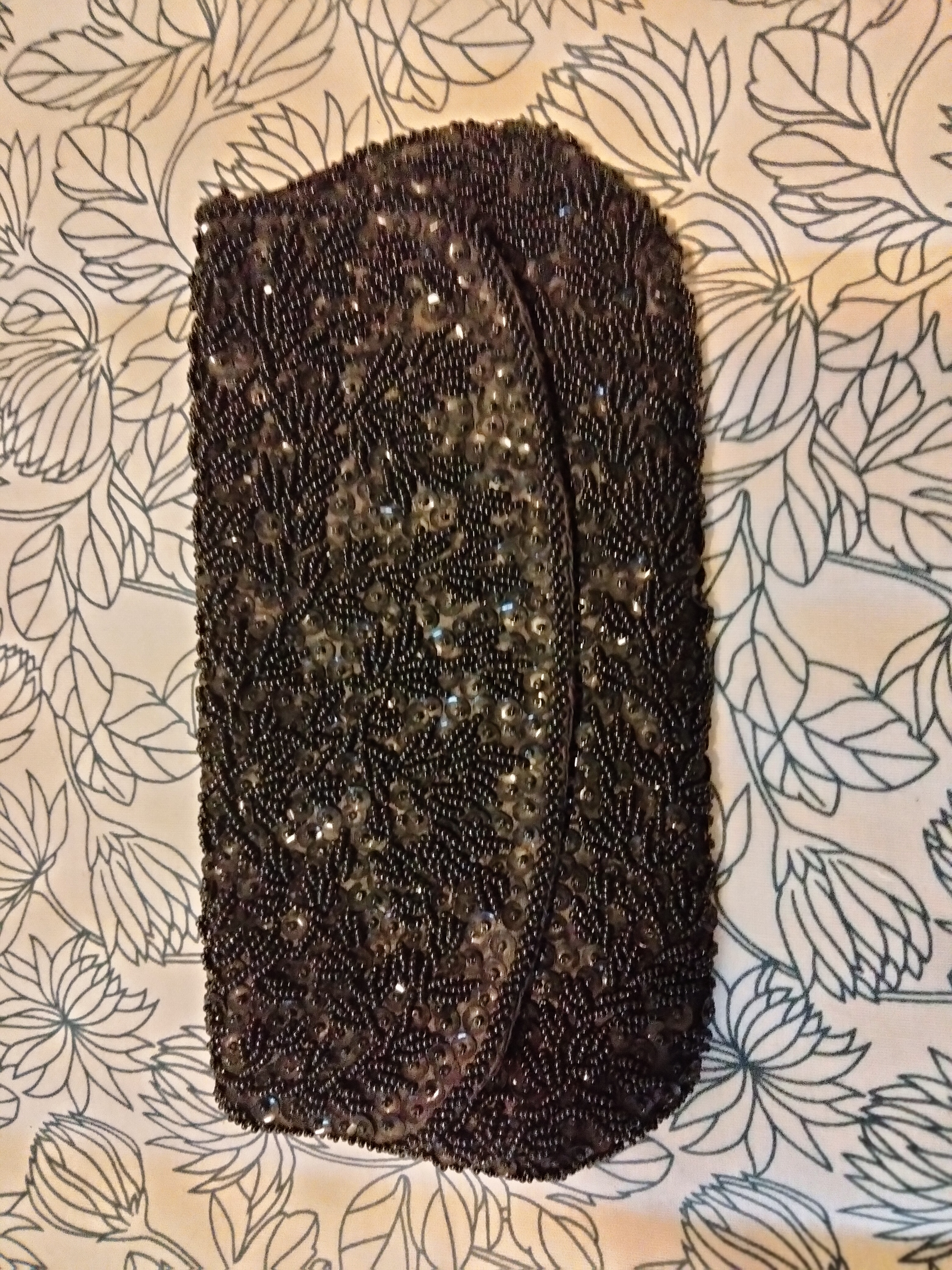
Of course, gorgeous heavy beading front and back with a rayon satin body and lining. Handmade in Hong Kong with an inside pocket. It’s in near-perfect shape – some woman prized this little purse and kept it carefully folded away, probably in a dresser with her scarves or lingerie. The fabric label inside has started to fray and there are a couple of tiny marks on the lining – otherwise the condition is like new. The unusual feature mentioned above is the fact that it has no closure. Most bags like this close with a snap or a metal zipper. This one has an elongated top that simply folds over. Once in a while I have seen a vintage day or evening bag designed in this way, but it’s rare.

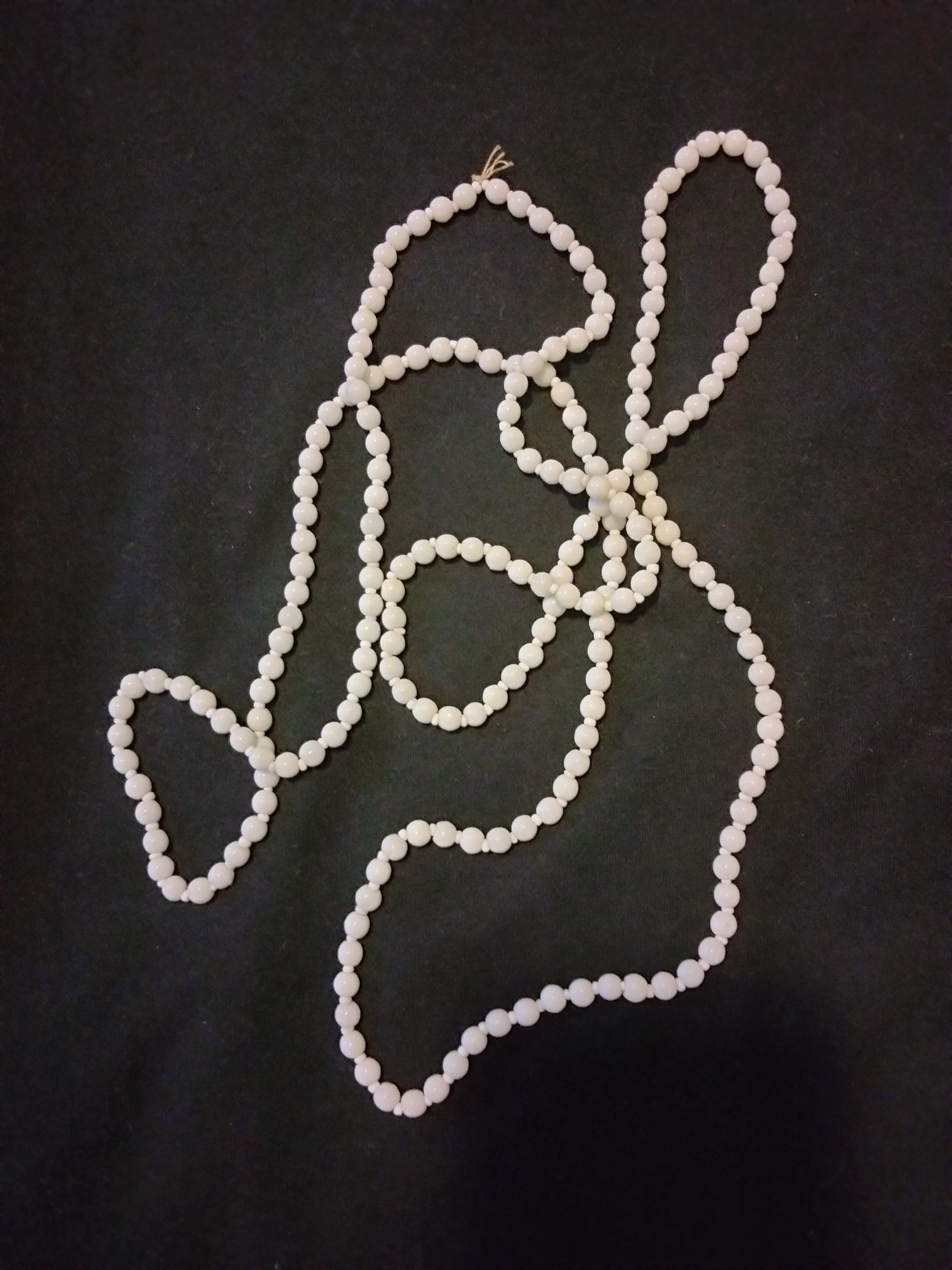
Even more special in some ways is this glass bead necklace. Clues point to the 1920’s – 1930’s – great find! The white beads are about 1/4″ round with white seed beads in between rather than knots. The clues pointing to it’s age are numerous. It’s been hand-strung by someone who knew what they were doing and tied off with a firm knot. The cord looks like it has yellowed over the years, which I’ve often seen. Seems to be a professional job to me – nice and tight. Interesting that there is no finding closure. Unless the beads were re-strung without a finding, I guess that it had been made that way originally – not unusual in jewelry I’ve discovered from the 20’s and the Depression era when metal findings weren’t as available (in case you don’t know the term – findings on jewelry are the metal closures and other pieces that make up the structure on necklaces, earrings and bracelets with beads or stones). Another clue is the length of this necklace. It’s a long one that hangs below the waist but also can be looped twice over the head to make a double strand. Perfect for any flapper.

After I happily collected these two, something else appeared, which I’ll post tomorrow. It just goes to show that you just never know . . . . . . . . . . . . . . . . . . . . . . . . . . . . . . . . . .

MORGANA MARTIN, THE MAGICVINTAGESPY

BLOG: MAGICVINTAGESPY.COM
TRUE VINTAGE OUTERWEAR? FUR REAL OR FAUX? WE HAVE TO THINK ABOUT IT . . . . . . . . .

Last night I was out and about to a theater production and couldn’t reasonably drive a two block distance. Walking was the only choice, which I love, but IT WAS SO COLD!!! My warmest outerwear option, which kept me toasty and comfy, was my post-war beaver jacket from Canada. 75 years old and it’s still snuggly and beautiful. I grieve for the precious animals who (yes, WHO) were sacrificed for vanity and retail profit back in the day and will NEVER buy modern fur products. I advocate for animal rights but also celebrate those lives and gifts by preserving and enjoying elegant fashions from the past for as long as they will last.

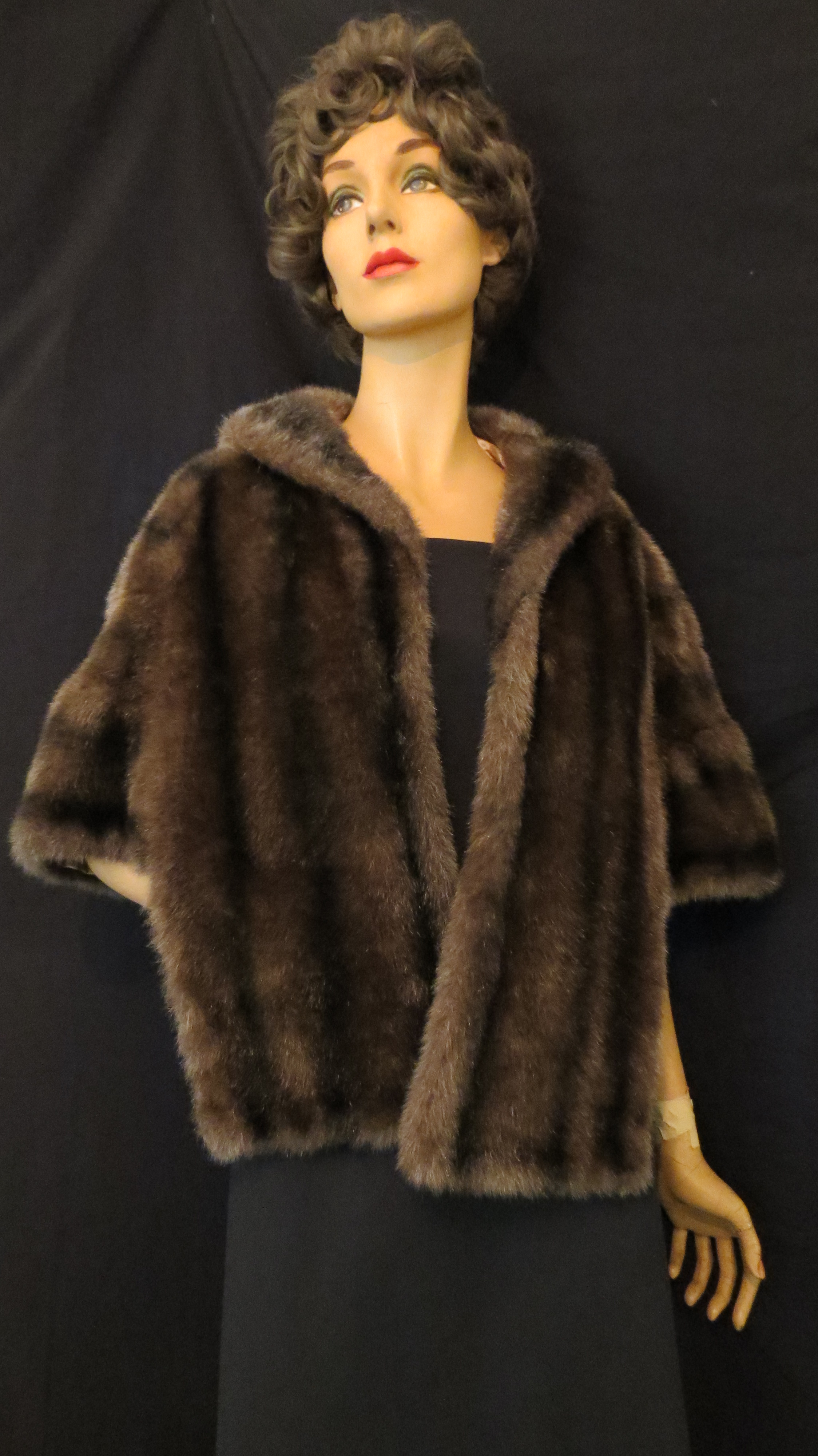
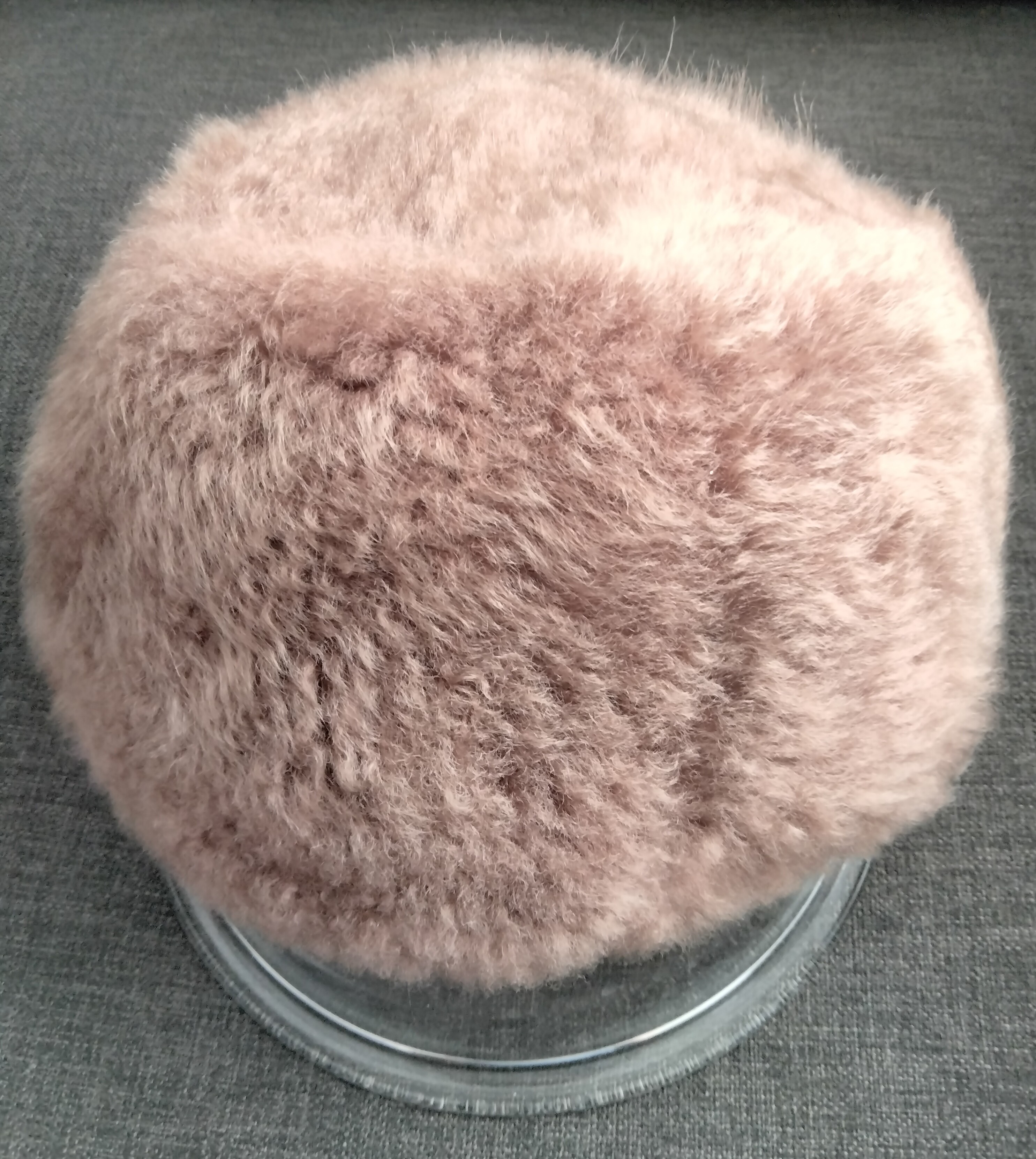
I own many gorgeous fur and faux fur pieces made decades ago, before protective legislation and individual conscience stopped some of the fur trade and promoted humane practices. Above is one example, on the left, of an older fur jacket dyed to mimic mink. I cannot identify the fur – could be muskrat. Before the end of WWII, furs considered to be less fine were often processed this way. Other examples, such as the one on the right, are fakes – popular in the 1950’s and beyond. Some have been very convincing even since the 1950’s. Many of those made today look and even feel very authentic. The look is fun and elegant, in a vintage way, plus, as I proved last night, very practical.

Faux fur and secondhand true vintage furs are the best, the ONLY humane and progressive choice. I prefer those from the 1960’s and before. The remaining fur trade is still a blot on humanity, so we must be vigilant in our boycotting of this active market but I don’t see the enjoyment of historical fashions as being hypocritical. I will continue to show you how much I love them. Stay tuned . . . . . . . . . . . . . . . . . . . . . . . . . . . . . . . . . .

MORGANA MARTIN, THE MAGICVINTAGESPY

BLOG: MAGICVINTAGESPY.COM