MORE WONDERFUL TRUE VINTAGE 1940’S SPRING DAY DRESSES AND ACCESSORIES

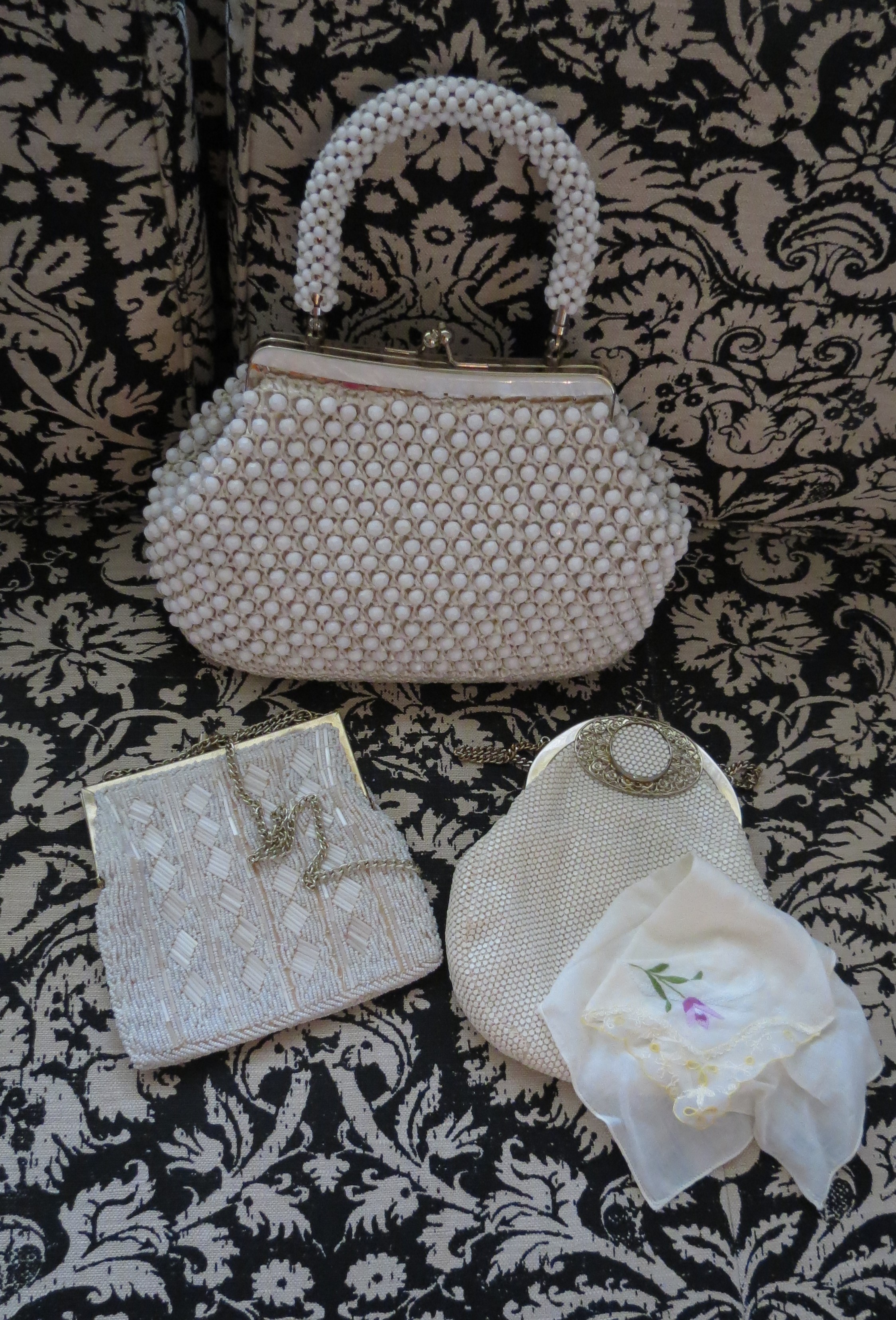
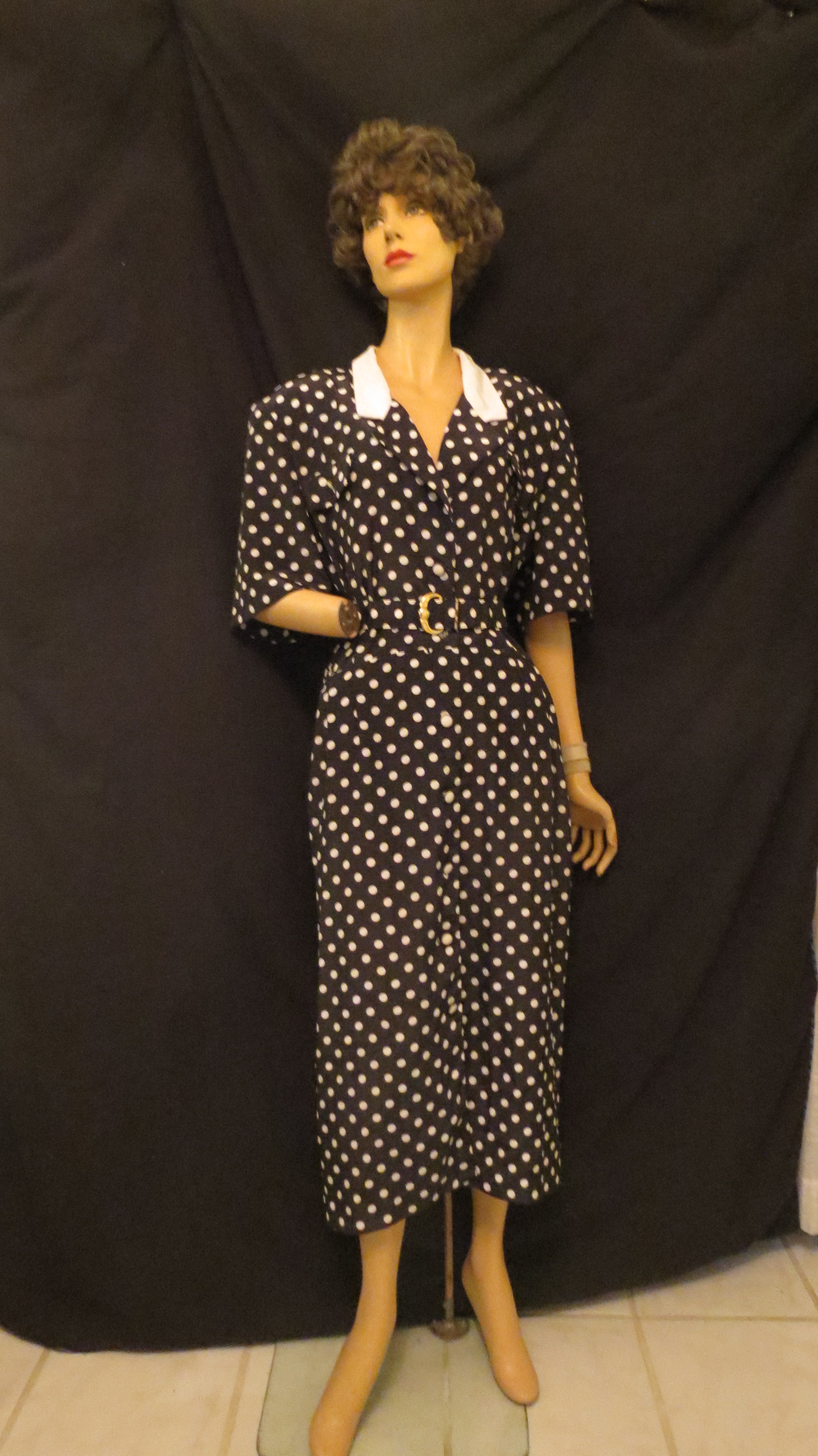
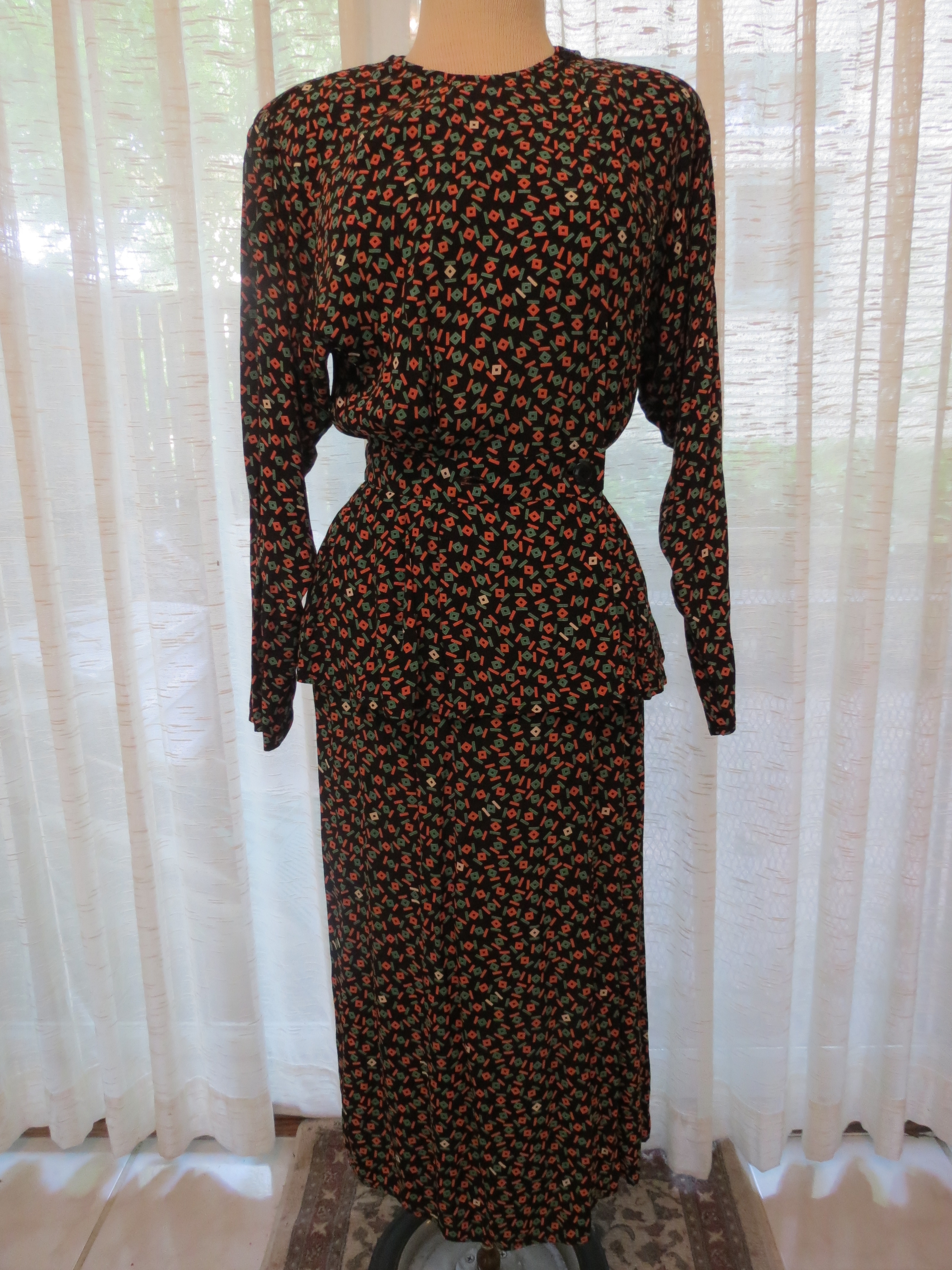
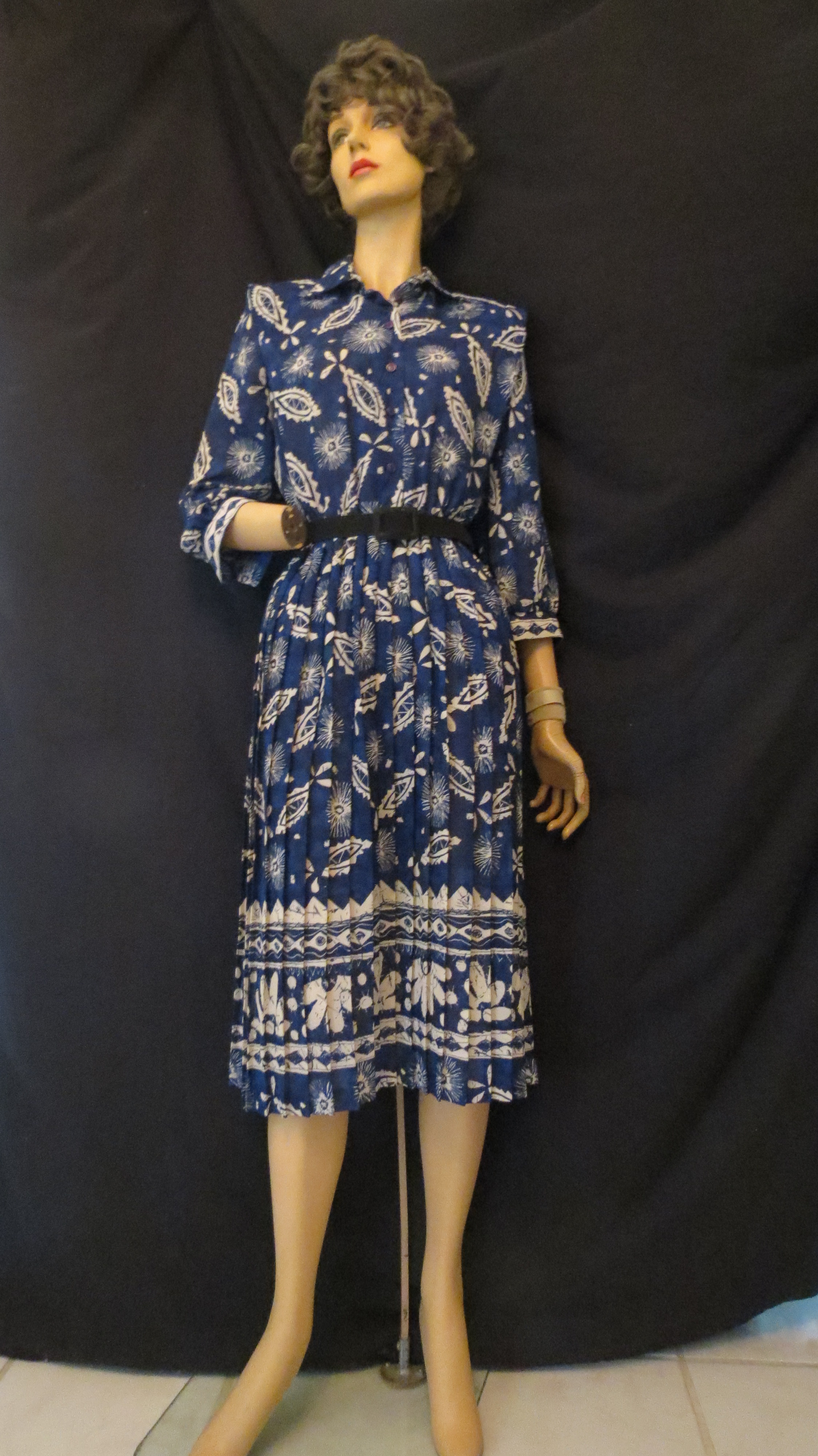
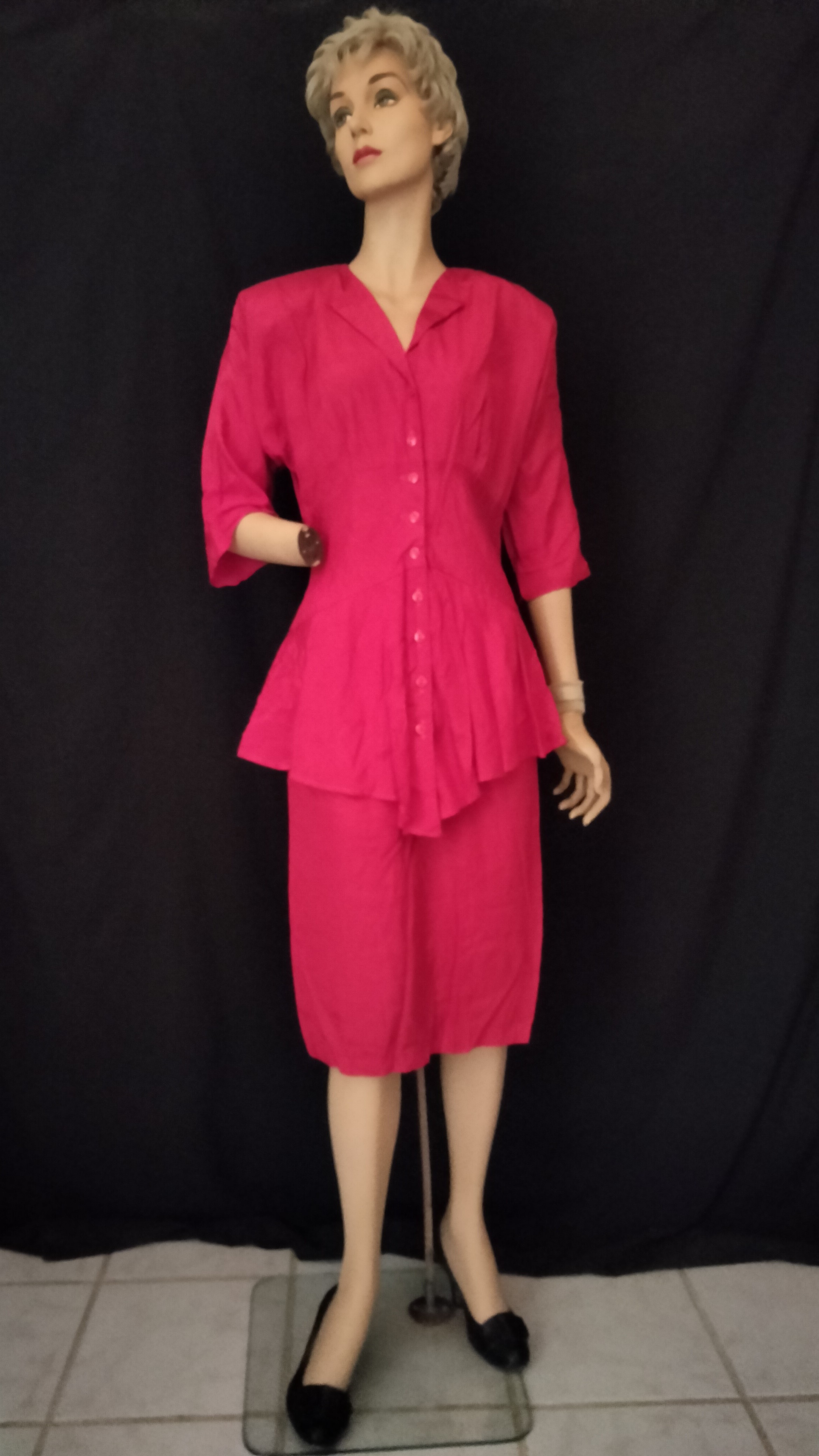
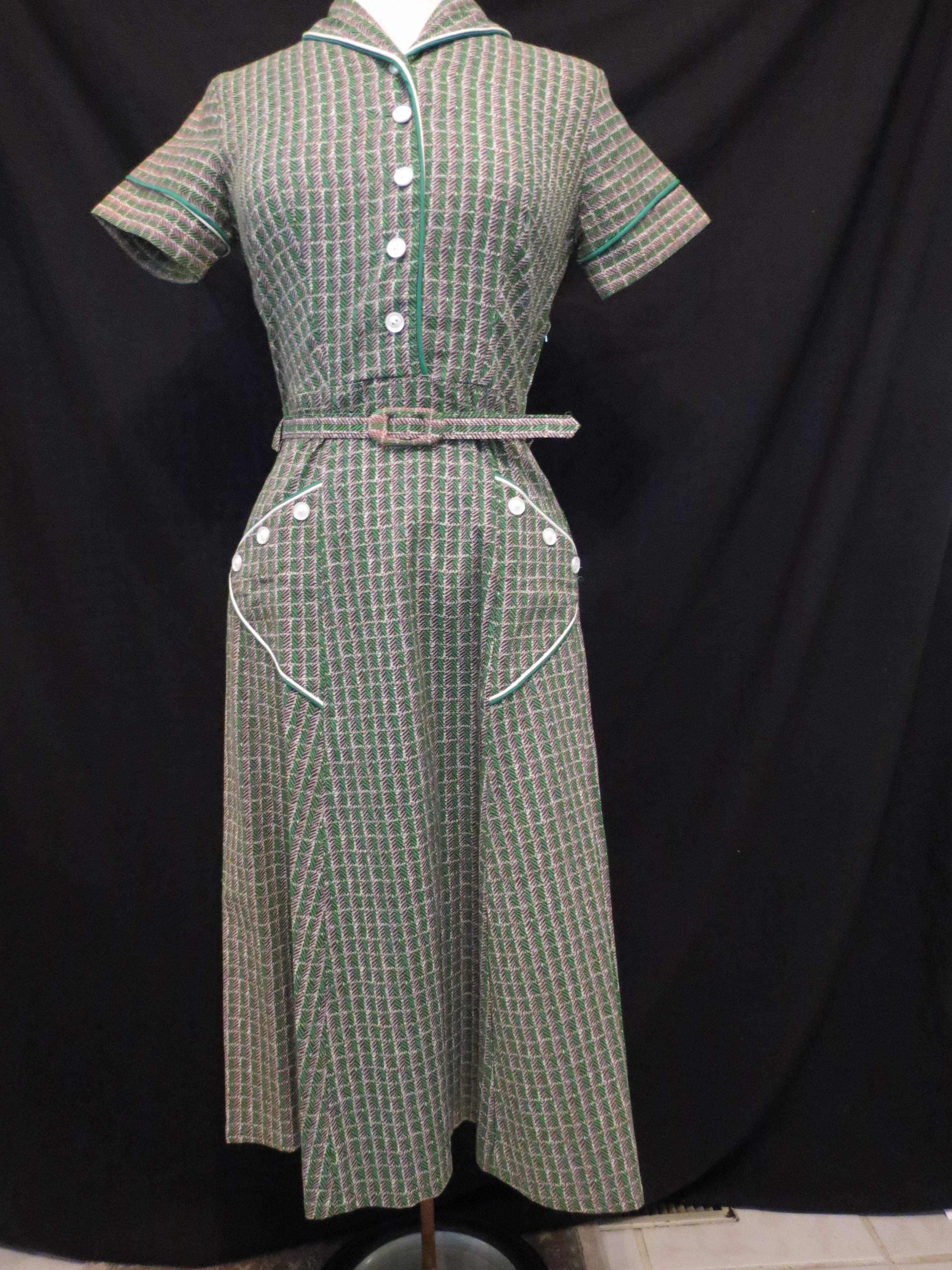
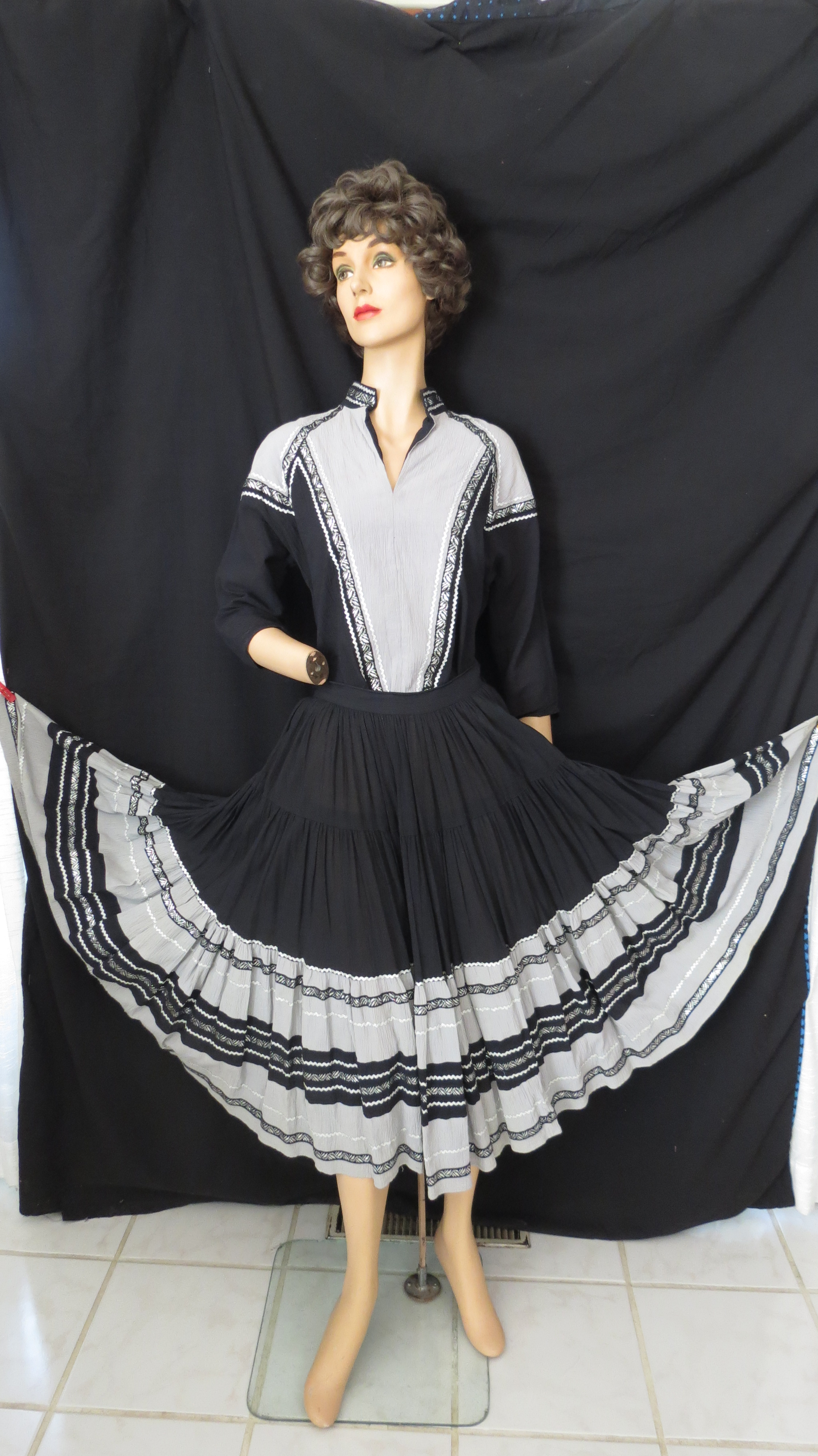
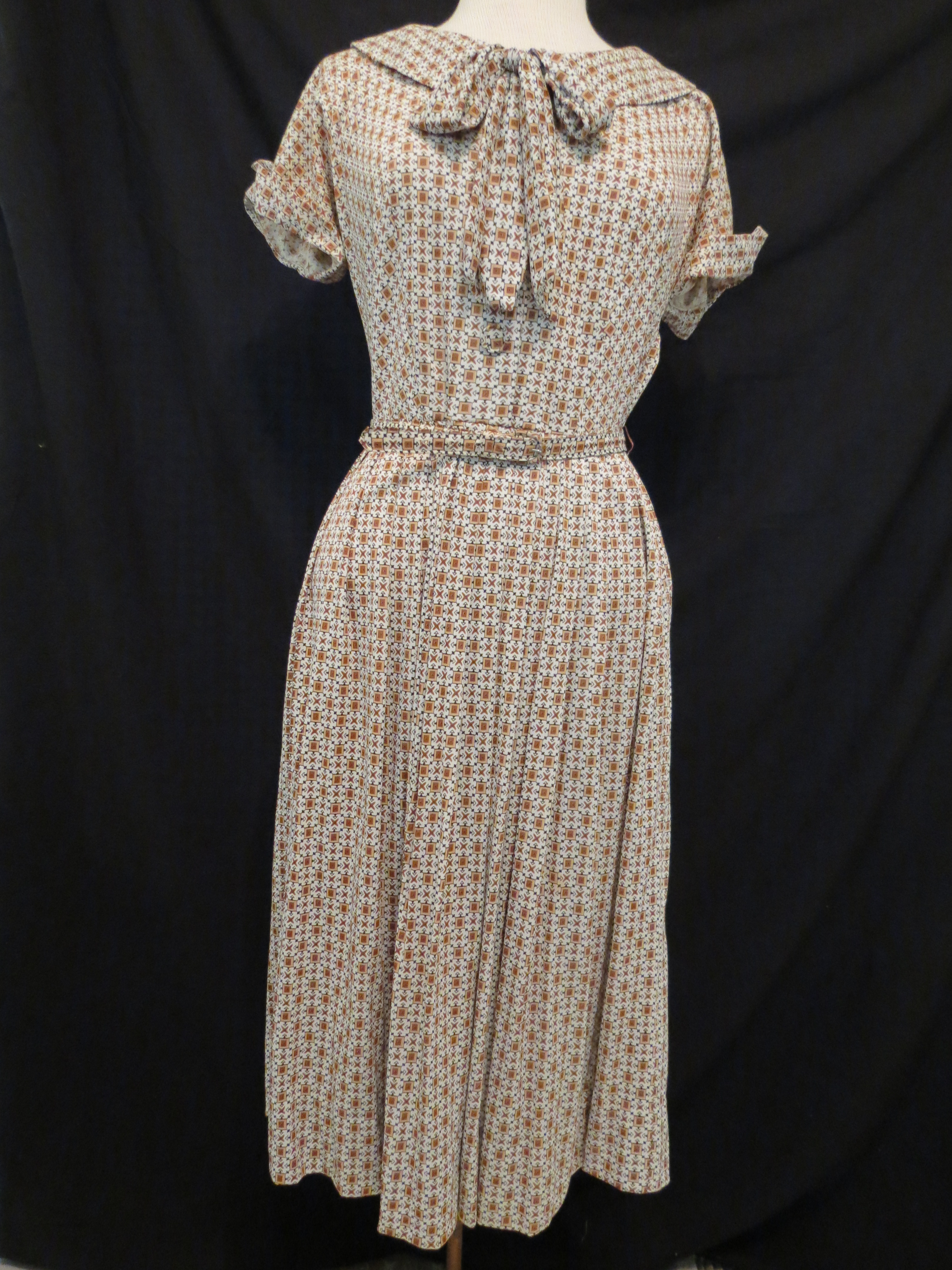
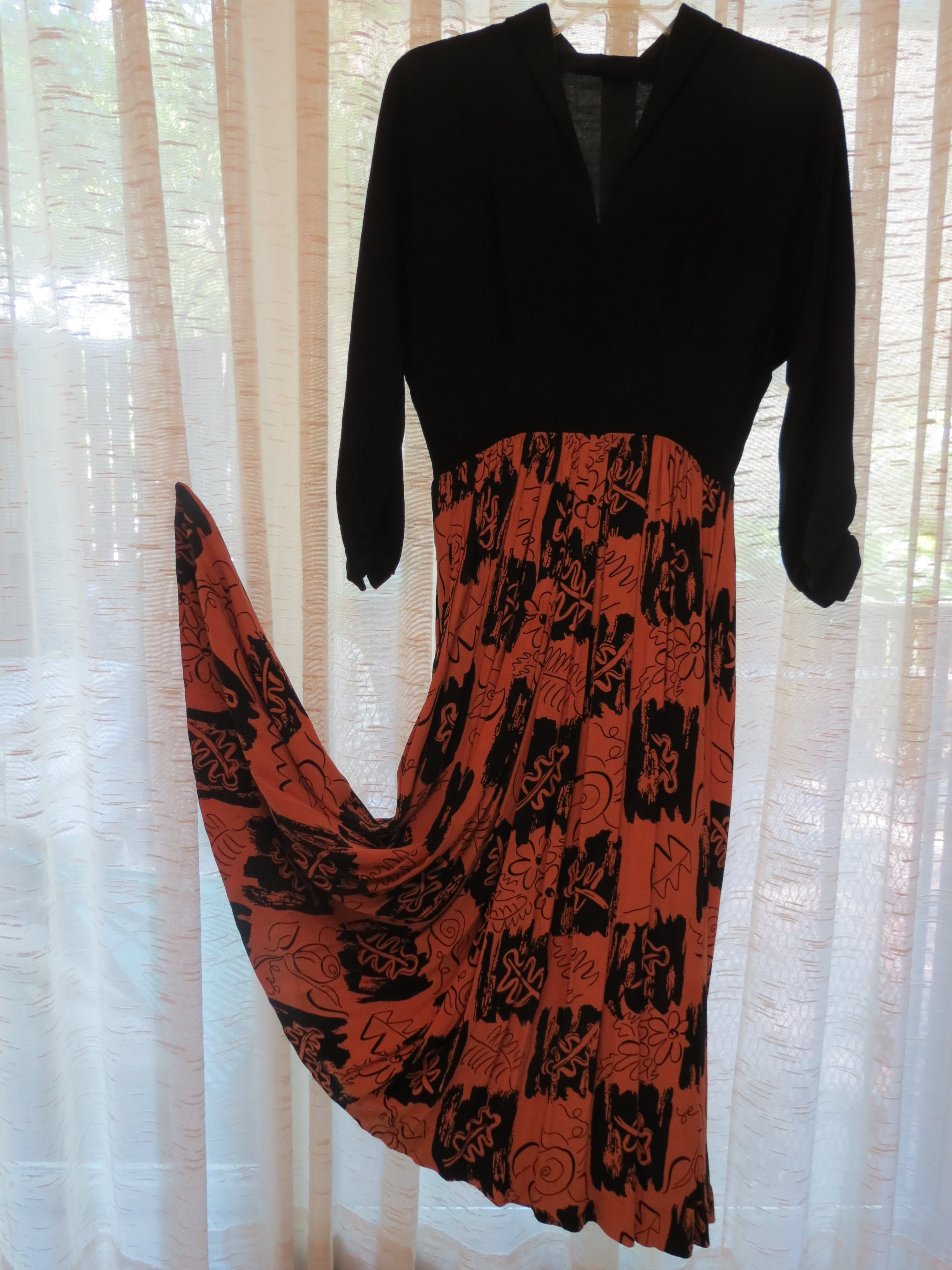
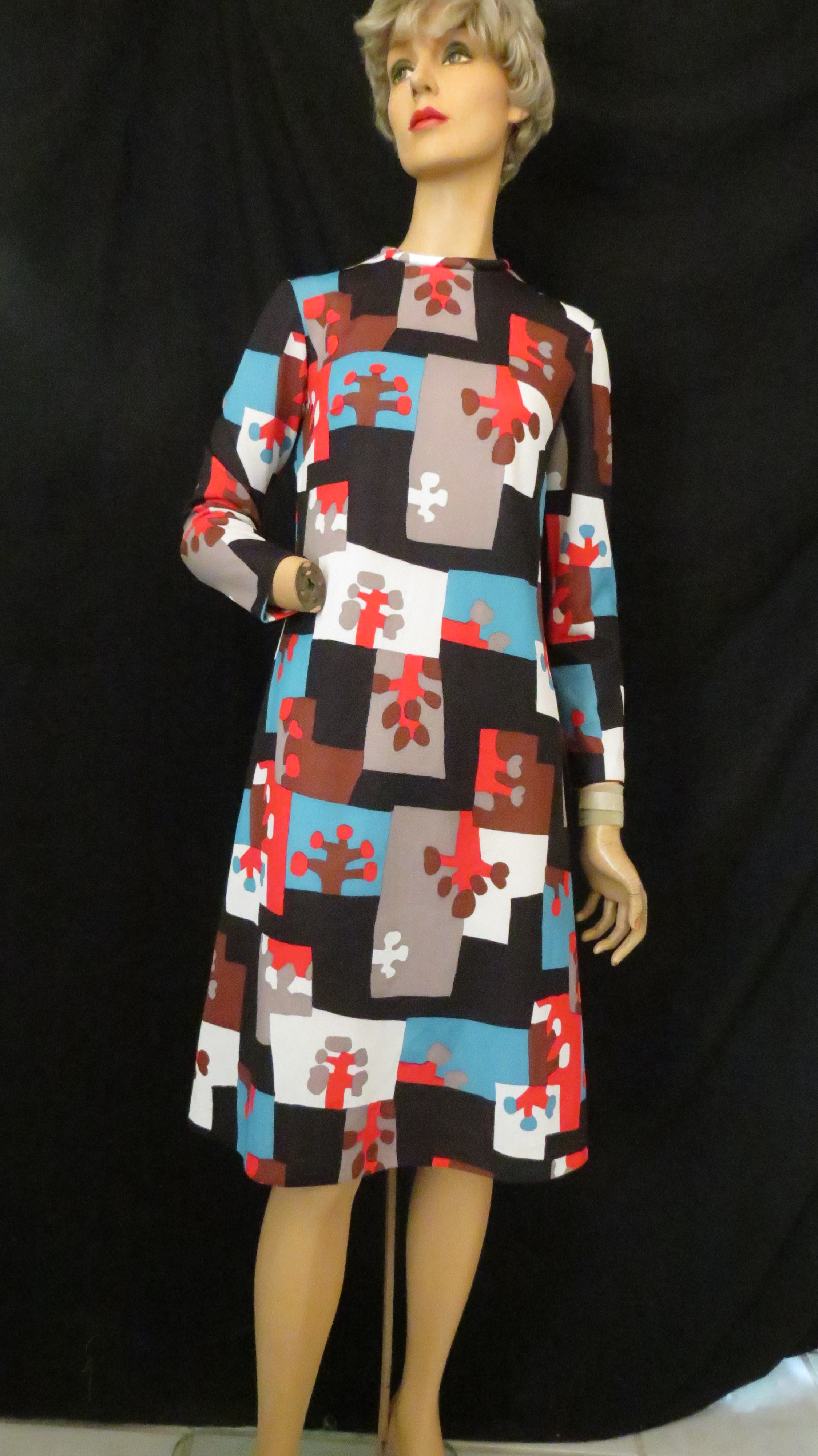
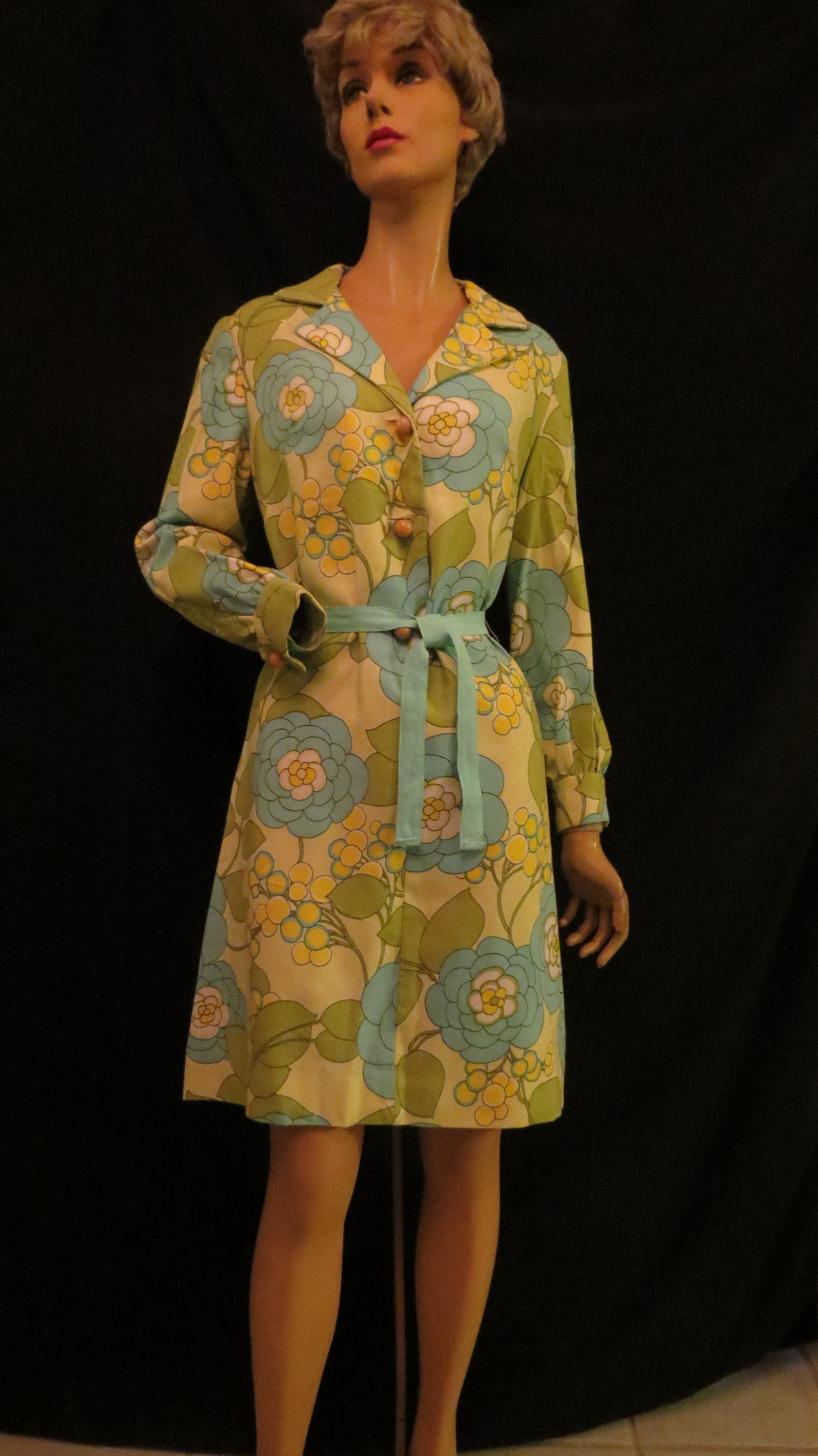
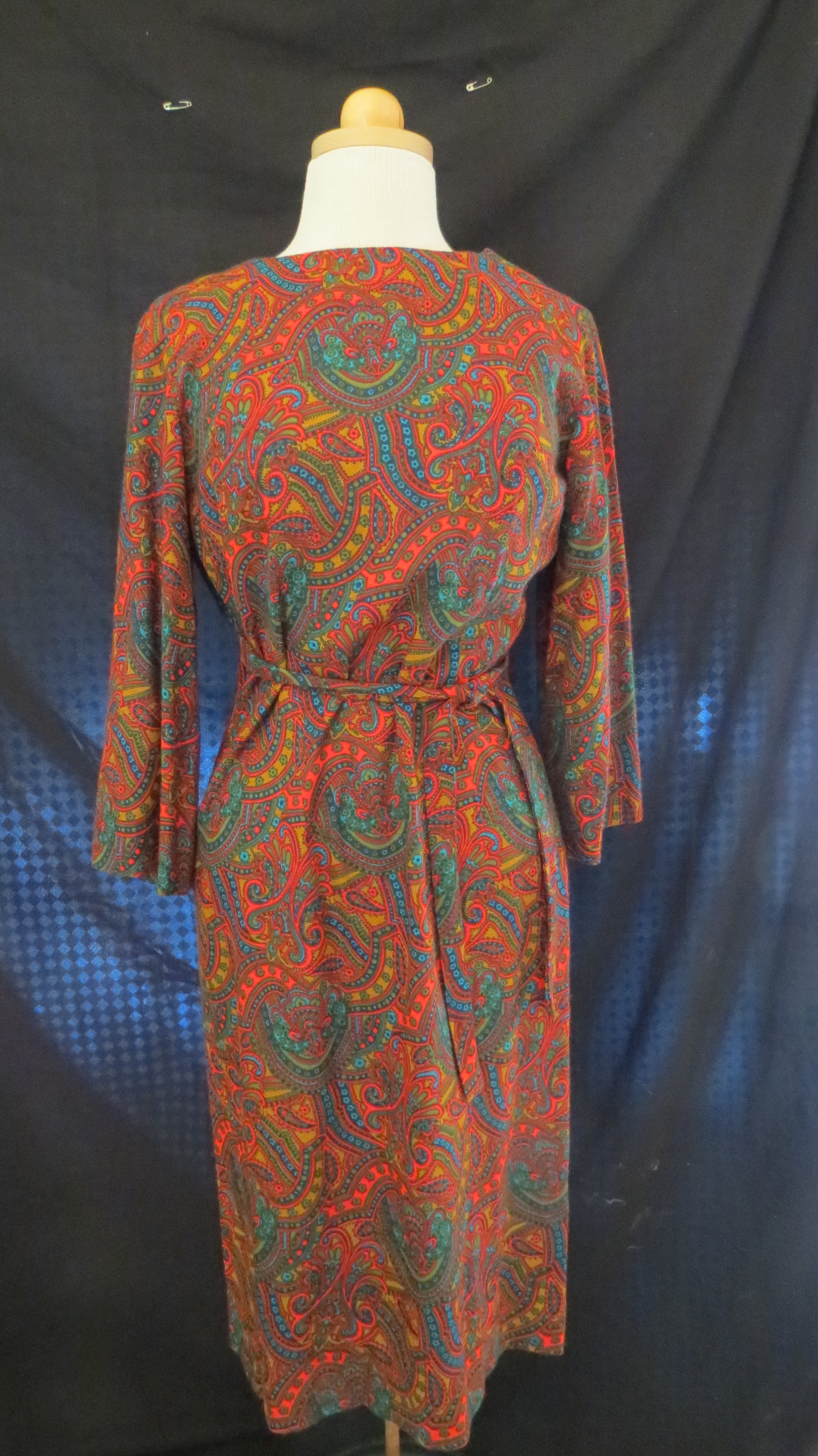
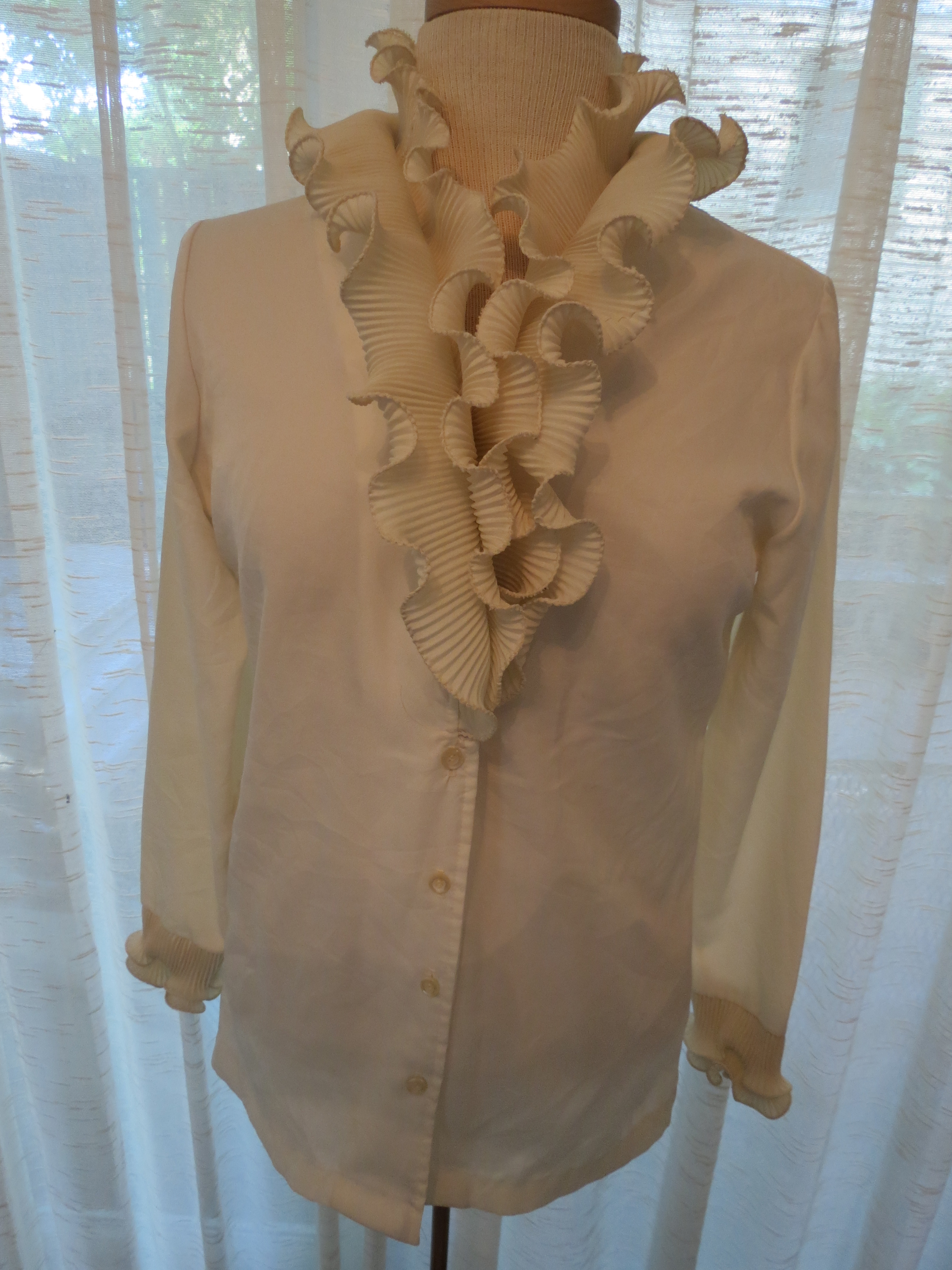
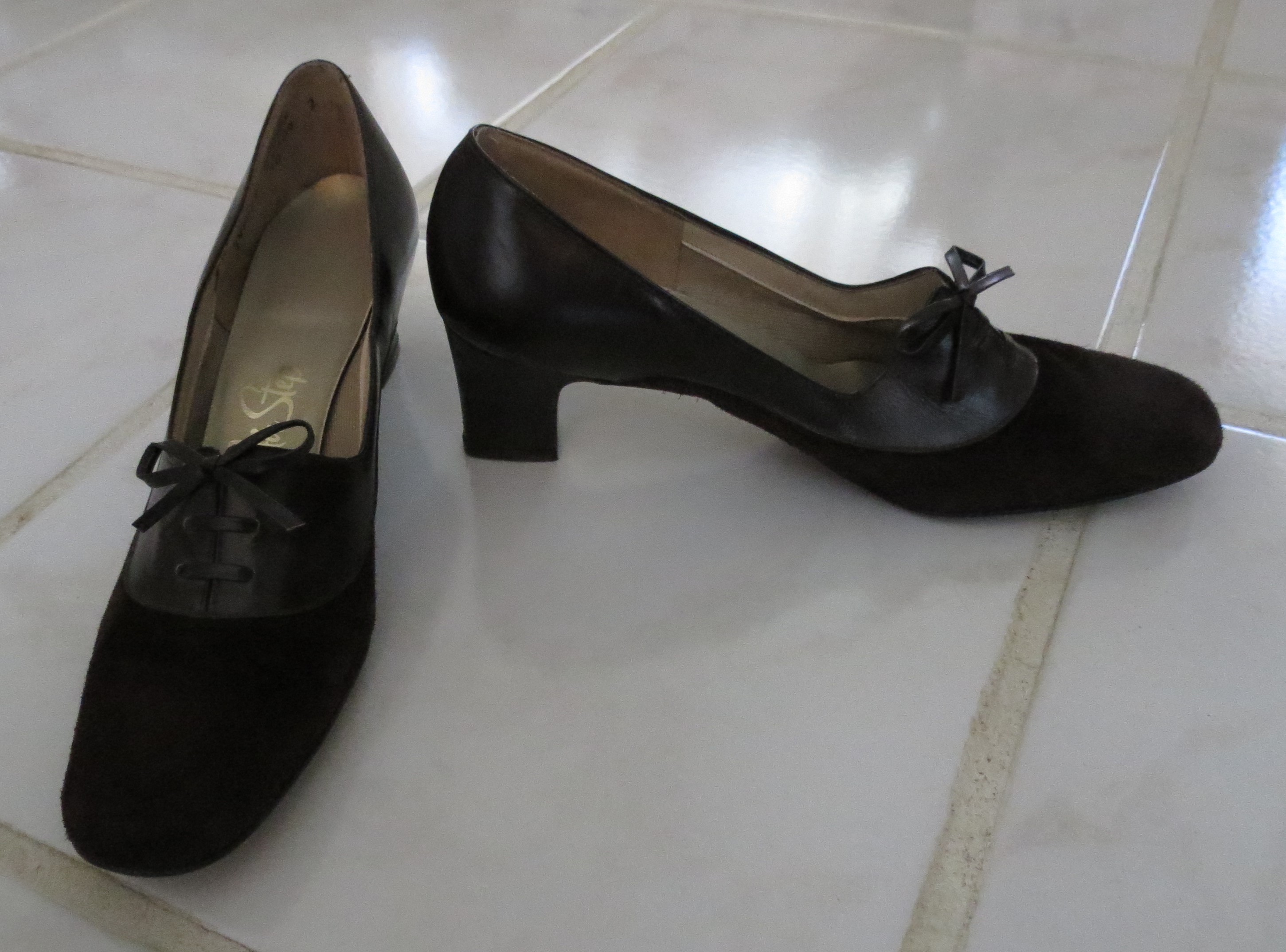
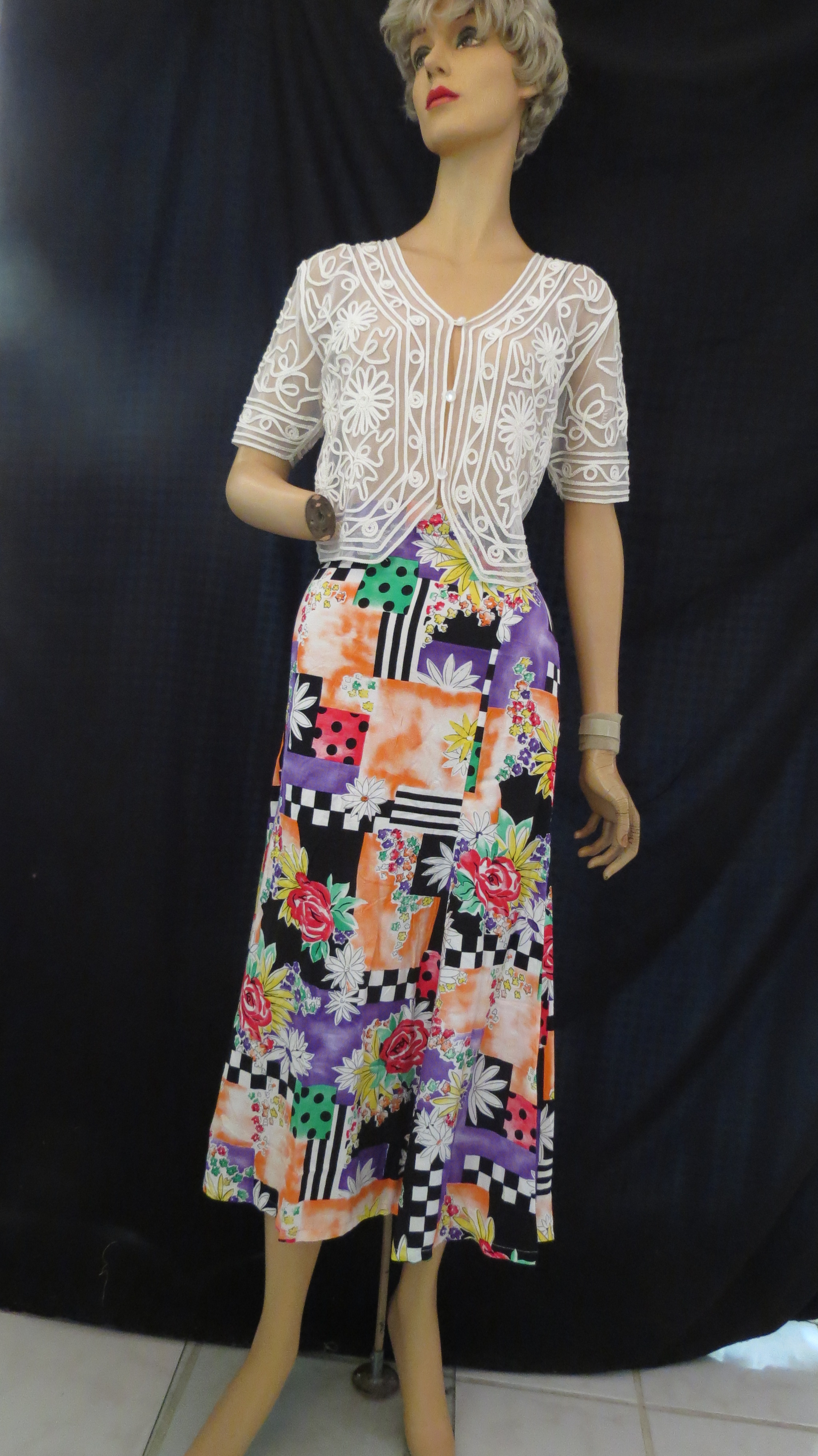
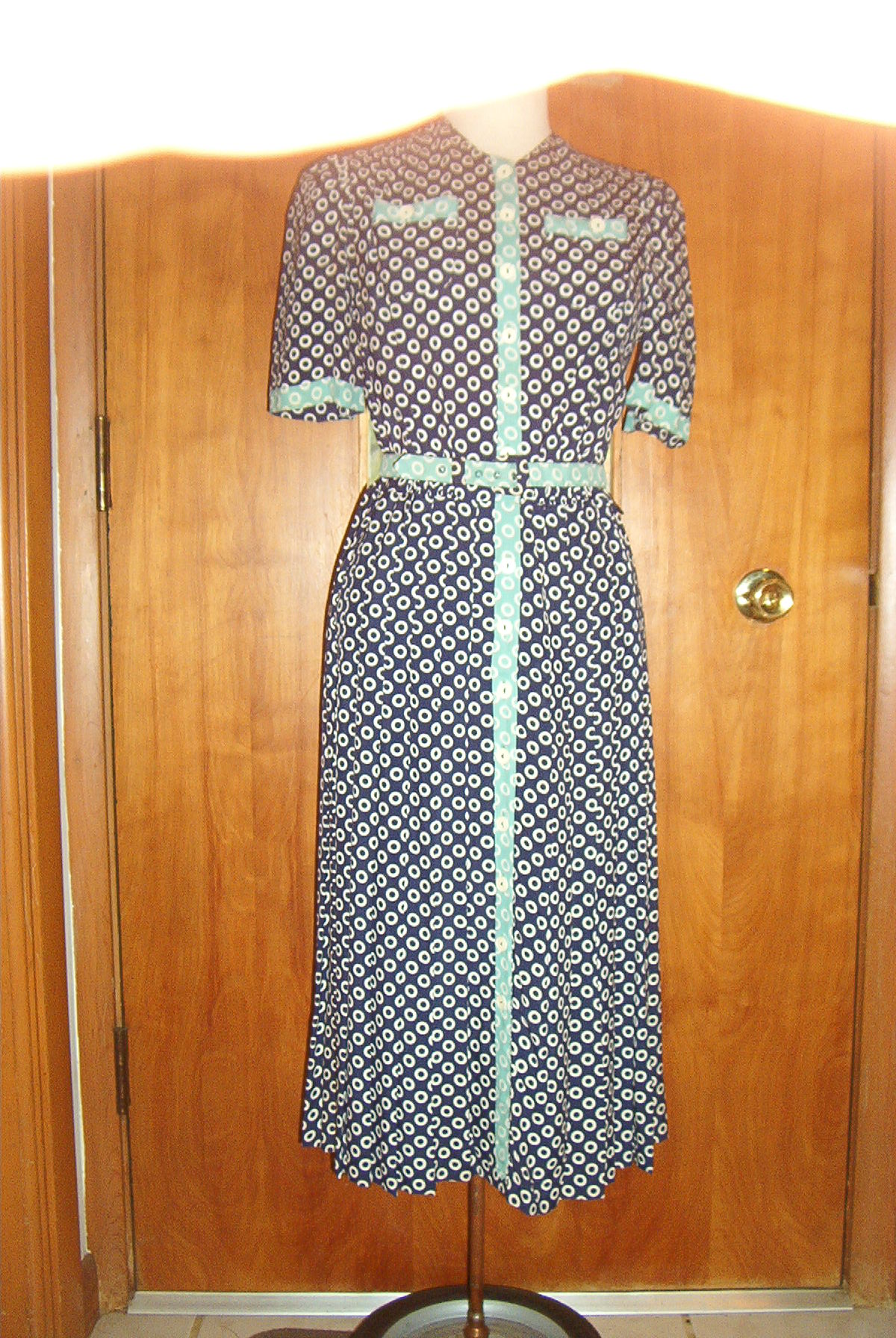
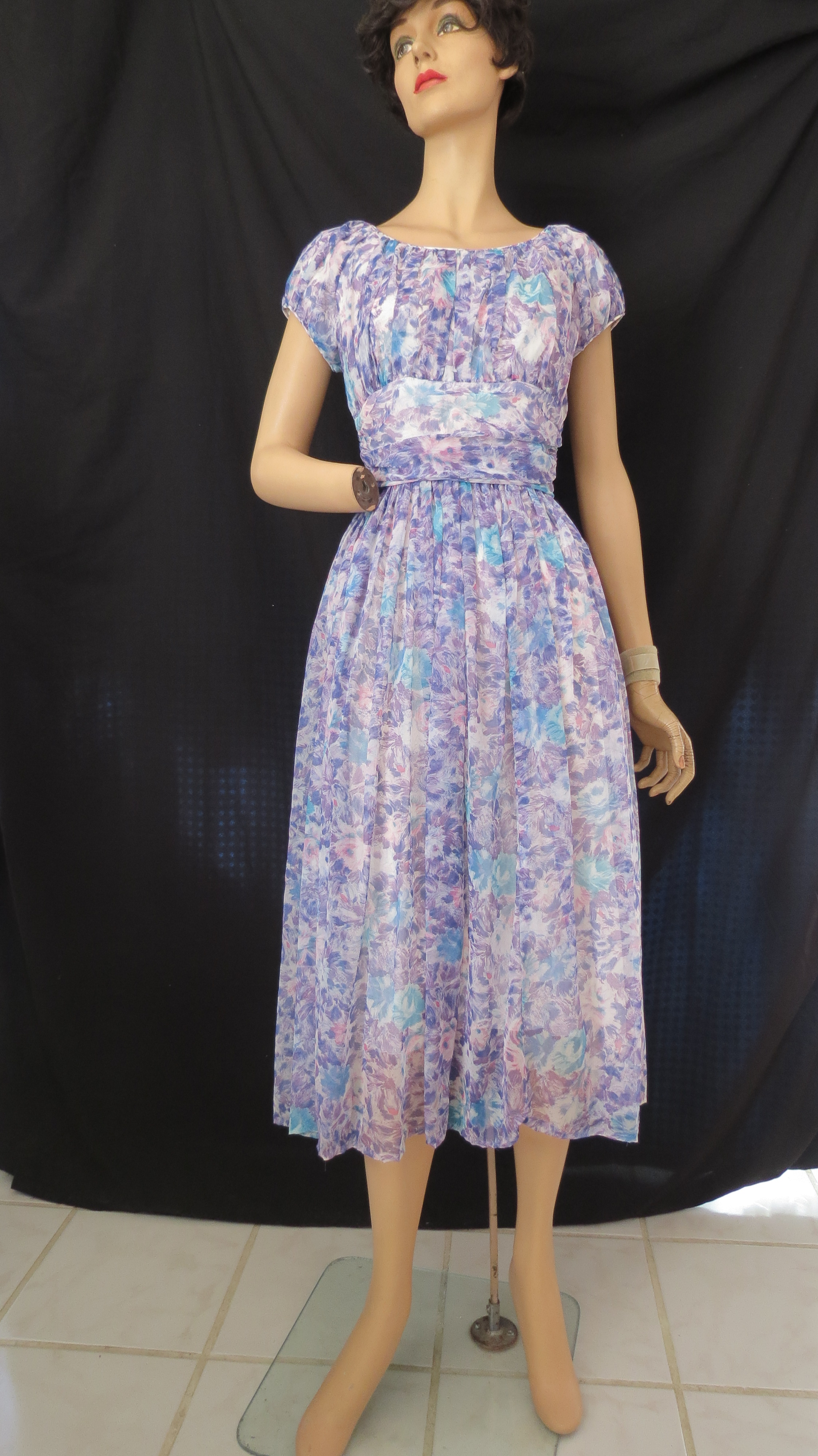
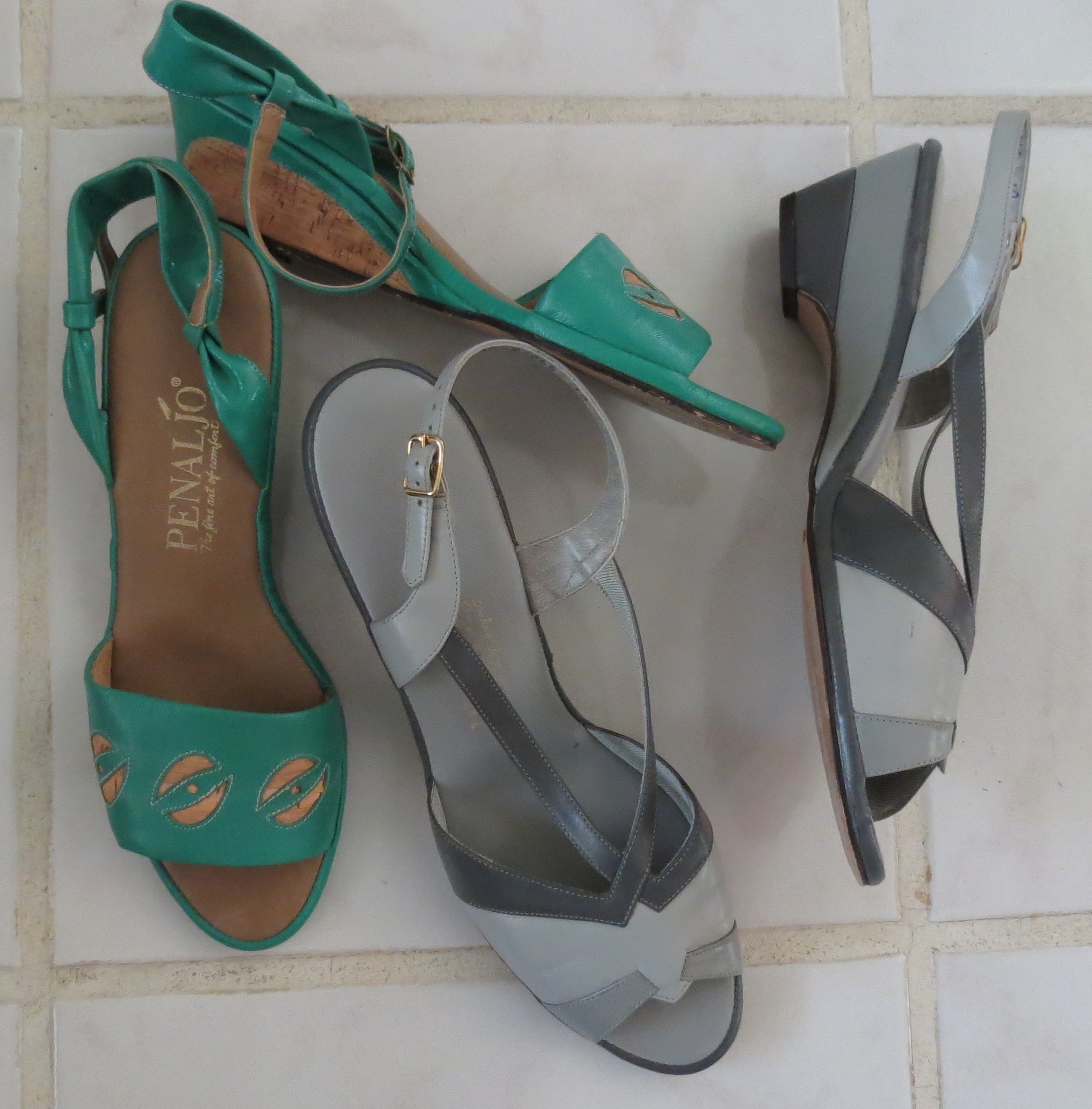
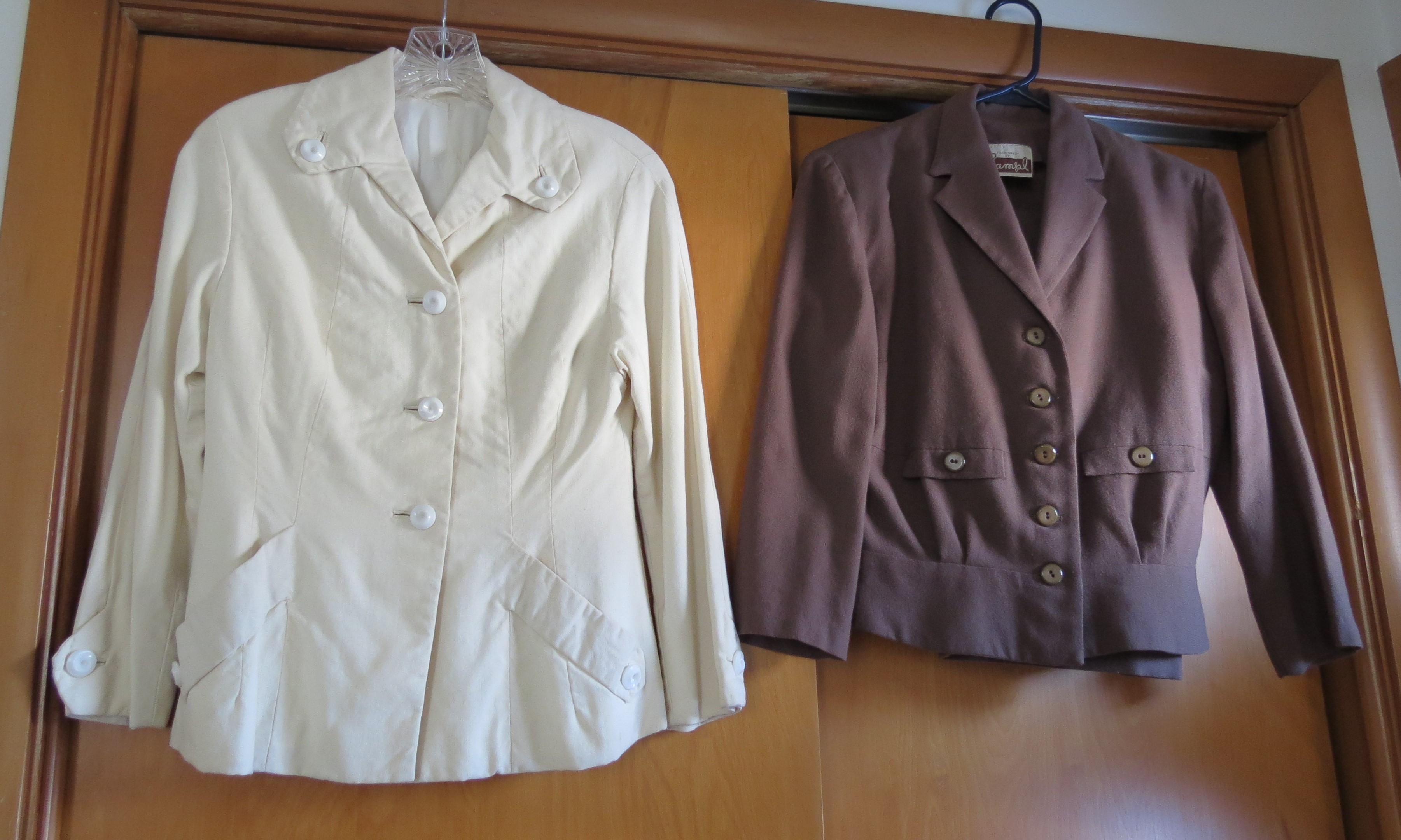
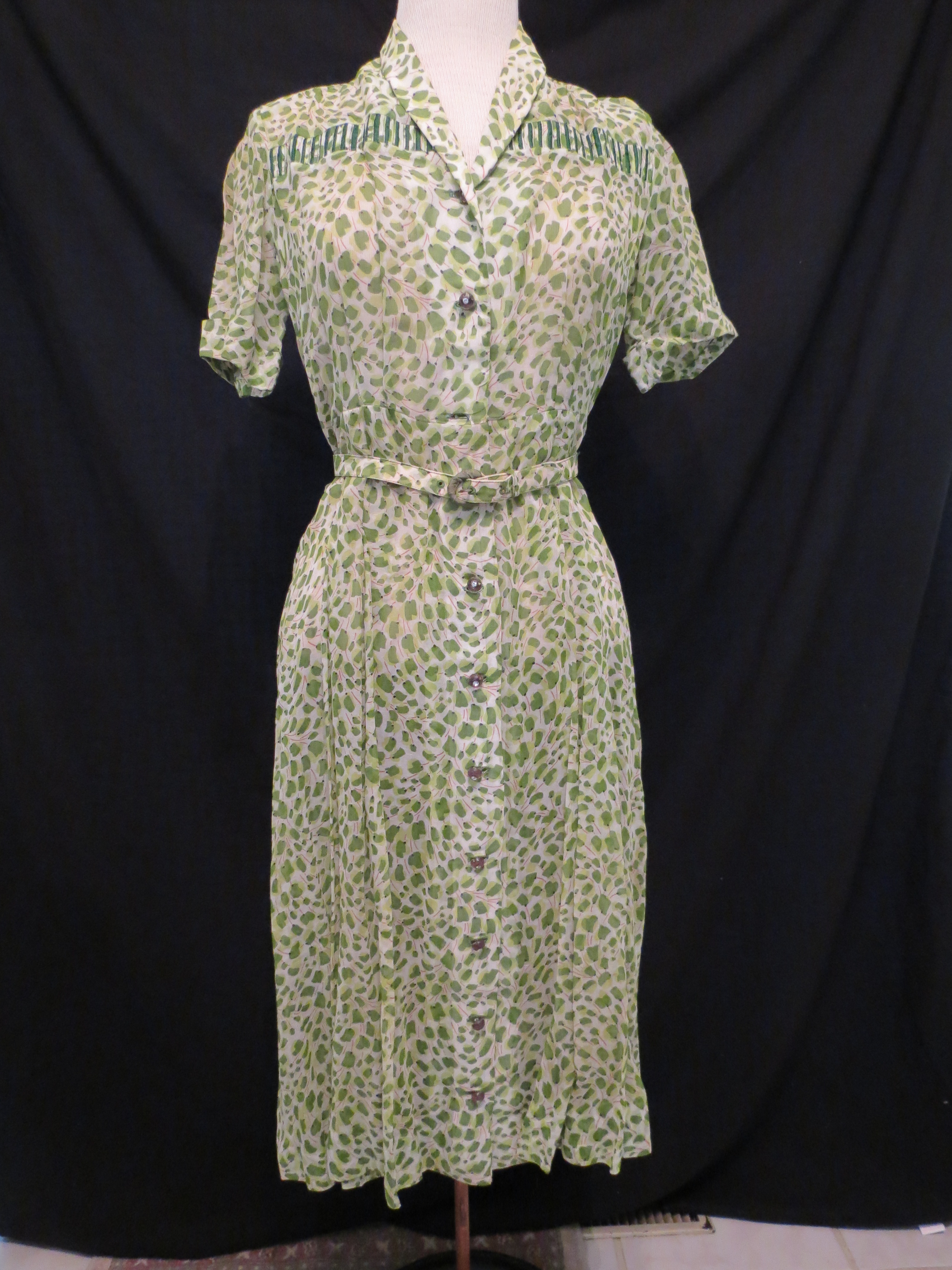
Some of my very favorite frocks. Wonderful rayon and blended synthetics. Pretty cotton. One sheer, the others opaque and drapey. Don’t you love these prints? Atomic, abstract and floral – big wartime and post-war favorites. Here, also, are some of the handbags, scarves and pumps that might have been worn with them.

Iconic styles, rationing-compliant and “modern” plastic alternatives to leather and wool. Silk and silky synthetic scarves were constant purse accessories. A few items carry over from the 1930’s – a few point toward popular styles as we go into the 1950’s. Since we’ve had such a long, cold winter, tomorrow I will show a few of the coats and outdoor accessories which might have accompanied 1940’s dresses outside the home. Stay tuned . . . . . . . . . . . . . . . . . . . . . . . . . . . . . .

MORGANA MARTIN, THE MAGICVINTAGESPY

BLOG: MAGICVINTAGESPY.COM

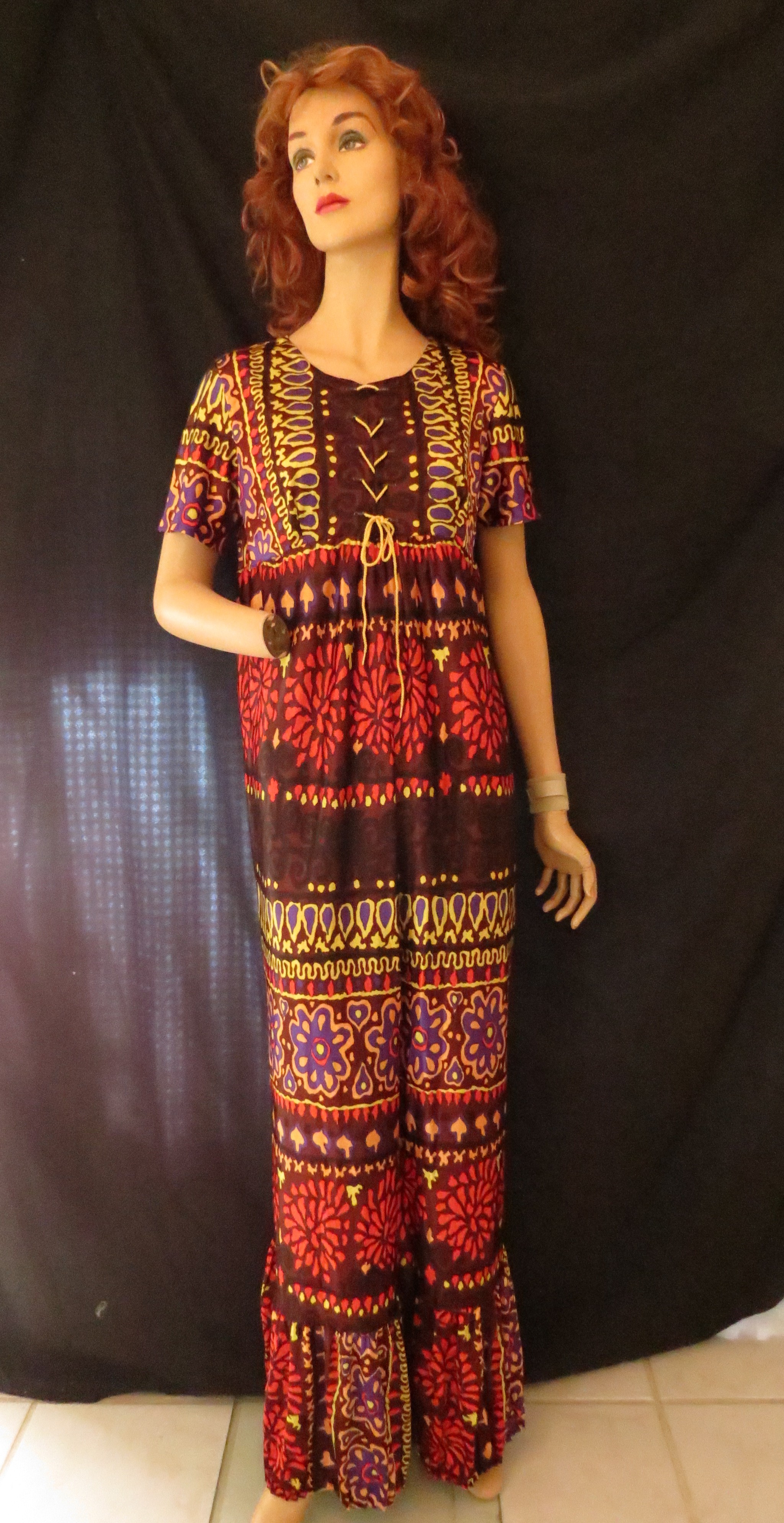
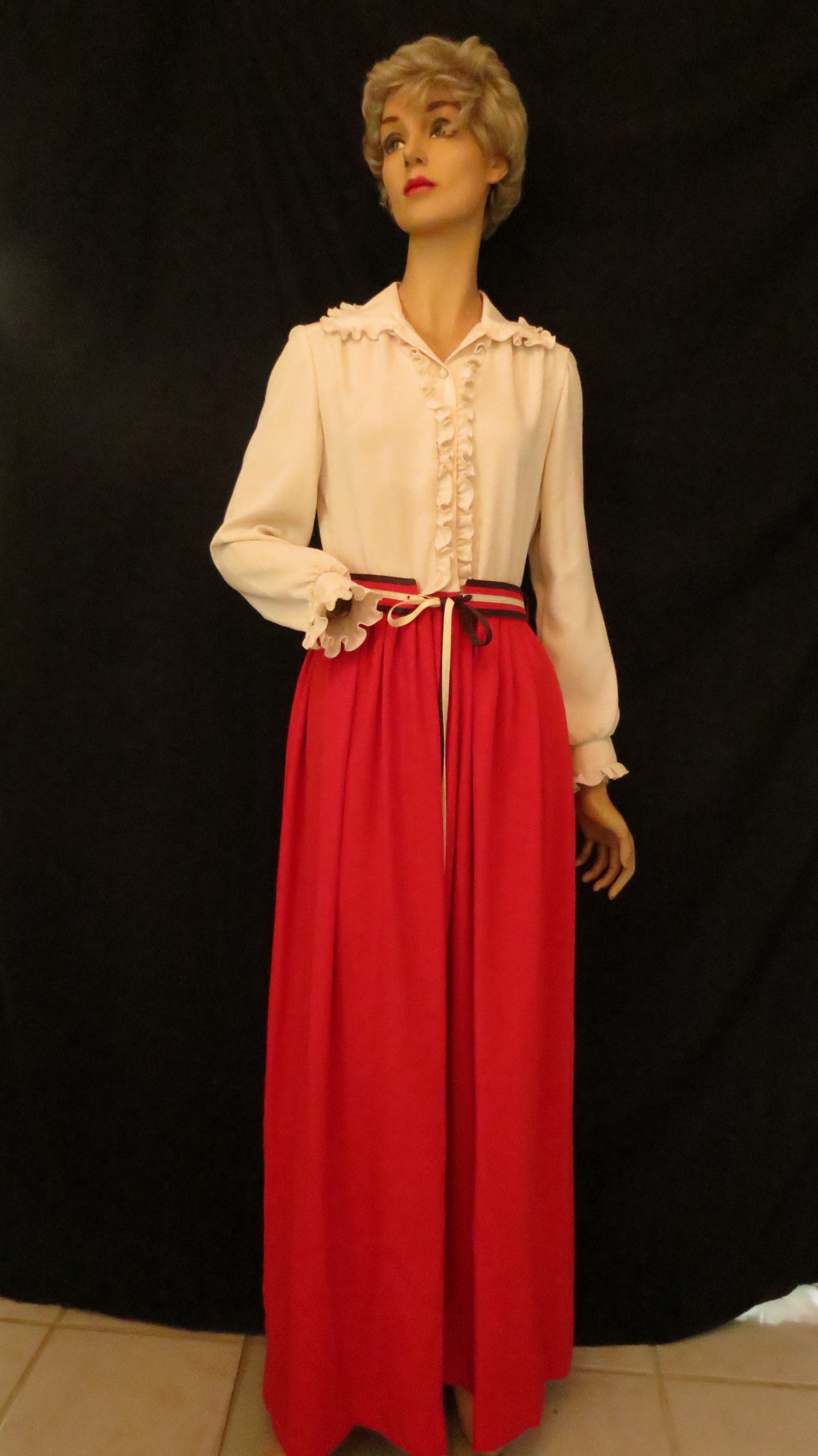
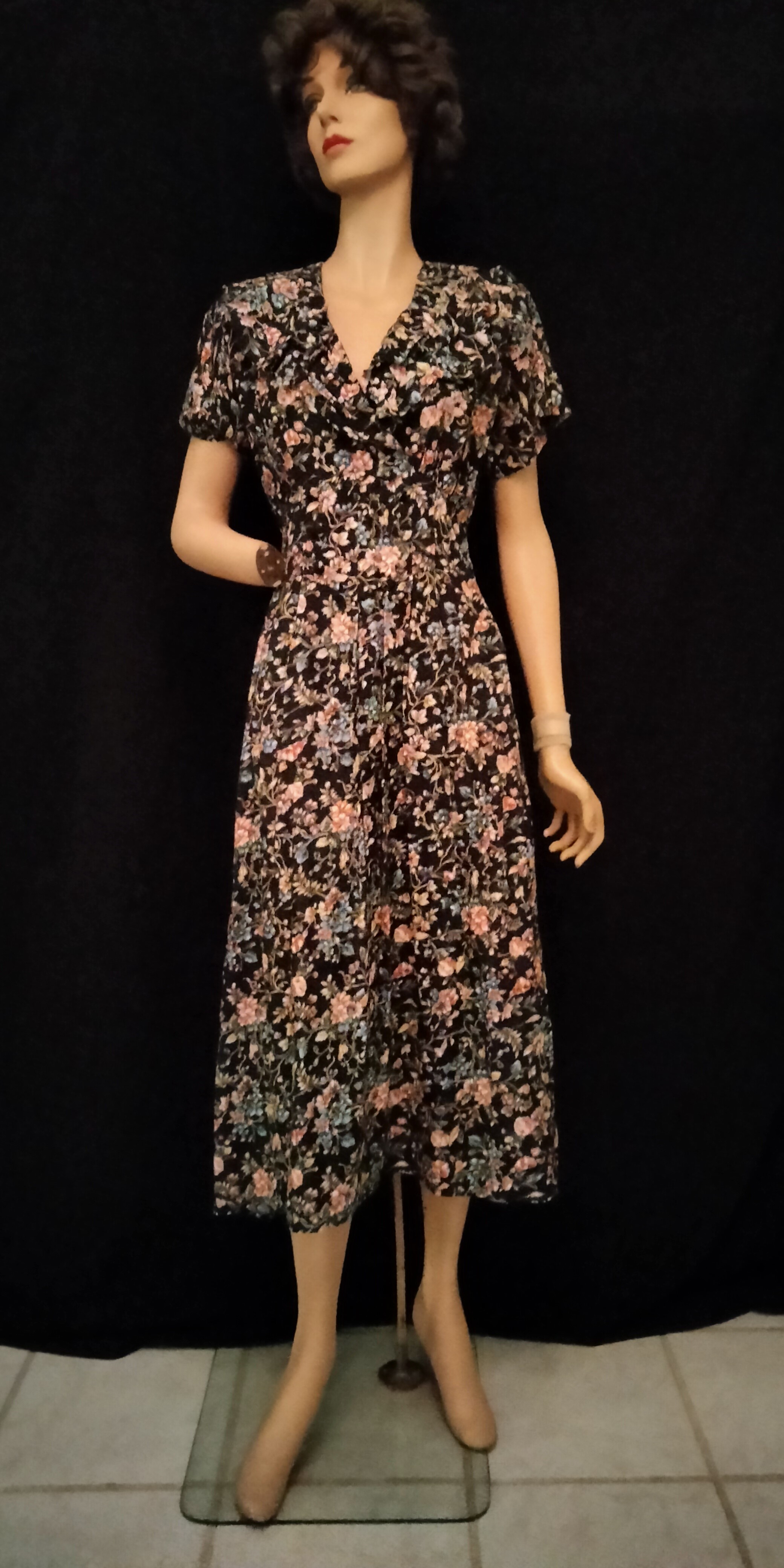
1970’S – 1990’S DOES 1940’S. TRUE VINTAGE RETRO DRESSES AND JUMPSUITS.

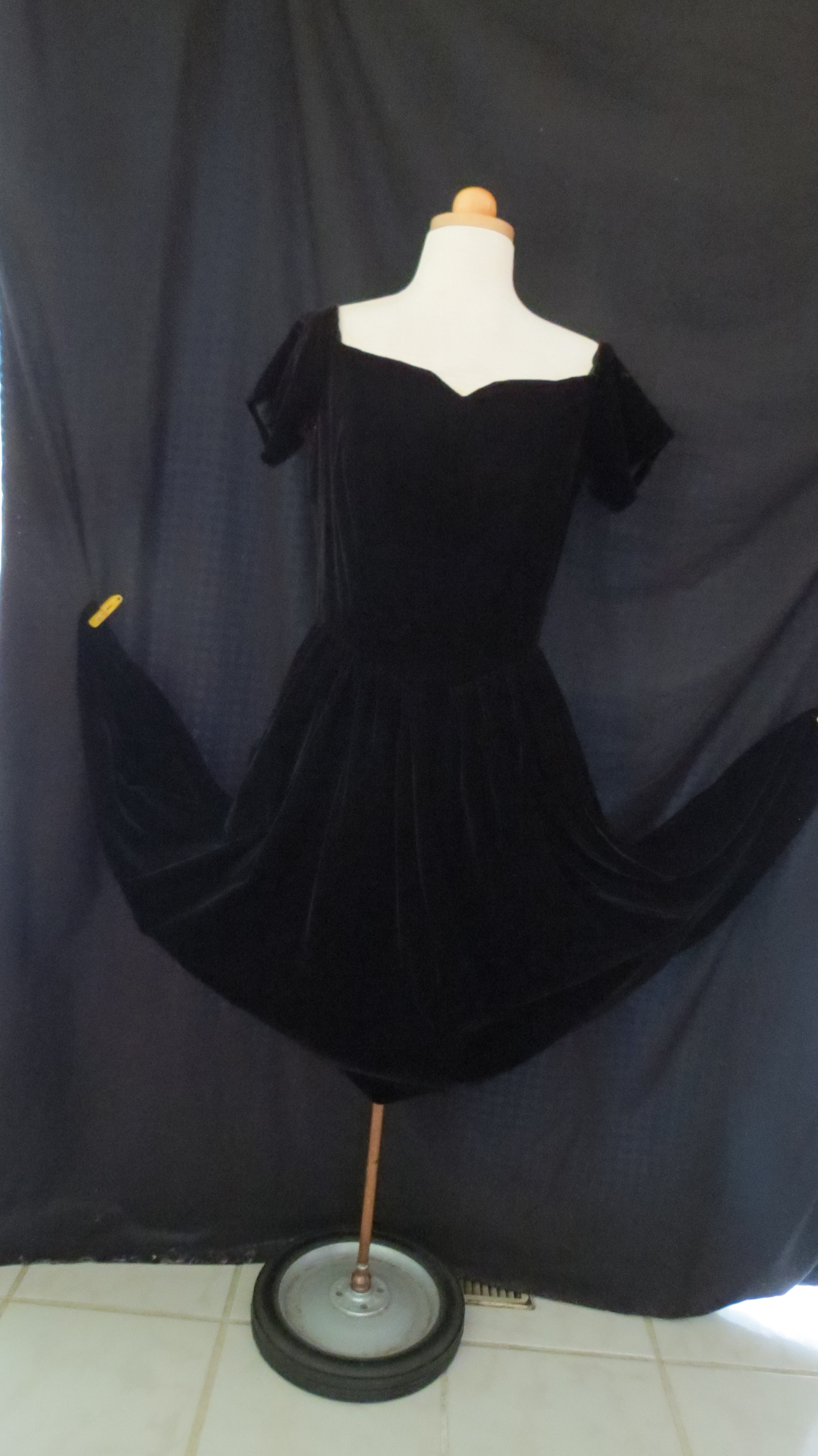
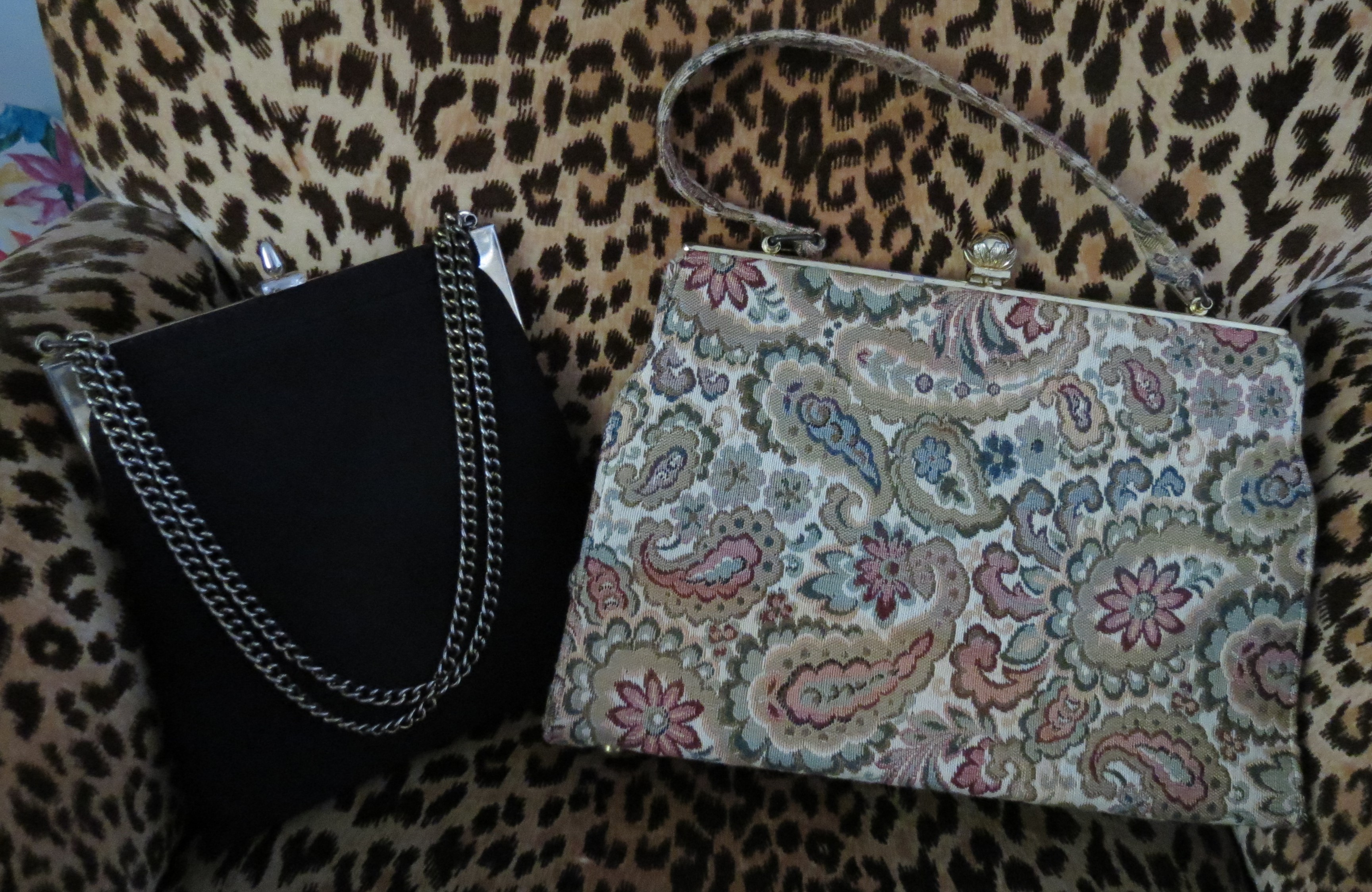
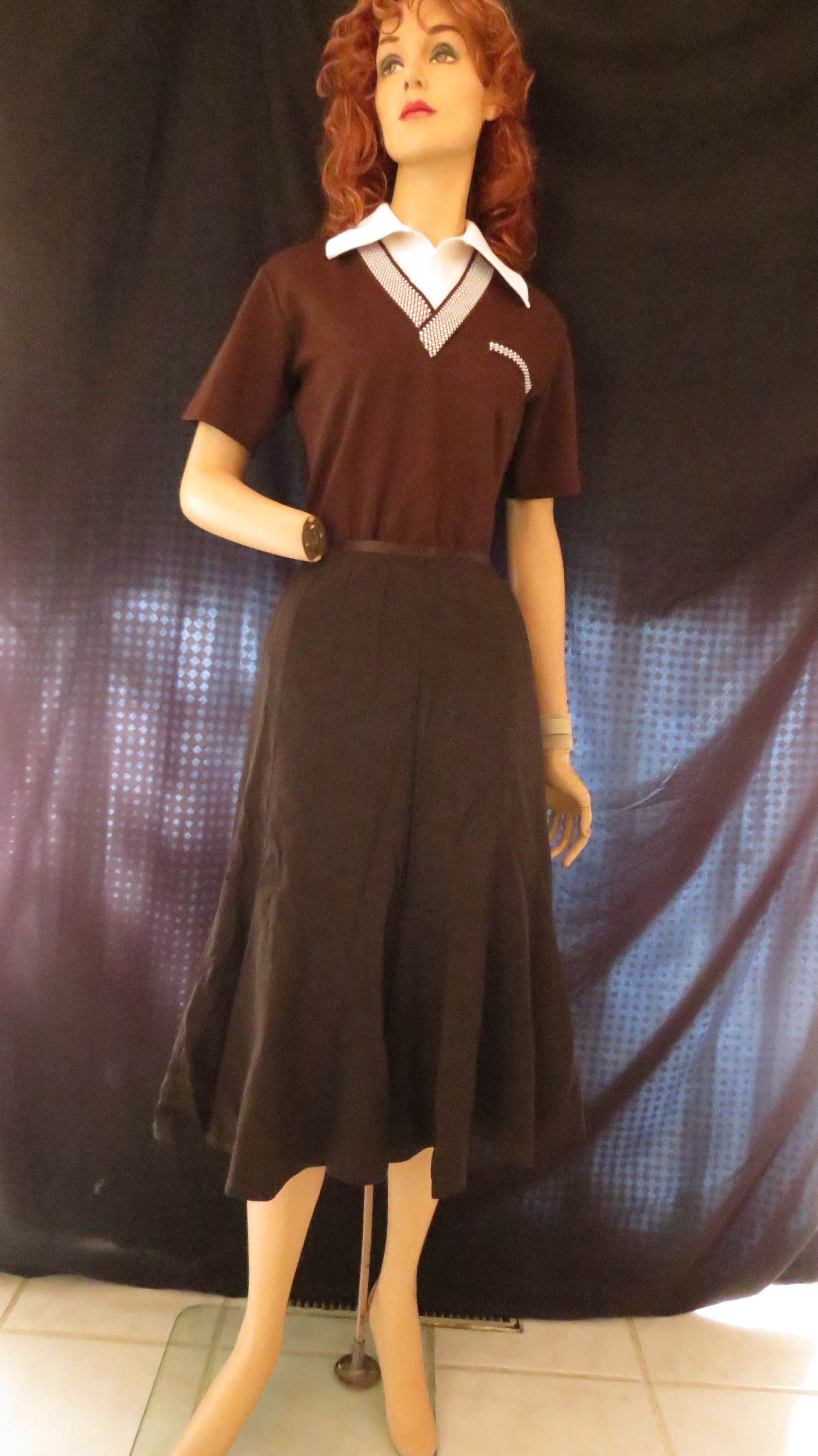
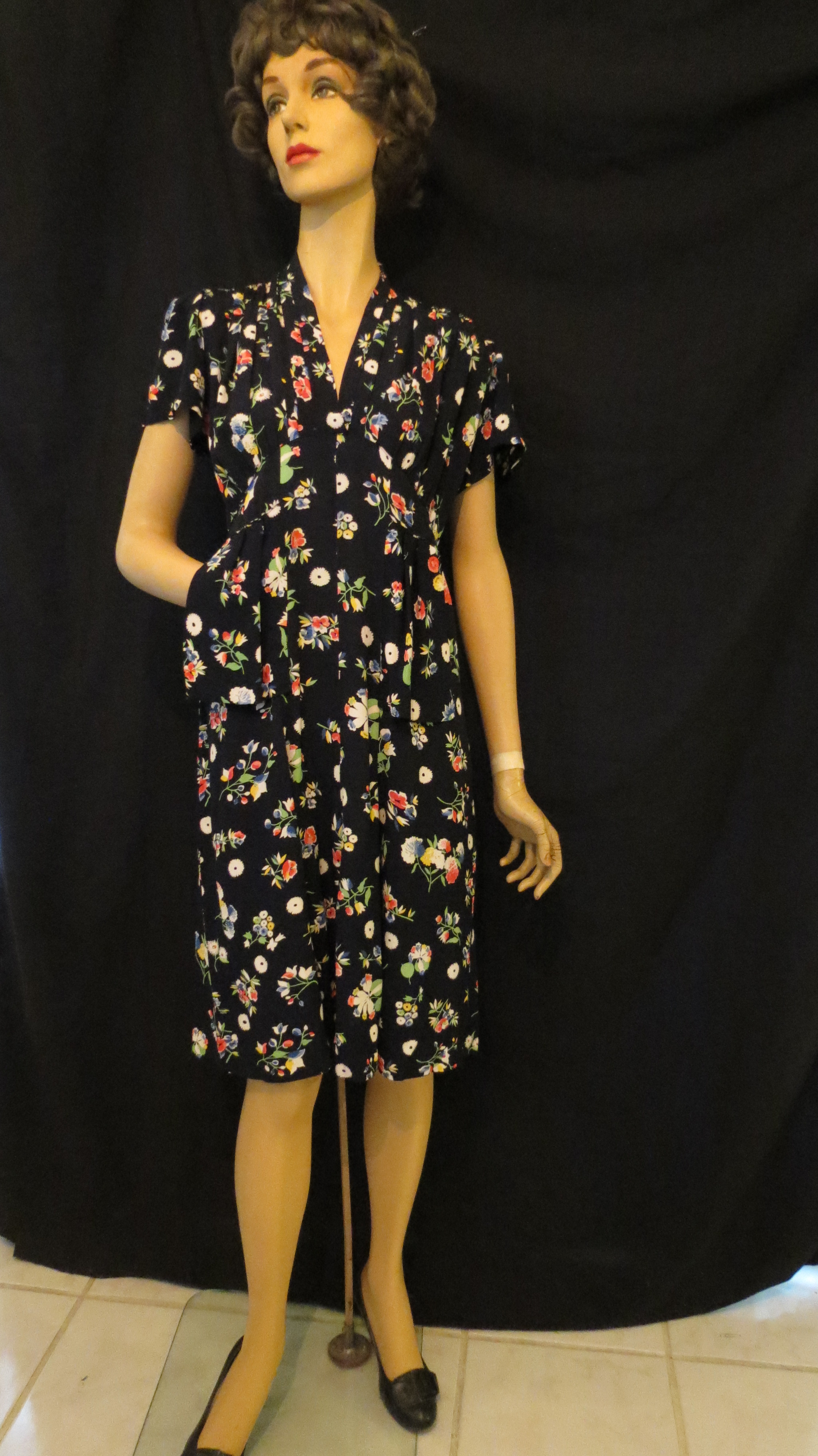
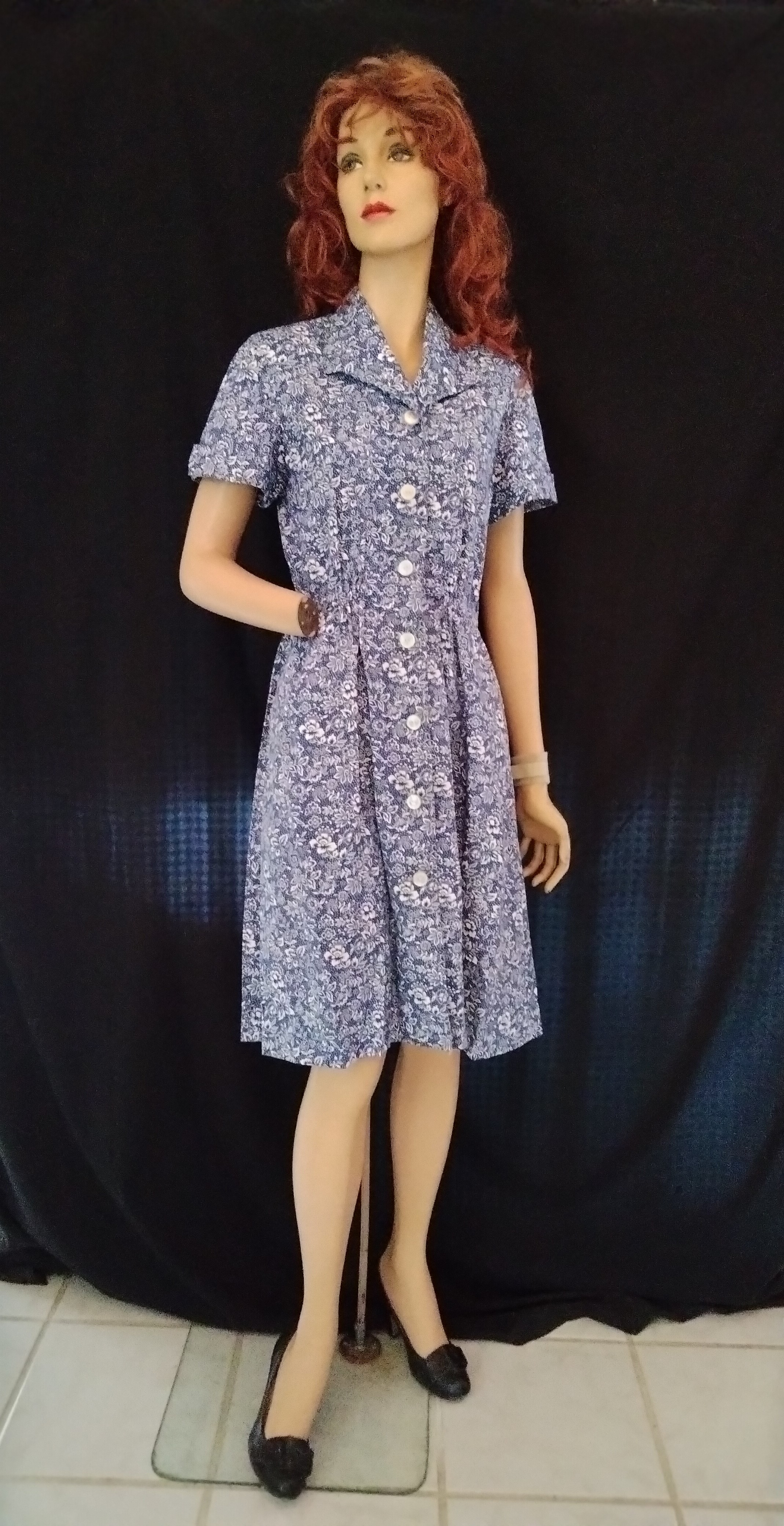
The Seventies, Eighties and Nineties produced a lot of popular retail styles that imitated 1940’s designs. Some were very well done and others not so much, to be charitable. As I’ve said, it’s hard for me to call these decades true vintage but, technically, they are. The two purses echoing shapes and tapestry design popular in the Forties might have shown up in the 1960’s.

All of these could be fun and the reproduction details became best during the mid-1980’s but, unfortunately, modern polyester fabrics and production techniques lowered the quality a lot. No valid comparison, in my opinion, to true vintage from the 1940’s – even the home-sewn versions that were made from older clothing during rationing.

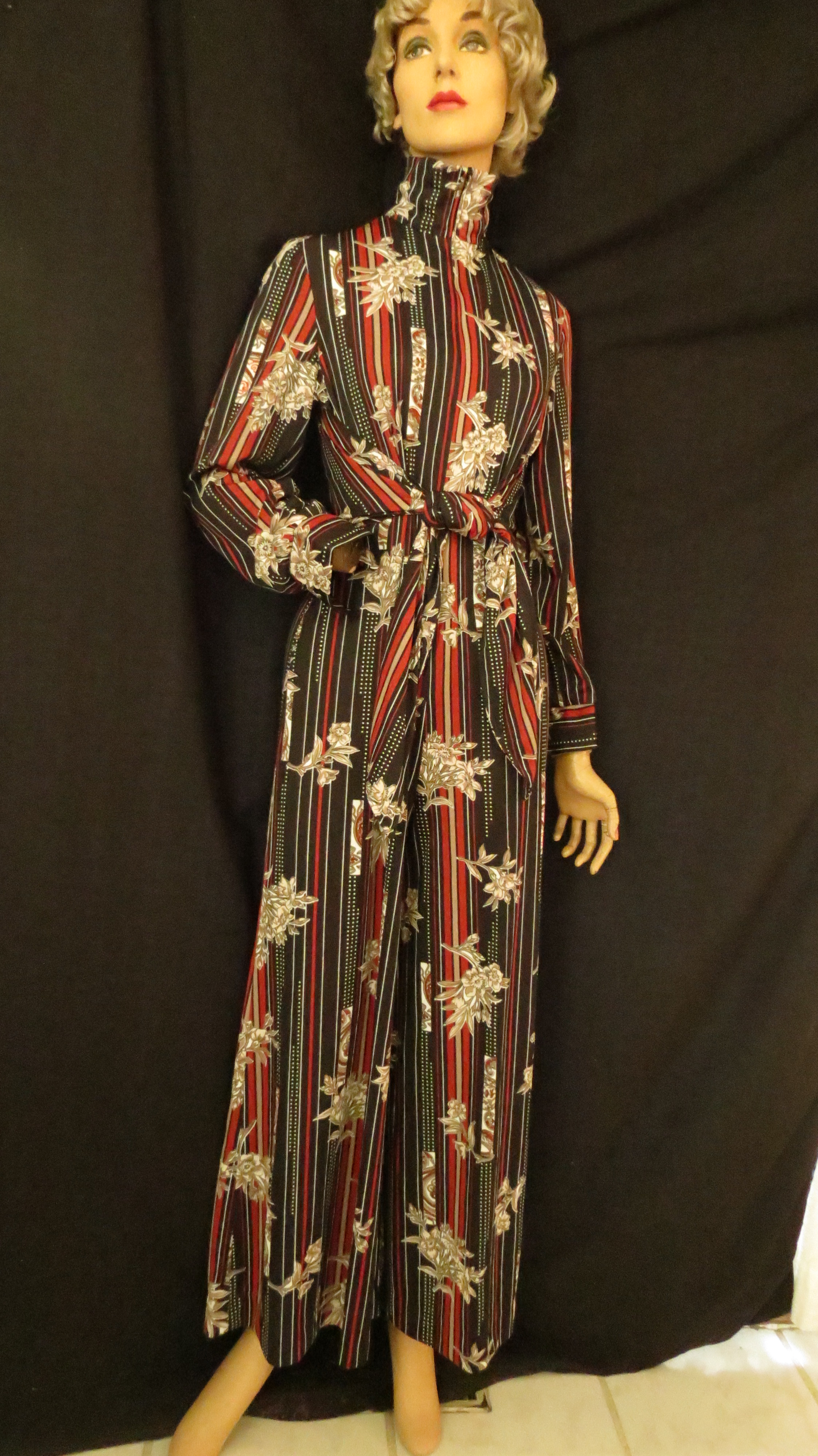
Of this group, the best-made is the black velveteen custom-tailored frock from the 1980’s or 1990’s. It was made by an expert seamstress and is worthy of being called a reproduction in the Post-war New Look style. The retail day-dresses are versatile and the prints are great – pretty faithful to authentic ones that I’ve come across. I always love the padded shoulders and cinched waistlines that are very flattering but were also a nod to the style of military uniforms. Jumpsuits were just for fun in the Seventies, but always are inconvenient. I suspect that the jumpsuits worn by women working in the war effort during the Forties had drop seats, which makes it a little bit better. I do have a pair of high-waisted slacks from the ’40’s that have an ingeniously-designed drop seat that looks quite good.

So, these clues were fun to find and seemed worthy of collection though I always prefer the real deal. Speaking of which, I just came across another archived file of true vintage 1940’s dresses which I will show tomorrow. Stay tuned . . . . . . . . . . . . . . . . . . . . .

MORGANA MARTIN, THE MAGICVINTAGESPY

BLOG: MAGICVINTAGESPY.COM

1940’s WAR-SHOCK DRESSES & WARTIME FASHION TRENDS

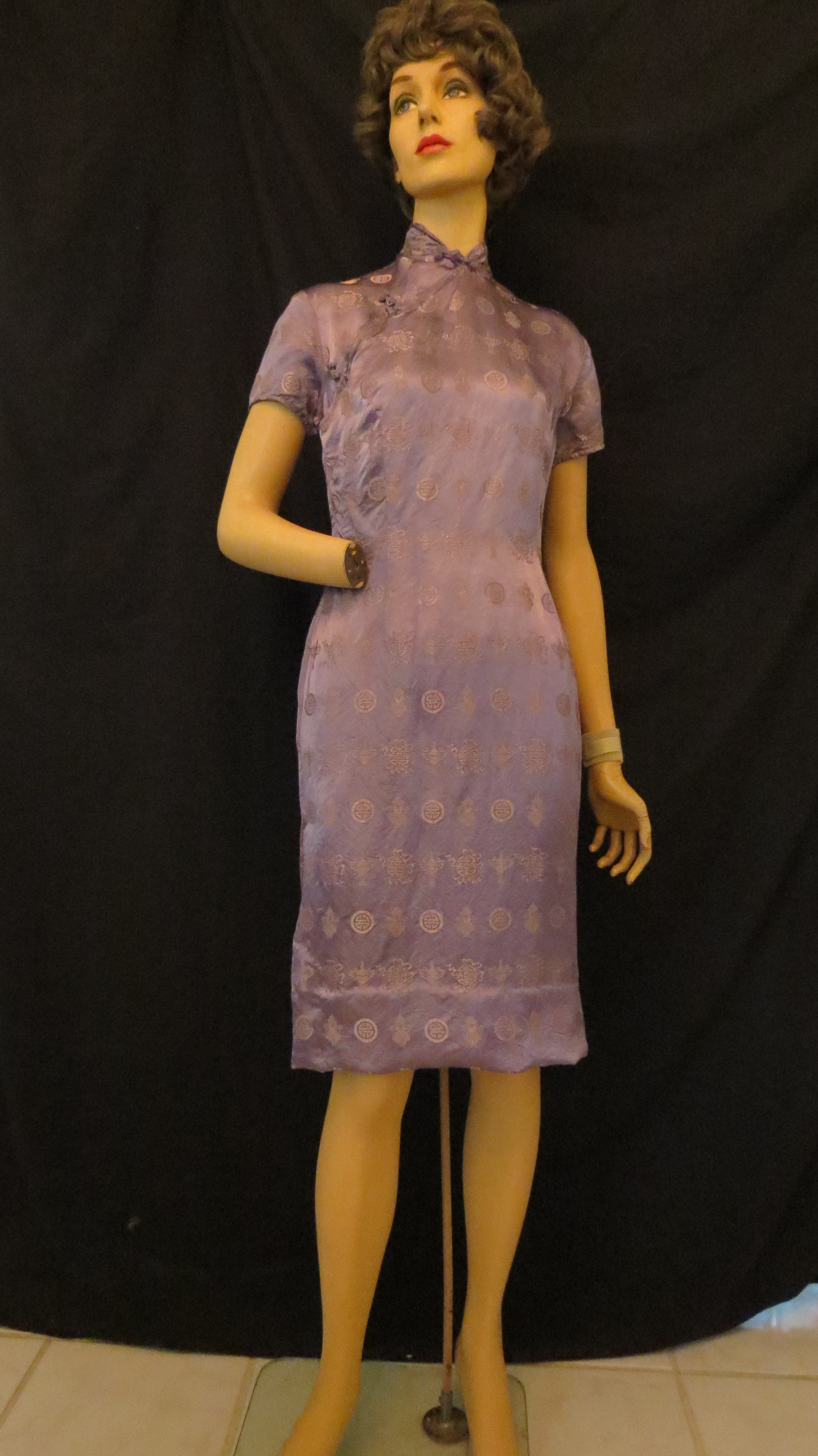
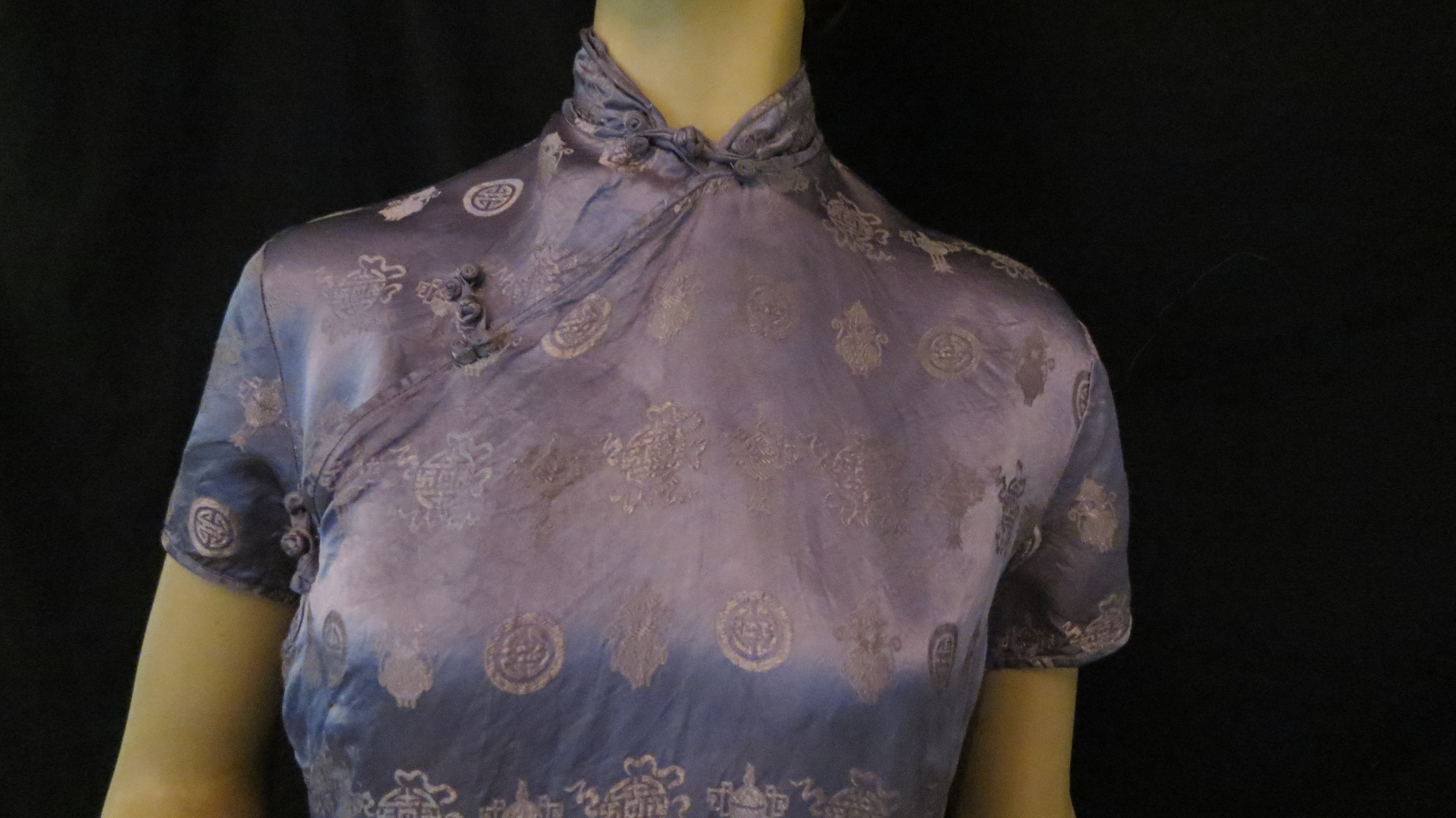
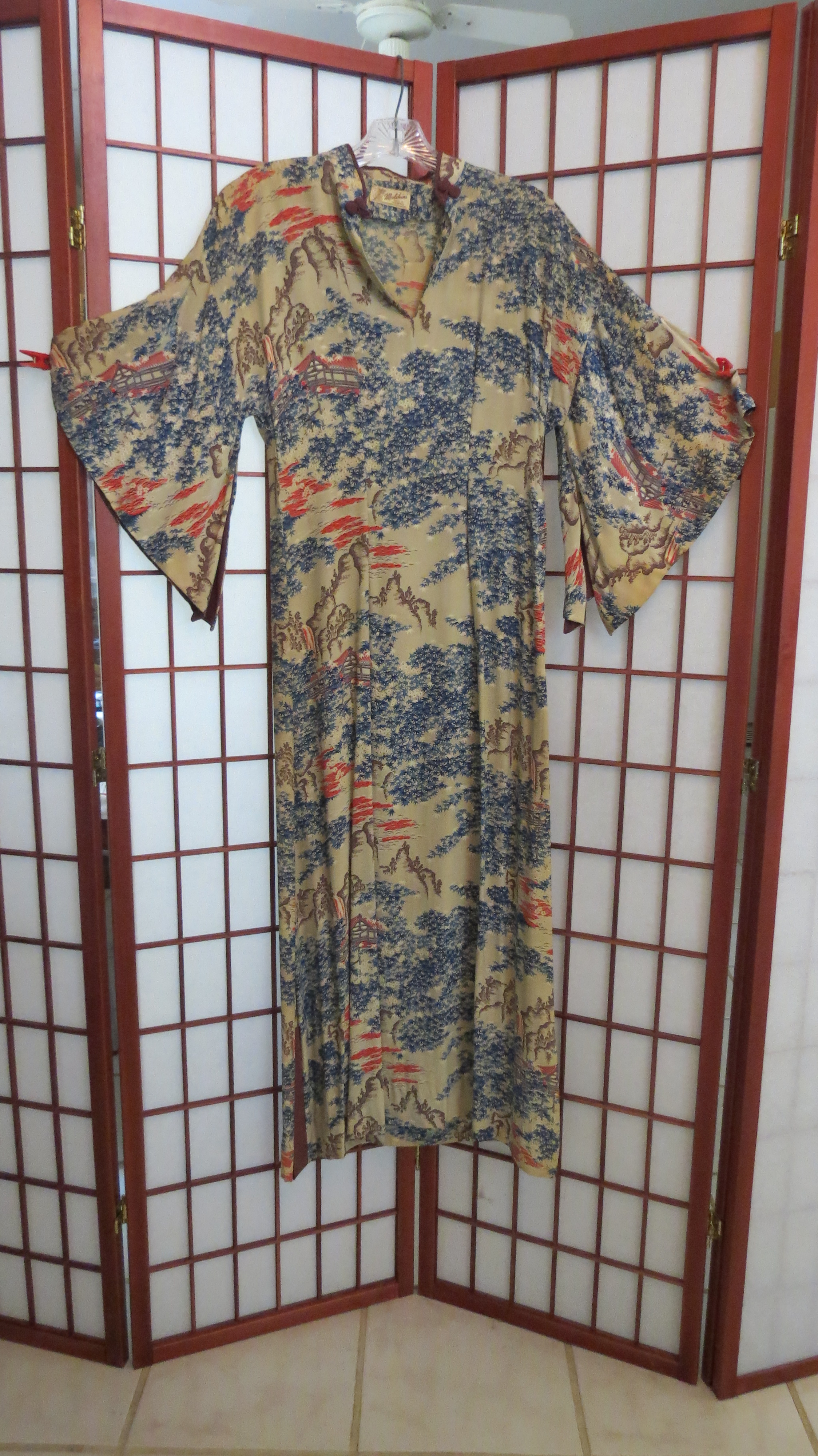
Before 9-11 it was hard for young U.S. Americans to understand the shock and fear that the attack on Pearl Harbor caused in December 1941. The government’s decision to join WWII, which had been happening in Europe and seemed remote to most everyday folks in the U.S., suddenly brought it close to home. The news and the movies began to open the doors on Asian culture and the curiosity of Americans and popular culture started to make this theme trendy. These dresses are from some of my most interesting investigations.

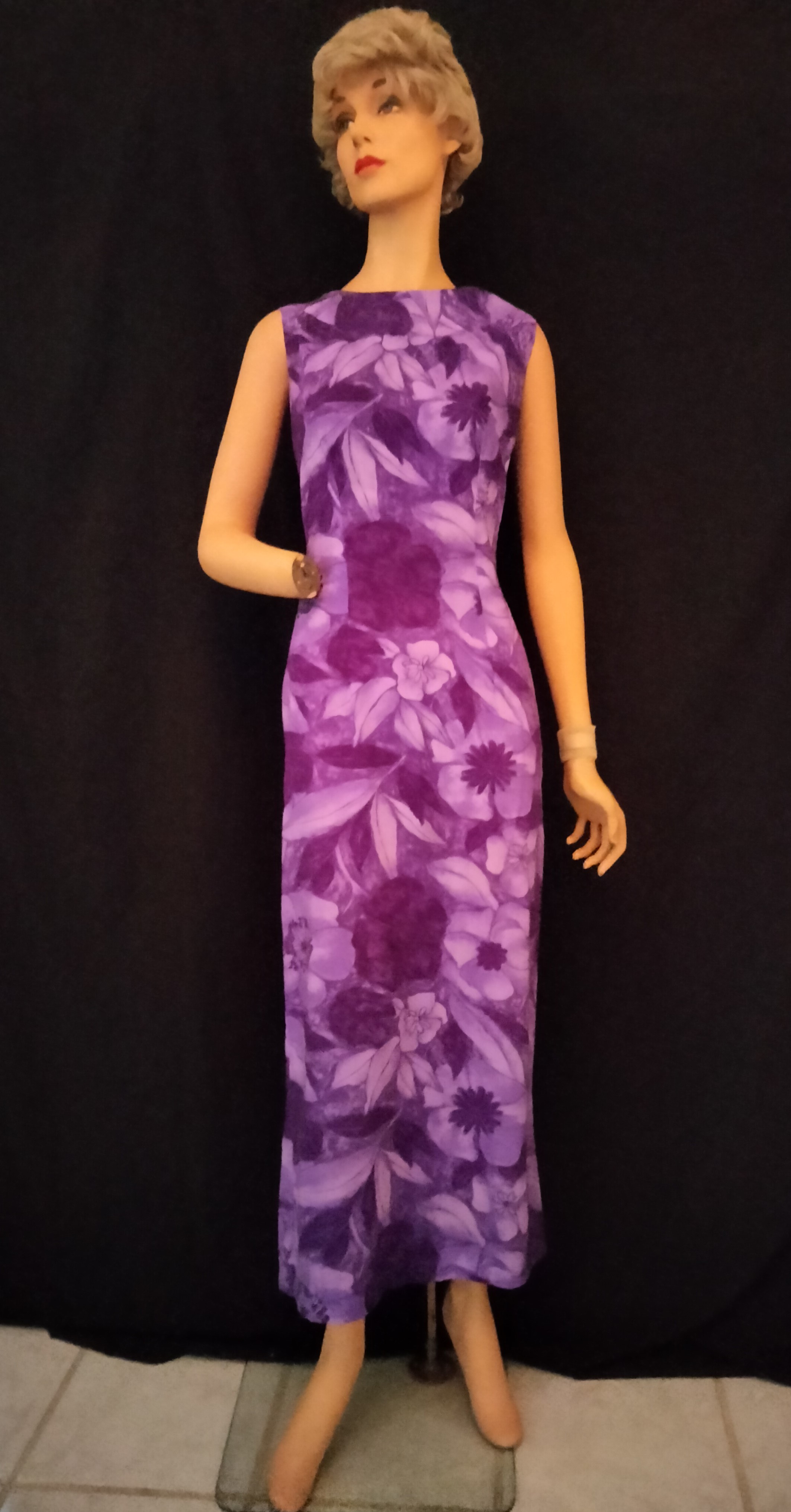
From the 1940’s on, Cheongsam dresses like the lavender one above gained popularity. Mata Hari and Charlie Chan became cultural figures in the media. The beauty and flattering fit of Chinese and Japanese traditional frocks brought interest in Chinatown areas of many cities and non-Asian women began to shop there. Above, see also a Japanese tea dress – fabulous find dating from the 1930’s, made in Hawaii. The purple native traditional gown from Hawaii also found a home in some American woman’s closet after people began traveling again.

But, before that time, women stayed at home. They worried about their family members and friends who were fighting in or living in war zones. They joined the war effort in whatever way they could through their work, volunteerism and spending habits. Of course, some kind of escape was necessary to maintain their sanity. That’s where the movies and dancing filled a void. Whether homemade or found at retail, dancing and cocktails required special dresses and women were very creative despite the restrictions caused by rationing.

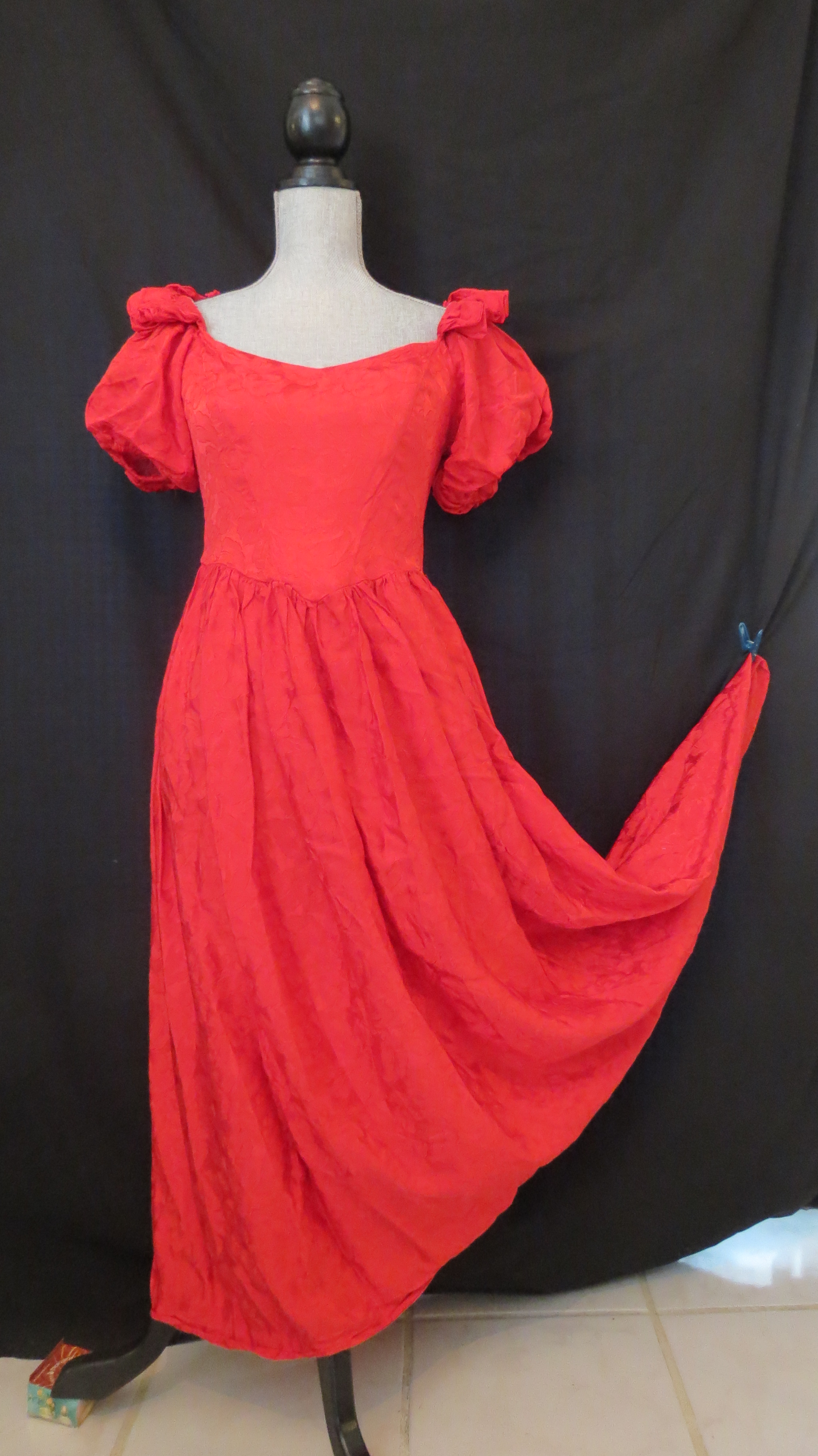
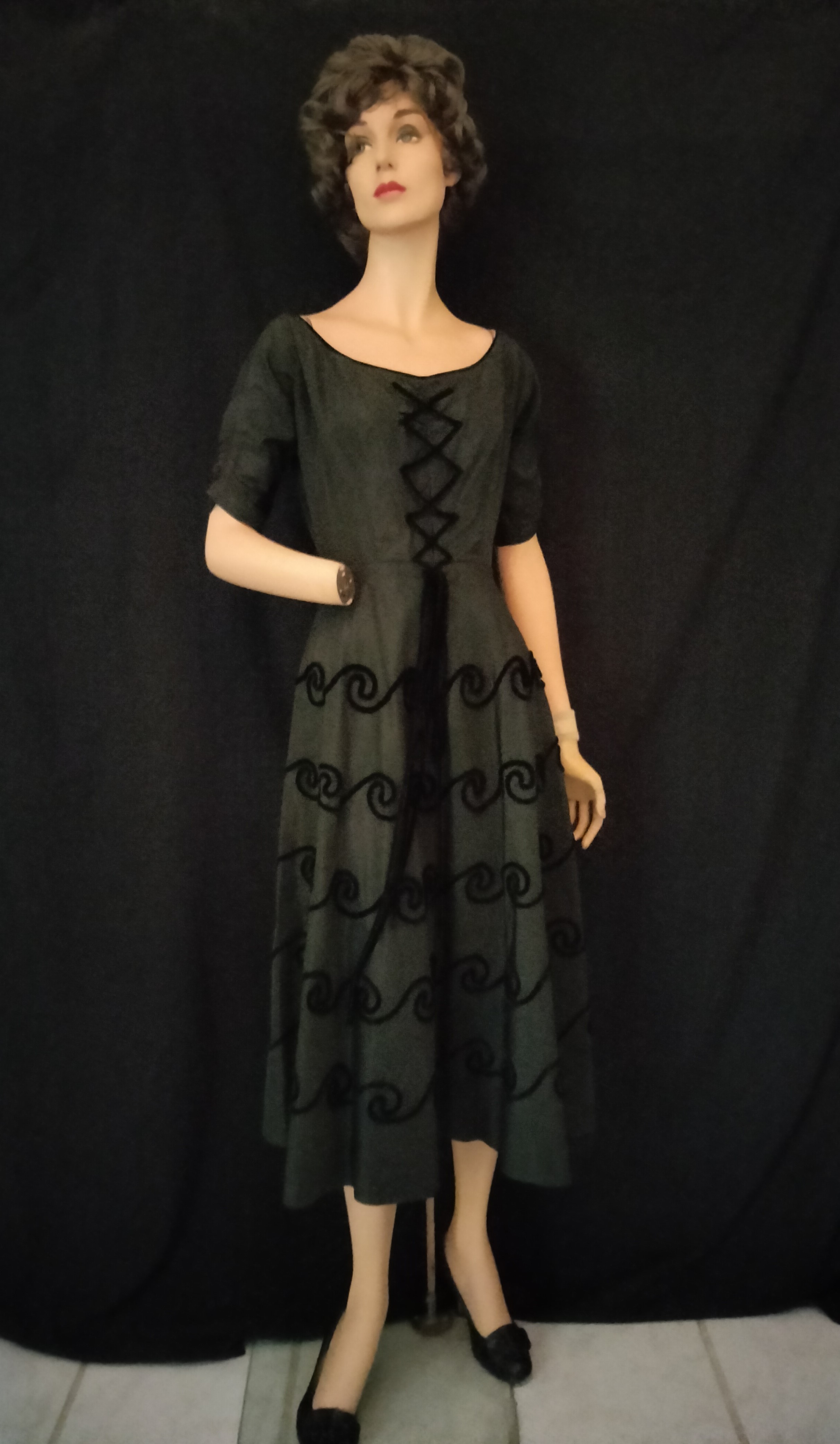
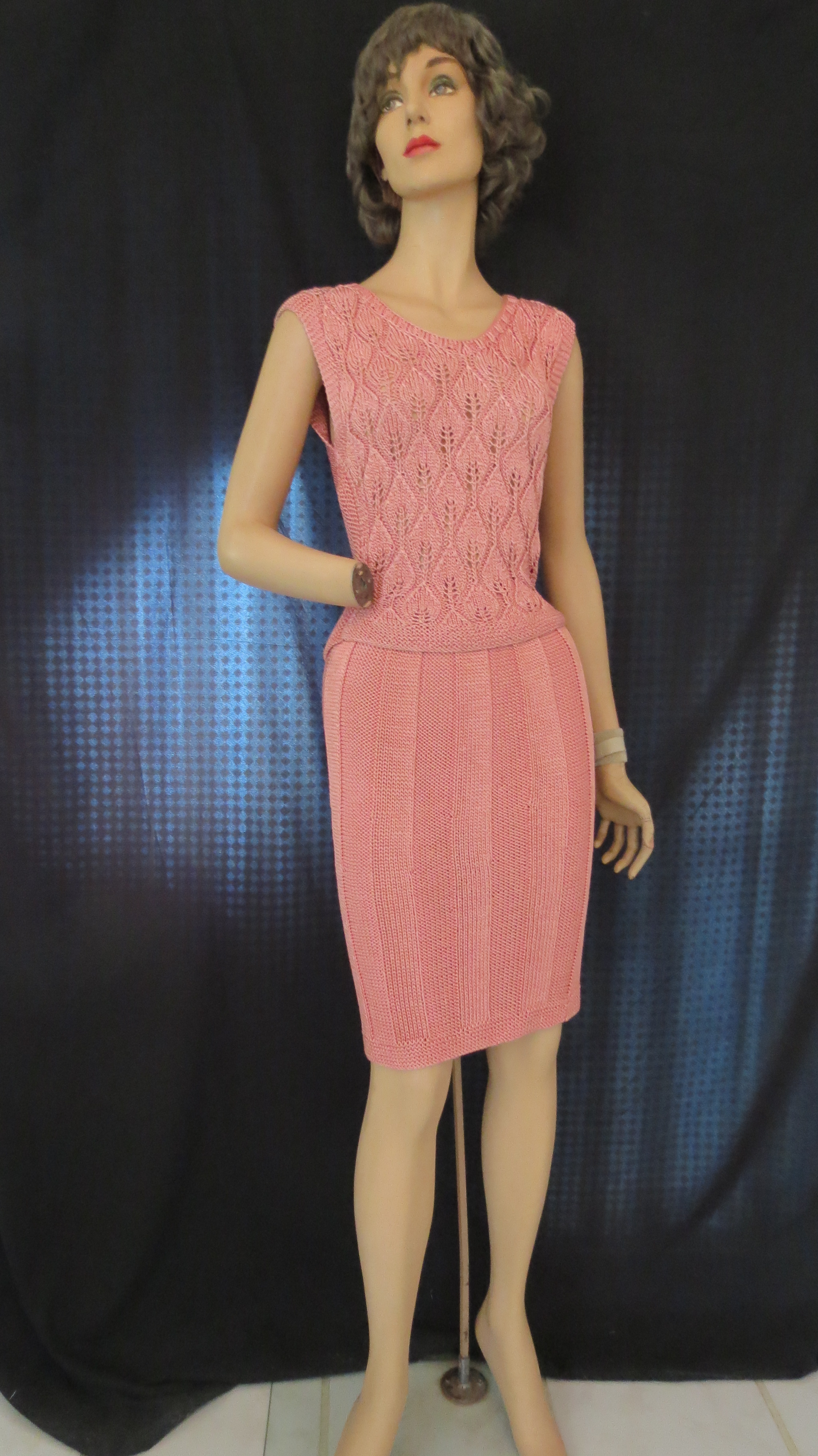
Synthetic fabrics were most available and affordable, so this red jacquard frock with puffed sleeves and an elasticized neckline which allowed cold shoulders was home-sewn. A similar style in black was local couture from a specialty shop in Texas and has ruched 3/4 sleeves and shows off the luxury of velvet piping decoration. The pink knitted and crocheted 2-piece cocktail dress was another unusual find which somehow found it’s way to Argentina. It’s made of a heavy, glossy/shiny yarn that allowed some gal to make a glamorous outfit on the cheap.

So fascinating! Such a fun bunch of clues these are. The delight is in the details. More tomorrow – stay tuned . . . . . . . . . . . . . .

MORGANA MARTIN, THE MAGICVINTAGESPY

BLOG: MAGICVINTAGESPY.COM

TRUE VINTAGE 1940’S CASUAL DRESSES

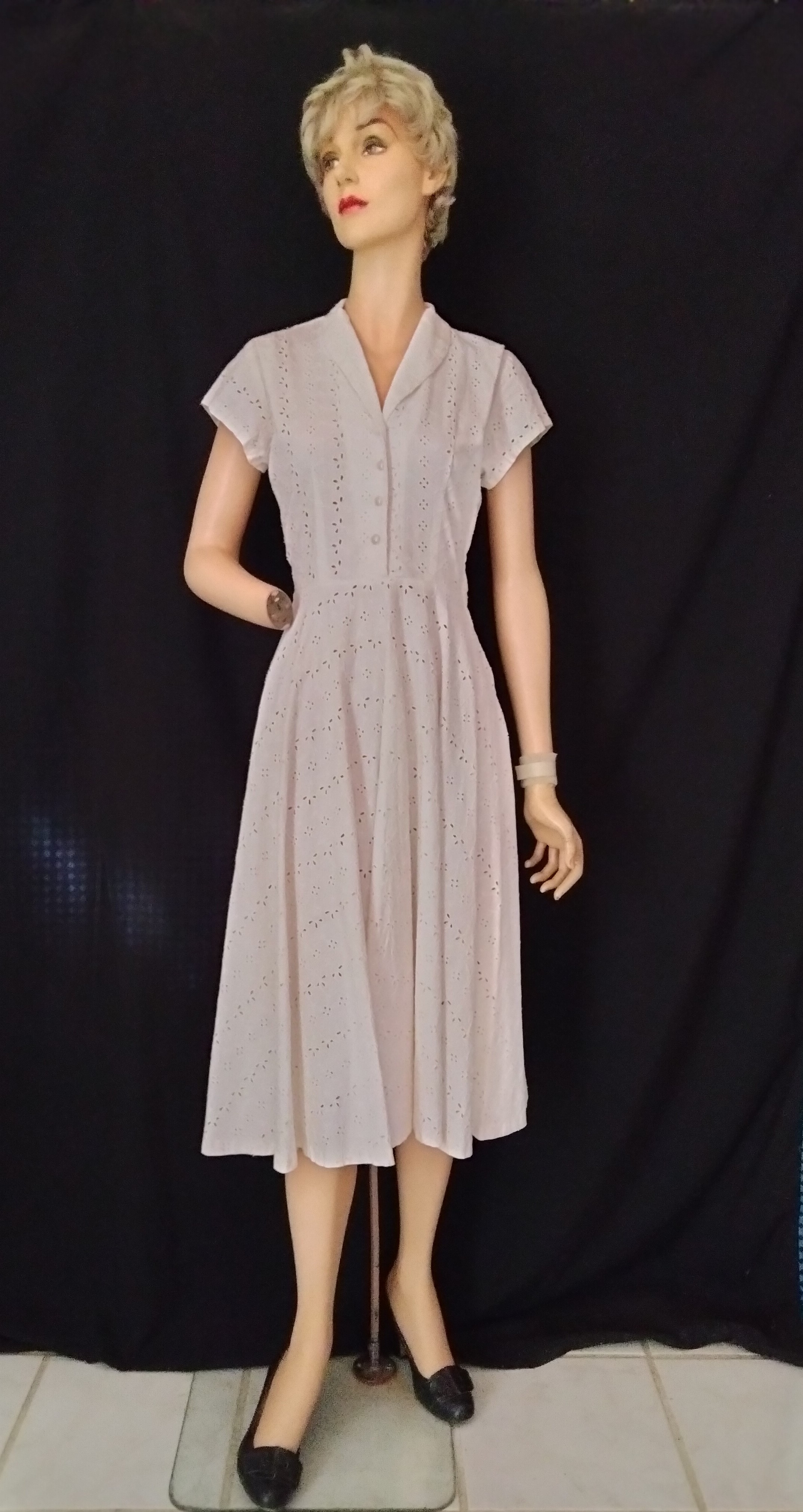
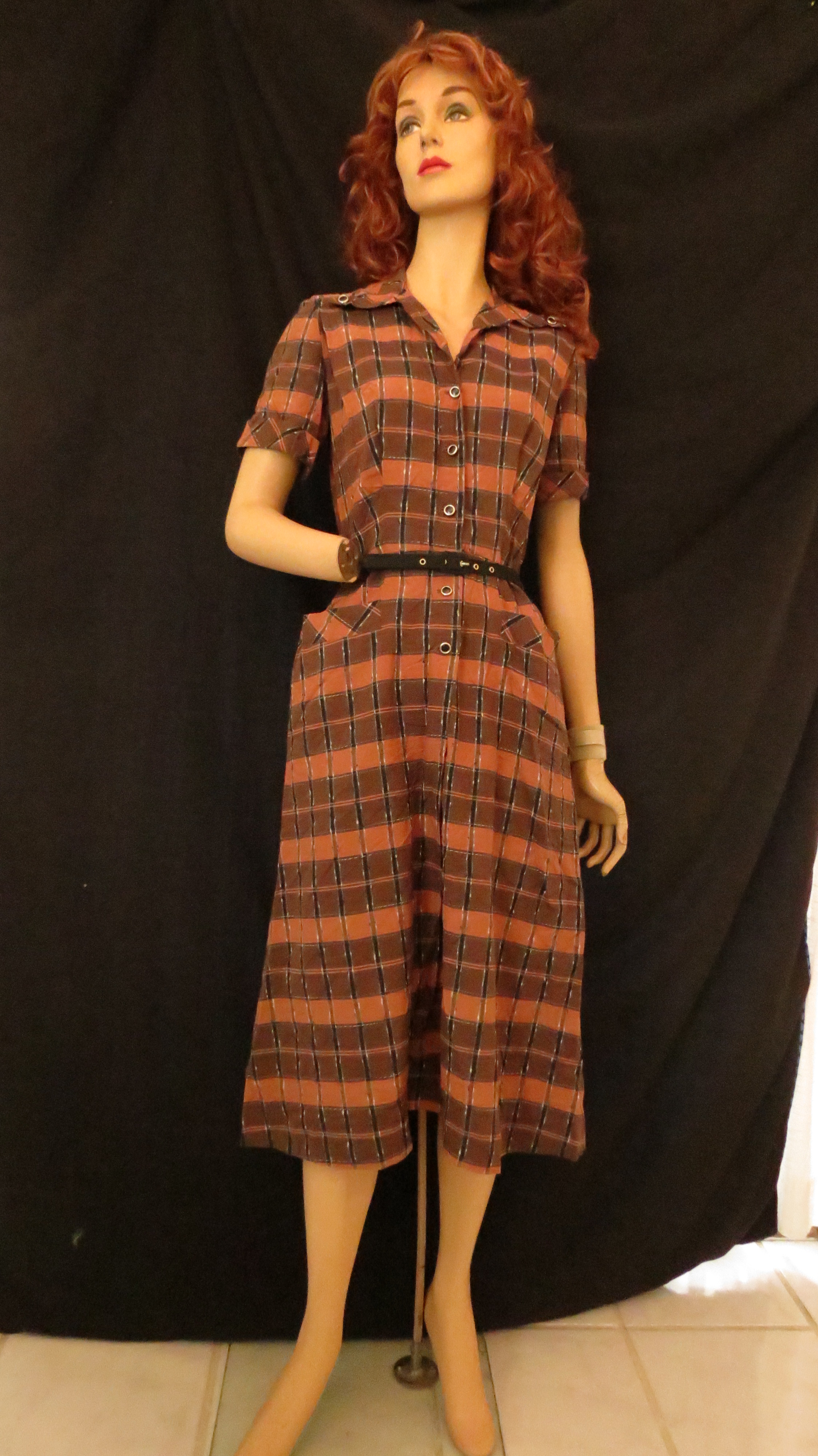
We’ll begin with a pretty, white cotton eyelet dress that was home-sewn in 1940. It’s a lovely dress for town or a picnic, but it was made to be a wedding dress. Coming off the Depression years and with war in Europe, it was a very modest but hopeful costume for entering a dream future.

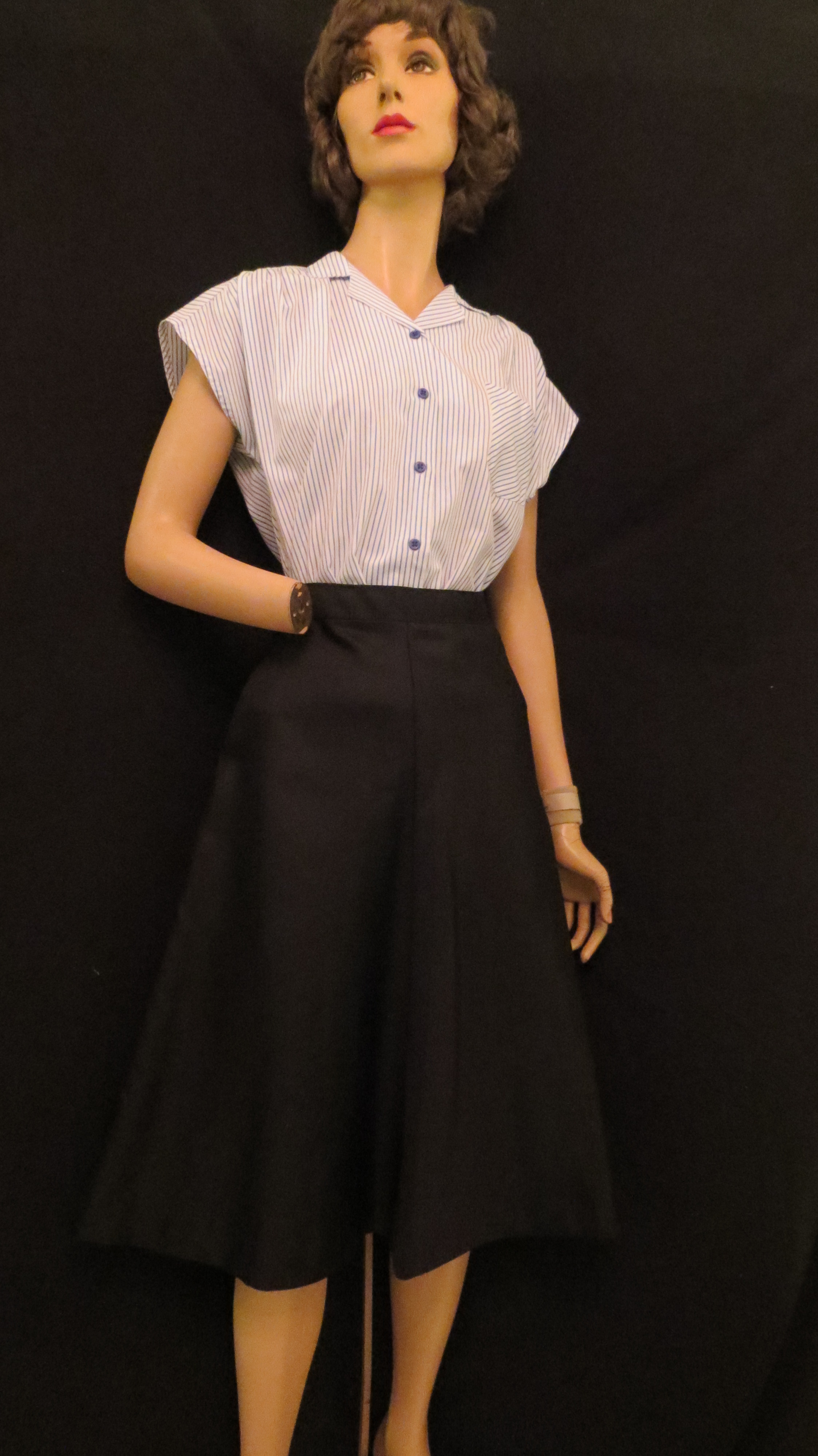
After 1941 and the United States joined World War 2, fashion became much simpler and plainer, but very practical. Shirtwaist housedresses and day dresses were the general uniform for women who didn’t wear specific uniforms related to their work. Dancing, as well as movie-going, were common inexpensive activities that helped people escape the worries and fears of their daily lives. Separates became more popular. Knitwear and wider gored skirts allowed movement while jitterbug was the favorite dance of those young enough to do it.

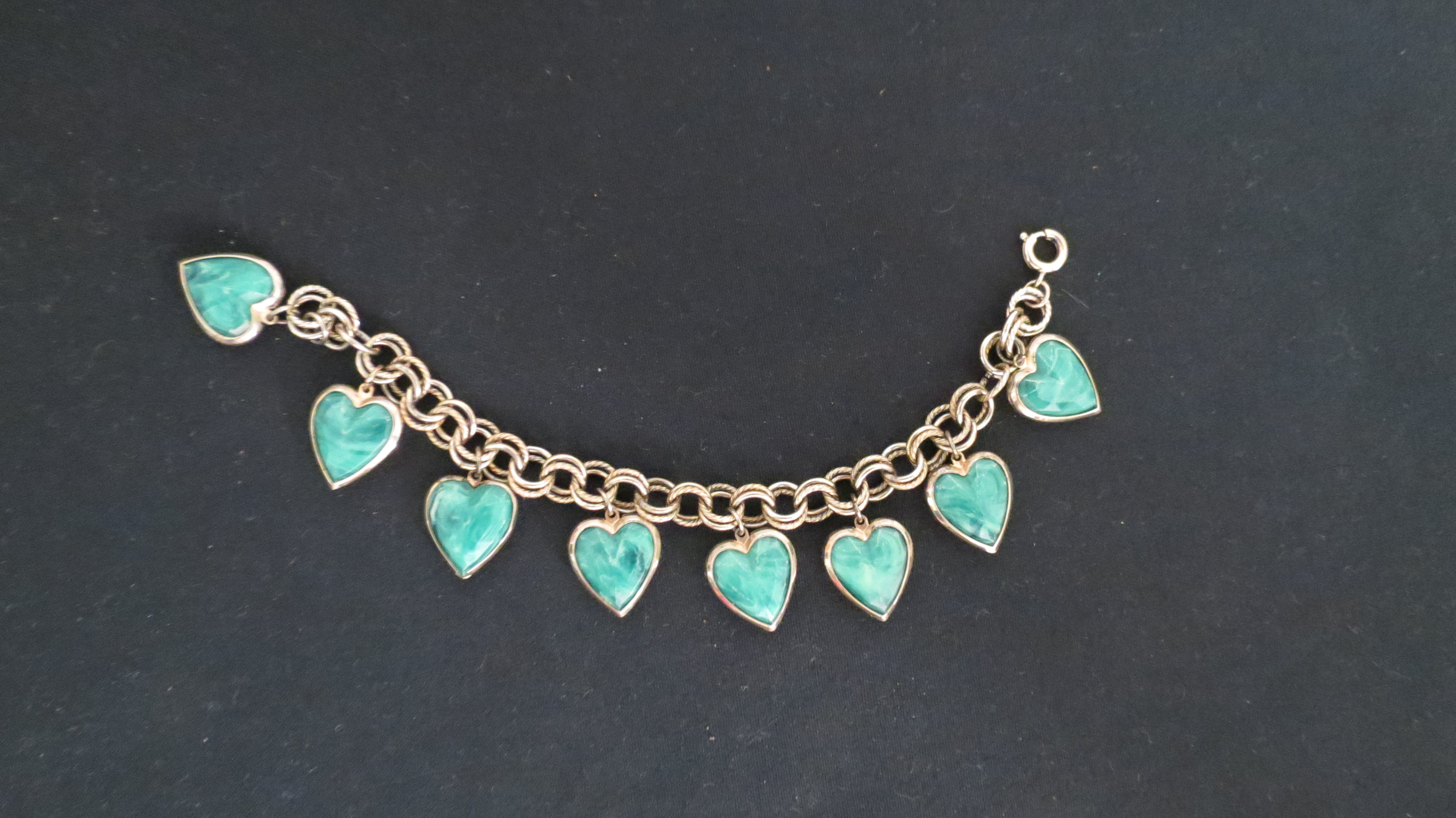
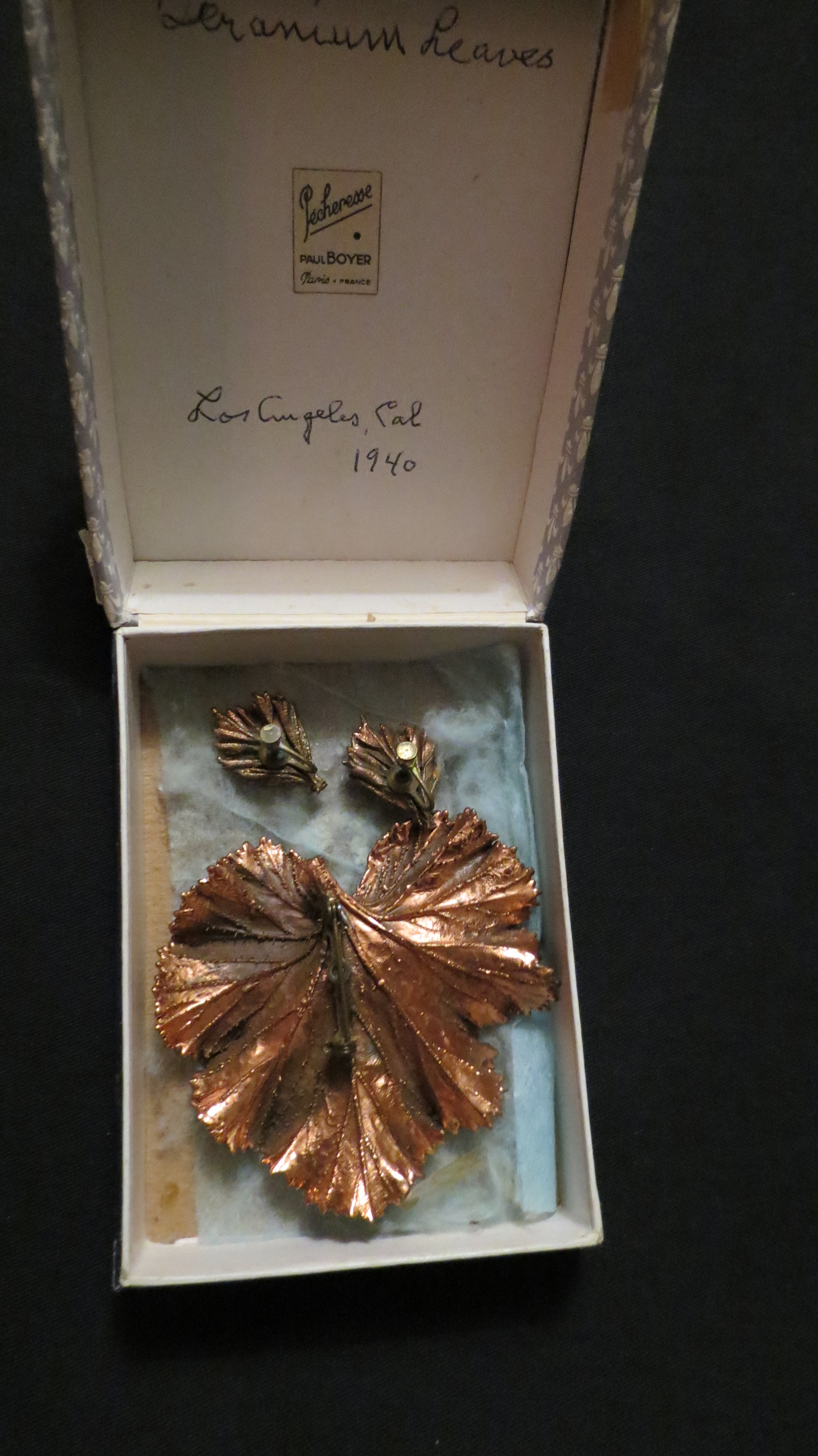
Plastic “gems” appeared in costume jewelry pieces, as well as preserved natural leaves. Even during the Depression and Wartime, a little bling always lifted spirits and enhanced any outfit. Tomorrow I’ll cover a 1940’s casual fad that made fashion more interesting during that time. Stay tuned . . . . . . . . . . . . . . . . . . . . . . . . .

MORGANA MARTIN, THE MAGICVINTAGESPY

BLOG: MAGICVINTAGESPY.COM

MORE TRUE VINTAGE 1940’S DAY DRESSES (& ACCESSORIES)

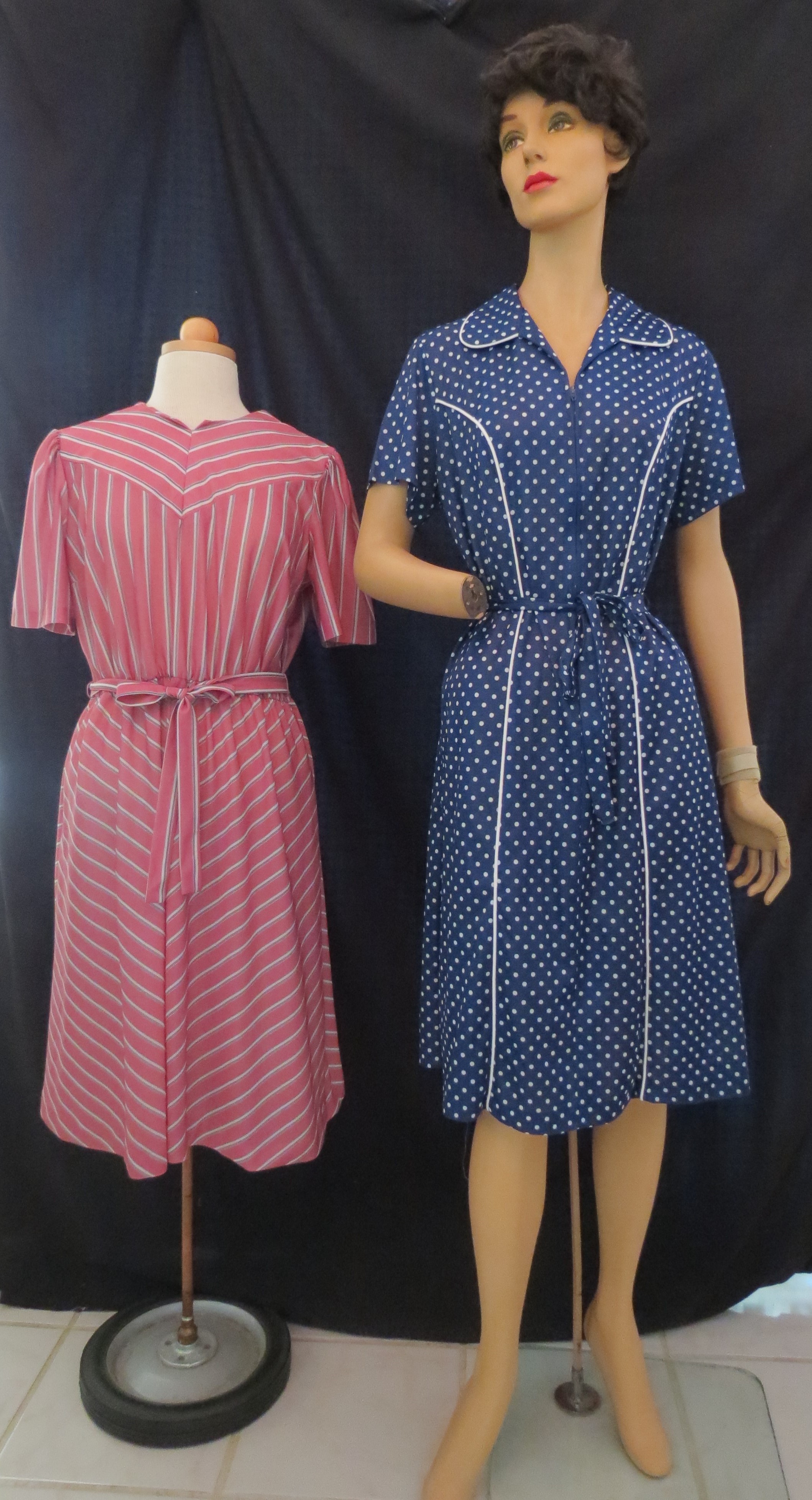
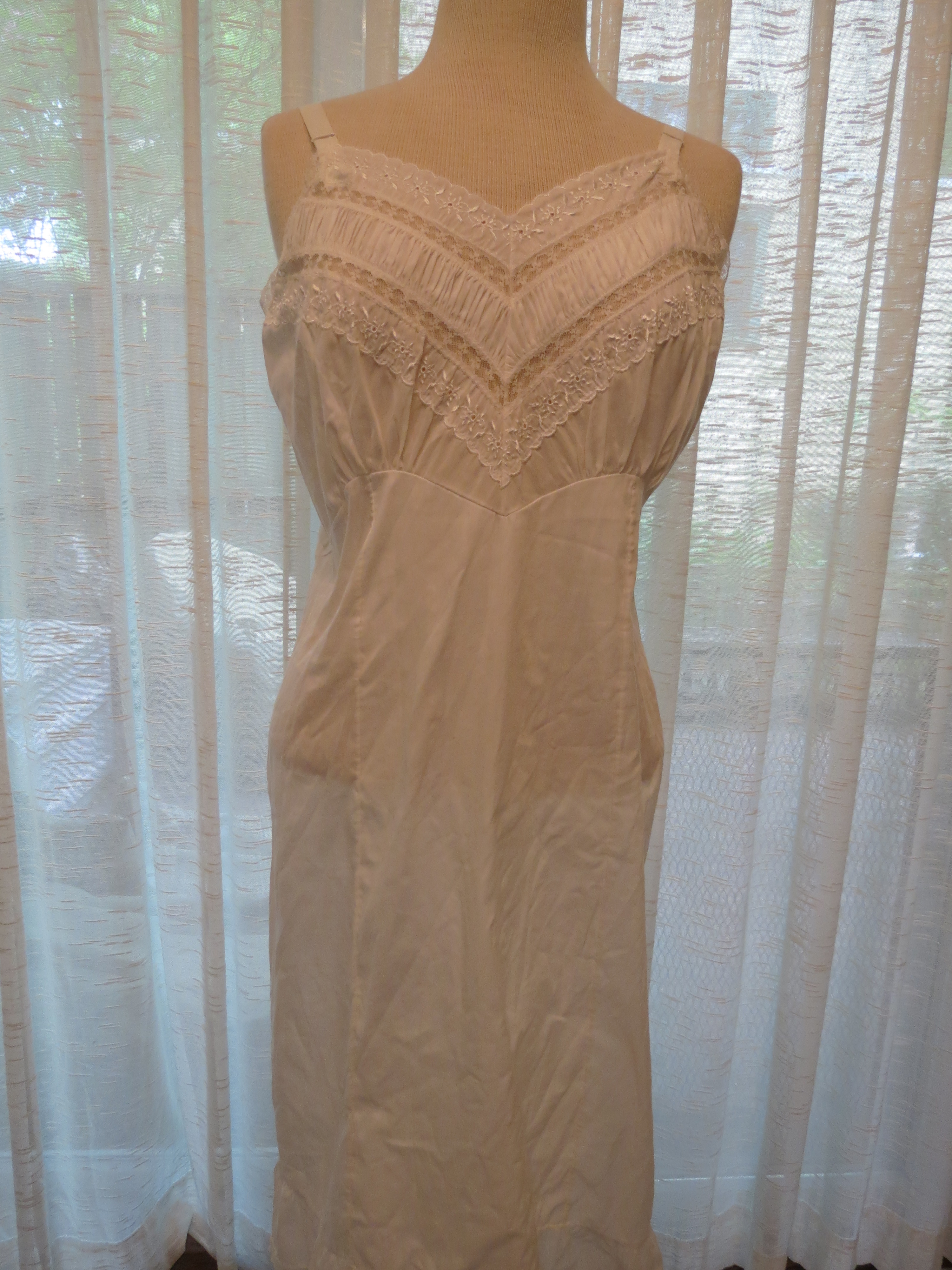
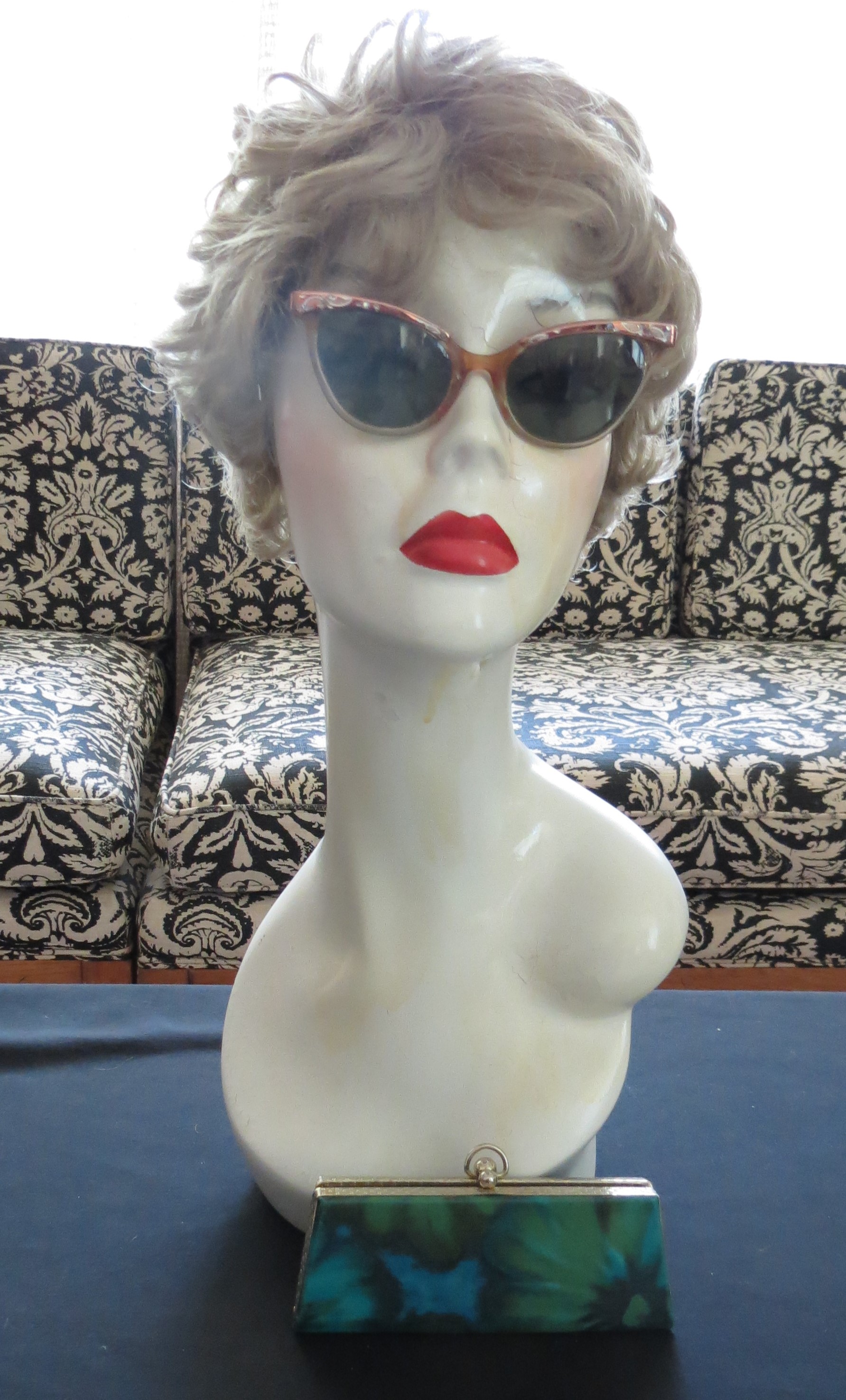
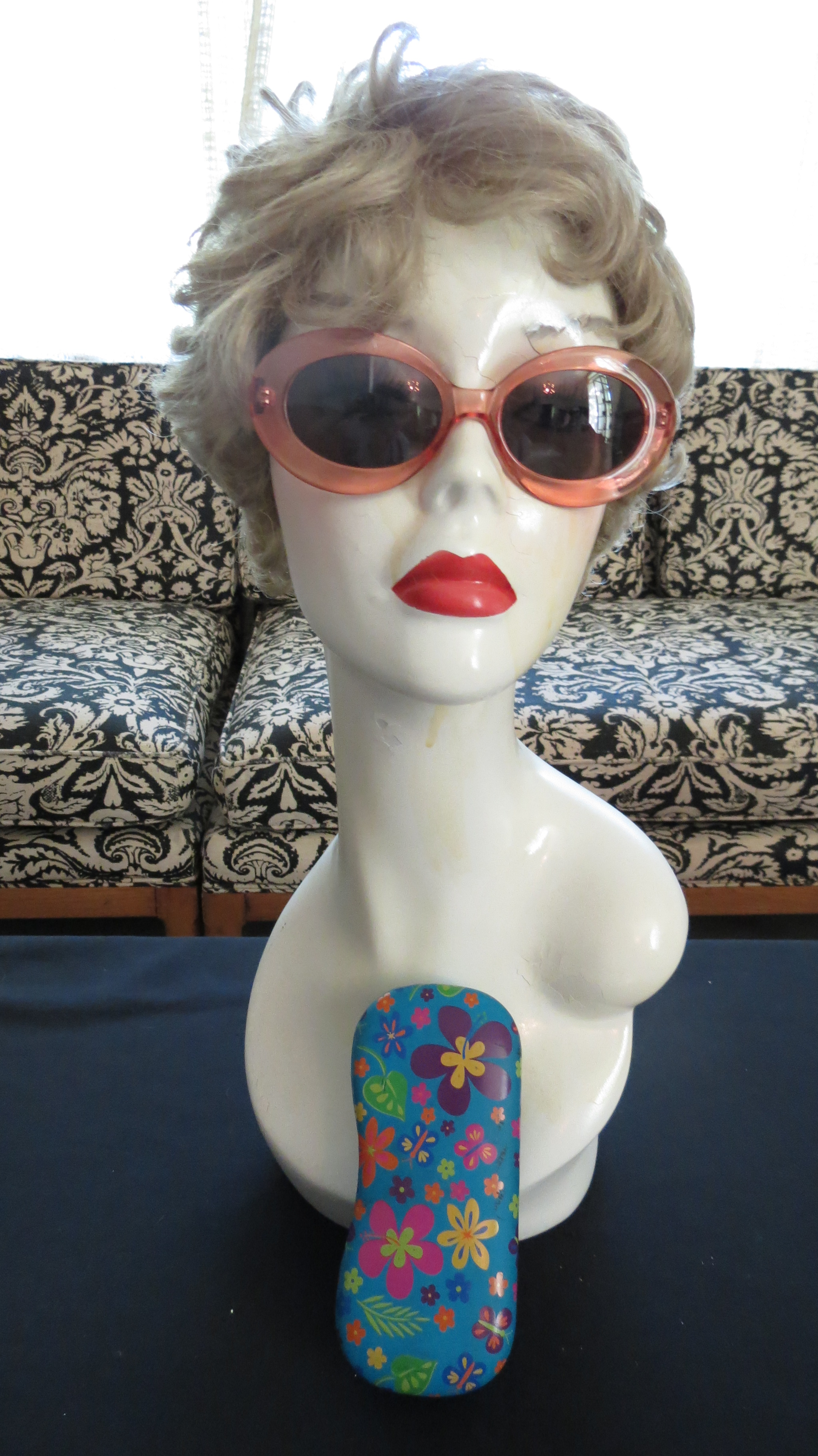
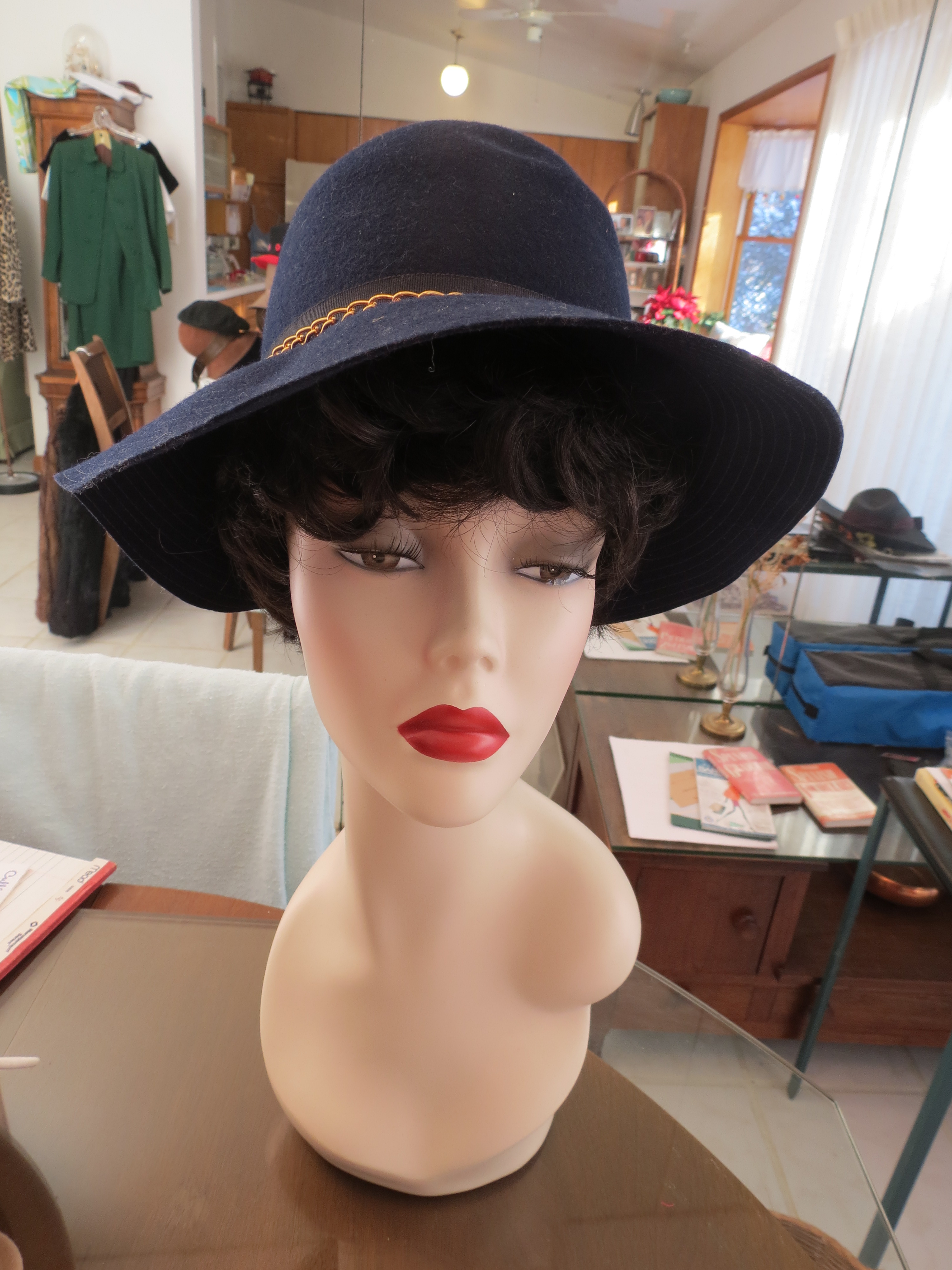
Made from cotton, poly and rayon – these dresses from the pre- and post-war years of the 1940’s tell a fashion history of what was happening during the decade. In the late 1930’s and first 2 years of the 1940’s the war was still fomenting in Europe and Americans didn’t feel especially impacted by this. We had not joined the fight yet and everything at home was ticking along as usual, with fun movie entertainment, jitterbug dancing and jazz. Casual cotton dresses were available, as well as comfy cotton slips. A Western-wear travel fad breezed through the fashion world and sunglasses became more and more common accessories. Cat-eye glasses were called Harlequin glasses then but a round or square lens with heavy plastic frames was the most common until the 1950’s. (Of course, the glasses case in the second picture is retro 1960’s.)

While the reality of war was settling in, synthetic poly fabrics and some rayon took the place of cotton, silk and wool. During rationing, shirtwaist dresses were still the classic standard but hemlines inched up, sleeves got shorter, details and pretty decoration decreased and styles changed, with more sheath dresses being seen. Some of these things changed back after the war but fashion always moves forward. More 1940’s fashion tomorrow – stay tuned . . . . . . . . . .

MORGANA MARTIN, THE MAGICVINTAGESPY

BLOG: MAGICVINTAGESPY.COM
TRUE VINTAGE STYLES FROM THE SEVENTIES

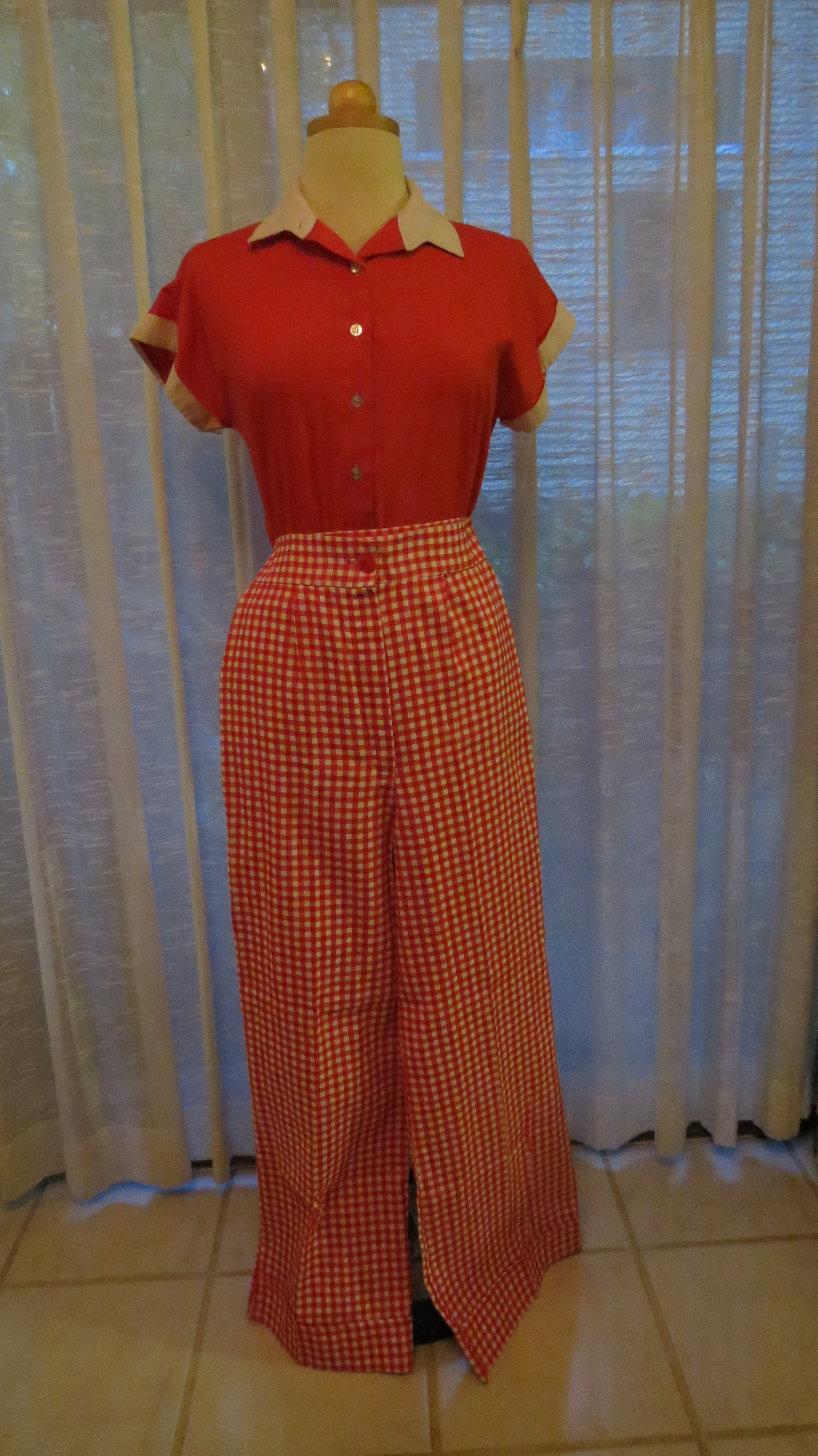
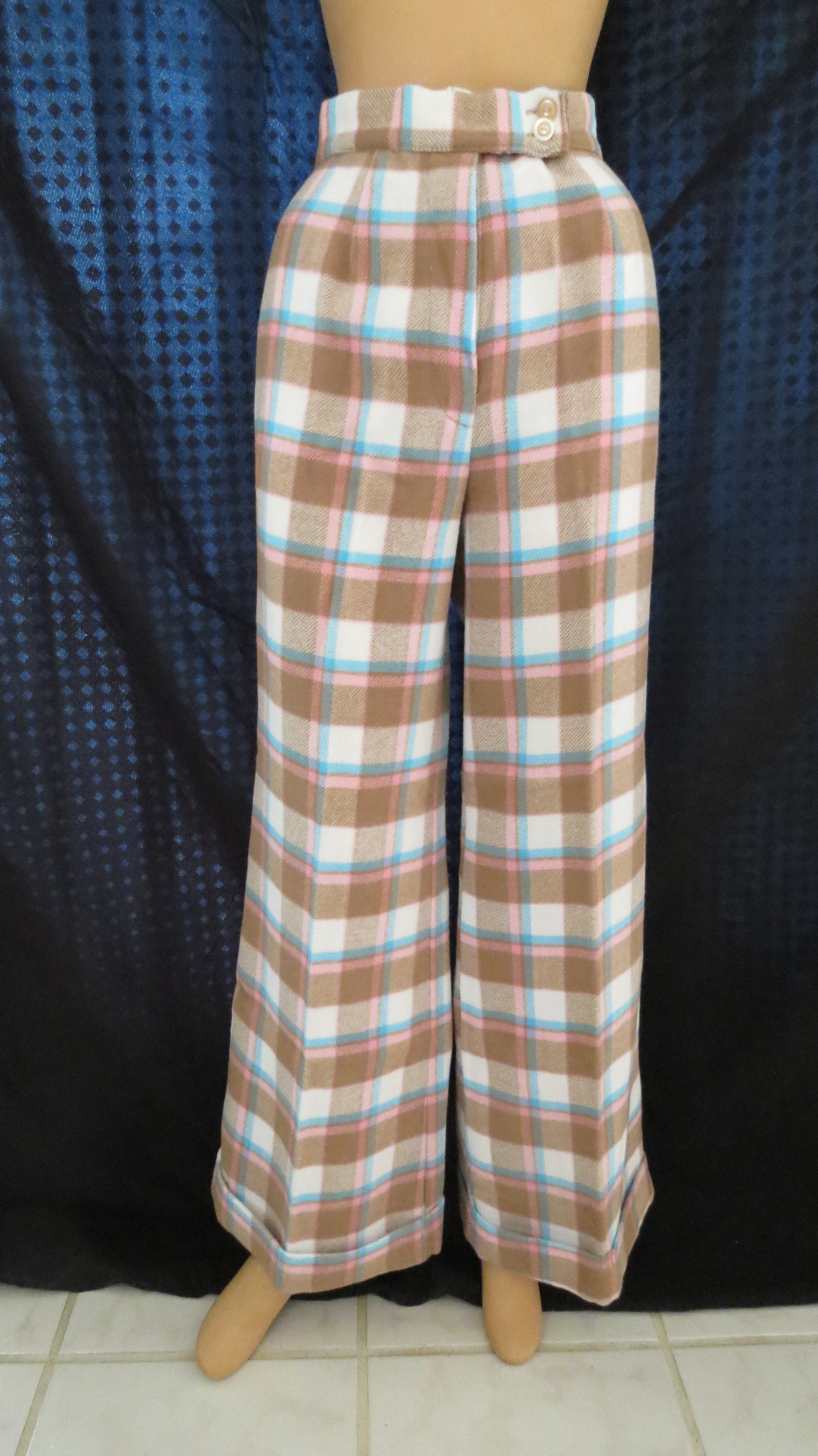
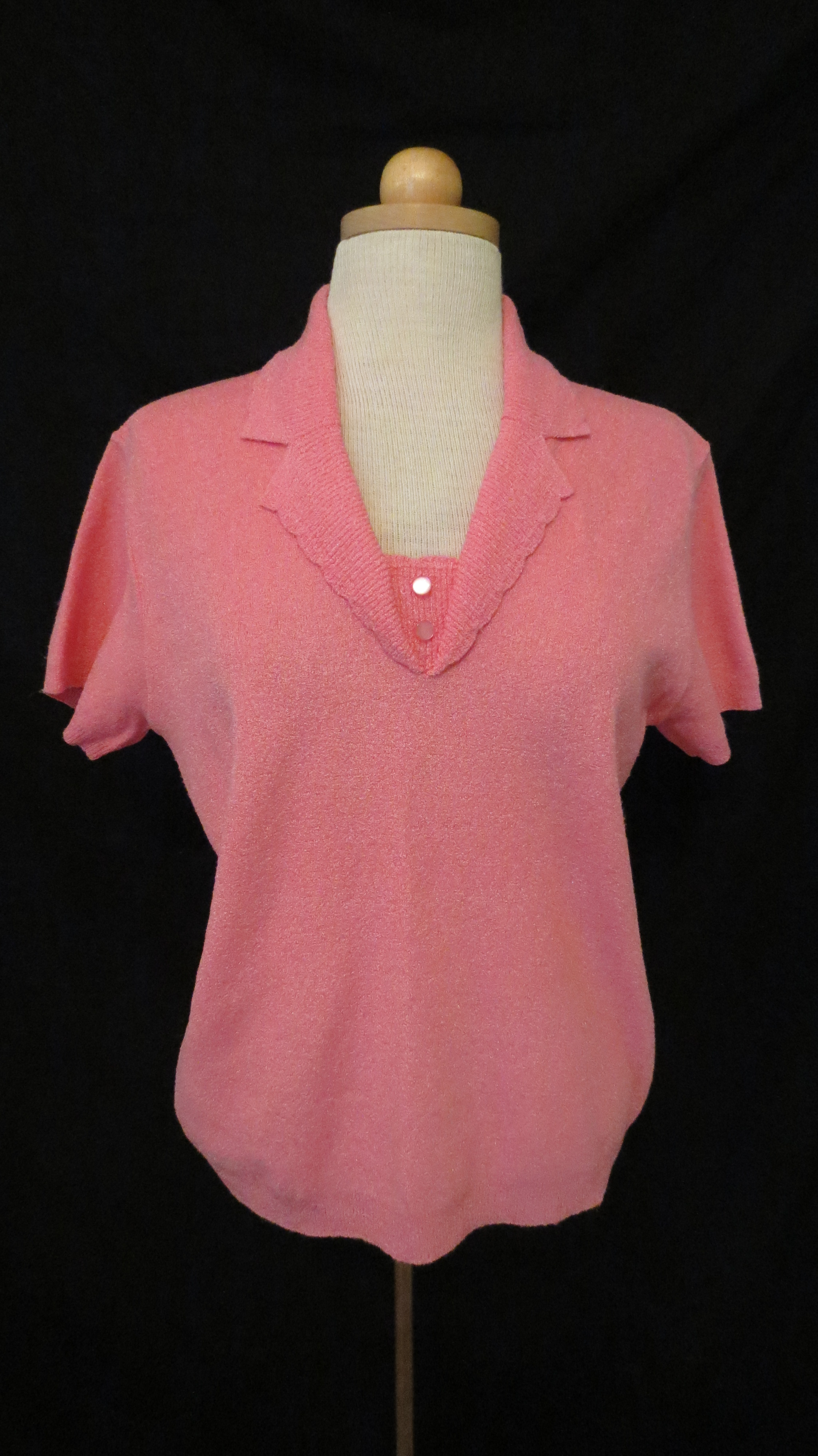
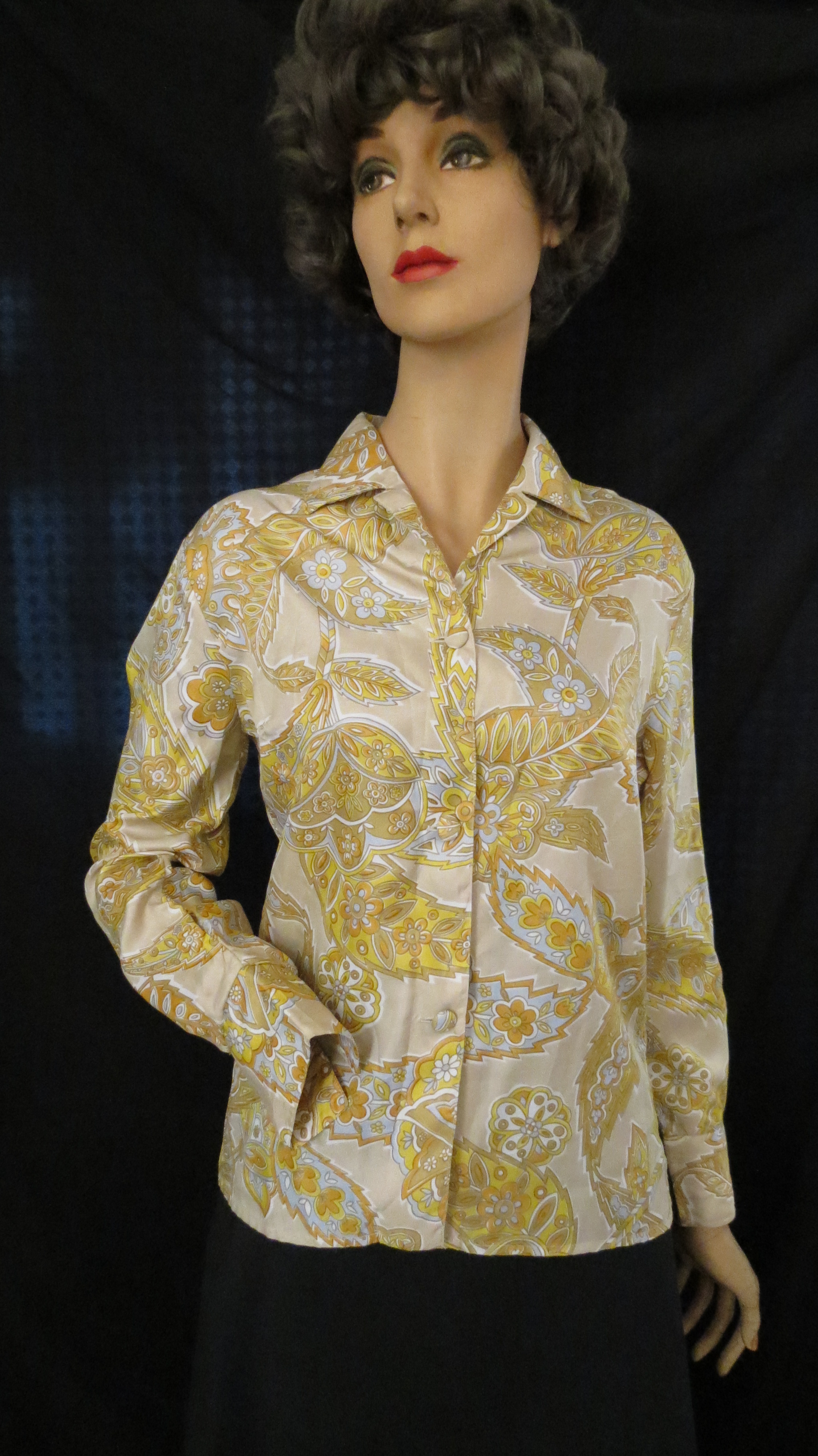
The 1970’s was far from a stellar fashion decade, as far as I’m concerned, but it did include several signature trends. Seventies does Forties, Boho/Prairie, polyester knit pantsuits and dresses (including men’s leisure suits), long pointy collars and animal prints were the predominant ones. The garments shown above are all from the early part of the decade. Psychedelic prints still showed up. Flower power still had a moment. Disco glitz was queen in the late 1970’s. Virtually everything was made of polyester fabric.

Carly Simon wore a hat similar to the one above on her first album cover in 1971 or 2 and it became instantly trendy. 1940’s styles, especially the tailoring details and medium-size shoulder pads, became really popular. Look at the trims on the short sleeved blouses. They are very ’40’s-looking. See the high waist and full legs on the slacks – women’s pants of the 1940’s were mostly made this way. An exception was Western-wear slacks, which tended to be slimmer.

The most-worn styles included platform shoes and jumpsuits in a big way. Military personnel and working women made jumpsuit uniforms visible during wartime and they became part of trendy fashion. The example above is from the early 1970’s. I have found and enjoyed wearing all of these designs. There are many photos in the files, but I can’t display them all at once. Some 1940’s styles popped up again in the 1980’s and I’ll show a few tomorrow. Stay tuned . . . . . . . .. . . . . . . . . . . . . . . . . . . . . .

MORGANA MARTIN, THE MAGICVINTAGESPY

BLOG: MAGICVINTAGESPY.COM
TRUE VINTAGE LATE 1960’S FASHION TRENDS – MOD HEADS INTO THE 1970’S

Britain continued to lead the fashion trends in the late ’60’s and it seems to me that their influence strengthened during these years as the Carnaby Street styles showed up. Mod and ultra mini began to slow down with a strong Edwardian/Victorian/Hippie wave predominating. Psychedelic and paisley prints were super popular, even on higher-end classic styles. Long bell sleeves showed up a lot. Ruffled, high-collar blouses and men’s neckties for women were fun fads. Platform soles went out (for a while) in favor of mid-heel pumps with high vamps and rounded toes. LifeStride, a popular mid-priced U.S. brand got into the trend with the example shown above.

Knee-length, midi and full-length hemlines came on the scene again, especially on more conservative and higher-end dresses. Though some minis were still worn, the hippie-styles usually had ankle-length skirts. While Carnaby Street fashions passed by, the long hippie/Victorian looks drifted into the early 1970’s. If you have followed me, you might remember a few of my posts earlier this year covering vintage Prom dresses that showed early 1970’s Victorian/Prairie designs in that mix.

There was a lot more, however, to the early 1970’s fashion designs. We’ll start looking at the Seventies tomorrow. Stay tuned . . . .

MORGANA MARTIN, THE MAGICVINTAGESPY

BLOG: MAGICVINTAGESPY.COM

TRUE VINTAGE 1960’s DRESSES IN THE MAD, MOD WORLD

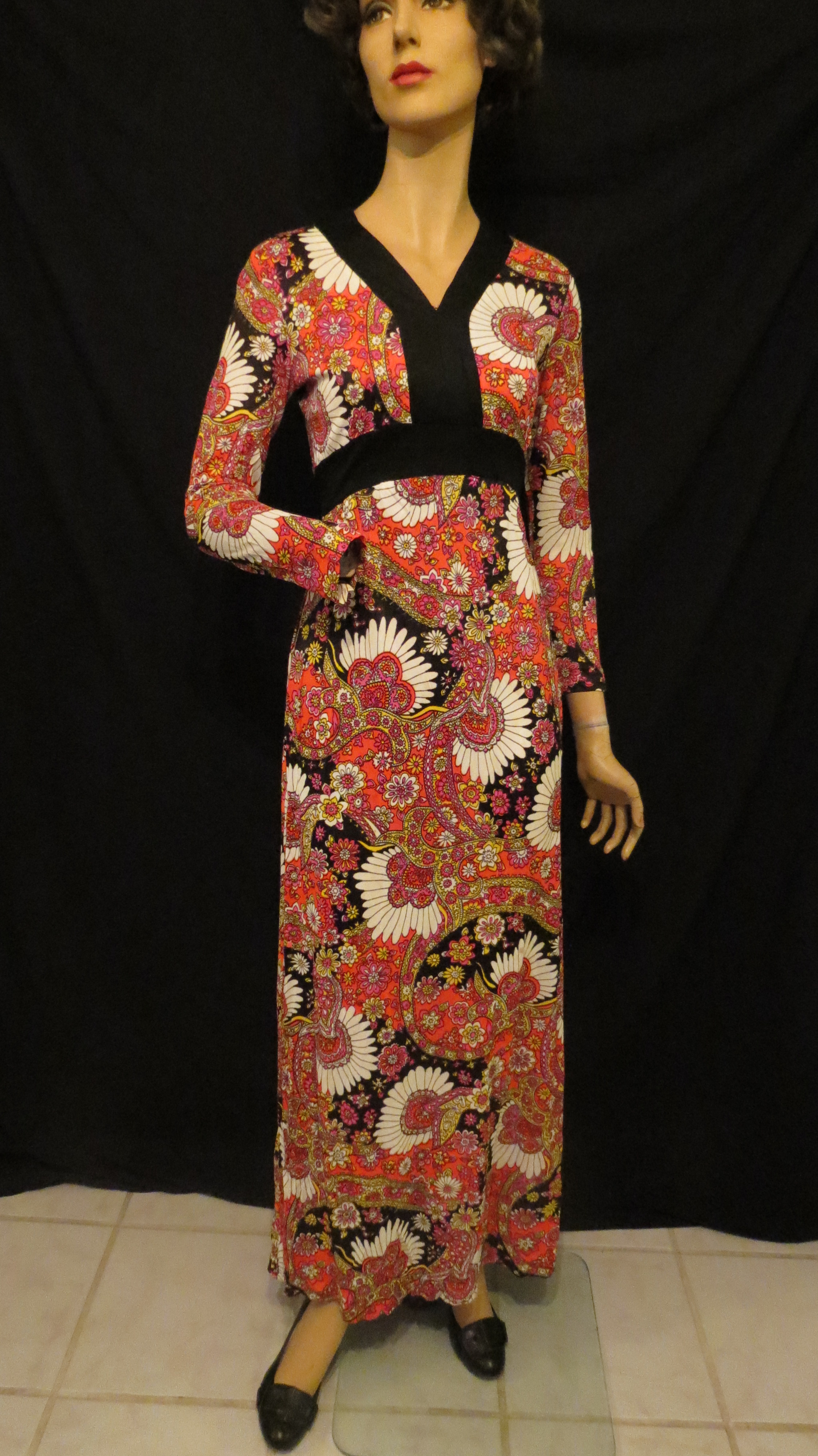
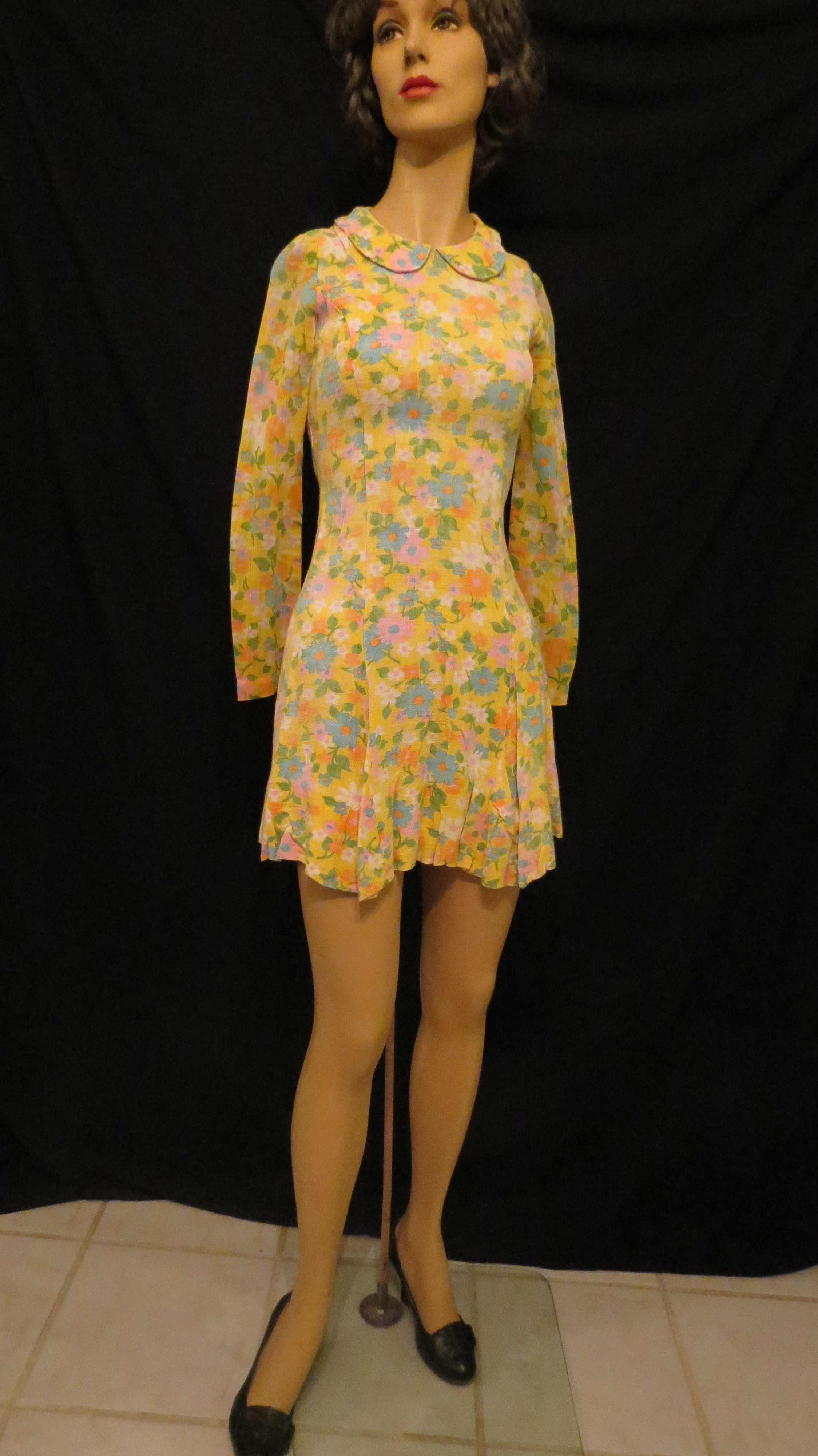
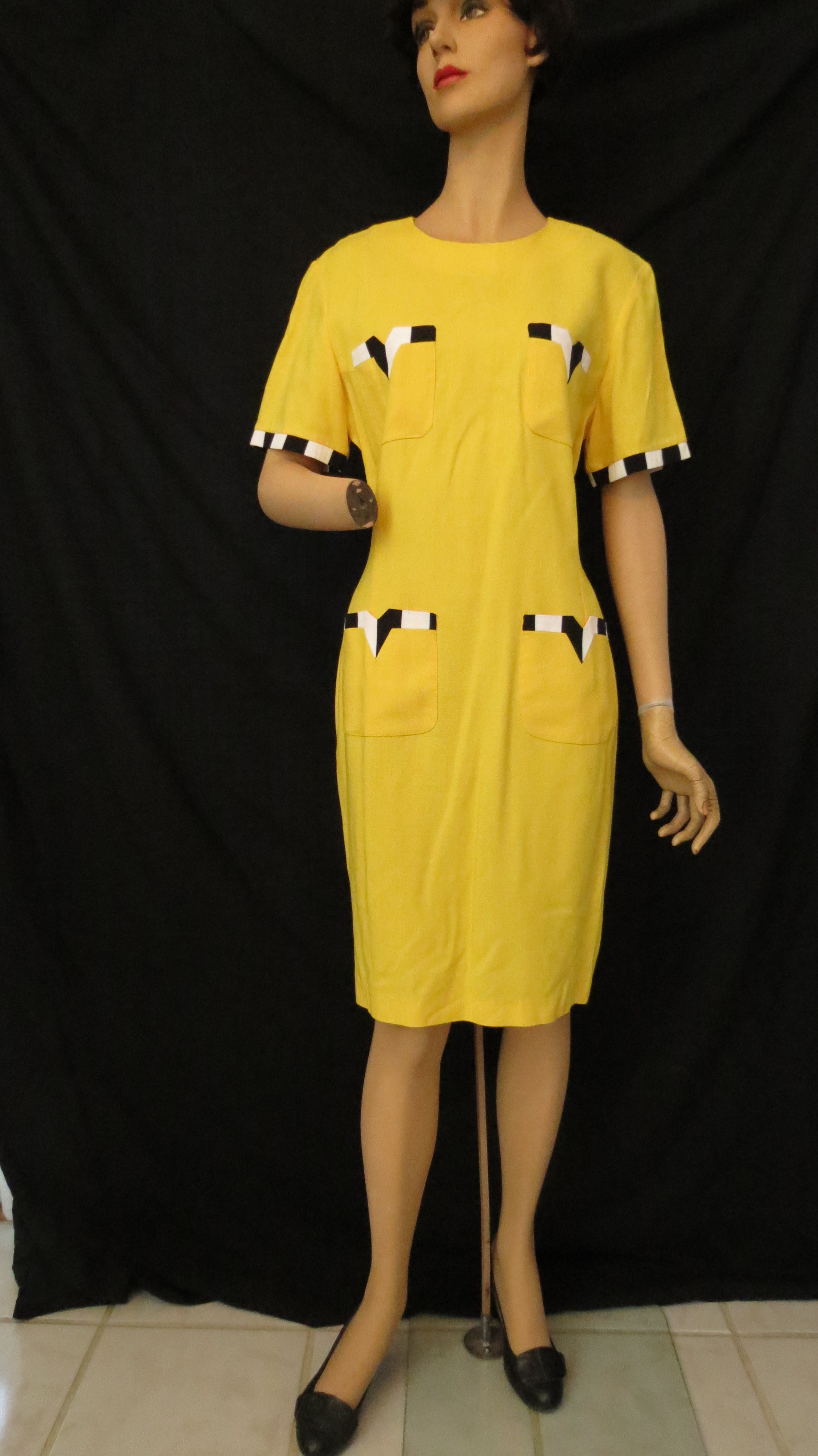
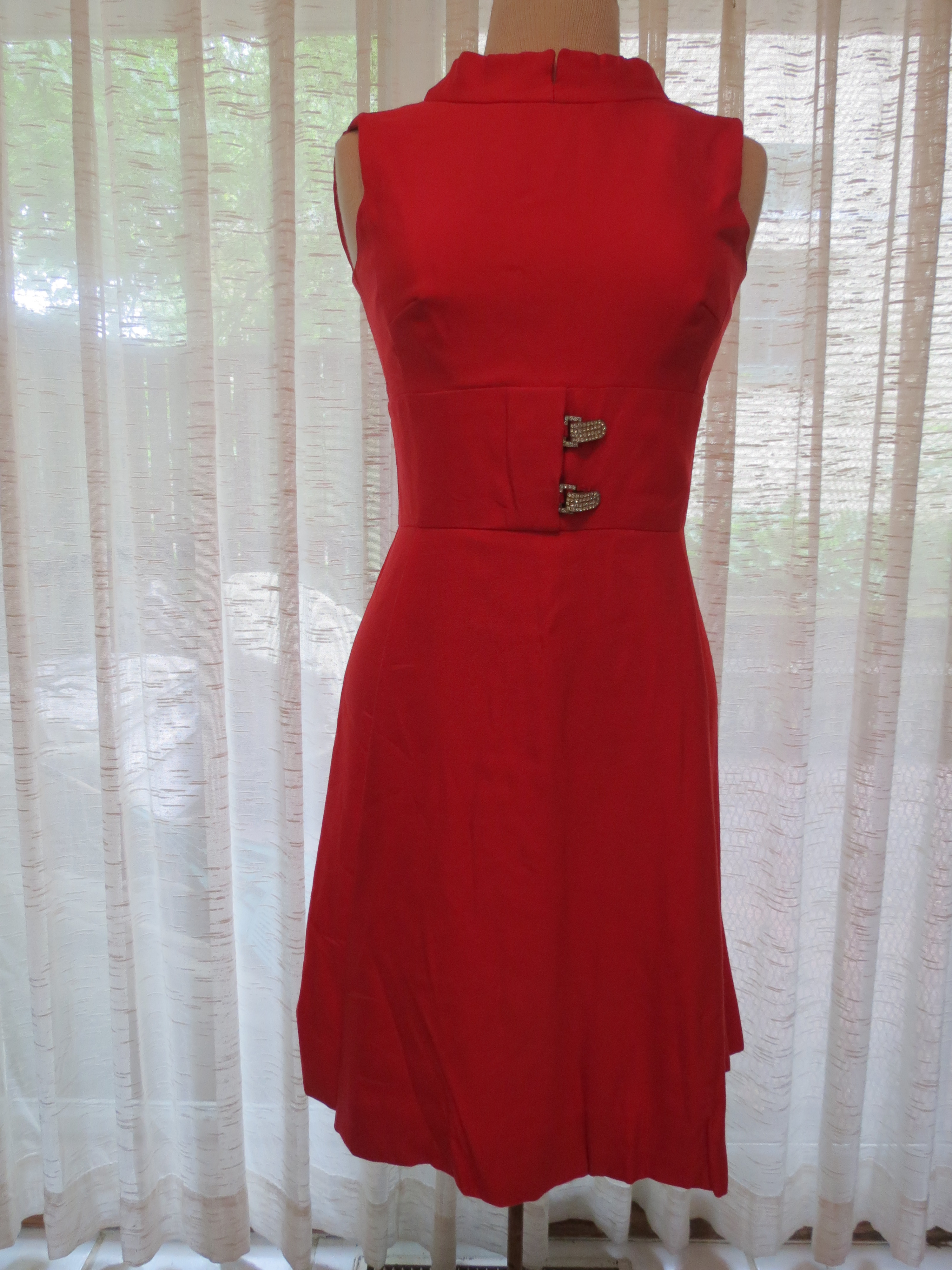
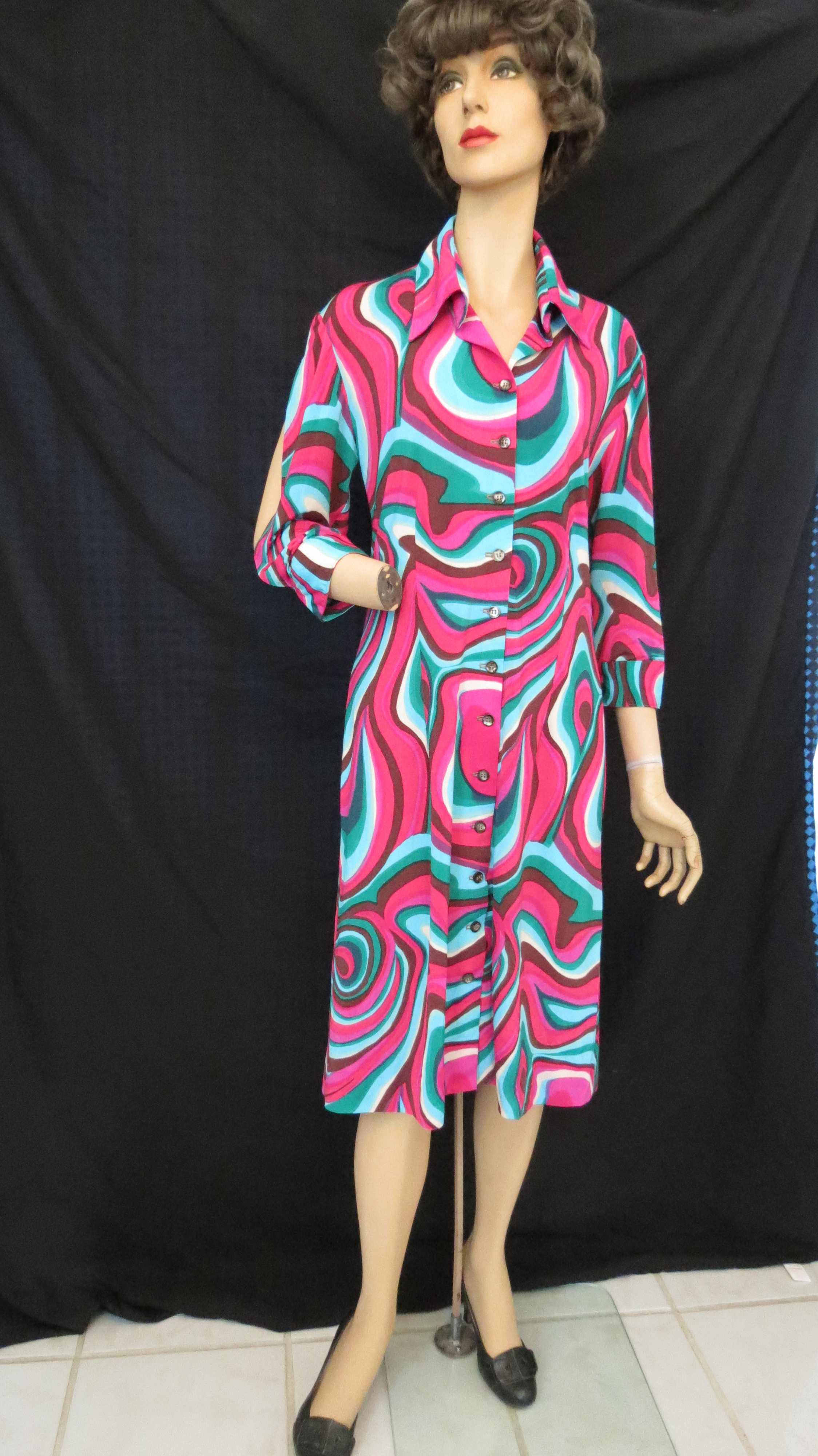
Flower-power mini-dresses, traffic light neon colors, military-styling, psychedelic prints! These trends all appeared during the middle years of the 1960’s. Cotton is out – all these dresses are made from some form of synthetic fabric. So different from the previous decades, even though some of the classic details still crop up and garments are still well-made. See the Peter Pan collar on dress #1? The contrasting edging on the yellow sheath? Nehru collar (both military and Asian) and metal hardware on the stop sign red dress? Swirly hallucinogenic op-art on a classic shirtdress style? Perfect reflections of social culture, which was morphing yearly between Peace & Love, End the Vietnam War, Sex, Drugs & Heavy Metal rock n’ roll. In spite of all that, look at the tailoring!!

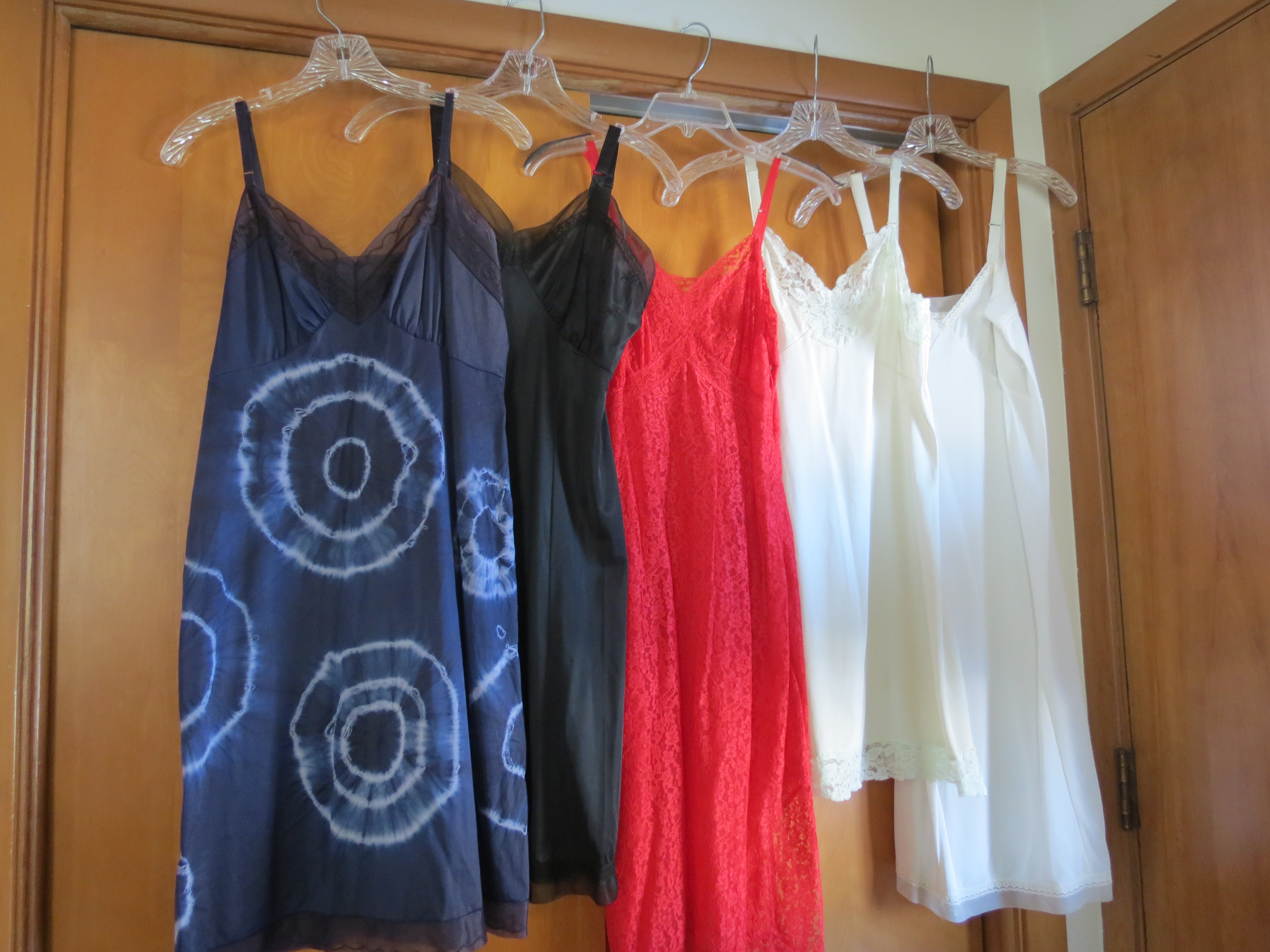
Pretty lingerie slips were still called for with these fitted frocks but the longer lengths were no longer suitable. Knee-length, at the longest, and mini-length became available. Wonderful nylon that tolerates hot water and can be dyed even allowed some creative girl to do a tie-dye.

Tomorrow we’ll take a stroll in some late 1960’s dresses and visit Carnaby Street. Stay tuned . . . . . . . . . . . . . . . . . . . . . . . . . .

MORGANA MARTIN, THE MAGICVINTAGESPY

BLOG: MAGICVINTAGESPY.COM

6 PRETTY TRUE VINTAGE 1940’S DRESSES WITH ’80’S DOES ’40’S WEDGE-HEEL SANDALS

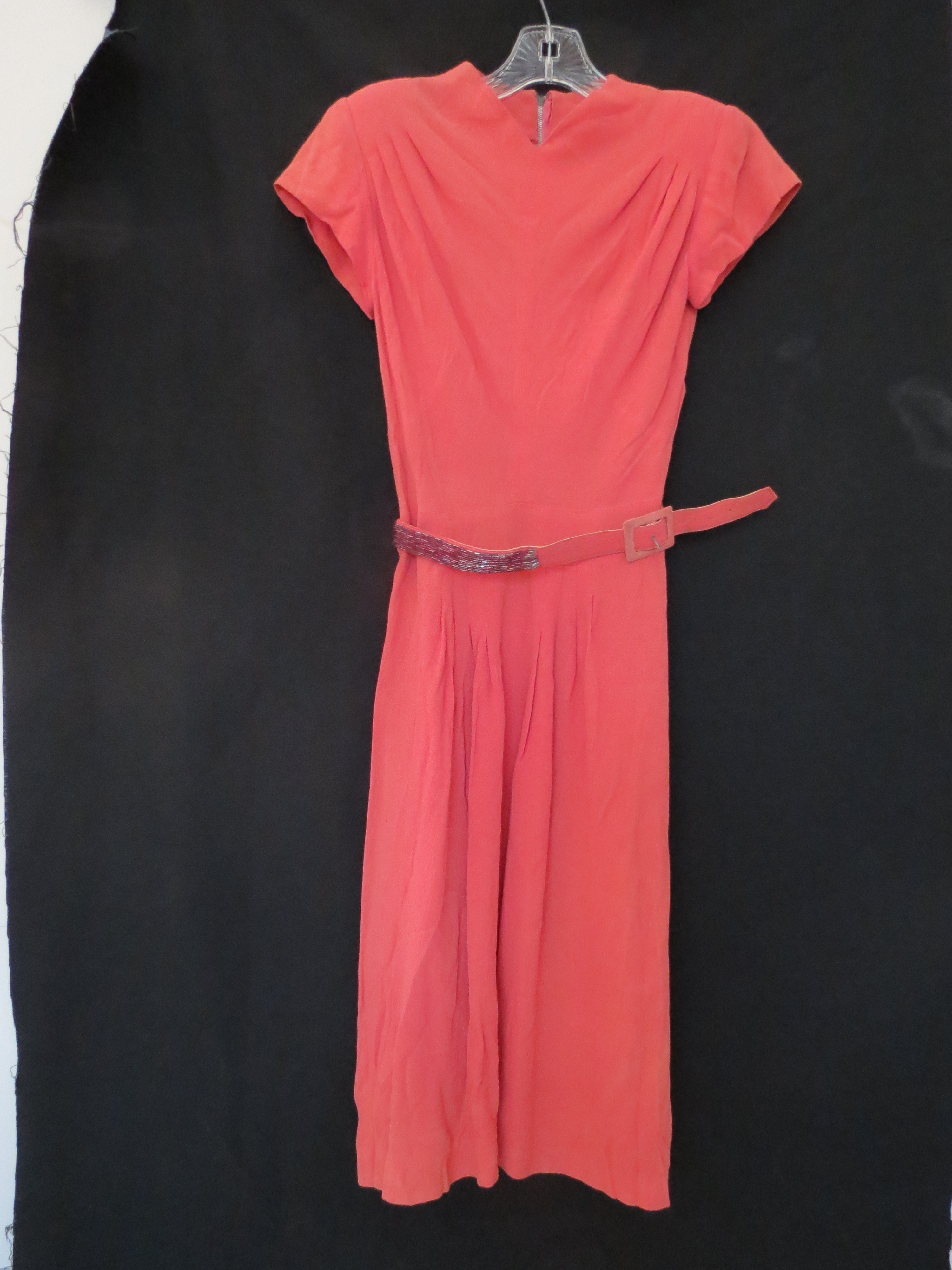
A knee-length synthetic (probably acetate blend) coral red frock from the early 1940’s has augmented shoulders, a straight cut and a fabric-covered belt with some glass beads to dress it up. In the post-war Forties, hemlines were able to come down again and skirts became fuller. The knee-length wartime styles were able to resume their previous midi-length luxury. Rayons and polyester synthetics continued their popularity because of their availability, lovely drape and acceptance of color dyes. During the early recovery from the war, some natural fabrics and detail items were still not fully stocked in dressmaking supplies.

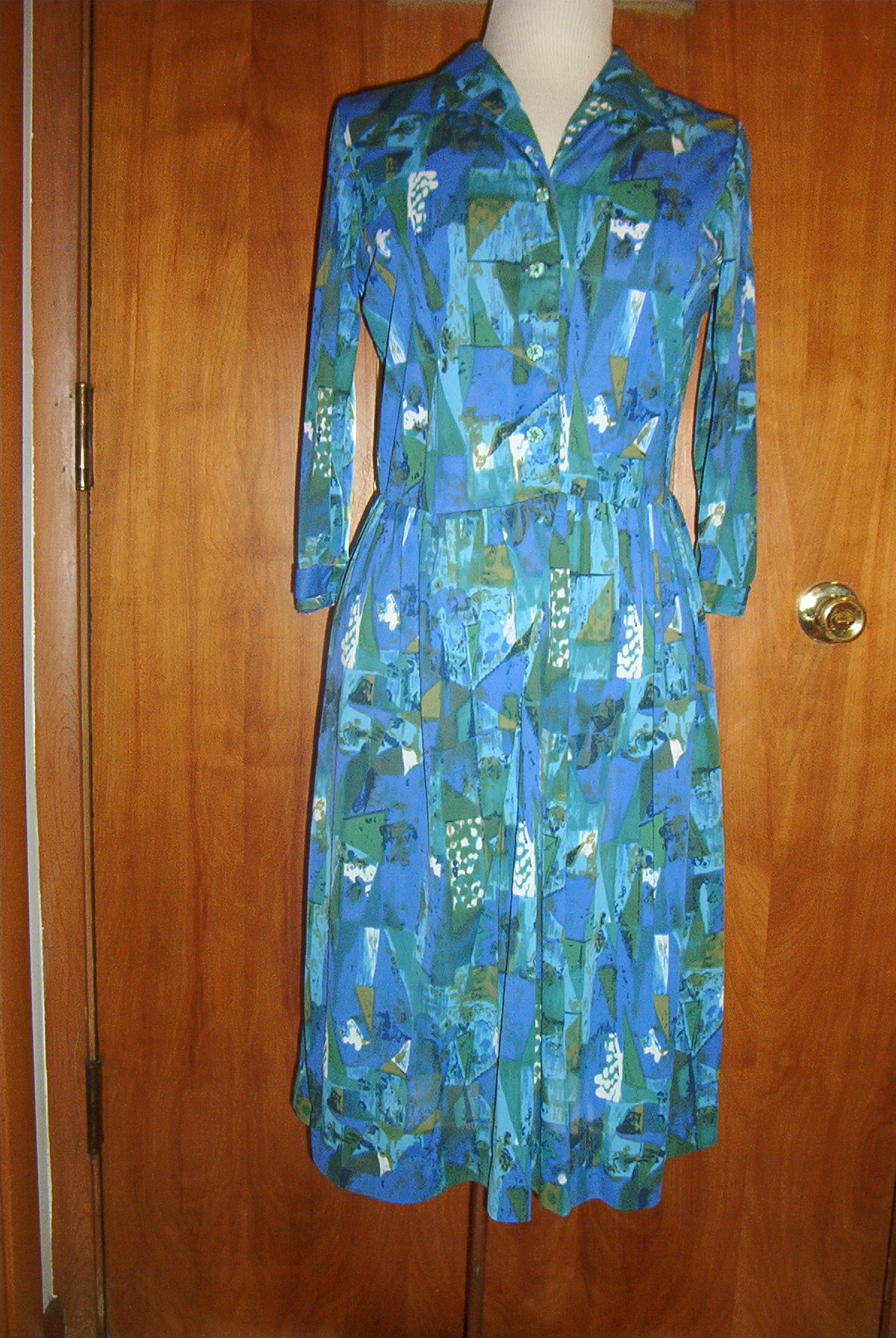
The ever-popular shirtwaist style has never left the fashion scene but became more modern, with atomic prints, and more sophisticated design in the later ’40’s after women had stepped into more visible roles in society with their wartime efforts. When the majority of the trauma and restrictions were finally past, this tea-length floral frock is an example of a more relaxed, aristocratic style as the culture looked forward to the more prosperous 1950’s.

With day-dresses to slacks, I love wedgie sandals and these Eighties does Forties versions did not disappoint me. Their sleek leather sling-back style goes well with almost everything and the 2″ heel gives lift along with walkability. This design carried on into the 1950’s and would look great with the dresses I’ll post tomorrow. Stay tuned . . . . . . . . . . . . . . . . . . .

MORGANA MARTIN, THE MAGICVINTAGESPY

BLOG: MAGICVINTAGESPY.COM
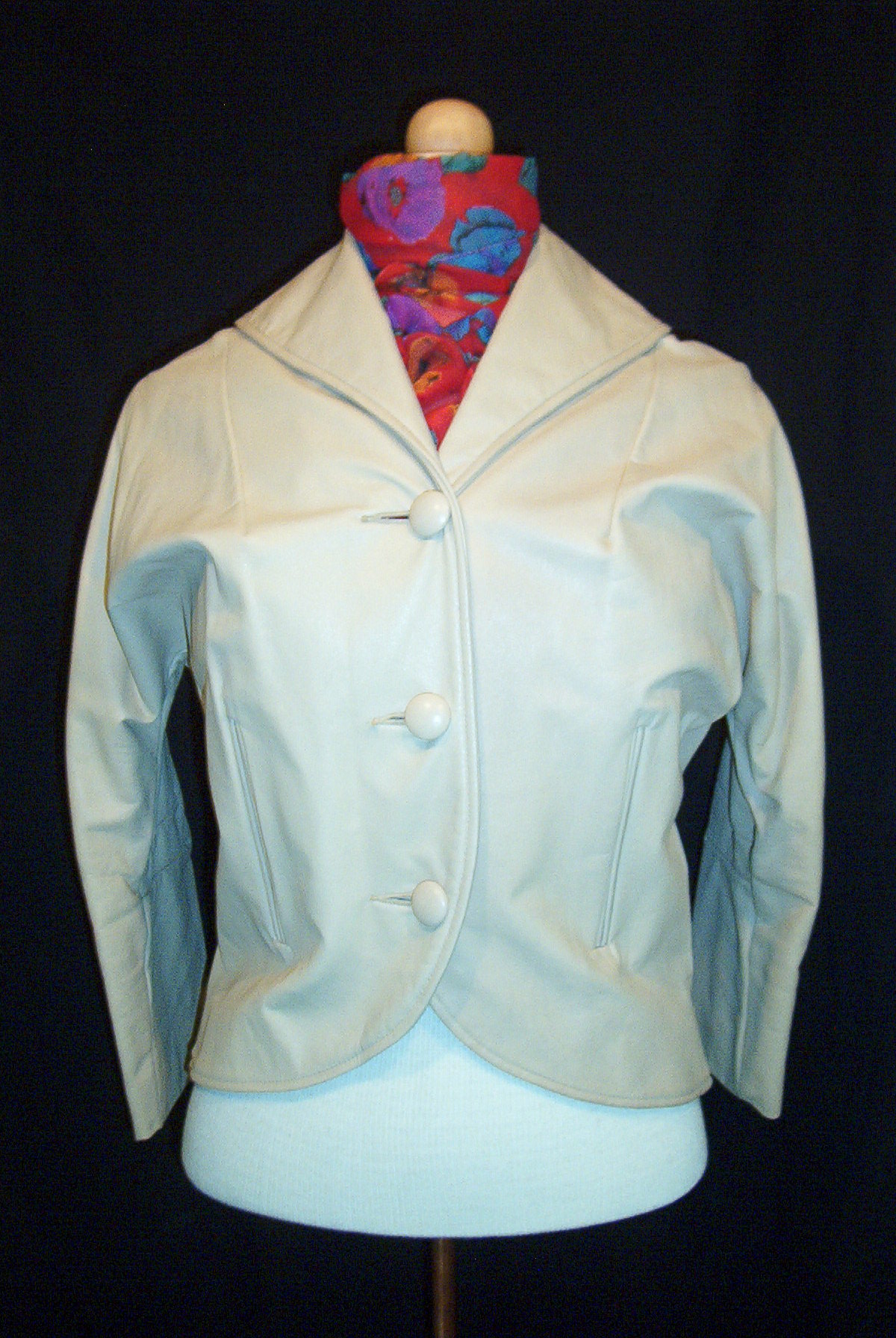
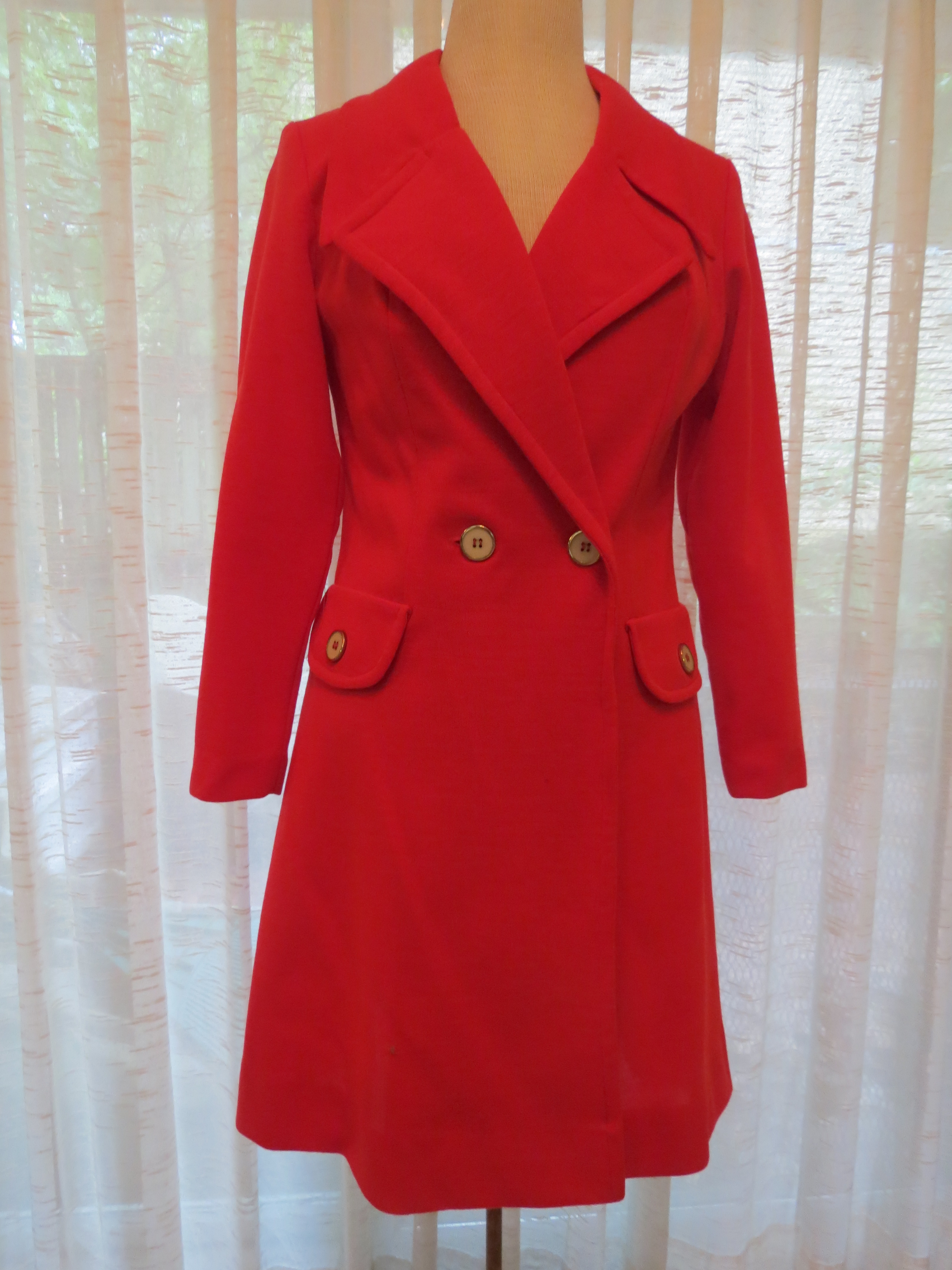
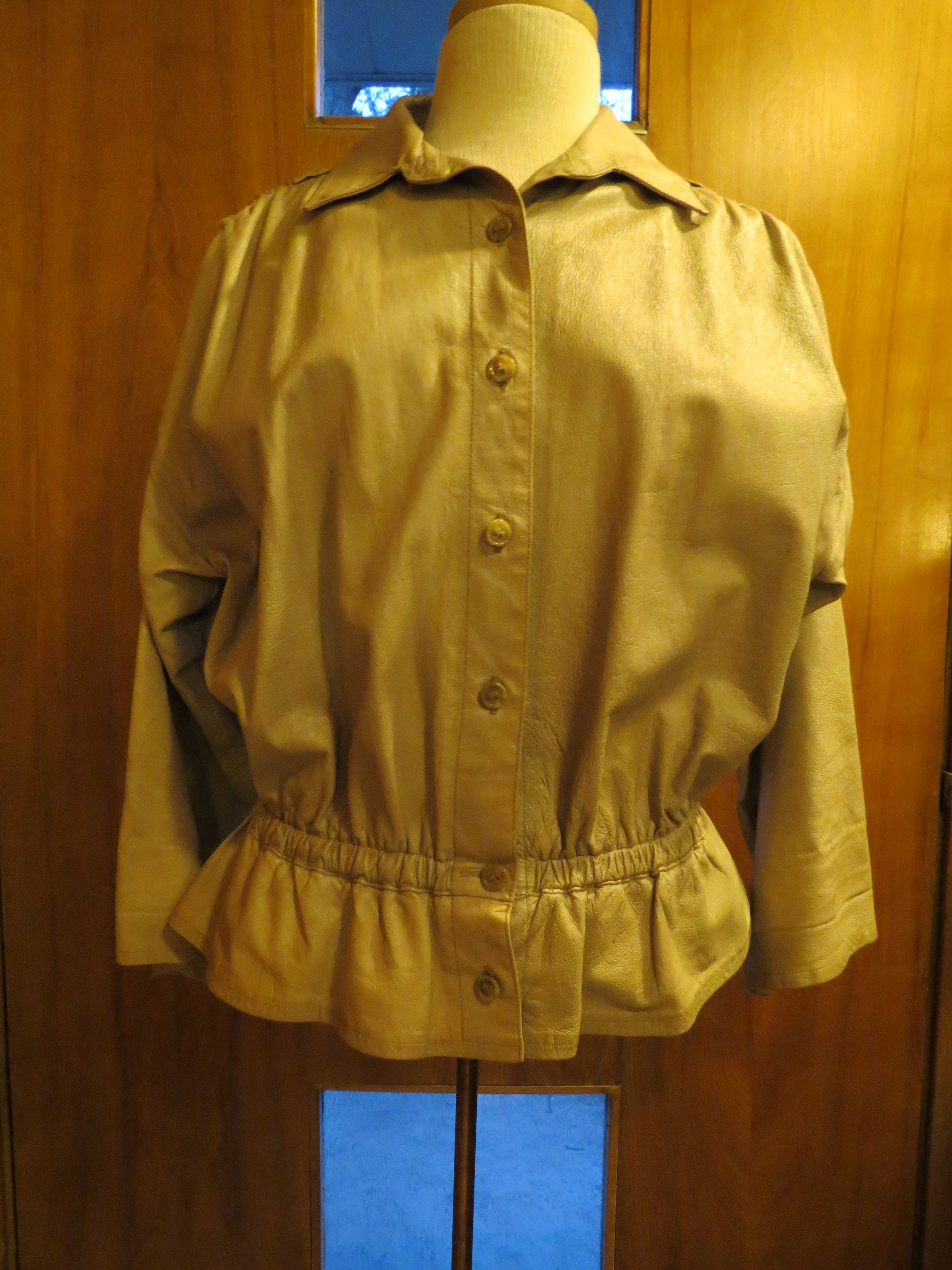
TRUE VINTAGE SPRING JACKETS & COAT 1940’S – 1980’S

Distinctive tailoring and fabric in ladies’ jackets helps identify their decade in fashion history. Wool jackets with interesting buttons and lots of tailored details were very popular from the late 1930’s into the 1950’s. Not all 1940’s jackets had big, military-style shoulders. The two 1940’s jackets in the first photo are good examples which were both parts of a skirt suit originally. They’d look great with a pair of tailored pants, too. Look at the buttons and pockets that draw attention. Tabs on the cuffs and waistline detail do the same. Both jackets have an easy, flattering fit.

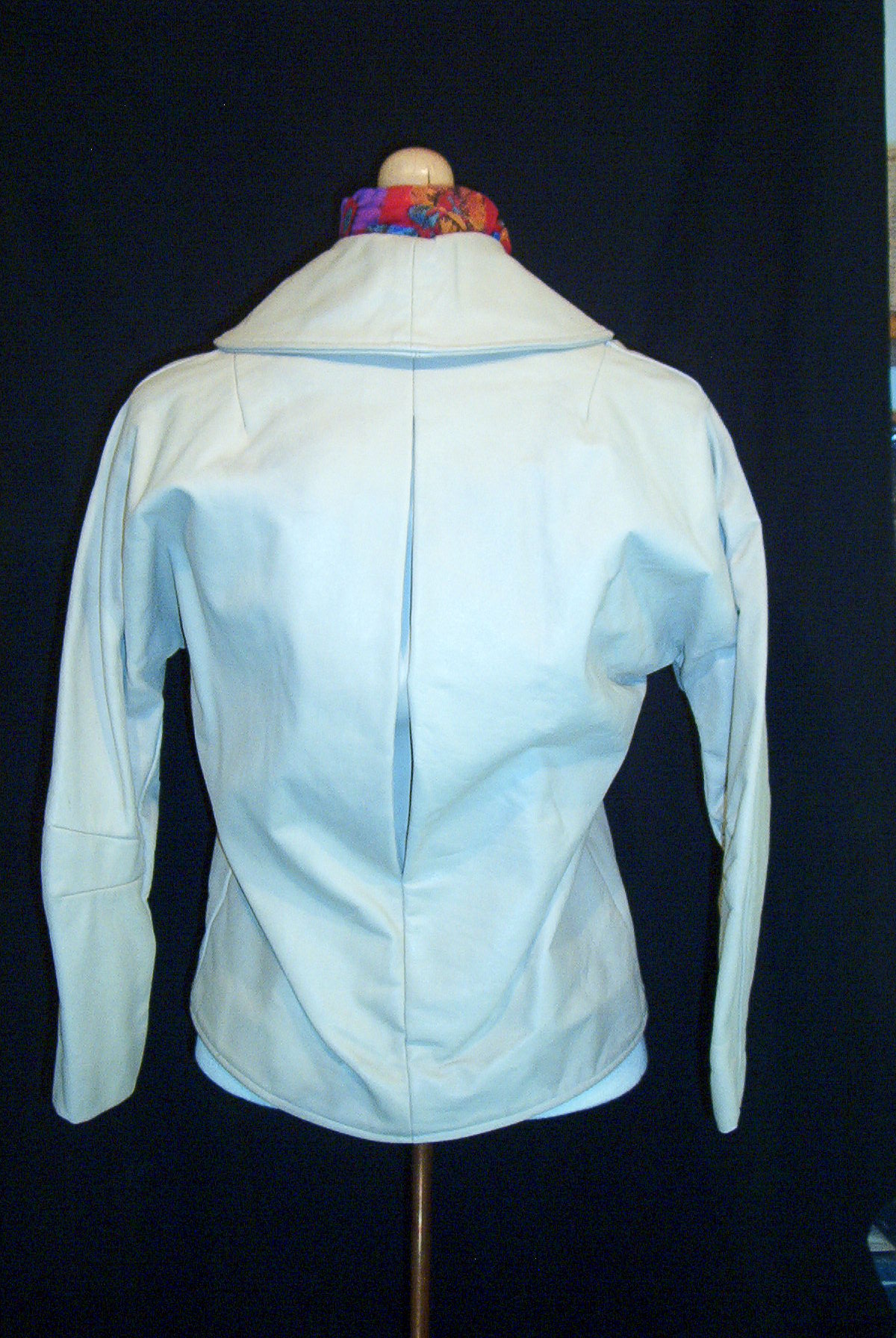
In the 1950’s, jackets became more sporty and body-conscious in many cases. This fitted white leather jacket is a great example. Covered buttons, a wide collar, slash pockets and back vent really draw the eye. It’s sleek and streamlined. The fitting reflects that in the tapered sleeves and fitted waist. Extra room on top which accents she shoulders and bustline gives a bit of an athletic or “va-va-voom” figure enhancement. Love it!

The bright red all-weather textured polyester coat from the 1970’s has many mid-century style features. The stand-out collar design with extended lapels is a “1970’s does 1940’s” style which was very popular in the early Seventies. The fitted Princess cut also harks back to the 1940’s and 1950’s, up through the early 1960’s because it is very classic. Knee-length hemlines on coats reflected the hemlines on skirts and dresses, so were shorter during WWII and the mini-skirt era between the early ’60’s and early ’70’s.

The tan-color 1980’s jacket is also made of leather. It’s a casual style that is more international and eccentric but has a bomber jacket silhouette paired with a 1940’s peplum waist that goes with some types of skirts and pants. Lots of gathers on the shoulders and at the waist give it a roomy fit that lets you wear a sweater underneath if you want to.

Before heading into a chronology of true vintage Spring day dresses, we’ll take a Snowbird vacation tomorrow. Stay tuned . .. . . . . . . . . . . . . . . . . . . . .

MORGANA MARTIN, THE MAGICVINTAGESPY

BLOG: MAGICVINTAGESPY.COM