1940’s WAR-SHOCK DRESSES & WARTIME FASHION TRENDS

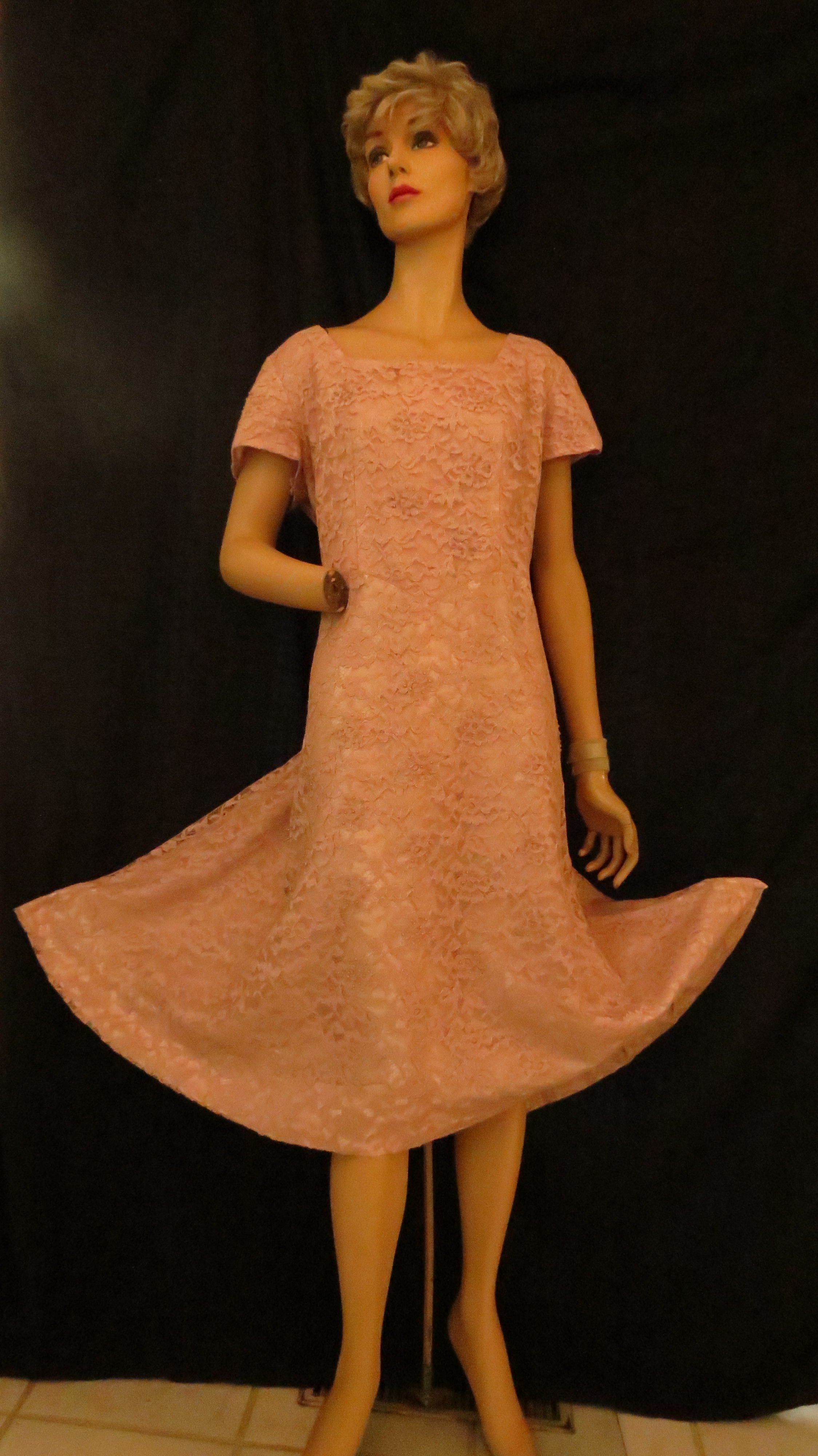
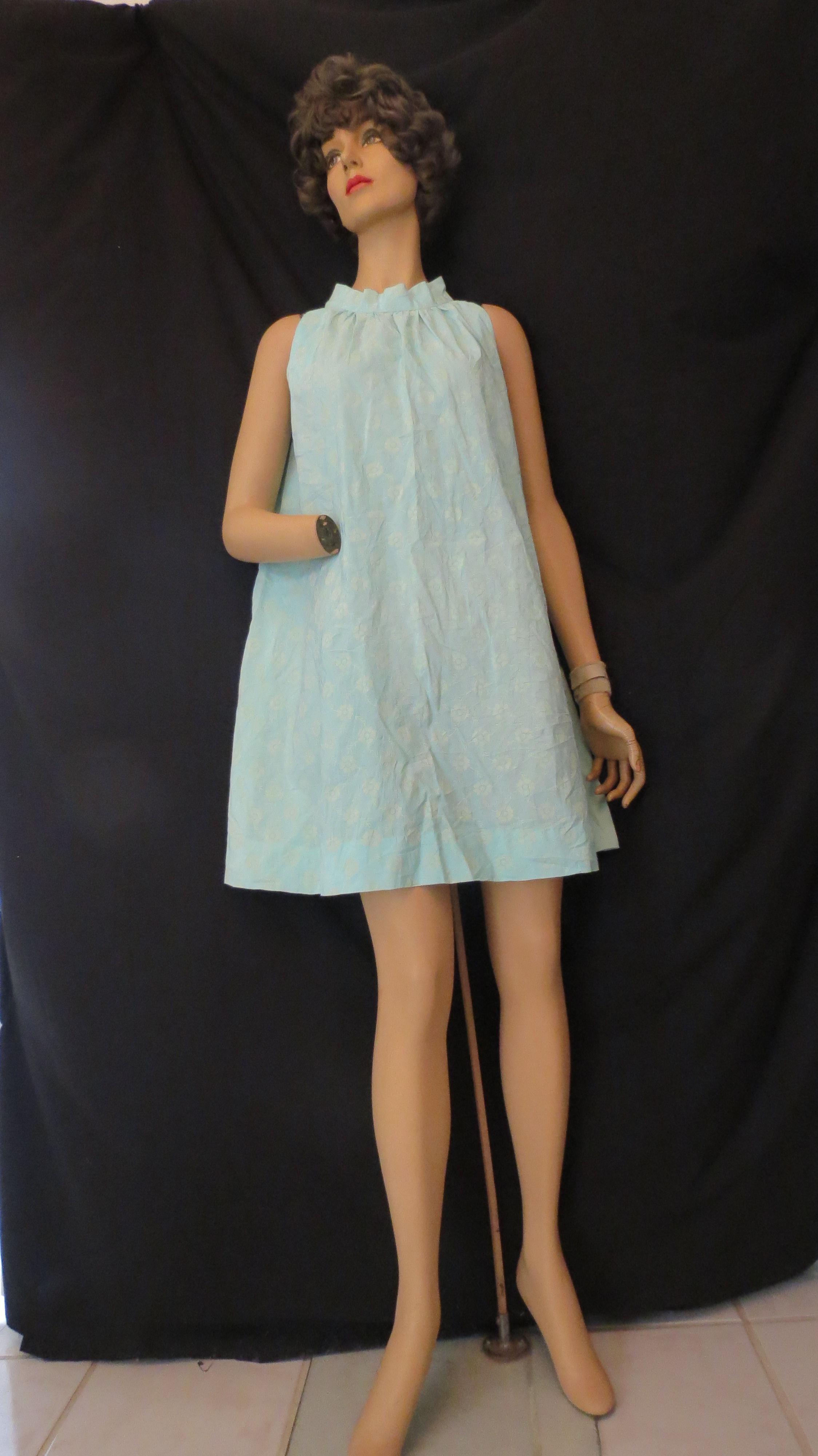
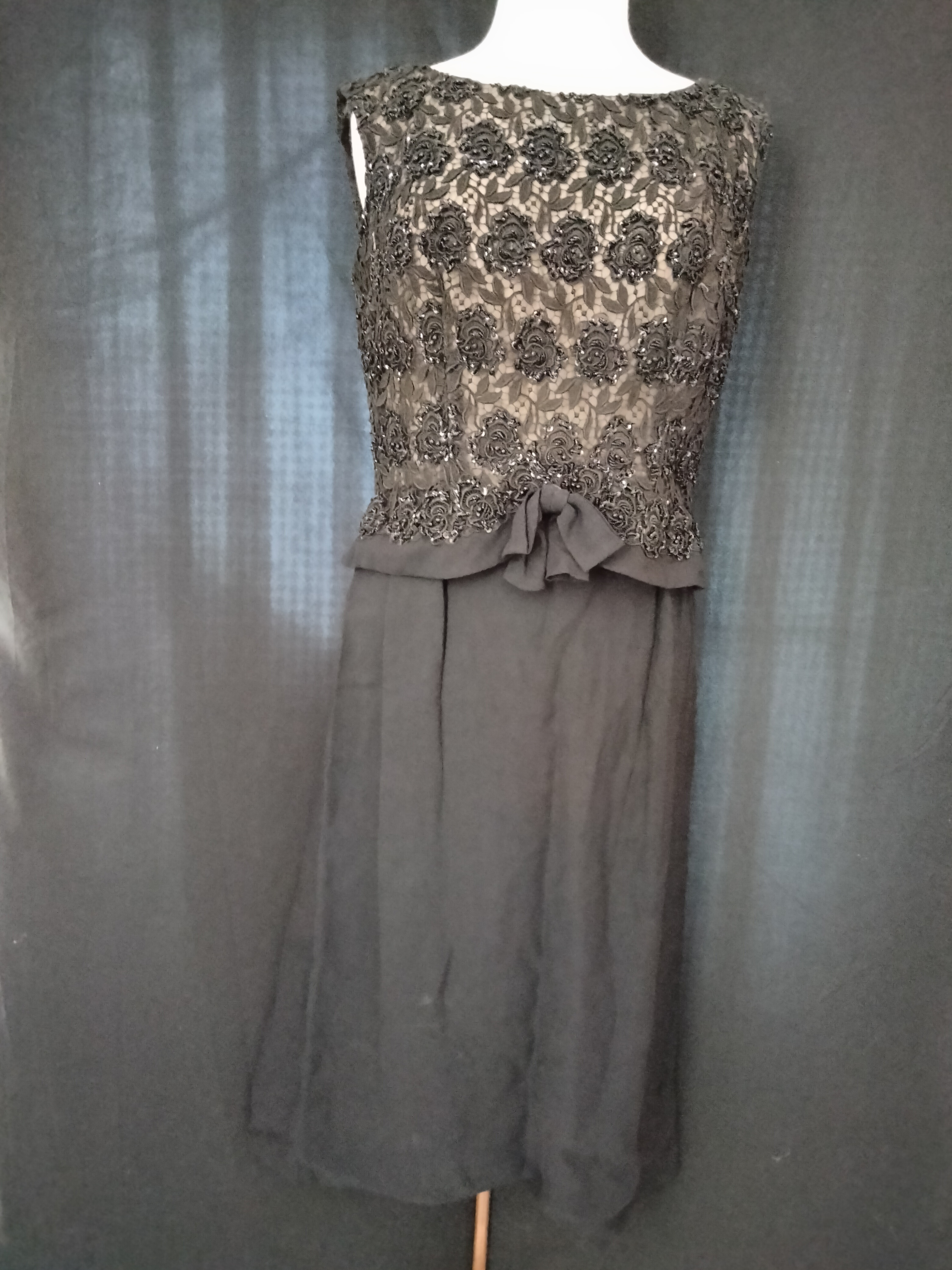
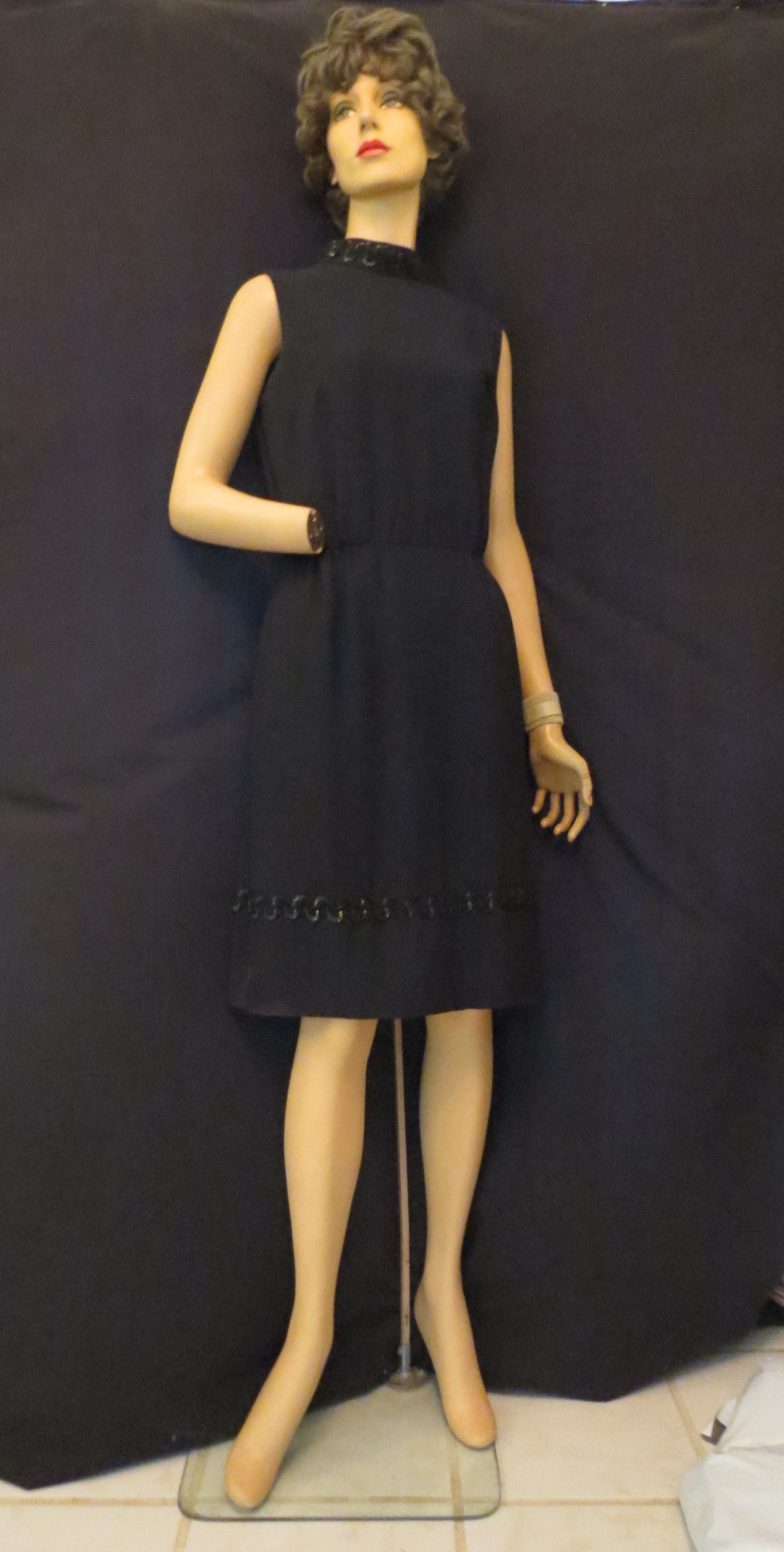
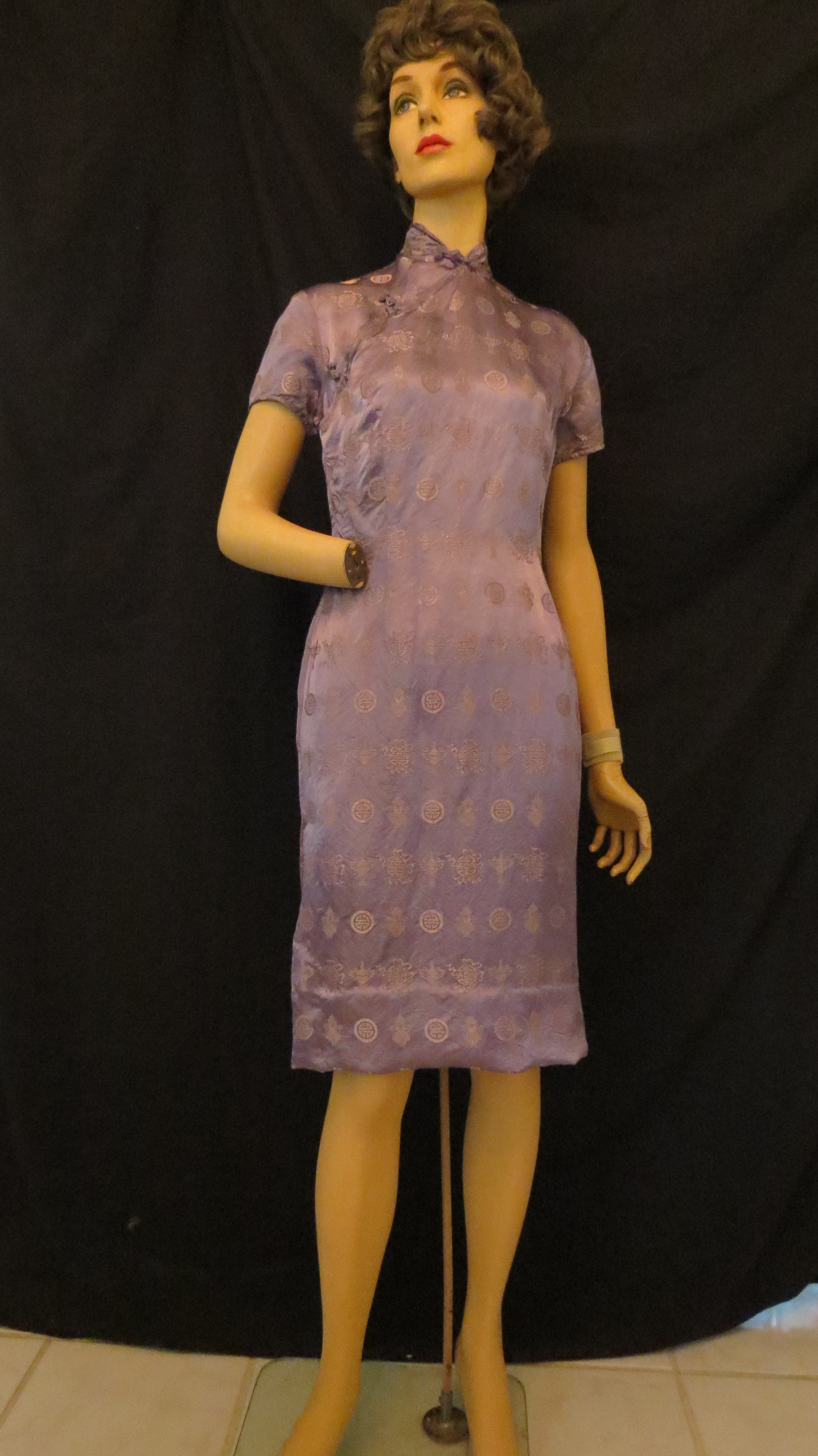
Before 9-11 it was hard for young U.S. Americans to understand the shock and fear that the attack on Pearl Harbor caused in December 1941. The government’s decision to join WWII, which had been happening in Europe and seemed remote to most everyday folks in the U.S., suddenly brought it close to home. The news and the movies began to open the doors on Asian culture and the curiosity of Americans and popular culture started to make this theme trendy. These dresses are from some of my most interesting investigations.

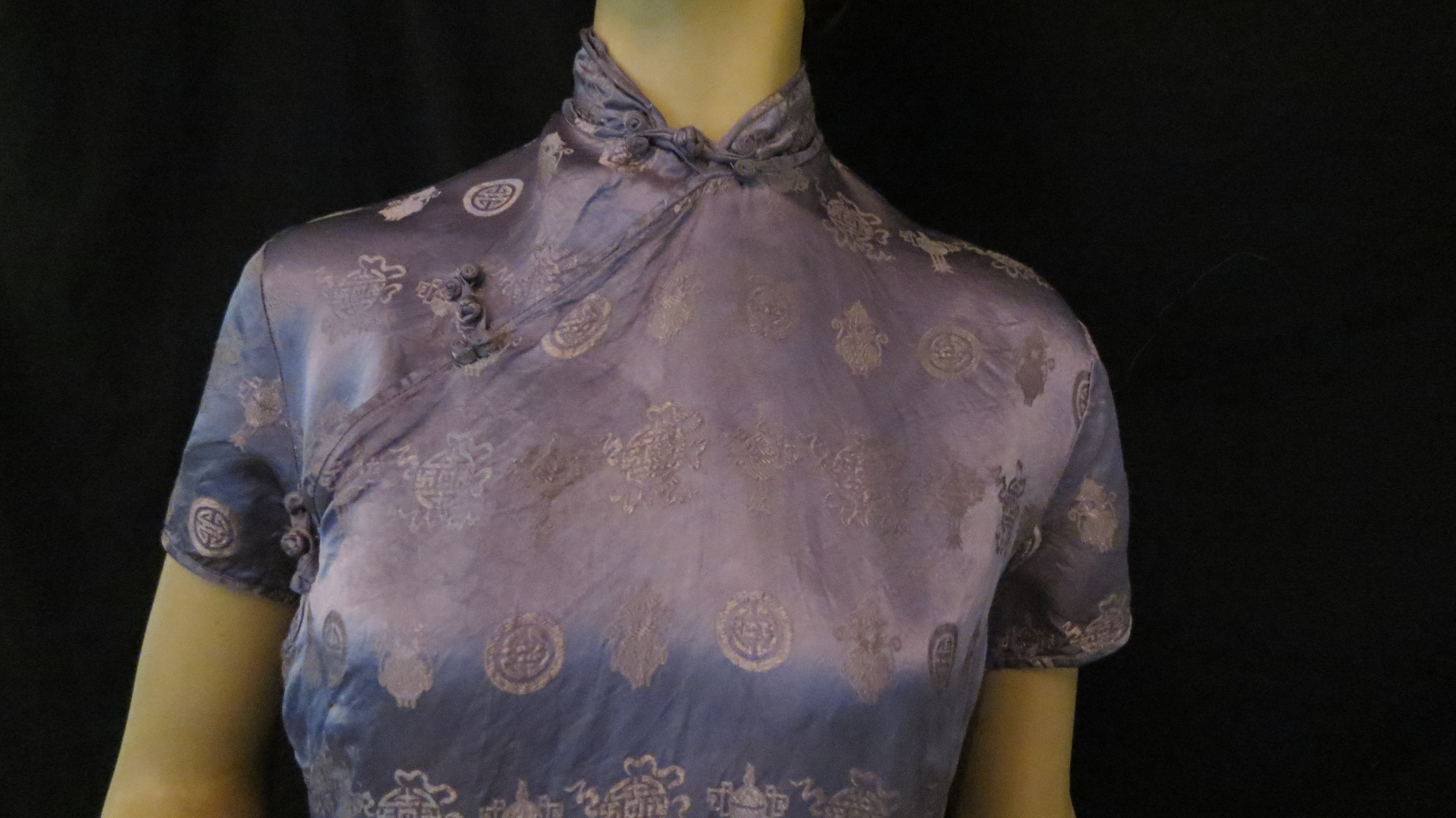
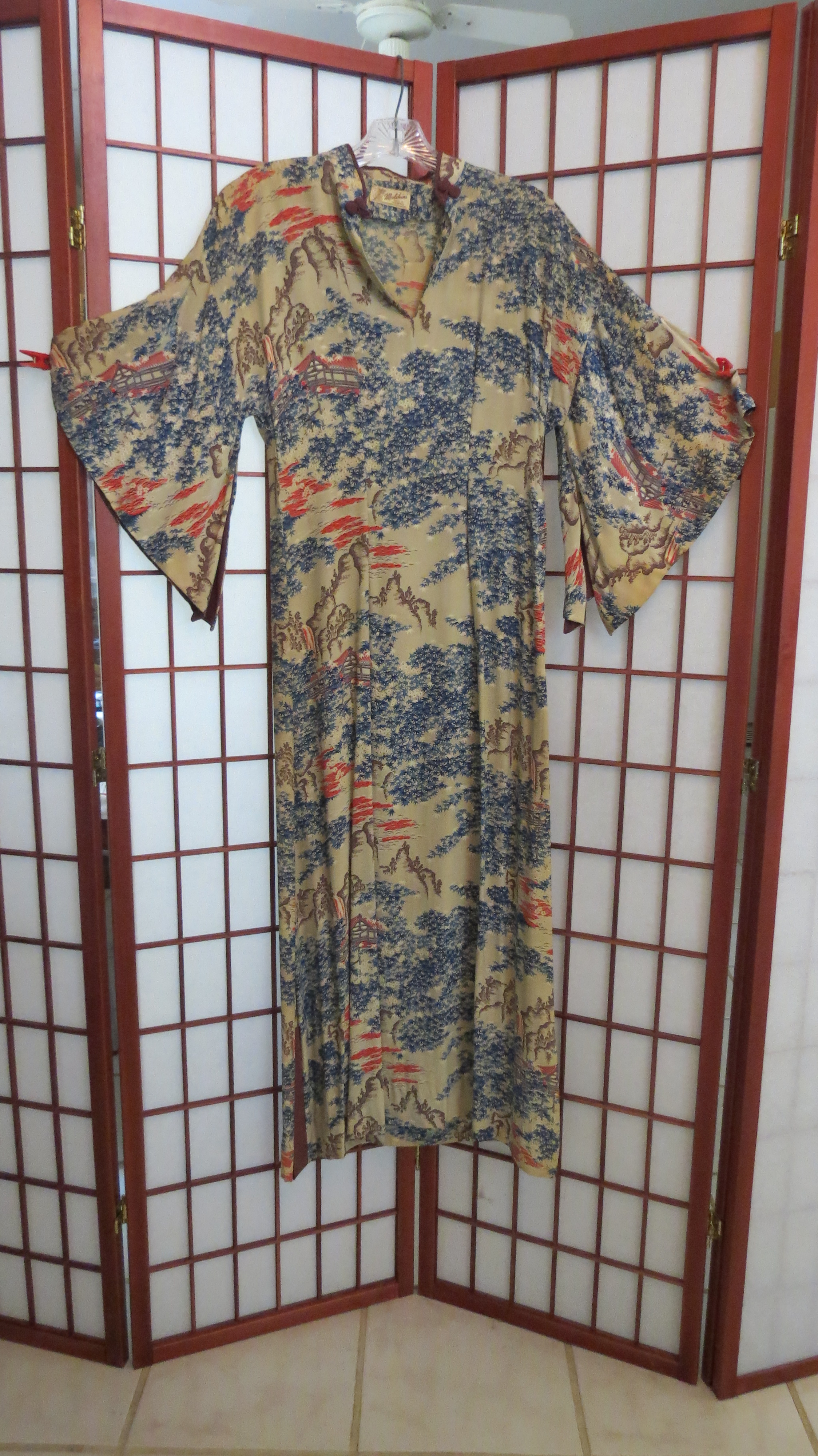
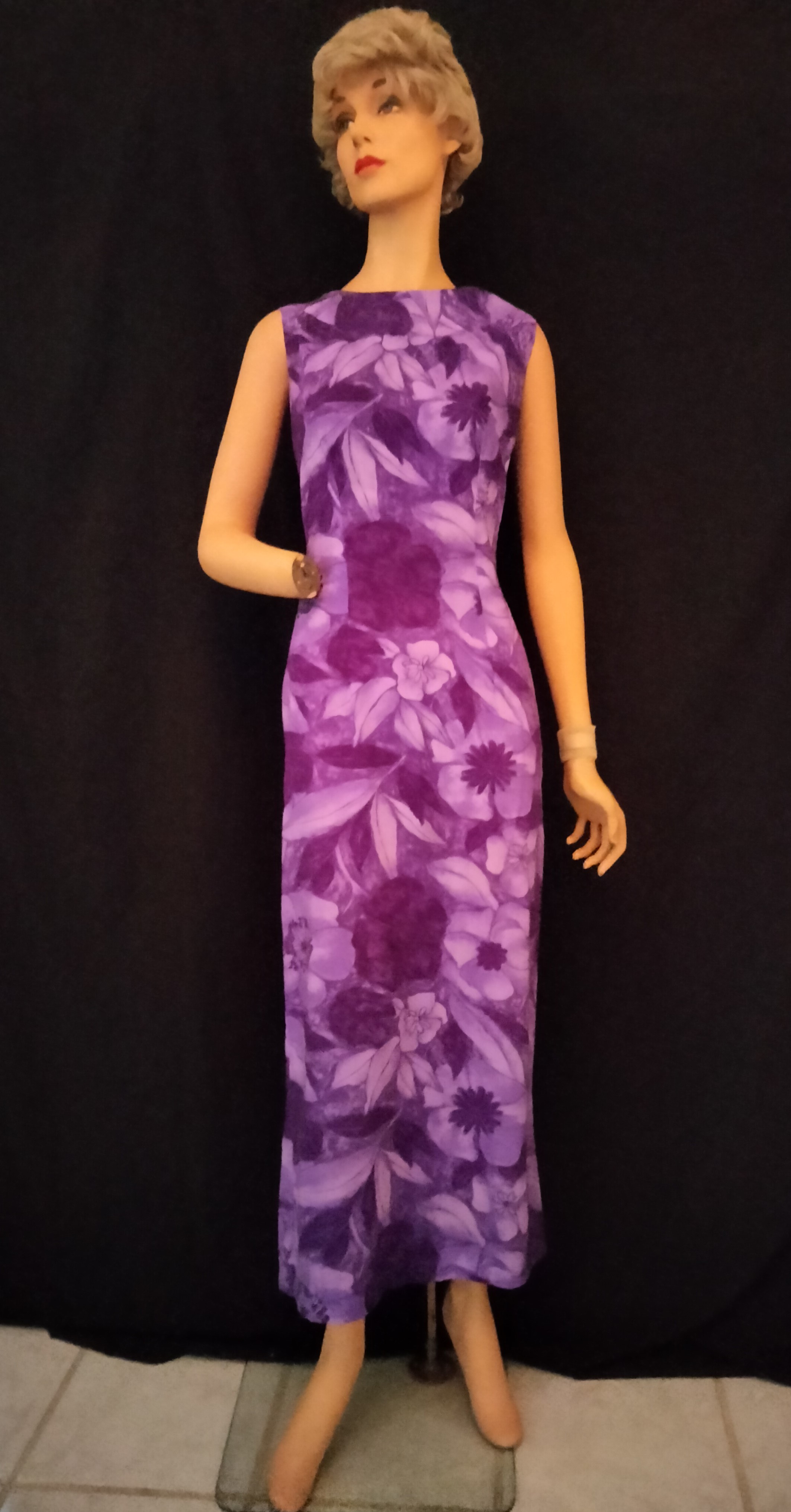
From the 1940’s on, Cheongsam dresses like the lavender one above gained popularity. Mata Hari and Charlie Chan became cultural figures in the media. The beauty and flattering fit of Chinese and Japanese traditional frocks brought interest in Chinatown areas of many cities and non-Asian women began to shop there. Above, see also a Japanese tea dress – fabulous find dating from the 1930’s, made in Hawaii. The purple native traditional gown from Hawaii also found a home in some American woman’s closet after people began traveling again.

But, before that time, women stayed at home. They worried about their family members and friends who were fighting in or living in war zones. They joined the war effort in whatever way they could through their work, volunteerism and spending habits. Of course, some kind of escape was necessary to maintain their sanity. That’s where the movies and dancing filled a void. Whether homemade or found at retail, dancing and cocktails required special dresses and women were very creative despite the restrictions caused by rationing.

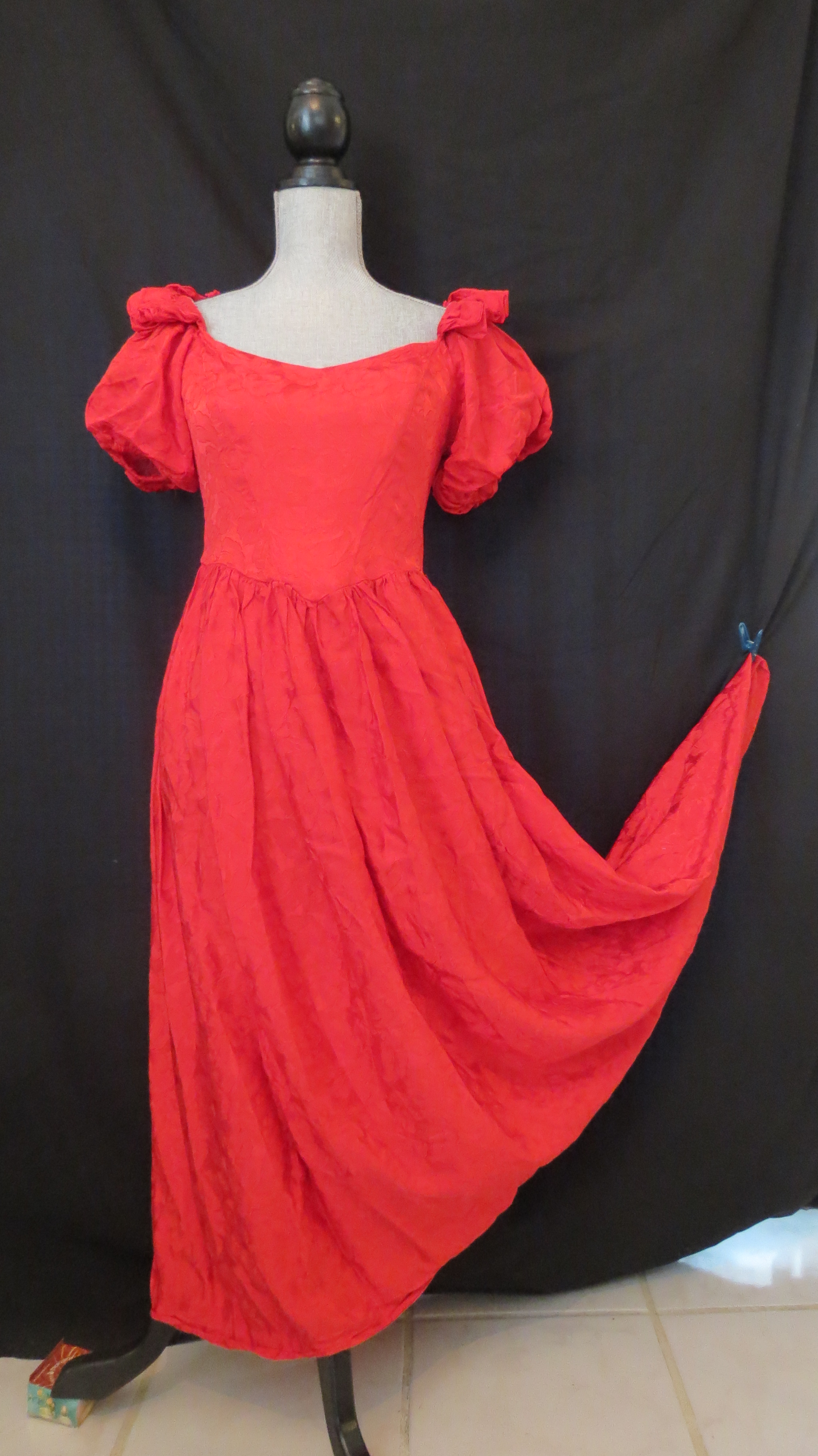
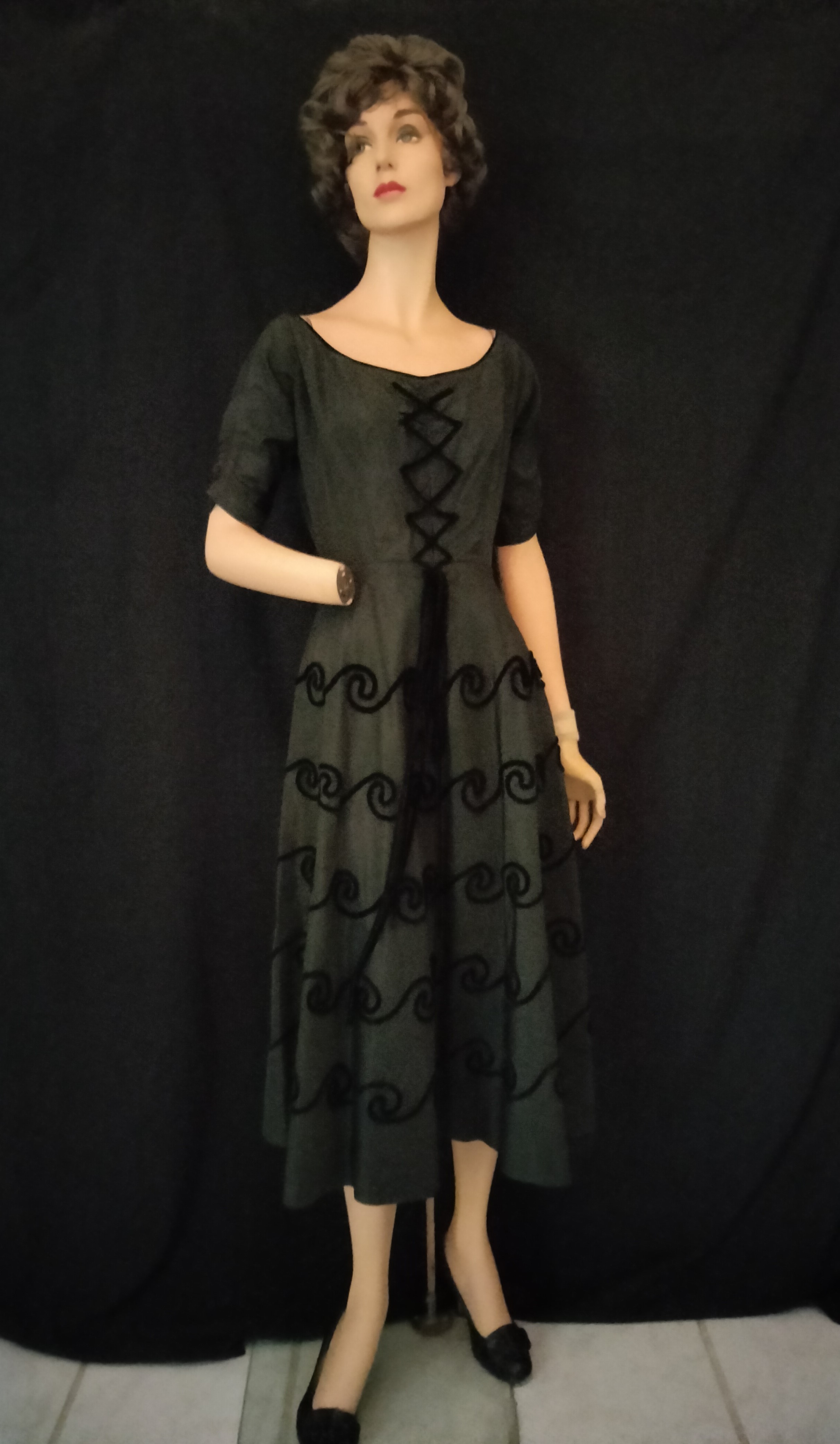
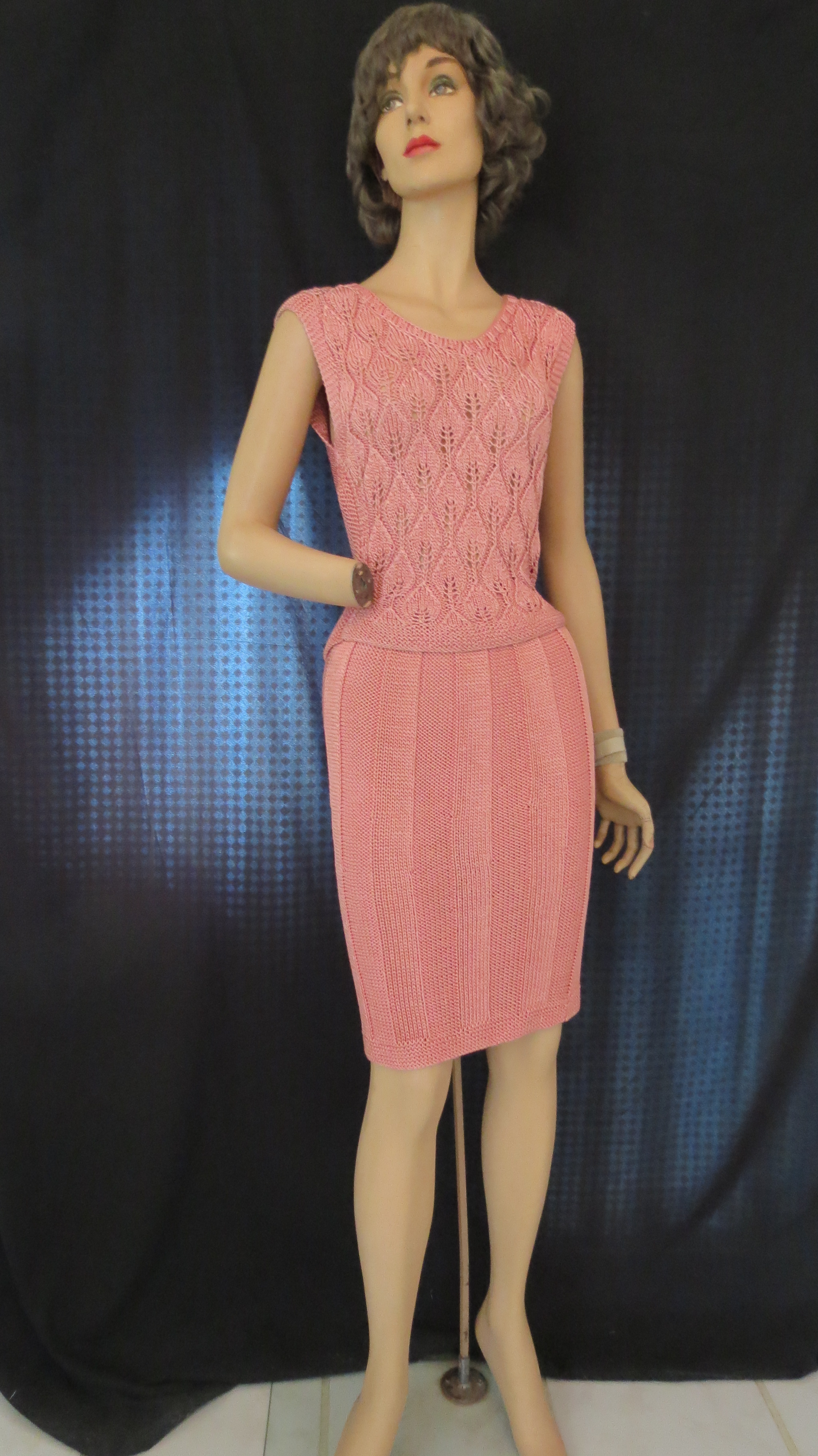
Synthetic fabrics were most available and affordable, so this red jacquard frock with puffed sleeves and an elasticized neckline which allowed cold shoulders was home-sewn. A similar style in black was local couture from a specialty shop in Texas and has ruched 3/4 sleeves and shows off the luxury of velvet piping decoration. The pink knitted and crocheted 2-piece cocktail dress was another unusual find which somehow found it’s way to Argentina. It’s made of a heavy, glossy/shiny yarn that allowed some gal to make a glamorous outfit on the cheap.

So fascinating! Such a fun bunch of clues these are. The delight is in the details. More tomorrow – stay tuned . . . . . . . . . . . . . .

MORGANA MARTIN, THE MAGICVINTAGESPY

BLOG: MAGICVINTAGESPY.COM

TRUE VINTAGE WWII LADIES’ BLOUSE AND TOP TRENDS

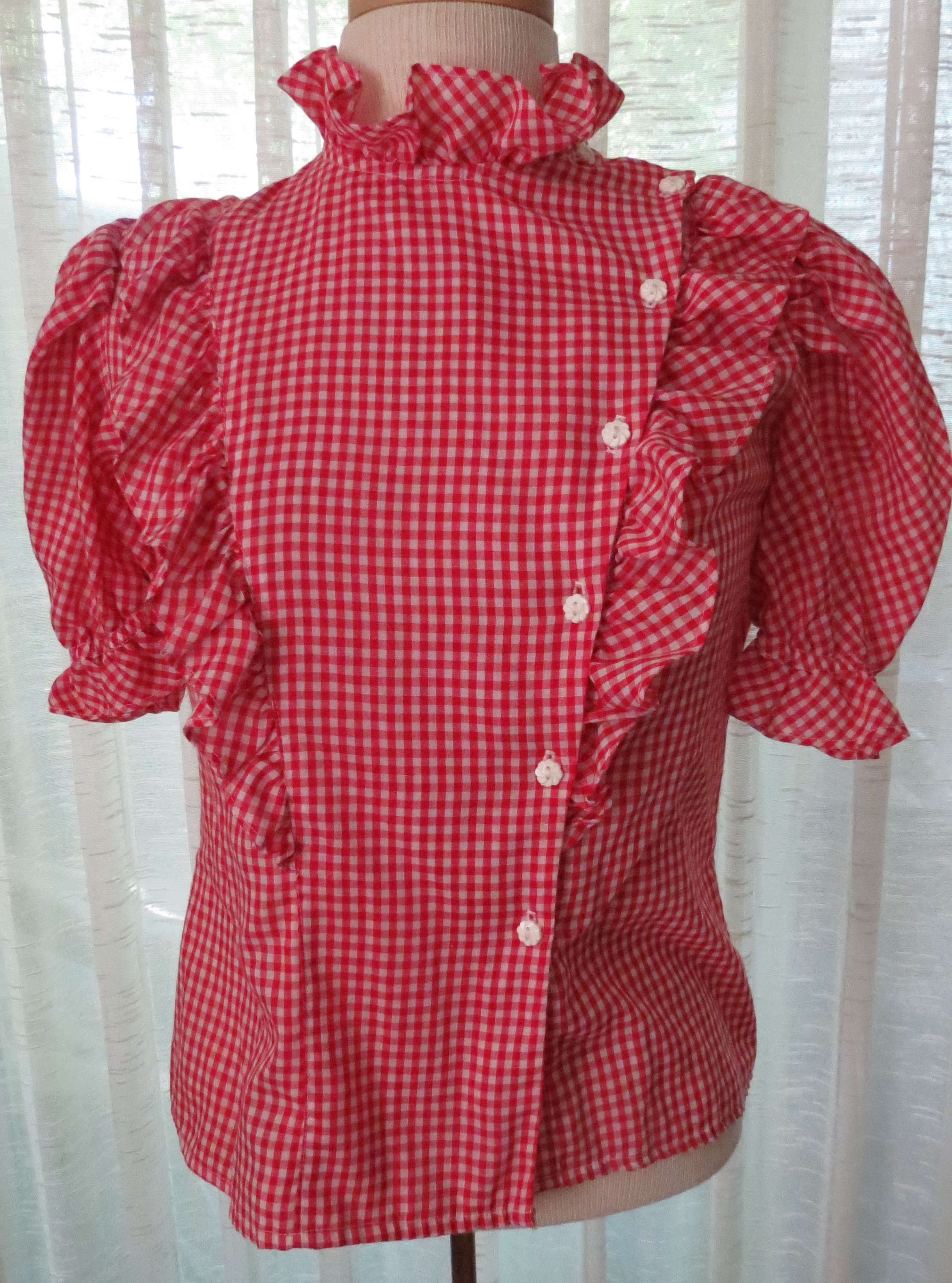
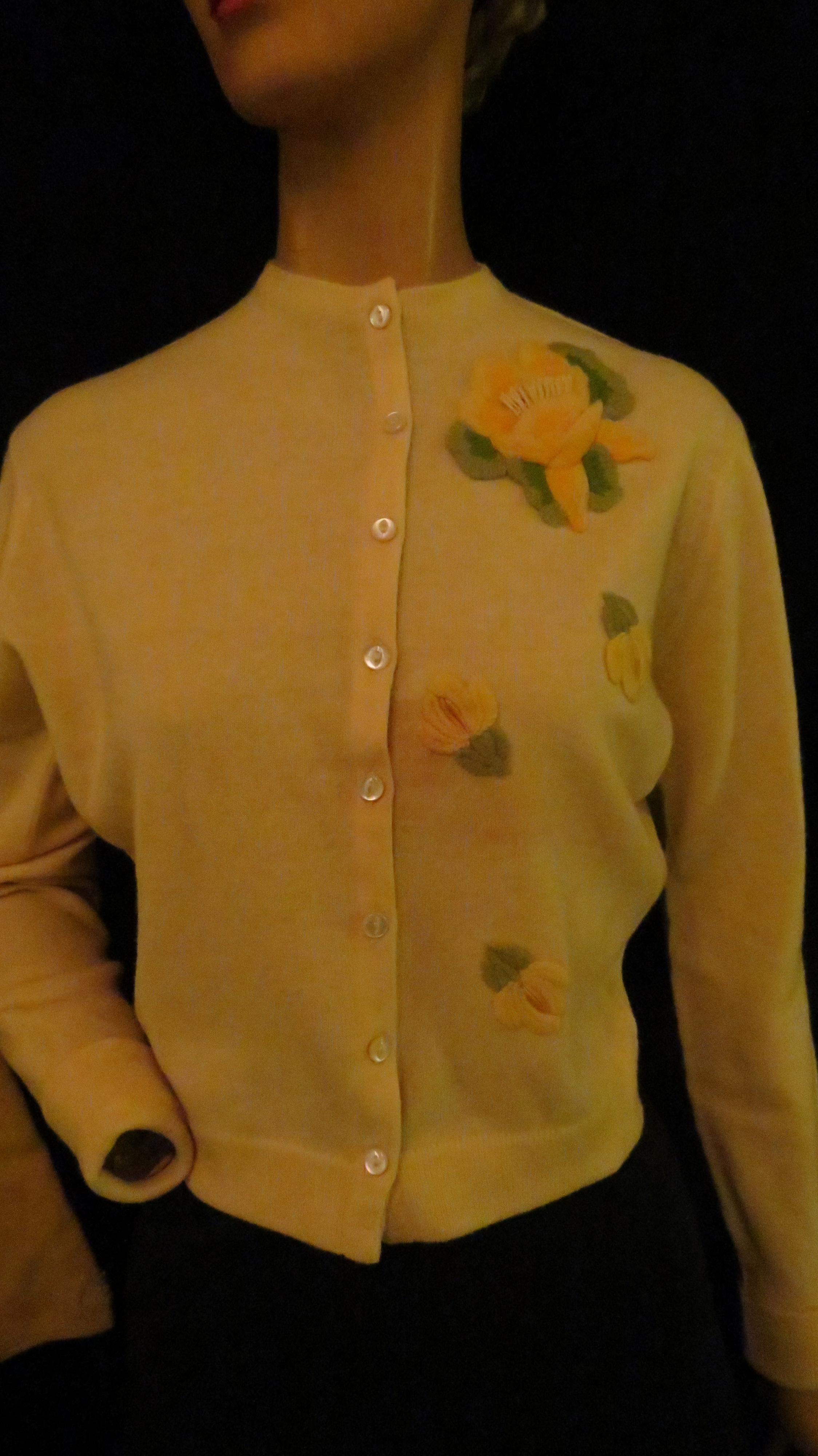
These blouses and sweater all came from the war years spanning the late 1930’s to the very early 1950’s. The first blouse is a women’s-wear version of the Western-wear trend. Perfect for square-dancing. Gingham and sculpted plastic buttons were popular. This example might have been home-sewn by a skilled seamstress.

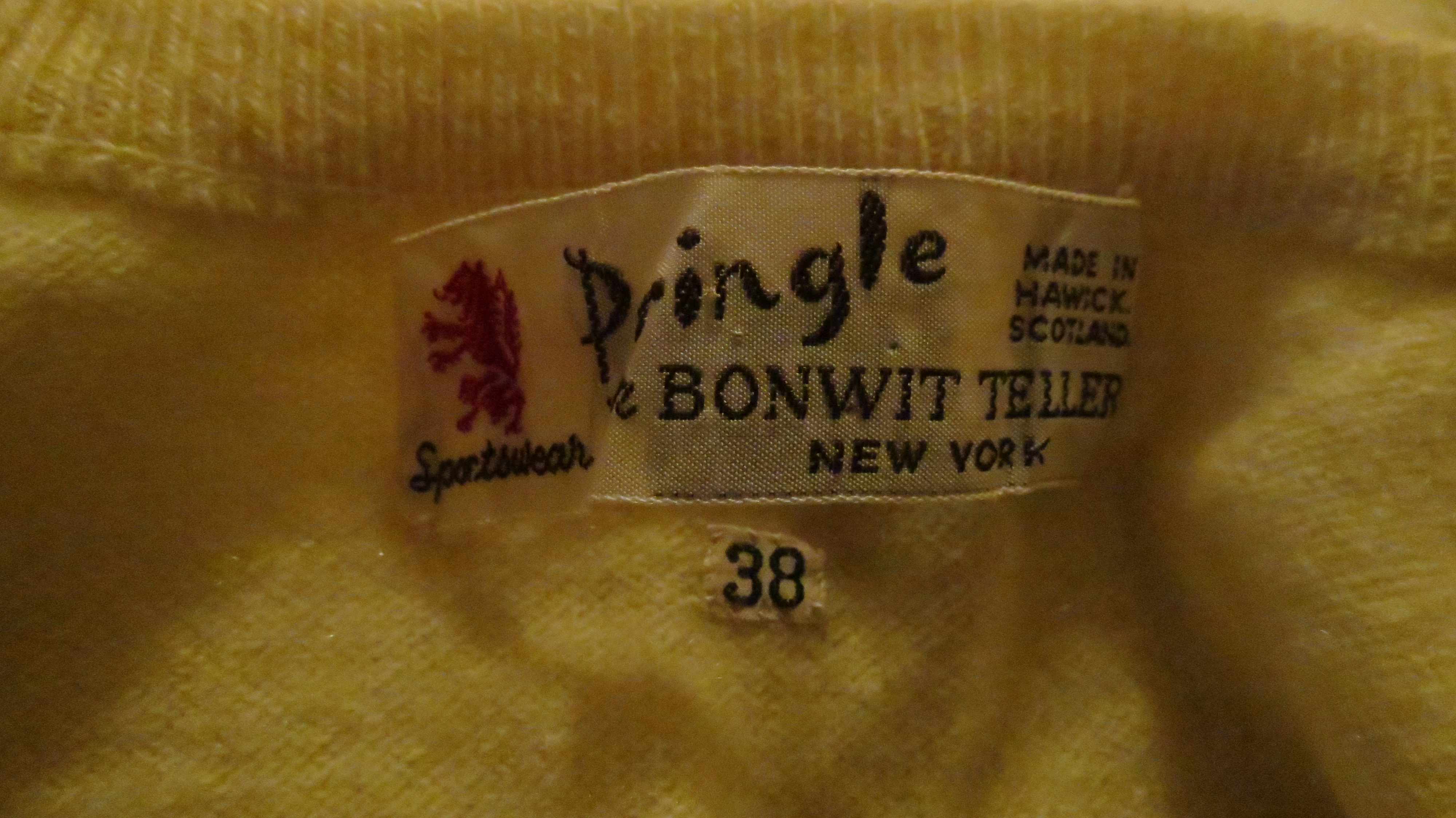
Cashmere cardigan sweaters also were seen worn as blouses, sometimes with the buttons in back if it were a plain knit. This trend was especially popular among co-eds. A beautifully-decorated one like that above would have been front-facing, of course. Pringle of Scotland was a known brand and higher-end.

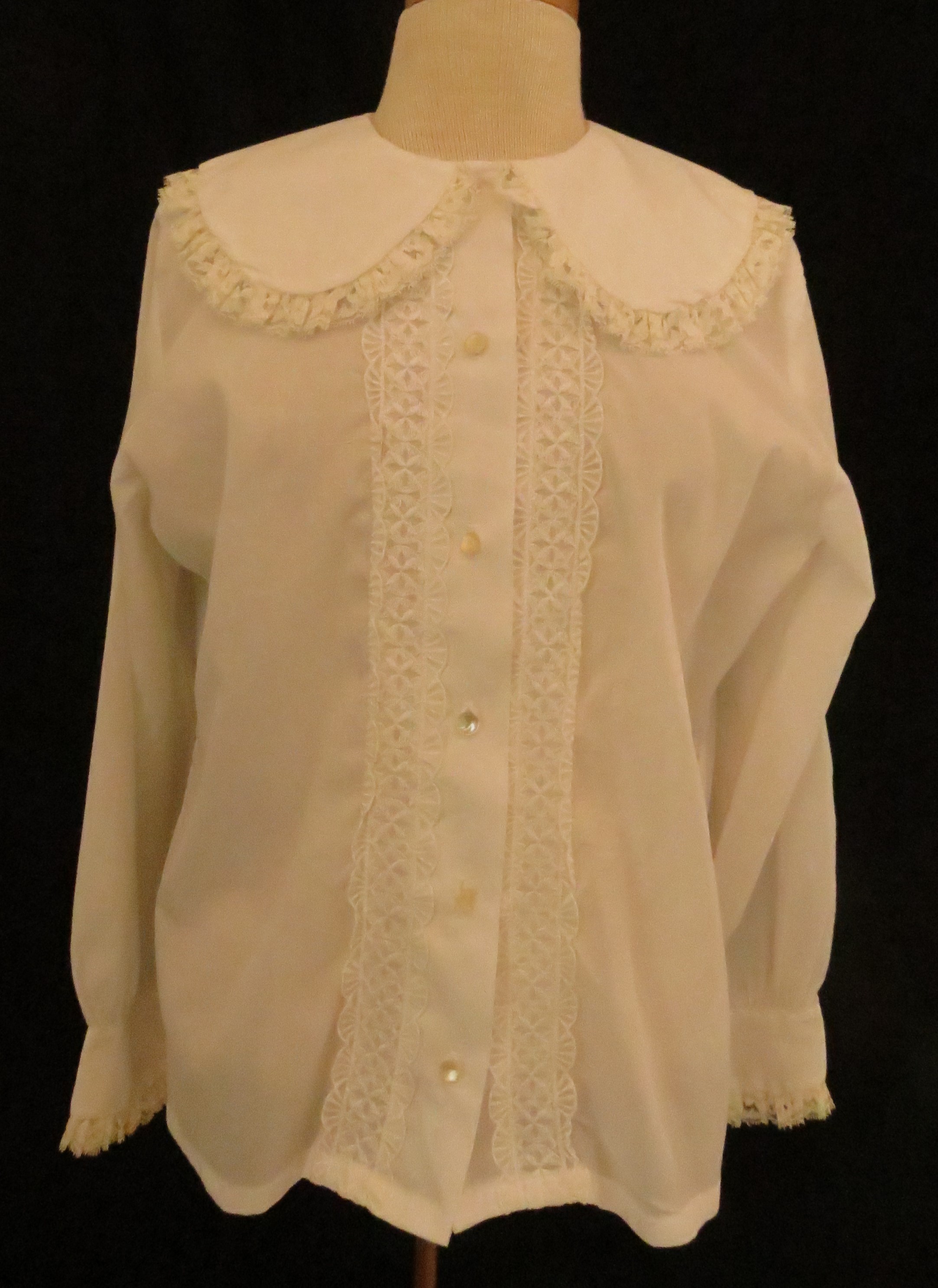
Before and after rationing, lace and other embellishments on tops and dresses were very popular. Tailored styles were also made, but lots of the designs before and after the war were quite fussy with many details.

Tomorrow I’ll show my newest discoveries. Stay tuned . . . . . . . . . . . . . . . . . . .

MORGANA MARTIN, THE MAGICVINTAGESPY

BLOG: MAGICVINTAGESPY.COM

TRUE VINTAGE 1940’S CASUAL DRESSES

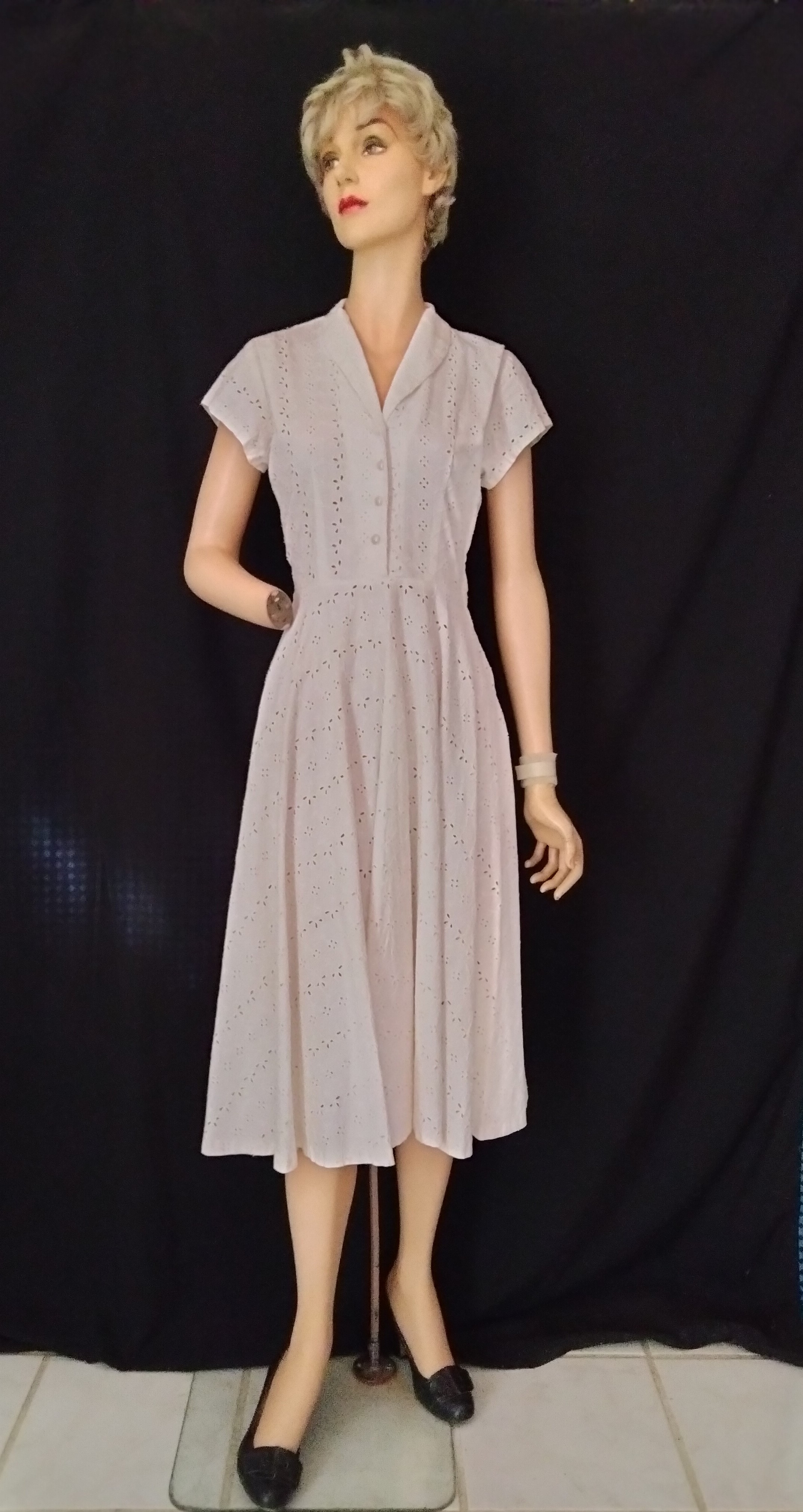
We’ll begin with a pretty, white cotton eyelet dress that was home-sewn in 1940. It’s a lovely dress for town or a picnic, but it was made to be a wedding dress. Coming off the Depression years and with war in Europe, it was a very modest but hopeful costume for entering a dream future.

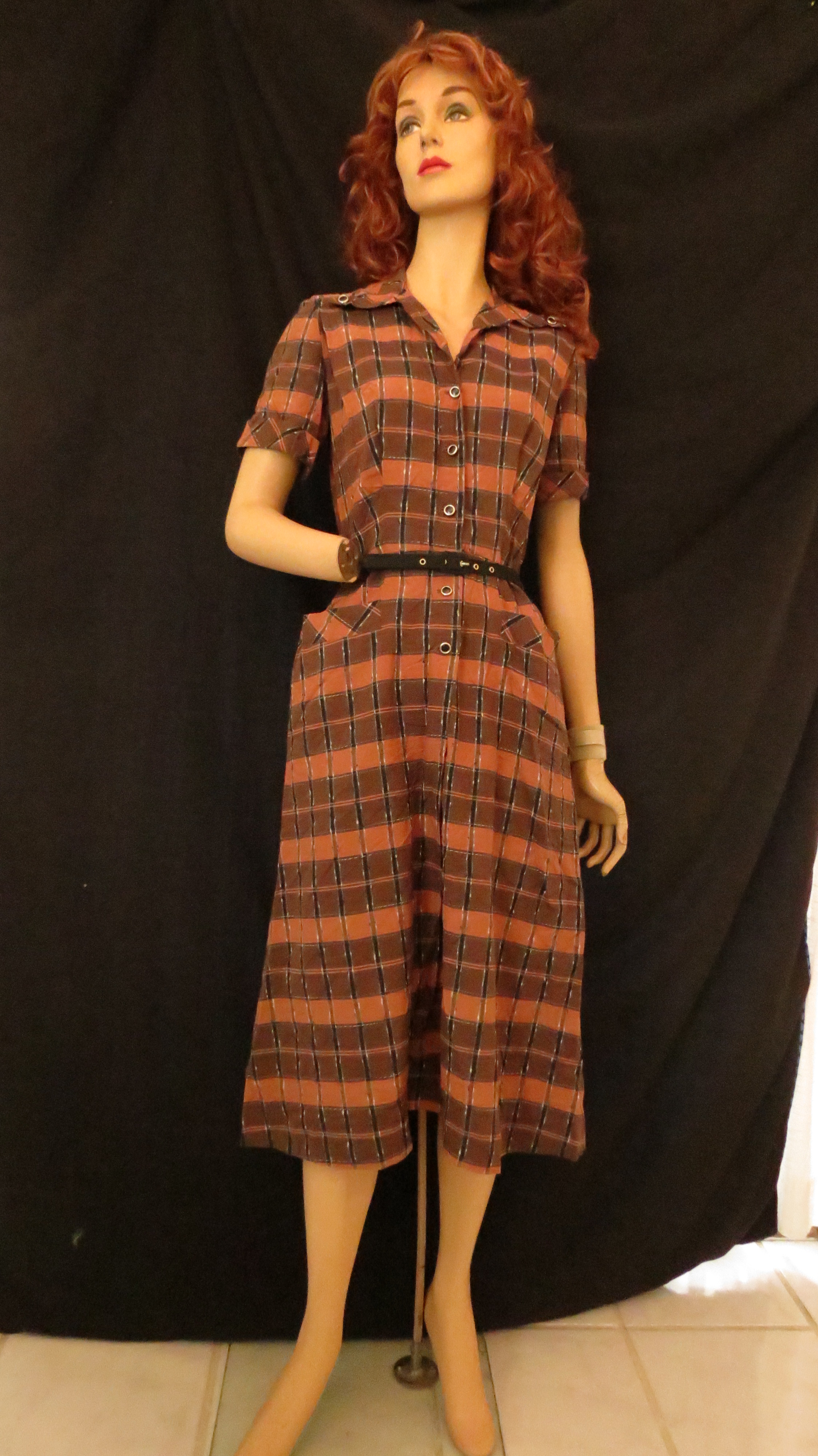
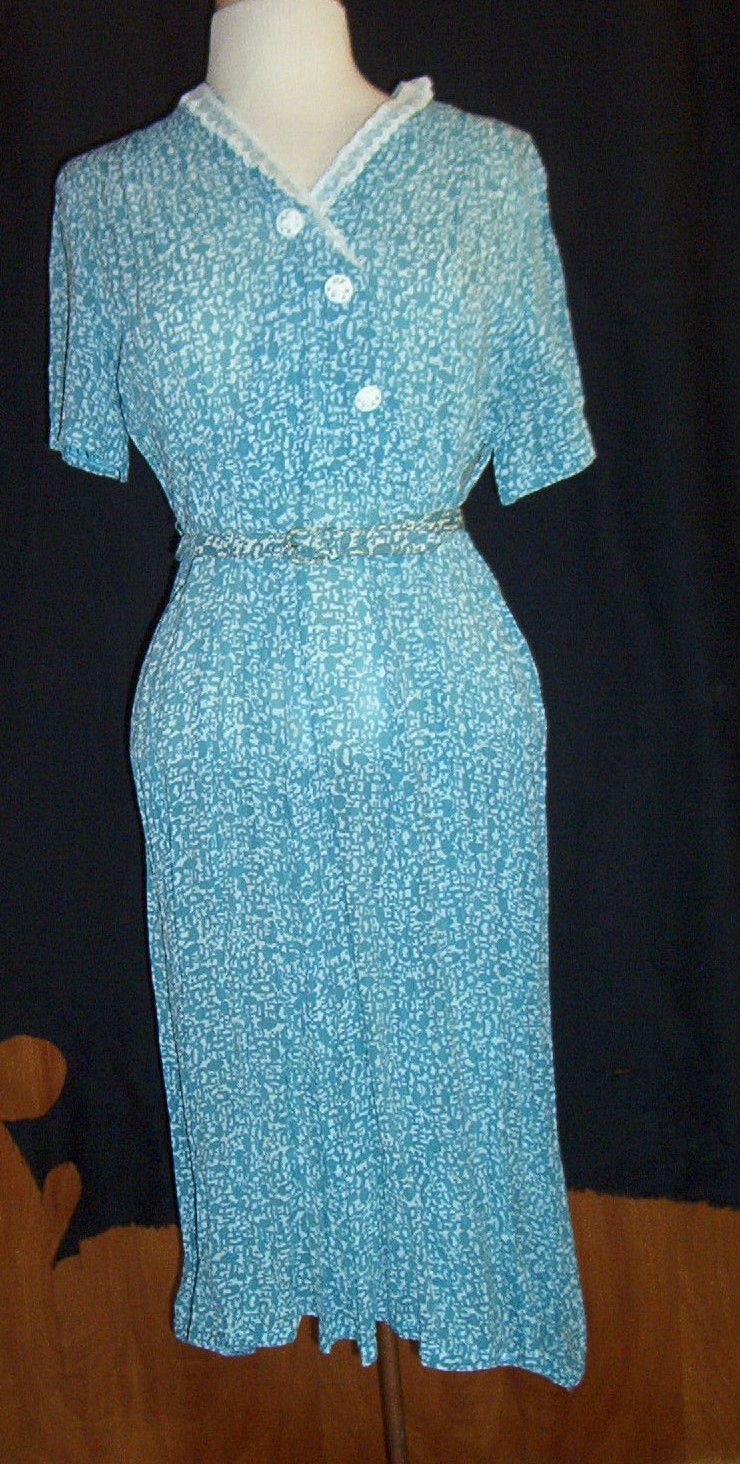
After 1941 and the United States joined World War 2, fashion became much simpler and plainer, but very practical. Shirtwaist housedresses and day dresses were the general uniform for women who didn’t wear specific uniforms related to their work. Dancing, as well as movie-going, were common inexpensive activities that helped people escape the worries and fears of their daily lives. Separates became more popular. Knitwear and wider gored skirts allowed movement while jitterbug was the favorite dance of those young enough to do it.

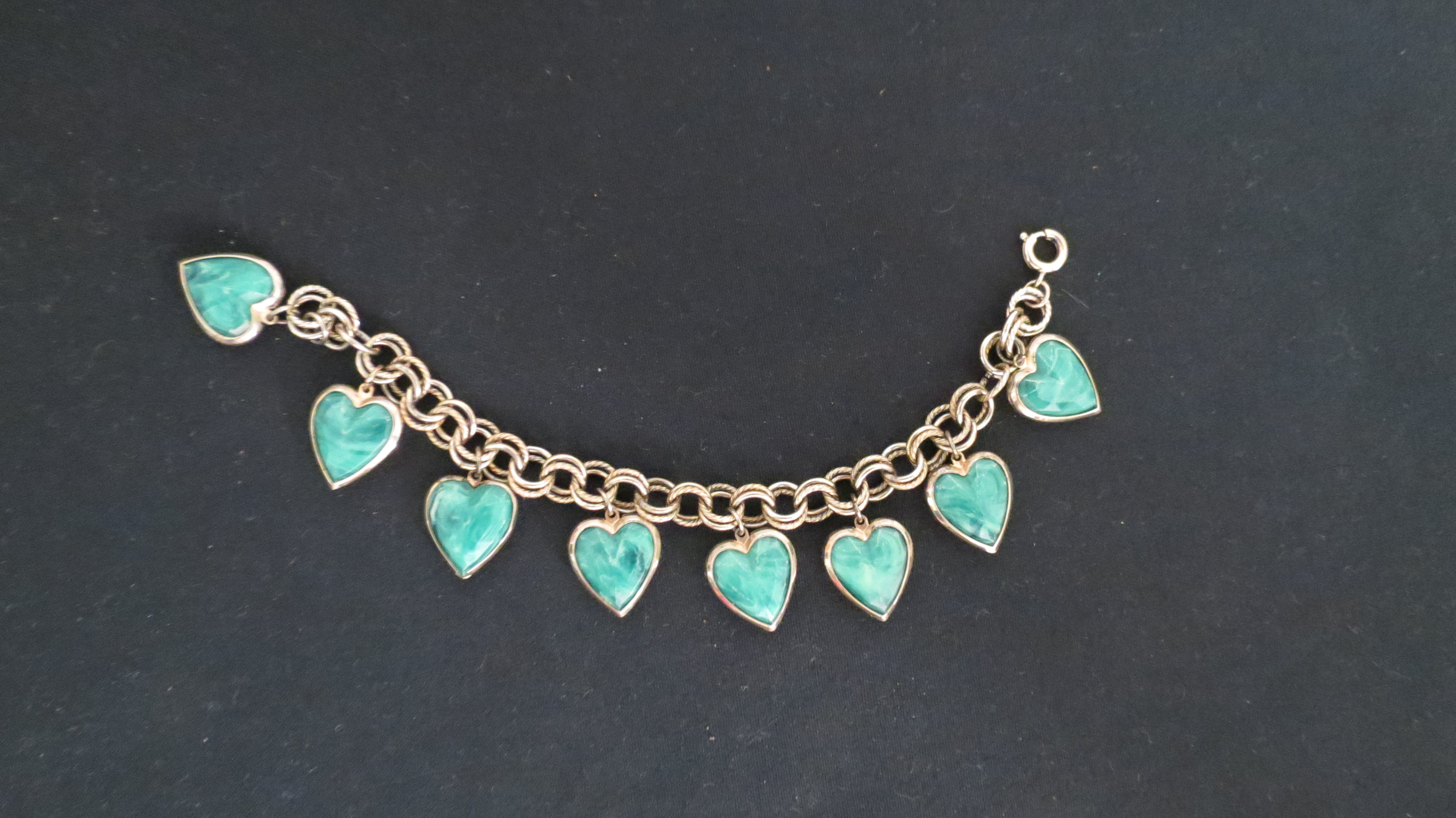
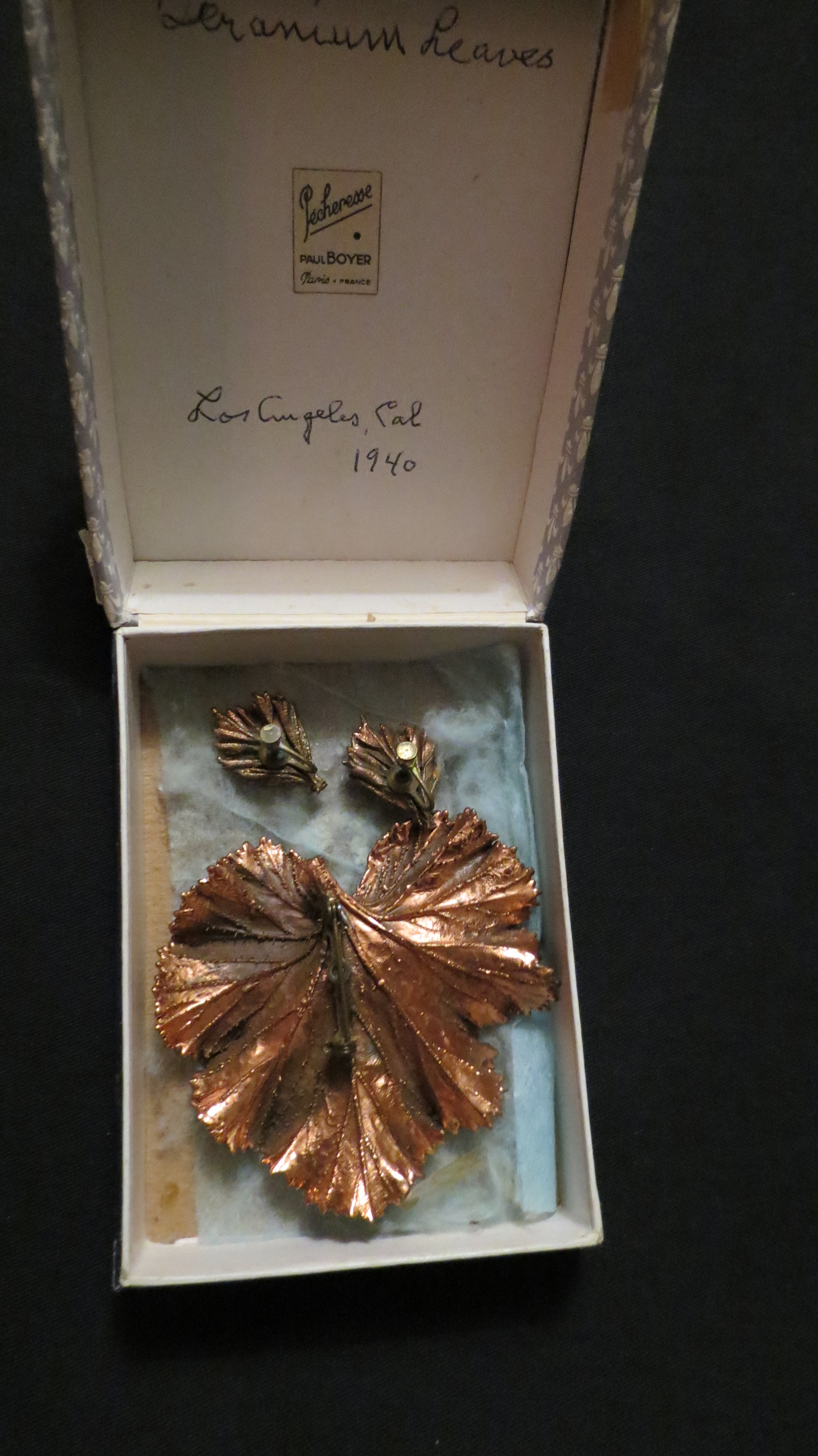
Plastic “gems” appeared in costume jewelry pieces, as well as preserved natural leaves. Even during the Depression and Wartime, a little bling always lifted spirits and enhanced any outfit. Tomorrow I’ll cover a 1940’s casual fad that made fashion more interesting during that time. Stay tuned . . . . . . . . . . . . . . . . . . . . . . . . .

MORGANA MARTIN, THE MAGICVINTAGESPY

BLOG: MAGICVINTAGESPY.COM
TRUE VINTAGE 1940’s FORMAL DRESSES, PLUS A DRESSY 1930’s CLUTCH PURSE

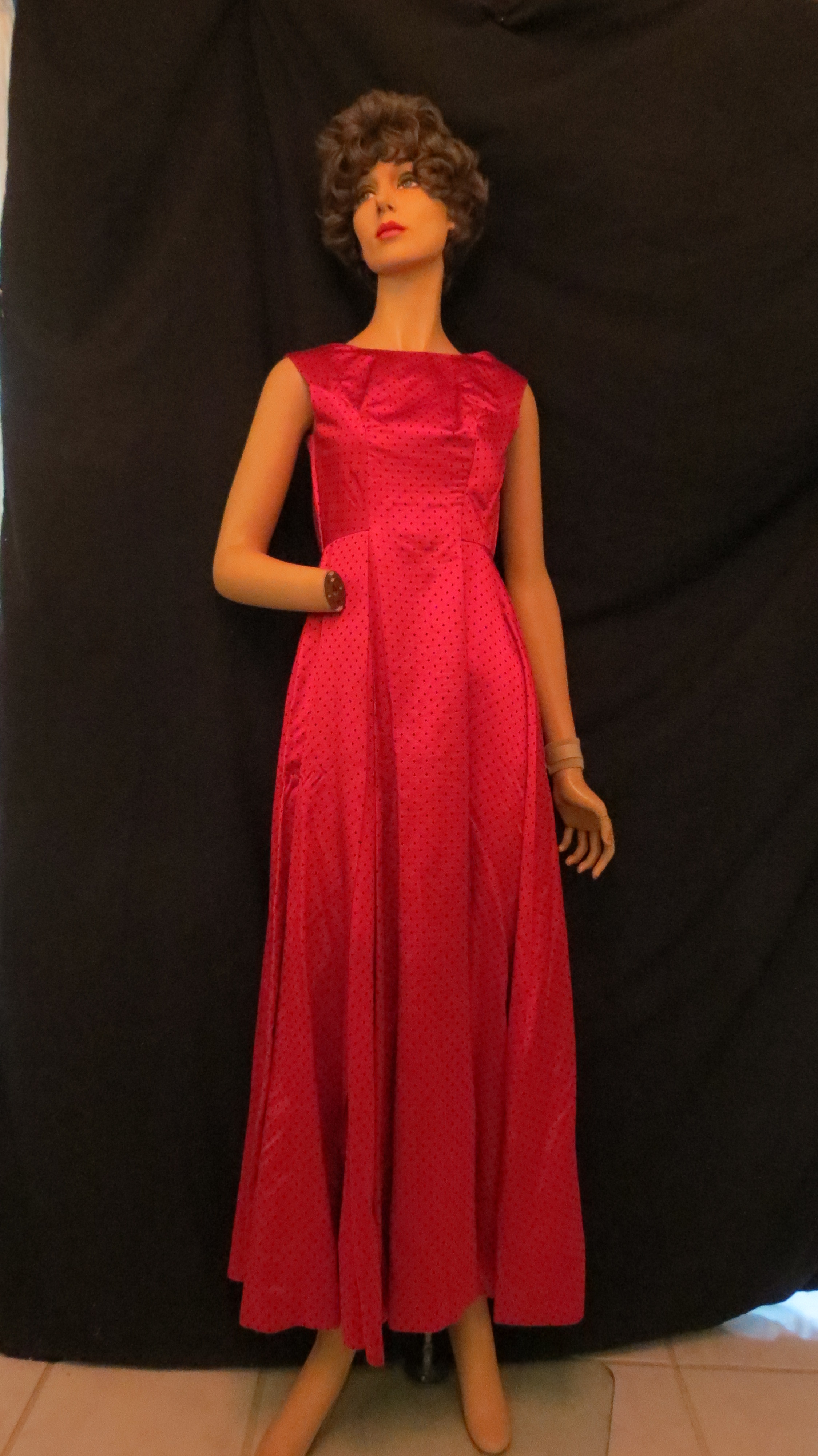
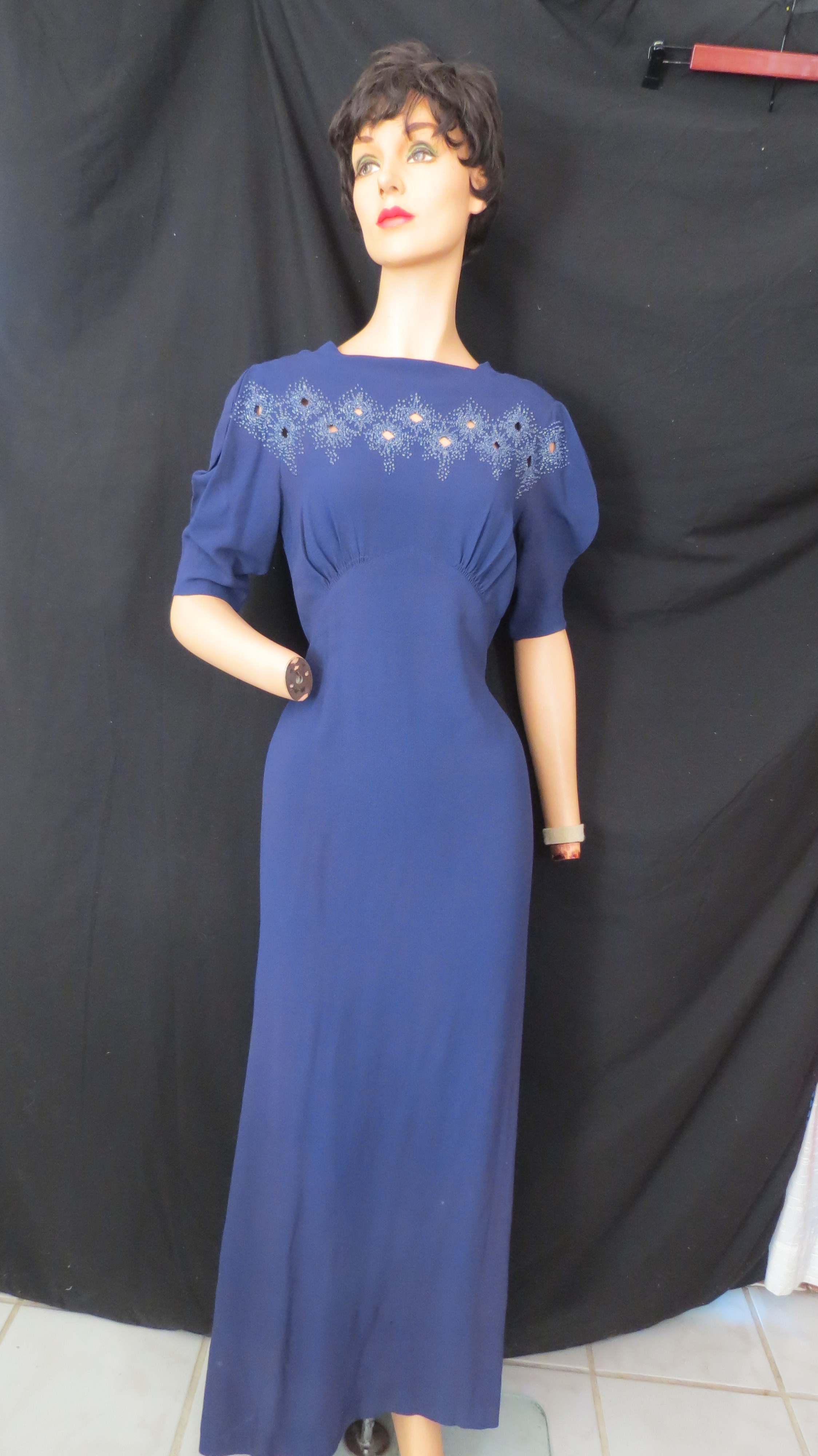
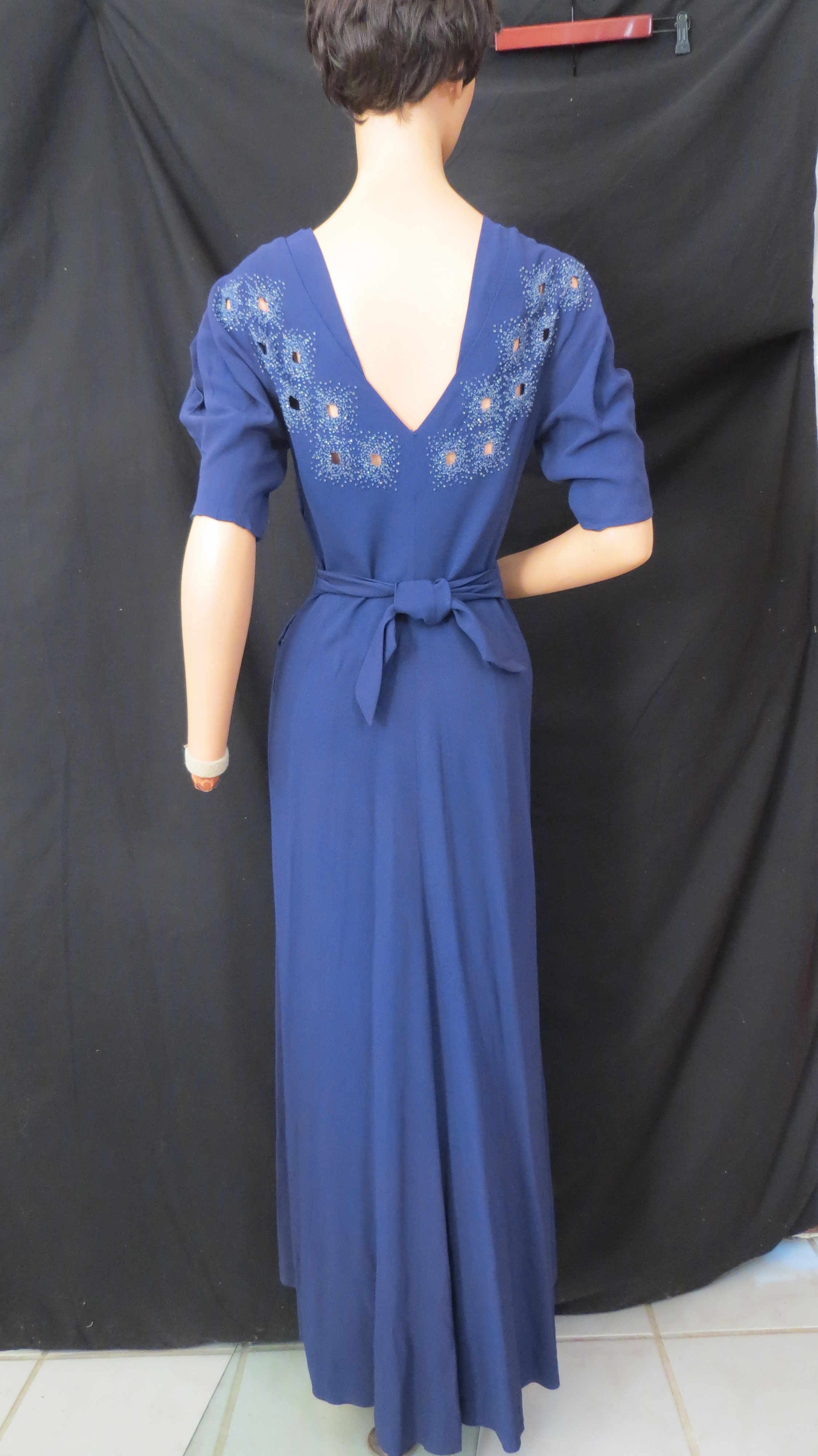
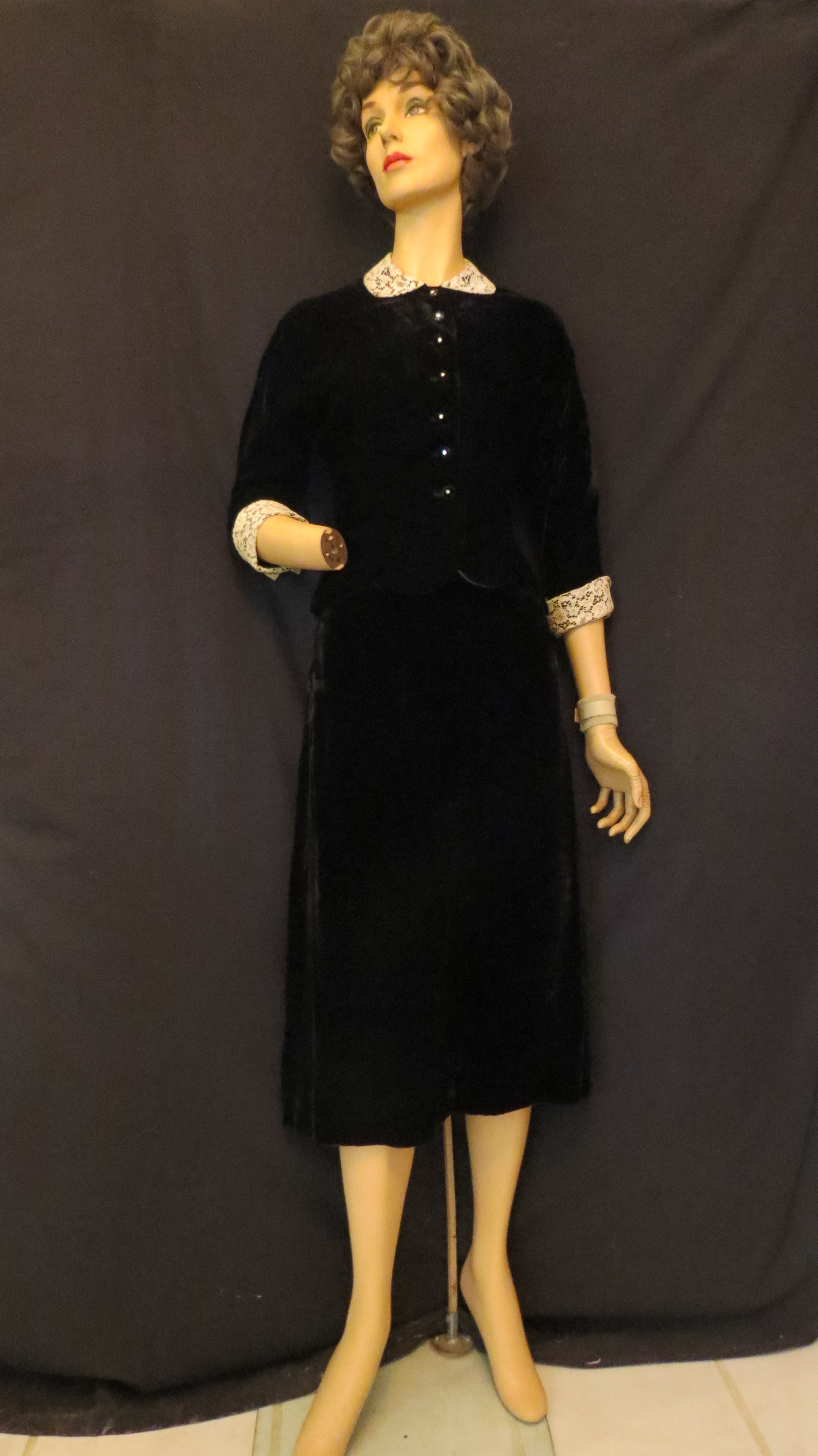
Beautiful, glossy fabrics – most of them synthetics – and lovely designs. I adore them all, but especially the first one. Let’s look at them one by one.

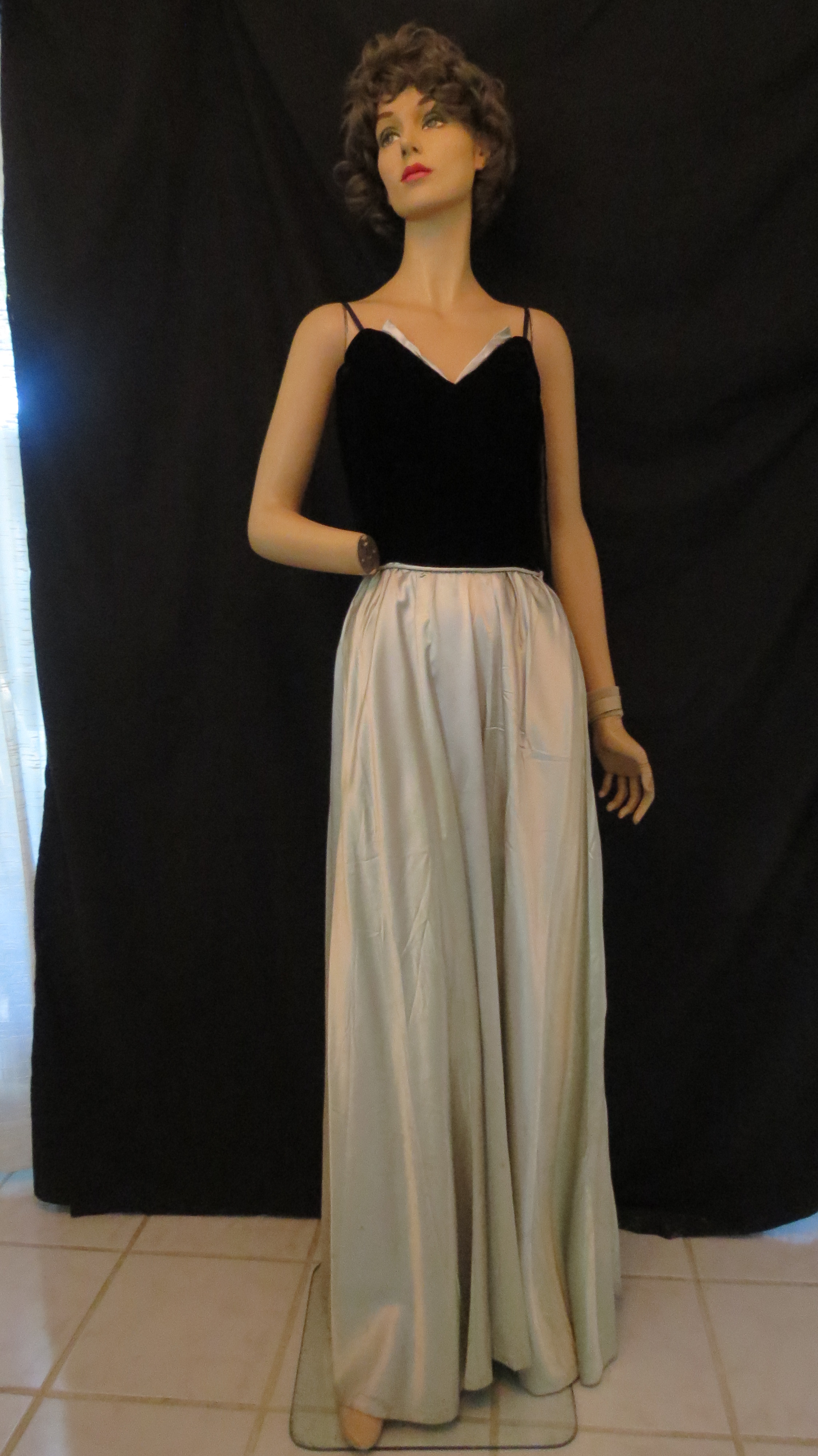
The first gown has a dark green velvet bodice, trimmed with the same pale green satin fabric that the skirt is made from. So flattering and luxurious. The bright red dress is a more conservative style, but still gorgeous. It’s made of an interesting fabric type which I’ve seen in other 1940’s dresses – it has a satin finish but with tiny black diamonds machine-embroidered all over. I suspect that this fabric, though lovely, was a more economical one.

The blue dress was tailor-made by hand. It is sewn from a bias-cut rayon which gives it that wonderful, drapey fit. The atomic/stellar cut-outs surrounded by seed beads were all done by handwork. I love the cut of the sleeves and the way the bustline and waistline are finished. That back tie belt gives it a really wasp-waist fit.

Finally, the black velvet two-piece dress is an entirely different design. Very proper and buttoned-up in velvet and crocheted lace, with rhinestone-center buttons.

Each of these gowns was a surprising and fabulous find. It’s rare to find 1940’s formal garments in the first place, and to find them in near-perfect condition is almost unheard of. The best bet is if they can be acquired from the original owner, or their estate. This is always a more informative clue when starting any investigation.

I’ve re-opened the 1940’s archives and am finding myself doing a deep dive there. Stay tuned . . . . . . . . . . . . . . . . . . . . . . . . . . .

MORGANA MARTIN, THE MAGICVINTAGESPY

BLOG: MAGICVINTAGESPY.COM
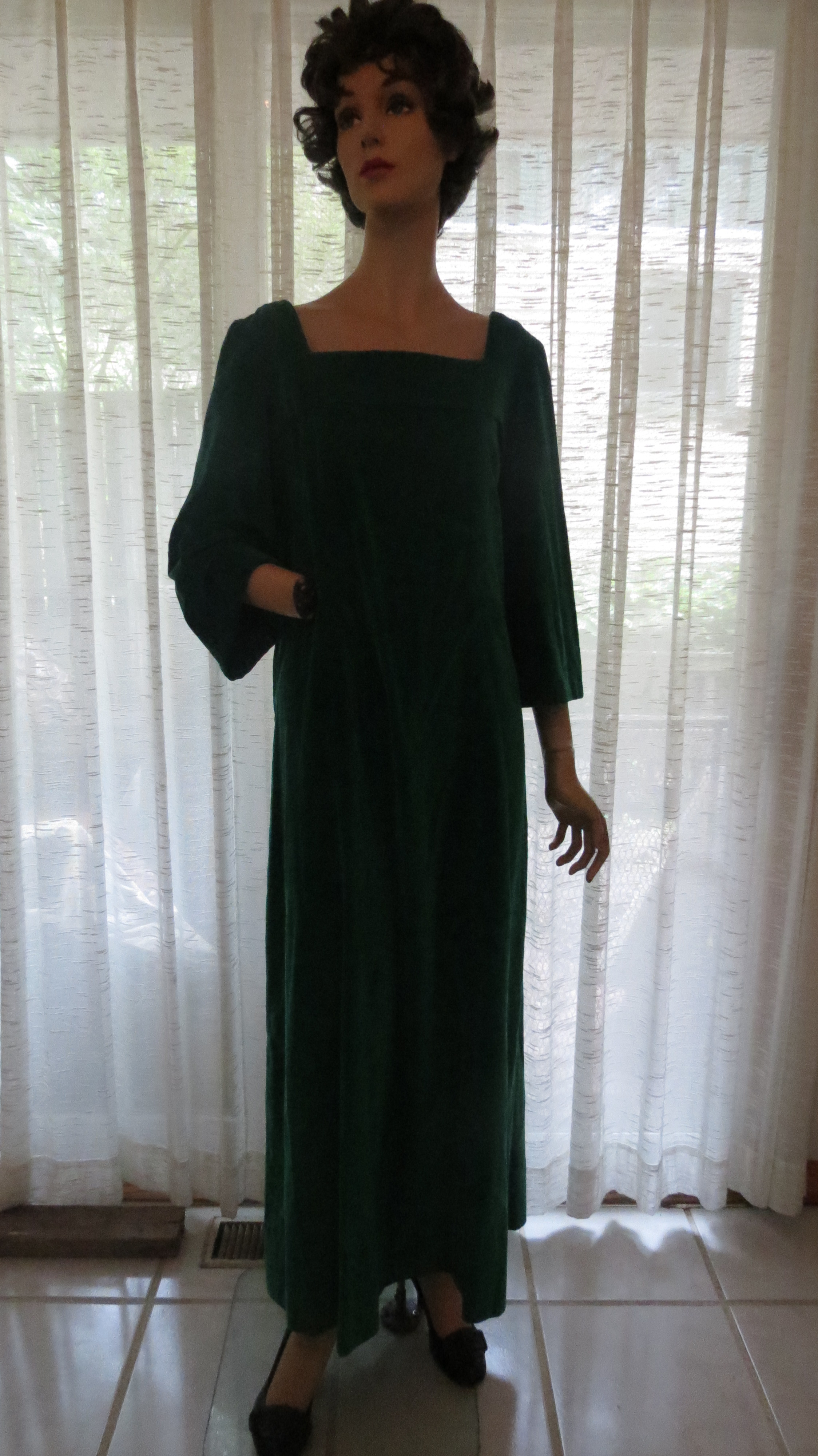
TRUE VINTAGE 1960’S TRENDS IN DRESSES, HOUSEDRESSES & ACCESSORIES – TO THE START OF MOD

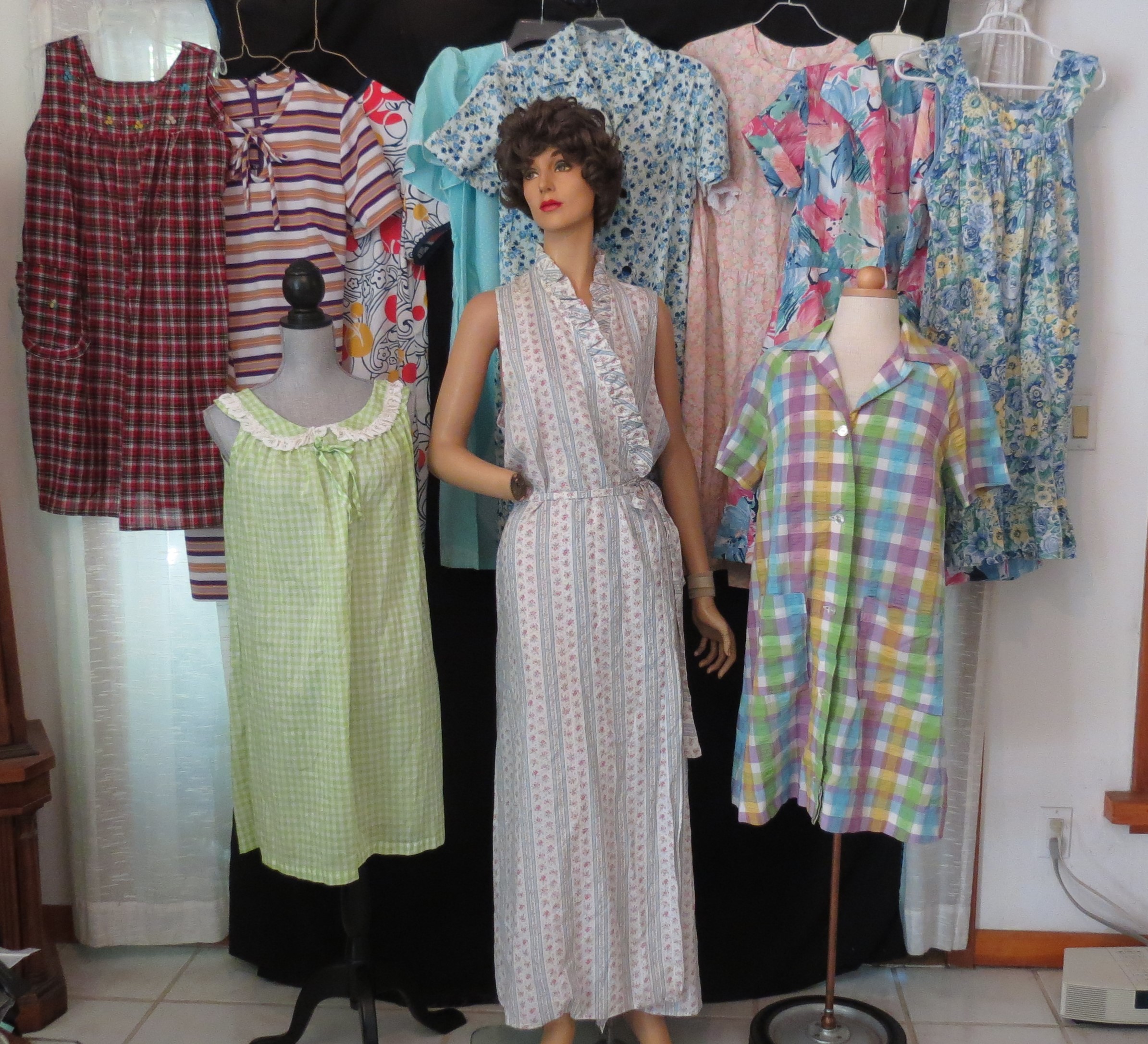
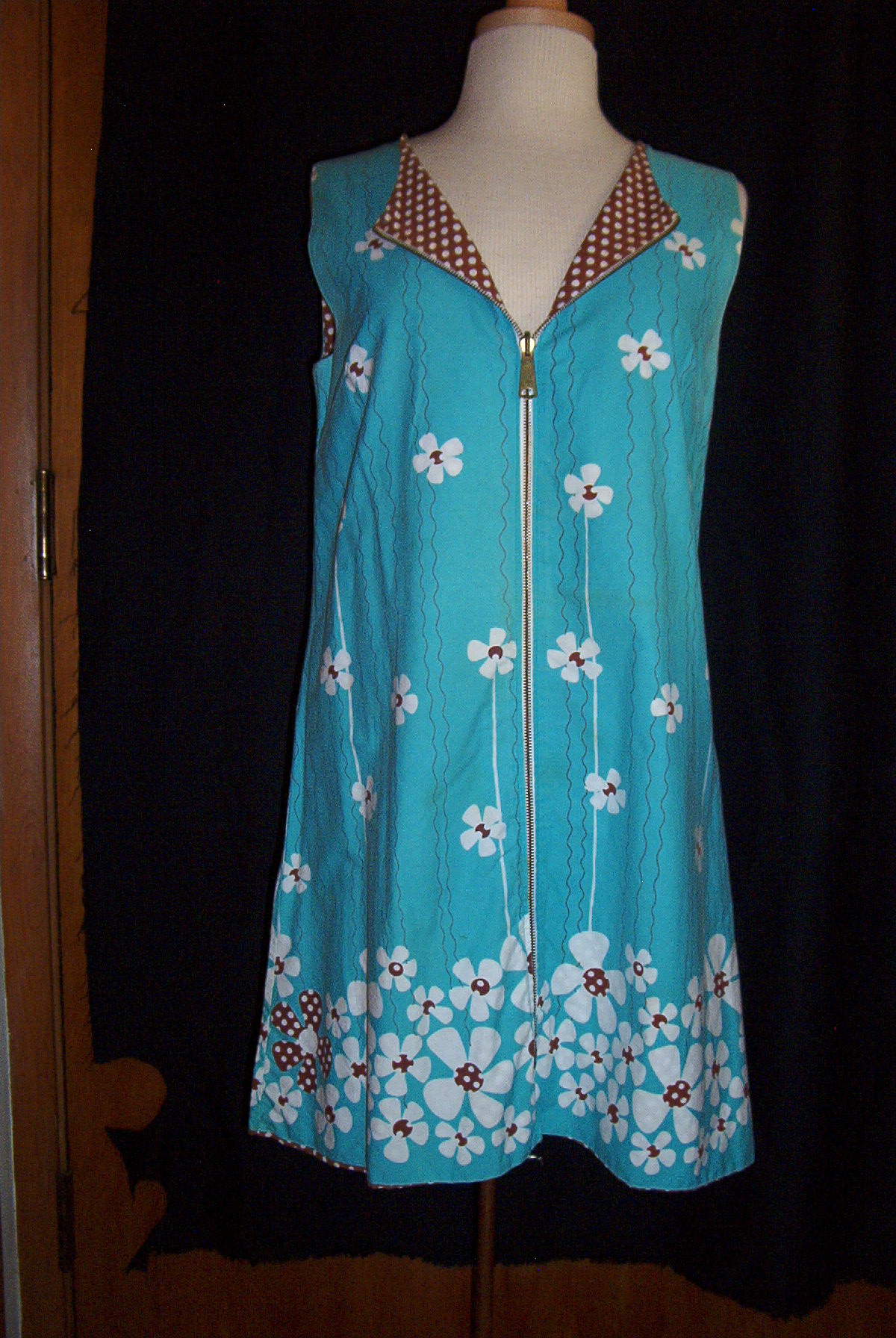
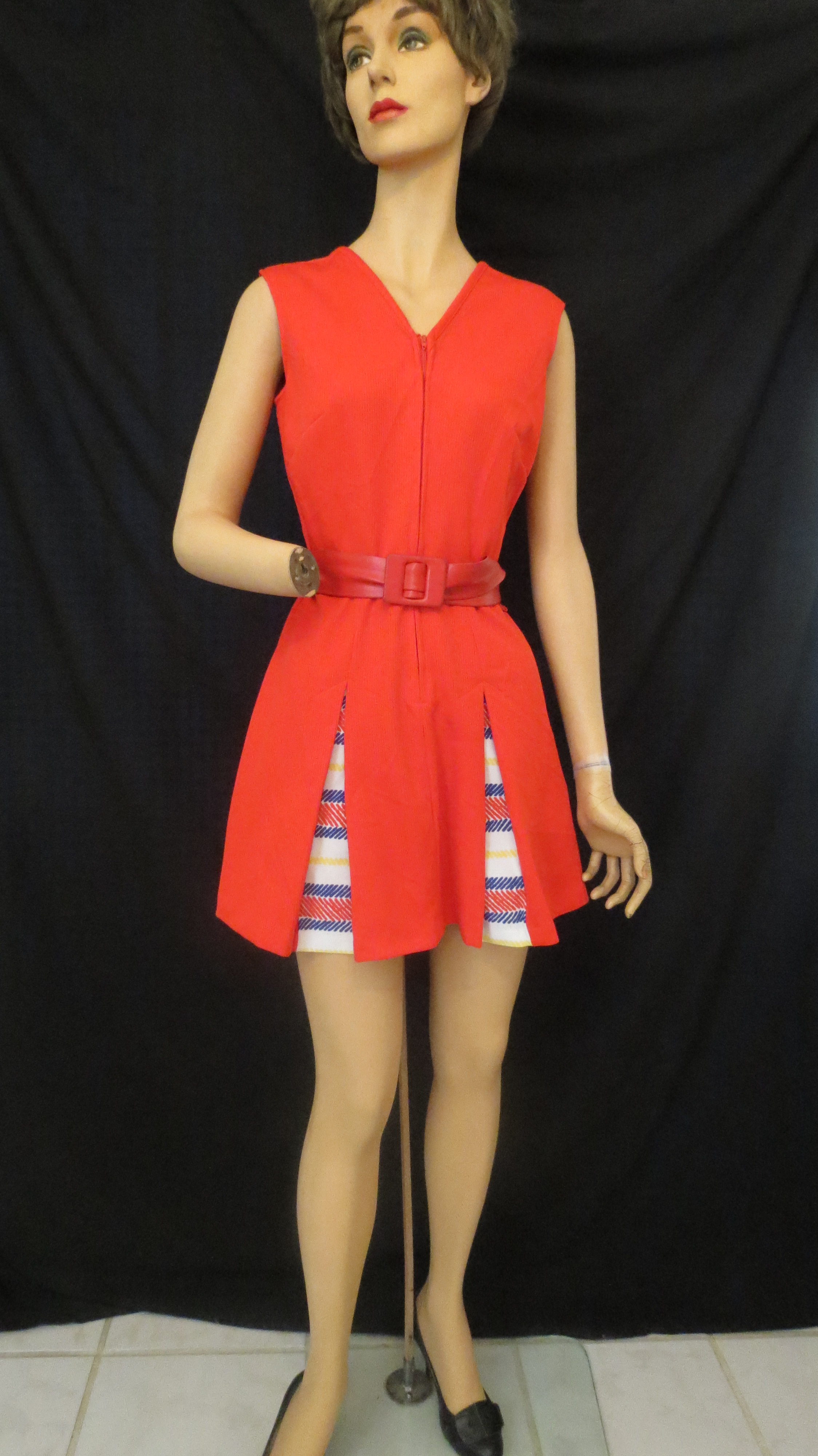
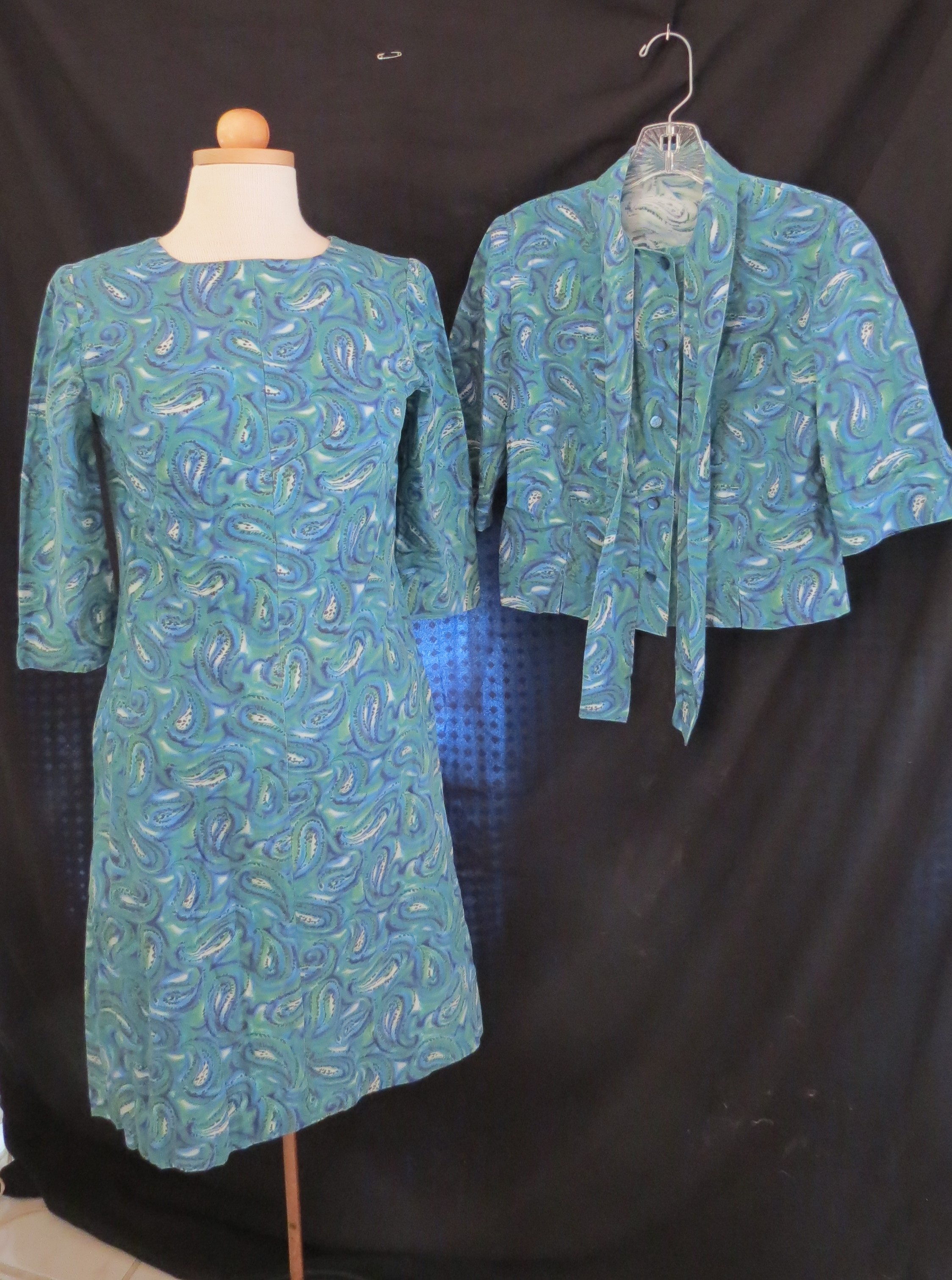
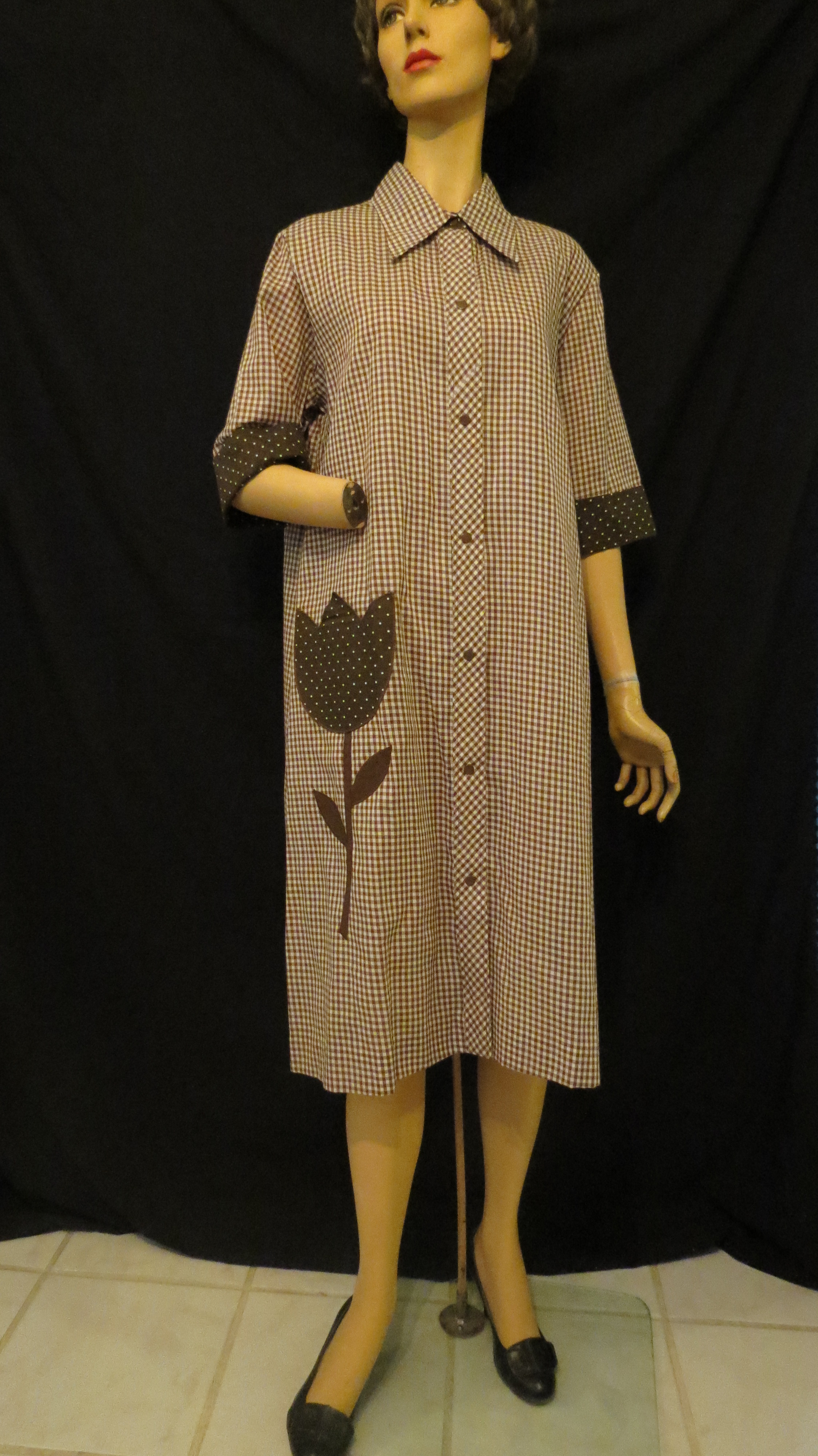
Casual cotton and cotton blend housedresses and model’s coats became really popular as styles started to become less traditional. Some of these dresses would even be seen at the grocery store or for other casual errands in warm weather. The shirtwaist dress was still around, of course, but was starting to take a back seat for everyday. The culotte mini/play-dress was also a new take on the 1940’s/’50’s romper. Casual designs like those shown above were still very well-made, generally, and had cute and pretty prints and tailoring elements.

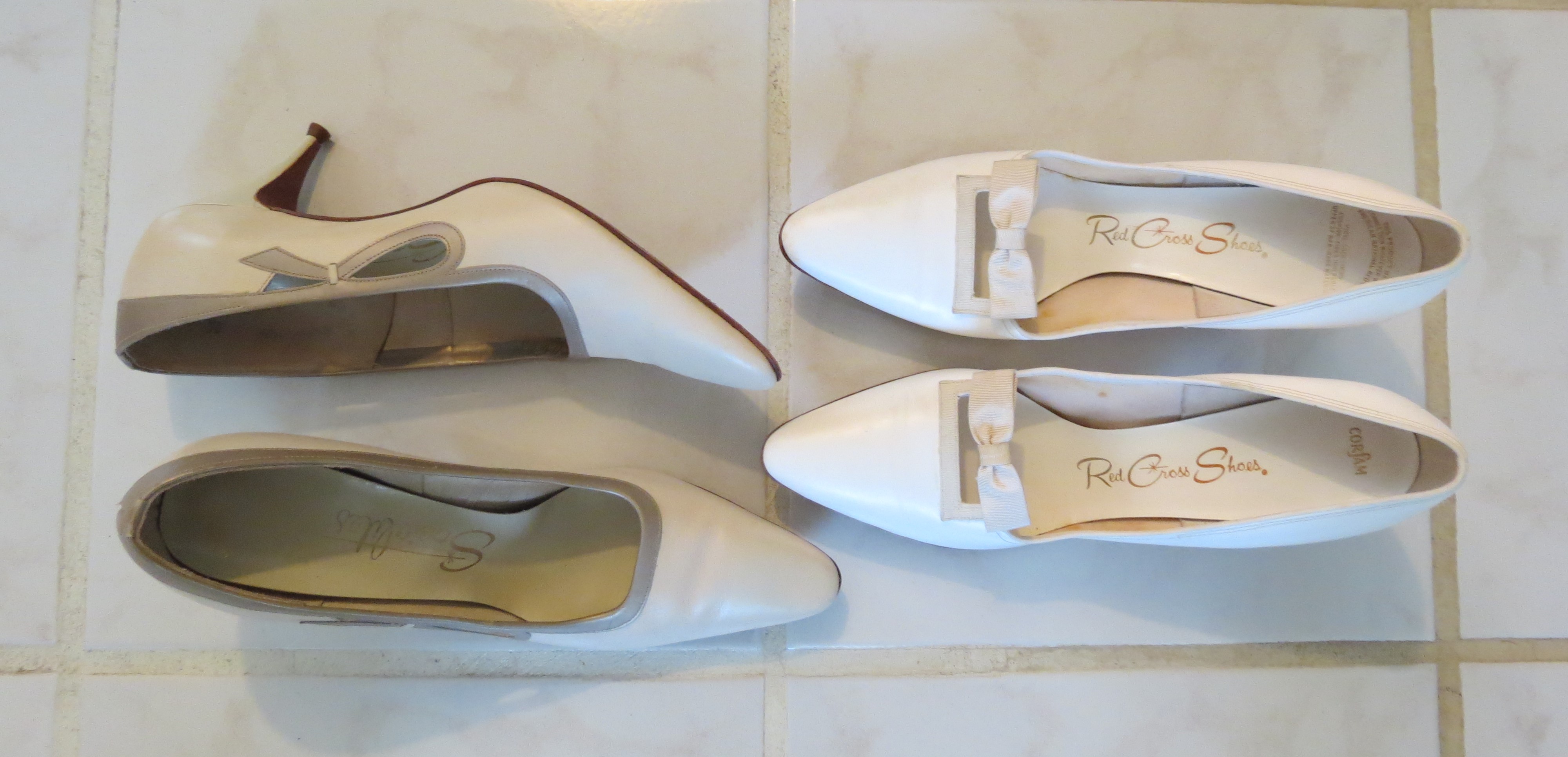
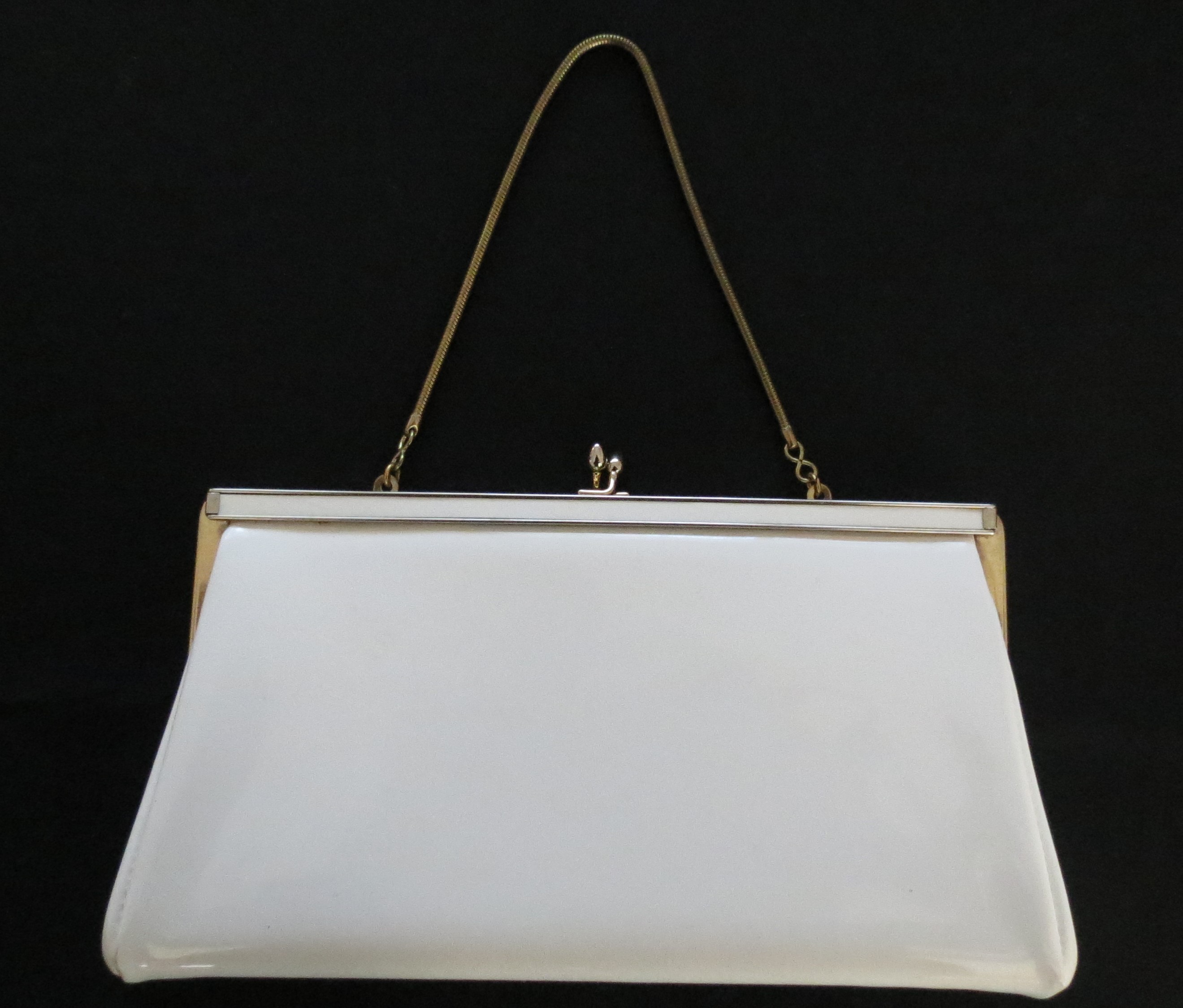
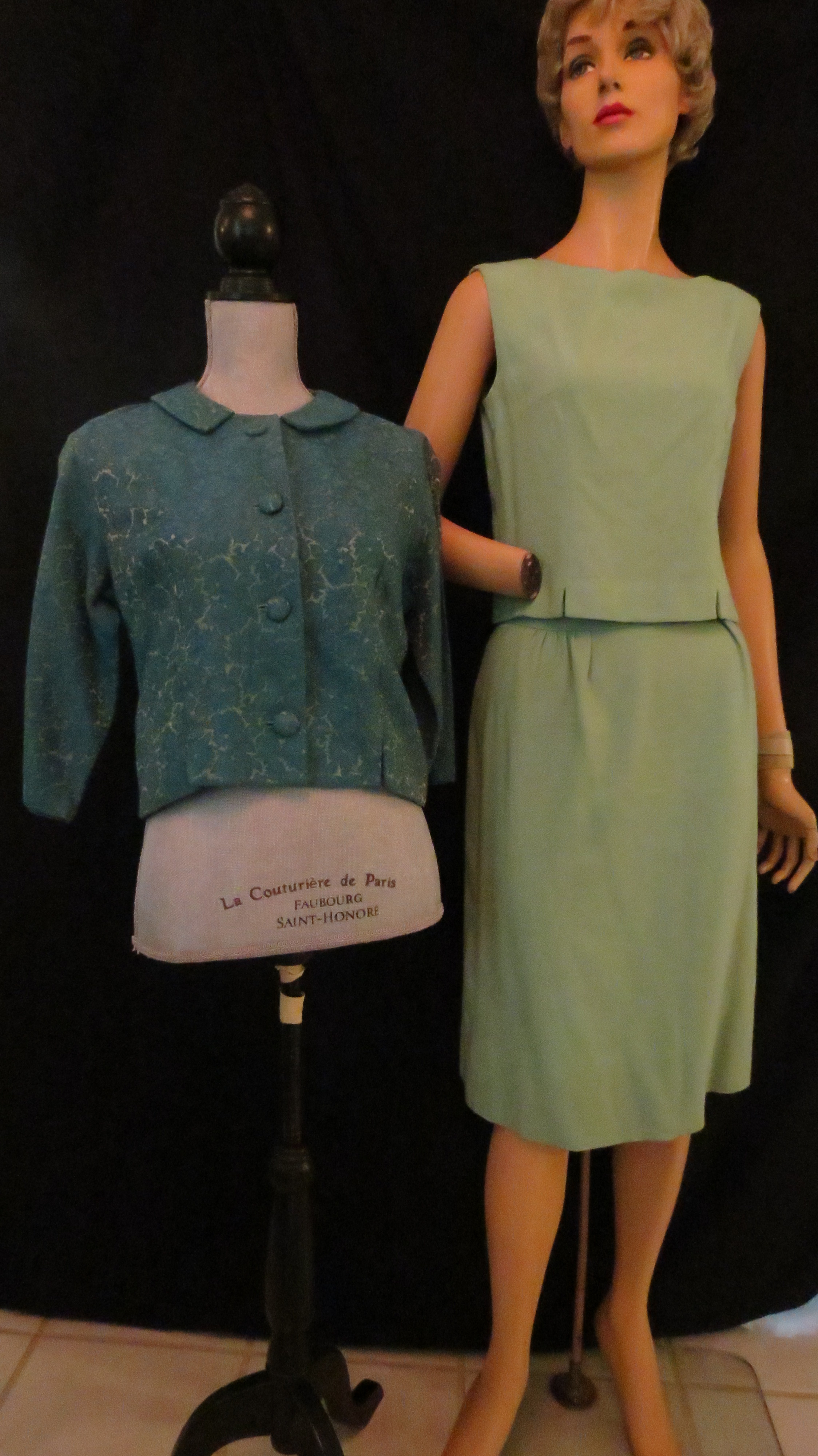
Dresses with little matching jackets became very popular for everyday wear when a step up the dressy scale was called for – an important appointment, special event or church. The shoes, purses and hats are examples of those which might have been worn with dresses like this. The blue & green example above was home-sewn in the color combo that defined popular design in 1963. The prints on the two blue dresses in center are a harbinger of the MOD trend that was just about to erupt.

Stay tuned for a trip to the mid-1960’s tomorrow . . . . . . . . . . . . . . . . . . . . . . . . . . . . . . . . . . . . . .

MORGANA MARTIN, THE MAGICVINTAGESPY

BLOG: MAGICVINTAGESPY.COM
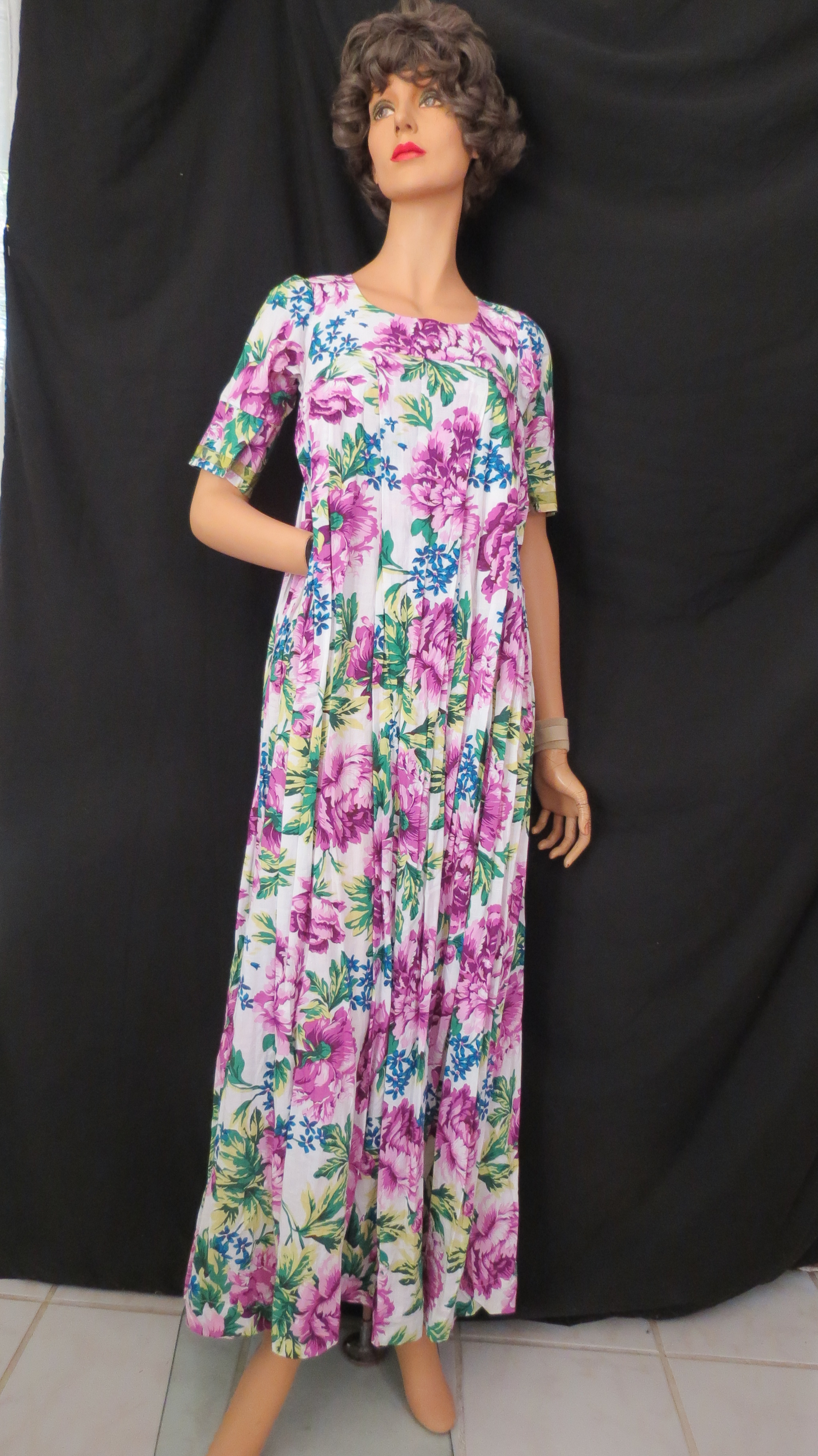
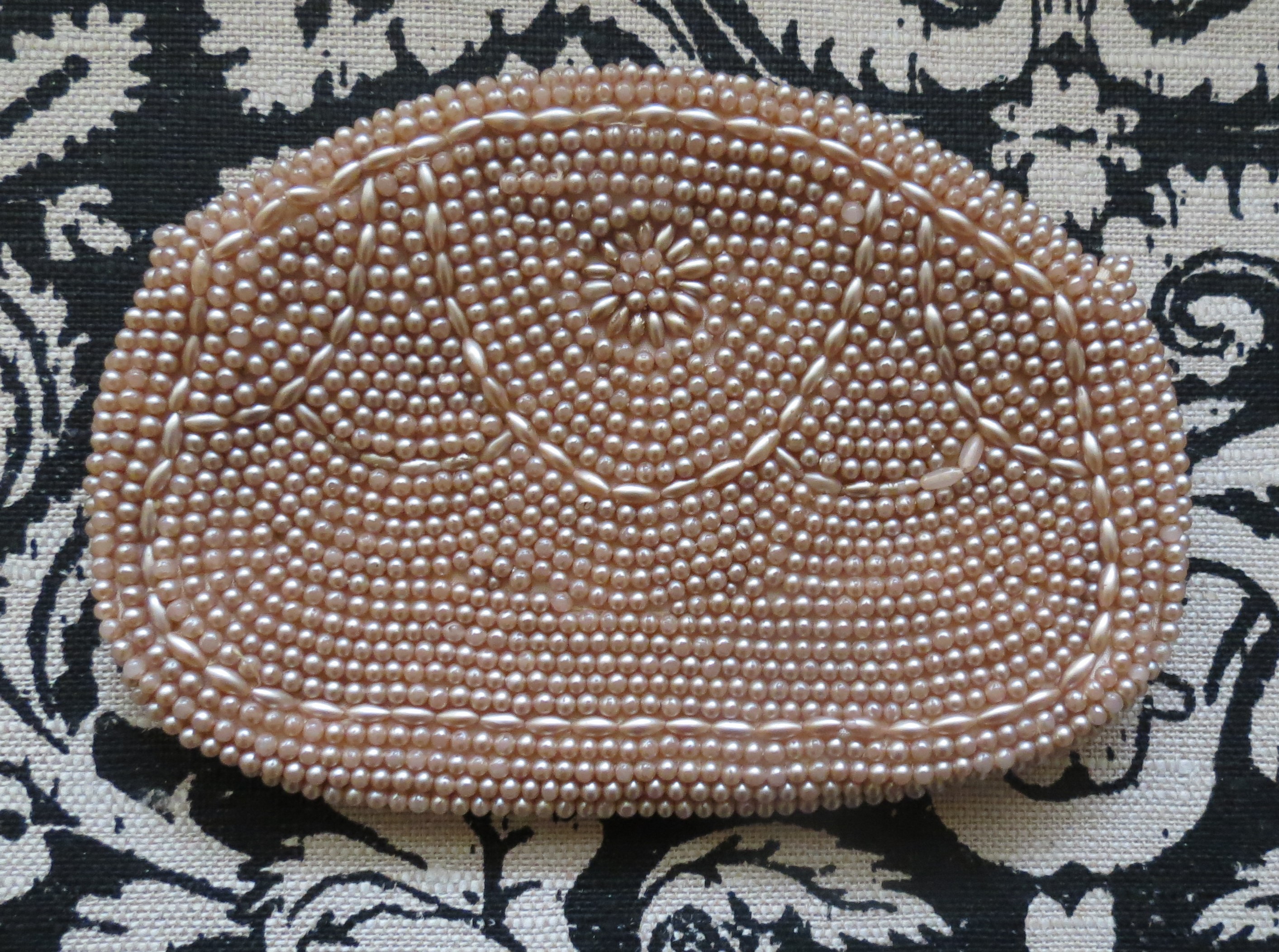
TRUE VINTAGE DAY DRESSES THROUGH THE DECADES, HANDBAGS AND SHOES – 1930’s

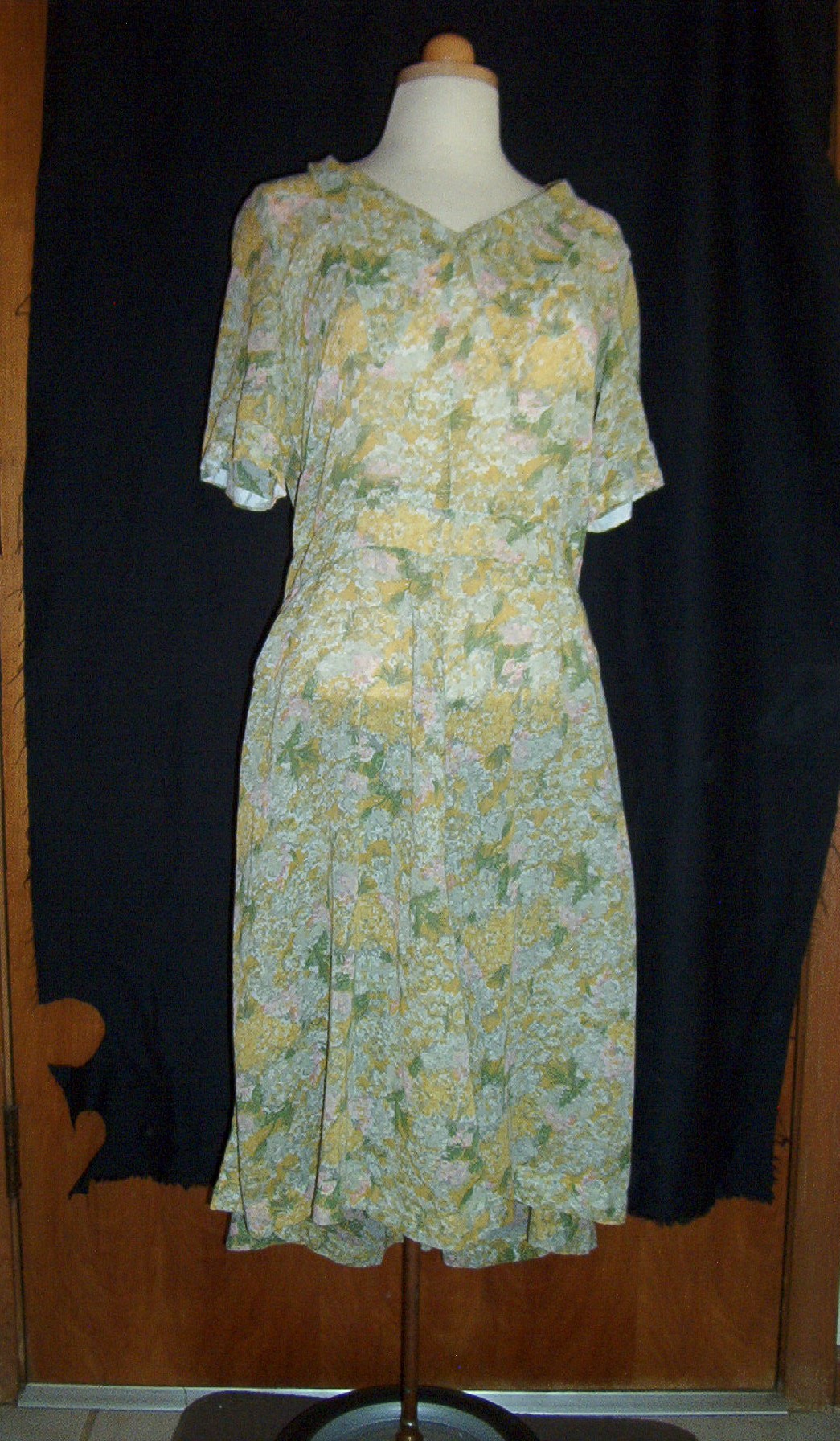
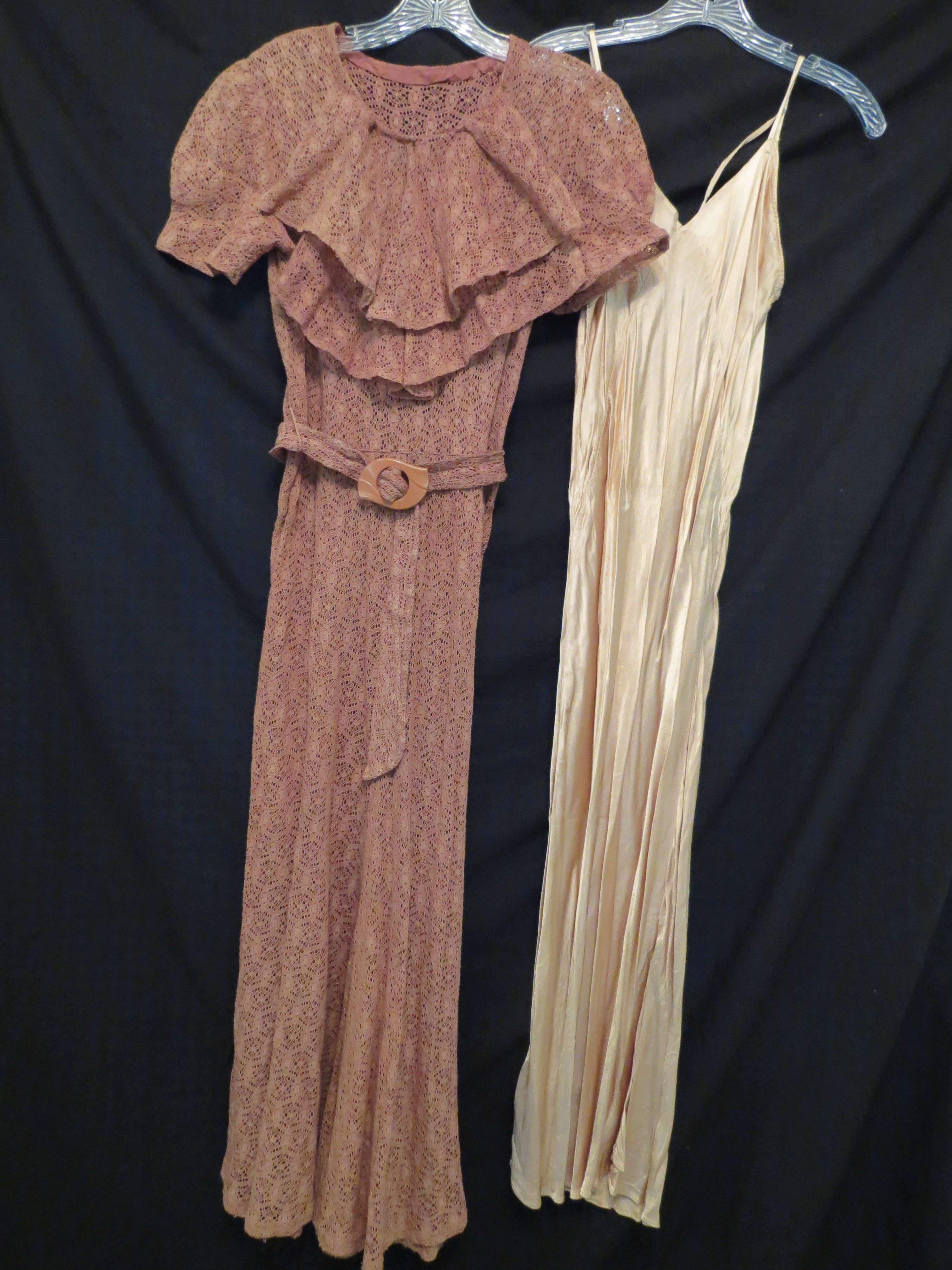
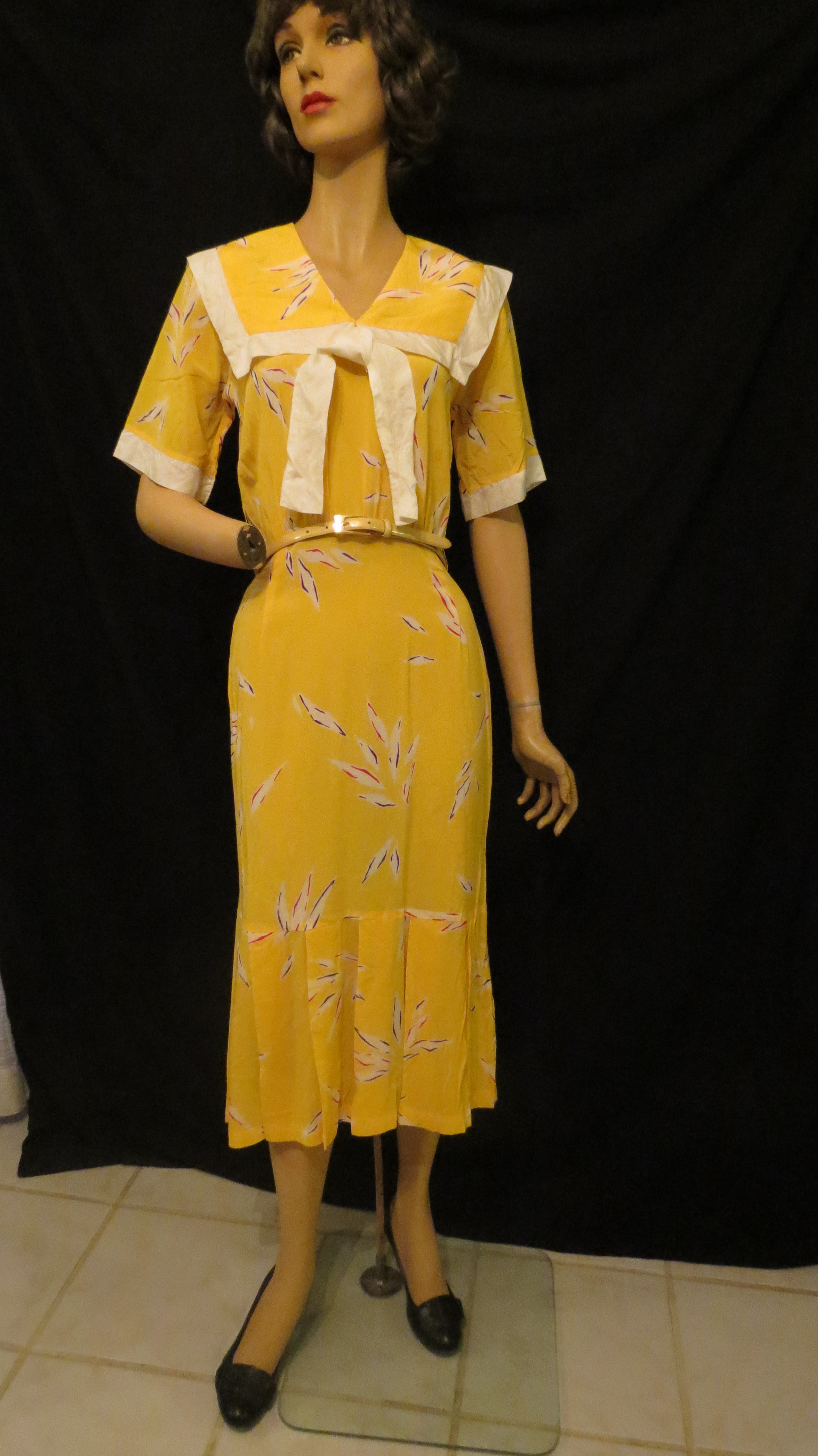
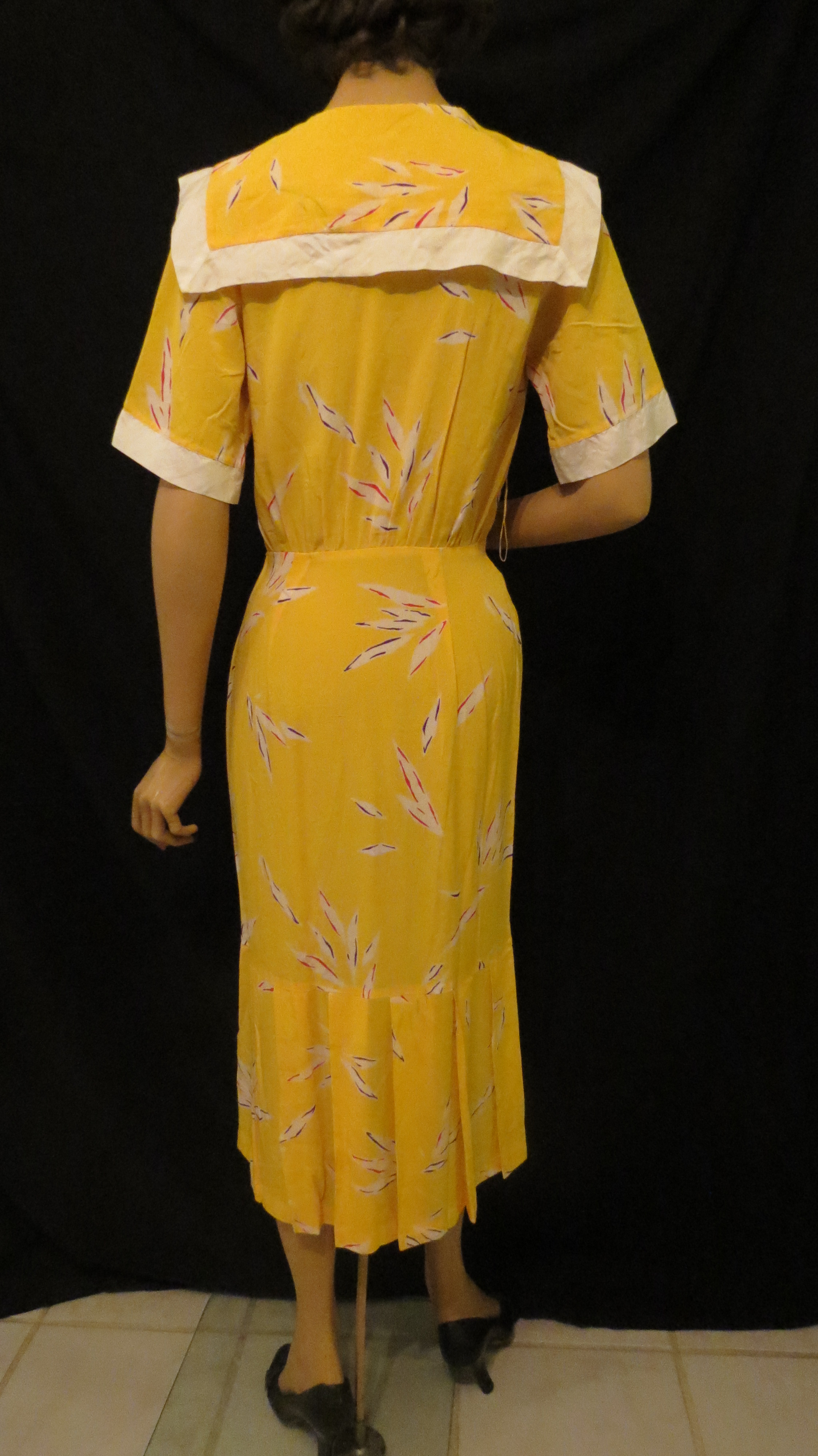
Two of my favorite 1930’s dresses to wear and one when I feel like Bonnie of Bonnie and Clyde. The fabrics feel so wonderful on the body and the fit is killer because of the fabulous drape. An earlier find, I was thrilled to discover the blue dress because of it’s condition. The original buttons and belt are present and no damage to the trim at the neckline. Also, no stains! You can see that the body of the dress has faded a bit due to years of washing by the original owner (compare to the color of the belt, which would not have been put in the laundry), but I don’t mind. The floral-print yellow and green frock is near-perfect and is a bit more casual. Super easy-breezy. The crocheted dress with satiny rayon slip given to me by a family member who found it in an old antique wardrove is the real star. It still has the authentic celluloid plastic belt buckle. The longer hemline makes it probably the oldest of the group, from the very early ’30’s. I have to include a 1980’s or ’90’s dress that dipped into a retro 1930’s. The yellow rayon belted sheath is a fun fashion with loyalty to the Thirties style and lovely rayon fabric.

These are both mid-priced dresses, at most, but have held up over 70 years before finding their way into my closet. It’s possible they were home-sewn. I love the elbow-length sleeves and the way that the fabric causes the hemline to ripple and sway. Very flattering. Both do require a slip underneath because of the sheerness and, since they are warmer weather frocks, I like to wear a true vintage cotton slip with very little decoration so that it doesn’t show through and compete with the print. Slips of that sort are hard to find since most of the slips that have survived are made of nylon and full of decorative detail. Although some fabrics don’t seem to require a slip, wearing one often causes the dress to fit and move so much better. Your other foundation garments i.e. brassiere, underpants and even stockings will have a real effect on how your outfit looks so it’s an important consideration. I have silk tap pants and some silk slips from the pre-war and WWII era that are good examples of undergarments that work really well with dresses like these.

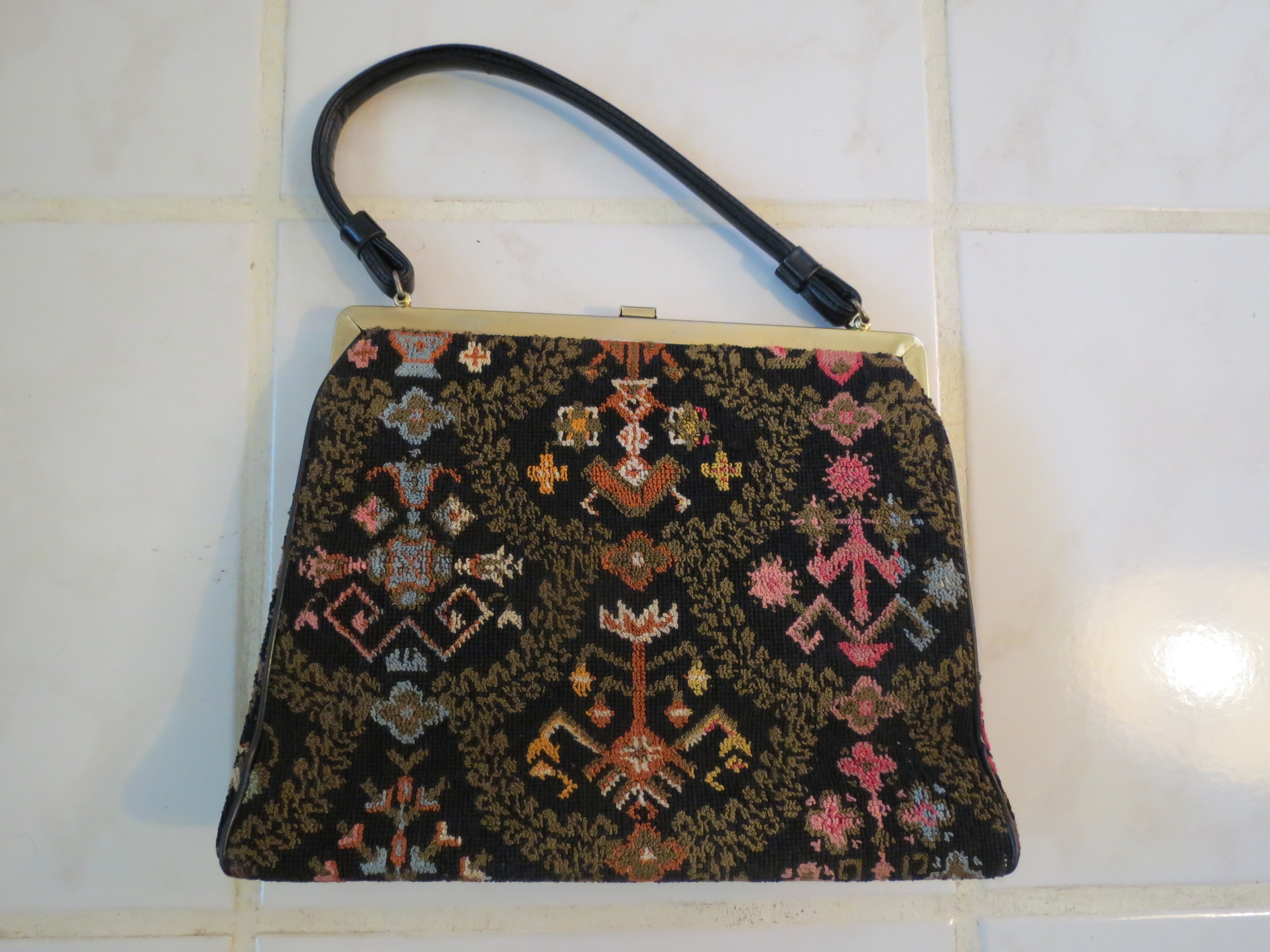
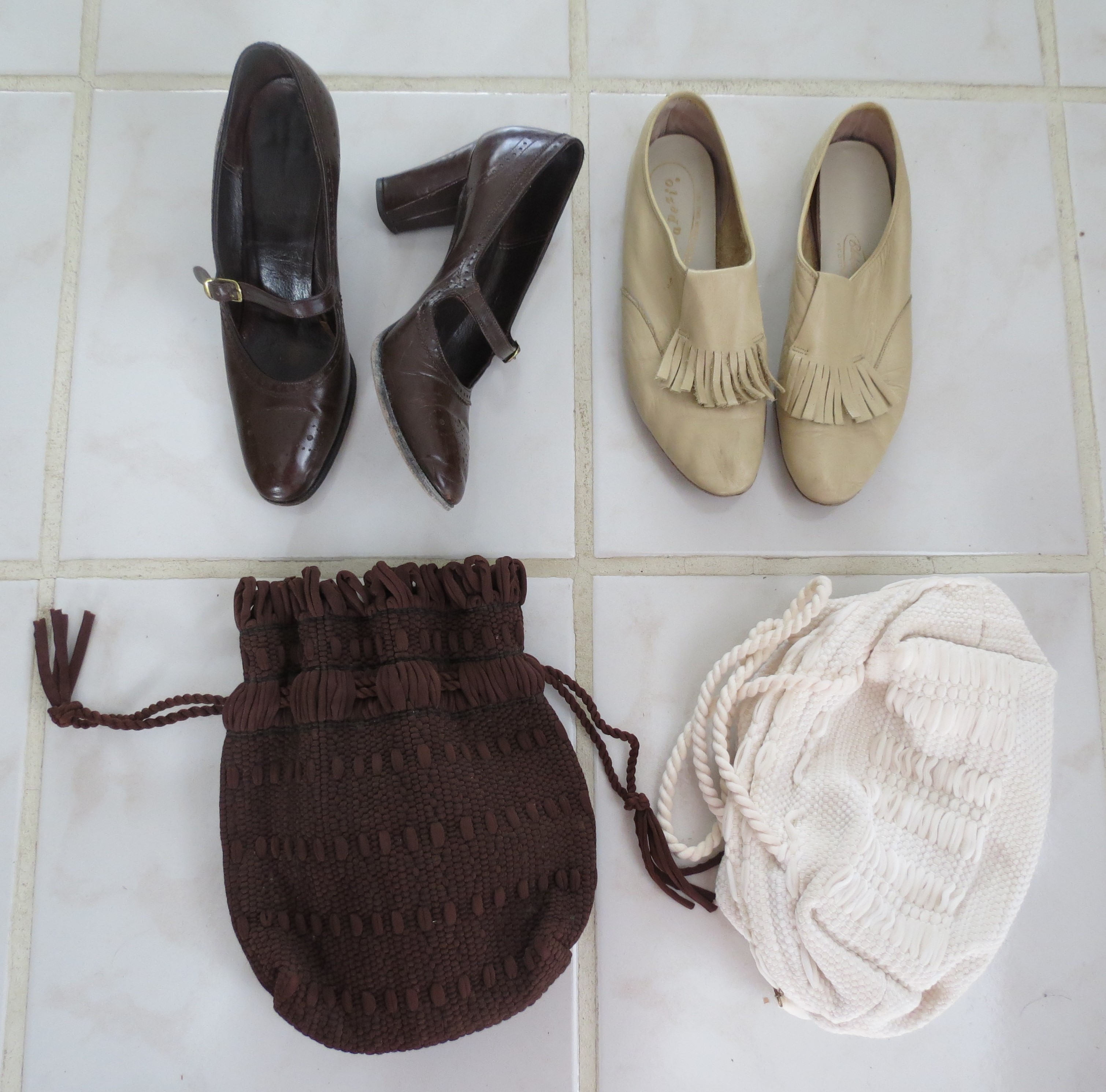
Mary Jane style shoes are seen in every decade since the 1920’s. Decorated flats became popular for women, too, especially when they began wearing slacks. The shoes shown above may be a little younger than the dresses and purses, but are still within a decade or so. Handbags woven from synthetic yarn were another way that the market for clothing and accessories coped with the economic downturn of the Depression and the looming rationing of wartime. Leather, silk, quality cotton and wool were less available and too expensive for many buyers. The big move forward in the development of synthetics changed clothing in big ways, many having to do with fit, comfort and convenience so, overall, the deprivation turned out to be a plus. Tomorrow we move into the 1940’s. Stay tuned . . . . . . . . . . . . . . . . . . . . . . . . . . . . . . . .

MORGANA MARTIN, THE MAGICVINTAGESPY

BLOG: MAGICVINTAGESPY.COM
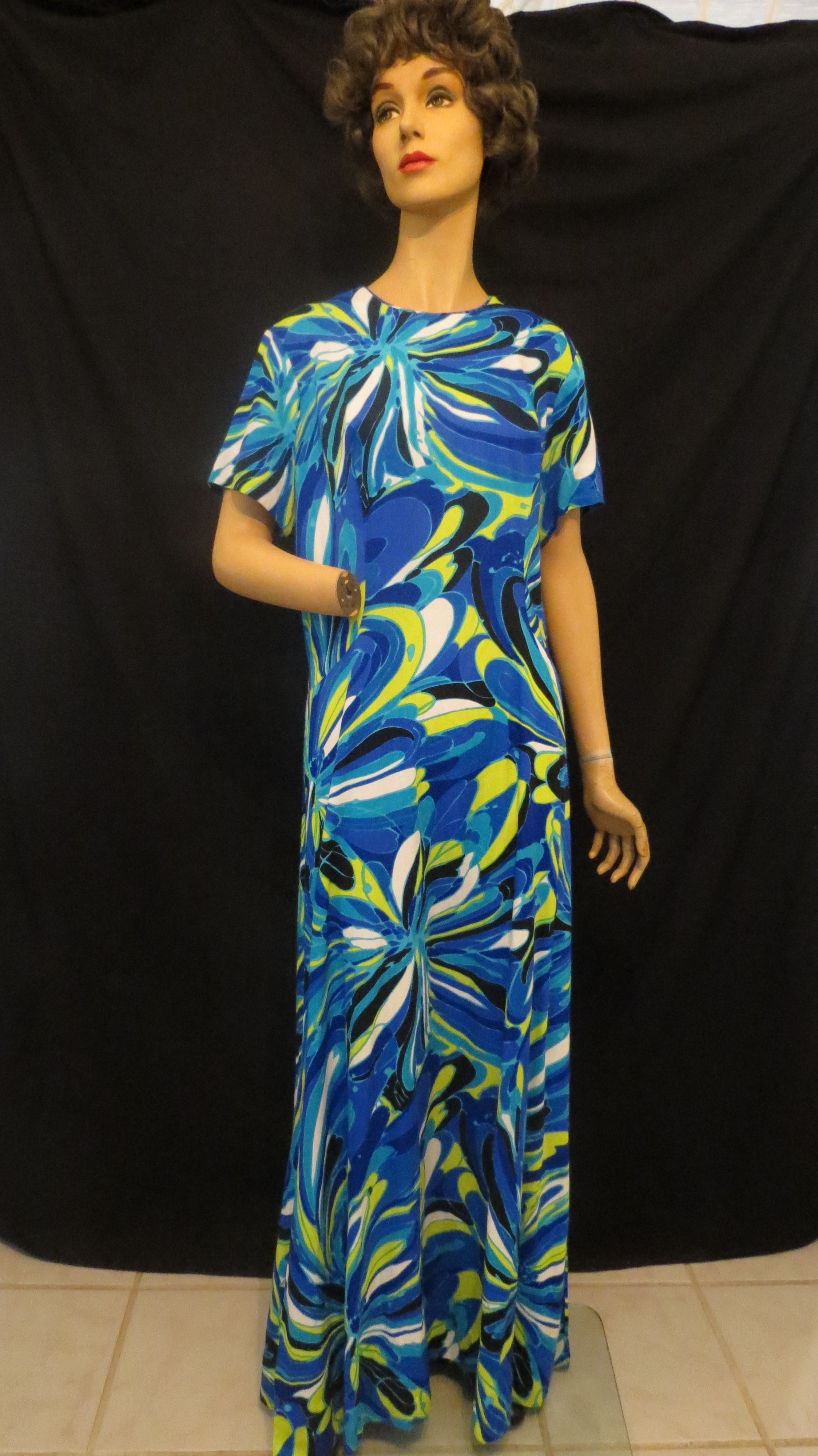
TRUE VINTAGE EARLY 1960’S CUSTOM-TAILORED 2-PIECE DRESS, COORDINATING JACKET AND HATS!

Here’s another 3-season dress with known history. That’s always SO wonderful. It was passed on to me by the mother of a friend, who made it herself. It is of a lightweight wool, fully lined and beautifully tailored. The lightweight but lined blue and green jacket is a commercially-made piece which I discovered separately, but is a perfect accompaniment in color, style and era.

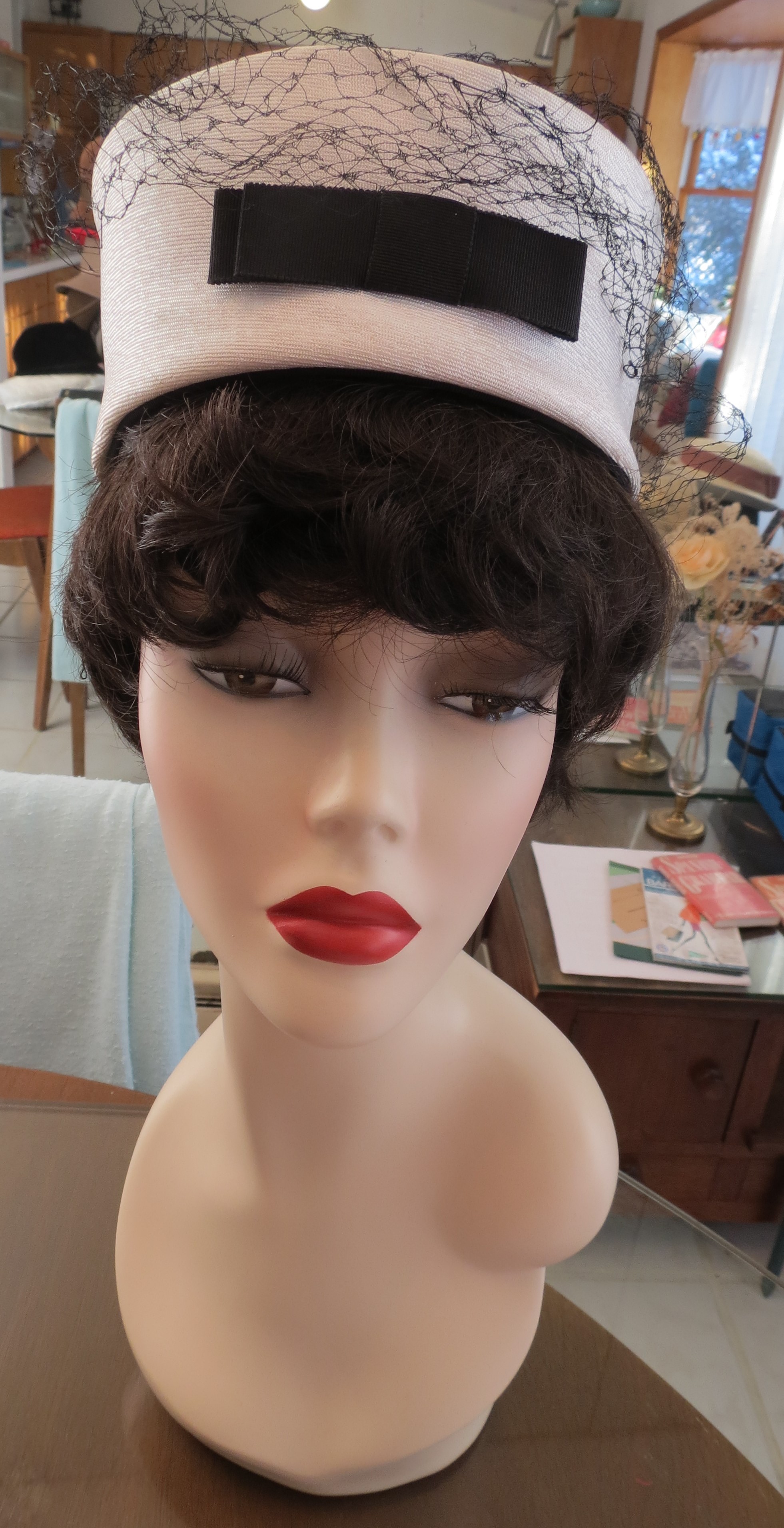
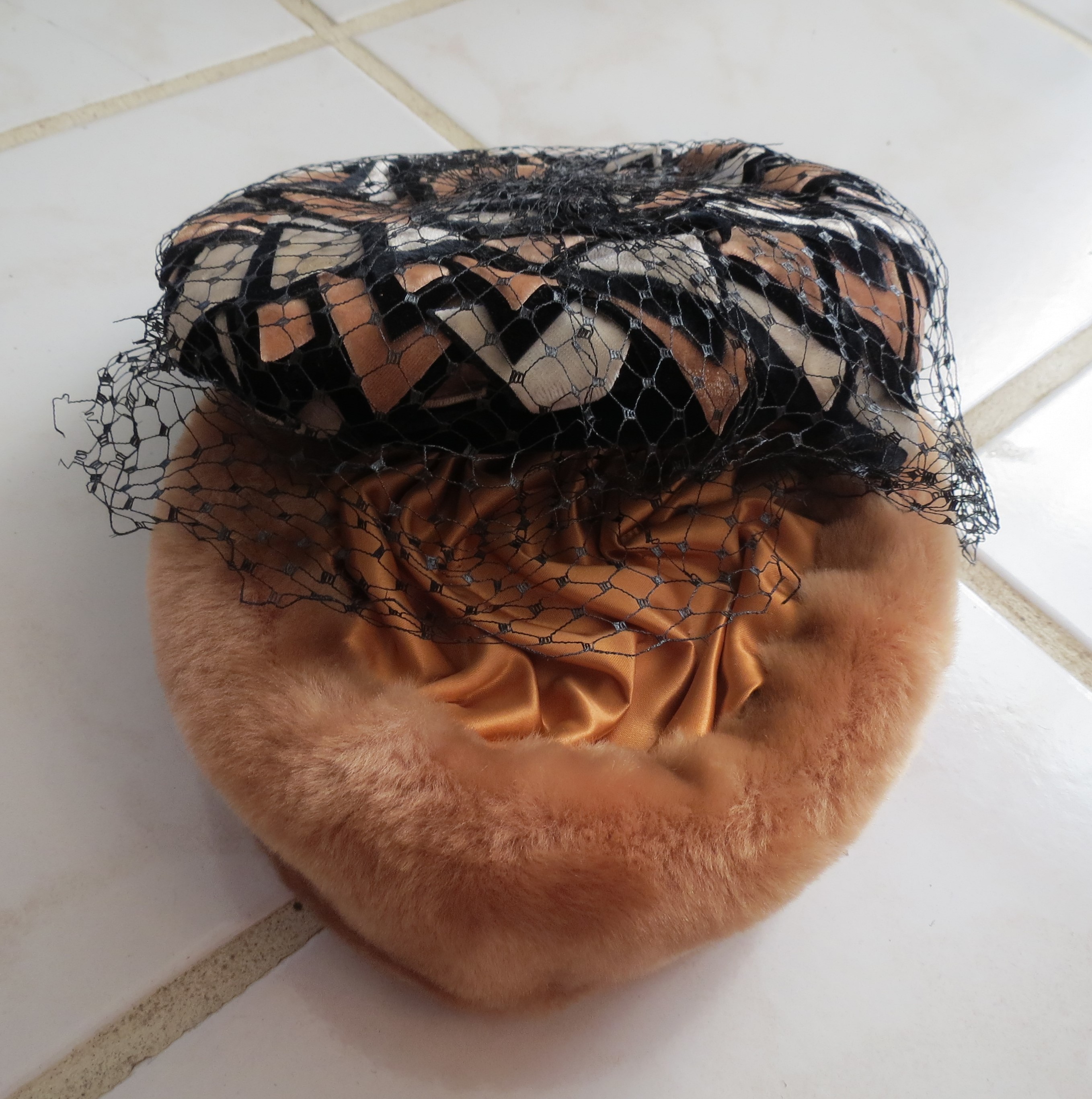
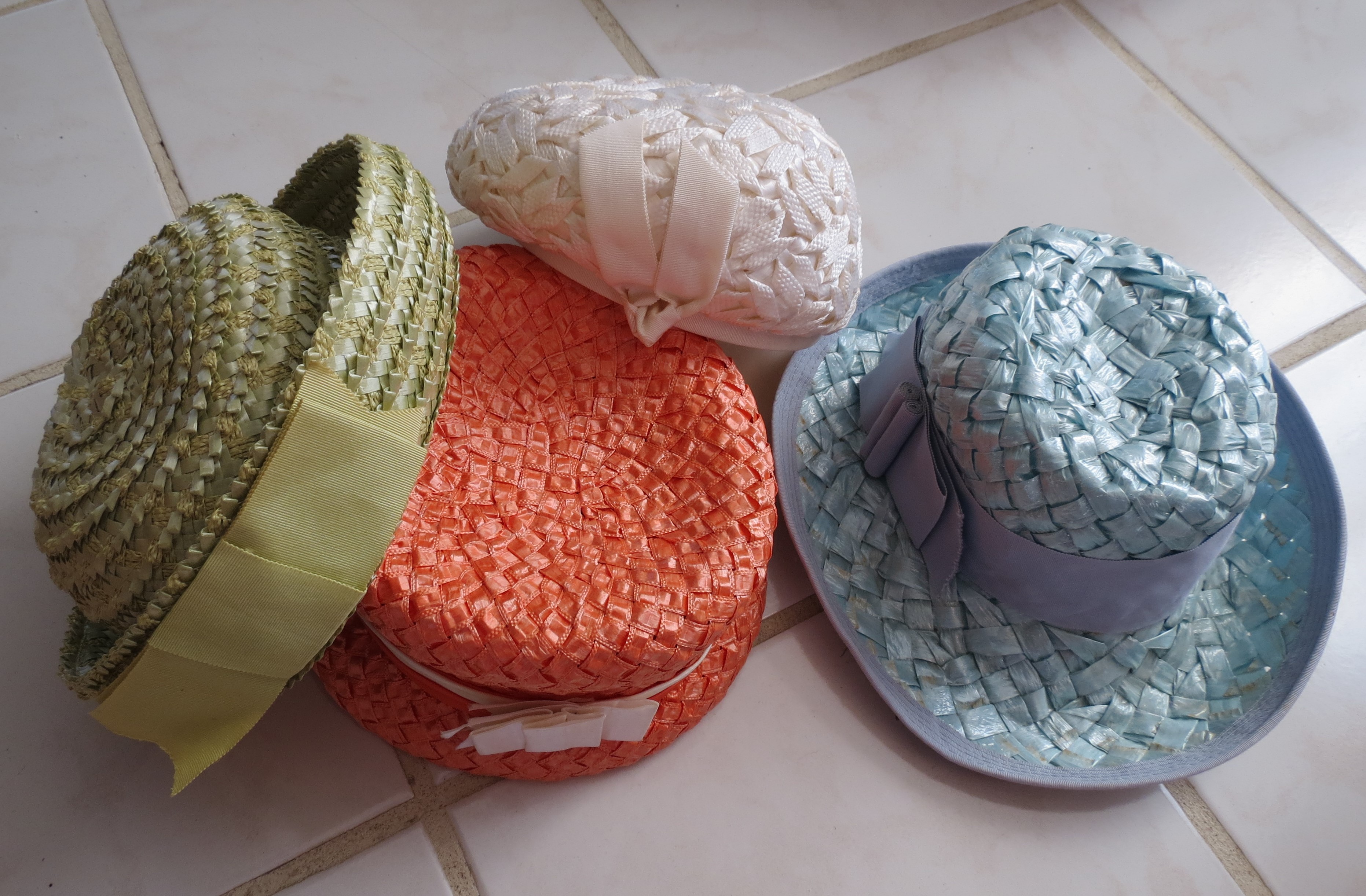
With this ensemble or with the skirt suit shown yesterday, an early Sixties cellophane hat would also be a perfect accessory. Nothing looks more like Spring to me, and I think we’re more than ready!

A little heads-up: I’ll be having guests over the next month so, though I will try to post daily, the times may be erratic and I may skip a day or two. But, there’s still lots more in the archives, not to mention possible new evidence, so stay tuned . . . . . . . . . . . . . . . . . . . . . . . . . . . . .

MORGANA MARTIN, THE MAGICVINTAGESPY

BLOG: MAGICVINTAGESPY.COM
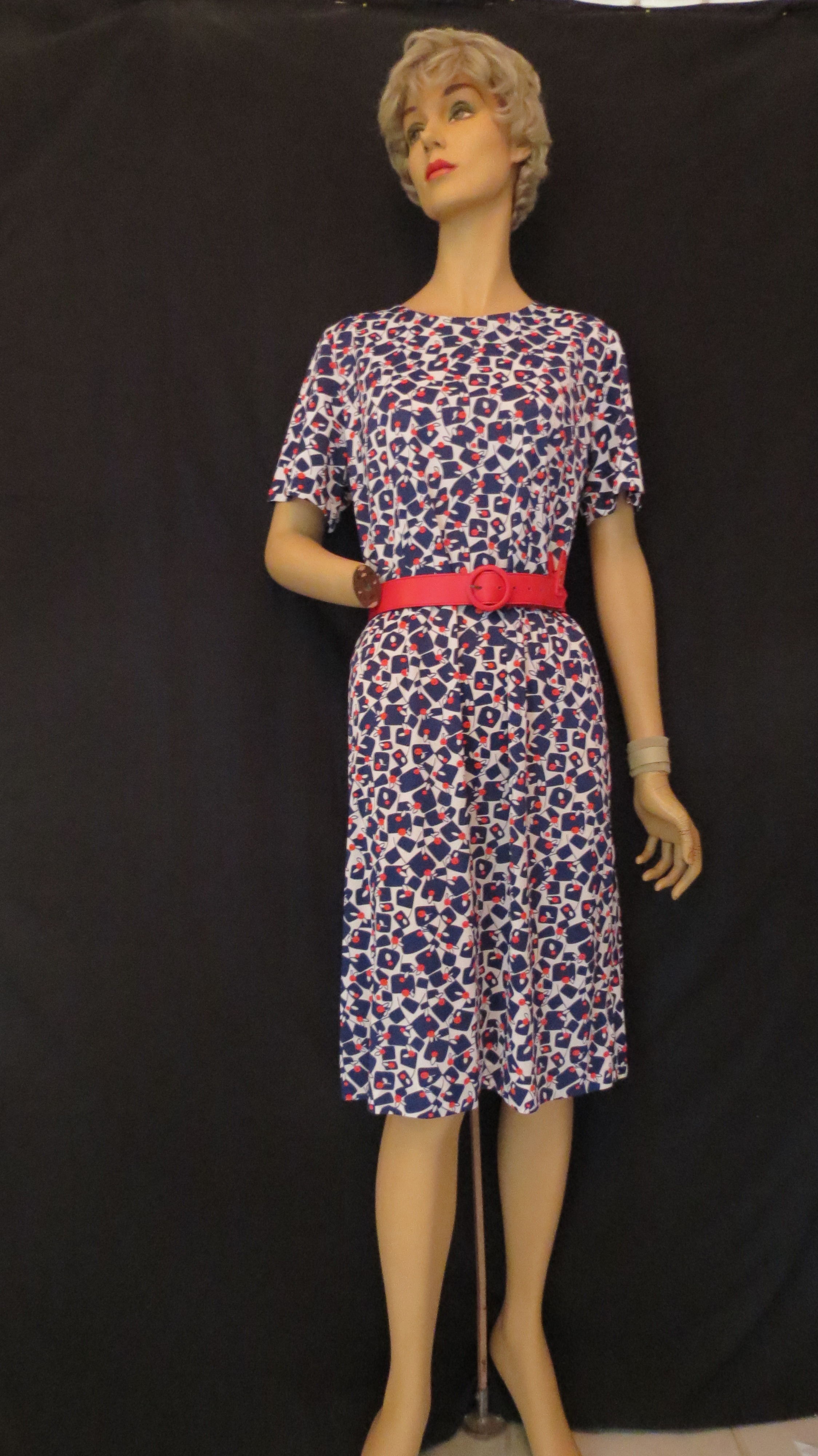
True Vintage Mid-century Long Formal Dress – Theater Reproduction?

This frock was an unusual find and a bit of a mystery. The sewing notions such as the zipper are from the mid-century but the overall style is undefined. My best guess is that this gown was made for a theater production back in the day. It is not as carefully constructed or designed as garments made for commercial sale or general wear. The only other possibility is that it was made by an inexperienced seamstress. It’s fun to find these kinds of things occasionally, which exercise your sleuthing skills! Back to the “real thing” tomorrow . . . . . . . . . . . . . . . . . . . . . . . . . . . . .

MORGANA MARTIN, THE MAGICVINTAGESPY

BLOG: MAGICVINTAGESPY.COM
Home for the Mid-Century Holidays: Part 4

Sorry to be so late – trouble with my WordPress account, but so far so good.

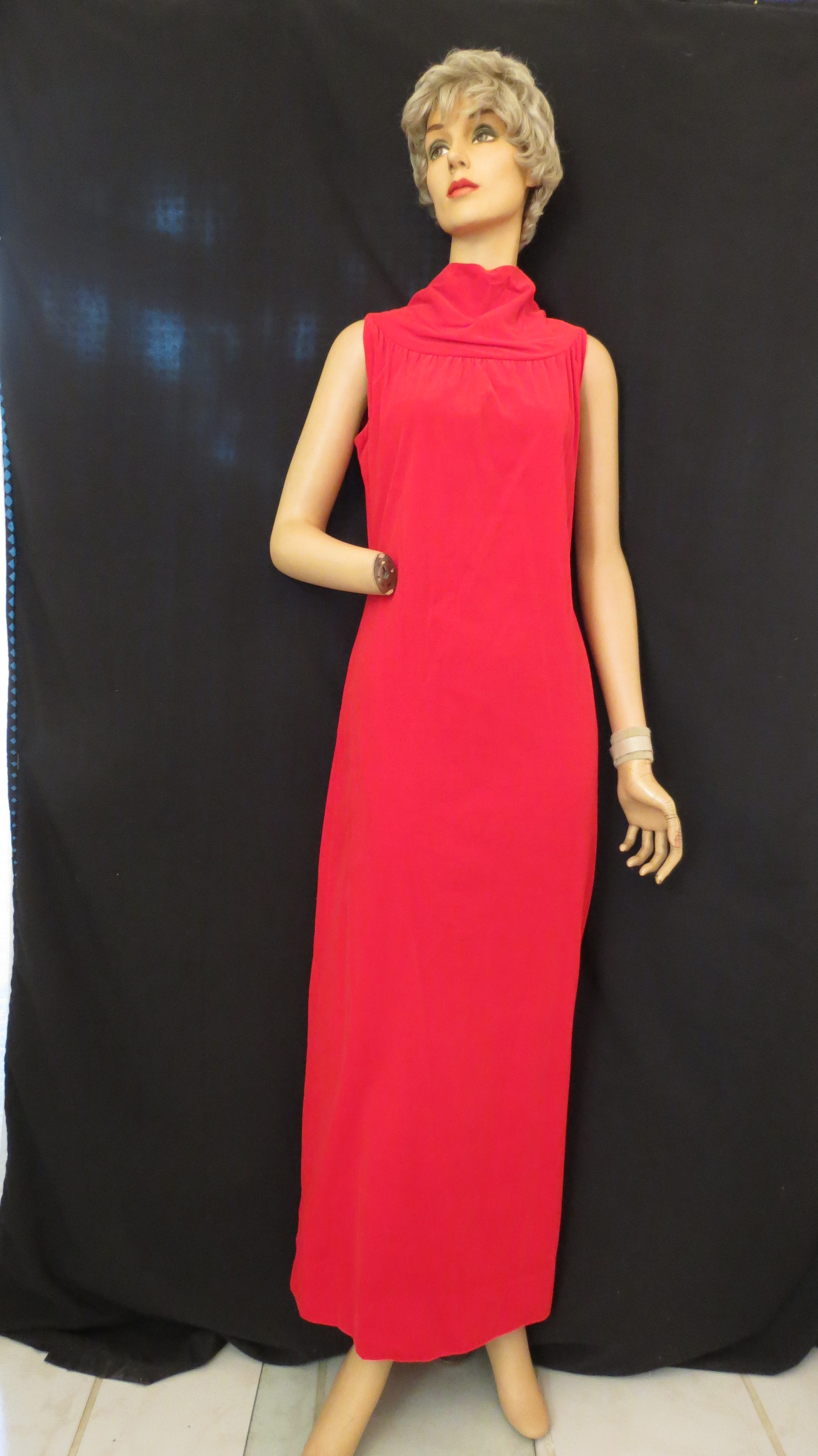
Here’s a pretty velvet knit gown from the late 1960’s – early 1970’s which I would say is perfect for at-home, though there is a matching purse! Perfect for Boxing Day, which was yesterday in Great Britain and it’s former colonies. That’s traditionally the day to unbox all the gifts, clean up the mess and relax. This easy-fitting, soft and comfy dress allows for movement. Adds warmth, without being restrictive.

Although it’s very plain, the empire waist and embroidered trim, plus the fabric and zipper allow me to date it. The fact that it was custom-made helps, too. I must give kudos to the seamster who took on the project of creating a matching shoulder bag. That requires some skill and, probably a simple machine to attach the hardware. Cool!

Although it’s Christmas Past now, we’re still in a holiday week and the party spirit will continue in the archived files I will show you in the coming days. It’s so fun to review the clues and data from previous sleuthing investigations! Stay tuned . . . . . . . . . . . . . . . . . . . . . . . . . . . . . . . .

MORGANA MARTIN, THE MAGICVINTAGESPY

BLOG: MAGICVINTAGESPY.COM
True Vintage early 1950’s Wasp – Waist Party Dress for Holiday Celebration

This RED beauty is pure 1950’s. The skirt is a full circle, or nearly, and could be worn with a crinoline. Love the boat neckline and 3/4 length sleeves. Simple elegance with no decoration – just fabulous fit and style. The fabric is substantial, but not a taffeta. It’s unlined and still allows for lots of movement in the skirt, especially if it is worn as in this photo without stiff undergarments. No label, so it might have been custom-tailored.

Just like Scarlett O’Hara’s entrance to Melanie’s party in Gone With the Wind, show up in this frock and you’d create a scandal. I wonder . . . . . . . . . . . . . . . . . . . . . . . . . . . .

MORGANA MARTIN, THE MAGICVINTAGESPY

BLOG: MAGICVINTAGESPY.COM