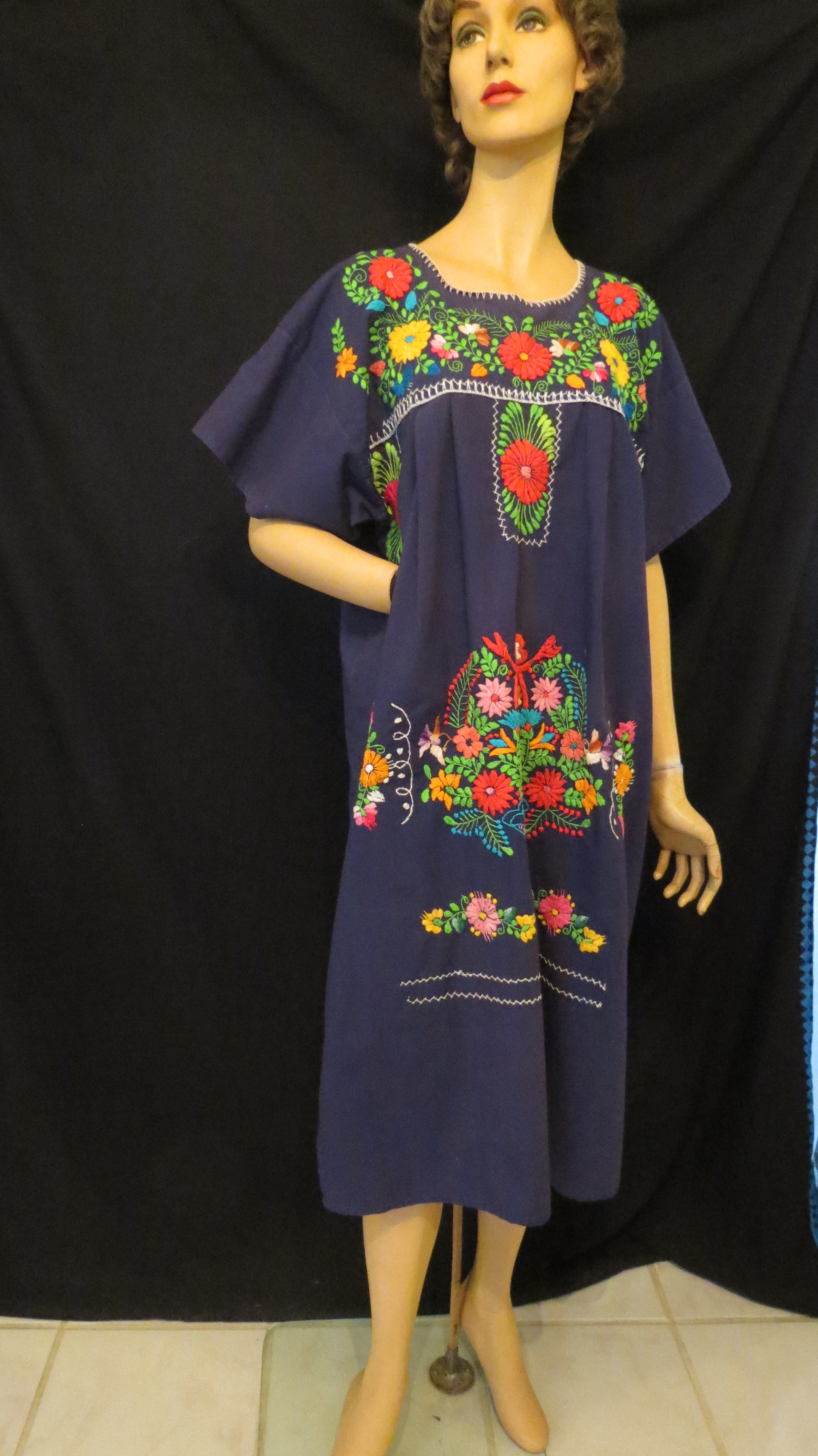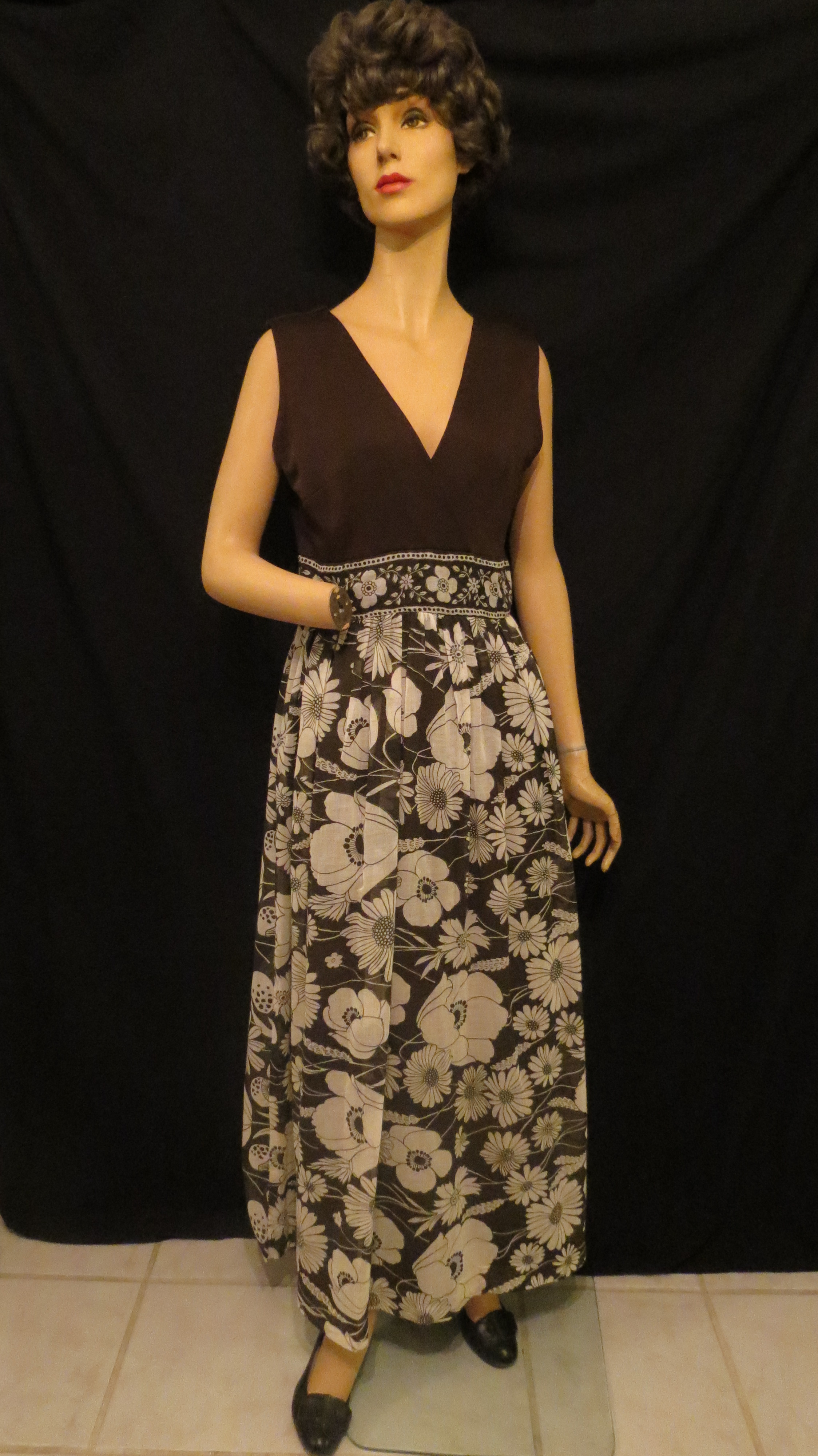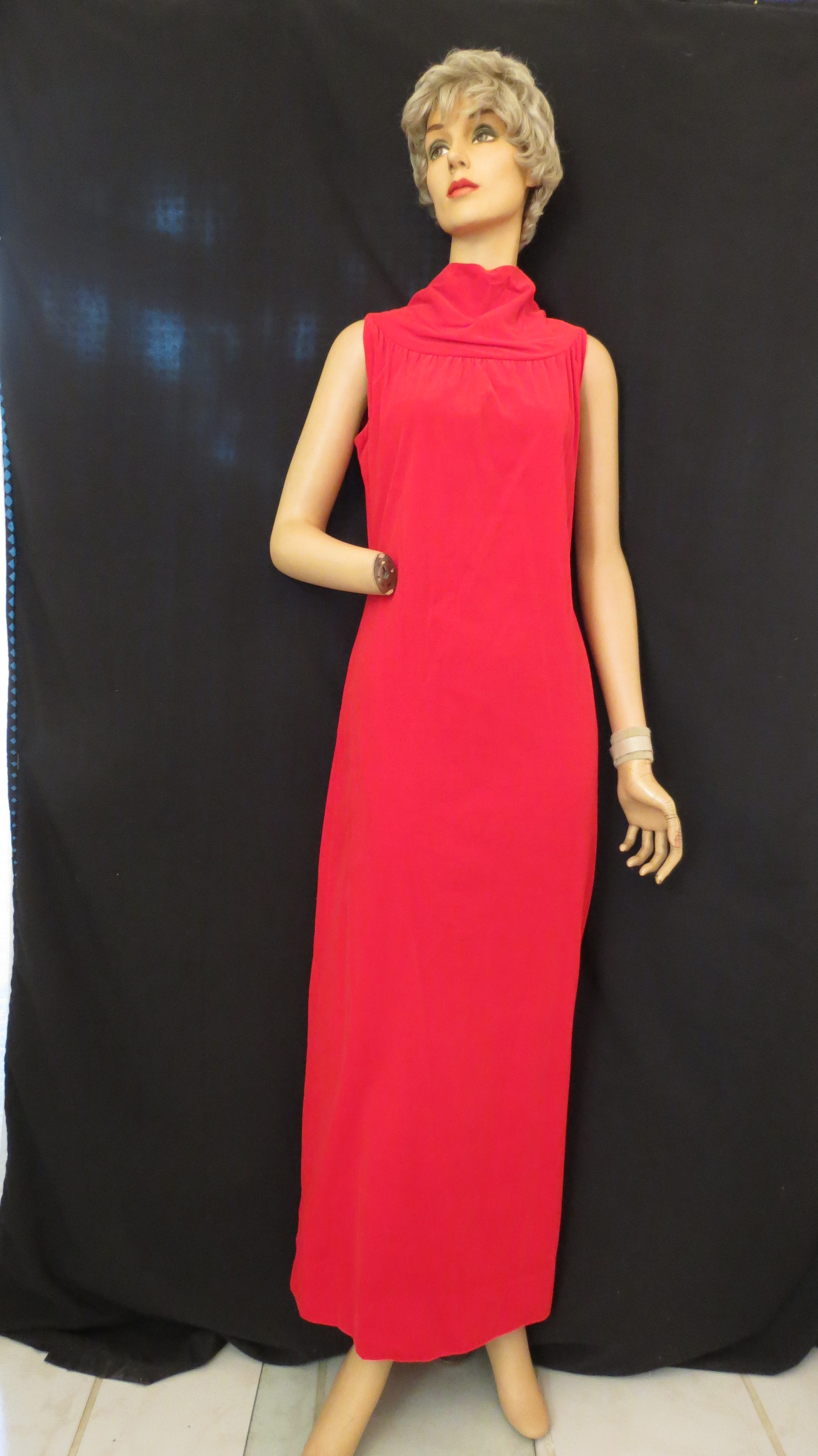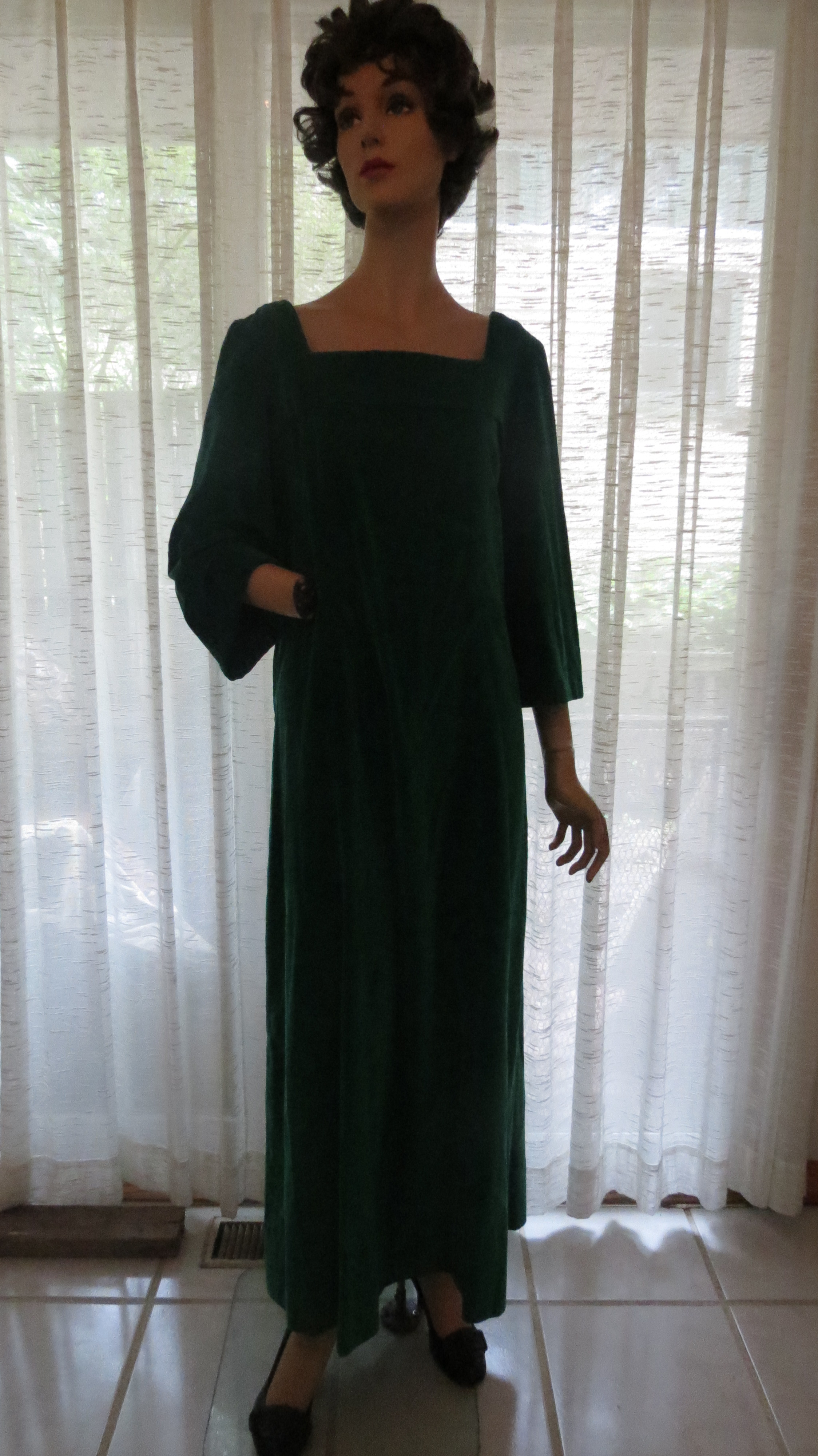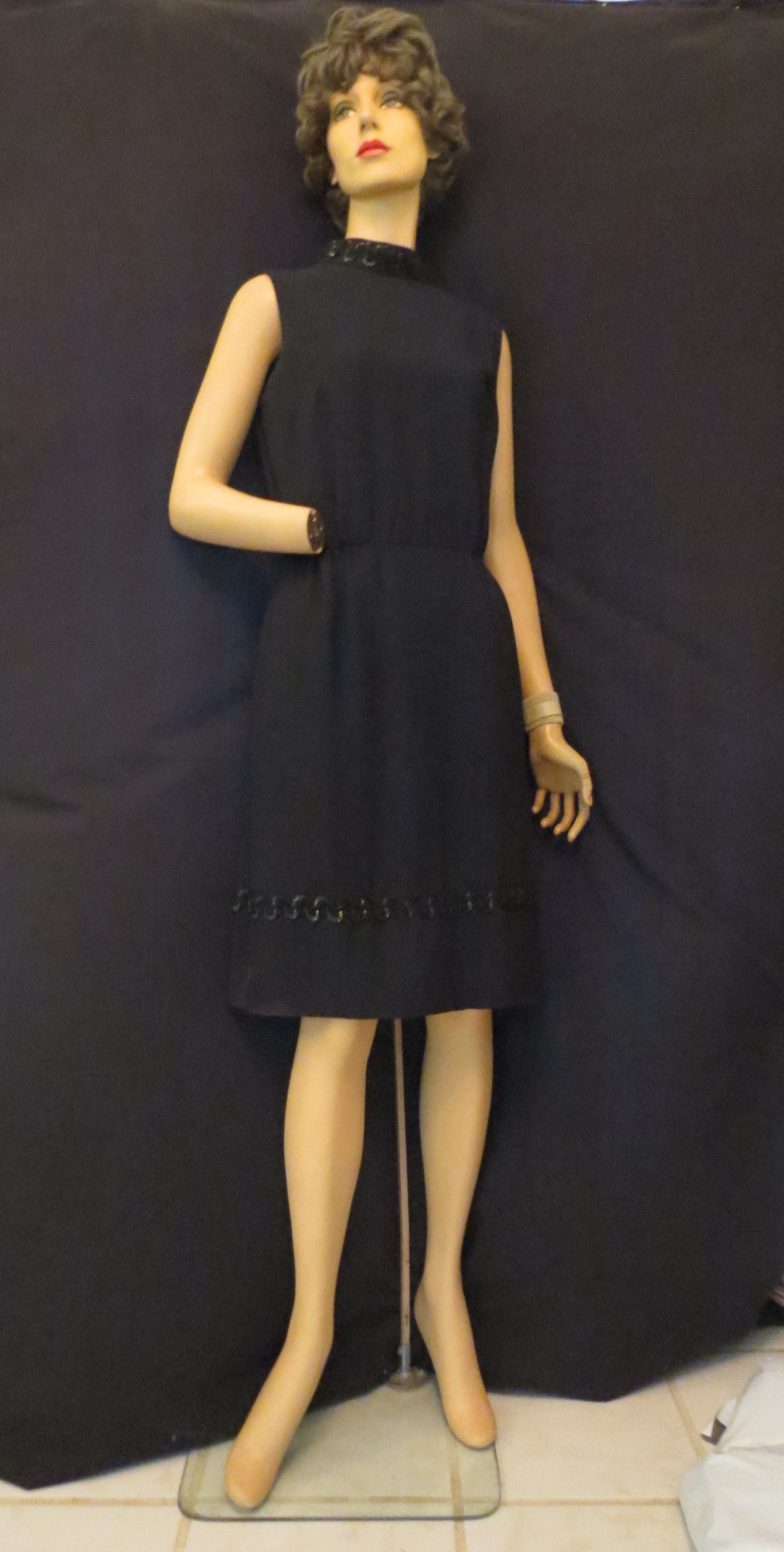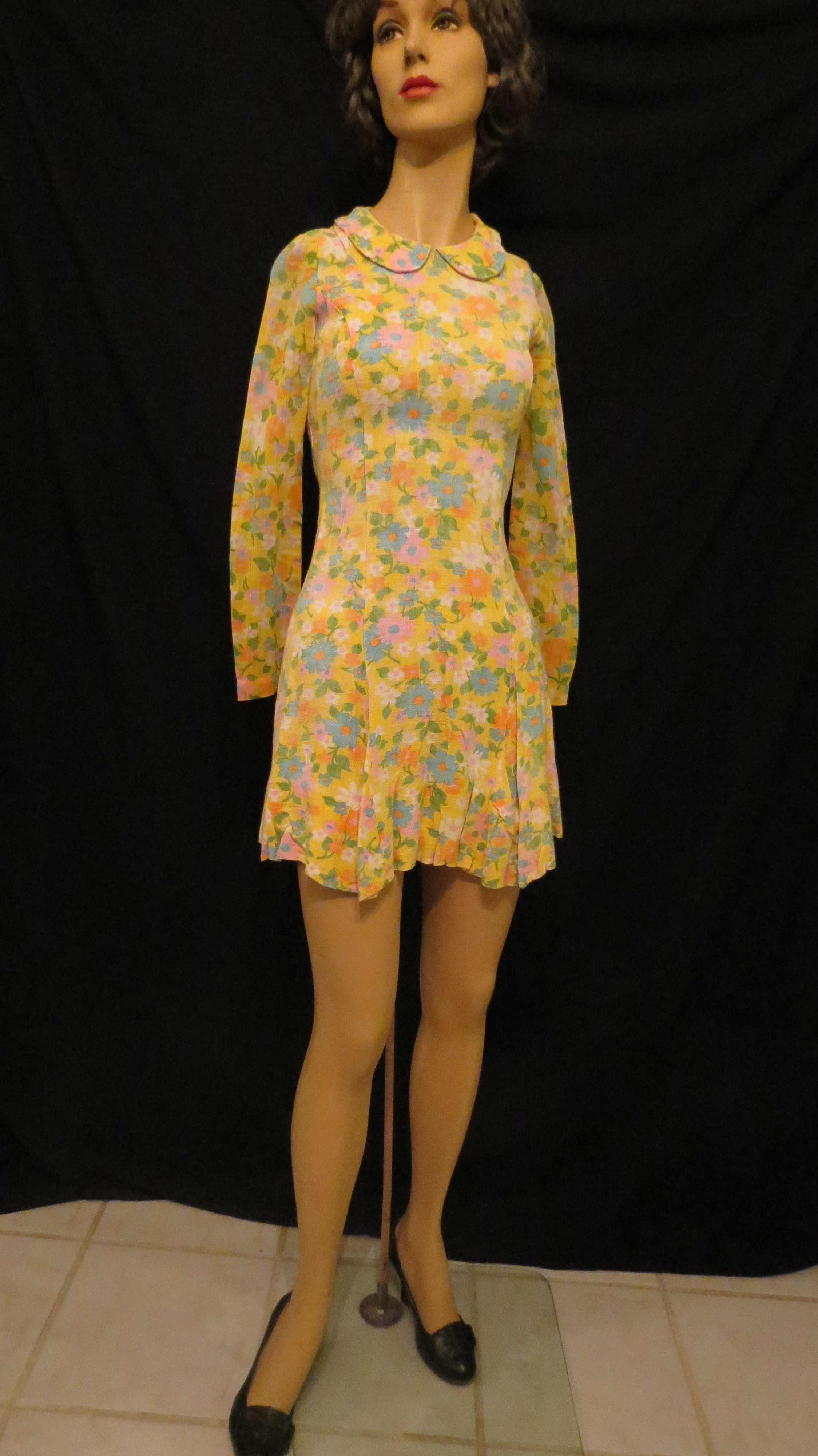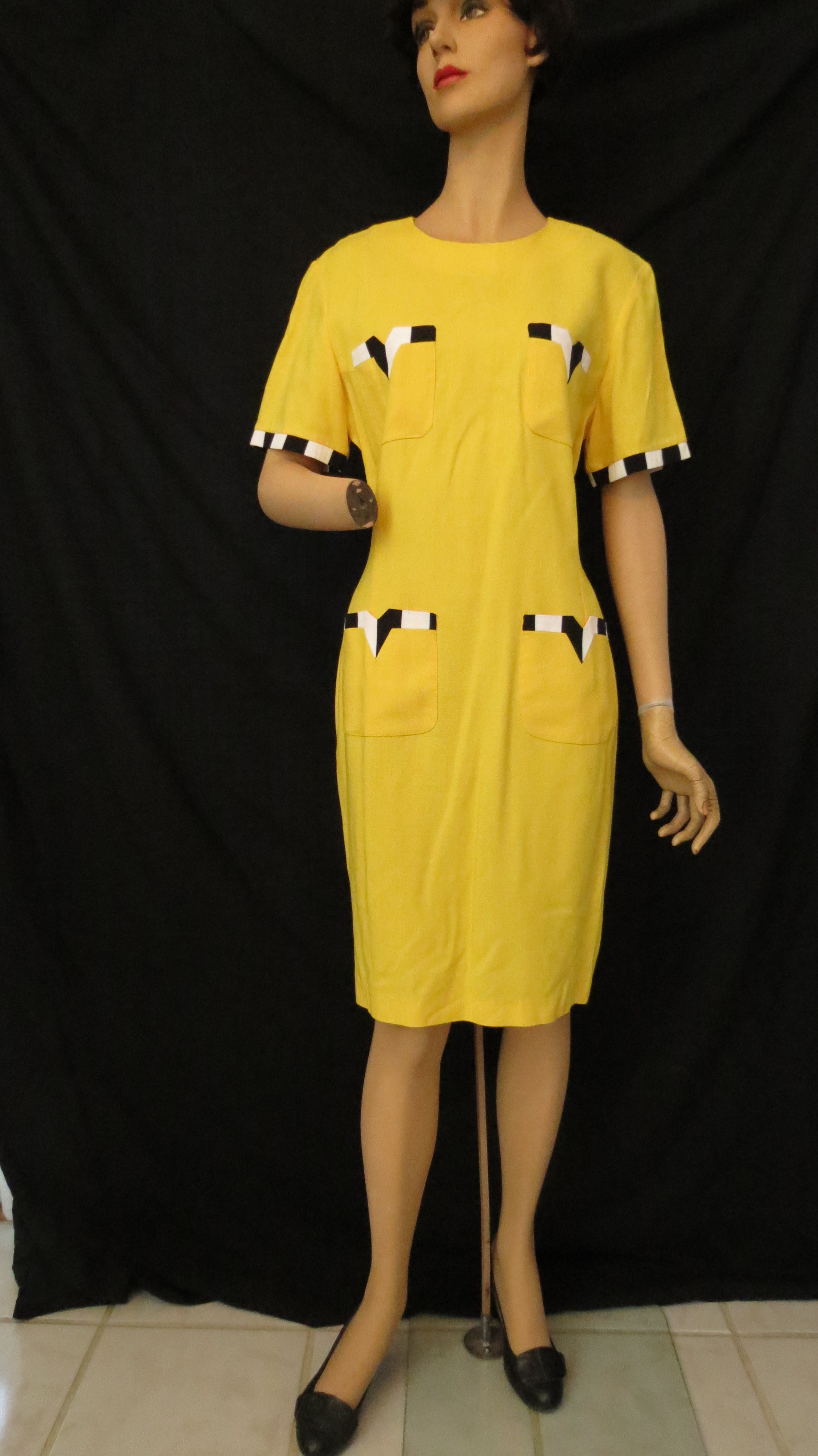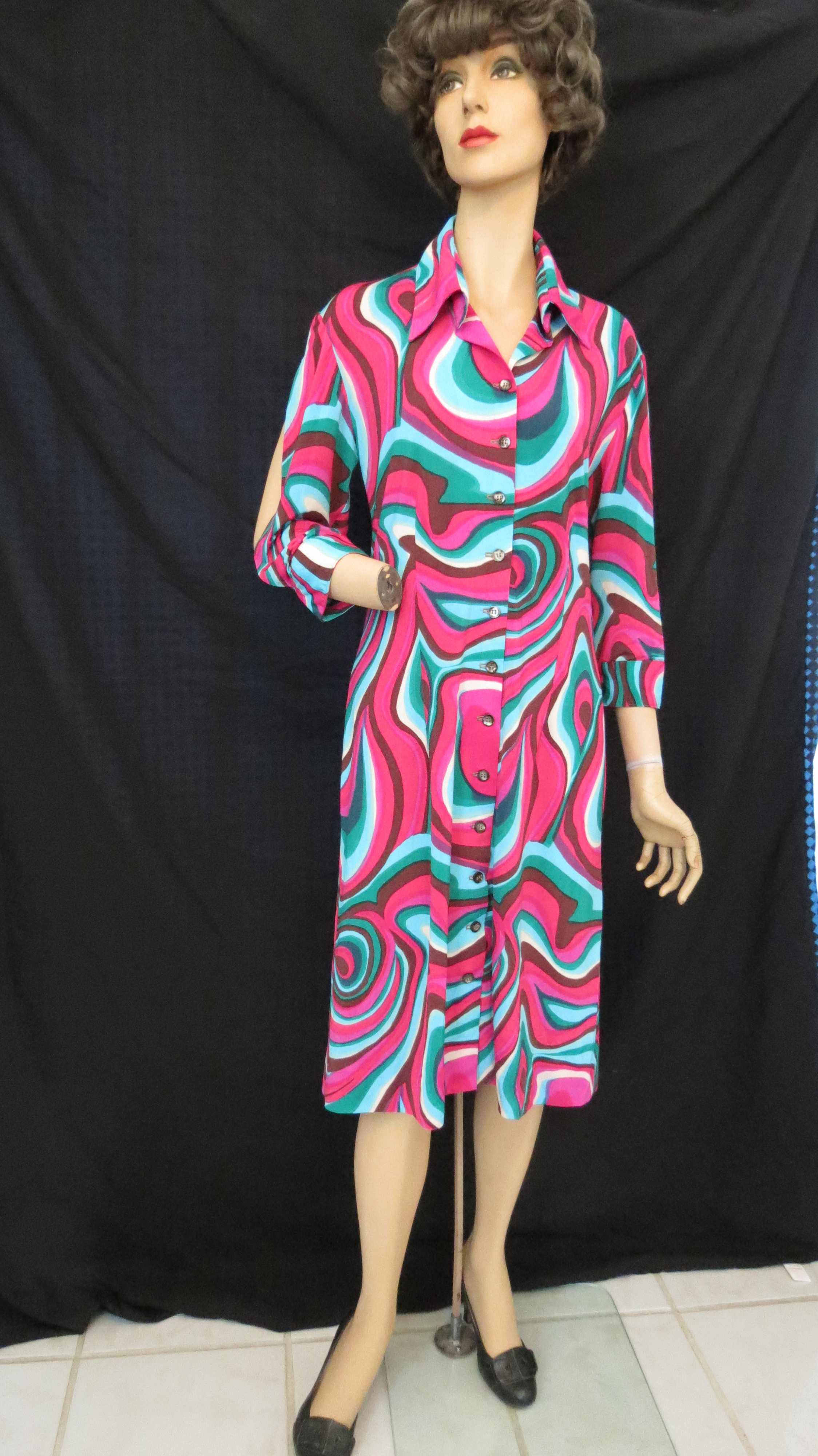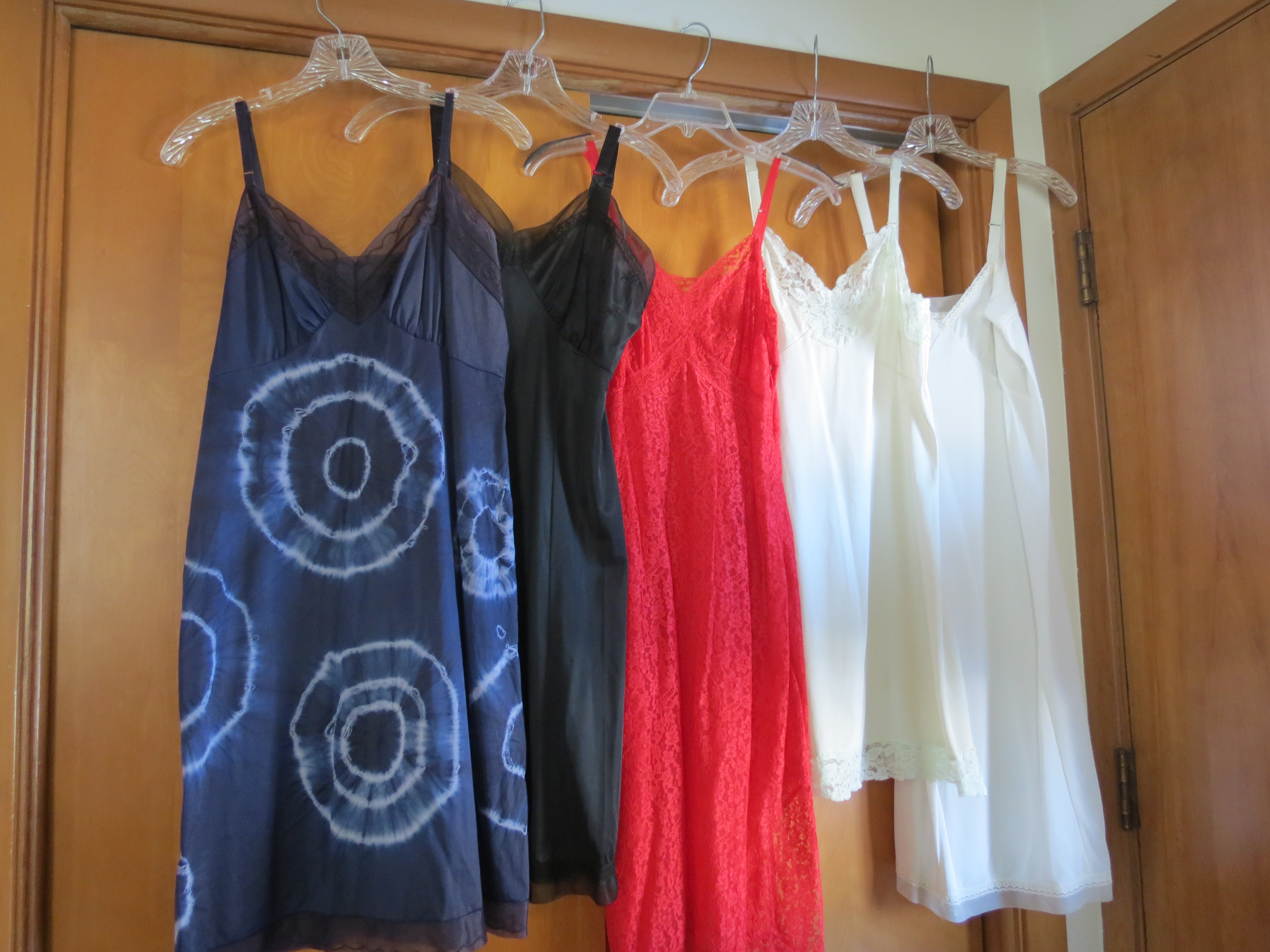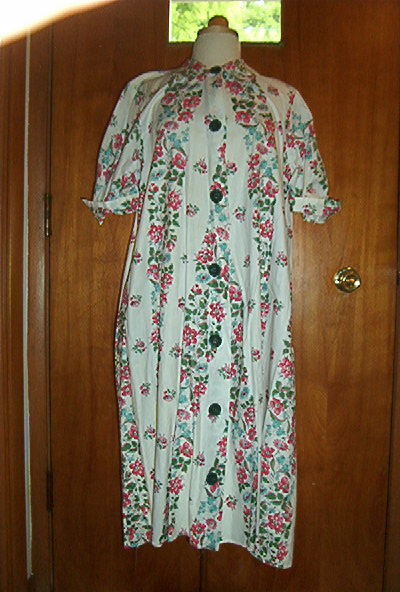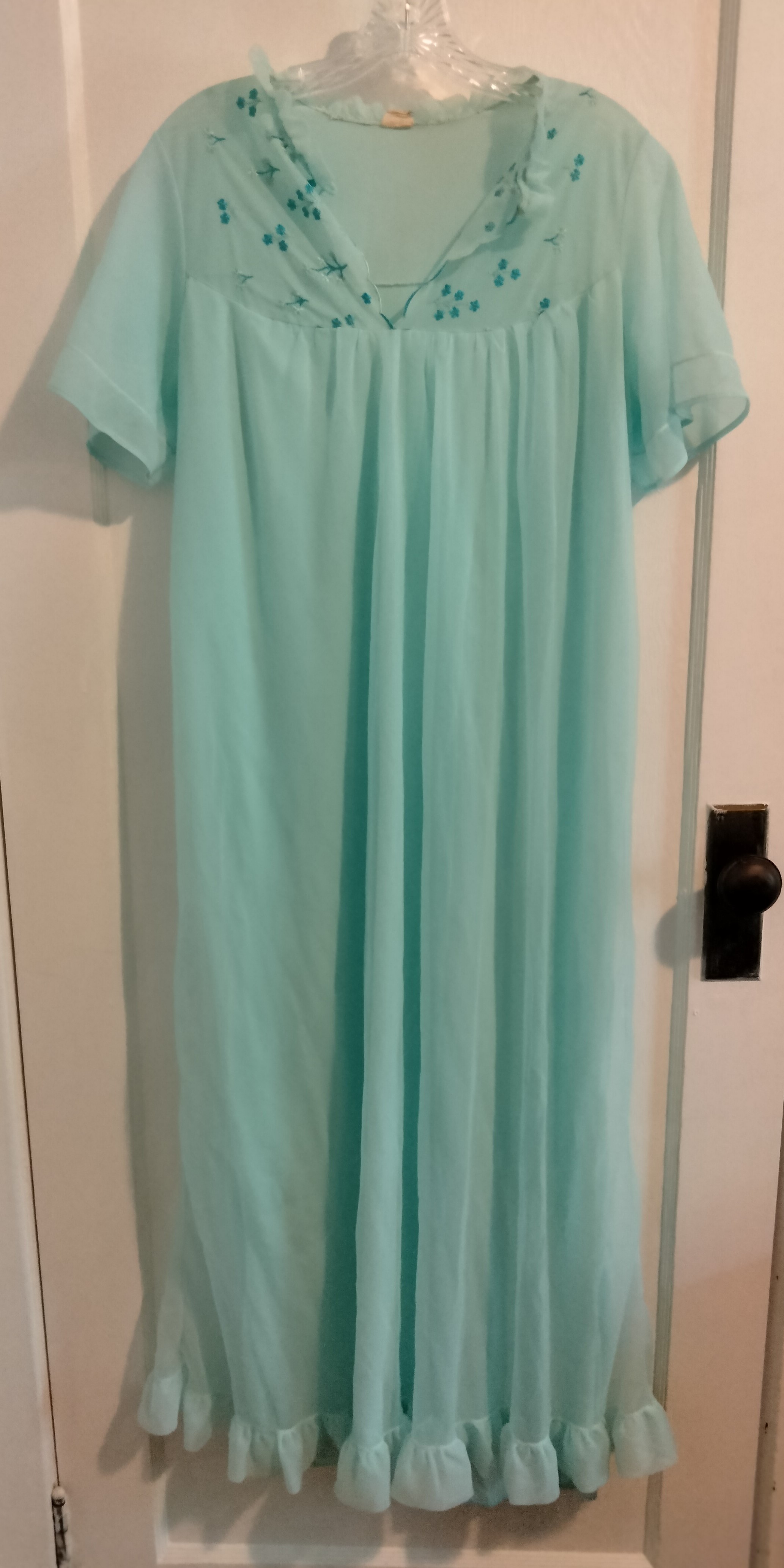
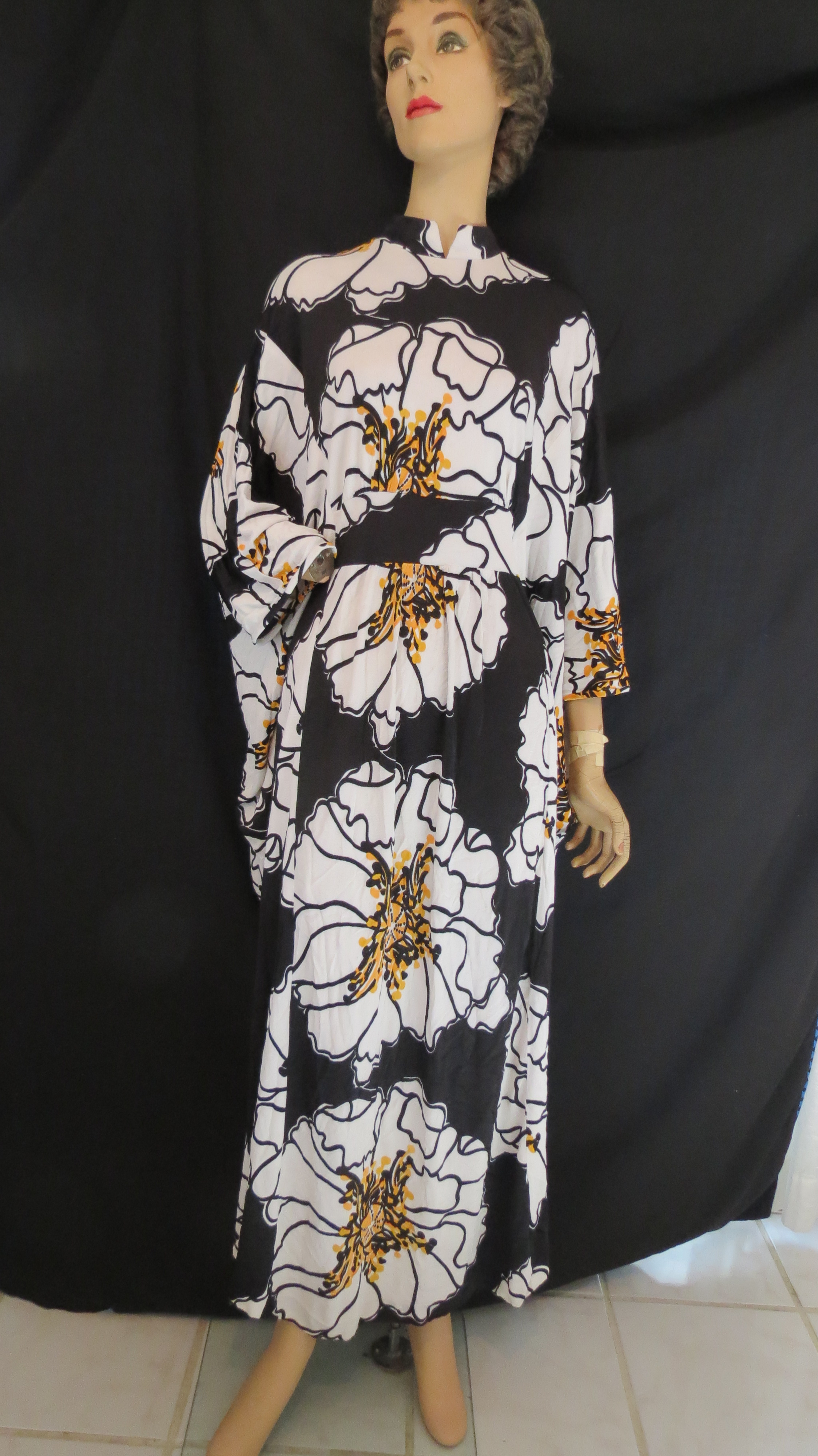
Fun and Unusual 1960’s – 1970’s Mod-ish Cocktail LBD with Maribou

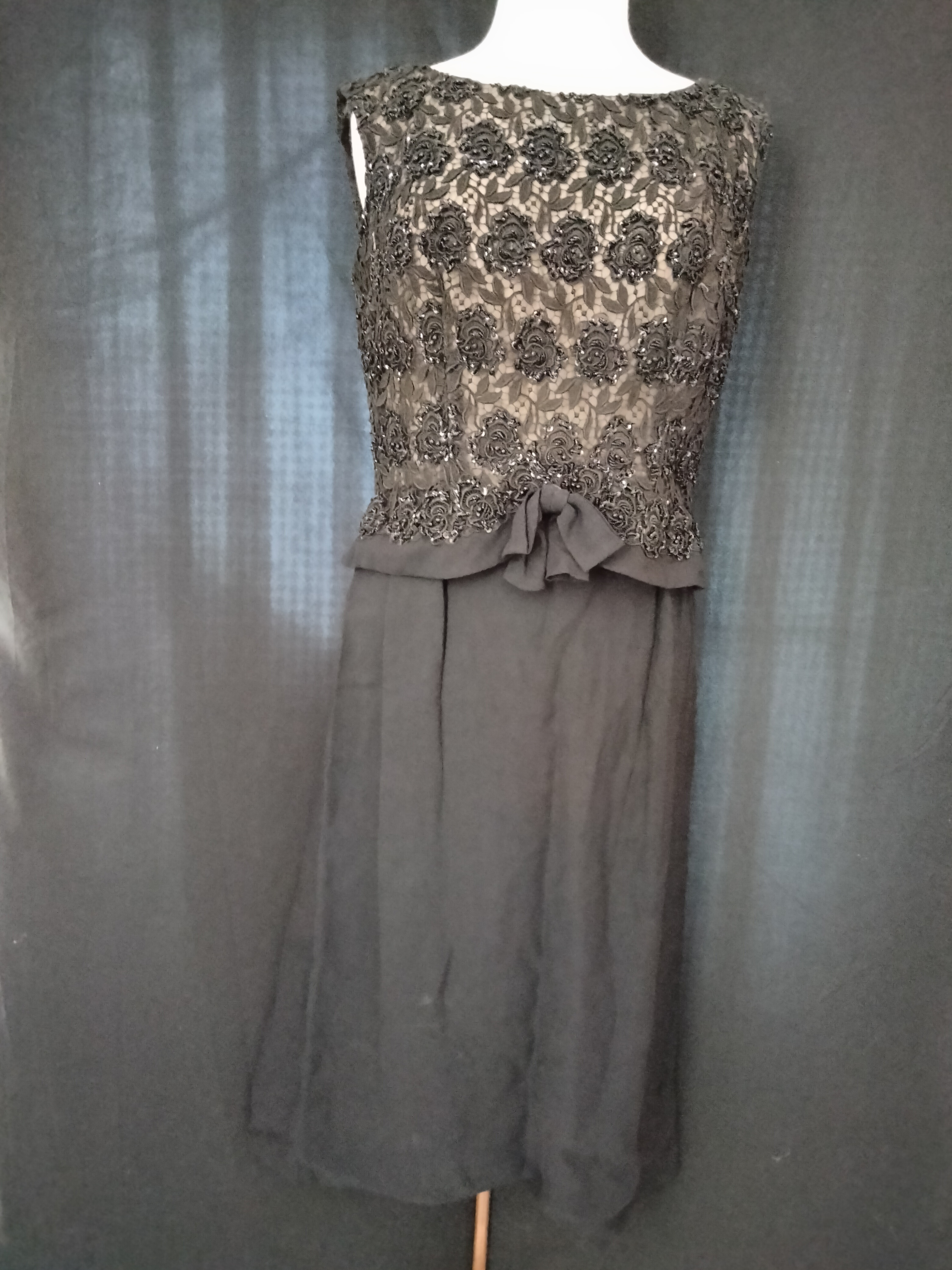
Another one-of-a-kind mid-century cocktail frock. De rigeuer black crepe-ish fabric with a full lining. Unusual 3/4 kimono-ish sleeves with maribou trim. Elegant and easy body-skimming style. Made by a company called Dresstown which seems to have straddled the U.S./Canada border about 50 years ago. Not high-end, but distinguished. Again, never will find another like it . . . . . . . . . . . . . . . .

MORGANA MARTIN, THE MAGICVINTAGESPY

BLOG: MAGICVINTAGESPY.COM

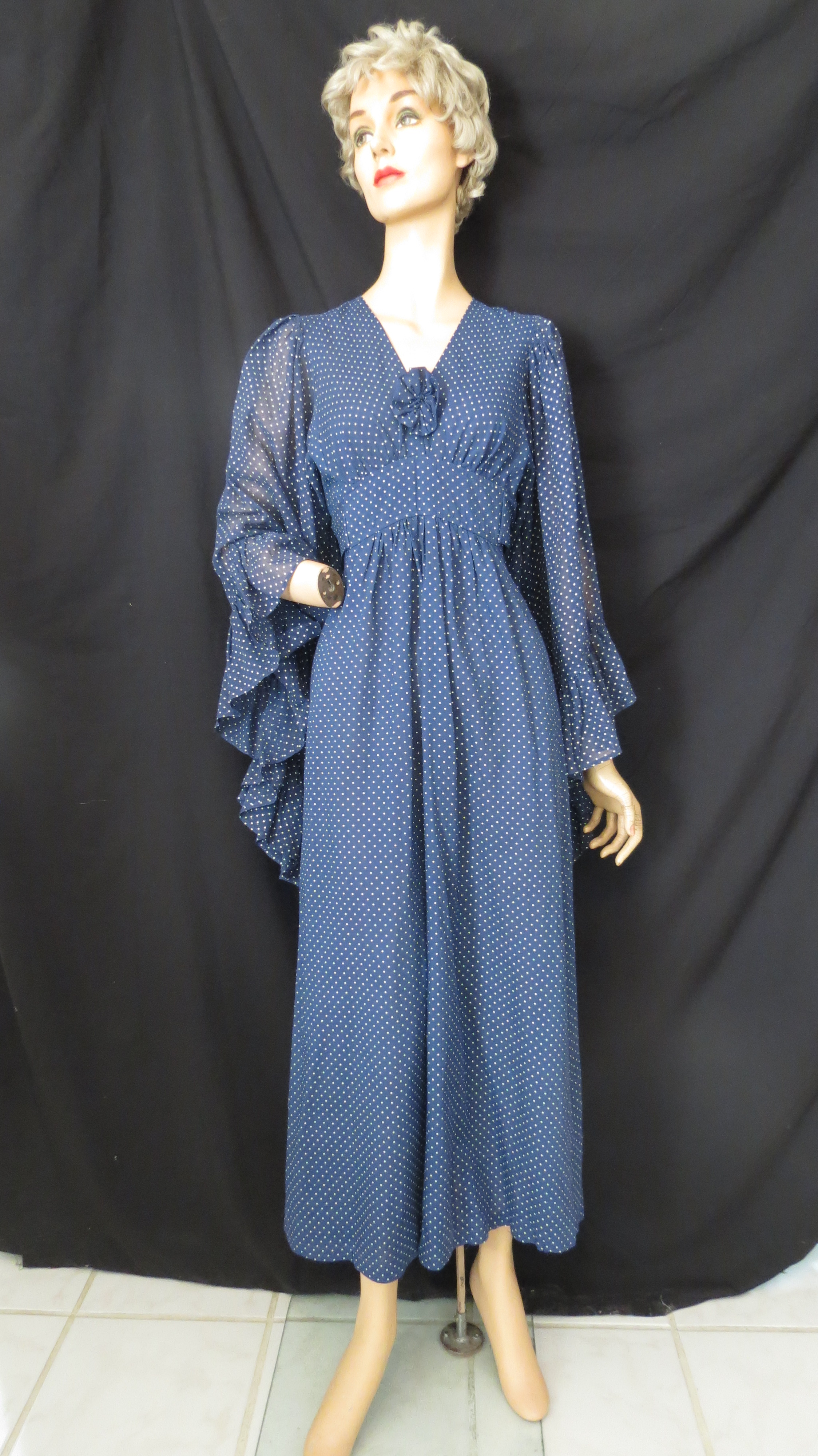
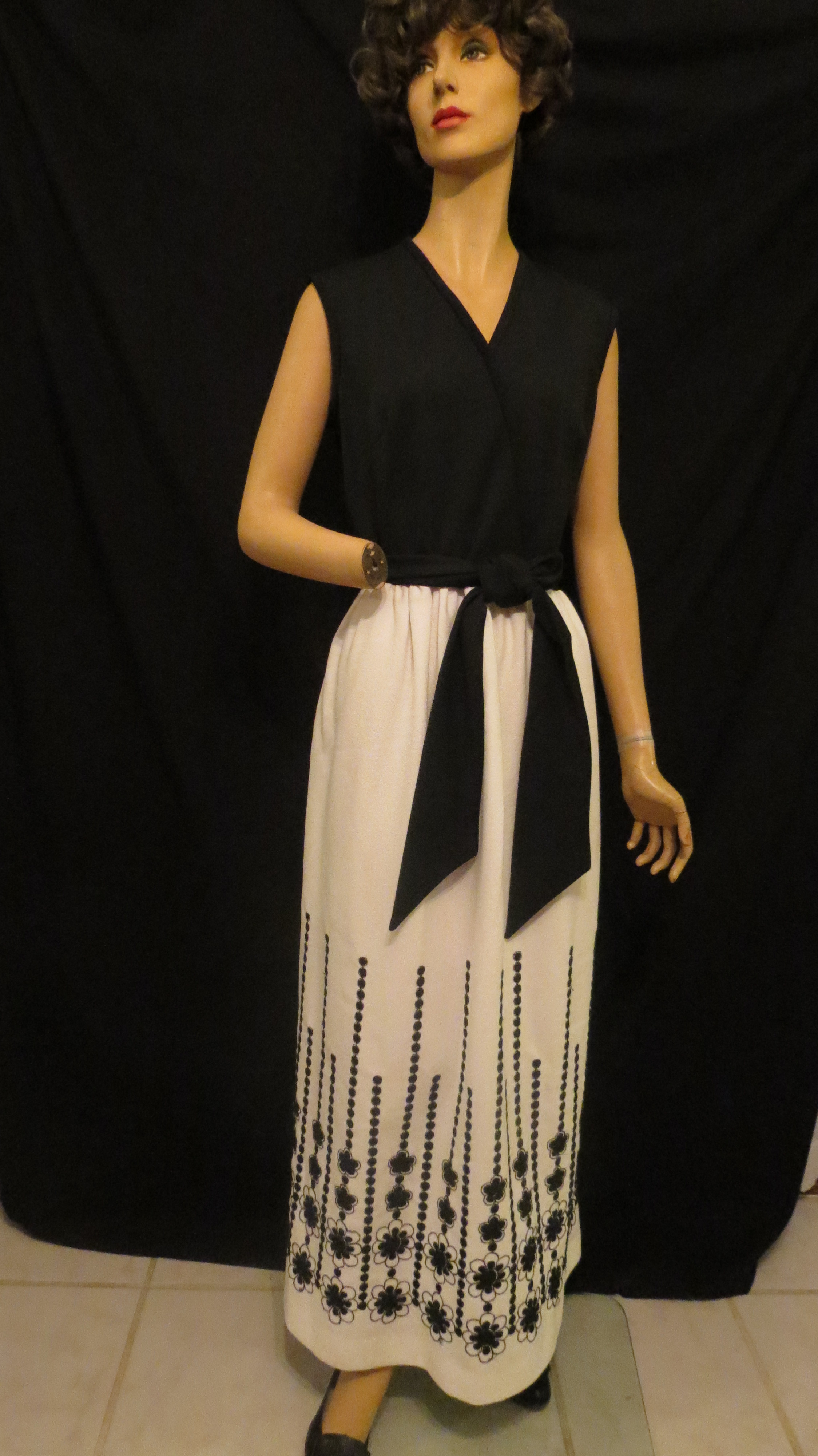
A Couple of Very Conservative Party or Event Dresses from the 1960’s

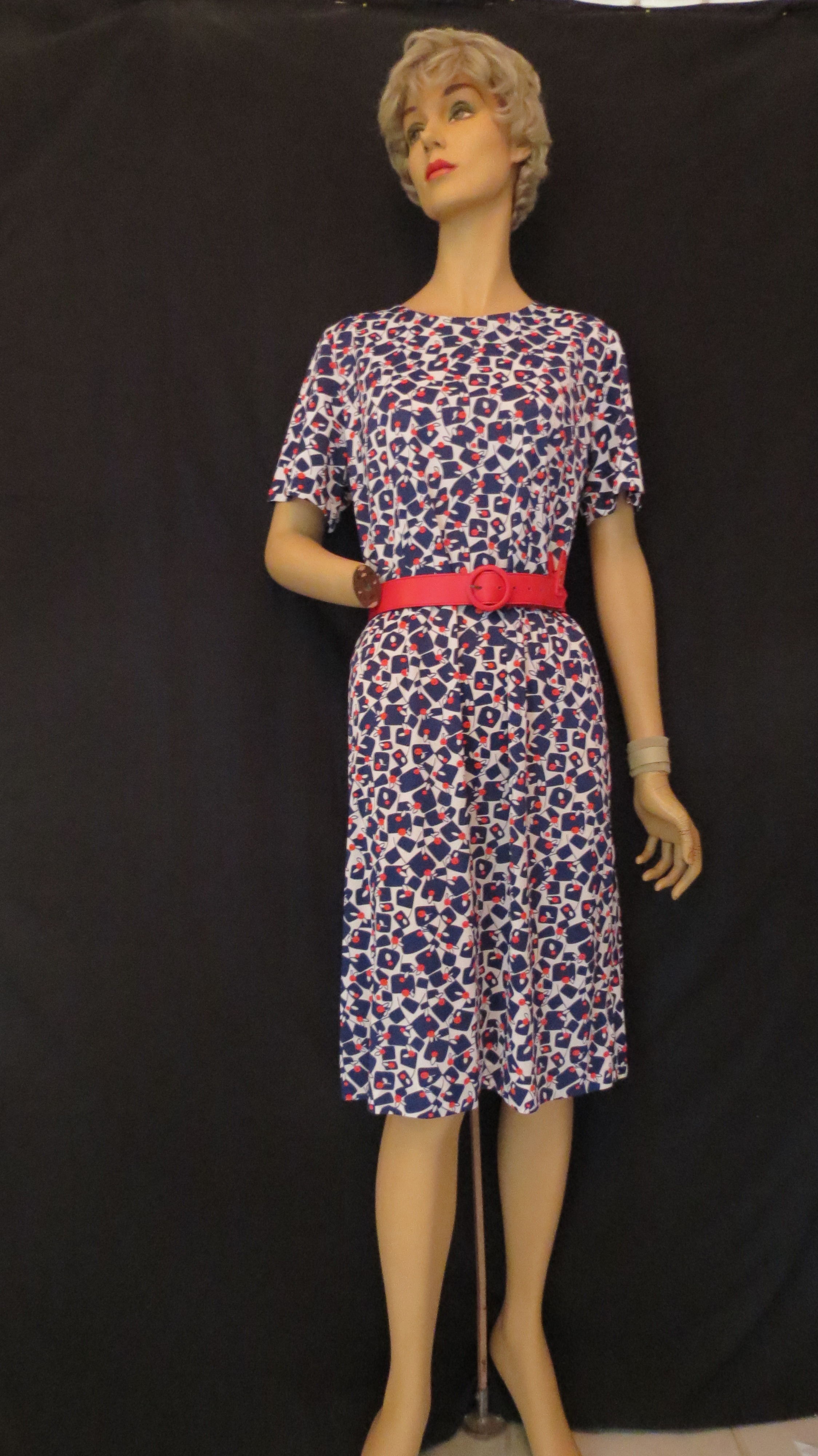
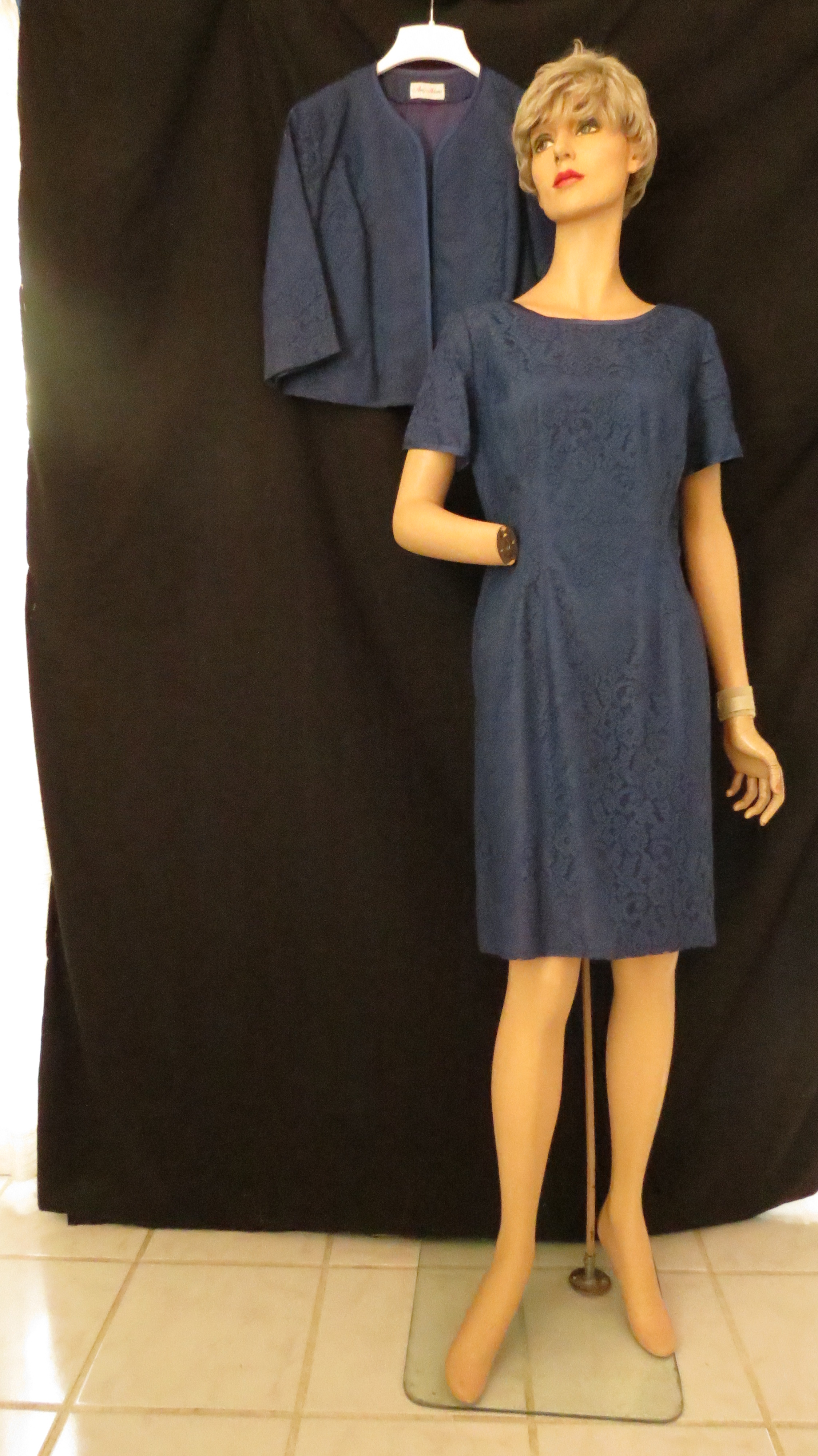
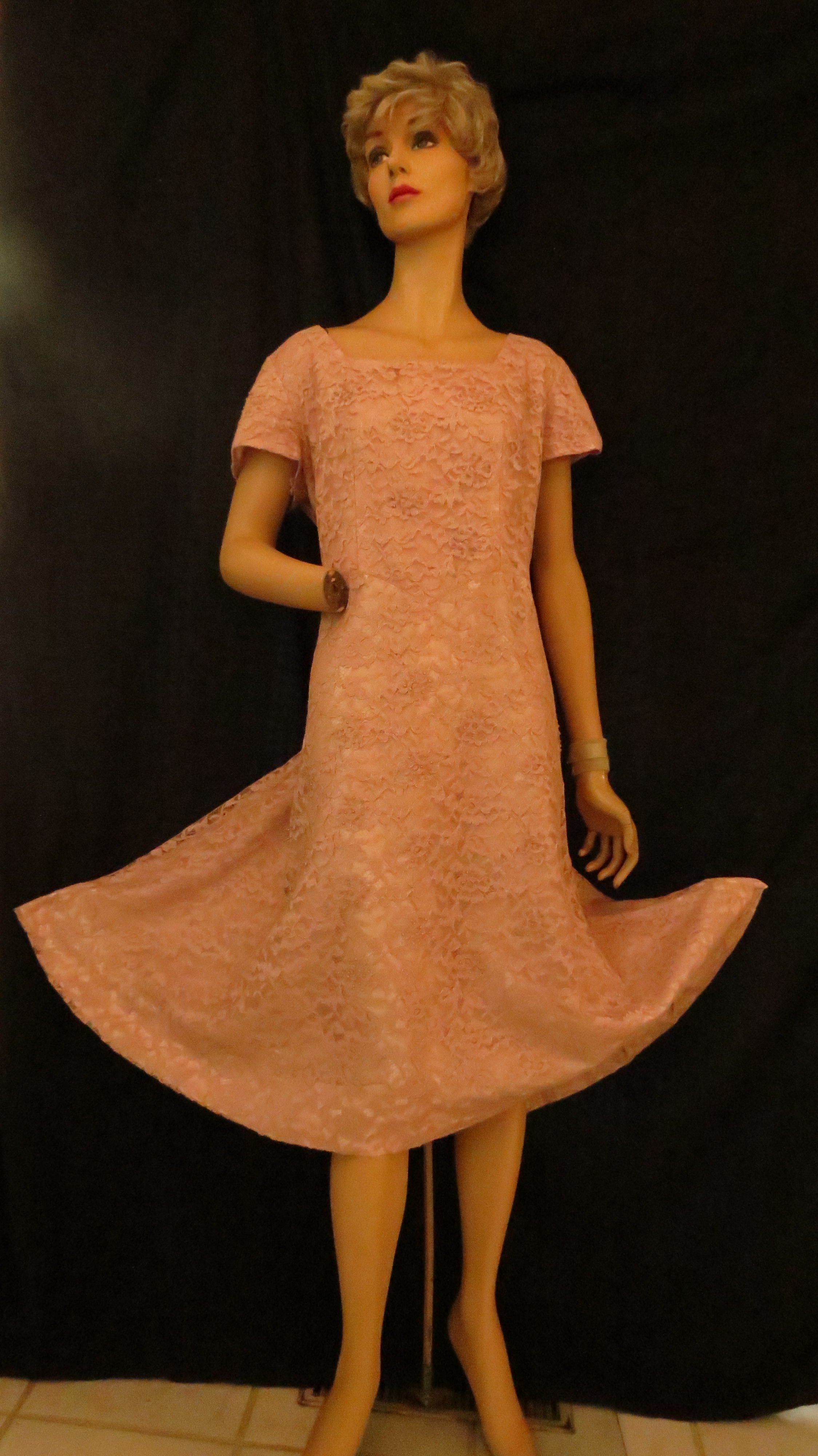
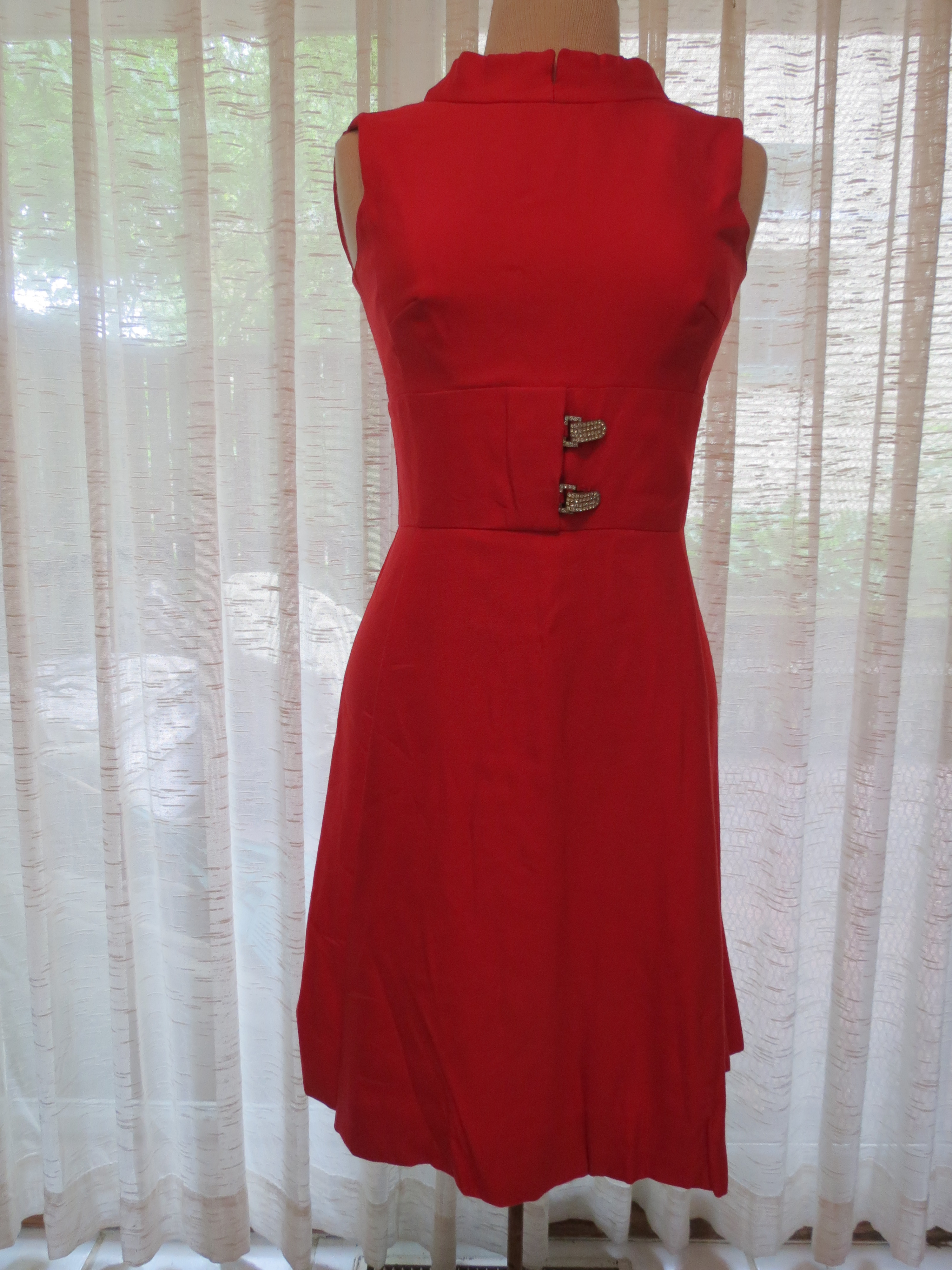
My examples of the true vintage “Party” genre wouldn’t be complete without including some frocks like these two. Not the typical type of party dress we usually think of, and certainly not the most popular styles, but conservative styles in muted colors have always been available no matter the decade or era. Even for those of us who are more flamboyant in our taste, it’s always a good idea to have at least one of these in the back of the closet because they may be the only type of dress that is appropriate for certain occasions. It could be a Celebration of Life event, a corporate gathering or meeting the prospective in-laws . . . . . . . . . your call, but sometimes we just know.

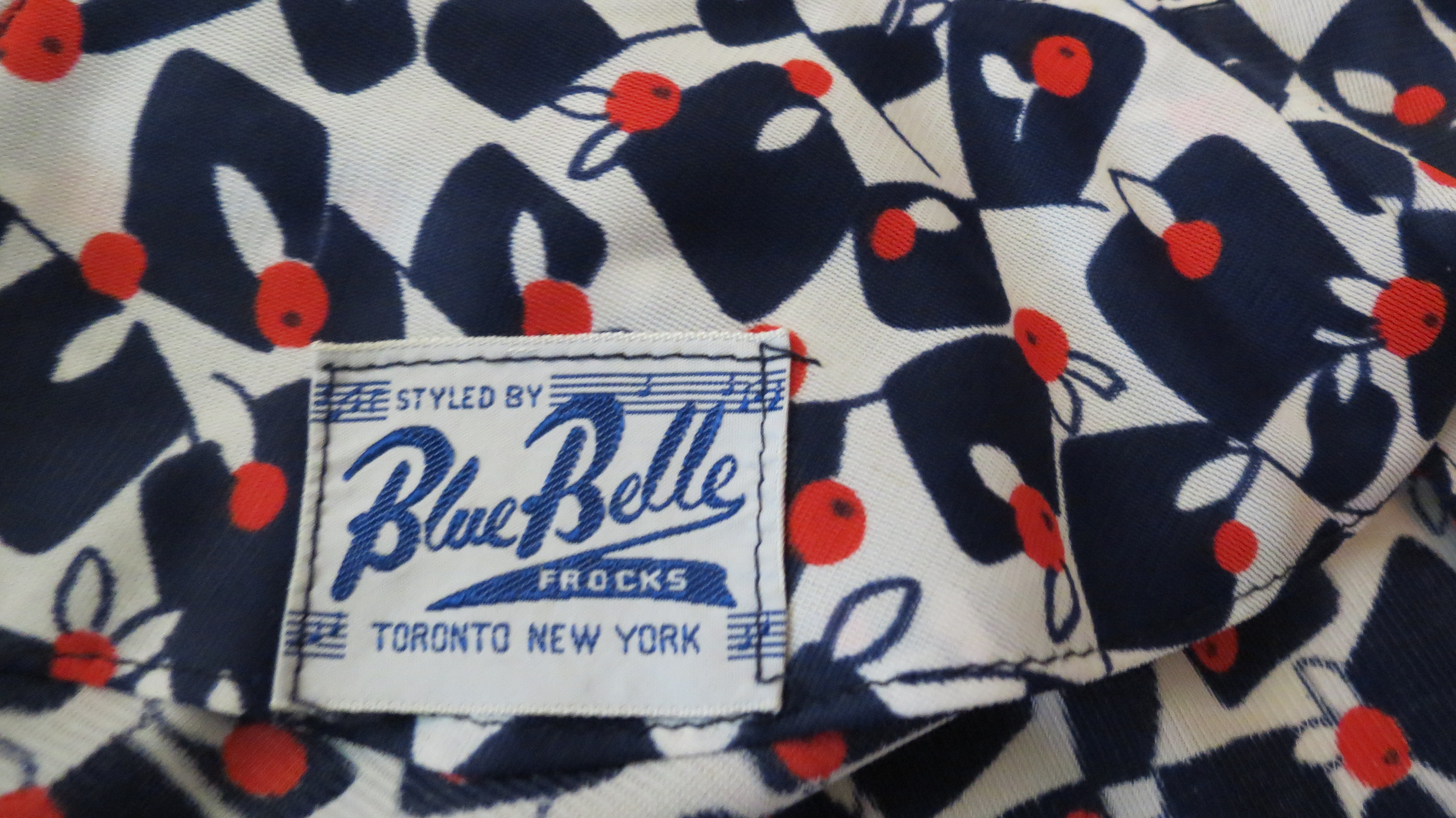
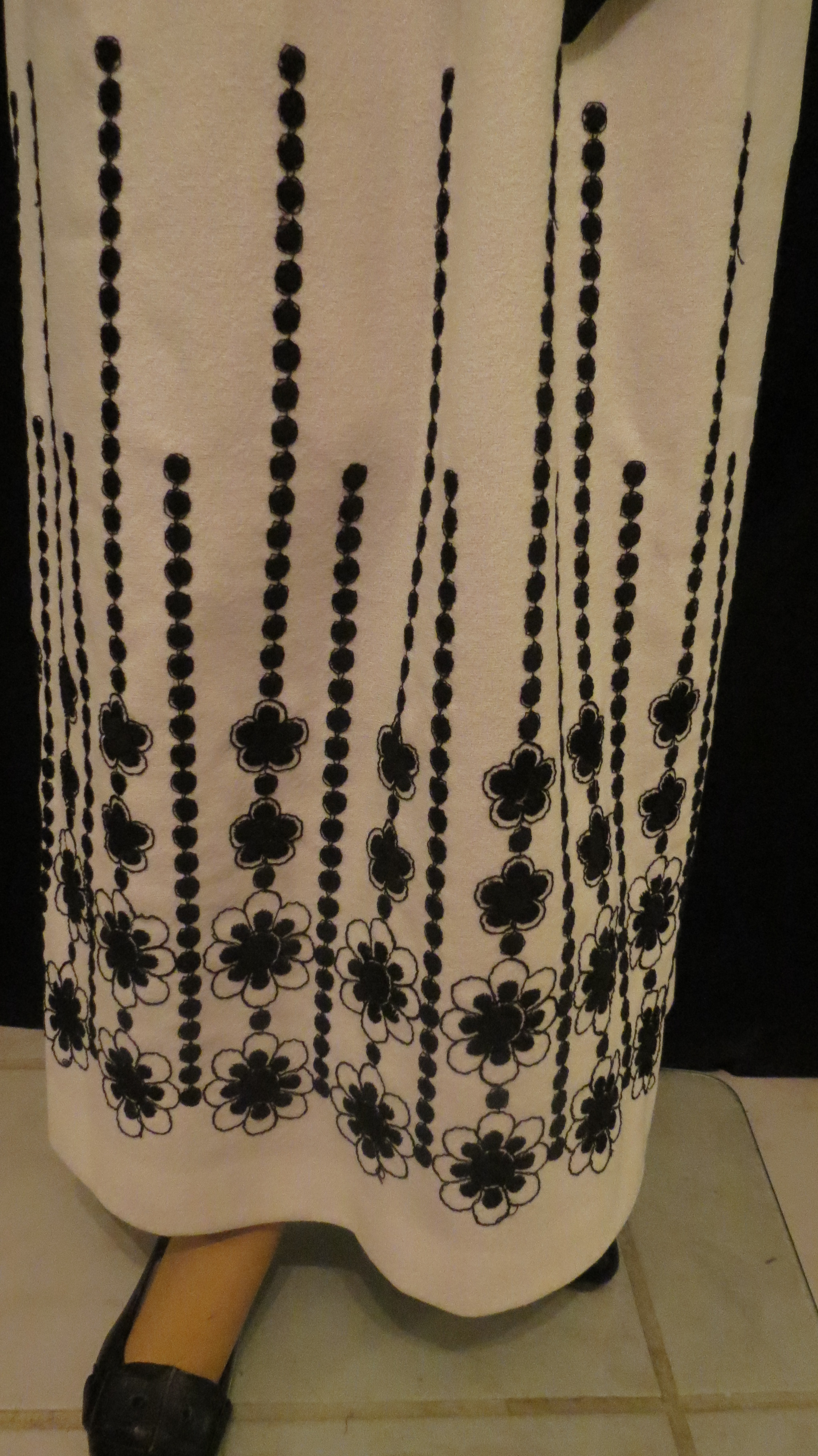
The frock on the left, by a high-quality vintage maker, is very elegant and could hardly be criticized by even the most picky person – at least not publicly – and then, who cares (unless it’s your boss). The dress on the right was much more “common” and affordable, but is still attractive and “correct”. Some picky person might balk at the sheer sleeves or say that the neckline is too low but that would be extreme (and you could also wear a neckline scarf and/or a lightweight pretty shawl if you want to be ultra demure).

So, that covers the ground, for the time being, of holiday party options and how to avoid the fashion police. Speaking of which, I will be relocating to another safehouse within the week so there will be a pause in transmissions for at least 2 or three days by the weekend but this will be temporary so stay tuned . . . . . . . . . . . . . . . . . . . . . ..

MORGANA MARTIN, THE MAGICVINTAGESPY

BLOG: MAGICVINTAGESPY.COM

OUR GRANDMOTHERS’ MID-CENTURY HOLIDAY AND HOSTESS KITCHEN APRONS

These are just 3 out of my collection of lovely kitchen aprons, but perhaps a bit more interesting and seasonal than others I have, which are more generic, like a cotton gingham check without any specific theme. Many aprons, like the first one here, were specifically themed for a particular holiday or fashion era. It’s a great example, with bright color and a novelty print for Thanksgiving. Although it’s definitely trendy and targeted, it is also at least somewhat practical because of the machine-washable fabric, wraparound style, secure ties and big pocket. It could actually do the job of keeping the cook’s skirt clean. The most useful styles also covered the bodice.

The usefulness is really important, but I love the novelty print. It’s always good to play the hostess in something that also makes people smile. The two aprons following are entirely different in their purpose. These are made from a much more delicate fabric and would be best washed by hand, both because of their delicacy and because they are hand-painted. They were made for and gifted to my grandmother by a relative who at least did the painting herself, if not the sewing job. Gifts like this were common in her day, and cherished. These aprons were made not so much to protect clothing as to be pretty. Grandma might have worn them when she had her friends in for tea or a card game, maybe even for hosting an at-home cocktail party. The messy part of the hostess job would have already been done when she made the cake or other refreshments beforehand.

Aprons were much more commonly worn in decades past and were a significant part of a woman’s household wardrobe, like housedresses worn on cleaning day. Most women’s (especially married women’s) lives were organized around a routine of household duties throughout the week and each one usually required a different kind of outfit – one for cooking, one cleaning, one for tending plants, one for doing the weekly shopping. Special accessories to these outfits were needed for certain jobs, such as gloves of various kinds, hats of various kinds, nursing bras and pads to protect clothing from breast milk and burping babies. Housewives were trained to be very practical and were rewarded by Society for a job well-done. The home was their workplace and the role defined them, so their household wardrobe had a central place in their lives. For better or for worse, that was the way it was. Do we want that again? Think about it and keep your eyes on the clues . . . . . . . . . . . . . . . . . . . . . . . . . . . . . . . . . . . . . .

MORGANA MARTIN, THE MAGICVINTAGESPY

BLOG: MAGICVINTAGESPY.COM
SNUGGLEY TRUE VINTAGE SLEEPWEAR AND LOUNGEWEAR 1950’S – 1970’S

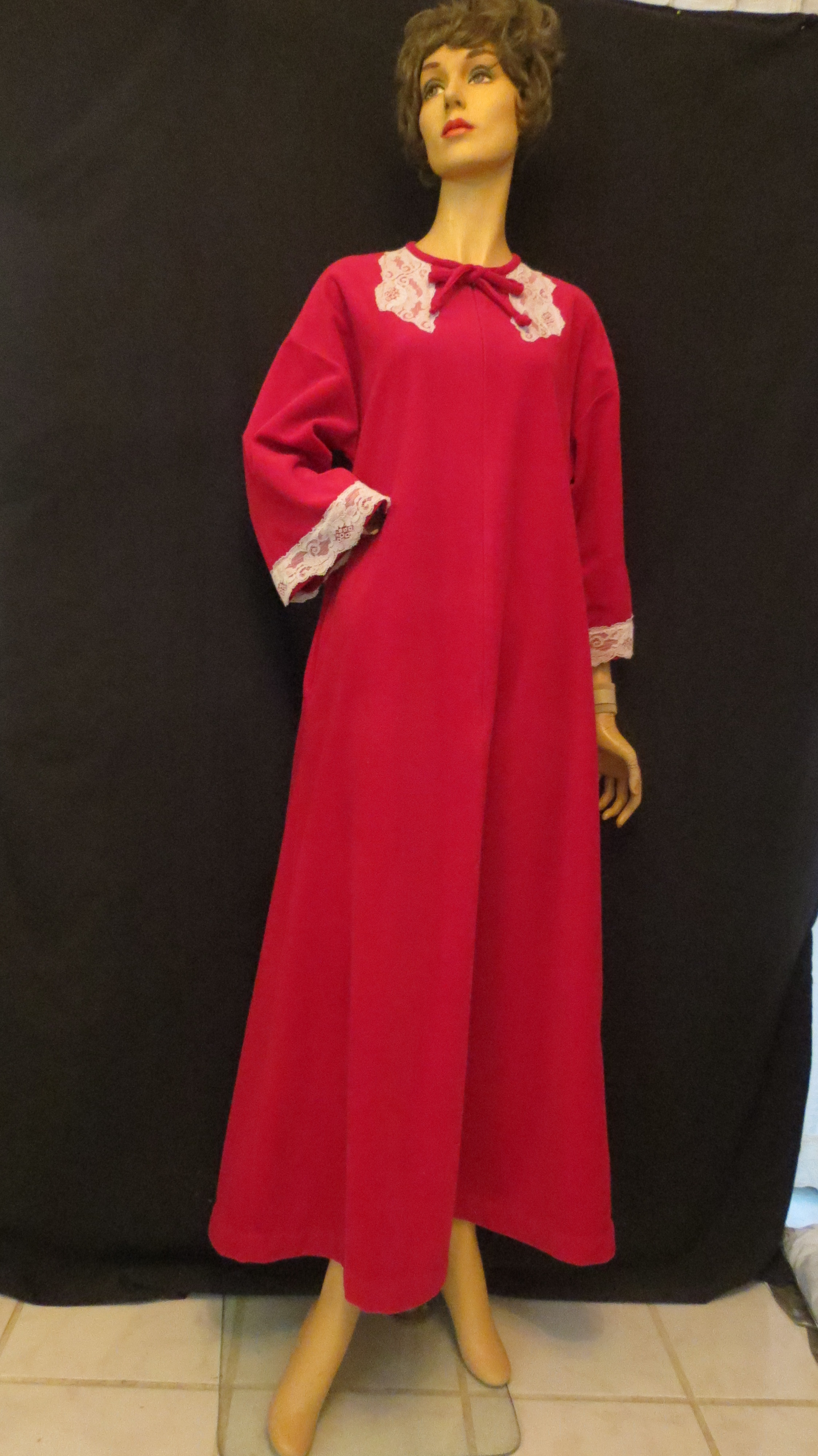
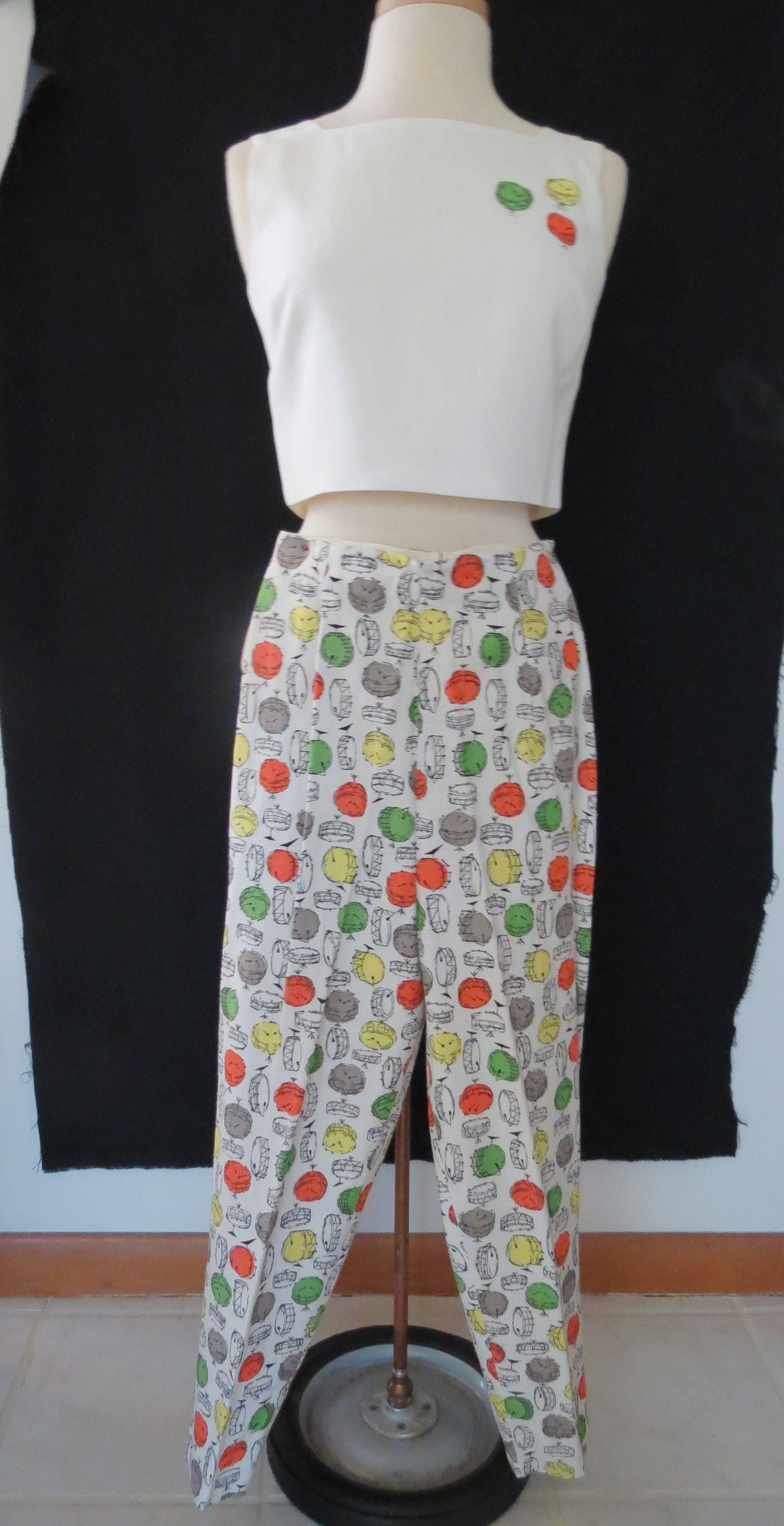
Everybody seems to love red, especially this time of year. It’s certainly a color which can make us feel warmer, which is what we’re beginning to need in a big way now. On the left is a favorite 1950’s pajama set of mine, woven 100% cotton with little fans printed all over. The print would make you think that these must be women’s PJ’s but actually these are a large size boys’! Take a look at the direction of the button closure.

Although I have lots of women’s PJ’s and gowns, my men’s pajamas from the 1940’s and 1950’s are really special. Classic unisex PJ style (though, often, men’s have a fly), but the best feature is that the men’s garments are very sometimes printed with wonderful medallion prints or novelty prints like the one above. A large (16 – 18) vintage boys’ size will fit me well – I wear a ladies 4. A men’s small will usually do OK or can be easily altered. Women’s PJ’s are most often of a solid color nylon or silk or a fine cotton printed with small flowers, decorated with lace or other trim. Really beautiful and comfy, but sometimes a little boring.

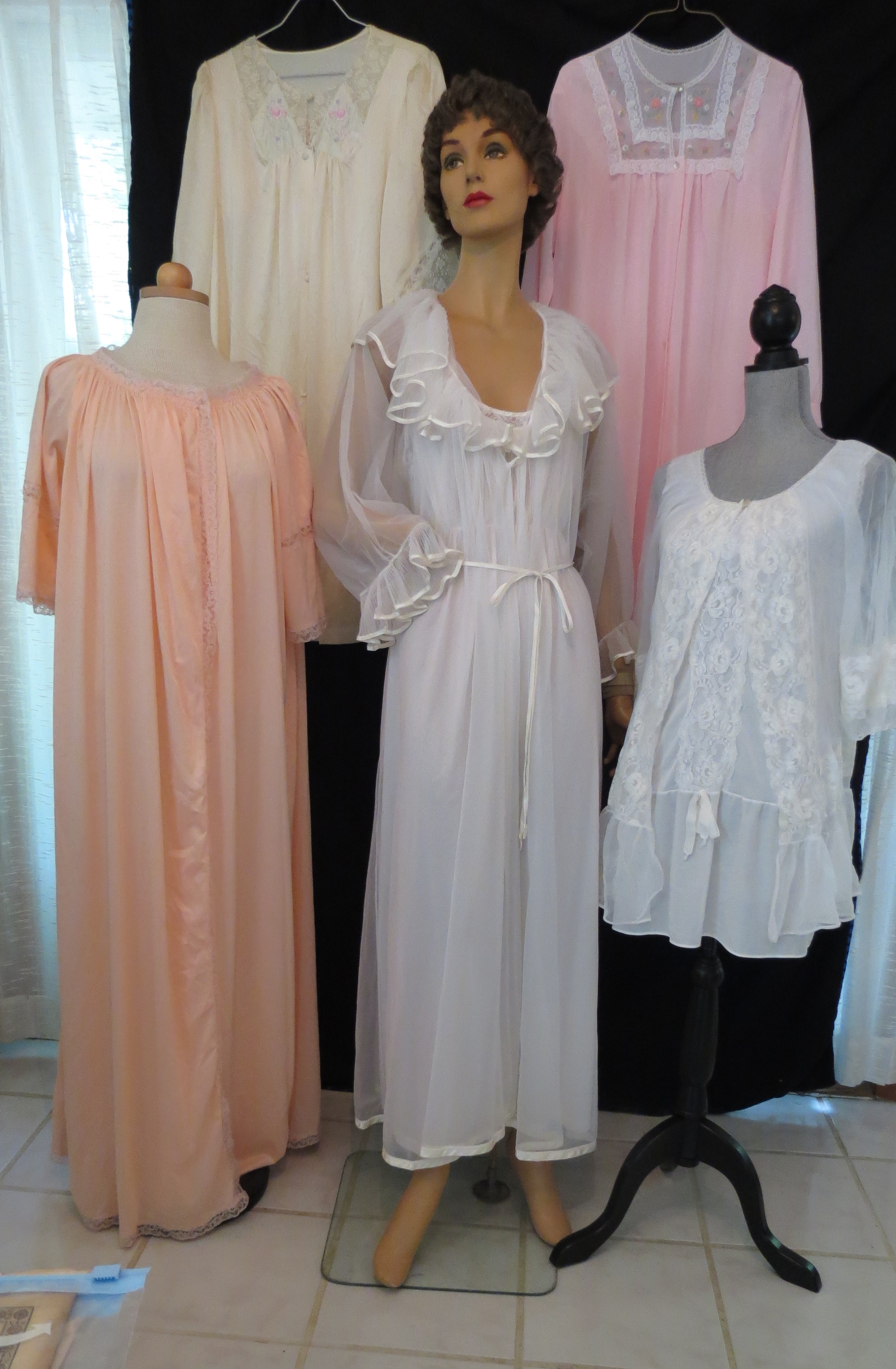
However, true warmth comes from robes, and this is where the women’s garments shine. They are more often found in warm fabrics such as plush, chenille and quilting. Women traditionally spent more time at home than men did so ladies’ true vintage robes and dressing gowns are built to be worn for several hours, rather than just after getting out of the bath or shower. Although men’s vintage robes sometimes have nice prints, women’s are more often embellished with embroidery, trim and buttons. Each decade had it’s typical style and popular fabric but the general rules seem to apply to sleepwear and robes from all the decades from the late 1800’s to the present day.

My 1970’s robe above is certainly worthy of Mrs. Claus as she makes breakfast for the elves. (Sorry, but traditional folklore and myths tend to be very sexist.) It’s by Vanity Fair, a company which has made women’s at-home styles and lingerie for decades. I love the pretty style, but the long bell sleeves are very impractical in the kitchen and I don’t think the mid-priced market for this item targeted women who had hired “help” at home. That can be an inherent problem with true vintage fashions – occasionally they are poorly suited to an average lifestyle and can even be uncomfortable at times but that’s a minor consideration and not worth a mention as long as you are in the know. Wouldn’t stop me gathering the evidence for a second. When did practicality ever have anything to do with fashion and style, especially when a holiday or other special occasions are on the horizon? Stay tuned . . . . . . . . . . . . . . . . . . . . . ..

MORGANA MARTIN, THE MAGICVINTAGESPY

BLOG: MAGICVINTAGESPY.COM

NEW TRUE VINTAGE FIND – HOME-SEWN MID-CENTURY BOHO ETHNIC SKIRT

I always collect true vintage separates – especially those that are fun and unusual. They usually tell a story. This one is in great shape with evidence of being custom-tailored by a home-based “seamster” (probably a woman, but who knows?). One thing I know by an interior-only clue is that s/he probably had a little dog or other small pet. S/he very frugally used seam tape that had been chewed a bit. No problem – it did the job.

It could be part of an ethnic costume or simply one of the Boho styles which were very trendy in some ways between 1955 and 1975. I love the dirndl style and colorful weave, almost like home-loomed fabric. I don’t have any special knowledge about ethnic dress that would allow me to pinpoint more closely. Anyway, it’s flattering and easy-wear. Good for mix and match with a variety of tops for different looks and different weathers.

What else makes this special and very wearable in cooler weather? The colors and medium weight are good for 3-season wear. It’s possible that the material contains wool. Would look great with tights, boots or even some leggings. Separates are a useful way to add variety to a true vintage wardrobe and to dress “vintage” without having a complete outfit. Added to my go-to daily wardrobe . . . . . . . . . . . . . .

MORGANA MARTIN, THE MAGICVINTAGESPY

BLOG: MAGICVINTAGESPY.COM

TRUE VINTAGE OUTERWEAR? FUR REAL OR FAUX? WE HAVE TO THINK ABOUT IT . . . . . . . . .

Last night I was out and about to a theater production and couldn’t reasonably drive a two block distance. Walking was the only choice, which I love, but IT WAS SO COLD!!! My warmest outerwear option, which kept me toasty and comfy, was my post-war beaver jacket from Canada. 75 years old and it’s still snuggly and beautiful. I grieve for the precious animals who (yes, WHO) were sacrificed for vanity and retail profit back in the day and will NEVER buy modern fur products. I advocate for animal rights but also celebrate those lives and gifts by preserving and enjoying elegant fashions from the past for as long as they will last.

I own many gorgeous fur and faux fur pieces made decades ago, before protective legislation and individual conscience stopped some of the fur trade and promoted humane practices. Above is one example, on the left, of an older fur jacket dyed to mimic mink. I cannot identify the fur – could be muskrat. Before the end of WWII, furs considered to be less fine were often processed this way. Other examples, such as the one on the right, are fakes – popular in the 1950’s and beyond. Some have been very convincing even since the 1950’s. Many of those made today look and even feel very authentic. The look is fun and elegant, in a vintage way, plus, as I proved last night, very practical.

Faux fur and secondhand true vintage furs are the best, the ONLY humane and progressive choice. I prefer those from the 1960’s and before. The remaining fur trade is still a blot on humanity, so we must be vigilant in our boycotting of this active market but I don’t see the enjoyment of historical fashions as being hypocritical. I will continue to show you how much I love them. Stay tuned . . . . . . . . . . . . . . . . . . . . . . . . . . . . . . . . . .

MORGANA MARTIN, THE MAGICVINTAGESPY

BLOG: MAGICVINTAGESPY.COM
Okay, Okay. It’s cold now! Time to get out my Pretty Wool Capes

It’s still Fall, guys, but a skiff of snow on my car this morning brought me back to reality. Although we’ll have more warmish days, it’s time to get out some of the woolies. I’m not ready, yet, to throw on one of my wonderful wool coats but capes are more versatile at in-between times. Here are two of my mid-century favorites.

This beautiful red one is tailored and perfect for smart casual to business styles. It is lined and detailed like a good coat would be. Made in the decade from 1955 to 1965. The classic style makes it difficult to pinpoint a year, but there are always clues. A brand label really helps. Buttons and zippers can tell a story. If you study costume design or are a super sleuth the fabric, certain tailoring details or photos of trends published in newspapers and magazines can narrow the window to a more specific time frame. The next cute and unusual cape is a perfect example.

A reversible garment is so much fun! The second cape is much more casual and in a Boho style. It’s a nice, substantial wool but has no lining or pockets. The only complications to the design are the pattern woven into the fabric and the little tufted string tie at the neckline. It’s also from the same decade as the red cape but I can narrow the time period closely because of the color clue. There were one or two years from 1962 – 1964 when the blue and green color combo went viral. It was on everything from clothing to housewares and graphic design. Styles were also loosening up around then, with Mod edging in on classic and traditional. I’ll bet that this cape was made and sold during those 3 years, possibly exactly 1963.

So, these will keep me warm and the freezing temps are likely to minimize the risks of moth damage. However, it’s always a good idea to protect your treasured woolen garments since those moths can sometimes surprise you. I have more capes to show you, but that may come later in the year or even next year since we’ll be turning the New Year’s page before we know it. Stay tuned . .. . . . . . . . . . . . . . . . .

MORGANA MARTIN, THE MAGICVINTAGESPY

BLOG: MAGICVINTAGESPY.COM

More Accessories ESSENTIAL for a True Vintage Wardrobe: Scarves and Ties

True vintage scarves are a must-have. They are generally very well-made with hand-rolled and stitched edges. Often, they are made of silk; if not, the fabric is of very good quality. Mostly, it’s the artwork on printed vintage scarves that is so wonderful. The only essential example I’m not showing here is the souvenir scarf, depicting scenes from a specific place or theme. Mid-century women collected these. Large scarves are great as capes or folded into turbans. Small scarves make cute little collars or accents on handbags or pockets. Every size in between can be worn in a gazillion variations. Lots of books and online tutorials teach you how to do this.

For a menswear outfit, a true vintage necktie is key. I especially love the mid-century graphics. Some 1940’s ties are truly spectacular and the only example I have of this style is a 1970’s/’80’s souvenir tie from Watson’s Desert Inn in the Canary Islands.

Scarves and ties alone can make up a vintage collector’s obsession but I prefer to use them as accessories only. As a very useful clue added to a modern or otherwise banal outfit, they can open unexpected doors. Stay tuned . . . . . . . . . . . . . . . . . . . . . . . . . . . . . . . . . . . . . .

MORGANA MARTIN, THE MAGICVINTAGESPY

BLOG: MAGICVINTAGESPY.COM
TOTALLY CLASSIC, ABSOLUTELY ESSENTIAL TRUE VINTAGE WARDROBE SHOES. WHAT ARE THEY?

100% LEATHER PENNY LOAFERS. Don’t care who you are, where you are, what your age, what you do; if you want to build a true vintage wardrobe, high quality penny loafers made of leather are a MUST. You might think that this is only an American or western European fashion, but not so. They originated over 100 years ago in Norway and, like the human population, have migrated into mainstream fashion all over the world since then. Men, especially, have been able to wear them as dress shoes since the beginning. They were de rigeuer for high school and college men and coeds at least since WWII; Probably replaced the saddle shoe in most adolescent closets. Mid-century pennies are a strong suggestion.

Highly polished, for smart casual to semi-formal dress. Lightly scuffed or a little dusty for just about everything else. Pretty versatile. Smooth leather in black or cordovan brown is the true classic. The full leather construction is mandatory because it’s original and also allows them to be repaired forever. (OK, a true vintage synthetic sole is acceptable if that is all you can find, but keep looking). In line with my philosophy regarding humane treatment of animals and environmental sustainability, I don’t recommend buying modern retro versions at retail, no matter how nice they are. You can find the real thing at second-hand and they’re better. Also, I’m obviously all about running undercover investigations and that’s a lot more fun because – you just never know. Stay tuned . . . . . . . . . . . . . . . . . . . . . . .

MORGANA MARTIN, THE MAGICVINTAGESPY

BLOG: MAGICVINTAGESPY.COM
ELEGANT, TINY BEADED EVENING PURSE FIND! MID-CENTURY MAGIC . . . . . . . . . . . . . . . .

Always such a pleasure to discover these little beauties. Made by a well-known Japanese maker from the mid-1900’s, these small handbags were almost always assembled and decorated by hand. This one is especially tiny, and flat. It has room only for a key, a small amount of money or a charge card, and maybe a small comb and/or lipstick. Just the bare essentials. Almost like some made in the 1920’s and 1930’s but I would place this one from the 1960’s.

Silk or rayon body, with mono-tone black bead decoration, a metal snap closure and an unusual fabric handle. On close examination there are a few beads missing but that will be no problem to fix.

I’ve found so many, but this one is unique! What’s next? Stay tuned . . . . . . . . . . . . . . . . . . . . . . . . . . . .

MORGANA MARTIN, THE MAGICVINTAGESPY

BLOG: MAGICVINTAGESPY.COM