TRUE VINTAGE WWII LADIES’ BLOUSE AND TOP TRENDS

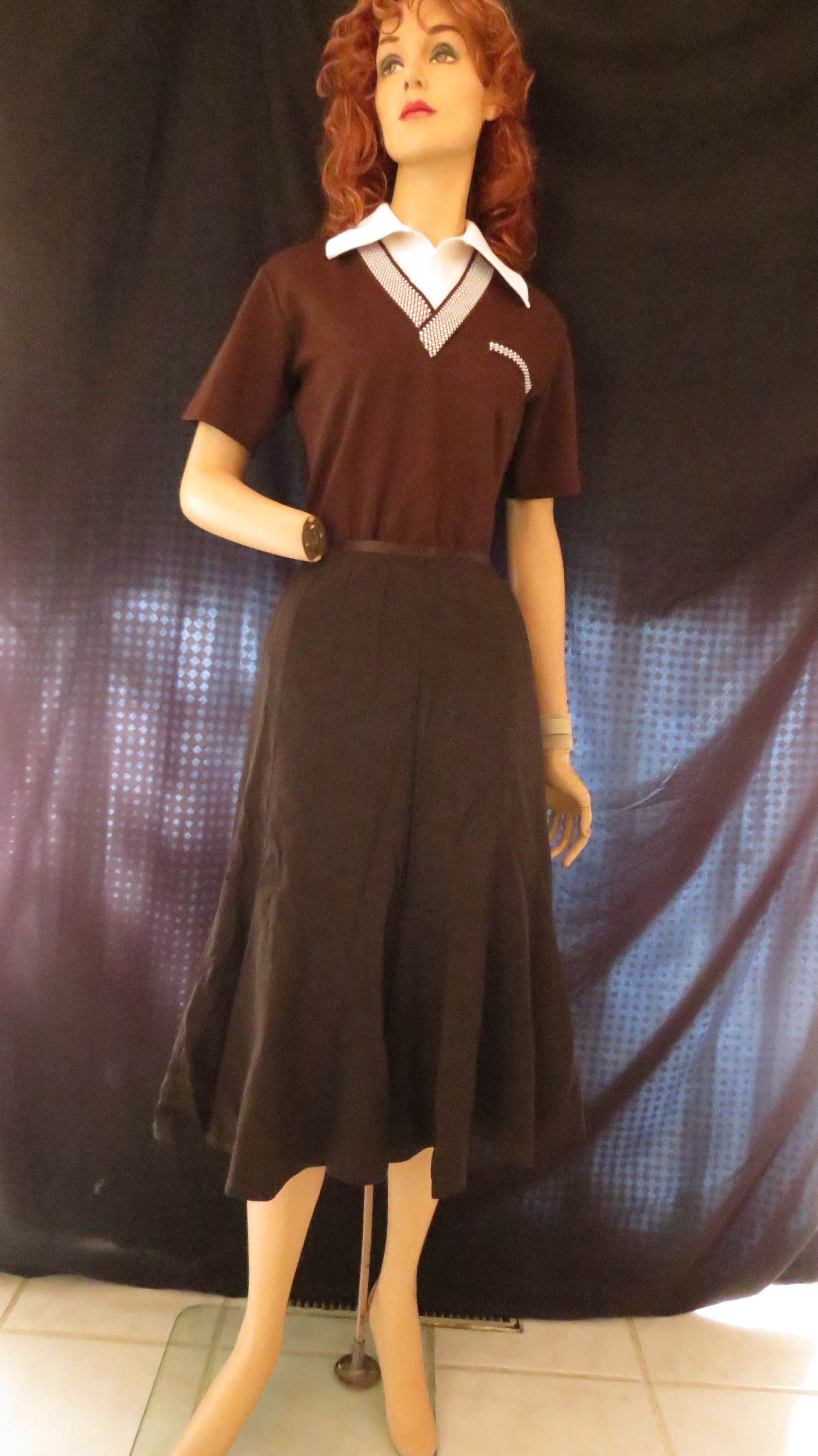
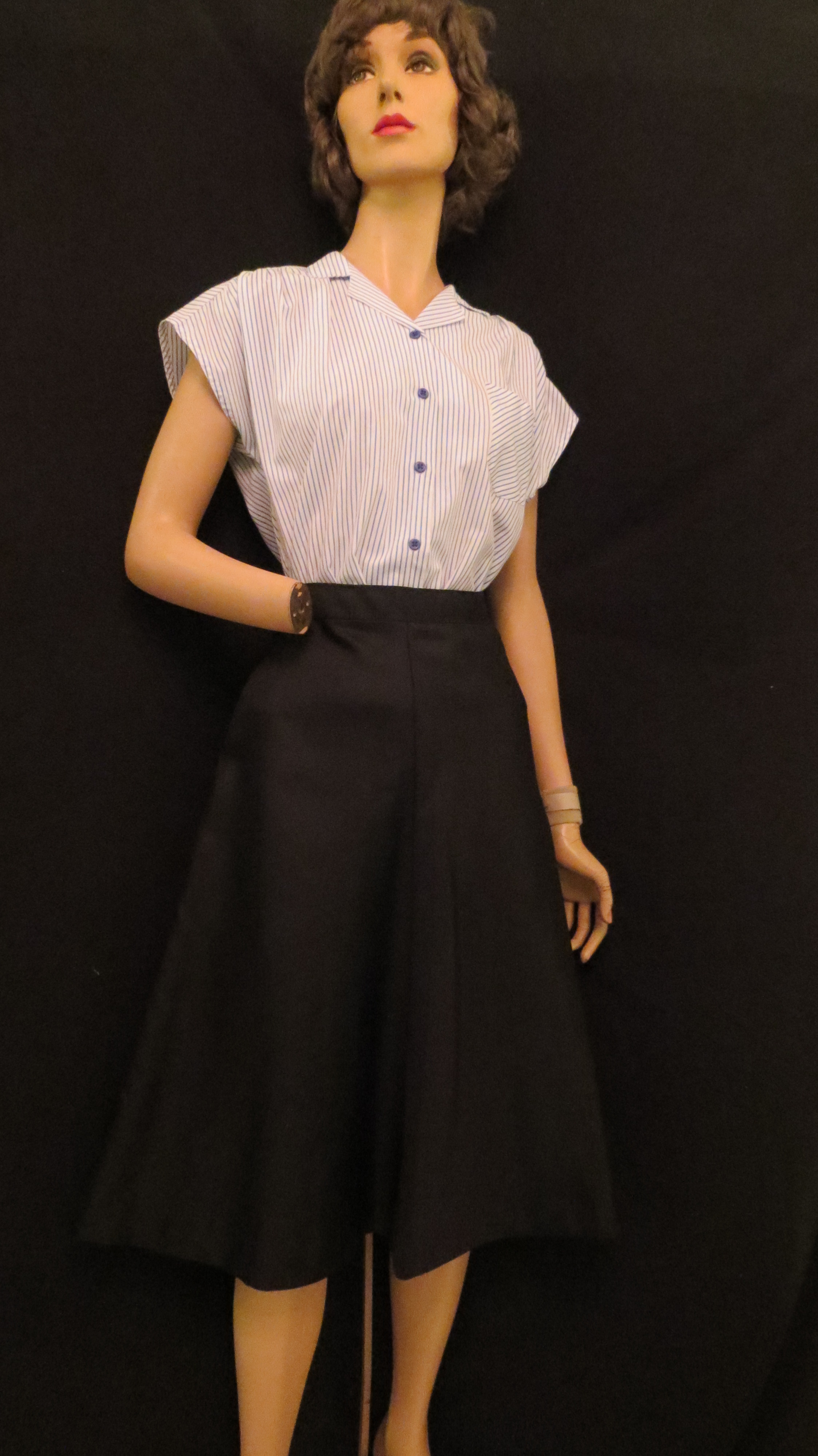
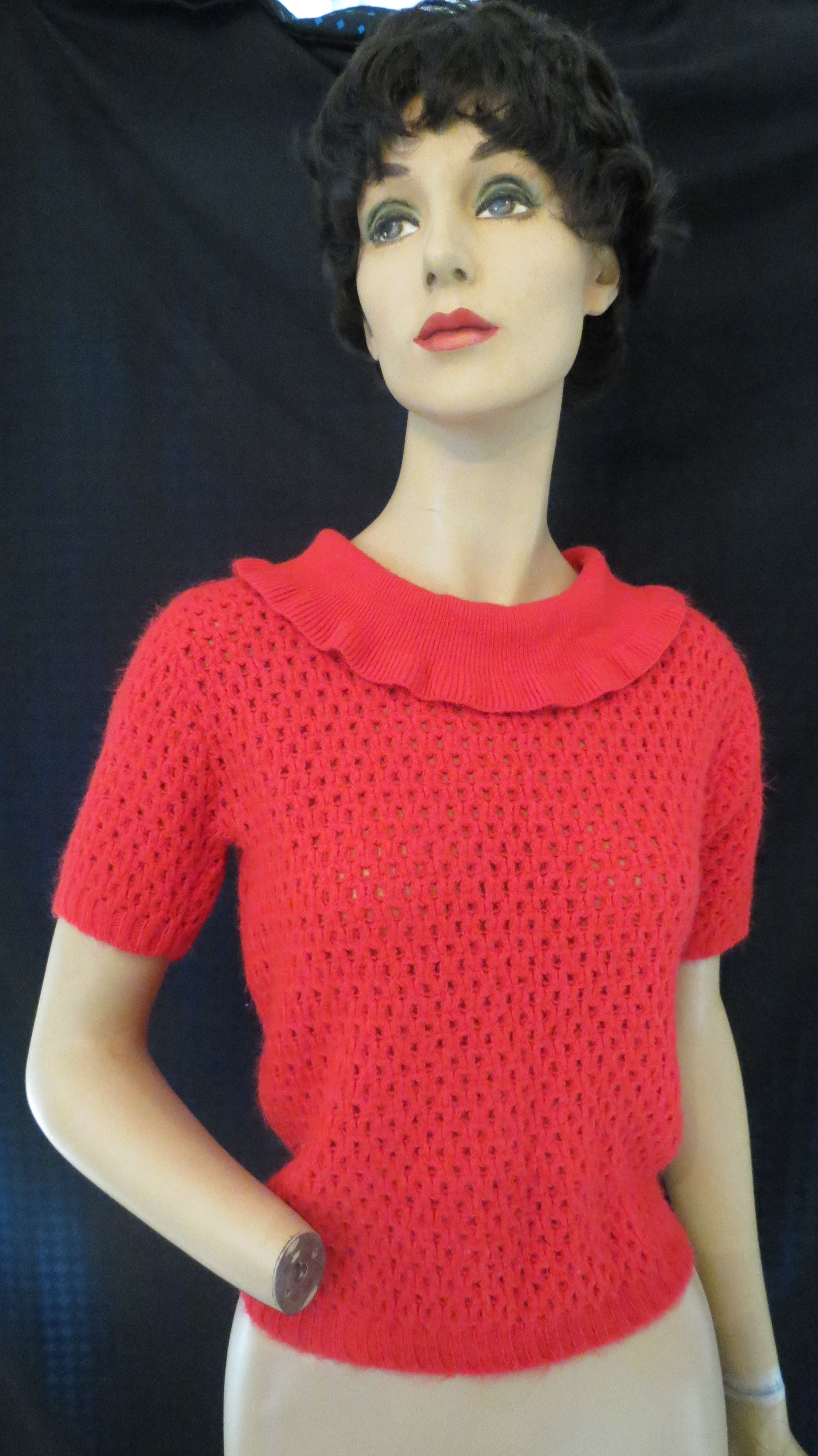
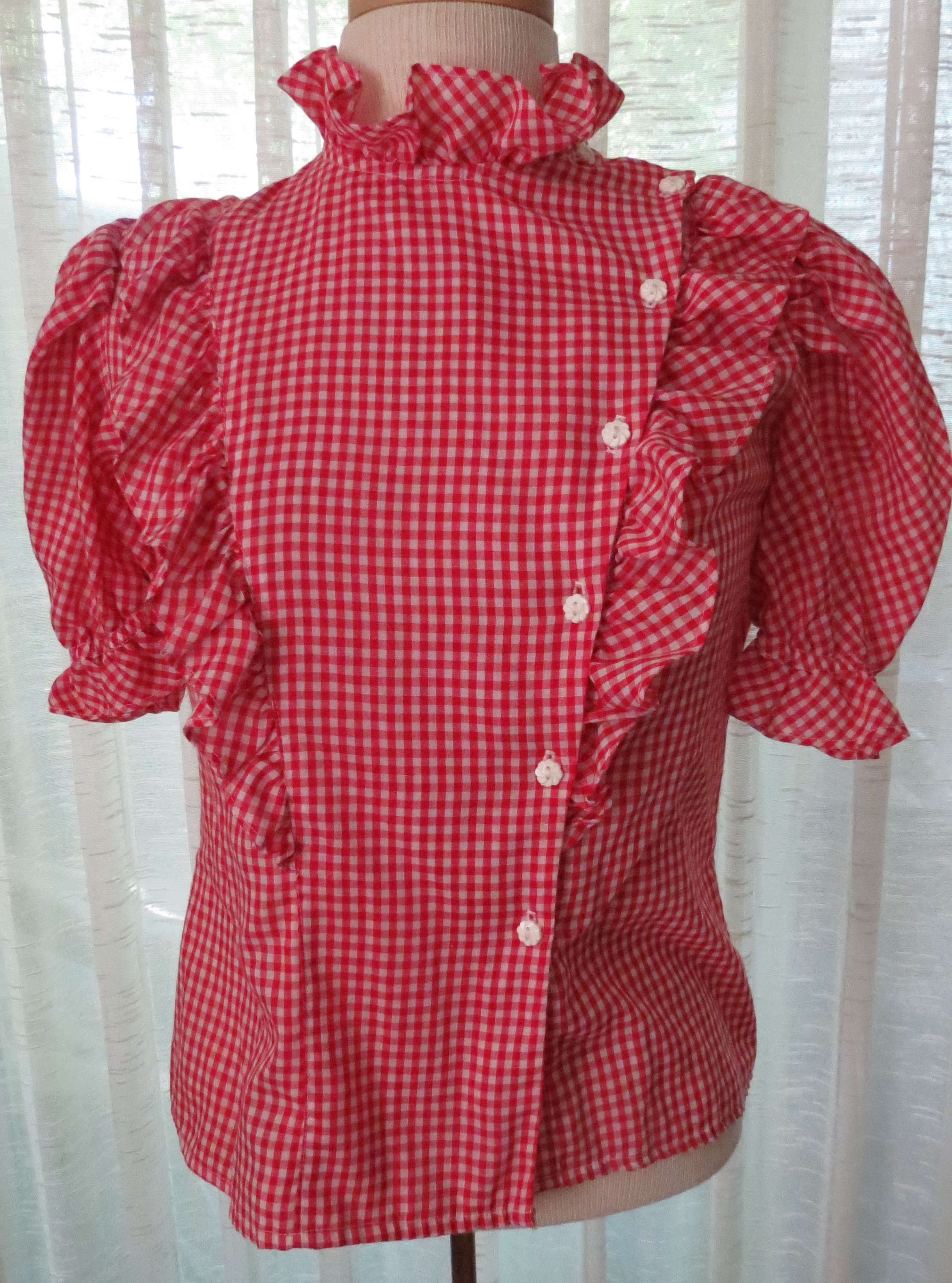
These blouses and sweater all came from the war years spanning the late 1930’s to the very early 1950’s. The first blouse is a women’s-wear version of the Western-wear trend. Perfect for square-dancing. Gingham and sculpted plastic buttons were popular. This example might have been home-sewn by a skilled seamstress.

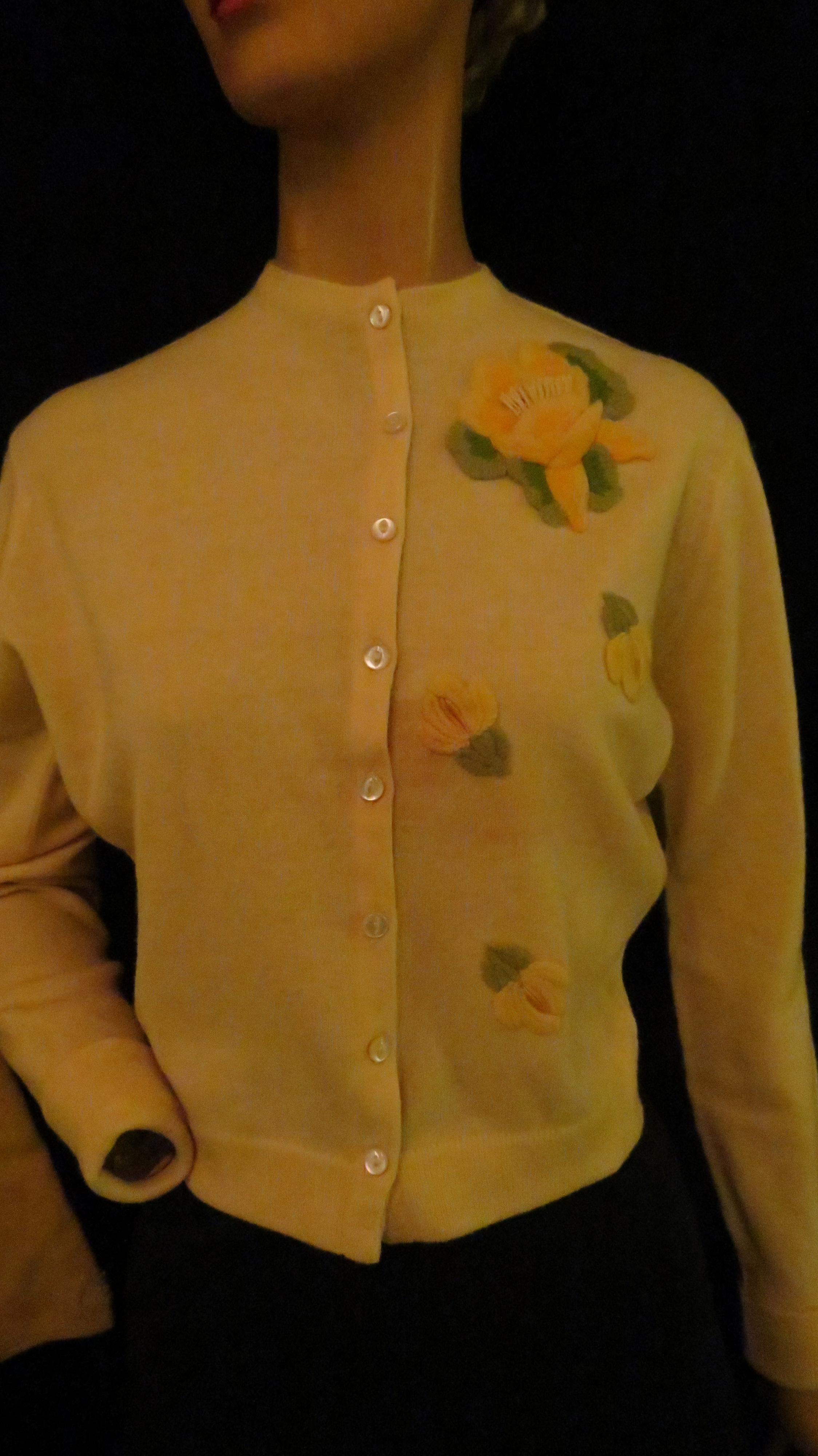
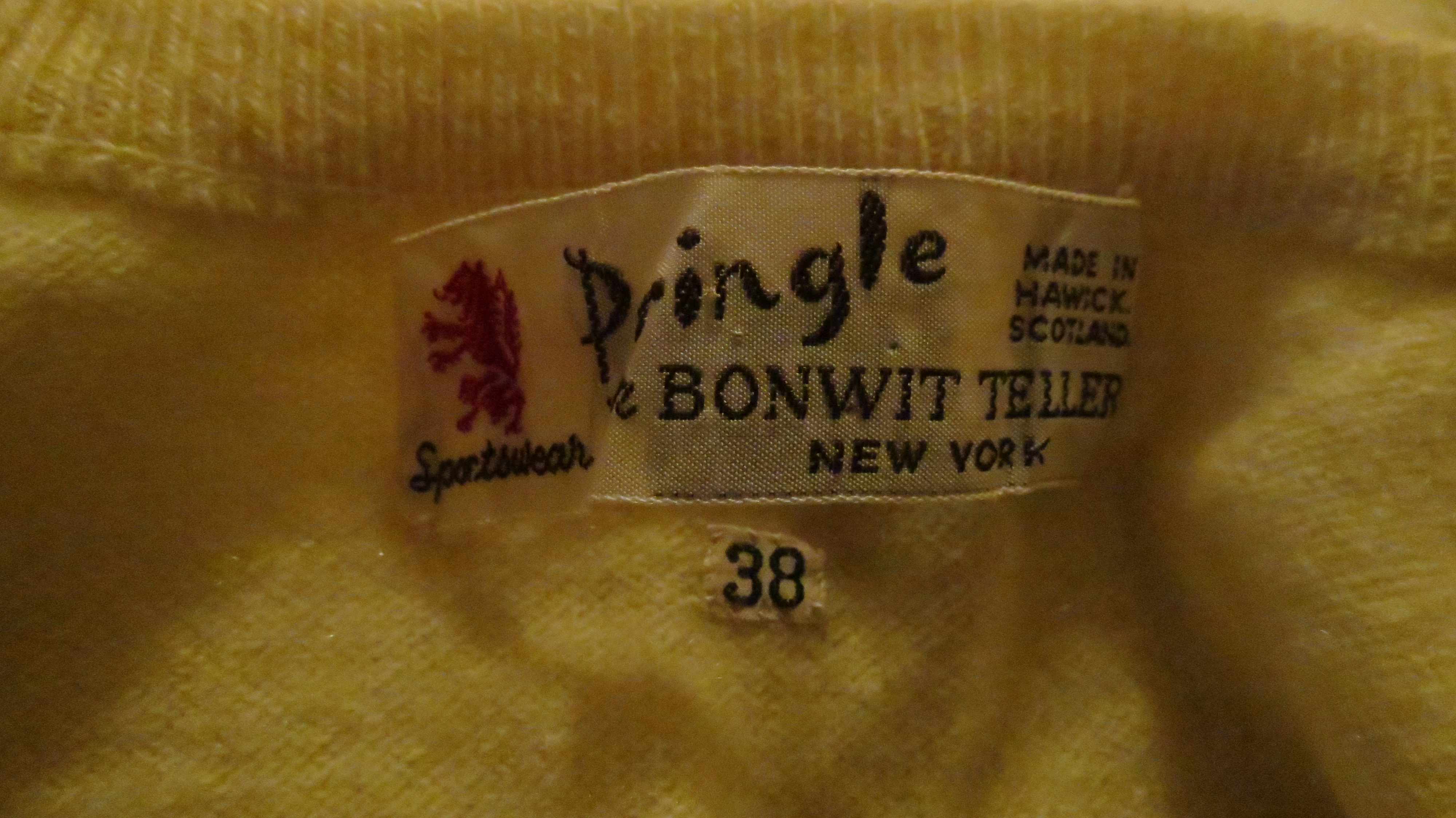
Cashmere cardigan sweaters also were seen worn as blouses, sometimes with the buttons in back if it were a plain knit. This trend was especially popular among co-eds. A beautifully-decorated one like that above would have been front-facing, of course. Pringle of Scotland was a known brand and higher-end.

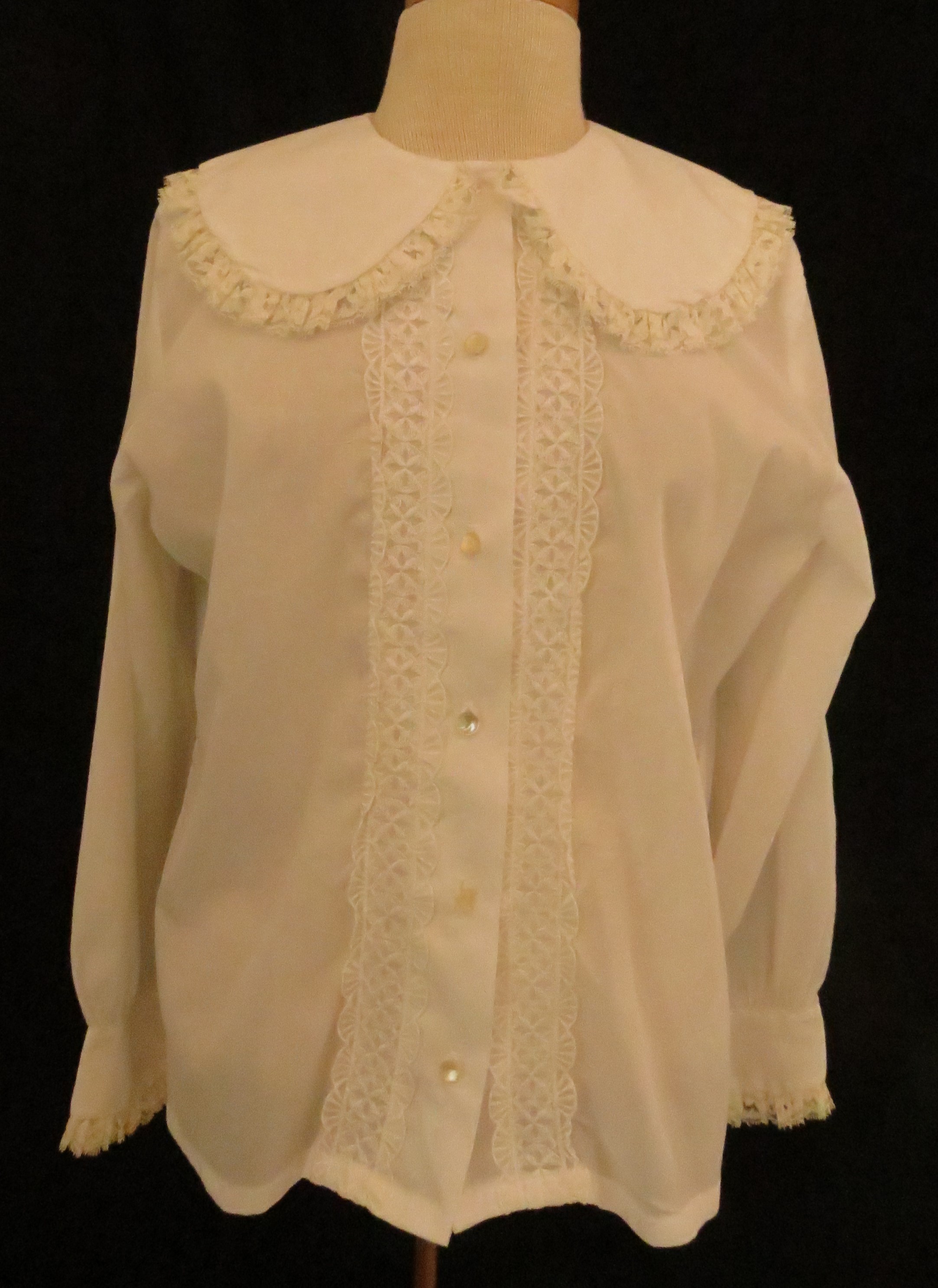
Before and after rationing, lace and other embellishments on tops and dresses were very popular. Tailored styles were also made, but lots of the designs before and after the war were quite fussy with many details.

Tomorrow I’ll show my newest discoveries. Stay tuned . . . . . . . . . . . . . . . . . . .

MORGANA MARTIN, THE MAGICVINTAGESPY

BLOG: MAGICVINTAGESPY.COM

TRUE VINTAGE 1940’S CASUAL DRESSES

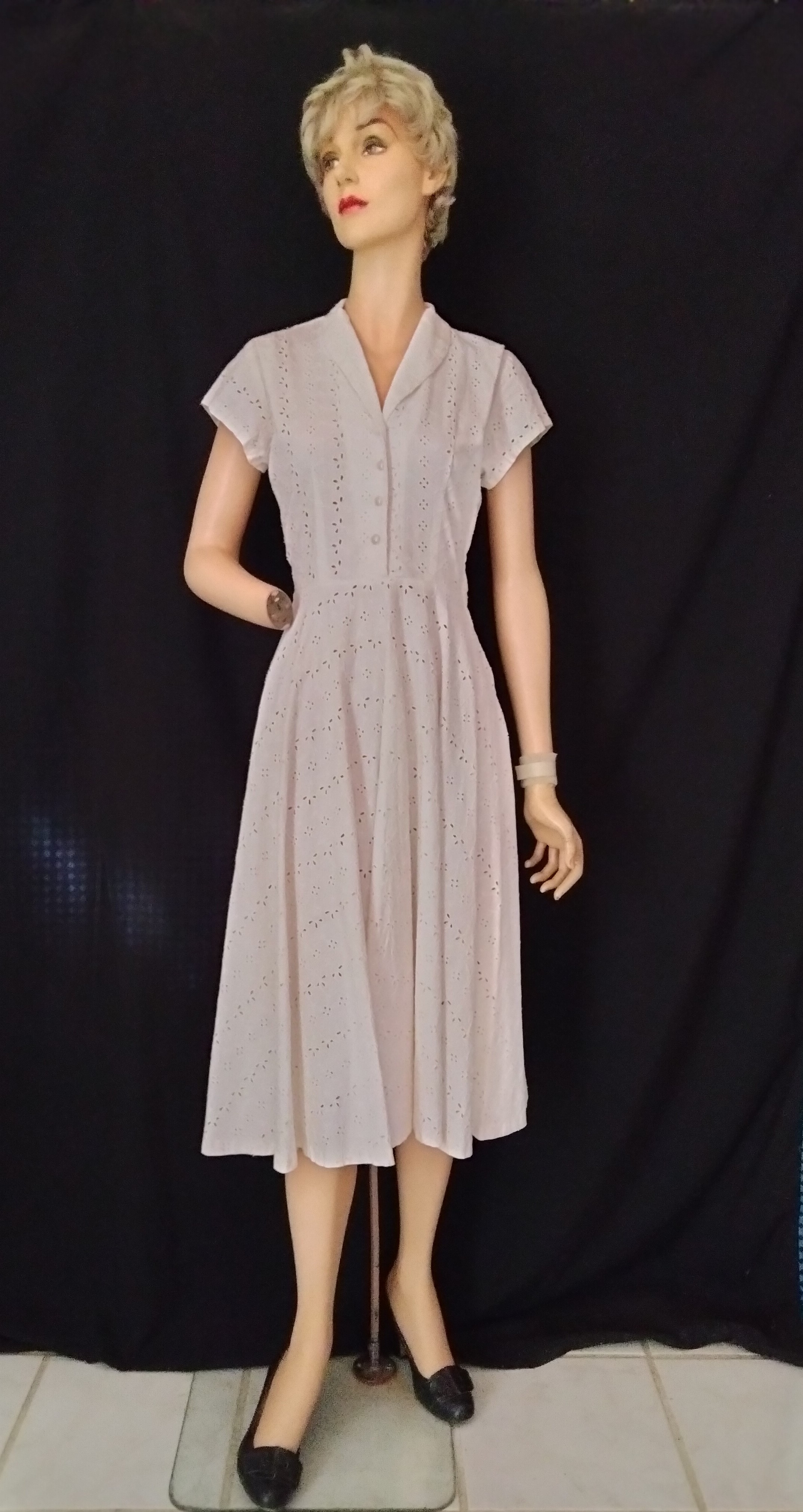
We’ll begin with a pretty, white cotton eyelet dress that was home-sewn in 1940. It’s a lovely dress for town or a picnic, but it was made to be a wedding dress. Coming off the Depression years and with war in Europe, it was a very modest but hopeful costume for entering a dream future.

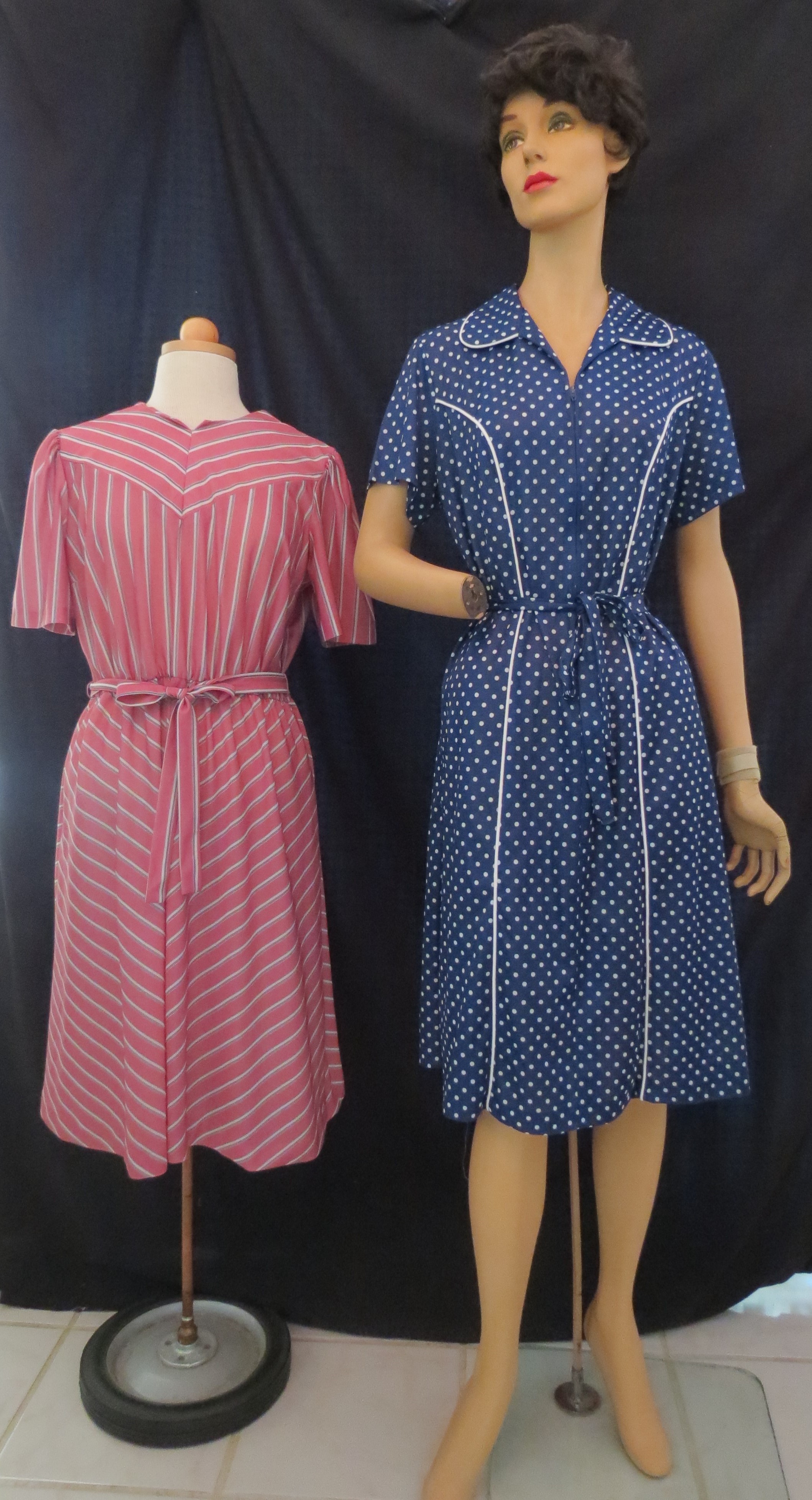
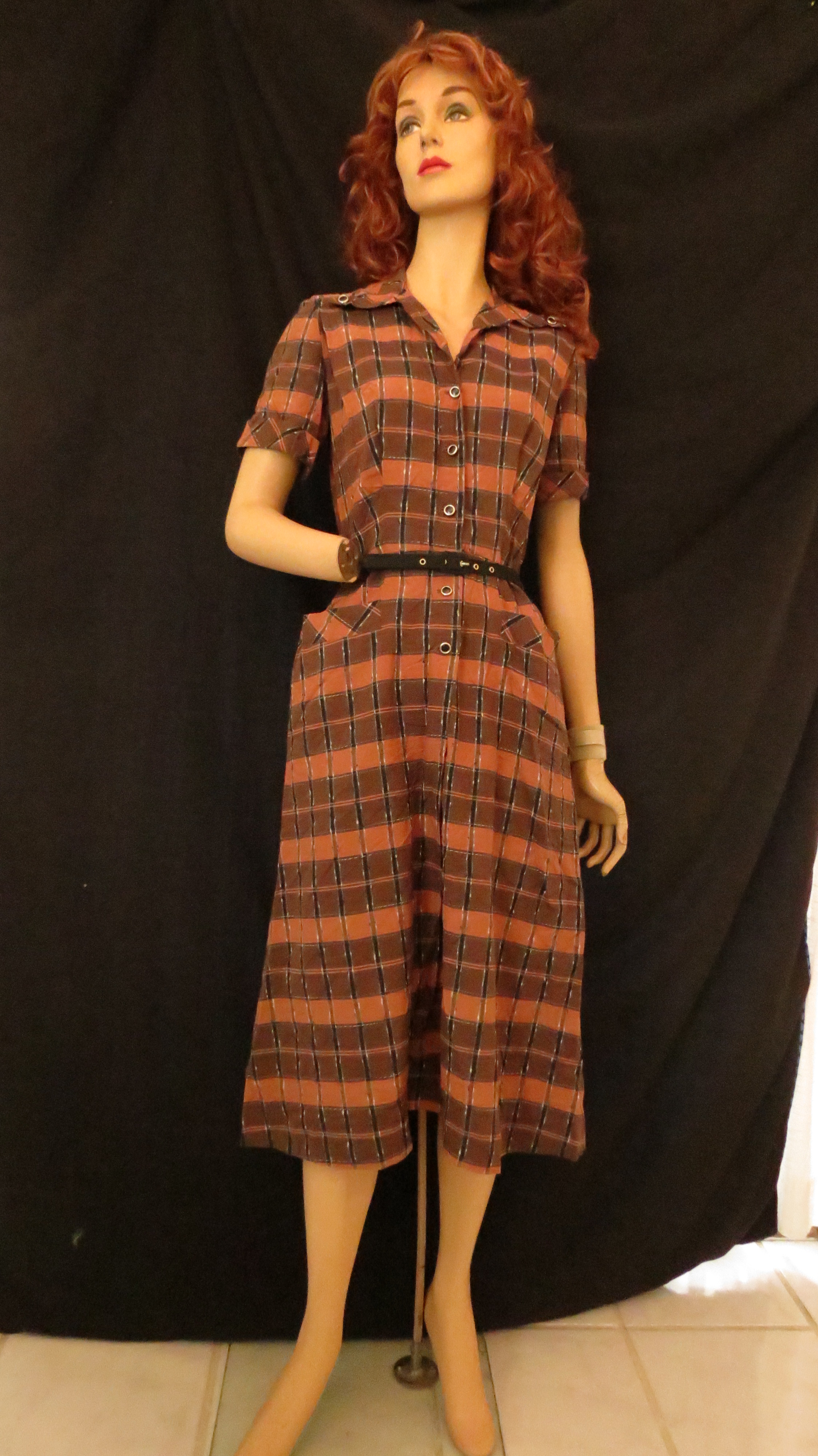
After 1941 and the United States joined World War 2, fashion became much simpler and plainer, but very practical. Shirtwaist housedresses and day dresses were the general uniform for women who didn’t wear specific uniforms related to their work. Dancing, as well as movie-going, were common inexpensive activities that helped people escape the worries and fears of their daily lives. Separates became more popular. Knitwear and wider gored skirts allowed movement while jitterbug was the favorite dance of those young enough to do it.

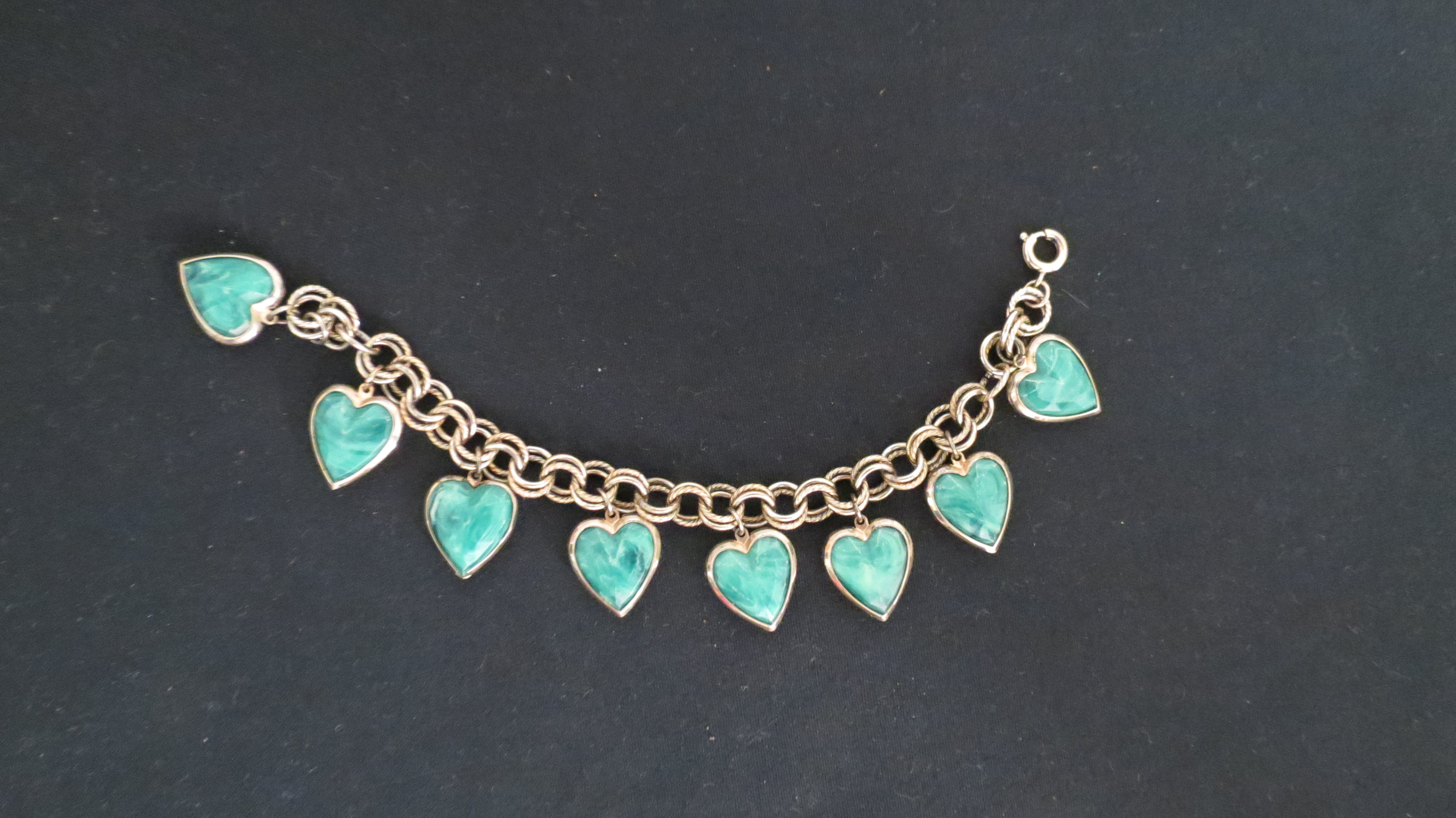
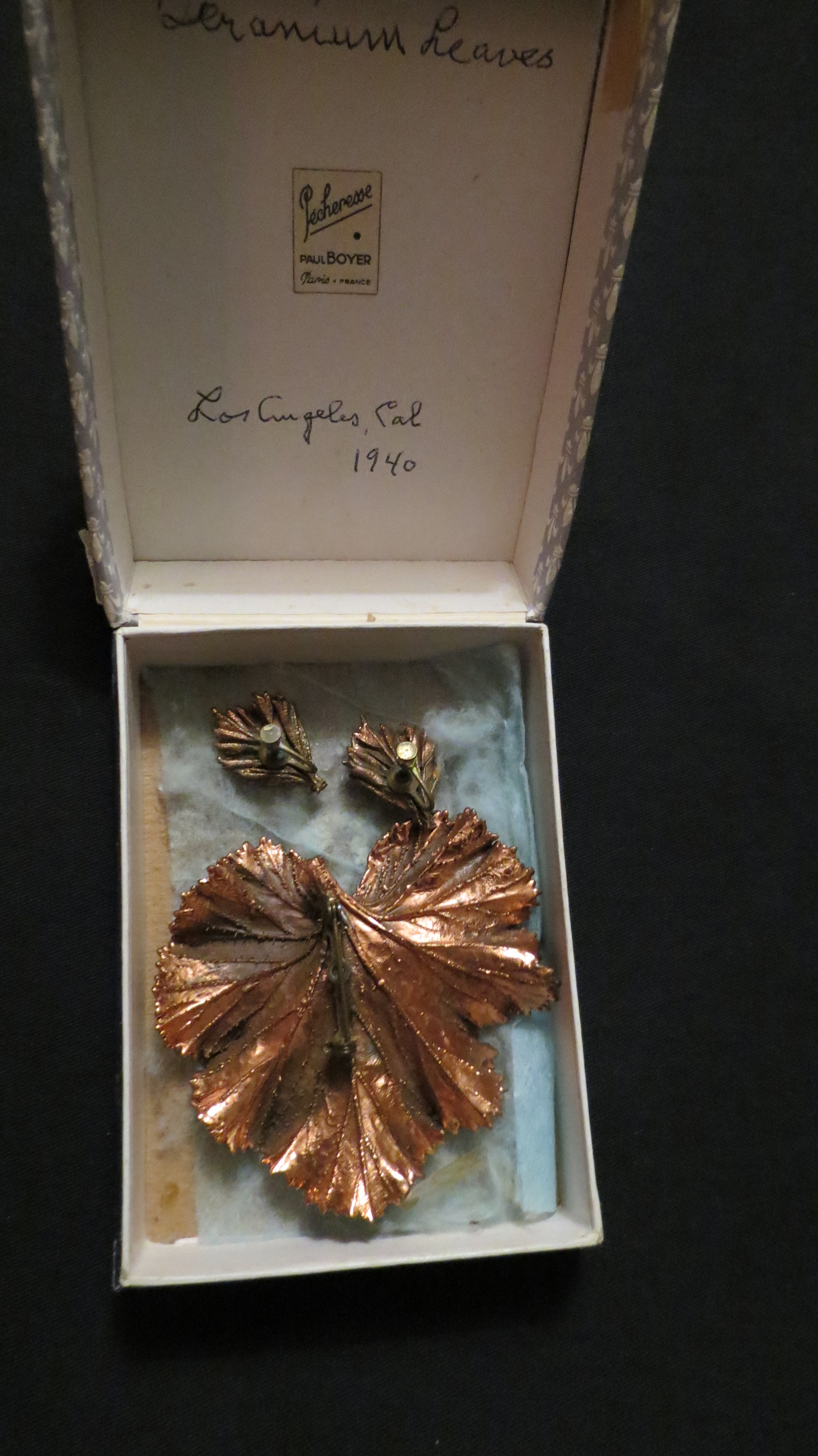
Plastic “gems” appeared in costume jewelry pieces, as well as preserved natural leaves. Even during the Depression and Wartime, a little bling always lifted spirits and enhanced any outfit. Tomorrow I’ll cover a 1940’s casual fad that made fashion more interesting during that time. Stay tuned . . . . . . . . . . . . . . . . . . . . . . . . .

MORGANA MARTIN, THE MAGICVINTAGESPY

BLOG: MAGICVINTAGESPY.COM
TRUE VINTAGE LATE 1960’S FASHION TRENDS – MOD HEADS INTO THE 1970’S

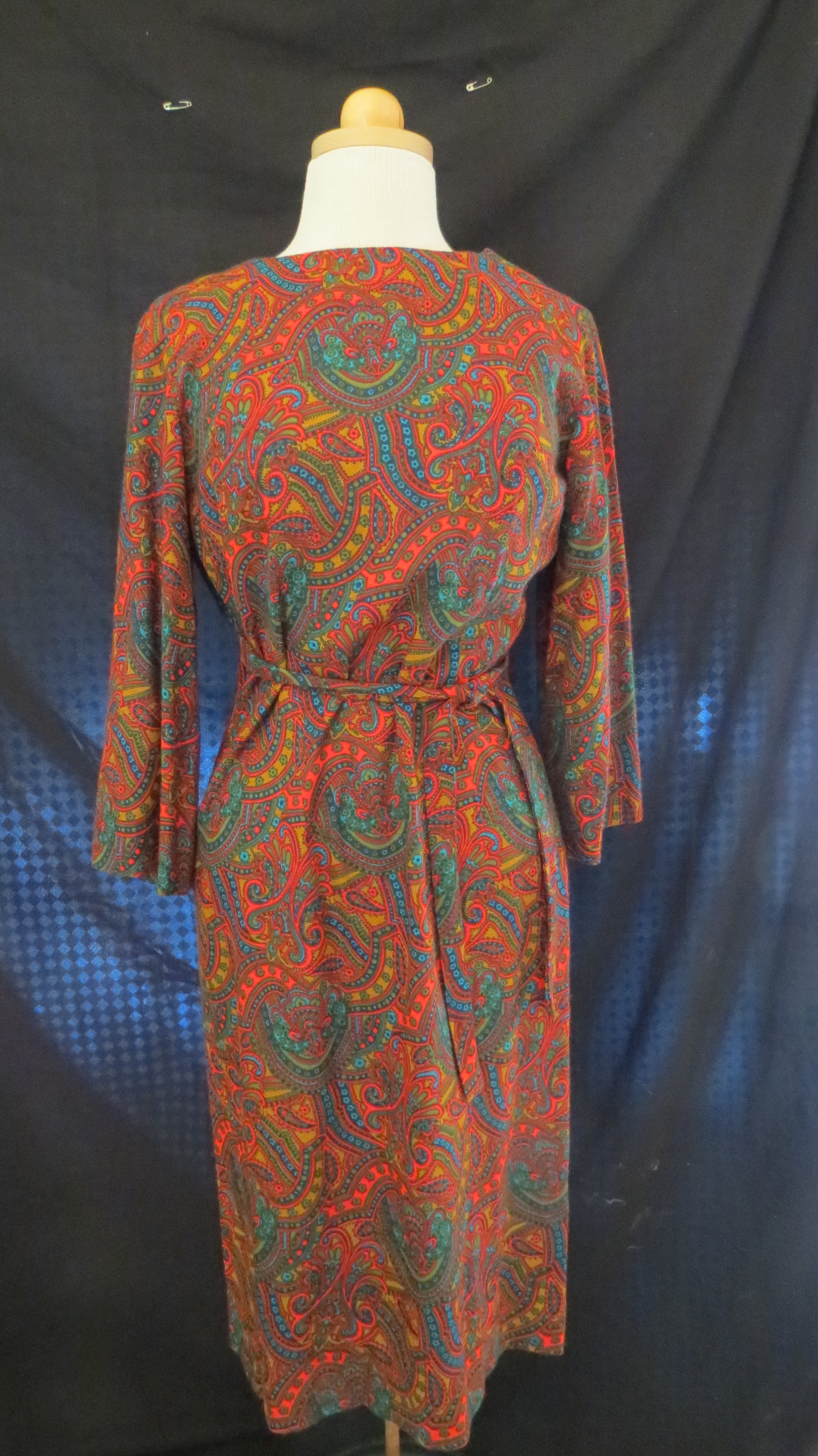
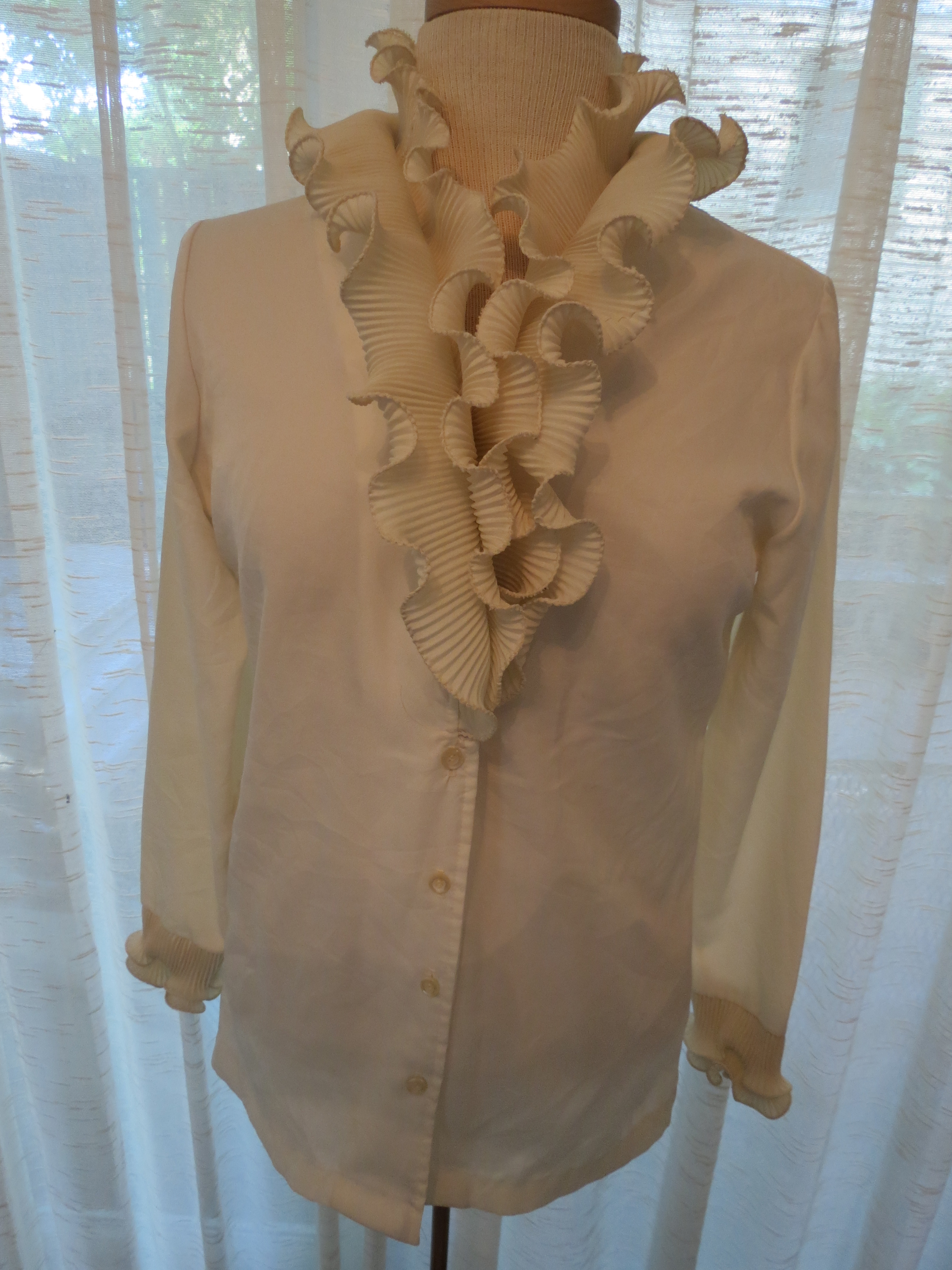
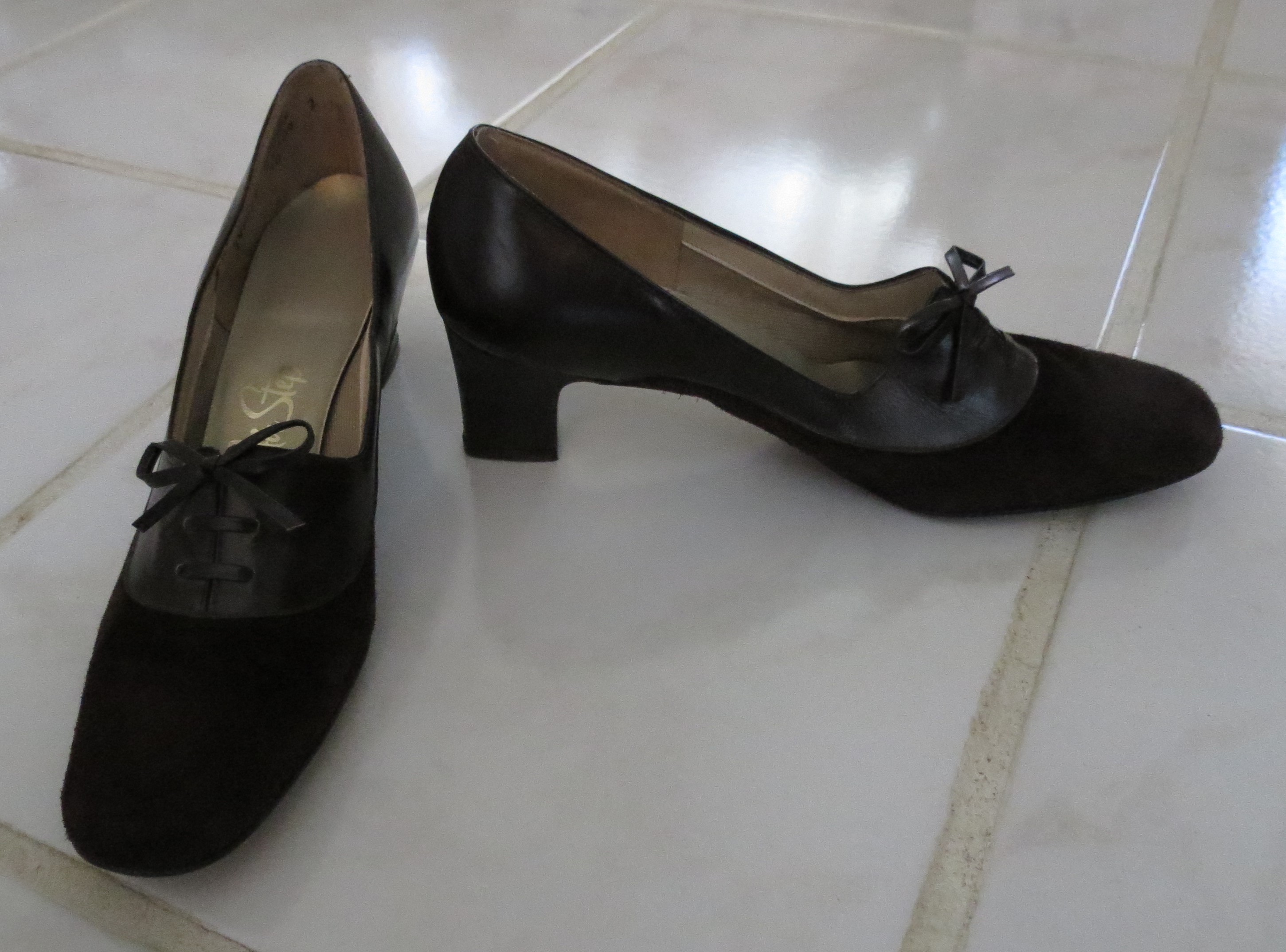
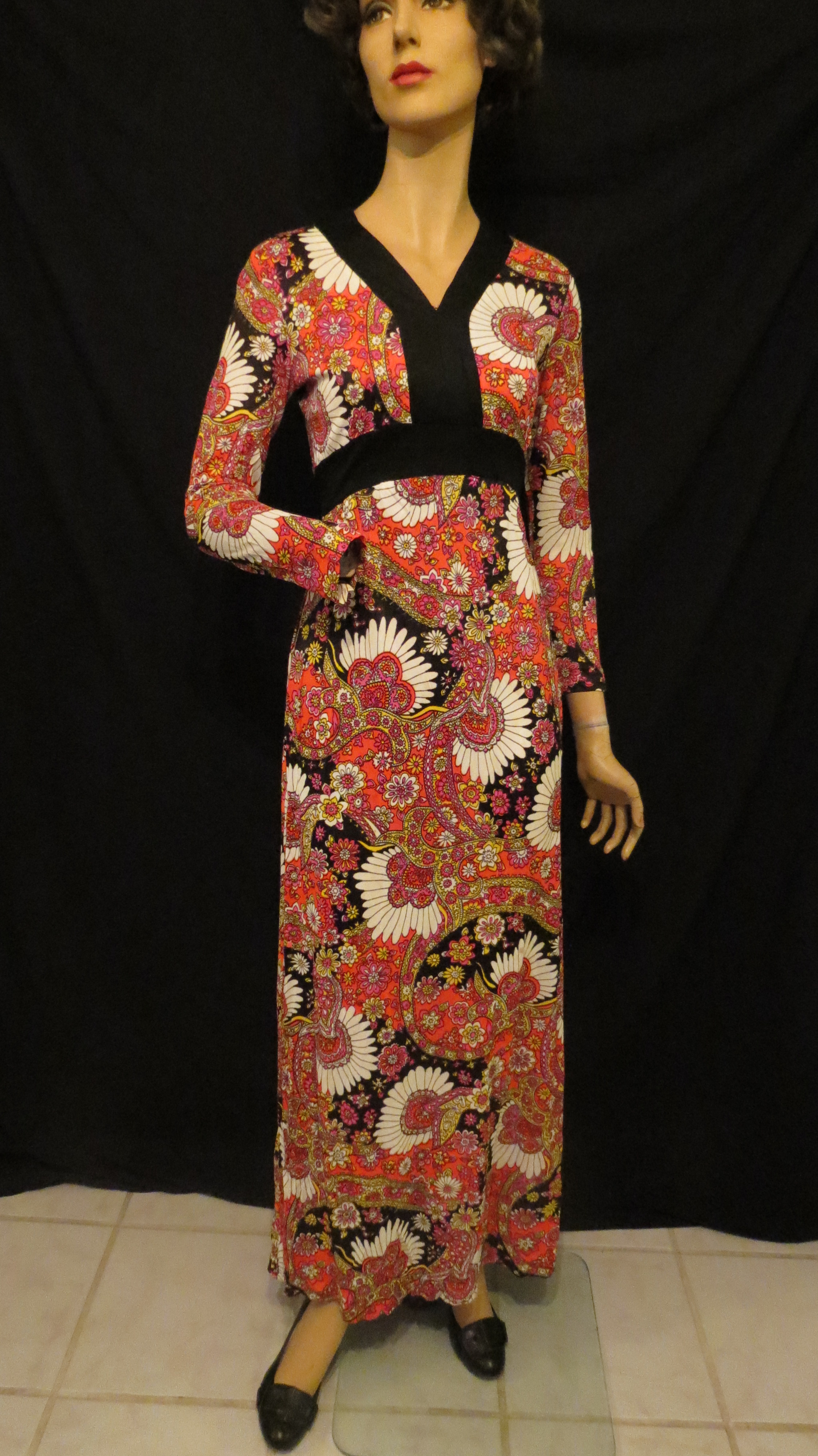
Britain continued to lead the fashion trends in the late ’60’s and it seems to me that their influence strengthened during these years as the Carnaby Street styles showed up. Mod and ultra mini began to slow down with a strong Edwardian/Victorian/Hippie wave predominating. Psychedelic and paisley prints were super popular, even on higher-end classic styles. Long bell sleeves showed up a lot. Ruffled, high-collar blouses and men’s neckties for women were fun fads. Platform soles went out (for a while) in favor of mid-heel pumps with high vamps and rounded toes. LifeStride, a popular mid-priced U.S. brand got into the trend with the example shown above.

Knee-length, midi and full-length hemlines came on the scene again, especially on more conservative and higher-end dresses. Though some minis were still worn, the hippie-styles usually had ankle-length skirts. While Carnaby Street fashions passed by, the long hippie/Victorian looks drifted into the early 1970’s. If you have followed me, you might remember a few of my posts earlier this year covering vintage Prom dresses that showed early 1970’s Victorian/Prairie designs in that mix.

There was a lot more, however, to the early 1970’s fashion designs. We’ll start looking at the Seventies tomorrow. Stay tuned . . . .

MORGANA MARTIN, THE MAGICVINTAGESPY

BLOG: MAGICVINTAGESPY.COM

EARLY 1960’S DAY DRESSES

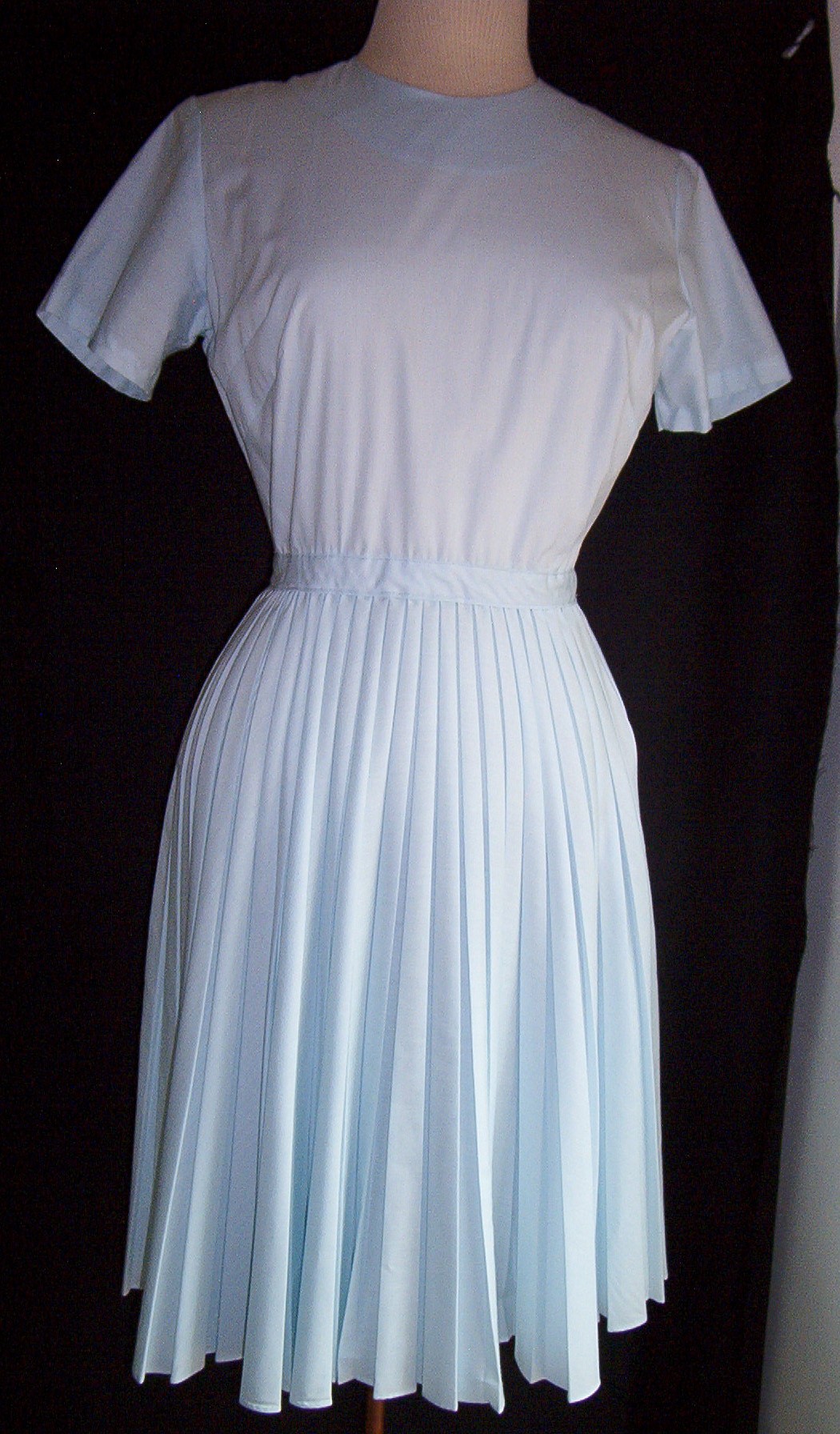
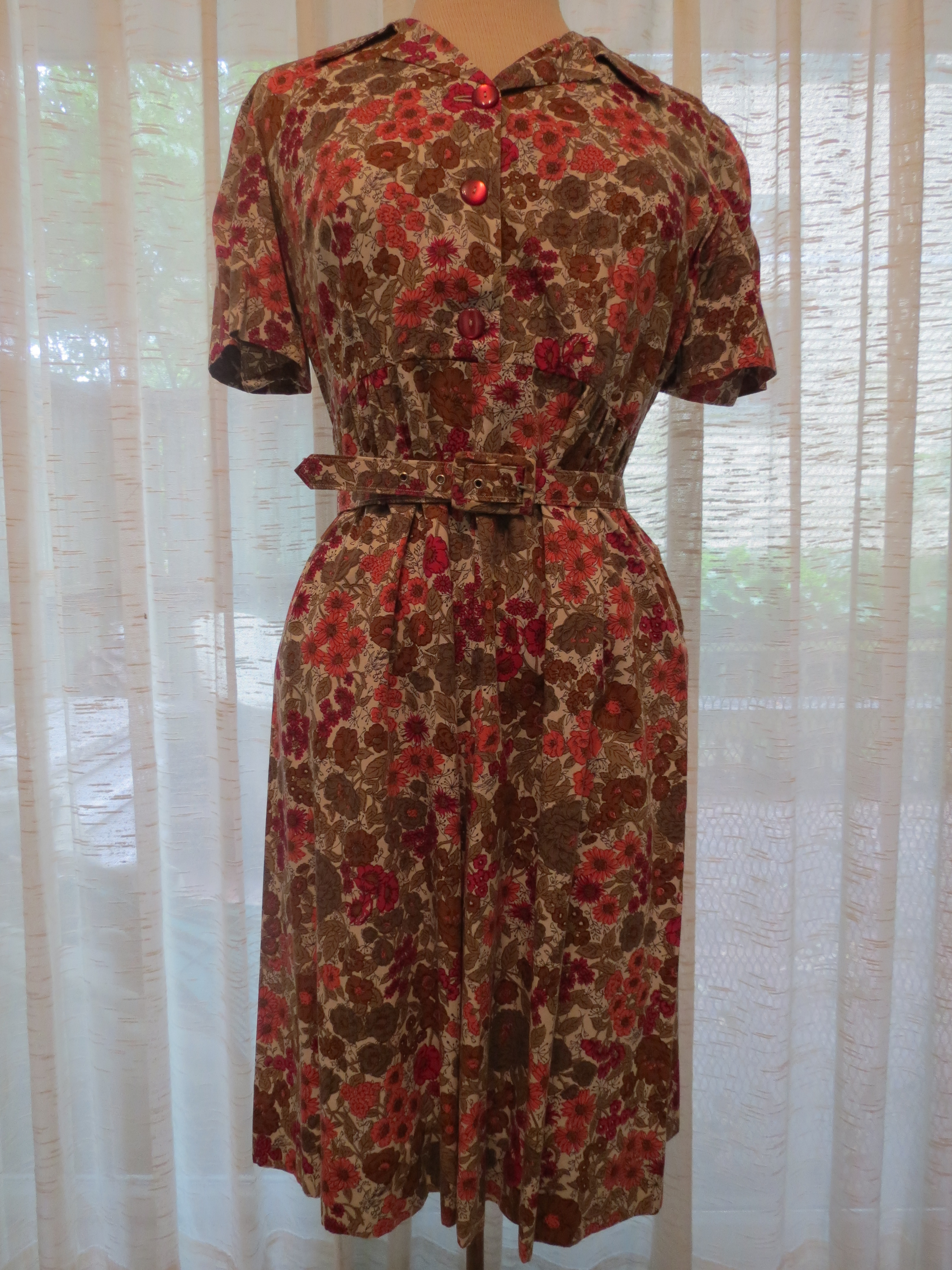
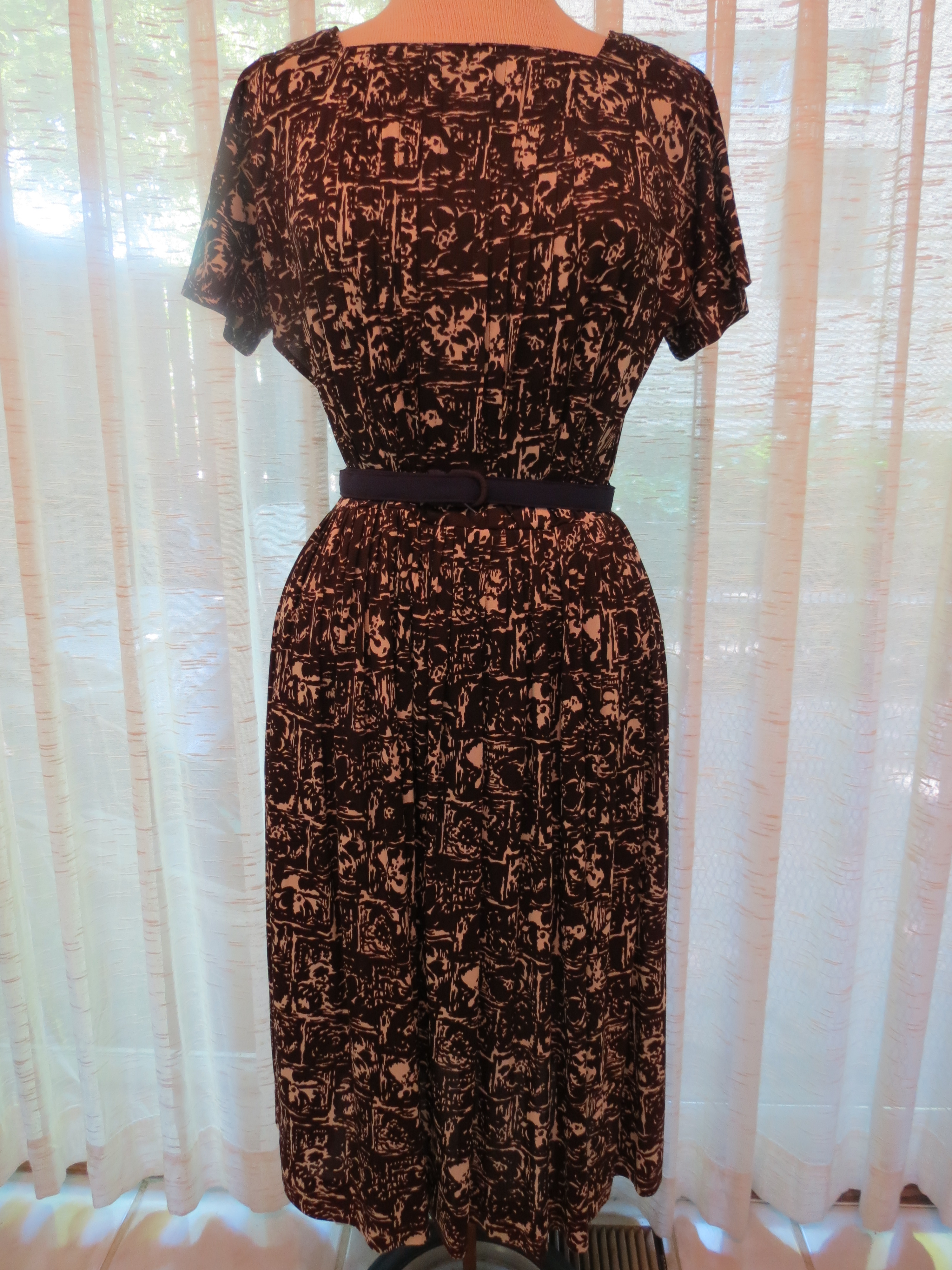
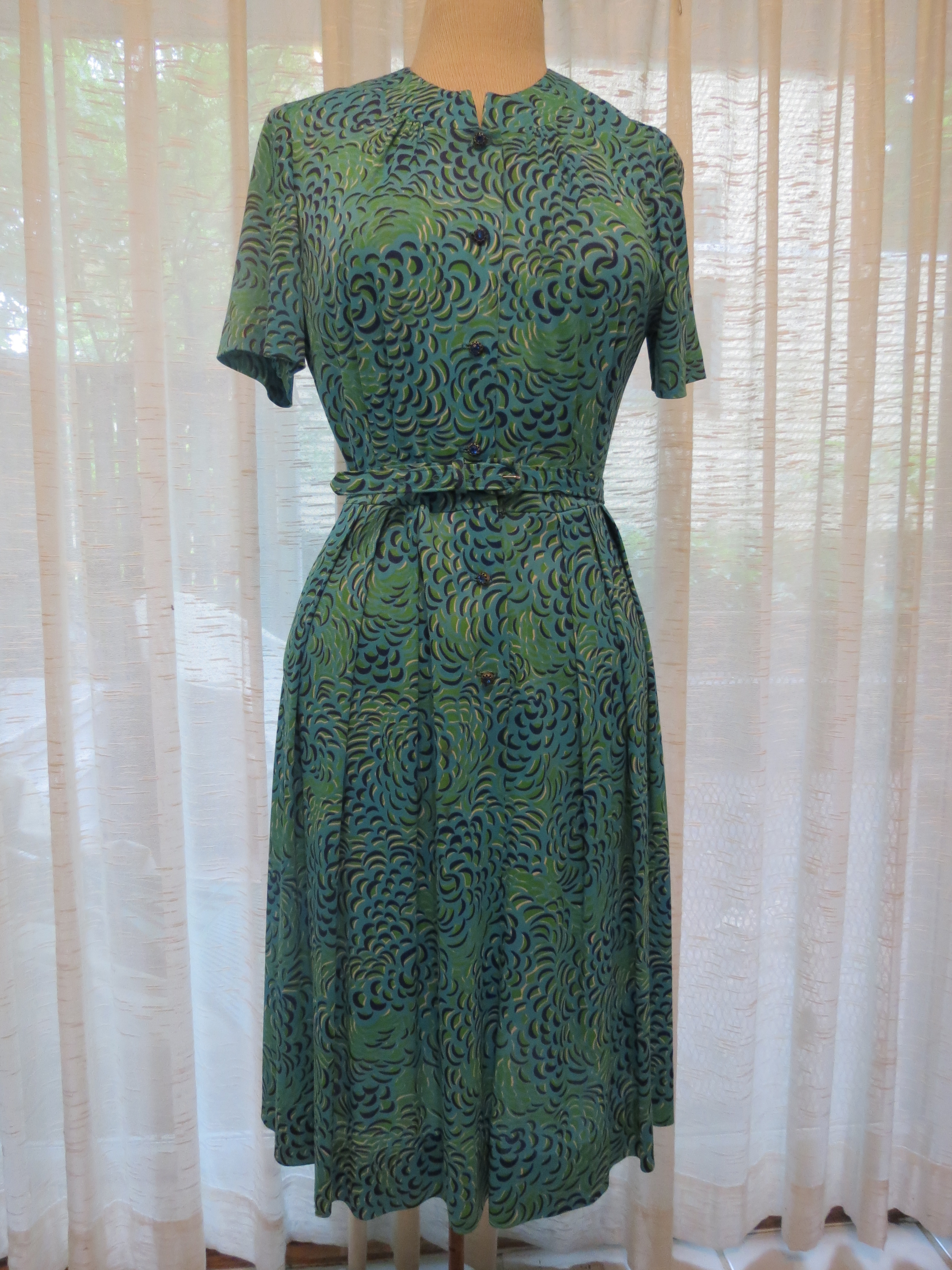
The very early 1960’s, Kennedy era was a time for ladies’ dresses to begin a shift in style. We started off with wasp waists, shirtwaist dresses and full skirts . Cotton and cotton blend shirtwaist dresses were still the day dress uniform for most middle-income women. But, also popular at that time for slightly dressier styles was a slinky knit fabric that was probably a poly/acetate blend. I remember older relatives wearing some of these, which they had probably owned for years. Many of the slinky knit dresses had rhinestone buttons. Great-grandma styles. The first 4 photos above are examples of these two types.

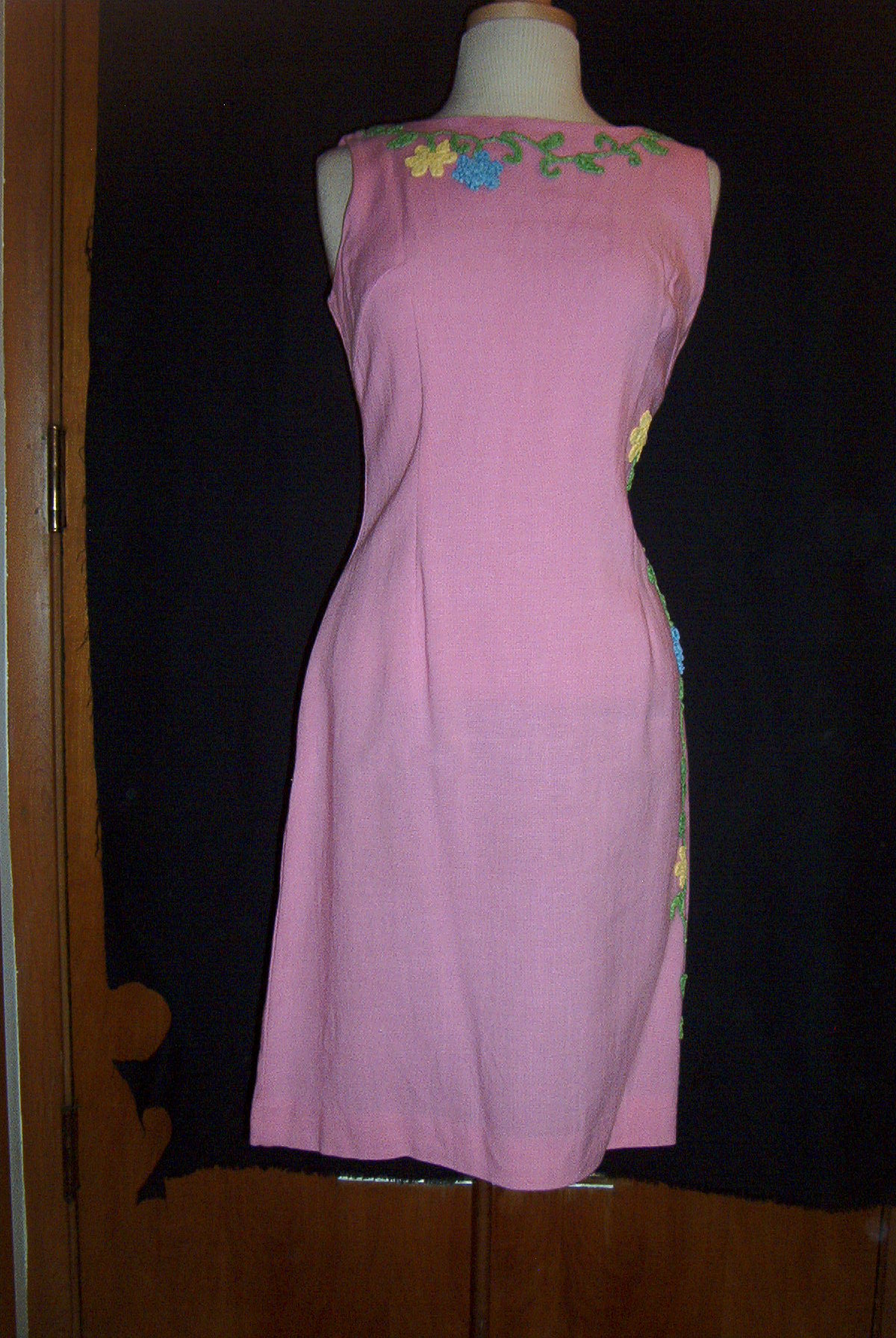
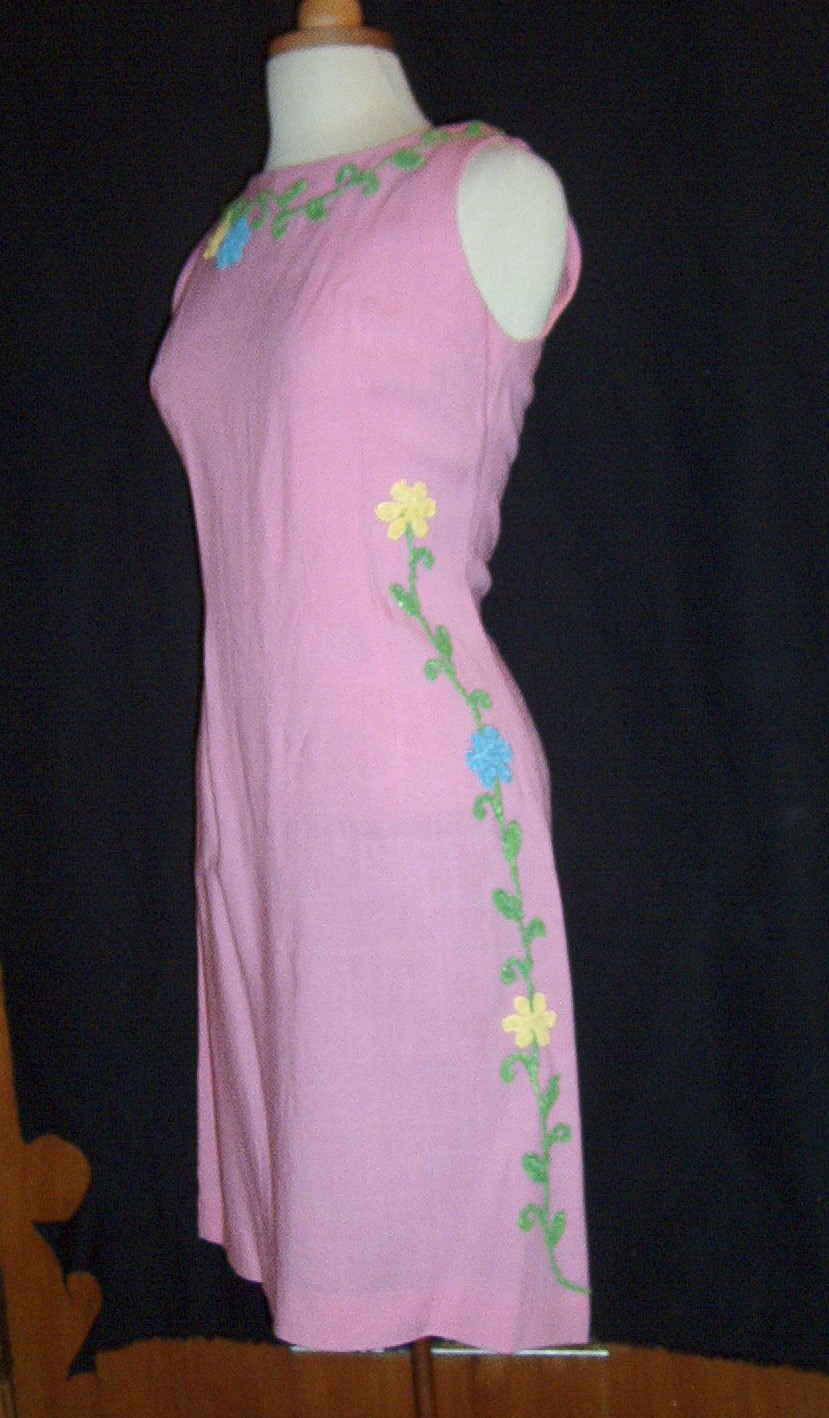
After that, sheath styles and fun details like this floral embroidery above started to make an appearance. This pink dress may have been home-tailored. The crafty, homemade trend that had taken root during WWII was still very strong, even though families had more prosperity in the 1950’s.

My internet connection or the blog host software has limited the number of photos I can add to my posts, so I am focusing on narrower topics and timelines now. Part of the issue for me is that I have so many photos in my archives that I just can’t squeeze them all in. Possibly better for you, my readers and followers, to see these wonderful garments in more detail. I will be continuing with dresses from the 1960’s because there were so many changes during that decade and it can take several posts to cover them all. Stay tuned . . . . . . . . . . . . . . . . . . . . . . . . . . . . .

MORGANA MARTIN, THE MAGICVINTAGESPY

BLOG: MAGICVINTAGESPY.COM
True Vintage Ladies’ Sweaters 1940’s – 1970’s

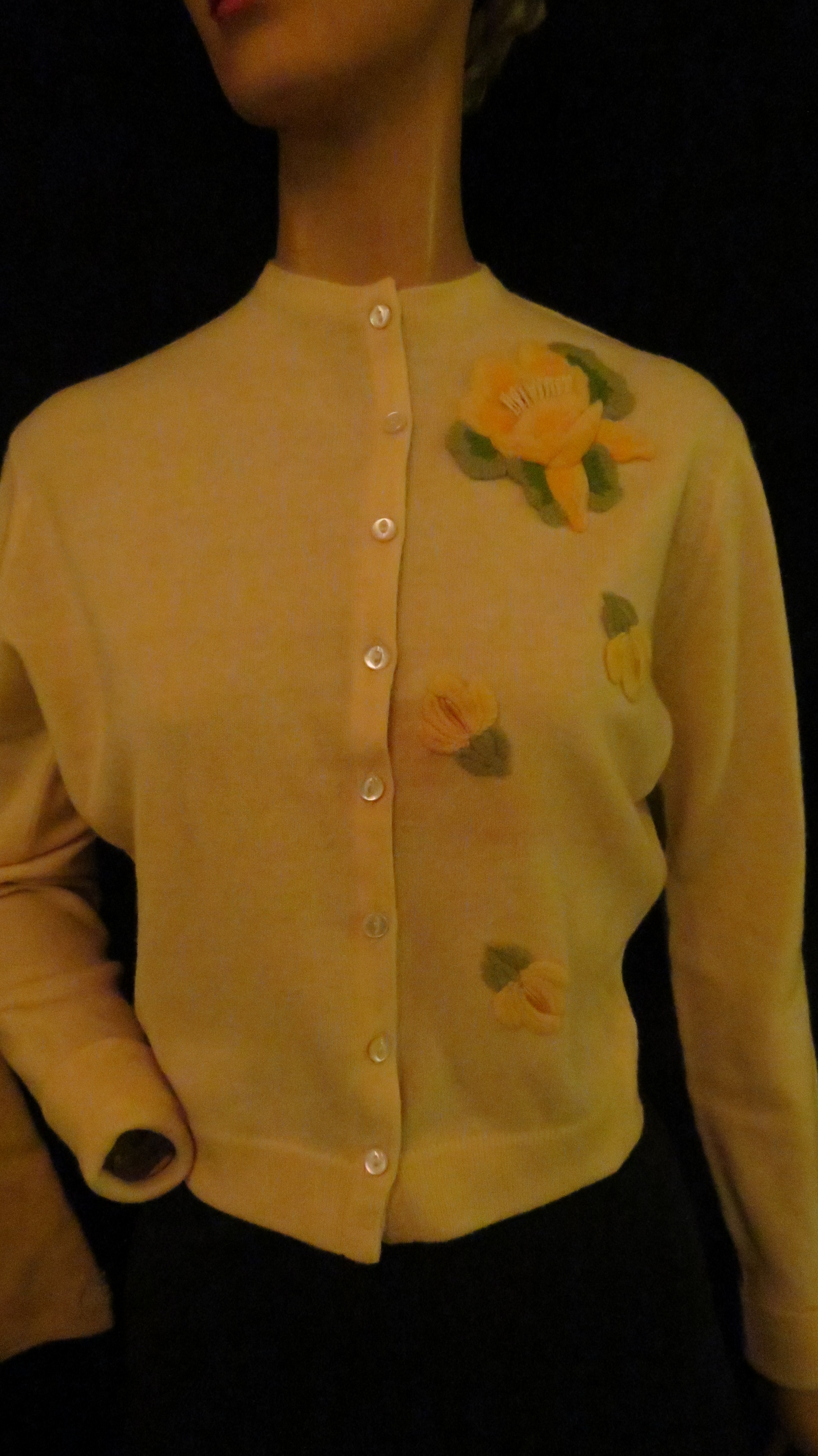
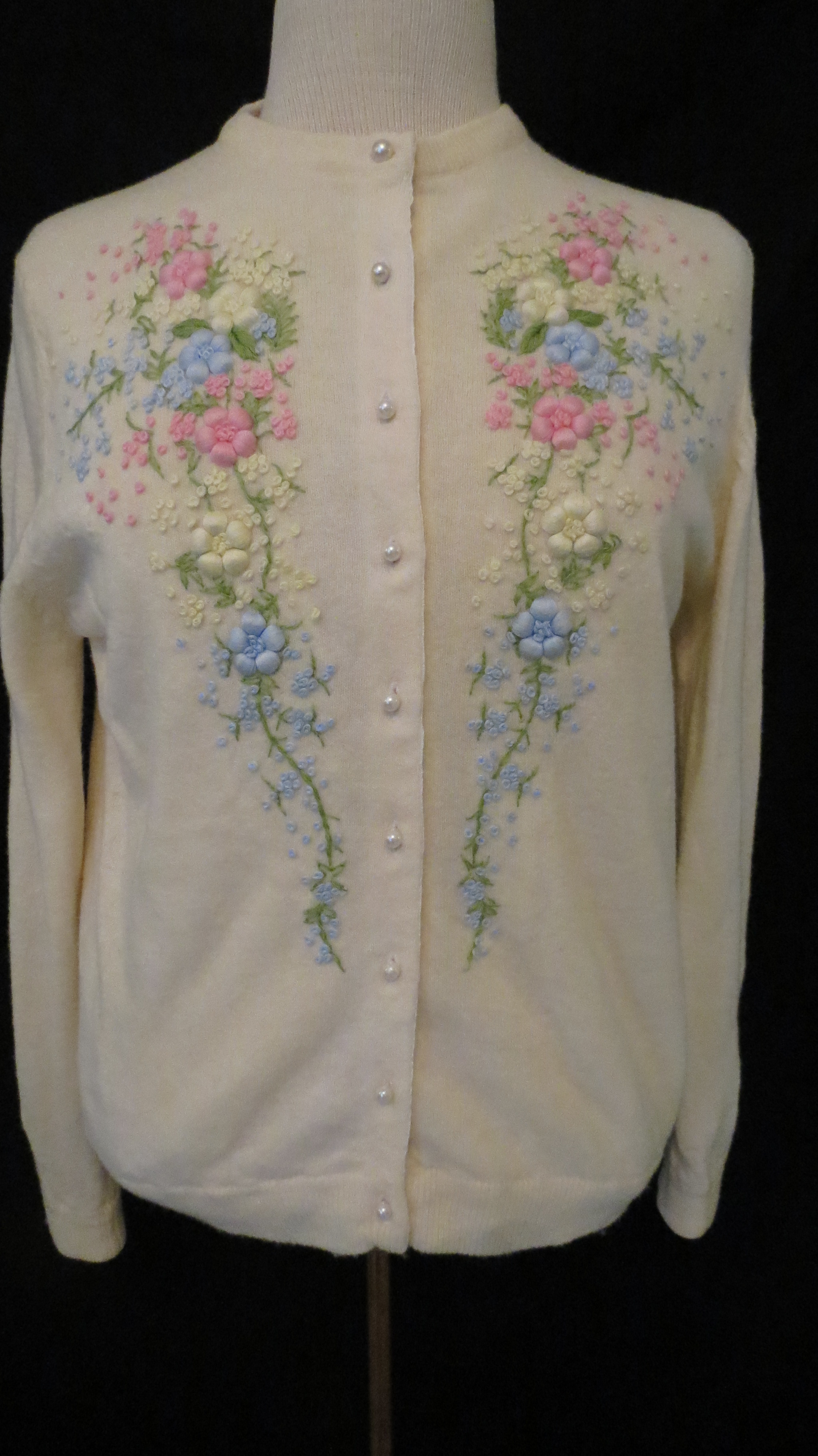
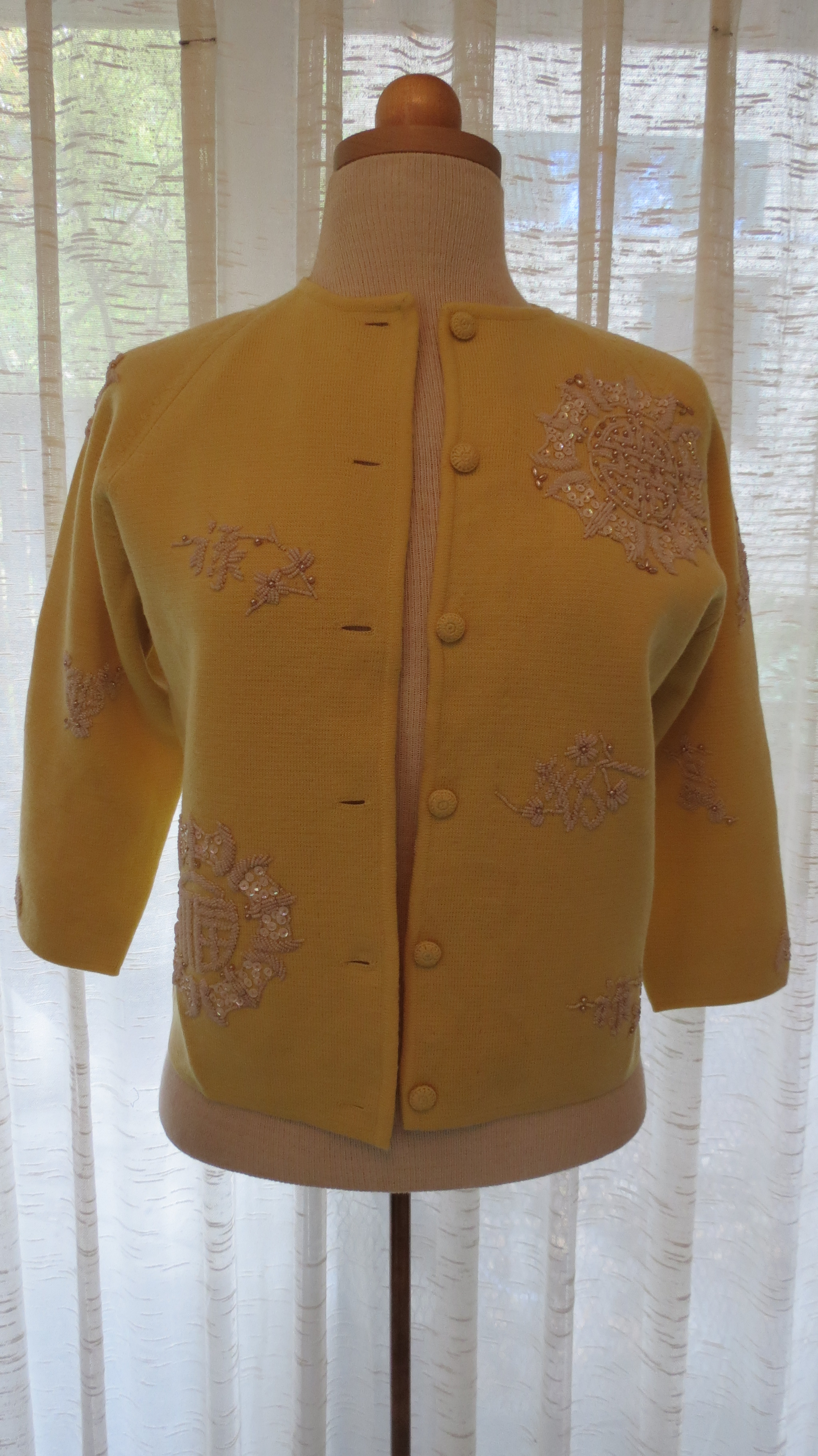
Just a few examples of the many styles and varieties in my archives, but this assortment is a good beginning. The most classic, and probably the most numerous of my discoveries, have been cardigans. Finely made cashmere sweaters, like my mother’s yellow one with appliqued flowers, were a staple for the college coed in the late 1930’s to 1940’s. Plain styles were often worn in reverse, with the buttons in back. Up through the 1950’s to the early 1960’s beaded and embroidered cardigans were hugely popular and the designs were endless. Most were commercially-made, many of the best ones in British Hong Kong, but some women decorated theirs at home. My mother bought this yellow sweater jacket by Banff in the early 1960’s.

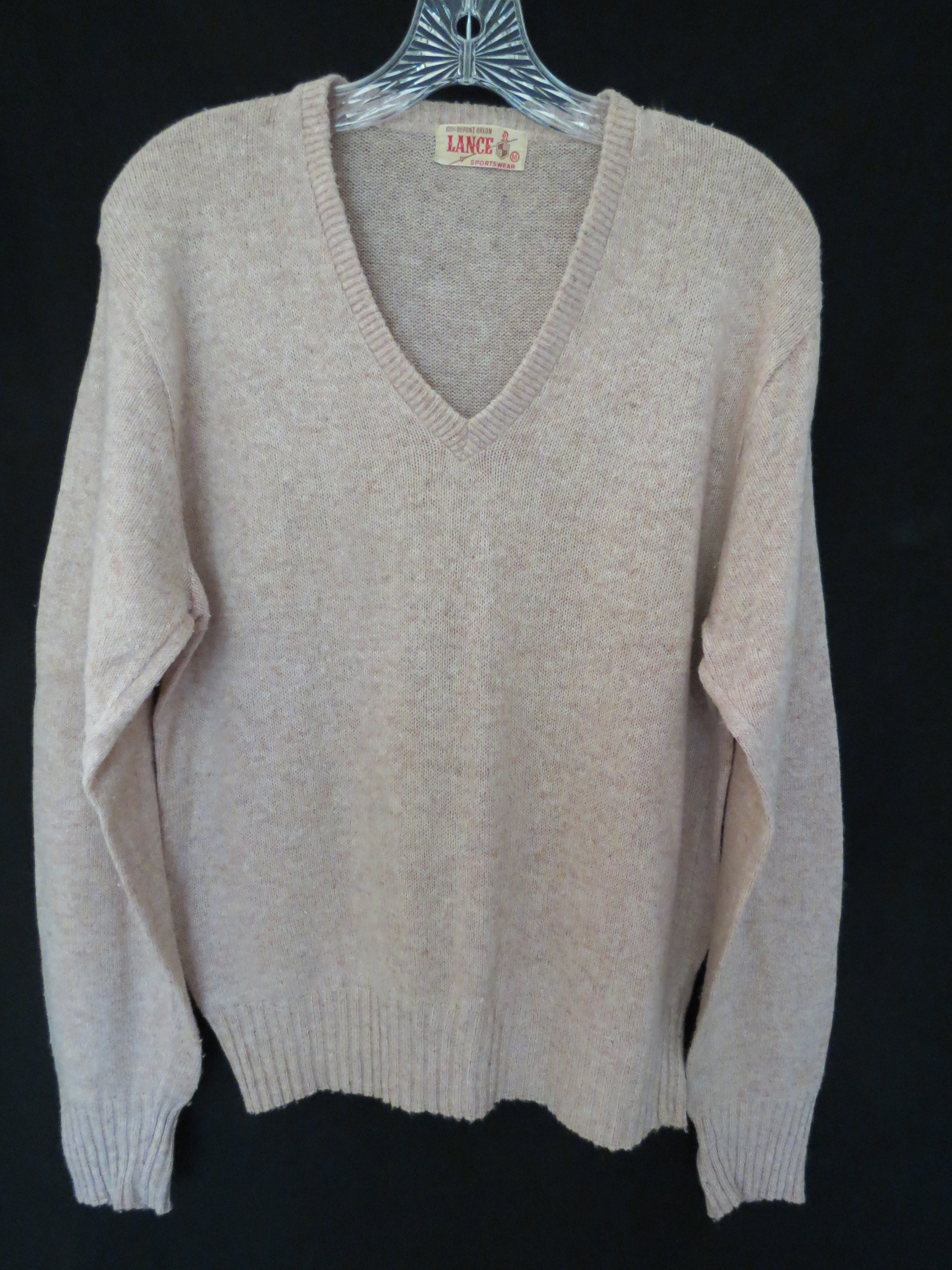
Of course, there were v-neck, crew neck, and collared sweaters in all sorts of variety. Most were nice, but casual styles made to wear with skirts and, later, with slacks. Wool sweaters provided the most warmth for colder months and, until Orlon became available, almost all sweaters were made of wool. Synthetics were really given a boost during WWII because of the government’s requisitioning of wool for military uniforms.

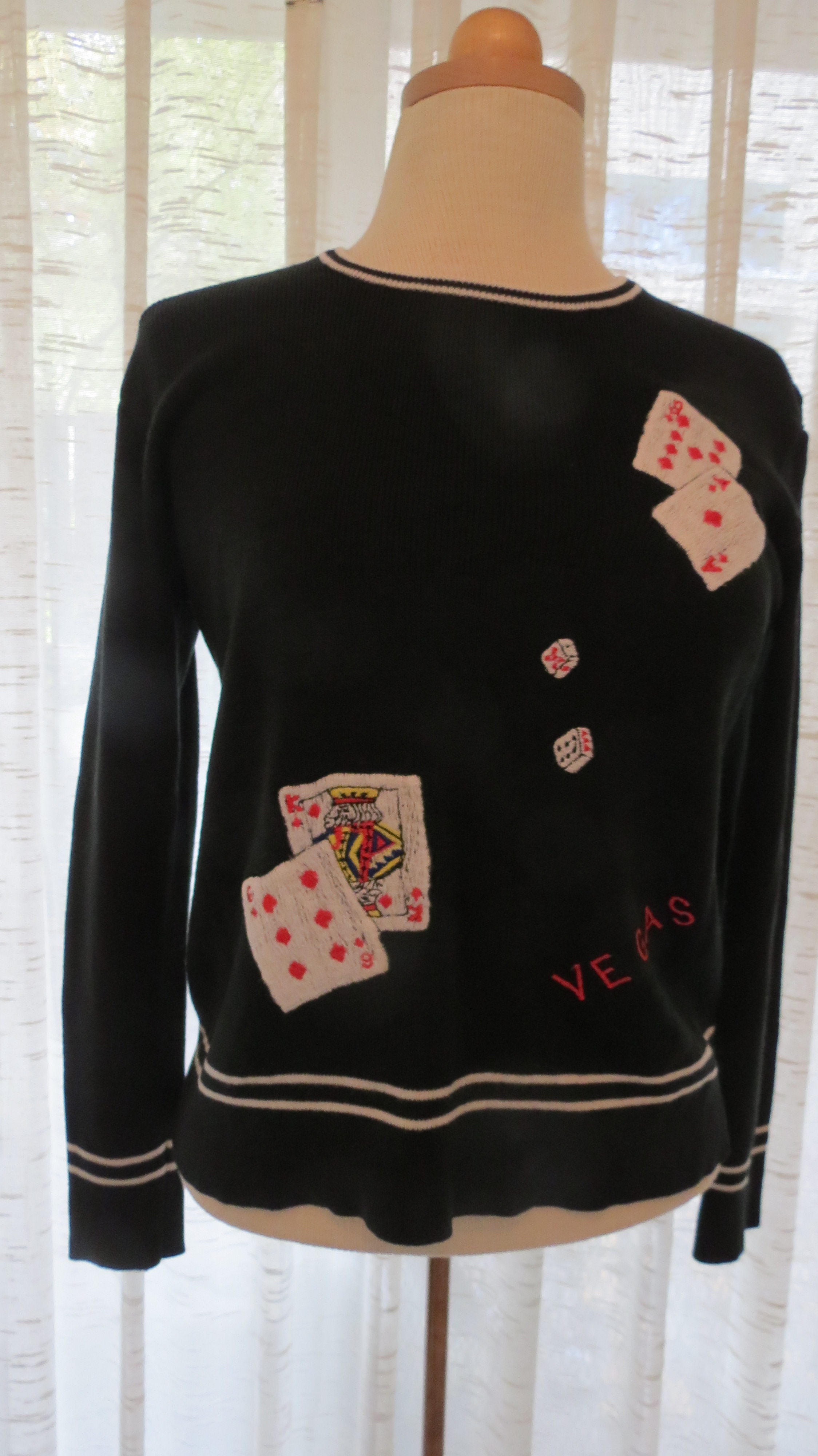
The turtleneck that we love now didn’t seem to show up too much in everyone’s closets until the early 1960’s. Until then, it was a little more avant guarde or unconventional for the average gal though they were on the scene from the 1920’s. Always a sportswear item, especially from the time women began to dress more casually in the 1940’s, women’s sweaters became less dressy. We’d begin to see themed sweaters like this Las Vegas souvenir from the 1970’s or with prominent monograms, mostly in the ’50’s. Of course, many mid-century women knitted and crocheted tons of styles at home, from super-casual to evening styles.

True vintage sweaters from before the 1970’s when acrylic yarn took over are a rare and fabulous find. Moth damage, pills and snags usually took most of them out of circulation. Though I have many, it’s only possible to show sample at one time. A few ladies’ casual Spring jackets tomorrow – stay tuned . . . . . . . . . . . . . . . . . . . . . . . . . . . . . .

MORGANA MARTIN, THE MAGICVINTAGESPY

BLOG: MAGICVINTAGESPY.COM
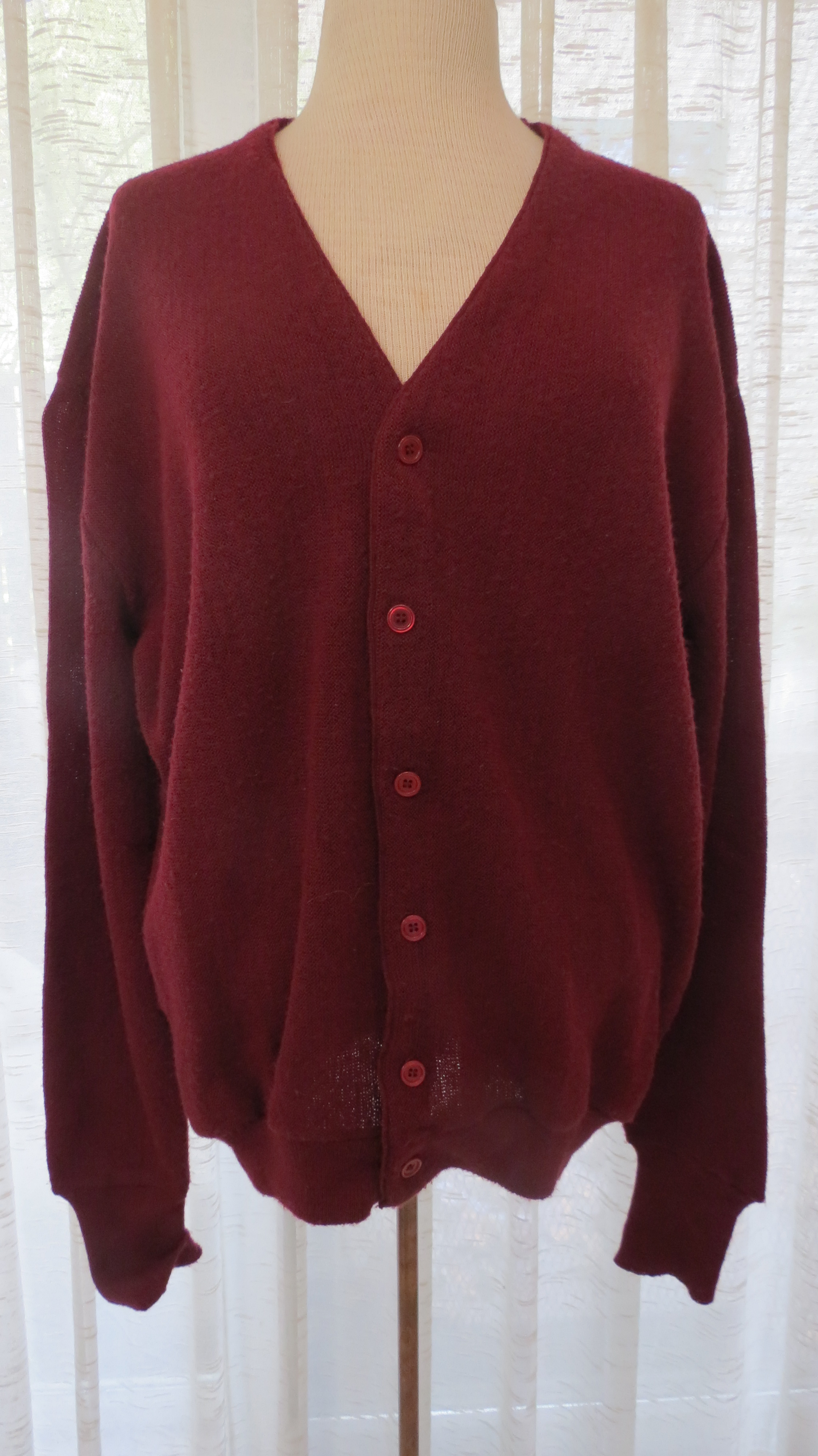
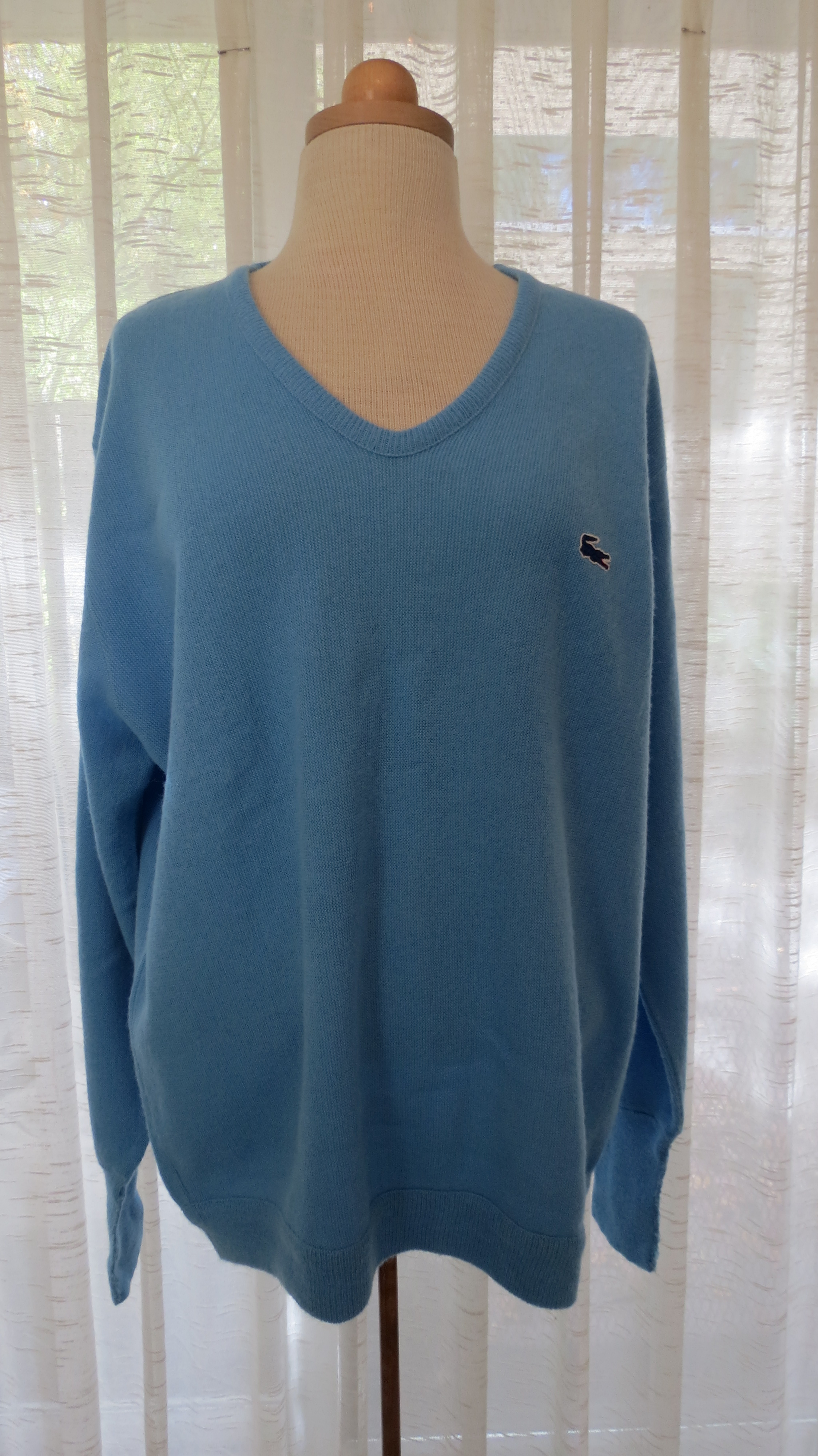
A FEW TRUE VINTAGE MEN’S SWEATERS, WOOL SHIRT AND 2 JACKETS FROM THE 1960’S AND 1970’S

Here are a few of the iconic everyday styles seen frequently in menswear from the early 1960’s until the mid 1970’s. The 1970’s styles, shown in the center panel, are still probably in production. Cardigans and pullovers have been popular for men at least since the 1940’s. The styles produced in the 1940’s and 1950’s were most interesting, with colorful knitted-in patterns and leather inserts.

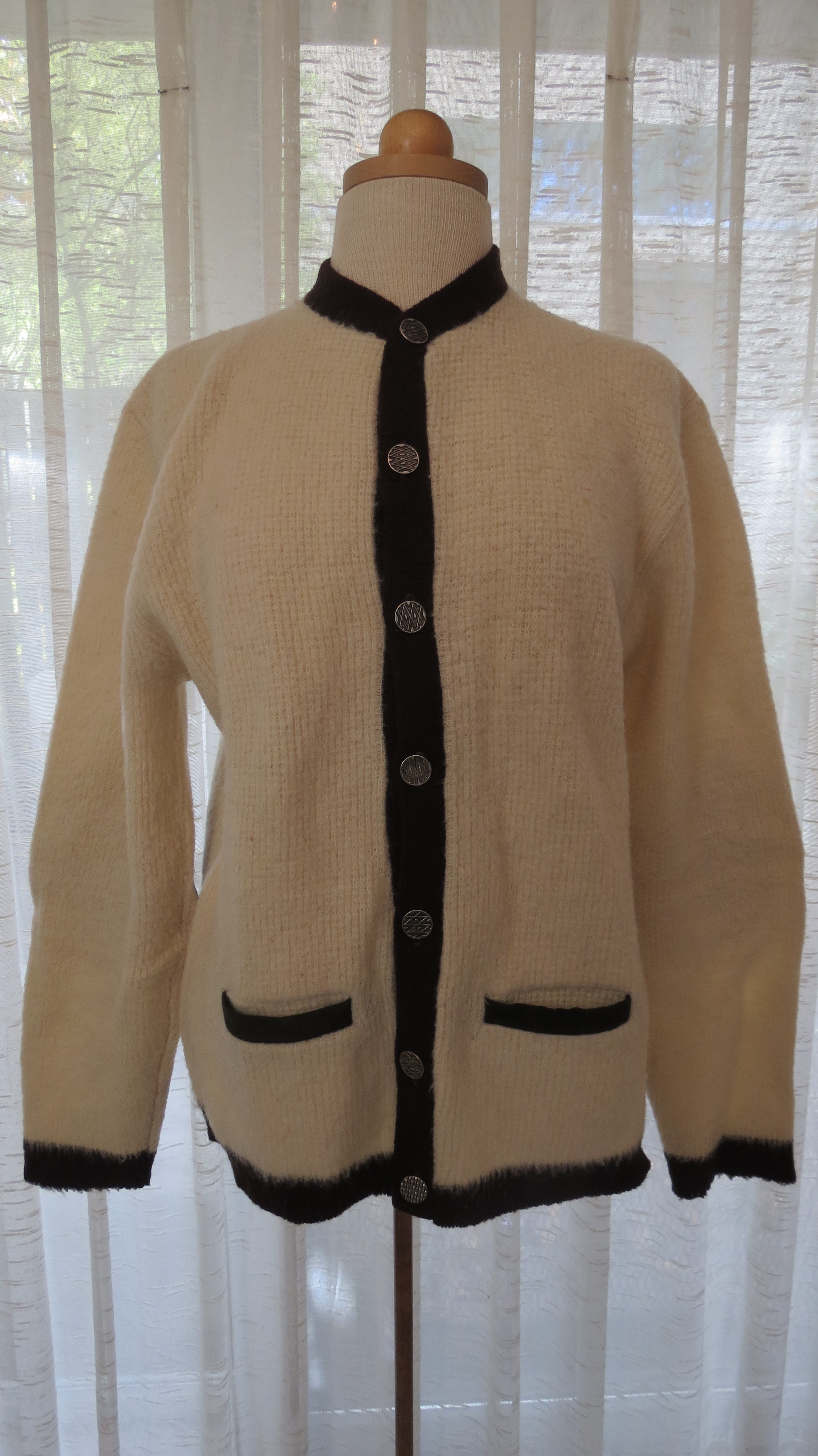
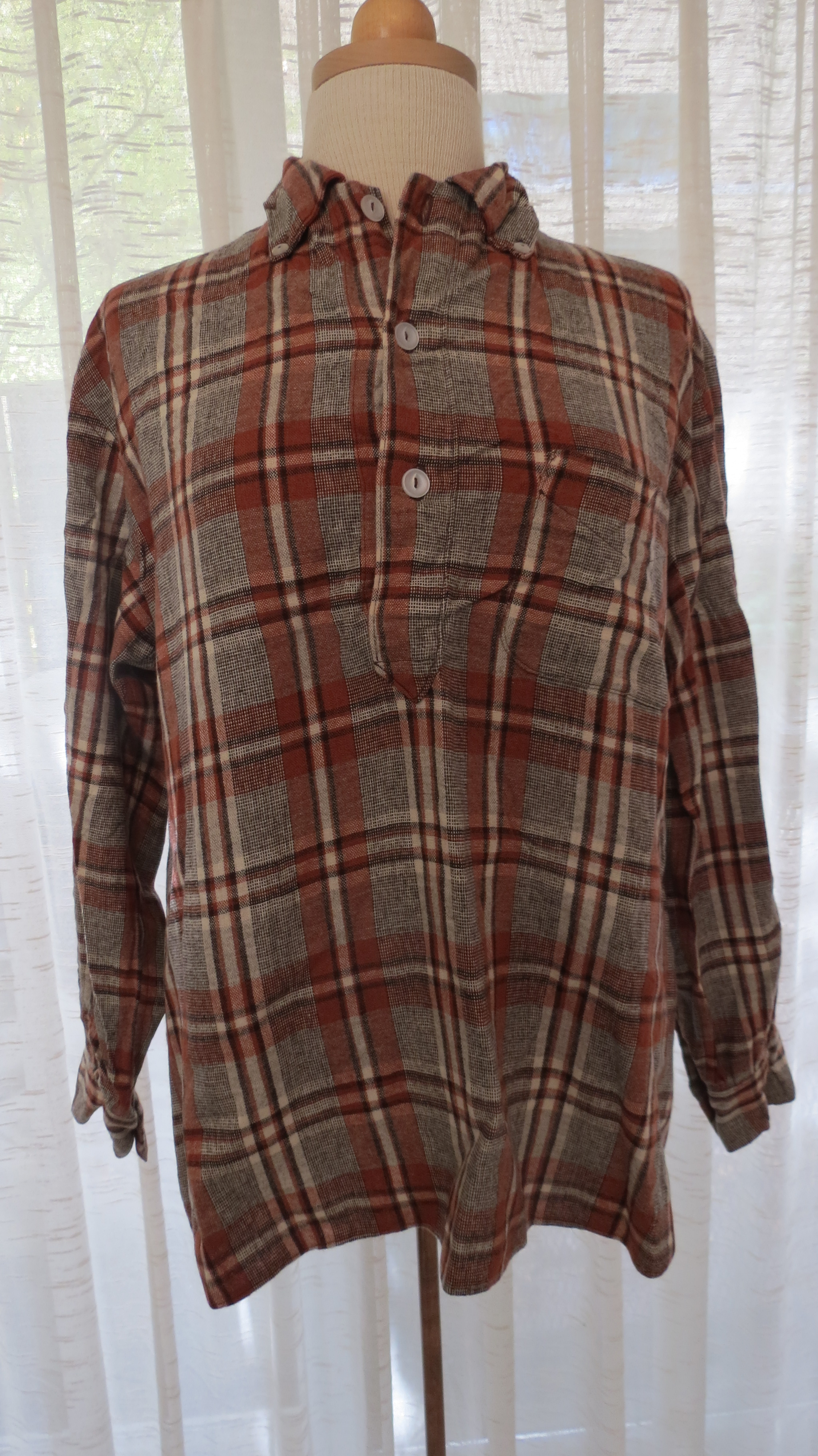
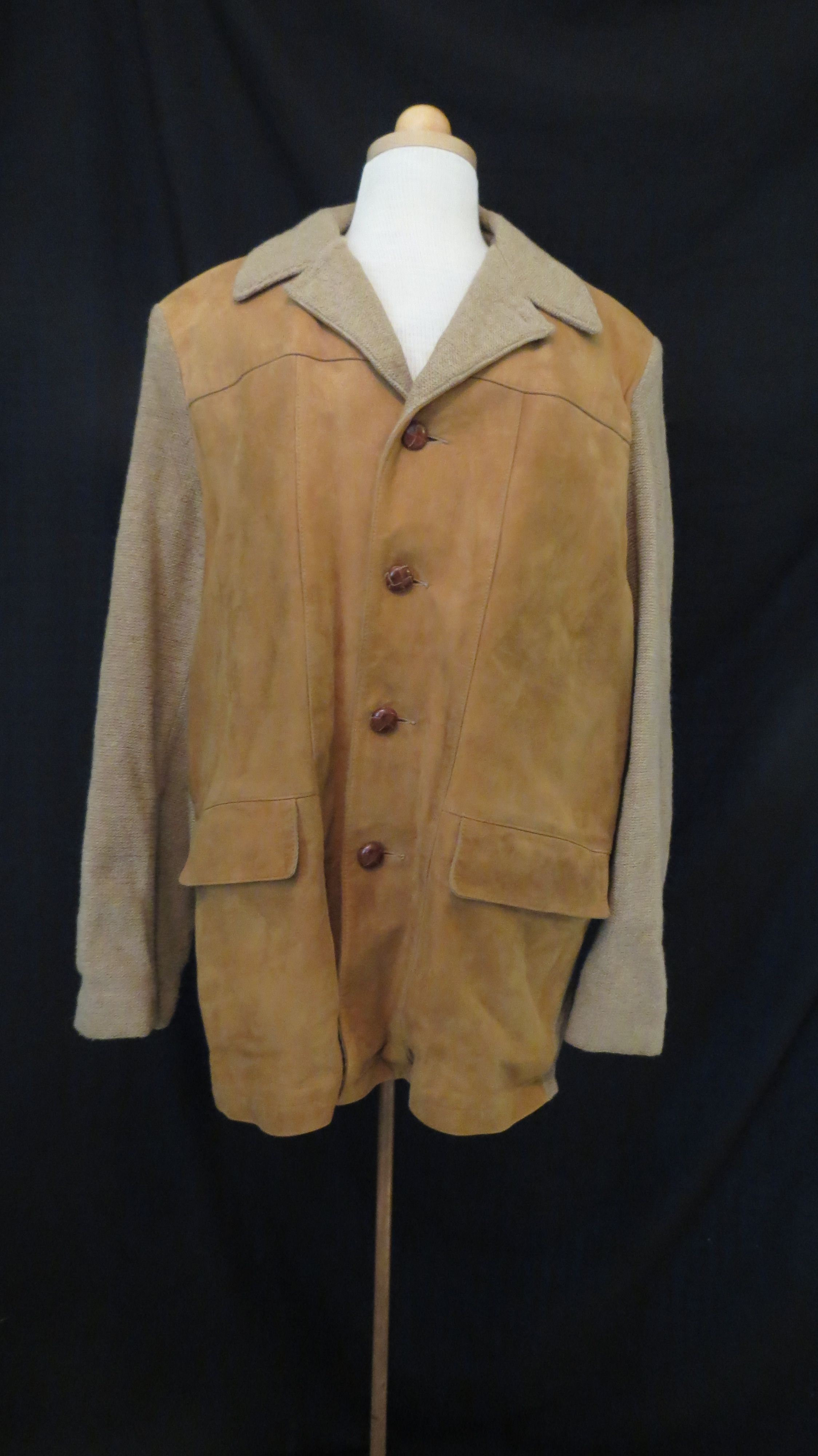
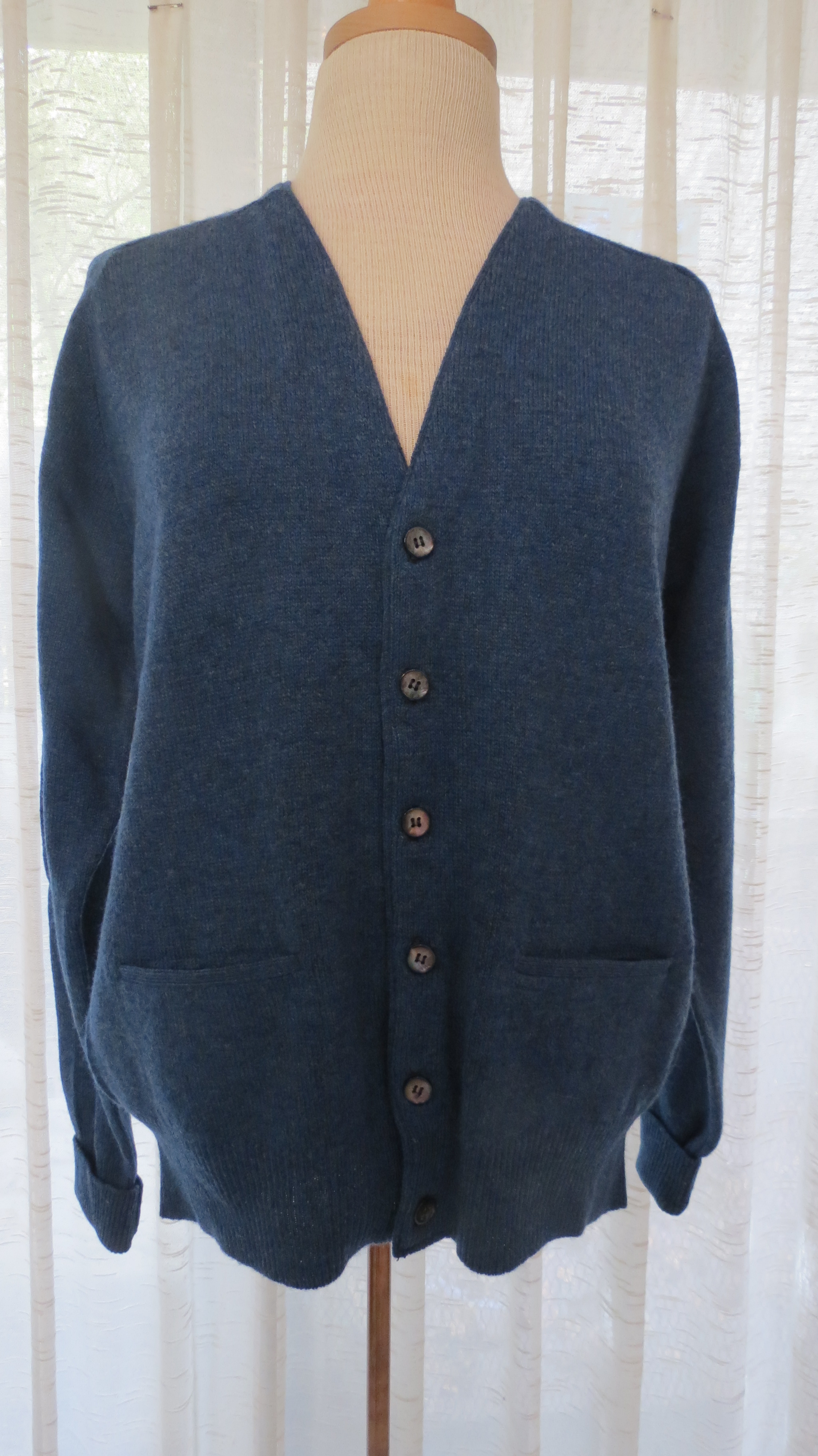
In the top panel, first shown is a woolen knit cardigan with embossed metallic buttons. It’s an imported European style. Second is a wool shirt, which has been a cold-weather casual staple for men for decades. The Henley neckline closure makes this one unique. After that, an iconic suede leather jacket with sweater-knit collar and sleeves. I have several of these in the archives, in different earth-tone colors. They are beautiful pieces which have, surprisingly, survived the decades in excellent condition. Next are 2 plain, standard cardigans which have been a part of almost every older man’s wardrobe (often with leather elbow patches) and younger mens’, too, especially when they have been designed as golf sweaters. The first, with patch pockets, is made of wool and is older – probably 1960’s. The second, in burgundy, is acrylic knit as is the light blue Izod V-neck. Standard 1970’s construction and fabric.

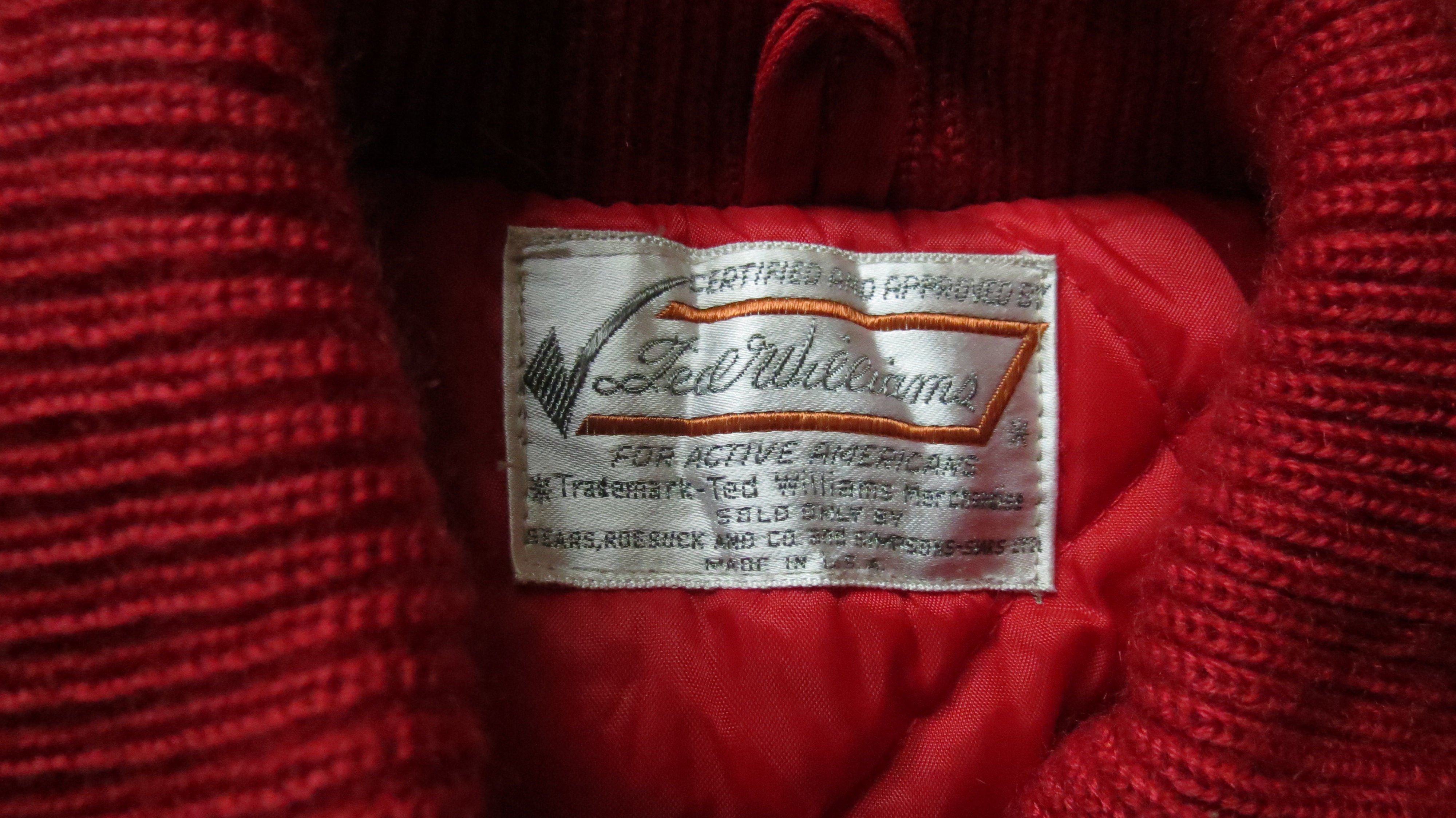
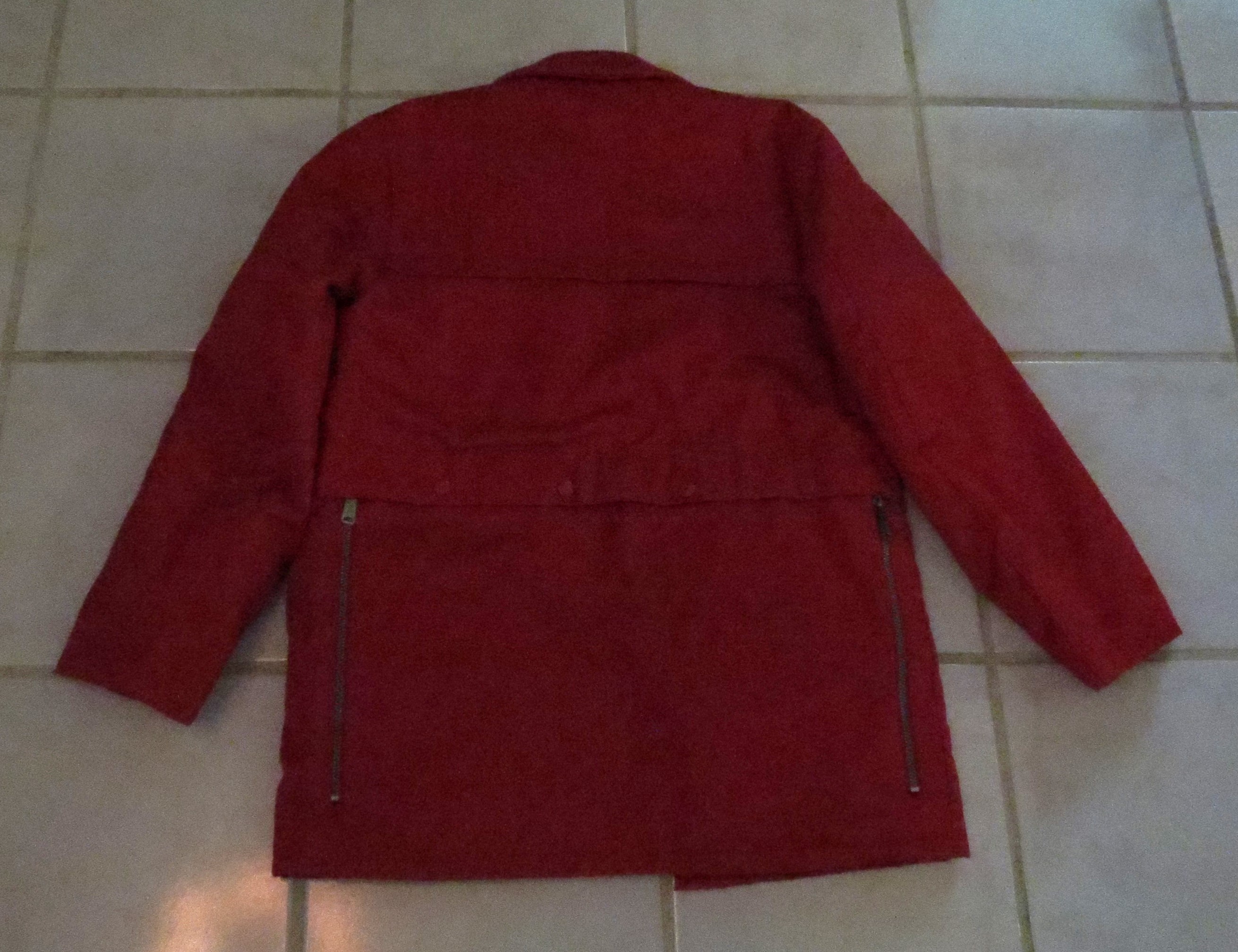
Finally, I picked this iconic Ted Williams hunting jacket to include in the post. Ted Williams was a famous baseball player and lent his name to this jacket sold by Sears & Roebuck in the early 1960’s. The label tells the marketing story and you can see the heavy knitted neckline. Cuffs are made of the same material. In front, the jacket zips and has standard-looking pockets. I have shown the back view because the rear “game pocket” is most visible. It extends across the lower back and opens with a zipper on both sides.

This find was an education for me, as I’d never heard of Ted Williams or seen this type of jacket before. What great clues in any investigation! Women’s styles tomorrow – stay tuned . . . . . . . . . . . . . . . . . . .

MORGANA MARTIN, THE MAGICVINTAGESPY

BLOG: MAGICVINTAGESPY.COM
FIRST SNOW OF THE SEASON! TIME FOR MY TRUE VINTAGE WOOL DRESSES

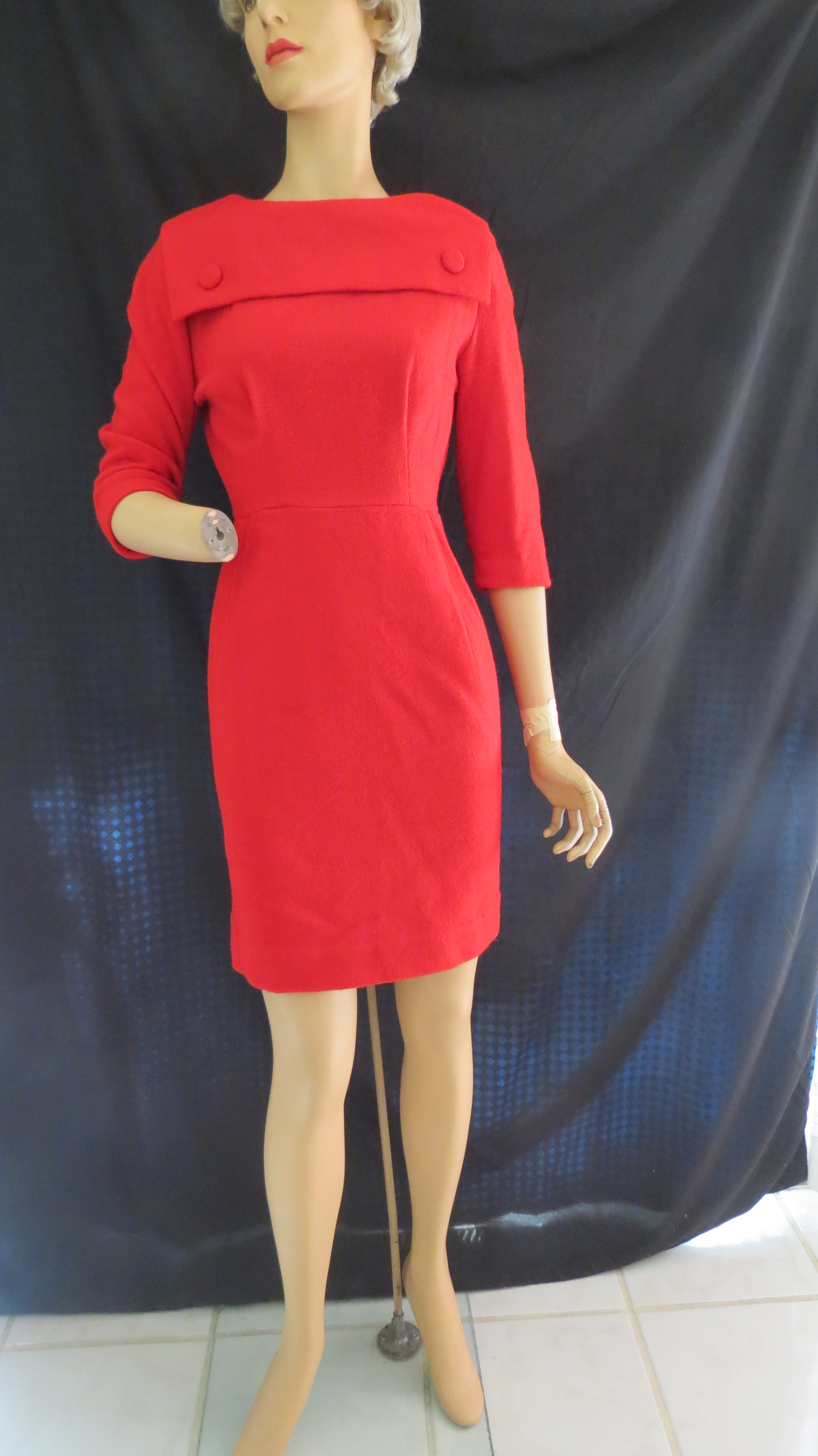
Another chance to love that red. Okay, I give in. I don’t pull out the wool clothing unless it’s necessary and can usually avoid the deep cold because of frequent relocations. But, a little unpacking reminds me how much I love these wiggle dresses from the late 1950’s – early 1960’s. For the jumper on the left (yes, this is what a sleeveless dress worn over a blouse or sweater is called in the United States) I was fortunate to find a turtleneck in the perfect color to coordinate with the tweedy fabric. I love the HUGE pearl buttons down the front – so much a sign of those times, as compared to the thin, easily broken pearl buttons which were popular in the ’90’s.

The wiggle fit is also characteristic of this era; maybe a little warmer, too. Of course, unless there’s a smooth lining, you’d also need a slip underneath which adds another layer of warmth. Attractive tailoring details are always a plus. Although vintage wool garments sometimes feel a little heavy and confining compared to what we’re used to today, the closest similarity I’ve ever come across are the better quality heavy polyester knit dresses and pantsuits of the early 1970’s. Both added warmth, good tailoring and wrinkle-resistance and are welcome when facing true winter weather. Easy storage that doesn’t require protection from moths is great, too, but in the final analysis nothing beats the quality, durability and elegance of well-made true vintage woolens. I thank our furry friends (and the shellfish which create pearl), and am grateful that we now are developing excellent humane and ethical alternatives.

More Xmas red and seasonal true vintage on the way. Stay tuned . . . . . . . . . . . . . . . . . .. . . . . . .

MORGANA MARTIN, THE MAGICVINTAGESPY

BLOG: MAGICVINTAGESPY.COM

Undercover Magic, Essential True Vintage Lingerie

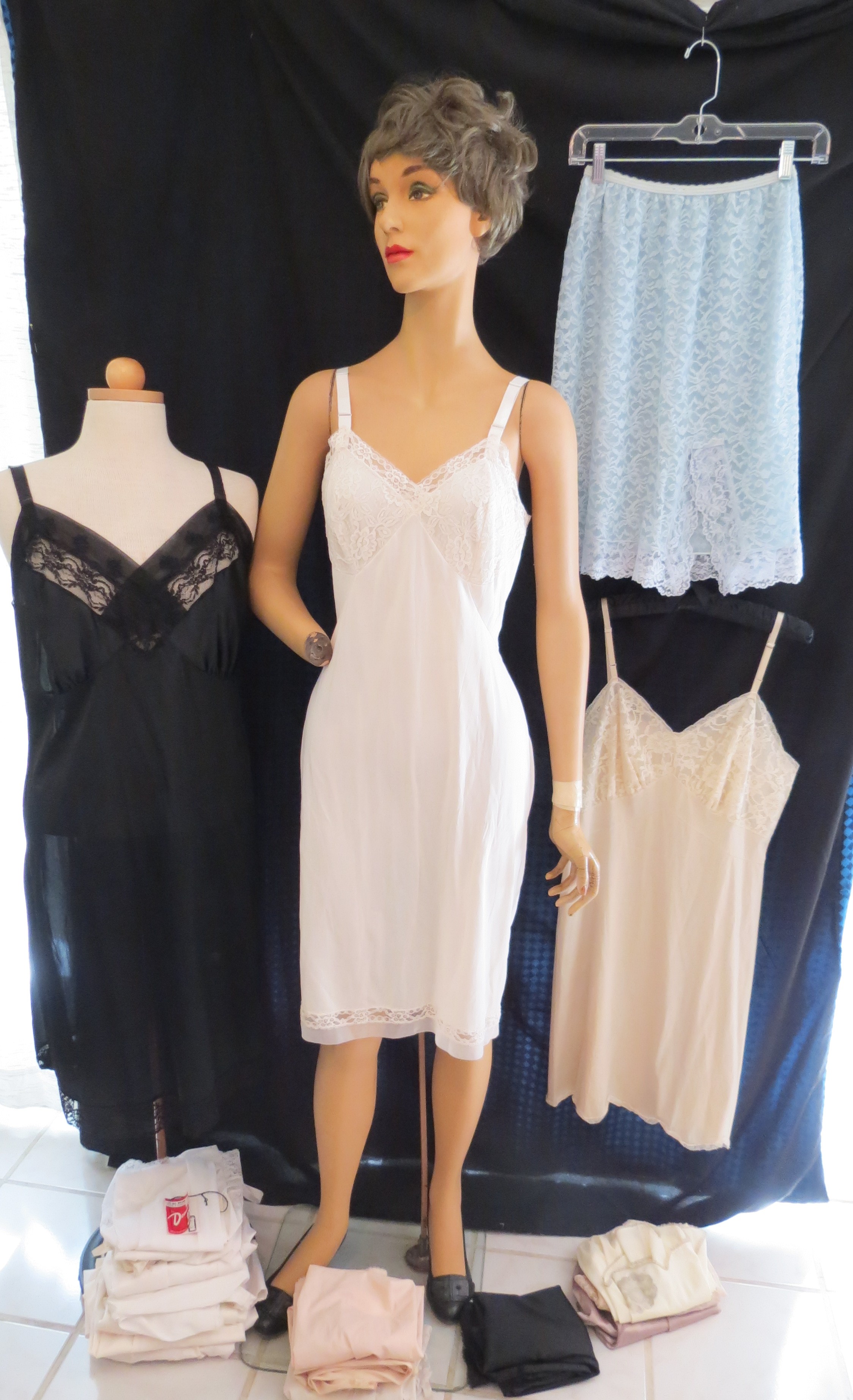
No matter what you’re wearing, lingerie pieces are key to making the outfit look right. Preventing lumps, bumps and see-through are only the simplest issues. The proper undergarment also ensures that the fabric lays correctly on your body and allows it to drape without clinging. Above are a very few examples of beautiful slips and only a tiny fraction of my complete collection.

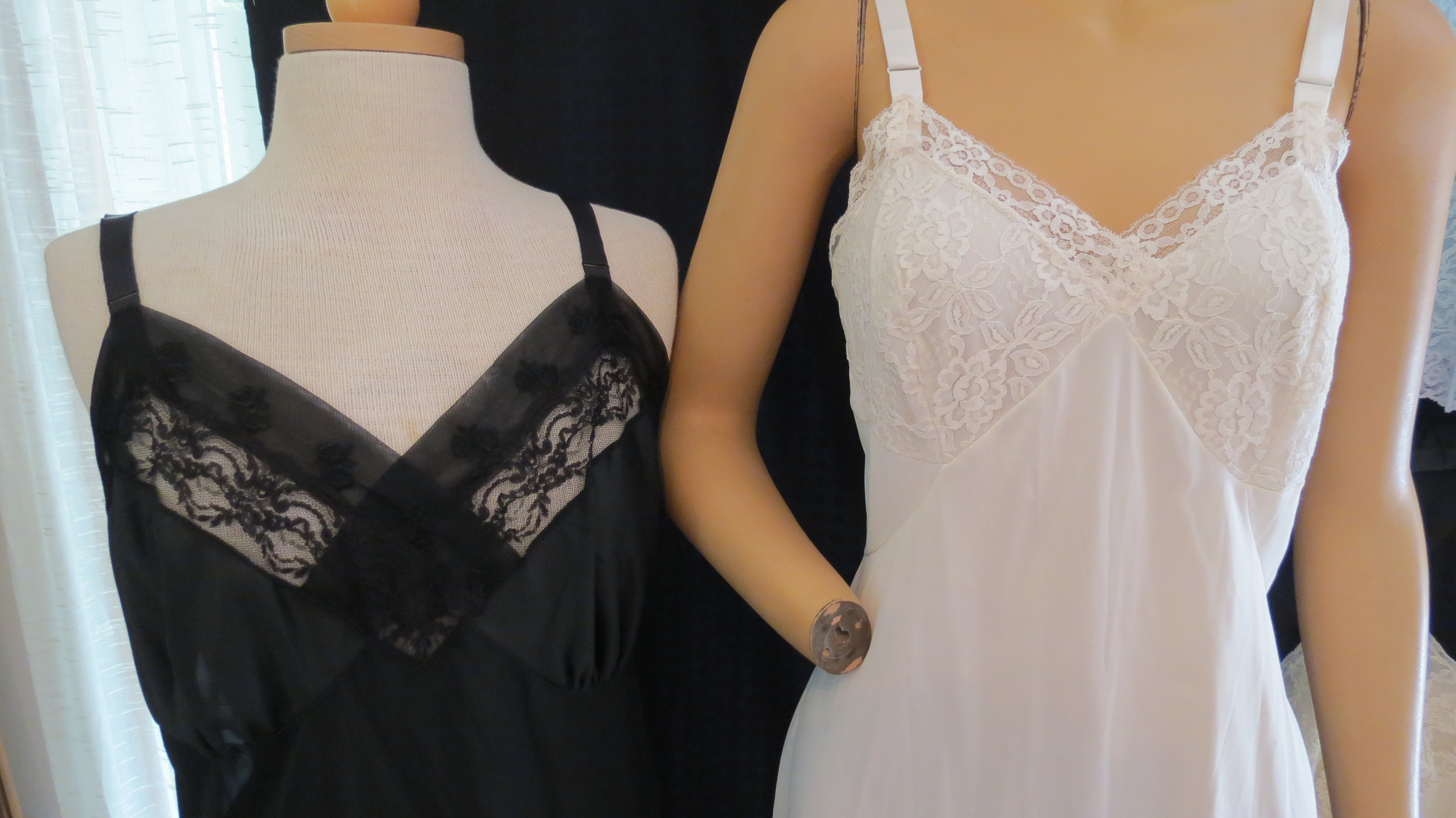
You can see here how lovely the details are. Typically, even the plainest design will have nice little details and excellent tailoring. More elaborate styles are full of lace, embroidery, ribbons, sheer panels, satin straps and, often, some work done by hand. Though most slips are done in neutral, pastel colors, some (especially from the 1950’s to early 1960’s) were made in fabulous vibrant colors. True vintage nylon has a feel like no modern fabric and is absolutely luxurious. So gorgeous they could often be worn as a lightweight dress or skirt on their own.

Look for vintage lingerie that suits your wardrobe. Notice the details. Slips, of course, are the basis if you wear dresses and skirts. Search for cotton slips as well as the more-common nylon ones. In the summer, you will appreciate the difference! It’s also important to match your undergarments to the clothing worn with it – if anything might show or peek out, whether by accident or on purpose, will the color be OK? How will your outer garment move over the fabric of the slip? How will the fabric of the slip react with your skin in hot weather? Lots of things to consider in order to get the best result.

Also, look for other undergarments – in the 1960’s some split slips were made to be worn under culottes and split skirts. “Slips” to be worn under slacks can even be found from the 1960’s and 1970’s. A 1950’s/1960’s girdle was ALWAYS a base foundation for most women at that time (thank goodness, not now!). If you’re wearing a wiggle dress, you may not have a choice in order to make it look right. Silk tap pants from the Twenties are so comfy and perfect under a lightweight dress in the summer. A camisole under a blouse or top can improve the fit, add some warmth on a cold day and sometimes provide a little neckline interest depending on the style. A “bullet bra” is perfect if you want to be a “sweater girl”. Garter belts and girdles are necessary for wearing stockings. A crinoline is important for most mid-century dress styles with circle skirts, especially from the late 1940’s through the early 1960’s. Some dresses have their own, but others require you to add one.

I’ve probably forgotten to mention something but you get the drift. Lingerie is SO important that I probably should always start any series of posts with it. . . . . . . . . . . . . . . . . . .

MORGANA MARTIN, THE MAGICVINTAGESPY

BLOG: MAGICVINTAGESPY.COM
AN ELEGANT TRUE VINTAGE EVENING CARDIGAN SWEATER FROM THE 1950’S – EARLY 1960’S, MADE IN HONG KONG

AN ELEGANT TRUE VINTAGE EVENING CARDIGAN SWEATER FROM THE 1950'S - EARLY 1960'S, MADE IN HONG KONG

Here’s a beautiful decorated sweater meant, mostly, for evening wear.  It is fully lined in silk with black beads and spangles decorating front and back.  Many mid-century women had one of these – it was a classic standard.

Made in Hong Kong, the quality is a cut above many garments made elsewhere. This seems to have been the case for many decades.  It’s another one of those iconic garments that is a must-have for any vintage wardrobe and, maybe, more than one since the colors and decorative patterns were varied and unique.

Though high-quality tailoring was particularly true for vintage garments made several decades ago, I still take special note when I find modern clothing that has been made in Hong Kong.  The materials and tailoring are still almost always excellent in garments made there..

There is no wrap more elegant, excepting perhaps a wonderful vintage fur, than a beautifully-made hand-decorated fine wool cardigan thrown over your shoulders. It can be worn in many ways and will never let you down.

MORGANA MARTIN, THE MAGICVINTAGESPY

BLOG:  MAGICVINTAGESPY.COM
NEW FIND FOR THE GUYS – 1950’S LAKELAND WISCONSIN SWEATER & SUEDE JACKET!

IMG_3460

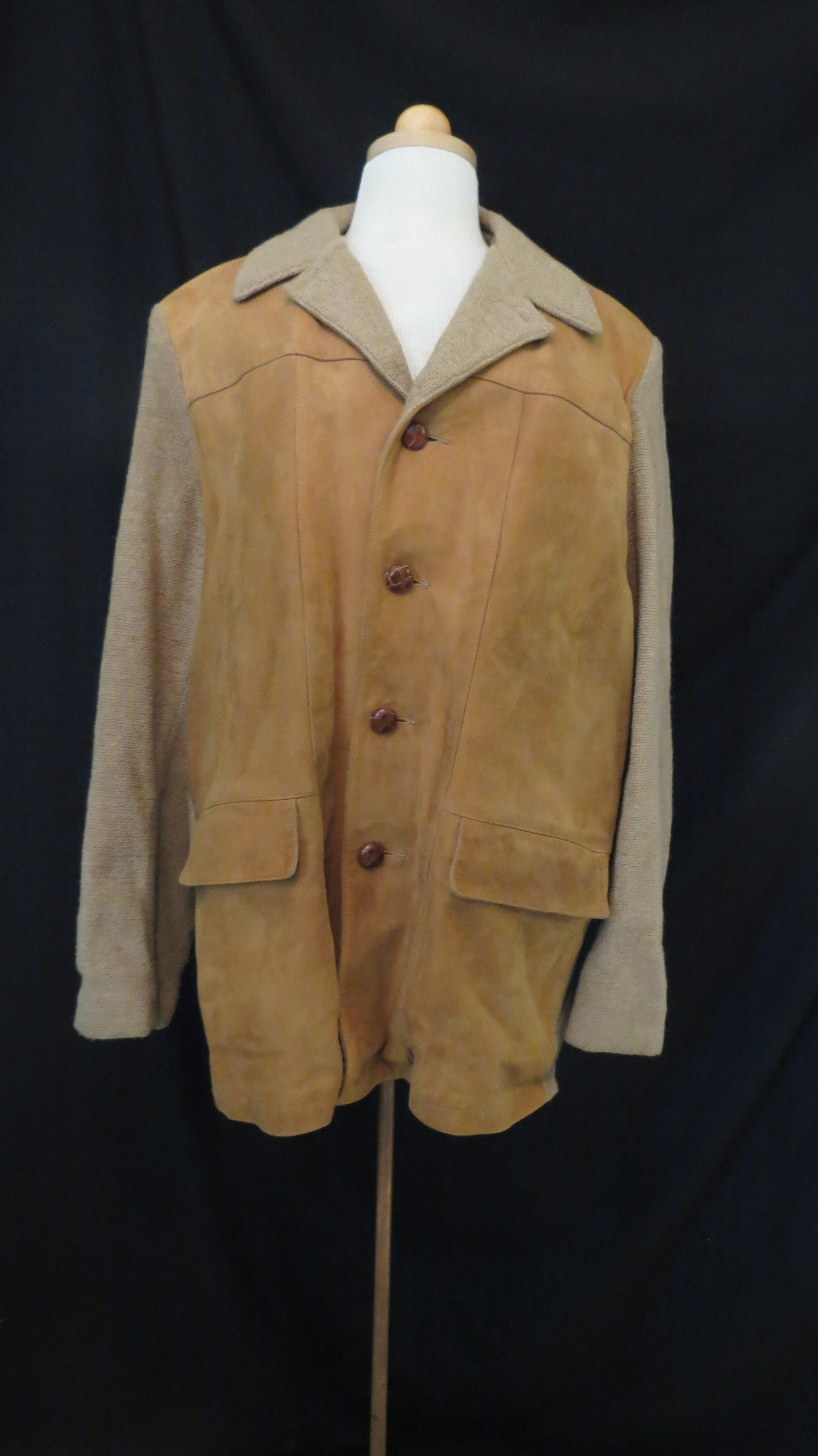
I’m over-the-moon with this one!!  Last year I found a wonderful sweater made like this, with soft, fine suede – but this one is a full jacket WITH A ZIP-OUT PILE LINING! – and braided leather buttons.  Just LOVE the quality and style of jackets made between 1940 and 1960.  What a fabulous mid-century vibe.

It was another magic moment for the Magicvintagespy because this coat is in virtually perfect condition.  Just like stepping into a Happy Days episode or going Back to the Future. What fun!  More to come . . . . . . . stay tuned . . . . . . . . . . . . . . . . . . . .

MORGANA MARTIN, THE MAGICVINTAGESPY

BLOG:  MAGICVINTAGESPY.COM