TRUE VINTAGE PATIO LEISURE LONG DRESSES FROM THE 1970’S – 1990’S

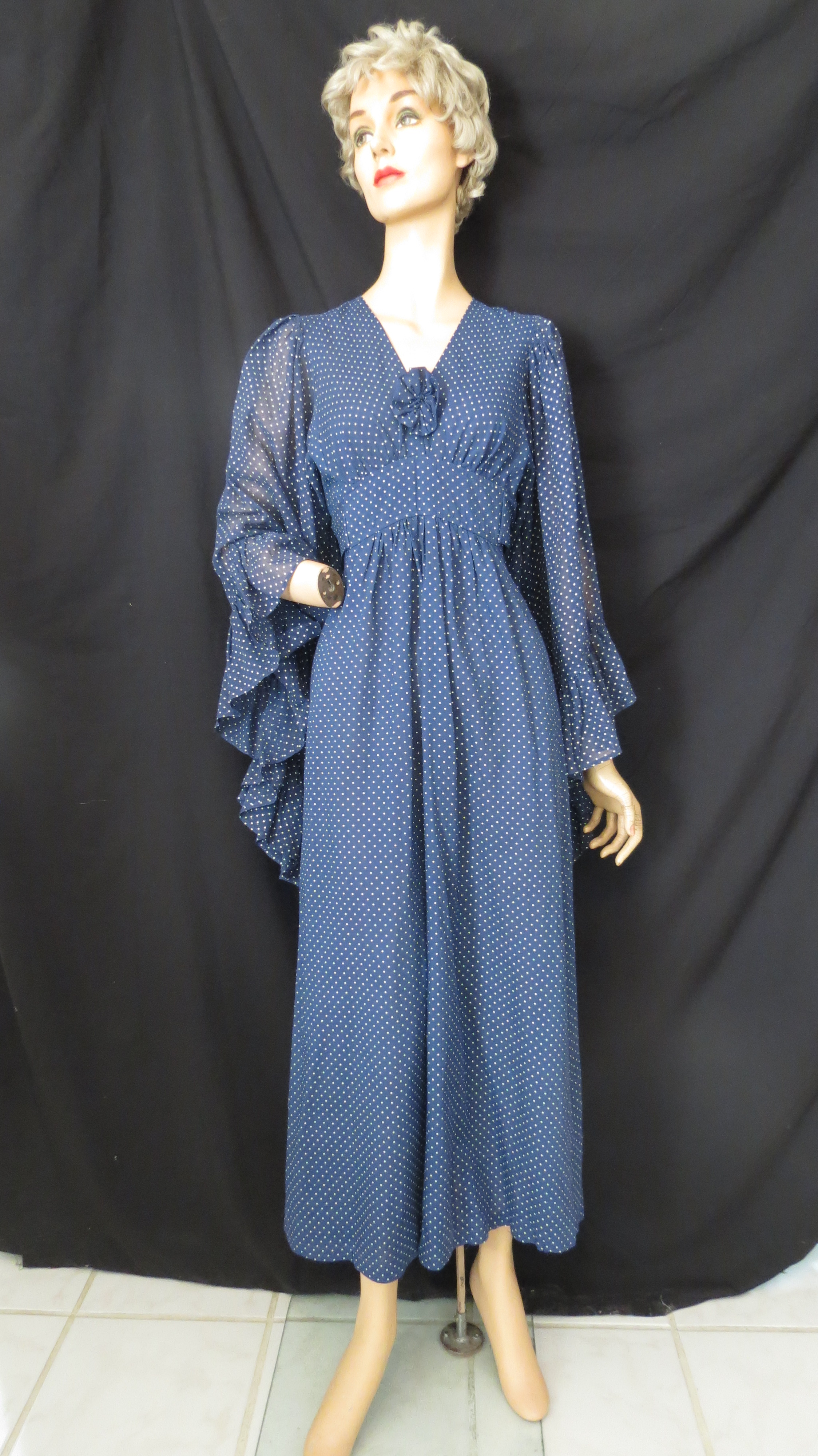
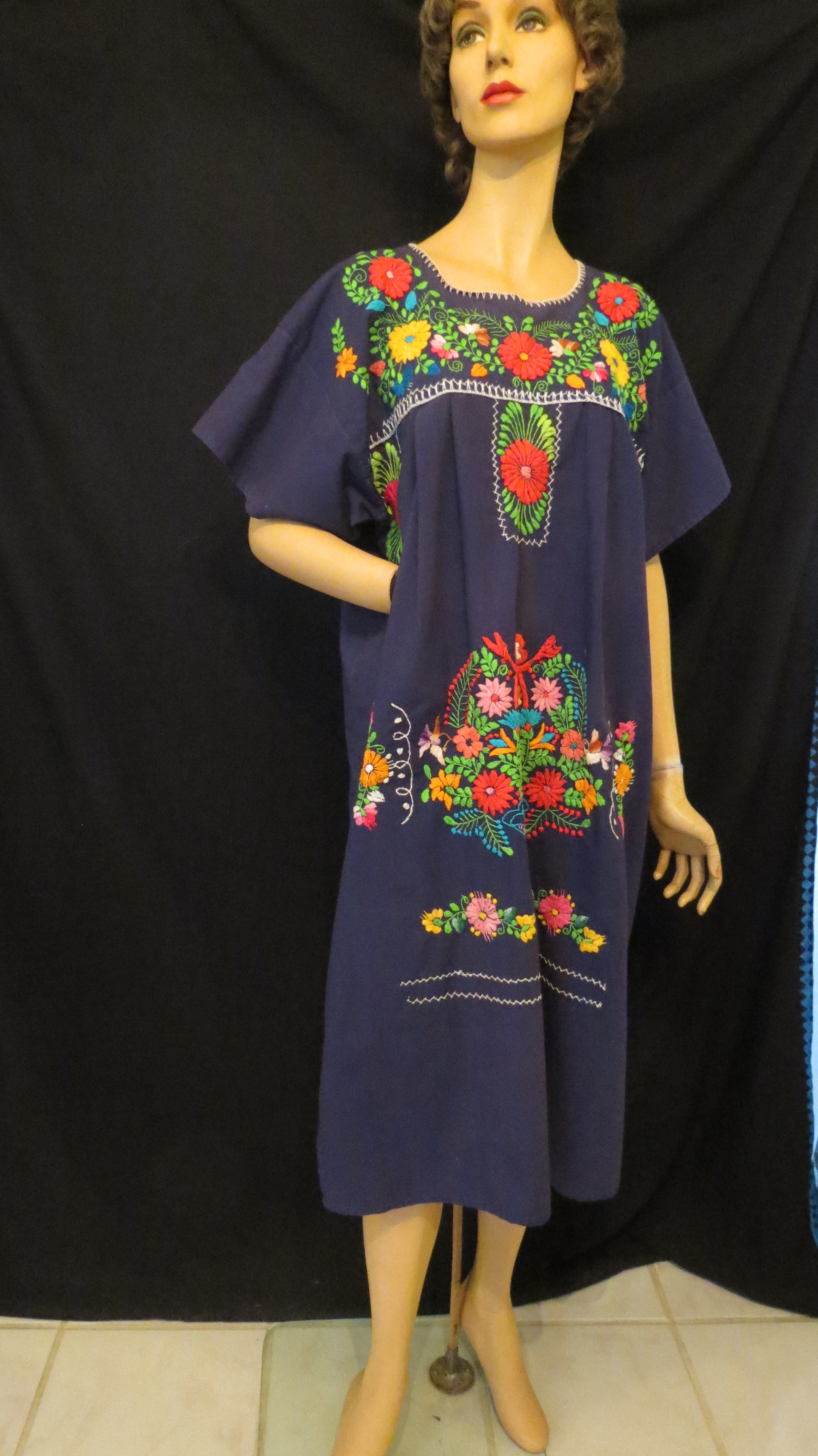
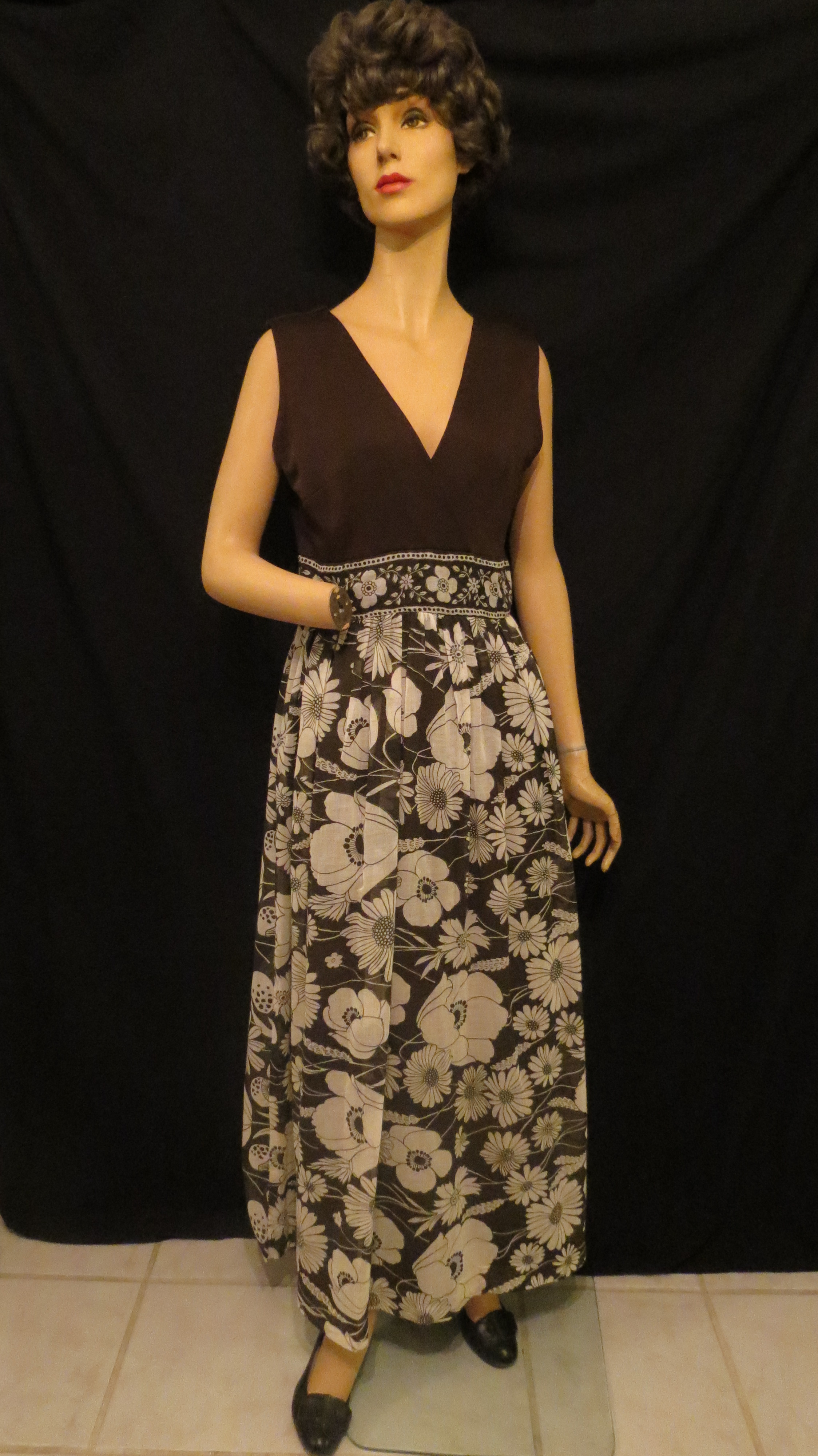
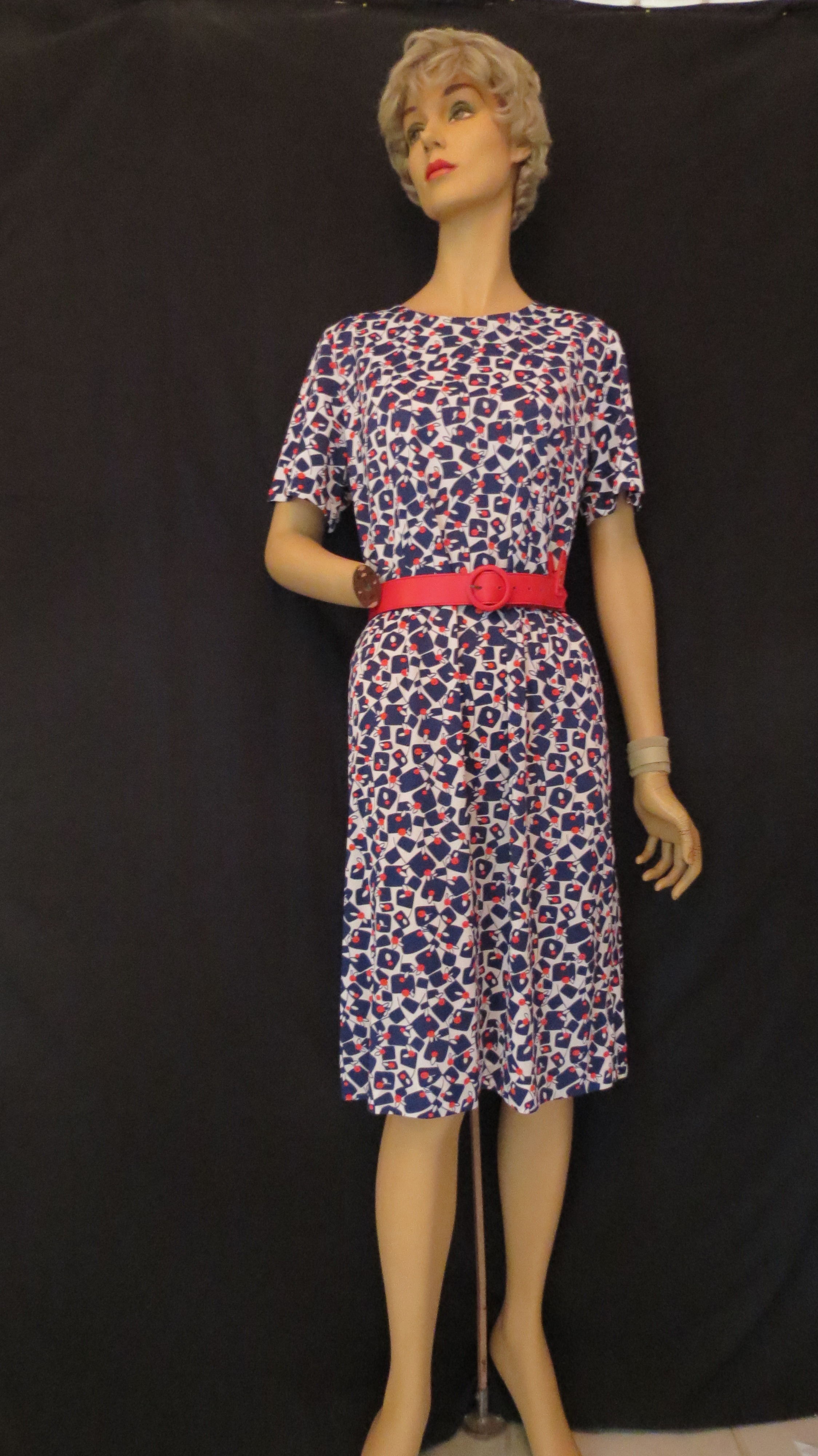
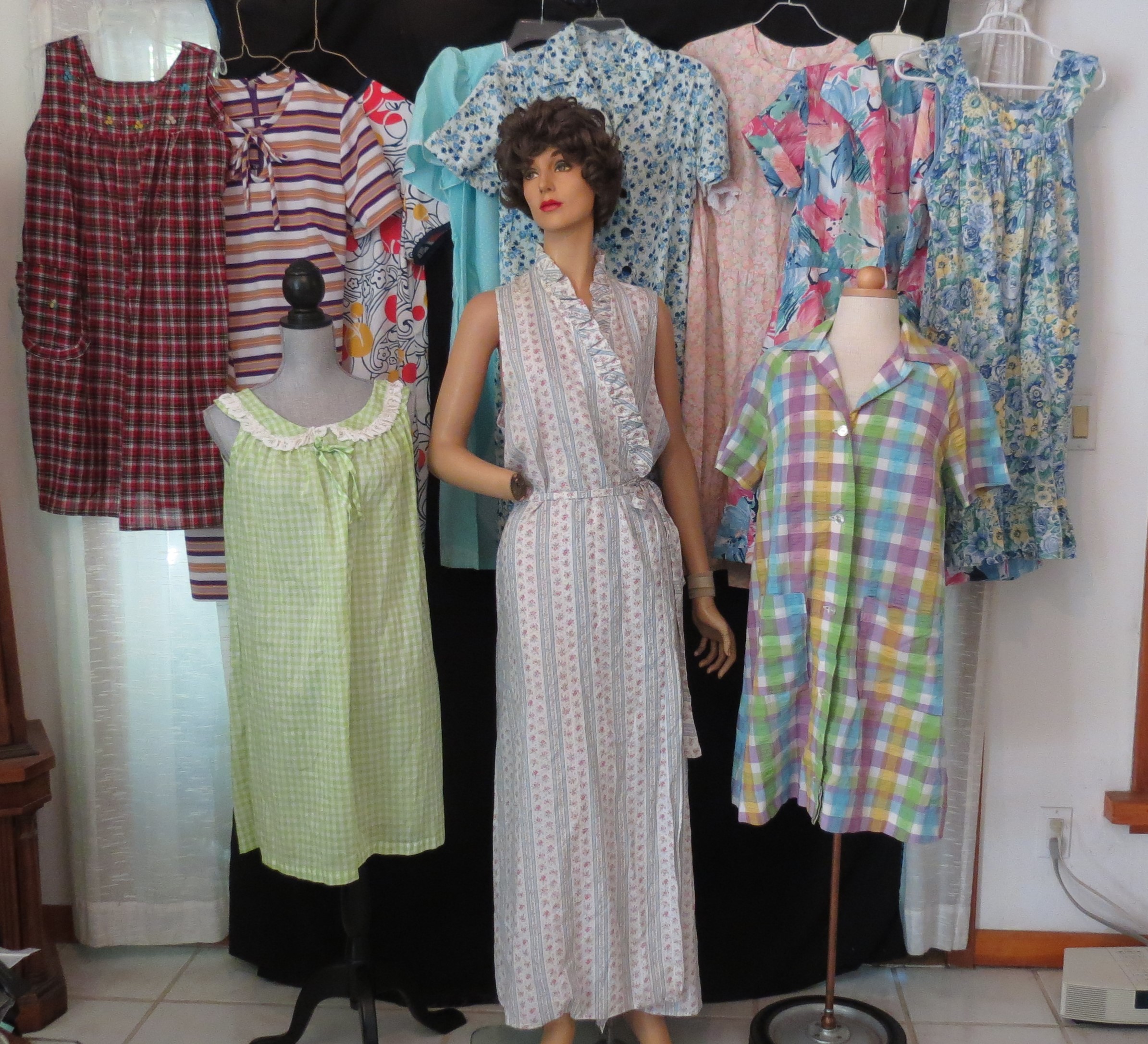
Through the decades the changes in style are often subtle, but they’re noticeable if your sleuthing trade skills are sharp. One thing that all these dresses have in common is excellent quality. I showed several dresses of this genre which were made in the Victorian/Prairie style when covering 1970’s Prom dresses a couple of months ago. Early in that decade, girls sometimes wore them to the Prom but they were usually fussier with lace and more details. Jessica McClintock of Gunne Sax styled them for at least 20 – 30 years. Labels always help, of course, but aren’t always present. The condition of all these examples is near-perfect, which can make the job a easier, though tell-tale signs of wear can sometimes be very helpful clues. Let’s start from left to right:

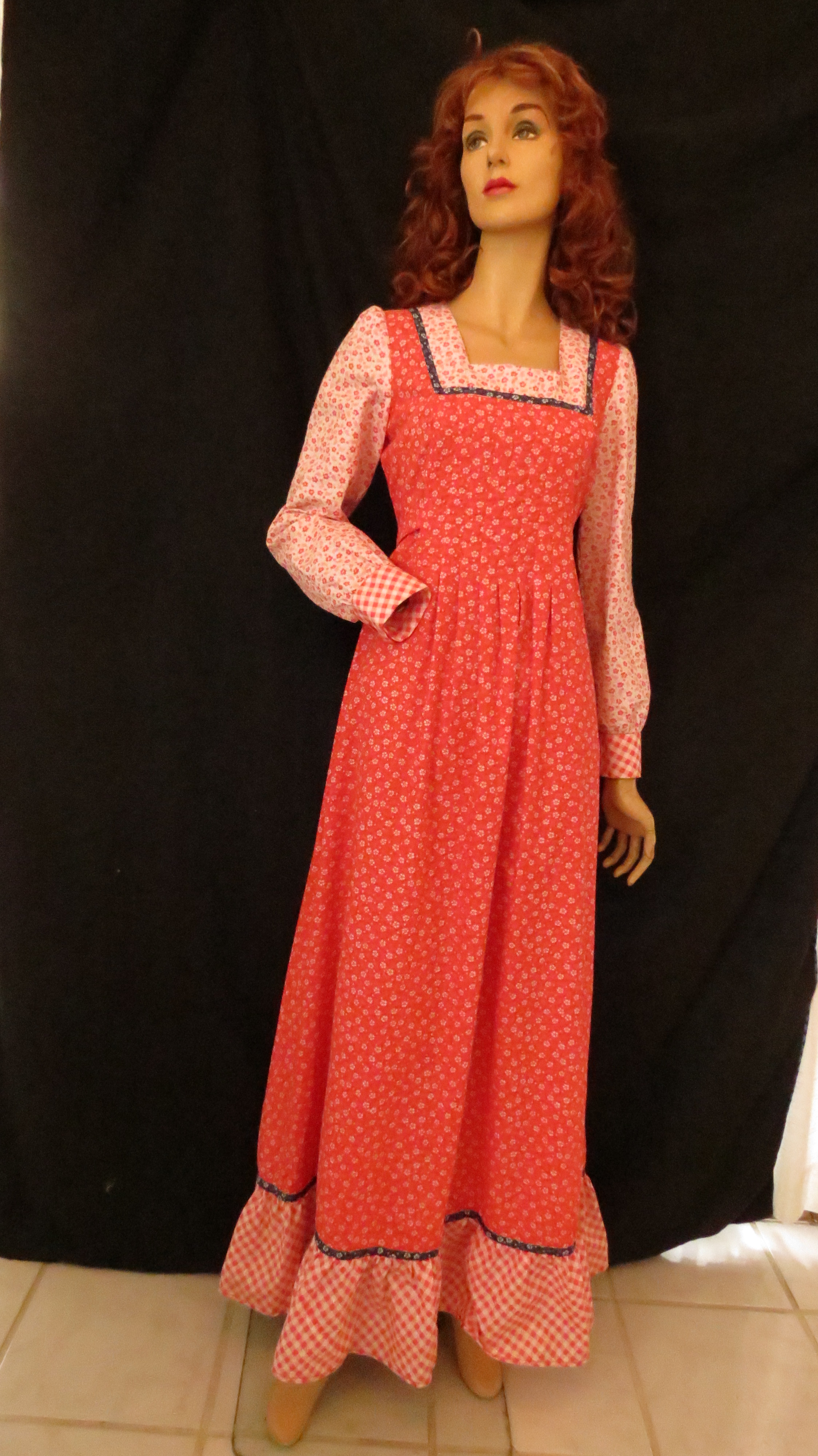
A Prairie-style gown, pretty and modest in cotton. Looks like it was made for retail because of the precise tailoring detail, but there is no label. I would put it in the 1970’s but it could possibly have been made later by an individual expert or a company that catered to a niche market which preferred very modest styles of dress.

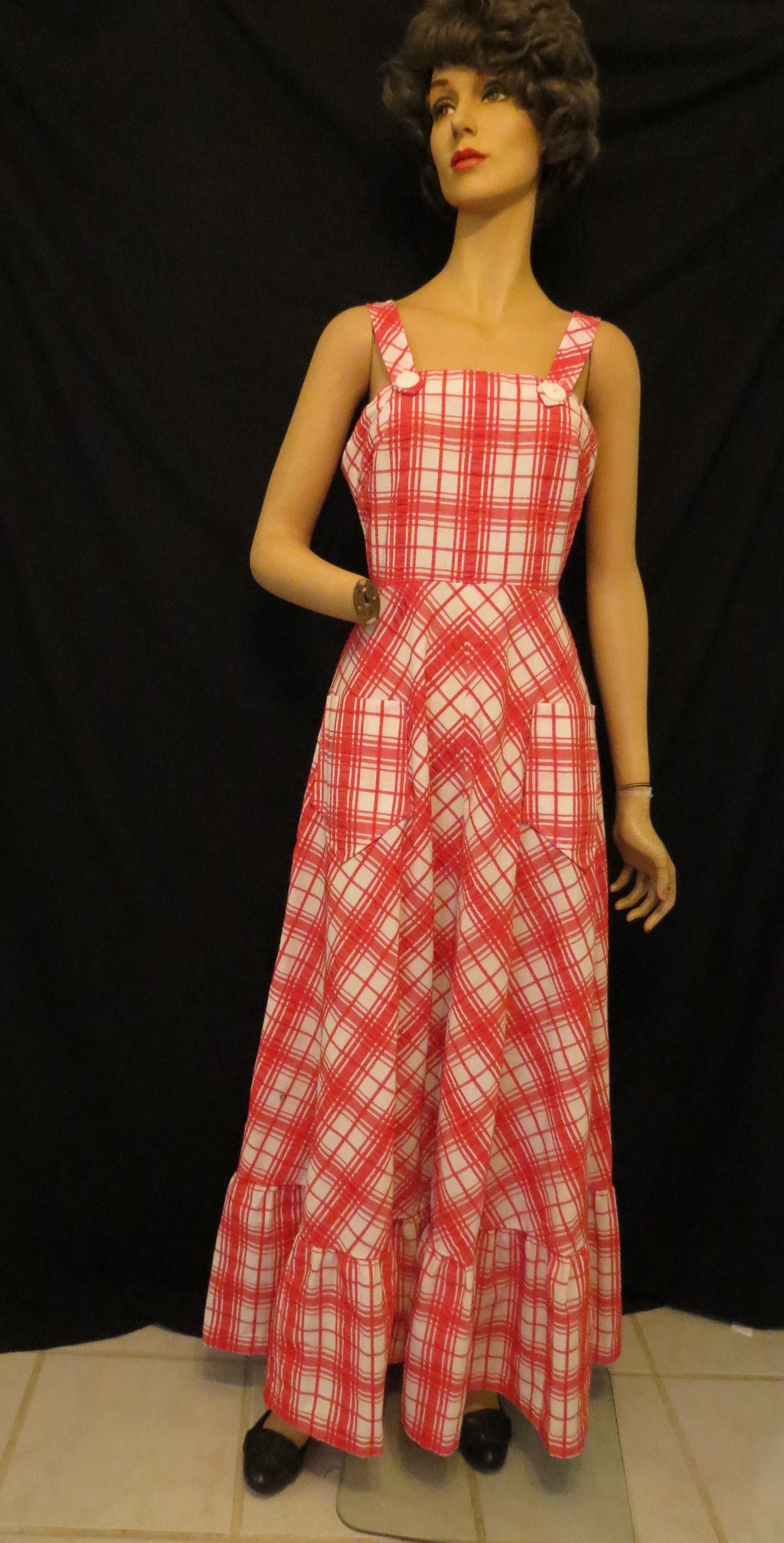
A red and white plaid gown that picks up on the Prairie style, but in a much more casual, carefree design reminiscent of the 1960’s. It’s probably made from cotton but I can’t be sure without the file in front of me and it could be cotton/poly blend. It was made in the 1980’s in West Germany. This is an example of trends jumping the oceans, usually years after they originally appeared in the Western nations. Although they’ve done their own take on the style, it’s exceptionally well-made, as goods from West Germany have always tended to be, in my experience.

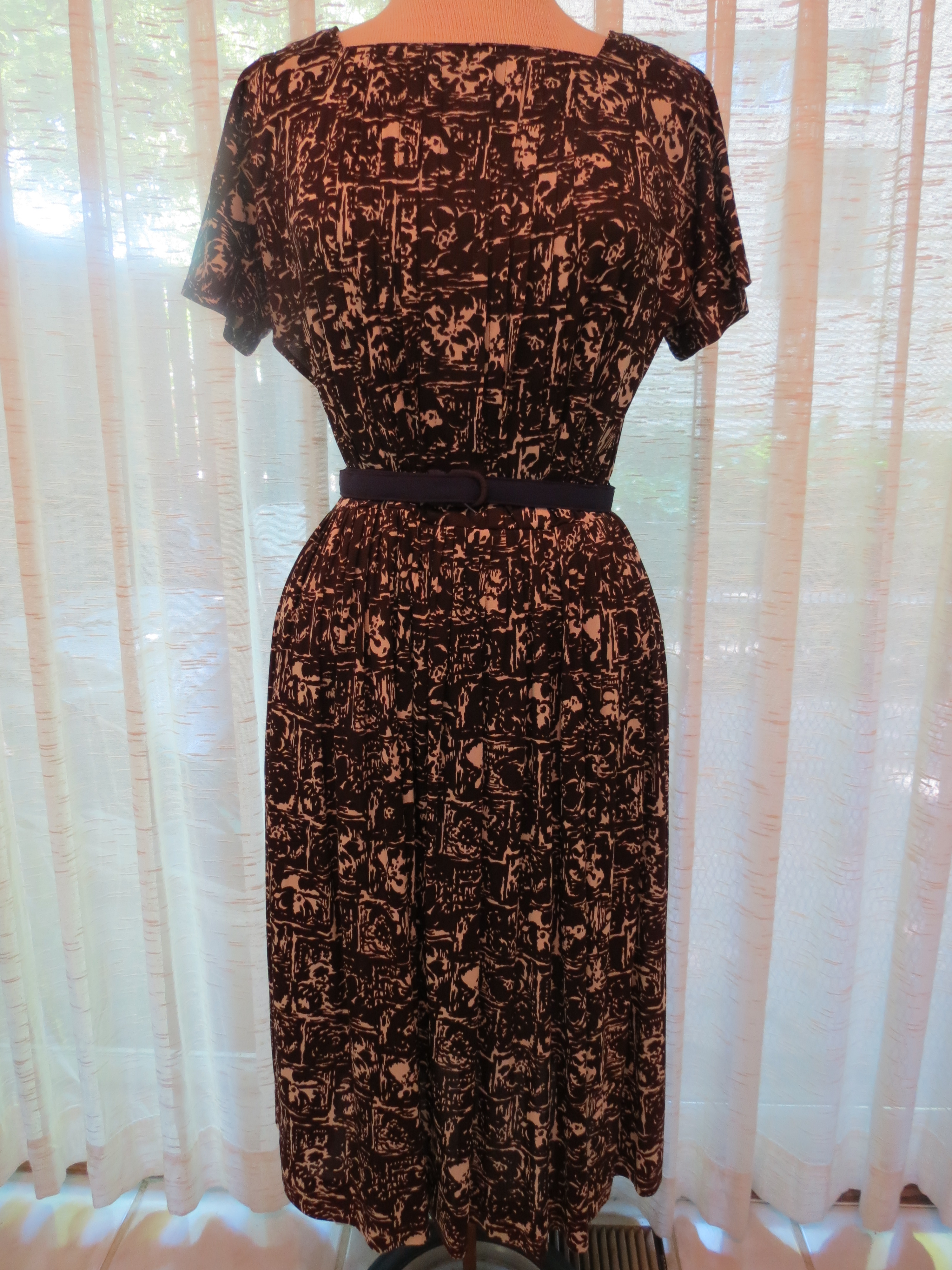
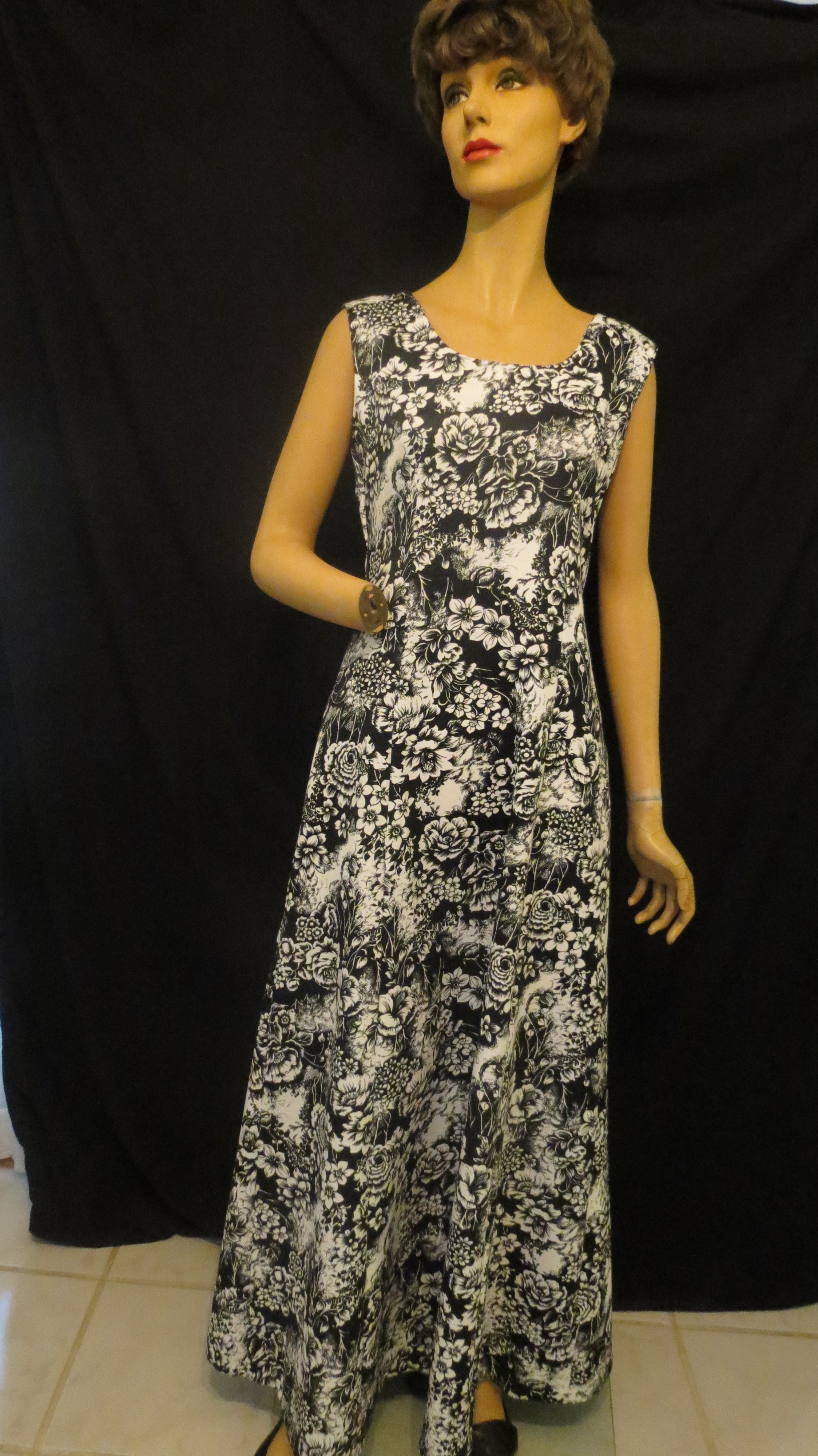
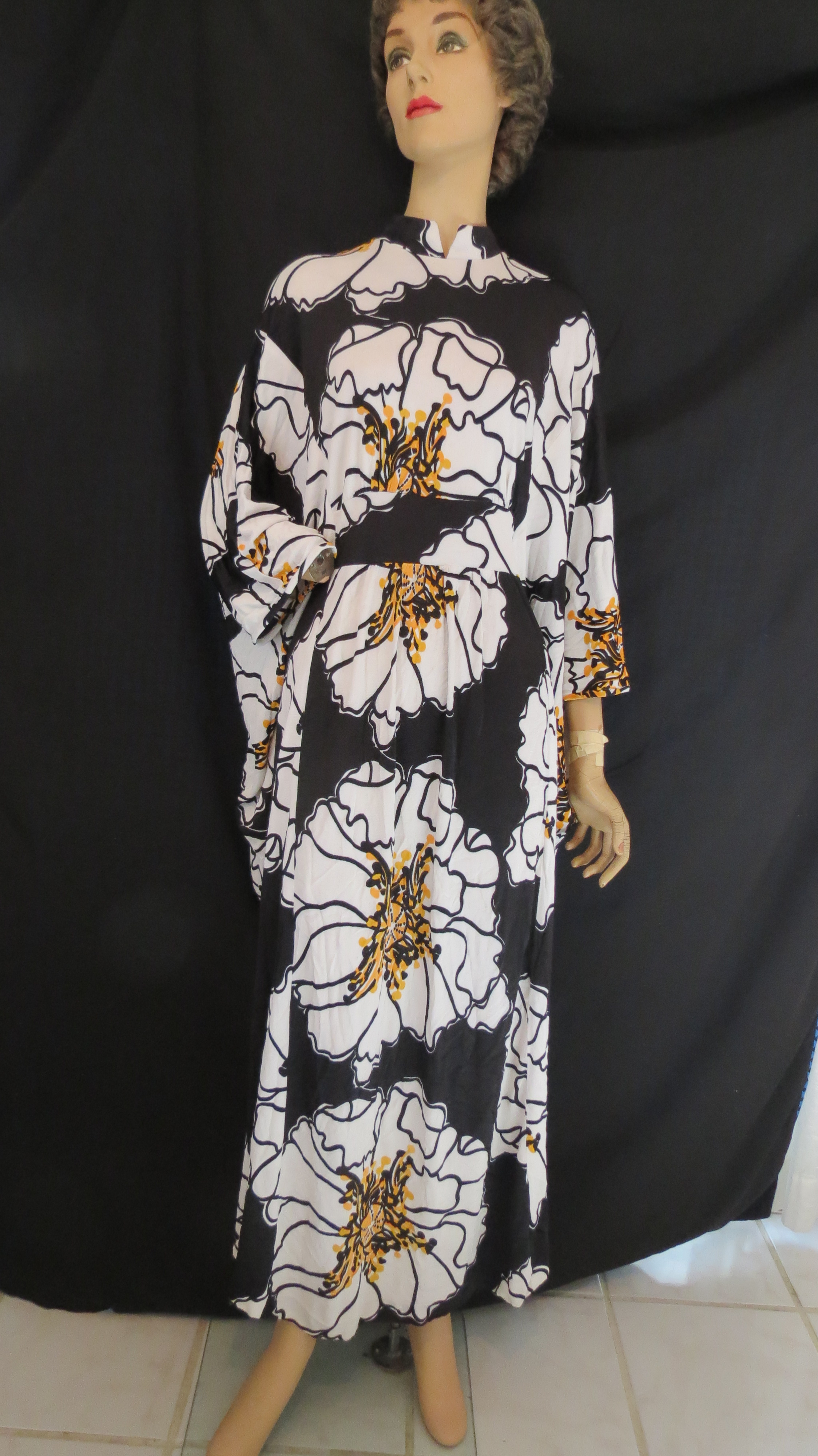
A black and white floral print gown made in Hawaii. This one is from the 1980’s, give or take a decade and is the most elegant. Same deal about the fabric as in the previous dress. The style is pure average conservative, which makes it harder to date exactly. A pretty dress, but nothing distinctive about it excepting for excellent tailoring. It might have been a wardrobe item of someone who lived in Hawaii, purchased at a specialty shop stateside which carried Hawaiian garments or by someone who bought it while on vacation. Hawaiian-made gowns have been popular with women worldwide since the 1950’s, but earlier ones were usually made in more traditional Hawaiian style and, often, of Hawaiian fabric with traditional island prints. The more mainstream universal designs like this one came later.

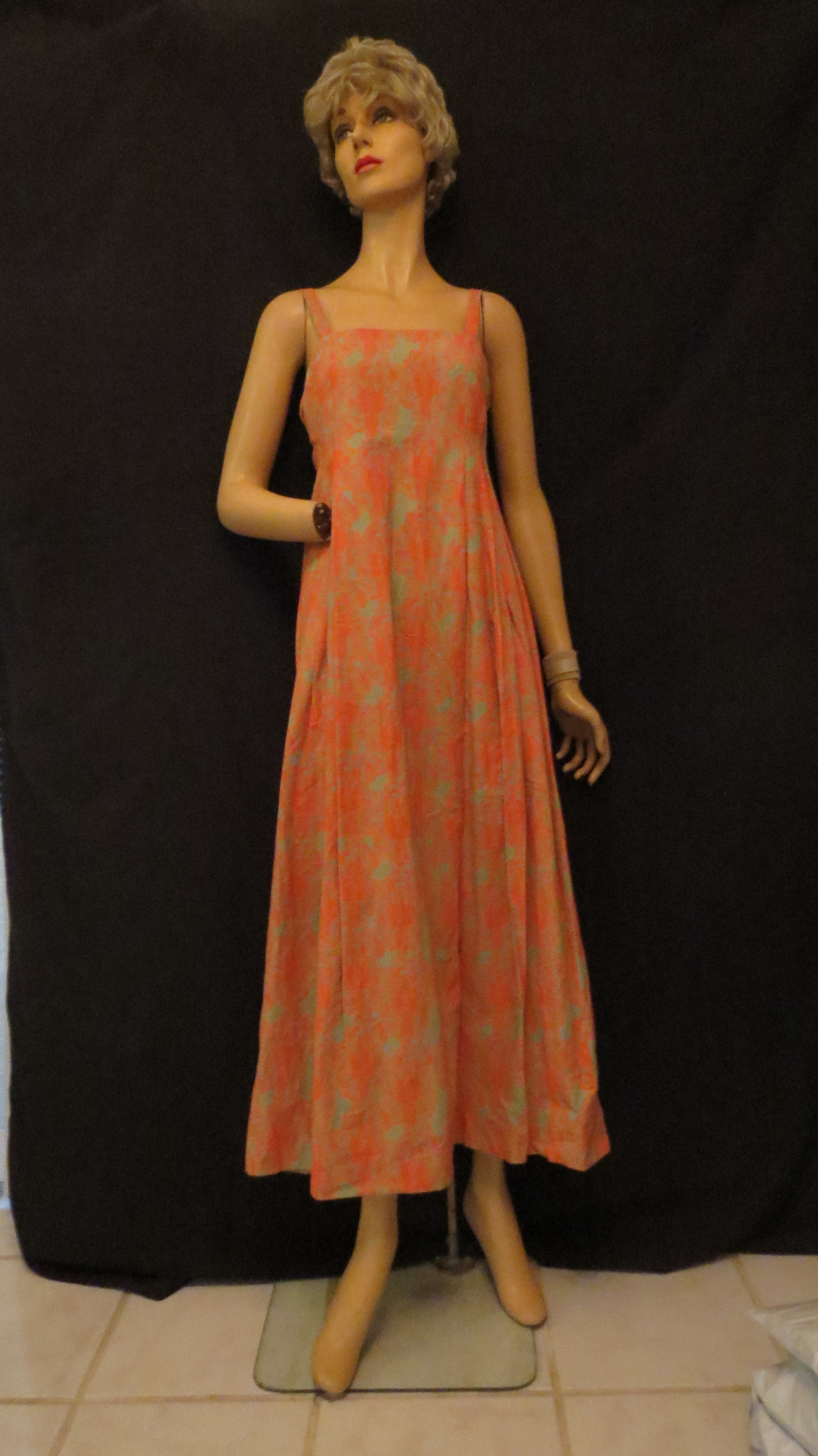
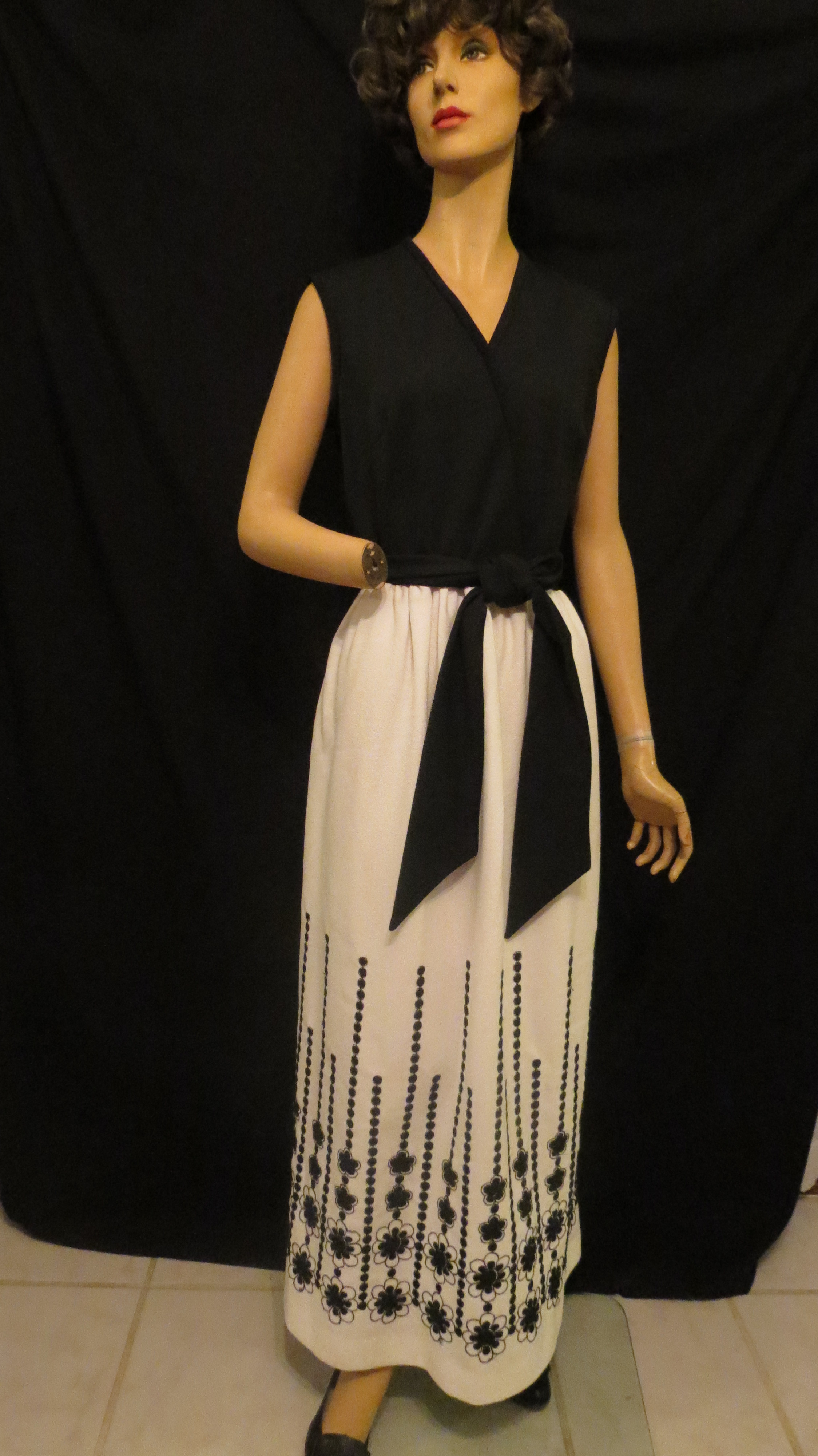
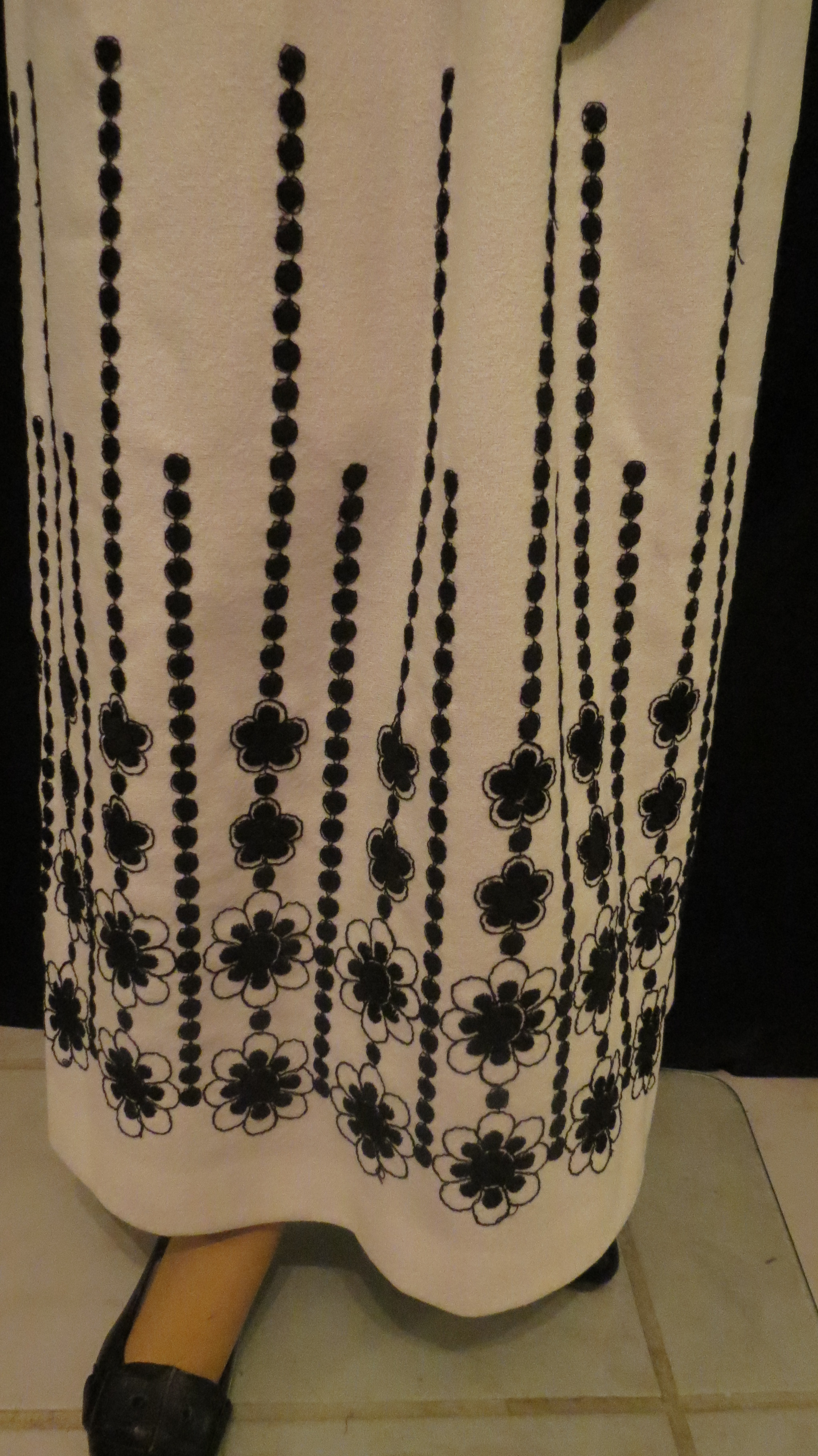
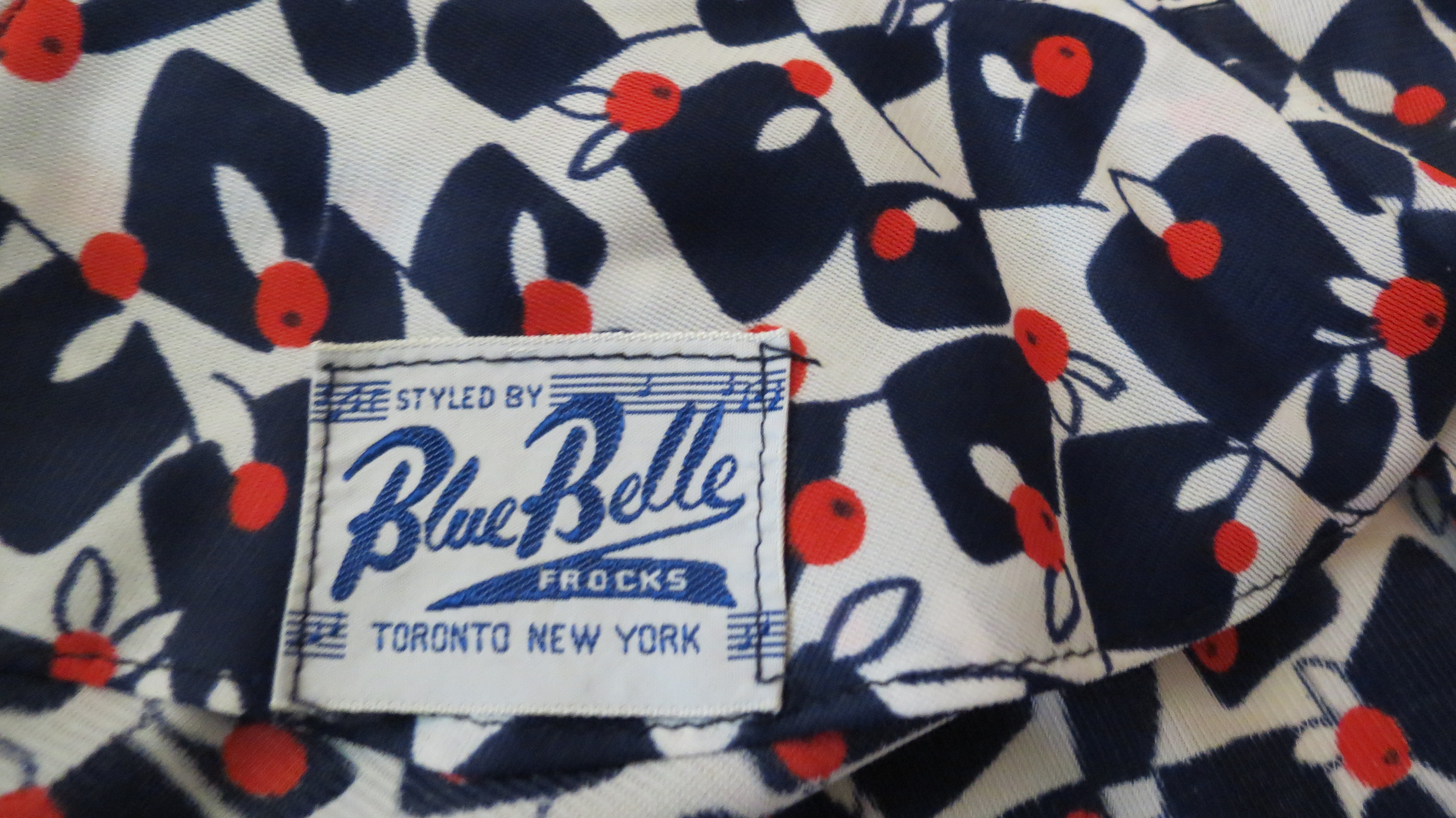
The final dress is from the 1990’s. Always harder for me to think of as true vintage, but it is worthy because of the good tailoring, 100% cotton fabric and the retail designer label sold by a high-end department store in New York City. It’s got pedigree. Again, nothing notable about the style but it is very well-cut, which can make a world of difference in terms of how a dress fits. That’s one feature of even plain, rather boring vintage clothing items that can make them worth collecting and wearing. The style can always be elevated by adding accessories but one thing that always elevates any garment is how well it is made and how well it fits.

Tomorrow I’ll be showing a collection of dressy day-wear accessories from the 1960’s that fit the category of well-made, classic and designer items that can “make” an outfit. Stay tuned . . . . . . . . . . . . . . . . . . . . . . . . . . . . .

MORGANA MARTIN, THE MAGICVINTAGESPY

BLOG: MAGICVINTAGESPY.COM
TRUE VINTAGE MID – LATE 1960’S LONG LEISURE DRESSES – MOD, WITCHY, ETHNIC

British influence Medieval/Victorian/Edwardian vibes, Op-Art, Flower Power and Indigenous influences allowed mainstream women to enjoy some “revolutionary” style during this transformative decade while not getting too far away from classic traditions. Plus the fact that they couldn’t have been more comfortable, convenient and flattering.

Fabulous sleeves, hand-done embroidery, geometric floral graphics. Love, love, love! Of course I had to collect these clues. Tomorrow we’ll step into the progression of this genre in examples from the Seventies, Eighties and Nineties. Stay tuned . . . . . . .

MORGANA MARTIN, THE MAGICVINTAGESPY

BLOG: MAGICVINTAGESPY.COM

TRUE VINTAGE LATE 1950’S – MID-1960’S DRESSES

Late Fifties saw slinky knit sheath dresses that carried over the new, easy-care synthetics from the 1940’s. The prints morphed slowly from geometric, atomic shapes back to cute animals, fruits and veggies. This fabric is amazingly comfortable and drapes beautifully but was economical. Common, moderately-priced frocks were made from it.

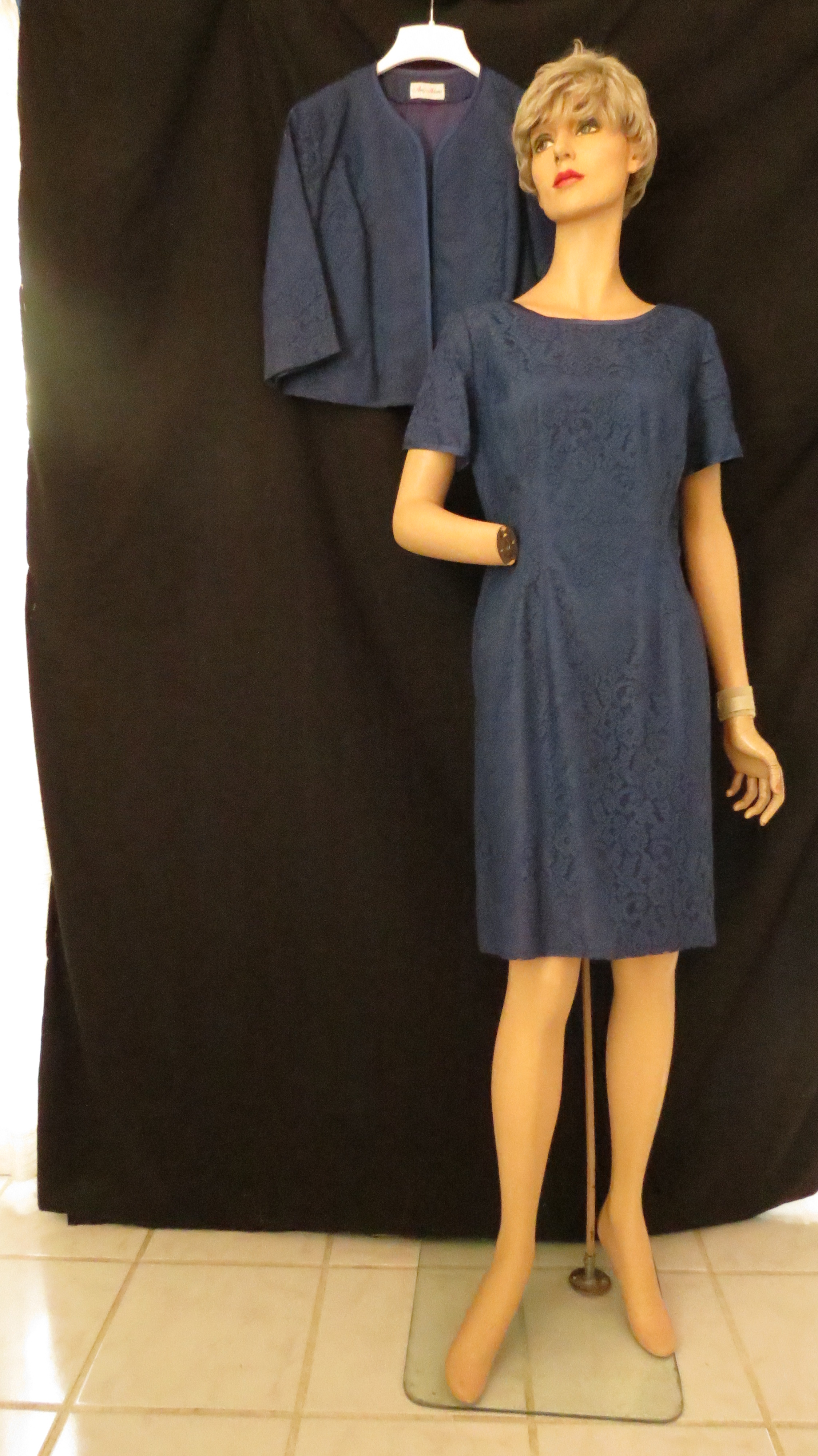
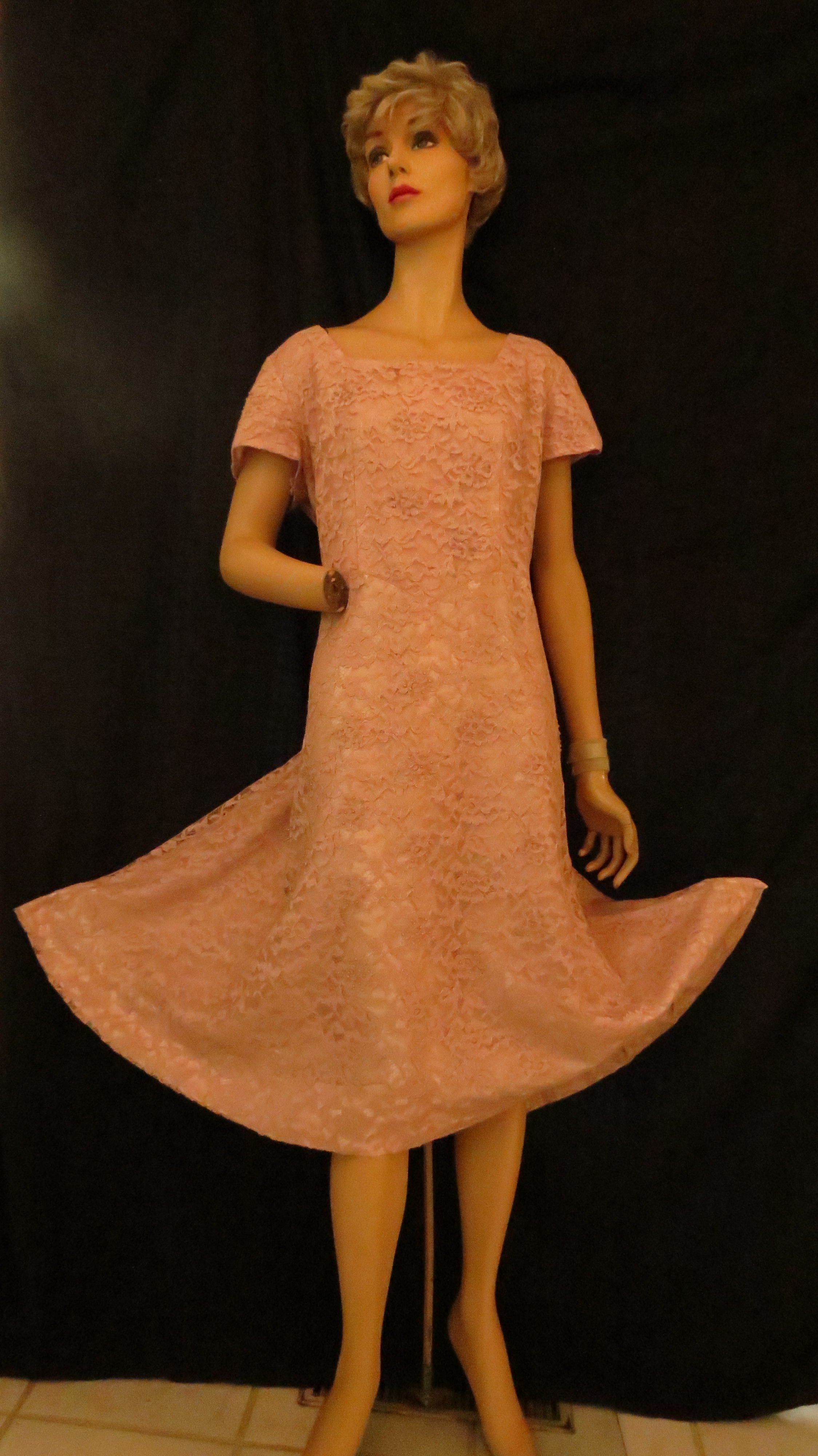
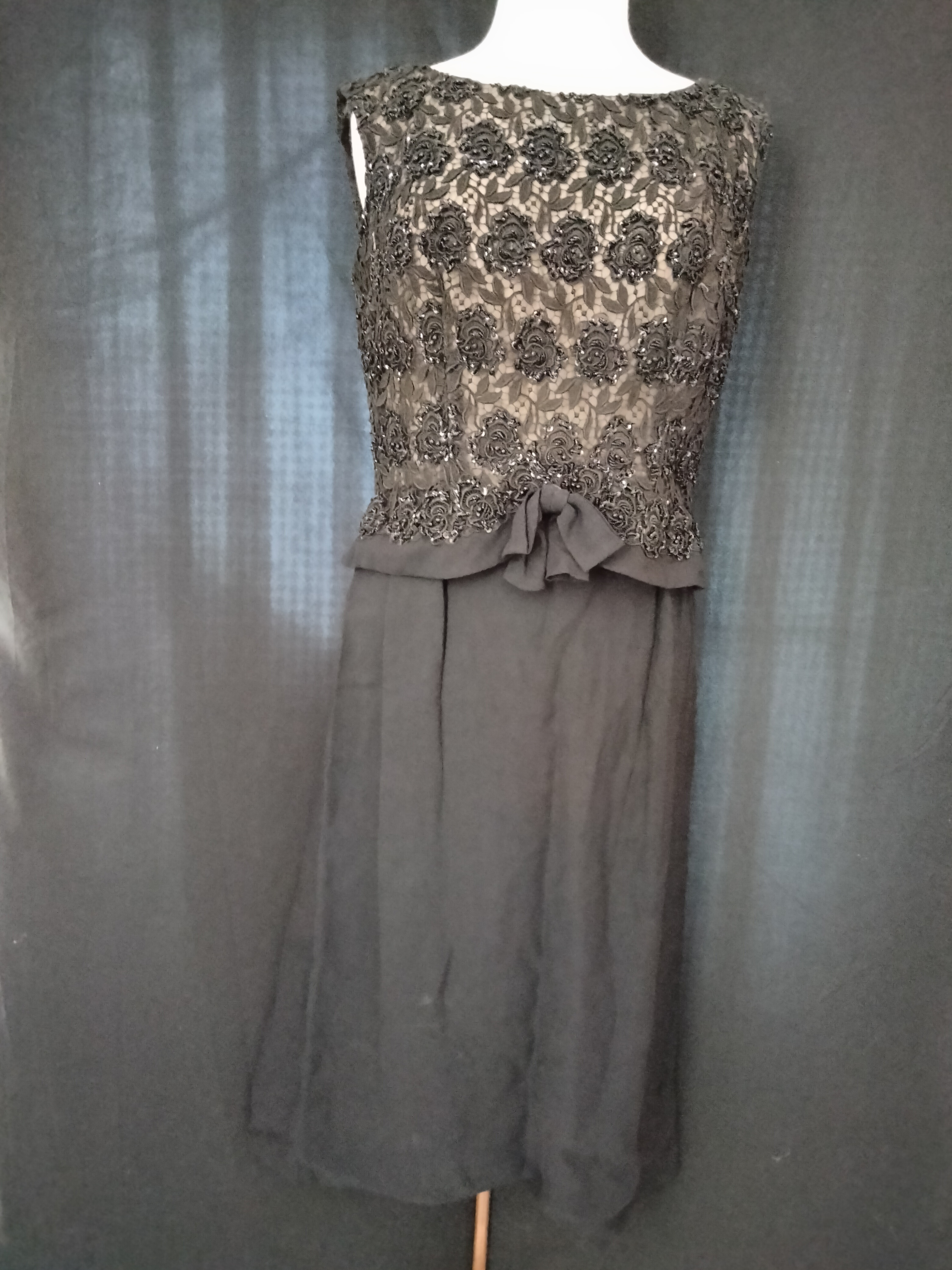
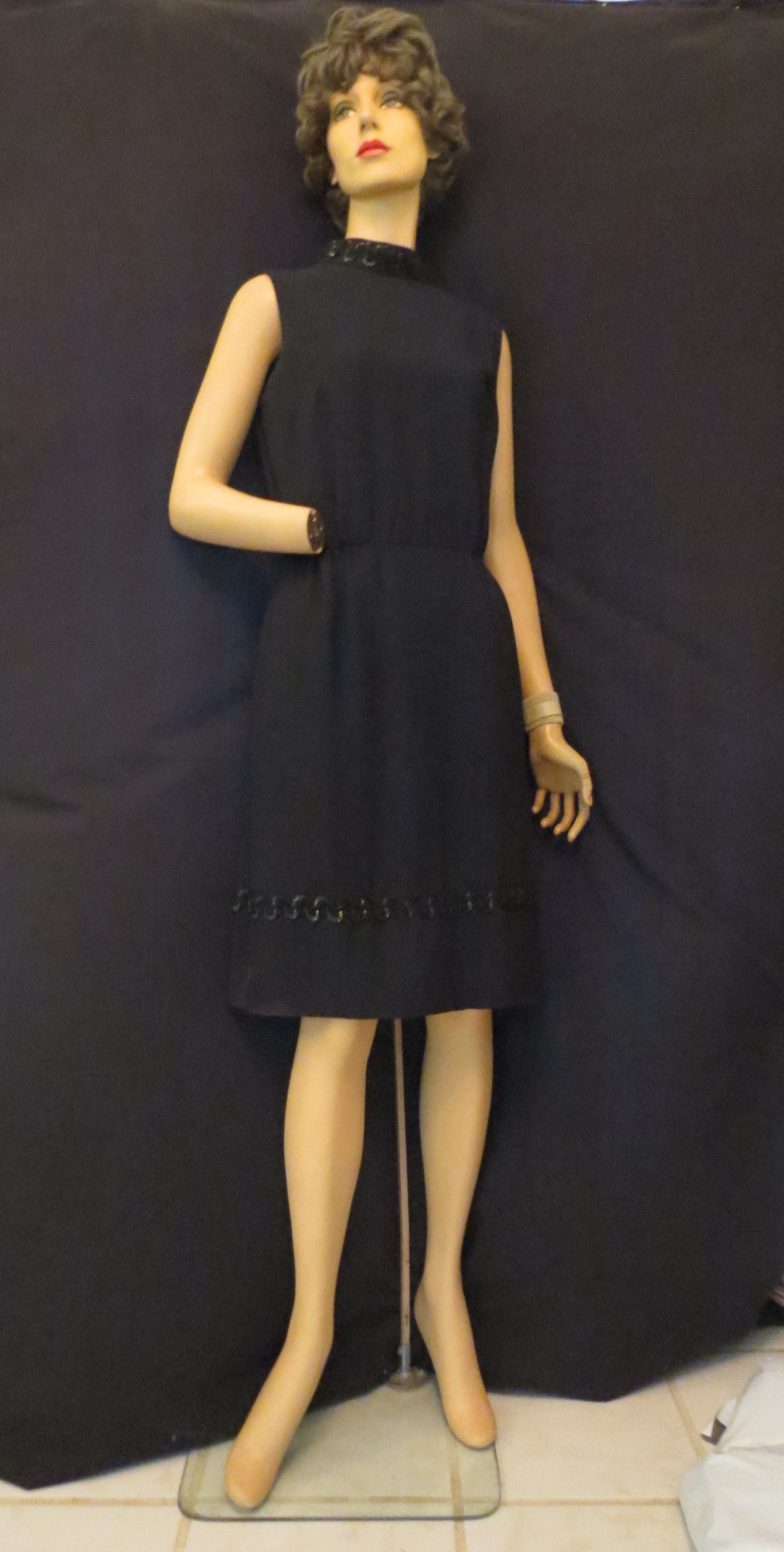
Just a few years later, lace overlay became the big thing. Dressy day-dresses were often made from it, as well as semi-formal and formal gowns. These were also generally made from synthetic or blended fabrics but probably required dry-cleaning. Better frocks often came from British Hong Kong, where the design and hand-made tailoring made them exceptionally elegant and of higher quality. These dresses were still within the reach of middle-income ladies but were more expensive. See the black dressy sheath with a beaded over-blouse above. The straight black high-neck sheath came from Saks Fifth Avenue.

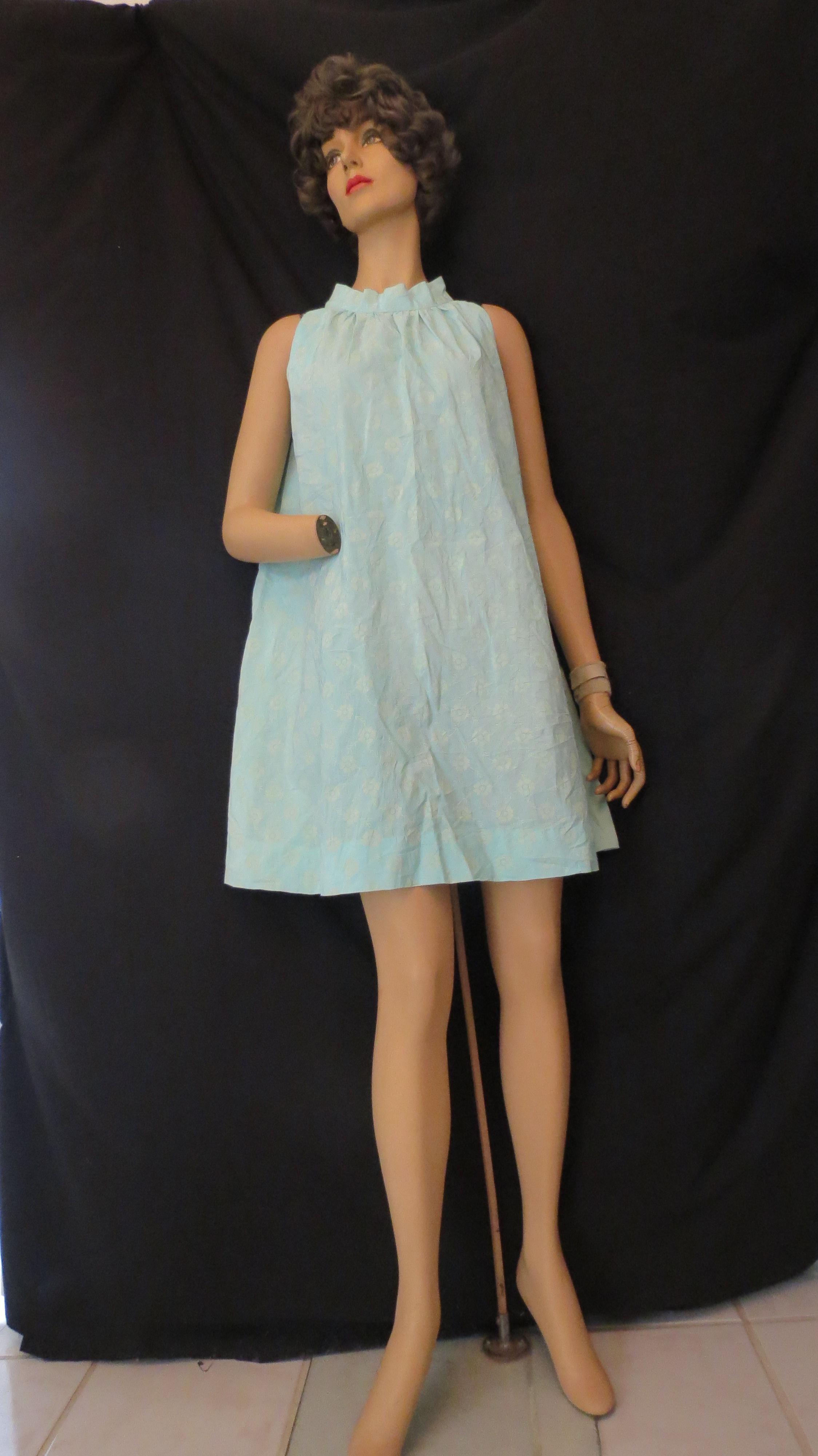
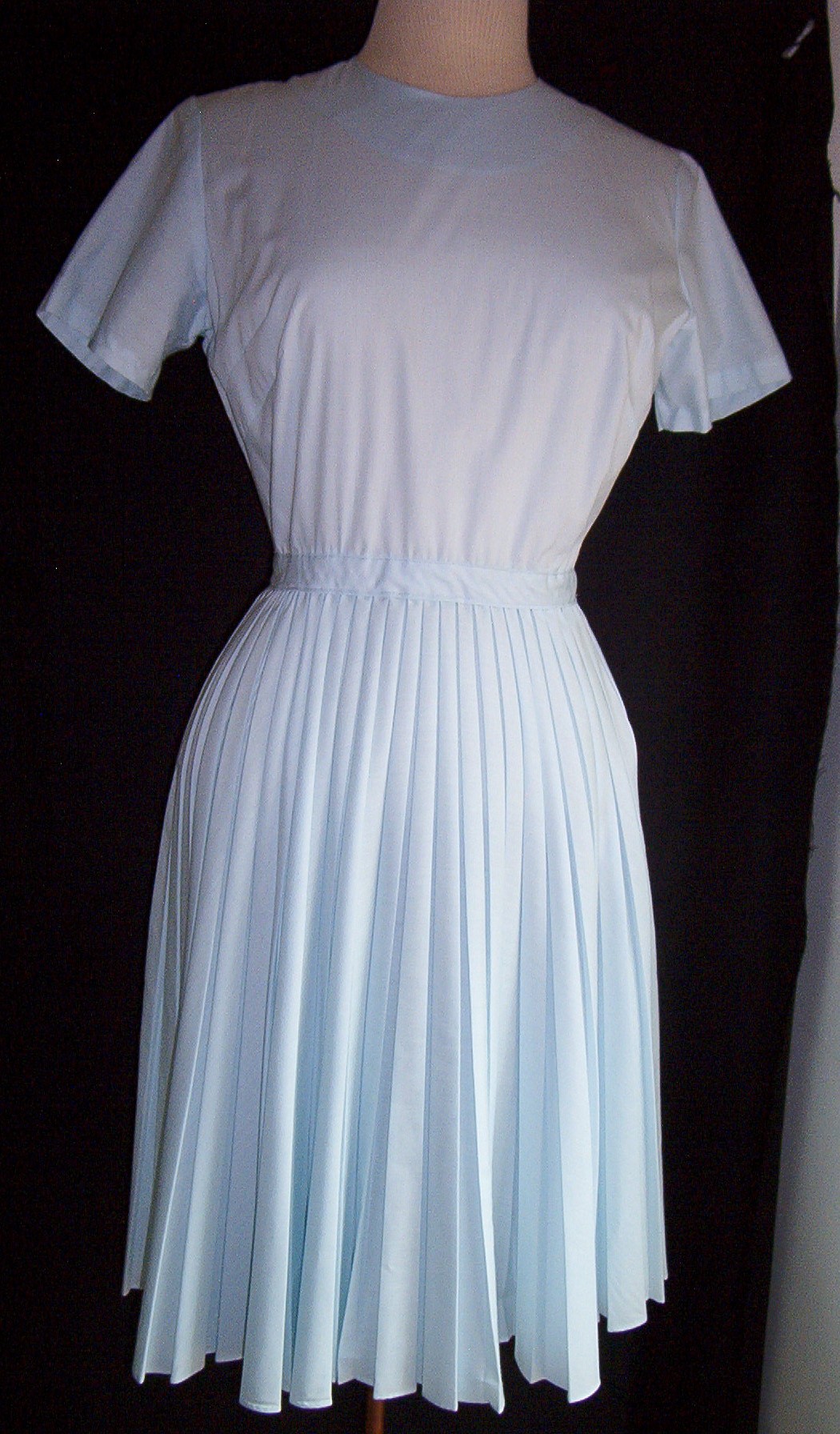
Then, again from the Brits, came Mary Quant’s Tent Dress in 1964. Although the Mod style had started in the 1950’s, it’s appearance in clothing was totally revolutionary. It brought with it radically shorter hemlines and easy-to-wear, casual shapes. See the light blue, home-sewn version above.

Some styles retained their classic, conservative lines and stuck to neutral or basic tones while bright colors became ever more popular, even in formal garments. While political and social movements became radicalized and changed society, the Hippie, Boho and Prairie styles started to take over in the late 1960’s and carried over into the early 1970’s. Tomorrow we’ll look at some of the ways that popular fashion incorporated these trends into mainstream dressing. Stay tuned . . . . . . . . . . . . . . . . . . . . . . . . . .

MORGANA MARTIN, THE MAGICVINTAGESPY

BLOG: MAGICVINTAGESPY.COM
TRUE VINTAGE 1940’S BETTER DAY-DRESSES AND ACCESSORIES

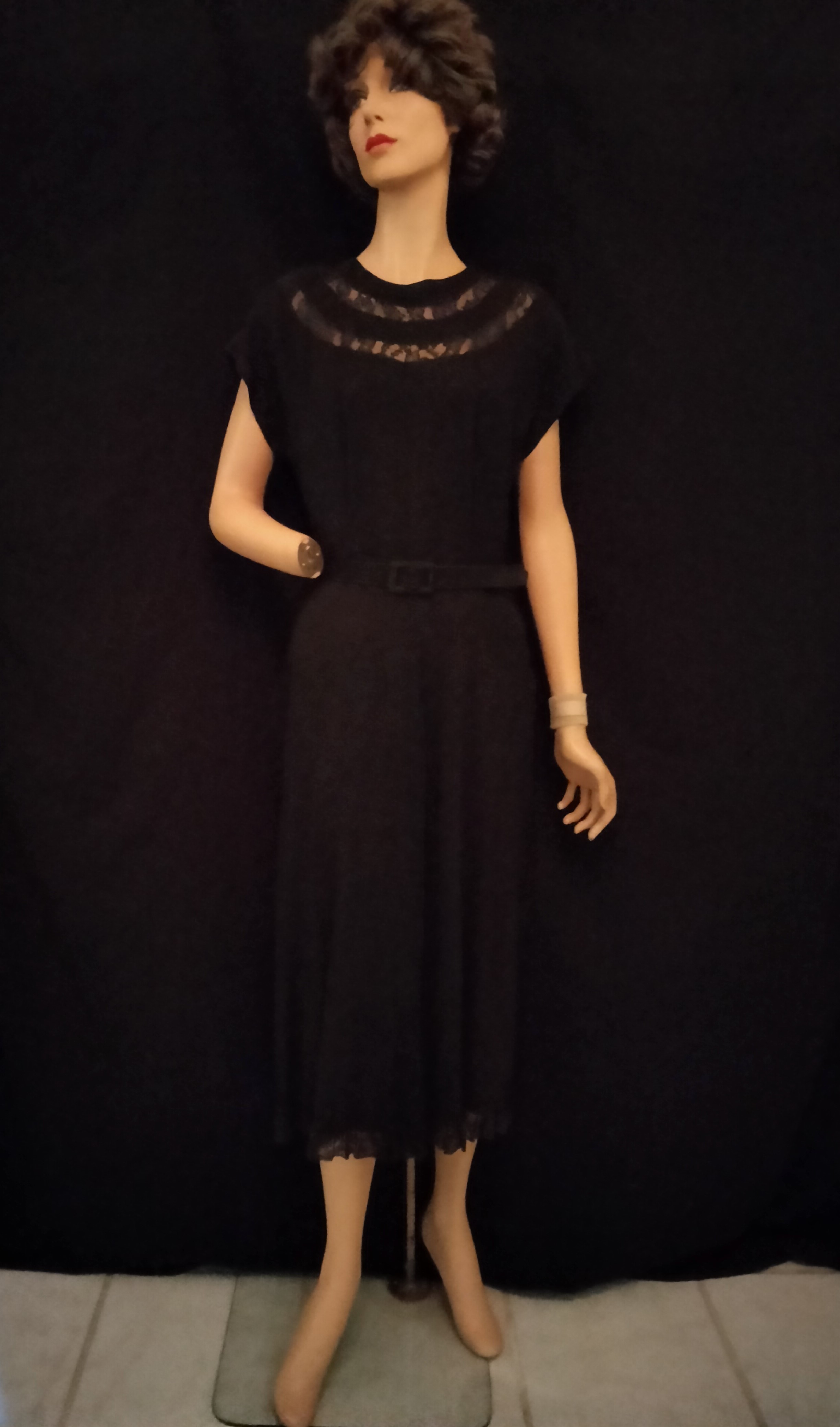
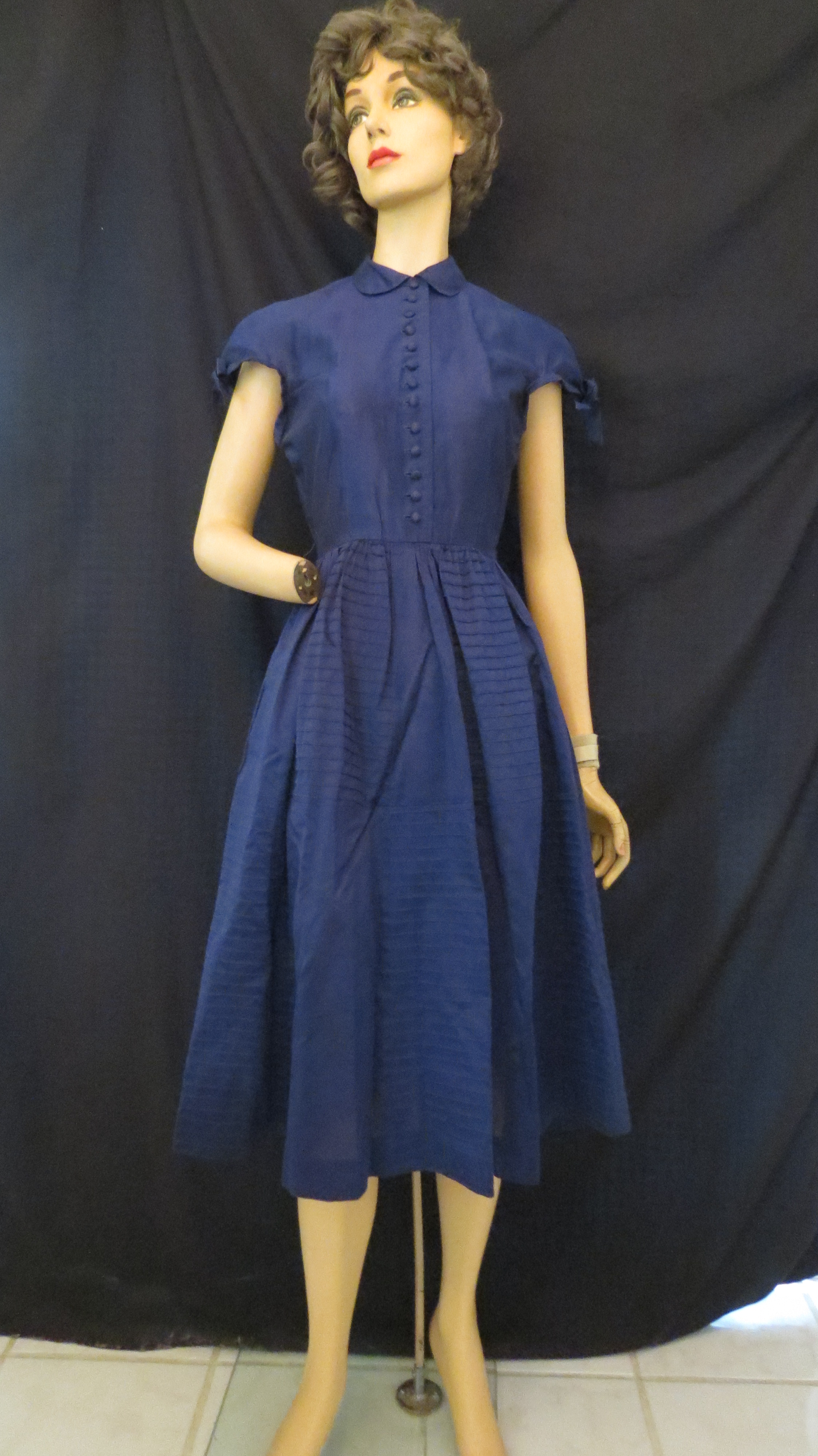
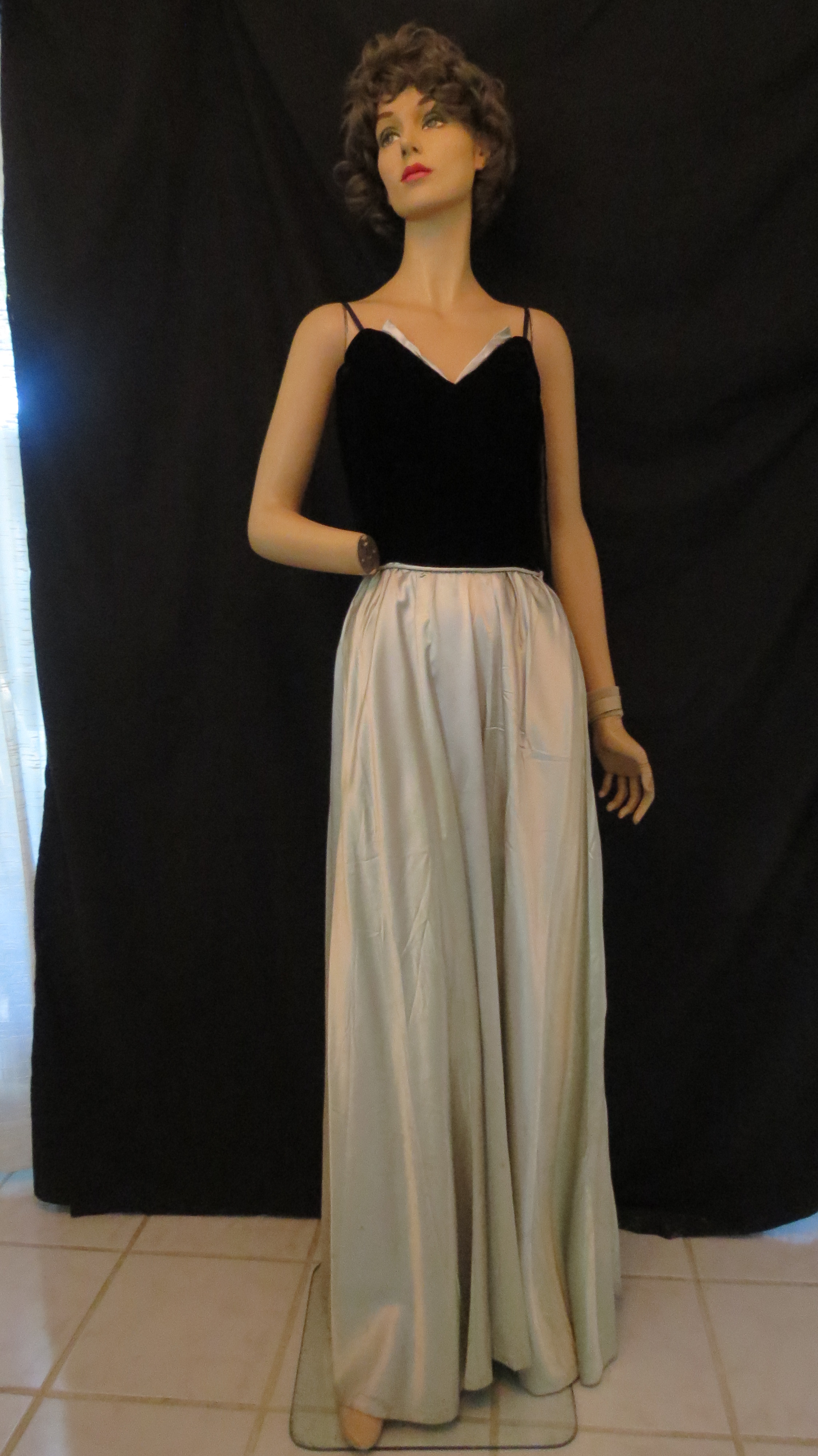
I had planned to show more dresses this morning, but my computer suddenly won’t upload more pictures. So, we’ll stick with these beautiful frocks today. The one above is from the Post-war period, I would guess, though some longer hems were also present before WWII started.

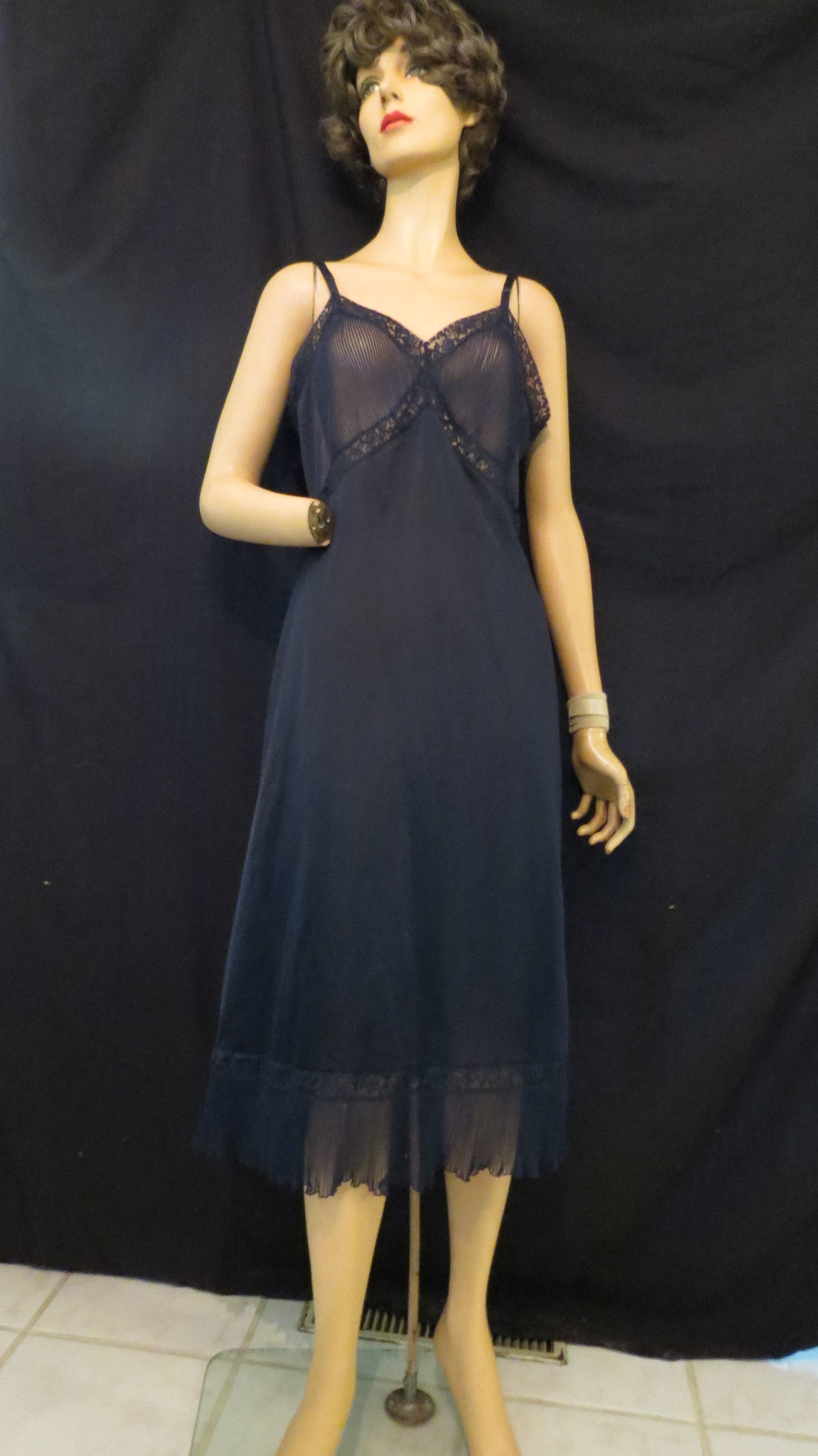
A lovely nylon slip like the one above might have been worn with it.

The mid-blue dress is made from a stiffer fabric and is from earlier in the decade. Cute and more girlish, but both are special – dressier daywear.

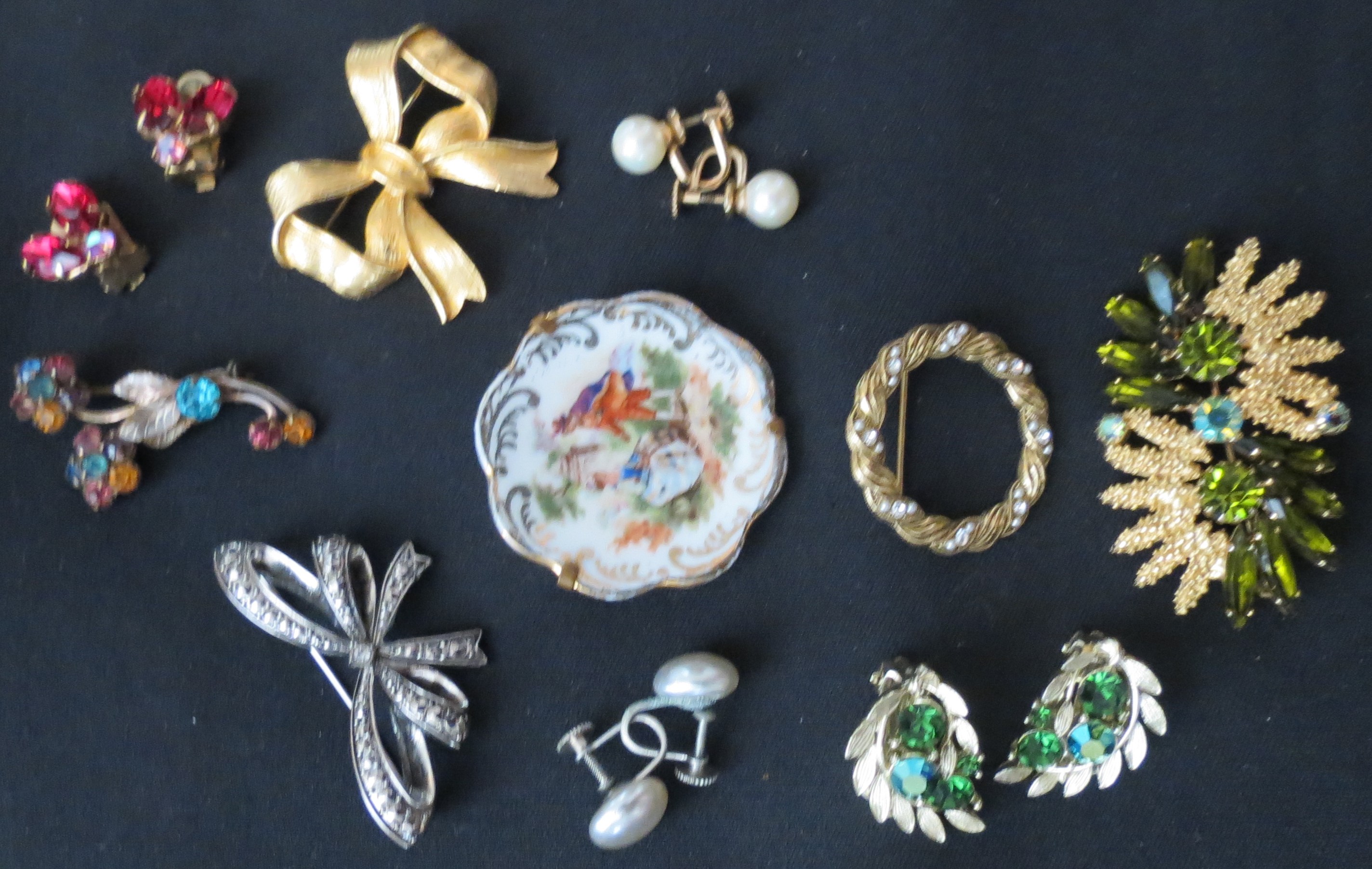
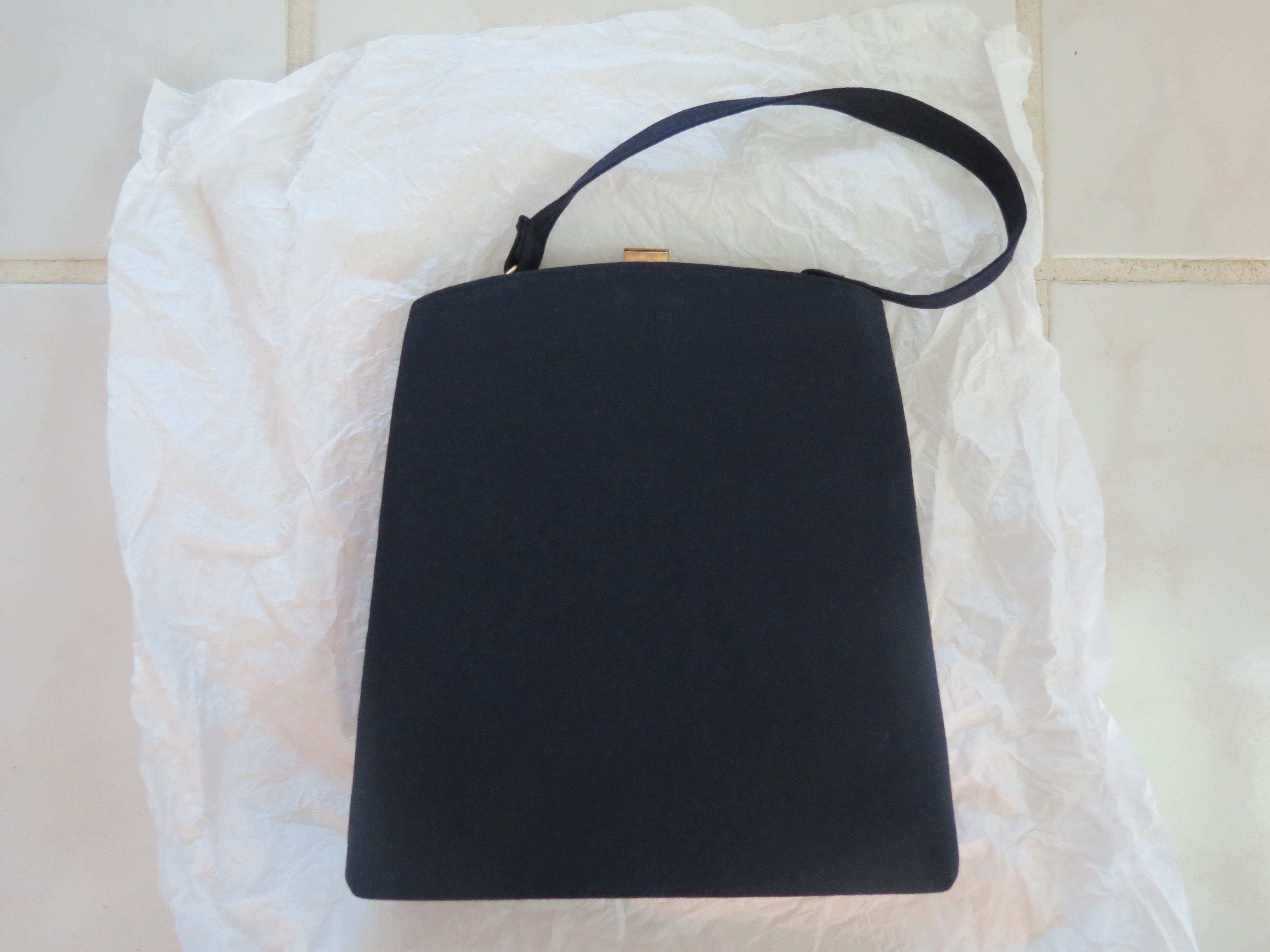
Mid-century costume jewelry pins and brooches like the ones in this picture, especially those on the left side, might have been worn with dresses like this and a dark navy handbag like the one above is a nicer 1940’s style with a fabric body and strap.

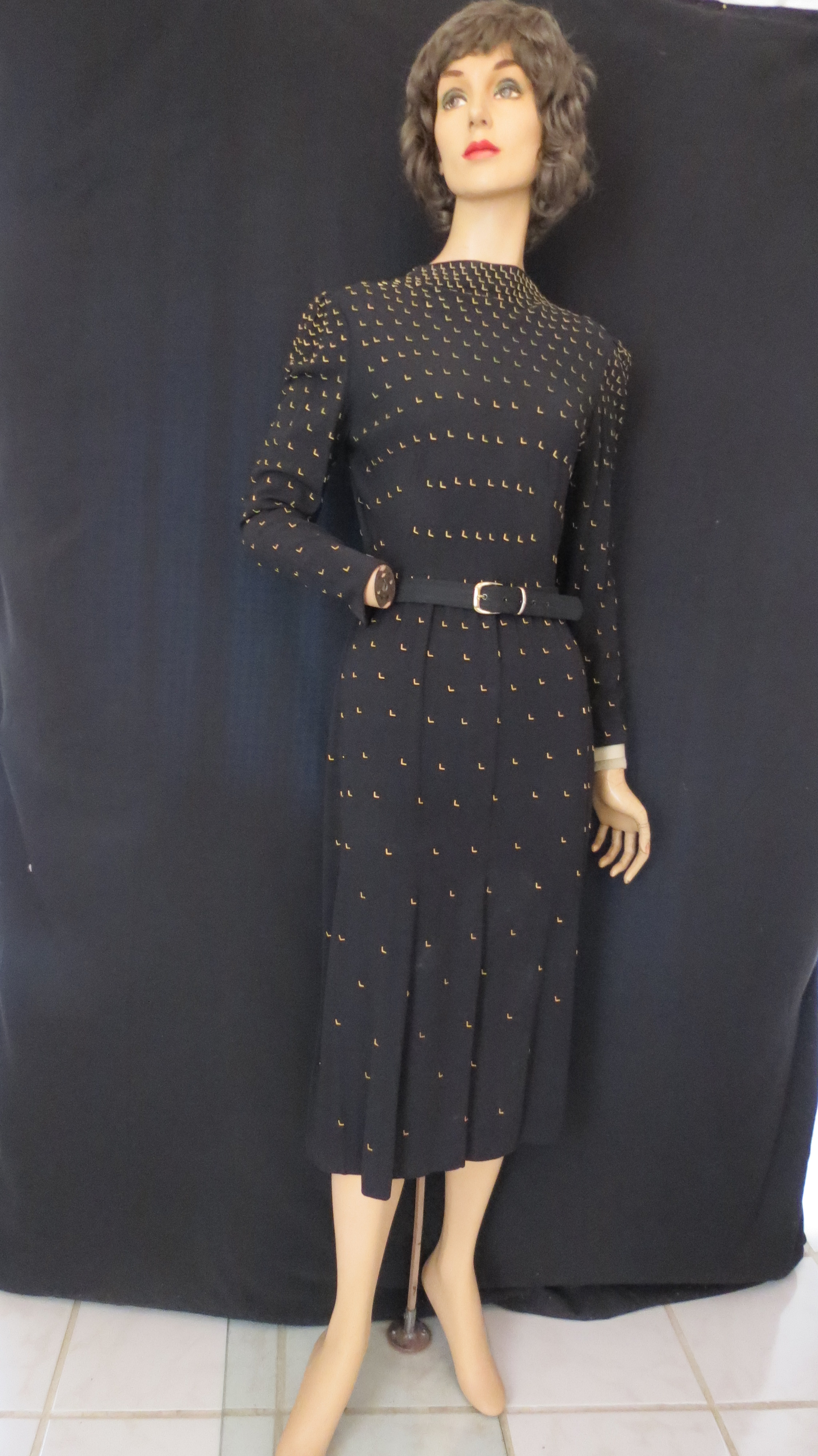
This final black frock is probably meant for cocktails, dinner or evening, though very tailored. It comes from the early Forties or perhaps the Thirties, with it’s Deco-style decoration with metal studs.

So, this is a little wardrobe trip from the pre-war and, possibly, the post-war 1940’s. Some of the costume pins also span the decades from late Thirties to early Fifties. Tomorrow I’m sticking with the same era, but focusing on more casual styles. Stay tuned . . . . . . . . . . . . . . . . . . . .

MORGANA MARTIN, THE MAGICVINTAGESPY

BLOG: MAGICVINTAGESPY.COM
TRUE VINTAGE 1940’s FORMAL DRESSES, PLUS A DRESSY 1930’s CLUTCH PURSE

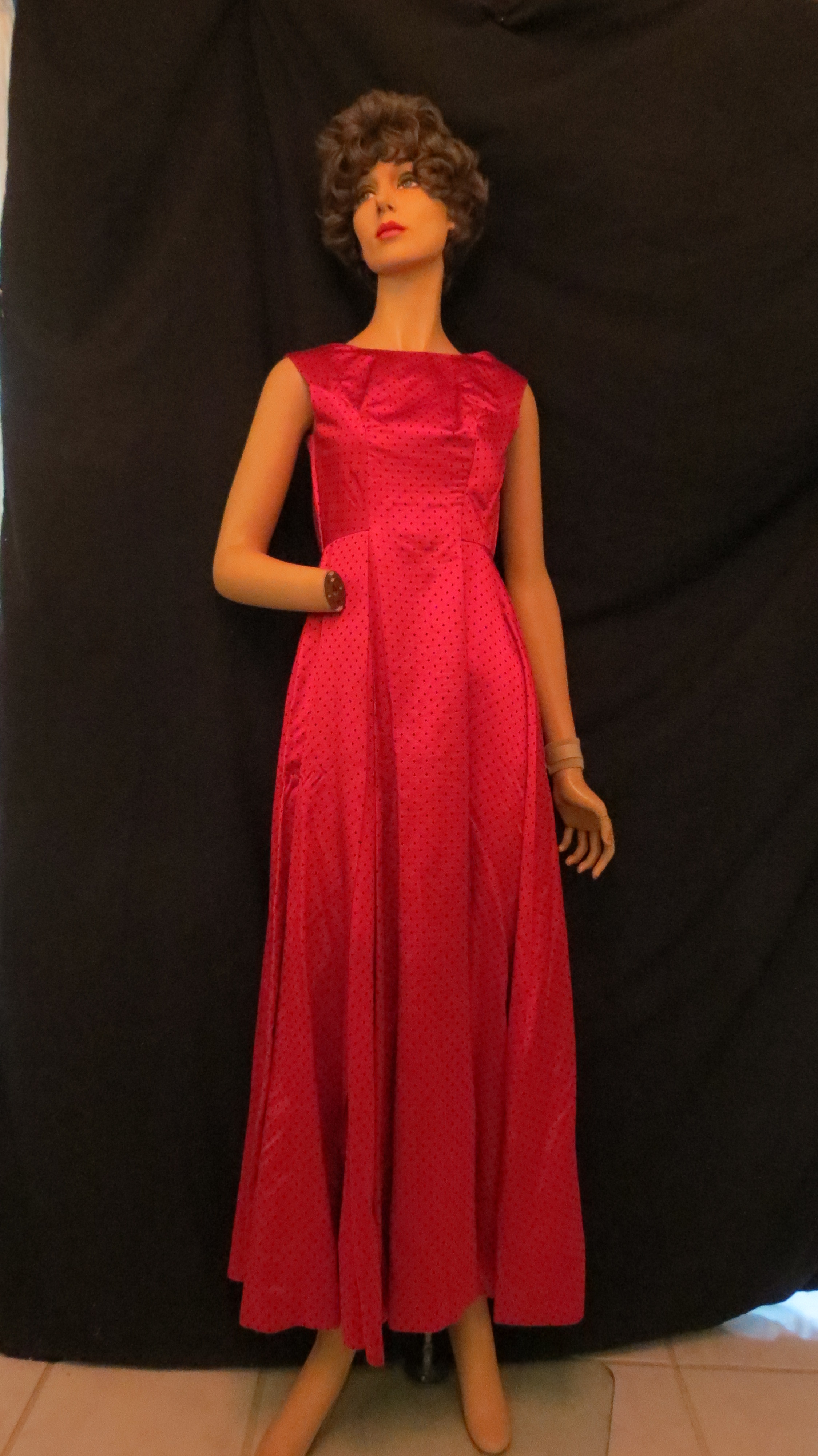
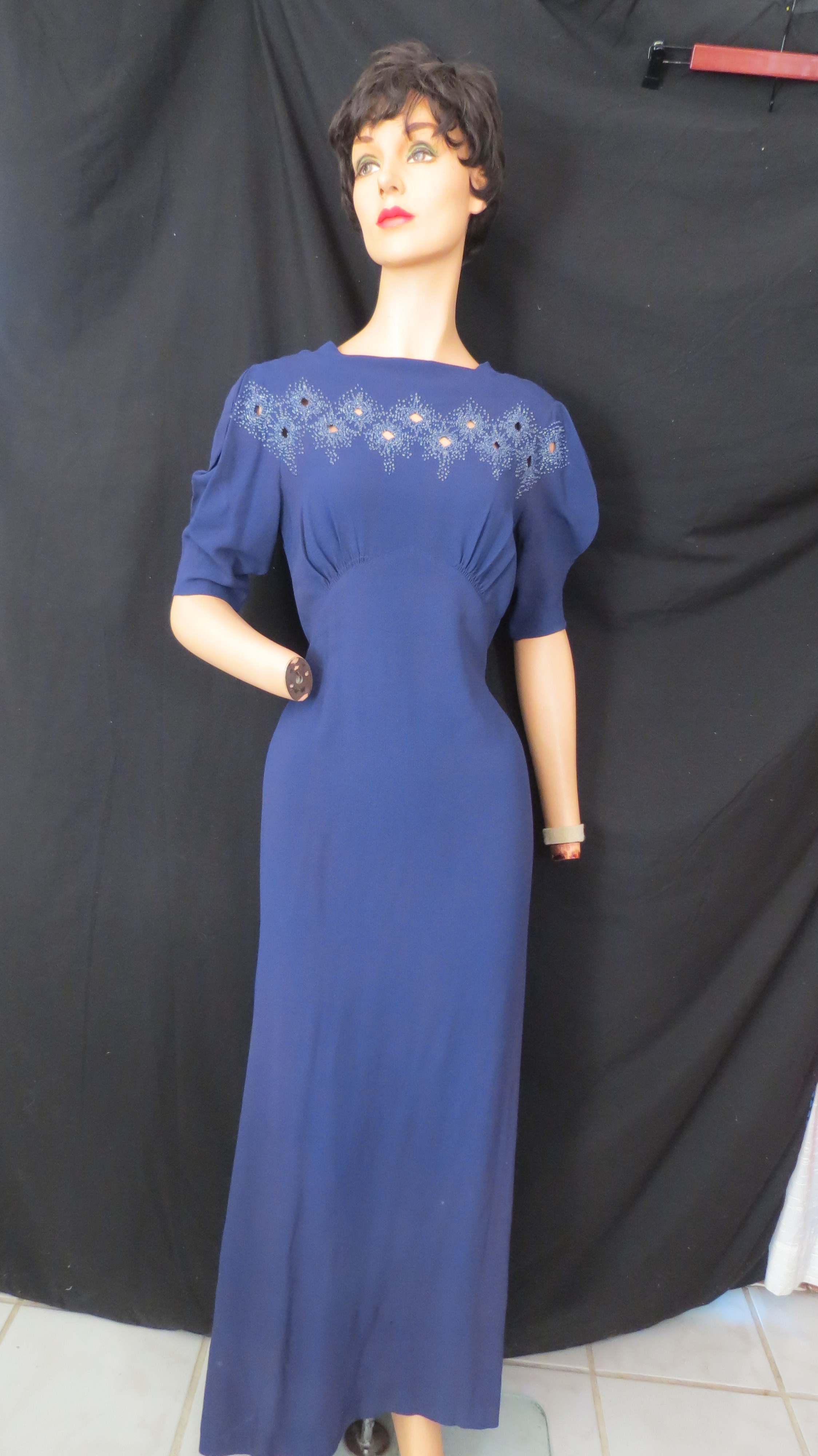
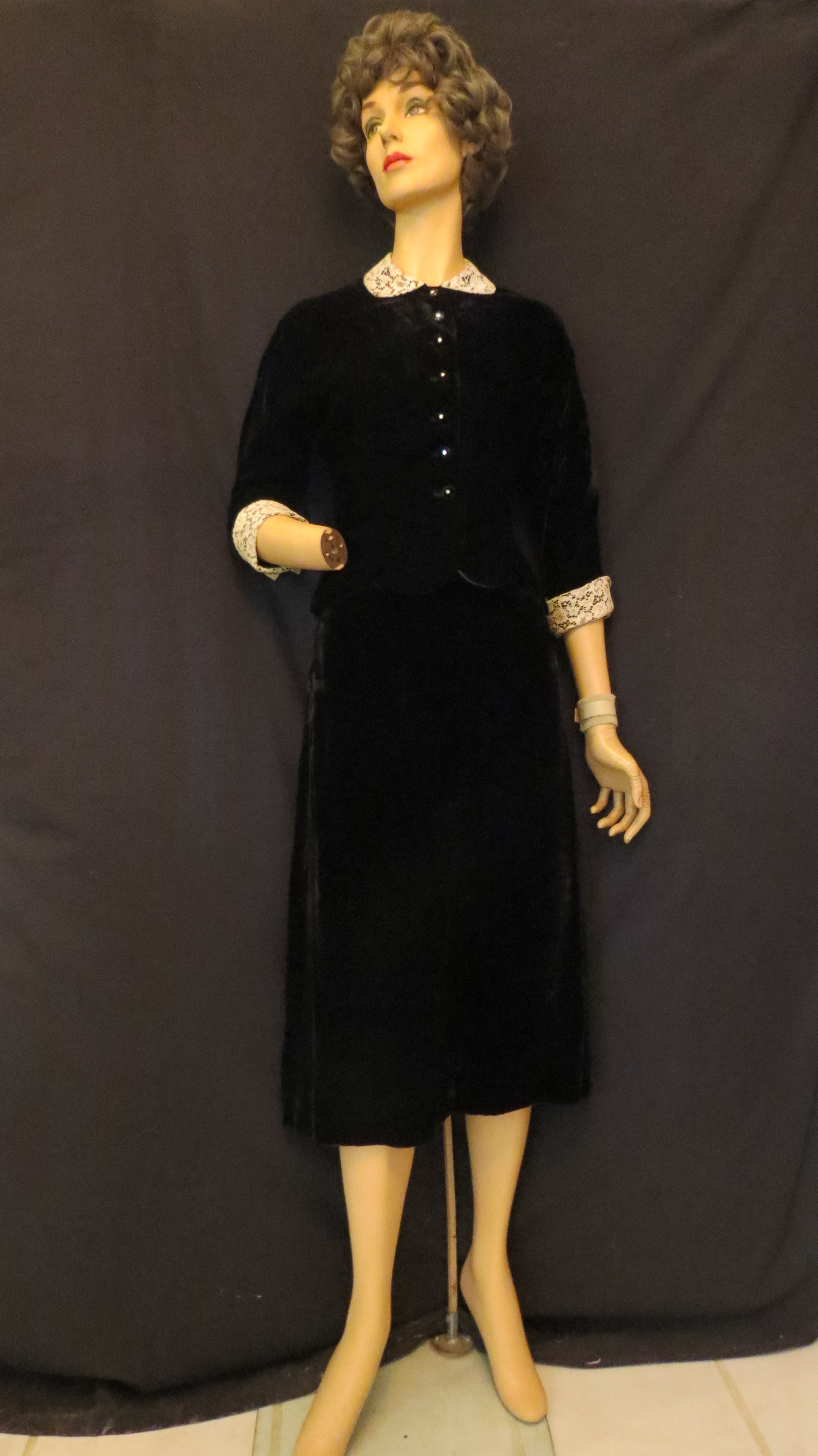
Beautiful, glossy fabrics – most of them synthetics – and lovely designs. I adore them all, but especially the first one. Let’s look at them one by one.

The first gown has a dark green velvet bodice, trimmed with the same pale green satin fabric that the skirt is made from. So flattering and luxurious. The bright red dress is a more conservative style, but still gorgeous. It’s made of an interesting fabric type which I’ve seen in other 1940’s dresses – it has a satin finish but with tiny black diamonds machine-embroidered all over. I suspect that this fabric, though lovely, was a more economical one.

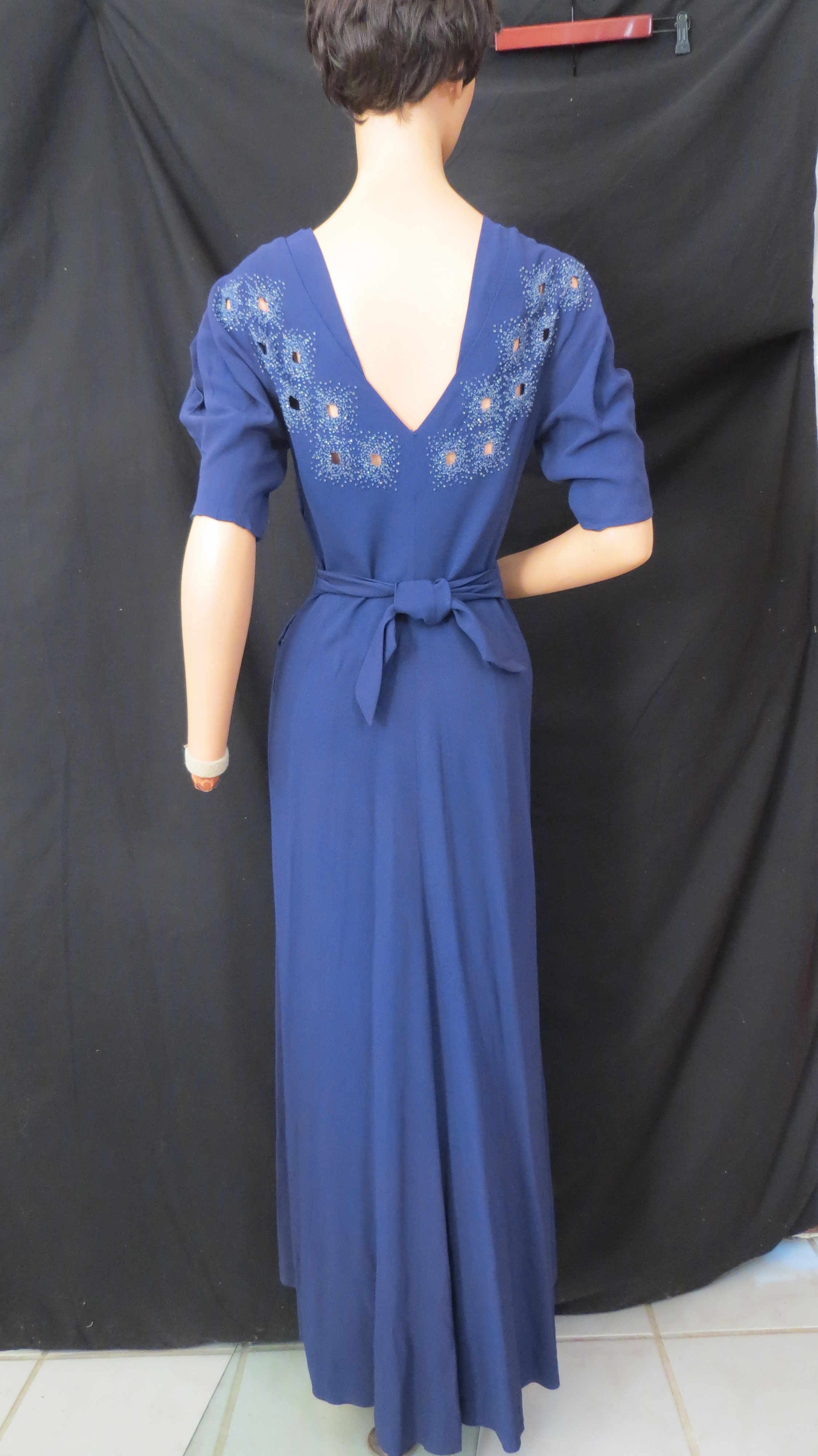
The blue dress was tailor-made by hand. It is sewn from a bias-cut rayon which gives it that wonderful, drapey fit. The atomic/stellar cut-outs surrounded by seed beads were all done by handwork. I love the cut of the sleeves and the way the bustline and waistline are finished. That back tie belt gives it a really wasp-waist fit.

Finally, the black velvet two-piece dress is an entirely different design. Very proper and buttoned-up in velvet and crocheted lace, with rhinestone-center buttons.

Each of these gowns was a surprising and fabulous find. It’s rare to find 1940’s formal garments in the first place, and to find them in near-perfect condition is almost unheard of. The best bet is if they can be acquired from the original owner, or their estate. This is always a more informative clue when starting any investigation.

I’ve re-opened the 1940’s archives and am finding myself doing a deep dive there. Stay tuned . . . . . . . . . . . . . . . . . . . . . . . . . . .

MORGANA MARTIN, THE MAGICVINTAGESPY

BLOG: MAGICVINTAGESPY.COM
TRUE VINTAGE 1980’S DOES 1940’S DRESSES

As you probably noticed in my last post looking at the 1970’s, I am not very focused on the “modern” styles from that decade because they were not interesting, in my opinion, and generally not of high quality. The same goes for lots of the 1980’s clothing, but I do enjoy some of the New Wave styles and the revival (again!) of 1940’s designs. I don’t have a large archive of New Wave examples because it was a short movement and so trendy that lots of the garments were cheaply-made and didn’t last. However, the Forties revival was a bit more mainstream and produced some dresses, etc., of better quality. The examples above cover this whole spectrum.

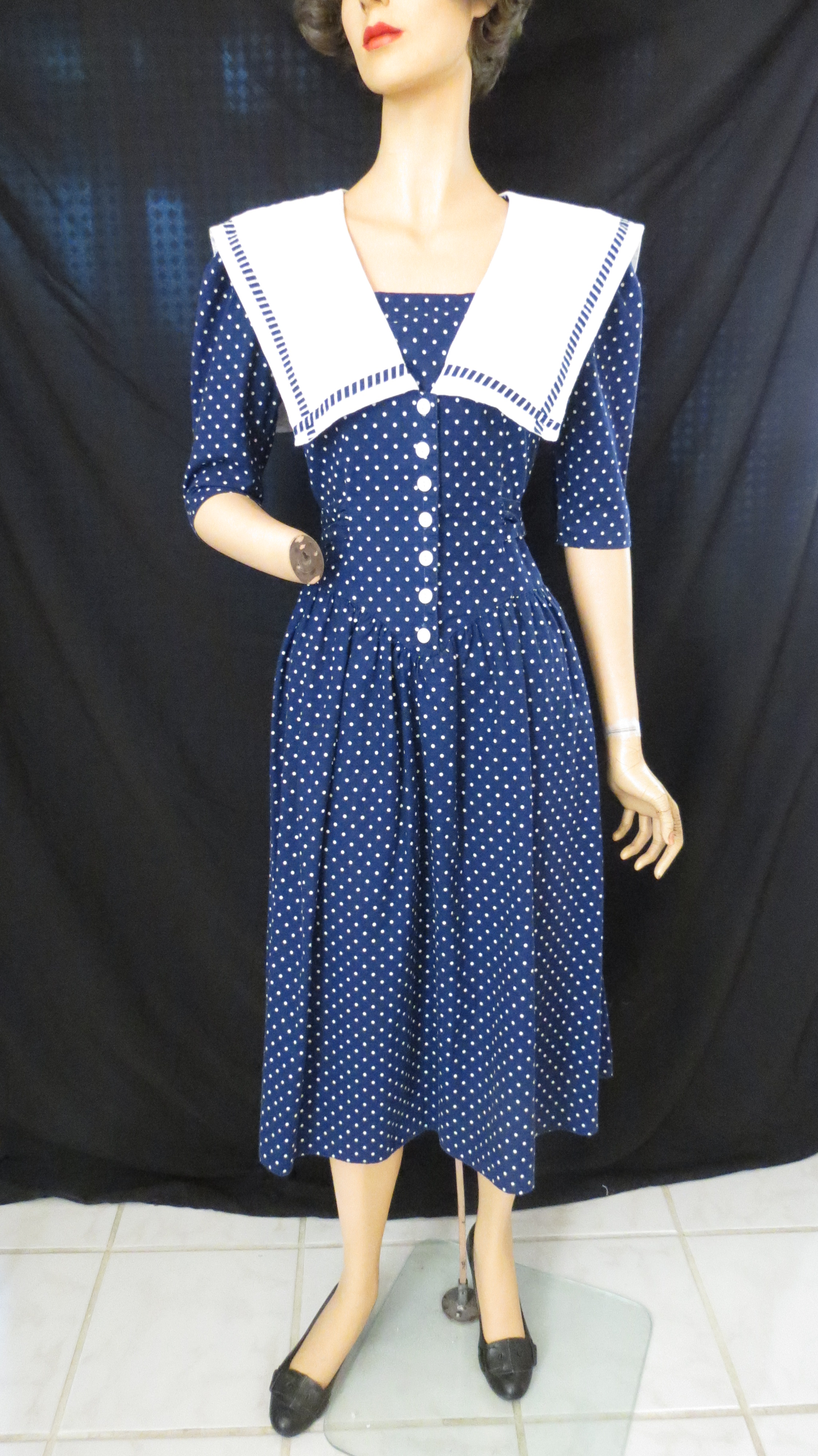
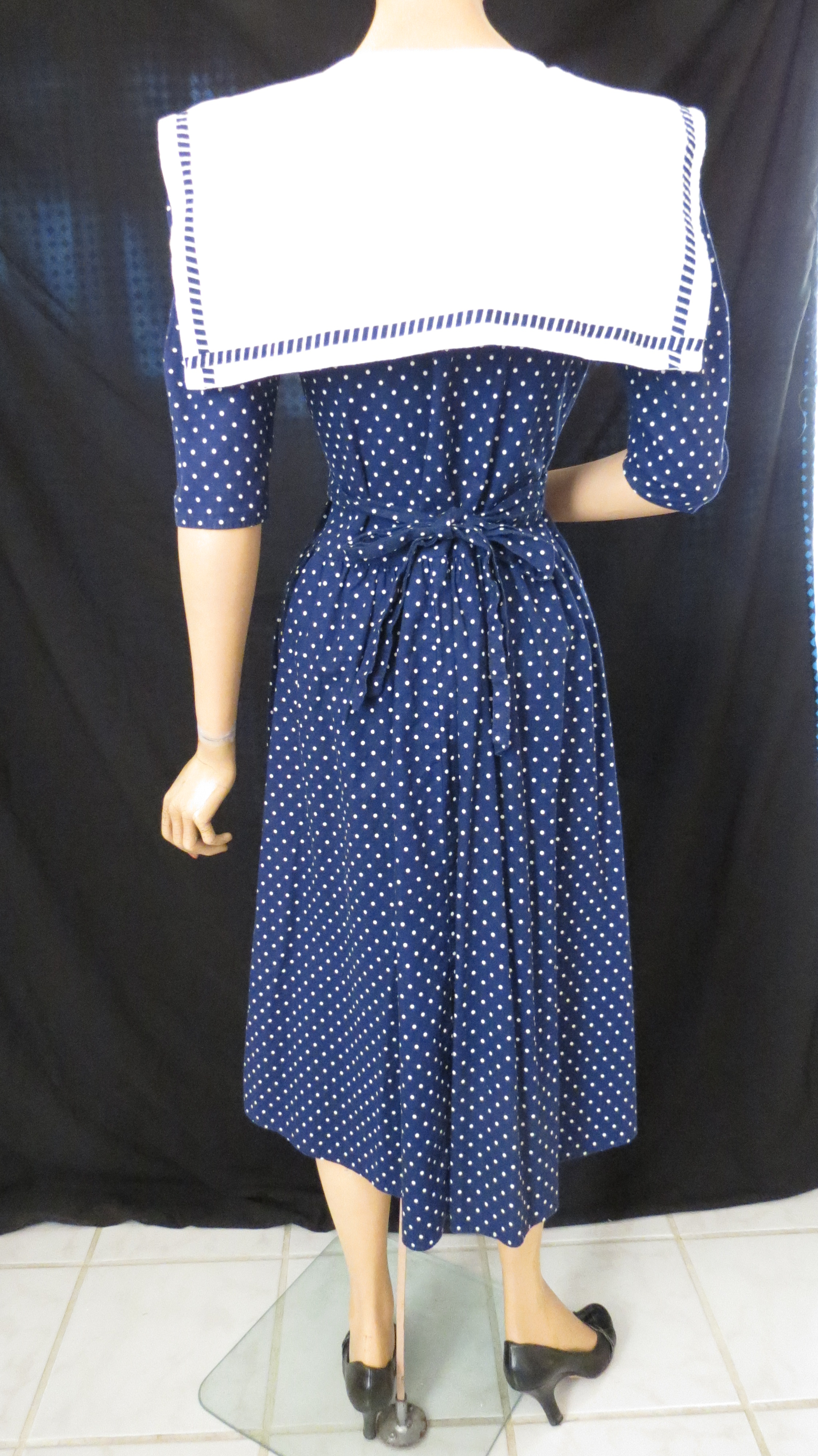
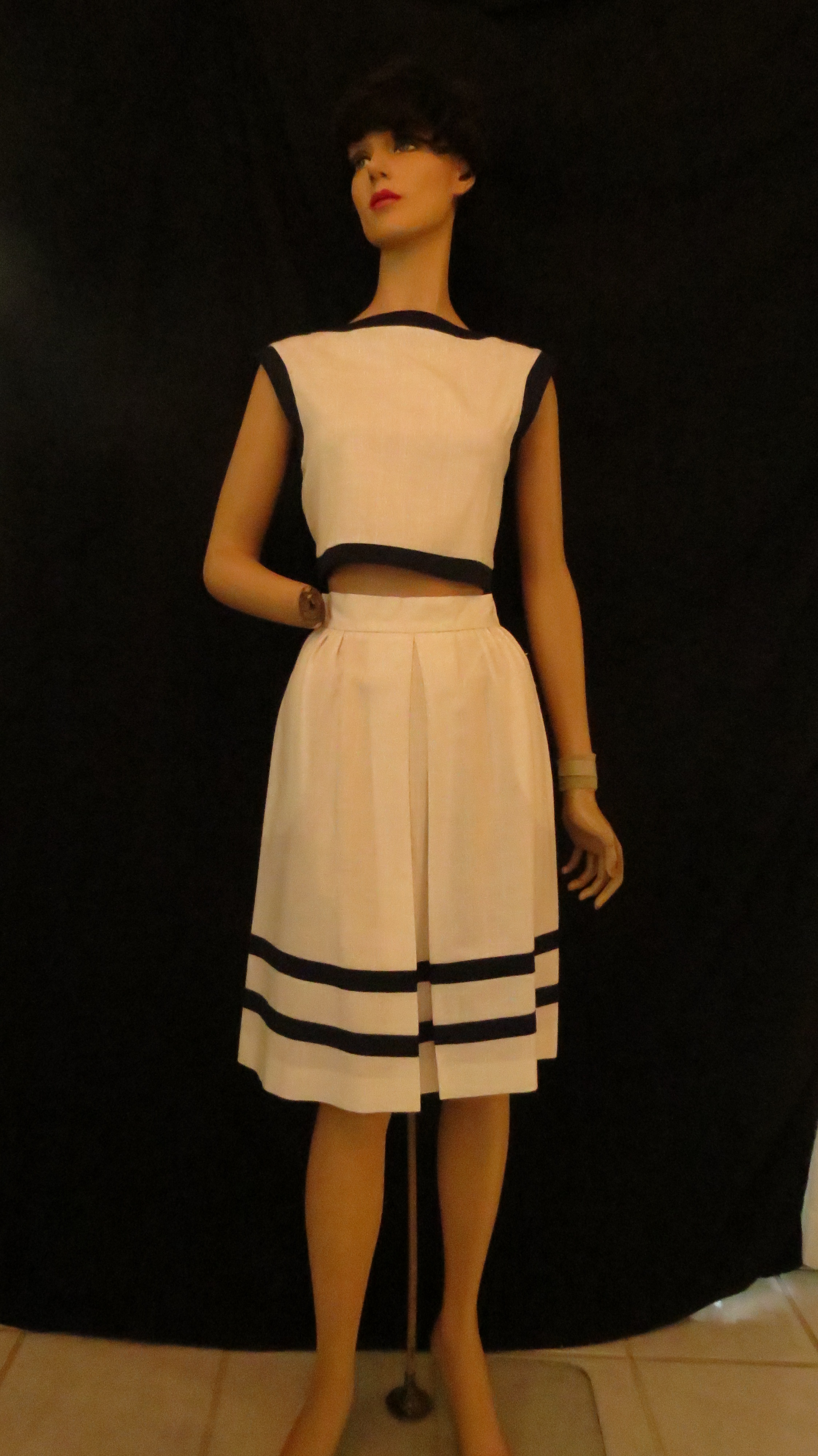
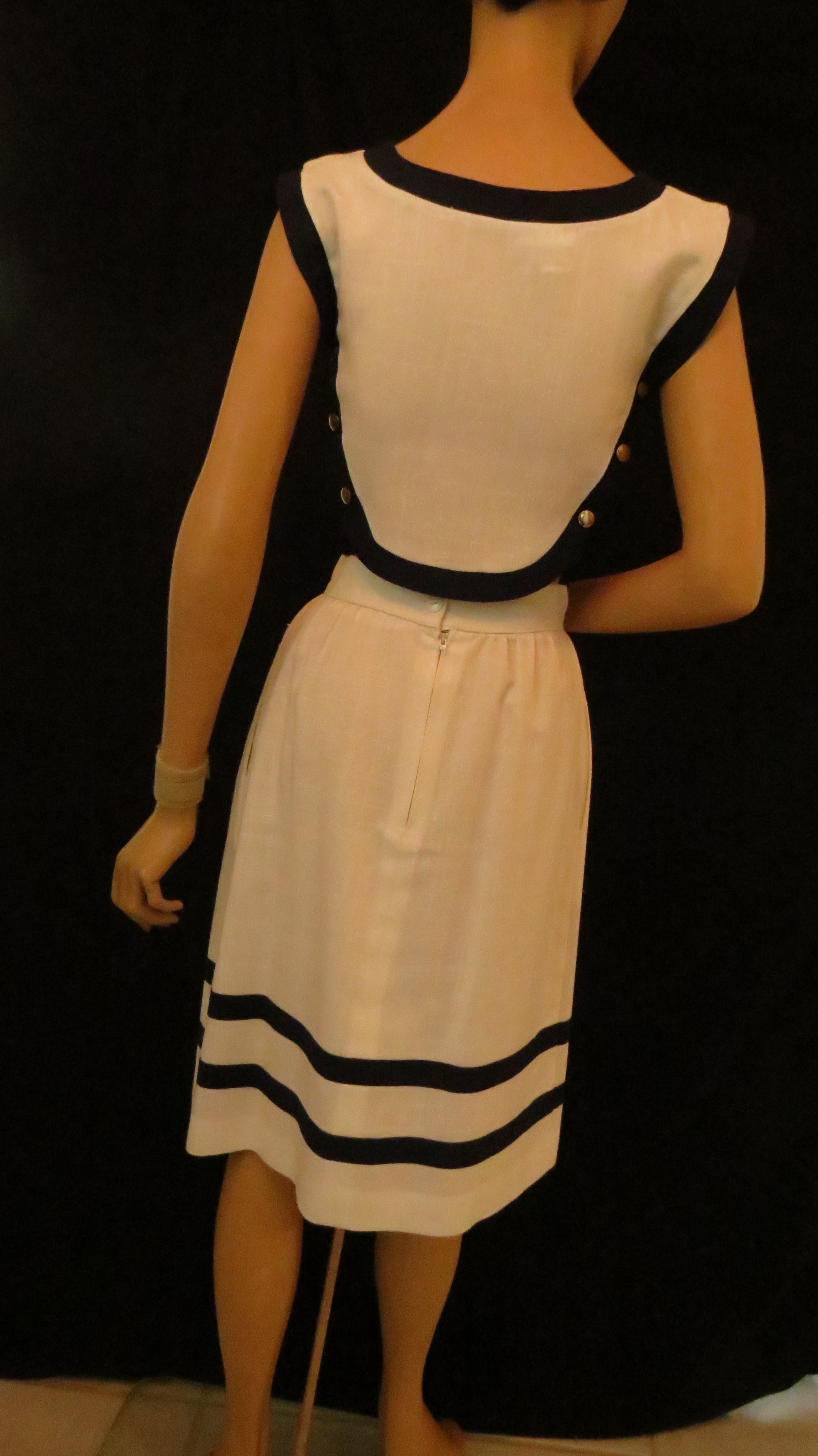
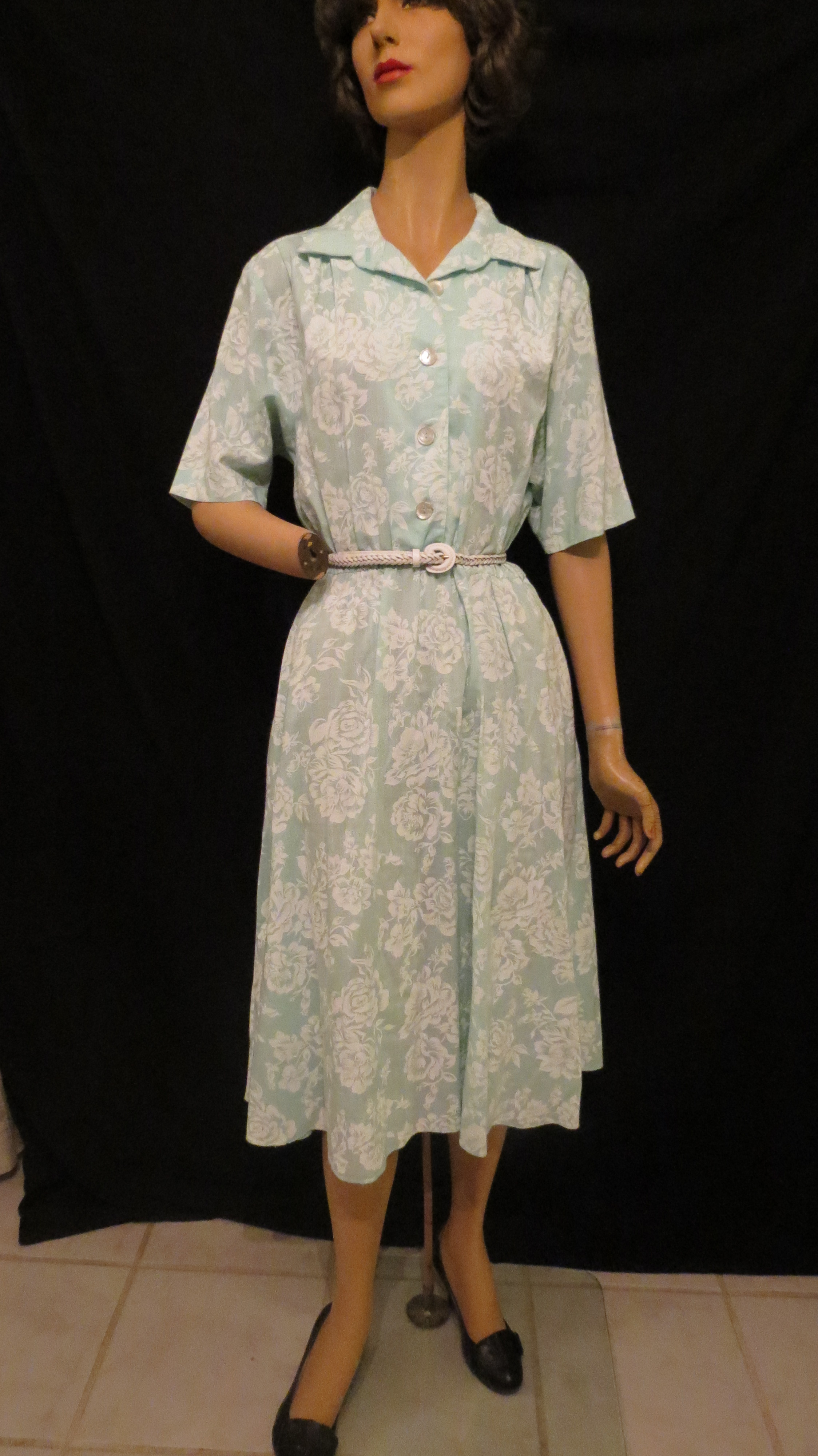
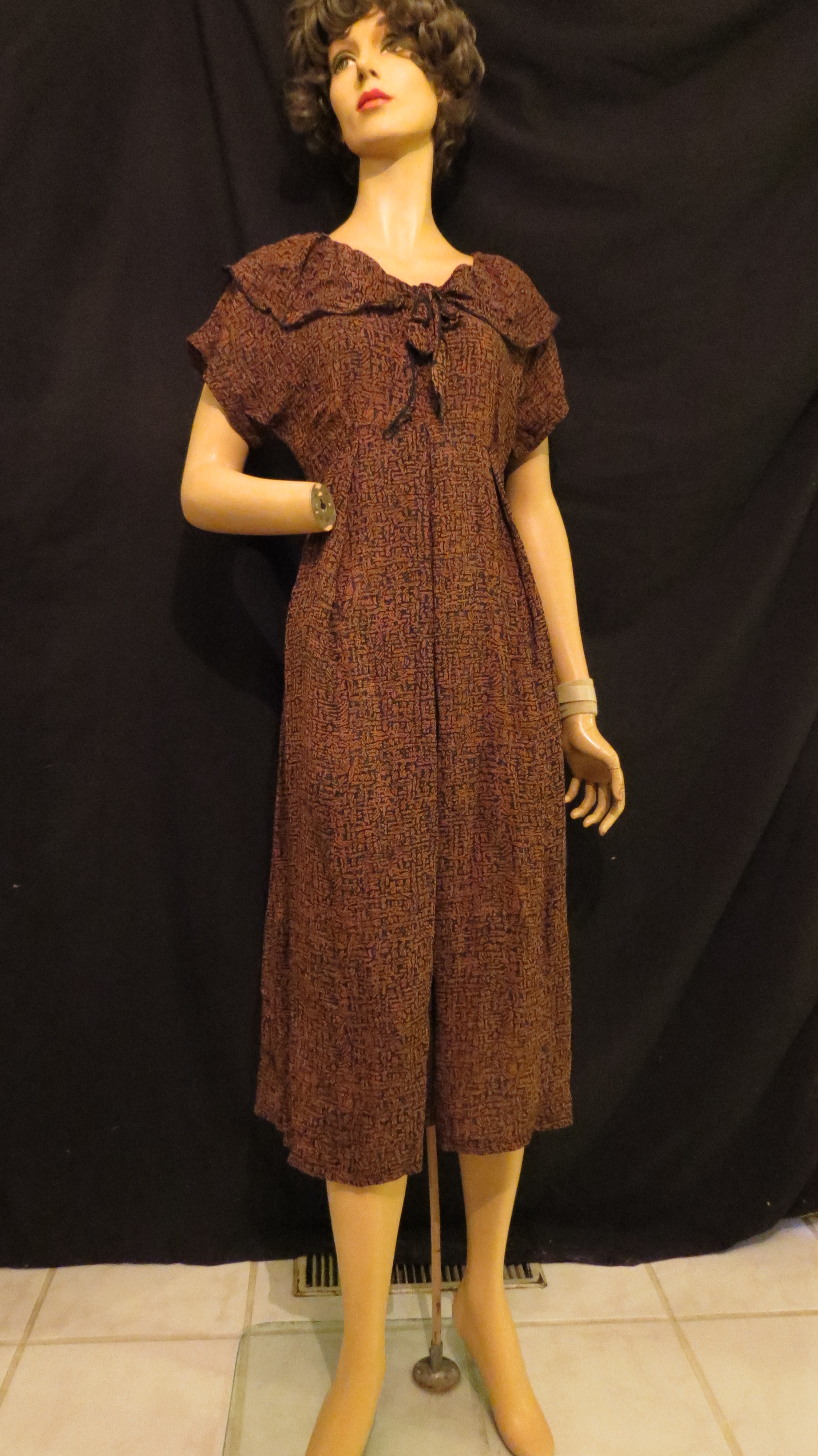
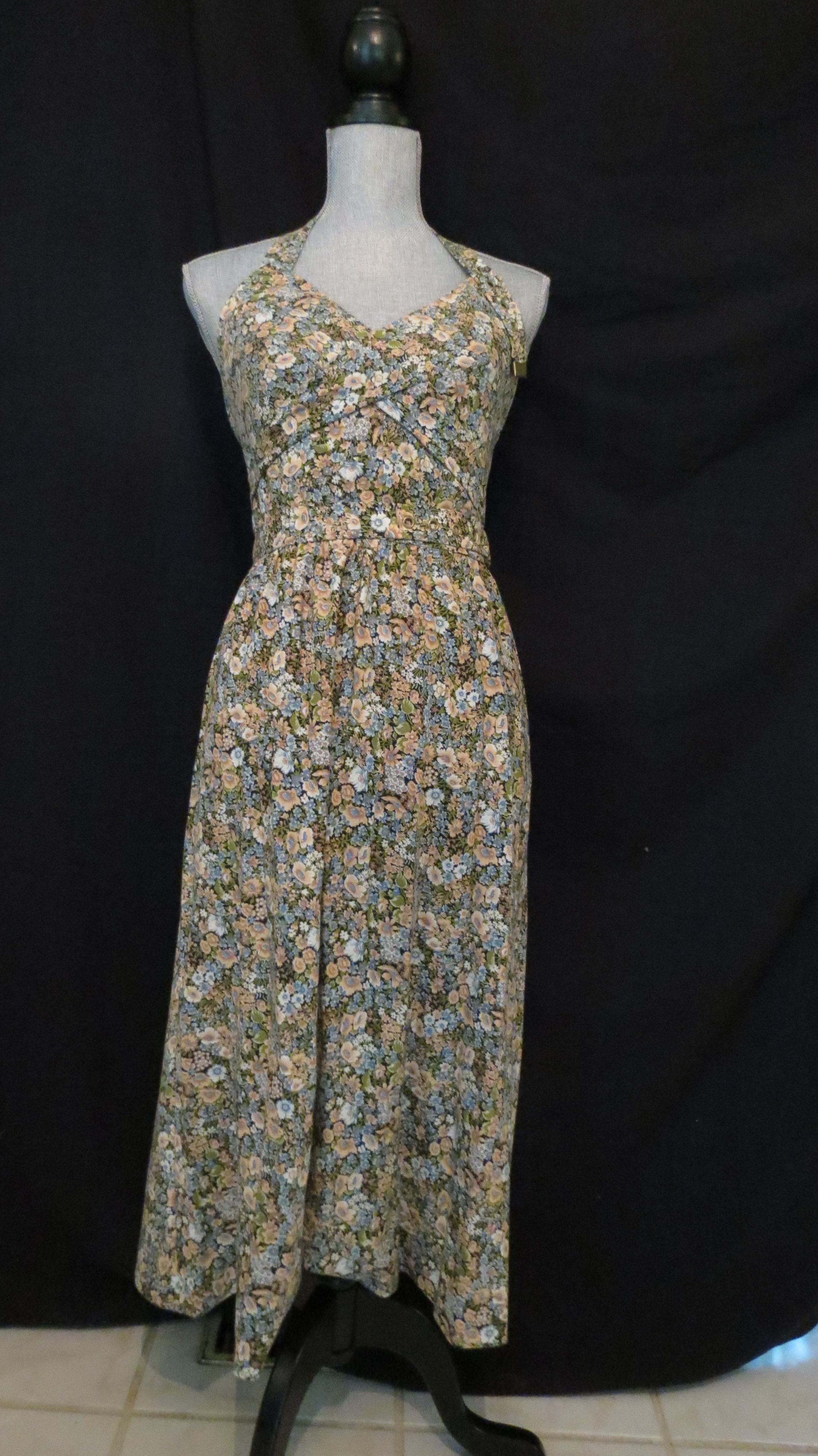
The first two frocks are a revival of designs giving a nod to nautical or “sailor” styles. Sailor collars, especially, have shown up on women’s dresses and children’s clothing since the 1800’s and maybe before. Blue and white have been classic color combinations in Spring fashions, too. The first example above with the outsized collar also has 1940’s-style cut, waistline, 3/4 sleeves and midi hemline. It’s a less expensive dress, very trendy and not true navy blue in color. By contrast, the second dress is true to military style with it’s embossed metal buttons, true navy blue and white colors and prominent stripes. The rest of it’s style is more New Wave, with a midriff top and geometric cut. It’s much more elegant and well-made. We saw a LOT of mid-priced floral print midi skirts and shirtwaist dresses, which were very good flashbacks to 1940’s everyday styles. Finally, I do love this brown print rayon dress by a trendy mid-priced designer (forgot her name). It’s a late ’30’s – early ’40’s design with great fabric drape. I also love this halter style floral midi – Very mid – ’40’s!

I rarely cover anything from the high fashion or couture world since my investigations don’t typically take place where those clues are likely to be found, though exceptions to the rule always exist. Tomorrow I’m going back to my primary focus on dresses and accessories actually made before 1970. Stay tuned . . . . . . . . . . . . . . . . . . . . . . . . . . . . . . . .

MORGANA MARTIN, THE MAGICVINTAGESPY

BLOG: MAGICVINTAGESPY.COM
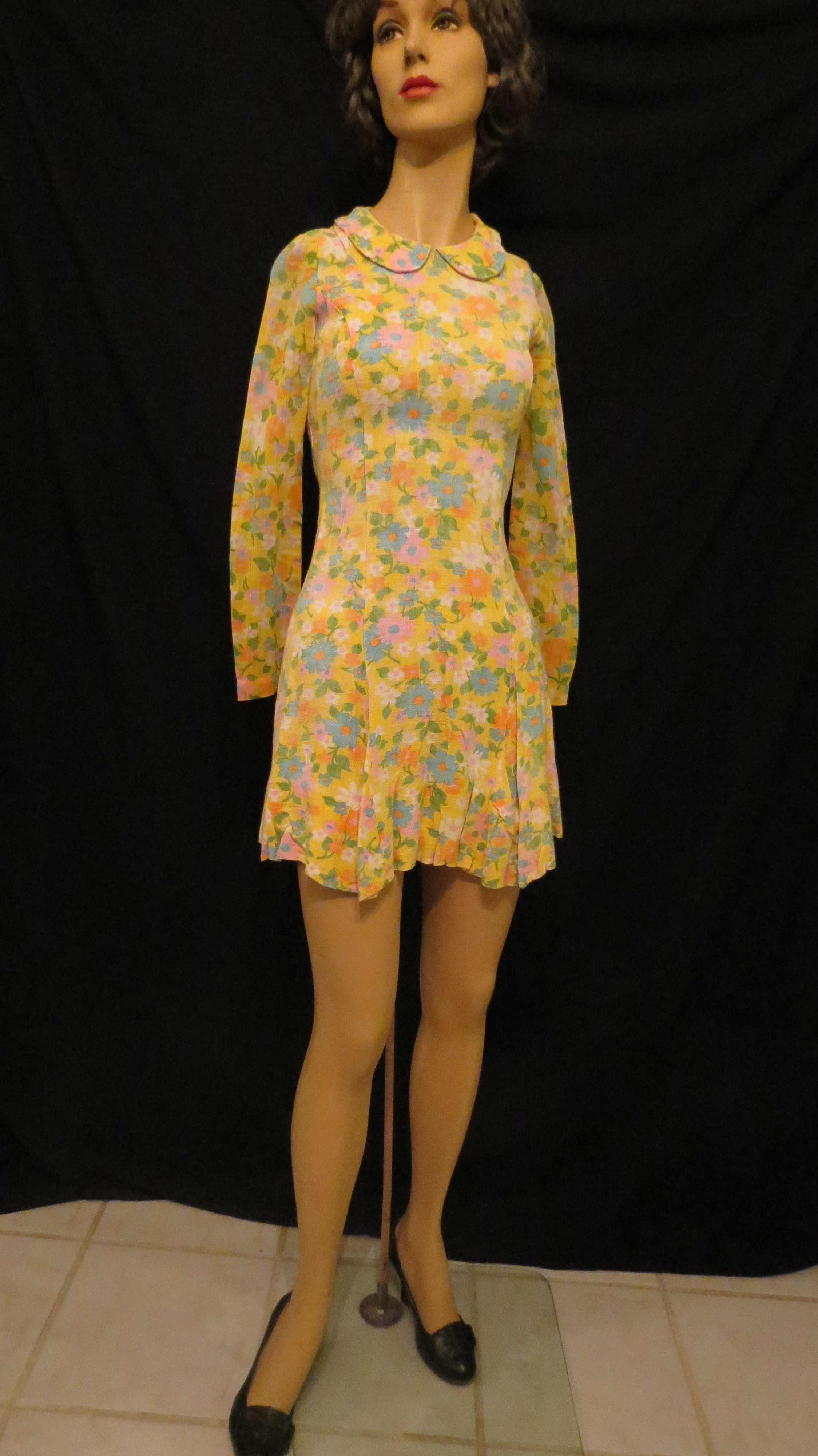
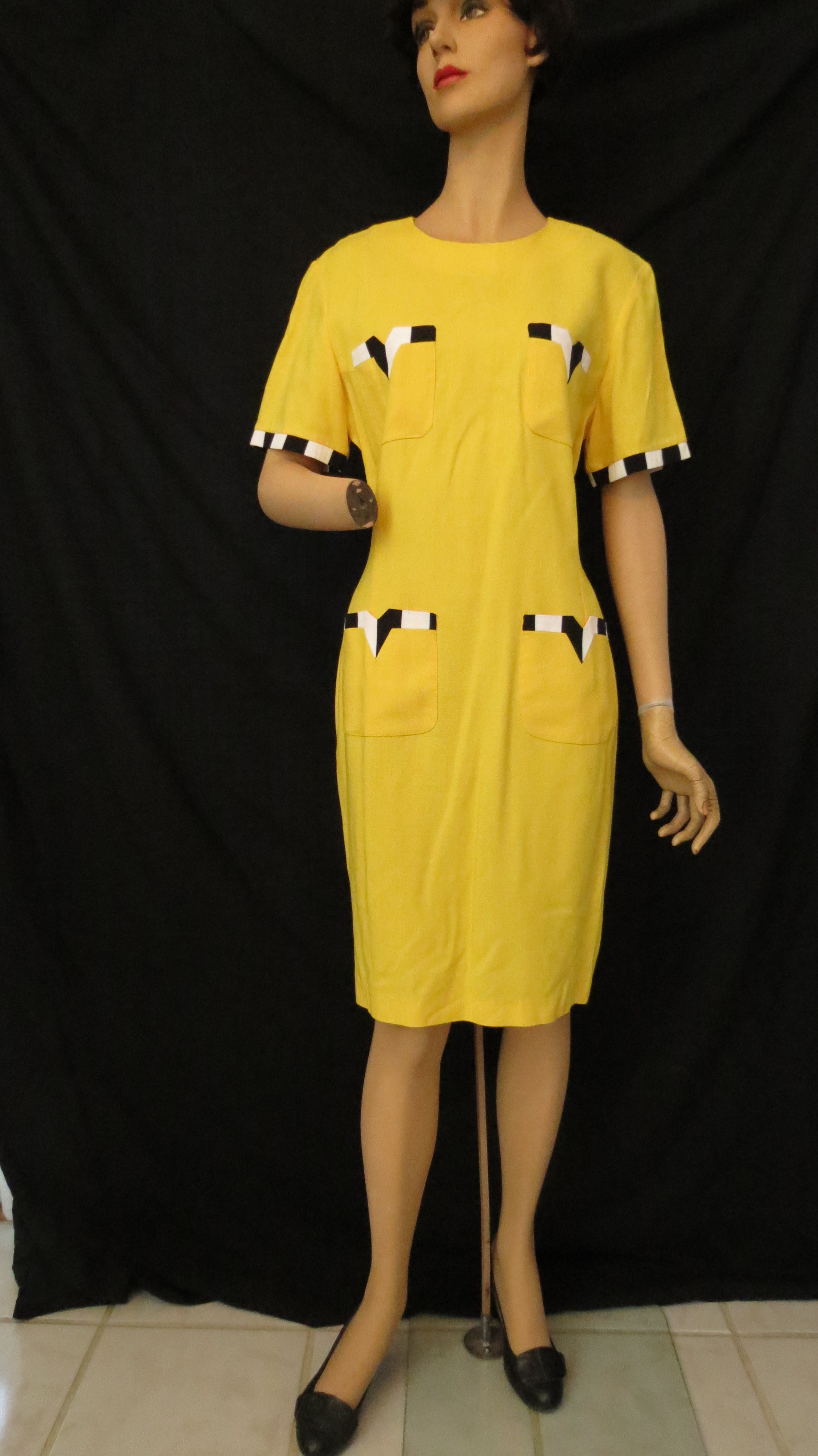
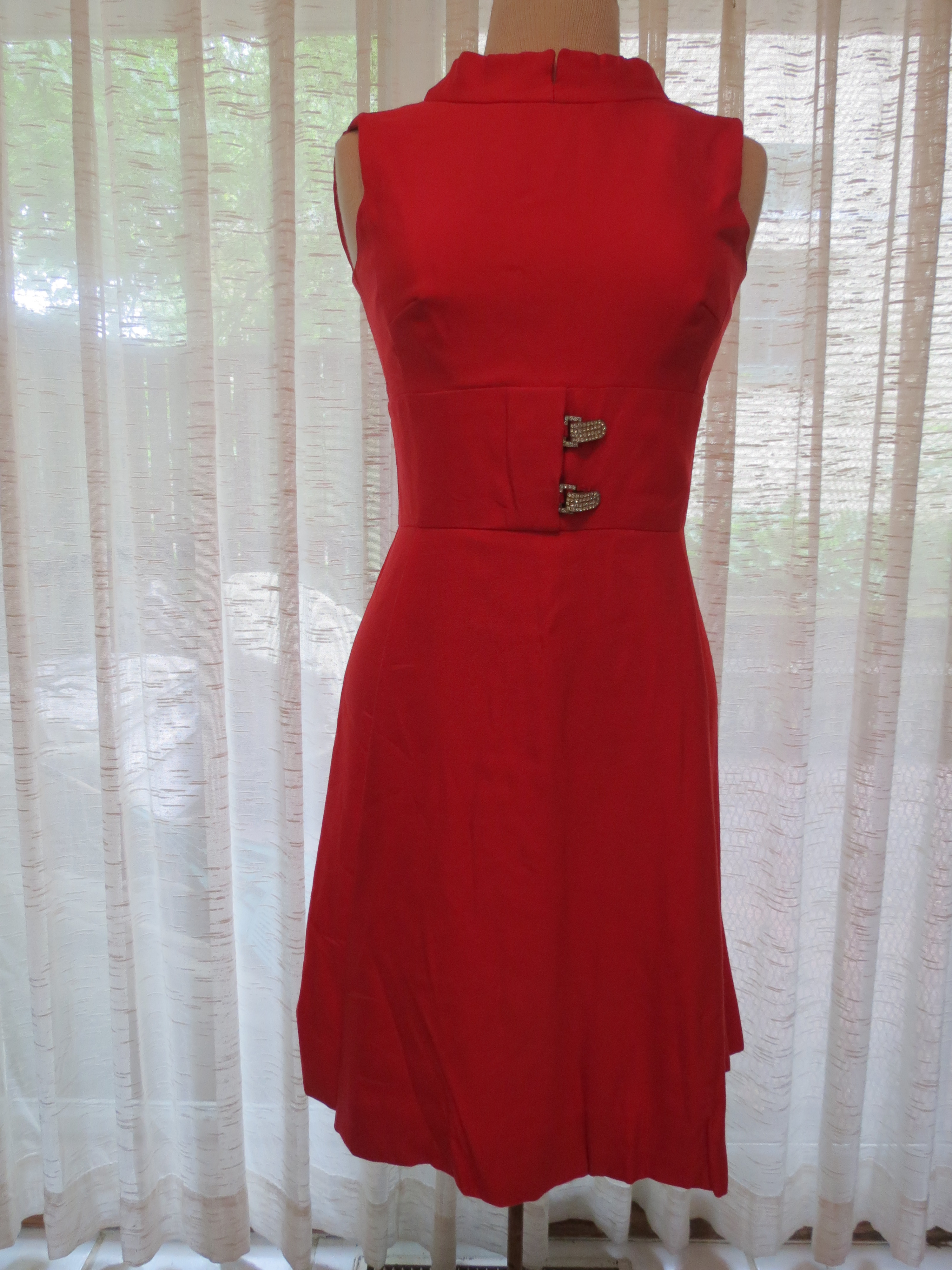
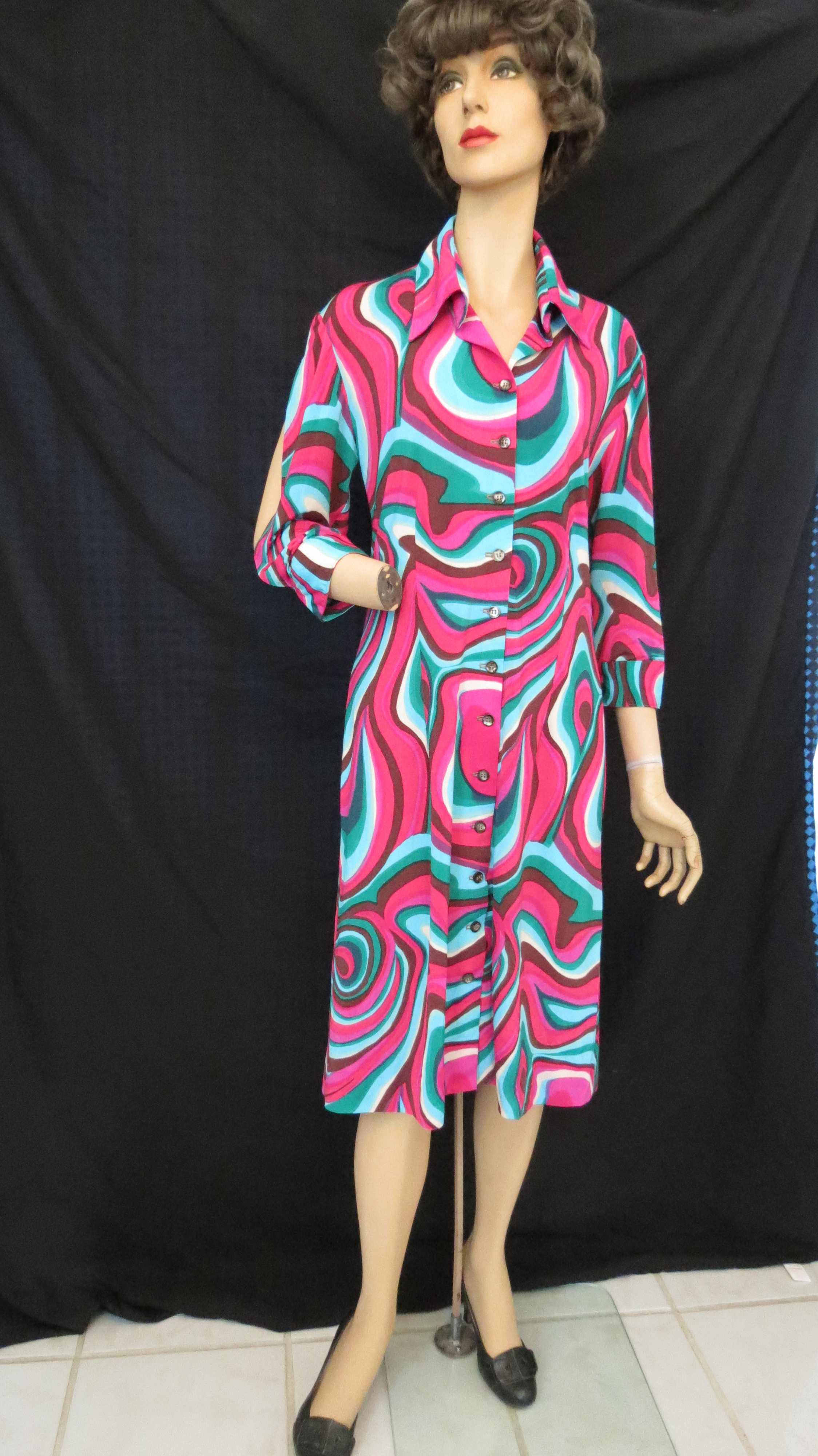
TRUE VINTAGE 1960’s DRESSES IN THE MAD, MOD WORLD

Flower-power mini-dresses, traffic light neon colors, military-styling, psychedelic prints! These trends all appeared during the middle years of the 1960’s. Cotton is out – all these dresses are made from some form of synthetic fabric. So different from the previous decades, even though some of the classic details still crop up and garments are still well-made. See the Peter Pan collar on dress #1? The contrasting edging on the yellow sheath? Nehru collar (both military and Asian) and metal hardware on the stop sign red dress? Swirly hallucinogenic op-art on a classic shirtdress style? Perfect reflections of social culture, which was morphing yearly between Peace & Love, End the Vietnam War, Sex, Drugs & Heavy Metal rock n’ roll. In spite of all that, look at the tailoring!!

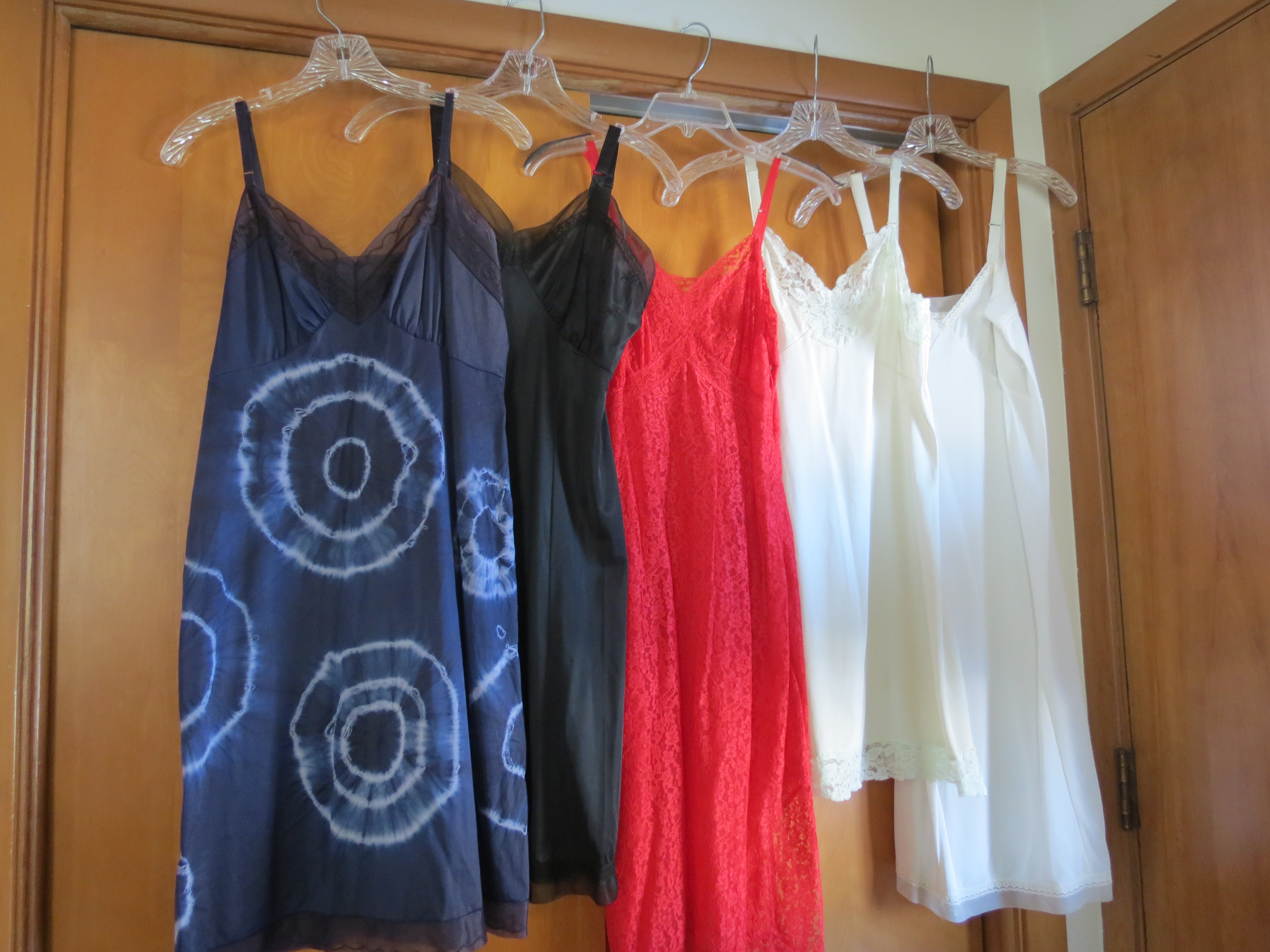
Pretty lingerie slips were still called for with these fitted frocks but the longer lengths were no longer suitable. Knee-length, at the longest, and mini-length became available. Wonderful nylon that tolerates hot water and can be dyed even allowed some creative girl to do a tie-dye.

Tomorrow we’ll take a stroll in some late 1960’s dresses and visit Carnaby Street. Stay tuned . . . . . . . . . . . . . . . . . . . . . . . . . .

MORGANA MARTIN, THE MAGICVINTAGESPY

BLOG: MAGICVINTAGESPY.COM
TRUE VINTAGE 1960’S TRENDS IN DRESSES, HOUSEDRESSES & ACCESSORIES – TO THE START OF MOD

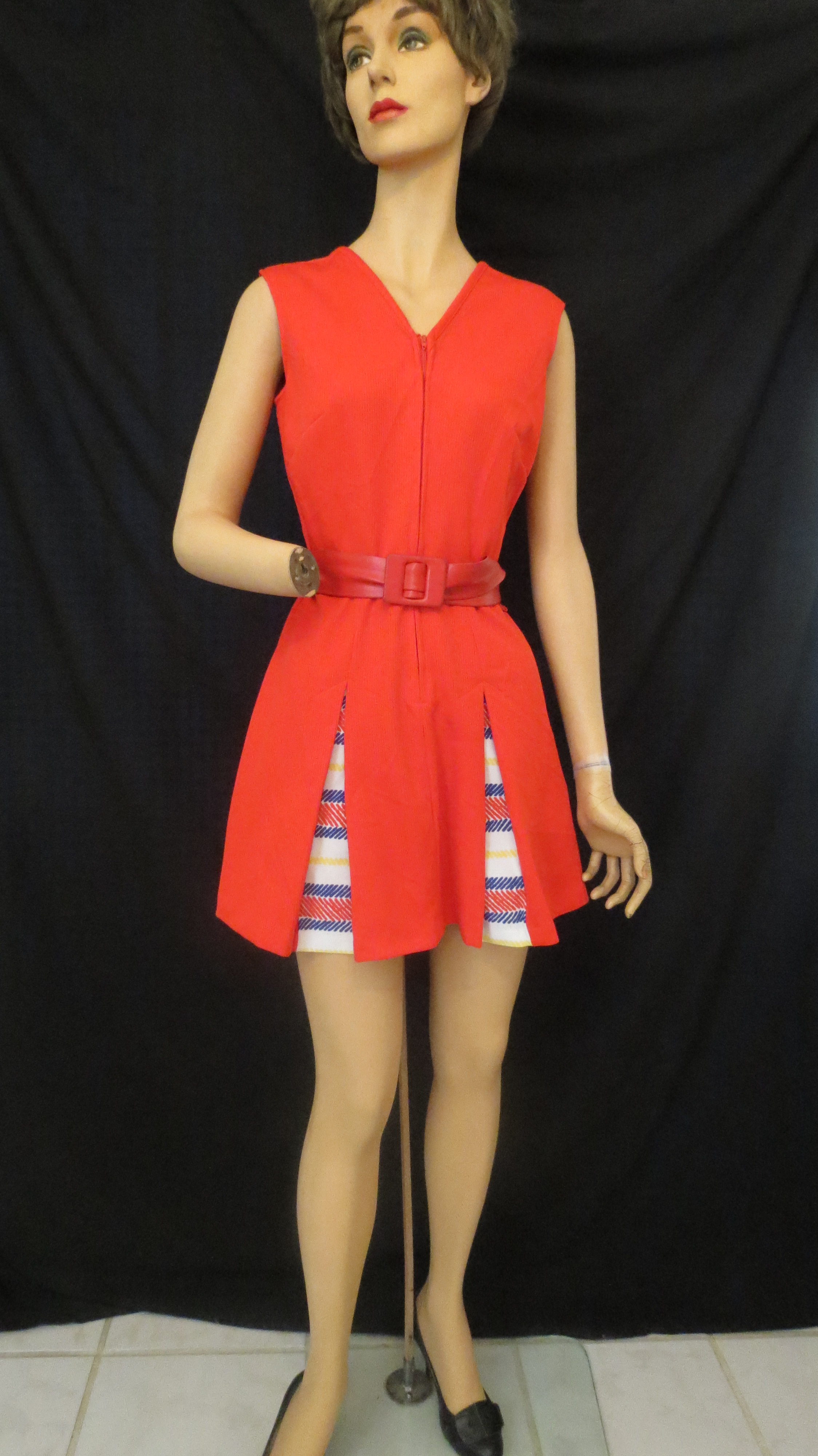
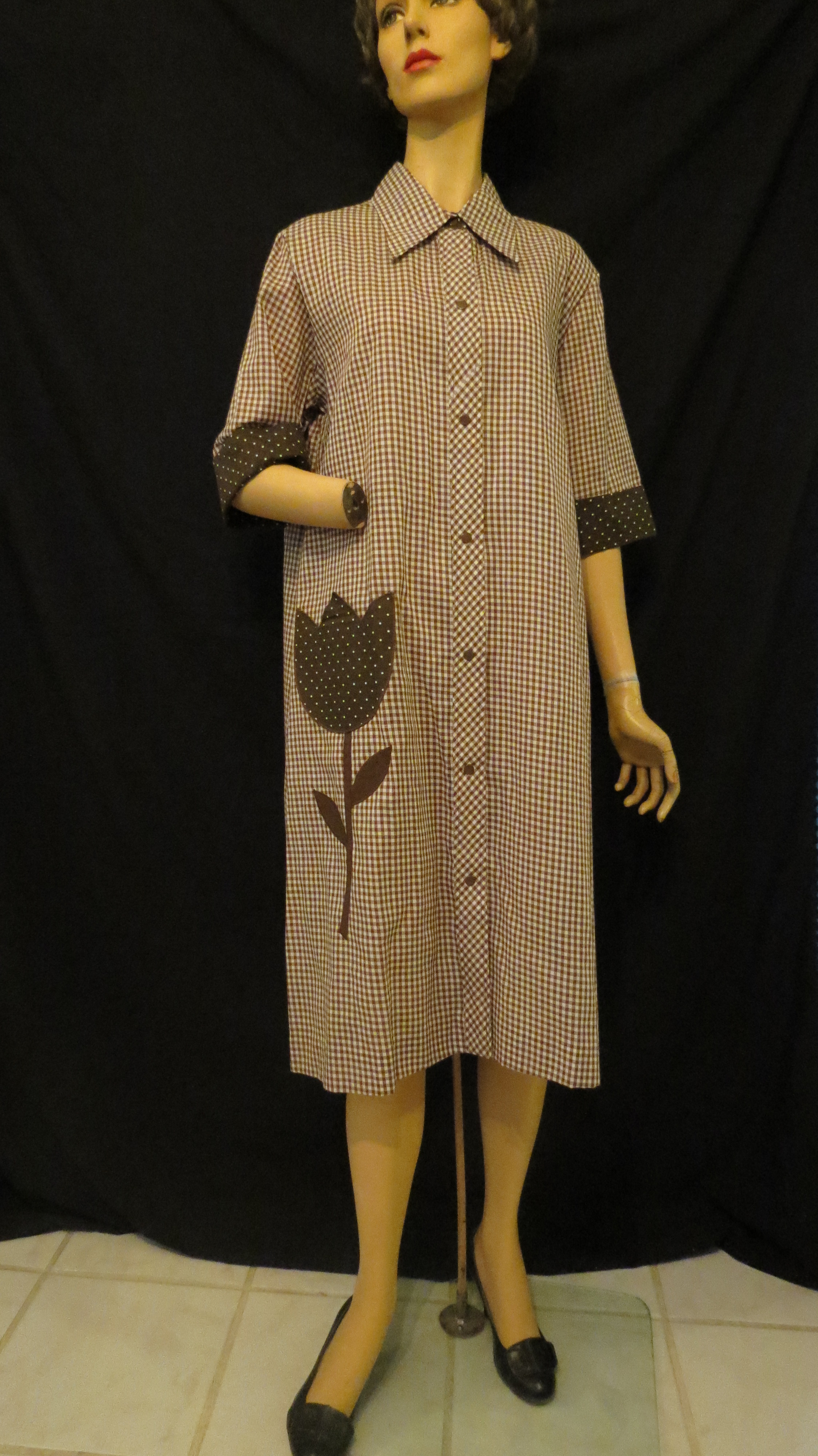
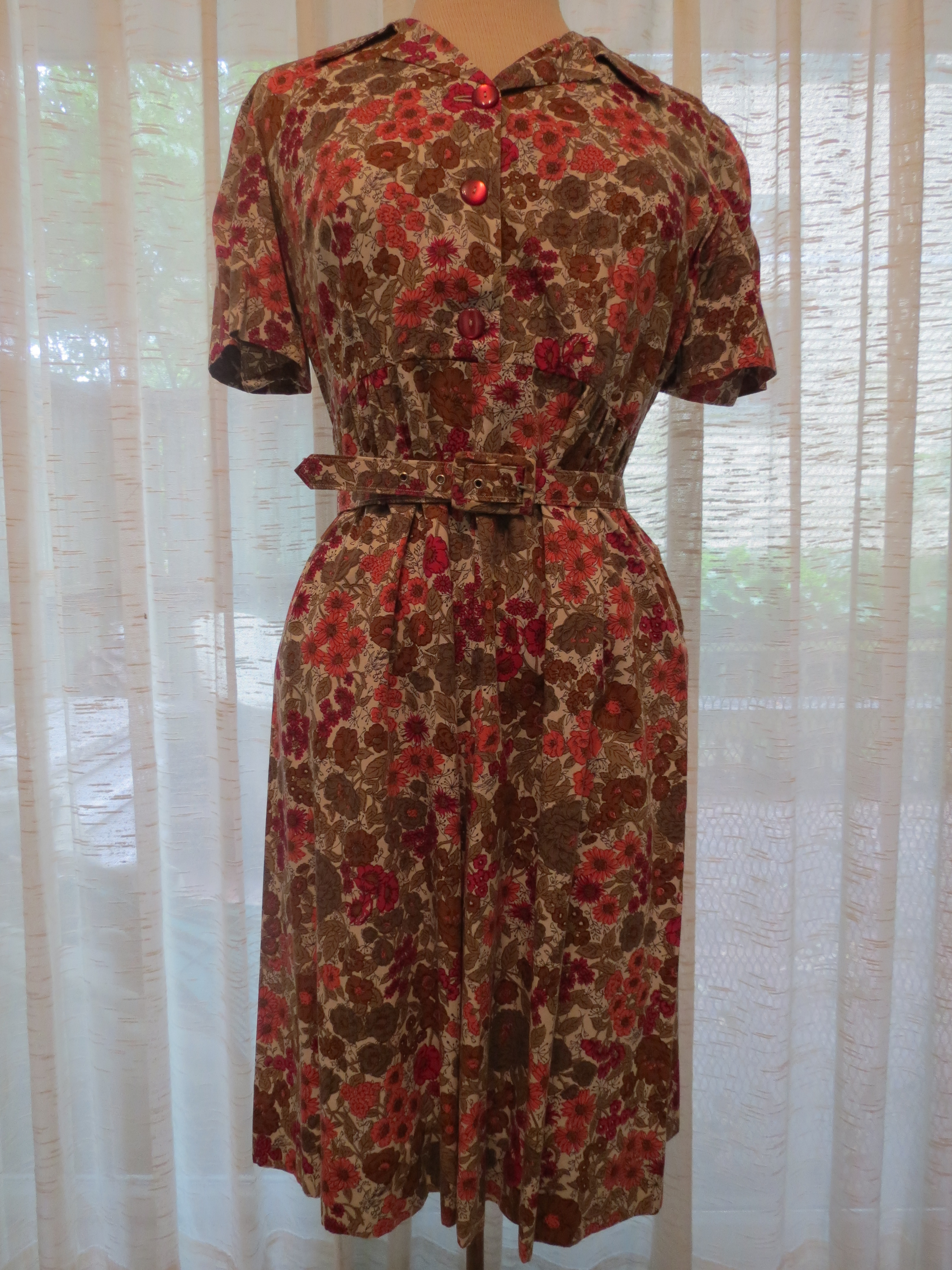
Casual cotton and cotton blend housedresses and model’s coats became really popular as styles started to become less traditional. Some of these dresses would even be seen at the grocery store or for other casual errands in warm weather. The shirtwaist dress was still around, of course, but was starting to take a back seat for everyday. The culotte mini/play-dress was also a new take on the 1940’s/’50’s romper. Casual designs like those shown above were still very well-made, generally, and had cute and pretty prints and tailoring elements.

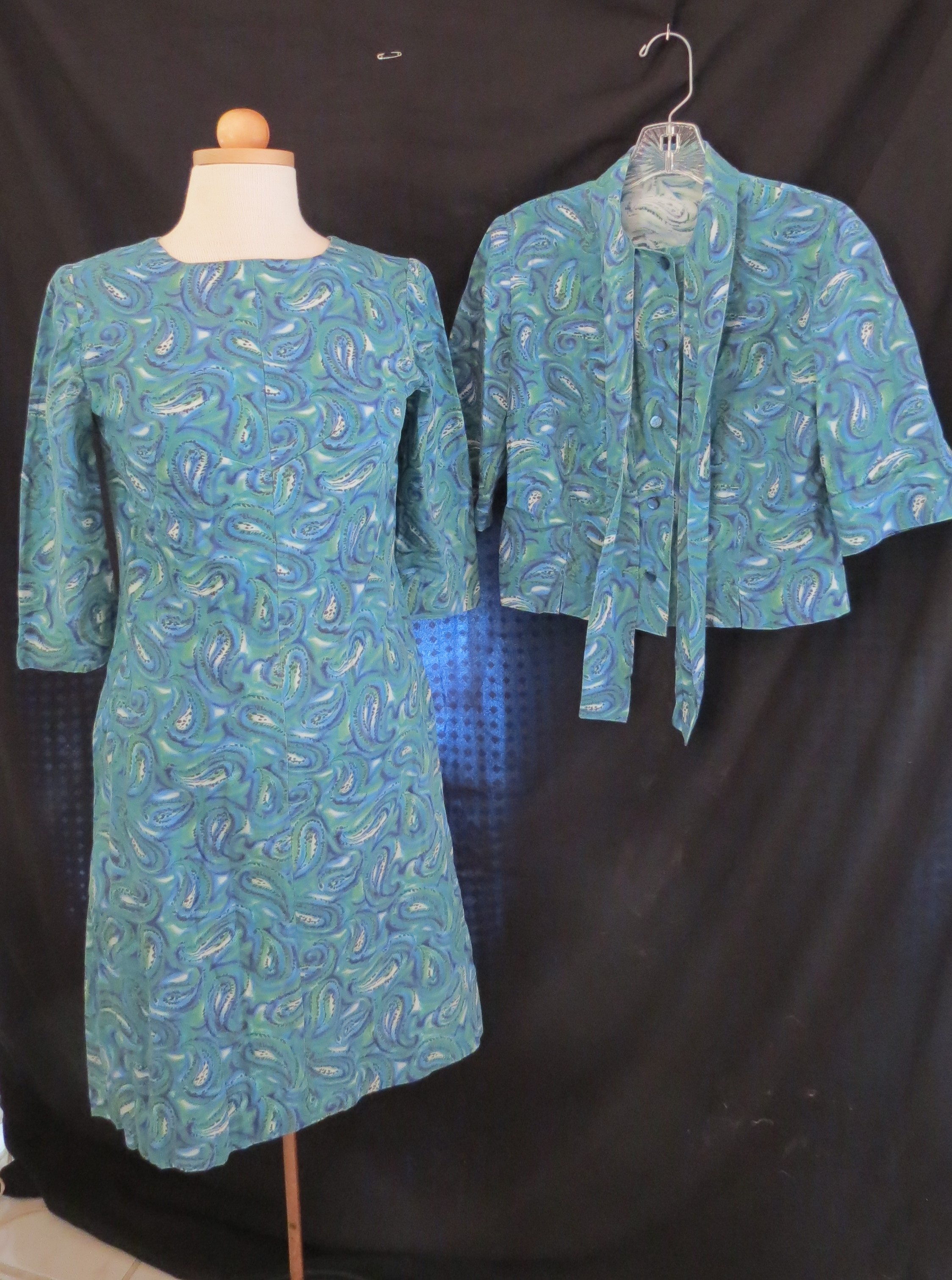
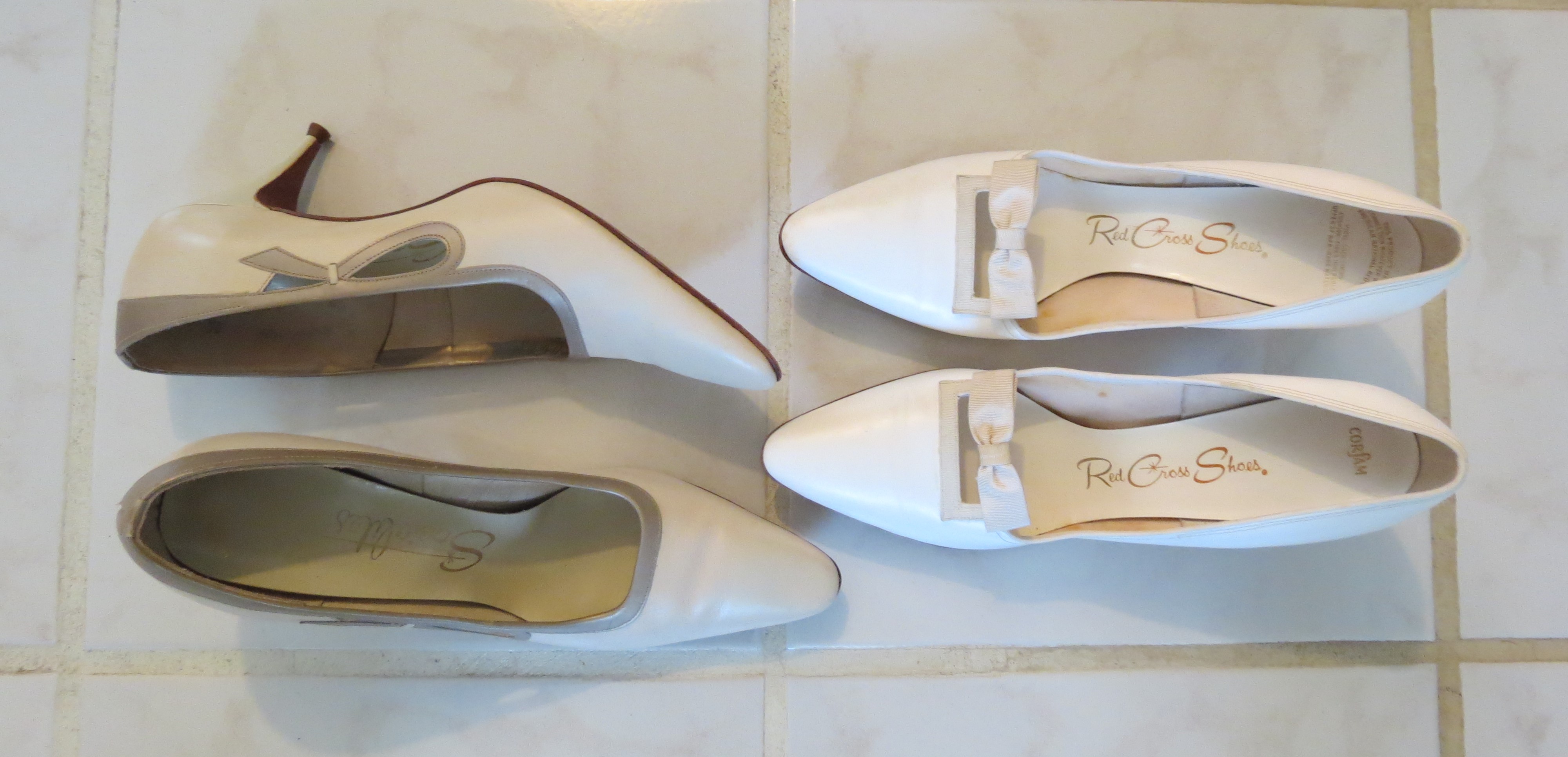
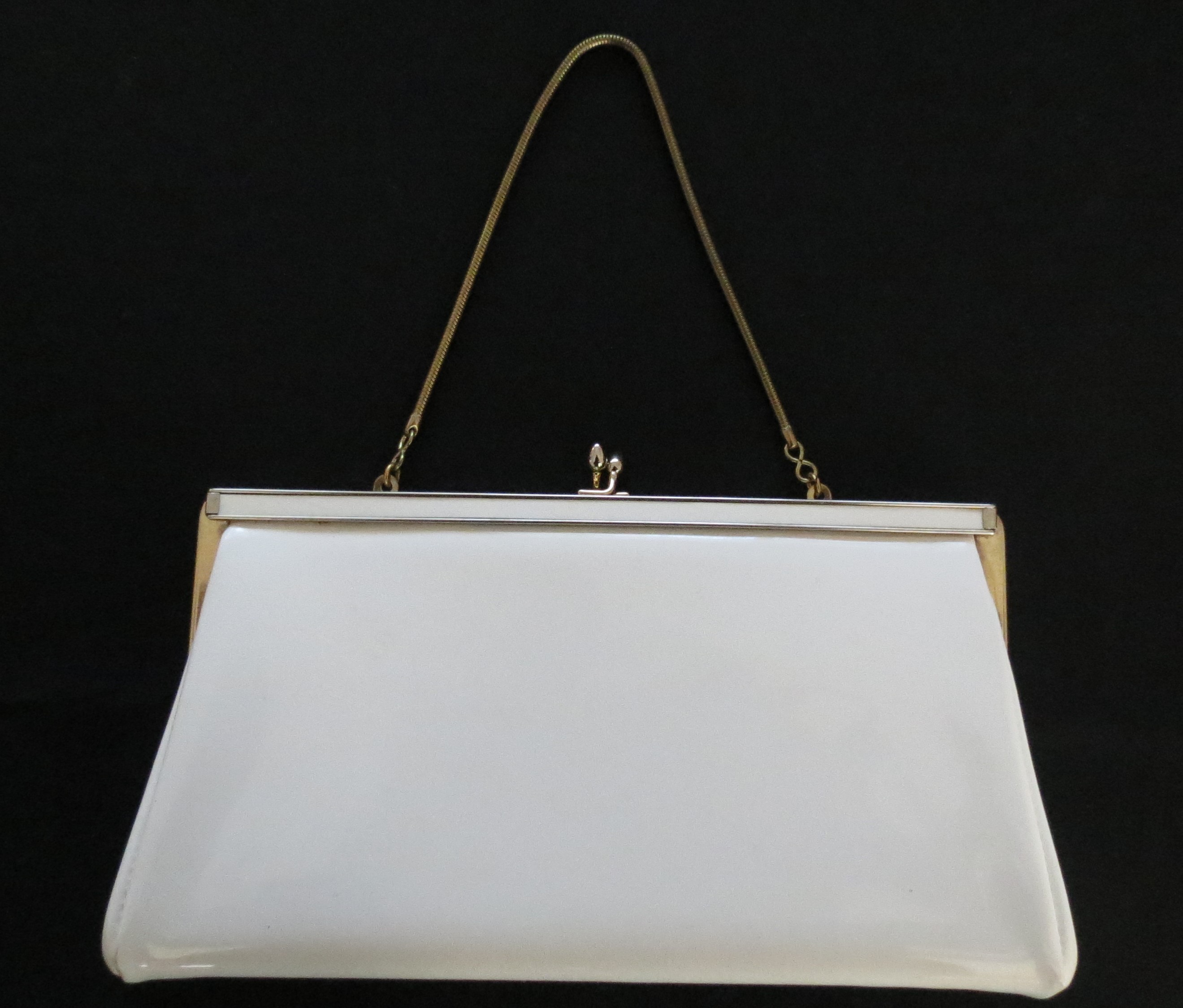
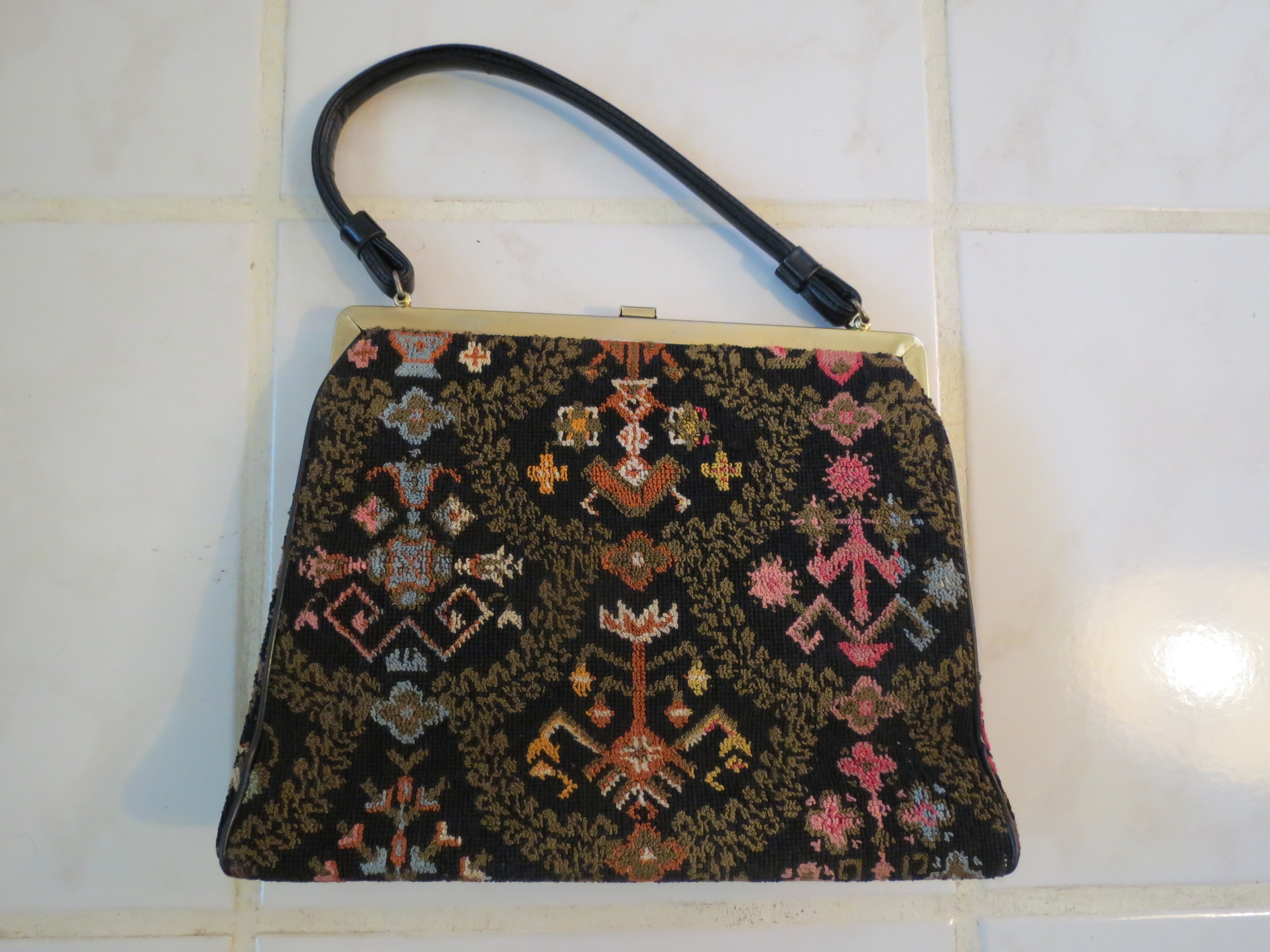
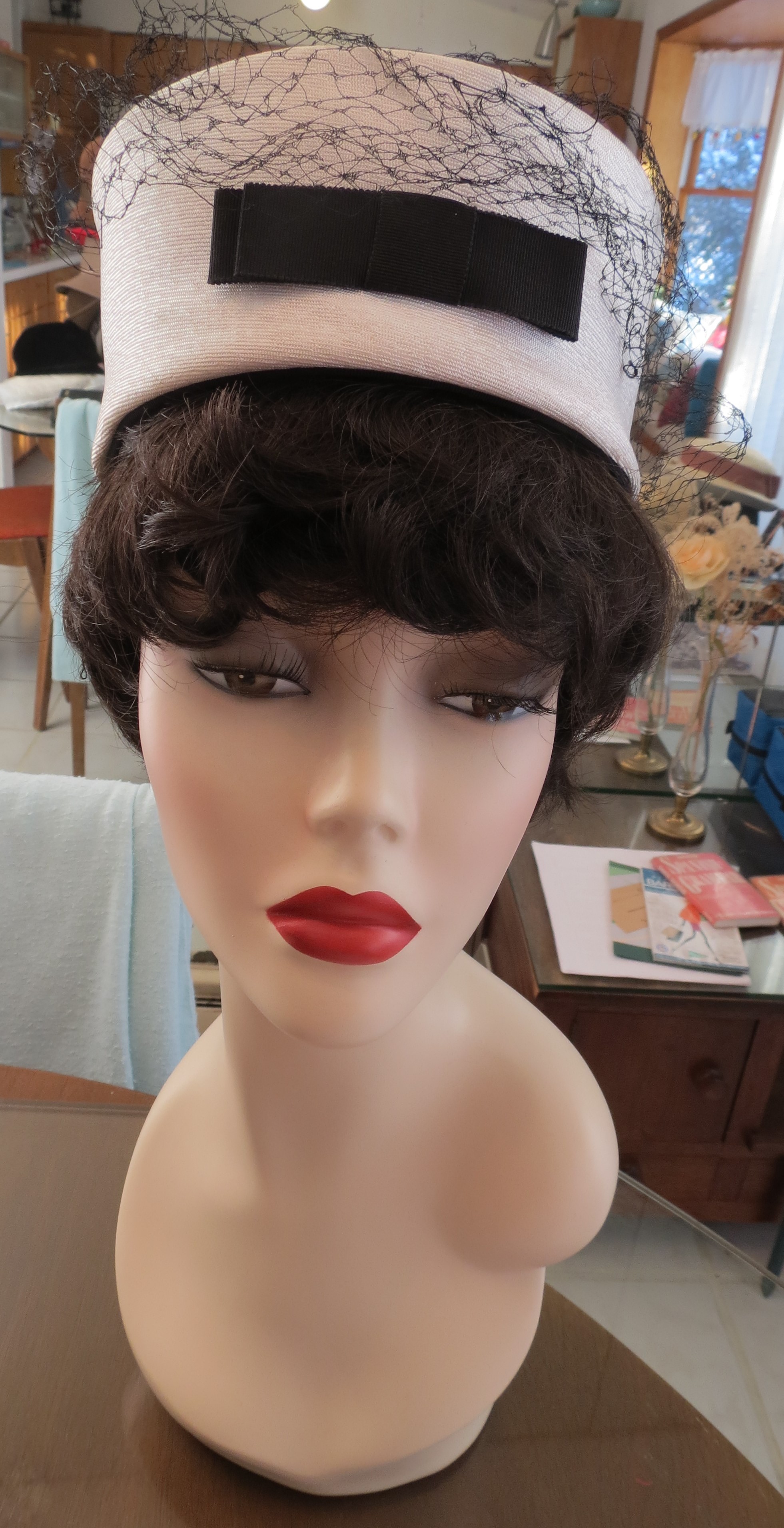
Dresses with little matching jackets became very popular for everyday wear when a step up the dressy scale was called for – an important appointment, special event or church. The shoes, purses and hats are examples of those which might have been worn with dresses like this. The blue & green example above was home-sewn in the color combo that defined popular design in 1963. The prints on the two blue dresses in center are a harbinger of the MOD trend that was just about to erupt.

Stay tuned for a trip to the mid-1960’s tomorrow . . . . . . . . . . . . . . . . . . . . . . . . . . . . . . . . . . . . . .

MORGANA MARTIN, THE MAGICVINTAGESPY

BLOG: MAGICVINTAGESPY.COM
EARLY 1960’S DAY DRESSES

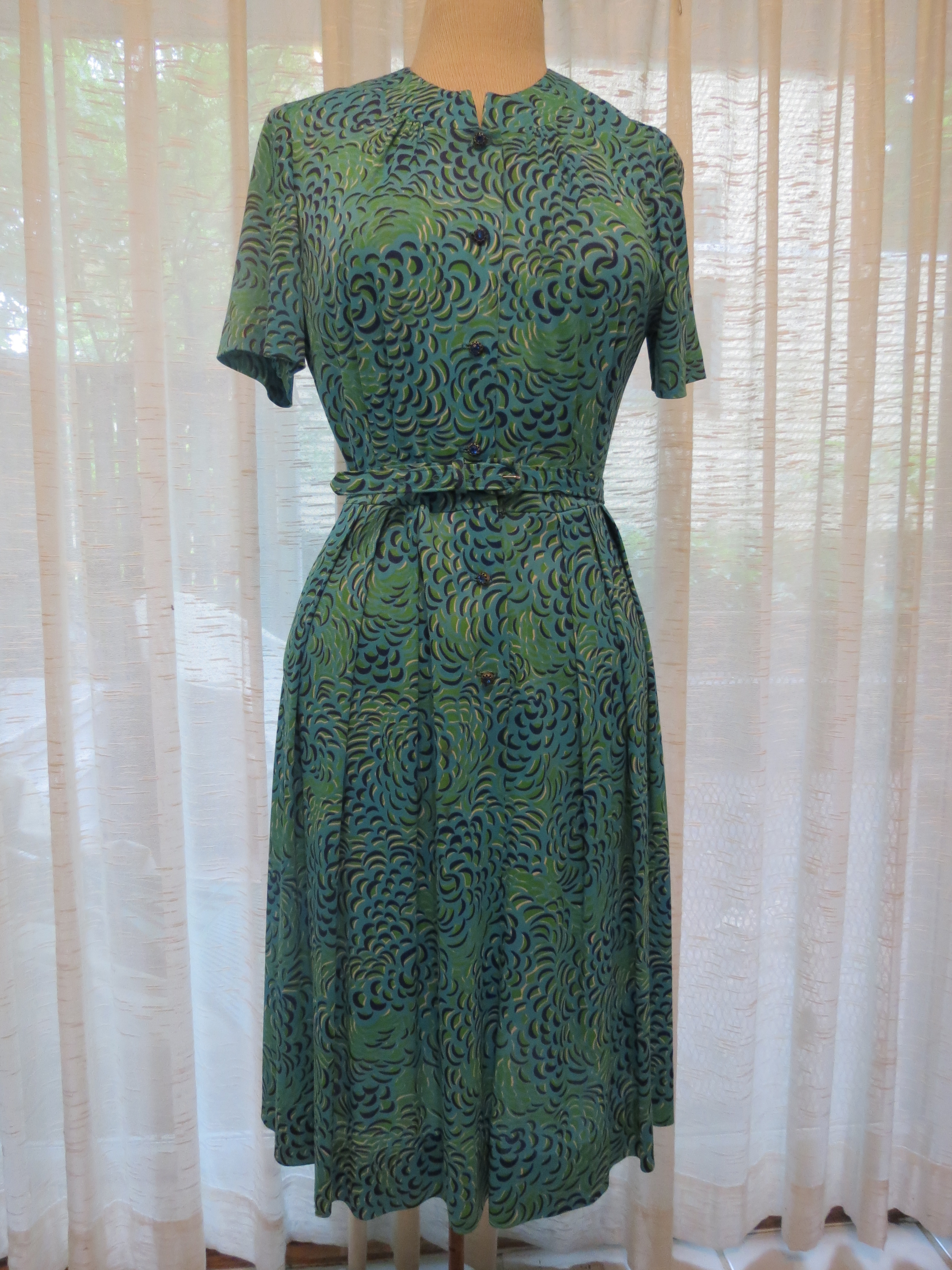
The very early 1960’s, Kennedy era was a time for ladies’ dresses to begin a shift in style. We started off with wasp waists, shirtwaist dresses and full skirts . Cotton and cotton blend shirtwaist dresses were still the day dress uniform for most middle-income women. But, also popular at that time for slightly dressier styles was a slinky knit fabric that was probably a poly/acetate blend. I remember older relatives wearing some of these, which they had probably owned for years. Many of the slinky knit dresses had rhinestone buttons. Great-grandma styles. The first 4 photos above are examples of these two types.

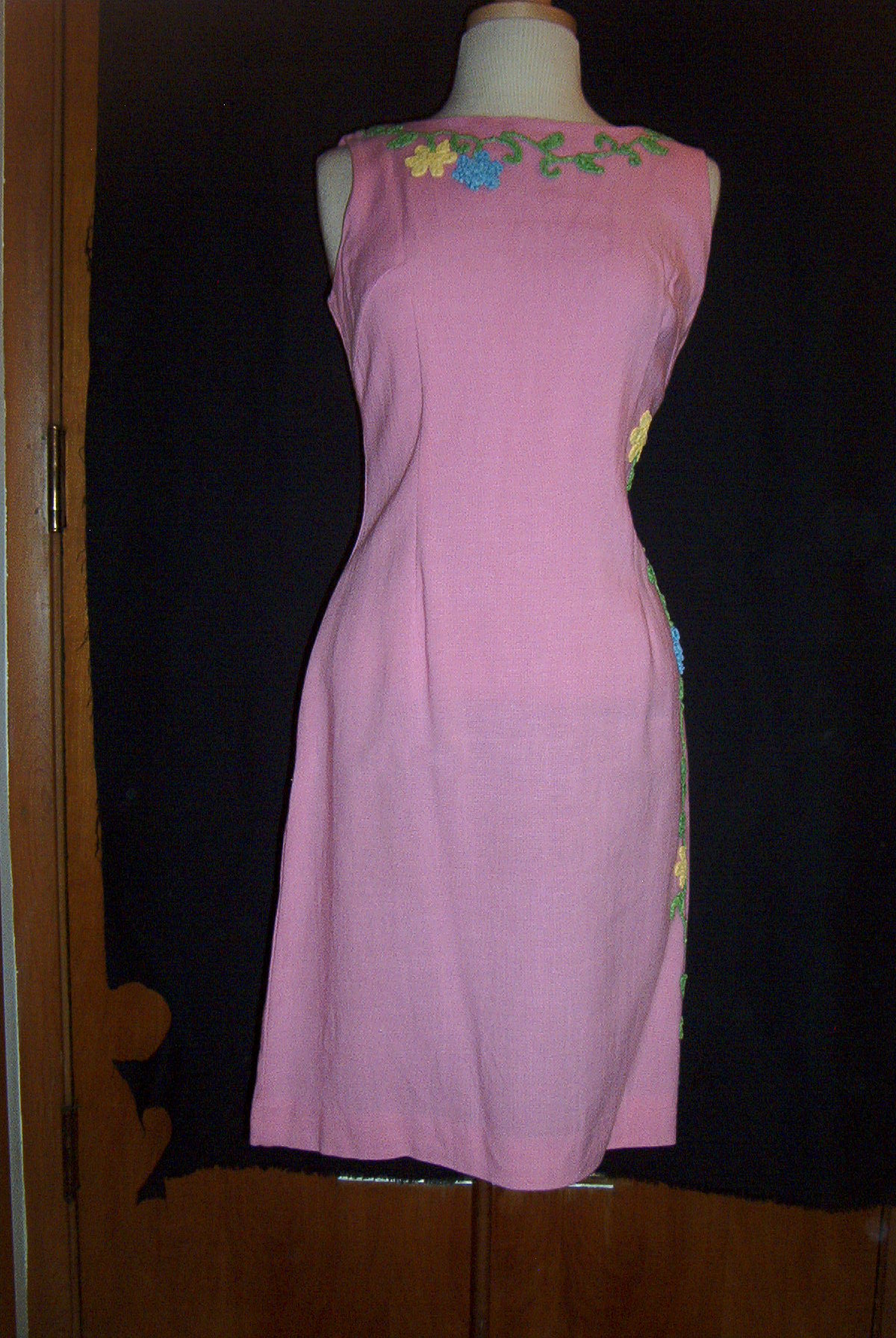
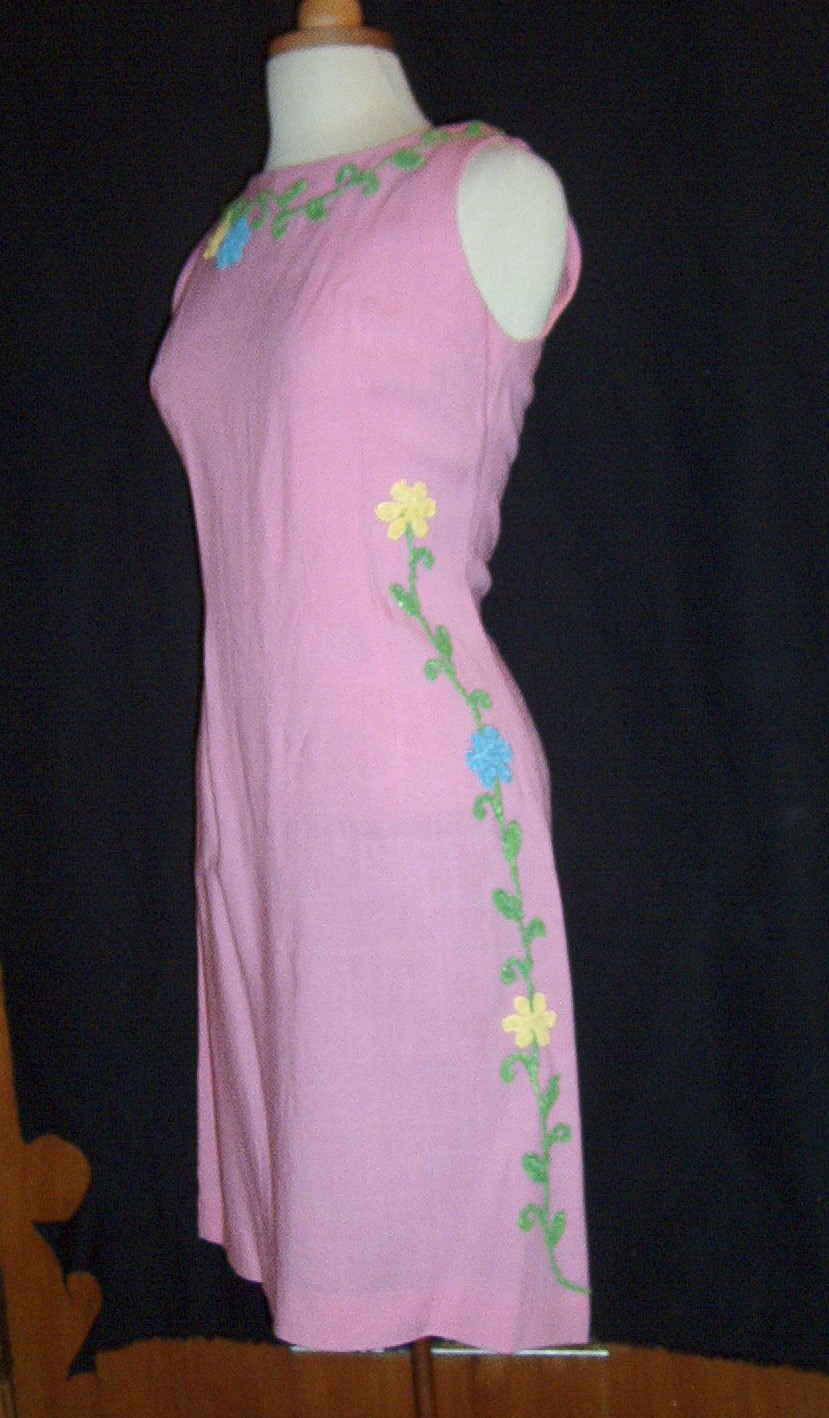
After that, sheath styles and fun details like this floral embroidery above started to make an appearance. This pink dress may have been home-tailored. The crafty, homemade trend that had taken root during WWII was still very strong, even though families had more prosperity in the 1950’s.

My internet connection or the blog host software has limited the number of photos I can add to my posts, so I am focusing on narrower topics and timelines now. Part of the issue for me is that I have so many photos in my archives that I just can’t squeeze them all in. Possibly better for you, my readers and followers, to see these wonderful garments in more detail. I will be continuing with dresses from the 1960’s because there were so many changes during that decade and it can take several posts to cover them all. Stay tuned . . . . . . . . . . . . . . . . . . . . . . . . . . . . .

MORGANA MARTIN, THE MAGICVINTAGESPY

BLOG: MAGICVINTAGESPY.COM
2 MOD KNIT DRESSES FROM THE SIXTIES – EARLY SEVENTIES FEEL A LOT DIFFERENT FROM YESTERDAY’S!
IMG_3945.JPG

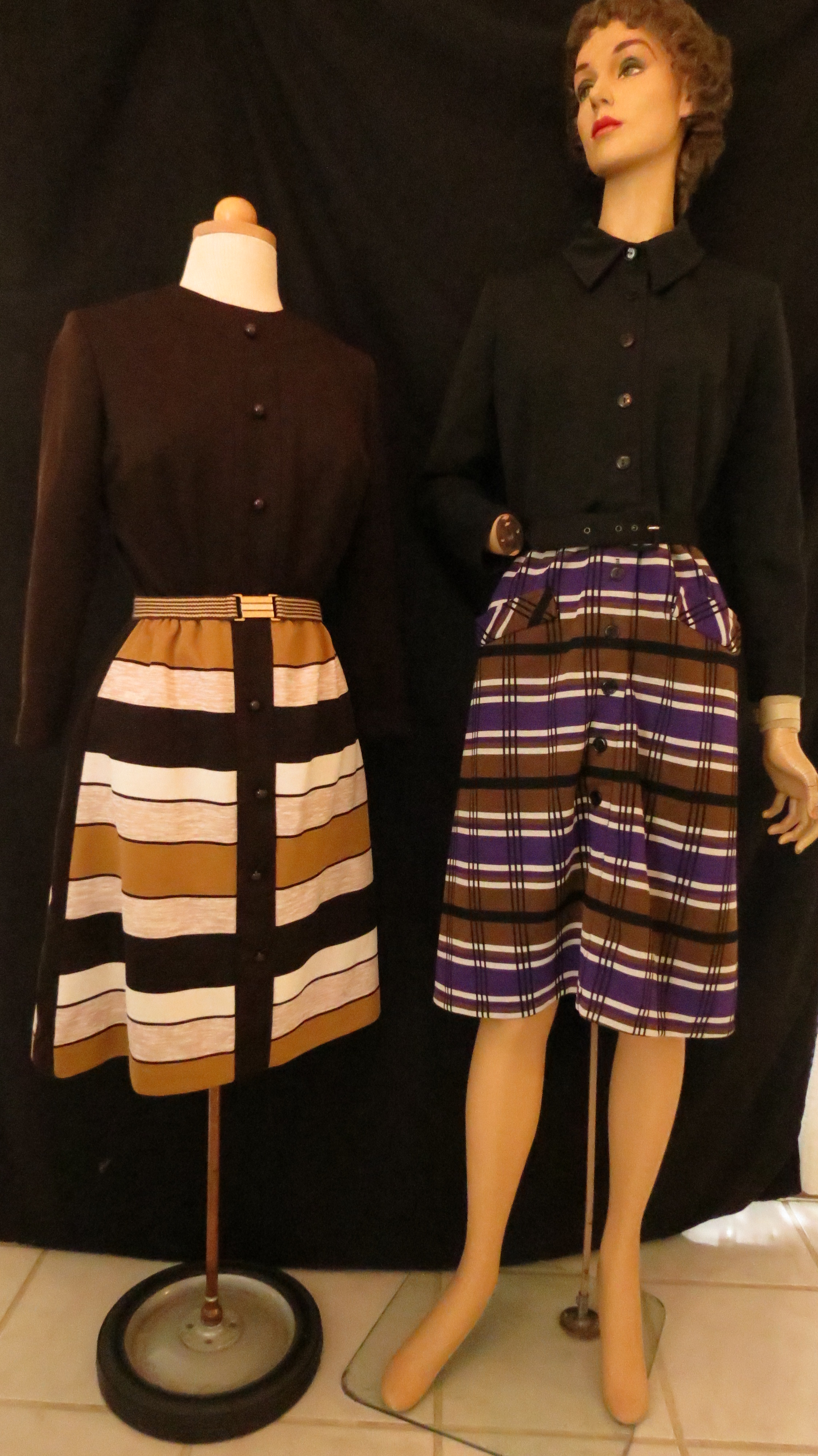
Still  modest, but a lot more casual and friendly-looking.  Fun everyday wear for when I want a warmer dress (like now!)  My, my – the chilly winds they are a-blowin’.  That’s one good thing about the older acrylic knits.  They’re not as heavy as a sweater but they are warm.

Good color combos – just right for Autumn and I’m happy with the long sleeves and the original belts – not so easy to find.  I’ll be wearing them soon with opaque tights and boots, in a late Sixties Carnaby Street mood . . . . . . . . . . . . . . . . . . . . . . . . . . . . . . . . .

MORGANA MARTIN, THE MAGICVINTAGESPY

BLOG:  MAGICVINTAGESPY.COM