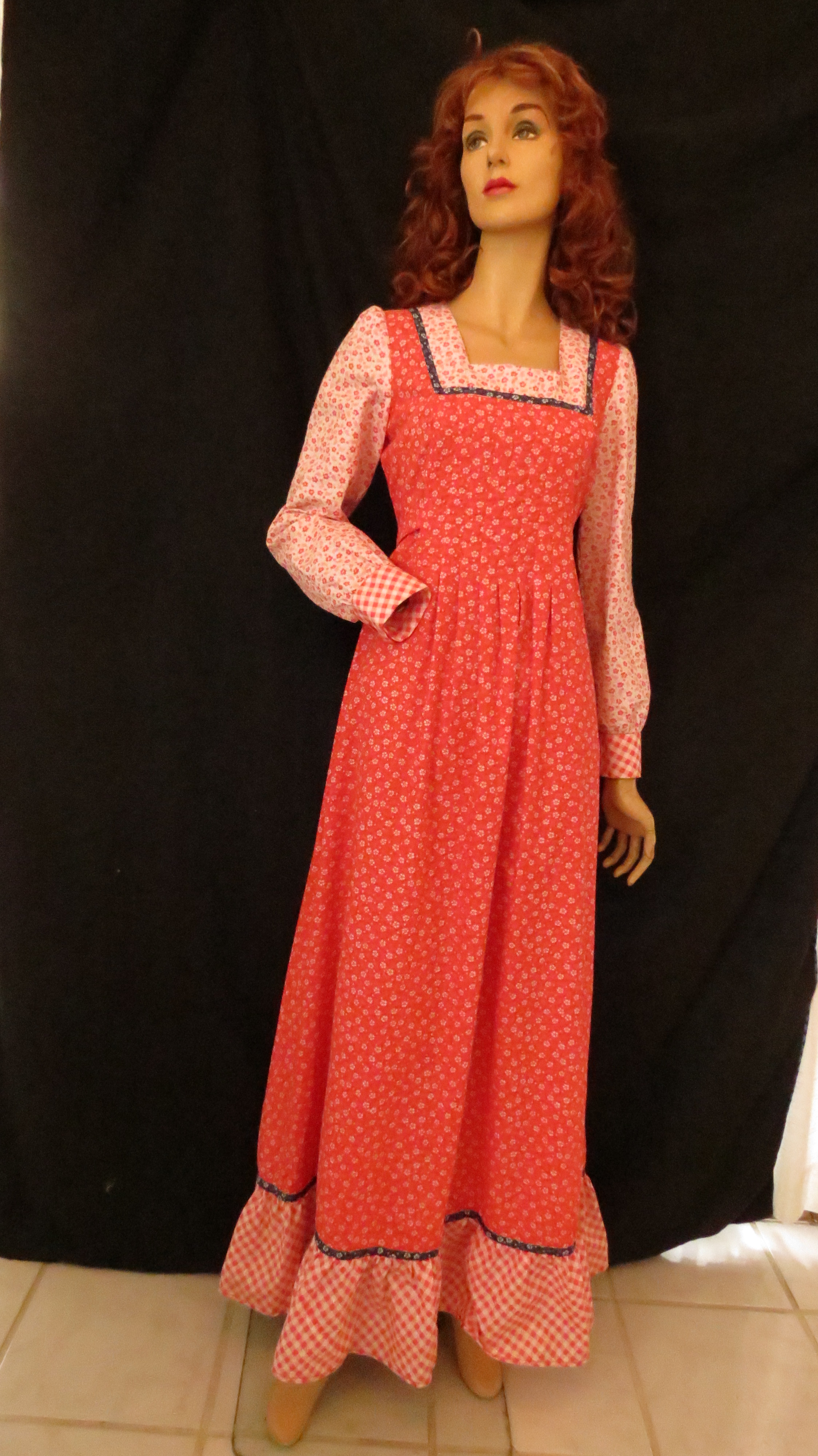
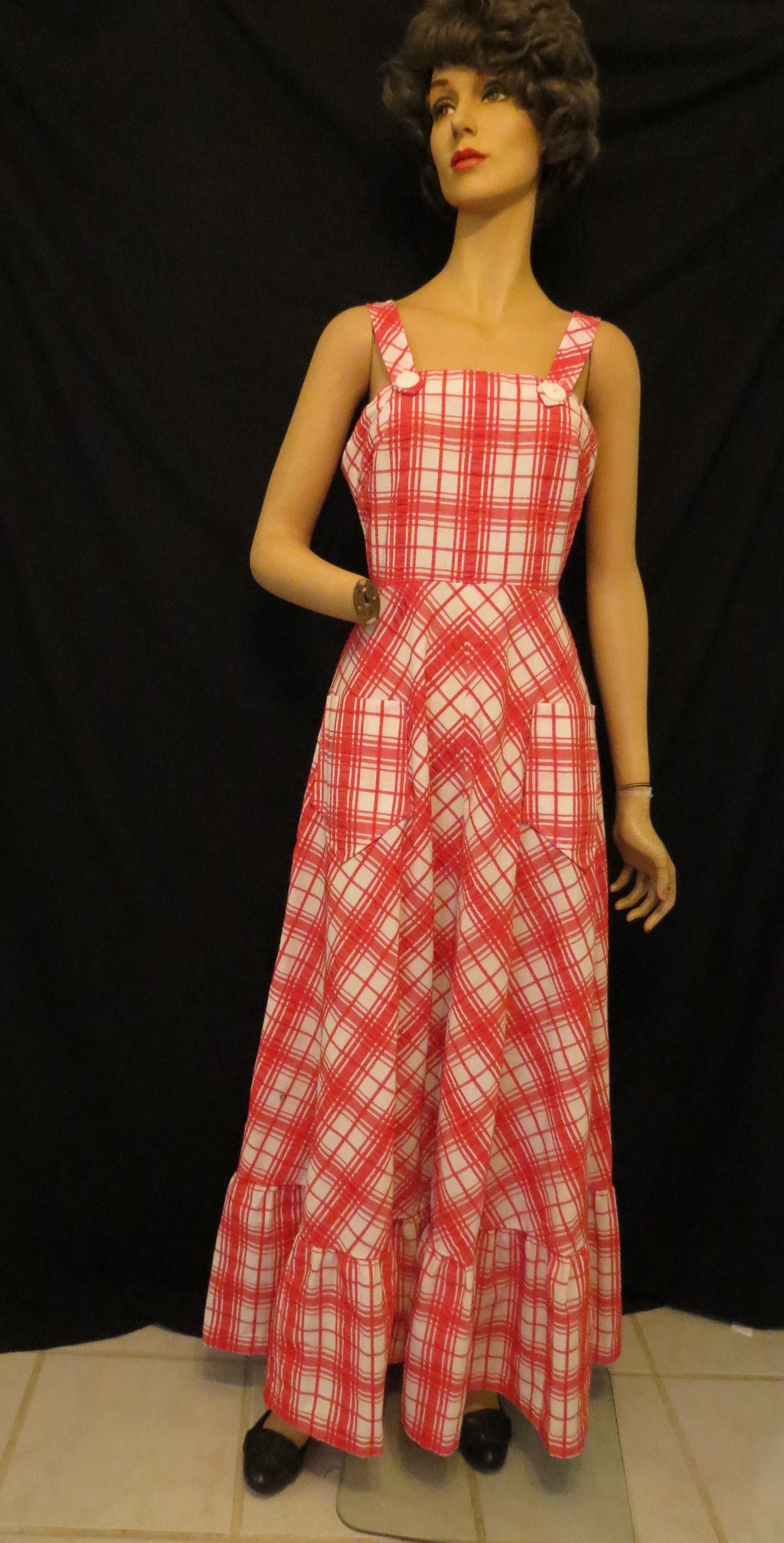
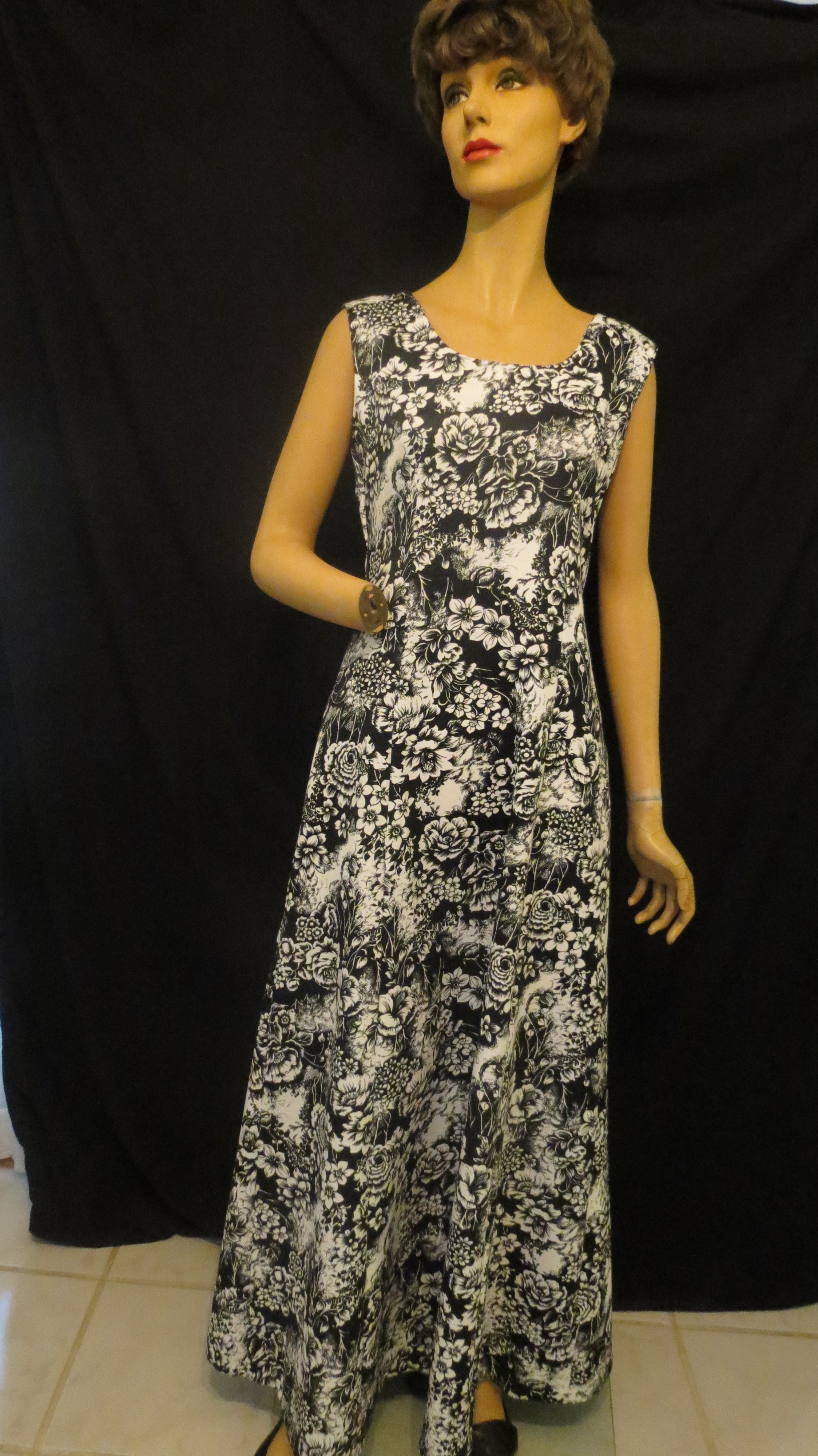
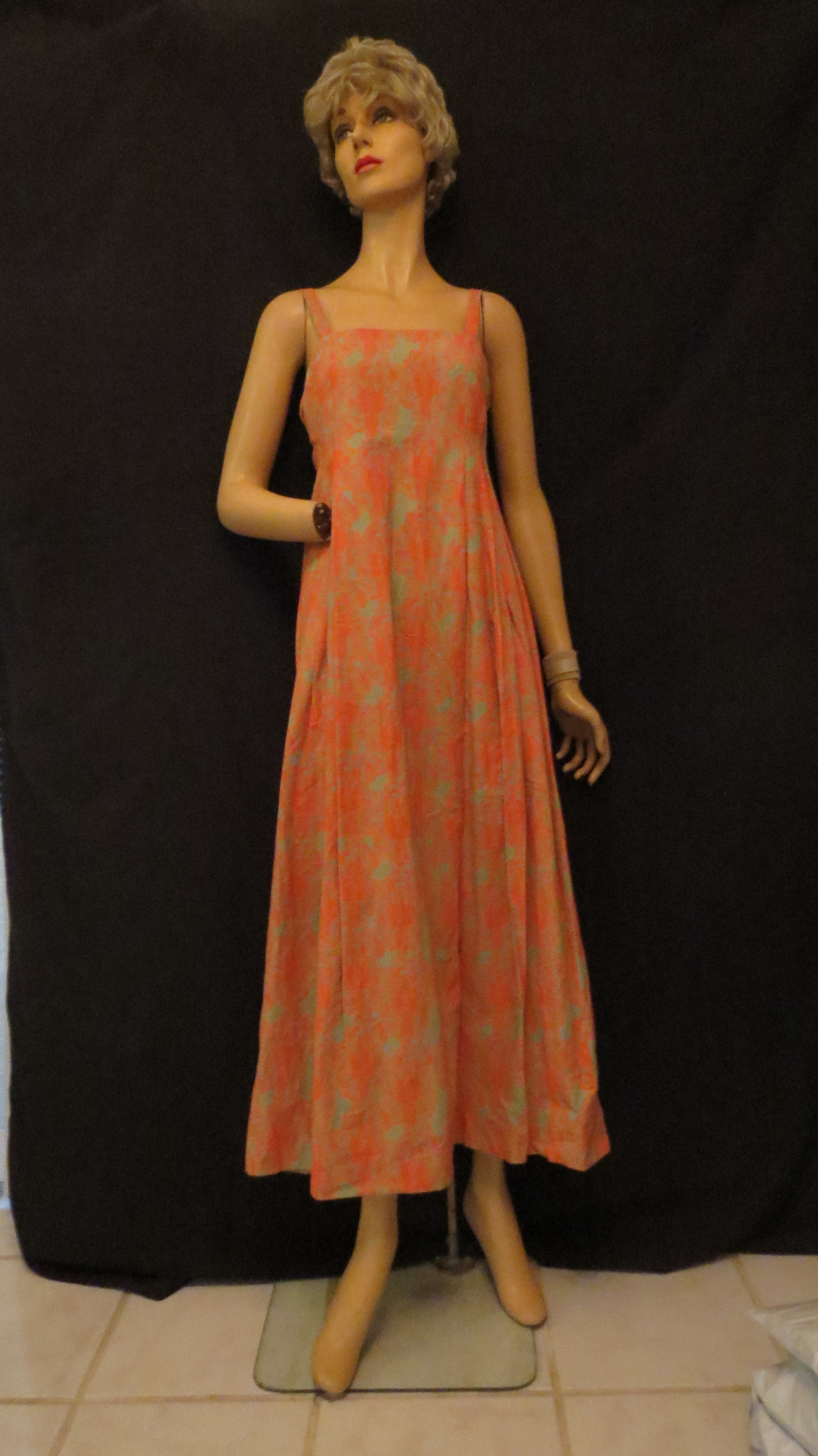
OUR GRANDMOTHERS’ MID-CENTURY HOLIDAY AND HOSTESS KITCHEN APRONS

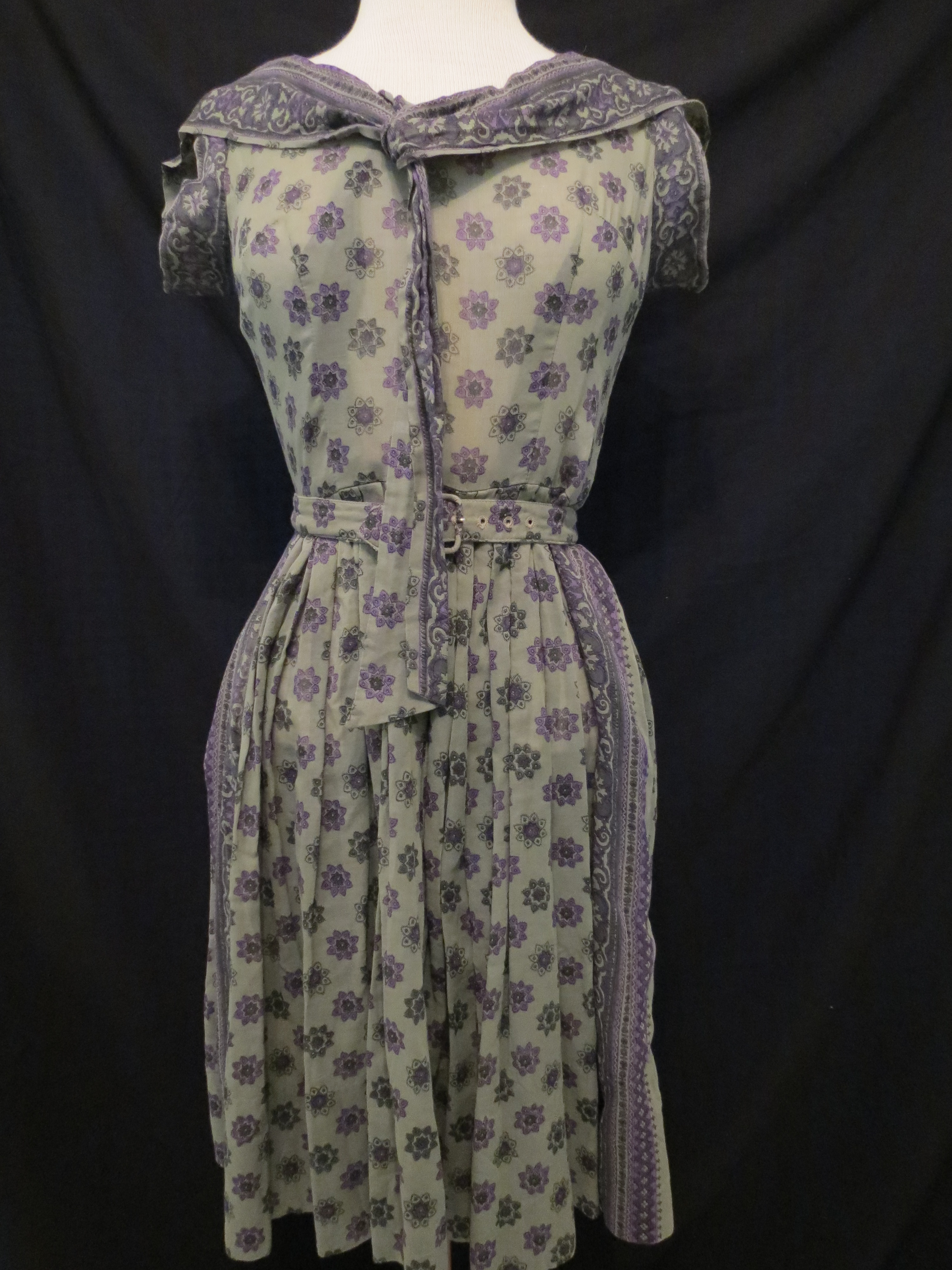
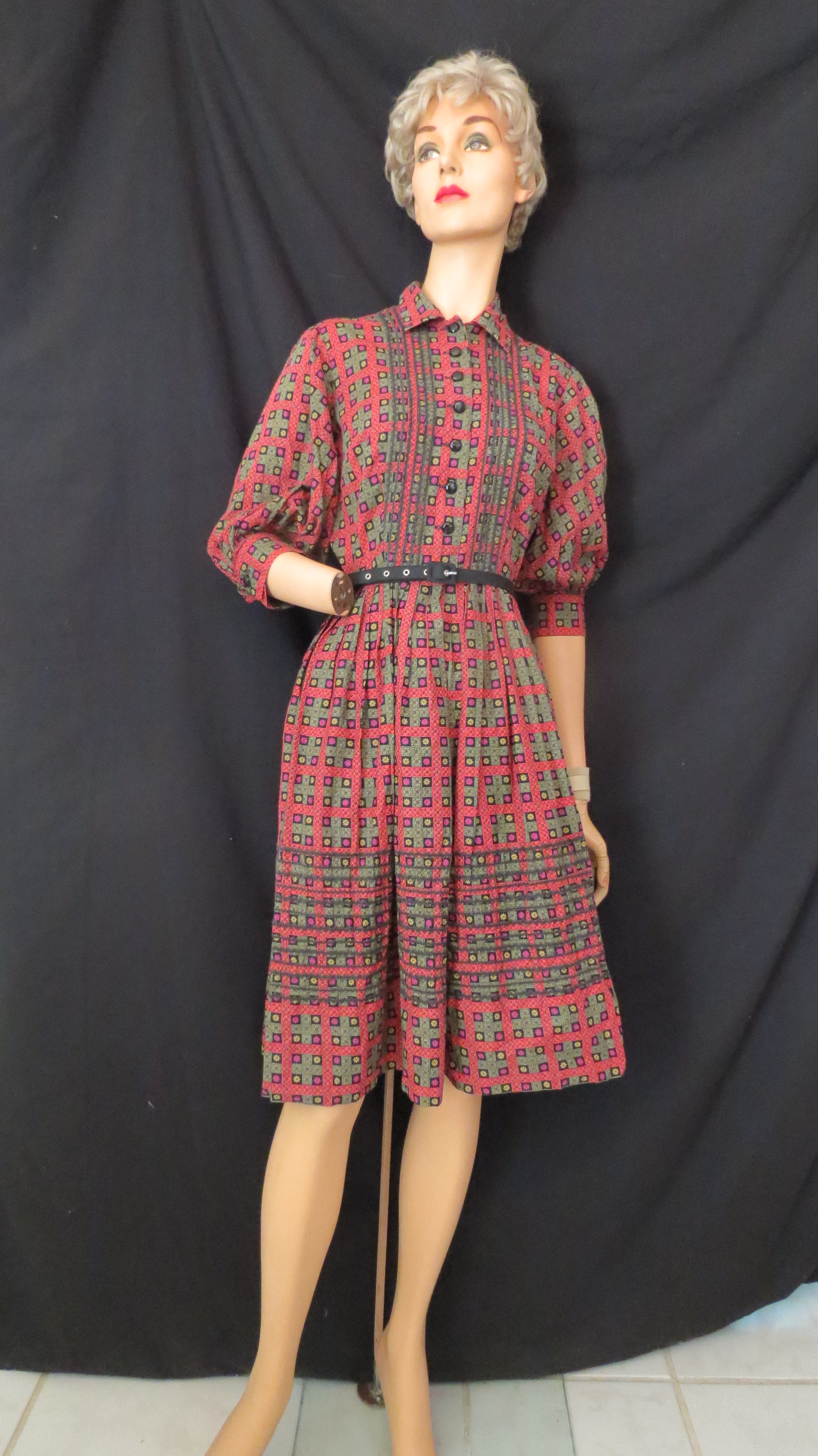
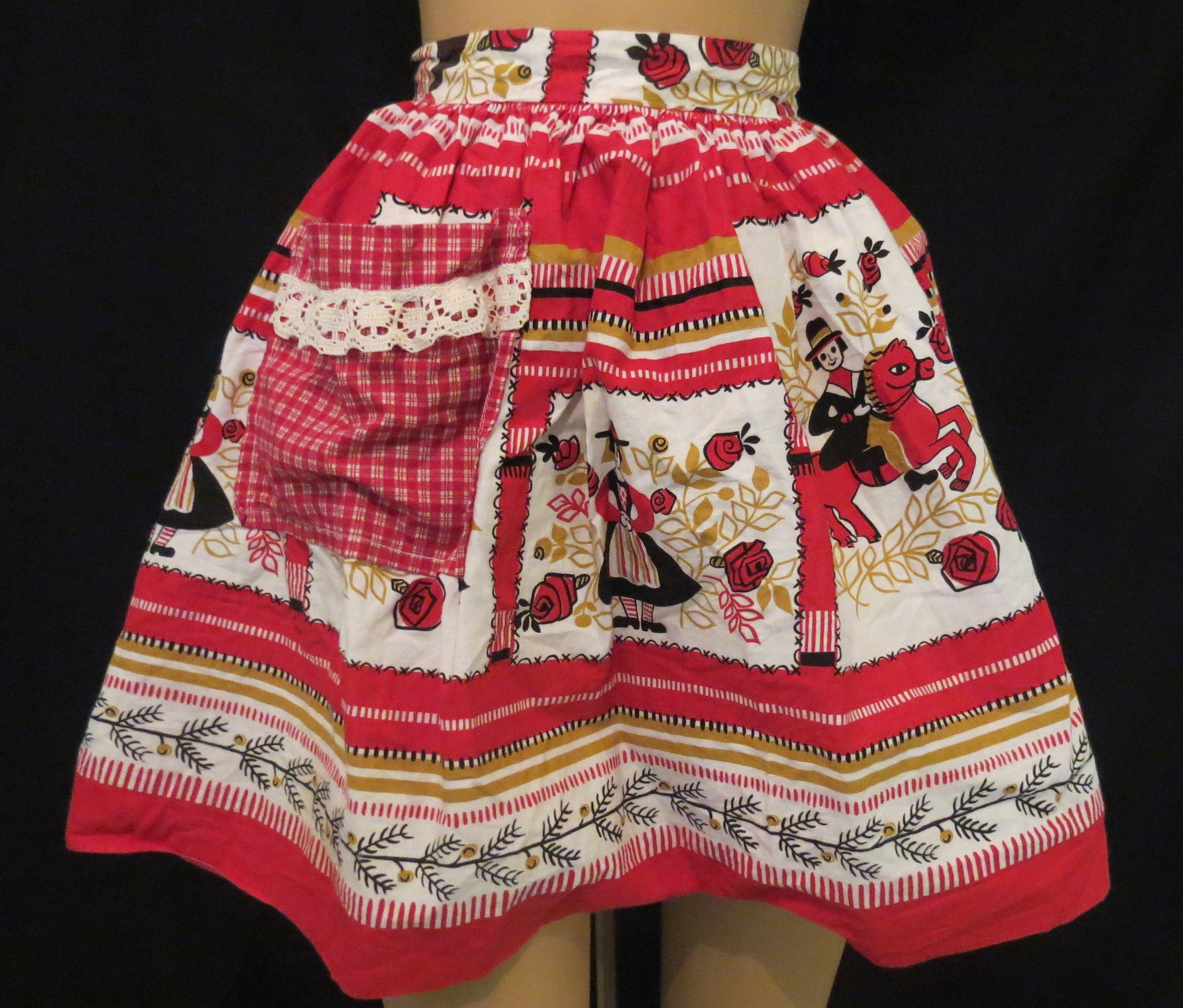
These are just 3 out of my collection of lovely kitchen aprons, but perhaps a bit more interesting and seasonal than others I have, which are more generic, like a cotton gingham check without any specific theme. Many aprons, like the first one here, were specifically themed for a particular holiday or fashion era. It’s a great example, with bright color and a novelty print for Thanksgiving. Although it’s definitely trendy and targeted, it is also at least somewhat practical because of the machine-washable fabric, wraparound style, secure ties and big pocket. It could actually do the job of keeping the cook’s skirt clean. The most useful styles also covered the bodice.

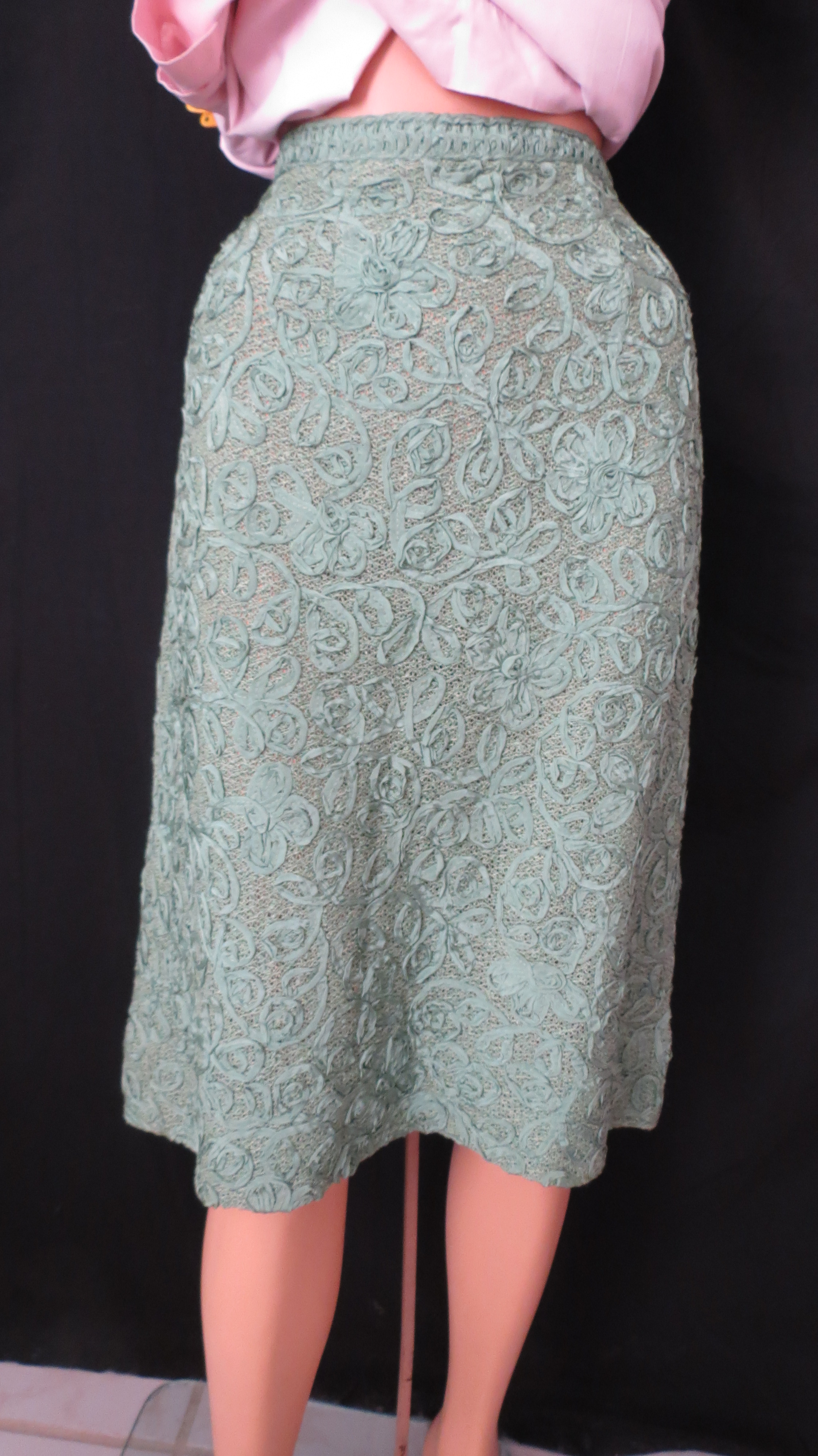
The usefulness is really important, but I love the novelty print. It’s always good to play the hostess in something that also makes people smile. The two aprons following are entirely different in their purpose. These are made from a much more delicate fabric and would be best washed by hand, both because of their delicacy and because they are hand-painted. They were made for and gifted to my grandmother by a relative who at least did the painting herself, if not the sewing job. Gifts like this were common in her day, and cherished. These aprons were made not so much to protect clothing as to be pretty. Grandma might have worn them when she had her friends in for tea or a card game, maybe even for hosting an at-home cocktail party. The messy part of the hostess job would have already been done when she made the cake or other refreshments beforehand.

Aprons were much more commonly worn in decades past and were a significant part of a woman’s household wardrobe, like housedresses worn on cleaning day. Most women’s (especially married women’s) lives were organized around a routine of household duties throughout the week and each one usually required a different kind of outfit – one for cooking, one cleaning, one for tending plants, one for doing the weekly shopping. Special accessories to these outfits were needed for certain jobs, such as gloves of various kinds, hats of various kinds, nursing bras and pads to protect clothing from breast milk and burping babies. Housewives were trained to be very practical and were rewarded by Society for a job well-done. The home was their workplace and the role defined them, so their household wardrobe had a central place in their lives. For better or for worse, that was the way it was. Do we want that again? Think about it and keep your eyes on the clues . . . . . . . . . . . . . . . . . . . . . . . . . . . . . . . . . . . . . .

MORGANA MARTIN, THE MAGICVINTAGESPY

BLOG: MAGICVINTAGESPY.COM
SNUGGLEY TRUE VINTAGE SLEEPWEAR AND LOUNGEWEAR 1950’S – 1970’S

Everybody seems to love red, especially this time of year. It’s certainly a color which can make us feel warmer, which is what we’re beginning to need in a big way now. On the left is a favorite 1950’s pajama set of mine, woven 100% cotton with little fans printed all over. The print would make you think that these must be women’s PJ’s but actually these are a large size boys’! Take a look at the direction of the button closure.

Although I have lots of women’s PJ’s and gowns, my men’s pajamas from the 1940’s and 1950’s are really special. Classic unisex PJ style (though, often, men’s have a fly), but the best feature is that the men’s garments are very sometimes printed with wonderful medallion prints or novelty prints like the one above. A large (16 – 18) vintage boys’ size will fit me well – I wear a ladies 4. A men’s small will usually do OK or can be easily altered. Women’s PJ’s are most often of a solid color nylon or silk or a fine cotton printed with small flowers, decorated with lace or other trim. Really beautiful and comfy, but sometimes a little boring.

However, true warmth comes from robes, and this is where the women’s garments shine. They are more often found in warm fabrics such as plush, chenille and quilting. Women traditionally spent more time at home than men did so ladies’ true vintage robes and dressing gowns are built to be worn for several hours, rather than just after getting out of the bath or shower. Although men’s vintage robes sometimes have nice prints, women’s are more often embellished with embroidery, trim and buttons. Each decade had it’s typical style and popular fabric but the general rules seem to apply to sleepwear and robes from all the decades from the late 1800’s to the present day.

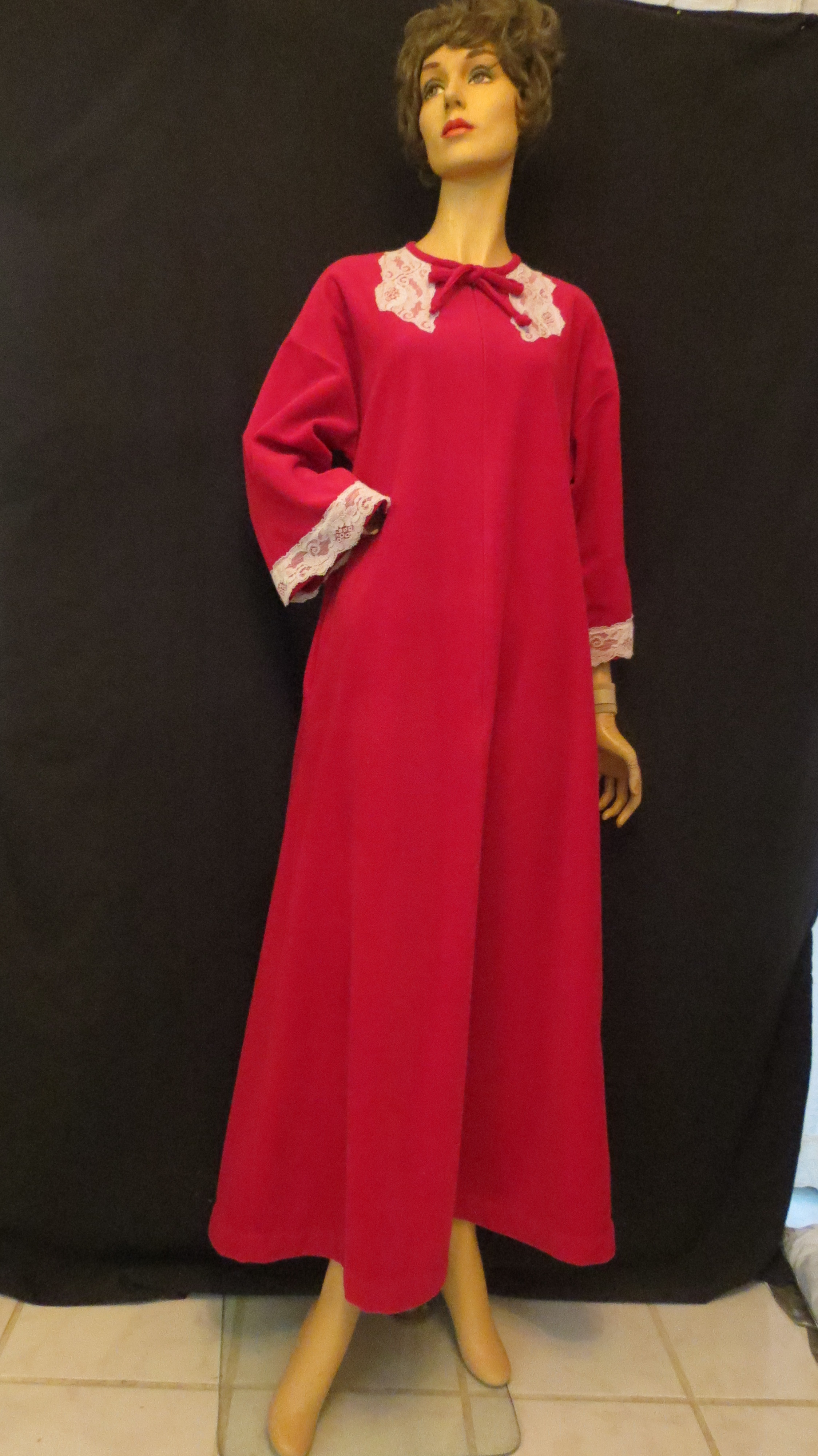
My 1970’s robe above is certainly worthy of Mrs. Claus as she makes breakfast for the elves. (Sorry, but traditional folklore and myths tend to be very sexist.) It’s by Vanity Fair, a company which has made women’s at-home styles and lingerie for decades. I love the pretty style, but the long bell sleeves are very impractical in the kitchen and I don’t think the mid-priced market for this item targeted women who had hired “help” at home. That can be an inherent problem with true vintage fashions – occasionally they are poorly suited to an average lifestyle and can even be uncomfortable at times but that’s a minor consideration and not worth a mention as long as you are in the know. Wouldn’t stop me gathering the evidence for a second. When did practicality ever have anything to do with fashion and style, especially when a holiday or other special occasions are on the horizon? Stay tuned . . . . . . . . . . . . . . . . . . . . . ..

MORGANA MARTIN, THE MAGICVINTAGESPY

BLOG: MAGICVINTAGESPY.COM

Undercover Magic, Essential True Vintage Lingerie

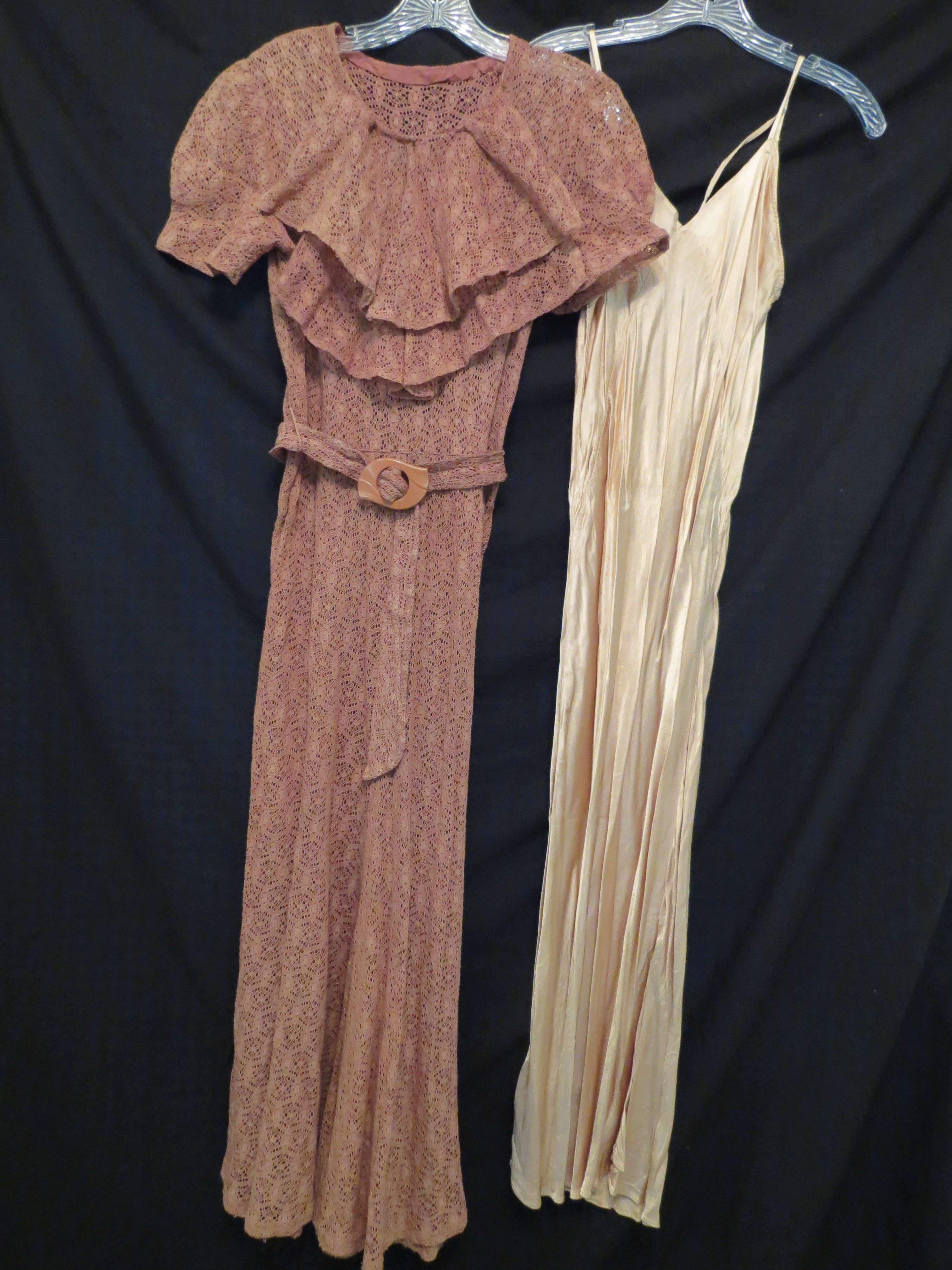
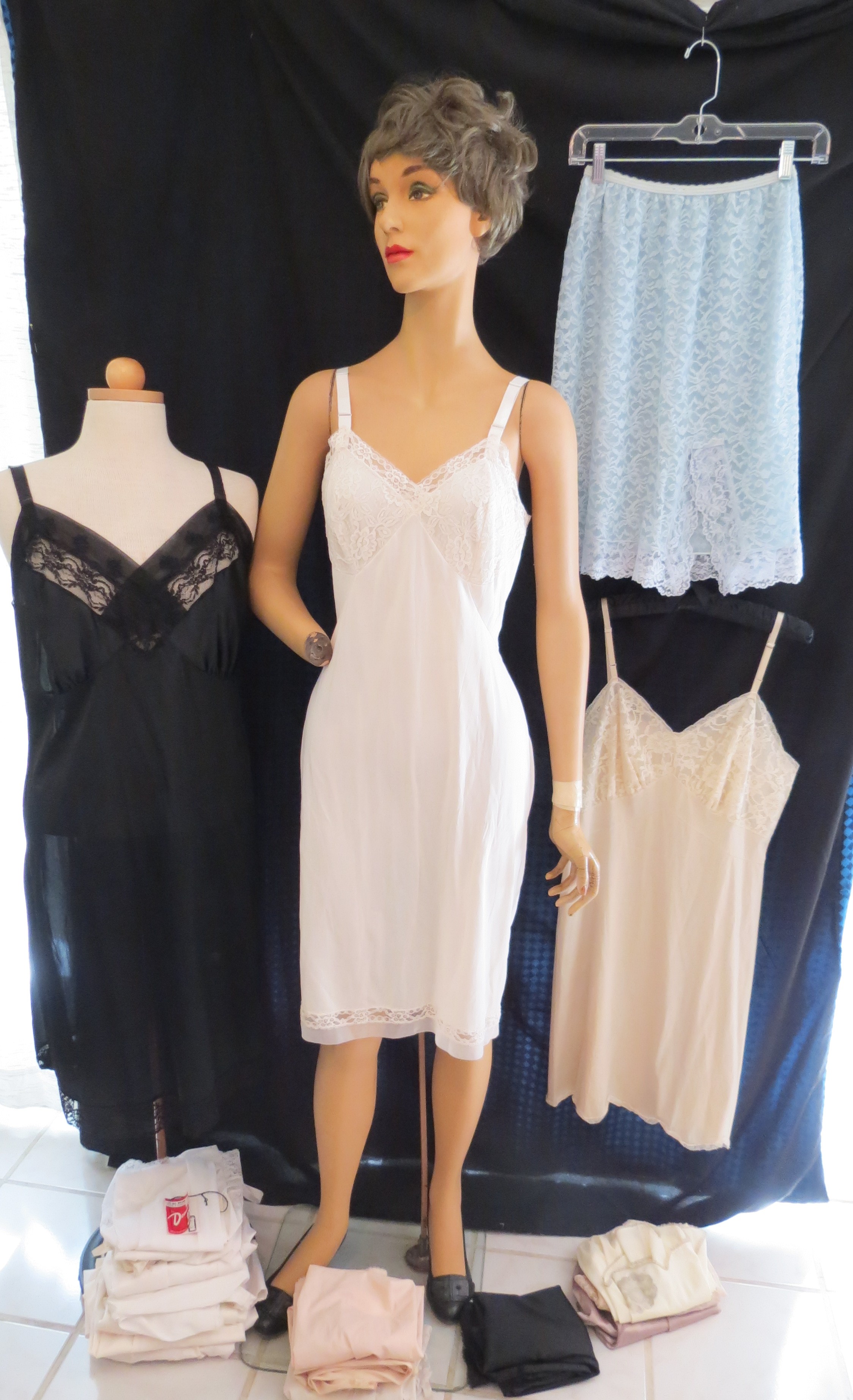
No matter what you’re wearing, lingerie pieces are key to making the outfit look right. Preventing lumps, bumps and see-through are only the simplest issues. The proper undergarment also ensures that the fabric lays correctly on your body and allows it to drape without clinging. Above are a very few examples of beautiful slips and only a tiny fraction of my complete collection.

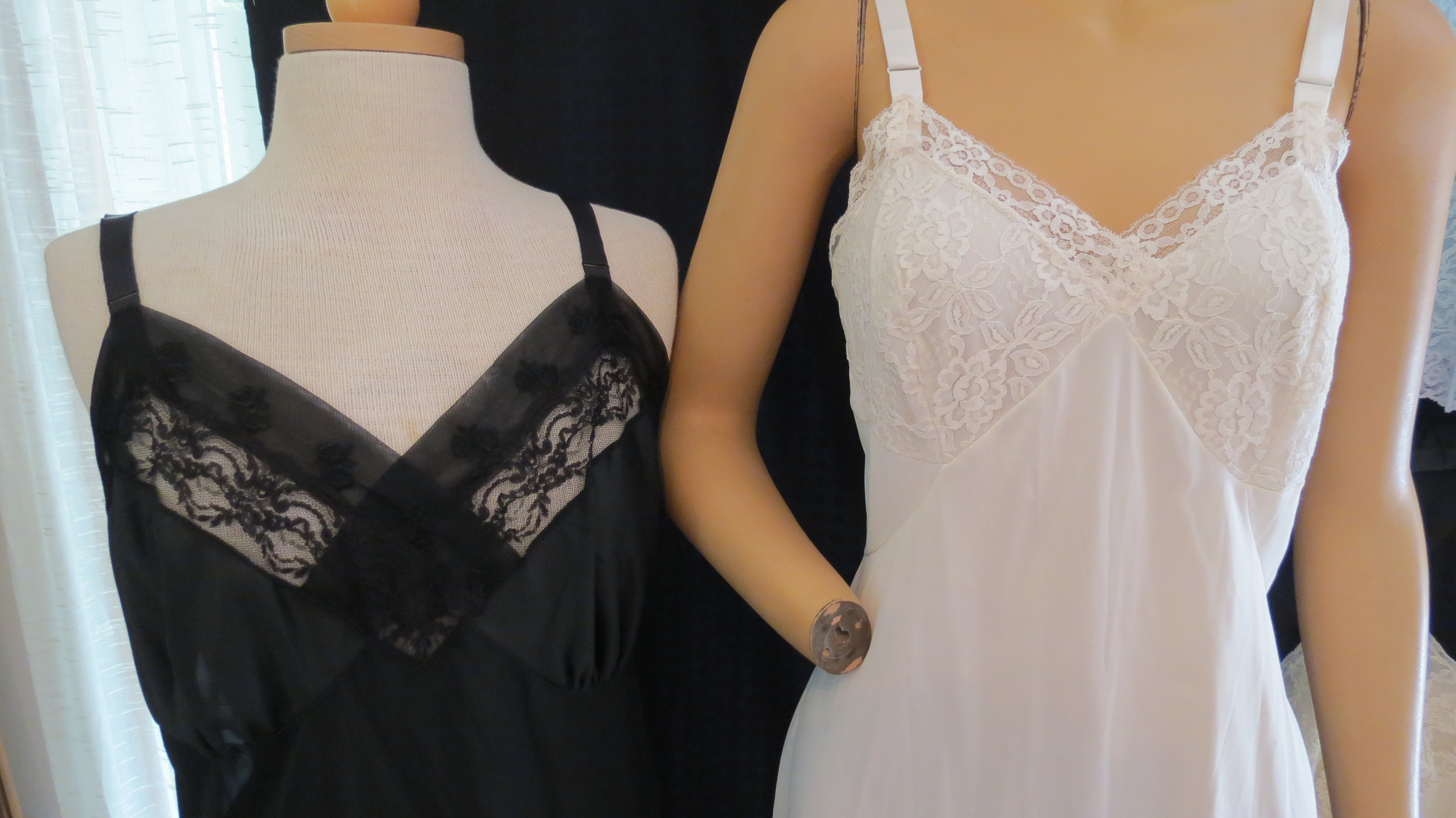
You can see here how lovely the details are. Typically, even the plainest design will have nice little details and excellent tailoring. More elaborate styles are full of lace, embroidery, ribbons, sheer panels, satin straps and, often, some work done by hand. Though most slips are done in neutral, pastel colors, some (especially from the 1950’s to early 1960’s) were made in fabulous vibrant colors. True vintage nylon has a feel like no modern fabric and is absolutely luxurious. So gorgeous they could often be worn as a lightweight dress or skirt on their own.

Look for vintage lingerie that suits your wardrobe. Notice the details. Slips, of course, are the basis if you wear dresses and skirts. Search for cotton slips as well as the more-common nylon ones. In the summer, you will appreciate the difference! It’s also important to match your undergarments to the clothing worn with it – if anything might show or peek out, whether by accident or on purpose, will the color be OK? How will your outer garment move over the fabric of the slip? How will the fabric of the slip react with your skin in hot weather? Lots of things to consider in order to get the best result.

Also, look for other undergarments – in the 1960’s some split slips were made to be worn under culottes and split skirts. “Slips” to be worn under slacks can even be found from the 1960’s and 1970’s. A 1950’s/1960’s girdle was ALWAYS a base foundation for most women at that time (thank goodness, not now!). If you’re wearing a wiggle dress, you may not have a choice in order to make it look right. Silk tap pants from the Twenties are so comfy and perfect under a lightweight dress in the summer. A camisole under a blouse or top can improve the fit, add some warmth on a cold day and sometimes provide a little neckline interest depending on the style. A “bullet bra” is perfect if you want to be a “sweater girl”. Garter belts and girdles are necessary for wearing stockings. A crinoline is important for most mid-century dress styles with circle skirts, especially from the late 1940’s through the early 1960’s. Some dresses have their own, but others require you to add one.

I’ve probably forgotten to mention something but you get the drift. Lingerie is SO important that I probably should always start any series of posts with it. . . . . . . . . . . . . . . . . . .

MORGANA MARTIN, THE MAGICVINTAGESPY

BLOG: MAGICVINTAGESPY.COM
FINALLY! THE FASHION SHOOTS AND BLOG POSTS HAVE BEGUN AGAIN

Yes, I’m off assignment and back at Headquarters for a short time. That’s not to say that there are not a huge backlog of organizational tasks to be done! However, photographing and documenting the finds from the Covid lockdown stretch is one of them and has commenced.

The first post will be published shortly after midnight tonight, CST. So, warm up your set and stay tuned . . . . . . . . . . . . . . . . ..

MORGANA MARTIN, THE MAGICVINTAGESPY

BLOG: MAGICVINTAGESPY.COM

OH, BABY. . . . . HAPPY NEW YEAR!

Well, hiya all. Just back from almost 2 months of travels, and not a single sleuthing opportunity abroad (although I have cataloged a dossier of half a dozen suspicious sites for future reference). However, after returning to home ground, I did hit a fabulous jackpot in one unsuspected spot and will share those finds with you in the coming days.

Meanwhile, happy 2020 and gear your thoughts and expectations to wonderful developments in spite of what seems to be going on right now. We have a brilliant NOW on the way and it is being created by us as I write. Keep that in mind when you speak and dream.

Looking forward to showing my “newest” true vintage treasures . . . . . . . . .. .

MORGANA MARTIN, THE MAGICVINTAGESPY

BLOG: MAGICVINTAGESPY.COM

FABULOUS 1950’S CLASSIC MEN’S SMOKING ROBE – RARE, RARE, RARE!!!

OLYMPUS DIGITAL CAMERA

A bit rumpled, but perfect!  This was a higher-end men’s garment and an indispensable wardrobe item for men in the mid-century.  A well-made bathrobe for elegant at-home time was worn by many men every day.

Lovely cotton, rayon and silk were commonly-used fabrics in mid-century and, like their street-wear brothers, these lounge-wear garments were well-tailored and elegant.  I’m SO thrilled to uncover another one of these, which is a rare find (my favorite!)

I encounter a lot of rare finds, but they’re all different, so the surprises never stop!  Stay tuned – you just never know . . . . . . . . . . . . . . . . . . . . . . . . .

MORGANA MARTIN, THE MAGICVINTAGESPY

BLOG:  MAGICVINTAGESPY.COM
WE ARE NOW 100! A REAL MILESTONE – THANK YOU, THANK YOU, THANK YOU!!

     One of you just became my 100th follower.  I am so thrilled and grateful that I can hardly tell you.  

     This is a real milestone for me – it supports what I am doing and tells me that, in addition to having a ton of fun, I’m doing something that others are enjoying, too, and that you find it valuable.

     If any of you are also interested in global consciousness and making our reality and world better for ourselves and everyone else, (Duh – like you wouldn’t be), there was a little book written in the late ’60s or the ’70s entitled The Hundredth Monkey.  It’s based on science, and tells how thoughts and behaviors spread like wildfire from one person to another, faster and faster after the group reaches 100.  Fortunately, positive thoughts and behaviors have much more power to spread than negative ones do.

     We can all change our lives and our world.  Be positive, be happy, see the best in everything and thank you for being 100 with me!!!


Morgana Martin, the Magicvintagespy

Google+, Facebook, Twitter & Pinterest

Book available on Amazon.com