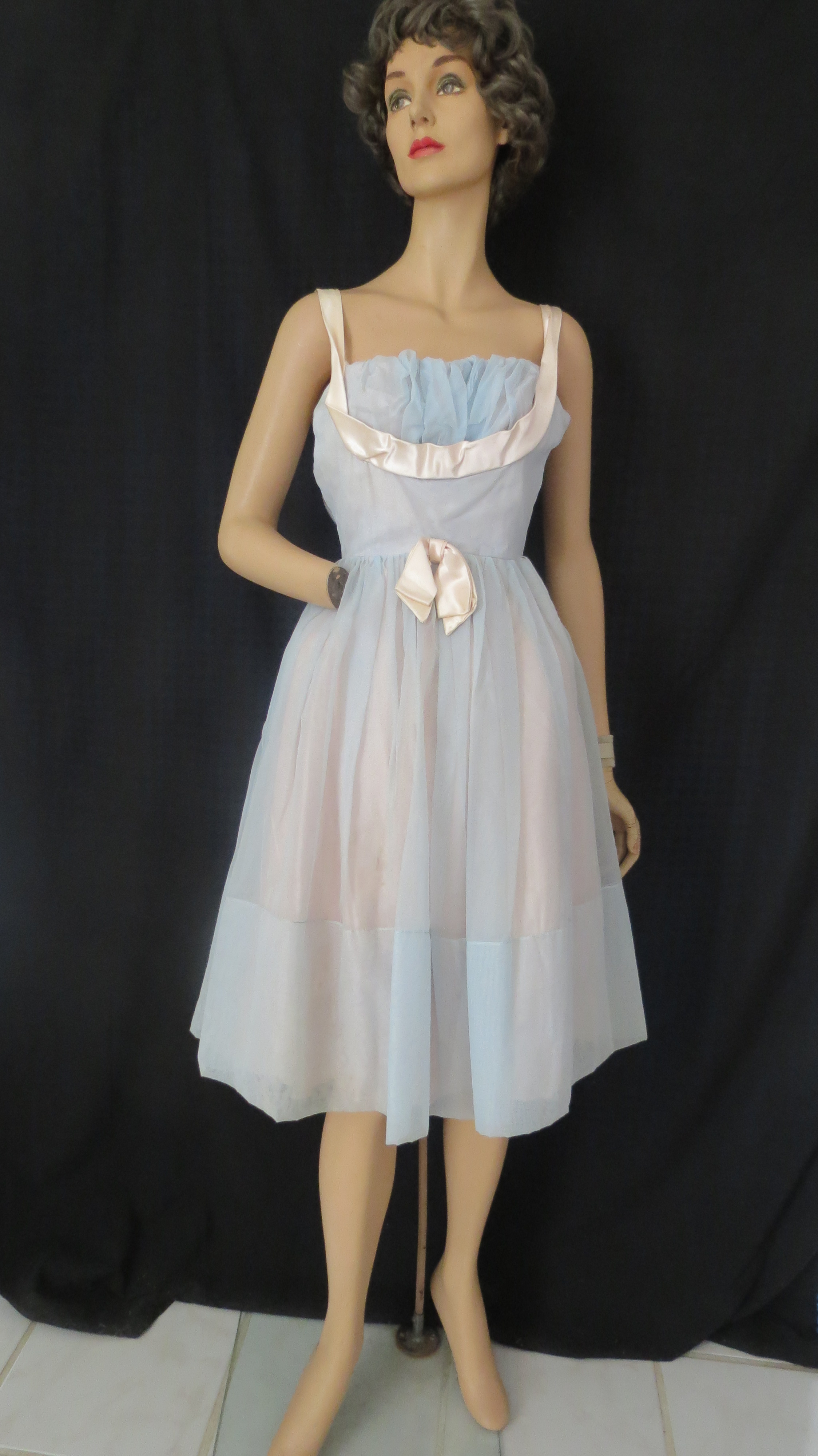
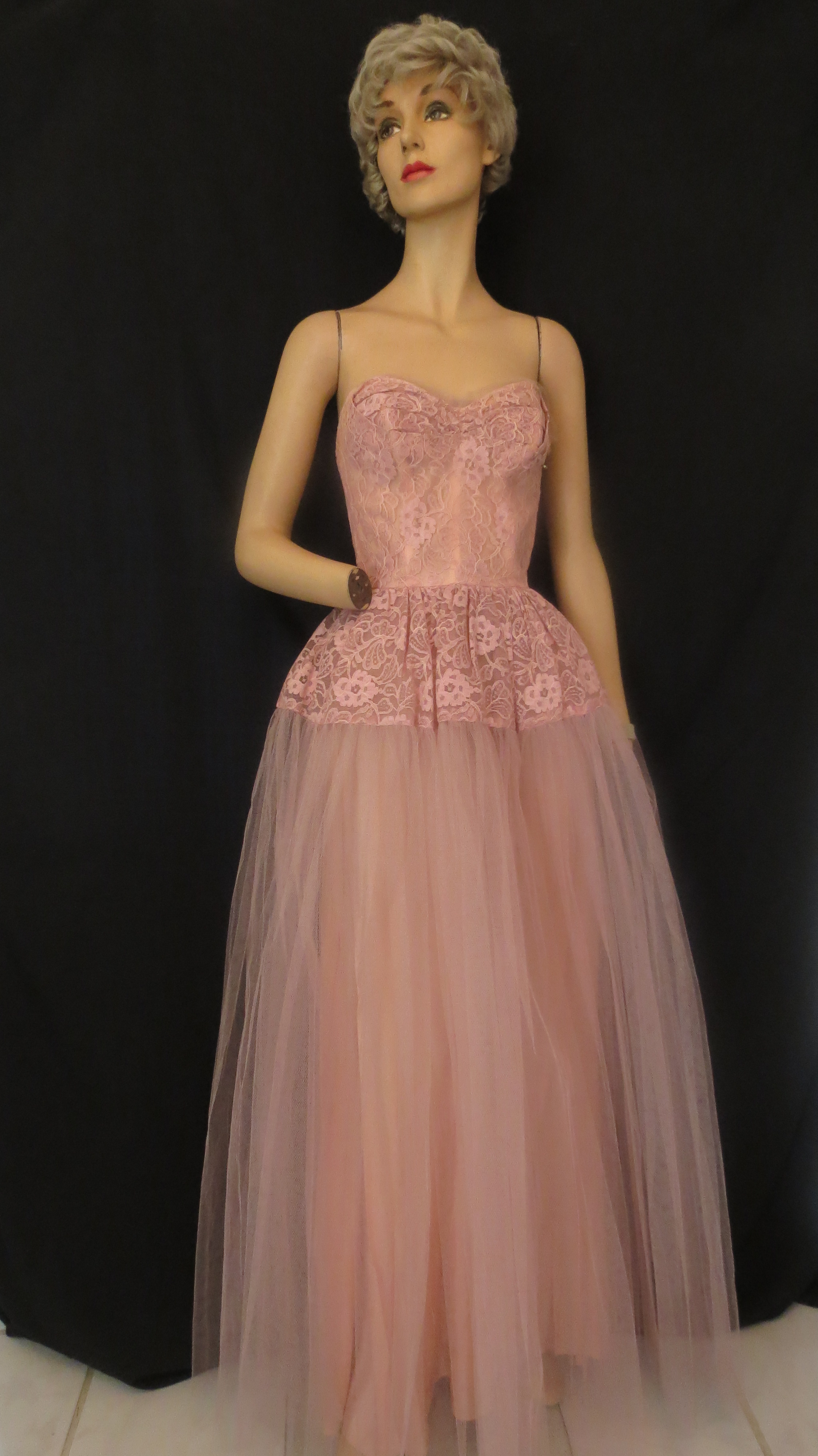
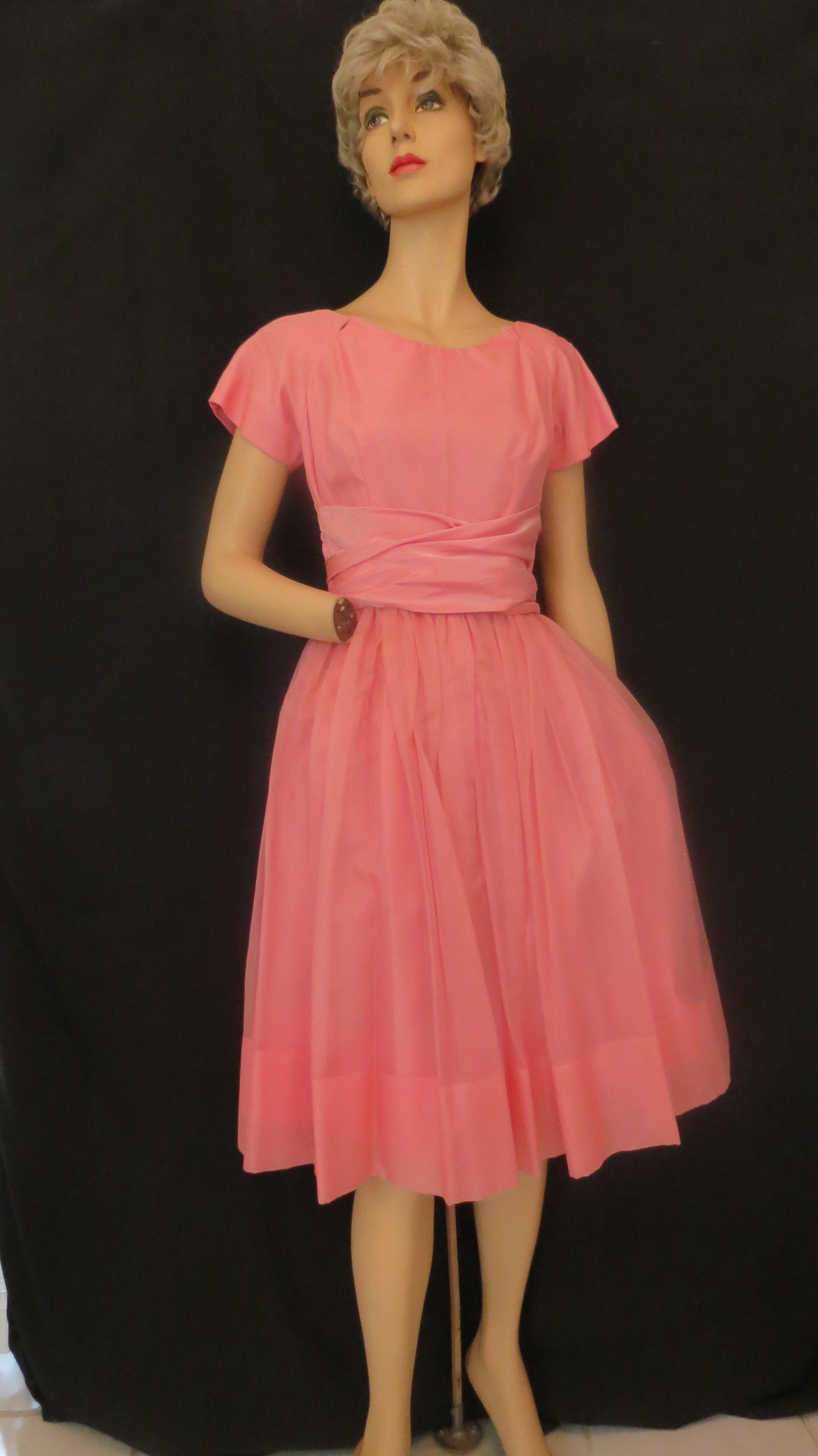
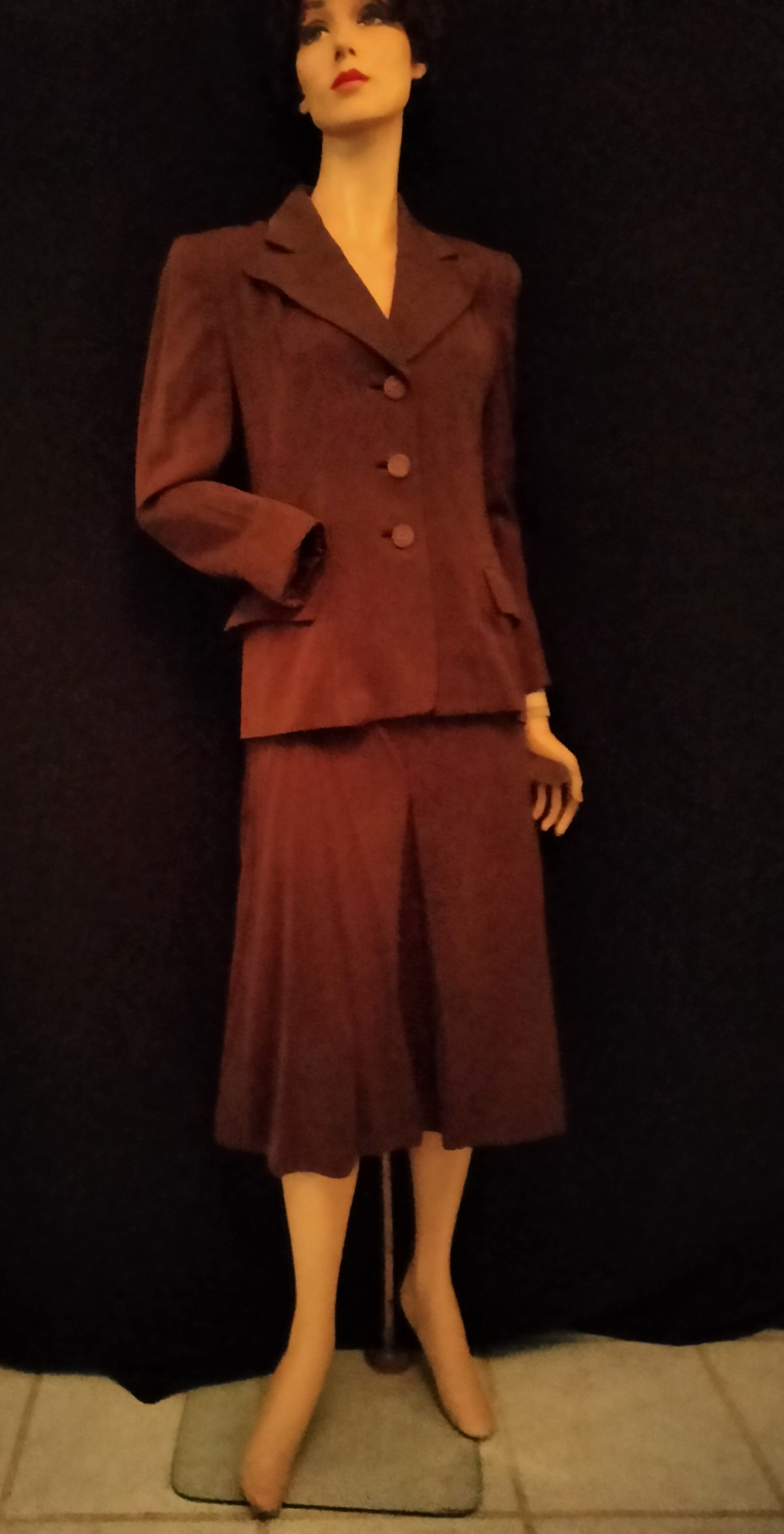
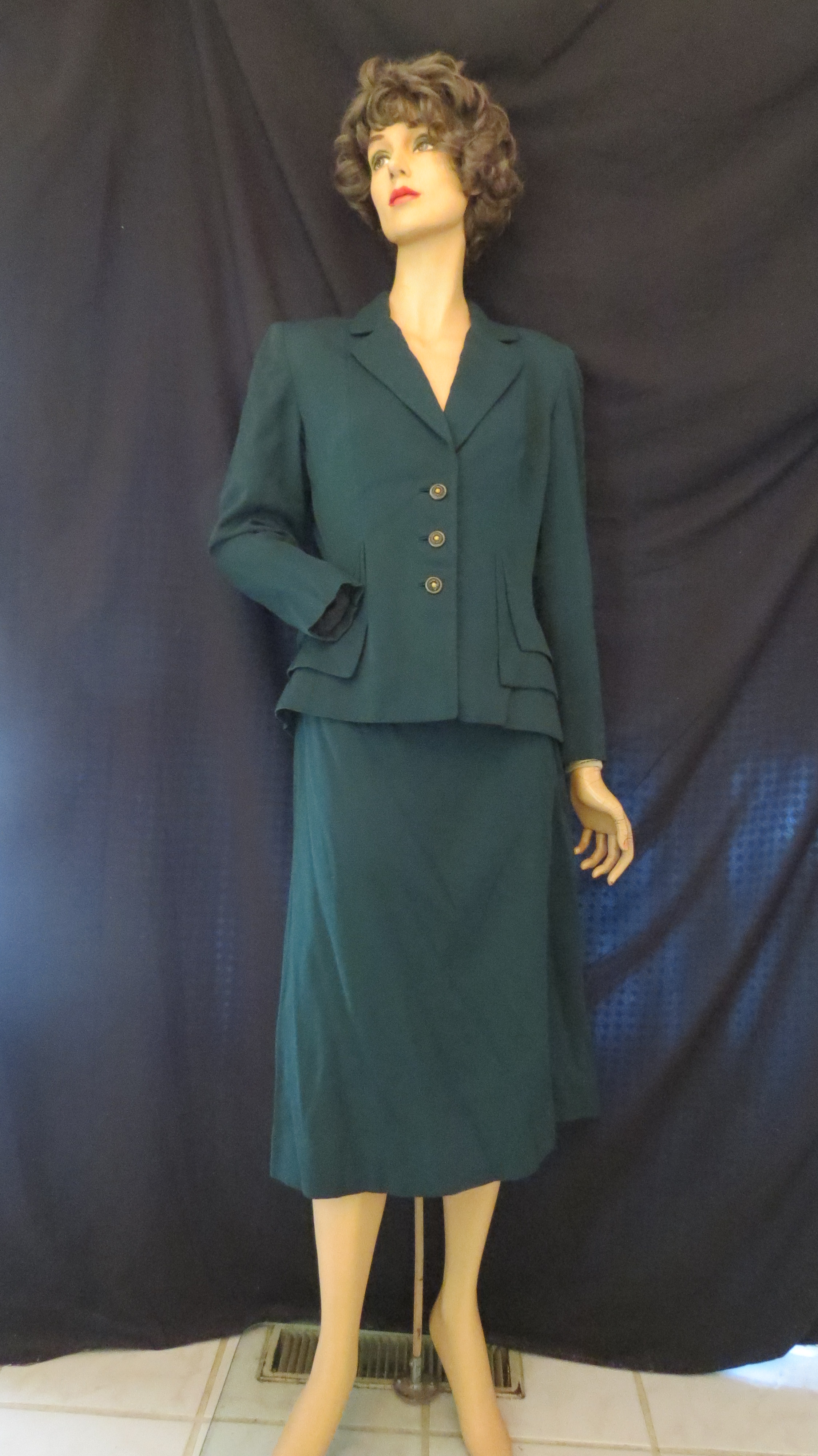
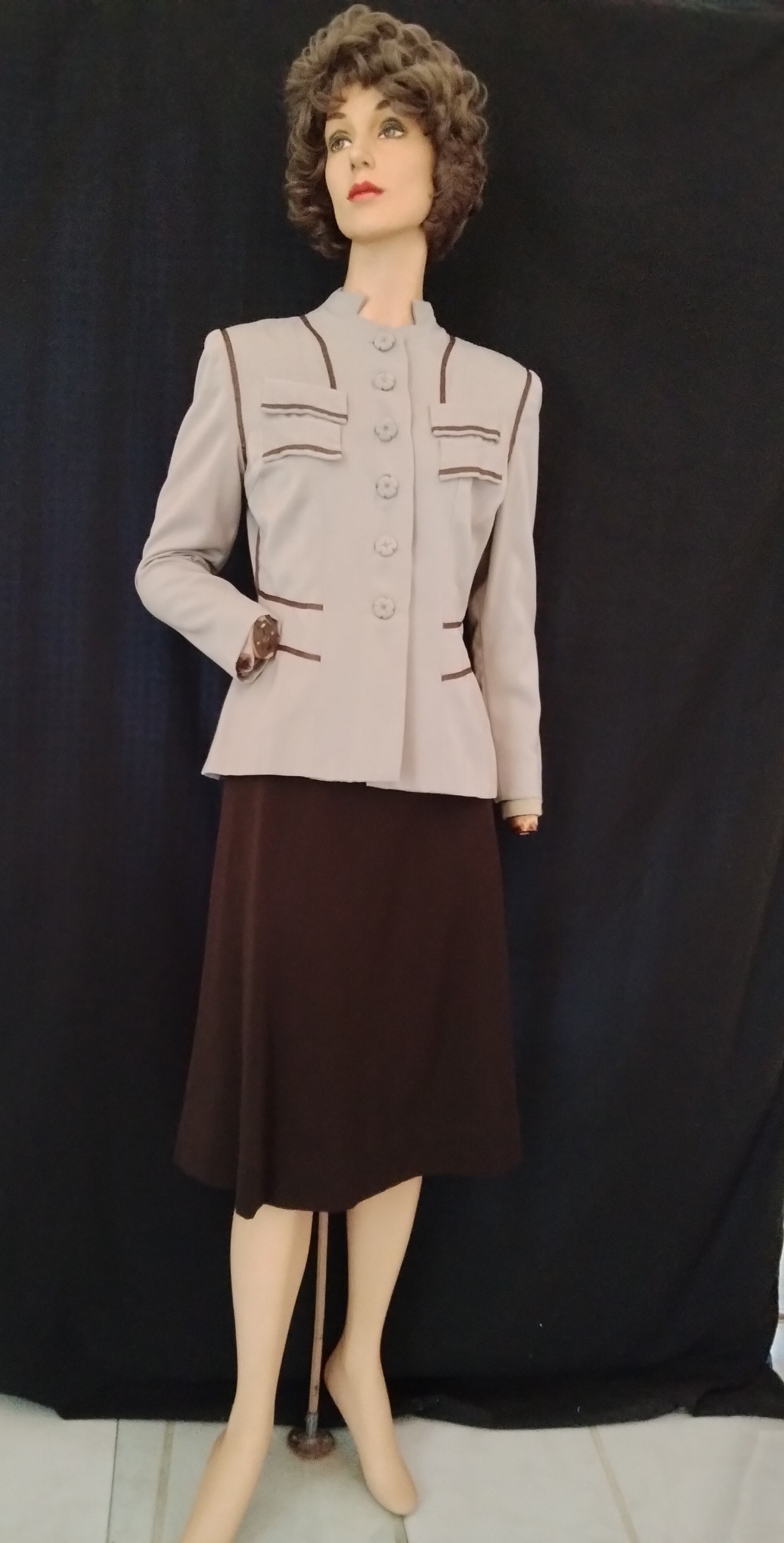
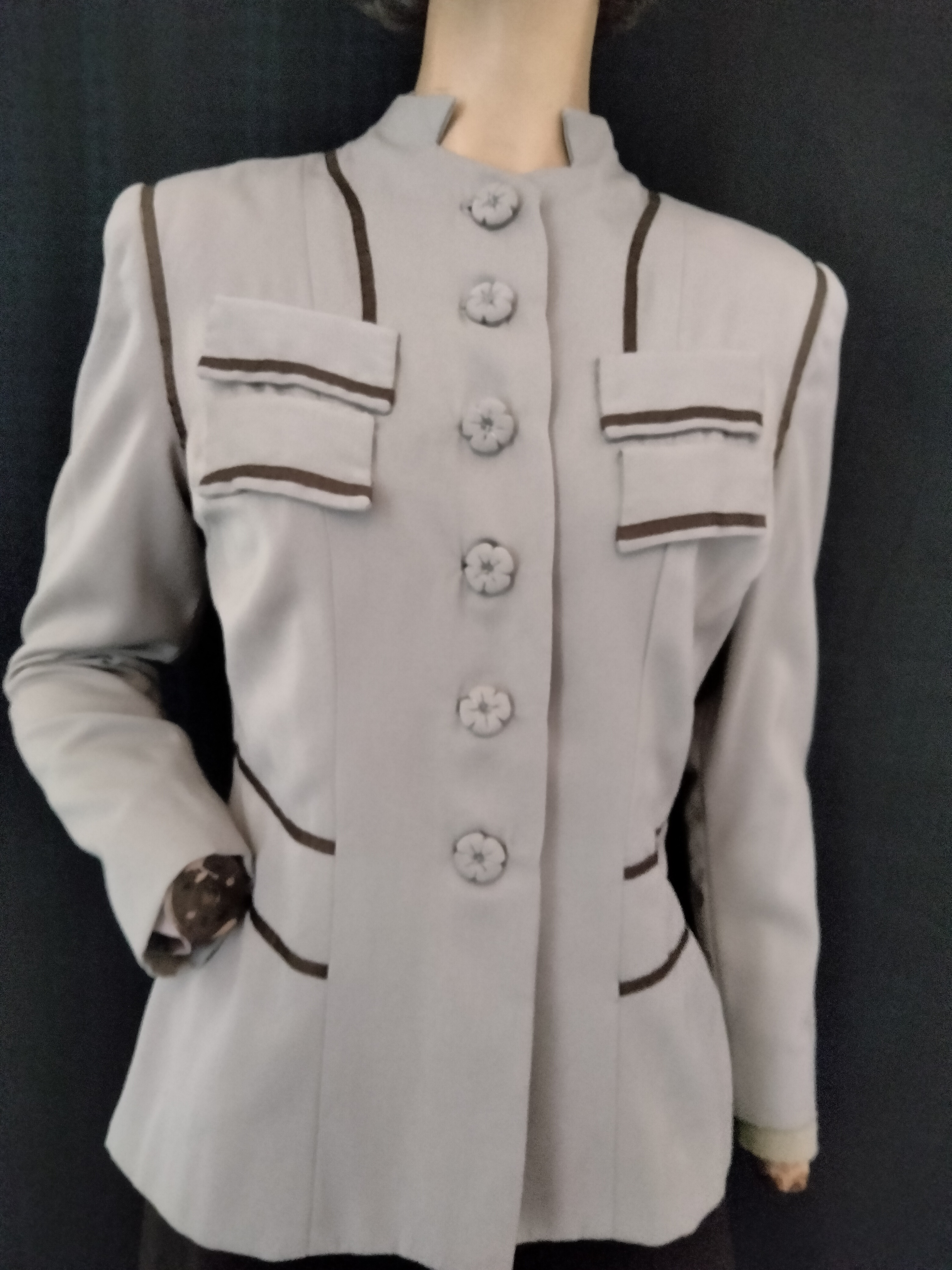
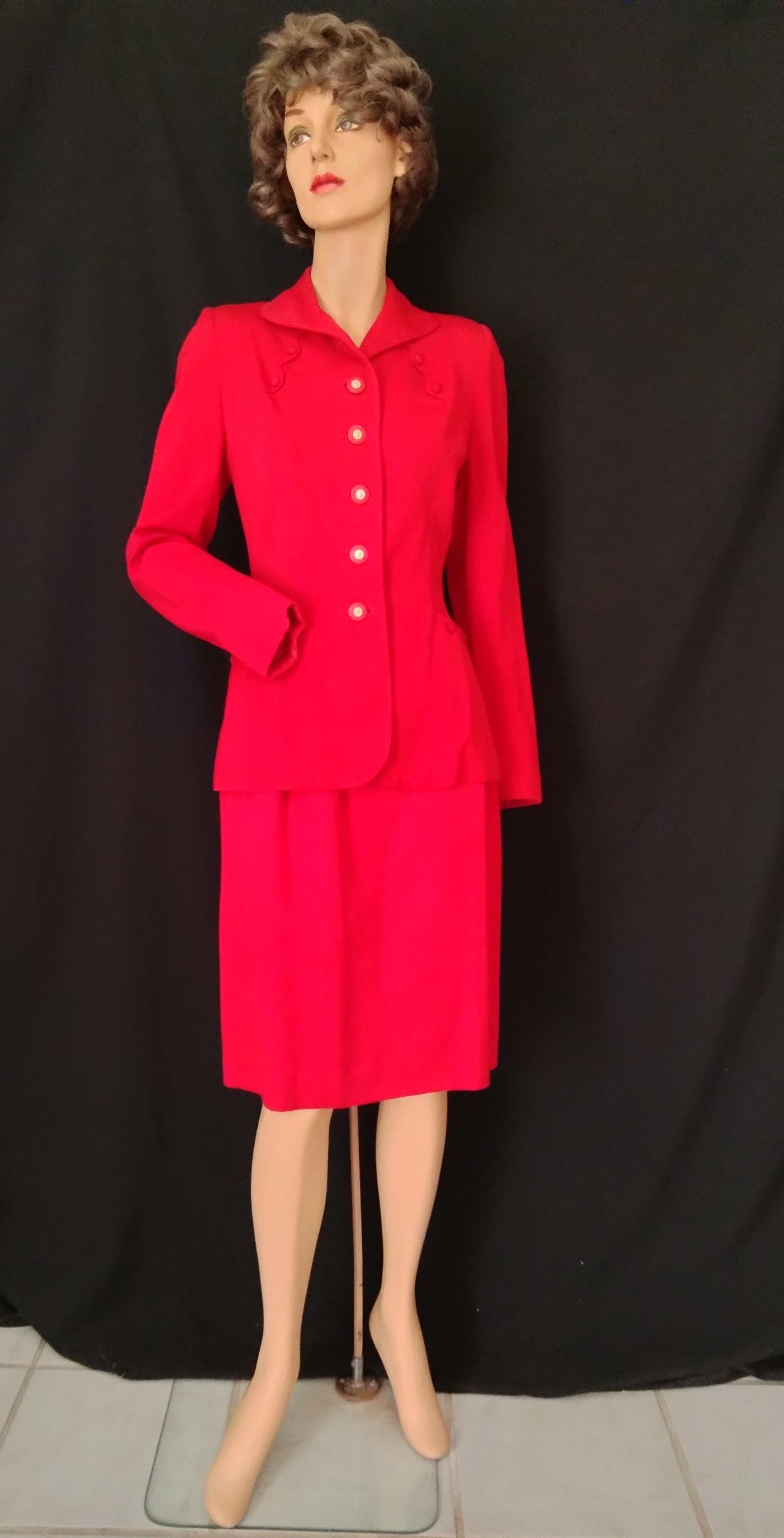
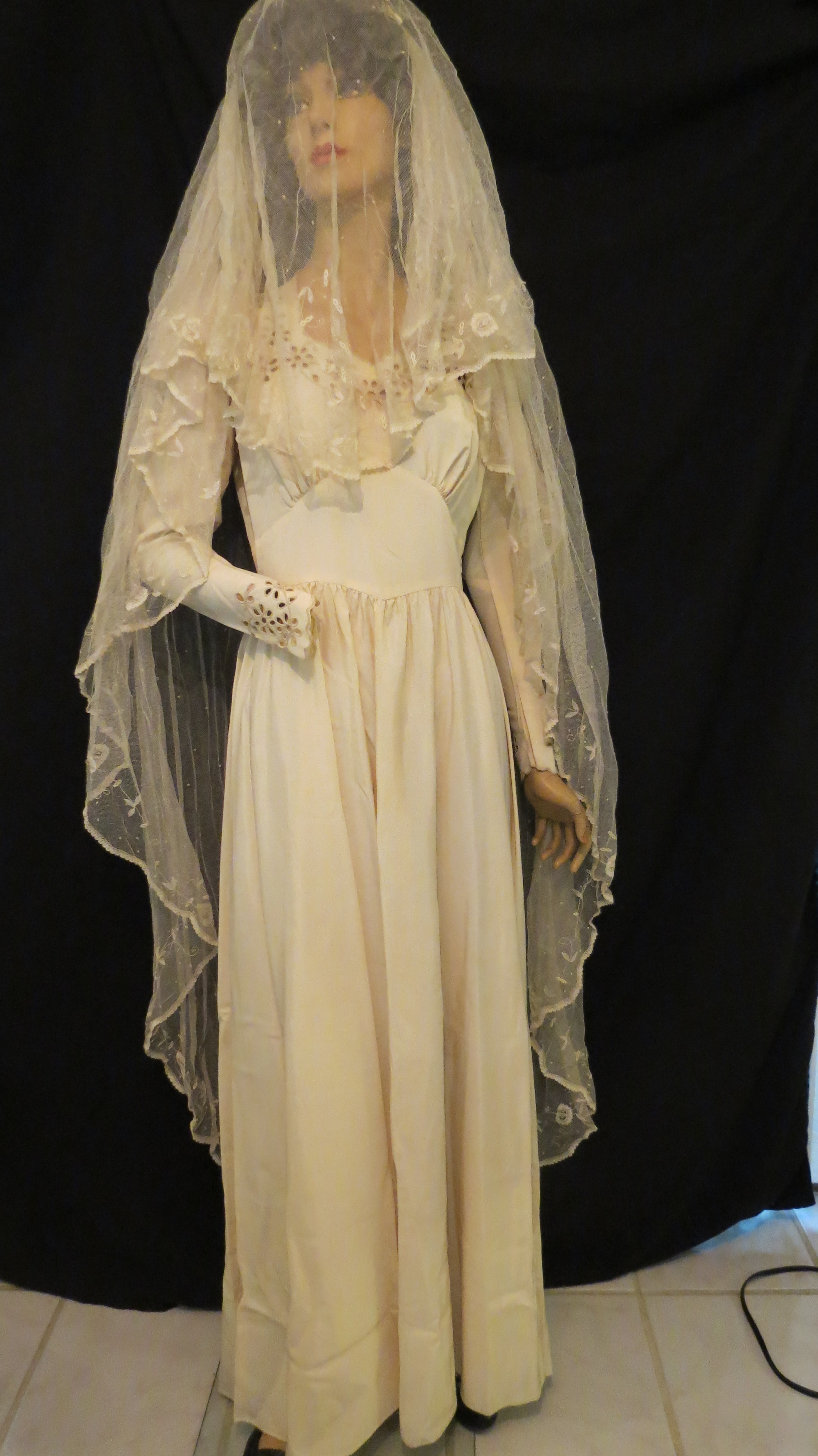
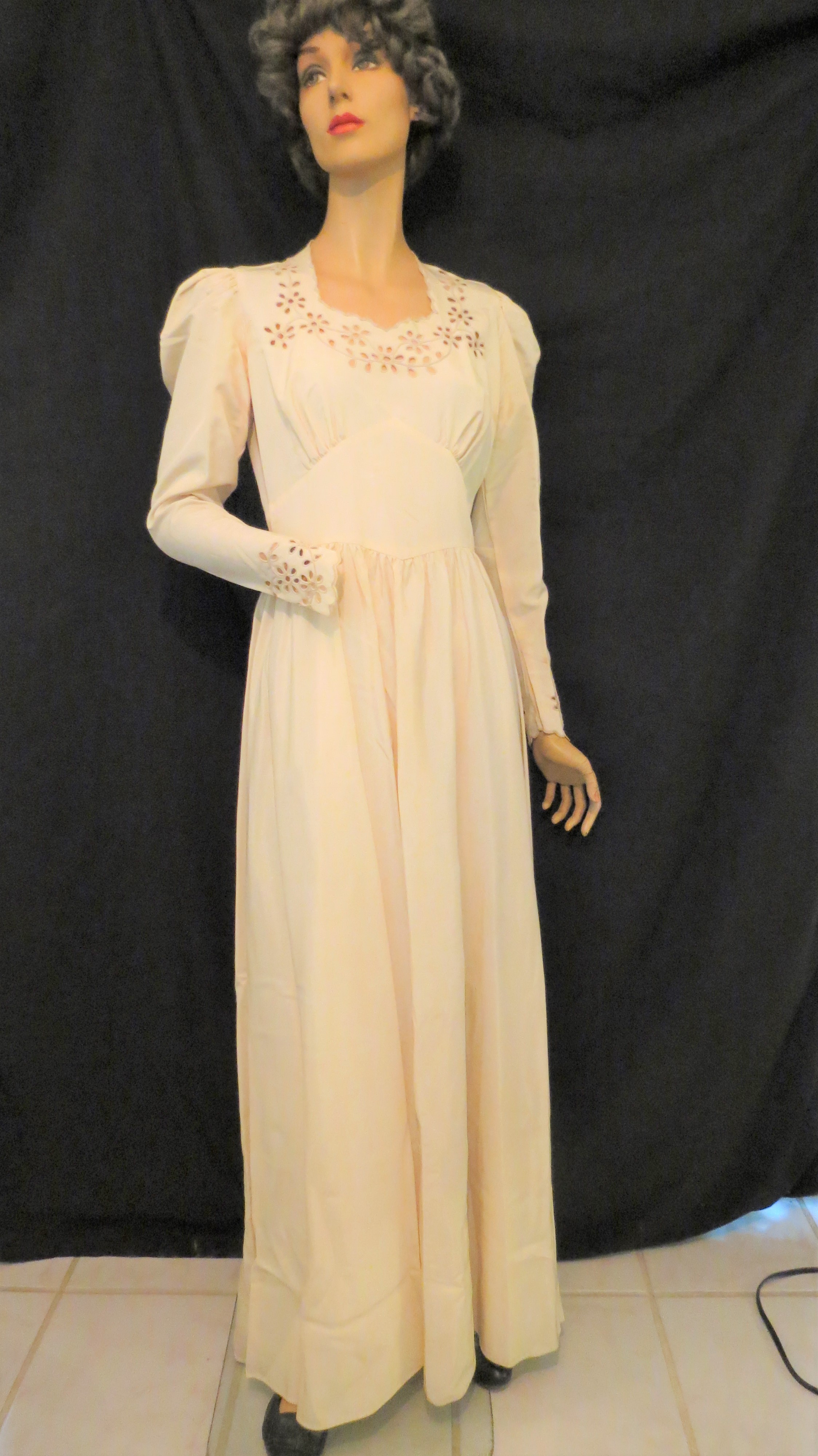
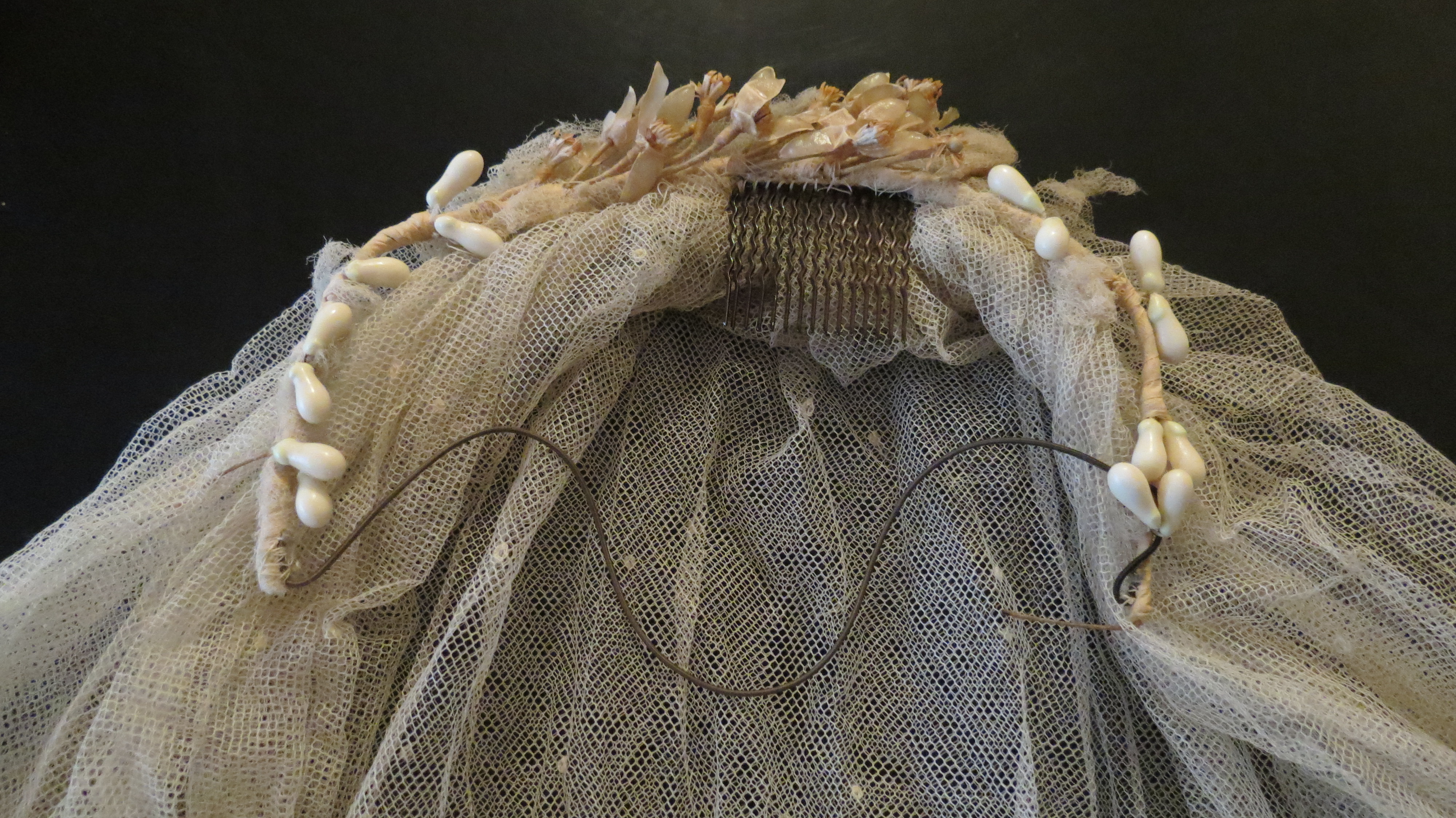
True Vintage 1940’s Bias – Cut Gown with Beading Decoration

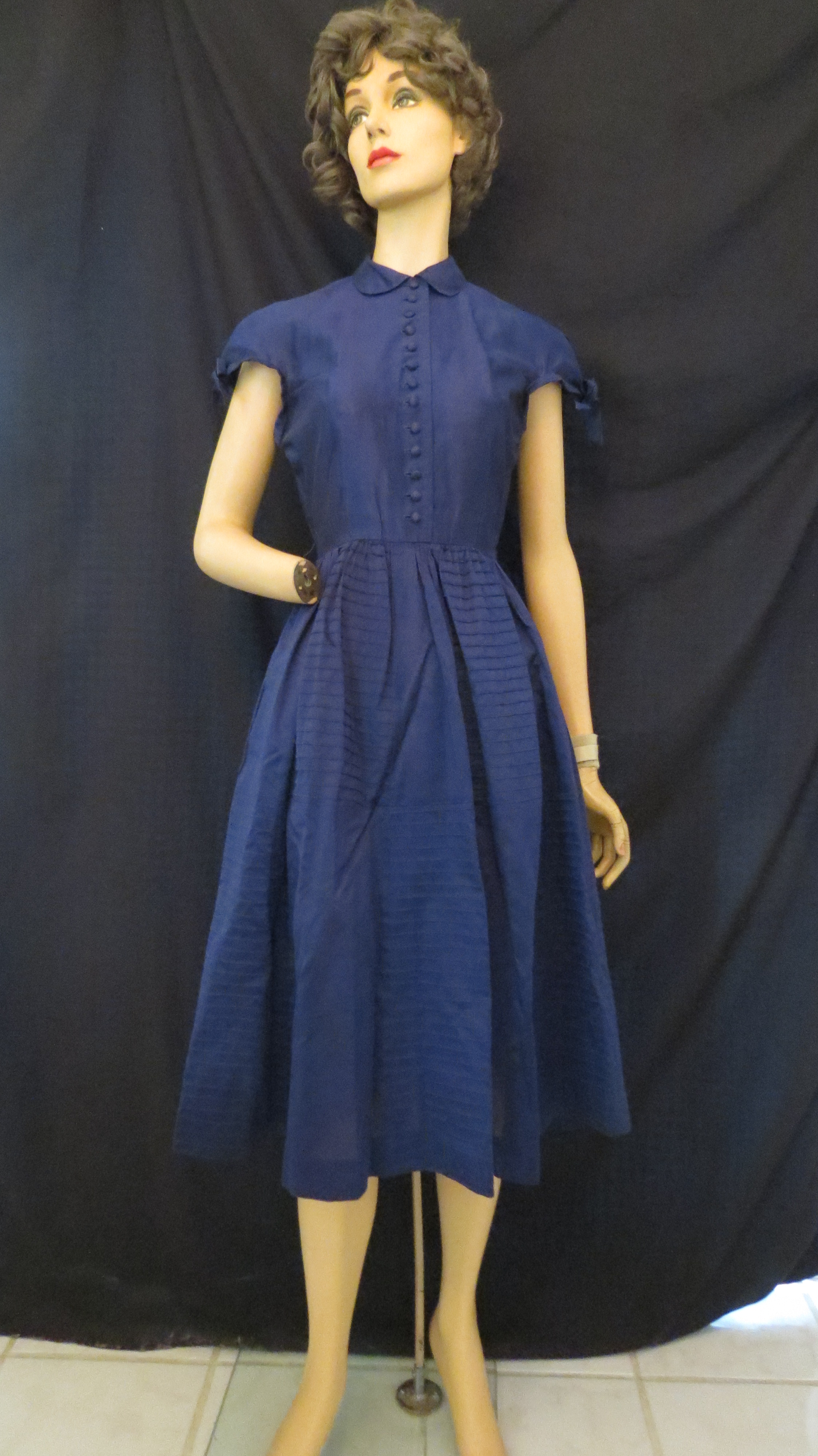
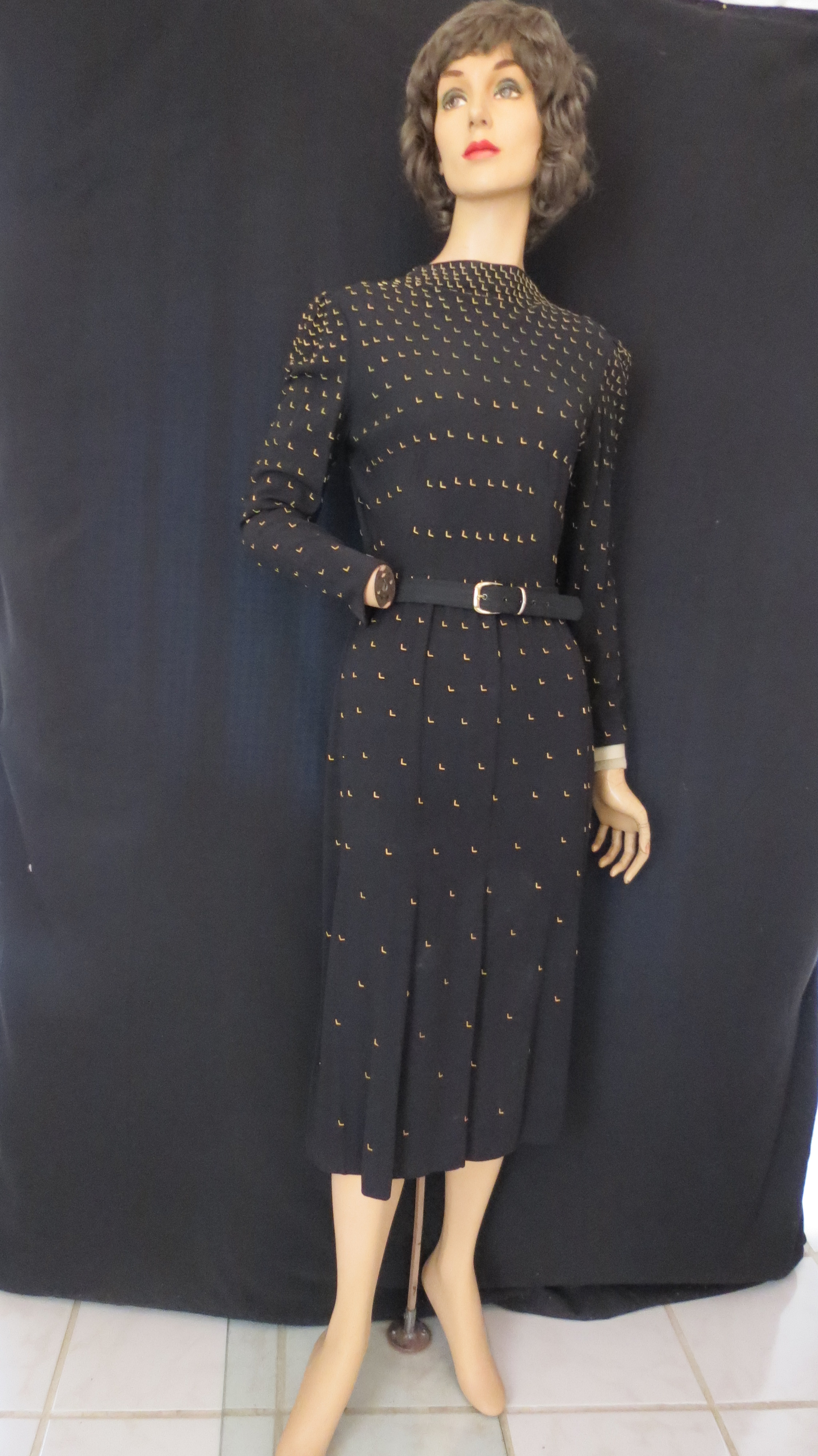
What a wonderful find!! This gown was custom-made, possibly by a home-based seamstress, in this unusual style with 3/4 length sleeves. You can see the waist ties that would be fastened in back to nip the waistline. The bias cut glossy fabric, which gives a really slinky body-con fit is a hold-over from the 1930’s when it was very popular. I love the blue color which looks like a night-time sky and the peekaboo beading that resembles exploding stars. Very appropriate today, when the comet AiATLAS is closest to Earth.

This is another one-of-a-kind, never-to-be-seen-again frock. More to come – stay tuned . . . . . . . . . . . . . .

MORGANA MARTIN, THE MAGICVINTAGESPY.COM

BLOG: MAGICVINTAGESPY.COM
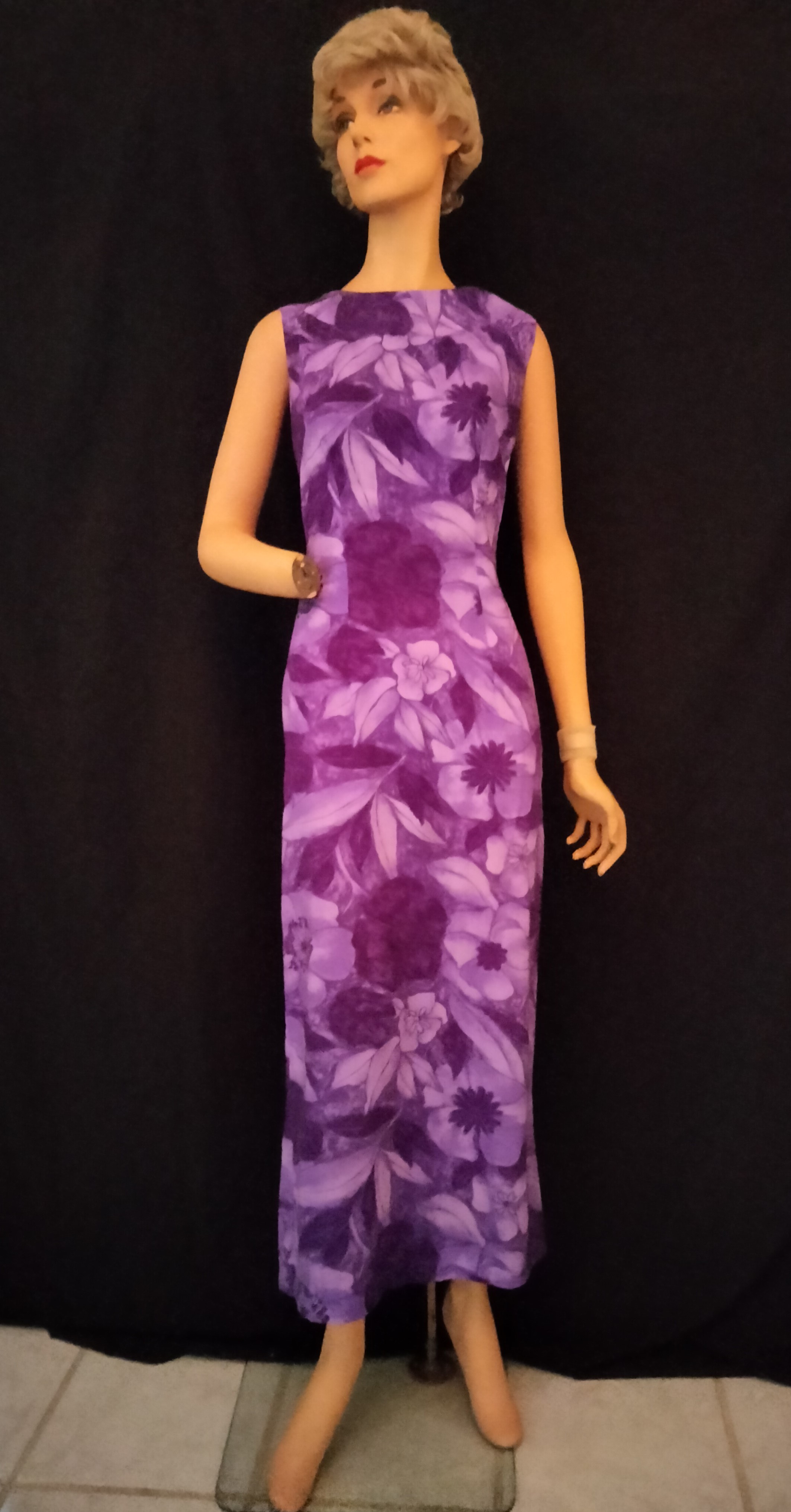
JUST OPENED ANOTHER ARCHIVE OF TRUE VINTAGE LBDs

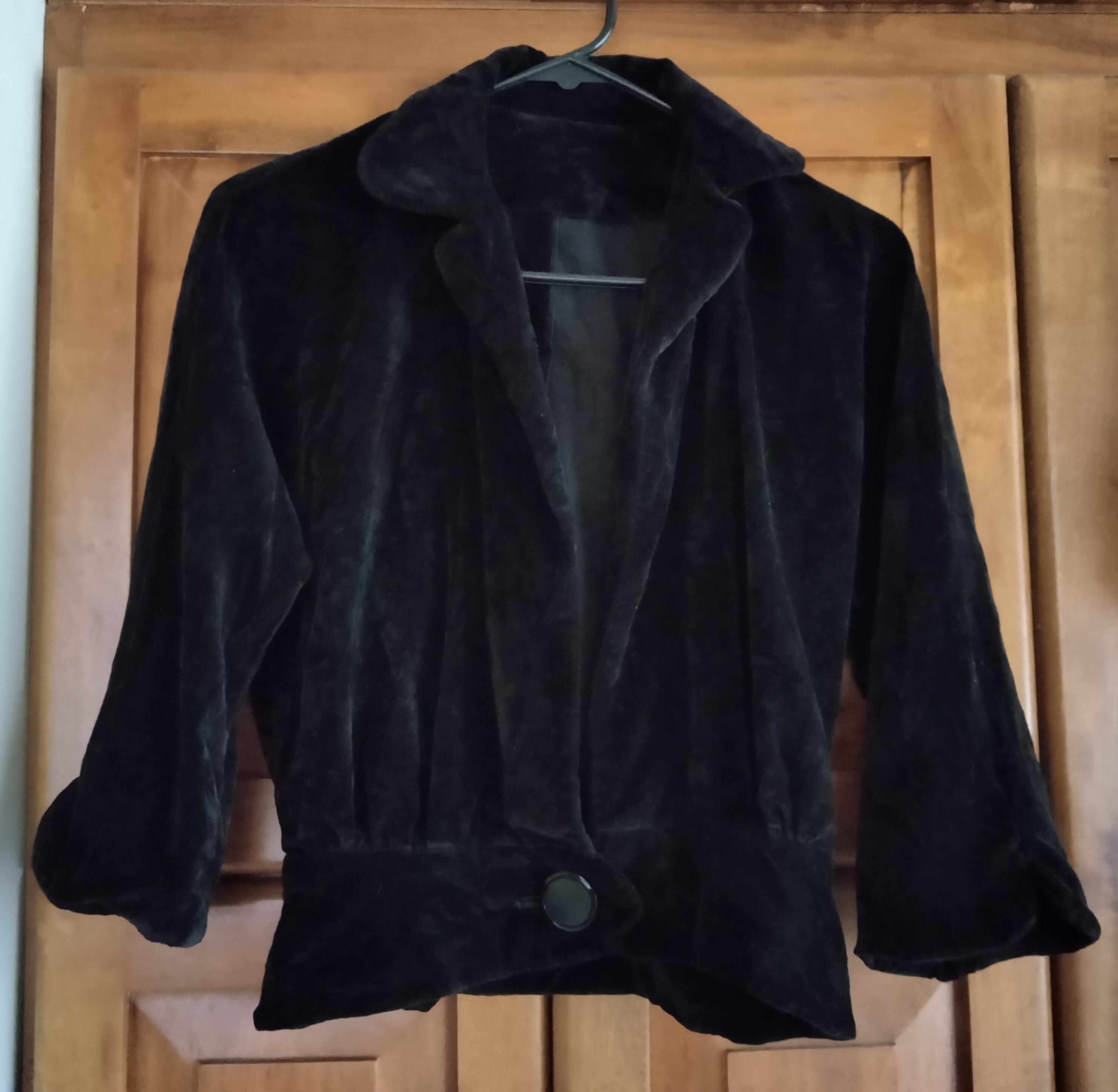
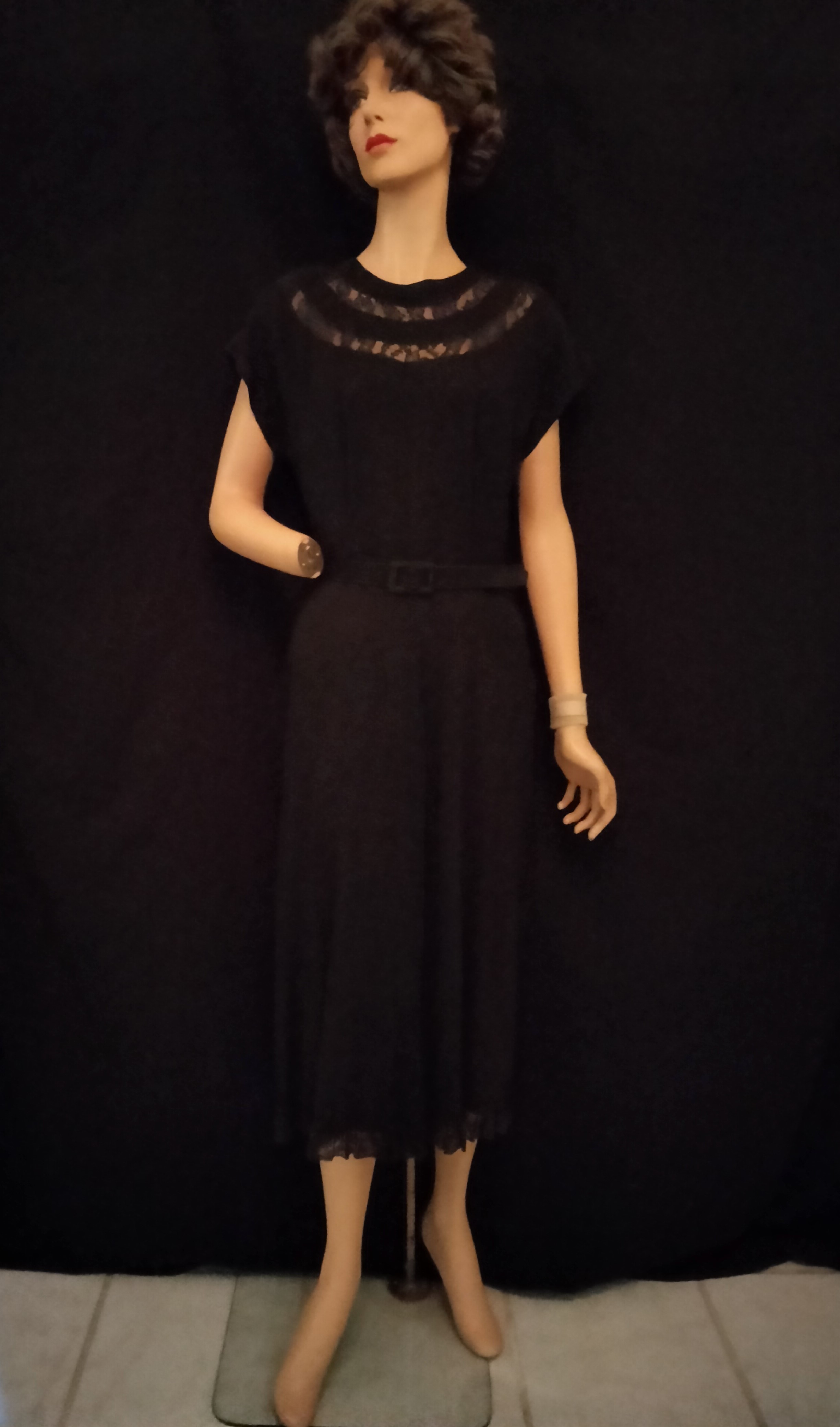
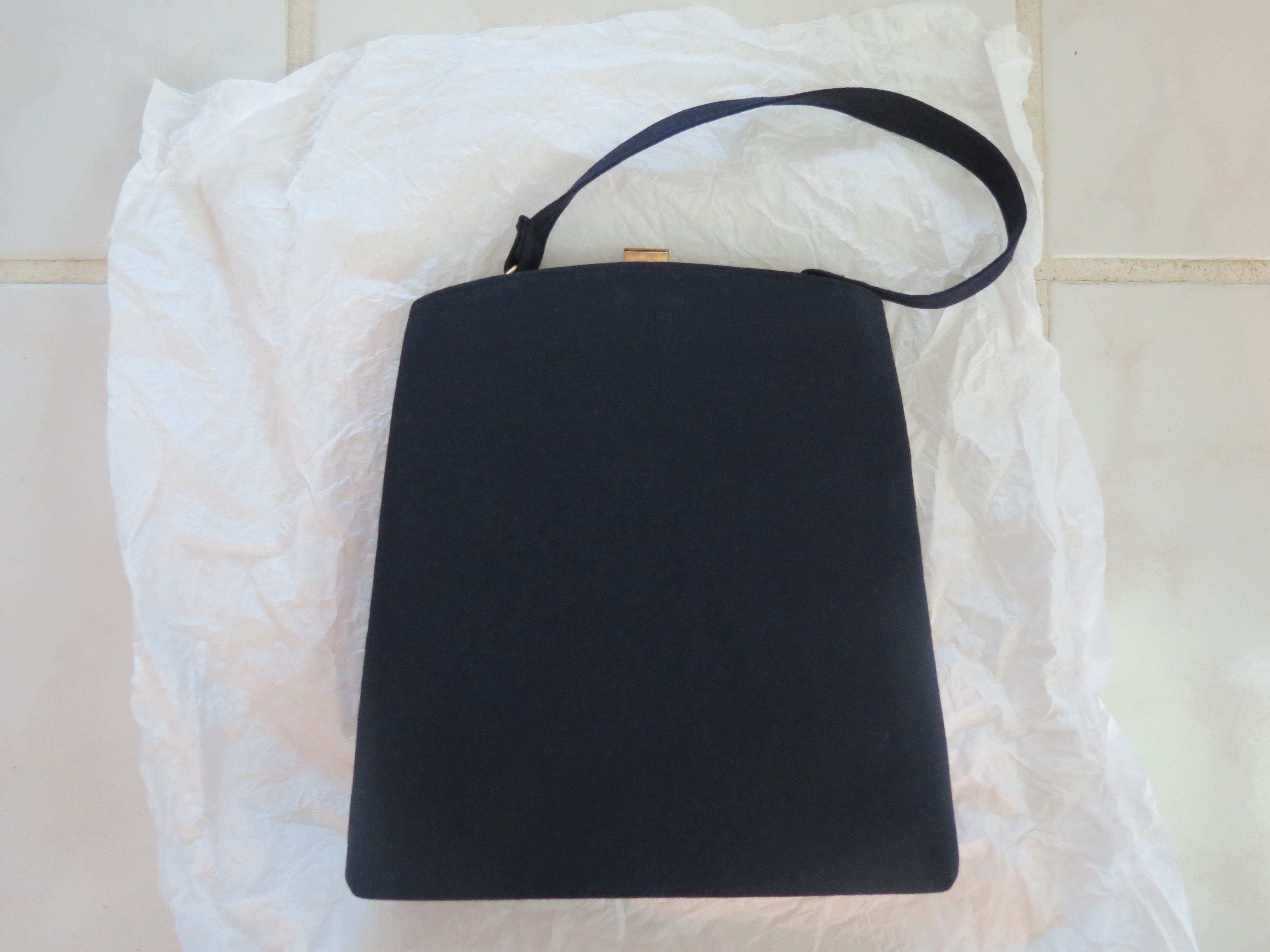
Let’s start with a velveteen pencil dress and coordinating handbag from the 1940’s. True Forties styling with the pencil cut and skinny sleeves with zippers at the wrists. The dress zips down the back rather than at the side, which began to be seen in the Forties. This dress was probably purchased at retail unless made by an expert tailor. It’s stylish and sophisticated but is frugal with the use of fabric so probably made during wartime.

Other than the wrist zippers, which are almost a necessity with these kinds of sleeves, and the piping finish on sleeves, neckline and waist there are no other embellishments. Piping done this well is not an easy task. In fact, the piping may have saved fabric that otherwise would have been used in hems or facing. Many purses, like the one above, were made of fabric during WWII instead of leather. 1940’s clothing and accessories, especially women’s designs, were very creative. Women and clothing companies came up with lovely fashions while coping with rationing and a limited economy. While not formal, a garment like this would have been appropriate for any dressy event from dinner to cocktails.

Stay tuned for more frocks in this category, from the mid-century . . . . . . . . . . . . . . . . . . . . . . . .

MORGANA MARTIN, THE MAGICVINTAGESPY

Blog: MAGICVINTAGESPY.COM
Undercover Magic, Essential True Vintage Lingerie

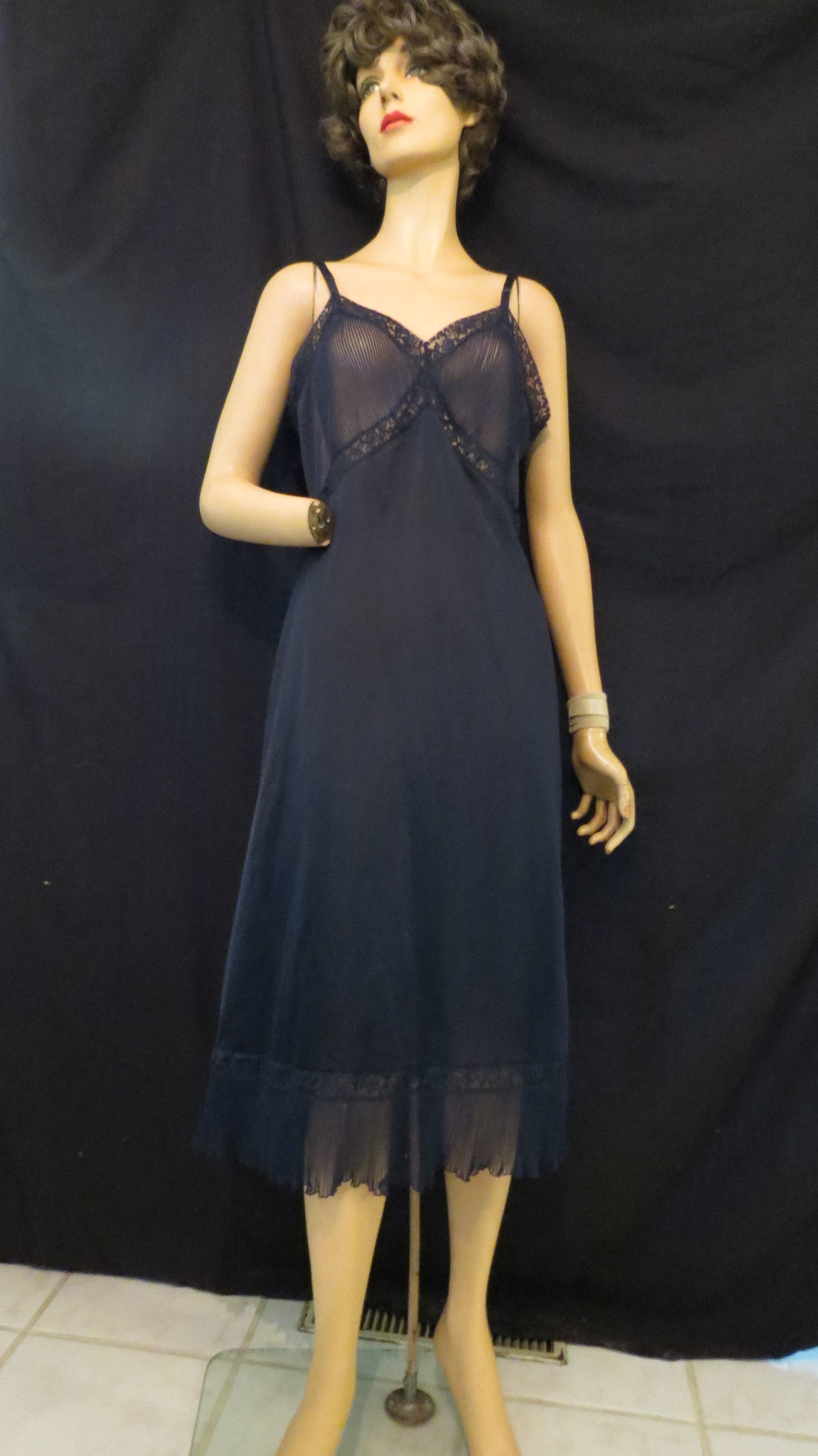
No matter what you’re wearing, lingerie pieces are key to making the outfit look right. Preventing lumps, bumps and see-through are only the simplest issues. The proper undergarment also ensures that the fabric lays correctly on your body and allows it to drape without clinging. Above are a very few examples of beautiful slips and only a tiny fraction of my complete collection.

You can see here how lovely the details are. Typically, even the plainest design will have nice little details and excellent tailoring. More elaborate styles are full of lace, embroidery, ribbons, sheer panels, satin straps and, often, some work done by hand. Though most slips are done in neutral, pastel colors, some (especially from the 1950’s to early 1960’s) were made in fabulous vibrant colors. True vintage nylon has a feel like no modern fabric and is absolutely luxurious. So gorgeous they could often be worn as a lightweight dress or skirt on their own.

Look for vintage lingerie that suits your wardrobe. Notice the details. Slips, of course, are the basis if you wear dresses and skirts. Search for cotton slips as well as the more-common nylon ones. In the summer, you will appreciate the difference! It’s also important to match your undergarments to the clothing worn with it – if anything might show or peek out, whether by accident or on purpose, will the color be OK? How will your outer garment move over the fabric of the slip? How will the fabric of the slip react with your skin in hot weather? Lots of things to consider in order to get the best result.

Also, look for other undergarments – in the 1960’s some split slips were made to be worn under culottes and split skirts. “Slips” to be worn under slacks can even be found from the 1960’s and 1970’s. A 1950’s/1960’s girdle was ALWAYS a base foundation for most women at that time (thank goodness, not now!). If you’re wearing a wiggle dress, you may not have a choice in order to make it look right. Silk tap pants from the Twenties are so comfy and perfect under a lightweight dress in the summer. A camisole under a blouse or top can improve the fit, add some warmth on a cold day and sometimes provide a little neckline interest depending on the style. A “bullet bra” is perfect if you want to be a “sweater girl”. Garter belts and girdles are necessary for wearing stockings. A crinoline is important for most mid-century dress styles with circle skirts, especially from the late 1940’s through the early 1960’s. Some dresses have their own, but others require you to add one.

I’ve probably forgotten to mention something but you get the drift. Lingerie is SO important that I probably should always start any series of posts with it. . . . . . . . . . . . . . . . . . .

MORGANA MARTIN, THE MAGICVINTAGESPY

BLOG: MAGICVINTAGESPY.COM