TRUE VINTAGE 1940’S LADIES COATS AND ACCESSORIES

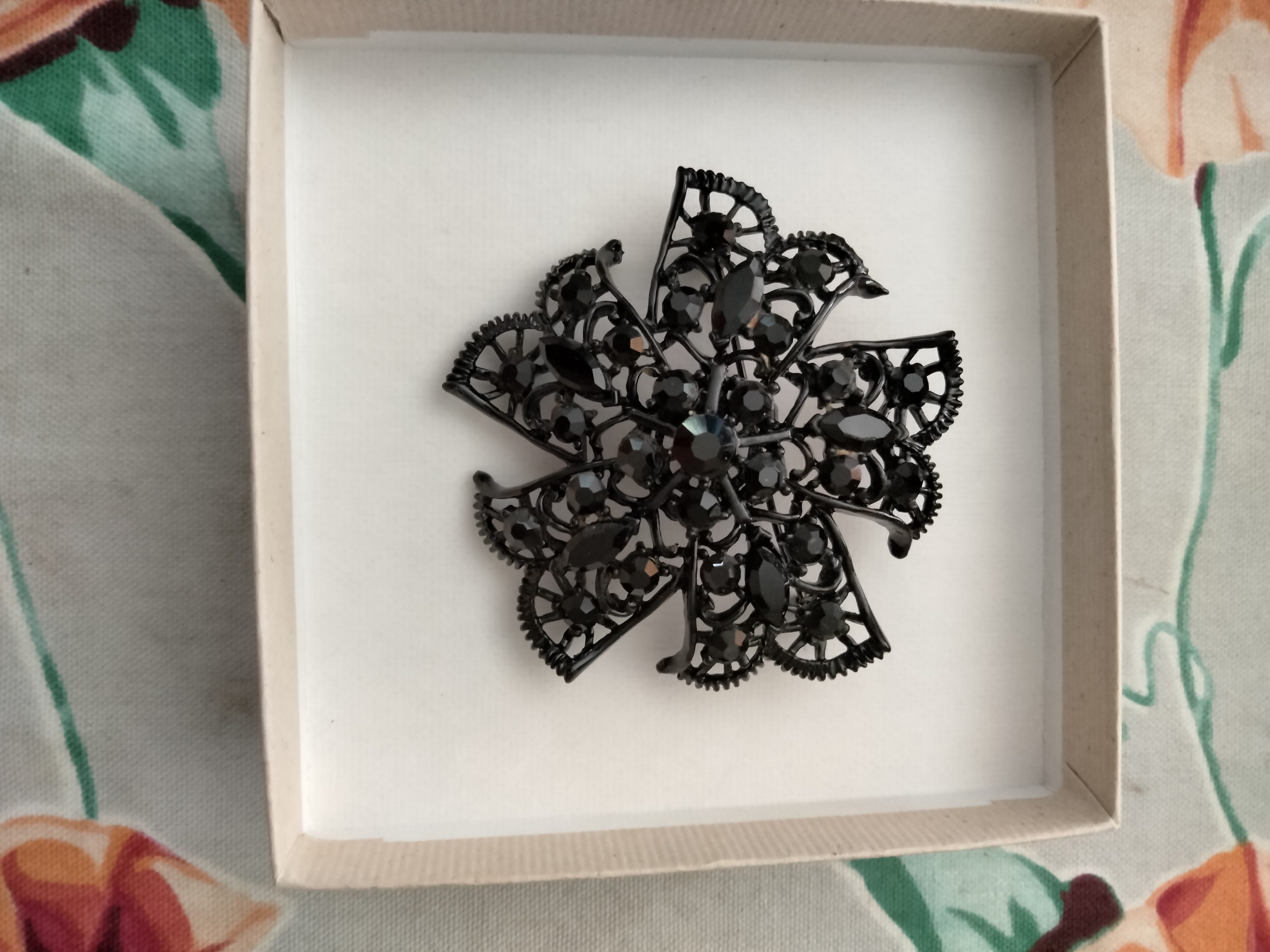
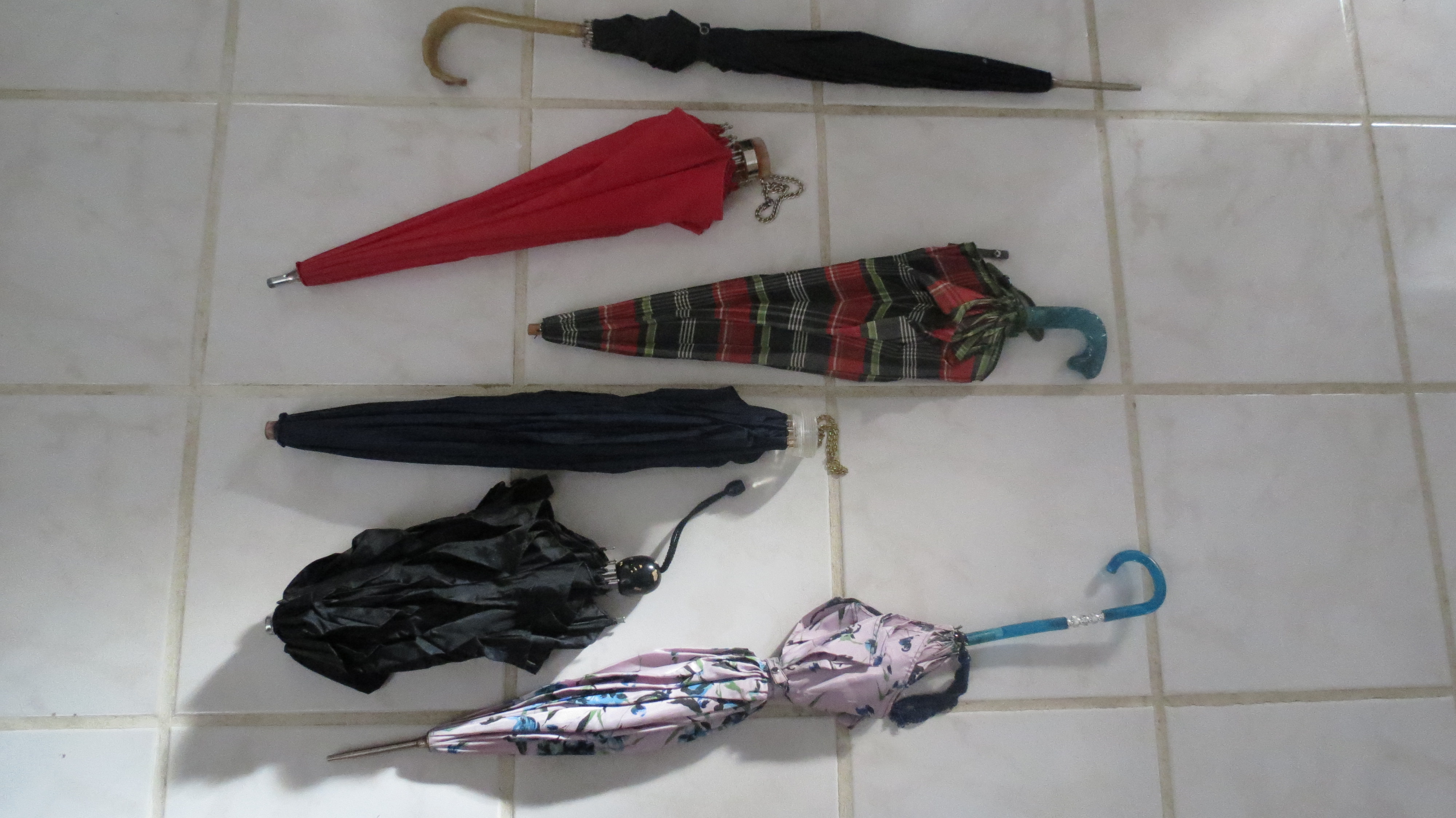
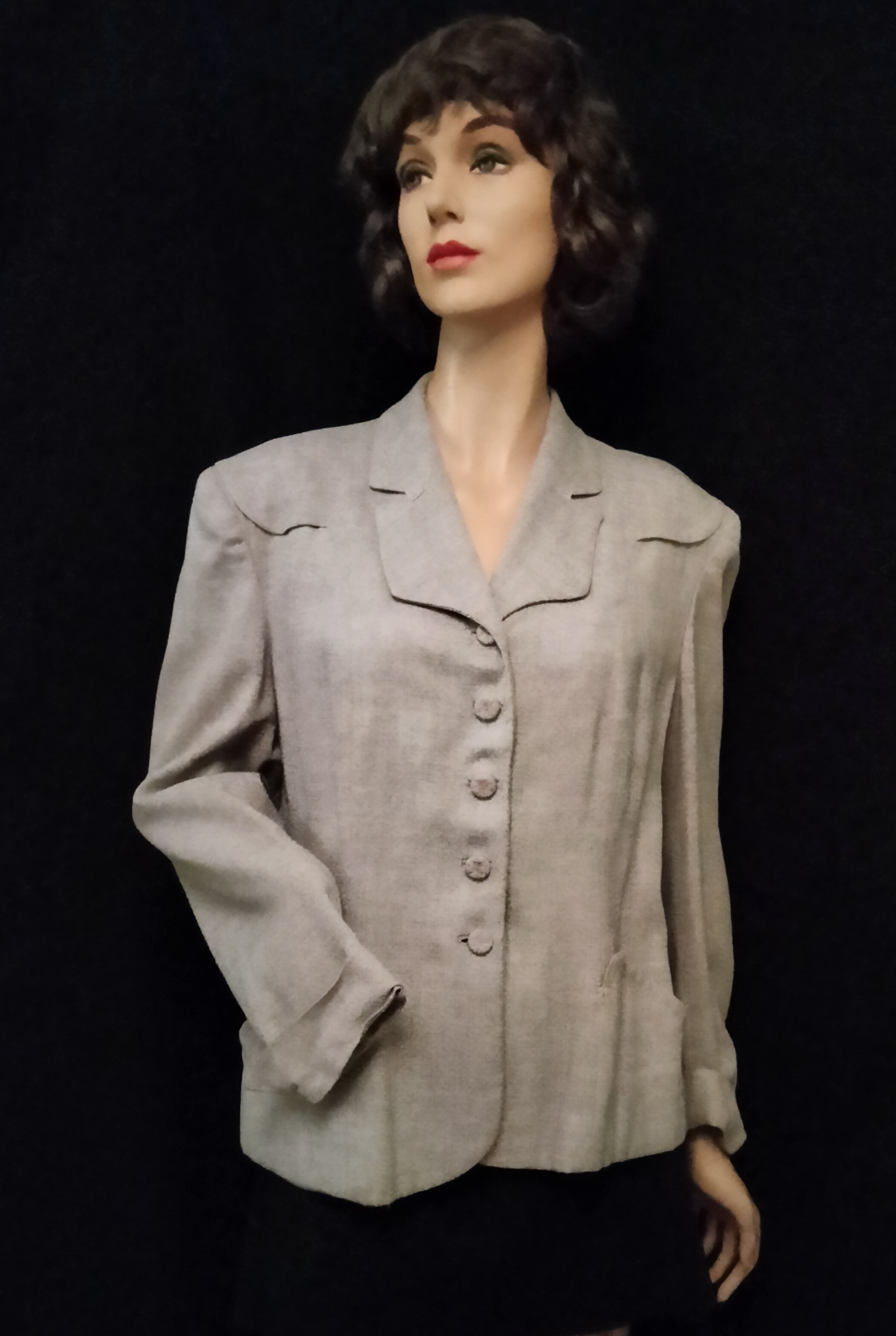
Beautiful wool coats which called for lapel brooches. Umbrellas with handles made of wood, celluloid and other “new” plastics. As always, I love the pretty fabric patterns and bling alongside the tailored elegance of the coats and jackets.

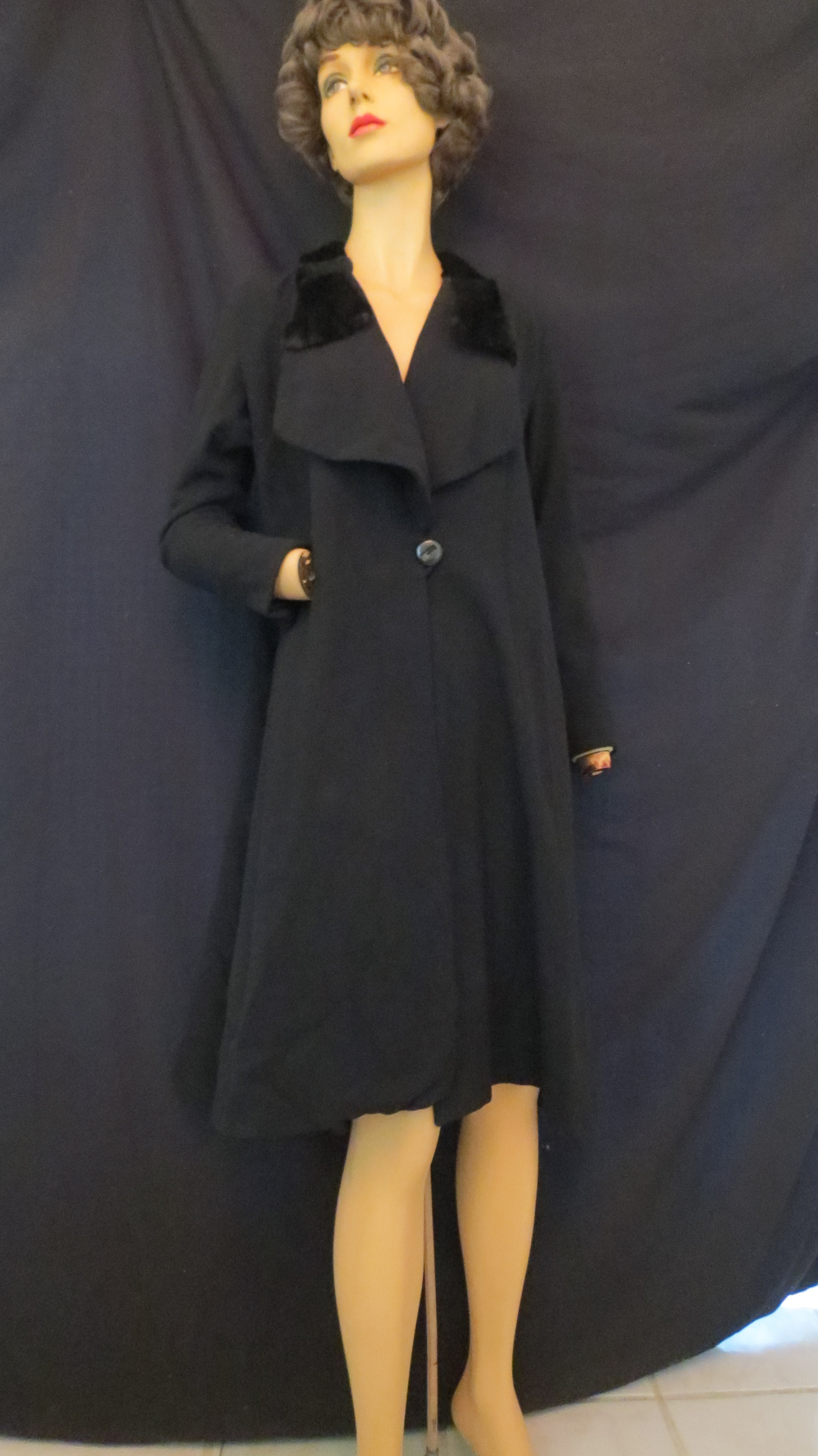
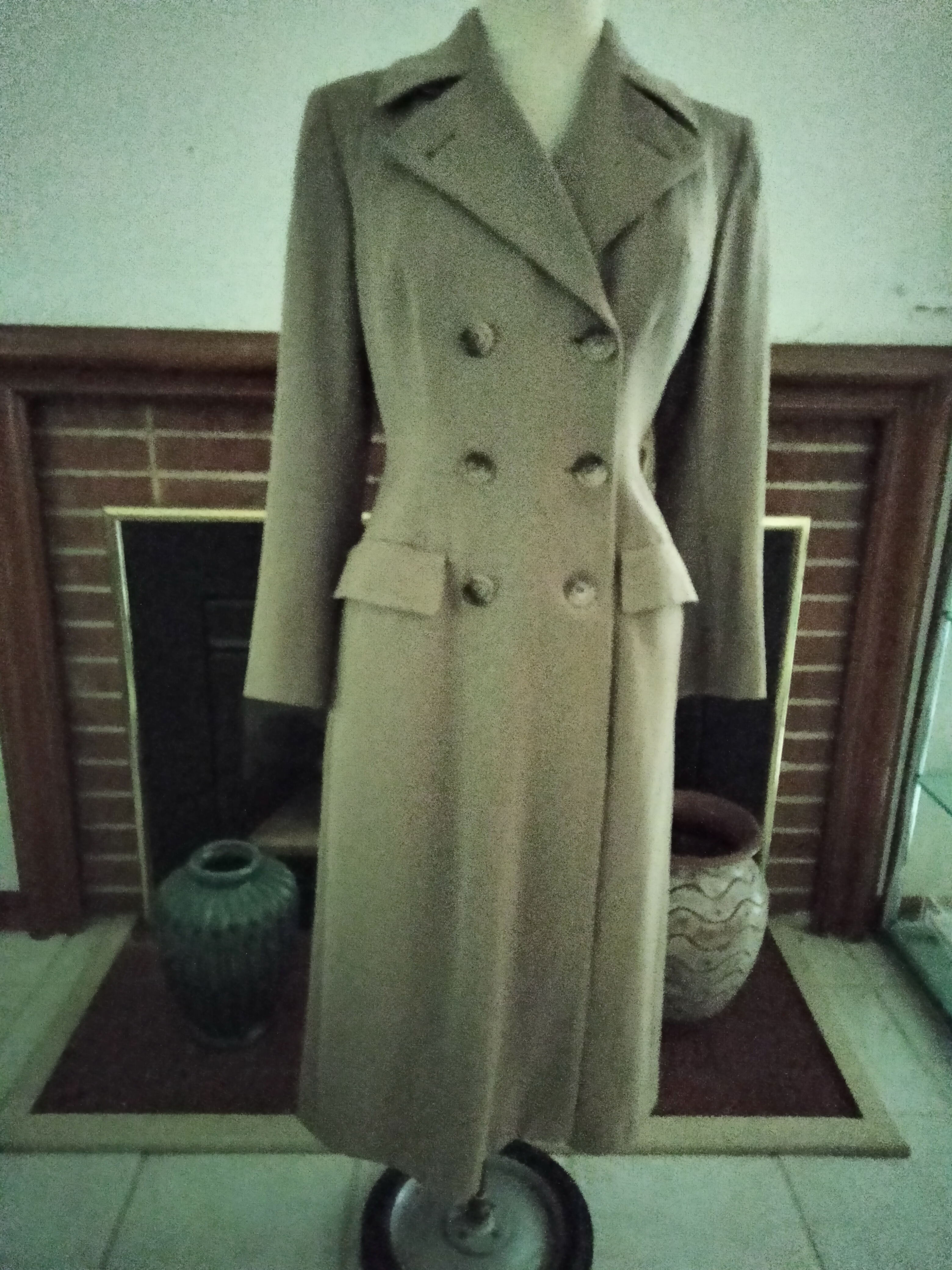
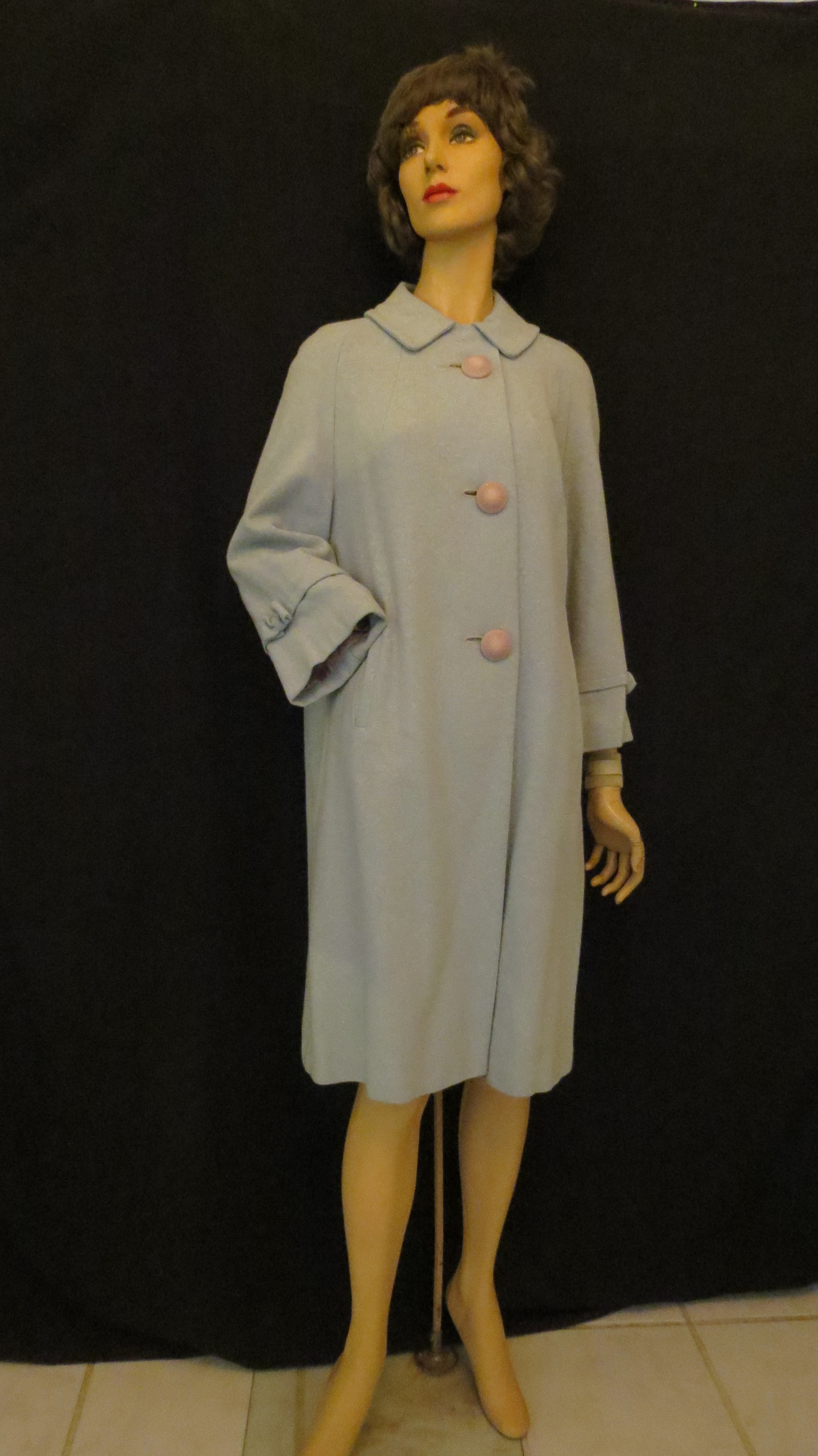
You can see the wartime influence on the first coat with it’s simplicity and lack of detail while a nod to luxury has been made by the velvet collar. Military style influence is visible in the big padded shoulders and the shape of the fur hat. I can really picture Ingrid Bergman wearing a coat like the fitted one – similar to trenchcoat design a la the movie Casablanca. The pale blue version with big pink buttons is moving us toward the 1950’s.

More reasons why the 1940’s fashion decade is probably my favorite. However, the 1950’s are also a big competitor on my favorites list and we’ll travel into the early part of that decade tomorrow. Stay tuned . . . . . . . . . . . . . . . . . . . . . . . . . . . . . . . . . ..

MORGANA MARTIN, THE MAGICVINTAGESPY

BLOG: MAGICVINTAGESPY.COM

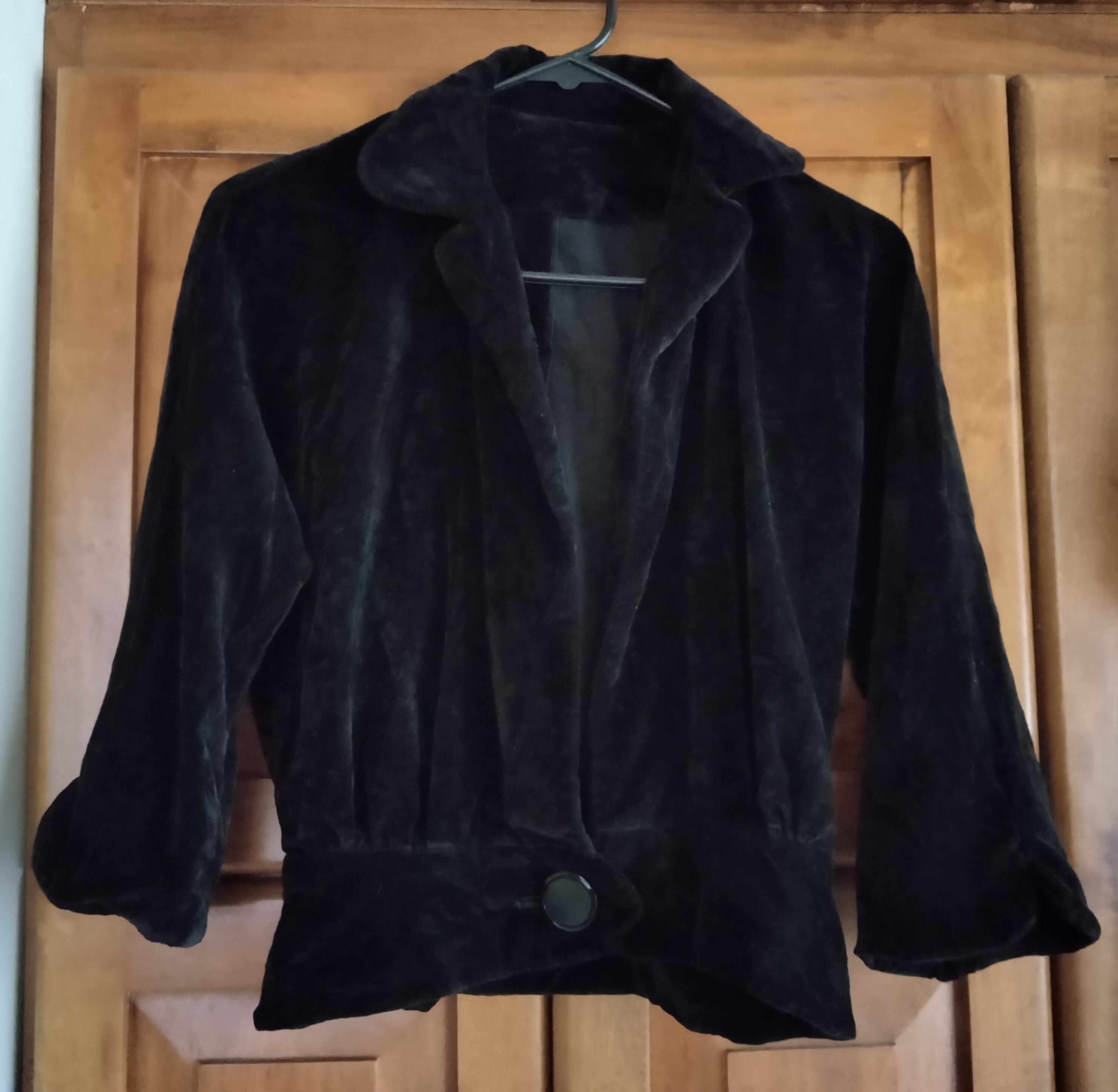
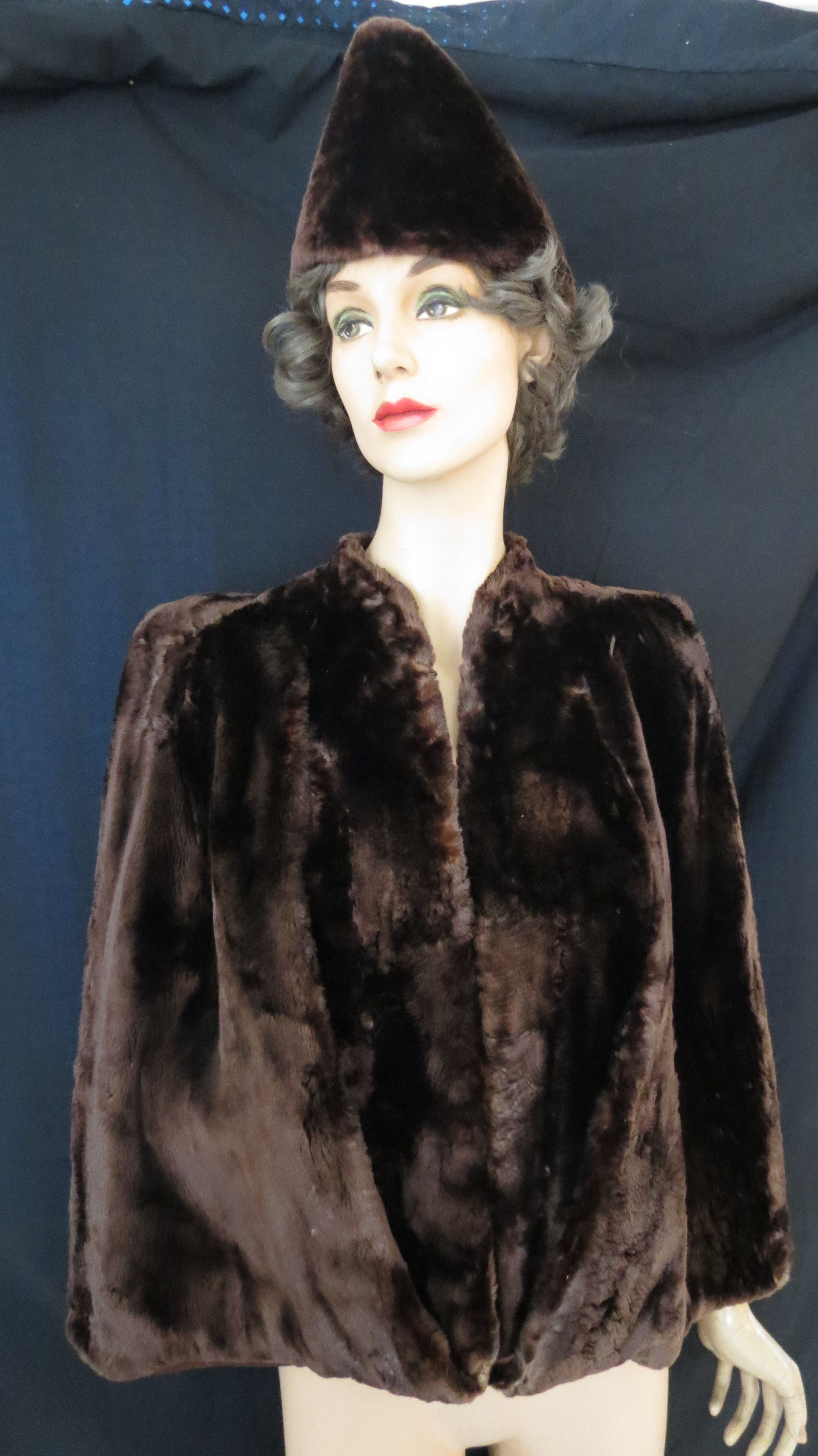
RARE NEW FIND! 1940’S DRESSY VELVETEEN JACKET

Nothing wonky about this jacket. It just needs a good clean and steam. Plus, I wish my team of models were with me as it would look so much better on Stella, maybe over a dressy 1940’s frock as it was intended for. Use your imagination. Anyway, I love, love it! Anything from this fashion decade thrills me, but a piece like this is so difficult to find and such a wardrobe necessity. Gals in the 1940’s often wore a fur stole or jacket with their evening outfits but, since we don’t do that anymore unless it’s a true vintage piece, a formal alternative is so important.

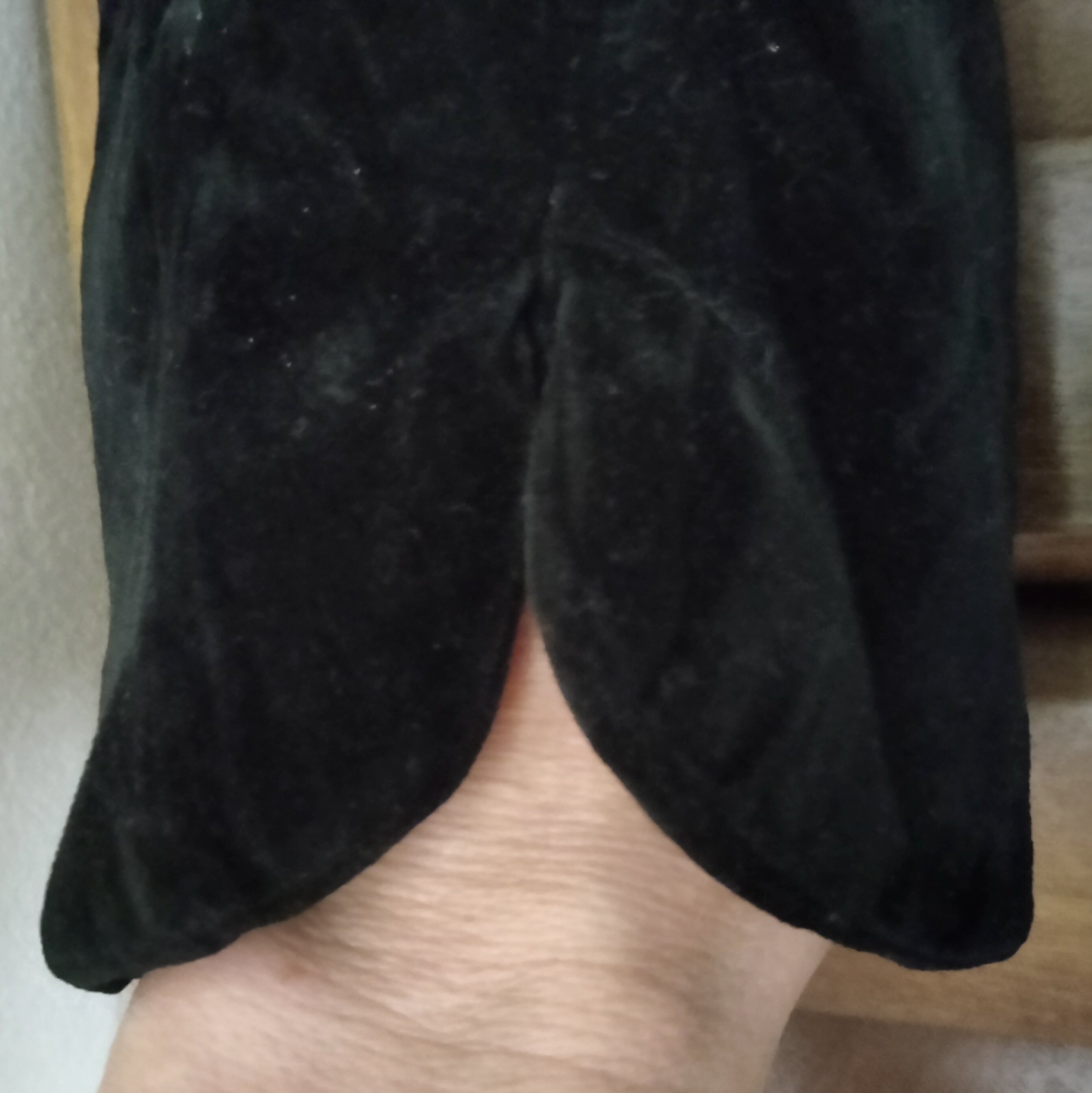
Probably handmade, from cotton velveteen. No lining, but none needed – the reverse side of the velveteen is a very smooth weave. Great peplum waist, a little longer in the back, and a big button to close. 3/4 sleeves with scalloped vents. Love this detail, too.

I’m over the moon and, as I always say -“You just never know” what might turn up. I’ll post my second find, exciting in a different way, tomorrow. Stay tuned . . . . . . . . . . . . . . . . . . . . . .

MORGANA MARTIN, THE MAGICVINTAGESPY

BLOG: MAGICVINTAGESPY.COM

SPECIAL WARTIME AND POST-WAR STYLES FROM THE 1940’S

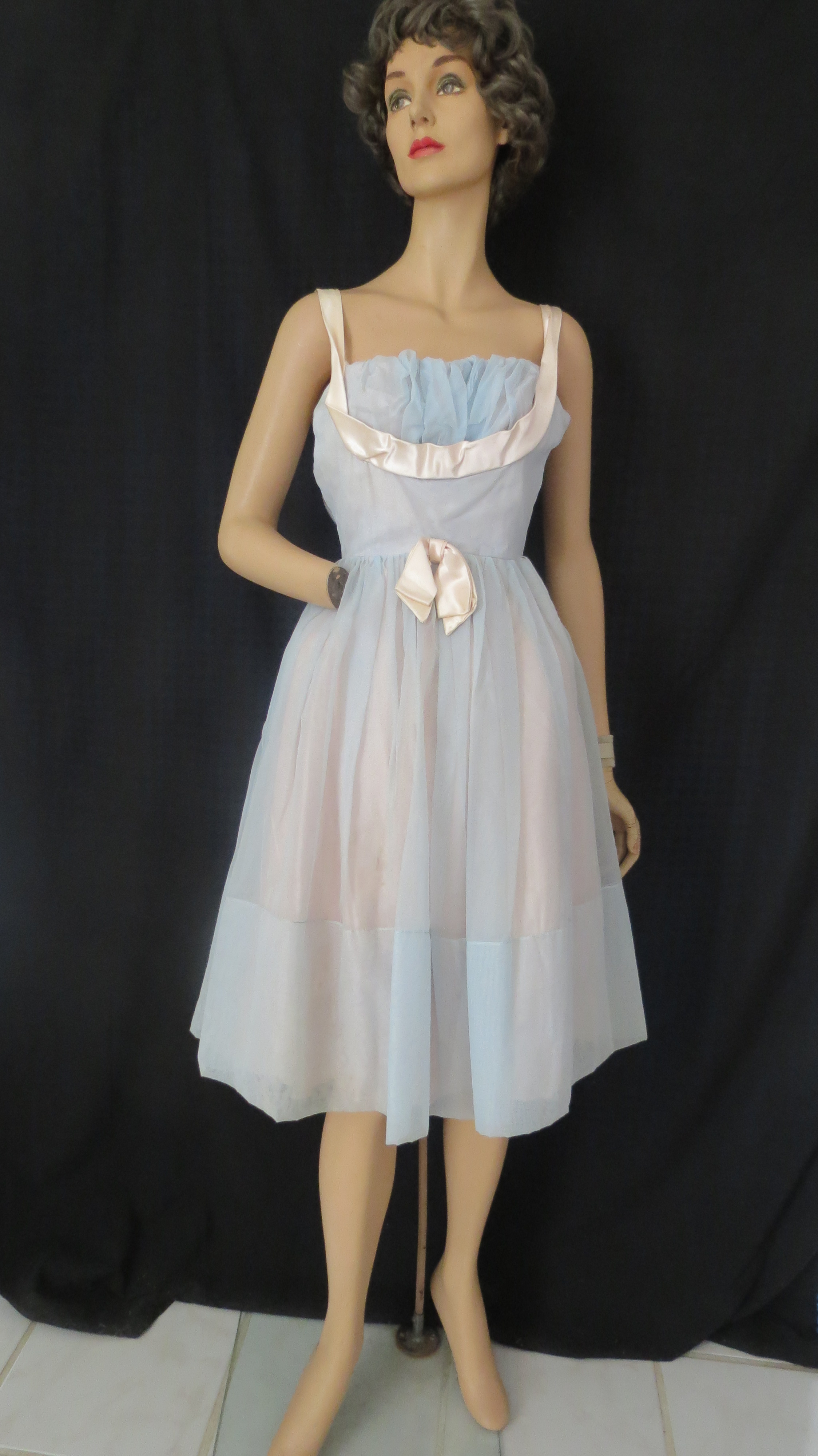
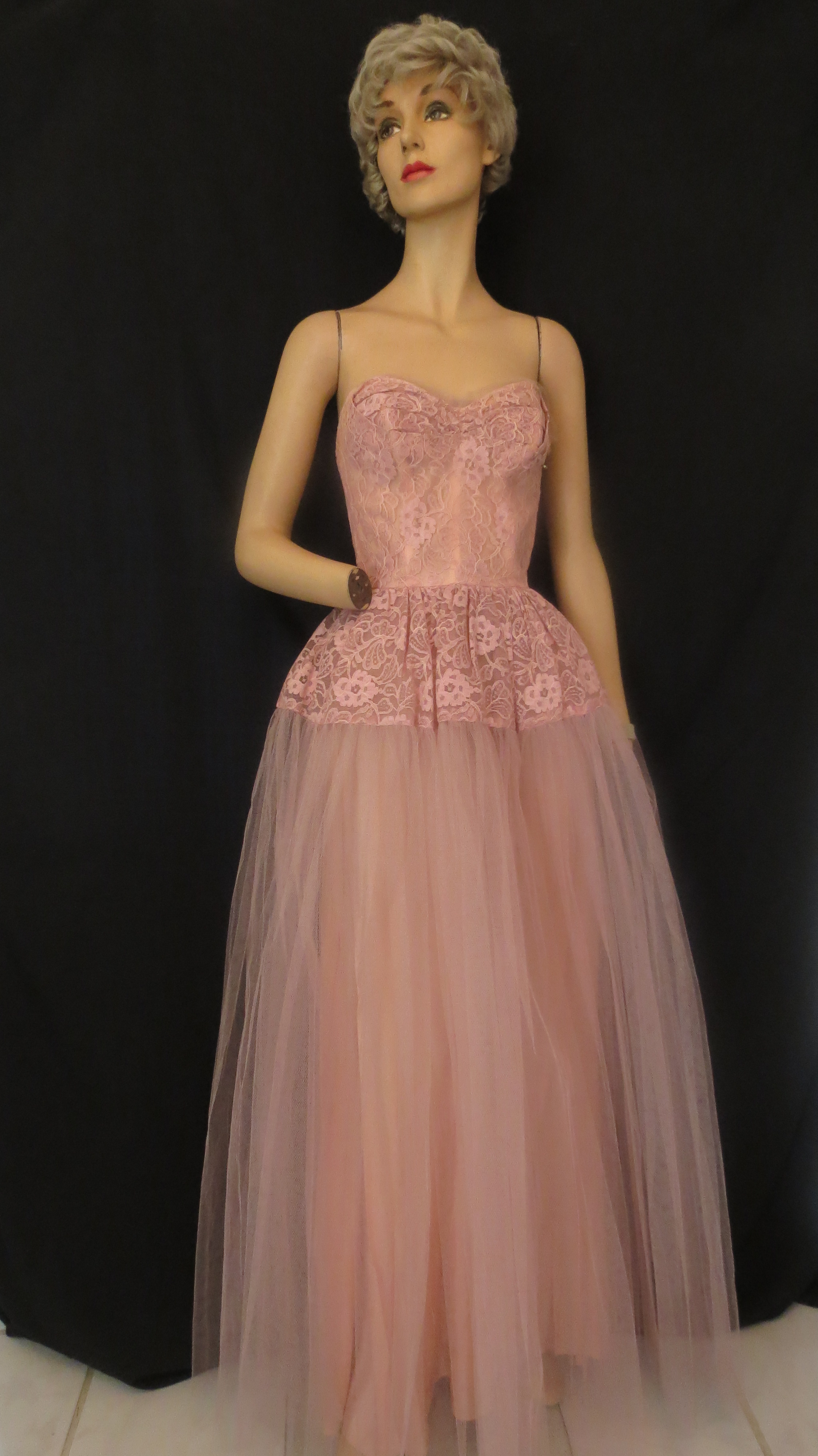
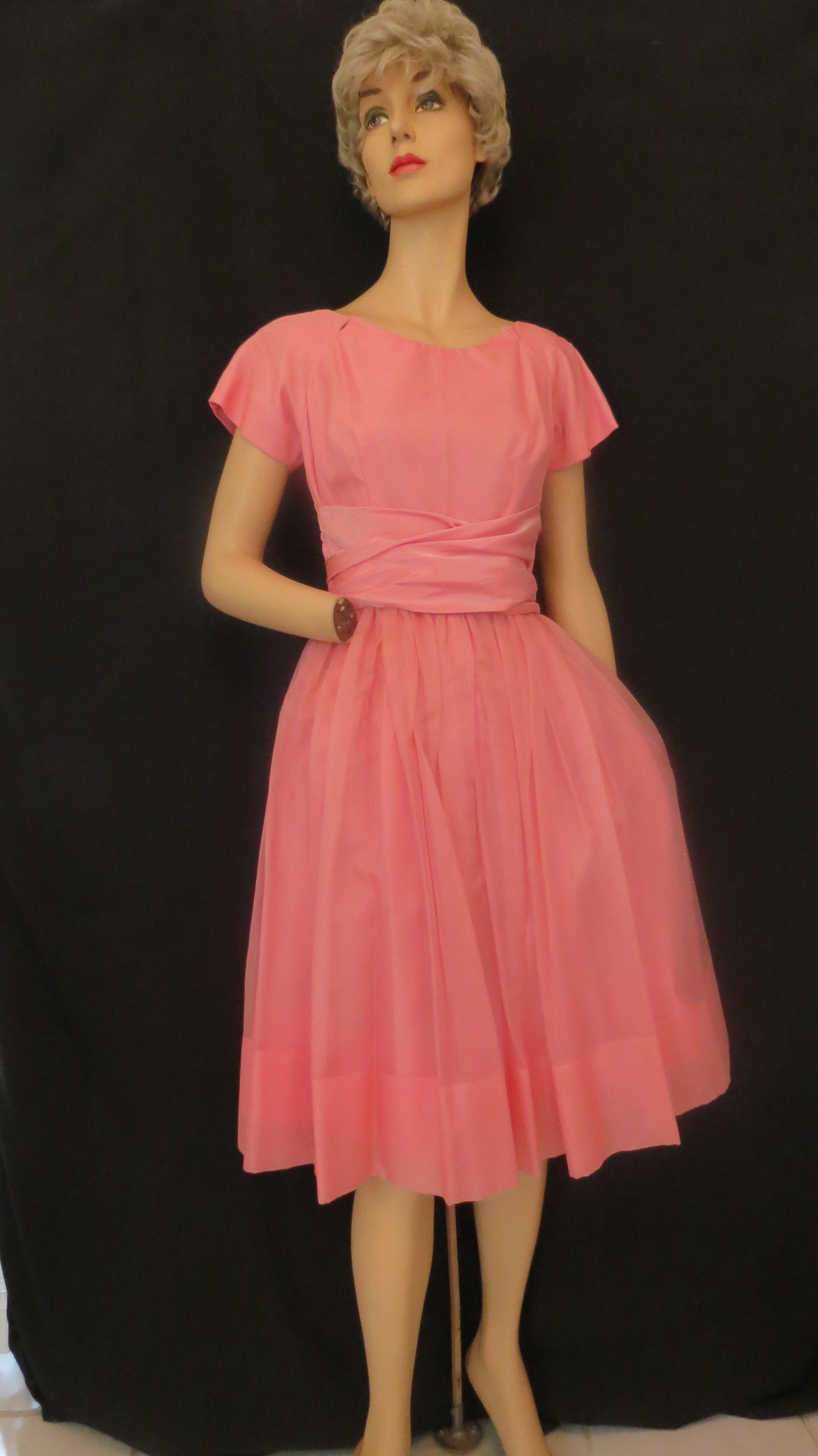
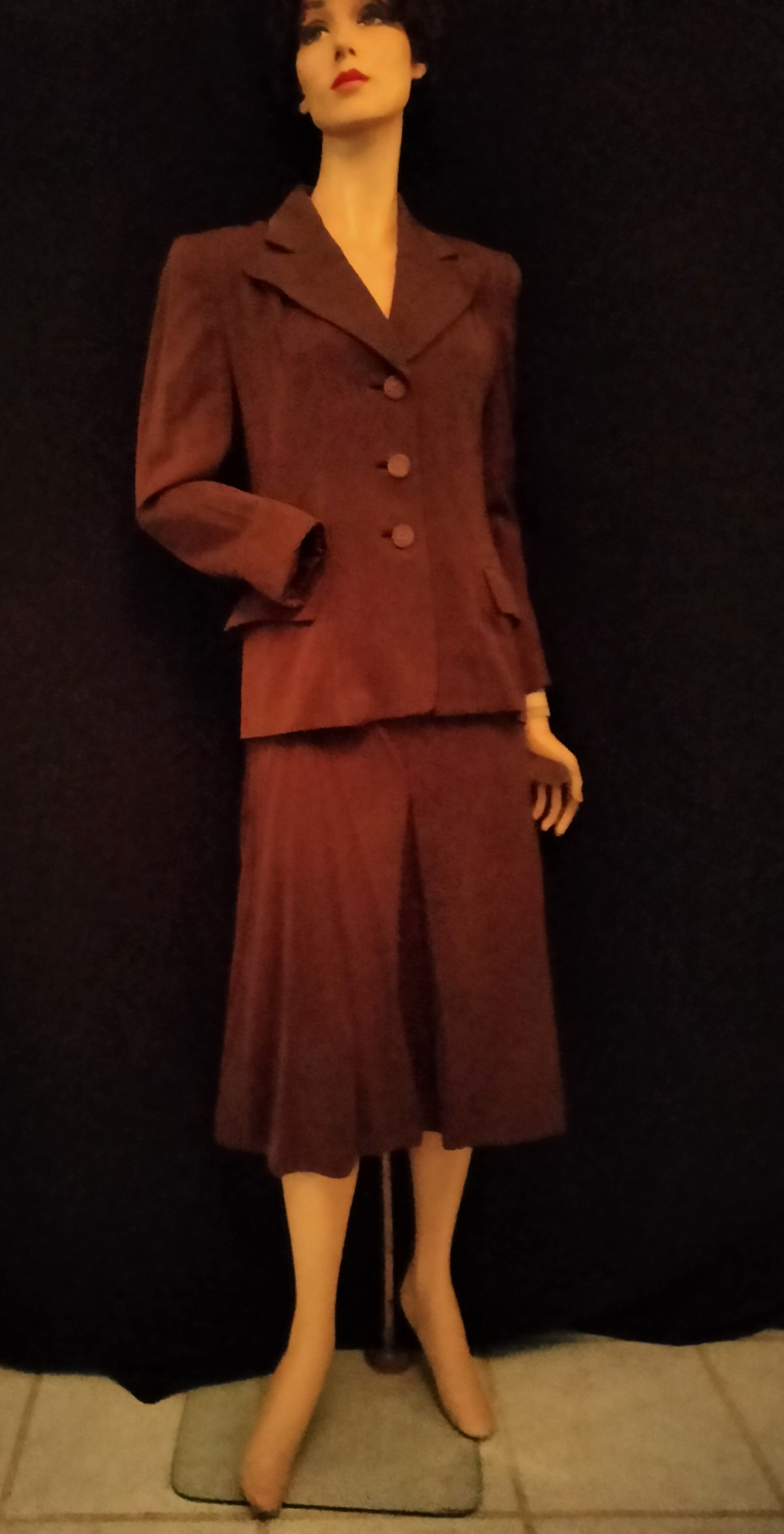
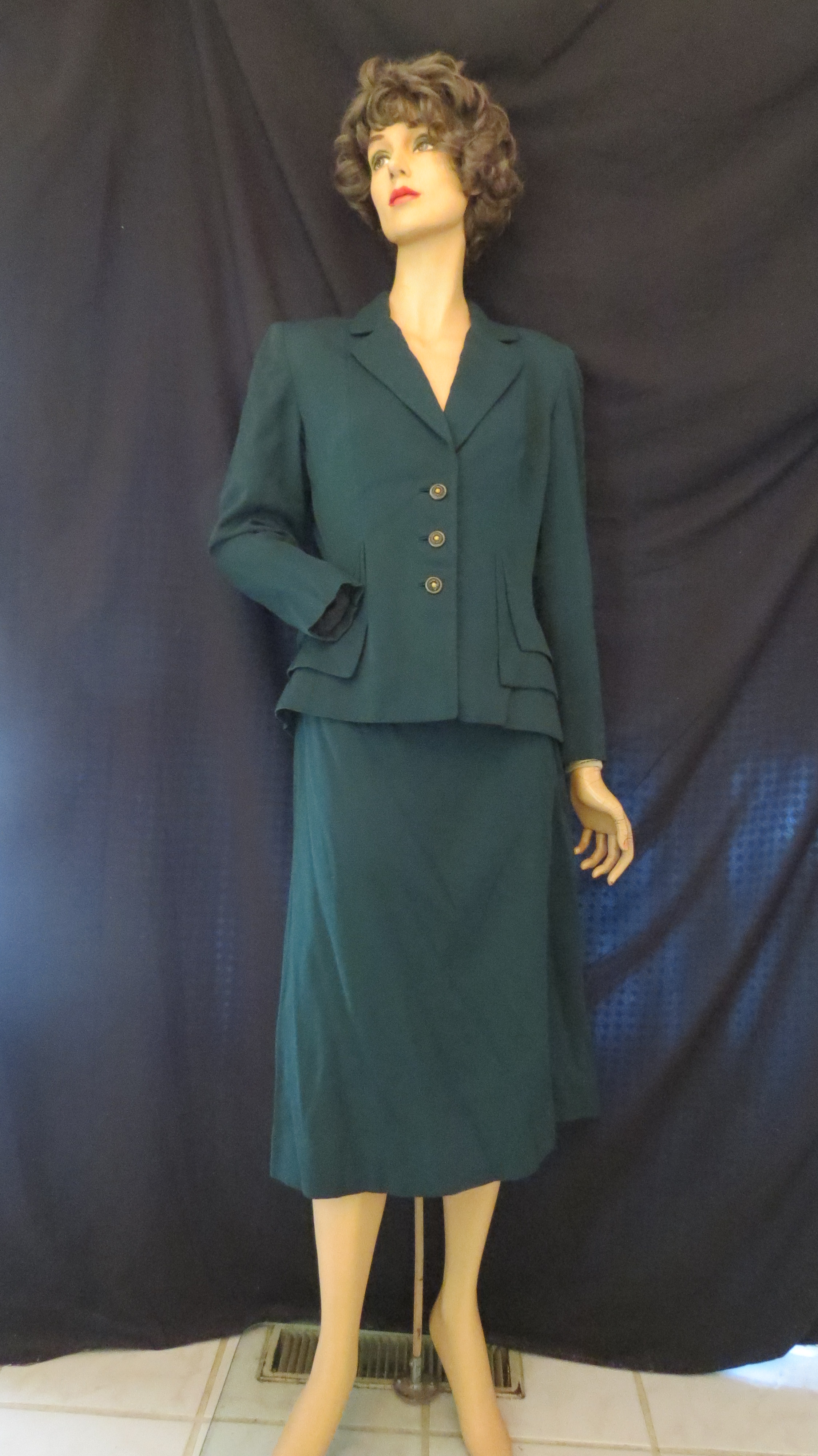
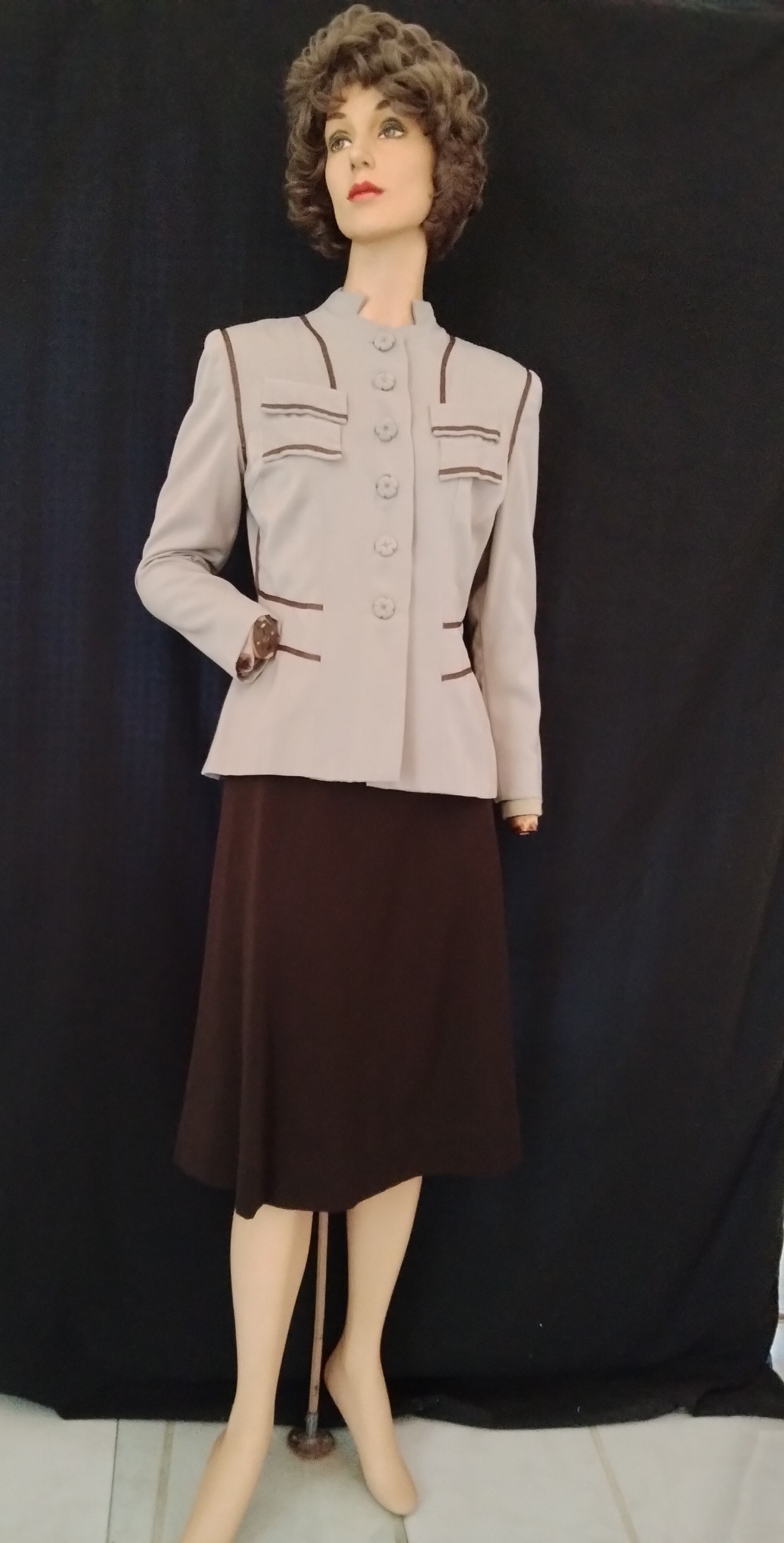
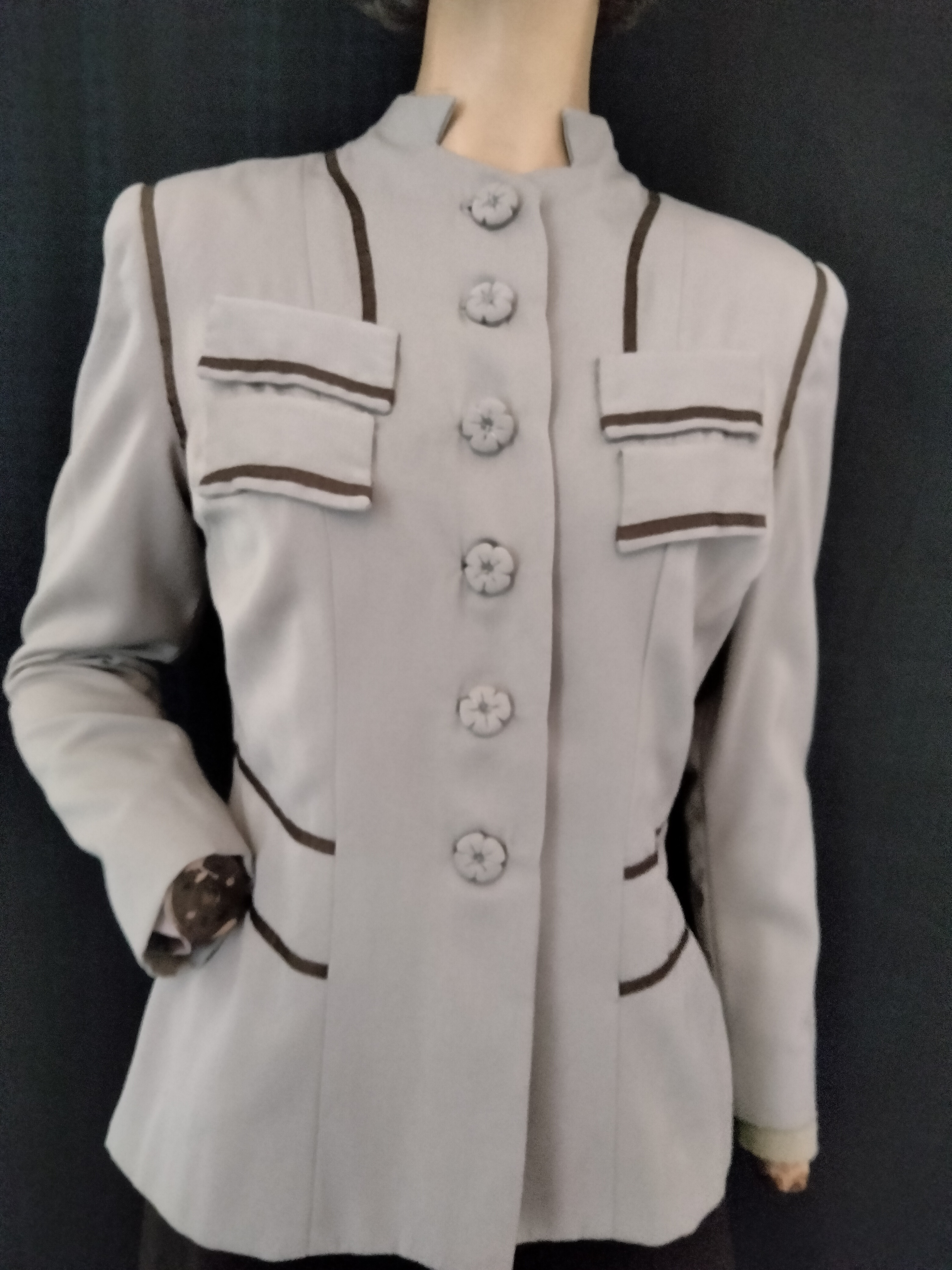
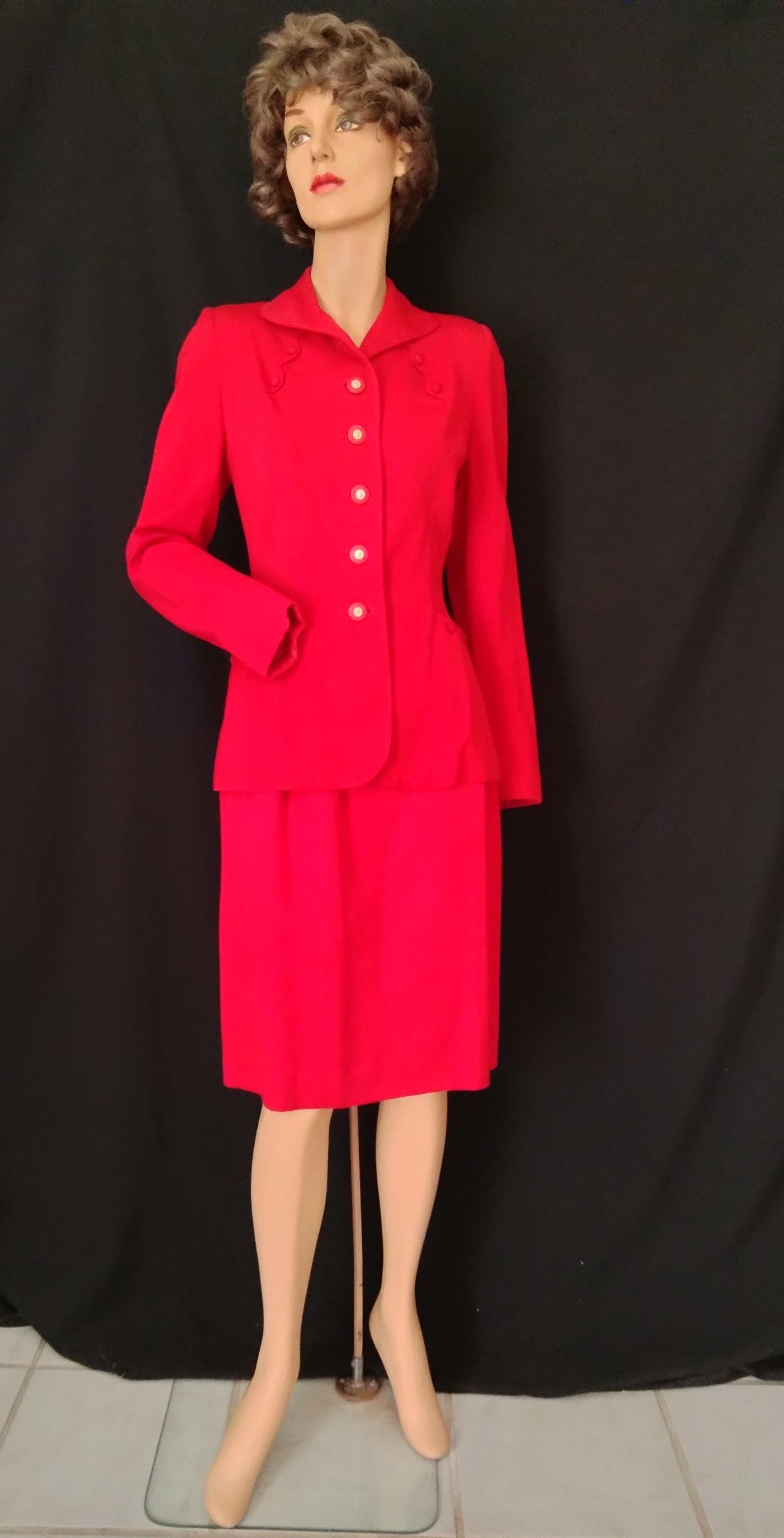
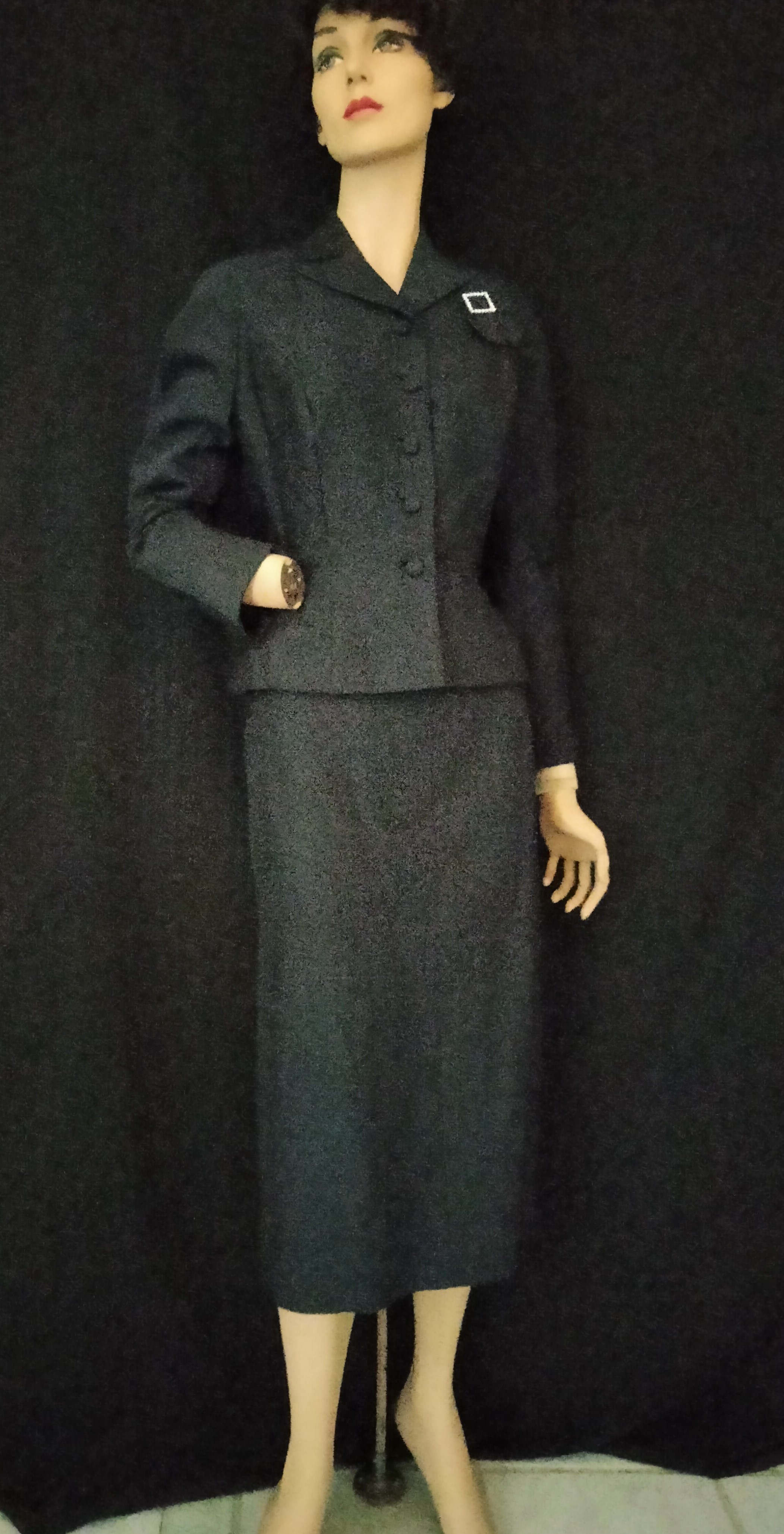
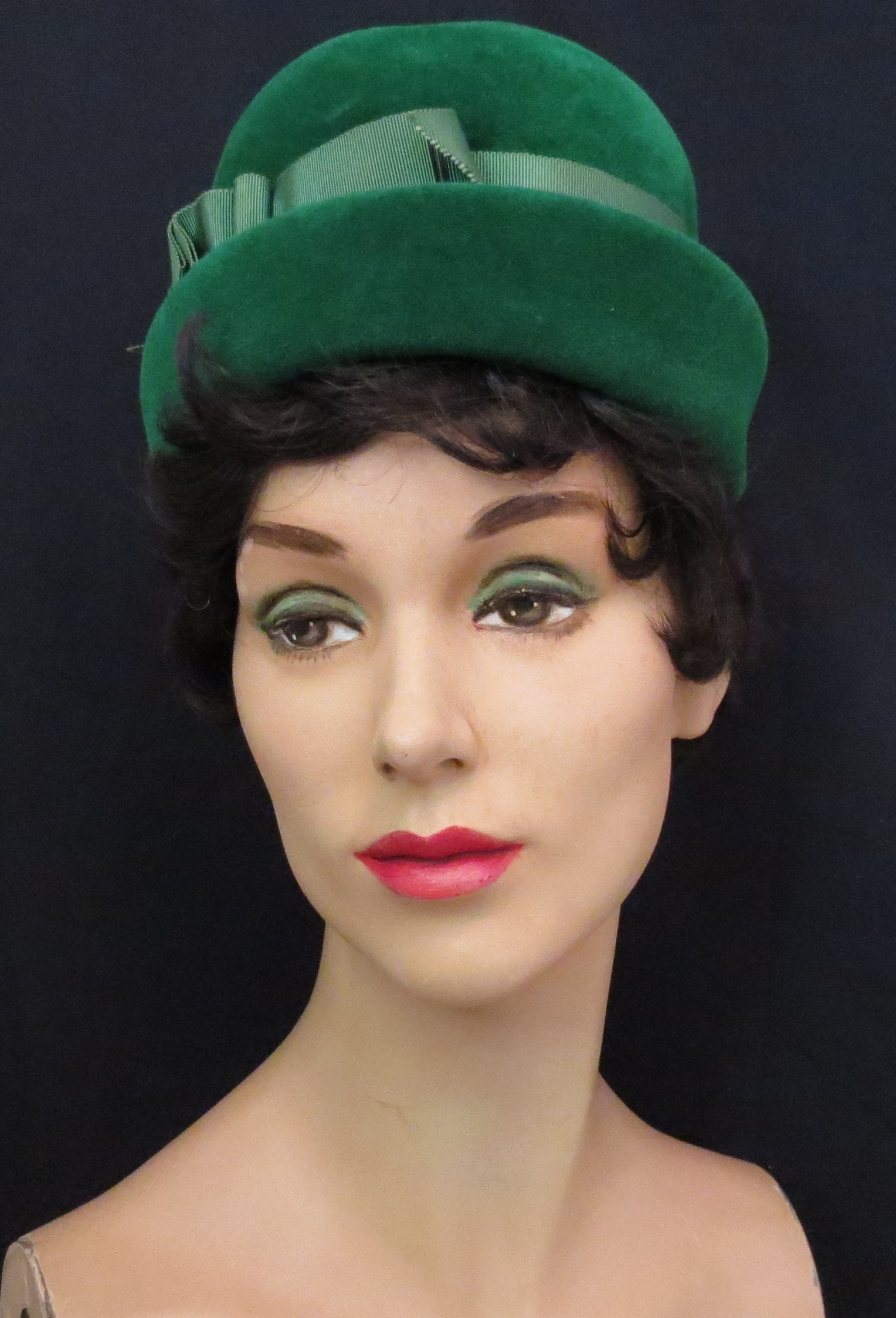
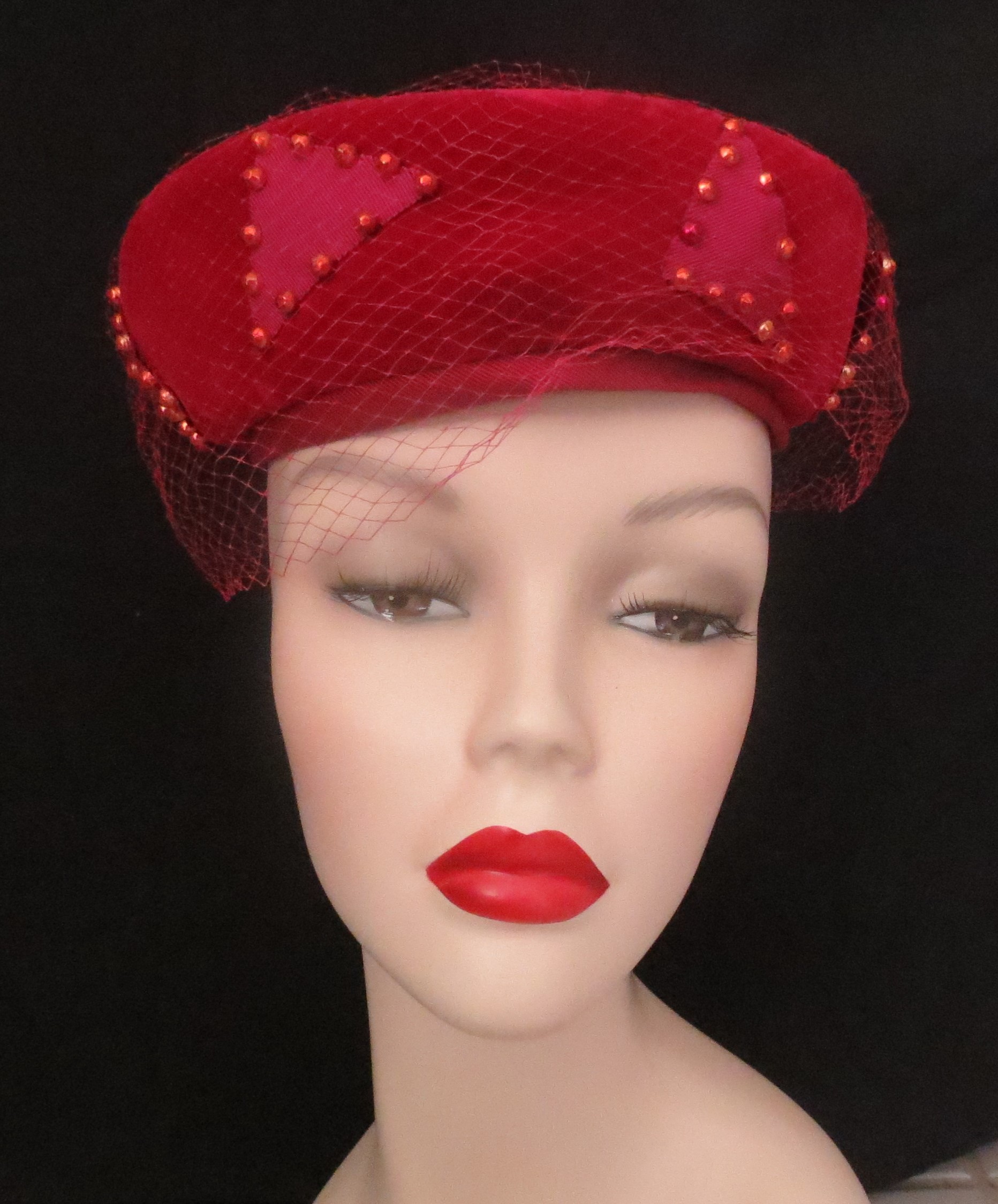
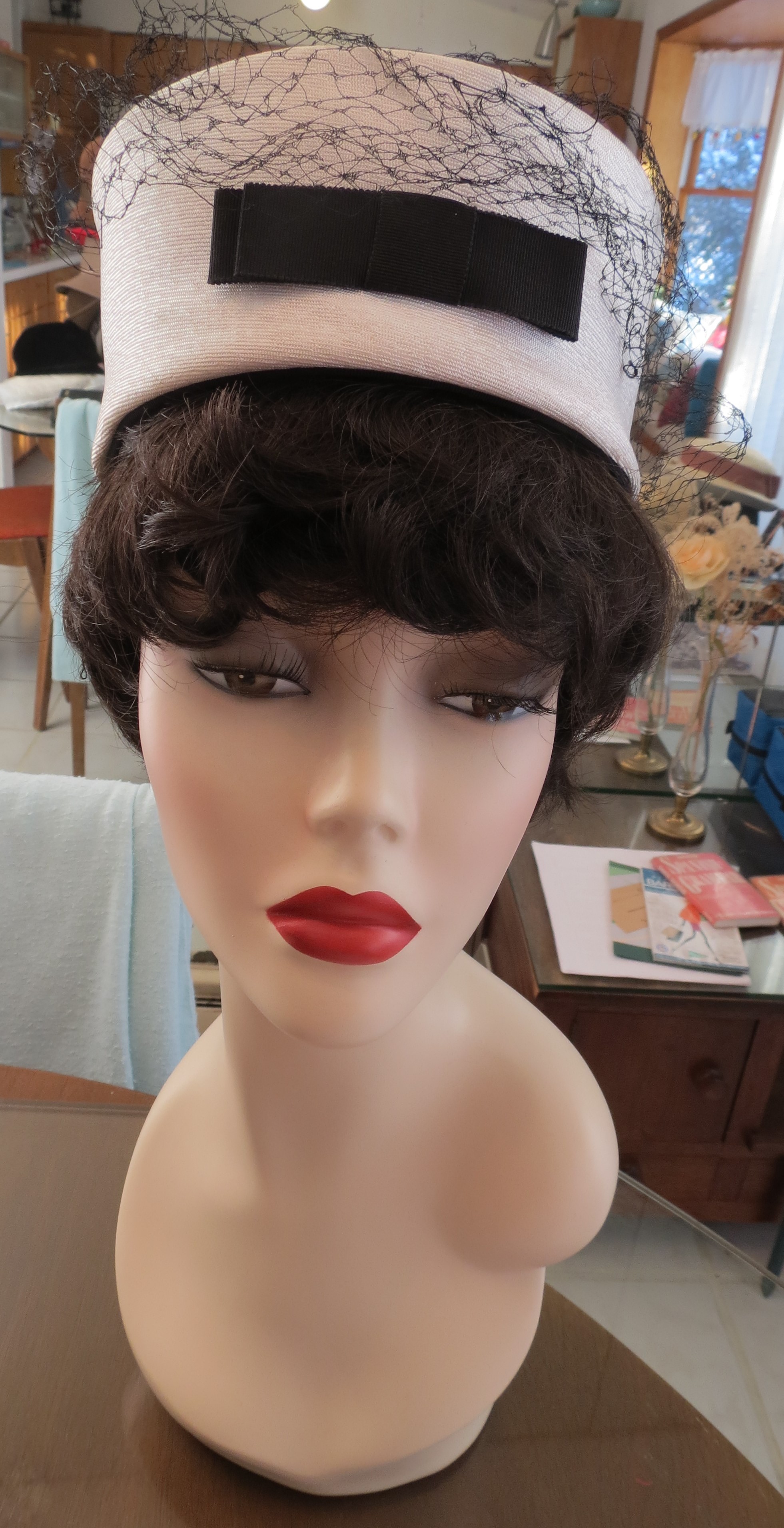
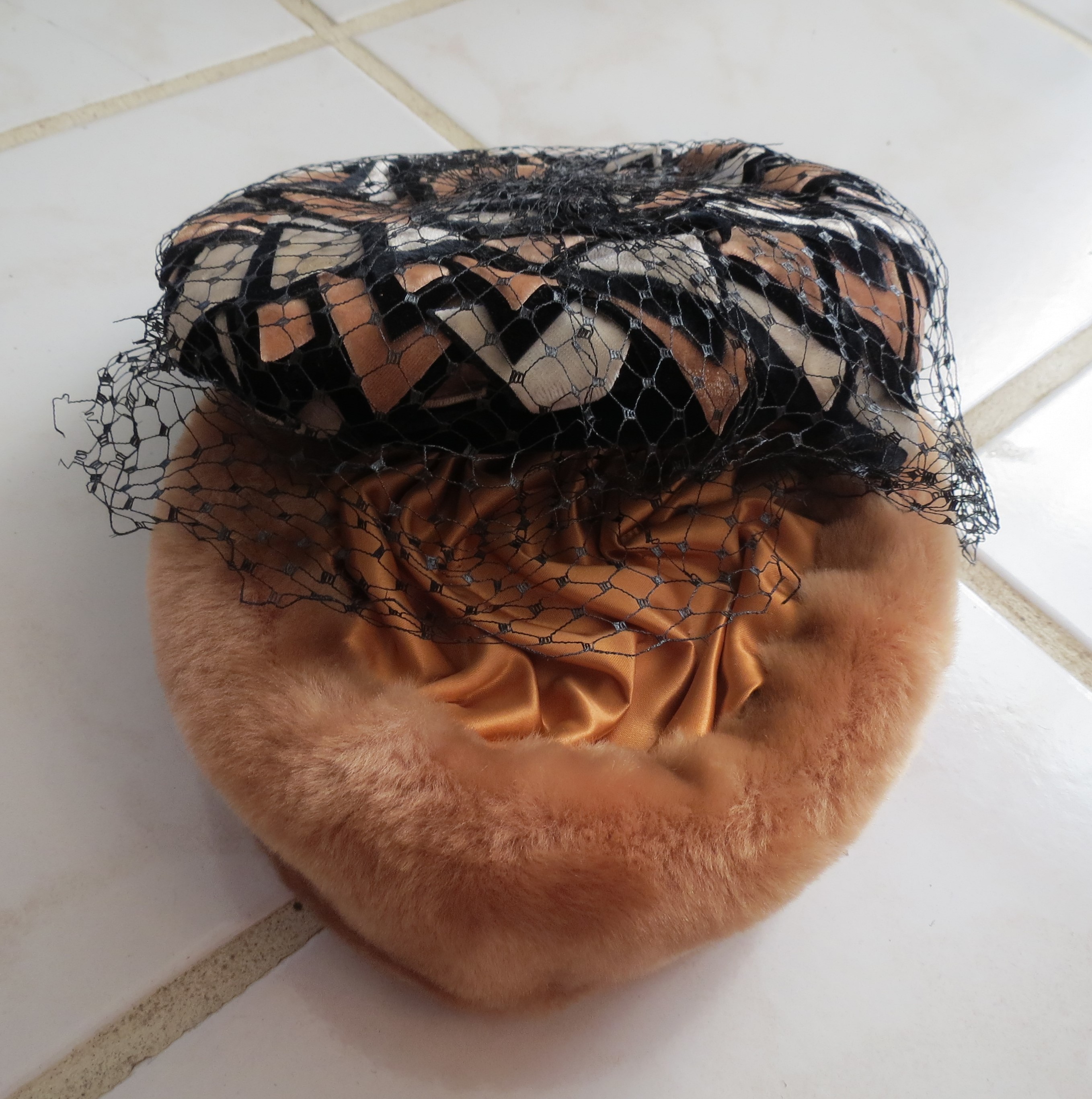
Classic designs made subtle changes over the decade which reflect the evolution of style and the social and historical events taking place at that time. Party dresses for special occasions have always been a “thing”. Skirt suits from Utility-style in the mid-’40’s to embellished designs were more like couture garments in the Post-war years. A matching hat was always essential.

High-school Prom tradition is about 100 years old now. The popularity of skirt suits for women began about the same time. Since about 2000, traditional styles in both these categories have shifted in major ways, so the focus on these types of garments in my investigations has gone from around 1920 through the 1990’s, with the spotlight on 1930’s – 1980’s. The Forties through the Sixties have been my favorite decades for classic structured suits, as they were more like two-piece dresses before and after and very trendy in design. Good luck finding a true vintage suit or Prom dress from the 1920’s or even the ’30’s but after 1940 the clues are still out there.

Although there were some very nice styles from the 1920’s and 1930’s, the prettiest suits and formal dresses, in my opinion, came from the late 1940’s and early 1950’s. Lots of attention to detail, flattering fit and high quality. In decades after that, frocks were not as interesting and suits were generally more boring, too. Tomorrow I’m going back to late 1930’s – 1940’s for dresses with one or two ’80’s WWII retro styles thrown in. Stay tuned . . . . . . . . . .. . . . . . . . . . . . . . . . . . . . .

MORGANA MARTIN, THE MAGICVINTAGESPY

BLOG: MAGICVINTAGESPY.COM
TRUE VINTAGE 1960’S TRENDS IN DRESSES, HOUSEDRESSES & ACCESSORIES – TO THE START OF MOD

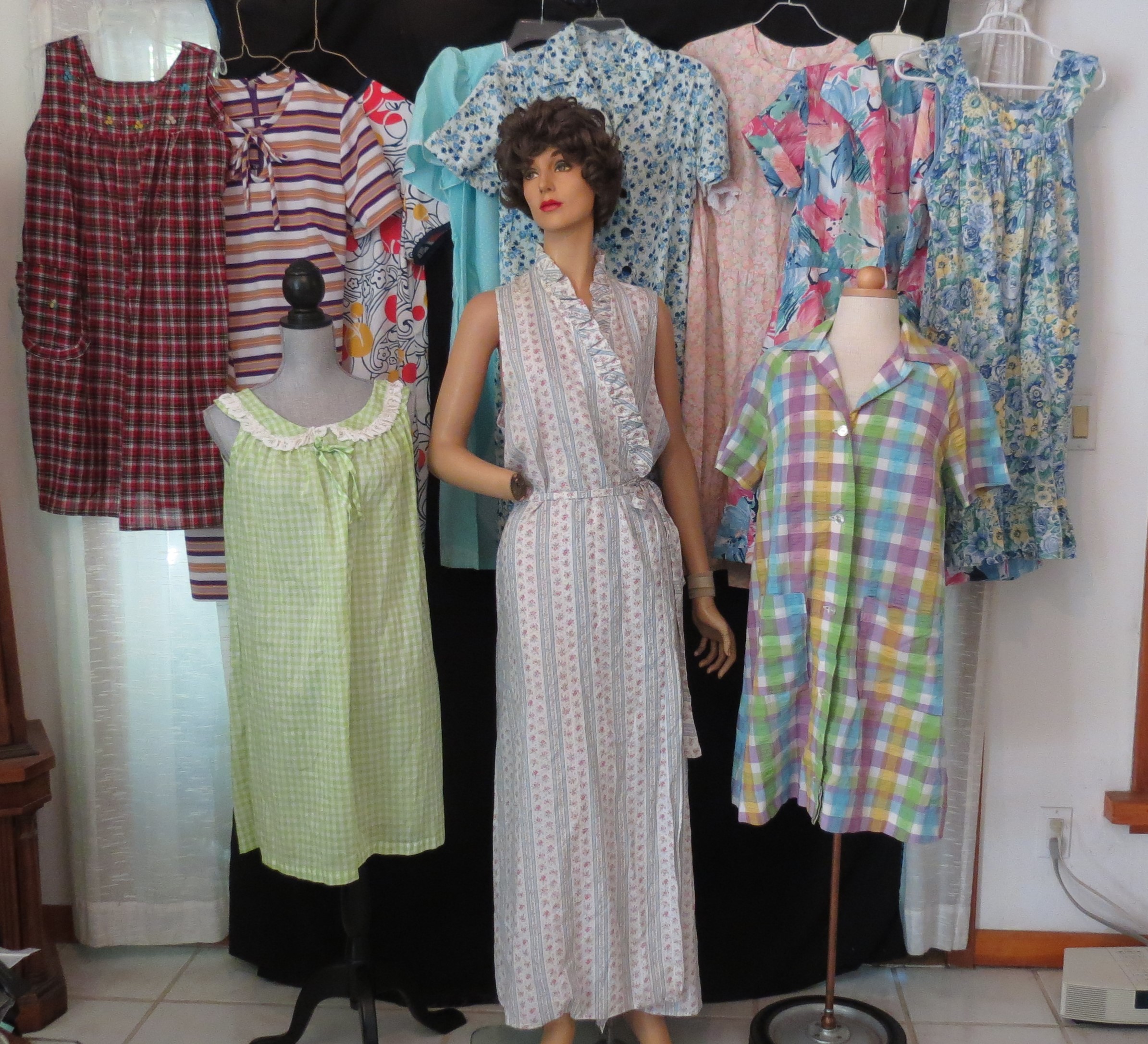
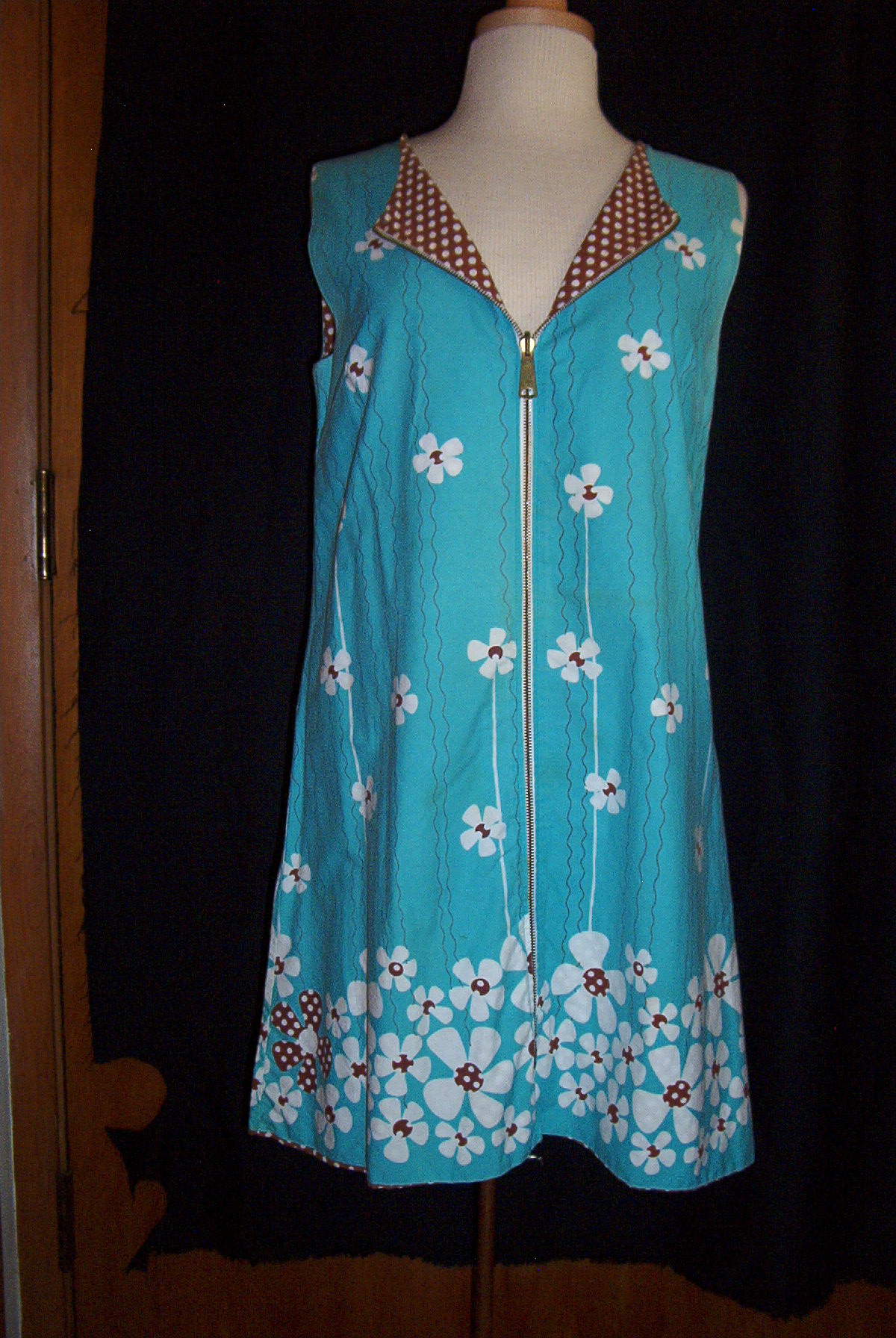
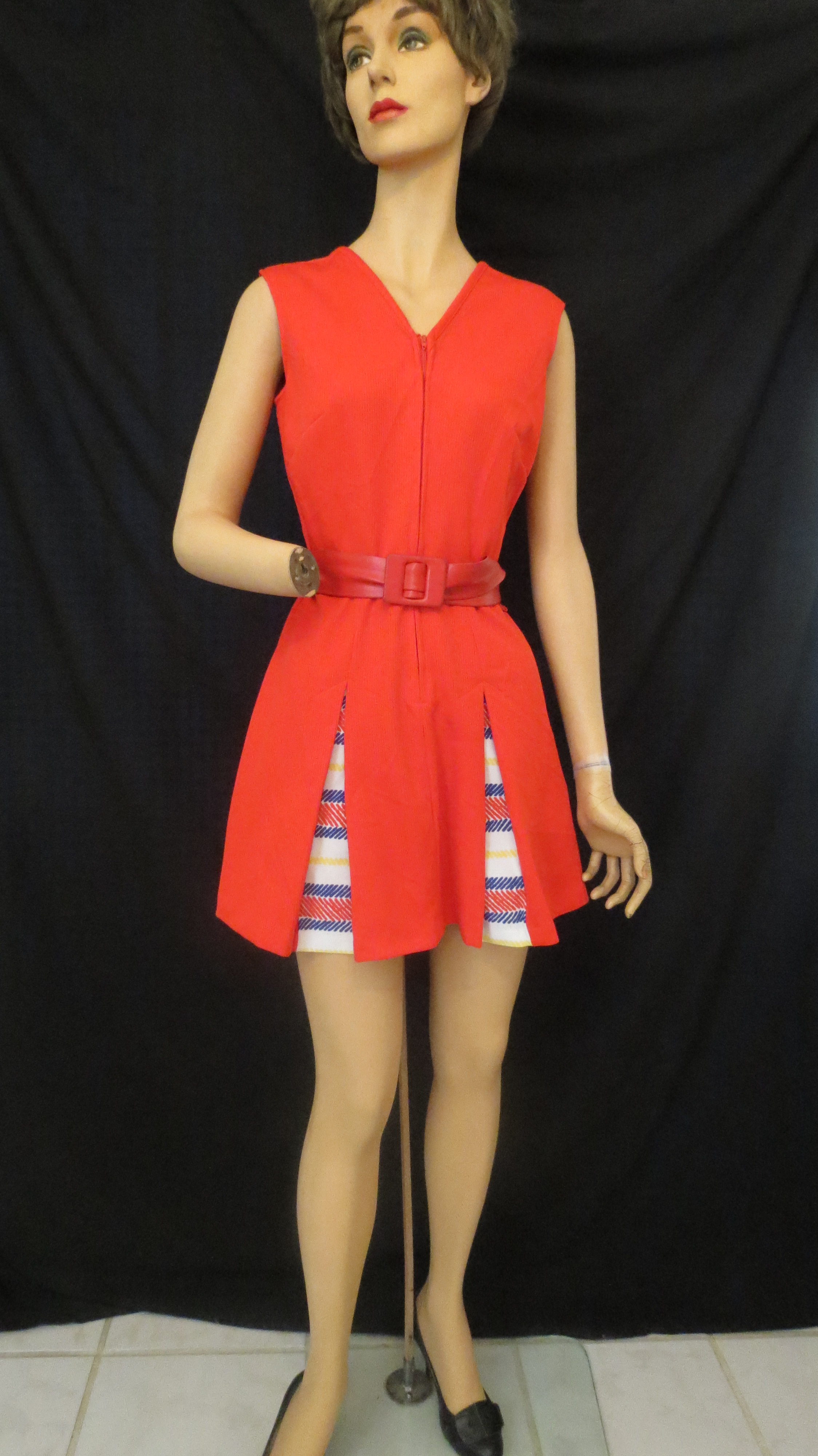
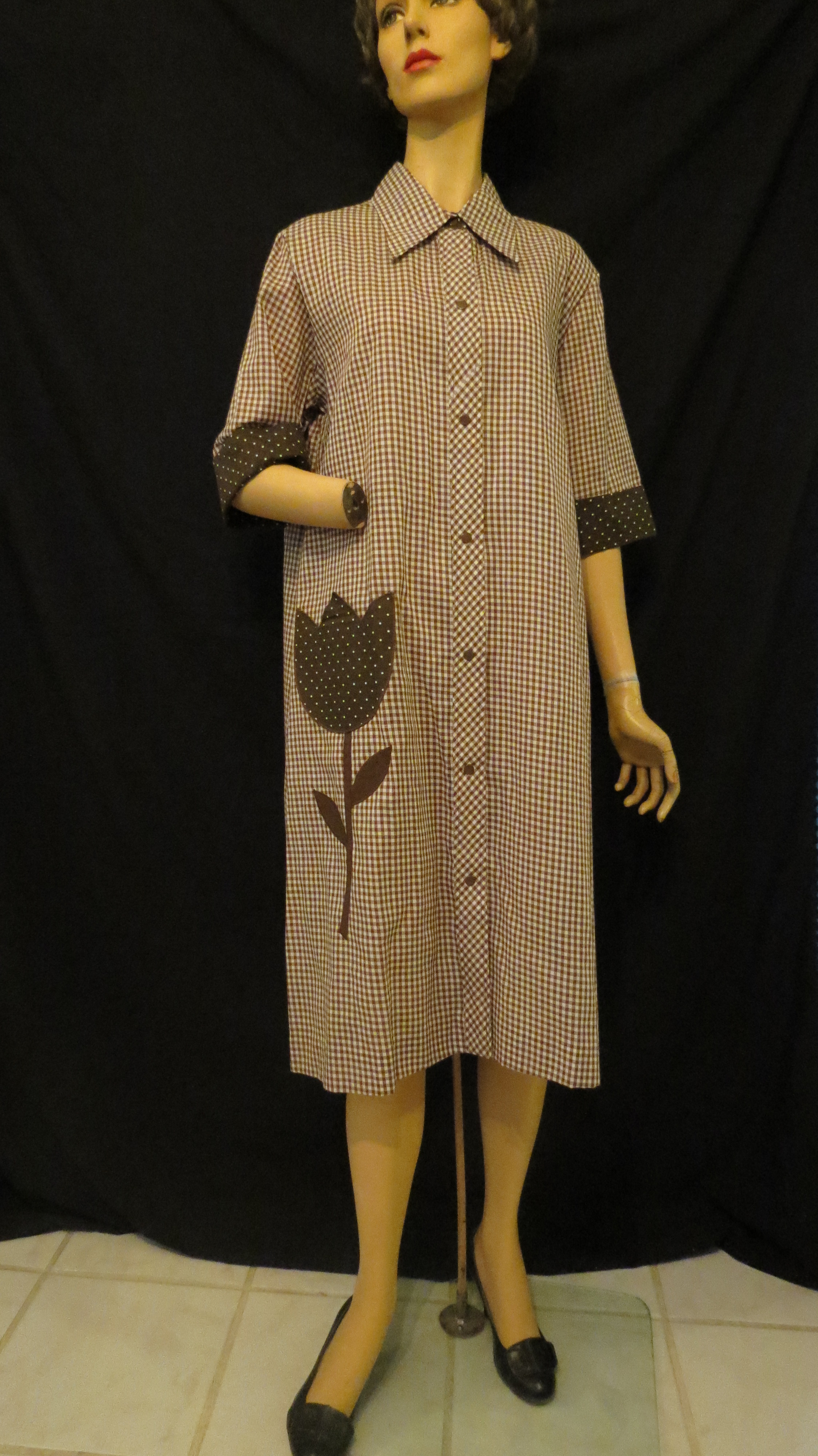
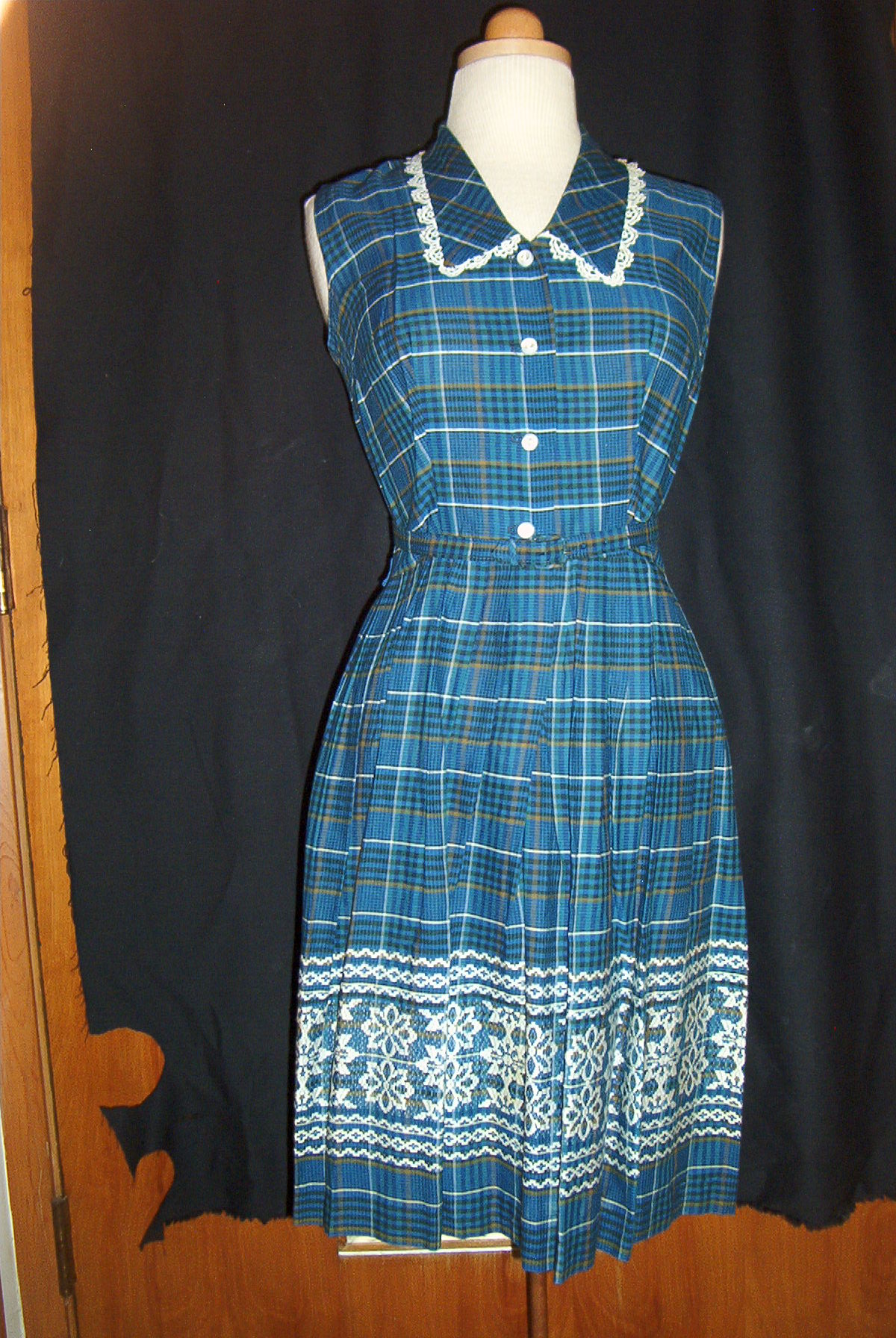
Casual cotton and cotton blend housedresses and model’s coats became really popular as styles started to become less traditional. Some of these dresses would even be seen at the grocery store or for other casual errands in warm weather. The shirtwaist dress was still around, of course, but was starting to take a back seat for everyday. The culotte mini/play-dress was also a new take on the 1940’s/’50’s romper. Casual designs like those shown above were still very well-made, generally, and had cute and pretty prints and tailoring elements.

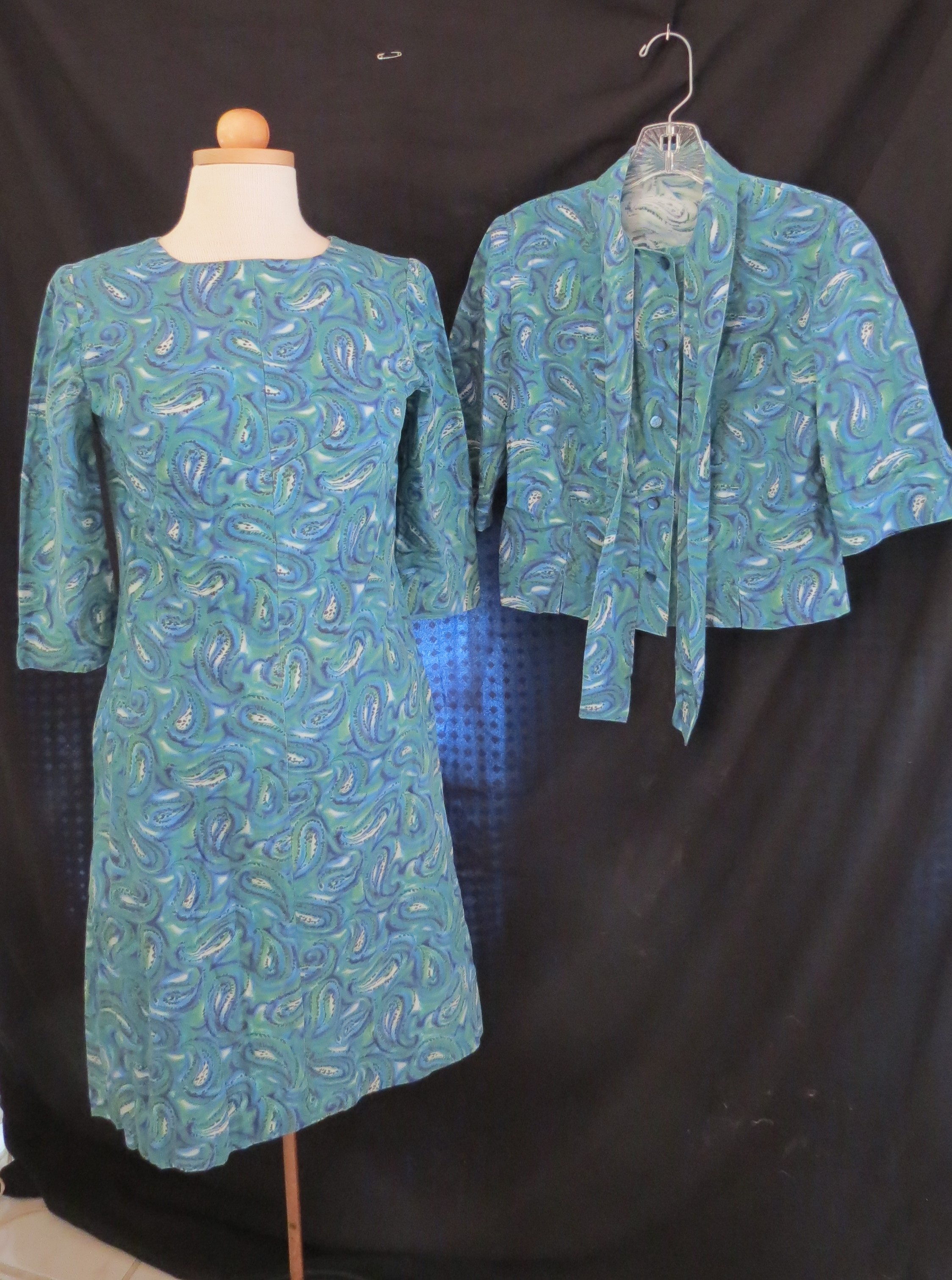
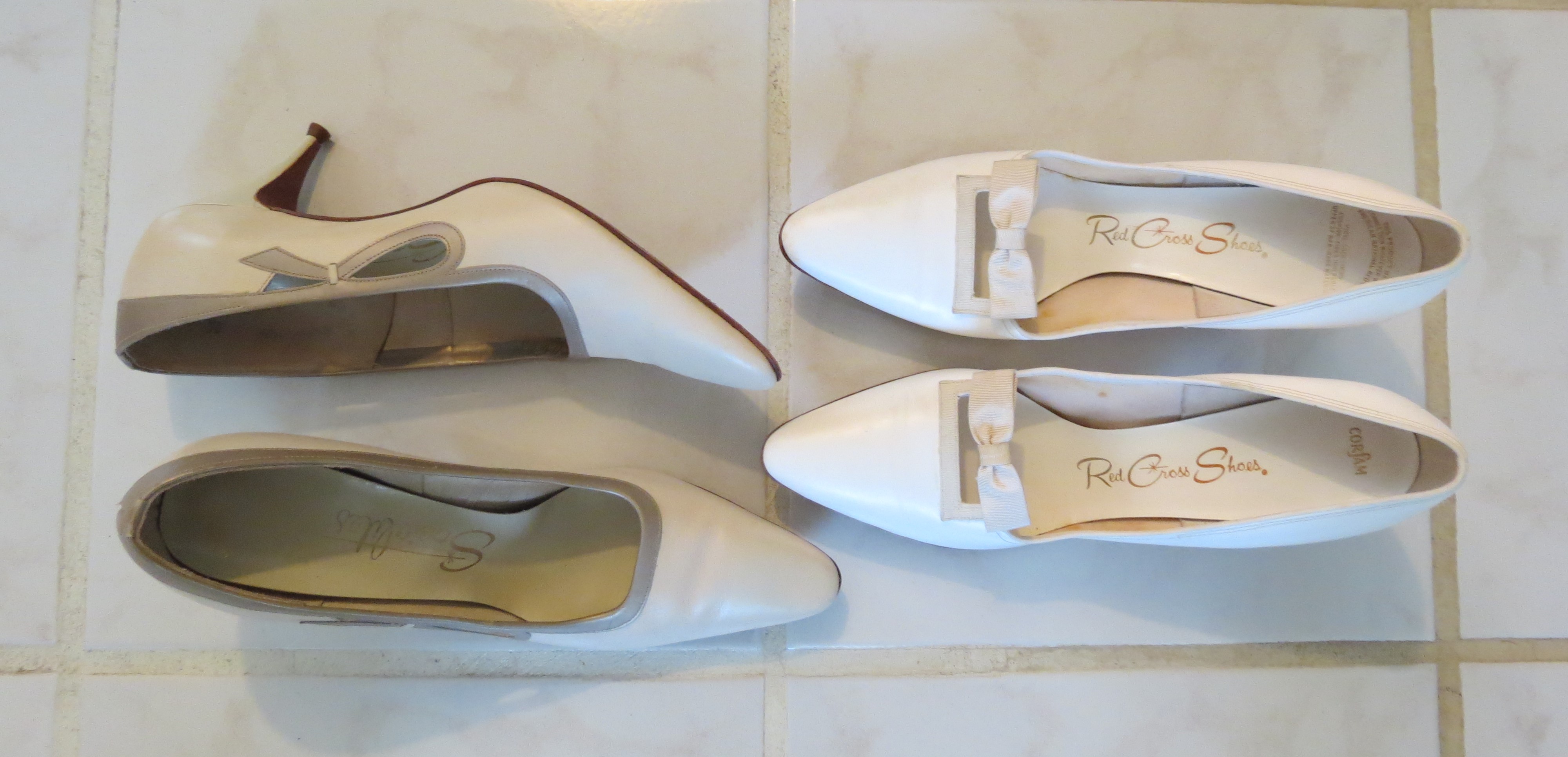
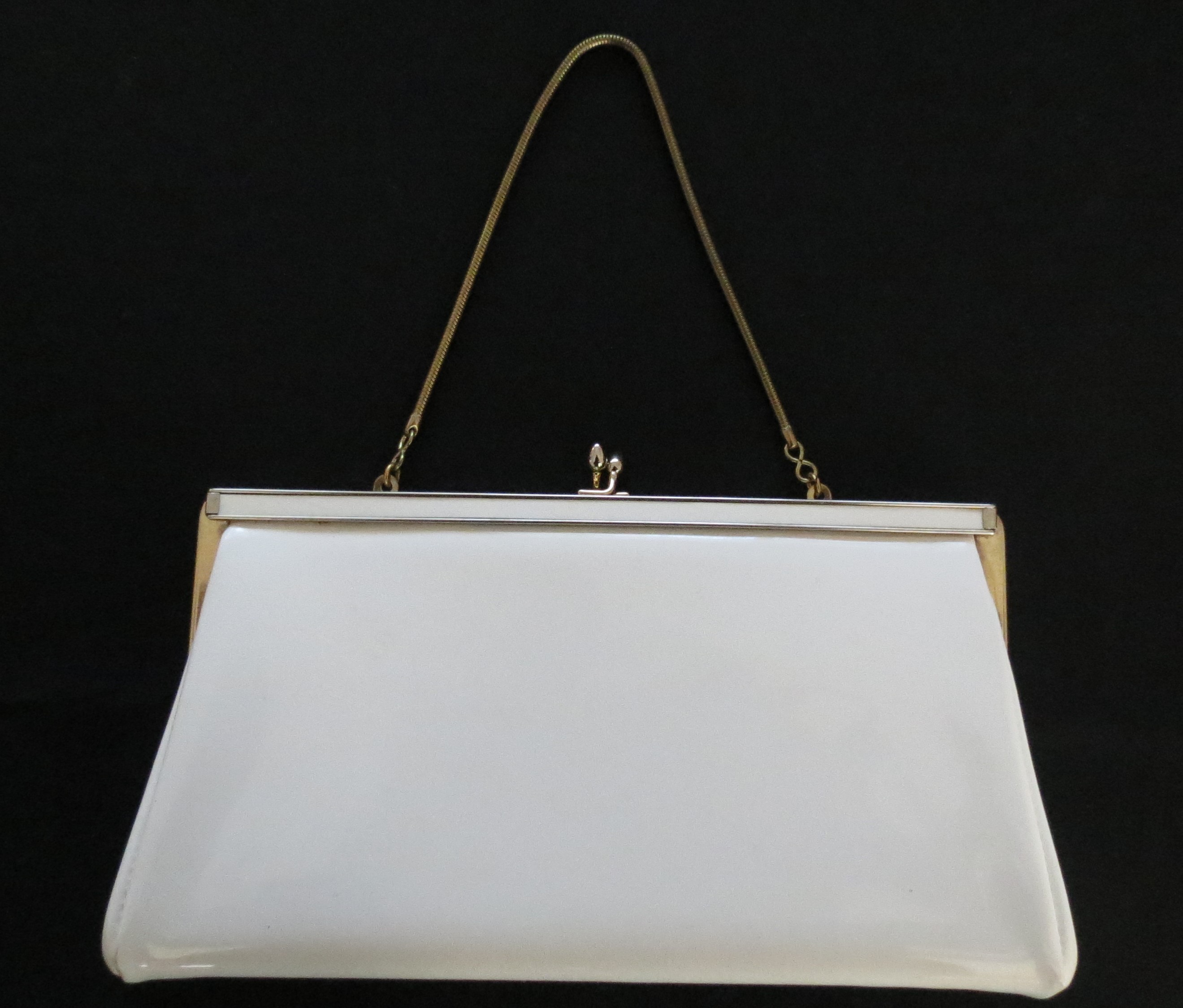
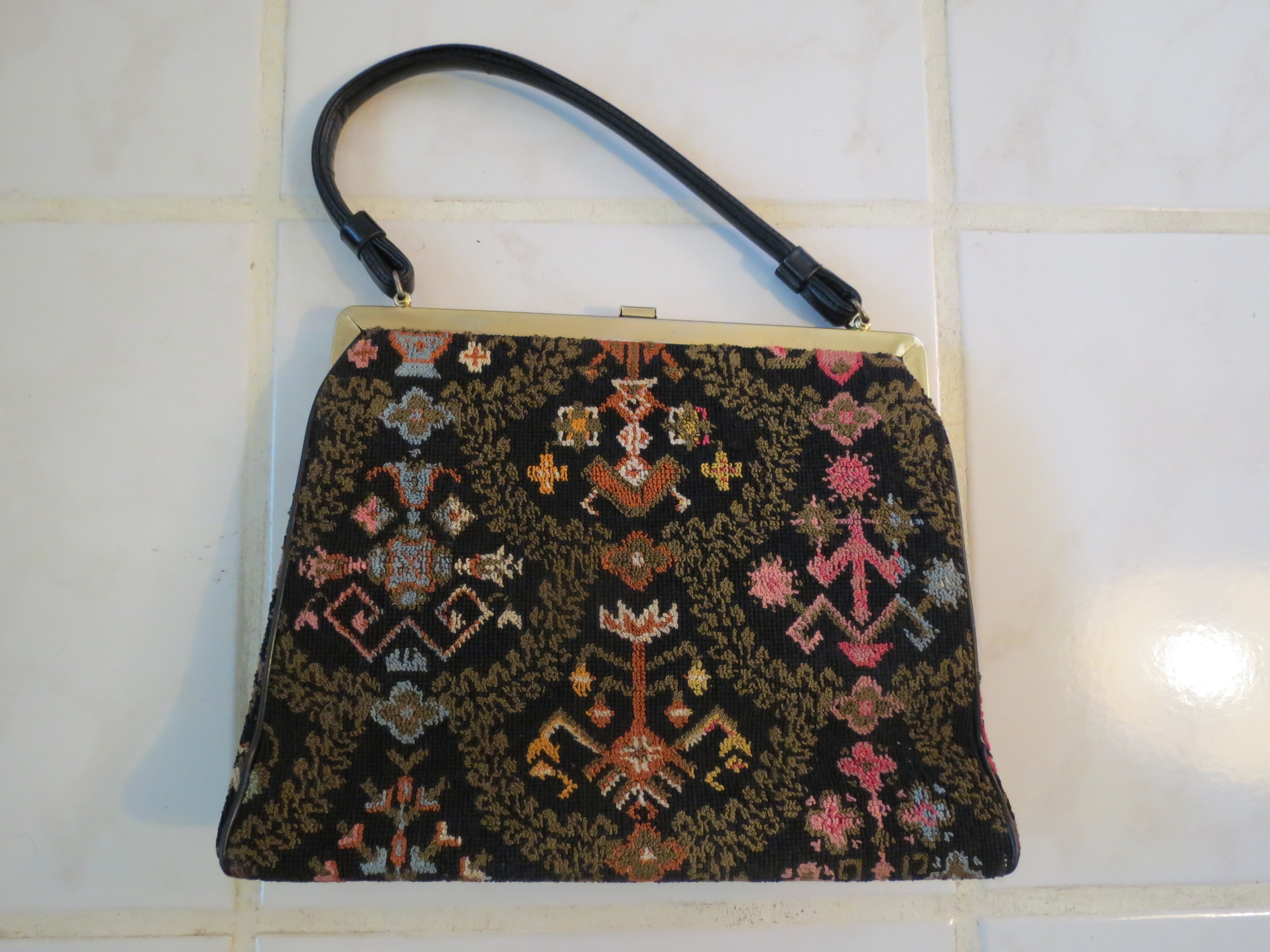
Dresses with little matching jackets became very popular for everyday wear when a step up the dressy scale was called for – an important appointment, special event or church. The shoes, purses and hats are examples of those which might have been worn with dresses like this. The blue & green example above was home-sewn in the color combo that defined popular design in 1963. The prints on the two blue dresses in center are a harbinger of the MOD trend that was just about to erupt.

Stay tuned for a trip to the mid-1960’s tomorrow . . . . . . . . . . . . . . . . . . . . . . . . . . . . . . . . . . . . . .

MORGANA MARTIN, THE MAGICVINTAGESPY

BLOG: MAGICVINTAGESPY.COM
TRUE VINTAGE 1950’S DRESSES FOR EVERYDAY

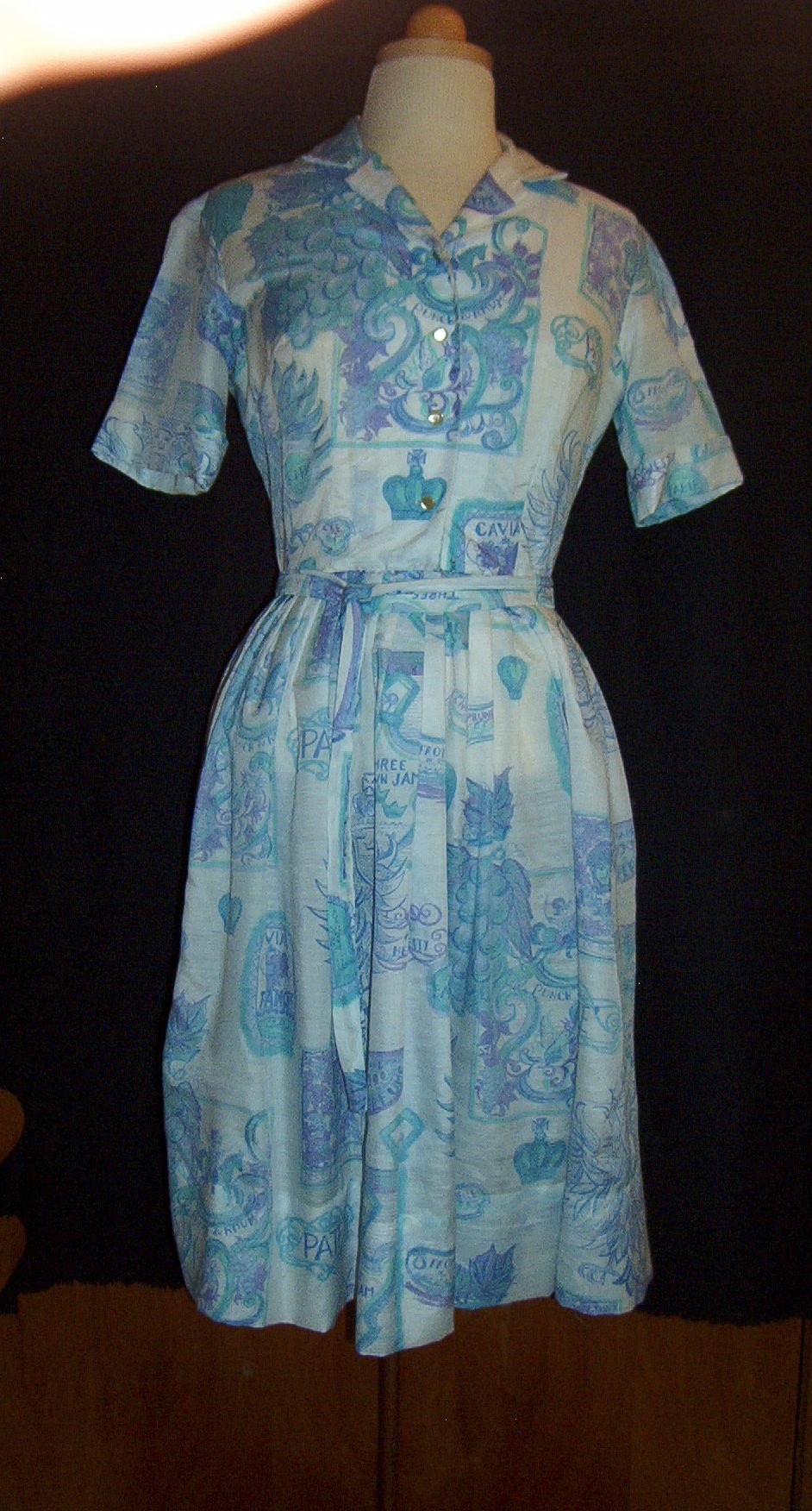
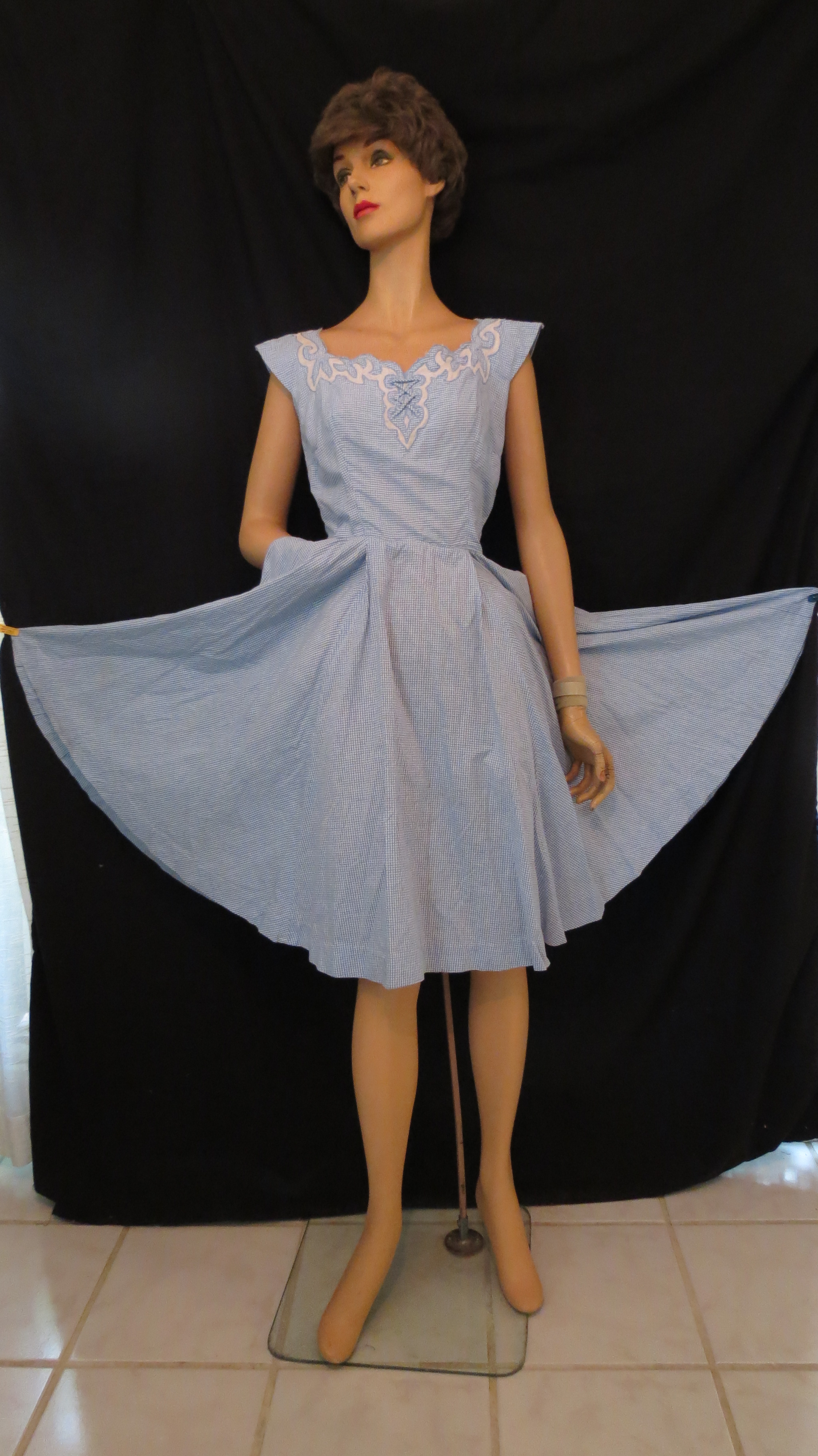
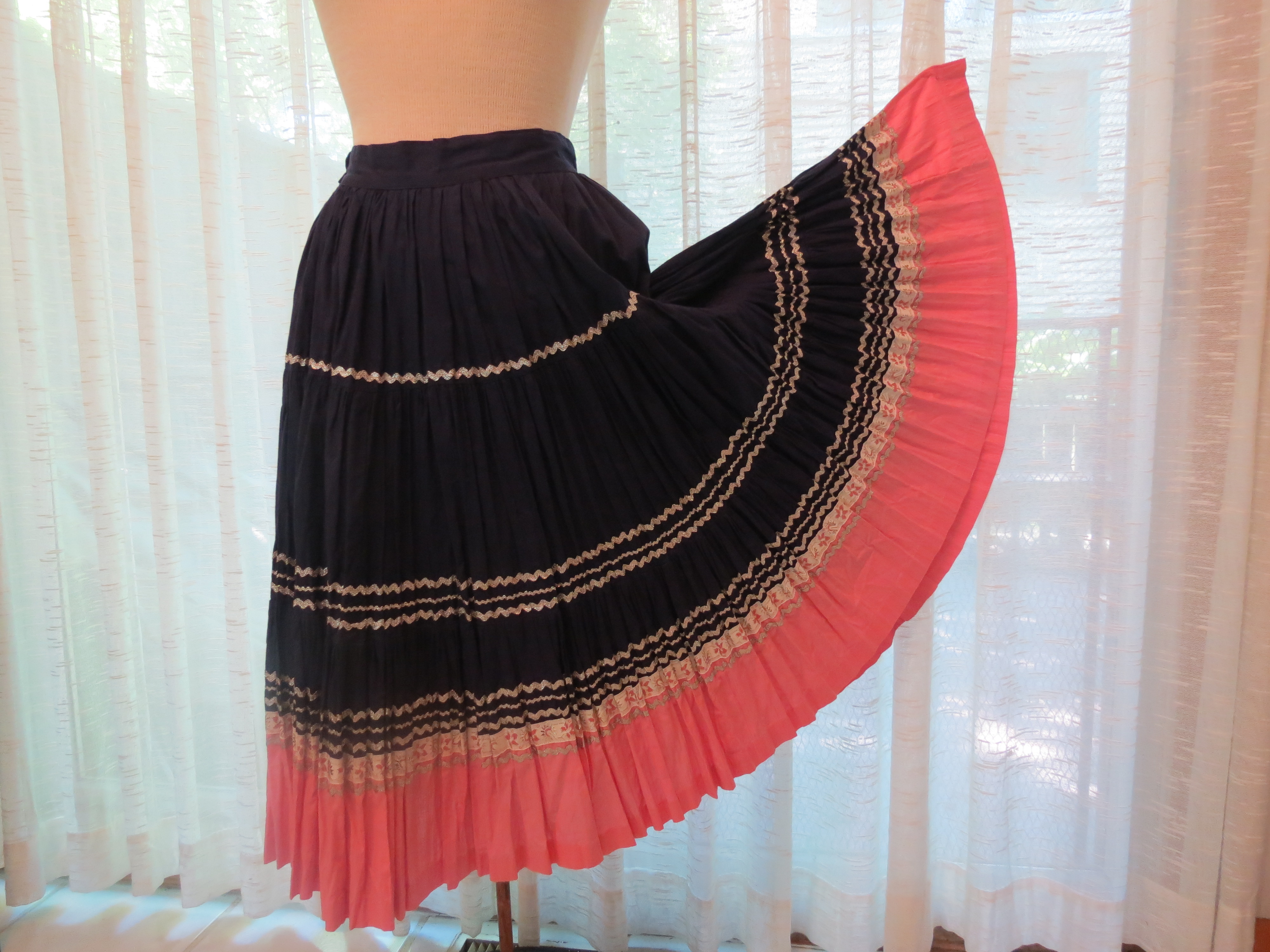
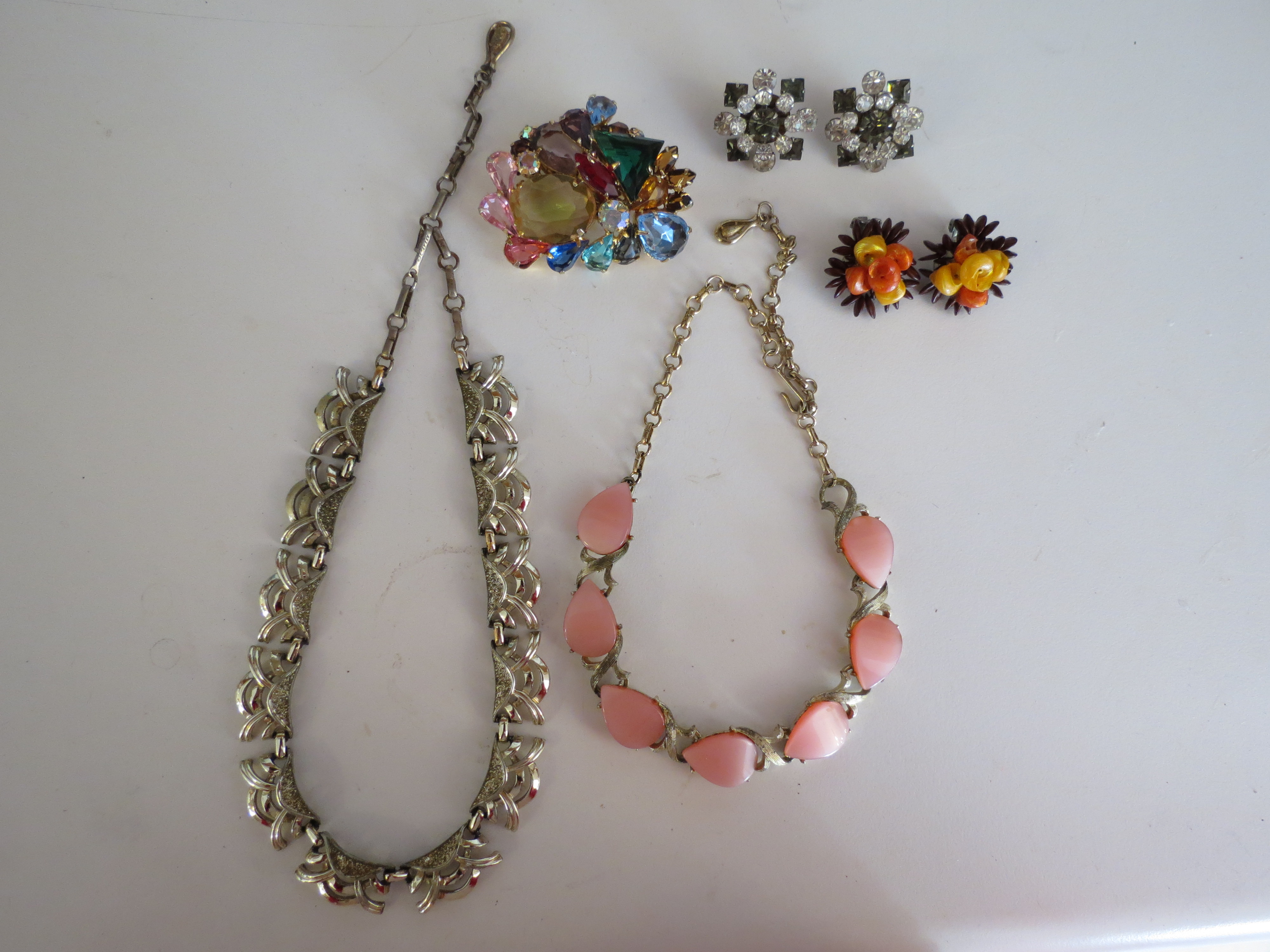
Wasp waists, circle skirts and cap sleeves – 3 style features which are predominant on 1950’s frocks, though many other elements of design appear. The tiny waistline is probably the most frequently seen feature of a Fifties dress. As popular as the synthetic fabrics had become, 100% cotton material was queen of everyday dresses and especially for plaids and stripes which could be woven right into the cloth. Prints were still very evident, such as the blue and aqua shirtdress above, with a cute Paris, France motif (special to me because it belonged to a family member). A variation of the open-toe, low-heel sandal shown yesterday would have gone very well with these dresses, too. Colorful dresses called for fun and affordable costume jewelry, which abounded in the ’50’s. Made from pot metal, glass and plastic, every gal could afford a little bling with every outfit. Natural materials were sometimes used, too. Our mid-century gal who returned from Hawaii a few days ago, might have brought home a pair of souvenir earrings made from seeds and shells.

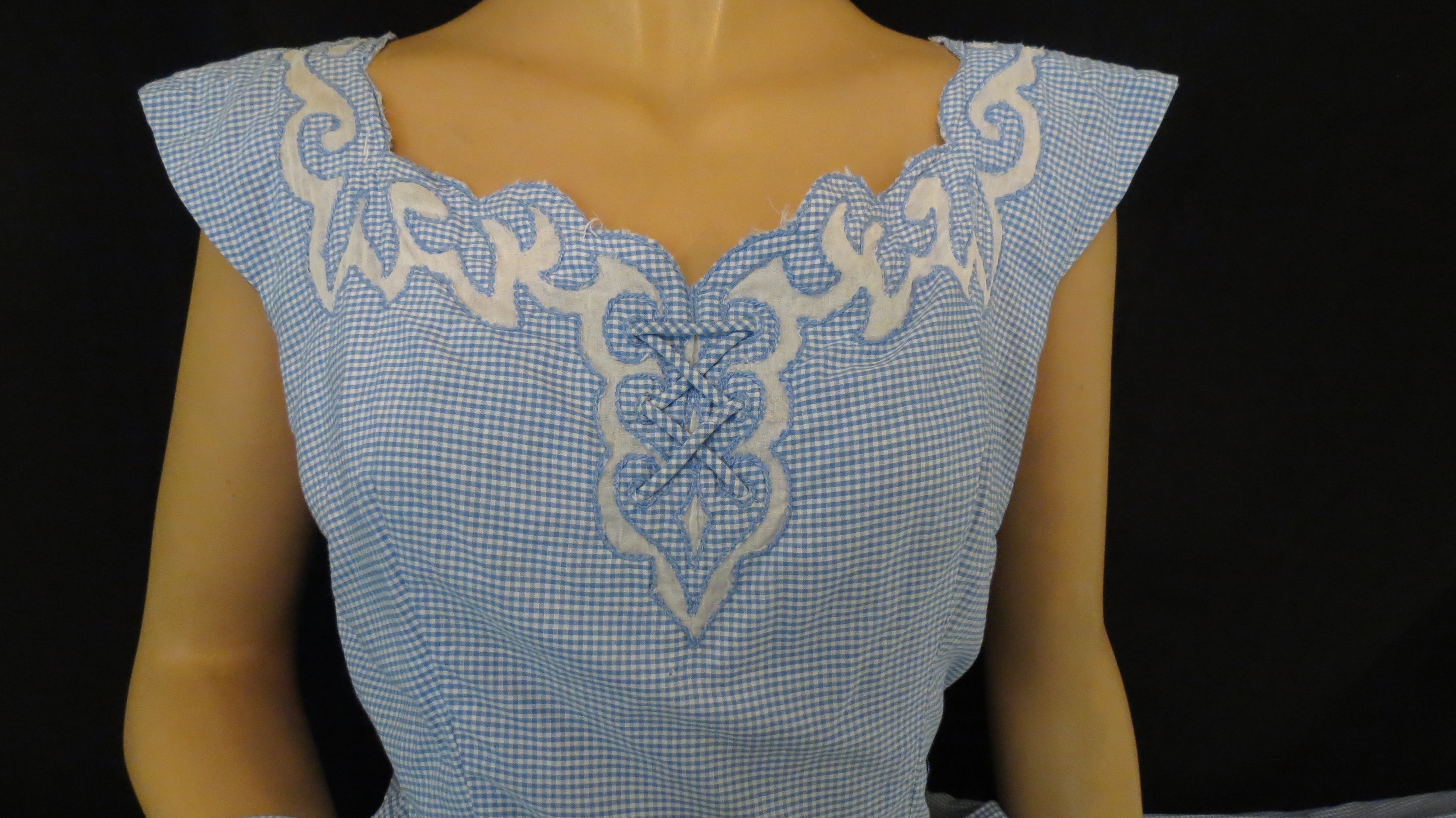
Decorative detailing was still a big deal, whether the dress was a day dress or something more special. Ric rac and embroidery were everywhere. The intricate cut-out design and lacing on the neckline above, though probably done by machine, is a very pretty touch on a flirty frock. Fabric-covered belts were the most common way of cinching a waistline.

Sticking with casual dresses, we’ll head into the early 1960’s tomorrow. Stay tuned . . . . . . . . . . . . . . . . . . . . . . . .

MORGANA MARTIN, THE MAGICVINTAGESPY

BLOG: MAGICVINTAGESPY.COM
TRUE VINTAGE SPRING JACKETS & COAT 1940’S – 1980’S

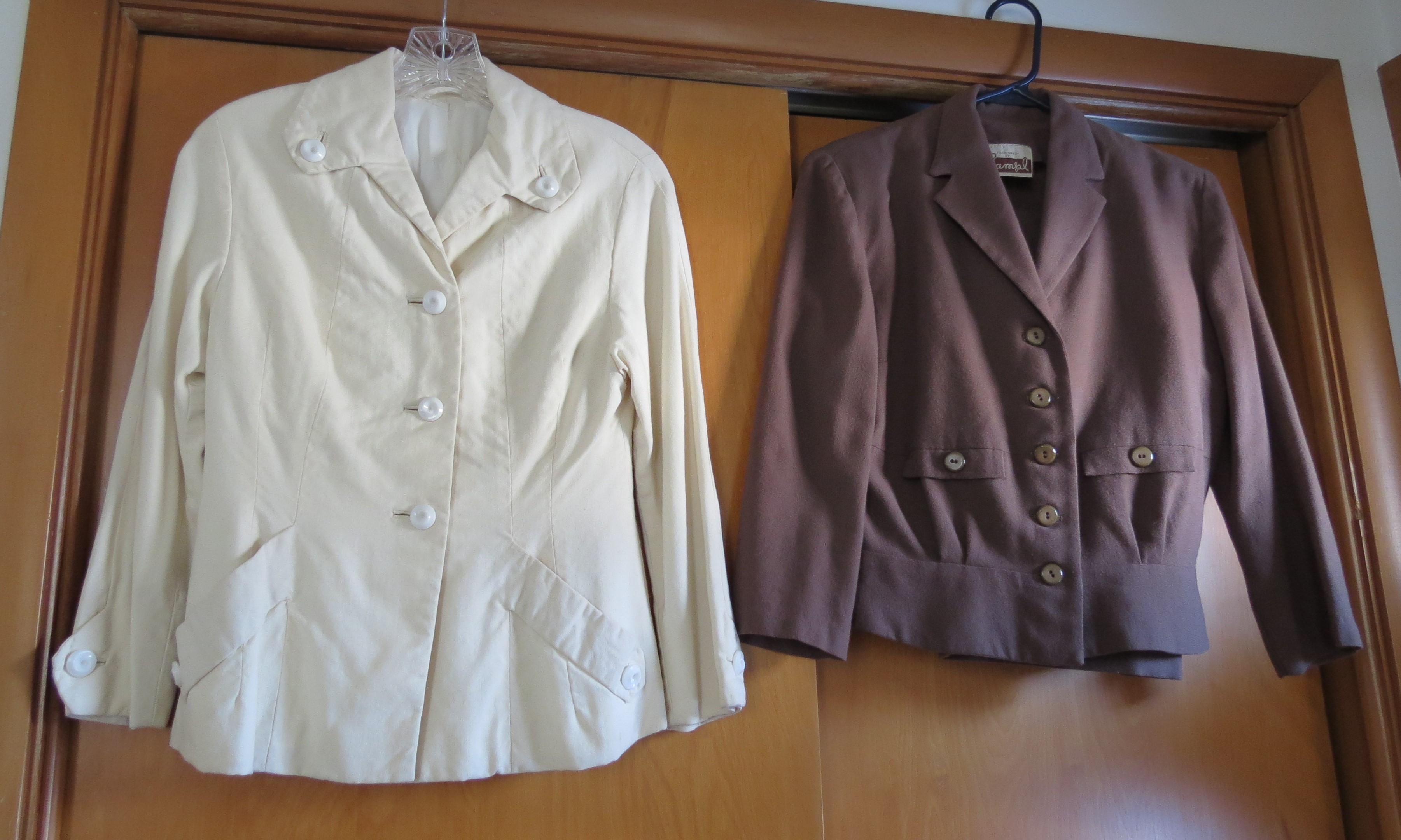
Distinctive tailoring and fabric in ladies’ jackets helps identify their decade in fashion history. Wool jackets with interesting buttons and lots of tailored details were very popular from the late 1930’s into the 1950’s. Not all 1940’s jackets had big, military-style shoulders. The two 1940’s jackets in the first photo are good examples which were both parts of a skirt suit originally. They’d look great with a pair of tailored pants, too. Look at the buttons and pockets that draw attention. Tabs on the cuffs and waistline detail do the same. Both jackets have an easy, flattering fit.

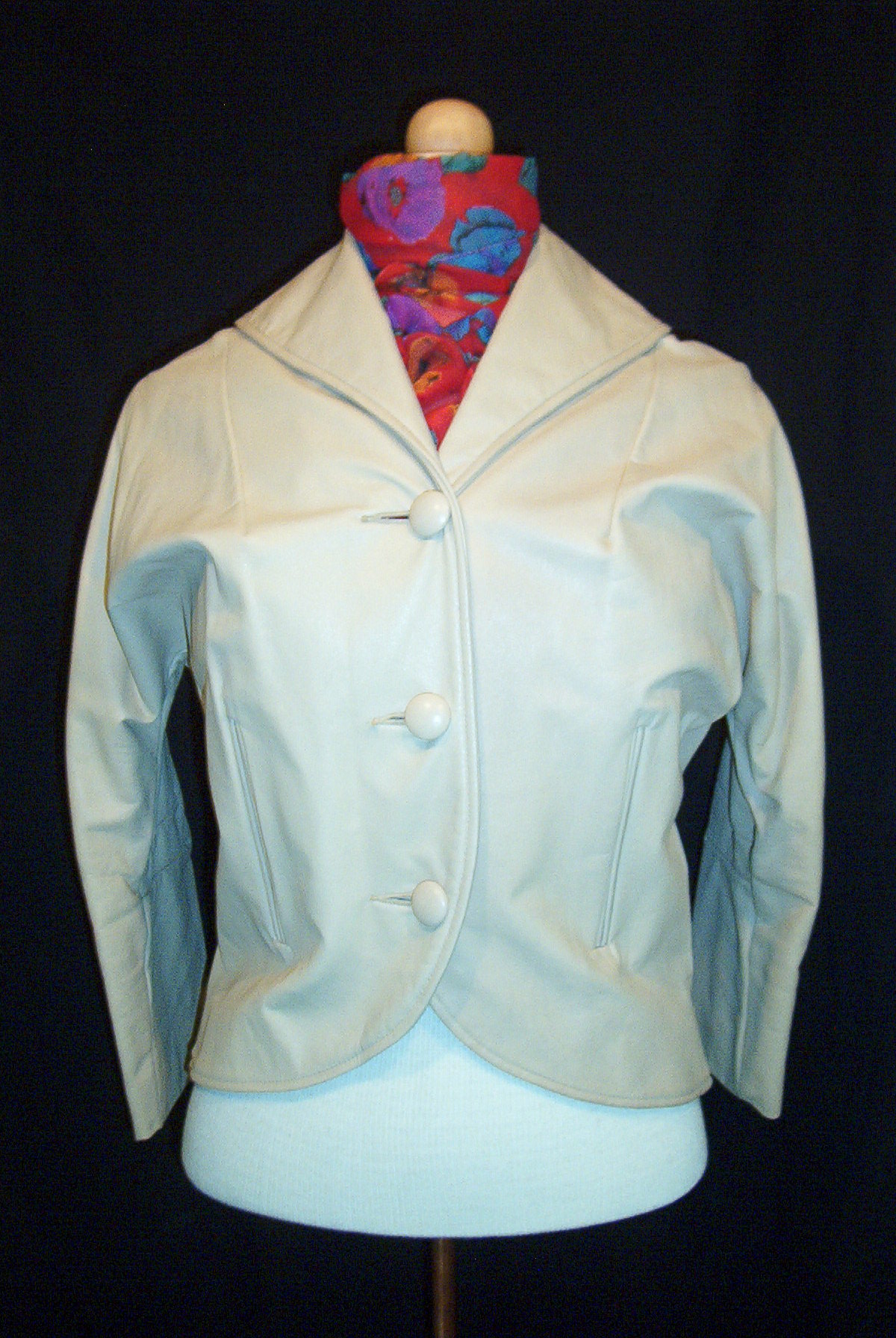
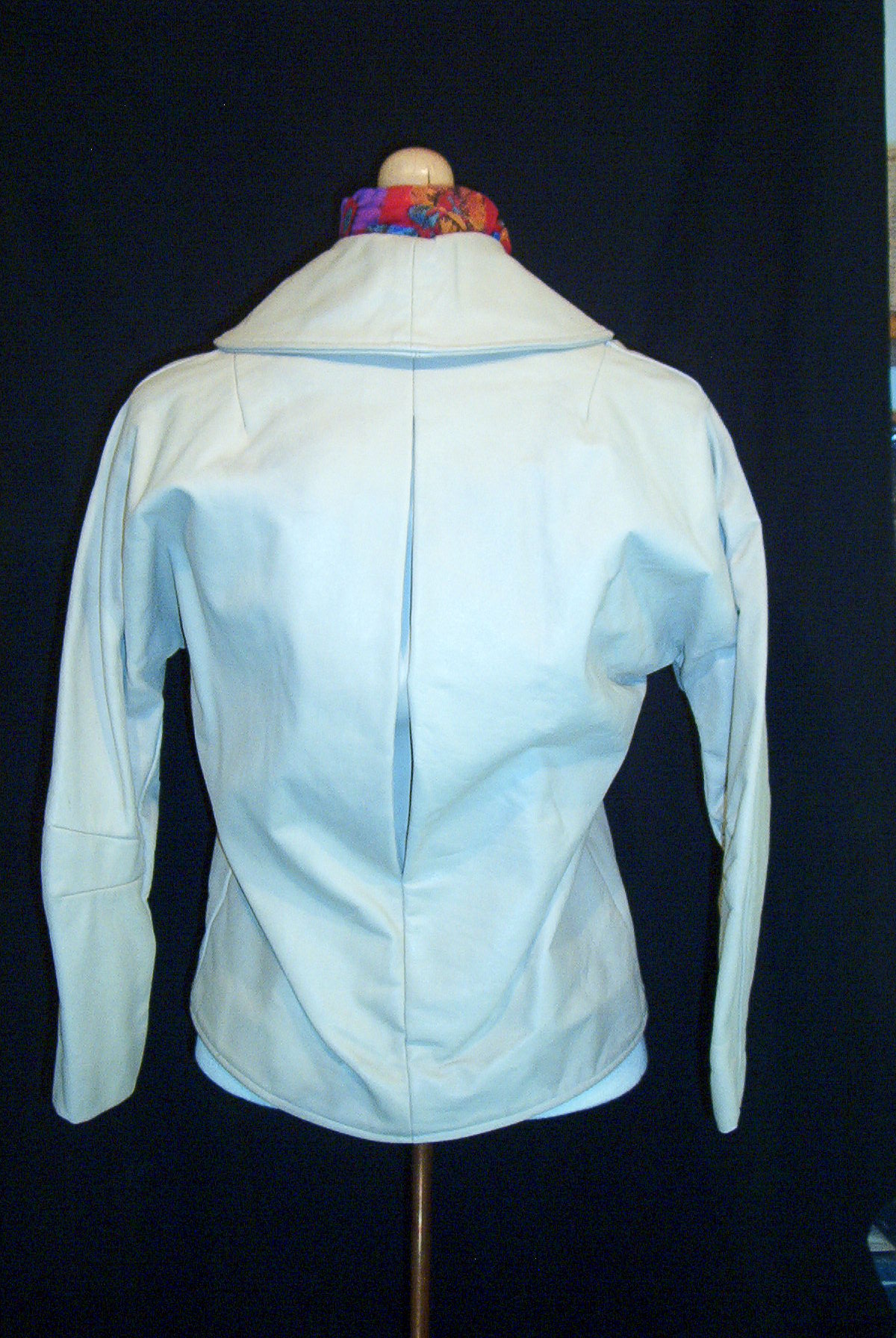
In the 1950’s, jackets became more sporty and body-conscious in many cases. This fitted white leather jacket is a great example. Covered buttons, a wide collar, slash pockets and back vent really draw the eye. It’s sleek and streamlined. The fitting reflects that in the tapered sleeves and fitted waist. Extra room on top which accents she shoulders and bustline gives a bit of an athletic or “va-va-voom” figure enhancement. Love it!

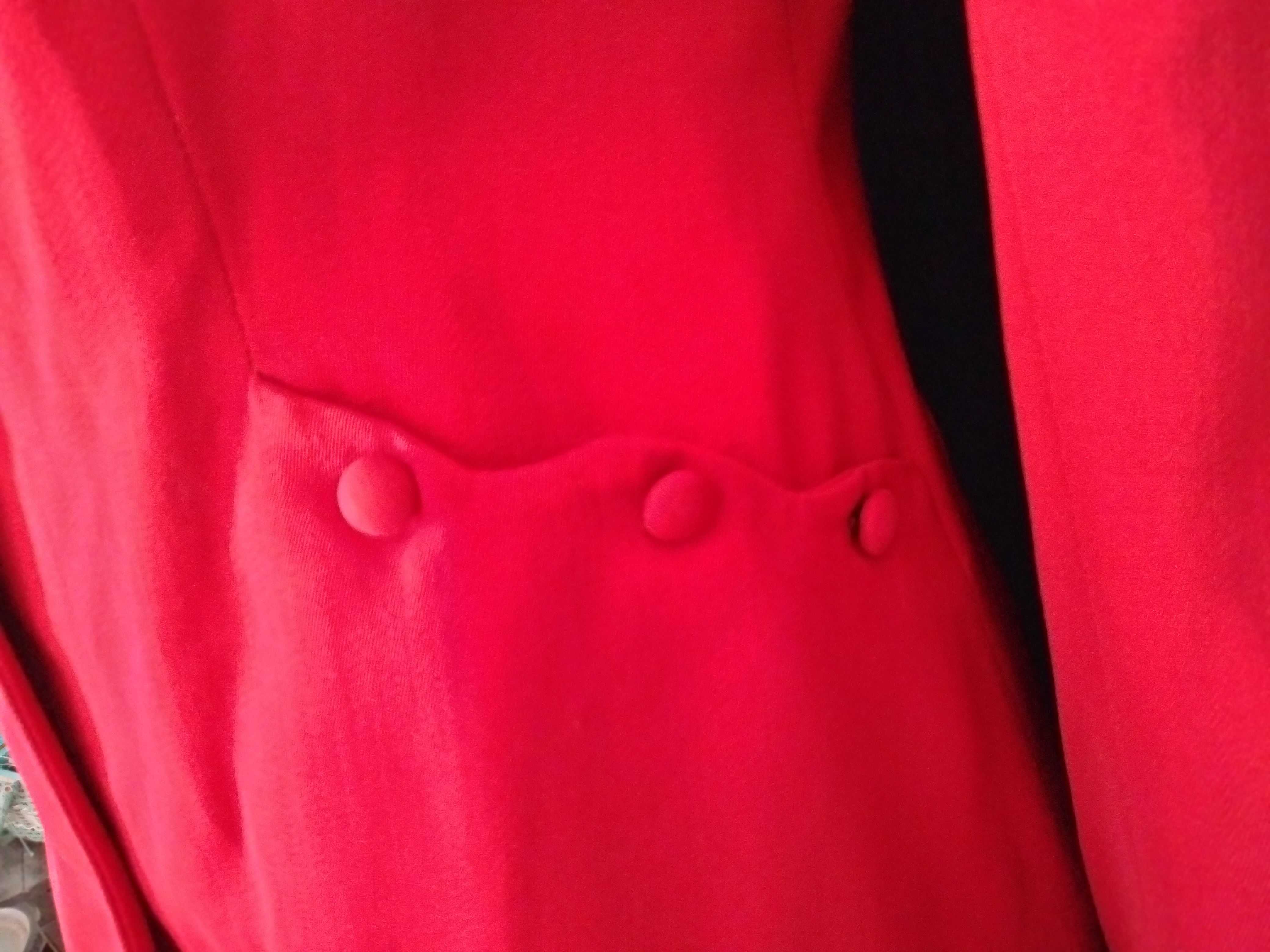
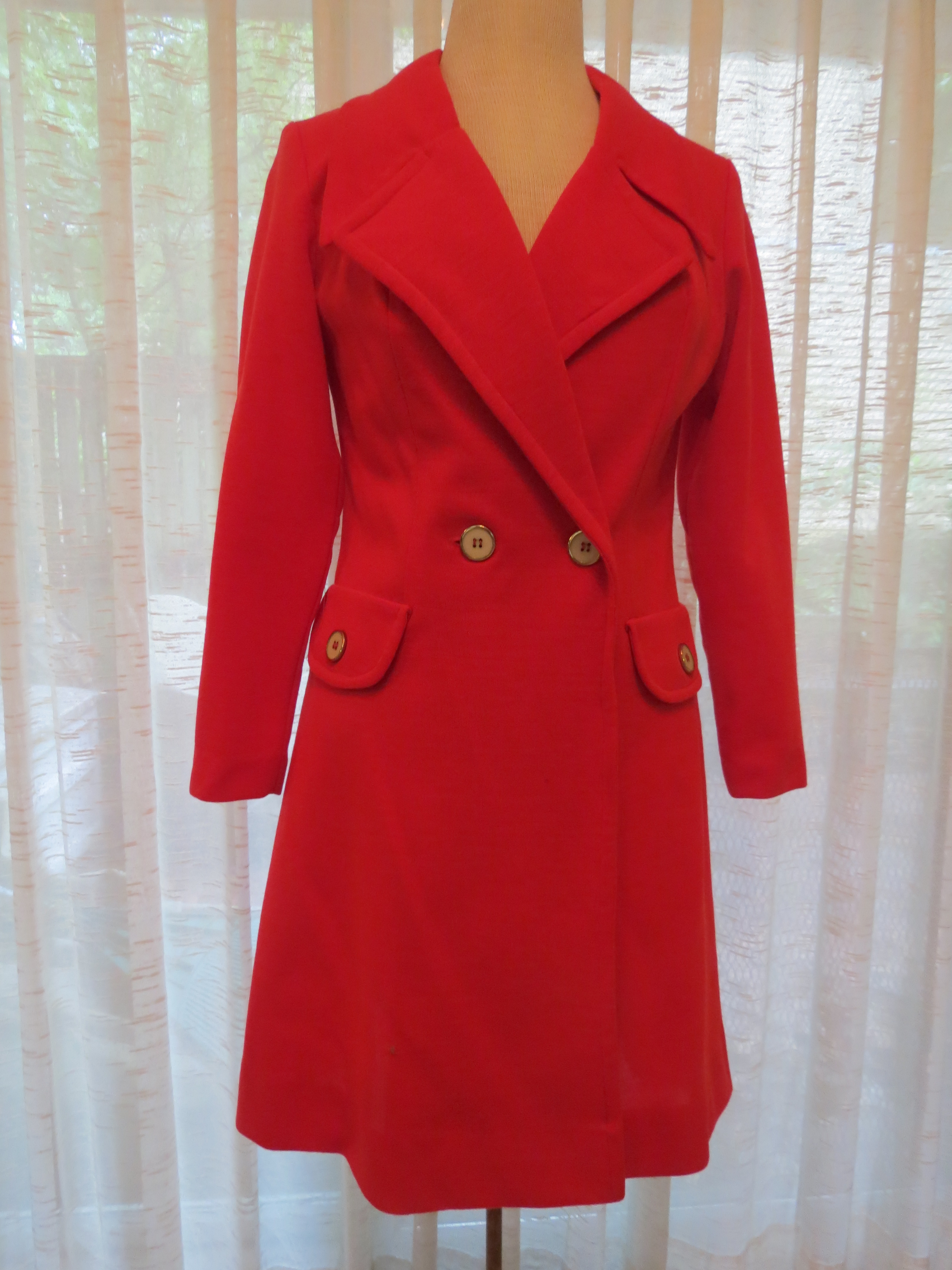
The bright red all-weather textured polyester coat from the 1970’s has many mid-century style features. The stand-out collar design with extended lapels is a “1970’s does 1940’s” style which was very popular in the early Seventies. The fitted Princess cut also harks back to the 1940’s and 1950’s, up through the early 1960’s because it is very classic. Knee-length hemlines on coats reflected the hemlines on skirts and dresses, so were shorter during WWII and the mini-skirt era between the early ’60’s and early ’70’s.

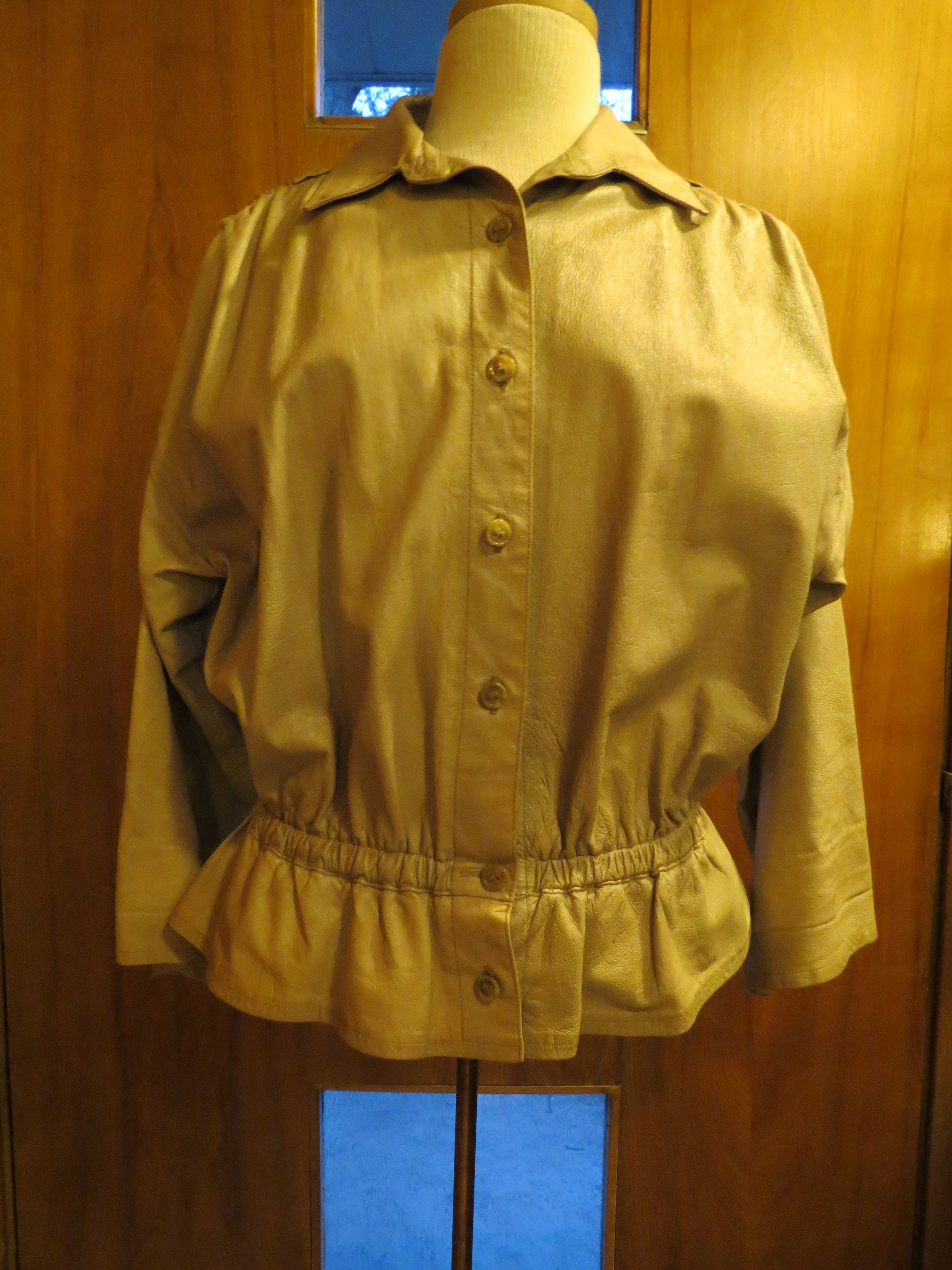
The tan-color 1980’s jacket is also made of leather. It’s a casual style that is more international and eccentric but has a bomber jacket silhouette paired with a 1940’s peplum waist that goes with some types of skirts and pants. Lots of gathers on the shoulders and at the waist give it a roomy fit that lets you wear a sweater underneath if you want to.

Before heading into a chronology of true vintage Spring day dresses, we’ll take a Snowbird vacation tomorrow. Stay tuned . .. . . . . . . . . . . . . . . . . . . . .

MORGANA MARTIN, THE MAGICVINTAGESPY

BLOG: MAGICVINTAGESPY.COM
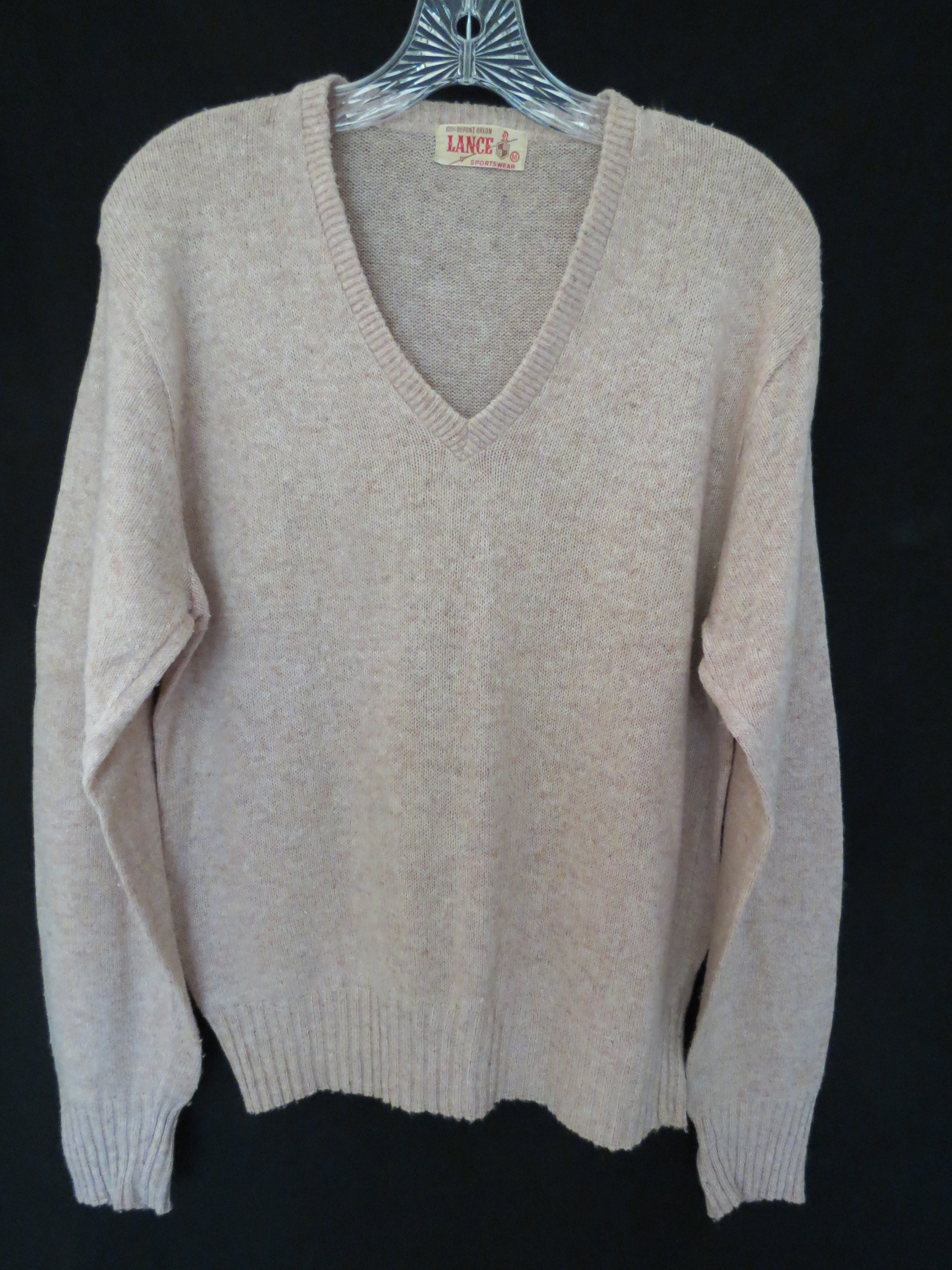
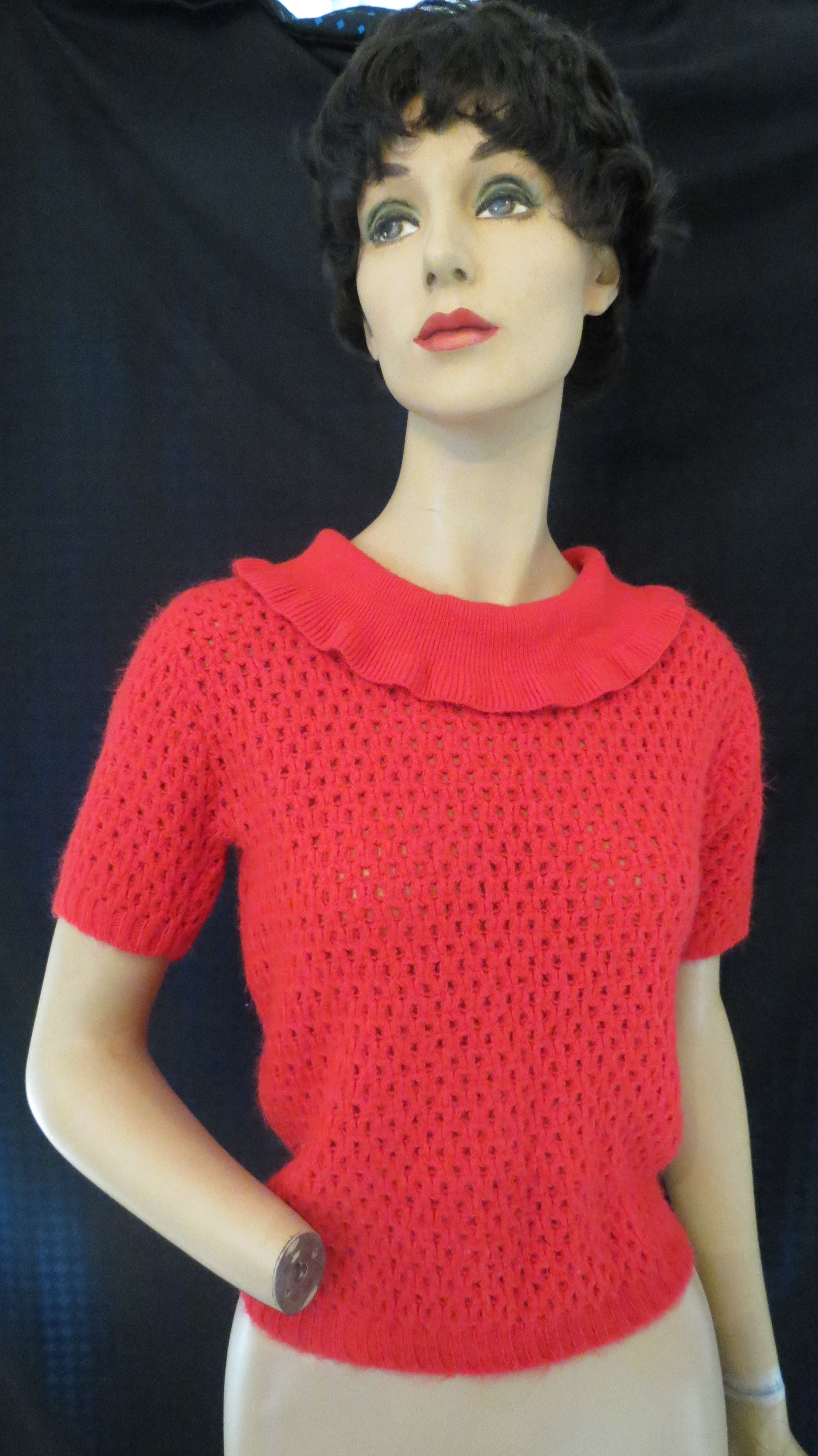
True Vintage Ladies’ Sweaters 1940’s – 1970’s

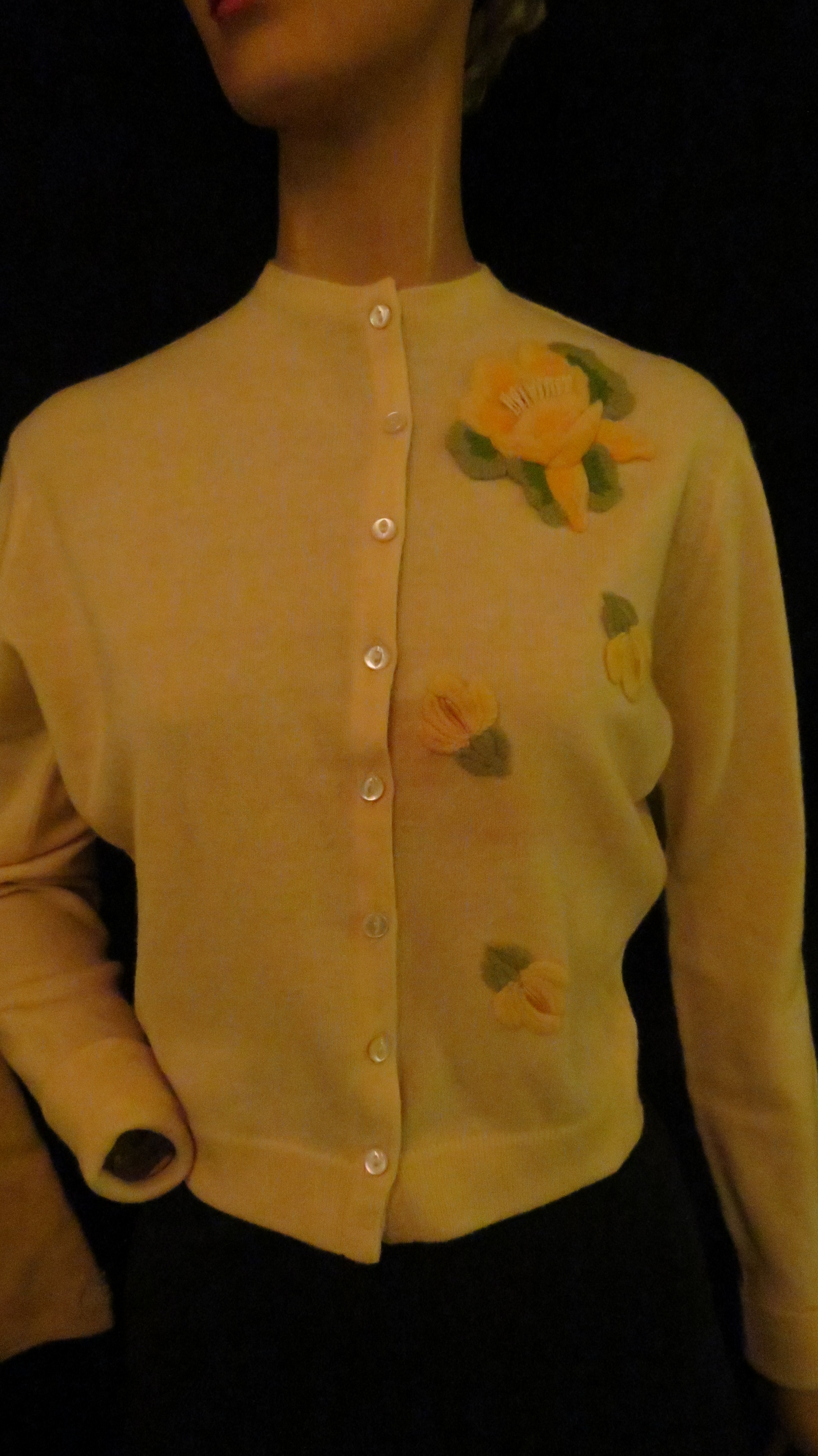
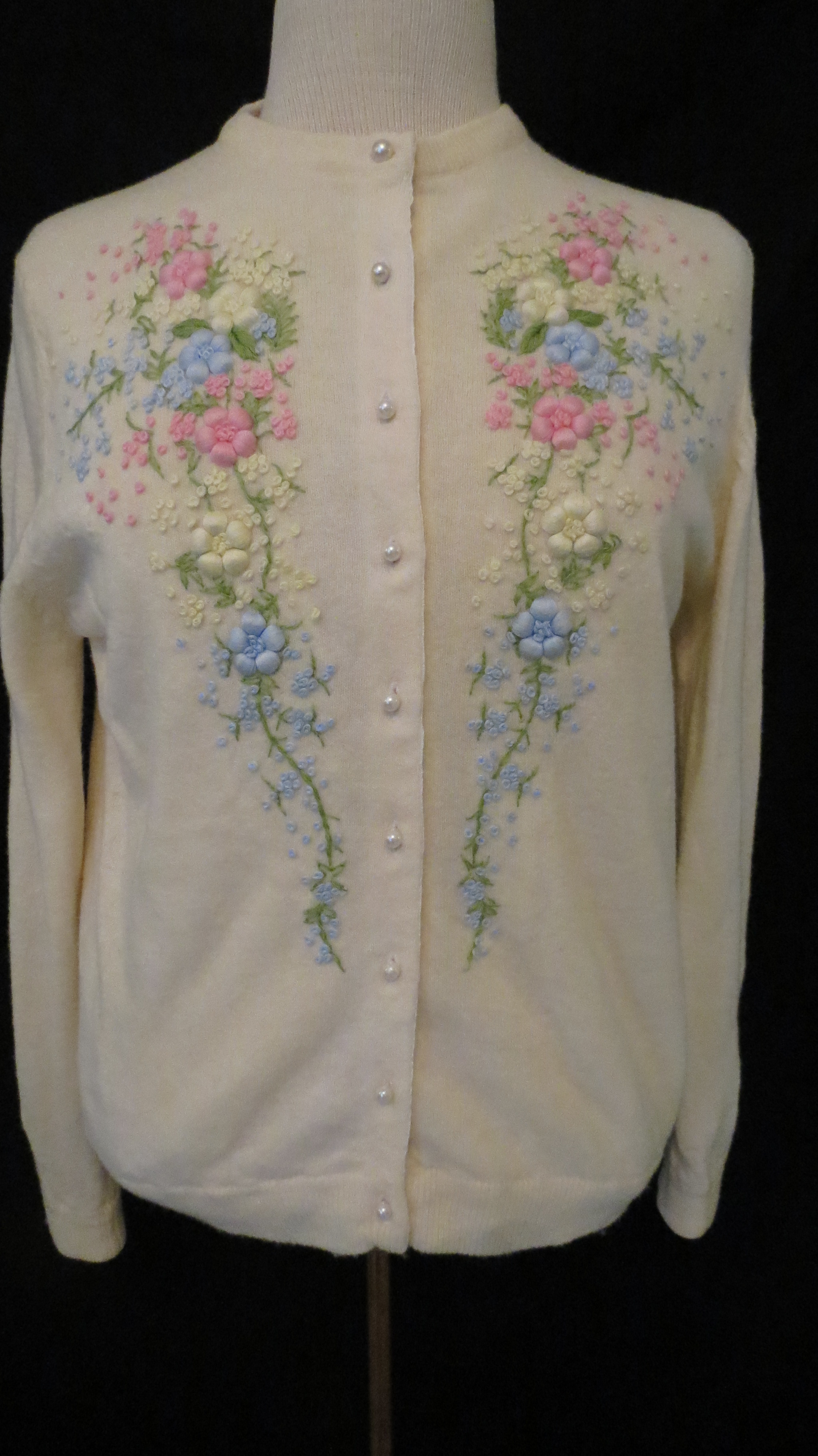
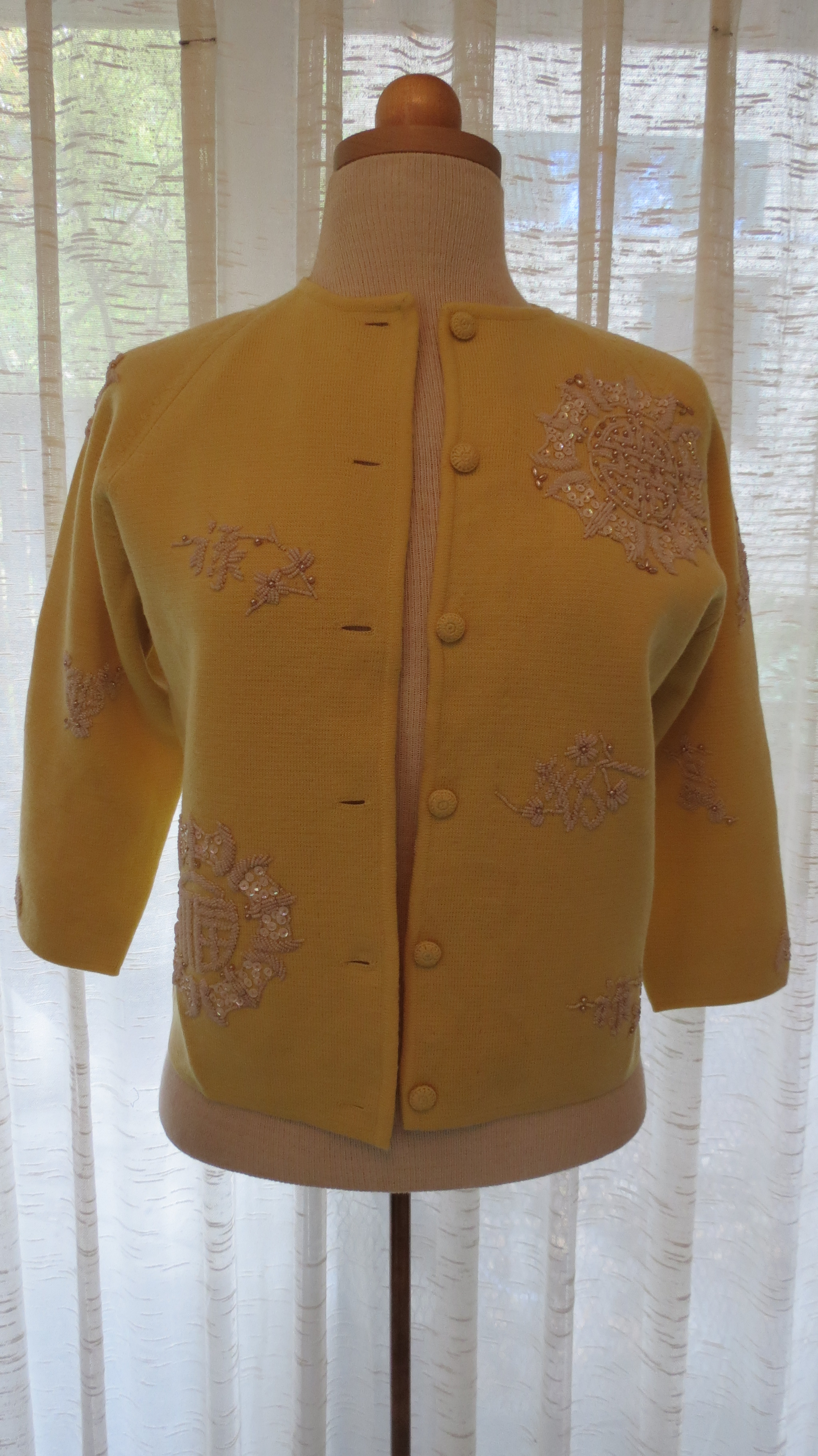
Just a few examples of the many styles and varieties in my archives, but this assortment is a good beginning. The most classic, and probably the most numerous of my discoveries, have been cardigans. Finely made cashmere sweaters, like my mother’s yellow one with appliqued flowers, were a staple for the college coed in the late 1930’s to 1940’s. Plain styles were often worn in reverse, with the buttons in back. Up through the 1950’s to the early 1960’s beaded and embroidered cardigans were hugely popular and the designs were endless. Most were commercially-made, many of the best ones in British Hong Kong, but some women decorated theirs at home. My mother bought this yellow sweater jacket by Banff in the early 1960’s.

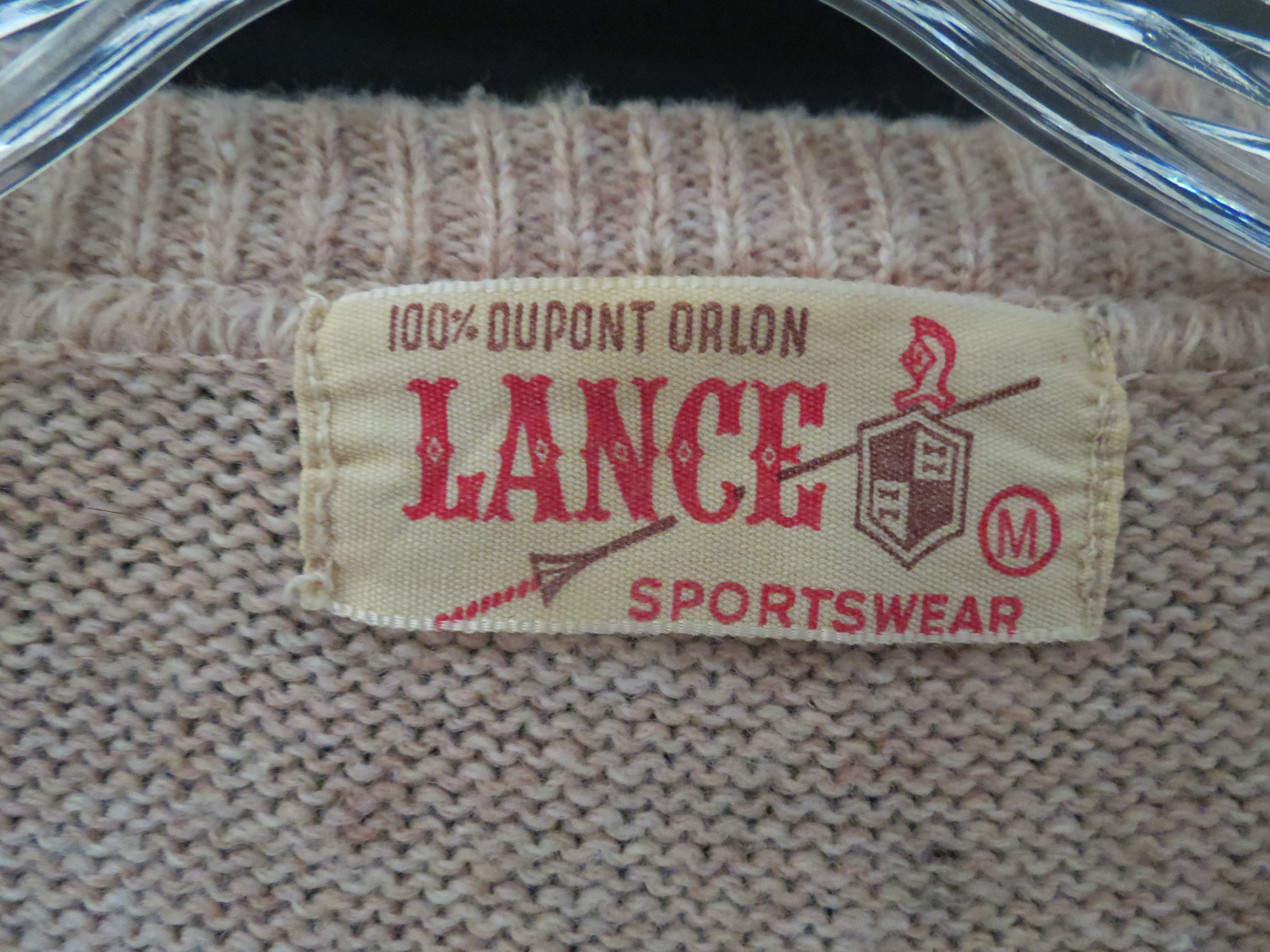
Of course, there were v-neck, crew neck, and collared sweaters in all sorts of variety. Most were nice, but casual styles made to wear with skirts and, later, with slacks. Wool sweaters provided the most warmth for colder months and, until Orlon became available, almost all sweaters were made of wool. Synthetics were really given a boost during WWII because of the government’s requisitioning of wool for military uniforms.

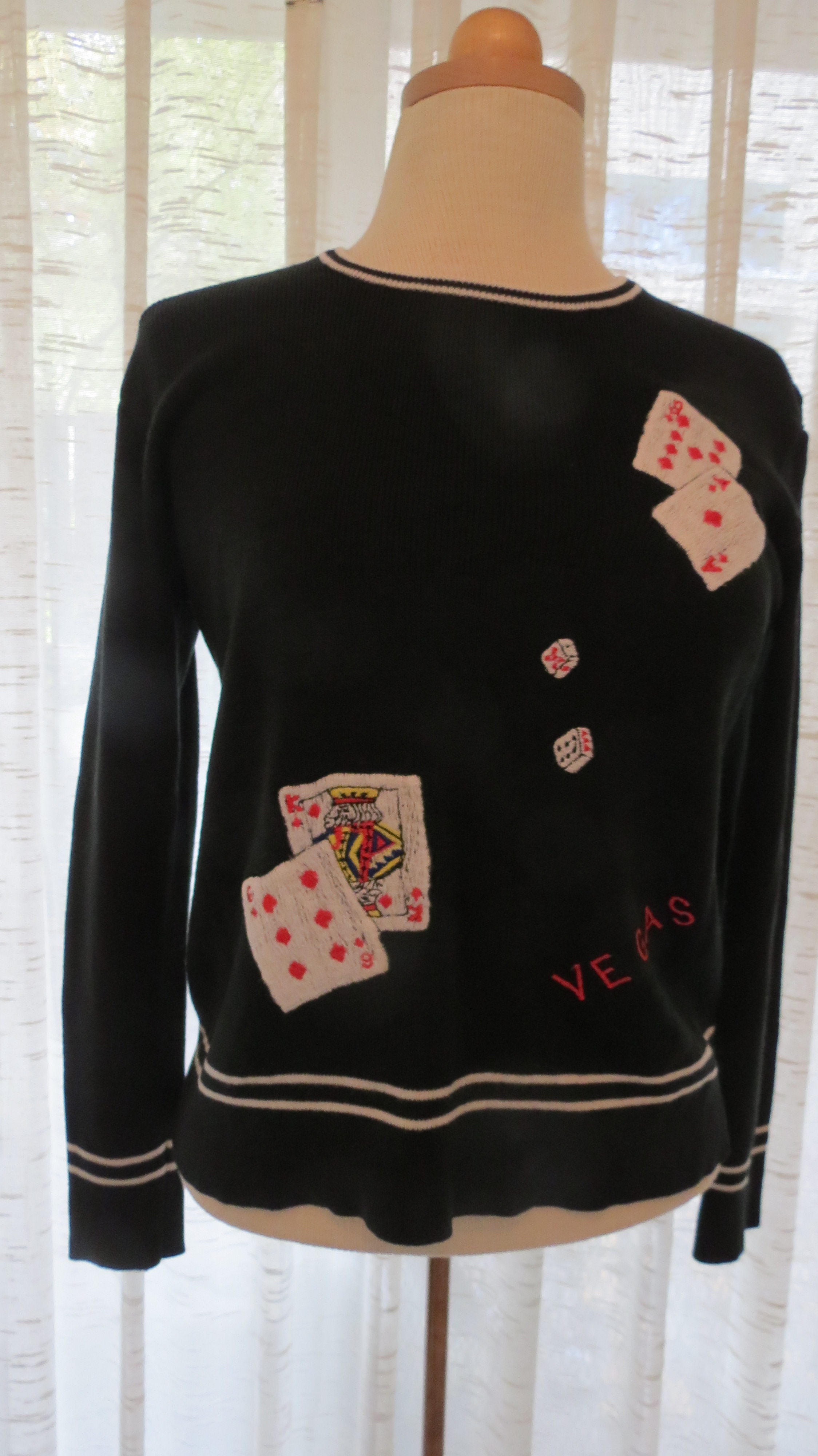
The turtleneck that we love now didn’t seem to show up too much in everyone’s closets until the early 1960’s. Until then, it was a little more avant guarde or unconventional for the average gal though they were on the scene from the 1920’s. Always a sportswear item, especially from the time women began to dress more casually in the 1940’s, women’s sweaters became less dressy. We’d begin to see themed sweaters like this Las Vegas souvenir from the 1970’s or with prominent monograms, mostly in the ’50’s. Of course, many mid-century women knitted and crocheted tons of styles at home, from super-casual to evening styles.

True vintage sweaters from before the 1970’s when acrylic yarn took over are a rare and fabulous find. Moth damage, pills and snags usually took most of them out of circulation. Though I have many, it’s only possible to show sample at one time. A few ladies’ casual Spring jackets tomorrow – stay tuned . . . . . . . . . . . . . . . . . . . . . . . . . . . . . .

MORGANA MARTIN, THE MAGICVINTAGESPY

BLOG: MAGICVINTAGESPY.COM
A FEW TRUE VINTAGE MEN’S SWEATERS, WOOL SHIRT AND 2 JACKETS FROM THE 1960’S AND 1970’S

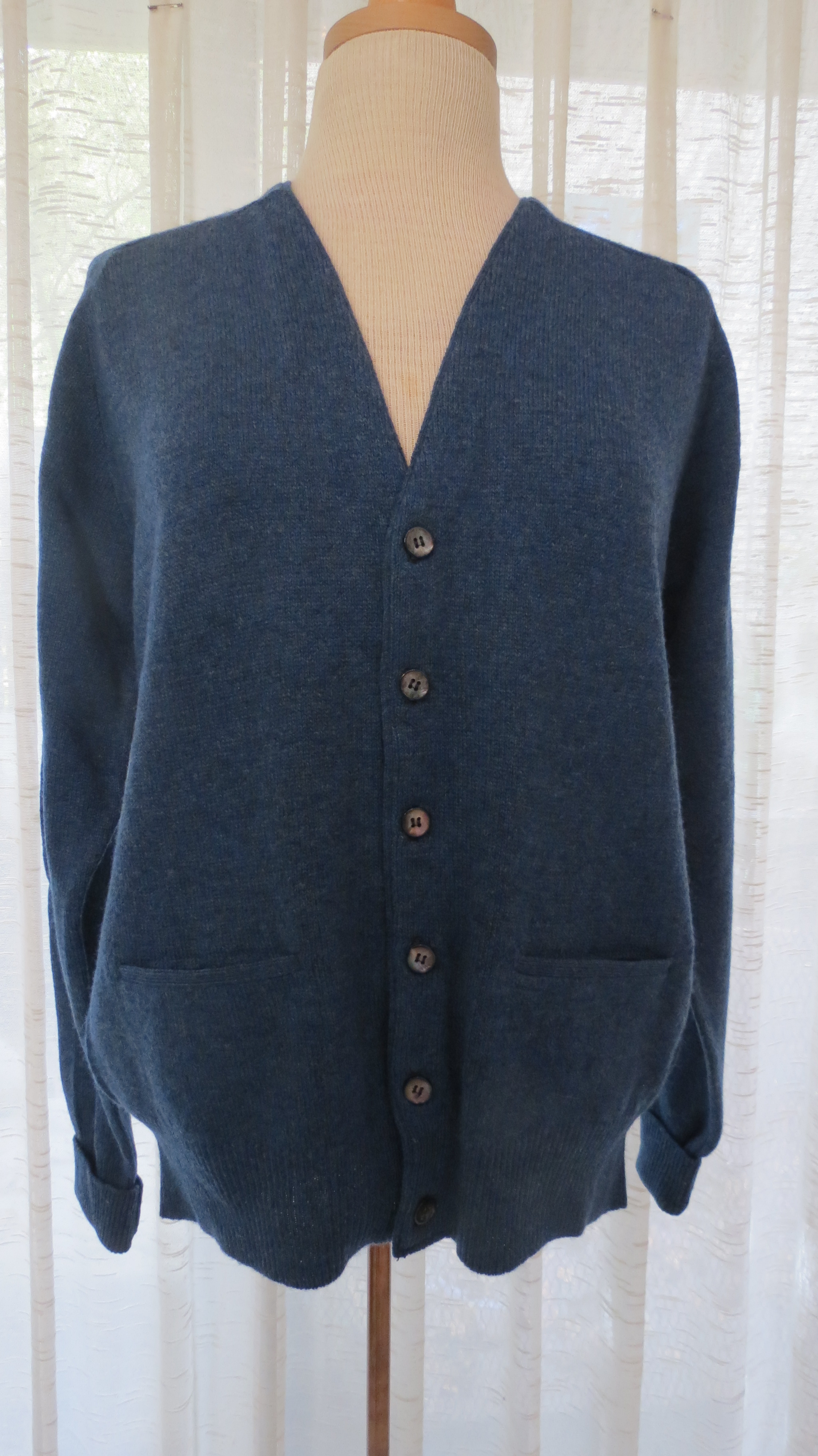
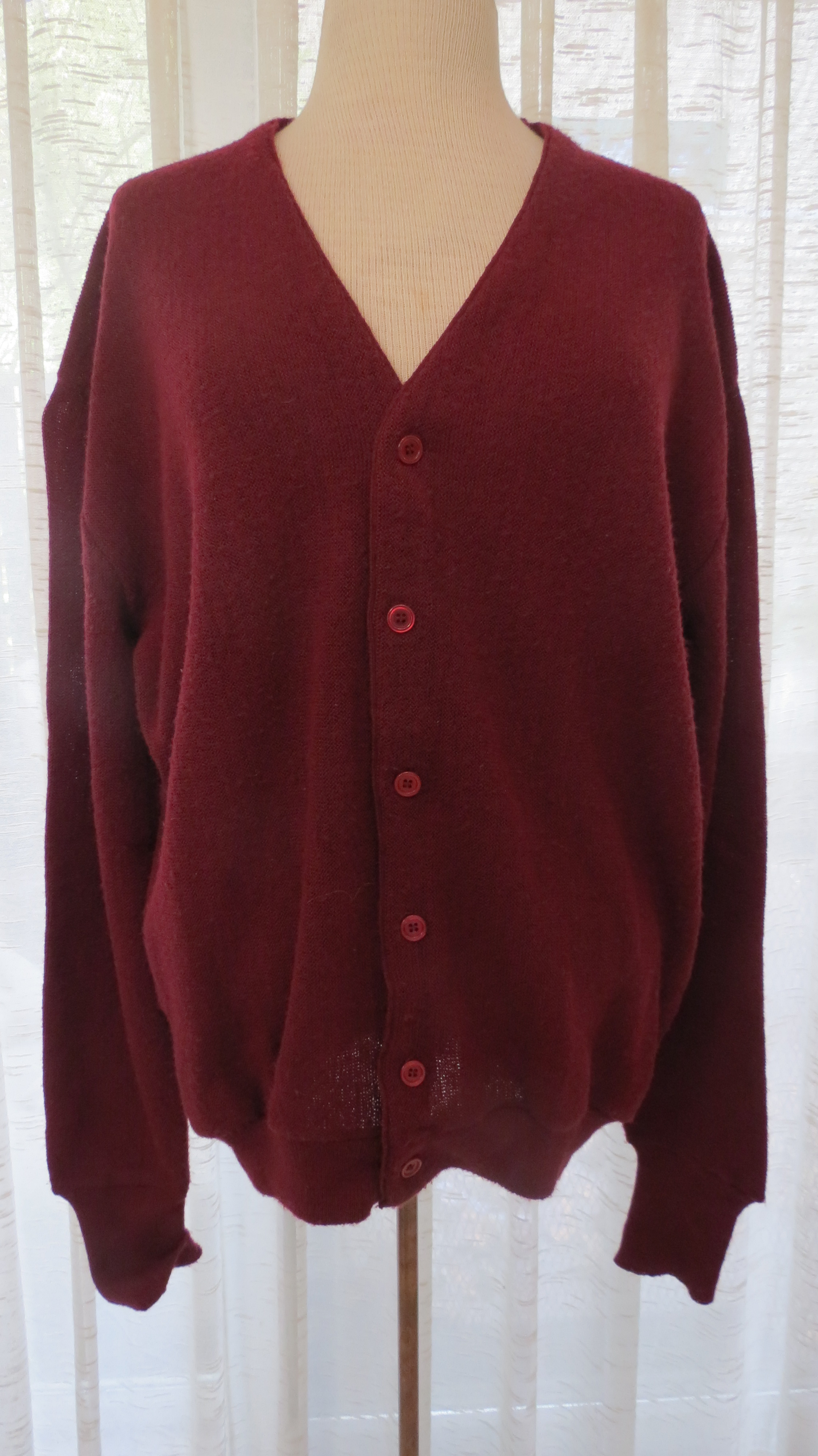
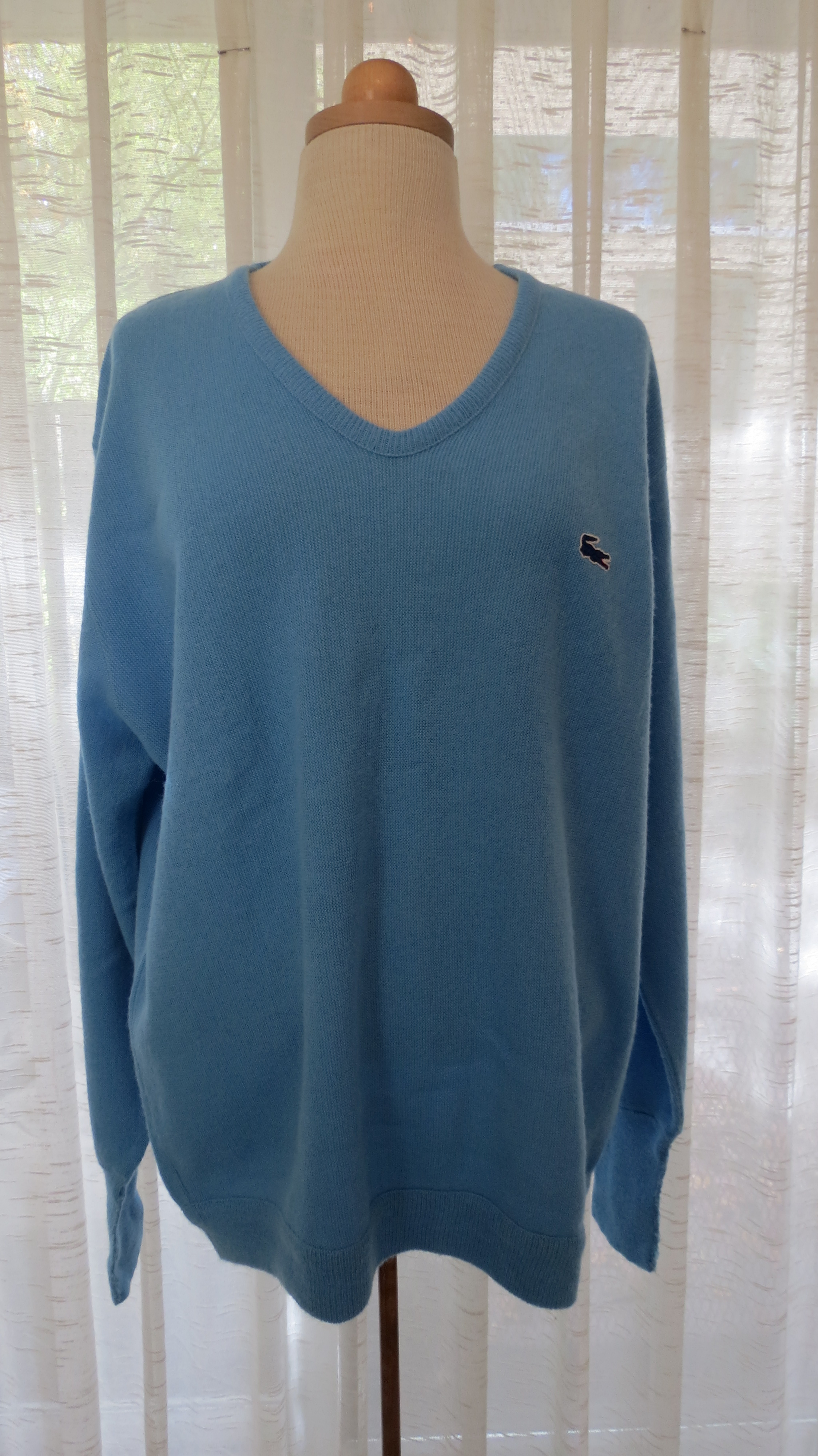
Here are a few of the iconic everyday styles seen frequently in menswear from the early 1960’s until the mid 1970’s. The 1970’s styles, shown in the center panel, are still probably in production. Cardigans and pullovers have been popular for men at least since the 1940’s. The styles produced in the 1940’s and 1950’s were most interesting, with colorful knitted-in patterns and leather inserts.

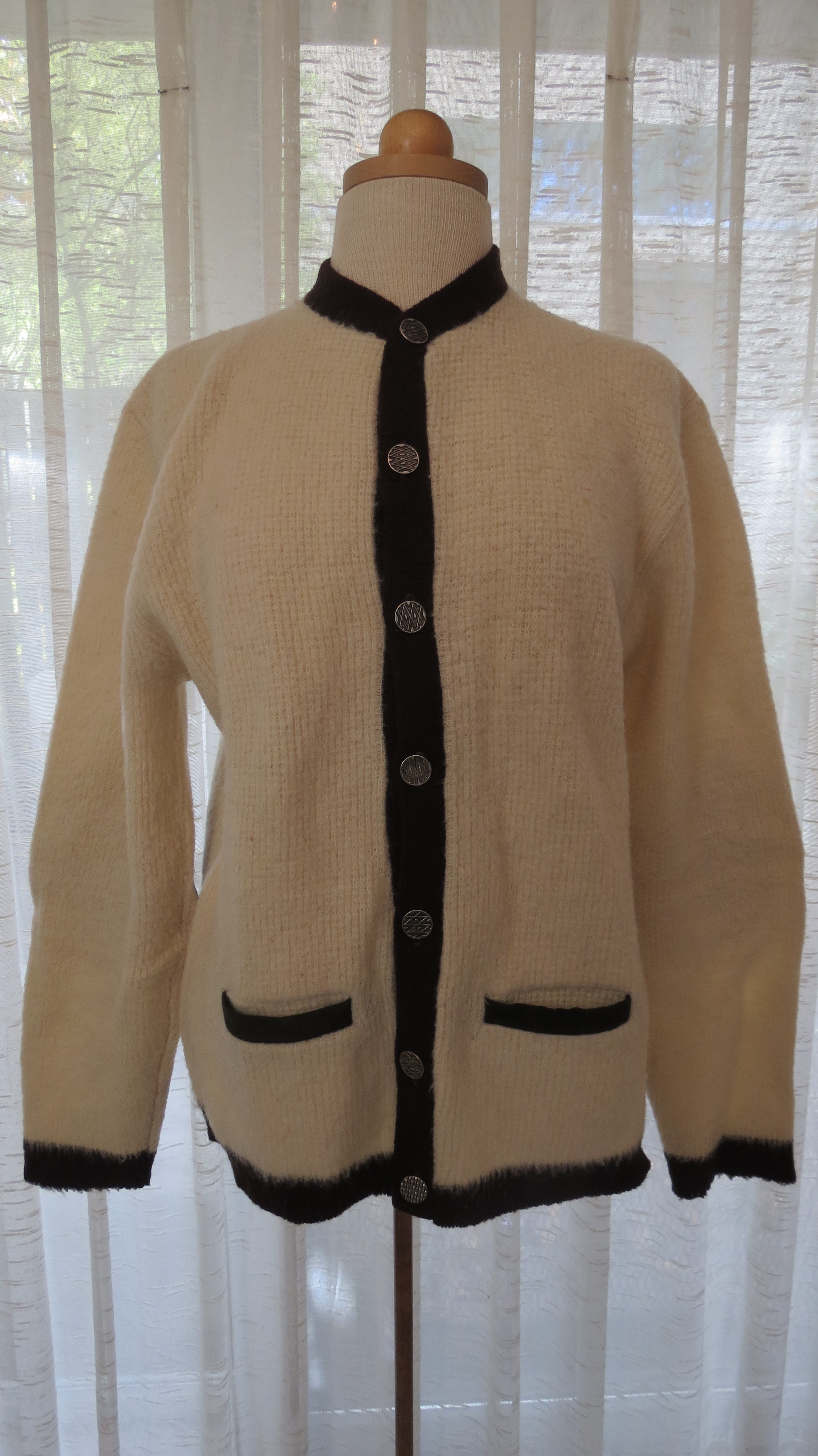
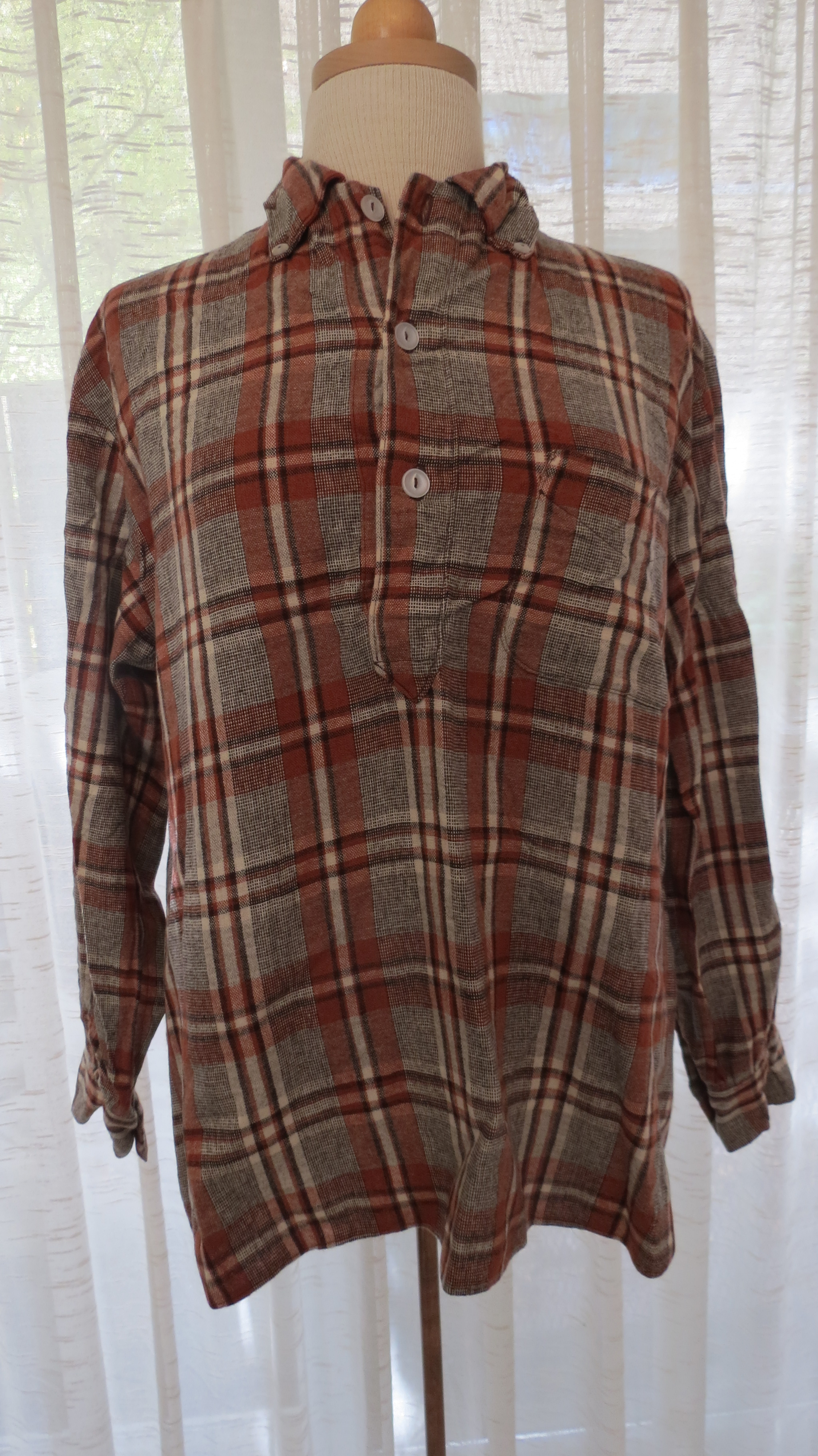
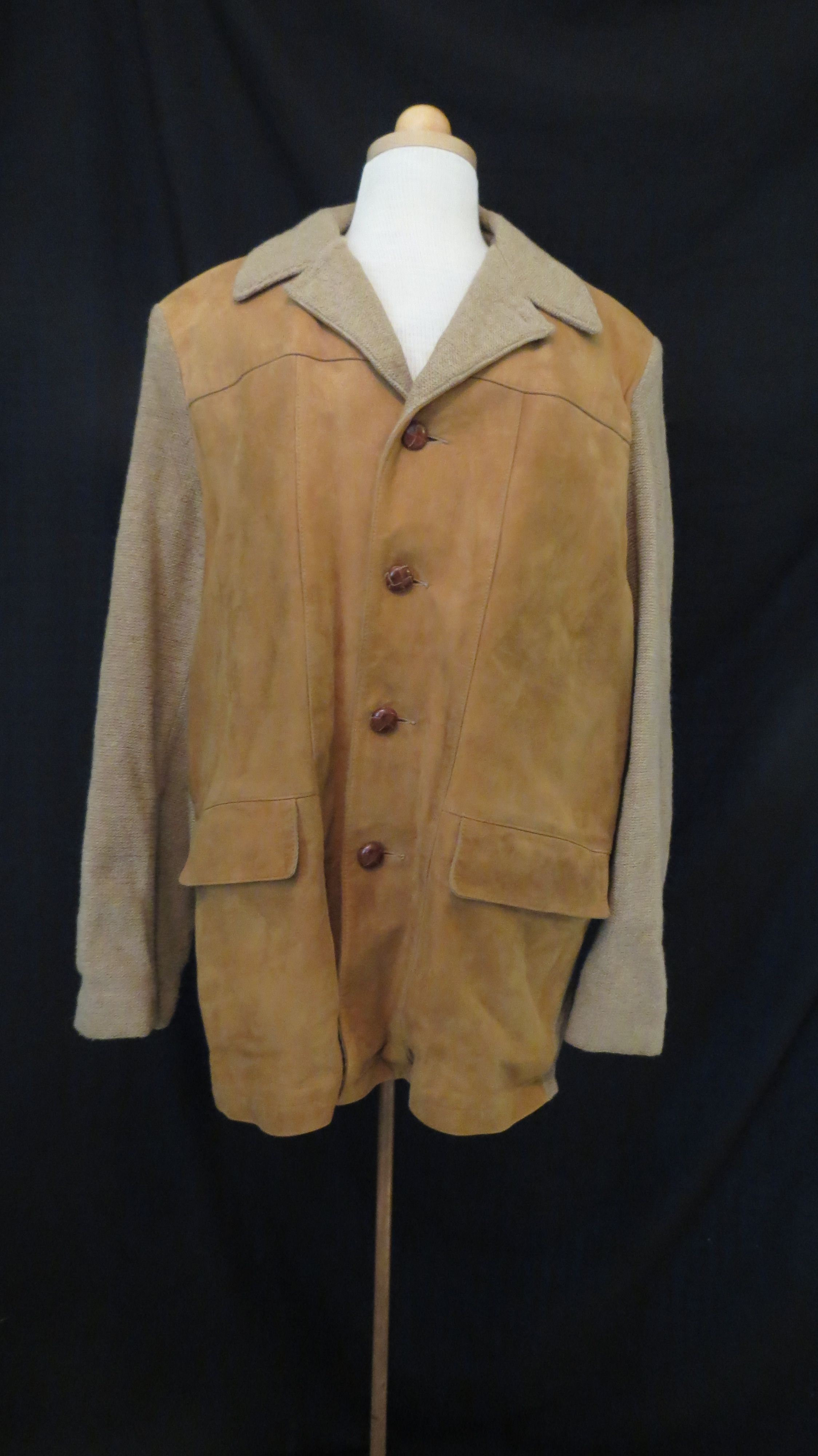
In the top panel, first shown is a woolen knit cardigan with embossed metallic buttons. It’s an imported European style. Second is a wool shirt, which has been a cold-weather casual staple for men for decades. The Henley neckline closure makes this one unique. After that, an iconic suede leather jacket with sweater-knit collar and sleeves. I have several of these in the archives, in different earth-tone colors. They are beautiful pieces which have, surprisingly, survived the decades in excellent condition. Next are 2 plain, standard cardigans which have been a part of almost every older man’s wardrobe (often with leather elbow patches) and younger mens’, too, especially when they have been designed as golf sweaters. The first, with patch pockets, is made of wool and is older – probably 1960’s. The second, in burgundy, is acrylic knit as is the light blue Izod V-neck. Standard 1970’s construction and fabric.

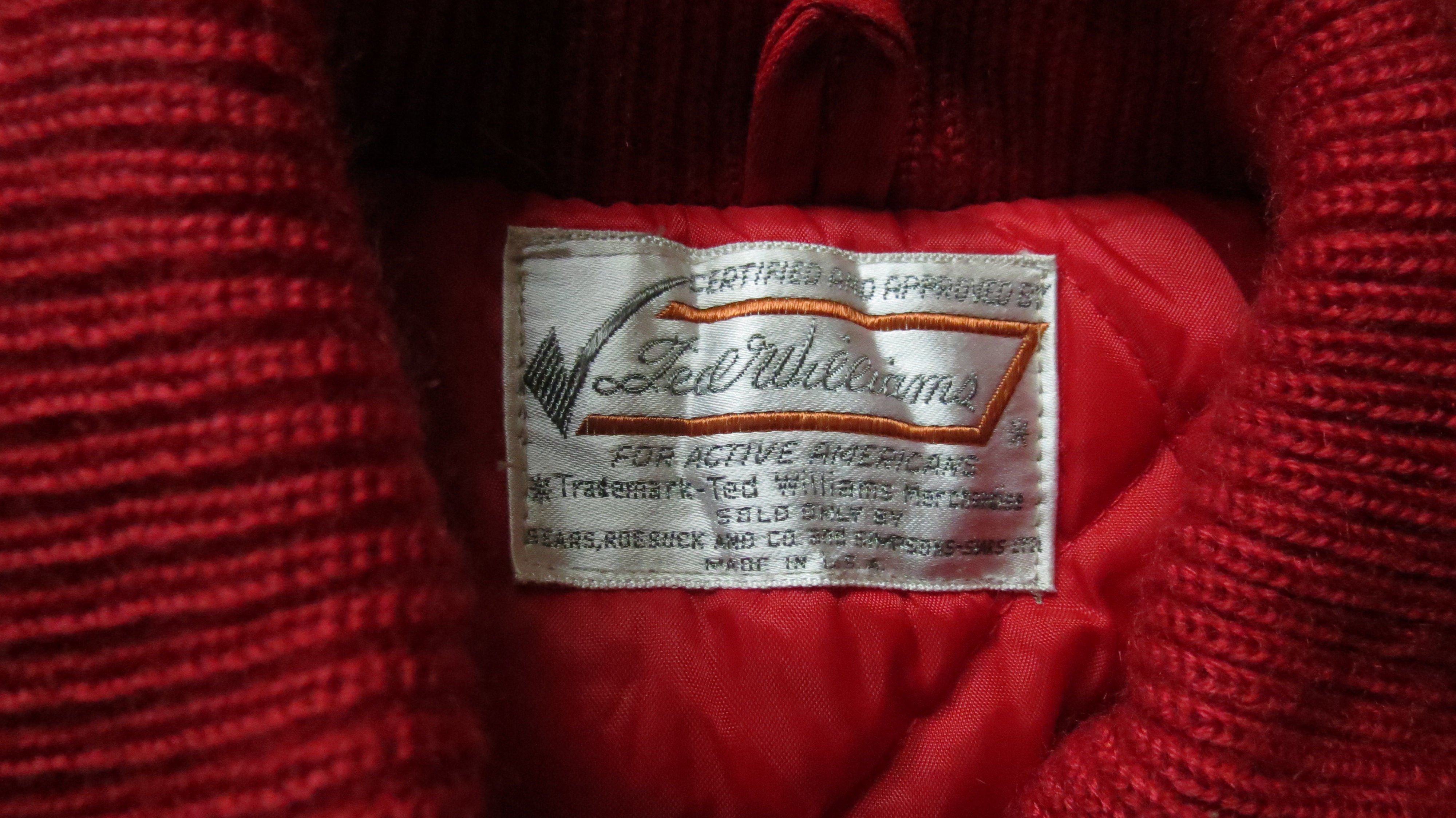
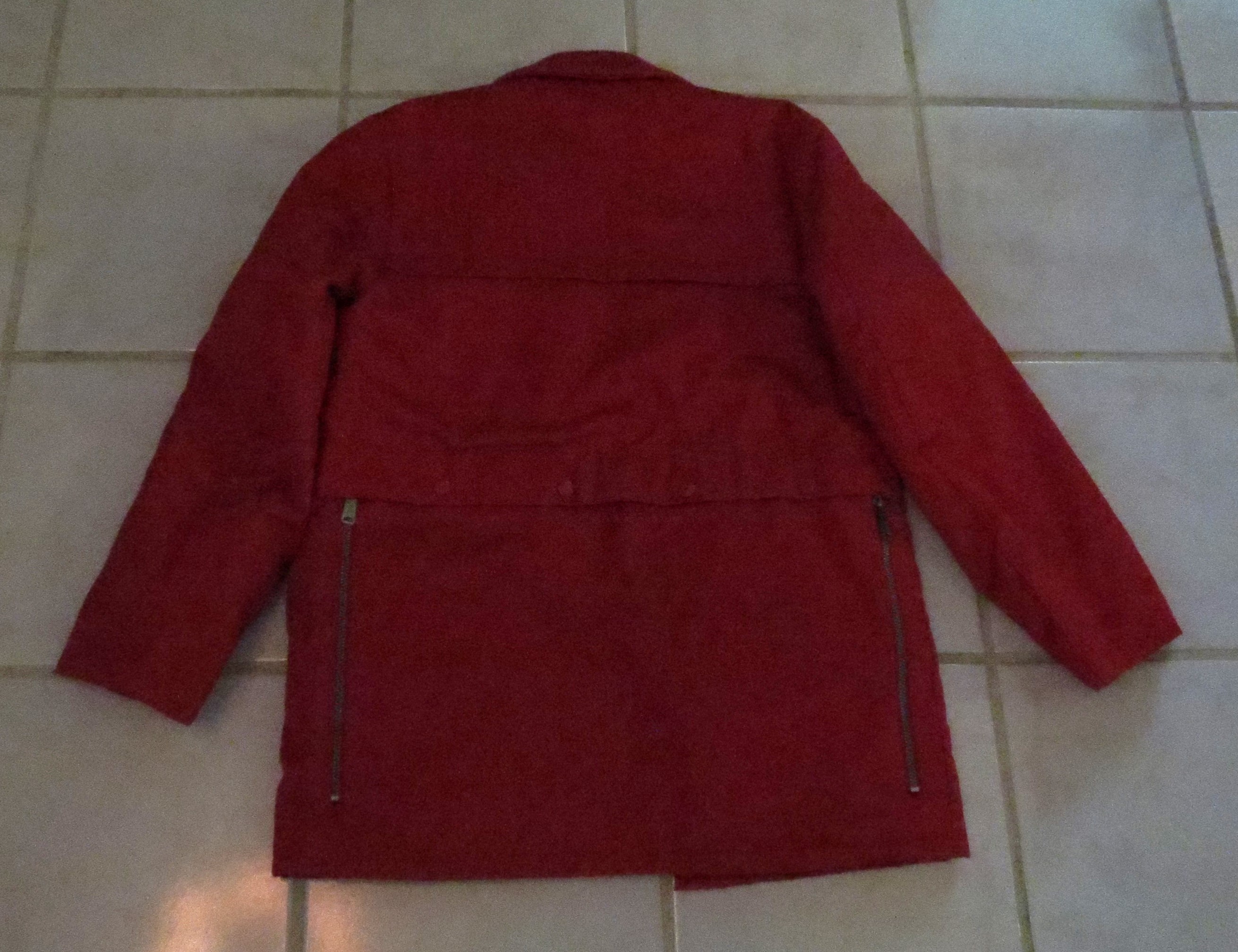
Finally, I picked this iconic Ted Williams hunting jacket to include in the post. Ted Williams was a famous baseball player and lent his name to this jacket sold by Sears & Roebuck in the early 1960’s. The label tells the marketing story and you can see the heavy knitted neckline. Cuffs are made of the same material. In front, the jacket zips and has standard-looking pockets. I have shown the back view because the rear “game pocket” is most visible. It extends across the lower back and opens with a zipper on both sides.

This find was an education for me, as I’d never heard of Ted Williams or seen this type of jacket before. What great clues in any investigation! Women’s styles tomorrow – stay tuned . . . . . . . . . . . . . . . . . . .

MORGANA MARTIN, THE MAGICVINTAGESPY

BLOG: MAGICVINTAGESPY.COM
TRUE VINTAGE EARLY 1960’S CUSTOM-TAILORED 2-PIECE DRESS, COORDINATING JACKET AND HATS!

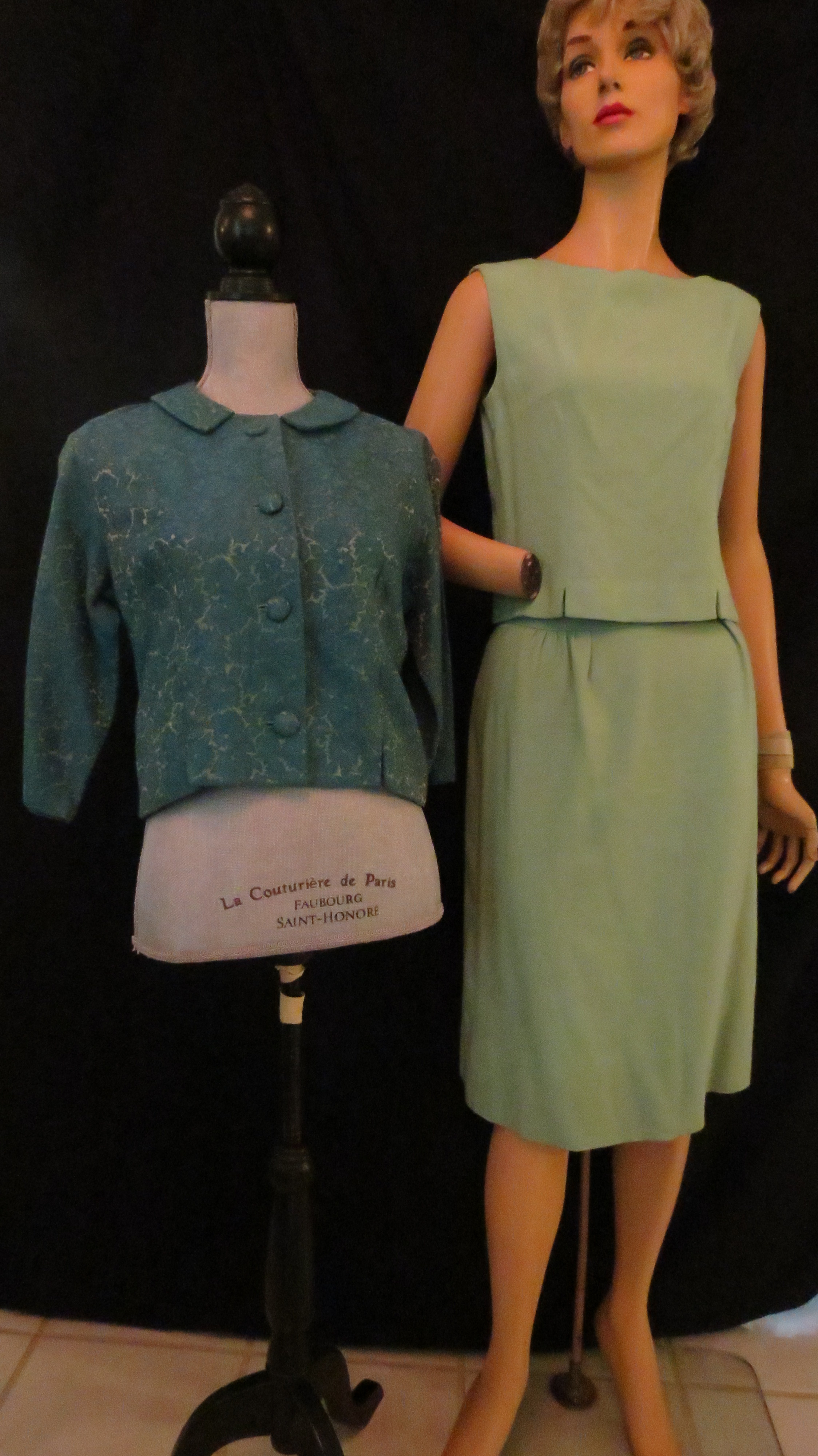
Here’s another 3-season dress with known history. That’s always SO wonderful. It was passed on to me by the mother of a friend, who made it herself. It is of a lightweight wool, fully lined and beautifully tailored. The lightweight but lined blue and green jacket is a commercially-made piece which I discovered separately, but is a perfect accompaniment in color, style and era.

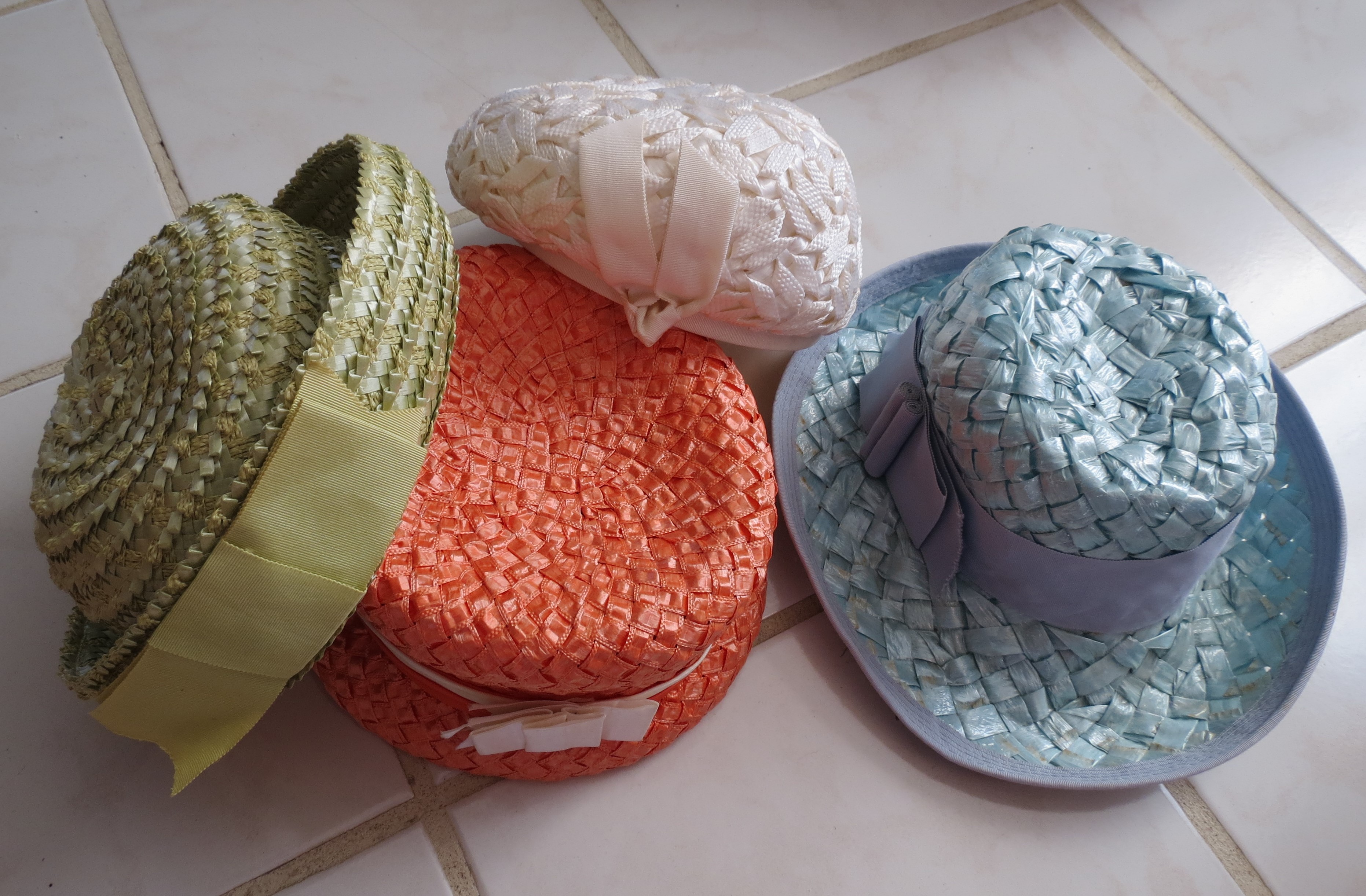
With this ensemble or with the skirt suit shown yesterday, an early Sixties cellophane hat would also be a perfect accessory. Nothing looks more like Spring to me, and I think we’re more than ready!

A little heads-up: I’ll be having guests over the next month so, though I will try to post daily, the times may be erratic and I may skip a day or two. But, there’s still lots more in the archives, not to mention possible new evidence, so stay tuned . . . . . . . . . . . . . . . . . . . . . . . . . . . . .

MORGANA MARTIN, THE MAGICVINTAGESPY

BLOG: MAGICVINTAGESPY.COM
BEAUTIFUL KENNEDY ERA SKIRT SUIT IN BOUCLE’ WOOL

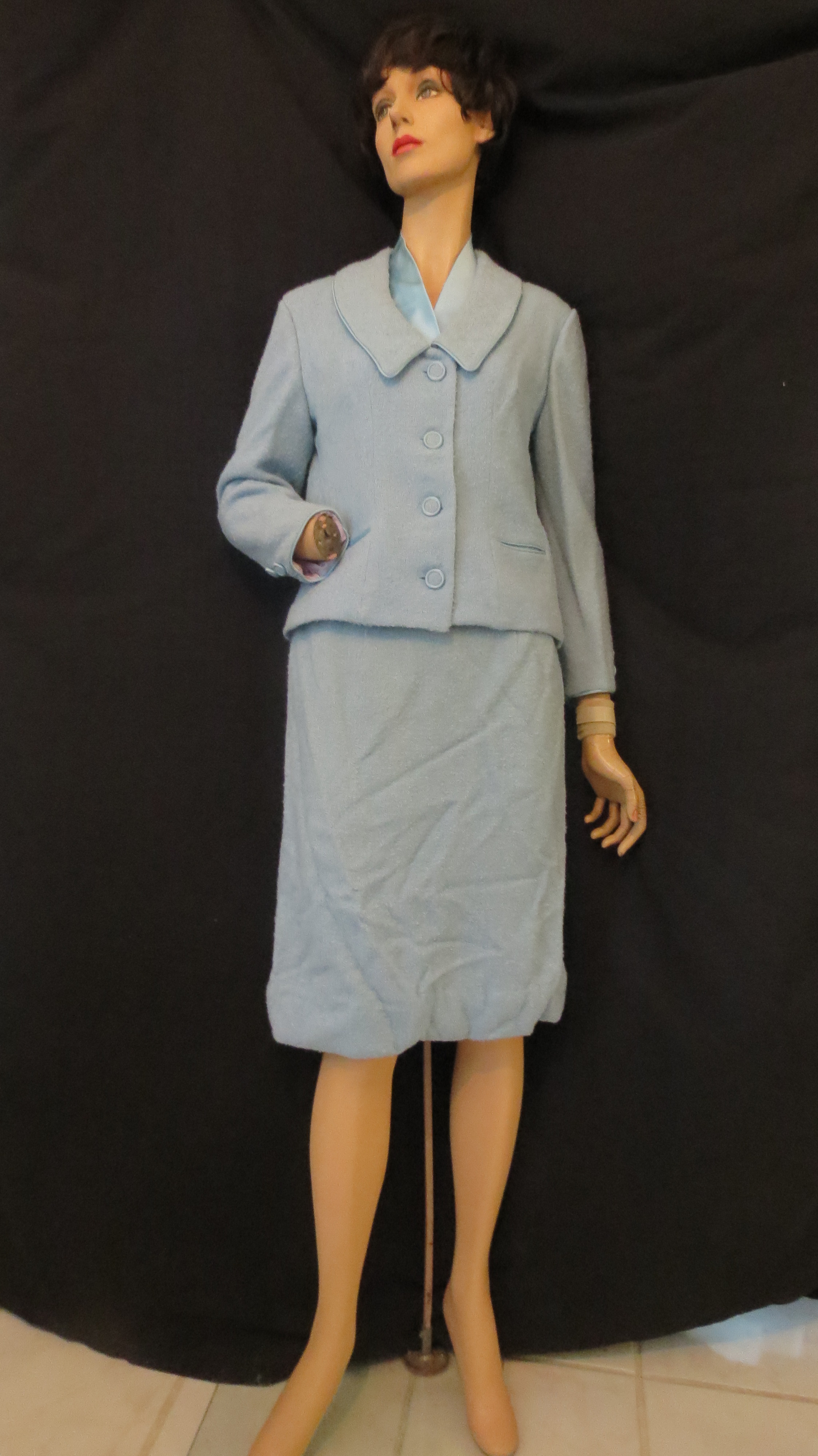
It’s not designer, but still worthy of any gal who loved Jacqueline Kennedy’s elegant fashion style. A straight below-the-kneecap skirt and boxy short jacket say early 1960’s and Coco Chanel-style in a big way. You can’t see the loopy boucle’ weave in this photo. It was very popular in the early Sixties – I’ve found several, all in pastel colors.

The tailoring is remarkably good, too. In this case, you can see the fabric-covered buttons down the front and at each cuff. The little slash pockets that are finished off with binding are meant to be ornamental and add a lot to the design, even if they aren’t practical. Bracelet-length sleeves let you show off a charm bracelet, pretty watch or any other statement piece. Even a slim gold bracelet of fine quality is a statement piece, and perfect with an outfit of this kind.

One of the unique features of these suits is how the necklines are treated. I have a pink example with a rounded Peter Pan style collar. A yellow one I’ve found has a crew-style neckline with a slim mink collar. This example has an attached piece that buttons in place and forms the matching blue neckline filler. The wool fabric is perfect for late Winter and early Spring. More pastel wool tomorrow, and hats! Stay tuned . . . . . . . . . . . . . . . . . . . . . . . . .

MORGANA MARTIN, THE MAGICVINTAGESPY

BLOG: MAGICVINTAGESPY.COM