Holiday Party Season is Definitely Here. True Vintage Frocks are a MUST!

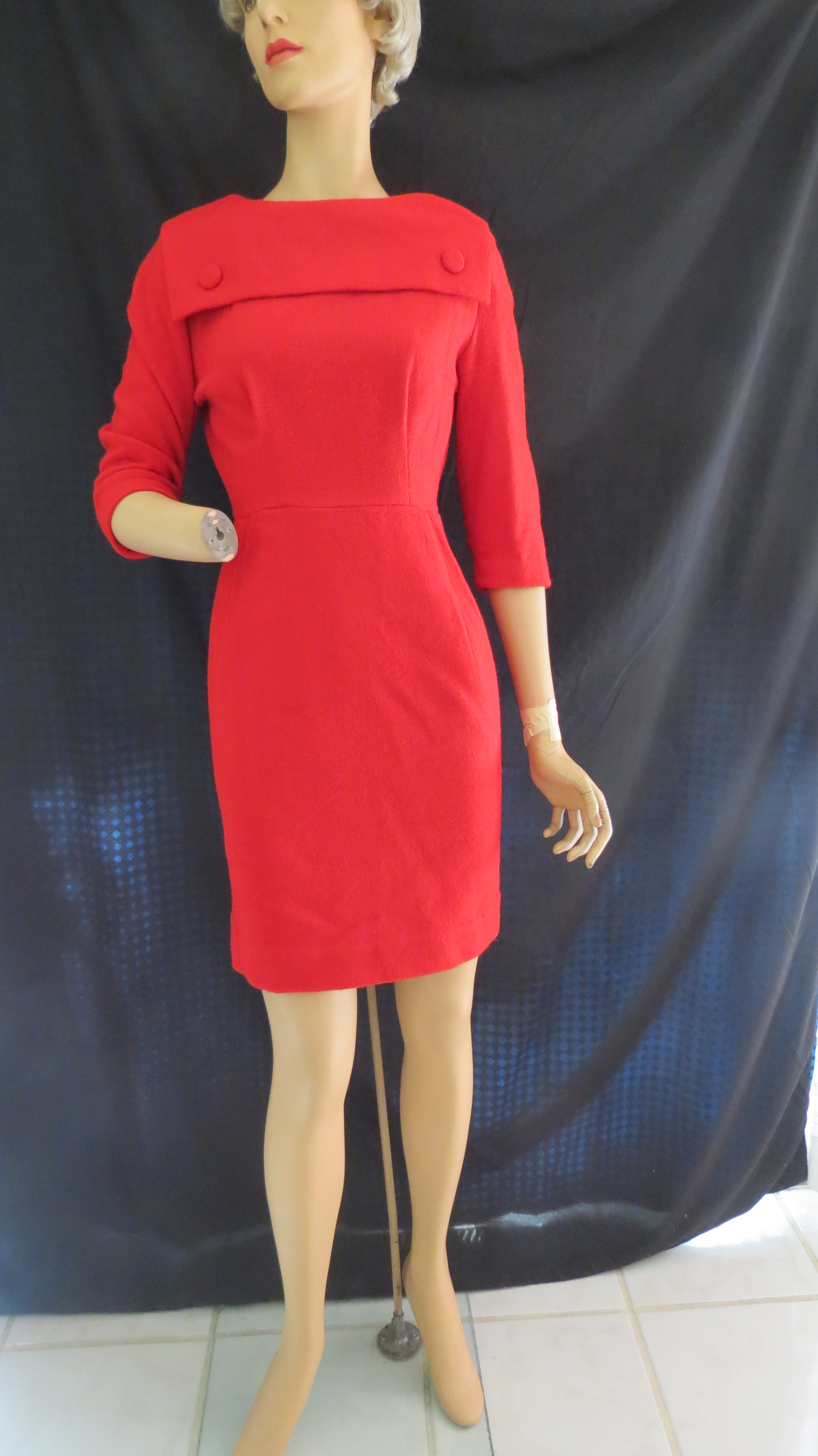
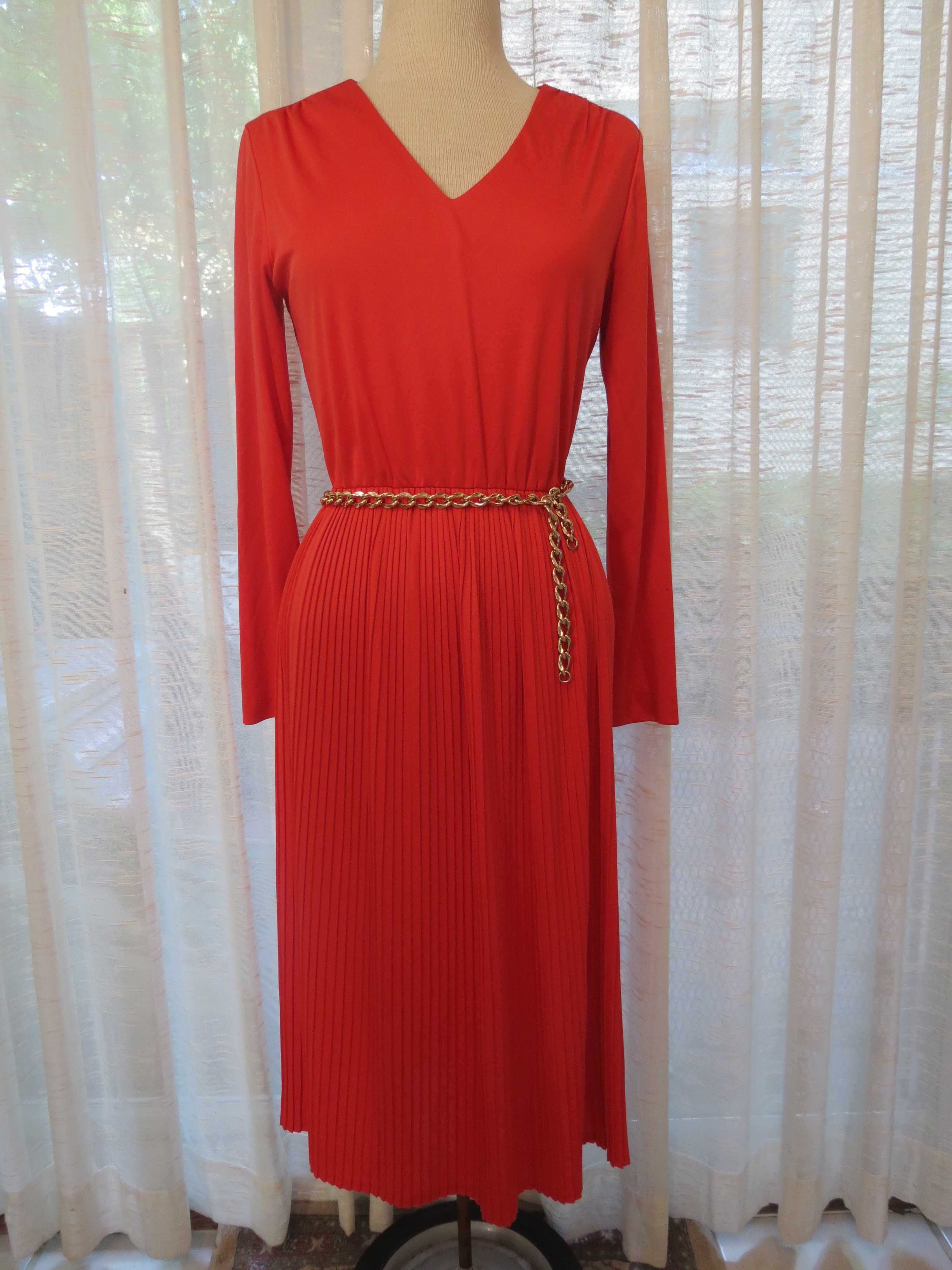
1960’s or 1970’s style, these red dresses would take you from the Christmas party through Valentine’s Day cocktails and dinner. Both are pretty and sophisticated with similar styles. Like most sisters, however, they’re also quite different. In the 1950’s and 1960’s a sheer over-layer and skirts with lots of gathers were big style features. Very feminine and emphasized a wasp waist. I love the boat neckline and 3/4 sleeves. In the mid-late 1970’s slim and sleek was a silhouette made easy with Quiana nylon fabric, which skimmed the figure while having lots of movement and supreme comfort while disco dancing. Very unfussy and a perfect backdrop for the chain belt. I’ll look for more party clothes and formal dresses. Stay tuned . . . . .

MORGANA MARTIN, THE MAGICVINTAGESPY

BLOG: MAGICVINTAGESPY.COM

SNUGGLEY TRUE VINTAGE SLEEPWEAR AND LOUNGEWEAR 1950’S – 1970’S

Everybody seems to love red, especially this time of year. It’s certainly a color which can make us feel warmer, which is what we’re beginning to need in a big way now. On the left is a favorite 1950’s pajama set of mine, woven 100% cotton with little fans printed all over. The print would make you think that these must be women’s PJ’s but actually these are a large size boys’! Take a look at the direction of the button closure.

Although I have lots of women’s PJ’s and gowns, my men’s pajamas from the 1940’s and 1950’s are really special. Classic unisex PJ style (though, often, men’s have a fly), but the best feature is that the men’s garments are very sometimes printed with wonderful medallion prints or novelty prints like the one above. A large (16 – 18) vintage boys’ size will fit me well – I wear a ladies 4. A men’s small will usually do OK or can be easily altered. Women’s PJ’s are most often of a solid color nylon or silk or a fine cotton printed with small flowers, decorated with lace or other trim. Really beautiful and comfy, but sometimes a little boring.

However, true warmth comes from robes, and this is where the women’s garments shine. They are more often found in warm fabrics such as plush, chenille and quilting. Women traditionally spent more time at home than men did so ladies’ true vintage robes and dressing gowns are built to be worn for several hours, rather than just after getting out of the bath or shower. Although men’s vintage robes sometimes have nice prints, women’s are more often embellished with embroidery, trim and buttons. Each decade had it’s typical style and popular fabric but the general rules seem to apply to sleepwear and robes from all the decades from the late 1800’s to the present day.

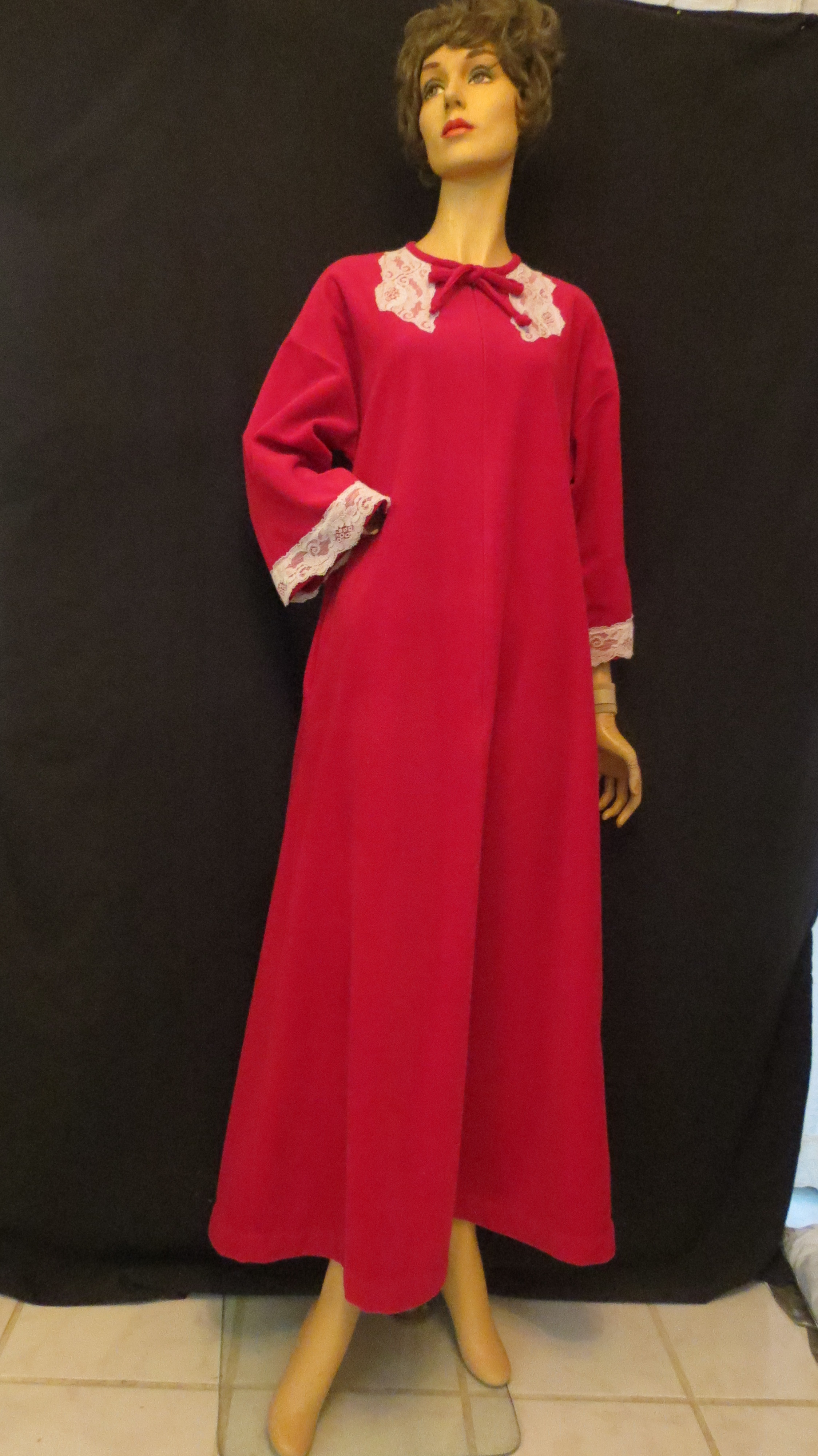
My 1970’s robe above is certainly worthy of Mrs. Claus as she makes breakfast for the elves. (Sorry, but traditional folklore and myths tend to be very sexist.) It’s by Vanity Fair, a company which has made women’s at-home styles and lingerie for decades. I love the pretty style, but the long bell sleeves are very impractical in the kitchen and I don’t think the mid-priced market for this item targeted women who had hired “help” at home. That can be an inherent problem with true vintage fashions – occasionally they are poorly suited to an average lifestyle and can even be uncomfortable at times but that’s a minor consideration and not worth a mention as long as you are in the know. Wouldn’t stop me gathering the evidence for a second. When did practicality ever have anything to do with fashion and style, especially when a holiday or other special occasions are on the horizon? Stay tuned . . . . . . . . . . . . . . . . . . . . . ..

MORGANA MARTIN, THE MAGICVINTAGESPY

BLOG: MAGICVINTAGESPY.COM

NEW TRUE VINTAGE FIND – HOME-SEWN MID-CENTURY BOHO ETHNIC SKIRT

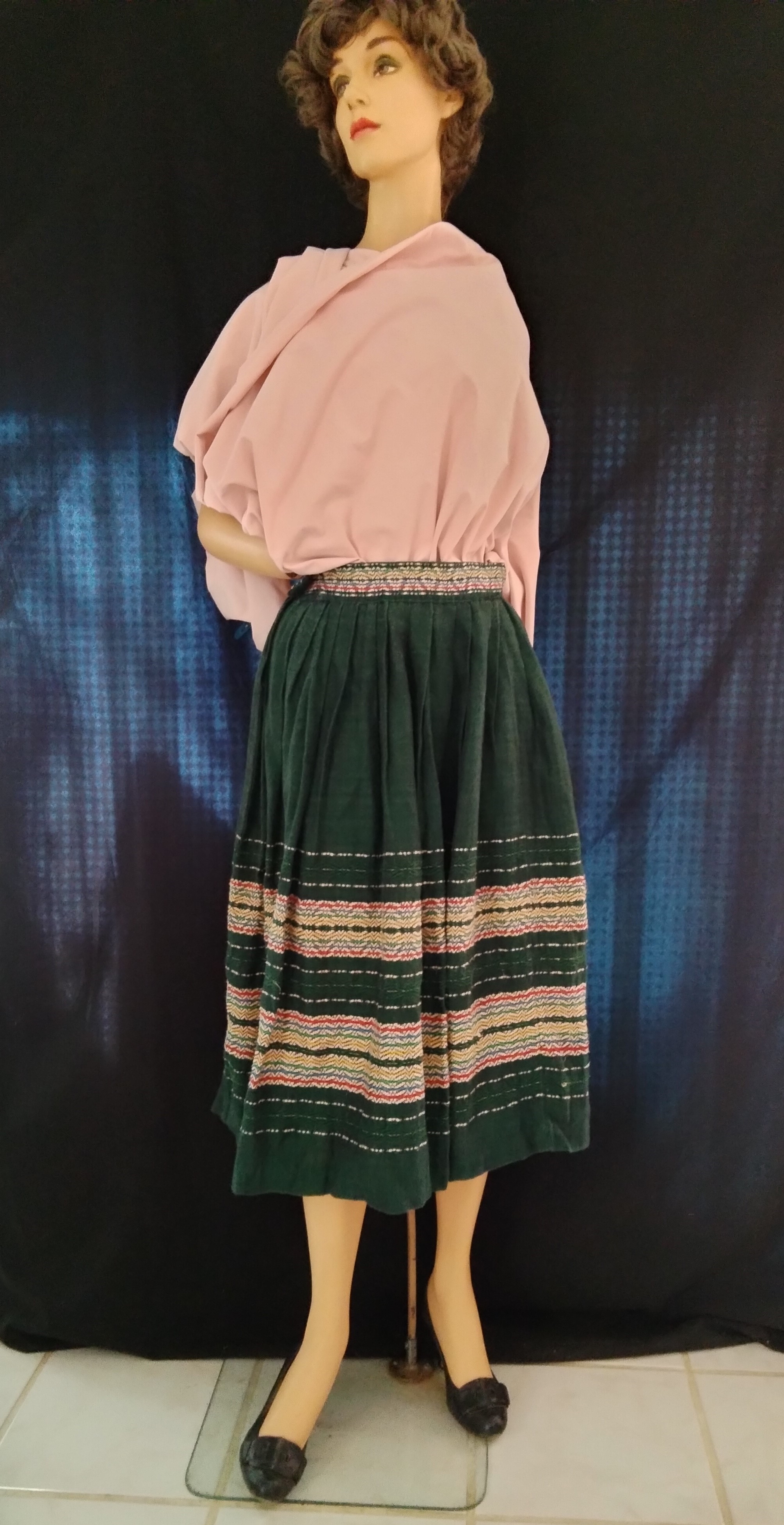
I always collect true vintage separates – especially those that are fun and unusual. They usually tell a story. This one is in great shape with evidence of being custom-tailored by a home-based “seamster” (probably a woman, but who knows?). One thing I know by an interior-only clue is that s/he probably had a little dog or other small pet. S/he very frugally used seam tape that had been chewed a bit. No problem – it did the job.

It could be part of an ethnic costume or simply one of the Boho styles which were very trendy in some ways between 1955 and 1975. I love the dirndl style and colorful weave, almost like home-loomed fabric. I don’t have any special knowledge about ethnic dress that would allow me to pinpoint more closely. Anyway, it’s flattering and easy-wear. Good for mix and match with a variety of tops for different looks and different weathers.

What else makes this special and very wearable in cooler weather? The colors and medium weight are good for 3-season wear. It’s possible that the material contains wool. Would look great with tights, boots or even some leggings. Separates are a useful way to add variety to a true vintage wardrobe and to dress “vintage” without having a complete outfit. Added to my go-to daily wardrobe . . . . . . . . . . . . . .

MORGANA MARTIN, THE MAGICVINTAGESPY

BLOG: MAGICVINTAGESPY.COM

FIRST SNOW OF THE SEASON! TIME FOR MY TRUE VINTAGE WOOL DRESSES

Another chance to love that red. Okay, I give in. I don’t pull out the wool clothing unless it’s necessary and can usually avoid the deep cold because of frequent relocations. But, a little unpacking reminds me how much I love these wiggle dresses from the late 1950’s – early 1960’s. For the jumper on the left (yes, this is what a sleeveless dress worn over a blouse or sweater is called in the United States) I was fortunate to find a turtleneck in the perfect color to coordinate with the tweedy fabric. I love the HUGE pearl buttons down the front – so much a sign of those times, as compared to the thin, easily broken pearl buttons which were popular in the ’90’s.

The wiggle fit is also characteristic of this era; maybe a little warmer, too. Of course, unless there’s a smooth lining, you’d also need a slip underneath which adds another layer of warmth. Attractive tailoring details are always a plus. Although vintage wool garments sometimes feel a little heavy and confining compared to what we’re used to today, the closest similarity I’ve ever come across are the better quality heavy polyester knit dresses and pantsuits of the early 1970’s. Both added warmth, good tailoring and wrinkle-resistance and are welcome when facing true winter weather. Easy storage that doesn’t require protection from moths is great, too, but in the final analysis nothing beats the quality, durability and elegance of well-made true vintage woolens. I thank our furry friends (and the shellfish which create pearl), and am grateful that we now are developing excellent humane and ethical alternatives.

More Xmas red and seasonal true vintage on the way. Stay tuned . . . . . . . . . . . . . . . . . .. . . . . . .

MORGANA MARTIN, THE MAGICVINTAGESPY

BLOG: MAGICVINTAGESPY.COM

TRUE VINTAGE OUTERWEAR? FUR REAL OR FAUX? WE HAVE TO THINK ABOUT IT . . . . . . . . .

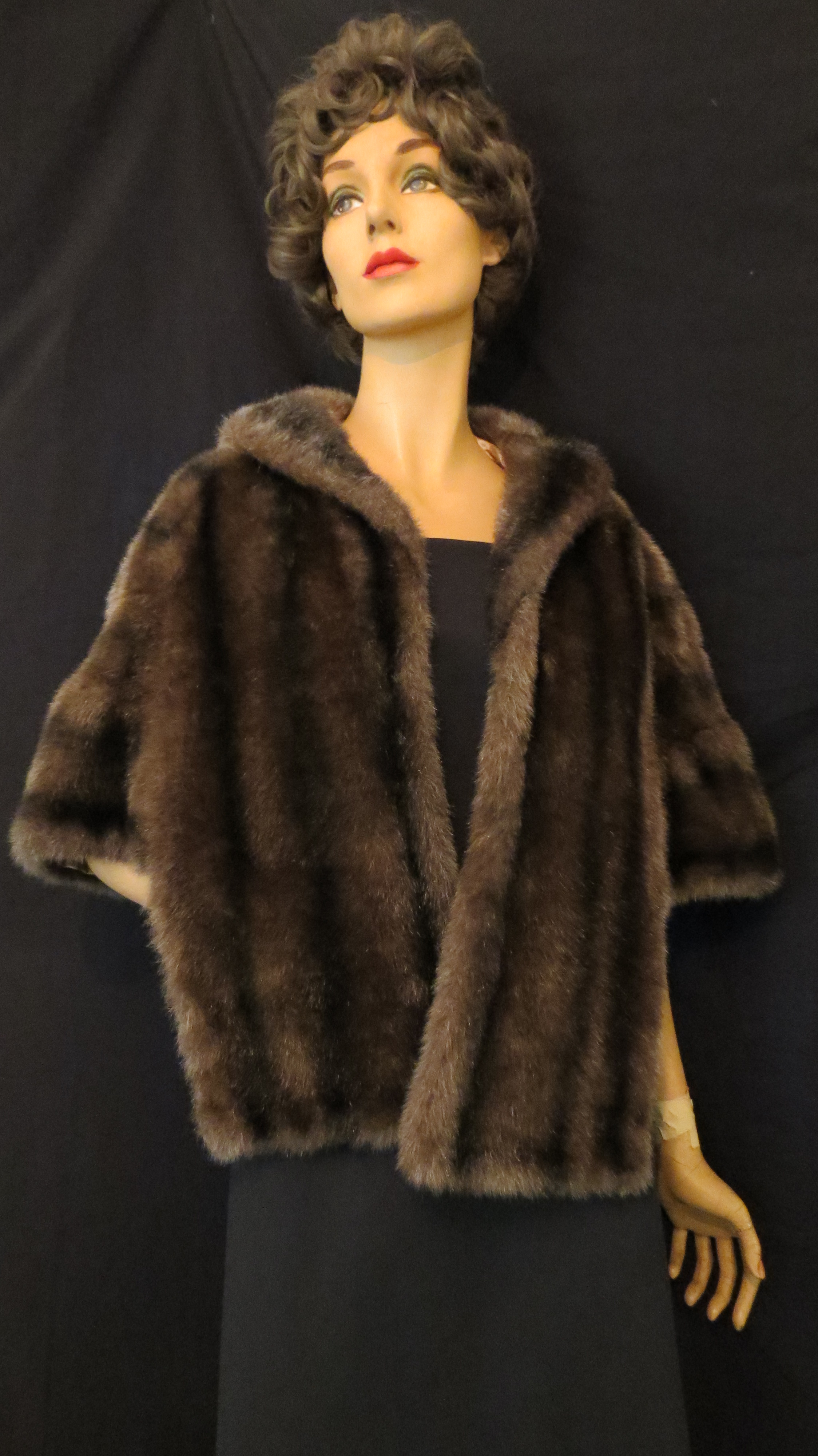
Last night I was out and about to a theater production and couldn’t reasonably drive a two block distance. Walking was the only choice, which I love, but IT WAS SO COLD!!! My warmest outerwear option, which kept me toasty and comfy, was my post-war beaver jacket from Canada. 75 years old and it’s still snuggly and beautiful. I grieve for the precious animals who (yes, WHO) were sacrificed for vanity and retail profit back in the day and will NEVER buy modern fur products. I advocate for animal rights but also celebrate those lives and gifts by preserving and enjoying elegant fashions from the past for as long as they will last.

I own many gorgeous fur and faux fur pieces made decades ago, before protective legislation and individual conscience stopped some of the fur trade and promoted humane practices. Above is one example, on the left, of an older fur jacket dyed to mimic mink. I cannot identify the fur – could be muskrat. Before the end of WWII, furs considered to be less fine were often processed this way. Other examples, such as the one on the right, are fakes – popular in the 1950’s and beyond. Some have been very convincing even since the 1950’s. Many of those made today look and even feel very authentic. The look is fun and elegant, in a vintage way, plus, as I proved last night, very practical.

Faux fur and secondhand true vintage furs are the best, the ONLY humane and progressive choice. I prefer those from the 1960’s and before. The remaining fur trade is still a blot on humanity, so we must be vigilant in our boycotting of this active market but I don’t see the enjoyment of historical fashions as being hypocritical. I will continue to show you how much I love them. Stay tuned . . . . . . . . . . . . . . . . . . . . . . . . . . . . . . . . . .

MORGANA MARTIN, THE MAGICVINTAGESPY

BLOG: MAGICVINTAGESPY.COM

Undercover Magic, Essential True Vintage Lingerie

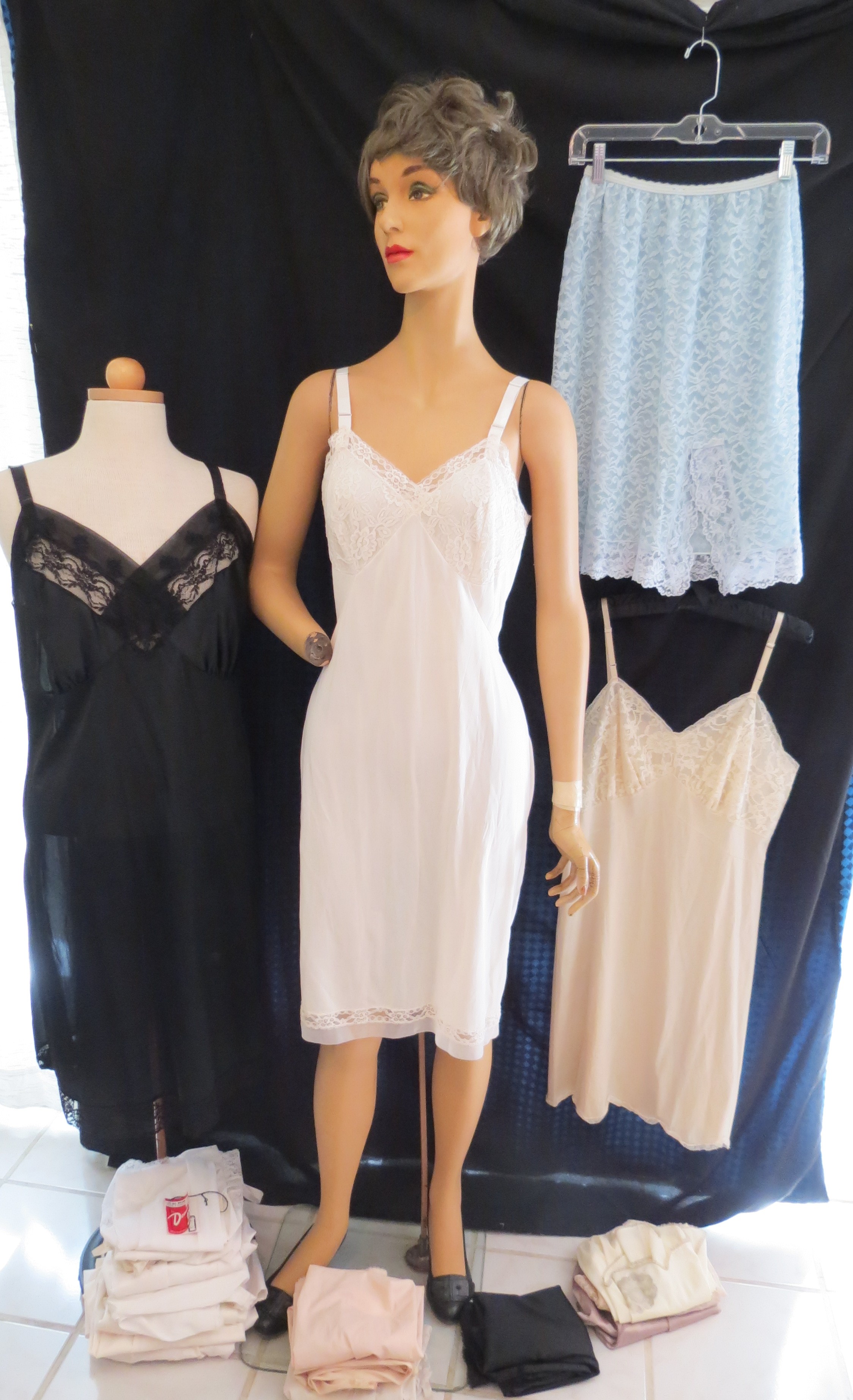
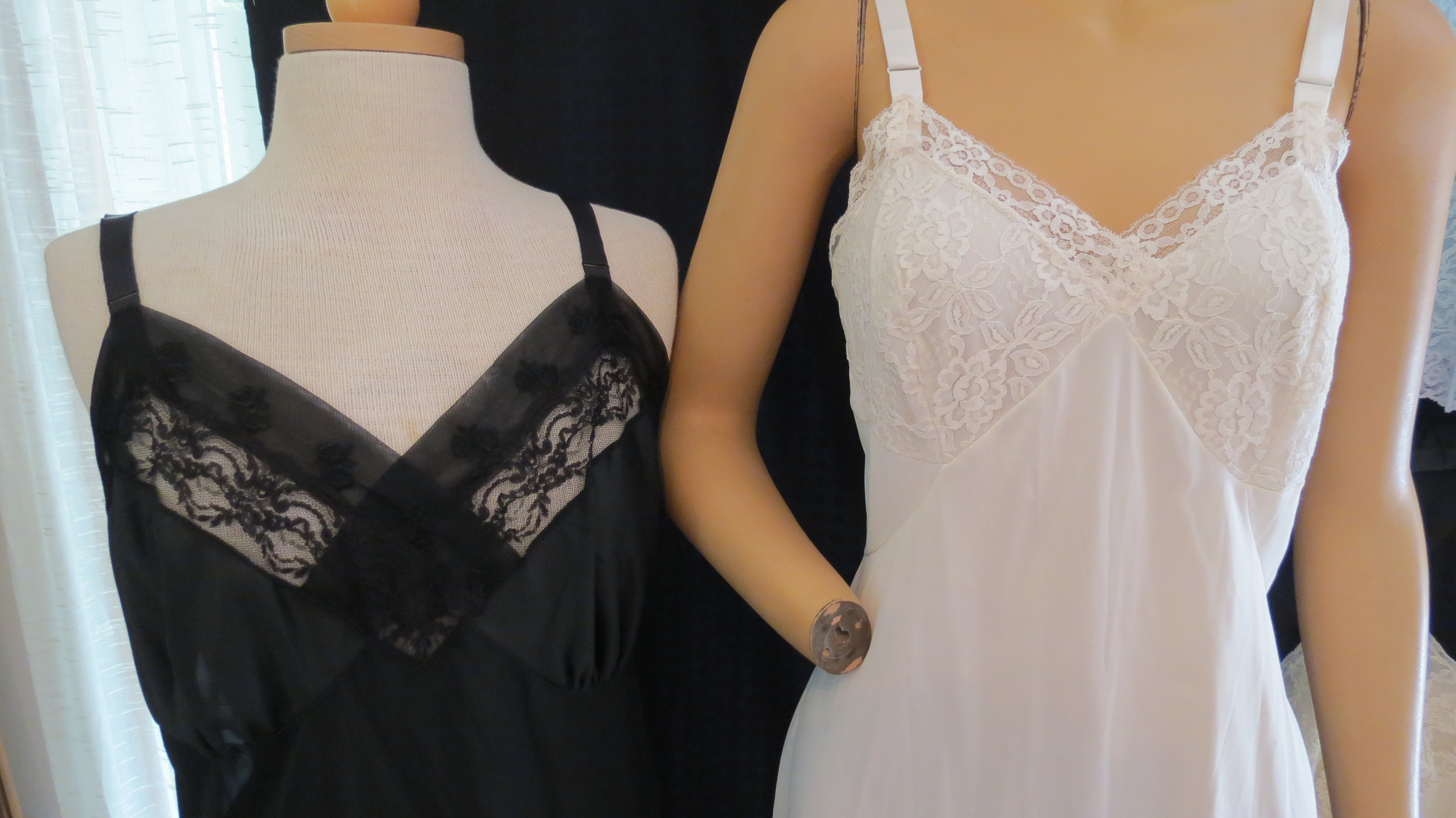
No matter what you’re wearing, lingerie pieces are key to making the outfit look right. Preventing lumps, bumps and see-through are only the simplest issues. The proper undergarment also ensures that the fabric lays correctly on your body and allows it to drape without clinging. Above are a very few examples of beautiful slips and only a tiny fraction of my complete collection.

You can see here how lovely the details are. Typically, even the plainest design will have nice little details and excellent tailoring. More elaborate styles are full of lace, embroidery, ribbons, sheer panels, satin straps and, often, some work done by hand. Though most slips are done in neutral, pastel colors, some (especially from the 1950’s to early 1960’s) were made in fabulous vibrant colors. True vintage nylon has a feel like no modern fabric and is absolutely luxurious. So gorgeous they could often be worn as a lightweight dress or skirt on their own.

Look for vintage lingerie that suits your wardrobe. Notice the details. Slips, of course, are the basis if you wear dresses and skirts. Search for cotton slips as well as the more-common nylon ones. In the summer, you will appreciate the difference! It’s also important to match your undergarments to the clothing worn with it – if anything might show or peek out, whether by accident or on purpose, will the color be OK? How will your outer garment move over the fabric of the slip? How will the fabric of the slip react with your skin in hot weather? Lots of things to consider in order to get the best result.

Also, look for other undergarments – in the 1960’s some split slips were made to be worn under culottes and split skirts. “Slips” to be worn under slacks can even be found from the 1960’s and 1970’s. A 1950’s/1960’s girdle was ALWAYS a base foundation for most women at that time (thank goodness, not now!). If you’re wearing a wiggle dress, you may not have a choice in order to make it look right. Silk tap pants from the Twenties are so comfy and perfect under a lightweight dress in the summer. A camisole under a blouse or top can improve the fit, add some warmth on a cold day and sometimes provide a little neckline interest depending on the style. A “bullet bra” is perfect if you want to be a “sweater girl”. Garter belts and girdles are necessary for wearing stockings. A crinoline is important for most mid-century dress styles with circle skirts, especially from the late 1940’s through the early 1960’s. Some dresses have their own, but others require you to add one.

I’ve probably forgotten to mention something but you get the drift. Lingerie is SO important that I probably should always start any series of posts with it. . . . . . . . . . . . . . . . . . .

MORGANA MARTIN, THE MAGICVINTAGESPY

BLOG: MAGICVINTAGESPY.COM

More Accessories ESSENTIAL for a True Vintage Wardrobe: Scarves and Ties

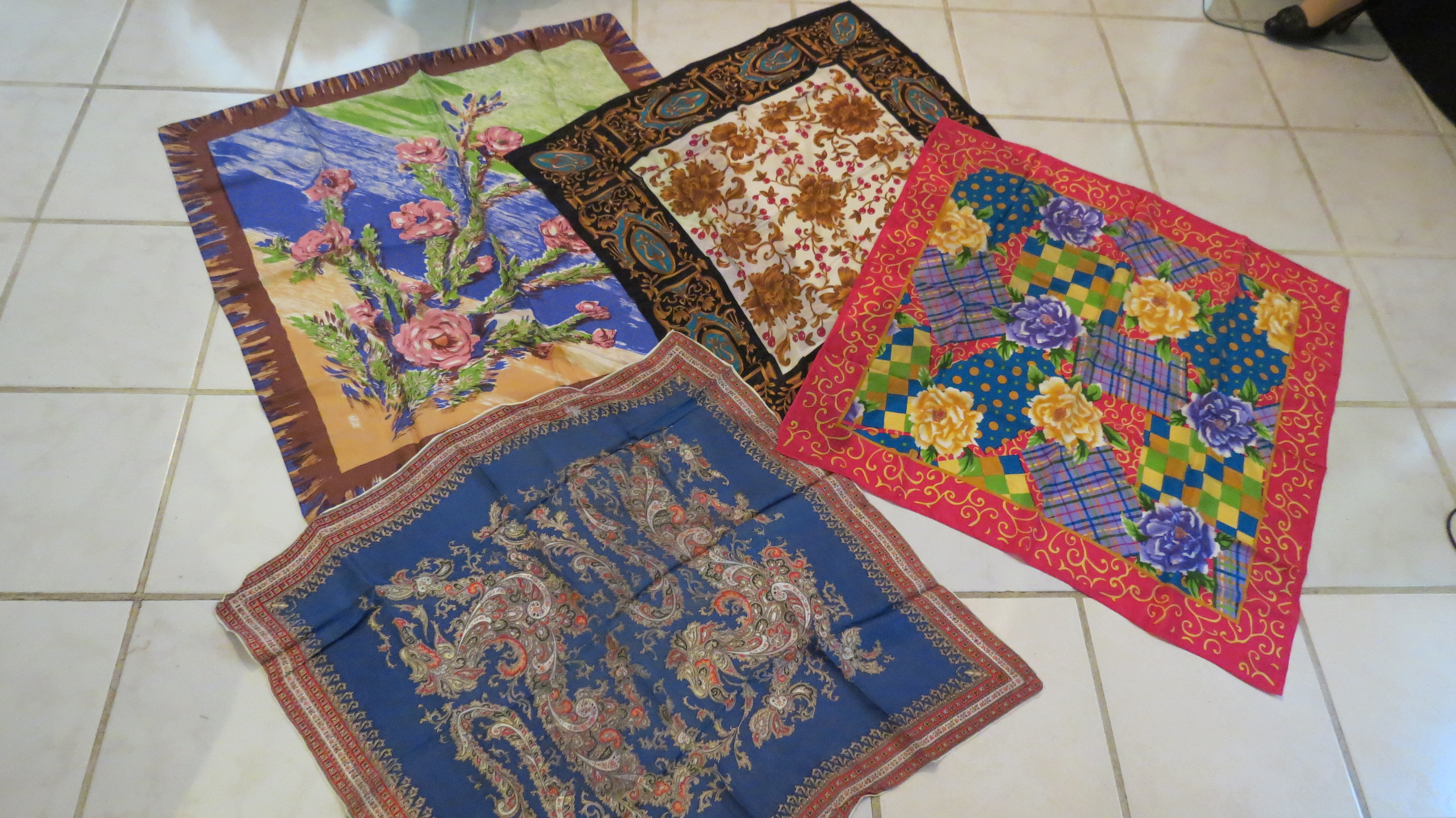
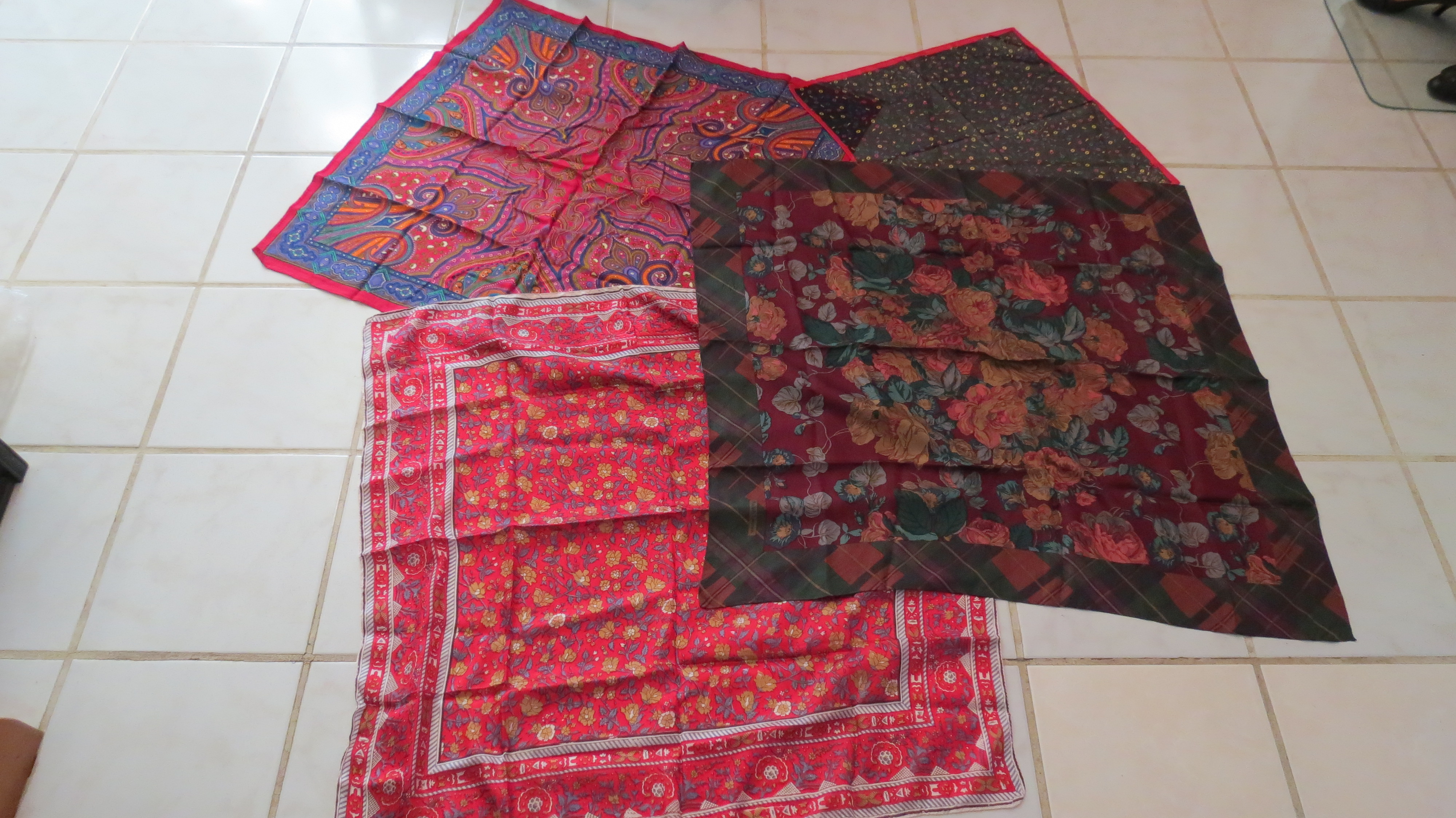
True vintage scarves are a must-have. They are generally very well-made with hand-rolled and stitched edges. Often, they are made of silk; if not, the fabric is of very good quality. Mostly, it’s the artwork on printed vintage scarves that is so wonderful. The only essential example I’m not showing here is the souvenir scarf, depicting scenes from a specific place or theme. Mid-century women collected these. Large scarves are great as capes or folded into turbans. Small scarves make cute little collars or accents on handbags or pockets. Every size in between can be worn in a gazillion variations. Lots of books and online tutorials teach you how to do this.

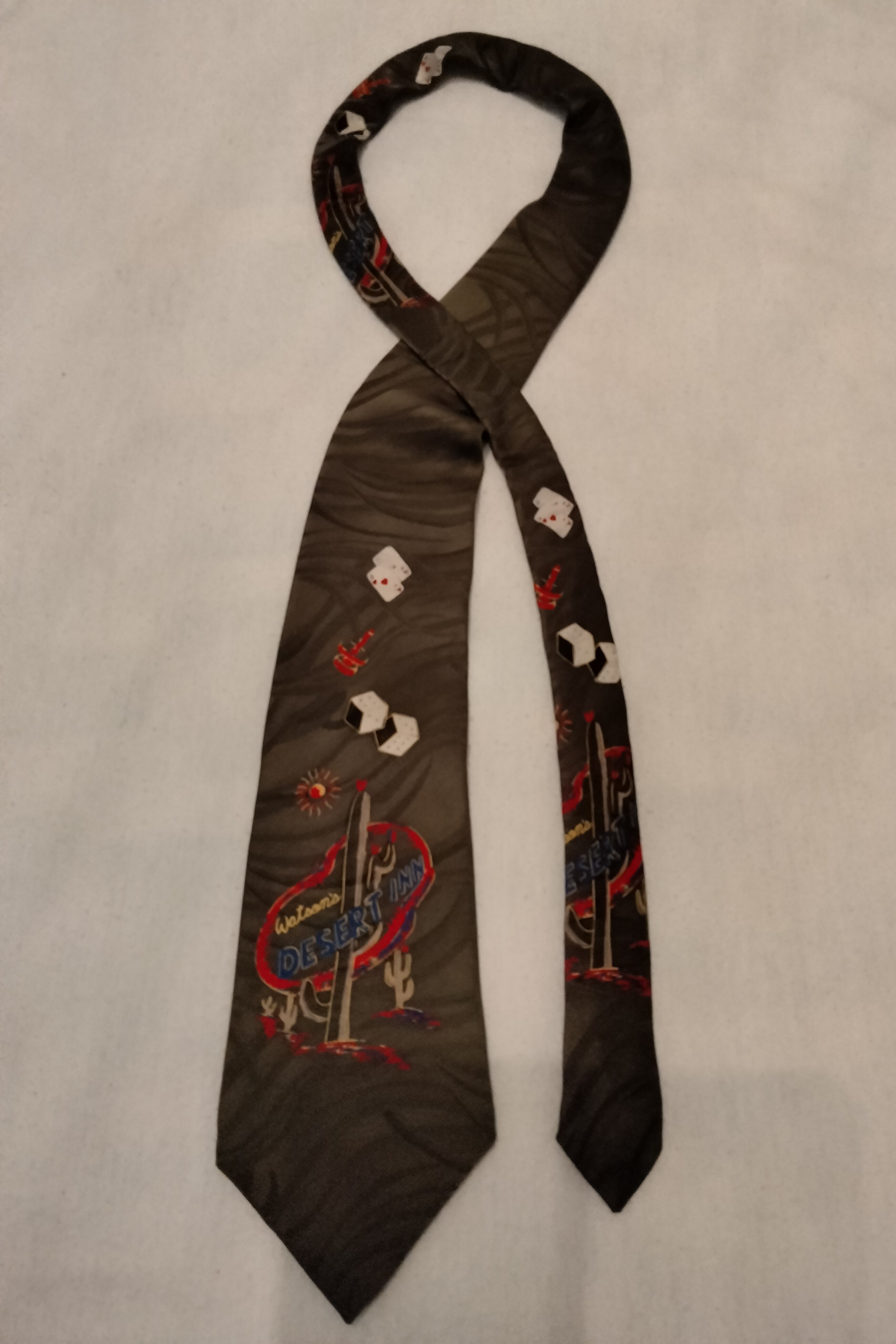
For a menswear outfit, a true vintage necktie is key. I especially love the mid-century graphics. Some 1940’s ties are truly spectacular and the only example I have of this style is a 1970’s/’80’s souvenir tie from Watson’s Desert Inn in the Canary Islands.

Scarves and ties alone can make up a vintage collector’s obsession but I prefer to use them as accessories only. As a very useful clue added to a modern or otherwise banal outfit, they can open unexpected doors. Stay tuned . . . . . . . . . . . . . . . . . . . . . . . . . . . . . . . . . . . . . .

MORGANA MARTIN, THE MAGICVINTAGESPY

BLOG: MAGICVINTAGESPY.COM
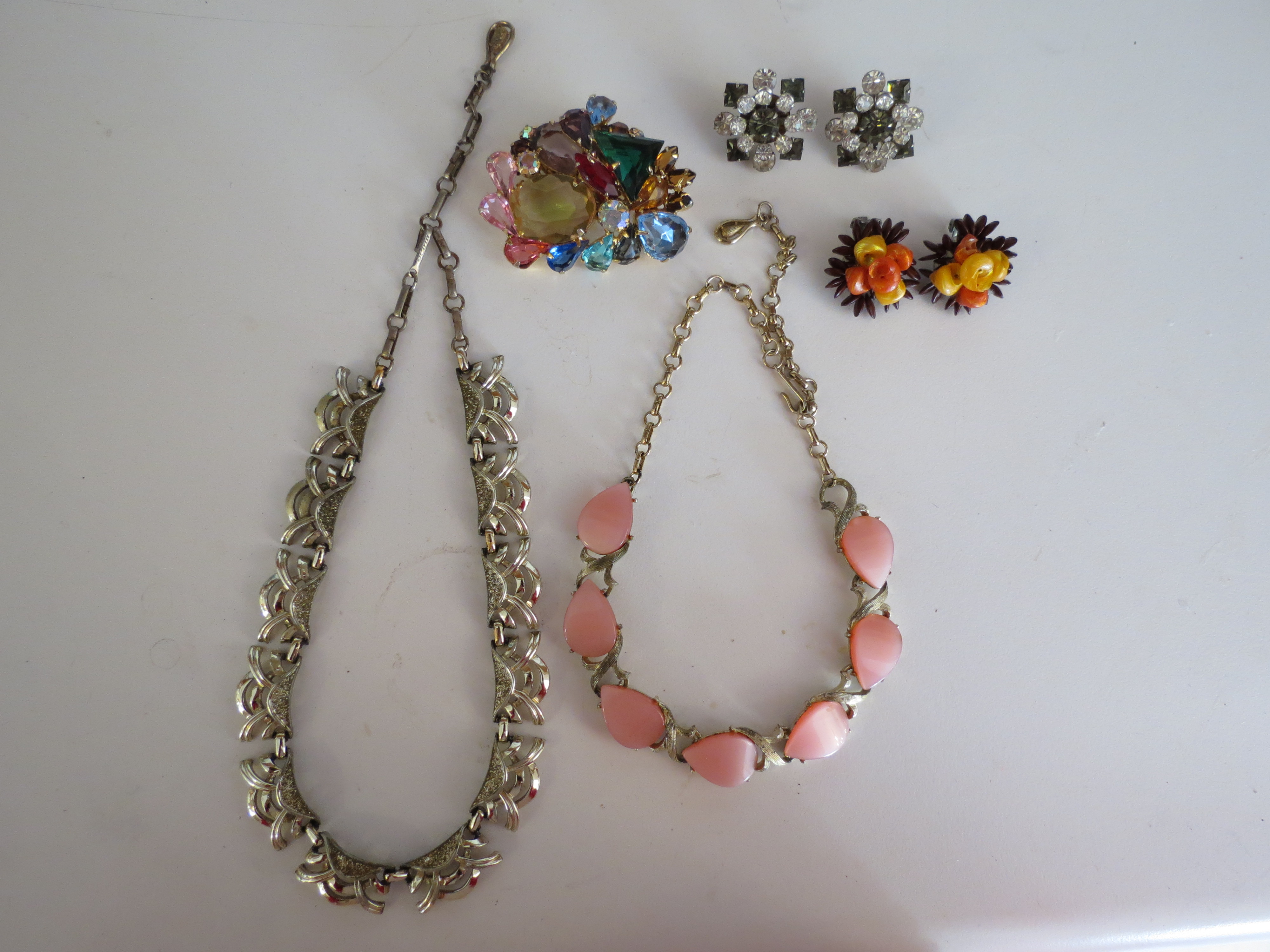
Another MUST for a True Vintage Wardrobe – Authentic Costume Jewelry

No matter what else you’re wearing, or even if your jewelry is the only vintage piece in your outfit, it will stand out strongly. That’s especially true of these colorful and unique examples. Though cheap copy-cats are being made now, I still recommend the originals.

Fine true vintage jewelry in gold and silver is always special and wonderful but can be pricey. Costume jewelry is easier to find and softer on the budget. Collect a variety of styles and items – you’ll have something different for every day and just the perfect thing for every outfit.

Of course, it needs care but is exceptionally durable in general. Simple protection from scratches, rough handling and strong UV light for prolonged periods will do the trick. Compact and easy to store, though if you’re a sleuth with an extensive archive the files can become pretty heavy . . . . . . . . . . . . . . . . . More accessories tomorrow. Stay tuned . . . . . . . . . . . . . . . . . . . . . . . . . . . . . . . . . . . . . . . . . . . .

MORGANA MARTIN, THE MAGICVINTAGESPY

BLOG: MAGICVINTAGESPY.COM

FABULOUS SHOES FROM THE 1970’S

From the Seventies does Forties period, early in that decade, these beautiful leather shoes were made in South Africa. Couldn’t believe my eyes when I spied them. In wonderful condition, even though they were more than 30 years old at the time. I adore peep-toe pumps and virtually anything 1940’s, so this was a no-brainer. Also, investigating the clue was fascinating.

Made for Kinney in South Africa? Wow. Who knew? Of course, things made and sold in any of the countries which were part of the British colonies found their way all around the world, so could end up anywhere. I took them to a shoe repair to have one little piece of elastic on the straps replaced. The owner was a man from Europe who had made shoes there before emigrating. He corroborated my conclusion that these pumps had been very well-made.

Unfortunately, they were about 1/2 – 1 size too big for me and in an open style like this, that’s too much. The fit will be wonky and they’ll be unstable on your feet with not much you can do about it. So, a lucky gal in Australia profited from my discovery. Who knows what streets they’re walking now? I’m going to be on a shoe streak for a little while so stay tuned . . . . . . . . . . . . . . . . . . . . . . . . . . . .

MORGANA MARTIN, THE MAGICVINTAGESPY

BLOG: MAGICVINTAGESPY.COM
A “NEWER” VERSION OF THE CLASSIC CAMEL COAT FROM 1972

oplus_32

Isn’t she a beauty? Purchased at Saks Fifth Avenue in Chicago. The label says that the camel hair is also blended with cashmere. Classic is always classic and this trench coat styling is always “new”, especially in a very well-made garment. Makes me feel just like Ingrid Bergman in Casa Blanca.

However, wonderful as this coat is I’ll have to show you a real 1940’s version, truly worthy of Ingrid’s character Ilsa and, of course, any Agent such as Moi . . . . . . . . . . . . . . . . . . . . . . . . . . Stay tuned . . . . . . . . . .

MORGANA MARTIN, THE MAGICVINTAGESPY

BLOG: MAGICVINTAGESPY.COM