TRUE VINTAGE 1960’S TRENDS IN DRESSES, HOUSEDRESSES & ACCESSORIES – TO THE START OF MOD

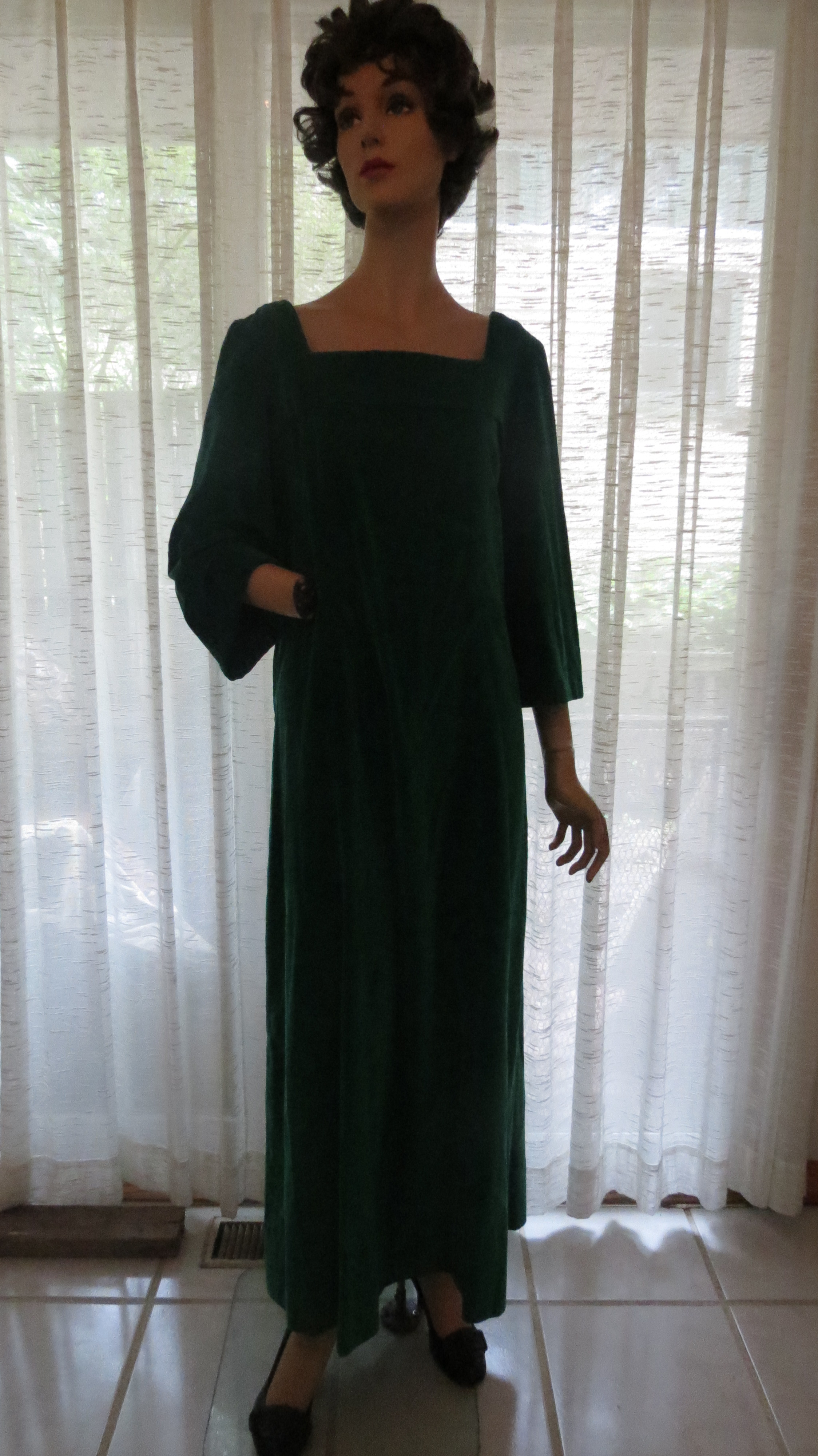
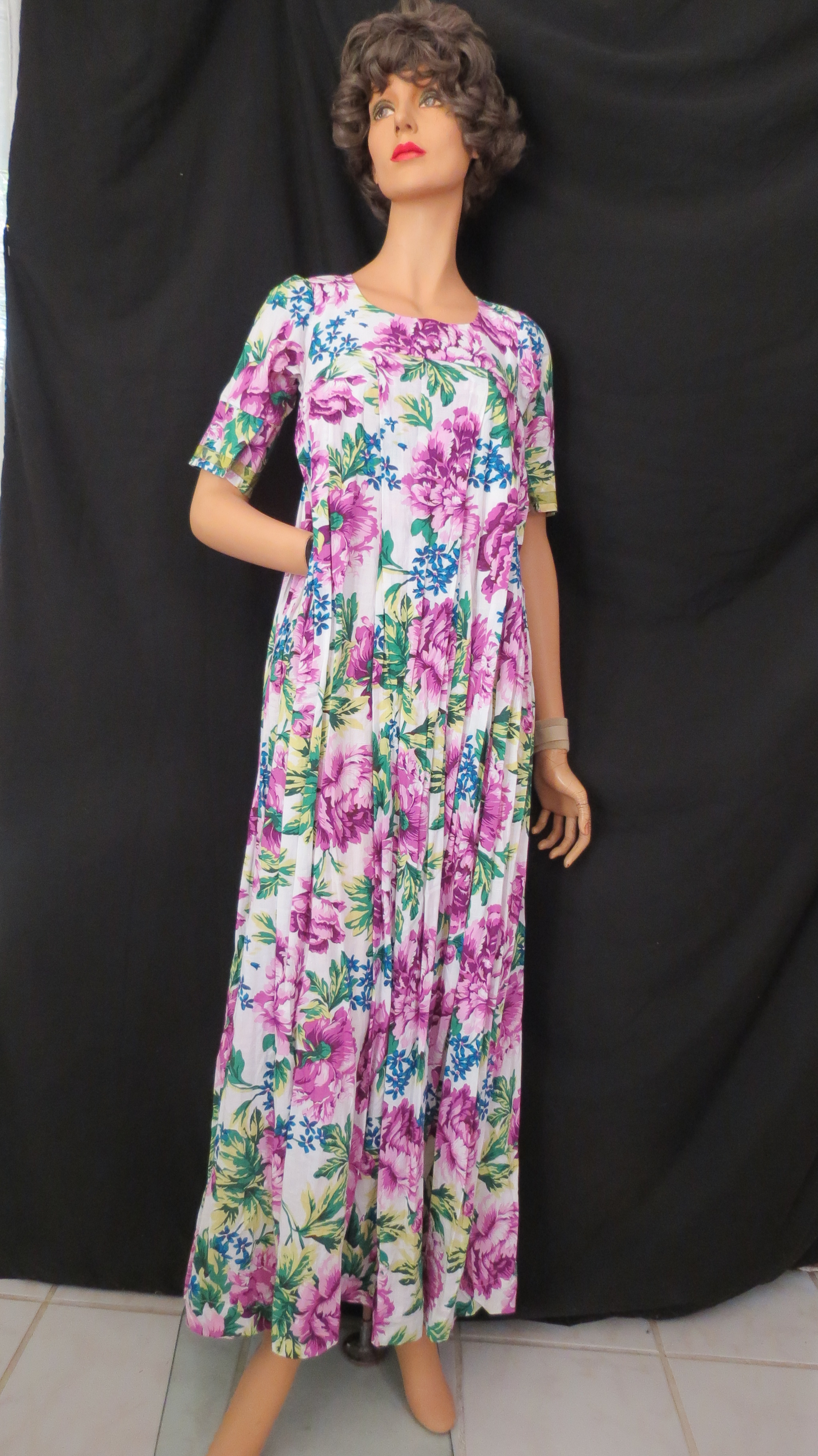
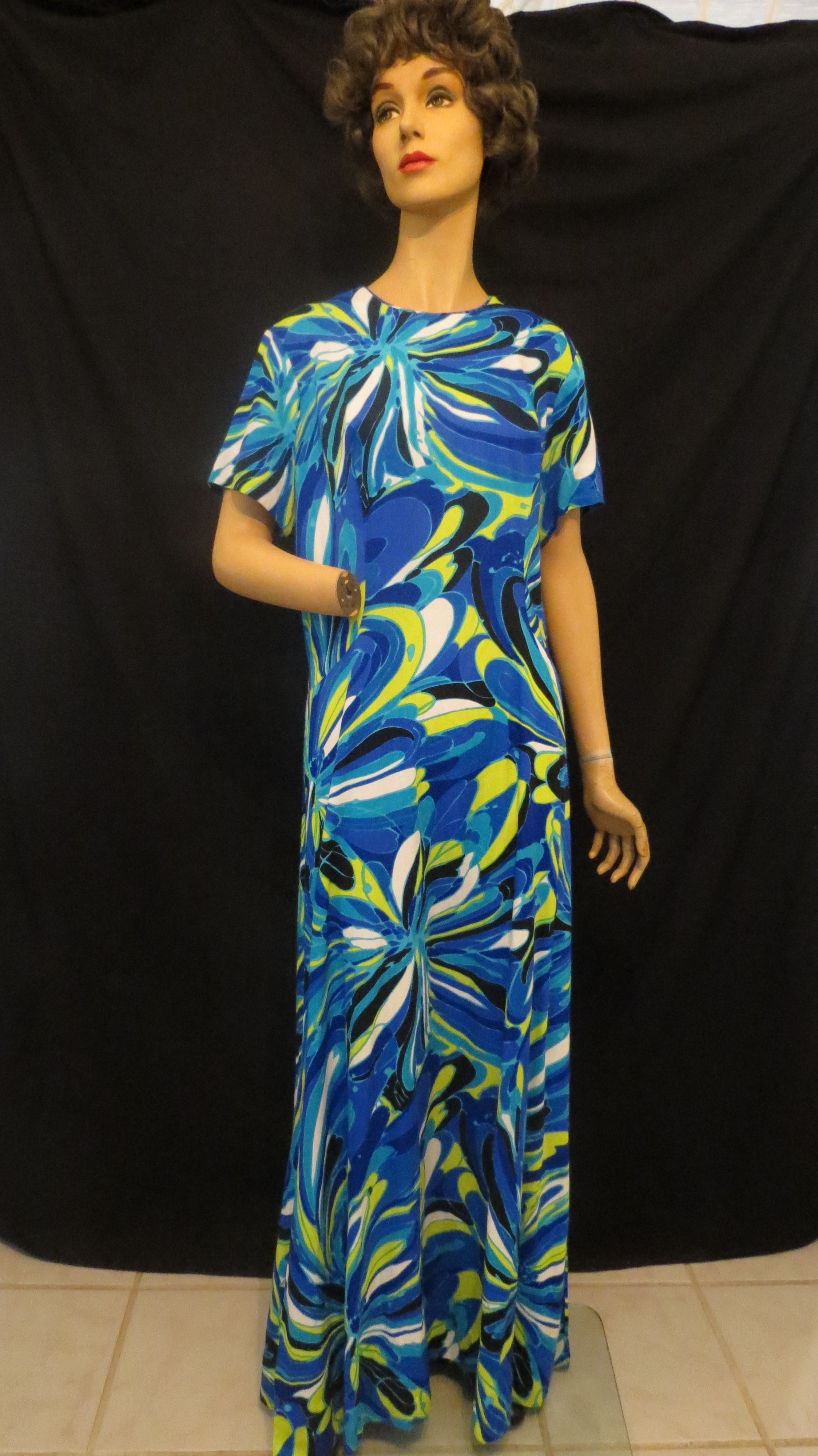
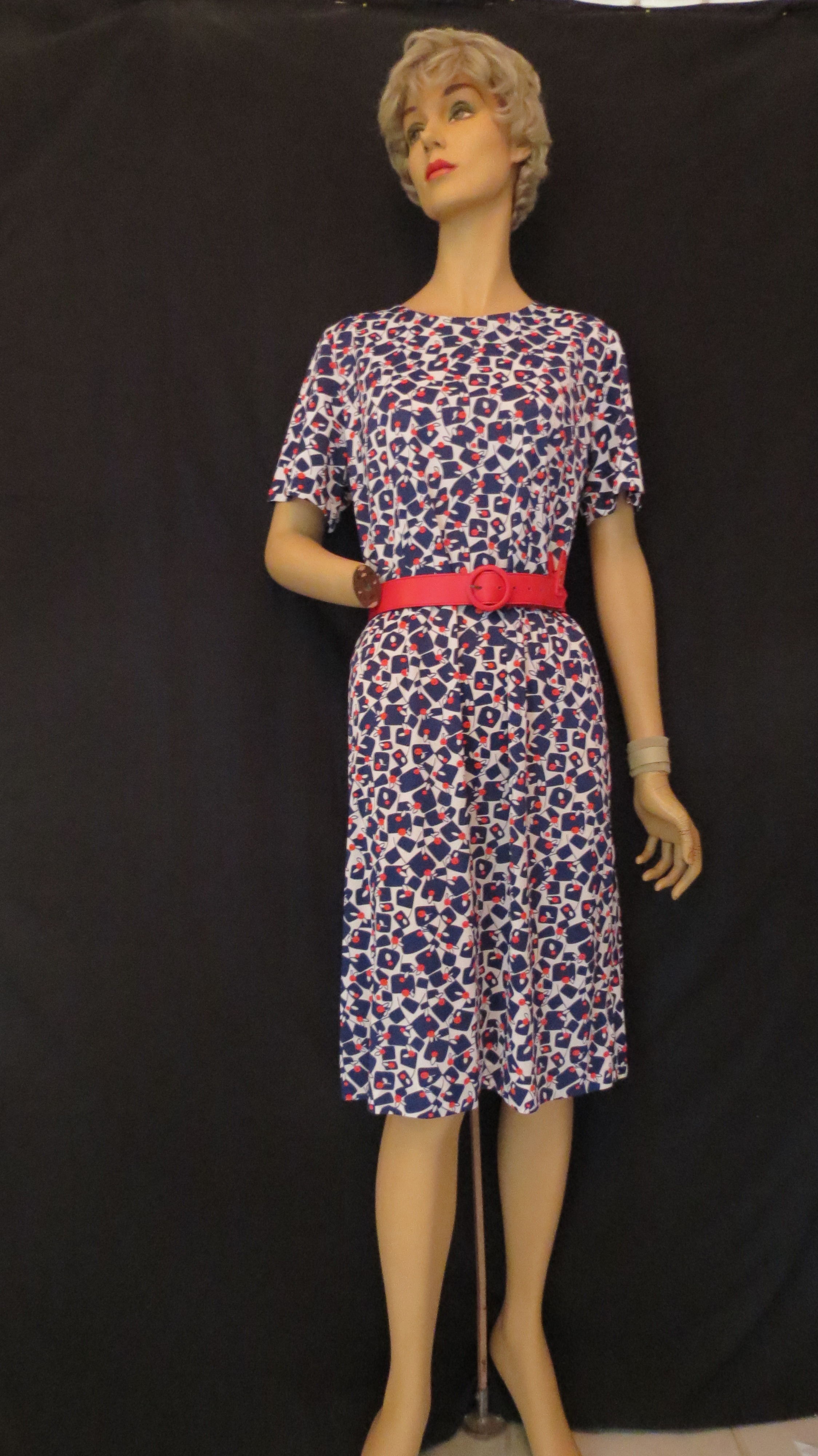
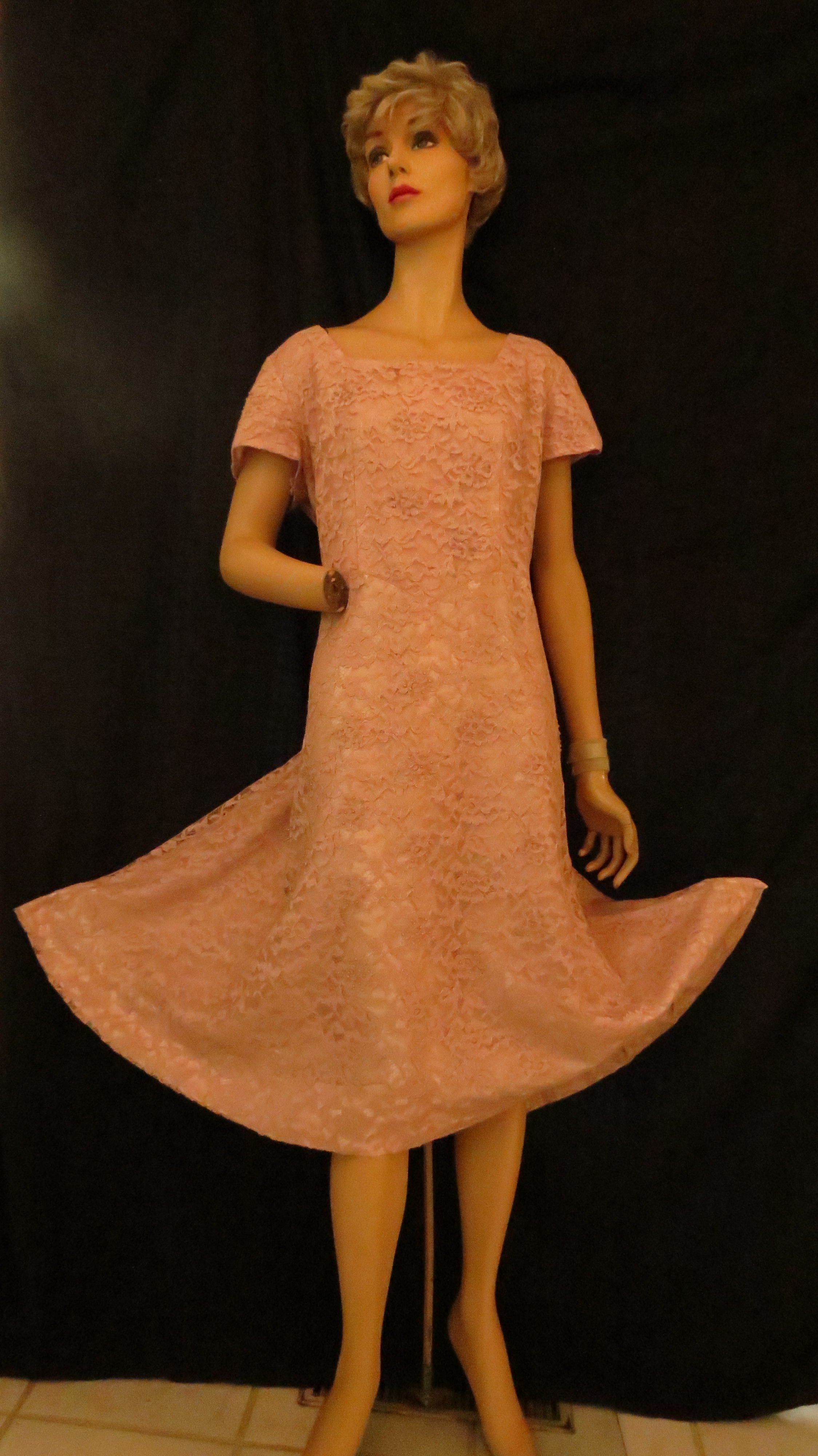
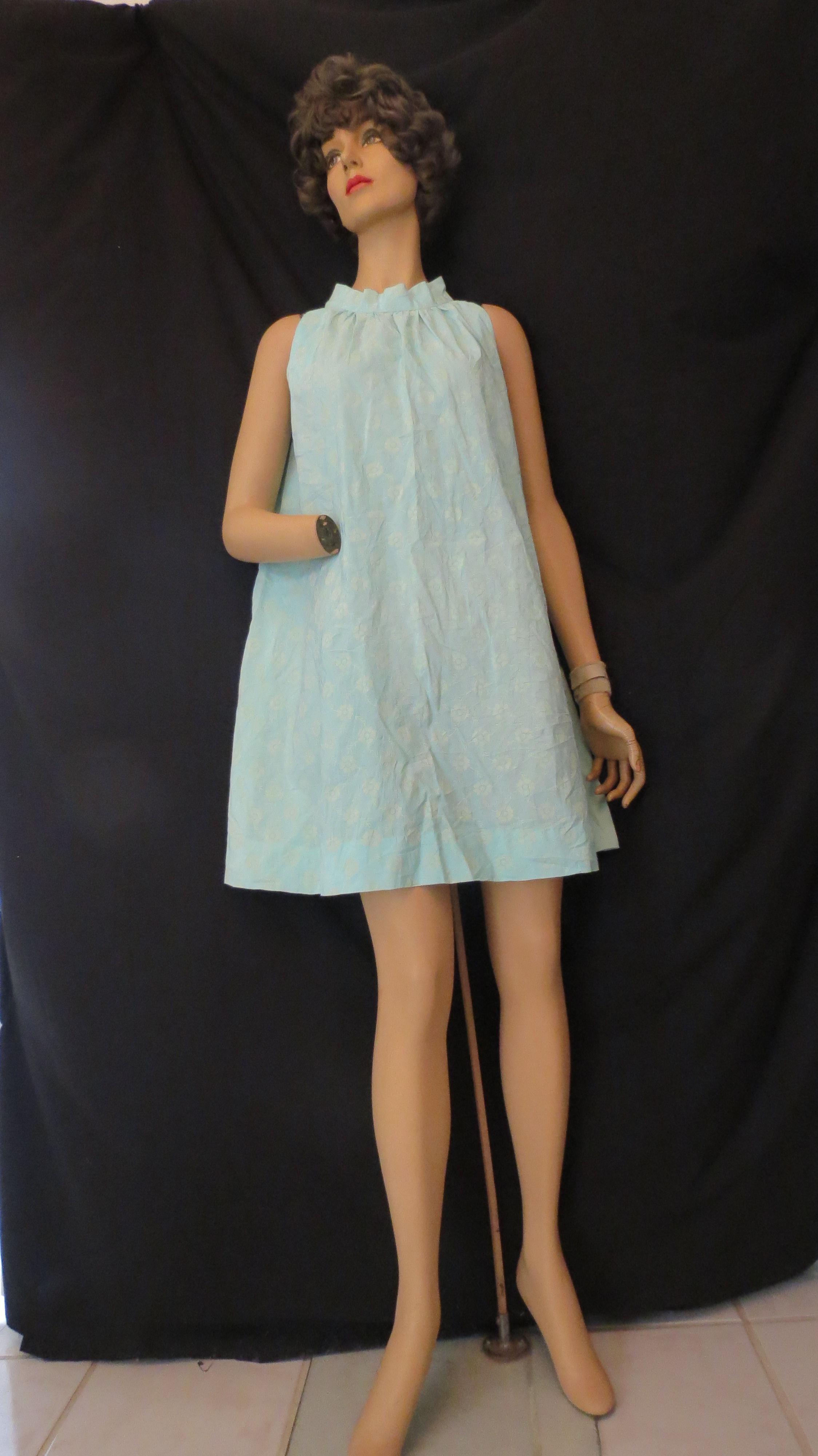
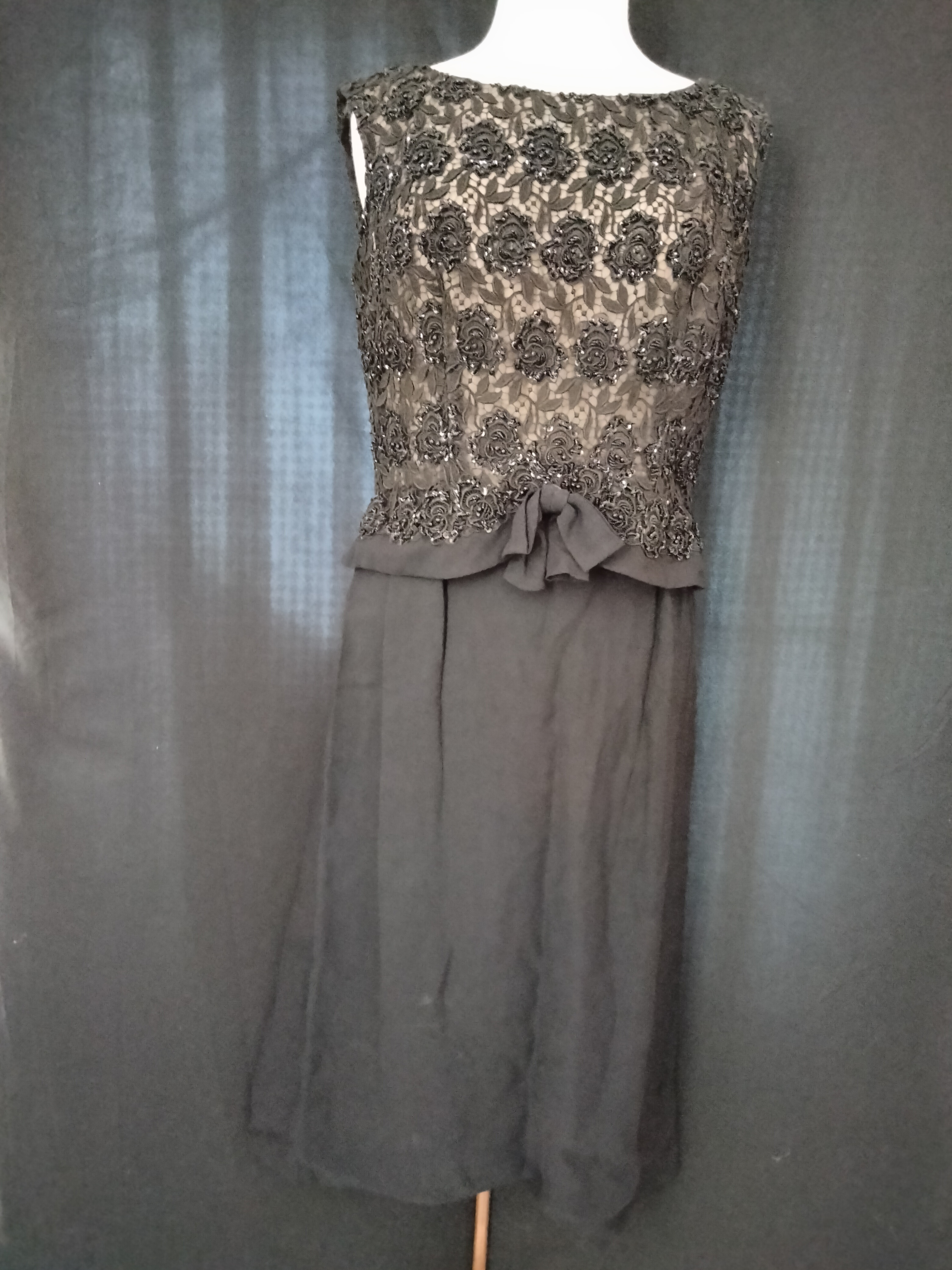
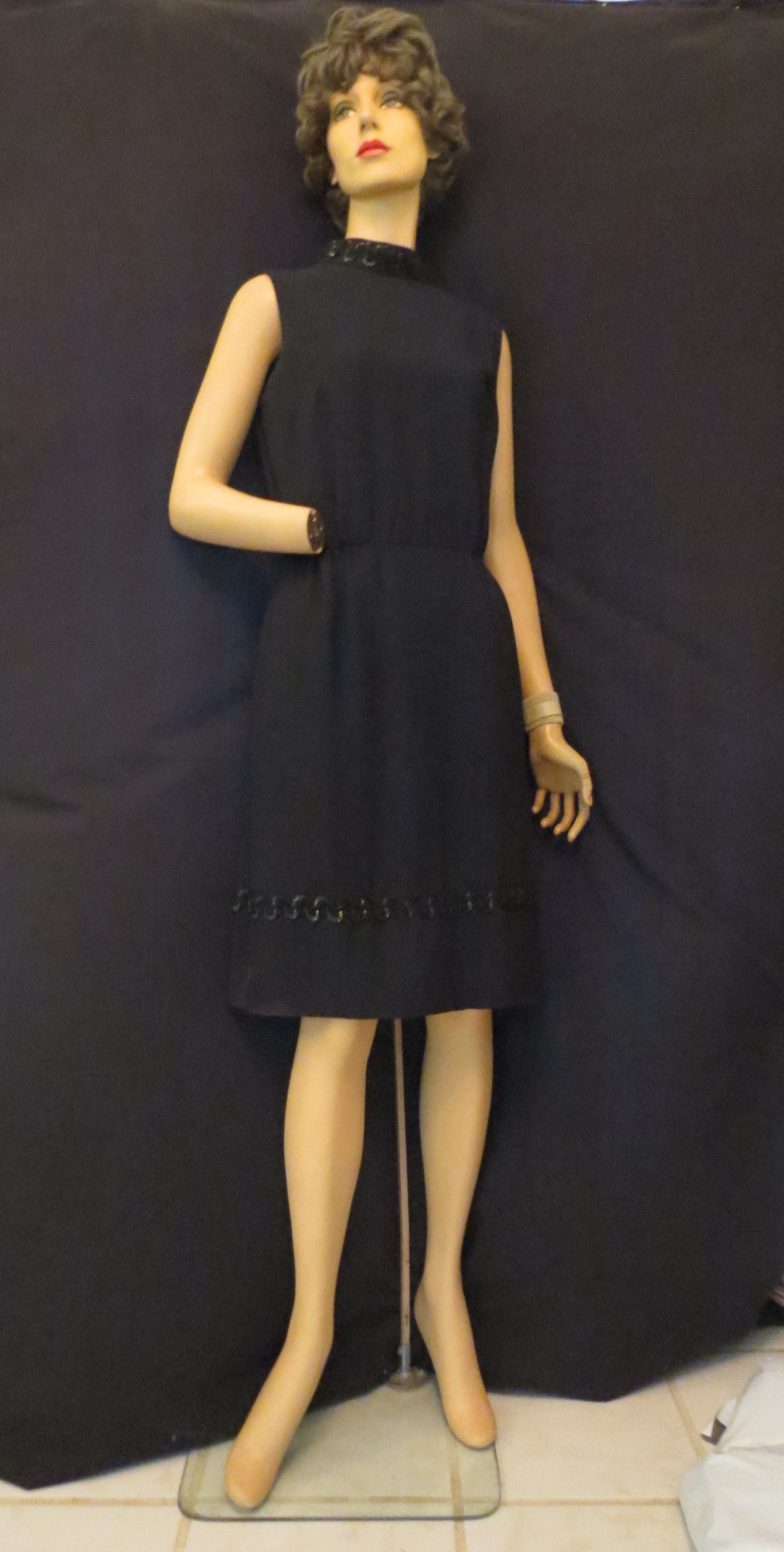
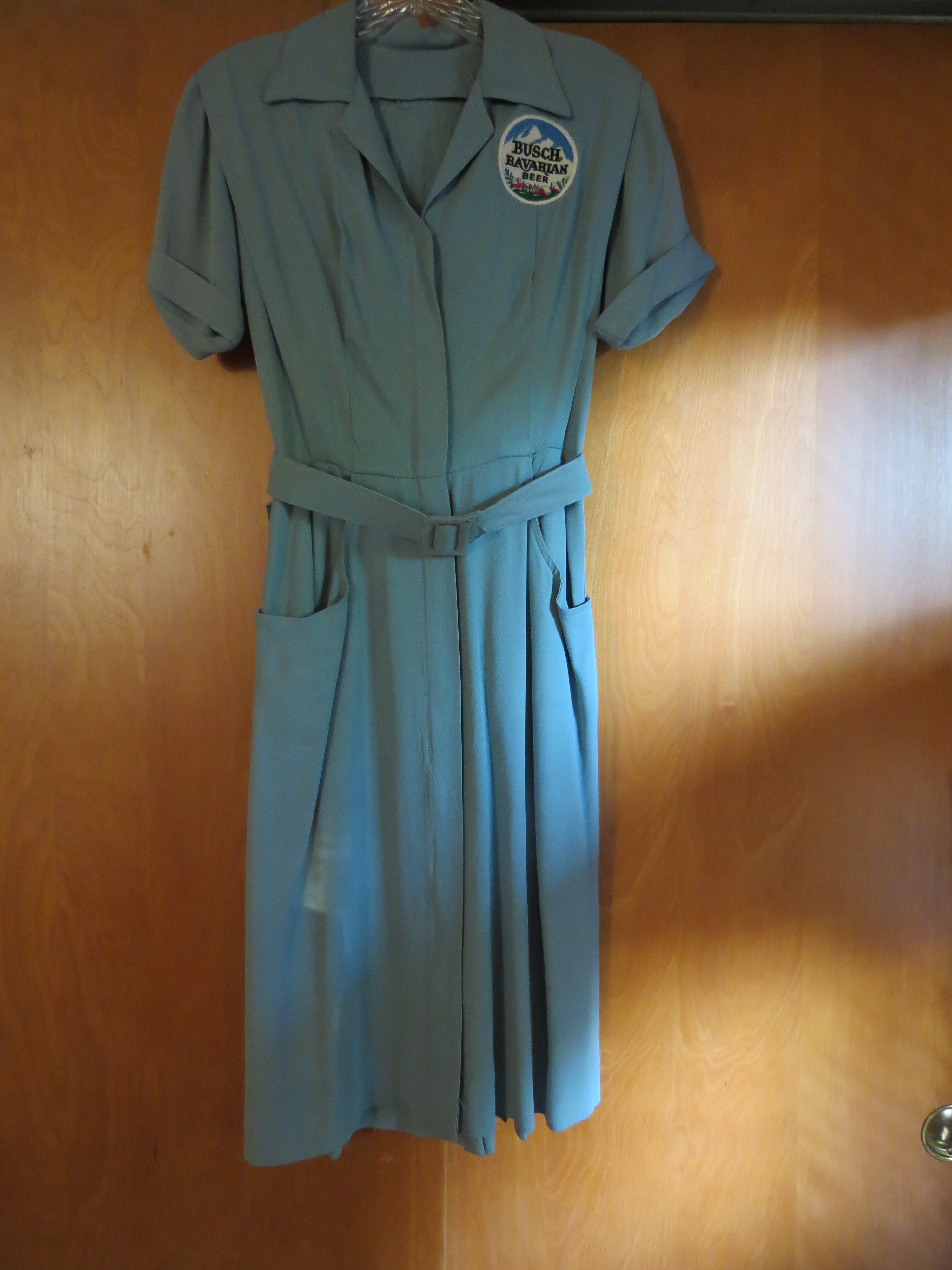
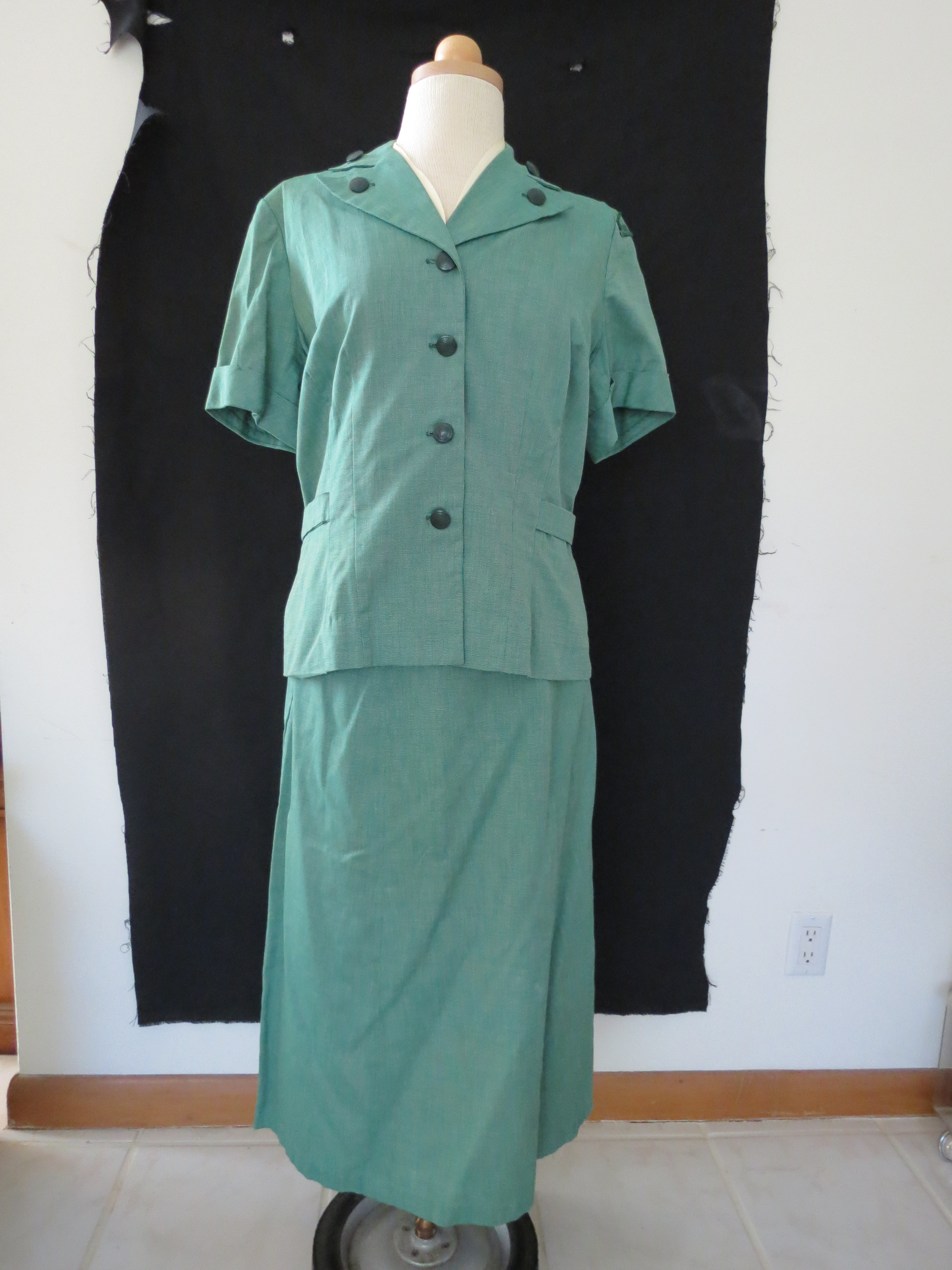
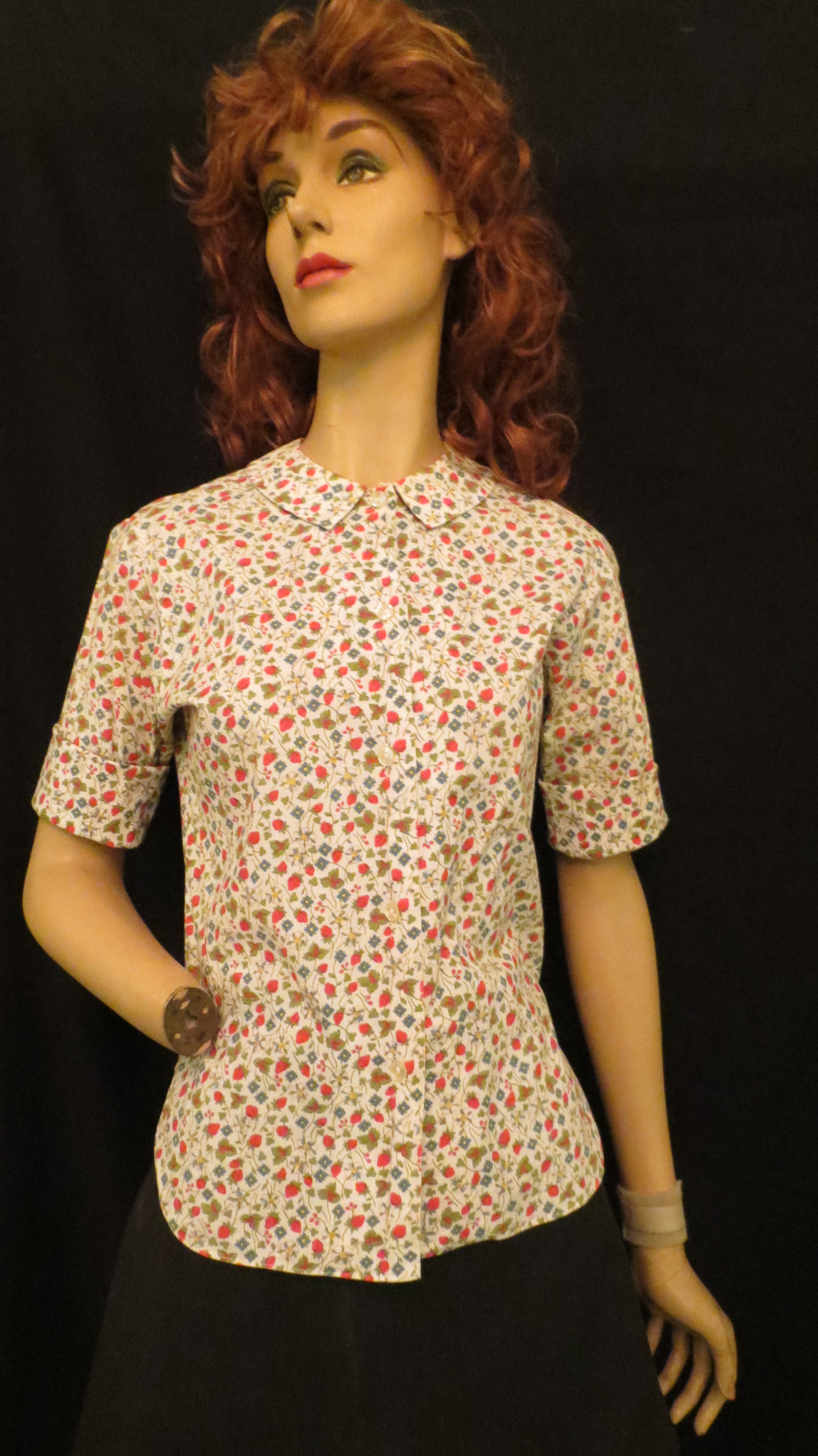
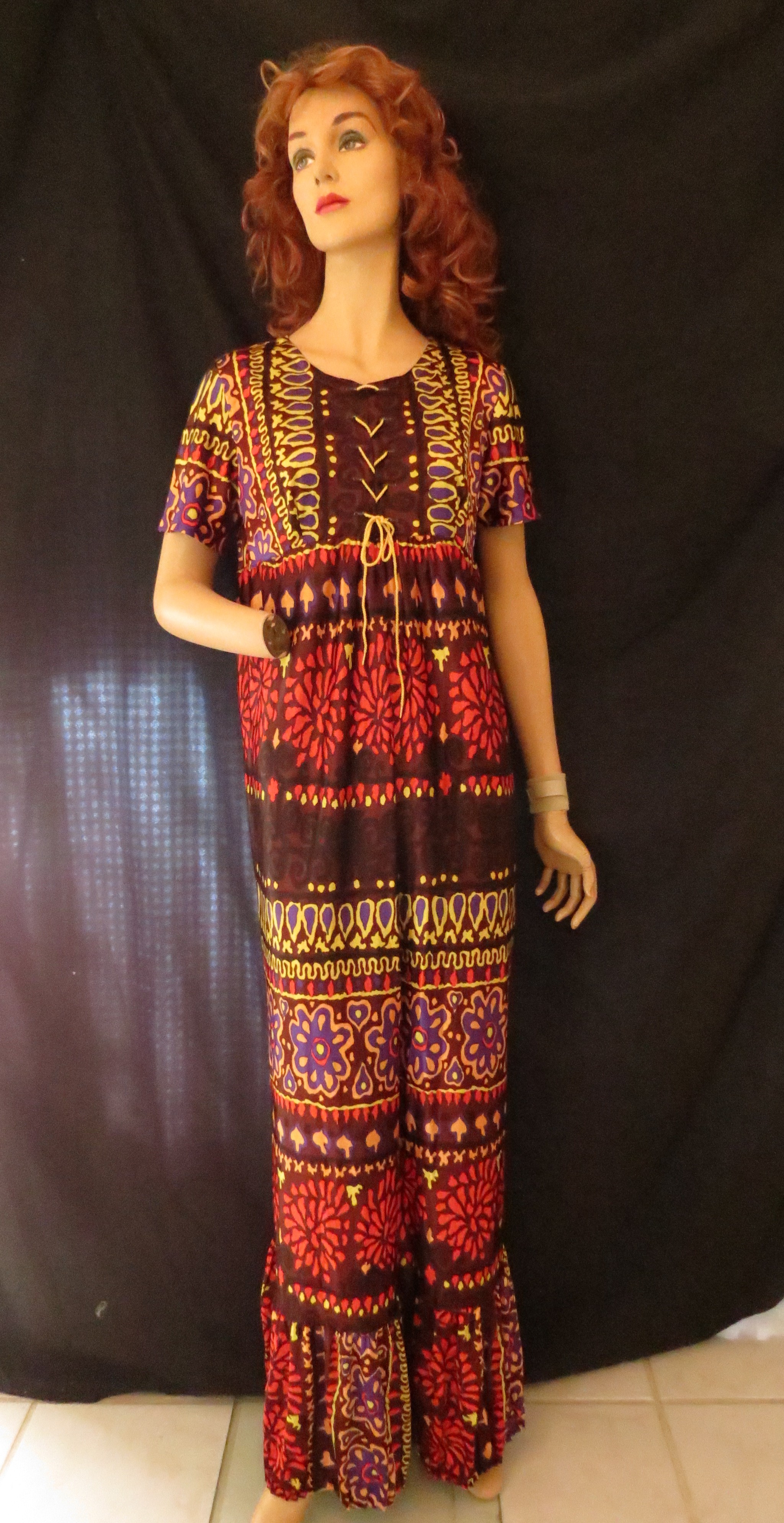
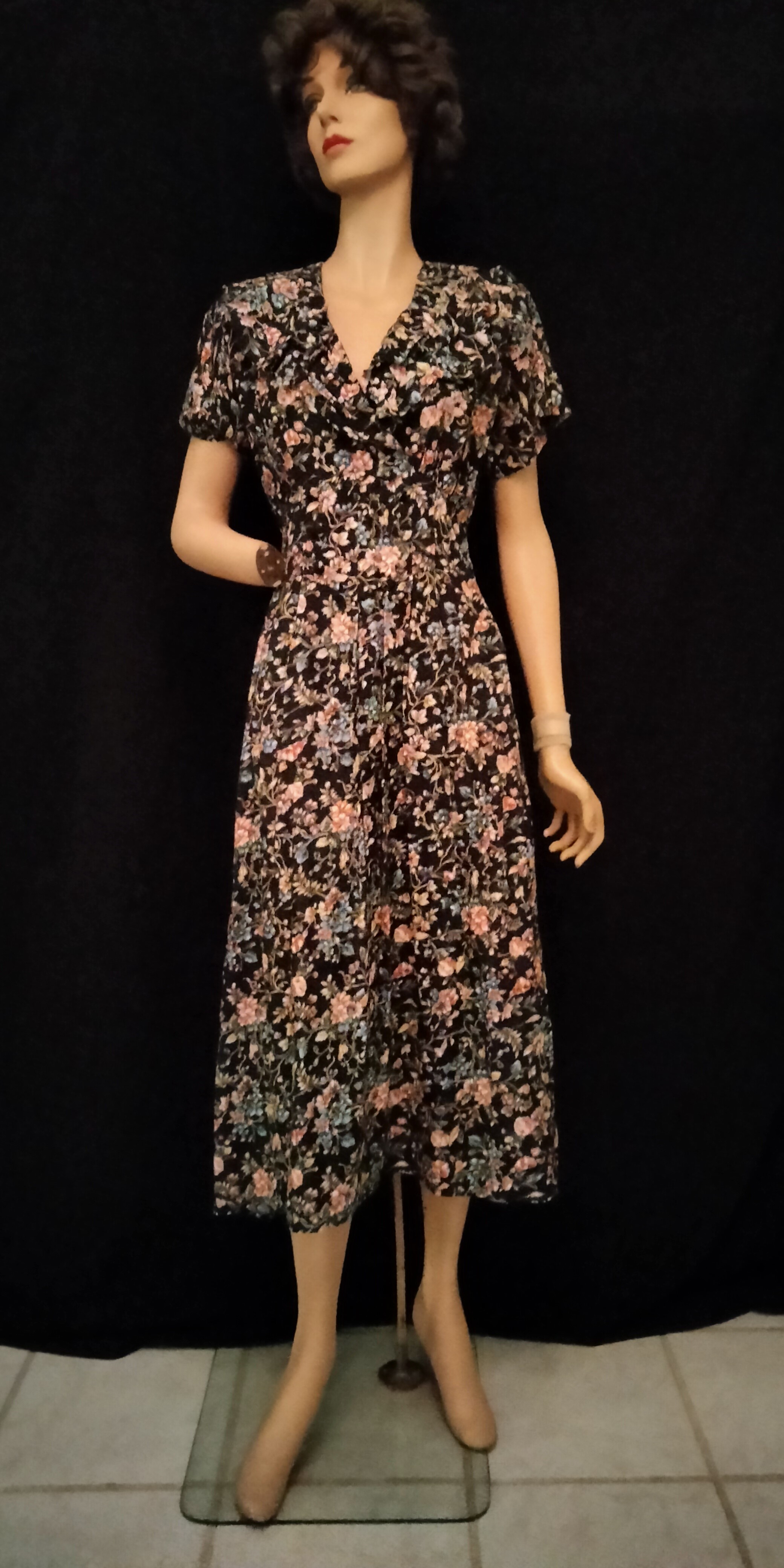
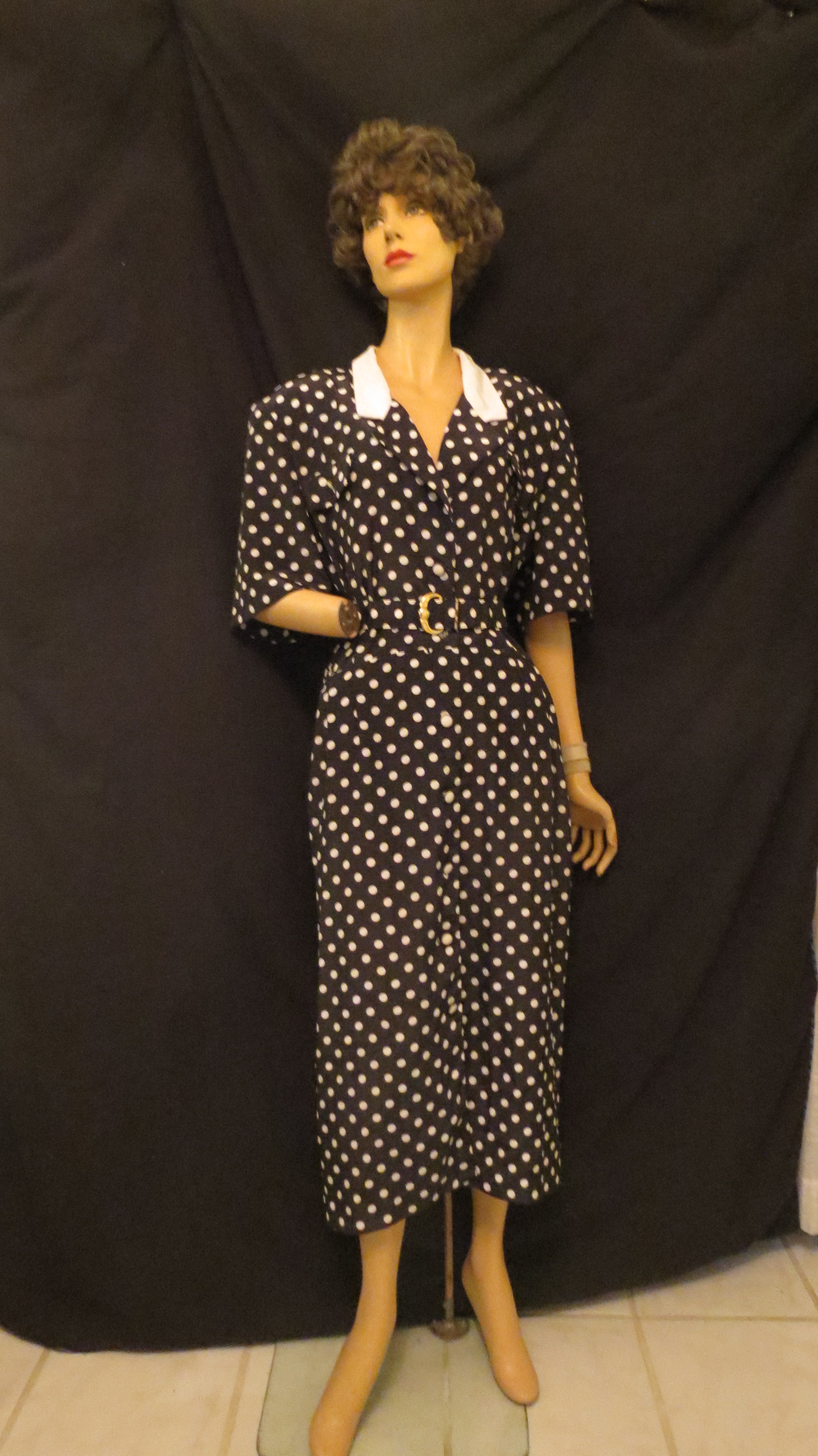
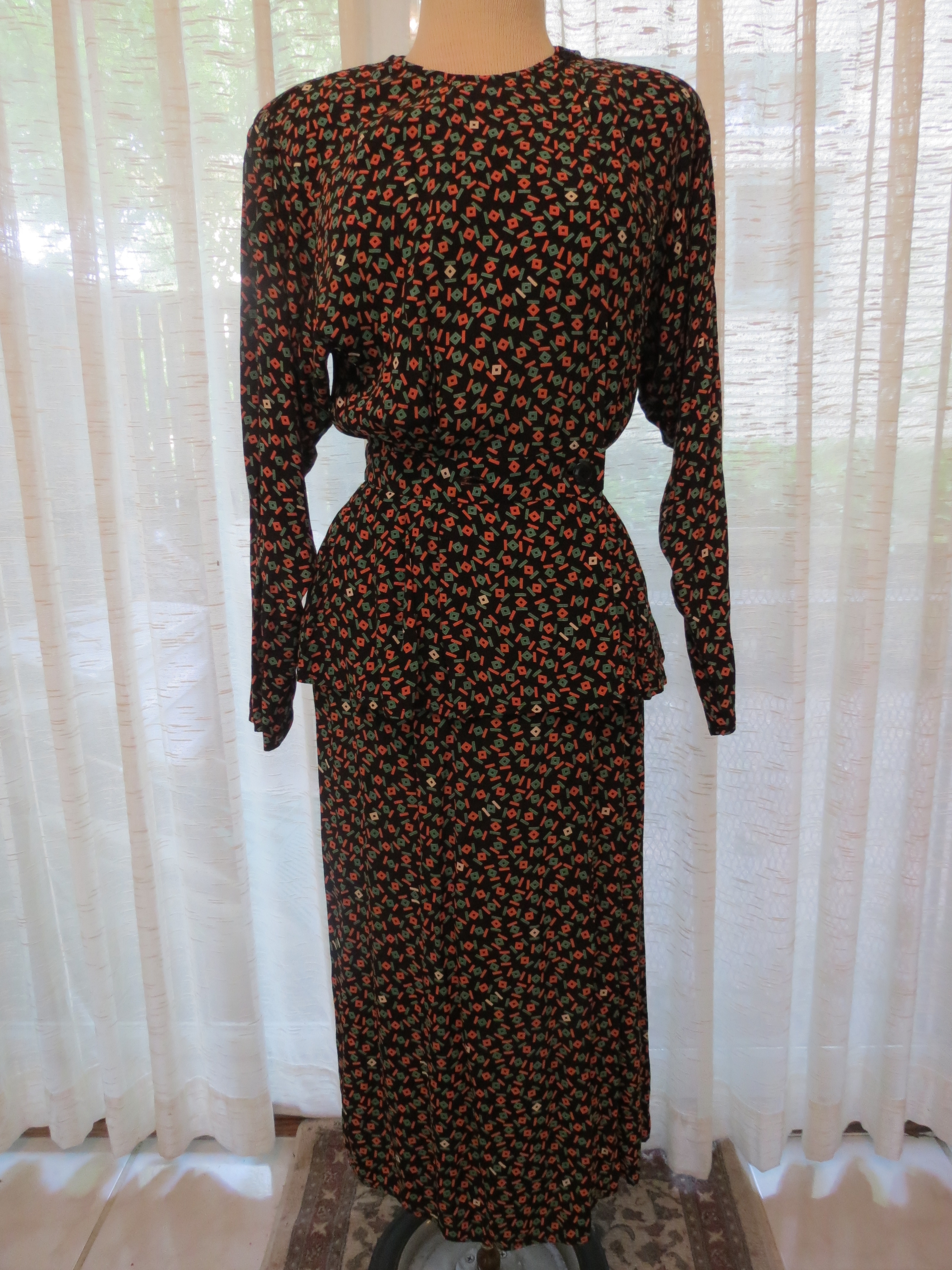
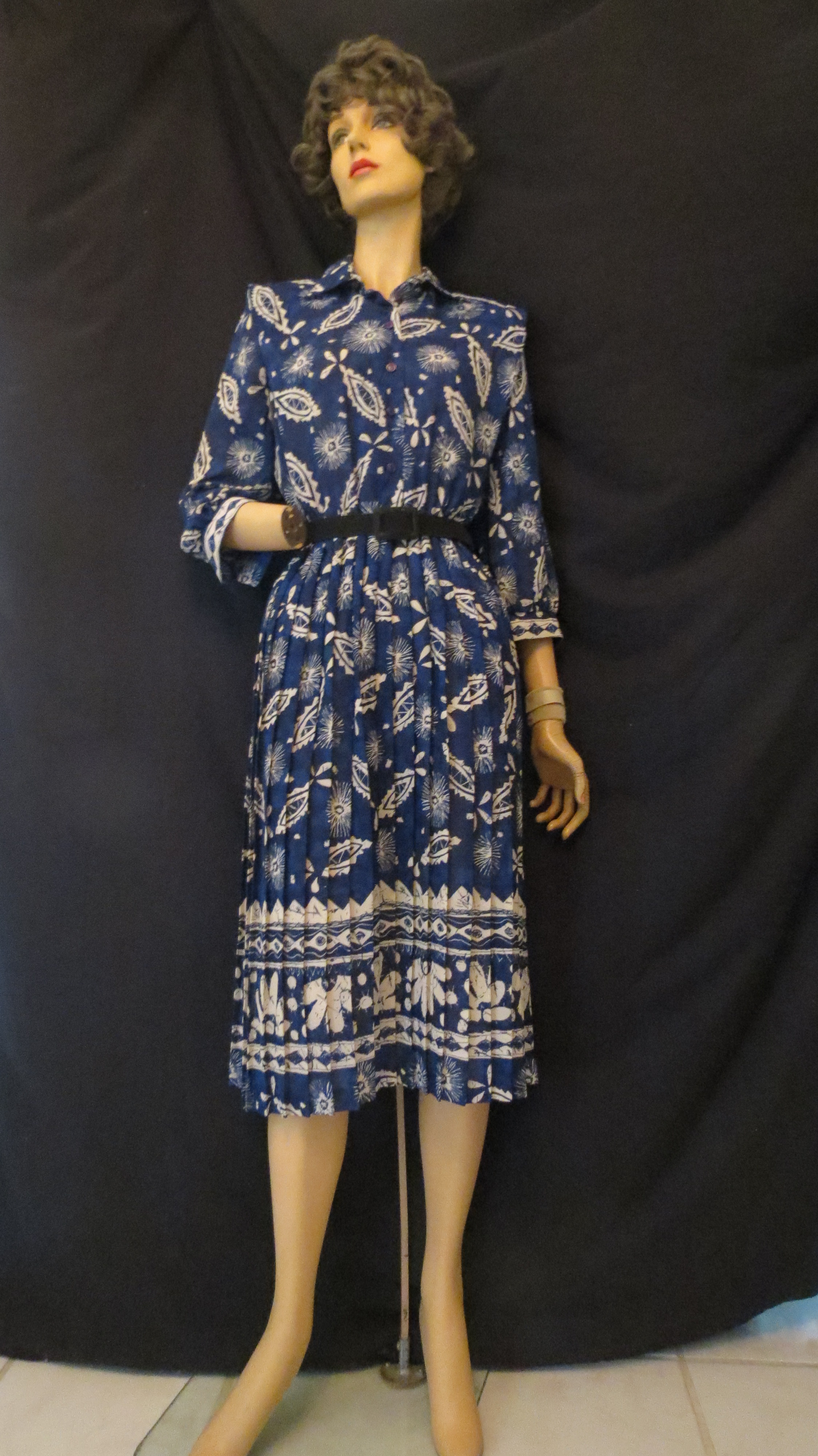
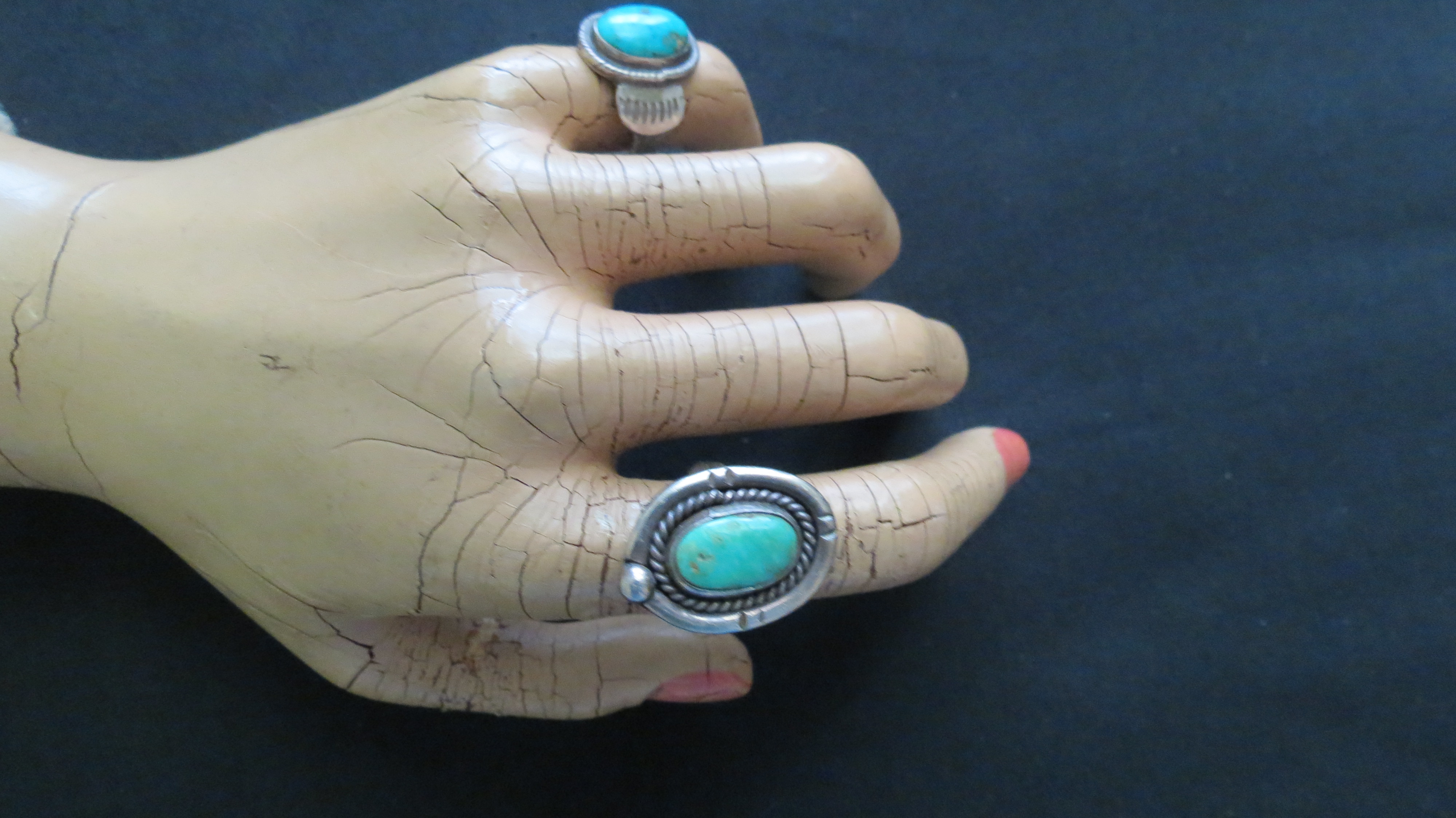
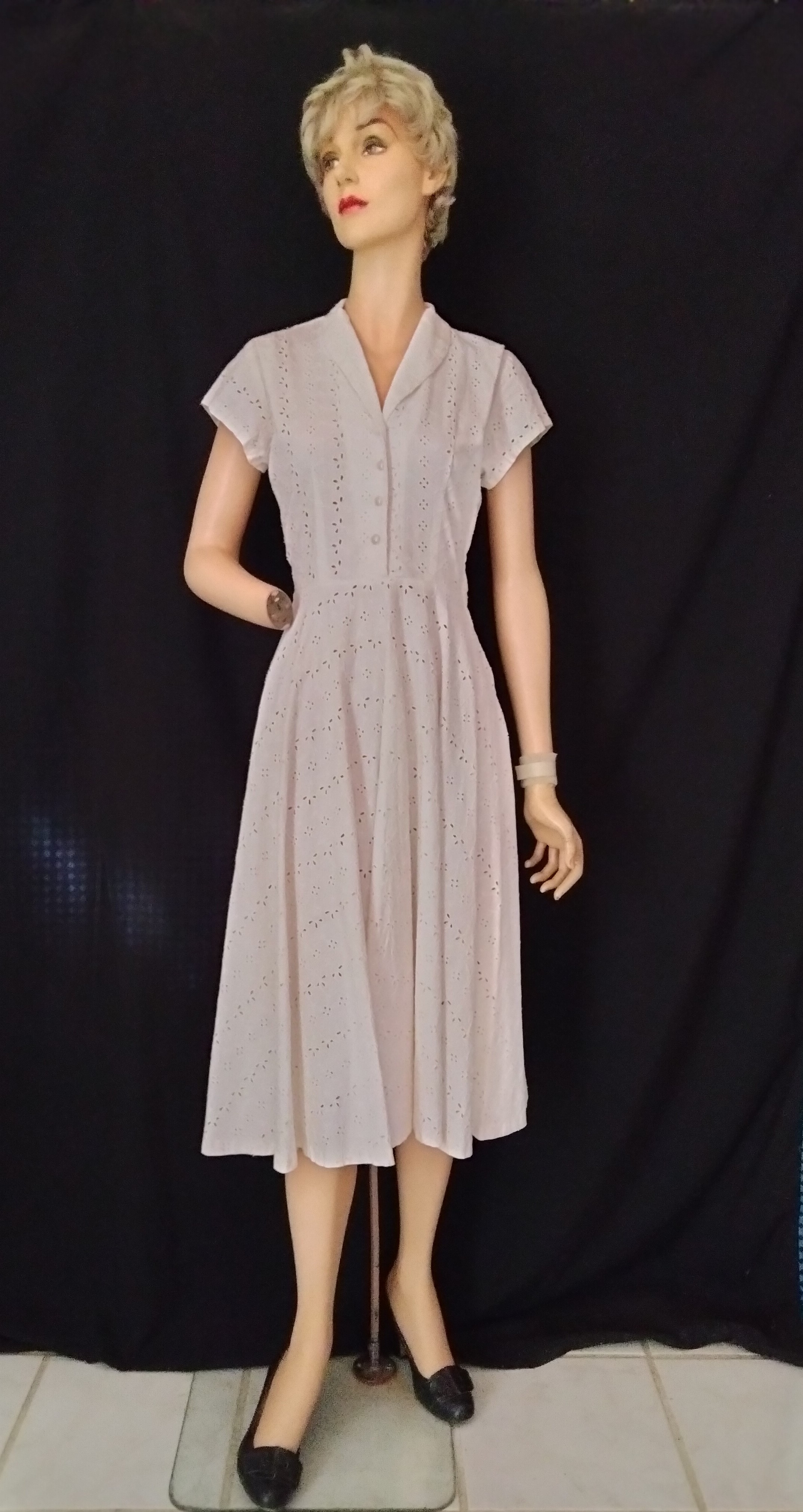
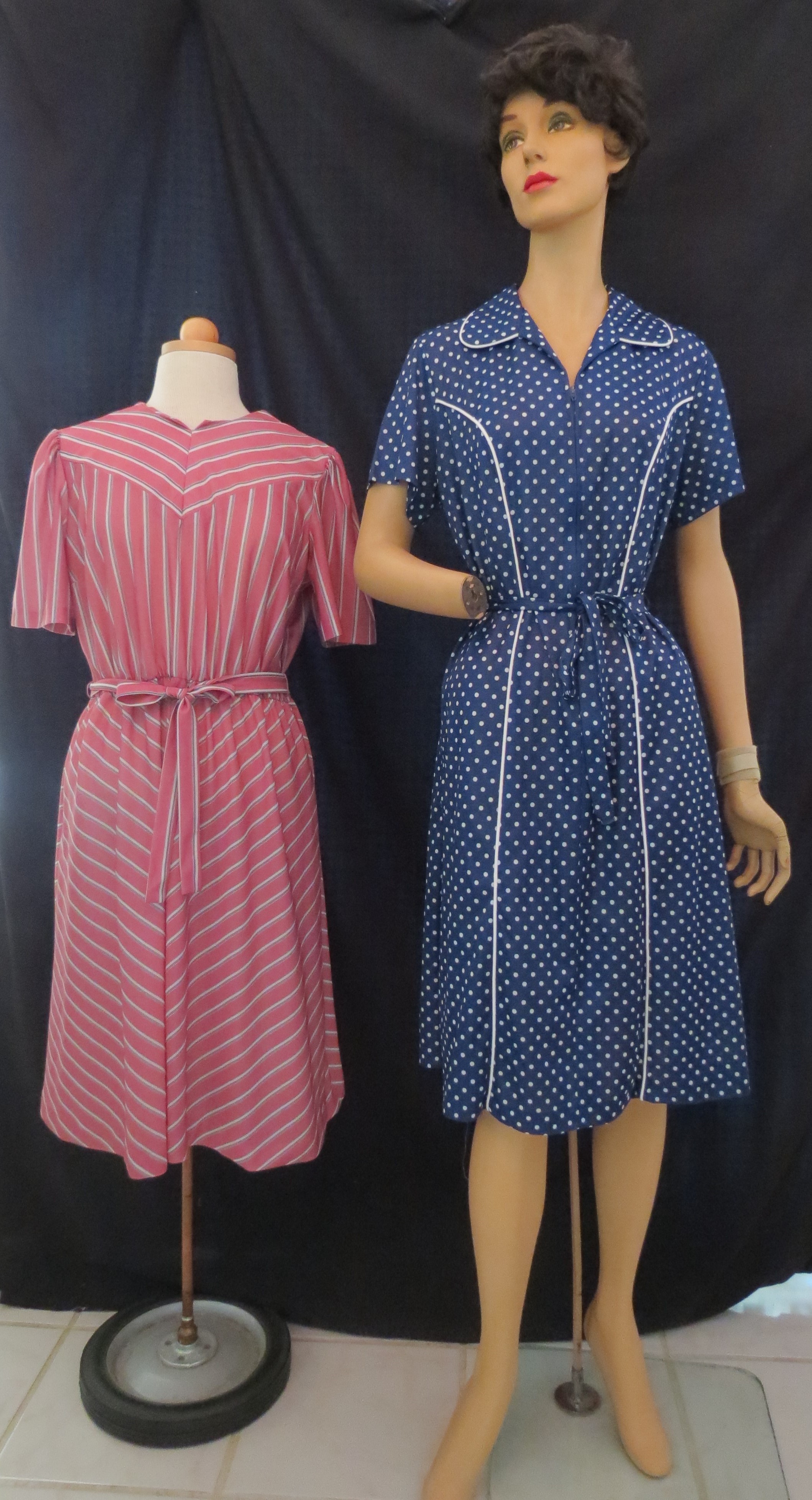
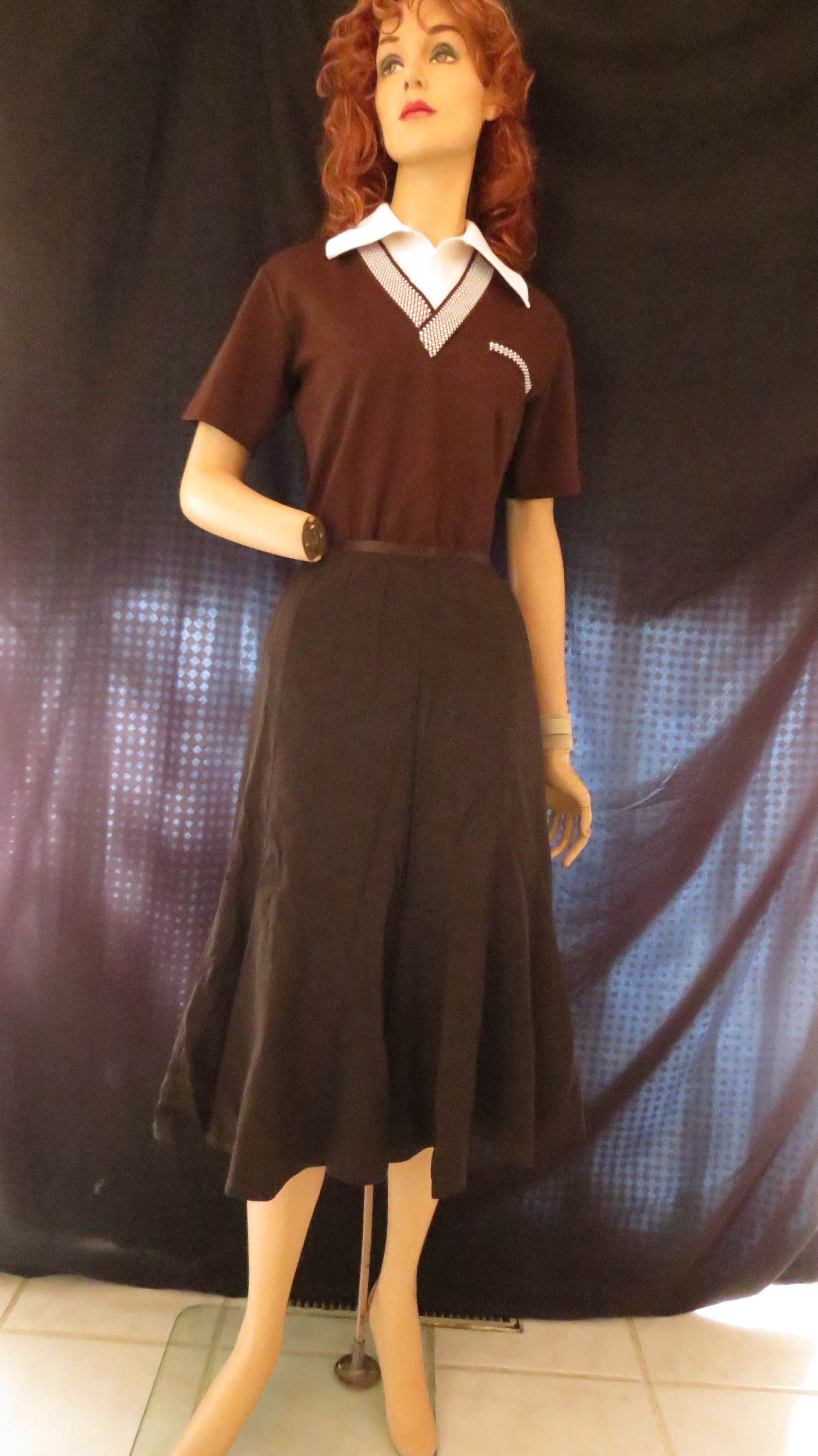
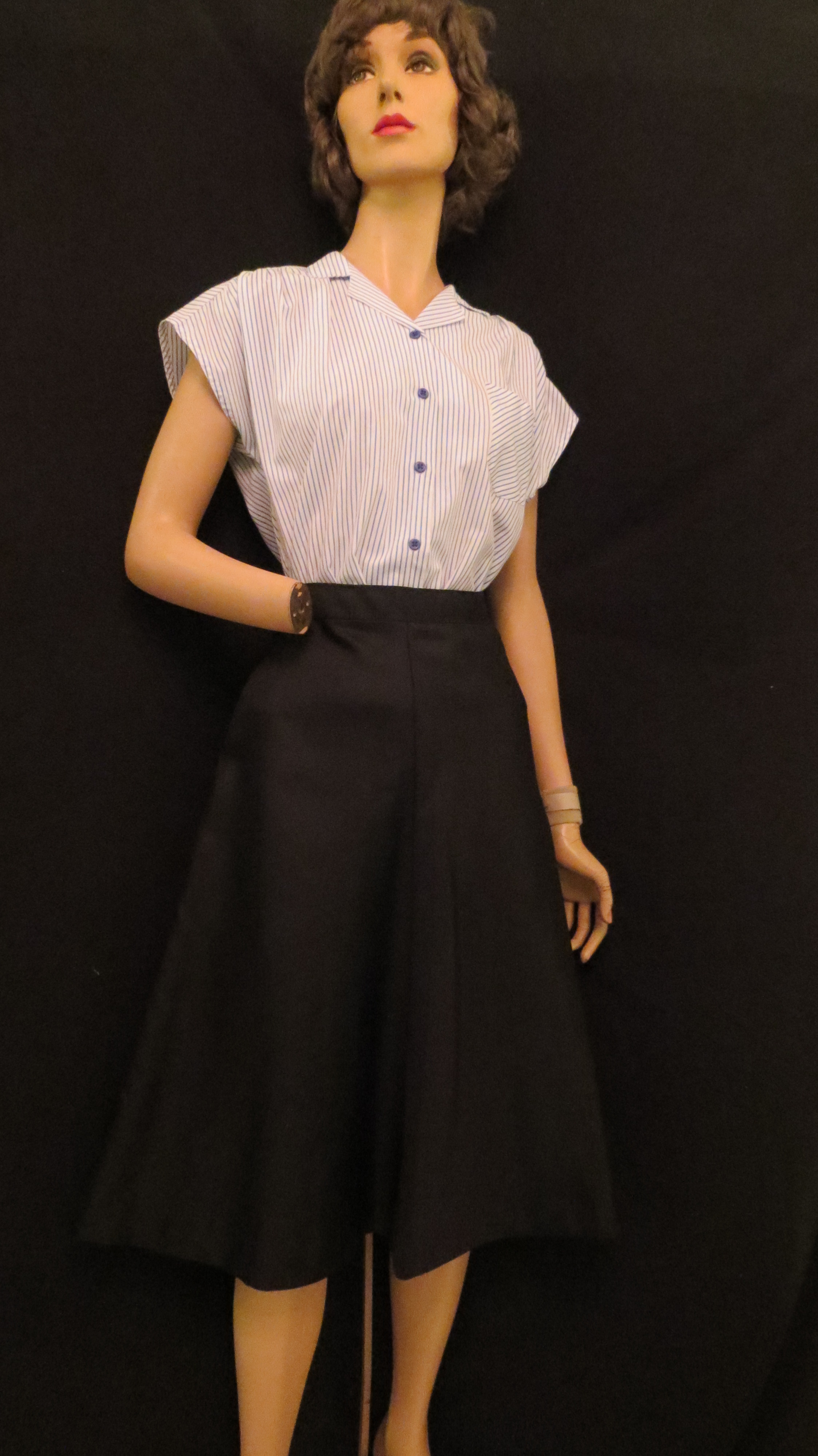
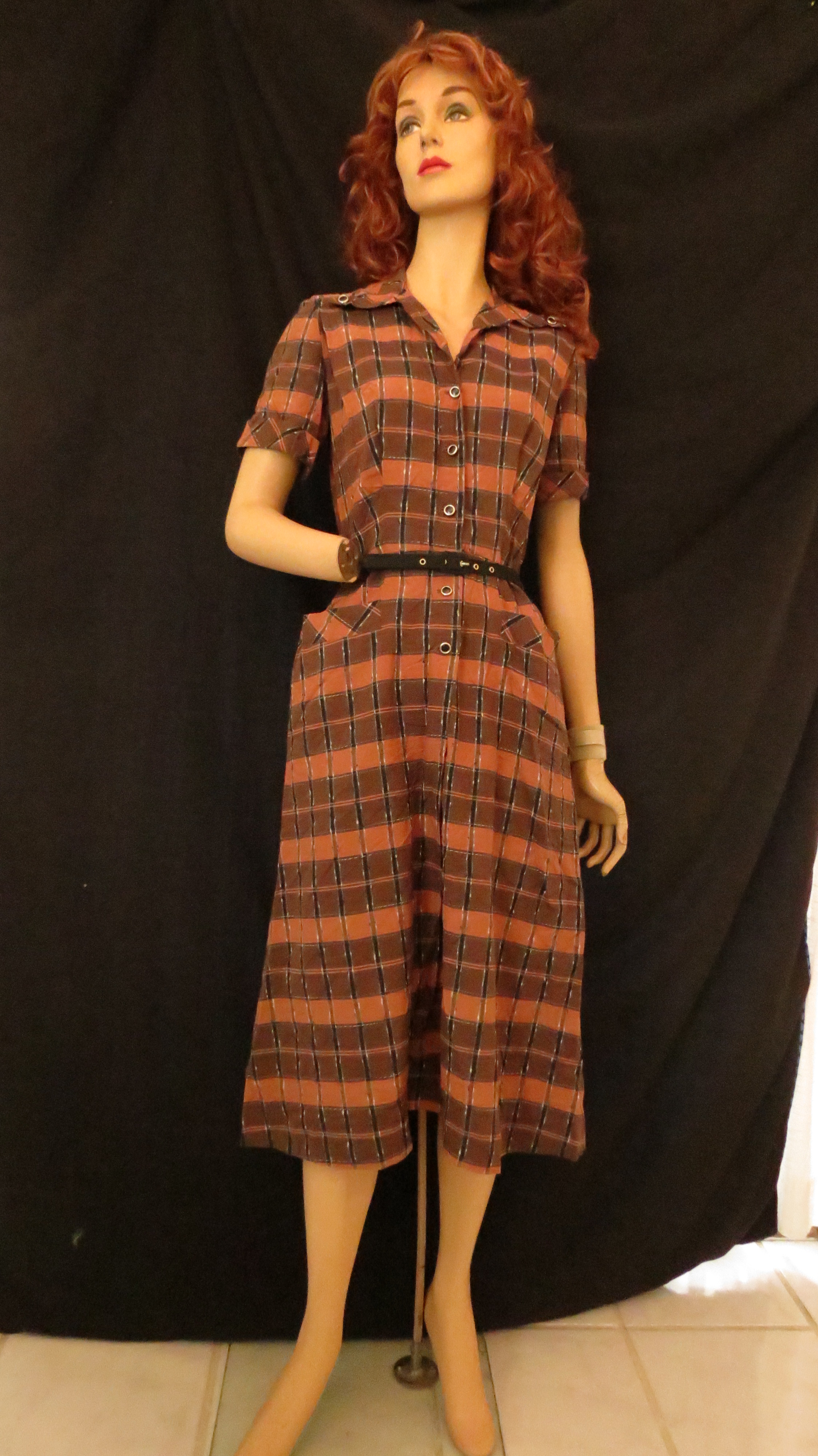
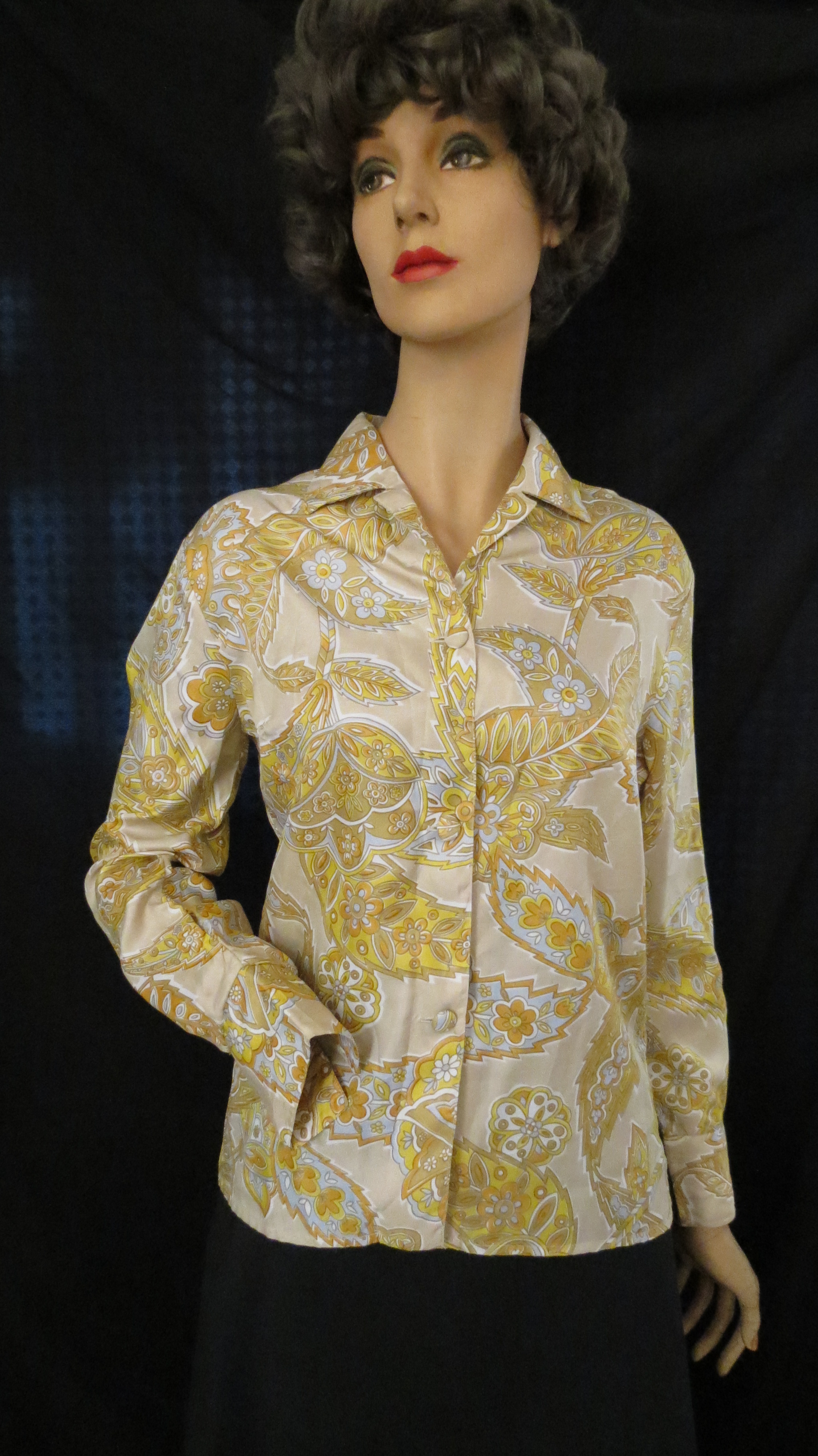
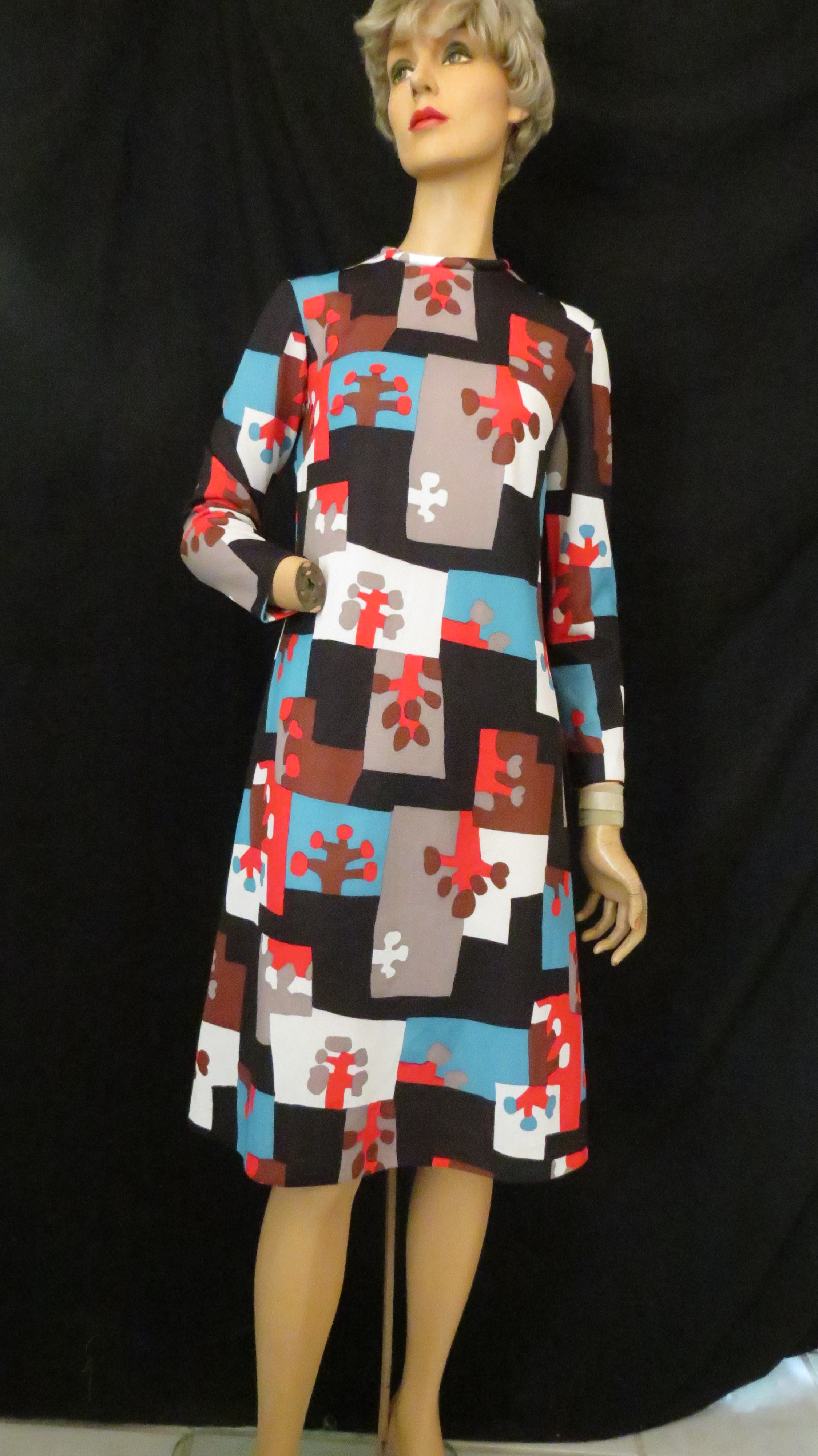
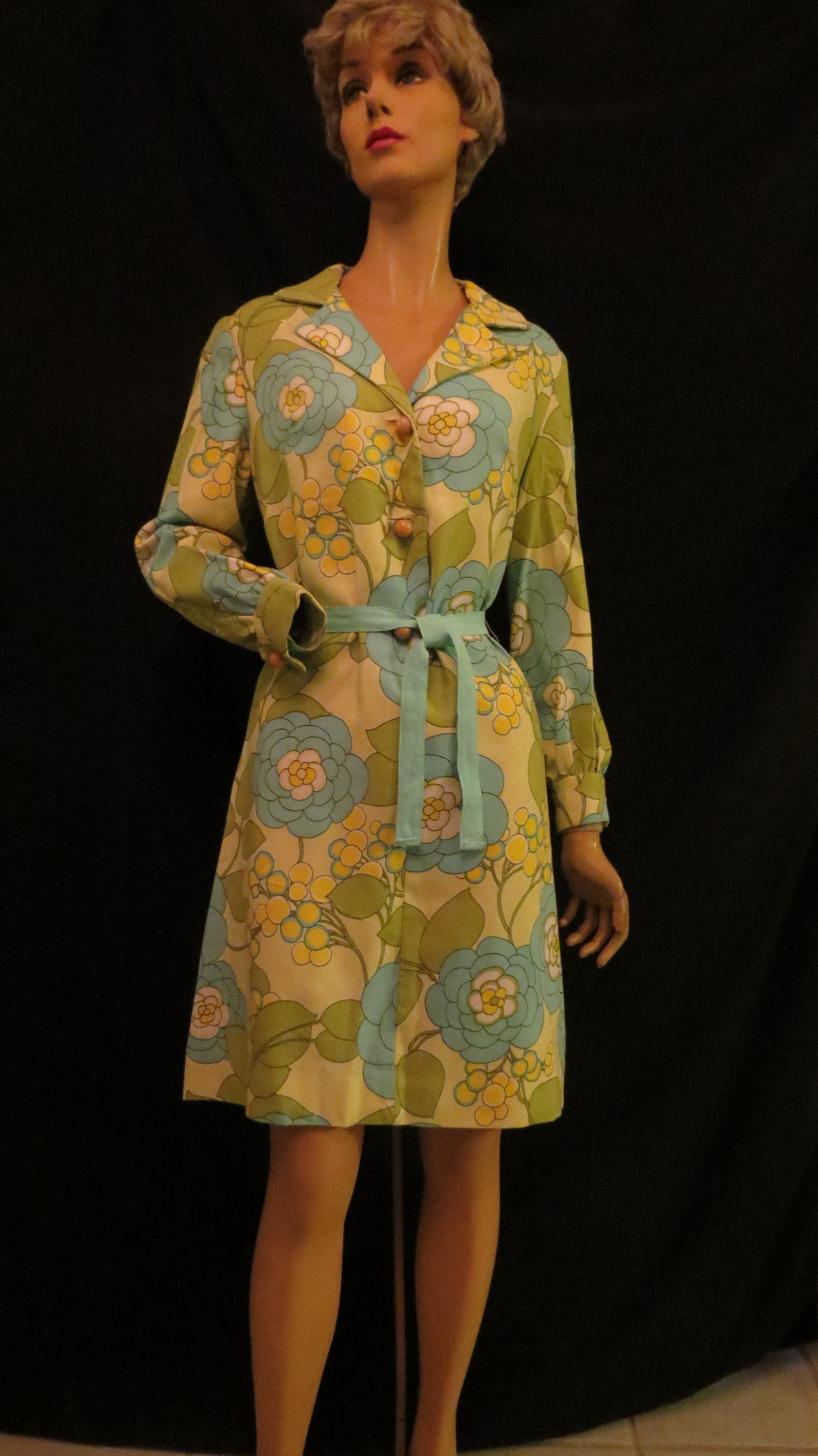
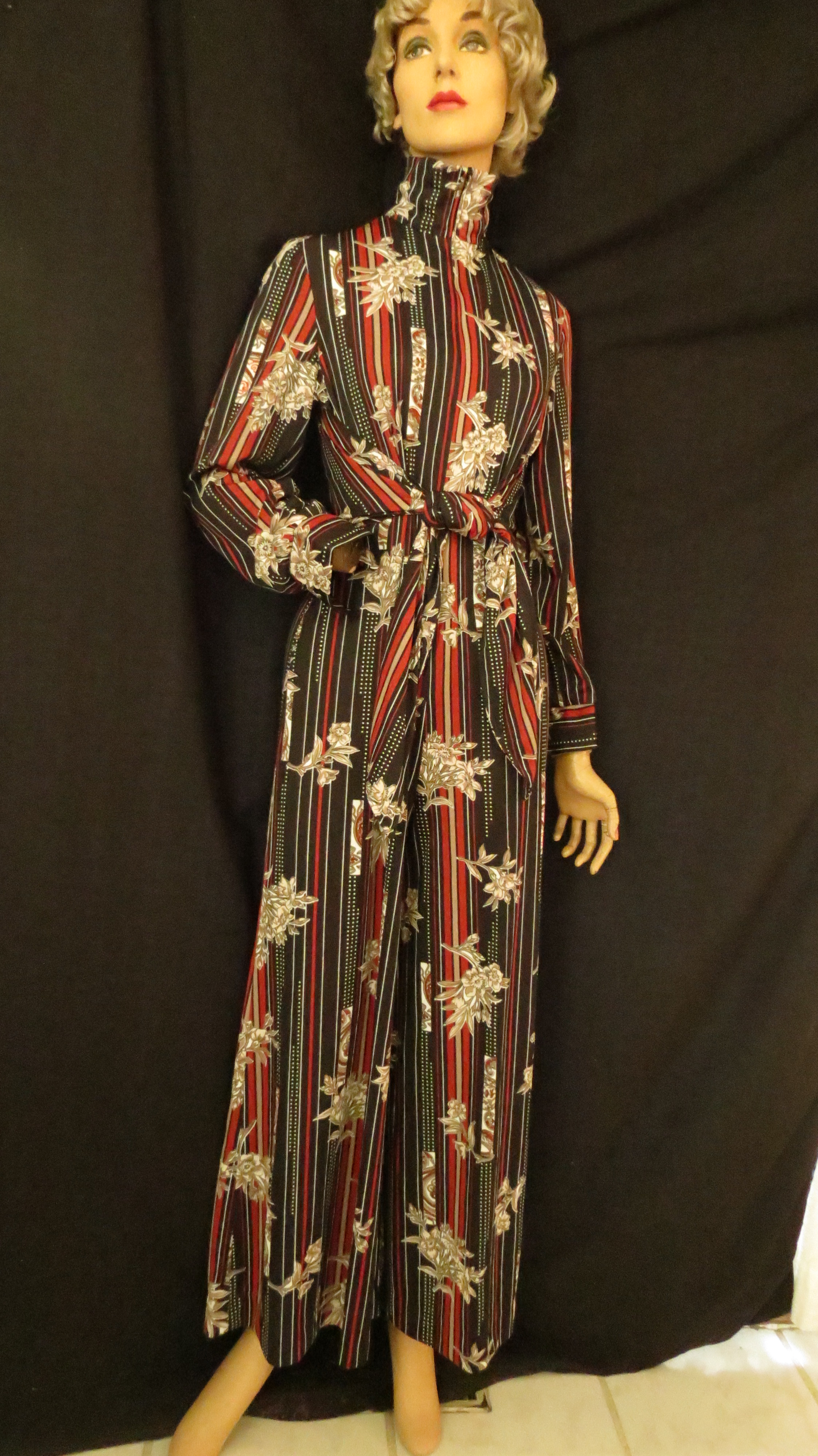
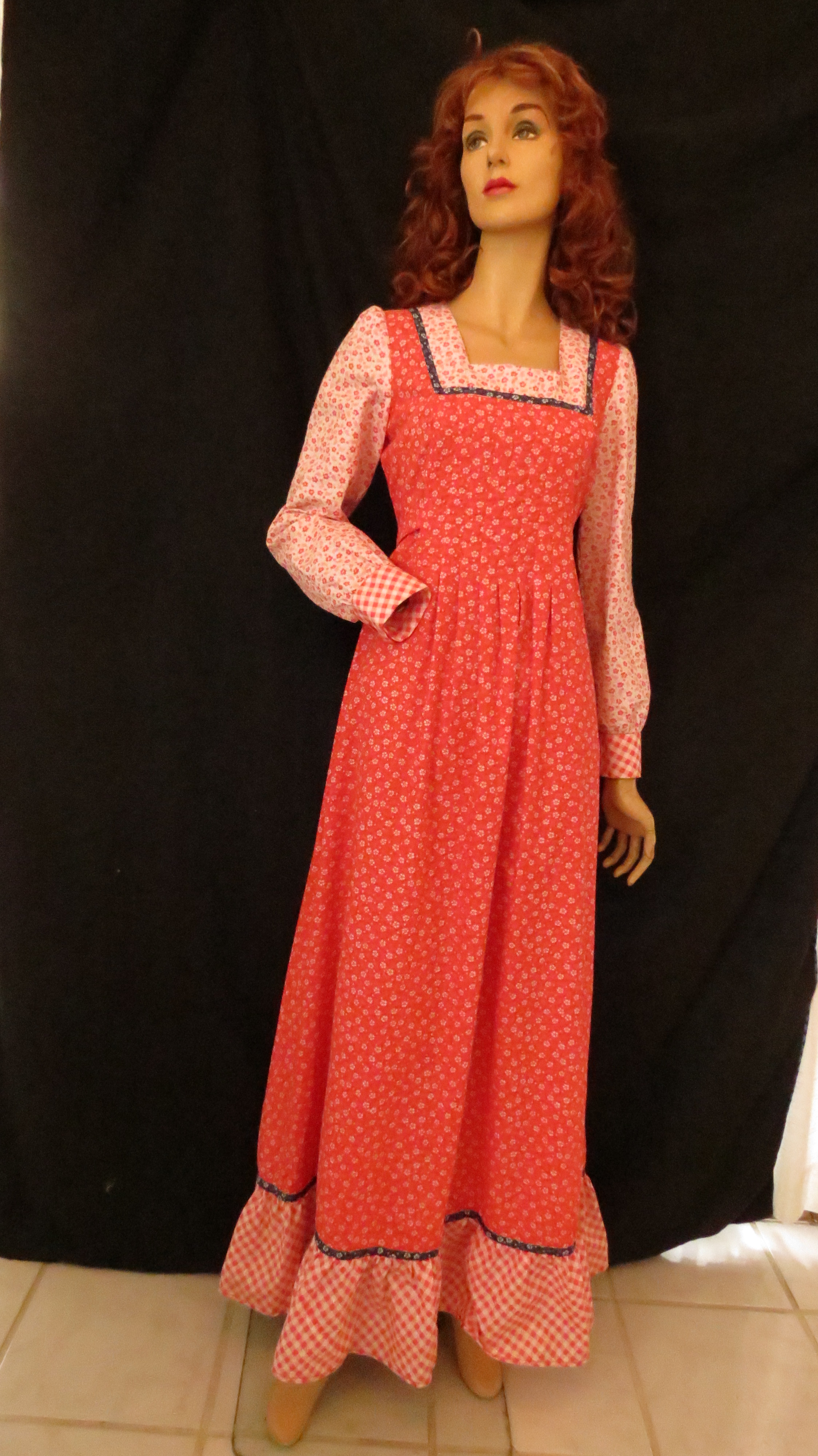
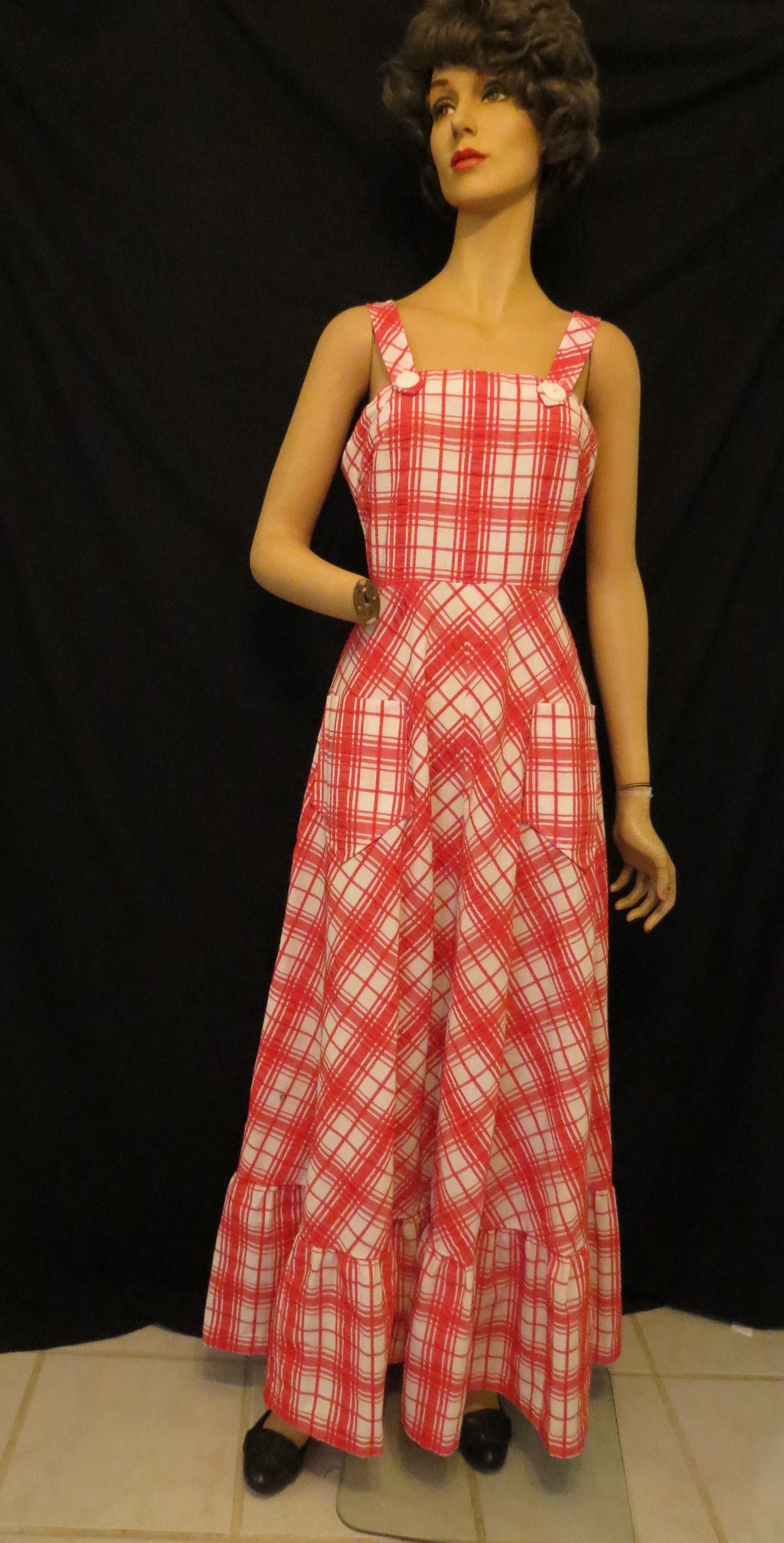
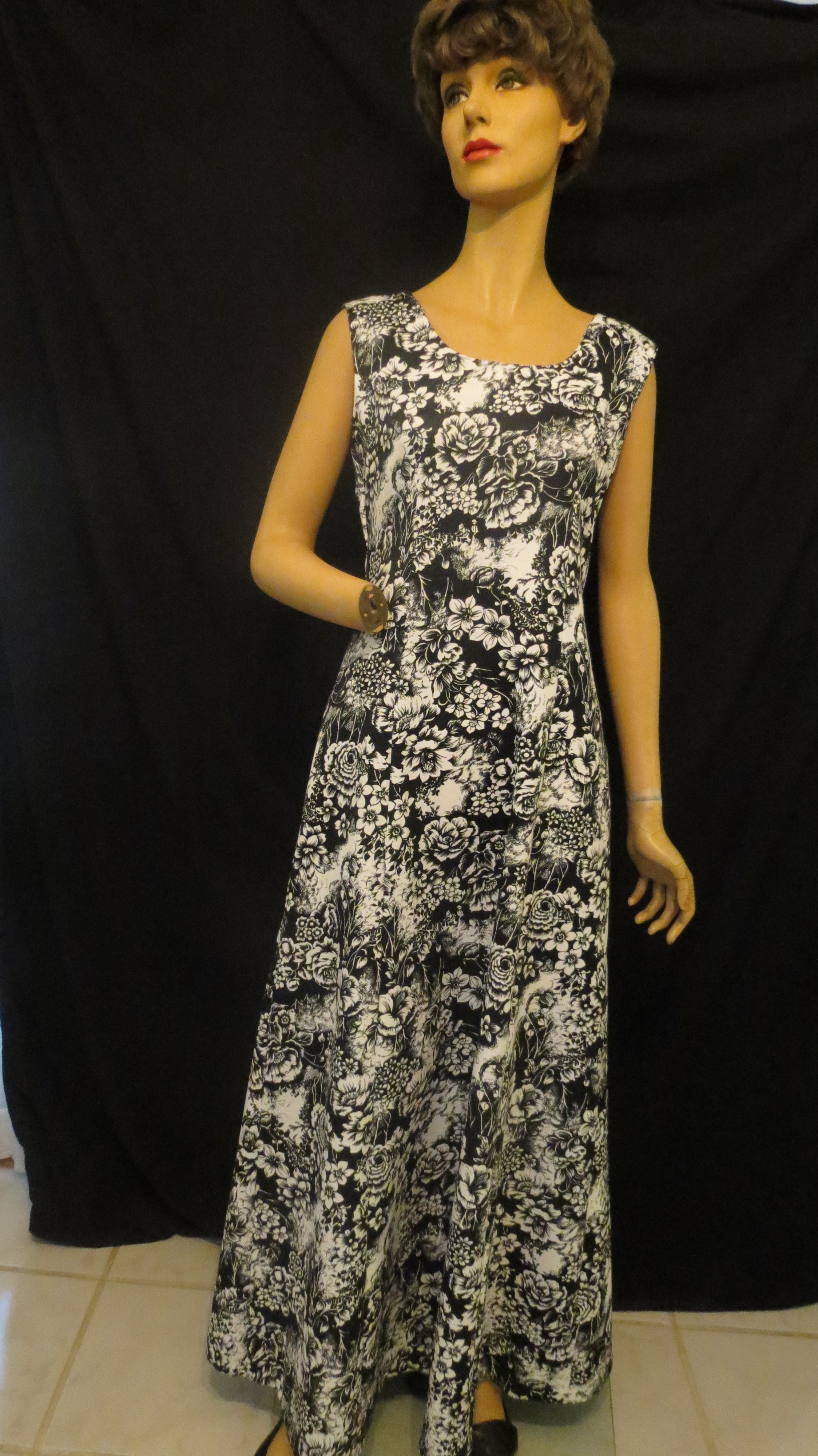
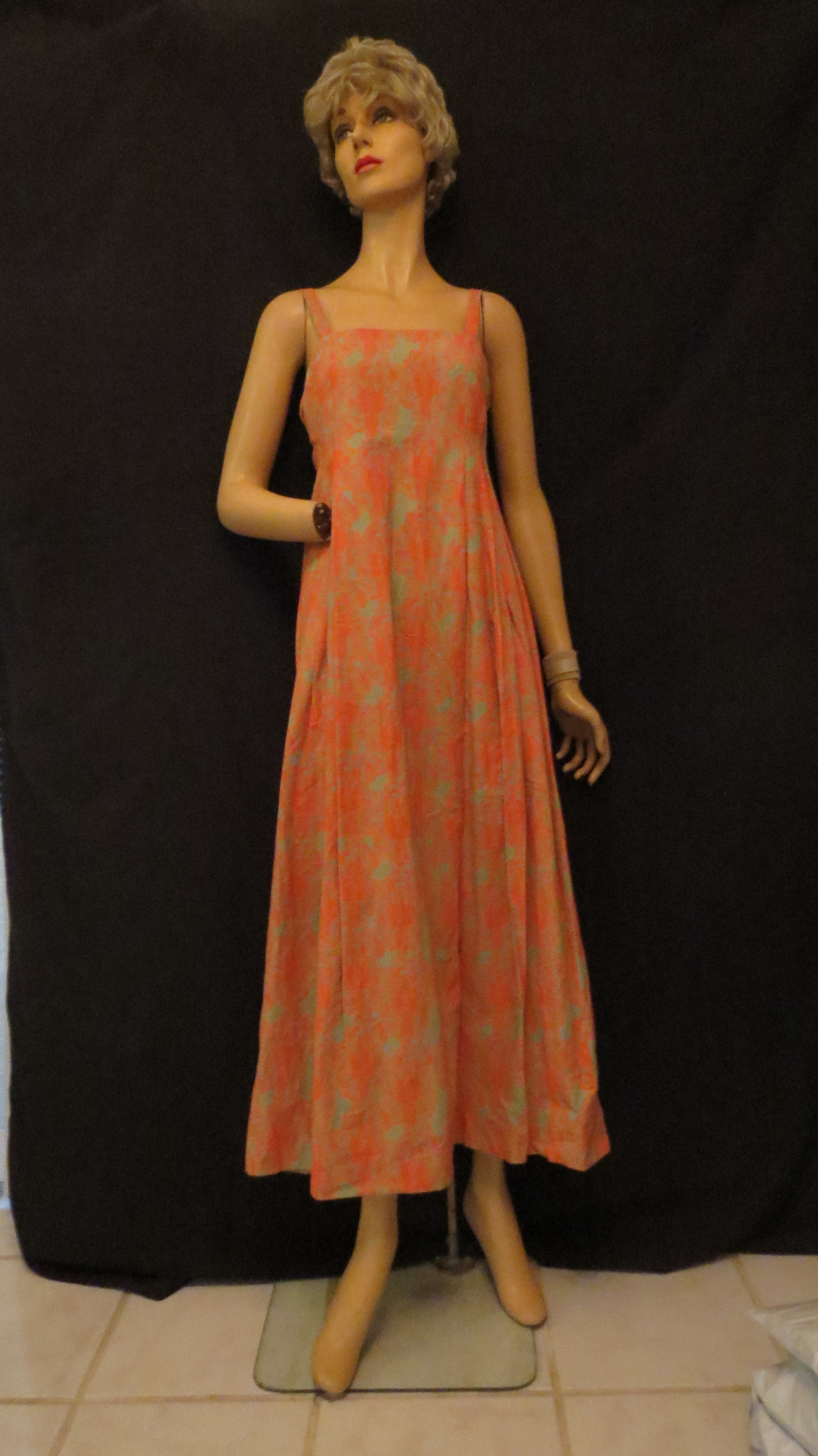
Casual cotton and cotton blend housedresses and model’s coats became really popular as styles started to become less traditional. Some of these dresses would even be seen at the grocery store or for other casual errands in warm weather. The shirtwaist dress was still around, of course, but was starting to take a back seat for everyday. The culotte mini/play-dress was also a new take on the 1940’s/’50’s romper. Casual designs like those shown above were still very well-made, generally, and had cute and pretty prints and tailoring elements.

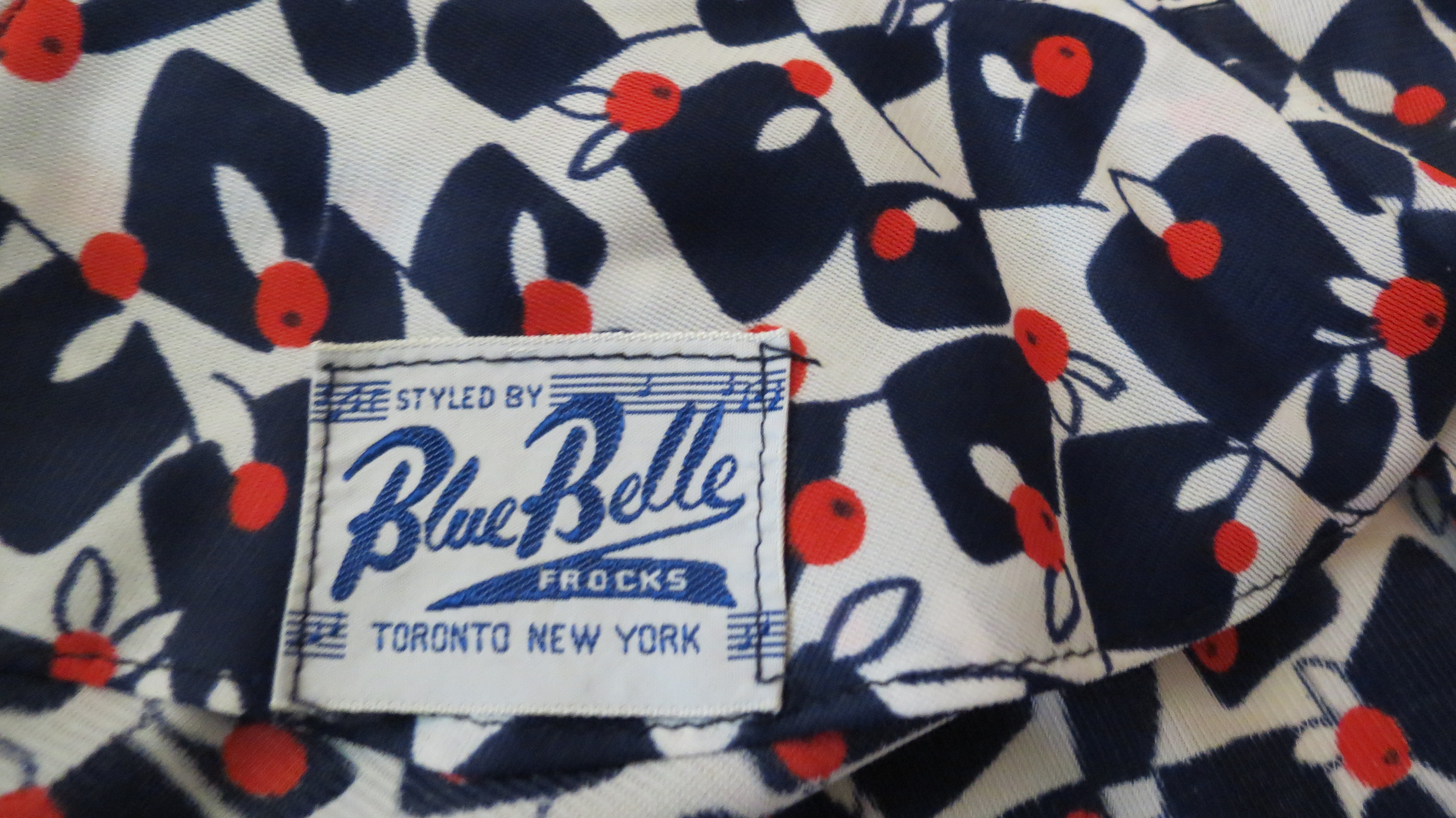
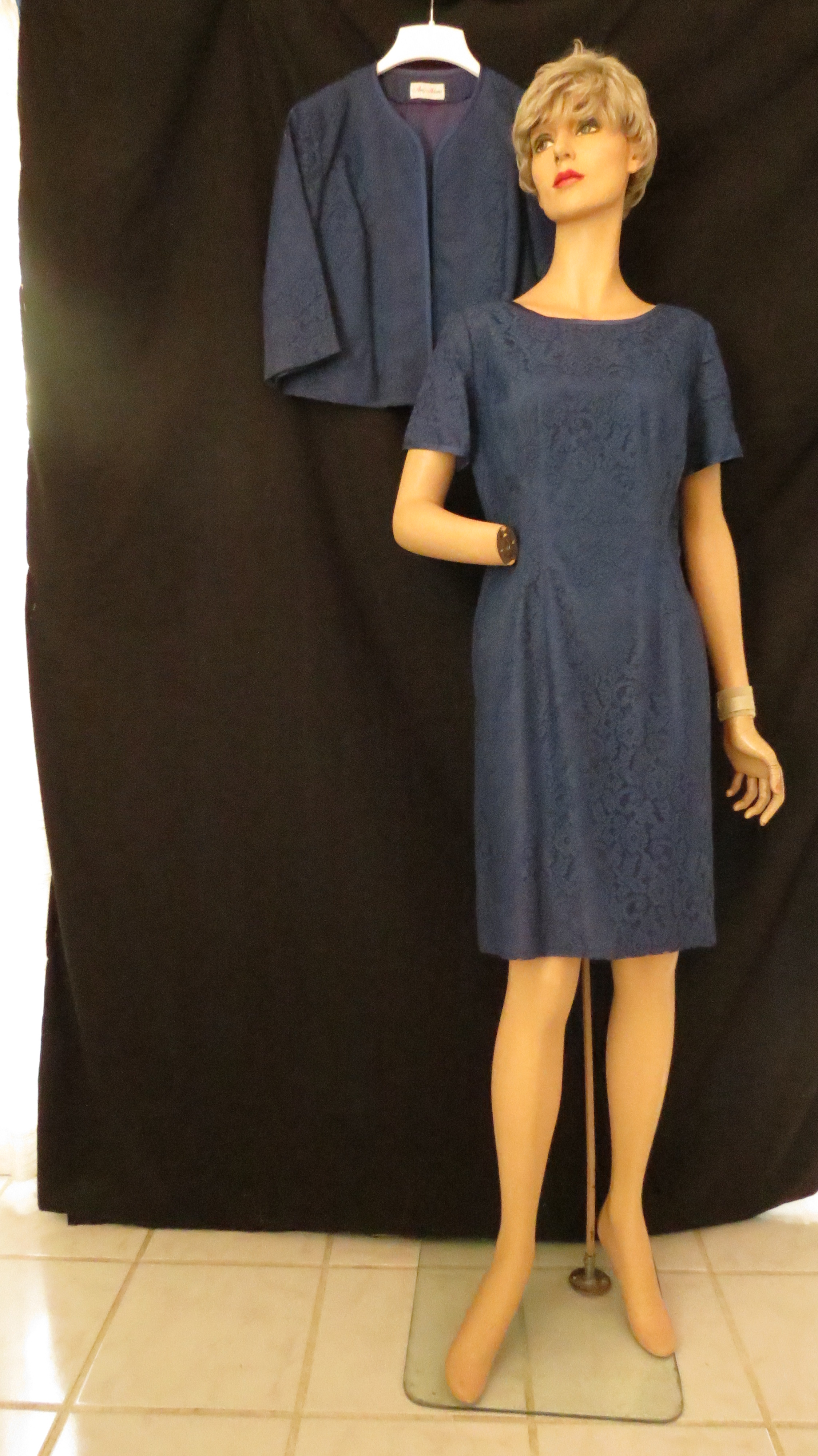
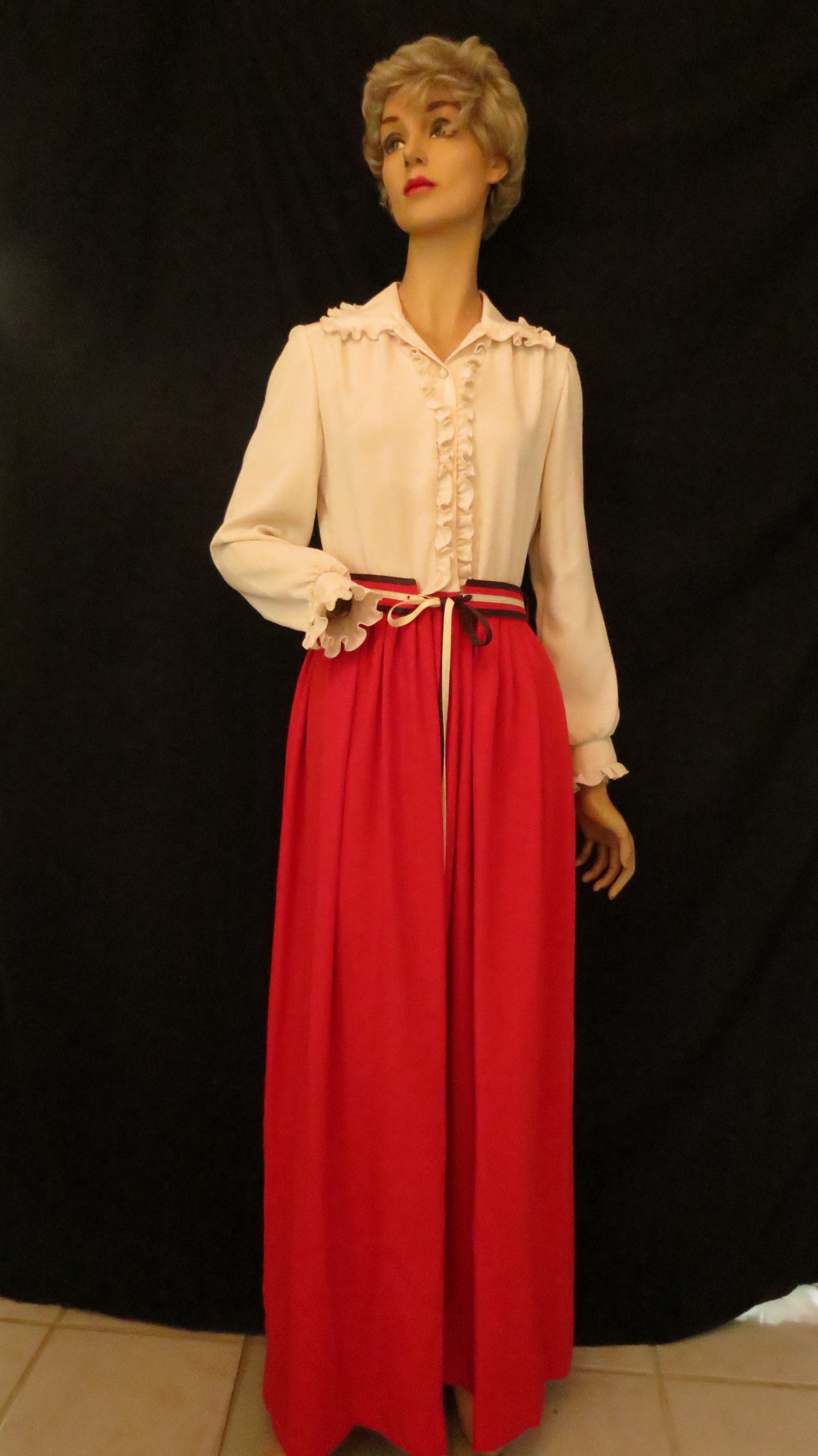
Dresses with little matching jackets became very popular for everyday wear when a step up the dressy scale was called for – an important appointment, special event or church. The shoes, purses and hats are examples of those which might have been worn with dresses like this. The blue & green example above was home-sewn in the color combo that defined popular design in 1963. The prints on the two blue dresses in center are a harbinger of the MOD trend that was just about to erupt.

Stay tuned for a trip to the mid-1960’s tomorrow . . . . . . . . . . . . . . . . . . . . . . . . . . . . . . . . . . . . . .

MORGANA MARTIN, THE MAGICVINTAGESPY

BLOG: MAGICVINTAGESPY.COM
TRUE VINTAGE DAY DRESSES THROUGH THE DECADES, HANDBAGS AND SHOES – 1930’s

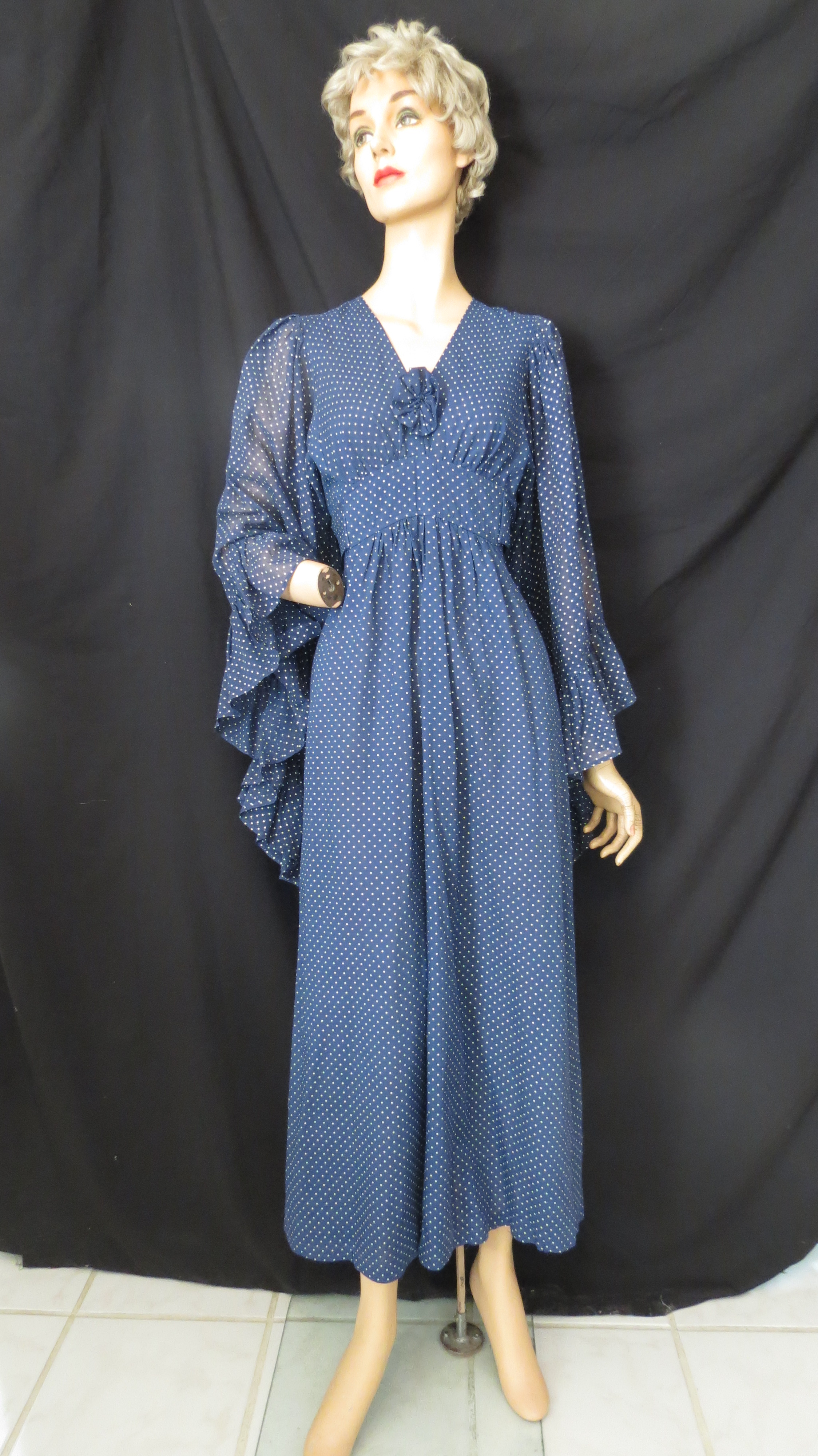
Two of my favorite 1930’s dresses to wear and one when I feel like Bonnie of Bonnie and Clyde. The fabrics feel so wonderful on the body and the fit is killer because of the fabulous drape. An earlier find, I was thrilled to discover the blue dress because of it’s condition. The original buttons and belt are present and no damage to the trim at the neckline. Also, no stains! You can see that the body of the dress has faded a bit due to years of washing by the original owner (compare to the color of the belt, which would not have been put in the laundry), but I don’t mind. The floral-print yellow and green frock is near-perfect and is a bit more casual. Super easy-breezy. The crocheted dress with satiny rayon slip given to me by a family member who found it in an old antique wardrove is the real star. It still has the authentic celluloid plastic belt buckle. The longer hemline makes it probably the oldest of the group, from the very early ’30’s. I have to include a 1980’s or ’90’s dress that dipped into a retro 1930’s. The yellow rayon belted sheath is a fun fashion with loyalty to the Thirties style and lovely rayon fabric.

These are both mid-priced dresses, at most, but have held up over 70 years before finding their way into my closet. It’s possible they were home-sewn. I love the elbow-length sleeves and the way that the fabric causes the hemline to ripple and sway. Very flattering. Both do require a slip underneath because of the sheerness and, since they are warmer weather frocks, I like to wear a true vintage cotton slip with very little decoration so that it doesn’t show through and compete with the print. Slips of that sort are hard to find since most of the slips that have survived are made of nylon and full of decorative detail. Although some fabrics don’t seem to require a slip, wearing one often causes the dress to fit and move so much better. Your other foundation garments i.e. brassiere, underpants and even stockings will have a real effect on how your outfit looks so it’s an important consideration. I have silk tap pants and some silk slips from the pre-war and WWII era that are good examples of undergarments that work really well with dresses like these.

Mary Jane style shoes are seen in every decade since the 1920’s. Decorated flats became popular for women, too, especially when they began wearing slacks. The shoes shown above may be a little younger than the dresses and purses, but are still within a decade or so. Handbags woven from synthetic yarn were another way that the market for clothing and accessories coped with the economic downturn of the Depression and the looming rationing of wartime. Leather, silk, quality cotton and wool were less available and too expensive for many buyers. The big move forward in the development of synthetics changed clothing in big ways, many having to do with fit, comfort and convenience so, overall, the deprivation turned out to be a plus. Tomorrow we move into the 1940’s. Stay tuned . . . . . . . . . . . . . . . . . . . . . . . . . . . . . . . .

MORGANA MARTIN, THE MAGICVINTAGESPY

BLOG: MAGICVINTAGESPY.COM
TRUE VINTAGE MID-CENTURY SOUVENIR DRESSES FROM HAWAII

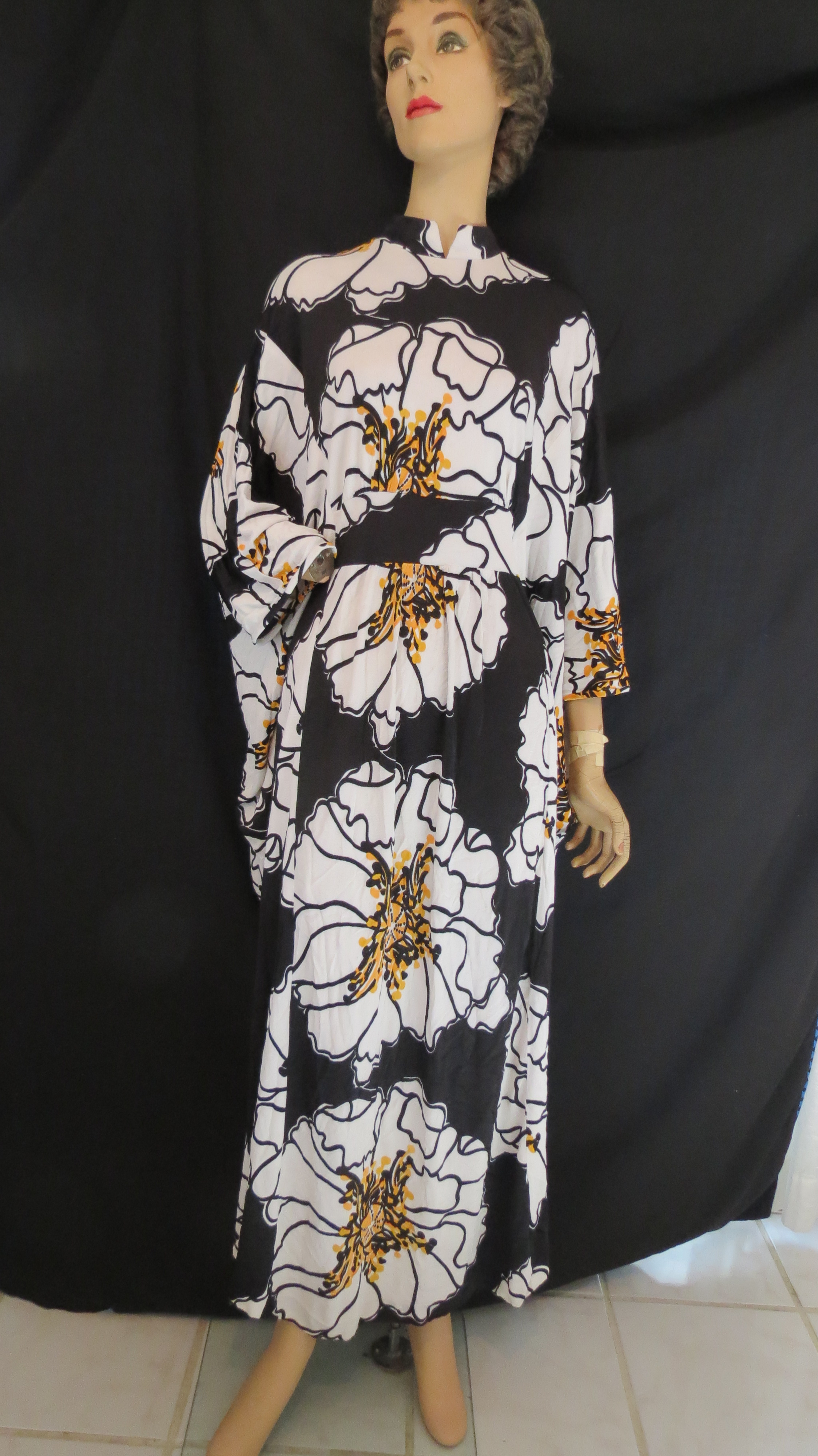
Wow! Our gal’s back home and guess where she went – Honolulu, Hawaii. Looks like she even stayed at the Royal Hawaiian Hotel!! No bargain budget for her, and we can see that in her choice of souvenirs. Two wonderful made-in-Hawaii frocks from the early 1960’s. Remember that blue and green trend from the early ’60’s that I’ve mentioned before? Also, look at the mad, Mod print on the long gown. Fab!

You can’t beat the tailoring on these beautiful dresses. Casual styles, but very elegant. Look at the lining and facings. Fabric piping around the neckline and sleeves of the long gown. Embroidered cloth labels. I’m sure they also have generous hem allowances, finished off professionally. Also, no straw beach hat for this girl – she opted for a cloth hat with unique style and obviously had a wonderful time.

Tomorrow we’ll start reviewing Spring day dresses from the 1930’s through the mid-century, along with some of the accessories that would have been added to their outfits. Stay tuned . . . . . . . . . . . . . . . . . . . . . . . . . . . .

MORGANA MARTIN, THE MAGICVINTAGESPY

BLOG: MAGICVINTAGESPY.COM
WE’RE GOING TO A MID-CENTURY RESORT! LET’S CONTINUE PACKING TRUE VINTAGE SPORTY STUFF

Okay. A couple days ago she packed her swimsuit for the pool and the beach, short shorts and cute top and a skort for casual day play and sightseeing. Good start. Today she’ll concentrate on more sporty day outfits that will take advantage of the tennis court and boardwalk as well as lots of other fun activities.

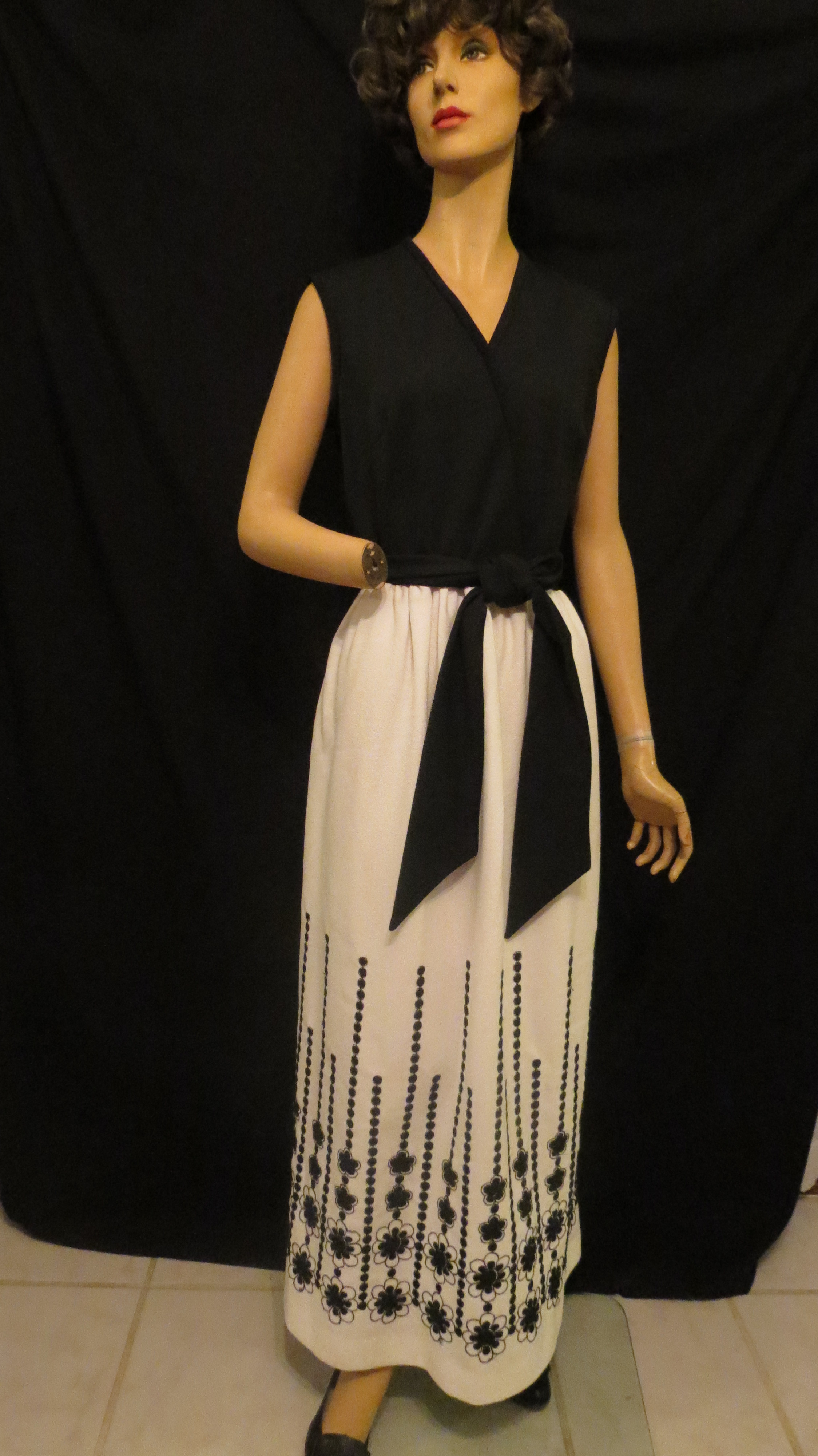
Can’t forget her 1950’s play-suit! Love the funky drums motif and the cropped top. Very original. This one isn’t a romper – it will even let her go downtown after the badminton game. Can’t forget the matching Keds. When it’s time to go to the dining room, a simple wrap skirt from the ’60’s/’70’s is very appropriate and her cute handbag goes well with all outfits so far!! The white sleeveless top that she packed already is perfect with it. That’s the secret of great packing – mix and match. Oh, yeah – GOT to take her roller skates !!!!! Yes, they’re heavy but gotta have them.

All right. That’s enough for today. Packing always makes her tired with so many decisions and it’s easy to forget something important if she doesn’t take her time. Good choices so far, but there’s still more to do over the next few days. Stay tuned . . . . . . .

MORGANA MARTIN, THE MAGICVINTAGESPY

BLOG: MAGICVINTAGESPY.COM

True Vintage Ladies’ Sweaters 1940’s – 1970’s

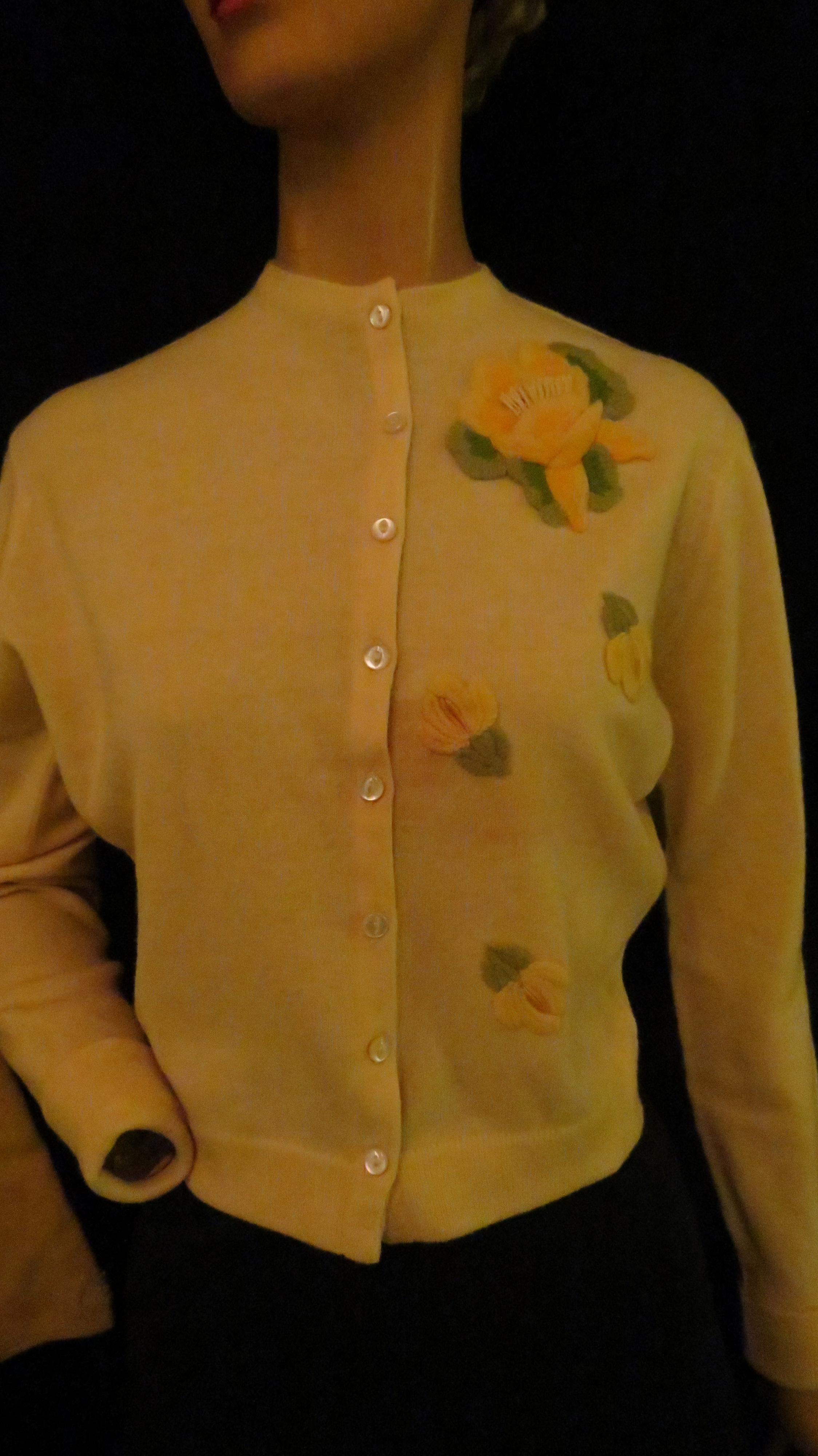
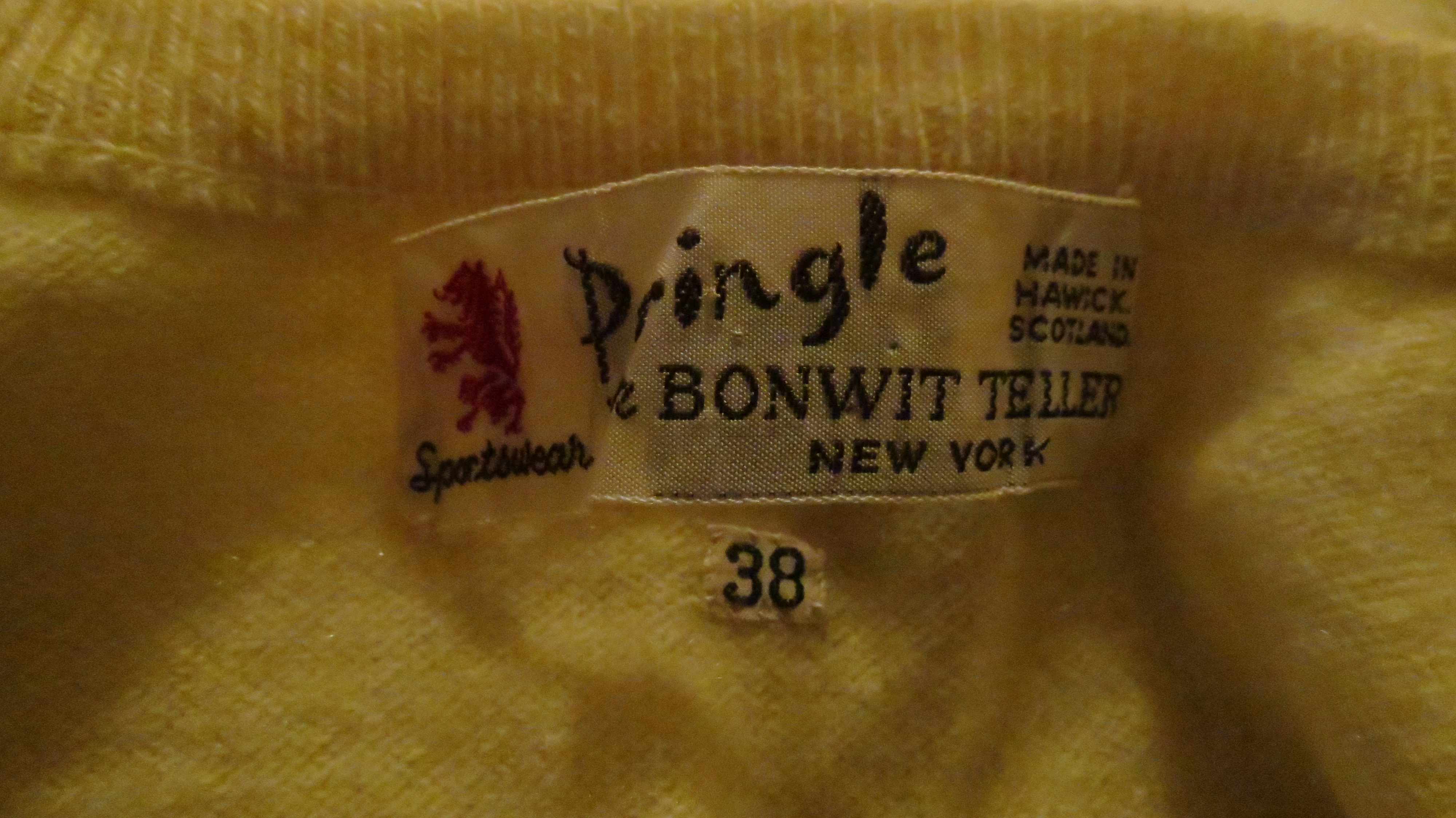
Just a few examples of the many styles and varieties in my archives, but this assortment is a good beginning. The most classic, and probably the most numerous of my discoveries, have been cardigans. Finely made cashmere sweaters, like my mother’s yellow one with appliqued flowers, were a staple for the college coed in the late 1930’s to 1940’s. Plain styles were often worn in reverse, with the buttons in back. Up through the 1950’s to the early 1960’s beaded and embroidered cardigans were hugely popular and the designs were endless. Most were commercially-made, many of the best ones in British Hong Kong, but some women decorated theirs at home. My mother bought this yellow sweater jacket by Banff in the early 1960’s.

Of course, there were v-neck, crew neck, and collared sweaters in all sorts of variety. Most were nice, but casual styles made to wear with skirts and, later, with slacks. Wool sweaters provided the most warmth for colder months and, until Orlon became available, almost all sweaters were made of wool. Synthetics were really given a boost during WWII because of the government’s requisitioning of wool for military uniforms.

The turtleneck that we love now didn’t seem to show up too much in everyone’s closets until the early 1960’s. Until then, it was a little more avant guarde or unconventional for the average gal though they were on the scene from the 1920’s. Always a sportswear item, especially from the time women began to dress more casually in the 1940’s, women’s sweaters became less dressy. We’d begin to see themed sweaters like this Las Vegas souvenir from the 1970’s or with prominent monograms, mostly in the ’50’s. Of course, many mid-century women knitted and crocheted tons of styles at home, from super-casual to evening styles.

True vintage sweaters from before the 1970’s when acrylic yarn took over are a rare and fabulous find. Moth damage, pills and snags usually took most of them out of circulation. Though I have many, it’s only possible to show sample at one time. A few ladies’ casual Spring jackets tomorrow – stay tuned . . . . . . . . . . . . . . . . . . . . . . . . . . . . . .

MORGANA MARTIN, THE MAGICVINTAGESPY

BLOG: MAGICVINTAGESPY.COM
A FEW TRUE VINTAGE MEN’S SWEATERS, WOOL SHIRT AND 2 JACKETS FROM THE 1960’S AND 1970’S

Here are a few of the iconic everyday styles seen frequently in menswear from the early 1960’s until the mid 1970’s. The 1970’s styles, shown in the center panel, are still probably in production. Cardigans and pullovers have been popular for men at least since the 1940’s. The styles produced in the 1940’s and 1950’s were most interesting, with colorful knitted-in patterns and leather inserts.

In the top panel, first shown is a woolen knit cardigan with embossed metallic buttons. It’s an imported European style. Second is a wool shirt, which has been a cold-weather casual staple for men for decades. The Henley neckline closure makes this one unique. After that, an iconic suede leather jacket with sweater-knit collar and sleeves. I have several of these in the archives, in different earth-tone colors. They are beautiful pieces which have, surprisingly, survived the decades in excellent condition. Next are 2 plain, standard cardigans which have been a part of almost every older man’s wardrobe (often with leather elbow patches) and younger mens’, too, especially when they have been designed as golf sweaters. The first, with patch pockets, is made of wool and is older – probably 1960’s. The second, in burgundy, is acrylic knit as is the light blue Izod V-neck. Standard 1970’s construction and fabric.

Finally, I picked this iconic Ted Williams hunting jacket to include in the post. Ted Williams was a famous baseball player and lent his name to this jacket sold by Sears & Roebuck in the early 1960’s. The label tells the marketing story and you can see the heavy knitted neckline. Cuffs are made of the same material. In front, the jacket zips and has standard-looking pockets. I have shown the back view because the rear “game pocket” is most visible. It extends across the lower back and opens with a zipper on both sides.

This find was an education for me, as I’d never heard of Ted Williams or seen this type of jacket before. What great clues in any investigation! Women’s styles tomorrow – stay tuned . . . . . . . . . . . . . . . . . . .

MORGANA MARTIN, THE MAGICVINTAGESPY

BLOG: MAGICVINTAGESPY.COM
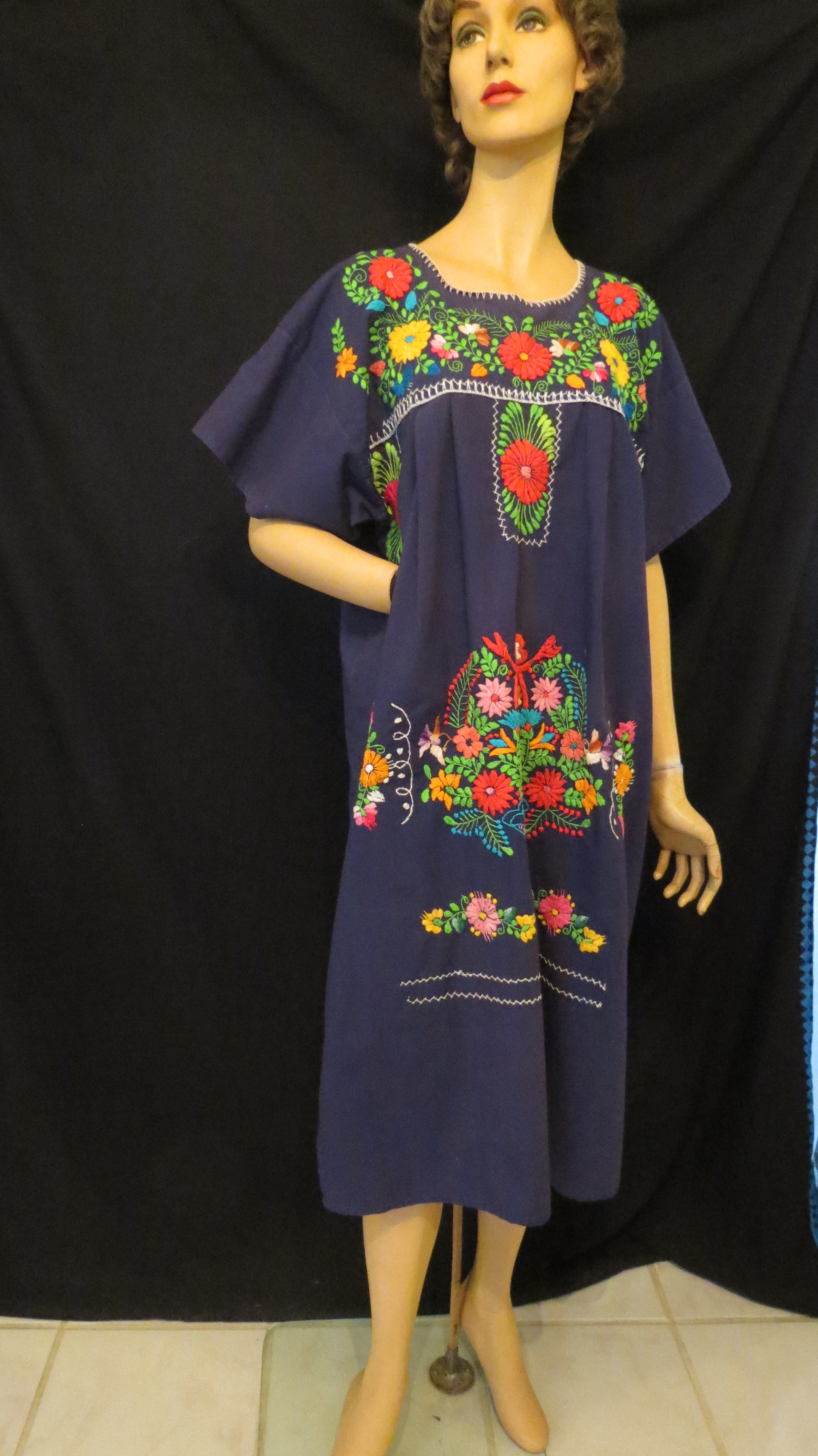
True Vintage late 1960’s – 1970’s Casual Wedding Dress(?) Alternative + a Frock for Mother of the Bride

Looks like a real stretch to think of this casual cotton dress as a wedding costume, but not necessarily for this time frame. Hippie/peasant/vintage fashions were super-big during this time and casual or non-traditional weddings became very popular. Who knows – it was probably just a summer/vacation/day dress for no particular reason but is pretty enough for a gal who wants to opt out of the “big white wedding” trap and go Boho.

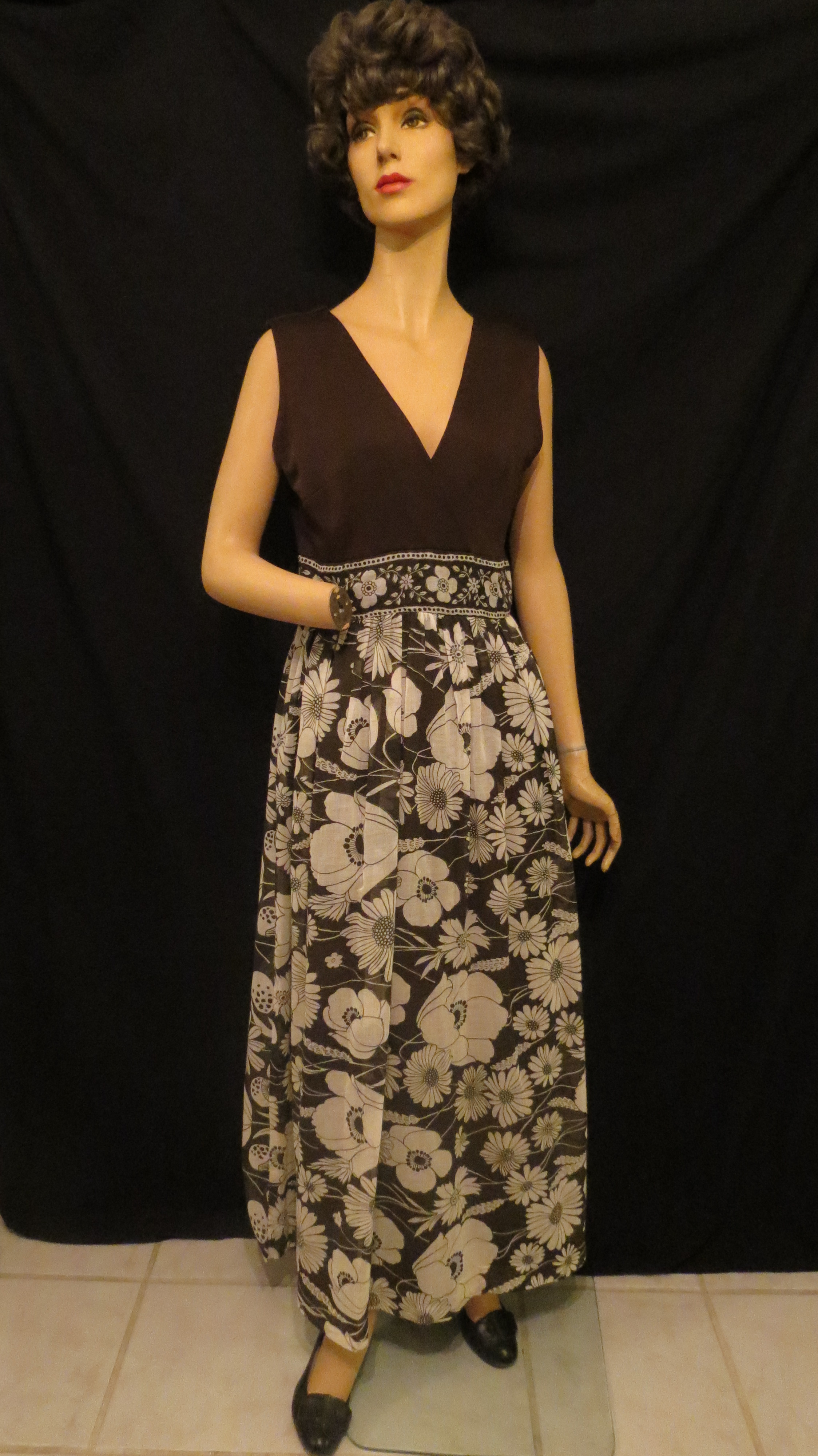
For her mother, on the other hand, the semi-dressy blue frock might not have offended her daughter’s rebellious efforts too much while still allowing Mom to fulfill her Mother of the Bride role with some elegance and decorum. A real advantage of both these dresses is that they were moderately priced and easy to wear again and again in a variety of situations. This is definitely not the most interesting era of beautiful fashion, with the exception of a very few examples, but it does have a specific identity and is very worthy of mention in the chronology of fashion history. More to come – stay tuned . . . . . . . . . . . . . .

MORGANA MARTIN, THE MAGICVINTAGESPY

BLOG: MAGICVINTAGESPY.COM

Okay, Okay. It’s cold now! Time to get out my Pretty Wool Capes

It’s still Fall, guys, but a skiff of snow on my car this morning brought me back to reality. Although we’ll have more warmish days, it’s time to get out some of the woolies. I’m not ready, yet, to throw on one of my wonderful wool coats but capes are more versatile at in-between times. Here are two of my mid-century favorites.

This beautiful red one is tailored and perfect for smart casual to business styles. It is lined and detailed like a good coat would be. Made in the decade from 1955 to 1965. The classic style makes it difficult to pinpoint a year, but there are always clues. A brand label really helps. Buttons and zippers can tell a story. If you study costume design or are a super sleuth the fabric, certain tailoring details or photos of trends published in newspapers and magazines can narrow the window to a more specific time frame. The next cute and unusual cape is a perfect example.

A reversible garment is so much fun! The second cape is much more casual and in a Boho style. It’s a nice, substantial wool but has no lining or pockets. The only complications to the design are the pattern woven into the fabric and the little tufted string tie at the neckline. It’s also from the same decade as the red cape but I can narrow the time period closely because of the color clue. There were one or two years from 1962 – 1964 when the blue and green color combo went viral. It was on everything from clothing to housewares and graphic design. Styles were also loosening up around then, with Mod edging in on classic and traditional. I’ll bet that this cape was made and sold during those 3 years, possibly exactly 1963.

So, these will keep me warm and the freezing temps are likely to minimize the risks of moth damage. However, it’s always a good idea to protect your treasured woolen garments since those moths can sometimes surprise you. I have more capes to show you, but that may come later in the year or even next year since we’ll be turning the New Year’s page before we know it. Stay tuned . .. . . . . . . . . . . . . . . . .

MORGANA MARTIN, THE MAGICVINTAGESPY

BLOG: MAGICVINTAGESPY.COM
TRUE VINTAGE CASUAL SWEATERS FROM THE FIFTIES – A CUTE PAIR OF TWINS FOR THE SWEATER GIRLS

IMG_0927     Not your typical “twin-set” – I found this pair of ’50’s cuties together – they probably belonged to the same woman.  They’re identical excepting for the color.  Very becoming to both Madge and Stella, don’t you think?  If you zoom in, you can see the decorative studs on the front of each one.

Of the softest angora blend – rollover neckline, 3/4 sleeves and decorated with button accents on the front – these look great with black cigarette pants or a coordinating skirt.  Perfect for a casual Fifties or early Sixties cocktail hour.  Belly up to the Tiki bar!

True vintage sweaters in perfect condition are always a rare find!  Just another day in the life of the magicvintagespy . . . . . .

MORGANA MARTIN, THE MAGICVINTAGESPY

BLOG:  MAGICVINTAGESPY.COM
TRUE VINTAGE 1940s BOWLING TEAM DRESS / UNIFORM
TRUE VINTAGE 1940s BOWLING TEAM DRESS/UNIFORM

Back to wartime or post-war frocks.  This is the cutest rayon dress ever, with that iconic swingy skirt that ’40s dresses often have and a wonderful relic from the ever-popular women’s bowling teams of the war  years.  Just like splashy musical movies, recreational activities like hometown sports were a great distraction from the reality of the times.

Anhauser-Busch or, more likely the local beer distributor, was the team sponsor.  Hence, the Busch Bavarian Beer patches on front and back.  The belt had the player’s name embroidered on it.  Perfect features for costume-wear!

Without the patches, the dress is styled like many day dresses from that time.  This one is probably from the late 1940s or, possibly, the early 1950s.

What a thrill to find it, and in excellent if not near perfect condition!  You truly just never know . . . . . . . . . . . . . .

MORGANA MARTIN, THE MAGICVINTAGESPY

BLOG:  MAGICVINTAGESPY.COM