TRUE VINTAGE WWII LADIES’ BLOUSE AND TOP TRENDS

These blouses and sweater all came from the war years spanning the late 1930’s to the very early 1950’s. The first blouse is a women’s-wear version of the Western-wear trend. Perfect for square-dancing. Gingham and sculpted plastic buttons were popular. This example might have been home-sewn by a skilled seamstress.

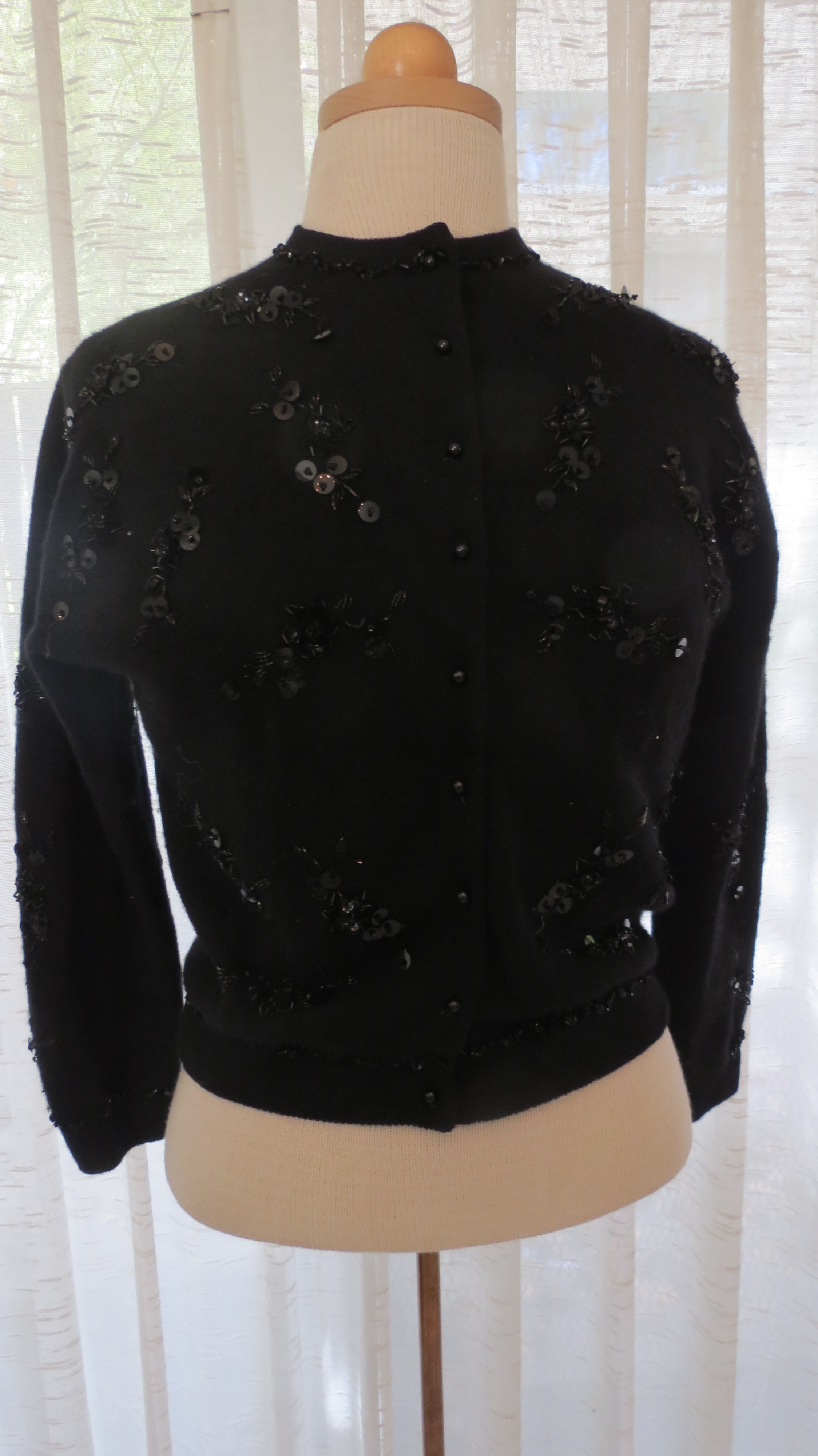
Cashmere cardigan sweaters also were seen worn as blouses, sometimes with the buttons in back if it were a plain knit. This trend was especially popular among co-eds. A beautifully-decorated one like that above would have been front-facing, of course. Pringle of Scotland was a known brand and higher-end.

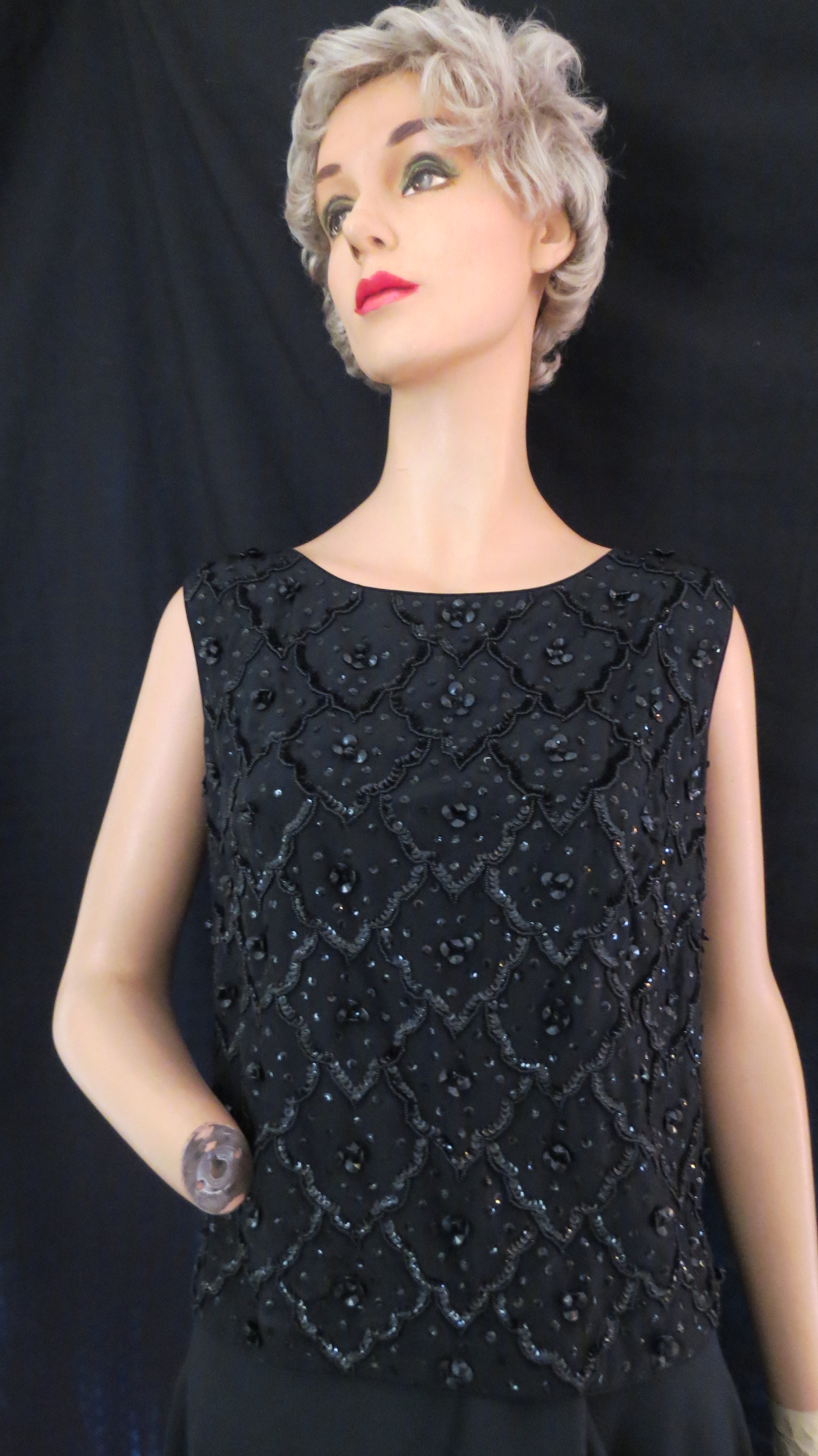
Before and after rationing, lace and other embellishments on tops and dresses were very popular. Tailored styles were also made, but lots of the designs before and after the war were quite fussy with many details.

Tomorrow I’ll show my newest discoveries. Stay tuned . . . . . . . . . . . . . . . . . . .

MORGANA MARTIN, THE MAGICVINTAGESPY

BLOG: MAGICVINTAGESPY.COM

RARE TRUE VINTAGE PRE-WWII AND WARTIME LADIES’ BLOUSES

Here are two of my oldest women’s blouses and two of the most interesting. What more can I say about the blue one? Not sure if it was home-tailored by a creative and fashion-forward gal, but I think so. Perfectly unique and attention-grabbing. What fun! Love it!!

The second blouse is from about the same time frame, but much more classic. You can see from the label that it was commercially-made and the Sanforized cotton designation puts it squarely after 1930. The Sailor collar styling was really popular for children beginning in the 1800’s, or before, but became a “thing” in women’s fashion especially in the years surrounding major wars, as did other types of military-inspired styling. It’s a classic sportswear item from the mid-century and could have been worn with a skirt, too, when women rarely wore pants or shorts.

The unusual thing about it is the tartan-weave trim. I can’t decide what may have inspired that but this blouse may have been sold in Great Britain or, possibly, was a homegrown Japanese take on U.S. and U.K. style, made to be worn locally in Japan. Some of that kind of thing was happening in Japan even decades before WWII. See how these investigative mysteries become more complex the deeper you go? I’d planned on showing more blouses today, but these two easily fill the space. I’ll continue with more tomorrow.

In the meantime, this is a NEWS FLASH! Yesterday I was on a new investigation and discovered true vintage and exceptionally-made retro garments. Both need a touch of hand-repair, so today will be a sewing day but I will post them soon. Stay tuned . . . . . . . . . . . . . . . . . . . . . . . . . .

MORGANA MARTIN, THE MAGICVINTAGESPY

BLOG: MAGICVINTAGESPY.COM
SPECIAL WARTIME AND POST-WAR STYLES FROM THE 1940’S

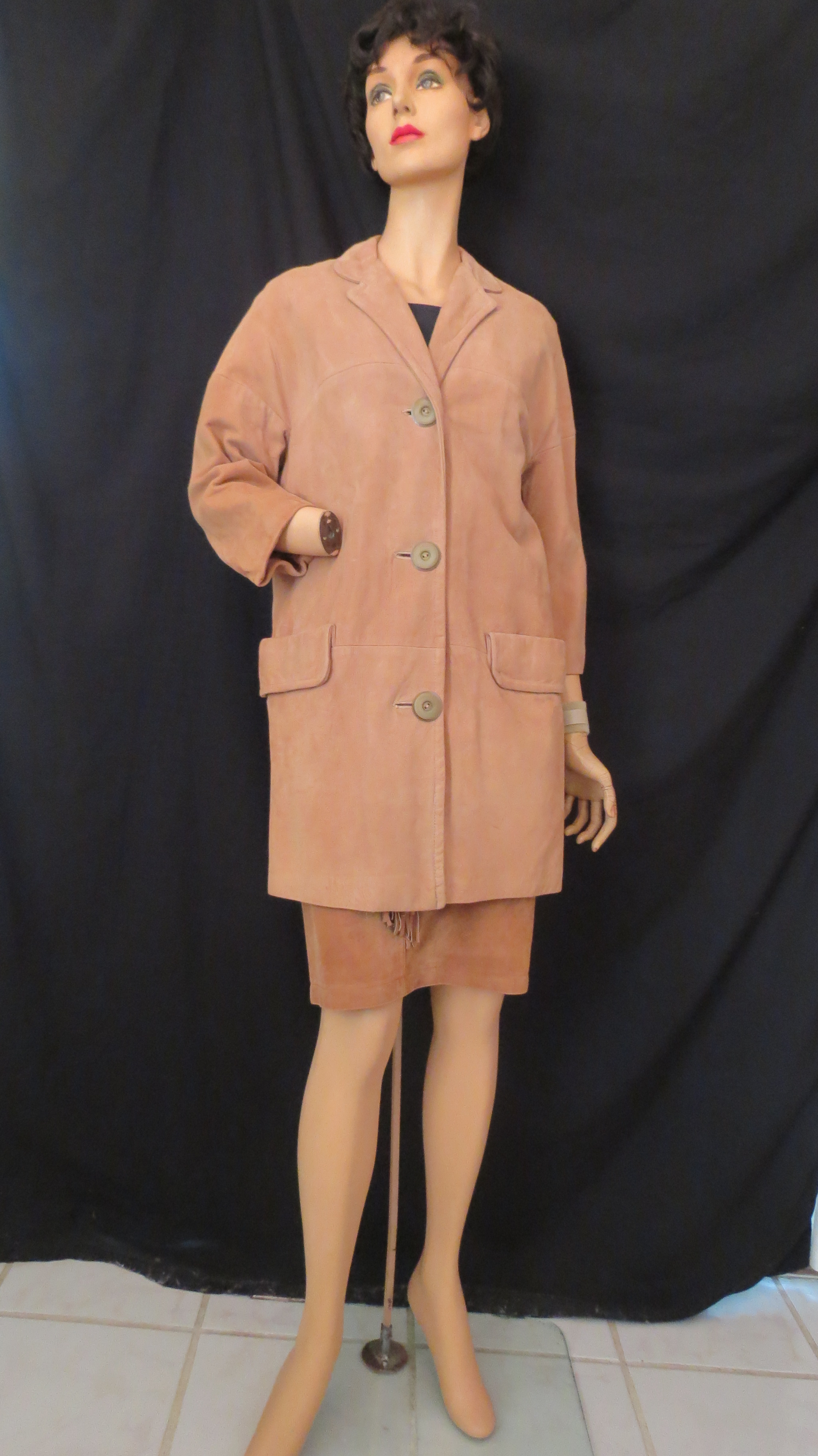
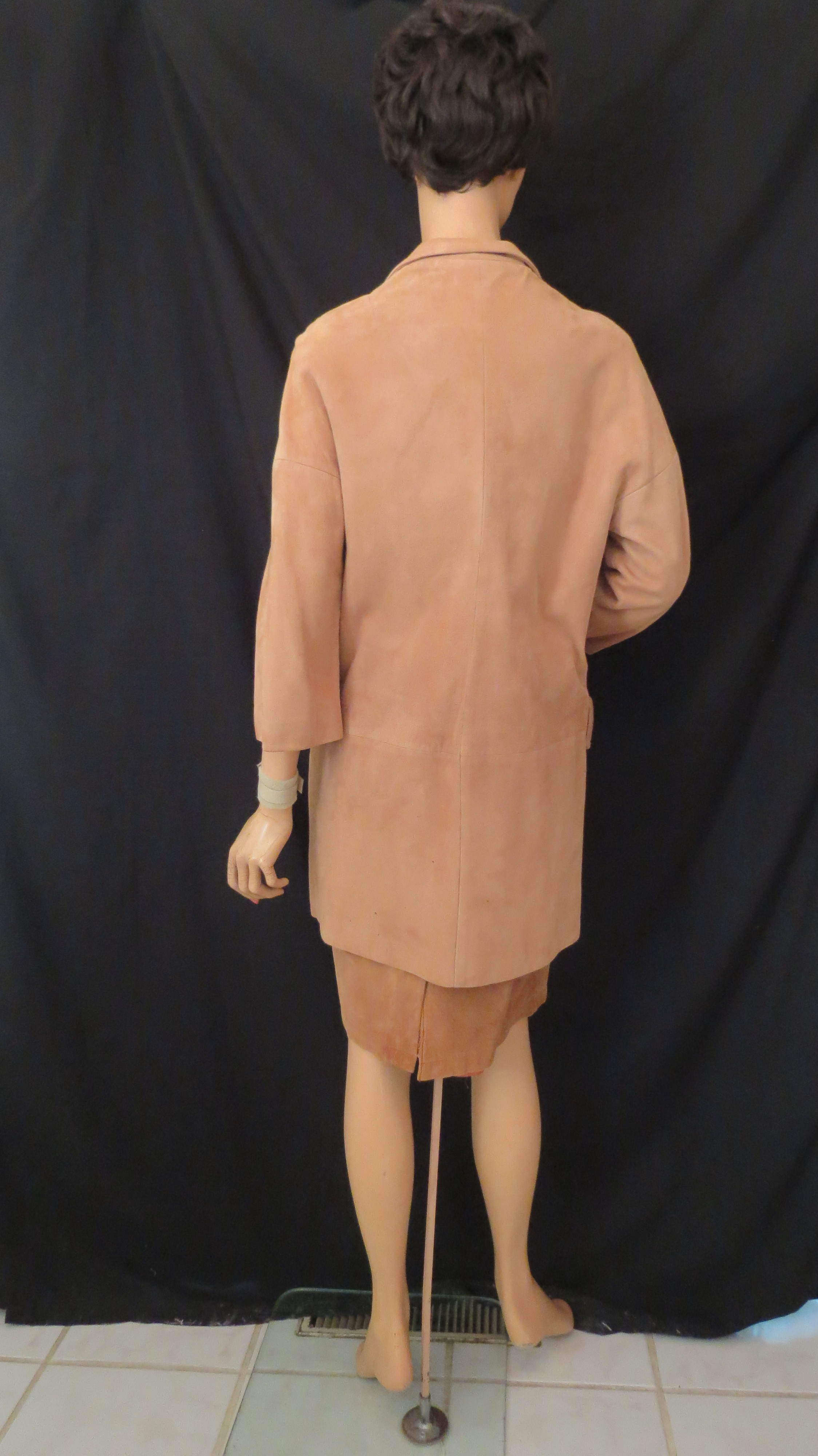
Classic designs made subtle changes over the decade which reflect the evolution of style and the social and historical events taking place at that time. Party dresses for special occasions have always been a “thing”. Skirt suits from Utility-style in the mid-’40’s to embellished designs were more like couture garments in the Post-war years. A matching hat was always essential.

High-school Prom tradition is about 100 years old now. The popularity of skirt suits for women began about the same time. Since about 2000, traditional styles in both these categories have shifted in major ways, so the focus on these types of garments in my investigations has gone from around 1920 through the 1990’s, with the spotlight on 1930’s – 1980’s. The Forties through the Sixties have been my favorite decades for classic structured suits, as they were more like two-piece dresses before and after and very trendy in design. Good luck finding a true vintage suit or Prom dress from the 1920’s or even the ’30’s but after 1940 the clues are still out there.

Although there were some very nice styles from the 1920’s and 1930’s, the prettiest suits and formal dresses, in my opinion, came from the late 1940’s and early 1950’s. Lots of attention to detail, flattering fit and high quality. In decades after that, frocks were not as interesting and suits were generally more boring, too. Tomorrow I’m going back to late 1930’s – 1940’s for dresses with one or two ’80’s WWII retro styles thrown in. Stay tuned . . . . . . . . . .. . . . . . . . . . . . . . . . . . . . .

MORGANA MARTIN, THE MAGICVINTAGESPY

BLOG: MAGICVINTAGESPY.COM
TRUE VINTAGE STYLES FROM THE SEVENTIES

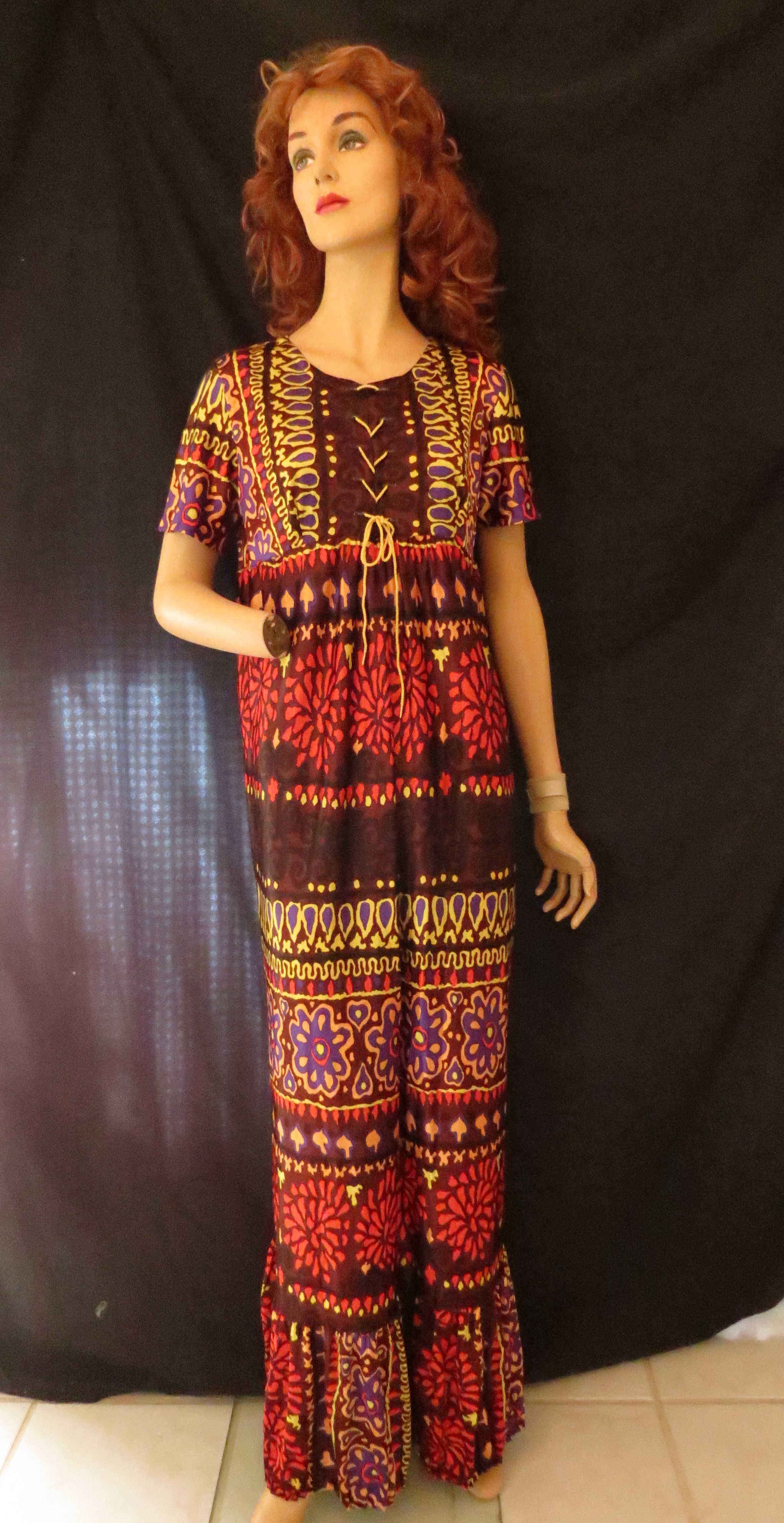
The 1970’s was far from a stellar fashion decade, as far as I’m concerned, but it did include several signature trends. Seventies does Forties, Boho/Prairie, polyester knit pantsuits and dresses (including men’s leisure suits), long pointy collars and animal prints were the predominant ones. The garments shown above are all from the early part of the decade. Psychedelic prints still showed up. Flower power still had a moment. Disco glitz was queen in the late 1970’s. Virtually everything was made of polyester fabric.

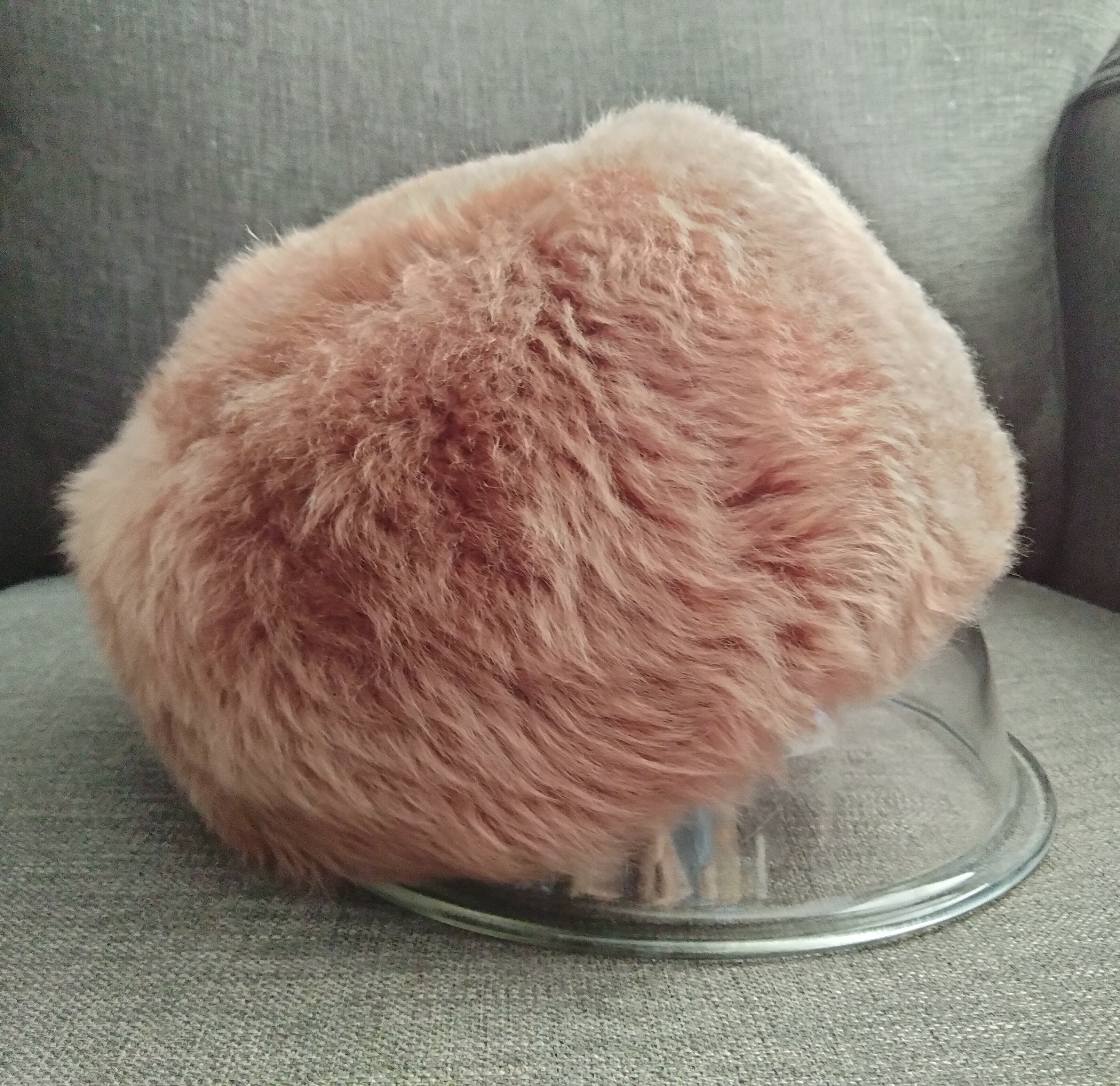
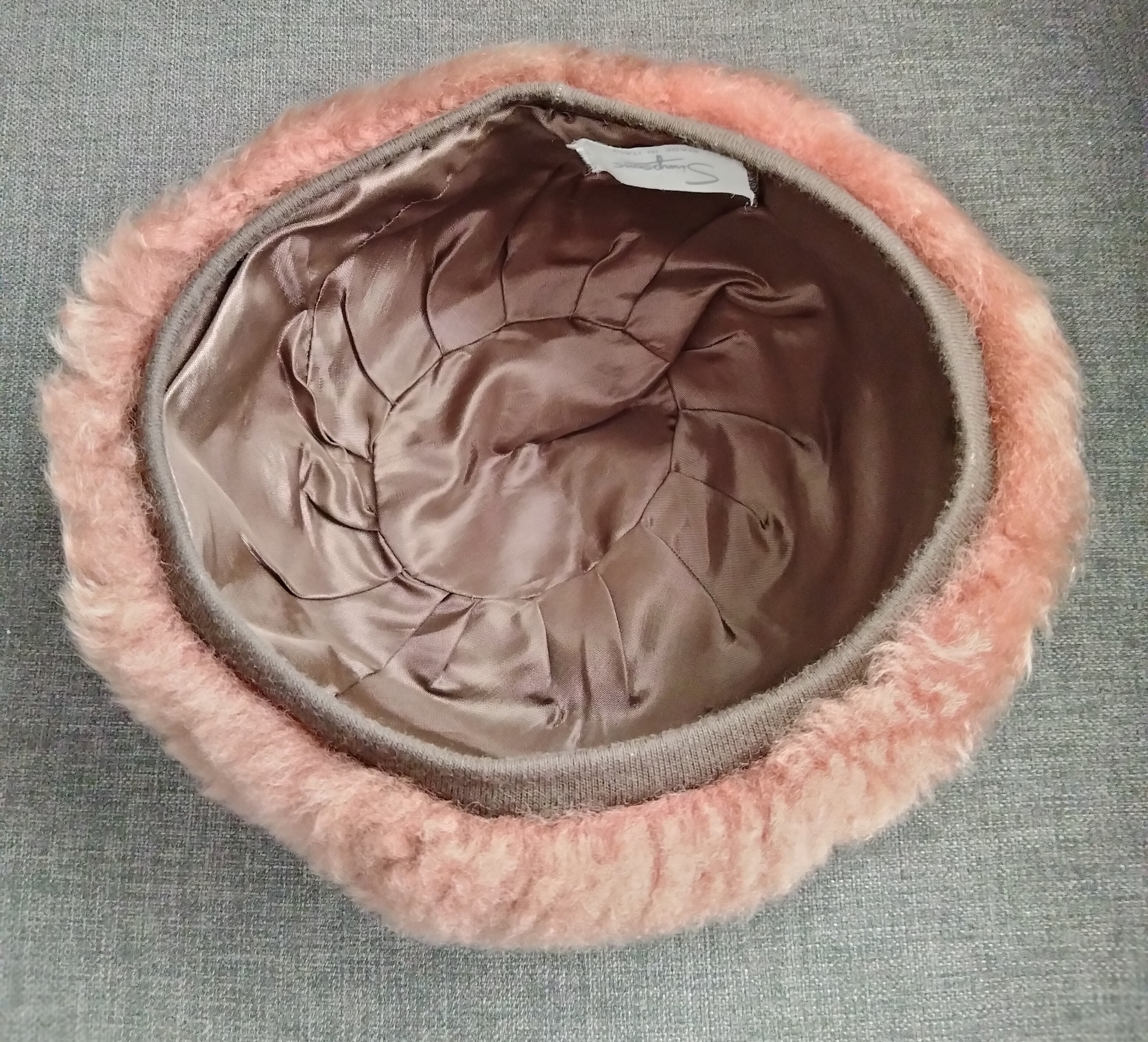
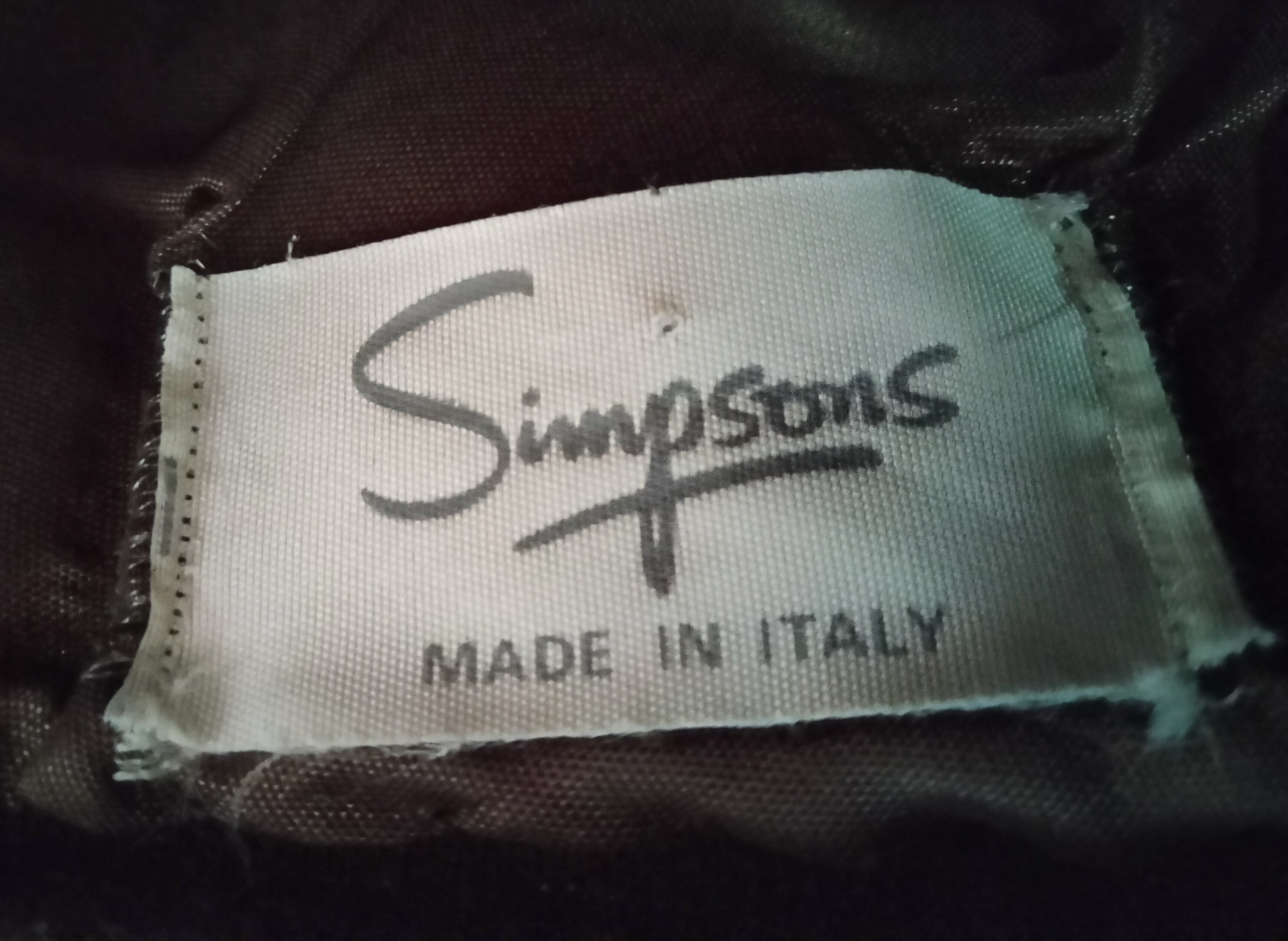
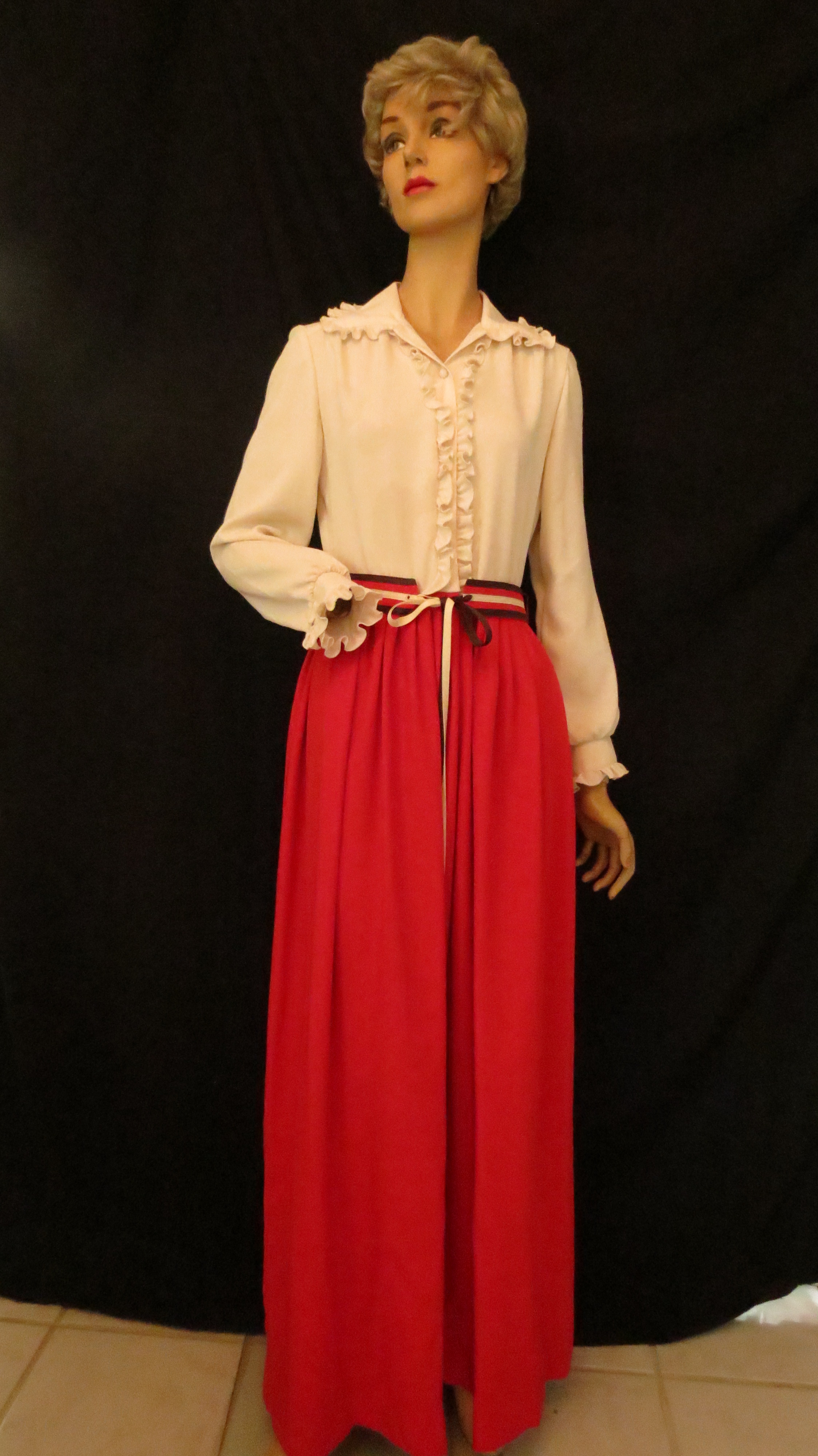
Carly Simon wore a hat similar to the one above on her first album cover in 1971 or 2 and it became instantly trendy. 1940’s styles, especially the tailoring details and medium-size shoulder pads, became really popular. Look at the trims on the short sleeved blouses. They are very ’40’s-looking. See the high waist and full legs on the slacks – women’s pants of the 1940’s were mostly made this way. An exception was Western-wear slacks, which tended to be slimmer.

The most-worn styles included platform shoes and jumpsuits in a big way. Military personnel and working women made jumpsuit uniforms visible during wartime and they became part of trendy fashion. The example above is from the early 1970’s. I have found and enjoyed wearing all of these designs. There are many photos in the files, but I can’t display them all at once. Some 1940’s styles popped up again in the 1980’s and I’ll show a few tomorrow. Stay tuned . . . . . . . .. . . . . . . . . . . . . . . . . . . . . .

MORGANA MARTIN, THE MAGICVINTAGESPY

BLOG: MAGICVINTAGESPY.COM
TRUE VINTAGE LATE 1960’S FASHION TRENDS – MOD HEADS INTO THE 1970’S

Britain continued to lead the fashion trends in the late ’60’s and it seems to me that their influence strengthened during these years as the Carnaby Street styles showed up. Mod and ultra mini began to slow down with a strong Edwardian/Victorian/Hippie wave predominating. Psychedelic and paisley prints were super popular, even on higher-end classic styles. Long bell sleeves showed up a lot. Ruffled, high-collar blouses and men’s neckties for women were fun fads. Platform soles went out (for a while) in favor of mid-heel pumps with high vamps and rounded toes. LifeStride, a popular mid-priced U.S. brand got into the trend with the example shown above.

Knee-length, midi and full-length hemlines came on the scene again, especially on more conservative and higher-end dresses. Though some minis were still worn, the hippie-styles usually had ankle-length skirts. While Carnaby Street fashions passed by, the long hippie/Victorian looks drifted into the early 1970’s. If you have followed me, you might remember a few of my posts earlier this year covering vintage Prom dresses that showed early 1970’s Victorian/Prairie designs in that mix.

There was a lot more, however, to the early 1970’s fashion designs. We’ll start looking at the Seventies tomorrow. Stay tuned . . . .

MORGANA MARTIN, THE MAGICVINTAGESPY

BLOG: MAGICVINTAGESPY.COM

TRUE VINTAGE 1960’s DRESSES IN THE MAD, MOD WORLD

Flower-power mini-dresses, traffic light neon colors, military-styling, psychedelic prints! These trends all appeared during the middle years of the 1960’s. Cotton is out – all these dresses are made from some form of synthetic fabric. So different from the previous decades, even though some of the classic details still crop up and garments are still well-made. See the Peter Pan collar on dress #1? The contrasting edging on the yellow sheath? Nehru collar (both military and Asian) and metal hardware on the stop sign red dress? Swirly hallucinogenic op-art on a classic shirtdress style? Perfect reflections of social culture, which was morphing yearly between Peace & Love, End the Vietnam War, Sex, Drugs & Heavy Metal rock n’ roll. In spite of all that, look at the tailoring!!

Pretty lingerie slips were still called for with these fitted frocks but the longer lengths were no longer suitable. Knee-length, at the longest, and mini-length became available. Wonderful nylon that tolerates hot water and can be dyed even allowed some creative girl to do a tie-dye.

Tomorrow we’ll take a stroll in some late 1960’s dresses and visit Carnaby Street. Stay tuned . . . . . . . . . . . . . . . . . . . . . . . . . .

MORGANA MARTIN, THE MAGICVINTAGESPY

BLOG: MAGICVINTAGESPY.COM
TRUE VINTAGE 1960’S TRENDS IN DRESSES, HOUSEDRESSES & ACCESSORIES – TO THE START OF MOD

Casual cotton and cotton blend housedresses and model’s coats became really popular as styles started to become less traditional. Some of these dresses would even be seen at the grocery store or for other casual errands in warm weather. The shirtwaist dress was still around, of course, but was starting to take a back seat for everyday. The culotte mini/play-dress was also a new take on the 1940’s/’50’s romper. Casual designs like those shown above were still very well-made, generally, and had cute and pretty prints and tailoring elements.

Dresses with little matching jackets became very popular for everyday wear when a step up the dressy scale was called for – an important appointment, special event or church. The shoes, purses and hats are examples of those which might have been worn with dresses like this. The blue & green example above was home-sewn in the color combo that defined popular design in 1963. The prints on the two blue dresses in center are a harbinger of the MOD trend that was just about to erupt.

Stay tuned for a trip to the mid-1960’s tomorrow . . . . . . . . . . . . . . . . . . . . . . . . . . . . . . . . . . . . . .

MORGANA MARTIN, THE MAGICVINTAGESPY

BLOG: MAGICVINTAGESPY.COM
EARLY 1960’S DAY DRESSES

The very early 1960’s, Kennedy era was a time for ladies’ dresses to begin a shift in style. We started off with wasp waists, shirtwaist dresses and full skirts . Cotton and cotton blend shirtwaist dresses were still the day dress uniform for most middle-income women. But, also popular at that time for slightly dressier styles was a slinky knit fabric that was probably a poly/acetate blend. I remember older relatives wearing some of these, which they had probably owned for years. Many of the slinky knit dresses had rhinestone buttons. Great-grandma styles. The first 4 photos above are examples of these two types.

After that, sheath styles and fun details like this floral embroidery above started to make an appearance. This pink dress may have been home-tailored. The crafty, homemade trend that had taken root during WWII was still very strong, even though families had more prosperity in the 1950’s.

My internet connection or the blog host software has limited the number of photos I can add to my posts, so I am focusing on narrower topics and timelines now. Part of the issue for me is that I have so many photos in my archives that I just can’t squeeze them all in. Possibly better for you, my readers and followers, to see these wonderful garments in more detail. I will be continuing with dresses from the 1960’s because there were so many changes during that decade and it can take several posts to cover them all. Stay tuned . . . . . . . . . . . . . . . . . . . . . . . . . . . . .

MORGANA MARTIN, THE MAGICVINTAGESPY

BLOG: MAGICVINTAGESPY.COM
DETOUR! 1950’S DRESSIER FROCKS BEFORE WE MOVE TO THE SIXTIES

I just couldn’t head into the 1960’s without a display of some of the prettiest dressy frocks from the 1950’s and the fabulous nylon lingerie slips that might have been worn underneath. The first two pictured also have interesting remodeling stories.

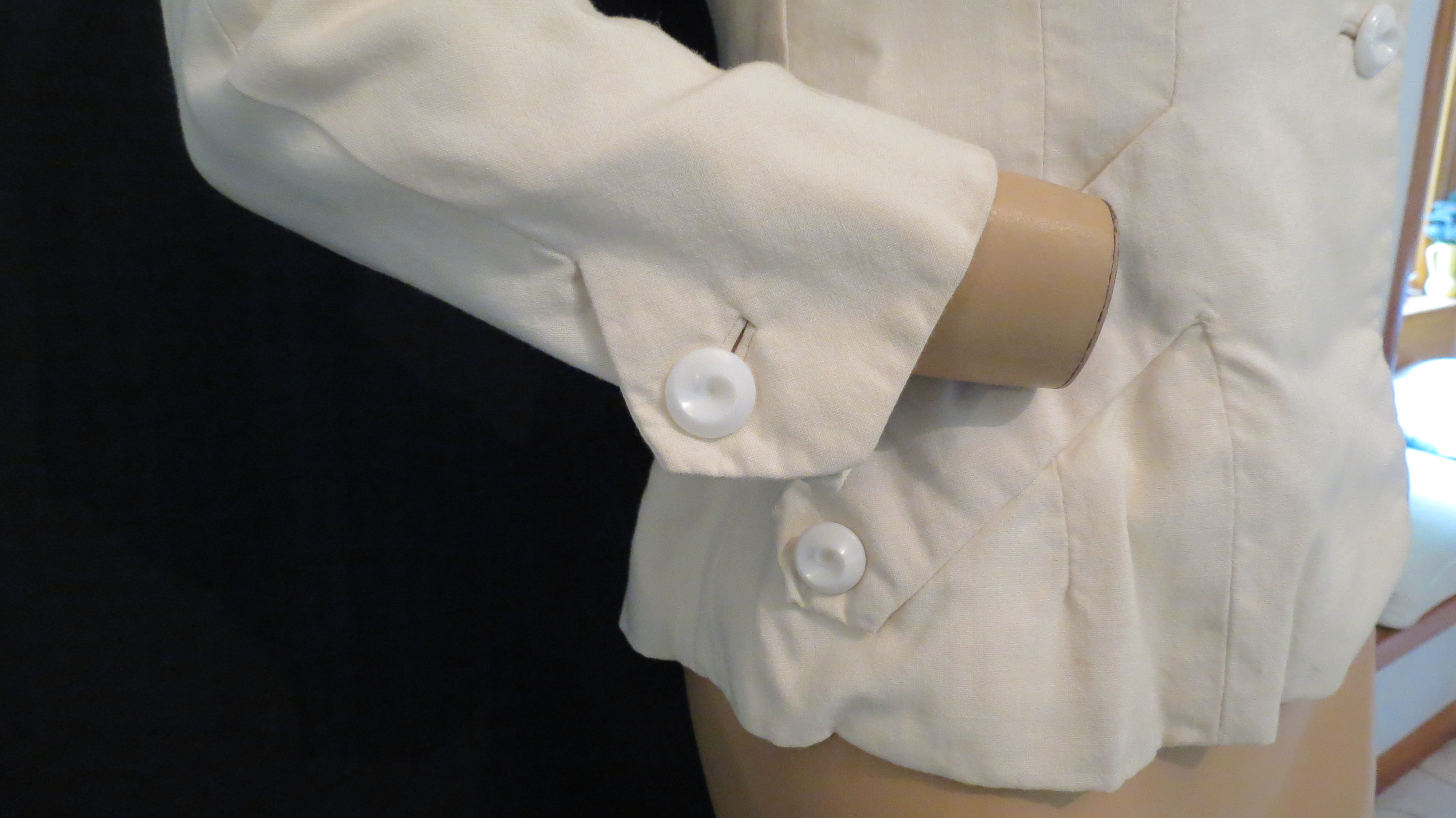
First is a beautiful, heavy polished cotton dress from the early 1950’s or, perhaps, the late 1940’s. It is absolutely gorgeous and falls to tea length. Polished cotton was a favorite fabric during the mid-century, before 1965 or so. As often happens, this frock had lost it’s belt somewhere along the way so I took some fabric from the generous hem and covered a skinny one by hand.

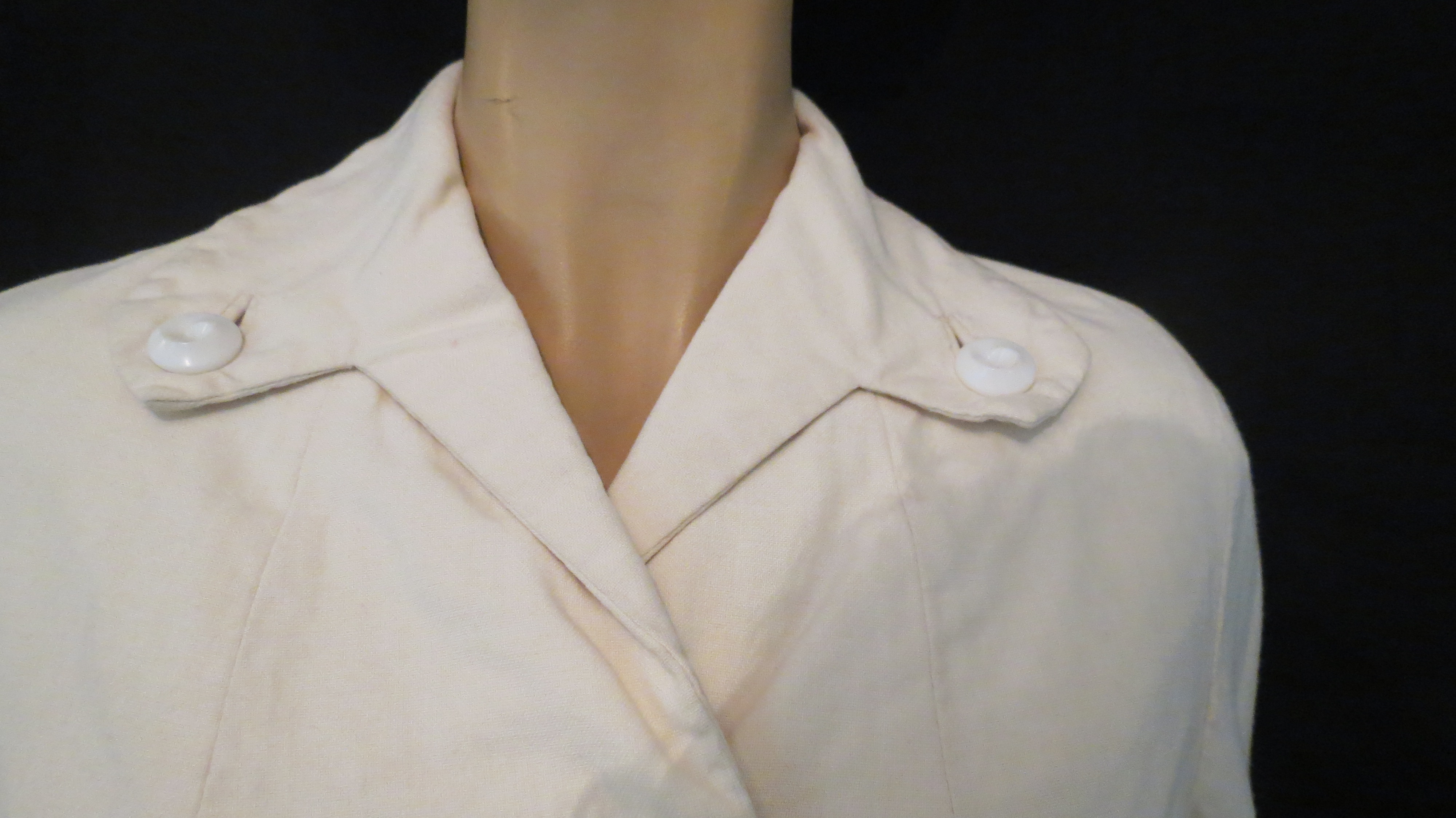
The mocha dress with the interesting shoulder line was a more ambitious remodel but still done entirely by hand. This wonderful wiggle dress is made of rayon fabric which looks like silk shantung. It originally had an upper bodice made of sheer fabric with cap sleeves. Piping finished the sleeves and round neckline. This design feature was such a popular one in the late ’40’s and early ’50’s but, alas, the sheer fabric had several holes that didn’t have a mending or patching option that I thought would do justice to the style. So, I chose to remove the upper bodice and secure the cut edges underneath. The back zipper didn’t have to be changed because it ended where a keyhole opening used to be at the back. I am very happy with the result, though I hate to change original designs.

The RED party frock is a style that endured at least from the mid-1940’s until the early 1960’s. It’s a rayon fabric with midi hemline, 3/4 sleeves and a boat neckline – all of which I love. You can see how deep the hem is and, of course, the bodice and skirt are fully lined.

Finally, the red jacquard cheongsam-style sheath is a fashion that became quite popular in the Fifties and Sixties, probably a carry-over from WWII when Asian culture became better known in the West and the female spy, Mata Hari, became legend. It carries on the wiggle cut and cap sleeves which were common then. Overall, this was a decade of very flattering and well-made ladies’ garments.

We finish off with a photo of luxurious nylon slips from the 1950’s, with their fabulous fabric and pretty decoration in some of the luscious colors that were available. We WILL do 1960’s dresses tomorrow. Stay tuned . . . . . . . . . . . . . . . . . . . . . .

MORGANA MARTIN, THE MAGICVINTAGESPY

BLOG: MAGICVINTAGESPY.COM
TRUE VINTAGE 1950’S DRESSES FOR EVERYDAY

Wasp waists, circle skirts and cap sleeves – 3 style features which are predominant on 1950’s frocks, though many other elements of design appear. The tiny waistline is probably the most frequently seen feature of a Fifties dress. As popular as the synthetic fabrics had become, 100% cotton material was queen of everyday dresses and especially for plaids and stripes which could be woven right into the cloth. Prints were still very evident, such as the blue and aqua shirtdress above, with a cute Paris, France motif (special to me because it belonged to a family member). A variation of the open-toe, low-heel sandal shown yesterday would have gone very well with these dresses, too. Colorful dresses called for fun and affordable costume jewelry, which abounded in the ’50’s. Made from pot metal, glass and plastic, every gal could afford a little bling with every outfit. Natural materials were sometimes used, too. Our mid-century gal who returned from Hawaii a few days ago, might have brought home a pair of souvenir earrings made from seeds and shells.

Decorative detailing was still a big deal, whether the dress was a day dress or something more special. Ric rac and embroidery were everywhere. The intricate cut-out design and lacing on the neckline above, though probably done by machine, is a very pretty touch on a flirty frock. Fabric-covered belts were the most common way of cinching a waistline.

Sticking with casual dresses, we’ll head into the early 1960’s tomorrow. Stay tuned . . . . . . . . . . . . . . . . . . . . . . . .

MORGANA MARTIN, THE MAGICVINTAGESPY

BLOG: MAGICVINTAGESPY.COM