ANOTHER TRUE VINTAGE WINTER COAT MOVIE STAR. MORE EARLY 1960’S LUXURY

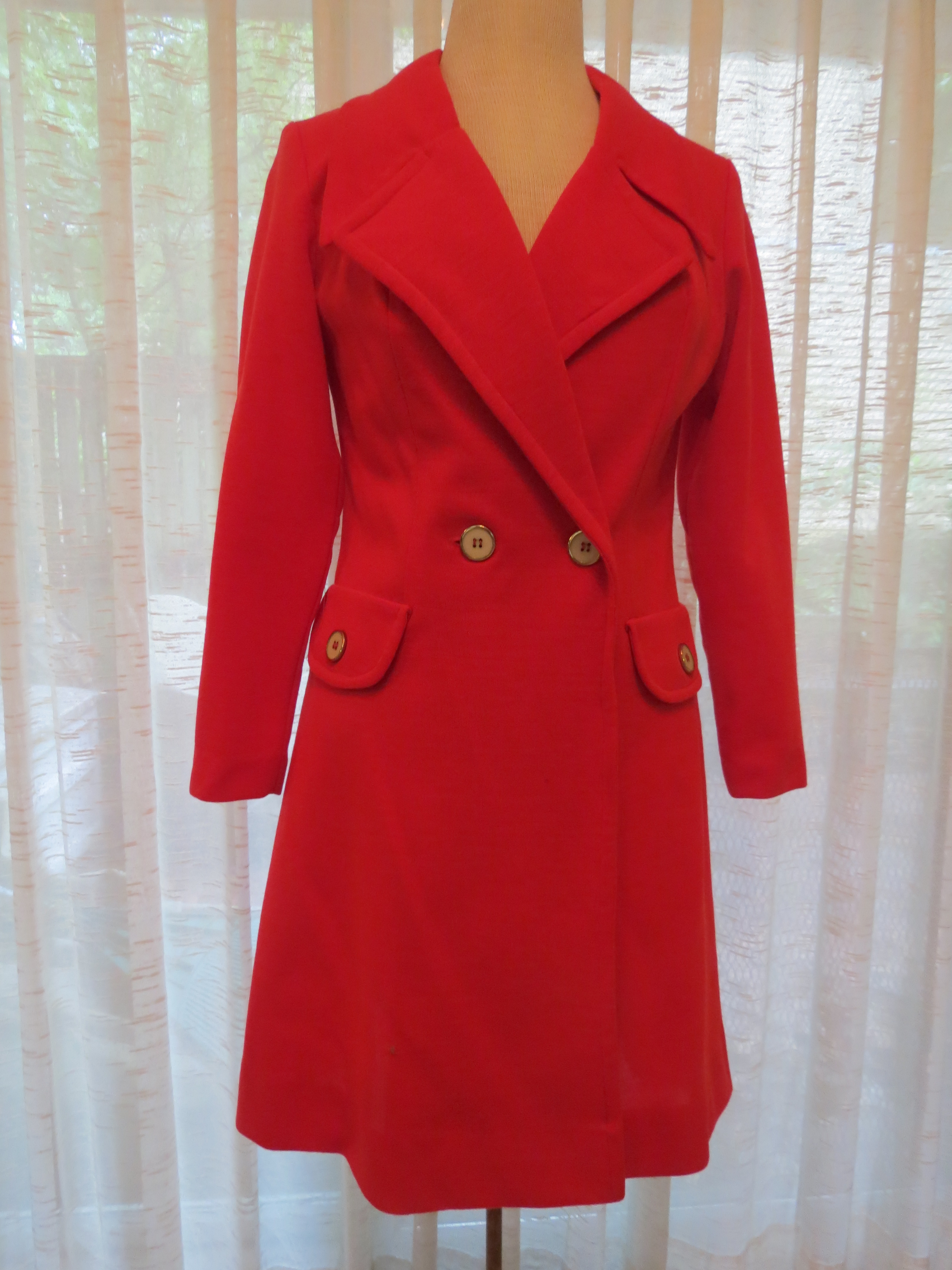
Love that red! I was REALLY thrilled to discover this one. Open-front styling in a Kennedy era coat made it a fashionable wardrobe essential for any city gal in the early 1960’s. I can hardly imagine braving Chicago winds or San Francisco drizzle with this one-button closure, but being a’ la mode has always won over practicality with women, especially in decades past. Thank goodness we are now free of that social pressure and can dress as we please without widespread criticism. No fur trim is a plus, though now I wouldn’t buy wool, either.

Anyway, what’s not to love about this beautiful vintage garment? The easy fit of this style is comfortable and less binding over layers worn beneath. The original label confirms that Forstmann was a high-end brand and worth the investment. This one has held up beautifully for over 60 years with only a very few tiny moth nibbles in inconspicuous places. ( OK, they’ve got to feed their babies, too. ) It has the necessary beautiful lining and slash pockets on the side seams.

I’m now in a secure location, if briefly, so will be able to continue transmissions before the next relocation. Stay tuned . . . . . . . . . . . . . . . . . . . . . . . . . . . . . . . . . . . . . . . . . . . .

MORGANA MARTIN, THE MAGICVINTAGESPY

BLOG: MAGICVINTAGESPY.COM
A MINK COLLAR ON A FINE TRUE VINTAGE CASHMERE COAT RAISES THE STATUS TO LUXURY LEVEL

Again, warmth is the keynote here but glamor is the melody. Beautiful fashioning and two of the most desired materials made this 1950’s – early 1960’s coat a high-end item. We’ve already discussed the humane and ethical problems with fur but cashmere is another atrocity which must be avoided in any modern retail items. There are alternatives now which look and feel like authentic cashmere but are man-made. More iconic coats coming, so stay tuned. I will be changing locations soon, so there may be a brief break in transmissions . . . . . . . . . . . . . . . . . . . . .

MORGANA MARTIN, THE MAGICVINTAGESPY

BLOG: MAGICVINTAGESPY.COM
TRUE VINTAGE OUTERWEAR? FUR REAL OR FAUX? WE HAVE TO THINK ABOUT IT . . . . . . . . .

Last night I was out and about to a theater production and couldn’t reasonably drive a two block distance. Walking was the only choice, which I love, but IT WAS SO COLD!!! My warmest outerwear option, which kept me toasty and comfy, was my post-war beaver jacket from Canada. 75 years old and it’s still snuggly and beautiful. I grieve for the precious animals who (yes, WHO) were sacrificed for vanity and retail profit back in the day and will NEVER buy modern fur products. I advocate for animal rights but also celebrate those lives and gifts by preserving and enjoying elegant fashions from the past for as long as they will last.

I own many gorgeous fur and faux fur pieces made decades ago, before protective legislation and individual conscience stopped some of the fur trade and promoted humane practices. Above is one example, on the left, of an older fur jacket dyed to mimic mink. I cannot identify the fur – could be muskrat. Before the end of WWII, furs considered to be less fine were often processed this way. Other examples, such as the one on the right, are fakes – popular in the 1950’s and beyond. Some have been very convincing even since the 1950’s. Many of those made today look and even feel very authentic. The look is fun and elegant, in a vintage way, plus, as I proved last night, very practical.

Faux fur and secondhand true vintage furs are the best, the ONLY humane and progressive choice. I prefer those from the 1960’s and before. The remaining fur trade is still a blot on humanity, so we must be vigilant in our boycotting of this active market but I don’t see the enjoyment of historical fashions as being hypocritical. I will continue to show you how much I love them. Stay tuned . . . . . . . . . . . . . . . . . . . . . . . . . . . . . . . . . .

MORGANA MARTIN, THE MAGICVINTAGESPY

BLOG: MAGICVINTAGESPY.COM
Okay, Okay. It’s cold now! Time to get out my Pretty Wool Capes

It’s still Fall, guys, but a skiff of snow on my car this morning brought me back to reality. Although we’ll have more warmish days, it’s time to get out some of the woolies. I’m not ready, yet, to throw on one of my wonderful wool coats but capes are more versatile at in-between times. Here are two of my mid-century favorites.

This beautiful red one is tailored and perfect for smart casual to business styles. It is lined and detailed like a good coat would be. Made in the decade from 1955 to 1965. The classic style makes it difficult to pinpoint a year, but there are always clues. A brand label really helps. Buttons and zippers can tell a story. If you study costume design or are a super sleuth the fabric, certain tailoring details or photos of trends published in newspapers and magazines can narrow the window to a more specific time frame. The next cute and unusual cape is a perfect example.

A reversible garment is so much fun! The second cape is much more casual and in a Boho style. It’s a nice, substantial wool but has no lining or pockets. The only complications to the design are the pattern woven into the fabric and the little tufted string tie at the neckline. It’s also from the same decade as the red cape but I can narrow the time period closely because of the color clue. There were one or two years from 1962 – 1964 when the blue and green color combo went viral. It was on everything from clothing to housewares and graphic design. Styles were also loosening up around then, with Mod edging in on classic and traditional. I’ll bet that this cape was made and sold during those 3 years, possibly exactly 1963.

So, these will keep me warm and the freezing temps are likely to minimize the risks of moth damage. However, it’s always a good idea to protect your treasured woolen garments since those moths can sometimes surprise you. I have more capes to show you, but that may come later in the year or even next year since we’ll be turning the New Year’s page before we know it. Stay tuned . .. . . . . . . . . . . . . . . . .

MORGANA MARTIN, THE MAGICVINTAGESPY

BLOG: MAGICVINTAGESPY.COM

Undercover Magic, Essential True Vintage Lingerie

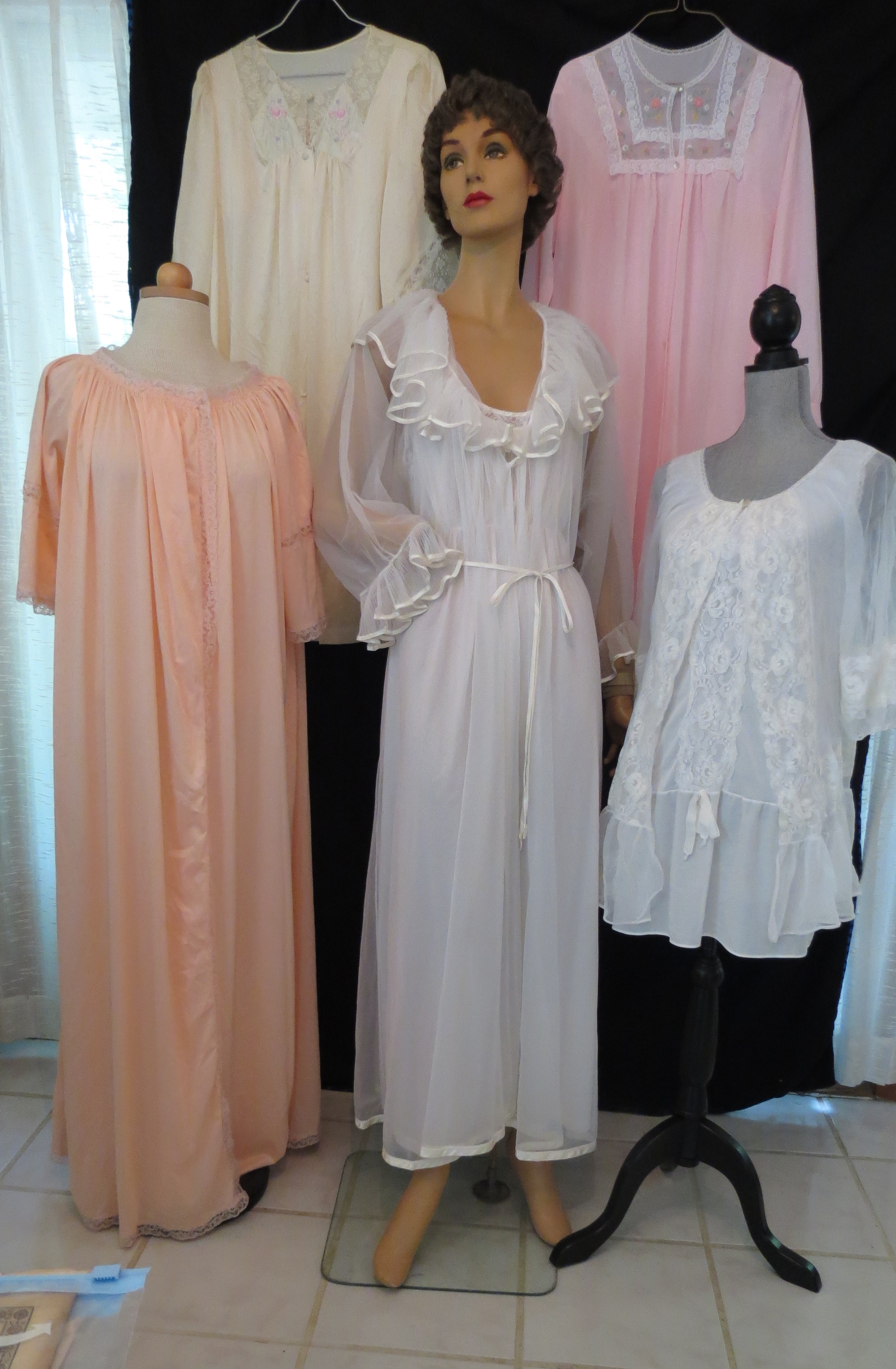
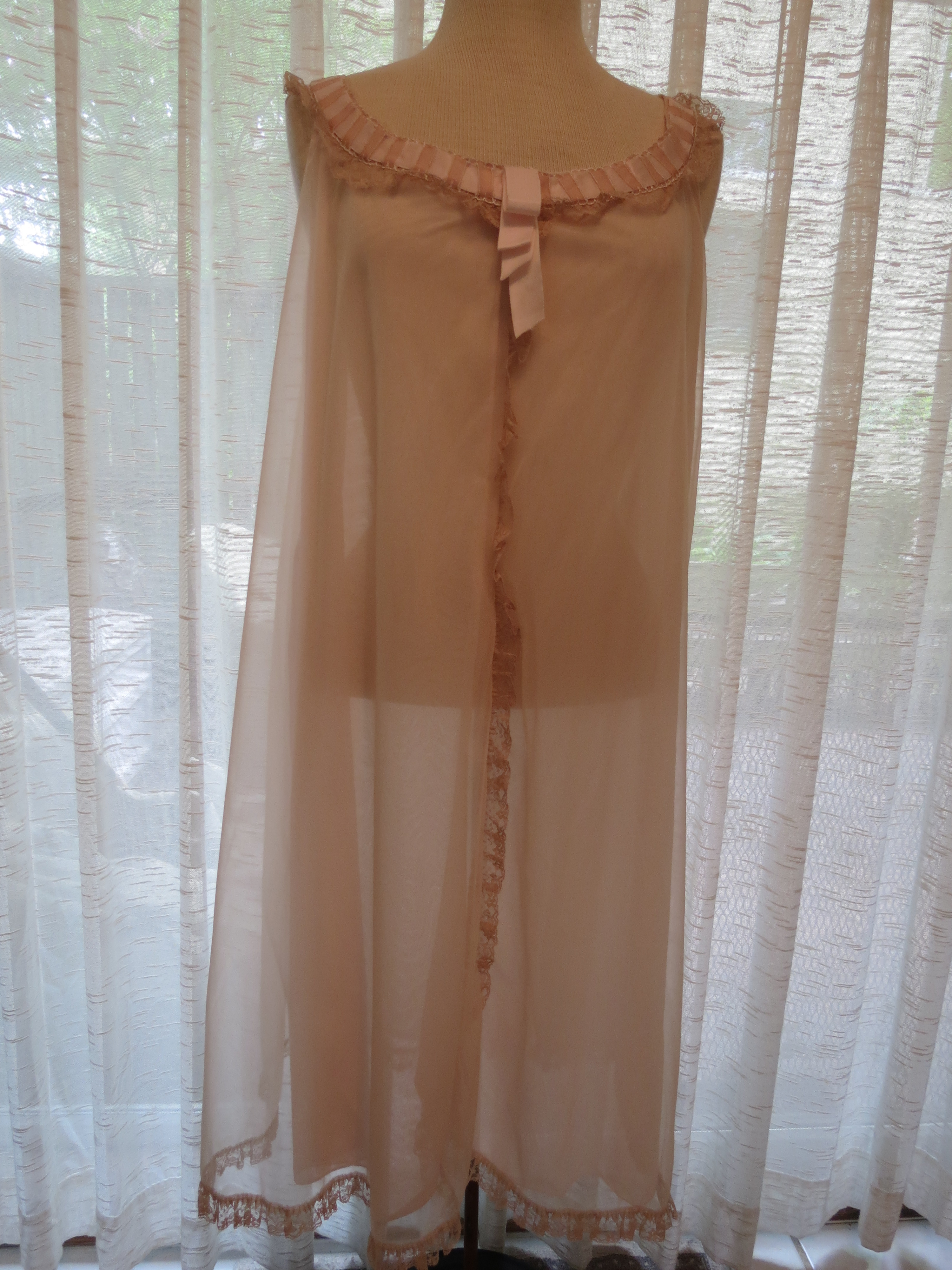
No matter what you’re wearing, lingerie pieces are key to making the outfit look right. Preventing lumps, bumps and see-through are only the simplest issues. The proper undergarment also ensures that the fabric lays correctly on your body and allows it to drape without clinging. Above are a very few examples of beautiful slips and only a tiny fraction of my complete collection.

You can see here how lovely the details are. Typically, even the plainest design will have nice little details and excellent tailoring. More elaborate styles are full of lace, embroidery, ribbons, sheer panels, satin straps and, often, some work done by hand. Though most slips are done in neutral, pastel colors, some (especially from the 1950’s to early 1960’s) were made in fabulous vibrant colors. True vintage nylon has a feel like no modern fabric and is absolutely luxurious. So gorgeous they could often be worn as a lightweight dress or skirt on their own.

Look for vintage lingerie that suits your wardrobe. Notice the details. Slips, of course, are the basis if you wear dresses and skirts. Search for cotton slips as well as the more-common nylon ones. In the summer, you will appreciate the difference! It’s also important to match your undergarments to the clothing worn with it – if anything might show or peek out, whether by accident or on purpose, will the color be OK? How will your outer garment move over the fabric of the slip? How will the fabric of the slip react with your skin in hot weather? Lots of things to consider in order to get the best result.

Also, look for other undergarments – in the 1960’s some split slips were made to be worn under culottes and split skirts. “Slips” to be worn under slacks can even be found from the 1960’s and 1970’s. A 1950’s/1960’s girdle was ALWAYS a base foundation for most women at that time (thank goodness, not now!). If you’re wearing a wiggle dress, you may not have a choice in order to make it look right. Silk tap pants from the Twenties are so comfy and perfect under a lightweight dress in the summer. A camisole under a blouse or top can improve the fit, add some warmth on a cold day and sometimes provide a little neckline interest depending on the style. A “bullet bra” is perfect if you want to be a “sweater girl”. Garter belts and girdles are necessary for wearing stockings. A crinoline is important for most mid-century dress styles with circle skirts, especially from the late 1940’s through the early 1960’s. Some dresses have their own, but others require you to add one.

I’ve probably forgotten to mention something but you get the drift. Lingerie is SO important that I probably should always start any series of posts with it. . . . . . . . . . . . . . . . . . .

MORGANA MARTIN, THE MAGICVINTAGESPY

BLOG: MAGICVINTAGESPY.COM
FABULOUS NEW FIND: EARLY 1960’S SEMI-FORMAL POUF DRESS

Perfect example of a Kennedy Era party dress, bought off the rack back in the day. It’s full of clues in the fabrics and construction. Lace overlay fabric which was very popular at that time, 3-layer skirt with a netting crinoline in the middle, AFLCIO Union Workers label, vintage metal zipper with a hook and eye at the neckline and at the waist, and hanging loops sewn in at the shoulder. These dresses are exceptionally well-made although they were reasonably priced. Although it’s a little short on Stella, it fits her pretty well.

I’m always thrilled to find one and each example has some unique features. In this case, the scarf attached at the right shoulder which drapes across the front neckline is a novel addition. It’s even got a detachable rhinestone brooch on the opposite shoulder, suggesting that there might be other ways to style the scarf. As worn above, it makes a tail over the left shoulder, which was a popular design element at that time and also in decades before. In any case, I’ve never seen one exactly like this. Just goes to prove that you just never know . . . . . . . . . . . . . . . . . . . . . . . .

MORGANA MARTIN, THE MAGICVINTAGESPY

BLOG: MAGICVINTAGESPY.COM
20 YEARS BEFORE NEW WAVE, ELECTRIC BLUE STILETTO HEELS FROM THE EARLY 1960’S

Slightly more extreme silhouette, I’d say that these heels are a few years younger than the pink shoes from yesterday. The metallic blue color is very Las Vegas. They look like patent leather and you might expect that because of their age but I believe that they are some type of synthetic. The brand name was probably printed on the insole but has worn away so completely that I can’t depend on it to help me out. Soles are also a synthetic. Very durable, but not a mark of higher quality. These babies were definitely mid-priced but good to go for a long time.

They’re not as tiny as yesterday’s pink pumps and I can wear them! Great find because I have a sateen semi-formal cocktail dress in the same blue color from the same era. That’s one of the most fun things about sleuthing investigations – finding the clues that fit together. Solves the mystery for that outfit! Stay tuned . . . . . . . . . . . . . . . . . . . . . . . . . .

MORGANA MARTIN, THE MAGICVINTAGESPY

BLOG: MAGICVINTAGESPY.COM
PRETTY LITTLE PINK PUMPS

Maybe Peggy Sue wore these to the Prom. Entirely possible – Life Stride brand shoes were mid-priced and available at shoe stores in town centers where everybody shopped in mid-century America. A very popular brand; they often sold purses to match the shoes. This was a big deal for women in the 1950’s and early 1960’s and tons of them were sold. Looks like the company, in some form, is still operating. If you shop Walmart, take a look there but I doubt you’ll find anything nearly as wonderful as these, and certainly not with the history . . .. . . . .

Let me know if you have any Life Stride stories. I’d love to have them for the archives and stay tuned.

MORGANA MARTIN, THE MAGICVINTAGESPY

BLOG: MAGICVINTAGESPY.COM
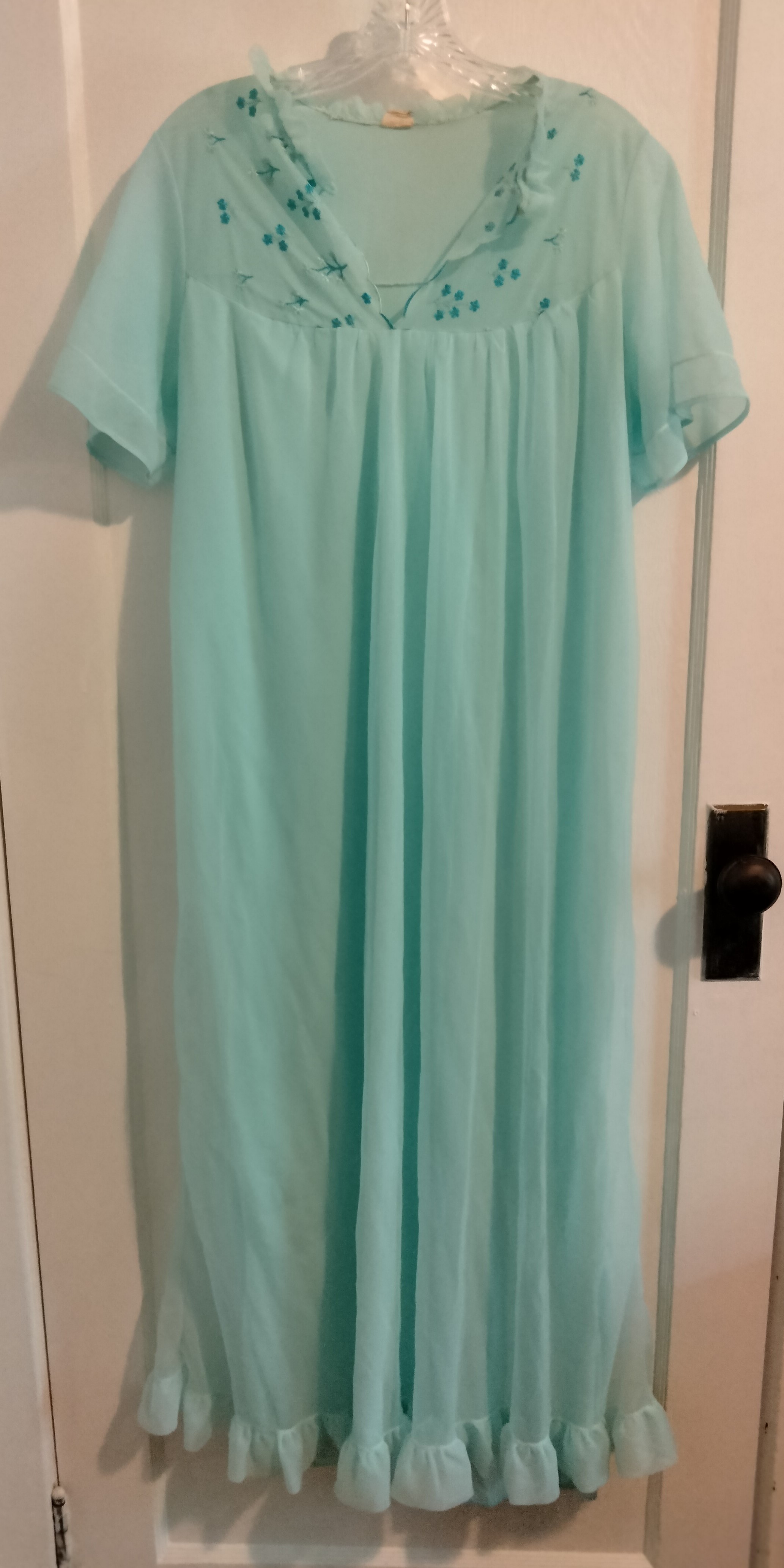
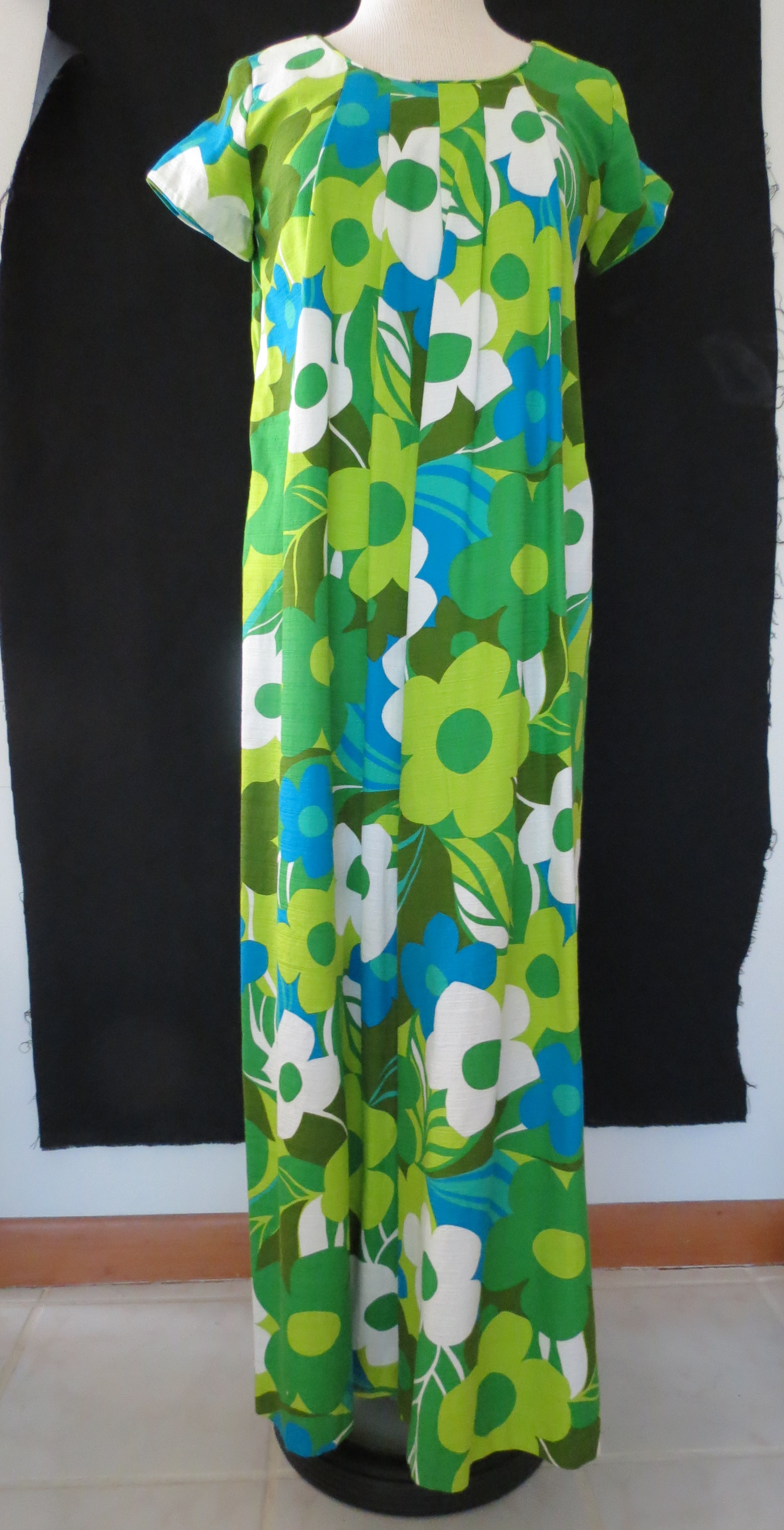
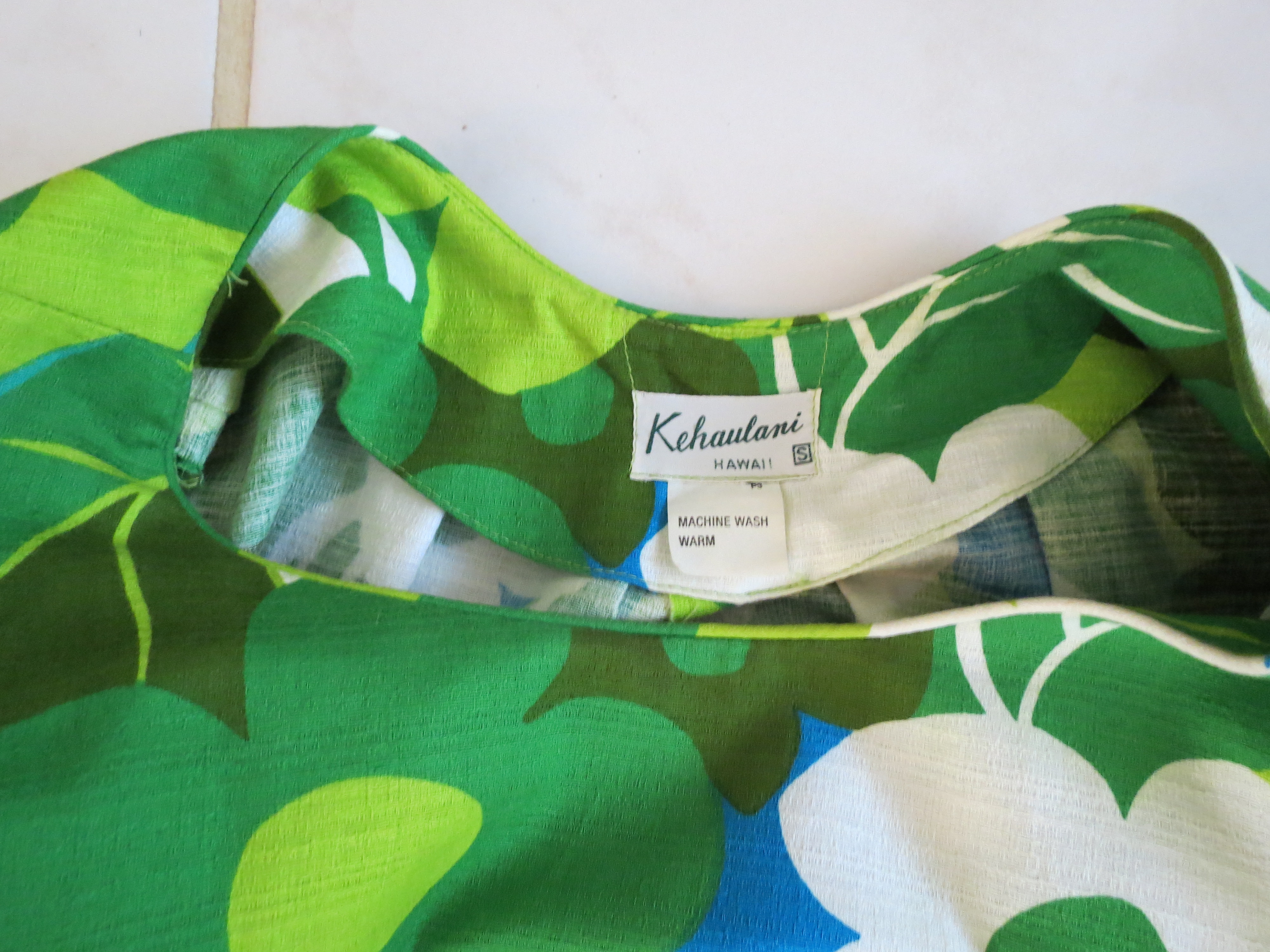
A Pretty 1960’s – ’70’s Party Dress by Miss Elliette of California

I pulled this little beauty out of the archives to decide whether she gets a permanent place in the closet or the chopping block . . . . . . . . . . . ..

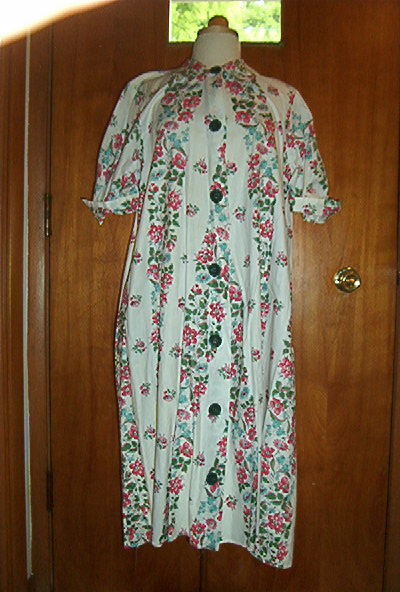
The 1970’s was not a banner decade for high quality fashion, in my opinion, but this is a lovely example of the mid-priced garments available then so worth collecting. It’s nicely designed and tailored with gathers at the neckline, knife pleating and piping finish at the neck and wrists; a flattering style with well-done tailoring details and features that were popular in some of the better dresses. Of course, a full matching lining in the body is essential.

Alas, it’s not a perfect fit nor the best color for me so it’s off to eBay. Sometimes, spycraft must be ruthless. Stay tuned . . . . . . . . . . . . . . . . . . . . . . . . . . . . . . . . . . ..

MORGANA MARTIN, THE MAGICVINTAGESPY

BLOG: MAGICVINTAGESPY.COM
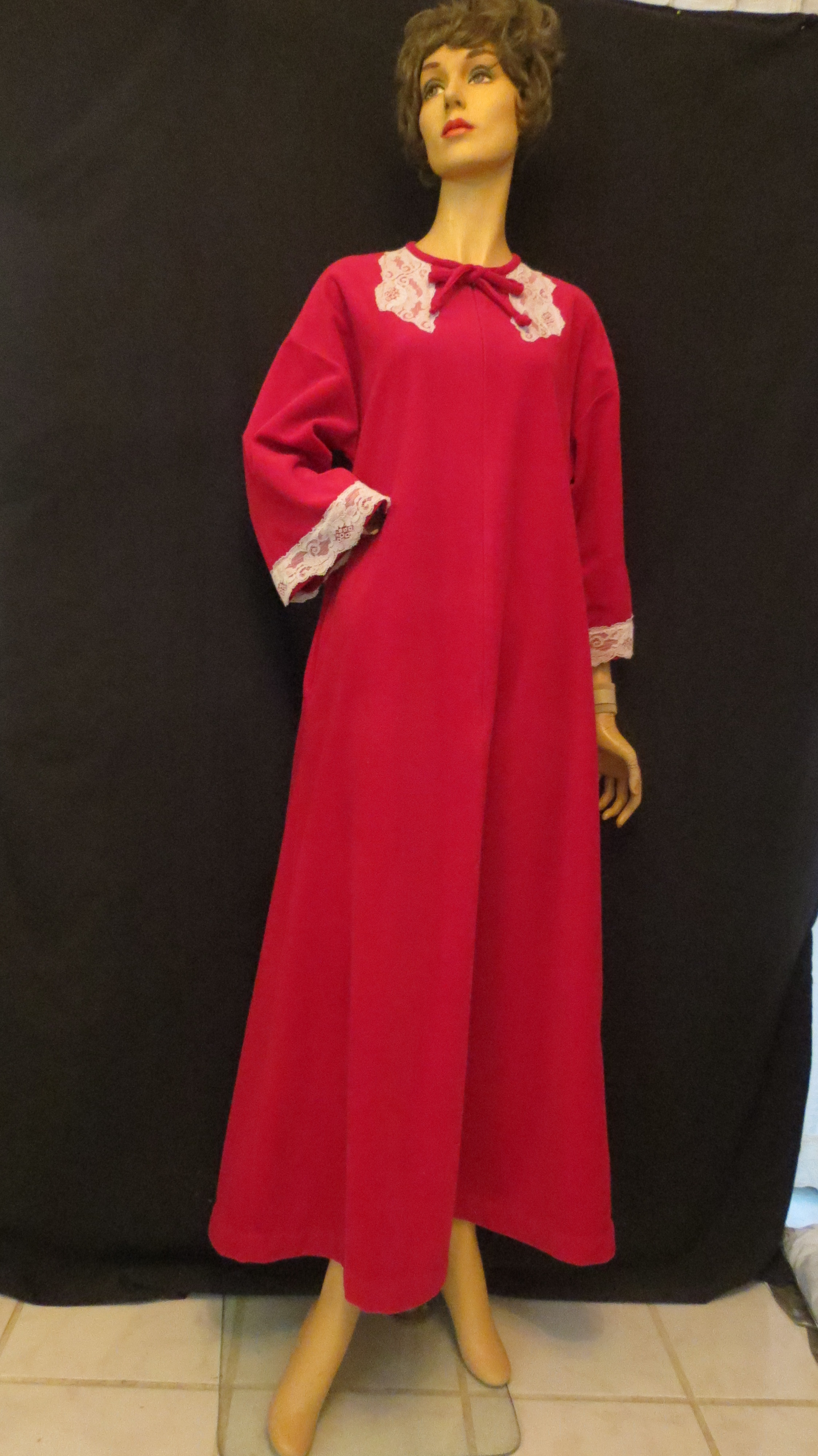
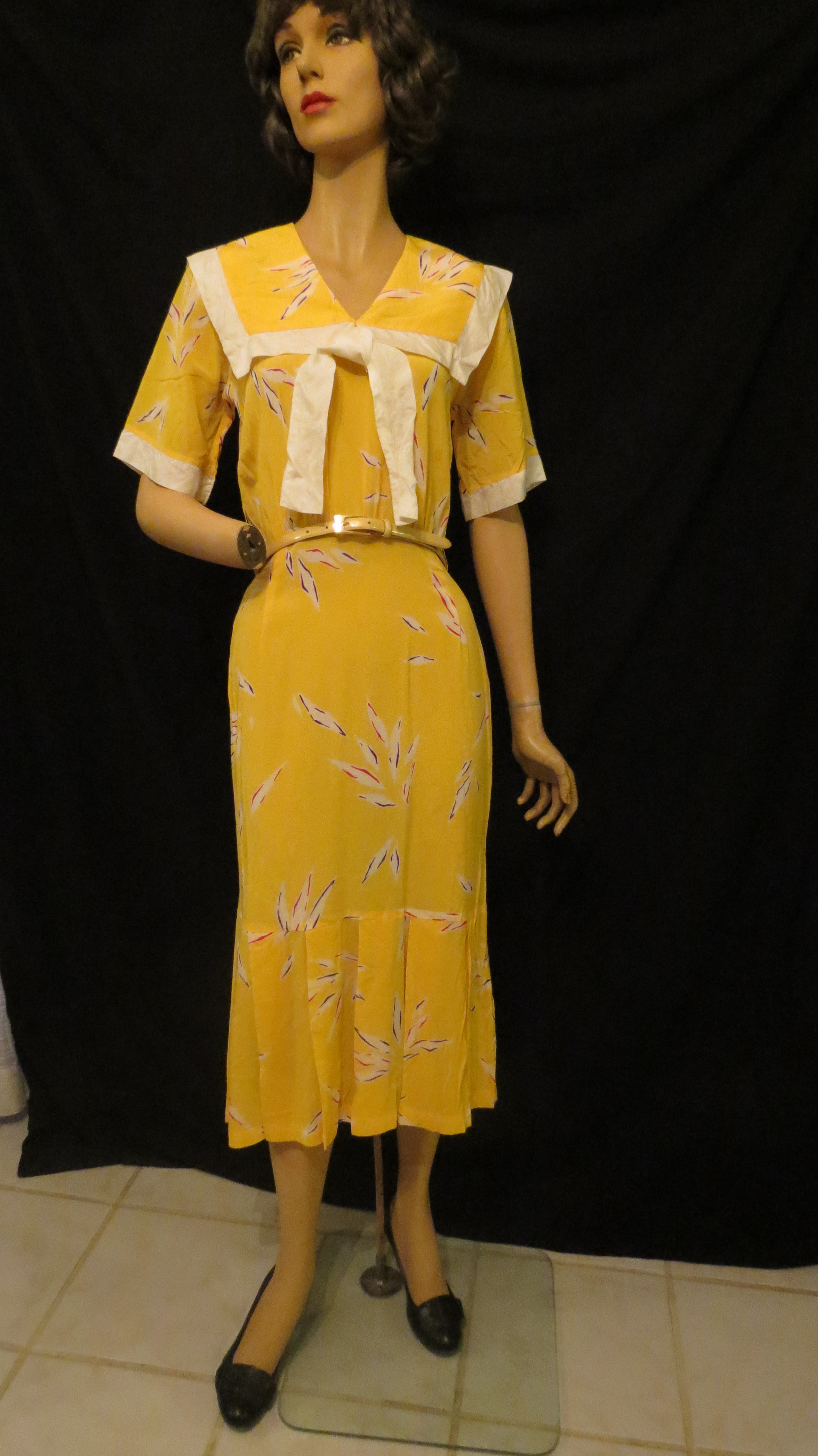
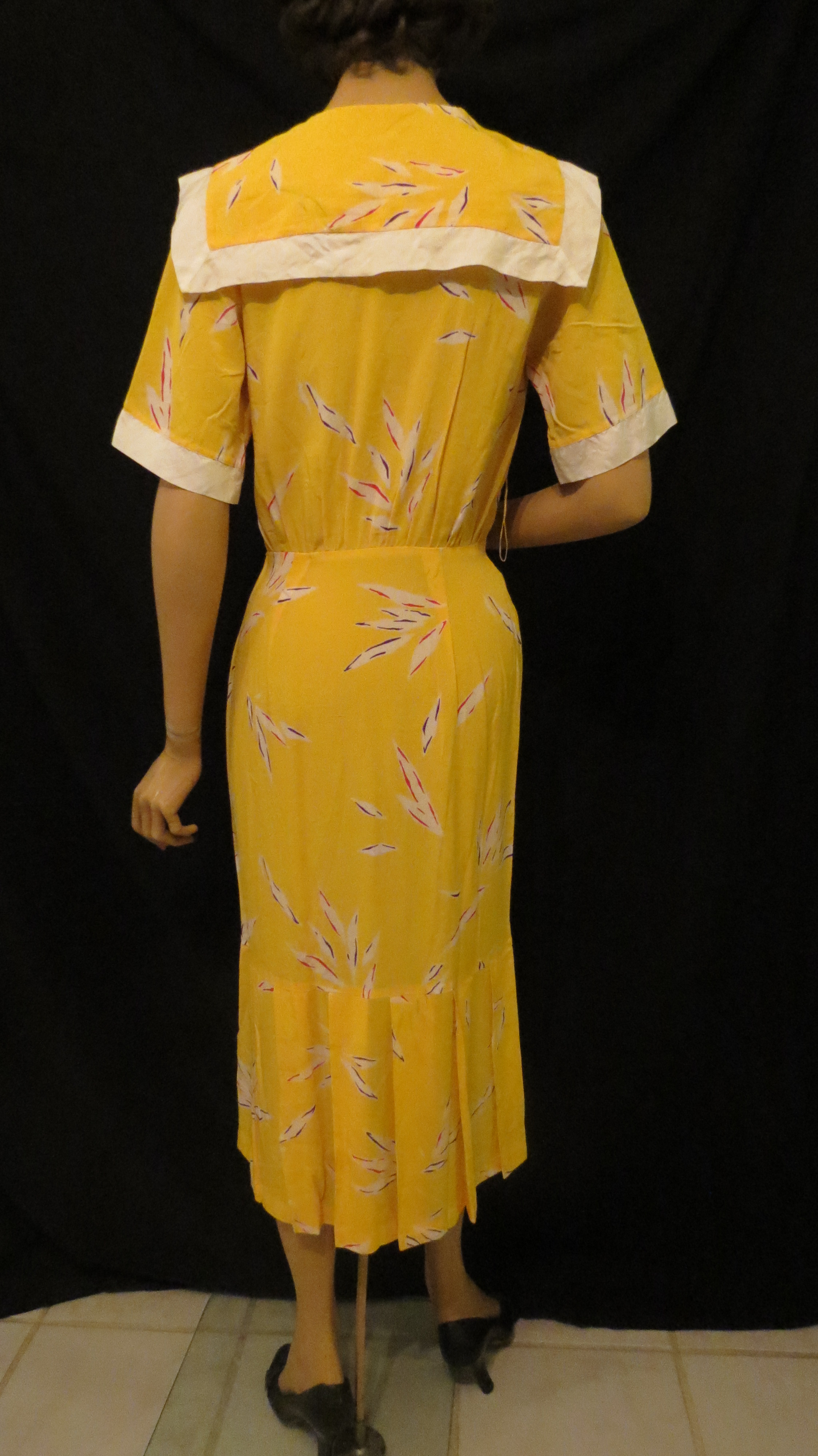
A Retro 1930’s Frock that I couldn’t pass up . . . . .

When I spied this dress I was immediately aware of the loyalty to 1930’s style in the fabric and design. Though it’s not true vintage, it was worth collecting. Love the sheer material, the drape and hemline. And, IT FITS ME! Will be seen on the street next summer. The purge does continue. Stay tuned . . . . . . .

MORGANA MARTIN, THE MAGICVINTAGESPY

BLOG: MAGICVINTAGESPY.COM