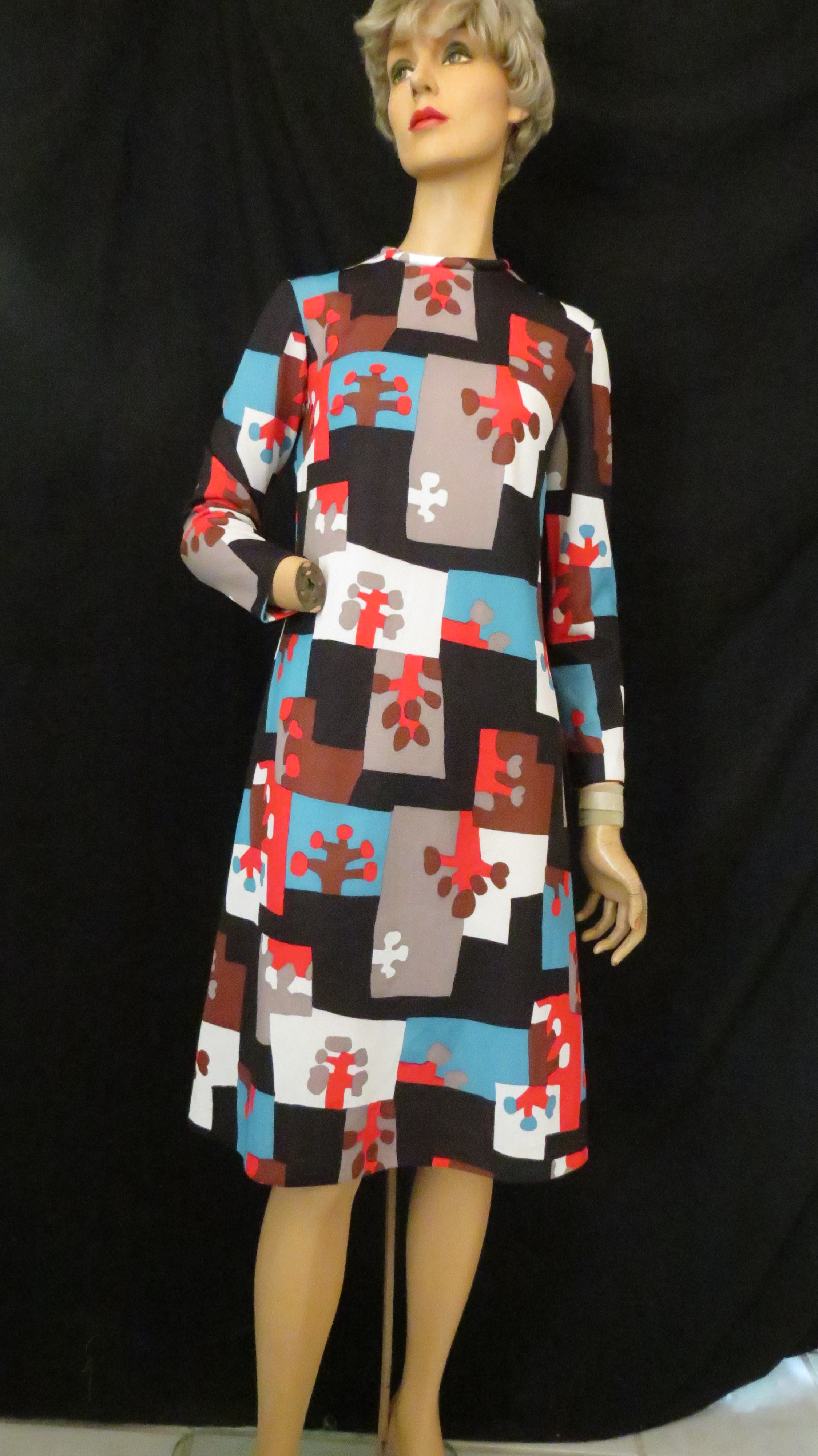
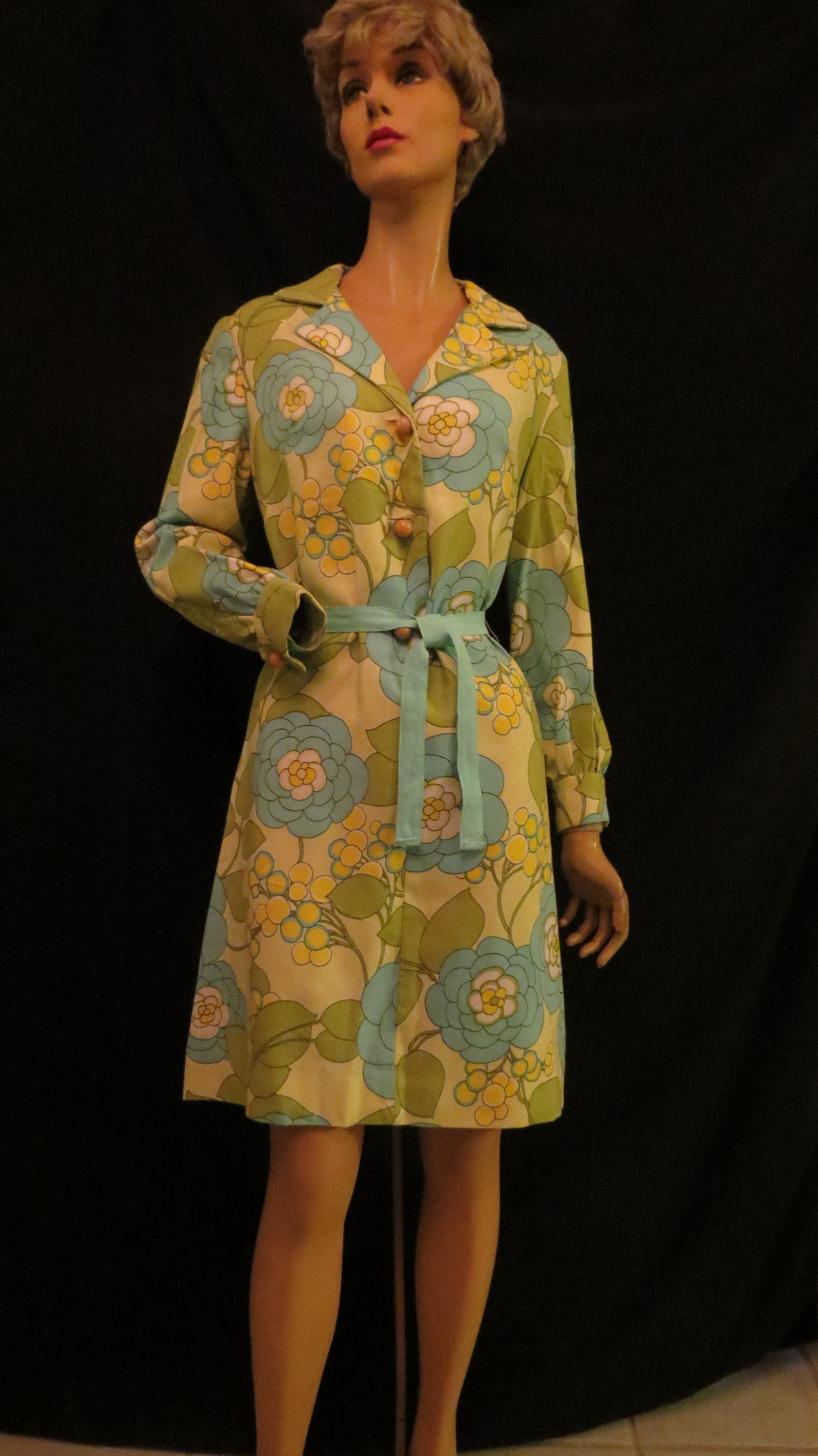
MORE WONDERFUL TRUE VINTAGE 1940’S SPRING DAY DRESSES AND ACCESSORIES

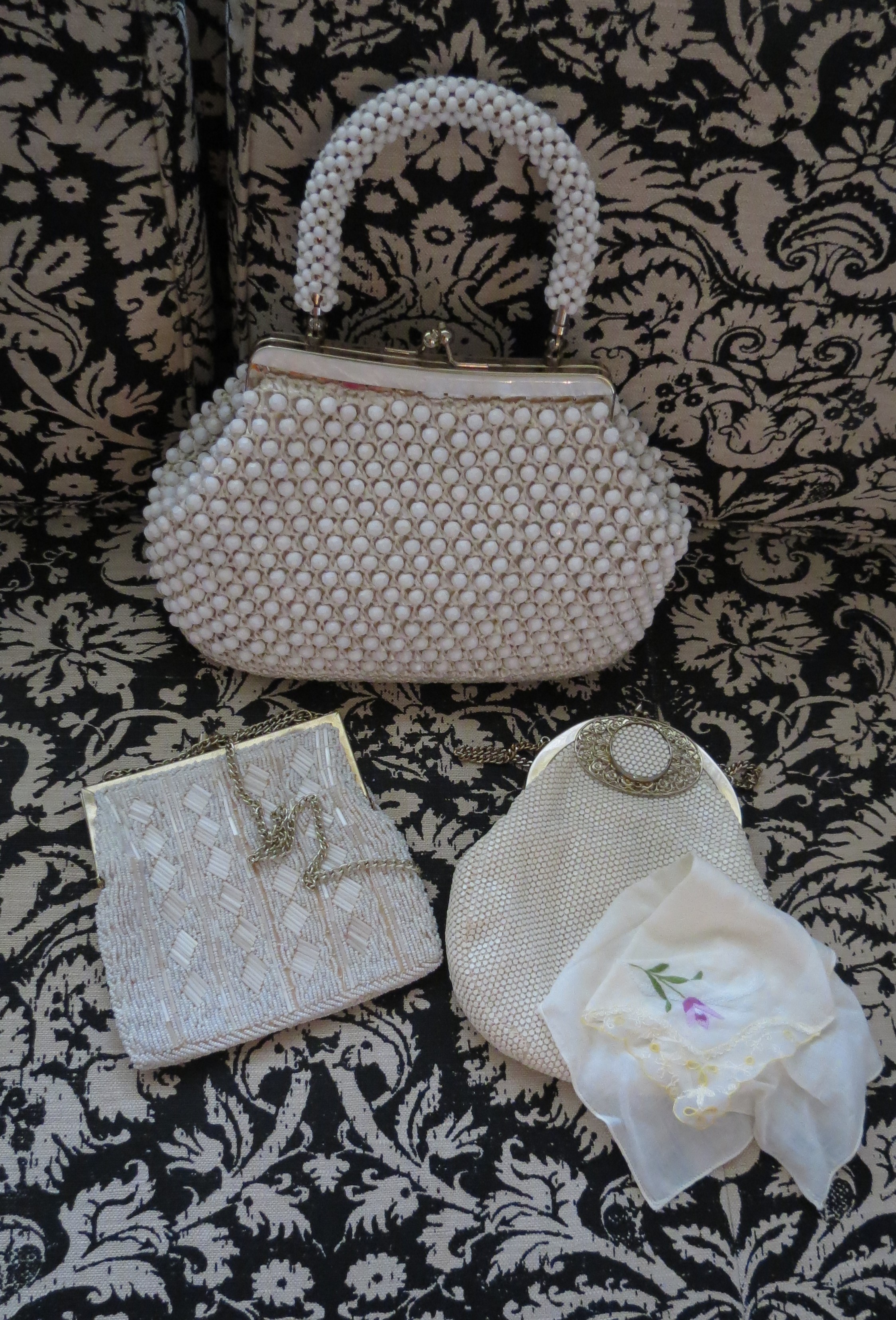
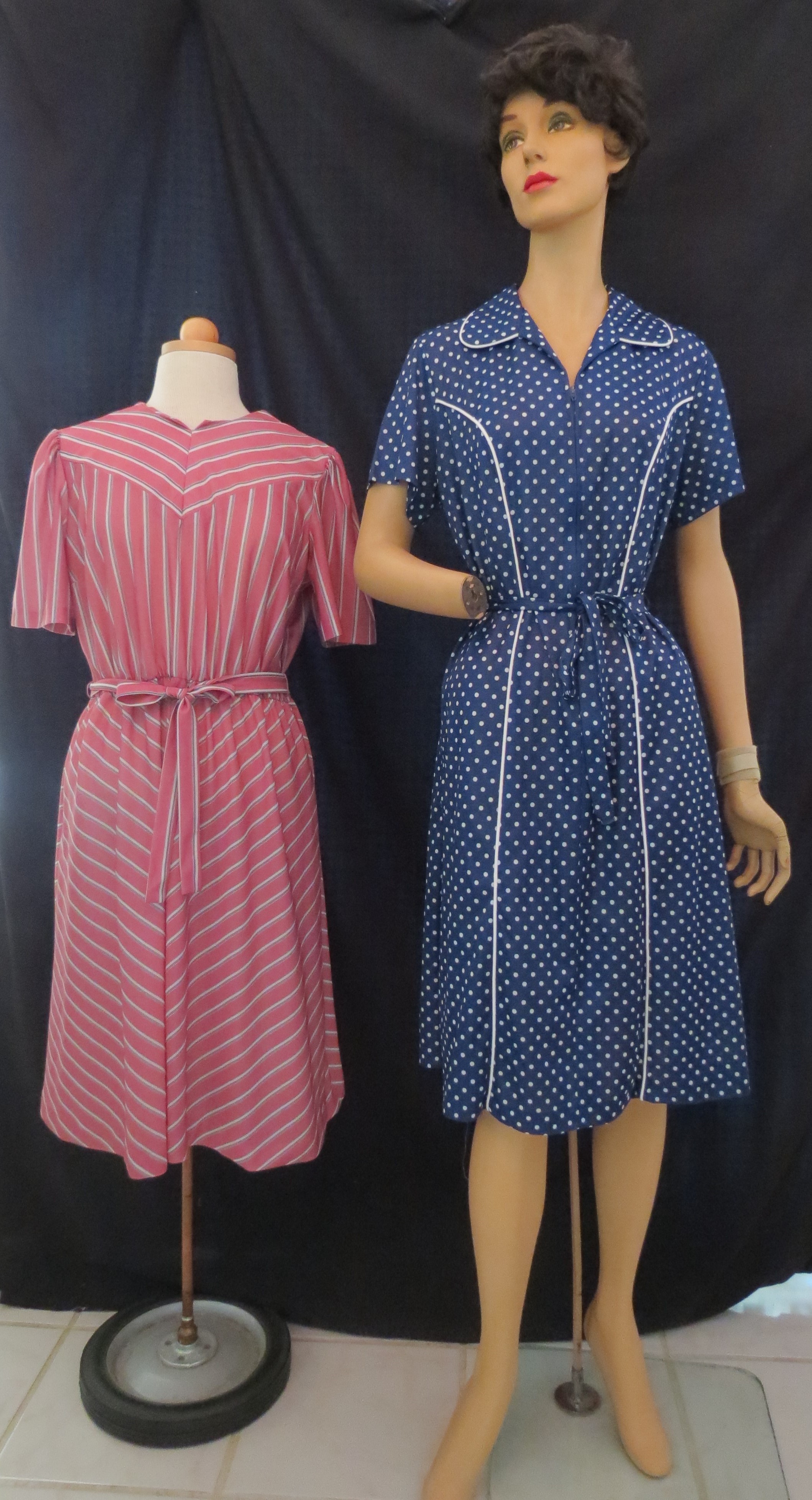
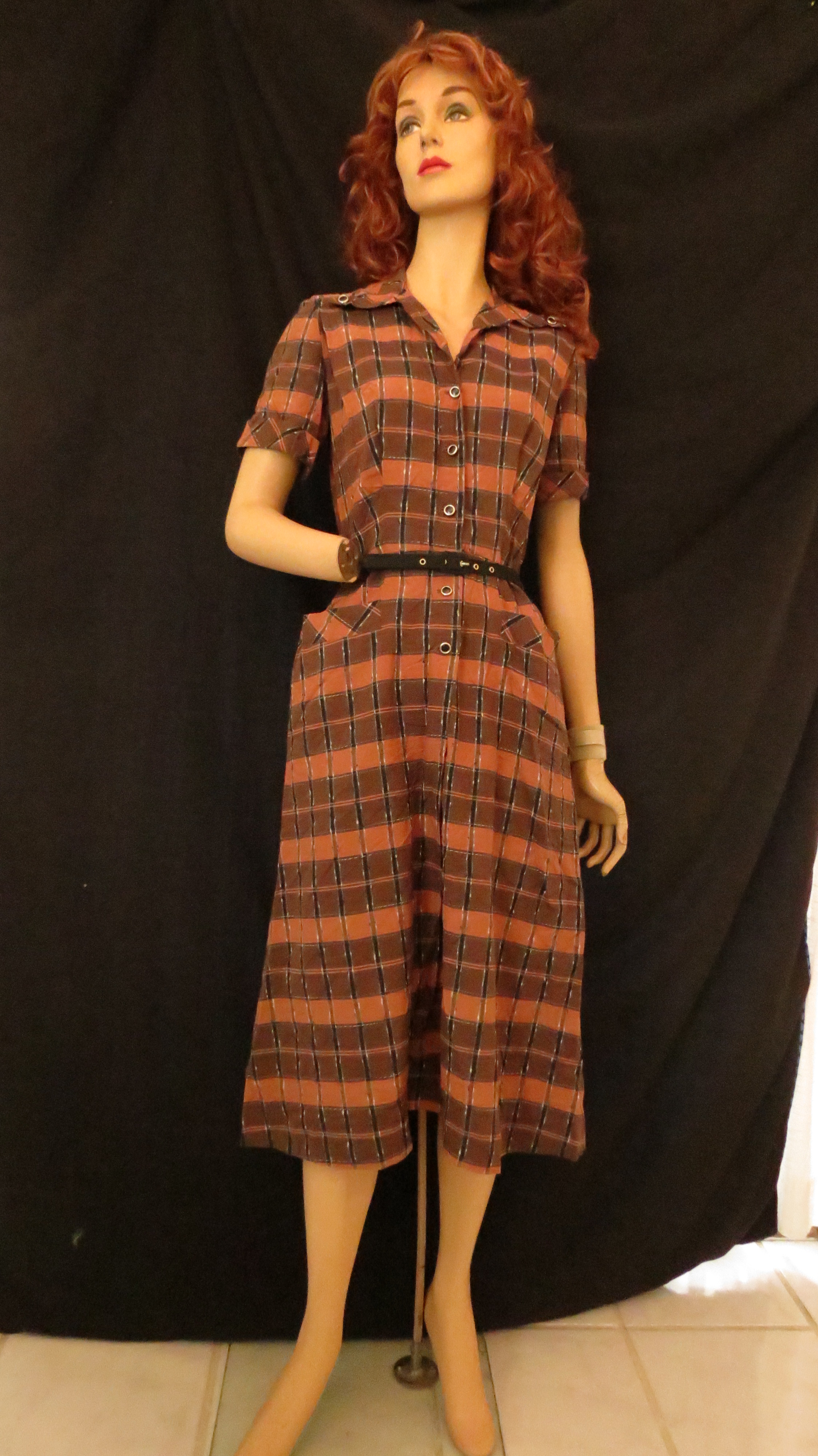
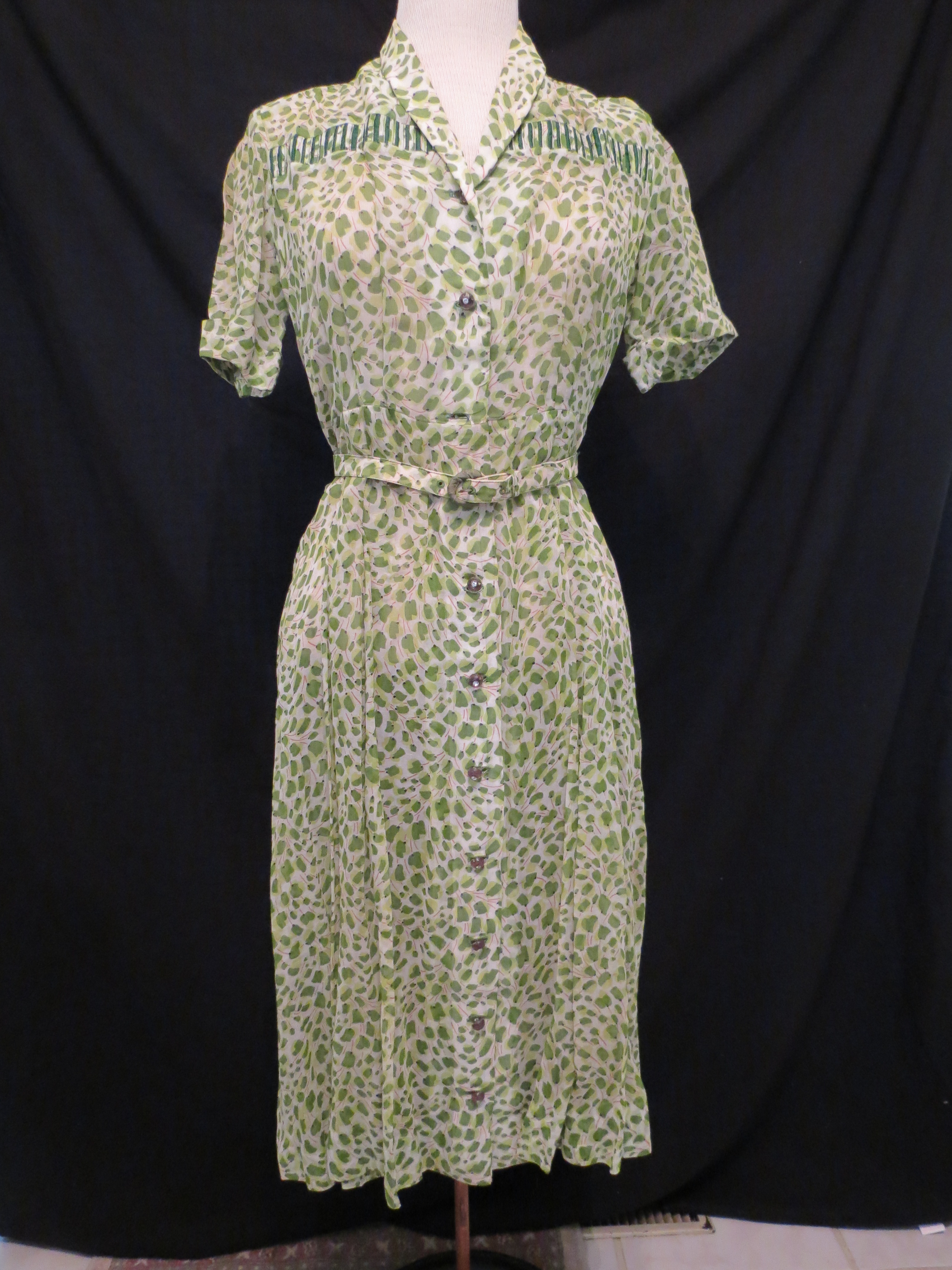
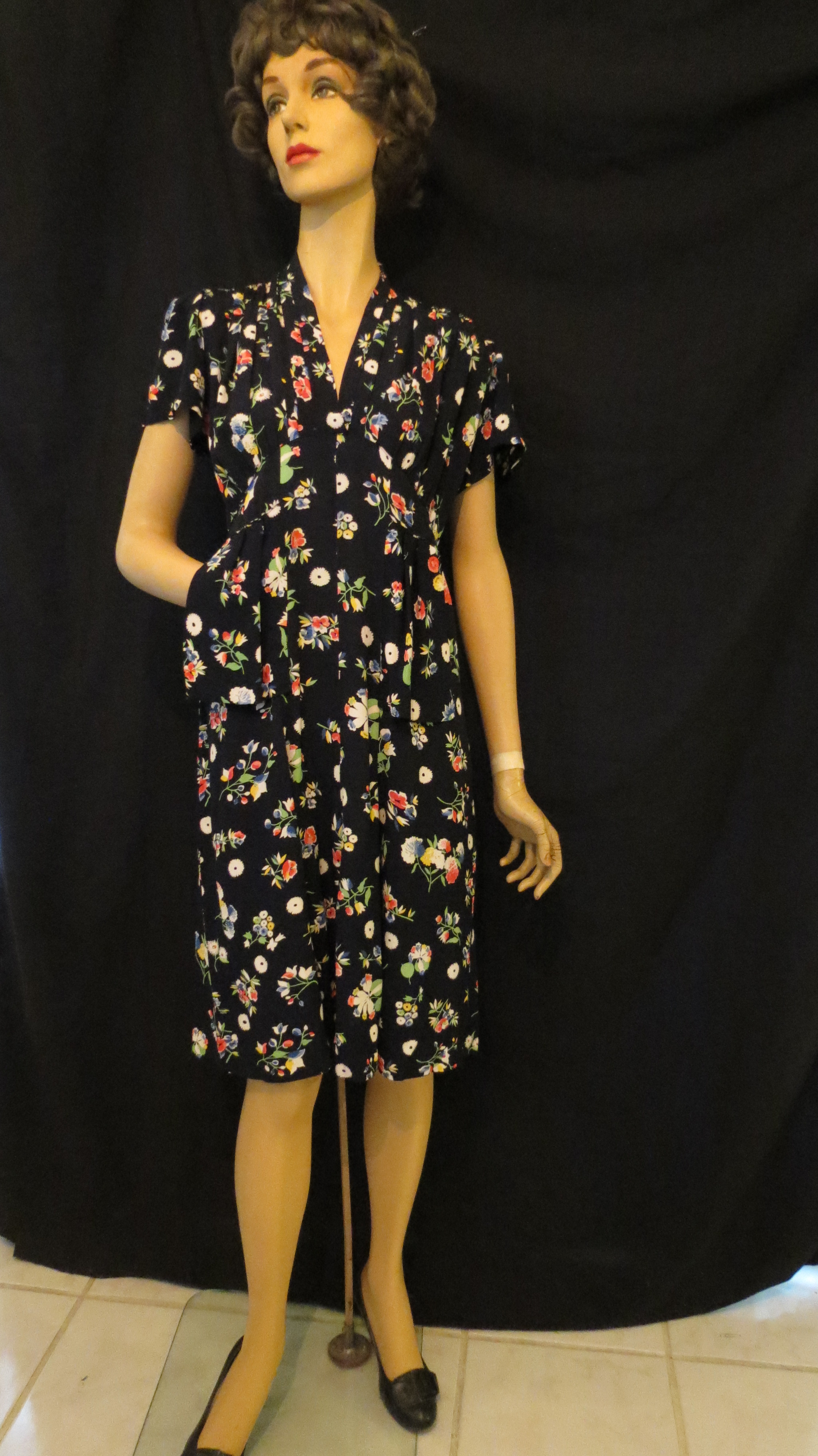
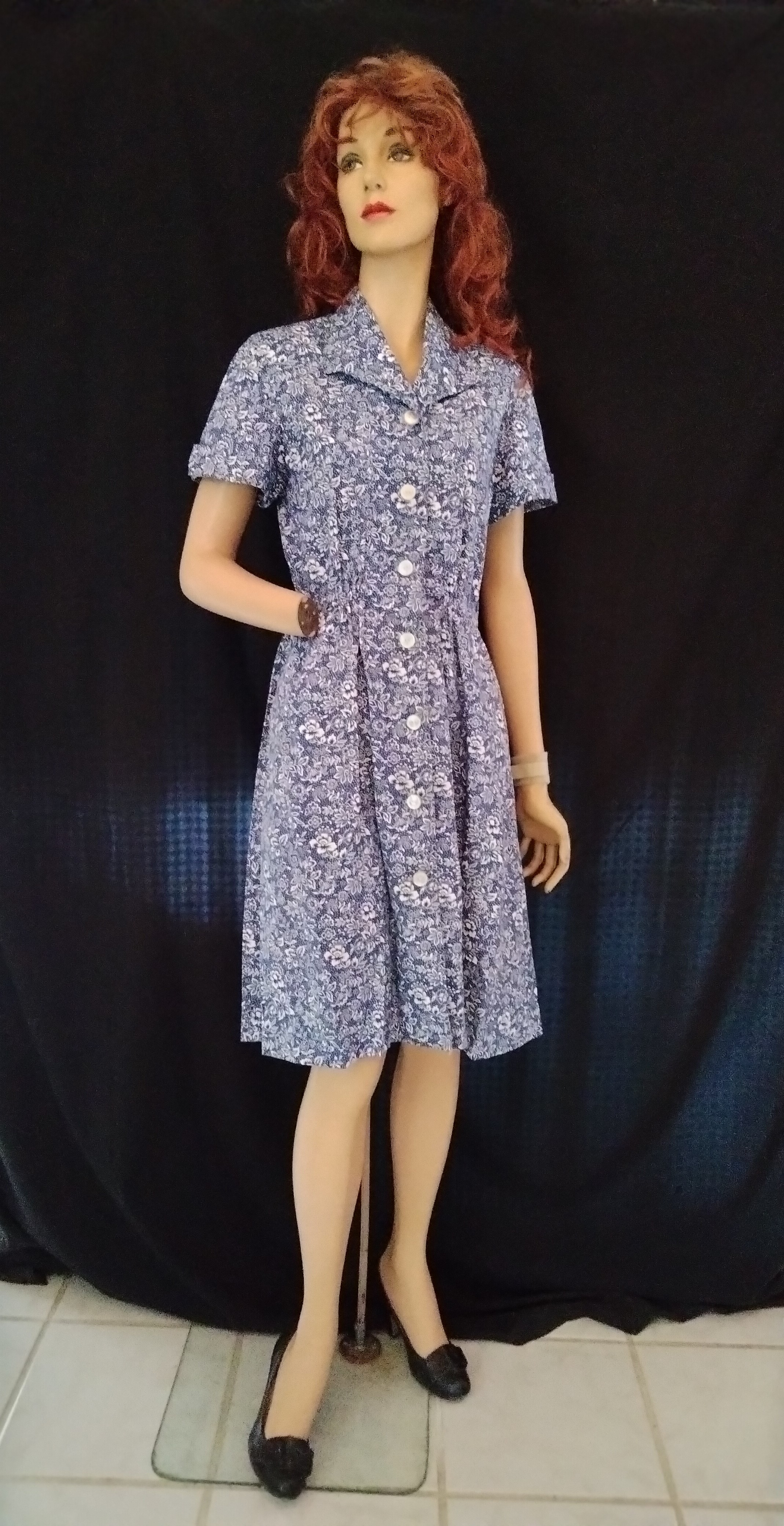
Some of my very favorite frocks. Wonderful rayon and blended synthetics. Pretty cotton. One sheer, the others opaque and drapey. Don’t you love these prints? Atomic, abstract and floral – big wartime and post-war favorites. Here, also, are some of the handbags, scarves and pumps that might have been worn with them.

Iconic styles, rationing-compliant and “modern” plastic alternatives to leather and wool. Silk and silky synthetic scarves were constant purse accessories. A few items carry over from the 1930’s – a few point toward popular styles as we go into the 1950’s. Since we’ve had such a long, cold winter, tomorrow I will show a few of the coats and outdoor accessories which might have accompanied 1940’s dresses outside the home. Stay tuned . . . . . . . . . . . . . . . . . . . . . . . . . . . . . .

MORGANA MARTIN, THE MAGICVINTAGESPY

BLOG: MAGICVINTAGESPY.COM

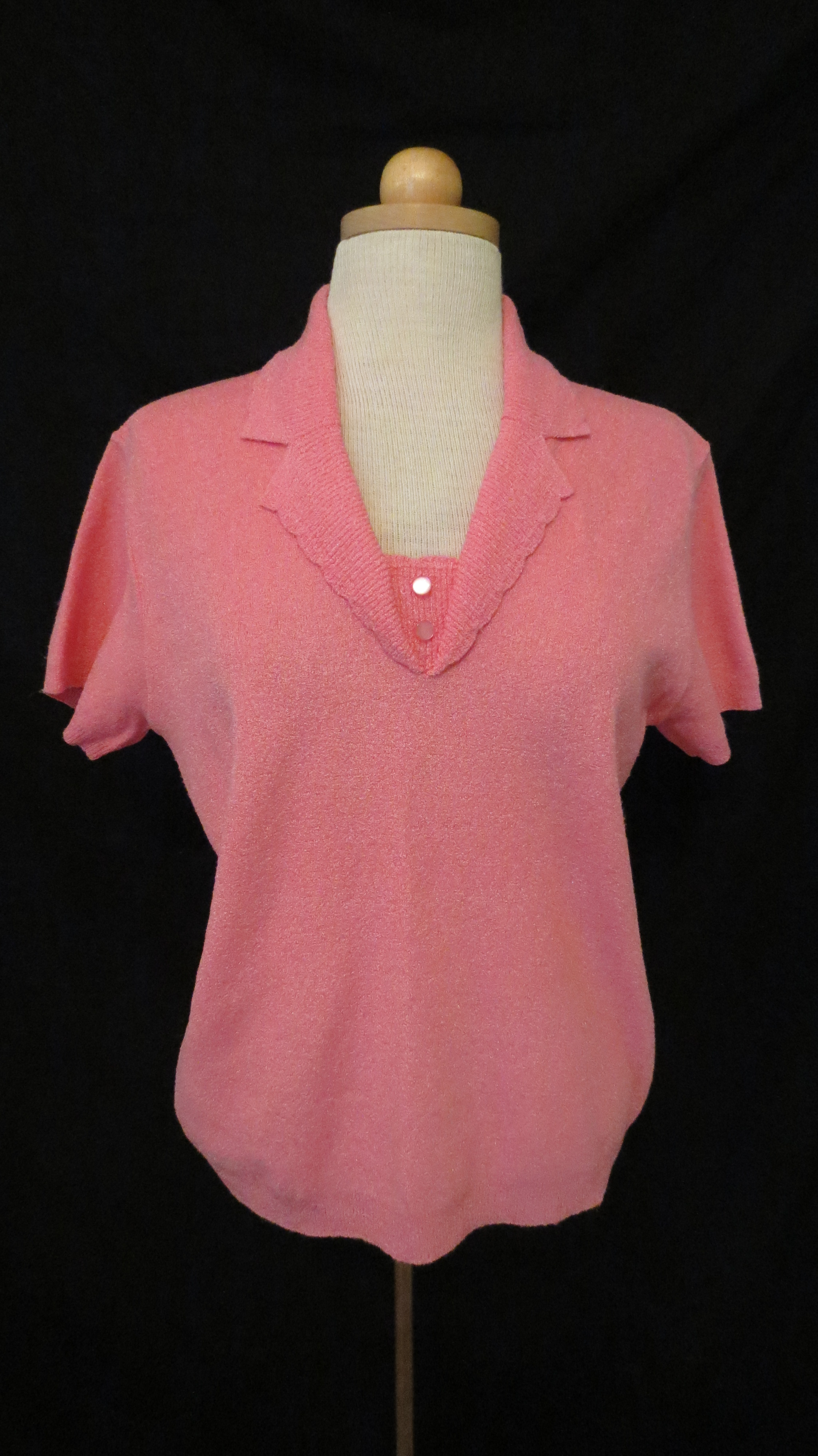
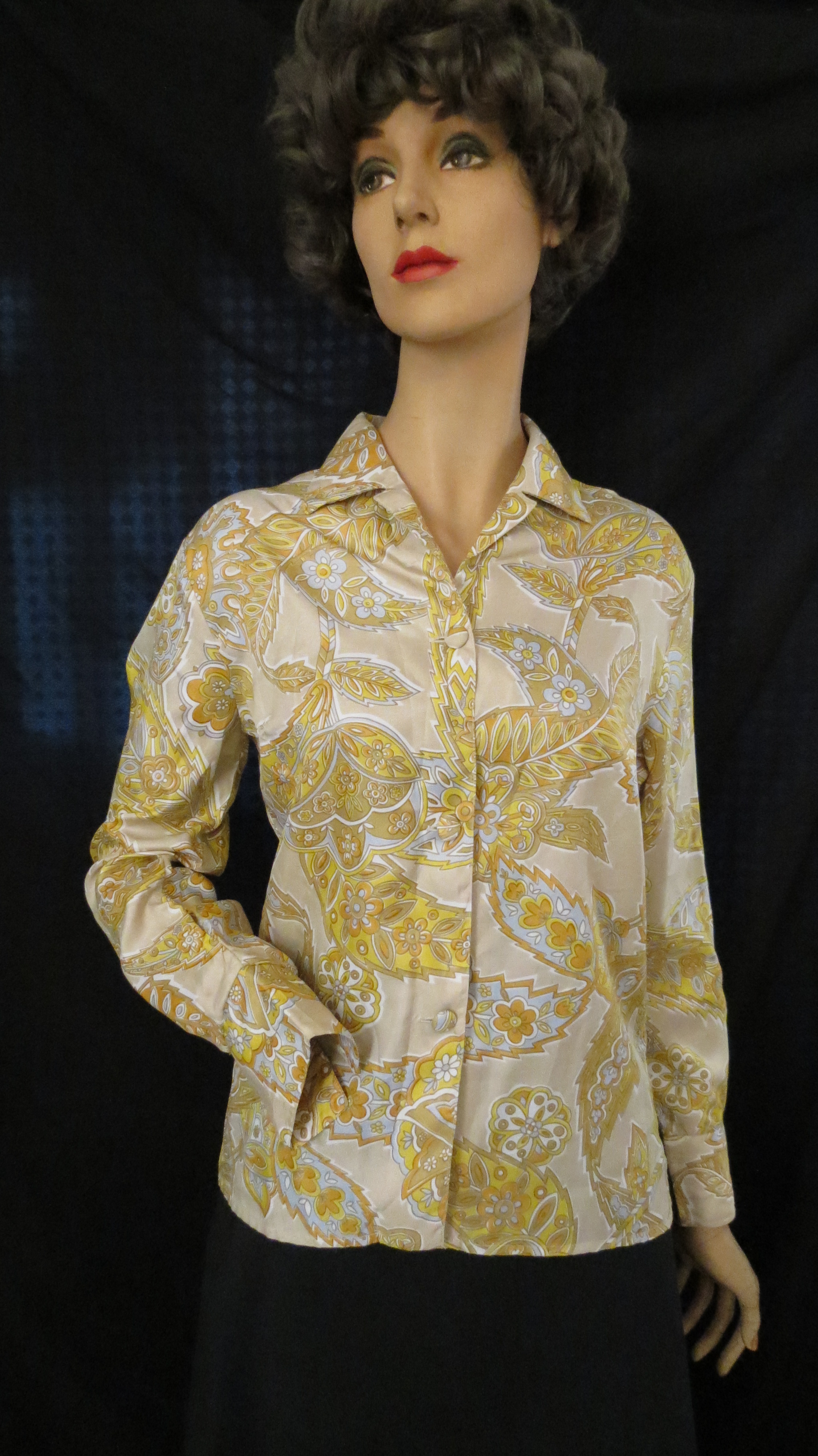
TRUE VINTAGE WWII LADIES’ BLOUSE AND TOP TRENDS

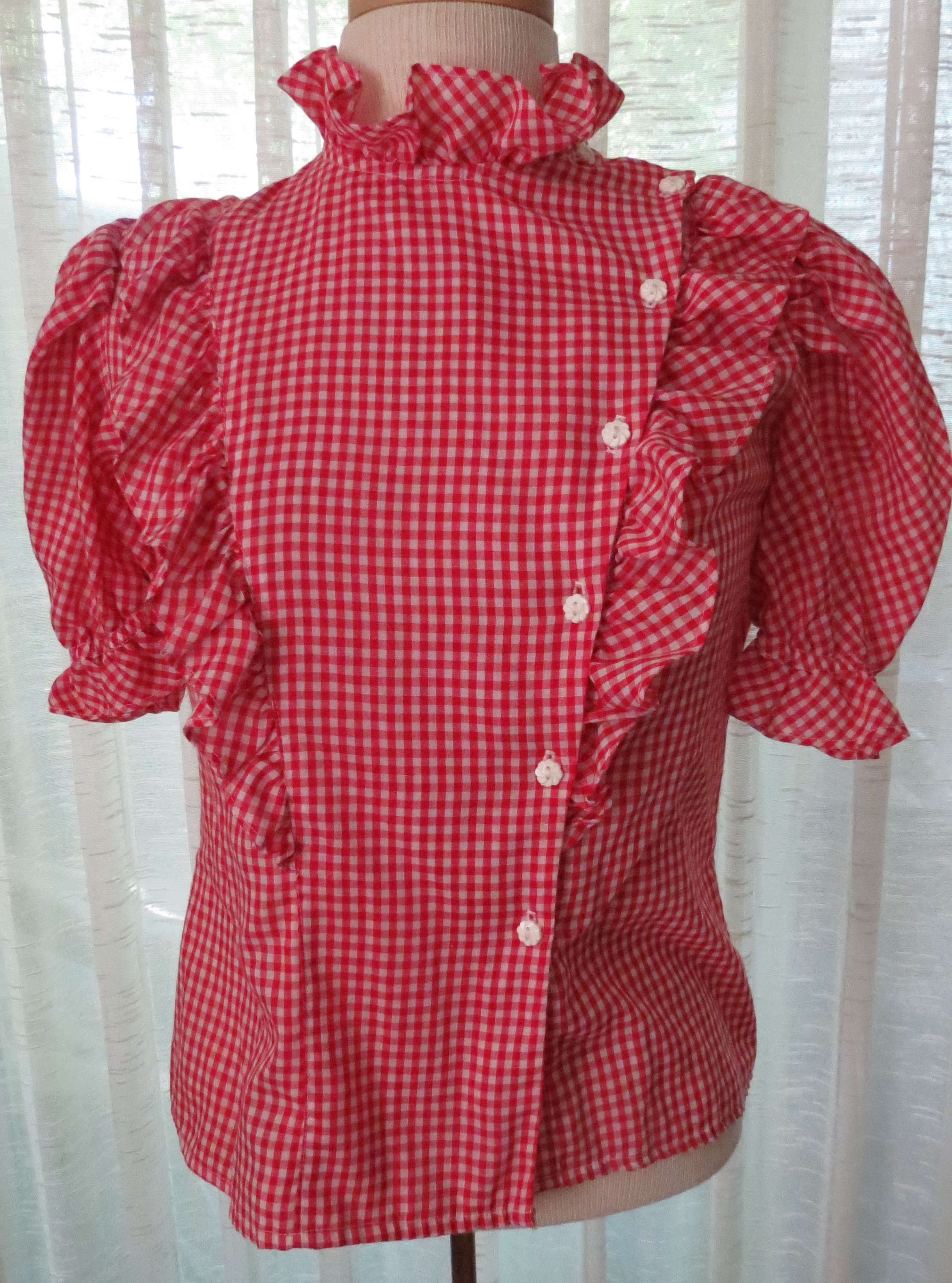
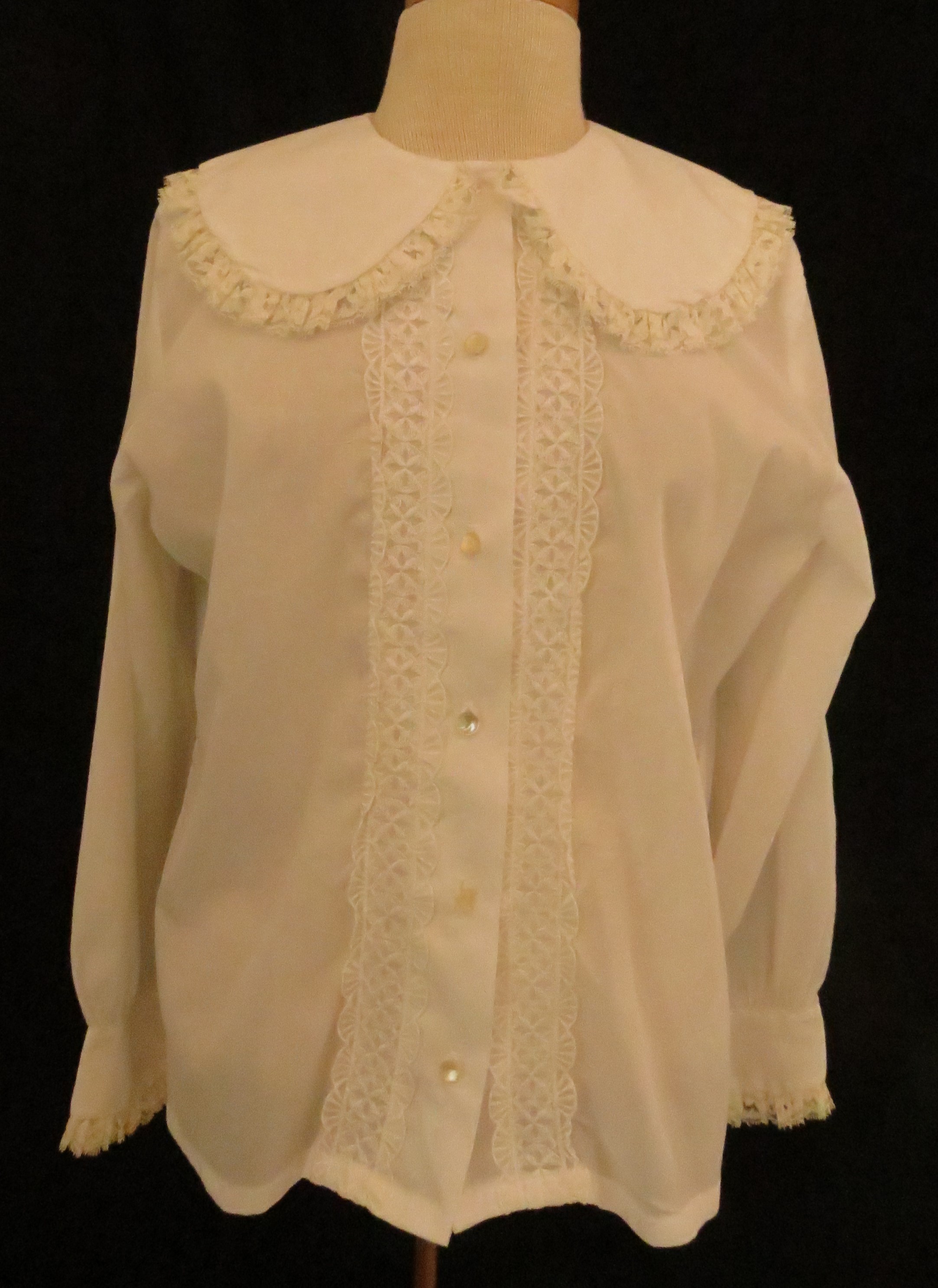
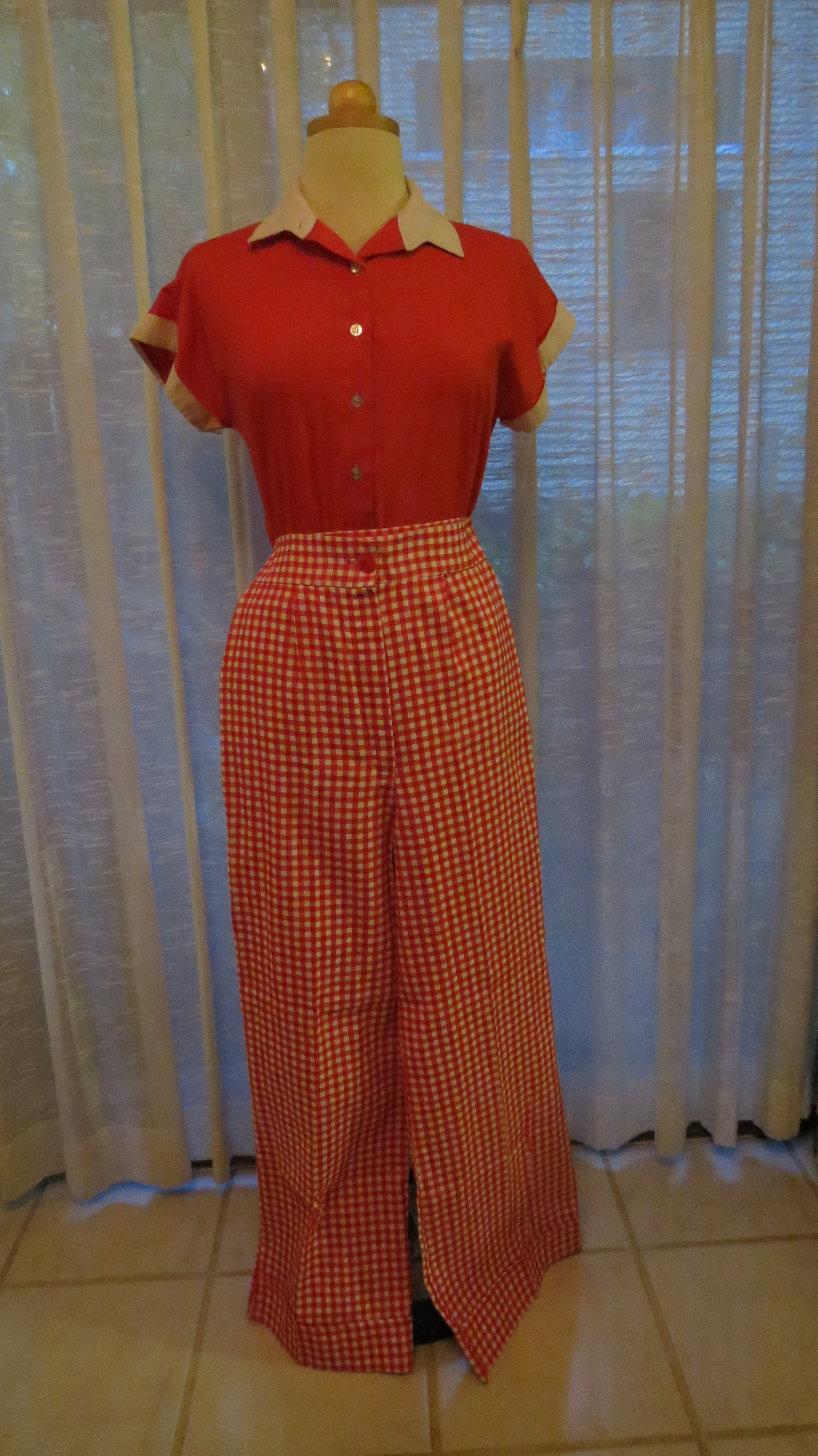
These blouses and sweater all came from the war years spanning the late 1930’s to the very early 1950’s. The first blouse is a women’s-wear version of the Western-wear trend. Perfect for square-dancing. Gingham and sculpted plastic buttons were popular. This example might have been home-sewn by a skilled seamstress.

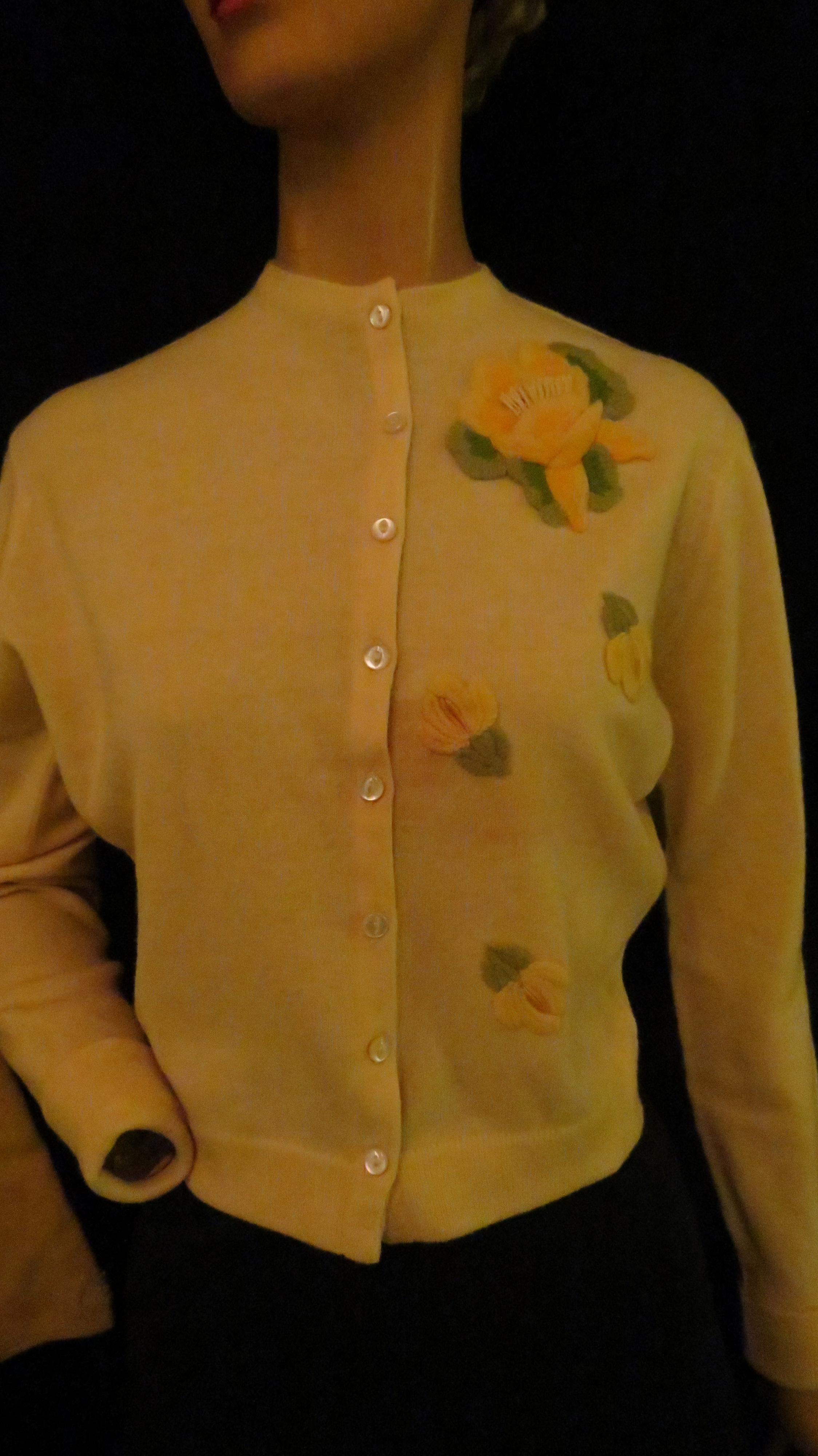
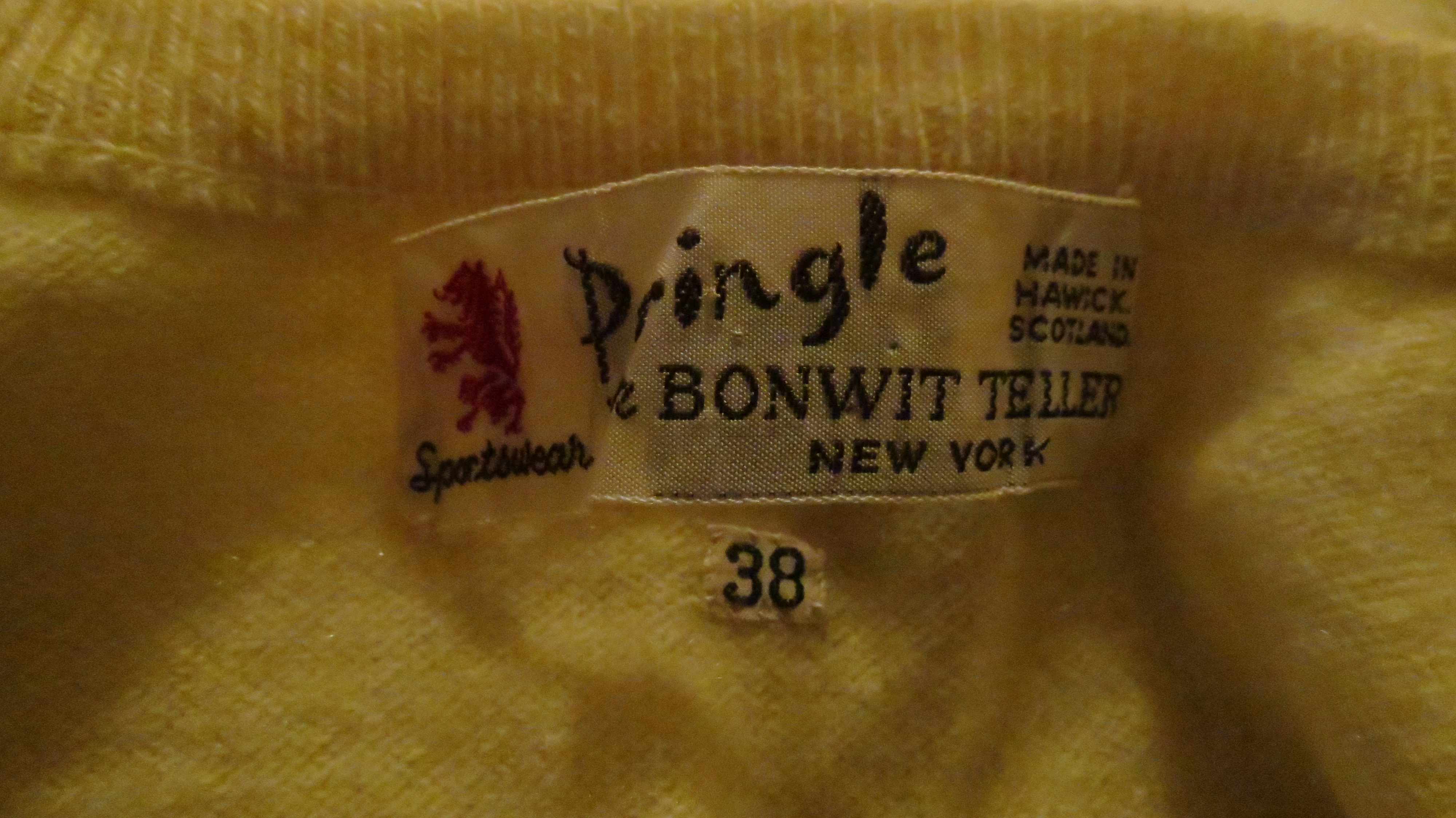
Cashmere cardigan sweaters also were seen worn as blouses, sometimes with the buttons in back if it were a plain knit. This trend was especially popular among co-eds. A beautifully-decorated one like that above would have been front-facing, of course. Pringle of Scotland was a known brand and higher-end.

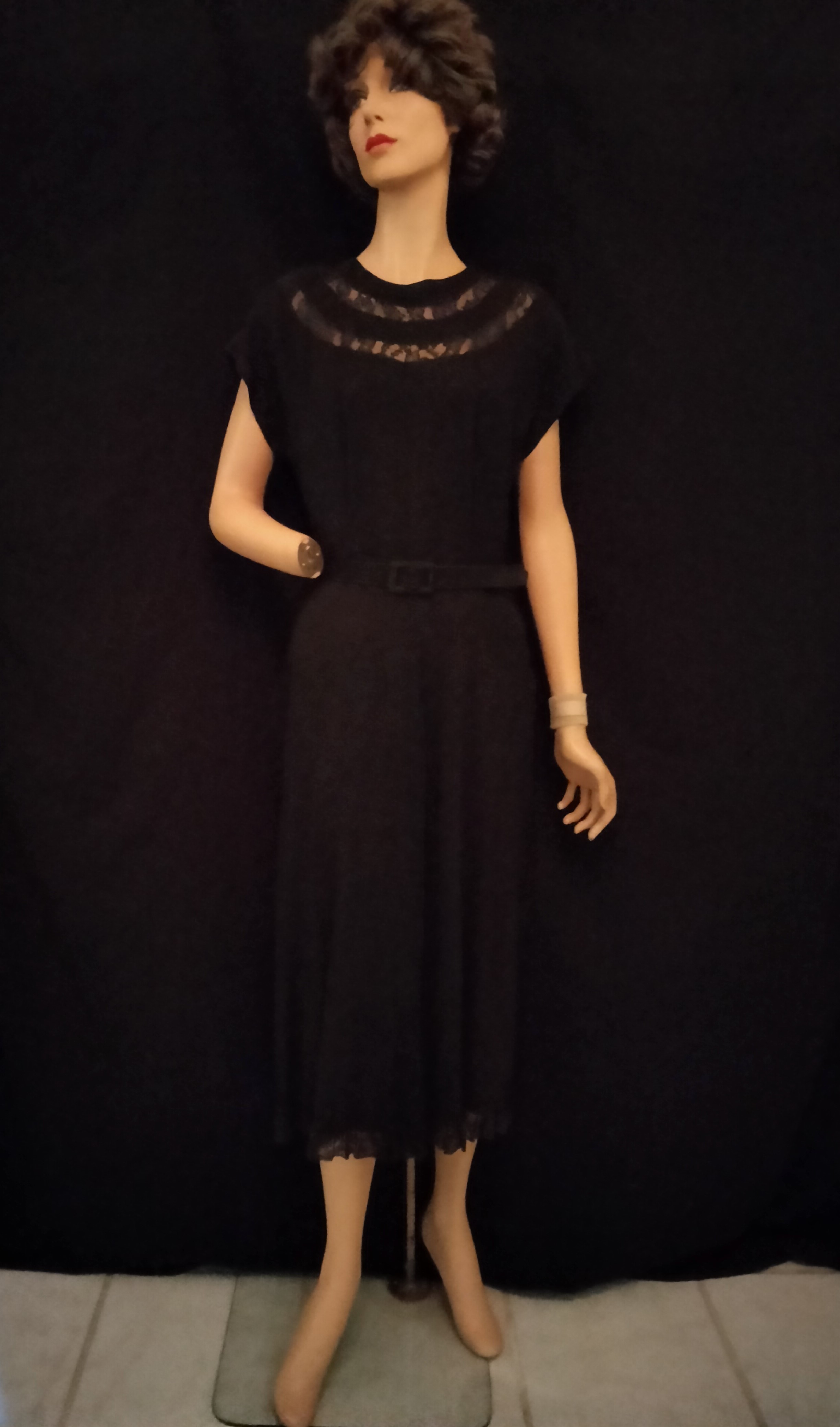
Before and after rationing, lace and other embellishments on tops and dresses were very popular. Tailored styles were also made, but lots of the designs before and after the war were quite fussy with many details.

Tomorrow I’ll show my newest discoveries. Stay tuned . . . . . . . . . . . . . . . . . . .

MORGANA MARTIN, THE MAGICVINTAGESPY

BLOG: MAGICVINTAGESPY.COM

1940’s Western-wear Fashion Trend, Inspired by the Movies

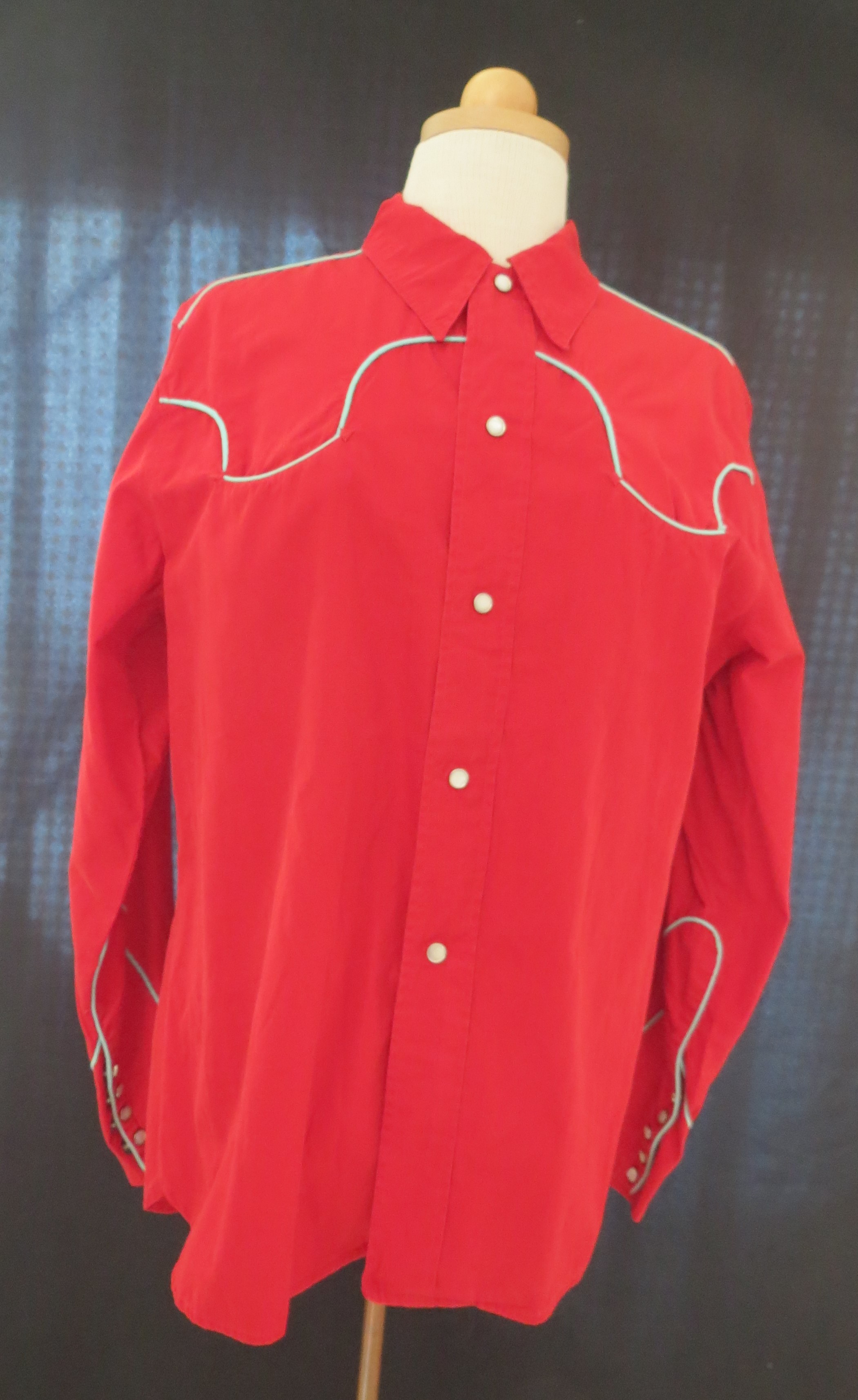
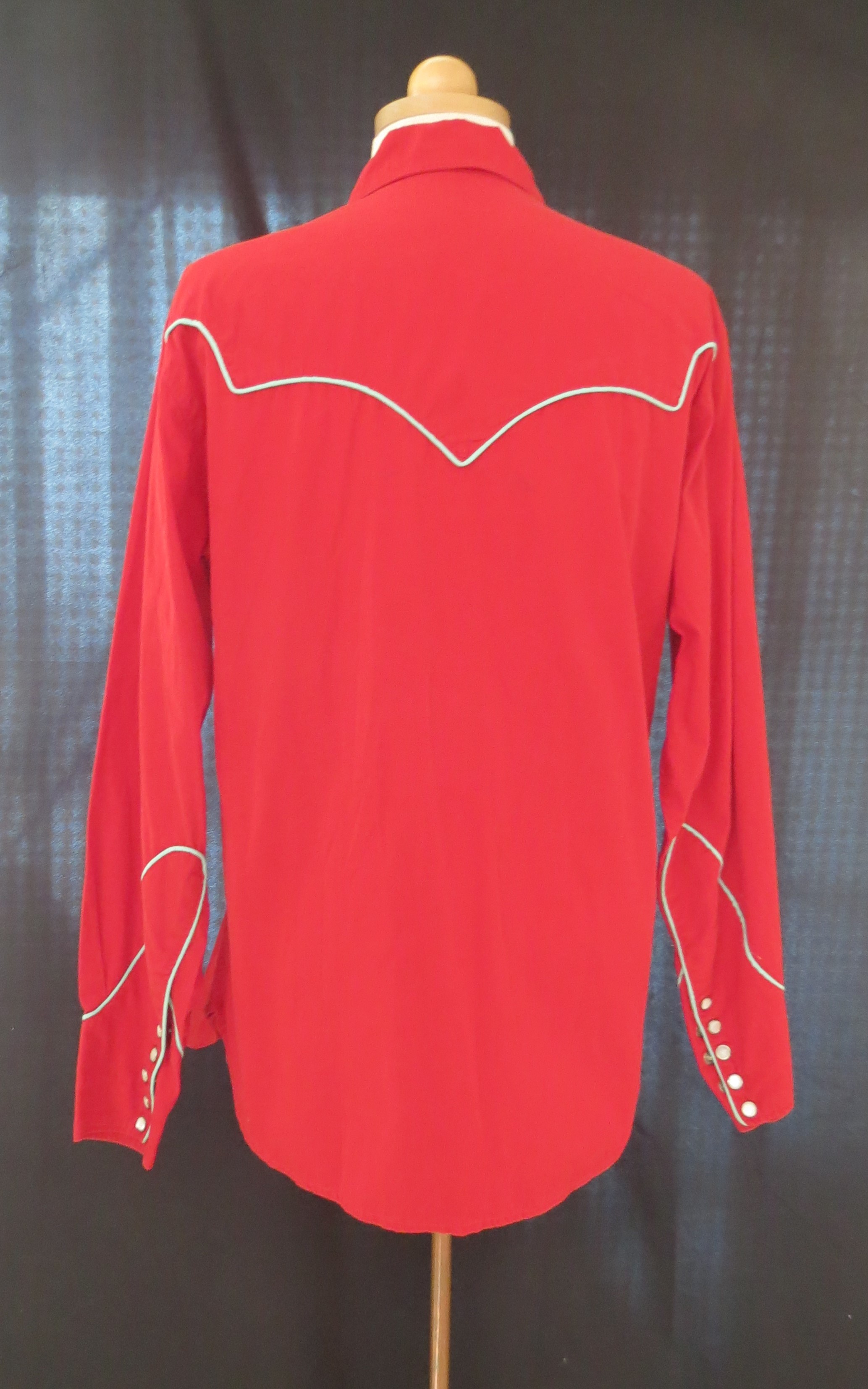
Cowboy movies, which actually began a decade or so before the 1940’s, gained popularity and caused a major fashion movement in the Forties and Fifties. This beautiful men’s shirt, which belonged to a family member, is one of the favorite pieces I’ve ever seen. The colors are vibrant and who doesn’t love red and turquoise together? Look at the detail! There are even small pockets tucked under the yoke piping in front. Some of these were custom-tailored.

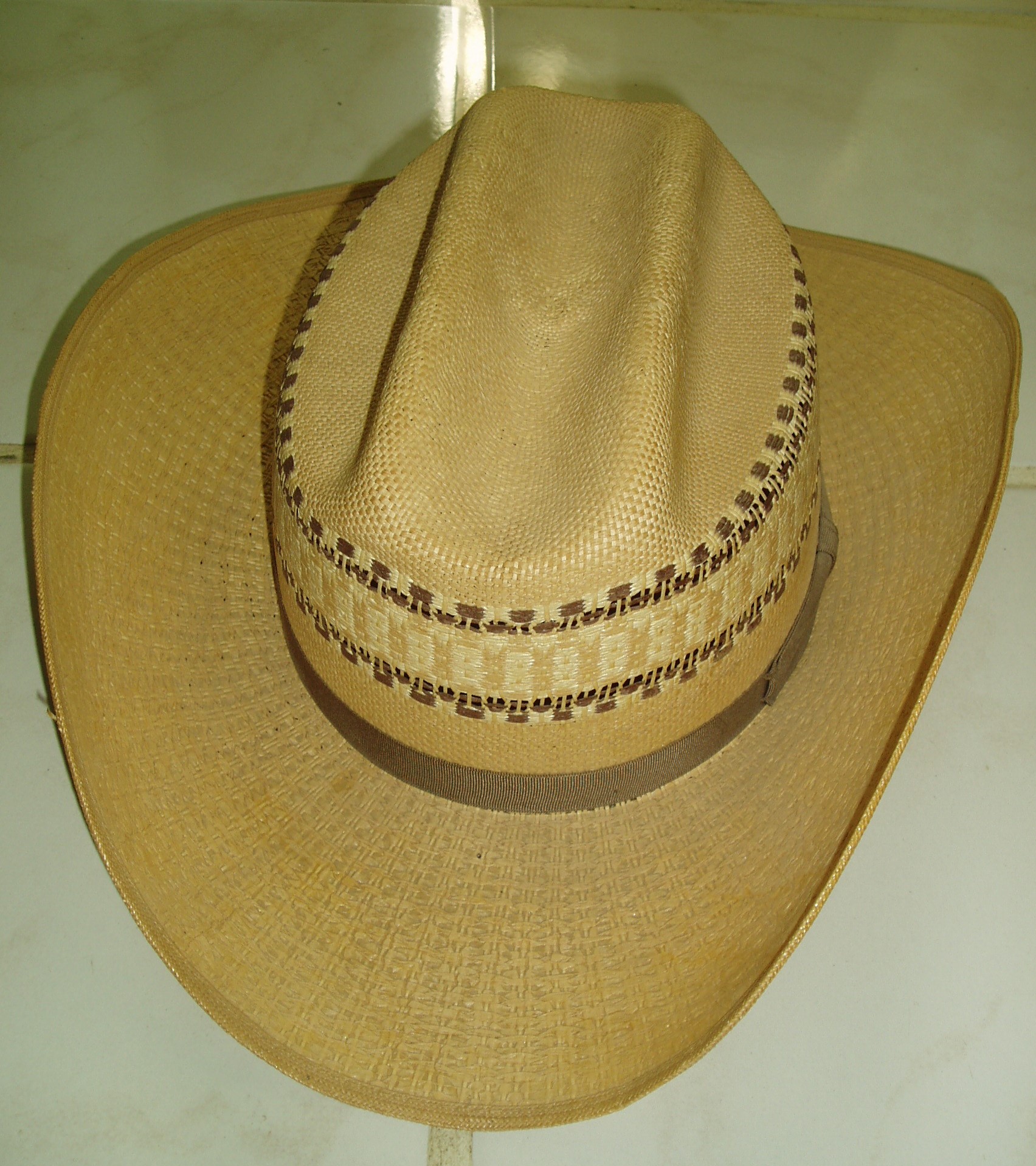
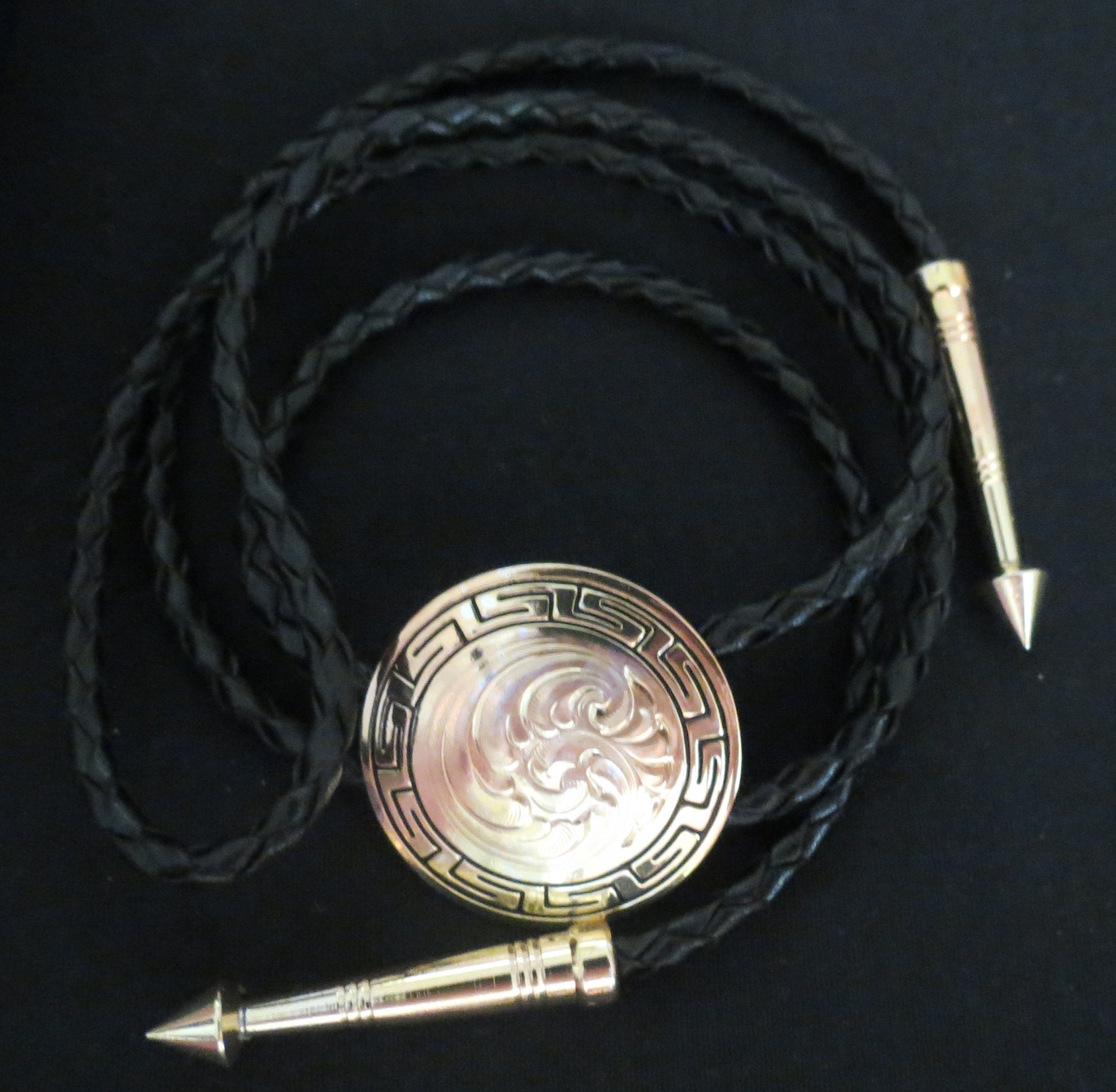
Cowboy hats also became very popular. This one is a well-preserved woven straw but wool felt hats by Stetson, in particular, were the most often seen. Bolo ties, made of leather with silver slides and aiguillettes replaced fabric neckties in Western-wear dress-up.

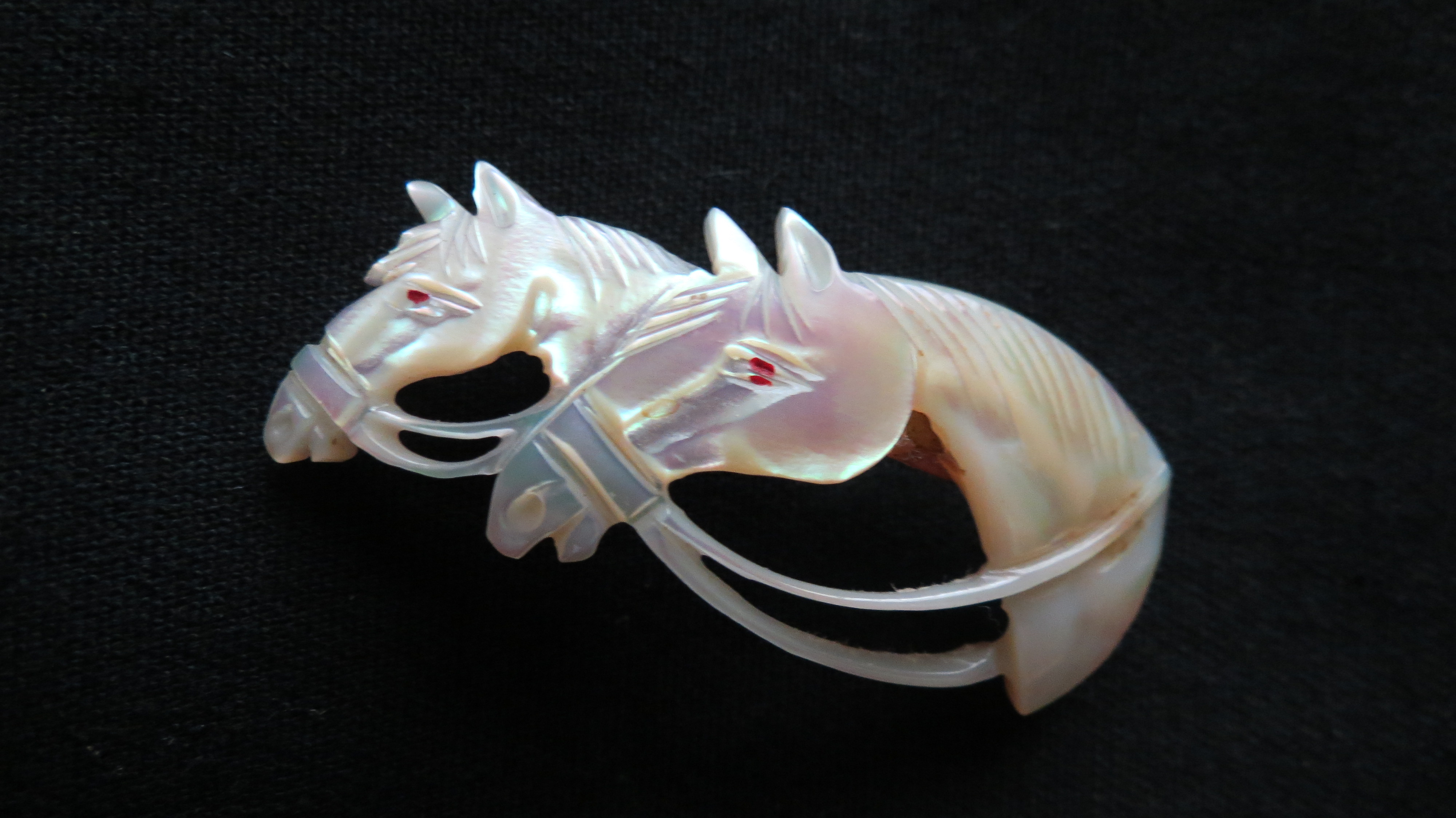
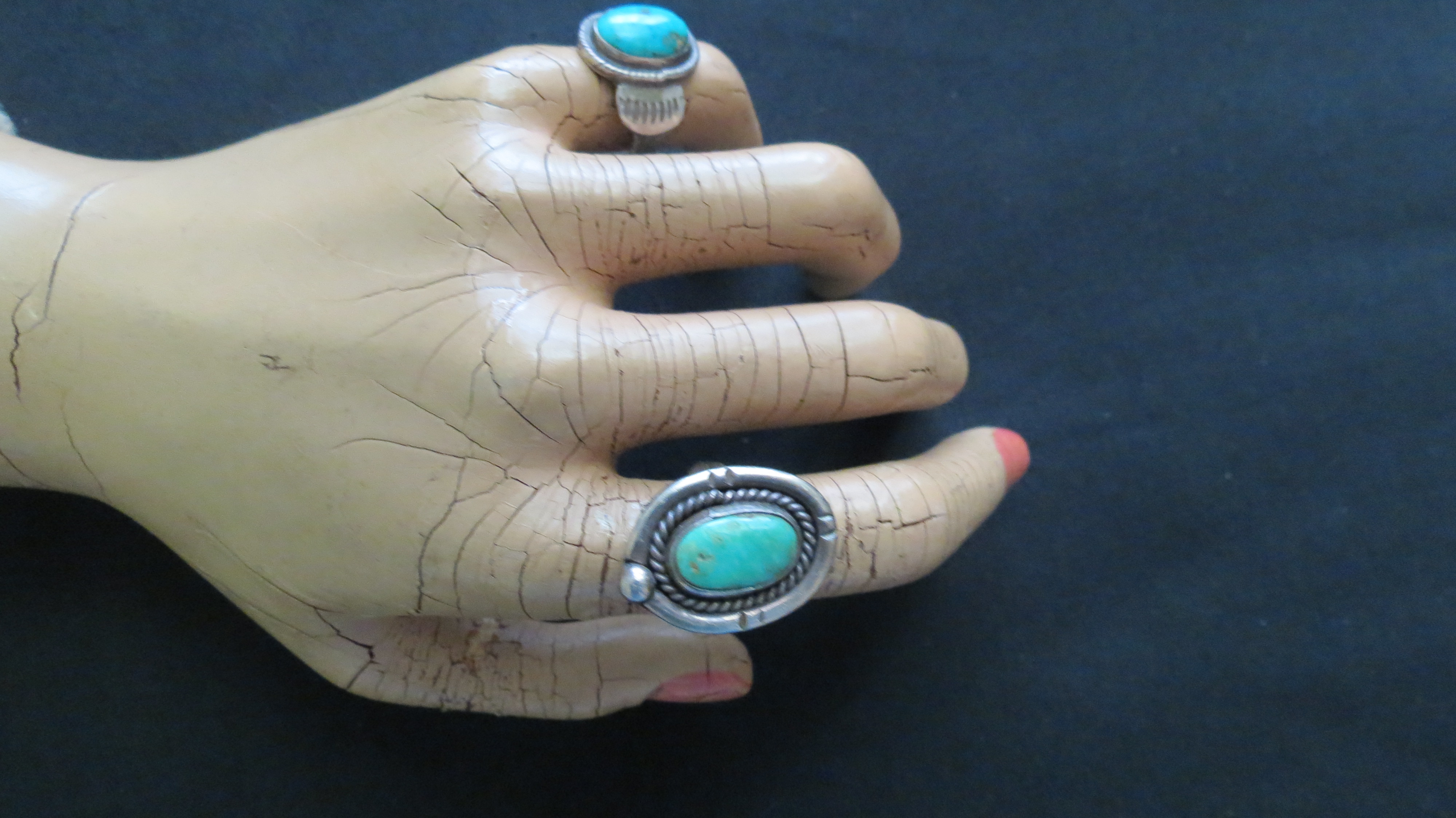
I have a pair of 1940’s women’s high-waist wool slacks with wide fabric belt loops finished with pearlized snaps. What a rare find! Don’t have a picture of them handy, but take my word that some of the Western fad did cross over into women’s-wear. I’ve got a cowboy-style shirt with floral embroidery and a fringed leather jacket from this era. This mother-of-pearl brooch is an example and, of course, silver and turquoise jewelry made by Native Americans was the real deal. I also have many examples of that, some that were owned by family members, too.

Naturally, the popularity of Western-wear has not decreased over the decades. Although there is a niche market for the very authentic and work-oriented designs, the style shows up in retail fashion all the time. A very pronounced trend really hit in the early 1950’s – that was Southwestern-style cotton dresses, most of which were 2-piece, and heavily decorated with colorful ric-rac and ribbon. Some Native American women wore these and they were heavily marketed for tourists in the southwestern states. 1940’s versions had 3/4 length skinny sleeves with metal zippers to the elbow. Later, short-sleeved versions and even cap-sleeve style dresses showed up in the genre. I’ve shown many of these in past blog posts. Add to that soft leather ankle-length boots and beaded moccasins. So glad that my family alive during the ’30’s – ’50’s enjoyed traveling to the the Southwest and did so many times!

Very fun, collectable and wearable. Tomorrow I’ll be showing women’s blouses & tops from this era. Stay tuned . . . . . . . . . . . .

MORGANA MARTIN, THE MAGICVINTAGESPY

BLOG: MAGICVINTAGESPY.COM

TRUE VINTAGE 1940’S CASUAL DRESSES

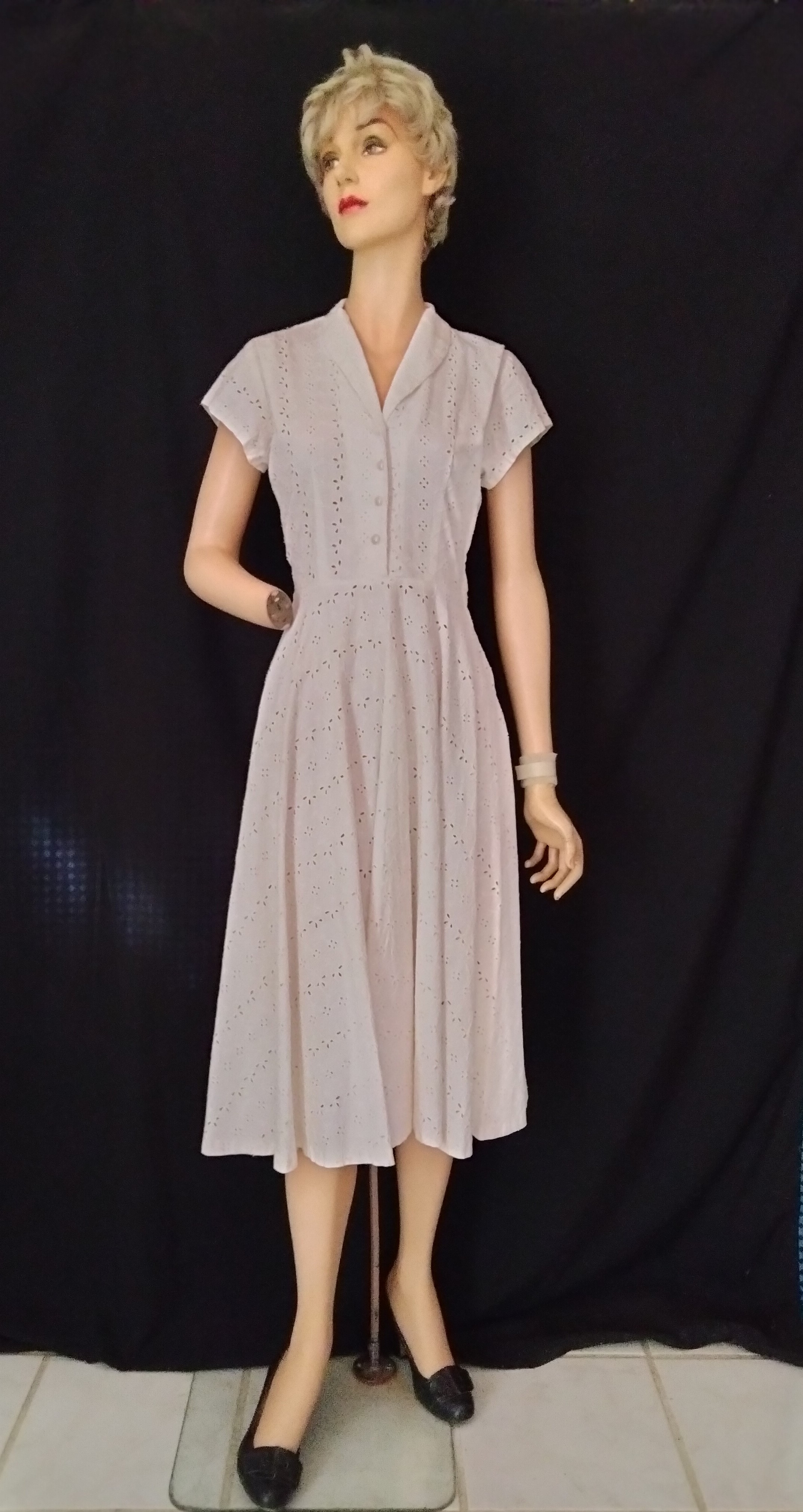
We’ll begin with a pretty, white cotton eyelet dress that was home-sewn in 1940. It’s a lovely dress for town or a picnic, but it was made to be a wedding dress. Coming off the Depression years and with war in Europe, it was a very modest but hopeful costume for entering a dream future.

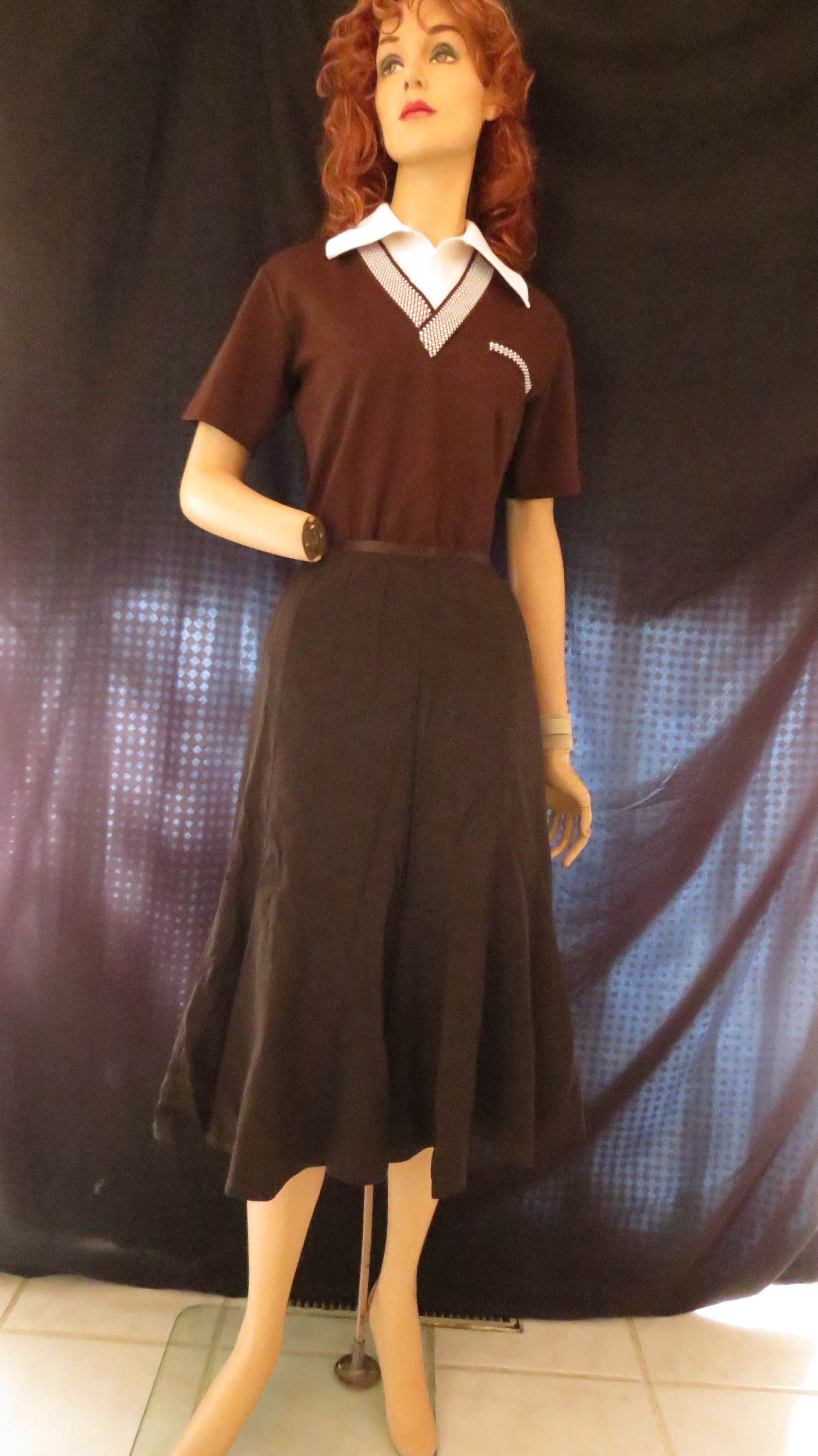
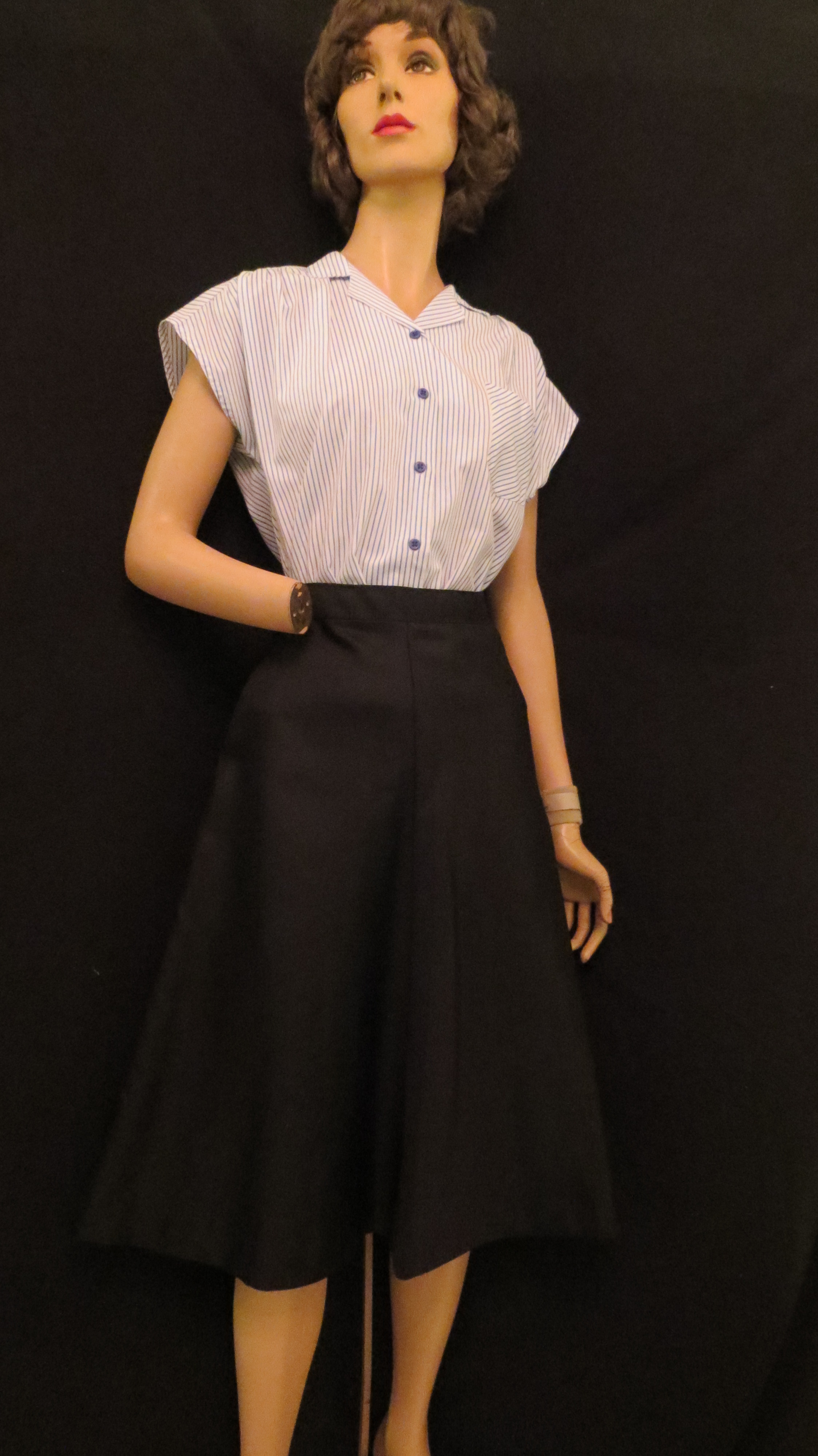
After 1941 and the United States joined World War 2, fashion became much simpler and plainer, but very practical. Shirtwaist housedresses and day dresses were the general uniform for women who didn’t wear specific uniforms related to their work. Dancing, as well as movie-going, were common inexpensive activities that helped people escape the worries and fears of their daily lives. Separates became more popular. Knitwear and wider gored skirts allowed movement while jitterbug was the favorite dance of those young enough to do it.

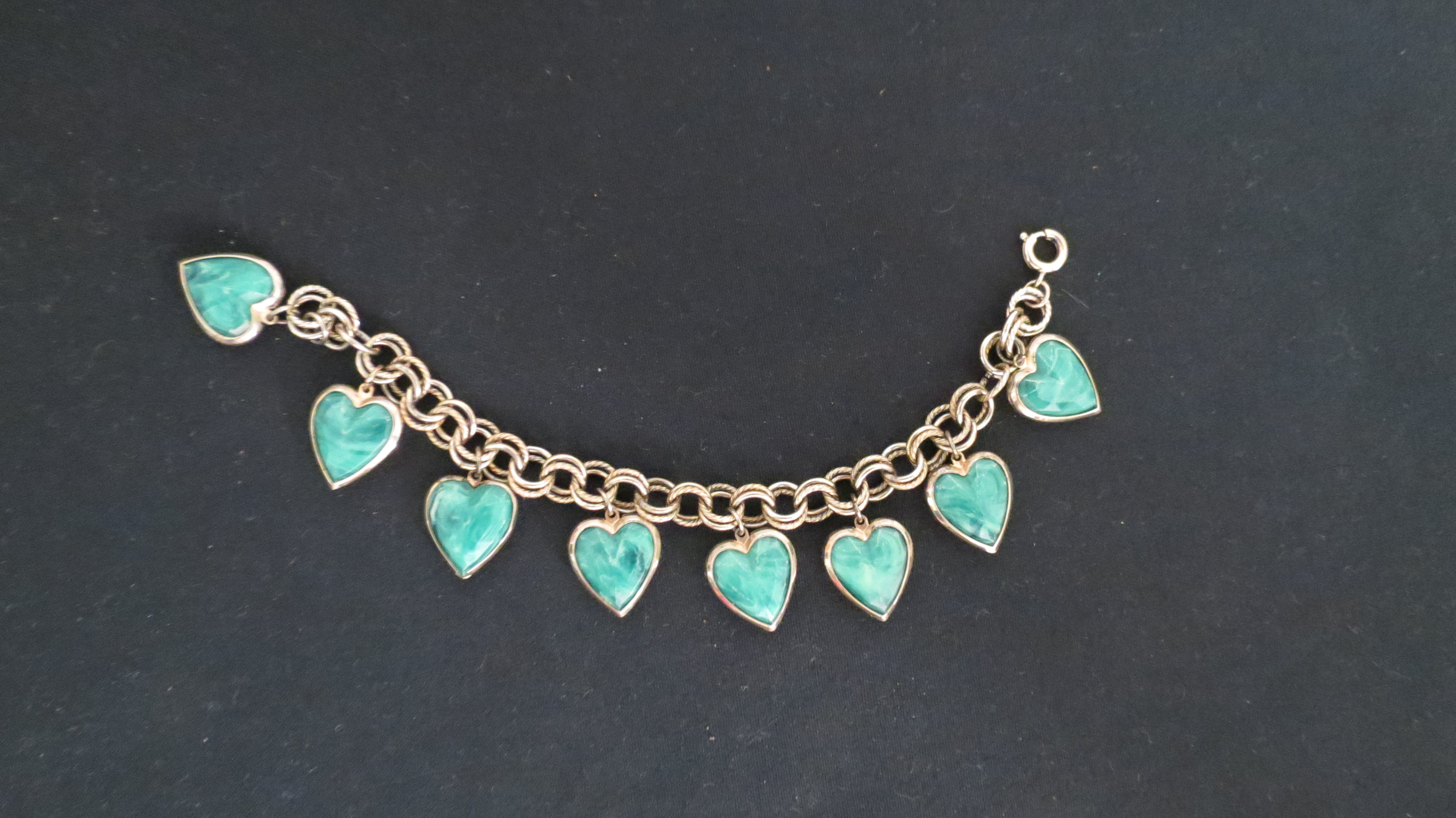
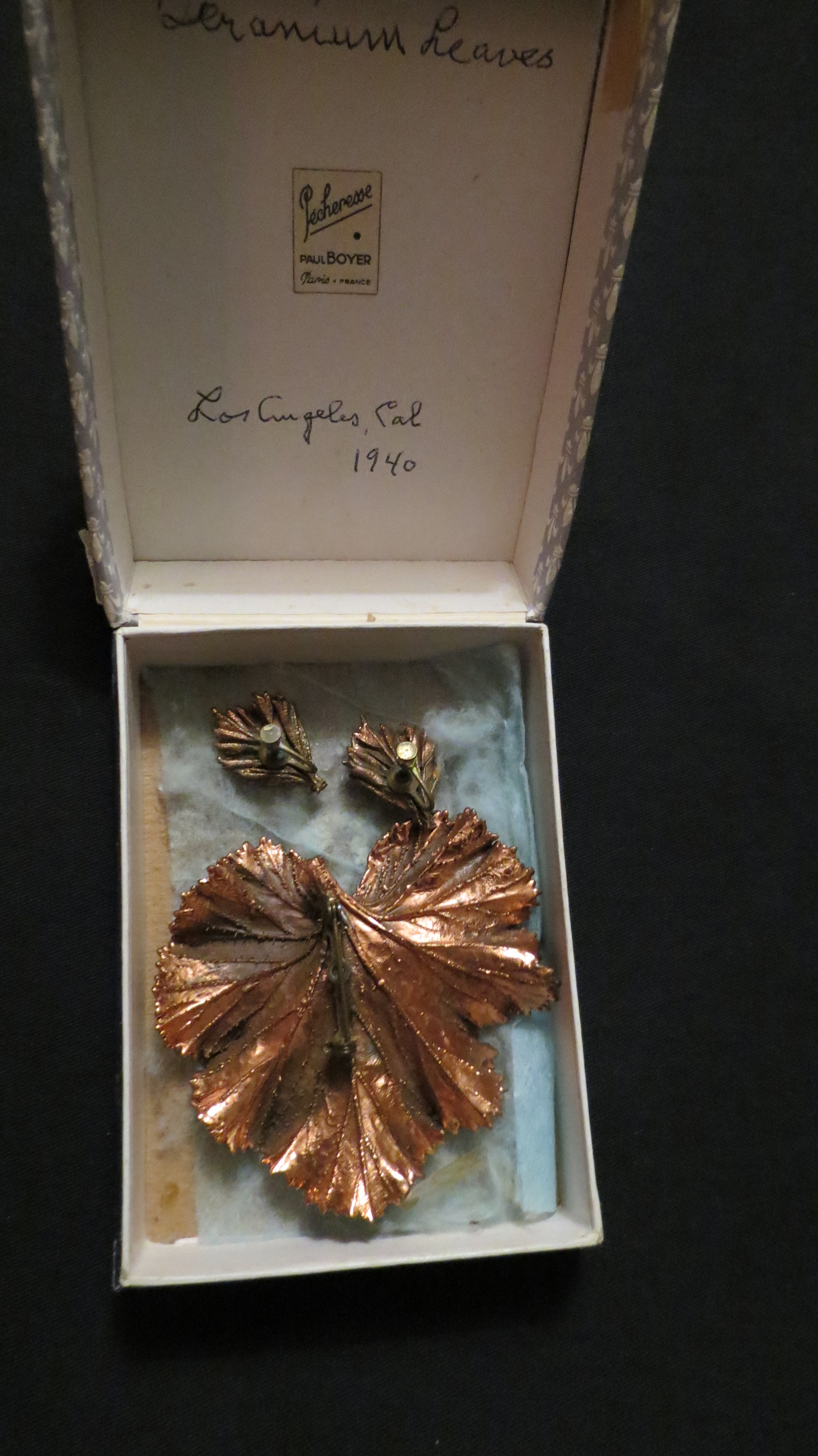
Plastic “gems” appeared in costume jewelry pieces, as well as preserved natural leaves. Even during the Depression and Wartime, a little bling always lifted spirits and enhanced any outfit. Tomorrow I’ll cover a 1940’s casual fad that made fashion more interesting during that time. Stay tuned . . . . . . . . . . . . . . . . . . . . . . . . .

MORGANA MARTIN, THE MAGICVINTAGESPY

BLOG: MAGICVINTAGESPY.COM

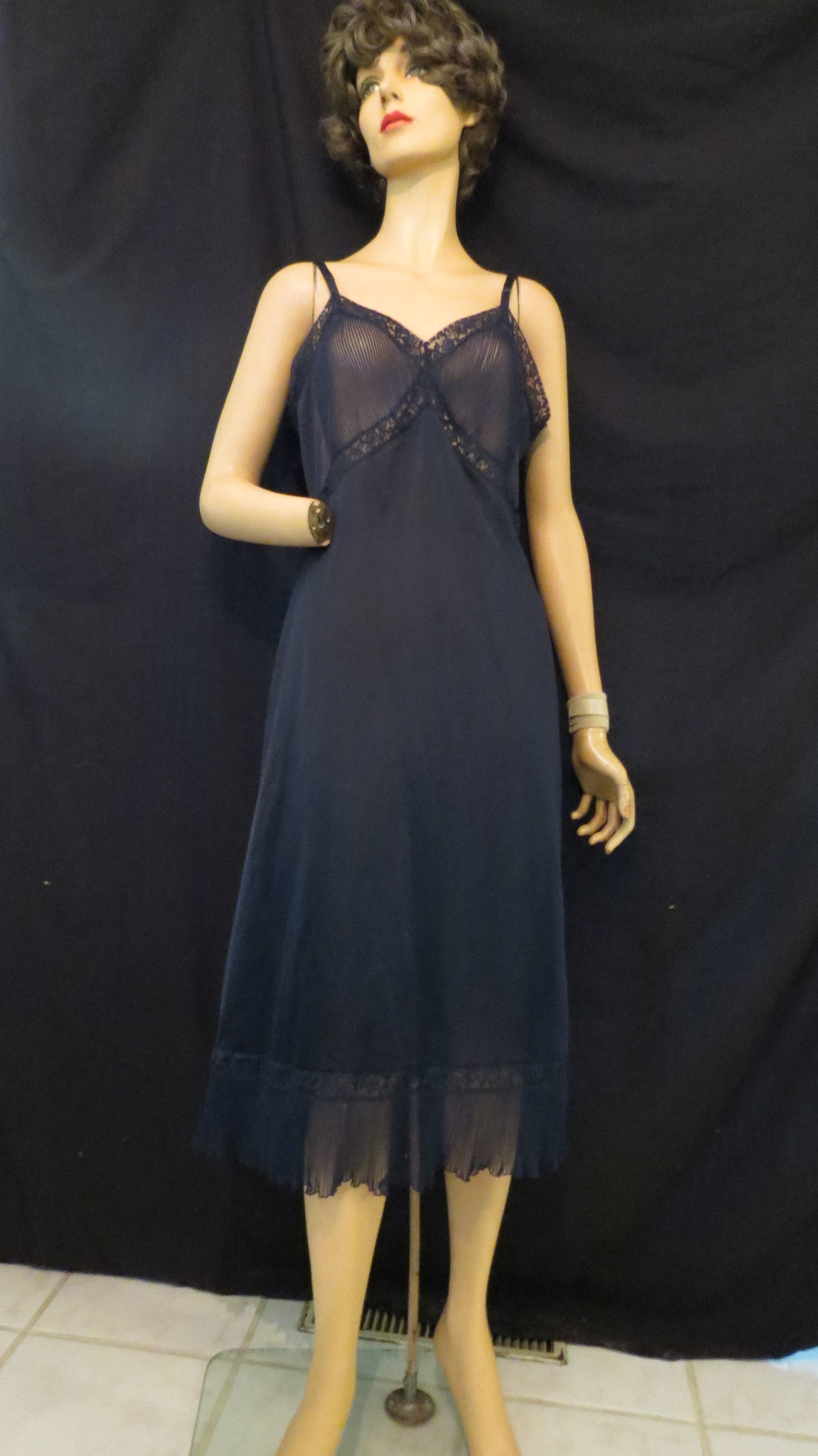
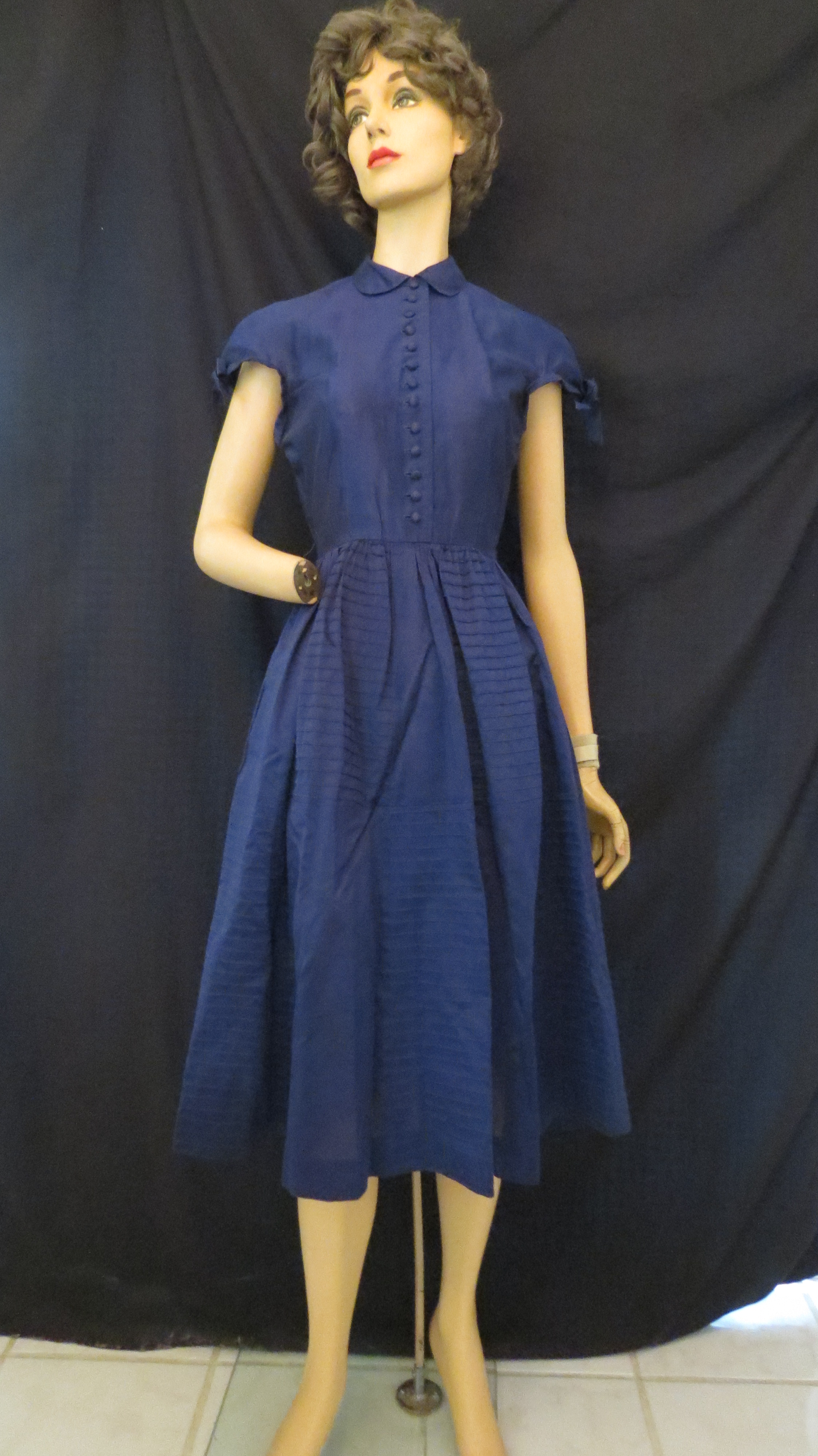
TRUE VINTAGE 1940’S BETTER DAY-DRESSES AND ACCESSORIES

I had planned to show more dresses this morning, but my computer suddenly won’t upload more pictures. So, we’ll stick with these beautiful frocks today. The one above is from the Post-war period, I would guess, though some longer hems were also present before WWII started.

A lovely nylon slip like the one above might have been worn with it.

The mid-blue dress is made from a stiffer fabric and is from earlier in the decade. Cute and more girlish, but both are special – dressier daywear.

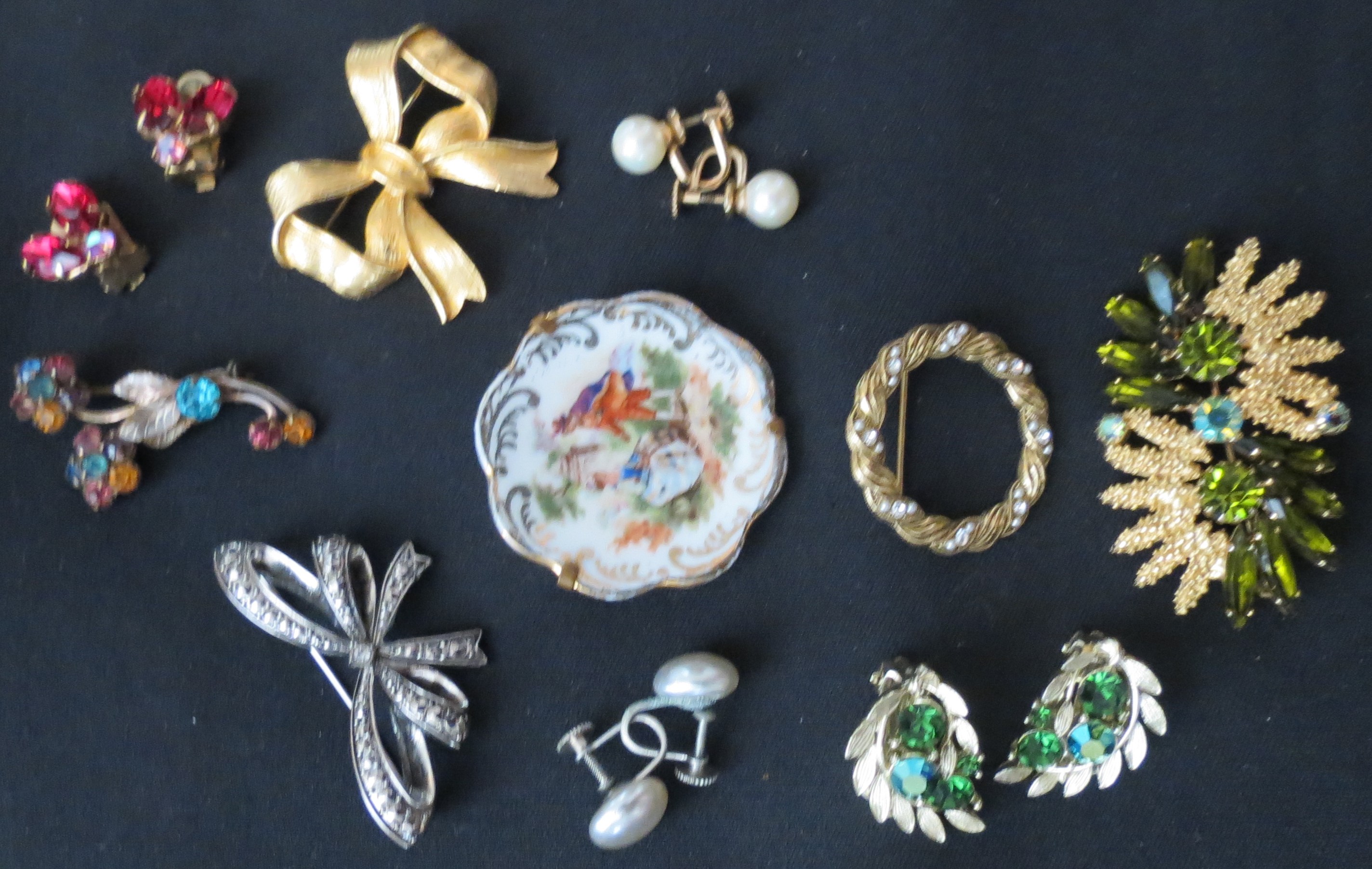
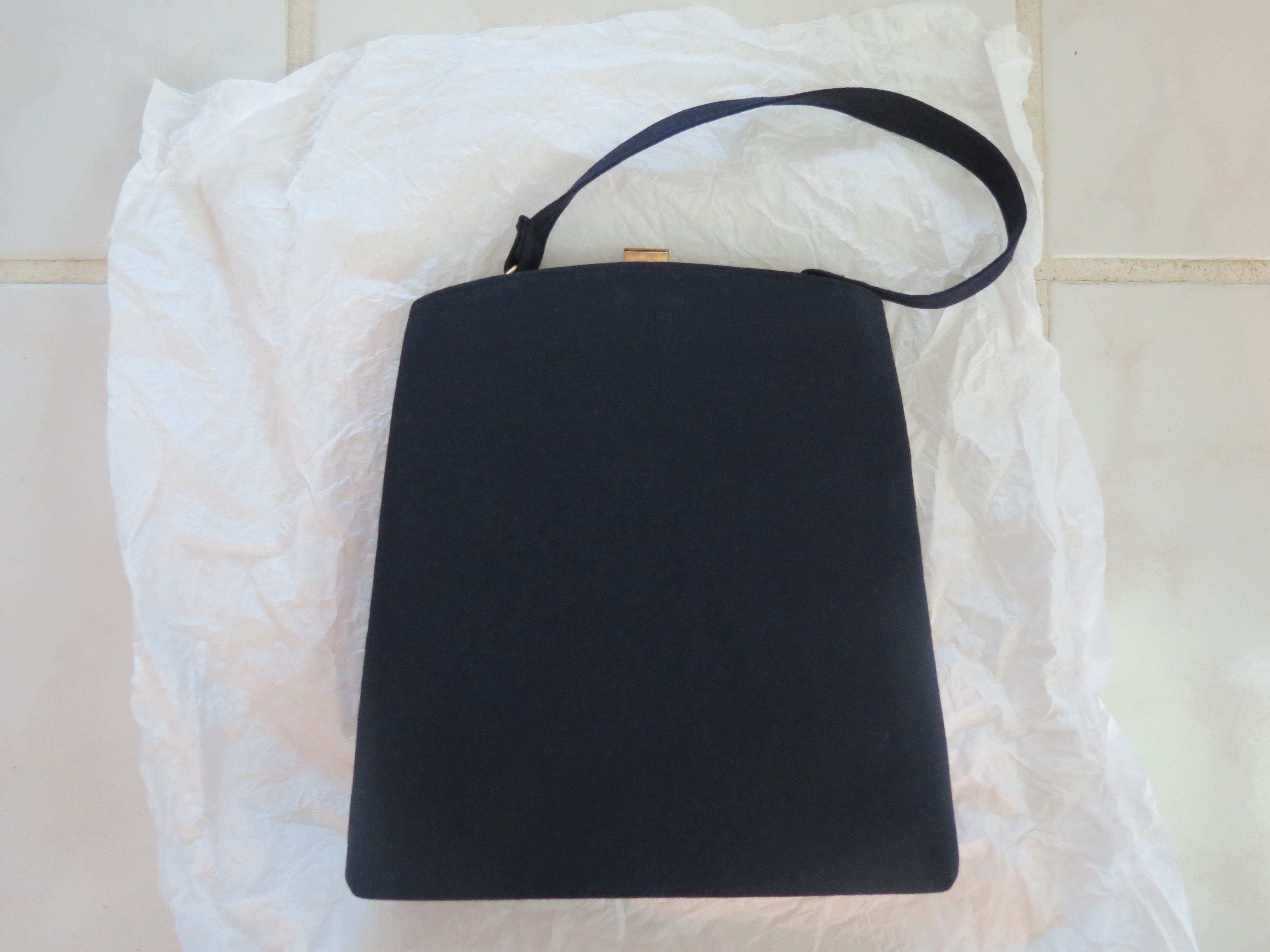
Mid-century costume jewelry pins and brooches like the ones in this picture, especially those on the left side, might have been worn with dresses like this and a dark navy handbag like the one above is a nicer 1940’s style with a fabric body and strap.

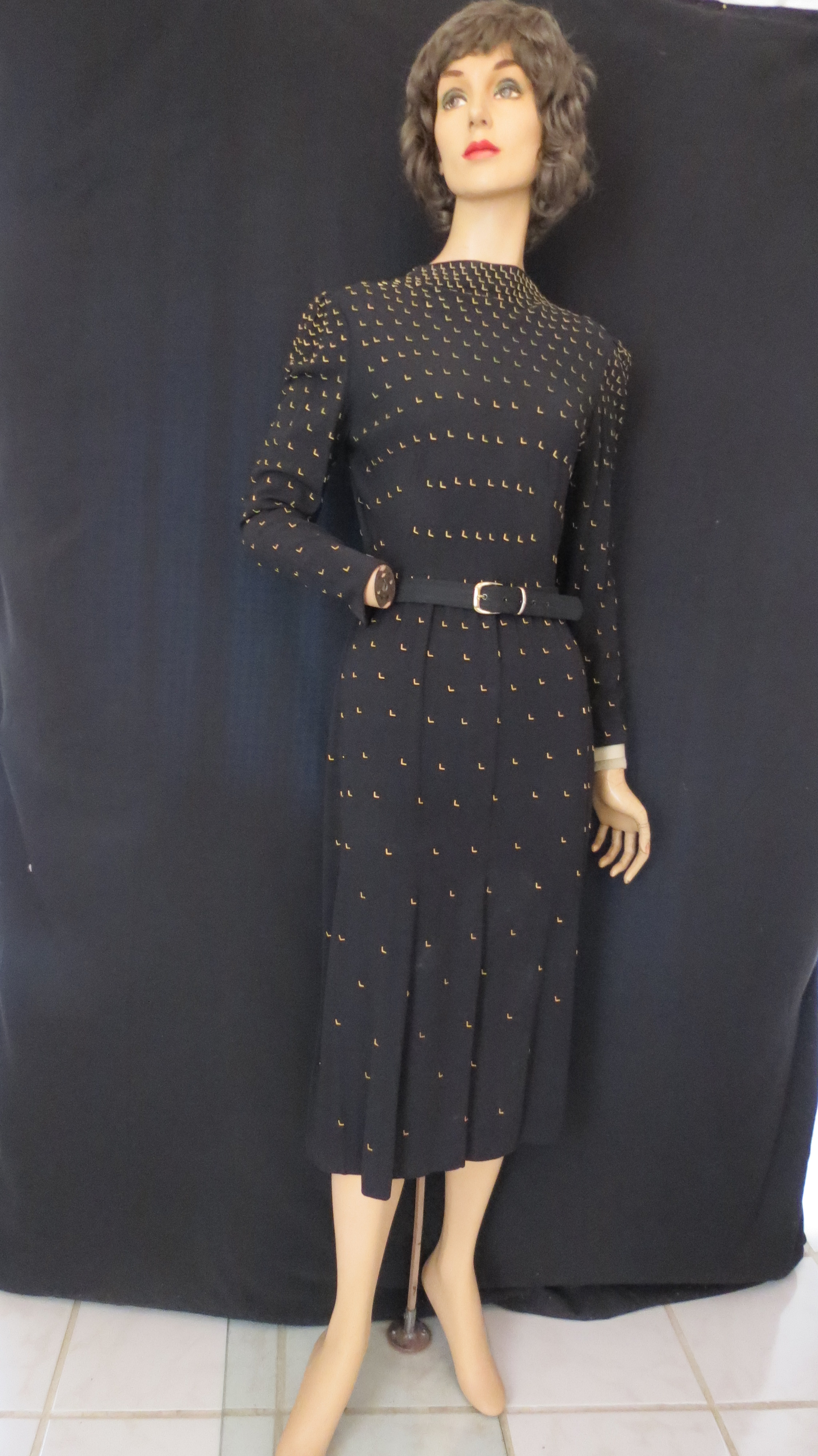
This final black frock is probably meant for cocktails, dinner or evening, though very tailored. It comes from the early Forties or perhaps the Thirties, with it’s Deco-style decoration with metal studs.

So, this is a little wardrobe trip from the pre-war and, possibly, the post-war 1940’s. Some of the costume pins also span the decades from late Thirties to early Fifties. Tomorrow I’m sticking with the same era, but focusing on more casual styles. Stay tuned . . . . . . . . . . . . . . . . . . . .

MORGANA MARTIN, THE MAGICVINTAGESPY

BLOG: MAGICVINTAGESPY.COM
WEIRD EARLY 1930’S – 1940’S LADIES’ HATS

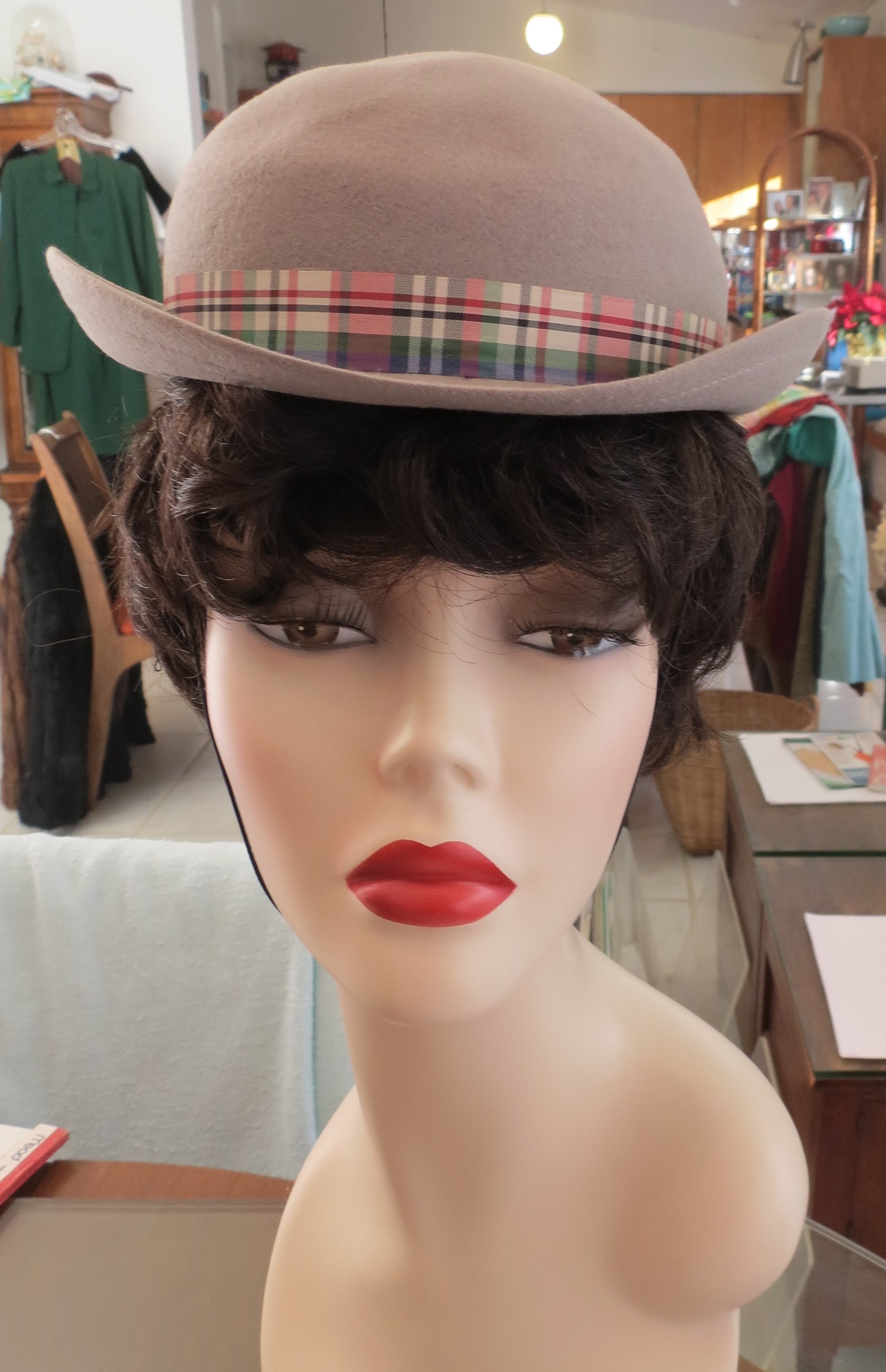
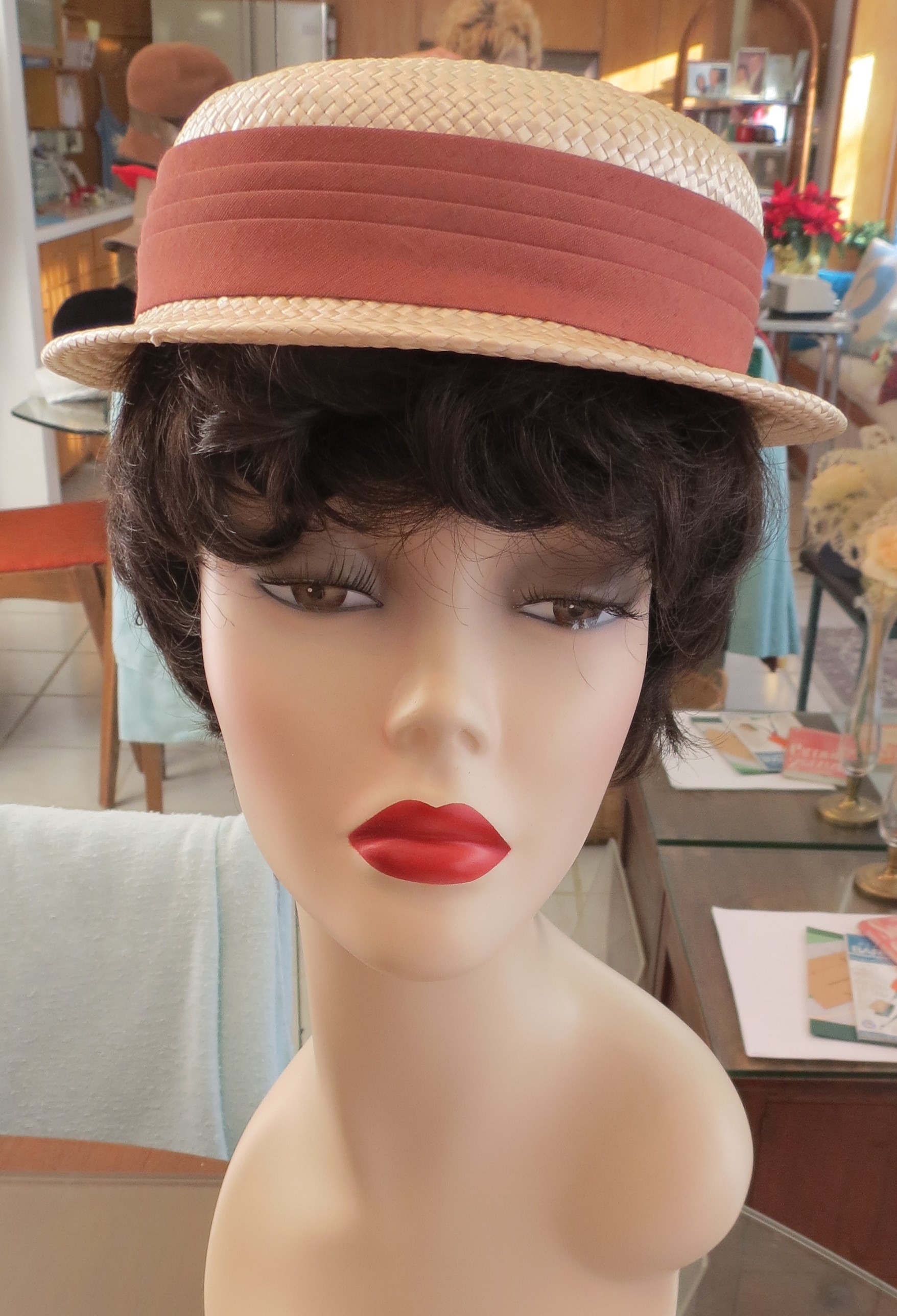
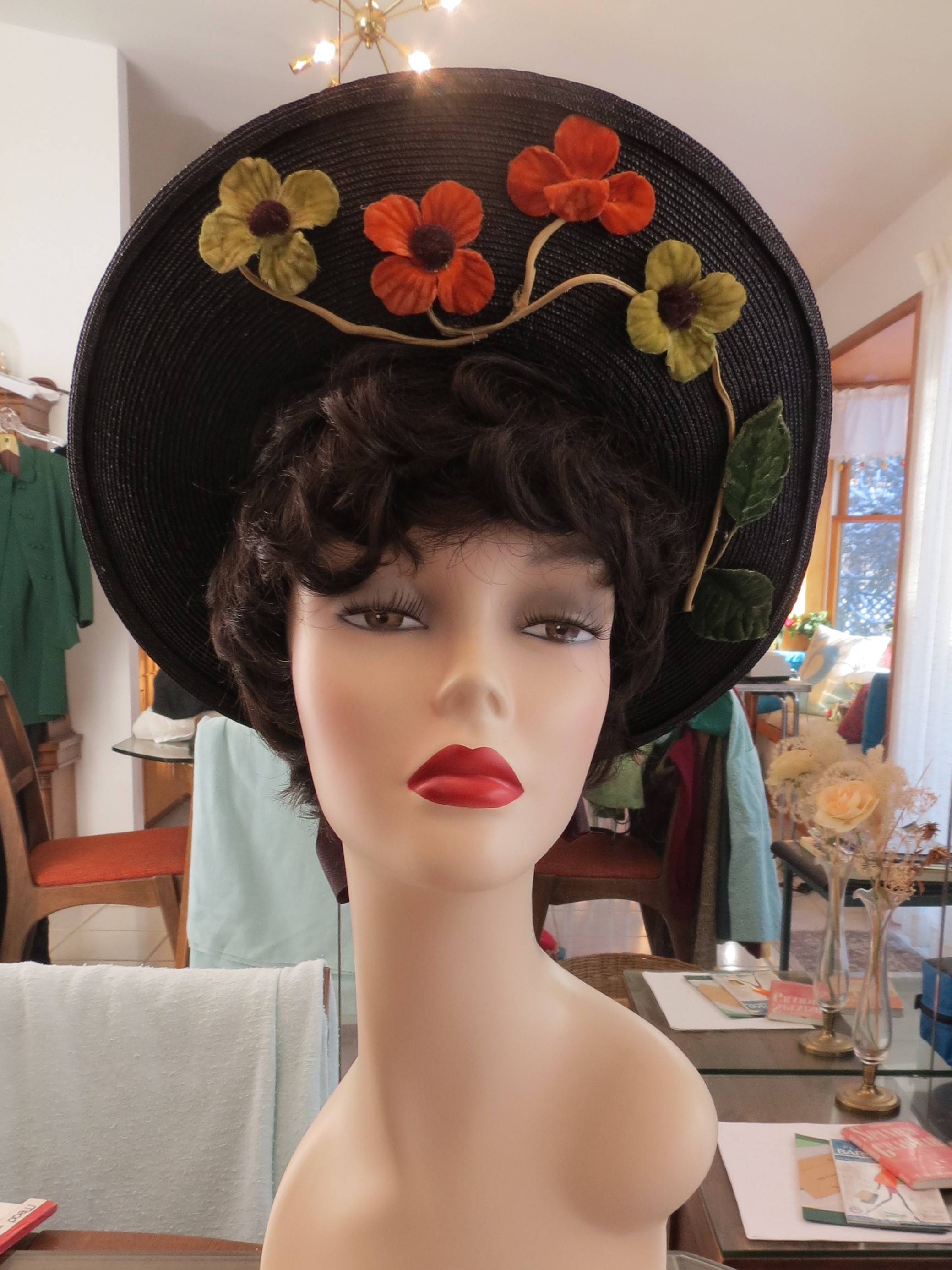
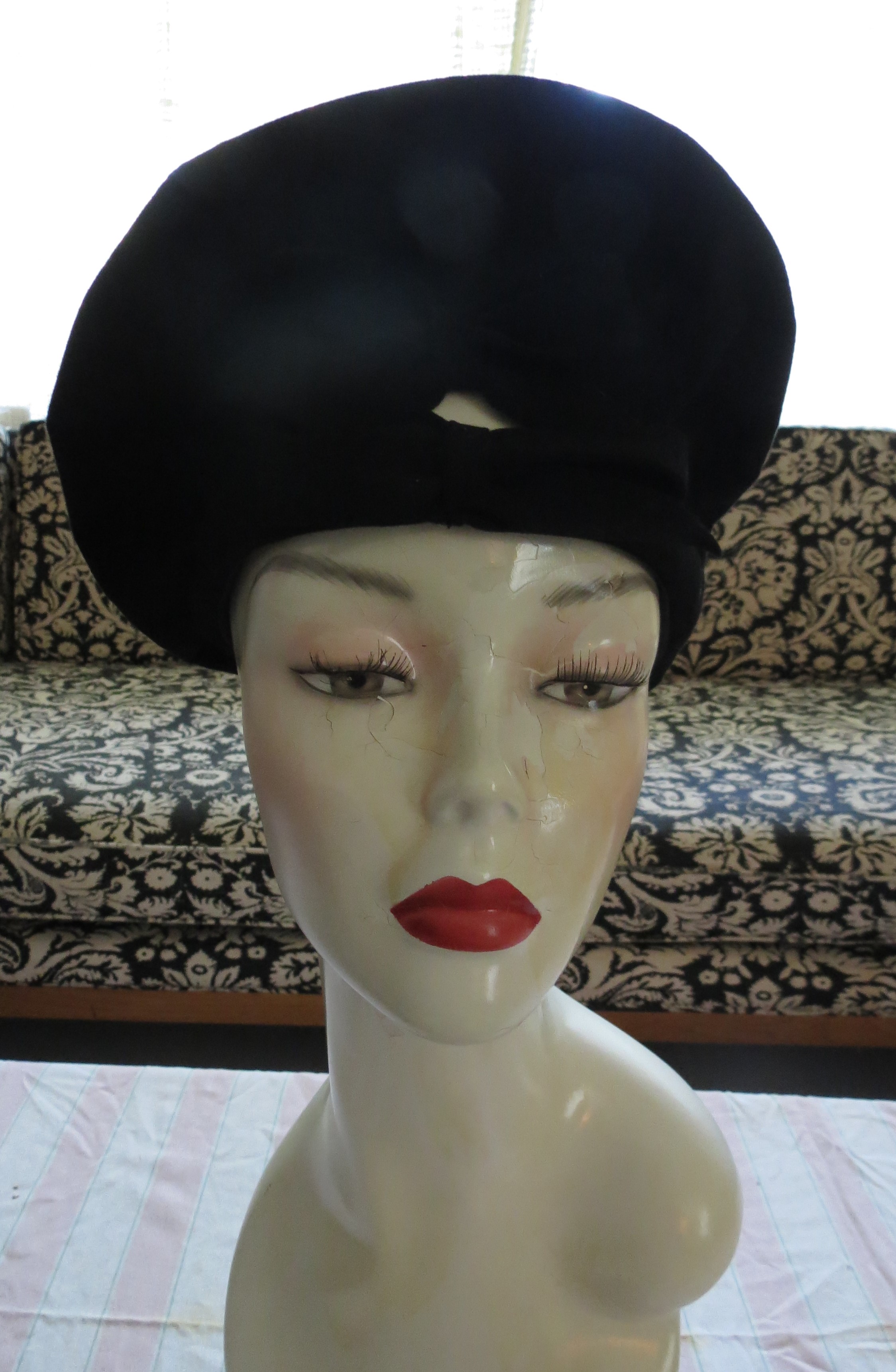
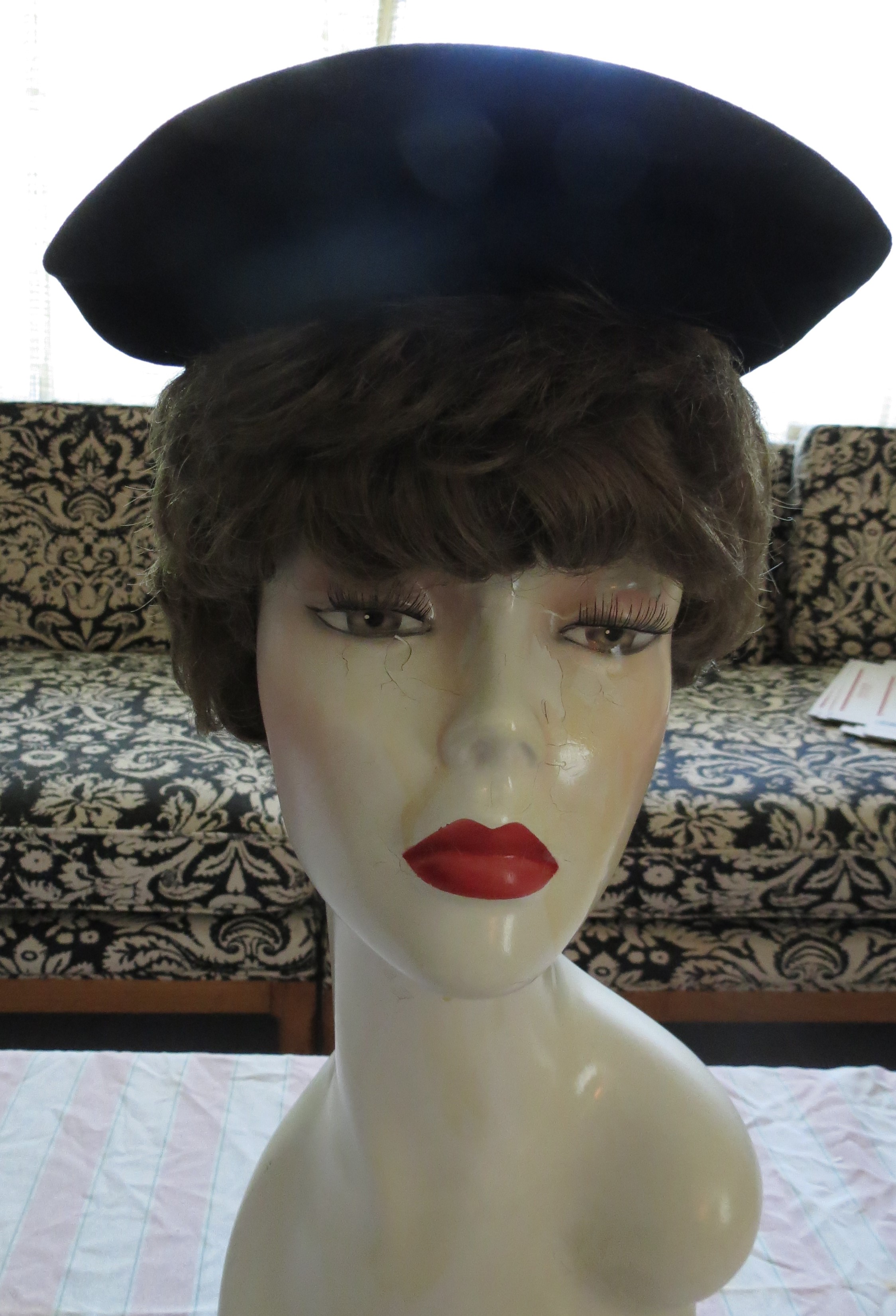
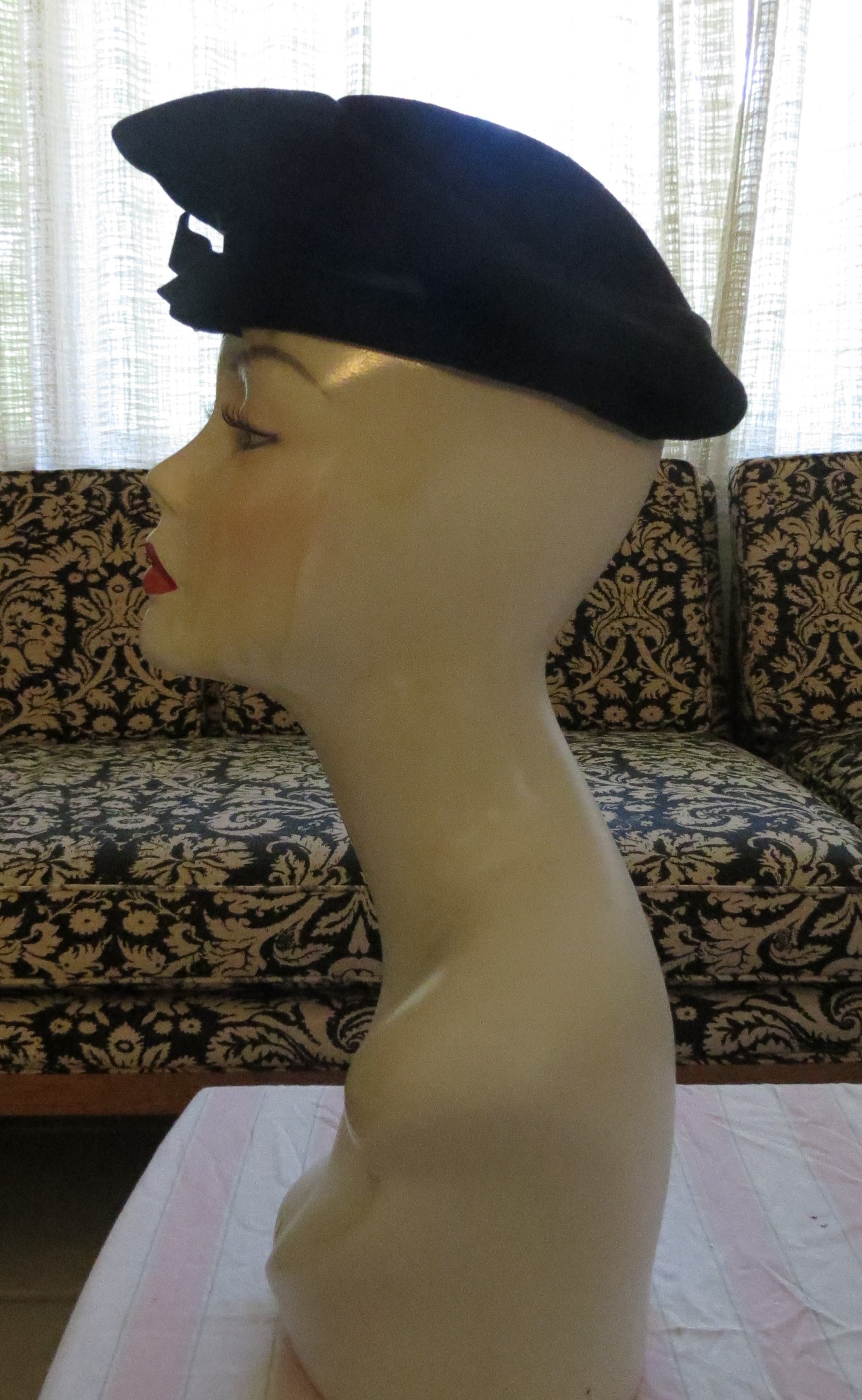
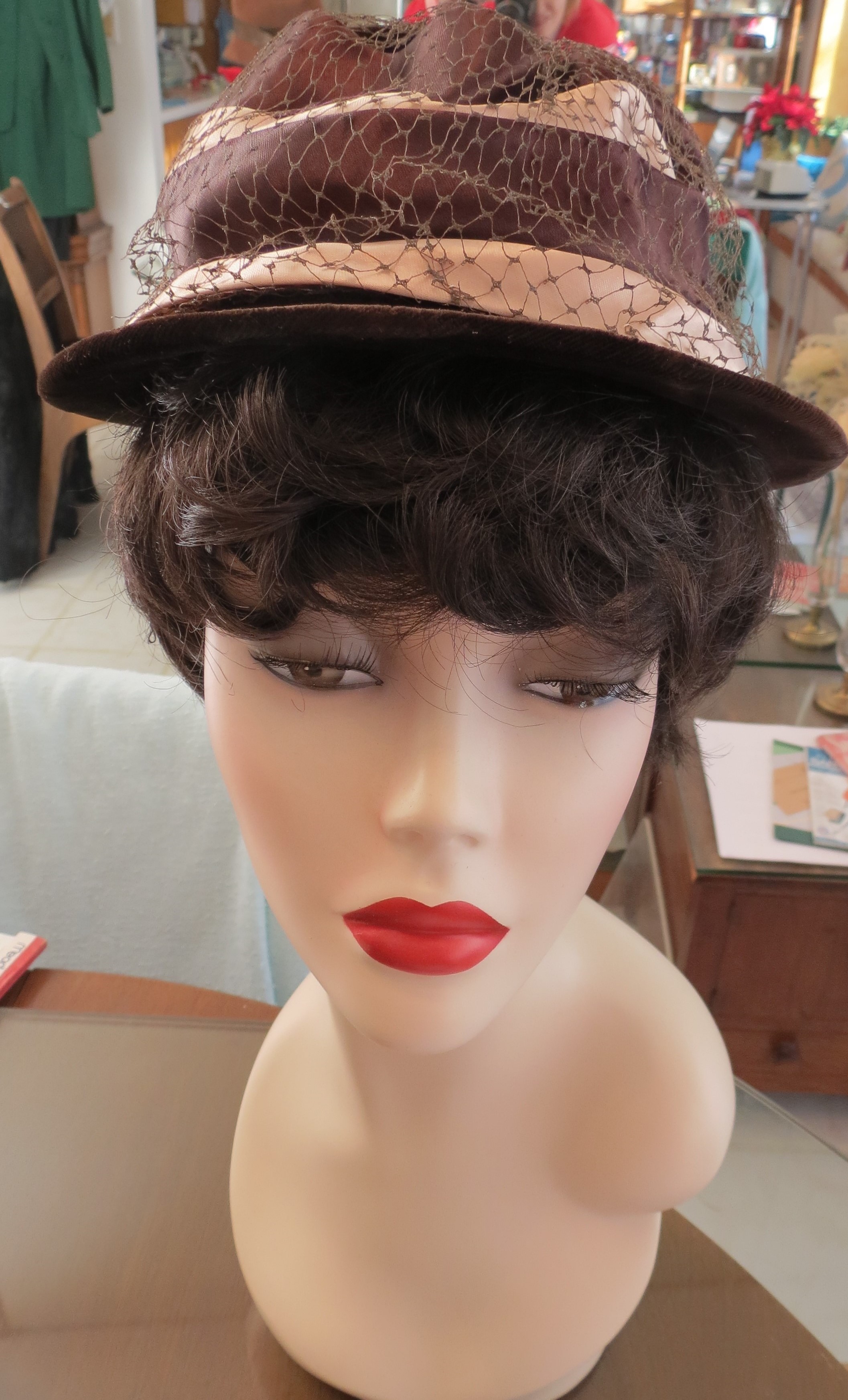
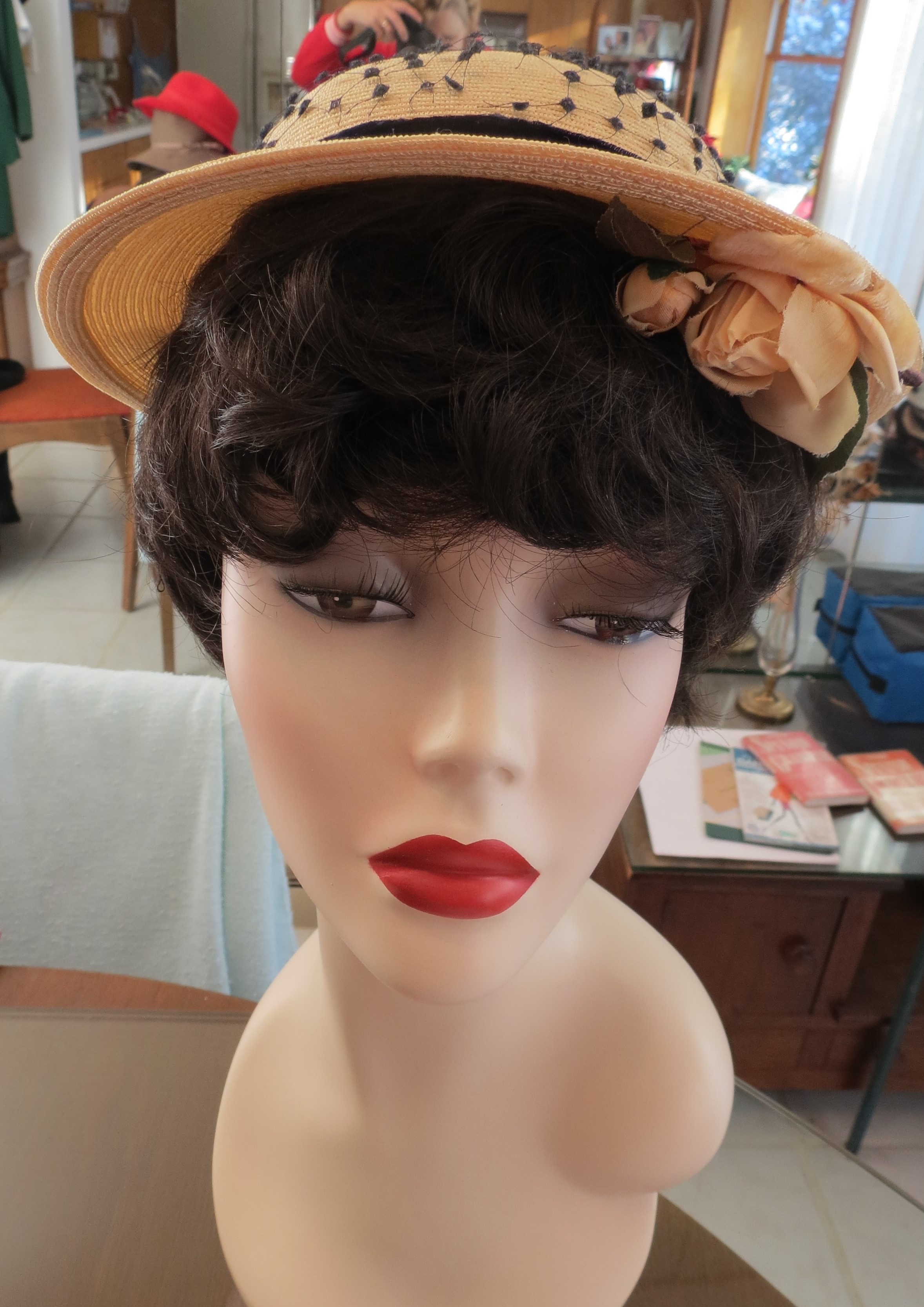
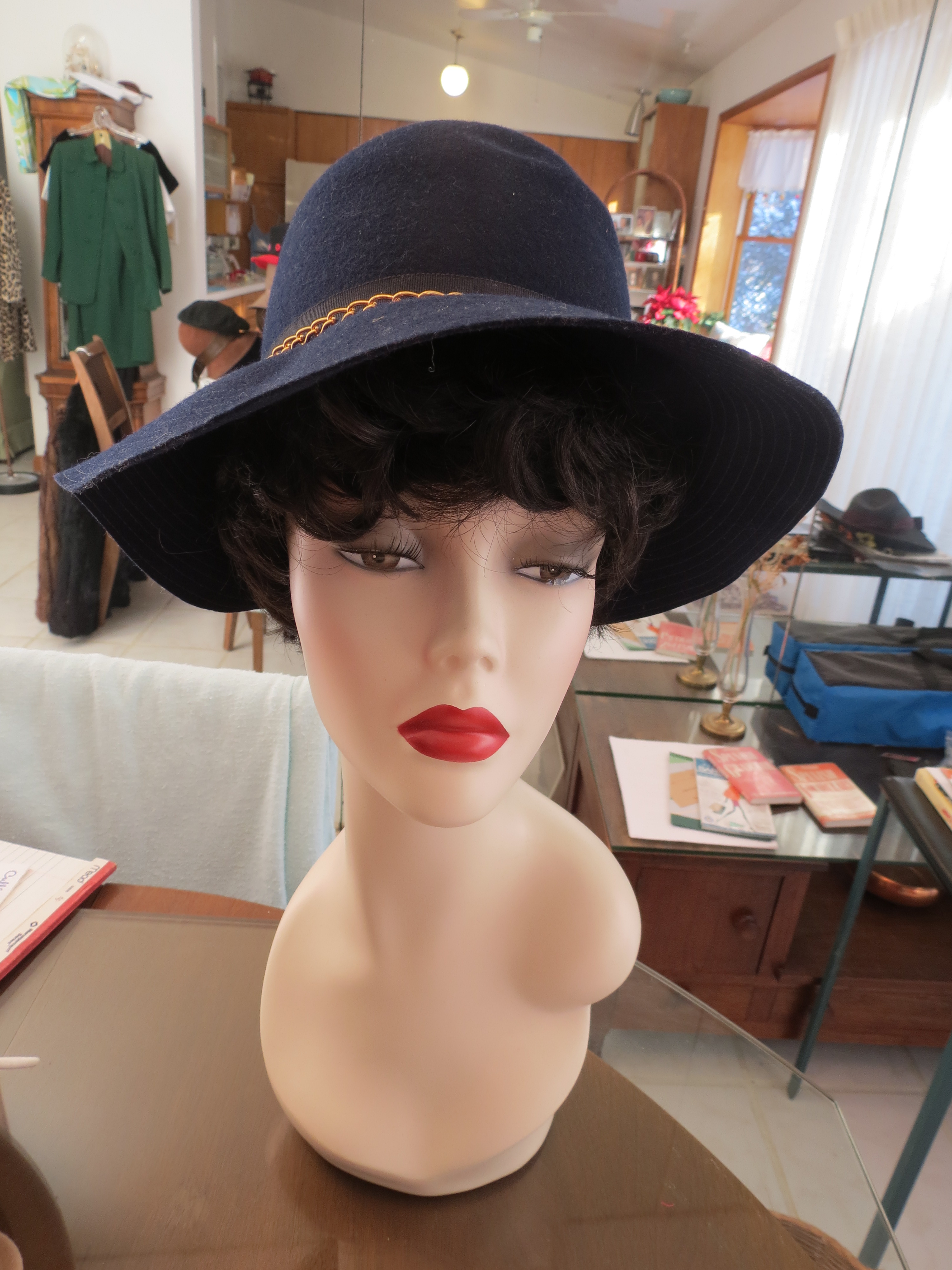
The late 1930’s, coming out of the Depression, and early 1940’s were very strange times for hats. Little bowlers with chin straps and straw hats looked almost like women had raided their grandfathers’ closets. After that, hats became really odd and sometimes frankly ugly, in my opinion. Later in the Forties some beautiful hats were worn but, let me tell you, the one’s I’ve seen that have survived have generally been pretty strange. I have a photo of a relative in 1940 who wore a hat along with her wedding suit that looked like a battleship sitting across her head.

Above, we have grandpa’s hats, plus a pretty picture hat and an early wartime model that looks like a cross between a tam-o-shanter and a French beret that have been parts of Naval uniforms. I’m not quite sure how it was meant to be worn.

Later versions with veils and flowers or feathers are softer and more stylish – looking more like what we saw in the Post-war late ’40’s and early 1950’s period. In the meantime mid-’40’s came the fedora styles for women, which are my favorite. Very wearable, versatile and almost universally flattering (and perfect for any undercover agent) but not as interesting.

But, all the pre- and post-WWII fashion trends ARE very interesting and I’ll continue to delve into them. Stay tuned for fabulous wartime Utility Suits and post-war skirt suits plus 3 Prom dresses. . . . . . . . . . . . . . . . . . . . . . . . . . . . . . . .

MORGANA MARTIN, THE MAGICVINTAGESPY

BLOG: MAGICVINTAGESPY.COM
TRUE VINTAGE STYLES FROM THE SEVENTIES

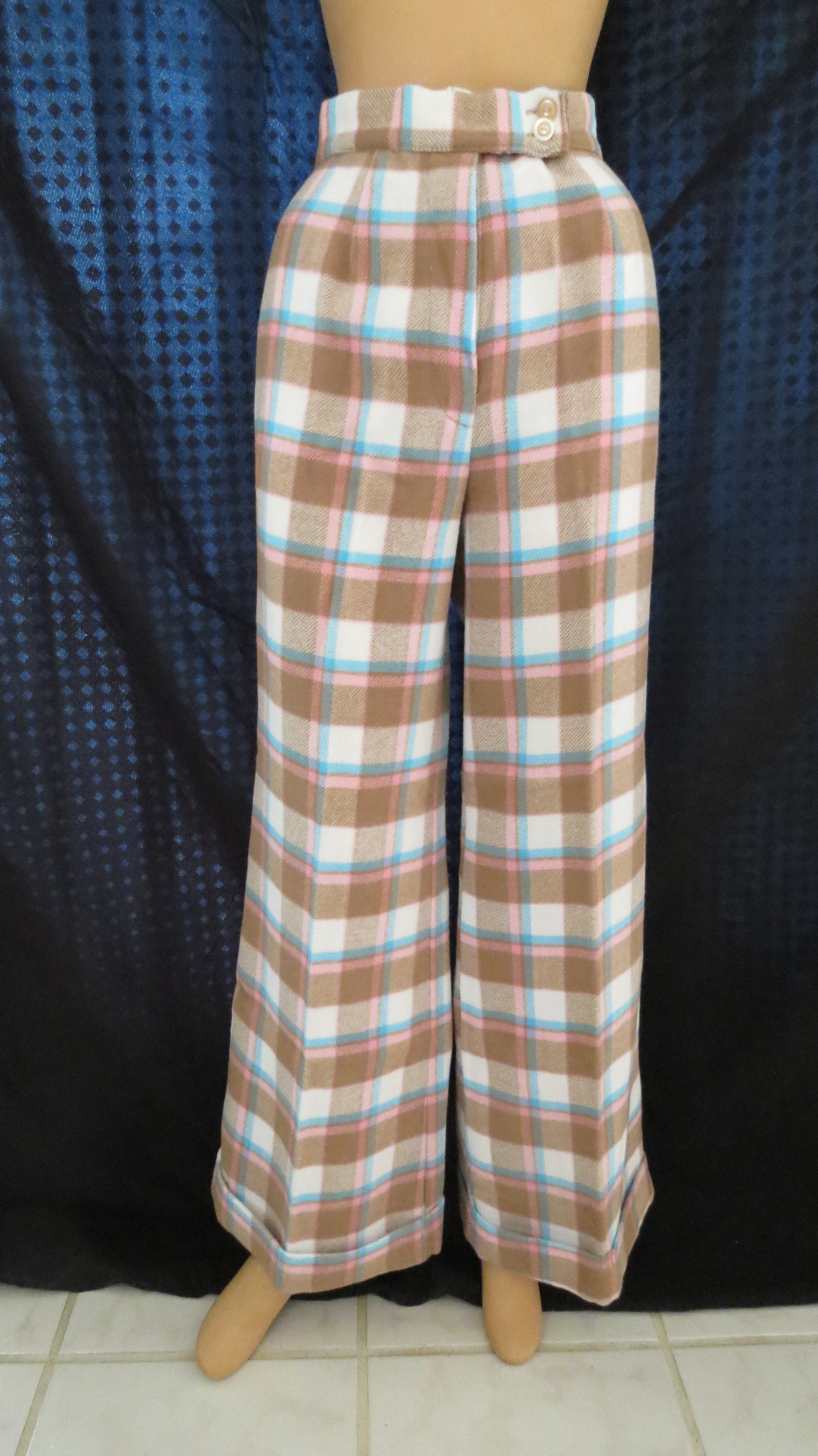
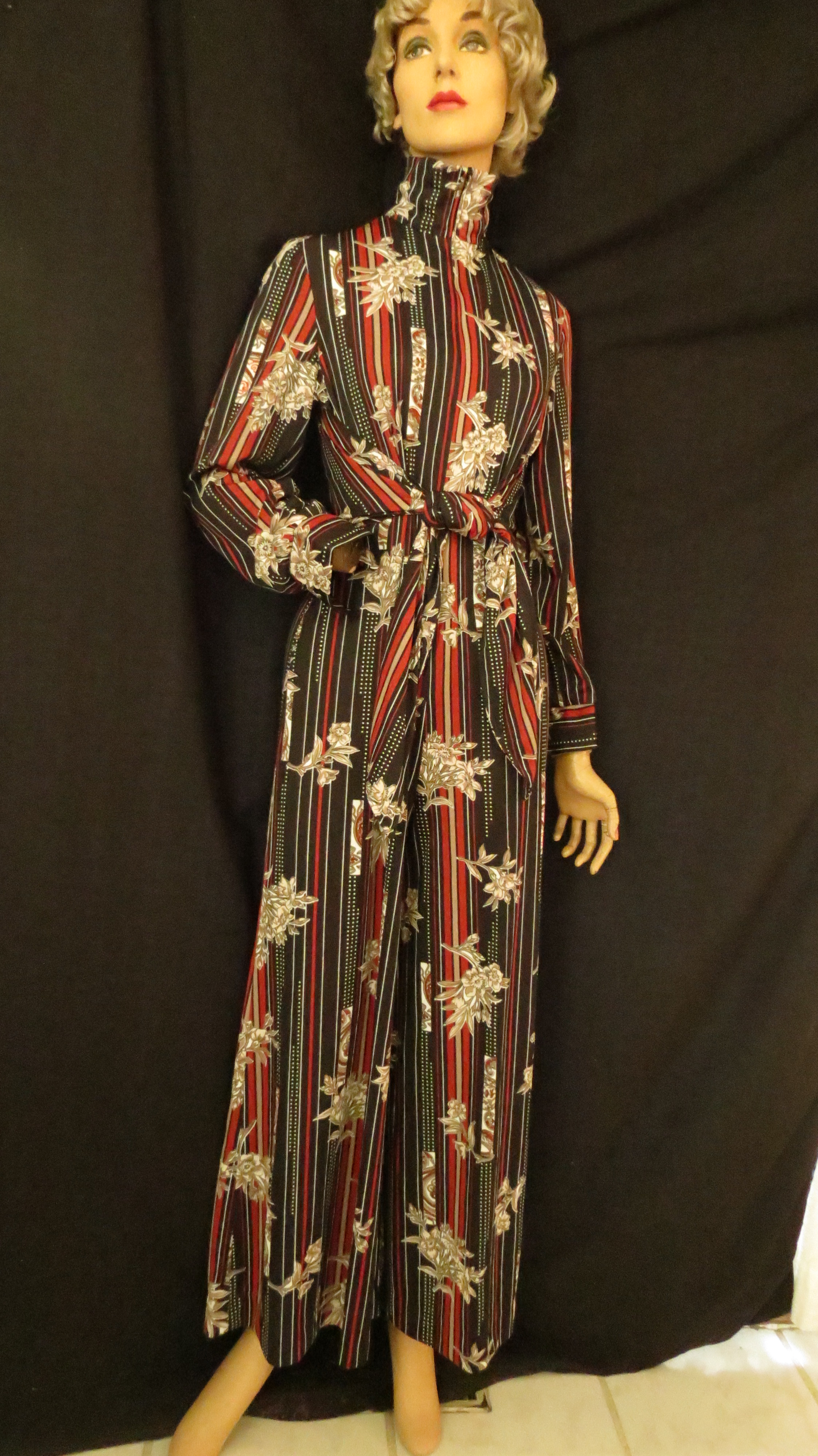
The 1970’s was far from a stellar fashion decade, as far as I’m concerned, but it did include several signature trends. Seventies does Forties, Boho/Prairie, polyester knit pantsuits and dresses (including men’s leisure suits), long pointy collars and animal prints were the predominant ones. The garments shown above are all from the early part of the decade. Psychedelic prints still showed up. Flower power still had a moment. Disco glitz was queen in the late 1970’s. Virtually everything was made of polyester fabric.

Carly Simon wore a hat similar to the one above on her first album cover in 1971 or 2 and it became instantly trendy. 1940’s styles, especially the tailoring details and medium-size shoulder pads, became really popular. Look at the trims on the short sleeved blouses. They are very ’40’s-looking. See the high waist and full legs on the slacks – women’s pants of the 1940’s were mostly made this way. An exception was Western-wear slacks, which tended to be slimmer.

The most-worn styles included platform shoes and jumpsuits in a big way. Military personnel and working women made jumpsuit uniforms visible during wartime and they became part of trendy fashion. The example above is from the early 1970’s. I have found and enjoyed wearing all of these designs. There are many photos in the files, but I can’t display them all at once. Some 1940’s styles popped up again in the 1980’s and I’ll show a few tomorrow. Stay tuned . . . . . . . .. . . . . . . . . . . . . . . . . . . . . .

MORGANA MARTIN, THE MAGICVINTAGESPY

BLOG: MAGICVINTAGESPY.COM

More Wedding Dresses through the Mid-Century

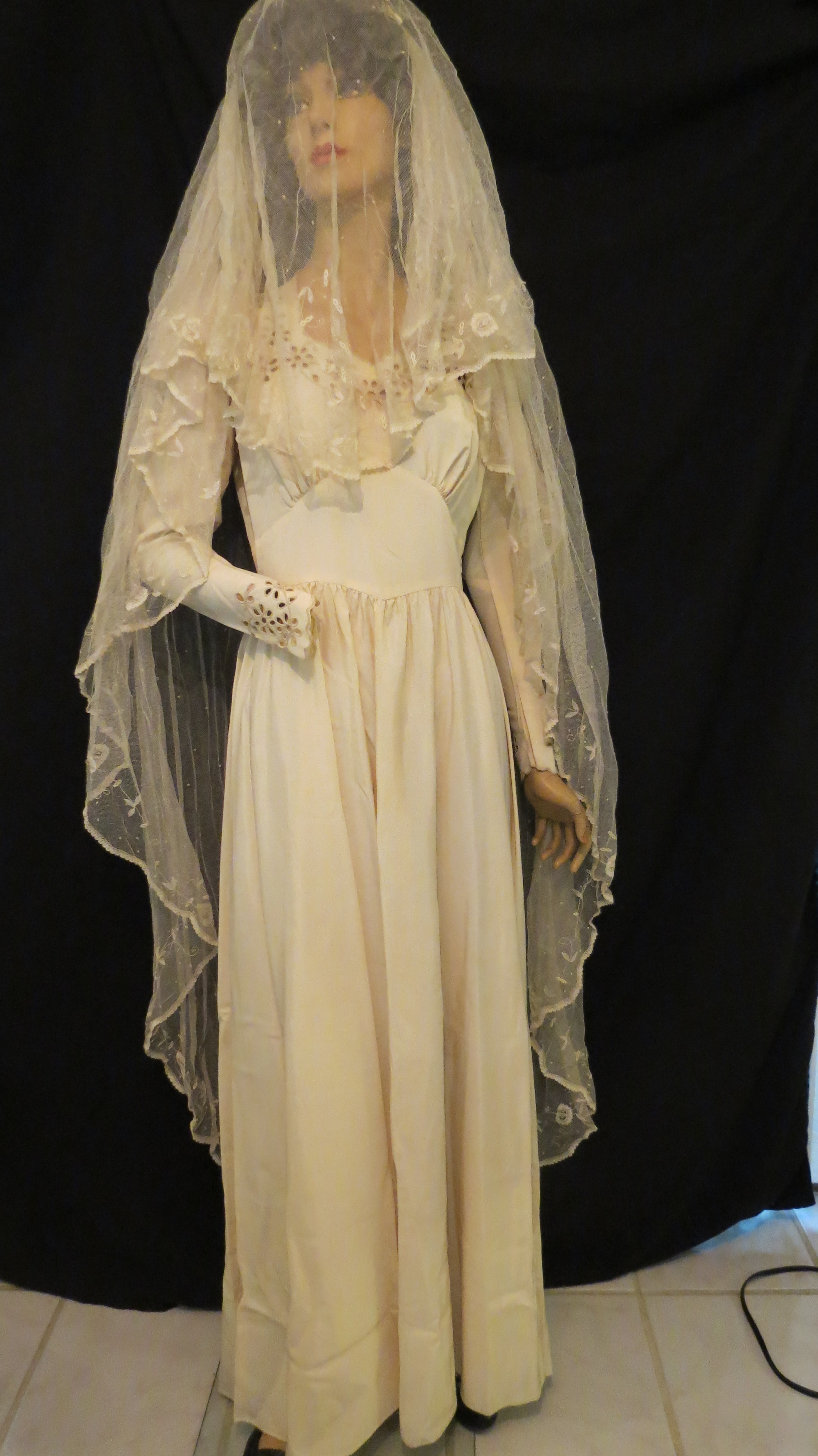
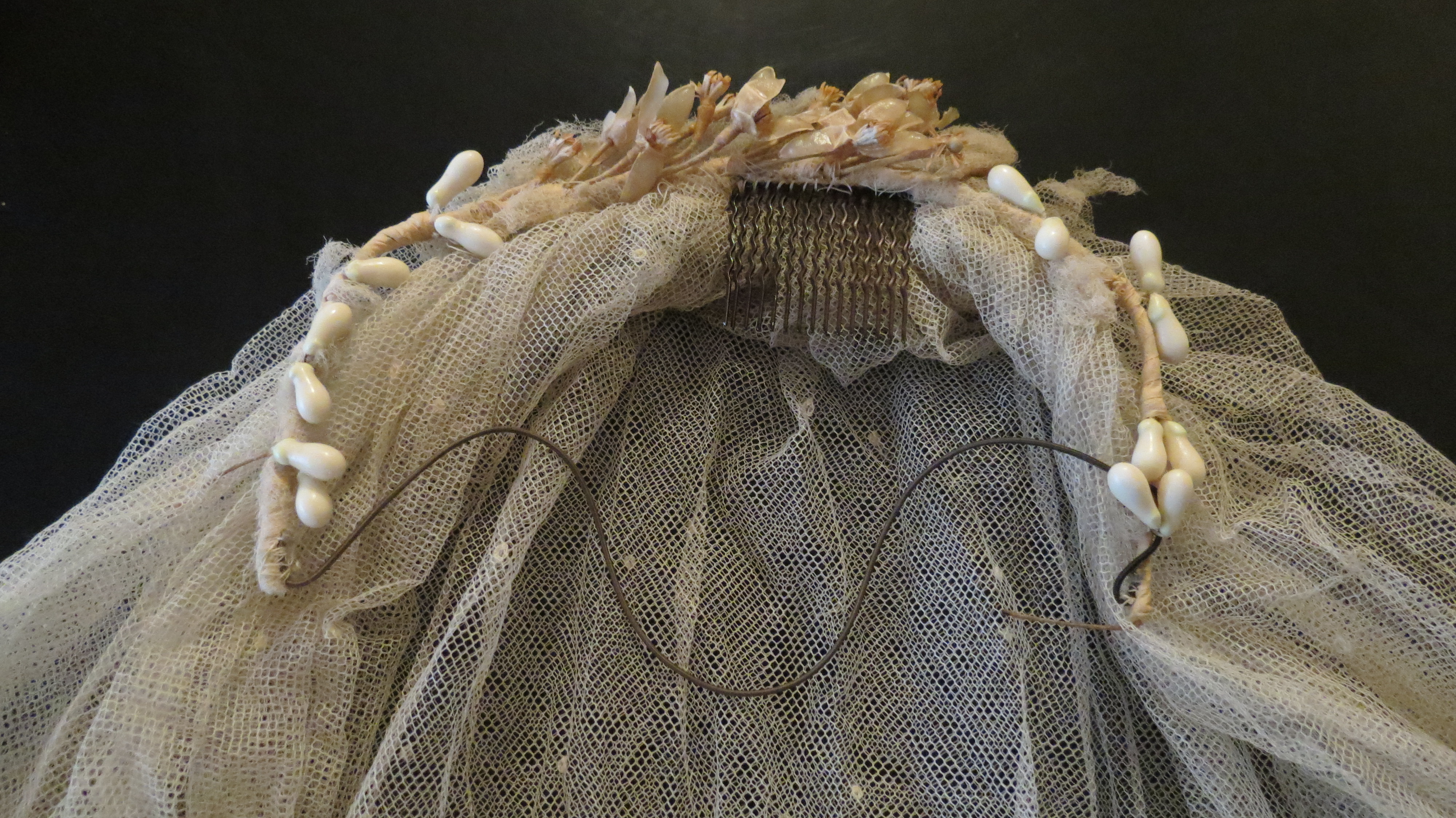
Here’s a beautiful example of an ensemble from 1940. It’s a long way from June now, but weddings know no real season so it’s great to feature them alongside their sisters, the formal and semi-formal dresses. I know some of this one’s history because I was able to get it from the bride’s daughter. She told me that her mother had purchased it from Eaton’s, which was a well-known department store chain in Canada, sadly closed in the 1990’s or early 2000’s. I also think that there’s an interior tag indicating that it had been made in Europe.

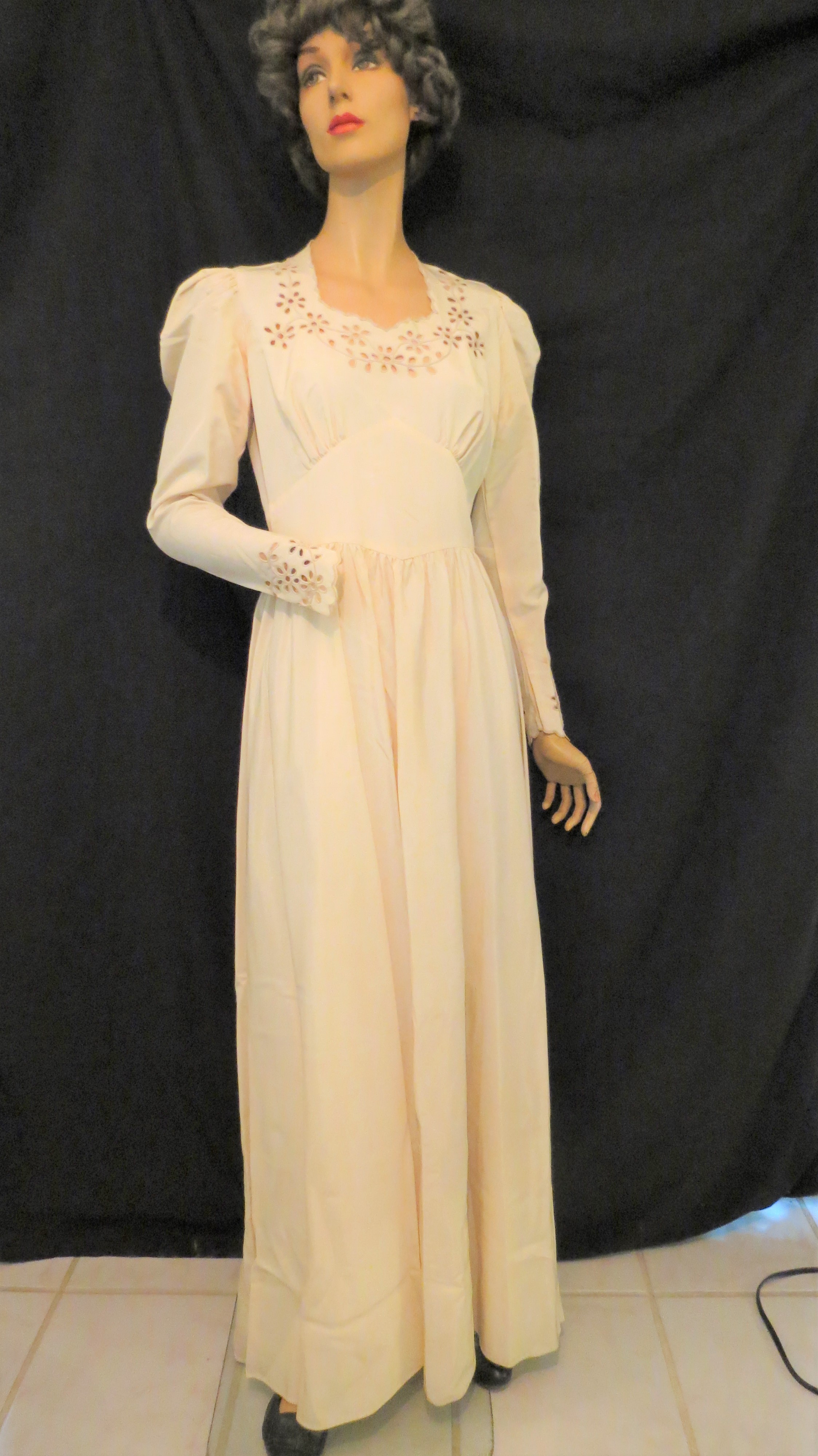
So beautiful with the veil but the dress alone is stunning. Heavy ivory-color fabric – probably a type of rayon. Classic long sleeves that make it a 3-season gown. This was before Canada and the U.S. joined the Allies in WWII, so materials were not heavily rationed even though we had just emerged from the Depression of the 1930’s.

A couple of brownish age spots are the only signs of wear or damage. It’s so wonderful to discover a piece like this, also with background information that makes the investigation so much easier to report. Stay tuned for more transmissions . . . . . . . . . . . . .

MORGANA MARTIN, THE MAGICVINTAGESPY

BLOG: MAGICVINTAGESPY.COM

Pretty Early 1940’s Gown; so Unusual and PINK

Pretty in pink for wartime Prom? Prom dresses I’ve found from that time were midi-length, so my guess is that this one was made for a different event. It’s a heavy synthetic material with 1940’s tailoring details: a peplum waistline with a point in the center front. It could almost be worn with either side in front if the fit allowed, but a back zipper makes it clear which side is supposed to be forward. The neckline was popular from 1940’s to 1950’s especially, but is very classic. Pretty clearly, this frock was custom-tailored.

It’s one of those garments that make you wonder what it’s story is. I’m sure there’s an interesting one!

MORGANA MARTIN, THE MAGICVINTAGESPY

BLOG: MAGICVINTAGESPY.COM
Another 1940’s Gown, this time in Holiday Red

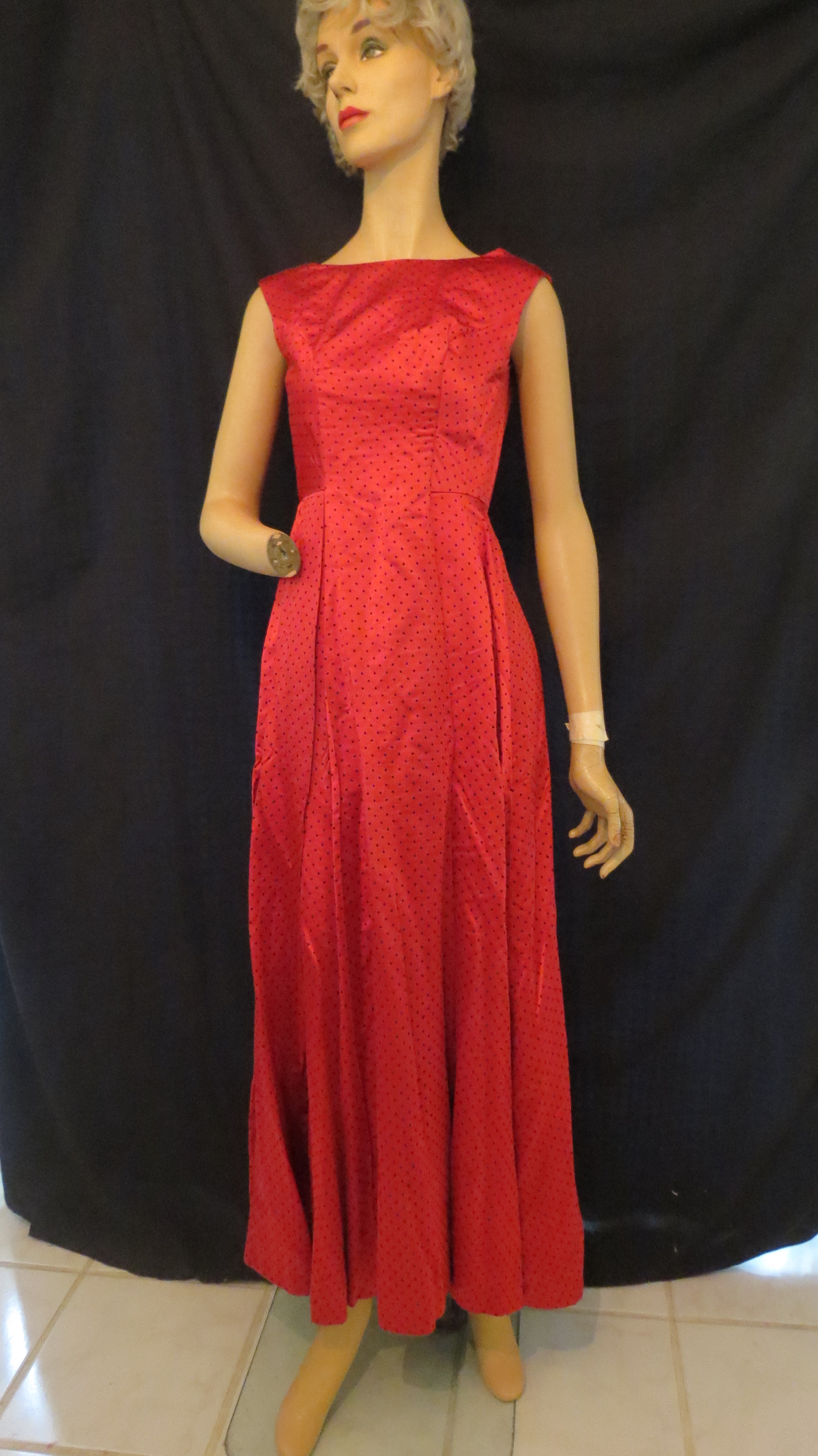
What beautiful fabric! It is substantial but soft and with tiny machine-embroidered diamond shapes all over, which was apparently a “thing” in some Forties material. This might have been a way of making up for the absence of natural fabrics like silk and many of the notions used to decorate clothing before and after WWII.

The style is very simple and I think, like the dress shown yesterday, that it was custom-made. The pattern wouldn’t have been difficult for a home-based seamstress. The neckline in back is a bit lower, but nothing dramatic. The most difficult aspect of the construction is the piecing below the waist and that’s still no big deal. What I like most about it is that it’s just very pretty and so festive and Christmas-y in that fantastic glossy red. I would have collected it for the yards of gorgeous fabric alone! More of that coming – stay tuned . . . . . . . . . . . . . . . . . . . . . . . .

MORGANA MARTIN, THE MAGICVINTAGESPY

BLOG: MAGICVINTAGESPY.COM