OOPSIE DAISY, BACK IN THE 1940’S WITH A BLACK CREPE COCKTAIL FROCK

For cocktails and/or dinner, a dressy but elegantly designed garment. Either pre- or post-WWII (probably Post-) a simple rayon crepe sheath with a midi hemline. Notice the beautiful drape of this fabric. Modest but semi-flashy rhinestone decoration and an eye-catching deep keyhole neckline, saying “YES! The war is over and we can party in beautiful dresses again!”

This one came from Australia so may even have been made in Britain, as much of their clothing was before the 1970’s or so. The arrival of fast fashion put an end to many quality brands and their exports as well as iconic department stores and ladies’ clothing shops which used to sell them. Today we can have boatloads of cute crappy stuff instead of a selection of well-made and lovely garments and accessories. Progress? Ha! Don’t believe it. I’m old enough to remember my grandmother’s good stuff and trips to the city with my mom for Christmas shopping. Stay tuned for more . . . . . . . . . . . . . . . . . . . . .

1940’s POST-WAR 2-PIECE DRESSY WEDDING SUIT

Here’s Stella in a beautiful wedding suit from the 1940’s. In fact, it was the outfit she was wearing when I discovered her. Although this ensemble might have been worn for another special event, I’m sure it was a wedding dress. It’s in a heavier-weight jacquard fabric with classic bridal tailoring details such as tiny covered buttons and points at the wrists – almost midieval. Again, I suspect that it was tailor-made. The peplum and shawl collar are very Forties, plus a rare coil zipper and unusual piecing of the skirt which causes the uneven hemline.

A fabulous and fun find! Stella’s been part of the team ever since. Stay tuned for her modeling more semi-formal and long dresses . . . . . . . . . . . . . . . . . . . . . . . . . . . . . . .

MORGANA MARTIN, THE MAGICVINTAGESPY

BLOG: MAGICVINTAGESPY.COM
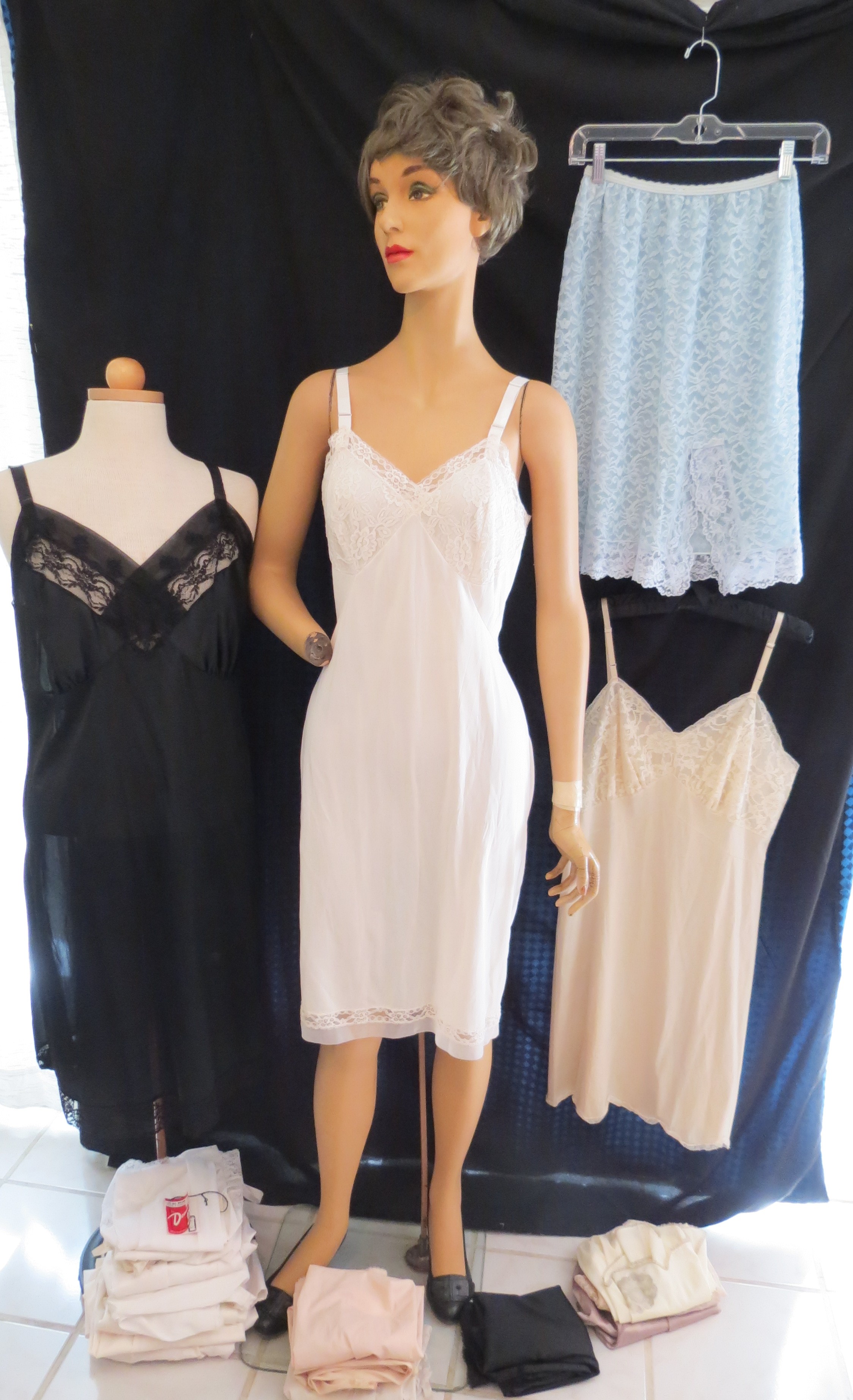
Undercover Magic, Essential True Vintage Lingerie

No matter what you’re wearing, lingerie pieces are key to making the outfit look right. Preventing lumps, bumps and see-through are only the simplest issues. The proper undergarment also ensures that the fabric lays correctly on your body and allows it to drape without clinging. Above are a very few examples of beautiful slips and only a tiny fraction of my complete collection.

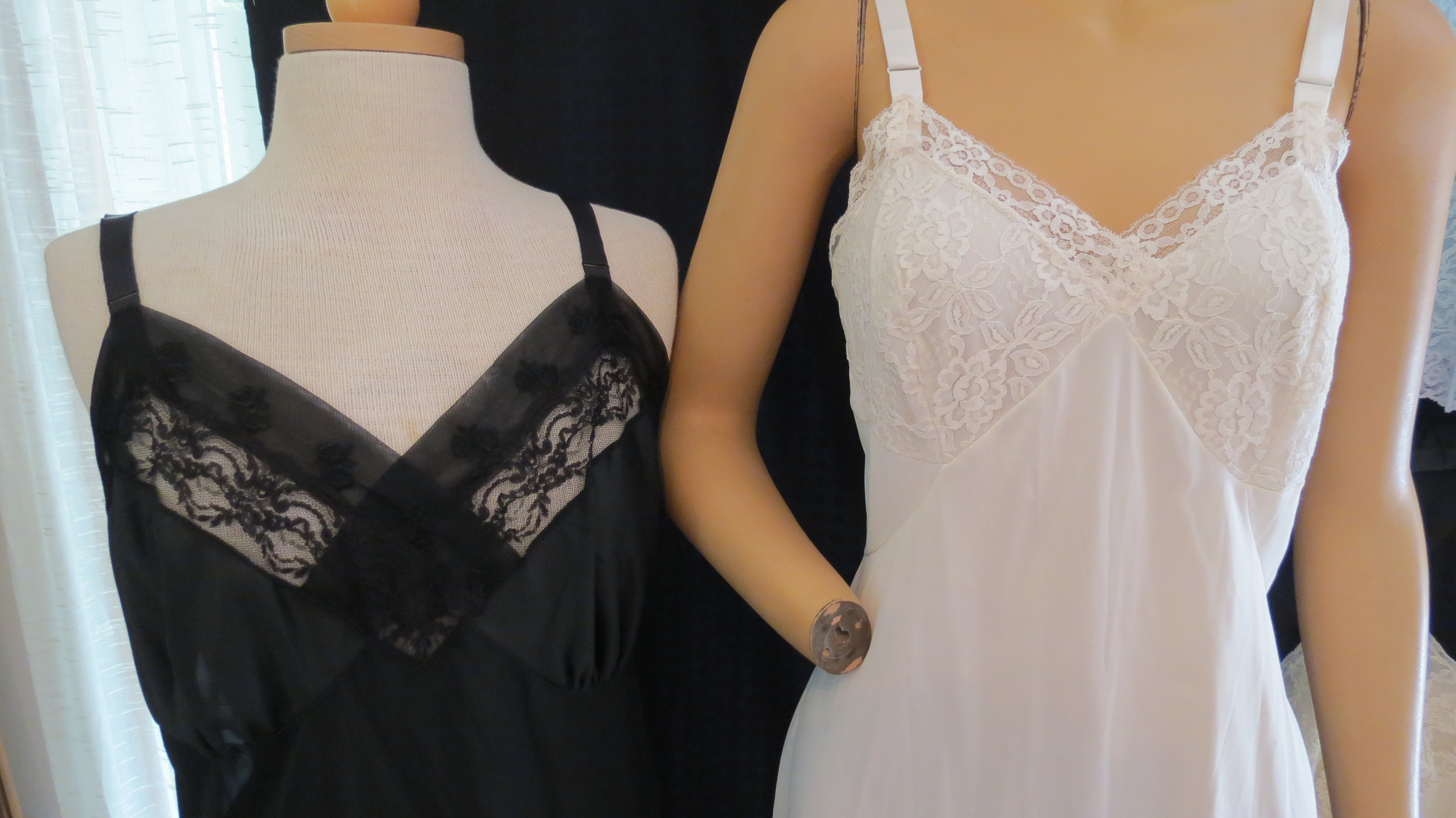
You can see here how lovely the details are. Typically, even the plainest design will have nice little details and excellent tailoring. More elaborate styles are full of lace, embroidery, ribbons, sheer panels, satin straps and, often, some work done by hand. Though most slips are done in neutral, pastel colors, some (especially from the 1950’s to early 1960’s) were made in fabulous vibrant colors. True vintage nylon has a feel like no modern fabric and is absolutely luxurious. So gorgeous they could often be worn as a lightweight dress or skirt on their own.

Look for vintage lingerie that suits your wardrobe. Notice the details. Slips, of course, are the basis if you wear dresses and skirts. Search for cotton slips as well as the more-common nylon ones. In the summer, you will appreciate the difference! It’s also important to match your undergarments to the clothing worn with it – if anything might show or peek out, whether by accident or on purpose, will the color be OK? How will your outer garment move over the fabric of the slip? How will the fabric of the slip react with your skin in hot weather? Lots of things to consider in order to get the best result.

Also, look for other undergarments – in the 1960’s some split slips were made to be worn under culottes and split skirts. “Slips” to be worn under slacks can even be found from the 1960’s and 1970’s. A 1950’s/1960’s girdle was ALWAYS a base foundation for most women at that time (thank goodness, not now!). If you’re wearing a wiggle dress, you may not have a choice in order to make it look right. Silk tap pants from the Twenties are so comfy and perfect under a lightweight dress in the summer. A camisole under a blouse or top can improve the fit, add some warmth on a cold day and sometimes provide a little neckline interest depending on the style. A “bullet bra” is perfect if you want to be a “sweater girl”. Garter belts and girdles are necessary for wearing stockings. A crinoline is important for most mid-century dress styles with circle skirts, especially from the late 1940’s through the early 1960’s. Some dresses have their own, but others require you to add one.

I’ve probably forgotten to mention something but you get the drift. Lingerie is SO important that I probably should always start any series of posts with it. . . . . . . . . . . . . . . . . . .

MORGANA MARTIN, THE MAGICVINTAGESPY

BLOG: MAGICVINTAGESPY.COM
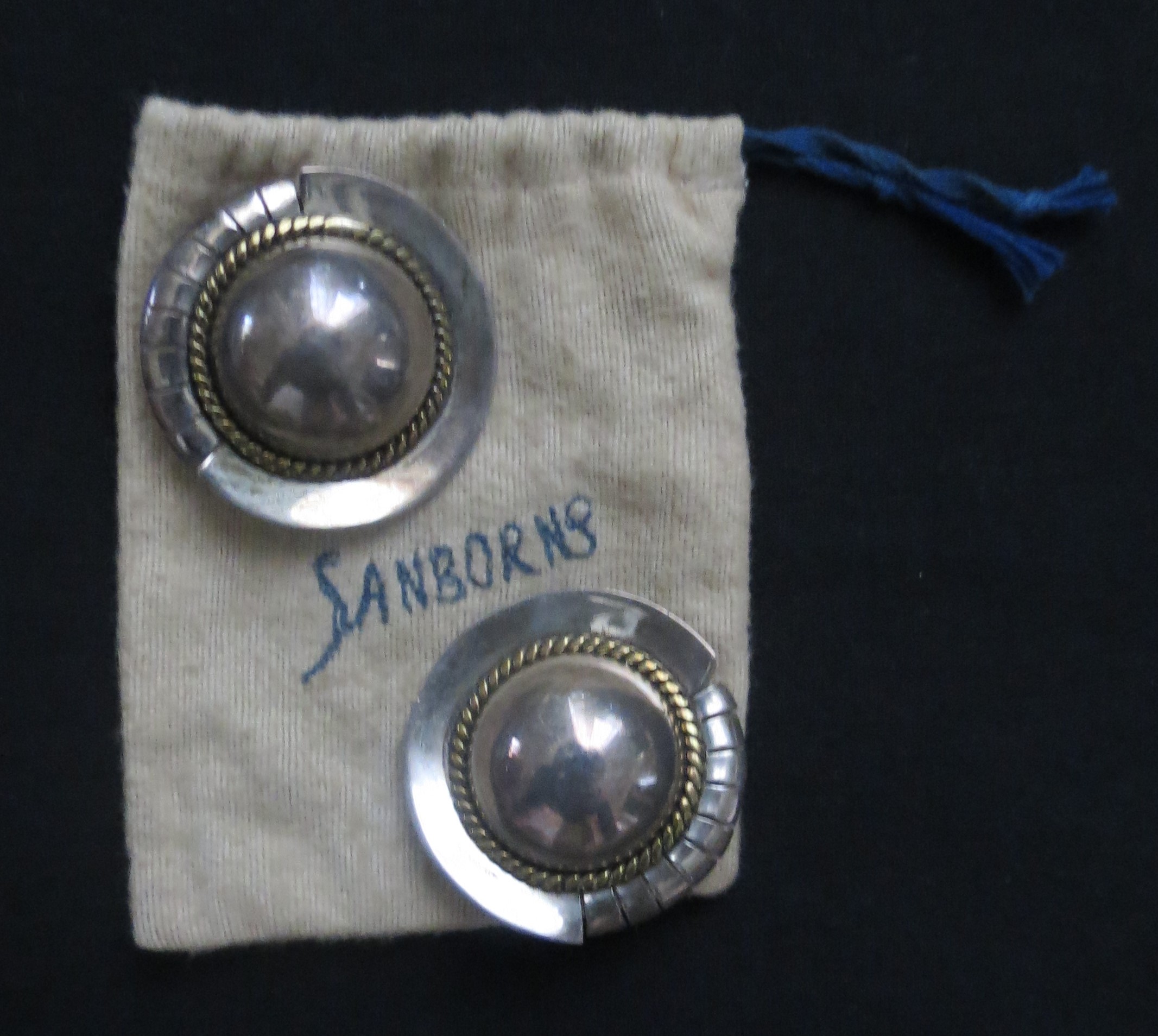
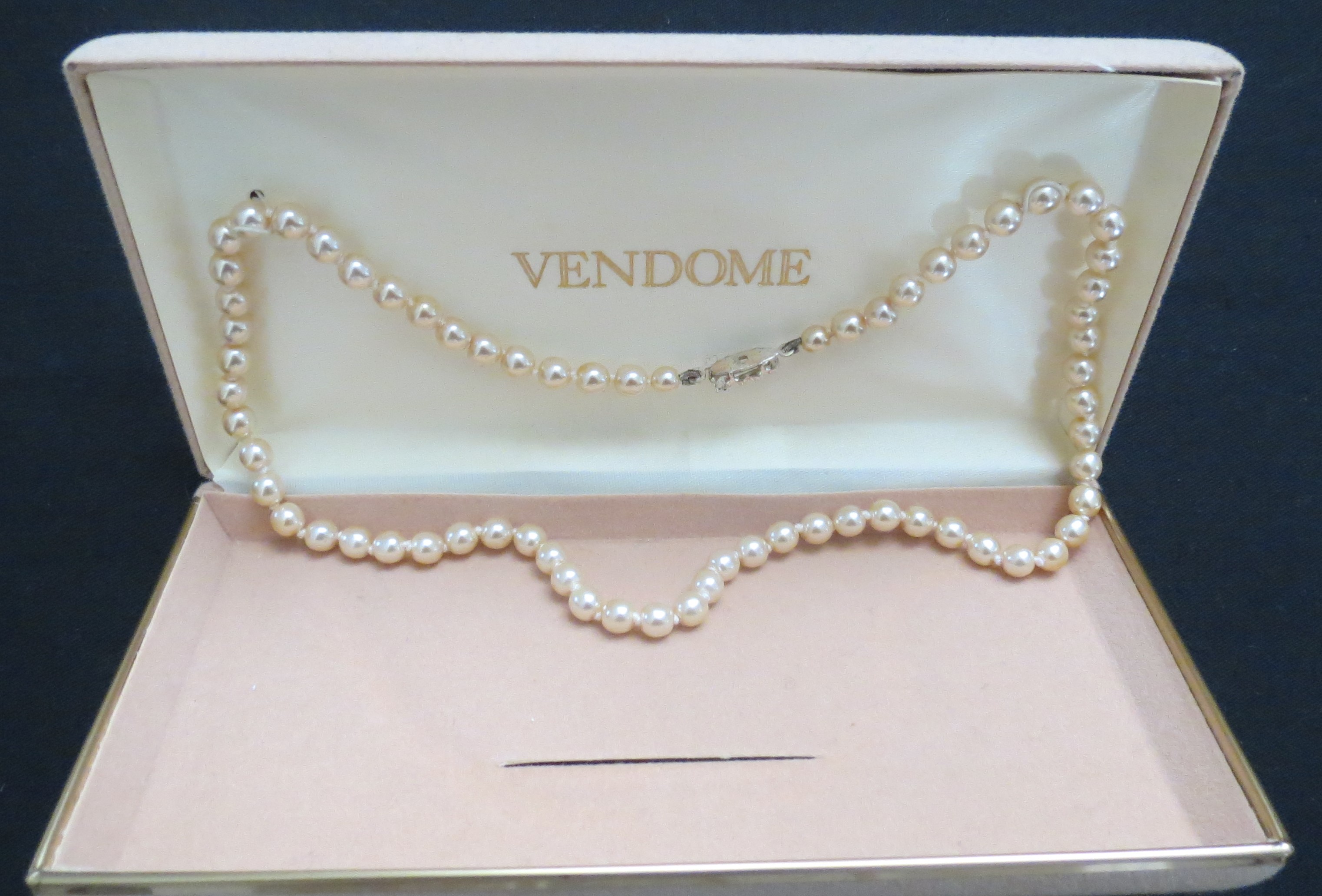
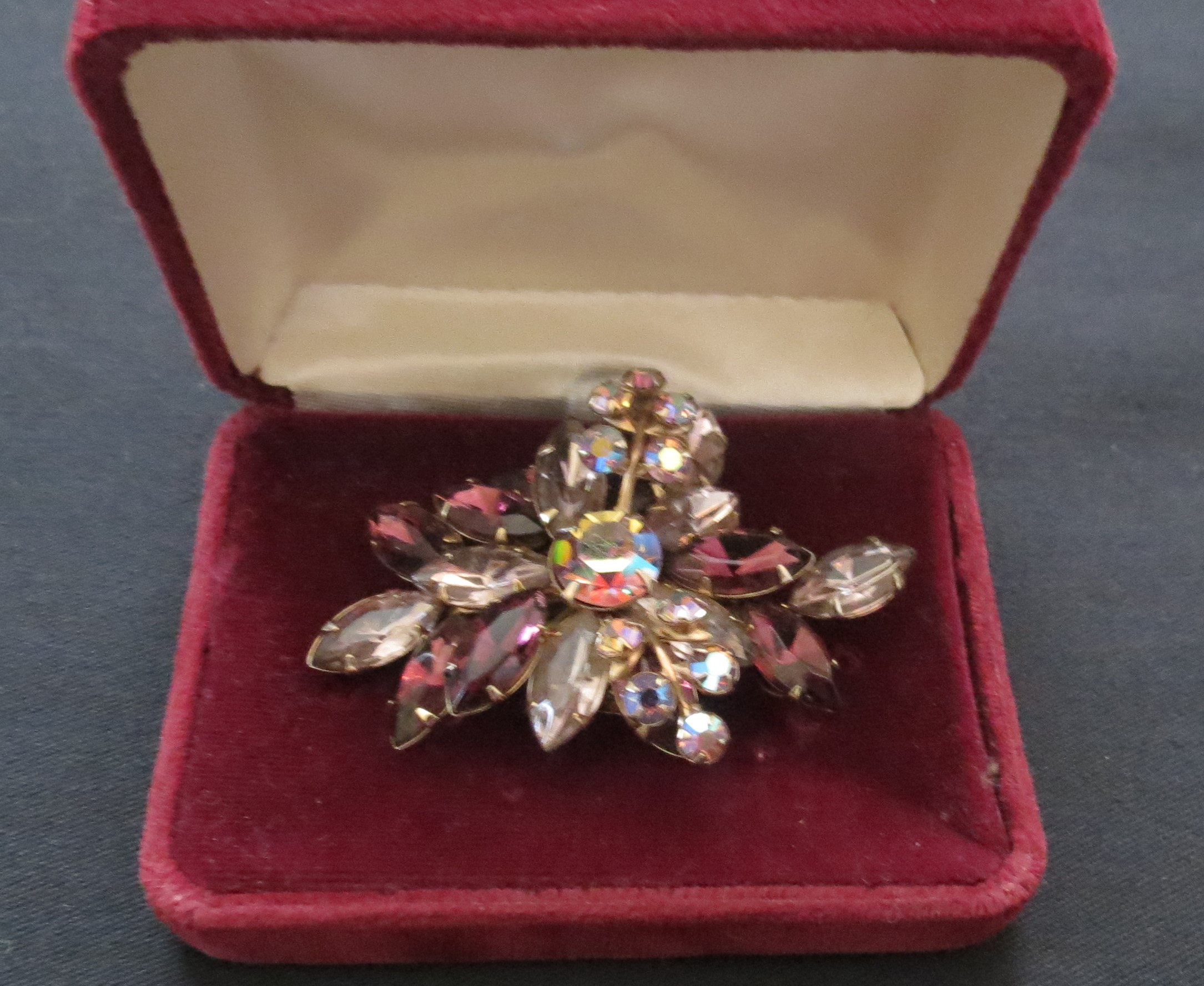
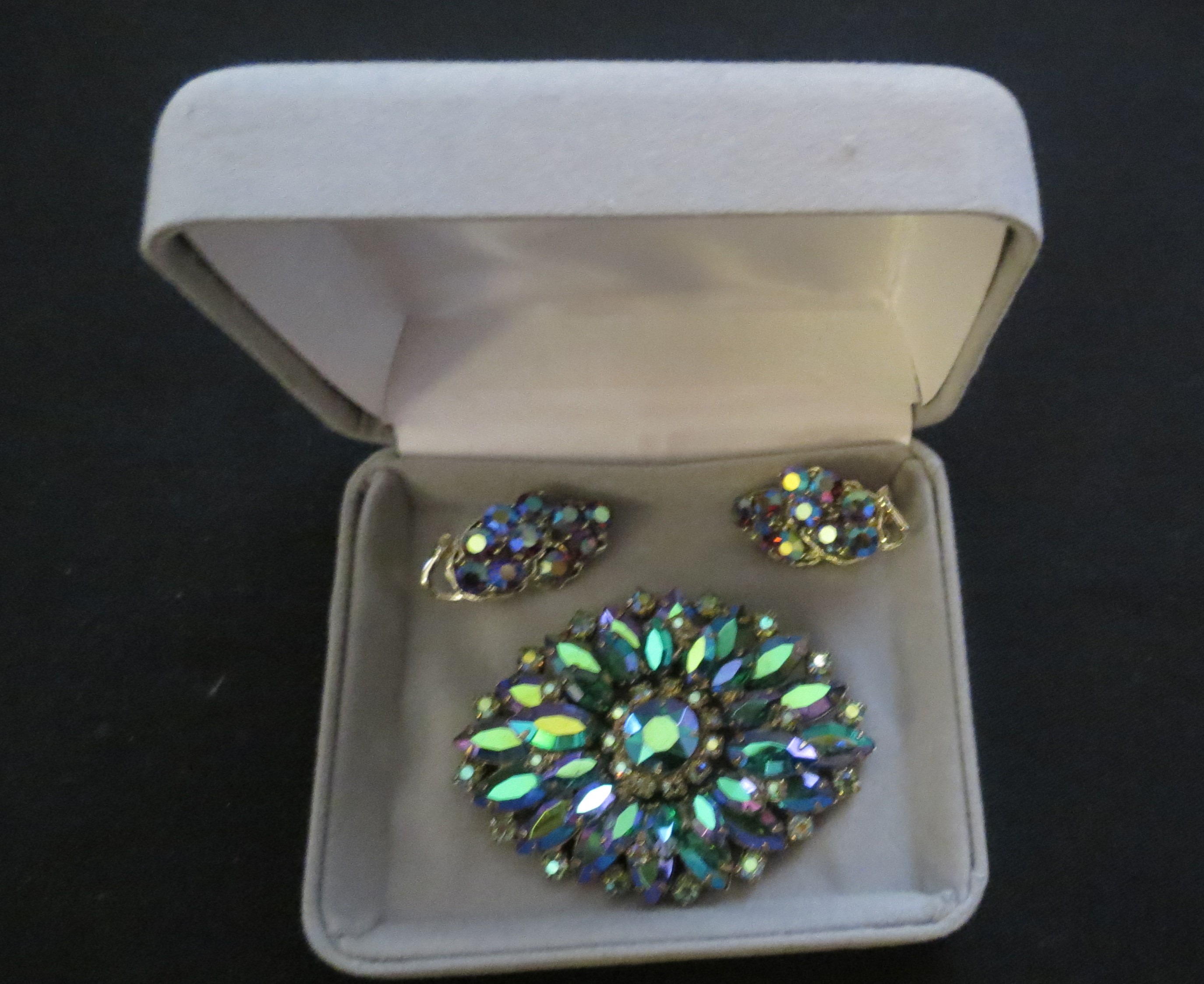
NO MID-CENTURY WOMAN LEFT HOME FOR AN OUTING WITHOUT A LITTLE BLING

Whether it was a trip to town for the weekly shopping, the Women’s Club meeting or a visit to a friend in the hospital, a church service or a weekend in the city, most women’s jewelry boxes would have them covered. A simple, but elegant, pair of silver earrings purchased during that trip to Mexico would be perfect with a cotton shirt-dress or cotton blouse and capris at the grocery store. That simple string of white pearls can go almost anywhere anytime, even though these are costume (just don’t wear them in the shower). The brooch in raspberry tones would go well with a nice dress or on the lapel of your coat and the iridescent blue parure is perfect with a dressy suit. Some other time we’ll have to explore the eveningwear file –

At any rate, a few pieces could be very versatile but still leave sleuths with valuable clues about when, where and by who they were worn. It’s often enough to clinch a case . . . . . . . . . . . . . . . . . . . . . . . . . . . . . . .. . . . . . . . . . . . . . . . . . . . . . . . . . . . . ..

MORGANA MARTIN, THE MAGICVINTAGESPY

BLOG: MAGICVINTAGESPY.COM

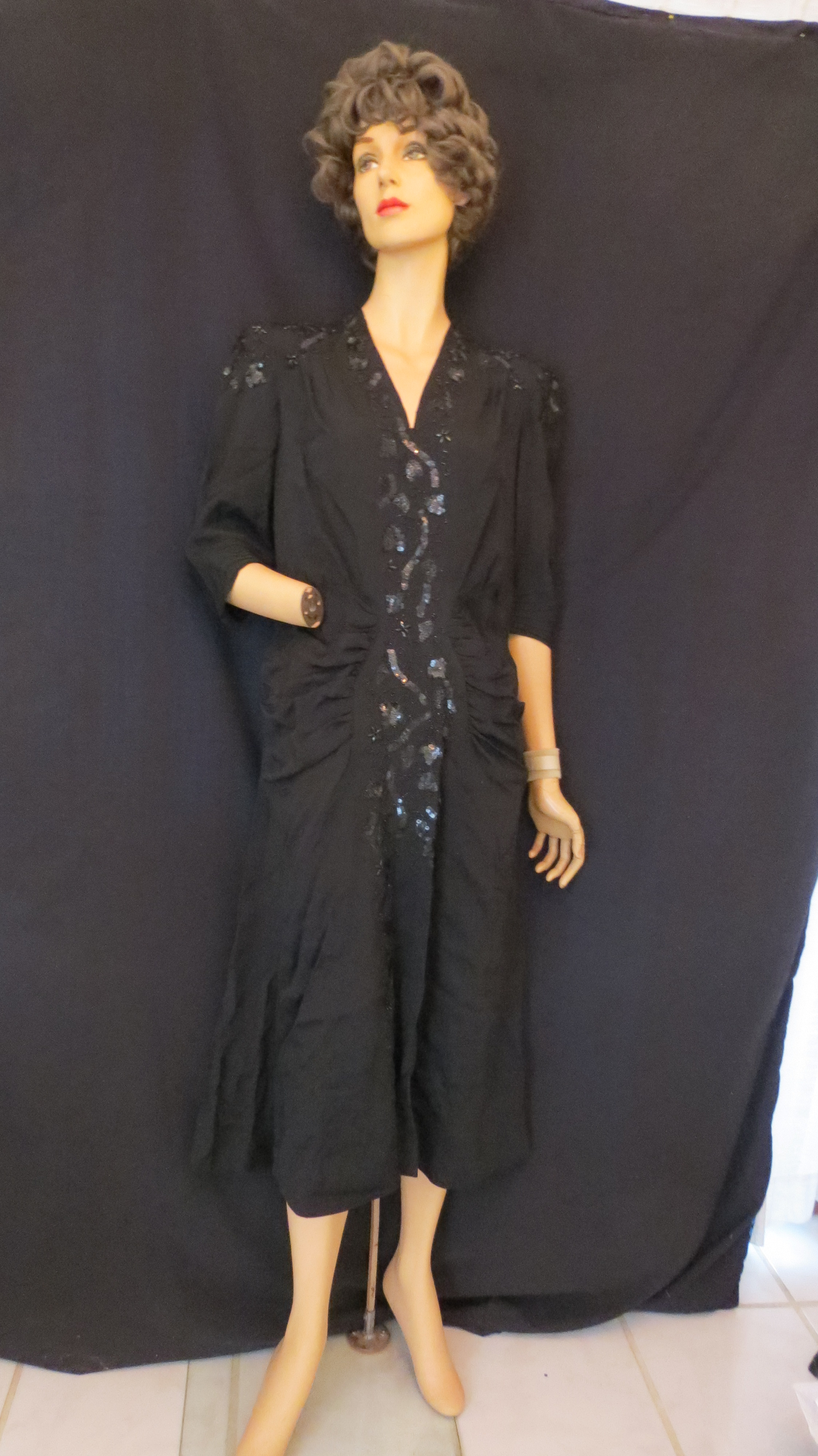
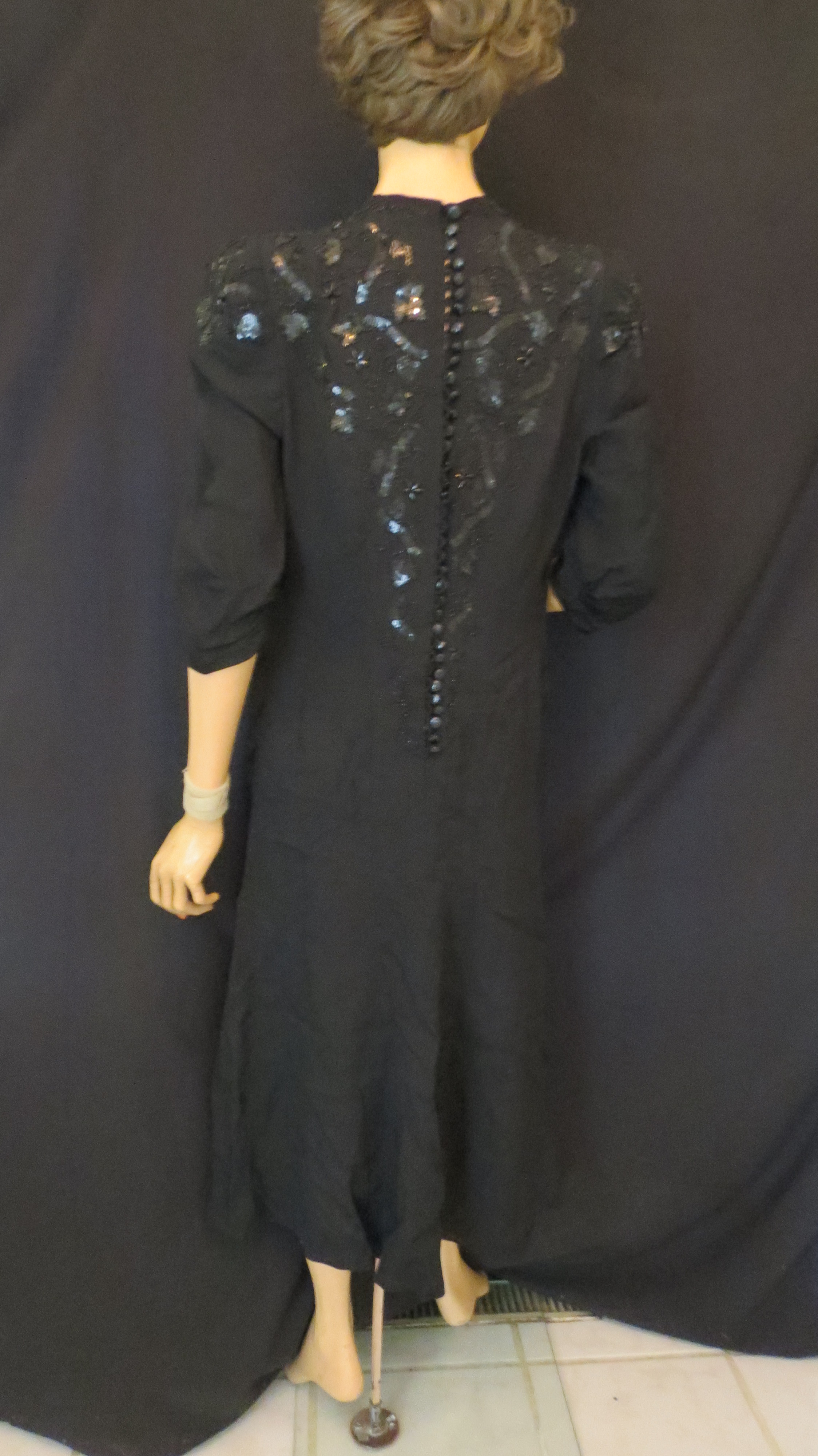
AS PROMISED, THE SISTER FROCK TO THE DRESS SHOWN YESTERDAY. POST-WAR 1940’S TAILORED FOR A SOCIALITE.

No ifs, ands or buts about going to a fancy event this time. Also from Montevideo, Uruguay, it belonged to a woman who was or was posing as a member of “society”. This frock has a huge amount of glitzy embellishment both front and back, but what better way to hide in plain sight? Very pretty, and it’s all hand-done. There is a label from “Mae’s” but I still suspect a small tailoring business, unless this was a toney department store that had it’s own tailoring department. The suspect or agent in this case had access to money and obviously had “help” or a very loving and patient partner. Can you imagine any other way to manage all those close-together buttons in back? (Hey, Mae’s, looks like you could have gotten zippers from Argentina instead! See yesterday’s post)

The very 1940’s style details are evident – big shoulders, midi hem length, below-elbow sleeves with shaping detail and that bizarre stuff going on at the hip-line. Unless it’s on the right figure, it’s pretty gruesome but Stella can wear anything. This dress has a very different cut from the one shown yesterday. It may have been made for a different woman but I suspect the measurements have more to do with the style of the dress. The padded shoulders, naturally, are wider but so is the bustline. The hips are narrower. My best guess is that this was done to balance out all the pleating on the hips and keep our heroine from looking bottom-heavy.

It’s a little tired from long-term storage but we know what a good drycleaner’s can do in a jiffy. Stay tuned for stepping into the 1950’s . . . . . . . . . . . . . . . . . . . . . . . . . . . . . .

MORGANA MARTIN, THE MAGICVINTAGESPY

BLOG: MAGICVINTAGESPY.COM
HOW INTRIGUING. A POST-WAR 1940’S COCKTAIL DRESS FROM URUGUAY

This garment came to light during an investigation in that nation’s capitol, Montevideo. It is a very international city and was undoubtedly a hotbed of clandestine affairs during the wartime 1940’s. The cocktail dress pictured above had been commissioned by a woman who was a member of the social elite who routinely had their fashions custom-tailored or traded with shops that offered handmade garments and imported couture. The lack of a label and evident hand-stitching point to a private tailor. Though the crepe is a little rumpled from years of storage, this frock has been well-preserved and is a perfect example of that genre.

I am not sure whether the tailoring differences from what we expect in dresses made in North America are due to historical constraints or to the culture of that country. The extended shoulders, sheer insets, midi-length hem and ubiquitous black rayon fabric are commonly seen in designs of that post-war time but I was a little surprised by the straight, matronly cut. Either the New Look with its nipped waist had not yet landed in high fashion, or this frock was made for a more conservative, older woman.

The same will be seen in a similar dress from that same investigation which will be shown, probably tomorrow. Stay tuned . . . . . .

MORGANA MARTIN, THE MAGICVINTAGESPY

BLOG: MAGICVINTAGESPY.COM

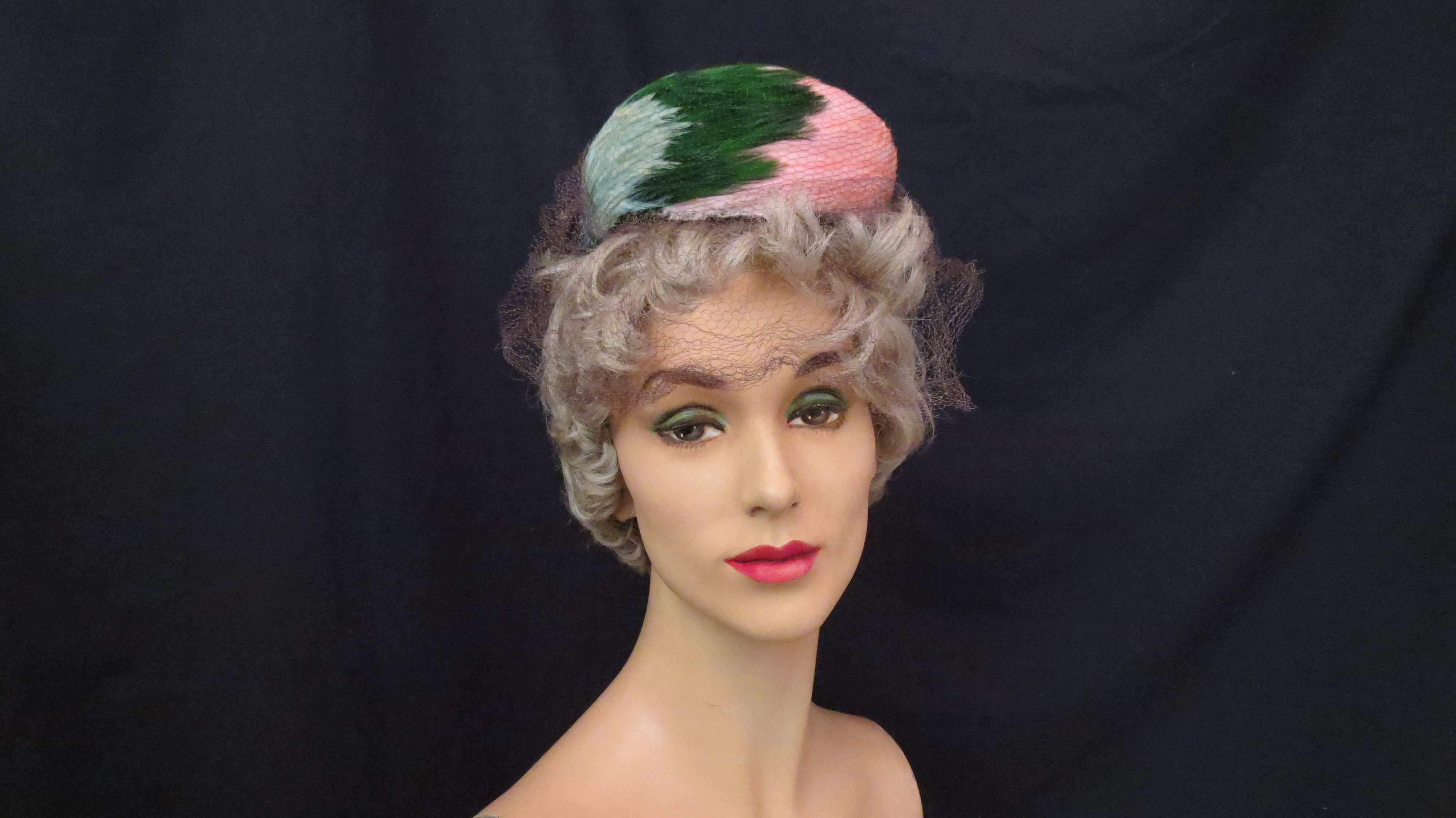
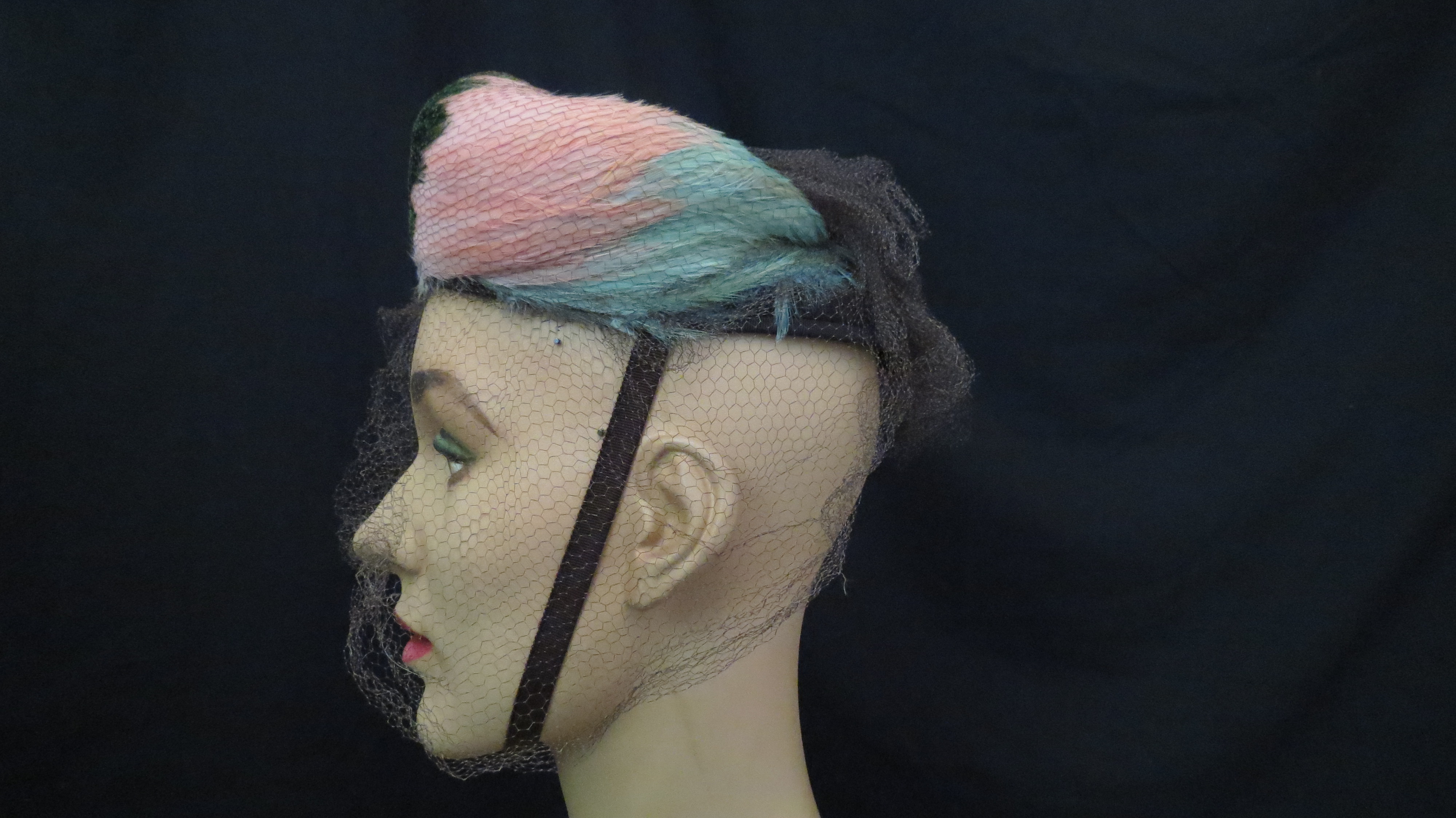
A VERY DIFFERENT ACCESSORY FROM THE 1940’S – “EL RITA” PASTEL FEATHER HAT

What could be a better brand name for something this flamboyant? Next time I need a flamingo costume . . . . . . . . . . . . . . . . . OK, it IS pretty and definitely tells us that Spring has sprung. The El Rita label has apparently made hats (of various kinds) for many decades, but the elastic chin strap is always a good clue to the early mid-century or before.

MORGANA MARTIN, THE MAGICVINTAGESPY

BLOG: MAGICVINTAGESPY.COM

AN HISTORICAL CHARM BRACELET FROM THE 1920’S 1930’S 1940’s DEPRESSION – World War ERA

So, when I unpacked this I thought “Oh, a charm bracelet. Those started to become fashionable in the mid-century.” Well, when I looked at it closely it’s no regular charm bracelet. It tells the story of the New Deal and wartime. Those coins are from various European countries, and the United States. Germany, France, Italy and England are represented. Leaving out several players, these are the principal Enemy and western Allies of World Wars 1&2. The little male figures (only men, of course) represent people from different walks of life and levels of society. The Native American, the professor, the businessman, the teamster, the beggar, the Laborer and the Elite. This may represent the New Deal’s aim of leveling the economic playing field across all the population. A great idea. Good luck with that.

Fabulous clue, however. Only a certain type of woman at a certain time and from a certain type of place would wear such a bracelet. Or, perhaps, it was an individual creation worn as an unobtrusive bauble but carrying a coded message . . . . . . . . . . . . . .

MORGANA MARTIN, THE MAGICVINTAGESPY

BLOG: MAGICVINTAGESPY.COM

WITH VALENTINE’S DAY COMING RIGHT UP, I RE-OPENED THE WEDDING GOWN ARCHIVE

This is a heavy satin gown from the post-war 1940’s or maybe the very early 1950’s. The detail is incredible, while keeping the tailored, non-fussy style which was popular then. Take a close look at that cape collar. It is edged with beading all around. The buttons and loops in front are just for show. The bride gets into this dress by opening a long metal zipper on the left. So figure-enhancing! My first guess was that this frock had been custom-tailored – and perhaps a lot of custom-fitting did take place – but in truth it was sold by the high-end department store Harzfeld’s in Kansas City, MO. Part of an iconic chain of these stores, it was 11 stories high in the downtown. Undoubtedly, our blushing heroine received elite attention from the sales staff and tailoring department.

The skirt is very full, but there’s no crinoline underneath. That’s an easy thing to add, depending on taste. Just examining all the construction clues is a fascinating way to put together a picture of the era and the circumstances of this particular novia on the day of her wedding. We’ll get a chance to do some more similar sleuthing tomorrow . . . . . . . . . . . . . . . . . . . . . . . . . . . .

MORGANA MARTIN, THE MAGICVINTAGESPY

BLOG: MAGICVINTAGESPY.COM
SILKY BOUDOIR GOWN FROM FRANCE – VIA MONTEVIDEO, URUGUAY

Found in the historic city of Montevideo, capital of Uruguay, this at-home dress may have seen a lot of intrigue. From the pre- and wartime 1930’s – 1940’s, it came from France to the home of a well-to-do woman who had the means to buy her wardrobe from there. Apparently, French-made garments and accessories were favorites of Uruguayan women in Society; at least, until they became unavailable. Some pieces may have remained accessible from occupied France, but probably only to the most elite.

It makes me wonder if clandestine activities may have taken place in order to procure these goods for those who could pay . . . .

MORGANA MARTIN, THE MAGICVINTAGESPY

BLOG: MAGICVINTAGESPY.COM