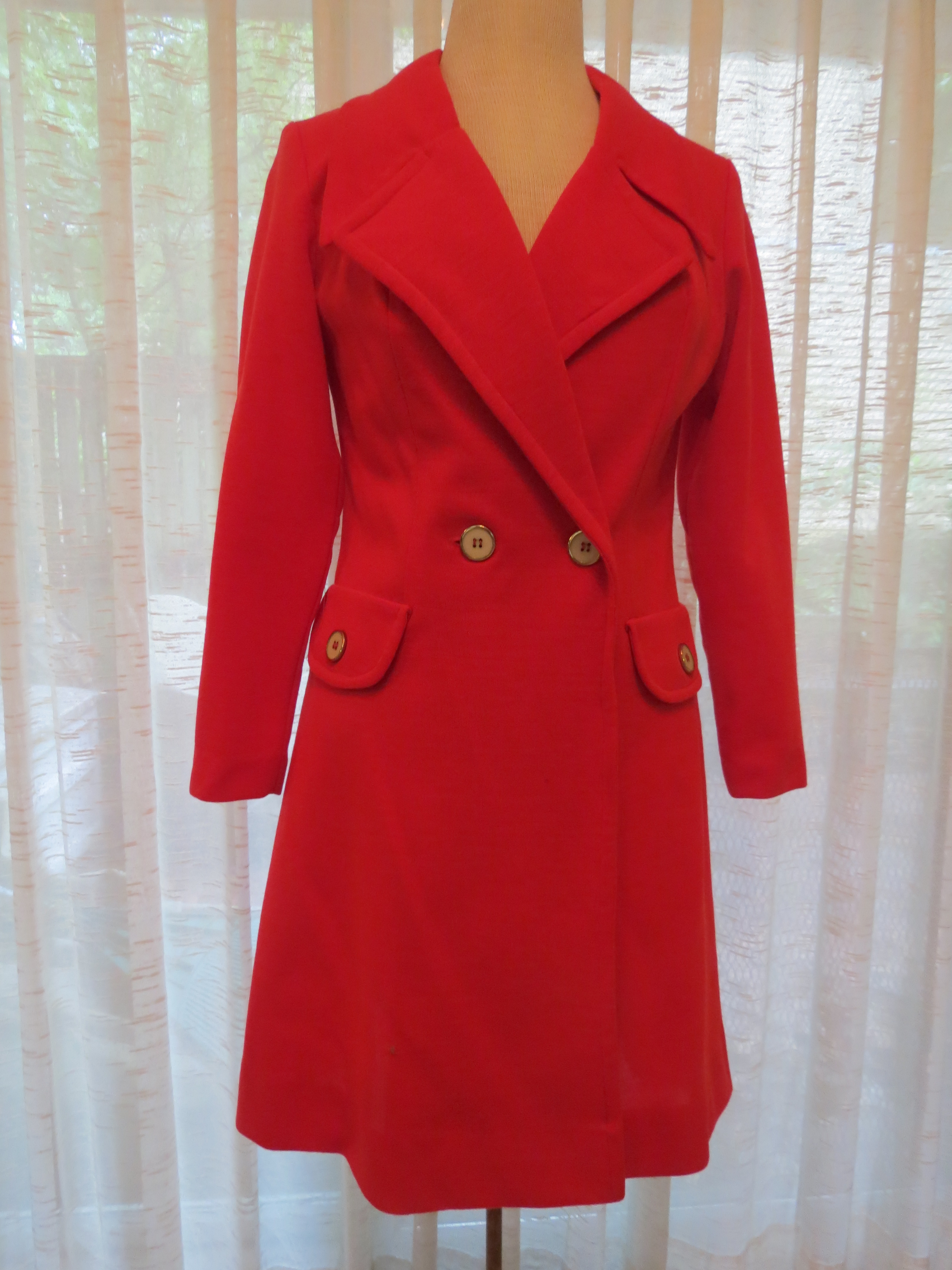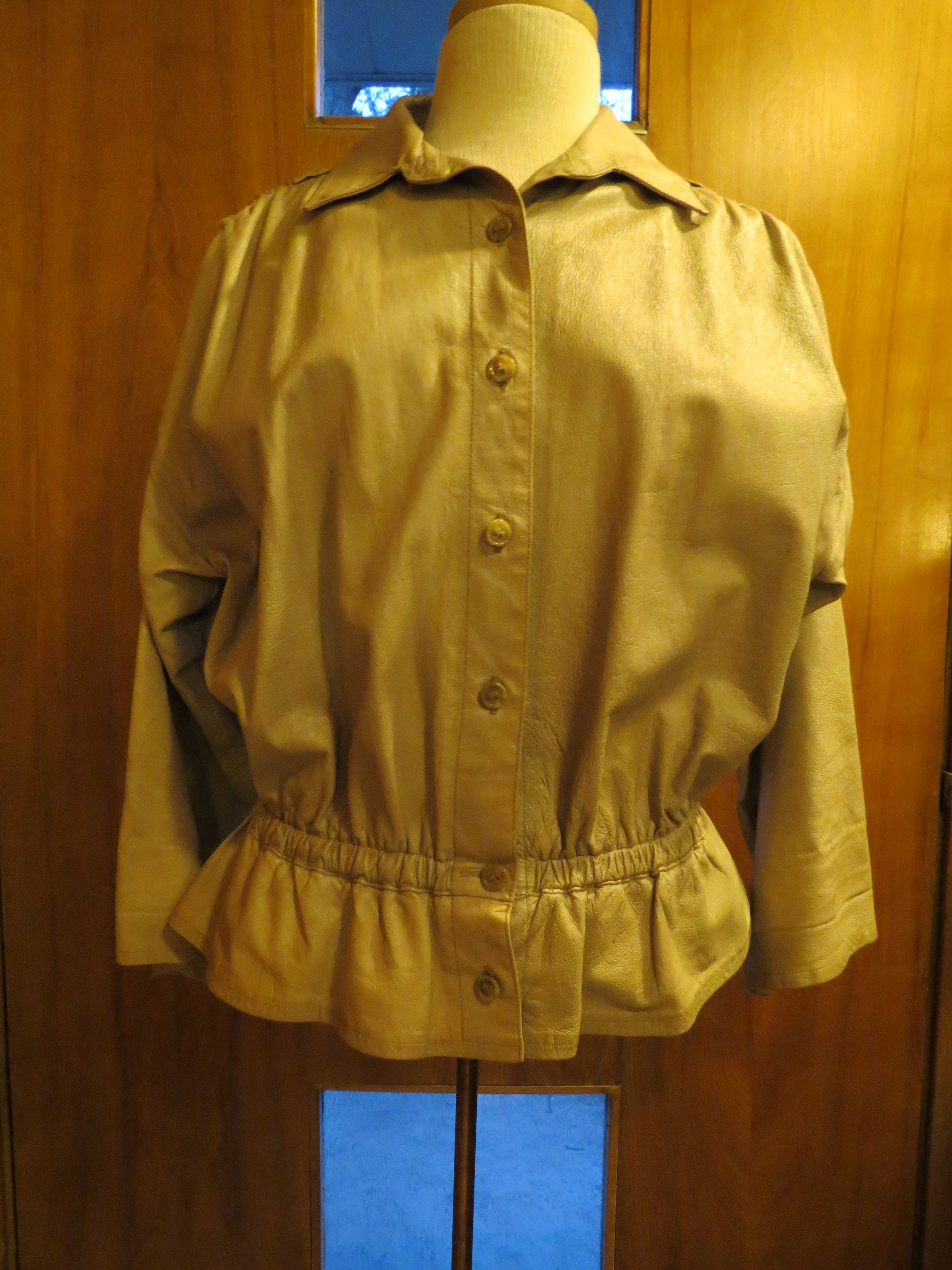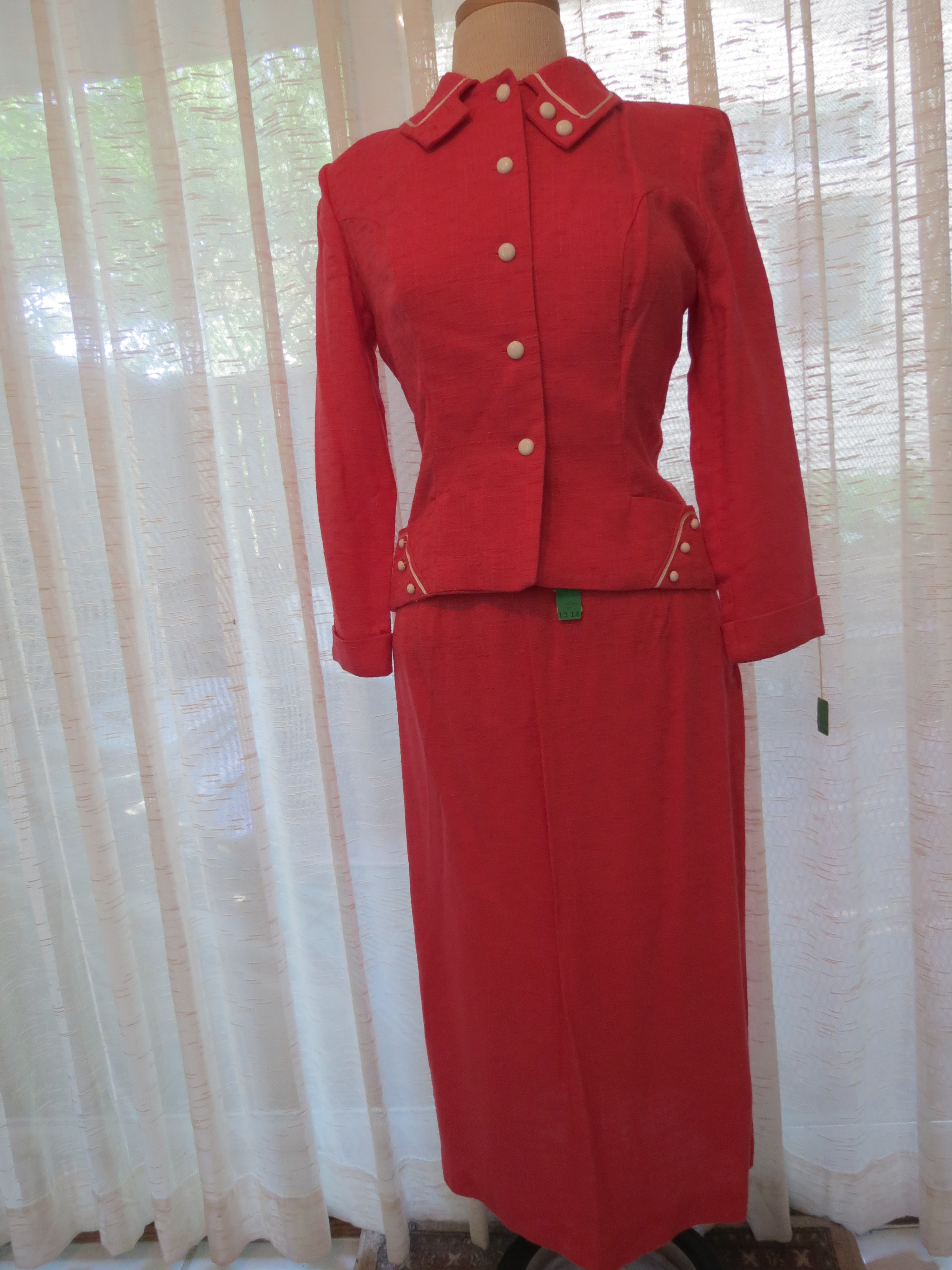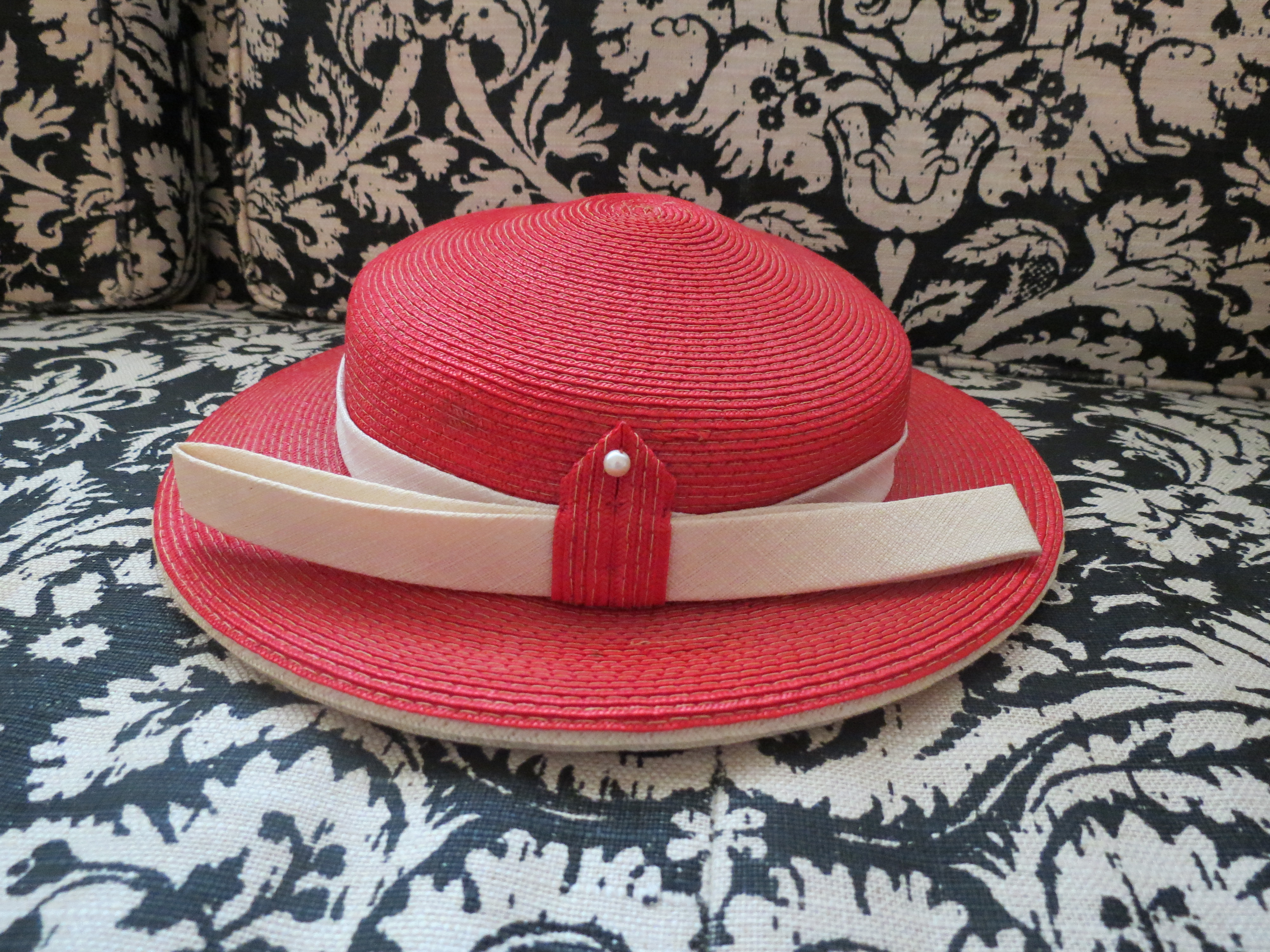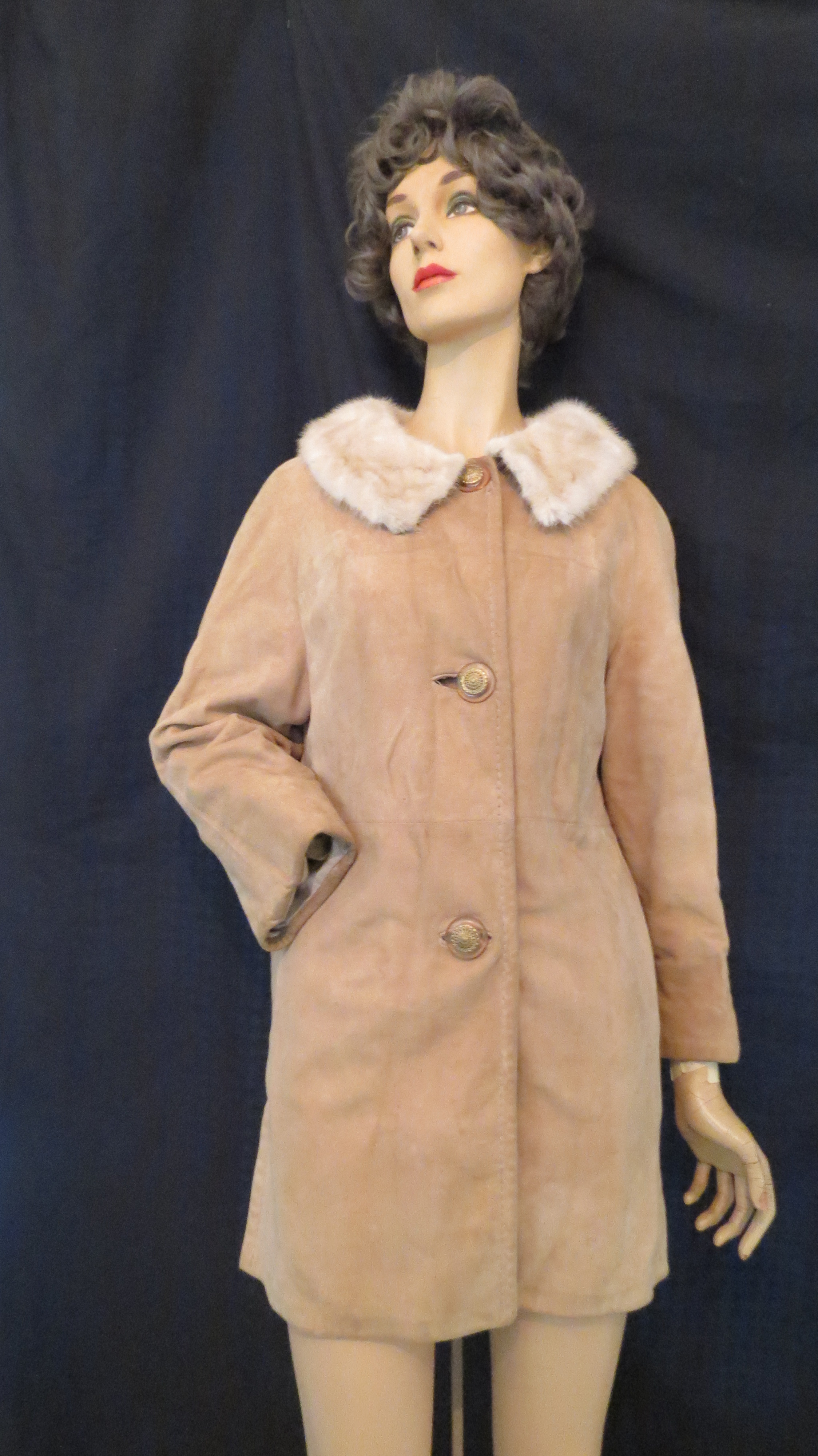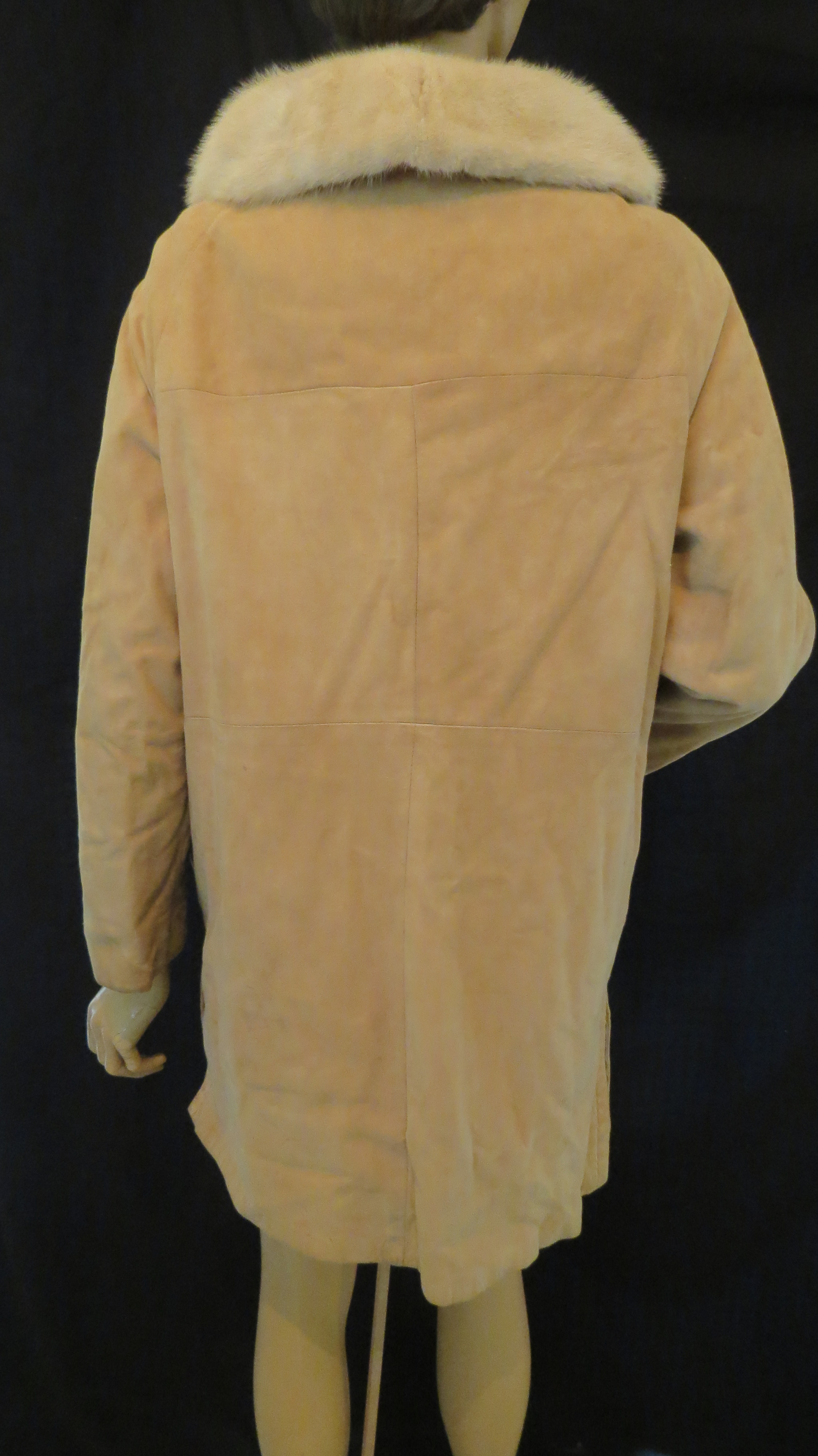
ICONIC TRUE VINTAGE COAT, FROM THE LATE 1950’S TO 1960’S. LET’S LIGHTEN UP A LITTLE!

For the milder climes, a car coat. This time it’s suede instead of wool, but still with the dressy mink collar and showy buttons. As I’ll show later, leather jackets for women, from Western-wear to dressy styles, were a big thing in the early to mid-Sixties, worn by more and more middle-income women. Usually of a tailored, but casual style and gradually dropping the fur excepting for the hoods of parkas and up-market leather coats and ski jackets.

I’ll continue to focus on seasonal items during this shift from Autumn to Winter and with a nod to the Holidays and vacations. Excepting in the news, nothing controversial happening here but intrigues have a way of appearing spontaneously. Stay tuned . . . . . . . . . . . . . . . . . . . . . . . . . . .

MORGANA MARTIN, THE MAGICVINTAGESPY

BLOG: MAGICVINTAGESPY.COM
TRUE VINTAGE OUTERWEAR? FUR REAL OR FAUX? WE HAVE TO THINK ABOUT IT . . . . . . . . .

Last night I was out and about to a theater production and couldn’t reasonably drive a two block distance. Walking was the only choice, which I love, but IT WAS SO COLD!!! My warmest outerwear option, which kept me toasty and comfy, was my post-war beaver jacket from Canada. 75 years old and it’s still snuggly and beautiful. I grieve for the precious animals who (yes, WHO) were sacrificed for vanity and retail profit back in the day and will NEVER buy modern fur products. I advocate for animal rights but also celebrate those lives and gifts by preserving and enjoying elegant fashions from the past for as long as they will last.

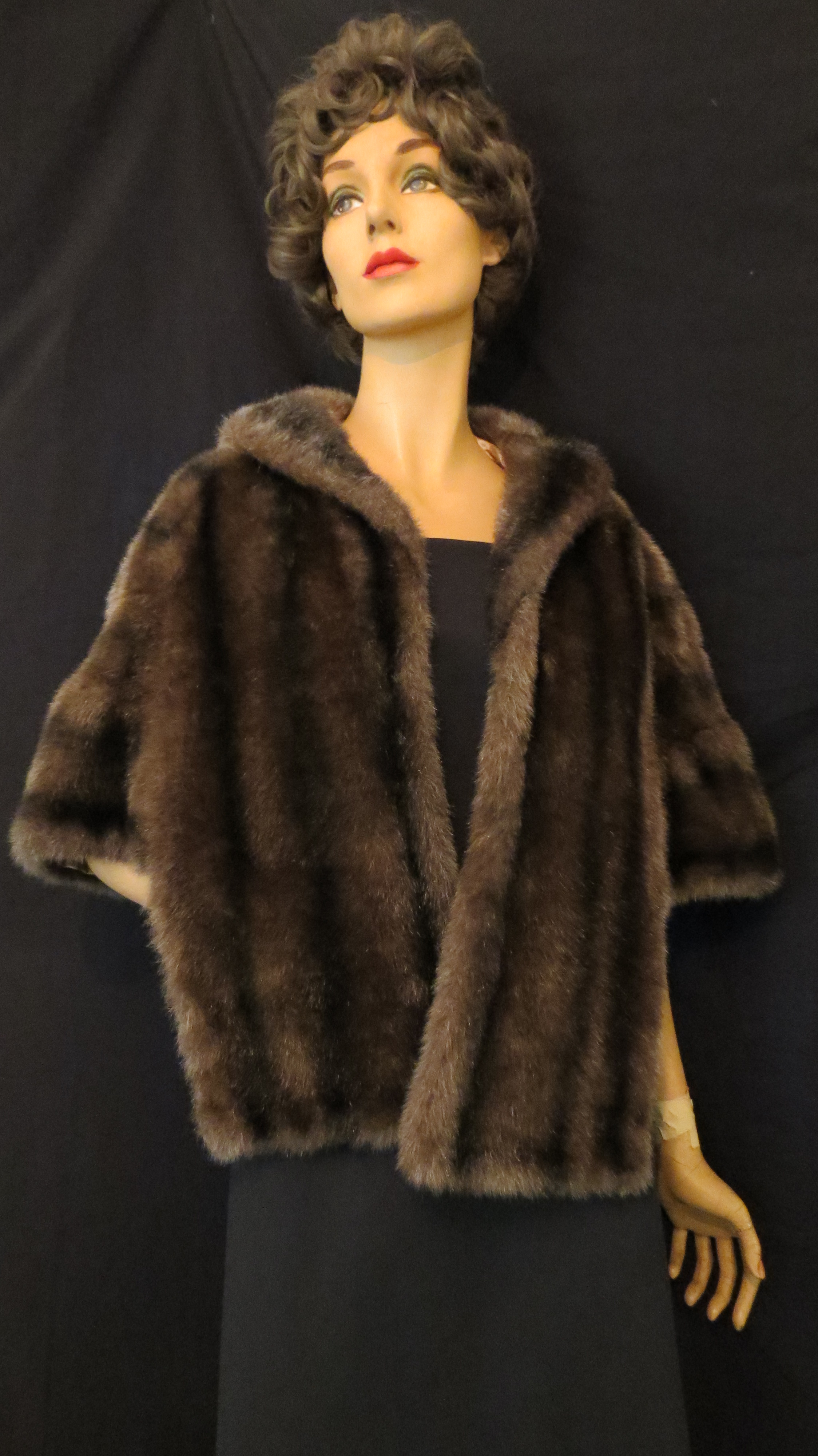
I own many gorgeous fur and faux fur pieces made decades ago, before protective legislation and individual conscience stopped some of the fur trade and promoted humane practices. Above is one example, on the left, of an older fur jacket dyed to mimic mink. I cannot identify the fur – could be muskrat. Before the end of WWII, furs considered to be less fine were often processed this way. Other examples, such as the one on the right, are fakes – popular in the 1950’s and beyond. Some have been very convincing even since the 1950’s. Many of those made today look and even feel very authentic. The look is fun and elegant, in a vintage way, plus, as I proved last night, very practical.

Faux fur and secondhand true vintage furs are the best, the ONLY humane and progressive choice. I prefer those from the 1960’s and before. The remaining fur trade is still a blot on humanity, so we must be vigilant in our boycotting of this active market but I don’t see the enjoyment of historical fashions as being hypocritical. I will continue to show you how much I love them. Stay tuned . . . . . . . . . . . . . . . . . . . . . . . . . . . . . . . . . .

MORGANA MARTIN, THE MAGICVINTAGESPY

BLOG: MAGICVINTAGESPY.COM
Okay, Okay. It’s cold now! Time to get out my Pretty Wool Capes

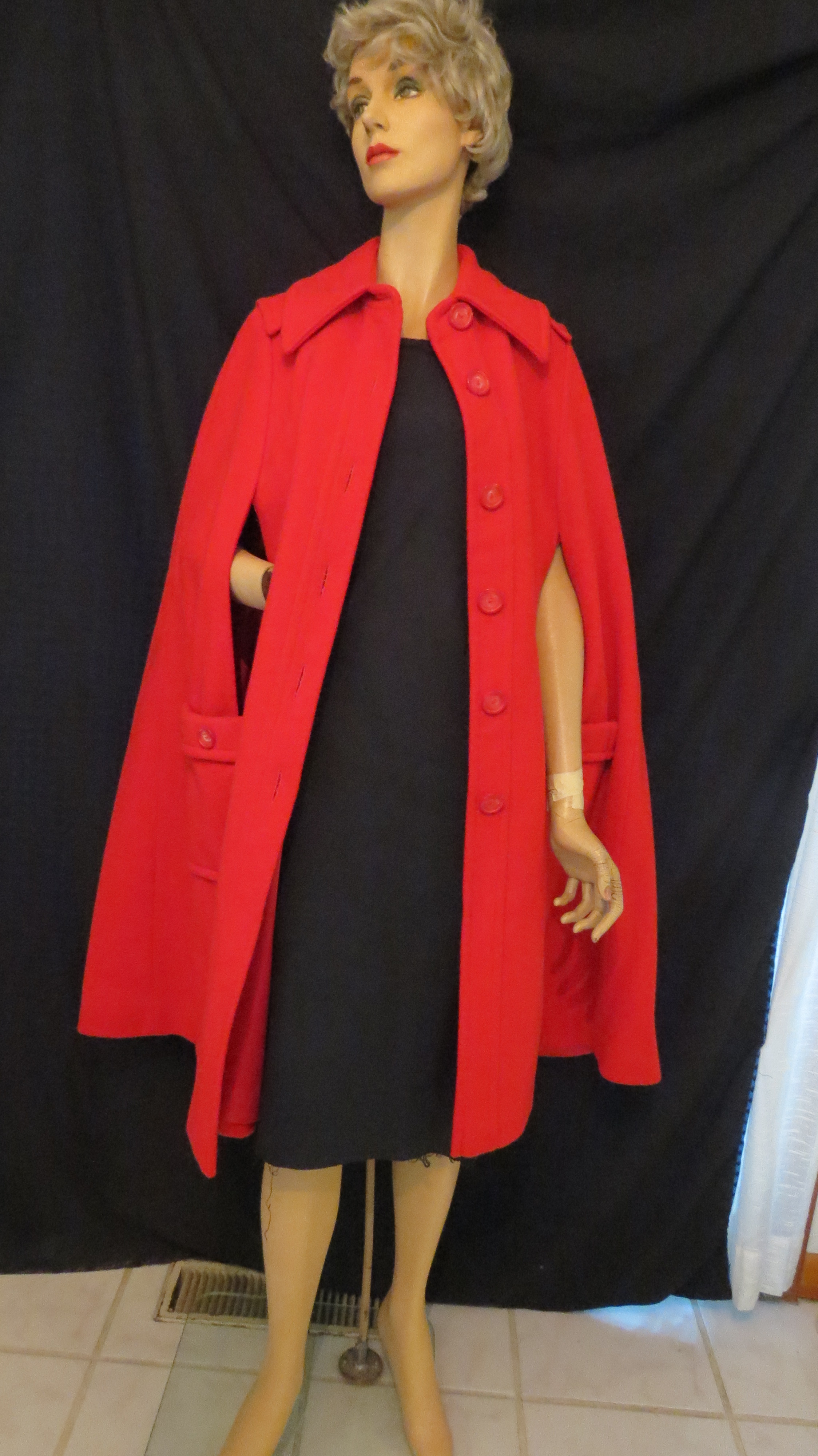
It’s still Fall, guys, but a skiff of snow on my car this morning brought me back to reality. Although we’ll have more warmish days, it’s time to get out some of the woolies. I’m not ready, yet, to throw on one of my wonderful wool coats but capes are more versatile at in-between times. Here are two of my mid-century favorites.

This beautiful red one is tailored and perfect for smart casual to business styles. It is lined and detailed like a good coat would be. Made in the decade from 1955 to 1965. The classic style makes it difficult to pinpoint a year, but there are always clues. A brand label really helps. Buttons and zippers can tell a story. If you study costume design or are a super sleuth the fabric, certain tailoring details or photos of trends published in newspapers and magazines can narrow the window to a more specific time frame. The next cute and unusual cape is a perfect example.

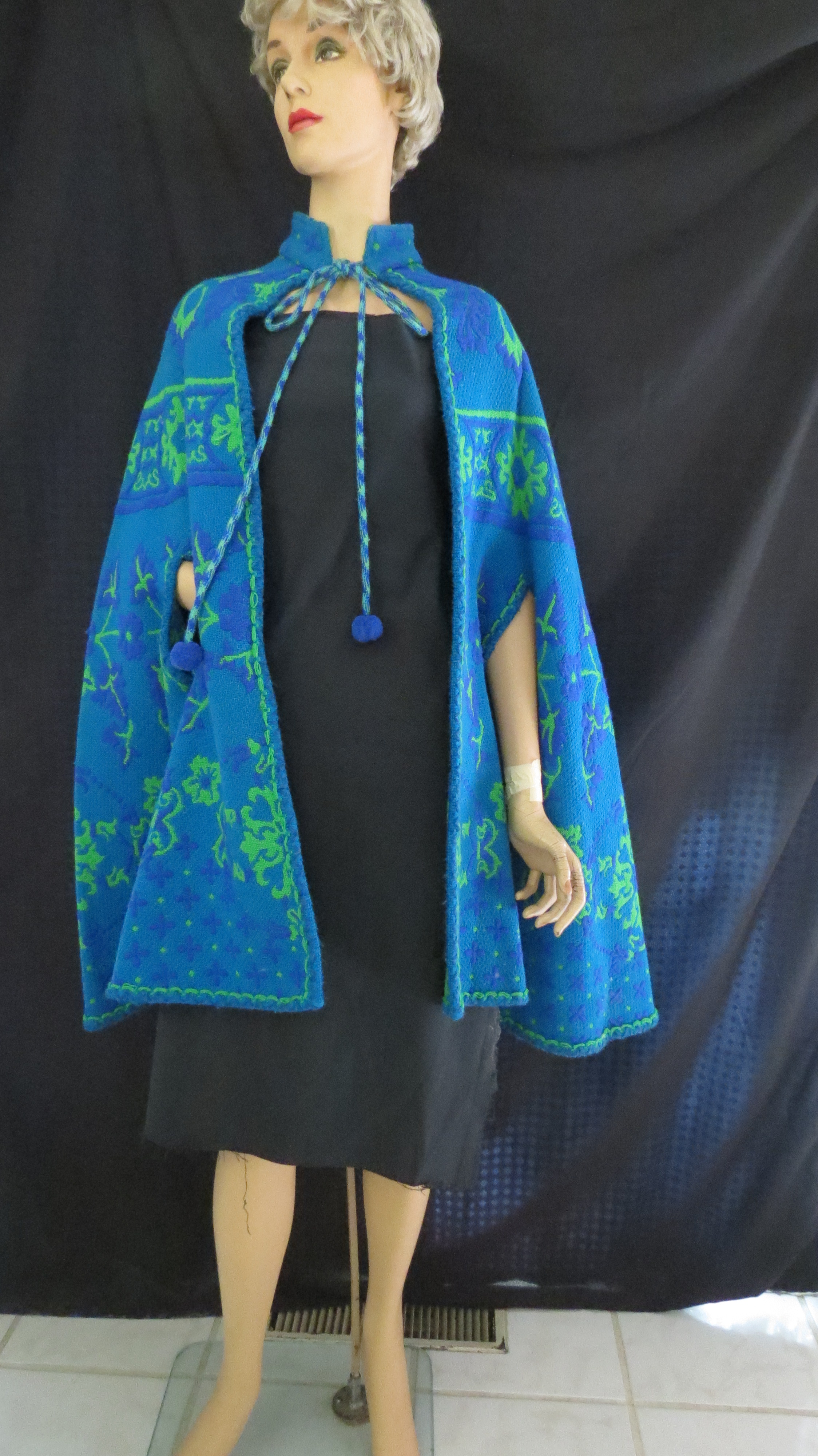
A reversible garment is so much fun! The second cape is much more casual and in a Boho style. It’s a nice, substantial wool but has no lining or pockets. The only complications to the design are the pattern woven into the fabric and the little tufted string tie at the neckline. It’s also from the same decade as the red cape but I can narrow the time period closely because of the color clue. There were one or two years from 1962 – 1964 when the blue and green color combo went viral. It was on everything from clothing to housewares and graphic design. Styles were also loosening up around then, with Mod edging in on classic and traditional. I’ll bet that this cape was made and sold during those 3 years, possibly exactly 1963.

So, these will keep me warm and the freezing temps are likely to minimize the risks of moth damage. However, it’s always a good idea to protect your treasured woolen garments since those moths can sometimes surprise you. I have more capes to show you, but that may come later in the year or even next year since we’ll be turning the New Year’s page before we know it. Stay tuned . .. . . . . . . . . . . . . . . . .

MORGANA MARTIN, THE MAGICVINTAGESPY

BLOG: MAGICVINTAGESPY.COM
SMARTLY TAILORED MID-CENTURY LEATHER JACKET

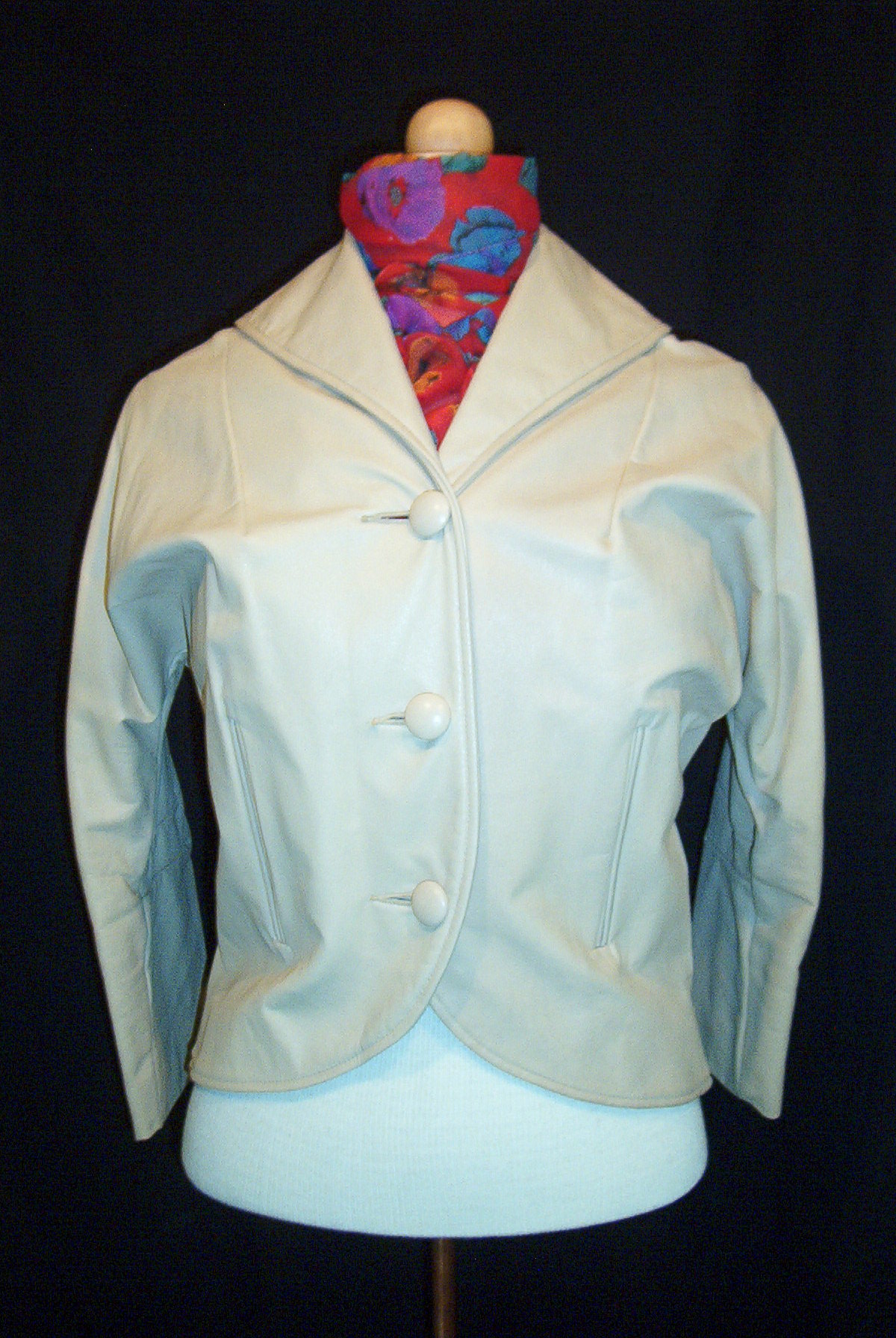
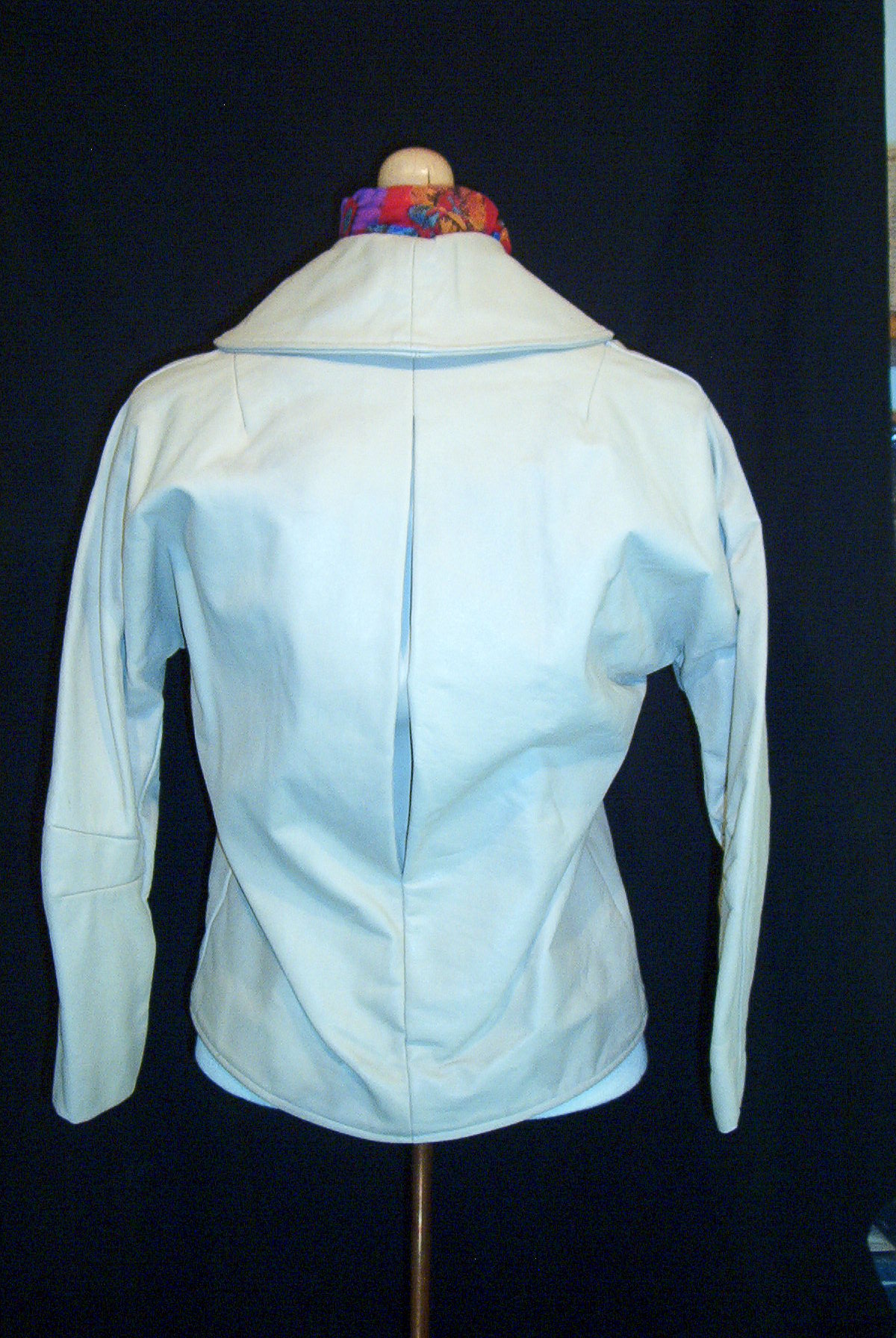
I love this leather jacket from the 1950’s. Such a flattering fit and cut for comfort, with lots of room across the shoulders and back. Darts at the elbows also make movement easier without binding. Plus, slash pockets at the waist add convenience without adding bulk. So, we’ve got a nipped waistline! Covered buttons are always a plus in the quality department, too.

Just a bit tiny for me, so I had to let it go but the photographed evidence will remain in the files. Stay tuned, as transmissions will continue . . . . . . . . . . . . . . . . . . . . . . . . . . . . . . . . . . . . . . . . .

MORGANA MARTIN, THE MAGICVINTAGESPY

BLOG: MAGICVINTAGESPY.COM