TRUE VINTAGE WWII LADIES’ BLOUSE AND TOP TRENDS

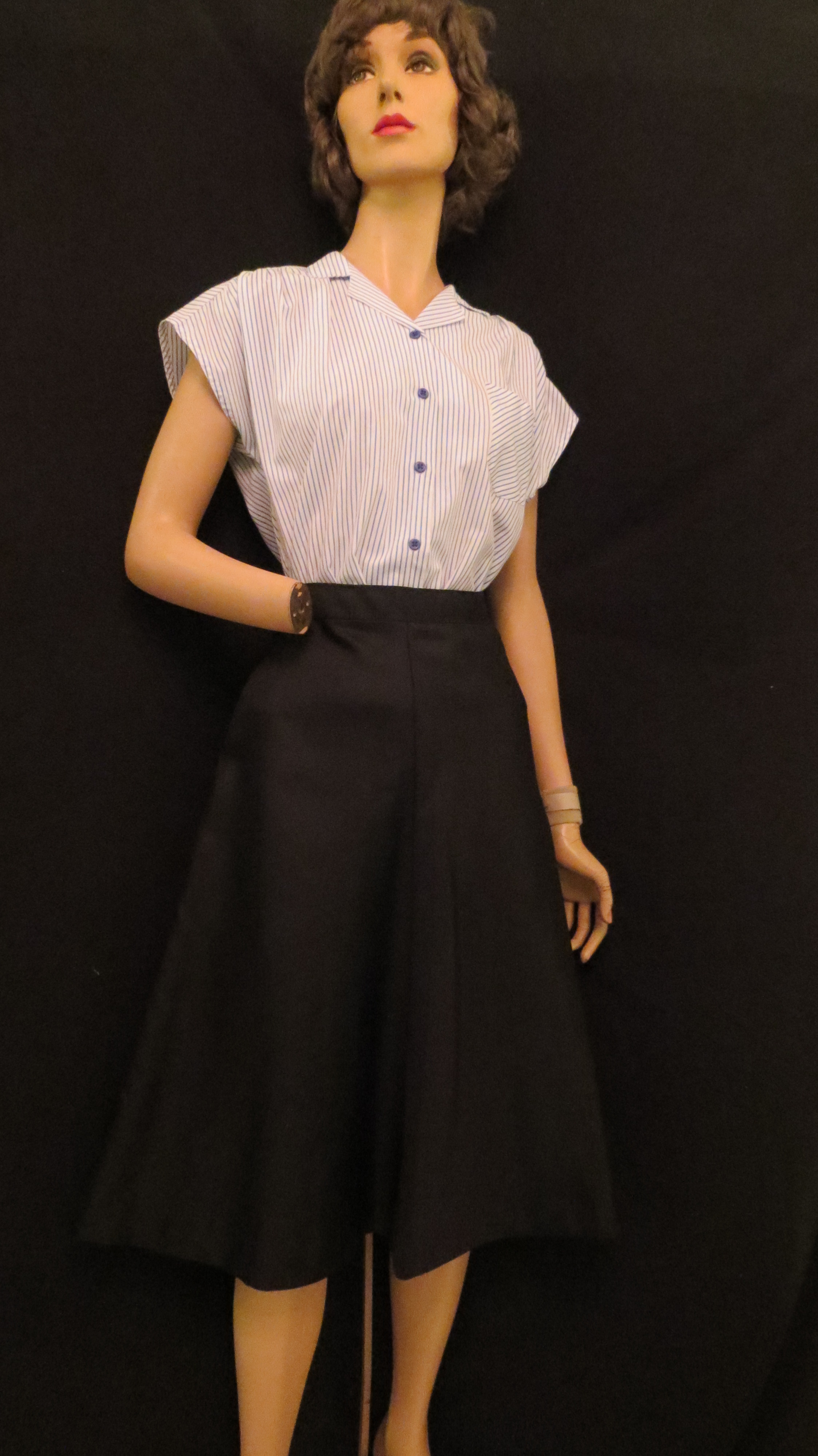
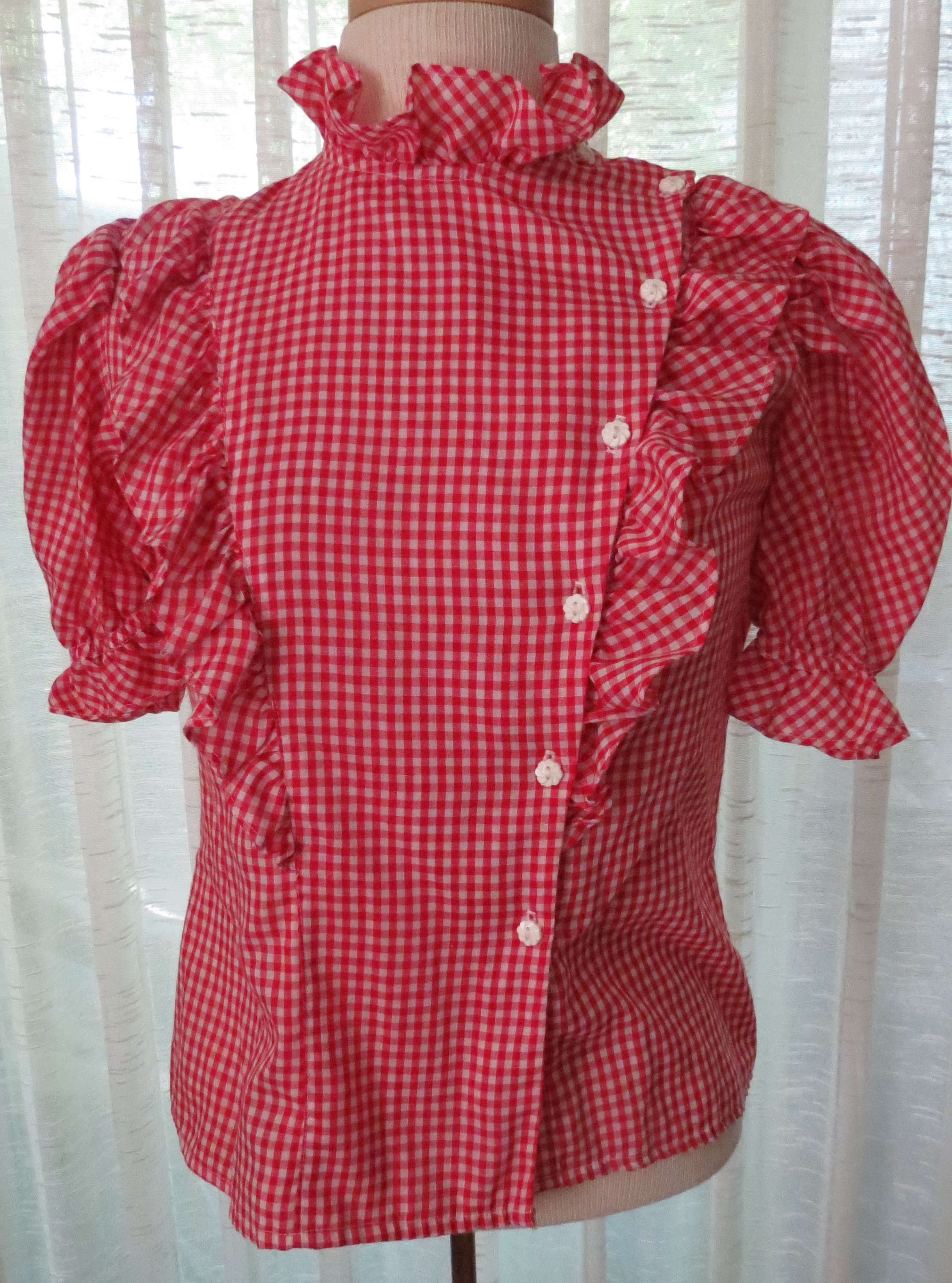
These blouses and sweater all came from the war years spanning the late 1930’s to the very early 1950’s. The first blouse is a women’s-wear version of the Western-wear trend. Perfect for square-dancing. Gingham and sculpted plastic buttons were popular. This example might have been home-sewn by a skilled seamstress.

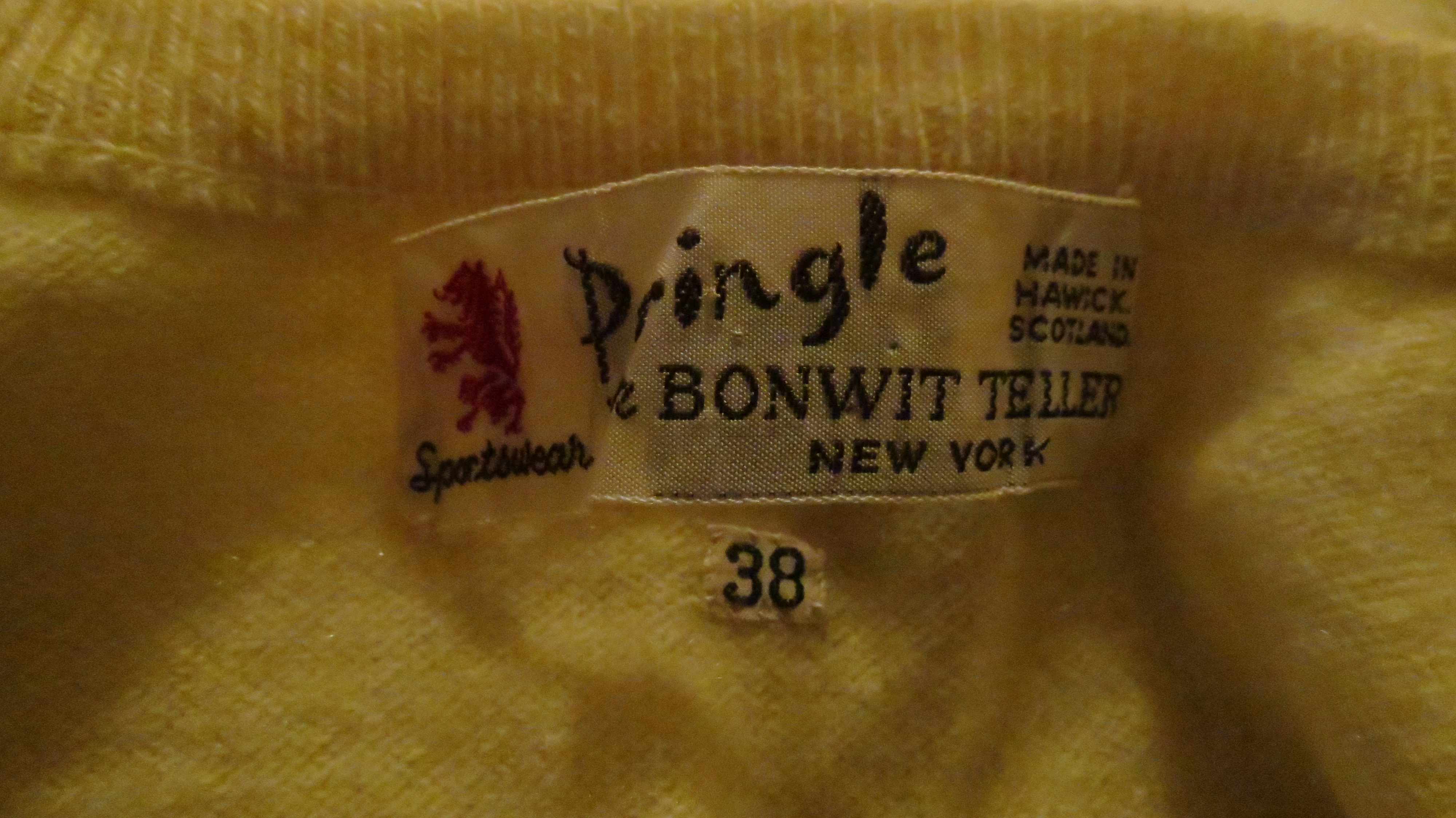
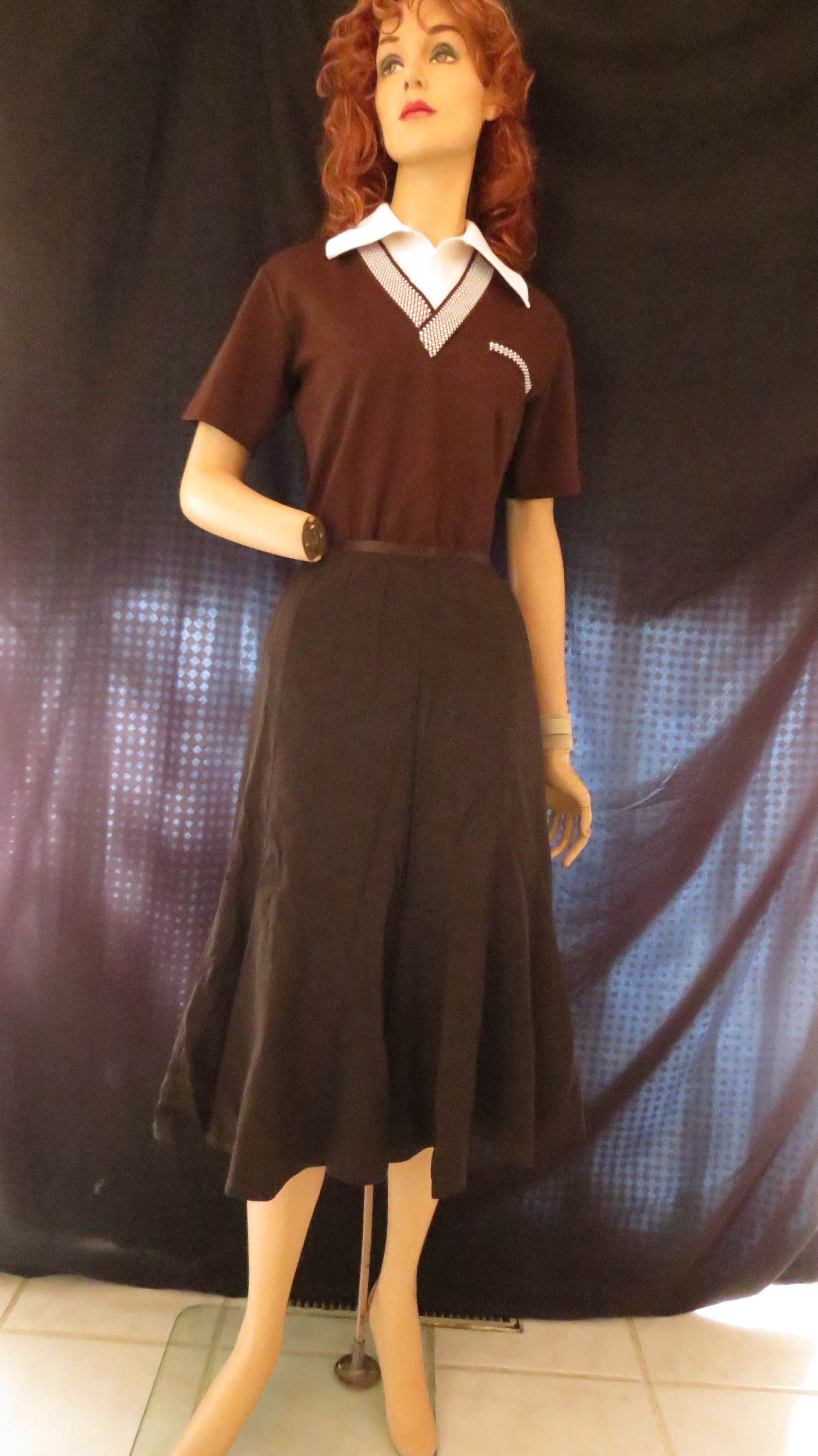
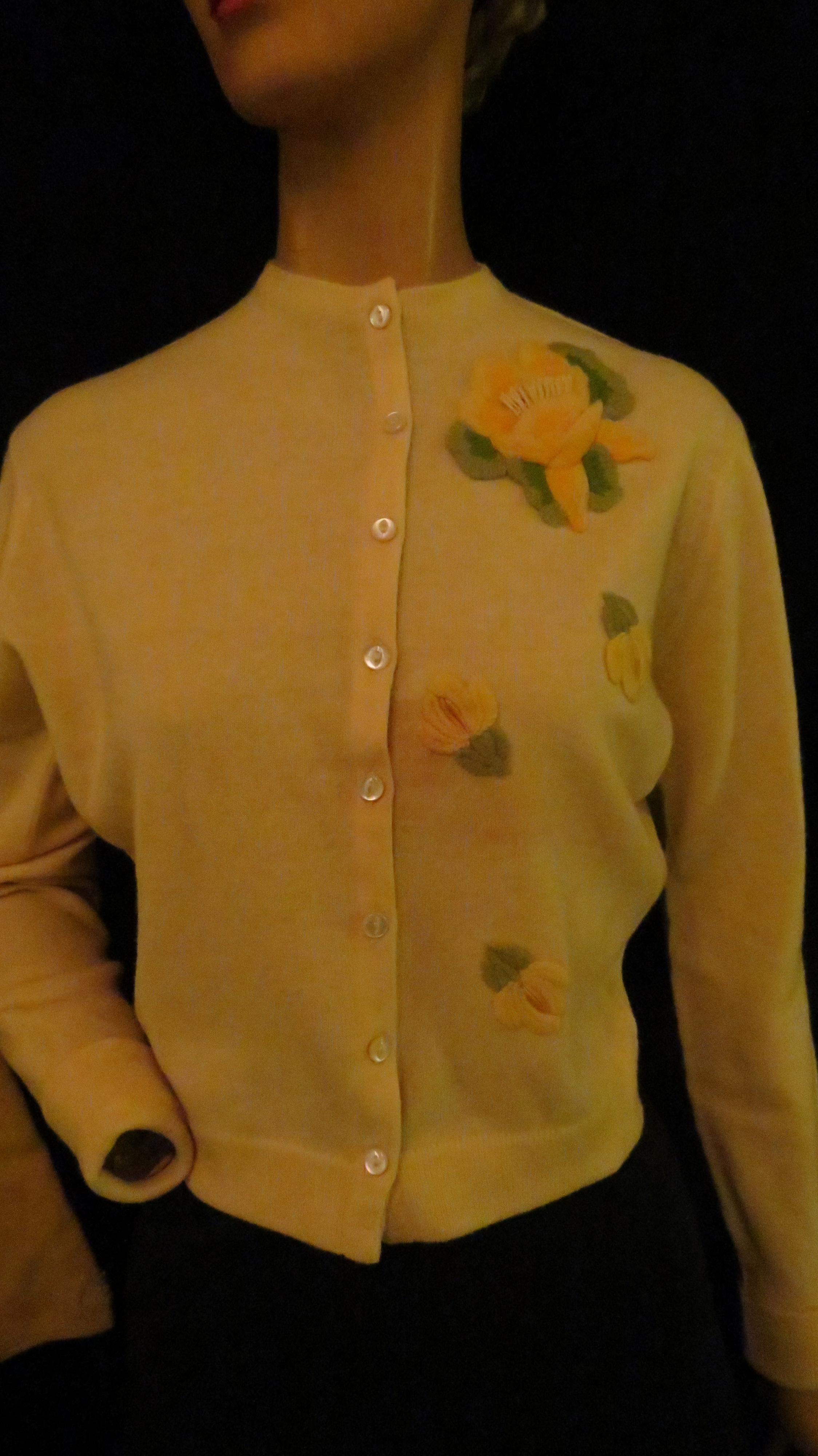
Cashmere cardigan sweaters also were seen worn as blouses, sometimes with the buttons in back if it were a plain knit. This trend was especially popular among co-eds. A beautifully-decorated one like that above would have been front-facing, of course. Pringle of Scotland was a known brand and higher-end.

Before and after rationing, lace and other embellishments on tops and dresses were very popular. Tailored styles were also made, but lots of the designs before and after the war were quite fussy with many details.

Tomorrow I’ll show my newest discoveries. Stay tuned . . . . . . . . . . . . . . . . . . .

MORGANA MARTIN, THE MAGICVINTAGESPY

BLOG: MAGICVINTAGESPY.COM

RARE TRUE VINTAGE PRE-WWII AND WARTIME LADIES’ BLOUSES

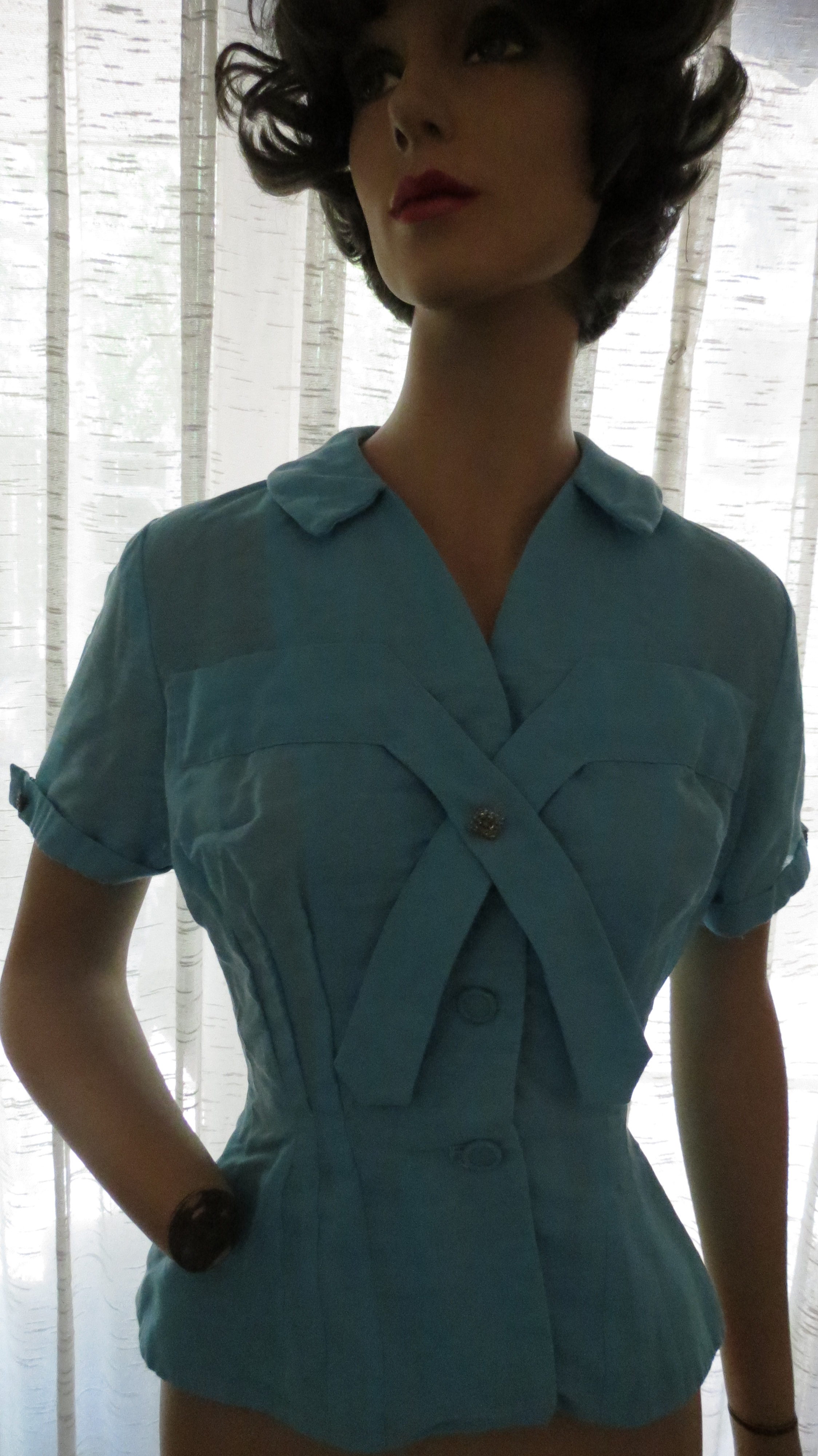
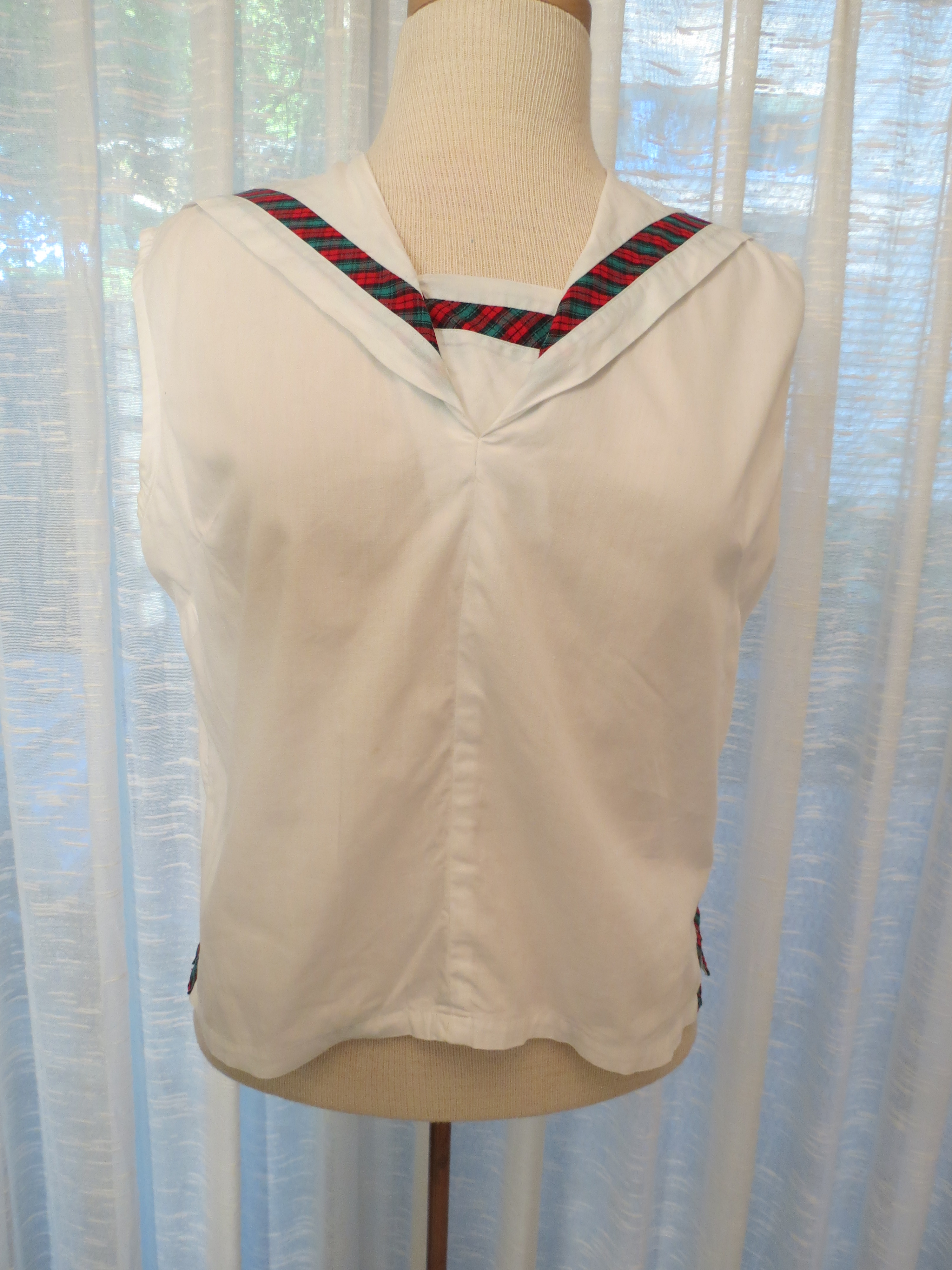
Here are two of my oldest women’s blouses and two of the most interesting. What more can I say about the blue one? Not sure if it was home-tailored by a creative and fashion-forward gal, but I think so. Perfectly unique and attention-grabbing. What fun! Love it!!

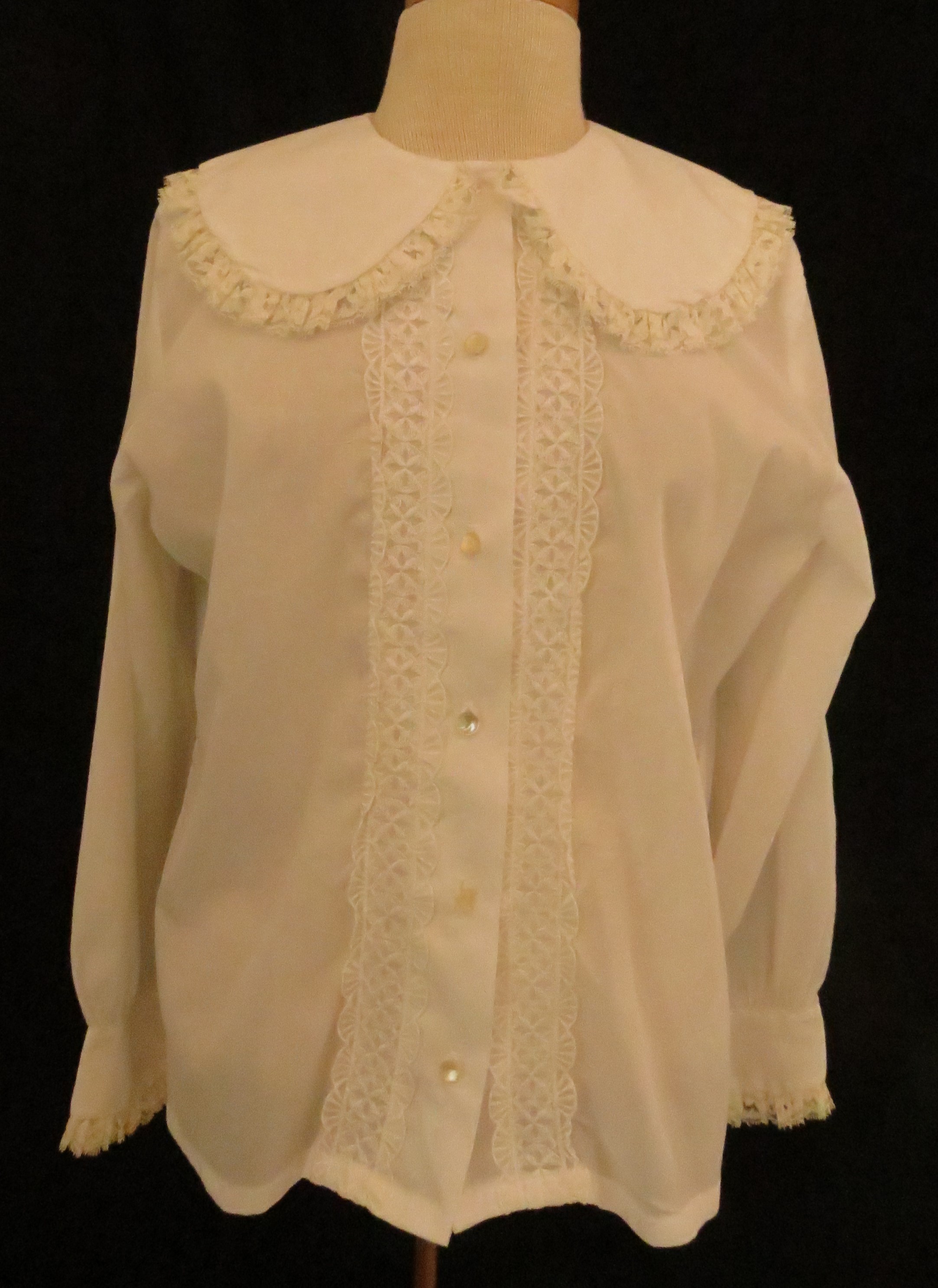
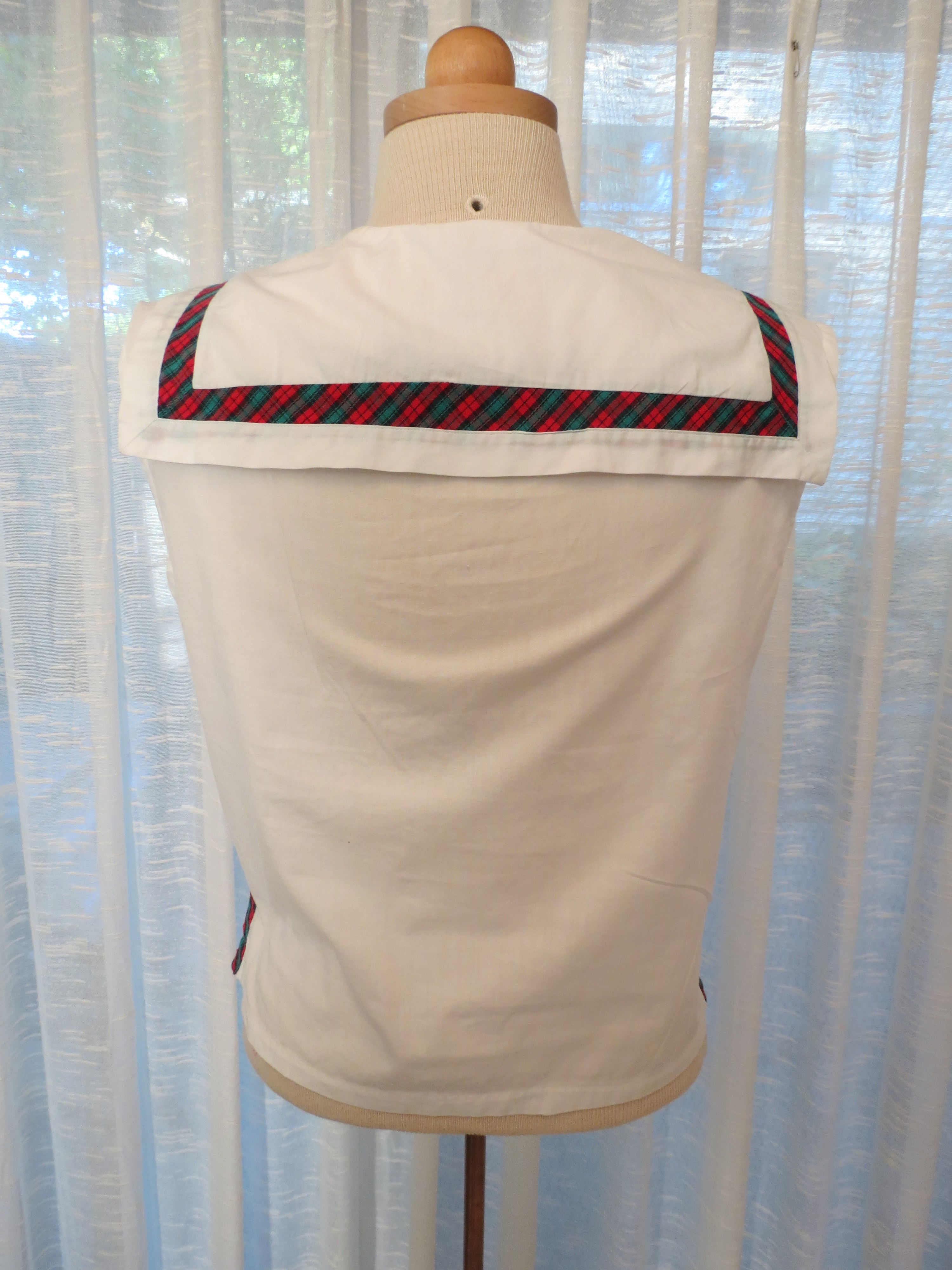
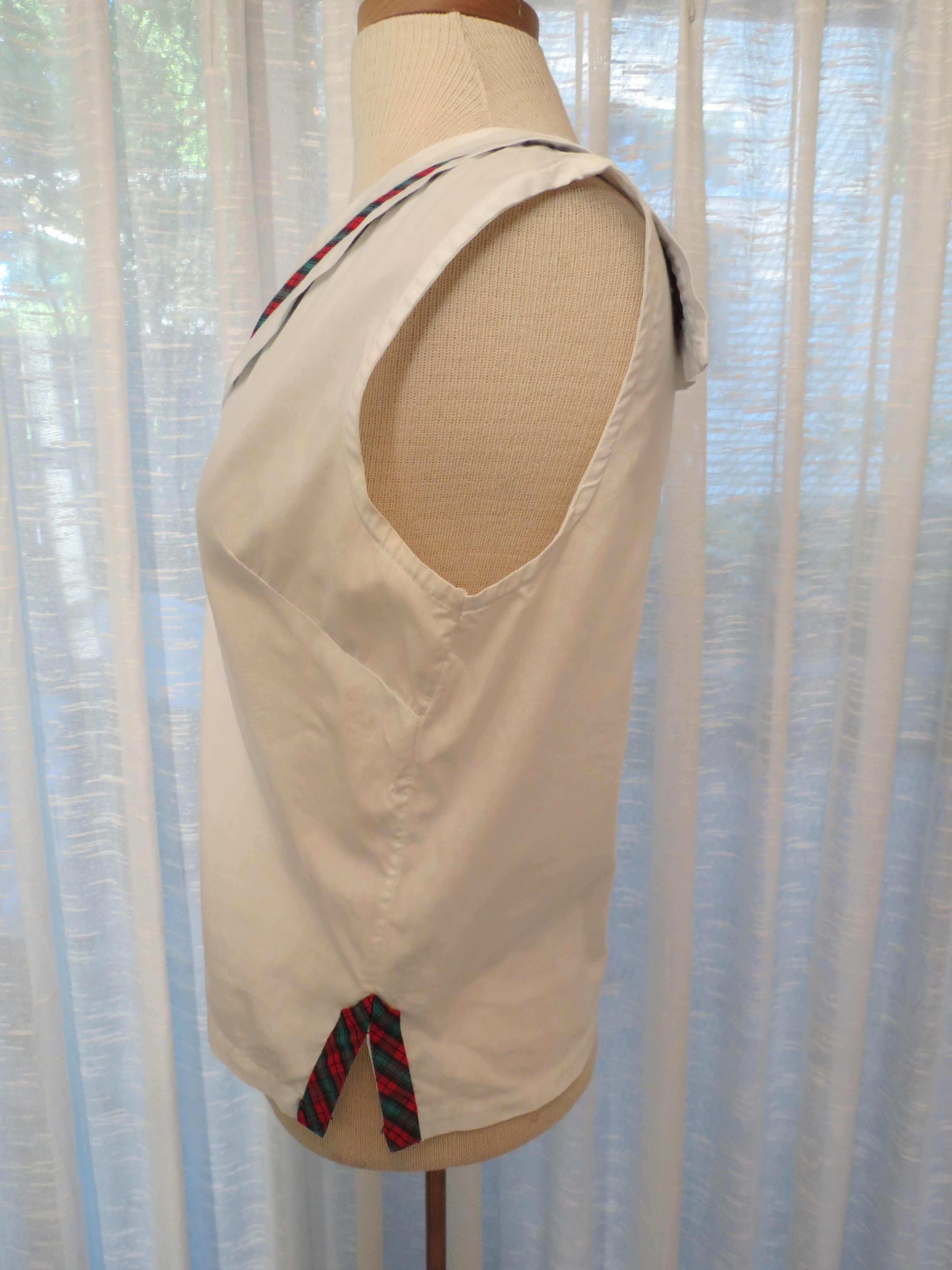
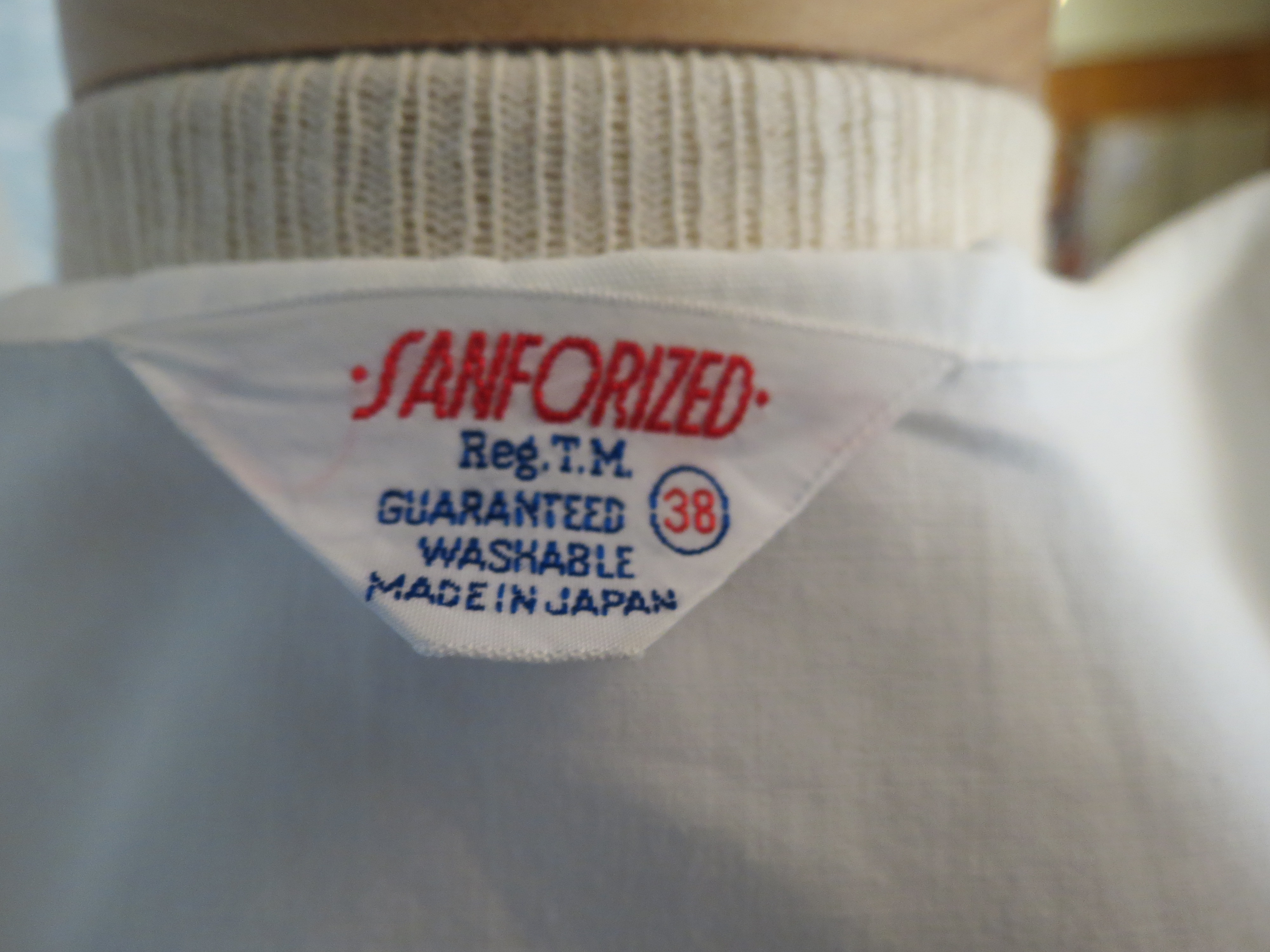
The second blouse is from about the same time frame, but much more classic. You can see from the label that it was commercially-made and the Sanforized cotton designation puts it squarely after 1930. The Sailor collar styling was really popular for children beginning in the 1800’s, or before, but became a “thing” in women’s fashion especially in the years surrounding major wars, as did other types of military-inspired styling. It’s a classic sportswear item from the mid-century and could have been worn with a skirt, too, when women rarely wore pants or shorts.

The unusual thing about it is the tartan-weave trim. I can’t decide what may have inspired that but this blouse may have been sold in Great Britain or, possibly, was a homegrown Japanese take on U.S. and U.K. style, made to be worn locally in Japan. Some of that kind of thing was happening in Japan even decades before WWII. See how these investigative mysteries become more complex the deeper you go? I’d planned on showing more blouses today, but these two easily fill the space. I’ll continue with more tomorrow.

In the meantime, this is a NEWS FLASH! Yesterday I was on a new investigation and discovered true vintage and exceptionally-made retro garments. Both need a touch of hand-repair, so today will be a sewing day but I will post them soon. Stay tuned . . . . . . . . . . . . . . . . . . . . . . . . . .

MORGANA MARTIN, THE MAGICVINTAGESPY

BLOG: MAGICVINTAGESPY.COM
TRUE VINTAGE 1940’S CASUAL DRESSES

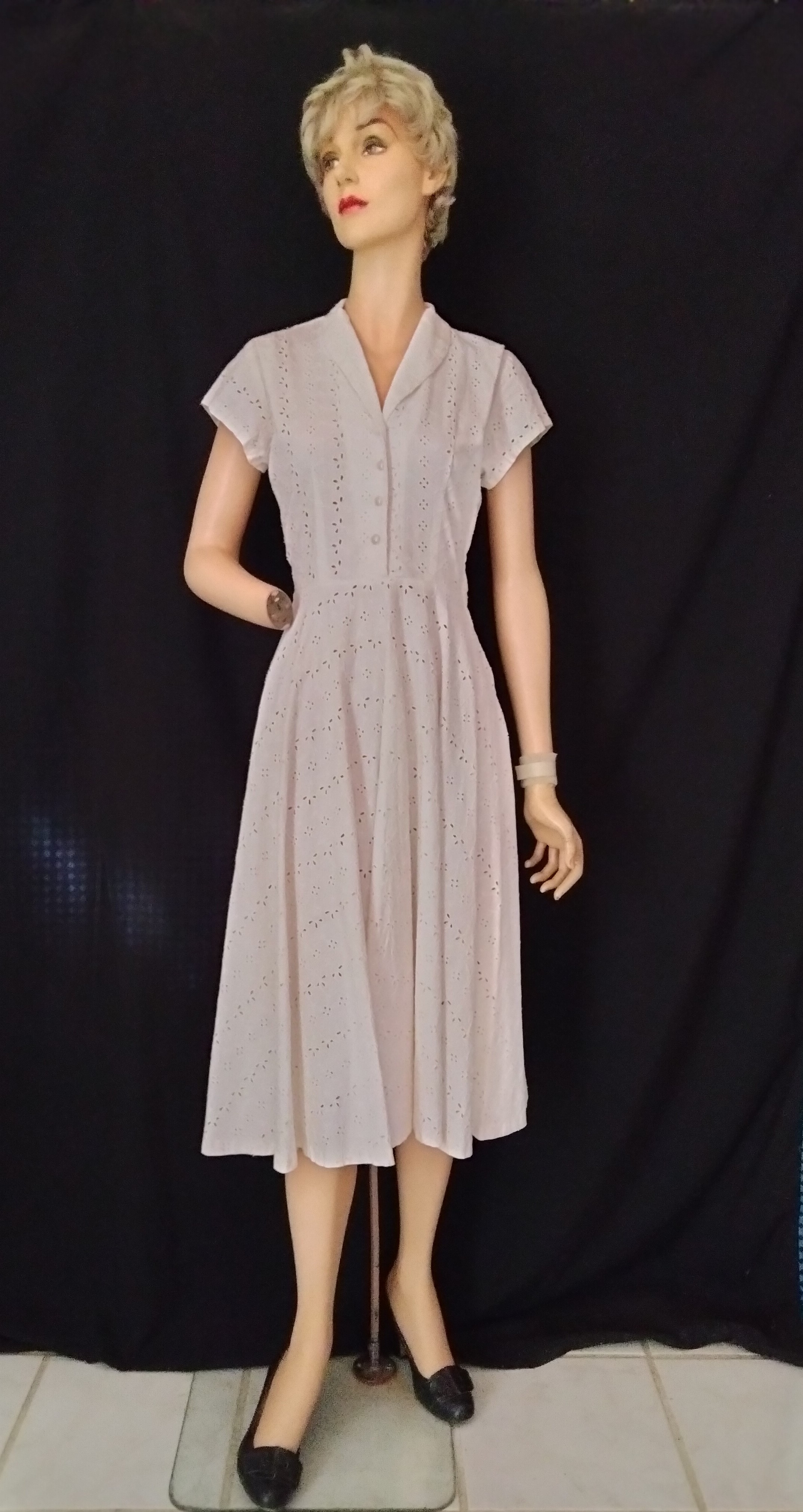
We’ll begin with a pretty, white cotton eyelet dress that was home-sewn in 1940. It’s a lovely dress for town or a picnic, but it was made to be a wedding dress. Coming off the Depression years and with war in Europe, it was a very modest but hopeful costume for entering a dream future.

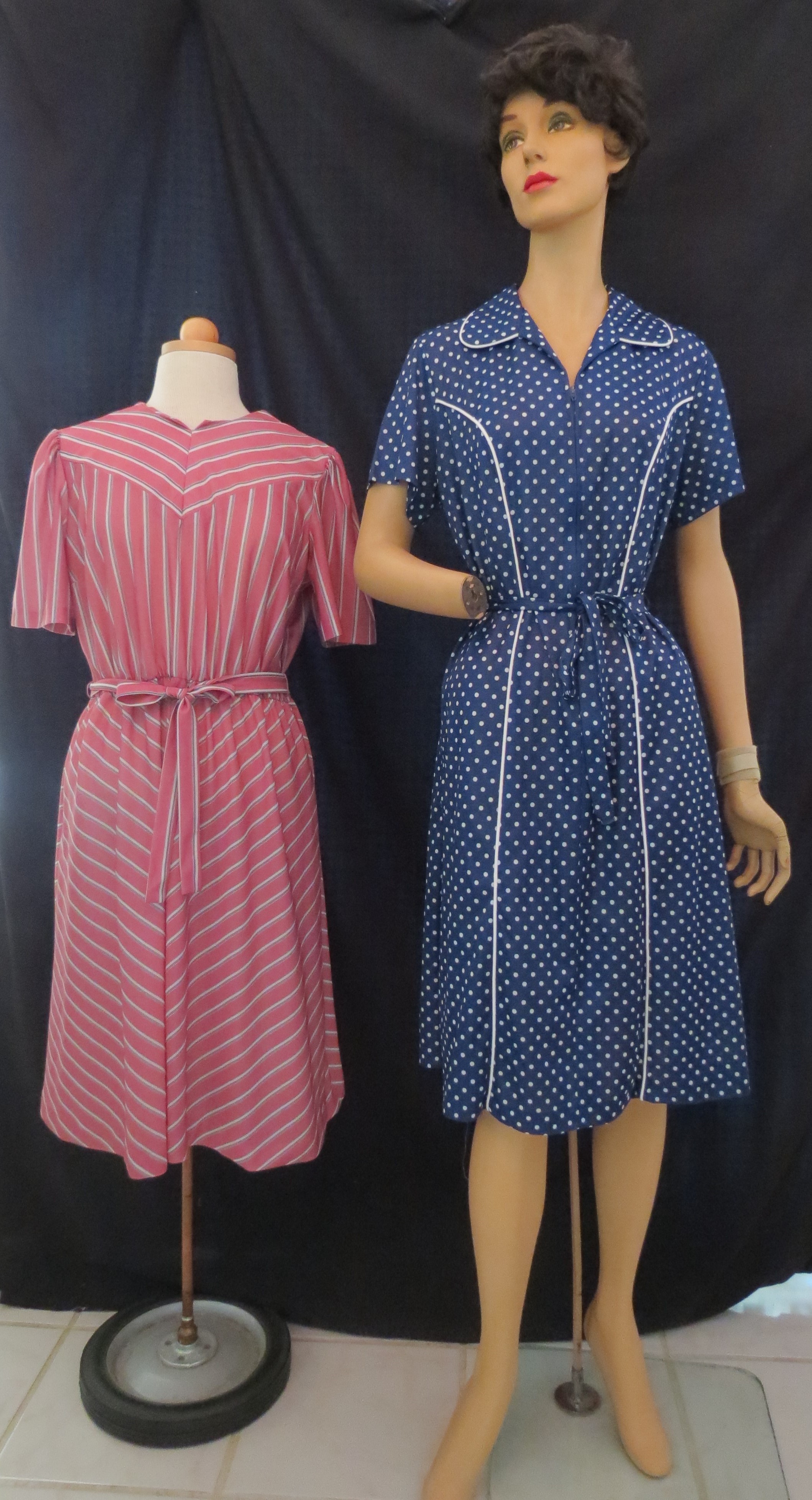
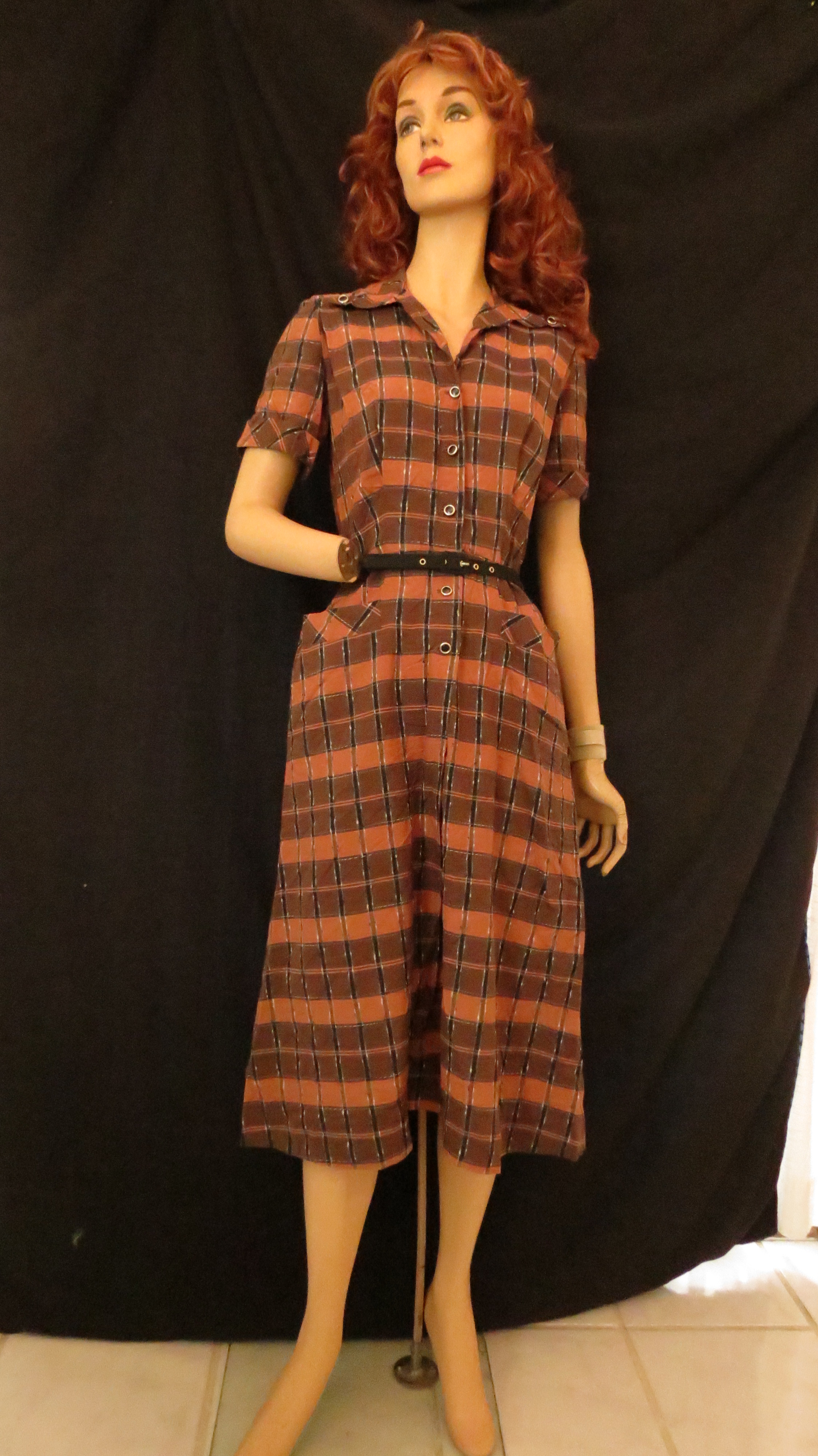
After 1941 and the United States joined World War 2, fashion became much simpler and plainer, but very practical. Shirtwaist housedresses and day dresses were the general uniform for women who didn’t wear specific uniforms related to their work. Dancing, as well as movie-going, were common inexpensive activities that helped people escape the worries and fears of their daily lives. Separates became more popular. Knitwear and wider gored skirts allowed movement while jitterbug was the favorite dance of those young enough to do it.

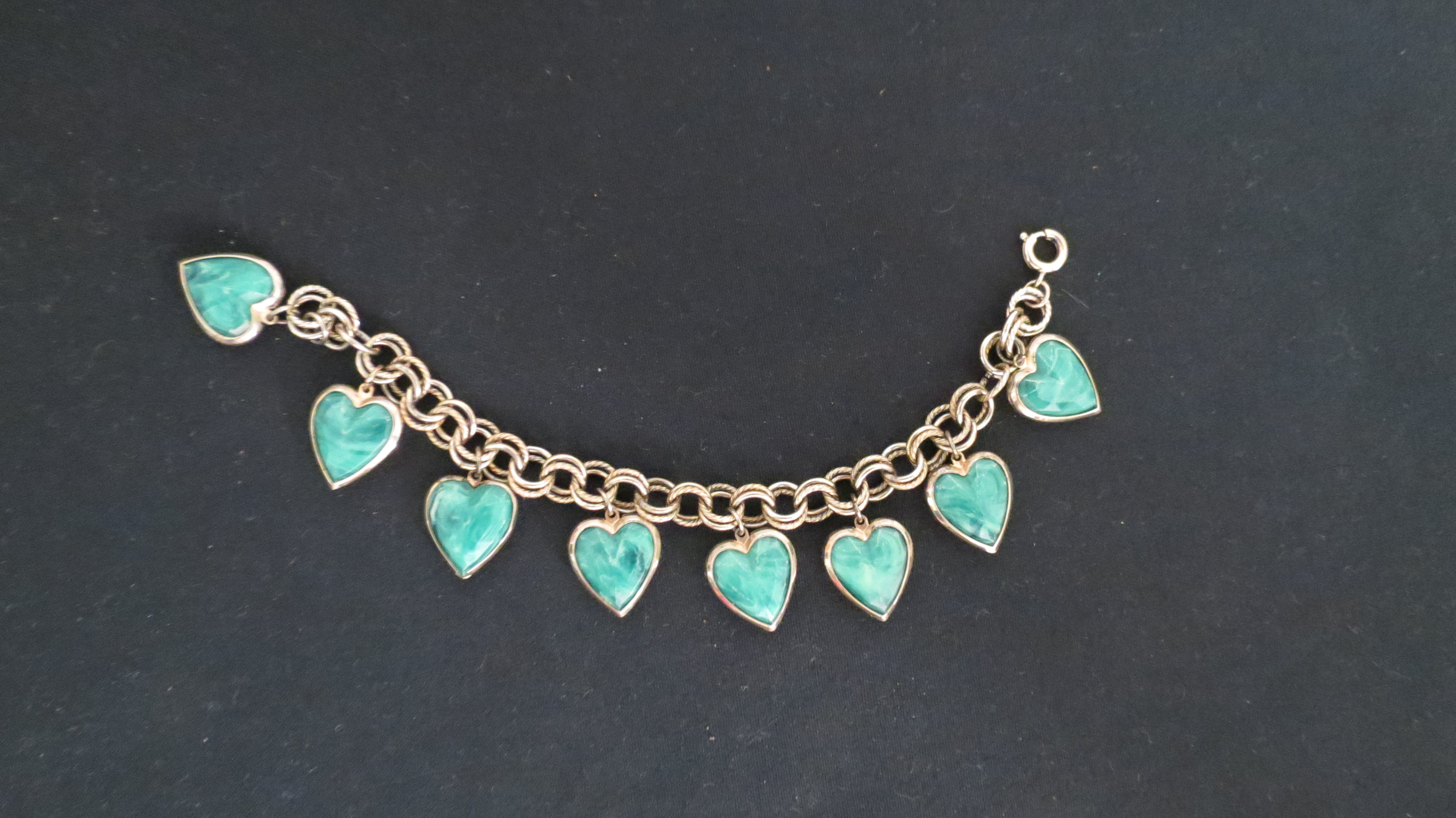
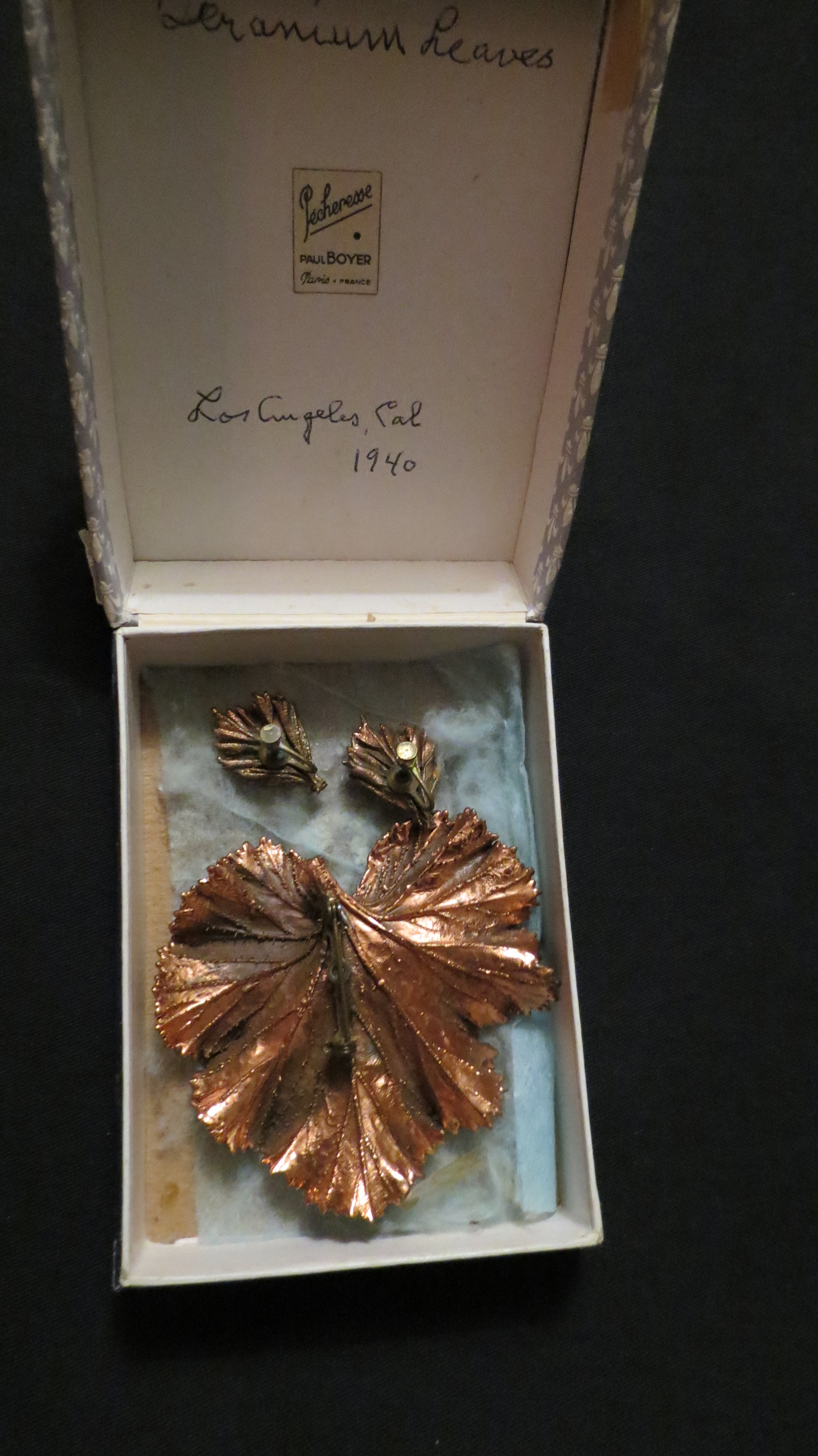
Plastic “gems” appeared in costume jewelry pieces, as well as preserved natural leaves. Even during the Depression and Wartime, a little bling always lifted spirits and enhanced any outfit. Tomorrow I’ll cover a 1940’s casual fad that made fashion more interesting during that time. Stay tuned . . . . . . . . . . . . . . . . . . . . . . . . .

MORGANA MARTIN, THE MAGICVINTAGESPY

BLOG: MAGICVINTAGESPY.COM
Undercover Magic, Essential True Vintage Lingerie

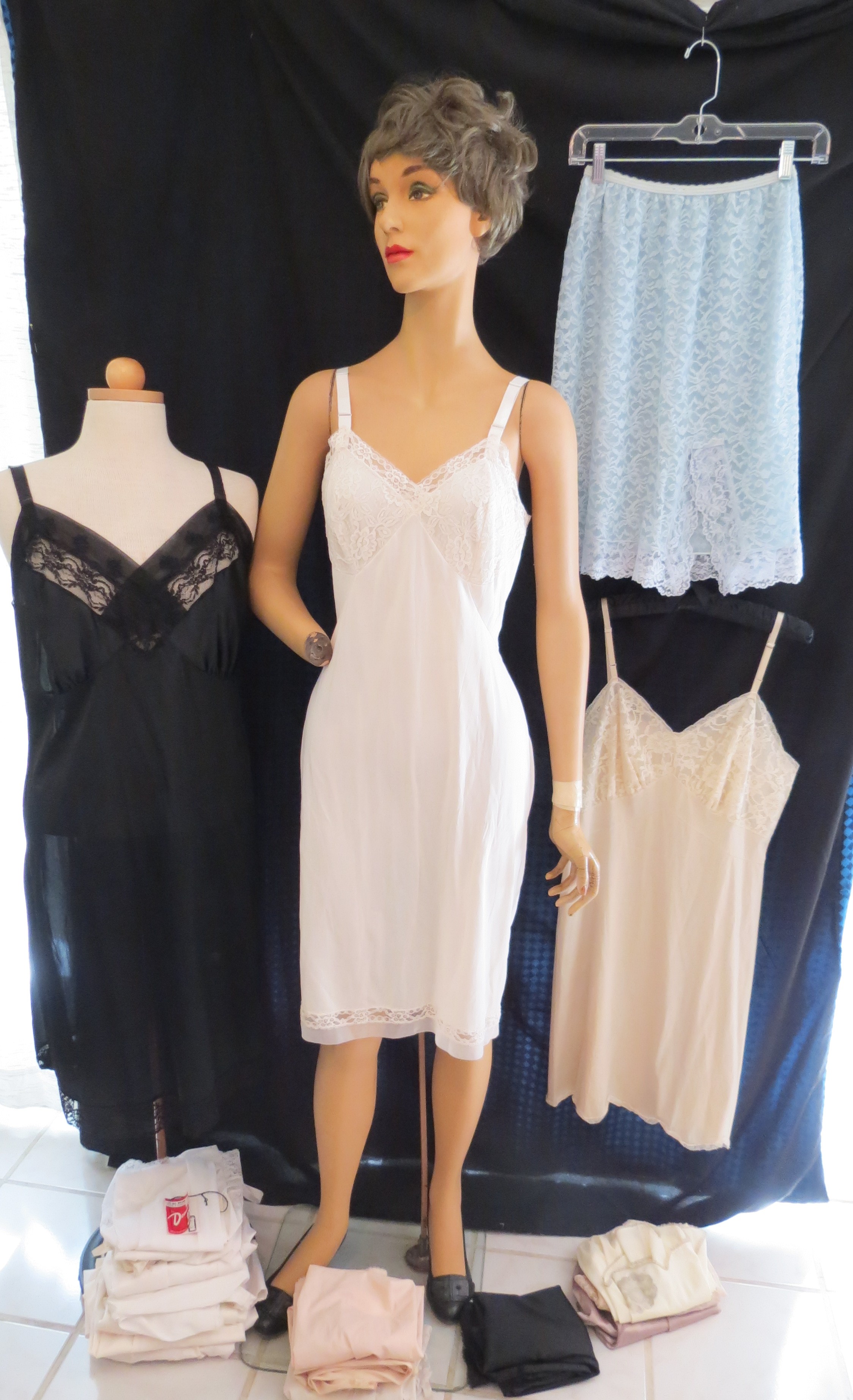
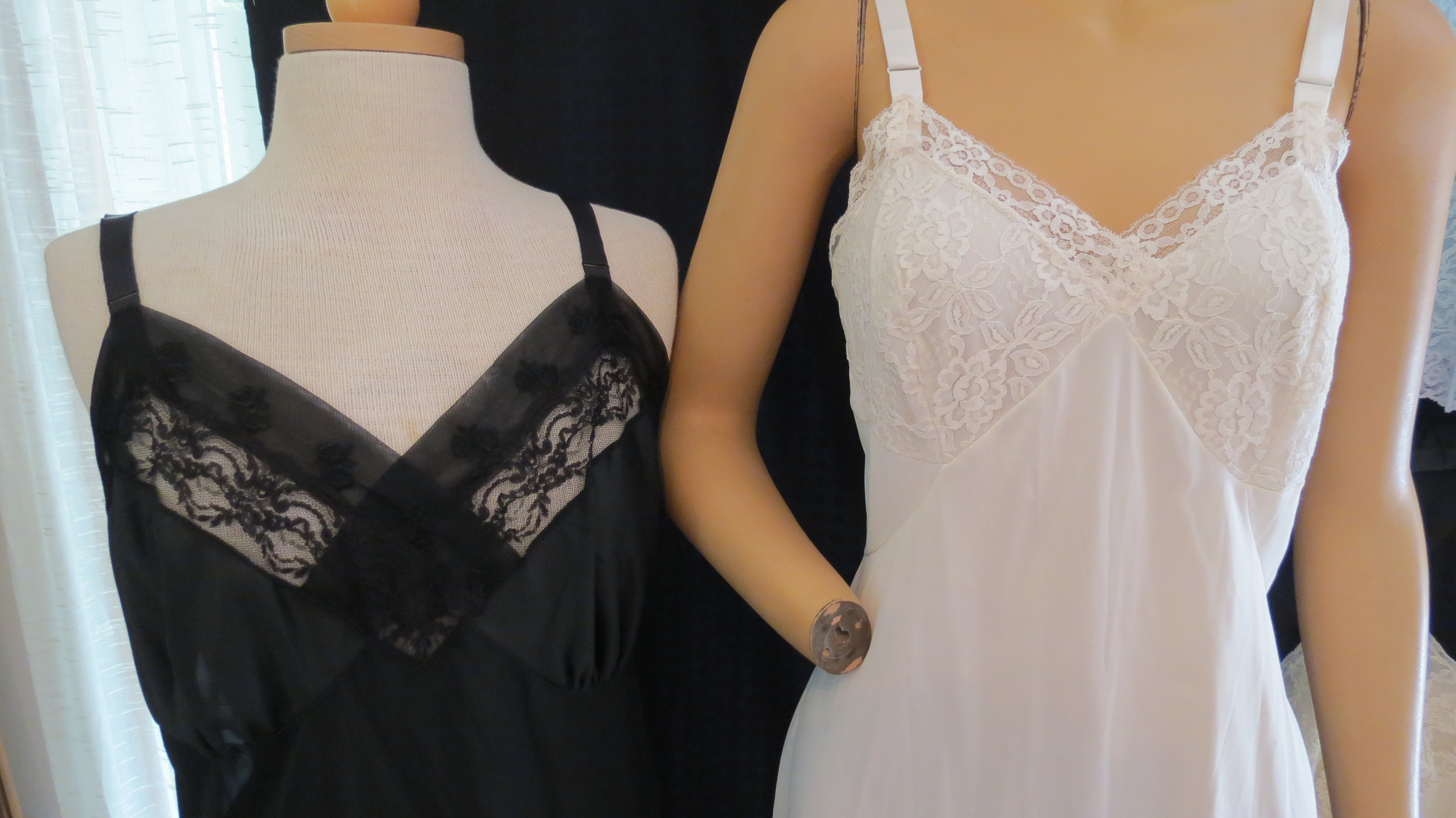
No matter what you’re wearing, lingerie pieces are key to making the outfit look right. Preventing lumps, bumps and see-through are only the simplest issues. The proper undergarment also ensures that the fabric lays correctly on your body and allows it to drape without clinging. Above are a very few examples of beautiful slips and only a tiny fraction of my complete collection.

You can see here how lovely the details are. Typically, even the plainest design will have nice little details and excellent tailoring. More elaborate styles are full of lace, embroidery, ribbons, sheer panels, satin straps and, often, some work done by hand. Though most slips are done in neutral, pastel colors, some (especially from the 1950’s to early 1960’s) were made in fabulous vibrant colors. True vintage nylon has a feel like no modern fabric and is absolutely luxurious. So gorgeous they could often be worn as a lightweight dress or skirt on their own.

Look for vintage lingerie that suits your wardrobe. Notice the details. Slips, of course, are the basis if you wear dresses and skirts. Search for cotton slips as well as the more-common nylon ones. In the summer, you will appreciate the difference! It’s also important to match your undergarments to the clothing worn with it – if anything might show or peek out, whether by accident or on purpose, will the color be OK? How will your outer garment move over the fabric of the slip? How will the fabric of the slip react with your skin in hot weather? Lots of things to consider in order to get the best result.

Also, look for other undergarments – in the 1960’s some split slips were made to be worn under culottes and split skirts. “Slips” to be worn under slacks can even be found from the 1960’s and 1970’s. A 1950’s/1960’s girdle was ALWAYS a base foundation for most women at that time (thank goodness, not now!). If you’re wearing a wiggle dress, you may not have a choice in order to make it look right. Silk tap pants from the Twenties are so comfy and perfect under a lightweight dress in the summer. A camisole under a blouse or top can improve the fit, add some warmth on a cold day and sometimes provide a little neckline interest depending on the style. A “bullet bra” is perfect if you want to be a “sweater girl”. Garter belts and girdles are necessary for wearing stockings. A crinoline is important for most mid-century dress styles with circle skirts, especially from the late 1940’s through the early 1960’s. Some dresses have their own, but others require you to add one.

I’ve probably forgotten to mention something but you get the drift. Lingerie is SO important that I probably should always start any series of posts with it. . . . . . . . . . . . . . . . . . .

MORGANA MARTIN, THE MAGICVINTAGESPY

BLOG: MAGICVINTAGESPY.COM