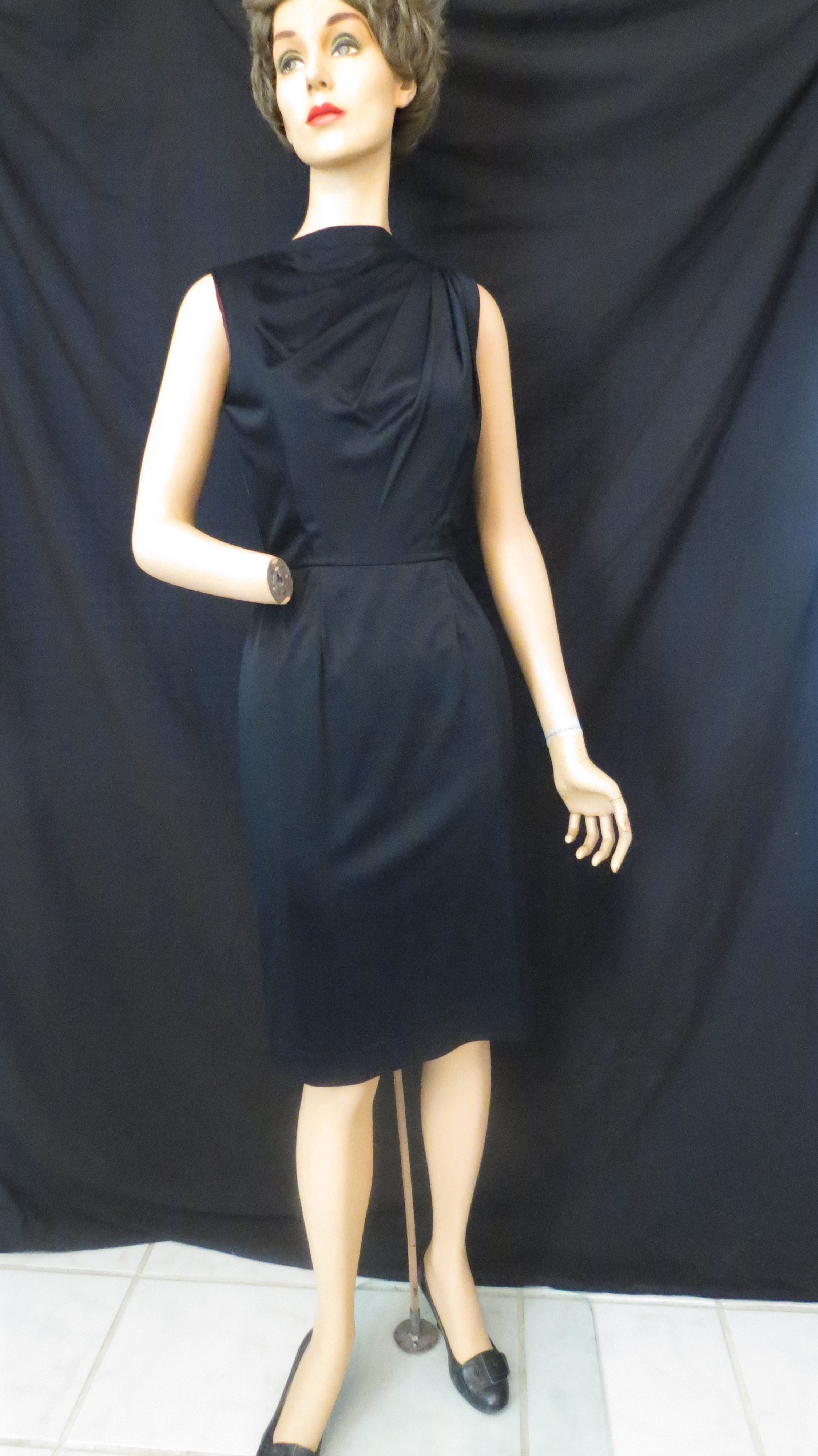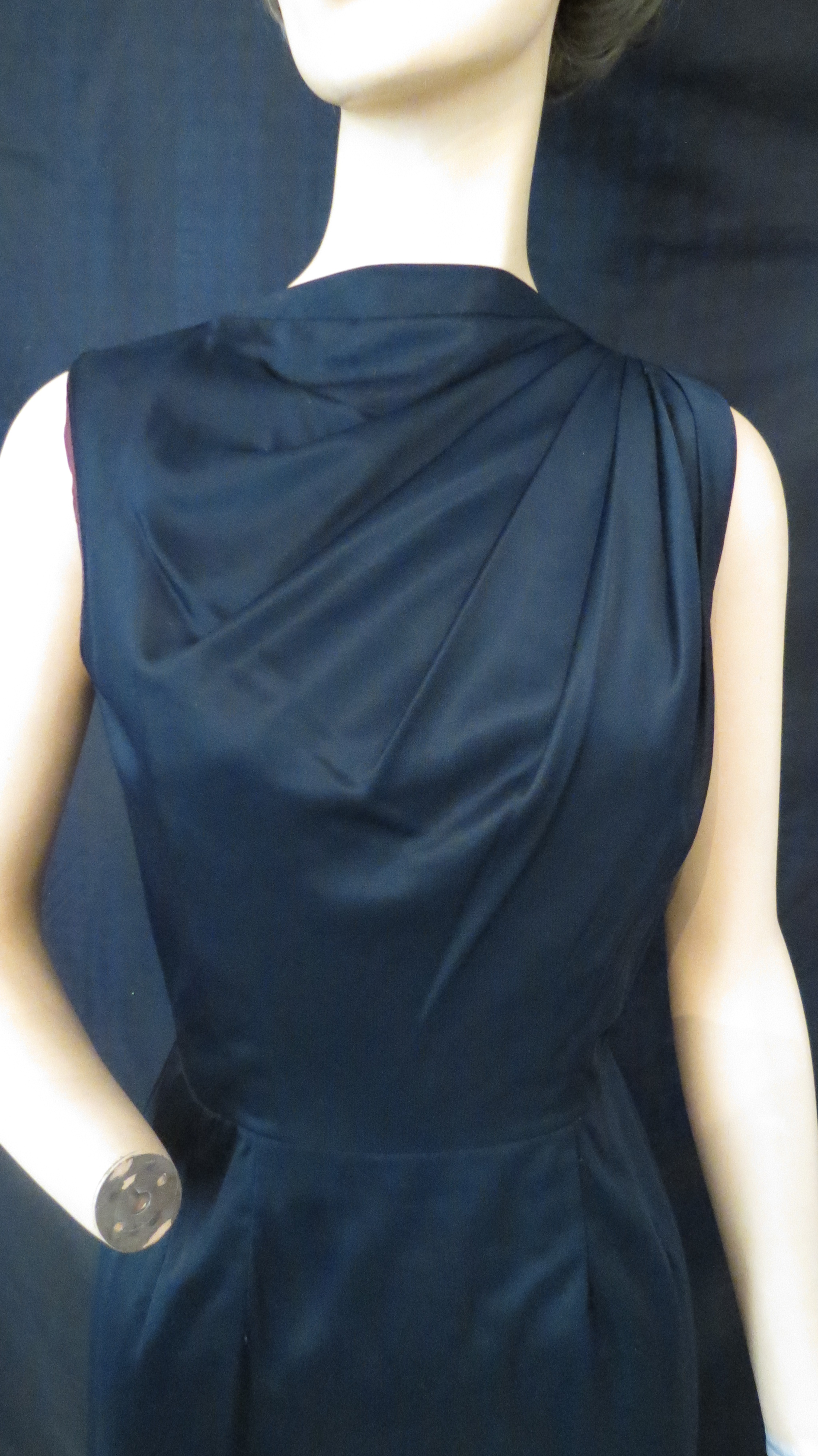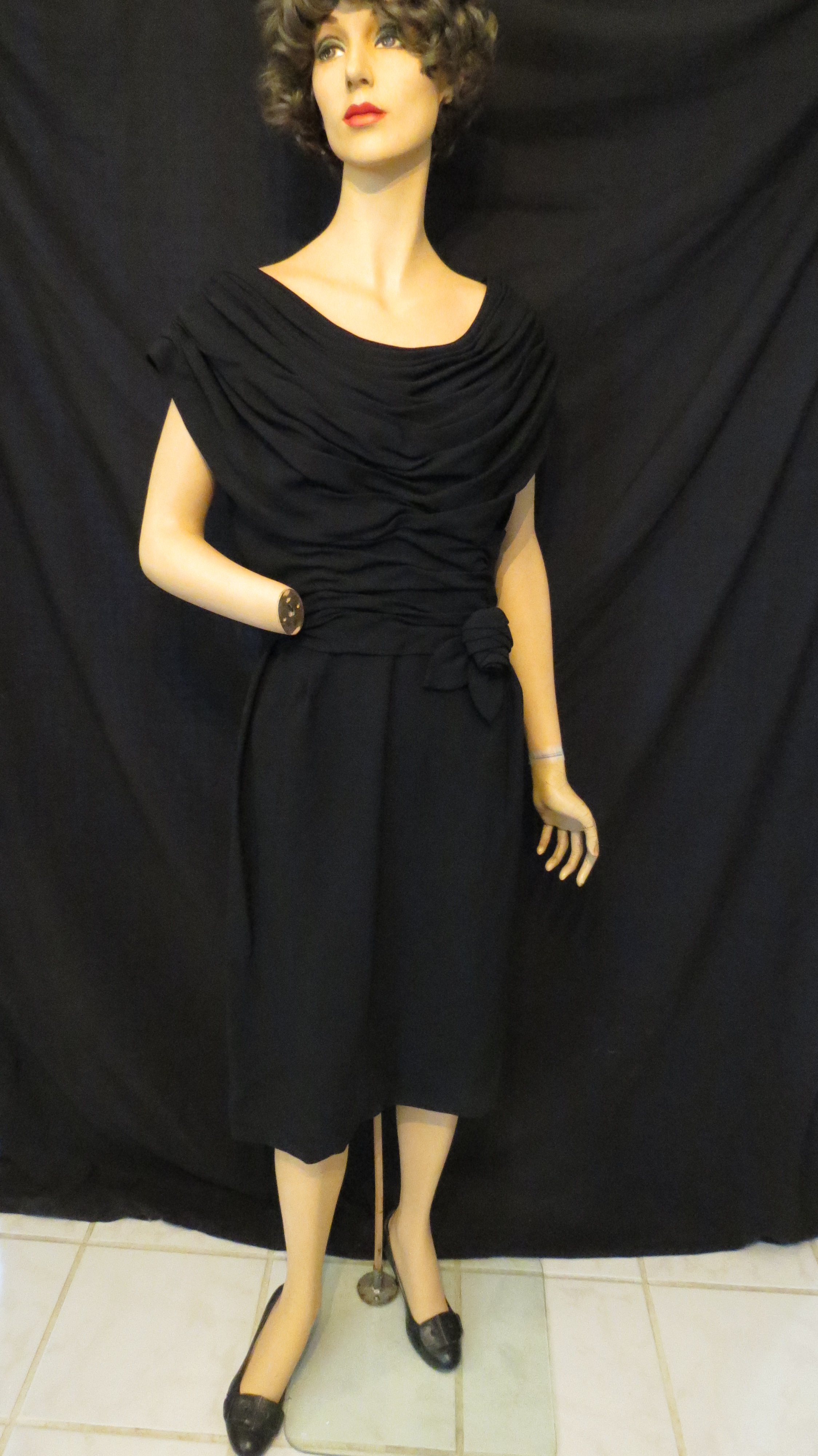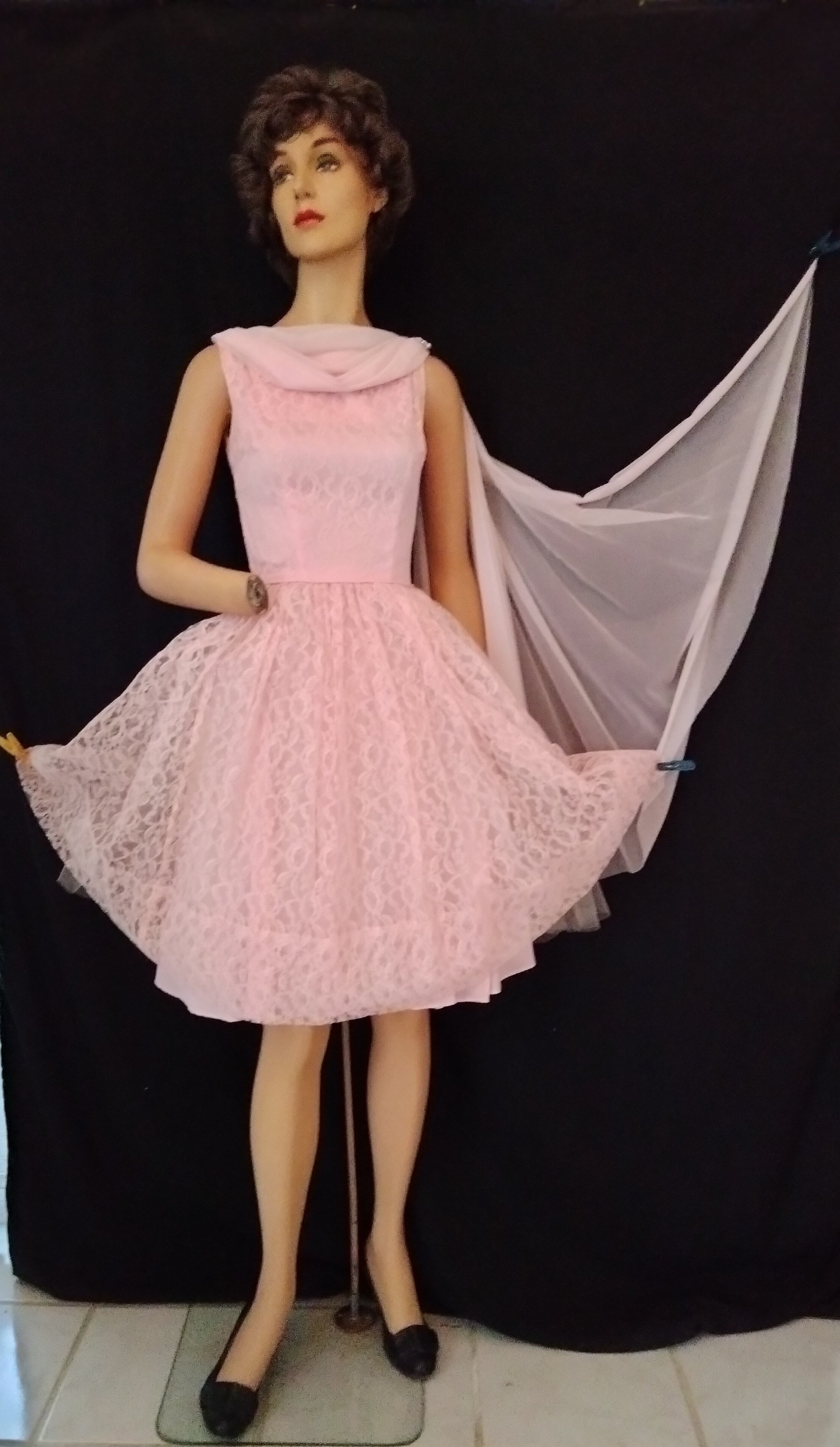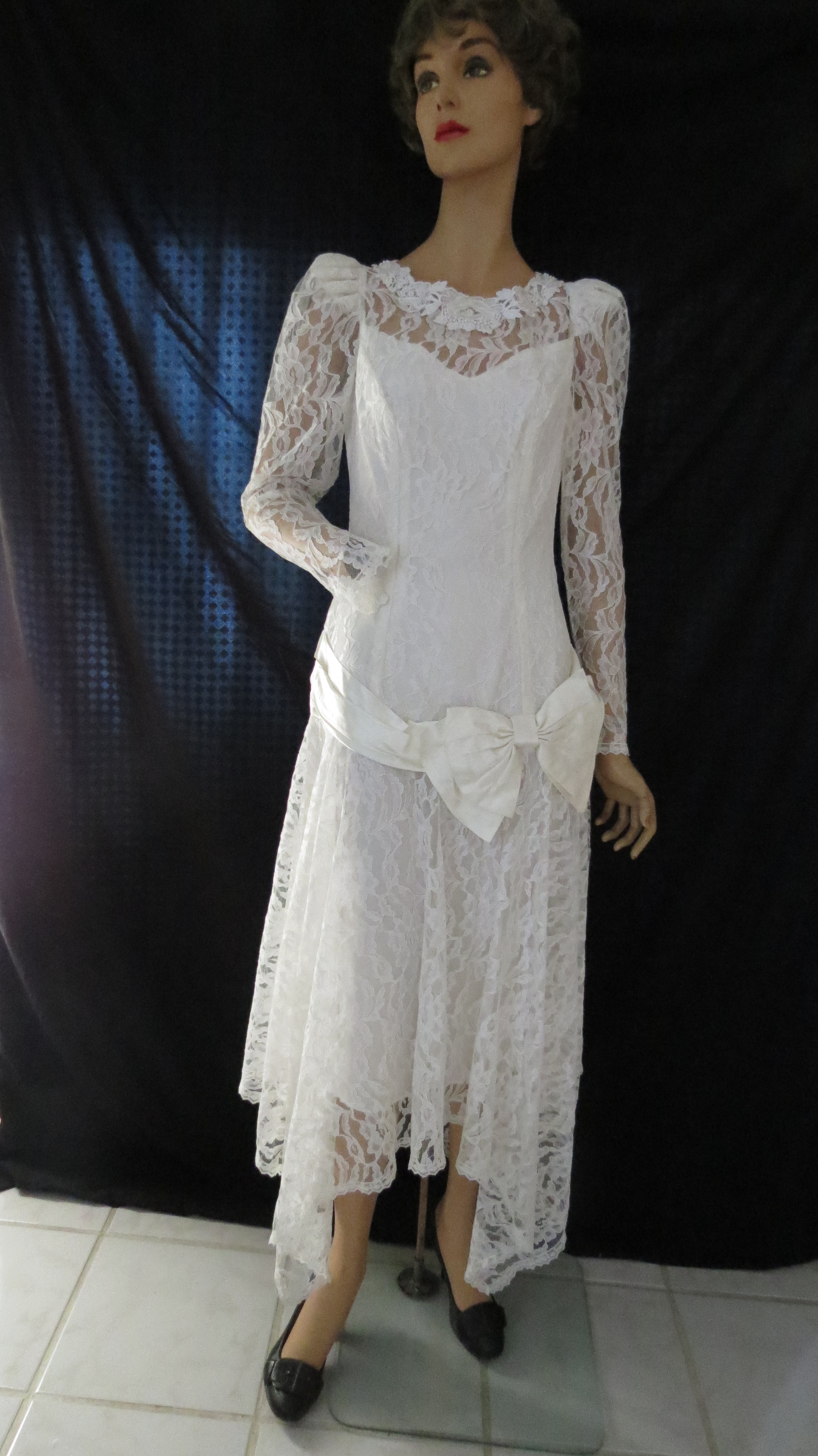
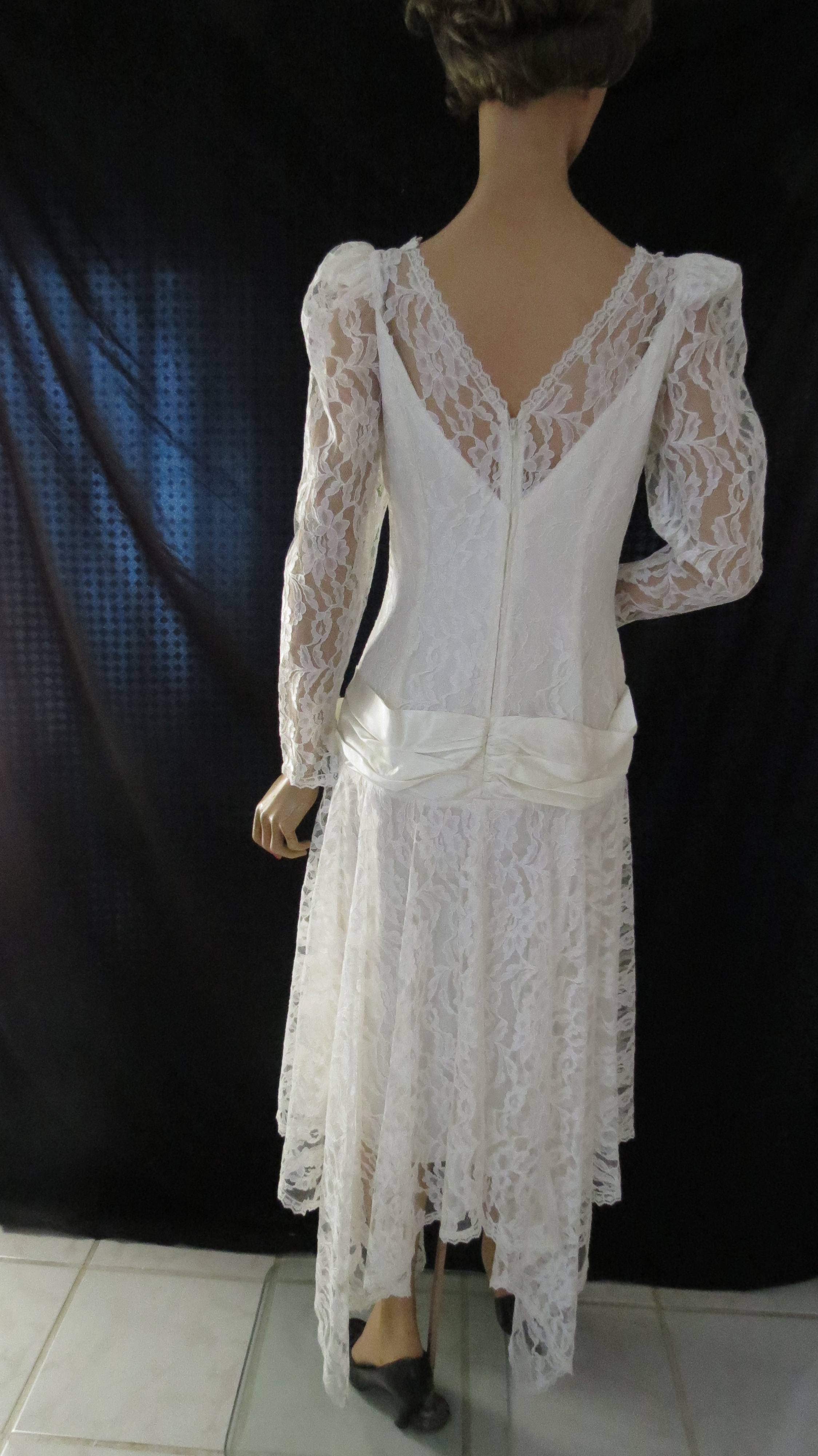
POST-WAR 1950’S SYLVIA ANN BRIDAL ORIGINAL FORMAL GOWN

Here’s the other gem that was hiding out when the yellow pouf formal turned up. (see post 2 days ago). Similar era but entirely different, and not made for the same woman. Hmm . . . . . . .

Reminiscent of Grace Kelly in it’s modest sophistication and with a metal zipper by Waldes, this gown may be from the early 1950’s or even the late 1940’s. Someone loved it, as it’s in near-perfect condition. Worn by a second-time-around bride, bridesmaid, matron of honor, mother of the bride, Prom queen? I guess we’ll never know, but best guess is a one-time event that wasn’t a bit rowdy. I suspect a wedding.

What a wonderful find, also becoming more and more rare. But, clues are still out there. Stay tuned . . . . .


MORGANA MARTIN, THE MAGICVINTAGESPY

BLOG: MAGICVINTAGESPY.COM


FABULOUS SURPRISE FIND! BULLOCKS WILSHIRE 100% SILK DRESS 1960’s – ’70’s

  Haven’t been investigating lately – too much traveling. But, it never fails! This trendy day frock was from a high-end hotel shop, probably in Los Angeles. The iconic hotel closed, finally, in 1993 but was opened, I believe, in the late 1920’s. Well-heeled clients bought luxury goods there for decades. 

  This casual day dress is no exception, with all the features of a beautifully-tailored garment: pure silk fabric, hand-stitching, hidden seams, full lining, piped edging on the neckline, armholes and decorating the seams which shape the front of the dress, hooks and eyes closing the top of the neckline at nape, sewn-in strap holders at the shoulders, hem is hand-finished with silk tape. Made in Hong Kong (for that kind of high quality, where else?).

  The floral print is a cross between the psychedelic and flower power designs of the mid 1960’s to early 1970’s in the vibrant clear colors of that era. The A-line shape, Mandarin collar and knee length also reflect the style for conservative high-end day dresses made at that time. 

  Labeled as a size 14, that really dates this dress, too. It’s just a little large for me, which would put it at a modern size 4-6. Asian-made fashions do sometimes seem to run small but I’m not sure if that was true for garments made decades ago for the U.S. market. There’s no obvious evidence that the dress has been altered. Another plus – it’s in almost perfect condition!

  One of the last things I might have expected to find, but that’s what makes sleuthing so much fun! Always surprises; hidden and revealing clues. Stay tuned – you just never know . . . . . . . . . . . . . . . . . . . .

MORGANA MARTIN, THE MAGICVINTAGESPY

BLOG: MAGICVINTAGESPY.COM


FABULOUS DISCOVERY! 1970’S GUNNE SAX PRAIRIE-STYLE FORMAL DRESS

What a great find! It’s always worth investigating; you just never know what evidence might be uncovered. A beautiful Gunne Sax gown, designed by Jessica San Francisco. Robin’s egg blue for Spring.

This frock was worn, probably once, to a formal event or, possibly, to a wedding. In the 1970’s, Prom and wedding-party dresses for young women often looked like this. Gunne Sax was a favorite label of the time and this prairie style was hugely popular. I wonder who cherished and stored her gown for 50 years . . . . . . . . . . . . . . . . . . . . . . . . . . . . . . . . . . . . . .

MORGANA MARTIN, THE MAGICVINTAGESPY

BLOG: MAGICVINTAGESPY.COM
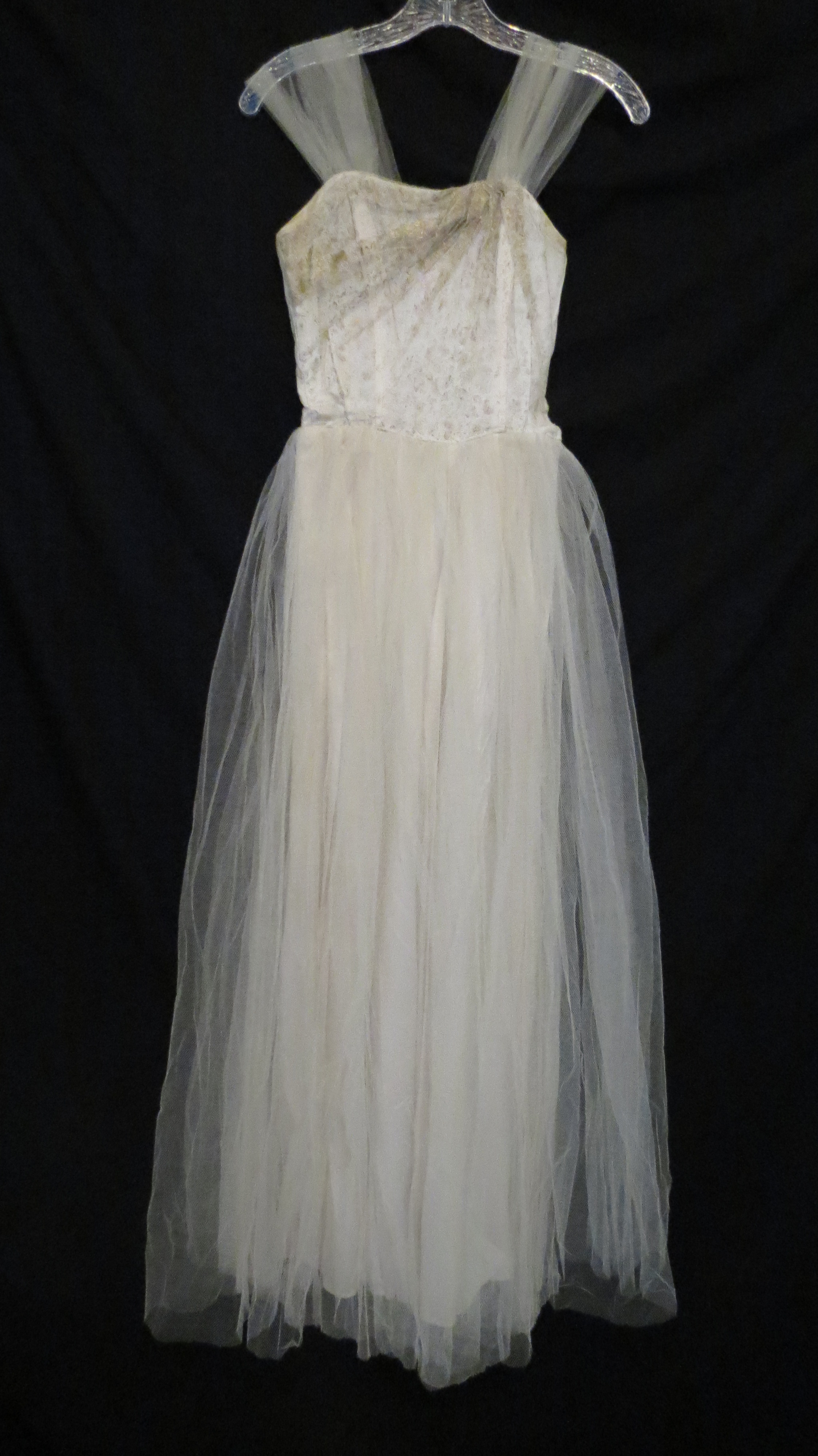
A COTTON SUMMER DRESS LOOK, EARLY 1960’S – STYLE

Once we get past the turn of the 1950’s to ’60’s decade, boy – do styles really start to change! This one is maybe a little more adventurous than the norm because it was custom-made. Compared to the dress from yesterday, the style is free and easy. There’s a V-neckline and fuller skirt though the below-knee hemline remains, but without stiff tailoring or crinoline layers underneath like so many of the Fifties frocks. The print, colors and belt say “Look at me!”.

Which, of course, makes the role very different for our agent in the field. No blending into the background this time, and the trend continues . . . . . . . . .

MORGANA MARTIN, THE MAGICVINTAGESPY

BLOG: MAGICVINTAGESPY.COM

5 OR 10 YEARS (AT LEAST) BEFORE THE TIKI TORCHES, A 1950’S VERSION OF THE PATIO DRESS

A darling little sleeveless cotton day-dress could go to town, to the park or to tea in very proper style. It’s a little early yet for the State Fair or ice-cream socials but that’s where it really belongs. Polka dot prints and ric-rac trim were common in the 1950’s and, always, defined waistlines and belts. I’m still not quite ready for this, but there’s always the ever-popular cardigan sweater . . . . . .

Can’t get away from it – climate change with 80-degree days followed by 40 degrees today. See, the Universe loves us. It taught us all about packing to dress in layers for travel and now we have a new skill that can be used everyday, everywhere!

MORGANA MARTIN, THE MAGICVINTAGESPY

BLOG: MAGICVINTAGESPY.COM

“CAMELOT” CHANGED EVERYTHING

Right around 1960, when the Kennedys stepped foot into the White House, women’s fashion underwent a major change. Jacqueline Kennedy’s elegant and modern simplicity of dress was a powerful influencer of women’s fashion. See the changes here from top to bottom, left to right. Conservative styles, old standards like the nautical themes and midi lengths phased out or disappeared. Hemlines rose to just below the knee and sleeveless dresses were more commonly worn. Pastels and bright tones also made a bigger appearance. We weren’t quite MOD yet, but gettin’ there.

Women loved the new, more youthful styles and these patterns with simple sleeves and a minimum of detail were also more straightforward to make, though adding belts and texture can be tricky to do just right.

MORGANA MARTIN, THE MAGICVINTAGESPY

BLOG: MAGICVINTAGESPY.COM

POST-WAR 1950’S NEW LOOK FASHION MADE THE CIRCLE SKIRT A GO-TO FAVORITE

Whether daily shopping, a rockabilly event or dressy dance, circle skirts were a style front-runner and showed up everywhere. This trend had started with some peasant styles in the 1940’s, but really took off after the war ended. Of course, it called for a new kind of blouse and top. Favored styles were close-fitting, whether tucked-in or extending over the hips. The natural stretch of knits made them perfect for the job.

The upper photos show casual tops that worked well for warm or cold weather. Needlework magazines published both patterns for these tops and instructions for making and decorating the skirts. Below, we see two-piece dresses in another iteration of those we’ve recently looked at. The apricot-colored dressy skirts pictured met the need by including matching tops in the patterns. The striped outfit has a cap-sleeved blouse for tea-time and one for an evening event with longer sleeves and a plunging back. The solid-color dress is a bit more demure. All of them carry the added possibilities of separates to be mixed and matched within a wardrobe.

And, what a wardrobe! We’ll see how many looks the home needle-worker could create with a few pieces . . . . . . . . . . . . . . . . .

MORGANA MARTIN, THE MAGICVINTAGESPY

BLOG: MAGICVINTAGESPY.COM

HOW POPULAR DRESS STYLES FOLLOWED AND PROMOTED CULTURAL CHANGE – 1950’S ERA

In the decade that followed World War 2 the image of women in society had been changed by the independence and social involvement required of them during the 1930’s Depression era and the war effort of the 1940’s. Although our culture still expected most women to be homemakers, the surge in average family income and more modern lifestyles encouraged them to become drivers of the consumer economy, which meant getting out in society more often and more visibly.

A woman who wanted to see herself as a benevolent member of her community often participated in volunteer work and this was a step up in her social standing. Sophisticated wardrobes were a part of the image-marketing aimed toward women. Many were still economical do-it-yourselfers and were avid consumers of craft magazines. Tomorrow we’ll continue the journey as this dream lifestyle expanded in the fashion worlds of mid-century women . . . . . . . . . . . . . . . . . . . . . . . . . . . . . . . . . . . . . . . . . . . . . .

MORGANA MARTIN, THE MAGICVINTAGESPY

BLOG: MAGICVINTAGESPY.COM
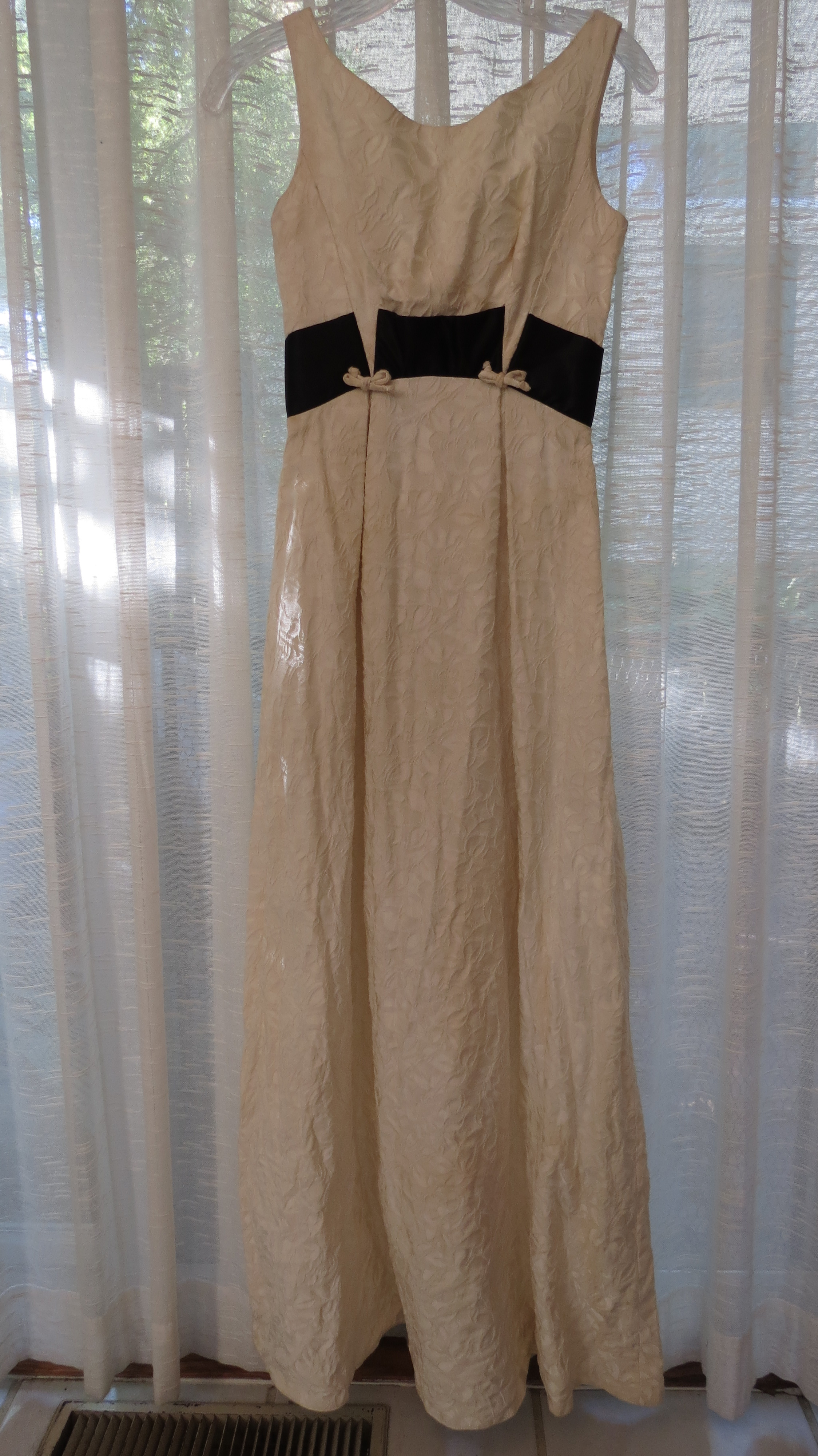
GORGEOUS TWO-PIECE DRESSES THAT WOMEN DREAMED OF KNITTING IN THE 1950’S

Yes, they dreamed. A few of them actually did it, though it took phenomenal skill with needles or a knitting machine to make one of these outfits with good fit and beautifully-finished detail. The most popular needlework magazines were very good at following the fashion and cultural trends. The pictures above come from issues dated 1954 – 1958. Look at the blue dress top left – remember my posts of dresses and coats with fur trim on cuffs and hems? That was a “fad” in the ’50’s to early ’60’s which came up now and then on the most sophisticated styles. I was surprised to see it shown on a custom-knitted dress.

Can you imagine crafting something tailored as exceptionally as one of these? I can’t, but would LOVE to find one with this amount of style and added detail. You’ll be the first to know when I discover one . . . . . . . . . . . . . . . . . . . . . . . . . . . .

MORGANA MARTIN, THE MAGICVINTAGESPY

BLOG: MAGICVINTAGESPY.COM

NOW, FOR A GENUINE PROM DRESS FROM THE 1940’S

Back to the delightful tailoring of the early mid-century. This is real 1940’s Prom dress style before they became over-the-top- flouncy a few years later. I love the unusual color palette of this frock – sheer powder blue over mauve pink. The ruching on the bodice is quite unique and especially flattering on someone with a small bustline. Looks like a comfortable design that wouldn’t invite wardrobe malfunctions.

Extra crinoline layers could be worn under the skirt if a mid-1950’s silhouette is more your style. However, comfort and freedom of movement are always the gold standard for any effective disguise. . . . . . . . . . . . . . . . . . . . . . . . . . . . . . . . . . . . . . . . .

MORGANA MARTIN, THE MAGICVINTAGESPY

BLOG: MAGICVINTAGESPY.COM