BEFORE WE LEAVE THE VICTORIAN ERA, THE FUSSY DECOR WOULD NOT BE COMPLETE WITHOUT ORNATE LITTLE PORTRAIT PHOTOGRAPHS

Victorian photographs were not generally the most uplifting of images, though they can be wonderful clues. I have used them as reference from time to time and do like the two dandies in their high hats, who seem to have a bit of a sense of humor. All that heavy, heavy clothing – can you imagine?

We’re talking mid-1800’s to about 1900 here. Lots more to come, and all in the Twentieth Century. Stay tuned . . . . . . . . . . . . . . . .

MORGANA MARTIN, THE MAGICVINTAGESPY

BLOG: MAGICVINTAGESPY.COM

PLUSH VELVET-COVERED VICTORIAN JEWEL BOX FOR A LADY’S VANITY TABLE

My great-great grandmother’s jewelry box. Unfortunately, one of the flasks for perfume or cologne (often called toilet water back in the day, but I hesitate to use that term now) was lost or broken. However, this vanity accessory is in great shape. The true color is a more bluish cranberry red. The square-shaped tray in the center lifts up to reveal another compartment below.

This piece is large – about 14″ wide by 7″ deep and 6″ high. Completely covered in velvet with satin liner. However, the Victorian tendency to over-embellishment and wastefulness in design is evident. The darn thing is heavy and holds very little jewelry. You see on top formed places for a bracelet or two and a few rings plus necklaces or pins at the side. Down below there’s a little more room, but not a lot. The spaces below where the bottles sit are inaccessible and don’t hold anything. This would never be practical for modern women of our lifetime. However, we must admit that the tendency to over-accumulate stuff is something that the post-war generations after World War II have to own. I’m sure that great-great grandma was thrilled with this. But then, she wasn’t a sleuth, to the best of my knowledge.

Think of the hidden compartments which could have been installed . . .. . . . . . . . . . . . . . . . . . . . . . . . . . . . . . . . .

MORGANA MARTIN, THE MAGICVINTAGESPY

BLOG: MAGICVINTAGESPY.COM

MORE FROM THE VICTORIAN ARCHIVE – A MOURNING BROOCH AND NECKLACE

After several tries, here’s a good close-up view of this Victorian to Edwardian era mourning jewelry from the late 1800’s to very early 1900’s. Commonly worn after the deaths of close family members, this type of jewelry was usually set with onyx, obsidian, black glass or jet stones. The blank portrait area on the pendant is the aspect I find most ominous. So very glad that this morbid tradition has, for the most part been abandoned, at least in the United States.

The brief wearing of black armbands is less concerning and it is good that, in some cases, people who are recovering from a serious loss can be identified and respected. Though it could come in very handy as an element of disguise, I’m not likely ever to use it . . . . . . . . . . . . . . . . . . . . . . . . . . . . . . . . . . . . . . . . . . . . . . . . . . . . .

MORGANA MARTIN, THE MAGICVINTAGESPY

BLOG: MAGICVINTAGESPY.COM

BACK TO THE 1930’S – AN ART DECO NECKLACE AND BRACELET SET

In the simple and elegant lines of Art Deco design, this jewelry looks very modern. Guess who made it? TRIFARI! Count on that company for some of the best in costume jewelry during the early to mid-1900’s.

Channel-set onyx in silver, worthy of Ayn Rand. Thanks, Grandma. You had such good taste.

MORGANA MARTIN, THE MAGICVINTAGESPY

BLOG: MAGICVINTAGESPY.COM

A SMALL TROVE OF ANTIQUE JEWELRY PIECES FROM THE FAMILY ESTATE

Sorry not to be able to edit this photo. I think you can see what I’ll describe, from the top down, left to right. At top, a couple of gold-tone collar bars. Maybe men’s, but not sure. These could be from any time up to the 1920’s – not sure. At the left is a chain to hold a watch or other chatelaine such as the powder compact shown yesterday. A couple pairs of earrings – one clip-on and one screw-back. Below that is a pair of cufflinks. They are so delicate that I can’t tell which gender wore them. Below that are a couple of pendants – a cameo and one containing a small chunk of coral. Last is a small slide set with tiny pearl decoration. It is meant to wear on a neck chain – there are two holes in it for the chain to go through and it slides up and down.

Jewelry like this was commonly worn during the Victorian and Edwardian eras, late 1800’s to early 1900’s. Sorry I don’t have a camera that can take clear photos of small items like this and that WordPress doesn’t offer a better photo editing tool. However, I’m very grateful for the resources that I have because they’re great! Stay tuned for more true vintage jewelry and accessories. . . . .

MORGANA MARTIN, THE MAGICVINTAGESPY

BLOG: MAGICVINTAGESPY.COM

EARLY 1900’S FACE POWDER COMPACT CHATELAINE

This is really special – it comes from my family. Can’t say which of the grannies or aunties it belonged to, but one of them carried it before the 1930’s. Can you imagine – it still contains some of the powder and rouge that she used!

It’s a pretty messy deal, but you can see that there is an attractive little lever to hold one of the powder puffs in place, no doubt to prevent the two powders from mixing. Well, good luck on that, but I guess it worked well enough.

On top of that, the compact then fastened on to a clip somewhere on her belt or pocket or in a purse. Powdering one’s nose was an important beauty ritual for women at least until the end of the mid-century. They must have sprinkled cosmetic across the entire world. Take care, damsels of intrigue. If a clever investigator could suss out the exact shade and formulation of the evidence left behind, s/he might be on your trail . . . . . . . . . . . . . . . . . . . . . . . . . . . . . . . . . . . . . . . . . . . . . . . . . . . . . . . . . . . . . .

MORGANA MARTIN, THE MAGICVINTAGESPY

BLOG: MAGICVINTAGESPY.COM
TRUE VINTAGE POST-WAR SWEATER-DRESS? YES, APPARENTLY SO . . . . . . . . . . . . . . . . . . . .

Who would have thought? Until the mother of a friend gave me a 2-piece sweater-dress that she had made for herself in 1952, I never would have guessed it. That dress was a day-dress, whereas this one is dressy. It may even be from the 1940’s. It is hand-knitted from some kind of heavy synthetic yarn, which would make sense for that time period.

Previously, I would never have expected to see something like this before the 1960’s. It just goes to show that there is always more to learn and that clues often come from unexpected sources . . . . . . . . . . . . . . . . . . . . . . . . . . . . . . . . . . . . . . .

MORGANA MARTIN, THE MAGICVINTAGESPY

BLOG: MAGICVINTAGESPY.COM

GORGEOUS 1950’S SILK FROCK BY JEANNE D’ARC

Beautifully-tailored, this dress is a perfect example of the quality and exceptional tailoring that was commonly found on mid-century clothing. This was often true even on mid-priced items. Bargain buys were generally well-made, too. Aside from pretty details, excellent cut and fitting seen in clothing from this time, strap holders have always been a favorite find of mine. What could be more practical?

Something else to love is strategically-placed hooks & eyes or snaps. These enhance the fit and protect the garment by preventing gaps or strains on places that had to withstand extra pressure, like the tops of zippers, necklines and waists. Therefore, the clothing always looks better when worn and lasts longer. Today you can buy online a plastic clip that will hold some straps together in back to keep them from falling down your arm, but that does nothing to prevent them from showing in a wide neckline. Nothing is simpler or more elegant than tailoring details which are part of the design.

MORGANA MARTIN, THE MAGICVINTAGESPY

BLOG: MAGICVINTAGESPY.COM

FEBRUARY AND MARCH – THE TRADITIONAL TIMES TO TAKE AN OVERSEAS HOLIDAY. . . . . . . . . . . . . .

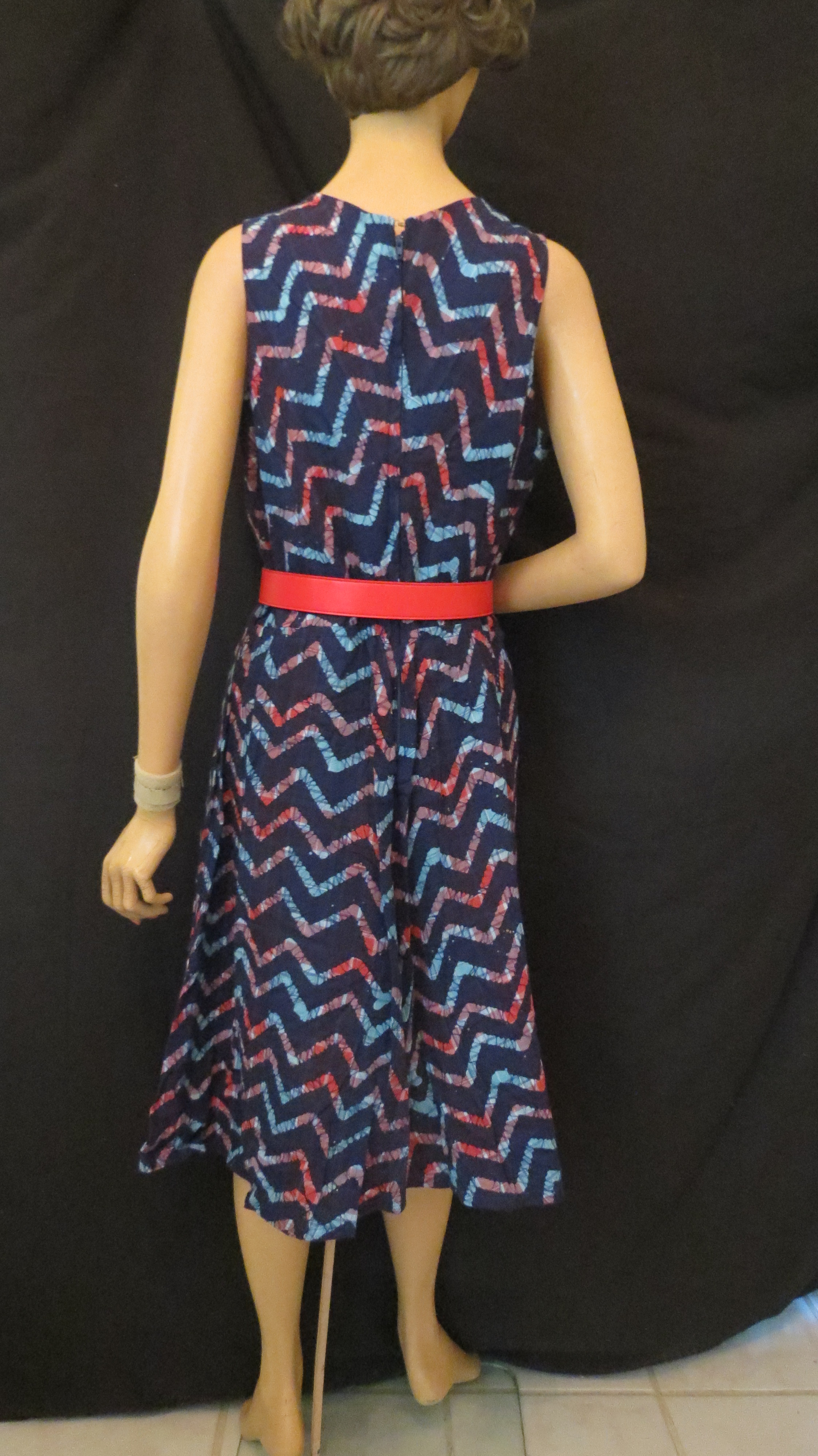
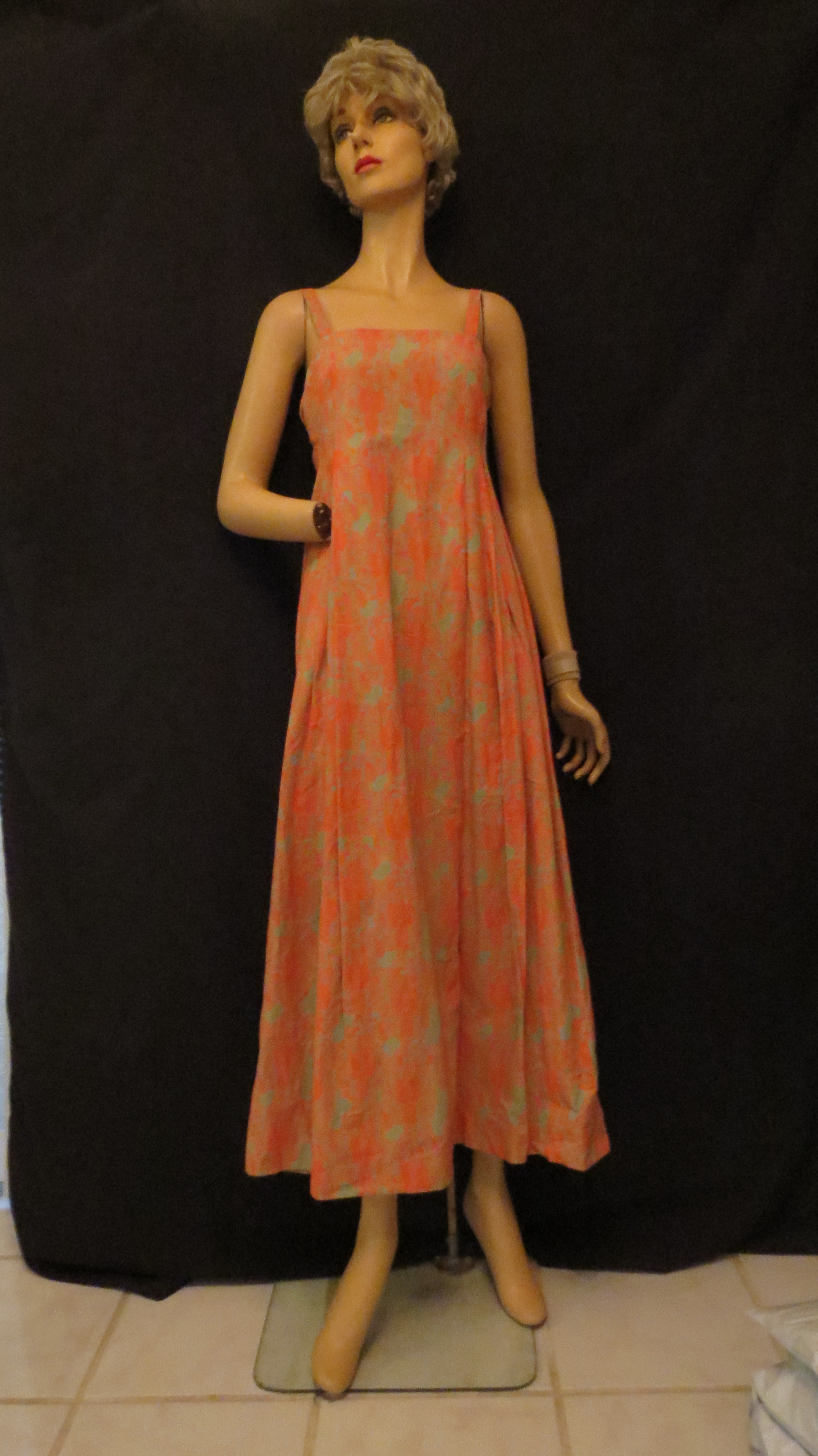
As winter begins to wind up and we’re past all of the holiday planning and fatigue, it’s been customary to think about spending a week or two overseas – probably in a place which is warm and sunny, and maybe just a little bit exotic. Back in the day, it was possible to find specialty shops and private seamstresses in those locations who would custom-tailor a traditional outfit in the local style. What better way for our investigating heroine to blend in with the tourists and locals in the Hawaii of the 1950’s?

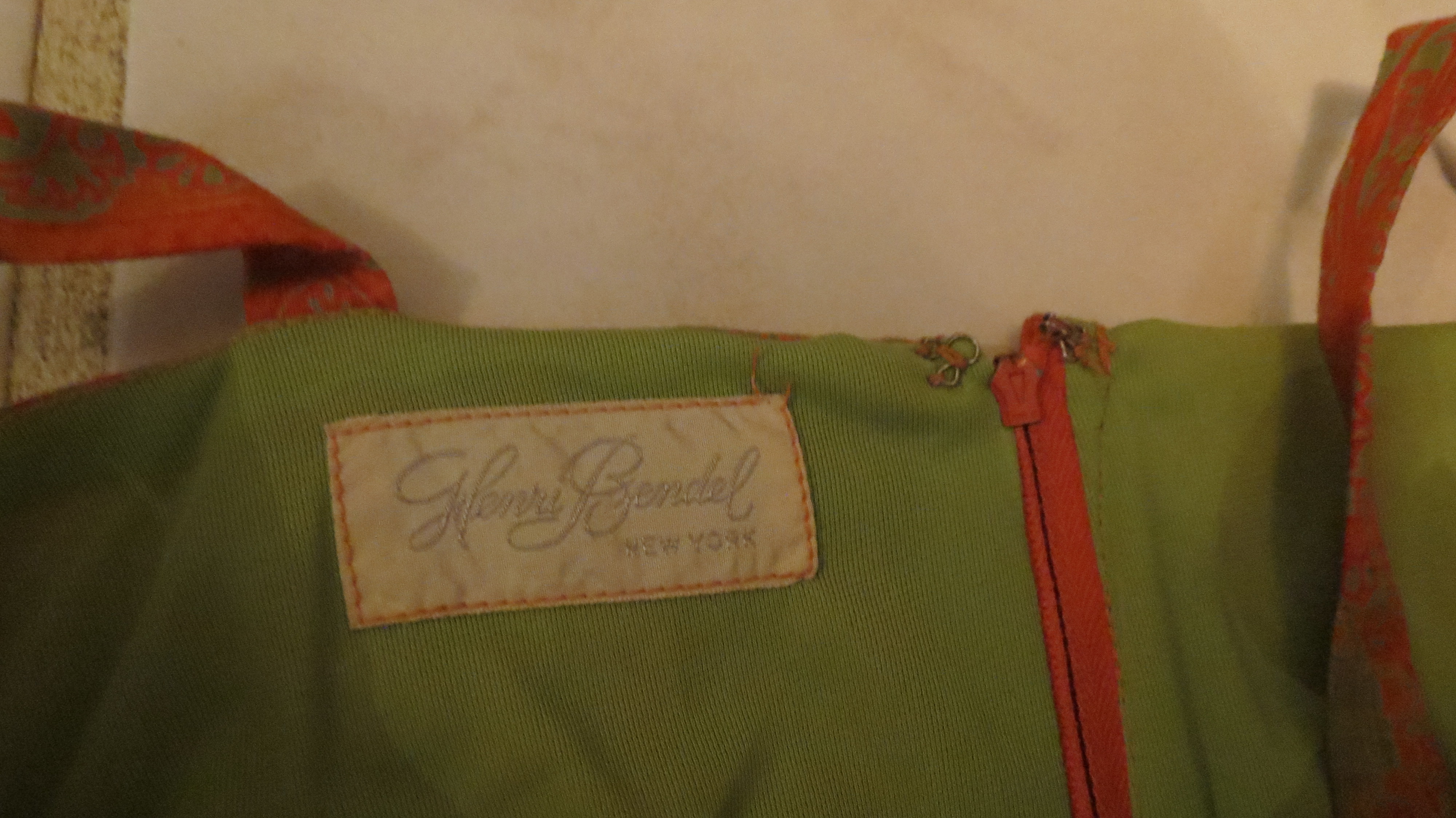
In beautiful printed fabric with exceptional drape, this dress is well-tailored but also casual and perfect for daytime wear (just always be careful of the train . . . . . . . .). OK, a bit impractical but just right for enjoying the island life while visiting Honolulu. Adding a hint of mystery is the fact that this frock has no maker’s label. Truly, that could have been removed for comfort reasons, but I suspect that the dress was made specifically for the agent who wore it and possibly by a private tailor. Makes you wonder what she was up to . . . . . . . . . . . . . . . . . . . . . . . . . . . .

MORGANA MARTIN, THE MAGICVINTAGESPY

BLOG: MAGICVINTAGESPY.COM

CAN’T FINISH UP THESE VINTAGE 1960’S WEDDING STYLES WITHOUT GIVING A NOD TO THE HIPPIES

This one is cotton, and no use wearing a bra. Stella should have her hair down long and no shoes on. I honestly don’t know if this dress was ever worn at a wedding but, like with the mini-dress shown a few days ago, the fashion rules in the late 1960’s were up for grabs and some women decided to breach them entirely. Strands of long beads and flowers in her hair would do the job, whether at a chapel or on the streets of San Francisco. Not sure if she could get into a church without at least putting a slip on.

Anyway, that’s the last of the wedding archive for now. It’s been a chore sorting through that big file for all those heavy frocks and I’m going to take a break, at least for a few days. Something lighter next – maybe some jewelry . . . . . . . . . . . . . . . . . . . . . . . . . . . .

MORGANA MARTIN, THE MAGICVINTAGESPY

BLOG: MAGICVINTAGESPY.COM